

Business RadioX ®

  • Home
  • Business RadioX ® Communities
    • Southeast
      • Alabama
        • Birmingham
      • Florida
        • Orlando
        • Pensacola
        • South Florida
        • Tampa
        • Tallahassee
      • Georgia
        • Atlanta
        • Cherokee
        • Forsyth
        • Greater Perimeter
        • Gwinnett
        • North Fulton
        • North Georgia
        • Northeast Georgia
        • Rome
        • Savannah
      • Louisiana
        • New Orleans
      • North Carolina
        • Charlotte
        • Raleigh
      • Tennessee
        • Chattanooga
        • Nashville
      • Virginia
        • Richmond
    • South Central
      • Arkansas
        • Northwest Arkansas
    • Midwest
      • Illinois
        • Chicago
      • Michigan
        • Detroit
      • Minnesota
        • Minneapolis St. Paul
      • Missouri
        • St. Louis
      • Ohio
        • Cleveland
        • Columbus
        • Dayton
    • Southwest
      • Arizona
        • Phoenix
        • Tucson
        • Valley
      • Texas
        • Austin
        • Dallas
        • Houston
    • West
      • California
        • Bay Area
        • LA
        • Pasadena
      • Colorado
        • Denver
      • Hawaii
        • Oahu
  • FAQs
  • About Us
    • Our Mission
    • Our Audience
    • Why It Works
    • What People Are Saying
    • BRX in the News
  • Resources
    • BRX Pro Tips
    • B2B Marketing: The 4Rs
    • High Velocity Selling Habits
    • Why Most B2B Media Strategies Fail
    • 9 Reasons To Sponsor A Business RadioX ® Show
  • Partner With Us
  • Veteran Business RadioX ®

Andy Hasselwander With MarketBridge

June 29, 2022 by Jacob Lapera

AndyHasselwander
Richmond Business Radio
Andy Hasselwander With MarketBridge
Loading
00:00 /
RSS Feed
Share
Link
Embed

Download file

Coach-Karena-ambassador

MarketBridge

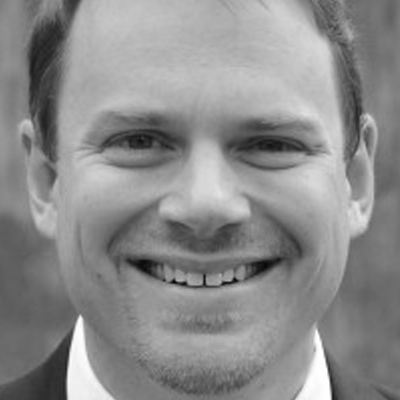
AndyHasselwanderAs Chief Analytics Officer, Andy Hasselwander leads the marketing data and analytics functions at MarketBridge, joining the firm (for the second time) in 2018. Andy brings 20+ years of marketing strategy, data science, and software development experience to the firm.

What You’ll Learn In This Episode

  • The measurement paradox
  • How marketers can best prove marketing effectiveness to the C-Suite
  • The history of marketing measurement
  • The current standings of marketing measurement and what data is available to marketers

This transcript is machine transcribed by Sonix

TRANSCRIPT

Intro: [00:00:03] Broadcasting live from the Business RadioX studios in Richmond, Virginia. It’s time for Richmond Business Radio. Now here’s your host.

Lee Kantor: [00:00:14] Lee Kantor here, another episode of Richmond Business Radio. And this is going to be a good one. Today on the show we have Andy Hasselwander and he is with Market Bridge. Welcome.

Andy Hasselwander: [00:00:25] Thank you very much. It’s good to be here.

Lee Kantor: [00:00:27] Well, I’m excited to learn what you’re up to. Tell us a little bit about Mark Bridge. How are you serving folks?

Andy Hasselwander: [00:00:32] So Market Bridge is a marketing analytics consultancy. We’re based in Bethesda, Maryland. So just an hour, hour and a half, North Richmond. We work with Fortune 500 companies in the US and internationally to help them understand how effective or ineffective marketing and promotions are to their acquisition efforts. They’re just in customer efforts. Taking a look at that buy channel, for example, how upper funnel advertising is contributing versus demand generation or digital marketing type type things. And we do we do that in a very scientific way. We’re open codes, so our clients get all the code that we that we write to analyze their data. And we’re we’re extremely scientific. So basically everything we’re doing is is provable and reproducible. That’s that’s sort of what we do in a nutshell.

Lee Kantor: [00:01:29] Well, how do you help the clients that are maybe overwhelmed by the amount of data that, first of all, that exists and how to prioritize that just because something can be measured? Is it worth measuring? How do you help them kind of navigate those waters to identify the priorities in terms of the metrics that matter?

Andy Hasselwander: [00:01:51] Yeah, well, I think for the last 20 years, marketers have been there’s there’s certainly been an imperative to measure effectiveness marketing. I think before maybe 2000 got a bit of a pass in terms of measurement. The, the accounting functions of financial functions might not have been as is worried about what marketing specifically was doing. And then I think in the last 20 years as direct marketing and digital data just got bigger and, and more, more easy to, to gather, you know, it became really important for CMO’s chief marketing officers to say, hey, this is what we’re driving. The unintended consequence of that has been for channels that don’t have as much data or for channels that take longer to work, like upper funnel television advertising or now over the top video advertising. Those channels might get short shrift because it’s just easier to say, Hey, we have these digital channels, these direct channels where I can actually measure a click and I can say, Hey, that click cost me $30 or $40, whereas advertising might might not be. So what we try to do is we try to help clients put some of those tougher to measure channels on an equal footing because they actually do work differently. And it’s really important to understand the value that that they drive. That’s I think that’s one of the most important things that we help with, if that makes any sense.

Lee Kantor: [00:03:21] Now, what about kind of the the saying that maybe there’s some art and science when it comes to these creative arts and, you know, like just because you want to measure or you can measure something like it’s difficult to measure creativity or or that. Why is that one ad outperforming this other ad? Can you scientifically tell me the 14 reasons why this ad is a successful ad and an ad that looks it looks similar to me or it sounds similar, but it is underperforming.

Andy Hasselwander: [00:03:57] So Daniel Kahneman is a very famous economist and psychologist. He wrote a book Thinking Fast, Thinking Slow. And in that book, he posited that the human brain kind of works in two ways. The first way is it thinks slowly and through rational decisions, which he called system to thinking. And then and then the system one the quick decision making is more primitive. What’s interesting about the system one thinking that we find that is the more emotional thinking. That’s really what advertising good creative advertising does. It’s memorable. It activates emotions. It’s not necessarily pushing the viewer or the the clicker to sort of do math in their head. You’re really trying to build an attitude and that good, creative, good upper funnel, creative or creative that’s designed to change minds over time does a really good job on that system, one mechanism and aspects of that. I mean, there’s all kinds of ways I. Advertising can be effective. I mean, it can be memorable. Memorability is really important. You know, this is why, you know, for years and years and years, jingles have been so important. Visual and visual cues are really important. Mnemonics are really important.

Andy Hasselwander: [00:05:26] The reason celebrities or spokes animals like you’re seeing a lot of in property and casualty insurance, whether those be geckos or emus or whatever, those sort of create those those memorable pieces. So, yeah, there’s ways to to sort of scientifically understand how that mechanisms working, but you’re never going to be able to take away just sort of scientifically create perfect advertising. You know, there’s always going to be the role for that for creatives. And what you can do is you can certainly say some of these upper funnel ads are more memorable. They do a better job activating the system one side. And we can see that that mechanism work against measured attitudes over the course of months or years. And you see brands that understand this do it very effectively. Consumer packaged good companies like Coca Cola have been doing this for four decades. I think property and casualty insurance companies that I mentioned earlier have figured this out now for a couple of decades. Retail banks, I think, are doing a good job. And you’re seeing those scientific pieces, I think, come through in some of the creative that you see up for funnel.

Lee Kantor: [00:06:40] But does that? I don’t know. I think luckily if you take a Coca-Cola, they don’t really create brands. They buy existing brands that are out there. There’s a million brands going out there, doing what they do, taking shots, being crazy. Coca-cola waits for some of them to be successful, then buys a stake in them and then eventually takes them over. And then in a lot of cases, they fail once they’ve got in the hands. I mean, that’s their R&D program.

Andy Hasselwander: [00:07:13] Coke is I mean, that’s their certainly their line extension strategy. I’m more talking about the core brand, right. Which is which is the brands that are successful and how you make sure that when you walk into a when a consumer walks into a grocery store or walks into a convenience store, that they they don’t think about it. They just they just choose. And that is that is a huge piece of what they’re doing. And so when they’re running their media mix modeling, they’re very intentional on making sure that their share of voice and their core attitudes are doing what they need to do to drive all the way down to retail. I think for the line extension piece, you’re right. I mean, they’re definitely buying brands and not all those brands are going to succeed and they’re only going to invest marketing against those brands where they think they have a decent shot of, you know, of getting shelf space and of activating the shopper marketing side.

Lee Kantor: [00:08:08] But are they are they succeeding because of their marketing or are they succeeding because of their distribution?

Andy Hasselwander: [00:08:13] Well, both. I mean, distribution is a part of marketing. I mean, upper funnel advertising is probably the beginning of the funnel and distribution is the end. You know, you have to have ultimately, if if a consumer has an attitude, that attitude is only going to be activated. If when they get to all the points of distribution they can activate, that’s going to be there. So, I mean, if you had if you had to say to a coach, you know, what’s more important, shopper marketing, distribution or advertising, they would just say both because they’re both absolutely critical, you know, but one one sort of top of funnel and the other’s bottom of funnel. But the key is understanding how those are valued ultimately now.

Lee Kantor: [00:08:55] But can any of those things that these mega enterprises can can use, can they trickle down to a small to midsize firm that doesn’t have the resources or the distribution?

Andy Hasselwander: [00:09:09] I think I think what you’re seeing with right now with with on the consumer side, if we’re talking about consumers and there’s all these other industries as well, because I think it’s become much easier for upstart to to enter. And that’s for two reasons. Going back to marketing and distribution, from a marketing perspective, it’s much easier to put together long tail marketing strategies. I think Instagram and a lot of digital media, a lot of digital video has made that far more easy to do and actually has made it actually more difficult for large, large firms to compete. Because you can no longer just buy huge pieces of viewership on broadcast. You have to actually play a little bit of small ball, which can be hard for for larger firms. So that’s made it easier. And then I think the other thing from a distribution perspective obviously is, you know, e-commerce has made things much, much easier, but that gets back to for small firms, you know, they need they need to think the same way big firms do about segmentation, targeting and positioning. And the four P’s, just like marketing 101. And segmentation is if I’m going to compete and I’m going to win as a small firm, I need to pick a very specific segment. I need to be able to target them very effectively, which I can now do with digital media. And then I need to position myself in a way that is really differentiated from the larger firms that are out there. And then maybe going back to your previous point, maybe Coca-Cola will pick me up, right? Maybe they’ll maybe their business development team will go out and sort of put an offer out there. But I mean, it’s much easier, I think, now for small firms to compete because those barriers to entry on the upper funnel side, on the advertising side and on the distribution side have come down so much, but they still have to do it right.

Lee Kantor: [00:11:01] So so the fundamentals are still the same.

Andy Hasselwander: [00:11:04] Oh, yeah. And the models are still the same.

Lee Kantor: [00:11:07] So nothing has changed from that standpoint. Now you can measure better and more effectively. So you can invest your dollars wiser.

Andy Hasselwander: [00:11:15] Yeah, absolutely. And I think. Marketing has become marketing and distribution generally has become a much more scientific discipline because it can be instrumented. I mean, all the money that’s gone to marketing technology. If you just look at all the multiples of software as a service, martech firms, Salesforce was kind of the pioneer there before that was was Siebel. But all the money that’s gone in there, the reason that’s going there is it’s for everything from a small 50 person firm or a 25 person firm to do content marketing all the way up to a gigantic firm trying to create digital CRM, sort of customer management pathways that are really measurable and delight customers. So and you know, and that’s hard to do, but, but the technology now makes it certainly much, much more measurable than it ever was.

Lee Kantor: [00:12:07] Now, what about kind of the ever there’s always friction between sales and marketing. Has that has this influx of data helped hurt made it grayer?

Andy Hasselwander: [00:12:22] Well, you know, my my marketing professor a long time ago used to say that marketing was was. You defined it simply as the entirety of all of the customer facing or outside facing functions of the firm. And I’ve always I’ve always believed that. And I think sales was simply the most the highest cost per transaction, most personalized piece of that. And I think that holds together logically. But but obviously, that being said, sales has a very the sales function generally is a very, very different culture than than marketing sit in person sales selling is in COVID accelerated this with digital transformation is becoming harder. And what you’re seeing we used to actually say telesales was different or inside sales was different than field sales. Now it’s it’s really not I mean, most if you look, for example, at Medicare Medicare selling Medicare Advantage, most of these agents now are a lot of these agents are selling digitally over the phone, whereas even three years ago they would have been across the kitchen table. So it’s in a way it’s made selling more digital, more measurable, more data driven. I think sales is always going to be the toughest thing to measure because it ultimately depends on an individual keying in an activity or an individual keying in a disposition.

Andy Hasselwander: [00:13:46] And that’s hard to do. I mean, this is if you talk to anyone who has Salesforce, a Salesforce.com, and they say what’s what’s the base challenge, the challenge is data cleanliness. And it’s just getting people, for example, to pick the right thing out of a pick list or enter the date a call happened. I don’t know if that’s going to get better. Honestly, I, I think I think it might, but, you know, that that’s been a that’s been a tough one for a long time. The tension used to be the tension between sales and marketing. You know, the ultimately what sales wants for marketing is they weren’t really high quality leads and what marketing wants for from sales is they want good data and that tension is always going to be there. And I think in organizations that have integrated sales and marketing organizations, those tend to those tensions tend to to work at work themselves out. But where you have executives running each department who are very different and sort of run them in silos that can be that can be tough.

Lee Kantor: [00:14:46] So now what is your ideal client look like?

Andy Hasselwander: [00:14:51] Well, for Market Bridge, you know, we we as I mentioned, we’re primarily focused on Fortune 500 space. We typically put together we work over multiple years with clients building out data science and data infrastructures with them and delivering and delivering long run solutions. Eventually, our goal is to is to leave, right? Our bench our goal is to teach clients how to build these systems and operate these systems so we don’t have to be there anymore. I would say our our ideal client inside of of that kind of company is a company who wants to take a scientific approach towards sales and marketing, who wants to have reproducible data stack and reproducible technology stack. In other words, one that we know exactly why things happen and one that wants to have their data science team and their data engineering team bring bring these things in-house. We’re not a software reseller, so we work with all the MarTech stack, but we’re not we sort of intentionally don’t choose one or the other or partner with one or the other. We’re very agnostic in that respect. So I think we can fit into, you know, whether somebody has an Adobe stack or a Salesforce stack or Oracle or whatever we can we can fit in. It’s more the ethos of the executives and making sure that they really want to be very scientific in how they do marketing and sales.

Lee Kantor: [00:16:19] Now, what are some symptoms that they’ve got a problem like? What are some of the things going on? What are some of the things that they’re dealing with where they’re like, Hey, maybe we should be calling these Market Ridge folks?

Andy Hasselwander: [00:16:28] Yeah, you know, I mean, basically anyone who says, you know, I’m pretty sure that my marketing is half my marketing is working, but I’m not sure which half that would be a classic one.

Lee Kantor: [00:16:39] People are still saying that because they were saying that 50 years ago.

Andy Hasselwander: [00:16:42] Yeah, they’re saying it probably more. And but I think going back to the most classic one we get is I know upper funnel or brand is is important, but I can’t prove it. And you know, or somebody that might say something like, geez, I really we’re spending all this money on promotion, on promotional paid search, and my CPAs look good. But I think I think I’m overspending because I think I might be just doing demand capture that would be happening anyway. Those would be the kinds of questions we would get most often from CMO’s. Another one might be, Hey, we’re sort of launching a new we’re in a we’re in new product launch mode and I don’t. I don’t know how much of my new product launch is is being driven by marketing and how much would have happened anyway. Those kind of hypotheticals tend to get asked. Another one on the data side would be would be, hey, I, I, I don’t really have a good sense of my marketing pal. So really, what the p now being what I’m getting and what I’m spending for it, I don’t, I don’t have a good data stack getting from my source, my source data systems up to that sort of almost accounting or financial reporting view of marketing’s effectiveness. Those would be some of the things.

Lee Kantor: [00:18:13] Can you share a story? Don’t name the name of the client, but maybe the problem that they were having, that you came in and were able to take their business to a new level, maybe get a result that maybe they didn’t even dream possible.

Andy Hasselwander: [00:18:24] Yeah, sure. So one of one that’s that’s fairly recent, I’d say is we had a client who, you know, had a good business. The business was, was from a market share perspective, stagnant or declining, direct response marketing looked effective. In other words, the cost per acquisition was was lower than the customer lifetime value. And yet they were declining and they had a strong slowly but but still they had a strong hypothesis that, that, that they weren’t spending enough upper funnel and that they were losing mindshare. And what we were able to do for them is we were able to build a two stage model where we proved that advertising was driving affinity and comprehension and awareness of the products where those system one. Attitudes. I mentioned earlier, we and we showed mathematically what that relationship looked like. And then secondly, we showed that those those attitudes, those core attitudes were over the course of months and even even a year plus were driving customer acquisition at rates that they were basically refilling the top of the funnel. And we were able to instrument all that, put that together, and then they were able to change their advertising strategy and sort of turn that decline around. And I’m not saying it’s not like we’re talking about you go from -10% to plus ten, it’s more like minus two to plus two. But that understanding that and understanding that relative market share is, you know, the mechanistic link of that to share voice or the basically the percent of messaging, upper funnel marketing. And that we’re doing and proving that mathematically, I think is really important in this case, help the client a ton. I mean, this was a major impact on their ability to sort of tell a compelling story to investors. So that would be a pretty good one.

Lee Kantor: [00:20:33] Well, if somebody wants to learn more, have a more substantive conversation with you or somebody on your team, what’s a website?

Andy Hasselwander: [00:20:39] Yeah, it’s w-w-what market dashboard edgecomb. We have a dash in the middle. Apologize for that. That’s just somebody sat on the URL when we bought it but WW web slash dash market bridge dot com and hit contact us and we’d be happy to to reach out and have a conversation.

Lee Kantor: [00:20:56] Well, Andy, thank you so much for sharing your story today. You’re doing important work. We appreciate you.

Andy Hasselwander: [00:21:01] Thanks, Lee. Appreciate it.

Lee Kantor: [00:21:02] All right. This is Lee Kantor. We’ll see you all next time on Richmond Business Radio.


Tagged With: Andy Hasselwander, MarketBridge

Mike Kelleher With MarketBridge

April 8, 2022 by Jacob Lapera

MikeKelleher
High Velocity Radio
Mike Kelleher With MarketBridge
Loading
00:00 /
RSS Feed
Share
Link
Embed

Download file

Marketbridge

Mike Kelleher, Senior Vice President at MarketBridge

Mike leads MarketBridge’s Technology practice where he delivers innovative Go-To-Market solutions to Fortune 1000 sales and marketing executives and their teams. He brings practical solutions to accelerate market share growth around Cloud, Big Data, and IoT opportunities by leveraging data analytics and personalized content to arm direct and indirect sales channels to manage the digital customer journey.

Connect with Mike on LinkedIn.

What You’ll Learn In This Episode

  • About MarketBridge
  • The shift to subscription models disrupted the marketplace
  • How does transitioning to the as-a-Service model change go-to-market strategies

This transcript is machine transcribed by Sonix

TRANSCRIPT

Intro: [00:00:04] Broadcasting live from the Business RadioX studios in Atlanta, Georgia. It’s time for high velocity radio.

Lee Kantor: [00:00:13] Lee Kantor here, another episode of High Velocity Radio, and this is going to be a fun one. Today on the show we have Mike Kelliher with Market Bridge. Welcome, Mike.

Mike Kelleher: [00:00:23] Hi, Lee, how are you?

Lee Kantor: [00:00:24] I am doing well. Before we get too far into things, tell us a little bit about Market Bridge, how you serve them, folks.

Mike Kelleher: [00:00:30] Yeah, I’d be glad to. Thanks, Mark. Bridge really has long been a leading provider of innovative go to market consulting and professional services to Fortune 1000 and hypergrowth firms. We’ve been doing it for 30 years. We work primarily with chief marketing officers, chief revenue officers and PAL owners to use data to rethink how they can best reach and gauge and convert their customers. We call our unique approach go to market science. Primarily because we use big data and little data. Big data being high volume transaction or customer interaction data sets and small data being primary customer or competitive research to prescribe for our clients exactly what they should do next to drive revenue growth and customer value. I happen to run the high tech practice and then the high tech industry being agile and how organizations go to market is really a requirement now with this megatrend around everything migrating to as a service.

Lee Kantor: [00:01:35] Now, does your firm you mentioned you’re in high tech. Are you in certain verticals or is this kind of industry agnostic?

Mike Kelleher: [00:01:44] We are. So our company specializes in, as I mentioned already, high tech financial services, health care, consumer products. And increasingly now we’re getting more into medical. We can service clients who really have a common characteristics of selling to either B2B or B to C, but really a relatively considered purchase, frequently selling through multiple, multiple sales channels such as field sales, inside sales channel partners. There’s generally some complexity to the way that they’re selling to their customers.

Lee Kantor: [00:02:20] So now you mentioned this as a service model becoming more and more commonplace. How do you approach a business that maybe hadn’t thought of their business in that manner and help them move into that kind of solution?

Mike Kelleher: [00:02:35] Yeah, in the tech space, there’s probably three types of organizations, those who have led the path on moving to as a service. They saw the writing on the wall. It started with software, but it’s migrating now to hardware and frankly, in almost every area. And those folks are a little bit further out ahead and leading the charge on this this trend, the second class is those folks who know that they need to make a transition. They’ve made the transition, but they’re still kind of struggling in two different business models. One is the the before as a service model, which is classically referred to on premise, as well as trying to figure out what they need to do to succeed in this new as a service. The third group of folks either aren’t making the transition or they happen to have a unique business model where as a service may not be as pertinent to them. But for the most part, data that we’ve collected and research that we’ve done has shown that increasingly there’s a greater and greater percentage every year of tech vendors who are saying there’s big money. I want to go after it. I’ve got to figure out how to sell as a service because customers are really demanding this is how they want to buy technology, products and services.

Lee Kantor: [00:03:55] Now, do you believe that any service can be transformed into this as a service model, or is this only for certain things?

Mike Kelleher: [00:04:04] Well, it really depends on the customer. So the customers really drove this transition for a variety of reasons. One is it was a much more cost effective approach to procuring technology, right? So in traditional ways of buying technology, every 3 to 5 years, there was a relatively large capital expenditure by a by an enterprise customer. That was a lot of money, a lot of effort put into buying technology. But now customers were saying, I want a different model. I would rather spend some operating expenses, dollars maybe on a monthly or a quarterly basis, not as much, but more frequently, and have access to new technology and new software as it emerges and not be behind the curve. If I just bought something, I got to wait five years to get something new. The as a service model really allows customers to get the best. Available technology at a flexible price. But that that new model is kind of Wrexham havoc on some vendors who need to make sure that they are changing their go to market accordingly to succeed in that new environment.

Lee Kantor: [00:05:18] Now what are some of the trade offs when you make that transition into this as a service model or subscription model? I can see on one hand it’s like before you used to, you know, have a version, whatever, 1.0. And then like you said, a year or two years, there’s 2.0. So they had to buy that again. And now you’re almost in real time upgrading their experience.

Mike Kelleher: [00:05:42] Yeah, you are. That’s true. And so for the vendors, those who sell the technology service, there’s there’s just been a tremendous amount of complexity in the customer purchasing process, which is really forcing sales and marketing leaders to rethink their approach to how they sell and to whom. And I’ll explain why. Really? First of all, the buyers have changed. Traditionally, tech vendors sold to the CIO and they’re sweet. Now they’re selling to line of business owners, you know, heads of marketing and sales and supply chain finance, human resources. Those buyers have very different wants and needs than a CIO. Number two, there’s been changes in the purchasing process. As I mentioned, it’s migrated from once every 3 to 5 years to something where it’s a monthly purchase for software or hardware or infrastructure like us. Even folks like HP sell print cartridges for their printer and then as a service model. The third area of change is that because vendors are selling to new buyers now, there’s been a pretty big shift in the value propositions that are going to resonate with those buyers. With CIOs, for instance, there was a lot of focus on speeds and feeds and security and increasingly now mobility. But for line of business heads, it’s much more specific to how their teams are going to accomplish a very specific job.

Mike Kelleher: [00:07:18] How do they handle invoicing, for instance, for finance or inventory management for supply chain? Also, what’s changed for vendors is there’s been this this incredible groundswell of new competitors that have entered into the market and who are trying to basically be be born in this as a service environment. They don’t need a transition from some legacy approach. So there’s been a whole lot of technology companies that have really started up trying to say, I’m going to capture this as a service market share faster than some very large incumbent technology companies. So that creates change. A lot of challenges for our competitors and large or our competitors sorry, our clients in large organizations and also in the tech sector overall, as I’m sure you know, there’s there’s a lot of change very quickly. There’s a lot of new products being released, a lot of new versions being released. You add all that stuff together that I just went over, and that’s really where the complexity comes from for sales and marketing execs to say, What do I need to do different to reach and engage and convert my customers in this new environment?

Lee Kantor: [00:08:29] And then some of those areas that they have to do different, I would imagine, are that customer success, onboarding, getting them up and running quickly and effectively getting them the small wins they need very quickly in order to kind of lock them in as the solution.

Mike Kelleher: [00:08:46] Yeah, if you really kind of think about the customer experience lifecycle, there’s, there’s everything that comes before they actually make a purchase, which is like, I got to reach them, I got to engage them, I have to deliver my message, I have to differentiate from my competitor. But to your point, once they actually become a customer, client, customers of ours now need to make sure they do deliver those wins. They deliver those successes very quickly and consistently, because one of the one of the downsides for vendors in this space is there’s lower switching costs now than have ever been before. So clients, if they don’t experience that positive onboarding, that that quick wins, that that positive customer experience from a technology vendor, they’ve got options, right? And because they don’t need to wait 3 to 5 years anymore, they can actually switch pretty quickly to a better mousetrap if they’re not provided a great experience from from this as a service offering.

Lee Kantor: [00:09:48] And especially with those more nimble, more people that have been creating this without that legacy, they can help them switch faster so they don’t have the. Pain that they used to have. That pain is the switching cost. Pain goes away in today’s world because you have to earn your keep every month.

Mike Kelleher: [00:10:12] Yeah. The smaller organizations who are usually faster growing, they’re faster growing and growing for a reason. Right? Because they’re agile, they’re nimble, they’re not encumbered by some traditional processes that they that they have as legacy. So that does keep some of the larger name brand technology companies on their toes to be very competitive, very agile. And that’s not always the strongest muscle for a lot of these organizations. They need to build that muscle and they need to flex that muscle regularly to to always keep their finger on the pulse of, well, who are my small competitors who might be nipping at my heels? How do I continually evolve the way I communicate the value of my product or service to my customers? So I keep them or I win them back from from those smaller customers. And how do I deliver on the promise of that customer experience so that they’re delighted? Right. And so not only do they stay a customer, but with as a service solution, they might expand the number of users, they might grow the number of adjacent offerings that they use. And that’s where larger organizations who are good are very good at competing against smaller upstarts.

Lee Kantor: [00:11:28] Now, for you, when you’re working with a company that’s thinking about doing this transformation or maybe have started it, what are some of the kind of maybe some of the the challenges of doing this, some of the things they should be aware of and wary of, and then maybe some of the things they can look forward to if they pull this off.

Mike Kelleher: [00:11:49] Yeah. So I think for sales and marketing execs and owners, they really need to figure out four things in this new environment and how they differ from the traditional way of growing their business. The first is what are you selling? Right? And it’s not as easy as saying, well, we used to sell a laptop to a school, now we sell that device as a service. Right. That’s not it’s not that easy. It’s like, what actually are you selling to what customers in this as a service environment? The second thing they need to figure out is who are they selling that to? As I mentioned, the stakeholders and decision makers have changed and understanding those new decision makers and stakeholders. It’s hard, right? But it’s but it’s required because you can’t deliver the old technology centric messaging to a business decision maker who runs a line of business. Because that’s going to fall on deaf ears. Right. You got you got to change change your messaging. And that’s the really kind of leads into this third issue. It’s how do you differentiate not only how you position your new as a service solution, but how do you reach those buyers? What are the sales channels you need to use? Field sales inside sales, a wide array of channel partners, especially in the technology space. Who do you need? How many of them do you need? What type to cover the market that will deliver the revenue targets that you have? And then the fourth area really is you need to equip those sellers and empower them to deliver this new message to these new buyers with differentiated value props. You need to educate that, right? You need to you can’t just kind of say, oh, I’m going to put it on a piece of paper. This is our new message. This is our new product. Let’s make it happen. You really need to educate, in some cases thousands of sellers and thousands of channel partners who aren’t employees of yours to successfully deliver that message. That’s proven to be very hard for a lot of technology organizations.

Lee Kantor: [00:14:02] Well, building that kind of community is a challenge for a lot of folks, but it’s for a large enterprise, especially that feeling of I can’t control all of this is a mindset shift that I don’t know all of them are comfortable with and allowing that community to talk among themselves. How do you help them through that?

Mike Kelleher: [00:14:26] Yeah, so we we kind of act in many, many ways as connective tissue between different departments inside of our large technology clients to help paint a picture as to, well, what is the customer thinking? So if we’re working with marketing organizations or sales organizations or the folks who own the channel that those two sales and marketing teams work for, that we’re really unifying. Well, what is the vision they’re trying to accomplish? How has their world changed? What’s the implication to the programs and the way they’re going to market today? And what is a prescriptive way to change what they’re doing to get a better result? Right. So so two of the things that. We do to help in that regard is we bring a lot of research and analytics to the table to really let facts paint the picture as to something needs to be done differently, either because current profitability isn’t where it needs to be, or customers are shifting to some of these more nimble competitors, or there’s adjacent market space that our clients can grow into. So the first area is bring facts to the table. The second is be very prescriptive on the specific steps and tasks. Our sales and marketing and PAL clients need to do across cross-functional teams to be able to enact change in their business. We also help them measure that impact over time to make sure they’re getting the positive feedback. But those two areas, in my mind, help take these these different, different decision makers and stakeholders, stakeholders inside large organizations, and start to get them on the same page and be very prescriptive as to, well, how should they come together to to make change, to be able to succeed more in this as a service environment.

Lee Kantor: [00:16:22] Now, is there a typical point of entry for your team to come in and make a difference? Or is this something different for in each case?

Mike Kelleher: [00:16:30] Yeah, well, in most cases are our executive sponsors are trying to do something different that they haven’t done before. So that may be they’re trying to enter new markets where they might be a new player or not the dominant player. They might be launching a new product to a new customer segment, and they need to ensure that they are best positioned versus the competition that’s already in that space or they may need to in their sales area say, you know what, we might need to redesign the compensation plan for our field sales team to better align to selling and as a service version of our portfolio of products versus versus traditional. So the common theme really is we’re trying to do something different that we haven’t done before and usually it has to our entry point is either we’re looking to enter a new market, we’re looking to launch a new product. We’re looking to revitalize the way we sell through our sales channels to be able to capitalize on this on this megatrend around as a service.

Lee Kantor: [00:17:40] Is there any advice or something actionable? Our listeners who are about to go through this transformation or thinking about it should be can do today or tomorrow or this week.

Mike Kelleher: [00:17:50] Yeah, I think depending on on who the whether it’s a person, a marketing person or a salesperson, you know, the kind of the four or five things I’m thinking about that might be good places to start is, is number one, if you’re entering in a new market, be very prescriptive and very defined as to what’s the what’s the growth pathway from where you are today to capturing new revenue in a new market. So there’s a very defined process to say, okay, we want to be in adjacent market with the size of the market. What’s the whitespace? What is the best fit for our business based on our skill sets and our existing lines of business? What are the weak spots in the competitors and what’s the prescribed path to be able to get to, let’s say, $100 Million, the fastest path for sellers, right. It’s really thinking about, well, does there need to be a refresh to the routes to market or the channels that are used to sell to those customers that you’re looking to expand your market share in? And for marketers, it’s really in my mind around understanding these new stakeholders, these new lines of business decision makers, what is their buyer journey and what messaging is going to resonate best with those stakeholders versus traditional IT stakeholders? So I think those are three areas to kind of start with. If you’re pal owner, what’s your growth pathway and your fastest path to get the revenues if you are a sales executive, what’s the route to market and potential mix that needs to change to cover your customers that you’re trying to sell to? And if you’re a marketer really understanding what these new stakeholders and decision makers, how do they consume information and evaluate competitors and make decisions, and what value properties resonate best with them?

Lee Kantor: [00:19:49] Now do you think that this anything as a service or everything as a service, is this something that is a fad? Or you see this as like where on its lifecycle do you see it?

Mike Kelleher: [00:20:01] Well, it’s it’s it’s not a fad. Right. So it started probably about 15 years ago with the software as a service market. Right. And really, Salesforce.com really did. Great job of expanding that market and they really proved the value to enterprise organizations on and companies like Salesforce prove the value proposition of this is a more cost effective way to purchase a superior product. And I’m not saying Salesforce is superior. I’m saying the fact that they can roll out versions and instances of the same software over time and the customer enjoys the benefit of that, that’s a better experience for the customer. So that software experience then migrated into hardware as a service, right? And really kind of big iron infrastructure more than desktops. There are companies like HP and AWS do this very well where they’ll sell the infrastructure as a service and whatever you need, an enterprise client can tap into it, use it like a utility, stop paying for it when they’re done with it. And then that started to migrate into really almost everything in the tech space I referenced earlier. Even HP sells ink and toner as a service now. Right. You don’t need to go into Staples or Office Depot to buy a cartridge if you don’t want to. So really almost everything in the tech space, both for enterprise buyers and consumers, has or is migrating to as a service, at least as an option. I’m not saying everything eventually is going to succeed, but but I don’t think there’s any going backwards from a positive customer experience, a positive financial experience, and frankly, the availability of options because it’s such a competitive space, that’s great for the buyer.

Lee Kantor: [00:21:58] So now where would Market Bridge like to play in this? Like at what point do you want to be having these conversations with folks?

Mike Kelleher: [00:22:09] So I think if I come back to that, that something is changing inside our clients that we work for, right? If it’s a pal, owner, a CMO or a CRO, they’re trying to do something different. So I come back to that. If they’re trying to enter a new market, we help them define the growth pathways to get to the revenue objectives as fast as possible. We help see our chief revenue officers define well, what are the sales channels that they’re going to need to put in place to be able to deliver on their revenue targets? We help marketers identify what’s the best marketing channels they should utilize to reach their customers. Where should they be spending their money? We do a lot of marketing effectiveness analytics for organizations that spend hundreds of millions of dollars in marketing to be able to say what is the best place to spend the next dollar? And then we help our clients measure that right? In this new environment, there are in some of our clients, there are millions of transactions that we’re collecting information on every year with their their partner network. And we’re helping them analyze are they getting the market share that they believe they should be getting and supplying them with that data to innovate the way that they go to market? Really back to that issue of go to market science.

Lee Kantor: [00:23:30] Now, is there an as a service offering from Market Bridge?

Mike Kelleher: [00:23:35] There is, actually. We work with our clients in two formats. One is projects. Some clients have short term engagement needs. They need to size and market opportunity and determine what’s the best way to get in. In other cases, we do a lot of programs where we support our clients with I mentioned earlier marketing effectiveness analysis. So we will constantly, with some of our clients collect the data on customer interactions, customer transactions, campaigns that our clients are running to measure the effectiveness near real time on how they’re spending their money and how they might fine tune that to get a better result next week, next month, next quarter. So those are some of our are as a service offerings of our own.

Lee Kantor: [00:24:23] So if somebody wants to learn more, have a more substantive conversation with you or somebody on the team, what’s the website?

Mike Kelleher: [00:24:29] So the website is market dash bridge dot com and I can be reached at RM Kelleher at Market Bridge as well.

Lee Kantor: [00:24:38] Well, Mike, thank you so much for sharing your story today. You’re doing important work and we appreciate you.

Mike Kelleher: [00:24:43] Thanks, Lee. It’s been fun.

Lee Kantor: [00:24:44] All right. This is Lee Kantor. We’ll see you next time on High Velocity Radio.

Tagged With: MarketBridge, Mike Kelleher

Business RadioX ® Network


Our Most Recent Episode

CONNECT WITH US

  • Email
  • Facebook
  • LinkedIn
  • Twitter
  • YouTube

Our Mission

We help local business leaders get the word out about the important work they’re doing to serve their market, their community, and their profession.

We support and celebrate business by sharing positive business stories that traditional media ignores. Some media leans left. Some media leans right. We lean business.

Sponsor a Show

Build Relationships and Grow Your Business. Click here for more details.

Partner With Us

Discover More Here

Terms and Conditions
Privacy Policy

Connect with us

Want to keep up with the latest in pro-business news across the network? Follow us on social media for the latest stories!
  • Email
  • Facebook
  • Google+
  • LinkedIn
  • Twitter
  • YouTube

Business RadioX® Headquarters
1000 Abernathy Rd. NE
Building 400, Suite L-10
Sandy Springs, GA 30328

© 2025 Business RadioX ® · Rainmaker Platform

BRXStudioCoversLA

Wait! Don’t Miss an Episode of LA Business Radio

BRXStudioCoversDENVER

Wait! Don’t Miss an Episode of Denver Business Radio

BRXStudioCoversPENSACOLA

Wait! Don’t Miss an Episode of Pensacola Business Radio

BRXStudioCoversBIRMINGHAM

Wait! Don’t Miss an Episode of Birmingham Business Radio

BRXStudioCoversTALLAHASSEE

Wait! Don’t Miss an Episode of Tallahassee Business Radio

BRXStudioCoversRALEIGH

Wait! Don’t Miss an Episode of Raleigh Business Radio

BRXStudioCoversRICHMONDNoWhite

Wait! Don’t Miss an Episode of Richmond Business Radio

BRXStudioCoversNASHVILLENoWhite

Wait! Don’t Miss an Episode of Nashville Business Radio

BRXStudioCoversDETROIT

Wait! Don’t Miss an Episode of Detroit Business Radio

BRXStudioCoversSTLOUIS

Wait! Don’t Miss an Episode of St. Louis Business Radio

BRXStudioCoversCOLUMBUS-small

Wait! Don’t Miss an Episode of Columbus Business Radio

Coachthecoach-08-08

Wait! Don’t Miss an Episode of Coach the Coach

BRXStudioCoversBAYAREA

Wait! Don’t Miss an Episode of Bay Area Business Radio

BRXStudioCoversCHICAGO

Wait! Don’t Miss an Episode of Chicago Business Radio

Wait! Don’t Miss an Episode of Atlanta Business Radio