Business RadioX ®

  • Home
  • Business RadioX ® Communities
    • Southeast
      • Alabama
        • Birmingham
      • Florida
        • Orlando
        • Pensacola
        • South Florida
        • Tampa
        • Tallahassee
      • Georgia
        • Atlanta
        • Cherokee
        • Forsyth
        • Greater Perimeter
        • Gwinnett
        • North Fulton
        • North Georgia
        • Northeast Georgia
        • Rome
        • Savannah
      • Louisiana
        • New Orleans
      • North Carolina
        • Charlotte
        • Raleigh
      • Tennessee
        • Chattanooga
        • Nashville
      • Virginia
        • Richmond
    • South Central
      • Arkansas
        • Northwest Arkansas
    • Midwest
      • Illinois
        • Chicago
      • Michigan
        • Detroit
      • Minnesota
        • Minneapolis St. Paul
      • Missouri
        • St. Louis
      • Ohio
        • Cleveland
        • Columbus
        • Dayton
    • Southwest
      • Arizona
        • Phoenix
        • Tucson
        • Valley
      • Texas
        • Austin
        • Dallas
        • Houston
    • West
      • California
        • Bay Area
        • LA
        • Pasadena
      • Colorado
        • Denver
      • Hawaii
        • Oahu
  • FAQs
  • About Us
    • Our Mission
    • Our Audience
    • Why It Works
    • What People Are Saying
    • BRX in the News
  • Resources
    • BRX Pro Tips
    • B2B Marketing: The 4Rs
    • High Velocity Selling Habits
    • Why Most B2B Media Strategies Fail
    • 9 Reasons To Sponsor A Business RadioX ® Show
  • Partner With Us
  • Veteran Business RadioX ®

Certified Financial Planner Mike Sena

April 10, 2023 by angishields

Mike-Sena-feature
Cherokee Business Radio
Certified Financial Planner Mike Sena
Loading
00:00 /
RSS Feed
Share
Link
Embed

Download file

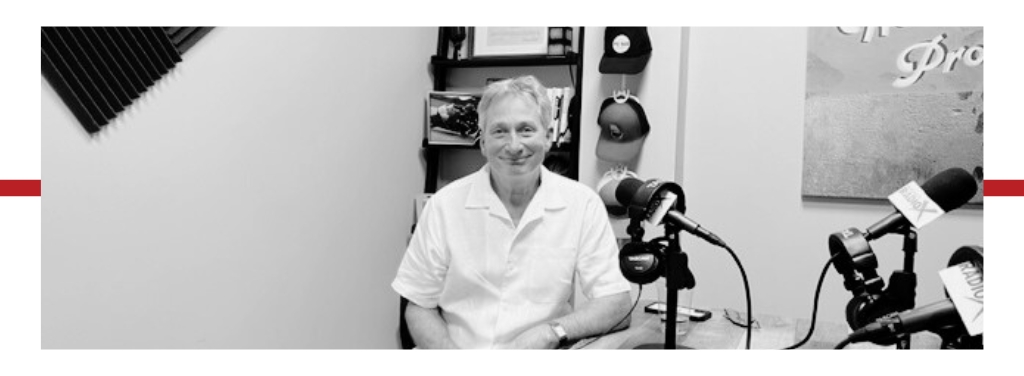
Mike-Sena-banner

In this episode of Fearless Formula, Sharon Cline chats with financial planner Mike Sena. Mike shares his journey into the financial planning industry, including getting fired from two corporate jobs and starting his own financial planning firm.

He stresses the need to have a growth mindset, create personal connections with clients, and stay adaptable in financial planning. Mike also talks about the hurdles he faced in his personal life while building his business and the significance of sales, communication, marketing, and networking in the financial advisory business.

Mike-Sena-headshot-bwFired from his first two corporate jobs, Mike Sena, CEO of Mike Sena Advisors, has been on his own ever since, creating and running several businesses. Along the way, he’s learned a lot about life, happiness and money.

Mike is a father, speaker, author, TEDx organizer and weekend polo player who loves working with good-fit clients to improve their circumstances and outcomes.

Most of his clients have come from other advisors, most own a business, many are seven-figure wealthy, all enjoy a personalized experience and comfort at night.

Connect with Mike on LinkedIn and Facebook.

This transcript is machine transcribed by Sonix

TRANSCRIPT

Intro: [00:00:08] Coming to you live from the Business RadioX studio in Woodstock, Georgia. This is Fearless Formula with Sharon Cline.

Sharon Cline: [00:00:18] And welcome to Fearless Formula Friday here at Cherokee Business RadioX, where we talk about the ups and downs of the business world and offer words of wisdom for business success. I’m your host, Sharon Cline, and today on the show we have a father, a speaker and author, a TEDx organizer, weekend polo player, CEO and owner. That’s one person of Mike Sena Advisors. Welcome certified financial planner Mike Sena to the show. Hello.

Mike Sena: [00:00:46] How are you today?

Sharon Cline: [00:00:47] I’m good. How are you?

Mike Sena: [00:00:48] I’m really good. You know, it was supposed to rain today and it’s absolutely gorgeous out. It’s warm, it’s humid. It’s you know, like I mentioned before, I’m waiting for the pollen to end.

Sharon Cline: [00:00:58] Well, it’ll be nice. I think tomorrow we’re supposed to get some storms or something like it’s going to be in the 50 seconds or whatever. So we’ll have the heat on again, I guess. But thankfully we can spend a little bit of time inside just for a bit to chit chat about kind of your story. I know you’ve been on Business RadioX a couple of different times, but thank you for spending time with me and I’m grateful that you’re willing to even come back on and talk about kind of like what the show is about, the fearless formula aspect of what you do. So I wanted to ask you, you have a book and I thought this was so interesting to start with. Is it okay to start kind of that way? Because I love that it’s called Raise Your Hand if because who who can’t sort of identify with a million different aspects of what it’s like to deal with your money.

Mike Sena: [00:01:40] No kidding. It’s a remarkable. In fact, I want to redo the book to version to the rest of the title is Raise Your Hand if you’ve ever done Something stupid with money And I want to cross out stupid and put human.

Sharon Cline: [00:01:53] Oh, wow. Okay.

Mike Sena: [00:01:55] Because we all do stupid stuff, whether it’s with money or not. We are human beings. We do the best we can. Most of us. We all struggle with life. We certainly all struggle with money. I don’t know anybody that hasn’t had some kind of problem with money, some kind of issue with money along the way. Sometimes it’s the way we’re raised. Sometimes it’s bluntly the way we’re wired. I don’t know how to fix that. But money is just it’s an integral part of life and you can use it to your advantage or your disadvantage when you.

Sharon Cline: [00:02:25] Say it’s how people are wired. Is there a certain type of personality that just does really, really well with money?

Mike Sena: [00:02:31] I wish I could define that. I don’t know. I’ve worked with a number of folks. Kind of an interesting story. 4 or 5, six years ago, a couple got in touch with me, this guy, and of all they were in the process of divorce. Their counselor recommended me, referred me, which is kind of odd. So they were about 58 to 60. He made around $350,000 a year. They owned a Lincoln Continental and some really nice furniture and a $500,000 house that they leased. They had $800,000 of debt. They had 32 years of practice of spending at or more than they earned. Wow. And we worked for a few months to try and. Change the way they looked at money, the way they looked at life. It was very difficult. And ultimately, the wife was she became increasingly resistant and resentful. She missed her retail therapy. I remember we we had an agreement. Birthdays were coming up for their kids. And they were I could tell as soon as I walked in the room, they were like, well, we’re kind of screwed up. Well, tell me, Tell me. Well, we spent more than we should, and we had agreed on $100 or so. They spent $2,000 on present for one kid. And wow, some of this is just hard wired. And I know another couple kind of the same thing. I probably shouldn’t tell this story, but it reminds me I have an older sister who she’s kind of wound a little tight. And years ago she tried to quit smoking cigarets and she was so nervous. After 3 or 4 weeks, her doctor told her, I said, Look, you’ll live longer if you start smoking again.

Sharon Cline: [00:04:21] No way.

Mike Sena: [00:04:22] So some people money feeds them and that’s their life. And I think one of the hardest lessons I’ve learned is there are some things, a number of things I can’t fix and some things in general can’t be fixed. We’re only here for a brief amount of time, make the most of what you have and nobody knows what’s coming around the next corner.

Sharon Cline: [00:04:46] Well, let’s talk about how you got into the industry. You. I’m sorry. I’m laughing because I know that you said you famously say that you’ve been fired from two jobs and and now you are here where you are now. So what will you tell us a little bit about that story and the lessons you learned about being fired from two jobs?

Mike Sena: [00:05:06] Well, I was fired from my first two corporate jobs. And I’ll tell you, the first one, I went out to Spokane, Washington, to help open a cable TV franchise for Cox Cable. Okay. It was my dream job. And there were a number of things going on and I thought I was hot stuff. I tell you, I show these yokels how to run an office. And I realized pretty quickly how little I knew. And I never saw it coming After a year and a half. My boss invited me into the office and he closed the door and he says, Let’s have a drink. I said, okay.

Sharon Cline: [00:05:37] Oh, jeez.

Mike Sena: [00:05:38] And we toasted to here to better days. I’m letting you go.

Sharon Cline: [00:05:43] Oh, my goodness. And I was pretty devastated.

Mike Sena: [00:05:46] I had never been fired before. I’d been working since I was 12, doing a number of things. And it really hurt me for a while. I came back to Atlanta with my tail between my legs and got my second job that I was fired from. And I was. Thank you. I really hate this. Thank you. Let me find something a little better suited for me. And I’ve been pretty much on my own ever since. I have created and run four different businesses. I was in the IT business for a number of years. I had a business partner who was the IT side. I was the business side, and the first 15 years were a ton of fun. The last ten years less so. Oh, and I started thinking about something else that I wanted to do. And one of the key drivers is I did not want employees anymore. It was just. Stress city. There was a lot of stress in my life with a number of married kid. Gotcha. All of this stuff. And I looked at a number of different things and I kind of stumbled on this relatively new field of fee only financial planning and money management, which basically means I don’t sell anything, I don’t sell securities, I don’t sell insurance, I don’t sell annuities. You and I, we have a meeting of the minds. We reach an agreement, we settle on an annual fee. I manage your money and I provide ongoing comprehensive financial planning. And I found it immensely rewarding. It took me a number of years to kind of figure the business out.

Sharon Cline: [00:07:18] How did you do it? Where did you go first?

Mike Sena: [00:07:20] Well, I started on my own and I wanted to work with younger, less affluent people. You know, the millionaire next door. They got bull’s eyes all over them. Every financial adviser, insurance agent, annuity guy or gal, that’s who they’re going after. And I said, Well, I’m going to go after another crowd. And everybody that knew anything about my business told me I would never make any money. And I’m like, you know, here, hold my beer. Well, they were right. There’s no way to serve younger, lesser, fluent people without selling them insurance or annuities. And it just wasn’t my thing. So I stumbled. For a number of years. I went through a pretty long, devastating divorce and finished raising my son. And there was a lot going on with that. And there was a lady I knew in the fee only financial planning community named Bobby Monroe. Lovely woman, smart as a whip. Knew her from Atlanta. She had moved to Florida, north of Tallahassee, a little town, Havana, Florida. And I called her up one day and I said, What do you think about combining our two practices? And we talked about it and we did. And I worked for her for about five years. And I learned a lot. And in the end, we were not a good fit. I left and started my senior advisors. She’s still down in Florida doing her thing. Very grateful to her. There’s another guy here in Woodstock named David Holstrom, who I got to know. Do you know David?

Sharon Cline: [00:08:52] I do. I’ve heard his name before. Anyway.

Mike Sena: [00:08:54] You know, I will tell you everything good I learned about financial planning, money management. David was instrumental in. He’s one of the smartest guys I know, and he’s eminently ethical. Ai just a prince of a guy. And it kind of goes back to what you and I were talking about a little bit earlier, the community here of Cherokee County in Woodstock. David and I are direct competitors, but I would be happy to send him a client. That’s not a good fit for me. And I think the world of him would be happy to help him in any way I can because he helped me in the first six, eight months of trying to figure out what I was doing.

Sharon Cline: [00:09:34] You know, it’s nice when you sort of look back and see that there are people like we talk about this on the show all the time, about surrounding yourself with the right people, having the right support. But even your beginning on this journey with Bobby Wright, to be able to have her have faith in you, to be able to take you on. And I think that’s says a lot about your work ethic as well, someone who’s already in it and they’re willing to kind of take you along. I love that. I mean, it sounds very. Like your almost altruistic. Let me help you. You help me. We all win. There’s plenty for everyone.

Mike Sena: [00:10:08] There is. There is an air of abundance wherever you might be. And you know, so much of life. It comes down to mindset. I’ll digress a little bit. There was a book I read about eight years ago called Mindset, written by a lady named Carol Dweck, and it was a changer for me. It was like flipping a switch. She talked in the book about the difference between a fixed mindset and a growth mindset. And making that transition. And I was kind of halfway in between. But actually reading and understanding how a growth mindset enables you to continue to grow and yet have fun along the way. You learn from your mistakes. You just kind of keep going. It’s like we talked about before, We’re all human, we’re all screw up. We all make mistakes. We all have. Mistakes that we wish we could go back and redo. But that’s just a pleasant fantasy. All we can do is just deal with what we have today and move on.

Sharon Cline: [00:11:07] So there are some people that seem to be more amenable to growth all the time and have sort of this attitude of there are no mistakes, you know, they’re just learning. You know, it’s like, well, now I know how not to do something, you know? And it’s so positive and such a great framing of it as being not something to judge yourself by. But I always feel like I’m like in a bit of a survival mode and like, not really thinking or if I’m growing, it’s because I’m like really forced to grow. And I kind of like the idea of being able to frame it as something that’s like actually a very natural, healthy thing to be doing rather than No, no, no, no, no. I don’t want to go through this.

Mike Sena: [00:11:43] Well, I hear you. And there are times it’s it’s nice to be comfortable. But in the end, comfort is not where life is. And I’ve had like it or not, I’ve always enjoyed figuring things out on my own. I haven’t fit into anybody’s mold. I am not a I can’t deal with the politics of corporate life being in the IT business. I learned an awful lot. But in the end, managing employees just became very stressful and a pain in the rear. And I can’t even fathom today having 15, 20, 30, 50 employees that you’re having to deal with. I went to Greece for Christmas. I had a wonderful time. I had a friend that was over there and we met a friend of his who owns four burger joints and an Italian restaurant. He’s got 400 employees and it’s universal, the same thing. We can’t get people to show up. They want more money. The government wants this. And it was.

Sharon Cline: [00:12:44] The personalities, too.

Mike Sena: [00:12:46] Yes, it was the same thing. And I just love what I’m doing now. And like I said, it took me a number of years to kind of figure out this business. And one of the things that has been most beneficial is understanding who is a good fit for me.

Sharon Cline: [00:13:01] It’s actually one of my questions is and.

Mike Sena: [00:13:02] Who I’m a good fit for.

Sharon Cline: [00:13:05] Well, before we say that, I wanted to ask you, what do you what do you think the aspects of are of your personality that make this so successful for you?

Mike Sena: [00:13:18] I. To me, it’s like putting a jigsaw puzzle together without the top. I love solving problems and I’ve done that my whole life. And. Actually getting to know somebody. Number one, first and foremost, understanding what’s really going on in their life, what’s really driving them. Early on in this business, I would ask a prospect, How are you thinking I could help you? And it was amazing how many times they really didn’t know. And this notion of learning to ask the right questions in the right order and being patient and listening, that’s a whole nother thing. You and I talked a little bit about that when we met a few weeks ago that I wish I had that skill set when my son was younger, but I learned to listen much better and he and I had a meaningful conversation and I just listened for 45 minutes and let him. It changed the nature of our relationship, created.

Sharon Cline: [00:14:19] A safe space for him to to feel and be.

Mike Sena: [00:14:22] And one of the other things I’ve learned, if you’re a really good listener, people will think of you as a terrific conversationalist and you really don’t have to say anything.

Sharon Cline: [00:14:34] Oh, that’s good to know. I don’t have to speak that much on this show then.

Mike Sena: [00:14:38] Well, you’re the leader. No.

Sharon Cline: [00:14:40] Oh, nice. Really. All right. Just for, like 30 minutes or so, once a week. Do I lead anything? Who’s your ideal client?

Mike Sena: [00:14:49] That’s a good question. And I wish I mean, I can define it on paper, who I’d like to work with. But the bottom line is there in my business, it’s highly personalized. It’s very boutique. There is an emotional and an intellectual connection. Generally to start to have the conversation. Typically married, couple of kids. One spouse owns a business. There’s a comfortable six figure income. There’s at least a half $1 million or more of investable assets. That kind of sets the table that we can actually proceed going forward. I do have clients that have much less that are younger. I love working with younger people. It it’s just got to be the right fit. And it only it only it takes a number of conversations to kind of figure out if we’re a good fit or not. I’ve had a couple of folks that I would like to work with, but as we talked more and more, one of the things I do know is I don’t want a co money manager.

Sharon Cline: [00:15:49] Oh, you don’t want to be micromanaged for yourself.

Mike Sena: [00:15:53] And somebody that is open to. Implementation of different strategies that will make a difference in their life. One of the things I focus on that kind of turned some people’s heads, even though I’m a financial planner and I believe very strongly in planning for the future. I try to get my clients to focus on the present and making the most of what they have. If COVID, the lockdowns have taught us anything is nobody knows what’s coming around the corner. And I’ve had some financial planners that we would kind of get into a little tiff over. They would do these incredibly gorgeous 30, 40 page financial plans that are minutely detailed. You know, in 12 years, we’re going to plan a wedding and then every seven and a half years we’re going to buy a car. And I’m like, that’s just a bunch of crap. I typically go out about five years detail plans. The rest is a little more gauzy and we’ll see what happens because.

Sharon Cline: [00:16:51] Life is so unpredictable that way, right?

Mike Sena: [00:16:53] Life is very unpredictable. I never expected to be where I am today 15 years ago. I imagine the same for you and probably 95% of the people listening to us.

Sharon Cline: [00:17:05] That’s kind of interesting aspect of business ownership here, even in Woodstock. The people I’ve had on the show talk about how well I didn’t know, like even we were talking earlier, bananas and beehives and how they didn’t know that they were going to have to wholesale to be successful. And it was just not even on their radar. And now they are. And but that they’re really happy. You know, so there must be an element of flexibility, I suppose, with life in general, but also with you. I was thinking regarding money. People are so emotional and how do you deal with people’s emotions that are so tied?

Mike Sena: [00:17:40] It’s been a learning process because.

Sharon Cline: [00:17:43] You’re a problem solver. You know, you are analytical. The way I think of of how you say you could put a puzzle together.

Mike Sena: [00:17:49] I am. I’m your typical left brain introvert and learning to be more open. And we talked about this this notion of vulnerability. There’s a little of that. But getting people to open up about what’s really going on inside their lives. And it’s hard to peel back these layers. It is like and have them trust.

Sharon Cline: [00:18:08] You, right? Like have them be willing to kind of share that vulnerability, especially when it comes to what they can build their lives on Money.

Mike Sena: [00:18:16] I had a relatively new client. This unfolded over several months and he’s got he fits the bill all the way down the line. Love this guy, love his wife, terrific people. They’ve done very well in life and they have lived their whole life. Kind of the millionaire next door. They have lived on less than they’ve earned. They’ve made smart investments. They’re fine. And he had a pretty large portfolio with Fidelity Investments. They were managing it for him. In the end, what he wanted. If something happened to him. He wanted his wife to have something more than an 800 number to call. So he asked me to review his portfolio and I took a few days and I went through it. And I went back to him and I said, look, it’s not really the way I would do it, but there’s nothing wrong with this. If you do nothing, you’ll be fine. And I think that kind of clinched the deal for him.

Sharon Cline: [00:19:12] And you didn’t make up a problem?

Mike Sena: [00:19:16] Well, there really wasn’t one.

Sharon Cline: [00:19:18] But some people would write, Yeah, here’s how I could help you and be valuable to you.

Mike Sena: [00:19:22] You know the main benefit I bring, I tend to be local and I. Somebody that, you know, that you see. And it’s not an 800 number. There are any number of ways to get financial advice. There’s what’s called robo advisors, where it’s all artificial intelligence, so to speak, and there’s an algorithm that manages it. And it’s it’s pretty inexpensive. It works well for younger people that have limited budgets. My clientele tend to want a little more than that. And I delve pretty deeply into estate and legacy planning. That’s a difficult conversation for most people, really. Just coming up with the term nobody term estate. Nobody likes estate. Some legacy planning or whatever it might be. But having these conversations now while you can makes a world of difference and trying to facilitate these difficult conversations. I spent a lot of time on tax planning. I spent a lot of time on insurance review, even though I don’t sell insurance. If you need it, I’ll get the right policy for you and you’ll damn well know how it works and how much you’re paying for it. A story that I love. One of my early clients, lovely couple, relatively young. They made very good money. They were immigrants from Kenya. And one of the things I loved about them, they got America. It’s just like, wow, okay, let’s go.

Mike Sena: [00:20:48] So their number two, their two objectives, first and foremost, they wanted their kids to go to Harvard or Yale and they wanted to have money for their parents back home. And we started that conversation from that perspective. But as we got a little deeper, it turned out the husband had purchased a rental property, a home in 2006 2008. The economy slides into the abyss. They’re upside down on this home, and it’s what’s called cash flow negative. They’re paying more than they’re getting in a lot of stress in that marriage. And we talked for a couple of years about it, and they made good money. They had enough money to actually get rid of the house, put some money in it, take the loss, move on. But they were reluctant to admit the mistake, and I kind of flipped it on them. And I said, look, here’s they’re really only needed about 30 grand. They were going in the hole about $300 a month. I said, if I could show you an investment, that would guarantee a 12% return. For $35,000. Would you take it? Yeah. Put it into this house, Sell the house and get out of it. And get on with your lives. And in there, I will say their marriage dramatically improved.

Sharon Cline: [00:22:09] How much do you see that of, you know, the financial stress? I mean, isn’t that like number 1 or 2 of reasons for marriages not working?

Mike Sena: [00:22:17] It’s a huge deal. And part of this is the dynamic between the husband and the wife and bluntly trying to figure out, you know, who’s really making the decision. I’m going to tell you almost all the time, it’s the wife, it’s the woman. And it’s amazing. I don’t want to get into gender politics, but women have an enormous amount of power and control. There was one of my early clients that I we’ve been together 12 years or so. And I whenever there’s a husband and wife, I try to have confidential conversations with each one individually, kind of get a feel for each of them. And the husband’s going, I just wish you could get Carolyn on the plan. She won’t stay on the plan. And she’s like, I wish you could get him to just lighten up and enjoy life a little. So there were an interesting couple. I’ve done a number of really good things for them over the years. They’re doing quite well. They were spending too much money. They were used to making a lot of money, but they were spending too much of their retirement. And in some circles this is almost a four letter word. We ended up doing a reverse mortgage on their home to free up some cash free money. They don’t have any kids. They had roughly 800 grand of equity in a home that they couldn’t tap. They were taking too much money out of the retirement account. They were getting creamed on taxes. So that kind of flipped their world a little bit. And they I hate this term, too, but they sleep much better at night.

Sharon Cline: [00:23:47] Those are good. Sort of. What are they? Euphemisms phrases. You get the energy behind them, but it makes sense.

Mike Sena: [00:23:54] It really that’s all that it comes down to, is sleeping well at night, feeling comfortable. And I try to get people to feel comfortable about an unknown future. And once again, going back, make the most of what you have and live in the present, because that’s really all that counts.

Sharon Cline: [00:24:11] Well, if you’re just joining us, we are speaking with Mike Zina of Mike Zina Advisors. What do you think is the biggest misconception of your industry or or maybe even what do you think people are so reluctant to do? Like, what are their reluctant reluctance is that they won’t come see someone like you?

Mike Sena: [00:24:28] There’s a number. But I’m going to say, first and foremost, I don’t know anybody that hasn’t been. Screwed by a financial adviser and typically insurance agents or stockbrokers. And I know a lot of fine insurance agents. I know a lot of fine stockbrokers, but they make their money on selling a product or a transaction. And one of the things I tried to explain to people is Wall Street, so to speak, is no different from Johnson and Johnson, General Motors or DuPont. It manufactures financial products to sell, and there’s a home for pretty much everything they manufacture, generally not your home. And that’s where people tend to get into trouble. And the insurance industry, the annuity business, it’s almost designed for planned obsolescence so that ten, 12 years down the road, as your life changes and this particular product really doesn’t fit you as well, it’s oh, my word, we’ve got a wonderful new product. Let us roll you into it. And I get really bent. Over, particularly insurance agents if they will swear up and down. I don’t collect a fee. It’s a commission. Well, the client doesn’t pay me. The company pays me well, the client’s paying the company, and I’ve gotten into it from time to time. There was. I was at a networking meeting some years ago. There’s a guy that sells a product called Indexed Universal Life Insurance. It’s not a bad product. It fits some people very well. I don’t even know.

Sharon Cline: [00:25:55] What that all that means. I’m trying to, like, understand all those words put together.

Mike Sena: [00:26:00] That’s another thing. There’s a lot of jargon and a lot of people try to speak above and going back to women there. I hear this over and over again. The women is dissed in the conversation. The wife is left out most of the time, and I find that disheartening. Well, disheartening is a nice way to put it, but it’s wrong headed. And it’s anyway, that’s a whole nother conversation. But this guy got up and pointed to me across the table. This man is going to charge you a fee.

Sharon Cline: [00:26:32] You’re the bad guy. Anyway.

Mike Sena: [00:26:36] One of my common refrains there is no free lunch.

Sharon Cline: [00:26:39] Yeah, I mean, the goal is for everyone to win. Yeah, I.

Mike Sena: [00:26:42] Have no problem with a lot of this. But so much in the insurance and annuity industry, the fees are hidden. It’s very opaque. It’s osmosis. Getting money out of your pocket into their pocket, and nobody it’s like.

Sharon Cline: [00:26:55] You don’t even see it frictionless. Yeah.

Mike Sena: [00:26:57] Wow. The other thing is that you have to have a lot of money to work with an advisor. And look, it helps, but that’s not always the case. I’m always willing and. Eager to have a conversation with someone They may or may not be a good fit, but I’m always happy to answer questions and sometimes it’s a good fit. Younger, less affluent people. Sometimes it’s not. I think those two things that if you don’t have money, you really can’t. And that’s a myth. Everybody has everybody has gotten bad advice or sold a product that they wish they hadn’t.

Sharon Cline: [00:27:33] Do you feel like now you are approached more by younger people? It’s more you’re more likely to over the years that you’ve been in this industry, like what changes have you seen as you’ve gotten into it?

Mike Sena: [00:27:47] A lot of changes. It’s. We went through 2008. Yes, the economy slid into the abyss. A lot of people got hurt pretty bad. A lot of people got disillusioned. One of the things that I deal with with younger people is this. Enormous burden of college debt. So many times, me and so many of my colleagues, we wish we had a time machine. We could just go back ten years and let’s not do it this way. I don’t have a really good answer for that, but I can tell you, if you can’t get a job taking on more debt to get a master’s degree is not your answer. There are any number of ways to earn a living, and you’ve got to be flexible. There’s a guy that I have listened to over the years. You may have heard of him, Dave Ramsey. He’s made a fortune. And he most of his advice is pretty spot on. I don’t agree with everything, but one of the things that I learned from him is your present situation isn’t forever. Like if you’re trying to get out of debt, you know, buy a piece of crap car, drive it for a year and a year down the road, you move up and in three years you’ll be able to buy a new car. Your present situation isn’t the rest of your life. And so many times kind of the focus of your show, the fear. Yes, being resilient. You’re in a bad spot and you see nothing positive going, but you have to get those legs moving. You’ve got to formulate a plan and you’ve got to implement it one step at a time.

Sharon Cline: [00:29:23] I had spoken to a different financial advisor at one point about young people and how I don’t really feel that there’s a disservice that’s done to people who graduate school and graduate college, and they really don’t have a really good grasp on how to manage money from the very beginning. What do you think of that?

Mike Sena: [00:29:46] There’s been a lot of talk about bringing financial literacy into the public school system, a great.

Sharon Cline: [00:29:52] Way to say it, Financial literacy. Yeah.

Mike Sena: [00:29:54] And part of my thing is careful what you wish for. There’s a number of things that have been introduced to the education system that has not worked out well. Ultimately, this comes from the home and I think some of it I touched on before is hardwired and I hope my son isn’t listening. But I will never forget this. He was four years old. He had some birthday money. We went to Walmart to buy something specific for him and Walmart was out of it. They didn’t have it, but that money burned a hole in his pocket. He had to spend it. He had to spend it. And to a degree, he’s that way now. So it’s not so much financial literacy, but it goes back to mindset. And people that generally have money. You can divide people into a lot of different categories. I tend to divide them. People that think about spending money, people that think about making money. And if you think about spending money, you will never have any wealth. If you think about making money, you will eventually generate wealth over time.

Sharon Cline: [00:30:59] And you don’t know when you’re meeting someone which mindset they have about you can.

Mike Sena: [00:31:04] Figure it out pretty quick and sometimes you can change it, sometimes you can’t. You know, one of the things Dave Ramsey talks about that I love you know, you’re kind of you’re sitting in a bucket of poop, you know, and it’s you know, it’s awful. It’s your poop, but it’s comfortable. You’re familiar with it. You have got to be in more pain than the pain it takes to change. You’ve got to be fed up. And I don’t care what addiction you have, you’ve got to reach a point that what was a Howard Beale from the movie Network? I’m mad as hell. I’m not going to take it anymore. You’ve got to get mad as hell and change and find the courage to change and take it a step at a time and see something in the near horizon that is better than what you have now. And stay focused on that.

Sharon Cline: [00:31:52] Because there’s always the instant gratification, right, that just this minute, you know.

Mike Sena: [00:31:57] Some people can’t get over that. It’s a crack habit. It’s it’s alcohol, it’s gambling, it’s porn, it’s any number of things. And it kind of goes back to what we’re talking about before. You’ve got to find a way to change your environment, sometimes change your friends, sometimes change your room, change. You’ve got to focus on what I call cognitive therapy and introduce a new thought to replace the bad thought that takes work. And I’ve been very fortunate in my life. I’ve had a number of terrific mentors. Everybody needs help. Everybody needs a mentor. And typically the mentors I’ve had, we’ve helped each other over the years and you just got to want something more different than what you have. It sounds simple, but it’s really hard for a lot of folks.

Sharon Cline: [00:32:45] How did the pandemic affect your business? Did it did it affect your business?

Mike Sena: [00:32:51] Well, it did. I pretty lucky with that and that I worked from my home. Most of my clients were fine. One of the things I will tell you is periods of great stress are wonderful drivers for financial advisors to get new business because people are freaked out. People whenever you move somebody from a position of comfort to discomfort, they’re going to be looking for something, a.

Sharon Cline: [00:33:17] Safety net.

Mike Sena: [00:33:18] Something that will make them comfortable again. And for the most part, the pandemic helped my business pretty enormously. What we’re going through now, a lot of people kind of freaked out what’s going on. To me, we’re living in the Twilight Zone. I can’t make heads or tails of half of what’s going on in our country. But what I try to get people again to focus on is, number one, control you and yours. Stay focused on your situation. Once you kind of got that under hand, then branch out locally, get involved locally. If you want to get involved, get involved locally first, help non profits or, you know, become a party chairperson or whatever, whatever your flavor is. But start out kind of like pebbles on a pond before you try to become benevolent dictator for a day. Take care of your own home.

Sharon Cline: [00:34:09] I love that you talk about starting locally because that’s what we were talking about before the show. How and you touched on a bit how great Woodstock is, because everyone really does have everyone that I have interacted with. I’ve not had one moment where I haven’t felt like they were really interested in what I do and how they can help me. And I feel the same. And it’s just been really encouraging because I don’t feel like I’m alone, you know, even even though I am alone in my business, it still feels like I have resources and people. And when I go down into downtown Woodstock, often see someone I know. And so I feel like I have a little family and support, which it’s it’s and it comes from a true place. It’s not just lip service. And I really I appreciate that about our town. And like you said, knowing that you have two people competing in the same industry, but you really do want to see each other succeed. There’s like the energy behind that is for good for everyone. You know, it is.

Mike Sena: [00:35:04] This is a wonderful community, Cherokee County, city of Woodstock. There is a vibe and an energy that flows. I wish I could tap into it more, but I’ve really enjoyed getting to know a number of business people. I know the previous mayor, Donnie and Ricky. I knew the current mayor, Michael Caldwell. I think the world of Michael Caldwell. In fact, I doubt I’ll embarrass him. But one of my favorite stories, his father, Mark Caldwell, did a presentation at the Circuit, which is a co-working space and community center in downtown Woodstock. And Mark Caldwell was talking about how to raise money for a business. And he went through the whole thing. Friends and family, 401 K venture capital, Angel investors, all of that stuff. And he was talking about his sons, Michael and I don’t know the other one, but he would make them stand in front of the mirror, I think like once a week, raise their hand, repeat your name. I am responsible for the decisions I make and the consequences they’re from.

Sharon Cline: [00:36:12] Oh, dang.

Mike Sena: [00:36:13] And I got to tell you, that is right up my alley. I love that. And you got to hand it to Michael. He is. He’s a wonderful man and he’s very accomplished. He’s got a lot going for he and his family. And I enjoyed getting to know his dad, who has done quite well over the years, terrific family, terrific people. And there’s just a lot of that in Cherokee County.

Sharon Cline: [00:36:40] Yeah, I like to blame other people for my problems.

Speaker3: [00:36:44] That’s you can do it, but.

Sharon Cline: [00:36:47] It’s not very empowering.

Mike Sena: [00:36:48] It’s not going to get you anywhere.

Sharon Cline: [00:36:50] I feel better for the moment, the instant gratification. So what was it about? Did you have any times when you were kind of getting into this industry that you did have those sort of natural feelings of, I don’t know what I’m doing or, you know, I think about people who are listening, who have their dreams and maybe want to become a financial advisor, but have sort of those feelings that maybe they don’t know enough or they’re not, you know, there are too many people in the industry. I’m never going to be able to compete well. How did you manage your emotion around that?

Mike Sena: [00:37:19] There were really two things, but I I’ve just learned to keep going. Part of it was going through the divorce and trying to raise my son. There was a lot of. Stuff going on. And you and I might have touched on that when we met a little bit, but I felt I’ve never really felt a failure in business, but I felt a failure as a husband, a failure as a father. And that was the toughest thing to get over. But I had no choice. I had to make some money. I had to figure it out. I twice thought about going back to the IT business, which would have been very easy, but I didn’t want to do that. I hate going backwards. I’d rather go forward and anybody thinking about getting into the financial advisory business and I would say any business. But what I didn’t really understand getting into it is how much of it is people related, sales related, communication related. It doesn’t make any difference how smart I am or how well I manage money. In the end, if I’m not able to connect with people in a way that makes them feel comfortable and draws them to me, I’m not going to be successful. And that was my biggest obstacle, was figuring out how to connect with people in that kind of level.

Sharon Cline: [00:38:39] Was it just it was trial and error then for you? Because really, we talk about this on the show all the time, how the business is people you’re dealing with people. And that’s part of why I like the show, because when we have people on the show, they don’t talk about just being part of diesel. David You know, what’s diesel? David Well, when you get to know who these people are, it’s really nice to be able to identify someone’s motivation and personality and kind of have an energy as opposed to just a logo or a name.

Mike Sena: [00:39:07] Well, the businesses I had before, bluntly, we did very good work. We had a wonderful reputation. We really didn’t have to sell. And generally we turned as much business down as we got. And I got into a business and I was naively thinking, you know, if you build it, they will come. Well, they weren’t coming. Like, where are they? Don’t they know me?

Speaker3: [00:39:29] Don’t they don’t they know how great I am? It’s like.

Mike Sena: [00:39:35] So I certainly misjudged that and a lot of it was mindset work and learning how to communicate. Really learning how to listen made a big difference. And some people are more gifted on what I call the sales side, and I know a number of advisors, you know, they offload a lot of their work, but they are wonderful rainmakers connectors. They know how to bring the business in and that’s something I’ve never really been good at, but I’ve learned and so far I’m getting better. You know, I just want to get better each month.

Sharon Cline: [00:40:14] It’s nice you even have like monthly goals as opposed to like, what’s your five year plan? You know, you’re like, I just want to have a good month.

Mike Sena: [00:40:23] Well, I got plan A, B, C and D, so I try to get people to be flexible with their with their plans. But yeah, I just a little better today than I was yesterday. And again, I I’m involved in a couple of peer to peer mastermind groups which are enormously helpful. I recommend any business owner to get involved in some kind of group where it’s very safe to talk about what’s going on in your business. And others. Will we all have the kind of the same problems, a little different depending upon the nature of your business. But it all comes down to particularly these days, people you know, when I first kind of got into the business, it was more transactional, But it’s become very much about people and very much it’s highly personalized. And I’ve kind of built this into this personalized boutique practice and. I’m not for everybody. Everybody is not for me. Like I said, you can there’s a number of different ways that you can go about having financial help from different sources. I don’t recommend you Google it.

Speaker3: [00:41:35] But some people do.

Mike Sena: [00:41:37] Some people do. You know Dave Ramsey, Susie Orman, Clark Howard, there’s any number of people. They’re really, really good with generic advice. Where I make a difference is mine is very specific and very personal.

Sharon Cline: [00:41:52] Do you find that your clients are sort of your friends too, for over time? Yeah, yeah.

Mike Sena: [00:41:56] Yeah. It’s.

Sharon Cline: [00:41:59] It’s like you’re doing life together in some aspects. Yeah. Interesting.

Mike Sena: [00:42:04] It is. It’s. I have a guy that helps me in the back office with invoicing and onboarding new clients and stuff, and we talk periodically and remarked yesterday, he goes. You know an awful lot about these people.

Speaker3: [00:42:20] It’s like.

Mike Sena: [00:42:20] Well, I want you to know, too, in case I get hit by a bus.

Speaker3: [00:42:26] The to be able to offload.

Mike Sena: [00:42:29] To the correct people to be sure there’s no interruption and they’re in their situation.

Sharon Cline: [00:42:36] I have one final question for you. What do you do regarding marketing? Do you find that you need to.

Speaker3: [00:42:42] Oh, yes.

Sharon Cline: [00:42:43] Oh, okay. A lot. Some people don’t. They just put one ad on Facebook Marketplace or Facebook, whatever it is, Cherokee Connect. And that’s plenty to get the ball rolling for them. But I was wondering, what do you do? Like what how do you stand out amongst your your competitors, I suppose?

Mike Sena: [00:42:57] Well, I will say I have spent an enormous amount of money and gotten very little results depending upon different things that I’ve tried. Linkedin’s been a pretty good avenue for me. I do a video every month and I had a gentleman before COVID that produced videos for me. They were wonderful. We would go to a venue and we would shoot 8 or 10 videos and then he would produce them. We’d roll them out one a week. And right once COVID came, that all went away. And I, you know, talk about fear and overcoming fears. I finally got over my fear of the iPhone. I just started doing iPhone videos.

Speaker3: [00:43:34] Yourself myself. Well, how about that?

Mike Sena: [00:43:37] And I will tell you, at first it was fine. And then, you know, over time, I needed to learn how to edit the videos a little bit. And then I needed, well, I need to add subtitles. So what became, you know, five, ten minute kind of fun process became a 45 minute pain in the rear. And I’ve got a new woman that is helping me with videos. So far, I’m very pleased with what she’s doing and we’re rolling them out. You know, every Monday around noon time, I put a new video up and I try to post some other stuff during the week and I network a lot. I’m involved in these peer to peer kind of groups. I you never know where a conversation will lead. And I got several clients from a single conversation and a mastermind group at the National Speakers Association of Georgia. Like four years ago, just one conversation led to about four clients that came in and it was you never know.

Sharon Cline: [00:44:38] Well, I’m going to take away from this conversation with you that it’s important to not. Think that comfortable is safety. It’s not feels like safety, but it’s not really safety. And to be flexible and be willing to grow because those are things that I resist unless I’m forced to. But but I really appreciate, like you said, the framing of it as being something, well, that’s not where life really is and I’ve never really heard it phrased that way. So it kind of hit me in a good way today, so. Well, cool. Well, I do think, too, when you’re having those moments of difficulty and you’re heightened, you’re trying to survive, like in those survival modes, you do kind of whittle down what’s really most important to you because you can’t handle everything. And so sometimes I do a tremendous amount of growth in my darkest times. So I like I like the notion of that because I always want to be comfortable and safe. But maybe that’s not always the best thing for my spirit.

Mike Sena: [00:45:35] Well, I’ll leave you. Great. Adversity leads to great innovation.

Sharon Cline: [00:45:39] Oh, I could have said that in two seconds. The whole thing I was just saying just now could have been, like, nicely wound up in that. I like that ism much better than what I just said. Well, Mike, Zina, thank you. I really appreciate you coming on the show and sharing your story. It’s been really fun for me.

Mike Sena: [00:45:56] Sharon Me too. Thanks a bunch. Look forward to doing it again.

Speaker3: [00:45:59] Okay.

Sharon Cline: [00:46:00] We’ll check in again. And thank you all for listening to Fearless Formula on Business RadioX. And again, this is Sharon Cline reminding you, with knowledge and understanding, we can all have our own fearless formula. Have a great day.

 

Tagged With: financial planning, Mike Sena Advisors

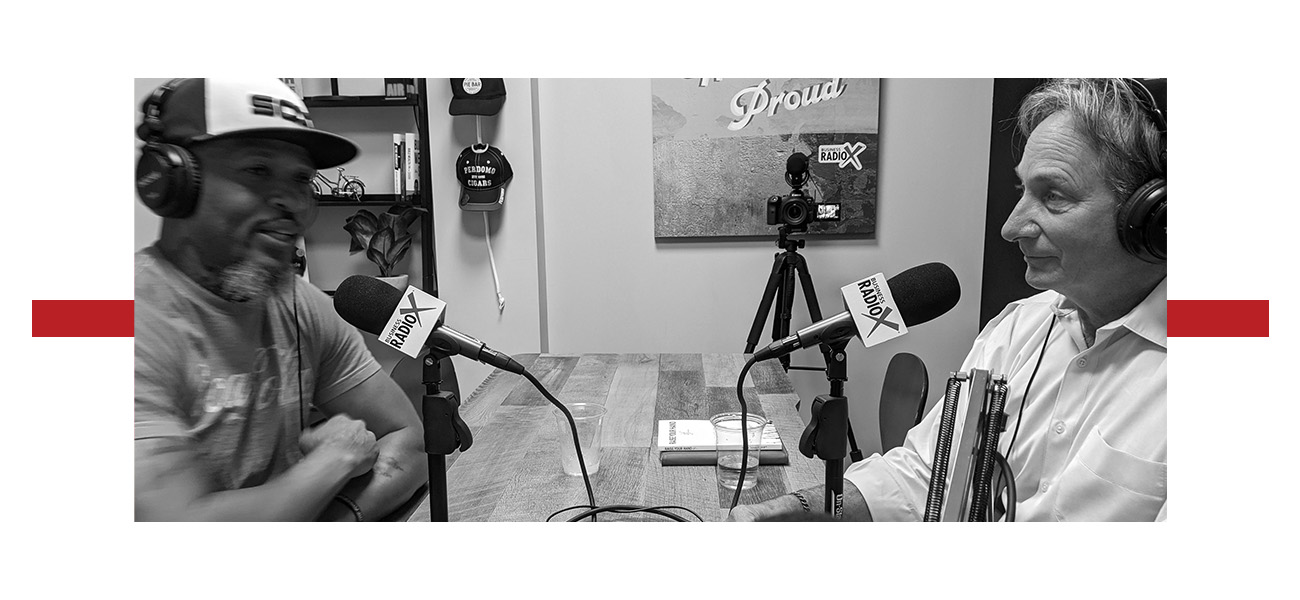
Ron Green from Operation Snatch Back and Mike Sena from Mike Sena Advisors, Inc.

August 4, 2021 by Kelly Payton

Mike and Ron
Cherokee Business Radio
Ron Green from Operation Snatch Back and Mike Sena from Mike Sena Advisors, Inc.
Loading
00:00 /
RSS Feed
Share
Link
Embed

Download file

Mike and RonThe Innovation SpotAlma Coffee

Ron GreenRon Green, Founder of Operation Snatch Back

Ron Green was born in South Bend, IN and has been a resident of the greater Atlanta area for 21 years. Mr. Green is the owner of The Video Plug based in Woodstock, GA. He is also the Founder and CEO of Operation Snatch Back, a 501(c)3 nonprofit youth development organization. Mr. Green specializes in equipping youth to withstand negative influences, push through hardships, and make a successful transition to adulthood. At Operation Snatch Back, youth become leaders in their homes, schools, and communities. In his spare time, Ron enjoys traveling, reading, and most of all, building relationships with people of all walks of life.

Snatch BackConnect with Ron on LinkedIn, and Follow Operation Snatch Back on Facebook


Mike SenaMike Sena, Fee-Only CFP (r), CEO of Mike Sena Advisors

Fired from his first two corporate jobs, Mike has been on his own ever since, creating and running several businesses. Along the way, he’s learned a lot about life, happiness and money. Mike is a father, speaker, author, TEDx organizer and weekend polo player. He loves working with good-fit clients to improve their circumstances and outcomes. Most of his clients have come from other advisors, most own a business, many are seven-figure wealthy, all enjoy a personalized experience and comfort at night.

Connect with Mike on LinkedIn


This transcript is machine transcribed by Sonix


TRANSCRIPT

Speaker1: Broadcasting live from the Business RadioX Studios in Woodstock, Georgia, it’s time for Cherokee Business Radio. Now here’s your host.

Speaker2: Welcome to Cherokee Business RadioX Stone Payton here with you this morning, and today’s episode is brought to you in part by Alma Coffee, sustainably grown, veteran owned and direct trade, which of course means from seed to cup, there are no middlemen. Please go check them out at my Alma Coffee Dotcom and go visit their grocery café at thirty four forty eight. Holly Springs Parkway in Canton asked for Harry or the brains of the outfit Laticia and tell them that Stone sent you. You guys are in for a real treat today. A little bit later in the broadcast, we’re going to visit with Mike Seina with Mike Senior Advisors. But first up on Cherokee Business Radio this morning, please join me in welcoming to the show with Operation Snatch Back, Mr. Ron Green. Good morning, sir.

Speaker3: Good morning. How are you doing?

Speaker2: So I am doing well every time I see you, every time we visit. You’re so enthusiastic. You I don’t know if it’s caffeine. I don’t know if it’s just a zest for life. But you’re always you’re just seem to be fired up about about what you’re doing. And I suspect some of it must be related to mission purpose of this operation. Snatch back. Tell us a little bit about this about this this thing and what it is you’re trying to accomplish.

Speaker3: Yeah. So you’re right. I love I love what I do. Operation Snatch Back is why I walk the face of the earth. It’s my first love. It’s my passion is to build young leaders that that’s what we do. So Operation snaps back. Youth Development is a five to one C3 nonprofit that focuses on at risk marginalized and underserved youth ages 13 to 24. So usually middle school, high school and young adults. What we’re seeing, Stone, is that these kids coming up have enormous challenges, whether it be, you know, maybe drug experimentation, gangs, violence, lack of education, poverty or economic deprivation, low self-esteem, peer pressure. The list goes on and on and on. And we’re losing a lot of them. So we I started this organization to put it into that and start building young leaders.

Speaker2: You started this thing?

Speaker3: I started it, yes. I started in twenty fifteen.

Speaker2: My goodness. So this kind of thing, of course I see it on the news. I get a chance to meet bright, passionate people like you that are really driven about trying to do something.

Speaker3: That’s what you say, right. That’s what you say. I don’t know what everybody else, but I’ll take that.

Speaker2: But I have to be perfectly candid with you. It’s it’s it’s very far removed from my own life experience, you know? I mean, we didn’t grow up wealthy or anything, but my folks were teachers. You know, we never we weren’t hungry. I don’t know. I think the surfer kids did some marijuana, you know, but I mean, I was you know, I mean, I’ve seen it in the movies, you know, but it was just so it’s so far removed from my life. I think it it doesn’t get on my screen very often. Do you find that’s the case with a lot of people in my situation?

Speaker3: Yeah. You know, everybody has their own life journey, right. You know, so it’s not everybody doesn’t look at this through the same lens because of their life experiences. Right. Right. But the reason I started is because it was close to me. It was a part of my life growing up. So I was attached to that that challenge as a youth. So I grew up right outside Chicago and in what they call the BRICS or the projects or, you know, public housing. I grew up in extreme poverty. I grew up in drug infested areas where there was prostitution, gang violence. Just the list goes on and on. So it was a world that I’m very familiar with.

Speaker2: So you lived this or at least pieces of it?

Speaker3: Absolutely. Absolutely.

Speaker2: Well, no wonder you’re so passionate about it.

Speaker3: I am. I am. You know, like I said, is is close to me. And I have you know, I have what we call lived experience man. So but by that, I have a responsibility also to impact in that area.

Speaker2: Well, it’s interesting that that’s where you where you landed, because I don’t know what I have done, because I’ve interviewed thousands of very successful business people, some of them incredibly financially accomplished and accomplished in other ways. And almost without exception, they will specifically articulate this, not just a desire. I think the word you used was obligation. They feel like they want to stretch a hand out and try to help the next entrepreneur, the next group. So you came out of your situation feeling like you had an obligation to try to help other kids that were that found themselves in that same situation?

Speaker3: Absolutely. My philosophy is, you know, today I live a wonderful life. You know, I’m eating good, living good.

Speaker2: And, you know, Stone’s radio

Speaker3: Show and I’m on the radio show you what the hell else could I want out of life.

Speaker2: Exactly.

Speaker3: So but, you know, if if I found a way to climb out the mud and other people have helped me climb out the mud. Right. And to be better and do better in my life, which I have, then I’m. Charged with the responsibility of helping others climb out that mud, man, that’s my philosophy. So, you know, Stone, when I was coming up as a young kid, I made a lot of bad mistakes, man. Coming up in that environment, you know, started selling drugs at age 16, 17, became a drug addict, just the crack cocaine era. So at 17, I was a full blown crack cocaine addict. And at 17 and when most kids are looking to go to a prom or study for tests, I was trying to figure out who I was going to rob, steal, lie to to get what I want. My body was crazy.

Speaker4: Yeah.

Speaker2: Wow, wow, wow. Yeah, yeah. The moment of silence, you know, that’s and there must have been some grand purpose to all this or some grand design to it, because now you are more prepared or as prepared as anyone to genuinely help these kids. They must when you share that story, they must really identify with you have some some real credibility.

Speaker3: Absolutely. Yeah. These kids what I understand, Stone is my greatest asset in life is that I used to be a junkie, that I used to live in the woods, that I used to hold a cardboard sign at that intersection. And I used to live like a maniac and an animal. That’s my greatest asset, because through those trials, I’ve learned how to be resilient. There’s nothing I can’t do in my mind, you know. So, you know, this thing we call life is no pressure. When you wake up with a monkey on your back, you’ve got to get dope and you’re hungry. You don’t have any place to live. You you coming out the Woolies. That’s pressure, man, you know, so so I use it. I use my experience to impact not only young people, but in my mind to impact the world.

Speaker2: So how do you get to these kids? Because my my instincts are that they would be everything from to a little bit cynical and skeptical to, I don’t know, maybe even angry and violent. How do you how do you reach these kids?

Speaker3: Well, for me, you know, I use again, I use my credibility now, you know, early on, you know, getting arrested. I’ve been arrested over 30 times. I’ve been sent to the penitentiary on drug charges. I mean, you know, at that time, it didn’t work out well for me. It’s not a good thing. Right.

Speaker2: We’re going to say jail stories. I actually got arrested for hunting over corn. But I mean, you know, I was in the courts for ten minutes. They confiscated my bulb. But it’s not the same thing.

Speaker3: It’s not not not quite the same. You’re working on a man. You’re working on the stuff. Not not not quite there.

Speaker2: Me and Ron were hard core.

Speaker4: I got a little bit above you. I was DUI in 1997. I spent the night in Fulton County Jail downtown. That was

Speaker3: My street. Right. Street. Yeah, that

Speaker2: Was eye opening.

Speaker3: Yeah, I’m. Yeah that’s. Yeah that’s, that’s, that’s that big house right there. Yeah.

Speaker2: Yes. But that is your opening with these kids. It’s real. You’ve been there, that kind of thing.

Speaker3: Look for the first my introduction to the prison. The first two weeks I had my jaw broken in half mile, my mouth state wide shut for six weeks I drink out of a straw. I lost twenty pounds and I said, oh boy, I. I don’t I don’t think I want to be here. All right. But I tell the kids this because a lot of kids in their mind, if you go to jail and come out, you have this big credibility. Now you the man hey man, this ain’t where you want to be. So I intro a lot with that story and you ask me, how do I connect with the kid? I just connect with them through those stories, some of the things that they can identify with of the chaos and the madness that’s going on today. That’s I opened up with that. And then Dennis is it’s all good after that.

Speaker2: Well, OK. Well, so you’re connecting with them, right? Right now. But now that’s not enough. You’re trying to move that. You’ve got to work on everything from mindset to. Well, I don’t know what you’re doing, but you how do you move them like kids are structured? Is it a curriculum? Is it a process? Do you have them build a portfolio of doing good stuff?

Speaker3: Right. So so what we do, we run our programs out of the Sweetwater Mission Complex. We have a facility. Yes. And it’s in Austell, Georgia. And we we run our our core programs out of there right now. What you have to understand is for a young person to really buy into what you’re doing and what you’re saying and what you’re trying to teach them. They have to know you, like you and trust you. Right. So just showing up, they’re constantly running the programs. There’s no one sharing and being authentic and being transparent. So you want to connect with them. So once you connect with them, they know you like and trust you. Now, what you do is make the training space of a fun place to learn. We build curriculums. You’re right. We build curriculums, we build programs, but we make sure that they are built in such a way. It gives the kid an appetite to want to engage in these trainings. We do we do anything from leadership, soft skills training. Mindset training, image building, character building, we do training to help them to become the best version of themselves that they can be.

Speaker2: And do you draw on experts in those different domains, do you personally do a lot of research and then bring that material and then sort of run it through the the run street cred filter before you try to deliver it? Yes.

Speaker3: So I work with other people that have been broken. Most of them. Some not, but most of them have been broken. And we use our own experiences to develop these programs and curriculums. But I however, what we do, we also also do is we do a cool thing called design thinking. And I get this idea from a professor at KSU that came in and showed me this right here. Whatever program we’re building, you know, because sometimes, you know, we like to get sometimes we’ll get the ego going on. We like we know everything and we get to we get at the conference table, we build these curriculums. But what I found out, design thinking says that the population that you’re trying to impact, you bring them in to help build the programs I want.

Speaker2: Now, there’s an idea. Yeah. Yeah, exactly.

Speaker3: Maybe they know a little bit better than we do, which they normally do. They’re the experts in the room. So bring them in, take suggestions. Some of them might not be good, but a lot of that stuff

Speaker2: Is because in the end, they have some authorship in the point in the plan. Right. That’s huge, right?

Speaker3: Yes. That’s that’s the that’s the main piece because it gives them a sense of empowerment. Right? Right. A value I bring value to the world. I helped build this curriculum. So now the chess is a little, you know, sticking out a little bit more.

Speaker2: Right. Right, right, right. That is fantastic. So how do you know what are what are some telltale signs that you’re really making progress and you’re having an impact? There must be some things you start to see. Oh, you know. Yeah, yeah. Joe is almost there. You know, he did this yesterday kind of thing.

Speaker3: You’ll see it in behaviors. And this is what got me to understand the kind of impact that I could have in the space of youth development. Let me give you an example. When I first started mentoring or running these programs, you know, the kids will come in and they I mean, they throw on paper everywhere. It’s chaotic. They run it around. They don’t even acknowledge you. It was it was chaos. But once I continue to keep coming and to share who I was being authentic showed them that I cared for them and then make the space fun to learn when I walk in now is. Hi, how are you doing, Mr. Green? Everybody’s quiet, so you’ll see a change in behaviors. And that’s the thing that made the hair on the back of my neck stand up. And I knew right then at that moment, oh, this is why God made me.

Speaker2: So you really do feel like this is this is this is where you belong. It’s what you’re supposed to be doing.

Speaker3: Without a doubt. Without a doubt. And for me, it’s so fulfilling because when you come to a place in your life where you understand purpose and you you understand that and you’re living in that, that’s the that’s that’s the mystery of life. You know, people search for that all the time. That’s the real true mystery of life. When you find that you unlock the mystery of life.

Speaker2: Yeah. So you’ve mentioned a couple times this this idea of consistency, which I suspect is something that maybe they have not experienced a great deal in other aspects of their lives, right? Absolutely. They haven’t seen that or people making a promise or a commitment and then fulfilling it. And if they if they see that they see that modeled, that’s that probably that probably goes a long way. Have you been at it long enough to answer this question? Some in it, maybe not. But I wonder if you’re starting to witness as as some of these young folks make the progression and they start getting some wins and they start enjoying some of the fruits of behaving in this fashion. Do any of them feel an obligation or some pride or something in leaning over and helping the next one? Mm. Is there a little bit of that internal.

Speaker3: Yes. So our program is, is designed and that’s a great question.

Speaker2: I thought it took me a while to get it out. I thought it’s fantastic.

Speaker3: It was.

Speaker2: What do you think Mike, you were in the radio business.

Speaker4: It was perfectly, perfectly phrased. I guess I’m and off

Speaker3: After you mumbled through that one for about one minute. Yeah, that was a great, great question. But our program is designed where once an individual goes through our program, then the goal is for them to come back as a alumni. I’m nice. So now if you think about it, they keep coming back as alumni and then they’ve already been through the program. They can they can they can lead. They can give suggestions. And then they become a part of this alumni group that in my mind, will just keep growing, growing and growing. And before you know it, really, the alumni group is who runs the organization.

Speaker2: I like it. I yeah. All right. So let’s switch gears a little bit, because I happen to know that another very important part of your life. And career is with this business that you run its video plug, right, that

Speaker3: That’s correct, the video.

Speaker2: All right. So tell us about the video plug mission purpose there. And if there is any to speak of any overlap like lessons you’re learning from one arena that you’re applying to the other or if. Yeah, tell us about video play.

Speaker3: So the video plug came about. We are we do all things video. The video really focuses on creating dynamic video footage, promo videos, brand message videos and testimonial videos to help grow and scale your business. And the reason I never picked up a camera until the pandemic. Wow. So so I’m not even, you know, I mean, but because that I used to sleep in the woods and had a monkey on my back, I feel like I can do and learn anything.

Speaker2: This guy does not feel pressure. Like if he’s going to do an opportunity like a big sales call, what I would I would call pressure doesn’t feel like pressure here. Like it’s just another day in the park.

Speaker3: Exactly. So what happened was during the pandemic, when everybody or most people panicked, you know, I’m a big reader researcher. I’m I don’t have postsecondary education. I dropped out of school in the 10th grade. I got my GED in prison. But, you know, I read a lot of research, a lot. And what I understand about the one percenters who own most of the wealth here in America is that when a devastation arises or occurs, they don’t panic. They look for the opportunity in the devastation.

Speaker2: Well, that’s your world. That’s probably true, right, Mike, of the people with wealth and have that track record, they find opportunity in these things, right?

Speaker4: They absolutely do. And it kind of goes back to what we talked about earlier, mindset and where you’re starting from. But absolutely.

Speaker3: Yeah, yeah. So what I did was I sat down at the table when I had a meeting with myself doing this pandemic. I said, Ron, OK, what the hell is going on here? Right. So what I did do research. I found out that a lot of people were opening up their own small business side hustle, anything they could do to start a business. But they had these subpar videos depicting what they did and to kind of promote their business. It was cell phone shot.

Speaker2: And because we all think we can use.

Speaker3: Right, right. Right, right, right, right. So I said, there it is right there. I said, you know what? I’ll I’ll be the video. I’ll build a video business. So what I did is I went to the University of YouTube, right? Yeah. Big shout out to YouTube telling

Speaker2: You that’s where all my barbecue shops have come from. Everything I know about smoking in Boston. But I’m going to

Speaker3: Youtube nominal resource use man. So I went to the university YouTube, I bought the equipment, I made an investment, and then I learned a business. And I’m still learning the business. So I’m working. I’m working on mastering the business now. So that’s how the video came to be. Man So we’re doing great work here. I stay very busy. I’m building is scaling it, but it’s just a test. This isn’t a great testament to how, no matter what circumstance, no matter what happens, definitional problem is that which can’t be solved. Right. So it’s just a mindset like my man right here. It’s all about mindset. How are we looking at it, man? And once you develop the correct mindset, you really become unstoppable.

Speaker2: So a little bit of tactical advice for people like me with a cell phone. The first piece of advice is at least reach out to have a conversation with Ron Green. But I get the sense and I really don’t know other than some brief conversations you and I have had, but my instincts tell me, you know, even if it’s the most polished video in the world and someone comes in here and does a video of me talking about mission and purpose of Cherokee Business RadioX just me talking about how great we are and throwing it on the Internet and social media, that’s that that’s not really a solid strategy. It’s it’s not it’s fun. And, you know, your mom likes it, you know. Right. Or at least my mom will still share it. Right. But but you yes. You have the the the technical expertize and you’ve learned it the hard way. But you’re you’re as much a I don’t know what you like. A strategist, a marketing strategic resources. You are a camera guy, if not more so. Right.

Speaker3: Right. So there’s a big difference between someone who just takes footage. Right. Who goes and captures footage or someone who is a video strategist. I’m a video strategist. Right. So I developed systems using videos to help grow and scale your business. So we talked earlier about promo video. Something quick should be thirty, forty five seconds. No longer than a minute. I saw one

Speaker2: This morning, our buddy John Clune and shout out shout out to John.

Speaker3: Big shout out to John Cornyn. Why it go on our Das’s website, Audacity Marketing, and listen, look at the promo video for that guy. He’s smashing watermelons in his in his video and I directed all of that. But but that’s his personality. He’s bigger than life.

Speaker2: So, like, if you did one for Mike, we probably wouldn’t have Mike Smith in order

Speaker3: Because it wouldn’t fit his

Speaker2: Brand. Have him on a horse because he plays Paul Ryan. Right. There we go.

Speaker4: I actually did a promo video at the polo field. It turned out really well. Yeah, but four or five years ago, it’s time to rewrite.

Speaker2: But you got to you got to fit. It is it’s absolutely one size fits all kind of

Speaker3: Thing, right? No, it’s not one size fits all at all. So it’s got to be a strategy. You know, people want to know who you are and then, you know, it has to match up with the video and then it’s the placement of the different videos. There’s three types of videos really to grow your business, a promo video, brand message, video and testimonial videos. They work together hand in hand to drive clients to to to your to your products and services. You just if you think you could just get one video, this is this is the most this is the biggest myth in the video world ever. If you think you could just go purchase one video and all of a sudden the falls are going to light up and you’re going to be on Forbes magazine, you’re highly mistaken. It is a strategy of different videos to help pull people and hold their hand to different places, to they ready to push the button.

Speaker2: Yeah. So where is this business headed? Are you are you in the mode of expanding that business and bringing on more clients? Or are you are you gravitating to certain industries or

Speaker3: So the goal is to go scale the business from Cherokee outward. So I want to build different stutt, have different actual brick and mortar studios where you see the name video plug, you know, you’re going to get a quality video that’s that’s really going to be dynamic. So we’re just focusing on going to scale and then we’re getting busy. Now, I have an intern working and another person with me. But, you know, we’re looking now at probably this year start to actually hire an additional staff because the work is the workflow is it’s that busy now. So so we rock and roll and baby.

Speaker2: Well, I wonder if we won’t have and we talked a little bit about this before we came on air, but I wonder if you and I might have an opportunity to collaborate in serving some clients. And I get this this phraseology, this wording from John Cloonan. I teased him the other day, I think about having some experts on a panel. So some marketing expert, I was telling someone else. So we had these marketing experts on this panel and John Clearnet.

Speaker3: But I don’t think I’ll get you for that man. John. John, get them for that man. Get them for that.

Speaker2: But the truth is, I just have all the respect in the world for his work. And he and he talked about having an integrated strategy. And I can see as we bring clients focus on the client side of our work, we’re trying to I kind of in my lane is professional services. And yeah, they can host their own radio show and use the platform to serve their ecosystem and build relationships. That’s great. But if we were to complement that with bringing someone like you in and having them do have a real an actual strategy, then I’d feel like we’re we’re we’re a long way toward that toward that integrated approach. So maybe we’ll get a chance to do some cool stuff together.

Speaker3: Absolutely. Man, if you don’t know, Stone’s got a great marketing mind and I’ve sat down talk with this guy and he’s he’s brilliant in that aspect. And that’s a real I’m not joking, guys. He really

Speaker2: Is. Well, that’s kind of been my secret sauce is I just decided to move to a community that is extremely supportive of business in general.

Speaker3: Oh, I like that. You’re right.

Speaker2: It hasn’t that been your experience?

Speaker3: Let me tell you, hands down. I’ve never been to a place or community that supports businesses like like like this community here. Never. I’ve been on the Earth 51 years now, you know, so I’ve been around a little bit.

Speaker2: You wouldn’t know it, man. You’re looking good. I appreciate the mission. But for instance, like the Woodstock business club, the the the the mindset, the ethos is it’s it’s serve first. It’s relationship oriented. It’s not quid pro quo like Mike. I’ll have you on the show and then I need you to buy. It’s not that at all. It’s and it’s just it’s a good group of people. So. Yeah. Living walking distance from Reformation Brewery, you go do that and you could just about throw a rock from my house over to the circuit and then I walk over there so. Oh, shout out to KC Sullivan. She’s going to be doing a million customer. Yeah.

Speaker3: Ad at the

Speaker2: Circus. At the surf.

Speaker3: Yeah. Yeah. I’m a show up there. I’m a big supporter of Casey man. But if I may, I want to just touch on one stop in this club. Please let me let me give a plug in to them guys, because you know what? Since I joined a few months ago. What made me join is one of the one of the people in leadership there stood up and this is what they said, they said in order really to to really be successful in this in this networking group, you should always come from a place of contribution. And when she said that, she was talking my language. So I was like, that will work. And I’ve seen that. And I display that in my own behaviors and everybody else does in the networking group. Man And I’ll tell you, I’ve gotten so much business out of that and I’ve used so much services out of there. And it’s not a competition because you have other media people in there.

Speaker2: Well, that’s another thing about this group. This is an open group. There’s other people in the video. Great video work, great video. But you guys, it’s it’s just different. I know.

Speaker3: I explain. I don’t need that. But I know they got a great, great formula over there. I will start a business club. So if you are listening to this and in the Cherokee area, you need to get over there every Thursday, every Thursday morning at eight thirty at Reformation.

Speaker2: Get there. That’s right. And if you swing back around after two, stone will be under the tree. I’m sure I’ll

Speaker4: Find you there more times than that

Speaker3: Would appear for restoration of the beer.

Speaker2: That’s right. Oh, man. I can have these conversations. I got one other quick idea and we will wrap this segment this time. But we’re going to do some more of this together and with clients and stuff. But I was thinking about you working with your kids. If and when you run across one that has a real interest in media, maybe they’re interested in what you’re doing. Maybe they’re kind of interested in broadcasting or radio. I would absolutely make this platform available. We’ll teach them how to run. The board will let them host a show. I’ll leave it to you to, you know, to to make the set the structure for it. Yeah, but just know that you’ve got this. I really my passion and I never well, I’ve slept in the woods, but, you know, hunting and fishing, you know, where we go from two very different different worlds. But I do have a genuine it’s more than a passion for young people who might be interested in business. And so if there’s anything, you know, my little circle of knowledge is pretty small, but I know some things about using these toys to help people make money. And anyway, if you if you ever think there’s an opportunity for the eight kids or some kids to come in and get a chance to, they might have fun having their own show or something. I don’t know. We’ll make

Speaker3: It happen. Man, that’s great. I appreciate that because it is so much about exposure, man. I’m telling you, it’s about exposure. Yeah, yeah. I was at Chick fil A and it was a couple of kids talking about 16 and they were going over their stocks on the on their phones and they were talking about what stock is not good. I’m serious. Right. And then, you know you know, what I did is don’t I listen to him for a second? And I had to. I had to. But and I said, excuse me, I hear you guys talking about stocks. How are you, like 16? I said, how did you even start in the financial game? They said they said, well, we just thought it was cool. And I said, what sparked that? They say, I had an uncle who is a entrepreneur. And he he he he trades all the time. That’s exposer that those kids were exposed to something and now they love it. So it’s all about exposure. So thank you

Speaker2: For the opportunity. I’m happy to do it. And they don’t have to call me Uncle Stone, but it will be kind of cool.

Speaker3: How about Grandpa Stone? My Grandpa Stone.

Speaker2: Oh, my gosh. That’s probably a little more appropriate. I’m probably.

Speaker4: All right.

Speaker2: All right. Before we wrap, let’s make sure that our listeners know how to get in contact with you, have a conversation with you or anyone on your team about either of these operations that spark or the work that you’re doing through video plug, what’s whatever you think is appropriate, email, phone, website, whatever.

Speaker3: So I think website you can give you for the video plug. Just got a website in to give you all the platforms. It’s WWE, Multimedia, Dotcom, and for my youth development organization, Operation Snatch Back is w w w dot snatch back dot net.

Speaker2: Well, it has been an absolute delight having you here in the studio and I’m quite sincere. Let’s you and I are going to be talking a lot about a lot more. Let’s find some ways to go out there and help some folks. We might make some money in the process, but hey, the more money we made, the more people we can help, the more people we help. Sometimes you can stop that flywheel if you want to it. We’re going to get some advice here from the from the money go. But, hey, can you hang out with us while we visit with our next guest?

Speaker3: Are you kidding me? The money guy? I’m going to put him on my notepad out and start taking notes on this one.

Speaker2: There you go. All right. You ready for the headliner out there? Here we go. Next up, Cherokee Business RadioX this morning. We have with us with Mike, senior advisers, the man himself, the grandpa, the guy, Mr. Mike Cena. Good morning, sir.

Speaker4: Very good morning to you. What a pleasure to follow that act. Jump, Jimmy, go. And a number of different directions. One of the. I do want to touch on again, it’s to me this vibe in this youthful energy in the city of Woodstock in Cherokee County, it is such a neat place and I’m thrilled to be a part of.

Speaker2: So I’m sorry you had to follow that act. I mean, we know it’s been a lot of fun, a little fun already. And of course, we learned a really exciting story. But I like to ask people about their back story. And I do have to wonder, how in the world do you do you land in a role like this, a professional financial planner and in your case, the only which we’ll talk about here in a few moments. But, yeah, what’s the back story? Tell us about the winding road to get to here.

Speaker4: Well, I tell you, it is a winding road. I was fired from my first two corporate jobs.

Speaker2: Oh, my.

Speaker4: I’ve been on my own ever since. Now, my longest tenure was in the IT business. I owned the night company here in Atlanta and we were primarily based in North Georgia, in central Florida. The short version is I just wasn’t having fun anymore after about 15 or so years and I started thinking about something I could do that I would have fun at and help people. Now I’m your traditional left brain introvert. I’m a business guy. And I landed on to this notion of fee only financial planning. And I will tell you this. I make money managing money, but the value I bring and the fun I have is in the planning. And that’s kind of a squishy, nebulous. You really don’t know it. It’s different for different people. You know, it occurs at different times. But I’ve just had a blast with it. And oddly enough, back around 2002 or so, I went to talk to a family friend of mine who’s got a family practice down in Buckhead, Georgia, Atlanta. And he was very gracious. He took me through his back office and all of the trading stuff and. It’s been about four or five hours with them, and on the way out, he put his hand on my shoulder and he says, Mike, you’ve really got a good thing where you’re at. You need to find a way to make it work. You don’t want to get into this business. And I was like, you know, waving the proverbial red flag at me here, hold my beer and I’ll show you. But I got to tell you, I started this in 2008. The economy slid into the abyss. I went through a very difficult war

Speaker2: Sordidness

Speaker4: To Tanzini. It was a brand new business. Yeah, yeah. It’s been an education.

Speaker2: I’ll bet it has. So the type of person and I know those of us with small, medium sized businesses, we’re often tempted to take business wherever we can get it right. And in most cases, maybe this is the case for you. There are some clients who are just more of a hand in glove fit for your style, your approach. Has that been your experience? And if so, what does that person or couple or family look like?

Speaker4: That’s a really great question. I’m still trying to figure that out, but what I can come down with is the people that I work with now. There is an emotional and intellectual connection. Now I work with primarily people in their middle 40s to. Middle 70s. I have a lot more fun with younger people. I’ve got time I have a chance to actually make a big difference in their lives. Sometimes when somebody comes to me and they’re 65 and they’re approaching retirement, there’s not a lot I can do. There’s not much time to actually implement small technical things that will add up over a long period of time. But I just I have so much fun working with people and getting to know people. And I think one of the big AHA’s for me. Is it’s never about me, it’s about them, and I think the greatest lesson I’ve learned and probably wrong for you and in your kids is this ability, this art of listening. Hmm. Emptying your mind and being genuinely curious and listening to people. And they know when you’re listening, it makes a huge difference. And I I’ll raise my hand. I wish I to learn this. 15 years ago when I had a teenager, I think our relationship would be a little different than it is now, although he’s doing fine. I’m doing fine. But this whole notion of active listening and I speak in public, various venues and stuff. One of the talks I gave was about how to listen. And I just I encourage people to zip it.

Speaker4: Just keep your mouth closed and listen and people will. It’s amazing what they’ll tell you. If you let them know and that’s how you really get to know people and you know, this goes really kind of deep, but. Money is very emotional, it’s very deep. Most people would rather get naked than talk about their money. I mean, really get down to what’s driving money. And when I was on the radio a few years ago, WSP lady I was on the radio with, we had terrific chemistry and she introduced me to this notion. I never really thought about it quite this way before, but there’s a lot of shame that people carry with them regarding money. We’ve all made mistakes. We have pretty much everybody has been screwed by an adviser at some point in time. That’s really the reason I got into this business, is so many of my friends, my coworkers, my neighbors, they were being sold products in transactions that benefited the seller much more than my friends, neighbors and coworkers. And I just thought there had to be a better way. I really set out to fundamentally change the nature of financial services and try to educate people as to what is going on. I’d love to tell the story that Wall Street it’s a manufacturing business. It’s no different from General Motors, Dupont, Johnson and Johnson. They manufacture financial products to sell. Hmm. And there is a home for most every product, but probably not your home.

Speaker2: Ok, but

Speaker4: There’s a home for it. I mean, these are smart people and there’s you can get really, again, deep in the weeds with this stuff. But I just try to get people to keep it simple and understand what’s really driving them and their life. And from there, if you’ve got a good understanding of the priorities in your life, most everything else will fall into place.

Speaker2: So how does the hole. Well, let me back up. I was going to I’m going to ask how the whole sales and marketing thing works for a guy like you. But before we before we even go to to that, I have to believe the level of trust that I mean, you have to have some trust. If you’re going to come into my shop and be on my show like I’m not going to ask you, you know, stupid questions and I’m not going to make you look dumb, you know, but the trust that one must have to have to even have a conversation with you about their money, much less take your counsel of what to do with their their money. So, yeah, the whole sales and marketing thing. To me, what you do looks like it would be a heck of a lot harder to sell. That’s what I

Speaker3: Said. I said that’s a great point. Yeah, that’s a great point.

Speaker4: Well, I got to tell you, and part of I don’t want to phrase this so much of Wall Street, so much of financial service is selling oriented. And I’ve written about this and I’ve spoken about this. There are some people remarkably charismatic that have a beautiful white smile. And they look, you’re right in the eye and they know what to say. I don’t want to use the word manipulate, but there’s oh, I’ll go back to a lot of people have been sold bad stuff. So the whole nature of financial services is based on sales. That is not how my practice is set up. And I’m going to go to the video thing. I started doing videos a few years ago. I had a guy that helped me with them and over time it started to deliver an authentic brand the people became comfortable with. And I raised my hand. When the pandemic started, my access to this guy was gone and I was like, what am I going to do now? And I finally I did the dreaded iPhone thing in my kitchen and I just started doing minute to minute and a half, two minute short videos on different topics that I think resonate with people. And the phone’s been ringing and it’s consistency is key.

Speaker4: And you have to have an authentic message. And there is there’s a good fat client for me. I’ve learned to recognize that over the years. And I’m not for everybody and everybody’s not for me. But I have a pretty unique in boutique type practice where I help people with a number of situations in the life. And I’ll tell a story. This is going to. I have a client. It’s in South Carolina whose wife? Developed cancer. I was the first person he called me and it really touched me. He’s got a brother, but he says you’re the closest thing to a brother I have now. I’ve been working with this guy for about four years. And that’s the kind of relationship that I have with my clients. And I help them with any number of things beyond just money. And to me, money is a tool, but we’re only here for so long. And, you know, I practice a lot, try to teach people to make the most of what they have and live in the present and do not be so focused on the future in what I call the number that you miss, what’s happening right here in front of you.

Speaker2: So this term, we’ve mentioned it a couple times, fee only, what exactly does that mean and why why did you go that route?

Speaker4: Well, I just fly. So everybody said nobody knows that there’s so much jargon in my my business, but fee only.

Speaker3: Yeah. When I first heard you guys were feeling it, I just was like, OK, I’m not going to ask what that is going to feel.

Speaker4: It means I don’t make any money from the sale of a product or a transaction. I don’t sell insurance, I don’t sell securities. And I take it even a step further. Most people even fee only financial planners. They get a percentage of assets under management, typically around one percent. It the relationship I have with my clients, it’s a flat fee, annual retainer. I don’t manage money. I hope people manage their net worth and it’s eminently transparent. We have a good understanding of what’s taking place and how the transaction and the relationship develops. You’d be amazed how many of my brother that sell insurance and they’ll have a conversation with their client in the client. Well, how much is it going to cost? It’s not costing you a thing. You’d be amazed how many people that work with primarily insurance. People have no idea what they’re paying. And I don’t object to how a man earns a living or a woman earns a living. I just object when there’s no transparency in the commissions on these life insurance and variable annuity products is substantial and they’re very complicated now saying I don’t sell insurance. It doesn’t mean I don’t advise on it and it doesn’t mean that I don’t encourage it when it’s appropriate. But I’ve tried to set up a practice that is objective and focuses more on what’s best for you, not what’s best for me.

Speaker2: So do you find yourself working with couples? You probably do, right? Married people? Well, you know, you just mentioned because of the gentleman. So when don’t you have to be like part couple’s therapist early?

Speaker4: You had no idea how long. This has been an educational journey in almost every case, even on my marriage, money was a big deal.

Speaker2: Yeah, but I bet it is. And most

Speaker3: Right. It isn’t mine.

Speaker4: It is. And, you know, trying to navigate that again, I try to take the approach. The first thing I generally try and do is get people to write down and understand what the priorities are in their individual lives and when there’s commonality that helps. Once we get to that point, then we can start talking about the basics of money and I. The two most dreaded words in my English language is budget and behavior that just sends people to the moon. Hmm. I don’t like to use the word budget and I hardly ever use budgets. I try to get people to figure out what’s important in the budget will fall into place. And to a degree, the other thing I try to get married couples to agree on is it’s our money. Yeah, and I have a relatively new client I’ve been working with for about a year and get kind of get back to this therapy thing, my objective with them is just to get them to sit and talk once a month for 30 minutes about money. And they don’t they have a hard time with that and it kind of goes back to this notion of learning how to listen,

Speaker2: More

Speaker4: People know how to listen. People engage with a little compassion and have some understanding. I tell you, I had a very deep conversation. I call meaningful conversation with my son. It’s the beginning of this year. I really had no idea what he had in mind, but it was kind of a. What a terrible dad I had been, and we I just let him go on for about an hour and then we talked for another two or three hours after that. And I explained my life, my upbringing and how I like to figure out things on my own and how the last person on the planet I wanted to get advice from was my dad. It just having that conversation with respecting each other’s values and positions, it just goes a long way towards increasing enhancing marital harmony.

Speaker2: Well, no little listening to communication, if you could, both partners on the same page in general and recognizing and acknowledging and being OK with the differences even. I mean, I suspect that could mean a lot of more zeros at the end of the day. Right? At least a lot more. Just what was harmony somebody said earlier? Right.

Speaker4: I get that. And yes, you’re right. It does go hand in hand. But there was I’m part of this nationwide peer to peer. Kind of mentoring group of financial advisers, and we have these calls a couple of times a month and one guy put it, it was beautiful, I know I’ll mess it up, but it’s not so much return on investment, but return on life. And I’m more focused on helping people make the most of what they have. And one of the things I have learned as well is it’s amazing how little I need financially to be happy. Now I have my own financial goals. I’ve got my dream of, you know, boating up the intercoastal under the Hudson River on this really nice 55 foot Flemyng motor yacht. That may or may not happen. But I can tell you I’m going to have a great life whether it happens or not. And I will find some way or another to go boating up the Hudson River. That’s one of my thanks. And we’re trying to just get people to shed the layers of emotion and shame and fear and whatever else might be driving them to understand what’s good, what’s working, and try to stay focused on what is working rather than focusing on what’s not. I could tell you every time when I get in trouble and I call it, you know, crossing the trouble line is when I started thinking about what is missing in my life, I mean, I can get pretty deep here, but it’s.

Speaker4: I just try to get people to focus on what’s good, what’s work and make the most of what they have. So I wrote a book a few years ago called Raise Your Hand if you’ve ever done something stupid with money. So we all can write. I want to redo the book and I want to cross out Stupe. I didn’t write human above it because that’s the essence. We’re all human. We’re fallible. We make mistakes. We make poor judgments. There was a book I read by a guy named Morgan Housel, The Psychology of Money, and it really made the circuit in the financial planning arena. And one of the points he made, it really hit me like the frying pan in the face is in the moment. Whatever decision we’re making seems appropriate. Yeah, and, you know, that just really kind of struck me as like, well, duh. I never thought about it that way. One of the other things that financial planners, financial advisers in general do is, I mean, Goodwins, to a degree, will kind of sit on their shoulder like a little angel or devil. Depending on your point of view, people will make better financial choices if they know somebody is paying attention.

Speaker2: Huh? So we want to hear more about the about the book, and I know you’re a speaker as well. I want to ask about that before we wrap. But back to the sales and marketing thing. A guy like you, you I suspect you don’t pick up the phone and you’re running an ad. I mean, it’s got to be is it all referral relationship? How does it work for a guy like you?

Speaker4: It comes in so many different places and you never know where a little seed will be planted and grow. I can tell you I’ve done my share of cold calling. This is a fun story that you both might enjoy when my son was born, but got this four foot tall. It’s a boy thing. Well, I sat in a chair across from my desk and I drew a face on it. So I had something to talk to when I’m making cold calls.

Speaker2: So here’s the cold call people out of the blue with the idea that you would land some number of them as clients.

Speaker4: Just start a conversation, right? Yes. And I wow, I never really did. But it starts a conversation and it’s I think every financial adviser goes through a period of that of trying to find what works for them and what doesn’t. And it’s like Ron was saying before, it’s a consistency and it’s a process. And it’s not just one thing. There is no just one thing, it’s something that evolves over time, and a lot of it is speaking, I rarely speak about money per say, Roth IRA or a traditional IRA or SEP or college funding, this kind of stuff. I tend to speak about more life issues and that tends to attract interest. And it just leads to another conversation.

Speaker3: I love I love the idea of cold calling because it’s the toughest form in attempting to gain a client and but it but in the process, in my opinion, tell me if I’m wrong here in the process, it really it really fortifies you and makes you better at what you do.

Speaker4: It does, and I’m not saying we all hate rejection, I hate rejection, but you’ve got to get over it. And one of the other things that it forces you to do, and I likened it, it’s just training. It forces your brain to think and listen. And it’s amazing what you can pick up over the phone. It is amazing if you’re paying attention and listening. Emotion comes through the phone that you wouldn’t ordinarily get even on an in-person meeting. And I’ve learned to be much more comfortable on the phone by forcing myself to do this in, you know, some days I only make five calls. This is my objective today. I got to make five calls. These are the people I’m going to call. I learned some techniques to kind of smooth the introduction. Sounds like a catch at a bad time. Most of the time they’ll say no and we’ll go on. And I have found that abject honesty works best. I’m probably the last person you want to talk to right now. But could I take 60 seconds of your time? Just let me tell you how I help. And if we want to continue the conversation as smooth, that’s fine. And if not another time, perhaps

Speaker3: That’s why I’m taking notes of. That’s smooth. That’s that’s moving

Speaker2: Well. So a guy like me who is like scared to death of cold calling, like you feel no pressure, I think take right for it. But it does, I would think, help you crystallize your own thinking in your own messaging, makes you a better listener, which is kind of been a theme of this whole conversation. So where all have you had an opportunity to do the speaking? Because because one of those places is 10x right?

Speaker4: Well, I actually did not speak at 10X, but getting back to the city of Woodstock, a very good friend of mine, Steve Monohan, Fortune 100 executive and I, we have been friends for a number of years. He’s been a mentor to me, just a terrific, terrific friend. And we were wanting to do something in the city of Woodstock. And Steve actually went to Ted Dotcom, downloaded the license application. We filled it out. Our objective was to. Tap into the vibe of the city of Woodstock to help promote the city of Woodstock in Cherokee County. We have a marvelous community. There’s some great speakers, there are some awesome stories. And we put together this text Dupri Park event that unfortunately got canceled due to covid last year. We’re going to hold our in-person speaking event at Madde Life Stage in Studios’, which is a terrific venue, the levees Mike Levy and drawing a blank on his wife’s name. Just what what a great story. Terrific people. They have an awesome venue where we’re going to have some networking events at Elm Street, the local theater, Alma Coffee. We had our inaugural networking event at Aleinikoff to kick things off, and we ended up doing a virtual online event in December instead of the in-person event in May. And we are looking at doing a 10, 20, 21. So we’ll see how that develops. Oh, I

Speaker2: Hope that comes down.

Speaker3: I do too. I’d like to know more about that if that materializes.

Speaker4: And I just wanted to be the emcee. I will tell you, I have learned over the years I love emceeing events. It just seems to be a natural for me and maybe someday I’ll be a speaker. But I love him seeing events. And I’ve done a few several nonprofit events for AMC and I’ve done speaking at different networking events. I’ve done a few my own webinar type things in. My claim to fame is Toastmasters, which is probably the best known secret or unknown secret to a lot of folks, but my first Toastmasters experience never happened. Because I was too afraid to walk through the door and so many people are so terrified of public speaking. And I got to tell you, Toastmasters has a process that gets you to a level of competency. And then going back to what you talked about earlier mindset. I wrote a book called Mindset that talked about the difference between what they call a fixed mindset and a growth mindset that got me over the hump. To where I actually had fun speaking, and I will tell you, it doesn’t matter what you’re talking about. If the speaker is having fun, chances are the audience is going to have fun and be receptive.

Speaker2: So before we wrap, I want I want to dove into this book a little bit, what did it come together? Easy for you, because it was just like just burning, you know, just burning on your brain. Or did you really struggle trying to get this thing together? What was that

Speaker4: Like? I struggled. You have no idea. And I tell you, I had it written for probably three months and I couldn’t actually kind of like walking through that door. Toastmasters, once you publish a book,

Speaker2: You’re out there.

Speaker4: Maybe it’s out there in the domain and your heart and soul and your life is out there for everybody to judge. Yeah, it was very scary. And I finally pulled the trigger and I got a very good reception from that. I didn’t really use it particularly to make money, but I wanted to introduce the subject of financial planning in somewhat of a more fun way. And it’s just it’s 48 little two to three page stories. In fact, I shouldn’t even tell this story, but.

Speaker2: But we will. I will.

Speaker4: So a friend of mine sales guy Dan Jordan by the deejay, he is a great sales guy and a great mentor, a good friend of mine. He and I were having a meeting and I’m talking about the book. And part of my idea was I’ll give you the book for free if you write a review on Amazon.

Speaker3: For me, that’s a nice trade off.

Speaker4: So we’re talking about it. And I just kind of said, you know what, it’s a great bathroom book. I say, you can just pick up and start reading. It’s two or three pages each little story. Well, that was his Amazon review. It’s a great bathroom. Oh, thanks, Dad. I really appreciate that.

Speaker3: One of the nerve of Dan.

Speaker4: So anyway, it was a lot of fun. And I got another book in me. It’s been in the drawer. I keep pulling it out from time to time. But basically it’s the working title is The One Percent and can I join? And it’s more of a work workbook mindset stuff, stories of people that have overcome adversity. And I tell you, going back to what Ron said, what you’ve talked about, Stone, is human beings are infinitely adaptable. If you’re open to being adaptable and it all goes back again to this mindset business and there’s a mindset of abundance in America and on planet Earth, it’s just amazing what people can do. And sometimes they just need a little direction. Yeah, I try to reframe the budget and behavior words on a different format so that people actually embrace. Those concepts and use them to their advantage and build wealth over time.

Speaker2: Yeah, for what it’s worth, that’s really what I and my colleagues want to do with this platform is perpetuate that that serve first abundance kind of mindset. The I have these folks I call community impact partners. Right. Like Harry and Leticia Overhead Alman innovation, smart folks here. And that’s what I’m aspiring to that as well as to. Is there anything we can do to use this platform to perpetuate that? Because you do see some marvelous outcomes when you when you hang out with people like that and you get two or three and put their heads together, that’s when it’s really fun.

Speaker4: You know, a great point community. I would never have been able to do this on my own. And there’s a wonderful community here in Cherokee County and North Fulton County. I really love the Atlanta area. I think it’s a vibrant and dynamic area with fabulous people. And community has been what’s helped me more than anything. And I’ll go back to my Toastmasters experience, which taught me how to tell a story, which taught me how to write a story, which taught me how to publish a book, which taught me how to have fun speaking, which taught me how to lead meetings and help set me up for being able to produce the texts that we pulled off last year. It was a phenomenal experience and I the last thing I’ll say about it, I met people. That I would have never met in any other format in any other way, people far more pedigreed and knowledgeable and interesting than me, it was just it was almost it was a wonderful stone.

Speaker3: Was there, you

Speaker2: Know, stop. I don’t know about it,

Speaker4: But I worked for Steve Monahan. Carr used to be a force in Cherokee County. She’s now down in Orlando. She was our CEO and our speaker curator. She and I emceed the event. Jenas, got a platform video, rock stars. If you want to learn how to make money with your videos, check out video rock stars and Jannika, just a fabulous, fabulous person who I learned so much from and continue to learn from.

Speaker2: That’s a nice plug. I’ll send her an invoice. I know you’ve mentioned Gina before, and I think I shared with you that one of the other studio partners and I are launching a studio in Orlando and we’ll take all the help we can get. Again, like minded people that want to try to hold up the community. So, yeah,

Speaker4: Jane is great. And her her partner, Terry Brock, he speaks a lot on technology.

Speaker2: I feel like I know that name, Terry Brock.

Speaker4: I maybe not world famous, but he’s pretty famous speaker on the National Speakers Association. He’s terrific guy, a really insightful speaker. I try to tune in to him every time I get a chance.

Speaker2: Don’t you think there’s at least one book in Ron Green? Don’t you feel like there’s a book in here? There’s got to be, right? Oh, I

Speaker4: Absolutely. You talk about adaptability, overcoming adversity.

Speaker2: Then we’ve got we got to help you get to the nature of our help. But you got to get a book. I have to do it

Speaker4: Of human beings. All right. I’ll invite you to Cherokee Toastmasters. OK, may be a start for you. It’s the best toastmaster stop in Cherokee County, by the way. Another plug. We’re looking for an in-person venue. We’ve got a couple of

Speaker2: For the Toastmasters looking for somewhere to meet. How often do you have like Marguerita Mon’s, how’s this thing work on Tuesday and Wednesday? No. Oh, Lord Stone. I got

Speaker4: To alcohol and speaking really go hand

Speaker2: In hand. That could be a fun game after three shots. Let’s see how great, how articulate you are.

Speaker3: This is not karaoke. OK, song.

Speaker2: All right. Before we wrap here, I really do believe with all my heart you are probably the only polo player that I personally know.

Speaker4: It’s a great song. I don’t know anything that’s.

Speaker3: Don’t know. I don’t know. I don’t know

Speaker4: Anymore. And I got to tell you, we play at a farm called Shucker Farm. It’s in southeast Turkey County. The owner of the farm passed away a couple of years ago. Jack Cash and friend and neighbor of mine for many years. And he built the polo field, Jack, that a lot of things that nobody else would ever do, and it’s recreational polo. It’s Alpharetta Polo. This is not Prince Harry, although there have been some pretty famous people come up to Chuck AFIRM. We have the crown prince of Jordan. Come play polo. I’ll date myself a little bit. Stefanie Powers, you might remember

Speaker2: Stephanie

Speaker4: Came to play polo with a seat and Buddy Ibsen’s daughter

Speaker2: As Jethro’s buddy. You know,

Speaker3: I don’t know. Yeah, no, I don’t know what it is. People not

Speaker2: Not Jethro’s. It’s not just Jethro’s dad. It’s Clampitt, Mr. Clan.

Speaker4: Mr. Clampett. Or he was a he was one of the originals of the The Wizard of Oz.

Speaker2: That’s right. Yeah.

Speaker4: And his daughter was in town for a concert at Chukka Farm and played with us the next day. So, I mean, it’s very cool. It’s a the competitiveness, the camaraderie and the notion that you’re you’re a teammate with a living being fifteen hundred pounds of horse flesh that’s galloping up and down the field and hitting a ball about the size of a baseball. I get it is adrenaline pumping and I play when I’m on the polo field. I’m not thinking about anything else. It has been my escape, particularly during covid. We have we have one hundred and thirty acres to social distance and.

Speaker3: Yeah, yeah, yeah. You good on that. You get out of

Speaker4: The polo field and it’s, it’s a wonderful, wonderful sport.

Speaker2: So for those of us who may not have your horse back skills, can we go and watch and have a Bloody Mary or how’s that work or.

Speaker4: Yes, you can come watch. I’ll tell you, Apollo was not what it was a whole series of events. There was a handful of us playing polo. I tell you, if you want to watch really good polo, there’s Atlanta Polo Club that’s down in Vinings. It’s across the river from Love It and drawing a blank on her name on a fourth line kind of runs things, but he’s got another lady. Who’s he began to follow down in the south side of Atlanta, and that is some pretty good polo. And one of the things I’ll tell you, a polo field. Is ginormous. You can almost see the curvature of the Earth. It is the equivalent of nine football fields.

Speaker3: Well said. Well said

Speaker2: It. So it’s like three by three football field. Yeah. Yeah.

Speaker4: So anyway, they’ll start there starting up the middle of this month or September, IATA fall polo was the best time to watch Polo because the horse has been going all summer and the weather’s moderating. I’ll try to keep you guys up to speed. It came down to to Vinings and watch some pretty good polo.

Speaker2: Now, that would be fun. I was yeah. It’s so far removed from my world in my to imagine from yours, too. I mean,

Speaker3: There’s not a lot of black guys playing polo. I mean,

Speaker4: You’d be surprised we got a guy, Miguel Wilson. Well, you ought to connect with him. He’s in the fashion business and he has a nonprofit that focuses on helping at risk youth. And he has a polo scholarship where he gets young black kids out of the inner city on a horse.

Speaker3: I love it.

Speaker4: And teaching them about Polo and Miguel’s pretty good polo player. He is a great guy. And I tell you, you talk about. Somebody that understands publicity, yeah, he is, he’s got a cameraman wherever he goes. I have learned I’ve learned a lot from Miguel. He’s a terrific guy now. That’s awesome. I’ve really enjoyed getting to know him. And he’s got an event coming up. I don’t know if it’s an Atlanta polo or not, but he has an annual event that he raises money for his nonprofit. Last year, you may recall, we had somewhat of a flood and I don’t know if it’s spring or fall, but it kind of rained out his event. It was unfortunate. But Miguel Wilson

Speaker3: Might want to connect. Yeah, yeah. Connect me. Me. Absolutely.

Speaker4: It’s a super neat guy.

Speaker2: And you think there might be like a fundraiser where we really could go and watch stuff and bid on? I love the fundraisers. Yeah, my dad usually centered around alcohol. Like I went to the Bourbon Gala for Enduring Hearts. I mean, I loved every minute. All right. Where can our listeners go if they’d like to reach out and get together with you and have some of these conversations and just and get a little bit of direction and counsel and most of all, a guy who will sit down and listen.

Speaker4: Well, thank you. Best way to reach me is Mike at Mike Seina. S e in a advisors dot com. That’s advice ogress. Mike S. advisers dot come and go to the website, you get a little feel for what we’re trying to accomplish and it’s been great fun.

Speaker2: Well, this has been a great deal of fun for me. Very informative. Also, if you just if you’re having trouble reaching Mike, which I don’t think you will, if you just walk up and down Main Street, you bump into it because I see you two or three times a week. And if you mention to me, I will share this with you, and this is this has been my experience already. If you share with Mike like I have, hey, I’m looking for this. I need this deal. I mean, it’s like he he he just gets his job this week. I’m like, go. No, no, that’s he’s that guy that’s good and genuinely listens to what it is you’re trying to accomplish. And if he can, he will he will help you. It’s just it’s such a pleasure to have you both in the in the studio today. So thank you both. And let’s don’t make this a one and only thing. Let’s let’s circle back from time to time. I know you and have got some designs on doing some stuff, collaborating together, Ron. And I don’t know, might maybe, you know, find an excuse to to hang out bourbon.

Speaker3: Bourbon. Yeah, well,

Speaker2: We’ll have to mix in a Business RadioX bourbon. Thanks. I go sleep. All right. Until next time. This is Stone Payton for our guest today, Ron Green and Mike Seina and everyone here at the Business RadioX family saying we’ll see you next time on Cherokee Business Radio.

Tagged With: Mike Sena Advisors, Operation Snatch Back

Business RadioX ® Network


Our Most Recent Episode

CONNECT WITH US

  • Email
  • Facebook
  • LinkedIn
  • Twitter
  • YouTube

Our Mission

We help local business leaders get the word out about the important work they’re doing to serve their market, their community, and their profession.

We support and celebrate business by sharing positive business stories that traditional media ignores. Some media leans left. Some media leans right. We lean business.

Sponsor a Show

Build Relationships and Grow Your Business. Click here for more details.

Partner With Us

Discover More Here

Terms and Conditions
Privacy Policy

Connect with us

Want to keep up with the latest in pro-business news across the network? Follow us on social media for the latest stories!
  • Email
  • Facebook
  • Google+
  • LinkedIn
  • Twitter
  • YouTube

Business RadioX® Headquarters
1000 Abernathy Rd. NE
Building 400, Suite L-10
Sandy Springs, GA 30328

© 2025 Business RadioX ® · Rainmaker Platform

BRXStudioCoversLA

Wait! Don’t Miss an Episode of LA Business Radio

BRXStudioCoversDENVER

Wait! Don’t Miss an Episode of Denver Business Radio

BRXStudioCoversPENSACOLA

Wait! Don’t Miss an Episode of Pensacola Business Radio

BRXStudioCoversBIRMINGHAM

Wait! Don’t Miss an Episode of Birmingham Business Radio

BRXStudioCoversTALLAHASSEE

Wait! Don’t Miss an Episode of Tallahassee Business Radio

BRXStudioCoversRALEIGH

Wait! Don’t Miss an Episode of Raleigh Business Radio

BRXStudioCoversRICHMONDNoWhite

Wait! Don’t Miss an Episode of Richmond Business Radio

BRXStudioCoversNASHVILLENoWhite

Wait! Don’t Miss an Episode of Nashville Business Radio

BRXStudioCoversDETROIT

Wait! Don’t Miss an Episode of Detroit Business Radio

BRXStudioCoversSTLOUIS

Wait! Don’t Miss an Episode of St. Louis Business Radio

BRXStudioCoversCOLUMBUS-small

Wait! Don’t Miss an Episode of Columbus Business Radio

Coachthecoach-08-08

Wait! Don’t Miss an Episode of Coach the Coach

BRXStudioCoversBAYAREA

Wait! Don’t Miss an Episode of Bay Area Business Radio

BRXStudioCoversCHICAGO

Wait! Don’t Miss an Episode of Chicago Business Radio

Wait! Don’t Miss an Episode of Atlanta Business Radio