
Business RadioX ®

  • Home
  • Business RadioX ® Communities
    • Southeast
      • Alabama
        • Birmingham
      • Florida
        • Orlando
        • Pensacola
        • South Florida
        • Tampa
        • Tallahassee
      • Georgia
        • Atlanta
        • Cherokee
        • Forsyth
        • Greater Perimeter
        • Gwinnett
        • North Fulton
        • North Georgia
        • Northeast Georgia
        • Rome
        • Savannah
      • Louisiana
        • New Orleans
      • North Carolina
        • Charlotte
        • Raleigh
      • Tennessee
        • Chattanooga
        • Nashville
      • Virginia
        • Richmond
    • South Central
      • Arkansas
        • Northwest Arkansas
    • Midwest
      • Illinois
        • Chicago
      • Michigan
        • Detroit
      • Minnesota
        • Minneapolis St. Paul
      • Missouri
        • St. Louis
      • Ohio
        • Cleveland
        • Columbus
        • Dayton
    • Southwest
      • Arizona
        • Phoenix
        • Tucson
        • Valley
      • Texas
        • Austin
        • Dallas
        • Houston
    • West
      • California
        • Bay Area
        • LA
        • Pasadena
      • Colorado
        • Denver
      • Hawaii
        • Oahu
  • FAQs
  • About Us
    • Our Mission
    • Our Audience
    • Why It Works
    • What People Are Saying
    • BRX in the News
  • Resources
    • BRX Pro Tips
    • B2B Marketing: The 4Rs
    • High Velocity Selling Habits
    • Why Most B2B Media Strategies Fail
    • 9 Reasons To Sponsor A Business RadioX ® Show
  • Partner With Us
  • Veteran Business RadioX ®

Covid-19 and Sports – Episode 41, To Your Health With Dr. Jim Morrow

September 25, 2020 by John Ray

Covid-19 and Sports
North Fulton Studio
Covid-19 and Sports - Episode 41, To Your Health With Dr. Jim Morrow
Loading
00:00 /
RSS Feed
Share
Link
Embed

Download file

attention deficit disorder
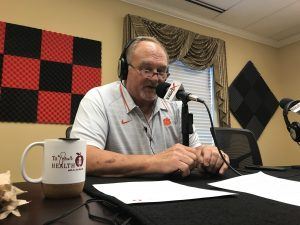
Dr. Jim Morrow, Morrow Family Medicine, and Host of “To Your Health With Dr. Jim Morrow”

Covid-19 and Sports – Episode 41, To Your Health With Dr. Jim Morrow

Dr. Morrow discusses various considerations around Covid-19 and sports, questions of safety, and much more. Dr. Morrow also offers an update on the Covid-19 vaccine. “To Your Health” is brought to you by Morrow Family Medicine, which brings the CARE back to healthcare.

About Morrow Family Medicine and Dr. Jim Morrow

Morrow Family Medicine is an award-winning, state-of-the-art family practice with offices in Cumming and Milton, Georgia. The practice combines healthcare information technology with old-fashioned care to provide the type of care that many are in search of today. Two physicians, three physician assistants and two nurse practitioners are supported by a knowledgeable and friendly staff to make your visit to Morrow Family Medicine one that will remind you of the way healthcare should be.  At Morrow Family Medicine, we like to say we are “bringing the care back to healthcare!”  Morrow Family Medicine has been named the “Best of Forsyth” in Family Medicine in all five years of the award, is a three-time consecutive winner of the “Best of North Atlanta” by readers of Appen Media, and the 2019 winner of “Best of Life” in North Fulton County.

Dr. Jim Morrow, Morrow Family Medicine, and Host of “To Your Health With Dr. Jim Morrow”
Covid-19 misconceptionsDr. Jim Morrow is the founder and CEO of Morrow Family Medicine. He has been a trailblazer and evangelist in the area of healthcare information technology, was named Physician IT Leader of the Year by HIMSS, a HIMSS Davies Award Winner, the Cumming-Forsyth Chamber of Commerce Steve Bloom Award Winner as Entrepreneur of the Year and he received a Phoenix Award as Community Leader of the Year from the Metro Atlanta Chamber of Commerce.  He is married to Peggie Morrow and together they founded the Forsyth BYOT Benefit, a charity in Forsyth County to support students in need of technology and devices. They have two Goldendoodles, a gaggle of grandchildren and enjoy life on and around Lake Lanier.

Facebook: https://www.facebook.com/MorrowFamMed/

LinkedIn: https://www.linkedin.com/company/7788088/admin/

Twitter: https://twitter.com/toyourhealthMD

The complete show archive of “To Your Health with Dr. Jim Morrow” addresses a wide range of health and wellness topics, and can be found at www.toyourhealthradio.com.

Dr. Morrow’s Show Notes

Covid-19 and Sports

  • To date, limited data are available on COVID-19 and its effects on children and adolescents.
    • We know that those with severe presentations
      • (hypotension, arrhythmias, requiring intubation or extracorporeal membrane oxygenation [ECMO] support, kidney or cardiac failure)
      • or with multisystem inflammatory syndrome in children (MIS-C)
      • must be treated as though they have myocarditis
      • and restricted from exercise and participation for a duration of 3 to 6 months.
      • These athletes must be cleared to resume participation by their primary care physician
        • and appropriate pediatric medical subspecialist, preferably in consultation with a pediatric cardiologist.
        • Cardiac testing (EKG, echocardiogram, 24-hour Holter monitor, exercise stress test, and if warranted, cardiac resonance imaging) must have returned to normal, before return to activity.
      • Those with moderate symptoms must be asymptomatic for at least 14 days
        • and obtain clearance from their primary care physician before return to exercise and competition.
        • Any individual who has current or a history of positive cardiac symptoms,
          • who has concerning findings on their examination,
          • or who had moderate symptoms of COVID-19, including prolonged fever,
          • should have an EKG performed and potentially be referred to a pediatric cardiologist for further assessment and clearance.
  • The question still remains about what to do with others infected with SARS-CoV-2
    • or who had close contact with an individual with COVID-19.
    • Because of the growing literature about the relationship between COVID-19 and myocarditis,
      • all children and adolescents with exposure to SARS-CoV-2, regardless of symptoms,
        • require a minimum 14-day resting period
        • and must be asymptomatic for >14 days before returning to exercise and/or competition.
        • Because of the limited information on COVID-19 and exercise, the AAP strongly encourages that all patients with COVID-19 be cleared for participation by their primary care physician.
        • The focus of their return to participation screening should be for cardiac symptoms,
          • including but not limited to chest pain,
          • shortness of breath,
          • fatigue,
          • palpitations,
          • or syncope.
        • All individuals with a history of a positive test result for SARS-CoV-2 should have a gradual return to physical activity.
          • If primary care physicians have any questions regarding their patients’ readiness to return to competition,
            • they should not hesitate to consult with and refer individuals to the appropriate pediatric medical subspecialist.

What Could Happen?

  • There are complications that will stay with a Covid-19 patient for the rest of their lives.
    • The severe complications are
      • pulmonary fibrosis
      • and myocarditis.
      • The likelihood is that in order to develop these complications,
        • a patient will likely have to be moderately ill,
        • that is, having been hospitalized
        • and likely to have required supplemental oxygen therapy.
      • But there is still not a lot of data about this.
    • What is obvious now, that was not obvious at all obvious early on, is that young people are at risk.
      • They are at risk of contracting the virus
      • and they are at risk of having a moderate or severe case.
      • We have already had one football player, in California, die from complications caused by Covid-19.
        • There could be many more.
      • Because of these possibilities,
        • two conferences in the Power 5 decided not to play football this year.
        • They felt that it might be safer in the Spring of 2021.
        • I am not sure what they thought was going to change by then.
      • Recently, the Big Ten conference has reversed their position and decided to play.
        • The main reason cited is advances in availability of testing.

Testing, Covid-19 and Sports

  • The ACC is conducting coronavirus testing three times per week
  • The updated Medical Advisory Group report requires all team members to be tested
    • within three days of game day.
    • one test must be performed the day before kickoff, and must be conducted by a third party the ACC office selects.
    • another test must be done 48 hours after the game.
    • In addition, every student-athlete who tests positive for COVID-19 will undergo a cardiac evaluation that includes an
      • electrocardiogram,
      • a troponin test
      • and an echocardiogram before a phased return to exercise.
      • Many ACC schools already had procedures in place to screen for any possible heart issues.

Should parents and other spectators attend their children’s sports practices and games?

  • Parents/guardians should follow current local regulations for social distancing and use of cloth face coverings when considering game attendance.
    • Attending outdoor events may bear less risk than indoor events with less space and ventilation.
      • No one should attend any sports function as a spectator if they are exhibiting signs or symptoms of COVID-19.
      • Parents and other spectators with high-risk health conditions should strongly consider not attending indoor events or events held outdoors where appropriate social distancing cannot be maintained.
      • Live streaming or recording of athletic events, when available, may allow individuals who are unable to attend to participate in viewing events.

Tagged With: adolescents, children, coronavirus, COVID-19, Dr. Jim Morrow, live sports, Morrow Community Foundation, Morrow Family Medicine, sports

Attention Deficit Disorder (ADD) – Episode 37, To Your Health With Dr. Jim Morrow

July 23, 2020 by John Ray

attention deficit disorder
North Fulton Studio
Attention Deficit Disorder (ADD) - Episode 37, To Your Health With Dr. Jim Morrow
Loading
00:00 /
RSS Feed
Share
Link
Embed

Download file

attention deficit disorder
Dr. Jim Morrow, Morrow Family Medicine, and Host of “To Your Health With Dr. Jim Morrow”

Attention Deficit Disorder (ADD) – Episode 37, To Your Health With Dr. Jim Morrow

On this edition of “To Your Health,” Dr. Morrow discusses attention-deficit disorder: how to recognize it, how a doctor diagnoses it and treatment options. “To Your Health” is brought to you by Morrow Family Medicine, which brings the CARE back to healthcare.

About Morrow Family Medicine and Dr. Jim Morrow

Morrow Family Medicine is an award-winning, state-of-the-art family practice with offices in Cumming and Milton, Georgia. The practice combines healthcare information technology with old-fashioned care to provide the type of care that many are in search of today. Two physicians, three physician assistants and two nurse practitioners are supported by a knowledgeable and friendly staff to make your visit to Morrow Family Medicine one that will remind you of the way healthcare should be.  At Morrow Family Medicine, we like to say we are “bringing the care back to healthcare!”  Morrow Family Medicine has been named the “Best of Forsyth” in Family Medicine in all five years of the award, is a three-time consecutive winner of the “Best of North Atlanta” by readers of Appen Media, and the 2019 winner of “Best of Life” in North Fulton County.

Dr. Jim Morrow, Morrow Family Medicine, and Host of “To Your Health With Dr. Jim Morrow”

Covid-19 misconceptionsDr. Jim Morrow is the founder and CEO of Morrow Family Medicine. He has been a trailblazer and evangelist in the area of healthcare information technology, was named Physician IT Leader of the Year by HIMSS, a HIMSS Davies Award Winner, the Cumming-Forsyth Chamber of Commerce Steve Bloom Award Winner as Entrepreneur of the Year and he received a Phoenix Award as Community Leader of the Year from the Metro Atlanta Chamber of Commerce.  He is married to Peggie Morrow and together they founded the Forsyth BYOT Benefit, a charity in Forsyth County to support students in need of technology and devices. They have two Goldendoodles, a gaggle of grandchildren and enjoy life on and around Lake Lanier.

Facebook: https://www.facebook.com/MorrowFamMed/

LinkedIn: https://www.linkedin.com/company/7788088/admin/

Twitter: https://twitter.com/toyourhealthMD

The complete show archive of “To Your Health with Dr. Jim Morrow” addresses a wide range of health and wellness topics, and can be found at www.toyourhealthradio.com.

Dr. Morrow’s Show Notes

What is attention-deficit disorder (ADD)? 

  • Attention-deficit disorder (ADD) is a group of behaviors.  
  • It used to also be called attention deficit disorder (ADD).  
  • ADD is common in children and adults.  
  • People who have ADD have trouble paying attention in school, at home, or at work.  
  • Even when they try to concentrate, they find it hard to pay attention.  
  • Children who have ADD may be more active or impulsive than what is typical for their age.  
  • These behaviors cause problems in friendships, learning, and behavior.  
  • For this reason, children who have ADD are sometimes seen as being “difficult” or as having behavior problem 
  • Some people who have ADD may have other conditions as well.  
  • These could include learning disabilities,  
  • anxiety,  
  • depression,  
  • oppositional defiant disorder (ODD),  
  • bipolar disorder,  
  • and Tourette syndrome. 

Symptoms of attention-deficit disorder (ADD) 

  • People who have ADD have  
  • difficulty organizing things,  
  • listening to instructions,  
  • remembering details,  
  • and/or controlling their behavior.  
  • This can make it difficult to get along with other people at home,  
  • at school,  
  • or at work. 
  • A person with ADD who has difficulty paying attention will have 6 or more of the following symptoms: 
  • Has difficulty following instructions. 
  • Has difficulty keeping attention on work or play activities at school,  
  • work,  
  • and home. 
  • Loses things needed for activities at school,  
  • work,  
  • and home. 
  • Appears not to listen. 
  • Doesn’t pay close attention to details. 
  • Seems disorganized. 
  • Has trouble with tasks that require planning ahead. 
  • Forgets things. 
  • Is easily distracted. 
  • A person with ADD who is hyperactive or impulsive will have at least 6 of the following symptoms: 
  • Fidgety. 
  • Runs or climbs inappropriately. 
  • Can’t play quietly. 
  • Blurts out answers. 
  • Interrupts people. 
  • Can’t stay in seat. 
  • Talks too much. 
  • Is always on the go. 
  • Has trouble waiting his or her turn.

What causes attention-deficit disorder (ADD)? 

  • People who have ADD do not make enough chemicals in certain areas in the brain that are important for organizing thoughts.  
  • Without enough of these chemicals, the organizing centers of the brain don’t work well.  
  • This is thought to be the cause of ADD.  
  • The shortage of chemicals may be due to a person’s genes (research shows that ADD is more common in people who have  
  • a close family member with the disorder),  
  • environment,  
  • or physical development.  
  • Recent research also links smoking and other substance abuse during pregnancy to ADD.  
  • Exposure to environmental toxins, such as lead, can also be a factor. 

How is attention-deficit disorder diagnosed? 

  • A doctor will be better able to diagnose ADD when getting information about your child’s behavior.  
  • It may take information from several people who know your child (teachers, daycare providers).  
  • Your doctor also may have forms or checklists that you and your child’s teacher can complete.  
  • This will help you and your doctor compare your child’s behavior with other children’s behavior. 
  • Unfortunately, many people try to diagnose themselves by using a quiz or a checklist they find in a magazine or see on TV.  
  • However, it’s best to see your doctor.  
  • Some of the questions your doctor may ask you or about your child include: 
  • Do you have problems with paying attention and being hyperactive?  
  • Do you have a hard time keeping your temper or staying in a good mood? 
  • Do you have problems staying organized or being on time? 
  • Do these problems happen to you at school, work and at home? 
  • Do family members and friends see that you have problems in these areas? 
  • Do you have any physical or mental health problems that might affect your behavior?  
  • (Your doctor may give you a physical exam and do tests to see if you have any medical problems with symptoms that are like ADD.) 
  • Your doctor will probably want to test your child’s vision and hearing if these tests haven’t been done recently.  
  • A person diagnosed with ADD will have had symptoms for at least 6 months. 
  • If your doctor is uncertain about an ADD diagnosis, he or she may want to give you or your child medicine to see if it makes a difference.  
  • However, a trial of medicine alone is not enough to diagnose ADD. 
  • Also, it might be hard for your doctor to tell if your child has ADD.  
  • Many children who have ADD aren’t hyperactive in the doctor’s office.  
  • Your doctor may ask you to fill out a questionnaire regarding your child’s behavior patterns.  
  • Eventually, your doctor may want your child to see someone who specializes in children’s behavior. 
  • The American Academy of Family Physicians (AAFP) recommends that any child 4 through 18 years of age should be evaluated for ADD if they have  
  • academic or behavioral problems,  
  • and symptoms of inattention,  
  • hyperactivity,  
  • or impulsivity. 

Can attention-deficit disorder (ADD) be prevented or avoided? 

  • ADD cannot be prevented or avoided.  
  • However, doctors believe that avoiding smoking and substance abuse during pregnancy can lower the baby’s risk of developing ADD.  
  • Still, there’s no guarantee that doing everything right during pregnancy will protect a baby from developing ADD.  
  • Additionally, exposure to environmental toxins, such as lead, also can be a risk factor for ADD.  

Attention-deficit disorder (ADD) treatment 

  • Some of the medicines used to treat ADD are called psycho-stimulants.  
  • They include Ritalin,  
  • Adderall,  
  • Concerta,  
  • Vyvanse 
  • and a few others.  
  • These medicines have a stimulating effect in most people.  
  • However, they have a calming effect in people who have ADD.  
  • These medicines improve attention and concentration  
  • and decrease impulsive and overactive behaviors.  
  • Your doctor may consider other non-stimulant medicines, such as  
  • clonidine,  
  • desipramine,  
  • imipramine,  
  • and bupropion. 
  • All medicines have side effects.  
  • Psycho-stimulants may decrease your appetite and cause a stomachache or a headache.  
  • The loss of appetite can cause weight loss in some people.  
  • This side effect seems to be more common in children.  
  • Some people have insomnia (trouble sleeping).  
  • Other possible side effects include fast heartbeat, chest pain, or vomiting.  
  • To avoid or reduce the side effects of psycho-stimulants, follow these tips: 
  • Use the lowest possible dose that still controls the hyperactivity or inattention.  
  • Your doctor will work with you to find the right dose. 
  • Take the medicine with food if it bothers your stomach. 
  • Ask your doctor if you can skip the medicines on the weekends. 
  • Offer healthy snacks to children who lose weight while taking medicine for ADD. 
  • Take the medicine 30 to 45 minutes before a meal.  
  • Lunchtime doses can be given at school for some children.  
  • If your child can’t take this medicine at school, tell your doctor.  
  • He or she might suggest a long-acting form of the medicine instead. 
  •  If you are taking the long-acting form of this medicine, do not crush, break, or chew it before swallowing it. 
  • It’s important to take the medicine the way your doctor prescribes it.  
  • Follow your doctor’s advice, even if you think the medicine isn’t working.  
  • Medicines used to treat ADD have been shown to improve a person’s ability to do specific tasks.  
  • This includes paying attention or having more self-control.  
  • The length of time a person will need to take medicine depends on each person.  
  • Some people only need to take medicine for 1 to 2 years.  
  • Others need treatment for many more years.  
  • In some people, ADD may continue into adolescence and adulthood. 
  • People who have ADD should be checked regularly by their doctors.  
  • If your child has ADD, your doctor may suggest that he or she take a break from his or her medicines once in a while to see if the medicine is still necessary.  
  • School breaks or summer vacation might be best. 
  • AAFP suggests several treatment recommendations.  
  • Preschool-aged children (4-5 years of age) should be treated with behavior therapy as the first line of treatment.  
  • The medicine methylphenidate may be prescribed if behavior treatment does not provide significant improvement.  
  • This medicine also should be prescribed if ADD is interfering with the child’s friendships,  
  • home,  
  • and school life at a moderate to severe level.  
  • Elementary school-aged children (6-11 years of age) should be treated with FDA-approved medicine for ADD and behavioral therapy.  
  • Adolescents (12-18 years of age) should be treated with FDA-approved medicine for ADD and may be treated with behavioral therapy.  
  • In all cases, medicine doses should be measured and adjusted to achieve maximum benefit with few adverse effects. 

Living with attention-deficit disorder (ADD) 

  • Symptoms of ADD often get better as children grow older and learn to adjust.  
  • Hyperactivity usually stops in the late teenage years.  
  • But about half of children who have ADD continue to be easily distracted, have mood swings, hot tempers, and are unable to complete tasks.  
  • Children who have loving, supportive parents or guardians who work together with school staff, mental health workers, and their doctor have the best chance of becoming well-adjusted adults. 
  • Children who have ADD may be difficult to parent.  
  • They may have trouble understanding directions.  
  • Their constant state of activity can be challenging for adults.  
  • Some children benefit from counseling or from structured therapy.  
  • Families may benefit from talking with a specialist in managing ADD-related behavior and learning problems. 
  • Children who have ADD also tend to need more structure and clearer expectations.  
  • You may need to change your home life a bit to help your child. Here are some things you can do to help: 
  • Make a schedule. 
  • Make simple house rules. 
  • Make sure your directions are understood. 
  • Reward good behavior. 
  • Make sure your child is supervised all the time. 
  • Watch your child around his or her friends. 
  • Set a homework routine. 
  • Focus on effort, not grades. 
  • Talk with your child’s teachers.

What about Adult ADD? 

  • Adults may have ADD as well as children.  
  • This is a relatively new way of thinking.  
  • Previously, many physicians felt that adults with symptoms like those of ADD were due more to depression and anxiety than ADD.  
  • This thinking has changed somewhat.   
  • An adult with symptoms of ADD also needs to be tested in order to begin treatment.  
  • Treatment is almost always some form of medication, usually the stimulants. 
  • Untreated ADD can present as severe anxiety. It is important to make the distinction.

Tagged With: ADD, ADHD, attention deficit disorder, Dr. Jim Morrow, Jim Morrow, Morrow Community Foundation, Morrow Family Medicine, To Your Health, To Your Health With Dr. Jim Morrow

The Right to Try Act – Episode 36, To Your Health With Dr. Jim Morrow

July 17, 2020 by John Ray

North Fulton Studio
North Fulton Studio
The Right to Try Act - Episode 36, To Your Health With Dr. Jim Morrow
Loading
00:00 /
RSS Feed
Share
Link
Embed

Download file

Dr. Jim Morrow, Morrow Family Medicine, and Host of “To Your Health With Dr. Jim Morrow”

To Your Health With Dr. Jim Morrow – Episode 36, The Right to Try Act

The federal Right to Try Act, enacted in 2018, opens new treatment pathways for terminally ill patients who have exhausted their government-approved options. On this edition of “To Your Health,” Dr. Morrow discusses various aspects of the law. “To Your Health” is brought to you by Morrow Family Medicine, which brings the CARE back to healthcare.

About Morrow Family Medicine and Dr. Jim Morrow

Morrow Family Medicine is an award-winning, state-of-the-art family practice with offices in Cumming and Milton, Georgia. The practice combines healthcare information technology with old-fashioned care to provide the type of care that many are in search of today. Two physicians, three physician assistants and two nurse practitioners are supported by a knowledgeable and friendly staff to make your visit to Morrow Family Medicine one that will remind you of the way healthcare should be.  At Morrow Family Medicine, we like to say we are “bringing the care back to healthcare!”  Morrow Family Medicine has been named the “Best of Forsyth” in Family Medicine in all five years of the award, is a three-time consecutive winner of the “Best of North Atlanta” by readers of Appen Media, and the 2019 winner of “Best of Life” in North Fulton County.

Dr. Jim Morrow, Morrow Family Medicine, and Host of “To Your Health With Dr. Jim Morrow”

Covid-19 misconceptionsDr. Jim Morrow is the founder and CEO of Morrow Family Medicine. He has been a trailblazer and evangelist in the area of healthcare information technology, was named Physician IT Leader of the Year by HIMSS, a HIMSS Davies Award Winner, the Cumming-Forsyth Chamber of Commerce Steve Bloom Award Winner as Entrepreneur of the Year and he received a Phoenix Award as Community Leader of the Year from the Metro Atlanta Chamber of Commerce.  He is married to Peggie Morrow and together they founded the Forsyth BYOT Benefit, a charity in Forsyth County to support students in need of technology and devices. They have two Goldendoodles, a gaggle of grandchildren and enjoy life on and around Lake Lanier.

Facebook: https://www.facebook.com/MorrowFamMed/

LinkedIn: https://www.linkedin.com/company/7788088/admin/

Twitter: https://twitter.com/toyourhealthMD

The complete show archive of “To Your Health with Dr. Jim Morrow” addresses a wide range of health and wellness topics, and can be found at www.toyourhealthradio.com.

Dr. Morrow’s Show Notes

The Right to Try Act


  • On May 30, 2018, President Donald Trump signed S.204, the Right to Try Act.
    • The Right to Try Act opens a new pathway for terminally ill patients who have exhausted their government-approved options
    • and can’t get into a clinical trial to access treatments.
    • Although 41 states have passed Right to Try laws, the signing of S.204 makes Right to Try the law of the land,
      • creating a uniform system for terminal patients seeking access to investigational treatments.
  • Who qualifies for Right to Try?
    • To be eligible for Right to Try, a patient must meet the following conditions:
    • Be diagnosed with a life-threatening disease or condition;
    • Have exhausted approved treatment options;
    • Be unable to participate in a clinical trial involving the eligible investigational drug, as certified by a doctor, who is in good standing with her licensing organization and will not be compensated directly by the manufacturer for so certifying; and
    • Give written informed consent regarding the risks associated with taking the investigational treatment.
  • What is a life-threatening disease or condition?
    • Federal law defines a life-threatening disease or condition as:
      • “Diseases or conditions where the likelihood of death is high unless the course of the disease is interrupted”
  • What drugs or treatments qualify for Right to Try?
    • The treatments available under the law must meet the following conditions:
    • Have completed an FDA-approved Phase 1 clinical trial;
    • Be in an active clinical trial intended to form the basis of an application for approval
      • or be the subject of an application for approval that has been filed with the FDA; and
    • Be in ongoing active development or production and not discontinued by the manufacturer or placed on clinical hold.
  • I do not live in a state with a Right to Try law. Can I still use Right to Try?
      • 204 makes Right to Try the law of the land.
      • So long as a patient and treatment meet the qualifications of the federal law, Right to Try applies, regardless of whether the patient’s state adopted Right to Try.
  • Does medical cannabis qualify?
    • Right to Try only applies to treatments that have completed an FDA-approved Phase 1 clinical trial and remain under study in an active clinical trial.
    • If there is a Phase 2 or 3 clinical trial for medical cannabis as a treatment of an underlying terminal condition, it may qualify.
  • Does a treatment that is already FDA-approved for something else qualify for Right to Try?
    • Doctors may already prescribe treatments ‘off-label.’
      • Off-label means prescribing an FDA approved treatment for a condition, dose, or population other than what the FDA approved.
      • Therefore, no special permission is needed for a physician to prescribe treatments that are approved for other conditions.
      • Right to Try applies to treatments that are being given to patients in clinical trials but are not already FDA approved.
  • What can companies charge for treatments?
    • Federal law bans companies from making a profit on any drug or treatment that has not been approved by the FDA,
    • but the law does allow companies to recover the costs that are directly related to providing an individual treatment.
    • Existing regulations govern what can and cannot be included in the calculation for determining the direct costs that can be charged.
  • This means that a patient could be charged for the direct costs of providing their individual treatment,
    • but the company cannot make a profit.
  • How will payment work?
    • Just like with the FDA’s existing Expanded Access program, insurance companies and taxpayer-funded healthcare programs like Medicaid or Medicare are not required to cover the cost of investigational treatments,
      • but they may choose to do so.
      • Some insurance companies have covered the costs of investigational treatments used by patients under state Right to Try laws, but others have not.
      • Each patient’s cost situation will be different and determined by their individual insurance company or program and their own financial resources.
  • How do I initiate a request?
    • The patient, the patient’s representative, or physician should send a letter to the drug manufacturer’s director of compassionate use or other designated representative to discuss options for access.
  • Where can I find a list of potential treatments?
    • If your physician is not yet aware of investigational treatments, there are several websites that can assist in locating potential treatments:
      • https://clinicaltrials.gov/
        https://platform.emergingmed.com/find-clinical-trials/cri#partnerhome
        https://www.cancer.gov/about-cancer/treatment/clinical-trials/search
  • Is a drug company required to make a treatment available?
      • Drug companies are not required to provide treatments to patients under Right to Try laws.
      • It would not be appropriate to force companies to provide treatments that they do not think are the right fit for a patient
        • or if they do not have enough supply to provide the treatment outside of its clinical trial.
  • Can I make my doctor submit a request for a treatment I want to try?
      • Doctors have a responsibility to ensure that patients are given treatments that they believe, in their professional opinion, could help them.
      • A doctor who does not think a treatment will help is not obligated to make a request for the treatment.
      • In addition, doctors who pursue treatments under Right to Try must be in good standing with their state licensing or certifying board,
        • and they cannot be compensated for certifying that patients qualify for Right to Try.
  • How will a company decide if they will give me the treatment?
    • Each company will develop its own process and procedures for approving Right to Try requests.

Source:  https://righttotry.org/

Tagged With: Dr. Jim Morrow, fda, Jim Morrow, life-threatening disease, Morrow Community Foundation, Morrow Family Medicine, Right to Try, Right to Try law, terminal patients, terminally ill care, terminally ill patients

To Your Health With Dr. Jim Morrow: Episode 7, Allergies

April 24, 2019 by John Ray

North Fulton Studio
North Fulton Studio
To Your Health With Dr. Jim Morrow: Episode 7, Allergies
Loading
00:00 /
RSS Feed
Share
Link
Embed

Download file

Dr. Jim Morrow, Host of “To Your Health With Dr. Jim Morrow”

Episode 7, Allergies

Allergies affect almost 50 million people in the United States alone. On this episode of “To Your Heath,” Dr. Jim Morrow, an allergy sufferer himself, takes them all on:  food, plants, drug, environmental, and contact allergies. Dr. Morrow also talks about Forsyth BYOT, a non-profit established by Dr. Jim and Peggie Morrow to support technology initiatives in Forsyth County Schools.

Dr. Morrow’s Show Notes on Allergies

Allergies

  • When you hear someone talk about having allergies, usually they mean rhinitis or upper respiratory symptoms (runny nose, watery eyes, itching eyes and ears and nose, sneezing).
  • Allergies also can be due to food, medications, animal dander or plants.

Allergic Rhinitis

  • The diagnosis of allergic rhinitis (AR) should be made when history and physical findings are consistent with an allergic cause (e.g., clear rhinorrhea, pale discoloration of nasal mucosa, and red and watery eyes) and one or more of the following symptoms: nasal congestion, runny nose, itchy nose, or sneezing.
  • Individuals with allergic rhinitis should be assessed for the presence of associated conditions such as asthma, atopic dermatitis, sleep-disordered breathing, conjunctivitis, rhinosinusitis, and otitis media.
  • Specific testing (blood or skin) should be performed for patients with a clinical diagnosis of allergic rhinitis who do not respond to empiric treatment, or when diagnosis is uncertain, or when determination of specific target allergen is needed.
  • Sinus imaging should not routinely be performed in patients presenting with symptoms consistent with allergic rhinitis.
  • Intranasal steroids should be prescribed for patients with allergic rhinitis whose symptoms affect quality of life.
  • Oral second-generation/less sedating antihistamines should be prescribed for patients with allergic rhinitis and primary complaints of sneezing and itching.
  • Intranasal antihistamines may be prescribed for patients with seasonal, perennial, or episodic AR.
  • Oral leukotriene receptor antagonists should not be prescribed as primary therapy for patients with AR.
  • Combination pharmacologic therapy may be prescribed for patients with allergic rhinitis who have inadequate response to monotherapy. The most effective combination therapy is an intranasal steroid and an intranasal antihistamine.
  • Immunotherapy should be prescribed for patients with allergic rhinitis who have inadequate response to pharmacologic therapy
  • Avoidance of known allergens or environmental control may be considered in patients with allergic rhinitis who have identified allergens that correlate with their clinical symptoms.
  • Inferior turbinate reduction may be considered for patients with allergic rhinitis with nasal airway obstruction and enlarged inferior turbinates who have failed medical management.

Allergy Testing

  • Many types of allergies: environmental, foods, drug, contact.
  • An estimated 10% to 30% of the global population has an allergic disease.
  • Clinical presentations of allergic diseases, respiratory infections, and autoimmune conditions have similar features.
  • Allergy and immunologic testing can help clarify the diagnosis and guide treatment. Immediate immunoglobulin E (IgE) and delayed T cell–mediated reactions are the main types of allergic responses.
  • The allergens suspected in an immediate IgE-mediated response are identified through serum IgE-specific antibody or skin testing.
  • For patients with an inhalant allergy, skin or IgE-specific antibody testing is preferred.
  • In patients with food allergies, eliminating the suspected allergenic food from the diet is the initial treatment.
  • If this is ineffective, IgE-specific antibody or skin testing can exclude allergens.
  • An oral food challenge should be performed to confirm the diagnosis. Results of laboratory testing for food-specific IgE are generally poor, even less helpful than those for percutaneous skin testing.
  • Patients with an anaphylactic reaction to an insect sting should undergo specific antibody or skin testing.
  • Skin testing for penicillin has a high negative predictive value and can help when penicillin administration is indicated and there are limited alternatives. Testing for other drug allergies has less well-determined sensitivity and specificity, but can guide the diagnosis.
  • Patch testing can help identify the allergen responsible for contact dermatitis.

Food Allergies

  • Patients with suspected food allergies are commonly seen in clinical practice.
  • Although up to 15 percent of parents believe their children have food allergies, these allergies have been confirmed in only 1 to 3 percent of all Americans.
  • Family physicians must be able to separate true food allergies from food intolerance, food dislikes, and other conditions that mimic food allergy.
  • The most common foods that produce allergic symptoms are milk, eggs, seafood, peanuts, and tree nuts.
  • Although skin testing and in vitro serum immunoglobulin E assays may help in the evaluation of suspected food allergies, they should not be performed unless the clinical history suggests a specific food allergen to which testing can be targeted.
  • Furthermore, these tests do not confirm food allergy. Confirmation requires a positive food challenge or a clear history of an allergic reaction to a food and resolution of symptoms after eliminating that food from the diet.
  • More than 70 percent of children will outgrow milk and egg allergies by early adolescence, whereas peanut allergies usually remain throughout life.
  • The most serious allergic response to food allergy is anaphylaxis. It requires emergency care that should be initiated by the patient or family using an epinephrine auto-injector, which should be carried by anyone with a diagnosed food allergy.
  • There are no recommended medications to prevent IgE- or non–IgE-mediated allergic reactions to food. Allergen-specific immunotherapy or immunotherapy with cross-reacting allergens is not recommended to treat food allergy.
  • Some environmental allergens cross-react with foods, such as:
    • Birch pollen:  Carrots, celery, fresh fruit (e.g., apples, cherries, nectarines, peaches, pears), hazelnuts, parsnips, potatoes
    • Grass pollen:  Kiwi, tomatoes
    • Ragweed pollen:  Bananas, melons (e.g., cantaloupe, honeydew, watermelon)

Nonallergic Rhinitis

  • Chronic nonallergic rhinitis encompasses a group of rhinitis subtypes without allergic or infectious etiologies.
  • Although chronic nonallergic rhinitis represents about one-fourth of rhinitis cases and impacts 20 to 30 million patients in the United States, its pathophysiology is unclear and diagnostic testing is not available.
  • Characteristics such as no evidence of allergy or defined triggers help define clinical subtypes.
  • There are several subtypes with overlapping presentations, including:
    • nonallergic rhinopathy,
    • nonallergic rhinitis with nasal eosinophilia syndrome,
    • atrophic rhinitis,
    • senile or geriatric rhinitis,
    • gustatory rhinitis,
    • drug-induced rhinitis,
    • hormonal rhinitis, and
    • occupational rhinitis.
  • Treatment is symptom-driven and similar to that of allergic rhinitis. Patients should avoid known triggers when possible.
  • First-line therapies include intranasal corticosteroids, intranasal antihistamines, and intranasal ipratropium.
  • Combination therapy with decongestants and first-generation antihistamines can be considered if monotherapy does not adequately control symptoms.
  • Nasal irrigation and intranasal capsaicin may be helpful but need further investigation.

Hives (Urticaria)

  • Hives are typically large, raised areas on the skin that can itch and spread and coalesce into huge areas of swelling
  • They can be caused by many things, including:
    • Colds
    • Bladder infections or other types of infection
    • Allergies to food, particles in the air, or things that touch your skin
    • Insect stings or bites
    • Medicines
    • Heat, cold, or pressure
    • Exercise
    • A serious disease, but this is uncommon In many cases, no specific cause is found.

About Morrow Family Medicine and Dr. Jim Morrow

Morrow Family Medicine is an award-winning, state-of-the-art family practice with offices in Cumming and Milton, Georgia. The practice combines healthcare information technology with old-fashioned care to provide the type of care that many are in search of today. Two physicians, three physician assistants and two nurse practitioners are supported by a knowledgeable and friendly staff to make your visit to Morrow Family Medicine one that will remind you of the way healthcare should be.  At Morrow Family Medicine, we like to say we are “bringing the care back to healthcare!”  Morrow Family Medicine has been named the “Best of Forsyth” in Family Medicine in all five years of the award, is a three-time consecutive winner of the “Best of North Atlanta” by readers of Appen Media, and the 2019 winner of “Best of Life” in North Fulton County.

Dr. Jim Morrow, Morrow Family Medicine

Dr. Jim Morrow is the founder and CEO of Morrow Family Medicine. He has been a trailblazer and evangelist in the area of healthcare information technology, was named Physician IT Leader of the Year by HIMSS, a HIMSS Davies Award Winner, the Cumming-Forsyth Chamber of Commerce Steve Bloom Award Winner as Entrepreneur of the Year and he received a Phoenix Award as Community Leader of the Year from the Metro Atlanta Chamber of Commerce.  He is married to Peggie Morrow and together they founded the Forsyth BYOT Benefit, a charity in Forsyth County to support students in need of technology and devices. They have two Goldendoodles, a gaggle of grandchildren and enjoy life on and around Lake Lanier.

Facebook: https://www.facebook.com/MorrowFamMed/

LinkedIn: https://www.linkedin.com/company/7788088/admin/

Twitter: https://twitter.com/toyourhealthMD

Forsyth BYOT

In 2013, Dr. Jim and Peggie Morrow found that hundreds of students in Forsyth County did not have the technology necessary to succeed in the highly technical environment that school is today. The county relies on online work a great deal and so many students were having to go to the library or a Starbucks to access assignments because they did not have internet in their homes.  Additionally, many did not and do not have internet capable devices that make this work possible either.

So, the Morrows made it their mission to bridge this gap and help these students try to break the cycle of generational poverty that so many of them are born to.

In the last five years, over $300,000 has been raised and donated by Forsyth BYOT to the Forsyth County Schools for this purpose. Forsyth BYOT seeks to raise awareness of the problem and find sponsors to donate or raise money outright through two yearly fundraisers, the BYOT Golf Tournament in May and the iRUN for BYOT 5K & FunRun in October.  Donated funds are given to the school district, which has staff in place to first determine which students are in need and then to purchase and distribute internet hotspots or devices to that family.

Tagged With: Cumming family doctor, Cumming family practice, Cumming md, Cumming physician, Dr. Jim Morrow, drug allergies, drug allergy, egg allergy, environmental allergies, environmental allergy testing, epinephrine auto-injector, epipen, Food allergies, food allergy, Forsyth BYOT, inhaled allergies, Milton family doctor, Milton family practice, Milton md, Milton physician, Morrow Community Foundation, Morrow Family Medicine, peanut allergy, penicillin, pine pollen, poison ivy, pollen, pollen allergy, ragweed, rash, rhinitis, skin rash, skin rashes, skin testing, tree nut allergy, urticaria

Business RadioX ® Network


Our Most Recent Episode

CONNECT WITH US

  • Email
  • Facebook
  • LinkedIn
  • Twitter
  • YouTube

Our Mission

We help local business leaders get the word out about the important work they’re doing to serve their market, their community, and their profession.

We support and celebrate business by sharing positive business stories that traditional media ignores. Some media leans left. Some media leans right. We lean business.

Sponsor a Show

Build Relationships and Grow Your Business. Click here for more details.

Partner With Us

Discover More Here

Terms and Conditions
Privacy Policy

Connect with us

Want to keep up with the latest in pro-business news across the network? Follow us on social media for the latest stories!
  • Email
  • Facebook
  • Google+
  • LinkedIn
  • Twitter
  • YouTube

Business RadioX® Headquarters
1000 Abernathy Rd. NE
Building 400, Suite L-10
Sandy Springs, GA 30328

© 2025 Business RadioX ® · Rainmaker Platform

BRXStudioCoversLA

Wait! Don’t Miss an Episode of LA Business Radio

BRXStudioCoversDENVER

Wait! Don’t Miss an Episode of Denver Business Radio

BRXStudioCoversPENSACOLA

Wait! Don’t Miss an Episode of Pensacola Business Radio

BRXStudioCoversBIRMINGHAM

Wait! Don’t Miss an Episode of Birmingham Business Radio

BRXStudioCoversTALLAHASSEE

Wait! Don’t Miss an Episode of Tallahassee Business Radio

BRXStudioCoversRALEIGH

Wait! Don’t Miss an Episode of Raleigh Business Radio

BRXStudioCoversRICHMONDNoWhite

Wait! Don’t Miss an Episode of Richmond Business Radio

BRXStudioCoversNASHVILLENoWhite

Wait! Don’t Miss an Episode of Nashville Business Radio

BRXStudioCoversDETROIT

Wait! Don’t Miss an Episode of Detroit Business Radio

BRXStudioCoversSTLOUIS

Wait! Don’t Miss an Episode of St. Louis Business Radio

BRXStudioCoversCOLUMBUS-small

Wait! Don’t Miss an Episode of Columbus Business Radio

Coachthecoach-08-08

Wait! Don’t Miss an Episode of Coach the Coach

BRXStudioCoversBAYAREA

Wait! Don’t Miss an Episode of Bay Area Business Radio

BRXStudioCoversCHICAGO

Wait! Don’t Miss an Episode of Chicago Business Radio

Wait! Don’t Miss an Episode of Atlanta Business Radio