Business RadioX ®

  • Home
  • Business RadioX ® Communities
    • Southeast
      • Alabama
        • Birmingham
      • Florida
        • Orlando
        • Pensacola
        • South Florida
        • Tampa
        • Tallahassee
      • Georgia
        • Atlanta
        • Cherokee
        • Forsyth
        • Greater Perimeter
        • Gwinnett
        • North Fulton
        • North Georgia
        • Northeast Georgia
        • Rome
        • Savannah
      • Louisiana
        • New Orleans
      • North Carolina
        • Charlotte
        • Raleigh
      • Tennessee
        • Chattanooga
        • Nashville
      • Virginia
        • Richmond
    • South Central
      • Arkansas
        • Northwest Arkansas
    • Midwest
      • Illinois
        • Chicago
      • Michigan
        • Detroit
      • Minnesota
        • Minneapolis St. Paul
      • Missouri
        • St. Louis
      • Ohio
        • Cleveland
        • Columbus
        • Dayton
    • Southwest
      • Arizona
        • Phoenix
        • Tucson
        • Valley
      • Texas
        • Austin
        • Dallas
        • Houston
    • West
      • California
        • Bay Area
        • LA
        • Pasadena
      • Colorado
        • Denver
      • Hawaii
        • Oahu
  • FAQs
  • About Us
    • Our Mission
    • Our Audience
    • Why It Works
    • What People Are Saying
    • BRX in the News
  • Resources
    • BRX Pro Tips
    • B2B Marketing: The 4Rs
    • High Velocity Selling Habits
    • Why Most B2B Media Strategies Fail
    • 9 Reasons To Sponsor A Business RadioX ® Show
  • Partner With Us
  • Veteran Business RadioX ®

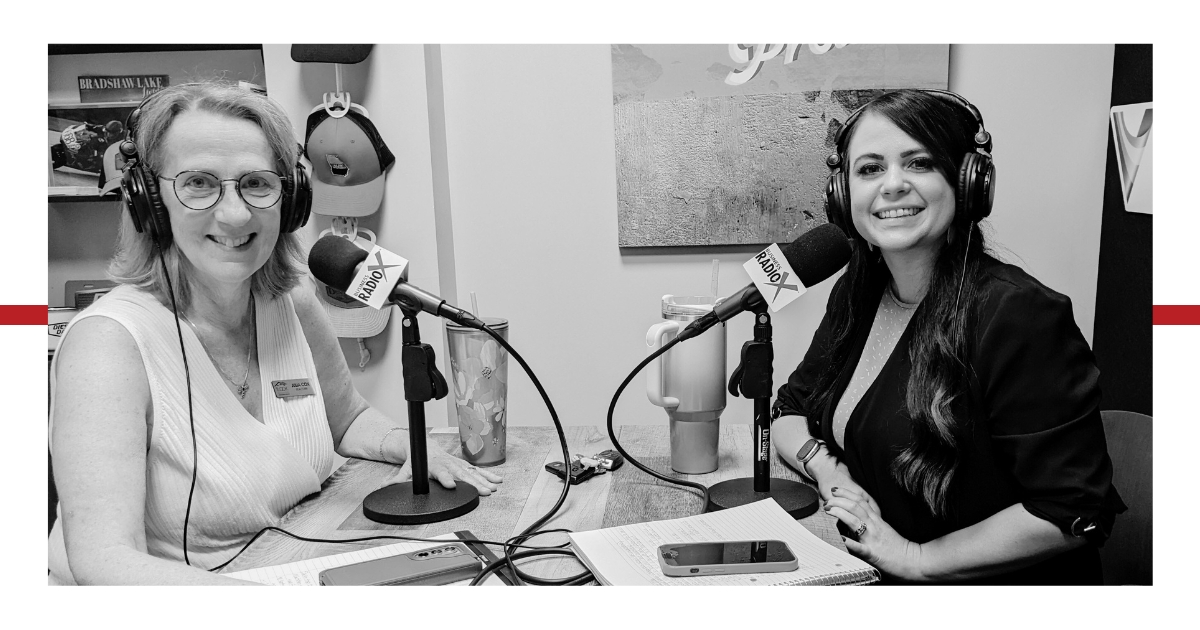
Julia Cox with Just Closed With Julia and Amber de Marché with Mortgage Right

June 13, 2024 by angishields

CherokeeBusinessRadio061124pic1
Cherokee Business Radio
Julia Cox with Just Closed With Julia and Amber de Marché with Mortgage Right
Loading
00:00 /
RSS Feed
Share
Link
Embed

Download file

Cherokee-BRX-Julia-Amber-Banner

Brought to you by Diesel David and Main Street Warriors

CherokeeSponsorImageDieselDavidMSW

Just-Closed-With-Julia-logo

Julia-Cox-bwAs a realtor with nearly 3 years of experience in her beloved community, Julia Cox’ passion for helping others has always extended beyond the realm of real estate. With three generations of military service in her family, including her father, husband, and son, the values of service, dedication, and respect are deeply ingrained in Julia’s character. These values drive her commitment to supporting the elderly, a cause close to her heart.

Growing up in Georgia and spending decades in this vibrant area, Julia has witnessed firsthand the invaluable contributions our senior citizens have made. Their wisdom, resilience, and stories enrich our lives, and it’s her mission to ensure they receive the care and support they deserve. Whether it’s through assisting with downsizing, finding a home that better suits their needs, or simply offering a compassionate ear, Julia strives to make their lives a little easier.

As a retired military member, Julia understands the unique challenges that come with aging, especially for those who have dedicated their lives to serving our country. Her approach is detail-oriented and empathetic, ensuring that every senior she works with feels heard and valued. It’s not just about real estate; it’s about community over competition, fostering connections, and creating a supportive environment where our elders can thrive.

In addition to her professional endeavors, Julia is an avid gardener, crafter, and dog lover. These hobbies have taught her patience, the importance of nurturing, and the joy of seeing something grow and flourish—principles she applies when working with the elderly. Her goal is to help them navigate their next chapter with dignity and grace, providing them with the resources and support they need to enjoy their golden years to the fullest.

Together, we can build a community that honors and uplifts our seniors, ensuring they feel as cherished and respected as they truly are.

Connect with Julia on LinkedIn, Facebook and Instagram.

Amber-De-Marche-bwAmber de Marché’s professional journey has been an exciting one, leading her from a successful ten-year career as an educator in the cosmetology industry to discovering her true passion for real estate during the challenging times of COVID.

With a decade of experience in education, Amber has developed a strong foundation in communication and empathy, which has seamlessly transitioned into her role as a Loan Officer. Helping first-time homebuyers and veterans navigate the complex world of real estate is a true joy for Amber, but she’s equally dedicated to assisting anyone on their journey to finding their dream home.

Education is at the heart of her approach. Amber firmly believes that understanding the loan process is crucial for borrowers to make informed decisions. That’s why she takes the time to explain every step of the way, ensuring clients feel empowered and confident throughout the entire process.

But it doesn’t end with the closing of your first deal. Building meaningful and lasting relationships with her clients is paramount to Amber. She’s committed to being your trusted lender for life, ready to support you in all your future real estate endeavors.

When Amber isn’t immersed in assisting clients, you can find her cherishing precious moments with her family, like chasing her toddler around. As an avid lover of the great outdoors, Amber seizes every opportunity to explore nature’s beauty. And when it’s time to recharge, you’ll likely find her indulging in a well-deserved nap!

Connect with Amber on LinkedIn and Facebook.

Transcript-iconThis transcript is machine transcribed by Sonix.


TRANSCRIPT

Intro: Broadcasting live from the Business RadioX studios in Woodstock, Georgia. It’s time for Cherokee Business Radio. Now, here’s your host.

Stone Payton: Welcome to another exciting and informative edition of Cherokee Business Radio. Stone Payton here with you this morning, and today’s episode is brought to you in part by our Community Partner program, the Business RadioX Main Street Warriors Defending Capitalism, promoting small business, and supporting our local community. For more information, go to Main Street warriors.org and a special note of thanks to our title sponsor for the Cherokee chapter of Main Street Warriors Diesel David Inc. Please go check them out at diesel.david.com. You guys are in for a real treat this morning. Please join me in welcoming to the broadcast, first up on Cherokee Business Radio with Just Close With Julia, and 1Look Real Estate office. Miss Julia Cox, how are you?

Julia Cox: I am doing fabulous. It’s a beautiful day out and I’m going to go wash my car after this, so yay!

Stone Payton: Well, we’re delighted to have you in the studio. You and I have been plotting this conversation for some time now. Uh, Julia and I are part of the young professionals of Woodstock, and so we’ve gotten a chance to know each other a little bit. But today we’re going to get to dive in, visit with her about her and her business, maybe get some pro tips for some folks out there. And you’re going to introduce us to a guest that you brought with you here in a little bit, too. Yeah.

Julia Cox: Yes.

Stone Payton: All right. Tell me a little bit, maybe a good place to start. Mission. Purpose. I know you’re in the real estate arena, but for you specifically, you’ve kind of refined your mission, your purpose, your focus. What are you really out there trying to do for folks?

Julia Cox: I am trying to help seniors mostly right now because they are in desperate need for somebody to just help. They get taken advantage of left and right by everybody. So I’m here to inform them, to let them know what their choices are to get them. There’s legal aid. There’s all kinds of things that they are that they can have. The biggest thing right now is I wanted to make sure that all the seniors know that they can appeal their tax assessment. You can either call them and they will send you a written copy, or you can go to the Cherokee County Tax assessor’s office. And down on that page it will say appeal. You have 45 days from your first day of notice. If your appeal is approved, it’s good for three years. So that way you know your your tax is going to stay the same and you’re going to be good to go for three years.

Stone Payton: Well, I’m certainly no expert in the arena, but it has been my observation that our assessment never goes down.

Julia Cox: No it doesn’t.

Julia Cox: Yes, I worked with this one lady. Hers went up 30%. I mean, seriously 30%. So and you know so you know, all you have to do is get one of your trusted realtors to give you a CMA, which is a comparative market analysis, which will show how much in the market the house is worth. And then you can tell that and you can take that and put that in your paperwork and you can go from there. But it really helps. And please, there’s not a realtor out there that will not help you out and it’s no charge.

Stone Payton: So what is the the back story? How in the world did you find yourself in this line of work?

Julia Cox: Well, my thing is, I wanted to be a realtor all my life. It’s just such a big part in people’s life, and it’s such a family oriented thing that this is just something I wanted to do. But as many people know, being a realtor is incredibly hard and it takes a lot of time and it takes a lot of face time. And usually you don’t see any income from anywhere from six months to two years. So it took me a while and I finally get to do my dream job, which is very exciting. And then I got into it and I was trying to find, okay, where where do I fit what’s what’s a good place for me? And just so happens that I’m going into my senior years and we are retired military. So I went and got my Qris, which is a senior real estate specialist certification, and I got my MRP, which is a military relocation professional, and that way I can help the people that I am. And I work with seniors, you know, the 500 and 1C3 the nonprofit seniors like stand up for seniors, Cobb Cherokee Senior Services. There’s quite a few out here, and I work with them because I want to people to move in my community that I support and I work toward and I work for. So it just makes me feel better. They’re walking in and I know what they’re walking into so I can help find them a place where they’re going to flourish. They’re going to feel comfortable. They’re going to know people. They’re going to know, you know where to go when they want to do something, whether they want to be in a quilting circle or wanting to be in a book club, we can help with that.

Stone Payton: Well, now that you’ve been at it a while, what are you what are you finding the most rewarding? What’s the most fun about it for you?

Julia Cox: The most fun about it, and this just happened recently, is I had a senior lady and this was just awesome. Um, her son was going to sell her house because obviously he knows more than anybody else. But in the end, she we talked and, you know, we got this set up and she actually told her her daughter that, you know what? She doesn’t want my brother to sell a house. She wants you to. And my brother called me and asked me, what in the world why is mom so ready to move now? And she’s okay with it? That was a huge win because she felt that comfortable with me and it was great.

Stone Payton: Real estate strikes me as a very I don’t know if it’s fair to say, crowded, but a competitive arena from a sales and marketing standpoint, how does the whole sales and marketing thing work for a real estate agent? Because there there’s I I’m operating under the impression that there’s plenty of opportunity out there, but there’s also a lot of folks in your business, right. How do you go about the sales and marketing thing?

Julia Cox: You do the best you can and be authentic. You have to be authentic. And it’s like when you go and you you work at a you are what, one of the 500 and 1C3 events and you’re taking pictures. People are like, well that’s rude. You’re taking a picture to advertise. You’re not you’re not advertising yourself. Very rarely am I in the pictures. I’m advertising the event. Plus I just talk to people. I like going out. I like meeting seniors, and I’m authentic and people gravitate toward that. And the real estate is it’s very it’s very challenging right now. And a lot of people are getting out. It’s not as crowded as it once was. The numbers are going down very quickly, actually. So a lot of people are saying the cream of the crop will stay in, but being authentic and being in it for the reason your heart’s in it, there’s a reason that you’re in it. And if your heart is making money, then it’s still your heart. So you’re going to make money. But it’s just honestly, it’s being true to yourself, being authentic, just getting in front of people, helping your community and just being a part of your community is huge.

Stone Payton: Well, and I know you personally to be very invested in the community, collaborative, very relationship oriented, I guess, I guess I would say and one tremendous example of that I think, is, is how you work with other people with specialized expertise in their domain to make all this stuff come together. And you brought one with you. Did I tell us who you brought with you?

Julia Cox: I brought Amber de Marché and she is a loan officer with mortgage. Right. And Darren Hunter is the lead the lead mortgage lender on that team. And Amber is wonderful. And she actually knows how to do reverse mortgages, which is another item that I can bring to the table when we’re talking to seniors. And she also is very savvy about making sure that people are not getting ripped off, and they know how to send money through wire so they don’t send it to somebody in. You know, I don’t know Nigeria because, you know, the prince needs money.

Stone Payton: Yeah, I got an email from him. I haven’t responded.

Julia Cox: But it’s amazing, isn’t it? That man needs a lot of money.

Stone Payton: Well, Ms. Amber, what’s it like to to hang out with Julia?

Amber de Marché: Hi. So super excited to be here. Julia is awesome. All the things you said I second, she definitely has a passion and a heart for helping people, especially the seniors. So yeah, lots of fun with Julia.

Julia Cox: So how did you.

Stone Payton: Get in the mortgage business?

Amber de Marché: Oh, Covid actually helped me get in mortgage. Yeah, I was, um, my background is actually in cosmetology. I was an instructor admissions director at a cosmetology school in Arkansas. And Covid shut all of that down and kind of made me rethink. I knew a mortgage broker that was like, hey, maybe this is for you. You should try it. You’re at you’re not doing anything at home anyways. You might as well come shadow with me. And I totally fell in love with it. So it’s, um, it’s been really, really rewarding, especially, um, you know, growing up with parents that were divorced and living paycheck to paycheck and, um, never really thought that home ownership would be something attainable for myself. And then learning through working in the business that it actually was and have bought two houses now. So I love helping people realize that it’s not quite as complicated. And if you have the right people helping you, like Julia, it really can be simplified and not as stressful.

Julia Cox: So it’s something else that Amber does that I think is really, really great is she is getting a class so she can actually help people budget so they can pay off their credit cards. They can start. And these are because younger people are coming out with credit card. It’s not really money because they don’t teach these items in high school. So she it’s really cool. She’s going to go get her license with this for this. And it’s just that’s going to be huge. That’s going to make a difference. Maybe she can go talk in some high schools. You know even middle schools.

Amber de Marché: Yeah I’m excited getting my financial coaching certification. So yeah I’m excited to be able to to spread my passion for helping people and and help people dive into more day to day financial stuff too. So.

Stone Payton: Well, I agree 100% for what that’s worth. That financial literacy for me is a very important topic, and I also was not very knowledgeable or disciplined about money, even to the point I was very fortunate and made more money than most at a younger age than most in in my first career. But I spent just a little bit more than that.

Julia Cox: And part of it.

Stone Payton: Was like, you developed this mentality when when that is your path, what would just make some more tomorrow?

Julia Cox: Yeah, absolutely.

Amber de Marché: I, I tell people all the time, you know, sometimes I talk to borrowers that are they really want to buy a house, but maybe they’re not quite sure what that looks like and maybe they’re not quite there yet. And like, don’t feel bad about yourself. You know, like they don’t teach you that stuff in high school. And and if you know, your parents are in survival mode or just maybe they they weren’t taught that stuff either, then it’s. It’s just what it is. And I made all the mistakes in my 20s with I can tell you I totally ruined my credit and had to rebuild it. And so through that, you know, definitely have learned a lot and hope to use that to help other people.

Julia Cox: I bet you.

Stone Payton: In your line of work run into some patterns, some things you see over and over, and maybe there’s some patterns among young people trying to get their first house and they do some things, or fail to do some things that to you or just walking around sense and if you can get to them early enough, or even if they’ve made some of those mistakes, you can help them recover. Is that accurate?

Amber de Marché: Yes, absolutely. I would say the biggest piece of advice I give people is just make your payments on time. Like if you’ve opened a credit card or a loan or something, just make your payments on time. It’ll make a huge difference in your whole life.

Stone Payton: And maybe don’t make a crazy big move like the new truck or the new yeah, yeah, yeah. Right in the throes of things. Yeah.

Amber de Marché: Uh, 100%. Yeah. Especially when you’re going through the mortgage process. Like, don’t go buy a truck, don’t change jobs, don’t quit your job. Like, just basically freeze everything. Don’t cosign a loan for anyone. Don’t, you know, purchase anything big? Um, when you’re getting a mortgage, you know, we’re looking at your ability to repay. And sometimes there are certain things that we need to be at a certain point. So maybe you can do it after, if that’s if your heart desires to go buy that brand new Ford F-150, then that’s okay. Do it. After you close on your house.

Julia Cox: You sounds like good advice.

Julia Cox: And you know, some of the some of the two things that I thought that was really cool, that Amber told me about is also, don’t pay off your credit cards and keep your credit cards at like anywhere between 10 and 30% because they want that consistent payment. So I thought that was fascinating.

Amber de Marché: Yeah, they want to see you. The credit bureaus want to see you having a healthy relationship with that credit. So keeping a balance and keeping it paid down.

Julia Cox: And well, I’m glad you.

Stone Payton: Mentioned that because that that would that would be a little counterintuitive for me. But, you know, I’m at a different stage in life where I’m don’t carry debt. But at that point, you really you want to have the the debt capacity, but you don’t want to have the, the where you owe very much. Right?

Amber de Marché: Yes.

Julia Cox: Yeah. Interesting for sure.

Stone Payton: So have you like Julia and maybe you already partially answered this question because because of your focus on financial literacy, but have you chosen any particular niche, a demographic, a psychographic, a certain group of people that while you you’ll be delighted to help a lot of people, that this is where you’re going to focus your sales and marketing energy on and your education and community energy on.

Amber de Marché: Yeah, for sure. And it’s not maybe as specific as Julia, but, you know, young, young families. So young families that either they bought their first house, but it was 5 or 10 years ago. The market’s very different now. And they’re needing to expand. You know, they have kids coming. And you know like we do that take up a lot of space. Um, or um, you know, young young families that maybe are first time home buyers and, and aren’t really sure where to get started or what the process looks like. Those are my favorites to help. But like you said, I’ll help everybody.

Julia Cox: And I wanted to add to that because the more I dive into seniors, because I’ve already doubled the amount of C credits, which is continuing education credits for my seniors, the more I dive in to the seniors, the more it helps me understand the process better. So I like helping seniors, but I am more able to handle anybody because I know how the mortgage works. I know how I know all this vendors, the partners that can help me get their houses up and ready to go or what we’re looking for. So it’s like you, you have a niche, but the niche actually, if you really dive into that niche, it helps you across the board, which is kind of cool. I think it’s the same way for sure.

Julia Cox: Yeah, well.

Stone Payton: Let’s dive into a use case and maybe we can we can have you both dive into a single use case, but let’s just take well, let’s take the young couple and they somehow got into their first home, uh, no kids making pretty good money and all that. And so they were able to get into that one that’s not going to serve in this next phase of life because they want to, you know, they want to have kids. And then, uh, what’s the do they approach you first typically to start getting their financial ducks in a row? Amber. Is that the walk us through kind of at least the early stages of what that looks like?

Julia Cox: Yeah.

Amber de Marché: So it’s funny you ask that question, um, because a lot of people go to the realtor first. Um, but really they should talk to the loan officer first, because when you go talk to the real estate agent, they’re going to say, have you talked to a loan officer? Have you gotten pre-approved? Um, and mostly because as a real estate agent, you know, they don’t want to take you to look at a $400,000 house if you can’t afford to buy it. Right. If your budget is only up to 375, well, now you’ve fallen in love with the house and everybody’s going. To be really disappointed.

Julia Cox: But also they will not. If you if they fall in love with that house, they will make an offer on it. They can’t. Right. Because they haven’t gone through the approval process. Yeah. So it just we’re like breaking hearts and we’re crying almost as much as, you know, the people that want to buy the house, it’s it’s a sad thing. Yeah.

Amber de Marché: So you would definitely reach out to a loan officer first. Um, go through the pre-approval process. So they’re going to most likely ask you to fill out an application, um, you know, maybe provide some documents to verify your income, that you have some savings if that’s the route you’re going. Georgia has some down payment assistance programs. That would be a whole other podcast episode for you. Yeah, yeah. Um, but um, so yeah, depending on the route. So basically anything you put on the loan application, we just have to verify with documents. So like your driver’s license says, this is who you are and this is where you live. And, you know, income is a big thing and asset. So like your bank statements, savings accounts, stuff like that. So definitely talk to a loan officer first and then you can go do the fun part that everybody wants to do, which is go look at the houses with the real estate agent.

Julia Cox: So when I actually talked to people that are coming in and looking at the houses at the open house, I’m like, are you pre-approved? If you’re not, please, I’ve got some great lenders. I can, you know, send you to, well, we’re not looking to buy for six months. And I’m like, the lenders would love it if they got you six months before you bought the house.

Julia Cox: Okay. Excellent. Six months to a year.

Julia Cox: They they would love it because there’s no surprises. They can knock it out before it even happens. So and that’s what I try to encourage people to do is talk to your lender. I mean, just seriously, a year, six months before you’re even looking for a home.

Julia Cox: Wow. Okay.

Amber de Marché: Yeah, I always think about it like, um, like if you’re going so, like, you decide to get healthy, right? And you’re so you have like two parts of that, your diet and your working out. So the real estate agent does the working out part, which is the one that everybody posts about. Right? Like nobody wants to see what you’re eating. They want to see like that heavy weight that you lifted so they can be like, wow, you deadlifted 300 pounds this morning. Way to go. But so so the real estate agents like the trainer at the gym, the loan officers like, the dietician like we’re going to look at your finances and make sure that your finances are healthy enough and that you have good habits. So it could be six months to a year before you’re ready to buy that house. But if you talk to the loan officer first, we can definitely look and see how to get you there.

Stone Payton: It makes all the sense in the world to me. So let’s take this young couple. Let’s say that they took this advice, reached out to you a good six months plus ahead of time. I guess initially you might come back with kind of a working number, but it’s not really a hard number. Right. Like let’s, let’s call it 375. Mhm. Um, let’s and but you’re not necessarily saying okay go get you a $375,000 house. You’re saying, okay, we know that we’re in this neighborhood financially. Now let’s continue to look at and then we’ll get you even better or we’ll help you think through. Yeah it’s 375 but I think we’ll we’ll stop at 350 or something. Yeah. Yeah.

Amber de Marché: Absolutely. Yeah. And you know, a lot of times the purchase price makes a difference. Right. But the biggest thing that we’re looking at is the monthly payment, because that’s really going to impact you more than anything in terms of looking at. So maybe we say, okay, you can afford up to $375,000 based on just how we qualify you for a mortgage, how the bank looks at you, but comfortably for you guys in their mind, they may they might be like, I don’t want my mortgage payment to be more than $1,500 a month. And then it’s like, okay, well then you need to keep your purchase price at 350. That’s going to get you right where you want to be with your mortgage payment.

Stone Payton: So yeah. So getting into the mortgage business, I’m sure the answer to this is yes, but I’m going to ask anyway, did you have the benefit of one or more mentors to kind of help you navigate that terrain and a team you could lean on for a while?

Amber de Marché: Yes, 100%. You definitely need it in the mortgage and in the real estate world because it’s really, you know, everybody says this, but you, you learn so much through the classes that you have to take and the licensing process and all of that. But applying it in the real world is a lot different than reading about it in a textbook, you know?

Julia Cox: So in real estate, they call they call it drinking from a, you know, a water, um, a fire hydrant because you’re getting you can only drink so much. You’re getting all this information. So it it takes you, it takes you a little while. And the more you work at it, you go, oh, yeah, oh, yeah, oh, yeah. It’s really good because it’s like anybody you learn better when you do it. Yeah. So doing it is just huge. And or you can help somebody do it.

Amber de Marché: Yeah.

Julia Cox: Which is awesome at mortgage right.

Amber de Marché: I mean I ask those guys all the time, I’m like, so I have this scenario, I don’t know what to do. So yeah, definitely lean on. And Darren’s been a huge mentor for me. Just helping, you know, with building the business for myself. And you know, we’re all our own brand. Right. So so helping with that as well. So. Yeah.

Stone Payton: Well, that’s a good point. Yes. Your mortgage. Right. And and a lot of us around town know Darren to be a marvelous person. Yes, but you’re also Amber and you get. So you’ve got this whole sales and marketing differentiation thing. I don’t, I don’t know. Do you employ, uh, tools like social media and getting out there in the community talk. Walk us through how you kind of do your sales and marketing thing, if that’s the right term.

Amber de Marché: Yeah, it is the right term. That’s what I call it anyway.

Julia Cox: Okay, good, good.

Amber de Marché: Um, yeah. So I do social media, um, you know, like most people, I get tired of it sometimes. So I take a little. I took a little break, but I’m getting back into it now. Yeah. Um, I do a lot of the business networking groups around to like the Kennesaw Business Club, Woodstock Business Club. I’ve been to some of the business associations, so I’m doing that big in the chamber, the Cherokee chamber. Um, love those people there. Um, and then, you know, I have a passion for helping people, so I, I consider my volunteer to be networking as well.

Julia Cox: Yeah, absolutely.

Amber de Marché: Um, I volunteer with the chin up program through the Children’s Haven. So they, we do like a, a, a program a couple of times a month for middle school and high school kids that are having truancy issues in school and stuff and maybe just need like a positive role model there, somebody to spend some time with them. So, um, I do that. I’ve, I’ve volunteered with Cobb Mentoring Matters, where we mentor kids in, in the middle schools to just kind of be a guide for them to figure out what path they’re taking. And, um, I’ve done some mentoring through Serenade Heights, which is a nonprofit that helps single moms kind of get back on their feet or go back to college and stuff like that. So, um, that’s a big part of of my passion for all of this, so.

Stone Payton: Well, I can tell it. I can hear it in your voice. I can see it in your in your eyes. I think this might apply to both of you guys. Uh, I know I came from the training consulting world, and we would often lean on other practitioners who had specific expertise in another domain much deeper than ours, like home services folks, the people that can get a house ready. Or do you guys probably know a lot of those people? And you, you’ve got your go to lot guy and your go to roof person. Is that true?

Julia Cox: That is.

Julia Cox: Yes. That’s like part of my when I go in to speak to somebody, especially a senior, because there’s a lot you have to do because they’re moving into a different lifestyle. So it’s almost like they have four different buckets. They have what they’re taking with us, they have what they’re going to put in storage. But we’ll probably they have what they’re given to their children, and they have what they’re going to do an estate sale with, or they’re going to sell on Facebook. And I have people for both of those, and then they have what they’re going to donate. So it’s just and then I have this wonderful packer that will help. Impatient. I have a wonderful mover that will take things to the four different places, or break down the old swing set in the back yard. I have an amazing person that can come and do like mold remediation. I have a wonderful roofing person. I mean, it’s just these people are what make up my toolbox. They are so awesome and they they’re what make me smile. And I know I’m doing a good job because they’re doing a good job. It’s like it just reeks of goodness. It’s awesome. But yeah, those are you’ve got those are wonderful.

Stone Payton: And you’re and you’re the same way. Right. You know people in that arena as well, right?

Amber de Marché: Yeah, 100%. I would say most of the time the homeowner looks to the realtor for most of that stuff because they’re in the houses with them, and maybe they’re looking at a house and like, oh my gosh, is this foundational crack in the wall? Or is it just settling, you know? So, um, but I definitely do have people. You definitely have to be the guy that knows the guy, you know?

Stone Payton: Doesn’t that feel great? Don’t you find that incredibly rewarding? In my experience over the years has been if I can just try to help people address their challenge, even if it has nothing to do with what I do, or if it has a lot to do with what I do. But, uh, Tim over at Mesmerize Media, he’s awesome is going to be a better solution because what they want to do right now needs to be more video centric than the than the work that we do. I mean, that’s my my first phone call. I but I get a lot of, uh, and it sounds like you do too emotional compensation from from and it feels good to be the guy that knows the guy. Yep.

Julia Cox: It makes me feel powerful. It really does, because I get very confident because I know these people are going to do a good job. I know we’re going to do a good job on your house. And it just it’s just such a powerful to have all these people behind you. And it takes time. I mean, you know, you’re building I’m building relationships with these people. This is not someone I’m looking up in the Yellow Pages. I’ve met them and talked to them. So. And some of them I’m actually used. I’ve actually used NB roofing because they’re awesome. And I’ve used, um, Russell Hollister to cut down a tree in my backyard.

Julia Cox: Oh, this is great.

Stone Payton: I’m keeping. I’m gonna send them all an invoice.

Julia Cox: Yeah. No, but it’s just. No.

Julia Cox: But I mean, it’s just these these are down home people that come and they talk and you meet and you get. You build relationships there? Not just this person. There a person. Yeah, that makes sense.

Stone Payton: It makes a ton of sense. I’d like to. Before we wrap it up, I wonder if we could do a little bit of a pro tips kind of section. I don’t know if you might draw on something you’ve written before, or some things that you know you’re always going to mention to people, and we can do a couple of different use cases or whatever. And maybe we start with you, Julia, with seniors. And maybe the advice is directly to seniors. My parents recently last six months moved up from Pensacola, Florida to here. So I’ve I’ve been in and around a lot of what you described. And maybe we should have had this conversation six months ago, but maybe a little bit of, you know, things to do don’t do, uh, be thinking about reading just a few pro tips. We could, uh, leave people with who are either the seniors themselves or the people that are kind of trying to help them, like their kids.

Julia Cox: Absolutely. My biggest one for the seniors is please sit down with your family and have the difficult talk. You need to have that talk. You need to know where your finances are. You need to know who’s going to be the executor. You need to know these things, and you need to let your family know that this is how it is. Get your will done. Make sure that somebody’s got the power of attorney to do this. It’s just it’s so important. It helps the strife. There’s not as much strife when somebody dies. People react in different ways that are just so unlike them. And usually it’s negatively because they’re they’re mad their parent has died, so they’re going to take it out on somebody and usually it’s the other siblings. So get that done, have that conversation. And if you don’t know something, please ask your kids don’t. They’re not going to think anything less of you. They’re not going to, you know, please ask them because they’re probably going to know my, you know, 30 year old son helps me with my internet and my Facebook because holy cow, that thing’s over my head. Sometimes I’m like, why is Facebook shutting me out? So just have those conversations. They are difficult, but they’re so, so important.

Stone Payton: I’m sure you got a handful of tips as well. Oh yeah.

Amber de Marché: Yes, a whole handful. Um, I would say the biggest one for any listener that’s thinking about buying a house, whether it’s your first house, second house investment property. Like don’t one, don’t be afraid to go talk to a loan officer. We’re not going to be mean to you or judge you or any of the things, like you’ll get some really valuable information and also talk to a couple. Um, you know, we all do the same thing, but the way that we do it is a little bit different. I had a couple last year that had been trying to buy their first house. They had talked to a couple of lenders and were like, well, we just can’t get approved right now. So I spent a Thursday night, a couple of hours at their house talking to them, and figured out that they actually could buy a house right now, and they actually did last year, buy their first house. So sometimes, you know, spending that little bit of extra time asking questions, if someone says, well, you don’t qualify because of this, like push them to be like, well, what do I have to do? Help me figure it out? So, um, you know, I think if that’s if that’s a goal of somebody, then they, they deserve to, to get that goal.

Stone Payton: So yeah. And I want to reinforce that. Give yourself some runway. Right. Yes. Those things play well together. Yeah. Yeah absolutely. Julia, lay it on us.

Julia Cox: I’ve actually got.

Julia Cox: One more, um, the seniors that are looking to move, whether they’re upsizing downsizing or they just want to stay at home, I really try to convince family and the seniors to stay in the home as long as they can, because seniors are living longer, people are living longer. And, um, the retirement communities, the senior living, the assisted living, it’s very expensive. And make sure that you talk to a loan officer or talked to a financial adviser and see how see what it looks like, because it can get very scary very fast.

Stone Payton: Well, and there’s more and more options, as I sometimes say, more better. My my high school English teacher would not like that for making that a more practical solution for longer, up to and including. I’m sure you both have a go to person to put the bars on the shower and make it a safer place. Absolutely everything from from that to some, uh, I don’t even know what you call it. Like some some bridge services where maybe you do have somebody come in and your home and hang out with you and take you grocery shopping on Wednesdays or whatever before you make that big leap into full blown care. Absolutely.

Julia Cox: And we have people that will go in and I don’t and, and actually watch one of the couples so the other couple can just go out and have maybe sit at the lake and just watch the duck goes by, just have a moment to be themselves. Because one of the biggest things is when a when a person dies, the other one is basically lost because they’ve been spending 24 over seven with that person and they’ve kind of lost their own identity. So they they need help to regain that back. So people going in and just giving them just, you know, four hour break and I know those people.

Julia Cox: So there you go.

Amber de Marché: Yeah I need someone with empathy like Julia to help you through those times.

Julia Cox: So. That’s right.

Julia Cox: That’s so sweet.

Julia Cox: Thank you. Well.

Stone Payton: Amber you were sharing with us before we came on air that you have a family. I know you obviously have a very vibrant career. I don’t know when and how you would find the time, but I’m interested anyway. So I’m going to ask passions, hobbies, other interests that you might pursue outside the scope of your work. Anything like.

Julia Cox: That?

Amber de Marché: Yeah, well, I have a two year old. He keeps me really busy. We’re actually potty training right now, so just keep us in your prayers. Um, but yeah, outside of that, we love pretty much anything outdoors. Um, hiking, kayaking, canoeing. Um, I grew up in Arkansas, so that’s, you know, there’s not anything else to do in Arkansas except for outdoors.

Julia Cox: That is awesome. We live there on tour when we were in the military and yeah, it’s beautiful. Oh my gosh, it’s gorgeous.

Amber de Marché: It is. It’s a pretty place. So yeah, that’s pretty much pretty much it. Besides watching mindless TV shows that probably are not productive in any way.

Stone Payton: But sometimes that’s just a good escape, though, where you don’t you just turn the brain almost completely off.

Julia Cox: Yep.

Amber de Marché: Don’t even have to think about anything. Just worry about what’s happening on the screen.

Stone Payton: Yeah, Julia, we didn’t talk much about military, and it’s probably a whole, uh, additional episode or or more, but there are some special programs and some things to look into for veterans. Is that accurate?

Julia Cox: Oh, absolutely. Well, you have the you know, the veterans have their own loan programs program, which is tremendous. But some people don’t realize when they can use it, how they can use it, and how much it can help them. But and also, Amber actually has a wonderful program for them too, that it’s it’s called a reverse mortgage. And it’s it’s got a bad rap in the past. But then they folded it under the FHA and it’s become a really solid program for certain seniors.

Stone Payton: Yeah, well, I was getting ready to wrap, but now I want to talk about this.

Julia Cox: That’s all right. I’m sorry.

Stone Payton: We’ll come back to your hobbies in a minute. But no, because I’ve seen the commercials and I’ve seen a couple people who play very trustworthy people on television. And because I have heard some of the bad rap around reverse mortgage, I’m like, shaking my head. I’m like, dude, you just cracked through your whole trustworthy image on TV. But maybe that’s my uninformed knee jerk reaction to the idea of a reverse mortgage. So yeah, with your permission, let’s can we dive into that a little bit and educate?

Julia Cox: Absolutely.

Amber de Marché: Yeah. We can. Um, yeah. So reverse mortgages do have a bad reputation. I think that it’s definitely a product that has to make sense for the person that’s doing it. Or you can get yourself in trouble or, you know, hurt someone. So essentially, a reverse mortgage is available to anyone that’s 62 years or older. If you have a couple, only one of them has to be 62. Um, so one can be 59 and the other can be 62, and they’re still eligible. Um, essentially what happens is you so if you had a loan, you let’s say you own a house that’s $400,000 and you owe $100,000 on it. Um, and you want to do a reverse mortgage? Maybe you have a senior, right? That’s struggling financially month to month. They can’t eat the foods they want to eat, you know, because they’re on a fixed income. They can’t take those trips, can’t fix up the house that they’ve lived in for the past 20 years because they just don’t have the funds. A reverse mortgage essentially takes pays off the mortgage that they have and puts it into a new mortgage. You don’t pay monthly payments on the mortgage. So, um, the interest that you would incur just keeps adding on. So that’s where you have to be careful, right? Has to make sense. And there’s a whole calculator that’s used with an algorithm that is kind of creepy. But it’s like we think they’ll live this much longer. So yes, it makes sense or no, it doesn’t make sense.

Amber de Marché: But instead of paying the mortgage, you can get the equity in your house up to a certain amount, depending on your circumstance. Um, you can get it in a lump sum. You can get it in a line of credit. You can get it in certain disbursements. A lot of people do a combination where like maybe you do, you know, a third of it up front, a lump sum at closing. So you get 50 grand at closing. And then after year two, day one, the line of credit opens up, and then they can take out the line of credit so they can get used the money. Um, you know, you can pay back at any time, but it’s not required. So, you know, if you have a senior whose monthly payment is $1,200 a month on their mortgage, I mean, and you’re and now you’re taking that away. Now they have $1,200 more. And that’s a whole lifestyle change for somebody that’s in the right position. I always say definitely talk to your financial adviser. Definitely, like have a meeting with a financial advisor or a CPA because sometimes there are tax implications. Have your heirs, whoever whoever’s inheriting this, whenever you pass away, you know, to have a meeting there. There are ways to get out of it. You can refinance out of it once the once the homeowner passes away, you can sell it and, you know, pay the loan back. But it is a good product if it makes.

Julia Cox: For you.

Julia Cox: You do? You do have to be very careful, because it’s only honestly good for about 10% of it. Is. It is. It is one item in the tool belt. Yeah. So and just talk to a loan officer. And if you go in and you ask them if they do reverse mortgages and they say no, that doesn’t mean they’re any less. That just means that they don’t want to do that because like she said, mortgages, they all do the same, but they do it differently. Mhm. So just find someone who does and you can always ask. Yes. Your trusty, you know real estate person. And we will have probably five loan officers. We can give you the names for fantastic.

Stone Payton: But it comes down to the math. You need somebody that understands that world, understands the math and your unique situation. And it might be, you know, you looked at my parents and absolutely not. It makes no sense. You look at somebody else’s parents and yeah, this is a good option based on their input and in the math.

Amber de Marché: Yeah. So it’s it’s really cool. You’re still liable for the property insurance and the taxes on the property. But I mean, other than that, if it makes sense, if, if your home is going to appreciate and it’s and it’s worth a lot, you know, and all of that like it, it definitely can make sense for someone. And uh, the one of the big questions that are always asked is like, well, what if there’s a housing crash? What happens then? Now they’re just out all of this money. But they since they’re under the FHA now, which is one of the reasons why it’s a better product, is now their insurance is in place that protect the homeowner in the event of like a housing crash that, you know, happens once every generation probably. But.

Stone Payton: Well, thank you. You may very well have restored my faith in this one particular celebrity actor that will go unnamed, because I don’t know if his product is as good as the one you’re talking about, but I’m going to give him the benefit of the doubt because he’s a very trustworthy guy and his role on TV.

Julia Cox: There you go.

Stone Payton: Okay, now I get to ask my question what are you into? Do you nerd out about anything in your spare time? If there is such a thing as spare time for a realtor that’s doing as much as you are.

Julia Cox: Okay. Um, yeah, I’m. I love to garden my big thing. And nobody, nobody believes it when I tell them I love playing Zelda.

Julia Cox: Oh, okay.

Julia Cox: Tears of the Kingdom, man, I am rocking it right now. This is. This is like the third time I’ve played it. And I’m trying to go in different ways, and you do different things and you get different outfits and it’s just, it’s so much fun. But this is something I can play at 11:00 at night or 4:00 in the morning when I’m getting up or I’m having to do stuff. And it helped my it helps my mind wind down. I love that, but it’s I have a blast. That garden. My backyard is just beautiful right now.

Amber de Marché: It’s come to my house and help me because ours is like a little. It’s a lot of work.

Julia Cox: Yes it is. And it’s hot. Yeah, it’s very hot right now.

Stone Payton: You never know what you’re going to learn in this little room, right?

Julia Cox: It’s fantastic.

Amber de Marché: That is true. I feel like I need a cooler hobby now because Julia plays Zelda.

Julia Cox: Yeah. No kidding.

Stone Payton: All right, Amber, what’s the best way for our listeners to get in touch with you? Tap into your work, both at the community level and on all of these topics around around mortgage and financing for a for a home, whatever you think is appropriate. Just some good points of contact for them.

Julia Cox: Yeah.

Amber de Marché: So I am on social media. So Facebook, LinkedIn and TikTok and Instagram, you can just search my name Amber Demarcay. Um, or I mean mortgage, right? Woodstock. If you Google that, our phone number will come up. You can reach me there if you want to call me directly. Can I say my phone number? Oh, please. On air? Sure. Uh, my direct phone number is (501) 368-8450. Still have my Arkansas number that I’ve had for too long to give it up.

Stone Payton: And, Julia, what’s the best way to connect with you?

Julia Cox: Uh, please call me (770) 722-6890. You can look me up and on Google. You can look me up in Facebook. Just close with Julia. And, um, the best way is just to call me and ask me, and there’s no stupid question. There really isn’t. And have fun. I just looking for a house has got to be. It’s stressful, but it’s really fun. So take your time. Make sure you’re picky, picky picky picky picky. Don’t get pushed and take your time. If you want to go see 40 houses, go see 40 houses.

Stone Payton: You and I and some other real estate folks I know are really good about that. It looks like an incredible time commitment to me to get out there and and run. But you want them to be then it’s right.

Julia Cox: Yeah. You can go to sleep at night because you know it’s right. It’s like when a senior looks at you and they really want to stay where they’re at, and all it’s going to do is take a couple, you know, some money. And, you know, that’s when we get them to talk to someone. But if they want to stay where they’re at, they need to stay where they’re at. And I want to be able to sleep at night. I’m not making any money, but I want to be able to sleep at night. And I’m I’m making my community stronger. So that’s why I do that.

Stone Payton: You certainly are. Okay, one more time. Those contact points for people.

Julia Cox: Just close with Julia and my broker is one look real estate Gen Jennifer Zielinski. And my phone number is 770722. 6890 and Google and Facebook. It’s just closed with Julia.

Stone Payton: Well, thank you both for coming in today. This has been a marvelous way to invest a Tuesday morning. Your insight, your perspective, your passion, uh, for the work. It just it really comes through. And we sincerely appreciate both of you coming in.

Julia Cox: Thank you.

Julia Cox: Thank you for having us. Yeah.

Stone Payton: My pleasure. All right, until next time. This is Stone Payton for our guest today. And everyone here at the Business RadioX family saying we’ll see you again on Cherokee Business Radio.
 

Tagged With: Just Closed with Julia, Mortgage Right

Keith Ivey with Journey Inward Journey Outward, Ron Green with The Video Plug and Ben Hanks with Mortgage Right

April 10, 2023 by angishields

CharitableGA040723feature
Charitable Georgia
Keith Ivey with Journey Inward Journey Outward, Ron Green with The Video Plug and Ben Hanks with Mortgage Right
Loading
00:00 /
RSS Feed
Share
Link
Embed

Download file

CharitableGA040723banner

On this episode of Charitable Georgia, Brian Pruett talks with three awesome guests about how to achieve success and happiness. Ben Hanks, a mortgage specialist and networking guru, shares his passion for helping veterans with VA loans and building strong relationships in the community. Keith Ivey, a hypnotist, talks about the importance of self-awareness and self-discovery in finding fulfillment. And Ron Green, owner of The Video Plug, shares his tips on how to create a killer digital presence with videos. They all have some amazing stories and advice to share, so tune in and get inspired to focus on the positive and help others!

Keith-Ivey-bwKeith Ivey  is the founder of a nationwide hypnosis practice, Journey Inward Journey Outward Hypnosis & Coaching. He has been a student of hypnosis and coaching for more than 25 years and is in his fourth year of clinical hypnosis practice.

He is certified as a hypnotist and coach by the National Guild of Hypnotists and the International Certification Board of Coaches and Hypnotists.

His work focuses on helping people breakup with toxic behaviors like negative thinking, smoking, alcohol, drug, food or gambling abuse. Keith is a graduate of the University of Georgia and lives in Kennesaw, GA.

Connect with Keith on LinkedIn

Ron-Green-bwRon Green was born right outside of Chicago and has been a resident of the greater Atlanta area for 23 years. As a father of 6, he knew he had a gift to impact youth!

Mr. Green is the Program Developer for Four Corners Group Youth Development. He is also the owner of The Video Plug, a video production company in Woodstock, GA.

Mr. Green specializes in equipping youth to withstand negative influences and push through hardships to make a successful transition to adulthood. He helps young people to uncover gifts buried within, so they become leaders in their homes, schools, and communities.

His training in addiction counseling allows him to show empathy, connect well with others, and “ walk in other people’s shoes”. In his spare time, Ron enjoys traveling, reading, and most of all, building relationships with people of all walks of life.

Connect with Ron on LinkedIn.

Ben-Hanks-bwBen Hanks is someone with a very diverse life experience. He was born on a potato farm in Idaho, but raised in the Seattle, WA area.

After moving and living in a large number of states out west he spent two years living abroad in the Philippines as a missionary. After returning home he attended Brigham Young University.

While pursuing his BA in Near Eastern Studies he had the privilege of studying abroad in Cairo, Egypt. Eventually, he landed in the great state of Georgia and currently resides in the town of Cartersville with his partner in crime, Sabrena, and his two daughters, Ariana and Arabella.

Professionally, Ben is a mortgage loan originator. Not professionally, he loves cooking, woodworking, and kayaking.

Connect with Ben on LinkedIn.

This transcript is machine transcribed by Sonix

TRANSCRIPT

Intro: [00:00:07] Broadcasting live from the Business RadioX Studios in Atlanta. It’s time for Charitable Georgia. Brought to you by B’s Charitable Pursuits and Resources. We put the fun in fund raising. For more information, go to B’s Charitable Pursuits. Dot com. That’s B’s Charitable Pursuits dot com. Now here’s your host, Brian Pruitt.

Brian Pruett: [00:00:45] Good, fabulous Friday morning. It’s another fabulous Friday and it’s also a good Friday. Lots of things, good things happening this weekend. It’s Easter. It’s the Masters and Stone’s leaving for vacation.

Stone Payton: [00:00:55] Yes, I am.

Brian Pruett: [00:00:57] So if you haven’t heard Charitable Georgia before, this is all about positive things happening in the community. So we welcome you listening in. I’ve got three more fabulous guests today that are all doing something positive in the community and they’re all doing something different within the community. So we’re going to talk, first of all, with Mister Ben Hanks, Hometown Hanks for Mortgage. Right. Welcome in.

Ben Hanks: [00:01:18] Hey, thanks, Brian. Glad to be here.

Brian Pruett: [00:01:19] So Ben and I have known each other for years. We’ve been networking for years, and we’ve started some networking groups together. And Ben’s passion is networking and helping business owners with their business and connecting others with others. So which today society I think, is incredible because just, you know, there’s a lot of people out there who are still just about me, me, me, me and you care about everybody in their business. And so, first of all, I’d like for you to share a little bit about your background and then we’ll talk a little bit about what you’re doing and why you’re doing it.

Ben Hanks: [00:01:50] Sure. Well, I am from all over. I grew up in Seattle, but lived all over the place out West. A couple of places overseas ended up in Georgia, I guess, about 18 years ago. And I actually came here to do mortgages. And then, of course, everything went crazy in 2008. So I got out, got back in about four years ago and been over in Cartersville over there in Bartow County ever since. And yeah, so I generally run my business through relationship development, community and networking. And that’s kind of how you and I met. Brian Yeah.

Brian Pruett: [00:02:22] So share a little bit about mortgage, right?

Ben Hanks: [00:02:25] So mortgage, right. We are all over the country based in Alabama. The office I work out of is here in Woodstock, Georgia, right there on Main Street. And yeah, I’ve been there for I guess it’ll be four years coming up here on April 15th. It’s a great company, a great group of loan officers and processors. And we we just we try to do mortgages, right, as we say.

Brian Pruett: [00:02:49] So you said when we started this, you have a passion for certain. Well, not everybody you try to help, but you also have a passion for helping veterans with this. Talk about.

Ben Hanks: [00:02:59] That. Yeah. So one of the things we focus on at mortgage, right, is doing VA loans, helping veterans to to get into homes. It’s just kind of a passion, one of our specialties. And yeah, it’s just it’s very rewarding, too, especially for first time homebuyers, first time veterans who are buying a home to kind of help walk them through that process and achieve that dream of home ownership and see the benefits that their family accrues by being a homeowner. It’s just pretty amazing.

Brian Pruett: [00:03:27] So before we get into the other thing, I just have to ask you about your time overseas because you’ve shared a story with me a little bit, and I think it’s pretty cool of what you did. Can you mind sharing that story?

Ben Hanks: [00:03:36] Sure. So I spent almost two years over in Philippines. So there’s a there’s two islands, Leyte and Samar, just south of where the Manila, the capital is there. And anyways, I lived over there for almost two years, had to speak a couple of foreign languages, a couple of dialects, Waray-waray and Cebuano. So yeah, that’s where I spent most of my time. But I’ve also studied abroad over in Cairo, Egypt and enjoyed that as well.

Brian Pruett: [00:04:03] But you worked with with the diamonds, wasn’t it?

Ben Hanks: [00:04:06] No, no, no. That was when I was in the Caribbean. So I have a thing for islands, apparently. So, yeah. I worked down in on the island of Saint John in the Caribbean in the luxury jewelry business down there for a company called Little Switzerland. And so, yeah, Saint John is the Beverly Hills of the Caribbean. It’s two thirds of the Islands National Park. It was an amazing experience.

Brian Pruett: [00:04:26] So Ben is also one that likes to be educated and keep educating. And he reads a lot. He knows a lot of history about different things. And as a matter of fact, before we got on the air, he was sharing with Keith and I about something we didn’t know about Spain. So that was pretty cool. But you we talked earlier about your passion for networking, and you and I have started a couple of groups over in the Cartersville area. We did the North Georgia Power Connector, several years ago. You and I, with some other folks started the Cartersville Business Club, share y networking. And why you’re passionate about helping with people with their businesses is so important to you.

Ben Hanks: [00:04:57] So, you know, when I got into sales years ago, I. I hated it. I mean, it was just absolutely just the worst thing. I just hated this feeling of manipulating people. And so I was exposed to some materials that talked about relationship development, building communities and focusing on that. In other words, learning how to help other people first. The idea of helping without hustling and sort of that just kind of kept growing. And then you and I met and we’ve been just trying to create communities of people that really want to help each other be successful. And what’s bizarre when you put the needs of other people first, somehow that comes back to you. It doesn’t always come back to you sort of in like a quid pro quo direct way. But, you know, when your other focused and you’re helping other people grow and develop and be successful. Whatever that is, that that does come back and your your business will thrive as a result. So that’s that’s kind of my focus.

Brian Pruett: [00:05:49] So some people think Ben and I are maybe I was stalking Ben at first, but I met him when I was working for a digital marketing agency. He was working for Owen Security. We started networking together at the chamber and the bar in Bartow County, and I became known as leader of the Network Posse, and it was me and Ben and Alex Lampi that we even drove over to Alabama for a networking group one night. But then Ben left on security and I took his spot. So and then I’ve just been following him ever since. Although I don’t do mortgages, I’m not good with numbers that way, but stuff like that. But I just think it’s great that, you know, you take the time to sit down and you, like. Our friend Bob Brooks, preaches the collaboration over competition. And I think it’s it’s important because in our group there in Cartersville, there’s at least 4 or 5 other mortgage people in that room. And it’s it’s pretty cool to see the interaction because, I mean, you could have easily, you know, hey, I don’t want these other folks here and stuff like that, but I just think it’s great. So talk why that’s important the collaboration over competition.

Ben Hanks: [00:06:50] So I don’t really think there’s there’s a lot of competition out there when it comes to kind of what we do. So very few people really believe and truly want to put others first. And so, you know, I think we’re most all of us are familiar with the Pareto principle, right? That 20% of what you do, that 80% of what you do comes from 20%. Right? So I want to get in that room that that top 20%. And so knowing that, knowing that, you know, if you get the best people in that room that you’re you’re going to be different, you’re going to stand out. And so I don’t really see them as competition. We work really well together. We’ve done business together. And yeah, it’s I don’t know, it all works out.

Brian Pruett: [00:07:37] So like I said, Ben reads a lot. He does a lot of quotes, he watches a lot of stuff on YouTube, on leadership and and things of that nature. Share a little bit about the Castle Business Club, if you don’t mind when we meet and the purpose and all that.

Ben Hanks: [00:07:49] Sure. So we meet every Wednesday morning. Open networking starts at 8:00. The actual meeting starts at 830 and goes to 930. We meet at Unity Grounds, which is a coffee shop. It’s a unity worship, a church there in Cartersville, and it’s an hour long meeting. People get a chance to stand up, you know, tell the group about their business, a little bit about them and what an ideal referral is. We usually give the members on a rotating basis a chance to stand up and talk for ten minutes about their business. And then we also make space for people to report back and say, Hey, I sent a referral to this person. I’ve got closed business here. And, you know, just we really, really actively work to once we hear that someone’s looking for this person or that person or needs a referral here, we try and help them to that week to to get that referral, get that introduction, make that connection. So that’s that’s what we do weekly. But we also have a monthly lunch, a networking lunch that’s focused. And of course you, Brian, run that that lunch and you’ve got a great lineup of speakers this year. So there’s people who can’t make it in the morning, but they can make a once a month networking lunch and and we also have a social that happens once a month as well and just a chance for the members to connect and get to know their get to know each other in a casual environment.

Brian Pruett: [00:09:07] You talk about membership. What does it take to be a member?

Ben Hanks: [00:09:09] So anybody can always come to the group, but if you want to actually officially join, get your your business, your contact information on the directory. We do have a website called Cartersville Business Club. Dot com or W-w-w dot Cartersville Business club.com. And that’s where you can go to to find the current members of the club.

Brian Pruett: [00:09:29] So I’ve been networking in metro Atlanta for about 29 years and Stone, I’ve been sharing all along this process of the power of networking and and learning. Like I said, everybody that I’ve had on the show so far, in one way or another, I’ve learned their stories and that’s how they’ve been on here. But you and Keith were talking before we got on the air about building a community. It’s not just a networking group. It’s a community. And I’ve been a part of a lot of networking groups, like I said, and this one by far is so different than any others that I’ve really been a part of. There’s no cliques, there’s no I’m better than you type of thing. And I just think it’s an awesome that not just you, but the leadership team of the Cartersville Business Club has been able to get that established. But. You your vision and you know, us together talking about this and getting it back out in there. Once COVID was kind of, you know, getting out or whatever you want to say, getting people back out and doing this. So I commend you for that because I think it’s awesome that that people can come and be a part of that. And a lot of the people that come to that aren’t from the Cartersville area, which I think is cool as well. Yeah, that’s true. So all right. So if people want to get a hold of you for a couple of things, either about talking about mortgages or the Castle Business Club, how can they do that?

Ben Hanks: [00:10:38] Well, my direct number is (404) 955-1253. And my email is banks like Tom Hanks. B Hanks at mortgage RIGHT.COM. That’s right. R-i-g-h-t dot com.

Brian Pruett: [00:10:52] Are you related to Tom?

Ben Hanks: [00:10:55] Distantly. He’s related to Abraham Lincoln’s mother. And so I think our line split before that.

Brian Pruett: [00:11:00] But yeah, there you go. Just learn something new every day. Stone All right, Ben, thanks for for sharing a little bit of your story. We got two other guests here. That’s from great, great story. Do you mind sticking around and listening to these to these guests?

Ben Hanks: [00:11:12] Love to. Yeah. Thanks for having me on.

Brian Pruett: [00:11:14] Awesome. So we’re now we’re moving over to Mr. Keith Ivey from Journey Inward Outward. Keith, thanks for being here this morning.

Keith Ivey: [00:11:19] I don’t know if I can follow a guy who has traced his lineage back to Tom Hanks. I don’t.

Brian Pruett: [00:11:26] Know. You’ve got a pretty incredible cool deal. Well, you got a pretty cool background. I mean, learning things that you’ve done, you’re no stranger to networking either, but you’ve done everything from being in the ministry to being on the radio to being on cruise ships production in LA. I mean, you name it, you’ve probably done it.

Keith Ivey: [00:11:44] My son says that I’ve obviously I have a very, very short attention span.

Brian Pruett: [00:11:50] Yeah. Well, you can also hear he’s also got a radio voice. He was also in radio. So I have a face for radio. You do? Yes. All of us in here are dressed for radio today. That’s great. You’re probably the most dressed up, but thanks for doing that. Now, Keith, if you don’t mind, we’ll get into what you do and why you’re passionate about it. But share. I shared a little bit, but share a little bit about your background, if you don’t mind.

Keith Ivey: [00:12:12] Well, I was born up in North Carolina, but I moved here when I was in the sixth grade to be near my parents and grew up here, went to elementary school, went to high school, went to University of Georgia. After graduation, I went up to Louisville, Kentucky, to go to seminary at Southern Baptist Seminary and came back to Atlanta, went to work at Georgia Tech, stayed there for like 12 years, and then escaped from Georgia, went out to California to work in a production company, a theatrical production company out there, and ended up buying that company and running that company and watching that company go bankrupt after COVID or after 911. And then I ran away and joined cruise ships. I went, I wanted to be in the circus and I couldn’t do anything like trapeze work. So I joined the cruise ship industry, which is as close to a circus as you will ever find other than Ringling Brothers and spent two years on cruise ships out in the Caribbean and and Alaska, two of the hardest, most interesting, pleasurable years of my life. It was the a very odd combination of experiences, came off ships came back to Atlanta. I seem to always gravitate to, you know, when when there’s going to be a major change, You come back to Atlanta to make the change and got into a number of businesses looking for things to do to generate income. And one day, all of a sudden hypnosis found me and I was not out looking for a career in clinical hypnosis. But evidently clinical hypnosis was looking for me and it found me.

Brian Pruett: [00:14:01] So yeah, share a little bit about Journey in that word. What do you do with that?

Keith Ivey: [00:14:05] Well, clinical hypnosis is and we talk about clinical hypnosis as opposed to entertainment hypnosis. I’m not the guy who stands on a stage and invites 20 people to come on stage and I hypnotize 20 people and then get them to do silly things for the benefit of the audience. And for me, I focus on working with people who come to me and they say, you know, I’m a very successful person. I’ve got a lot going on that’s really good. But there’s this one little area of life that I just can’t seem to get control of, and I need help getting control of this one area. For some people, they’ve tried to stop smoking and they can’t. They’ve they’ve done it over and over. They’ve stopped 100 times, but they can’t sustain. So they come to me for help. Some people come to me because, you know, not long ago I had a guy come to me who was an executive at a corporation. He owns the business and he speaks to large numbers of people all over the world. But when he stands up to speak to his board of directors. He gets sick in his stomach, he has to go to the bathroom and throw up before he speaks to his board. He came to me to help him get over that issue because he didn’t he was embarrassed personally that he did not have the control over that experience. So basically, I guess when you get right down to it, I’m in the business of helping people get control of the parts of their lives that, for some reason seems out of control to them.

Brian Pruett: [00:15:36] Can you I mean, you just shared that and what the difference is. But there’s still a lot of stigmatism, I think, or a lot of people who, like you just talked about knowing about the hipness. They don’t think about the clinical aspect of it. What does it take, first of all, to be a clinical hypnotist? And then are you just for companies or do you do individuals as well?

Keith Ivey: [00:15:58] I work with individuals and companies. I have some clients who are business owners and I work with them, but I also work with they refer me to their or they refer their employees to me. When the employees are dealing with things that are getting in the way of productivity, for instance, smoking, anxiety, stress, depression, these are all things that can cause a person to be less than their best personally and professionally. So I’m helpful to the business owner in that area. What does it take to become a clinical hypnotist? First of all. You decide that this is something that wants you? I don’t. I did not want to be a clinical hypnotist. That was not I didn’t get up in the morning and say, you know, being a hypnotist would be a lot of fun. I think I’ll go do that. In fact, a million years ago when I was at Georgia Tech, I was director of orientation for new students. I had one of the world’s best hypnotists come to Georgia Tech every year for 12 years and entertain the students. And the last thing he would do before he finished his act was to say to all of these freshmen, I want you to know something beginning today and from this day forward, you are going to thoroughly enjoy your experience at Georgia Tech. You are going to enjoy studying. You’re going to find that studying, even the most difficult classes is much more easy than you ever thought it was going to be. He basically gave to these freshmen a post-hypnotic suggestion that would enhance their lives and he would come off stage and we would go to dinner.

Keith Ivey: [00:17:39] And he said to me, Keith, do you want me to help monetize you? And I said, No, no, no, no. I never got hypnotized by him. In fact, I was never hypnotized. I was in fact, I did not want to be hypnotized because I perceived that in hypnosis. I give up control to this person. And I didn’t want to do that. I did not want to expose the deep, dark secrets of mine to this person. And so I never did it. And. You probably know the story of how how a hypnotist came up to me at the Atlanta Aquarium. We were at a networking event. And I was at the point personally where my personal life was falling apart. But I was so well known in Atlanta networking that I could not afford to tell anybody that nobody knew. What was going on with me. Except this one woman who was incredibly intuitive. And she walks up to me at the Atlantic Aquarium. She put her arms around me and she whispered in my ear, You need to come see me. Now that’s totally out of character for a hypnotist. We don’t approach people. But she did. And I said to her, Sure, I’ll go do that. And had no intentions of seeing her. A couple of weeks later, we were at another event and she came up to me again and she put her arms around me and squeezed me really tight and said, Make the damn appointment.

Keith Ivey: [00:19:12] So I knew that I was never going to get rid of her unless I saw it. I made the appointment. I went to see her, thinking I would spend an hour with her and I’d be done. And that one hour changed my life. And I saw her every week. For two months. And at some point I said to her, Do you think that I could learn to do for other people what you do for me? She said, I think you can. She told me how to to go to school and to get trained and to set up a practice. And that was the beginning. I quit my job selling health insurance and went back to school and and studied. And one of the things you talk about, what do you have to do to become a clinical hypnosis? You’ve got to go to school. You’ve got to get certified by a training agency. But what what you’ve really done is you’ve opened the door to education. There’s not a week that goes by that I am not studying something related to clinical hypnotism because you’re always getting better. You’re learning something new. How can I be more helpful to more people in a quicker way and more effective way? And so you in hypnotism and probably true with every profession, you spend a lot of time studying because it captures your imagination, it captures your heart and your mind, and you want to learn something more than what you knew yesterday.

Brian Pruett: [00:20:35] So can you talk about I mean, you just shared you plans because you did want to give up control. Can you share what hypnotism is?

Keith Ivey: [00:20:43] Hypnotism is probably one of the most normal experiences that we all have every day. You have probably experienced getting in your car and you’re driving someplace for a meeting and you arrive at your location, but you do not really remember the details of the trip. You are on autopilot. If something had happened, you would snap out of autopilot and respond appropriately. That’s auto hypnosis. You are focused on one thing, which probably is the meeting you’re going to not driving because driving is easy for us to do unless something weird happens, it’s automatic for us all. Hypnotism is is the radical focus of a person on one thing, and that one thing is the thing that they want their subconscious mind to understand. For instance, if someone comes to me and says, I need to stop smoking, we talk about, Well, why do you need to stop smoking? Why do you want to do that? Why is it important to you? And what you hear this person saying is that I want my subconscious mind to buy into the idea. That stopping smoking is a really good thing for me and that I can do that. And so I use hypnosis to communicate with the subconscious mind to deliver that message, which is the message the client asks me to deliver. I have no agenda with a client When I when they walk in to me, I’m going to adopt their agenda for their subconscious mind so that all hypnosis is is radical focus. You go to a movie, you sit down, you get your popcorn, you coke, you sit down, the lights go down and you’re watching the movie. And it’s not long before you’re unaware of the room you’re in. That’s the beauty of going to a theater as opposed to sitting in your living room watching the same movie. You’re in a theater and you’re surrounded by people, but you’re not. Now you are in that moment with that experience called the movie. That’s hypnosis. It’s just radical focus.

Brian Pruett: [00:22:50] Do you find yourself collaborating a lot with people like counselors and other coach business coaches and things of that nature?

Keith Ivey: [00:22:55] I get a large number of referrals from business coaches. I’ve gotten a couple of referrals from psychologists, cognitive therapists who maybe they’ve got a client who is dealing with radical anxiety. And they’ve done everything they can do in terms of behavior, and now they want to deal with the emotional component. So these two, you know, we work together with that client to get them where the client would like to be.

Brian Pruett: [00:23:26] I’m sure it’s different for everybody, but there’s a typical time frame for a session or is it multiple weeks or is it different for everybody?

Keith Ivey: [00:23:33] You know, one of the things I always say to people is that very, very few challenges that any of us have happened in an hour. You know, they happened over time. And so the the working on that issue will happen over time as well. So I always say to clients plan on three sessions. It’s going to take us three sessions to get from here to there. At the end of the third session, you can decide if you want to go further. Do you are you complete? Do you feel good about where you’re at or do you want to go another step or 2 or 3? And so then it becomes up to the client about what they’d like to do.

Brian Pruett: [00:24:08] So we talked earlier about the networking piece of it. And when I met you, you were you were Mr. Networking. You were the one you actually offered clinics, however you want to call it, on networking itself. So why this kind of ties in with your hypnotist? You’re very passionate about helping others. Why is that?

Keith Ivey: [00:24:27] Well, I’m passionate about helping others because I’m here today. I’m alive today because somebody helped me. Somebody reached out to me and did not have to do that. There was no requirement that she do that, but she did. I have an obligation. To do that, I have no choice but to do that with other people. And frankly, the greatest fun that I have. It’s when I’m in front of a client. To me, that’s pleasure. That’s joy. That’s. That’s everything in the world is wrapped up in that one hour with that person.

Brian Pruett: [00:25:09] Well, you can just see when you talk about it what the joy it does bring you. You also have another passion. You love dogs.

Keith Ivey: [00:25:15] I love dogs.

Brian Pruett: [00:25:16] Yes. You do a lot of dog sitting as well.

Keith Ivey: [00:25:18] You know, one of the great things about being a hypnotist and and doing dog sitting is that I can do because all of my hypnosis is done on Zoom. I haven’t seen a client in my chair for three and a half years. You see, I haven’t seen a live client in three. Well, no, they were all live. They were just on Zoom. But that means that I can go pet, sit and house, sit with people and do hypnosis from their homes as well. So. So, yeah, I’m about three, three weeks a month. I’m in somebody else’s house usually at their invitation.

Brian Pruett: [00:25:48] Have you tried to hypnotize a dog?

Keith Ivey: [00:25:50] You know, I have often thought that if I could learn to do that, I would have people lined up outside my door with their dog in hand. So, no, I have not learned how to do that. But that’s probably an area I need to do a little research on. You can make.

Brian Pruett: [00:26:06] A lot more money doing that, so you should try that.

Keith Ivey: [00:26:08] And they don’t talk, you know, they don’t talk back to you and they never write a bad review.

Brian Pruett: [00:26:13] Right. Right. You always got a five star. That’s right. Just give him a milk-bone and you’re good. Good. Yep. Keith, thanks for sharing your story. I’m going to come back around a couple of you for a couple of questions. Others. But I appreciate you sharing your story. We’re going to now move over to Mr. Ron Green with the video plug. Ron, thanks for being here this morning.

Ron Green: [00:26:29] Appreciate it, man. Glad to be here.

Brian Pruett: [00:26:30] So you and I met at the Woodstock Business Club. You shared a little bit of your story and you were passionate about youth in particular. I do have one question for you, though. I’ve never seen you wear the same baseball team baseball hat, ever. So are you a fan of just baseball or just all the teams, or do you have a fan, a team you like?

Ron Green: [00:26:46] So it’s all about color coordination with me. It has nothing to do with the team. All right. So as you see, the green kind of hits my green pants here. So. So it’s nothing about the team, all right? It’s just all about color coordination.

Brian Pruett: [00:26:57] Just wear a little more red and white than the reds would be. Good. That’s my team. So. So share a little bit about the video plug. I know you’re passionate about helping business owners with videos and then we’ll talk about the youth in a second.

Ron Green: [00:27:07] All right. Let me let me first start by saying, you know, Keith Ivey’s segment here on business Radio X is was absolutely hypnotizing. Let me say that. There you go. So the video plug. Yeah. So I own the video plug, a video production company in Woodstock, Georgia. And we’re all about just helping small businesses grow and look fabulous in the digital world, man. And, you know, videos are real hot right now. And if you’re not in that space or you’re not really have effective, effective footprint in the space of videos right now, it’s extremely difficult, especially for small businesses. So we like to to help businesses grow through video. Man, is it all.

Brian Pruett: [00:27:48] Commercials, all kinds of just what kind of videos?

Ron Green: [00:27:51] So mostly we we focus on promo videos, brand message videos, recruiting training videos. Yeah. So mostly commercials and things like that. So for social media and websites. So that’s, that’s our bread and butter.

Brian Pruett: [00:28:07] All right. So I didn’t ask you this to start off with, but it’s going to lead into what you’re doing because you’re very passionate about youth. Share a little bit about your background and then we’ll talk about the non profit.

Ron Green: [00:28:17] Okay. So my background, it was pretty mangled, man. I grew up right outside of Chicago, about 90 miles outside of Chicago, and I grew up a single parent mom, grew up in the projects, the ghetto, whatever you want to call it. And my mom worked extremely hard. She was uneducated. She cleans, she cleaned people’s houses for a living. She she did the best she could with where she had what she had. You know, she was a rock, but she she was gone all day. So we had six kids, just pretty much kind of raising ourselves. And when I walked outside my door, things I saw was gangs, drugs, violence, criminal activity, things of that nature. So it wasn’t long before I started making some bad decisions, started selling drugs at age 16, age 17 became hooked on those same drugs. I sold crack cocaine era of the 80s. So at 17 I was a full blown crack cocaine addict. At 17in. The next 27 years would be 27 years of darkness. I’ve been arrested over 30 times, been sent to the penitentiary on drug charges, became a liar, thief, cheater, manipulator, con man because I was held captive by this addiction and this bad decision I made when I was a kid, man. So my introductory to prison, first couple of weeks I was there. I had my jaw broken in half and a fight. My mouth stayed wired shut for six weeks and I lost 20 pounds. And they was like, Welcome to prison. So I knew I didn’t want to be there anymore, but I had to serve out a sentence. Right? So long story short, I got out, finally got myself together, man. Took some time to do that. And now, you know, I’m married with I’ve been married for about four years now. I live in Woodstock. I run a nonprofit, and I run a successful for profit business. Man. I’m all about people, man.

Brian Pruett: [00:29:55] Yeah. So, you know, again. And this show is about positive. You’ve heard two other stories about things they do. And Ron is just an incredible story. I mean, he’s overcoming, you know, and getting back in the community and the fact that the community accepts we need more people like this, you know, and the community accepting, you know, for that as well. So I commend you for what you’re doing. I appreciate it. Can you share about its Four Corners group? Right. Four Corners group. Can you share what that is?

Ron Green: [00:30:21] So Four Corners Group is a youth development organization that targets at risk marginalized and underserved youth. We in a nutshell, we build leaders out of that population of people, right? Our age range is usually around 12 to 18. So middle school and high school. So so we run several programs throughout the year. Our bread and butter program is called the Pathways to Success Program. It’s an eight week program which we run twice a year at the top of the year and towards the towards the back end of the year. So the Pathway to Success Program is really a life skills and leadership program. These kids come in for eight weeks and they learn character development, image building. We have a Toastmasters coach which coaches them on Toastmasters, so they they learn to become better communicators and how to command the room through words. We do a workforce development piece where Chick fil A leadership team comes in and really schools them on how to really do well and master an interview process, how to win people over and just how to secure employment. Man And when we graduate them, Chick fil A actually hires some of our cream of the crop young people, man. So we’re all about life skills and making sure that that population of young people aren’t left, you know, just left for themselves because and the reason I’m so passionate because I was one of them kids that had little to no direction, was dealt a bad hand, but made some bad decisions, which I own everything. But programs like this could really help young people to really find themselves and identify the gifts, talents and abilities buried deep inside of them. So. So, yeah, I’m very passionate about that.

Brian Pruett: [00:32:01] Well, is there an what age?

Ron Green: [00:32:02] Groups 12 to 18. Middle school. High school.

Brian Pruett: [00:32:06] Okay. Is it in any part of Atlanta or is there a certain part?

Ron Green: [00:32:09] So we got two campuses right now. We got a campus in Marietta and the campus in Austell. So those are both in Cobb County headquarters. But, you know, we’re looking to go next year. We’re looking to expand to Atlanta. And then, you know, the vision is, you know, to get nationwide and then international, so global. So we got a global vision for this because young people hurt everywhere.

Brian Pruett: [00:32:30] Are there ways that people in the community can get involved and help Four Corners? Absolutely.

Ron Green: [00:32:35] We just graduated our Pathway to Success program. Now we’re doing what we call our bridge program through the spring and summer. That’s going to lead up to our next Pathways to Success program. But yeah, they can, you know, if they’re interested. We’ve always need help. People maybe come in and teach a class, maybe people, mentors. We always need mentors. We also also need what we call success coaches, which is a little different success Coaches is actually coming in to help young people carve out their career path because we’re dealing with middle school, high school. So just in 2 or 3 years they’re going to be graduating. And then, you know, some of them don’t have any direction to The job of the career coach is to help them to carve out that next thing after high school. Right. Whether it be college, whether it be military, whether it be entrepreneurship, whatever it looks like, to help carve that out. So so we need help with all that. And it’s on our website. They can just go to Four Corners group.net to look at all the the needs. And of course, you know, any nonprofit needs a needs money. So so that too so but not just that so yeah.

Brian Pruett: [00:33:41] So I can see something you guys doing I mean he was part of Toastmasters for years and I see the hypnotist, you know, maybe could do something and your passion with the business is could possibly go in and do some stuff with the youth I saw interesting in a video, right? Video plug doing a video on Facebook a few months ago. And you were driving and you were about ready to go to one of the high schools and doing something with the with the young man. And you could just see in the video the passion for that. So share what you do when you are you able to go to the schools and do stuff.

Ron Green: [00:34:10] Yeah. So I failed to mention that. And thank you for being for being so thorough there, Brian. I appreciate that. Shame on me. But yeah, we’re in Cobb County school system, so we run programing for South Cobb High School throughout the year as well. A lot of the programs that we run in there, we run two programs. One is just another form of our Pathways to Success program. So a lot of life skills stuff, but also we do a big thing on what we call toxic masculinity, you know, just the falsehoods or myths of being a man, you know, like men should never cry. We got to be tough. And all this, it’s a landing. A lot of young men and adult men in the prison system or in the morgue, because we learn to stuff our emotions. We can’t show compassion. You know, the world says we got to do this, this and this. So we unpack that. And really share what true manhood is all about. Just being loving, compassionate, firm, understanding, showing empathy, things of that. So we unpack what a true man is all about. But yeah, we got a big footprint in the South Cobb High School, and we run those programs during school hours, which is very hard to to get the school degree to do because they all want to stay on curriculum, you know what I mean? Right. So yeah, yeah, yeah. We love our kids, man.

Brian Pruett: [00:35:25] So do you guys do I mean, you mentioned some of the things you do with and how the business can do you guys do any fundraising events or anything coming up that you can share or what people get involved in?

Ron Green: [00:35:36] Yes. So our biggest fundraiser of the year I’m going to share this one is in October. We did our first one last year. It’s a masquerade ball. We did very well. It was held at the Buckhead Club of Atlanta. We’re going to be there this again in October of this year, 2023. I do not know the correct date right now, but again, the website will will lead you to that. But yeah, October just remember October masquerade ball Four Corners group, that’s a great way to come out and support us and our biggest fundraiser of the year.

Brian Pruett: [00:36:10] Awesome. So as I mentioned earlier, you and I met at the Woodstock Business Club. I know you do a lot of networking as well. I think you’re part of a BNI group. You do all that. Why is networking so important for you and can you do you have a success story for networking?

Ron Green: [00:36:21] Yeah. So I’m going to go I’m going to refer back to being really the philosophy of just really giving back. I’m a part of B’nai, which their core value really is givers gain you give first. So for me, networking is important because number one, we grow through other people, right? If we’re building businesses and looking to grow, I promise you you can’t do it by yourself. You need people. But in the same token, you need to be able to add value, right? It should be reciprocated, right? It should be even even weight on the scale right? But if we always walk into a networking group instead of saying, How can I sell if we walk in to say and saying, how can I help, then the doors open and opportunities open right up for you. I think for me, my philosophy of life is just helping other people’s first, first number one, it’s the right thing to do, and I think it’s why we’re all here, number one. But number two is the formula for success. It’s helping other people, like Ben said, by default, Man, I’ve gotten so much stuff just fall on my lap just because I’m helping other people, man, You know? So, yeah.

Brian Pruett: [00:37:32] That’s awesome. So if people want to get a hold of you for video plug or even for corners, how can they do that?

Ron Green: [00:37:38] Yeah, they can just go to my website for video plug. That’s video-plug.com. And then for Four Corners group just hit the website at Four Corners group.net. That’s four spelled out F-o-u-r, Four Corners group.net.

Brian Pruett: [00:37:54] And Keith, I forgot to ask you if people want to get hold of you for your hypnotist hypnotism clinical hypnotism.

Keith Ivey: [00:37:59] The best way to catch me is going to the website Journey Inward, outward.com. All right.

Brian Pruett: [00:38:05] I’m going to I’ve got a couple other questions for for each of you and we’ll we’ll we’ll talk about each one of them. So you guys have shared why you’re passionate and why you’re doing the things that you do but share something different, why it’s important for each of you to be involved in the community. And I’ll start with you, Ben Sure.

Ben Hanks: [00:38:23] So my probably one of my biggest passions is creating community. And the reason why is I’ve been reading through some different materials recently. One of them is the great Good Place, talking about how since World War Two, we’ve really seen a massive breakdown in community in America. It used to be that the average person had 4 or 5 people they could go and talk to in a crisis, and now you’re lucky if you have one. Most people that’s zero. And so for me, I see my involvement in the community. What I can use my gifts to do is to create real community where people can go and not just to be successful in business, but to be successful in life, to develop the kind of relationships that like, like you were saying, we absolutely have to have to be able to to be happy and to make it. And so just the creation of True Community, I guess, is my biggest thing.

Keith Ivey: [00:39:19] Keith To me, it’s important to to know and to be known to know somebody and to know people intimately. I’ve often said that everybody I know, other than my two ex wives I have met at networking events, everybody else, two ex wives and family. Every relationship I have has come from networking. So knowing them and being known by them, there is comfort in that, knowing that somebody knows you’re alive and that somebody cares that you’re alive. And that somebody knows that, you know they’re alive. That, to me, is what community is. And networking. Going to networking events is the first step in making that happen for me.

Brian Pruett: [00:40:11] So Keith comes he’s been regularly the last two months now, I think in my monthly trivia that I do for rotating charities over in Bartow County. And let’s put it this way you like food and beers. That’s a big reason you come. But you also are very supportive of of the community.

Keith Ivey: [00:40:25] So very supportive and horrible at at what it is we’re doing other than beer and food.

Brian Pruett: [00:40:32] You’re just there for the for the people. So it’s awesome.

Keith Ivey: [00:40:34] Yeah. And I get to sit with interesting people and have great conversations about very bizarre things. So it’s. It’s just a great evening. Yeah.

Brian Pruett: [00:40:43] So thank you. So my next one is April 19th for the Annual Scholarship Foundation. So if you guys want to come out and enjoy a great buffet stone, you’ve taken part of it. You like those wings, right?

Stone Payton: [00:40:52] Oh, those wings are fabulous. They have ruined me on wings. I can’t eat them anywhere else now.

Ron Green: [00:40:58] But he likes the beer, too, though, you know.

Brian Pruett: [00:40:59] He does. Yeah. I’ll have a beer. Wings and beer, too. That’s right. All right. So, Ron, other than why you shared, why is it important to be part of the community?

Ron Green: [00:41:07] So today we live in a world where you can move into a place in your community, say a cul de sac. Right? And not for years, stated for years and not even know your neighbors. That’s the kind of world we live in right now. So I think that’s in direct contrast of how it should be. Communities should be a machine that just works extremely well and for the benefit of everybody, right? But in order to do that, we have to know our neighbors know people. Right. So, you know, we just have to to know people. We have to know who we are, what our struggles are, what we’re going through. That’s community, man. And we can’t if we’re if we don’t know people and we stay to ourselves and we stay shut off like that, then I think we two things we don’t grow. And another thing, though, is we deny other people the ability to access us, which could be beneficial to them. So yeah.

Brian Pruett: [00:42:06] So I forgot to mention this earlier too, because Ron was very supportive of me. I was I had another business before I started B’s Charitable Pursuits And, and when Ron found out that I had to close that business, he actually called me on the phone. So I appreciate you doing that. And it just goes to show you that he does care about about others. So, um, can you guys actually wind up having a two more questions before we wrap this up? And we talked all about networking. Again, I talk all the time of the power of networking. And again, every story you’ve heard on Charitable Georgia has come from networking. So it is the community about that. But I would like for each of you to share one positive success story, if you can, from from any of the networking that you’ve done over the for the last several years. So so Ben, again, you start.

Ben Hanks: [00:42:53] Sure. Um, so you know, when we do these networking things, it’s it tends to be for most people very business forward. And so we tend to measure success by how well people are growing their business and closing those deals and making money. But what’s surprised me over the last year and a half or so, the feedback we’ve gotten from our group out in Bartow County is the number of people that have come up to me and said, you know, I came here for business, but my entire life has changed because of the connections that I’ve made, the real relationships. And so I’m not sure if that answers your question, Brian, but it’s just seeing people’s lives change because of things like what Ron was saying, that we need that community, we need those relationships, and just seeing that happen is like my my biggest reward. I mean, I just can’t. Well, yeah.

Brian Pruett: [00:43:46] And that’s perfectly answered this question because I got to say, you know, Wednesdays Hump Day is usually one of those days that people I think, dread because you’re either at the top of the the week getting ready to go down to the week or you’re at the middle of the week and wondering what the heck is going to happen the rest of the week. And now for a lot of people, Hump Day is the favorite day of the week because of the Castle Business Club. So I know Ben is always when we first got started, everybody’s like, Well, it’s Ben’s group. And Ben was always saying, No, it’s not my group, it’s your group. So that just goes to show you again what kind of person he is. So, Keith, what kind of story can you share from your networking?

Keith Ivey: [00:44:19] Well, a million years ago, I coordinated a networking group that met twice a month for lunch, good for day. And, you know, 50 people would show up, pay $15 for for this luncheon And. Yesterday I had a beer with a friend who I haven’t seen for a while and he was telling me how significant that event was for him. In fact, he and I met at that event and he and he shared with me how significant that was for him and that he knew it was significant for other people. And it just reminded me of how valuable things like that are, because when I was doing it, I did not sense the value of it. I knew I enjoyed it. I knew they enjoyed it because they’re showing up and they’re paying. But I didn’t grasp the significance of what was happening deeper than just that event. And so to me, that and it sounded good to hear that I needed to hear that yesterday.

Brian Pruett: [00:45:22] Awesome. Ron, how about you?

Ron Green: [00:45:23] So, so many. Let me say this. I’d like to see people win. Right. And I think when I walk into a networking event, and especially if I’m a part of a networking group on a continuous basis, going back and meeting people, connecting with them and adding value anywhere that I can. But over time, seeing those people grow and win and expand their business, expand their personal lives, expand their finances, expand their spirituality, just grow as a whole. That’s that’s that’s the thing that makes my my hair stand up on the back of my neck. It gives me the fuel to keep doing that.

Brian Pruett: [00:46:11] Awesome. All right. Last question before we wrap this up for each of you, I’d like for you guys to share at least a word, a quote, some positive nugget for somebody to live today in the rest of 20, 23 and beyond with. So, Ben, what you got? Sure.

Ben Hanks: [00:46:22] So one of my new heroes is a guy named Jim Wilder. He’s what’s called a neuro theologian. He’s a psychologist, but he’s, you know, he’s faith based. And I’ve been studying about leadership. And in one of his books on leadership, he he says that when you’re trying to be that person, that leader, that you should always make sure that the relationship stays bigger than the problem. The problem should never be bigger than the relationship. And I ran across this two months ago and I think about it every single day. Just how powerful that is, is that we tend to not focus on the people. We focus on what the problem is. And that’s just not the wrong, wrong approach. That’s a direct quote from Jim Wilder.

Brian Pruett: [00:47:06] Awesome, Keith.

Keith Ivey: [00:47:09] I get what I get. Because I do what I do. I do what I do. Because I believe what I believe. And I believe what I believe because I think what I think. The results of my life are a direct result of my thinking, and the thoughts I have are vital.

Brian Pruett: [00:47:37] Wow. Wow. That’s deep. Makes you think. Which still early for me on a Friday. Thank you. Thank you.

Ben Hanks: [00:47:44] Yeah. My head’s blown right here. Right.

Ron Green: [00:47:46] I know. I need a beer, man.

Brian Pruett: [00:47:49] All right, Ron, what you got?

Ron Green: [00:47:50] So Gerda, famous poet, says, and this. This is in relation to when you see people at their lowest point. And I remember my lowest point. I was holding a cardboard sign at the intersection, one of my lowest points. So it’s related to that. It says, if you look at a man the way that he is, then he only gets worse. But if you look at a man as if he were what he could be, then he becomes what he should be, right? So I remember the most important thing somebody did for me. They call me Mr. Green at my lowest point, right? Because most people call me junkie or crackhead or, you know, but they call me Mr. Green. And that did something inside of me, right?

Brian Pruett: [00:48:33] Yeah. Awesome. I’m going to share what I start off with your sound checks every day because some of these quotes that kind of fits in with and then we’ll see what minds blown with this. So from your moviegoers, I always find this great. It’s easy to grin when your ship comes in and you got the stock market beat. But a man worthwhile is a man who can smile when his pants are too tight in the seat. Words of Wisdom from Caddyshack. So there you go. There you go. Classic. Yes. So, Ben, Keith, Ron, I appreciate you guys coming this morning and sharing your stories and everybody out there. Let’s remember, let’s be positive. Let’s be charitable.


Tagged With: Four Corners, Journey Inward Journey Outward, Mortgage Right

Business RadioX ® Network


Our Most Recent Episode

CONNECT WITH US

  • Email
  • Facebook
  • LinkedIn
  • Twitter
  • YouTube

Our Mission

We help local business leaders get the word out about the important work they’re doing to serve their market, their community, and their profession.

We support and celebrate business by sharing positive business stories that traditional media ignores. Some media leans left. Some media leans right. We lean business.

Sponsor a Show

Build Relationships and Grow Your Business. Click here for more details.

Partner With Us

Discover More Here

Terms and Conditions
Privacy Policy

Connect with us

Want to keep up with the latest in pro-business news across the network? Follow us on social media for the latest stories!
  • Email
  • Facebook
  • Google+
  • LinkedIn
  • Twitter
  • YouTube

Business RadioX® Headquarters
1000 Abernathy Rd. NE
Building 400, Suite L-10
Sandy Springs, GA 30328

© 2025 Business RadioX ® · Rainmaker Platform

BRXStudioCoversLA

Wait! Don’t Miss an Episode of LA Business Radio

BRXStudioCoversDENVER

Wait! Don’t Miss an Episode of Denver Business Radio

BRXStudioCoversPENSACOLA

Wait! Don’t Miss an Episode of Pensacola Business Radio

BRXStudioCoversBIRMINGHAM

Wait! Don’t Miss an Episode of Birmingham Business Radio

BRXStudioCoversTALLAHASSEE

Wait! Don’t Miss an Episode of Tallahassee Business Radio

BRXStudioCoversRALEIGH

Wait! Don’t Miss an Episode of Raleigh Business Radio

BRXStudioCoversRICHMONDNoWhite

Wait! Don’t Miss an Episode of Richmond Business Radio

BRXStudioCoversNASHVILLENoWhite

Wait! Don’t Miss an Episode of Nashville Business Radio

BRXStudioCoversDETROIT

Wait! Don’t Miss an Episode of Detroit Business Radio

BRXStudioCoversSTLOUIS

Wait! Don’t Miss an Episode of St. Louis Business Radio

BRXStudioCoversCOLUMBUS-small

Wait! Don’t Miss an Episode of Columbus Business Radio

Coachthecoach-08-08

Wait! Don’t Miss an Episode of Coach the Coach

BRXStudioCoversBAYAREA

Wait! Don’t Miss an Episode of Bay Area Business Radio

BRXStudioCoversCHICAGO

Wait! Don’t Miss an Episode of Chicago Business Radio

Wait! Don’t Miss an Episode of Atlanta Business Radio