

Business RadioX ®

  • Home
  • Business RadioX ® Communities
    • Southeast
      • Alabama
        • Birmingham
      • Florida
        • Orlando
        • Pensacola
        • South Florida
        • Tampa
        • Tallahassee
      • Georgia
        • Atlanta
        • Cherokee
        • Forsyth
        • Greater Perimeter
        • Gwinnett
        • North Fulton
        • North Georgia
        • Northeast Georgia
        • Rome
        • Savannah
      • Louisiana
        • New Orleans
      • North Carolina
        • Charlotte
        • Raleigh
      • Tennessee
        • Chattanooga
        • Nashville
      • Virginia
        • Richmond
    • South Central
      • Arkansas
        • Northwest Arkansas
    • Midwest
      • Illinois
        • Chicago
      • Michigan
        • Detroit
      • Minnesota
        • Minneapolis St. Paul
      • Missouri
        • St. Louis
      • Ohio
        • Cleveland
        • Columbus
        • Dayton
    • Southwest
      • Arizona
        • Phoenix
        • Tucson
        • Valley
      • Texas
        • Austin
        • Dallas
        • Houston
    • West
      • California
        • Bay Area
        • LA
        • Pasadena
      • Colorado
        • Denver
      • Hawaii
        • Oahu
  • FAQs
  • About Us
    • Our Mission
    • Our Audience
    • Why It Works
    • What People Are Saying
    • BRX in the News
  • Resources
    • BRX Pro Tips
    • B2B Marketing: The 4Rs
    • High Velocity Selling Habits
    • Why Most B2B Media Strategies Fail
    • 9 Reasons To Sponsor A Business RadioX ® Show
  • Partner With Us
  • Veteran Business RadioX ®

Paul Noble With Verusen

November 9, 2022 by Jacob Lapera

Paul Noble
Atlanta Business Radio
Paul Noble With Verusen
Loading
00:00 /
RSS Feed
Share
Link
Embed

Download file

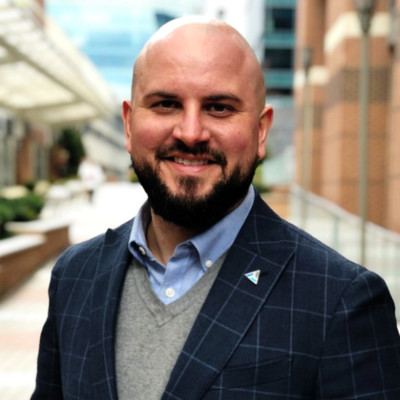
VerusenPaul NoblePaul Noble, Founder & CEO of Verusen.

His passion for entrepreneurship has always shaped my approach for go-to-market strategies and tools, which was the driving force to pursue his dream of launching his own organization to improve the availability of easy to use technology for optimizing the supply chain for materials management.

Connect with Paul on LinkedIn.

What You’ll Learn In This Episode

  • Things that are going for Verusen as they have made a home in Technology Square
  • The key challenges they are hearing from their customers in the supply chain today
  • Their view at Atlanta’s role as Supply Chain City and its impact on the rest of the world
  • Company’s expansion and look ahead at 2023

This transcript is machine transcribed by Sonix

TRANSCRIPT

Intro: [00:00:04] Broadcasting live from the Business RadioX studios in Atlanta, Georgia. It’s time for Atlanta Business Radio, brought to you by on pay. Atlanta’s new standard in payroll. Now, here’s your host.

Lee Kantor: [00:00:25] Lee Kantor here another episode of Atlanta Business Radio, and this is going to be a good one. But before we get started, it’s important to recognize our sponsor on pay. Without them, we couldn’t be sharing these important stories. Today on Atlanta Business Radio, we have Paul Noble with Verusen. Welcome, Paul.

Paul Noble: [00:00:42] Hey, Lee, Great to be back.

Lee Kantor: [00:00:44] Well, I am excited to get caught up. For those who don’t know, tell us a little bit about Verusen. How are you serving folks?

Paul Noble: [00:00:50] Yeah, So we work in the supply chain. We’re supply chain software company, and we focus on materials intelligence. So we help simplify all the complexities that are going on for mostly Fortune 1000 manufacturers and their suppliers so that they can trust that they have what they need, where they need it, when they need it for the perfect balance of capital and risk.

Lee Kantor: [00:01:14] Which sounds like an important job in today’s chaotic times. I guess the timing is perfect for you guys, right?

Paul Noble: [00:01:22] Yeah, it has. It has been over the last 24 to 36 months, quite a quite a roller coaster for our customers and partners and one that we’re excited that we were developing the solution prior to and have been able to do our part to help minimize the chaos as much as possible. And I think that as we continue to look ahead of what’s coming next, 12 to 24 months and beyond, there’s going to be a lot of a lot of new, new things that will be introduced as challenges and and ones that we’re excited to continue to develop and expand and grow to to help alleviate those pressures for the global supply chain.

Lee Kantor: [00:02:11] Now, for the folks who aren’t as kind of deep in the weeds as you guys are, can you share a little bit about when you talk about supply chain, can you just give us kind of a 101 explanation of what that means and and some of the complexity that you’re helping deal with?

Paul Noble: [00:02:30] Yeah. So we focus specifically in the materials space. So these are materials that organizations need to run their operations and make sure that manufacturing facilities and warehouses and things of that nature can function appropriately from an asset perspective as well as, as we’ve talked about before earlier this year, moving into. What does that mean for what do I need to build my product? So every organization is tasked with what do I need to actually build the product, where do I get it from and how do I get it there once I place an order? And so there’s a lot of variables on where you’re sourcing, how you’re sourcing, when you’re sourcing and what availability there is for those materials. What do I inventory? And there’s a lot of analysis and scenarios that need to be run there. And so it’s a challenge from organization to organization on how they wrap their arms around what what’s going on across a global supply chain that kind of goes from start to finish on getting making their products and then delivering to their customers.

Lee Kantor: [00:03:47] And then each organization has a different philosophy when it comes to how am I going to get the next step in this process? Like, am I going to have a warehouse filled with these and then I can use them when I need them? Or am I going to use kind of the transportation and logistics as my warehouse and I’ll just get it right when I need it? And do you help manage through all of that as well?

Paul Noble: [00:04:10] Yeah. Yeah. No, exactly. So there’s there’s always been this, this challenge of how do I keep as little as possible so I don’t have to buy extra warehouse space and inventory more than I need for a longer period of time than I need it or to alleviate risk. Do I boost inventories. And that that happened a lot during the pandemic because it’s been traditionally either or. What we’re trying to allow organizations to accomplish is overcome their system challenges, overcome their process challenges, and overcome the people challenges in and across in and across the organization to make sure that they can invest in what they need to fulfill production and orders and things of that nature and keep assets up and running without the uncertainty of overpaying for it and insurance policy or being left stocked out or with downtime, not producing product. So it’s a pretty challenging problem and one that by wrapping your arms around the data that’s flowing through all of these organizations and understanding it in a simpler and more scalable way, which is what we provide for our customers, helps dramatically be able to pull whatever lever you need at any given time without having to react and be a lot more predictive and proactive in that approach.

Lee Kantor: [00:05:51] And this is kind of a very fragile game of musical chairs, right? Like if if I guess wrong, I could be sitting in a warehouse full of last year’s fashion items that aren’t going to be sold, or if I play in the wrong way and the other direction, I might have all this demand that I can’t fulfill and then I’m out of business from that standpoint. So it’s it’s very fragile, the relationships, but they’re all playing together in order to be successful. And that’s why your technology is is trying to help them be as effective and efficient as possible. Right?

Paul Noble: [00:06:31] Yeah, exactly. I mean, it’s a it’s a it’s a delicate dance between what your what you’re able to control and what your suppliers control and what just the general supply of these materials, whether they’re widgets or raw materials or ingredients for something. One one little hiccup can can throw off an entire product. And I think we’ve seen that with automobiles and and other shortages for key elements that go into products. And so whatever you can do to to find where the bones are buried, so to speak, and be able to surface that intelligence out of the data so you can make more accurate decisions across procurement and operations and finance and reliability and all these folks that are working on different parts of the same problem, the better off you’ll be in terms of eliminating surprises.

Lee Kantor: [00:07:38] Now, is there an opportunity to leverage artificial intelligence in this space to really become more efficient?

Paul Noble: [00:07:47] Yeah, absolutely. That is that is how we do all of this, right? So as we’ve talked about previously and what. We don’t use A.I. or ML or any of the technology buzzwords, just just to say and we’re just to use them. I mean, they’re they enable our ability to and what you’re seeing a lot in supply chain is purpose built software products that can plug in and remove a lot of the uncertainty and heavy lifting of manual processes and start connecting and supporting people so that you can combine, combine the knowledge of the two. And so how we use it is being able to essentially use what they call natural language processing and be able to read things and tell. If I call this material, this my supplier calls it that, their supplier calls it this, but they’re really the same thing or interchangeable with one another because as a whole, people are still naming these things across systems like SAP, and it just gets. Untenable in terms of what data is flowing through, what system. So we essentially can understand that in its natural language and then drive outcomes. So these models work together so that we can drive the business outcomes that people care about and they don’t care that we use AI, but it’s important to how we deliver the business outcomes that matter.

Lee Kantor: [00:09:27] Well, I mean, communication’s difficult, you know, with people that speak the same language in the same office. Imagine how it is across cultures and countries and oceans to all get on the same page. When it comes to saying widget widget a means the same thing across all of those languages and cultures rather than I call it this, you call it that and then you think you have a lot and I don’t think you have any.

Paul Noble: [00:09:55] Right, exactly. No, we we we talk about that with our with our customers and partners that it’s everyone up into this. Up until recently, their solution is like, oh, we need to control the naming and put in rules of how we’re naming different things in an across a system and governance. And certainly that’s important. But we’ve we’ve seen over the past few decades and obviously highlighted over the last few years that that’s not a solution to the problem. It’s just it’s a bandaid, so to speak. So rather you wouldn’t necessarily tell everyone in your organization that you couldn’t say hello, you have to say hi or how whatever their language of greeting someone. So why would you do anything different and tell them you have to name this something in your system or you have to call it this or call it that. When someone’s inherently going to circumvent those rules and call it what they’d like and then make it challenging to understand what’s what, what’s where.

Lee Kantor: [00:11:00] Right. And you’re asking, that’s a big lift for everybody to get on one page rather than let’s just meet everybody where they are and let’s let the technology do the lifting.

Paul Noble: [00:11:12] Yeah, way too much change management in that scenario. And that’s what we’ve seen. And that’s why a big part of why we’re experiencing the problems that we are. It’s lack of trust, lack of uncertainty. And when we when we when it comes down to it, that’s what we provide for our customers and partners is trust that you’ll have what you need for the perfect balance of capital and risk. Now you can execute upon that intelligence.

Lee Kantor: [00:11:40] So that technology you feel is a large part. That’s what’s taking you to this new milestone over 2 billion in manage inventory.

Paul Noble: [00:11:49] Absolutely. Yeah. We keep adding to that and expanding this experience again to now outside of challenges. We are also seeing people shortages, labor shortages. And so what we’re working to do is expand on the experience for our customers where we can pass the baton to a partner to help them execute more effectively where they don’t have enough people to do it in a more traditional way with some of the things that we surface. And so by simplifying this and being able to drive value quickly and in a scalable way. We’ve continued to grow our presence in and across organizations and obviously new organizations and new partners that serve our customers in a different way adjacent. And so we’ve seen a lot of growth in terms of what we’re supporting and managing, and we’re going to continue to see that grow and double over the next year and beyond.

Lee Kantor: [00:12:57] Now, are you still seeing Atlanta playing a vital role as part of this supply chain city? I guess that initiative that we’ve been trying to brand ourselves as.

Paul Noble: [00:13:09] Yeah, absolutely. I think it’s we continue to see more and more organizations look to Atlanta for all of. All of the support from a technology and subject matter expert perspective. A great place to do business. And so we continue to see really great startups emerge in different, different parts of the supply chain, from logistics to. To procurement services and on down the line. And I think we’ve we’ve been meeting recently. I think a story you may have covered Georgia Tech was just granted with the largest grant as a part of the build back better program to invest in AI, in manufacturing projects and research, which I think is solely a testament of the great work that’s being done here in the metro Atlanta area.

Lee Kantor: [00:14:10] Now, how do you view Atlanta regarding this supply chain kind of center of influence that we’re becoming? What are some of the things you wish we had more of?

Paul Noble: [00:14:22] Yeah, well, certainly I know that there’s there is a lot of talent here. We would we would love to continue to see people relocate to the area and become part of the many businesses that use or provide services. I think there’s been a growing, growing opportunity and positive movement in capital that’s available for. Where we were a couple of years ago in terms of getting seed capital and and early stage capital for new technologies and people that want to start businesses that can help solve really big problems. I think those are a couple of things that come to mind right away.

Lee Kantor: [00:15:12] Now, when it comes to talent, is that something that you’re and everybody in this space is just really hungry for that There’s just not as many talented folks as you need right now.

Paul Noble: [00:15:27] Yeah, I think it’s one thing and one thing we look at is, I think, one. The positive of supply chain kind of being in the news is that it’s a more fun problem to work on for very talented engineers and data engineers and data scientists and a lot of folks that could do anything in any sector. Right. I think we’re seeing a lot more individuals say, well, this is this is. Time that I can invest and join a company that can really make a difference in the world. So I think that’s changed and that helps from a what remains a still a very competitive. Talent, environment, people, environment. Even with a lot of the news that you’ve seen in terms of companies downsizing, it’s still pretty competitive when you come down to some of those core technologist types of roles. And I think now it’s going to help the supply chain area to be able to. Recruit and attract that this is a fun. Problem that affects billions of people every day.

Lee Kantor: [00:16:51] But is it something that you’re seeing younger people at an earlier age consider? You know, supply chain logistics. This isn’t your grandfather’s supply chain and logistics. You know, this is a different world now. This isn’t, you know, warehouses. I mean, it has warehouses of forklifts, but those might be run by robots and there might not be a human in the building. So it’s not what it used to be. And maybe there’s kind of a perception that isn’t the reality for young people that are considering this.

Paul Noble: [00:17:21] Yeah, no, I think a great point. Things are shifting, jobs are shifting, but we see a lot more interest. We see a lot more programs that are growing in the supply chain management space as a. There’s a concentration and even majors. Right. And I think that I look back I was having a conversation with Tim Brown at Georgia Tech and I was like, I didn’t even know to go into supply chain when I was entering school and wish I could have. And I think it’s great that there’s a lot more visibility and opportunity for that to be an intentional pursuit for young adult entering undergraduate or graduate programs and entering the workforce, that that’s something they want to do. That can be a great career.

Lee Kantor: [00:18:23] Well, you recently secured your 25 million for a Series B. What is it that you need more of to kind of keep this expansion and growth going? Are you hiring right now? Is there something we could be doing to help you with How can we help you?

Paul Noble: [00:18:40] Yeah. So certainly always looking to connect with great customers and partners and it’s still a pretty uncertain and challenging environment. We’ve been able to continue to grow and serve, serve those customers with that. We are always looking for great people in it, across a lot of different functions, especially in the in the technology function here. And so if you’re interested in some of the things we’ve been talking about here today, whether you’re a practitioner, a technologist, or could potentially remove some angst and uncertainty from your day to day, we’d love to talk to you in any of those capacities. And should be should be a lot of fun moving ahead.

Lee Kantor: [00:19:30] So what’s the website? What’s the best way to get a hold of you or somebody on the team?

Paul Noble: [00:19:35] Yeah, we can. You could always reach out to via the website VeriSign dot com and we’re at VeriSign underscore I on most of the social channels. And then you can always reach out directly to me at all embarrassing dot com.

Lee Kantor: [00:19:53] And that’s VeriSign v e r u. S e cnn.com.

Paul Noble: [00:19:58] Correct.

Lee Kantor: [00:19:59] Well, Paul, thank you so much for sharing your story, doing such important work. And we appreciate you.

Paul Noble: [00:20:05] Thanks, Lee. Always great to be on and I appreciate your support.

Lee Kantor: [00:20:09] All right. This is Lee Kantor. See you all next time on Atlanta Business Radio.

About Our Sponsor

OnPay’sOnPay-Dots payroll services and HR software give you more time to focus on what’s most important. Rated “Excellent” by PC Magazine, we make it easy to pay employees fast, we automate all payroll taxes, and we even keep all your HR and benefits organized and compliant.

Our award-winning customer service includes an accuracy guarantee, deep integrations with popular accounting software, and we’ll even enter all your employee information for you — whether you have five employees or 500. Take a closer look to see all the ways we can save you time and money in the back office.
Follow OnPay on LinkedIn, Facebook, and Twitter

Tagged With: Paul Noble, Verusen

Paul Noble With Verusen

February 4, 2022 by Jacob Lapera

Atlanta Business Radio
Paul Noble With Verusen
Loading
00:00 /
RSS Feed
Share
Link
Embed

Download file

paulnoblePaul Noble, CEO at Verusen

Paul Noble’s passion for entrepreneurship has always shaped his approach for go-to-market strategies and tools, which was the driving force to pursue his dream of launching his own organization to improve the availability of easy-to-use technology for optimizing the supply chain for materials management.

Verusen helps the world’s largest organizations evolve beyond their legacy systems and processes by solving the supply network data complexity that enables true supply chain digital transformation.

Connect with Paul on LinkedIn.

What You’ll Learn In This Episode

  • About Verusen
  • Roadmap to moving forward
  • About Series B

This transcript is machine transcribed by Sonix

TRANSCRIPT

Intro: [00:00:04] Broadcasting live from the Business RadioX Studios in Atlanta, Georgia. It’s time for Atlanta Business Radio brought to you by onpay Atlanta’s new standard in payroll. Now here’s your host.

Lee Kantor: [00:00:24] Lee Kantor here, another episode of Atlanta Business Radio, and this is going to be a fun one today on the show. We have Paul Noble and he is with Verusen. Welcome, Paul.

Paul Noble: [00:00:34] Hi, Lee. Great to be here. Thanks for having me.

Lee Kantor: [00:00:36] Well, I’m excited to kind of get an update about where things are going for VeriSign, but for the folks who aren’t familiar. Can you share a little bit about VeriSign? How are you serving, folks? You know, mission purpose and all that good stuff?

Paul Noble: [00:00:48] Certainly. So we are a supply chain intelligence company based here in Midtown Tech Square, Atlanta, and we help organizations simplify the way they manage their material supply across their global networks. And so what does that mean? We help them reduce the complexity and all the moving parts around data and personas and organizational challenges, and just distill it into one simple software solution that helps them find what we like to call material truth, which is I have what I need, where I need it for the least amount of capital, in the least amount of risk possible. And that’s, you know, a combination of data and human augmentation and a lot of cool technology, but really delivering upon that value. And and obviously in today’s environment, that’s a really important thing for supply chain and global organizations to have now.

Lee Kantor: [00:01:51] Supply chain has been in the news, obviously a lot lately, if not for the greatest of reasons. But can you educate folks about maybe some of why there’s issues there are today and how kind of you foresee this kind of coming to an end and improving?

Paul Noble: [00:02:08] Yeah, yeah. I know everyone’s hoping that things get a lot less chaotic than they have been, but really the problem exists, you know, less and less because, you know, organizations don’t know what they want to do or have a lack of desire of doing these things. But it’s really a lot of legacy systems, legacy processes, dirty and incomplete data that inhibits them from doing what they want to do, whether that’s, you know. Route things logistically, which you’ve been seeing a lot in the news or manage, I need these materials to build my product or produce my product or run the plants. All of these things have traditionally been very the approach to it was very disjointed. So you had, you know, you have to cleanse data and manage data governance data, use an inventory solution, user spend solution, use a procurement solution, use a planning solution. And all of that disk connectivity makes it difficult to really get what you want out of it. And so, you know, we’ve seen this chaos partially because of that and then also partially because we haven’t seen an environment like this. And so when you combine. Planning also historical versus, you know, changing that historically, we have changes that we historically haven’t seen yet. That’s why we kind of have seen this chaos. And so what we do is we essentially help these organizations wrap their arms around it, overcome the data challenges without having to cleanse data and governance data. That’s a unique part of our technology. Let’s eliminate that and let’s bring all the stakeholders into one place and, you know, show them what the data is telling us and provide recommendations on what you should procure, what you should inventory here your biggest risks and allow them to to add more information to the story. And that’s that’s really the power of what we do is driving simplicity, speed and most importantly, sustainability to continue to get better and move forward.

Lee Kantor: [00:04:46] Now, I believe the last time you were on and we discussed Atlanta and kind of the midtown area kind of becoming this supply chain kind of mecca, at least southeast, maybe globally. Has that changed, you know, during this period of time that we’re going through now with the complexity and this kind of global challenges that are happening not just here in the United States, but all across the world?

Paul Noble: [00:05:14] Yeah, I think we’ve you’ve continued, I’ve been having a lot of conversations, not only with customers and in the market and analysts around the continue investment into supply chain technology. I think still very early, you’re going to see a lot more software as a service solutions across the entire supply chain and you’ll see kind of a. A growth of what we saw, you know, 10 years ago as technology transition to the cloud and sales and marketing technologies transition there, and, you know, obviously seeing the things that have happened there over the last 10, 20 years, we’re going to see a lot of that over the next five to 10 years with supply chain and. Deliver, you know, the customer experience that most customers expect, but first supply chain technology as a whole doesn’t deliver, Atlanta remains very focused on. And really, I’m biased. But what we think of or what I would say is kind of like one of, if not the global hub for where a lot of this is taking place. We have some of the biggest, best brands and companies and supply chain companies in the world. We have great academic institution and talent and diversity and the diverse talent pipeline. We’ve got a handful, a great position, you know, a handful of companies, including VeriSign, that have continued to put Atlanta on the map. And then you have the support of the city and the state to make Georgia Atlanta a place that you want to start a company and can get all those things you need to build a great business. So I think the moniker of supply chain city is only continuing to grow and global global presence. Will Atlanta continue to be top of mind for people as it relates to supply chain as well as supply chain technology?

Lee Kantor: [00:07:41] Now you mentioned earlier this period of chaos, and this is a complex industry for high growth, especially technology firms that is gets a lot of folks drooling about the opportunity, especially when you couple that with a bunch of maybe legacy businesses that are ready for kind of systemic change when it comes to updating and leaning into this type of technology solutions. Is that all lined up for you in terms of your announcement of the Series B? Was that some of what gets investors excited about a firm like yours that has kind of a handle on things and it has a solution to help during these kind of complex, chaotic times?

Paul Noble: [00:08:31] Yeah, I think so. I mean, we we were fortunate to have started and I know we’ve had previous conversations with you and the team. A couple of years ago, right before all of the chaos really kicked up doesn’t mean it didn’t exist, but it just wasn’t as heightened. And then obviously, as I mentioned earlier, the traditional systems and processes just didn’t work for the the new environment, especially at the pace that it needed to. So we were in a fortunate position to have already started, you know, recognizing this and building a team and building a technology so that as this happened and the the companies and the the the leaders chief supply chain officer as chief procurement officers were now, you know, good enough was no longer good enough and they needed a solution that could, you know. Work quickly and get things back on track, and also not just be a point solution or a point in time solution, something that could be sustainable, so we were in that unique position where we had already been building to be able to add to the team, which we have significantly. And the last time we spoke, we came off our Series A where we raised $8 million and continued to build on our vision and accelerate that doubled headcount from 12 to 25 to now over 60, and plan to do so again into the next year.

Paul Noble: [00:10:02] And it has captured the attention of not only the media and everyone because everyone feels the effects, but certainly the market and investors and folks that want to where they see opportunity and movement and the way that you can actually change industries by infusing capital, allowing companies like ours to do things quicker. I think that timing is a big part of things, and I think we are in a great position to be able to go out to the market. Have customers supporting us today and clamoring for more support in and across the business. And so we couldn’t be more excited but joint to have scale venture partners join our team and bring their expertize and scaling enterprise software companies and obviously providing capital. But more importantly, continuing to round out the great team. We have to allow us to build our vision faster and support our customers and create more value for our customers.

Lee Kantor: [00:11:18] So what is kind of the future hold? How are you seeing this influx of capital and the opportunity that’s presented itself? What is kind of the roadmap moving forward, at least in the short term?

Paul Noble: [00:11:30] Yeah, yeah. Big, big part of this, you know, was we’re going to continue to do what we’ve been doing and continue to serve our customers where we started, which was on the indirect side of their business. So materials that they needed to run operations and things of that nature. What this and we’re going to continue to hire for that and not take our foot off the gas. What we’re really excited about is throughout the past 12 months, we’ve been asked by our current customers and prospects. And really, the market has been pulling us into simplifying how these organizations manage their raw and direct material that that supply has been kind of thrust into into chaos and uncertainty. And so. With this capital raise, we are going to look to resource and expand our reach into that space, which keeps us focused on materials, but allows us to serve each one of our customers that has that. Manages and purchases both to make their products and run their operations that we can provide the simplest way for them to do that, and so we’re going to utilize over the next year to build out that experience, fill some of the gaps that exist in their current systems and provide obviously, you know, a big part of our platform is deep learning and intelligence. And this combination of data filling data gaps and understanding data and augmenting human experts that know what they want to do, allowing them to do that simply, quickly and sustainably.

Lee Kantor: [00:13:18] Now, has anything changed regarding the type of clients you’re working with, is it are you getting deeper within existing clients? Are you? Are there opportunities developing with new potential partners?

Paul Noble: [00:13:30] Yeah, we are. Great question. We are obviously continuing to expand our value in and across organizations, so we know each of our customers have a global footprint. We typically are starting in North America, but now we are expanding more widely globally with many of them and continuing to deliver more, helping them really manage capital, manage risk, build trust, find that perfect balance, find their material truth. And we’re also that that really is the concept there is. They understand their supply chain. While there are many more than but kind of easy way to put it within their four walls or within their organization, where we’re advancing is that we are also going to build that network out. And so we are going to be investing resources and helping to build supply networks and be able to say, I make a change as a user of a material. Now I can share that with my best suppliers so they know and they can have what I need without me actually having to. Bring it in, house and sit on, sit on the inventory and you start building out these networks. And that’s really the future of supply chain and really harnessing all of the complexity and distilling it down into what really matters. So we’re going to continue to support our customers that way and give them just a broader, broader perspective and broader visibility and action and execution across their supply network.

Lee Kantor: [00:15:14] Well, if somebody wants to learn more, have a more substantive conversation with you or somebody on the team, what’s the website of the best way to reach out to you?

Paul Noble: [00:15:22] Yeah. So we comparison has all the information to get in touch with our team. Or you can reach out to hello at Amazon.com or sales at Amazon.com, and somebody will get back with you very quickly or on social on LinkedIn, as well as the company is. Feel free to reach out to me there, as well as at various and underscore A.I. on all. All the major social channels is a good way, good way to reach out and look, really look forward to connecting with all the listeners out there that are interested to learn more.

Lee Kantor: [00:15:59] And that’s VeriSign VR U.S.A.. Paul, thank you so much for sharing your story today. You’re doing such important work for the city, for your firm. We really appreciate you.

Paul Noble: [00:16:12] Thanks, Leigh. Appreciate the opportunity. Good to talk to you again and look forward to speaking again to.

Lee Kantor: [00:16:18] All right, this is Lee Kantor. We’ll see you next time on Atlanta Business Radio.

About Our Sponsor

OnPay’sOnPay-Dots payroll services and HR software give you more time to focus on what’s most important. Rated “Excellent” by PC Magazine, we make it easy to pay employees fast, we automate all payroll taxes, and we even keep all your HR and benefits organized and compliant.

Our award-winning customer service includes an accuracy guarantee, deep integrations with popular accounting software, and we’ll even enter all your employee information for you — whether you have five employees or 500. Take a closer look to see all the ways we can save you time and money in the back office.

Follow OnPay on LinkedIn, Facebook, and Twitter

Tagged With: Paul Noble, Verusen

Business RadioX ® Network


Our Most Recent Episode

CONNECT WITH US

  • Email
  • Facebook
  • LinkedIn
  • Twitter
  • YouTube

Our Mission

We help local business leaders get the word out about the important work they’re doing to serve their market, their community, and their profession.

We support and celebrate business by sharing positive business stories that traditional media ignores. Some media leans left. Some media leans right. We lean business.

Sponsor a Show

Build Relationships and Grow Your Business. Click here for more details.

Partner With Us

Discover More Here

Terms and Conditions
Privacy Policy

Connect with us

Want to keep up with the latest in pro-business news across the network? Follow us on social media for the latest stories!
  • Email
  • Facebook
  • Google+
  • LinkedIn
  • Twitter
  • YouTube

Business RadioX® Headquarters
1000 Abernathy Rd. NE
Building 400, Suite L-10
Sandy Springs, GA 30328

© 2025 Business RadioX ® · Rainmaker Platform

BRXStudioCoversLA

Wait! Don’t Miss an Episode of LA Business Radio

BRXStudioCoversDENVER

Wait! Don’t Miss an Episode of Denver Business Radio

BRXStudioCoversPENSACOLA

Wait! Don’t Miss an Episode of Pensacola Business Radio

BRXStudioCoversBIRMINGHAM

Wait! Don’t Miss an Episode of Birmingham Business Radio

BRXStudioCoversTALLAHASSEE

Wait! Don’t Miss an Episode of Tallahassee Business Radio

BRXStudioCoversRALEIGH

Wait! Don’t Miss an Episode of Raleigh Business Radio

BRXStudioCoversRICHMONDNoWhite

Wait! Don’t Miss an Episode of Richmond Business Radio

BRXStudioCoversNASHVILLENoWhite

Wait! Don’t Miss an Episode of Nashville Business Radio

BRXStudioCoversDETROIT

Wait! Don’t Miss an Episode of Detroit Business Radio

BRXStudioCoversSTLOUIS

Wait! Don’t Miss an Episode of St. Louis Business Radio

BRXStudioCoversCOLUMBUS-small

Wait! Don’t Miss an Episode of Columbus Business Radio

Coachthecoach-08-08

Wait! Don’t Miss an Episode of Coach the Coach

BRXStudioCoversBAYAREA

Wait! Don’t Miss an Episode of Bay Area Business Radio

BRXStudioCoversCHICAGO

Wait! Don’t Miss an Episode of Chicago Business Radio

Wait! Don’t Miss an Episode of Atlanta Business Radio













