

Business RadioX ®

  • Home
  • Business RadioX ® Communities
    • Southeast
      • Alabama
        • Birmingham
      • Florida
        • Orlando
        • Pensacola
        • South Florida
        • Tampa
        • Tallahassee
      • Georgia
        • Atlanta
        • Cherokee
        • Forsyth
        • Greater Perimeter
        • Gwinnett
        • North Fulton
        • North Georgia
        • Northeast Georgia
        • Rome
        • Savannah
      • Louisiana
        • New Orleans
      • North Carolina
        • Charlotte
        • Raleigh
      • Tennessee
        • Chattanooga
        • Nashville
      • Virginia
        • Richmond
    • South Central
      • Arkansas
        • Northwest Arkansas
    • Midwest
      • Illinois
        • Chicago
      • Michigan
        • Detroit
      • Minnesota
        • Minneapolis St. Paul
      • Missouri
        • St. Louis
      • Ohio
        • Cleveland
        • Columbus
        • Dayton
    • Southwest
      • Arizona
        • Phoenix
        • Tucson
        • Valley
      • Texas
        • Austin
        • Dallas
        • Houston
    • West
      • California
        • Bay Area
        • LA
        • Pasadena
      • Colorado
        • Denver
      • Hawaii
        • Oahu
  • FAQs
  • About Us
    • Our Mission
    • Our Audience
    • Why It Works
    • What People Are Saying
    • BRX in the News
  • Resources
    • BRX Pro Tips
    • B2B Marketing: The 4Rs
    • High Velocity Selling Habits
    • Why Most B2B Media Strategies Fail
    • 9 Reasons To Sponsor A Business RadioX ® Show
  • Partner With Us
  • Veteran Business RadioX ®

Scott Matthews With Verusen

May 31, 2024 by Jacob Lapera

Atlanta Business Radio
Scott Matthews With Verusen
Loading
00:00 /
RSS Feed
Share
Link
Embed

Download file

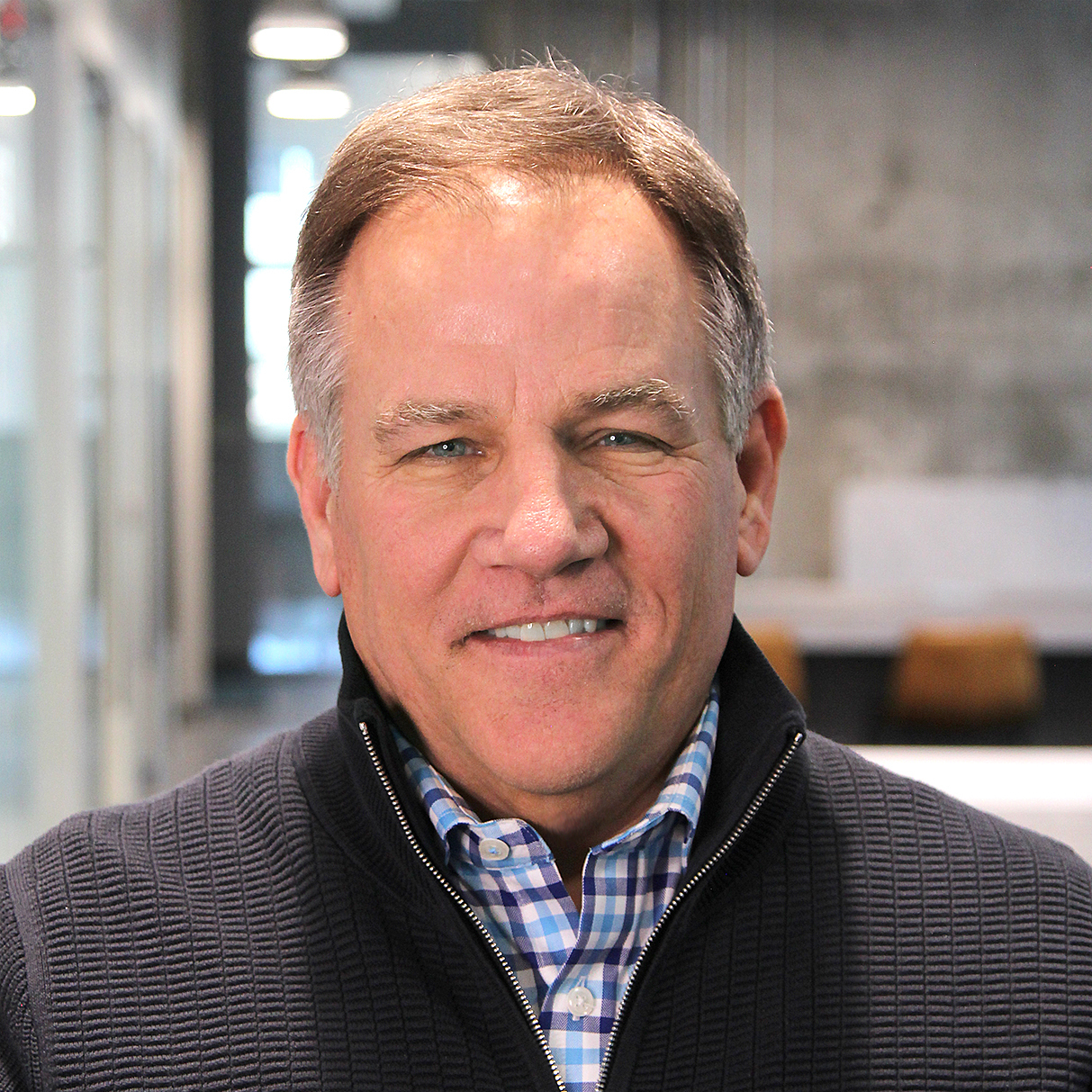
Scott Matthews is the CEO of Verusen, leading the company’s day-to-day operations. An accomplished corporate strategist, he is renowned for optimizing business performance while propelling revenue and delivering extraordinary profit margins.

Previously, he was CEO of MRP, the Philadelphia, PA-based global provider of predictive customer acquisition software and services. Before joining MRP, he was CEO of CrowdTwist Inc. He successfully negotiated multimillion-dollar contracts with Fortune 500 accounts while repositioning the go-to-market strategy for CrowdTwist’s customer loyalty SaaS solution.

During his tenure, the company rapidly scaled sales, achieving 728% overall revenue growth, delivered strong business performance, and was acquired by Oracle in a multimillion-dollar deal.

Earlier, he held senior-level roles in technology, sales, and SaaS companies. Scott holds an MBA from Pace University and a BA in Business from the Rochester Institute of Technology.

Connect with Scott on LinkedIn.

What You’ll Learn In This Episode

  • Named one of Atlanta’s 100 fastest-growing companies – what is driving this growth
  • What are the biggest issues facing your industry today
  • Verusen offers an AI-powered MRO (Maintenance, Repair, and Operations) Materials optimization and collaboration solution – what problems does it solve

Transcript-iconThis transcript is machine transcribed by Sonix.


TRANSCRIPT

Intro: Broadcasting live from the Business RadioX studio in Atlanta, Georgia. It’s time for Atlanta Business Radio. Brought to you by Kennesaw State University’s Executive MBA program. The accelerated degree program for working professionals looking to advance their career and enhance their leadership skills. And now here’s your host.

Lee Kantor: Lee Kantor here, another episode of Atlanta Business Radio, and this is going to be a good one. Today on the show we have Scott Mathews with Verusen. Welcome.

Scott Matthews: Hi, Lee. Thanks for having me on.

Lee Kantor: Well, before we get too far into things for folks who aren’t familiar, can you tell us a little bit about Verusen? How you serving folks?

Scott Matthews: Sure. Lee, we’re a supply chain company based on artificial intelligence, and we go after the indirect side of the supply chain and trying to automate the way maintenance, repair and operations is done without increasing any business risk to the company that we serve.

Lee Kantor: And for folks who aren’t as familiar with supply chain as as you are. Can you kind of paint a picture of what supply chain means for a regular person?

Scott Matthews: Sure, absolutely. Thanks. Um, so there’s two sides of a supply chain. The direct side of a supply chain are the raw materials and finished goods that are in ports, warehouses, people’s, um, you know, uh, shipping facilities. What Verizon does is we look after what’s called the indirect side of the supply chain. And what that is, is all the, the maintenance and engineering and manufacturing facilities inside of your wall to make, uh, something that we may buy at this point, like John Deere as an example, as a customer. And we look after all the spare parts and all the inventory inside the factories where they make the big green tractors, and usually that’s a couple of hundred thousand parts it takes to make, you know, a tractor as an example. And that’s what Verizon does, is we try to automate that side of the supply chain inside the four walls of a plant or a warehouse.

Lee Kantor: And is this kind of a Russian nesting doll situation that within each customer there’s a supply chain. And within each of their customers there’s like it just never ends, right? The supply chain is involved in every aspect of every business.

Scott Matthews: Yeah, it’s a good point, Lee. So, um, the challenge that most customers have is data is stored in different systems and in different formats. It might be in an accounting system, it might be in an asset management system. You know, it might be on a spreadsheet. It might be different across different plants, across different geographies and in different locations. And it’s hard to make sense of that incongruent data to figure out what’s the right part. I should have an inventory. Where should I store that part? How much should I pay for that part? From whom should I buy that part? And how do I maintain the minimum amount of inventory without increasing any risk to the business? Ever having a manufacturing facility go down or a line go down? So that’s actually the problem that Verizon solves. Is that incongruency of data and recommending what the inventory level should be, given the business risk profile of the customer that we serve.

Lee Kantor: Now you’ve been named one of Atlanta’s 100 fastest growing companies. Were you? Um. Growing because it was just expanding, like with the supply chain, especially during the pandemic. There was obviously issues there, and then people kind of got caught and and they, I guess, weren’t as intimately involved with their data that they couldn’t kind of protect themselves from that. Is was that kind of an engine for your growth?

Scott Matthews: Yeah, that’s a good point, Leah. That’s part of it is, you know, people overordered, you know, during the pandemic because they just didn’t have visibility into when something would arrive, especially if it’s a critical part. It might have, you know, a four month lead time, you know, versus a washer or a nut. That is, you can get, you know, in a day. So that did create some issues. Um, you know, the real issue is, you know, the people that run the plant make their own decisions, and procurement tries to buy what they want on a contract. And the problem was really hard to solve. And Verizon at the beginning of the company had to create the need to solve this problem. And now major companies, fortune 50 companies are coming to us saying, I have $400 million of inventory. That is not moving. Well, it’s slow. It might be obsolete. How do I figure out the right inventory management policy given the risk profile that we have? So we’ve seen a huge influx of business where people have a budget, they have a problem they want to solve, and they’re looking for the right technology. And those are the catalysts for growth for a company like Verizon, because, you know, we’re an enterprise, um, software package, which means many people get involved. It’s six months, nine months, 12 months to have a major fortune 50 or fortune 100 companies. Um, make a decision on the types of problems that we solve.

Lee Kantor: Now, um, this kind of. Attention and the need. I guess more people realizing there is a need for this kind of a solution has opened up some new verticals for you.

Scott Matthews: Yeah, exactly. So, you know, we’ve done really well in process manufacturing and that just means it’s, you know, something that happens in repetition and there’s a lot of inventory and spare parts that’s needed. Uh, we do well in pulp and paper and things like that that are and that’s the heritage of our company. And recently with the hires that we’ve made and the investments that we’ve made, um, oil and gas, you know, we’re about to sign a really large customer and that oil and gas sector. Um, energy, you know, one of the companies based here in Georgia is our largest customer, the one that we all buy, uh, power and electricity from is a large customer of ours. And mining, mining is actually a huge vertical that has a lot of assets when they mine, you know, the precious metals and things that that are components and the products that we buy. And those are huge industries that the three people that I support, that we signed on with Verizon, have 40 years collectively of operational expertise, domain expertise, and it’s helping us to solve those problems easier and faster. When I can speak the language of oil and gas, I can speak the language of mining versus process manufacturing or, you know, um, CPG and companies that we’ve done really well in, in the past.

Lee Kantor: We now are these verticals, primarily US based companies or are they global?

Scott Matthews: They are not. Um, you know, we have a top three, um, food and beverage company in the world that we use that they use us in four continents around the world. We support 40 languages, 40 currencies. It’s a worldwide problem to figure out inventory management about what part do I need, where in what plant, what factory, and how do I balance inventory on a worldwide basis across multiple languages, across multiple currencies? So Verizon is blessed to have a bunch of customers that are global, um, in nature.

Lee Kantor: Now, how has kind of the acceleration of AI tools impacted your business? Is this something that you’re kind of always looking for more and more talent in that space in order to stay in the forefront?

Scott Matthews: Yeah, it’s AI is a continuum. And when you take incongruent, data incongruent systems, it’s a perfect problem for artificial intelligence to solve is how do you make that a common data set? How do you make that actionable when the data is stored in all different formats and in different systems? And where are the benefit of being a young company and basing our data acquisition and data manipulation tools, all based on artificial intelligence. And once we have that data in our system, we look at the data to years of history across suppliers, across manufacturers. We normalize that data, and then we make recommendations for what should be the stocking policies for every single SKU SKU across someone’s plant floor. What should be the minimum you have in stock? What should be the maximum you have in stock? What are duplicates? How should you share parts? And the goal is to drive down working capital without increasing any risk, um, in the manufacturing process. And that’s all benefit of artificial intelligence and large language models and generative technologies. So, you know, we spend a huge 57% of every dollar, um, in our company goes to technology and artificial intelligence because it makes a huge difference in customers outcomes for what they hire us for.

Lee Kantor: Now, how difficult is it to implement your software into somebody’s system if they if they don’t have this right now and they say, okay, we’re going to flip a switch, do they start normally in one area and then it eventually kind of expands as they see the benefits? Or is it something that they got to make this kind of major change? No, it’s.

Scott Matthews: Actually a it has to be a wide decision. Lee. It can’t just be piecemeal because you won’t get the benefit of it. So it’s generally the plants that you want to control inventory. And the benefit of being based on artificial intelligence is we can be live within 30 days of of starting a project because of modern technology, because of AI. And customers can start to see value in 45 days of us starting. Gone are the days of six months, nine months, years of implementation to get value. That’s what artificial intelligence has brought to our customers is time to value. On buying software like Verizon. It happens really, really fast.

Lee Kantor: Now in the companies that you serve. Are there some times when the different groups within the organization are siloed and they don’t have, just as a culture, good communicative policy?

Scott Matthews: Now your audience can’t see me smiling. But that’s actually a problem that we solve is I’ll call it organizational alignment. So people in procurement, right, who are spending hundreds of millions of dollars in dollars to keep those plants operational, want everything under contract. They want everything to be planned. They want it to be consolidated across certain suppliers because it can drive down unit costs in acquisition. People on the plant floor don’t care about that. They just want to have insurance because they’re paid on availability, they’re paid on production. So it’s opposing agendas between manufacturing and procurement. And Verizon is the glue that puts those two departments together by showing evidence and science for why and how should you make inventory recommendations. So both parties win both manufacturing wins when they always have the right part at the right time. Procurement wins when you can drive down inventory costs without increasing risk. And Verizon is the balancing act between manufacturing and procurement. And generally those two departments are misaligned as organizations.

Lee Kantor: So who in the organization makes this buying decision?

Scott Matthews: It’s actually split. Um, procurement is often the sponsor, but manufacturing has to buy in and say, yes, this will work because manufacturing in the plant floors are the users. They’re the ones taking our artificial intelligence recommendations, and they have to accept it. They have to accept it. And then once they accept it, we update the systems of record like, uh, SAP, it’s an accounting system and a manufacturing system that runs many, many plant floors. So it’s actually a circle of inventory management that happens. But I need both parties to be involved for Verizon to be successful.

Lee Kantor: So how do you kind of demonstrate to the skeptical party that this really is going to make their life easier? This isn’t another one of these, you know, mandates from up high who don’t understand what it’s like to be the boots on the ground.

Scott Matthews: So it’s an excellent question. So risk mitigation is really important when you make multimillion dollar decisions to change process. So um we have ways to take in data in a sampling sense. Put it into our algorithms and show prospects not customers prospects evidence, quantitative evidence that our algorithms work, our science works. So it really does minimize the risk of buying, uh, software from Verizon. And we’ll do that as a pre-sales effort because I also want risk mitigated. I want to make sure that we sell the right software to the right customer that will be successful, and then they’re able to build the business case, quantitative ROI about how much they’ll save versus qualitatively saying, gosh, I might save $10 million. I might save $40 million. It’s hard to get a business case justified in today’s economy without quantitative evidence that it works.

Lee Kantor: So what’s next for you? What do you need more of and how can we help?

Scott Matthews: So what I’m in the process of doing is, um, building out, you know, the worldwide aspect of our company by hiring, you know, three people in sales. It sounds like a small amount, but for us, you know, it was a good investment. And then to build out, you know, people that are outside of Atlanta, outside of New York to hire in, you know, appropriate geographies. The other aspect of what we’re doing is building a partner network for complementary services that add more value than Verizon can independently. And I’ll give you an example. So you might have in your factory lead $40 million of inventory that hasn’t been moved in a while. And if you’re the financial person, how do I get that off my balance sheet? How do I get that that expense, uh, liquidated in an appropriate way. So we’ve integrated to two different disposition companies that will look at slow moving inventory and either buy it or consign it for resale. So customers are able to get more value than just what Verizon can, can supply. As one example, we have another partnership with recurring spare parts versus buying new. So we have third parties that integrate to our solution, and it might cost $0.30 on the dollar to spare to repair a $24,000 motor versus buying something new. So again, offering a a better way to spend money versus always buying new and dealing with supply chain issues. Why don’t you fix what you have? Because it’s just less expensive. And mean time between failures is not, uh, high on this. So those are some examples, um, of partnerships that we’re building.

Lee Kantor: So now the new verticals that you’re working in, that sounds like it was kind of customer driven, like there was a need. And then you decided to put a body on those verticals.

Scott Matthews: Yeah. So, um, I’ll give you again another really good example. Um, there’s a top ten oil and gas company that we haven’t signed the contract yet, but it’s imminent. Um, you know, they have a billion and a half dollars of inventory on oil rigs out in, you know, the ocean and and different warehouses and plants, you know, around the world to produce the oil that ultimately goes to the refineries. And they wanted to reduce that inventory without increasing any risk, right, of production. Uh, at this point. And Jeremiah, you know, Jeremiah Woodford knew the decision maker and ultimately positioned us for, you know, in our world, a very large deal. Um, and we think we can decrease inventory by $50 million for this customer, which is a huge, um, amount of value that we would have. And we can do this within a year of, of signing. But that’s an example of how the new people we’ve hired have got us in to verticals that we didn’t participate in because they knew the decision makers, they knew the processes, they knew the language, and they knew how to get around, um, that type of an account to show our value in the same way we might have for, you know, a top ten, uh, you know, company here in the States that produces paper products that you and I are buying at a grocery store or a beverage that, you know, we’re buying and, and in a grocery store or a bar or something like that.

Lee Kantor: So if somebody wants to learn more, uh, where should they go? What’s the website?

Scott Matthews: Um, it’s it’s the dub dub dub dot Verizon. Verizon.com. Um, there’s a sales link. There’s a, you know, all kinds of, uh, FAQs and questions. Um, you could, um, you know, engage with, but, you know, that’s that’s we that’s how we generally speak to someone who’s interested in what we’re doing today.

Lee Kantor: Well, Scott, thank you so much for sharing your story today. You’re doing such important work and we appreciate you.

Scott Matthews: We thanks for the opportunity and thanks for letting me talk to your viewers. All right.

Lee Kantor: This is Lee Kantor. We’ll see you all next time on Atlanta Business Radio.
Tagged With: Scott Matthews, Verusen

Scott Matthews With Verusen

April 12, 2023 by Jacob Lapera

Atlanta Business Radio
Scott Matthews With Verusen
Loading
00:00 /
RSS Feed
Share
Link
Embed

Download file

Scott Matthews, Chief Executive Officer of Verusen.

As CEO, Scott leads day-to-day operations alongside Founder Paul Noble. Scott brings 16 years of leadership experience to Verusen.

Previously, Scott was CEO of MRP, the Philadelphia, PA-based global provider of predictive customer acquisition software and services. Before joining MRP, Scott was CEO of CrowdTwist Inc. for four years. Scott successfully negotiated multimillion-dollar contracts with Fortune 500 accounts while repositioning the go-to-market strategy for CrowdTwist’s customer loyalty SaaS solution. During Scott’s tenure, the company rapidly scaled sales achieving 728% overall revenue growth, delivered strong business performance, and was acquired by Oracle in a multimillion-dollar deal in 2019. Earlier, Scott held senior-level roles in technology, sales, and SaaS companies.

Verusen is a leading Supply Chain Materials Intelligence provider focused on helping global manufacturers streamline their supply and materials management strategy. Verusen utilizes advanced data science and artificial intelligence to harmonize disparate material data across multiple enterprise systems to provide complex supply chains with material truth for supply and inventory planning and procurement intelligence. This helps organizations reduce risk, optimize working capital, and ensure production uptime to meet customer needs. The result is a foundation organizations can trust to fuel digital transformation and support supply chain maturity initiatives. Headquartered in Atlanta, Verusen has been named one of Georgia’s Top 10 Innovative Technology Companies.

Connect with Scott on LinkedIn.

What You’ll Learn In This Episode

  • What makes Atlanta an ideal place for businesses in 2023
  • Why did he join Verusen
  • His plan to grow Verusen’s business
  • Where is the future of supply chain headed
  • How can Verusen help its customers in good economic times or challenging ones

This transcript is machine transcribed by Sonix

TRANSCRIPT

Intro: [00:00:04] Broadcasting live from the Business RadioX Studios in Atlanta, Georgia. It’s time for Atlanta Business Radio. Brought to you by on pay. Atlanta’s New standard in payroll. Now, here’s your host.

Lee Kantor: [00:00:25] Lee Kantor here another episode of Atlanta Business Radio, and this is going to be a good one. But before we get started, it’s important to recognize our sponsor, Onpay. Without them, we couldn’t be sharing these important stories. Today on Atlanta Business Radio, we have Scott Mathews with Verusen. Welcome, Scott. Thanks, Lee. For those who don’t know, tell us a little bit about Verizon, how you serving folks.

Scott Matthews: [00:00:49] Yeah, So what we are is we’re a supply chain company that helps large companies operate their businesses and manufacturing facilities with less inventory and not increased business risk. And we do it through artificial intelligence and processing data in lots of different systems. So that’s what our company does.

Lee Kantor: [00:01:11] So how recently there were all these issues in the supply chain? There’s probably still issues. How does Verusen kind of help in that manner?

Scott Matthews: [00:01:21] Yeah. So how we help is inventory is stored in hundreds of locations for large local companies, often named different things with different part numbers and different descriptions. And it’s hard for a company to get a handle on where inventory is, when is it needed, how do you plan for it, and how do you run it with the least amount of capital to make sure that your business operates 100% of the time? And with COVID and the complications of a supply chain, it became harder for companies to have visibility into their indirect materials, which most companies, large companies have hundreds of millions of dollars of inventory. So Verusen helps companies to have that visibility and to operate their companies with less inventory on hand without compromising a company’s uptime or delivery schedules for the goods and services that they make.

Lee Kantor: [00:02:22] So did this kind of crisis that we went through make it that much more easy for you to communicate? The value is that when everything became clear of what you’re bringing to the table?

Scott Matthews: [00:02:32] Yeah, it definitely amplified, you know, what the need was there before COVID, but it became even more of a requirement because lead times to buy products and services went through the roof for because companies were shut down. They didn’t manufacture enough, you know, ships were stuck in shipping lanes. And so the need went up. But, you know, it started well before COVID as as a need to minimize the investment in inventory and working capital to make companies efficient.

Lee Kantor: [00:03:05] So can you talk about how Atlanta is important to this story and why this is the place for Verizon and other supply chain organizations to be based and to be working in?

Scott Matthews: [00:03:19] Sure. So Atlanta is an awesome location for, you know, 50, 60% of where goods and services are made down in the southeast. And we’ve drafted from technology that’s resident in the Atlanta area. Georgia Tech has been a great feeding ground for us. We’re partners with Georgia Tech and we’ve hired lots of technologists that help us to write the artificial intelligence routines, the machine learning routines, the natural language processing routines that help us to understand the incongruencies of data and to make sense for customers. 65% of our employees are in the Atlanta metro area. It’s a it’s a great place for high tech and innovation, and I have no plans on changing that investment thesis. As far as being based in Atlanta, um, most of our customers are in the Southeast because that’s where manufacturing is most prevalent in the United States. So and we’re, we’re, we’re the backbone is in Atlanta and the future is in Atlanta for our company because the drafting zone for people that are innovative and are able to work at high tech companies like Verizon are plentiful, you know, in the Atlanta area.

Lee Kantor: [00:04:38] Now because of Georgia’s, I guess, unique, um, economic diversity, having a port, having a, you know, a well-established international airport, having those kind of university resources that you described, do you find that Georgia is becoming a hub for supply chain and a great place for others like yourself to be based and to tap into that infrastructure that’s here. And it’s very business friendly and it has so many resources that touch all aspects of supply chain and logistics.

Scott Matthews: [00:05:14] Sure. You know, we’re inextricably linked in the supply chain, and there are many companies that are synergistic to Verizon partners. That Verizon has in the supply chain that are based in the southeast. And it seems to be the right place at the right time with the right geographic location and the the the ample grounds to find employees with the talent that we need. So it’s very synergistic. You know, you don’t see these types of companies in the Northeast. You don’t see them out west. It really is. The southeast is where, you know, supply chain is headquartered for lots of innovation in America and how we grow internationally, you know, outside of this area.

Lee Kantor: [00:05:59] And do you find it by having kind of being a hub for supply chain and organizations like yourselves and others that it creates a cluster or some density where there is so much talent and people can go from one, you know, maybe a start up in supply chain and find another opportunity pretty quickly because there’s so many people doing work in that industry.

Scott Matthews: [00:06:25] Sure. So that’s that’s one way and a correct way to look at it. The other side is, you know, we’ve drafted employees from really large manufacturers in the supply chain in the Atlanta metro area that we’re looking to expand their abilities versus working for a $20 billion company. You know, let’s actually take a look at an innovative startup that’s disrupting something that’s been going on for a long time. So I would say half of our employees have come from really large, huge companies that these employees want a different paradigm to look at and how they look at their career versus, you know, working at a high tech innovation company versus, you know, Georgia Pacific or something, you know, that’s in our area. So we’ve drafted from that background because, you know, having subject matter expertise is important. Having conversational knowledge is important, having industry knowledge is important to apply the technology that we’re developing. So it’s actually bilaterally important on on that.

Lee Kantor: [00:07:32] So what’s your backstory? Have you always been involved in supply chain and logistics?

Scott Matthews: [00:07:38] Um, no, I haven’t. Um, my background is, is helping innovative companies reach scale. So I’ve been a participant of a number of startups that have reached some level of scale. And, you know, this is the right time to apply my talents to the co-founder of of Verizon, Paul Noble. Paul is not leaving the company, even though I’m a new CEO to Verizon. Paul is the visionary. Paul is the product backbone of the company. And Paul and I, together with my business expertise, my go to market expertise, coupled with Paul’s background, as is the partnership that I’ve struck with Paul and the investors in Verizon mean we’re a B round company. So that means that we’ve raised venture capital and we’re looking to grow exponentially over the next 3 to 5 years.

Lee Kantor: [00:08:35] So what does your roadmap look like? What what do you kind of foresee in the coming year or two?

Scott Matthews: [00:08:43] Um, so the roadmap is to actually expand the feature set to address a wider swath of problems so customers could use a service like Verizon to disintermediate manual process, to disintermediate manual decisioning, to disintermediate, you know, redundancies of inventory both on the shop floor or the plant floor, the inventory, the warehouses. And then where we’re going is actually deep integration to the suppliers of those goods and services to the manufacturers that we’re representing. So you’re going to find us to virally grow into the suppliers, the distribution up channels of the supply chain to provide an end to end solution for both suppliers, manufacturers and the consumers of those goods and services. So we have a very rich roadmap that we’ll be looking at over the next 3 to 5 years.

Lee Kantor: [00:09:44] So who is your ideal partner or customer?

Scott Matthews: [00:09:49] So it’s Georgia Pacific is, you know, one of our larger customers, the Southern company, you know, right in the Atlanta area. Right. Our huge customers and users of our technology, we’re blessed to have very large consumer packaged goods companies, names that are in the top three that you would recognize. Sometimes they don’t let us talk about their names. They’re protective of that. But it’s three of the top five consumer brands that you might see on a grocery store aisle when you shop down there. They’re using our product to make more efficient decisions in the manufacturing process and lower their cost of goods sold as they look at their supply chains. So traditionally, we sell to a very large customer set that has hundreds of millions of dollars of inventory, and they’re looking for ways to manage that inventory more effectively is the ideal customer that we have. Every one of our customers is global. In some cases we might start in another country, but you know, the headquarters is normally in the US that we’ve done business with so far.

Lee Kantor: [00:11:02] So what is that kind of pain that they’re experiencing where they should at least be inquiring?

Scott Matthews: [00:11:09] So probably $1 billion company is the, you know, the minimum amount of revenue that we could sell into that would realize the value and have the ability to execute on the software that we would provide to them. And if you look at verticals, it’s really any vertical that that makes a durable, hard good that has multiple manufacturing or plants. There are thousands of customers that are in our, um, I’ll call it the ideal customer profile that, you know, if properly represented and they have a desire to solve the problem that we solve should be a customer of Verizon and it spans many different verticals that we would sell into.

Lee Kantor: [00:11:57] And then when they’re working with you, is there a story you can share? You don’t have to name the name, but of, you know, once working with you that you were able to save them some money or save them some time or make them more efficient.

Scott Matthews: [00:12:09] One of the top three consumer brands that you would recognize, they don’t let us use your name, you know, has actually decreased inventory by $8 million a year by using our our software and not increasing any business risk because any plant manager can say, oh, I’m going to reduce inventory by X percent, but gosh, what if a line goes down? What if something breaks or something they can’t get in the supply chain? That’s that’s a bad decision to put your business at risk. So we help companies balance risk with the optimal inventory mix, but that’s one customer that just implemented us. Um, and the food and beverage industry in our area.

Lee Kantor: [00:12:51] So now, what was it about this company that said, you know what, I’ve got to find a way to be part of this team? You know, what was it for you that made you take this leap?

Scott Matthews: [00:13:05] Sure. So it’s an outstanding total available market, right? If you look at who we could sell to in in an extreme. You know, it’s thousands of companies that have this problem of optimizing inventory across a myriad of locations because the problem is inventory is not labeled the same thing. It’s not part number, the same thing. It’s bought through different sources. It’s bought on POS, it’s bought through bill of materials. So I’ll say it’s a very inconsistent inventory management problem. And then we help harmonize that dissimilar information in a way that a customer can make really efficient decisions about. I have this part in ten different locations. You know, the min max levels are this We can run this company with far less inventory and we help them to make that decision and to have far less inventory to continue the operations at 100% uptime. And that was an exciting opportunity because we’re doing it through modern technology, artificial intelligence, machine learning, natural language processing, and we’re applying those modern disruptive technologies to a problem that, you know, almost every company has for inventory management. So it’s actually a really, really exciting opportunity that we have.

Lee Kantor: [00:14:38] So you were excited about the market, but you were also excited about the solution?

Scott Matthews: [00:14:44] Well, yeah, because if the product is there and now I need to find who the customers are, my background is helping customers on go to market. It’s trying to figure out who are the ideal customers, what are the personas that we should apply our technology to, and how do those companies make decisions and how do they act on solving a problem? That’s actually my background and how I’m able to be a great partner with Paul because, you know, we’re pushing the accelerator down and we’re a very small company. You know, we’re a venture backed company that has raised tens of millions of dollars to, you know, start this company. But, you know, the outcome could be really, really exciting in years to come is why I chose to to work here.

Lee Kantor: [00:15:35] So what do you need more of? How can we help you.

Scott Matthews: [00:15:40] Find more qualified prospects who have this problem? And this is a way to do it, communicating through, you know, your program. But ultimately it’s awareness, right? For companies like ours that we don’t have multi-million dollar advertising budgets, we don’t have multi-million dollar marketing budgets. You know, we’re doing it through, you know, traditional methods of calling people and having conversations and, you know, telling stories about why we’re successful to other customers. And that’s, you know, more of what I try to do to to find the right customer at the right time that has the pain that they want to solve. So that’s actually, you know, my most important task is to figure out that top of funnel work about who we can sell to and who has the best product market fit to to use our products and services.

Lee Kantor: [00:16:29] And then part of the challenge is that you’re some of your largest customers don’t want you to tell anybody that you’re doing you’re helping them.

Scott Matthews: [00:16:39] It’s it’s a balance and they want to keep that proprietary. Right. Right. Why do I want to share that with my competitors? But ultimately, you know, it’s how high tech operates. You know, you know, they are customers and I’m a vendor, but you need to move to some level of partnership and mutual benefit. So, you know, because it’s not our company isn’t the kind of thing you hire for a month and then walk away from. It’s a multi-year process to reduce inventory and working capital to run your business more efficiently. And unless you have partnerships with companies with mutual trust, relationships fizzle and you won’t be successful. So there are some customers that let us use their names, like the ones I’ve already named, and there are some customers that, you know, it’s the shroud of secrecy because it’s their secret sauce about how they’ll innovate and how they’ll compete against their competitors.

Lee Kantor: [00:17:35] Right. And look, a partnership is great, but and being a best kept secret, you know, could damage the partnership over time because you need the resources to keep innovating and making what you’re doing special over. Time.

Scott Matthews: [00:17:52] Yeah, it’s a balance, right? And you know, we have case studies that I can publicly talk about their on our website. I’ve named the customers that allow us to talk about the mutual success that we have. Um, and you know, it’s how high tech operates. Half your customers will let you talk about it and half won’t. And you respect that because I’m not going to violate the trust at a strategic level on things like that. But, you know, maybe they’ll speak at a conference, maybe they’ll do a private reference for us, something like that, because, you know, they ultimately are vested in my success because if I’m not successful, they won’t be successful with us. So there is, um, there is an opportunity for marketing and publicity and how we’ll ultimately help each other at a corporate level.

Lee Kantor: [00:18:40] Well, congratulations on all the success and momentum. If somebody wants to learn more, have a more substantive conversation with you or somebody on the team, what is the website or the best way to get ahold of you?

Scott Matthews: [00:18:51] It’s verizon.com ver us. Com And you know, we’re right on sixth street on in Tech Square in midtown Atlanta is the headquarters of the company.

Lee Kantor: [00:19:04] All right, Scott, Well, thank you so much for sharing your story. You’re doing important work and we appreciate you.

Scott Matthews: [00:19:09] Lee Thank you for the opportunity.

Lee Kantor: [00:19:10] All right. This is Lee Kantor. We’ll see you all next time on Atlanta Business Radio.

About Our Sponsor

OnPay’sOnPay-Dots payroll services and HR software give you more time to focus on what’s most important. Rated “Excellent” by PC Magazine, we make it easy to pay employees fast, we automate all payroll taxes, and we even keep all your HR and benefits organized and compliant.

Our award-winning customer service includes an accuracy guarantee, deep integrations with popular accounting software, and we’ll even enter all your employee information for you — whether you have five employees or 500. Take a closer look to see all the ways we can save you time and money in the back office.

Follow OnPay on LinkedIn, Facebook, and Twitter

Tagged With: Scott Matthews, Verusen

Business RadioX ® Network


Our Most Recent Episode

CONNECT WITH US

  • Email
  • Facebook
  • LinkedIn
  • Twitter
  • YouTube

Our Mission

We help local business leaders get the word out about the important work they’re doing to serve their market, their community, and their profession.

We support and celebrate business by sharing positive business stories that traditional media ignores. Some media leans left. Some media leans right. We lean business.

Sponsor a Show

Build Relationships and Grow Your Business. Click here for more details.

Partner With Us

Discover More Here

Terms and Conditions
Privacy Policy

Connect with us

Want to keep up with the latest in pro-business news across the network? Follow us on social media for the latest stories!
  • Email
  • Facebook
  • Google+
  • LinkedIn
  • Twitter
  • YouTube

Business RadioX® Headquarters
1000 Abernathy Rd. NE
Building 400, Suite L-10
Sandy Springs, GA 30328

© 2025 Business RadioX ® · Rainmaker Platform

BRXStudioCoversLA

Wait! Don’t Miss an Episode of LA Business Radio

BRXStudioCoversDENVER

Wait! Don’t Miss an Episode of Denver Business Radio

BRXStudioCoversPENSACOLA

Wait! Don’t Miss an Episode of Pensacola Business Radio

BRXStudioCoversBIRMINGHAM

Wait! Don’t Miss an Episode of Birmingham Business Radio

BRXStudioCoversTALLAHASSEE

Wait! Don’t Miss an Episode of Tallahassee Business Radio

BRXStudioCoversRALEIGH

Wait! Don’t Miss an Episode of Raleigh Business Radio

BRXStudioCoversRICHMONDNoWhite

Wait! Don’t Miss an Episode of Richmond Business Radio

BRXStudioCoversNASHVILLENoWhite

Wait! Don’t Miss an Episode of Nashville Business Radio

BRXStudioCoversDETROIT

Wait! Don’t Miss an Episode of Detroit Business Radio

BRXStudioCoversSTLOUIS

Wait! Don’t Miss an Episode of St. Louis Business Radio

BRXStudioCoversCOLUMBUS-small

Wait! Don’t Miss an Episode of Columbus Business Radio

Coachthecoach-08-08

Wait! Don’t Miss an Episode of Coach the Coach

BRXStudioCoversBAYAREA

Wait! Don’t Miss an Episode of Bay Area Business Radio

BRXStudioCoversCHICAGO

Wait! Don’t Miss an Episode of Chicago Business Radio

Wait! Don’t Miss an Episode of Atlanta Business Radio