
Brought to you by Diesel David and Main Street Warriors

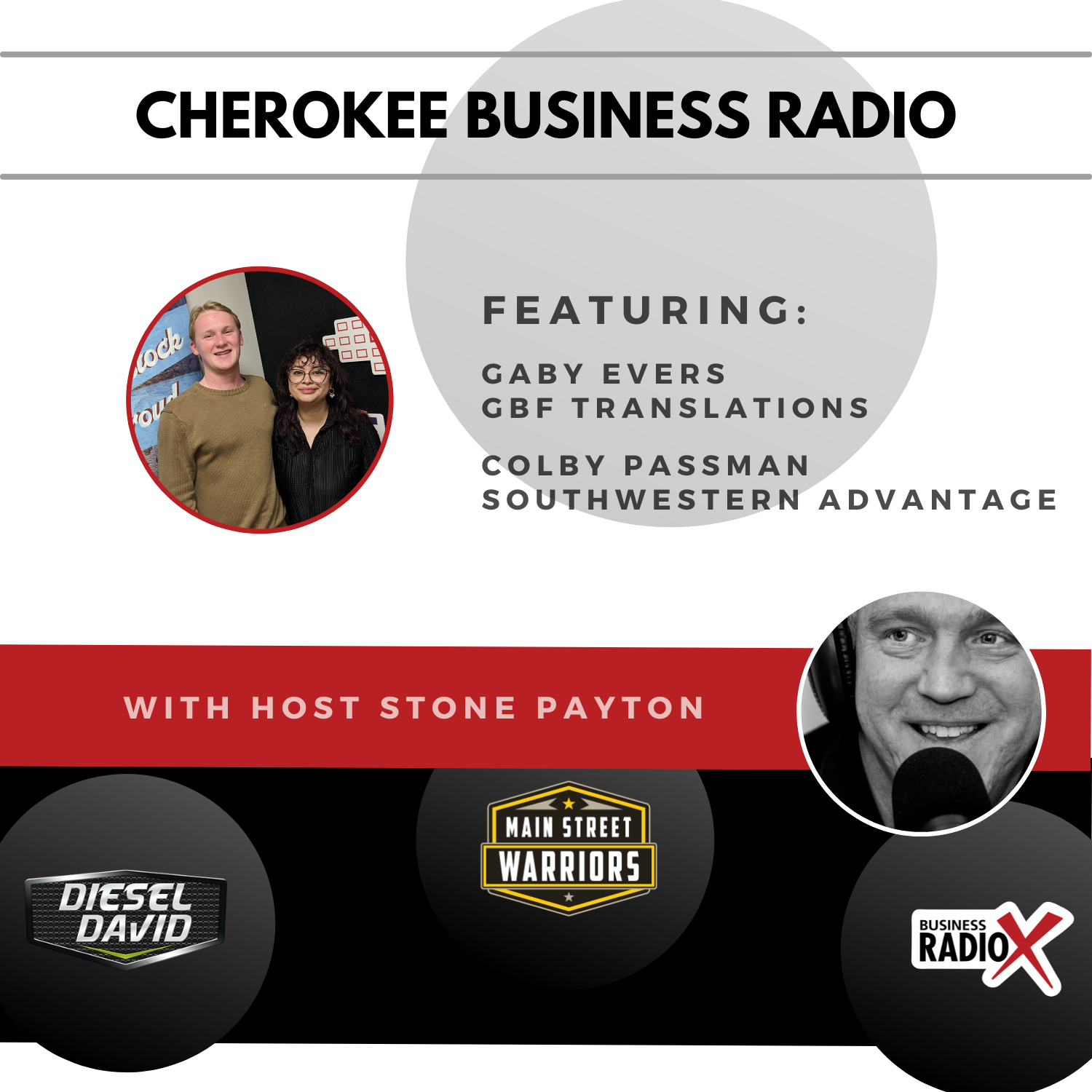
 Gaby Evers is the founder of GBF Translations, a Spanish translation and interpretation business based in Woodstock, GA.
With a strong background in immigration and medical fields, Gaby has years of experience helping individuals and businesses navigate the complexities of cross-cultural communication. She offers professional services in translation, interpretation, proofreading, and cultural consulting, ensuring that her clients’ messages are accurate, culturally relevant, and impactful.
Passionate about bridging language barriers, Gaby works with small businesses, organizations, and individuals who want to connect meaningfully with Spanish-speaking audiences. Her expertise includes reviewing and proofreading websites, marketing materials, and important documents to guarantee not only linguistic accuracy but also cultural resonance. 
Whether it’s helping immigrants communicate their stories or assisting businesses in expanding their reach, Gaby brings a personalized, detail-oriented approach to every project.Gaby’s mission is to bridge language gaps and ensure everyone has a voice.
When she’s not working on translations or consulting with clients, she’s often exploring new ways to serve her community or strategizing creative solutions to make language accessible to all.
Follow GBF Translations on LinkedIn.
 Colby Passman is a graduate of The University of Mississippi in Integrated Marketing Communications with a minor in Business. He’s a top salesperson and team leader for Southwestern Advantage.
During his five years with the company, he’s grown his business as a freshman to now producing over $260,000/yr in revenue.
While in college, Colby served as the founding President of the Public Relations Students Society of America (PRSSA) at Ole Miss.
Colby enjoys playing guitar, mountain biking, and watching Ole Miss athletics in his free time.
Connect with Colby on LinkedIn.
 This transcript is machine transcribed by Sonix.
TRANSCRIPT
Intro: Broadcasting live from the Business RadioX studios in Woodstock, Georgia. It’s time for Cherokee Business Radio. Now, here’s your host.
Stone Payton: Welcome to another exciting and informative edition of Cherokee Business Radio. Stone Payton here with you this morning, and today’s episode is brought to you in part by our Community Partner program, the Business RadioX Main Street Warriors Defending Capitalism, promoting small business, and supporting our local community. For more information, go to. Main Street Warriors and a special note of thanks to our title sponsor for the Cherokee chapter of Main Street Warriors Diesel David, Inc. Please go check them out at diesel david.com. You guys are in for a real treat. We’ve got a couple of guests this morning. But first up on Cherokee Business Radio, please join me in welcoming to the broadcast with Southwestern Advantage organizational field leader, Colby Passman. How are you, man?
Colby Passman: Stone, this is so much fun. I’m really happy to be here.
Stone Payton: Well, I love it. It beats the heck out of working. I get to visit with interesting people who are passionate about the work that they’re doing. I want to learn so much about who you’re serving, why you’re you’re doing it, and how. But let’s open up with a bit of a picture, a primer for me and our listeners. Mission. Purpose. What are you and your team really out there trying to do for folks, man.
Colby Passman: Yeah, absolutely. So, um, personally, in my life, I feel I feel called to, to create leaders. Um, the my company’s mission statement. That’s a big reason why why I work there. And the mission is to be the best company in the world at developing skills and character to help young people achieve their goals in life. So the company, southwestern, it’s been around for 160 years. It’s the oldest internship in the nation. And what we figured is that if we want to be the best at developing skills and character. So basically, to achieve personal growth, the only way to to grow is by stepping outside of your comfort zone. So the summer internship that I get to recruit for it is known as the Navy Seals of College Internships. It’s definitely the hardest thing I’ve done up to this point in my life, but one thing that gets me through is it won’t be harder than marriage, right?
Stone Payton: Maybe. So. You have personally participated in the intern program, and now you are, uh, leading recruiting for this thing?
Colby Passman: Yeah. Yeah, I started my freshman year. Um, I use it to pay my way through college, so was able to graduate from Ole Miss debt free.
Stone Payton: Um, really mamas proud.
Colby Passman: So.
Stone Payton: Oh, yeah. Oh, we gotta swing back around and figure out how you how you did that. Because that’s huge. So at this point of your career and I know it’s a, you know, a little longer in the tooth than our guest here this morning. It’s, uh. But you have a career now. What’s the what’s the most rewarding, man? What’s the most fun about it for you these days?
Colby Passman: Yeah, man, it truly checks all the boxes in terms of, you know, entrepreneurial with the flexibility of schedule. And, um, I always say money’s not the most important, but it’s definitely top five. Um, for me, Stone, it’s truly the impact. I mean, outside of, um, you know, being a Christian and choosing to serve the Lord. Um, you know, working with this company, it’s been the best decision. Also the most impactful decision in my life. So the fact that I can extend that impact to others through this really challenging, um, sounds cliche, but truly a life changing Experience. Um, that’s what fires me up and gets me out of bed in the morning.
Stone Payton: So what is a day in the life of Colby? Like? I know you shared with us before we came on air that you’re about to take a trip and go to this career fair, but what’s a maybe typical is not even a good word. But what’s a typical day week look like for you?
Colby Passman: Yeah. Typical. Yeah, it’s always changing. So I definitely do travel a lot. Um, yeah. I mean, the goal is to to wake up at 5 a.m., go, um, go straight to the gym in the morning. So I’ve been doing pretty good about that recently. Um, I cook my own meals. I take cold showers every morning because it keeps me disciplined and start starting my day getting outside of my comfort zone. Um, but, yeah, I mean, in terms of recruiting, um, prospecting can look, um, it can look different for different weeks. Sometimes I’ll like for, for today example, I actually have a meeting right after this with the president of, um, the real estate club at Kennesaw State. And the goal and what I expect is that, um, she’ll have me as a as a guest speaker. I have a speaker bio and I speak to different clubs, so that’s one kind of recruiting method. I do career fairs and basically with all the names that I gather up, I’ll, I’ll call them and then send them some informational videos and interview kids and the kids I select for my team, I, I train them until, until May when the summer starts. And that’s kind of that’s kind of like like football season, so to speak.
Stone Payton: And so what does that process look like? Uh, a kid, you, you find a kid at a career fair or through a university system like that, or however you find them and you’re having that initial conversation. I know you have these group presentations, but when you’re sitting down with with a kid, uh, how does that conversation go? Walk us through that a little bit.
Colby Passman: Yeah, that’s that’s a really good question. And, um, you know, with the the degree of challenge of the internship, I don’t really view myself as someone that’s necessarily like hiring people, but instead, since it’s entrepreneurial, you You know, um, if a student comes and works for me with the summer, I’m also working for them. So at the end of the day, I’m really just looking to form a partnership. More of a business partner, someone to do life with. And, um, it all comes back to the personal growth. So of course, with the conversations, I have a lot of it. With it being an internship is about career goals and how this could help them professionally, but more so what fires me up and and the main reason why so many students will do this is because they just have a burning desire to become the best version of themselves. So a lot of times I’m asking questions like, you know, let’s say 60, 70 years from now at your funeral and, you know, grandkids and coworkers and, you know, all your friends are there, how do you want to be remembered? You know, when when people are talking about you and someone comes up and gives the eulogy? What specific character traits are they going to use to describe you and those character traits they talk about? I tell them that’s what this summer internship is for, whether it’s integrity or Integrity or perseverance or empathy or, you know, love, reliable, you name it, growing in those areas. That’s that’s what this internship is for.
Stone Payton: And so what can an intern expect to, uh, to, to see and hear and do over the course of this thing?
Colby Passman: Yeah. I mean, in terms of expectation, expect to fail a ton, expect to fail a ton and to get rejected. The, um, the way we go about accomplishing our mission is teaching students how to start their own miniature franchise over the summer. So it’s kind of like starting a chick fil A. So we give students a product to sell and the product that we’ve we’ve been selling for 160 years. It’s educational material for families, um, families with kids in school as well as, um, biblical material and then, um, a leadership program. But our students, they, um, you know, we’ll knock on doors, we’ll do social media marketing, what we manage all of our own accounting and product delivery. Pretty much the full blueprint of running a business. And on average, students work about 80 hours a week for 12 weeks straight. I mean, it is like entrepreneurship bootcamp.
Stone Payton: Wow. So mentors along the way. I know the answer to this has to be yes just by virtue of what you’ve described already. But can you speak to the role of of mentors in your life so far as as they’ve helped you navigate this, this terrain? It’s got you’ve probably had some tremendous experiences in that regard.
Colby Passman: I truly have. And if you look at the alumni network of, you know, people that did southwestern when they were in college, I mean, just to name a couple. Mike Johnson, who’s, you know, the speaker of the House of Representatives, did this for four summers when he was in college and actually came to our company’s headquarters in February and gave a live keynote. I couldn’t make it for that. I was living in Austin, Texas at the time, but a lot of my friends got pictures with him. We’ve had seven former governors, including the current governor of Oklahoma right now, multiple people on the Forbes list, including John Yarbrough, who created the algorithm that makes slot machines turn. Oh, my. It’s insane. I mean, the people that do this job are truly movers and shakers. But in terms of my personal experience with mentorship, I’ve been told that you want to you want to put yourself in three buckets, one where you’re seeking mentorship from someone else, one where you’re you get to run that race with other people. And then the last bucket is being in a position where you can pour into others. And through this job, I’ve just been able to have my two feet firmly planted in all three of those roles.
Stone Payton: Okay, you got to talk to us about graduating debt free. I am operating under the impression that being a part of this thing of yours. Oh, yeah, it was a huge. It was a huge contributor to that. Yeah.
Colby Passman: Yeah. I mean, this this past summer, the the average intern made right at $12,000 for their work done over 12 weeks. So.
Stone Payton: Wow.
Colby Passman: It’s crazy. And our averages have gone up over the the years since my first summer. But I made about $10,000 working in Alabama. My first summer doing this, I made about 20 grand in South Carolina. My second summer went up to Michigan. After my junior year of college. I made about 30 grand and then made another 30 grand in Illinois after my senior year. So over the course of four four summers in college, I made about $90,000.
Stone Payton: That’s impressive.
Colby Passman: Yeah.
Stone Payton: So what’s next for you? You’re going to continue to expand your reach. Is this a, I guess, to be like a launching pad for a, for a different type of career, or do you really know yet?
Colby Passman: Yeah. I mean, specifically, no. I mean, my goal is to always be in the entrepreneurship realm. I’d love to to always have southwestern as a source of income and then, um, be able to sustain, um, a good amount of money with, you know, less amount of time and then start, start new business adventures. But, um, truthfully, Stone, I’m just gonna, you know, be obedient to the Lord. And, you know, if he tells me to go somewhere else, then. Then I’m gone. And if not, then I’ll. I’ll stay here for a while.
Stone Payton: But this presents the flexibility to to serve in that capacity and run another business or pursue other entrepreneurial ventures.
Colby Passman: Yeah it does.
Stone Payton: Wow, man. Sounds like a good deal.
Colby Passman: Yeah, I’m really thankful for it.
Stone Payton: So I don’t know when or when or how you find the the time, but, uh, passions, pursuits, interests outside the scope of this of this work. My listeners know that I like to hunt, fish and travel. Yeah, it’s pretty common knowledge now. Uh, that that passion for the outdoors has, uh, has launched a project to build out a boat, uh, that’s wheelchair accessible so that we can get disabled vets and people with mobility issues out enjoying the outdoors, fishing and cruising and all that. So, uh, everybody, at least in Cherokee County, knows what stone’s up to. Anything you nerd out about outside the scope of this, uh. This work.
Colby Passman: Oh, man. I like to do for having fun. That’s a great question. Um, man, I love playing guitar. I’ve been playing guitar since a young age, so that’s definitely a big part of, uh, of my identity, I would say. Um. Love travel. Love outdoors. Backpacking. Um, yeah, I, I’m trying to think if there’s any, like, weirdly authentic things that I like to do, but, um. Yeah. Big music, big outdoors, and that’s that’s pretty much it.
Stone Payton: Well, it sounds like you could still hang out with us. You don’t have to be in a wheelchair to get on on the SS freedom. That’s the. The name of the project is SS Freedom Adventure for all. Uh, but, uh, you know, there’s plenty of us that are not in wheelchairs that are going to be enjoying it, too. So it sounds like we can hang out. Sounds like you would enjoy boating and fishing and all that stuff.
Colby Passman: I’d be happy to hang out anytime with you.
Stone Payton: All right, so let’s go back to this intern program and break it down a little bit. Um, how would you describe, like, who would be a really good fit for something like this? And what are some maybe yellow flags or red flags or like, hey, this might be a nice person, but this is not the right program for them, you know?
Colby Passman: Yeah, I think the biggest thing for me is just people that are competitive, you know, um, get it? That definitely isn’t a factor. I was never the biggest fan of school myself. Um, hence pursuing entrepreneurship. Right? But yeah, people that are competitive, I mean, I, I, alongside everyone else, um, truly view this job as, as a sport, you know, so someone that can just really get excited about about doing the hard things. I would say not only that, but people that just don’t want to don’t want to be average in life. Um, I mean, this job, like I mentioned, it’s the hardest thing I’ve done up to this point in my life. So it definitely takes a lot of drive and ambition to really embrace yourself of 12 weeks straight of delayed gratification.
Stone Payton: Um, you spoke earlier about failure as, uh, that’s just that’s part of it. Can you speak more to that personal experience and philosophy, apparently, of the of the organization and what you try to teach these kids about falling down and getting back up?
Colby Passman: Yeah, man. Thanks so much for asking. Um, I mean, just just some, some stats that I had on my resume after my first summer of doing this, I gave, um, 3500 cold calls all in person, all in a different state to complete strangers I’d never met before in my life. Um, 3500. I gave probably 800, um, selling presentations. So those are people that were open minded enough to say, yeah, just let me let me listen to it. And then within that I probably had about 200 customers. So on average, I mean, my first summer doing this, I probably talked about 50, 50 strangers a day and pitched myself on the idea of spending a couple minutes to to hear my sales pitch. I’d probably have about, you know, 10 to 12 a day do that and maybe 2 or 2 or 3 customers within that. So I’m getting told no close to 40 times a day. Wow. Or more than that. I call it vitamin no a little bit. Every day is good for you.
Stone Payton: Vitamin? No, I like that. You’re going to hear that again. I’m going to use that.
Colby Passman: Yeah. Copy it. Um, but at the same time, Stone, that’s one thing that, um, made me kind of fearful before going into this, um, because I didn’t like failure. I’ve always been a perfectionist. I was really good at sports and the best one on my team, and just had a lot of success from a young age in high school, middle school, things like that. But at the same time, I realized that, you know, while I hate getting rejected, it gets under my skin and I take it personally and I just do not like failure whatsoever. This isn’t something that I want to always struggle with, so to speak. So I’m sure you’re probably familiar with exposure therapy, which is if you’re scared of something, the best way to get over that is just to just to do it. So, um, I kind of viewed this my first summer as a 12 week investment of just facing all of my fears. So then that way when I’m 30 and married and have two little kids, their dad is just a complete total stud who’s not not afraid of failure or rejection anymore.
Stone Payton: Yeah. All right, so if I’m a kid in this program, I’m going out there, I’m getting a little scar tissue. I’m getting good at the presentation. I’m sure at some point, uh, am I am I coming back to home base and getting a little bit of a recharge, and I’m able to communicate back and forth and get some direction before I have to shake the dust off and, uh, or the blood off and march back out there.
Colby Passman: Yeah. Yeah. Thanks for asking. I mean, we could not do this job without accountability. So, yeah, I mean, every single day, our students, they track all of their stats with how many prospects they talk to, how many sit down customers, um, you know, the amount they, they bought from them, so on and so forth. But we track all of our stats, and every single night we have about a 10 to 15 minute long coaching call. And we we coach based off of the stats, you know, because the data doesn’t lie. So we’ll do that every single night for 72 days straight all summer long. And we don’t work on Sundays. So Sunday will have a 4 to 5 hour meeting where we’ll give some general coaching based on the group’s needs as a whole. But then within that we have what’s called a PC. We call it a personal conference. So for about 30 minutes, each one of our first year students would sit down with one of the experienced people, like me or another person, for about 30 minutes, look at their numbers, look at how they’ve been doing with marketing, checking their business expenses. I mean, just really hands on into the detail coaching.
Stone Payton: And so they’re looking at expenses in the whole thing. So they really are running a business. It’s not just like go out there and you be the sales rep for my thing. They really it’s well I think you used the word franchisors. They’re they’re basically out there running their own thing.
Colby Passman: Yeah. Essentially. I mean our students are ten, 99. Every penny they spend over the summer is, you know, a business expense.
Stone Payton: Right, right. I love it. I mean, I can see why it’s. You characterize it as the Navy Seals of, uh, of internships.
Colby Passman: Yeah. I mean, it is not for the faint of heart, but, uh, I love it. It fires me up.
Stone Payton: So, based on that experience, I want to ask you this first. Tell me more about the people they are. They are serving who they are selling the product and service to. Who is their prospect?
Colby Passman: Yeah, that’s a that’s a good question in terms of families over the summer. I mean, short answer is just anyone that that has kids, you know, because we have, um, you know, some, some early learning products for families with babies like, you know, learning books and like, fun educational apps to get kids really excited about learning.
Stone Payton: Mhm.
Colby Passman: And then for the older kids, we have products that are kind of like SparkNotes or CliffsNotes that are just designed to save kids a ton of time with schoolwork. So the kids that hate school, that don’t want anything to do with it, they love it because they get their homework done easier, and the kids that have really high goals that excel, they’re usually the ones that are busy with sports and other extracurriculars. They really like this because they study a lot, and then they get their work done easier. And at the same time, we have Act and SAT prep alongside some material that helps with AP exams.
Stone Payton: Nice. All right, before we wrap up, I’d love to leave our listeners if we could both with, I call them pro tips. Right. Just a couple of things to to to noodle on. Be thinking about do or don’t. And as a product of what you’ve learned so far and maybe in the vein of kind of both sides of the table, if, if you you’re young, you have some aspirations about doing your own thing. You really are willing to put yourself through the ringer a little bit, as it were. But maybe also for those of us who may want to create something to serve a constituency like that. What should we do be doing in terms of creating a, you know, a program around, you know, like the Business RadioX Youth academy. You know, like, if we really wanted to help people. Like, what have you learned? Um, so a pro tip or two just for people to be thinking about and look, number one pro tip, guys, is reach out and talk to Colby, and we’ll make sure we get his contact info here in a little bit. But something to be thinking about.
Colby Passman: Yeah. Thanks, man. I can answer that a million different ways truthfully, but, um, and the book, The Seven Habits of Highly Effective People, Stephen Covey, he talks about, um, private victories, perceived public victories. So, you know, I think, um, in terms of, you know, building momentum, obviously, you know, the hardest step is just taking the first step. I, um, I heard the other day that every mile begins with a step, and it’s so true, but in terms of, um, of. Yeah, just building that momentum. I mean, the reason why I’m, you know, waking up and going going to the gym at 5 a.m. and, you know, taking cold showers and just truthfully doing everything I can to put myself outside of my comfort zone is because I know that I can’t excel in work and excel with creativity or really anything if I’m not taking care of of my inside. You know, if if that makes sense.
Stone Payton: It does. And part of what I’ve drawn from the conversation, as someone who would like to invest in young aspiring entrepreneurs is, um, you got to give them some room to, to to scrape their knee a little bit. And then when they come back, you know, maybe have the discipline and the rigor and put the responsibility on them to, to not only absorb the lesson, but to return the learning to the organization so that everyone can can benefit from it, but create that environment where it’s, uh, it’s okay to fail, you know? Now, if you keep making the same mistake over and over and over, then you might need to free up your future. Right. But but if it, uh. I mean, so that’s what I’m taking for the for my. And look, this is a great way to get some really good coaching insight from people who are very well accomplished in their domain. Uh, free. Get yourself a radio show. You invite smart, passionate people in the studio, and they teach you a lot.
Colby Passman: Yeah, I love that stone. And I guess the, uh, as we’re wrapping up, the last thing I want to say, um, whether you’re Christian or not, I mean, there’s so much value in in what I’m about to share. And this is, um, I hold this this, you know, these next couple sentences more dear to my heart than anything. Um, this is my favorite quote ever. It comes from the book of James verse. It’s chapter one, verses two through four. He says, consider it pure joy when you face trials, because the testing of your faith produces perseverance. So let perseverance finish its work so you can be made mature and complete, not lacking in anything. And basically what that means to me is no matter how we slice it, the obstacle is the way. You know everything that we want to accomplish in life. It’s truly on the other side of fear and what’s holding us back. There’s so many analogies for it. You know, diamonds are formed under pressure. And, you know, I mean, if you want to make a sword, the process of that is you stick it through the fire and you beat it up, and the finished product is you have this beautiful, just really sharp, high quality, just work of art, really nice weapon. And, uh, that’s pretty much what the summer program is. And that’s just how I live my life. Um, you know, the obstacle is the way.
Stone Payton: The only regret you have left me with this morning is I wish I would have turned on the video, because I would love for our listeners to see the youthful face that just shared that incredibly mature wisdom, not only articulate, but right on target. That is marvelous. All right. What’s the best way for our listeners? To learn more, tap into your work website, LinkedIn, whatever you think is appropriate. But I want to make sure they have some coordinates to connect.
Colby Passman: Man, I give my phone number.
Stone Payton: Yeah, absolutely.
Colby Passman: All right. Cool. Yeah. Cell phone number is 601 443 1488. That’s my cell phone number. That’d be the best way. I mean, of course I have an email, which is C passman@southwestern.com. Um, I’m actually giving up social media for 2025. That’s my.
Stone Payton: Oh.
Colby Passman: My that’s my thing for the year. And it’s it’s been so fruitful up to this point. It’s been I can’t recommend that enough. But I am on LinkedIn. So Colby Passman and uh, I guess outside of those three methods, I’m, I’m pretty much rogue, unless you want to write me a letter.
Stone Payton: No. Colby is easy to get to and easy to talk with. I guarantee you. Well, this has been marvelous. Hey, how about hanging out with us while we visit with our next guest?
Colby Passman: Uh, that’s exactly what I want to do, stone.
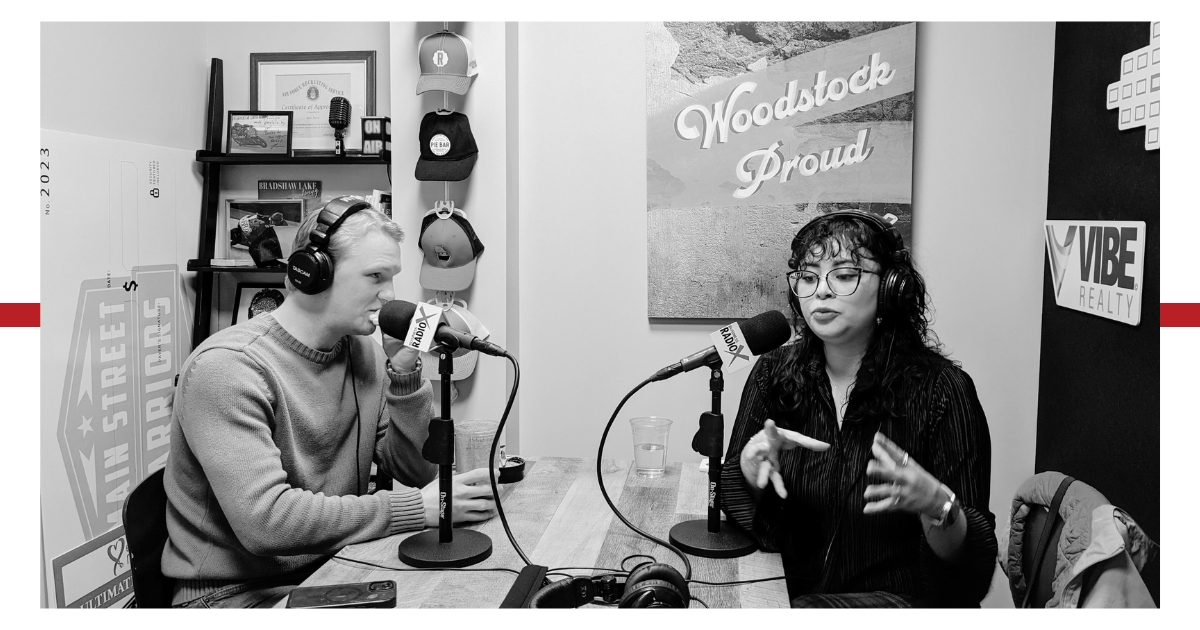
Stone Payton: Perfect. All right, next up on Cherokee Business Radio. We have with us with GBF Translations, Gaby Evers. How you doing?
Gaby Evers: Oh, I’m doing all right. How are you?
Stone Payton: I’m doing well. And I’ll just apologize. That’s that’s a tough act to follow.
Gaby Evers: I know I don’t wake up at six in the morning or five, so I’m already apologizing in advance.
Stone Payton: So GBF translations. Mission. Purpose. Uh, tell us about the work.
Gaby Evers: Um, so basically, working with small businesses, um, trying to bridge that gap. Um, so the Spanish speaking community can be reached, um, not only by, you know, small businesses trying to work with them, but also, you know, small businesses themselves. Um, because, um, a professional translation is different that someone just being bilingual. Um, I have worked with other bilingual people who have their small business, but they need that professional, you know, touch.
Stone Payton: Yeah. Well, I want to talk more about the virtues of a professional translation, as opposed to some of the other things that, uh, we might be tempted to to lean into, but. How did you get started? What were you doing before this?
Gaby Evers: Well, I mean, I’ve been translating and interpreting since I was in elementary school, so I’m originally from Mexico. So when I taught myself English in elementary school, I sort of became the go to person for parent teacher conferences, not only for my family, but for others. So it just was something that I did. And then, as you know, I went to school and college and started working in corporate America. It was just something that I started to do, you know, in a more professional level. Um, I think the joke is always, you think you know, Spanish until you have to translate or interpret like a business document or a legal document, and then all of a sudden you’re like, do I actually know this language? Um, so when I started to sort of learn that, um, aspect of it. Um, I was doing, um, I worked at law firms. I worked, um, with, um, within the medical field. Uh, at some point I was freelancing and doing, um, translations and interpretations through agencies. Um, but I learned that I wanted to be the one who decided what projects I could invest in and who I could work with. Um, when I moved to Woodstock about two years ago, I saw the need, and it just sort of became, uh, a little something in the back of my mind, like, maybe I could do this. Maybe I could do this. And then this year, I was like, well, I just have to go for it, because if I don’t do it, I can’t, you know, I want to say that I did it. Whether this goes into a different direction, whether I fail or not, I want to say that I did it.
Stone Payton: So how has the transition been? I have to believe it’s had to be a little bit little bit intimidating coming from a corporate environment where there are maybe some more knowns. And now not only do you do you have to be a practitioner and be good at practicing the craft, but oh, by the way, you, uh, you got to run a business. You got to get to business, right? What’s that transition been like?
Gaby Evers: Oh, absolutely. I mean, it’s been terrifying. Um. Very exciting. Um, I wish I had, uh, taken that, uh, book camp that Cody has spoken to us about, because that would have been handy right about now. Um, but I will have to say that everyone here in Woodstock has been so nice, so welcoming, so willing to sit down and share their knowledge and share their wisdom. And a lot of it has been with other small businesses or entrepreneurs who have been in the same shoes as I am. Um, so it’s definitely challenging, but very exciting, especially when I get to see sort of my work come to fruition. So, for example, I just finished collaborating with a small business. They do a chiropractic and um, their intake forms needed to be translated into Spanish. Mhm. Um, so I did that and then shortly after they were able to collaborate with uh, a law firm. So now they’re, they are Spanish speaking clients are now going to be coming to them. Uh, and so having that tool and having that already translated in a way that will make sense for, for these new customers, it’s, it’s like a full, full circle moment. Not only do I get to help this small business, um, get more people and, you know, uh, succeed in that sense. I also get to help the, the people that are going to be coming in and maybe aren’t sure, you know, how that practice works or how things work in general. Now, there that that is translated in a way that they understand it. It’s given back to the community, and it’s a full circle moment for me.
Stone Payton: Yeah. All right. Let’s talk about me for a minute. It’s my show. Okay. So I’m connecting dots here, right? So I think I mentioned to you a couple of times that young professionals of Woodstock, it would be fun to have a Spanish speaking show, and that would be fun to pour in, and that would be a way to invest into the community. But now that I hear you talking about how that can open up a whole new world and potentially other markets to you, let’s let’s walk through a hypothetical use case, like if we had a Spanish speaking show and we had people coming in here, um, and having conversations like this, but in Spanish, we probably would draw more people tapping into the work. There might even be more people that would be wanting to be on the client side of our world and, and have those interactive business people interviewing business people with conversations. And it might even open up a world where someone’s running a business radio studio in Austin, but they at least have that added texture to it. Or maybe they just have a whole Spanish speaking. Like we could actually have studio partners that are doing some Spanish speaking. I mean, it can just it can keep unfolding, right?
Gaby Evers: Yeah, absolutely. I mean, I think that’s the beauty of it. Um, when I first moved here, I noticed that there would always be like some art festivals or something going on in Woodstock. And I, you know, I made friends with my neighbor, and he had been living here for five years at that time. He had no idea that any of that was going on. Um, you know, he didn’t see any signs. It wasn’t really posted that much. So for him, it was like, oh, I didn’t know that that was there. And then, you know, being able to let him know what’s going on, it just kind of sparked that idea that if we could sort of bridge that gap, if we could, you know, make it so communication is easier. I mean, you tap in into so many things. Um, when I went to, uh, Puerto Rico for, uh, sort of to help, uh, with the conference, I noticed that, you know, obviously the people there spoke English, but there’s just a connection that happens when, you know, you meet someone that knows you know, your native tongue or just it’s just that cultural togetherness that comes and, you know, just being able to find that, especially here in Cherokee County, I feel like it’s always exciting when when I meet somebody else who’s also, you know, an entrepreneur who’s also Latino, who’s also Latino, and it’s just like, oh, this is togetherness. That just makes it just makes it a different experience.
Stone Payton: I’ll bet. So I know there are a great many myths, misconceptions, a pretty good sized body of misinformation around how to use this platform to help people and make money. The work we do at Business RadioX. I got to believe the same as is true for you. Are there some? Do people have some pretty odd and off the mark ideas about about translation and the value of the services, or how to go about it or the and maybe speak to the differences in, you know, me hitting a translation app or me engaging Abby to rewrite our Business RadioX Academy so we can train Spanish Business RadioX studio partners?
Gaby Evers: No, that’s a that’s a great question.
Stone Payton: I hey, it took me a minute to get it out, but I thought it was a fantastic question.
Gaby Evers: Um, no, I mean, I think that that’s the number one thing that as I’m trying to, um, you know, sell this business. Um, also educating people on what exactly it is that I do and how it works and, and what it actually means. So first off, I think that the first thing is, um, so translations versus having an interpreter, it’s different. So translation has to do with like written words. So anything that’s in writing basically. Whereas interpretation it’s spoken. So whether, you know, it was a workshop and. I’m translating for whoever or interpreting for whoever’s speaking, that would be. The main difference. And then second, you know, with AI and Google Translate. They’re great tools. But to rely on them completely, you, you you can get yourself in trouble. And I’ve seen it, uh, not only, as you know, um, a consumer or just walking around and seeing these mistakes, but I’ve seen it when I do consultations and I’m like, do you know what that actually says? Is that what you were trying to say? Um, and so having that cultural, um, nuance and knowledge makes a difference because, you know, you might be thinking, you’re saying one thing and then people read it and you’re offending, You know, half of Latin America.
Stone Payton: Ouch. Well, you don’t want to do that. So let’s walk through a couple of use cases and you don’t have to name names, of course, but, um, I so that we can really understand the breadth of opportunity for tapping into into your expertise.
Gaby Evers: Yeah. So not only, you know, having, um, marketing material, for example, made from scratch, um, translated and having that. So when you are posting things up, like, I know for, uh, Cinco de Mayo, there’s times where businesses will, you know, Google Translate things. So it’s easier trying to reach the Spanish speaking community. Um, but they’re not saying or communicating what they really want to say. So people might just disregard that and be like, oh, that’s not for me, even though it’s in Spanish.
Stone Payton: Oh, ouch. You might actually have the opposite effect.
Gaby Evers: Exactly.
Stone Payton: Oh, wow.
Gaby Evers: So having that a professional, you know, take a look at it, uh, can make a difference. So, um, maybe even on your website or your social media. Um, as we are seeing that more, um, speaking Spanish speakers are, you know, they’re a big force, not only in for business, but, I mean, they’re here and that that matters. So you’re tapping on a whole new base that, you know, people aren’t reaching. Um, something that I noticed here in, in Woodstock specifically. Um, and I’m sort of grateful for it. There’s no one else that’s doing what I’m doing. So it’s it’s interesting because not only am I growing with people and educating them sort of from from scratch, but because I’m the only 1 or 1 of the few ones here, it’s like, well, so what do you do? You know, um, so to get back to the answer, I tend to wander off. Yeah, but it’ll be perfect then. Um, so. Yeah. So not only that, but also, um, I have had the opportunity on just creating things from scratch, uh, whether that’s, uh, at a, in a medical field, uh, a clinic or, um, like I mentioned, the chiropractor. Uh estheticians things like that, where, you know, people tend to forget about it, but these are services that people need. Um, and so when someone sees something that is meant for them, that is translated in a way that they understand it, uh, with the cultural knowledge and nuance that they understand, they’re more likely to be like, oh, well, let me see what that’s about. And then from there, you know, word of mouth is very it’s very important in our community. And when they feel like they found a place that they’re comfortable in, that they can go to, they tell everyone. And then all of a sudden you have all these people that you maybe didn’t realize that we’re there, or that you thought you were reaching out. But the material that you were using wasn’t, wasn’t properly for them.
Stone Payton: So, uh, on the whole sales and marketing front, what have you learned about that? How is that going? I know in our work we work with a lot of professional services providers. And again, while they may be really skilled at their craft, often a hole in their swing or let me, I’ll be gracious as I can. The biggest opportunity for improvement in their business is the front end of that pipeline. Just having like these discovery calls, these initial conversations. Um, is that a channel? Have you cracked the code on how are you getting the new business, Gaby?
Gaby Evers: Um, a lot of it has been word of mouth. Um, like I said, I did wish that I would have taken that, uh, course.
Stone Payton: Bootcamp met Colby a couple years ago.
Gaby Evers: Yeah. Because, I mean, getting those those no’s can be very, very hard at first. Hurtful.
Stone Payton: Hey, it can be hurtful for those of us that haven’t been tough enough, like Kobe and his crew.
Gaby Evers: Um, but not only that, I think the other part is that I see it’s like, oh, if I could just fix it. If I could just do it, then, you know, it’s almost like a like an itch, right? Like I see that it’s wrong. I want to fix it, but they don’t see why it’s wrong or they’re like, well, no one has had an issue. No one has been offended. It’s fine. I’m like.
Stone Payton: Yeah, because they don’t know who did who they turned away or didn’t attract.
Gaby Evers: Right, exactly. And even though, um, like I said, Google Translate and I, they’re great tools, but to just solely rely on them, you know, you’re missing out so much. And I mean, it can definitely get you in trouble. Um, I think the other, um, part of it is although, like I said, I am, I see that I’m the only one working specifically with small businesses, um, and sort of translating marketing and documents, not just, you know, doing the interpretation, which is some of the stuff that I have seen. Um, you know, like when I looked on Google Maps. So just trying to get myself out there has been a challenge especially, you know, I moved here, I didn’t really know anybody. But this community just opens up to you and they want to see you thrive and they want to see you succeed. And I think that that’s part of the reason that just sort of pushes me forward to continue to help other small businesses, because it’s like there’s a whole group of people you haven’t tapped in. Let me help you. And so when I see those moments, like I mentioned earlier with the chiropractor, that’s sort of what, like, keeps me going. Um, and as someone who, you know, has been in a position where I felt like things weren’t for me or they weren’t in a way that I could understand them or that they were reaching out for me. You know, I want that. I want the representation. I want people to see things and feel like, okay, so I’m part of this too. I am wanted in this community, in this business, not, you know, to sort of allies themselves from us. So yeah, that’s what keeps me going.
Stone Payton: Well, I gotta say, my experience, at least we really do have that here in Cherokee County. And I think in Woodstock in particular, we do have a, a group of people who small business people who are genuinely invested in everyone’s success and are very quick to pour into our work the causes that are important to us. How about for you, community and causes? You touched on it, but, uh, anything in particular that you’re really trying to rally behind? Uh, right now, like, is that a group of people that you’re trying to reach out to and maybe serve them as well? Um, and or or do you have your own, like, uh, wheelchair friendly boat project like me or anything like that going on?
Gaby Evers: I wish I had a boat. Nope. Oh.
Stone Payton: Well, you got one now. You come visit with us.
Gaby Evers: Um, no. I don’t know that I have a specific, um, thing. I think the mission right now is to serve, uh, the Spanish speaking community. And the way that I see that I can do that is by, you know, offering my services and trying to reach, you know, everywhere. I’m trying to be in the city of Woodstock. I’m trying like, every document that, you know, needs to be translated in Cherokee County to, to be translated, even if it’s not me. Mhm. Um, although I don’t see anybody else, but even if it’s not me, uh, I think that that’s what what I care about so much that it gets done so that people can see it and be, you know, informed or feel welcomed.
Stone Payton: Hey, I like that. Let’s send when we get this published, let’s send this interview to Michael Caldwell. Tell him to get on the stick. We want everything in Spanish and like Gaby Spanish not I Spanish.
Gaby Evers: Actually, I spoke to the mayor.
Stone Payton: Oh. Did you?
Gaby Evers: Okay, I did. I had spoken to him during the, um, the IT meetup, and he he was so great.
Stone Payton: Um, I’ll bet he’s just a good guy. He is. Amen.
Gaby Evers: I mean, this honestly, after that state of city speech, I was like, I need to live in Woodstock. I feel so, so patriotic. Um, but he did mention, um, you know, talking to the Woodstock, uh, police department. And so we’re have that kind of in the works. Um, also trying to work with, uh, the Parks and Rec. Jamie has been so helpful. So, you know, it’s in the works. Sure. Um, I’m putting my little seats out there, and I can’t wait to see that come to fruition.
Stone Payton: I’ll bet. All right, so what’s the best way for our listeners to connect with you? Small businesses that may very well have need, uh, desire for your services, but also and also those of us who, uh, just want to help and, and, uh, and want to continue to learn more. What’s the best way to connect with you?
Gaby Evers: Uh, so our website, uh, if you sign up for the newsletter, you can get, um, tips and exclusive, um, offers, uh, mainly tips, um, on, uh, mistakes to avoid so that your translations are proper. Uh, but if you go to Translations.com, that’s the best way. Uh, my phone number is also (470) 215-1321. And you can also send me an email, uh, Gaby, at translations.com. Um, I am trying to get on social media more, although I wish that, you know, social media wasn’t something we relied on so much.
Stone Payton: Well, Colby’s going to be no help there. He laid it down.
Speaker5: I did get off TikTok, so that was my big thing last year.
Gaby Evers: Uh, before, you know, it was banned, I was off TikTok. And honestly, that helped a lot. It gave me time to read a Read a lot. I mean, I was already reading, uh, but it just gave me time and peace of mind that I didn’t. I didn’t think I could have, um, I think I’m trying to go more the authentic route and just be myself.
Stone Payton: Good for you. Well, Gaby Colby, this has been an absolute delight having you join us in the studio this morning. Thank you for your insight, your perspective, your enthusiasm, and some inspiring conversation. Uh, you guys are doing great work. And keep it up. We sure appreciate you.
Gaby Evers: Thank you for having us.
Colby Passman: Thanks. Thanks, Don.
Speaker5: It’s been fun.
Stone Payton: Oh, absolutely. My pleasure. All right, until next time. This is Stone Payton for our guest today. And everyone here at the Business RadioX family saying we’ll see you again on Cherokee Business Radio.














