

Business RadioX ®

  • Home
  • Business RadioX ® Communities
    • Southeast
      • Alabama
        • Birmingham
      • Florida
        • Orlando
        • Pensacola
        • South Florida
        • Tampa
        • Tallahassee
      • Georgia
        • Atlanta
        • Cherokee
        • Forsyth
        • Greater Perimeter
        • Gwinnett
        • North Fulton
        • North Georgia
        • Northeast Georgia
        • Rome
        • Savannah
      • Louisiana
        • New Orleans
      • North Carolina
        • Charlotte
        • Raleigh
      • Tennessee
        • Chattanooga
        • Nashville
      • Virginia
        • Richmond
    • South Central
      • Arkansas
        • Northwest Arkansas
    • Midwest
      • Illinois
        • Chicago
      • Michigan
        • Detroit
      • Minnesota
        • Minneapolis St. Paul
      • Missouri
        • St. Louis
      • Ohio
        • Cleveland
        • Columbus
        • Dayton
    • Southwest
      • Arizona
        • Phoenix
        • Tucson
        • Valley
      • Texas
        • Austin
        • Dallas
        • Houston
    • West
      • California
        • Bay Area
        • LA
        • Pasadena
      • Colorado
        • Denver
      • Hawaii
        • Oahu
  • FAQs
  • About Us
    • Our Mission
    • Our Audience
    • Why It Works
    • What People Are Saying
    • BRX in the News
  • Resources
    • BRX Pro Tips
    • B2B Marketing: The 4Rs
    • High Velocity Selling Habits
    • Why Most B2B Media Strategies Fail
    • 9 Reasons To Sponsor A Business RadioX ® Show
  • Partner With Us
  • Veteran Business RadioX ®

Ted Turner With Intelligent Leadership Executive Coaching

March 31, 2022 by Jacob Lapera

TedTurner
Association Leadership Radio
Ted Turner With Intelligent Leadership Executive Coaching
Loading
00:00 /
RSS Feed
Share
Link
Embed

Download file

ilec

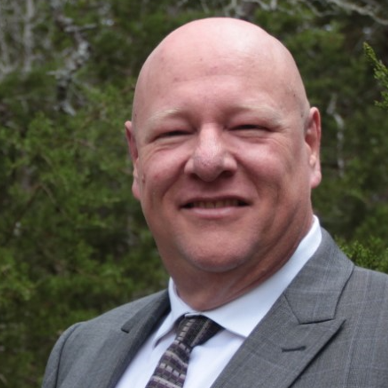
TedTurnerTed Turner, Master Certified Executive coach at ILEC. With over 40 years of leadership experience in the Engineering, Construction and Services industries, Ted has successfully managed large, complex projects in 31 states and 17 countries and four continents.

His professional credentials include General Engineering licenses in four states and contractor licenses in 12 states, as well as certifications from the U.S. Army Corps of Engineers, The U.S. Navy Facilities Engineering Command, The Board of Certified Safety Professionals, The American welding society, IMD Lausanne Switzerland and other entities.

He is co-author of the ACCE Decision and Risk Management Professional Study Guide, and his accomplishments have been featured in Popular Science, The San Diego Union Tribune, The Austin Construction News, and other publications.

As a business executive Ted has directed business portfolios exceeding $3.5 Billion USD to profitable, safe, and timely completion. An example of his entrepreneurial acumen is the recent development of a small specialty contractor from $24 Million USD to $140 Million USD in yearly revenue while increasing EBITA from 6.7% to 16.2%.

However, in Ted’s view those accomplishments pale in comparison to the successes in working with executives and others from around the world, bridging differences in culture, education, habit, language, religion, customs, experience, and attitudes to build cohesive teams of people that respect each other’s talents, show patience for their weaknesses, and embrace their mutual success.

Helping individuals and groups unlock their potential and realize successes they never thought possible have by far been the most rewarding experiences in a long and varied career.

Ted is a Master Certified Executive Leadership Coach, focusing on developing leaders, from C-suite occupants to emerging leaders, corporate culture, Diversity and Inclusion efforts, and team alignment.

Connect with Tedd on LinkedIn.

What You’ll Learn In This Episode

  • Member participation – a two-edged sword
  • Recruitment and retention
  • The importance of strong leadership
  • Leveraging shared values
  • Diversity and inclusion

This transcript is machine transcribed by Sonix

TRANSCRIPT

Intro: [00:00:02] Broadcasting live from the Business RadioX studios in Atlanta, Georgia. It’s time for Association Leadership Radio. Now, here’s your host.

Lee Kantor: [00:00:17] Lee Kantor here another episode of Association Leadership Radio, and this is going to be a good one. Today on the show, we have Ted Turner and he is a master certified executive coach and he is here to talk about associations. Welcome, Ted.

Ted Turner: [00:00:33] Thank you Lee, pleasure to be back with you.

Lee Kantor: [00:00:34] Well, before we get too far into things, let’s talk a little bit about your coaching practice. I know you serve leaders in all different facets of business, but your background includes some roles in associations as well. So tell us a little bit about your practice and your background.

Ted Turner: [00:00:55] Well, certainly so my my background has been in construction and engineering for 40 years, large, major projects all around the world. And so as part of that, I’ve been a member of several trade organizations concerning engineering, construction, trade work, those kind of things. I’ve served on a number of committees, both at the local chapter level and at the national level advisory committees, as well as on the political action committees and and workforce development. A number of different experiences working with associations.

Lee Kantor: [00:01:31] So now for those people listening and that maybe aren’t members of associations left yet, why was it important for you to being a practitioner and working in the industry? Why was it important for you to not only join associations but also to take leadership roles?

Ted Turner: [00:01:50] You know, there’s a number of reasons why a person would want to get involved in an association. For me, I got involved at a early stage in my career and really didn’t know what to expect. I was there really to soak up the information at that point to learn from those that had been in the industry longer, to get the latest tidbits of information and research to be able to network and get creative ideas for different problems we were solving. I was very much into the educational part of the associations and all the unique things that they offered. And then as the years went by, I became more and more involved in setting the tone there and taking on assignments and working in an advisory role in different capacity. So my reason changed over time. I realized the power of having a lot of like minded people, whether you’re trying to affect ways to reach out to the community, ways to to fill gaps in workforce, ways to prepare the next generation of workers, whether it’s regulatory issues. There just was a lot of power and a lot of different directions that you could affect your industry, dealing with a well organized and and good sized association. And that’s true for whatever industry you’re in.

Lee Kantor: [00:03:11] So now since you have been on kind of experience in association at a variety of levels, can you share a little bit now using your master certified executive coach lens on what advice would you give the leader of an association in order to serve their members more to maybe increase retention or to recruit more people, maybe a more diverse group of people? What advice would you give those leaders of associations? You know, having kind of been there and done that in a variety of ways?

Ted Turner: [00:03:47] Yeah. You know, I tell you, that’s a very timely question. There’s there’s a fairly new survey out that shows that 45% of associations in the United States are reporting declines in membership renewals. Just last year, that was only 24%. So that’s that’s a huge issue that they’re facing right now. So so there’s the good news, bad news with that with associations. The good news is, is that leadership is agnostic. The traits that make a good leader in an association are much the same in any kind of an organization. They have to be a constant presence. People have to know that they can depend on them and know that they’re steering the ship with some constancy and some competence. They need to be vulnerable enough to listen. And especially in an association, these are all volunteers. None of them have to be there. They all have a level of passion about what they’re doing, at least enough to sign up. For some, it is just the level of passion that they think, Oh, this might be fun going to some of these mixers. For others, they are truly passionate about accomplishing something and they will jump in and they will work. So a leader of an association has got to have a very clear vision, has to communicate it very well to people so that they understand what it is they’re trying to accomplish. That’s even more important when you’ve got an all volunteer army, all these people have day jobs, right? And so motivating them takes some strength and it takes some some inclusivity.

Ted Turner: [00:05:16] It takes opening up your mind and explaining things and listening to the needs of your members. Because when you talk about retention, which what you asked about and getting new members, number one top priority, you’ve got to show your members value if you’re not giving. A value for their time and their money. They’re not going to stick around. Most of them are not in it just for the social aspect. Like I said, there are some. But you’ve got to give them you’ve got to give them value for their money. Are you helping their businesses? Are you helping their personal growth? Are you offering them products and services that will help them grow as business people or as researchers or as educators or as whatever the association is? Are you giving them unique things that they can’t get anywhere else? Are you helping them to leverage the power of that association? Are you fostering networking so that they can work within a group of people that have the same values? They’re just so many things there. If you’ve got some time, Lee, I can give you an example of some recent things we’ve done on this committee to meet the needs of the members. That I think is quite unique.

Lee Kantor: [00:06:21] Yeah. And you’re bringing up DNI diversity, equity and inclusion. That is obviously it’s a hot topic today and maybe it should have been a hot topic way before today. But how let’s bring that into play here a little bit, because a lot of associations, leadership don’t look like the members. And a lot of times if you go to the Web page of the leaders, they all look alike. And and it’s hard for some of them to make the shift to include other people that don’t look like them. So any advice or or counsel in this area is much appreciated.

Ted Turner: [00:07:06] Yeah. And like I said, that’s that’s the committee I’m serving on now. So that’s my focus now. But it all comes down to member value and diversity, equity, inclusion. Like so many things, we don’t make the shift until it either becomes too painful not to or until the lightbulb goes off. So many organizations wait until it’s painful to make the change. It’s smart to be on the front end of it. We just recently made a presentation to a to an association board about why it is monetarily and morally and every other aspect you want to make of it. Imperative to open up your doors and bring in diverse, you know, diverse attitudes, diverse experiences, diverse backgrounds, cultures. Open up those doors to those other ideas that you haven’t accessed in the past. The demographics of this country are changing that if even if you’re a cynical person, you just want to look at it at the bottom line. You’re not going to be able to attract intelligent and capable workers if you don’t start opening up your eyes and recruiting those that are a little bit more diverse. The demographics are just going to put us all in a bind if we don’t. Now, you couple that with the fact that there is some great talent that just has been ignored for a long, long time women and minorities and other marginalized groups.

Ted Turner: [00:08:34] There’s been no good reason to marginalize them. It’s just been our bias that’s done it and not that that’s always nefarious. Sometimes you just do what you’re used to doing. You just lean towards the people you’re used to see. But but there’s a huge wealth of talent out there that needs to be tapped into. And somebody will somebody will tap into that talent. So it’s either going to be your association or your company, or you’re going to be five years down the road thinking, dang, we really should have gotten ahead of this thing because now we’re hurting for people. We’re not able to compete because we don’t have the good ideas, we don’t have the new ideas, we don’t have the fresh perspectives. Just a slew of things. I know Toyota, when they first started making SUVs, they thought they had the perfect plan. And one of the women engineers walked out and said, well, this tailgate doesn’t work for me. I’m probably holding a baby and I’m trying to unload groceries. And this just flat out doesn’t work. None of the other engineers, all male, had ever thought about the practical application of half of their drivers. The female audience.

Lee Kantor: [00:09:33] Yeah, this is one of those things to me where associations really should take the lead. They have to be the role models for the industry. And if they’re not demonstrating this, making this a priority in the association, they’re really doing a disservice to their industry. I think that this is, you know, if their association isn’t doing it, it’s a lot easier for the industry members to say, you know, it must not be that important. But if they see the the associations leaning into this and doing this and behaving and role modeling this behavior, I think you have a lot better chance of getting the members to step up.

Ted Turner: [00:10:13] Yeah. And there has to be outreach. You have to reach out to those folks that traditionally have not been part of your association. And you’re right, if they haven’t been part of your association, then you’re probably not seeing them reflected in the leadership of your association. You’ve got to face the fact that that’s where you are and go out and show them the benefit to them to being a part of your group.

Lee Kantor: [00:10:33] Right. And at first, you might have to be proactive and go out and and kind of knock on some doors that you historically haven’t. And I don’t think it’s fair to say, well, they know where we are. You know.

Ted Turner: [00:10:46] It’s not fair at all.

Lee Kantor: [00:10:48] But a lot of folks take that that perspective where, hey, you know, we’re we’re out there. We’re it’s not like we’re hiding now.

Ted Turner: [00:10:56] You’ve got to be proactive. And as we’ve built the the participation in the women and minority owned businesses, we’ve been able to partner with municipalities and state, county, federal, you know, local port district to build some outreach programs and also to build some educational programs to get some of these newer women and minority owned businesses in those circles where they can network with those that they can do business with to to do some leadership training with them, to do some general business training with them, to give them access to things that an association buying in bulk, so to speak, can provide at a much, much more cost effective price point. Then they can get on their own hooking people up with mentors in their industries. So there’s a lot that you can do to show them that value, and then that value returns to your industry, to your association.

Lee Kantor: [00:11:50] And especially in today’s world where there is kind of a crisis of hiring and finding the right people. I mean, to ignore certain parts of the population seems silly.

Ted Turner: [00:12:01] We’ve especially in construction where my background is, for years we have faced a dearth of qualified people. It’s been really hard to find folks to fill those slots and it’s only going to get worse. You know, we’ve had something like 6.7 million people. If the workforce just 6.7 more than would have left because of COVID just decided to stop working. It’s just going to get worse. We’ve got to tap into those generations that are up and coming. And the greatest area of growth right now is in minorities in this country. So we’re going to come from that’s where the leadership is going to come from.

Lee Kantor: [00:12:37] So what is some baby step? What’s a baby step in association or a member company can take to attract a more diverse kind of base?

Ted Turner: [00:12:49] You know, it’s it’s hard to overcome inertia in anything, isn’t it? You said it earlier. A mindset has to shift. I was talking with a member of the board of this association. He’s an African American man who his first experience with this association was kind of standoffish, admittedly on his side. He didn’t see anybody that looked like him. He didn’t really have confidence that they were serious about integrating. And in talking to him just the other day, he made a comment. He said they’d been trying for years to do something and they finally decided to be serious about it. And that really is what it comes down to. They made the decision, you got to make the decision that this is something we’re committed to. You need to, again, coming back to vulnerability, reach out to those that have done this, that know how this is done. Reach out to the other associations. Reach out to the people who do this as a living within corporations that they have their outreach and the committees and initiatives. Learn the things you don’t know and start making those contacts and be aware that it may take time. You’ve got to build trust with people that you’ve never had a relationship with. We all like to trust the other human being talking to us, but we all have those reservations, no matter what the setting is. You’ve got to make the decision that you put in the time and you will put in the effort. And it really comes down to that. Nothing is going to start until you are dedicated to it.

Lee Kantor: [00:14:17] And and just like any change in an organization, it has a better chance of succeeding if it starts at the top.

Ted Turner: [00:14:26] Oh, yeah. I mean, you talk about initiatives and there’s lots of studies that show that over 70% of any kind of business initiative fails to reach its its stated goals. And that all comes down to leadership. So absolutely, if the leadership the association, the industry association you use, you’ve got a president or CEO or something, but then there’s usually a good sized board behind them. If they as a group and individually don’t buy in, give it the resources, give it the time, give it their personal clout. It’s not going to happen. Or if it does, it’s going to be much more difficult than it has to be.

Lee Kantor: [00:15:02] Well, Ted, thank you so much for sharing your insight today. If somebody wants to get a hold of you, maybe needs help with their association. You’re coaching practice is a great place to start to have these conversations. What is the best way to find you on the internet?

Ted Turner: [00:15:19] On the internet? You can find me at Ted Turner dot intelligent leadership e c that e c stands for executive coaching. So Ted Turner Intelligent Leadership E SI.com.

Lee Kantor: [00:15:33] Good stuff. Well, thank you again for sharing your story. You’re doing important work and we appreciate you.

Ted Turner: [00:15:37] Thank you so much, Leon.

Lee Kantor: [00:15:39] All right. This is Lee Kantor. We’ll see you next time on Association Leadership Radio.

Tagged With: Intelligent Leadership Executive Coaching, Ted Turner

Ted Turner With Intelligent Leadership Executive Coach

July 30, 2021 by Jacob Lapera

ted-turner
Coach The Coach
Ted Turner With Intelligent Leadership Executive Coach
Loading
00:00 /
RSS Feed
Share
Link
Embed

Download file

Intelligent-Leadership-Executive-Coach

ted-turnerWith over 40 years of leadership experience in the Engineering, Construction, and Services industries, Ted Turner has successfully managed large, complex projects in 31 states and 17 countries and four continents. His professional credentials include General Engineering licenses in four states and contractor licenses in 12 states, as well as certifications from the U.S. Army Corps of Engineers, The U.S. Navy Facilities Engineering Command, The Board of Certified Safety Professionals, The American welding society, IMD Lausanne Switzerland and other entities. He is co-author of the ACCE Decision and Risk Management Professional Study Guide, and his accomplishments have been featured in Popular Science, The San Diego Union Tribune, The Austin Construction News, and other publications.

As a business executive Ted has directed business portfolios exceeding $3.5 Billion USD to profitable, safe, and timely completion. An example of his entrepreneurial acumen is the recent development of a small specialty contractor from $24 Million USD to $140 Million USD in yearly revenue while increasing EBITA from 6.7% to 16.2%

However, in Ted’s view those accomplishments pale in comparison to the successes in working with executives and others from around the world, bridging differences in culture, education, habit, language, religion, customs, experience, and attitudes to build cohesive teams of people that respect each other’s talents, show patience for their weaknesses, and embrace their mutual success.

Helping individuals and groups unlock their potential and realize successes they never thought possible have by far been the most rewarding experiences in a long and varied career.

Connect with Ted on LinkedIn.

What You’ll Learn In This Episode

  • How to effectively lead in an ever-changing environment
  • The missing link of alignment
  • The power of vulnerability
  • Building and maintaining strong cultures

This transcript is machine transcribed by Sonix 

TRANSCRIPT

Intro: [00:00:02] Broadcasting live from the Business RadioX Studios in Atlanta, Georgia, it’s time for Coach the Coach Radio brought to you by the Business RadioX ambassador program, the no cost business development strategy for coaches who want to spend more time serving local business clients and less time selling them. Go to brxambassador.com To learn more. Now here’s your host.

Lee Kantor: [00:00:34] Lee Kantor here, another episode of Coach the Coach Radio, and this is going to be a good one. Today we have with us Ted Turner with ILEC, which is Intelligent Leadership Executive Coaching. Welcome, Ted.

Ted Turner: [00:00:48] Thank you. Thanks for having me.

Lee Kantor: [00:00:49] Well, before we get too far into things, tell us a little bit about ILEC, how you serve in folks.

Ted Turner: [00:00:55] Well, I see is really we work individually with folks and we work with groups. And basically, in a nutshell, what we do is unlock their potential to have an impact on their business or their community or their life. We’re not life coaches were leadership coaches, but leadership spills out into every aspect of someone’s life. So we work with those that are that are in the C suite that have accomplished a lot but don’t want to park it there, aren’t satisfied with what they’ve accomplished. And we work with those that have been identified as potential leaders that have a high potential to be very much impactful in their future career. And we prepare them so that they can avoid the pitfalls of the Peter Principle. And then we do a lot of work with groups, companies, building culture, actually measuring the strength, their culture and helping them to to replace the parts that are not effective or don’t really match their values and their mission. So we build teams, we build individuals, we build leadership across across the board

Lee Kantor: [00:01:56] And primarily the folks who are serving our people in enterprise level or corporate organizations rather than like maybe solo partners or entrepreneurs.

Ted Turner: [00:02:07] Not really. You know, universally you find that leadership is something that’s needed everywhere. So generally speaking, yes, these are corporations, large businesses to midsize and small businesses, but also nonprofits or even kind of mom and pops entrepreneurs that want to understand themselves better, want to understand what kind of drilling tendencies they might have that is blocking their success, blocking them from blossoming, so to speak. So, yeah, really across the gamut, a lot of them nonprofits and even the churches find themselves benefitting from executive coaching, leadership coaching.

Lee Kantor: [00:02:45] Now, the folks that come to you, are they kind of self-aware enough for themselves to say, hey, you know what, maybe I need some help because I’m kind of struggling here? Or is it something that maybe somebody higher up in the organization recommends? Hey, you know what? Maybe you should talk to Ted and his team because they can help you through this.

Ted Turner: [00:03:05] You know, again, it’s both of those things. And and when they come together, that’s when it’s the most effective. When you’ve got a leader that is recognized and they want to improve and they need help improving. And at the same time, their organization is saying, hey, we want to provide some leadership coaching to you, that’s when it comes together. Because if an individual isn’t ready to be coached, if they’re not ready to look at themselves honestly and say, hey, these are my strengths that I can leverage and these are my weaknesses that I need to be aware of and fix, if they’re not ready to do that, if they’re not ready to open up and be honest with themselves, there’s a limited amount of impact that you can have with a person in that situation. So we can come from both ends, both that individual saying I’m ready to take the next step either in my career or my leadership. Can you help me? And an organization saying, hey, we’re ready to promote you either now or in a few years. And here’s an opportunity to prepare for that by working with a coach

Lee Kantor: [00:04:05] Now out of like, say, a hundred business folks out there, how many have that self-awareness and humbleness and maybe are vulnerable enough to kind of say, I need help?

Ted Turner: [00:04:18] That is really a great question, and I don’t know that I have any concrete data on that, I would say from my experience that it’s probably about it’s probably 50 percent or less of the leaders out there that are cognizant. Well, let me let me say this a little while. Many people, probably the majority of people have some doubts about their abilities. But when you talking about someone getting to the point where they really open up to themselves and say, I’ve got some derailing tendencies that I need to pay attention to if I want to be better, I’d say it’s it’s a smaller percentage of people that have really reached the maturity as an individual and in their leadership that will take that honest look at themselves. Of course, when they do, that’s when they can just accomplish amazing things. Vulnerability is such an important thing to progress. You know, it doesn’t make a leader weak. It doesn’t make them seem like they don’t have the knowledge of what they’re doing. It really is a humility thing to be vulnerable and to open up and realize that I can be helped, I can do better. And there are people out there that can help me be better.

Lee Kantor: [00:05:32] Yeah, it’s an interesting dynamic because a lot of especially young people think the leader has all the answers. And they have to be if they want to become a leader, then they have to have all the answers. And, you know, that’s not true. And and what do you think? That you have to have all the answers. Then you’re less likely to show weakness or, you know, to kind of listen to others and have all these negative tendencies. So I think that’s a key attribute of successful leaders, is that ability to tap into the vulnerability and humility that it takes to to really lead people.

Ted Turner: [00:06:11] Yeah, and you made a really good point there is that leaders themselves often think I have to know everything. And you see that with younger leaders more than you do with older leaders, although it exists there to you know, they get that idea that their boss is the no, I’ll be all and all and that they have to be the same way. And as as more and more people retire, leave the workforce, you know, there’s studies that say that between 40 and 70 percent of the executive leadership in the US and Canada and even Mexico will retire in the next five years. So we’ve got a lot of folks that have not had as much time in the saddle, maybe in leadership positions as they would like to have before they’re thrust into great responsibility. And so sometimes they build up that wall thinking, oh, my gosh, I’m in this position. I can’t let anybody know that I’m not quite ready. I can’t show my vulnerability. I can’t ask a question. I’ve got to know everything at all times. And that is just a huge amount of pressure to put on oneself. And it’s really not accurate. You’re as you pointed out, I’m a firm believer in the old adage that none of us is as smart as all of us. And so as those folks in those situations realize that they can take a deep breath, there is help out there. There’s no shame in saying I need help, I need advice. And really, that doesn’t mean it’s a weakness. Sometimes the advice and help they need is is recognizing that they already have some real strengths. OK, great. How do we develop them? Even more so a vulnerability just opens you up to support from your people. It opens you up to being human. It helps you connect with them better. It helps you build a culture of teamwork. You know, it just you don’t have to know it all. You just simply don’t.

Lee Kantor: [00:08:00] Now, you mentioned an important kind of, I guess, trend that’s happening where you said that so many, 40 to 70 percent of the leaders now are probably going to exit sooner than later. And how would an organization build that culture that encourages an orderly succession and maybe a good exit for the entrepreneurs out there, but they have to be able to transfer some of their knowledge, some of their leadership skills, you know, to somebody else on the team. So how do you kind of build a culture that just instills this kind of lifelong learning and this ability to transfer kind of the DNA of the organization to the next the next group?

Ted Turner: [00:08:53] You know, it comes down to some basic fundamentals that have been fundamentally true forever, and that is you’ve got to value your people. Now, that connection might not be apparent right on the surface, but your folks need to feel and it needs to be sincere, not just something that you think they need to feel that their input is valued, that their ideas are valued, that their communication is valued, and they need to have good, clear and constant communication back from leadership. So when you do that, people naturally will communicate with each other, they will collaborate, they will help each other. The older folks that maybe are are moving out will be more likely to teach some of those things that they’ve just learned through the years. The hidden gems of leadership or just the technical things of how to operate in. What are that company is you also build longevity and loyalty there, which is which is vital. You’ve got to have a pipeline of leadership. You can’t just wait till all your leaders retire and then go, oh, my gosh, what are we going to do now? None of these people below them are ready to step into that role. So it’s relationships of trust. It’s relationships of value. It’s keeping lines of communication open so that people so that they will share the knowledge that they’ve gained. So they’re not jobs scared, so to speak. Right. They realize that they can that they can succeed by helping others succeed. And that synergy feeds on itself. So that’s one of the key things. Now, there’s certainly some specific mechanical things that can be done to capture lessons learned and to capture that knowledge and those type of things. But from a cultural foundational platform, it’s that value your people give them a platform to open up, give them a platform to share and to learn and to do so in a comfortable, rewarding atmosphere.

Lee Kantor: [00:10:44] There’s something I tell people about company culture, especially on emerging firms. Culture is something that’s going to happen whether you are proactive about it or not. So I would recommend putting some things in place that help you kind of orchestrate some of this or else it’s going to form without you. So, yeah, it’s one of those things that it’s like, same with branding your business. People are going to have opinions. No matter why you do so, you might as well be mindful about it.

Ted Turner: [00:11:15] Yeah, your company your organization has a culture, whether you realize it or not.

Lee Kantor: [00:11:20] Now, can you talk a little bit about how you helped your clients manage through the chaos of covid? And, you know, it’s still going on, but hopefully it’s waning in a lot of places. But to be able to lead through a chaotic or ever changing environment is not something that comes easy for folks. Can you talk about how your were helping your guide your clients through those rough times?

Ted Turner: [00:11:48] Yeah, you know, there will always be upheaval now. It doesn’t always necessarily mean a worldwide pandemic. That’s a little unique, but there’s always upheaval in business and in life. And so good leaders have to be able to be. I know it’s a bit of a paradox, but I kind of refer to it as being flexibly constant. They need to be flexible enough to not just be holding to old ideas. In other words, we’ve done this for 30 years, so we’re going to keep doing it for 30 years. That’s not a good reason to keep doing something. So they need to be flexible enough to see the needs of their people, the needs of their markets. They need to be flexible enough to know that what they thought was true today may not be true tomorrow. And in some cases, that’s literally the facts. You get change from day to day. So to be able to to listen to new ideas, to try new things, to adjust on the fly is hugely vital. The other piece of that, the constancy, and this is something they’ve had to put in place before the emergency hit, your people have to know that no matter what the situation is, you’re still going to have the same values. You’re still going to operate on the same principles. They need to know that they can trust you to be there in the trenches with them to give honest and competent leadership to them. So they need that touchstone. They need that benchmark, something that they can count on no matter what’s going on around them. But then the leaders got to be flexible enough to say, OK, my world just changed from what it was five minutes ago. How is this going to affect me, my organization, my customers, my clients and what are our options? Let’s think outside of the box. Let’s not stifle any thought or communication here. Let’s find the best course for now, realizing that a day from now, a week from now, two weeks from now, we may need to course correct yet again. Now, flexible constancy is a key to much of this

Lee Kantor: [00:13:44] Now can you talk a little bit about your back story? What got you so enamored with coaching to make it your work nowadays? And why why was coaching so important to you in your career?

Ted Turner: [00:14:00] I spent most of my career, I spent 40 years in engineering and construction running large, you know, large, complex projects, megaprojects all over the world, three, four billion dollars worth of work a year. And so when you’re doing those projects all over the world, you’re building teams of people from different backgrounds, different cultures, different countries, different religions, different levels of education, even different languages, and bringing them together as a cohesive team and then often dropping them into yet another country that none of them have ever been in before. So being able to talk to people, communicate with people, build those teams where they’re forgiving of each other’s weaknesses, they they leverage each other’s strengths. That’s something that is always, always appealed to me. I enjoy doing that. I enjoy working with individuals and seeing the light go on in their eyes when they realize what they can accomplish. So throughout my career, I’ve noticed a lot of leadership development, training and programs. I’ve been the recipient of that early in my career when a company was paying to train me, then had more influence over that as I climbed the corporate ladder. And even with really good training, I’ve often seen what I consider to be just millions of dollars of ROIC that was never collected because there are some missing pieces and we don’t have time to go into the real depth of missing pieces.

Ted Turner: [00:15:25] But I just saw where most leadership development programs that I’d seen, even the good ones, were not really leadership development. They were teaching leadership skills, which are vital. We do that, too, but they’re not really developing that individual leader. And the follow up seems to be missing until an epiphany. I had probably a good 18, 20 years ago. My company had sent me to lose on Switzerland to go to IMT, which is one of the world’s top business colleges, and one week there cost twenty thousand dollars. And that doesn’t include my travel mills, the work I’m not doing while I’m there. And they sent 50 of us from different offices around the world. And so it didn’t take long for me to figure out. For that one week of training, the company was spending one million dollars and I came home excited. I learned some great things. I know my boss had been through it six months before I get home. I want to implement these things. I want to go. I want to run. This is fantastic. And I got home and there was no follow up. There was no mechanism to implement anything that I had learned. Now, it wasn’t a waste of time or money.

Ted Turner: [00:16:31] I did learn things there that made me better my job. But I thought, my goodness, what a waste of our life. And so as I again had more influence over those things, my career, I started implementing things that I thought were missing and I found them to be successful. So after 40 years in construction, I thought, what do I want to do for the rest of my life? This is enough. And I thought about again, OK, leaving people, helping them reach their potential. That’s what turns me on the most. I’m going to go ahead and do that. And so I took some time to research some different programs, to get some training, to get some certification. And ILEC really appealed to me. The founder of ILEC is John Moton. If you’re looking up, you’ll find very quickly he is considered to be the world’s top executive coach, really an elite set of systems and tools. And in a program where I could apply my knowledge and my art to the science that existed there. And so that’s my path to where I am today. And I find that marriage between my my history, my background and the systems and processes and tools with ILEC to be a really good and impactful match for my clients.

Lee Kantor: [00:17:47] Well, if somebody wanted to learn more about your practice and get a hold of you or somebody on your team, what’s the website?

Ted Turner: [00:17:54] The website is Ted Turner DOT Intelligent Leadership, e, c dot com. So Ted Turner, Intelligent Leadership. E, c, dot com.

Lee Kantor: [00:18:07] Well, Ted, thank you so much for sharing your story today. You’re doing such important work and we appreciate you.

Ted Turner: [00:18:13] Thank you. Appreciate you having me on. You know, I’ve seen some of the other folks you’ve got on this show, and I’m humbled to be among that number. So thank you so much.

Lee Kantor: [00:18:20] All right. This is Lee Kantor. We’ll see you next time on Coach the Coach radio.

Tagged With: Intelligent Leadership Executive Coach, Ted Turner

Business RadioX ® Network


Our Most Recent Episode

CONNECT WITH US

  • Email
  • Facebook
  • LinkedIn
  • Twitter
  • YouTube

Our Mission

We help local business leaders get the word out about the important work they’re doing to serve their market, their community, and their profession.

We support and celebrate business by sharing positive business stories that traditional media ignores. Some media leans left. Some media leans right. We lean business.

Sponsor a Show

Build Relationships and Grow Your Business. Click here for more details.

Partner With Us

Discover More Here

Terms and Conditions
Privacy Policy

Connect with us

Want to keep up with the latest in pro-business news across the network? Follow us on social media for the latest stories!
  • Email
  • Facebook
  • Google+
  • LinkedIn
  • Twitter
  • YouTube

Business RadioX® Headquarters
1000 Abernathy Rd. NE
Building 400, Suite L-10
Sandy Springs, GA 30328

© 2025 Business RadioX ® · Rainmaker Platform

BRXStudioCoversLA

Wait! Don’t Miss an Episode of LA Business Radio

BRXStudioCoversDENVER

Wait! Don’t Miss an Episode of Denver Business Radio

BRXStudioCoversPENSACOLA

Wait! Don’t Miss an Episode of Pensacola Business Radio

BRXStudioCoversBIRMINGHAM

Wait! Don’t Miss an Episode of Birmingham Business Radio

BRXStudioCoversTALLAHASSEE

Wait! Don’t Miss an Episode of Tallahassee Business Radio

BRXStudioCoversRALEIGH

Wait! Don’t Miss an Episode of Raleigh Business Radio

BRXStudioCoversRICHMONDNoWhite

Wait! Don’t Miss an Episode of Richmond Business Radio

BRXStudioCoversNASHVILLENoWhite

Wait! Don’t Miss an Episode of Nashville Business Radio

BRXStudioCoversDETROIT

Wait! Don’t Miss an Episode of Detroit Business Radio

BRXStudioCoversSTLOUIS

Wait! Don’t Miss an Episode of St. Louis Business Radio

BRXStudioCoversCOLUMBUS-small

Wait! Don’t Miss an Episode of Columbus Business Radio

Coachthecoach-08-08

Wait! Don’t Miss an Episode of Coach the Coach

BRXStudioCoversBAYAREA

Wait! Don’t Miss an Episode of Bay Area Business Radio

BRXStudioCoversCHICAGO

Wait! Don’t Miss an Episode of Chicago Business Radio

Wait! Don’t Miss an Episode of Atlanta Business Radio