Business RadioX ®

  • Home
  • Business RadioX ® Communities
    • Southeast
      • Alabama
        • Birmingham
      • Florida
        • Orlando
        • Pensacola
        • South Florida
        • Tampa
        • Tallahassee
      • Georgia
        • Atlanta
        • Cherokee
        • Forsyth
        • Greater Perimeter
        • Gwinnett
        • North Fulton
        • North Georgia
        • Northeast Georgia
        • Rome
        • Savannah
      • Louisiana
        • New Orleans
      • North Carolina
        • Charlotte
        • Raleigh
      • Tennessee
        • Chattanooga
        • Nashville
      • Virginia
        • Richmond
    • South Central
      • Arkansas
        • Northwest Arkansas
    • Midwest
      • Illinois
        • Chicago
      • Michigan
        • Detroit
      • Minnesota
        • Minneapolis St. Paul
      • Missouri
        • St. Louis
      • Ohio
        • Cleveland
        • Columbus
        • Dayton
    • Southwest
      • Arizona
        • Phoenix
        • Tucson
        • Valley
      • Texas
        • Austin
        • Dallas
        • Houston
    • West
      • California
        • Bay Area
        • LA
        • Pasadena
      • Colorado
        • Denver
      • Hawaii
        • Oahu
  • FAQs
  • About Us
    • Our Mission
    • Our Audience
    • Why It Works
    • What People Are Saying
    • BRX in the News
  • Resources
    • BRX Pro Tips
    • B2B Marketing: The 4Rs
    • High Velocity Selling Habits
    • Why Most B2B Media Strategies Fail
    • 9 Reasons To Sponsor A Business RadioX ® Show
  • Partner With Us
  • Veteran Business RadioX ®

Author, Coach, Speaker and President of The Bell Curve of Life, Farrell Middleton

January 28, 2025 by angishields

CBR-Farrell-Middleton-Feature
Cherokee Business Radio
Author, Coach, Speaker and President of The Bell Curve of Life, Farrell Middleton
Loading
00:00 /
RSS Feed
Share
Link
Embed

Download file

CBRX-Farrell-Middleton-banner

Brought to you by Diesel David and Main Street Warriors

CherokeeSponsorImageDieselDavidMSW

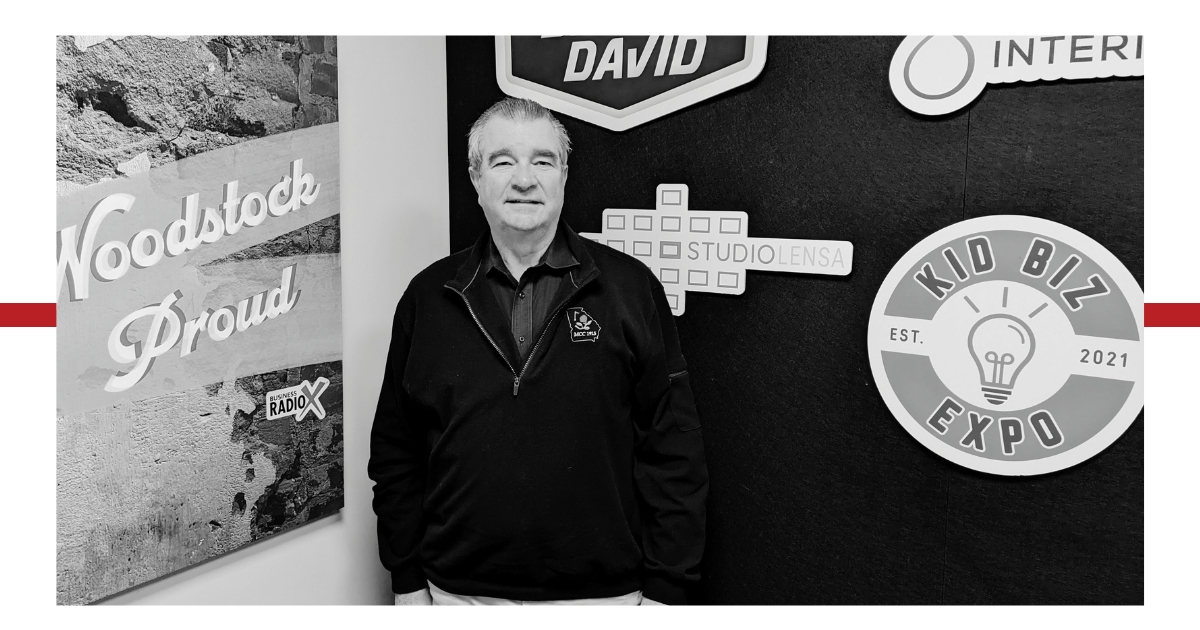
CBRX-Farrell-Middleton-HSFarrell Middleton, Founder of The Bell Curve of Life, is now a teacher, coach, mentor, and speaker with the mission and focus to add value by helping individuals become A Level Performers and helping business owners and leaders create A level Environments.

If both can be attained, success will follow and failure will be rare. He spent 36 years as homebuilder in the Atlanta area until 2022 when he moved on to his second career.

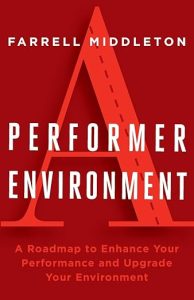
You can find Farrell’s new book A Performer, A Environment: A Roadmap to Enhance Your Performance and Upgrade Your Environment on Amazon.
A-Performer-Farrell-Middleton

Transcript-iconThis transcript is machine transcribed by Sonix.


TRANSCRIPT

Intro: Broadcasting live from the Business RadioX studios in Woodstock, Georgia. It’s time for Cherokee Business Radio. Now, here’s your host.

Stone Payton: Welcome to another exciting and informative edition of Cherokee Business Radio. Stone Payton here with you this morning, and today’s episode is brought to you in part by our community Partner program, the Business RadioX Main Street Warriors Defending Capitalism, promoting small business, and supporting our local community. For more information, go to. Main Street Warriors and a special note of thanks to our title sponsor for the Cherokee chapter of Main Street Warriors Diesel David, Inc. please go check them out at diesel.david.com. You guys are in for a real treat this morning. Please join me in welcoming back to the Business RadioX microphone with the Bell Curve of Life. Mr. Farrell Middleton. How are you man?

Farrell Middleton: Stone I am doing great. It’s January again and I get to be here with you today and I love it. Thank you so much for having me.

Stone Payton: Well, it’s my pleasure. You’re looking good. You’re sounding good. I know you got a lot going on. I’d like to dive into some of those activities, but before we go there, let’s remind our listeners of who you are and what you’re out there trying to do for folks, man.

Farrell Middleton: All right. Excellent. Well, very quickly, on the personal side of things, uh, hit the big six zero last year. Very exciting birthday. Uh, but, uh, no. Lifelong Georgian. Grew up in Savannah. Been in Atlanta for a long time. Married 38 years now, uh, father of two now married daughters. Our last one got married about ten days ago, and we’re grandparents now. My oldest daughter has a nine month old grandson that lives here in Atlanta. We’re so thrilled with that. Our personal life is absolutely fantastic. It’s great right now.

Stone Payton: Well, good. So talk a little bit about the work, man. What are you. What are you guys doing?

Farrell Middleton: Okay. Basically, with the bell curve of life, uh, you know, I have been doing this for close to three years now. I was a former homebuilder. Left that a couple of years ago to, um, pursue my long awaited second career as a teacher, speaker, and now soon to be author. We’ll talk about that in a minute. But my goal and mission is to add value by helping individuals become A-level performers and helping business owners and leaders create A-level environments. And if both of those can be attained, success will follow and failure will be rare. That’s what I’m focused on.

Stone Payton: And you were really doing this, pursuing this, uh, in your own way, in your career. Well, before you made the transition to going out and coaching. I mean, you were doing this every day as part of your work.

Farrell Middleton: I actually was yeah, this was just what I was doing for a long time. I was, uh, kind of a high level guy in my in the home building companies I worked for. I was a high volume guy, but I had a lot a lot of responsibility and I tried as hard as I could to be an a performer, help others, be a performers, and create an a environment that everybody could succeed in. So I tried hard. Looking back, I probably could have done a little bit better, but that’s why I want to help people do it now.

Stone Payton: So in your experience, uh, where’s the the low hanging fruit? Early on in a conversation, you go into an organization or you’re working with an individual. Are there some patterns? And you’re like, yeah, I don’t know what else we’re going to be doing to help these folks or this person, but I’m almost certain we’re going to be looking at this, this and this.

Farrell Middleton: Yeah. What I’ve got is I’ve developed, uh, with the a performer and a environment materials, some traits of a performers. And they include attitude, relationship building, communication skills and a few other things. And then I have also created a blueprint for an a environment. And it includes, uh, vision, leadership, structure, relationships and a few other items as well. So that starts a conversation. But one big thing that I’m running into, and I don’t think I think I can trademark this phrase, but I call it internal customer service. And that relates to how well your internal associates and your external partners, those that help you provide your product to the marketplace every day. I was a homebuilder. I needed them suppliers and subcontractors and closing attorneys. I had to have them perform every day. So they’re the external partners. So if you can have your associates and external partners working in a good collaborative way to get your product or service to the marketplace, that’s internal customer service. And I firmly believe that until you have good internal customer service, you will struggle to provide external customer service to your final customers. So those are a couple of points that I start to have conversations with. And when we get into that, the conversation just starts flowing pretty easily because everybody’s got some challenges with it. Everybody does.

Stone Payton: Well, I’m sure they do. And you know, as an entrepreneur myself, you know, I’m a managing partner of a pretty successful media firm. And it’s easy in the in the chaos and with new client development, all that to sort of neglect that a little bit. And it just sort of builds on itself.

Farrell Middleton: Right? It can. Yeah. And especially in the larger companies. Let’s be clear. I worked with small companies. I worked with private companies, publicly held companies as well over the years. I had a 36 year career in homebuilding here in Atlanta, very successful, just ready to move on. But the larger the company gets, the easier it is for everybody to get into what we’ll call the silo effect. And you get into tunnel vision where you just focus on what am I supposed to do today? And a lot of people don’t really realize the impact that their performance has on their coworkers. You know, people wearing the same hat, you know, or the same name on the logo shirt or whatever. It’s amazing what I’m finding and what I found in my career as well is that inside large home building companies, for example, people just don’t realize what impact they have on their coworkers, and it’s really amazing and I can help with that. So it’s not that hard. You just got to pay attention to it.

Stone Payton: You’re like three years plus into this.

Farrell Middleton: Almost three years, almost three years in May and, uh, to this, uh, full time. And so that’s how long I’ve been doing it. Yeah.

Stone Payton: So have you found yourself gravitating to a certain type of organization or an industry or pretty agnostic in that regard?

Farrell Middleton: Uh, pretty agnostic, but I’d have to say that a lot of my contacts are in the home building industry here in Atlanta. It makes sense. Yeah. 36 years. Same city, same industry. Uh, I know a lot of people, and a lot of my clients are in that arena, but I’ve got other clients as well. I’ve done some work with, uh, for example, an oral surgeon firm did some work with the Georgia State Golf Association. So I’ve got a variety of things. And what I like to say, I have to be careful about this, getting into the, uh, you know, anti-marketing stuff and that kind of thing. Stone, I think I can help anybody. My material is what I call universal. The concepts are. It’s practical stuff. I’m a practical guy with practical experience, and I want to share that share that with as many people as I can. And it’s just there’s no big secret to it. It’s just a matter of focusing on it, you know, getting exposed to it and focusing on it. Yeah.

Stone Payton: Well, and I’m sure some, if not all of the, the key principles are, are timeless and universal, like you say. And then maybe even beyond that, maybe there also is some additional value in, uh, objective outside perspective that’s not, uh, buried or immersed in an industry to kind of have a different lens on things. You could probably bring some stuff to the table that they just haven’t thought of. Just like a guy who runs a surfboard company might really help a software firm see something different, right?

Farrell Middleton: Absolutely. Uh, we’ll call that, uh, kind of some cross information, if you will. I just made up that term. There you go. Calling that? Yeah. There we go. Yeah, yeah. But, uh, no, you’re absolutely right. It’s that, uh, the outside perspective. And what I can liken that to is we all know anybody that has children. If you’re trying to parent your children and give them guidance and advice, and they don’t pay attention to you. But then they have an athletic coach that says the same thing. They say, dad, guess what Coach Joey told me today? And I’m like, well, I’ve been telling you that for years. Yeah, for some reason, Stone and I’m a I don’t know. I’m a party to this as well. The outside source sometimes just carries more influence in delivering a message. And that’s okay. Maybe it’s the familiarity thing with everybody seeing everybody every day and like, oh, I’ve heard that guy talk before or whatever. Somebody outside comes in and it just resonates differently. It just does. And it’s a fascinating phenomenon. But it’s it’s real and it does happen. And I’ve experienced that with a lot of my clients.

Stone Payton: So day to day, what is the mechanism for the work. Is it a lot of one on one work. Is it some group work? Is it course work? Is it.

Farrell Middleton: Conversation? Uh, it’s one on one. I do one on one. Uh, private mentoring. I’ve got a few of those clients now, and I’ve got some of those that are out of state, so I’ll do that virtually. Now that’s the way the world works these days. I do love in person, though. In person, there’s just nothing like in person. Let’s be very clear. But I do the individual stuff and then I do small group of, let’s say 8 to 12 people, which is really my wheelhouse. I was with a group of folks yesterday. There were 11 people in the room and it was fantastic. It did a group last week. There were seven. And so that’s a really good thing, because the group interaction is where the real value can come in. All I do is get the conversation going. Yeah. And I’ll lob some grenades here and there and you know, just get the conversation going. But then everybody participates at their own comfort level. And what I’m finding is, is that people are learning as much, if not more from each other as they are from me. And that’s where the real magic can happen. It’s fascinating.

Stone Payton: Well, that’s an interesting point.

Stone Payton: This there’s as much value from the peer to peer interaction as opposed to you’re the guru at the top of the hill, just laying all the wisdom down. You’re you’re you’re facilitating that process. But there’s a lot of peer to peer learning.

Farrell Middleton: Happening, a lot of it. That’s really what I really like to do. And look, I could get up there, you know me now I can get up and talk for 60 or 90 minutes without a problem at all, without even taking a breath or a sip of water. Uh, but that would be boring. I tell people, if I’m going to do that, you’re going to go jump off the roof here pretty quick. So I like to get them involved in it because they engage and and they’re learning as well. So that’s a big part of it. But the other thing is that I’m starting to do some public speaking. And I have been the keynote speaker for, let’s say, um, some local business association lunches. I did one last week, and I’ve got two more next week in Cobb County. And so that’s an audience generally of anywhere from 50 to 100. And I’ve got my message, my a performer a environment message and getting some good feedback on that. So I’ve got a variety of ways that my program is structured. And for me to get my message out there to anybody that wants to listen to me.

Stone Payton: Now, when you first started doing the speaking, was that nerve wracking for you at all? I know it can be for some people. Or did it come pretty easy?

Farrell Middleton: It came, I guess, pretty easily. I’ve always had a comfort level in public speaking. I used to read in church as a child. I got tapped on the shoulder every once in a while to do that. And then I won an oratorical contest at the age of 12. Oh, wow. Believe it or not. And so I did that. So I’ve always been comfortable. But I need to hone my skills like everybody does. My first one, I filmed it. Oh my goodness. It was cringe worthy when I went back and looked at it. Videos are.

Stone Payton: Very unforgiving. Medium.

Farrell Middleton: It is really. You can’t go back and I’m sure he could edit it, but I said, give me, give me the raw footage, I gotta have it. Uh, so I’m like, oh my goodness. But, um, basically I’ve just gotten better, like we all do. You know, we all get better at our craft and I’m getting more comfortable with it. But, uh, I do, uh, what I call single event, um, sessions, which is like a lunch and learn or a staff meeting or an offsite retreat for companies. Like I said, I do the public speaking engagements. I’m going to be doing a lot more of that because I’ve got a strong message that I want to get out there to as many people as I can. And the bigger the audience, the better for the message to get out there. So that’s where I am with it.

Stone Payton: That’s probably a great part of your marketing mix, right? To get the message out. And I mean, you’re serving whether someone writes you a check or not. So that’s got to feel good. But I would think as you continue to do that, it just, you know, more and more people know what you’re doing and what you’re what you’re about. What was the the transition like because you were coming from a corporate world where presumably you made a comfortable living. You knew your stuff, you had it figured out, and then all of a sudden, well, I’m a little I won’t ask you to go into detail, but I’m a little bit interested in the conversation with your wife. Oh, honey, by the way, I’m going to go do this. But what was the transition like going from that world? That had to be a little scary. Yeah, it.

Farrell Middleton: Was a lot scary. Oh, yeah. Now, let’s be very clear. And, uh, my wife. Yes. Yeah. That conversation took place, and she’s like, have you lost your mind? And the answer was no, I have not. Uh, but basically, like I said, I was a I had that my primary career for 36 years. It was a very good career, and I provided a very good service to the society. I was a home builder here in Atlanta, and but my children are grown now, as I mentioned, and I was 57 at the time. I’ve always wanted to be a teacher of sorts in my second career. It’s been a lifelong desire, and I started really working on this program, noodling it in my head about ten years ago, and I’ve just been continuing to develop it. And so yes, it was a very scary transition. But Stone, I was 57 at the time. I have a lot of professional years left. I was just ready to to focus differently and provide a different service to people. And I heard something really, really important that resonated with me. I had the pleasure of hearing a public speaker, um, about last year, and he said, if you’re moving into your second career of speaking or teaching or teaching or whatever he said. You may have had a successful career in career number one. What I want you to do now is be significant. And I am on a path to being significant in my second career. That’s really what I wanted. I’ve got an enormous passion for this. I really do.

Stone Payton: I can tell. I mean, I can see it in your eyes. Everybody can hear it in your voice. So at this point, and if I ask you this again next year, the answer may be different, but what are you finding the most rewarding right now? What’s the most fun about it for you these days?

Farrell Middleton: I think the fun part I get out of it is when I do have the chance to engage with the small groups of, let’s say, 8 to 12 people, you know, give or take, right? When we conclude the session, I always go around the table. The last 5 or 10 minutes is, how have I helped you today? Oh, wow. And I get feedback immediately. And they’re like, man, well, I tell you what, let me tell you what I got out of this today and what I’m going to do with it. That is so rewarding. That’s what teachers do. They want people to learn and grow and develop and all those other phrases and words that we put to it. But that’s where the real value comes in. I got to do that yesterday. For example, yesterday I was with the Tommy Nobis Center. Oh, yeah. Yeah. And they helped disadvantaged people with jobs. I was in front of one of they called a cohort, and it was the third time I’ve done it with Tommy Nobis center, and it was fantastic. I had these young adults who have challenges, and I helped them yesterday. Boy, that felt good. Oh my gosh, that felt so good.

Stone Payton: So as you continue to refine your approaches, refine your practice, um, it makes sense to me that you’re kind of you’re probably parallel to that crafting the feral Middleton Bell Curve methodology, something that would be repeatable and come with transferable processes and tools. Any designs on on replicating yourself down, down the line?

Farrell Middleton: Uh, possibly. So I really want to want to consider that. But right now I am. What I’ve heard is an individual contributor. Okay. So yeah, it’s me. And the part of it with what I do is a lot of this comes from my heart and it’s my life. It’s my being alive for 60 years is the fundamental basis of the program. And I can get. And I tell my story when it makes sense for me to tell my story, to get the conversation going. And so, yes, that is on the radar screen. But for right now, I’m just focusing on what I can do to get my message out. You know, in, you know, individually I guess by myself at this point in time. But yeah, I’d like to be able to repeat it at some point, but I’ve got to make sure that the quality experience is going to be there. I’m about quality and value, not quantity and speed, and that’s where the real growth can happen. Quality and value is what I want to do.

Stone Payton: And now you have a new outlet for expressing some of this. You’ve written a book. I want to hear all about the book, and I’d like to to learn more about what, what’s in it and how to best leverage the book. But what compelled you to write it in the first place? Because knowing you, it wasn’t just for the marketing value. There was more. There’s more to it. Why did you write this thing?

Farrell Middleton: Well, uh, again, to get my message out, it’s very important material for me. And, uh, it is my a performer, a environment material. And it has become what is called the signature material of my program. I’m focusing on this a lot of really good value there. But that same speaker I mentioned a few minutes ago that told me about being successful, then significant. In that same presentation, somebody asked him, what would you have done differently or better or whatever? And he said, me and my contemporaries, which are the public speakers. He said, we would have written our first book much sooner, and that registered in my head. I’m like, okay, I got to get to work. And so I did, and I’ve gone the hybrid publishing route. But it is, it’s going to be going to be a really good book. It’s it’s practical information. It’s going to be an easy read. I’ve I’ve learned a lot about the psychology of reading as I’ve gone through the writing process with my publisher and things like structuring the pages and, you know, things like that. I won’t get into all those details, but it’s going to be easy on the eyes to read this book to start with that.

Stone Payton: So did you find in the experience of writing the book, did you find that some of it came together like super easy slam dunk, knocked out a bunch of pages, and then other times just kind of stalled and you can’t quite figure out, like, did some stuff come together a lot easier than, than others?

Farrell Middleton: Oh, absolutely. It sure did. And, uh, sometimes I was just sitting at my breakfast room table at, you know, 6:00 on a Sunday morning thinking, I gotta write something, I gotta write something. And finally I would get there and again, going this route with the publisher, I would sometimes I would just say, okay, I’m just going to throw stuff on the page and get it to him. And then he would kind of craft around it in that kind of thing. So that was, that was very. But oh yeah, some just float off. I mean in some. I couldn’t type fast enough getting thoughts out of my head, of course. And then others. Yeah, I’m sitting there like, doo doo doo doo doo. Yeah, it exists for everybody that writes a book. So, yeah.

Stone Payton: Not unlike speaking, but you’re kind of laying your heart out there, you know, in at least for an inner circle at first to, to critique it, to look at it, to fix it. And then, you know, when you release it, you know, you’re, you’re, you’re putting your heart out on the table for the world, right?

Farrell Middleton: Yeah. It’s there. But one thing I’ve heard as well, and I’ve learned a lot about this in the last couple of years, is don’t wait for perfect. If you wait for perfect, you’ll never do anything. So I’m sure you know when I look back at it and get some reviews on it, they’re going to say, hey, you know, you could have done X, Y, or Z. I’m expecting all of that. I hope to get it. And actually, it’s interesting, this book was not my first idea for the first book I wanted to write. Yeah, this just kind of came in secondarily. So I’ve still got that other material ready for my second book once this one hits the shelves and it goes from there. So but yeah, it was a it took about six months. Overall a daunting task, but extremely well worth it. I’m very proud of it. Very proud.

Stone Payton: So how did you decide to structure the book as a small chapters? Is it, you know, walk us through the structure.

Farrell Middleton: It is, it is. It’s, uh, two main sections. One, it starts with a performer, and that’s the individual side of things. Like I mentioned, with attitude, relationship building, a big one I’ve got is wake up frame of mind. Huge topic. Your day starts when you pull your head up off your pillow and it’ll set the tone for the day other things will come into play. But anyway, I’ve gotten really good out of that. But I’ve got 11 chapters on a performer and then I’ve got 12 chapters on a environment. Book is going to be about 200 pages long, but like I said, it’s going to be an easy read. The chapters are 8 to 10 pages long, and I’ve learned a lot about the psychology of reading from my publisher. His name is Tom, and one of the things is, and I didn’t realize this until I started thinking about it, when I pick up a book and read it, if it’s getting to getting to be 830 or 9:00 at night when I finish a chapter, the first thing I do is look at the index to see how long the next chapter is. And if it’s too long for that style of book, I’ll shut the book and pick it up again in a couple of days.

Farrell Middleton: And I don’t know if other people do that or not, but that’s what I do. And my publisher was like, yeah, people do that all the time. So it’s going to be nice. Short chapters. And they all have some really good content in them. And I’ve got an evaluation form at the end of each section where you can rate yourself on a scale of 1 to 5 for all of the characteristics we talk about. And it’s a very simple one, Webster’s thesaurus is a wonderful resource. My very complicated rating scale is one through five poor, moderate, satisfactory. Superior, and outstanding. Rate yourself on each of the topics that I present there. And if you got some twos and threes, work on the twos and threes. If you got some fours and fives, they probably don’t need attention at this point in time. So I want people to people to spend their time well and work on the things that they decide they want to work on to make their life better.

Stone Payton: You know, we were talking about the value of peer to peer learning earlier. The way you’ve structured this book and the kind of content that you chose to focus on, strikes me as it could be a really strong catalyst for a peer learning environment to like, yes, I could sit and read the book and that would be valuable. But then to turn around either chapter at a time or the whole thing, and then come into a group and then use different chapters as a catalyst for a peer to peer conversation, is that accurate? Is that?

Farrell Middleton: Absolutely it is. And in fact, I’m going to be a member of a book club here locally. I had to pause it late last year and early this year, but my book is going to be the book of focus when we start in March. Oh yeah. So I’m going to be in the room as the author. It’s going to be a little bit awkward, but the the other folks in the room, they’re like, man, no, this is great. So yes, it would be excellent for book. Yeah, this is a good a good individual read, but a group read as well, especially with people in the in the same company. And I’m hopeful I’m going to get, you know, copies of the book to some CEOs that I know. And I’m going to say, hey, if you see value in here, please recommend it to your internal associates and your external partners and the external partner thing. I really want to touch on that for a second. It’s very important. Yeah, because they can make your life in business really good or really poor. So you want them to be good performers and have a good environment. This can help them do that. They will in turn provide better products and services to you as an external partner. And so that’s what I’m hoping to do. Again, it’s just, you know, that that organic messaging, I guess, is the right way to say it. I just I want to get it in as many hands as I can, and hopefully they’ll like it and they’ll recommend it to everybody they know. That’s what I want to do.

Stone Payton: So as you know, a lot of our listenership, a lot of folks who tap into to listen to our content are also in the professional services arena, some of them very niche, some of them broader. If someone is out there that fits that description and they’re contemplating the idea of writing a book. Um, tips, uh, hard lessons learned. What what advice would you share with them?

Farrell Middleton: Well, they’re. From what I understand, there are three ways to publish a book. Number one is self-publishing. And again, with the world these days, doing a lot of stuff on your own is really good. But for me, I had no interest in learning how to publish a book. And a lot of people I know, a lot of people that have published their own books and they do a great job with it. That just wasn’t for me at that point in time. The hybrid publishing route, which is where I went, where, uh, all the content is mine. But he helped me. And there’s going to be royalty splits, you know, with, uh, with the money when it comes down to it. And then there’s the traditional publishing route with, like, a random house type of a publishing where it’s a big publishing outfit. And I, you know, I heard good, bad and indifferent things about all three of those choices. And for me, the hybrid route was the best one because I didn’t know how to write a book. I’ve got good content, but putting it in the right way to structure it in a book. I just needed help with that. It’s not my expertise. And, you know, I partnered with somebody. I’m very pleased with our results so far. So that’s why I wanted to go that route. And so it was for me. But investigate it, talk to people that have published their own books, talk to people that have done the hybrid, and talk to people that have done the full publishing route and get some ideas. And I interviewed him and I spoke with 3 or 4 other publishing outfits, and I decided on him, just liked him. And it’s worked out very well. And he’s out of state. He’s in Virginia. The world is electronic these days. Yeah. Doesn’t matter where they are.

Stone Payton: It really the world is a smaller place in a lot of respects, isn’t it?

Farrell Middleton: Oh, it sure is. It sure is. Yeah, yeah. So. But anyway. But it’s very exciting. It’s been a task that’s well worth it. And again, the title of the book is. It’s very simple, a performer, a environment. It’s real easy to remember.

Stone Payton: It is I love it. I feel like that title has some real legs and obviously the work is substantive. So related question. I’m trying to put myself in the I never worked in the corporate. I was unhirable. I never worked in a corporate environment.

Stone Payton: But I’m trying to envision that that man or woman in the corporate environment, maybe they’re at IBM or maybe, you know, they’ve had a very successful career. They want to take some of what they’ve learned in their career and apply it to a niche or to a to a broader community. Uh, tips, comments on making that transition and going out on your own and kind of doing your own thing for that, uh, that significant chapter of your life?

Farrell Middleton: Yeah. Uh, three years into this. My advice would be make sure you’re passionate about it and make sure that you’re committed to it. And you do have to get the support of those around you. And when I was considering this idea, I reached out to about 35 or 40 either personal friends or professional associates that I’ve, you know, given my relationships, go back over 30 years with some people in, uh, here in Atlanta, home building and confidant type stuff. And I ran the concept by them, and I got enough good feedback where people said, yeah, I think this is you’re on the right track here, so you gotta have some feedback from some folks. It’s very, very important, but you just have to decide if it’s right for you at that point in time. For me, my children were grown. The financial heavy lifting was done. They were both out of college at that point in time. My wife and I, we had sold the big house and we we live in a townhouse now. It’s me and my wife and a dog. Oh, it’s so easy. Oh, my. I recommend that to everybody. It is so easy. So my life is very uncomplicated at this point in time, and I was at a point in my professional career, and I’m sure a lot of people are out there as well. I was wearing pretty tight. Okay. My last few years. I was in the pressure cooker, everybody is or whatever. And fortunately for me, I had worked hard enough for those prior 36 years to where I put myself in a position where I could make this transition. It’s been scary. It hadn’t gone, you know, as quickly as I wanted it to. I haven’t had as many clients as I as I want all that stuff.

Farrell Middleton: And everybody’s going to run into that. And another bit of advice. When you do this, be prepared that where you think you’re going to get business and contacts, you won’t. And you’ll get random stuff from places you never expected. Well, I’ve talked to other business owners that have done that and they’re like, yeah, I just I thought it was going to be a layup with a bunch of people and it wasn’t. And then all of a sudden you get these random connections. You’re like, man, I want your service as fast as I can get it. So it’s just so that’s another bit of advice. Just be prepared for a lot of, uh, a lot of ups and downs and that kind of thing. But if you’re committed to it, we live in a society where this works and you can do it. So I suggest that to everybody.

Stone Payton: All right. So what’s the best way for our listeners to stay connected? Tap into your work because you you generate a tremendous amount of thought leadership and tips and things to think about. What’s the What’s the best way for them to kind of get in your circle?

Farrell Middleton: Okay, get in my circle. Uh, my, uh, cell phone number I love this is (678) 618-2024. My website is the Bell Curve of life.com, and my email address is Pharrell at the Bell curve of Life. And I have one other thing on the audience from a book, if you don’t mind.

Stone Payton: Oh, please.

Farrell Middleton: Yeah, I’ve got two audiences from my book. Go Big or Go Home, stone write. Every working professional should read this book, especially owners, directors and managers. And then my next audience is any young adult who has completed their education by earning either a diploma, a certificate, or a degree and are ready to enter the professional world. This is the first book they should read. It’ll set the stage for them to be able to enter the workplace in a productive fashion, and their career will just flourish if they read this book.

Stone Payton: Well, congratulations on the momentum and you’re doing incredible work. Thanks for coming by and visiting with us. It’s always a pleasure. You always have so much to offer. And it’s a delight. The the enthusiasm, the vigor. And you are really having a genuine impact on on so many. And, uh, it’s not going to stop. It’s only going to grow from here, man.

Farrell Middleton: I hope so. That’s right. I’m loving what I’m doing and I cannot thank you enough. This is the third time I’ve been with you. This is what I look forward to this every January. It is a great way for me to start my year, I love it. Thank you so much.

Stone Payton: Absolutely. My pleasure. All right, until next time. This is Stone Payton for our guest today. Farrell Middleton with the bell curve of life and everyone here at the Business RadioX family saying we’ll see you again on Cherokee Business Radio.


 

Tagged With: The Bell Curve of Life

Farrell Middleton with The Bell Curve of Life

January 11, 2023 by angishields

The-Bell-Curve-of-Life-logo-color
Cherokee Business Radio
Farrell Middleton with The Bell Curve of Life
Loading
00:00 /
RSS Feed
Share
Link
Embed

Download file

Sponsored by Business RadioX ® Main Street Warriors

Farrell-Middleton-bwFarrell Middleton grew up in Savannah, Georgia as the youngest of four children from a middle-class family, and unfortunately was a product of divorced parents.

He met his wife, Kathy, in high school, they have been together for 42 years and married for 36 years, and they have two adult daughters that live in Atlanta.

He attended Georgia Tech and graduated with honors in four years while receiving a degree in Building Construction. Upon graduation, Farrell entered the homebuilding industry in Atlanta, Georgia and had a very successful 36-year career.

Early last year, the decision was made to pursue his long-awaited second career as a teacher, this has been a lifelong goal He has been loosely working on The Bell Curve of Life concept for many years, and it was finally time to pursue it.

This transcript is machine transcribed by Sonix

TRANSCRIPT

Intro: [00:00:07] Broadcasting live from the Business RadioX studios in Woodstock, Georgia. It’s time for Cherokee Business Radio. Now here’s your host.

Stone Payton: [00:00:24] Welcome to another exciting and informative edition of Cherokee Business Radio. Stone Payton here with you this morning. And today’s episode is made possible by the Main Street Warriors program Defending Capitalism, promoting small business and supporting our local community. For more information, go to Main Street Warriors dot org. You guys are in for a real treat this morning. Please join me in welcoming to the broadcast with the Bell Curve of Life. Mr. Farrell Middleton. Good morning, sir.

Farrell Middleton: [00:00:57] Good morning. Stone. How are you doing today?

Stone Payton: [00:00:59] I am doing well and have really been looking forward to this conversation. I think a great place to start. If we could share with us, if you will, a little bit about mission purpose. What are what are you really out there trying to do for folks, Man?

Farrell Middleton: [00:01:14] All right. Well, my goal with this, I retired from a very long career in production homebuilding just last year. And I’ve always wanted to be a teacher in my second career of some sort. And my desire right now with this program is to basically help people live a better life. I’m going to go very simple here. I want to help them work on overall better attitude, improve problem solving ability, enhance interpersonal communication skills and healthy relationship building. That is what I want to do.

Stone Payton: [00:01:46] So I got to know, man, tell me more about this back story. What compelled you to open up this this next chapter of your life?

Farrell Middleton: [00:01:54] Well, again, after a very successful career, I just wanted to spend my professional time differently. I’m only 58 years old. I got a lot of years left and just desperately wanted to get into the arena of, again, being a teacher, a life coach guide. There are many words to describe it, but then all of them are very appropriate. But I just felt compelled to have my life experiences help other people, and my one of my main focuses is going to be managers in their early thirties and younger. I think I can really help anybody with my program. The materials appropriate for everybody. We’ll get to that in a minute. But managers in their early thirties and younger, they could benefit tremendously from the program that I’ve put together.

Stone Payton: [00:02:42] So have you chosen a niche or to a type of industry, a geographic area.

Farrell Middleton: [00:02:51] Geographic areas here, the Metro Atlanta area? And right now my main focus of business clients is going to be the homebuilding industry. I was in the same industry and the same city for 36 years. Yeah, I know a whole lot of people and they know me. And I can say comfortably, I’ve got a very good reputation in the industry and I feel very comfortable with that. And so that is my current wheelhouse of potential prospects with homebuilders, suppliers, subcontractors, that type of business arrangement. But my program can help anybody. I actually had a two hour session, as I call it, with some Chick-Fil-A folks last week, the International Supply Chain Group. I went in and helped them. They had a one day seminar offsite and I went and helped them a little bit. And I am working with some other companies outside the homebuilding industry so I can help anybody. I really can.

Stone Payton: [00:03:48] So where in your experience, do things sometimes come off the rails or where is there opportunity for more efficiency and effectiveness when people are managing these? What I can only assume are incredibly complex projects.

Farrell Middleton: [00:04:04] Yeah, what basically can happen there is and very quickly, I was a manager at the age of 22 when I started my homebuilding career, and since then I have of course recruited, hired, trained, managed and motivated hundreds of people over the years. And what I have found and I’ve confirmed this with many of my friends that are in business, that with the current employment situation that we’re facing right now, they as business leaders are needing to promote younger individuals maybe a little sooner than they were expecting into a management type of a role. And I witnessed this and experienced it myself in my career as an executive manager. Basically, we just unfortunately, in some cases, that was just the better choice that we had. And some of these younger folks, male, female, you know, doesn’t matter the educational background or whatever the case may be. They just need some guidance in how they just manage their daily life. And my program can help them do that. The program is broken down. I call them topics, and I have what I call sessions and the sessions last 90 minutes. I am very deliberate about that. Everyone’s time is very valuable and basically with the way the world works with phones. And I watches and, you know, iPads, all that kind of stuff. 90 minutes is about the the amount of time somebody can break away for a little while.

Stone Payton: [00:05:32] So are you sharing skills, disciplines, methodologies and then sharing it and then having them practice it with each other? Is it kind of a peer to peer?

Farrell Middleton: [00:05:41] It’s not really a practice thing, but basically it is a group engagement in the session, and my optimum session is ten people in a room with me and we will discuss a topic, for example, for my middle manager category. My favorite topic is there is no wrong answer, which basically means that if a subordinate or employee comes to them with an issue, ask them what is going on. Please give me the facts without any repercussion. They solve the problem together. The manager becomes a better manager with this skill and hopefully the employee becomes a better problem solver along the way. So hopefully we get two things out of that. And the main thing that I’ve got going with me is that the I have my sessions and I have bundled them into what I call a series, which is five sessions, 90 minutes at a time, once every other week on the same day of the week, the same time of day. So maybe Tuesdays at 10:00 or Wednesdays at 4:00 or whatever the case may be. And Stone, I want less than one business day, seven and one half hours of group face time with these people. And I know that I can help them live a better life. I know I can.

Stone Payton: [00:06:55] So at this point, what are you what are you finding the most rewarding? What’s the most fun about it for you?

Farrell Middleton: [00:07:01] What I’m finding very rewarding is and this was a hope that I had, is that the participants, as I call them, they are learning as much, if not more from each other than they are from me. And so what I’m doing is I’m kind of facilitating the conversation. Again, there’s one topic for that particular session and we will discuss that and I’ll start. I’ll prime the conversation with my experiences related to that topic and basically I’ll kind of get it going. And then I will ask people to participate in the conversation, share their experiences relative to that topic. And so the conversation gets a little, you know, it starts kind of flowing a little bit, that kind of thing. And then what I have found, you know, the first session can be a little bit awkward if people don’t know each other, you know, you know, just that kind of thing. I’m sure you’ve run into that before in your career, but once we get going in the session and then have the second, third and fourth session with the same people, everyone is very comfortable and the conversation flows very nicely. And I believe that people so far have gotten a lot out of this and they’ve been very appreciative of my efforts.

Stone Payton: [00:08:06] So tell us a little bit about the experience of putting the curricula together, because that I mean, that is the that’s the fulcrum, right? You got to have the right stuff. What was that?

Farrell Middleton: [00:08:19] Basically, this is a compilation of my 58 years of being alive. And I’ve got information that goes back to my childhood years on the personal side of things. For example, my topic there about relationship building is Kathy and Farrell had nine parents between them and my wife Kathy. We’ve been together since high school about 40 years ago. But yes, through divorces and remarriages, all that kind of stuff, we ended up with nine parents and that is the basis of the topic for relationship building. And so go back to my childhood years with that. The majority of it as well, of course, is professionally related. And for example, I’ve got material for personal life. I’ve got four categories, personal life, and then three for professional. I’ve got owner, CEO director material, I’ve got middle manager material and I’ve got associate material. And my favorite topic for the owner, CEO director is a performer, C performer, a environment, C environment. And the fundamental of that is that a a C performer in an A environment can become an A performer. A a performer in a C environment will become a C performer or they will leave. Yeah. And so the goal there in helping to guide the owners, leaders of these businesses is number one, work on an a environment, whatever that may be for your business. But the basic fundamental thing there is do you have a clear vision of the desires and goals of the of the company? And do you share that with your staff? And then the next part of this is, as managers, how do you manage your staff on a routine basis for them to be as productive as possible? So you want a performers in a environments and there’s nothing that will stop you from having a great business.

Stone Payton: [00:10:11] So you made a conscious decision to include personal life, life skills. Why did you make that decision and what are some of the topics that you.

Farrell Middleton: [00:10:22] That was a big part of it. And, you know, I think one of the terms that’s been overused a little bit sometimes as work life balance. However, I’m a firm believer in that I worked very hard in my career. All of my friends work very hard. And, you know, you come to find out that stress of work can certainly get to you. But personal life is very, very important. And I’ve worked with some companies where that was a main focus and I’ve worked with others where it was not a main focus. And so when the personal side of things like the relationship building, I start in that I’ve got family relationships, that’s how you do it. And then my other favorite topic that I end the series with is Try to be yourself. Everyone else is taken.

Stone Payton: [00:11:07] I like that. Yeah. By the way, shout out to Kathy. I’m a little intrigued. What was that like when you went home one afternoon and said, you know, I’m going to quit this thing that I’ve been doing for so long, so successfully and I’m going to jump off this cliff over here. What was that like?

Farrell Middleton: [00:11:22] Well, that was kind of interesting, I must say. I think she was a little surprised by it. However, we had had the pleasure, I suppose, of raising two daughters and they both live in Atlanta now. They’re working professionals now, but they were we educated them. They were out of college. One is now married. We’re very pleased with that. But I was at a point in my life where I was just ready for it. And yes, there was a little, little challenge there. Also, I’ll admit it, Hey, I’m a regular guy like everybody else. And we’ve been together, like I said, for 42 years, married for 36. But she is my best friend, my soulmate and my biggest supporter. And it didn’t take too long to get her on board with it.

Stone Payton: [00:12:03] So moving into this line of work, did some things surprise you? Did you come across I don’t know if you would characterize them as myths or, you know, it’s not really quite like it is. I thought it might be like this. And it’s more like that as you’re as you’re starting to do this kind of work.

Farrell Middleton: [00:12:16] Well, I think what I’m coming to find is that everyone let’s take our business leaders and owners. And I’ve got friends that work for Home Depot, for example. And like I said, I’ve got my Chick fil A friends, and I’ve got some very good friends that work in the waste management business. And what I am coming to find is that they all have the same issues relative to personnel management growth of their employees. You wouldn’t call it training. Again, I think training is very, very important, but my training is on life skills. And what I have come to find surprisingly, is that everyone’s got the same challenges out there. And it was a remarkable when I did my Chick fil A thing last week, the similarities between Chick fil A opening restaurants and builders, opening neighborhoods. There were some extremely close parallels. And I was I was just very surprised that other that was that was what I found. And, you know, they they get all kinds of supplies from all kinds of different places. And they end up in one spot, that being the restaurants. And they serve the product to the customer, similar to home building where we get a lot of products and they get assembled on site and we they converge to a spot where we deliver a house for a customer. And so I think I’m going to be coming to find that out quite a bit. But again, getting back to the main thing for this is that over the last several years in all of my business relationships and I had, I’ve got a ton of relationships with folks outside my direct companies against suppliers, subcontractors, county government that I’ve dealt with as well. They all have these similar challenges of how do they help their employees just be better employees, and I want to help them be better employees, better managers, better directors, that kind of thing.

Stone Payton: [00:14:07] So how does the whole sales and marketing thing work for a practice like this, a business? Like, how do you get to have conversations like this with someone in charge who can at least consider engaging you?

Farrell Middleton: [00:14:19] Okay, well, well, basically that’s where the networking thing comes in. And again, like I said, I know a lot of people in the homebuilding industry here in Atlanta and, you know, and surrounding areas. Last company I was with, we did some work in Alabama as well, had a couple of neighborhoods over there. But what I found myself doing is getting out face to face. I’ve joined the Atlanta Homebuilders Association as an associate member. I go to a lot of their social events. I go to the board meetings, that kind of thing. And I’ve just let people know what I’m doing. And I’m going to a remodelers association event this evening. So I am just getting out face to face, introducing myself. And obviously I’ve got some marketing literature that I’ve got that I send out specifically once I introduce myself to someone. And basically it’s a matter of engaging, again, ownership CEO director in my services and the value that I can provide to them and their organization.

Stone Payton: [00:15:12] And you do have to get them engaged, right? I mean, if you don’t, they’ll train them quicker and you train them, they you.

Farrell Middleton: [00:15:18] Might be right about that. I want to be careful there. But yes, I think you’re absolutely correct. But. The principles of what I have put together back to where the where this came from. The principles are timeless. What I have put together can be reviewed in one year, five years or 20 years, and the fundamentals will still be the same. Like, for example, in relationship building with a in a professional environment, my first tip to the folks that I get in front of is return every phone call, email or text in an appropriate time frame. If you can do that, then people will recognize you as someone that they can take seriously, will be a problem solver, will communicate well no matter whether it’s good, bad or indifferent news. Respond back to people and you will find yourself in a totally different place professionally.

Stone Payton: [00:16:10] And it sounds so simple, but it sends so many critical messages when you exercise that discipline, doesn’t it?

Farrell Middleton: [00:16:17] It does. It does. Yeah. These the concepts here, they are simple concepts, but they can be complicated as life unfolds. You know, people have to wake up every day. And, you know, one of my topics as well is there are five workdays in a week. You’re going to have one good, really good day, three good days and one day that you would wish you could forget. But your day starts when you pull your head up off your pillow and we kind of just go through what are the things that make a day unfold. And the best thing you’ve got is your attitude. It is the facet in life that dictates whether you will be successful or happy or content or whatever it is. If you have a good attitude, no one can take that away from you. And that’s where it starts.

Stone Payton: [00:17:03] So if I’m a senior executive in an organization that might be a good prospective client for you, what are some signs that I ought to at least reach out and have a conversation with you? What are some symptoms or things that I might be seeing that indicate, you know what, I probably ought to reach out and at least have a conversation referral.

Farrell Middleton: [00:17:21] Okay. A few of those signs would be let’s take a company with, you know, 100 employees. And that was the size company that dealt with mostly my career, and that’s the SAS companies I was with. They will have a few vice presidents over different departments, that kind of thing. And of course, you know, staff levels going down there, some assistant managers, that kind of thing. Number one for the business owner are is that executive management level? Are they getting along well? You know, are they on the same page? Do they share your mission of what you want, the goals of your organization to be? And then below them, the same thing. And one thing that can happen very quickly and easily, and nobody’s blamed for any of this stuff. Stone Let me be clear. No one’s to blame for it, but it’s just the way that human nature works. But I call it what’s the silo effect where a department of people in a company, they focus on what they do. For example, in production, home building, you have your internal operations department, the purchasing, estimating architecture people, and then you have your on site construction staff.

Farrell Middleton: [00:18:24] If those two departments aren’t getting along well, it’s going to be a tough draw to get those houses built. It really will. And so those folks have to be on the same page. And that is a that’s a big, big issue. And again, in my conversations with folks, as I have been doing this for the last seven months, I have found that they’re saying, yeah, yeah, gosh, now that I think about it, my folks really could get along a little bit better. They could communicate a little bit better. And one thing as well that I’ve noticed back to your question a few minutes ago, in companies departments, they are their own internal customers. And if they don’t act like they are their own internal customers and they have to service that, then again, you’re going to have some problems that yours are going to grind and things like that. And if you don’t have that inside your company, then how in the world can you produce a good product for your customer in order to be a good are you good to that customer? If if you don’t have good internal customers in your departments?

Stone Payton: [00:19:22] So over the seven months that you described, are you finding that leaders are embracing the idea?

Farrell Middleton: [00:19:28] They are. Without a doubt. It’s it’s new. And I’ve always got the economic situations again. For example, home building is kind of slowed down a little bit. We all know, you know, with the interest rates and that kind of thing. But basically the feedback have gotten has been very, very strong. And I think it’s just a matter of can they commit the either their time And again, I got material for owners as well and I would love to get directly with owners.

Stone Payton: [00:19:55] Yeah.

Farrell Middleton: [00:19:56] And I’ve got all the stuff on my website of course with what I’ve got broken down. But you know, basically it’s just a matter of convincing them that if I can get less than one business day overall in an eight week period with their staff, they will perform better. And that’s that’s the task that I’ve got, is how do I convince those people to do that? And my, my, my material is it’s good quality. It is. And it’s a very fair price as well. We’ll talk about that in a few minutes, I’m sure. But yeah, it’s a good program.

Stone Payton: [00:20:26] Yeah. Let’s talk about fee structure and maybe dive into a little bit about some, at least at the headline level, some of the key components of the material, if that makes sense.

Farrell Middleton: [00:20:35] Absolutely. Absolutely. So yeah, the cost structure is very simple. Like I said, I’ve got a five session traditional series, which is 590 minute sessions. That’s $500 a person. Basically, the simple math is $100 a person for an hour and a half, you know, in a group setting. And then I do have an executive leadership series as well that I’m working on promoting, which is a meeting once a month, the same 90 minutes and again the 90 minutes. I have talked with educators at Kennesaw State University about. That’s about the maximum span of a session for learning and that kind of thing, just the way people are wired these days. But anyway, the executive session, again, it’s $600. There are six sessions of 90 minutes each and it’s $600. And then as well, what I’m also offering are my services for one or two hour sessions with either monthly or quarterly staff meetings. Like I mentioned, the Chick fil A, and it was an offsite retreat for this particular buying group. And then as well, trade associations with their with their, you know, quarterly meetings or whatever the case may be.

Farrell Middleton: [00:21:42] I’d love to be a guest speaker there. And so I’ve got I got that. But, you know, I’m flexible, I’m available. And, you know, some of the material, like I said, I’ve got material for personal life. We’ve already talked about the relationship building with my family situation. And then as well, try to be yourself. Everyone else is taken. And actually, it’s funny, I read that on the outside fireplace side of the volunteer fire department in Hickory Flat, Georgia, about 20 something years ago. It’s never left me. And then as well, I already mentioned for managers, my favorite topic is there is no wrong answer for the ownership. Again, I think I might have mentioned this. Maybe not, but anyone can hold the hill when the sea is calm. And that is absolutely true. True leadership comes out when things don’t go as planned. And how do owners, CEOs, directors handle that in making sure that, you know, they might be churning on the inside, but they have to let their people know they’re in control?

Stone Payton: [00:22:40] Yeah, I would think that coming back and and sharing some of the experience that folks have had and relating it to some of the topics that we talked about last time, I would think that would be invaluable, particularly and sharing the stories with each other, right?

Farrell Middleton: [00:22:55] Yes, it is. And a couple of the groups that I’ve had so far, one was a grouping of ten people and they were from four different companies. There was an HVAC company, a sheetrock company, an insulation company and an erosion control company. And again, these are all folks that I’ve dealt with in my career. And so I had some ins, so we had this fantastic group of these ten people that came from different companies all in the same industry. They had the same challenges every day of how do we provide our finished product to the customer, which is the builder. But it was just a fascinating exercise. And again, as the sessions unfolded, everybody got more comfortable talking and that kind of thing. Another one I did was with a specific homebuilding company based here in Woodstock, Georgia, right down the street from here, Tony Perry’s company. Tony Tony’s a great guy. And so I did some work with eight or ten of his employees over a five session period. And we did talk a lot of specifics about internal workings of homebuilding and, you know, skill sets, priorities, policies, procedures, that kind of thing. And they all got a bunch out of it as well.

Stone Payton: [00:24:04] So I hadn’t thought about that. But so so there’s the in-house committed program for for an organization, and there’s this more open enrollment opportunity where.

Farrell Middleton: [00:24:13] Yes, there is, Yeah, yeah.

Stone Payton: [00:24:15] I could see advantages in both.

Farrell Middleton: [00:24:17] There are advantages to both. And basically what I’ve got and again, there are over 90 topics in my portfolio. Wow. I’ve scripted 20 of them so far. Those are the ones that I focus on. I’ve got five of those topics per category, like I mentioned, personal in three professional categories. And what I’ve done as well, I’ve mixed and matched topics from the, the different categories for a particular group, like I’ll have one for the personal side of things combined with a middle manager topic or two, and then with a traditional staff level topic or two or something like that. So I am very flexible with this.

Stone Payton: [00:24:51] Well, congratulations on the momentum, man. It seems like you’ve got an awful lot of good stuff going. You’re making the right connections. You’re beginning to help the right kind of folks. Before we wrap, let’s leave our listeners with a couple of pro tips. I mean, number one, pro tip game is reach out and have a conversation with Farrell. But you mentioned one pro tip earlier, but maybe just a couple of other things that they should be beginning to think about. Read about.

Farrell Middleton: [00:25:15] Absolutely. Let’s let’s take one and I mentioned earlier about the, you know, professional contact getting back to folks. Let’s take one on the managerial managing your time. Let’s put it that way. One of my topics is Friday. Pm Did I have a good week? This is going to be an excellent topic for me as I move forward. I’m going to use it quite a bit. And basically the goal here is that the at the end of your workweek and let’s say it’s a typical Monday through Friday workweek on Friday afternoon, Saturday or Sunday, reflect back to see how you did that week and then before the next workweek starts, you want to identify the have twos and the want twos. My topics are very simple, as we’ve already discussed. And so in everybody’s professional life, no matter what they do, the next week is filled with the half twos. The thing. So just have to get done daily, weekly or routinely. And then what you need to do is fill that in with some want to’s. The things that are sitting on the corner of your desk or in the back of your mind that you know, you need to get to at some point in time, but you just can’t find the time to do it. The way to have a productive week is, number one, get all the have twos done and an extra productive week is if you can throw in one or two, one twos, whatever that may be, just just decide what it is. And if you can get that done, then you will have an extra successful week. It’s very simple stuff, very simple, but it’s hard for people to focus on it on a routine basis.

Stone Payton: [00:26:38] Yeah, I’m glad I asked.

Farrell Middleton: [00:26:40] Well, there you go.

Stone Payton: [00:26:41] All right, man. What is the best way for folks to reach out? Learn more about tap into your work, maybe have a conversation with you, website, LinkedIn, email, whatever you feel like is appropriate.

Farrell Middleton: [00:26:51] Sure, sure. So basically the website is the Bell curve of Life dot com. My email address is Ferrell at the Bell curve of Life. That’s F as in Frank a r e. L l at the bell curve of life. My cell phone number which I give out, I give this out to my homeowners over the years. I wouldn’t scare. I’m not scared of anybody. My cell is six, 786182024. I’m available by phone or text as well. And LinkedIn, it’s under Pharell Middleton, Facebook, Pharrell, Middleton and that’s how anybody can get in touch with me. And as I mentioned earlier, if you get in touch with me, I’m going to get back in touch with you because that’s the way to be a good professional.

Stone Payton: [00:27:33] Well, Ferrell, it has been an absolute delight having you on the show today. Thank you for coming in and joining us and sharing your insight and your perspective. Congratulations on the on the early momentum and keep up the good work.

Farrell Middleton: [00:27:46] Yeah. Yeah. Well, thank you. And my last statement here is the only thing I’m truly an expert on is being me. Let me be very clear. And I’ve channeled my 58 years of personal professional life into this program, and I just want to share that with people, to have them live a better life. And we’re going to have a lot of fun while we do it as well. It’s a very casual environment and basically I’m so excited about it. I’m having a great time.

Stone Payton: [00:28:09] Well, I can tell your enthusiasm just comes on over the airwaves and here in person. And I’m just thrilled for you and delighted to to have you in our circle here at Business Radio X, man.

Farrell Middleton: [00:28:20] Thank you. All right. Well, thank you very much, Stone. I really, really appreciate the time.

Stone Payton: [00:28:23] Absolutely. My pleasure. All right. Until next time, this is Stone Payton for our guests today, Ferrell, Middleton and everyone here at the Business Radio X family saying we’ll see you again on Cherokee Business Radio.

 

Tagged With: The Bell Curve of Life

Business RadioX ® Network


Our Most Recent Episode

CONNECT WITH US

  • Email
  • Facebook
  • LinkedIn
  • Twitter
  • YouTube

Our Mission

We help local business leaders get the word out about the important work they’re doing to serve their market, their community, and their profession.

We support and celebrate business by sharing positive business stories that traditional media ignores. Some media leans left. Some media leans right. We lean business.

Sponsor a Show

Build Relationships and Grow Your Business. Click here for more details.

Partner With Us

Discover More Here

Terms and Conditions
Privacy Policy

Connect with us

Want to keep up with the latest in pro-business news across the network? Follow us on social media for the latest stories!
  • Email
  • Facebook
  • Google+
  • LinkedIn
  • Twitter
  • YouTube

Business RadioX® Headquarters
1000 Abernathy Rd. NE
Building 400, Suite L-10
Sandy Springs, GA 30328

© 2025 Business RadioX ® · Rainmaker Platform

BRXStudioCoversLA

Wait! Don’t Miss an Episode of LA Business Radio

BRXStudioCoversDENVER

Wait! Don’t Miss an Episode of Denver Business Radio

BRXStudioCoversPENSACOLA

Wait! Don’t Miss an Episode of Pensacola Business Radio

BRXStudioCoversBIRMINGHAM

Wait! Don’t Miss an Episode of Birmingham Business Radio

BRXStudioCoversTALLAHASSEE

Wait! Don’t Miss an Episode of Tallahassee Business Radio

BRXStudioCoversRALEIGH

Wait! Don’t Miss an Episode of Raleigh Business Radio

BRXStudioCoversRICHMONDNoWhite

Wait! Don’t Miss an Episode of Richmond Business Radio

BRXStudioCoversNASHVILLENoWhite

Wait! Don’t Miss an Episode of Nashville Business Radio

BRXStudioCoversDETROIT

Wait! Don’t Miss an Episode of Detroit Business Radio

BRXStudioCoversSTLOUIS

Wait! Don’t Miss an Episode of St. Louis Business Radio

BRXStudioCoversCOLUMBUS-small

Wait! Don’t Miss an Episode of Columbus Business Radio

Coachthecoach-08-08

Wait! Don’t Miss an Episode of Coach the Coach

BRXStudioCoversBAYAREA

Wait! Don’t Miss an Episode of Bay Area Business Radio

BRXStudioCoversCHICAGO

Wait! Don’t Miss an Episode of Chicago Business Radio

Wait! Don’t Miss an Episode of Atlanta Business Radio