
Business RadioX ®

  • Home
  • Business RadioX ® Communities
    • Southeast
      • Alabama
        • Birmingham
      • Florida
        • Orlando
        • Pensacola
        • South Florida
        • Tampa
        • Tallahassee
      • Georgia
        • Atlanta
        • Cherokee
        • Forsyth
        • Greater Perimeter
        • Gwinnett
        • North Fulton
        • North Georgia
        • Northeast Georgia
        • Rome
        • Savannah
      • Louisiana
        • New Orleans
      • North Carolina
        • Charlotte
        • Raleigh
      • Tennessee
        • Chattanooga
        • Nashville
      • Virginia
        • Richmond
    • South Central
      • Arkansas
        • Northwest Arkansas
    • Midwest
      • Illinois
        • Chicago
      • Michigan
        • Detroit
      • Minnesota
        • Minneapolis St. Paul
      • Missouri
        • St. Louis
      • Ohio
        • Cleveland
        • Columbus
        • Dayton
    • Southwest
      • Arizona
        • Phoenix
        • Tucson
        • Valley
      • Texas
        • Austin
        • Dallas
        • Houston
    • West
      • California
        • Bay Area
        • LA
        • Pasadena
      • Colorado
        • Denver
      • Hawaii
        • Oahu
  • FAQs
  • About Us
    • Our Mission
    • Our Audience
    • Why It Works
    • What People Are Saying
    • BRX in the News
  • Resources
    • BRX Pro Tips
    • B2B Marketing: The 4Rs
    • High Velocity Selling Habits
    • Why Most B2B Media Strategies Fail
    • 9 Reasons To Sponsor A Business RadioX ® Show
  • Partner With Us
  • Veteran Business RadioX ®

David Wescott With Transblue

April 18, 2022 by Jacob Lapera

davidjwescott
Association Leadership Radio
David Wescott With Transblue
Loading
00:00 /
RSS Feed
Share
Link
Embed

Download file

transblue

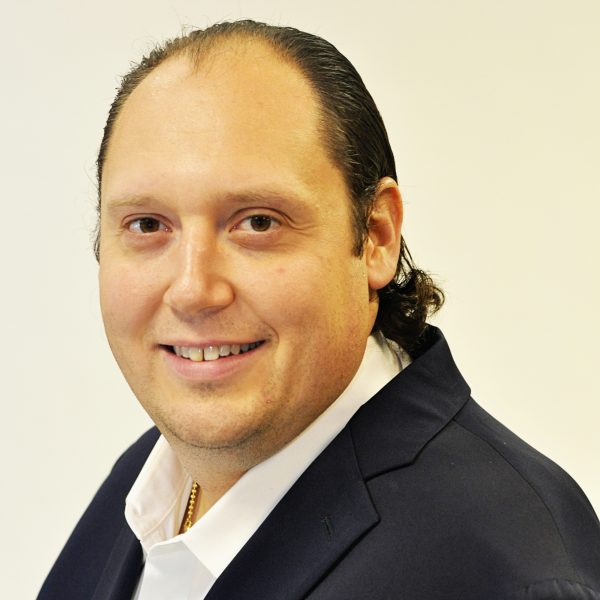
davidjwescottDavid Wescott, CEO at Transblue

With over 60 Million in sales & hundreds of millions of sq. ft. serviced & built, David Wescott focuses on building small businesses that focus on profits. When he thinks of an empire, it’s not about how big his building is or how many employees he has, but how much money is in the bank.

Connect with David on LinkedIn.

This transcript is machine transcribed by Sonix

TRANSCRIPT

Intro: [00:00:02] Broadcasting live from the business radio studios in Atlanta, Georgia. It’s time for Association Leadership Radio. Now here’s your host.

Lee Kantor: [00:00:17] Lee Kantor here another episode of Association Leadership Radio, and this is going to be a good one. Today on the show, we have David David Wescott and he is with TransBlue. Welcome, David.

David Wescott: [00:00:27] Hi, how are you today?

Lee Kantor: [00:00:28] I am doing well. Before we get too far into things, tell us a little bit about trans blue. How are you serving folks?

David Wescott: [00:00:36] Yeah, absolutely. Trans blue. We’re a general contractor. We provide construction services to residential and commercial clients and we are a franchise. So we service everything from Seattle to New Orleans.

Lee Kantor: [00:00:51] Are you the franchise or are you a franchisee?

David Wescott: [00:00:54] I am the franchisor. So we support and help all of the franchisees in the system.

Lee Kantor: [00:01:01] Now, was the business built to be a franchise or is that something that just happened organically over time?

David Wescott: [00:01:08] Yeah, great question. The business was built to be a franchise, so that was the sole intent upon its creation.

Lee Kantor: [00:01:15] So when you did that, were you involved in any of the franchising associations that are associated with franchising, or was that something that you had experienced previously in a different franchise? Like how did you even kind of immerse yourself in that industry to know how to do it properly?

David Wescott: [00:01:33] Yeah, you know, I think that associations are awesome and so being involved in the associations are huge just for best practices, knowledge, industry trends. And I got involved with IFA International Franchise Association just so that our team could get the certificates, they could start to learn about the industry, they could learn about best practices. I would rather learn from somebody who made the mistake than make the mistake myself. So that’s one of the associations that we jumped into to just to better ourself and really try to be an industry leader.

Lee Kantor: [00:02:09] So now when you’re had you been involved in starting a franchise before this?

David Wescott: [00:02:15] No, I never had. That was my first step into the arena.

Lee Kantor: [00:02:18] So when you have the idea, okay, we’re going to do this as a franchise, what we’re kind of those preliminary steps in order to build the foundation, you know, so you didn’t make those mistakes and you smooth that you’re learning curve to the best of your ability.

David Wescott: [00:02:33] Yeah, no, great question. I one of the things I leaned into the association so I learned about best practices, KPI benchmarks, and then I used the resources and the tools that were available. And I found some consultants who advertised themselves in the association and seem to be in good standing and seem to have good remarks about them. And I started working and I interviewed three or four consultants and then I chose one to work with and I worked with a consultant for about a year and a half before I even started launching the program. So I really got a good feel for what was going to happen, what what I needed to do, what I didn’t need to do, so on and so forth.

Lee Kantor: [00:03:15] So now from that standpoint, you had been in business. Had you always been in the kind of the building construction business?

David Wescott: [00:03:21] Yeah, I have. I’ve been in the construction industry for the last 25 years.

Lee Kantor: [00:03:26] And then so in that world, you were probably involved in those associations that were relevant to that kind of work, right?

David Wescott: [00:03:33] Absolutely. Yeah. I mean, I’ve I’ve always been involved in associations. I would say the last 20 years I’ve been involved in some association or another. I participate in SEMA Snow and ICE Management Association. I’m currently on the board of directors for that association. So association involvement has been something that I’ve really believed in.

Lee Kantor: [00:03:56] Now, why is that? Like as a young person, when you got started in business, was that something someone told you, hey, in order to participate, it’s a good idea to get involved? Or was this something that you were noticing? Hey, a lot of the folks in my industry are joining this thing. I better join that.

David Wescott: [00:04:13] You know, I guess for me, when I started business, it was, you know, you can go to college, you can have a job, you can learn everything about you want, about being in business. But there’s something about that practical application, that practical knowledge that you just don’t get right away. And what I found was that in associations, there’s a lot of folks who have been doing it for a long time, and there’s a lot of people who are really interested in making the association better. And when they care and they, you know, they really believe in what they’re doing, they’ll share the tips and the tricks with you. And I needed to be in a part of an association because I was at the time I was getting into snow removal as part of my general contracting business, and I didn’t even know if the blade was supposed to touch the ground all the way and spark, you know. And so being in that association one, I was able to leverage the education that was huge for me and I and I ordered the same of videos, right? And I got six or seven videos that basically walk you through how to be a snow plow contractor from plowing the parking lot to, you know, invoicing the client. And that was kind of my first step into associations. And then I started to leverage things like sample contracts and terminology. And then you meet people and you learn. And I would say that being a part of associations has helped me grow my business exponentially just because of the resources that are available. You cannot put yourself in a better position when you’re starting your business, then sitting at a table next to a guy who’s been doing it for 25 years and makes millions of bucks, and he’s sharing the tips and the tricks and the secrets that helped got him where he was today. And so that’s one of the things I love about associations and some of the importance about being in an association.

Lee Kantor: [00:06:00] Yeah, I think you bring up a really good point and that’s a good lesson for young people, especially. Like if you’re new to an industry, what better way to kind of differentiate yourself than joining the association, volunteering, getting involved in leadership positions? Now you’re kind of shoulder to shoulder with some of the bigger players and they’re seeing you work and seeing what you can do. I mean, that’s just great career advice for a young person to get involved in their association.

David Wescott: [00:06:27] Yeah, it is awesome. And, you know, it also lends credibility to your business because most associations have a certificate program and like if you’re in franchising or if you’re in asphalt construction or whatever it is, electric vehicles, it doesn’t matter. There’s an association, right? And they have some programing. They have some best practices for businesses. And it just helps you elevate you and who you are. And you get that certificate that lends credibility to who you are as a business. And I think that’s important. I think that’s important to look like, too, if you’re a serious player, it kind of it separates the fly by night, you know, from the person who’s saying, hey, I’m really invested in this. I really want to do the best for my customers and the associations themselves. Don’t I don’t I don’t believe want to align themselves with people who are going to be on the fly by night side. Right. They want to align themselves with strong providers that way. They’re seen as a as a leader in the industry.

Lee Kantor: [00:07:28] Now getting back to trains blue, how do you identify kind of your ideal franchisee? Is this person somebody that’s in the same industry that you’re in and they just want to expand? Or is this somebody who’s like that second act executive that maybe is going for a new career and then they stumble upon trans blue like, how? How do you identify that ideal franchisee?

David Wescott: [00:07:52] That’s a great question. You know, what we really want to do is we really want our brand. We want to really be world class. So we want to you know, we want trans blue to be synonymous with the name know, Ritz-Carlton, Starbucks, Costco, just, you know, the best service, the best of availability. So what we’re looking for in our franchisees is people who are just world class, who they set themselves apart. And that’s the kind of the first step that we’re going to look at there. And then what business experience do they have? We’re going to look at that financially. Can they carry it on? Have they been in business in any have they ran or owned any kind of business in the past? So we’re looking at those things and we’re really trying to fit the right operators. And then it’s about the area that they’re in, too, because we want to be in the prime locations. You may have heard people say location, location, location. And that’s and that’s so true for us as a as a franchise or we want to put the franchisees in the best possible locations to succeed because that just makes happy franchisees if they have industry experience. That’s awesome, right? That’s a bonus. But that’s but that’s not a must have.

Lee Kantor: [00:09:00] Now, is there like what’s a day in the life of a trans blue franchisee in a market? Are they primarily dealing with residential? Is this commercial like who is their typical clients and what is their typical activities during a day?

David Wescott: [00:09:15] Yeah, a great question. I would say that they’re typically going to be dealing with a with a residential client 70% of the time, 30%, you’re going to be dealing with a commercial client. But for an owner of a franchise, we really have them focus on managing the business, not getting into the weeds, not getting into the just the day to day. Like I’m on site watching the project happen. You know, they have a project manager, they have a sales team, just really managing the expectations of the sales team, making sure they’re hitting the targets and the goals they’ve laid out, managing the team of project managers or a project manager, depending on the size of the business, making sure that they’re doing things the right way, you know, really getting them to focus on their business and building their business, not being in the day to day needs of, oh, man, I’ve got to go run an estimate because, you know, my sales person wasn’t here or I let him go or whatever. So really just being that person who manages the business, we like to call it an enterprise builder, you know, somebody who really wants to grow in scale.

Lee Kantor: [00:10:20] So they don’t necessarily have to know how to build a deck, but they have to know how to communicate with the customer to help them kind of make their dream come true.

David Wescott: [00:10:31] Absolutely right. We want them to be great communicators. We want them to be professional. We want it to be a world class experience, but we really want them to focus on building the team. You know, the SBA says that 23% of businesses fail because of wrong people, wrong seats. So we really want them to put the right people in place, grow those people and then allow those people to run the business if you’re going to sell your business. Right, nobody wants to buy a business that is heavily dependent on the owner. So we use the term kick yourself out of your own business if you really want to take it to the next level.

Lee Kantor: [00:11:06] And then that’s where trans blue helps because you put all those systems in place. So they just have to kind of follow the playbook rather than invent the playbook.

David Wescott: [00:11:15] Exactly. They just got to run the plays and let them roll.

Lee Kantor: [00:11:18] Now when you are looking for a franchisee in a given market, is there an expectation that they immerse themselves in the community and maybe join associations like a chamber of commerce?

David Wescott: [00:11:30] Absolutely. So we want them into the Chamber of Commerce for sure, because the Chamber of Commerce will help with a grand opening. They’ll invite people out. They might even invite the mayor outright. So it’s kind of a big deal. You know, we love them to be involved with Rotary. You know, Rotary is a great thing to get to know the community and the players in the community. We want them involved in trade associations. So the National Pool Association is something that we want them to be a part of. We want them to be a part of a community association institute where a lot of condo managers hang out in a lot of best practices happen there. So we have a list of associations and that we really want them to involve themselves in and learn from and really help them to take their business to the next level by managing those peer relationships in the associations.

Lee Kantor: [00:12:21] Now, any advice for maybe, say, one of your franchisees is maybe worked in corporate and hadn’t really immerse themselves in associations like a Chamber of Commerce before? You know, maybe they were members of whatever their corporate association was with or attended the conference, but they didn’t kind of lean into a leadership role. What advice would you give that person to really get the most value out of a membership like in the Chamber of Commerce, for example? From a member standpoint.

David Wescott: [00:12:54] Yeah, absolutely. You know, I think, number one, start volunteering. Just get to know the people, get to know both sides, whether you’re on the association side or you’re on the participant side, really get to know those folks and and look at the association for all the advantages, because so many times you may join an association, but you may not see all of the benefits that they have to offer. And then look at the people in the association who have been there for a long time. You know, what do they have to offer? What what advice can they share? And then what are the resources that the associations bring to the table? You know, associations are always looking at ways to validate the membership fees. Right. They’re always saying, what can we add? What can we do better? And really diving into those things and becoming an expert, you know, learn the education, be a part of the education, get the certificates if they’re available, you know, and then help to mentor as you start to grow and really become known in the association and build the association, be a mentor for somebody who’s just walking through the door, help them get their feet wet, show them the ropes and show them what you’ve learned from the association, how it’s taken your business to the next level. Right. And and participate in the events. Just be there, be engaged. Right. When you’re in the events and you’re at the learning events, put your cell phone down, put your computer down. Focus on what you can take away from the event. And if you can go and take two or three nuggets from that association event and you can implement them in your business, you’ll start to make drastic changes in your business and you’ll really start to elevate you and your business and you’ll really level yourself up.

Lee Kantor: [00:14:41] Yeah, that’s great advice. And I think some people think joining an association is like an ATM that, hey, I just pay for this and I’ll get something back just by paying money. And it isn’t that at all. I mean, it’s about serving, it’s about volunteering. It’s about, you know, kind of leaning into the experience. If you want to get something out, it’s not something. You just pay money and think business is going to come out the other end.

David Wescott: [00:15:07] Exactly. You’ve got to work at it. You’ve got to put effort in time. But I’ll tell you that that effort and time pays off tenfold, 100 fold, you know, because you’re really giving and there’s really people who care and are invested in these associations. And it’s it’s a real big benefit to you. And there’s also a humanitarian cost to it. A lot of the associations, you know, help local community, they help food banks, they help Boys and Girls Club. Like it’s not just doing good, something good for the association. You’re also making the the community and the world a better place. And I think that sometimes gets gets missed when we talk about associations. But associations really impact the community, right? Whether they’re doing a buildout for Habitat for Humanity or whatever it might be, you’re engaged with people who want to make a difference in the world, and I think those are the people that we all want to connect with.

Lee Kantor: [00:15:59] So now from getting back to trans blue, are you looking for more growth here in America or is there certain parts of the country you’re targeting? Or is is the world your oyster at this point?

David Wescott: [00:16:12] You know, I like to think the world is always my oyster, but, you know, our growth, you know, we’re looking at about 20, 25 units to the system this year. So that’s exciting. And, you know, we’ve really got our our targets on on some areas in the East Coast, you know, the New Jersey, Philadelphia, Boston. That’s kind of a big focus for us right now.

Lee Kantor: [00:16:34] And so you’re looking for franchisees in those areas?

David Wescott: [00:16:38] Yeah, we are. We are looking to we’re looking for some great people to join the team.

Lee Kantor: [00:16:42] And those franchisees, do they typically purchase a territory or is it a kind of as any given market, multiple territories like are you looking for kind of somebody for a onesie or maybe an empire builder that wants to take over our market?

David Wescott: [00:16:56] You know, we’re always looking for the empire builders, of course, but I like to say base hits, equal home runs. So, you know, somebody who’s interested in being local in their market, growing their brand, you know, we’re interested in that, too, right? We’re just interested in people who want to be successful, who want to live a good quality of life. You know, people who want to have fun and just be outside and build a business that’s, you know, that makes people happy. It’s a sexy business. I mean, you know, there’s nothing better than putting a swimming pool in for somebody and saying, hey, man, how much is my life going to change? Because we just put this swimming pool and we’re going to get healthy, we’re going to exercise, we’re going to have our kids are going to have a great time. We’re going to watch them grow up in our backyard, not in the neighbor’s backyard. So it’s just it’s a fun business to be in. And so we’re looking for people that want to have a good time.

Lee Kantor: [00:17:46] But they don’t necessarily have to know how to build a swimming pool.

David Wescott: [00:17:51] That’s not I don’t know.

Lee Kantor: [00:17:52] That’s not a prerequisite.

David Wescott: [00:17:54] That is not a prerequisite. You know, we utilize subcontractors to do all of the heavy lifting, all of the buildings. So they’re actually not going to install it. Alls they need to do is manage their team of project managers and salespeople and and their sub teams will do the rest.

Lee Kantor: [00:18:09] Yeah. So good project manager. If you worked as a project manager, that’s probably a good fit for you in a good place to at least have a conversation with somebody like that.

David Wescott: [00:18:18] Absolutely.

Lee Kantor: [00:18:19] Well, David, thank you so much for sharing your story and congratulations on all the success. If somebody wants to learn more about the opportunity or learn more about trans blue, what’s a website.

David Wescott: [00:18:29] Yeah trans blue franchise dot com.

Lee Kantor: [00:18:33] And that’s trans SBL you e franchise dot com. Thank you again for sharing your story. You’re doing important work and we appreciate you.

David Wescott: [00:18:42] Thank you, sir.

Lee Kantor: [00:18:43] All right, this Lee Kantor we’ll see you all next time on Association Leadership Radio.
Tagged With: David Wescott, Transblue

Dave Wescott With Transblue

March 18, 2022 by Jacob Lapera

DaveWescott
Franchise Marketing Radio
Dave Wescott With Transblue
Loading
00:00 /
RSS Feed
Share
Link
Embed

Download file

Brought To You By SeoSamba . . . Comprehensive, High Performing Marketing Solutions For Mature And Emerging Franchise Brands . . . To Supercharge Your Franchise Marketing, Go To seosamba.com.

transblue

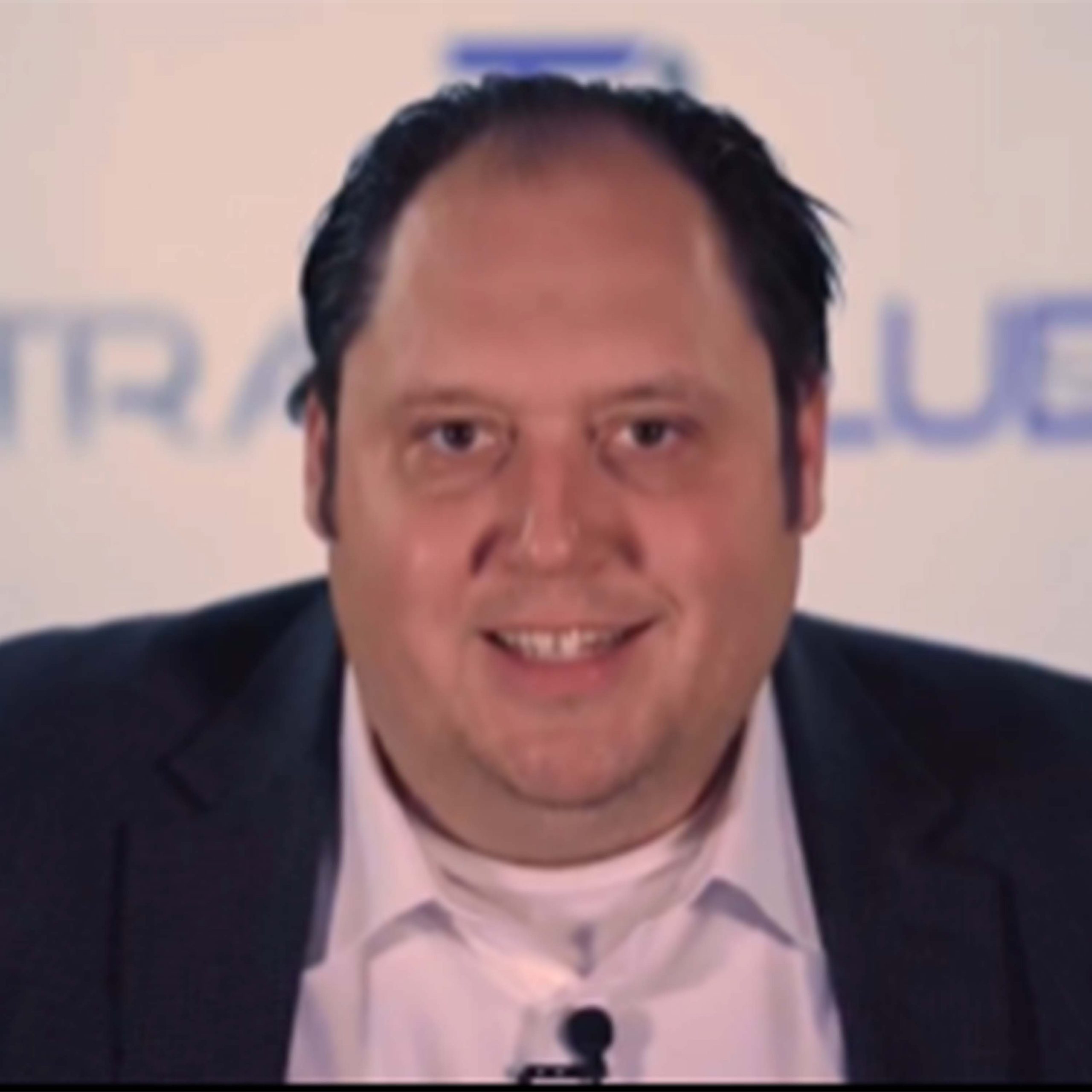
DaveWescottDavid Wescott is the founder of Transblue. Transblue is a world-class general contractor franchise focused on high-end residential, government, multifamily, and commercial projects. David oversees the leadership team and focuses on strategic growth. He is passionate about being an angel investor in Native American Business and is driven by giving back.

Follow Transblue on LinkedIn.

What You’ll Learn In This Episode

  • Transblue’s founding story
  • Franchise opportunity
  • Transblue’s recent franchise growth.
  • Transblue’s philanthropy efforts
  • An ideal franchise candidate
  • Construction industry trends for 2022

This transcript is machine transcribed by Sonix

TRANSCRIPT

Intro: [00:00:07] Welcome to Franchise Marketing Radio. Brought to you by SeoSamba comprehensive high performing marketing solutions for mature and emerging franchise brands. To supercharge your franchise marketing, go to SeoSamba.com. That’s SeoSamba.com.

Lee Kantor: [00:00:32] Lee Kantor here another episode of Franchise Marketing Radio and this is going to be a good one. Today on the show, we have Dave Westcott with Trans Blue. Welcome, Dave.

Dave Wescott: [00:00:41] Good morning. How are you?

Lee Kantor: [00:00:42] I am doing great. I’m so excited to learn what you’re up to. Tell us a little bit about trans blue. How you serving folks?

Dave Wescott: [00:00:49] Yeah, thank you. We are in the construction industry, so we provide residential customers with outdoor living space experience. So anything from a pool to a patio to a deck or a covered, entertaining space on the residential side. And then on the on the multifamily commercial side, we focus on roofing, asphalt, paving, siding, painting, so on and so forth. So a little bit more hardened services on the commercial side, but that’s a little bit about what we do.

Lee Kantor: [00:01:19] Can you share how the the concept got started? Did it start as kind of a mom and pop that organically grew into a franchise, or was it built to be a franchise all along?

Dave Wescott: [00:01:29] Yeah, great question. So I was in the facility management construction industry for many, many years, and in doing that, we serviced just Fortune 500 brands and we worked with anywhere from 7500 subcontractors on a given day, doing millions and millions of dollars in facility management construction. And I happened to be at a snow conference and I was listening to a guest speaker, and he was sharing about the trouble that contractors had and the trouble that they had in business and getting started in business, even if they had been in business for 20 years, you know, they still struggled. They still weren’t doing well with the pal and weren’t doing well with the balance sheet, weren’t able to take vacations and working themselves to death. And I said, No, that’s not my life. That’s not the that’s not the life I live. And I’m in the construction industry and I’m in the building industry and my experience has been great. And so at that moment I said, I’m going to build something that can teach people who want to have their own business and want to be in the construction fields a better way to do things. And through some research and development, I found that franchising would be the the best thing for me to be able to make that happen. And that is what I’m sorry, man.

Lee Kantor: [00:02:55] No. Well, I’ll let you go with that. But the follow up question to that is, when you had this idea conceptually, how did you know that you’d be able to pull it off? Like what gave you confidence that you be able to kind of transfer this knowledge and training and have a kind of somebody execute it without your kind of vast knowledge and expertize?

Dave Wescott: [00:03:20] Yeah. So we’ve made it we’ve made the construction process very simple. You know, what we want to do is really rely on the subcontractor network on that network of expertize to enable the business owner and his team that he builds around him to be successful. For example, if I’ve got an asphalt paving project that’s coming up or a customer says I want to pave my driveway, you know, that owner doesn’t necessarily have to be an expert in every single piece of asphalt construction. But what they do need to do is align themselves with the correct partner. And so by aligning themselves with the correct partner, that partner can come in and properly do the demo and properly do the installation of the asphalt. And so that makes that makes that piece of the business very simple and very straightforward. And then you want to have hired a good staff. You know, I think that the right people in the right seats is something that you probably hear a lot about. But really having a project manager who has experience in the field, you know, helps to measure those KPIs that your subcontractors are working on for the different projects that they’re executing. Does that make sense?

Lee Kantor: [00:04:33] Yeah. So is your ideal franchise candidate and great project manager or do they have to be like kind of have a background in construction to know what’s what or is your training and ecosystem so robust that you have that knowledge? So I don’t have to necessarily know if this guy’s a rock star. You have tools or resources for me to vet this person to know if this guy really is a rock star.

Dave Wescott: [00:05:00] Yeah, that’s a great question. So primarily, we look for franchise owners who are outside of the construction field. We look for guys who have a good executive background. They’re good at managing people because that’s truly what this business is, is it’s managing people. And so once we find that right business owner, we want them to hire the right staff. And I think that’s consistent among all brands and all businesses. You need to put the right people in the right. Seems to be successful. I wouldn’t say that the business is dependent on the on the project manager or the sales person, but you want the right people in those seats so that they can execute properly. And then I would say that it’s 100% based on finding the right team of subcontractors to work with because they are the the backbone of your business. They’ve essentially replaced that front line worker in our brand.

Lee Kantor: [00:05:57] Right. So then this person, the boots on the ground in a given market, has to be able to align themselves with the right people that are doing the actual work, because they’re the ones in someone’s backyard. They’re the ones that are interacting with the owners of the house. So they’re they’re they’re kind of your brand in a lot of ways. So how do you kind of protect yourself from, you know, kind of horror stories that a lot of folks have when it comes to these type of workers, you know, when they’re going with just an individual worker to do a project?

Dave Wescott: [00:06:32] Yeah, great question. So, you know, you want to work with a reputable company and I believe that it all comes down to a culture of compliance. And I think it starts what we call the RFP process when we have a project and we’re and we’re going to take it out to bid, you know, it all comes down to how well did they fill out the paperwork? How well did they communicate with you along the process? Are they licensed, bonded, insured? Right. What is their online review say about them? How do they brand their business? You know, we want to partner in a line with the best companies on the market. And so by doing that, if we can identify from a compliance standpoint that they’re checking off all the boxes, we know that in the field they’re going to execute at a high level. And that is really what enables us to separate ourselves from more of the chuck in the truck versus an established business that’s there to grow and perform and provide excellent customer service.

Lee Kantor: [00:07:28] So you have kind of certain red flags, yellow flags, green flags, and they got to be pretty much all green for you to do business with them. That’s your recommendation to your franchisees?

Dave Wescott: [00:07:40] That’s right. We want to we really want to have all those lights turn green. We want to have you know, we really want them to focus on the compliance side and just make sure all the boxes are checked. You know, it’s easier to do it right the first time, then try to go back and fix it. So if we can conquer that and do that, that really works out well. And there’s a lot of amazing contractors out there doing amazing work. And so we really want to make sure we’re honing our skill and using the right partners in the field.

Lee Kantor: [00:08:09] Now, you mentioned earlier that the ideal franchise candidate isn’t necessarily someone in construction. Is it harder for you to find them because they’re not in construction, so they’re not even considering construction as a franchise? So how do you kind of identify them to even get into your funnel, to have a conversation with them to begin with?

Dave Wescott: [00:08:31] Yeah, I think that a lot of people look at the business that they want to be in and they say, Hey, what’s the best vehicle or what’s the best conduit for me to reach the goals that I want to achieve? What do I want to get to? And I think whether you’re looking at a restaurant, a restaurant or a restoration business or a construction business or whatever it might be, you want to look at that, you want to evaluate it, and you want to put yourself in the best position possible. And I think that we align strategically with a higher level thinker based on the fact that our business is asset light, meaning you don’t have to go out and purchase a bunch of construction equipment to do the work. It’s asset light. And the fact that you don’t have to hire, you know, 50 construction workers to start executing projects, right? You’re going to rely on a subcontractor network. So it keeps the cash flow at home. And the other thing is that it’s quick turn money, right? At the end of the day, you do a project, you collect a down payment and you work on a project. The project is over, you collect your cash. So it’s quick turn on the cash flow, which I think is really exciting for a lot of people. And I think when they’re evaluating the different business opportunities before them, they’re taking those things into consideration and they’re saying, What’s going to allow me to hit those those goals and dreams that I’ve put out before me? And I think trans blue ticks off those boxes for them. And I think that most people look at a variety of different brands when they’re making when they’re doing their due diligence and their research. And I think we’re a front runner for those type of individuals.

Lee Kantor: [00:10:13] Now, have you found a channel or a a a a kind of place to find these folks that’s working extremely well for you? Or is it kind of hit or miss and you’re just trying a lot of things in and, you know, the totality is what’s helping.

Dave Wescott: [00:10:29] Yeah. I mean, I would say that early on we definitely did the shotgun approach, right? Like, hey, let’s let’s join this portal, let’s be on this, let’s use this. I mean, you know, all of the different things. And I think that we had to learn and hone and and grow. And I think that we had to be honest. We had to learn who our ideal candidate was in the beginning, you know, and on day one, you kind of have an idea, but you don’t necessarily know, you know? And so I think we’ve done a good job at honing in on that. And I think that for the most part, we’re driving a lot of of of people through our website, through a lot of SEO work and a lot of work on LinkedIn. I would say that’s primarily the two generators that we’re using to find and locate our candidates.

Lee Kantor: [00:11:17] So how has your franchise growth been?

Dave Wescott: [00:11:22] It’s been good. We had, I think, year one, you know, we started off with three units and then year two we brought on 16 units. This year we’ve brought on three units. So we have a goal of 17 more for the year. So we’re excited of for the growth. You know, we’d love to hit 30 this year, but I think that realistically, you know, we hit that 20 mark and that’s that’s what we’re shooting for. That’s what we’re budgeting for. That’s what our trajectory looks like. So that’s where we’re moving towards.

Lee Kantor: [00:11:56] Now, as the founder, have you been surprised that the things that you’ve learned in this adventure, like has this having these now boots on the ground in multiple markets now, has that kind of helped you create even even better product from learning what they’re doing and what they’re successful at in their local market?

Dave Wescott: [00:12:19] Yeah. I think, you know, the things that we’ve really learned are really diving into the KPI’s. Understanding what they need, what the franchise needs from support, what they need in frequency of touches, what they need, and really trying to help fill those gaps and help them to be as successful as possible. I think that’s that’s the biggest learning lesson, is just putting those KPIs out there and also working with them on those KPIs so that they know, okay, we’re trending towards X this month, so we need to increase sales or maybe we need to back off sales a little bit, but just really helping them to identify where they need to be in their business I think has been a huge and the other thing that I’ve learned along the way is that, you know, they’re not employees, you know, they’re their own business owners. And so they’re going to make decisions a little bit different than they would if they were an employee of Trans Blue.

Lee Kantor: [00:13:20] And can you talk about the importance of giving back as part of trans blues culture and why that’s important and how that helps you maybe even identify the right franchisee?

Dave Wescott: [00:13:31] Yeah, no, that’s a great question. I believe that if you’re in business but nobody knows you’re in business or if if you’re were to close your doors tomorrow and nobody even knew that you existed, what would be the point in being in business? Absolutely. In my mind, no point. Right. So I believe that business has an obligation to make the communities that they’re in a better place. And since this business has been founded, started many years ago, that’s been something that’s been close to my heart and something that’s been very important to me. And I like to give to things that make a local impact so things that can bless the local economy of where we’re at. And and I like to hit a variety of different places. So, you know, we we like to look out for kids. So we support a lot of places that help kids who may have been abused. We serve a lot of places that maybe where women have been abused. We serve a lot of places that focus on drug and alcohol abuse, anything that can make the community better. We focus with a lot of food banks. We over the last, I would say three years, we’ve supported around 135 different organizations. And so that’s really an important thing that we can make that impact locally, nationally and then globally is also an important thing to us in business.

Dave Wescott: [00:15:06] And so that’s kind of the key metrics that I drive by. I think it’s important for company morale and team morale. It’s nice to say, hey, you know, we’re giving to something that’s bigger than just trans blue. I’m working for something that’s more important than just trans blue. Like we’re a business with a mission. And that’s that’s really where we go and what we believe in. And I think that our franchisees, you know, they like that, too. And I think that they’re like minded individuals and they want to make their communities and places better. And I think from a hiring perspective, you know, we’ve we’ve brought on some amazing individuals who work at trans blue who have joined because of how much we give back and because how involved in the community we are. And maybe we wouldn’t have had access to all of those individuals if we weren’t so prominent in our in our local markets. So it’s super important to me as a as a founder, as a business owner, I’ve got a big, hairy, audacious goal, as Jim Collins would say. And I want to put 100 million a year into charities, noble causes, things like that every single year. I may never hit that goal, but if I can work at it one step at a time, then. Then I feel like I’ve done my job.

Lee Kantor: [00:16:26] Yeah, that’s commendable. And I wish that more business owners and founders really embrace that bigger. Why? And really leaned into serving their community. Because I think like you’re finding that that’s really where it pays off. Your business does well. The community does well. Everybody wins.

Dave Wescott: [00:16:46] Yes, sir. It’s it’s very, very true. And you see it, right? You see the fruit of it. Yeah.

Lee Kantor: [00:16:54] And it trickles down. Forget about the money part. It trickles down to, like you said, your people and the people of the community, they root for you. And and business is it’s not easy. So you need all the help you can get.

Dave Wescott: [00:17:07] You know, man, it’s true. The comment that business is not easy is very true. You know, business is tough. And at the end of the day, you have disappointing days. We all do. Everybody every business has things they wish that would have gone better. But I’ll tell you that sometimes on those days, you know, you look at what you’ve given back to or you get a letter from somebody saying, hey, thanks for helping change my life. It makes all of that worthwhile. And it says, hey, man, this, you know, this is why I’m here. I’m glad that that was a tough moment, but this is making my life better and this is what I’m here for. And so giving and being charitable, whether it’s monetarily or whether we’re out there actually working on a property which which we do, you know, it makes you feel great. You know what I mean? It’s like it’s like instant shot of positivity. Right? Right. And so I love that.

Lee Kantor: [00:17:58] Yeah. And that’s why we’re all here. I mean, if we’re all here just to accumulate wealth, then I think that we’re missing something. You know, there has to be a bigger wide than that. And and I think that your goal of wanting to give back and having that that big, audacious, hairy goal of, you know, being able to help more and more people is. Admirable. I mean, the people you’re going to attract to this are people who believe the same thing and that’s what you want. And then everybody benefits by that.

Dave Wescott: [00:18:29] Yeah. You know, we got to have our own brand of crazy, right?

Lee Kantor: [00:18:31] That’s it. I mean, I’d rather have the crazy of helping people than destroying people. So I’m rooting for you. Now, is there any kind of industry trends coming up that gets you excited? That is kind of bullish for your brand and for your business?

Dave Wescott: [00:18:50] Yeah. I mean, you know, building, building and construction has just been it’s been awesome, you know? I mean, you know, going into the pandemic, I’m going to be 100% honest with you. You know, it was a little frightening, like, hey, what’s going to happen? What’s going to happen with construction? What’s going to happen with these mandates? And, you know, everybody went home, you know, and everybody was working from home. And and, you know, everybody said, hey, man, I got to get outside and I got to I got to get out of my house. And instead of spending that money on, you know, a trip to Vegas or a trip to Paris or whatever it might have been or whatever else they were doing outside, they started putting that money back inside their home on the inside and the outside. And, you know, I mean, the work on swimming pools, the work on outdoor living spaces, just extending their home into their backyard, you know, if you can pick up an extra 5500 square feet, if you can cover it and put a pool in it at a barbecue, a seating area, a fireplace, you know, and you can hang out there all summer long or the kids can hang out there and have some fun while you’re working inside. You know, it’s an extension of the home. And so that has been absolutely incredible for our business. I mean, the construction and the it just went through the roof like we’d never seen. And so that’s been exciting.

Dave Wescott: [00:20:08] And to be honest, it hasn’t stopped, you know, and you know, all of these brands that you see out there, Amazon, Google and all, you know, you’ve got all these folks working from home and they’re learning, Hey, man, we can work remote and we can live our life there. And so they’re I believe they’re investing in their properties. They’re investing in their homes. You’re seeing the housing prices increase. And so, you know, it’s been exciting. And when we look at the housing market and you look at the possibility of recession on the forecast, you know, we go back to 060708 when everybody said, hey, we’re in the bubble, we’re in the bubble, we’re in the bubble. You know? Well, you know, we don’t we don’t hear a lot about a bubble. Right. And a lot of this a lot of these investments in these homes are backed by cash. Right. You go into Amazon, someone’s making 350 K a year. Right. They can afford that mortgage. So I think that that’s I think that that’s really beneficial for us. And I think that that that investment in the home always pays off. It always increases the value. So for us, that’s that’s exciting. It’s good. And that’s where we see things going. We don’t we have an optimistic outlook on the future. You know, we’ve been through COVID. Now COVID is starting to wrap up. We’ve got some gas prices and some different things, but that will level out here. And I’m excited about the future.

Lee Kantor: [00:21:33] Amen to that. Now, if somebody wants to learn more about trans blue, about the opportunity, is there a website?

Dave Wescott: [00:21:39] Yeah, absolutely. Trans blue franchise dot com is is the best place to go and that’s got all the information about the business and and how to get ahold of us.

Lee Kantor: [00:21:51] Well, Dave, thank you so much for sharing your story today. You’re doing important work and we appreciate you.

Dave Wescott: [00:21:57] Hey, thank you, man. I appreciate it.

Lee Kantor: [00:21:59] All right. This is Lee Kantor will see you next time on Franchise Marketing Radio.

Tagged With: Dave Wescott, Transblue

Business RadioX ® Network


Our Most Recent Episode

CONNECT WITH US

  • Email
  • Facebook
  • LinkedIn
  • Twitter
  • YouTube

Our Mission

We help local business leaders get the word out about the important work they’re doing to serve their market, their community, and their profession.

We support and celebrate business by sharing positive business stories that traditional media ignores. Some media leans left. Some media leans right. We lean business.

Sponsor a Show

Build Relationships and Grow Your Business. Click here for more details.

Partner With Us

Discover More Here

Terms and Conditions
Privacy Policy

Connect with us

Want to keep up with the latest in pro-business news across the network? Follow us on social media for the latest stories!
  • Email
  • Facebook
  • Google+
  • LinkedIn
  • Twitter
  • YouTube

Business RadioX® Headquarters
1000 Abernathy Rd. NE
Building 400, Suite L-10
Sandy Springs, GA 30328

© 2025 Business RadioX ® · Rainmaker Platform

BRXStudioCoversLA

Wait! Don’t Miss an Episode of LA Business Radio

BRXStudioCoversDENVER

Wait! Don’t Miss an Episode of Denver Business Radio

BRXStudioCoversPENSACOLA

Wait! Don’t Miss an Episode of Pensacola Business Radio

BRXStudioCoversBIRMINGHAM

Wait! Don’t Miss an Episode of Birmingham Business Radio

BRXStudioCoversTALLAHASSEE

Wait! Don’t Miss an Episode of Tallahassee Business Radio

BRXStudioCoversRALEIGH

Wait! Don’t Miss an Episode of Raleigh Business Radio

BRXStudioCoversRICHMONDNoWhite

Wait! Don’t Miss an Episode of Richmond Business Radio

BRXStudioCoversNASHVILLENoWhite

Wait! Don’t Miss an Episode of Nashville Business Radio

BRXStudioCoversDETROIT

Wait! Don’t Miss an Episode of Detroit Business Radio

BRXStudioCoversSTLOUIS

Wait! Don’t Miss an Episode of St. Louis Business Radio

BRXStudioCoversCOLUMBUS-small

Wait! Don’t Miss an Episode of Columbus Business Radio

Coachthecoach-08-08

Wait! Don’t Miss an Episode of Coach the Coach

BRXStudioCoversBAYAREA

Wait! Don’t Miss an Episode of Bay Area Business Radio

BRXStudioCoversCHICAGO

Wait! Don’t Miss an Episode of Chicago Business Radio

Wait! Don’t Miss an Episode of Atlanta Business Radio