Business RadioX ®

  • Home
  • Business RadioX ® Communities
    • Southeast
      • Alabama
        • Birmingham
      • Florida
        • Orlando
        • Pensacola
        • South Florida
        • Tampa
        • Tallahassee
      • Georgia
        • Atlanta
        • Cherokee
        • Forsyth
        • Greater Perimeter
        • Gwinnett
        • North Fulton
        • North Georgia
        • Northeast Georgia
        • Rome
        • Savannah
      • Louisiana
        • New Orleans
      • North Carolina
        • Charlotte
        • Raleigh
      • Tennessee
        • Chattanooga
        • Nashville
      • Virginia
        • Richmond
    • South Central
      • Arkansas
        • Northwest Arkansas
    • Midwest
      • Illinois
        • Chicago
      • Michigan
        • Detroit
      • Minnesota
        • Minneapolis St. Paul
      • Missouri
        • St. Louis
      • Ohio
        • Cleveland
        • Columbus
        • Dayton
    • Southwest
      • Arizona
        • Phoenix
        • Tucson
        • Valley
      • Texas
        • Austin
        • Dallas
        • Houston
    • West
      • California
        • Bay Area
        • LA
        • Pasadena
      • Colorado
        • Denver
      • Hawaii
        • Oahu
  • FAQs
  • About Us
    • Our Mission
    • Our Audience
    • Why It Works
    • What People Are Saying
    • BRX in the News
  • Resources
    • BRX Pro Tips
    • B2B Marketing: The 4Rs
    • High Velocity Selling Habits
    • Why Most B2B Media Strategies Fail
    • 9 Reasons To Sponsor A Business RadioX ® Show
  • Partner With Us
  • Veteran Business RadioX ®

Decision Vision Episode 65: Should I Have a Supplier Diversity Program? – An Interview with Stacey Key, Georgia Minority Supplier Development Council

May 14, 2020 by John Ray

supplier diversity program
Decision Vision
Decision Vision Episode 65: Should I Have a Supplier Diversity Program? - An Interview with Stacey Key, Georgia Minority Supplier Development Council
Loading
00:00 /
RSS Feed
Share
Link
Embed

Download file

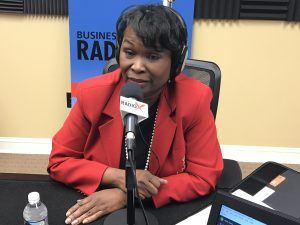
Stacey Key, CEO, Georgia Minority Supplier Development Council

Decision Vision Episode 65:  Should I Have a Supplier Diversity Program? – An Interview with Stacey Key, Georgia Minority Supplier Development Council

Should my company develop or formalize a supplier diversity program? How does a supplier diversity program build my own company’s value? The answer to these questions and more are answered by Stacey Key of the Georgia Minority Supplier Development Council in a conversation with host Mike Blake. “Decision Vision” is presented by Brady Ware & Company. (This episode was recorded March 13, 2020)

Stacey Key, Georgia Minority Supplier Development Council
supplier diversity program
Stacey Key, CEO, Georgia Minority Supplier Development Council

Stacey Key is the President and Chief Executive Officer of the Georgia Minority Supplier Development Council (GMSDC), the leading authority on supplier diversity and minority business development in the state of Georgia. Key has more than 20 years of corporate experience in sales, marketing, operations and customer service at global brands like IBM, AT&T, Schlumberger and Samsung Telecommunications.

Prior to joining the GMSDC, Stacey was responsible for leading nationwide marketing efforts at Samsung Telecommunications as its Marketing Director. She also served as Vice President – Public Sector for Schlumberger, the world’s leading supplier of products and services to the oil and gas industry. She is an accomplished entrepreneur, with more than 15 years of experience at the helm of a successful family business.

Stacey has been recognized as a leader throughout the state for her career accomplishments and community service. Some of her awards and honors include: the 100 Influential Women to Know by Engineering Georgia, Who’s Who of Black Atlanta, the Business Advocacy Award from MARTA, the Atlanta Business League’s 100 Top Women of Influence, Diversity Plus Magazine’s Top 25 Women in Power Impacting Diversity, the Black & Latino Council’s Global Commerce Award, and the DeKalb Chamber of Commerce Apex Small Business Champion Award.

Key earned a Bachelor of Science degree in Business Administration and Computer Science from Western Kentucky University, and an MBA from Kennesaw State University. She holds a certificate in Mergers and Acquisitions from Kennesaw State University and is a graduate of the Leadership Atlanta Class of 2014. Key is actively involved in the community and serves on numerous boards of directors, including the Georgia Department of Transportation, Georgia Chamber of Commerce, the Midtown Alliance and the Renew Atlanta Infrastructure Bond Advisory Committee. She is the proud mother of one daughter who is a college student.

You can learn more about the work of the GMSDC on their website, and you can also find them on Twitter and Facebook. To get in touch directly, call them at 404-589-4929.

Michael Blake, Brady Ware & Company

Mike Blake, Host of the “Decision Vision” podcast series

Michael Blake is Host of the “Decision Vision” podcast series and a Director of Brady Ware & Company. Mike specializes in the valuation of intellectual property-driven firms, such as software firms, aerospace firms and professional services firms, most frequently in the capacity as a transaction advisor, helping clients obtain great outcomes from complex transaction opportunities. He is also a specialist in the appraisal of intellectual properties as stand-alone assets, such as software, trade secrets, and patents.

Mike has been a full-time business appraiser for 13 years with public accounting firms, boutique business appraisal firms, and an owner of his own firm. Prior to that, he spent 8 years in venture capital and investment banking, including transactions in the U.S., Israel, Russia, Ukraine, and Belarus.

Brady Ware & Company

Brady Ware & Company is a regional full-service accounting and advisory firm which helps businesses and entrepreneurs make visions a reality. Brady Ware services clients nationally from its offices in Alpharetta, GA; Columbus and Dayton, OH; and Richmond, IN. The firm is growth minded, committed to the regions in which they operate, and most importantly, they make significant investments in their people and service offerings to meet the changing financial needs of those they are privileged to serve. The firm is dedicated to providing results that make a difference for its clients.

Decision Vision Podcast Series
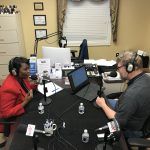
supplier diversity program“Decision Vision” is a podcast covering topics and issues facing small business owners and connecting them with solutions from leading experts. This series is presented by Brady Ware & Company. If you are a decision maker for a small business, we’d love to hear from you. Contact us at decisionvision@bradyware.com and make sure to listen to every Thursday to the “Decision Vision” podcast. Past episodes of “Decision Vision” can be found here. “Decision Vision” is produced and broadcast by the North Fulton studio of Business RadioX®.

Visit Brady Ware & Company on social media:

LinkedIn:  https://www.linkedin.com/company/brady-ware/

Facebook: https://www.facebook.com/bradywareCPAs/

Twitter: https://twitter.com/BradyWare

Instagram: https://www.instagram.com/bradywarecompany/

Show Transcript

Intro: [00:00:02] Welcome to Decision Vision, a podcast series focusing on critical business decisions. Brought to you by Brady Ware & Company. Brady Ware is a regional full-service accounting and advisory that helps businesses and entrepreneurs make vision a reality.

Mike Blake: [00:00:20] And welcome to Decision Vision, a podcast giving you, the listener, clear vision to make great decisions. In each episode, we discuss the process of decision making on a different topic from the business owner’s or executive’s perspective. We aren’t necessarily telling you what to do, but we can put you in a position to make an informed decision on your own and understand when you might need help along the way.

Mike Blake: [00:00:39] My name is Mike Blake, and I’m your host for today’s program. I’m a Director at Brady Ware & Company, a full-service accounting firm based in Dayton, Ohio, with offices in Dayton; Columbus, Ohio; Richmond, Indiana; and Alpharetta, Georgia, which is where we’re recording today. And as of March 13th, when we were recording this, we are not yet under quarantine. Brady Ware is sponsoring this podcast. The beauty of being a podcast. I guess you probably could do it under quarantine. If you like this podcast, please subscribe on your favorite podcast aggregator. And please consider leaving a review of the podcast as well.

Mike Blake: [00:01:12] So, today, we’re going to talk about implementing a supplier diversity program. And I think most people who are listening to this podcast have heard that term before but may not know exactly what it is. I think they don’t know exactly what the benefits are in providing one, and then how you actually go about doing it. It is not necessarily as simple as saying, “Hey, I want to give people of color a chance to supply stuff for my business.” And I think it’s a little more complicated than that.

Mike Blake: [00:01:45] And also, in order to make it a sustainable exercise, it needs to go beyond a purely socially motivated activity. At least, I think that’s the case. We will find out. I am not an expert on this. And as we do on our program, I invited somebody who is an expert on this. And joining us today is Stacey Key, who is President and CEO of the Georgia Minority Supplier Development Council. Stacey has more than 20 years of corporate experience in sales, marketing, operations and customer services at global brands like IBM, AT&T, Schlump Berger, and Samsung Telecommunications.

Mike Blake: [00:02:20] Her educational accomplishments include a Bachelor’s Degree in Computer Science and Business Administration from Western Kentucky University, her MBA from Kennesaw State University and the Regional Leadership Institute in 2018. Stacey sits on the boards of the Georgia Chamber of Commerce and the Midtown Alliance, and as a graduate of the Leadership Atlanta Class of 2014, the best class ever, where she is my classmate.

Mike Blake: [00:02:47] In 2018 and ’19, Stacey was named to the list of 100 Influential Women to Know by Engineering Georgia Magazine, was named to the Atlanta Business League’s 100 Top Women of Influence, and received the DeKalb Chamber of Commerce as APICS’ Small Business Champion Award. She has many more awards. Her trophy case looks like Michael Jordan’s. But we don’t have time to go through all that because we have a topic to discuss. Stacey, thank you so much for coming on the program.

Stacey Key: [00:03:12] Michael, thank you so much for having me. Wow. Listening to myself. I don’t really know that person.

Mike Blake: [00:03:20] So, you’re head of the Georgia Minority Supplier Development Council.

Stacey Key: [00:03:26] GMSDC, it’s actually called.

Mike Blake: [00:03:26] Okay, GMSDC. And it’s Georgia’s leading small business development supplier diversity organization. it’s been around a long time, hasn’t it?

Stacey Key: [00:03:35] Actually, thank you for that lead-in. We’re celebrating 45 years this year. And it’s been a journey, I will tell you. And a little bit about it, if I have the liberty, a little bit about our history.

Mike Blake: [00:03:45] Please, please.

Stacey Key: [00:03:45] … and our pedigree, 45 years ago, if you can imagine, corporation, the Coca-Cola Company and some other major corporations, WesTrac, which was then MeadWestvaco, Cox was involved, Delta involved, AT&T, Southern Company, Georgia Power, these companies came together and decided that they wanted to open up their supply chain and be more inclusive. And so, they led the charge to form this non-profit organization to help them in doing that. Again, there were other major corporations at the table at the time, but they saw the long-term vision and value and, actually, return on investment to their shareholders of expanding their supply chain to include others that can bring innovative solutions and products to the table.

Mike Blake: [00:04:35] And you have quite a bit of corporations that are engaged with you right now, isn’t it? What’s the number?

Stacey Key: [00:04:41] We have over 400 corporations. And all the ones you know and love here, of course.

Mike Blake: [00:04:45] Yeah.

Stacey Key: [00:04:45] You’re a Southern Company, Georgia Power, UPS, the Coca-Cola Company, Home Depot, Cox obviously, Delta Airlines, everybody, NCR, AT&T. All those you know and love are engaged, and involved, and have a commitment, again, to drive shareholder value by opening up that supply chain to include others.

Mike Blake: [00:05:08] And roughly how many minority business suppliers are there that are kind of under your tender caring stewardship?

Stacey Key: [00:05:15] I love that tender caring stewardship. We have over 700 minority businesses throughout the great State of Georgia that are involved and certified through us. And let me take a minute to tell you a little bit more about GMSDC. And so, corporations formed us. And so, are our customer is primarily corporate America. The minority businesses are the constituents that we serve on behalf of corporate America. And so, the process is that we certify minority businesses. We certify that you are who you are, a minority business, that you own, manage and control 51% of that business. And we’ve heard some of those horror stories of companies that are not quite that, but I’m in the business of making sure that the suppliers I bring to the table for the Coca Cola’s, and the UPSs, and the Coxes that they are who they say they are, and I’m in the business of protecting them and their supply chain.

Mike Blake: [00:06:10] So, let’s go ahead and jump in to that then because I think that’s that’s very important. There’s, obviously, an incentive to become identified as a diversity supplier. Is that the right term of ours, diversity supplier?

Stacey Key: [00:06:24] Diverse supplier. And that includes, it could be women. That can be minority-owned. It could be veterans or not diverse, but veterans are part of that. LGBTQ a part of that.

Mike Blake: [00:06:35] Oh, they are.

Stacey Key: [00:06:36] They are part of that.

Mike Blake: [00:06:36] Okay, I did not know that. Okay.

Stacey Key: [00:06:37] Yeah. And there are organizations that certify the women, LGBTQ, those other organizations that are there, and they’re part of the family that they certify those other groups.

Mike Blake: [00:06:47] And is that a certification a definition that is determined at the state level or the federal level?

Stacey Key: [00:06:52] Neither.

Mike Blake: [00:06:53] Okay.

Stacey Key: [00:06:53] GMSDC is a private sector certification.

Mike Blake: [00:06:57] Oh, okay.

Stacey Key: [00:06:58] So, corporations look to that. If you’re doing business with the State of Georgia, they use a certification that is done by either GDOT or MARTA. I sit on the GDDOT board and, actually, head of the Equal Access Committee in the State of Georgia. If you’re going to do business with the City of Atlanta, they have their own, but they all are asking for the same thing. They call them different things. DBEs, if you’re looking to do business on a federal level, it’s got Disadvantaged Business Enterprise. That’s not based on ethnicity. That’s based on size and income of the business.

Mike Blake: [00:07:33] So, definitely a lot of ground kind of being covered here. I’m going to take a little bit of a different tack than I originally thought because our conversation is taking a different tack and it’s fine. Some of my listeners, some of our listeners may be thinking about becoming identified and certified as a supplier  in this regard. And I know I have clients that, perhaps, would be eligible, and they decide not to for whatever reason. I think some of them say, “Well, I don’t need an advantage.” Others say, “I don’t want the government involved.” And, now, they just learned this is not a government exercise. It’s actually a private exercise.

Stacey Key: [00:08:09] There is no government involved. It’s private enterprise.

Mike Blake: [00:08:11] And others worry that it’s a bunch of hoops that you have to go through, and is it really kind of worth it for the opportunity? So, before we dive into the main questions I want to talk about, could you kind of make the pitch for somebody listening that if they’re eligible as a female-owned businesses, African-American, LGBTQ, whatever the classification may be, make the case that it’s worth it?

Stacey Key: [00:08:35] So, let me tell you this, not every business should be certified. For those that should be, let me tell you, where else can you go for an introduction to someone at Coca-Cola, UPS, Delta Airlines to sell your product or service? Where else can you go to get in front of them, someone brings you to the door, opens it up, and sits you down in front of them. There’s no way that a small, diverse business would have the access and/or the connections to be exposed to the vast array of corporations that are a part of our organization. And that’s why they come to the door. And everyone comes with the idea of Coca-Cola, Home Depot, all of those. But also, a side benefit is you may be able to market your product and services to 700 other small businesses that are part of the family. Your services, you’re in a CPA accounting kind of-

Mike Blake: [00:09:32] Correct.

Stacey Key: [00:09:34] Every single small business needs one. Why can’t it be you? And so, we open doors to other small businesses. We open the door to corporate America. And if you feel you have the gravitas to be able to do that on your own, then maybe it’s not for you. But for the majority of the small businesses, they do not have access to that door and GMSDC opens that door.

Mike Blake: [00:10:01] So, the impression I have, and this is purely an impression. I’m embarrassed I do not have data to back this up. I should look this up today.

Stacey Key: [00:10:10] You have, yeah.

Mike Blake: [00:10:10] But I think my impression is that companies that are looking for diverse suppliers frequently can’t find enough to fit the bill. There’s kind of a shortage. Is that an accurate picture in a lot of cases?

Stacey Key: [00:10:26] In many sectors and industries, that is absolutely correct. And that’s my job of helping them do just that. And so, corporations don’t have the time or the resource to go in and find diverse suppliers. Hence, that’s why maybe they become members of GMSDC because my job is to work on their behalf to do exactly that.

Mike Blake: [00:10:47] So, I didn’t know this. It’s worth underscoring, is that not only are you certifying, not only are you advocating, but you’re actually walking people in the door to the decision maker, the people that have the potential to sign multi-million dollar contracts.

Stacey Key: [00:11:00] We are connecting them to the supply chain to do business. We are looking for companies that are corporate-ready to go to the table with appropriate products and services. So, part of the things that we also do with our suppliers is make sure you are corporate-ready because I may have the vision that I’m ready, but can I afford to wait 120 days for my invoice? I’ve got a full cash. Do I have a product or service that corporate America is looking for? If I’m selling widgets, are they looking for more widgets? That’s the part of the discussion we have as part of the developing because we certify, develop and connect them to corporate supply chains.

Mike Blake: [00:11:40] So, you then also serve a vetting role?

Stacey Key: [00:11:43] Absolutely.

Mike Blake: [00:11:43] But it also sounds like if somebody is not ready for primetime, you don’t just sort of leave them there. You have a process and a program in place to help them get ready for primetime.

Stacey Key: [00:11:54] Absolutely, corporate-ready. We have developmental programs. In fact, about 10 years ago, we took over the State of Georgia’s Mentor Protege Program. And that’s a program that partners a small business, not a minority business necessarily, but a small business with a major corporation for growth, and development, and for long-term sustainable growth. So, think about if you were a company, and you’re partnered with UPS for a year. UPS is bringing the vast resources of their company to the table to help you grow. Where else is that happening?

Mike Blake: [00:12:28] Nowhere.

Stacey Key: [00:12:31] Exactly.

Mike Blake: [00:12:31] Certainly not my round. Look, I’m a white guy. Nobody’s given me an outside complaint. That’s just a reality. But it sounds great.

Stacey Key: [00:12:38] And we have white guys in that program. Again, it’s about small business. It’s not about ethnicity. It’s not about income. Well, income, yes. We’re looking for companies that are part of the mid protegé that are, at least, a million dollars but not not over $30 dollars. And so, that’s a sweet spot for us to help grow them to the next level.

Mike Blake: [00:13:01] So, why does Coca-Cola, why does Delta or Cox care? Why do they feel like a special effort is required, necessary, desirable to diversify their supplier base?

Stacey Key: [00:13:15] Because it brings shareholder value. Do you actually think people would do this just because? No. Because they clearly understand that using diverse suppliers with innovative products and services that they don’t currently have access to today brings shareholder value. It drops to the bottom line. That’s why they care.

Mike Blake: [00:13:37] And can that translate to a smaller business too? We’ve talked about sort of brand names, right? And although I think it’d be great if Home Depot and Delta are listening to this podcast. I think most of my listeners are a little smaller than that.

Stacey Key: [00:13:53] But you know what? I’m gonna send this to them, so they have an opportunity to hear this podcast.

Mike Blake: [00:13:58] Well, great. Well, Delta, Home Depot, Cox, welcome aboard. We’re glad to have you. Glad to have you. So, you’re walking me up to them?

Stacey Key: [00:14:06] That is exactly correct.

Mike Blake: [00:14:06] There’s no off switch, is there?

Stacey Key: [00:14:06] Yes.

Mike Blake: [00:14:10] But let’s take kind of a smaller business now, right? Does this scale downward? Can a smaller business benefit? Are some of the corporate partners with whom you work, are they smaller businesses?

Stacey Key: [00:14:23] Well, there’s a concept we call like tier two. And so, for example, if I’m a a major corporation, and I have a relationship with the Coca-Cola Company. And so, Coca-Cola has a process in place, and most do that, says, “Stacey Kay Inc., and I’m doing business with Coke. Coke also wants me to do business with other small suppliers as well, feeding that supply chain.” And so, there is an opportunity. I may not be able to be big enough to actually do business with Coca-Cola but I can do business with the prime that is doing business with Coca-Cola. So, downstream, I’m engaging other smaller suppliers that are not quite as big to do business with me, but they can do business with my prime suppliers.

Mike Blake: [00:15:06] Like in the auto industry-

Stacey Key: [00:15:07] Correct.

Mike Blake: [00:15:07] … they have tier one, tier two-

Stacey Key: [00:15:08] Exactly.

Mike Blake: [00:15:08] … all that stuff.

Stacey Key: [00:15:08] That’s exactly correct. There a prime industry that’s done an outstanding job of feeding that complete supply chain of small businesses and giving them opportunities. And then, ultimately, I grow up, and maybe I can be a prime. Not necessarily but that potential exist.

Mike Blake: [00:15:26] So, you said a diverse supplier base drives shareholder value. And I think I’ve seen-

Stacey Key: [00:15:32] And innovation.

Mike Blake: [00:15:32] Okay. I want to drill into that because I think I’ve seen the high level case but, candidly, that is not something I’ve studied in great depth. What are the levers where having a diverse supplier base translates into that higher shareholder value?

Stacey Key: [00:15:47] And so, as I open up the supply chain, cost because supply chain is about driving cost out of the business, which is value. And so, I may have a select group that I currently do business with that I have not opened up. By opening it up, I have the potential [1], to lower my cost.

Mike Blake: [00:16:05] Through competition, if nothing else.

Stacey Key: [00:16:07] Absolutely. Bringing in a new product that provides value to my customer that may allow me to raise my pricing because I’m adding additional value. So, I’ve got top line revenue there. They may have an innovative thing that gives me a competitive advantage that sets me apart from my competition. So, now, I own market share. Again, driving value.

Mike Blake: [00:16:31] So, is another part of this, also, just simple visibility? For example, as you know, I’m involved in the tech community.

Stacey Key: [00:16:40] Yes.

Mike Blake: [00:16:41] I go to a tech meeting. Pretty much there, everybody looks like me or my wife. All right?

Stacey Key: [00:16:47] Okay. And we need to talk about how, ’cause we have a technology industry group, how we help you change that.

Mike Blake: [00:16:52] Yes, absolutely. And there are others in our class that are interested in that, as you know, and are trying to do what they can as well. But I’m clueless. But the point is, is that the normal places where if I were looking for a supplier of some technology solution within a diversity-driven community, the normal places I look, I’m just not seeing them, right? And I don’t think that it’s a function that people of color, that people who are of a different orientation or whatever are unwelcome. I think just the outreach has not been there. There’s a lack of awareness.

Stacey Key: [00:17:32] I think you’re going to see, there’s a more of a technology focus because technology is the foundation for many things. For example, we’ve got a technology industry group. And then, we also have transportation and logistics. We also have focused on retail or the movie industry. And a lot of that’s focused around technology. And so, our technology industry group is going to be the kind of the peach tree, with that peach, the color peach, one little thing when you’re doing experiments, but our technology group is kind of the-

Mike Blake: [00:18:04] The peach pep.

Stacey Key: [00:18:04] It’s going to be the catalyst.

Mike Blake: [00:18:06] The petri dish.

Stacey Key: [00:18:06] Petri dish.

Mike Blake: [00:18:06] That’s it, yeah.

Stacey Key: [00:18:06] Petri dish. But art technology group is going to be the foundation for all of our industry groups because it’s at the core of what you do. So, if there’s something innovative that the technology group can do to help the transportation and logistics industry group. Is there something that the manufacturing group can help with? That’s the key for us. And so, I think, there’s more technology out there that’s being developed by people of color. I think getting them access to and exposed to that broader ecosystem is key. I know there’s Rodney Sampson, who he’s out there, he’s working hard around this technology.

Mike Blake: [00:18:48] Boy, is he ever?

Stacey Key: [00:18:49] Yeah, he’s working hard. And there’s recently online, the Russell Innovation Center that’s coming online that’s got to focus around technology.

Mike Blake: [00:18:56] I was just there two weeks ago.

Stacey Key: [00:18:57] So, you see it coming and more and more. You’re going to see more of that. And today, I’ve got some phenomenal suppliers that have some great technology today that they’re working on and doing things with corporate America, but there’s more to come.

Mike Blake: [00:19:15] So, I think there’s a pretty compelling case that a diverse supplier base is a good thing to do.

Stacey Key: [00:19:24] Absolutely.

Mike Blake: [00:19:25] And this can scale down. You touched upon this, but I want to make sure. If I, myself, am the owner of, say, a $20 million business, I can still benefit from this, right?

Stacey Key: [00:19:36] Let me tell you, we have companies that are billion-dollar enterprises. Absolutely. Again, for the mid protegé, we do want $1 to $30 million. Yeah. And so, yes, if you’re $20 million, any business that’s interested in growing. If you’re not interested in growth, then maybe not. But if you’re interested in growing that business, I would look at all my options around the business plan to diversify my options.

Mike Blake: [00:20:03] So, I’m listening to this now, this program now, and I realize that I would benefit from having a more diverse supplier base.

Stacey Key: [00:20:14] And maybe you even need to partner with a diverse supplier. That’s even opens up a whole another avenue.

Mike Blake: [00:20:19] Well, let’s talk about that because I would like to get into the nuts and bolts of this, right? Right now, I realize I’ve got a supplier base that is not very diverse. I need to change it. First two or three steps to implement are what?

Stacey Key: [00:20:34] Well, first of all, if you are a corporation or entity, you want to develop a policy, something that the whole organization can rally around and be a part of, something that truly reflects the culture of the organization and what you intend to do. So, first of all, it’s establishing a policy, “Here’s what we’re gonna do. We’re going to open up our supply chain. We’re going to use diverse suppliers. I need everybody on board. That’s my policy.”

Stacey Key: [00:20:56] Then, you start developing processes around and execute on that. How a supplier is going to know that I’m now excited about this? How do I communicate that to everybody? How do I find diverse suppliers? What areas of my business am I going to have opportunities for suppliers? All of that’s the background. And that’s where a GMSDC organization, we help corporations come to us every single day due to do just that.

Mike Blake: [00:21:22] So, a charged word that is associated with diversely suppliers and, frankly, anything where diversity is engaged in business is the word quota, right? And quota is a very charged word. You particularly see it in diversity, hiring, affirmative action. I’m not going to open that Pandora’s box here.

Stacey Key: [00:21:42] Let’s open that door. Let’s open the door because when you-

Mike Blake: [00:21:46] Take it down.

Stacey Key: [00:21:47] Yeah, yeah. When we’re dealing with corporate America and the private sector, there are no quotas. There’s no set-asides. That’s more government-related.

Mike Blake: [00:21:54] Really?

Stacey Key: [00:21:54] So, you have to compete for the business.

Mike Blake: [00:21:57] Okay.

Stacey Key: [00:21:58] And so, when a diverse supplier wins, it’s because they’re the best of the best. The pricing and the product and service, all of that meets the corporation standards. They’re not lowering standards to do business with diverse suppliers. Their suppliers are coming up to the corporate standard.

Mike Blake: [00:22:15] So, okay. So, I’m delighted you’ve kicked down that door because I thought I knew the answer to that question. I don’t. So, if you don’t kind of know this world, I think you’re thinking, “Oh, gosh, if I put in this program, then we’re going to have a quota. And meeting that quota leaves all kinds of awkward distortions.”

Stacey Key: [00:22:32] It does not.

Mike Blake: [00:22:33] But you’re saying quotas is not part of it. Quota is not best practices.

Stacey Key: [00:22:37] There are no quotas in corporate America in doing business. Now, government sectors and federal government may have the 8A Program, which is a set-aside specifically. They may have designated and organizations may have designated, but in corporate, that just does not exist. They are interested in doing business with the best and brightest to derive shareholder value to their corporations. There is no favoritism here.

Mike Blake: [00:23:01] Okay. So, how do you ensure that setting up a program like this has impact beyond PR and marketing that has a real substantive impact that digs itself into the supply chain?

Stacey Key: [00:23:16] And we call it having teeth to the program.

Mike Blake: [00:23:17] Having teeth, I love it.

Stacey Key: [00:23:19] Well, you set some measurements. You set some goals. And so, when you’ve got your C-suite involved and engaged in this process, and so the whole company, it’s part of their culture, it’s part of their DNA, and you tie it to performance. “Oh, my. I measured on that now.” What gets measured gets done. And so, now, I’m integrating it in the culture of the organization. And so, it’s beyond just PR because people are compensated based on it, people are measured based on it, and there’s requirements for how does this impact our bottom line? So, when you have those kind of measurements involved in the process, people rally around it or are part of that.

Mike Blake: [00:24:01] So, some companies go so far … Actually, I’m going to ask that question later because there’s another final question I want to ask. When you do measure the integration of a diversity supplier program or supplier diversity program, what do you think are the most important metrics? What KPI would I be looking for?

Stacey Key: [00:24:19] And so, some of the metrics that are there today. For example, last year, I believe our number was about $7 billion was spent on diverse suppliers in this state last year.

Mike Blake: [00:24:19] That’s a big number.

Stacey Key: [00:24:30] It’s a huge number, $7 billion. So, spend. How much are you spending? How many diverse suppliers that are a part of your supply chain? What strategic areas are you using them as part of the supply chain? What are you doing to help develop them and grow them as part of your supply chain? Some of the measurements that are there today to help and guide this journey.

Mike Blake: [00:24:54] So, I believe that some of, at least, larger companies will actually have a person who is in charge of-

Stacey Key: [00:25:01] Supplier diversity?

Mike Blake: [00:25:01] … supplier diversity.

Stacey Key: [00:25:03] Yes, and that-

Mike Blake: [00:25:03] Chief diversity. Your chief supplier diversity officer, in fact.

Stacey Key: [00:25:05] They have a resource committed to this process. That’s absolutely required. Some have one, some have two, some have five, some have six. Whatever that number, I’ve committed resources because it’s important to my business.

Mike Blake: [00:25:19] And do you need to commit that resource because it’s just so time consuming and the expertise is so specialized that you can’t sort of make that a side gig, you’ve got to really kind of commit yourself to it?

Stacey Key: [00:25:31] My personal opinion is that it should not be a side gig. However, there are people that have that role of supplier diversity, and they may have sourcing, which is they’re a buyer as well. So, depending on the organization and the timing of when they develop their program depends on the resources and the commitment.

Mike Blake: [00:25:49] So, I have to imagine all programs like these are not alike, right?

Stacey Key: [00:25:55] Yeah.

Mike Blake: [00:25:55] What Delta needs and what Home Depot needs, they’re different.

Stacey Key: [00:25:57] That is correct. The programs are different. And as they should be, the needs of their businesses are unique and should be different, yes. But they have some common things across all businesses in terms of their focus and and some of the measurements, but the execution could be different based on that individual business.

Mike Blake: [00:26:15] So, this may not be a fair question, but I’m in the business of asking unfair questions.

Stacey Key: [00:26:21] Okay, okay, that’s fine.

Mike Blake: [00:26:21] Can you describe common threads that run through most diversity supplier programs? Talk about measurement. That’s one.

Stacey Key: [00:26:29] Okay. That’s the-

Mike Blake: [00:26:29] What are some other threads?

Stacey Key: [00:26:30] All of them have a resource, even if it’s a shared resource. Most of them are measuring spend, how much they’re actually spending. Most of them are looking at the quantitative or qualitative parts of it in terms of helping suppliers grow. For the most part, they care that they grow them and have a long-term relationship. And all of this is relationship-based. And so, typically, I do business with people I know, like and trust. And so, that’s a common thread that you’re going to see among most of them as well. But those are some of the basic things that you will see across the board. The measurements, I’ve got a resource, how many I’m doing business with, the spend, how much I’m spending with them, helping them develop, and grow, and understand my organization, so that they can truly be a partner as opposed to a vendor.

Mike Blake: [00:27:24] So, I am going to go back a little bit in our interview here because I think it’s now relevant here, which is talking about a mission statement. And I’m  actually a big fan of mission statements because I’m a big Simon Sinek fan. And it borders on the man crush.

Stacey Key: [00:27:39] Okay. Oh, wow, man crush!

Mike Blake: [00:27:39] It borders on the stalker kind of level, okay?

Stacey Key: [00:27:43] Okay.

Mike Blake: [00:27:43] So, Simon, I love you! Come on our podcast. But he’s, obviously, big on missions if you’re familiar with his work at all, right? And so, I’m curious, as I’m formulating a mission to address this kind of activity, supplier diversity, are there sort of best practices for the elements of what that mission ought to contain?

Stacey Key: [00:28:06] Well, again, you have to customize that mission to the culture of the organization. So, you can’t have a cookie cutter. What works for Southern Company and Georgia Power may not work for Delta. So, you’ve got to customize it based on the organization and the commitment. But again, the bottom line, as part of that mission statement, it is to say we are committed to utilizing, and growing, and incorporating diverse suppliers in our supply chain to create shareholder value and create jobs in this great state, because that’s what that does. And so, some semblance of that and how they craft it based on their culture and their unique organizational traits is up to them.

Mike Blake: [00:28:54] So, how do you go about – not you personally, but a firm that’s sort of in the reach of our voice today. How do they start to go about recruiting candidates to become diverse suppliers? Obviously, they can work through you, but even you can’t handle every potential request coming in.

Stacey Key: [00:29:12] Oh, but we can. Small but mighty.

Mike Blake: [00:29:16] Okay.

Stacey Key: [00:29:16] Small but mighty. Yes, we can. But no, if an organization is looking to do outreach to identify diverse suppliers, you’ve got to establish some communication channels. Again, GMSDC, because corporations don’t have a time and resources, “GMSDC, I need your help. I need to find suppliers that can sing, dance and jump through a hoop, and then bend over backwards at the same time.” That’s what I go find. I go to my network, I go to my small business partner networks, and I identify those suppliers, and vet them, and bring them back. Now, they can put out communications using all kinds of of tools. They can use their individual corporate websites. They can send a blast-out. They can do all that work, or they can rely on organizations. That’s our core competency. That’s what we do every day and leverage us to do that.

Mike Blake: [00:30:11] Can you work with out-of-state clients?

Stacey Key: [00:30:13] Well, I am part of a network, a nationwide network across the country of councils. You’ve got the Chicago Minority Supplier Development Council. You’ve got the Michigan Supplier. So, part of a network. My corporations are not all in Georgia. For example, Accenture has a large presence here, but they’re headquartered in Chicago. And Accenture is one of our key partners. Johnson & Johnson, they’re headquartered up on the East Coast. But Procter & Gamble, they may have some distribution channels here, but they’re in Ohio. And so, we work with corporations all over the country that are interested in having suppliers in this state. But again, I have counterparts across the country that can service them if they’ve got other interests in other states throughout the country.

Mike Blake: [00:30:57] So, that’s a benefit. You’re not a government organization. So, although your name-

Stacey Key: [00:31:01] That’s right.

Mike Blake: [00:31:01] … says Georgia, that doesn’t mean you’re necessarily beholden to our state.

Stacey Key: [00:31:05] It says Georgia because I certify, develop and connect minority businesses in this state. I work across the country with all of the Fortune 1000 corporations that are interested in doing business in this state.

Mike Blake: [00:31:17] So, do companies alongside working with you, do they have their own parallel programs to help identify suppliers? Are we-

Stacey Key: [00:31:27] Absolutely.

Mike Blake: [00:31:27] What are some of the things that they do?

Stacey Key: [00:31:29] Yeah. Again, for example, we get requests all the time but, again, it just happened this week, Hartsfield Jackson Airport just held their annual outreach. We partner with them or we’ll work with them because they’re a member of GMSDC, but they do all the lifting and they do all the work. So, they do the outreach to the whole community and say, “Hey, we’re having an annual conference. We love you to be a part of it,” and they do the outreach and invite suppliers, and working through their prime suppliers as well.

Mike Blake: [00:31:55] Okay. So, in effect, they have kind of their own captive trade fair out there.

Stacey Key: [00:31:59] They have, yes. They have their own database of people that they’ve done business with that want to do business and they do outreach to those organizations as well.

Mike Blake: [00:32:07] Okay.So, I love to learn a little bit more and let you share more about what your process is for vetting potential suppliers because that seems to me to be a huge amount of value that you bring knowing that it’s got your seal of approval, that it’s okay, right?

Stacey Key: [00:32:24] So, that seal is cuts being a certified minority business. And anybody who is an ethnic minority can be certified through us. Again, there are other sister organizations if you’re going to get women, or LGBT, or even veteran. And then, SBA has a self-certify for small business. So, you can go to any one of those organizations, but there’s a process. We’re going to ask for operating agreement. We’re going to look for bank statement, bank signature cards. We’re going to make sure you all manage and control your operating agreement for that entity. We’re asking for a lot of information to make sure we’re protecting corporate America and that you are who you say you are for doing business.

Mike Blake: [00:33:01] So, you’re putting on the rubber glove.

Stacey Key: [00:33:03] That’s exactly right, and all the way up, and we’re using them.

Mike Blake: [00:33:06] Okay. How long does that process take?

Stacey Key: [00:33:10] It could take anywhere from 30 to 60 days.

Mike Blake: [00:33:12] Okay, not long.

Stacey Key: [00:33:12] Yeah. Again, assuming you bring all the stuff in, it’s electronic, you upload all the information, and we take it from there.

Mike Blake: [00:33:21] And like so many things like that, the more organized your information is, the easier your job is.

Stacey Key: [00:33:25] Yes. We have a checklist on our website. You go through the checklist. We do a pre-certification webinar. You can sit in the comforts of your home and listen, and we go through the whole application, and we could take you through the whole process.

Mike Blake: [00:33:37] So, what are some mistakes that are made that are sort of cautionary tales from folks that have tried to put in programs like this and they have not been successful? What are some what are some crashes along the side of the road we can look by and say, “We shouldn’t do that”?

Stacey Key: [00:33:57] I don’t know if this crashes along the road, but if you don’t have the commitment from your C-suite, And you’ve not got the commitment from the organization, it’s tough to execute. You’ve got to have buy-in. Everybody’s got to be all in. Otherwise, you’re swimming up the stream the whole time and it’s harder. But when you’re C suite comes out or your CEO says, “We’re gonna do this, I need all hands on deck,” everybody lands up to support the effort. When you tie it to compensation, guess what? Everybody’s focused.

Mike Blake: [00:34:26] Sure does.

Stacey Key: [00:34:26] Laser-focused and intentional about the actions they take. So, it’s getting the entire organization is probably the number one thing. Supply chain can’t do it by themselves. They’ve got to have their end user groups involved as part of this process.

Mike Blake: [00:34:41] Now, will your office also not just bring people to the table but can you also help a company formulate those policies, procedures-

Stacey Key: [00:34:51] It can.

Mike Blake: [00:34:51] … or maybe even help them make the internal argument to the C suite-

Stacey Key: [00:34:54] We do that all the time. We’ve got some best practices that we share that help. Companies come and say, “We’re new. We’re starting. We’re gonna start down this journey, but we’re gonna need your help.” We may partner them with another major corporation, like AT&T, as a buddy, because AT&T is big, bad and audacious. They spend well over $2 billion with diverse suppliers. And so, we can do that as part of our network and part of being a part of our family.

Mike Blake: [00:35:20] So, you answered the question that I thought might be unfair, but if there’s anything I’ve learned over the last half an hour, I don’t think you have an unfair question. So, sounds like AT&T is a great example of somebody who’s doing this very well.

Stacey Key: [00:35:31] AT&T is a perfect example of some and there’s others. They’re not alone who’s doing it well. As I said, the Coca-Cola Company, UPS, Cox, Southern Company, Georgia Power, Delta Airlines, Home Depot, we’ve got some great partners that are doing some phenomenal things. Accenture does some phenomenal, phenomenal things. You’ve got SunTrust. You’ve got Bank of America … no, I’m sorry, SunTrust, now Truist.

Mike Blake: [00:36:00] I still struggle with that.

Stacey Key: [00:36:01] Yeah, the SunTrust, now Truist.

Mike Blake: [00:36:01] I know you have to correct yourself, and that’s appropriate. I have to admit, when I hear it, I still feel like I’m biting into aluminum foil. I’m still struggling with it.

Stacey Key: [00:36:10] I’ve got SunTrust, now Truist. Wells Fargo. So, you’ve got some great companies here in Georgia that are truly committed and laser-focused. E&Y comes to mind. E&Y is incredible. They do a phenomenal job. Their Entrepreneur of the Year program that is the best conference I’ve been in in my career. They’ve got some good stuff.

Mike Blake: [00:36:32] It’s well known, but I did not know that there is a diversity supplier element to that.

Stacey Key: [00:36:38] It’s an entrepreneur segment to it that has not just diverse suppliers but it has entrepreneurs. Their conference, the E&Y Entrepreneur of the Year, outstanding. It’s the best conference I’ve been in. It’s incredible.

Mike Blake: [00:36:56] I’m, again, going to go off script because it’s so fascinating to me and I’m kind of thinking through in real time, how can I kind of implement some of this? So, my firm is 65 years old.

Stacey Key: [00:37:09] Wow!

Mike Blake: [00:37:09] We’re based in Ohio. And to be perfectly candid, we do not have enough diversity in our company. I don’t think that it’s a specific thing. In fact, I’m confident it’s not. I would not be a shareholder if I thought that were the case. But I think that firms like us don’t know how to diversify our supplier base or by extension, a lot of our inputs are people.

Stacey Key: [00:37:39] That’s right.

Mike Blake: [00:37:39] Getting more people of color, getting more people that are diverse into our industry, and then getting them into our firm. Is that the kind of thing you help in E&Y with because they’re just a big competitor to us. I imagine they just face similar problems on a larger scale.

Stacey Key: [00:37:54] I am going to tell you, E&Y has been at this for a very, very long time. And their CEO is all in globally. They’re not doing it just here. This is globally for them. But for a company of your size, you’ve got history of 65 years, there’s an opportunity for you to form some strategic alliance and partnerships because you may have a core competency and skill that other firms don’t have that you can bring to the table. And so, in working with another diverse business or businesses, depending on the key pieces of elements of your business, that could make sense for you. So, it not only brings suppliers, it may be it brings up opportunity for corporations to grow your business by working with corporate America as well.

Mike Blake: [00:38:46] This is a major strategic decision for a company to do. I think it’s hard to imagine a scenario in which this is not a good thing for a company to explore, because why not take advantage of the opportunity? It seems to cost you so little to do it, right? It’s just-

Stacey Key: [00:39:00] Well, again, you’ve got to commit resource to do it. And so, it’s been shown, the return on investment here, it pays for itself tenfold. I mean, yeah.

Mike Blake: [00:39:12] How can people contact you to learn more about this? What’s the best way for someone to reach out to you? I mean, you’re kind of shy, I can tell.

Stacey Key: [00:39:18] Yeah, I know.

Mike Blake: [00:39:18] But maybe we can get them to get you to come out of your shell and talk to them.

Stacey Key: [00:39:21] So, you can always go to our website at www.gmsdc.org or you can call our office. Let me give you a number, 404-589-4929. And again, you can Google us, www.gmsdc.org, find out all about what we do, how we do it. We’re celebrating 45 years of doing just this. I’m telling you, we’re creating jobs. I think, last year, the number was about 55,000 jobs in the state from diverse suppliers. So, we’re part of this economic engine of the state that’s growing this thing. So, this train is moving and moving fast.

Mike Blake: [00:40:01] Well, that’s a great place to leave it. You want to be on a fast train. You want to be on it, not in front of it. So, if you are, give Stacey a call or give her staff a shout. That’s going to wrap it up for today’s program. I’d like to thank Stacey Key so much for joining us and sharing her expertise with us today. We’ll be exploring a new topic each week, so please tune in, so that when you’re faced with your next executive decision, you have clear vision when making it. If you enjoy this podcast, please consider leaving a review with your favorite podcast aggregator. It helps people find us, so that we can help them. Once again, this is Mike Blake. Our sponsor is Brady Ware & Company. And this has been the Decision Vision Podcast.
Tagged With: Brady Ware, Brady Ware & Company, diversity supplier program, diversity suppliers, Georgia Minority Supplier Development Council, GMSDC, LGBTQ, Michael Blake, Mike Blake, minority business, minority business suppliers, Stacey Key, supplier diversity program, Supply Chain, vendor management, Veteran Owned Business, women owned business

Inspiring Women, Episode 11: The Benefits of a Women’s Initiative in Your Company

June 17, 2019 by John Ray

Inspiring Women PodCast with Betty Collins
Inspiring Women, Episode 11: The Benefits of a Women’s Initiative in Your Company
Loading
00:00 /
RSS Feed
Share
Link
Embed

Download file

Mary McCarthy, Betty Collins, and Christy Farnbauch

Betty’s Show Notes

If you want to encourage the women in your organization to achieve more success, a women’s initiative can help.

There are several key parts to forming a successful women’s initiative.

  1. 100% buy in from the top level of the company.
  2. The mindset cannot be “have to” but a “want to.” It’s not a fad or short-term. It has to become a part of the culture.
  3. It’s not a one-person show. All the women in your company need to participate. It’s about addressing the needs of all the women in your company in their varying stages.
  4. Evolving goals and purposes.
  5. Partnering with strong women-oriented organizations in your area, such as the Women’s Small Business Accelerator (WSBA) and the National Association of Women Business Owners (NAWBO).

The benefits of a women’s initiative include developing leadership skills, attracting and retaining employees, energizing your current workforce, building confidence and networking skills, and more.

This episode includes interviews with Christy Farnbauch, Executive Director of the Columbus Chapter of the National Association of Women Business Owners, and with Mary McCarty, Co-Founder of the Women’s Small Business Accelerator.

Christy Farnbauch, Executive Director, NAWBO Columbus

Christy Farnbauch, NAWBO Columbus

Christy Farnbauch is the Executive Director of NAWBO Columbus. Established in 1996, NAWBO Columbus is the largest chapter of NAWBO in the nation. This chapter’s work includes elevating women business owners through connections, advocacy, and mentorship. Founded in 1975, the National Association of Women Business Owners (NAWBO) is the unified voice of America’s more than 10 million women-owned businesses representing the fastest growing segment of the economy. NAWBO is the only dues-based organization representing the interests of all women entrepreneurs across all industries; and boasts over 7,000 members and 70 chapters across the country.  With far-reaching clout and impact, NAWBO is a one-stop resource to propelling women business owners into greater economic, social and political spheres of power worldwide.

Mary McCarthy, Women’s Small Business Accelerator

Mary McCarthy, Women’s Small Business Accelerator

Mary McCarthy has 20+ years of experience as an entrepreneur and seven years as the owner and founder of YMT Consultants, Inc., a business consulting and development firm. McCarthy is the former Chairperson of SCORE Columbus, sat on the Athena PowerLink Governing Body, sits on the programming committee for the Westerville Chamber, and public policy committee for National Association of Women Business Owners (NAWBO) Columbus Chapter. She is a former member of the now-retired Ohio Department of Development’s Small Business Advisory Council. In 2018, Mary was hired at the WSBA as executive director. Her leadership and passion for the organization and its mission cannot be matched. She plans to take the organization to the next level and beyond. For more information go to https://www.wsbaohio.org/.

“Inspiring Women” Podcast Series

Betty Collins, CPA, Host of “Inspiring Women”

“Inspiring Women” is THE podcast that advances women toward economic, social and political achievement. The show is hosted by Betty Collins, CPA, and presented by Brady Ware and Company. Brady Ware is committed to empowering women to go their distance in the workplace and at home. Past episodes of “Inspiring Women” can be found here.

Show Transcript

Betty Collins: [00:00:01] This is Betty Collins, and we are Inspiring Women, presented by Brady Ware. This is the podcast that advances women towards economic, social, and political achievement. I am here to inspire you to take steps to the next level in your career. Thanks for listening and investing your time in yourself. More about Inspiring Women in this episode can be found at Bradyware.com/resources.

Betty Collins: [00:00:29] Today, I want to talk about having a women’s initiative in your company, or in your organization. A women’s initiative, a lot of that started, easily, years ago, and it kind of became a checklist, and it was more- it was the right thing to do.

Betty Collins: [00:00:49] A lot of times those initiatives within companies turned out to be not very good, because the women were set up, in many ways, to fail, because it was a given that they were getting promotions. It was a given that they were getting a job before someone who might have qualified for it. In some ways, it served a purpose, but in other ways, it was not probably the way to do it.

Betty Collins: [00:01:12] I can tell you, from my experience, I have had the privilege of directing a women’s initiative within my company, and it’s had a lot of success wrapped up in it. I wish I could just be a director of the women’s initiative at Brady Ware, but unfortunately, I have to work for a living, right? I’m a CPA, and an advisor, and play leadership roles within my company that are really important, but I put the directing the women’s initiative as one of those that are just as important.

Betty Collins: [00:01:44] If you have a company that you would like to really empower your workforce, or you would really like to support women, or get the women within your organization to achieve more, have more success, then this is one of the ways that you can do that.

Betty Collins: [00:02:02] I’m going to go a little bit on the journey of the women’s initiative that I have directed, and started, and founded at Brady Ware. The key, and success to it – truly I believe this – was, from the beginning in 2014, the CEOs of Brady Ware, Brian Carr, and Jim Kaiser, were absolutely behind the initiative.

Betty Collins: [00:02:24] People within our organization saw that this came from the top, and obviously the board of directors agreed to it, and then all the shareholders. It was a unanimous vote that we would start this initiative.

Betty Collins: [00:02:39] The second key to this was that the mindset of this initiative was not a “have to”. It was a “want to,” and it was not to be a fad, it was not to be short term. It was to just become part of the culture, and part of the mindset, and the way we think. I was really, really fortunate that I had that leadership from the beginning, and then, they challenged me to just take this, and go, and let’s see where it ends up.

Betty Collins: [00:03:12] The third thing I would tell you, as to why there was success, was it was not Betty Collins’ initiative. It was the women of the company. “What is it that you want?” We have times where we do a lot more with women’s initiative than we don’t, and it has ebbs, and flows, and timing. We don’t do a whole lot in women’s initiative stuff during tax season, with the exception of celebrating Women’s International Day. We just have a fun time doing that.

Betty Collins: [00:03:38] Otherwise, it’s the ideas, and it’s what they need, and it’s not what I think. I think women should read lots of books. They do not have that same opinion. In the beginning, I was thinking we can have a book club, and we can really read, and we can go with that. Some of them still like to do that, and I encourage that at all, because you’re better, if you read.

Betty Collins: [00:04:00] I just thought I’m going to go ahead, and let them make ideas, let them say what they would like to see happen. They also, at that time, didn’t know what that meant, but, we just kind of evolved into different things.

Betty Collins: [00:04:14] You have to really have some goals, and purposes. You can have great leadership support you; you can make sure this isn’t a fad; that this is going to stay around for a while; you can make sure, obviously, even that this is what the women of your company want, but you would still have to have: what is the goal, and purpose of having the initiative?

Betty Collins: [00:04:37] Our overall goal was to empower women, obviously, to succeed professionally, but also personally. We wanted to focus on them, and doing that with investing in resources, development of skills – that’s what I call reading books, by the way – creating support systems for women, every day, so that they can live out that full potential, and balance a lot of life.

Betty Collins: [00:05:01] Advancing their careers is a huge issue, but also that they can deal with issues that are in their personal life, that are at home, because that affects your career, and your professional life. You have to make sure that’s all in balance.

Betty Collins: [00:05:15] We really had those goals in mind. It was about their success professionally, their success personally. Then we invested. I mean, it takes that when you want to do this; you can have things like seminars, and meetings, and things that are directed to them. We also made sure that we were involved in our community outside of our office.

Betty Collins: [00:05:37] We’re a CPA, as you know. We sit in office a lot, and you can get kind of lost in that. Sometimes, you need to get out in your community, and see what’s happening with other women, and other organizations.

Betty Collins: [00:05:49] We did that, and we’re going to talk about that at the end of this podcast. Two organizations: the WSBA, which is the Women’s Small Business Accelerator, and NAWBO, which is the National Association of Women Business Owners. We got involved in those things. Those organizations really helped the women in our office, and other offices did other things, because we’re in four locations.

Betty Collins: [00:06:11] We also wanted to develop skills in women, utilizing resources like books, and CPE, speakers, or encouraging them to go to things, get involved with things. Meeting, also, as a group. Because we have four offices, we made sure that, at least once a year, our four offices come together, and we get to know other women within Brady Ware. That has been a big plus.

Betty Collins: [00:06:38] We do that once a year; we have about a day and a half, where we just spend on topics, on self-development, on what we think the firm needs, what we think that we would like for them to do. Then, we also have some kind of speaker come in, and talk; always getting that other perspective. We’ve done that ever since, so, those are things …

Betty Collins: [00:06:58] Then you have to have support systems that create, and value a culture that addresses the barriers, and the hurdles that women face. Over 50 percent of accountants today are women; it’s a little over 50 percent, and 21 percent of them are in the leadership, whether it’s the board of directors, or the shareholders.

Betty Collins: [00:07:25] What are those hurdles as to why they’re not in more of the leadership? When I came to Brady Ware there were two shareholders that were women, and I was one of them. Today, we have six. On top of that, we have a lot of managers, and senior managers that could still continue to go the distance, if they choose to do that, so we want to keep cultivating, “What are those barriers that are holding you back?”.

Betty Collins: [00:07:54] Women have different seasons in life; the 20s look nothing like the 30s, the 30s look nothing like the 40s, and certainly your 50s look like none of those. I don’t know what 60s look like, because I’m not there, but there’s different seasons, and there’s different times.

Betty Collins: [00:08:11] I have no regrets, when my kids were certain ages, that I wasn’t trying to build more of my career. I have no regrets in that. I’ve had parents aging. I have no regrets that I can drop, and go do what I need to do there. There are things, and times … When your kids are in college, you need to make sure that you make as much money as you can. Those years are different than other years, and they’re not home, and you have time, and you can be doing that.

Betty Collins: [00:08:38] There comes a point in time, too, I found in my 50s, “Wow, I’ve built a lot, and now I have opportunity to build even more if I want it.” If I would have looked, and thought about that in my 30s, I would have never seen that my 50s will be this period of freedom in my life. Every season’s different, and you just need to help them get there.

Betty Collins: [00:09:00] I never missed a game for my kids; I never missed the birthday parties; I always took off a day with them. Those type of things will never come back. In my 50s, it’s just different, and I’m seizing more opportunity. Everybody’s seasons are different, and we have to help them get through those barriers.

Betty Collins: [00:09:19] There’s also this whole thing on we have to balance professional and personal life, and I will tell you now – I’m doing this for 30-plus years – it’s a myth. You will never balance it. My theory has really become more, and I want to make sure other women understand this, is you can have it all. You just can’t do it all.

Betty Collins: [00:09:36] You have to have systems around you that allow you to say no. You had to have systems around you, where people will tell you “No, you’re not going to do that”, and you have to promote a sense of it’s okay that every everything is not okay. Instead of we think we have to live this ideal perfect life. Those are things that women need encouragement about. Those are things that women need support systems about. By the way, so do men in your organizations, they just handle things differently.

Betty Collins: [00:10:09] The real success that you want to see in a women’s initiative is that they are going the distance. They don’t cut short, they don’t stop when they can keep going forward, and when it comes to their decision in it, it’s theirs. We just need to make sure we help them run as far as they can go.

Betty Collins: [00:10:27] What benefits can come out of a woman’s initiative? I can tell you for sure – this has gone on for five years – I think we could still do a lot more; we’ve just scratched the surface in many respects, but you definitely develop leadership.

Betty Collins: [00:10:42] I had a woman come to Brady Ware as an intern, and she was young, and she just didn’t know a lot, right? We’re starting the women’s initiative, and man, did she just take off during those years. She isn’t with Brady Ware, because public accounting was not her forte, at the end of the day.

Betty Collins: [00:11:01] The development I saw in her, from being a pretty quiet, reserved person, in some regards, to serving on committees at N.A.W.B.O., and getting out there, and wanting to do marketing events, even when she wasn’t supposed to … She didn’t have to sell. She was still out there wanting to do it. I just saw development in her in a very quick time, and so we need to do that.

Betty Collins: [00:11:25] You will recruit new talent because of women’s initiatives, and you will retain them. When we do recruitment at colleges, the women’s initiative always comes up. When we have people look at our website, when they interview, most of the time, if they’re women, they’ve looked at the women’s initiative part of our website, and that’s a big play for them. It has kept people here longer than they might have not- left early, or whatever, but it’s really part of recruiting, and retaining.

Betty Collins: [00:11:53] You will energize your current workforce. When you have annual meetings with them, when you have conferences, when you’re getting them to events, when they’re going to fundraisers that benefit women, and they’re seeing success in those stories, you will energize your workforce. They will love doing it.

Betty Collins: [00:12:07] 55 percent of our workforce are women. I want them to have success. Their talent is valuable, and I don’t want them getting bogged down in things that women get bogged down in. Number-one thing they get bogged down in is just time, and there’s not enough of it, but the other would be lack of confidence. When we have things that support that, or enhance that, we’re going to see them really develop.

Betty Collins: [00:12:34] The other benefit from the women’s initiatives most certainly is … In my world is I now have well over 50 percent of my business are women-owned, and I’m known in the community, and in the marketplace for that.

[00:12:26] Business is business. Women aren’t any different, when it comes to … They have to have cash in the bank, like a man-owned business. Those things stay the same, but I will tell you that women have a different perspective sometimes of how they do things, and sometimes their battle is just bigger, because of that perspective, and the way they do things. As an advisor, I’ve been able to have a totally different outlook on how to help a woman-owned business.

Betty Collins: [00:13:23] Those are just some of the benefits that we’ve seen over the last five years. Now, here are some of our results for sure: in 2014, again, we had two shareholders that were women, and now we have six.

Betty Collins: [00:13:36] Those shareholders, those women, all look different on what they do, and how they do it, and how much time they work, and how much time they don’t work. It’s been very, very flexible for them, but that’s a good success, not because we can say we have women in the boardroom. We have the talent that we want in the boardroom, and that’s huge.

Betty Collins: [00:13:55] Some of the results … I think one of our biggest successes have been that we founded a woman’s conference, and this is year six for us, that we have had in the central-Ohio area. We partner with two organizations that I had mentioned earlier, that we’re going to interview.

Betty Collins: [00:14:10] Those organizations benefit, because this is- number one, it’s for their members; it’s for their connections, but it also helps their profits, and the profits of this conference go to their organizations. That has been a huge success, and that conference is happening June 28th of this year, and it’s at the OSU Marriott, and it will sell out. We’re already well halfway there on registration. I will tell you that that’s been a huge, huge thing.

Betty Collins: [00:14:39] Other results: we started a one-and-a-half to two day retreat, just for the women in Brady Ware, where we get together, and it’s totally optional. They do not feel pressure to come to this. It is something that they want to do; it’s something that they really look forward to. It’s just been one of those things where we’ve really learned a lot from each other, and we’ve been able to have some cohesiveness that has been fantastic.

Betty Collins: [00:15:03] We have a podcast series; you’re listening to it. This is one of the things that came out of the women’s initiative, as I got more and more into women-owned businesses, and the more I speak the more I’m out there. The podcast became something that we wanted to do, and it’s been extremely well-received.

Betty Collins: [00:15:21] We celebrate Women’s International Day. The first day we did it, the theme was on persistence. I asked the women of Brady Ware to write about that persistent woman in their life, and those stories were just phenomenal. We had a great day reading those, and celebrating those, of course with chocolate, but it was a fun time.

Betty Collins: [00:15:38] Just two success stories that I would share with you because of the women’s initiative. Sharon Hess, who is a senior manager out of our Dayton office, she’s been involved with Habitat for Humanity, and she’s on their board.

Betty Collins: [00:15:53] They decided to build a house for a single mom. She really, really took that to heart, and just went with it. She’s one of our leading women in the firm, who just has that energy, and smile. She raised the most money. In fact, she was involved to the point that she had the women of our Dayton office go … They had shovels, and hammers, and they just got really into helping that single woman. It was a great story … She did a phenomenal job.

Betty Collins: [00:16:22] The other one I would tell you is that Loranί Orobitg, who is a tax manager in our Columbus office, she … When the hurricane hit Puerto Rico – well, actually they had to hit within a week’s time – the second one just wiped out a school for girls that she had attended there, because she grew up in Puerto Rico.

Betty Collins: [00:16:43] She just hated to see the devastation. The school was suffering quite extensively, not just from damage, but the fact that nobody was working, so they couldn’t send their kids. She said “Hey could we just start a fundraiser in Brady Ware?” I said “Sure, you know, let’s have a breakfast, and we’ll charge a crazy amount for that.”

Betty Collins: [00:16:43] Before you know it, all four offices had some kind of fundraiser for that. Then, on top of that, her daughter went to Columbus School for Girls, where she goes to school, and got them involved. Now, that school, and the Puerto Rican school kind of are sister schools. At the end of the day, we raised almost ten thousand dollars. It all comes from the empowerment. It’s the thing that we push, but it was awesome to see that.

Betty Collins: [00:17:32] The biggest thing I hear from the women’s initiative … We’re all very busy here. We have day jobs, and we’re out there; we’re helping women-owned businesses, but we’re also CPAs, and we’re busy. The thing I hear the most is that the conversation started in 2014 about women, about what women need, about the empowerment of women, I could go on and on. The good news is is that conversation still continues. It’s still there.

Betty Collins: [00:17:58] Why did we have success? Because it was not my idea, or the top leadership idea. That was just the go to have it. It was that the women created what happened, and they had to step up, and they had to get involved, and then they helped it evolve into what it is.

Betty Collins: [00:18:17] Then, the last reason, of course, is that we are out there in our community, like the conference that I talked about. This conference isn’t just come for two hours, and have breakfast. It is an entire day. It is a breakfast panel of very successful women that will be a really good moderated time.

Betty Collins: [00:18:35] It’s about awards, and celebrations for women who are visionaries, and emerging leaders. It will have a national keynote speaker, and it has 10 breakout sessions of professionals. That’s a lot to accomplish in a five-year period to build that reputation of that conference, and there’ll be 300-plus women there.

Betty Collins: [00:18:55] The last part of the success, though, is that we partnered with other organizations that help, and support women who are in business, who are business leaders, who are executives in their companies. That, to me, is women supporting women.

Betty Collins: [00:19:12] It has just been an incredible journey, and I would encourage you, if you think you would like to do something, start out small. Start out with a vision that will go bigger, and be committed to it for a time period, and you’re going to energize a workforce, and develop some leadership there that you will have for a long time.

Betty Collins: [00:19:31] After the podcast, I’m going to interview Mary McCarthy, who is the co-founder and the executive director of the WSBA, and Christy Farnbauch, who is the executive director of NAWBO Columbus, which is the largest chapter in the country.

Betty Collins: [00:19:47] We’ve been talking about women’s initiatives in corporate America today, and how can that work that we can empower our workforce and really energize and develop talent? That’s what it’s about, at the end of the day, when you have these types of initiatives within a company.

Betty Collins: [00:20:06] Well, part of really having this success is partnering with the right people. I’m fortunate that we’re from Columbus. Ohio. There’s tremendous amounts of women’s groups that we can get involved with. We had to choose, and in the beginning of this, we went to a NAWBO event. We came back from that, and everyone was like “That’s what we’re going to do. That’s the place, that’s the place”.

Betty Collins: [00:20:33] Now, of course, NAWBO is the tribe; that’s where we belong. It’s the National Association of Women Business Owners. It’s the number-one chapter in the country. It does everything very, very well. It’s been very impactful, certainly for me, professionally, and as a person, and the women within my company.

Betty Collins: [00:20:57] You can’t go wrong by getting the right organization, and because we represent a lot of small businesses, it really is very, very helpful. I don’t go to NAWBOs events to always go get a client. I go there because you’re supporting other women, and then they’re helping you, and they don’t even know it.

Betty Collins: [00:21:12] I have the privilege today of interviewing Christy Farnbauch. She is the executive director for NAWBO Columbus. I would love for her just to … I’m going to ask her some questions, and some general things, and talk about the organization.

Betty Collins: [00:21:23] I could talk about it all day, and the impact that it’s had, but she really has some other perspectives. First, why don’t you tell my listeners a little just about yourself- that 30-second commercial thing?

Christy Farnbauch: [00:21:35] Well, thanks, Betty; thanks for having me with you today. I really appreciate the opportunity. I’m a loyal listener of your podcast, so it’s kind of fun to be on the other side today.

Christy Farnbauch: [00:21:44] I became the first professional executive director of NAWBO Columbus in July of 2017, so just almost two years. Prior to that, my whole career, you know, almost 30 years, as surprising as that is to say, almost 30 years in nonprofit-sector work …

Christy Farnbauch: [00:22:01] In 2006, I got the entrepreneurial bug, and started a small business working with non-profits, coaching them in board development, and fundraising, that kind of work, grant writing. This position really blends my expertise of nonprofit governance, and my entrepreneurial spirit.

Betty Collins: [00:22:17] As the executive director of NAWBO, tell us about the mission, and the purpose of your organization.

Christy Farnbauch: [00:22:23] NAWBO Columbus exists to elevate women business owners, of all sizes, and from all industries. We’re really the only association that works in that way. We do our work through networking, advocacy and mentorship, which are our three key pillars.

Christy Farnbauch: [00:22:38] We’re keenly focused on helping women business owners be competitive in an inclusive economy. Women are really important to the growth of the economy in Ohio, and in the country, so that’s really our long term focus, is on the impact.

Betty Collins: [00:22:51] Why do you serve in this position? What’s the why? What’s the passion?

Christy Farnbauch: [00:22:54] I said a minute ago, it really blends my nonprofit governance  experience, and my entrepreneurial spirit. I just really like helping people. One of my core values is leave people, and organizations better than where you found them, and fill them up.

Christy Farnbauch: [00:23:07] Malcolm Gladwell, if you’re familiar with him, and his book, “The Tipping Point,” would probably call me a maven, and a connector. I’m a learner at heart, and I collect information, all in the spirit of maybe sharing it with somebody, helping somebody learn, and grow, and develop.

Christy Farnbauch: [00:23:22] I love to connect people. Some of my favorite things – put people together, and let the magic happen, so they can achieve their goals, and dreams. I’m just super-passionate about empowering women, and this cause of women’s entrepreneurship.

Betty Collins: [00:23:35] Small business, you just get that bond, that entrepreneurship, and then when you add in that “Hey, we’re women who own businesses,” there’s a passion there. When you can get in a group of women that all support that, it’s just a phenomenal thing. I would ask: who should belong to NAWBO? What’s your membership made up right now? That was two questions …

Christy Farnbauch: [00:23:58] Yeah. This chapter’s 20 years old, as you know. I personally believe every woman who’s an entrepreneur should belong to NAWBO, and it’s not about the transaction of joining. It’s not about how many meetings I can come to, or how many things I get out of my membership.

Christy Farnbauch: [00:24:13] It’s really about the transformation that happens when you surround yourself with peers and mentors, who are on the same journey. We hear a lot of women who say “Oh, I’m looking for women,” or “I’m lonely,” or “I gotta get out of my house …” It’s that tribe.

Christy Farnbauch: [00:24:27] Then, second, becoming a part of the movement of women’s entrepreneurship. We’re better together, and we go farther, faster, together. Of our 250 members, to date, we really range from solopreneurs, multi-level marketing consultants, ladies- like financial advisors, and attorneys who have books of business, all the way up to multi-million-dollar companies. It’s the whole range.

Christy Farnbauch: [00:24:27] For me, I’ve been thinking about this a lot lately, my vision is that any woman who considers herself an entrepreneur joins this tribe, and wears that badge of honor, as an entrepreneur, proudly. This is the place you want to be to sort of shout that from the rooftops.

Betty Collins: [00:25:08] Women in business have challenges. Any business owner does. You’re a risk-taker; the liability’ on you. You might have the largest check, but you might not have any check. What is the challenge that you find in the business environment today for women, and how does NAWBO help navigate that?

Christy Farnbauch: [00:24:50] There are two that I hear a lot, and one is access to mentors. “Where are women who look like me, who are maybe a little farther, or a lot farther ahead of me, that I can aspire to be?” We do that in a host of ways, through the events that we host every month, through our round-tables, our groups of six to eight women who work on their business, and just helping women connect. “I want to know so-and-so,” and we can help make those connections. I hear that a lot – access to mentors.

Christy Farnbauch: [00:25:58] The other piece is access to capital. As you know, NAWBO was founded over 30 years ago, when women were not allowed, or didn’t have the right to borrow money for a business loan in their own name. Here we are, 30 years later, past that milestone, and women still receive only two percent of the capital that go to businesses in the country.

Christy Farnbauch: [00:26:18] That needle hasn’t moved in 30 years. Why is that? How …? We’re starting to look at that a little bit. Our new Women’s Business Certification for the state of Ohio will help women be more competitive across state lines, and in the state, and give us the first data that we have to sort of understand the ecosystem of women business owners.

Christy Farnbauch: [00:26:37] Along those lines, I shared a stat the other day with someone, and they were stunned to learn this; we talk a lot about wage gap, and wage disparity among women, and the whole ’80 cents on the dollar’ conversation … For entrepreneurs, female entrepreneurs make about 25 cents on the dollar, compared to men, and that’s a host of reasons.

Christy Farnbauch: [00:26:57]  Part of it is we can’t access the capital, and sometimes we don’t ask for what we’re worth; we charge too little, and what not. I feel like if we’re going have the wage conversation, we’re at that table, because it’s pretty abysmal for women entrepreneurs. Those are the two biggies – capital, and mentors.

Betty Collins: [00:27:14] Yes, okay. Where can my listeners, and a lot of them probably are joint members of NAWBO, but where can they find NAWBO? Where can they find, and get connected to you?

Christy Farnbauch: [00:27:25] Our website is a great place to start: nawbocbus.org. I always invite new women entrepreneurs that I meet to just come check us out; come to an event; come meet some folks. I can pretty much guarantee you, you’ll be welcomed with open arms, and members are curious about your journey. They’re quick to offer help. “How can we support each other?”

Christy Farnbauch: [00:27:47] It’s pretty interesting the magic that happens in that room. While I think we are- well, I know we are, the largest chapter in the country, we try to break it down into a smaller community, so that when you show up, and you don’t know anybody, we’ll shepherd you through that.

Betty Collins: [00:28:03] I appreciate you coming, and talking with me today, and being part of my podcast. I can tell you that one of the reasons that I am a member of NAWBO is I look at the past, and the sacrifice, and work that people, over 30 years, and certainly over 20 years in Columbus … The sacrifice that was made to have NAWBO what it is today is huge.

Betty Collins: [00:28:24] In the present, I want to seize those opportunities. I want to seize, and make sure that we honor them by seizing our opportunities. Then, we have generations behind us, who are watching, and I want to make sure what they’re seeing is what they should be seeing. Thank you for coming to us today, and I’m looking forward to our conference that we’re having soon.

Betty Collins: [00:28:46] I’m interviewing Mary McCarthy, and she is with the WSBA, which stands for Women Small Business Accelerator. A few years ago, I got to know … Well, actually, I’ve known, Mary McCarthy, and the other founder, Caroline Worley, for- I don’t know when I haven’t known them, I guess is how I’ll say it.

Betty Collins: [00:29:04] I went to an event that they had, and was just so inspired by it. I said, “This is where we can give back. This is where Brady Ware can be involved,” because if women in small business can accelerate, it will just totally impact the marketplace. Women have a harder time, in those initial years as entrepreneurs, than men.

Betty Collins: [00:29:27] I don’t want to go into a lot of that today, but this is another partner that Brady Ware chose to be with, because it was just a way to give back, and it was a way to get women- “Hey, how can we help you so that you can succeed?”

Betty Collins: [00:29:42] It’s not, to me, that women need to take over the world … Okay, maybe they do, but, there’s a lot of talent, and there’s a lot of passion, and there’s a lot of ideas, and we want to make sure they’re successful. We’re just going to call this the WSBA; it’s much easier for me to say. Tell my listeners a little bit about yourself. Give that 30-second commercial of, just, Mary McCarthy.

Mary McCarthy: [00:30:03] Okay. Well, hi, everybody. I am Mary McCarthy. I have two organizations. YMT Consultants is a business consulting firm. I have been a business consultant, working with the early-stage micro-business owner for over 10 years.

Mary McCarthy: [00:30:21] Back in 2011, I ran across an SBA article that said, “If all things are equal, why are men succeeding more than women?” That launched the really good question of: well, the answers weren’t anything unique, but the fact is, we’re still saying the same answer, so what can we do to change that?

Mary McCarthy: [00:30:43] I happened to talk a really good friend of mine into launching the organization called the Women’s Small Business Accelerator. We’re actually entering our seventh year of operations, so I’m busy running two organizations on a daily basis.

Betty Collins: [00:30:55] Yes you are. I’ve known you a long time, and I don’t know that you’ll ever not be busy, Mary, but that’s okay. So, tell me, as the executive director of the WSBA, what is the mission, and the purpose of the organization?

Mary McCarthy: [00:31:09] When we go back to the SBA article, it really talked about “if education and income are the same between men and women, why are men succeeding?” The answers, again, were no surprise. Men assumed they would be a million-dollar business; women hoped to pay their bills. A man said he wanted to launch a business, and he was told “Good luck, and congratulations.” A woman was, “How do you do that, and support your family,” right?

Betty Collins: [00:31:35] Right.

Mary McCarthy: [00:31:35] That’s not necessarily going to change. What we determined was we really needed support. We needed guidance. When we created the WSBA, our mission is to help all women. It’s not based on income, or age, ethnicity, location; it’s all women, regardless, that wants to have a successful business.

Mary McCarthy: [00:31:58] Success is what they define it as, not what society defines it as. If you do want that – make money and be home to support, and care for your family – good for you. You should be able to, and you should be able to do it with pride that you are balancing your life, and caring for your family, and providing a financial means. If you want to be a multi-million-dollar business owner, great. We’re going to help you do that, as well. We want all women to be helped, regardless.

Betty Collins: [00:32:26] When you help women, what does that mean? What is the help you’re giving them?

Mary McCarthy: [00:32:32] Well, I think, first, it is just appreciation that they can accomplish whatever they would like. They’re no longer doing it alone. We’re there to help, mentor, guide, support, push, listen to – whatever that you need.

Mary McCarthy: [00:32:49] We have a lot that we deal with on a daily basis, and we allow ourselves, at times, to get completely overwhelmed. We want to work through all of that, and really take the emotion out; figure out what is the business model that we want to accomplish. How are we going to accomplish it? Then, let’s put a plan in action, and let’s make it happen.

Betty Collins: [00:33:08] You have a mentoring program, an educational program, as well as Power Circles. You want to just tell us a little bit about that?

Mary McCarthy: [00:33:15] We have three signature programs. We work with the “I’ve got an idea,” all the way through “I want to grow.” The idea stage, to “I have launched, but I’m not making any money, because I haven’t really figured out my business model …” that’s called the inspired entrepreneur. “We have a great dream, a great desire. How do we monetize?”.

Mary McCarthy: [00:33:36] It is a six-month education program, and it’s focused on really creating a model. Who is your target customer? What is your pricing? The outcome is a written business plan. I like to tell people it’s not the plan that matters, it’s the journey. It’s the research, it’s understanding the information, not the assumption, on what your business is going to be, and do.

Mary McCarthy: [00:34:00] Power Circles is once you’ve been in business for a year … Think of a mini-mastermind group. We have a group of six to eight women that get together on a monthly basis, that support each other, that provide ideas, information, support, but it’s facilitated by a business expert that brings in the business tools, brings in the knowledgeable speakers. It’s about dealing with the day-to-day, allowing you to get out of your head, and focus on working on the business.

Mary McCarthy: [00:34:31] Then, Mentor Match. Once you’ve been in business for three years, or more, it is time now for a mind-shift change. You want to grow, and you’re not sure how to do it. We’ve got to change you from being the owner of your small business, to becoming the CEO of your organization. We will match you, and it’s all a hand-selected match, based on what your needs are, with a very successful woman business owner who’s already done it, that can help provide strategy, and guidance.

Betty Collins: [00:35:00] Those are awesome programs. It’s why Brady Ware has definitely wanted to partner with you in helping to make sure those launch, and get going, because you guys are only seven years old. It’s taken some time, but you’ve built up quite a bit of clientele, and a good board, and you have a lot of substance in your stuff.

Mary McCarthy: [00:35:17] We’ve come a long [00:35:18] way [cross talk]  [00:35:18]

Betty Collins: [00:35:18] Tell me this; tell me the favorite story of the woman who’s come through your program.

Mary McCarthy: [00:35:24] There are so many incredible women that have come through the program. We had one who had been very successful. She had to take time out of her business, in order to be a caregiver, and that meant she had a year, almost a year and a half, where she wasn’t generating any income.

Mary McCarthy: [00:35:42] When the individual passed, she’s sitting there, going “What do I do?” She got a mentor. They created very specific goals, and it was all about sales. She had someone who held her accountable. She accomplished goals in four months.

Betty Collins: [00:35:58] Wow.

Mary McCarthy: [00:35:59] I had somebody who went through the Inspired, because I’m going to give you [00:36:02] two [cross talk] You asked for one, but [00:36:03] I’m going to give you two. She went through the Inspired, and she wanted to be a food business. One of my favorite sayings, if you’re a food entrepreneur, is “Just because your friends, and family like your food, does not mean they will pay for it,” right?

Betty Collins: [00:36:15] Yes.

Mary McCarthy: [00:36:18] She started a Friday night supper club. She delivered food to somebody that knew someone, and next thing you knew, she ended up on Food Network.

Betty Collins: [00:36:27] Very nice.

Mary McCarthy: [00:36:27] She was on Food Court Wars, if anyone remembers that show, on Food Network. She won. Couldn’t tell anyone that she won, but she won. She needed funding to open up, and it was in a food court. Wasn’t necessarily what she wanted to be, but it was a good learning lesson, so we decided to go for it.

Mary McCarthy: [00:36:44] After she won, we had to get funding; signed a very strict nondisclosure, and we couldn’t say she won. The lender didn’t want to give her money unless they knew she won. We had to navigate that. Finally got the funding, got her launched, ran it for a year. She learned so much, shut it down; then went back to catering. She was pregnant, and she had a child.

Betty Collins: [00:37:06] Okay.

Mary McCarthy: [00:37:06] She recently just went back into her business, big time, and she is now in Cameron Mitchell’s food court.

Betty Collins: [00:37:14] Very nice, very nice. The success stories are what keep your vision alive. It keeps the purpose, it keeps … Because you’re very busy, and so, for you to still be co-leading this, and doing this is awesome.

Betty Collins: [00:37:27] Let’s go with the last question, which is where can business owners, inspire people … What did you call them, the Inspired Entrepreneur?

Mary McCarthy: [00:37:37] The Inspired Entrepreneur.

Betty Collins: [00:37:38] Where do they find the WSBA? Where can they go on, and find your information?

Mary McCarthy: [00:37:42] Well, I would say the easiest way to find us is on our web site, which is wsbaohio.org. They can come to the Women’s Conference and see us. We have our annual gala, and fundraiser every October, and they can come. We celebrate with 300 to 350 of our closest friends. You’re welcome to be a friend, and come join us as well.

Betty Collins: [00:38:02] Well, I appreciate, today, Christy, and Mary, both coming. These partnerships for Brady Ware have been invaluable. We look at them as just part of the success of our women’s initiative.

Betty Collins: [00:38:14] I cannot emphasize to you enough that if you really want to start this within your company, and you don’t need to be a large company to start a women’s initiative, you’ve got to partner with the right people in town that support you, and you support them. It will make a difference in that.

Betty Collins: [00:38:32] As your career advancements continue, your financial opportunities will continue to grow. Be prepared. Visit bradyware.com/resources to download a copy of the financial checklist for every stage of your life. Everything about the Inspiring Women podcast, this episode, and Brady Ware & Company Accounting Services can be found in the podcast show notes.

Tagged With: Dayton accounting, Dayton business advisory, Dayton CPA, Dayton CPA firm, leadership development, Mary McCarthy, Mentors, NAWBO, NAWBO Columbus Chapter, recruiting women, retaining women, woman-owned business enterprise, Women in Business, women owned business

The Power of Starshine Communities

May 2, 2018 by Karen

StarshineCommunitiesSusanMoodyandLeeanneGardneronBusinessRadioX
Phoenix Business Radio
The Power of Starshine Communities
Loading
00:00 /
RSS Feed
Share
Link
Embed

Download file

StarshineCommunitiesSusanMoodyandLeeanneGardneronPhoenixBusinessRadioX

The Power of Starshine Communities 

Starshine Communities, Inc., an Arizona Benefit Corporation, is a for-profit company with a social conscience. Their collaborative communities are designed to create positive personal, social and economic impact in our local communities.

This membership organization offers solutions for your business and support for YOU, the heart and soul behind the business! Communities serve small business owners who want to make a difference and make money, while living a life that matters.

StarshineAZ Communities in Glendale and Peoria are female-focused. Starshine@MyOffice Communities are open to both women and men in Peoria, Surprise, N Phoenix and Central Phoenix.

StarshineCommunitiesSusanMoodyonBusinessRadioXSusan F. Moody, Principal and Starshine Communities, Inc. Co-Founder, graduated from Mount St. Mary’s College in Los Angeles with a degree in Education. Susan is a certified success coach and serial entrepreneur who has owned and operated over 10 small businesses. She has served on the board for the Small Business Administration (SBA), been mentioned in Entrepreneur Magazine and featured on NBC, ABC, CBS, and Fox affiliate television stations. She is the author of Cz the Day! and co-author of Beat the Curve with Brian Tracy.

StarshineCommunitiesLeeanneGardneronBusinessRadioXLeeanne Gardner, Co-Founder of Starshine Communities, inspires busy professionals to tap into their heart and reconnect with their passion to bring more balance and happiness into their lives. A lifelong love of horses taught her many lessons including the importance of authenticity and having a balance between business and personal life. After choosing to leave the corporate world after 25 years, she created Unbridle It, LLC, to help people reconnect with a passion by working with horses.

In 2016, Leeanne was invited by Susan to be on her radio show, Cz the Day! During that on-air interview, the two realized they had some synergy between what they desired to create with their businesses. They decided to join forces and created Starshine Communities.  

MariaTomas-KeeganonPhoenixBusinessRadioXMaria Tomas-Keegan, owner of Transition & Thrive, and Starshine member.


KarenWinkelmanonBusinessRadioXFINALKaren M. Winkelman, owner of Life Crafting Guide / Marketing Zen, and Starshine member.


Follow Starshine Communities on LinkedIn, Twitter and Facebook.

StarshineCommunitiesSusanMoodyandLeeanneGardneronBusinessRadioX


Tagged With: female entrepreneur, small business community, west valley collaborative business community, west valley collaborative community, women owned business

Business RadioX ® Network


Our Most Recent Episode

CONNECT WITH US

  • Email
  • Facebook
  • LinkedIn
  • Twitter
  • YouTube

Our Mission

We help local business leaders get the word out about the important work they’re doing to serve their market, their community, and their profession.

We support and celebrate business by sharing positive business stories that traditional media ignores. Some media leans left. Some media leans right. We lean business.

Sponsor a Show

Build Relationships and Grow Your Business. Click here for more details.

Partner With Us

Discover More Here

Terms and Conditions
Privacy Policy

Connect with us

Want to keep up with the latest in pro-business news across the network? Follow us on social media for the latest stories!
  • Email
  • Facebook
  • Google+
  • LinkedIn
  • Twitter
  • YouTube

Business RadioX® Headquarters
1000 Abernathy Rd. NE
Building 400, Suite L-10
Sandy Springs, GA 30328

© 2025 Business RadioX ® · Rainmaker Platform

BRXStudioCoversLA

Wait! Don’t Miss an Episode of LA Business Radio

BRXStudioCoversDENVER

Wait! Don’t Miss an Episode of Denver Business Radio

BRXStudioCoversPENSACOLA

Wait! Don’t Miss an Episode of Pensacola Business Radio

BRXStudioCoversBIRMINGHAM

Wait! Don’t Miss an Episode of Birmingham Business Radio

BRXStudioCoversTALLAHASSEE

Wait! Don’t Miss an Episode of Tallahassee Business Radio

BRXStudioCoversRALEIGH

Wait! Don’t Miss an Episode of Raleigh Business Radio

BRXStudioCoversRICHMONDNoWhite

Wait! Don’t Miss an Episode of Richmond Business Radio

BRXStudioCoversNASHVILLENoWhite

Wait! Don’t Miss an Episode of Nashville Business Radio

BRXStudioCoversDETROIT

Wait! Don’t Miss an Episode of Detroit Business Radio

BRXStudioCoversSTLOUIS

Wait! Don’t Miss an Episode of St. Louis Business Radio

BRXStudioCoversCOLUMBUS-small

Wait! Don’t Miss an Episode of Columbus Business Radio

Coachthecoach-08-08

Wait! Don’t Miss an Episode of Coach the Coach

BRXStudioCoversBAYAREA

Wait! Don’t Miss an Episode of Bay Area Business Radio

BRXStudioCoversCHICAGO

Wait! Don’t Miss an Episode of Chicago Business Radio

Wait! Don’t Miss an Episode of Atlanta Business Radio