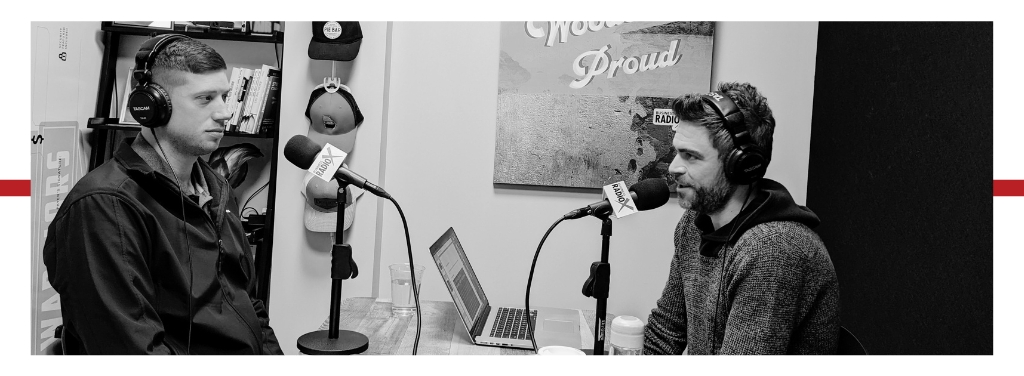
Tom Hardy with Bolst Real Estate and Zach Hannah with Hannah Outdoor Designs

/
RSS Feed
Sponsored by Woodstock Neighbors Magazine and Business RadioX ® Main Street Warriors

 Tom Hardy is a third year Realtor for Bolst Real Estate servicing the Atlanta and Greater Atlanta area.
He takes great pride in offering exemplary services to his clients, with an emphasis on treating people with respect, kindness and dignity. 
Operating with high ethical standards and in good faith in every transaction and interaction is his personal mission statement and the cornerstone of his business.
His goal is to use his career in real estate to make a huge and positive impact on people’s lives.
Nothing inspires him more than the knowledge that he took incredible care of his clients on one of their biggest (if not THE biggest) investments of their lives.
Connect with Tom on Facebook.

 Zach Hannah, owner of Hannah Outdoor Designs, has years of experience in the golf industry, commercial installations, maintenance, and residential design/build.
With this wide range of expertise, he is able to help create your dream outdoor space.
Zach loves anything outdoors, hiking, kayaking, camping and mountain biking.
Follow Hannah Outdoor Designs on Facebook.
This transcript is machine transcribed by Sonix
TRANSCRIPT
Intro: [00:00:07] Broadcasting live from the Business RadioX studios in Woodstock, Georgia. It’s time for Cherokee Business Radio. Now, here’s your host.
Stone Payton: [00:00:24] Welcome to this very special edition of Cherokee Business Radio. It is our House to Home series, and today’s episode is brought to you in part by Woodstock Neighbors Magazine, bringing neighbors and business together. For more information, go to Facebook and Instagram at Woodstock Neighbors dot wbvm. And if you have a heart for community and you want to grow your small business, please consider joining our Community Impact Movement, the Main Street Warriors program. Go check us out at Main Street warriors.org. You guys are in for a real treat this morning. First up on House to Home Radio, please join me in welcoming to the broadcast with Bolst Real estate Mr. Tom Hardy. How are you man?
Tom Hardy: [00:01:11] Wonderful. So stoked to be here. Well, excited.
Stone Payton: [00:01:15] We’re so delighted to have you in the studio. We’ve been planning this for a long time. I got a ton of questions. I know we’re not going to get to them all, but I think maybe a great place to start would be if you could articulate for me and our listeners, mission, purpose. What are you and your team really out there trying to do for folks, man?
Tom Hardy: [00:01:33] Absolutely, absolutely. Well, um, the best way to talk about my mission and purpose, honestly, would be to just kind of go back to the beginning of my real estate story because it was kind of, um, formative and how I got here. Um, so, like, I was telling you personally, uh, a little while ago, my wife and I were renters for a very long time, and we had this huge problem where we would be renting at a place, rent a house, be there for about two years, three years max. And then the the owner would sell the home. And, you know, we get the 60 day notice and pretty soon we’d be, you know, rinse, repeat doing it again, moving into a new place, making that look really cute. And then as soon as we get fully settled in and we feel like we’re going to be there a while, same thing would happen. And this ended up happening about three times to us before. Ultimately, we were like, no, we put our foot down and we’re like, no, we’re buying this place. We’re we love this place. We don’t want to go anywhere else, and we don’t want this to happen to us anymore. So for the first time ever, we got serious about, okay, we’re we’re going to become homeowners. We’re going to do this. So we pulled all our resources, pulled every lever that we had in our disposal and barely locked in and were able to close on our home right at the beginning of Covid, like, right when first Covid started out.
Tom Hardy: [00:02:50] So we got lucky, you know, just situationally with how, you know, all that was playing out. The market was going nuts. You know, at the time the interest rates were very, very low. We were able to lock in at a very low interest rate and get it done. But, um, one thing we were able to avoid was competition with other people simply because it was just we got lucky just right there during that first week when everything was crazy and, you know, everybody was Clorox wet, wiping their groceries and all that. We were buying a house. And, um, but the feeling of relief we experienced when we closed that day and got out to the parking lot and we were just, you know, high fives, hugs and and just that relief that we felt that, you know, that load off of our shoulders, that that was the moment that kind of a light bulb went off for me. And I kind of knew that this is what I wanted to do. This is what I want to do with my life. This is what I want to do with my career, is help people get to this point in their life where they can experience this emotion that we’re experiencing right here. So that’s what guides everything I do is, is that just helping people, helping people.
Stone Payton: [00:03:55] Now that you’ve been at it a while, what are you finding the most rewarding? Man? What’s the most fun about it for you?
Tom Hardy: [00:04:01] Like I said, that right there. I mean, being there for, like, say, um, first time home buyers in that moment, you know, guiding them through that process and then just the satisfaction of, you know, having done it, you know, a job well done for them and just celebrating with them, you know, one of the biggest days of their life, certainly one of the biggest purchases they’re ever going to make in their entire life. And you got to guide them through that. It’s a very rewarding, you know, awesome experience.
Stone Payton: [00:04:27] Now you had to go get licensed in that you had to go to school, I suspect. Right. And you have to get you got to get the stamp of approval. What was that experience like?
Tom Hardy: [00:04:35] It was it was good, very educational. Um, I did an online course, so it was a lot of reading, just page after page after page. But, um, I found it fascinating. And the more the, the more, um, you know, deeper into that class I got, the more I was, you know, kind of confirming to myself, this is what I want to do because everything was clicking, you know, all the concepts made sense. And, um, ultimately, you know, I’m really big on integrity and, um, and, you know, treating people the way, you know, the golden rule, all of those facets. And I very, very quickly found that the best way to do business in this, in this industry is to to abide by those, you know, fundamentals. So. You know, as I was going through that class, I was starting to realize this. Like, not only are you going to, you know, get an opportunity to help people, but, you know, you’re going to be able to do it on your own terms and you’re never going to have to screw anyone over, and you’ll be able to sleep like a baby at night. So that’s my goal. It’s my goal to just operate with integrity, help people and impact lives.
Stone Payton: [00:05:42] So there’s the paperwork, there’s the math, there’s the legalities. I mean, I starved to death in this business, I can tell you that right now. But there’s also the the relationship building that like, talk through how you learned how to effectively and productively show a house, for instance. I mean, that was all brand new to you too, right? What have you learned about showing a home?
Tom Hardy: [00:06:03] Oh, tons. Tons. Um, it it’s, um, that was, um. Well, when I first started, I was mainly, you know, working with buyers and the buyer side. So that was one of the first kind of crash courses I received out in the field was showing homes and kind of how to do that. Right. And, and, you know, pitfalls to avoid and things you want to, to focus on. But, um. Um, yeah. Um, showing homes is actually a lot of fun. I really enjoy a good day where I’m just out in the field showing house after house and. All right, where are we going to next? You know, get a big day lined up. Seven places to go check out. But, um, it’s a great you know, it’s a great experience to kind of get out there in the field with them and kind of deduce down which houses they’re going to like. But, um, yeah, in terms of actually navigating all that, obviously you want to kind of, you know, coach your buyers up to, you know, abide by certain, you know, unspoken or maybe they, you know, educate them on things to, you know, pitfalls to avoid. Um, you know, you don’t want to talk too much about the house when you’re in the house. You never know if someone’s got like a, you know, security cam or a Nest Cam. Oh, I hadn’t.
Stone Payton: [00:07:06] Thought about that. Like, oh, look, look, honey, they’re showing our home. Let’s listen in.
Tom Hardy: [00:07:11] Yeah. Good or bad. Because, you know, I mean, you know, you’re obviously when you get go under contract with a seller, you know, from that point forward you’re operating a good faith and as are they, that everyone is kind of marching in lockstep towards the the closing table. But before that, you’re competing with other buyers, you know, and you don’t necessarily know the seller’s full situation and they don’t know yours. So talking too much can kind of tip your hand in terms of maybe could possibly weaken your bid. Or maybe they overhear a conversation and they just simply go, I don’t like those people. And that can weaken the strength of your bid right there. Because, I mean, numbers are one thing and numbers are a big part of this. I mean, these are big, huge, ginormous transaction transactions, but it would blow your mind how much of this is actually the people element, how much of the business has to do with people? Well, that’s really.
Stone Payton: [00:08:06] People coming to light for me more and more because I had always, I guess, in my mind, framed up real estate as a very transactional business. And I’m beginning to learn nothing could be further from the truth. This is an it’s very grounded in relationship, isn’t it? Absolutely.
Tom Hardy: [00:08:22] Absolutely. 100%. I mean, just about every single bid that every offer that I’ve ever submitted and bid that I’ve won, you know, um, I could go back and and kind of trace back through those conversations I had, say, with the listing agent. That, um, you know, laid the groundwork for us ultimately winning the bid. I mean, like, you know, when you think about it in terms of, like, you know, the you’ve got your house, house just went on the market, you’ve had it on the market for about 4 or 5 days. You know, you get a bunch of offers, you’re laying them all on the table and at the end, you know, like maybe a lot of these offers are identical. Even so really, you know, what’s the differentiating factor that let’s say if you got three offers and they’re basically all identical, what’s going to be the element that calls, you know, which offer are you going to pick. Well, you’re probably going to pick the offer of the team that you liked the most because it’s not just about liking them, it’s about working with them together and collaborating with them to get to the closing table. So yeah, you know, establishing good rapport. People’s an extremely important element of it all.
Stone Payton: [00:09:30] Well, that’s another unique aspect of your your business. I guess it’s not like other realtors. They’re certainly not the enemy, but in a lot of respects, they’re not like people might envision a competitor in other arenas. You guys have to work together a lot. You may be working on another deal next week, and you may be on the other side of a deal. Yeah. So the the realtor community is a pretty collaborative group of folks, isn’t it?
Tom Hardy: [00:09:55] It’s a small world too. Yeah.
Stone Payton: [00:09:57] And people get to know you. They get to know you if you’re a good person or.
Tom Hardy: [00:10:00] Absolutely. So yeah, you always want to be putting good out there, making sure you’re. Yeah. Keeping your side of the tracks clean, so to speak.
Stone Payton: [00:10:08] So have you had the benefit of one or more mentors to help you kind of navigate this terrain early on?
Tom Hardy: [00:10:15] I have I’ve had a few key mentors along the way right now at this at this moment, I’m kind of lone wolf mode. But yeah, I’ve had some wonderful mentorship through through the years that have really helped me develop my game.
Stone Payton: [00:10:29] All right. So let’s talk about the work a little bit. I’m never going to happen in a million years. But just for hypothetically, Holly and I want to sell our house. Um, we, uh, so we reach out to you and say, you know, I’ll tell you, Holly, we got we got to talk to Tom. Right? So what, we get together at your office, you come to us and we sit down and have some kind of initial conversation, right?
Tom Hardy: [00:10:48] Yeah, absolutely. That’s that’s, you know, it’s the first thing you do. It’s also one of the most important things you’re going to do in that process is get together. And it’s called a listing presentation. But really it’s a conversation because, yeah, you know, you’ve got a lot on your mind about the house that, you know, you want to convey to the realtor. And there’s also a lot that you don’t know that needs to be that you need to be kind of caught up on especially, you know, you know, the real estate landscape is always changing. It’s constantly changing every year there, you know, changing the way the documents are written, certain stipulations that get added or omitted that you’re basically kind of have to stay up on, but.
Stone Payton: [00:11:25] So I’m thinking about this Holly and Stone scenario. There’s also getting the the the a couple like that on the same page. Right. Like you ever do a little therapy. You got to get them on the same page. Right. Because she may have different ideas. Yeah. First of all, we both probably don’t even know necessarily all the right questions to ask, things we ought to be considering. So you’re educating us. But we got we got to get them on the same page before we can move forward. Right.
Tom Hardy: [00:11:49] And like I said, it can be an emotional process too for for the seller. I mean, this is your this is your home. You’ve, you’ve, you know, you’ve poured a lot of love into this place. And, and, you know, you want to make sure you’re getting everything out of it that you put into it and then some, you know, so it’s a, you know, there’s a lot of emotions attached to that with, um, you know, with sellers. So part of the job is just kind of easing them into it and kind of, you know, calming the calming the environment, so to speak, and kind of, you know, educating them on what to expect the process of, you know, it really helped to kind of lay out the process, too, of like, everything that you’re going to have to do to prepare the house, you know, before it actually goes live. And there’s a lot that goes into that. Yeah.
Stone Payton: [00:12:34] Let’s dive into that a moment, because it strikes me as one of those items where I might think because of my lack of knowledge, oh, if we’re going to sell the house, we got to fix this or spruce this up and you might come in and say, well, no, that’s really not going to make much of a difference. Don’t put your time and energy and money in that. But that one thing you hadn’t thought about that you got to get that right before we go. Right. There’s that kind of stuff. Oh yeah.
Tom Hardy: [00:12:55] Exactly. I mean like. We, um, just recently, I, uh, um, had a closing in the house. There was a, um, a medical lift out in front of the house that had to be removed. This was a, you know, a $10,000. Endeavor. I mean, it was like a it was basically an elevator out in front of the house, like a platform lift. Right? Um, but that money that cost what was far offset by the value that the house received by it not being there. So.
Stone Payton: [00:13:28] Got it. But but you would know these things.
Tom Hardy: [00:13:31] Yeah. So it’s just a matter of, you know, communicating to that in a way where they can get behind, you know, that expenditure and know that they’re doing the right thing to go ahead and.
Stone Payton: [00:13:40] Right, right. Prepare the house. So how does day to day, the whole sales and marketing thing work for a realtor? Like how do you find the stone and Holly that are ready to to sell? Are you out there shaking the bushes? Do you run ads? Do you count on I don’t know, people like Zach who are doing, you know, making their yards beautiful and knowing that maybe they want to sell or buy or how do you get the new business.
Tom Hardy: [00:14:04] You know, that’s an amazing question. That’s the million dollar question. Actually, um, when I first started, I, you know, I couldn’t have answered that properly. Um, and my answer was just to be, you know, would have probably just been to say, call people, call people, call people. But, um, that’s still kind of the answer you need to be calling people all the time. You can be reaching out to people. But, um, over time, I slowly realized that it’s more about kind of developing relationships with, like, your community, especially your, your local community, like even down to a micro level of your neighborhood, your street, like out, you know, reaching out to your community and more meaningful way than just chatting with people, um, like, for example, like, um, well, like recently, um, I started trying to get creative with, okay, so how I am going to how am I going to organically kind of. You know, insert myself into my community more in a more organic way, in a way that kind of fits with what I’m doing. So I just went and joined a softball team.
Stone Payton: [00:15:05] So that’s kind of that’s an.interesting marketing strategy.
Tom Hardy: [00:15:06] You just kind of get creative.
Stone Payton: [00:15:07] Zach. You’re tall. Maybe you should join a basketball team.
Zach Hannah: [00:15:09] Yeah, there we go.
Zach Hannah: [00:15:10] We can all play sports together.
Tom Hardy: [00:15:11] It kind of worked. I mean, within like two, two and a half weeks of being on this team, I had. Well, these are clients that I’ll be working with in the spring. But at the time they were strongly considering just moving right then and there, selling their house and buying another house. So I almost had $2 million in business just within two minutes, two minutes of joining this softball team. So yeah, they call it farming. It sounds like a dirty word, but I don’t I don’t want to view it as farming. I you know, farming could be anything. You know, farming is really just like is how do you cultivate your leads and doing it in a, in a bigger way than just say, you know, doing a mailer or sending out a bunch of emails or whatever? This is more like an outreach where you’re actually getting to know people and not in a way where you’re pushing your services on to them, but more just getting to know them, just becoming friends with people and then, you know, naturally, organically, as time goes on, you are able to kind of, you know, talk about what you do. And, and in that way you’re able to, you know, in the most organic way possible, garner business.
Stone Payton: [00:16:11] And then other people in the in what I’ll call the real estate ecosystem, probably. Right. Your, your all of your home services, your appraisers, your mortgage people, your folks that work on the on the landscape, all those are good relationships to have. Because it goes back to what we said. It’s much more of a relationship business when you get down to it than it is purely transactional, isn’t it?
Tom Hardy: [00:16:33] Yeah. And and past that, you know, as a realtor, you’re always trying to provide value to people. So one of the best ways to do that is to have a, you know, a ton of lawyers in your in your phone book, a ton of lenders, a ton of landscapers, you know, anyone you can think of that maybe you could refer to someone if they’re, you know, in a situation where they need a plumber. Well, hey, I got your guy. Don’t go to Google. I got your guy. You know, that kind of thing. So.
Stone Payton: [00:16:56] Well, that’s incredibly powerful and impactful, I think to know that to be the guy that knows the guy, right. In your community, in your world, that’s a that’s got to be very powerful. I’m going to switch gears on you a minute. Uh, I don’t know when you’d have time with all the the being on the buyer side, the listing side, the doing, the marketing, the playing, the softball. But I’ll ask anyway, what passions, if any, outside the scope of this work do you, uh, try to pursue? My listeners know I like to hunt, fish and travel. Right. So that’s that’s in fact, I’m probably going to hit the woods actor after the show, but, uh, yeah.
Tom Hardy: [00:17:32] Waiting on you to invite me out there. Just.
Stone Payton: [00:17:34] Absolutely. But what are you kind of nerd out about when you’re not doing real estate, man?
Tom Hardy: [00:17:39] Yeah, I love it. That’s a great question. Um, I’m, uh, I’m actually kind of weird. I don’t really know anyone else that does my whole thing, but, um, I guess if you boiled it down, I’m just like, I’m really into fitness, but I guess you could call it, like, unconventional fitness because I don’t have a gym membership. In fact, five out of seven days a week. And I do mean like all the time I skateboard, I longboard around, we’ve got we’ve got a big neighborhood with a ton of huge and I do mean huge hills. Do you wear a helmet? Absolutely. Especially the way I ride. I mean, speaking of Covid, I actually picked longboarding up right at the beginning of Covid. It was my Covid hobby. And, um, first time I stepped foot on, I was terrible and fell off a bunch and couldn’t even hardly push. But now I’ve leveled up my game so much. I’m probably a danger to myself out there as hard as I ride. But I’ve got, um, you know, we live in Ormewood Ormewood Avenue that runs kind of parallel to the street we live on. It’s just it’s just a deep bowl either side of that road. It’s like a mile long road, but either sides like a half mile. It’s just all downhill. But there’s cars on the road, so it’s it’s a weird sport that I wouldn’t necessarily try to be like a thought leader on or a, you know, influencer, because I don’t want people, you know, I don’t want some someone’s kid hurting themselves and coming back at me. Look what you did to my kid. So it’s not necessarily a good social sport. So that’s kind of where I started kind of brainstorming about the, you know, how can I use sports and, and reach out to people. So that’s kind of where softball came in. But I also liked basketball a lot. So go up to Grant Park a lot and just kind of play with strangers up there, run full court with people.
Stone Payton: [00:19:18] Oh, fun. So you mentioned longboard, which must be very different than the the board I got when I was 12. Yeah. You can’t.
Tom Hardy: [00:19:24] You can’t pop a kickflip on it or anything. Okay. The wheels are all the way out at the end. So it’s more like carving, like you’re on a snowboard. It’s like you’re snowboarding on land, on on concrete.
Stone Payton: [00:19:36] It’s such a fun question because you learn stuff about people you would never imagine in a million years. That is fun. All right, before we wrap, I’d love it if we could leave, uh, buyers and sellers both. Maybe with a handful of pro tips. Just some some things to be thinking about, some questions to ask. Maybe something they should be reading, doing, not doing. And look, number one tip gang, if you’re on either side of this equation and you want some some input and just want to have a conversation, reach out to Tom. Have a conversation. Absolutely. Uh, but let’s leave them with a couple of actionable things just to get their wheels turning.
Tom Hardy: [00:20:07] Pro tips. Pro tips? Um, well, um, I well, I can say, um, just, you know, uh, if I could offer some encouragement to start that, um, you know, uh, 20, 23 was, you know, going into the year, it was kind of scary seeing all the new news articles and kind of the predictions. And, um, you know, my YouTube feed was feed was just filling up full of all this doomsday, you know. Right, right. The industry is going to collapse. You know, market’s going to crash. And and that ended up not happening at all. In fact, the the the market is actually stronger right now, believe it or not. Huh. After this crazy year. So, um, I just want to offer some encouragement that 2024 looks to be a great year for the market and a bounce back year, and should hold a lot of opportunities for people. So if you’re if you’ve got that itch and you’re thinking about doing it, if you’re thinking about, you know, making taking that next step certainly reach out to me because we can have a dialog about it.
Stone Payton: [00:21:05] All right. So what’s the best way to do that? Uh, you know, email, LinkedIn, phone number, website, whatever is, uh, best for you. Absolutely.
Tom Hardy: [00:21:12] You can reach me at see, my phone number is 404 9737509. And you can call or shoot me a text. Probably the best way to get get a hold of me, but you can also send me an email at Tom Hardy at bolst.homes. That’s Tom, Tom Hardy h a r d y at b o l s t dot h o m e s.
Stone Payton: [00:21:35] Nicely done. By the way, gang, you can’t see this because we’re on radio. He was looking at his business card because he never emails himself or calls himself, so he wanted to make sure he got it right. Yeah.
Tom Hardy: [00:21:45] I’ve got all kinds of notes over here that I. That I didn’t even get to.
Stone Payton: [00:21:48] Hey, stay with us, man, while we visit with our next guest. Yeah. Absolutely. Fantastic. All right, gang, y’all ready for the headliner? Please join me in welcoming to the show with Hannah Outdoor Designs. The man himself, Zach Hannah. How are you, man?
Zach Hannah: [00:22:03] Good. Appreciate you having me on.
Speaker5: [00:22:04] Thank you very much.
Stone Payton: [00:22:05] Glad to do it. We met at Young Professionals of Woodstock. Is that where we met? Yeah.
Zach Hannah: [00:22:10] That’s correct.
Stone Payton: [00:22:11] I don’t know why they let me in that crowd. I, uh, I’m a little long in the tooth to be part of an organization that starts with young, but it’s, uh, it’s it’s a great organization. I love the Circle of Friends coffee shop, and I like hanging out with that gang, but, uh, you and I visited very briefly. I knew right then, right then and there. I had to get you on this show and learn more about your about your work. Talk to us about your about your work, man. What’s the mission and purpose? Yeah.
Speaker5: [00:22:36] So my mission, I want to inform the proper industry standards. You know, there’s, uh, there’s some codes and some guidelines that you can follow, uh, you know, in the industry, and a lot of people don’t follow them, you know, a lot of people, unfortunately.
Zach Hannah: [00:22:50] You know, imagine.
Speaker5: [00:22:51] That. Yeah. There’s no not really many licenses in the landscaping industry. So allows a lot of people to. So. Be called the landscapers. So, you know, just trying to teach people the, you know, the right way and the proper standards because, you know, it might look pretty when they get done. But two, three, five years down the road, they have a lot of issues and wish they would have, you know, hired somebody to do it the right the first time.
Stone Payton: [00:23:14] I’ll bet. So recently I’ve become more and more enamored, I guess, or at least appreciative of what lighting can do to a home in the evening. I guess it’s because of all the Christmas lights and that kind of stuff. But year round that, uh, that’s one of those things that can add a lot of curb appeal and just really make your, your home look great. But again, you want to you want to do it right. Speak to that a little bit. Yeah.
Speaker5: [00:23:37] Uh, outdoor lighting can, you know, add a lot of things to your home. You know, you can add security, it can add, you know, more ambiance and can, you know, make the space feel larger and really create an awesome space, either the front of the house, the back of the house, you can do spotlights, cap lights, you can do path lights. You know, there’s multiple different ways you can do outdoor lights to really spruce up your home and make it a, you know, pop. There’s a lot of Bluetooth connections where you can control the app right on your phone. I mean, there’s color changing lights now. I mean, you can change them from red to green to white to, you know, all sorts of colors. It’s pretty cool how the technology has changed over the years.
Stone Payton: [00:24:15] There’s probably some ways to do it wrong too, right? Like running, just running that 100 foot extension cord and a baby. I put up some lights.
Speaker5: [00:24:24] Yeah, you know, a lot of people to like, you know, the wires, the splicing of the wires. It’s the big thing, you know, they don’t put the proper wire nuts or the connections and then things, you know, fade out, and you have issues with corrosion and everything like that. So, you know, the proper techniques and splicing, you know, the wires and making sure they got the grease fittings and they’re waterproof. So huge on that.
Stone Payton: [00:24:43] Well, and there’s the design side of things right as well I can see like I can appreciate when I see something that just looks marvelous and I can go home and try to recreate it, but that’s just not my skill set. I’m I don’t know, I’ve never even tried it, but I’m sure it’s not. Is that how a lot of your relationships? Is that the early part of your work, sitting down with folks and kind of mapping it out and sharing some options that maybe they haven’t even thought of?
Speaker5: [00:25:09] Yeah, you know, it’s a little bit of both. You know, we do 2D and 3D designs for, for customers. And then we can also do for lights. We can do, uh, take a picture of the front of the house, the back of the house, you know, existing retaining wall or a new retaining wall we’re building. And before we get finished, we can take a picture and we can show the customer a little rendering of what it’s going to look like at night. It’s pretty awesome technology, what you can use, I’ll bet.
Stone Payton: [00:25:29] So retaining wall that strikes me as one of those things. If you screw that up and don’t do that right, I suspect you could screw up everything from your driveway or some area of your property, to impacting a neighbor’s property and being in trouble with them and the county or the city or you. You’ve probably run into either actual challenges or challenges that you helped avert by doing doing it right. Huh? Yeah.
Speaker5: [00:25:55] I mean, proper way to build a retaining wall. Just, uh, you know, we can start from there. Um, the there’s a couple different processes and steps with the retaining wall. You know, the first thing is the, you know, permit. Do you need a permit to build, build the wall? Every city and county and Atlanta is different, you know, Woodstock here, uh, Cherokee County, anything four feet and below, you won’t need a permit. But, you know, some counties, like, uh, the Hickory Flat or, uh, Holly Springs, I believe it’s, uh, I think two, 2.5ft. You need to pull a permit, you know, down in the city of Atlanta. Same thing around there. Uh, you know, Fulton, Forsyth County, those are all different. Some are, you know, six feet below. So you just got to really do your homework and, uh, double check to see if you need a permit and a survey to to build a wall. You know, if you don’t, you know, you can get going. But, you know, a lot of people say, oh, yeah, I can build you a wall. And then, you know, you look at them and I get a call and can we repair this? And no, unfortunately it’s not, uh, repairable. You know, it’s got a little sag and dip and there’s there’s corners missing and there’s gravel coming out of it. There’s no gravel. So, you know, the to do the retaining wall. Right. You really got to get the footer.
Speaker5: [00:27:00] So there’s a main process of digging down the ground. So you dig down the ground you find solid ground. And then from there you bring in what’s called 57 stone and then 57 stone is the base, uh, gravel that you use for the bottom. And then that is about a two foot wide by 10 to 12in deep, and then that’s gets compacted. And then from there you build your blocks. I like to call them Legos for customers. You know, you take the Lego and you build one Lego completely in the ground. You take one of the modular blocks and you put them completely under the ground, and that’s your footer base. And then from there, you keep building up and up and up. Now the process after that they are depending on the block, but typically they have holes in the block. And then from there you fill that with 57 stone and then you keep going. You they have a lip typically behind them. And that lip is what interlocks them. Some have pins, some have. There’s all sorts of different types, but typically it’s just like a little lip. And you put that lip on the back and you just keep stacking, stacking. And that gets filled with 57 stone and. Then behind it. So you have a drainage system, either a corrugated or solid pipe behind the retaining wall. And then from there you’ll have what’s called a weep hole.
Speaker5: [00:28:06] So about every 30 to 50ft, you’ll have a weep hole in the retaining wall that allows water that gets behind the wall to penetrate on the outside of the wall. So you have the pipe behind the wall that’s usually on your second course of your, you know, your Legos, your modular block. And then if the wall is over three foot tall, you have a system called geogrid. That’s a synthetic fiber that holds the ground and gravel in place and that gets rolled back into the hillside. So if the wall is three feet, you know, you don’t have to do it. But anything above three feet. So you got a four foot wall, you’re going to dig back about four feet back into the earth and roll that geogrid back four feet. So the first foot back is going to be completely filled with gravel. So your little trench behind your retaining wall is all going to be gravel. And then from there it’s going to be compacted clean, fill dirt. You’re going to take a machine and compact that, and then that’s going to get on top of your geogrid. And then once you’re done, you have a nice little cap that’s glued on and you’re rocking and rolling. But a lot of people don’t do it right. And I get called every day to come take a look at a wall, see if it’s repairable.
Stone Payton: [00:29:12] Tom, do you get the idea that he’s done this before?
Tom Hardy: [00:29:15] We got a wall for it. We got a little corner house, and half our walls are just like, they need a V8, you know?
Zach Hannah: [00:29:22] Right? Right.
Tom Hardy: [00:29:22] Degrees off. Off the side of.
Stone Payton: [00:29:24] This conversation reminds me of a billboard I saw a couple of years ago. And it was we fixed $2,000 nose jobs.
Zach Hannah: [00:29:32] I thought that was a.
Stone Payton: [00:29:32] Brilliant a brilliant ad. All right, I got to know the backstory, man. How in the world did you find yourself in this, in this line of work? Yeah.
Speaker5: [00:29:39] So, uh, I was in college, and I was working on a golf course, and I just started working on a golf course industry and built my way up from there, moved down to Georgia to take a golf course job. I’ve done a little bit of everything in industry. I’ve done, uh, commercial builds. Uh, you know, the Bucky’s up there in Calhoun.
Zach Hannah: [00:29:58] Yeah, yeah, yeah.
Speaker5: [00:29:59] So I was a project manager estimator for another company before I started my own company. Did, uh, did that. I’ve done, uh, commercial irrigation, uh, done residential design build. And I also have experience in residential and commercial maintenance. So, you know, chemicals to pine straw to pruning to, you know, seasonal color, a little bit of everything. And then, uh, you know, decided it was just time to, you know, make my own destiny. And, uh, let’s start my, my own big gig. And here I am.
Stone Payton: [00:30:29] So were there some surprises early on when you went out on your own? Did some things like. Man, I never anticipated that. Or.
Zach Hannah: [00:30:37] Oh, yeah, of.
Speaker5: [00:30:37] Course, you know, you’re like, oh, well, I thought I could do this right. Or, you know, the business side of things like the, you know, the taxes and the business license and everything like that. So, you know, it’s been a learning curve, but it’s, uh, you know, it all falls back on me if I don’t do something right. Yeah. You know, falls back to me and my business partner. So, you know, it’s a good learning curve.
Zach Hannah: [00:30:55] So talk to.
Stone Payton: [00:30:56] Me about grass, man. Of all the things I don’t know. And it’s a pretty big list. I don’t know the first thing about grass, but I have admired different kinds of grass on different lawns. Do you, do you get into that at all?
Speaker5: [00:31:08] Oh, yeah. So there’s, uh, three main types of grass in Georgia. So, uh, Bermuda, there’s, uh, your main grass, uh, about, I’d say 85% of the lawns in Georgia here have, uh, Bermuda, you know, great grass, great for, uh, great for sun. Doesn’t love shade. So if you have some shady issues, Bermuda does not love the shade at all. It’ll get choked out and it’ll start dying away and dying away and dying away. You know, great grass. You can make it look good. Fertilize it, you know, put some chemicals on it in the springtime for pre-emergent and in the fall. And, you know, other than that, it’s a pretty hardy grass, you know, you might have to water it, you know, if you’ve got a newly established lawn. But other than that, you know, people’s homes. You don’t really have to water Bermuda too much unless we get a really, really crazy drought. Uh, the next one is, uh, Georgia. You know, there’s a laundry list of different, uh, Georgia’s and Georgia. But I would say the my favorite is Georgia. It looks like a nice golf course. Grass. You can cut that down. People like to reel mow that too. And you can get some nice stripes in it. That’s my, you know, my favorite thing.
Stone Payton: [00:32:07] How do you do that? I’ve seen that. Yeah. Like on the baseball diamonds. How do they how do you do that.
Speaker5: [00:32:11] So it’s just a directional pattern. So if you’re if you see the white line that means you’re following the mower downwards. Now the green line means they’re coming backwards. So it’s just a directional pattern in the grass. So it’s just you know go down turn around and go back forth. So that’s how they just do it back and forth.
Zach Hannah: [00:32:27] It looks so cool.
Speaker5: [00:32:28] They do the crisscross checkers I mean you can you can cut any type of pattern you really want on that. But you know it’s awesome what you can do. You know Zion, Georgia, it needs, uh, you know, 4 to 6 hours of sunlight to really thrive. So that one’s a lot more shade tolerant. Grass in, in Georgia. Uh, you know, it’s my favorite. If you can afford it, it’s it’s awesome. You know, everybody’s got budgets. So, you know, we can do what you we can. And then the other one would be, uh, fescue, you know, nice thick grass, but, you know, it’s more temperamental. Great for shade. But you got to verify it. You got to overseed it in the fall. And it needs a lot of fungicide treatments because you’re watering it a lot in the summer because, you know, hot heat in Georgia, it doesn’t love the heat, but it’s great for shade. So those are your three main grasses down here in in Georgia.
Stone Payton: [00:33:13] So the answer to my question is yes, he does know a thing or two about grass as well. Fantastic. I’ll ask you the same question I asked Tom, how do you get the new business man? Or I guess you’re obviously out networking a little bit and building those relationships. Do you advertise? How do you get the new business? Yeah, a.
Speaker5: [00:33:30] Lot of mine is, uh, you know, networking, love to go and networking events, meeting new people and, you know, building those relationships, those are key. You know, your different business partners that’ll, you know, throw your name out there and people are looking for different services. And, you know, another thing as well is, you know, referrals, you know, building that Google rapport up and reviews and people refer you and refer you and, you know, pass on to your neighbor and their friends and everything like that. So, you know, referrals are huge. And then, you know, this year I’m going to, you know, start the marketing campaign. You know, I do a lot of my own social, you know, social media and everything like that. And just, you know, hiring a firm to, you know, take that responsibility off of off of us because it’s a it’s a lot to deal with when you’re running a business. If I can deal with one less thing, that’d be awesome. Yeah.
Stone Payton: [00:34:14] That sounds to me like if you chose to, you could you could do a whole, like, educational series and just let people know some of the stuff that you’ve been sharing, sharing with us today. And I don’t know, I’m from the training and consulting world, so I know it’s very different. But even though you share that kind of information with them, most of us are going to be like, I’m glad I know that. And now I know just enough to know I need to call Zach, you know? Right. Yeah.
Speaker5: [00:34:38] That’s what I’ve been trying to do, you know, on the Facebook Cherokee Connect. I’ve been trying to, you know, inform the customers of what the proper way to really do some of these, uh, you know, processes, either with retaining wall, patio or artificial turf, you know, planting a tree, you know, there’s a lot of things you can do the right and wrong way. And it’s just, you know, showing the customer like, hey, this is what it’s supposed to be. I just want to give my information to you because you deserve to know if you’re getting your your property installed the correct way.
Stone Payton: [00:35:06] Um, well, like for me, if I were going to do a patio and I mean, my, my side yard and my little house is like the width of this studio, but still I had this vision of almost like an outdoor kitchen. And but I want to get it done right. I want I want the water out there. Right? I want the gas line to be hit right. And I don’t want to. And I’ve got, I guess, what is essentially a retaining wall. So but before I do very much I need, I need to talk to you. Right. And have you come and you would come out and say, okay Stone, have you thought about this? And yeah, you don’t want to do that kind of stuff. Yeah.
Speaker5: [00:35:39] We’d uh, you know, lay it out and discuss, you know what? What are your priorities? What? You know, what kind of, uh, outlets do you want? You know, do you want, uh, what kind of grill do you want? What kind of. You know, utensils do you need? Do you need drawers? Do you need a sink? Do you need a refrigerator? And you know everything like that for outdoor kitchen. You know, some people want, you know, a pizza oven. Some people want, you know, a smoker, some people want the propane. And like you said, you know, the water and the electric and everything like that done by, you know, one of our certified vendors, and they come out there and knock that out for you. But yeah, you know, it’s just the right planning and the, you know, what do you want making a list of what are my necessities and what are my wish list. Because you can always get rid of your wish list, but you always have to have, you know, at least three necessities you have for that outdoor kitchen.
Stone Payton: [00:36:26] Right. And you got to think all that through instead of just, you know, hopping in a truck and running over to Home Depot and getting a bunch of pavers, that’s not not the right move.
Zach Hannah: [00:36:34] No, there’s.
Speaker5: [00:36:34] No right and wrong way to do everything, you know, outdoor kitchens and, uh, you know, pavers. They’re, you know, very popular items these days. Well, there.
Stone Payton: [00:36:41] Goes my Home Depot sponsorship. But you know what? We’re doing this for the community. We’re trying. We’re trying to help them out. Uh, so do you longboard? What? Like, what do you do when you’re not doing this?
Speaker5: [00:36:51] Yeah. So, you know, I love the outdoors, obviously. You know, I work work in it, but I enjoy, you know, hiking, mountain biking, kayaking and camping. Anything outdoors I just love. So, you know, it suits me well to work outside and transform people’s, you know, yards. So I love it.
Zach Hannah: [00:37:06] Yeah.
Stone Payton: [00:37:07] So people inside that, uh, like, like realtors and other home services that you mentioned preferred vendors or certified vendors, these are all people you too are not unlike what we were talking about with Tom. You’re the guy that knows the guy. And if we’re working with you, we know you’re going to get the right electrician out there, the right plumber, the right. You’re that guy too, right? Yes.
Speaker5: [00:37:29] Yeah, yeah. We’ve worked with, uh, you know, other vendors that help us out in our projects. You know, the electricians, the plumbers, uh, everything like that. You know, make sure they’re certified and get the right licenses to to help you out.
Zach Hannah: [00:37:40] Yeah.
Stone Payton: [00:37:42] So where can folks get in touch with you, man? What’s the best way for them to connect with you?
Zach Hannah: [00:37:45] Yeah.
Speaker5: [00:37:45] So you can reach me either my cell phone or email address or my website. So my cell phone is (734) 474-7573. And then our email address is Hana Outdoor Designs with an S at the end at gmail.com. And then the website is Hana Outdoor designs.com.
Zach Hannah: [00:38:09] Tom.
Stone Payton: [00:38:10] He did all that without looking at his business card or something for you to aspire to. Oh, I.
Zach Hannah: [00:38:13] Had it in.
Tom Hardy: [00:38:15] I just didn’t want to. I just didn’t want to get tongue tied.
Zach Hannah: [00:38:17] No, you did it right, man.
Stone Payton: [00:38:18] You got to be a professional. You said you’re a professional. You believed in integrity. That’s fantastic. Well, Zach, thanks for joining us, man. This is, uh, this has been a lot of fun, guys. And, uh, I hope you’ll come back. And I think what might be fun is you. Both of you have mentioned how you collaborate with other people in this space. I think it might be fun to do kind of a round table, bring them in. We’ll spotlight their business as well. But I think what might be really interesting and great programing for us, candidly, is to learn more about those, those relationships and how you choose to to work together in service of the of the customer. If you guys are up for that, we’ll try to organize something like that.
Speaker5: [00:38:55] Yeah, definitely. That’ll be.
Zach Hannah: [00:38:56] Awesome.
Stone Payton: [00:38:57] Fantastic. All right. Until next time. This is Stone Payton for our guest today Zach Hana with Hana Outdoor Designs and Tom Hardy with Bolts Real Estate. And everyone here at the Business RadioX family saying we’ll see you again on House to Home Radio.
BRX Pro Tip: How Do You Know if Your Market is Ready for a BRX Studio?
/
RSS Feed

BRX Pro Tip: How Do You Know if Your Market is Ready for a BRX Studio?
Stone Payton: [00:00:00] Welcome back to Business RadioX Pro Tips. Lee Kantor and Stone Payton here with you. Lee, what would you say, how do you know if your market is really ready for a Business RadioX studio?
Lee Kantor: [00:00:13] Well, I recommend that you do this five day challenge and find out. It’s that simple. Day one, list by name all the companies you can think of who could possibly write you checks, list potential community partners as well as potential professional service sponsors. That’s all you do day one, just make a giant list. Day two, list all the potential companies that could refer business to you. That’s it. Day two. You’re done. All you’re doing is making a list. Day three, list the business groups that all those people are members of.
Lee Kantor: [00:00:50] Start listing them. That’s it. The first three days, all you’re doing is listing. You’re just doing some research and writing down every single company that could potentially work with you.
Lee Kantor: [00:01:00] On day four, start asking your local LinkedIn contacts that are in those companies, that are affiliated with those companies, that know those companies, ask them if they would like to be a guest or they know somebody who would like to be a guest on a show you’re producing that spotlights local business leaders doing interesting work. That’s it. Now, you’re just polling some of the people that you had listed above. Then, on day five, you poll the people that are your friends that know people, and you do the same thing, you ask them.
Lee Kantor: [00:01:36] So, on day one through three, you’re listing. Day four and five, you’re polling and you just start asking people, do they know somebody who would be a good guest for the show. That’s it.
Lee Kantor: [00:01:46] Then, on day six, start calculating. How’d you do? Anybody interested? Did anybody get back to you? If you got crickets, your market is not ready, so you can put this aside and do something else. But if you got some nibbles, you might be ready to pull the trigger on a Business RadioX studio in your community.
BRX Pro Tip: How to Differentiate
/
RSS Feed
BRX Pro Tip: How to Differentiate
Stone Payton: [00:00:00] Welcome back to Business RadioX Pro Tips. Lee Kantor and Stone Payton here with you. Lee, I hear it a lot and, heck, I say it a lot and try to emphasize this idea of setting yourself apart, differentiating. What insight might you have on how to actually do that?
Lee Kantor: [00:00:18] Well, a quick exercise to differentiate your business from your competition is to find a category your business would be first in and really lean into that niche. So, what is something that your company does that no one else does or can do? And to figure that out, analyze some of your competition, both big and small, and compare their offerings with yours, compare their customer service with yours, compare their culture with yours, and find out a way or ways that you’re different in any way. And whatever that differentiating point is, go loud and proud about that.
Lee Kantor: [00:00:57] You are the best at something, so figure out what that something is and let everybody know that the only place to get that something is through you.
The Wrap Podcast | Episode 068 | Overcoming Challenges and Embracing Opportunity for the Retail & Consumer Industry | Warren Averett

/
RSS Feed
The past few years have not been easy for the retail and consumer industry with pandemic shortages and restrictions, rising inflation and a changing workforce. However, the landscape is actually starting to look up again, with profit margins creeping back to pre-pandemic levels and opportunities in technology, hiring and business strategies on the horizon.
In this episode of The Wrap, our hosts are joined by Warren Averett’s Retail & Consumer Industry Group leader Branden Crosby, CPA, CGMA, and Charles Bailey, CPA, to discuss the current state of the industry and what business leaders can do to plan for future success.
In this episode, you’ll hear:
- Specifics about how inflation is directly affecting prices
- About the changing retail workforce and why it’s getting older
- How technology such as AI can help restaurant owners monitor the flow of customers and make their business models more efficient
- Information about beneficial ownership reporting and how it will affect most business beginning January 1, 2024
- The definition of a beneficial owner
Resources for additional information:
- Blog: What Is Beneficial Ownership Reporting? (And Other FAQs About Compliance)
- Blog: 10 Restaurant Metrics to Monitor for Financial Success
- Blog: 4 Things To Do Before You Set Long-Term Business Goals
- Blog: 7 Restaurant Finance Best Practices for Increasing Cash Flow
- Podcast: Making the Most of Your Staffing and Recruiting Efforts
- Podcast: Employee Retention and Recruiting in Today’s Competitive Environment
- Blog: How To Interpret a Restaurant Chart of Accounts for Valuable Insights
- Blog: Restaurant Industry Trends for 2023 (And How To Respond to Them)
Chris Coulter with Local Color Studio
/
RSS Feed
Sponsored by Woodstock Neighbors Magazine and Business RadioX ® Main Street Warriors
 Chris Coulter is a Cherokee County resident of 25 years. He attended University of Georgia and graduated in 1994.
Chris is married to Shanna and they have 5 kids together; Emma, 28, Julianna, 24, Melanie, 23, Jackson, 22 and Andrew, 19.
Chris enjoys cooking for people, large crowds specifically, and smoking meats of all kinds. He also likes to read nonfiction history books.
Chris had a 29 year mortgage banking and is managing the finances at Local Color Studio.
Follow Local Color Studio on Facebook.
This transcript is machine transcribed by Sonix
TRANSCRIPT
Intro: [00:00:07] Broadcasting live from the Business RadioX studios in Woodstock, Georgia. It’s time for Cherokee Business Radio. Now, here’s your host.
Stone Payton: [00:00:24] Welcome to another exciting and informative edition of Cherokee Business Radio. Stone Payton here with you this morning, and today’s episode is brought to you in part by Woodstock Neighbors magazine, bringing neighbors and business together. For more information, go to Facebook and Instagram at Woodstock Neighbors dot wbvm. And if you have a heart for community and want to grow your small business, please consider joining our Main Street Warriors Community Impact Movement. Go check us out at Main Street warriors.org. You guys are in for a real treat this morning. Please join me in welcoming to the broadcast with Local Color Studio Mr. Chris Coulter. Good morning sir.
Chris Coulter: [00:01:10] Good morning Stone, how are you?
Stone Payton: [00:01:11] I am doing well. It is an absolute delight to have you in the studio. You know, you and I connected, I believe, right down the street here at, uh. What’s the name of the. It’s a co-working space. Uh, circuit? Yeah, the circuit with the, uh, the coffee shop. Love those folks at the at the coffee shop. And I knew the moment we started talking, we got to get this guy in the studio. You got some really cool stuff happening up at local color studio in canton. I got a thousand questions, Chris, I know we’re not going to get to them all, but, uh, maybe a great place to start would be if you could share with me in our listeners mission. Purpose. Uh, what are you and your team really trying to trying to do for folks with this thing?
Chris Coulter: [00:01:52] Well, Stone, first of all, I’m excited to be here. Equally as excited to be here as you are to have me. So thanks for having me on. Um, yes, we’re very excited about the studio that we’ve opened up there in downtown canton. And the purpose of the studio is it’s a community arts studio. That was really a vision of my wife’s, Shana Colter. Um, who that. And it’s it’s just a home for creative folks in canton. Um, it’s 6200ft² of space there in downtown canton that houses some resident artists that, uh, lease out uh, 11 co-working studios for artists and, uh, and also teach classes out of the studio. It’s a teaching and learning studio, uh, with classes that vary from, uh, pottery, ceramics to, uh, uh, portrait painting to en plein air to all kinds of different disciplines and modalities. Um, we have a full ceramic studio there, uh, at local color, with ten pottery wheels and three kilns and a bunch of paints and glazes, also an open studio with all kinds of art materials and supplies that you can come in and, and work through the day, uh, painting or working on whatever you’re creating. So really, it is a place where creative people can come in and, uh, practice their craft and all different disciplines from beginners all the way through novice. Shana, really, I think, wants to, uh, take that piece of creativity that everyone has in them and develop that and help you and help you communicate that and, and get better at what you what you like to do.
Stone Payton: [00:03:15] Okay, I got to know what is en plein air. Okay.
Chris Coulter: [00:03:18] En plein air is, uh, is in plein air. Uh, okay. Translated literally, but basically it’s landscape, outdoor painting. Okay. Um, we have a, we have a, uh, an artist that is, uh, Brenda Pinnock, who’s a local artist there in canton that teaches that class, and she’s a really high quality, uh, instructor and painter. And so, um, it’s it’s, uh, but it’s outdoor painting. It’s it’s landscapes. It’s what you see when you walk outside has a lot to do with light and landscapes and just natural settings.
Stone Payton: [00:03:46] I’m going to sound so smart when I go talk to my wife, who is kind of artsy herself. And so she’s going to be thrilled that we’ve had this, this conversation. So there’s dedicated space that an artist can rent full time. Like that can be their space. And there’s space that someone like my wife Holly can just walk in and say, hey, I need a space for the day.
Chris Coulter: [00:04:06] Or absolutely, there’s an open studio where you can come in and, uh, purchase a day pass that’ll that will allow you to use the materials that we have there and, and take space in the studio and just and just work and express and, and be around other people that are also creating. Um, I think artists like to work in collaborative environments, and that’s what Shana’s trying to create down there at the studio is an environment where you’ve got really professional resident artists that are interacting with people that are at different skill levels so that they can kind of come together and learn from each other.
Stone Payton: [00:04:34] Man, I just love the concept. My wife, Holly, is an accomplished painter and I know I’m biased, but she’s an accomplished painter. She’s a novice. Uh, what do you call it? Pottery? Yeah, yeah, the clay stuff. Uh, but, uh, you probably you have, uh, instruction as well. Like, can she take a class?
Chris Coulter: [00:04:51] Absolutely, absolutely. There. There will be a full set of programing for the ceramics studio come January that will include, uh, you know, beginner pottery where you learn to throw, uh, throw pots on a wheel or coffee cups or platters or whatever it is. That. Right? Right. You’re looking to make you come in and take a piece of clay and you form it into what you like, and then you you glaze it, paint it, and you have a finished piece. But yes, I mean, you could come in and purchase a class that was a five week class, let’s say that was, uh, one class per week, two hours a week for five weeks. And at the end of that class, the the, the. The goal would be that you, you, you reach a certain skill level and that you learn how to throw a cup, and then you could take it from there and develop into more, uh, you could further that discipline. So it doesn’t matter that she’s not a professional potter. We want her to come in, right, and register for a class and take a class and and start that journey and start start creating. And from that standpoint, or if she’s an accomplished painter already, she can certainly come in and look at the instruction that we have to further her discipline there as well, because I can guarantee you that she’ll find some classes that I think she’ll find beneficial and that will help her develop her craft.
Stone Payton: [00:05:56] I love it. And then when she reaches a certain point, can she also just say, you know what, I think I’ll go throw a pot next Tuesday. I’m going to go to local color and rent the wheel for a little while. Is that it? Absolutely.
Chris Coulter: [00:06:07] There. You know, we do. We we teach a lot of classes, uh, because we do want people to kind of come through, um, taking a class until they get proficient at what they’re doing and then yes, there then you can come in and purchase a day pass and have access to the pottery wheel and, and the paints and glazes that we do have. Um, some of the materials that we have, you know, will be basic and you can certainly purchase your own. And if you’re a member of the studio, um, you know, you get some locker space. So if you have your own paints and glazes that you want to keep in a locker, you certainly can come in and do that. Um, but yeah, we have we have day passes, we have monthly memberships, annual memberships, and then we have all the way up to, you know, like I said, renting the the studio space, which, you know, they range anywhere from 95ft² to 110ft². And, uh, and, you know, you could set up your own studio and just be in there working.
Stone Payton: [00:06:53] I love it, and I think you’ve probably just earned a new customer. Awesome. I’ve got a locker at Maxwell’s cigar shop, and I can see Holly with a locker at your place.
Chris Coulter: [00:07:01] Very similar. Absolutely.
Stone Payton: [00:07:03] Uh, so I can’t wait to tell Holly about this. Okay, let’s back up. Let’s talk about the the origin story, because I’m trying to envision, uh, Shana, you said. Right. Shana is my wife, Shana. So she walks in one day and she says, all right, Chris, I got this new idea. Like, how did it come together in the early.
Chris Coulter: [00:07:19] Oh, that’s funny stone. So yeah, you kind of hit it right on the head. So Shana taught, um, at Cherokee High School for seven years, and she was the art teacher there, um, and the head of the art department when she left Cherokee High School. Um, she decided, uh, in 2021 to not renew her contract. Um, you know, after, uh, after teaching there for seven years, um, she felt that she wanted to create an environment that she really wanted to teach in. She loves teaching kids, and she loves being with kids, and she loves bringing creativity out of out of kids. And so she decided to create her own, uh, environment to teach in. And yes, she came to me and said, I’m not renewing my contract. I’m not teaching next year. I can’t do it. Um, and she, you know, told me about the idea of opening the art studio. And yes, I was very nervous in the very beginning because, uh, you know, I’m in the mortgage business and, you know, by nature I’m a risk risk analyzer. And, uh, you know, this was a large piece of, uh, a large, square foot space that we were taking. Yeah. No kidding. And, uh, but Shana was very persistent, uh, to say the least. And she pushed and kept defining the vision and kept defining the vision and kept defining the vision. And so, after two years of laboring, um, she brought this thing into, into into reality.
Chris Coulter: [00:08:29] And, uh, you know, she I had to it took me a minute to get on board, to be honest with you, from the, from the very beginning. But I think once I understood the vision and saw, I saw the, uh, saw the potential for, uh, you know, who could benefit from this and the way it was going to build community. Like you said, it’s, uh, if you’re interested in building a community, this is a great, uh, radio station for you. And that’s what we wanted to do in canton. And that really is, I think, one of the main thrusts of the studio. It’s a community art studio. What the community wants it to be is what it will become. So if someone comes in and asks and says, you know, we want to do a drawing class on Monday nights, um, then we want to be able to provide that space for an outlet for people to come in and, and be creative. Um, and so the, uh, so, yeah, this thing will take shape as we go, but we want it to be there in downtown canton for the community. And, you know, canton is a developing downtown. And, you know, we’re really hoping that this will have an impact on the culture and the community there in canton in a positive way. Um, that adds some depth and, uh, and, uh, culture, if you will, I guess, to to canton as it develops.
Stone Payton: [00:09:26] So are you finding, I’m sure the answer to this is yes, but I’m going to ask anyway. Are you finding that the local business community, the community leaders, are embracing your idea and trying to help you get the word out and supporting you in this effort?
Chris Coulter: [00:09:40] Absolutely. I think canton has been hugely encouraging to, uh, Shana as, as as she’s gone along. In fact, I would say in the very beginning of the development of her vision and idea, it was probably the business community in downtown canton that kept her persistent and pushing forward, um, because they, uh, you know, they, they, they really wanted to see this happen. So, yes, the business leaders from council people and people in government to other businesses that were investing in the community at the same time, uh, were very encouraging and supportive and brought her and us into the fold, um, and continue to support us, um, you know, as, as we go through it. So, no, absolutely. The community, the business community and the government and leadership in downtown. Canton has just been phenomenal.
Stone Payton: [00:10:25] Well, I’m not surprised, but I am delighted to hear that. And I’ve heard other people speak of the canton community that that way. So I, uh, yeah, not surprised at all, but, uh, but delighted. So I know it’s kind of early as the things unfold, but at this point, what are you enjoying the most? What are you finding the most rewarding about getting this thing off the ground?
Chris Coulter: [00:10:45] Well, really, I think, you know, for me personally, it is, uh, it is number one, uh, seeing my wife happy and, uh, and and seeing her, uh, bring this vision to life and just get that kind of satisfaction. This is what she was born to do. Yeah. Um. And she created the environment for herself. So watching her go through this, uh, uh, phase of building this and, uh, creating this vision has been super rewarding for me personally. Uh, you know, I’ve enjoyed the, the number side of it. I’ve enjoyed looking at the financial projections. I’ve enjoyed, uh, the business side of it. And really, I see that as my role in the company is to, uh, make sure that this vision is able to stay here for, for a long time. And, uh, and, you know, from a financial standpoint, I would like for Shannon to be able to continue to do what she does best and, uh, and support her in that way. So I’ve really enjoyed I’m a numbers guy myself. Um, and so I’ve enjoyed, uh, I’ve enjoyed bringing that along and doing the books at local color and running the payroll. And, you know, just those things being involved in, in a project like this and getting it off the ground is, uh, has just been a lot of fun.
Stone Payton: [00:11:48] Now, you mentioned you got a day job. You’re you’re in the mortgage world, right? Yeah. Tell us a little bit about that work.
Chris Coulter: [00:11:53] Oh, Lord have mercy. It’s, uh, the, you know, that’s a career I’ve had for 29 years. And, uh, you know, in a lot of respects has been has been really good to us as a family. And, uh, I remain in that community and remain, um, uh, in that business, um, you know, as you know, the mortgage business has taken a, taken a hit in the last couple of years with rates being as high as they are and the price of housing being as high as they are, you know, you’ve got a lot of people sitting on the sidelines. Not a lot of people buying houses out there right now. Um, and it’s been that way for 18 months. We hope that that’s going to change in 2024. Um, you know, with some of the Federal Reserve announcements last week, it looks optimistic for that business, uh, you know, this coming year. But it’s, you know, also, it has given me an opportunity to kind of, uh, not step away, but to, uh, to take interest in other things as it, as, as it has slowed down. Um, so maybe, maybe that was, uh, maybe it was meant to be that way. Maybe God was telling me to move in this direction and, uh, and get get involved in local color. And so he’s provided me with that opportunity. But the business is still there. I still have a lot of connections in that world. And, uh, and a lot of good relationships and a lot of good friends. Um, and we’ll continue to use that as a, as a revenue stream and, uh, and serve that community, um, as well as we, as we go forward.
Stone Payton: [00:13:07] So how does the whole sales and marketing thing work for a mortgage guy? Because you can’t you can’t pick up the phone and just call someone and ask them if they’re interested in a mortgage. I mean, they got to it’s a timing thing. Is it is it mostly referral? How do you how do you get new mortgage business?
Chris Coulter: [00:13:22] Sure. Well, I mean, I have a database of 29 years of closed customers that, you know, also have friends and family that are coming up. And so certainly I can get on the phone and call them and ask them if they’re interested in a mortgage. And that’s part of what. Oh, okay. That’s part of that’s part of what I do on the, uh, on, on the daily. I mean, you know, I’ve always built my business over the years in the, on the mortgage side with, uh, it’s realtor based. So I know a lot of real estate agents in the community, and, uh, you know, those guys control, in large part, the buyers in the market. And so they have the opportunity to connect those buyers with, you know, with mortgage people. And so I’ve developed relationships over the years with realtors. That’s one way, um, and continue to press those relationships. I work with a lot of teams, a lot of real estate teams, as well as individual agents. But, uh, we’ve I’ve kind of set up my mortgage team to work with real estate teams. Um, and so, you know, we we do a good job. We know what we’re doing. My partner and I have been in the business both for about 29 years. And, uh, and so yeah, realtor based is, is is is probably the main source of revenue. Um, there’s a, you know, like I said, the marketing to my database, I’ve got a large database and then I’m in a lot of networking groups. I’m in a power core group that is a closed networking group that meets on Friday mornings, and that’s full of community business owners and leaders. And, you know, we we support each other’s business and that referral network. And so really, it’s just a networking, uh, you know, event and a and marketing to real estate agents in my database.
Stone Payton: [00:14:51] So and then same question I guess sales.
Chris Coulter: [00:14:53] And then this year I’m sorry I mean to cut you off. But this year you know, what we wanted to add was things like this, um, getting on the radio, there’s different ways to do business and. Right, right. You know, we want to we want to make sure that in canton and in Cherokee County that we own our backyard and that we are the go to mortgage people in this county. And so we really want to connect well with everybody here. Um, and not just in not just realtors and not just my database, but we want to be involved in the community. Um, so that. And we want to let people know what we’re doing so that so that when there is a need for a mortgage that they hear about, that we’re the people that they think about.
Stone Payton: [00:15:29] Yeah. And doing good work for 29 years. That’s a pretty good sales tool as well. Right. That’s true. It’s like the best sales tool you can have. Yeah. Same. You know what we’re doing. Same question I guess on on on the local color studio. Like how do you get new business. New business. Can you advertise for that or are you just you’re out in the community doing stuff and just let them know or all.
Chris Coulter: [00:15:48] Of the above? Absolutely. I mean, you know, Shannon and her team, I think, have a really strong social media game. So. Ah, yeah. So if you if you follow us, you can follow local color. It’s at local color. Canton. Okay. Um, on Facebook and Instagram. Um, and you can see some of the class offerings that we have and they market that way. Certainly. Um, you know, also it is, you know, there’s a lot of low hanging fruit for, um, a community art studio. You know, there was a there was an arts center in Cherokee that closed down a couple of years ago. And so there’s kind of an orphan community of, uh, of of artists out there and potters out there in particular that didn’t have a place to go once that studio closed. We’re filling that gap. And so it’s a matter of letting people know that we’re here through things like this radio program, um, through, uh, on the ground networking at Whipple, like, is where you and I met. Yeah.
Stone Payton: [00:16:39] By the way, for those of you who don’t know, this is young professionals of Woodstock. And Chris could still slide under the wire, but I’m a little long in the tooth to be called a young professional. But. But they let me come every week, and I. That’s it’s another example of a great community. Right. It’s those folks coming together.
Chris Coulter: [00:16:55] Absolutely. It’s just been that and the canton business leaders up there in canton, um, you know, that’s a big group. And, um, you know, I mean, we’ve gone door to door in downtown canton handing out invitations to our holiday soiree to let people know that, hey, we’re your neighbor. Um, you know, we’re here. Please come, uh, look at the studio, check us out. Uh, understand what we offer and help us, because we need help exposing this to the public and letting people know that we’re here. Um, and so really, it’s been through networking and, um, in those ways. And so the marketing, I think for this is it’s wide open in terms of who our customer is because everybody has some form of creativity. I mean, even you and I sat down and talked and you said, well, my my wife Holly is an accomplished painter. I didn’t know that before I walked in here, but it seems that many people that I talked to say, you know, my so and so, my brother, my sister, my cousin, my wife is a, uh, is a is a potter or is a painter and, uh, would love some instruction in that way. So I think the, the number of people that can benefit from knowing that were there and would be interested in coming to the studio, um, is just it’s a really wide net.
Chris Coulter: [00:18:02] So, you know, we’re we’re, uh, we’re trying to market this on the ground in the community at canton first. Um, but just, you know, social media and then, uh, purely on the ground networking and attending events. And, you know, we had a holiday party on Saturday night, and we invited people to that. Uh, we need people to come into the studio to really get a sense and a feel for what goes on in there. It’s a I think when you walk into local color studios, uh, and get a cup of coffee and talk to Shannon and take a look around the studio and see what’s there, you’re going to want to come back. The feel there is, is is very positive. It’s very creative. It is very, um, it’s a it’s a loving community place, I guess is a is is one way that I would describe it. So we want we want people when they come in to, to to feel a certain way and to get a certain thing out of being at local color, even if it’s just for a short period of time. So I would encourage people to stop in and say hello and, uh, and see what we’re about.
Stone Payton: [00:18:57] That strikes me as the best way to do. I mean, it’s fine if you want to hop online, you know, you want to join a class, you know, join a class. But if nothing else, just just come visit, right. Have a cup of coffee, look around.
Chris Coulter: [00:19:07] We’ll give you a free cup of coffee. Won’t cost you a thing. There you go. Just come in and and talk to us for a minute and see what? See what’s there. And, uh, you know, it’d be it’d be our honor to have you and to host you.
Stone Payton: [00:19:17] Well, and I was thinking, too, and I, to my knowledge, have no artistic ability on any of the things you describe. But I can envision, like a Business RadioX team, uh, event. You know, maybe we could reach out and say, you know, I’d love to get my team down there and we’ll all paint, or we’ll all make a pot or we’ll all. I mean, we could probably organize something like that, right?
Chris Coulter: [00:19:35] Absolutely. We want people to do that. We definitely, uh, you know, as we have led up to Christmas, we have tried to promote team events that, okay, where you could come in and and create a Christmas ornament and spend two hours, um, yeah. You know, creating that or whether it’s, uh, printmaking or there’s a wide variety of, of activities that you could do and, you know, come in and have a glass of wine and, and listen to some music and create something. And people respond to that and love that. Shannon does a teacher’s lounge on, uh, I believe it’s the third Thursday. It’s coming up on the 21st where all of her teacher contacts, um, you know, have an opportunity to come in from 7 to 9 and, uh, and, you know, just relax and just decompress, be together, create something. Um, and, you know, uh, listen. The music and just visit. So yes, it could be a great team building atmosphere. You know, with my mortgage team, I want, you know, we’re going to do a we’re going to do an event in January that’s a thirsty Thursday where.
Stone Payton: [00:20:31] She’s going to give you a decent price. That’s going to give you a break.
Chris Coulter: [00:20:34] No she’s not. He drives a really hard bargain. It’s going to it’s going to cost me more I think. So that’s okay because you know I’ll, I’ll, I will happily, uh, add to the bottom line of local color with, uh, with my mortgage business any time that I can. So, uh, we’ll come in and host a group of realtors that can come in and have, you know, a glass of wine, and we can just visit, see the studio, and Shana will give them a couple of hours worth of instruction, and, uh, and we will, uh, and it’ll be a great team building event. So, yeah, we love doing stuff like that. You know, we had, uh, we had music in there on Saturday night. We’re going to start doing music in there. That was we had a holiday party, like live, like live music. Wow. Yeah, we had, uh, we had Scott Puckett, who’s a local canton musician, in on Saturday we had a holiday party, not for our staff, but for the public. Um, it was a fundraiser that we did, but the, uh, but we had Scott Puckett in from 3 to 6, and then we had Jamie and David Roberts, as well as Emily Tober playing, um, uh, playing music there, uh, from 6 to 9.
Chris Coulter: [00:21:33] And so it turned out to be a great space for live music. The acoustics were very good. And the, uh, and, and it was a, it was a great environment for that. And we really, really had a good time and decided. And what came out of that on Saturday night, I think, was the decision to have live music on Friday and Saturday nights. And so, yes, you know, we’re going to do a 5 to 9 type of, uh, type of uh, our program where we bring in different musicians to play. I mean, music is art. Um, so certainly it fits well with, with what we’re doing. And you can come in and, and listen to some good music that way. We, we, we think that’s important. And, uh, and we’re going to start that coming in January. And I think the first one is going to be Scott Puckett on January 5th. I don’t have the hours yet, but if you if you if you stay tuned to our Instagram and our Facebook, that’ll be coming online and you’ll be able to see, uh, see us promote that.
Stone Payton: [00:22:26] So I’m going to switch gears on you a little bit before we wrap. Uh, I’m interested. I don’t know when you would find the time based on what you’ve said, but what passions, if any, do you pursue outside the scope of the mortgage work and the local color studio? My, uh, my listeners know that I like to hunt, fish and travel, but is there anything that you just outside the scope of what we’ve talked about that really turns you on, that you pursue it?
Chris Coulter: [00:22:48] Does I mean, the, uh, well, I’ve always been a music lover, so the uh, so I would have cited that, except now that kind of folds into the right, right into the work world as well. So I love barbecue. I love to, I love to cook. Um, and I love to feed people. Um, I would call that another one of my passions. And so the, uh, you know, that that has always gone hand in hand with my mortgage business, um, feeding people. I’ve, you know, it’s the way I’ve kind of built the business in a way, was, uh, was feeding realtors, um, realtors like to eat and, uh, and I like to cook, so, um, so that kind of fit. And I think it endears you to people when you, when you cook for them. And over the years, that just became a kind of a mission of mine. When there’s a need and when, when, when somebody’s always ill, somebody’s always needing a meal. So, uh, if I could step in and provide. And then I became a person that people called when meals were needed, um, or events were needed. You know, I’ll do you know, I’ll feed. What I really like to do is feed large groups of people I like to I like the challenge of feeding 300, 350 people. Oh, wow. And barbecue is a good way to do that. I mean, if you smoke, you know, six pork butts, you can feed a couple hundred people, and that’s not smoking six at a time is not that hard. I mean, you know, as long as you’ve got the equipment to.
Stone Payton: [00:23:55] Do it, well, it can be a fun ritual, right, though.
Chris Coulter: [00:23:57] Absolutely. I mean, it’s a it’s it’s it’s it’s great work. I mean, a great a great Saturday to me is to, is to, uh, is to, you know, get up at, you know, 8:00 in the morning and start the smoker and, uh, you know, get that going and have a cup of coffee and put the meat on the smoker and watch a Georgia football game, uh, you know, do yard work and keep feeding the fire. And, uh, it’s just I find that to be really satisfying. Both, uh, cooking for for large groups of people and just feeding people in general, I really enjoy.
Stone Payton: [00:24:25] Well, I’m so glad I asked because I enjoy, uh, smoking the meat and all that. Not for large groups, but at the house. I’ve got a little smoker, starter smoker that, you know, where I don’t hurt myself too bad, but I like the idea that I now have maybe a Chris hotline. I can say, okay, I’m getting ready to maybe try to smoke some venison, coach me through that so it doesn’t dry out on me or absolutely.
Chris Coulter: [00:24:44] Or you just bring it to me and say, hey, uh, you know, drop this off and I’ll have it ready for you on Monday, Monday morning or something. There you.
Stone Payton: [00:24:51] Go. Or sit with you and have an IPA. While.
Chris Coulter: [00:24:53] Absolutely, I love that that’s the best. That’s that’s the way that’s the way to to to do it is to is to sit there and visit and talk. You got it. We got eight hours to do it. So there you.
Stone Payton: [00:25:02] Go.
Chris Coulter: [00:25:03] We can do what we can accomplish a lot in eight hours.
Stone Payton: [00:25:05] But I’ve said this before, gang, but if you want to get really expert advice and make friends quick and get some some help like this, get you a radio show. You meet the smartest people and they always they’re always good at something. That’s right. It’s a great way to meet them. All right. What’s the best way for people to. Connect with you guys. Tap into the work you’re doing at local color, whatever you think is appropriate. Websites, LinkedIn, Instagram. I just want to make sure that people can connect with you. With you all.
Chris Coulter: [00:25:31] Absolutely. Website first. So it’s local local color dot studio. Um, and on that website you’ll find a calendar, um, of programing going out through January. Um, and you can see some of the classes that we’re offering. We’d like for you to follow us on Instagram and Facebook at local color. Canton local c o l o r c a n t o n at local color canton. Um, you’ll find us on on Facebook and Instagram. And really they’re they push out a lot of content and a lot of promotional material on some of the, some of the programs that we, that we offer. So those two places, uh, if you, if I, if you want to reach me directly, um, you know, I’ve got my cell phone is 404 7353111 Chris at local color dot studio or the direct line to the studio. (678) 269-7441. And we’re located on 85 North Street in downtown canton. That’s important because we want you to stop by.
Stone Payton: [00:26:34] You’re right there in the heart. You’re right there.
Chris Coulter: [00:26:35] We’re downtown. We’re right downtown. Yeah.
Stone Payton: [00:26:37] Fantastic. Well, Chris, it has been an absolute delight having you in the studio, man. Keep up the good work. What you’re doing is important on so many levels, and, uh, we sure appreciate you, man.
Chris Coulter: [00:26:50] Hey, thank you for having us on Stone. It was a real pleasure to be here.
Stone Payton: [00:26:52] Oh, my pleasure, man. All right, until next time. This is Stone Payton for our guest today, Chris Colter with local color studio and everyone here at the business Radio X family saying, we’ll see you again on Cherokee Business Radio.
BRX Pro Tip: How to Optimize for Super Fans
/
RSS Feed
BRX Pro Tip: How to Optimize for Super Fans
Stone Payton: [00:00:00] And we are back with Business RadioX Pro Tips. Lee Kantor and Stone Payton here with you. Lee, what should we be doing to cater to and serve what we call our super fans?
Lee Kantor: [00:00:12] I think your super fans are the most important people you should be serving, and those are the only people you should be thinking about. You shouldn’t be thinking about the masses. Everything you should do in terms of creating content or behaving or anything should be geared to the people who matter most to you, not just anybody who can fog a mirror.
Lee Kantor: [00:00:37] And guess what? The people who matter most to you should number in the hundreds. Not the hundreds of thousands, not the millions. It is so much better to be the go-to resource for a hundred people who matter to you, than just another resource for a hundred thousand people who couldn’t pick you out of a lineup. So, I argue that all of your efforts should be aimed at specifically the 100 people, the 100 most important people in your world. And if you treat those 100 right, that should be everything you need to grow your business and be successful in whatever it is you’re doing.
Beverly Bochetto with Blue Skies Riding Academy and Scott Kvenild with Paychex
/
RSS Feed
 Beverly Bochetto has been an advocate for horses for over 25 years. In 2005, she was instrumental in directing a six-figure donation to the ASPCA Equine Fund. During 2005- 2007 she was at the forefront of a successful campaign to legislate the closure the last US equine slaughter houses in Illinois and Texas.
Beverly was a Girl Scout leader for 12 years and Service Unit Director for 3. During this time, she volunteered frequently at the Girls Scouts of Greater Atlanta equine facility, Camp Pine Acres in Acworth, GA. During this time, her affection and respect for equines grew as she observed the positive effects changes these magnificent animals made in the lives of children.
When the Pine Acres equine facility was set to close (leased property of the Army Corp of Engineers) in October 2008, Beverly did not want the program shelved. She negotiated with GSGA to purchase half of the Pine Acres herd, which were otherwise going to auction and uncertain fates.
She began Blue Skies Riding Academy, based on Girl Scout law and principles on November 3, 2008, at a rented barn in Acworth. The rest is history, with many successful human ‘graduates’, and many loved and cared for horses.
Beverly has a Masters in Electrical Engineering and specialized in project management at Bell Laboratories before having children. Subsequently, she ran a successful interior decorating business and retail store in Buckhead for 12 years, before founding Blue Skies in 2008.
 Scott Kvenild is a Wyoming native who has been a resident of Acworth, GA for over 16 years. By day, he’s a Strategic Business Consultant with Paychex, leveraging his experience as a banker and branch manager in Cherokee and Cobb counties to assist small businesses with HR, payroll, and compliance.
Scott is a devoted husband to Kristi, and centers his life around family and their shared interests. He found himself suddenly learning to navigate the equestrian world when his daughter embarked on horseback riding lessons at Blue Skies Riding Academy, a place that has become a second home for the Kvenild family over the past eight years. Juliette, now 15, owns a pony named My Beau Romeo and competes at local horse shows.
When he’s not at the barn, Scott’s out on the water, enjoying some quality fishing time with his son, Camden. And don’t get him started on the Green Bay Packers – he’s a die-hard fan, adding a touch of Wisconsin spirit to the Georgia scene.
This transcript is machine transcribed by Sonix
TRANSCRIPT
Intro: [00:00:07] Broadcasting live from the Business RadioX studios in Atlanta. It’s time for Charitable Georgia. Brought to you by B’s Charitable Pursuits and resources. We put the fun in fundraising. For more information, go to B’s Charitable Pursuits dot com. That’s B’s Charitable Pursuits dot com. Now here’s your host, Brian Pruett.
Brian Pruett: [00:00:45] Good, fabulous Friday morning. It’s another fabulous Friday and we’ve got two fabulous guests this morning. First of all, happy holidays to everybody and I’ll remind everybody at the end. But this will be the last show for the 2023 year. And we’ll get cranked back up in 2024. But if this is your first time listening to Charitable Georgia, this is all about positive things happening in the community and I’ve got two fabulous guests, again, as I mentioned, that are both kind of doing well. They are from the same organization, but uh, Beverly Bochetto, I say it right?
Beverly Bochetto: [00:01:17] Correct.
Brian Pruett: [00:01:17] Awesome. I got it right. We’ll see how I do well here,Scott, from Blue Skies Riding Academy, which is a nonprofit in Emerson, Georgia, correct?
Beverly Bochetto: [00:01:25] Yes.
Brian Pruett: [00:01:26] Um, we’ll get into that in just a second. But you shared with me just before we got on air a little bit of your story, but if you don’t mind, share your story and background and how then we’ll get in and talk to you about how you why you started Blue Skies.
Beverly Bochetto: [00:01:37] Where to begin? Um. My daughter loved horses from the time she was tiny, and she began to ride when she was five years old. And so I got involved, too. And then, um. We had a Girl Scout troop. I was a Girl Scout leader for 12 years. Um, and my troop did a lot of horseback riding at Girl Scout camps, and I got to know horses even more than I began to volunteer there. And when they were set to close, I negotiated to buy half of the herd at Camp Pine Acres, and I started Blue Skies. I think it’s a I love horses, I love kids and horses and kids just go together. They are a fantastic combination.
Brian Pruett: [00:02:19] Yeah, well, you were sharing too, that you don’t you don’t actually really ride, but you love the being able to share the passion of the horses and the kids together. So, uh, I’m just curious what the, uh, the not riding part. Do you still like being around them and and all that stuff as well?
Beverly Bochetto: [00:02:35] Oh, yeah. I like to groom them and talk to them and kiss them and whatever. I just don’t really enjoy riding.
Brian Pruett: [00:02:41] So do you have a favorite horse?
Beverly Bochetto: [00:02:44] You know, it’s like having your children. You love them, but you just love them different, right? They’re all they’re all different.
Brian Pruett: [00:02:51] Do you have, uh, miniature horses as well, or are they all the large ones? We have.
Beverly Bochetto: [00:02:55] One. And his name is Reptar. And he’s a beast. He’s a mighty beast.
Brian Pruett: [00:02:59] I like the name, too. How’d that name come about?
Beverly Bochetto: [00:03:01] Uh, he came with that name.
Brian Pruett: [00:03:02] Okay. Yeah. Is he kind of, like, does he help herd the other big horses around?
Beverly Bochetto: [00:03:06] Oh, he’s the boss man.
Brian Pruett: [00:03:10] Um. All right, so Emerson’s not that big. But if people aren’t familiar with Emerson, share about where you’re located.
Beverly Bochetto: [00:03:15] Uh, we’re on 501 Puckett Road, which is off Old Alabama Road, which is off 293. We are about two and a half miles from I-75. Okay.
Brian Pruett: [00:03:25] And that place is growing. I mean, Lakepoint helped that thing explode, so. Oh my.
Beverly Bochetto: [00:03:29] Goodness. Yes.
Brian Pruett: [00:03:30] Um, do you, uh, so do you work with, um, mainly kids and the horses? Is it just primarily kids and horses?
Beverly Bochetto: [00:03:39] We have we have quite an adult contingent too, of adult riders also.
Brian Pruett: [00:03:43] Okay, so go ahead and share about blue Skies. What is it? Is it just a riding academy or. I mean, it’s a rescue obviously for horses as well, correct?
Beverly Bochetto: [00:03:50] Yes. We are a horse rescue. Um, we actually specialize in off track thoroughbreds. We retrain them for our lesson program. Um. They. The kids love them. I love them because they’re just such athletes. They’re just just magnificent animals. Plus, we have a bunch of ponies who are bad little ponies. Scott has a pony. And, um, we yes, we give lessons. We also do programs for community groups and such, uh, you know, of learning about horses, grooming horses, fooling around with horses. Uh, right now we have a fall program that comes out once a month. Um, we also, some of our riders show, uh, their horses at Wills Park and at Conyers, uh, monthly, sometimes during the season. The season runs basically from March to November. Okay. And but I don’t care if the kids show or not. You know, everybody gets something different out of horses. And for some kids, it’s a competition. Scott’s daughter did not show for years. And then she got the show bug going on and got hooked. And Scott, Scott and his wife Kristy got hooked too.
Brian Pruett: [00:05:03] Well, kids do that to you and they make you get hooked on things. So yes, they do. Yeah. Um, so curious too. Do you actually, uh, are you able to board horses for other people as well or. Yes, we do. Okay. Yeah. Um, so one of the things I’d like to ask people when we’re on here, because it’s all about the community and stuff. So why is it important for you to be part of the community?
Beverly Bochetto: [00:05:23] Because I don’t mean to sound like gung ho religious or something here, because this is how God shows himself through us, in our community, with each other. And it’s very important to reach out. It’s very important for children to have that community. You know, our families over the years have become so fragmented. We’re all over the country. Trying to get together is just crazy business. We have to make more family and our barn is like family. We are a very family style barn. We have a lot of parties. Um, we have a lot of get togethers. We are known in the show world that when our girls are riding, the rest of the barn is there cheering them on. Awesome. And so that’s that’s important for kids. They make lifelong friendships at the barn. And oh, I know that person. And then there’s the horse community itself that we’re a close knit community. We all know each other and we all know each other’s business. Even if we don’t tell each other each other’s business, it gets around. Right.
Brian Pruett: [00:06:27] So I’m guessing your parties are like the hoedowns.
Beverly Bochetto: [00:06:30] Uh, it’s always potluck.
Brian Pruett: [00:06:32] Well, my kind of my kind of party.
Beverly Bochetto: [00:06:34] Yeah, we we just have potluck and cornhole and whatever. We have a we have all different. We just did our Christmas party on the eighth, and, uh, that was a lot of fun. That was in that we have that one at the barn. Usually they’re up at the farmhouse.
Brian Pruett: [00:06:49] Do you decorate the barn every year for Christmas? Yes. Are the horses wearing lights?
Beverly Bochetto: [00:06:54] Uh, occasionally.
Brian Pruett: [00:06:57] Do you pull them sleds? You got a sled you can pull? No.
Beverly Bochetto: [00:06:59] Oh, no.
Brian Pruett: [00:07:01] That’d be kind of fun.
Beverly Bochetto: [00:07:02] Or one driving horse. Dozer, um, died two years ago. Oh.
Brian Pruett: [00:07:05] All right.
Beverly Bochetto: [00:07:06] But, um, when the kids. The last time we had snow, which was several years ago, the girls were so excited, they wanted to see the farm in snow. And I guess I had maybe eight girls sleepover at my house all over the house, like, all over the house. And it did snow. And we hooked dozer up to, I think, a big plywood board, and we drove him around the pastures with the girls on the back. It was a lot of fun. They got they got a tremendous kick out of it.
Brian Pruett: [00:07:33] That’s awesome. So one of my family and I, his favorite show is heartland. Do you guys ever. Do you watch that?
Beverly Bochetto: [00:07:38] Um. Years ago. Yeah. I don’t really watch TV.
Brian Pruett: [00:07:41] Well, being a horse person, I mean, it’s actually just started at 17th season. This is a pretty cool show, but, um. All right, so you guys are a nonprofit? Yes. How can, uh, people in the community, businesses can. Do you have opportunities for people to volunteer support, and if so, how can people get involved?
Beverly Bochetto: [00:08:01] We always need help with the farm when you have 37 horses and 26 acres. It’s there’s always something to do, whether it’s just cleaning. Cleaning up the pastures from fallen branches and fallen trees to cleaning stalls. Rolling shavings. It’s it’s, you know, leading horses in and out. We have a lot of volunteer opportunities where if you’re afraid of horses, you don’t really have to handle them. You don’t have to know a lot about horses to come out and give us a hand. What do you think, Scott?
Scott Kvenild: [00:08:33] Yeah, a lot of the, like the four H girls and everything. They love just coming out and grooming the horses, especially some of the the rescue horses that they don’t get a lot of love. The ones that aren’t able to be in in the lesson program for whatever reason. So they’ll bring them in, just groom them. And that’s very therapeutic and calming to and and a lot of people love doing that. And it’s it’s great for the horses as well.
Brian Pruett: [00:08:53] Awesome. So what about, uh do you have a way for businesses to get involved in, um, in helping you? I know you said you guys are self-sufficient, but I’m assuming you can still take sponsors and do things of that nature.
Beverly Bochetto: [00:09:04] Always, always. Um, we always need our driveway graded. We always need gravel. We always need fence boards. We need people to put up fence boards and take down the broken ones. The horses break fences a lot.
Brian Pruett: [00:09:19] Um, so share your website, how people can find you and the best way to get a hold of you in case somebody wants to either talk about volunteering or help supporting.
Beverly Bochetto: [00:09:27] Okay, um, we’re Blue Skies Riding academy.com. Um, we’re also on Facebook is Blue Skies riding Academy. Um, my my phone number is (770) 925-5182. Um, our business line is (770) 926-2003. You’ll reach our barn manager who’s AJ, and she’s been with us for 12 years. Okay? 13 years, I think. Yeah.
Brian Pruett: [00:09:55] Do you guys have any, uh, fundraisers or anything like that coming up or things you want to share that might be coming up that people can, you know, know about right now?
Beverly Bochetto: [00:10:03] We’ve got a great silent auction that ends on Sunday with a lot of, um, fun activities in the Cartersville area. I, I bid on the one for the Booth Museum and Main Street Seafood myself, and I’m going to outbid anybody for that one. Um, but a lot, a lot of activities and restaurants in Cartersville, the, the, the business owners and the museums have been so generous with us, giving us tickets and gift vouchers and all that kind of stuff. And then we’ve got some horsey stuff on there and some other, other stuff. There’s even a cabin rental in in Ellijay. It’s beautiful. Yeah, like a four bedroom, three level cabin on the river.
Brian Pruett: [00:10:41] Awesome. Uh, so I’m assuming same website. They can go and check that out.
Scott Kvenild: [00:10:46] It’s actually, uh, you can find it on the Facebook page.
Beverly Bochetto: [00:10:49] Yeah, it’s on the Facebook page. It’s not on the website because it’s a temporary thing.
Brian Pruett: [00:10:53] Any, uh, do you guys do any shows or anything like that at the at your place as well?
Beverly Bochetto: [00:10:58] We’ve done it in the past. We didn’t do any, I would say the last two years maybe.
Scott Kvenild: [00:11:02] Yeah. It’s kind of been since Covid. It kind of shut down a little bit. But we’re getting those back up.
Beverly Bochetto: [00:11:06] We’re getting those back up again. We’ll have schooling shows which are just fun competitions. If if someone has never shown before at, you know, a big event like Will’s Park or a big venue or Conyers, this is a great place to start. It’s local, it’s friendly, we fire up the grill. It’s a kind of friendly competition. It gets our kids used to putting themselves out there because, believe it or not, a lot of the kids who. Come to ride are like really shy people. And I mean, the thought of like getting on their horse and showing off basically in front of a whole bunch of people is terrifying. So we were more low key at the farm and we laugh a lot. We still give out ribbons and all that, but it gives them a taste of this is what it’s like to show and it gets them outside of themselves, you know, which is which is kind of cool. So we’re planning, I think we’re planning two of them, one in the spring and one in the fall. Yes. Yep. And we invite local barns if they’d like to come to the show too. So we have a little it’s just it’s fun.
Brian Pruett: [00:12:05] So everybody keep up with their website and their Facebook and all that stuff. So you can find out about all that on there as well. So, um, so I was talking to you a little bit before we got on there about the Carnival Business Club and the little group Emerson connects that meet in the networking. And I’ve been networking in Atlanta for about almost 30 years. There’s a lot of powerful stories that can come out of networking. Have you had an opportunity to do any networking since you’ve had Blue Skies?
Beverly Bochetto: [00:12:27] Uh. Not much blue skies. Keeps me pretty busy. Um, basically, we have volunteers, and a lot of them are teenage volunteers, so we have good after school help most of the time for feeding and bringing the horses and stuff. But basically, Blue Skies is run by me and our barn manager, A.J. Martin. And again, 37 horses and 26 acres and two ladies of a certain age. Um, you know.
Brian Pruett: [00:12:56] Um, one of the ladies actually worked for the booth, uh, museum that works with the Cardinal Business Club. So, Leslie McMillan, you’re welcome, Leslie, for that shout out. Um, so I’d like for you to give a little advice because somebody might be listening who’s thinking about starting a nonprofit. Uh, and so if you would give anybody advice about starting a nonprofit, no matter what kind it is, what kind of advice would you give them?
Beverly Bochetto: [00:13:18] I think you have to go in with a plan. Um, I am very I’m not familiar with, like, nonprofits as a whole, but I am familiar with nonprofit and horse rescue and stuff like that. You have to go in with a plan. And again, I my plan was that Blue Skies would be self-supporting and self-sufficient, um, because I too wanted to serve children. Not just not just horses, but I think that if you’re not going in with something like that, you have to be very adept at fundraising, and you have to also be like an extroverted person, someone who wants to network. Because if you’re if you’re building your business that way, you will be networking continuously. You will be on Facebook, on Instagram, you know, a couple posts a day on the phone with people again, going to Doug’s going to Cartersville, and you’ll know everybody. Um, I’m not that kind of person. I’m like, I’m kind of shyer. Uh, so what I do works for me, but for others, you have to be ready to put yourself out there and have your elevator speech boom. You know, and and do it every single day. And I know a lot of other horse rescues were part of horse rescues. United of Georgia. Trinity rescue was part of that. Save the horses is part of that. We have some sister rescues down in South Georgia, and we all network together and try and help each other and occasionally pass horses around.
Brian Pruett: [00:14:47] Right? There you go. So, so just with the networking, it’s that that networking itself. Uh, do you have a positive story? A kind of a cool story testimony you can share from from that group?
Scott Kvenild: [00:15:03] Just as far as the like Instagram and, you know, networking, social networking like that. We’ve, um, recently launched a lot more activity around that. It’s, uh, one thing that’s kind of unique about blue skies from a lot of the other barns is that it is a community in itself. And so, uh, Bev said there’s really just her and AJ, but truthfully, the families are very, very involved. Um, other barns, I’m not sure exactly how they run. I don’t believe that they kind of have that much involvement from the families. But but a lot of us get involved. We run, um, a lot of that social media, uh, there’s and it’s really kind of almost a competition between a lot of the families, like, everybody wants to do it. Who’s going to take it over? And everybody’s always asking, what’s the password? I want to post stuff like, you know, it’s regulated a little bit here, but it is, um, it’s really kind of taken on a life of its own in just the, uh, the kids, the families, the parents, everybody is active in it. And there’s been a ton of Facebook activity now, too, since, um, we really kind of launched, um, a lot more campaigns like the, like the silent auction that you said and other stuff. There’s it’s growing exponentially because so many families are just sharing it out, and it’s sharing being shared by their share and, and everything. So it’s it’s um, it’s not really like your normal campaign for that. It’s kind of just been very organic, but it’s really it’s really exploded.
Brian Pruett: [00:16:30] Well, and that’s a true meaning of community. I mean, you talk about the families and all getting involved that way and stuff like that. So, um, do you guys take, uh, is it just Bartow County or do you have other places that come and.
Beverly Bochetto: [00:16:42] Everywhere, everywhere we’ve had even Girl Scout troops come from the other side of the city, you know, Lawrenceville, Lilburn. Uh, we get groups from Douglas County. Yeah, it’s all over.
Brian Pruett: [00:16:55] What, uh, do you have typical hours that you do?
Beverly Bochetto: [00:16:59] Most of our lessons are in the afternoons because the kids obviously are in school weekends. We don’t usually have regular lessons on weekends, because a lot of times that’s when we’re showing or we’ve got a project going on at the barn, like fixing fences or, you know, grading the driveway. Um, and we have our beginner lessons are mostly on Sundays.
Brian Pruett: [00:17:22] Okay. So another question I have for you, and then I’m going to come over to you, Scott, um, a nonprofit really is also a business. Yes it is. So, um, we talk a lot of, uh, entrepreneurial stuff on the show as well. And so, um. It may be the kind of the same advice, but what advice would you give somebody who’s thinking about starting a business?
Beverly Bochetto: [00:17:42] Have a plan, have a plan and be prepared to act on it. And be prepared to feel overwhelmed because it’s one of those, you know, your eyes are bigger than your stomach. I can do this and I can do that so well, right? Not always right, not always. Be prepared to scale back in a in a practical way, you know, don’t don’t throw the baby out with the bathwater.
Brian Pruett: [00:18:03] Well, I like that one. All right, well, we’re moving over to let me see. We’re going to get right Scott Kvenild.
Scott Kvenild: [00:18:09] Yes.Perfect.
Brian Pruett: [00:18:10] Oh sweet I got it. So he was the other voice you’ve been hearing. Um you you have a day job where you work for Paychex. But you’re also very involved with Blue Skies. So uh share a little bit about your background and we’ll talk about how you got involved.
Scott Kvenild: [00:18:24] Well, yeah, I’ve, uh, I guess I was born and raised in Wyoming and then, um, moved out here to Georgia. I guess it’s been 18 years ago. And, um, uh, we’ve basically got into blue skies and started writing about 7 or 8 years ago. My daughter, we were just struggling to kind of find some activity that she was going to be involved in. And the grandparents, you know, kept asking, we want we want something to come watch her. Do you know, what is she going to do that we can come and sit in the audience and watch her. So we struggled. We tried a lot of different things. Like I said, we did. We tried it through gymnastics, through dance, through martial arts, um, lots of different things. And then we decided, well, let’s try horseback riding. And, uh, so we actually found Blue Skies online and set up a little trial ride, put her on the back of a horse, and it just it clicked. And that was it for her. And she has been enamored with all things horses ever since then. She’s now, uh, she’s turned 15, and still we are at that barn pretty much seven days a week, for one thing or another. Uh, we we bought a large pony bow. We bought him last, uh, January. So it’s coming up on a year since we’ve gotten him. So he he breathed the whole new level of meaning into it. Excuse me. Prior to that, we we leased one of the horses, and she showed a lot.
Brian Pruett: [00:19:42] But I think it’s pretty cool because, you know, at 15, most of the kids, you sure want to sit in playing video games or doing something else. So it’s awesome that she’s out there and with the other kids, you know, with the horses and stuff like that. So, um, well, you shared with me before we got on the air, but I’m sure people listening are like, well, you were around horses all the time in Wyoming, but you weren’t.
Scott Kvenild: [00:20:02] Yeah. Excuse me. Yeah. No, in, uh, Wyoming. Unfortunately, my my brother was deathly allergic to horses, and we couldn’t I couldn’t be anywhere near them. There was actually a little incident where, when I was a kid, there was a blanket that was in our garage that had been on a horse many, many years ago, and he actually just touched it and had a crazy reaction. Wow. So we had to get rid of all things horses, and I could never be around him. So I yeah, I never really believed that I would move to Georgia to become a horse enthusiast, but here I am.
Brian Pruett: [00:20:31] There you go.
Brian Pruett: [00:20:32] There you go. So same question for you. Why is it important for you to be part of the community?
Scott Kvenild: [00:20:36] Uh, I think I mean, the community really drives it all. Uh, I believe that, um, without, you know, the community involvement, it’s just it’s too much for this to be run by two people. It’s not possible for the size and scope of blue skies to only have two people handling it all. So community is is vital. And we really need, you know, more and more people to kind of come in and, and volunteers just to come help out. If, you know, we get sometimes people who are maybe even just retired and want something to do and so they, you know, love animals and they come out and they can help even if it’s just, like I said, kind of routine stuff like scrubbing water buckets because that’s, you know, something we got to do every day to keep the clean water for the horses. And it’s it seems small, but it’s vital.
Brian Pruett: [00:21:20] So, um, you like I said, you have a regular day job with Paychex. What all, uh, is your, I guess, duties with blue Sky.
Scott Kvenild: [00:21:30] Well, uh, so with. Yes, we do. My wife and I both have full day jobs. Uh, but we, we really got more involved with Blue skies, uh, here this this year, actually, when, um, we kind of saw that there were a lot of changes that happened in last year, and, and we kind of saw where there was a need for more people to step in and do a lot more as far as families. Uh, so my wife and I kind of came up with with a proposal of how we really wanted to help out, and we went to, uh, to Bev and AJ and kind of presented our proposal on, on how we want to, to become more involved. And we weren’t sure if she was going to be receptive or not, honestly.
Beverly Bochetto: [00:22:07] But it was like a yes.
Speaker5: [00:22:09] Yes.
Beverly Bochetto: [00:22:10] When can you start.
Scott Kvenild: [00:22:12] Yeah. So we’ve we’ve kind of, um, helped really delve in uh, on the, the financial side, I actually have a background. Prior to Paychex, I was 19 years in the banking industry. Um, and my wife has actually run a couple businesses of her own as well. And she’s a product manager for senior product manager for a large company, too. So she’s got a lot of knowledge in that. So we we’ve kind of, um, delved in a lot to the business, gotten to know a ton more about it, and, and just trying to find out ways we can help. So we started creating committees. Uh, we’ve got a lot more parent involvement. We had a meeting with all the parents, and we basically I put them on the spot and I said, I said, would you guys rather volunteer your time or pay more money? You know, raise your hand? Yeah.
Brian Pruett: [00:22:54] I’m sure you got a lot of hands raised.
Scott Kvenild: [00:22:55] Yeah, yeah. So, so we’re really, uh, relying on the families a lot to kind of help out, because, yeah, we could hire people to come in. That’s not really the way Blue Skies has ever run. It’s been more on the family and the community within it.
Brian Pruett: [00:23:08] Um, so other than your horse, Bo, do you have a favorite horse that you’ve worked with over there?
Speaker5: [00:23:13] Probably.
Scott Kvenild: [00:23:13] Bella. Bella is a, uh. It’s a pony that my daughter leased for two years prior to buying Bo, and she showed on Bella for those two years. So we went to shows, and that was when he first, um, kind of what Ben was saying, that the my daughter was that way to where she was hesitant to go to the shows. She was a little nervous about it because it’s, you know, you go to these big shows, you have to compete in front of people. There’s, you know, a lot of stress behind it. And she was so nervous and didn’t want to go. So we kept kind of doing schooling shows, trying to get her her feet wet a little bit. And then finally we leased Bella and she went to her first show and it was just once again it clicked. And after that she’s like, I want to go to more. I want to go every month. Can we go more? We that first year we we told her we’d go to two shows. One in the spring, one in the fall. We went to four. And then last year, uh, I think we went one a month and it’s, uh, it’s it is, it’s kind of, I don’t want to say addictive, but it really is. It’s so much fun and it’s such a busy, crazy weekend and a show weekend. But it is. The community of Blue Skies is great. We all, we all get together at the shows. We have little potlucks where we’ll sometimes like bring out a grill and we all hang out. There’s usually a couple people with campers and we hang out there. We have dinners together. Um, it’s everybody cheers each other on when they’re when the girls aren’t showing, they all come to whoever is and they cheer ringside and and it’s, uh. It’s fun. It’s electric.
Brian Pruett: [00:24:33] That’s awesome. So this kind of week for both of you, um, do you guys have opportunities for families who might have, uh, kids that are special needs to come out and be able to do things with the horses?
Beverly Bochetto: [00:24:46] Yes we do. We are not, um, you know, like a certified facility. But we’ve had a lot of children over the years who I would say are kind of on the spectrum of autism and horses really help them come out of their shells. And so, you know, we’re not McKenna farms, which is a full service therapeutic facility. But yes, we can accommodate children with with special needs. Okay.
Brian Pruett: [00:25:13] Um, so, Scott, I’m going to switch gears just for a second. I want to talk a little bit about about Paychex. Um, I’m familiar with it, but for some, uh, people who might not be listening, share a little bit about what Paychex does. Yeah.
Scott Kvenild: [00:25:24] So, uh, Paychex is, is HR payroll, um, and compliance type of a company. We, uh, I’m specifically with the PEO department, and PEO is just a program that we basically handle outsourcing of HR and all the other parts of that. With worker’s comp, we do payroll, we do HR, we do we help with hiring with, uh, managing the compliance. We do training, uh, for the employees. We’ll also do help with performance reviews and everything. So we kind of help take all that off of a business’s workload. So we handle all the admin tasks so that business owners can focus on the reason why they got into the business in the first place, which is, you know, running their and growing their businesses. So we we help just kind of outsource that where it’s called Co-employment. We, we actually come in and we um, co employ their employees. So we, we help in a lot of other ways too. It’s great with restaurants, for example, uh, like restaurants, there’s a tax credits that restaurants can get for tips, but they can’t get it unless the restaurant is profitable. So new restaurants typically, you know, three years and or more and they’re not profitable. So we’re able to go in there with the Co-employment. We bring the employees also under our tax ID, and they’re able to get that tax credit, which can sometimes be tens of thousands of dollars for the year in a tax credit that they couldn’t get otherwise. So a lot of good advantages that we kind of bring there.
Brian Pruett: [00:26:40] You guys do background checks as well. Yeah.
Scott Kvenild: [00:26:42] Yeah. We do background drug tests okay. All that for.
Speaker5: [00:26:44] Them. All right.
Brian Pruett: [00:26:45] Um, so you told me and you mentioned that you came from the banking world, uh, prior to this. So you obviously a people person, I would hope. Yeah. Have you had an opportunity to do any networking?
Speaker5: [00:26:57] Yes. Yeah.
Scott Kvenild: [00:26:58] I’ve been in, uh, some BNI groups and of course, you know, Chamber of Commerce. Um, I’ve been in a couple other different clubs, uh, that I’ve, that I’ve done through the years. And I was part of the, uh, Kennesaw Business Association for a while as well.
Brian Pruett: [00:27:10] Okay. Do you have a positive story you can share for the from the networking?
Scott Kvenild: [00:27:13] Sure. Yeah. There’s a great BNI group that I was in in Kennesaw. It was when I was, uh, working at a bank down there, and it was, um, that’s actually where I first met my my first Paychex rep, a great guy there. He was kind of on the board, and it was one of the first BNI groups that I’d ever been a part of. And I’d heard I’d heard some negative things about BNI groups where people said, it’s kind of, you know, waste of time, waste of money. Um, and, you know, I think there’s good groups and bad groups, but this particular group was just fantastic. And they it was a really good, you know, sense of community there. And I got to meet some great people that I’m still in contact with. You know, it’s been, uh, five years ago, I think, and it was, uh, but I still in contact with these people. We still send each other business and help each other out. And it is it’s that that whole aspect of just helping each other. And that’s the reason why you’re in those groups. You’re not. You’re not. I mean, you’re there to get, you know, some leads and some help yourself. But it’s all about sharing and supporting each other.
Brian Pruett: [00:28:06] So for those I, I was part of BNI, I’m not really a fan of being I. That’s a story for off the air. But uh, um, for those who may not know familiar with BNI, share what BNI is.
Scott Kvenild: [00:28:17] So it’s it’s basically, uh, it’s a company that helps facilitate these, um, groups, and there can be groups all over and they can have their own focus and they kind of run autonomously. Uh, but you can easily look it up on BNI, I don’t remember the exact exact website, but look them up online and, and you can just search for a group and find one in your area. And like I said, some are hugely active and have large base of people that go. And typically BNI will they’ll limit it to where there will only be, say, one person from banking, one person from Paychex, one person from a law firm. So you’re not all stepping on each other trying to get leads. It’s a diverse group from diverse backgrounds that all just basically you go, you talk about what you’re looking for. You say, like, I’m really looking for customers that are interested in this. And then everybody thinks, hey, I know somebody like that, and they’ll refer them to you, and then you refer back and it’s just it’s a good, good way to kind of share people.
Brian Pruett: [00:29:12] One of the things I think that I’m not really I’m, I, I’m more of a believer of, uh, the open networking where you can have multiple things and believe in collaboration over competition. I’m not down at all. I’m being I, I just it was not the group I was in wasn’t that great. But, um, I do believe in the collaboration over competition. And when you go in networking, I share there’s two that you should go in with a mindset of helping others, not what you can get out of it, because that will come back to you anyway. Yeah. Um, a lot of people make the mistake of trying and going and selling something, and it’s all about me, and you’re never going to get anywhere that way. So. So for somebody who has a business, um, whether they work with Paychex or not, um, can you give any advice for, for any tips on from the HR or anything like that perspective that people might need to think about?
Speaker5: [00:30:00] Yeah.
Scott Kvenild: [00:30:01] It’s, uh, the world of compliance and HR is it’s vast and it’s complicated, and it can get businesses in trouble if they’re if they’re not in the know. So if you don’t have a good HR background, I would highly suggest finding somebody to help out there. Uh, because you can easily get yourself into hot water if you don’t understand all the compliance. And it’s all different from state to state. Uh, especially if businesses start to do business in multiple states. It’s a whole other can of worms there that you’re opening. So it’s good to always have somebody knowledgeable on the team. And don’t try to do it all by yourself.
Brian Pruett: [00:30:36] And that’s important because ask for help. I mean, anyone thinking that you’re doing right, Bev, you do the same thing at your group. Ask for help. Yeah. Um. All right, so what what size group or businesses do you guys typically work with?
Scott Kvenild: [00:30:48] You know, we can honestly work with about any size, but Paychex is founded more on the small business side. Uh, we really kind of want to be helping out the companies that are small to mid-size. Um, and we can do large corporations, like I said, but it really anywhere from about five employees, we can we can help out with payroll and stuff below five. But for the PEO there’s not a huge need for that under that. Um, so honestly, the sweet spot is probably from about 20 employees up to say 500 is kind of where where we really shine. Uh, and a lot of the newer startups, uh, they really can benefit from ours because they, we’re able to kind of just come in there and take on all those tasks that they don’t want to deal with anyway and, uh, and run with it from there.
Brian Pruett: [00:31:33] Now, is it Paychex. Is that a nationwide company, Metro Atlanta or where all do you guys work. We are.
Scott Kvenild: [00:31:38] Nationwide.
Brian Pruett: [00:31:39] Okay. How about you where all do you work.
Scott Kvenild: [00:31:42] So I’m really kind of Atlanta metro. Um, a lot of the businesses that I work with, I have a pretty large territory, honestly. I can I can work with a company in California if I want to. It’s not I’m not 100% territory based. Uh, but I focus right around kind of Acworth. Kennesaw out to Alpharetta, Roswell area. That’s a big part of mine. I’ve got some customers in Gainesville, um, that I go out so pretty wide net, and I’m happy to drive and meet with people in person. Or of course, we have all the virtual aspects today, so we do most of the meetings virtually. But, you know, I can be anywhere I need to be.
Brian Pruett: [00:32:14] So, uh, I got Wednesdays for you because there’s a group that meets in Acworth at Center Street Tavern every Wednesday from 11 to 1, 1130 to 1. Really? I tell people, get to 11 because you won’t get a parking spot if you get there after. But yeah, uh, there are no paychecks people that come to that. So. Okay. Uh, and it’s a free group. You just pay for your lunch and then drive up to in the mornings before that, come to Cartersville Business Club. Because honestly, in the last several years I’ve been networking. I’ve seen one Paychex person.
Speaker5: [00:32:40] Really?
Brian Pruett: [00:32:41] So get you involved. I was dubbed the leader of the Networking Posse several years ago. So I can induct you in that if you’d like.
Speaker5: [00:32:47] So that sounds good to me.
Brian Pruett: [00:32:49] Um, okay, so. This question’s kind of going to be for people who are thinking about maybe volunteering, right? They’re looking for something to do and they’re not sure what to do. From your perspective, what kind of advice would you give for somebody looking to do some volunteering, whether it be for, uh, Blue Skies or any other nonprofit?
Scott Kvenild: [00:33:11] Yeah. I mean, just reach out to us. We’ve got, um, plenty of, like, opportunities and and, I mean, just as volunteering in general, it’s it’s just having the right attitude when it comes to it, just being ready to help out and do what you need to do. Um, I’ve done a lot of volunteering, I guess, through my entire life. Not not just at Blue Skies. Uh, but I’ve, I’ve helped out with, you know, tutoring. Um, I actually tutored a, uh. I used to be fluent in sign language. Um, not as fluent anymore. I can still do do quite a bit of it. Uh, but I used to go tutor deaf, uh, wards like children in detention centers and stuff that, you know, and so I’d have to go into the detention center, work with deaf wards in there to to help tutor them and help them out and everything, because there was just a real need for it. But it’s just having that kind of spirit of being willing to do whatever you need to do to help somebody out.
Brian Pruett: [00:34:02] Um. Well, this is going to be kind of maybe of a dumb question. I always told myself when I was a sportswriter, I was going to ask the dumb questions, but this might be a dumb question. Um. What is your favorite part of volunteering at Blue Skies?
Scott Kvenild: [00:34:17] You know, it’s I love being out there anyway, just at the barn, because it’s quiet. It’s calm. You just feel like you’re in the middle of nowhere yet, you know, you’re not far at all from anything. And, um, and I just, I kind of like the peace of being able to just go out there and work even. And this may sound weird to a lot of people, but anybody who’s done it a lot understands I like cleaning stalls. It’s peaceful in a weird way. You just it’s.
Beverly Bochetto: [00:34:41] Meditative.
Scott Kvenild: [00:34:42] It is, it is. And I mean, yes, you’re, you know, cleaning up horse poop and and everything, but it’s there’s just something about it that’s just calming and relaxing and and. Yeah, it is meditative. That’s a great word for it.
Speaker5: [00:34:53] Yeah.
Brian Pruett: [00:34:54] Um, you said you have, uh, a miniature horse and the rest of the horses. Do you have any other animals on the farm?
Speaker5: [00:35:00] Cats.
Beverly Bochetto: [00:35:00] Cats.
Brian Pruett: [00:35:01] Well, you got to have. I guess you got to have cats.
Beverly Bochetto: [00:35:03] We are our our barn manager. A.j. is our unofficial cat rescue. She should really have her own NPO. We have, what, about 20 cats? Yes, right now. And they’re all sweet. She hand raises them, she gets wow. Picks up kittens off the side of the road. She hand-raised. They’re all they’re not feral cats. They’re all sweet cats. And people who don’t even own cats love to just have a cat on their lap and pet it. And so how.
Speaker5: [00:35:27] Are they with the horses?
Beverly Bochetto: [00:35:28] Oh they’re fine. Yeah. They’re fine. We had one. I don’t know if we still have her who used to ride on the back of. Oh yeah. Remember. Yes, I do remember. I’d have to ask AJ the horse.
Speaker5: [00:35:38] That’s awesome.
Brian Pruett: [00:35:39] That’s really.
Speaker5: [00:35:40] Cool.
Beverly Bochetto: [00:35:40] The other thing about volunteering, um, at our barn and my. I digress a little bit here. When I went to the welcome parents high school thing at Saint Pius years ago for my daughter, the principal, Steve said, now listen up, parents, these freshmen you cherish every moment in the car, car ride back and forth to school every day because once your kid gets their license, you’re not going to see them again. They’re basically out of your life. They have their own things that they want to do. And I thought, well, that’s ridiculous. But my daughter was 14, and I think I take that to heart that we kind of lose our kids to their social groups and so on and so forth. And being at the barn, if your child takes lessons, it’s an opportunity to stay close to your child, you know, and to cheer them on at shows, to watch their lessons, talk about their lessons, talk about their horse. It’s again, it makes it makes family. It keeps families close. And that’s why we really, uh, encourage community at our barn. Don’t just drop your kid off and go over to Publix and do your shopping. Stay and watch and talk to other parents, and then you’ll get to gossiping. And then, I don’t know, one night the dads will have a beer, and then they come to a party, and then it’s then it’s on, then it’s just on there all the time.
Speaker5: [00:37:00] No. And I think.
Brian Pruett: [00:37:00] That’s important because I’m currently reading a book about Barry Black. If you don’t know about Barry Black, he’s a, uh, an admiral, uh, chaplain, and he’s, uh, was in the Senate for a while, and he was talking about when he was growing up in the inner city of Baltimore, and the kids would have performances or whatever, and, you know, dads wouldn’t show up, moms wouldn’t show up. And how important it is to be a part of things like that for for the kids. I mean, Scott, you were talking about how your, your daughter is excited about, you know, got involved in the showing and wanted to go. And instead of going to two, you went to four shows and now you’re monthly and, you know, so, um, I just think that’s very important because you’re right, especially these days, you got to be involved with your child’s, you know, life. So, um, it’s just the way society has gone. So, um, Scott, share again about the, the silent auction, how people can can see that stuff and bid and, um, if you don’t mind, after he’s done sharing that with Bev, just because I know people like to know, especially with the smaller nonprofits versus like a, you know, a Saint Jude or whatever, what the money actually goes for. So if you don’t mind sharing that, but first, share about it first.
Speaker5: [00:38:04] Yeah. If you just.
Scott Kvenild: [00:38:04] Go to our Facebook page, just go look up Blue Skies Riding Academy on Facebook. We’re the only one there. So you’ll find it. And then there’s a bunch of links here recently to it. It just went live last week and you said it’s wrapping up I think Sunday Sunday okay so a bit more time. There’s a lot of great stuff on there. You can go bid you can see what the current bid is. Um, you know, put some more in there if you, if you want to do it, there’s some great prizes, great things to win. And, uh, I really think that they, you know, get a lot of value out of it. And then Bev can tell us where the money’s going, what.
Beverly Bochetto: [00:38:35] We spend our money on. Oh, okay. Feed hay shavings. Um, the mortgage, which is actually a business loan. We own our property, which I’m very proud of. It’s corporately owned. I don’t own it. It’s owned by Blue Skies Riding Academy. Our horses are either have their feet trimmed every five weeks, or they get new shoes every five weeks. Trims are. Are they 60? Scott I can’t remember. The trims.
Scott Kvenild: [00:38:59] Are 60.
Beverly Bochetto: [00:38:59] Yeah, a trim to trim. Basically filing the horse’s hooves down is $60 every five weeks. Now times 37 horses. It runs into some money. Uh, shoes can be anywhere from 125 to 150, depending on what what type of shoe we have that builds. Our horses tend to be very healthy, but we do have routine vetting, which is includes a Coggins, which is required by the state for equine anemia. And then uh, their, their uh, booster shots every year. Okay. But sometimes our vet bills get big. We’ll have lameness or horse will colic, which is always life threatening for a horse. And horses again tend to be pretty healthy and pretty sturdy. But when something goes wrong as a prey animal, it goes downhill fast. And it gets expensive fast. Right. Um, so our vet bills are always kind of our wild card, but we, we pray for the least and we kind of plan for the most, right? Uh, right now we probably need. How much in fencing?
Scott Kvenild: [00:40:02] Oh, yeah. There needs to be a lot of fence repair. Just the horses. They, you know, they kick, they right. They chew on.
Beverly Bochetto: [00:40:09] And and unfortunately, um, our they’re called corral boards. Basically, they’re rough sewing one by six, 16 foot board boards. Uh, a year and a half ago, they were 997 apiece at Home Depot. They’re now 1997.
Speaker5: [00:40:25] Yeah, it’s crazy.
Beverly Bochetto: [00:40:26] When we break them, when we break a board, we cry. It’s like, oh my gosh. It’s like, oh no. Um, right now we also have a little situation with our well, we need a new holding tank. And we’ve. Scott Jury rigged it because he’s a genius about things like this. We need a new holding tank, but it’s about $3,300, which we just don’t have, right? Um, you know, and then we have our property taxes, and it goes. And then just routine barn supplies, you know, that we need. We just got another 12 lead ropes. Mhm. Um, or we’ll need a new saddle. Last month was a new saddle. We had the saddle fitter out and one of our horses. We couldn’t find a saddle in the barn that she could either, um, pad for this horse or fix in some way. And so there was $880 for a new saddle so the horse could be comfortable, which that means also the horse needs less chiropractic care. There are equine chiropractors, and we have a great one. He comes down from Tennessee once a month, but it’s $90 a horse. And depending on what the horse is doing, sometimes they’re adjusted once a year, sometimes they’re adjusted every other month so that it all goes to that. I derive no income from blue skies. Our barn manager doesn’t always derive income from blue skies. We try, we try. Um, so there are our trainers are paid. They’re they’re paid for for giving the lessons. But really, all of the money that is raised or earned by blue skies goes back into the horses in the property.
Brian Pruett: [00:41:59] That’s it’s kind of cool that you talked about because I knew there was, uh, some equine chiropractors, but probably not merely there’s a chiropractor for horses. Yeah, there’s actually a chiropractor for dogs, too, I found out, so that’s kind of cool. Um, but I never thought about it until you mentioned it. Do you have to make sure that the saddle is comfortable for the horse? I just assumed you’d pick the saddle and saddle and set it on a horse. So, you know, you never think about things like that. So I’m glad you mentioned that. So I may have some connections for you. Um, do you guys. I’m sure you have one, but, uh, can you use any other farriers?
Beverly Bochetto: [00:42:28] We have one farrier, Nicholas Star. Shout out Nick if you’re listening. He’s been our farrier for, I want to say, ten years. Okay? And he’s our farrier.
Brian Pruett: [00:42:37] All right. If you if you would like another or need another introduction to one, I’ve got a good buddy of mine who’s actually a pro rodeo rider, but he also does ferrying. So. Okay, um, he’s up there in just north of, uh, Calhoun. So, um, he’s looking for some tough to get horses. I mean, he’d be right there because that’s that’s what he does. So, uh, I may have a fence person for you, too. We’ll chat afterwards, but, um. All right. So, uh, as we kind of wrap this up a little bit, uh, I like for both of you to share a little piece of, uh, positivity. Either a nugget, quote, word, something to live while the rest of 2023 is, what, only two weeks away. But, you know, the rest of 2023 and beyond with. So, Bev, I’ll start with you. What kind of knowledge would you like to share or positivity?
Beverly Bochetto: [00:43:22] I think no matter how you feel about, you know, religion or anything like that, that you have to have faith, you have to have faith and you just don’t give up sometimes. Sometimes when things get really bad, maybe you just need to go to bed early and wake up with a fresh, you know, arrested, arrested mind. Um, and and that’s and you keep going. And you always I always think there’s something better that tomorrow is going to be a better day. And for the most part, it is. It is. Um, Scott and Christie stepped forward a couple months ago with a business plan they actively criticized in 2 or 3 pages. You know, we noticed the barn is getting a little messier and stuff like that. Well, our barn manager, AJ, has been battling, um, two brain tumors for the last two years. And so when she’s in radiation or in chemo, it’s, you know, it’s very taxing for her physically. And they and I thought that they were just going to criticize us and say, the barn looks like a bomb hit it, you know, and instead they were like, here, you need to read this. We want to help. And I was like, oh my gosh, that was like a gift.
Beverly Bochetto: [00:44:30] That was a gift. That was a gift from. This is how God shows himself through us, right? Um, you know, the other thing that happened, and I’ll this was a long time ago. We were actually in the barn next door. Um, we had a landlord from hell. Not the current owner of that barn. He’s the current owner’s great, but the landlord from hell. We didn’t even have a toilet. We had a porta potty, which I called hell’s Potty, because those things get really hot in the summer. And we were paying, uh, pretty much what our business loan is now. And we had an outdoor arena that I paid for, and it was just it was a miserable life. Plus, I was going through a divorce, which was also no fun. And a real estate agent showed up at the barn and said, you know, I want to buy that place next door. And I was wondering if I could rent it out to you, but I just want to buy it as an investment. I said, yeah, I’d be interested because it has an indoor arena, which is all weather. We can have lessons, all weather and a couple of months.
Beverly Bochetto: [00:45:28] So we kept in touch and a couple months later he called me and he said, you know, I’ve decided not to buy that farm. I was like, okay, what? You know? And he said, but I think I could get it for you. And I was like, you got to be kidding me. And because I think it was at 1.2 million at that, I was like, oh, I said, I’m going through a divorce. There’s no settlement. Everything is up in the air. He said, no, no, let me work on this. And he worked on it. And he called me back a couple weeks later. He said, the farm is yours for half of 1.2 million, with a $50,000 build out, no money down. I said, all I have is my credit rating. And he’s like, that’s fine, that’s all you’re going to need, he said. As long as you can close by December 31st, I said, oh, I can make that happen. That’s awesome. And so talk about a miracle, the miracle of that. I think that that is aside from the births of my children, I think that that is the greatest thing that ever happened in my life.
Brian Pruett: [00:46:25] That’s awesome. Well, and that’s another reason I do the show, because those are all just examples of that’s more stories that we need to hear about. So, Scott, what about you? What kind of, uh, positivity or thing would you like to share?
Scott Kvenild: [00:46:37] I was just, uh, I think about it a lot, actually, every time I watch the news. Now, every time I kind of, you know, talk to people, look on a lot of social media, there’s just there’s a lot of negativity. And it seems to have really kind of built in the past several years. And if you get sucked into that, you become part of the negativity. But I think that all of us need to do our part to rise above that and do something good for somebody else. Help out a charity, help out your community. Do something in a small way to help somebody else out and rise above the negativity and spread positivity as well, because that is also infectious. Yeah, but I think it takes individuals to just make the decision to do it and do it well.
Brian Pruett: [00:47:15] I say make a change. Change the world one, one, one person at a time. Um, I forgot to ask you, Scott, if there’s somebody out there with a business or something that wants to talk to you about your services, how can they do that?
Scott Kvenild: [00:47:27] Uh, yeah, they can email me at it’s just at, well s which is s k v as in victor e n I l d as in dog@paychex.com. Or just give me a call at (770) 500-4723.
Speaker5: [00:47:43] Awesome.
Brian Pruett: [00:47:44] The other thing that, uh, is a lost art these days is a thank you. Um, so I want to Bev, I want to thank you for what you’re doing for the community with the horses and the kids as well. And, Scott, thank you for what you guys do for, uh, blue skies and and helping, keeping that going. Just a reminder to this is the last Charitable Georgia for 2023. We’ll talk to you guys in 2024. But let’s remember let’s remember, let’s be positive. Let’s be charitable.
Lauren Stallings with BME Home LLC
/
RSS Feed
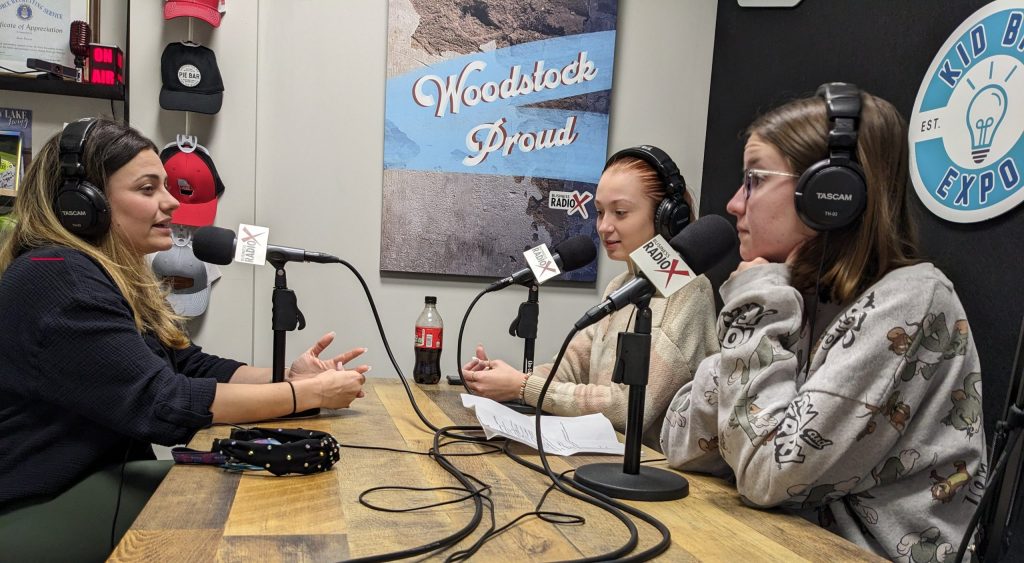
 BME Home, LLC is dedicated to providing in-demand professional home organizing and interior design styling services to a wide variety of budgets and home sizes.
Organizing with BME Home goes further than just hiding clutter in a basket, it involves one on one coaching through a three step process allowing the client to learn their organizing style.
Doing this allows the client to maintain their home because their home will work for them. Interior Design Styling goes in depth with the client focusing on budget friendly and sustainable avenues while creating a beautifully curated space.
While organizing is a must for any calm & relaxing home having a wardrobe that represents the same demeanor is the best feature for any BODY. As a personal stylist I understand body shapes, personal aesthetics, & skin tones and how it all creates the image a client wants to portray to the world
Lauren Stallings really enjoys working with people and tackling all the problems and challenges that come herway on a day-to-day basis. With a focus on personalized service, competitive rates and customer satisfaction, she is always working to exceed her clients’ high standards and expectations.
Lauren leapt into owning her own business in 2023, and has never looked back. Maintaining her reputation as a reliable Home Organizer & Stylist means making sure her clients have complete and total confidence in her services, and she’s proud to be recognized as one of the best in the business.
Follow BME Home on Facebook.
This transcript is machine transcribed by Sonix
TRANSCRIPT
Intro: [00:00:07] Broadcasting live from the Business RadioX studios in Woodstock, Georgia. It’s time for Kid Biz Radio. Kid Biz Radio creates conversations about the power of entrepreneurship and the positive impact that journey can have on kids. For more information, go to kid Business.com. Now here’s your hosts.
Layla Dierdorff: [00:00:28] Hello. Welcome to KCBs radio. I’m Lila.
Austyn Guest: [00:00:31] And I’m Austyn,
Layla Dierdorff: [00:00:32] And today we have an awesome guest with us in the studio, Lauren with BME home. Hi, Lauren, thank you so much for being with us here today.
Lauren Stallings: [00:00:40] Thank you so much for having me.
Layla Dierdorff: [00:00:42] Yeah.
Austyn Guest: [00:00:43] Thanks for being with us today. Uh, can you tell us a bit about yourself and your business before we get started?
Lauren Stallings: [00:00:47] Absolutely. I am Lauren Stallings with BME home. It is a full life styling business, so I do everything from wardrobe consulting to home organizations. So yeah, a little cover a little bit, but it’s a little bit, uh, it’s in depth when I get in with my clients. So they kind of get an all in one rather than having to hire for different companies. Makes sense.
Austyn Guest: [00:01:08] Do you work with, like, the whole family or like, the mom or whatever?
Lauren Stallings: [00:01:12] I’m nodding my head like, somebody’s watching this, right? Yes, I do, I work. Um, so BME actually stands for Boss Mom Empire. I am a mom. I have an 11 year old son. He’s turning 12, sometimes thinks he’s 21. Um, I’m sure both of you probably understand that. Absolutely. Um, but he he’s the reason for everything that I do, and I have a passion for it. So I’m leaving a legacy for him. And I actually started this business in February. Okay, I it all began. It all began, um, when I started my nonprofit two years ago. Okay.
Austyn Guest: [00:01:46] We’re very familiar with nonprofits.
Lauren Stallings: [00:01:47] Um, I know that’s why I’m excited to be here.
Austyn Guest: [00:01:50] All right, so. And you just kind of said when you got started and why. But, um, how did you get started with your business?
Lauren Stallings: [00:01:59] Honestly, I’ve spent nine and a half years as a first responder and in the public safety. Yeah, it’s cool.
Austyn Guest: [00:02:06] It is cool.
Lauren Stallings: [00:02:07] Though. Nine years in that world, um, it’s more like 20 after after five. It feels like you’ve been there for ten. Wow. So, um, this is just a passion of mine. And with the nonprofit, we would actually use the funds to go into nominated moms rooms, bedrooms, and completely flip and restyle their bedrooms to give them amazing, like, an oasis. Um, and then this just kind of became a passion. So February of this year, I started it and left, uh, the police department I was working at full time, and I haven’t looked back since. Wow.
Austyn Guest: [00:02:37] All right. Through that journey, what have you done that has helped you really succeed?
Lauren Stallings: [00:02:42] I’ve stayed consistent.
Austyn Guest: [00:02:44] That definitely helps.
Lauren Stallings: [00:02:45] Accountability is a big thing, too. Like, when I make a mistake, I’m the first to apologize to it. I offer, you know, any kind of other service that I can go back and help my clients with if something has happened. But staying consistent with Outreach Network podcasting.
Austyn Guest: [00:03:00] Yes. Yeah.
Lauren Stallings: [00:03:01] Um, and being involved with they be my clients become my family and my friends.
Austyn Guest: [00:03:07] So like that’s always a good thing to have.
Lauren Stallings: [00:03:09] It is. And especially because I’m coming into their homes and touching their stuff and I’m having to help them reorganize their life.
Austyn Guest: [00:03:16] I feel like you’re more personal. Yeah. I feel like you have to become close with them at that point.
Lauren Stallings: [00:03:19] Absolutely. For sure.
Austyn Guest: [00:03:22] So based on, you know, being successful and becoming this successful entrepreneur, you are now, what would you define success as? Because I feel like everyone has their own definition of it.
Lauren Stallings: [00:03:32] The best version I’ve ever heard is success is individual. There’s you’re comparing yourself to somebody else. And I was 14 once and I keep that in my head. And now I’m raising a pre-teen. Mm. Your definition of success is not what that person next to you is going to be. And it’s not what the popular girls is. It’s not what the outcast girl is. It’s not what the jock is. And girl to girl, it’s a really big moment when you can look at it and say, my success is being able to reach the goals in my own life. You mentioned Zelda, my kids obsessed. It’s so ridiculous.
Austyn Guest: [00:04:05] I personally play, but I’ve watched her play and she loves it.
Lauren Stallings: [00:04:09] It’s a different, different thing because that’s her thing, right? So you’re like, yeah, I’ll play it. Same thing. I’ll play it with him. But do I know all the ins and outs? Don’t ask me a single question about it because I have no idea.
Austyn Guest: [00:04:17] I’ve played once. I know nothing.
Lauren Stallings: [00:04:19] Exactly. It’s like I’ll sit down and play with you and we can have a good time. But that’s what success is, is cheering her on while also accomplishing your own stuff that might be different than what she has. So yeah, it’s one of those things that somebody else told me about three years ago. And it’s your success is always individual. It’s never going to be what somebody else is doing. That’s comparison. So knowing the definition and the difference between those two actually helps you go a lot further in life. That’s really.
Austyn Guest: [00:04:43] Different. Yeah. People have said that we’ve gotten a lot of different responses, but that one’s going to stick good. I’m glad. All right. So obviously becoming an entrepreneur has a long path. Usually takes a little minute to, you know, get into the groove of things maybe. What are some, you know, regrets that you have. Maybe when you started up your business or things you wish you would have done differently?
Lauren Stallings: [00:05:07] To be honest, I wish I would have started sooner. I’ve always been an entrepreneur. Um, I’ve always wanted to do other things. Like I just finished a commission drawing that somebody had me draw up. Um, that was their coworker in front of the house that started that was started by her family. So I finished that drawing as a Christmas present. Um, I’m currently writing a children’s book. Oh, okay. And I’ve already published two other books. So the entrepreneurial world is not new to me. Okay. Um, I’ve kind of always been into it, and it’s because I was raised by somebody that was in a corporate environment, and I didn’t like that. So like I said, I just spent nine and a half years in public safety. But public safety, especially as A911 dispatcher, you get new things every phone call. Yeah. So it’s always different. You can’t prepare yourself thing. It’s not ever going to be like one choking is going to be different than another choking, as crazy as that is. But one baby birth is different than another baby birth. I’ve done that too. Oh, really?
Austyn Guest: [00:05:57] So you okay?
Lauren Stallings: [00:05:59] Yeah. Well, almost have it published. The children’s book yet?
Austyn Guest: [00:06:03] Well, we’re getting there.
Lauren Stallings: [00:06:04] So it’s just that I haven’t started sooner.
Austyn Guest: [00:06:06] Okay, based on that, do you have any more advice for aspiring entrepreneurs to help prevent some of those, like, maybe help them get started sooner?
Lauren Stallings: [00:06:15] So do your research on what you want to do. But the other thing I think as an entrepreneur, when you’re starting is that that adventure and I say adventure, some people say venture. I say adventure because you’re learning something through that whole process. Yeah, and it’s supposed to be fun. And even if it fails and whatever. Again, so your definition of success and your definition of failure are going to be completely different than what mine are, than what my son’s are, than what either of you might share as well. But when you get to that failure point, you can reevaluate and go, okay, what did I learn in this? That’s going to make it easier the next go around? And so I learned a lot through the nonprofit that led me to be able to do my business now and actually make it a limited liability company with the state and register it, and it made it a lot easier. So knowing what path you want to go down and knowing that your passions are going to change will actually help you get started in one adventure to another. And knowing like it’s not, it’s not work if you love what you do.
Austyn Guest: [00:07:07] Yeah, if you love what you do, you’re not going to feel like you’re working. If you love what you do, you’re going to have like, having fun and actually enjoying life.
Lauren Stallings: [00:07:14] Yeah, exactly.
Austyn Guest: [00:07:15] I feel like the corporate world has put, like a bad connotation on the word work.
Lauren Stallings: [00:07:19] It gets you at the I love this conversation, ladies. You are correct. And it has. And it’s changed a lot though. So like now you see police officers and firefighters, they have their tattoos. They can share all of that. And even in the corporate world, there’s a lot of them that you can still do that. And so it’s changing. I’m sure you guys go into all of that. Yeah, you’ll get there.
Austyn Guest: [00:07:37] I’m sure there’s still a few people who obviously like having the same routine going behind a desk, having a computer, but there’s also a lot of people who don’t because it gets pretty boring pretty quick. You can’t have the same thing first for some people. Some people like that and it’s fun. Well, yes, obviously it’s not for everybody, but. Right. So we’ve talked a lot about the past and the present. Let’s talk about some future things. What are some future goals you have for your business?
Lauren Stallings: [00:08:00] I just actually achieved one of them. Um, I did, so I have been in business full time since February. That’s exciting. So I know I’ve got two more months to make it. Actually one one and a half more months to make it to a full 12. Um, but I needed I wanted to have 50 clients for the first year, and I actually just surpassed that. And in one week when I needed six more clients, I actually went to 52 clients. Wow. So that’s that’s amazing.
Austyn Guest: [00:08:29] That is amazing.
Lauren Stallings: [00:08:30] Like, I was like, okay, the universe is looking out for me right now.
Austyn Guest: [00:08:34] The universe is on your side.
Lauren Stallings: [00:08:35] So just growing that and meeting that, that future goal and being able to really kind of get other people on board with me. That and here’s something about hiring people. Whenever you go to run a business, if your intent is to hire somebody and expand your business, then they should be making you money. You shouldn’t be worried about spending money. And that’s the one thing that I learned in an entrepreneurial class recently, because I’m still in school ten years. I always like to learn. Um, but for me, it’s going to be able to bring people on and trust in myself and in what they do. Um, that they can bring to my business as long as we align in values and stuff. And yeah, my business is going to continue to grow. So yeah.
Austyn Guest: [00:09:15] That’s wonderful. Okay, so on to those deep questions we were talking about. So you might have to think about it for a minute and take your time. If you had the attention of the world for five minutes, everyone was listening to what you were saying, paying attention to you, all eyes on you. What would you say to them? Um.
Lauren Stallings: [00:09:34] Stop comparing yourself to other people and you’ll stop bullying others. I’m a really big so I coach. I told you guys this before the show.
Austyn Guest: [00:09:42] You did?
Lauren Stallings: [00:09:43] Um, and I 100% love it. Cross country literally lasts for nine months. And then we have track and field for another two months. So out of all of the entire year, I have one month without any kind of sport. Yeah, but that’s something that I try to instill in a lot of the kids that I coach. Um, and the kids that I talk to, my, my son’s kids. And it’s those because even as adults, you still you still struggle with that. Yeah.
Austyn Guest: [00:10:07] And it’s it definitely carries on.
Lauren Stallings: [00:10:09] It does. And it’s hard to break the older that you get, the more money that you spend on therapy to know that firsthand. So when you have when you have really good parents that want to start you out and, and give you that, that passion and see if you really like something that that helps kind of squelch the she taking pictures of us.
Layla Dierdorff: [00:10:28] She was. Yes. She is.
Lauren Stallings: [00:10:31] Um, they.
Austyn Guest: [00:10:31] Do that periodically.
Lauren Stallings: [00:10:32] Got it. Um, but it allows you if in those five minutes just stop comparing yourself to other people and it stops the bullying, because that’s when you stop looking at somebody and the jealousy stops and the hatred stops. Yeah, it’s it’s a vicious cycle.
Austyn Guest: [00:10:46] But yeah, it’s a hard one to break.
Lauren Stallings: [00:10:49] And I know both of you are probably at school. So you’ve heard enough of it. Yeah.
Austyn Guest: [00:10:53] Yeah. Heard it a good bit. Yeah.
Lauren Stallings: [00:10:55] The one thing I think I would do though, if I had the five minutes. So I would have everybody close their eyes. And I’ve done this with a couple of my kids before, close their eyes, be far enough apart. And then I’d ask one question, who in here has ever been bullied by somebody in your life? That means family, friends, coworkers, school colleagues, anything along those lines with your eyes shut, raise your hand. Every single time I’ve done that, 80% of the room has their hand raised. Now I’ve got both of you thinking.
Austyn Guest: [00:11:26] Turn the tables real quick. That. Wow. Okay.
Lauren Stallings: [00:11:32] How’s that for your deep question?
Layla Dierdorff: [00:11:34] That was good. That was very good answer.
Austyn Guest: [00:11:37] We got a lot of different answers to that question. That was a very good one. Okay, so the second question, if you woke up tomorrow without your business like it was just gone, what would be your first steps to recovery or would you even try to as if it never existed.
Lauren Stallings: [00:11:51] As if it never existed? Yeah.
Austyn Guest: [00:11:55] Um, kind of like Groundhog Day or something.
Lauren Stallings: [00:12:01] Okay. Didn’t expect Groundhog Day on that one. Um, as if it never existed. I would find what my passion is because if it wasn’t this, then it wouldn’t exist. So. But what does excite me? What makes me want to get up and go to work? What makes me want to bring the money in and make a six figure month? Um, and if it’s not this, then it’s something else. I’m a creative person, so if I did wake up tomorrow, it would have to be something in the creative world. I’ve done corporate. I’ve. We’re done. Yeah. Done. The insurance world. I’ve done public safety. I got the check marks and all of the clothes still. Yeah, um, probably should organize my own closet, but, like.
Austyn Guest: [00:12:40] Like, it’s ironic that you organize other people’s, but yours may not.
Lauren Stallings: [00:12:43] Be. I have to hire people for that. Because if I’m doing your house, I don’t want to go home and do mine.
Layla Dierdorff: [00:12:48] Fair enough.
Lauren Stallings: [00:12:49] So, yeah, it would have to be something in the creative services, but I know exactly where to start now, so it wouldn’t be as hard.
Austyn Guest: [00:12:54] That would definitely be helpful. Okay, so we just asked two deep questions that you have to think about. We’re going to do some quick this or that now so that you don’t got to think, just answer as fast as you can. All right. So here we go. Cats are dogs.
Layla Dierdorff: [00:13:09] Dogs Spider-Man.
Austyn Guest: [00:13:10] Or Batman. Spider-man books or movies are both.
Lauren Stallings: [00:13:15] I can’t do this or that on that one.
Austyn Guest: [00:13:18] Um, waffle or curly fries?
Lauren Stallings: [00:13:19] Curly fries?
Austyn Guest: [00:13:21] Uh, mountains or the beach?
Lauren Stallings: [00:13:22] Beach?
Layla Dierdorff: [00:13:25] All the.
Austyn Guest: [00:13:25] Yeah, I saw that when you walked in. Sweet or salty? Salty chocolate or fruity candy? Fruity cake or pie?
Lauren Stallings: [00:13:33] Say that one more time.
Austyn Guest: [00:13:34] Cake or pie?
Layla Dierdorff: [00:13:35] Oh.
Lauren Stallings: [00:13:35] I thought you said Pinkie Pie.
Layla Dierdorff: [00:13:37] Um.
Austyn Guest: [00:13:38] Kaylee, a question. Um. Lower high rise jeans.
Layla Dierdorff: [00:13:43] I’m a millennial. Low rise.
Austyn Guest: [00:13:47] They’re coming back. They are comedy or horror?
Layla Dierdorff: [00:13:50] Comedy all the way.
Lauren Stallings: [00:13:52] All the way. Yeah. We don’t we don’t do our days with horror.
Layla Dierdorff: [00:13:55] No, like a horror.
Austyn Guest: [00:13:56] Comedy is always a good combo in movies.
Lauren Stallings: [00:13:58] Anything but done in the 80s. You’ve got it.
Layla Dierdorff: [00:14:01] Yeah.
Austyn Guest: [00:14:03] Okay. Well obviously that was a good this or that round. Thank you Lauren so much for hanging out with us today. We really appreciate it. Uh, can you tell can you tell everyone how they can get in touch with you and check out what you’re doing? Absolutely.
Lauren Stallings: [00:14:17] So my biggest form of communication currently is either through my website, which is BME home llc.com, or on my Facebook or social media pages, which you can find us at the BME home.
Austyn Guest: [00:14:29] All right. Very very nice. Fantastic. We enjoyed our time with you today. And we know that our audience will get so much out of here in your story. Thanks for listening and we’ll see you in the next one.
Layla Dierdorff: [00:14:38] Thanks so much.














