Business RadioX ®

  • Home
  • Business RadioX ® Communities
    • Southeast
      • Alabama
        • Birmingham
      • Florida
        • Orlando
        • Pensacola
        • South Florida
        • Tampa
        • Tallahassee
      • Georgia
        • Atlanta
        • Cherokee
        • Forsyth
        • Greater Perimeter
        • Gwinnett
        • North Fulton
        • North Georgia
        • Northeast Georgia
        • Rome
        • Savannah
      • Louisiana
        • New Orleans
      • North Carolina
        • Charlotte
        • Raleigh
      • Tennessee
        • Chattanooga
        • Nashville
      • Virginia
        • Richmond
    • South Central
      • Arkansas
        • Northwest Arkansas
    • Midwest
      • Illinois
        • Chicago
      • Michigan
        • Detroit
      • Minnesota
        • Minneapolis St. Paul
      • Missouri
        • St. Louis
      • Ohio
        • Cleveland
        • Columbus
        • Dayton
    • Southwest
      • Arizona
        • Phoenix
        • Tucson
        • Valley
      • Texas
        • Austin
        • Dallas
        • Houston
    • West
      • California
        • Bay Area
        • LA
        • Pasadena
      • Colorado
        • Denver
      • Hawaii
        • Oahu
  • FAQs
  • About Us
    • Our Mission
    • Our Audience
    • Why It Works
    • What People Are Saying
    • BRX in the News
  • Resources
    • BRX Pro Tips
    • B2B Marketing: The 4Rs
    • High Velocity Selling Habits
    • Why Most B2B Media Strategies Fail
    • 9 Reasons To Sponsor A Business RadioX ® Show
  • Partner With Us
  • Veteran Business RadioX ®

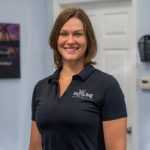
Mandy Hougas with Girl Sweat

August 30, 2023 by angishields

Mandy-Hougas-HVR-Feature
High Velocity Radio
Mandy Hougas with Girl Sweat
Loading
00:00 /
RSS Feed
Share
Link
Embed

Download file

Girl-Sweat-logo

Mandy-HougasMandy Hougas is the owner of Girl Sweat, a Tennessee sports-themed sales and business training company. She helps entrepreneurs harness their unique gifts so their business can grow.

Mandy is also no stranger to athletic competition. She’s been knocking down barriers from obsessive compulsive disorder since age 9, with sports as her saving grace, and has recovered from challenges that sideline most.

Needless to say, she’s continuously reinvented herself over her 20+ years playing the game of sales and marketing, in youth sports coaching, and in entrepreneurship. She has become a purpose-driven woman who faithfully teaches others to Speak Boldly and have fun. Because life is too short not to.

Connect with Mandy on LinkedIn, Instagram and Facebook.

What You’ll Learn in This Episode

  • What got Mandy started
  • Mandy’s biggest failure—and what did she learned from that experience
  • A common myth about Mandy’s job or field of expertise
  • One lesson Mandy’s job has taught her that everyone should learn at some point in their life

This transcript is machine transcribed by Sonix

TRANSCRIPT

Intro: Broadcasting live from the Business RadioX Studios in Atlanta, Georgia. It’s time for High Velocity Radio.

Stone Payton: Welcome to the High Velocity radio show where we celebrate top performers producing better results in less time. Stone Payton here with you this afternoon and you guys are in for a real treat. Please join me in welcoming to the broadcast with Girl Sweat LLC. Ms. Mandy Hougas. How are you?

Mandy Hougas: I’m good. I’m good. How are you, Stone?

Stone Payton: I am doing well and have really been looking forward to this conversation. I got a ton of questions. I know we’re not going to get to them all, but maybe a good place to start would be if you could articulate for me and for the benefit of our listeners, mission, purpose. What what are you and your team really out there trying to do for folks?

Mandy Hougas: Oh, man. Well, you know how a lot of people, they have this bright idea that just shines and they’re like, Hmm, I just don’t know how to get it out into the world and attract clients and close business. You know, I don’t know if it’s valuable. Like, I don’t know. Well, we offer training and coaching to help female entrepreneurs actually package up and describe what they do in a way that brings customers to them. And then we help them deliver that message and close business so that they can just go on and add value either to the world with their services and their product, or just bring in extra money for their family.

Stone Payton: Well, what compelled you, if I might ask, to focus in on serving the females.

Mandy Hougas: With with entrepreneurs? I have worked with male entrepreneurs as well with female entrepreneurs. I feel like there is what I’ve noticed. Actually, there are a few pieces of like the identity work that I can relate to and resonate with, and I’ve gone through a bunch of I’ve overcome certain things. So I see in them pieces of transition that I can help them actually get through faster than if they were left to their own devices.

Stone Payton: Well, it must be it has to be incredibly rewarding work. What what do you enjoy the most about it? What’s the most rewarding for you at this point?

Mandy Hougas: Oh, man, I love seeing a woman who’s got this, like, really cool idea. She wants to help, let’s say, you know, start. She wants to help kids and she wants to start a business around it. Um, the look in her eyes like that sparkle that shines. You can see when someone is just, you know, they’re, they’re, you know, got goosebumps because they’re doing what they’re called to do. They’ve got a purpose behind their passion and then they’re bringing that to fruition. They’re showing up in front of other people, allowing them to participate in this thing that they’ve built, which is pretty beautiful, if I could say that.

Stone Payton: Yeah, yeah. You must sleep really well at night, not only from the energy expenditure, but just knowing the good work you’re doing and the level of impact that you’re having.

Mandy Hougas: Well, yeah. And I love how when you have good people building good businesses and serving other good people, I mean, that’s how a community is built, I believe. And if we have good people, you know, doing good in the community, we’re going to have a better kind of community. And my grandpa always used to say, you know, if you’re going to invest or what did you say? If you want to improve your community, you have to invest in your community. And he did not mean just with money.

Stone Payton: Yeah. All right. I got to know the backstory. How in the world did you find yourself in this role, doing this kind of work, serving these kind of people? What My guess is my instincts are it wasn’t a direct path. It was probably.

Mandy Hougas: No, absolutely not. I don’t know that any entrepreneur’s path is very straight. Maybe there are. And they’re the lucky ones. Right. But but but I feel fortunate that every challenge that I’ve come up against, even since the age like, way back when, um, I’ve just overcome different things in my life, like OCD and eating disorders and leaning on, you know, alcohol when I was older because I had gone into sports and didn’t know that it was OCD, that was kind of like pulling at me. Um, so what I learned was like, we can overcome anything. We can really overcome anything. It doesn’t matter if, you know, if you’re not in the ground yet, you still got a chance. So I said, If I can do this then and I can start businesses. When I was 17, I was doing like this baked goods business. I put my mom to work in the kitchen, not on purpose. I just said she made the best stuff. So it wasn’t like I was making her do labor. My dad was a shop teacher, so he did manufacturing kind of work. So I said, Okay, dad, can you build the little like whatever it was stand? And then I had a couple other wrestlers sell the baked goods, so I gave them the. A script to sell had done the marketing and drew up all the designs and said, Let’s put it right in front where the location everybody’s coming in off the bus. And it was, you know, a successful business. You know, making $98 from selling quarter baked goods and was like, I think I got something here. So just kind of kept doing it.

Stone Payton: I think I know the answer to this because you mentioned an athletic background, but I’m going to ask anyway. Did you have the benefit of one or more mentors along the way as you made transition from athletics or as you kind of found yourself in one of these, you know, down periods when you had some of these challenges?

Mandy Hougas: 100%. I don’t think anybody goes through life saying like, oh, I’m the hero in my own story because we’re not. We need guides. We need people around us to help us become that. And my my first mentor, I think well, my dad was definitely a mentor of mine and my mom. Both of them were teachers. So I got a lot of lessons of like, you always want to be learning no matter how old you are. Continuous learning is is important. It keeps your mind right. It keeps your soul right. And you get to learn stuff that people don’t always, you know, take the time to go and check out, which is kind of cool. And you have some cool stories at a party, right? Um, and they always taught me, you know, keep my head up. And they always taught me, you know, you know, focus. And, you know, sometimes you’ll have to deviate, but that then you adapt, right? And so it’s that sport background, that sport kind of mentality. I had a coach who had kind of ingrained that in me when I was young, and then as I got to corporate or I went out into the world, I was working for a CEO of a company, I had no idea what I was doing, like I had no clue what I was doing in an engineering software company.

Mandy Hougas: But they promised that, Don’t worry, we know that you’re going to be good at this. And so I took the training, I did the things and did really well, but my mentor was the CEO because he allowed me at 27 years old to sit there and ask him as many questions as I wanted about business, because one day I wanted to build my own and I wanted to know how does operations work? Where does the money get made? How do you make sure that you have money next year? Like what is the revenue goals? How do you set those? Like how do you do partnerships? All the negotiation stuff. And he just was very patient with me and he just walked me through it. And he also had a very, like, kind of quirky personality, too. And we just vibed, I think is the word kids use now nowadays, but as like a mentor and a mentee relationship. So that was really nice to have as I was moving forward.

Stone Payton: So do you find yourself now that you’ve been at this a while in your work, running into some consistent and repeating, I don’t know, what would you call them? Misbeliefs preconceived notions, myths even about your work and about how it’s going to go or what got people there? Do you run into some of the same patterns?

Mandy Hougas: Yeah, great question. So I do a lot of sales and marketing coaching mostly sales, but marketing has become digital marketing, which is kind of sales in itself. You can click and buy and, you know, get people interested. They can do it without even talking to someone. But what I’ve noticed is that everyone seems to have a bad taste in their mouth with sales. And I wonder, because I think there are business owners that are like, of course we need sales, Like, duh. But there’s a lot of people who don’t love having that conversation and bringing guiding someone down the customer buying journey where they’re a lead coming from marketing, hey, they might have interest where they’re then become a prospect because of how you engaged with them, how you spoke to them, the conversation that you had and how you connected the problem that they’re having or discovered what that was and saying, Hey, I think I got something that’s a fit. But then also not being pushy, not being, you know, not pulling the wool over their eyes or trying to, like, bait and switch them. It’s really just being honest with them. I think I can solve your problem and here’s how and here’s how it can benefit. And for me, it just was simple. And I love that part because other people are like, Oh, it’s that simple. I’m like, Yeah, you’re selling to your kids when they’re trying to get them to eat broccoli. Like you’re everybody is selling consistently and pitching either themselves for a job or pitching an idea that they want, like their husband or wife. Hey, let’s go to this Cheekwood. It sounds really cool. And guess what? They have beer on tap. They don’t really I don’t really know. I’ve never been. But you know, if I want to bring my boyfriend along, I want to entice him to want to go, you know?

Stone Payton: Right, Right. So let’s talk a little bit about the work, if we could. Let’s dive into that a little bit. I’m particularly interested in what happens in the early going, the early stages of someone coming to you and they want to get something off the ground or maybe they’ve they’re having some success and they’re trying to take it to the next level. What does that the or the early part of an engagement cycle, if those are the right words, what does that look like?

Mandy Hougas: Yeah, So we actually excavate a little bit so we understand who they are as a person because that’s really. Important, especially if you’re a solopreneur. A lot of your time and your energy is going to be in that business. So if your values aren’t being aren’t in alignment with what you’re trying to do, then there’s a there’s a mismatch. And that’s going to cause a lot of trouble down the road because you might feel insignificant. You might not feel you might feel like an imposter. You might not feel like you’re worthy because you’ve gone down a path that’s really not you. And so it might need to like align those things. And we do that through messaging. We do a lot of it through messaging. What’s the problem that your person really wants to solve, Your ideal person, the ideal target audience? And once we understand that problem deeply, it’s usually a problem that that person who’s, you know, if they’re a coach or a consultant or service based business they’ve had in the past because they found a problem that they could solve and now they want to offer a solution up to the market. So I see that we have to dig through that a lot so that what are the problems that your ideal customer face? How do we solve it? What’s the plan to solve it? What happens if you don’t solve it? What happens if you do? And then how do you actually ask them for a sale? What’s the call to action? So walking them through that process is actually takes the majority of the first couple of sessions just to get them used to even thinking in that format.

Mandy Hougas: Problem solution and the plan. I love Don Miller. He writes the storybrand and has business made simple. I love, love, love. Don Miller Um, I. So some of the tools that he provides are free online and so we’ll bring that into the coaching as well and then I can help guide them through that part. Um, the next part is typically we go into their strategy and their planning. So like how do they plan on hitting objectives that they might have say they got financial goals or profit goals or revenue goals like how do we work and reverse engineer that so that we can say each day I’m doing the right things every day to get me where I want to be up there. So then we make that plan or we make the strategy. We do what they like to do. They don’t have to be on Instagram. They don’t have to be on social media if they don’t want to. There are we can adapt. There are other ways to bring in revenue and then we build out the execution plan and then we practice on the delivery and the messaging when they’re out and about at networking events or if they’re on social media, how they structure what they’re trying to say is very clear and concise.

Stone Payton: It’s very refreshing for me for whatever that is. The you use the phrase reverse engineering and then and then backing it up as opposed to and I have run into people who just want to sell the thing, you know, the execution piece over here. And without that, you know, maybe I don’t have the foundation, the expertise, the frame of reference to understand why we’re getting there, much less contribute to any or help coauthor any of the how right now. I love that. I love that. That’s a marvelous frame. So when it comes to this whole sales and marketing thing, do you find yourself eating a lot of your own cooking? You know, like a lot of the stuff you’re telling them or are you at a point now maybe where it’s just all referral based and word of mouth, or do you have some structure and some rigor and some discipline around how you how you meet your market?

Mandy Hougas: Yeah, absolutely. So I set my plan up early on and I did it in a lean way where it’s not going through every single piece as if I was going to pitch it to an investor because I said, okay, I have a framework. I know that this is what I want to attain, obtain at the end of the year, 12 months. And so I said, okay, so I got the basics down. If I get too over micromanaged for me, my style, it gets a little bit too rigid and then my creativity somehow just kind of like gets stuck inside. So I found a balance there for my style. Yeah, Yeah.

Stone Payton: So I wanted to ask you to I’m going to switch gears on you for just a moment here, and then I want to circle back to some of your earlier years. But I’m curious, I don’t know when and where you would ever find the time, but I’m going to ask anyway about hobbies, passions, interests outside the scope of your work. Do you do you sort of separate periodically and get over here in another lane and go pursue something else for a little bit?

Mandy Hougas: Yes, I do. So, uh, but this is a God thing. It was. Absolutely. I met a woman, a friend of mine, uh, we met at a networking event and I just said, Yeah, let’s sit and have coffee. So we sat and had coffee and she was struggling with some of the messaging in her business. So I helped her out with that just because it felt right, like it didn’t feel like I needed to charge money for it. I was just doing it because I believed it was the right time for it. And out of that, she had referred me to a group called Tennessee Voices because I love to speak on mental health and wellbeing and I love doing it for student athletes, for young adults, for audiences of all ages. But athletes and young adults are really important. And youth, youth. So like middle school grade school, I think they call it grade school now. I don’t know what Grade school, middle school, high school and in college, the university athletes, because I believe that if we pour into them the way that we wished we were poured into or that we were poured into and we saw some success, I believe that they’re going to be more effective for themselves and their families. They’re going to be more hopefully happier when they get older. Hopefully they’ll learn. At the moment, they need to make a really big decision that they have two options. They don’t have one option, they have two, and they get to decide what path they want to go down and they get to be aware of that. So I love speaking for Tennessee Voices and do an outreach work for them. Um, and then just spoke at Cumberland University on Thursday for I think 400 of their athletes. So that was I’m so grateful for that. I hope one kid out of there just helps one kid, you know, face something that they didn’t think they could face.

Stone Payton: So student athletes, they have all the challenges all of us have. But I would think, too, I think you mentioned the term identity earlier on in the conversation, I suspect I don’t know. I did play high school ball, but I made the team because I had a car, you know, that wasn’t my identity. And I could get the good, the good athletes to and from practice. But, you know, my my for me, my identity wasn’t wrapped up in being an athlete. But I would think the people who really excelled like a couple of my very good friends when they when they made the transition and maybe did not go professional or got out of school, that’s they probably have that whole thing going on, too. In addition to the same challenges and opportunities all the rest of us do. Right?

Mandy Hougas: 100% in the transition because I think this is just I started when I was 12 and I by no means were played for Pat Summitt or anything, but that was my dream, right? Like go WNBA. And so I worked for it. But um, I think the, the achievement kind of mentality for a lot of student athletes, kind of it’s, it’s like a blessing and a curse at the same time because you have to manage like your, your self care, you have to manage your mind and you have to manage your physical body. And while you’re going through, I think sports and you’ve got classes, you’ve got boyfriends, girlfriends, you’ve got drama outside of the court or the field or wherever you’re playing on. Like you have so much pressure outside of you expecting things from you that I can just imagine because I knew how it felt for me and it was all coming from inside of me. It was all from like OCD and those thoughts. But these kids nowadays, they have all that pressure stacked upon them. And I think being able to manage that, even if they’re university athletes, even if they’re, um, uh, professional athletes, like that’s a, that you got to manage it. You got to understand that it’s going to be a pressurized. You got to understand, hey, now is the time that I have to really pay attention to what I’m listening to, what I’m reading, what, who I’m surrounding myself with, the things I’m allowing to influence my thoughts and my emotions. And that is, I think, one thing that all athletes have to deal with and all people have to deal with. It just is more pressurized and high achieving, high performance kind of roles.

Stone Payton: Yeah, And the positive aspects of that, like the mental toughness and those are some good things that come out of it. But particularly if I’ve had my eye on playing second base for the Yankees and I’m not going to get to do that. Well, now I got to go figure out what I am going to do, and that’s that’s got to rattle your cage a little bit and shake up your your world. So so for you personally, to the degree that that you’re up for, for sharing it, I got to believe that you were transparent, that you had some challenges with alcohol and and that kind of thing. While it was probably pretty ugly when you were in it, do you feel now, looking back that, wow, that really equipped me to serve in the way that I’m serving now? Yeah.

Speaker4: Yeah.

Mandy Hougas: I believe I’m 100%. I’m grateful for the opportunity to be able to recover from something that had kind of held me down and I had pushed down all the emotions I’d been that kid, you know, that’s a rising star. And then you just fall and it’s like, Where did they go? And I’m like, Heck, if I’m going to let that beat me. But that that resiliency from I think sports really helped out because it was day to day practice. I’m like, This is one step at a time. This is day to day practice and reflection. This is learning who I truly am and who I want to be and what I want to represent in the world. And it was, you know, independent, quirky, confident, joyful, fun, loving and not really need anything to lean on, you know?

Stone Payton: So my best friend and I growing up, we used to tease my little brother incessantly, and now he has a pretty high pressure job as a CEO of a large association. And I joke that my buddy Kirk and I prepared Rusty for his career, you know, like like we made him mentally, mentally tough. But I think, you know, Rusty would be one of these to tell you like he. Almost uses an insult or a or a challenges almost as fuel. Right. Yeah.

Mandy Hougas: It channels the energy it gives you like that. Like some people really thrive off of that. Um, I found that for me nowadays, it used to, but nowadays. Well, no, it does still. Yeah. If I had something nasty come up, I’d be like, Oh, I’m going to just prove them wrong. And then it fuels you for quite some time. And then once you’ve proven it, you’re like, Oh, that was a fun project.

Speaker4: So, so what’s.

Stone Payton: Next for you? You got do you have a book in you? You’re going to do more speaking, you’re going to scale this or are we going to have, you know, the Mandy methodology, what’s.

Speaker4: Down the pike?

Mandy Hougas: So many isms. Yeah, but no, like the the people around me have been amazing. Like, you’ve been awesome. Um, just being able to grow the business online so that I’m not doing as many personal like it’s customized one on one training. So I get them into a spot where they can go off and they can be profitable. But I want to be able to serve other groups of people. So maybe somebody who’s just starting out who wants to know about Sales 101 like what really is it? Is it as scary as I think it is? Is that going to be a piece of my business where I can actually do that part and not have to outsource it? Because I believe everybody can? Even if you’re an introvert, even if you don’t like talking to people, there are ways around it or a ways through it is what I like to say. But yeah, there’s a book I’ve been writing for like six years and you know how that goes. Um, it’s, yeah, it’s back and forth, not even back and forth with the editor, but it’s been back to me, so it’s on my plate. Yeah. Um, and then creating a space where we take athletes and we transition them into like corporate roles or business roles and then connect them with companies out there. So that’s on the horizon.

Stone Payton: Oh, fantastic. There are just so many ways that you’re going to be able to serve these different constituencies that you’ve that you’ve chosen to serve. I think that’s marvelous.

Mandy Hougas: I hope it helps the community and grows a community of really like, you know, grounded people because we need that. I feel like nowadays we do.

Speaker4: All right.

Stone Payton: Let’s let’s leave our listeners with a couple of Pro tips, if we could. Anything from the entrepreneurial journey. If you’ve learned a couple of things on there that you know, a do or a don’t or a, you know, read this and that kind of thing all the way and up to maybe someone from one of these specific constituencies like, hey, if you’re an athlete coming into transition, here’s a couple of things to think about. Just just a couple of things that and look, gang, the number one pro tip reach out and have a conversation with Mandy or somebody on our on our team and start tapping into their work. But let’s leave them with a couple of actionable tips if we could.

Mandy Hougas: Absolutely. So I always have the people start if you’re an athlete transitioning or someone transitioning into entrepreneurship or into business, I always have them do like a self assessment. You basically go down the list and you do this at home on the left hand side, write down everything you love to do on the right hand side, write down everything you just do not like doing because eventually that’s going to help you understand what your strengths are. It’s also going to help you understand where you’re going to be most effective in your business. If you don’t like doing marketing and you know that you don’t like writing emails, you don’t like posting content, you don’t like any of that, then that might be a piece of the business that you can outsource. Now, that leads me to the next thing is, once you understand what you really love to do and what you don’t like to do, can you actually learn how to do those things? Is that going to be part of your learning experience? You’re going to spend some time learning how to do those things, even though you might not love them, but you might just be scared of them and that’s why you don’t like them because they’re giving you anxiety and that’s okay.

Mandy Hougas: But you get to think through that. So I always like that process. The second thing would be before you hire any coach or any trainer or any consultant, whenever you outsource anybody, vet them out, vet them out, do as much research as you can on the topic. So sales, marketing, operations, whatever it may be, do as much research as you can to get yourself comfortable with the topic, then go out and start interviewing consultants. Don’t just take anybody who’s pitching you because that could lead you down the road of spending a lot of money and not getting the results that you expect. So always look at the end in mind. What are your goals? What objectives do you have? Do you have an objective to bring in leads like 100 leads or is it $100 or, you know, there are differences in objectives for sales and for marketing. So I think those are areas that I would say just pay attention to and be mindful of and not everybody’s going to solve your problem.

Stone Payton: Yeah, I’m so glad I asked. And to your point, just because you vet someone, they may not fit what you really need right now. It doesn’t make them a bad person. They may be the perfect coach for somebody else, but to invest that time and energy. Being disciplined to get the right match for what you’re what you really need right now.

Mandy Hougas: Yeah, it’s like setting up the foundation or the fundamentals. The fundamentals are do I actually do I fit with this person? Do the objectives? Are we in alignment with the objectives? Can they actually do what they said they do? Do they have the people behind them like the customers, to show me that they’ve done that before? Have they walked me through their process? And if they if they haven’t yet, what I can say is I usually find a good business owner is one who says, even if I can’t help you, I will find somebody or refer somebody to you that I really do believe could because I believe everything comes full circle. And the better business owner you are, the better person doing business. It’s like that’s where you’re going to get a lot of referrals, word of mouth kind of referrals coming to you.

Speaker4: Well, I am.

Stone Payton: So glad I asked. I think that is terrific. Council All right. I’m going to turn you loose in just a moment and let you get back to finishing that book. But before.

Speaker4: I do.

Stone Payton: Let’s make sure that our listeners have an easy way to connect with you. Whatever you feel like is appropriate. Website, LinkedIn, that kind of stuff.

Mandy Hougas: Yeah, so I have a website. It’s Girl Sweat official.com. You can reach out there and book a consult right through the website so they can just hit book a consult, it’ll go to my Calendly, and then we book a time and then we decide like, well, we’re on the call, you know, what goals you got and are we a good fit? And if you are, then the next step is we set up a time every week and then we start training.

Stone Payton: What a delight this has been. Thank you so much for joining us this afternoon and sharing your insight and your perspective to the work you’re doing is so important, so foundational. It is going to prepare all of us to serve our communities more effectively, keep up the good work. Don’t be a stranger. When you get that book ready to launch, you give me a call. We’re going to and we’re going to talk that through on the air, too. Okay.

Mandy Hougas: I’m so embarrassed. I haven’t had it done yet. I should have it done. No, there’s no shoulds. There’s no it’ll come when it’s ready.

Speaker4: Now, we got.

Stone Payton: You on air. Committed to getting that out.

Speaker4: There, you know?

Stone Payton: But thank you so much, Mandy. This has been marvelous.

Mandy Hougas: I appreciate you so much and grateful for the opportunity.

Stone Payton: My pleasure. All right. Until next time, this is Stone Payton for our guest today, Mandy Hodges with Girl Sweat LLC. And everyone here at the Business RadioX family saying we’ll see you in the fast lane.


Tagged With: Girl Sweat

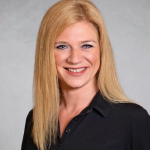
Aimee Parscale with Bodyfit with Aimee and Softwave Regeneration

August 30, 2023 by angishields

Aimee-Parscale-CBR-Feature
Cherokee Business Radio
Aimee Parscale with Bodyfit with Aimee and Softwave Regeneration
Loading
00:00 /
RSS Feed
Share
Link
Embed

Download file

CherokeeBusinessRadio082923pic1-bw

Sponsored by Woodstock Neighbors Magazine

Woodstock-Neighbors-logo

Softwave-Regeneration-logo

AIMEE-PARSCALEAs the C.E.O. and the President of Softwave Regeneration LLC, Aimee Parscale brings a passion unparalleled to the healthcare industry that translates their importance over wellness and living pain free. Responsible for overseeing all facets of the organizations, Aimee drives the mission, operations and engagements.

Exuding a dynamic, effective, and influential leadership style that motivates, Aimee successfully has built her career as a diverse entrepreneur. Aimee is a strong leader within the organization, making her an instrumental advocate for the industry. She has extensive experience in nutrition and functional wellness.

Aimee is the owner of Bodyfit with Aimee LLC, a Nutrition and Fitness Online Training Company. Throughout her tenure she received her International Functional Associate of Science under Mr. Lee Haney, ( 8-time Mr. Olympia). Aimee went onto achieve her Functional Nutrition and Metabolism Specialist Certification guiding in her ability to thrive with the knowledge to work with clients dealing with underlying health conditions.

Aimee is Softwave Certified in sexual health, wound and ortho protocol. Aimee is an active member of the Rotary Club of Woodstock, WOW- Women in Wealth Networking, A member of the NPC Figure Bodybuilding Association.

She was featured in Southern Muscle Magazine as a contributing writer of Living Fit. Recognized By Lenda Murray ( 8-time Mr. Olympia Figure Women’s) and Wings of Strength as an influencer in the fitness industry. Aimee was invited as a guest on Femme Flex.

Aimee is the proud wife of her Co- Founder and Veteran Larry Parscale. She is the mom of 3 daughters, 3 sons in laws and 2 grands. She enjoys her Downtown Community, family, working out to live her best life and reversing age one day at a time!

Follow Softwave Regeneration and Bodyfit with Aimee on Facebook.

This transcript is machine transcribed by Sonix

TRANSCRIPT

Intro: Broadcasting live from the Business RadioX Studios in Woodstock, Georgia. It’s time for Cherokee Business Radio. Now, here’s your host.

Stone Payton: Welcome to another exciting and informative edition of Cherokee Business Radio. Stone Payton here with you this morning. And today’s episode is brought to you in part by Woodstock Neighbors Magazine, bringing neighbors and business together. For more information, go to Facebook and Instagram at Woodstock. Neighbors .bvm. You guys are in for a real treat this morning. Please join me in welcoming to the broadcast with Bodyfit with Aimee and Softwave Regeneration, Ms. Aimee Parscale. How are you?

Aimee Parscale: Good morning. How are you?

Stone Payton: I am marvelous. I have so been looking forward to this conversation. I got a chance to meet Amy personally through a mutual friend. I don’t know if he told you or not, but he. Wang dangled an invitation for me. Or at least told me where and when to be at a pool party a while back. We had such a marvelous time at your home and everyone in town who knows of you and knows you. And that’s no small number, just thinks the world of you. And I can begin to realize why I am really looking forward to this. I got 1000 questions. I know we’re not going to get to them all, but. But maybe a good place to start would be if you could articulate for me and our listeners mission, purpose, what are what are you and your team really out there trying to do for folks? Oh, my.

Aimee Parscale: Gosh. So I am so hugely passionate about people’s health and well-being. And my mission in life has been to create the life that you’re designed to live. So the best life that you can possibly live is going to come from your health and your wellness and your well-being and what feeds your soul. So, you know, I guess, you know, there’s that saying when you get really comfortable in marriage, I was in a very wonderful still in a very wonderful marriage of 33 years. And I’m not the typical story. I was very fit when I married and very young at that age of 18. And over the years, I got very comfortable and I put on quite a few pounds. So through the course of our marriage, I lost 178 pounds.

Stone Payton: Wow.

Aimee Parscale: So that was, you know, I decided that for myself that I had waited too long. I was sitting on the sidelines of life and I needed to take care of things. So I lost 178 pounds and decided to be a part of the NPC figure bodybuilding committee and get myself on stage.

Stone Payton: Well, now that is quite a transition from being overweight. I mean, you were overweight, you were too heavy for your for your frame all the way to being in the bodybuilding arena.

Aimee Parscale: That was my goal, was to get that foot on stage. So in the course of this, I had the privilege of meeting Mr. Lee Haney, who is an eight time Olympian, and he came to me and just said, Would you consider getting certified? This was not the path that I thought my life would take, but I was fortunate that it has. So I achieved my personal trainer certification and I opened Body Fit with Amy.

Stone Payton: Wow. And how long ago was that?

Aimee Parscale: So that has been four years. And so it is an online nutrition and wellness company. So I write custom workouts for people. I deal with people who have autoimmune PCOS, menopause, general overall health.

Stone Payton: I got to believe that that has to be incredibly rewarding work.

Aimee Parscale: It is the most phenomenal thing because everybody is always thinks that it comes from the weight loss. You know, everybody’s like, you know the exterior, when am I going to lose weight? But for me, it is the 3 to 4 week moment when my clients lose weight and start fueling their body, right? All of a sudden their mind becomes just the most wonderful place. And they call me and they’re like, I don’t know what’s going on. I’m more confident than I’ve ever been in my life. What have you done to me? So for me, the interior is the overall gift. The exterior is a given. If you work the program, you’ll get the results. But the interior, the confidence, the success, the the just overall well-being and how you’re going to act as a human is just phenomenal. So it’s it’s exciting to watch people unfold and be their true self.

Stone Payton: Well, this is such a timely and germane conversation for me personally. Nothing like the the radical transformation that you describe in your own life, but you’re meeting me 55 pounds ago. Wow. From when I got here to Woodstock.

Aimee Parscale: Congratulations.

Stone Payton: And I have I have Stacy Roby. So largely to thank for that, who’s kind of like in the functional medicine world and. She came in studio and we didn’t even do a show. We were just doing kind of a one on one visit to learn more about each other’s business and how we can help each other. Which, as I’m sure you’ve discovered, this community is fantastic in that regard. And she coached me up and the biggest thing was just getting me to eat cleaner. And then and then I and then I hit my initial objective, which was to lose 15 pounds so I wouldn’t have to get on blood pressure medicine, which is perfect. But but that gave me to your point, that gave me the confidence, right? Like now I got a little momentum. I got a little confidence. Hey, I can do this. And so I started doing some other things. I kind of sort of started stacking those habits, right? And and I learned a ton, but it was it was the from the inside, it was the I got my, my, my mind shifted.

Aimee Parscale: Exactly. Mindset.

Stone Payton: You see this all the time, don’t you?

Aimee Parscale: Absolutely. One of the best compliments I think I’ve ever gotten was I had a 24 year old client, young man needed to lose well over 100 pounds. And when I met with him, I said, you know, one thing I’m going to ask you to do is not talk ugly of yourself, not to yourself, not to somebody else. And I said I relied on affirmations to carry me through my entire journey. So I said, I’m going to give you some simple you are worthy of change. And I said, When you are driving down the road and you feel doubt, I just want you to say, if a doubtful thought comes in your mind, I just want you to change it to I am worthy of change. Simple sentence. And I said, It may sound silly, you may think I’m crazy. So about six months goes by and he called me up and said, I want to take a walk downtown with you. And we were walking. And he said, When you told me to do the affirmations, he said, I thought she’s crazy. And I thought, Well, of course he probably thinks, you know, she’s old enough to be my mother. Why is she telling me all these things? You know? And he said, But what I realized, he said, is every time I have a negative thought, now your affirmations come in my mind, and the first thing I say is I am worthy of change and that this point he was sitting 115 pounds down.

Stone Payton: Wow. And I don’t fully even a little bit understand the science behind it all. But it’s my understanding that the physical and the the mental, the emotional, they complement each other and get you going on an upward spiral. Like I mean, even doesn’t the chemical balance in your body change as you make the physical changes and the mental changes?

Aimee Parscale: Absolutely. And I also went on to get my functional You were saying you worked with a functional practitioner. I got my functional practitioner certificate this past year. Yes. Mainly because I wanted to take it a step further for people who were struggling with more than weight loss or were on prescription medications and couldn’t get themselves off. So a lot of times, you know, we need to take a deeper look. We need to really go in and look at the interior and say, what is the problem? And I think a lot of people rely on our doctors and they’re wonderful. And there’s a place for everyone in this big, beautiful world. But a lot of times it’s going to take a functional practitioner or a nutritionist to stop and interview you and say, what? What are your daily habits? What’s your lifestyle? What’s your stress level? What’s your sleep? You know, tell me all the things about you, because all of these factors could be things that are coming into play. That might be the one reason that you have to be on a prescription that you don’t necessarily need to be on it. If we just tweak your lifestyle just a touch.

Stone Payton: Well, I’m delighted to say the only medication I’m on is Evan Williams. And, you know, and I’ve kind of got my disciplines around that, right. I love it. But you guys in your space of the of the functional medicine, it occurs to me you’re working a lot more. I don’t know what would you call it, the front end, the, the, the wellness side of things as opposed to, oh, something’s broke, let’s go in there and fix it. And I personally find that so much more attractive and powerful and productive.

Aimee Parscale: Yeah, very much so. You know, it has just been an absolute honor. I feel very fortunate that, you know, I do live in this wonderful small town and I’m able to meet people face to face that I work with. You know, I want everybody to know me, Even though it’s an online based company, we do meet everyone and train them face to face on how to work their nutrition. And I try to tell them, lean into me because we all need support. We need cheerleaders, we need a support system. And all of these things will create success for people and accountability, you know, feeling like they have someone that’s in their corner.

Stone Payton: Yeah. And it is this this town for guys. And I know that our listenership goes well beyond Cherokee and Woodstock, but Woodstock, it’s like living in a Hallmark movie. I mean, it really is. And I do know every bartender in town, too. But but really, it really is. It is. It is marvelous. I just I love everything about this community. But let’s talk more about. Out to work. And if you if you would like, we can talk about a use case or a scenario. But I’m particularly interested in the in the early stages of beginning to work with someone like like is there a consultation. Yeah. Just talk that through a little bit.

Aimee Parscale: Okay. So what we do is we send out a step one packet and this is going to tell us some background, very similar to a medical release that a doctor’s office. It’s going to tell me if you’ve ever had any injuries, if you’re on any prescriptions, a little bit about your sleep schedule, where you work, what you do for a living. You know, what is your you know, you and I were talking this morning about you seem to be an adventurous, much like myself, you know. So I tell people all the time, tell me about what your lifestyle is like. Do you like to travel? Do you work with travel a lot? All of these things are going to help me in creating a plan for you. So I take all this information along with we have our own app that is the app app and it can be found.

We send a link out to our clients and then they go in. They can put their check ins, their pictures, everything up for us. And then I’m going to take all this information over a week period of time, and then I’m going to set up a schedule that works well for our clients, and then we’re going to meet with them one on one, and we’re going to teach them ways to fuel their body, things to eat on how to eat clean. A lot of people just don’t understand the macro based way of eating, which if you’re not familiar with that, it’s a scientific way of eating. I call it the best lifestyle way of eating. I know there’s lots of trending ways to eat, but macros is a concept of taking in the right amount of proteins, carbs and fats for your lifestyle. So if we give the body what it needs and we fuel it correctly, then ultimately I’m going to keep you in a caloric deficit. Now, that deficit may be that you’re looking to lose weight, but we can also have people maintain and also gain muscle as well.

Aimee Parscale: So we meet one on one, we do this training and then we send you out and we do weekly accountability. So that would be checking back in with pictures and weight. And we’re talking throughout this whole thing. We don’t keep people in it more than a month at a time. They’re welcome to come and go. My philosophy is, if your mind is right and you’re in it, then I am in it with you. But I am not going to make you stay somewhere and create more issues for you if you’re not comfortable. Because I feel like everybody will do it when they’re ready and when if they are ready, they’ll come and they stay. And I have clients who’ve been with me for years, who’ve long met their goals, but they travel and they like to know when they come home that I’m going to pull them back in, you know, and get them back on on pace. So they have that discipline again that creates them to be their best, their best being.

Stone Payton: So that that accountability, that and also like for me, like a support system and having a roadmap is so crucial. And for me, I found it helpful to get realistic about what I would and would not do. Like, I know we’ve joked about it, but you know, I’m 60 years old. I’m going to enjoy a cigar and a cocktail from time to time, so I’m still living. So I wasn’t going to just cut all that out and try to be Mr. Universe, you know? But I got very real with myself. And and the other thing that really helped me a lot was my wife, Holly. Well, we’re kind of empty nesters, so she can eat what she wants and I can eat what I want. But for the most part, she just kind of came along for the ride with me and we both got healthier together. Absolutely.

Aimee Parscale: And what I find, too, is that a lot of times it’s just people are afraid to go to a gym because they don’t have the direction or, you know, let’s say we’re all in different you know, I’m in my 50s and in my 50s. I don’t plan to squat something on my back because that’s probably not going to be my best decision at this point. Now, 20 years ago, it might have been my best decision. But so we do write custom workouts and these are in my app and they all have a video beside them so anybody can put their headset on with their favorite music. They go to the gym. I’m going to tell them how many sets, how many reps, and we’re going to custom write the workouts according to what fits them. So if you said to me, Amy, I can only do three workouts a week, then I’m going to make sure you have the best three workouts you could possibly give your body.

Stone Payton: Yeah, well, that’s interesting. Okay, let’s talk about me for a minute. I mean, it is my show. Let’s do. But so now I’m thrilled with the those results of losing the weight. I have more energy. You know, I’m even that much better of a mental state. My clothes fit better. I feel like I look a little better in my clothes, all that kind of stuff. So now I’m like, Yeah, but I wish my arms were a little bigger. Now I want to bulk up a little bit in the right, somebody you can hire. Exactly. So I mean, you can kind of meet people where they are. Absolutely. Take them from there. And again, you know, help them. You know, I’m not going to try to be Mr. Universe and I don’t want but, you know, I’d like to. So, like, if I had that set of objectives, I could sit down with you or get on your program. You could. And then I would have that.

Aimee Parscale: And I always tell people, you know, tell me what you want to look like. You know, everybody uses Pinterest for everything. Like if there is a body you want to look like, show it, show me, show me, let’s create it. Because just what you’re saying, everybody does have a different look that they’re after. Yeah, I was a figure competitor. I didn’t want to look like a, you know, so muscular that I didn’t feel feminine. But at the same time, I did want to carry a good amount of muscle so that as I age, I’m reversing age, you know, and I’m keeping my structure, my posture is able to hold itself strong. And, you know, obviously the more we eat and the better we feel ourselves, we can lifestyle live better because the goal is not to be able to starve ourselves for the rest of our lives, to keep weight off the goal is to teach the body, to metabolize the foods, and when we do this, then we can lifestyle, live, enjoy those vacations and not have fear of failure.

Stone Payton: Well, that’s another great point, and I really will quit talking about me after this. But I. I did not willpower my way to one of those pounds that came off. I adjusted my disciplines. I guess you would call them, but I didn’t like go without. I never went hungry. But you know, I just made the goal. Yeah, I did not. It wasn’t a willpower thing at all. And it’s. And it’s not now. And now it’s not. I don’t even have to remember it. It’s just almost. It’s just almost habit and routine. Now, you know, that’s been, you know, well over a year now, I guess year and a half. And so it’s just the way that my that my day is organized now and the way our grocery list is organized now. And it doesn’t mean I don’t hit the power bar now and again. But you know but I don’t but but and but I. Why not eat a whole slice of key lime, you know, and I might get a slice on the weekend and, you know, nibble at it throughout. Just little things like that. Maybe you’ve learned.

Aimee Parscale: Those habits and once you learn those habits, second nature. Now, that’s what I said. I said, you know, I started my journey at 40 and now I’m the ripe age of 52. Now, it did take me around eight years to get my weight off. I would say at the time I was very blessed with someone who understood exercise. But finding a nutritionist, which was very important to me, was that I was able to find a way to, in my world, create bodies quicker for people so that they could see those goals faster. So I do really hone in on nutrition and what people eat, but I am a huge advocate of you should never have to tell somebody you’re on a diet. I don’t like the word diet because it has die in it, you know, and it makes everyone feel like they want to die. So I want people to feel alive. And by living, you’re going to go out, you’re going to socially engage with people. You’re not going to give up your life. You shouldn’t have to say, I can’t go to dinner or I can’t meet you or I can’t have get togethers. You know, people always said to me, well, you know, just like the pool party, how do you have a pool party and not participate? And I said, Well, I do participate, do participate, do participate, because I’m living, you know, and that that’s you know, I’m in a marriage, a relationship. And in order to be fair to my soulmate, I need to be able to date him, you know, And these things I feel like are so important.

Aimee Parscale: And I feel like that that’s the barrier that too many people put too much pressure on themselves, that they have to feel like they have to be perfect and eat less. And, you know, the the favorite saying when people come to me is they’ll say, don’t worry. I’ve been eating salads all week, you know, before I met you. And I said, Well, I’m so sorry because I’m going to feed you so much now that you’re going to feel like, you know, there’s no way. And they always come back a week into it and they say, Well, the best thing I can tell you is I was never hungry. And how did I lose weight? Well, you fueled your body so it didn’t have to hold food. So it’s a beautiful scenario, You know, just like you said, not everybody is looking to put their foot on a stage. For me, I was looking to create a goal so big that I wouldn’t fail. But I feel like everybody has different goals, you know. But I tell people, dig deep, look personally for what your goal is. So in saying this, not the goal of, you know, I want to be the best family person I can be, you know, look at what you want. And when people say to me, now, what was your goal? I said, My goal was to put on the little black dress and go to dinner. You know, that’s what I wanted to do. So that’s the goal.

Stone Payton: So you got a lot of irons in the fire. Not unrelated, I’m sure I’m looking forward to learning more about this. But you have this this soft wave regenerate. Yeah, speak to that a little bit.

Aimee Parscale: So this was just, you know, there again, this wonderful community. My father, I moved him to downtown Woodstock last year and he purchased the founding creator of the Ortho Gold 350 soft wave machine. And just on a fluke, I was having some pains and he was kind enough to say, Why don’t you come to my corporate office and let me just let me just work on your back and see if I can make you feel better. So what? Soft wave regeneration is it’s a cellular tissue regeneration machine. And what this does is it goes in and it repairs the cells that are damaged. So it’s going to increase blood flow to your body. It’s going to help inflammation. If you have plantar fasciitis, if you have problems with diabetes, if you have chronic pain, frequent urination, it is a marvel machine. It’s FDA approved, it’s noninvasive. And it was the beautiful sister company of body fit because it was going to allow my clients who possibly worked out too much, had shoulder injuries, back issues. A lot of times people will be in sports. Athletics do things over the years and they continually are taking ibuprofen or trying to, you know, baby a pain. So I went to him and four visits later I was like, I don’t know what this miraculous machine is, but I need more of it in my life. So I found myself asking him to please take care of my body fit clients. And then, you know, I said, You know what? It’s time we need to bring this to Woodstock. So I decided to purchase the machine and get certified in treating people who deal with chronic pain. So it is a very. A quick treatment. Each treatment is about 10 to 15 minutes. Oh, that is fast. It is. We are blessed to say that we are located right in downtown Woodstock off of Rush Street if anybody lives here. I think everybody knows where we are. We have the little Moki in the driveway, so everybody always.

Stone Payton: Says, Yeah, we know the Moki.

Aimee Parscale: Everybody knows the Moki in town. So but we our goal was to create an environment that people didn’t feel like they were going into a doctor’s office or a clinic. We wanted more of a luxury environment where people felt comfortable they could come in. We invite them, welcome them with hospitality, excuse me. And so we do have the exam room set up in the office in the home. And so the average treatment time is six weeks and that’s one treatment a week. So it’s going to work on repairing the cells for 8 to 12 weeks after each treatment.

Stone Payton: Wow. So have you had the benefit along the way of one or more mentors as you made that transition? You lost the weight, you went into business. You got you’re so credentialed, you’ve rattled off like 3 or 4 different certifications. Have you had the benefit of some folks that really helped you navigate even just the, you know, the entrepreneurial terrain, let alone the the knowledge base that you had to pick up to to get to be an expert in this domain?

Aimee Parscale: You know, I would say I have had multiple people opened my first entrepreneurial experience when I was 16 years old. And that was always my avenue was that I learned very quickly that my soul was fed off of people. And so I say I live in a very peoplely world. And that was one of my main reasons for wanting to live in downtown Woodstock so that I could be outside walking and feeding my soul with the people that lived around here. And that’s exactly what’s happened for me. So but along my journey, I would say that. My mentors have been in all calibers of my life. It seems like that each conversation I have, even I’m going to toot your horn because even this conversation this morning is, you know, I find this very enriching to sit here with you and learn about what you’ve done and how you’ve come to where you are. So I try to take key points along the way that people tell me they’ve done and say, How can this improve my life? How can this help me be more passionate in what I’m doing? And I feel like that as an entrepreneur, it you know, obviously as entrepreneurs we are trying to make some income and I don’t argue that, but I do feel like that being an entrepreneur goes so much deeper than income. It goes into living out a passion.

Aimee Parscale: Most entrepreneurs have a passion to better something in life, and mine happened to start with myself. And that may sound a little selfish, but in order to help others, I had to find my best self first. And I always tell people, Don’t put yourself on the back burner, you know, because to be your best, you have to be your best to yourself first. And when you’re best to yourself first, then everything else will flow and come together. So, you know, I would definitely say that Lee Haney was a wonderful mentor. He lives a very blessed life. He he was very committed to his goals, still is very committed to his goal, very passionate. I had a wonderful support system and still have a wonderful support system. I say, you know, you you go as far as your mate. You know, you go, and I’m 33 years into a very solid, wonderful, giving man that understands that my entrepreneurial mind is always wanting to do more, you know? So now it’s kind of my daughter does work with me. She’s a lifestyle coordinator for Bodyfit with Amy, and she’s also a certified tech now for software regeneration. So very blessed to have a family that believes in me and I want to help them grow as individuals as well. So just a beautiful support system all around.

Stone Payton: So how does the whole sales and marketing thing work for a company, a set of companies like yours? Do you find yourself with this structured sales and marketing process and you’re out shaking the trees, or does it just kind of come word of mouth and referral, or is it a little bit of both of those?

Aimee Parscale: Or I would say that over the years, you know, the biggest thing I’ve done is try to build relationships. And I think you can market all you want. You know, when I was doing the shows, you know, I did some transformation shows and I met a lot of people and they would say, Wait, if you did this, I want to do it, you know? So I got a lot of business off of social media, too, when Body Fit first started and then over the years, now it seems like that people will just pick up the phone and say, you know, I heard you’re the one I need in my life, which there’s no better compliment than referrals always. And then as far as soft wave regeneration, how many times have you had a conversation with someone where they say, Oh my gosh, I just hurt my back? Yeah. Or my hip hurts or I was walking outside or I was lifting weights and I did this or, you know, I cannot tell you. So to me, I consider each one of those conversations the gift that just says, you know what, I’m not going to push you into this because I truly feel like, again, that people come when the time is right for them. But I always want to say to people, you know what, I’m right down the road. Give me a give me a try. Let me see if I can help make your life better. So I would say that soft wave regeneration, we have officially been open now since June 15th.

Stone Payton: Oh, so not that long on the soft wave side.

Aimee Parscale: Not that long. So brand new. We got our machine in May and got our certifications and made sure we knew what we were doing and then we started inviting people in. So we have around 35 clients now. Wow.

Stone Payton: Since June.

Aimee Parscale: Since June. Oh my. So and that is been all word of mouth. So that has been a, a wonderful thing. And my husband says I have a lot to say to a lot of people.

Speaker4: Now, does he.

Stone Payton: Go out and do his own thing or is he involved in the business?

Aimee Parscale: He is. He is actually an owner with me of soft wave generation. So I’m pulling daily saying, hey, I’m going to make you an entrepreneur if it’s the last thing I do that’s funny. So but he is I would say he is a behind the scenes guy. He does a lot of the the paperwork and the things that that are just not my strong.

Stone Payton: You got to have that or at least I do right? You got to have the guy behind the guy. So so entrepreneur. Smokey Driver is our husband.

Speaker4: Exactly.

Aimee Parscale: Everybody’s like, Oh, wait, I know exactly where your house is. It’s the one where the milk is at. And I’m like, okay, yes.

Stone Payton: If you don’t know what a smokey is, look it up. It is way cool.

Speaker4: Smokey America.

Aimee Parscale: They’re going to owe me for this one.

Stone Payton: Yeah, we’ll send him an invoice. Right. So this is a golf cart community. We don’t have a golf cart right. In this community. Of course, we have several all around and several of us have golf carts. But Smokey is like a whole different ball game. It’s not a golf cart. It’s a hole. So they stand out in the Smokey is fun.

Speaker4: So I’ll bet it is.

Aimee Parscale: Just a fun community to be.

Speaker4: In.

Stone Payton: It is. So I’m going to switch gears on you here for a minute before we wrap. And I don’t know when or where you would find the time, but I’m going to ask anyway. Hobbies, interests, passions outside the scope of the work we’ve been describing. Been talking about curious if you have any. Most of my listeners know that I like to hunt, fish and travel. And is there something you have a tendency to nerd out about?

Aimee Parscale: I absolutely love to travel.

Speaker4: Okay.

Aimee Parscale: All any chance I get? I’m all about the travel, right? But, you know, obviously my passion has become bodybuilding, so I do enjoy that. And I have two wonderful grandkids. And so I’m learning how to to have the joys of grandchildren versus children, which is always a whole different ballgame.

Speaker4: Right?

Stone Payton: You call them and then hand them back. I understand. I don’t have them yet.

Aimee Parscale: But so so it is just the empty nesting is is just not a bad thing, is it?

Stone Payton: No, we’re loving it.

Speaker4: Absolutely loving it. I love it.

Stone Payton: Oh, neat. But and I do feel like for me anyway, that I call it white space, that white space is important. And and honestly, like, if I’m for me, if I’m sitting in a tree stand, which I will do this afternoon because hunting season is coming up in a couple of weeks, it it gives me a chance to kind of decompress, relax and candidly, because I am an entrepreneur, I might come up with a great idea or at least one worth trying while I’m sitting in that stand.

Speaker4: You know.

Aimee Parscale: Everybody always says when I vacation, I always come back with a new idea. Yeah. And they’ll say, I thought you were going there to relax. And I said that was relaxing because there’s nothing better than having that time to let the mind explore. And that’s usually when I come back even more fulfilled, more ready to start something else and share something. And, you know, like I said, it’s just a it’s a huge compliment to be in this town. And, you know, people come in and say, well, you know, if anybody can manage more than one thing, it would be you. So I find that as a huge compliment. And sometimes they might think I’m a little crazy. But there again, just a great, great group of people that we get to take care of and locally and, you know, body fat also since we service all over the world because it’s an online company, it’s just incredible to meet people all over the world and learn more about different, different areas that I haven’t been familiar with.

Stone Payton: So and also in my case, my team rolls their eyes when I go play because they know if I go play, I’m going to come back with more work for them to do because I got this new idea we want to launch. I’m chasing down some shiny ball or whatever. So I do that too, don’t you?

Speaker4: I know.

Aimee Parscale: You know, I always say there’s there’s the risk takers and I am probably 1,000% the risk taker. And I just did a talk. I actually and gosh, I can’t leave this out because it’s been such a wonderful move for me. Brian Aaron with Woodstock Furniture Outlet took me as a guest to the Rotary Club in Woodstock, So I just got inducted into the Woodstock Rotary. Yes. Yeah, last week, actually. And just an incredible, incredible group of entrepreneurs and professionals that are local in our town. And I we meet every Tuesday morning. And I cannot even begin to tell you what that one hour will do for your spirit because you see all the good things that we’re a part of and how we’re helping our community. But it’s just it’s in this world where technology has become such a thing now. It is just so nice to sit face to face with somebody and have breakfast and laugh and talk and be the authentic self you know that you’re looking to be. So I think they’re going to add a wonderful addition to my life. And, you know, my whole family is like they they’re like, you love nothing more than to say you’re a Rotarian now. And I’m like, I know because I am.

Speaker4: So.

Stone Payton: In the mission and purpose of that organization to me is just so noble, just and true. I mean, they’re all about service, aren’t they?

Aimee Parscale: Absolutely. So it is, you know, like I said, I’m just now getting my feet wet and learning about it. But it is really, really cool to know that I live in a community that within arm’s distance is the people that we’re helping.

Speaker4: Yeah, So that’s encouraging.

Aimee Parscale: So, you know, like I said, I want I hope that the longer we live here, we’re a new build here. We have we’ve lived in the Cherokee County community for over 20 years. But as far as being in downtown Woodstock, we are residentially considered new as of a little over a year ago.

Speaker4: Yeah.

Stone Payton: All right. Let’s leave our listeners with a couple of pro tips, if we could. Maybe a pro tip or two on just being an entrepreneur and building and scaling a company, but also maybe a tip or two around health and wellness and being fit mentally, physically, emotionally And look, gang, the number one tip is pick up the phone or drop an email or something and reach out and have a conversation with Amy or somebody on her team. That’s the number one tip. But maybe we could leave them with something to begin thinking about doing Stop doing reading.

Aimee Parscale: Okay, so my pro tip as far as a weight loss journey or a weight gain journey would be to be consistent. Just be consistent. Don’t consider each day as a failure or just each single day as a win. Just look at it as overall consistent behavior is going to create habits and those habits are going to create change so consistently. If you say to yourself, you know, I’m going to maybe eat out twice a week versus every single day and unlimited portions, you know, just be consistent in what you create for yourself, be loyal to your boundaries. So that would be my tip. As far as that, as far as if you are in the entrepreneurial lane, I say have fun with it. You know, explore, don’t have a limiting mindset. And if you don’t know something, find somebody who does. Because there’s a lot of people out there who want to help new entrepreneurs find their way. I know for one, one of my favorite things to do is mentor young people. And unfortunately, I had the privilege of mentoring my son in law into a side hustle. And so reach out to people and do everything you do with a passion. And I promise you it’ll be successful. And then as far as if you are dealing with chronic pain, don’t just deal with it. Give us a call. You know, we would love the opportunity to show you the equipment. Have you dropped by, talk with you? You know, I would I would love to meet you. So don’t feel like that a phone call is going to be too much or just come see us because we’re in this town and we don’t mind when people knock on the door and just come see us.

Stone Payton: I am so glad that I asked marvelous counsel all the way around. And you saw me writing while you were talking. I wrote down, Be loyal to your boundaries. You just set your own. Be loyal to them, get some help on it. And I think that is such wise counsel. And but and it just rings so true for me. If you’re going to go down this entrepreneurial path, just have fun with it.

Speaker4: Exactly.

Aimee Parscale: Live lifestyle living is what I like to call it.

Stone Payton: Yeah, Well, Amy, it has been an absolute delight having you in the studio this morning. Thank you for your insight, your perspective. Keep up the good work. The work you’re doing is so important and has such a marvelous impact on on so many. And don’t be a stranger. You don’t. You’re not far from the studio. Come on in and get us caught up from time to time, if you would.

Aimee Parscale: I would love to. And thank you so much for having us. So I will leave on a note of if someone would like to learn more about Soft Wave, you can reach us at soft wave regeneration.com or you can call us at 404 9900655 and just ask for Amy or Raleigh and we’ll take care of you. If you’re interested in body fit, you can go to body fit with amy.com or you can find me on Instagram at I am the number to live fit and I’d love to see you there. So if you happen to reach out, let me know that you heard it here first and we’ll make sure to take extra good care of you.

Stone Payton: I love it. And you’ve clearly made it easy to connect. That’s just who you are.

Aimee Parscale: I definitely I love it. So thank you so much. It just been a privilege to be here.

Stone Payton: Absolutely. My pleasure. All right. Until next time. This is Stone Payton for our guest today with Bodyfit, with Amy and soft wave regeneration, Ms.. Amy Parscale and everyone here at the Business RadioX family saying we’ll see you again on Cherokee Business Radio.


Tagged With: Bodyfit with Aimee, Softwave Regeneration

Kristy Edwards with Neatly Balanced

August 30, 2023 by angishields

Kristy-Edwards-Neatly-Balanced-HVR-Feature
High Velocity Radio
Kristy Edwards with Neatly Balanced
Loading
00:00 /
RSS Feed
Share
Link
Embed

Download file

Neatly-Balanced-logoKristy-EdwardsKristy Edwards, organization expert and owner of Neatly Balanced transforms lives through re-creating spaces in her clients homes. By incorporating her low maintenance method, she sets clients up for success, allowing them to follow her configuration of each space.

She rehomes discarded items to nonprofits and charitable organizations that help those less fortunate. Clients not only receive a refreshed space that reintroduces a sense of sanctuary, but they also get to see where their items have changed others lives.

Kristy’s clients range from influencers, overwhelmed moms, college students, and more. Her idea originated after a mission trip where Kristy encountered people surviving with only the clothes on their backs. She uses this experience as inspiration to push for a minimalist lifestyle where resources are utilized for the less fortunate.

With over a decade of experience, Kristy has connected with other women, owned and led businesses with a passion to see more women supporting women.

Follow Neatly Balanced on Facebook.

What You’ll Learn in This Episode

  • About Neatly Balanced
  • What prompted Kristy to live more minimally
  • Some easy ways to start living more minimally
  • Giving back locally

This transcript is machine transcribed by Sonix

TRANSCRIPT

Intro: Broadcasting live from the Business RadioX Studios in Atlanta, Georgia. It’s time for High Velocity Radio.

Stone Payton: Welcome to the High Velocity Radio show where we celebrate top performers producing better results in less time. Stone Payton here with you this morning. Please join me in welcoming to the broadcast with neatly balanced Ms. Kristy Edwards. How are you?

Kristy Edwards: I’m great. Thank you for having me.

Stone Payton: Well, it is a delight to have you on the show. I’ve really been looking forward to this conversation. I got a ton of questions. I know we are going to get to them all, but I think maybe a great place to start would be if you could share with me and our listeners mission, Purpose. What are you and your team really out there trying to do for folks, Kristy?

Kristy Edwards: Well, it might sound a bit naive, but we are genuinely trying to change the world. One client and one closet at a time is what we like to say. We do complete in-home organizing with a focus on cleaning out and removing items, anything and everything that is no longer serving our clients, which we then donate to about a dozen different organizations we work with personally that help those less fortunate.

Stone Payton: I love that commitment to community and those who need the help. I got to know the backstory, though. How in the world did you find yourself in this line of work and what compelled you to add this dimension of serving the the larger community?

Kristy Edwards: Well, I think it honestly goes back to childhood. Even as a kid, I never wanted anything out of place. I wanted all of my toys, you know, where they needed to be. My Barbie dolls had to be in there. Barbie doll Dreamhouse like just the whole nine, even as a small kid. And, you know, then I moved. I was born and raised in a small town in North Carolina. I moved to Nashville, Tennessee when I was 22 to be a full time nanny in the music industry where I traveled for almost ten years full time with different musical artists taking care of their kids on the road. And, you know, when you’re confined to a 45 foot tour bus, you don’t really have the option of being a messy individual. Everybody kind of has their space and you have to keep your things in that space. So I was the perfect person for the job since I was already very meticulous with my things. But the idea for the business concept was born from a mission trip that I took my my dad passed away from cancer in 2010 rather unexpectedly and quickly, and the following year his church, my mom and dad’s church did a missions trip to a very, very remote village in Honduras and we’re going to build a chapel for the people who lived there to have a place of worship.

Kristy Edwards: And we found out someone in the congregation had requested that it be named in my dad’s memory. So my mom, sister and I said, we have to go on this trip and, you know, be a part of this. And we spent a week with literal third world, you know, country residents. And they didn’t have anything. I mean, they were eating plantains and black beans and rice, three meals a day, every single day. And they were giving us their portions so that we had food to eat. And what I saw during that week just completely wrecked me and changed me in the best possible way. And I came back home just a completely changed individual and said, you know, something’s got to give. We live in this country where more is more and bigger is better. And, you know, I witnessed these people who had nothing, who just didn’t stop smiling. I never heard an argument. I never heard, you know, a negative word or phrase. It just everybody was very happy there. And I thought, there’s something to this.

Stone Payton: Well, it sounds like it has to be incredibly rewarding work.

Kristy Edwards: It is. Yeah. 1,000%. Yes.

Speaker4: All right.

Stone Payton: So say more about the work. Let’s play this out a little bit and, you know, maybe share a use case or a scenario of acquiring a new client and then helping them down this path of getting more organized. And then the other piece of it where you found a way to to serve folks, what would that look like, for example? Well, I think I told you before we came on air, you know, my folks are moving up from Pensacola, Florida, here to Woodstock, Georgia. And, you know, I could I could see at some point in a process like that somebody like you being involved. Right.

Kristy Edwards: For sure. We do offer a moving services where we will go in. First of all, we travel nationwide. So we currently have clients in five states and we do travel nationwide. So that is something we offer where we will go into, you know, home a so to speak, before the client moves out. And we will help package and pack up every single thing they want to move with them. And we will sort of organize as we pack and figure out, okay, what needs to be moved, what can be gotten rid of? And we’ll do all of that before the move and then mark the boxes in terms of where they need to go in the new house. And then we’ll also be at the new house and help unpack and set up, you know, for a successful living in an organized fashion future. Hopefully. So we do offer that, yes. But anytime a client finds us and reaches out, we do a free consultation where we go and talk to them and figure out, you know, in a dream world, what what areas of their home would they like to have organized. And then, yes, I have a team. We go in, we organize, you know, any and every area. And then, you know, we sort of make a big mess first and then say, okay, here’s everything from this closet or here’s everything from the pantry or the kids playroom or whatever, and we’ll kind of go through, what are you using? What are you not using? What can we get rid of? What do we need to keep? And then we do put it back in an organized way and we have little tips and tricks that we do to sort of implement that to help them be able to maintain the organized lifestyle once we leave.

Kristy Edwards: And then, yeah, anything that they want to get rid of, we take we bring, you know, back to my house, we sort it and separate it and then we actually contact the organizations so that we’re not just dumping things, you know, at their doorstep that they don’t need or can’t use. So we’ll contact the organizations and say, hey, we have, you know, baby clothes, we have diapers or we have men’s shoes and socks or whatever, you know, what do you need? And then based on what they need, we take them those items and then we provide tax deductible donation receipts to our clients so they can, number one, see where their things go. But also it’s a tax write off. So it’s kind of a win win for everybody.

Stone Payton: Well, it sure sounds like it. Now, you mentioned when people find us, I wanted to ask you about the whole sales and marketing aspect of a business like yours. Do you find that you do need to have some sort of marketing process where you’re getting the word out about what you’re doing? Or are people just really at the point now where they’re finding you because of the impact you’ve already made? How does that part of it work for you?

Kristy Edwards: Well, it’s funny. I actually we we we’ve advertised for the first time ever about 5 or 6 months ago. We’ve never advertised until then. It’s all been word of mouth. And we have consistently stayed booked 4 to 6 weeks out. Um, we honestly, when I started this business, it was March of 2020. So obviously, you know, no idea that a short two weeks or, you know, after I launched the whole world was going to pretty much end, so to speak. And I sort of thought, well, that was a great idea. That’s never going to get off the ground. And instead what I witnessed was because everyone, you know, was home more. They were cleaning out their attics and their garages and their bedrooms and toy rooms. And I just went on a couple Facebook groups I was a member of and said, Hey, I’m doing this business. I’ll come and help if you want. You know, all I ask is that you post on social media and tag me. And I did that. And yeah, within probably three weeks we were we already had a waiting list. So it’s been consistent. And at this point, now that I have a team and I have people, you know, that are helping me, we’re not having to book so far out because there’s more of us to spread around. So I waited until I sort of had my sea legs, so to speak. And then we started advertising this year, and it has consistently just grown leaps and bounds. So we’re really incredibly grateful and humbled that people choose us because there are a lot of us out there who are organizing in one way, shape or form. So the fact that people consistently choose neatly balanced, it’s it’s very rewarding and humbling.

Stone Payton: Well, congratulations on the momentum. I think it’s fantastic. Say more about the transition from the the road life that you had to now run. You’re your own business in this in this arena. What was it like to to make that leap? I suspect you probably had some very positive surprises, but maybe a few things that might have caught you off guard and you may have had to learn some new lessons, huh?

Kristy Edwards: Yeah, I tell people it was very interesting. When I was a nanny in the music industry, everybody thought, you know, it was basically like the night of the Grammys. Every single day, people were like, Oh, it must be so fantastic and so glitz and glamor. And I was like, No, it’s a lot of showering in arena bathrooms and locker rooms and, you know, the same catering food over and over. And that’s kind of how I likened neatly balance in the early days. I was like, It’s a lot of sleepless nights and it’s a lot of 15 and 16 hour work days and it’s a lot of not seeing my husband or my family or my dog. And, you know, it was it was definitely challenging. And yeah, it had a lot of challenging moments. But again, there were also very rewarding moments. And, you know, there is something to be said when especially in those first several months and a couple of years, it was just me. I had no help. And so, you know, every little bit of momentum we gained or, you know, high profile client we got or whatever, it was very exciting and just, oh my gosh, like they like us, you know? And so it’s yeah, it’s definitely not. You know, there have been moments where there were bumps in the road, but it’s been it’s just I knew it was my calling. And I think when you are where you’re supposed to be, there is just a peace that comes with that. That’s very hard to explain. So I definitely know that I am where I’m supposed to be.

Stone Payton: Well, it sure sounds like it to me. So when you started wearing the the truly entrepreneurial hat, did you did you have the benefit of one or more mentors to help you think through that journey? And or the organizing a way to also serve the community in the way that you described anybody? Were you able to lean on anybody for a little guidance in that regard?

Kristy Edwards: Well, as I mentioned, my dad passed away in 2020, so he wasn’t physically, tangibly here. But definitely he has had a profound impact in my life. And he actually, um, he started his own business as well. So I am the child of an entrepreneur, so it definitely is in my blood. And then when he passed away, my mom continued running the business that he started, you know. So it’s been he started the business 24 years ago. So I definitely have watched both of my parents sort of wade in the waters of entrepreneurial ism. So, you know, again, it it definitely had its challenging moments. But yes, I leaned on my mom a lot. Um, and as far as other entrepreneurs, yeah, there’s a lady here in Nashville who started her own business as well that I sort of met online and then became friends with in real life. And she still to this day is someone I text almost weekly and I’m like, What would you do about this? How do you feel about this? How should I handle this? And she’s been great. So yeah, I’ve definitely kind of found a seat at a table with other women leaders and entrepreneurs. And it’s been it’s been fantastic and I’m very thankful for that.

Stone Payton: Well, I’ll tell you, that kind of relationship, that that kind of resource I have found to be so valuable as recently as this morning, I actually have a standing call with a Business RadioX studio partner in another community, a couple of counties over. Actually, it’s one county over and we’ve both been doing this this work for a long time. But for us to just talk it through, we really do sort of sharpen each other’s saw, you know, just kind of chatting through stuff. I think that’s that’s really important. It really can mean a lot. And sometimes John will see things that I don’t see, and sometimes I’m able to help him. And it sounds like you’ve had the same kind of experience. Yes.

Kristy Edwards: Oh, for sure. And I’ve even had a couple, you know, people who are trying to start their own business reach out to me. And I’ve been able to be a mentor to a couple of people. And that is just incredibly humbling. I’m like, Wait, you want to talk to me? I don’t know what I’m doing.

Speaker4: I’m just taking.

Kristy Edwards: It day by day. Don’t. So yeah, it’s, it’s it’s very sweet when people, you know, and I’m sure my friend feels the same way. It’s very sweet when people look at us and think of the word success when they look at us, because I think we would probably look at ourselves and say, Oh, I feel like I failed yesterday so well.

Stone Payton: And it brings up another important point too. And I’ve seen it happen over and over again, and I still catch myself occasionally being a little bit reluctant to ask for help or input from local business people who are clearly very successful. And every single time and I’m batting a thousand with, if you will, open up, be a little bit vulnerable. And ask for a little help. Ask for some input. I mean, so far anyway, I’m 100% of the people here in this community. They want they want to help you. They will try to help you any way they can.

Kristy Edwards: For sure. And that’s something I did in the early days of starting my business. You know, I even even my publicity team will sort of chuckle and be like, you’re not shy. Like you have no problem reaching out. And that is definitely a strength of mine. I was reaching out to people that probably had no business reaching out to that had millions of Instagram followers and were, you know, wives of country singers or country music artists themselves or massively influential influencers, you know. And I just was like, Hey, I have this business. I’ll come and do one space for free if you’ll post about me and tag my business. And same as you just said, literally almost all of them said, I love this idea. This is so needed in this community. Yeah, I’d love to post about you. And you know, even all these years later, now that I charge them, they’re still like, I don’t care. I’ll pay you and I’ll still post about you because I love what you’re doing. And so, you know, yeah, it goes a long way and I’m super appreciative for all the help I’ve gotten for sure.

Stone Payton: And even this is a personal growth experience for me. But even if you’re hurting a little bit, you know, historically I’ve been a little bit more invested in image and posturing and branding. And, you know, I want I just want everybody to think that we’re just knocking the top out of it every day. Right? And yeah, so for me personally, I’ve learned to be a little bit more vulnerable with, you know, a certain circle of folks and say, look, you know, I’m really hurting over here. I can’t get this piece figured out. And that’s that’s been a hard lesson for me. But it’s been valuable to, you know, when you need the help, ask for it. You know.

Speaker4: I agree.

Kristy Edwards: And that’s something that I’ve been very intentional about on social media because, personally speaking, I have said numerous times, if I did not have a business, I would not have a social media presence. I find it to be, you know, it just I don’t feel uplifted most of the time when I get on any of the social media platforms. And it was something that was incredibly important to me. When I started my business, I said, Look, I’m not going to go on here and have the filtered touched up Photoshopped pictures where I just look like I’m riding this cloud and everything is perfect. And, you know, there are sure, there are pictures of trips that my husband and I take or pictures of me with people who might be famous that I legitimately know in real life. And I’m like, Yeah, we had lunch today or whatever. I definitely post about those things, but I’m also very intentional in my stories where I’m like, Look, I almost always never have makeup on and I’m like, Look, this is what happened today and this is how I failed. Or, Hey, I’m really struggling today. Could I ask for those of you who believe in prayer to say a prayer for me? And I post about that stuff regularly and I get a lot of feedback from people who say, Thank you for being real. Thank you for not always being, you know, photo ready, so to speak, in your stories. And thank you for coming on here and sharing about your struggles, because it is a place where so many people market themselves as having it all together. And I’m like, Listen, none of us have it all together every day at all.

Speaker4: And that’s.

Stone Payton: A truth.

Speaker4: All right.

Stone Payton: I’m going to switch gears on you a little bit before we wrap. I don’t know when and where you might find the time, but what hobbies, passions, interests, if any, do you have? They’re outside the scope of the work that we’ve been talking about. A lot of my listeners know that I like to hunt, fish and travel. Anything like that for you?

Kristy Edwards: Yeah, for sure. I mean, I’m not lying and it’s not a facade when I say I do genuinely love to give back. So I personally go and volunteer at a lot of the organizations that we donate to because it’s important for me to kind of put my mark of approval on the places we work with. I want people to know I’m really putting my money where my mouth is. So I do do a lot of volunteer work and, you know, stuff on the weekends where we’ll volunteer at different events around the town. But yeah, we love to travel. You know, we don’t have kids, we just have a dog. And so that’s always been something. Even when my husband and I met early on in our dating years, we were both like, We want to travel the world. We want to go to every continent and see as many countries as we can. So we try to do at least one international trip every year. And then a lot of just sort of local domestic trips. So we do travel a lot and we have six nieces and nephews on my husband’s side. My sister has one child on on my side. And so we have a lot of family time and we hang out with friends a lot. We’re involved in our church. So, I mean, nothing that’s, you know, super exciting or, you know, glamorous. But yeah, we stay really busy.

Stone Payton: It sure sounds like reader.

Kristy Edwards: I will say that I love to read. I post every month on my Instagram stories. I try to read a book a week and I post the books I read every month and kind of give like a brief review of what I thought about them. So that’s that’s a hobby.

Stone Payton: Yeah, absolutely. Okay. Let’s leave our listeners with a few pro tips around organizing. And I don’t know if it’s the right word or not, but like maybe a little bit more toward the minimalist end of the continuum, kind of paring down type of thing. And look, gang, the number one pro tip is if you want to go down this path, reach out to Christy and have a conversation with her or somebody on her team. But yeah, let’s leave them with a couple of things they can be thinking about doing, stop doing and to your point, maybe even reading about.

Kristy Edwards: Yeah, well, I always tell everybody we work with literally every budget. We have clients come in who are like, I don’t think I can afford you. I can probably only afford to do one space. We have other clients who live in, you know, 10,000 square foot homes who have no budget at all, who are like, just do everything all at once. So we definitely can curate an experience based on what our clients need. And sort of along the line of your question, but I did want to share one quick story before we finish Back On this mission trip I took to Honduras the very last day. We were there before we left to come home, we went to the market to sort of buy souvenirs or whatever, you know, to bring back to family members. And I went into a bakery because I was hungry. And at that moment, all that mattered to me was getting something to eat. And I went into this bakery and this woman was in there by herself holding a baby, making bread and, you know, being a full time nanny at the time. I immediately went up and started playing peekaboo with the baby. And through the translator, I said, Would you ask her if I can hold her baby? I love kids. So he did. And she immediately starts crying. She hands me her baby and then she turns and walks out of the bakery. And I was very confused, looked at the translator, and I’m like, Is she mad at me? What did I do? I’m so sorry. I just I like kids, you know, Why is she crying? And the translator said, well, she realizes you’re an American and that you can probably give her baby a better life. So she wanted to give you her baby.

Speaker4: Oh, my gosh.

Kristy Edwards: And I was absolutely wrecked. I started sobbing and I turned around. I walked out of the bakery and I carried this probably 9 or 10 month old baby around that market for a solid hour. And I never once ran into the mother. She never came back, never was looking for her baby, was never like, oh, I changed my mind, give her back. And when it was time for us to go get on the school bus to go back to the airport, I’m still holding this baby. And I had to turn around and walk back to the bakery where I found the mother just kneading bread as though it was a random Monday and I had to give the baby back and through like tear stained eyes, you know, I tried to convey to her, I was like, I’ve prayed over your baby. I’ve prayed for you. I’ve hugged her as much as I could. I’m taking a part of you guys with me. And that was something that definitely has stuck with me all these years later. The baby’s name was Abigail, and I think about her literally every single day of my life. And so to go back and answer your question in a very long winded way, I always say, start with the kids in your house. Um, you know, I was I was a I was a full time nanny for years. I still say kids do what they see and what they are taught and they are taught a lot more about what they are seeing than necessarily what you are saying. So I’m like, if you want to live a more minimalistic lifestyle, start teaching your kids.

Kristy Edwards: And that can be something as simple as if you have a four year old say, Hey, let’s pick out four books and four toys and let’s give those to other four year olds that don’t have any books or toys. And that’s a great way to get them started. If you have an eight year old, have them pick eight things, but do it according to their ages. Then even in your own home, it can be something as simple as, you know. You’re assuming you’re giving your kids a bath before bed every night. Let them wear the same pajamas more than one night. Like if your kids are not wetting the bed or getting sick or anything. Assuming your kid is clean, then the pajamas are clean, you know? So I’m like, even just making small changes like that, it reduces your carbon footprint, you’re washing less laundry. You’re also giving yourself less work that you have to do by not having as much laundry to do. So it’s simple things like that. And even for adults, you know, a lot of times, how often do we come home and just throw on like a pair of sweatpants to wear around the house until bedtime. Then you take those sweatpants off and you wash them. And I’m like, Did they really get dirty when you’re wearing them for an hour? Just take them off and fold them. Put them at the foot of the bed, Wear them again tonight for an hour before you go to bed. You know, just small changes like that can really go a long way.

Kristy Edwards: But then in terms of, you know, what we suggest to our clients, the very first thing I do in someone’s clothing closet is I go in and I turn all the hangers around backwards. So the way that you normally put a hanger is where the end of the hanger is. Facing the wall. And I say, turn all the hangers around backwards and then as you wear something, hang it up correctly. And at the end of every year, all of the hangers that are still hanging backwards, you know, you’ve not worn those items of clothing. So that’s a really easy way to edit your closet, clean out things you’re not wearing. Um, and you know, you can do that in the husband and the wife and the kids closets you can do in all the closets. And it’s an easy way to sort of edit everybody’s clothes. Um, of course we like to encourage not to keep a whole bunch of junk that’s piled in storage bins or up in your attic or your basement. But if you need to, I always suggest getting clear bins and then take a dry erase marker and write on the bin what’s inside because it’s an easy way. Instead of having to pull down 77 bins to get to the one you need, you can look at them and see what’s written on the outside and you’re like, Oh yeah, that’s Halloween decor. Oh yeah, that’s the baby clothes. Oh yeah, that’s Christmas ornaments or whatever. It’s just an easy way to be able to see what you have.

Stone Payton: I am so glad that I asked and I love the idea with the kids of it’s not we’re taking all this stuff away. Let’s identify some things that other people who are less fortunate could really use. I love that man. I am so glad that I asked. All right. Let’s leave our listeners with a with a great way to and an easy way to connect with you. Tap into your work, whatever you feel like is appropriate, you know, email, LinkedIn, but I just want to make sure that they can connect with you and follow your work.

Kristy Edwards: Sure. Yeah. We have a LinkedIn page, a TikTok page, Instagram and Facebook, and it’s just at neatly balanced on all of those. We also have a website and it’s neatly balanced. I get a lot of DMS on Instagram with people saying, I can’t find your website. And I said, Did you remember the dash? There’s a dash between the two words. So it’s neatly dash balanced and my email address is on the email and several or I’m sorry, on the website in several places. So you can easily find my email address to reach out directly. I do respond to every single message and I get I’m definitely the most active on Instagram, but we do have all of those social media handles well.

Stone Payton: Christy, it has been an absolute delight having you on the show. Thanks for sharing your insight and your perspective. You’re doing important work on on so many fronts. Keep up the good work. Don’t be a stranger. And thank you for investing the time and energy to visit with us this morning.

Speaker4: Well, thank.

Kristy Edwards: You. It’s been an absolute pleasure to talk with you.

Stone Payton: Well, the pleasure is all mine. All right. Until next time. This is Stone Payton for our guest today with neatly balanced Ms.. Kristi Edwards and everyone here at the Business RadioX family saying we’ll see you in the fast lane.


Tagged With: Neatly Balanced

Katie Bowling and Lisa Reynolds with LGE Community Credit Union

August 30, 2023 by angishields

Sandy Springs Business Radio
Katie Bowling and Lisa Reynolds with LGE Community Credit Union
Loading
00:00 /
RSS Feed
Share
Link
Embed

Download file

Katie-Bowling-Lisa-Reynolds-LGE-Community-Credit-Union

In this episode of Sandy Springs Business Radio, host Lee Kantor interviews Lisa Reynolds and Katie Bowling from LGE Community Credit Union. They discuss the difference between a credit union and a bank, highlighting LGE’s personalized service, competitive interest rates, and online banking capabilities. They also talk about LGE’s focus on serving non-profit organizations and businesses, as well as their recent branch opening in Sandy Springs.

LGE-Community-Credit-Union-logo

LGE Community Credit Union was established in 1951. There are currently 15 branches servicing Cobb, Cherokee, Paulding, and Fulton County.

Lisa-ReynoldsLisa Reynolds

Sandy Springs Branch Manager, 4 years with LGE


Katie-BowlingKatie Bowling

Business Development Officer, 22 years with LGE


Follow LGE Community Credit Union on LinkedIn, Facebook, Twitter and Instagram.

This transcript is machine transcribed by Sonix

TRANSCRIPT

Intro: Broadcasting live from the Business RadioX Studios in Sandy Springs, Georgia. It’s time for Sandy Springs Business Radio. Now here’s your host.

Lee Kantor: Lee Kantor here another episode of Sandy Springs Business Radio. And this is going to be a good one. Today on the show we have Lisa Reynolds and Katie Bowling with Large Community Credit Union. Welcome.

Katie Bowling: Hello. Thank you for having us.

Lee Kantor: I am so excited to learn what you’re up to. Tell us a little bit about LG Community Credit Union, how you serving folks.

Lisa Reynolds: We’re serving our community and anyone who live and work in the area, our service areas of our branches and financial centers.

Lee Kantor: So can you share a little bit the difference between a community credit union, a credit union, a bank Like how do they all kind of fit into the world?

Katie Bowling: Yeah. So the difference between a credit union and a bank is that we’re for non profit. So that means the money that we make, that we bring in for profit, we have to give back to our members. And we do that by having better rates, lower fees, less fees really. And it’s just more of a community feel when you come in, you get that personalized service where we want to hear what you have to say and give you the individualized product or service that will match your needs.

Lee Kantor: Now, you say member, is that what a traditional bank would call a client? Like are you using member in a way that another organization would call it a client? That’s by design, right? That’s not an accident.

Katie Bowling: Yes, that’s correct. We when you open an account, you’re joining large community credit union, so we call you a member. And so you now are part of the credit union success.

Lee Kantor: And then in a lot of organizations, membership has benefits. So there are some benefits from being a member of LG.

Katie Bowling: Yes, definitely. For I mean, the biggest thing is our interest rates. We have absolutely the best interest rates for our checking account. We have a 4% checking account. It’s hard to find right now. A lot of times when you get a higher interest rate like that, you have to lock in your money. Whereas this you don’t have to have a minimum balance 4% on your daily average balance. But it’s things like that. Also, auto loans, mortgages across the board, we’re going to have better rates.

Lee Kantor: And then for a person choosing to go the community credit union route rather than a bank, what about like kind of apps and online experience and access to make deposits, things like that where I don’t want to necessarily go into a branch? Do I still get some of those benefits as well?

Katie Bowling: Oh, definitely, yes. We have online banking. We offer the snap deposit. It’s fully set to do any type of banking that you can do with any other financial institution.

Lee Kantor: So what’s your backstory? Where have you all always been involved in banking your whole career? Is it something that you’ve always been working on?

Lisa Reynolds: I have. I’ve worked for the other big banks, so now it’s better to work for a credit union. The credit union treats their members number one and they treat their employees number one. So I feel like I’m in the right place. I love it.

Lee Kantor: I called those banks like the stadium banks, the ones that they have enough money, they can put their name on, things like that instead of just kind of filtering it back to the people that are kind of paying their salaries.

Lisa Reynolds: Right, Right. I worked for some of the stadium banks, so now I’m in a better place.

Lee Kantor: So now for you, having had that experience, what what do you see the difference and where you’re making the most impact when you’re dealing with your customers today?

Lisa Reynolds: I like to, like Katie said, being more personable with our members and giving them that service. We have the time to help them and meet their financial needs.

Lee Kantor: Now, is it something because I have had money at some of these larger stadium banks in the past and it seems that every time you go in there it’s a new person. Like they don’t like. I’m just like a name on a spreadsheet, right? And so if you’re in a community credit union bank, it feels like it would be different. Like you’re going to kind of remember who I am and you’re going to wave to me and know, you know who my kids are or my dog.

Lisa Reynolds: Absolutely. We have people that come in, that’s their grandmother was worked at Lockheed and their grandfathers. And the kids come in, their grandkids come in. So we get to know our members very well that way.

Lee Kantor: Now, the types of you mentioned interest rates, is it something that this is only for consumers or is it business folks, too? Like, can a business bring their business account there and then maybe offer this, you know, some advantage like some of the larger corporations do with partnerships with larger banks?

Katie Bowling: Yes, absolutely. We do commercial lending and commercial accounts. We are we don’t really look for some of the the commercial accounts like that bring in that need a lot of cash on hand like your fast food restaurants, gas stations. Those are a little more difficult for us to handle all the cash flow that comes through. But definitely we like to help those non profit organizations. We have a great non profit account. If you’re a non profit charity, there’s no fees, no minimum balance. You come in, you do your business because we want to help with us being a non profit. We want to help those that are non profits.

Lee Kantor: As well. Wow. So that’s a niche that you guys have carved out in the marketplace is really serving the nonprofits.

Katie Bowling: Yes.

Lee Kantor: And then regarding the businesses that aren’t, you know, kind of cash heavy like that, are is there niches in that area as well?

Katie Bowling: Yes, We’re actually working a little closer in that direction because we recently acquired Greater Community Bank and they’re more over on the north side of Gordon and Bartow, and they were very heavy with commercial banking. So we’re hoping with this acquisition, this is going to help, you know, broaden our game into the commercial lending and commercial accounts.

Lee Kantor: So now a typical customer that comes to you, are they just frustrated with their experience in the bank? Is that usually how they kind of how you get on their radar? Like how do you get how do you acquire like a new customer? What’s the path they usually get to get to you?

Katie Bowling: Well, there’s different ways. We do, of course, get those the the people come in and they’re frustrated with maybe fraud or they got a fee, whatever the case may be, and we’ll get them that way. But a big way where we’ve been really working diligently is going out into the community and developing relationships with other businesses. So we like to go in and do financial aid excuse me, financial literacy classes and be able to speak to other employees and see what they’re looking for, answer their questions about their financial needs, have someone that they know they can call on personally and be like, Hey, I got this question about a mortgage, or do you think I can get a better rate for this car loan? So that’s been a big part of our our really it’s I don’t know what to call it. It’s just kind of like we’re really trying to become more community based where we really feel like people expect to see large, they want to see LG and they know they’re going to get the service that they deserve through us.

Lee Kantor: So you want to be more visible in the communities that you serve by letting people know that you’re there to offer education and just help in any regards to their finances or their banking.

Katie Bowling: Definitely. And we can even go into their business and open accounts. So like we’ll do something. If, for example, we had a little crumble cookie open right next to one of our financial institutions and a lot of them were young coming in and the new employees there. So we set up accounts for those who didn’t already have accounts for them so they can go ahead and get their direct deposit set up. And, you know, they’ll be ready because a lot of times, you know, the young kids don’t have accounts, right? They get the card right. Yeah. So it was we like to be a part of those type of things because we it just shows that we actually care about what’s going on in their lives and want to be there throughout each financial need they have now.

Lee Kantor: You’re in the Sandy Springs studio for a reason. Sandy Springs branch, I guess, just opened recently.

Lisa Reynolds: Yes, we just opened. We’ve been open a month now.

Lee Kantor: So let’s talk about that. Launching a branch into an area, has that been had you ever done that before, come into a new area?

Lisa Reynolds: I have not. My first, but it’s the best area, though. I like Sandy Springs. It was voted number one in the cities of Georgia. We’ve been voted number one for Forbes best in state. So, you know, we’re a good match, right? We married the two and we love it. I love the community. The community has embraced us very well. They’re very, very welcoming to us. So we’ve got a lot of people come in and say they’re happy that we’re in Sandy Springs, a part of the Sandy Springs community.

Lee Kantor: So now when you enter a community like this, I’m sure some of the existing clients, you know, maybe some of them live around here and you can kind of peel some of them off and make it more convenient for them. But for a lot of folks, this will be new, right? This is the first time hearing about the brand and knowing that it exists. So are you going out, like Katie said, and doing all that, kissing babies and shaking hands.

Lisa Reynolds: And shaking hands, kissing babies, going to the merchants around in the neighborhood? I’ve gone around in the merchants and let them know that we’re coming and then we’re open to let them know we’re here and let them know we have a grand opening coming up. Katie and I are business partners, so we go out to the Sandy Springs Chamber Perimeter Chamber meetings and meet the new owners, new people and faces. So we’ll let them know that we’re here. And please come by and see us. We’re going to open up accounts.

Lee Kantor: So now if somebody is interested in having that kind of initial conversation, do they have to bring stuff? Is there a homework they have to do before having that conversation with you? Or is it can they just come in and start chatting with you?

Lisa Reynolds: They can just come in and start chatting with us. We’re I have a staff that’s there that’s right now there to help. They can come by any time. We can answer any questions, open up accounts whether right there.

Lee Kantor: Now part of the LG Community Credit Union is a foundation outreach foundation. Can you talk a little bit about how that came about and the or is this just part of the DNA of LG that this is this kind of community service and outreach is just part of how you guys. Go about doing business?

Katie Bowling: Yeah. So in 2010, we decided that we wanted to start doing a golf tournament, do different events to raise money for charities that were charities that were within our footprint. And so we’ve raised about $2 million over since 2010. And what we do is we have a casino night, we have our golf tournament, And I feel like I’m missing one other event. But then also we have where our team goes out to these different charities that we will give the proceeds to and we’ll do different work that they need, like if they need painting done or if they need a deck fixed or whatever the case may be, or if they just want us to work with children or whatever they need, whatever they’re looking for, they’ll give us a list of things to do. We’ll send out ten employees and we’ll the employees will send them out. They actually volunteer and so they’re putting in a lot of hours on days that they aren’t supposed to be working and go out there and help out these other nonprofits. And that’s just been like something that really has brought the credit union together, like the employees, they love that time spending, seeing that they’re making a difference not only with someone financially but also personally.

Lee Kantor: And that’s one of those things where the people that you probably attract as employees are people who have that same heart that you all have. That is part of the heart of the organization that you’re all about serving the community, and that is your true north. And it’s easier to make decisions when that’s the case, right? It’s easier to decide we’re going to do work like this because it matters.

Speaker5: Absolutely.

Lee Kantor: So now tell us about the branch. So is this a brand new branch or do you take over something that was already there? What is the brand?

Lisa Reynolds: This is a brand new branch. I was there when they were putting in the the lights and the letters and all the you got to.

Lee Kantor: Tell them where you wanted things.

Lisa Reynolds: I enjoyed it. I enjoyed it a lot. It’s a great experience and it’s a beautiful branch. It’s more like a cafe, like Katie said before, you know, it’s really pretty. It’s very welcoming. And we have live plants in there and everybody can come in like a cafe and use online banking talk. Bankers will help them with loans to open accounts, to mortgage or whatever they need. We’re full service.

Lee Kantor: Now. Is that do people still go into the bank like. Absolutely. So that’s still an important component of of having a credit union. A community credit union is having a facility where people can physically go and meet face to face with the the people that are, you know, in charge.

Lisa Reynolds: I think it’s one of the things that a lot of our members and new people like is that we we’re open and we remained open through Covid. So we made it through there. And a lot of people coming in, they have more questions about why. Lg You know, thank you for being in our community. I’ve heard about you. So yes, we love being there. And the and the members and new members like it.

Lee Kantor: So now you mentioned a grand opening. Is this going to be a big party? Like what’s what do you do to celebrate an opening of a bank? It seems like it’s open a little bit now.

Speaker5: Yeah, it is.

Katie Bowling: Yeah. So we have already been open for a while and you, you know, you want to take a little time to make sure everything’s properly working and stuff. And then we have our grand opening this Wednesday, August 30th. It’s at 3:00, and we put together gift baskets full of gift cards and other little treats in there and with a value of $1,300. So they’re great prizes to win. And just anyone who comes to our grand opening put their name in a hat. We’ll pull it out and see who wins all the gift cards and special treats we have for them. But and we do a ribbon cutting with the chamber. It’s just a way to say, hey, we’re here, we’re part of the community. We’d like for you to celebrate with us. But another thing that we’re doing and that we’ve been doing with our grand openings is we find a charity that we know is important to the community, and we will present a check to them during the grand opening. So we’re doing a check for the Sandy Springs Police Benevolent Fund. So they’ll their board is coming out. We’re presenting a check to them, just part of our celebration and to thank them for what they do because obviously it’s a lot going on that they have to take care of as well.

Lee Kantor: Now, before you all coming here, I went on your website a little bit and I see that you also have events throughout the year, like there’s a shredding event that’s a is that something that has been going on for a while, like a way to help all the folks that have been accumulating all this paper? Yes. Finally get rid of some of this.

Katie Bowling: And it’s free. Yes, it is huge. I have worked several shred events and the amount of paper that goes through is unbelievable. And we go through trucks of paper shredding. It’s it’s I mean, they love it because, like you said, you accumulate all these bank statements.

Speaker5: Tax papers and.

Lee Kantor: You just have these boxes that you just keep stacking up and you’re like, Let me. This is like from 20 years ago. How long do I have to keep this stuff?

Katie Bowling: Exactly. Yes. So they will bring all their boxes. They will come back through a second, third time. And we’re fine because we want to stay busy the whole time we’re out there. But yeah, it’s been a definitely a very popular event that we have.

Lee Kantor: And then how much does it cost for somebody if they want to dump some?

Speaker5: Oh, nothing.

Katie Bowling: It’s free.

Lee Kantor: That’s just a free thing that you all do. Yes, man. So it is really all about just giving back to the community and really serving the folks and the way that they need to be served.

Speaker5: That’s right.

Lee Kantor: So now if somebody wants to learn more, have a more substantive conversation with somebody on the Sandy Springs team or somebody who just wants information about LG Community Credit Union, what’s the best way to do something like that?

Katie Bowling: I would say come into a branch. I mean, you can go online. We have a lot of information about LG, but the best way is coming to an office, sit down and talk with someone. You’re going to get the information you need without having to search a website. You have everything right there in front of you. So I would say come into our Sandy Springs office. We’re at the Abernathy Square Plaza, right behind one of the Hardee’s, and the city barbecue.

Speaker5: Is, Oh.

Lee Kantor: That’s where you’re at? Yep. There’s Publix over there as well.

Speaker5: Yes.

Lee Kantor: And and then you mentioned that there’s regular non business, but also business accounts. Is there anything from that standpoint that a person has to know to have a business conversation with you or the same thing just come in.

Speaker5: And yeah.

Lisa Reynolds: It’s best to come in because that way we get more information about what kind of business you have, what kind of application we need, what documentation we need as well. So we have a lot of people that stop by and ask that question. I want to open a business account. Can you tell me more about it so we can.

Lee Kantor: Service them now if they are switching from another bank, do you help them do that or is it like, how does that kind of the switching? Is there a paint? You know, sometimes people are afraid for change because of the, you know, just the I feel funny talking to the person to get rid of that other account. Like, do you help them with that? Like how does that kind of work?

Lisa Reynolds: Sure. If they have any questions. If we you know, they are transitioning from a traditional bank to our credit union, we help them with that.

Speaker5: Yes.

Katie Bowling: We also find ways for the biggest thing I always hear, I was a branch manager at our Woodstock location a year ago. And so same thing that was the biggest thing you’d hear is, oh my goodness, how am I going to switch all this online banking like my bills are automatically coming out. And so we will sit there and walk them through that process and take them. It’s like the best thing you do. Go through your statements, see what’s coming out automatically. We’ll go through all that with them. We’ll help them get set up. On LG’s online banking. Do Bill pay the whole process? We will help them through that.

Lee Kantor: And that’s so important because it’s like you said, that that seems like a little thing. But in the mind of that person, that’s the biggest thing. They don’t. They know what a hassle it was to get that situated, but to have a human being sit next to me and go line by line down a statement that gives me a lot of comfort and security that I know that I’m being taken care of and I know I’m not going to screw something up inadvertently just by making this change.

Katie Bowling: Absolutely.

Speaker5: And while they’re.

Lisa Reynolds: Making a change, we can help them go ahead and open up accounts with us and they can transition over transfer money.

Lee Kantor: So it doesn’t have to be like you’re flipping the switch. It can be more gradual than that.

Lisa Reynolds: Exactly. And they can transfer Zelle. We help. We’ve already helped members come in and say, I want to switch my Zelle from this account to your account so we can help them with that.

Lee Kantor: Yeah. And you add that human touch that makes all the difference, right?

Lisa Reynolds: With their online banking, everything they need we take care of right now.

Lee Kantor: I think in today’s world, I think people are hungry for that human interaction that, you know, there was a time where everything offline, I don’t want to talk to anybody. I don’t want to deal with anything. But now I think people are returning back to that human to human connection.

Katie Bowling: Yes, I.

Speaker5: Agree.

Lisa Reynolds: I go out with your customers, too. So when I go out and I’m standing there, I’m like, there’s no one talking. How come one saying hi? There’s no one trying to It’s like.

Speaker5: They’re almost ignoring you on purpose. Yeah, I’m like.

Lisa Reynolds: I count to ten. But yes, we don’t do that. We’ll greet you in the door, ask you what brings you in and we’ll take care of you.

Lee Kantor: And then one more time, the website. If somebody wants to learn more.

Katie Bowling: It’s w-w-w dot org e cq.org.

Lee Kantor: Well, Lisa, Katie, thank you so much for sharing your story today. You’re doing such important work and we appreciate you.

Lisa Reynolds: Thank you. Thank you for having us.

Speaker5: Yes, I enjoyed it.

Lee Kantor: All right. This is Lee Kantor. We’ll see you all next time on Sandy Springs Business Radio.


Tagged With: LGE Community Credit Union

Rachel Simon with Connect the Dots Digital

August 30, 2023 by angishields

Connect-the-Dots-Digital-logov2
Atlanta Business Radio
Rachel Simon with Connect the Dots Digital
Loading
00:00 /
RSS Feed
Share
Link
Embed

Download file

In this episode of Atlanta Business Radio, Lee Kantor interviews Rachel Simon, the founder of Connect the Dots Digital, about the importance of optimizing LinkedIn profiles. Rachel explains how having a complete and up-to-date profile can positively impact networking and business opportunities.

She provides tips on creating a professional profile photo, compelling headline, and engaging content. She also discusses her experience organizing a successful LinkedIn Local event in Atlanta, which brought online connections together in the real world.

Rachel-SimonRachel Simon is the CEO & Founder of Connect the Dots Digital. She helps companies ensure that LinkedIn is working for them as an asset, not a liability.

Rachel works with teams and individuals to position their brand narrative on LinkedIn so they can connect organically with ideal clients, attract the best talent, and stand out as a leader in their industry.

Rachel co-hosted LinkedIn Local Atlanta this week along with Phil Davis & Adam Marx – a networking event focused on bringing your online connections into the real world.

Connect with Rachel on LinkedIn.

What You’ll Learn in This Episode

  • What a LinkedIn Local event is
  • About the LinkedIn Local Atlanta event
  • Why we should try to meet our LinkedIn connections in person
  • How LinkedIn has changed over the last few years
  • Rachel’s number one LinkedIn tip

This transcript is machine transcribed by Sonix

TRANSCRIPT

Intro: Broadcasting live from the Business RadioX Studios in Atlanta, Georgia, it’s time for Atlanta Business Radio. Brought to you by on pay. Atlanta’s New standard in payroll. Now, here’s your host.

Lee Kantor: Lee Kantor here another episode of Atlanta Business Radio, and this is going to be a good one. But before we get started, it’s important to recognize our sponsor, Onpay. Without them, we couldn’t be sharing these important stories today on the Land and business radio, we have Rachel Simon with Connect the Dots Digital. Welcome.

Rachel Simon: Hi, Lee. Thanks for having me.

Lee Kantor: I am so excited to be talking to you. I think what you do is so important for business people and I am sure we’re going to learn a lot. But before we get too far into things, tell everybody a little bit about Connect the Dots Digital. How you serving folks?

Rachel Simon: Absolutely. So Connect the Dots Digital helps professionals to make sure that LinkedIn is working as an asset and not a liability. So what I mean by that is for most of us, when we’re looking to we’re going to meet with somebody, we’re doing business development, we are going to a conference, People are looking at our LinkedIn profile to get a sense of who we are, and we want to make sure that what they’re seeing is going to help us and not hurt us. So when people come across incomplete out-of-date profiles where it isn’t clear what somebody does, what their business is within a company, when there’s a real mismatch on branding across the board, that can be a challenge and perceived as a bit of a liability versus when it’s really dialed in. It is a really powerful asset to help push your business goals and needs forward.

Lee Kantor: Now, is it true or is this a hypothesis on your part that in doing business in today’s world, that people are going to go on to LinkedIn to check you out? Like that’s not something that is so much as a hypothesis nowadays there’s enough data to support that. If anybody’s making a business buying decision at some level, they’re going to check you out a little bit. And LinkedIn is one of the places they’re going to look.

Rachel Simon: Absolutely. I mean, even if you do a Google search, like if I search your name in Google, clearly Business RadioX is going to come up, but your LinkedIn profile is probably going to be one of the first within the first five results. So, you know, Google search engines are pulling LinkedIn into generally some of their top results for people. Now, if you have a name like me, that’s pretty common. It might not be my specific profile, but your point is true where yes, it is where people are going to go to find you or when they’re searching you or your company. It’s going to come up.

Lee Kantor: Now with that understanding that, okay, this is going to be one of the points that will come up when someone’s searching for me, it’s in my best interest to optimize my profile, right? Like this isn’t something that’s like, Oh, yeah, you know, that would be great down the road, I’ll do that. But this, there’s no reason not to optimize my profile for the best possible result. First of all, it’s free and there’s no kind of cost to it. But secondly, like, to your point, it could be I don’t want it to be a negative to me. I don’t want to do anything that’s harming the chances of doing business. I want to have as many positive, you know, points to my name and my business as possible. So why would I neglect this?

Rachel Simon: Correct. And I think, you know what, One thing that’s happened over the last several years, it was starting to happen before Covid and then the Covid years really exacerbated it, is that LinkedIn shifted from the place you go when you need a job? To the place that is a 24 over seven networking event. So think about networking as the the big umbrella and everything falls under that. So whether you are looking to use LinkedIn primarily again to find your next role, to do business development, to be recruiting talent for your organization, to be positioning yourself as an expert and thought leader, everything falls under that broad umbrella of networking. So we have to shift our mindset as to what the purpose of LinkedIn is. So when we think about it as a networking event, when you go to an in-person networking event, you’re going to want to show up ready to talk to people professional, prepared with your business cards, you know about how you describe what you do, how you introduce yourself. And so we want to sort of take that same. Take that from the in-person online and really utilize LinkedIn from that perspective.

Lee Kantor: So what do you mind sharing some advice, maybe some low hanging fruit for an individual who hasn’t really thought about LinkedIn in this kind of proactive manner and maybe just went through LinkedIn one day and go, Yeah, I’ve got to do LinkedIn, Like I got to do all these other platforms and I just like knock it out in an hour. Can you share maybe some basic low hanging fruit strategically to get the most bang for your buck?

Rachel Simon: Yeah. So I’ll give a few high level tips. So number one is you want to make that good first impression. And where we make that first impression primarily is through our photos and our headlines. So you want to make sure your profile photo is current and professional for LinkedIn. Now you don’t have to suit and tie for that photo, but it shouldn’t be something that you would put on your Facebook profile. A lot of times on Facebook, we’ll put our profile photo with our kids, our dog wearing sunglasses, whatever the case may be. So we want a professional looking photo where we’re making eye contact with the camera, you know, kind of upper torso headshot and to make sure that that photo is the settings are correct so that people outside your first degree network can see it. This happens all the time. People have their settings wrong. And so if their profile photo is set to be seen to first degree connections versus public, so that if I’m not connected to you, I can’t see your picture. So it looks like you don’t have one. So your profile photo, your banner image, which is the rectangle that sits behind your profile photo, and that should be that is like a billboard. So when it’s blank, it’s reading your ad here. If you work for a company, it’s great to make your marketing team happy. Ask them for a branded banner image. They will love you, I promise. If you are a business owner utilizing that space to promote your brand, your business, whatever it is that you do.

Rachel Simon: But really taking advantage of that, that banner image and then your headline. Now this is one where people get a little kind of stuck because the default often is title and company. But these days so many company names are unclear as far as what that company does. So the example I always like to say is unless you’re the CEO of Delta, which we we know, we know what a CEO is and we know what Delta Airlines is, you need to really utilize that headline and make it more descriptive based on what is the value that you offer versus what’s your title and your company. So there’s a little creativity that can go into that. And with your headline, the first 40 to 50 characters are the most important. So you want to front load your headline with those valuable words and phrases at the top. So that’s really make that good first impression. And that’s going to. Definitely help as far as the overall strategy is concerned. And then, you know, there’s a lot of components to a profile. There’s a lot of components to understanding who you’re connected to. And then as you get more and more into it, how do you start to create content and engage with people so that you’re showing up in front of the people you want to be seen by?

Lee Kantor: So what’s your backstory? How did you become like a, you know, so proficient in optimizing LinkedIn?

Rachel Simon: Uh, it’s I’ll give you the short story. So I worked in the nonprofit world here in Atlanta for 15 years. I did a combination of community outreach, event planning, and then I transitioned into marketing because I had a personal interest in social media. And I started I launched the social media strategy for the nonprofit where I was working back in the beginning of 2020 ten ish when all the stuff was coming out. I did that for a couple of years, went out on my own to do marketing consulting in 2015 and had the opportunity to work with a client in the health care space here in Atlanta, and they wanted to put in an email to connect with their CEO on LinkedIn. And so I took a peek at his profile just to do my due diligence. And the CEO, who had been in his industry for his whole career, 30 years, he had 12 connections, like one one, two connection. And so I politely shared my recommendation that nobody’s going to connect with him because he clearly doesn’t use LinkedIn. So how about we help him build up his network, just get him to a more respectable number so people would consider Yes, hitting that connect button. And it started this whole strategy of building his network, sharing content. And, you know, fast forward a year later, that company secured eight new clients simply through the CEO’s LinkedIn strategy. And so I realized there was tremendous opportunity in that area and decided to focus my business solely on helping professionals to really leverage the value of LinkedIn. And here we are.

Lee Kantor: So that was your first kind of hint of number one, there’s a need for this. Number two, that you have some skills that can really make a difference and have an impact in a business in a short period of time.

Rachel Simon: Absolutely. And, you know, a lot of it is getting the company, the individual, to see the value. It’s it’s it is a process. It is not a quick fix. Like there’s no easy button for LinkedIn because you’re investing time building relationships that will ultimately lead to business. Right? So think about it as we want to position ourselves through our profile, be connected with the right people that are going to be strategic for what we’re looking to achieve, create, build those relationships through a combination of creating our own content, engaging with other people’s content, utilizing the direct messaging in the right way. And the goal really is then to take those online relationships offline. And that’s where the real magic happens. But it’s a process for sure and definitely a long game that’s worth investing in.

Lee Kantor: It’s interesting you bring that up because a lot of people, especially on social media platforms, one of the attractions is that it’s not in person, that everything happens, you know, on their phone or on their laptop. How important in the business setting is it to at some point create a, you know, an in real life relationship, whether it be in person in some manner, whether it’s a, you know, a zoom call or just some interaction where it’s human to human and it isn’t just kind of anonymous people, you know, clicking buttons to each other.

Rachel Simon: Yeah. I mean, it is you know, we hear this all the time, right? In business, it’s the know like and trust factor. And so LinkedIn is just a tool. It’s just another tool that we can use to build that know like and trust factor so that when you do request that zoom call like, you know, Oh, hey Lee, we’ve been engaging with each other’s content for a while now. What do you think about jumping on a Zoom call or if the person’s in your community meeting for coffee? You’ve already built that goodwill and that trust by engaging in a positive way back and forth. And so it’s a lot easier for that person to say, Sure, that sounds great versus what we see too often, which is you connect with somebody and you immediately get like pitched to death in the DMS with everything that person’s ever done professionally. And hey, let’s jump on a call and you’re like, Excuse me, I don’t know you. Who are you? So that’s the point of it. It’s worth the investment and taking the time to go slow and to build those relationships so that you will get that person to say, Sure, let’s jump on a zoom or Sure, I’d love to meet you for coffee.

Lee Kantor: Yeah, you were sharing advice earlier and that to me is one of the biggest don’t do’s is like, Oh, you want to connect? Sure. And then the next literally within seconds is some pitch to buy my stuff. And yeah, I can’t tell you that. Does that ever work? I mean, that just is so inelegant. I mean.

Rachel Simon: So I’ve I’ve over the years have engaged some people who have pitched me and tried to engage them in a conversation because the reality is most of those interactions are done through automation tools that are like third party tools, which technically break the LinkedIn terms of service. So when you use them, you are putting your account at risk. And so that’s what I’ve I’ve told people that I’m like, I can tell you’re using an automation tool just as an FYI. It can put your account at risk. And LinkedIn has actually been a little bit more strict about those recently. Um, and this one person who was in the financial services industry this was several years ago kind of got back and we had a back and forth and he’s like, Well, I’ve closed blah blah amount of business by with these messages. But what ends up happening to your question is, yes, they may close some deals, but if you’re if they send 100 messages and they get one new client, that’s great. But 99 people have a bad impression of that person. So you don’t know in five years if that is going to circle back around and, you know, maybe you do need those services at that point, but you’re going to remember that like a back and forth that you had and maybe move on to somebody else who has a little bit of a better way that they approach you. So I’m not a fan. I generally will disconnect from people when I connect with them and they pitch me immediately because I’m not interested in that.

Lee Kantor: Right. And the thing that they’re not realizing is if you do swing back around that message they sent you is part of the the thread. So they’re going to see that you did that. I mean, you can’t hide from that anymore.

Rachel Simon: Exactly. There it is. And you’ll be like, oh, yeah, that’s the guy that. Right? So sent me seven messages. Exactly two weeks. Yep.

Lee Kantor: So now let’s talk a little bit about this recent thing. You were part of the LinkedIn local event. What is that and how did you get involved?

Rachel Simon: Yeah, so we we had this great event on this this past week called LinkedIn Local Atlanta. So the short story of LinkedIn Local is that and I shared this at the event, um, kind of like an urban legend. So maybe seven, eight years ago there was a woman in Australia who thought, Hey, wouldn’t it be fun to get together with my LinkedIn connections that are in my community so we can meet in person? And so she put a post up and on a whim before she published it, added the hashtag LinkedIn Local. And some of her connections in other countries. I think somebody was in Canada, maybe someone was in England, in in London. Saw that and thought, What a fun idea. I’m going to do that in my community. And so these LinkedIn local events kind of organically happened and they took off and within a year or 18 months there were like hundreds of them all over the world. So several years ago there were LinkedIn local events here in Atlanta. And, you know, then Covid happened. And this was something, you know, again, I came from the event like World in the nonprofits that I worked in. So I had a lot of experience planning events and I thought, God, I’d love to put one of those together. Like, that’s a personal goal of mine. Then Covid happened and nobody did anything. And this year I was like, okay, this is the year this is going to happen.

Rachel Simon: This year I started doing some research on it and I actually came across some social media properties that were branded out for LinkedIn Local Atlanta spent a lot of time trying to figure out who is the person behind those platforms, you know, who had the who are the admins on these pages. Right. Because it’s very hard to figure that out. And in the meantime, I had tapped two of my LinkedIn friends here in that are local here in Atlanta to see if they would be interested in partnering with me on this, which they both did. So I worked on this with one gentleman, Adam Marks, who’s really connected in with the tech community, and another Philip Davis, who’s a career coach and recruiter. So the three of us worked on all of this. We did manage to find the owner of those social properties and they very kindly allowed us to take them over for them. And we put this really fun event together. We did it at the Buckhead Club and the intention really was take your online network and meet them in the real world. So we had some networking. We had a great panel on sort of innovation trends and technology and AI, and it was amazing. There were almost 100 people there. There was so much energy in the room. Like people absolutely loved it. And our hope is that it’s the first of many for our community.

Lee Kantor: And then so what happened at the event? Was it kind of facilitated or was it kind of a free for all? Yes.

Rachel Simon: So the first hour so the event ran from 6 to 830. So from 6 to 7, it was basically just open networking. So people arrived. And what was amazing is at like 615, I’d say there were already 40, 50 people there. Like people were really ready for this. So people were arriving in that first hour. There was, you know, some food and drinks. Around seven. We started we had about an hour program with a panel. So we had Phil Davis was our moderator. Adam Mark sat on the panel, along with Ali Merritt, who is the managing director at the Atlanta Tech Village, and then one of my LinkedIn friends and connections, Isabella Bedoya, who lives in Greenville, South Carolina. She drove in for the event, but she runs a company called Marketing Pros AI, and that her company is focused on helping professionals really understand how to leverage AI tools that are going to help them with their business. So they we had about a 40 minute panel conversation with Q&A, and then the last 30 minutes was just everybody more schmoozing, more, more eating, more drinking, everybody filing out and having a great time. So the conversation was great. People. We had a photo booth there, which was super, super fun. So it was a combination of kind of like networking party with a little bit of educational component to it.

Lee Kantor: So was this something that met your expectations? Were you kind of blown away or was it something that you were like, Well, we should be doing this more regularly? Like, what was your kind of after you were debriefing, what were you thinking?

Rachel Simon: I was. Pretty blown away, I have to say. I think the three of us were, you know, a tremendous amount of work went into getting making this happen. It’s really hard when you’re trying an event for the first time to get people to commit to it. You know, there were times where I’m like, are we going to have people at this thing? Like it was a little stressful. We had a lot of people signing up at the last minute, which I think is just what happens generally. It’s a busy time of year, which I understand. But what blew me away was just the positive energy. Like people were coming up to me, coming up to Adam and Phil saying I needed this so badly. Like I have missed in-person networking. You know, I met so many great people. We had such a wide variety of professions. It was a really diverse group as far as like ages and the kinds of businesses people run, people from corporate business owners, it was just really ran the gamut. And a lot of people, I think, are ready for more. The beauty is that these events can be we don’t have to have a formula for it. So we sent out a survey yesterday morning to get people’s feedback on it of what kinds of events they’d like to see in the future. And we definitely are planning on making this a regular occurrence now. How regular? I’m not totally sure, but hopefully a couple times a year.

Lee Kantor: Well, congratulations on putting this together. Is this in any way like, does LinkedIn have to bless this since you’re using the name or is this something that they’re like, hey, we’re going to kind of lean into this chaos and let the local communities do what they want to do with this?

Rachel Simon: Yeah, that’s such a good question. So LinkedIn does not have to bless it. Basically the way LinkedIn local events work is that you are allowed to use the brand property, which is awesome because a lot of times, you know, there’s a restrictions on being able to use the full logo you are. Linkedin does let you use the blue in part of their logo, but not necessarily the whole the whole brand. But for LinkedIn local events you can use the whole brand. However, no one person or group can own a LinkedIn local in their community, if that makes sense. So like you could tomorrow say I’m going to do a LinkedIn local Atlanta and brand it however you want to brand it and run your own event. Now, hopefully within a city, they wouldn’t want to kind of co-opt the brand and have a bunch of people running it. But that’s the way it works from LinkedIn is like, No, I can’t own LinkedIn local Atlanta. Nobody can own that in their city.

Lee Kantor: Well, congratulations on pulling that off. If somebody wants to learn more and get involved with LinkedIn Local in the future or get involved and learn more about your service offering, what is the coordinates?

Rachel Simon: The best place to connect with me is on LinkedIn, which should be a no brainer. I’m on there all the time. I like to say that most people don’t have to spend hours on LinkedIn, but I do because it’s my business. So feel free. Please reach out to me, connect with me. I just ask. It just helps me know where people are coming from. If you pop in the message Business RadioX and then I know you listen to the show, but I’m very happy to connect with anybody. We also have a LinkedIn local Atlanta company page so you can search LinkedIn local Atlanta, and we’ll find the LinkedIn page for that for the brand. So you can follow that. And you know, we will we pushed a lot of content out through the company page to promote this event. And we have so many people’s posts who’ve been sharing their experience on there. So we’ve got a lot of more stuff to come.

Lee Kantor: And then if somebody wants to connect with you and maybe optimize their LinkedIn for their business or themselves, what’s a website for that?

Rachel Simon: Connect the dots digital.com. Or again, just reach out to me via LinkedIn and I’d be happy to talk to to you about helping an individual with their profile or training your team so that everybody is looking great and making LinkedIn work for them.

Lee Kantor: Well again, congratulations on all the success and thank you so much for doing what you do. It’s important work and we appreciate you.

Rachel Simon: Thank you so much. It’s been great being here.

Lee Kantor: And I’d like to connect with you to see if we can support your efforts and maybe promote future events or promote your work about LinkedIn, because I think it’s important for people to know and to to do it right with the right people.

Rachel Simon: Fantastic. Well, I will find you on LinkedIn and send you a connection request, and then we can be connected.

Lee Kantor: All right. Well, thank you again. This is Lee Kantor. We’ll see you next time on Atlanta Business Radio.


Tagged With: connect the dots digital

BRX Pro Tip: Do More. Think Less

August 30, 2023 by angishields

Hilary McDurmont, Zane Williams, Jr. and Daniel Lathrop

August 29, 2023 by angishields

Charitable Georgia
Charitable Georgia
Hilary McDurmont, Zane Williams, Jr. and Daniel Lathrop
Loading
00:00 /
RSS Feed
Share
Link
Embed

Download file

Charitable-GA-82523-banner

Hilary-McDurmontHilary McDurmont – Born and raised in Pascagoula, MS and moved to GA in 2010. Hilary’s naturally infectious charm has made her a beautiful social butterfly, but behind her cheerful demeanor lies a dark story of overcoming deep-seeded hurdles. And her journey has only just begun!

Listen to how she has faced some of life’s greatest challenges and come through the other side.

Zane-Williams-JrKendall Kaden Zane Williams Jr., – From New Orleans, Louisiana, raised in Kennesaw Georgia, I have overcome battles with drug use/addiction, pornography, being kicked out of the house of family, only because I stood up for Jesus Christ. Sold my business for $1.00 to my father who was essentially using my face and likeness for his gain. So, I gave it up because things were not being done in order. Sales taxes were delinquent of almost $50,000.

I had no control of where money was going. Along with my grandmother that would not allow me access to my labeled bank statements when I asked for them (she was my bookkeeper). I am grateful God has been there for me and loved me when family could only show me their version of love. I have come out of these situations victorious in God and God alone and will stand of for his name at all cost.

Daniel-LathropDaniel Lathrop – Married for three years and a native of Florida, my wife and I moved to Acworth two years ago to pursue both our passion for working with dogs. I am a five-Year Army Infantry veteran that holds a Bachelor’s Degree in Criminal Justice with a Forensics Concentrate. I also obtained various certifications ranging from but not limited to: obedience, behavior modification and a detection K9 instructor.

I am an AKC Canine Good Citizen Evaluator and certified as a Narcotics and Tracking/Trailing K9 Handler with my personal working-dog, Noble. I have a passion for making a difference in our community by training dogs to serve a higher purpose from narcotics detection to dogs helping veterans and first responders battling PTSD.

This transcript is machine transcribed by Sonix

TRANSCRIPT

Intro: Broadcasting live from the Business RadioX Studios in Atlanta. It’s time for Charitable Georgia. Brought to you by B’s Charitable Pursuits and Resources. We put the fun in fund raising. For more information, go to B’s Charitable Pursuits. Dot com. That’s B’s Charitable Pursuits dot com. Now here’s your host, Brian Pruitt.

Brian Pruett: Good, fabulous Friday. It’s another fabulous Friday. And we’ve got three more fabulous guests. So it’s been one of those weeks where I’ve been mostly home all week trying to get over my sinus issues. So I know there’s a lot of stuff going around. So if you’re out there listening, I hope you’re feeling better if you’re sick and if you’re not well, I hope it’s a great Friday for you. If this is your first time listening to Charitable Georgia, This is all about positive things happening in the community. And again, like I said, we’ve got three fabulous guests that’s going to share their stories and what they’re doing in the community. So my first guest this morning is Mr. Zane Williams Jr. Zane, thanks for coming this morning.

Zane Williams Jr.: Thank you for having me. I appreciate you having me.

Brian Pruett: So we have a mutual friend and Angelo, and we sat down and talked last week a little bit about your story. And up until recently you had your own business and it was a sneaker business in town Center Mall. Yes, sir. But we’ll get into that in just a second. But share a little bit of your background because it kind of leads into some changes for you. And I just think it’s kind of a great story of pursuing dreams. And then kind of refocusing as well. So don’t mind share your story.

Zane Williams Jr.: Um, so pretty much I was born here, not born here, born in New Orleans, Louisiana, but I pretty much grew up here, so I would say I’m from here. Um. Raised in a two parent, not two parent home, but parents split up. And so I got through high school. Got into things that I shouldn’t have gotten into. Got into snorting, drinking, smoking stuff like stuff I shouldn’t have been in. Stuff I wasn’t raised up on. Just not focused. Went to college. Had to come home because I lost my hope. Scholarship. Had a 2.9. You know, you have to keep a 3.0 to stay. But I came home from school and I didn’t really know what direction I wanted to go in my life. And so I kind of just started selling stuff from thrift store. And it started with the store, started with clothing, and then it started building with shoes. And my dad kind of saw what I had my drive to want something for myself. And so it got to the point where he saw he saw what I was doing and he kind of would put. His supporting me, put his money into me, and it got to the point where I could open a store. Business was in my name. I did all the I had some help from my grandmother to do the paperwork to get the business started and stuff like that.

Zane Williams Jr.: And so I started the business during Covid. 2021, and I wound up moving into the mall, opened opened a store on Black Friday in the mall, did very well in the mall. And that leads us to Angelo and me, me, me and him meeting. And it was like when I met him, I was in a point in my life where I. Had lost a friend over my lust and. I was hurt by it because that wasn’t who I was. And I was so tired of myself because I was still in a lifestyle of drinking and smoking and being out late and being a night owl, being places I’m not supposed to be, places I normally wouldn’t be. And so I was just tired of myself. I was tired of living the lifestyle that I was living. And I know that God felt my heart and. To the to the point where he sent me. Angelo. So I could. Be forgiven of all of my sins and to for me to really live a life that is pleasing to God. And while all this is going on, I’m realizing things about my family and how their love wasn’t really. Their love was shown in a way where. It wasn’t love, but it was to them, it was love. So I’m realizing things about my family and. And. Um, pretty much my dad was my dad was controlling the money side of the business, and I was just the face and.

Zane Williams Jr.: As as as to say this, to say this as humble as possible. I brought people to the business with my camaraderie and my genuineness and and people came for me. When people come to your business, they’re not coming for just the product. They’re coming for you because of what you have to bring with along with that product. So. I got to a point where I started to realize more and more that I’m just being used. Six Figure Business. And I’m not really seeing what I should see. And, you know, you have to keep putting back into a business as it goes. But it got to a point where I had to stand for God and and and do the right thing, even when the business things in the business weren’t being done in the right way. I was almost 50 grand in debt and in sales taxes because I don’t have control of anything when it comes to where money goes, where money is spent. I’m just getting a paycheck every week like I’m an employee, but my face is on the business and my name is on the business and I’m pretty much not getting. What I need from I got what I needed from the experience, but it got to a point where I just had enough and I pretty much walked out and.

Zane Williams Jr.: Um, I walked out of the business. Me and my dad got into an argument, and I walked out and. He said he said he said to me, Why don’t you go live with the Brad Pitt delicious guy. And that was pretty much him kicking me out of the house. And so I went to his house, which I was staying with him at the at the time. And I got all my stuff and I called Angelo and I just told him I just got kicked out and he took me in and. It’s been a blessing to me and it’s just been showing me how to live. How I sport how I’m supposed to be live and not to take anything away from my father because he did show me a lot. He showed me how to be a man. And in that time in my life, I. I rejected a lot. A lot of the times I don’t know why, but there was a rebelliousness in my spirit. And maybe maybe it was because of my parents not staying together. I wanted my parents to be together. You know, parents divorce. You kind of are confused at that time. You know, they remarry and they do. They do what they do. And it’s like you have two sets of parents. One that’s not really it’s not really how it’s supposed to be.

Zane Williams Jr.: Right. So. Time goes on. The business is still on my name and I get to the point where I have to pass this business off because. God can’t bless me in the way that he wants. If I’m still attached to something that is not of him. So I sold this business which I know was worth more than $1, but I sold it to one, sold it for $1 to my father. Just to. Cleanse myself from. Everything that I have been through with just being. A puppet, pretty much just being talked to any kind of way. Sometimes just. Verbal abuse. Whether he may see it that way or not, just things that you say, how you say it matters. I would like to say that I’m in a better place now that I’ve found God and I don’t. I know God, but I still have work to do in learning who God is and how he operates. But God took all of my desires to smoke, drink, took away my lustful desires. I was really big into porn at one point and masturbation and. And just. And just doing things in a routine and in a cycle that I was just tired of being in. And so that’s that’s really. I guess a good backstory for you pretty much gave it to you all at once. Right.

Brian Pruett: So, you know, it’s pretty sad. I know there’s a lot of family dynamics that even I know sitting around this table that is very, very not healthy at the moment. I you know, I got some family dynamics going on. That’s well, I’ll put it this way. A lot of times your friends become your family. And you found that out with Angelo and Miracle and their family. And so I’m curious, when you started your business, you were how old?

Zane Williams Jr.: How old? Oh, 21.

Brian Pruett: So really young to start your really your own business. And I’ve also heard and I’ve actually experienced where you don’t really want to start a business with family members or best friends. No, sir. You know, and that that kind of can lead to some things that that aren’t good so you don’t.

Zane Williams Jr.: Get the same respect.

Brian Pruett: Right. Right. And you take advantage of. Exactly. And a lot of times you’re the one doing all the work. So. So I’m curious. You it was a sneaker store. You said went into sneakers. Yes, sir. Just out of curiosity, why was it the sneakers that kind of caught your attention?

Zane Williams Jr.: They always had my attention. And. As a kid, my mom would always buy me shoes and stuff like that. So I was always into the Jordans and Nike’s. The I was always into it. So once I got to a point where I had money to buy a lot of the inventory. I was already familiar with shoe names. When shoes came out where I could get them. Who I can get them from at the lowest price. It was kind of. It led me having that interest as a young man led to me already. Having interest in it. So I knew about it so I could sell it.

Brian Pruett: So. You said you were 21. How old are you now?

Zane Williams Jr.: 23. I’ll be 24in September.

Brian Pruett: All right. So about three years ago is when you started the business and obviously doing real well. And the focus, I think, became a lot on the money, especially at that age. I’m sure it was like, man, you’ve seen a lot of green and the things like, oh, you know, I’m doing good, doing good, doing good. So here’s where the story I think of refocus comes in for you because obviously you’re still young, 24, but you’ve decided to step away. And like you said, you only sold it for $1, which to me is is amazing in itself because like you said, you could have got a lot more money on it. And and again, the money aspect of it. But you’re refocusing and trying to work on yourself. You’re going back to school, right? Sports management. Ksu Yes, sir. Good program, by the way. I graduated second degree with that. So what are your aspirations when you once you get done with that, what do you want to do?

Zane Williams Jr.: My aspirations. Honestly, to be truthful, to be 100% honest with you, wherever, wherever God wants me to be. I used to be so selfish and what I wanted, it was always about me and how I could maneuver my life to make everything easy for me. And I’m. I’m. I’m at a point in my life where I don’t want to do that anymore because. Sometimes God doesn’t to say sometimes a lot of the times God doesn’t want what we want for ourselves. So it’s not about me anymore at this point.

Brian Pruett: And God can use you wherever you are. I mean, if you look at the Bible, all the stories in the Bible, I mean, the guys that he gals he used were very I mean, he had murderers, rapists, people that he used, and he met them where they were. So so if somebody is listening and they’re younger, around your age and thinking about, man, I really want to do my own business at some point, give them some advice on what to do about starting a business.

Zane Williams Jr.: Do your research, know what you need. Make sure you have some people if you’re going to have people helping you. Make sure they make sure you make sure you write some type of contract before you start. Because that’s where I messed up. I didn’t have a contract. I just jumped into business and was hoping for the best. You can’t hope for the best. You got to have a paper trail for yourself or you’re setting yourself up to fail.

Brian Pruett: Okay, Great advice. So you’ve recently started networking with Angel. You’ve been coming to some events. Why is it do you think it’s important to get out there and network and then be part of the community?

Zane Williams Jr.: So people can know who you are. So people can. Figure out how we can all pretty much come together and. Maybe just not just fellowship, but learn from each other. There’s a lot to be learned from having met you guys yet, really. But sitting here with me. But I’m going to learn something today. And that’s what it’s about learning, because we can never stop learning.

Brian Pruett: Well, and you’re also willing to to give back in ways you’ve come to. Some of the fundraising events that I’ve done. You’ve done some trivia events and you’ve come to our locker room chat. So I appreciate you supporting those.

Zane Williams Jr.: I appreciate you putting those events on and you.

Brian Pruett: I don’t know. It just seems like you’re wanting to to make a difference, which is awesome because I think a lot of people in your age group these days. Don’t think about that. So anyway, thank you for sharing part of your story and. Well, let me ask you this. So is this part of the networking part? Actually, it’s been, what, a couple of months that you’ve been out networking? Yep. Do you have anything positive you can share since from doing the networking?

Zane Williams Jr.: I would say. Hearing, hearing from from God and just making sure that the people that you are meeting that you use them. And you let them use you. And it’s not it can’t be a one sided affair because. Like I said, we all can learn something from one another, but at the same time, we kind of have to give something to get something.

Brian Pruett: I wish more people would learn that because a lot of people come to networking and it’s about them or it should be me. How can I help you? Eventually they’ll help will come back. It’ll come back to you, but.

Zane Williams Jr.: It’ll come back around. You just got to. You got to have something for someone. And if you don’t have it at the time, that’s cool. But that’s where you go out and you learn from other people. You meet other people, you have new experiences with people and come with.

Brian Pruett: It, like with an open mind, like you’re talking about with learning. Because it is you learn every single day from somebody. Stone says he learns every time we do the show.

Stone Payton: Hey, I really do, man. I love doing this show. I don’t have to do any hosting, so I get to just sit back and listen and absorb it. Occasionally, Brian will let me ask a question, but I learned something every Friday morning, so your words could not be truer. Man. Right on. Right on target.

Brian Pruett: All right, Zane, So again, thank you for sharing your a little bit of your story. Don’t go anywhere because we’re not really done yet. But I’m now moving over to Daniel Lathrop from 1041 Canine. Daniel, thanks for being here this morning.

Daniel Lathrop: Hey, thanks for having me, Brian.

Brian Pruett: So, Daniel, you’re a veteran army, correct? Yes, sir. So thank you for your service. But I think you have a really cool job because if I could do this, I would do it all day long as well. But you get to play with dogs all day long, right?

Daniel Lathrop: Something like.

Brian Pruett: That. Yeah. Right. So first of all, share a little bit of your experience, if you don’t mind. Share about your your service and then we’ll talk about 1041 Canine.

Daniel Lathrop: Sure. Yeah. So I’m kind of back up a little bit. So when I was younger, I kind of grew up training, working dogs or being around working dogs. My my father was a accelerant detection canine handler and trainer with the fire department he retired from. And my mother trained guide dogs for blind people. So I grew up all around these dogs, you know, learning behaviors and how how the dog works and stuff like that. I remember when I was real little, probably third grade, I, I saw the movie Iron Will or whatever, and I was hooked. I was like, I’m doing I’m going to work with dogs for my life. That’s my job. Great movie, movies like that. And so fast forward a little bit. I got into high school, you know, did the JROTC and everything and decided that’s what I wanted to go to the Army. And I enlisted in 2004 and I got out in July of 2009. I went in with the with the hopes of being a lifer. My overall goal was to be a special operations canine handler. I mean, that was just wild to me, seeing those guys out there and, you know, working the front lines with explosive dogs. And, you know, that just really spoke to me. And and just the difference that made I’ve seen the difference that they made those those canine handlers when I was in the infantry and I deployed to Baghdad in 2005 to 2006. So sometimes we would get a lot of the handlers that would come out on patrols and missions with us.

Daniel Lathrop: And I mean, just the lives they save, that was just phenomenal. So that’s just kind of that just kept burning in me and burning in me to do that. Unfortunately, I left Iraq with a medical discharge, so had to make new career plans. Let’s see. Yeah, just kind of in and out of school, just kind of trying to refigure my life. Now I’m a civilian, and it was very tough, you know, going from wanting to, you know, this brotherhood to all of a sudden it’s like you’re you’re done, you’re out. So that was quite a hard adjustment. Struggled with a lot of things as well. And then, yeah, just life happened. I mean, I was married at the time to my first wife and we got a divorce. And then after that I just went downhill in and out of bad relationships and just heartbreak after heartbreaks, you know, putting myself through crazy situations. And then God pulled me back, you know, and he’s like, you need to get your stuff together. You know, you’re wasting your life. And the way I was, I was living was not honoring, you know, my brothers who fell and I was not honoring at all. And that stuff kind of really weighed on me. So I got back in the church, got back with, you know, close with God again, met my wife. We’ve been married for about my second wife. We’ve been married for about four years now. We just moved up here from Florida two years ago. We always vacationed in Jasper and fell in love with the area, and she’s a certified vet technician.

Daniel Lathrop: So that’s how we met was actually I took my dog in for an exam, and the rest is history. There you go. But yeah, we moved up here. She. She’s working at a neurological a canine or an animal neurology clinic. And my business has been going for almost a year now. So it’s been. It’s been great. I have my own personal working dog. He’s a narcotics detection canine. His name is Noel. He’s a four year old shepherd. We also do tracking and trailing. So we’ll get out there and find some people too. And that’s my passion, is just training these working dogs, especially with drug detection, with fentanyl being as as the epidemic that’s going on. And that’s one thing I told myself when I got out of the military or before I got out was I want to make a difference. Like, I don’t care what I want to make a difference in this world. And so I feel like God’s been He blessed me with this gift to work with dogs and just the passion that I have with these dogs and the connection I make is just it’s phenomenal. And when I train them on their, you know, to find drugs and then I get them with like a handler or something, or pet dogs doing obedience with their owners, seeing that connection that that bond that the dog and their owner make. Like it’s a it’s rewarding every time. But that’s that’s kind of how I got into the dog training and it’s just been it’s been great.

Brian Pruett: So I’m curious about the name. Where did 1041 come from?

Daniel Lathrop: So I’m not law enforcement, but you know. 1041 it’s part of the police ten code. And when I was coming up with the name, which I’m sure everybody can relate to how hard that was, I was watching some old training videos of working my dog Noble, and I came across his very first video of when I imprinted him on cocaine. I was his first odor I imprinted on and there’s a subtitle that I put in the video. Noble’s first step in his career or something. So I was like, How could I incorporate that? So I looked it up, just, I don’t know, just came on to me to look up police ten codes and 1041 means beginning tour of duty. So when I get puppies to come in for drug training or any type of detection work, I am the first step of their training career or of their career. So I was like, you know, it came up and I went with it and that’s awesome.

Brian Pruett: So do you work with any of the current law enforcement training their dogs?

Daniel Lathrop: Not yet, no. I’m still working on getting my working dog program going. Okay.

Brian Pruett: So you shared a couple of stories I’d like for you to share. One thing we were talking about you just started working with some dogs, training them on PTSD, but share how that came about because it’s kind of cool. Sure.

Daniel Lathrop: Yeah. So as I said, I was wounded and I was yeah, I was wounded in combat. And the difference a dog can make with somebody going through through those struggles, not just for the veteran, but also for the family and the breeder I’m looking at. They have dogs that are washed out that didn’t make the cut to do work. So I want to get those guys and get them going for like veterans or first responders who are dealing with PTSD. I would like to say I’m probably still here because of a dog, because all those dark times I went through, I always had a dog with me and. Wait. You know, the way they look at you, they don’t judge you. They’re there. They don’t ridicule you. They don’t make fun of you. It’s just 100% wholehearted love. And I just see the difference that that’s made in my life. And I want other veterans to experience that. So I want to take my God given gifts and give back to my veteran community as well.

Brian Pruett: We’ll share about the two dogs. You just because you just started with 2 or 1 I know of. But how how that came about with those two.

Daniel Lathrop: The two rescue ones? Yeah. So my wife, she found two part of being married to a vet. Tech is animals Come home. Yeah. Before I met my wife, it was just me and my pet shepherd. And then she brought in her two dogs and two cats and then a foster cat. So now we got three cats. Four dogs, including my working dog. Now these two puppies. And I got a board and train client at the house now. So we’re it’s busy, but yeah, so she, she found these two dogs mixes and I mean they just were, they were just dropped off. And so when she brought them home I noticed they had a heck of a nose on them. So I just went to Cabela’s, got the deer scent blood kit and now they’re tracking deer like they they enjoy it. So there you go. And I’m like, Hey, thanks for whoever dropped these dogs off.

Stone Payton: So can I text you when I’ve got one down and pay you a fee to come out with one?

Daniel Lathrop: Oh, no, no, I’ll train it, but not. All right.

Brian Pruett: Also share the story because it’s kind of funny. But. But you had a dog that actually had a party, right? So I found some. Drugs.

Daniel Lathrop: My working dog. Yeah, yeah yeah. He’s he’s. Yeah, he’s, he’s. He’s working trying to get him some more work. So.

Brian Pruett: Yeah. So be careful if you throw a party and want want something found and you invite Daniel over because you may have some unexpected surprises. So walk us through what’s the day look like for you? How do you first of all, how is it that you know where to start with the dog and then in which direction you’re going to train them.

Daniel Lathrop: As far as like, let’s say, narcotics detection or. Well, we’ll.

Brian Pruett: Go to that and then we’ll also do obedience.

Daniel Lathrop: Okay. So so for the narcotics detection, first of all, we select the puppy. They we actually have a sheet of what we’re looking for. We’re looking for the dog with a high. I want a dog that has a high prey. Drive high, retrieve, drive like my shepherd Noble that he would chase a tennis ball into oncoming traffic without even thinking about it. I mean, he has so ball driven and that’s what what I look for. So we take that usually with detection, we start about a year old. So we’ll get them in young, get their obedience, go and get them trained and then we’ll start them. We’ll start imprinting them at a year old on on the odors.

Brian Pruett: How about a for obedience? What does it look like when you’re trying to do an obedience training.

Daniel Lathrop: For obedience that’s on the dog? That is 100% how dogs all learn at different paces or different rates just like us. And it depends on, you know, I get a dog that comes in with severe codependency issues and stuff like that can can make the training longer.

Brian Pruett: So are there certain breeds you find that are easier to work with and are there breeds that you won’t work with?

Daniel Lathrop: So I like the big dogs. I don’t like zoos, I don’t like Dotson’s little. Those are toys. Those aren’t dogs. Heel nippers. Yeah, I like the Malfoys and the shepherds in the labs. Those are my my preferred.

Brian Pruett: So I’ll give you give you a funny story of a Dotson. I had a good friend who lived over here at the time and we met because I was back getting my sports management degree and I was older than all the students that I was even older than some of the professors. So I hung out with the professors and we became good friends with one of them, and he asked me to come over to meet his dog, Stitch, who was a Dotson, and he wanted me to come over and and pet sit for a while while they were gone. So I get over there and I open the door and he’s like, you know, Here, put your hand down. The first thing he does is take a chunk out of my finger. And then we go sit down in the living room, and the next thing you know, he’s up in my lap trying to, you know, ask forgiveness and all that. Sure. You know, and then so I do this several, several times now. And then I go over and and I pitch it for him. And anyway, there’s one day that I think Stitch really thought that Jason and Jessica were leaving and not coming back. And he was tired of them leaving. And so I was trying to feed him and he was up underneath the bed, their bed in their room, and I couldn’t get him out from underneath the bed. And so I reached in and all of a sudden he starts snarling. Now, those of you who know me, I’m not tall, but I’m a big guy. Imagine this in your head. I’m being chased around the bedroom by this Dotson. Kind of hit my knee heals. It’s just a funny, funny thing. So it’s.

Daniel Lathrop: True. Those little ones, they’re more vicious than the big dogs. The little man syndrome. Big man syndrome. I’ve been bit by more little dogs than right.

Brian Pruett: All right. So I’m curious to like you said, you started your own business. Give some advice for starting a business.

Daniel Lathrop: Some one thing I’ve learned, perseverance, especially as a dog trainer, that that carried over into my business is don’t give up. It took me years and years to get to where I’m at now, not only as a dog handler, but as a trainer. You know, I never went to like any formal canine school or anything, but I always had the knowledge from what I’ve learned growing up. So a lot of people wouldn’t give me the time of the day for like internships. I had one up here that I did for a year when we moved up. That’s where I got Noble and and I would try to get volunteer with like search and rescue. I would ask like law enforcement and, hey, can I help? Is there anything I can do? And just nobody would give the time of day and just kind of So I took that and I’m like, I’m not going to be like that. You know, I want to mentor people. If you’re interested in dogs, I will help you get to where you want. So that’s why I say perseverance is if you have a dream, don’t don’t have a fallback plan like that’s setting yourself up for failure already. Move forward. Keep fighting. If you got to take detours, take detours, But overall, you got to achieve that goal.

Brian Pruett: Good. So you actually share with me, too, that you’re trying to get more involved with some of these local animal nonprofits and helping them with their with their dogs. Have you had any success with that yet?

Daniel Lathrop: Sure. I’ve reached out to some shelters. I’ve have yet to hear back from them because I’m more than happy to volunteer my time, come in for like a day and work with shelter dogs if they get adopted out. I would even help them like give a free lesson or two just to help the success of that dog being being adopted because people go and adopt the dog and they think it’s supposed to be perfect the day they get home. It takes months for the dog to adjust and then they’re within two weeks they’re back in the shelter. Right? So, I mean, if you all know of any shelters or anything that, you know, would like something like that, I’m more than happy to volunteer my time and and to come and help out. So.

Brian Pruett: All right. We’ll share your contact information here in just a minute. So but I got a couple other questions for you. So you you like you mentioned earlier, you want to give back, you want to be part of things. So you and I met networking at the Connections originally and you have been coming to some other things. And you’ve also you recently donated a certificate for a fundraiser that I’m doing. You came a couple of weeks ago to trivia, which turned out was a surprise birthday for me. Stone I didn’t realize it, but they were throwing a surprise, which our friend Bob Brooks almost ruined. He texted me just as I start trivia and says, Sorry, I can’t be at your surprise birthday party. And I’m like, What are you talking about?

Daniel Lathrop: Oh, goodness.

Brian Pruett: That’s another story. But anyway, thanks, Bob. Um, anyway, so why is it important for you to be part of the community?

Daniel Lathrop: Like I said, I just want to make a difference. I want to do everything I can just. Just to help people. Just. Just for the good of man. I mean, we’ve got. There’s too much evil out there. There’s too much fight. Just all this. Just hatred out there. And if I can do a little something to bring a little bit of light into someone’s life or into the community or something, I’m all for it. I will do whatever I can to to help to be there.

Brian Pruett: Awesome. So, all right, so if somebody is listening and Well, actually, let me ask this first. Since you’ve been networking, you got any positive stories you can share about networking?

Daniel Lathrop: Yeah, networking has been great. It has built my confidence, especially with standing up in front of people and, you know, doing like a 30 minute or 32nd brief. You know who you are, what you do and all that. So it’s definitely has boosted my confidence in speaking and just being around good people who want to help you succeed and help you grow your business. And that’s what I love about it. It is like a family. Everybody wants to help each other succeed. Passing business. Cards and given ideas of, of of clients and recommendations and referrals and you know, a lot of a lot of good mentors, too.

Brian Pruett: So it’s funny because I don’t know if you noticed this, but I noticed when I’m around you and we’re networking and people, they hear what you do and then all of a sudden it’s like, Oh, can I get your information? Can you, can I Let me ask you this about my dog. Can you do this?

Daniel Lathrop: I got to carry extra business cards because I get chased down when I’m leaving and because, I mean, there’s times where I want to come talk to you and stuff, and then I just get, like, the.

Brian Pruett: Right. No, that’s cool. All right. So if somebody is listening and wants to talk to you about your services, how can they do that?

Daniel Lathrop: We you can check us out on Facebook. 1041 k9.com that’s 1041. And then the letter K and number nine. Same thing. Go online 1041 k9.com and that list everything we do tells more more in depth about our company who we are and services we offer.

Brian Pruett: So if you guys are interested in seeing what he does a little bit. So November 16th we are holding a expo over at the community center for veteran first responder owned businesses and he’s going to be doing a K9 demonstration while we’re there. So make sure you come out and check that out as well. So, Zane, I didn’t ask you this. If somebody is listening and wants to talk to you about possibly coming, maybe they’ve got something you can do for as an internship or things like that. Is there a way anybody can get a hold of you?

Zane Williams Jr.: I don’t want to get my phone number out.

Brian Pruett: Do you have an email address?

Zane Williams Jr.: Yeah, you can reach me at Zane. Zane0913 at gmail.com. That is the the best way to reach me.

Brian Pruett: Okay. So if anybody is listening in sports management has anything coming up for this young man, reach out to him. He’s a he’s a great guy. So. All right, Daniel, thanks for sharing a little bit of your story. And we’re going to move over to Ms. Hillary McDermott. And we normally start with Ladies First, but she’s got such a powerful story. I wanted to finish up with her. So Hillary, thank you for being here this morning.

Hilary McDurmont: Thanks for having.

Brian Pruett: Me. So you have recently kind of switched jobs. You’re now with Ace Handyman out of Acworth, correct? Yes. And Alicia Tedesco, who is a great, great person. So we’ll talk about how you maybe got that here in just a second. But you’ve got a great story. But you are you’ve done a lot of things. Your real estate agent, you’re a great singer and you do have a passion for helping others. But you’re also a story of overcoming perseverance, not giving up. And if you don’t mind, I’m going to I’m going to do a little disclaimer claimer for this, though, because if somebody is listening and going through a hard time, I don’t know. There could be some triggers here or not. But it’s a powerful, powerful story that I think needs to be shared. So yeah, just go ahead and share your story, if you don’t mind.

Hilary McDurmont: I will. Yes. Thank you. Yeah. Okay. Let me back up. I’m going to start with. Okay. I’m from Pascagoula, Mississippi, right on the Gulf Coast. And I was born and raised there. I grew up as an only child and I spent a lot of time by myself outside. I did have a lot of cousins, though, and I always loved going over to my grandma’s house and spending time with my cousins because to me that was like my only way to have like that brother or sister type of relationship. So I was really close with my cousins. And then fast forward. I also grew up in a music store, so that’s where I got my love for music. My grandpa owned a music store in our hometown called Chappies Music, so I would spend a lot of time there as well with my dad. Then when the store closed, they opened up a guitar center in Mobile, and that’s actually where I met my my husband and. And my ex-husband. I’ve been married twice. But so anyway, that’s how I ended up here in Atlanta. So I was married before. That’s my the the father of my first child. We were we lived in Mobile and then we divorced. And then I reconnected with my current husband and moved here to Atlanta. We I moved to Roswell and we stayed in Roswell for about ten years. And then we moved to Woodstock in 2020. Throughout that time, let’s see, I started see my first job. Oh, I I’ve had a lot of experience with customer service, working retail, you know, waiting tables.

Hilary McDurmont: I never really wanted a career when I was growing up. I always knew that I was just going to be a stay at home mom, you know, coming up in a in a small town, there’s not a lot to do there. You either wait tables or you work at the oil refinery or you work at the shipyard. That’s just, you know, that’s just the lifestyle there. But then you move to Atlanta, you know, a big city. You’ve got so many opportunities, right? So I come here and I’m like, Oh, what can I do? We had another child. We have now we have two kids. I still didn’t know what I wanted to do. Um, and I was also kind of struggling with my spirituality. I wanted to have a relationship with God, but I also wanted to do all the things right because I’m in a big city, small town girl. Um, yeah. So I’m just, you know, I’m young, young mom in a big town, confused. And I just. I mean, you’re going to have to, like, keep me on track because I got you. My. My story is such a whirlwind that sometimes I have trouble keeping it all straight. So anyway, let’s see. I’m in Atlanta. I have all these jobs. Okay. Where am I? Woodstock. Let’s get to Woodstock. Okay, So by the time I get to Woodstock, I am driving a school bus for Fulton County, and then I’m pursuing my real estate, my real estate license. Let’s see. I am also because I’m trying to do all the things I’m having a hard time balancing my life.

Hilary McDurmont: My marriage is not doing so well and I’m not handling it properly. I do. I make very poor choices. And throughout my life I have always struggled with depression. Growing up as an only child, being alone, not feeling like I belonged anywhere. I. Would go through these bouts of feeling like I was worthless. Feeling like I didn’t matter. Feeling like no one would care what I felt or thought. And I would keep those things to myself a lot. I’m. And I didn’t do the things that I knew I should. I didn’t throw those things on God. You know, I didn’t. And I would try. I would even pray. But for some reason, I would never feel. The relief or the comfort that I knew. I knew that. I should feel it. But for some reason I just wouldn’t feel the connection. And. I still struggled, so. I would turn to other things for comfort. Bad things. And I’m going to be honest, I, I did I did cheat on my husband. And it was bad. And I regret it every day. And I kept that secret for years. And let me tell you, lies are the heaviest burden to carry because they just eat away at you. It’s like poison sitting in your stomach. Because of those lies, I tried to even kill myself. And that was July 16th, 2020. I drove my car off of 575 into a ravine. But amazingly, I walked away without a scratch. I don’t know how. I don’t know why.

Brian Pruett: All you do as God. He still has a plan for you.

Hilary McDurmont: Yeah. Yeah. Because. It’s. The circumstances around that, you know, 110 miles an hour, no seat belt into a tree. The car was totaled. Glass everywhere. I don’t know, like the logically, there was no reason for me to walk away with no scratch.

Brian Pruett: So I’m going to say this. I think God puts us through things so we can help other people. And he allows certain things to happen. And you walked away because you can help somebody. You’re helping somebody right now by sharing this.

Hilary McDurmont: Yeah, yeah, absolutely. And the weeks that I spent in the hospital afterwards to get the needed mental help, the nurses would tell me, you know, there’s a reason that you’re here. And I at that time I was angry and I was like, because I sat in that car and I said, Great, I failed again. You know, I failed at everything. And I’m glad I failed. So I actually counted last night, I. I’ve been alive 1135 days since that car accident. Wow. I’ve been blessed that many days. So.

Brian Pruett: And it’s just it’s amazing what God does. And we don’t know why he does certain things or allow certain things. But in 2020 was a hard year for everybody anyway. It was, you know, so. Well, just keep going because you’re obviously you’re still going through some things, but it’s it’s you’re turning a corner.

Hilary McDurmont: It is. Yes. And and even though like that was that was a rock bottom point for me. It’s still I still didn’t make the needed changes. I made changes. It was a it was a starting point. And I. Another starting point for me was actually just recently because. Because even though I. That was a waking actually, that was my wake up call. I would call that my wake up call. And it got me on the trajectory trajectory to make changes in my life. So I was still lying. You know, I had all these lies that I that I was in my life. And then. I would say about a month and a half ago, I decided to come clean and I told the truth to everyone. And I lost a lot of friends. I lost my husband. But that’s okay, you know? My broker told me all change is good, right? Even if it’s painful at first. All change is good because. It will eventually turn out good in the end. What? What woke me up to tell finally. Tell the truth was my daughter. We were hanging out at the pool and she said, Mommy, are you going to get in the pool? I said, Yeah, I’m going to get in in a minute.

Hilary McDurmont: And she goes, okay, are you really going to get in? Or are you just saying that because sometimes you say you’re going to do something and you don’t actually do it? And I just was shocked. I said, What? She goes, I’m sorry. Don’t be mad. I’m like, No, honey, I’m not mad at you. I was like, Thank you for telling me the truth. Because sometimes, sometimes the truth is painful to hear, but we need to hear it. And I sat there and I thought about it that night. And for the first time in three years, I prayed and I apologized and I asked for forgiveness. And at that moment, I decided to start making things right. And it’s been hard because for years I wanted to come clean. I was terrified to do it because of the consequences that I knew were going to happen. But when I prayed and I asked for forgiveness, I asked Jehovah God to help me. To to be with me and give me the strength and the courage to come to do what was right. And he did. And he’s been blessing me ever since.

Brian Pruett: Well, I think, first of all, you talk about losing friends and stuff and unfortunately, you see who your real friends are.

Hilary McDurmont: That is true.

Brian Pruett: You know, maybe they’re the friends that you don’t need to have. Exactly right. And I’m going to bring this up right now because I think we talk all the time, Stone about the power of networking on this show on certain things. And when you and I were talking about when I originally asked you to come on and we were going to have some other folks and anyway, I still wanted you to come on and you were sharing with me. You were struggling, you were looking for a job, and you told me what you were kind of looking for. Anyway, long story short, you came to an network connection, and I invited you to. And you were telling people you’re looking for a job. And it was so cool to look over in that room of people trying to give you some leads.

Hilary McDurmont: Absolutely.

Brian Pruett: And it’s, you know, things. And so not to pat myself on the back, but you should.

Hilary McDurmont: It was you.

Speaker7: Thank you.

Brian Pruett: I introduced you to Alicia Tedesco. So and you guys hit it off. And now here you are.

Hilary McDurmont: So, yes, it’s been fantastic. I’m so excited about this opportunity. Sure.

Brian Pruett: About the opportunity and which you can watch what you know so far.

Hilary McDurmont: Okay, so I’m the new sales rep in charge of business development at Ace Ace Handyman Services in Acworth.

Speaker7: Now, if you need something done. Yes, yes. If you need anything done.

Hilary McDurmont: Around the house or even a commercial business, we can handle that. You know, anything big or small, We do everything you and your honey can’t, won’t or should not do.

Speaker7: Which for me is.

Brian Pruett: Quite a bit of everything because I break everything. So. No, but that’s just. That’s. You know, I won’t have to ask you the story because we just shared it. That’s the power of networking. And I think that’s, as Bob Brooks calls. It’s family.

Speaker7: Yes. A family.

Brian Pruett: You know, so but again, I just thought it was so cool that you shared about some other things you were looking for. And everybody’s like when they’re getting out their phones, they’re sending you information, you know? So I just thought that was really cool to watch. All right. So. You obviously just shared a very powerful story, but you also do with your singing. Now, first of all, I have to say this, too. I just saw a video where you sang a Whitney Houston song. Oh, yeah. Which was pretty amazing. Have you seen that?

Stone Payton: This lady is incredibly talented and I’ve seen her sing at several events. And if we do the block party I’ve got scheduled. She’s my first call once.

Brian Pruett: I’ve got to possibly holiday party that I’m going to ask you to come sing for. So. But. So why is it important for you to be out of the community other than the fact that it’s been helpful for you? But why is it harder for you, important for you to be part of the community?

Hilary McDurmont: You know, I. It’s in the Bible, right? Giving. There’s more happiness in giving than receiving. And you can’t give it to anybody if you’re stuck at the house, you know? So you have to be out there. You have to put yourself out there and give give of yourself.

Brian Pruett: And it goes back to helping others and, you know, and and listening and that because you were at a point where you didn’t know what to do. You had very little money. Right. And it wasn’t a selfish ask. You were just asking for, you know, if you hear of anything, let me know. Or that’s different as somebody come in and like I did when I first started networking and handing everybody a business card, Hey, what can I sell you? What can I sell you? What can I sell you? You know? So it is a difference. So I just like for you, for those somebody who is listening, who is possibly going through a dark time, can you give them some advice? What to do?

Hilary McDurmont: Don’t be afraid to ask for help. And it’s it’s so hard to ask for help when you’re down in that position. But just know this, that there are people out there who love you even if they don’t know you and they want you here. So just just let don’t be afraid to let people know that what you’re going through because you’re not alone. And I feel like there’s not enough there’s not enough talk about mental health and mental awareness and suicide like people. It’s almost like a stigma. So actually, I wear these earrings. So in my accident, I have these be earrings. If people know me, I wear bees. Bees are my thing.

Brian Pruett: We need to come work for me.

Speaker7: Then what’s going on?

Hilary McDurmont: So in my accident, the airbag actually ripped off the bees on my left side. The. The. The bees on my earrings on the left side. So I replaced the bees with a semi colon, which is a sign. It’s a suicide awareness sign. And the semi colon is represented. When an author could have chosen to end their sentence, but they chose not to. So that’s why the semicolon is used.

Brian Pruett: That’s a great trivia question. I need to learn that again. So so if somebody does need some help, the suicide hotline is nine, eight, eight, just in case anybody needs that. We had a couple of weeks ago on Matt Payne, who was part of the Outer Circle Foundation, who works with the first responders and veterans on PTSD and suicide prevention, too. So there’s there are organizations out there locally that can help as well. So make sure you do reach out to somebody if you need that help.

Hilary McDurmont: So also, the Georgia crisis line is 1-800-715-4225. Awesome.

Brian Pruett: Thanks for sharing that. All right. So you you were in real estate for a while, too. So obviously you had your own business at some point as well. What advice would you give you on somebody? Want to start a business as well?

Speaker7: Oh.

Hilary McDurmont: Do your own research. And like like you said. Get everything in paperwork if you choose to go into business with somebody. Paper trails.

Zane Williams Jr.: Please, please, please, please, please. Please.

Speaker7: Please, please.

Hilary McDurmont: Get advice, you know, Not like when you go networking, talk to other business owners, get, you know, talk to them and see how they run their business and gather as much information as possible to see what you want to implement in your own business and what you don’t want to implement in your own business.

Brian Pruett: I’m going to add. Find a mentor if you can. And also, don’t be afraid to fail forward. Yes, failing is not failing if you don’t if you learn from it and move on.

Zane Williams Jr.: So pride not don’t have any pride.

Brian Pruett: Maxwell has a great book on fail forward so that’s what it’s called. Fail forward. Read it. So um. All right. So. I don’t know where to go from that. But no, I thank you for sharing that story because, again, I know you’re a little hesitant on some stuff, but I just think it was so powerful that people needed to hear and you don’t know who listening that might needed to hear that. So, um. Well, I’m going to do this. Normally I like to do a little more, but I think that’s a great thing to to kind of wrap this up on. But before we do, I always like to have each of you share a positive quote, a word, some nugget doesn’t have to be. You can make it up whatever you want to do, something for somebody to live today and the rest of 20, 23 and beyond with. So, Zane, what you got for.

Zane Williams Jr.: Anybody out there listening that is truly and purely in their heart? Um. If you truly and purely in your heart, want God. Pray for. Pray. Pray about it. And make sure that it’s it’s true in your heart that you want to change your life and. If you want to get to heaven, you can’t get there if you don’t get baptized in the name of Jesus. So if John three and three says if you are not born of the water and you are not born of the spirit, then you are in, no man will enter into the kingdom of heaven. So yeah, that is what I have to say.

Daniel Lathrop: Daniel I think one of my biggest quotes is excuse me. What I like to tell people is don’t go through it. Grow through it. Don’t let don’t let things defy you. Because I’ve been there. I let the VA. I let the army define me. Oh, you’re not going to be able to do this again. You can’t do that. And then I prove them wrong and do it. So yeah, so that’s probably one of my go to’s. Awesome.

Hilary McDurmont: Hillary actually have this one on my Facebook cover page. It says, You can’t go back and change the beginning, but you can start where you are and change the ending.

Brian Pruett: Wow. Awesome. Again, that’s why I love this show, Stone Me too. I mean, so the other thing is a lost art these days is the. Thank you. Just a simple thank you, Suzanne. Thank you for coming and sharing your story and being an example of being willing to reinvent yourself and refocus. Daniel, thank you for what you’re doing for the the pups and all the people and their animals and your service as well. And Hillary, thank you for sharing your story and just being an inspiration. So everybody out there listening, remember, let’s be positive. Let’s be charitable.


BRX Pro Tip: Do You Know Your KPIs?

August 29, 2023 by angishields

BRXmic99
BRX Pro Tips
BRX Pro Tip: Do You Know Your KPIs?
Loading
00:00 /
RSS Feed
Share
Link
Embed

Download file

BRX-Banner

BRX Pro Tip: Do You Know Your KPIs?

Stone Payton: Welcome back to Business RadioX Pro Tips. Stone Payton and Lee Kantor here with you. Lee, today’s topic, do you know your KPIs?

Lee Kantor: Yeah. KPIs are key performance indicators, and those are kind of the metrics that matter in your business. Every business is different. Every business has different metrics that are important to them. In some industries, it’s more obvious than in others. Like if you own a restaurant, your KPIs might include food costs, it might include table turns.

Lee Kantor: At Business RadioX, KPIs that we keep track of are guest flow and client retention. We know that if we have the right guests coming on our shows and if we’re keeping our clients longer and longer, then our studio usually is in pretty good shape. So we know the first thing that happens. If we’re in a lull, we check our guest flow. We’re seeing who’s coming into the studios, who are we interviewing. Are they the right people or are they the right people that can ultimately write checks and sponsor shows? If they’re not, something has to change. That gives us a guide to make a move and know that we have to invite different people on here to get them into the studio so we can meet them and build a relationship so we can sell them something. If you don’t know these metrics in your business that matter, you better figure it out quickly, or else your business may not make it.

Lee Kantor: So, KPIs are an important thing. Every business is different. The key performance indicators of your business will make or break your business, so know them. And when things aren’t going well, react and change something.

Stone Payton: And I think that’s an important distinction because the I stands for indicators. So, this is not something where you’re looking in the rearview mirror and saying, “How did we do last quarter?” This is real-time. What is our guest flow? How many people are building relationships? How many of the people that we’re bringing in through to have the studio experience and share their story and promote their work fit that ideal client profile? But it’s real-time. It’s an indicator of where you are at this point in a short window. You’re not trying to look back and try to fix, you know, a quarter’s worth of misdeeds.

Tracy and Anthony Latronica with Ant’s Construction Services

August 28, 2023 by angishields

FF-Anthony-Latronica-feature
Cherokee Business Radio
Tracy and Anthony Latronica with Ant's Construction Services
Loading
00:00 /
RSS Feed
Share
Link
Embed

Download file

FF-Anthony-Latronica-banner

Anthony-LatronicaAnt’s Construction Services is a woman-owned, family-run business headed up by our foreman, Anthony Latronica. Anthony is an InterNACHI Certified Professional Inspector who has resided in the Atlanta area since 2016.

Starting at a young age, Ant developed a passion for construction in various specialties such as building boat docks, remodeling homes, concrete work, and commercial renovation projects.

For over a decade, Ant worked in underground tunnel mining and has been an integral part of major infrastructure projects that have served the communities in Dallas, Austin and Atlanta. Ants-Construction-Services-logo

He is known for his strong work ethic, dedication to his craft, and his widely versed knowledge of a variety of aspects of both home and commercial construction.

He is a family man with a wife and 3 children; his hobbies include cooking and riding his motorcycle in his free time.

This transcript is machine transcribed by Sonix

TRANSCRIPT

Intro: Coming to you live from the Business RadioX studio in Woodstock, Georgia. This is fearless formula with Sharon Cline.

Welcome to Fearless Formula on Business RadioX, where we talk about the ups and downs of the business world and offer words of wisdom for business success. I’m your host, Sharon Cline, and today in the studio we have the owners of Ant’s Construction Services. They bring your construction visions to reality. Each project is tailored to the wants, needs and dreams of each client. And if you can dream it, they can do it. Please welcome Anthony and Tracy Latronica.

Tracy Latronica: Hello, Sharon. Good to see you again.

Sharon Cline: You too. Did I have that intro when we were here last time?

Tracy Latronica: I don’t think he did because I think I don’t think the website was up yet.

Sharon Cline: Yeah. So how nice. I just want to say welcome back. It’s been a full year. Unbelievably, unbelievably so. Cool thing about this show today is that we get to talk about what it was like for you to be here a year ago when your business ant’s construction was brand spanking new, which was fun for me to ask questions to you too. Like, how do you feel about this big endeavor you’re about to go on. That was awesome. But now we have a year under our belt and I say us, you know, like I’m a collective. We.

Tracy Latronica: You are. You’re a part of us.

Sharon Cline: Oh, thank you. And so, yeah, really, I’m excited to have you on to see what your journey has been like. And I know it’s had lots of ups and downs, like what the show is.

Tracy Latronica: The crazy thing is, is last year we weren’t even called Ant’s construction Services. So that’s an indication as to how much.

Sharon Cline: It was Ant’s inspection.

It was ant’s inspections. So our entire business has changed, pivoted in the year since we were here last. So lots, lots of surprise.

Sharon Cline: Such a surprise. Yeah. So in the beginning the notion was that the business would be you would be working with different builders as well. Right? And then personal inspections for homes and buildings. And so let’s talk about how that changed.

Tracy Latronica: So at the beginning, we were focusing on home inspections and mobile crane inspections. And those two things are things that we still do. But very quickly, right off the bat, Anthony was had people reaching out to him for construction projects because he has a 30 year history on your.

Sharon Cline: Websites over like 30 over 35 years worth of of.

Tracy Latronica: Of knowledge.

Sharon Cline: Experience. Yeah. And that’s very valuable.

Tracy Latronica: And so as soon as he was out on his own, people were, Hey, man, you know, can you come help me with this drywall project or Hey, can you build me a deck? And three, four months in we had done like one inspection, one home inspection. Wow. And we were just so busy with the construction.

Anthony Latronica: You can’t do the inspection and the work as well. Right? And there’s more, more lucrative to do the work. So.

Tracy Latronica: So if you do an inspection, a pre-purchase home inspection, you can’t then do the work. It’s a conflict of interest because you’d be saying there’s a bunch of stuff wrong, so you would get the work.

Sharon Cline: Or you would say it’s all fine when you did the work, right?

Tracy Latronica: Fair enough. I didn’t even think about it like that. But yeah, it’s a complex, great. It’s a conflict of dining here for sure. You know, the inspector isn’t the one who does the work. And so, yes, the, the the inspections are less lucrative individually. And so, yeah, we had to change the branding because people aren’t going to hire ants inspections to build a deck. But people will hire ants, construction services to do an inspection because an inspection is a is a a service, a service.

Sharon Cline: Under the construction umbrella. Right. Interesting.

Anthony Latronica: Yeah. If you’re going to make that work, you have to have a lot of inspections coming in. And it wasn’t happening, especially with the with the real estate the way it was. I mean, it’s turning around now, but it was at the time nobody was.

Sharon Cline: That’s true. Right? Because it was a year ago. Still. Pandemic ish.

Tracy Latronica: Yeah. Ish. Right adjacent.

Sharon Cline: A pandemic. Adjacent. Adjacent. One of my favorite words.

Anthony Latronica: There were still effects from it, let’s put it that way. Right.

Sharon Cline: Right. And so. You’re finding. Okay, well, we need to be making this money. Like, I’m just thinking logically as if it were me. Okay, I need to be making this money. If someone hired me to do voiceover stuff, but I’m only getting books. Well, I’m going to do books. That’s it. You need to be making the money.

Tracy Latronica: Yeah, but you don’t. But you wouldn’t turn down the voice. The. The commercial. Easy. Right. Right. So you have to be very flexible, which I think was a transition psychologically for both of us. We’ve been so consistent in our industries prior and had been working in the same industries for decades to come into your own business to where you have to bend and kind of flow with the changes was something that you had to have kind of a little bit of internal dialog about. Like, Don’t be stubborn. It doesn’t matter if this isn’t what you thought next week was going to look like, This is what next week looks like now, and just adjust and adapt.

Sharon Cline: How difficult that is when it already takes so much bravery and certitude in your own skills to even start a.

Tracy Latronica: Business Fearlessness, one.

Sharon Cline: Might say, Oh, well, fearlessness. Yeah, I would say that’s true. Okay, so I had a guest on the show last year that has a like a bakery that she had opened right before the pandemic ended. It’s called Bananas and Beehives. And Laurie was just wonderful to talk to because she was asked to wholesale and she’s like, I’m not a wholesaler. I have a a building come visit me. But she was constantly asked enough of that that she started to wholesale and she didn’t want to do the pivot. It was a fight. But then that actually has become more important with her business and has grown her business exponentially since she agreed or surrendered, I suppose is a good way to look at it. And I always thought, how interesting is that? Because her initial thought was just to have like a little downtown Canton Bakery and people would walk by and get coffee and some croissants. And now she’s in all kinds of different places all around the city.

Tracy Latronica: And had she maintained that stubbornness, she may not be as successful as she is now, just one day too long of holding on to those ideas and you’re going to lose that opportunity.

Sharon Cline: That’s exactly what I’m thinking, is like what happened with you is the you’re fighting to do what you know, you signed up to do, but now the requests are different and your need is different.

Tracy Latronica: So so supply and demand kind of thing.

Sharon Cline: So you started doing more of the construction part of it and then what happened next? I know there’s not like an exact linear. Sort of progression, but I imagine you were like, All right, well then how are we going to change and adapt?

Tracy Latronica: The initial thing was just the legalities of changing the name. It’s it’s that’s a process in itself, and it’s not super difficult to do with the government. You file a form and you pay 50 bucks and they change the name, but then you realize, oh, my email address and my website and my shirts and my.

Anthony Latronica: Hats, you might have a few.

Tracy Latronica: Hair business cards and business.

Sharon Cline: Cards.

Tracy Latronica: Right? And so everything, every everything, it’s.

Anthony Latronica: Like changing your, your phone number, you know, when you get or you lose your credit card and you have to reapply for a new one and everything’s attached to that credit card. And then you’re just like, oh my gosh.

Tracy Latronica: When you get married, right? When Anthony and I got married, I didn’t want to change my last name. I was so stubborn about it. And then a year later, I gave in and changed my last name just because of the obvious connection I had with him and him and our children. And I didn’t realize what a pain in the butt that would be, right? Like, there’s a reason why you hold on. Even if you’re divorced, you hold on to your married name because it’s a pain in the butt. Yeah. To change your name on everything, your bank documents. And so it was just like that, just from a logistical standpoint. And then you.

Sharon Cline: Changed your logo.

Tracy Latronica: Right? Logo had to change. The ant has has changed. It was just a little drawing in front of a house that our son had designed before, but we’ve upgraded that. And these.

Sharon Cline: Guys look construction hat on.

Tracy Latronica: There. He’s got his hard hat on, his hard hat, and he looks very cute and approachable.

Sharon Cline: Just like you.

Tracy Latronica: Guys. Just to counter the.

Anthony Latronica: Yeah, that’s.

Tracy Latronica: Me. So when Anthony walks up to a, you know, an older woman’s single woman’s home, she’s not as intimidated to see this creature walking.

Sharon Cline: Up and how that’s strategic. That was smart.

Tracy Latronica: He’s got a cute ant on on his shirt. He can’t be too scary.

Sharon Cline: No, not at all. And then and so we also talk about the fact that that sort of took over more of of what your business was like. But were you prepared for what that was going to do for your own skill set? In other words, you were prepared for one part and now it became something else. So did you find that you had to amplify different parts of yourself or realize this isn’t how this works for me, I can’t do this kind of thing.

Tracy Latronica: You know what’s crazy is I always thought that Anthony had every tool in the world, right? Every tool that anybody could ever need. And, you know, we’ve known each other for a while. If somebody needs something fixed, they call Ant, and he’s got the the supplies, the tools to do it and the amount of tools we’ve had to buy.

Sharon Cline: Oh, no, really.

Tracy Latronica: Over the past year that because every job is different, you know, if you’re if you’re a decking expert, you have every tool that you could possibly need for a deck. But we do decks and floors and walls and ceilings and, you know, exteriors, interiors, all of it. So you have to have all of those things on hand and you have to be skilled at all of those things.

Anthony Latronica: You usually don’t realize what you need until you’re on the job, until you’re there and you’re like, Oh, we didn’t we didn’t bid for this, but here we go. We’re going to need this.

Tracy Latronica: Yeah. And that’s part of the that’s part of the development I think of the first year is putting all of your money back into the business in marketing and in your in your tools and your supplies. And hopefully that slows down when it comes to your expenses and you get to the point where you have to buy fewer supplies. But if you were to open your attendee that you were just talking about for the bakery, yeah, she, I’m sure, had to buy everything in order to get started. And at some point you finally have everything you need. And yes, things break and you have to replace them. But we’ve gotten to that point where we’ve got a full shop and a full trailer. And so I think.

Sharon Cline: For right this.

Anthony Latronica: Moment, that’s what you.

Sharon Cline: Think. There’s no.

Anthony Latronica: More tools right.

Sharon Cline: Now on the wood. Knock on that table.

Anthony Latronica: I like tools.

Sharon Cline: All right.

Tracy Latronica: We’ll be at Home Depot on the way home. Probably.

Sharon Cline: You also do epoxy, which is really cool in a totally different kind of skill set, I imagine.

Tracy Latronica: Yeah. And we had never done that before. And we were so lucky to have a client that trusted us. And we were very we’re very transparent people and we communicated with them that this was our first attempt at doing this, but we were confident that we would be able to follow the instructions given by the supplier, and we gave them a very, very reasonable rate.

Anthony Latronica: You got to mention the supplier, the epoxy masters.

Tracy Latronica: That’s right. Epoxy master is the supplier. They started out as a DIY supplier for people that wanted to do their own epoxy at home. And they’ve they’re they’re pivoting once speaking of pivoting into being a supplier for installers and we’re the the first and only supplier in the southeastern United States for epoxy master. So we’re getting to grow with them as well, which has been.

Sharon Cline: Exciting. How did you find them? Like, what were the steps that you were able to build this relationship? Because that’s valuable.

Tracy Latronica: You know, it’s it’s the this, the Internet. Yeah. You know, you go on a search, how do you install an epoxy epoxy? Where do I get epoxy supplies? And eventually we stumbled upon epoxy master and they just. They’re their family owned and operated as well. And so they showed an interest when when they saw the size of the job, it was a 2000 square foot warehouse that we were doing. And so when they saw the size of the job, both owners separately reached out to us directly and they were like, how can we help you achieve these goals and what do you need?

Anthony Latronica: They started out also as a DIY.

Tracy Latronica: Right?

Anthony Latronica: That’s what I and so they already knew how to explain to people how to do it, and we needed that as well so that it kind of fit in. Now they’re transferring over to this new company that’s that’s a supplier now too, as well. So.

Tracy Latronica: Right. And it was way harder than we thought. I mean, way harder than we thought. The actual installation of the epoxy isn’t hard, but getting the the surface ready for the epoxy was something that we weren’t prepared. Now we know.

Anthony Latronica: Speaking of learning, though, we’ve learned that there’s some better equipment out there. Yeah. Speaking of getting more tools that we might need to get a hold of.

Tracy Latronica: You know, it’s like, I don’t know, using a teaspoon to get a bunch of soup from a pot into a bowl when there’s a ladle down the road that nobody’s told you about. Right now we know there’s a ladle. But that first time we were using a teaspoon. Yeah, you know.

Anthony Latronica: So do 2000ft².

Tracy Latronica: With a teaspoon. Yeah, it was a lot. It looks great, though.

Sharon Cline: It’s beautiful. I’ve seen.

Tracy Latronica: I’ve seen it.

Sharon Cline: Yeah. And you’ve done countertops, which are beautiful as well. In house in Woodstock here, actually.

Tracy Latronica: Yep, yep. Beautiful countertops. They look like marble or quartz or granite, whatever you want. The epoxy is so interesting because you can make it look like anything you want it to be. You could print a sticker and put it on this table here, a UV vinyl sticker, and then cover it in epoxy. And it would look like a candy coat on a on a car. Amazing.

Anthony Latronica: We did cornhole boards like that with our logo on them. And.

Sharon Cline: And you made those.

Anthony Latronica: Yeah. Yeah. And we’re about to do some for the fire department as well.

Tracy Latronica: That’s right. For 911, we’re honoring a local fire station and building a cornhole set that’s coated in epoxy with their insignia on the board. So we’ll be doing that on on September 11th.

Sharon Cline: Let’s talk a little bit about that, how you are collaborating with lots of different companies and lots of different events and sponsors. That marketing piece is a 24 hour day, seven day a week constantly on your mind. It is opportunities to do and you can never rest because we have the social media. And what is that like for you, given that you obviously you initially started as an inspections and now it’s construction, but that opens you up as well, not just inspecting houses but being part of a whole other all the other aspects of building something.

Tracy Latronica: It is way more complicated and fulfilling at the same time.

Sharon Cline: That’s nice to know. You’ve got the fulfillment part.

Tracy Latronica: I think with the marketing, the hardest thing to get past is you feel like you’re not making money. So if you’re if you go to an event and you’re not building a deck or putting down vinyl floors or whatever it is, you feel like, I’m not making money, I’m wasting my time today. But you’re not you’re not wasting your time. It’s so important those relationships, the relationships to show up and support those people that support you. You know, you can’t expect other people to refer you and vouch for you if you’re not going to show up for them for their stuff.

Sharon Cline: So do you feel like you’re Anthony, Would you say your time is constantly divided between supporting other people who have that reciprocal relationship with you, who would support you? Because think about all the different events that happen at night, right? Like you were talking about Governors Gun Club recently, and then you’ve got a bike night that you all are sponsoring and was once a month. I think.

Tracy Latronica: It’s the second Tuesday of.

Sharon Cline: Every month, Tuesday of every month at the Taco Mac in Hiram. That’s right. And so do you find that that’s true that your you have to constantly negotiate your time this way.

Anthony Latronica: Oh yeah. Because it’s it’s more important than social media when it comes to getting yourself out there because you’re going to get a lot of work locally because you’re going to be at these events. These people are going to see you, you’re going to network, you’re going to meet people. And I’ve got we’ve got more work from that than we have from the, you know, whatever $1,000 we spent on our websites or whatever. And I mean, we’re just getting that perfected as well. So we might see some more from that as well. But at this moment, just putting yourself out there and being it everything and charitable organizations, charitable events, I mean, like the.

Sharon Cline: 911 event that you’re.

Tracy Latronica: Involved in and the Bike Night supports the Lawn and Turner Foundation, which is for kids and their families, kids with cancer and their families. And it helps them out in a variety of ways. I think for Anthony, it’s especially hard because he’s he’s got tools in his hands all day for the most part. There’s there’s definitely times that we have a crew on site doing the work. But because we’re so new in the business, he’s he’s hands on all day. So to be working all day and then have to come home, shower, change and then go be social at a networking event that’s.

Sharon Cline: Been.

Anthony Latronica: Harder lately because it’s really. Really hot, right? It’s everyone’s I can muster up the energy and I’m like, Here we go. We’re going to go do this. Here lately I’ve been going, Oh.

Tracy Latronica: It’s so.

Sharon Cline: Hot. Yeah, so many things are outside.

Tracy Latronica: Well, we had to, you know, we had to. It’s. There’s a point where it becomes dangerous in the heat. You have to watch out for your crew. You know, when there’s a heat advisory and you have. You have guys on a roof. What do you do? We just like it’s raining. There reaches a point where and we’ll say this to the client, imagine that it’s raining outside and the weather is prohibiting the progress today. And we’ll come back on Monday when, you know, the temperature drops a little bit because the production doesn’t even there’s only so much you can do in 106 degree heat index.

Anthony Latronica: It slows you down quite a bit. You know, there’s things you can do. I put up a tent for us to, you know, our cut station and we got fans that blow on us. And, you know, we got those cooling shirts that we put out, and there’s a lot of things you can do. But at the end of the day, there’s only so much you can do.

Tracy Latronica: That’s right. And safety is so important for us. So it gets.

Sharon Cline: I imagine it has to be. Mhm.

Anthony Latronica: Yeah. We just had a person come to a Saturday, ask for help or we’re supposed to help them tomorrow. And I was like, this is going to be the hottest day of the year tomorrow. You know that, right? And she’s like, Yeah, but I need to do this now. Can we wait till Thursday? And no, she said, No, you can’t do that. And so we, we split it up. We’re going to do half a day. You know, compromise, right? We can do half a day for her on the hottest day and then shut down right before it gets to the hottest point of that day. And then we’re going to do the rest on Thursday.

Tracy Latronica: So 5:00 alarm, you know, to get to get started.

Sharon Cline: But if you don’t, another company will.

Tracy Latronica: Right. That’s it, you know. Amen. And that’s that’s been what we’ve always said. That’s where we are filling in, is that there’s a lot of contractors that don’t want these smaller jobs. And one of the slogans on the website as we’re having it rebuilt for the third time is projects big or small. We do it all. And that’s super important. You know, even if it’s a single day project, we’ll do it. And a lot of the contractors, they want the big fish and they ignore the little fish so that your average person who needs, I don’t know, their closet door fixed and their, you know, kitchen sink repaired. The kind of handyman stuff is, I think, hard for clients to find reasonable, skilled professionals. And so we use that as an opportunity to kind of fill in the gaps in between the bigger projects.

Sharon Cline: I’m the same way with voiceover, too, because I will do a job that pays a hundred bucks. I don’t care. You know, I’m just happy to have the work. And but I understand that if I’m not going to offer myself at that point some another person who’s hungry will. So it’s like the the fight, you know? But like you said, we were talking right before the show that when you do commit to a job that isn’t paying you as much, you’re working as much as you would if you were paying being paid more, but then you don’t have as much money to show for it. But then you still have the work. What a.

Tracy Latronica: Struggle. I don’t think anybody has that figured out perfectly. I don’t think it’s possible to to know exactly how to know your worth in a financial way, because if you’re bidding a voiceover job and I don’t know anything about voiceovers, but for $500 and you really think you should get 750, but you want the job, so you bid five for all you know, the next person bid a thousand, and you totally could have gotten that 750 And then you’re kicking yourself because maybe I could have gotten that. 750 But but you agree?

Sharon Cline: It’s like it’s like a peace that I have where I have agreed to do this book that’s taking me three hours to do for 50 bucks. Fine, fine, fine. I signed the contract. It’s exposure. There is a benefit in there for me and that it’s I can say I’ve done another book, but for sure, that’s not like the theme I want to have for my life. And I certainly would know that if that author were to come to me again, it would be harder for me to say, Well, now I’m so much more expensive, you know? Exactly. Because then you’re, you know, I want I want to build a relationship and a brand for myself this way with these different people. So I imagine that must be the challenge too.

Tracy Latronica: We went and helped a neighbor not too long ago hang a light on their outdoor patio and we charged them a very small amount of money. They’re a neighbor. We were off, quote unquote, that day. We you know, we went and helped them out. And they now have reached out to us three more times, which is great. But it’s kind of hard to be like, hey, this time we’ve got to charge you the the normal rate. You know, That was a one time. Yeah, that was.

Sharon Cline: One time.

Tracy Latronica: Discount. Yeah, I get it. And so we’re grateful that they keep calling us and they’re very they’re very agreeable to those terms. But it’s a little bit awkward when you’ve given somebody a deal and they don’t realize that you’ve given them a deal. Yeah. And you can’t give a deal all the time.

Sharon Cline: Well, in that negotiating friend relationships, it’s so different from professional relationships too, I imagine. Would you agree?

Anthony Latronica: Anthony Yep, yep.

Tracy Latronica: Yeah. Negotiating friendships. Friend. Friend.

Sharon Cline: Relationships while you’re working, you know, and providing a service.

Tracy Latronica: When you’re helping friends who were lucky to have friends that reach out. And it’s very easy to say, Oh, we’ll do this for you for $200 a. A cheaper than what we would do it for somebody else. And then the next thing you know, you know, they want.

Sharon Cline: You to build their whole deck in the backyard and.

Anthony Latronica: You’re locked into that.

Sharon Cline: Amount.

Tracy Latronica: You’re locked into that amount, you know, and and I’ve always thought about, you know, if you have a friend that is a hairstylist and you go and get your hair cut, do do you expect that person to give you a discount? And if you do, this was something I was thinking about talking about today is, is there’s three things to focus on as a as a consumer. There’s quality, there’s timeline and there’s price. And you can hope for two out of the three, but you can never expect three. So if you want something done quickly and inexpensively, you’re going to suffer with equality. If you want something that’s done high end, but and you want it done quickly, it’s going to cost you, you know, two out of those three. But I think a lot of times people expect everything and it’s a competitive market. And like you said, there’s somebody out there that will do it. But the quality undoubtedly is the amount of times we get called to fix other people who came in and just did a total crap job. And then we ask, well, what did you what did they charge you? And they tell you 1500 bucks. Well, this is a $4,000 job. No wonder.

Anthony Latronica: You know, there’s just saying it says good work isn’t cheap and cheap work isn’t good.

Sharon Cline: So that’s. Well, if you’re just joining us, we’re speaking with Anthony and Tracy Latronica of Ants Construction Services. And I have a question for you, Anthony. All right. What has surprised you the most over this past year?

Speaker4: Hmm.

Anthony Latronica: That’s a good question. I would say. As far as. As far as marketing goes, how difficult that’s been to figure out, to navigate that.

Sharon Cline: To know what’s the return on investment kind of marketing.

Anthony Latronica: Yeah. Yeah. I mean, Tracy deals with most of that, but I mean, I hear it when I get home and.

Sharon Cline: So, you know, so.

Anthony Latronica: I’m yeah, and I, but I also have to help her problem solve it because I’m the one that, you know, has to benefit from that marketing to go out there and do the work. And when we’re slow and whatnot. I’ve been very surprised at how hard that part of the of the business is. I mean, other than that, I’m aware of everything I was getting into as far as construction goes because I’ve done construction all my life. So. Right.

Tracy Latronica: He’s he’s known how to do the actual work as, as somebody under another person’s guidance as far as the business aspect goes. And I know how to run a business, but that business is a restaurant. So we’ve both taken our skills from before and pivoted them into business ownership. And it’s just very different when it’s your your money, your time, your effort, your heart, your blood, sweat and tears, as opposed to working for somebody else. It just it does change everything. You know.

Sharon Cline: What’s interesting to me is thinking that how you said that the most work that you’ve gotten has been through the the relationships and the networking that you’ve done as opposed to something on the Internet or social media. But what that costs you is so much more because it’s your time and energy and effort. That’s a huge price to pay as opposed to putting an ad, I don’t know, on Google or something. Right.

Tracy Latronica: And so it just takes a few minutes to put a social media post. But what’s crazy about social media and don’t get me wrong, there’s benefit to that and we’ve gotten jobs from that. But you’ll see somebody post, Hey, is there anybody that can help me screen in my back porch and within 30 minutes there will be 55 responses. Wow. And so how do you stand out in that way? And so that’s something that I’ve learned. And for me, it’s a direct approach. I tend to privately message that person. A lot of times it’s women that are looking for the work done on the home. So I’ll mention that it’s a female owned business and family owned and operated and throw that discount offer and, you know, things, things of that nature and respond directly. But it’s crazy how many people it’s almost like they have and maybe they do a bot set up to where as soon as somebody posts something with a with a keyword that they have an immediate response that says, give us a call. I mean, within 15 minutes, sometimes you’ll see 30 responses on, on, on, on a social media post. And it’s just crazy. How can it be how can you be just sitting there staring at it all day, waiting, waiting to respond? So maybe they do. Maybe they have somebody and that’s what you want to.

Sharon Cline: Be part of that.

Tracy Latronica: You.

Anthony Latronica: Know, we need that.

Tracy Latronica: Oh, yes. No, I mean, it’s not really I would much rather benefit me personally. I would much rather get the work other ways. I’ll still respond. It takes just a second to respond, but I would much rather get the work from a neighbor who sees us working on another person’s home, which just happened last week. Hey, we see that you’re building a fence for my neighbor. The fence looks great. We saw your sign at the end of the driveway. Do you think you can come bit? Our fence to that to me is successful marketing somebody, seeing your work, recognizing it and wanting to choose you as opposed to you just being the first person in line on a post.

Anthony Latronica: Yeah, in the local work does help a lot. Huge. At the end of the day, I mean, if you have to travel an hour each way to get to your job, which we’ve had to do a few, that way it becomes very taxing because you think about it, you’re going to lose 2 or 3 hours every day of your actual day because you’re driving back and forth, you’re getting set up, you’re breaking the equipment down, gas, gas money. And so, yeah, it’s and you can’t really upcharge all that.

Sharon Cline: You can’t say, well, because you live two hours from me, I’m going to charge.

Anthony Latronica: They’re going to find someone that does it 30 minutes away.

Sharon Cline: So the struggle is real.

Tracy Latronica: So it becomes an 11 hour day physically, mentally and with your with your crew. But you’re technically billing for an eight hour day. But yeah, you can’t say to somebody in Dunwoody that, you know, we’re going to bill you for my drive time from Hiram. So when you can when you can find that local job that is so huge. And so that’s.

Anthony Latronica: Why the networking comes in, because if you’re if you’re doing the the social media, you could get somebody from Cherokee County, you could get you could be all over the place. And when you’re when somebody finds you locally at one of your events, you’re going to be in your neighborhood, most likely. So that’s another payoff. And I mean.

Tracy Latronica: We’re in Cherokee County right now, am I correct? Yes. So this isn’t so bad. It’s when you have to go across the city of Atlanta. That’s crazy. So we keep getting jobs and we’ll do them. We’ll take them. But in eastern Atlanta and we’re west of Atlanta. And, you know, we’d much rather stay on the north and western side if we could.

Anthony Latronica: But but I’ll still take it. We’ll still take it. Say no. That’s one thing I learned saying no to nothing. Right. You just you still got to know your worth. But just make sure you include that somehow and what you’re going to be doing. So, you know, you know, I.

Sharon Cline: Think about how important relationships are, even just for me. I was telling you before the show, going to networking meetings, I’ve gotten work through that. And it’s interesting as well that you mentioned that women are often the ones that are like, Oh, no, we have a problem. I would like to contact someone because I just did a voice over for a local plumbing company here in Woodstock, and they wanted a woman because the woman is usually the one calling saying, I have a problem. And I had no idea there was that gender disparity there.

Tracy Latronica: Me neither. And I knew that we were going to highlight being a woman owned business for. I mean, there’s there’s just obvious reasons. There’s grants, there’s benefits of being a woman owned business from a logistical standpoint. But when it comes to the actual trust that you get from the client, it fits a female that’s calling in. They love to hear a female responding, you know, and and I think that men hesitate to call in repairs or or make the decisions when it comes to what kind of what color the floors are going to be. So they’re like, talk to my wife. And, you know, women, we’re always supporting each other. That’s something about women in general. I love that. So, yeah.

Anthony Latronica: Well, a lot of times when a woman calls into a company that that’s run by men or owned by men, they get mansplained a little bit, especially in the construction business, right? So it’s nice to sometimes for a female to hear somebody else.

Sharon Cline: Do you ever mansplain to to people sort of thing?

Anthony Latronica: I never that’s not my thing.

Tracy Latronica: No, he’s never been like that. I was going.

Sharon Cline: To say, I don’t picture you like that. But but interestingly, when I did have a plumbing issue, I did get kind of the let me explain to you how the world works. And but the truth is, I actually didn’t know. So I needed someone to tell me. But I never thought about the fact that someone can come in and having that gender as a factor at all in the way you relate. I don’t know why it just never entered my mind.

Tracy Latronica: It’s a trust thing. I think that if you think about when you go to a mechanic as a woman and you just are already assuming that they’re going to tell you that you need blinker fluid, right? Or something completely.

Sharon Cline: Silly. Your flux capacitor flux capacitors. Oh my gosh, no.

Tracy Latronica: And so with with home repairs, renovations, it’s the same way you have some usually big tough guy walking up talking in lingo that you don’t understand, saying words that you don’t understand by design. And that’s not to discredit women for having knowledge when it comes to their surroundings. I don’t mean that at all, but it just it just is that way. And so it is nice to have, you know, Anthony presents a very trustworthy aura about him in general. And then for me to be the front line and have that conversation with the client for the most part works and I feel like I’m educated in the industry enough to know what it is a male customer or a more informed customer that I can still hold my own with the conversation. But sometimes it backfires. You know, sometimes a man I feel like maybe we’ll look at it differently when a woman’s answering the phone with a construction company. But if that’s the case, that’s not the client we want anyway.

Sharon Cline: Especially just this industry speaking about this industry in general, because, you know, I look at Anthony, he’s like 100ft tall. This big beard, you know, big badass looking man, you know, And then that’s who your company, you know, who’s doing the physical labor. But then you’ve got you who’s like this petite person and you’re just like, Hi, Hi. Yeah.

Tracy Latronica: Even though emotionally it’s the opposite.

Anthony Latronica: I was going to say, when the guys get on the phone with her and try and pull one over on her, it doesn’t go so well for them. She she’s like, Oh, really? Let me tell you something.

Sharon Cline: Good for you.

Tracy Latronica: We’ve been lucky not to experience too much of that, but it does happen.

Anthony Latronica: Some of the marketing guys that were on the Internet stuff was was trying out with you. Well, yeah, I would listen to it and I’d just be sitting there like, I’m so proud right now. There’s no way she’s telling this guy.

Tracy Latronica: Yeah, I mean, we’ve been navigating, you know, what is the best way? I mean, is Yelp even relevant with construction? Because as a restaurant person, of course it is. But would somebody go? I’d be curious to have people comment on your TikTok or on your social media after this show and let us know when you are wanting to have something done on your house. Where do you go to find that contractor? Do you go to just straight to Google? Do you go to Facebook and look for referrals or do you use a service like Angie’s leads or Yelp? And I would love to learn from your listeners in that way if people can comment as to how to direct us because Yelp is very aggressively.

Anthony Latronica: Yeah, and they’re not. Many people go to Yelp. I think I’m going to a restaurant when I look at Yelp. Right.

Tracy Latronica: Or a hairstylist or a makeup artist or a you know, I don’t know.

Sharon Cline: What about Google reviews? I know how important Google reviews are to.

Anthony Latronica: That’s where I’m at. I think Google.

Tracy Latronica: Is just so saturated. I mean, I can I can argue every side. You’re right. But Google is so saturated. So even if you pay for a Google ad, they’re still going to be people, for lack of a better term, above you on the page that are paying more. We’re not going to be able to compete with Dr. Horton, is it? Dr.. I always get that wrong. You know, homebuilders, homebuilders that have, you know, $10,000 a month marketing budget, we’re not going to be able to compete with that. So that’s my focus right now, is is navigating that and figuring that out. Where do we spend our our.

Sharon Cline: I have a company that I think could help you with that. I actually had them on the show. Really? That’d be great. Big social marketing. They’re here in Woodstock. Okay. And she was very helpful to me in helping me understand, even as a voice over artist, where would my advertising dollars give me the most bang for my buck? She is certified in Google searching. She’s Google certified. I don’t know exactly what that means, but it sounded amazing and I trusted it. So anyway, I would like to shout that out to you and to big social marketing that there are people I do know that specialize in all of the metrics and analytics that give you. So for example, are they using a tablet? Are they using a phone? Are they using a laptop When they need a tow truck? They’re using their phone most likely because they’re on the side of the road. So it it can there are ways, I suppose, that I if I’m I believe I’m speaking correctly about it, that they can choose which device is actually the one that you want to be marketing to.

Tracy Latronica: And I’ve also speaking of things that I have no idea what I’m talking about. So when I’m talking to people, they can they can say words that I don’t I don’t know anything about SEO or Google, you know, anything like that. So I have to trust what people are telling me, which is a dangerous thing. It is because they’re trying to make a sale. They are. But what I’ve learned is that they can even they can even look at when and the person that you were just referencing, I’m sure, would be able to help me with this. When they are on your website, where does their mouse hover? How long do they hover over this area? And if you’re on a desktop, you tend to your mouse is going where your eyes are going and and and maybe that’s an area of your site that you need to make more prominent. We would love that connection. Excellent. You’ll have to set us up with her when we’re done for sure.

Sharon Cline: Would be wonderful. Yeah. All right. So another question. What do you wish you what do you know now that you wish you knew a year ago when you got started? What’s like a valuable tidbit that you were like, Dang it, I wish someone had told.

Tracy Latronica: Me and I apologize in advance to anyone who does this for a living. But in my personal experience, to not. Trust a friend. Buddy. Freelance individual website designer. And to go with the tried and true, you know, GoDaddy, somebody who’s got it all laid out. We’re on our third website build and the first two and once again, I’m so sorry if those people or anybody else is listening, I believe that their intentions were good. They’re people that we had relationships outside of this aspect of work. But the amount of time and money and just lack of completion that came with that has cost us a lot of money and a lot of lost time on on the website. So when it comes to something so important as your website or your trailer or your truck, right, those are the times that you go with the big guy and the times that you can use your friends or for maybe a little bit more nuanced things. And and you know, I feel kind of guilty for saying it. But no, it’s the truth.

Sharon Cline: I remember our.

Tracy Latronica: Website is still not done a year later because of that.

Sharon Cline: Got you.

Tracy Latronica: So, okay.

Sharon Cline: So spend your money where you are finding the most important aspects of the way that you’re getting your name out there is worth the investment.

Anthony Latronica: Once again, you get what you pay for.

Tracy Latronica: Yeah, yeah. And I think that when it comes to friendships, sometimes it’s so hard to navigate in business because they do want to give you the quote unquote homey hookup, but then all of a sudden you’re not a priority because they’re making money, too. So they prioritize the the the higher paying. And you can’t really fault them for that except, you know.

Sharon Cline: Can can you can you expect the same level of interest and care and deadline and boundaries within that friendship relationship as a professional person to. I don’t know and.

Tracy Latronica: You can from us I can promise you that. And so that’s we expected this. We expect the same in return. So if if a friend were to hire us to do a job and we were to discount it because of our relationship, if anything, that person is even more important because it’s somebody I care about and love and who’s trusting us, you know, directly. But it doesn’t always come back that way. You know, there’s people who who claim that they can do things that they can’t and so don’t always trust. That.

Sharon Cline: What would you say, Anthony? Would you say that that’s the same for you? Something that you wish you knew?

Anthony Latronica: Yeah. I mean, that’s one of the biggest struggles so far is I mean, I knew what I was getting into as far as the construction industry and and the inspections and all that. I just. I share I share some of her grief when it comes to that, because, I mean, and I.

Tracy Latronica: Think that people are trying to help you, too. And I think that people will send you in a direction because they genuinely think that it’s the right direction to go, but they don’t really know. So then you’re having to kind of figure it out the hard way. I don’t really know how to how to better explain it.

Sharon Cline: So I got you because some of the things that I’m doing professionally involve some of my friends as well. And and there is a part of me that is very business and it’s not about the emotion really behind it and what our friendship means. It’s more, okay, this is what works for me. This is what makes the most business sense. I need to go this way, but I don’t want to lose the friendship when someone’s feelings get hurt. So that’s I’m trying to navigate that. How do you.

Tracy Latronica: How do you critique a friend who’s doing something for you at a steeply discounted rate? How do you, without guilt, say, Man, this looks like crap. Okay. When if it was a business, if it was if it was Apple, you would be on the phone with customer service saying if you don’t fix this by Friday, switching over to a Samsung with no hesitation because it would be an anonymous person on the other end of the phone. But when it’s somebody you’ve known for a decade, you’re like, Hey, you think that maybe you know the deadline that’s two weeks past, You think maybe we could we could work on that. And you become all of a sudden more concerned about the friendship or the emotional relationship than your own well-being. And so when it’s something that’s super important, I would not go I would go with trusted, tried and true, been around for 50 years company and then let your friends help you out. There’s plenty of room for us to help each other in referrals and marketing and showing up for events and you know you being at bike night is is that in itself is you helping us? Right? So let’s let our friends help us in those ways, not in the make or break life or death, lack of a better term, you know, decision making.

Sharon Cline: It’s interesting because you didn’t know that initially.

Tracy Latronica: You thought the exact opposite.

Sharon Cline: So this is.

Tracy Latronica: Great. If you remember last year, I was like, the thing I’m looking the most forward to is, is working with my friends who are also small business owners and having us help each other in this way. And it ended up kind of biting me in the butt a few times. So now we have relationships with other small business owners that are strictly professional. We’re friendly. We we, we will message each other occasionally. But it started as a business relationship, and that’s where the foundation is. And then a friendship can develop out of it. I think that the opposite sometimes gets a little bit complicated.

Sharon Cline: I think as well, money is interesting too, because imagine your you you blow up, especially as a result of this show. Okay. You guys blow up so big and popular, now you’re hiring a bunch of people, the people that you were friends with. You know what I mean? Want to now? Yeah. Come along to that. And. And I’m experiencing a little of that myself, which is terrifying because I’m. I’m not a ruthless person. I care. But there is a division. So that’s fascinating that you experienced it as well.

Tracy Latronica: I mean, have you ever referred a friend for a job at your place of work? And then they show up and they are awful and that and that, that like. Yeah. So it kind of is a little bit similar to that where you vouch for someone in your own sense and then they show up and you’re like, I don’t even recognize that. So I mean, luckily we figured it out and everything’s fine and, and the website isn’t our primary driver of marketing anyway, but I might.

Sharon Cline: Be able to help you out there a little bit. I know some people who know people.

Tracy Latronica: I would love to know.

Sharon Cline: My people can talk to your people. That sounds terrible. I can’t believe I just said that. Sorry, Anthony, Go ahead.

Anthony Latronica: That’s also a learning experience on way to drive your own business as well, Right? So when you’re doing work for your friends, you make sure that you don’t cross that line. You make sure that you ask them over and over, Are you happy? Are you happy? Are you happy? Especially maybe even more than if you had a regular customer, because maybe they’re scared to express that. And so we have done some work for friends in the past and and hopefully in the future as well. And I treat them, if not better than, you know, a regular customer, at least equal to. So yeah.

Tracy Latronica: I mean, a random customer is going to let you know if they’re not if something’s wrong and it could be something small that you just overlooked, You know, you forgot to put cork on a on a nail hole on a baseboard. I mean, it could be something small, you hope. But if I was if we were doing your basement and you saw that hole, I don’t think that you would call me and say, hey, you missed a hole. I think you would just let it bug me, bug you? I’d fix it myself. And and I don’t. That’s not what we want, right? We want you to be able to.

Anthony Latronica: Say you push them to say, Hey, are you sure?

Tracy Latronica: Are you sure?

Anthony Latronica: Before I go. Before I come check this out. So, yeah, it’s a learning experience.

Tracy Latronica: All of a sudden, Sharon will be calling. What kind of caulk did you use? Why are you asking that, Sharon?

Sharon Cline: No reason. Is there a brand? She just sent me a picture.

Anthony Latronica: No, I love everything. It’s great.

Sharon Cline: Yeah. Just curious. Question for you, Anthony. What do you think your fearless formula is? Do you have a fearless formula?

Anthony Latronica: I’ve only solved part of the equation. My formula is incomplete. I mean, like, we’ve pretty much said everything that we’ve learned so far, and we’re still. We’re still struggling somewhat. So it’s not a complete formula. But the marketing is big. The interaction with with with clients is big. Putting yourself out there, putting the branding the little aren’t even just just having that out there and putting that front forward on my truck, on my trailer. If you go to Home Depot and you see and I do, I go in the mornings, I see five different companies representing at Home Depot, but they just have, you know, Bob’s construction. They don’t have any logo. I have a logo. You’re going to remember that more than you’re going to remember Bob’s construction. Bob’s construction. Right. So there’s you know, there’s things like that that are that I’m learning as we go help complete the formula. But I don’t have the formula yet.

Tracy Latronica: The firm is the fearless formula being like, how do you overcome your insecurities and the doubts that you have being an aspect of it as well, right? Like how.

Sharon Cline: Do you. I would agree with both.

Tracy Latronica: And we still have that. I mean, I would like to say that that we’re successful. I mean, we’re busy. We’re still here. You know, the bills are paid. We we’re doing we’re doing well, considering, you know, the things that have changed over the past year. But how do you stay fearless? You don’t I think you embrace the fear and you and you trust your gut and you and you you just have to, I don’t know, take a leap of faith every day and just, you know.

Sharon Cline: Trust yourself.

Anthony Latronica: Yeah, I think I think you lose if you lose that fear. You didn’t. Did you lose? You’re complacent. Yeah. You become complacent and you lose some of that drive, that behind that fear. I mean, you think about it, fear makes you do a lot of things that you wouldn’t normally do, right? So, I mean.

Tracy Latronica: As a mother, right? You’re you’re afraid of making sure your kids are safe and taking care of that. That fear is on purpose. So you tend to your children. So the business is like our kids are grown. So the business is like a baby that we had late in life and we’re like, not like we. We’re not exactly sure if we’re feeding it the right formula to to use a pun. But, you know, we’re going to keep an eye on it and make sure that everything’s okay. And so the fear, I think, is, is is like you just said, that’s a good point. Driving without it. Maybe you’re doing something wrong. You’re not pushing yourself enough if you’re not afraid.

Anthony Latronica: Once you find the answer to something, you need to be thinking about the next thing to find the answer to or you’re going to not. You’re not going to grow. You’re going to. You’re going to just stay complacent. And I don’t want to be working on my hands and knees the rest of my life. I would like to eventually run and operate a company. So to me, that’s a fear in itself is like, okay, I’ve got to get this going. And so I guess there is no formula to get rid of the fear. Just it’s having the fear might be part of the answer.

Sharon Cline: I like that. What you’re talking about is something I’m trying to tell myself a lot these days. It’s like a message I keep getting over and over is that I don’t know what the future holds, but I do believe that I have the ability to figure it out, figure out what I need to.

Anthony Latronica: Do that’s important.

Sharon Cline: And so that’s something that I feel like you’re saying, you know, I’m we’re going to face it every day and just deal with what comes and, you know, that you will have resources or people or someone something to help you figure out what to do.

Tracy Latronica: And, you know, we, of course, have each other. And and having a business with your spouse is has its own challenges. But at the same time, it’s really nice to have somebody that is going through it with you that has the same fears and the same concerns and the same excitement and the same pride, you know? And every day is just everything’s different every day. And so you think that you have a plan of what next week is going to be like and now it’s going to rain on Monday. So which is which we’re so excited for. We’re going to dance in the rain because it’s going to cool the entire southeastern United States off. And so we’re really stoked about. But shoot, now what do we do? Because we’ve got a schedule. And so we were talking about this today, these conversations. It’s just all the time. Okay. So do you push everybody back? Do you domino your entire schedule for the next month or do you tell that poor person who landed on rain days, we’re going to have to work you in a net, right? So how how do you navigate the weather? I mean, if you would have asked me that a year ago, what are you going to do about the weather? I would look.

Sharon Cline: Like you’re crazy. We’re going to be doing an inspection inside this kitchen. Looks great.

Tracy Latronica: Right?

Sharon Cline: Pouring out.

Tracy Latronica: It’s pouring out. Who cares? You know it matters.

Sharon Cline: This is my final question for you. What would you tell someone who’s getting started in the same industry that you are in right now?

Tracy Latronica: Um, I think that my biggest advice and you can think about yours, I guess, because since I keep jumping in but is to communicate clearly, if I could get into the brains of our suppliers, our clients, our subs, meaning our subcontractors. Just talk. Just talk to each other. So if something’s not going exactly the way that you thought, let the client know. I mean, if, hey, this has taken longer than we expected or, you know, this issue has arisen or from a vendor perspective, there’s a delay in shipment, you know, just communicate and everything’s going to be all right if everybody just informed each other. So if you’re thinking it and it affects somebody that you’re working with, communicate, it would be would be my advice is just to be open and communication, not be afraid to let people know your concerns.

Sharon Cline: What’s the what’s really happening and not try to cover. Don’t cover it.

Tracy Latronica: Know it, and your reputation will thank you for it. Well, thank you for it. It builds.

Sharon Cline: Credibility.

Tracy Latronica: People on our reviews will. They have mentioned that before is the clear and concise. Hey, we thought that, you know, this mold wasn’t going to spread beyond this wall. Come to find out when we get into the next room, we we see a presence of it as opposed to, oh, shoot, we didn’t bid it like this. Let’s just put some dry. No. Yeah. Let the customer make the decision.

Anthony Latronica: One of those ways of communication. We got an app that we use called Company Cam. It’s really great because I’m able to take pictures that aren’t saved in my phone. They’re saved to a cloud. And it’s really great for customers, especially that maybe it’s not their full time home. And so you can send them photos of what of the progress as it’s coming along. And that’s one of the biggest I think most people are grateful for on our part is that we continually show them updated photos and using that company cam, you can create their own little folder and send it to them straight off the cloud.

Tracy Latronica: So if somebody re insulating your basement and you’re at work and when you leave, you had your old drywall and then when you come home, you have new drywall, you don’t know what’s going what happened in between. And so we are really big on photographing every step that’s behind the scenes to show you, Hey, this is what we saw when we tore the wall down. This is what this is what the new insulation looks like and this is what the new drywall looks like because the customers otherwise, how would they know? You know, there’s you can feel taken advantage of. And I think it happens pretty frequently that people are taking advantage of because a lot of the things are happening that you can’t see. So you’re just trusting. Like I keep saying a mechanic, you’re just trusting that the mechanic fix the problem and didn’t put a used part in.

Anthony Latronica: It’s also important for documentation purposes as well. I mean, when you you say, I did this behind your wall and you say, oh no you didn’t. You say, Oh yeah, I did. Here’s your photo. There was there was a customer that we had that we retrimmed out one of her posts for her porch and it was a complicated trim job. And when we got to it, we took photos of it before we got there and we took photos afterwards and it looked exactly the same as when we arrived, except for without the rotten stuff in it and repainted and everything. And she was like, Oh no, it’s missing some here. And well, that was the way it was when we got here. Here’s evidence, please. Right.

Sharon Cline: You must have been so happy to have that photo. Imagine having to open that wall or something to prove that what you did. You know what I’m saying?

Tracy Latronica: Right. Right. So, yes, that’s that’s a great point, is to protect yourself. And if something does come back to you or on you, somebody tries to blame you for a future problem, you have that documentation. This is here is proof that it looked like this, even even a picture of the surroundings, because there could be a hole in the wall that they blame you for. And you say, actually, here’s the photos, the walkthrough video that we took on our first assessment and that hole was already there. Oh, my goodness.

Anthony Latronica: That’s where the company came. Comes in handy because you’ve got a thousand pictures for each job. And it’s it allows you to break it down and store files for each individual job that’s not on your phone.

Tracy Latronica: It’s not bogging down your phone. It’s in the cloud so you can share it.

Sharon Cline: What you’re doing is you’re talking about credibility and reputation. Right? Right. Those are the main things to protect yourself if you’re in new in this business. Yeah. Is to protect yourself with with your your work and prove that you did what you said you were going to do. And then also communicate. Yeah.

Tracy Latronica: Yeah.

Sharon Cline: Well, how can people get in touch with you?

Tracy Latronica: Tracy? Tracy at aunt’s construction services.com. Aunts. Not aunt like your uncle and aunt aunt like the aunts. Construction services.com. That is my email. That’s your website as well. The website is aunt’s construction services.com. The new one should be live on September 5th. There is one that’s functioning right now, but it’s not our our final social media Facebook, Instagram, TikTok. I almost said Twitter and I don’t have a Twitter. And then the second Tuesday of every month, we are at Taco Maxx, Hyrum, hosting a bike night slash networking event. It’s not just for bikers. It’s for small business owners in the area or elsewhere as well. And it raises money, as I mentioned, for Lana Turner Foundation. And we have giveaways and prizes.

Anthony Latronica: And I’ve been I’ve been perfecting my Twitter.

Tracy Latronica: Yeah.

Sharon Cline: Your Twitter, Your X tick.

Anthony Latronica: Tick tock. It’s tick tock, tick tock. So I’ve been doing videos in the field like, okay, this is what we do on a hot day or our little tips and tricks to do some of the construction. I only have a few videos out there, but I plan to step up my game.

Sharon Cline: I am too. I will make a deal. I need to do more of that as well. I just did a quick video before we got started, but I was like quickly like almost threw my phone across the room. Okay, I did it. I did a video. I got to figure it’s so frustrating.

Anthony Latronica: It’s intimidating.

Tracy Latronica: And then there’s people that are just perfect at it and they’re on it every day.

Sharon Cline: Right? Right. I’ll get there. Yeah. I can only be perfect at so many things.

Tracy Latronica: Our generation is. This is all this is. We’ve learned this. The younger generation grew up with this as as a part of their life. Yeah.

Anthony Latronica: We weren’t used to being. Look at me, look at me. Look at me every five minutes in the day. So. So, yeah, I’m out on a job trying to think of something that I can film and say, Look at me. And that’s actually useful.

Tracy Latronica: Interesting.

Sharon Cline: Well, it sounds like to me you’ve got your own fearless formula here. You’re doing the networking, which even matters more than doing a little TikTok. But who knows? Maybe we’ll all grow together. Yeah, this.

Tracy Latronica: Way. I mean, it’s like, how to quantify it, right? And that’s important, too. Like, where did you find us? Did you find us on TikTok? Which hasn’t happened quite yet. But once it does, all of a sudden you’re going to be doing more TikTok, right?

Anthony Latronica: You’ll find out. You’ll get you’ll wrap your brain around a lot better. Once you get some work, you’ll.

Tracy Latronica: Have a selfie stick. The next thing you know, just ready to go.

Sharon Cline: Following me everywhere. I’m not obnoxious.

Anthony Latronica: A little backpack with a camera drone.

Tracy Latronica: As I’m working, we’ll have our drone just hovering above you, filming you all the time.

Sharon Cline: Well, Tracy and Anthony Latronica of Ants Construction Services, thank you so much for coming on the show and being willing to share what it’s been like for you this past year. I mean, it takes a lot of of strength to be so vulnerable. And I really appreciate your being candid with me and and willing to share your knowledge that you wish you had known for someone else who I’m hoping will benefit from it as well.

Tracy Latronica: Thank you for having us. And yeah, we’re open book.

Sharon Cline: Excellent. We’ll have you, what should we say a year from now?

Tracy Latronica: Let’s set the date.

Sharon Cline: Okay. We’ll see you in a year.

Tracy Latronica: We should have a million TikTok followers.

Sharon Cline: I was going to say. And construction conglomerate or something. I don’t know. Let’s hope for.

Tracy Latronica: That. August ants construction. You know August.

Sharon Cline: That’s true.

Tracy Latronica: That’s what it is. A bunch of A’s.

Sharon Cline: That’s right. Well, also, thank you all for listening to Fearless Formula on Business RadioX. And again, this is Sharon Cline reminding you, with knowledge and understanding, we can all have our own fearless formula. Have a great day.


Tagged With: Ant's Construction Services

  • « Previous Page
  • 1
  • …
  • 166
  • 167
  • 168
  • 169
  • 170
  • …
  • 1322
  • Next Page »

Business RadioX ® Network


Our Most Recent Episode

CONNECT WITH US

  • Email
  • Facebook
  • LinkedIn
  • Twitter
  • YouTube

Our Mission

We help local business leaders get the word out about the important work they’re doing to serve their market, their community, and their profession.

We support and celebrate business by sharing positive business stories that traditional media ignores. Some media leans left. Some media leans right. We lean business.

Sponsor a Show

Build Relationships and Grow Your Business. Click here for more details.

Partner With Us

Discover More Here

Terms and Conditions
Privacy Policy

Connect with us

Want to keep up with the latest in pro-business news across the network? Follow us on social media for the latest stories!
  • Email
  • Facebook
  • Google+
  • LinkedIn
  • Twitter
  • YouTube

Business RadioX® Headquarters
1000 Abernathy Rd. NE
Building 400, Suite L-10
Sandy Springs, GA 30328

© 2026 Business RadioX ® · Rainmaker Platform

BRXStudioCoversLA

Wait! Don’t Miss an Episode of LA Business Radio

BRXStudioCoversDENVER

Wait! Don’t Miss an Episode of Denver Business Radio

BRXStudioCoversPENSACOLA

Wait! Don’t Miss an Episode of Pensacola Business Radio

BRXStudioCoversBIRMINGHAM

Wait! Don’t Miss an Episode of Birmingham Business Radio

BRXStudioCoversTALLAHASSEE

Wait! Don’t Miss an Episode of Tallahassee Business Radio

BRXStudioCoversRALEIGH

Wait! Don’t Miss an Episode of Raleigh Business Radio

BRXStudioCoversRICHMONDNoWhite

Wait! Don’t Miss an Episode of Richmond Business Radio

BRXStudioCoversNASHVILLENoWhite

Wait! Don’t Miss an Episode of Nashville Business Radio

BRXStudioCoversDETROIT

Wait! Don’t Miss an Episode of Detroit Business Radio

BRXStudioCoversSTLOUIS

Wait! Don’t Miss an Episode of St. Louis Business Radio

BRXStudioCoversCOLUMBUS-small

Wait! Don’t Miss an Episode of Columbus Business Radio

Coachthecoach-08-08

Wait! Don’t Miss an Episode of Coach the Coach

BRXStudioCoversBAYAREA

Wait! Don’t Miss an Episode of Bay Area Business Radio

BRXStudioCoversCHICAGO

Wait! Don’t Miss an Episode of Chicago Business Radio

Wait! Don’t Miss an Episode of Atlanta Business Radio