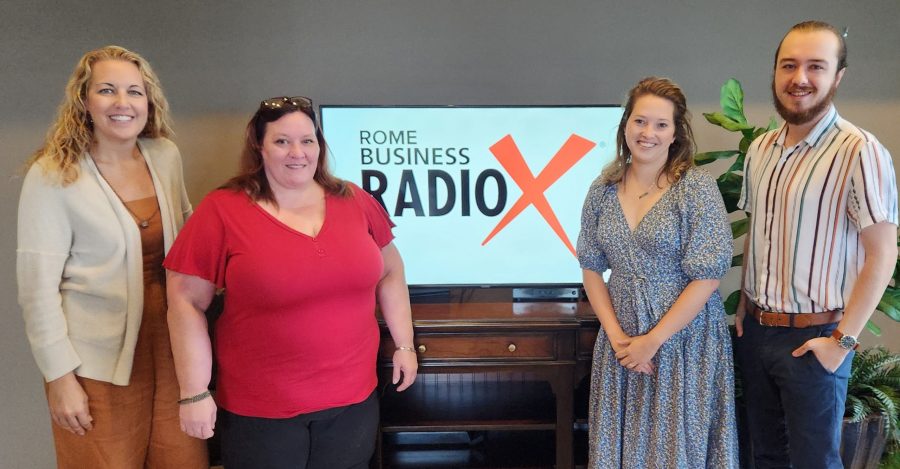
Business and Leadership Consultant Julie Bee


/
RSS Feed
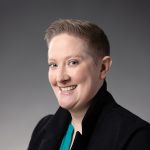 Julie Bee is an award-winning entrepreneur, a leader of leaders, and engaging storyteller.
Julie has spoken for 14+ years on topics including leadership, management, employee engagement and morale, workplace culture, business ownership, and entrepreneurship.
Julie’s leadership insights have been featured on FastCompany, Forbes, Thrive Global and many more.
Her forthcoming book with Matt Holt Books, The Business Owner’s Guide to Burnout is scheduled to hit bookshelves in early 2024. Matt Holt Books is an imprint of BenBella Books, publishers of Traction.
Connect with Julie on LinkedIn, Facebook, Twitter and Instagram.
This transcript is machine transcribed by Sonix
What You’ll Learn in This Episode
- How Business Owners Can Be in the Room Without Being in the Room
- Leveraging Burnout to Fuel Success
- Why business owners with great teams feel busier than ever
- How you can overcome objections and obstacles to key employees sharing the leadership load
- What tools can help guide both the business owner and key employees/leadership team to a more balanced leading structure in a small business
TRANSCRIPT
Intro: [00:00:04] Broadcasting live from the Business RadioX studios in Atlanta, Georgia. It’s time for High Velocity radio.
Stone Payton: [00:00:15] Welcome to the High Velocity Radio show where we celebrate top performers producing better results in less time. Stone Payton here with you this morning. This is going to be a fantastic conversation. Please join me in welcoming to the broadcast with The Julie Bee, the lady herself, Miss Julie Bee. How are you?
Julie Bee: [00:00:37] Stone. I am doing great. I’m excited to be here this morning and I am looking forward to our conversation.
Stone Payton: [00:00:43] Oh, we’re going to have so much fun and learn a great deal. I’m sure a thousand questions. We won’t get to them all, but maybe a good place to start would be mission purpose. What are you and your team out there trying to do for folks?
Julie Bee: [00:00:59] Yes. So the the big vision here is to help 1 million business owners by 2032. So in the next ten years, that is the the vision of what we are doing. And my personal brand.
Stone Payton: [00:01:16] Wow. I would say that is not only a noble pursuit, but a pretty tall order.
Julie Bee: [00:01:24] It is. Yes, it is. Every time I say it, I have a moment of, okay, maybe I went too big. But you know, and my and my point of view, the vision is is kind of the dream, you know. And I do think we we will achieve that. I’m pretty confident that we will achieve that. But it’s also about the journey along the way of working towards getting there.
Stone Payton: [00:01:48] One of the things that really stood out for me when you and I had a chance to have a brief visit over the phone not too long ago was this this idea of business owners being in the room without being in the room? Can you speak to that a little bit?
Julie Bee: [00:02:06] Absolutely. So I think as business owners, we often get kind of stuck in this leader of managers role. So we have a lot of other managers who we lead, but those individuals aren’t necessarily stepping up as leaders. And part of what I help business owners do is step more into a role of leader of leaders, which means that some of those managers have to become leaders in the business as well. So that might be a key employee or to the leadership team. And what I often hear is from from business owners is that they have a fantastic team of people working for them, but they feel busier than ever and that that really should not be the case. If you have a really great team working for you, you shouldn’t feel like all of the pressure is on you all of the time. And I help business owners make the transition from leader managers to leader of leaders.
Stone Payton: [00:03:09] Now, do you find when you’re pursuing that work that while sometimes some of those employees, they they embrace the idea of taking on more leadership responsibility but but others maybe not so much?
Julie Bee: [00:03:26] Yeah, and it’s interesting because I think what I do when I first start working with a client is I have I have the client who is usually the business owner and then the key employee or everyone on the leadership team, just depending on how large the company is. Take a couple of assessments. And those two assessments really help me figure out who is more who’s more likely to step into a leadership role willingly and who is happy being in a managerial role. And that’s a very important thing to know about the people who work for you as a business owner. Because, you know, if you try to put someone who doesn’t want to be a leader and a leadership role, it’s just not going to work out. So the very first thing that I really like to do is have everyone take a couple of assessments because that helps me very quickly see in a very objective way who who can step into that role as leader and who really should probably stay where they are in a managerial role.
Stone Payton: [00:04:31] One of the things that that I’ve noticed with assessment So a lifetime ago, I spent a little bit of time, at least on the periphery of the of the consulting world. And I noticed that one of the things that assessments can do for you beyond giving you some insight and data, it creates a marvelous platform for dialog, right? It gives it gives you something that you can all talk into and around. Is that been your experience?
Julie Bee: [00:05:00] It gives the group a common language. Yeah. And it gives a really good, I would say, environment. And as you said, platform. It’s almost like a placeholder, an arena, if you will, for everybody having the same conversation and everybody being on the same page using the same words. I think that that’s what those assessments are really great for. For me personally, when I use them in my own business, it helps me get to know an individual more quickly. It helps kind of speed up that initial honeymoon period or that initial six months that might take someone, a business owner not using assessments. It might take you 6 to 12 months to really get to know someone. Whereas if you’re using assessments, I’ve found that you know who they are pretty quickly. I mean, within three months, I mean, you really know who you have and what their strong suit is and how to work with that to make sure that they also are set up for success.
Stone Payton: [00:06:05] Okay. I got to know the back story. How in the world did you find yourself in in this line of work.
Julie Bee: [00:06:13] That is a that is a story for the ages? I think so. I, I went to college like, like a lot of us did, graduated with a business degree and accounting and actually got my master’s degree and CPA license as well and worked in accounting for a few years. And I gradually started moving towards more small business. So I went from working at a really large international accounting company, PricewaterhouseCoopers, to working for a small business to working for an even smaller business. So I went from PricewaterhouseCoopers to a company that was doing about 400 million in revenue to from there to a company that was doing about 30 million in revenue a year. And I was working in accounting all that time, but I was also learning that I really. He had a passion for business ownership, for leadership, especially within the business owner arena. And in 2008, I lost my job because of the housing market crash and I was not going to get another job in accounting or with a small business. I did try but didn’t couldn’t find work. So I started a company and I started a marketing agency that specialized in social media at that time. What’s interesting is Facebook wasn’t even available to the public yet. It was still just available to college students around the country. And I really started working with business owners to help them market their business on social media.
Julie Bee: [00:07:52] And I’ve done that. I still own that business. I’m still in a leadership and strategic role in that company. But in 2020, like a lot of us, we kind of had to. I think a lot of us reevaluated what we were doing and what our next steps were. And I’ve always been very passionate about leadership and I also love creating content. And so a friend of mine actually I created a couple of videos about working remotely. I’ve been working remotely since 2004, and I created a couple of videos about how do you work remotely, but also lead a small business in a remote environment. And a friend of mine lifted the audio off of those videos, created a podcast for me, and the rest is history. So from there I started speaking about leadership. I had the podcast about leadership and specifically in the business ownership realm, because it’s a different it’s leadership as a business owner is different than leadership as a corporate professional. And then from there I wrote a book, got a book deal, and now I am speaking and consulting with business owners to help them achieve success without having to make significant sacrifices. I like to say I help them get it without having to lose everything else, basically. And that’s really what I’m focused on through speaking and consulting.
Stone Payton: [00:09:18] Well, it must be it has to be incredibly rewarding work. What are you enjoying the most these days about it?
Julie Bee: [00:09:28] I think when I have when I see a business owner go from being so burned out that they can’t even get out of bed in the morning, literally, they’re just exhausted and they they almost hate I mean, they some of them hate their job. You know, it’s kind of ironic when we create a job that we eventually we eventually come to really not like to go to every morning. So the most rewarding thing for me is when I see a business owner kind of fall back in love with their business and be able to get back into doing the work that they enjoy doing. And what I often tell them is, you know, it’s not necessarily about slowing down, it’s about finding a better prioritized and more sustainable pace of work. And that’s what I really help the business owner focus on. So when they find their joy again, they kind of fall back in love with their business again. That’s what I really enjoy the most.
Stone Payton: [00:10:28] And you’ve kind of cracked the code on on, on leveraging the point of a person’s burnout. Can you speak to that a little bit more?
Julie Bee: [00:10:38] Yeah. And there’s there’s a lot that goes into that. So there are, there are multiple steps. And I would say leveraging your burnout is kind of the that’s where everything comes together. But the one thing that I always tell people is it’s interesting. There’s this there’s the stigma of burnout and the small business community that I think I think it comes from this thinking that, well, you kind of did it to yourself. You know, you started a business. So if you’re burnout in your business, it’s kind of your fault and it’s your job to fix it. And don’t don’t really complain about it or talk about it. And I think so a lot of business owners don’t want to even accept that they’ve dealt with burnout or are dealing with burnout. So there’s a stigma. So the first step is you kind of have to embrace the burnout. You have to just say, Yeah, I’m burnout. And the way that I often recommend doing this is just taking a yes and approach. It sounds like, yes, I’m in burnout and I’m going to come out the other side of this and a better and a better way, or there’s a lot of things that can follow that. And it’s not the end of the world if you’re burned out. I think that’s the very first thing is you have to be able to embrace the fact that you’re burned out.
Julie Bee: [00:11:53] And then from there and part of what I teach for business owners working through burnout is making space and learning how to say no to new things and also pausing some initiatives. And ultimately, like as they’re working through it, when they do those things, they’re going to have some aha moments, they’re going to have some epiphanies about how they’ve been working and what they’ve been working on. And ultimately when we get to the end of this process. They are going to look at number one, most likely they have space that they have created, whether that’s physical space, whether that’s energetic or even space on your calendar that can open up an opportunity for them. Their leverage points is what I call them. And I basically asked them to take that space that they have created and combine that with one of their aha moments, because usually what happens is they figure out something about either how they’re working or what they’re working on that needs to change. And it’s not something to deal with right in the minute of burnout. But when you get to the other side and you’ve recovered from burnout and you’ve addressed any business crisis the burnout has caused, you then have an opportunity. You can either choose to kind of go back to doing the work the way you were doing it before, or you can make a change and you can leverage your burnout to make a change that you wanted to probably change for a while.
Julie Bee: [00:13:29] Or maybe it’s something new that came up when you were going through this process that you want to pursue and you just take the you take the combination of the space you made to deal with the burnout and you fill some of that space with one thing. I always just say one thing. Just pick one thing that came out of what you learned while you were going through burnout to pursue. And then that is how somebody can leverage burnout to go on to their next thing. Sometimes it’s a new business, sometimes it’s a book. I mean, I my last leverage point was writing a book and getting a publishing deal. That was what I did with my last burnout that I went through. Sometimes it’s I’ve seen business owners decide to sell a business. I’ve seen business owners decide to bring in a business partner. There’s all kinds of things that can happen with leveraging burnout, but really it’s paying attention kind of as you’re going through it to those moments of this is something I’d like to explore because once you get through the burnout, then you have an opportunity to make a change that will definitely benefit you, the business owner individually, and will most likely benefit your business as well.
Stone Payton: [00:14:42] So how does the whole sales and marketing thing work for for someone with a practice like yours? How do you get the new business?
Julie Bee: [00:14:55] Yeah. So it is honestly, the biggest thing is speaking engagements. Like I said, I’m still at the point where people people are not going to come to me and say, Hey, I’m burned out because there is a stigma around burnout. With business owners, they do often. They do not want to admit they’re burned out until they’ve kind of gotten through it and then they have a story to tell. So what I often do is I will speak to small, medium, small to medium sized organizations like Chambers of Commerce or conferences where business owners are sitting in the crowd. And from there, a lot of them will come up to me and we’ll have a 1 to 1 schedule, a 1 to 1 Zoom meeting. And then I go basically into my my sales conversation with them. And it’s really, you know, a lot of people are burned out, but they don’t realize they’re burned out. And so I really focus more on, like I said in the beginning, it’s it’s about helping business owners achieve success without having to make significant sacrifices in their life and their business to get it. So I help them get it without losing everything else, basically, because a lot of business owners think that, you know, I got to work 80, 90 hours a week to get to where I want to be. And, you know, don’t get me wrong, I’ve certainly worked my own 80 hour weeks from time to time, but that’s not sustainable for long term success for anybody, I think. And so I really focus on the success part without them having to make the significant sacrifices that I think a lot of us have been conditioned to think business owners have to make to get to where they want to go.
Stone Payton: [00:16:41] All right. Let’s talk about this book. This is it’s not released quite yet as of this conversation, but it’s coming, right?
Julie Bee: [00:16:49] Yes, it is coming. It’s interesting how how book contracts work. It usually takes quite, quite a bit of time for them to get it out and publish it and promote it and do all of that. So the book title is The Business Owners Guide to Burn Out, and it is a system of working through your burnout. And I’ve written it in a way where a business owner can in the very first chapter, I kind of break down each chapter, and this is not a book that you have to read in order to get everything out of it. So if you feel like you if you just want to skip straight to the Leveraging burnout chapter, you can skip straight to that chapter and implement it. If you want to create a burnout prevention plan for yourself, you can skip to that chapter and do that A Well, do that as well. If you’re not even sure you’re in burnout or not, there’s a chapter for that too, so you can kind of bounce around the book and figure out exactly what what chapter you need to read for where you are. And I wrote it that way because so many books that are process based or system based book, you have to start with chapter one and read it straight through. This is not that book because I want this book to help as many people as possible as quickly as possible. So I structured it in that way. The presales will start in 2023 and then it will be in bookstores in 2024. But I’m just really excited about it. The publishers of Traction are actually the publishers who wow my book out. So yeah, I’ve got a I’ve got a really good team behind me, so I can’t wait. I can’t wait for it. But I’m also enjoying the journey as we build the audience and get the word out that it’s coming and just get people prepared to purchase it.
Stone Payton: [00:18:42] So the experience of getting the book put together did some of it, some chapters, some parts of it come together really easily for you and and others more of a struggle. What was the experience like getting this thing together?
Julie Bee: [00:18:58] Yeah, it it was it’s funny, I often tell people I’ve already written like ten books, but this is the first one that I’m getting published this book was it really came from my own personal experience and then my own research and trying to find resources for business owners struggling with burnout. The the yeah, it was challenging and I’ll you know, I think the the most challenging part of it was structuring it in a way in an order that made sense, but also writing it with the end goal in mind of people being able to jump into it wherever they needed to jump into it. And. Another struggle that I had was getting some business owners to share their burnout stories. And it, you know, it’s not it’s not heavy on business owners stories. It’s very, very systematic and it’s a process based book. But the business owners who did share their stories were willing to be vulnerable and allow me to share them in the book, which I’m very thankful for. I would say probably probably the hardest part of writing this book was distinguishing between addressing the crisis that a burnout causes and your business or your personal life and how to go about that and distinguishing between addressing it and then personally recovering from burnout. Because those two things are not the same thing for a business owner. You often have to address the problems that the burnout is causing before you can really make a lot of time or a lot of space to recover from the burnout. Personally, most business owners, you know, when you’re when you have a crisis going on in your business, making space for burnout can be tough. And I think that distinguishing between those two things and then really ordering them in that way address the crisis and then recover from the burnout was was a tough thing for me to to separate and then write about individually.
Stone Payton: [00:21:12] Yeah. All right. Before we wrap, let’s leave our listeners, if we could, with with a couple of pro tips, a couple of actionable items, something to be thinking about, something to be doing, maybe something to be reading or listening to. Number one pro tip going is reach out and have a conversation with Julie or someone on her team. But but maybe there’s a little something that someone finds this content, something that they can go into and start doing or thinking about right now.
Julie Bee: [00:21:41] Yeah. So from a from a burnout perspective, for business owners, the very best thing you can do is know what burnout looks like for you. It doesn’t look the same for everybody. So that can be anything from you’re not getting enough sleep to your eating poorly to your. You can’t clearly and concisely relay a message. Those are some things that burnout can cause. And business owners, I think that’s the very important item is to know what burnout looks like on you. And then the other thing I would say just in general is that this helps in a lot of ways, recognize when you are working with your leadership team or whoever works in your business, recognize the difference between when you the business owner, when you are leading versus when you are managing. They are two different skill sets and it’s important first and foremost for you to know the difference between when you are leading and when you are managing. And I have a lot of podcast episodes and a lot of information on my website where you can kind of go and check that out. And then the third thing I would say is build your business owner support network. Now build it with people that when you are struggling with something that you can reach out to and have a very open and honorable dialog with and get some help, I think that is probably one of the most important things in helping people prevent burnout and also helping people be better leaders. So building your support network now instead of waiting until you need it, is kind of like what they say about having a bank before you need them. Have a support network before you need it, because when you need it, it’ll be there. And I think that’s a really important action that people can go ahead and take right away.
Stone Payton: [00:23:35] I am so glad that I asked that question was that it’s a marvelous counsel. Okay, let’s leave our listeners with some points of contact. I want them to be able to access the podcast that you mentioned. Whatever you feel like is appropriate website, LinkedIn, email. I just want to make sure that folks can, can, can reach out and connect with you and begin to tap into your.
Julie Bee: [00:23:59] Absolutely. So my website is the Julie B, My last name is spelled b E like a honeybee. That is my real last name. So YouTube.com that has pretty much everything on it. That’s probably the best place to go to contact me. My podcast is called They don’t teach this in business School and it’s available wherever you listen to podcasts, so you can search that out and find me there. And that is a mix of short podcasts where I deliver some, some knowledge and just some ideas and then interviews with other business owners. And then out there on social media, pretty much all of my handles are the Julie B, so you can find me pretty much by searching the usually B as well on LinkedIn, Tik Tok, Instagram, all of those social platforms. I am out there putting content out almost every day, so that’s where you can find me.
Stone Payton: [00:24:52] Well, Julie, it has been an absolute delight having you on the show today. I have found it informative and inspiring. Thank you so much for investing the time and energy to be with us and keep up the good work You’re doing. Important work and we sincerely appreciate you.
Julie Bee: [00:25:10] Yes. Stone Thank you so much for having me. I’ve really enjoyed this conversation and I look forward to listening to more of your podcast as well.
Stone Payton: [00:25:18] Fantastic. All right. Until next time, this is Stone Payton for our guest today, Julie B and everyone here at the Business RadioX family saying we’ll see you in the fast lane.
BRX Pro Tip: How to Make a Better Decision

/
RSS Feed

BRX Pro Tip: How to Make a Better Decision
Stone Payton: [00:00:00] And we are back with Business RadioX Pro Tips. Stone Payton and Lee Kantor here with you. Lee, let’s chat a little bit about how to make a better decision.
Lee Kantor: [00:00:11] Yeah. Every day you’re kind of required to make some sort of decision somewhere, and sometimes these decisions are big, sometimes they’re little. If you have a big decision at hand, I think it’s a good idea to pressure test that decision by playing out some hypothetical situations around the decisions before you decide to commit resources and time to it.
Lee Kantor: [00:00:32] I like to kind of play out from the edges of the decision, play out a best-case scenario and the worst-case scenario. Look at the choice through the lens of that optimistic super fan, you know, looking at it in the best possible way. What is the most beneficial way this is going to work out for you? And then, poke at it from a different angle. Look at it through the lens of the most pessimistic person. What is the worst-case scenario? What are all the different things that bad that could happen?
Lee Kantor: [00:00:59] When you poke at a decision from all these different angles, you’ll get to see and get a good sense of how it’s going to hold up to either one of those extremes. And when you do this, ultimately, you’re going to feel more confident that you can defend the decision and it’s a worthwhile decision to go forward with or to not go forward with.
Lee Kantor: [00:01:18] So, I would set some sort of time limit on this, because this is one of those things that if you do it, you can do it forever. But I would say, okay, I’m going to argue positively for 15 minutes. I’m going to argue negatively for 15 minutes. I’m going to just write all the good, all the bad, and then I’m going to just think about it, you know, at this point now, objectively, looking at the edges and saying, okay, is this something I want to invest time and resources in or not? And then, once you made the decision, that’s it. Move on. Either take action, don’t look backwards, just go boldly forward or not. But, you know, at the end of the day, once you make a decision, then you can use real data and assess whether you made the right decision or not.
Rick DellaRatta with Jazz for Peace™
/
RSS Feed

 Rick DellaRatta is now considered by many to be one of the finest Singer/Pianists performing today and one of only a handful of Jazz Artists who can make a successful musical presentation to a large audience without having to abandon the true art form of Jazz.
Through his life long endeavor to help advance people to their highest potential through the understanding of Jazz as well as spreading peace worldwide through his “Jazz for Peace World Tour”, Rick DellaRatta is considered to be an innovator and a visionary.
His unique and original piano playing and composing has been compared in print to Chick Corea, Herbie Hancock, Wayne Shorter, Bill Evans, McCoy Tyner, Keith Jarrett, Joe Zawinul, Horace Silver, Oscar Peterson and Thelonious Monk, while his signature vocal sound and style has been likened to Chet Baker, Billie Holiday, Joao Gilberto, Ivan Lins, Michael Franks and Antonio Carlos Jobim.
Connect with Rick on LinkedIn, Facebook, Twitter and Instagram.
This transcript is machine transcribed by Sonix
TRANSCRIPT
Intro: [00:00:04] Broadcasting live from the Business RadioX studios in Atlanta, Georgia. It’s time for High Velocity radio.
Stone Payton: [00:00:15] Welcome to the High Velocity Radio show where we celebrate top performers producing better results in less time. Stone Payton here with you this afternoon. This is going to be a unique and special conversation. Please join me in welcoming to the broadcast with Jazz for Peace. Mr. Rick DellaRatta. How are you, man?
Rick DellaRatta: [00:00:37] Hey, Stone. Very good. Thank you so much.
Stone Payton: [00:00:39] Well, it is such a delight to have you on the show. And before we even dive into the conversation, I wonder if you would give us the treat of sharing a small piece with us.
Rick DellaRatta: [00:00:52] Okay, we’ll do. Actually, what I’m going to do is it’s fall here. It’s kind of fall everywhere in the United States. So but especially here in New York with all the beautiful, you know, the the the leaves and all that stuff. So this is just a little intro of a French song called Autumn Leaves that’s also famous in America, and that’s going to segway into a little thing called three J that I just make up. That’s also very short. And then I’m going to recite the poem Jazz for Peace, because a lot of people ask me on the show, What are those words to that poem that kind of started it all. So I’ll just get right to it here for you.
Speaker1: [00:01:34] Say.
[00:01:37] To see on the song. That’s on Blu ray. They said.
Speaker1: [00:02:01] They me.
[00:02:10] They launched a new song. Song? Look.
Speaker1: [00:02:25] Job he name.
[00:02:38] Oh, since you went away. The days for long. And around here. Oh, well.
Speaker1: [00:03:01] So.
[00:03:08] But I miss you most of all. My darling. When autumn leaves start.
Speaker1: [00:03:33] And.
[00:04:38] But. He’s. But.
Rick DellaRatta: [00:05:20] I hear jazz for peace coming through the tree In my heart it fills me like celebration. I see the lights and I want to follow. Inspired by the past contributions, those that came before and laid the groundwork for us to build on in this universal language that is the gift for all mankind. When we speak it.
Speaker1: [00:06:08] People are enlightened by the creativity and artistry that for peace and love.
Rick DellaRatta: [00:06:15] And humanity and intelligence and the terrific potential that we have in our souls so we can remain conscious. It’s a gift of giving. It’s our greatest.
[00:06:31] Privilege. Hi there, Charles.
Stone Payton: [00:06:50] That is absolutely beautiful, man. Thank you so much for the work you’re doing, but also for for that piece right there. And that is fantastic.
Rick DellaRatta: [00:07:02] Thank you so much. I appreciate. You know, it’s very unique just for your show. There’s no other show that will have this exact arrangement. I do something kind of special so that people from other shows can come and get hip to what you’re doing and vice versa.
Stone Payton: [00:07:15] I love it. All right. So a good place to start this conversation, I think maybe is mission purpose. What are you and your organization out there trying to do for folks, ma’am?
Rick DellaRatta: [00:07:26] You know, basically, Joan, we’re trying to define the role of what peace is, because, you know, the reason I recited the poem is so you could hear the poem that I wrote on 911 that all of these people had contributed to peace and kind of gave us this incredible foundation to build on people from Gandhi to Martin Luther King to, you know, musical greats like John Coltrane and all of these people. And so now we have this incredible foundation. And what we’re doing with peace is we’re helping outstanding causes, because we believe that by using this great American art form of jazz that’s spoken all over the world and that transforms all barriers from culture to race to religion, to creed to language, you name it, we’re able to address and help the world’s most outstanding causes all over the world. And by doing that, we’re not only helping that specific cause, but all of the people that they reach. And not only are we addressing problems of the present, but we’re helping to stop problems of the future at the same time. So it’s a lot of good that that all takes place one after another through this benefit concert series, which is also an instrument donation program and is also an educational program in the school.
Stone Payton: [00:08:47] So how did this pursuit, how did it all get started for you personally?
Rick DellaRatta: [00:08:53] Well, honestly, I have been traveling all over the world and I had done so many things to be just as myself. Rick Tyler Out of the Artist. I had traveled a lot as a sideman, played with bands from the Platters, the famous band, the 1950s to the Artie Shaw big band, to the opening act for Dizzy Gillespie. Then my CDs came out and I traveled a lot with those places, you know, places like Brazil and Europe and you name it Asia. And then I learned that music had an incredible quality to unite people in a positive way, to heal people and to bring people together for good purposes. So I knew all that when 9/11 hit. But watching it myself on the building where I was living, which was less than a quarter of a mile away down in the Lower East Side from those Twin Towers, I realized that it was really up to me to actually help the world to find out about this incredible power that music has. Maybe they already knew it, but I don’t think they realized the potential. And so when I started doing these benefit concerts, helping us standing causes, I started to get letters from people all over the place.
Rick DellaRatta: [00:10:10] I don’t know where you’re located, but I recited the Jazz for Peace poem in a Southern state. I love your southern accent, by the way, because my mother was from and my cousins all, and I used to imitate them. I just love the accent. So anyway, Savannah, Georgia, was where I recited the Jazz for Peace poem because it was only a couple of weeks after 911 that the country opened up and I was able to even get to that jazz festival. And then, like I said, the benefit concert series, I started to get letters from people, starting with the mayor of New York City at that time, which was Michael Bloomberg saying, Hey, I get it, this is fantastic. You got to keep going. And I thought I was done. I thought I’d just make my stamp with six outstanding a handful of outstanding causes. I didn’t realize there were causes all over the world to address every problem we have. And all we have to do is identify the ones that are really the most dedicated and help them.
Stone Payton: [00:11:05] And you’ve applied some real structure, some discipline, some some rigor. I guess I could even call it a methodology. You have a specific set of steps that you walk these folks through to to help them access some of these resources in very short time, don’t you?
Rick DellaRatta: [00:11:25] We do. And I’m so glad you brought that up. So this is called an empowerment tree. It’s a fundraising model. And this model is I have to give a lot of our credit to the model because this model works every time we follow the model and it works. And what’s so cool about it, it’s patterned after a tree. And when you look outside your window there you see trees. Not one of them looks alike. We all call them trees, but they’re all unique. It’s the same thing every time we run this model. Every event is completely unique to that organization that we’re helping. You can see our one of our recent events in Nigeria, which was our ninth time to Africa. You can see events that we’ve done in Atlanta. I’m just saying that because I’m not sure where you are, but I know you’re in the South, but all over the place, Alabama, Florida, any state and every continent and country. And they’re so unique. Yet they are an empowerment tree that we grew, starting with the roots, just like a tree. What the root is, it’s basically a comment from someone who, let’s say, listens to this podcast down the road and they they say, you know what? Wow, I like that music. I like this interview. This was fantastic here. I’m going to send them an email So they write an email to info and they can say whatever they want. Hey, I listen to Stones interview. You know what? This could be really good for our outstanding cause. That’s such and such and such and such city or town. Great. That’s called. That’s a seedling from a tree.
Rick DellaRatta: [00:12:54] Now what we’ll do is, you know, many seedlings fall, you know, only a few of them become trees. But that one, since there’s an outstanding college attached, we’ll work with them to grow that into roots simply by creating a document that they approve. Go back and forth to make sure it’s just what they want to show their board members, or if they’re a nonprofit or they’re they’re their team members who, whatever they are, show all those team members and show some of your supporters and show them all and get their comments. Those comments make the roots of the tree okay. From there, we will help them expand that because we want to bring in new donors. We want to bring new energy into this into this organization. And so when we help them expand that, now we have the roots of the tree. From there, we get their paperwork submitted into and get it approved here at Jazz for Peace so that we can grow the empowerment tree that starts with local business sponsors. On the local end. We want to get them really ingratiated with their community so that these people will support them year after year. From the local business sponsors, we were able to go to publicity and awareness and you can click on that interactive tree on our website and you can see, you know, you can see me on television, actually on NBC on that specific interview on NBC-TV promoting that organization. But there’s all kinds of publicity and awareness that are of that can happen from publicize this event. From there you can go to other things like major corporate sponsors, new and prestigious supporters, and we share fundraising tips and techniques that we’ve learned from all of the big names because we’ve worked with all the big names.
Rick DellaRatta: [00:14:35] And so all of these things amounts to an outstanding cause. It’s not only better funded, but that’s one piece of the puzzle. You just can’t fund them, but you can’t throw money at a solution and fix it because they’ll burn through the money. They’ll be right back where they were. But we want them to not only be more funded, but also more publicized. We want them to be more befriended. We want them to be more sponsored. We want them to be a more prestigious organization moving forward. And all of that adds up to a helpful step forward. And that’s what we that is our goal. And we realize that goal when we receive a testimonial letter from them, as we always do after the event, and go to Jazz for Peace, WordPress.com, the WordPress page forward slash about. So it’s Jazz for Peace dot org is our website Chesapeake dot WordPress.com for about. And you can not only see the Empowerment Tree interactive and click on it, but scroll down and you’ll read quotes from a lot of people that you know who they are, a lot of famous people. But then keep going. You’ll see the testimonials and you’ll never get to the bottom of that because there’s hundreds and hundreds of them from all the people we’ve helped. And like I said, I have to give a lot of credit to not only our staff and volunteers, but that fundraising model.
Stone Payton: [00:15:49] This has got to be this must be incredibly rewarding work, man. What are you enjoying the most right now?
Rick DellaRatta: [00:15:58] You know, I enjoy feeling like a trillionaire. Not on the outside, but on inside. You see what I’m saying? You feel? I mean, a lot of people never get to know what it feels like to be whatever a billionaire or a billionaire. But I do know how on the inside, because these people have filled me up with joy just knowing that I made a difference from them in their word. How are you going to argue with someone that writes your letter and said, Hey, you really made a difference for us? And you know, they’re an outstanding cause that’s really dedicated to their mission.
Stone Payton: [00:16:33] So what’s next for you guys? What’s on the on the horizon for you?
Rick DellaRatta: [00:16:38] Well, I’ll tell you, you know, I don’t know what this podcast thing has taken off, but there’s just been a lot of activity with that. And these podcasts like yours, you know, we’ve been hearing from the podcast now, hey, you know, our our message is blew up or people listen to it. They love what you do. And and I’m getting to meet a lot of those different kinds of people. But also at the same time, we are again, working with people on their you know, on their getting them ready to grow their empowerment trees. We recently came back from Nigeria, and that was the 20th anniversary of the United Nations concert we didn’t even have time to talk about, but maybe on another one, we’ll talk about that. But that was the concept we did the United Nations. This was the 20th anniversary of it. And you can see all of the sponsors that we were able to get for that organization on this giant wall. Because I think, you know, when you see the stars or whatever and they take their picture, it’s always in front of a backdrop of sponsors, right? So we had those giant walls. It was like 15 feet high because it had all the sponsors listed.
Stone Payton: [00:17:41] Oh, man, this is just marvelous. Okay, let’s make sure that our listeners know how to get in touch with you if they want to have a conversation with you or someone on your team, if they want to tap into this process. So let’s leave them with whatever coordinates you think are appropriate. Website, email. I just want to make sure they can connect and tap into this work. Man.
Rick DellaRatta: [00:18:04] Absolutely. So first and foremost is that email address because like I said, you can send us an email just with a comment from revealing. And by the way, we stumbled all into this. The we, we got this idea from someone who sent us an email and we’re like, Who is this person? This is an incredible comment. And it turned out it was a woman that was helping at this time. Now, because this has already been solved this problem, but it was a problem they were having in China with young girls and they were not educated. They were not going to school and they were they were doing a sponsorship program for them. And we were raising the funds here from their organization and we ended up doing four concerts for them, for them across the United States. But anyway, the email address is info, just simple info at Jazz for peace. Jazzy f0rpee dot org. That’s the email address. Of course, our website Jazz for Peace dot org. If you make a mistake and you write jazz for peace dot com because so many people are they think in dot com you’ll still get there. And then of course there’s my name Ric Dealer.com and you can kind of see who I was before Jazz for Peace got launched because like I said we’ve had so many events with Jazz for Peace that there’s no place to fit them on that site. So you can click highlights as a lead. See all the things I did before that.
Stone Payton: [00:19:25] Well, Rick, it has been an absolute delight having you on the show this afternoon, man. I sincerely appreciate you investing the time and the energy to visit with us and keep up the good work that what you’re doing is so important. And we sincerely appreciate you and your team, man.
Rick DellaRatta: [00:19:44] Thank you so much. Stone It’s been a pleasure.
Stone Payton: [00:19:47] All right. Until next time, this is Stone Payton for our guest today, Rick del Prado with Jazz for Peace, and everyone here at the Business Radio X family saying we’ll see you in the fast lane.
Julie Goodall with Genesis Consulting
/
RSS Feed
Sponsored by Business RadioX ® Main Street Warriors

 Julie Goodall, owner of Genesis Consulting, is a passionate, versatile, MacGeyver-like entrepreneur dedicated to helping business owners make sure their business is running at optimum efficiency. She is oddly interested in all the things that most people hate about running a business.
Her superpowers include not only an intimate knowledge of bookkeeping and back office systems but enough empathy to make even the most burnt out entrepreneur feel at ease. Julie believes the back office of a business is essential to success and while most people dread the finances, systems and strategizing that is a necessary evil, Julie puts her love of efficiency to good use, making sure everything is reconciled and workflows are churning so owners can focus on the parts they love; the reason they got into business to begin with.
When she’s not automating, coaching or cleaning up the books, she enjoys adventures with her family, traveling, food (both preparing and eating), running and trying to figure out how to do the millions of things on her bucket list before she’s too old to enjoy them or remember what they are!
Connect with Julie on LinkedIn, Instagram and Facebook.
What You’ll Learn in This Episode
- Julie’s favorite thing about entrepreneurship
- The most important thing Julie has learned about owning a business
- The most impactful change Julie made in her business this year and her goals for next year
This transcript is machine transcribed by Sonix
TRANSCRIPT
Intro: [00:00:04] Broadcasting live from the Business RadioX studios in Atlanta, Georgia. It’s time for High Velocity radio.
Stone Payton: [00:00:15] Welcome to the High Velocity Radio show where we celebrate top performers producing better results in less time. Stone Payton here with you this morning and today’s episode is brought to you in part by the Business RadioX Main Street Warriors program. For more information, go to Main Street Warriors dot org. You guys are in for such a real treat this morning. And please join me in welcoming to the broadcast with Genesis Consulting. Ms.. Julie Goodall. How are you?
Julie Goodall: [00:00:48] Excellent. Happy Friday.
Stone Payton: [00:00:51] Oh, we are delighted to have you on the show. And I got a ton of questions. I know we won’t get to them all, but maybe a good place to start would be mission purpose. What are you out there trying to do for folks, Julie?
Julie Goodall: [00:01:06] So Genesis was founded out of love for people pursuing their purpose. And so really, in a nutshell, people get into business to do what they love, and then if they see some success before they know it, they’re spending 50% or more of their time managing the business instead of doing that thing they love. And so we make the back office noise go away so those business owners can get back to doing what they love.
Stone Payton: [00:01:32] You know, you and I got a chance to visit briefly, I don’t know, maybe a week or so ago. And it was very clear that you are such an ardent supporter of entrepreneurs and such a believer in this whole idea of entrepreneurship. What is it that has you such an ardent supporter?
Julie Goodall: [00:01:56] Well, I think part of it is because I am one and I understand them. There’s a there’s a passion there that you don’t see traditionally in in kind of W2 jobs working for for someone else. There’s that that live for this. And in the beginning I thought that I had to keep keep starting businesses in order to feel that feeling. And then I realized, oh, I could help other people who are starting and kind of live vicariously through them and help them reach their goals and avoid those pitfalls of entrepreneurship. But yeah, there’s just something in Texas about that, that drive, that passion. When people find their purpose in life and they’re just committed to all in. It’s just it’s such a such a wonderful feeling and I’m just so grateful to be part of that.
Stone Payton: [00:02:49] So was there a catalytic moment, a specific event or set of events that compelled you to to own your own business, or did it evolve a little differently for you?
Julie Goodall: [00:03:02] Yeah. So when I had my second daughter, I was trying to lose the weight. And I’ve always been somebody who, you know, go big or go home, right? So normal people, they might join like a Weight Watchers or a diet program. I became a personal trainer because if a little information is good, more is better. And I lost all the weight. And people in my community and my family noticed and they asked me to start training them, and I did. And one day one of them said, You should start a gym. And that’s kind of where the seed was planted. At first I kind of scoffed a little bit. I was like, That’s ridiculous. We live in this small town. I have no money. You know, you have to have all this education and capital to start a business. But once we started, I just couldn’t get it out of my head. And I went to a friend of mine who was a manager of a bank to just kind of get my feet wet and ask about funding. And she said to me, and she was super kind about it, but she said, No one will ever lend to you because you are female, you are young. I was under 30 at the time and you are uneducated. And I’ll tell you, the best thing you can do to light me up is tell me I can’t do something. So once you said that, I was like, Oh, well, now the gantlet has been thrown like I have to make it happen. And there was no turning back at that point. I was just so driven to do it, and I did. So yeah.
Stone Payton: [00:04:30] So let’s talk about the work a little bit because you your expertise and experience is in an area that a lot of us entrepreneurs really don’t even like to think about, much less get involved in doing ourselves.
Julie Goodall: [00:04:46] Yeah, yeah. I mean, we, we really focus around the finances and part of it is because of that, you know, no pun intended, but the genesis of my first genesis. So the gym was actually Genesis Fitness. Apparently. I’ve got a theme going here. And, you know, a lot of business success or failure. I mean, there’s a lot of factors, but a lot of it really does come down to money. You know, and it’s not just not having it when you start, it’s the management of what you do have. It’s the forecasting and the budgeting. For me, I ended up with enough to start it. I guess you don’t know what you don’t know. And I know there’s seasonality to some businesses. And so when we hit Summer, I live in Vermont and so Summers all of like maybe six weeks long. And so Vermonters want to take their workouts outside. They don’t want to be in a gym. There’s only sunlight for a very short window here. And I just I didn’t have enough of a cushion to make it through. And so I’ve I’ve been part of businesses that have failed due to funding. My second business, you know, there is a funding component in there that broke up a partnership. And then I’ve since supported numerous businesses who when they reached out to me, it was their second attempt at business and they would tell me candidly that their first one didn’t make it due to kind of poor management of finances. And so it’s it’s critical, the money aspect, but there’s so much guilt and shame around money and not just in business in general, you know, in marriages and people just they don’t talk about it. It’s a big taboo. And so I love to talk about it. I love to make it a safe space. It’s okay. We all have it. We all use it. We all need it. It’s not a dirty word. Let’s talk about your business and your finances and help you understand them in a way that feels comfortable for you so that that can contribute to your success. Hopefully.
Stone Payton: [00:06:44] I’m sure every client situation presents its own unique characteristics, its own idiosyncrasies. And I suspect that you’ve been at this long enough now that you probably see some patterns, some things over and over, like when you’re first working with a client, you may not say it out loud, or maybe you do, or you say to yourself, Yeah, I’ve seen this before. Can you share with us some of those common, I don’t know, mistakes or less than optimal practices that you see entrepreneurs engage in?
Julie Goodall: [00:07:15] Yeah, absolutely. I mean, the biggest one and I think it touches everybody, I mean, there’s very, very few people who know everything they need to know when they start out, but it’s that you don’t know what you don’t know. And a lot of people reach out to me for just that. They’re like, I started the business. I’m excited and I know that I’m great at what I do. What I don’t know is beyond paying my bills, right? If you’re if you’ve got a brick and mortar store or a location, you know, things like you have to pay the rent and you got to keep the lights on. But there’s a lot of confusion for folks that have come from a W2 world about things like estimated taxes and how to know if they’re profitable and even if they are profitable when they get to that point where they’re ready to grow. How do I know if I can afford to take on an employee and how do I how do I set up payroll and and how do I track my expenses? You know, there’s a lot of stuff like that that there’s wonderful resources and software out there, but it’s not one size fits all. And so people end up in a in a platform or a software or with a a bookkeeper or coach or somebody that’s recommended or unfortunately, that they Googled and they found something online. I actually had a discovery call this week with somebody who did this package online and weighed it. It was an exorbitant amount of money and it wasn’t functioning and they weren’t helpful. The support wasn’t there. And I just felt really bad. And all I kept thinking is, you wouldn’t have known that. You don’t know if you don’t know.
Stone Payton: [00:08:52] It sounds to me like sometimes you you find yourself maybe being sort of the quarterback, like even if it’s a a service you don’t directly provide. You probably have a relationship with or are intimately familiar with a best in class resource that will help kind of plug this hole or serve this purpose. Is that accurate?
Julie Goodall: [00:09:13] Oh, absolutely. That is. Let me try to put a number on it. But I would say it’s at least half of what I do from day to day. Like, yes, I can help with the stuff they came with, but a lot of times they need some kind of resource or support that I can’t or don’t provide. And so a big part of what I do is, is networking and connecting with other professionals that have a complementary service, something that comes up often. And I vet them like I don’t I’m very I don’t know if it’s a maternal thing or if it’s just part of my character, but my clients are my babies, they’re family, they’re special, and I don’t just hand them off to somebody I found in the Yellow Pages, and I know that dates me a bit there, but they don’t go to anybody that I wouldn’t send my mother to or go to myself. So all of these people and I’ve I’ve cultivated this these relationships over a number of years. These are people that I would refer my own family to or use for myself.
Julie Goodall: [00:10:19] And so when people come to me, I tell them flat out, if I if I’m not the right person, I don’t send them away empty handed. I’m like, here are three other people who are exceptional in this space that I think would be a great fit for you or that you need to know. And so I spend a lot of my time also cultivating those relationships. So not only client relationships, but but people in that kind of sphere of influence. We’re sort of a board of directors. People go into business and it’s it’s unfortunate that they think going into business for themselves means going into business by themselves. It really doesn’t have to be that way. And if you’ve got this support staff, this board of directors, that’s all communicating. We’re all there to support you. I mean, that to me is the key to success. You can’t possibly know everything, and so you just have to have the right players there, whether you call them coach or cheerleaders or whatever, whatever works. But entrepreneurship can be lonely and you don’t have to go it alone.
Stone Payton: [00:11:27] So how does the whole sales and marketing thing work for a consulting practice like like yours? Are you out there shaking the trees and implementing some sort of marketing strategy, or have you sort of cracked the code on on a different path?
Julie Goodall: [00:11:44] Well, I mean, I think it’s twofold. One, I am incredibly grateful that we’ve been in business long enough and we have enough happy clients that we are 100% word of mouth. I don’t I’m terrible about doing social media or going out. And so our clients refer to us all the time. And that’s that’s really helped us grow kind of nationwide, which was just surreal to me. Know somebody had a sister in law out in California or or wherever, and everything we do is virtual. So we’re not we don’t have those geographical limits anymore. But the other one that I found that works for me is, is B and I Business Networking International. And I was fortunate enough about three years ago to find a local chapter that’s there. They’re my tribe, they’re my people. They’re completely invested in supporting me and seeing me succeed. And they care as much as I do about vetting those professionals. So when they make a recommendation, it’s very warm and it’s glowing almost to the point where if it comes from them, there’s no chance of not getting the business because we’ve taught each other who the right candidates are and and how to make those introductions. And I get about 50% of my business from them. So it’s still all word of mouth, but that’s part of that membership. So about 50% comes from my dry referral partners and the rest comes from just word of mouth, social media clients singing our praises or asking for recommendations or or that kind of thing. Yeah, So it allows me to be really targeted. I don’t I don’t have to do all the other stuff, if you will.
Stone Payton: [00:13:26] Well, it’s interesting that you mentioned B and I, because that organization has such a marvelous reputation here where I am, which is, you know, Woodstock, Georgia. So clearly, they’re doing a they’re doing a terrific job. I mean, I can hear it in your voice. You must really enjoy the work. What are you finding the most rewarding? What do you enjoy the most?
Julie Goodall: [00:13:51] My I like. I live for making people’s lives easier because I’ve been through this three times now and I finally hit my stride. Third time’s a charm, I guess I felt all the pain points, and I know how heart wrenching it can be to put blood, sweat and tears into something and have it not work out. And so if I can even be a small part of lifting those people up, forget financial advice. Maybe it’s just encouragement. Maybe it’s just saying, Hey, I’ve been there. I know exactly what you’re feeling because that kind of empathy and compassion, at least in my experience, it doesn’t often come from folks who haven’t tried to run a business. They would always get these comments like, Must be nice to work whenever you want and take days off whenever you want and keep all the money and you know, and it kind of makes me laugh because obviously they just have no idea what running a business is really like. We’re always on. You’re always, I mean, middle of the night, you got that idea. You got to get up and write it down and you’re always worried. And and so a lot of the folks that I meet with, they come for one purpose. But I think what they really get is a little bit of like entrepreneurial therapy. They get connection and they get somebody that tells them it’ll be okay. And I’m not saying that it always is. Sometimes it’s not, and sometimes they need guidance on how to get out. But yeah, that that connection and an advice and that trusted like connecting them to the people they need to know I just. I can’t imagine doing anything else.
Stone Payton: [00:15:35] I love that phrase, entrepreneurial therapy. You may hear that again, and I’ll try to remember to credit you, but.
Julie Goodall: [00:15:42] No, that’s okay. I actually used to have it on my website and I had a couple of therapist friends who were like, You really shouldn’t say that you’re not licensed. And I was like, Okay, okay. And I took it off. But I still use it from time to time because it feels like that’s the bulk of what I do on these calls. You know, it’s like I said that same that guilt. It’s it’s really just providing a safe space for them to let their guard down and be vulnerable.
Stone Payton: [00:16:06] So you’re out there, you’re helping folks make the adjustments, make the shifts, the changes that they need to make to live into their mission and purpose and and vision. How about you? Do you find yourself making changes? And have you made any substantial changes recently?
Julie Goodall: [00:16:24] Oh, gosh, yeah. I mean, I grow, I grow constantly. I kind of feel like when kids are small, it’s like they go to sleep and the next day you’re sure that they’ve grown. And I mean, I feel like that’s where my business has been at for the last few years because as I learn things, I mean, my day comes with such an amazing amount of variety. If I don’t know the answer, I always tell them, I don’t know and I’ll get back to them. But I learn all the time and I also learn from my clients. I might be able to help them with something, but they give me wonderful ideas and so I’m constantly adapting and shifting my own business. And I think the most impactful thing I’ve done in the last 12 months is let go and hire. So I never thought of myself as having an ego. But when it came time to let go of some stuff and delegate, I just kept hearing myself say, Well, nobody else can really do this piece of the business. This really has to be me. And when I finally really questioned myself and I’m like, Wait a minute, does it though? Does it really have to be you? You know? And so when I was finally able to delegate and let folks help me and take some things off my plate, I was shocked and impressed is not even the word, but it was like the weight of the world was lifted.
Julie Goodall: [00:17:44] I kind of I think I understood, like, what some people feel like we take from them. These people took from me and what it allowed me to do is free up some space to do things that were more. In my in my zone of genius, you know, like, do I really need to be monitoring my email all day long? Can somebody else help with that so that I can create new services and products and do continuing ads so that I can be of more value to people? And so I’ve really shifted and my happiness. Like, I was surprised I expected the revenue to take a dip because got to have those billable hours. And creation is not necessarily billable hours, but my revenue went up and my the happiness quotient was just through the roof. I’m just I’m right where I need to be. It’s so wonderful. I look forward to not every day. Obviously nothing’s perfect, but I really, truly do look forward to almost every day. And I’m so grateful for my team for giving me that space.
Stone Payton: [00:18:45] You mentioned a few moments ago that you couldn’t imagine doing anything else. But it’s still a fun question to ask, so I’m going to ask it anyway. If you weren’t doing this professionally, what else might you pursue instead?
Julie Goodall: [00:19:01] So about a month ago, I probably wouldn’t have had a great answer to that. But I’ve recently met this, I guess by trade. She’s a naturopath, but she was introduced to me by my business coach and good friend, and she and I said, Well, what makes her different? And she said, well, basically the boots on the nose and she can tell you what’s missing from your diet, or she’ll put your arm down and tell you that you’ve got lead in your system. And I was like, What? So I booked this appointment kind of just to see if she was crazy. And the woman is magical, like she has all these cool little things that she does. See, I don’t know how to explain it other than, like, magic or voodoo, but I’ve had sessions with her now, and I tell her every time, Boy, if I got a do over, I want to be you when I grow up. Like, it’s just so cool. It’s such a neat thing. I didn’t even know it existed.
Stone Payton: [00:19:56] So you are so full of enthusiasm. It comes through over the airwaves. And, you know, I recognize you’re human to sometimes you got to run out of gas. My question is, where do you go? And I don’t necessarily mean a physical place, but for inspiration to recharge the the batteries when it’s when it’s time to to do that, what do you do? Where do you go to kind of get get recharged?
Julie Goodall: [00:20:24] Yeah. So I think there are two different things. My, my main outlet is exercise, which again is something that, you know, even a few months back I would have said, you’re crazy. I’m like, I don’t I don’t run unless I’m being chased. But exercise is I crave it now. Yesterday was a particularly long day. I was quote unquote, on all day. And it was supposed to be a day off from working out. And I asked my husband after dinner, I was like, Hey, do you mind if I go down? We have a gym in the basement. I was like, I just need to get some energy out. And I felt a million times better when I was done, even 20 minutes. It just. I don’t know. It centers me. I can’t think when I’m exercising. It’s like my brain and my body can’t work simultaneously. So it allows me to turn off my brain and I don’t. Maybe it’s the blood flow. I don’t know enough about the science, but that’s what I do kind of for stress. And it does help with creativity because when I get off again, I don’t know if it’s the blood flow thing, but I get those ideas, I get a renewed energy, but I’m also an extrovert.
Julie Goodall: [00:21:30] And so getting together, especially with I don’t mean to do this, they’ve just become my friends, but with my entrepreneurial friends, not necessarily to talk about business, but just life in general because they have such a similar perspective, Like their lives are similar, you know, So we can commiserate on things and and they’re all experts in their field. And so, you know, I have a best friend who is social. She does social media coaching. And so he comes up with these cool ideas that I’ve never thought of before and I just love. And it happens organically. It’s not all of us using each other for our expertise. It’s we could be having coffee or drinks or whatever, but the energy and the enthusiasm and the creativity that comes out, I just I take pages of notes and I have to I have to bring my self down because when I get home, I just want to, like, redo everything. It’s like, Oh, I got to redo my website and I got to like, I just I’m so charged up by it. So being around other good, passionate, wonderful people, it just lights me up. It really does.
Stone Payton: [00:22:36] So what’s next for Genesis? What? What’s on the horizon?
Julie Goodall: [00:22:41] So I am actually really looking to get into more public speaking and next to snakes. It’s my biggest fear in life actually is public speaking, and I wanted to do more of it to get over the fear. And I’m not over it. But in doing this little exercise for the last year to kind of get my feet wet and try to get over that fear, I realized I really enjoy it and I. I just I love getting a message out and that encouragement that I do with my clients, if I could reach a bigger audience like how powerful, how wonderful would that be? And to meet new people. So this next year, I really geared up this year to put systems in place so that my business continues to run so that I can take more opportunities next year to do some speaking and do some traveling and meet some people. And I never, ever thought that that would be my direction. But it just feels right. And I’m a I’m a trust your gut girl.
Stone Payton: [00:23:41] Well, we have to swing back around after you have a few speaking gigs under your belt and and do an update and check in with you, because I’m sure you’ll learn a ton and meet some fascinating people. So let’s make that happen.
Julie Goodall: [00:23:53] Yeah, I would love it, Love it, Love it. Yes, please.
Stone Payton: [00:23:56] All right, before we wrap, let’s leave our listeners with a few actionable kind of pro tips. Pro tip number one gang is reach out to Julie and have a conversation with her. But short of that, before that, maybe, I don’t know, something. They should be reading a couple of things they should be doing in terms of going and looking at their their books. But let’s leave them with a couple of actionable tips that they can go ahead and and begin to put some wheels in motion right now, maybe or at least begin thinking about.
Julie Goodall: [00:24:27] Yeah, I think the one thing I would say most important for entrepreneurs is if you’re doing it alone, don’t there are people out there, there are free resources, there are webinars and classes and books and all kinds of people who want to support you don’t try to fumble through. And I love the Google as much as anybody else, but don’t just Google everything, you know, get some support because you’re going to need it, otherwise you’re going to burn out. And the other one, yeah, there are some fantastic books out there and that to me is like you just opened a can of worms. Greg McEwan wrote Essentialism and Effortless. Those are two of my absolute favorites. I’m currently finishing up building a story brand, and that one really is more about your messaging and it can really change everything. Positioning your client as a hero and your yourself or your business as the guide. You’re not the hero, you’re the guide. And it just is. It’s an exceptional book. There’s a program that goes with it that’s free and you can kind of map it all out. Oh, gosh. So many so many books. There are so many resources. Just don’t do it alone.
Stone Payton: [00:25:41] Well, I’m glad I asked. I think that’s marvelous advice. All right. What’s the best way for our listeners to reach out and have a conversation with you or someone on your team? Learn more about your work. Whatever you feel like is appropriate, whether it’s an email, website, LinkedIn. I just want to make sure they can they can connect with you and tap into your work.
Julie Goodall: [00:26:01] Yeah, absolutely. Best way is probably our website has all the contact info. There’s a contact form so you can get in, get a scheduled. I do free 30 minute discovery calls and the website is Genesis Consulting Corp Corp. Genesis and ISIS. Yeah. So Genesis, Consulting Corp, all kinds of info about who we are and what we do and why we do it. And you can get in touch that way. There are some blogs and I’m going to be adding a bunch of resources and stuff too. Yeah.
Stone Payton: [00:26:34] Well, Julie, it has been an absolute delight having you on the show today. Thank you so much for investing the time and the energy. You’re doing such important work. And we we sincerely appreciate you.
Julie Goodall: [00:26:48] Thank you so much for having me. This was a blast. I hope to do it again.
Stone Payton: [00:26:52] All right. Until next time, this is Stone Payton for Julie Goodall and everyone here at the business Radio X family saying we’ll see you in the fast lane.
BRX Pro Tip: Ignore Sunk Costs
/
RSS Feed
BRX Pro Tip: Ignore Sunk Costs
Stone Payton: [00:00:00] Welcome to Business RadioX Pro Tips. Stone Payton and Lee Kantor here with you. Lee, this seems like such great counsel, but I got to tell you, sometimes it’s a bit of a challenge for me to do, but the idea is to ignore sunk costs.
Lee Kantor: [00:00:18] Yeah. This is one of my favorite lessons from taking that altMBA from Seth Godin, ignoring sunk costs. And it is, like you said, one of the hardest things to do to end something that you have invested time and resources on that is no longer working for you. And I think this is just human nature. You know, you want to protect yourself and you don’t want to accept maybe a failure that has occurred. But this is something you have to protect yourself from yourself in this area.
Lee Kantor: [00:00:44] So, you have to kind of assess different things. And if it’s time to end a relationship that isn’t working for you, then you have to end the relationship. If you have to stop a subscription to a service that you were using, then you have to stop the subscription.
Lee Kantor: [00:01:00] It’s important to stop investing time and resources in things that aren’t giving you the outcome you desire. Now, at one point it might have been giving you the outcome you desire, but that doesn’t mean it’s going to be giving you the outcome you desire forever. And sure, it might be awkward and sure it might be difficult in the short term, but it will pay off in the long term once you kind of prune these things. And I know that it’s hard to accept that I lost money or I lost time, but the money and time that you’ve spent is already gone. You can’t get it back. So, take the learning and move on.
Author and Speaker Douglas Noll
/
RSS Feed
 Douglas E. Noll, Esq is an award-winning lawyer-mediator who has mediated thousands of conflicts.
His calling is to serve humanity, and he executes his calling at many levels.
He is an award-winning author of three books, a teacher, speaker, and a trainer. His fourth book De-Escalate was published by Beyond Word’s Publishing in September of 2017. De-Escalate is now in four languages and in its second printing.
Doug’s work carries him from international work to helping people resolve deep interpersonal and ideological conflicts. He is the co-founder of Prison of Peace, and creator of the Noll Affect Labeling System.
In 2012, Doug was honored by California Lawyer Magazine as California Attorney of the Year.
Connect with Doug on LinkedIn, Facebook, Twitter and Instagram.
What You’ll Learn in This Episode
- What emotional invalidation is and why Doug calls it the first deadly sin
- How to de-escalate an angry person in 90 seconds or less
- What Doug means by “Listening others into existence.”
- The difference between emotional intelligence and emotional competence.
- Some of the attributes of an emotionally competent person
- Why emotional competency isn’t taught to us
- What is the Prison of Peace project
This transcript is machine transcribed by Sonix
TRANSCRIPT
Intro: [00:00:04] Broadcasting live from the Business RadioX studios in Atlanta, Georgia. It’s time for High Velocity Radio.
Stone Payton: [00:00:15] Welcome to the High Velocity Radio show, where we celebrate top performers producing better results than less Time. Stone Payton here with you this afternoon. This is going to be a fantastic segment. Please join me in welcoming to the broadcast, author, teacher, speaker and award winning lawyer mediator. Mr. Doug Noll. How are you, man?
Doug Noll: [00:00:38] Hey, Stone. I am great. How are you today? You’re in Georgia? I’m in California.
Stone Payton: [00:00:42] I am enjoying every little bit of today. And I have so been looking forward to visiting with you. I’ve got a ton of questions. We won’t get to them all, but maybe a good place to start would be mission purpose. What are you out there really trying to do for folks?
Doug Noll: [00:01:03] I am a lawyer turned Peacemaker Stone, and I left the practice of law 22 years ago to devote myself to serving humanity. And the way that I do that today is by teaching people how to de-escalate angry people. In less than 90 seconds. Imagine if somebody were just screaming at you and you could calm them down, utterly calm them down in 90 seconds or less. What would that be worth to you?
Stone Payton: [00:01:27] A ton. What a fabulous.
Doug Noll: [00:01:29] That’s what I do. Wow. So I’ve got the I’ve got the I’ve got the hack to do it.
Stone Payton: [00:01:35] So was there a catalytic moment that compelled you to go in this direction or did it sort of evolve over time? Exiting the practice and going into this.
Doug Noll: [00:01:46] It evolved over about a ten year period from the mid 1980s when I took up the martial arts to when I finally had the realization that being a trial lawyer was not my calling. I was a really good trial lawyer, but through a whole variety of circumstances, I realized that. I wasn’t serving people as a trial lawyer. And so I went back to school at mid-career and earned my master’s degree in peacemaking and conflict studies. And that’s when I started thinking about leaving the practice of law. And then finally, my partners pushed me out. And in November of 2000, I opened up my own mediation and peacemaking practice.
Stone Payton: [00:02:27] Wow, what a fantastic story. So are you finding that that people are sometimes more emotional than rational, or is it very case specific? What’s your experience on that?
Doug Noll: [00:02:41] This is my this is my one of my major teaching points is that we’ve been alive for 4000 years, that we’re rational beings. The truth is from neuroscience is that we’re 98% emotional and only 2% rational, and all conflict is emotional. All fights and arguments are emotional. And as I tell my students, you cannot solve an emotional problem with logic. It doesn’t work. You’ve got to use emotional tools to solve emotional problems. And that when you get that insight, everything shifts what looked like chaos before. Now it makes perfect sense because you can just see, hey, they’re not they’re just being emotional. I know how to deal with that.
Stone Payton: [00:03:23] So what kind of folks are attending these classes and trying to to tap into your work?
Doug Noll: [00:03:28] I have taught these skills to inmates serving life sentences in maximum security prisons, and I have taught senior analysts at the Congressional Budget Office how to de-escalate members of Congress and staff. Wow. Pretty broad range.
Stone Payton: [00:03:46] That is a range. And is the the methodology. The the strategy is can you really do it in 90 seconds?
Doug Noll: [00:03:55] Is that you actually you actually can. I discovered this technique and I can even describe the technique for you. It’s no secret. I discovered it in 2005 when my back was up against the wall and a really difficult mediation. And then two years later, a brain scanning study came out of UCLA that showed what happens in the brain when you do this thing. It’s called the technical term. It’s called affect labeling. And then there was the science that supported what I discovered. And then I recognized how foundational and profound this was and just started teaching it. And then I’ve spent the last 13 years, as I said, acid testing it in maximum security prisons, training inmates, how to be peacemakers and mediators in prisons around the world. And and it works like a charm. I mean, it it’s because it’s biology, it’s bio physiologically based. It cannot fail. And here’s how you do it. Really simple. Ignore the words. Read the emotions. And reflect back the emotions with the statement. So I would say something like, Oh, stone, man, you are really pissed off, you’re really angry, you’re frustrated, you don’t feel respected, you feel insulted. You’re completely ignored. And you’re a little embarrassed and sad and you’re worried and anxious and you’re sad, distressed and upset by all of this. You know, at the bottom you feel completely abandoned by everybody that you trusted. And just doing that, just saying words like that inhibits the emotional circuits of the brain and that activates a part of the brain called the right ventral lateral prefrontal cortex, which is our executive function. So you’re literally lending your prefrontal cortex to this angry person for the 90 seconds. It takes for that person’s brain to calm down and get back online. It works like a charm every single time.
Stone Payton: [00:05:48] Well, I’m sure that would be incredibly powerful. I mean, I wasn’t even angry and you sort of disarmed me. That’s right. And believe me.
Doug Noll: [00:05:57] Exactly.
Stone Payton: [00:05:58] But I mean, how. Yeah. So. So there is exercising this strategy and applying it in concert with just the way the universe and people are wired. Do you also find patterns that you see over and over that that make the situation worse, that maybe some sometimes we just we engage in unconsciously that just exacerbate the situation?
Doug Noll: [00:06:25] You know, we humans have a very limited repertoire of responses to conflict and to emotions. I mean, to the untrained eye, it looks like it’s all chaos and confusion and craziness. But once you’ve learned this stuff, you can now see that the patterns keep repeating themselves. And there are there are three patterns that that we see over and over again. The first is emotional invalidation. So you remember when you were two years old and you’re out running around, you fell down and skinned your knee. What were you told? Suck it up, he cried. Put on your big boy pants, You know, don’t be a girly girl. Don’t be a sissy. Same thing for the girls. And that’s called emotional invalidation. It’s the most invasive, insidious and pervasive form of abuse that exists. And it happens in every single family, even by the most loving parents. They don’t even know they’re doing it. And it literally rots out the brain. I mean, the brain scanning studies are pretty amazing to show how emotional invalidation devastates a child’s brain, but it happens everywhere. And that’s the first one. The second problem is that we go to problem solving. So maybe you’re with an angry, emotional person and you said, well, if you would just do it this way. And problem solving is a form of emotional invalidation, basically what happens in problem solving and emotional invalidation is the listener is trying to soothe his or her own anxiety around the upset that the other person has.
Doug Noll: [00:07:45] And they’re doing it unconsciously. And it’s like the brain is saying, If you would just stop being being emotional, I’ll feel better about myself. I won’t have this anxiety. So you’ve got emotional invalidation, you’ve got problem solving, jumping and trying to solve a problem way, way too early. And then you have defensiveness so you can appease or you can justify or rationalize or excuse or apologize, or any number of other types of defensive mechanisms that we use unconsciously with angry people. And the problem with those is that just makes the angry person angrier. And there’s a whole bio physiological reason why that happens that we don’t need to get into. But but the way we’re set up is when we’re really angry, we don’t need to be we don’t want to be appeased. We don’t want somebody to apologize. We don’t want somebody to try to rationalize, justify our excuse. And what we really need is to be deeply listened to. And and those are the three things that the three common patterns that perpetuate and escalate conflict and fights and arguments.
Stone Payton: [00:08:48] So I’ve been grinning the whole time You describe that because in my own marriage and I think we have a strong one, I at least I’m self-aware enough at this point to recognize that that is my go to move right to fix the problem. And that is not the right answer.
Doug Noll: [00:09:05] It will not work. Ignore the words, read the emotions, reflect back the emotions with the statement. After that 90 seconds, you’ll get a nod of the head. The speaker will say something like, Yeah, or Exactly. And then you’ll see a dropping of the shoulders in the sigh of relief. These are the for involuntary physiological responses. When you de-escalate somebody, that’s when you can problem solve. And then you go into it by saying, well, what do you think we should do about this? You don’t offer to solve a problem. You open up a conversation about really a negotiation about how to go about solving the problem. But you never offer your own opinion.
Stone Payton: [00:09:39] Wow. So that takes some practice or it would for.
Doug Noll: [00:09:43] Me, you know, it’s just different. It’s like riding a bike. It takes most of my students about 4 to 6 weeks of consistent practice to make this a habit. And once that makes it a habit, their life changes forever. It literally changes them forever. It’s a foundational skill of life.
Stone Payton: [00:09:59] So if you would help us get our arms around some terms like emotional intelligence, emotional competence or the same, do they complement each other or are they wildly different?
Doug Noll: [00:10:11] So. So. Emotional intelligence really defines two different things. There’s a whole corporate side of people who claim that they can teach you emotional intelligence. And if you believe that, then I can sell you a bridge that I’ve got stashed here in central California. You cannot learn emotional intelligence because emotional intelligence is a test. It’s like an IQ test. It’s a social intelligence test. And you can’t learn tests. What you can learn are the skills that the test assesses. And those are called that’s called emotional competency. And emotional competency consists of emotional self-awareness, emotional self regulation and cognitive empathy. Now, what I’ve learned over all the years working in maximum security prisons, training tens of thousands of inmates, these skills and tens of thousands of people on the outside, too, is that when you learn cognitive empathy, which is basically, you know, ignore the words, read the emotions, reflect back the emotions. But the you statement, that is the definition of cognitive empathy. You actually automatically, without effort, develop emotional self-awareness and emotional self regulation. Your brain just reprograms itself. It’s phenomenal to watch. And what’s really you know, it’s I know this is all hard to believe, but think about this. We’ve we’ve had over 6000 of our students in California are incarcerated. Students have been released on parole. We don’t have one report of recidivism. Not one of our students has re-offended coming out of prison. That’s how powerful this stuff is.
Stone Payton: [00:11:51] Now is that the the Prison of Peace project that I read about in my notes? Is that what you’re referring to?
Doug Noll: [00:11:57] That’s prison a peace?
Stone Payton: [00:11:58] Yeah, exactly. That is impressive. That’s got to be incredibly rewarding.
Doug Noll: [00:12:04] Well, it is. And it’s all based on the skills that we teach our incarcerated students. And they completely change as human beings. They literally change and fight. Or we see the change at about week five, they completely shift. Completely shipped as human beings. Now, there’s not. There’s not one of my students, including the worst gangbangers I’ve taught in Corcoran State Prison, which is one of the supermax, is in California, where I was teaching for three years, 100 feet from Charles Manson’s cell. There’s not one student that I’ve taught in prison that I wouldn’t have at my dinner table.
Stone Payton: [00:12:37] Man. That says a lot. This this most recent book de-escalate? Is this some of what you cover in there? Tell us about that book, the structure of it, how to get the most out of it.
Doug Noll: [00:12:49] Yeah, the book the book came about as at the request of all my students in prison. They said they knew I was an author because I’d published my third book. And, you know, about three years into the project. And we’ve taken some of the material from my third book and put it into our curriculum. And they asked me, Could you please write a book that describes all of this, that we can share it with our families because they we need something for our families to learn. They can’t understand why we’re changing. So I wrote the book, and the book basically takes you through at a very high level. It takes you through the science, which the brain science that supports all of this. And then the rest of the book sort of follows the arc of life. And we start with working with. Children, small children, then pre adolescence and then teenagers. And how do you de-escalate a teenager, for example. And I just have a millions and millions but dozens of examples of the actual conversations that you could be having with somebody else. So so it covers it covers child raising, it covers relationships from dating to divorce, it covers the workplace, it covers schools, every aspect of life. I just take the common problems that we see and show you how to de-escalate the anger and the upset that occurs on a daily basis in those in those situations.
Doug Noll: [00:14:14] It’s a it’s an easy read. I wrote it non technically non scholarly, so it’s a very easy read and it is a great place to start. Some people can learn from a book, which is great if you’re if you’re really good at reading a book and picking up ideas and implementing them, then that’s all you need. But the other thing I’ve done is I’ve learned that I do, of course, virtual and in-person workshops for six. Usually the workshops are 6 to 8 hours and we follow up for one week weekly sessions, one hour each, because it’s the follow up where you really get the skills. And I have I also put on online courses so people can go online. So there are a whole bunch of different ways that people can access this, this material and learning these skills and through all these different modalities. This is how my my whole life is devoted to pushing this stuff out there. Because as you’ve observed, it’s just absolutely amazing how it can change families and communities and prisons. We’ve we teach 100 men in a prison how to do this within a year. The prison is completely a completely different place.
Stone Payton: [00:15:22] Well, I mean, I can see immediately, just from the brief exercise you walked me through right on air. I mean, I felt heard. I felt. I felt validated, like. Like you’re not you’re not discounting me. And that’s got to be worth a ton.
Doug Noll: [00:15:36] Exactly. And and what you just described, Stone, is the experience that every single person describes when they’ve been listened to. They feel validated, they feel heard, and they say, Wow, you really get me. You really understand me? And that that builds loyalty. Not only does it de-escalate people, but it builds loyalty, trust and intimacy. And if you want, if you’re a leader, if you’re a business leader and you want to be a leader that everyone wants to follow, this is this is your go to skill. You develop this skill and use it appropriately and everybody will want to follow you. They’ll be intensely loyal toward you in any organization.
Stone Payton: [00:16:15] Yeah. I mean, I’m sensing that the use cases, if that’s the right term for for this, are virtually infinite. I mean, could we teach it in schools? Could we, could we teach them in business schools?
Doug Noll: [00:16:25] I just can’t. Yeah, I’m, I’m really working hard on trying to get this into schools. I just two weeks ago, I was in Indianapolis training 30 school principals in the Indiana Principal Leadership Institute. And now I think I’m going to be working with the university with the Indiana State University by School of Education. They’re very interested in what I was teaching to those principals. And I’ve got a page on my website devoted to showing school district, charter schools, schools and school districts how what they can do to implement this at all levels from this school board. School board people are having really tough times with angry parents coming in, disrupting meetings, superintendents. To principals, to teachers and even how do you roll this out to parents? And I’ve got a whole program set up for for any and all different levels depending upon the size of the project for people to do this, it gets rid of discipline problems, period. You don’t have any more discipline problems in your classroom when you start implementing these these these skills. If you’re a teacher, they just go away. And the kids become intensely loyal toward you.
Stone Payton: [00:17:34] It sounds to me like the work is probably just snowballing, but I’m going to ask anyway. Almost always do. How does the whole sales and marketing thing work for a guy like you? Like how do you get to have a conversation to entertain? I don’t know, like the the board of superintendents or the leaders in companies?
Doug Noll: [00:17:55] Well, you know, I face the same problem that every sole proprietor solopreneur faces. You know, how do you how do you cut through the noise in the world to get people to pay attention to you? And it’s a slow slog. You do it one person at a time. So the Indiana work came as a result of a podcast interview I did with a guy by the name of Nate Roger, who does a wonderful podcast, and he’s a he’s a psychologist. And he finished the podcast and he called he called he he worked he does teaches at this institute, and he called the director of the institute and said, You’ve got to get Doug Noel out here. I mean, so it’s all word of mouth. And the reason I do these podcasts, I do I probably do 20 podcasts a month. The reason I do these podcasts is is because I’m trying to get the word out there that we have a better way of being with each other That works. It absolutely works. And the more people adhere hear this and go to my website and learn what I’m doing. The the faster we can change our communities and change our world, we don’t have to deal with a huge amount of anger right now, politically, socially, a huge amount of anger out there. And we we don’t have to live that way. We can get rid of that anger in ourselves and with all the people around us, we can have calm conversations with the politically polarized. We don’t have to fight. We don’t have to demonize. We just have to be willing to listen.
Stone Payton: [00:19:19] Well, you’re so right. I know there’s a tremendous amount of I would describe it as divisive energy here in the Southeast. You know, during this political season, there’s got to be some hope with some of what you’re talking about.
Doug Noll: [00:19:34] Yeah, well, there is I think there is hope. I mean, there is a clear path to finding to be to be able to be at peace with people, even even though you may have strong disagreements on values or political beliefs or whatever, you still can be civil with each other. And the frankly, the problem we have politically is that it doesn’t matter what your political beliefs are. We’ve got people who’ve political people who now understand that the only way they can protect their power, position and privilege is by by fearmongering and by getting people angry and by dividing people up. And that’s that. So that’s all we hear from these people is divisive language because that’s what gets the base riled up. They get all emotional, they get angry and they they donate money and they vote. But that’s a horrible way to run a country, especially a country that’s supposed to be based on democratic values and civil discourse.
Stone Payton: [00:20:30] Yeah.
Doug Noll: [00:20:32] All right.
Stone Payton: [00:20:33] Country, where can our listeners get their hands on the on this book, the other books? What’s a good way for them to connect with you? I want to leave them with some coordinates. Whatever you feel like is appropriate. I just want to make it really easy for them to have a conversation with you or someone on your team or whatever you feel like is appropriate.
Doug Noll: [00:20:49] Stone I made a web page for everybody that’s listing only for only for the listeners of this podcast.
Stone Payton: [00:20:53] Okay.
Doug Noll: [00:20:54] And the link is Doug Knoll Dog and Elko Slash Cherokee. And if you go to that Doug Nolasco dot com co slash Cherokee, if you go to that page, you can get a free book that describes everything that we’ve been talking about. You can buy a copy of my book De-escalate. You can buy the deescalate video course. And if you want to go further, you can buy the basic emotional competency course, which teaches you emotional competency. And these these are the ways to get into it. And then, of course, if people want to reach out to me, my email address is Doug. Doug at Doug. Nola.com. Com. Doug at Doug NOLA.com. I’m a sole practitioner. I don’t have a staff. I don’t have an entourage. I answer all my own phone calls, all my own e-mails. You know, I’m one of those guys. So and I’m happy to talk to anybody that’s interested in learning more about this, you know, and I’m not I don’t sell this stuff. It sells itself. You either resonate with it or you don’t. And I’m perfectly happy either way.
Stone Payton: [00:21:58] Well, Doug, it has been an absolute delight having you on the show this afternoon. Man, You’re doing fantastic work. We sincerely appreciate you. And I can’t thank you enough for investing the time and energy to share your learnings and your insights with us.
Doug Noll: [00:22:13] Man Well, Stone, thank you for having me. And I hope for everybody that’s listening that you found that my idea is to be of interest and check it out because it will change your life foundationally forever. It’s amazing.
Stone Payton: [00:22:26] All right. Until next time, this is Stone Payton for our guest today, Doug Noel and everyone here at the business Radio X family saying we’ll see you in the fast lane.
Gemma Beylouny with Rejoice Maids, Andrea Johanson with Hidden Acres and Alicia Todisco with Ace Handyman Services
/
RSS Feed
This Episode is brought to you byAlpha & Omega Automotive
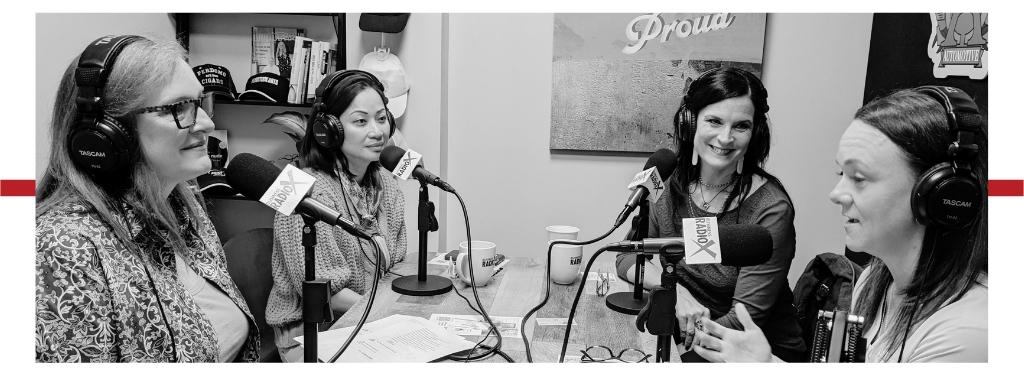

 Gemma Beylouny is the CMO with Rejoice Maids. She graduated from Kennesaw State in 2016 and established Rejoice Maids in 2010.
Rejoice Maids is a locally owned house cleaning service based in Woodstock GA. They are licensed, Bonded, Insured, with liability insurance and Workers Comp.
They service Cherokee County; Woodstock, Towne Lake, Canton, Holly Springs as well as surrounding cities like Acworth, Kennesaw, Marietta, East Cobb, Roswell; Jasper, and Big Canoe.
Follow Rejoice Maids on Facebook.
 Andrea Johanson is a classic “Good Doer” who stepped in to help at Hidden Acres Animal Sanctuary as a kindness to a neighbor in need.
Little did she expect to also be stepping into a role that would include making the Sanctuary a non-profit, becoming Board President, growing the volunteers from 3 to well over 100, and touching the lives of over 2,000 Cherokee County residents through free animal therapy as together, HAAS has continued to rescue animals and human hearts in a “Go Do Good” mission. 
As a wife and mom of four adult children, as well as mom-in-love to a bonus daughter and son, Andrea’s family has championed this incredible organization alongside her with several family members also volunteering.
Andrea’s FAVORITE animals on the farm are the goats, who have utterly stolen her heart!
Follow Hidden Acres on Facebook.
 Alicia Todisco is a Georgia Native. She recently opened an ACE Handyman Services business serving Acworth, Kennesaw and Powder Springs area. Her path has twisted and turned, as most do, but she is unbelievably thrilled it has lead to this new season of life that comes along community and love.
Before ACE Handyman Services Alicia was involved in the technology world for 12 years. As a sales leader in the HR and Payroll space for 9 of the12 years she worked with sales professionals to teach them to sell with the need of the client as the priority.
She spent the last 3 of 12 years working as the Director of Learning and Development creating programs to teach and train on processes that she finds to be the most productive and ethical way to sell any product.
Her transition was not an easy decision, however, made with three very important factors. Grayson and William, her 8 and 5 year old sons being the most important aspect of her transion.
Traveling to New Orleans LA every month and being away from home takes a toll. Now she coaches soccer, at Legacy Park and running club, at Swift Cantrell and is seeing a major change in the way her boys are developing and responding to her work life balance. 
The third reason is to be more engrained in a local community. Ace Hardware and Ace Handyman Services are both companies that encourage and support their owners to make and impact in the community and that is exactly what Alicia is here to do.
Connect with Alicia on LinkedIn and follow Ace Handyman Services on Facebook.
This transcript is machine transcribed by Sonix
TRANSCRIPT
Intro: [00:00:07] Broadcasting live from the Business RadioX studios In Woodstock, Georgia. Welcome to Women in Business, where we celebrate influential women making a difference in our community. Now, here’s your host.
Lori Kennedy: [00:00:30] Hello, this is Lori Kennedy, and I’m your host today for Women in Business, powered by Business RadioX. Stone Payton, our producer is also in the studio with us today and we are grateful to have you tuned in. Today. We are interviewing three amazing ladies. We are interviewing Alicia Todisco and she is with Ace Handyman Services Acworth. We are interviewing Andrea Johanson and she is with Hidden Acres Animal Sanctuary Therapy and Rescue. And we are interviewing Gemma Beylouny. I’ve never I don’t know how to say your last name.
Gemma Beylouny: [00:01:13] It’s Beylouny.
Lori Kennedy: [00:01:17] Beylouny, Beylouny. And she is with Rejoice Maids and has several side hustles as well. And we may hear a little more about at least one of those today. Welcome, ladies. We are so glad to have you here. Alicia, I’m going to start with you. Tell us about your business, how long you’ve been a business, how you started it and what it does.
Alicia Todisco: [00:01:36] Okay. So Alicia Tedesco, thank you so much for your time. So my business is Ace Handyman Services. We’re a franchise. We are part of the Ace Hardware family. And so when we have craftsmen that come on board, they’re our employees, so they’re not subcontractors. It means that we get an opportunity to really hold a certain value proposition in the community. We’re on time. We answer the phones. As simple as that is to be a value proposition. It’s kind of a big deal. I started the business in March of this year. I had been in corporate America for 12 years previous and a business owner before that. I purchased a.S.A.P and services in November of last year and we went live in March. So.
Lori Kennedy: [00:02:20] Oh, wow, That’s still new.
Alicia Todisco: [00:02:22] Still very.
Lori Kennedy: [00:02:22] New. That’s awesome.
Alicia Todisco: [00:02:24] Yep. Fresh out of the gates. Very, very exciting.
Lori Kennedy: [00:02:26] Yeah, that’s great. That’s great. Andrea, tell us about what your company is and what you guys do and how that fits into our community.
Andrea Johanson: [00:02:34] So I’m a little bit of an anomaly at this table because we aren’t necessarily a business. We are a nonprofit. We became a nonprofit last year in 2021. We launched in 2018 when our founder, Sara Carney, began with two horses in rescue and in the process. And over time, especially through 2020, she began to notice as the world shut down and loved ones couldn’t get to their resident loved ones in assisted living places, that she had an opportunity to be able to provide a service, to offer love and hope, and spread joy and healing in a very unique way by allowing directors at the time to come get an animal or two and have them for the day and spread that joy to their residents. And that has then morphed into we are now in several assisted living locations, bringing our animals and spreading that same love and joy. We have therapy teams who bring those animals. We have onsite farm therapy as well, particularly to those in our community who are our super heroes, those with special needs. So this year alone, we have touched the lives of over 300 individuals.
Lori Kennedy: [00:03:46] Wow. That’s awesome. Gemma.
Gemma Beylouny: [00:03:49] I don’t have therapy, but we can be therapy sometimes.
Lori Kennedy: [00:03:54] Yes, You do like cleaning therapy? I mean, I think. I think when people come home to a clean house, that’s kind of a therapy.
Gemma Beylouny: [00:04:00] Yes, that. And we are really actually some kind of warm up therapy because we have a lot of clients that expect us every other week who have never seen people for months because of the COVID scare of COVID. And also the relatives are far away. These are we’re talking about elderly. So we kind of become their therapists. My name is Gemma Bellone. I’m the owner chief marketing officer of Rejoice Maids. We’ve been in business for more than ten years serving the Cherokee County community. Part of my business as the owner is you’ll see me make fun of me because I’m the cheapest model out there for myself or my business. I do a lot of cleaning TikTok reels and I love what I do. I am now the marketing model of my own business.
Lori Kennedy: [00:04:56] Gotcha. Okay. And then why did you choose that name? These maids.
Gemma Beylouny: [00:05:00] Rejoice. Maids actually came as a surprise because it wasn’t in the plan. I initially baloney cleaning service, but no one can pronounce my last name. I can’t even pronounce my last name.
Lori Kennedy: [00:05:14] That’s so funny, considering that was the first question I asked you. And I’ve known you longer than anybody else at this table, and I did not know that.
Gemma Beylouny: [00:05:24] People would call how to spell your name. I didn’t say your name. Okay, time to change. Yeah. So I hired a lady who gave me a name, Royal Maids. Right. And I’m from the Philippines. And what the heck? It’s really like when things doesn’t happen, it’s not meant to be, right? So anyway, it didn’t work again, because there’s some things that are beyond my control. So when the last thing in your life is going south, who do you think after that? You know, and everything going into a hole, bad hole. You start thinking, Oh, my God, God, There you go. So looking at the Bible, look at books. And I found it in the Bible. There you go. Rejoice. Maids.
Lori Kennedy: [00:06:12] I love that. Yeah, well, that makes me think of something that you told me. Andrea, don’t you have a book that you want to tell us about?
Andrea Johanson: [00:06:20] I do have a book. Thank you for asking. The book is called The One Who Moves Mountains. And it is a faith based book, and it is by design, written as if we were sitting across from the kitchen table with each other and having conversations maybe about some of the questions that you’ve had about faith, about God, and you really haven’t felt the freedom to ask those. And so it’s a conversation, and the end of each chapter has three conversations starters that will ignite that conversation between you and God and take it to the next step. So it’s guided.
Lori Kennedy: [00:06:56] I love that we’re. How do you get that easy peasy?
Andrea Johanson: [00:06:59] You can get it actually on Amazon or Barnes and Noble.
Lori Kennedy: [00:07:03] Okay, great. You know, that reminds me of you, Stone. You have a book, and I’d love you to tell us the name and how and what it’s about and how to get it.
Speaker5: [00:07:11] Well, it’s about personal and organizational speed, but the title of it, which did end up having some marketing legs, I got to say, is Never fried Bacon in the Nude.
Gemma Beylouny: [00:07:22] I love it.
Speaker5: [00:07:22] And other lessons from the Quick and the Dead.
Gemma Beylouny: [00:07:26] I love it.
Lori Kennedy: [00:07:28] All right. Back to you, Miss Alisha. I. I want to know about your encouragement and mentors and why. Ace.
Alicia Todisco: [00:07:42] My my mentors. People that I connect with. I have a slew of mentors, people that I really look up to. And as I was vetting out, going from a corporate job to entrepreneurship out on my own, I’m not a risk taker. So it was really important for me to lean into them, ask a ton of questions I’ve vetted out for a very long time, and eventually your mentors don’t tell you this is what you should do. They guide you, right? Yeah. All three of them kicked me in out of the nest, and they were like, Just go do this already. This is a great fit for you. You know what you’re doing? You’re going to be successful by having good mentors in front of me. It encourages me to also be a mentor to other people, and I think that becomes part of maybe what your actual question was.
Lori Kennedy: [00:08:29] Yes, sorry.
Alicia Todisco: [00:08:30] That’s okay. So I think it’s really important to me to be able to make a difference for people, whether it’s in our community, whether it is in my office, within our four walls and the team that we have established. I have a great young lady who just started with me. She is coachable, she is open, she’s excited, she is confident. And now I get a chance to really get in and develop her sales processes and help her think bigger because this is her first job where she’s calling it her big girl job. But she’s it’s not true. She’s already way more elevated than she gives herself credit for. So I get to go in and identify those strengths and help her, just like my coach has helped me to grow into the woman that she wants to be.
Lori Kennedy: [00:09:12] I love that. I love that. Andrea Tell us about role models and about mentors and mentoring in your life. How does that look?
Andrea Johanson: [00:09:25] I think it’s taken a lot of different forms in my life. It’s happened in the church world. It’s happened in the business world, It’s happened in education. I think one of my biggest mentors actually was when I was a student teacher and she was an educator for fifth graders at elementary school, Atlanta women. And I will tell you that she has influenced countless lives. And I was one of them. And I just loved her way of drawing gold out of people. And I think that that’s what’s so important when you’re mentoring is to be able to identify the goals in them, draw out those nuggets and help them to become even better versions of themselves. As you walk alongside of them not telling them you should do X, Y, Z, but just drawing all the goodness, all the things that you see in them that are gold.
Lori Kennedy: [00:10:17] Wow, I love that. I love that. Gemma What about a role model for you and mentoring and how are you mentoring others? I know you’re starting a group and tell us about that.
Gemma Beylouny: [00:10:27] I have a different way of I, I, I don’t have a mentor when I was growing up, so I have my mom, but it’s. It’s a different story. So I the mentor that I had in my mind is when I saw I saw this one lady. She’s dressed up nicely, you know, like a business owner with with a case like that. That’s how I saw myself. But in terms of mentoring, I didn’t have one. So I created my own. I started reading books, you know, Jim Rohn, I called him my dad mentors, but I do talk to them. I talk to them in my head. You know, I taught myself how to find things that would empower me because I don’t have that role model in my life. So I learn. I learn on my own. And then once I get to know, like when I entered in this business, I chase the people that I know that are successful. My new Some people don’t see that as a positive aspect. I chase them my first convention in Las Vegas. Before I go there, I hit enter the internet and figure out by reading who is who in that industry. Got my notebook, wrote all their names and chased them around until one of them sat with me and said this, this, this, this, this, this, this. That’s how I started getting a mentor, but not really a mentor. Because when nobody knows you, you don’t really get anything. Then when they start getting to know you, sort of like the bank, they don’t give you any money when you don’t have money right now, When you have the money, when when you have the money, everybody’s like, Hey, you want a loan.
Alicia Todisco: [00:12:12] Right?
Gemma Beylouny: [00:12:13] Right. So yeah, the mentoring, right? So yeah, I try to mentor people now because I’ve learned so much from the years in being in business and I’m a 50 year old woman now. So I think I learned a little do anything. And my business is running on its own now, which I’m very proud. So, you know, you learn and you want to share it to people. And I do. I am sharing it now with a couple of people that I’m sort of guiding, not mentoring, but guiding because I still learn from them. I, I always say that when I have a conversation with you, I will learn from you. You know, I’m not just going to you know, I’m not going to say I know everything because I don’t. I’m still learning for sure.
Lori Kennedy: [00:12:59] So do you have a modern day role model?
Andrea Johanson: [00:13:01] Yes.
Lori Kennedy: [00:13:04] Elon Musk.
Gemma Beylouny: [00:13:07] Oh my God. I’m like, Oh my God, this dude is so smart. Even though he has like 10,000 children from different women. I’m sorry about that. But hey, you know what? I like that dude.
Alicia Todisco: [00:13:18] Can I ask a question really quickly? Yeah. Just based on what you were saying and the fact that he is like your modern day mentor in business, are you an early adopter?
Gemma Beylouny: [00:13:28] I’m actually not really. I’m a logger when it comes to like that. But then once I get my hold on that, I’m like, my husband calls me a bulldog. I will not let go. I learned something. I will implement that. If you tell me something and I see that in my head, it’s going to work. It’s going to get going.
Alicia Todisco: [00:13:47] That’s awesome. I was curious because if you are self driven with your like finding your mentors in your books, it feels different than the way that I was involved in upbringing, but it seems like you have the same process. And then for Elon Musk to be the guy that you’re leaned into, he’s the early adopter, right? He’s like, run and then ask questions later.
Gemma Beylouny: [00:14:05] That’s me. I shoot first.
Lori Kennedy: [00:14:08] So she says that, but she’s very intentional. I mean, the conversations that I’ve had with Jemma, she’s very intentional. So yeah, she will jump out to do something. But she’s already done some figuring out.
Gemma Beylouny: [00:14:23] Calculating in my head.
Alicia Todisco: [00:14:24] Thought through it first. Yeah, exactly. That’s great.
Lori Kennedy: [00:14:27] Andrea, why don’t you tell us how you got involved with the nonprofit that you’re involved with and and tell us about the difference that you’re making in Cherokee County.
Andrea Johanson: [00:14:38] So I love the story, honestly, and it just happened. And it really is a fulfillment of our mission to go do good. And that happened by accident, kind of. I actually live directly behind the sanctuary. It’s in my backyard on the other side of my fence. And so my neighbor next door to us said, Hey, any time you want to come down and feed the goats or the donkeys, you can go ahead and come through the gate in my back yard and go get access. And so I would go down and do that. And I texted Sarah who Sarah Carney, as I said, is our founder. And she when I texted her that day, my neighbor had texted her the same day my neighbor was texting saying, there are these two cows that need rescuing. Are you interested? And I’m texting saying, I have a friend coming whose daughters are coming over. Can we come give the goats some treats to both of us? She said yes and yes. And I’m in the hospital. Oh, and we both said, oh my gosh, what can we do? And so the two of us jumped in alongside of another gentleman, Lawson, who had started the week before we did using old feed feed sheet instructions in the feed room and text messages from Sarah from the hospital and just started running the farm. And so she came home and because of what she had walked through, she couldn’t do any kind of heavy lifting or anything for six weeks.
Andrea Johanson: [00:16:03] And so we just ran it all. And with her guidance, of course, and the two cows came to us and we continued to grow and we would have someone occasionally come with us as a friend, Hey, I’ll come help you to feed team. I want to go play with the goats. What you’re really going to do is I’m going to give you a muck rake and you’re going to help me muck after those cows. And so in September, I had said to Sarah, Hey, would it be okay if I put a post on next door? Just seeing if anybody might be interested in helping volunteer. Our daughter’s having her wedding celebration. October. It’s getting a little busy. We could use a little additional help. We’ve got more animals coming, she said. Sure, go ahead. 300 comments Later, when I thought we would get five or six, we were opening up a group on next door. We suddenly had our first two volunteer orientations. We had our farm community day, the first one in October of last year. Meanwhile, my husband says to me, Oh, y’all need to be a nonprofit. And we all agreed. And he said, Oh, it’s easy to set up. You just fill out a couple of things online. No problem. It’ll be.
Gemma Beylouny: [00:17:08] Quick.
Andrea Johanson: [00:17:10] As everyone in this room is laughing. Oh, well, over 100 hours later, we became a nonprofit in November and I learned a lot along the way. I had never set up a nonprofit, and that day I was working with a score mentor. Highly, highly, highly recommend. When we’re talking about membership or mentorship, Score is a phenomenal organization to work with for mentoring. And he walked me through the process of setting up the nonprofit, and I was going through the slate of directors or board board members with him because he was going to help me run the first meeting that night. And I said, Sarah is going to be the president and this. And he said, Andrew, do you remember very beginning I told you Sarah couldn’t be the president as founder of the organization? No, Yeah, she can’t be president. So I ran from my house to Sarah’s within hours before the very first board meeting. I said, What is your plan B? She looked at me and she said, You’re board president. Okay, so here I am. Board President. We have now, as I mentioned, put in, we have well over 100 active volunteers. We have multiple therapy groups that are going to different locations. We have feed team volunteers, We have animal rehabilitation and training and project team volunteers. We have families who volunteer together. We have people who bring those with special needs and they volunteer together. We have our on and off farm therapy. For instance, we had a mom and her son who were at one of our recent superheroes therapy nights on the farm. She and her son now volunteer, and they are there every single time they can possibly be there. And she said, You don’t understand. When we go home, he’s different and I’m different. And all I know is that not only are there massive differences in the lives of those we bring our animals to for therapy. Yeah, every single volunteer who’s been there, we each have our own stories of transformation and impact that this farm, this mission, these animals our founder have all had in our lives.
Lori Kennedy: [00:19:18] Wow, I. I love that.
Andrea Johanson: [00:19:20] Thank you.
Lori Kennedy: [00:19:22] I have to go ahead and ask this now. Go ahead. You know what I’m going to ask, right? Can you tell us about goat yoga?
Alicia Todisco: [00:19:31] Yeah.
Andrea Johanson: [00:19:32] You’re asking the right person because I am the self-professed goat girl. I am just silly about goats. And I could show you I have more pictures of goats on my phone than my children at this point. But when you have baby goats on the farm, there’s nothing like baby goats. They are just the cutest ever. And if you get down, they’re going to jump right up on you. Well, that is a perfect invitation for a partnership between goats and yoga, because any time you are in a plank or on table or whatever the moves are, the the baby goats will just automatically jump up on you. And it’s hilarious and they will paw at you. And it’s just it’s an experience like none other. So as they get older, we help it along a little bit. We’ll pick them up and put them on participants, but everyone loves it, so they’re in there. Goat yoga poses with goats on their backs. Some people are saying, Oh, it feels so good. And some people are like, Oh my goodness. But we do have a a little piece of, you know, like a badge almost, where it says goat on goat off when you come participate.
Andrea Johanson: [00:20:43] So if you would prefer not having a goat put on you, they don’t have to get put on you. They can go walk around next to you. We have our goat yoga on farm in our sanctuary, which is unlike anything else, because as you’re doing yoga, you’re looking up through the leaves above you and it’s just you’re in this very peaceful, amazing sanctuary. We’ve also done goat yoga at the great lawn in Bridgeville, and right now we have goat yoga happening at the mill in Etawah. And so this Saturday, a couple of days from now, we are having goat yoga at the mill on Etawah at 10:00. And then on October 29th we are doing on farm goat yoga at 11. And our last goat yoga of this season is November 5th, back at the mill at 11:00. So this Saturday is the only one that’s at ten. But you can get those links on our website to sign up. We are WW Dot Hidden Acres Animal Sanctuary dot org. Click on goat yoga and the link will take you there.
Lori Kennedy: [00:21:46] That is awesome. All right. Since you talked about kids on your phone, tell us who’s in your in your household.
Andrea Johanson: [00:21:55] That’s not fully who’s in my family? Who’s in.
Lori Kennedy: [00:21:59] Your family.
Andrea Johanson: [00:22:00] So my youngest is still at home Nehemiah He’s 20. He is a sophomore at Kennesaw State University. Our two middle children, Abigail and Noah, are each married. They both got married in 2020 by my husband, believe it or not. So I have bonus daughter Haley, who’s married to Noah and bonus son Thomas, who’s married to Abigail.
Lori Kennedy: [00:22:20] And so they’re twins, I assume.
Andrea Johanson: [00:22:22] They are not.
Lori Kennedy: [00:22:23] They’re not twins.
Andrea Johanson: [00:22:24] They’re not They? My first three are age 17 months apart, so I had three and 34 months. Oh, wow. Yeah. Two miscarriages before having our fourth. And so very grateful to have our fourth as well. Our oldest is living in California. He has been attending Bethel School of Supernatural Ministry. He is with an organization working out there as well as on staff with Bethel now as well in their children’s ministry department. So I’m very blessed. Just celebrated my 31st wedding anniversary too.
Lori Kennedy: [00:22:56] So congratulations. That’s awesome. And no goats for pets.
Andrea Johanson: [00:23:02] I have them all behind, but I told Sarah if I ever move, I know who I’m taking with me.
Gemma Beylouny: [00:23:09] Favoritism.
Andrea Johanson: [00:23:11] Absolutely. They know it too.
Alicia Todisco: [00:23:13] I feel like you need to go to the farm or you need to bring her a goat. Like this is a thing. You know.
Andrea Johanson: [00:23:17] I. I came this close to bringing a goat with me today, and I kind of thought it might be a little disruptive, so I decided not to. But it was. It was a consideration.
Lori Kennedy: [00:23:25] I think I’m going to need to come visit.
Andrea Johanson: [00:23:27] I think you.
Lori Kennedy: [00:23:27] Do. I truly need to. Alisha, who is in your family.
Alicia Todisco: [00:23:32] So not to spend too far away from the conversation and draw me in if you need to. But this is really interesting how it overlaps. So yeah, in my household I have myself and my two boys. One is Greyson, he’s eight, and then William just turned six yesterday. They are all fire. I have a daughter that is an angel, baby. She is in heaven. And then we have. We had a miscarriage in between our daughter and our son as well, which we opened a nonprofit. And so we can talk about that later. So I laughed when you said, Oh, yeah, you just go online and you just press a couple of buttons. Not how it works at all. Right? And so our nonprofit is dormant, but it’s one of the main purposes of me building the franchise the way that I am now so that we can get reactive and re acclimated in the community to support family.
Lori Kennedy: [00:24:20] Yeah. Go ahead and tell us about that.
Alicia Todisco: [00:24:21] Yeah, sure. So in 2008, my children’s father and I had a little girl. She was very sick and she passed away. And so she’s in her week life. She changed more humans than most of us get to do in a lifetime. And so I grieved and grieved and grieved as a mother would. And about a week before her first birthday, her father said, You have got to start changing your mindset, like you have to celebrate the time that we did get with her. So we did. And instead of having, you know, this year of we just lost our child a year ago, we had a birthday party for her. So we had friends and family around the gravesite. We did a balloon release, we had a birthday cake, the whole nine. So if you ask my boys, Hey, tell me, do you have brothers and sisters? They say, Yeah, I have a brother and a sister. And so they talk about that very openly. We’re very open about it. We’ve got pictures of them in my phone that are next to the gravesite, which I know seems a little strange. But to them, it’s normalcy. Well, a couple of years into every year, celebrating her birthday and doing balloon releases by the grave site, one of my friends said, hey, listen, you need to turn this into something because I’m hearing more and more about families who have lost children.
Alicia Todisco: [00:25:34] So we did. We created a business plan, sat on it for a year, kept doing the, you know, the balloon releases. And then we moved back to Georgia and I got pregnant, had a miscarriage. I tried to bury it. Oh, it’s not as dramatic. Yes, it is. Every person’s tragedy is their tragedy and everyone stands alone. So what you learn in grief is you don’t you don’t compare grief. Right? Everybody’s story is their personal story. And by trying to minimize that for myself, I realized that very intimately. Like I’d heard people talk about it. But and so it manifested into we got pregnant again with Greyson, and we while I was on maternity leave, I was high risk, so I was benched. And so I went through all the process of creating this nonprofit and getting everything started. We had our first big event where we had 50 people show up at the park down the road from, you know, where we lived at the time. And Dunwoody, there were people that came up to me.
Alicia Todisco: [00:26:30] They celebrated the life of their 50 year old child had passed away five years ago. And we’re talking, you know, 70, 80 year old humans. Right? We had people at the park that came over just to see what was going on, that stood in our circle and got to hear stories of other families who had experienced the same thing. So it’s pretty powerful. I’ll say the other side of it, though, when we do get reengaged, I think where we help the most people is when you know someone who has lost a child, you don’t know what to say. And so I get phone calls even today saying, hey, my friend is in the hospital. They just lost their baby. She just had to deliver a stillborn or had a miscarriage or five year old, you know, passed away from cancer. What do I say? And I’m like, I can’t tell you what to say, but I can definitely tell you what not to say, Right? Yeah. So those have been really powerful conversations. So I just wanted to draw that parallel because I understand and and that desire to give back and serve the community is huge.
Lori Kennedy: [00:27:25] Yeah. Thank you for sharing that. I appreciate.
Alicia Todisco: [00:27:27] That. Yeah, Thank you.
Lori Kennedy: [00:27:28] Gemma. Who’s in your family?
Gemma Beylouny: [00:27:31] George and I, I have two kids there. Well, we’re empty Nester. My two kids, one. I think she’s never going to get married, so we’re already okay with that. The younger one, Nicole. She have two kids. It’s just, you know, like you’re doing really well and then bam, something hit you. So in a way, we’re still grateful. Very, very grateful. She’s named after me. Her name is Leah Gemma. But she just got diagnosed with autism. She’s two, but it’s a blessing, you know, because. She’s there. She makes us happy. The only thing that I don’t like is she doesn’t know us. Like you look at your granddaughter. No, no. Nothing. It’s like she’s looking past you. Oh, yeah. You know, like, Sorry. She cannot recognize you. You know, I was like I say to myself, I said to my husband, George, I’ll give anything, anything so she can recognize me, you know? So one day she just touched me. Like, normally you’re my first granddaughter, Isabel. She’s nine now. We had a great time together. I mean, I said it was a blast. So just like grandma, you’re expecting that, right? But it was just different. Totally different. But you know what we’re learning? We’re learning to deal with it. We’re learning to grow with her. We’re learning to appreciate life more because of that. You know, it’s things that the challenge you makes you better understanding human being.
Alicia Todisco: [00:29:10] Absolutely.
Gemma Beylouny: [00:29:11] Yeah. But George and I, we enjoy each other. We like each other. We’ve been together 33 years, so we better like each other, right? For sure. It’s a blessing. We do love each other. And we like I always say, like, you have to like somebody. I mean, you can love somebody, not like them, right? So we both we have it both. So we’re blessed.
Alicia Todisco: [00:29:32] There’s a song about that.
Gemma Beylouny: [00:29:33] Oh, yeah?
Alicia Todisco: [00:29:34] Yeah. I don’t like you, but I love you.
Lori Kennedy: [00:29:36] I remember that old song. I remember that.
Gemma Beylouny: [00:29:39] Yeah, well, that’s good. I want to hear that.
Alicia Todisco: [00:29:42] I’ll send it to you later.
Gemma Beylouny: [00:29:42] Okay.
Lori Kennedy: [00:29:44] What are some great. What are the greatest challenges you are facing now as a business or an industry, Gemma?
Gemma Beylouny: [00:29:51] Just like. Like the restaurant industry or in the service industry. When you’re in the service industry, you need people. So it’s human, right? We need like five employees yesterday, you know, because we’re growing. I’m a little TikTok making fun of me, doing a lot of how to clean this, how to do this. It’s generating a lot of calls. Our phone is ringing. Like Google will say, Hey, you have like 1500 visitors in your website alone this week or this month. You’ll have a lot of these people. It’s it’s helping. But the problem is you cannot sustain your growth if you don’t have employees because who is? I’m in the cleaning industry, so I can’t clean everybody’s houses. I would love to, but I can’t that my employees that we have, we have 8 to 9 teams depending on the day we can’t do it all. So especially now that the holidays are coming, we need ten people. We just can’t find them. Yeah. Biggest challenge.
Lori Kennedy: [00:30:56] Wow. Tell us, Andrea, what are the biggest challenges that you’re facing right now in the industry that you’re in?
Andrea Johanson: [00:31:03] So again, I’m a little bit of an anomaly from the rest of you sitting at the table. And as I thought about how to answer that question myself, if you were going to ask that of me, I think it is a matter of the right people in the right seats. And so it’s similar to what you were saying, but for us, we are 100% volunteer driven and you can easily see that 8020 rule of 80% of the work done by 20% of the people. And so making sure that we’re not burning anyone out, making sure that they feel appreciated, we are so grateful for every single person that steps foot on that farm and all that they do and the millions of ways that they give. And also making sure, you know, when we started the nonprofit, it was like, okay, so we have these committees and we need directors. And it was almost like pulling names out of a hat. So, hey, you’re going to do X, Y, Z, All right. Okay. So this has been a year also of really making sure that we we have had changes and, you know, life happens for people. And so you have people who’ve committed to a role, but things happen in life and for very real, valid and even great reasons, they can’t continue in that role. And so what does that look like for longevity, for transition, for, you know, I have worn a million hats on the farm and I’m really grateful because recently I’ve been able to delegate out a lot of those core responsibilities because we’ve had the right people link arms with us and, you know, they’re taking over as director volunteers, they’ve taken over as director of special events, you know, different aspects. And then, you know, just making sure that we continue to identify who’s going to best fill that role and not fill it too fast just because we have a need. But wait until we’ve got the right person to fill that need.
Lori Kennedy: [00:33:10] So how does that I’m going to go ahead and go into a second question and then I’ll ask you, Alicia, how does that go into what is a mistake that you’ve made and how did you correct it? Because it feels like maybe that’s a learning process and how to make that run as smoothly as you as it as you would want it to.
Andrea Johanson: [00:33:33] Well, again, I think part of it was we have people with such willing hearts and so there’s a need. I’ll do that. And I think I can share this story and it’ll be totally fine. But it was so, so sweet because the other the gentleman who was the original volunteer besides my neighbor and myself, when he first said, Hey, I’ll help, he said, I’ll help with social media. Thanks. And we were thrilled. And I mean, it was an offer from his heart. He’s not even on Facebook.
Lori Kennedy: [00:34:09] Yeah.
Andrea Johanson: [00:34:09] You know, so that that wasn’t a right fit for him. And yet the role that he’s in now, he’s director of operations and he knocks it out of the park. Everywhere you look on our farm, you’re going to see his touch of what he’s done in the difference that he’s made and how he’s caused the sanctuary to thrive. And so it’s just a reorganization of, Hey, we are so grateful that you offered to do that and here’s the responsibilities. How do you feel about that? Oh, yeah, not me. Okay, no problem. Let’s get you into the right fit for you, because we want people to feel comfortable, to feel passionate, to feel like they’re making a difference in in a way that they feel confident that they really can.
Gemma Beylouny: [00:34:55] That’s good.
Lori Kennedy: [00:34:55] I love that. All right, Alicia, why don’t you tell us some of the greatest challenges you’re facing as a business or an industry?
Alicia Todisco: [00:35:03] So I think the biggest challenge in my industry is service base, right? We either have too much business and not enough craftsmen or too many craftsmen and not enough business. So it’s a yeah, it’s a balance of I have five guys on my team right now. They’re all standing humans to me. They’ve been fairly easy to find, but I’m very specific about what we’re looking for and so I’m terrified to lose them, right? And so making sure that when we have a craftsman that is I’ve got a military gentleman who’s a chief in the army, he’s getting ready to probably take a full month out. So I need to adjust marketing a little bit, write down or bring somebody else on board and then adjust it up a little bit so we can have more business coming in the doors. So it really is just that balance of making sure that we have enough work to keep them busy and also not burn them out, but to sustain them and make them not want to go anywhere else.
Lori Kennedy: [00:36:00] Same. Yeah, Same for automotive repair, y’all. Tell me about a mistake that you’ve made in your business and what you learned from it.
Alicia Todisco: [00:36:09] This is actually fairly recent, so scab is still a little fresh.
Lori Kennedy: [00:36:14] So I. Band-aids down the hall, I think. Okay, good. Just in case it starts cleaning again.
Alicia Todisco: [00:36:19] Oh, well, So when I first started the business, I met this amazing office manager. And this is a story that every new business owner knows probably intimately. And you’re like, okay, well, it wasn’t going to happen to me. I’m not going to do it. I’m not going to do it. But she’s so good and she served an incredible purpose in my business, and I will forever be grateful for her. But she took on so much confidently that I let go of a lot. And so when she started to kind of step back and detach from the business a little bit, she still had power over everything. And so she’s been gone for a couple of weeks. It’s been some of the best time that I’ve had in my business. I’ve sat down behind the desk, I’m answering the phones, I’m dealing with the craftsmen firsthand in every scenario. And so I’m regaining that traction. And I’ll tell you, while it’s been a little jolting, a little bit of heartbreak, a little bit of Adora, Right. A little little acid reflux over it, it really is one of the most powerful things. And I’m so grateful that it happened early in my business and not two, three years down the road where processes had been abandoned or mistakes had really been made and a lot of money had been lost. So we’re recovering in a great way.
Lori Kennedy: [00:37:32] That’s great. That’s great. What about you, Gemma? Tell us about a mistake that you’ve made in your business and how you corrected it.
Gemma Beylouny: [00:37:39] Oh, I have a lot of that. I can write a book.
Lori Kennedy: [00:37:43] Right? Anybody who this? Why I ask this like I ask everything in here because I leave with a bunch of notes for me. That’s why I’m here. But no, I feel like any time that you. You have to fail several times before you succeed. So there are always mistakes?
Gemma Beylouny: [00:37:57] Yes. Yes. Similar to what Alicia have been through. I’ve been through that one. Because you’re confident that they can do the job and you can give them the time to improve and give them the reign of your business. Totally empower. That’s the word that they use. And power don’t like that anymore. Yeah, we, we did that. I, I almost lost control a while. You lost control for a while? A little while. And then you wake up and you’re like, No, I’m not going down because it’s my fault. Anyway. Yeah, we did. I, I had my first first two years. Actually, my first five years was the most horrible time in my business. I was crying tears, blood because, you know, I had a manager that wanted to stall my business two times, actually. But, you know, like, I didn’t even know that their birthing business already in their own business. And I had that between the manager and the supervisor. They’re ready to take my business. Like I would get a call and they’ll put it in their own business because I was not there. And so it was tough. But then, you know, you learn. I learned to do everything in my business. Like if you’re my manager now and you tell me I’m leaving you today, I’m like, There’s the door now, now don’t give me two weeks notice. There’s the door. Go.
Alicia Todisco: [00:39:24] Those two weeks are dangerous.
Gemma Beylouny: [00:39:25] I learned that lesson because of my experiences. I know everything in my business and I duplicate myself. My two daughters knows how to do it. My husband knows how to do it. So. Yep, I covered my.
Andrea Johanson: [00:39:41] Yeah.
Lori Kennedy: [00:39:42] Well, so that what is your role right now in the business and what is the future of Rejoice Mates.
Gemma Beylouny: [00:39:48] I’m actually because you become really like when, when, when you see your business is running smoothly, you’re like, Oh my God, I can do everything right. I’m going to try this. I’m going to succeed to this. So I tried a different one. I opened my my own eCommerce business. I still I have a moisturizer, a cosmetic business, which I didn’t really do anything. I spent a grant of $10,000 with nothing if I learned my lesson. Okay, But I said, I am back. I’m going to be doing more of my my advertising. But my future plan is really to duplicate my business so we can have our rejoice maids. Alpharetta rejoice maids. Braswell Someday that’s what I’m doing right now. I’m currently working on my bottles so I can put my name on it. And when I leave it to your house, you’ll see my name. A lot of things. It’s the sky’s the limit. That’s how I see it.
Lori Kennedy: [00:40:43] Are you going to franchise?
Gemma Beylouny: [00:40:45] Well, we have a lot of talks, a couple of people asking for a franchise already, But I like control. I’m a control freak.
Lori Kennedy: [00:40:52] Glad you can admit that.
Gemma Beylouny: [00:40:55] Yeah. So I think I’m just. I like to own it. I like. I like to own it. Yeah.
Lori Kennedy: [00:41:00] All right. Andrea, did you tell us or can you tell us about a therapy story or an animal story?
Andrea Johanson: [00:41:08] We have so many.
Lori Kennedy: [00:41:09] Yes.
Andrea Johanson: [00:41:10] And I would love to share two, actually, maybe three. So going into the assisted living facilities, it’s amazing because some of them are memory care facilities. And we’ve had instances where you’ve had a nonverbal patient who is then singing to the kittens that we’ve brought in, or another nonverbal patient who we brought PGR lovebird in a backpack with a clear front to it. It’s the coolest thing, and just began whistling to the bird and residents who, you know, might not be the most joyful residents to work with. And we bring the animals and they are grinning from ear to ear. But I think one of the most heartwarming stories was written. It’s on our social media. It was written by a mom who came for one of our superheroes nights with her daughter. They came with their daughter in a modified stroller kind of wheelchair type thing, and they would carry her in. And they talked about how tight all of her muscles were when she came into the farm and when she left the farm after being helped to touch the animals, her muscles had relaxed tremendously. And, you know, she’s one who uses her feet. And so she was feeding bread to our 20 £500 Bessie, the wonder cow. She’s a Chick-Fil-A type cow. She’s feeding Bessie bread with her toes and, you know, feeling Bessie’s big rough tongue on her feet. And just the grins, the grins, the joy has just been spectacular.
Lori Kennedy: [00:42:56] I love that. Wow.
Gemma Beylouny: [00:42:58] So you have a lot of different kind of animals.
Andrea Johanson: [00:43:00] We do. We have 75 animals on the farm. Wow.
Gemma Beylouny: [00:43:05] And so you were just doing goats?
Andrea Johanson: [00:43:07] No. So we we. I just happened to be crazy about the goats, that’s all.
Lori Kennedy: [00:43:12] I’m a little crazy about the goods, too, and I haven’t met them.
Andrea Johanson: [00:43:17] We actually have goats and donkeys and pigs and cows and chickens and ducks, cats, parakeets, lovebird, dog, all different things. I probably forgot an animal or two in that list, but yeah. And all of them are amazing for therapy. Even the ducks.
Lori Kennedy: [00:43:36] Okay. Good. Alicia?
Alicia Todisco: [00:43:38] Yes, ma’am.
Lori Kennedy: [00:43:39] Tell us about some misconceptions of your industry.
Alicia Todisco: [00:43:43] I was thinking about this one on the way here this morning, and I would say that they’re probably all intertwined. The first would be that when people present themselves as handymen, a lot of times they really are remodeling. Right? And so there’s a major gap in in I think our community where when people go in to get something simple, like we were cleaning out two garages and reorganizing them, for example, and hanging 20 sets of blinds. And, you know, if you call a contractor that does remodel work, he’s not going to take that job. Right. It’s probably part of the reason that I got into it in the first place, because we fill a gap that’s not out there. So when people call us, a lot of times they’re calling us to rebuild a bathroom or rebuild a deck or rebuild. And we have great partners in the community that we send that business to that are people that I trust, but we do smaller projects. I would suggest one that’s even a little more intimate is that people in the trades industries, blue collar folks, are typically treated really poorly. So when they come to me and I say, I had a hard time finding people, they’ll all come and interview.
Alicia Todisco: [00:44:49] But they fall in love with their culture and they fall in love with the way that we’re speaking with them and the fact that we admire and honor the blood, sweat and tears that they put into the homes that they’re working in. And our guys are they’re smart, they’re intelligent, they’re kind, they’re thoughtful. They’re following a very consistent process. And so when people treat them really well in the community, it’s so interesting to me when they come back and they’re like, Gosh, Mr. Smith was so nice and like, everybody should be nice to you, right? You’re an amazing human. I love having you as part of this team. So I think that people look at them and they think that because they are young and they’re blue collar, you know, that they’re that’s all they can do. No, I’ve got a guy on my crew that’s a fireman, and I’ve got a guy that’s a chief in the military. I’ve got a guy that wants to open a school one day. So just amazing humans that I get an opportunity to work with every day.
Lori Kennedy: [00:45:41] I love that you know so much about them. I think that that’s important and I think that that shows your care for your employees to know, like what they’re wanting to do long term.
Alicia Todisco: [00:45:53] Thank you. I appreciate that. They do mean they mean a lot. I mean, without them, we’re literally closed. Yes.
Gemma Beylouny: [00:46:00] Yeah, for sure.
Lori Kennedy: [00:46:02] What is a do you have a message for women specifically?
Alicia Todisco: [00:46:06] Yes. It’s really funny because I’ve been tied to my office so incredibly, like open to clothes for the past couple of weeks, training a new office manager and I’m a gym rat. If I don’t get into the gym, bad things happen. You know, it’s a stress release for me. And that’s that’s like my go to if I can’t do anything else for myself, that’s it. I coach soccer, I coach a running club, I run a business. I’m trying to get really involved with the kids in the community. But if I don’t make time for myself, everything else seems to be affected by it. So I would just say as women, we always tend to put other people in front of our needs. So that desire to try to take care of yourself is only going to make us that much better to take care of other people as well.
Gemma Beylouny: [00:46:50] I agree.
Lori Kennedy: [00:46:51] Gemma, why don’t you tell us what your message for women is?
Gemma Beylouny: [00:46:58] Hmm? That’s kind of it’s a tough question for me because I have a lot of messages, but I do like that I am. I know that I’m 50. I don’t know why I didn’t think about it before, but I prioritize myself because if I’m dead excuse me, and I know a lot of people don’t want to talk about that, Who is going to take care of George? My husband and my kids. So I got to be strong. I got to be healthy in my head, in my heart, in my everything. That’s the thing with I say to my employees all the time, better be prioritize yourself first before anybody else. It’s like, you know, you’re in the airplane, put your oxygen first before you land or you crash, Right? Because everything depends on you. In my household, in my family, I’m the light. When mama is sick, everybody is sick. So. Yes. You first before anyone else.
Lori Kennedy: [00:47:59] Andrea, do you have a message for women specifically?
Andrea Johanson: [00:48:02] I think it’s twofold. For me. I actually am kind of flipped in what? You just shared my philosophy. I have a mission statement on my signature line, and it’s what I live by. Love others well and empower them to do the same. And so if you are loving others well and you’re drawing that gold out of them and you’re empowering them, not codependency, but you are empowering them in their own rights to have the confidence and know their own value and the leadership skills that they possess themselves, what they bring to the table. You are empowering them to love others well themselves. And so with that, I had a recent thing that happened in my life where I just felt the nudge. I have my own business, I’m doing the farm, I’ve written a book. I just felt like I was supposed to put my resume out there and I wrote my resume from the standpoint of I’ve got nothing to lose. And it was a powerful exercise. And even if I had not gotten a job through it to write your resume from the standpoint of I’ve got nothing to lose and put it out there. I looked at that afterwards and I was like, Oh my gosh, this is really good.
Andrea Johanson: [00:49:17] This is me. Wow. And to recognize who you are and confidently bring to others the gifts and the talents that you possess, you know, I’m 53, and so I’m in the same boat as you. I’ve got experience behind me. And when I put that together, I recognized just what I actually carry as an individual, as a leader, as a woman in business, as an entrepreneur, as all different roles in my life. My husband and I are very active in ministry as well. And so from this standpoint, to be able to offer that, I ended up just this week starting a brand new part time remote job from home that I am loving and it’s a blessing to us. But I walked into that position, number one, because I paid attention to the nudge to go ahead and put that together, put that out there and present myself in a way of I’ve got nothing to lose. So let me present myself in the truth of who I really am. And it was powerful. And I said to my husband, even if I never got a job through it, I’ve walked away with so much because of the exercise of doing that resume in the way that I did.
Lori Kennedy: [00:50:32] That is so awesome. I love that we are getting ready to close out, so I’m going to ask each of you for a tip or a last comment. I do want to know from you, Andrea, how people can help grow your mission and then let us know how to get in touch with you. So let’s start with you, Gemma, if you can give us either a tip, cleaning tip, business tip, life tip, whatever. Give us a tip and then let us know what you want us to leave with and tell us how to get in touch with your business.
Gemma Beylouny: [00:51:12] Well, it’s fall season, all right, So a lot of tip, just one. If you can see outside. It’s kind of gloomy where we are here in Woodstock, Cherokee County, you have dogs in and out, in and out the house. Please make sure if you have elderly in your home, make sure if it is raining, you have a towel in front of your back or in the front wherever the dog’s goes out, because slip and fall is very, very bad for elderly. So make sure you are taking care of the wet spot in your home or when there’s leaves. You know, those can be slippery too. So make sure you take care of that before it spreads in your house. Because the puppies, the dogs, they don’t know that. Don’t be blaming them. I’m Gemma. Rejoice Maids is our cleaning company here in Cherokee County. You can reach us on on the web. Rejoice maids dot com you can call at 6789053476. We are the cleaning expert of Cherokee County.
Lori Kennedy: [00:52:14] Thank you, Gemma.
Alicia Todisco: [00:52:15] Alicia Yes. So it’s interesting because I feel like everyone has a mechanic. If you have a car problem, you typically know where you’re going to go, right? Well, your home is something that should have a mechanic as well. And so we want to be the home mechanic for everyone. So the we call ourselves the ally. And so if you have little things that need to be done, if you have big things that need to be done, I would encourage give us a call, because I’ve worked really hard over the past seven months to vet out a good plumber, to vet out a good electrician, to vet out a good general contractor who can do those things. We’ll point you in the right direction or we’ll put our arms around you and take care of you ourselves is a huge piece of our purpose to serve our community well. We say we are AC handyman services. We do all the things that you or your honey can’t want or should not do. And so you can find us. Our our office number is 7706277770. We’re on social media. You can find us on Facebook or LinkedIn at eight H. Hackworth. That’s our handle and our our website is long it’s ace handyman services dot com for slash offices Ford slash Acworth and you can find us there as well we’re excited to help take care of the community.
Lori Kennedy: [00:53:33] Thank you, Andrea.
Andrea Johanson: [00:53:36] So I would say that our slogan at Hidden Acres Animal Sanctuary Therapy and Rescue is Go do good. So find a way in your community to go do good, whatever that looks like for you. Maybe you’re not a goat girl like I am, but there are things that you can do to make a difference in your community. And even the smallest things can have a huge impact. And so believe that you are capable and go do it. So ways that you can help us grow our mission, follow like, and share our social media. Hidden Acres, Animal Sanctuary, Therapy and Rescue. We’ve got the cute little goat logo. You’ll find us black and white. Come join us at our goat yoga. Come do a farm. Stay because we have two Airbnb properties on the farm and one is a two bedroom. One is a one bedroom and 100% of the income from those Airbnb properties goes to fund our mission. And so that’s another great way you can go to Hidden Acres Animal Sanctuary dot org. You can learn more about us, you can give on our website and yeah, just continue to share our message and we’re very grateful and grateful to have this opportunity to join you today as well. So thank you for this.
Lori Kennedy: [00:54:51] Thanks. It’s been so much fun as far as Alpha and Omega Automotive, It’s that time of year to just go get your car looked at and do a winterize on it to make sure that you are all set for the cold season and that your car will start even when it’s cold outside. And we would love to see you there at either our Woodstock location on Bell’s Ferry by the lake or our Marietta location, which is on Highway five over by Hawk and Store Road. And our our website is Alpha Omega Dash Auto. We’re so glad you joined us today. Thank you.
Rome Floyd Chamber Small Business Spotlight – Heather Hapner with Heather’s Outdoor Power, Austin Baker with Coosa Valley Financial Group, and Pam Powers-Smith and Amber West with the Chamber preview the upcoming Business Expo
/
RSS Feed