

/
RSS Feed



 Mariana Cadore is an author, speaker and Lifestyle Fitness Coach.
She started her career as a National team rower for Brazil then she became a Health Coach helped thousands of people in many countries and end up developing her own methodology: the Reset ™️ method.
Now her method is inside her book: F* the Diet: How to Get off the Weight-Loss Roller Coaster and Lose 1 Kg per Week.
Connect with Mariana on LinkedIn and Instagram.
What You’ll Learn in This Episode
This transcript is machine transcribed by Sonix
Intro: [00:00:04] Broadcasting live from the Business RadioX studios in Atlanta, Georgia. It’s time for High Velocity radio.
Stone Payton: [00:00:15] Welcome to the High Velocity Radio show, where we celebrate top performers producing better results and less time Stone Payton here with you this morning and you guys are in for such a real treat. Please join me in welcoming to the broadcast author, speaker and lifestyle fitness coach Marianna Cadore. How are you?
Mariana Cadore: [00:00:38] I’m very good. This show honor to be here with you.
Stone Payton: [00:00:43] Oh, it is such a delight to have you on the show. You know, you and I got a chance to visit, I don’t know, maybe a week or so ago, and I should have just pressed record right then and there. I learned so much. I found the conversation so incredibly inspiring. I can’t wait to share your energy and your insight with our audience. Got a hundred questions or more? We won’t get to them all, but maybe the best place to start is for you to share with us your overall mission, purpose, what you feel like you’re really out there trying, trying to do for folks.
Mariana Cadore: [00:01:16] Yes. First of all, my mission is to change one person, one person per time. They are hope towards achieving better results in life as it is in weight loss, as it is in feeling happier. I just want people to feel seen. And so to know that they can achieve whatever they dream of. And my my new book is all about weight loss and why people being failing on diets and how they can achieve what they so much want and deserve.
Stone Payton: [00:01:56] So we have to share the title of this book right out of the box because it is more so. So share the title and maybe some of what you learned as you were putting this book together and and doing your work.
Mariana Cadore: [00:02:08] Yes. So the name of the book is F the Diet. You complete the F, But I have to say, and F stands for forget No the other F, and it’s how to get off of the weight loss rollercoaster and lose one kilogram per week. And what I discovered during my 20 years working with people, it is they are prone to go for this exercise more, eat less, and then they are going to pick a diet. And what’s happened is they have the best intentions. But then just before they they always start on Monday, isn’t it, starting Monday or January. So then just before they start on Friday, they start to feel like, oh, I got to eat everything I want because from Monday I cannot anymore. So they start over eating and then on Monday they do it exactly by the book and probably we oh, wait ourself in the first day, second day, do I get the results I read or what is because we are suffering. The main point is we overeat before because we think is something that we’re going to suffer is something painful for us. You taking away from me, something that I really love. So I got to have this because I’m going to suffer for this time and our bodies know made for to go towards suffering. Our body and body is made to go towards the pleasurable thing that we we perceive as pleasure and avoid something that we perceive is painful is yes.
Mariana Cadore: [00:04:04] So when we when we go towards something that is painful and not going to last much. So that’s what diet does with us. And the problem is once you go for a diet and you put all your hopes and you believe and you tell someone and after ten days you cannot cope anymore with this diet, nevertheless, the consequence on the body where we can talk very soon, you start, you don’t believe in yourself. You think you are a failure. And that’s what I don’t want people to think you are not a failure. Is the system fail or new? You didn’t fail. The system was wrong, you know. And therefore, because of this reason I decide to do this book, I, I cannot believe people will think they are less worth because of the weight their bodies holding today. I. Ome want people to believe they are worth and in their weight. So I want people to look themselves today and see how beautiful and perfect they are. So just looking in the mirror like I’m beautiful. And from this mindset we start something beautiful and little things that can change everything and you going towards pleasure. That’s how we can do a change on the lifestyle. That is little change that will last a life long. And you can maintain a life long because nobody wants to lose for one moment, maximum six months and put it all back, isn’t it?
Stone Payton: [00:05:45] So what you described a moment ago, going through the more traditional kind of dieting process, I would think that that would create a great deal of stress for most people. And that cannot be good for you, huh?
Mariana Cadore: [00:06:01] That’s completely right. First of the things I I see is people need to be so healthy to go in diets because they going to put so much threat in the body. The body will not like when you change your. Let’s say you are eating 2500 calories and you change for 800 now. So you build die starvation. The body will go completely in threat so will activate mechanism for your survival. And the first thing that will do it, it will this regulate you hormonally. So everything you eat now, the body will make sure it is storage or new because it cannot pursue another starvation like this is a survival mechanism. That’s how we got so far as a species. So we cannot take this. If you go for this mode where the body understand is starvation, it will trigger this hormone imbalance to keep you and for you to survive. So will this regulate hormones and will lower your metabolism. So let’s use The Biggest Loser. This program. The Biggest Loser. Yeah. So. Yeah. Incredible. Scientists follow the winners for six years. And throughout these six winners, they lost so much weight was just unbelievable. We all got inspired saying, But the problem is, throughout the years they put it back, the full weight and more. And this scientists show why because now they were hunger with more hunger than ever, because they this regulate the mechanism that builds satiety. You feel like, oh, I ate enough, I don’t need anymore. This was dysregulated. So they feel hungry the whole day through.
Stone Payton: [00:08:09] Hmm.
Mariana Cadore: [00:08:10] Well, other than this, the body was burning less calories. So they have to eat so little just to maintain the weight in this disregulation less for up to six years. So everybody put all the weight back and everybody knows there was one person that didn’t put the weight back was one lady. And the only thing that happened with her is she transformed her life. She became a health coach. So her lifestyle was different. Everything she do at few and think was different so she could maintain the weight she lost. And she was not the one that won the program in the first place. She did the great weight loss, but she was not the the one that lost the most. But she could transform herself from the inside out, and that could last a life long. So it’s all these things that we see it and we know and we cannot keep seeing people failing on this. And and and few okay with this is we have a food industry made for profit. They are not concerned about your future and we now have an epidemic of obesity is very clear for us is the children up to 50% are considered obese now in America and then we have adults is just crazy. The numbers and even though I believe you should look, doesn’t matter your weight should look yourself in the mirror and find yourself beautiful because you are. But if you want to have a life with a quality of life above and beyond, if you want to feel amazing to do everything you imagine, you need a bottom body that follows you in your mind. So you need a body that is fit, that can cope with everything is healthy. And we now know that fatty fat tissue is responsible for great numbers of cases of diabetes, cancer and all the harsh disease. So we cannot just look like you look beautiful and stay where you are. You look beautiful. But I want you to feel amazing and to to be super healthy so you can really enjoy life. And this demand losing a bit of excess fat.
Stone Payton: [00:11:00] So when and how did this work start for you? What got you started doing this work?
Mariana Cadore: [00:11:08] Yes, for me it was I had the fight I had with food since I was a teenager. I really had no food freedom. I just love food. I still love with all. I really love food. I love cooking. I love all of this bit. So those packed meat you say to you, don’t eat that, but eat it. Once you connect with yourself, you’re going to know what to eat. So for me, I would eat too much and then feel guilt and train like crazy and and like put 18 kilos in six months. That’s something that had happened in my life. And and how this process of eating and then feeling really horrible about myself, how could I not control myself? How could so feeling really bad. So there was no pleasure. A part of the moment I was eating later on was just was a hell to be my body. And there was a moment as well when I had anorexia because I want to be a model. I was just 15 years old and I want to be a model. So they told me I had to lose weight. I was not fat at this moment. Yeah, I had a really good body. But, you know, models at this time was really, really skinny. So I decided I would lose 14 kilos. And and then I really had anorexia. And I just discovered I was knowing the right pet when I went to school. And one of my teachers was measuring the heart rate of all the students. And when he came to me, my heart rate was 32 and he told them, must not be right. And I knew I should be around 60 minimum. And I thought, Wow, I’m killing myself.
Mariana Cadore: [00:13:08] I’m going to die very soon. And I very soon out that people were saying to me I was too skinny. There was no good. All these thoughts start to pile up on my brain and I decide to start eating. But, you know, I didn’t solve the problem. So I just found the other side of the coin which was eating stop. So I didn’t solve the problem. I just went to the other side. So for me, most of the times, stop eating or eating too much is quite a similar thing, is is something that you need to deal with and you need to get freedom off so you can live a life that you love, eat things that you love, but the food, love your back. You know, it’s not this love when you love the food, but the food doesn’t love you. The food love you back and give you energy and give you like great thoughts and great emotions during the time and after. So it is this that I really discover is food freedom. Let’s reset your body. And it might be in many. There is many ways done that could be in your body and could be a system problem, could be a stress, could be lack of movement in your life and lifestyle. It could be that you don’t know how to eat and eating, paying attention like properly enjoying food. Because if we love food, we we must enjoy when we eat. So all of these details is what I decide to target. You have a pretty holistic feel that everybody can apply and start to have the transformation from the inside out with joy. Well, with joy because life is too short for suffering.
Stone Payton: [00:15:04] So you write about these topics. Obviously you’re a professional speaker, so you speak to to these topics and you are a lifestyle fitness coach, so you have a coaching practice. Tell us a little bit more about the about the coaching. How does that work?
Mariana Cadore: [00:15:20] Yes, So I have people going towards my reset method, which is a beautiful journey. People go 90 days where they go in a group and they have some one on one consultation with me, but they go in a group and we go through a journey of transforming them the way they eat, the way they think. So whatever they think, their behavior is a line, you know, we all know what we should be eating, but why don’t we eat what we should be eating? So there is a reason and that has to be addressed. So we go together and so many times the group give it this, this such a safe place and embracing that people get so much strength. So it’s not just me, but the power of a few people together working towards the same goal and transforming their lives. So it is just beautiful with 90 short days where you can really discover yourself and change your life once and for all. When you start to enjoy life completely different and more powerfully.
Stone Payton: [00:16:33] So I get the sense in talking to you that it’s not about it’s really not about willpower. It’s more willpower is not the key, is it?
Mariana Cadore: [00:16:45] No, because willpower we depend on one day of the moment, you know, the right sunshine, the right thing. So we depend on so many. Circumstance is no about willpower is about a decision and then discipline that we go forward. But always finding this energy that is full of joy where I teach people how to go to this energy where you can command your emotions and from that place you can have discipline because it’s joyful what you’re going to do. It is joyful. For how you are transforming your life for the better is no depriving from pleasure, which is what diets are about. It is really going towards a life full of joy, happiness and fulfillment. And you know, we high performance love. This is stuff. We love to have the best life as we can.
Stone Payton: [00:17:46] So tell us about the experience of of writing the book. Many of our listeners are entrepreneurs, aspiring entrepreneurs, and I know some of them feel like they have a book in them. What was that like? Did the book come together pretty easily or were there parts of it that were a lot of work?
Mariana Cadore: [00:18:06] That’s a great question. The book didn’t come from me very easy. If I had a problem in this life was to write. My mother language is Portuguese and I just hate Portuguese, so I hate writing. I have everything in my brain. So the book came because all of my clients say, Mariana, you have such a great methodology. We want to share with her friends, family. We want people to know what you do. But could you make this available for more people? And then I start to think, okay, I need to put this in paper. And that took me quite a long time to be able to put it. And I gave a lot of work for my editors as well. But, you know, once you want to do something, once you decide that I’m going to do a book. Everything is touchy for one place. I will not say that was easy for me, was not never something that I inspired to do it. But I see so much value in it that I couldn’t resist but should do it. So is it really if you decide that you’re going to do it, you’re going to find a way decided why is important and how will come to you.
Stone Payton: [00:19:26] It seems like you have so many ways to to serve the people who you are trying to to reach you. You have the book. You have the professional speaking. You have this coaching practice, and you’ve done some radio shows where you’re on the other side of the microphone, right? Like where you’re doing the interviewing or sharing the thoughts, the thought leadership. What’s that been like for you?
Mariana Cadore: [00:19:51] Well, so yes, I have a podcast, call it F the Diet. And so my mission is big. I want to leave a legacy in this world. So I do all of this and it’s great to have a podcast because you discover great minds and you just listen great stories, great thoughts, and you can learn so much like you guys are doing listening this incredible radio. And this is just phenomenal part of this. I go in companies and I put a program to the to the employees to go above and beyond. And it’s just sorting out what is going in this company. How can we bring these people for their best self so they can really perform? So I’m fascinated about human beings and how can I help with everything that I discover and everything that people taught me and mentors, books, everything that I learned through this whole journey I’ve been through so far, and how can I shortcut the results? And it is really beautiful and that’s what motivate me. And I won’t stop here. I have more projects and more because I have a mission. I really have a mission.
Stone Payton: [00:21:11] Well, I am so inspired by your work. Personally, I know our listeners are as well, and I’m really enamored. I’m very attracted to that. You’re helping people sort of escape the cycle of of trying a diet and failing because I got to I got to believe that really wears on a person and kind of that cannot be good for you when you try and fail and try and fail, that’s not good for you mentally, physically or any of that, right?
Mariana Cadore: [00:21:41] Yes. Ace, we’ve got to stop with this because we know better than this right now. The problem is really a lot of the knowledge is stop because people are greed for profit. So the ones that are not great for this and can share what is the way that we can really change the life. We have to do it. We have to do it because each one of us in this world are so important and so unique. Unless each one of us go to our best self, we cannot have the best world as we can. You know, each person have something that I don’t have. So what I can do for them is bringing them to the best place. And we can never deny our bodies because we see life throughout the lenses of our bodies. If you if any day in your life you think, No, no, no. It’s just the mind that matters. It’s just this that matters. Think about your way from an upset tummy and think if you could think great things in your life and dream about the future. No, You just dealing about today, you’re just surviving. So it’s so important for us to take care of this vessel, this body, before it calls attention of us, before it starts to say like I had too much. So if we can think beforehand, I start to think about my body after I took for granted my body for many, many years. And when I had an autoimmune disease called fibromyalgia is when I realized that I took for granted my health, my body. I was overusing my body without taking care and was in the process of healing this autoimmune disease that I realized that most of the people still have problems with self care. And I’m here to wake up people to say like, Oh, it’s a blessing to have a body that is working well, or even if it’s not still a blessing, there is things that are working well. So let’s take care of this and this body will give you ten times forward. Back to you.
Stone Payton: [00:24:09] Okay, Let’s make it easy for our listeners to get in touch with you. Have a conversation with you or someone on your team. Let’s make sure that they can easily access the the book. So whatever you think is appropriate, let’s give them website, LinkedIn, email. I want to make sure that that folks can connect with you and tap into this work so they can become their best selves.
Mariana Cadore: [00:24:33] Thank you. So my website is marianna ca dotcom. So m a r. I. A. N. Acad0re dot com. And my Instagram is Marianna the score Cardone and you can date me, you can talk. Tell me you saw something in the radio and we’re going to have a good chat and I will be able to help you somehow.
Stone Payton: [00:25:05] Well, Marianna, it has been such a delight having you on on the show. This has been inspiring, informing. Please keep up the good work you’re doing. You’re doing marvelous things and we so sincerely appreciate you. Thank you for investing the time with us today.
Mariana Cadore: [00:25:24] Thank you so much. And you will be happy.
Stone Payton: [00:25:29] All right. Until next time, this is Stone Payton for our guests today and everyone here at the Business RadioX family saying we’ll see you in the fast lane.

Stone Payton: [00:00:00] And we are back with Business RadioX Pro Tips. Lee Kantor and Stone Payton here with you. Lee, from your perspective, can you really improve better, faster by habit stacking?
Lee Kantor: [00:00:13] Yeah. There’s a lot of books being written about habits and the benefits of developing good productive habits, and habit stacking falls within that as well. A simple thing that I do every day just for my own life, I take some supplements. And I was always forgetting to take the supplement, so what I did is I put the supplements near my coffee because I drink coffee every day. That happens every single day. So, I drink coffee, and while the coffee’s brewing, I take my vitamins. So, I’ve stacked the habit of taking supplements with the habit of drinking coffee.
Lee Kantor: [00:00:48] Another thing that I do in business, at the end of every show I produce, I explain what happens next with the content. And at that point I was like, “You know what? I’m not getting enough referrals of guests.” So, what I did is while I’m explaining what happens next is to remind them, “Hey, you know, we get our best guests from our existing guest, so if you know any other interesting guests we should be interviewing, please send it my way.” And that sentence just added to the thing that I was normally saying to them has resulted in more guests.
Lee Kantor: [00:01:20] So, it’s just one of those things where you find an activity that you think is beneficial and then just add it to something you’re already doing anyway. So, you’re stacking one habit on top of another and it just makes it easier to execute on this kind of relentless way.
Access to this series is restricted to Business RadioX® Studio Partners.
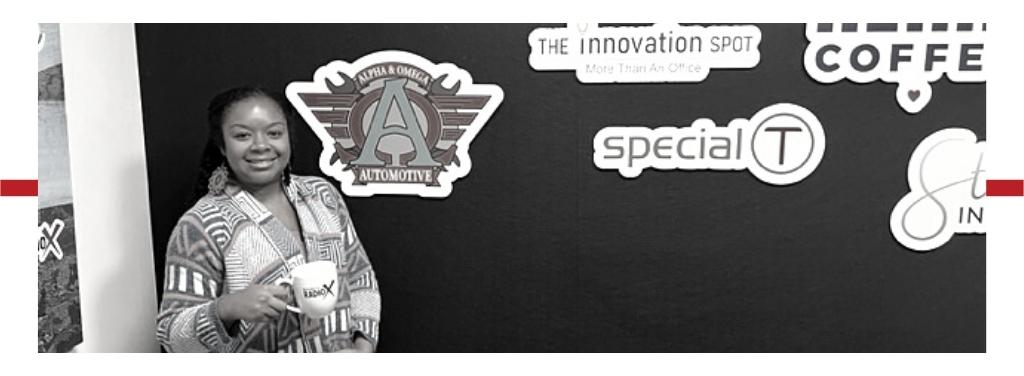
 Kaye Barnwell is the Chief Empowerment Officer for Billiboo Boutique.
Our brand is built on empowering, inspiring, and uplifting girls of all ages, but specifically we focus on girls ages 4-16.
At Billiboo, we understand that empowerment comes when our girls feel well – mentally, physically, and emotionally.
Free to Be You, is our motto, and it’s not just a tagline that you’ll see on our website or on our products, rather it’s how we hope each girl feels when she receives a gift or new item from our shop.
Our hope is that she feels this way long before she ever finds us.
Follow Billiboo Boutique on Instagram.
This transcript is machine transcribed by Sonix
Intro: [00:00:08] Coming to you live from the Business RadioX studio in Woodstock, Georgia. This is fearless formula with Sharon Cline.
Sharon Cline: [00:00:19] And it’s a surprise Tuesday for your list formula here on business Radio WEX, I am your host, Sharon Klein. And in our studio today, we have a boutique owner and their mission is free to be you. Their brand is designed to capture the mindset that every girl has the right to feel and be herself. They believe in wellness, and their products are designed to empower girls to create their own self awareness, their identity and their self care. Please welcome to the studio, Kaye Barnwell of Billiboo Boutique, which is the cutest name in the history of the planet.
Kaye Barnwell: [00:00:56] Hi everyone.
Sharon Cline: [00:00:58] Thank you. Thank you for coming on the show. I’m excited to talk to you for a couple of reasons. One is that this is a fairly new business that you started, and I feel like people who kind of maybe thought they were going to do one thing before the pandemic and wound up doing something else. There are a lot of people out there that have that experience, and I feel like you’re in that group. And so I’m like excited to see how it all happened. You know, people’s lives take turns and you don’t expect it when it happens. It’s like, okay, tell me about your journey.
Kaye Barnwell: [00:01:26] Totally unexpected. And I had no clue. I would start this journey this quickly as quick as I did. I believe it was January one, 2020, when I officially signed on to get the business name Billy Boo trademark.
Sharon Cline: [00:01:42] By the way. It’s like a dream, right?
Speaker3: [00:01:44] It is like a dream. Think about it.
Kaye Barnwell: [00:01:46] It is absolutely like a dream. It was actually something I wasn’t even thinking of thinking of. At the end of the day, I was looking for the right domain name for another wellness business and discovered that Billy Boo was not a registered domain name. And I said, Oh, I have to have it. Whatever I do, you have.
Sharon Cline: [00:02:04] To have it. It’s a great name. It’s catchy.
Kaye Barnwell: [00:02:06] It is named after my daughter Billy. And I’m happy to say that we not only got the domain name, but we officially are trademark or registered trademark brand name. Wow.
Sharon Cline: [00:02:18] I get that.
Kaye Barnwell: [00:02:18] That happened this year.
Sharon Cline: [00:02:20] Wow. Congrats. There’s nothing quite like knowing it’s official.
Kaye Barnwell: [00:02:23] It’s official.
Speaker3: [00:02:25] That’s correct.
Sharon Cline: [00:02:26] So back in January 2020. Yes. Two months before the big change in life, this was just a dream, just an idea of yours. You had kind of like impetus for it. You’re like, at some point I’d really like to build this out. And then the pandemic hits. And so was this sort of like, All right, now I’m really going to put all my time into this or as much as I can into building this.
Kaye Barnwell: [00:02:46] And actually, I should say January 2021, I’m at a loss here, oh, January 2021. So the pandemic had actually already started.
Speaker3: [00:02:53] Oh, okay. Got you.
Kaye Barnwell: [00:02:55] I wasn’t thinking about the name at all, but discovered again that the name The Domain was available, I believe, in May 20, 21, 2020, when I discovered that the domain.
Speaker3: [00:03:05] Name label.
Sharon Cline: [00:03:06] Got you. You still had the idea, kind of like in its baby form, in some form.
Kaye Barnwell: [00:03:11] All in the mind. But it doesn’t really matter until you have it out.
Sharon Cline: [00:03:14] And that’s the story of my life. Everything’s just in my head hanging out. But like you took you took steps.
Kaye Barnwell: [00:03:21] Yes.
Sharon Cline: [00:03:22] What was the next step?
Kaye Barnwell: [00:03:23] Well, I mean, I was working with a life coach, and fortunately for me, you know, I had a lot to talk about. And and that just happened to be one of the things I said, you know, I got this domain name. I’m not sure what I’m going to do with it yet, but we just started working toward the steps. I eventually built a business plan, and when I have that business plan in place is when I started to look for an attorney to trademark the name, because I want it to start with the end of mind. And for me, that was owning the brand name.
Sharon Cline: [00:03:50] It’s really smart. How many people don’t do that? Don’t think about that, that how important that legal part is. You know, very important.
Kaye Barnwell: [00:03:56] It’s very important. And, you know, I even had major name brands like saying, hold on, wait.
Speaker3: [00:04:03] Just a really pause.
Sharon Cline: [00:04:05] Oh, no.
Kaye Barnwell: [00:04:06] Yeah. Yeah. So that was an interesting journey. It took about 18 months to get the registered trademark, but it’s official. We do have two marks under Billy Boo and we are just we couldn’t be happier.
Sharon Cline: [00:04:17] So what were the steps that you took? Did you like what I did for my business? Did you just Google? How do I make a trademark legal or how do I make an actual official trademark?
Kaye Barnwell: [00:04:27] Well, I asked for advice. I love referrals. I’m all about referrals for everything. So when I have an idea and I don’t know something, especially women in business, I am like, go to the women who know, or maybe the woman that I think knows may know.
Sharon Cline: [00:04:43] But it’s so nice because you help each other.
Kaye Barnwell: [00:04:46] Absolutely. And I’m so thankful because, you know, I ran into a number of legal you know, I would say there are a few attorneys that I reached out to. And the one that stood out for me is the one who worked the best to make it happen. And I was just very thankful for that process. It wasn’t easy. There was some moments where I’m like, I. I was like, I can’t pay for this anymore.
Speaker3: [00:05:08] My gosh. Right.
Sharon Cline: [00:05:09] And every.
Speaker3: [00:05:10] Year. Yeah, That’s a business owner. Oh, yeah.
Sharon Cline: [00:05:15] So when you were talking about Billy Bu and you were making your logo, did you already have an idea of what you wanted your your product to be?
Kaye Barnwell: [00:05:23] Yes, I did. I had an assumption. Really? I really thought I was going to start with manufacturing goods under the name brand. In fact, I went to a manufacturing school in North Carolina and took a class because I said, well, hey, that’s the next.
Speaker3: [00:05:39] Step, right? Even during the.
Kaye Barnwell: [00:05:41] Pandemic, you can still go to a class, right?
Speaker3: [00:05:44] That is awesome.
Sharon Cline: [00:05:45] I never thought to do anything like that, but I love that you decide and you actually do it, you know, like even another state. Let’s just.
Kaye Barnwell: [00:05:52] Go. Let’s just go. It didn’t take too long to get there. I think the class was just a couple of days. I met some great people and the one thing that I discovered is that manufacturing in the U.S. is just really expensive. And so my next question was determine how much do people care about items that are produced in the U.S.? Gotcha. And, you know, I think from a business standpoint today, I would say that people do care, but they also want to meet the people who make it. So that has been the upside in the downside of the business. In a way, we primarily buy from women owned brands because we are a girls empowerment boutique and we believe that, hey, these girls are going to turn into women someday. So we want to support them in every way that we can. So that’s been an interesting journey for us. We haven’t manufactured any goods to date, but we primarily own buy from women own brands.
Sharon Cline: [00:06:46] So how challenging was that to stick to those parameters that you put for yourself?
Kaye Barnwell: [00:06:51] Very challenging.
Sharon Cline: [00:06:53] Because when I hear about clothing being manufactured in different countries and I know that it’s very controversial and there are even children doing things, you know, I’m not very versed on it, so I don’t want to speak like I know exactly, but I’ve heard that it’s difficult to continue to make Made in America have a different value. You know, it’s a financial value, but also a value for people to know this is not made on slave labor or something that I would feel bad about in my heart.
Kaye Barnwell: [00:07:21] Absolutely. It’s very tough because when you look at all the major brands they have, you know, products that come from all over the world and we still buy those products. So a lot of times it doesn’t really matter to the consumer. But when you are a shop, local business, when you are a brand that is consumer facing and you expect local dollars to hit your store, you have a real responsibility to see to it that most of the material is really funnels under that brand value that you bring. And so I try to do that.
Sharon Cline: [00:07:55] Really do what are some of the products that you have in your boutique? You have an online boutique, but you also have a physical boutique, which we’ll have to talk about too.
Kaye Barnwell: [00:08:02] Yes, physical boutique. We have an online e-commerce space and a lot of the products we do have a lot of apparel, I will say that. But primarily we sell a lot of girls accessories and gifts, unique items that you haven’t seen before. You may have seen, but they’re very obscure. So when you see them, you’re like.
Speaker3: [00:08:21] Oh, I got to have it.
Sharon Cline: [00:08:24] That’s what you want, right?
Kaye Barnwell: [00:08:25] That’s what you want. I mean, that’s what I really expect from the person that’s thinking of the young girl that they’re buying for, that they found something really unique, such as a treasure that this girl would hold close to our heart. I mean, I’m wearing one of our little fidget rings today, and it’s like it’s just very it’s very small. You wouldn’t even know it’s there, but I know it’s there. And when I’m ready to play with it or I have a little anxiety or I’m nervous about this interview.
Speaker3: [00:08:50] Then I can just.
Kaye Barnwell: [00:08:51] Play with this unique ring that you can find at the Billy Boo’s shop, right?
Sharon Cline: [00:08:54] I have one as well. I’m playing.
Speaker3: [00:08:56] With. See? Yeah.
Sharon Cline: [00:08:57] It’s not as mine is way chunky. Yours is really. I have one around my neck and I have one on my finger. But you know what? How nice for children when they’re in school, right? If they’re having an anxious moment, which was me in school, you know how nice to not have something that just glares. I need something to relieve anxiety that’s really cute to look at.
Kaye Barnwell: [00:09:13] And we have so we have a ton of fidgets in the store. And I will tell you, as a business owner, as a mom, I was very skeptical of fidgets. That is my aha moment in this business.
Speaker3: [00:09:24] This is your hobby.
Kaye Barnwell: [00:09:25] This is my one of my aha moments. There have been many. But because Billy is so young, she’s not even four yet. I am like, we’re not having these fidgets all around the house. I’m like every other parent. Like, No, no, no. You can’t have all those fidgets.
Sharon Cline: [00:09:38] Learn to learn to manage your emotions. I don’t know. That’s what I think. It’s like. Why can’t I just sit and be quiet? It’s like there’s something about the fidgeting, you know?
Kaye Barnwell: [00:09:47] Well, I mean, technology, right? You’re picking up. You pick up your phone every moment. You’re always on technology. Technology is always on. It’s always surrounding you. So this is I feel like these fidget things bring you back to the humanity of it. All right? It brings you back to yourself. And so I didn’t discover that until I bought my first fidget from a woman owned brand. It was a gold chain purse. And I said, if I’m going to have fidgets in the store, they must be highly functional. That is that is a qualifier. It has to be highly functional. And we have had everything from purses to shoes to hats that have fidgets on it rings. Earrings, you name it. We’ve had those types of fidgets in the store. I only buy toy fidgets when it’s around the holiday season. Then I say, okay, we can cut loose a little bit. Let’s bring something in the shop that is, you know, still toy like, but it has a maximum impact. So we have some of those in the store right now, but everything from watches to light up fidgets that you can put on your wall and create a design. You name it, it’s there.
Sharon Cline: [00:10:47] Yeah, that’s amazing. I didn’t know there were so many. Of course there are. That’s that’s awesome. Well, but it’s interesting that you’re kind of hoping that it encourages people to kind of get away from what is so prevalent right now, which is social media and technology, and just kind of center themselves with what they have right in front of them on them. You know, a ring.
Kaye Barnwell: [00:11:06] Absolutely. And actually, it speaks directly to our tagline, which is free to be you. And I always tell moms, if I’m in the shop, I’m like, if they see the sign and they’re like, Huh? And I’m like, Yes, that statement is absolutely wholly rooted in wellness because we want young girls to see that and believe I’m free to be myself. Yes. And our expectation is that girls feel that way like it’s long before they get to Billy Boo. But when you see it, you hopefully will discover that there are some things in there in our shop that speak to you. But just seeing it may change your perspective just a little bit. So that statement, free to be you, is rooted in wellness. That tagline is not going away, but it is the reason why we have these anxiety releasing fidgets in our store.
Sharon Cline: [00:11:52] I love it because you’re giving people permission almost. It’s like you’re normalizing, I guess just everyone. You have to fit into a certain mold in order to find something in your shop that’s going to feel like it belongs to them.
Kaye Barnwell: [00:12:08] Absolutely. And it could be the most you know, the interesting thing, it could be a piece of clothing or it can be we’ve had lots of diaries or unique personalized booklets that you can write. You know, write your life in journals, right? Yeah. So we believe in that as well. Write the story, look at these beautiful items. And, you know, I have to tell this story sharing because I really think sometimes I’m like, Oh, did this get lost in translation? But I don’t really think people know and maybe they shouldn’t know because it’s a personal story to me. One of the reasons why I thought I could do this brand is because I still remember one of the prettiest days I ever had as a little girl. That was I still think about this to this day. I believe I was either eight, no more than ten, and my dad had done my hair. So I have this big pouf on top.
Speaker3: [00:12:59] Of my head.
Kaye Barnwell: [00:13:01] On top of my head. And I just remember, I don’t even know what reason because I don’t remember watching Betty Boop. I’m pretty sure I didn’t watch her growing up.
Speaker3: [00:13:09] But I just love the way she looked.
Kaye Barnwell: [00:13:10] She just always made me so happy. And I remember I was wearing a dress that my dad bought me. It was a Betty Boop dress, and it was just. I just felt the most beautiful that day. And I still remember we were at the lake. And I can remember my hair is a little frayed, probably a lot frayed. And then seeing that my dad did it and I’m wearing the dress that he bought me. And it’s those types of moments that I hope girls have when they receive a Billy Boo product when they they have picked something out just for themselves. I’ve seen girls say, Oh, no, that one’s for me. That’s the one I want. I’m like.
Sharon Cline: [00:13:43] Yes, yes it is.
Speaker3: [00:13:44] That’s for you. That one I love Vivid.
Sharon Cline: [00:13:47] That moment wasn’t Who Knew back. And you know what? When you were ten or whatever that it would impact you even to this moment and how that can impact people. That’s really inspiring to me.
Kaye Barnwell: [00:13:56] It’s amazing because I just think about how much love for myself I felt in that moment, how much pride I felt for having a parent who cared enough to put a bow on my head.
Speaker3: [00:14:08] Regardless of what it looked like.
Kaye Barnwell: [00:14:11] And just, you know, just knowing that I was wearing the one thing that I wanted to wear that day. And that’s what I really try to channel, that I try to channel that energy through to Billy, my daughter now, because I want her to feel like she hoped for, for the day. However she hoped to look, look like that, whatever that thing is that you’re attracted to today, I want you to feel free to be you in that moment, to pick up the things that speak to you, to right, the things that speak to you, to feel your way through this experience. Call it life. Because, I mean, we we only get one us, right?
Speaker3: [00:14:43] I love that you.
Sharon Cline: [00:14:44] Like feeling because what you’re basically saying is whatever you when you go into your store, you’ll feel something. Yeah. That feels like you, you know, whatever that looks like. And it’s wonderful because I think it’s easy for me even today to not feel, you know, like I want to numb myself from when I’m uncomfortable or unhappy or have unhappy memories or any of it, you know? But what you’re encouraging is from the beginning of a kid’s life, child’s life is to feel.
Kaye Barnwell: [00:15:11] So it’s I think one of the reasons why I think we can speak to these groups of young girls is because we’ve all been that young girl who kind of feels a little maybe isolated or. Abnormal or I don’t know. I mean, our brand goes from 4 to 16. Those are the ages that we primarily serve, but we speak to anyone. The products stops. If it stops you in your track, go pick it up. I mean, that’s fine. If you don’t buy it, that’s fine too. But I want you to remember who you are in that moment. Right. And just speaking to your point just now, like, hey, you know, I even sometimes I feel like that that is probably one of those lessons in fearlessness that I’ve had to really sit with lately, which is being vulnerable, vulnerable enough to introduce this brand that I don’t like. I’m like, Why would you care?
Speaker3: [00:16:01] You know, we’re just one of many.
Kaye Barnwell: [00:16:03] Yeah, we’re one of many. We’ve only gotten started. Our physical store didn’t just open a year ago. The website is is what it is. It’s actually one year old today.
Sharon Cline: [00:16:14] 10th anniversary.
Kaye Barnwell: [00:16:15] Thank you. You know, and I’m a one woman show. And so when I have to go and be vulnerable with potential customers and say, hey, you know, check out our page or oh, you like that, come on by. You know, I didn’t realize how vulnerable I really felt or how, you know, shy I really am in those moments because I’m like, oh, how did how did I just do that? Or can I repeat that over and over again? And I’m just getting to that stage where I feel like, okay, maybe I can start to say it more. Billie actually says Billie Boo more than she does.
Speaker3: [00:16:49] Yes, she does. He’s like.
Kaye Barnwell: [00:16:50] Oh, you can get it from the Billy Boost.
Speaker3: [00:16:51] Shop like girl, Thank you. Because, yeah, because you’re three.
Kaye Barnwell: [00:16:55] And you can say that and you know, mom, I’m like, Yeah, you can stop by the Billy Boo shop if you like. Or, you know, here’s a card or, you know, So I’m finding that I am, you know, a lot higher than I thought I would be in this space, you know? And I’m like, opening this big idea up to so many women and saying, Do you agree? You don’t agree? Okay, well, what could I do better? You know, I’m not really asking all of those questions, but that’s the insecurity that you kind of feel as a new business owner, like, am I getting this right? And it is not until a sale happens that you’re like, Oh, wow, they finally bought that one item that’s been stocked forever and oh my goodness, I didn’t think anybody cared or I didn’t think that ever would sell or my goodness, how did they find me online? That’s awesome.
Sharon Cline: [00:17:40] It’s like your instincts being right. There’s like, that’s a wonderful feeling. Like, it’s the same for me. If I ever get booked for voiceovers, I’m always like, Oh my God, it’s working. It’s working. You know? Like, I just I’m so happy. Yes, because it’s so validating. My whole my head is my worst enemy and I live in it all day. So it’s like, have I made the right choice? You know, I am the queen of questioning whether or not I’m making smart decisions. And so it’s very actually normalizing for me to hear that even someone in a different kind of business has the same thoughts, because I’m by myself a lot. But this is something else I wanted to highlight with you is that you have a really strong network of other women business owners. And I, I have yet to really join any other business kind of group other than like a young Professionals of Woodstock, which is one of my favorite groups to go to. But we just chit chat and have coffee. And anyhow, I just I really think that there’s a resource out there that I know I haven’t tapped into. So would you be willing to talk a little bit about your some of the support that you have?
Kaye Barnwell: [00:18:40] Yeah, I mean, like I said, I started this journey with my life coach who I’ve known for years.
Sharon Cline: [00:18:45] Now that you have a life coach.
Kaye Barnwell: [00:18:46] Yes. She’s a really good friend. She focuses on wellness, 360 degrees of wellness. And so I love that mission. But I had to build the confidence to get there, to even walk into that room and say, Yes, I’m a business owner and my confidence is kind of skyrocketed in those places. Now I feel like I have to take it to the individual person that I don’t know who’s walking on the street or who’s just stopping by. And that is the space that I’m.
Speaker3: [00:19:11] Trying to go. I haven’t done that either.
Sharon Cline: [00:19:14] Well, a little bit, but it is very daunting. It’s like, Oh my goodness, do I even know? How do you you don’t know what their energy is going to be like. You don’t know what the reception is going to be like. So how strong do I feel in myself to ask that? Like, do you feel the same?
Kaye Barnwell: [00:19:26] Yeah, well, you know what? Okay, so I will share with you that this is a journey that’s continuing. So the Free to Be you tagline. I keep mentioning this because I’m actually on another journey to make that statement more bold than ever before, and I don’t even know that I’ll get there. But I’m hopeful and I’m putting one foot in front of the other so that I can do the work. And when I introduce it to our brand of our brand value, when I introduce it to customers, they will believe, but it will be a curriculum that is centered around free to be you. So it’s releasing you to just be yourself and discovering how to fall into yourself when you feel insecure or vulnerable or just not quite it today. I mean, I thought about this interview today and I’m like, Am I well enough.
Speaker3: [00:20:16] To do this? I was like, I’m not canceling yet doing that. Thank you. No, not canceling.
Kaye Barnwell: [00:20:23] I will be there.
Sharon Cline: [00:20:25] But you know what? I’m hoping that you’ll find that it’s just a conversation and we’re just kind of sharing it.
Kaye Barnwell: [00:20:30] It’s just a conversation. It really is. And I’m enjoying.
Speaker3: [00:20:33] It. Oh, yeah. Hey. Yeah, that’s a.
Sharon Cline: [00:20:35] Great one for me. Yeah.
Kaye Barnwell: [00:20:36] Thank you. Thank you. I’m serious. Thank you for the invitation. I’ve done just a couple of interviews, and, you know, I mentioned briefly the fraud factor before.
Sharon Cline: [00:20:46] We need to talk about that. But wait, if you’re just joining us, I’m speaking to Kay Barnwell of Billy Boo Boutique. And so we had just mentioned before we got on the air that it was. The fraud factor. And I feel like it sounds to me something like imposter syndrome, because I have that I live in imposter syndrome land. Okay, go ahead. I’m there.
Speaker3: [00:21:09] Okay. It is.
Kaye Barnwell: [00:21:11] It is very true. I said to myself, Oh, my goodness, Do they know how close I am to not doing this anymore? You know? Or do they know the conversation that I just had with my husband about? I’m not sure if that’s going to make that part of the business is going to make it or how do I keep going? Or we have these shows coming up and I’m really hopeful for that. I just don’t know if it’s working kind of deal. So it always makes me feel like, okay, I can’t quite do that interview or I can’t quite go into these spaces yet because I haven’t proven myself. And so the bottom line is, you know, as my husband said, he said, oh, you know, you’re putting that brand out. There it is. Your brand is forward facing. It is already out there. You you just keep doing it. And I have literally heard that in my head over and over again. Keep going, keep going, keep going. So a lot of days I am pushing past this notion that I’m a fraud.
Speaker3: [00:22:03] In some way.
Kaye Barnwell: [00:22:05] And it’s not the question of what qualifies me. It’s the question of why wouldn’t I qualify myself to be in this position? And so I want to answer the question that you mentioned a few moments ago about the strong women that are surrounding me right now. You know, I’m very fortunate to belong to the Roswell Woman’s Club. It has been the reason why I feel like I can speak my own mind and be in a room with other business owners, other women business owners, and feel very strongly about my brand, but feel that it also resonates with people. And even if it doesn’t, maybe they’re curious. And you know, I have very few followers right now, so if you.
Speaker3: [00:22:45] Haven’t.
Kaye Barnwell: [00:22:46] You don’t know who I am. I’m at official Billy Boo on IG.
Speaker3: [00:22:50] I need followers. I will follow you right now.
Kaye Barnwell: [00:22:53] It is crazy because I’m like, oh, these people have hundreds or thousands and I’m like, Oh, I’m itty bitty. And I again, fraud syndrome. But at the end of the day, if I touch one, that’s enough, right? And I think the way that these the network of women business owners or women in general have touched me to feel the confidence of knowing that I belong there, it’s just been astonishing to and it’s been very helpful in motivating me to keep going. One of the people that I actually who was one of my first customers who shouted me out on it, Lauren Owens. Fleming I love you, girl. I’m actually doing an event with her on on Thursday this week at the Painted Tree in Roswell. And I love her because, you know, she said, oh, you know, my daughter, she wore your the sweater that, you know, I just bought her from your shop. And I’m thinking.
Speaker3: [00:23:43] Wow, that’s great. Yes. Somebody actually loves the product.
Kaye Barnwell: [00:23:47] That’s great. And she didn’t know what that that message meant to me at the time. But again, it’s like every day if I’m telling myself, keep going, keep going. And then you have somebody that comes along and they just water that that seed that’s been planted or they give you a high five or they say good word and maybe they don’t buy a single thing, but it just means so much. And that’s what this journey has meant to me, is that knowing that I really do belong, even when the numbers are few on social media, when people haven’t bought a single thing in the shop that day, when I haven’t received an an online order in months, I still belong here. And so if I just keep going, right, if we just keep going, I believe that this journey will satisfy us more than we know.
Sharon Cline: [00:24:31] Wow. I love it because I think for myself, how much is enough? Like, I don’t. I don’t. I don’t know that I can ever be hired enough, you know, to do voiceover work. I don’t know that I could ever be, like, valued enough. Do you know what I mean? Like someone thinking, Oh, you’re great. I don’t know if I can ever hear enough. Oh, my God, that was so perfect, you know? Right. I feel like I’m an endless well of need.
Speaker3: [00:24:56] And so that’s kind of funny, I guess.
Sharon Cline: [00:25:03] But, like, what I think about it, I don’t know that there ever is enough. So what do I define myself as? A successful person, You know, because it’s never enough. I’m never happy enough. I never make enough money on and on and on. So I think for myself, I love that you talk about how it’s really not about how many sales did I make this month or because for me, how many times did I get booked for this or that. It’s more today. How did I do today? You know, Did I do what I promised myself I would do? Or even just having tried it doesn’t have to be end all, be all success. But just almost the competitions with myself.
Kaye Barnwell: [00:25:38] Yes. How did I handle myself today? Honestly, if I can answer that question a truthfully and know that there may be some weak spots that I hadn’t quite noticed. Right. That is the question I love to answer on a day to day basis. How did I handle myself today? Because to your point, we are always searching for something more. And when that more happens, it’s like, has that satisfied us? And the likelihood is no, we’re still searching. Yeah. And so the ability to even go into to oneself and say, okay, but all of these wonderful qualities that I have, all of these things are working. It’s working toward the good of what I’m trying to do and who I’m trying to be. And honestly, Sharon, I just love that you’re in this space because you belong here. First of all, you do you really do you have the voice for it? You have the attitude. You are always glowing and shining. And I get to say that because I know you.
Speaker3: [00:26:35] Quite frankly, I.
Sharon Cline: [00:26:36] Love that you came in today.
Speaker3: [00:26:37] By the way. Yeah, I just came to pump you up. Honey, I’ll be that 20, I promise. You Go.
Sharon Cline: [00:26:45] That’s so nice. Well, it’s fun. And I think what I really love is that everybody wins. It’s like you get to talk about your journey, but anybody else listening hopefully will understand something they didn’t before and take some wisdom from it. I mean, I do. I think that’s part of the impetus of this show is because I let fear decide a lot of things for me. And so listening to someone who moves past the initial impulse of how am I going to know if this is going to how am I going to know that this person’s not going to be like, No, I don’t want to be on your radio show, Some stranger, You know, I’m like, Hey, how do they know to trust me and how might I deal with rejection? It’s just nice when you find someone who can identify with those feelings and have. Here are my tips and tricks. Here’s what I do today. I’ll take it because I need help.
Speaker3: [00:27:27] I need help.
Kaye Barnwell: [00:27:28] That’s right. Listen, let me tell you. But you know what? You remember that meditation stuff that we are doing?
Sharon Cline: [00:27:32] Yes. That’s been helpful, too.
Kaye Barnwell: [00:27:35] That’s been very helpful. It’s been very helpful. And that’s definitely something that we’ll be introducing in the business.
Sharon Cline: [00:27:40] Well, that’s wonderful, because small business owners, I don’t think that’s something that’s ever really been talked about, at least on the show, about how important it is to kind of keep yourself in almost like a not Zen, but sort of grounded.
Kaye Barnwell: [00:27:52] Yeah, State of awareness. I’m aware that I have some weaknesses. I’m aware that I’m vulnerable. I’m aware that today maybe didn’t go as planned. I’m aware of all of these things. Can I be present in those moments when it’s not working? When it’s working well, when I think, aha, I did a really good job. And then when people are like, I can’t. No I’m not, no, I’m not going to pay that much money for that. And when’s the sale come. I won’t even be back. Don’t even worry about it. You know, somebody’s not going to like what you’re doing. And I think you just have to learn to be okay with that. But more importantly, you have to be okay with yourself first. And I think that this journey has definitely taught me more about the need to not undervalue myself in any space, especially this space. This is something that I’ve had the luxury and the ability to create. How dare I undervalue myself in this space, any place else that I would go And you know, a job that pays you, they may get to do that. But how dare you do that to yourself, don’t you even. But you know, that’s how I have to say. I have to sit myself down and tell myself. I mean, even today, you know, how dare you undervalue? I mean, I’m speaking to myself right now.
Kaye Barnwell: [00:29:03] How dare you undervalue yourself in this moment when you have been given the ability and the luxury to create something new, to create something vibrant, maybe it’s not going to speak to everybody. Maybe they couldn’t make it out that day. Maybe they don’t want to pay the shipping and handling. Maybe your prices are too high. Maybe they don’t like what you sell, but you do not have the luxury of undervaluing undervaluing yourself in this moment and this space in time when it’s you that has to keep going. You give yourself the credit of knowing that you have value and you walk in that. And if it doesn’t work today, cool. It may work tomorrow, but the point is to keep going. So I guess that’s the same you know, maybe that’s what’s been in my head that I keep hearing. Keep going, keep going. But in that, the lesson is, don’t you dare undervalue yourself. Now, it is too important that you keep going in this moment and you express the value as it has been given to you. And you walk in that. So you walk in confidence knowing that I’ve been able to create something new and it just may work out. It may work out maybe and I’m speaking to you now, maybe you’re going to do a trailer for a major movie.
Speaker3: [00:30:12] You know, maybe.
Kaye Barnwell: [00:30:14] Maybe you’re going to start speaking. And as I don’t know, maybe I don’t know. You know, we never know what the journey is going to look like. But the importance of showing up and saying, I will give as much value as I have designated in this day to myself, to my brand, to the thing that I’m creating that is more important than anything else. And if we can keep that top of mind, I think we’ll be unstoppable.
Sharon Cline: [00:30:38] That’s so powerful. I just love that you kind of talked about how the things that you’re experiencing kind of can show you some of the weak spots because obviously I, I, I mean, I’m perfect, of course, but I have.
Speaker3: [00:30:50] To.
Sharon Cline: [00:30:52] Know I just mean interesting along the journey that you talk about how different situations can bring up parts of you you didn’t know like you didn’t know that you might feel shy. Yeah. You know where I feel strong in certain areas of my life, but I am very weak in certain areas of my life, you know? So until you experience those things, you may not even know it. And I love that you’re willing to be vulnerable about it, because there’s no the bravado and the look at my amazing brand, it doesn’t resonate. I think, as hard as when you’re like, Yeah, this is hard work, but I believe in it, right? You know, because I think everyone has those feelings. You know, this is hard work.
Kaye Barnwell: [00:31:28] This is hard work. But you know, what’s the opposite of this? Living a life of regret? No. That if no regrets is is the voice that speaks to you. That’s that’s what speaks to me. I’m like, okay, there will be no regrets. So even if this goes on and it doesn’t do what it needs to do, if I have to close up anything, whatever takes place, there will not be any regret. Having done the work to begin with, having completed the journey. If that calls for a refocus or regroup, that’s fine. But I know that I don’t have any regrets in having started a journey that maybe somebody is still in their head.
Speaker3: [00:32:04] Exactly.
Kaye Barnwell: [00:32:04] Things are not in our head anymore.
Speaker3: [00:32:06] It’s out here. It doesn’t it.
Sharon Cline: [00:32:08] Feel cool to create something, though, Like it didn’t exist, what, two years ago and now something does exist? There’s just something so amazing about creating something.
Kaye Barnwell: [00:32:17] Listen, when I hear women in the shop and they’re like, Oh, I have an ima boo, or I call my daughter Natalie Boo, or, you know, and you’re like, What?
Speaker3: [00:32:26] Girl?
Kaye Barnwell: [00:32:26] Okay, so that makes sense. That resonates with people. But I never even thought about the brand in that way. I was just thinking about what we call Billie when she was a baby, you know, Now she’s just Miss Billy.
Speaker3: [00:32:36] But. Oh, miss me, Billy, It’s no Billy Boo there.
Kaye Barnwell: [00:32:40] Maybe we’ll get there, you know, later in life. But, you know, just to hear that it’s an endearing sentiment to to women with their daughters, I was like, man, that even that is powerful because you’re like, man, they thought about their Emma Boo or their Natalie Boo in that day, you know, when they saw the sign or, you know, whatever it may be. But that just capturing the essence of that feeling of endearment, of ownership of self.
Sharon Cline: [00:33:08] And something sweet. It’s so sweet, you know, it’s priceless.
Kaye Barnwell: [00:33:11] It’s priceless. And I didn’t even know what the logo would be, By the way, by the way, when I was thinking of this.
Sharon Cline: [00:33:16] Of the logo. It’s so cute.
Kaye Barnwell: [00:33:17] I had no clue. I had no clue. I didn’t even know how to get there or to who to direct my attention to. But again, just asking people or even looking on YouTube and saying, okay, these are the brands that I follow, you know, what advice would they give? That’s how I discovered these are the spots that I want to be in.
Sharon Cline: [00:33:35] So do you think that you have a moment where you could say this? Like, what was is this a tough question? I don’t always like asking it, but what was what’s something that you could say is one of your biggest mistakes that you’ve learned from? And I don’t know, no way that could help other people.
Kaye Barnwell: [00:33:50] Maybe I listen, I, I have the same low hanging fruit and, you know, I’m like, you just, you know, you see the low hanging fruit. You pick that apple right off the tree and you eat it, you know, And I’m I am quick to make that assessment. And and sometimes it is not low hanging fruit. And the biggest thing that I’ve had to admit to myself in this journey of business is that that shop that’s just down the street from where I live is not low hanging fruit. It’s a lot of hard work. It is a ton of work. It is. And you know, when you’re just starting something, you’re invigorated, You have all this freshness and it’s new and it’s exciting.
Sharon Cline: [00:34:33] It you.
Kaye Barnwell: [00:34:33] Believe it, it’s just and then you get a year out or you get six months out or sales don’t. Come. And then you think that, well, okay, now I got to go pick the low hanging fruit. Oh, there. There are no low hanging fruit. And I’ve had to discover that that low hanging fruit isn’t so low after all.
Sharon Cline: [00:34:51] Interesting. Yeah. Like, you think you kind of understand how something is going to go, or you have an estimation of how it’s going to go. And it’s actually completely different.
Kaye Barnwell: [00:34:59] Completely different.
Sharon Cline: [00:35:00] Tumbling.
Kaye Barnwell: [00:35:00] Isn’t it? It’s very, very humble.
Sharon Cline: [00:35:03] I’m thinking of my own experiences.
Speaker3: [00:35:04] So I’m like, Yeah, I know that.
Sharon Cline: [00:35:06] Feeling.
Kaye Barnwell: [00:35:06] Very humbling because you think, Oh, well, it’s it’s a shop within a shop. It’s it’s under another brand name. It’s all going to work. It’s going to it’s going to be this living thing. All I have to do is just show up, you know.
Sharon Cline: [00:35:17] And they’re going to.
Kaye Barnwell: [00:35:18] Love you and they’re going to. Yes. But you have to do that over and over and over again. So that low hanging fruit, it starts to get out of reach or you realize, oh, a new seed needs to be planted. Oh, we actually have to tear off these branches, or we really do need to do some pruning here and there. And that part is not easy. And even just starting the pruning process is not easy. So I I’m in that process now of like saying, well, these are the things you said you’re going to prune. When are you going to prune it? Because the low hanging fruit, it’s way up there now.
Speaker3: [00:35:49] Right.
Sharon Cline: [00:35:50] So interesting.
Kaye Barnwell: [00:35:51] Yeah. So that that has been one of those moments that’s kind of sit you down. But I also look at it like, okay, but what if I never sat down? What if I always thought that this was going to be just, oh, you just do it. Do it this way. You just yeah, you just keep going. But in the sitting, I’ve had to learn how to adjust my expectations around the definition of success. I’ve really had to tune in. I’ve had to tune in to other business owners. I’ve had to sit back and say, Oh, I have to take that. I need that piece of advice. I need to take that with me or, Oh, look, that part of the business is working or Oh, it’s not so bad after all or that. Keep going. It’s just a phrase because, you know, you have these phrases and you’re.
Speaker3: [00:36:32] Like, Yeah, yeah, yeah. Keep going crazy to say, Yeah, exactly.
Kaye Barnwell: [00:36:37] Exactly. But at the end of the day, people don’t experience your tears. They don’t experience your fears, they don’t experience your not so aha moments that you have with yourself about your weaknesses and insecurities and vulnerabilities and all of those things. But I think that if you can at least understand, okay, well we got here, how do we get there? So it’s a sitting down and it’s sort of this reckoning that you have with yourself. But at the same time, it’s not all bad. It’s it’s good because maybe you wouldn’t have done that otherwise or you would have continued on the same journey just because that’s what’s acceptable. But it’s not wholly who you are. Right. And so this is this is a tough part of the journey.
Sharon Cline: [00:37:18] I’m a spiritual journey.
Speaker3: [00:37:19] Is it is it really?
Kaye Barnwell: [00:37:20] This is the tough part of the journey. And I’ve taken some back seats and I’m like, I’m like, okay, you’re getting further away from the pulpit, honey. Like, you know, or I mean, like, are you in the crowd anymore? What’s going on with you? That’s the piece of it that is really you say, okay, where’s the connection or where’s the disconnection with who I know myself to be or who I created this for or why I even am in this. My story has sort of shifted and it’s changed, you know, throughout this process. You know, I would always tell people, because I work full time, because I have children, because I have a home to keep, I have all these things and some of my wonderful partners that I happen to share the space with, maybe their life isn’t as full, but I always say, you know, I believe God gave me this vision and I didn’t want to sleep on it. I wanted to create this thing, but there is a lot of work in doing so. Having said yes doesn’t eliminate you from the work. It doesn’t eliminate you from the fears or the vulnerability vulnerabilities. If anything, it highlights those things and it’s, you know, now I have to speak to those things and say, well, how are you going to talk about this today? Are you really going to revert back to what’s normal in your mind of what one?
Sharon Cline: [00:38:31] Yes and.
Kaye Barnwell: [00:38:32] Yes. And that is there’s a real fear in moving forward. But what’s the alternative? Regrets? I can’t deal with that.
Sharon Cline: [00:38:41] I have plenty, plenty.
Speaker3: [00:38:42] Plenty of those. No, no, no. We’re wiping those regrets. Those are two in the morning thoughts?
Sharon Cline: [00:38:47] I’m always awake at two in the morning.
Kaye Barnwell: [00:38:49] Two in the morning thought.
Speaker3: [00:38:50] Oh, my goodness.
Sharon Cline: [00:38:51] I’m like, oh, man, back in third grade. You never want to do that. It’s just that’s in the mix. That’s in the soup mix of things, I think. But I but I love that you talk about how it’s an everyday process because some days I feel so strong and Sure. Right. And everything’s working so great that I’m just like, man, I could write a book about this whole industry. And then the next day I’m like, I don’t want to do anything with it. And I don’t even know what the difference is between myself one day and the next day. I don’t know. I don’t know.
Kaye Barnwell: [00:39:18] Why. Well, and I think I think that’s natural to when you want to pull away from something that feels so right. But then you’re like, but is it wrong? Why am I here? Who taught me.
Speaker3: [00:39:28] To do this? I didn’t sign it. Did I say yes? Where? Show me. You know, I agree. But I love.
Sharon Cline: [00:39:35] That you talk about the fact that this kind of. Is a gift, even just in this country. Like sometimes I do sit back and I think, man, I I’m a woman by myself doing this. This industry made my own little, little LLC, Tiny LLC, and but just still did it because I wanted to. You know, it’s just kind of crazy, this moment of just an inspiration. And I’d like to see what happens here. And then the next thing you know, I actually have like a booth and it’s I have a page and it’s a website and it, it is kind of crazy, like there is a gift in it. And I think sometimes I need reminders that it’s not a given for every person on the planet, that they have an idea and then they can take it into fruition. Right. And what I needed that.
Kaye Barnwell: [00:40:18] What I just heard you say is I created a luxury brand and it’s not for everybody. I understand that. And I am willing to make sure that this luxury brand stands out and it sits high on the shelf so that someone will have to ask to pull it down. That’s what I heard you say.
Speaker3: [00:40:35] That’s what I heard you say, right?
Kaye Barnwell: [00:40:36] Like, ooh, luxury brand. I need to I need to run with that. This is how I think in my mind.
Speaker3: [00:40:41] I’m like, Oh.
Kaye Barnwell: [00:40:42] Well, maybe Billy Boot. No, I mean Billy Boots for everybody. But it is at the end of the day, it’s a luxury to even had the, the opportunity to create something that maybe someone is still a thought in their mind because it feels so far away and it feels like such a foreign idea for for somebody you’re already here. And and that’s just so powerful and empowering.
Sharon Cline: [00:41:04] So if you could speak to someone who’s got an idea out there and it’s it’s just in their head, what would you give advice to them? What would you say? How would you give advice to them? I’m not saying this articulately at all, but I just mean they’re this is this is part of the reason I wanted to do this show also is like, what did you do to kind of help yourself get past your own fears of, well, I can’t do this or I don’t know anything about that. That’s 99% of me is saying I don’t know anything about that. Like my mower is not working right now. And that’s really what I think is I don’t know anything like I’m so frustrated. But there are people that do and they are going to come help me. But at the same time, that is the immediate I don’t know anything about that. So I automatically have a bad attitude or a no in front of me.
Kaye Barnwell: [00:41:46] That’s good. I love what you just said. I automatically have a bad attitude or I have no in front of me. But the truth is, is when you start something, when when you start to talk about the possibilities, you ignite the fire in somebody else. Right? And then the people will come, the resources will come. You just start doing and start moving toward that. I think one of the biggest things that I’ve discovered in my own life, and this is since I was a girl, is that how vital communication is with with one another and the people that you know, the people that you don’t know. Because maybe the idea is that you express to someone else they may have something that reignites in you the passion that you always have for a thing. And then you start that journey because you now feel like I can do it where somebody may have told you in the past, No, you can’t do that. Or you’re not you know, you keep talking about that thing. That’s what I would say. First, you keep talking about that thing so that the right person, they’ll come and they’ll listen. They’ll sprinkle that seed that has probably already fallen. You didn’t even know it fell, right? You start writing it down because I was way nervous about writing a business plan. I had wrote one, you know, previously, and I was like, Oh, that’s a failed business. It didn’t work. I did one project and yeah.
Sharon Cline: [00:42:55] But you learned. But I.
Kaye Barnwell: [00:42:56] Learned. I learned that I didn’t want to do that.
Speaker3: [00:42:59] That’s valuable. That’s the lesson that.
Kaye Barnwell: [00:43:02] There’s no need for me to do that.
Speaker3: [00:43:04] Right? Valuable.
Kaye Barnwell: [00:43:05] That is valuable. It really is. And but I think it’s important to tell people what you want to do, because if only you know what you want to do, then how would anybody else know that? That they can be a support to you? Right. So the purpose in communication is that you you make sure those ideas leave your head, so to speak, at first. Then you can write it down and then you invite the resources in. So speak it, write it down and bite the resources and be vulnerable enough to attract the resources. So go to those places, go to the women’s group, go go to the network. Supports that don’t seem like it’s right up your alley, but I need to be in that room because I am a I am a luxury brand, right? I need to be in that room. I need to tell I need to tell more people. I need to continue to speak about this thing. And as I mentioned before, you know, I’m like, oh, I’m feel insecure when I speak to people. But that’s the point of speaking it. Because how will you know if I have a woman that comes up to me and says, Oh my goodness, I love her hip and where does she get it? Billy Boucher But if I never spoke it, she would never know, Right? Right. And so you have to continue to speak about it and then you continue to nurture the ideas. You know, if whenever you get a moment to write those things down or write something down, write something about your own being down so that it progresses you to move forward or move in the direction of establishing that new thing that you hope to to establish. Right? And then you just find a way to start attracting those resources. The people resource the financial resources, those things that are necessary to get a brand set up.
Sharon Cline: [00:44:37] It’s like little. Little things. I feel like I didn’t do it all at once. Sometimes someone will ask me, How did you even get started? And I’m like, How did I get started? Like, you know, what did I do? What was the first thing? Because once it’s rolling, right, you don’t really think so much about what it was like to get it going. But you go through those steps and the next thing you know, it’s you’ve got your LLC, you’ve got your EIC, you’ve got write, you know, your website, it’s like little steps. And the next thing you know, it’s right there. It’s like a physical, something that you look at.
Kaye Barnwell: [00:45:02] Well, and I also think it’s important to reflect, right, Because I know you to be a storyteller. And if you reflect, then you say, Oh my goodness, I actually was telling these stories for other people a little while ago and now I get to tell them for myself. Right. And I think the same thing about my business, I had to recall or reflect that there was a point in time when I graduated from high school that I thought I was going to be a buyer for a major luxury brand. And I said, Oh, I’ll just go to school and I’ll get my degree in that I want to be a merchandizer or a buyer for a major brand. And I had to recall when I started buying products for Billy Boo, the Billy Boo brand, that I am actually a buyer for my own luxury brand, and I’m calling the Lexi brand now, y’all, because I ain’t selling just me now.
Speaker3: [00:45:47] And I was like, Yeah, I know.
Kaye Barnwell: [00:45:50] She didn’t say that, but I was like, It’s a luxury to have created a brand, so I’ll call.
Speaker3: [00:45:54] It luxury.
Sharon Cline: [00:45:55] I love the notion of that because you just give such a different feeling of just being like, Here’s my little business. I always kind of downplay it because it does seem really little, but maybe if I talk about it in a bigger way, I’m putting it out in the world that it’s a bigger business, you know, or chalk it up more, I guess.
Kaye Barnwell: [00:46:10] Right? Or, you know, just speak it. You know, you have to talk it up. Just speak it. Just say, hey, you know, this is what I was able to create.
Sharon Cline: [00:46:16] My.
Kaye Barnwell: [00:46:17] Luxury and my luxury time. Yes, I had the luxury of time on.
Speaker3: [00:46:21] My side, Right? I mean, everybody has that.
Kaye Barnwell: [00:46:24] It is a luxury, I feel like. And Billy is not a luxury brand. It is a it is a wellness brand, quite frankly. And that’s the space that I desire for it to live in. It is a retail brand, but it is a wellness brand first. And, you know, hopefully in the year or two to come because I’ll still keep going. People will be will come to know the brand as more of a wellness brand and we’ll primarily sell accessories and wellness products. And then there will be workshops designed to meet the needs of young girls and young people around the world.
Sharon Cline: [00:46:56] Who knows how, where it’ll go.
Kaye Barnwell: [00:46:57] Who knows.
Sharon Cline: [00:46:58] Where it will go?
Kaye Barnwell: [00:46:59] The point is just to keep going, right?
Speaker3: [00:47:01] You got to keep going so it can go.
Sharon Cline: [00:47:04] Kate Barnwell, thank you for coming in.
Kaye Barnwell: [00:47:07] Thank you for having me.
Sharon Cline: [00:47:08] How can people get in touch with you before we go? I want I want people to be able to go see your boutique or find you online. Where can they how can they do that?
Kaye Barnwell: [00:47:15] Absolutely. So Billy Boot, it’s spelled with two L’s. It’s b i ll ib0. So that is our website Mobile Ibo. You will find our website there and please follow us on IG post a lot there. Fun, authentic stuff there. And it’s at official Billy Boo so at official Billy Boo on IG and please find us on Facebook under the same name. Thank you so much.
Sharon Cline: [00:47:43] You’re welcome and thank.
Kaye Barnwell: [00:47:44] You and see us at the Painted Tree Roswell.
Sharon Cline: [00:47:46] Oh yeah. Bicycle shop there. That’s really amazing. I mean, it’s like a great location. Yes.
Kaye Barnwell: [00:47:51] Right. It yes. Of Woodstock Road in Roswell. It’s a great location. Thousands of people.
Sharon Cline: [00:47:57] Walk by there.
Kaye Barnwell: [00:47:58] Hundreds of shops. Yeah, under one roof. And Billy Boo happens to be set up there. Space 18, Please come and see what we have in store and find us out in the community.
Speaker3: [00:48:07] We love that to you.
Sharon Cline: [00:48:09] And thank you all to you for listening to Fearless Formula on Business RadioX. And this is Sharon Klein again, reminding you that with knowledge and understanding, we can all have a fearless formula. Have a great day.
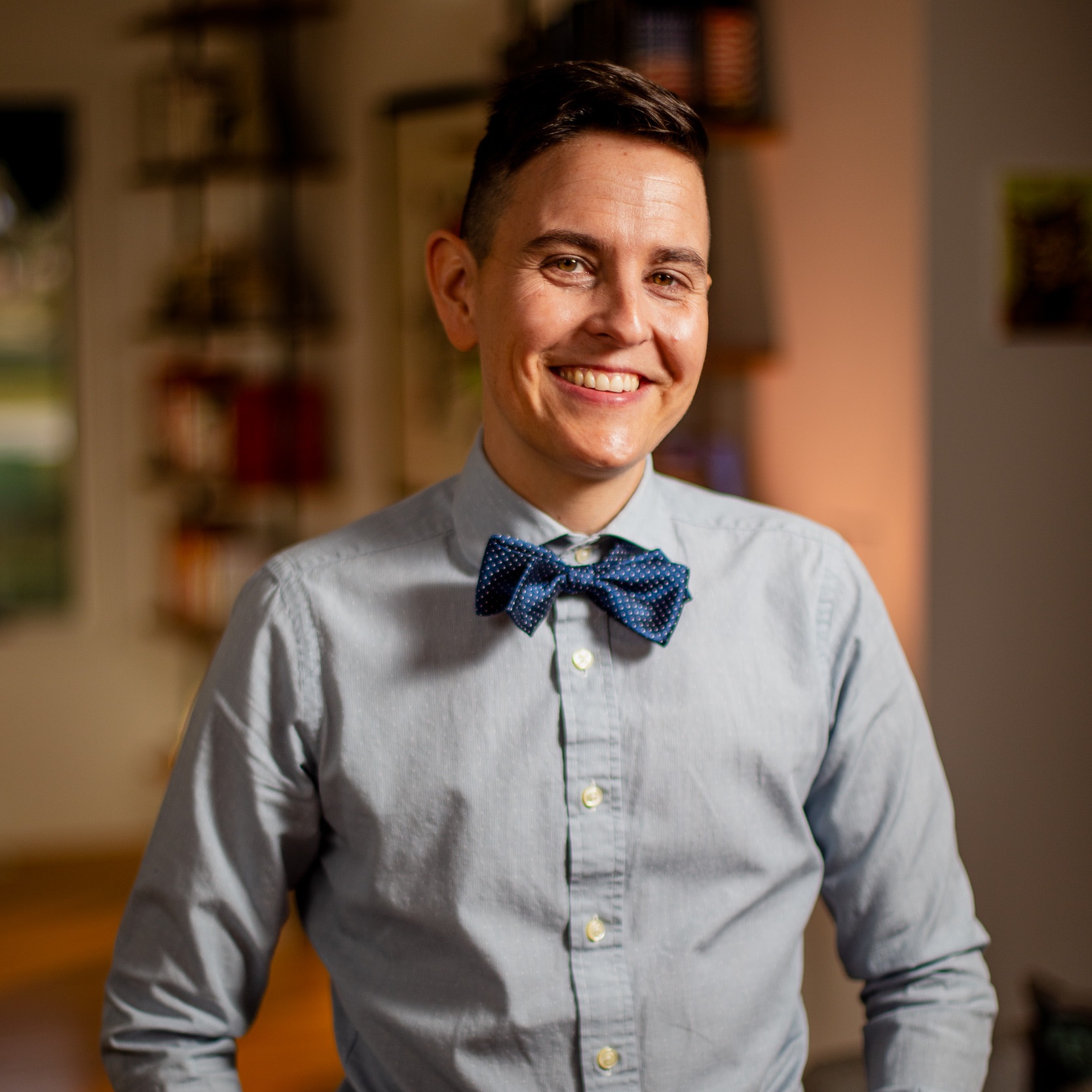

 Dr. Erin Baker is a self-leadership coach, business strategist, social psychologist, Internal Family Systems practitioner, and bestselling author of Joy-Full AF: The Essential Business Strategy We’re Afraid to Put First.
They hold a PhD from University of Texas at Austin and were formerly in leadership roles at Facebook and Microsoft.
Dr. Erin is known for their infectious energy, unapologetic authenticity, incisive wit, and unflinching commitment to helping their clients create joy-full AF businesses and lives that light them up.
Connect with Dr. Erin on LinkedIn, Facebook and Instagram.
What You’ll Learn in This Episode
This transcript is machine transcribed by Sonix
Intro: [00:00:04] Broadcasting live from the Business RadioX studios in Atlanta, Georgia. It’s time for High Velocity radio.
Stone Payton: [00:00:15] Welcome to the High Velocity Radio show where we celebrate top performers producing better results in less time. Stone Payton here with you. You guys are in for a real treat. Please join me in welcoming to the broadcast self leadership coach, business strategist and best selling author Erin Baker. How are you?
Erin Baker: [00:00:37] I am fabulous, even more fabulous now that I’m here talking to you, Stone.
Stone Payton: [00:00:42] Oh, I have really been looking forward to this conversation. We’re really going to be talking about this topic of joy. I got to ask right out of the box, how would you define joy and what business, if any, does it really have in business?
Erin Baker: [00:01:02] Oh, it has every business in business. So let me start with, if you ask 100 people to define joy, you’re going to get two things. You’re going to have people saying something and then going, Hmm, I’m not sure if that’s right. And you’re going to get all hundred people to say something different. That is something that I have learned through my course of talking to people all over my network, friends, family, colleagues. Joy is this word we all know. We don’t know how to define it. And really, we more so know when we’ve lost it. So what is joy is a tough question, but at the same time, as I have done this research, I have really found this fascinating thing where everybody has their own sort of unique flavor of joy. But there’s some real commonalities. And one of those things is it’s not the same thing as happiness. And we use words like joy, positivity, happiness really interchangeably. But happiness is really that thing that we think we’re going to get when we achieve a milestone, whether it’s we get a revenue goal in a business or we get promoted in a job or we buy that house, happiness is a result of something good happening to us. It’s also something that once that novelty wears off, right, we we all think once we’re going to get that promotion or that house, that we’re going to be happy forever.
Erin Baker: [00:02:34] But we know that actually. Hmm, a few days, few weeks later, that happiness has worn off. Joy, on the other hand, is not something that we need an external circumstance to feel. And you can imagine. Just imagine a time when you felt joyful and you might have been doing nothing. There’s no house, there’s no car. It’s just you’re with your family or you’re experiencing a lovely sunset or you’re just feeling in the groove in your work. And so joy is this thing that you can access any time. And it’s not a fleeting feeling the way happiness is. It’s something that you can kind of grow and cultivate over time. So I can even say to these listeners here, you know. Tap into what it feels like to feel joyful in your body. You know, I feel joyfulness really deep in my belly, whereas when I feel happiness, I feel, oh, it’s somewhere up above my head. And now imagine you can tap into that feeling of joy any moment. So that’s your first question. I know that was a long winded answer, but Joy is a very complicated thing that shouldn’t feel complicated. What does it have to do with business? Well, everything.
Erin Baker: [00:03:59] I’m going to put it to the listeners out there who have businesses. What’s the number one reason you got into business? I’m guessing it has something to do with this word Joy. Whether or not that is in your vocabulary could be freedom, could be autonomy, could be creativity, it could be independence. All of those roads lead back to the sense I want to be joyful in my work. I want to be lit up. I want to be having a good time. I want to be playing to my strengths and doing the things that matter to me. And how many people out there started their business from joy for joy, and then got into the strategies, the tactics, the revenue generation, the milestones that things that we think are going to make us happy, right? All of a sudden the joy is gone and what are we doing? We’re miserable, or maybe not miserable, but we feel like, what? What do I want to do here? So joy is everything. Because if you don’t have joy in your business, you’re not going to be there five, ten, 15 years down the line. And we know that business is hard and many businesses fail all all on their own. Can you imagine showing up miserable for years? I can’t.
Stone Payton: [00:05:18] So was there a catalytic event or was this an evolution for you? How in the the world did you start going down this this path of working with this?
Erin Baker: [00:05:31] Yeah. So I will say out front, you know, we’re talking about joy being this hard to define thing that we all kind of know when we’ve lost it. I didn’t have the word joy in my vocabulary when I started my business. And in fact, I had a friend who is all about joy. He he wants to lead the world joy movement. And this is a guy who has a smile that’s bigger than his face. And I thought, yeah, okay, that joy thing that’s for him but doesn’t resonate for me. And then I started writing a book a couple of years ago, and as I was trying to put together, well, what is it? Do I have to what is it I have to say in this world? What do I have to contribute? I started looking back at my business and I looked at I got colored pencils out and I looked at milestones, you know, when things were going well, I looked at when things weren’t going well. I looked at lessons I learned all along the way, and it took a couple of well, it took about a year to kind of come to realize that what was happening when I looked backwards was when I followed my joy, when I followed what lit me up, what was important to me when I got in touch with how I do things best was my way of doing things.
Erin Baker: [00:06:43] That’s when things got really fun and I got more successful. And it was those times where I lost the joy where I got really trapped in This is what I’m supposed to do or this is what I should do, or This is what good business owners do when I got trapped in or Here’s the goal I’m going to chase because I’ll be happy when I get there. When I got trapped in that, that’s when everything started to fizzle. And so it just was a very personal way of looking at it. And then I just started looking at other clients and other colleagues and found, wow, this is a pattern. It’s the more we can chase our joy, the more we create success. And it’s when we lose the joy that we I mean, there’s failure all the time anyway. But we, we fail more often when we let joy out, when we leak it, when we drain it from ourselves.
Stone Payton: [00:07:30] So let’s talk a little bit about the work. I love the the phrase the term self leadership coach. I don’t know that I’ve run across that before and I’ve had a chance to to visit with a lot of coaches say more about that and the practice itself.
Erin Baker: [00:07:47] Yeah so it’s both a made up term and not a made up term. So, you know, if you look at the coaching world, I’m not surprised that you have encountered probably business coaches, life coaches, executive coaches, leadership coaches, health coaches. Right. One of the wonderful things about the coaching industry, it’s also a dark side, too, but you could basically call yourself any kind of coach and somebody else has probably done the same thing too. And at the core, we’re kind of doing very similar things just in different contexts, right? Whether we’re working in a business or a corporation or working with someone’s health self leadership. So it’s sort of a made up term for a coach. But self leadership is really this idea of how do we learn to lead ourselves through the challenges, the ups and downs of running a business or, you know, it doesn’t have to be a business, it could be a leader in corporate, it could be anything. But there’s so much we have to do internally to show up in the world as leaders, as partners, as friends, as business owners internally. Leading ourselves and being able to manage the, Oh, I just failed. How do I deal with that? Or getting connected with, Wait, how do I want to do this? What’s my way of building this business or what’s my way of getting my name out there? What’s my way of coaching clients? And so it’s all about that sense of like we’re the CEO of our own life and how do we be the CEO and the leader and the manager that we don’t have, especially in business because we are. Oftentimes either the only person or we are at the top of the food chain.
Stone Payton: [00:09:30] Yeah. So so this book did it just sort of burst out of you or was it a real labor to to get it out and frame it and get it out there for folks?
Erin Baker: [00:09:44] Yeah, it’s a great question. I want to be able to tell you that it was just pure joy the whole time it came out of me. It was just perfect. No. It took me two years. And I can tell you, you know, it took me about a year before I landed on the book being about joy. I went through a bunch of different iterations before I felt like, Oh, I’m actually saying what I want to say. But the thing that was so profound is once I realized it was about joy, I said to my I had a book coach I was working with. I said, I have two requirements. One, I have to be joyful while writing it and it has to be a joyful read. And even as I put that, as the requirements, I kept losing the joy over and over and over again. And it was a lot of things like. Perfectionism. What am I saying here? How do I make it sound perfect? I’m a former academic, and so I had to really wrestle with that smart, PhD sounding person. That’s not a joyful way to read a book. And I kept hitting wall after wall of, Well, is this the structure of the book or is this the structure of the book? And what am I saying here and what am I leaving out? And so finally, after multiple iterations, it took me about six months of I kept hitting different walls for different reasons and thinking I’m just going to I’m just going to put this book away.
Erin Baker: [00:11:11] I can’t do it. My book coach and I came up with this really brilliant insight, which is every time I open Microsoft Word, my academic self was coming out and that’s when I lost the joy because I was trying to be FD and defend my ideas and it just didn’t feel fun. And so we realized that actually I love speaking. I have had my own podcasts. I love conversations one on one with people. And so my book coach said, Well, why don’t you just speak the first draft of the book into your phone? And it was brilliant. So I would pick up my phone and be in my office and I would just record these snippets. And what we also said is, if structure is bothering me, let’s break all the all the conventions of structure, just record stuff and we’ll see if a pattern emerges later. And so that’s what I did, is I would get on my phone, I’d pace around my office, I’d record something for 5 minutes, and then I swear, about a month later, I had 70,000 words, which is quite a bit. Words ready for editing and cleaning up and putting into a format. And it was so much fun because I felt like I was talking to my reader rather than, you know, often the void writing this smart academic thing.
Stone Payton: [00:12:26] What a fantastic idea. So what did you end up with? And maybe structure is not the right word, but the flow of the book.
Erin Baker: [00:12:36] Yeah. So it naturally fell into a structure and it started off with, well, let’s just define this thing called joy. What the fuck is it? And so I spent a bunch of I call them conversations instead of chapters, because they really are kind of like sitting and having coffee with me. So a bunch of conversations on, yeah, what is this thing called Joy? Why is it hard to define what are some elements of joy that we can tap into? So I really believe in curiosity, creativity, courage and connection as ways to create joy. So I went into that. Then it was, why are we? I think it was why is it so important? And then why are we afraid to put it first? So I spent a lot of time talking about the beliefs we have around pursuing joy and how hard it can be. It can feel you can feel guilty about pursuing our joy. And then I spent a real long time talking about all kinds of different ways. It sneakily leaks from us. And then finally, I had a bunch of pieces that were all around, Well, how do we get more of this thing? How do we how do we fill up on joy so that we’re, you know, even in times of, you know, uncertainty and strife, which is inevitable both in the world and in our business, is how do we have that joy tank full so we can be resilient.
Stone Payton: [00:13:53] So I think I’m hearing very clearly that your assertion is that joy really can be something we do within ten. It can actually qualify as a strategy or a set of strategies.
Erin Baker: [00:14:07] Yeah, Yes, absolutely. And and I will qualify that with that. Doesn’t mean that we throw out other strategies. Some people will come. That’s sort of one of their. Yeah. Buts. Right. Well if I put joy what about these other tried and true business strategies. Yes. We need to have plans. We have to goal set. We have to look at if we’re marketing, what are the different ways to market. And we if we’re leading teams, we need to be good leaders and we need to make smart decisions. All of that is true. But if you think about Joy as the first strategy. Think about. There are however, many billion people on this planet. I never know the exact number. I’m going to guess it’s around eight right now, but there’s that many ways to build a business. And so coming back to Joy, I can look at, let’s say. Social media is a strategy for me and I can look at how are other people doing social media. I can get some ideas and I might hear someone say, Well, this is the only way to do it if you want to convert clients. I don’t believe that’s true. I can come back to what’s my joyful way of doing it. Which of these things that I’m seeing out there as possibilities feel aligned with me and how I like to do it. Or maybe I don’t see anybody doing it the way I want to do it. How do I do it my way? So in every element of your business, if Joy is the first question, then you get a menu of different options that you can choose from and just say, which one’s the most joyful one for me, which one feels like I will feel energized, it’ll make me come alive. It suits my interests, it suits my my strengths, all of that.
Stone Payton: [00:15:49] You mentioned a moment ago maybe acquiring the joy, you’re getting it, you’re feeling it, and then somehow it just pieces of it or maybe it just sort of slips away. So you’ve seen this maybe in your own life and with your clients as well.
Erin Baker: [00:16:06] All the time. And I will I will say before I talk about some of those ways that happens, I don’t believe we ever get to a place where joy is just on all the time. That would just be a little toxic to be always joyful. And I also will say, I think you can be joyful in times of grief and sorrow. We talk about joy and sorrow going together, but the goal is not to get to I’m always joyful. Everything’s honky dory all the time. We’re going to lose joy. It’s going to happen. It’s natural. It’s human. Part of what I really believe in is learning to notice when it’s gone. Diagnosing why it has slipped away. And then what do you do to get it back? So a few things that really can sap our joy. The word should is so common in our vocabulary, right? I should do this. I should be on social media. I should be writing a weekly newsletter. I should be on radio shows. Any time we’re in a should we’re not necessarily listening to. Is that what I want to do? Is that the joyful strategy for me? And so if we’re hearing and business gurus, experts out there will tell you their way is the way. I cannot tell you how many times I’ve seen if you’re not on podcast, what are you doing? If you’re not on social media, what are you doing? So you get this belief, right? I have to do this.
Erin Baker: [00:17:29] The survival of my business depends on me doing this thing. Not true, but the shoulds the supposed to is that this is what a successful entrepreneur does, can really sap our joy and it can be at the high level of I have to be on social media or it could be this is how I have to do social media. I have to be on Instagram and I have to make pretty graphics and I need to you know, there’s all these rules we make up in our head. So that’s one way. The other is when we follow the blueprints, the formulas, the scripts that business experts give us, very few of those gurus have actually implemented the strategy that they’re asking us to do. It’s a bunch of marketers who’ve decided this is the this is the secret, right? Very few of them have done it. And they don’t know your unique situation, right? They don’t know who you are or what you value, how you operate, what your business is like. Just these formulas are not tailored to you. And so we lose our joy when we decide the formula that’s going to, quote unquote, guarantee success is more trustworthy than our own instincts.
Stone Payton: [00:18:41] So how does the the whole sales and marketing thing work for for someone who has a practice like you and I’ll ask in tandem, is sales and marketing joyful for you at least some of the time?
Erin Baker: [00:18:58] Yes. This is so in the coaching world, and I think this is true in in several businesses. I was just speaking to a massage therapist this morning about business. You can go anywhere from building a business that’s based of word of mouth and referral. That’s what my massage therapist friend has done. Has it marketed at all and has a very full waitlisted business. A lot of coaches do the same thing and I know coaches, I know other business owners, therapists that etc. that don’t have a website, don’t have a business card, but they’re so good at what they do that people just refer them and that’s how they’ve built their business. So when any business owner comes to me and says I have to mark it, my first question is let’s test that assumption. It might be true, it might not be, and for a lot of people. You know, they could build up by word of mouth or referral. They can do in-person networking. I have a former client who’s just a genius at building a network. And just by catching up and having virtual coffees with people, he’s been able to pivot from consulting into coaching really quickly. So again, not marketing all relationship based. Business building. So marketing doesn’t always have to be there.
Erin Baker: [00:20:27] And then with marketing, there’s so many different options in the world. There’s, you know, organic content, there’s social media, there’s podcasts and radio, there’s blogs, you can write a book, then there’s, you know, paid ads. There’s so many different ways to do it. So the first question I always ask myself is which one feels like it could be fun for me? And, you know, I have played with multiple social media platforms. I’ve done blogging. I obviously wrote a book, I’ve done podcasting. So I’ve tried a bunch of different things. And I’ve learned for me that I struggle to have joy on social media. I used to work at Facebook. That’s part of my that’s part of my love hate relationship with social media. But for me, it’s just it’s hard for me to find joy. I am a relationship space person. I love conversations with people, and social media just feels like shouting into a void. And it’s it’s not fun. So I’ve mostly leaned on other methods and, you know, I’ve loved doing podcasts. Back in the day, I just had to pause it because I didn’t have time for it. I do like writing, so I do a weekly newsletter that feels really fun for me. And then on those times I do show up on social media because there is some benefit to people being able.
Erin Baker: [00:21:49] So if they’ve discovered me, kind of look me up and make sure I’m, you know, not a ridiculously crazy human, when I do show up on social media, I ask myself the same question, What’s my way of doing this? What’s the joyful way of doing this? I ask myself, What are the rules? I’m telling myself exist in this space and are they true? And so that’s allowed me to show up when I feel like it. I don’t necessarily have a posting schedule. It’s allowed me to not have to have the pretty Canva graphics all the time. And the more I lean into what resonates for me, the more people come my way. So it’s really going back to that question. It’s marketing doesn’t have to feel painful because there are so many different options. Find the most you one, whatever. It’s everything you love to write, you love to speak, you love to be on video, you love to write, copy, whatever it is. And then once you’ve decided on that, continually ask myself, What are the rules I’m asking or I’m telling myself, exist here? And are they true? Is there a way I can do it my way?
Stone Payton: [00:22:56] I am so glad that I asked. All right. So even as good as I suspect you are at this whole business of joy, surely you know you’ve got to run out of gas now and again. Batteries need recharging. Is there a is there a joy well, or an inspiration source that you go to or do you break away and do like 180 degrees and go do something? Totally. Where do you go? How do you recharge?
Erin Baker: [00:23:26] Yeah. So the first thing is, I just love that you ask this question because one of my things I harp on most with my clients is that we can’t have joy without rest. And rest is really hard for a lot of us because we’re so programed into being productive all the time and grinning through. And when we rest, we start feeling the aches and pains that we’ve been muscling through and we start feeling the feelings that we haven’t, you know, felt in a long time. And so it’s really, really uncomfortable for people to rest. But it is absolutely imperative. Just like an athlete, I have a really good friend who was a professional soccer player and an Iron Man, and he taught me that rest day is a training day because your muscles can’t grow unless you rest. Yeah. And so I think the same way with joy is you’ve got to rest for the joy tank to be replenished. And oftentimes it’s more than you think you need. And you have to battle all of those demons in your mind that are telling you, you know, you’re lazy, you’re no good, get back to work. So I ask myself almost every day, does my body need rest? And that rest could be all day. It could be. I take a walk, it could be anything. And then from there, I do believe we can fill up on joy. I love this idea of a joy tank.
Erin Baker: [00:24:53] And it’s not one that we drain like a gas tank. You know, we wait till we’re on empty to fill it up. It’s more like how we hydrate ourselves, right? Where we kind of need to always have some some water in our system. If we get too dehydrated, filling up is not going to feel good. So I think of there’s these four ingredients of joy that I think are really important. So I’ll repeat them again, which is a connection, which it could be connection to self, could be connection to other people. It could be connection. To, you know, spirit, God, higher power, whatever you believe in. Then there’s curiosity. Creativity and courage. So every day I will ask myself, what’s one tiny act of connection I can do today? So that might be. I meditate, connect to myself. Could be I go on a walk, could be I send a text to a friend and just say, Hey, thinking about you. The next is what’s one tiny act of curiosity I can do today. What can I be curious about? Might be. I wonder what I want to post on social media or I wonder what would happen if I tried something new in my business. What’s one tiny creative thing I can do? And we’re creating all the time. This is not art. It doesn’t have to be, you know, painting, dancing. It could be, you know, I you can create space even you can create, you know, I can write down something that’s I can journal.
Erin Baker: [00:26:24] There’s I can create a single line that is an insight of mine. And then the last one, courage, which courage is oftentimes people look at me funny. Why is courage part of joy? And courage to me is imperative because. We are often avoiding pain in life and we want the easiest route to things. But if you look back on your entire life, the things you’ve been most satisfied by were the things where you overcame an obstacle or you leaned into fear or you took a risk. Right. So we need to step in to courage in order to feel joy. And so I, I think it’s one of the most underrated but important ingredients in this joy equation. So I ask myself every day, what’s one tiny act of courage? What’s one risk I can take? It might be, you know, applying for a podcast that I think I don’t deserve to be on. Or it could be inviting someone to a coffee date or putting out something on social media that seems a little bit risky or out of character. So one tiny act. So it’s one tiny act of connection, one tiny act of curiosity, one tiny act of creativity, and one tiny act of courage. And that’s what helps replenish the joy tank for me every day.
Stone Payton: [00:27:43] What a fabulous set of I’ll call them Pro Tips.
Erin Baker: [00:27:48] Yeah.
Stone Payton: [00:27:49] For us to wrap or that is fantastic. All right. So if our listeners would like to reach out and have a conversation with you or someone on your team, I want to make sure that they can get their hands on the on the book. And so let’s leave them with some coordinates, some points of contact. Whatever you feel like is a is appropriate, whether it’s a website or email or something like that.
Erin Baker: [00:28:10] Sure. So I will give a few things. First of all, my book is available on Amazon and it’s joyful if AF The essential business strategy we’re afraid to put first. If you’re the type that likes to do email or websites, you can find me at Erin M Baker, Tor.com and you can email me at Erin at Erin, M Baker dot com And if you like social media, I do hang out on Instagram at Dr. Erin M Baker And one of the things I love is connecting with people. So if you want to drop me a message and say, Wow, you had this insight, or Hey, I’m struggling with this particular thing in business, can you help send me a message? I really love meeting new people and connecting that way. And it’s connection. It’s part of my joy.
Stone Payton: [00:28:58] Well, Aaron, please stay on the line even as we go out. But I got to say, this has been an absolute joy. I was going to say delight, but I think I’ll say joy. Yes.
Erin Baker: [00:29:09] You are very similar.
Stone Payton: [00:29:11] No, the work you’re doing is so important and we sincerely appreciate you. Thank you so.
Erin Baker: [00:29:17] Much. Well, thanks for having me on. Stone. This was very joyful for me as well.
Stone Payton: [00:29:22] All right. Well, until next time, this is Stone Payton for our guest today, Aaron Baker and everyone here at the Business RadioX family saying we’ll see you in the fast lane.
 Allison O’Kelly, Corps Team
Intro: [00:00:04] Broadcasting live from the Business RadioX studios in Atlanta, Georgia, it’s time for GWBC Radio’s Open for Business. Now, here’s your host.
Lee Kantor: [00:00:18] Lee Kantor here. Another episode of GWBC Open for Business. And we’re broadcasting live at the Georgia World Congress Center for WBENC’s National Conference. I think this is their 25th year of doing this. It’s a great event. The conference floor is humming with people getting set up. And our first guest today is Allison O’Kelly with Corps Team. Welcome, Allison.
Allison O’Kelly: [00:00:41] Hi. Thanks for having me.
Lee Kantor: [00:00:42] You got to get in there, rock star close.
Allison O’Kelly: [00:00:44] Alright. Rock star close.
Lee Kantor: [00:00:45] There you go.
Allison O’Kelly: [00:00:46] Thanks for having me.
Lee Kantor: [00:00:46] Well, I’m so excited to learn what you’re up to. Tell us a little bit about Corps Team. How are you serving folks?
Allison O’Kelly: [00:00:51] Yes. So, we are a professional staffing and search firm, so we help companies find talent, which, as you know, today is kind of difficult to do.
Lee Kantor: [00:01:00] That’s right. So, you’re probably a leading indicator of when the economy is doing great and when employment’s kind of full.
Allison O’Kelly: [00:01:07] You’re absolutely right. We know pretty quickly when our mix of contract labor and direct hire labor starts shifting, it shows that things are happening.
Lee Kantor: [00:01:17] Things are happening. So, where are we at right now?
Allison O’Kelly: [00:01:20] It’s still wild. People are looking for both, contractors and direct hire. And more direct hire than typical, which is a good sign for the economy, but you’re starting to hear a little bit of layoffs, but we haven’t seen any yet.
Lee Kantor: [00:01:37] Now, is it across all industries? Is this kind of industry agnostic growth, or is it kind of, oh, it’s only like you’re coders, you probably never have enough coders in technology, things like that, but is it across the board?
Allison O’Kelly: [00:01:49] It really is across the board. I mean, of course, you had some industries slow with the pandemic, travel, hospitality, that kind of stuff, but other than that, I mean, everything is really taking off. I mean, you are starting to hear of layoffs in the tech sector. We’re not hearing that in our other clients at all.
Lee Kantor: [00:02:10] And then, are you saying the rate that people are being paid, is that increasing a little bit?
Allison O’Kelly: [00:02:17] Very much so, yeah, which is a real struggle for companies, because the pay rates are going up a ton and maybe they haven’t been able to increase their prices as much yet, so it’s a challenge. You hear a lot of hiring managers saying, but this person isn’t worth that amount of money, and you’re like, well, if that’s the going rate, they are worth that amount of money.
Lee Kantor: [00:02:38] Guess what, that’s the new rate
Allison O’Kelly: [00:02:39] That’s right.
Lee Kantor: [00:02:40] Now, what about the work from home? Are you finding kind of push-pull in that regard as well in terms of our people saying, hey, look, I’ll take the job, but I’m working out of my house, like they’re kind of adding that into the negotiation now?
Allison O’Kelly: [00:02:53] Yes and no. I would say companies at this point are pretty much saying what they’re doing, but the more flexible the companies are being, the more talent is going to be interested in their opportunities.
Lee Kantor: [00:03:08] Right. Are people switching to a hybrid? Are you finding that where it’s like they’re making them come in the office for some, but then it’s back and forth?
Allison O’Kelly: [00:03:16] We have a lot of hybrid. Our clients who want all in-office are few and far between at this point. Most have some sort of hybrid or what they’re calling now remote first. Meaning, remote.
Lee Kantor: [00:03:31] Right. Exactly.
Allison O’Kelly: [00:03:31] Yeah.
Lee Kantor: [00:03:32] Because people are like, no, I want to only go in the office, but that’s a short list, right?
Allison O’Kelly: [00:03:36] Where you find it, and this is a challenge, is for people who are newer in their careers, younger people right out of college because they need the training. So, it’s really tough for them to-
Lee Kantor: [00:03:49] Do that remotely.
Allison O’Kelly: [00:03:50] Right. Absolutely.
Lee Kantor: [00:03:51] Now, so what’s it like when you’re working with a client? So, they come to you, they’re like, hey, I need five, blah, blah, blahs, and they’re like, okay, Allison, my team are going to jump in there and find you. Those folks, like how does it work?
Allison O’Kelly: [00:04:03] Those five, blah, blah, blahs?
Lee Kantor: [00:04:05] Right.
Allison O’Kelly: [00:04:05] Yeah, exactly. I mean, it really depends. So, for larger clients, they tend to work through a large staffing firm. And then, we support those large staffing firms for their regular contractor needs. For the smaller and mid-sized growing firms, yes, they’ll come to us and ask for the specific roles, and we’re helping with those.
Lee Kantor: [00:04:26] And then, so you’re just kind of do that—you’re part of their team?
Allison O’Kelly: [00:04:31] Yeah, absolutely.
Lee Kantor: [00:04:32] And then, do you have a specialty, a niche that you’re like, okay, we’re great at this type of person?
Allison O’Kelly: [00:04:38] Everything.
Lee Kantor: [00:04:39] Everything?
Allison O’Kelly: [00:04:39] We do—our history has always been in professional staffing, so that would be your accountants, marketing, HR, strategy, higher-level admin. We don’t do low level, but maybe like an executive assistant. And then, about three or four years ago, we added engineering and IT, which of course, as you can imagine, is our fastest-growing area. So, we do a lot in financial services, we do a lot in logistics, but as far as industry goes, it really doesn’t matter. It’s more the functions within the industry.
Lee Kantor: [00:05:13] Now, how would a candidate stand out to you? Like how do you find those candidates, because a lot of them right now, I would imagine, have jobs?
Allison O’Kelly: [00:05:20] They do. And so, that is why companies are coming to us more now than they had in the past, because people are not applying to jobs as they once had. And if they are applying, sometimes, that’s not a good sign. Why is somebody actively looking for a job at this point unless their company decided to be all in person or whatever? But we are actively sourcing those candidates. So, we have our own talent pool of over 300,000 employees—not employees, candidates who we have access to, as well as all sorts of subscriptions with LinkedIn Recruiter, and CareerBuilder, and Indeed, and Dice, and everything else, so we’re going to go out and actively search for candidates.
Lee Kantor: [00:06:05] So, now, if you’re a candidate out there or you’re working and you’re like, I want to be—I want to know what’s out there, what can I do on LinkedIn specifically to stand out so that Allison and her team call me?
Allison O’Kelly: [00:06:17] Yeah. I mean, there’s a couple of things. Number 1, and this, it all depends if you’re employed, if you want to do this or not, but you can flag yourself as open to work. So, recruiters definitely sort by who’s open to work and who’s not. But again, if you have a job, you might not want to do that. But the biggest thing is keywords. Everything is done by keywords these days. So, if you’re looking for a particular type of job, even if that’s not in your history, putting in your summary, looking for a job in X field, and putting words as often as you can without being completely obnoxious, they’re going to come up.
Lee Kantor: [00:06:54] That helps?
Allison O’Kelly: [00:06:55] Yeah, they’re going to come up in the search.
Lee Kantor: [00:06:56] So, you’re doing a search, like what would be a search term you would look for if you’re looking for somebody?
Allison O’Kelly: [00:07:01] Maybe I’m looking for somebody from a big four accounting firm, right? So, I might look up big four, I might look up audit, I might look up KPMG specifically, and maybe that person really wants to go into finance and that’s not where they were, then they should put in there, seeking financial analyst position, something like that.
Lee Kantor: [00:07:23] Right, because you might search for a financial analyst and that would bubble up.
Allison O’Kelly: [00:07:27] That’s right.
Lee Kantor: [00:07:28] So, now, what brings you to this show? Why is it important for you to be here?
Allison O’Kelly: [00:07:32] Well, we are an Atlanta-based woman-owned business. And so, we have been WBENC-certified for pretty much since our inception 17 years ago. And so, we’re part of the host committee for the Atlanta market, who is bringing this conference.
Lee Kantor: [00:07:49] Right. So, welcome all these people, because this conference is for people all over the country, right?
Allison O’Kelly: [00:07:53] Absolutely. So, part of it is to welcome, and part of it for us is we do a lot of work with large companies, so meeting new large companies and seeing some of our clients as well.
Lee Kantor: [00:08:03] So, now, what has been the biggest impact from being part of GWBC?
Allison O’Kelly: [00:08:09] I think the big thing is events like this where you’re able to meet people in procurement and supplier diversity who are really going to look out for women-owned businesses. I think for us, especially in search and staffing, it’s not as rare as it may be in some organizations, so it gives us a leg up, but it certainly isn’t going to open the doors necessarily, but it helps.
Lee Kantor: [00:08:35] Sure. But they have programs in place that help you kind of have conversations with enterprise-level organizations?
Allison O’Kelly: [00:08:42] Absolutely. Yeah, most of them, and these are the people who are exhibiting here or if they might have a whole supplier diversity department or certainly part of procurement, where they’re looking, if they’re going to do business with 10 staffing companies, they want to make sure a certain percentage of them are women-owned, diverse, whatever else that might be.
Lee Kantor: [00:09:04] And you’re getting conversations, and building relationships, and you can’t have too many of those, right?
Allison O’Kelly: [00:09:08] That’s exactly right.
Lee Kantor: [00:09:09] So, if somebody wants to get a hold of you and learn more about Corps Team, what’s the website?
Allison O’Kelly: [00:09:15] It’s corps like Marine Corps, corpsteam.com.
Lee Kantor: [00:09:20] Well, Allison, thank you so much for sharing your story today.
Allison O’Kelly: [00:09:23] Thanks for having me.
Lee Kantor: [00:09:24] Alright. This is Lee Kantor, broadcasting live from the WBENC National Conference in the GWBC booth.
The Women’s Business Enterprise National Council (WBENC) is a leading non-profit organization dedicated to helping women-owned businesses thrive.
We believe diversity promotes innovation, opens doors, and creates partnerships that fuel the economy. That’s why we not only provide the most relied upon certification standard for women-owned businesses, but we also offer the tools to help them succeed.
The Greater Women’s Business Council (GWBC®) is at the forefront of redefining women business enterprises (WBEs). An increasing focus on supplier diversity means major corporations are viewing our WBEs as innovative, flexible and competitive solutions. The number of women-owned businesses is rising to reflect an increasingly diverse consumer base of women making a majority of buying decision for herself, her family and her business. 
GWBC® has partnered with dozens of major companies who are committed to providing a sustainable foundation through our guiding principles to bring education, training and the standardization of national certification to women businesses in Georgia, North Carolina and South Carolina.
Stone Payton: [00:00:00] And we are back with Business RadioX Pro Tips. Lee Kantor and Stone Payton here with you this afternoon. Lee, today’s topic, think in bets.
Lee Kantor: [00:00:10] Yeah. This is based on a book I recently read by Annie Duke, who is a professional poker player. And she recommends thinking probabilistically and don’t think binary. And what that means is that there’s more gray and less black and white.
Lee Kantor: [00:00:30] So, a simple way to do that is when you’re challenging your beliefs, which you should be doing on a regular basis, don’t think in terms of right and wrong or good and evil. Think in terms of percentages, like what percent right is this or what percent wrong is this? So, when you think in those terms and you don’t think in a binary term, you’re going to see a lot more gray in the world, you’re going to see a lot more nuance, and there’s going to be a lot more opportunity when you think this way. And those are going to be a lot more places for people to compromise and to work together when you think in this way.
Lee Kantor: [00:01:09] So, if you can read her book, Thinking in Bets, she talks about this a lot and she talks about other ways that you can leverage kind of her experiences playing professional poker into your personal life and your business life.














