

Business RadioX ®

  • Home
  • Business RadioX ® Communities
    • Southeast
      • Alabama
        • Birmingham
      • Florida
        • Orlando
        • Pensacola
        • South Florida
        • Tampa
        • Tallahassee
      • Georgia
        • Atlanta
        • Cherokee
        • Forsyth
        • Greater Perimeter
        • Gwinnett
        • North Fulton
        • North Georgia
        • Northeast Georgia
        • Rome
        • Savannah
      • Louisiana
        • New Orleans
      • North Carolina
        • Charlotte
        • Raleigh
      • Tennessee
        • Chattanooga
        • Nashville
      • Virginia
        • Richmond
    • South Central
      • Arkansas
        • Northwest Arkansas
    • Midwest
      • Illinois
        • Chicago
      • Michigan
        • Detroit
      • Minnesota
        • Minneapolis St. Paul
      • Missouri
        • St. Louis
      • Ohio
        • Cleveland
        • Columbus
        • Dayton
    • Southwest
      • Arizona
        • Phoenix
        • Tucson
        • Valley
      • Texas
        • Austin
        • Dallas
        • Houston
    • West
      • California
        • Bay Area
        • LA
        • Pasadena
      • Colorado
        • Denver
      • Hawaii
        • Oahu
  • FAQs
  • About Us
    • Our Mission
    • Our Audience
    • Why It Works
    • What People Are Saying
    • BRX in the News
  • Resources
    • BRX Pro Tips
    • B2B Marketing: The 4Rs
    • High Velocity Selling Habits
    • Why Most B2B Media Strategies Fail
    • 9 Reasons To Sponsor A Business RadioX ® Show
  • Partner With Us
  • Veteran Business RadioX ®

John Ryan with Georgia Multiple Listing Service

January 12, 2021 by angishields

John-Ryan-Georgia-Multiple-Listing-Service
Atlanta Business Radio
John Ryan with Georgia Multiple Listing Service
Loading
00:00 /
RSS Feed
Share
Link
Embed

Download file

OnPay-Banner

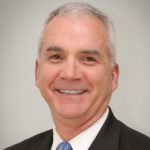
John-Ryan-Georgia-Multiple-Listing-ServiceJohn Ryan is Chief Marketing Officer for Georgia Multiple Listing Service and has been with the company for 28 years.

His responsibilities include the growth and expansion of the MLS across Georgia and the contiguous states, promoting and marketing the Georgia MLS brand to existing and prospective members, and spearheading the development of the company’s marketing initiatives. Georgia-Multiple-Listing-Service-logo

Georgia MLS, Georgia’s largest real estate marketplace, has provided real estate tools, services and education to real estate professionals for 58 years.

With member offices ranging from the North Georgia Mountains, Metropolitan Atlanta, through central Georgia, and along the Georgia coast, members have consistently sold more homes through Georgia MLS than any other multiple listing service in the state.

Georgia MLS combines innovative technology solutions with unmatched value so that members have the resources to respond to the changing needs of the real estate consumer. Headquartered in Tucker, GA, GAMLS services 43,341 agents in 3,944 offices across the state of Georgia.

Follow Georgia Multiple Listing Service on Facebook and Twitter.

What You’ll Learn in This Episode

  • How the pandemic has affected the real estate market in Atlanta
  • What to provide to agents and brokers that will assist them in doing their job
  • The difference in the real estate market today vs. 5 years ago
  • What the housing market looks like heading into 2021

About Our Sponsor

OnPay’sOnPay-Dots payroll services and HR software give you more time to focus on what’s most important. Rated “Excellent” by PC Magazine, we make it easy to pay employees fast, we automate all payroll taxes, and we even keep all your HR and benefits organized and compliant.

Our award-winning customer service includes an accuracy guarantee, deep integrations with popular accounting software, and we’ll even enter all your employee information for you — whether you have five employees or 500. Take a closer look to see all the ways we can save you time and money in the back office.

Follow OnPay on LinkedIn, Facebook and Twitter.

Tagged With: GA MLS, Georgia Multiple Listing Service

Leslie Pearce with Fiserv

January 12, 2021 by angishields

Atlanta Business Radio
Leslie Pearce with Fiserv
Loading
00:00 /
RSS Feed
Share
Link
Embed

Download file

OnPay-Banner

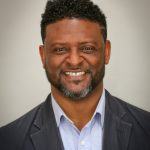
Leslie-Pearce-FiservLeslie Pearce’s current role is Senior Vice President of Inside Sales for Fiserv. Her team is responsible for direct sales in the B2B model. Under her leadership, the team has consistently delivered revenue growth, realized expense reduction and maintained high employee morale.

Leslie Pearce leverages over 20 years of success in multiple facets of sales. Her achievements include sales leadership, global sales management design, and sales process leadership that optimize sales resources while exceeding client expectations by partnering on consultative sales solutions. Leslie brings the unique mix of engineering and finance that enhances her ability to understand and meet client business requirements while delivering revenue and profit objectives.

Leslie is a graduate of Northwestern University earning a degree in Electrical Engineering. She earned her Master’s degree in Business at the University of North Carolina, Chapel Hill. Upon graduation, Leslie joined IBM as a Mainframe Systems Engineer in the financial sector. Her passion for her customers, employees and product portfolio enabled her to take on multiple sales leadership roles including Vice President Global Software Sales, Vice President North America Inside Sales and Director of Global Sales Center Delivery.

Leslie joined Comcast Cable Communication as the Vice President of Sales and Retention Operations. In this role, she was responsible for streamlining operations, reducing expense, growing revenue and customer retention. As a member or NAMIC, Leslie was recognized as one of the Most Influential Minorities in Cable in 2013, 2014 and 2015.

Leslie has been a Trustee for Whitefield Academy in Mableton, GA for the past 9 years.

You can apply for Fiserv’s Back2Business Program here.

Connect with Leslie on LinkedIn and follow Fiserv on Facebook and Twitter.

What You’ll Learn in This Episode

  • What Fiserv does in the Atlanta community and how they support small businesses through Clover
  • What Leslie has seen with her work with small businesses – what they need to compete in a COVID world
  • Fiserv’s Back2Business Program, which has launched to support minority-owned small business in Atlanta
  • Resources available through the Back2Business Program
  • How community partnerships are a part of Back2Business
  • Positive stories of business receiving grants

About Our Sponsor

OnPay’sOnPay-Dots payroll services and HR software give you more time to focus on what’s most important. Rated “Excellent” by PC Magazine, we make it easy to pay employees fast, we automate all payroll taxes, and we even keep all your HR and benefits organized and compliant.

Our award-winning customer service includes an accuracy guarantee, deep integrations with popular accounting software, and we’ll even enter all your employee information for you — whether you have five employees or 500. Take a closer look to see all the ways we can save you time and money in the back office.
Follow OnPay on LinkedIn, Facebook and Twitter.

Tagged With: Fiserv

BRX Pro Tip: Share Your Values More Frequently

January 12, 2021 by angishields

BRXmic99
BRX Pro Tips
BRX Pro Tip: Share Your Values More Frequently
Loading
00:00 /
RSS Feed
Share
Link
Embed

Download file

BRX-Banner

BRX Pro Tip: Share Your Values More Frequently

Stone Payton: [00:00:00] And we are back with Business RadioX Pro Tips, Lee Kantor and Stone Payton here with you this morning. Lee, let’s talk about values and, particularly, the discipline of sharing your values more frequently.

Lee Kantor: [00:00:14] Yeah. I think it’s critically important for the leaders of an organization to kind of keep reiterating what the values are, what they stand for, what they don’t stand for. Because people hear things at different times and people resonate with mission a lot more if they hear it from a lot of different people, in a lot of different ways, but all along the same lines of getting that overall messaging. So, if your team and/or your clients don’t know what you stand for, then you are not demonstrating and communicating your values enough.

Lee Kantor: [00:00:46] And people in the organization might think that everybody knows what we stand for, but they may not. And so, you got to just keep telling them that message and showing them that message. It’s great for it to appear. Like, if you’re in an office setting, you know, put them out loud and proud somewhere in the office. Mention them regularly when you have team meetings. Mention them regularly on the website.

Lee Kantor: [00:01:11] A simple test is to ask people what your company stands for. Just do a survey, do a poll, you might be surprised by the answers because a lot of people may not really understand what it is that you do or what you’re trying to accomplish. And if there is that kind of lack of clarity and a miscommunication at this level, then you’ve got a real problem.

Lee Kantor: [00:01:32] So, I am a big believer in just keep reiterating your values, explain why that’s important, and why you guys are getting up in the morning to do what you do. You’re doing a lot of hard work and it’s important for people to know what that is and the why behind it. So, you have to be able to connect your value and values with your organization. And delivering that promise that you’re making to your customers and your people is critically important. And if they don’t all know what you’re trying to accomplish, you have a problem. So, pull your folks and the answer might surprise you.

Tim Gerrits with GMB

January 10, 2021 by angishields

Tim-Gerrits-GMB
Learning Insights
Tim Gerrits with GMB
Loading
00:00 /
RSS Feed
Share
Link
Embed

Download file

GMB-logo

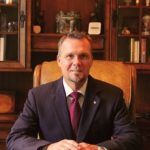
Tim-Gerrits-GMBTim Gerrits leads the Sports practice at GMB, with an emphasis on turf fields and tennis facility design. He has combined his background in landscape architecture and planning with a passion for sports and competition.

With over 25 years of experience, he’s helped design over 45 tennis facilities, including over 175 post-tensioned courts.

He loves building teams at GMB through overseeing the people development team. And he loves seeing athletics teams grow through great competition spaces.

Follow GMB on LinkedIn, Facebook and Twitter.

TRANSCRIPT

Intro: [00:00:04] Broadcasting live from the Business RadioX Studios in Atlanta, Georgia, it’s time for Learning Insights. Brought to you by TrainingPros. When you have more projects than people, TrainingPros can provide you with the right L&D consultant to start your project with confidence. Now, here’s your host.

Lee Kantor: [00:00:27] Lee Kantor here. Another episode of Learning Insights, and this is going to be a good one. But it’s important to recognize our sponsor at TrainingPros. Without them, we could not be sharing these stories, so please support them. Today on Learning Insights, we have Tim Gerrits, and he is with GMB Architecture and Engineering. Welcome, Tim.

Tim Gerrits: [00:00:46] Hey. Thanks, Lee.

Lee Kantor: [00:00:47] I’m excited to learn about what you’re up to. Tell us a little bit about GMB Architecture and Engineering, how are you serving folks?

Tim Gerrits: [00:00:53] Yeah. So, we’ve been serving folks for about 50 years. And I think over the last, you know, five to ten years, we’ve made a lot of changes that we’re really excited about and we’re going to talk about today. And client-wise, we are in the education sector. We’re architects and engineers, of course, and we look for ways to help them make their students successful.

Lee Kantor: [00:01:16] Now, let’s talk about the culture at GMB. I know that’s very important to you. And being an employee-owned company kind of makes it a special place, I would imagine.

Tim Gerrits: [00:01:25] Yeah, it is. You know, you talked about culture, and culture is kind of a hot topic right now. Explaining it, explaining culture specifically, is not always easy. So, often, you hear things like it’s a family or it’s people first. But I think for us it kind of comes down to two really important things. One is our teams and the other is the strong personal relationships they have with each other. And all of that is kind of built on the idea of trust.

Lee Kantor: [00:01:57] Now, how did this kind of – I think you called it the team of team structure, how did that kind of come about? Was that always the intention when it was started? We’re going to do this. This is going to be kind of employee-owned. Was all of this at the start or is this something that evolved over time?

Tim Gerrits: [00:02:14] I think it sort of evolved in some ways. And then, we had kind of an aha moment. What we found is that, when we were a smaller organization, we saw how our teams were working. And as we grew a little bit larger, our organizational structure was kind of not working anymore. And in a sense, leadership basically found that decisions weren’t being made as quickly as we needed to.

Tim Gerrits: [00:02:39] And we ran into this book, Team of Teams by General Stanley McChrystal, and it talked about the Army and how the hierarchy that the Army had was limiting how decisions were being made. And so, we started to say — we break up into teams. We have teams, everybody’s on a certain teams. And it’s those links that become really important between all those teams and decisions that don’t need to go up to a hierarchy model in our minds. And we don’t really, as leaders, always know the answers to those questions either. And so, let’s leave that in a system with the right people making those decisions. So, it’s an interesting book. It’s good read. And we’ve just found that we needed to change our framework and write it down so people understood it internally.

Lee Kantor: [00:03:36] Now, when you were making this kind of a shift, it sounds like a lot of it is a mental shift for the leadership to say, “Okay. It’s going to require trust and really good communication in order to pull this off.” Right?

Tim Gerrits: [00:03:48] Yeah. That’s exactly right. I think trust is a big one where, without that, you do go back to the hierarchy model where we need to make all the decisions. So, it’s really empowering our people who know the right answers to it. We, as leadership, sometimes we’re getting asked questions we didn’t know. And so, we really revert to those teams and they’re really responsible as a group, not as individuals, but as a group making those decisions. So, that’s something where we really have noticed in the teams, though, we need strong personal relationships. And so, I think something unique to us is we make time for our employees to build personal relationships.

Tim Gerrits: [00:04:34] And so, I will give an example a little bit of how a team might work or might not work. And I’d use kind of your neighbor. If you had to have a new neighbor move in and your spouse said, “Hey, we should go meet them.” And you don’t go do that and you don’t do it for a year. After a while, you might find that going over to borrow a cup of sugar isn’t going to happen. What we do right away is make sure our employees get connected with another person and many people. And, therefore, we think that communication amongst our team has improved. So, in that same analogy with the neighbor, if you know them, you’re willing to go ask them difficult questions or ask them for their help.

Tim Gerrits: [00:05:16] And it’s that same kind of idea with us as we carve out time. And that time in our world is called pods. Every day for 15 minutes, our employees meet, mostly for social interaction and to help understand each other. And with that, it creates, I think, a care component for each other. It also creates some empathy of what they’re going through and how another individual might be able to help them.

Lee Kantor: [00:05:42] Now, when you’re doing this kind of work and you’re kind of leveling up the trust and the communication, the collaboration, by putting in place kind of these core values that say if you want to be part of GMB, this is how we behave, right? And you’re kind of setting a standard of expectations. And so, there’s no surprises here. How did you handle that transitionary period when, you know, you were going to go from the old way to the new way? Because I think that this requires a level of – it’s almost like less ego, right? Because you have to kind of be for the team. I think this could eliminate some politics and some, you know, kind of jockeying for position. And this is about me.

Tim Gerrits: [00:06:30] It’s a great point, Lee. I think what you find is, you have to find people who want to win as teams or win as a teammate and not as an individual. And what you find after a while, they start to find that it’s more enjoyable to win as a group. And I think the part where you let your guard down is you don’t need to know everything. But you need to surround yourself in a team that will help you build that ability to know everything or most things, you might say. And that is something that mostly people have a hard time with. We’re expected to know everything. No, you’re not really expected to know everything. And for that matter, you might have somebody on your team who is much better at the thing that you’re struggling with. And so, there is a little bit of letting go and doing what you’re good at and finding those and having those people surround you that can support you.

Lee Kantor: [00:07:26] Now, how do you kind of amine everybody’s incentives so that everybody feels like they do win when the team wins and they don’t have to be kind of the Lone Ranger that’s, you know, running with the ball to the finish line?

Tim Gerrits: [00:07:40] Yeah. I think you’ll find in teams when they’re functioning well, they take cues from each other. We have certain things that are highly encouraged of, you know, what we call, Friday shout outs for, “Hey, this person is on my team and they really did this well.” Or, “They helped me with this in banking.” And it’s sort of what you encourage that starts to get that idea of it is really different. We have had it in interviews where people maybe just don’t quite understand it as well. Like, “Well, do I have a boss?” And it’s like, “Well, your teammates really are your boss,” which is a big shift for people to understand. Some people don’t, maybe, embrace it as quickly. And some people say, “Hey, that’s just not for me. I really like the hierarchy of our world.” But we think things are changing and we think we really benefit from efficiency, but also enjoyment of our staff in how they work.

Lee Kantor: [00:08:47] So, I would imagine you’re discussing, “Hey, everybody. We’re going to kind of pivot to this team of team structure and it’s going to look a little like this and then less of like how it used to be,” how did you know you were getting traction where, “Hey, this thing could work. I think this is the right way to go.” Were there kind of some clues when you were doing this that, “Hey, let’s really lean into this. This is something that’s going to be powerful and really change our company.”

Tim Gerrits: [00:09:16] I think people genuinely want to feel empowered in the work they do, but they also really want to understand what is my role in the day-to-day operations and how is that clear. And what we try to do is, really put names on all these teams and what their responsibilities are. So, we have different teams for design that really can help influence that. We have others that are more technical in nature and they can influence that. And others that really look at our process, for example. And when people are in the right seats – you’ve heard that from other individuals say that – they really excel and they feel empowered to make those decisions instead of having to go ask somebody else. We’ve really said, “No. That’s your call. You know more about that subject than we ever will.”

Lee Kantor: [00:10:11] Now, how does kind of the sharing of knowledge work? So, I’m on a team and then maybe I’m doing some cool and innovative, how do I share that best practice with other teams that, maybe, I don’t interact with a lot?

Tim Gerrits: [00:10:26] Yeah. So, you’ll find that people are on multiple teams. So, there are cross links where, “Hey, I’m on these three teams, so I know what’s going on in the other teams so I can speak up and say, ‘Hey, this team is doing that.'” So, there is that, what I can say, if you think of a bunch of teams and they’re all in their own little bubble, we can have links across from one team to another because Bill might work on three teams and one of those teams that is in question of what’s going on, on that team, he can address that.

Lee Kantor: [00:11:06] And then, is there somebody who’s kind of has the bird’s eye view of all the teams and seeing, “Hey, we don’t have a link here between these teams.” And is there somebody kind of –

Tim Gerrits: [00:11:18] Yeah. So, we’ve kind of created a map. We’re using a program called Peerdom right now. And that’s kind of a mapping program to help us understand how these links happen, and specifically what everybody’s responsibility is on that team. So, this is a new exercise. We’re just starting. We’re really excited about it. But it’s meant to add some clarity to our whole organization. We have 135 people, and as you grow, it’s harder to share knowledge, it’s harder to share information, and it’s harder to keep everybody on the same page. And, frankly, people weren’t sure as we grew who to ask those questions to.

Tim Gerrits: [00:11:56] So, this system, although kind of complicated, it’s kind of free flowing. If a team no longer needs to exist, we also have to say it either solved its mission and it doesn’t need to happen or they’re done with their assignment and we move on. So, it is kind of a once always there, doesn’t mean it’s going to stay that way. It is evolving and we’re trying to figure it out. So, in a few years, it might look a little bit different again, Lee.

Lee Kantor: [00:12:27] Now, how has the pandemic impacted your work? Were you always remote workers or at one point were you all in one location? And so, were those kind of serendipitous moments and those kind of accidental collisions happen is easier. And when you’re remote, that takes a little more intentionality.

Tim Gerrits: [00:12:46] Yeah. So, when the pandemic hit, we have four offices. We were all in offices. Now, of course, we have clients that are, you know, at different sites so we move around. But for the most part, people had a seat at a location. When the pandemic hit, we went 100 percent remote with the exception of one individual still at this point. And I think a lot of the things we put in place over the last three years, specifically, have made this transition actually go very well. We feel confident in what we’re doing. We’re excited how it’s going. I think it’s both the team of teams and it’s really about the pods that we created, those social groups that meet every day for 15 minutes. It’s kind of a lifeline to make sure people are truly cared for and don’t fall through the cracks. And it really became more and more important.

Tim Gerrits: [00:13:47] We have other committees, like Connections Committee and things like that, that make sure that we’re interacting and whatnot. But the pods really are kind of the glue that said, “Hey, I think someone is still struggling. We can do something.” Or, “Let’s have a happy hour with a smaller group.” It’s basically taking a larger group and creating smaller groups within the hole and making sure nobody falls through the cracks and everybody is really cared for. I always say, if you have at least one friend at work, you’re more likely to stick around. And, really, the pods itself has been a way for an individual to build friendships and, maybe, specifically a closer friend.

Lee Kantor: [00:14:32] Now, if you were giving advice to other folks that maybe are struggling in this area and maybe don’t have it together as well as you do, is this something that you can kind of do at a small level, a test level, a beta level? Or is it something you kind of got to go all in and say, “Okay. You can’t do this a little bit. You got to either do this or don’t even bother.”

Tim Gerrits: [00:14:56] Yeah. It’s interesting. It’s like how does this resonate with other companies and organizations? I think there is a lot of letting go of saying, “Okay. There are other people that can answer this question better. I’m empowering you to do that.” But first, I think, you have to have employees you really trust that can carry out kind of the same vision. And without that trust, it’s really hard to probably pull it off.

Tim Gerrits: [00:15:26] Some critics would say, “Well, why do you meet 15 minutes every day just to talk socially?” Our understanding would be, that probably still happens in some way. But we, as an organization, say, “No. It’s really meaningful. It’s important. And it impacts our work.” It makes our work better because our employees actually care for each other and know each other. And by knowing each other, they’re more likely to go ask some difficult questions or things that they’re working out or to admit they don’t know something. And so, it’s good — all in. I think it is always baby steps, but it probably starts with letting go a little bit and trusting your employees. And then, maybe creating kind of like, “Hey, this is our organization, let’s try to map it out and draw what it really looks like so people understand it.”

Lee Kantor: [00:16:18] Now, talk a little bit about GMB University, how did that come about? Was that something that you put in place early on or was that something that you were like, “Hey, we’re going to have to formalize some of this stuff, and write stuff down, and map this out a little bit tighter.” I would imagine at first it was a little chaotic because there was a lot of trust and collaboration happening. You were just saying, let’s see what happens. But then, you got to kind of rein it in a little to make sure it’s efficient.

Tim Gerrits: [00:16:42] Yeah. So, I think GMBU or University started really with the idea of we have people who know things in our office. But as we grew over one hundred individuals, people weren’t sharing that as well as we thought we could. And so, we took time out of, basically a-day-and-a-half, every quarter with the entire staff and said, “We’re all going to get together.” And there are certain topics that our whole office needs to hear and understand. They may not always be engaged in that activity or that information for our client that they need to produce. But it’s good for everybody to know it.

Tim Gerrits: [00:17:26] And so, we had our internal people making presentations, which we thought was also good for increasing their ability to give that in practice. But then, we also brought in outside speakers. And then, it also gave us a chance to kind of cast the vision that you just mentioned where we’re saying, “Hey, this is where we’re headed. Does that all sound good?” And so, that is important that everybody kind of says, “Hey, this is at least where we’re headed that’s why we’re doing it.” And we didn’t do that in isolation. A lot of it was workshops within that, where we’d all get together and say, “Hey, what’s important to our organization? What do we want to keep?” And being able to allow our employees to say, “This part is garbage, let’s get rid of it.” And sometimes you just need to accept that.

Lee Kantor: [00:18:13] Now, doing this kind of work internally throughout the organization, has this trickled out to the community as well? Is this something that it kind of encourages and enables your people to really help their community? And maybe some of this learning and culture can kind of permeate outside of the walls of GMB, but also into Michigan and the other areas you work in.

Tim Gerrits: [00:18:37] Yeah. So, we have a just cause, you know, back to the idea we’re all working for the same thing. And the just cause for us is, basically, to make this world a place where our clients are equipping students for lifelong learning, and that’s our goal. And with everybody kind of headed in that same direction and excited about it, we feel like, “Hey. Nothing can stop you,” you might say. And there’s passion towards that. So, I would say, we are looking for clients that somewhat feel the same way, that education is critical to creating a better world. And so, finding those employees in the future that want to work for us, that have that goal, but then mostly just those clients as well that kind of have that same passion.

Lee Kantor: [00:19:32] And then, has it played out that way? Are you finding that people that are attracted to GMB are those folks that they want to be part of the team, they see the value of that? And it’s a point of differentiation amongst your competitors.

Tim Gerrits: [00:19:46] Yeah. I think, on the just cause, we’re trying to be more and more clear with our interviews that this is important to us and we want it to be important to our employees. And asking questions in those interviews to say, “Hey, does this resonate with you?” It’s a little bit harder in an interview. But, you know, you can start to understand a client, what their mission is, what they’re excited about. And so, it plays into that as well.

Lee Kantor: [00:20:18] This would be interesting. Do you have a piece of advice regarding that? Like, are there clues that a prospective client or prospective employee kind of share or give out that is like, “Hey, this is going to be something that’s going to fit in here.” Is there a question you ask that maybe shines a light on that? Or is there a behavior you look for or a past activity they participated in that is a clue that, “Hey, they’re going to fit in there.” Like, is this something that maybe somebody with a military background is better in this or somebody in a sports, played sports. Is there a certain things that kind of align?

Tim Gerrits: [00:20:59] That’s interesting. Our interview process, I think a lot of it is – and I hear it when I’m in interviews and when others are – “I think he’s a really good teammate.” Or, “Is she a really good teammate? Would I enjoy this as a conversation we have some time, which is sort of unique. Would I enjoy a long ride in a car for three hours with this person? And what would that feel like and look like?” And so, I think the teammate thing is critical. It doesn’t need to be an individual sport in terms of architecture. How we do good work is when we are all collaborating and communicating really well. And those communication skills, the ability to not feel like you actually have to know everything, so a little bit of humbleness that maybe we look for. Architects are not always known to be humble. And so, maybe that is something that maybe we should look for. I haven’t really thought about that.

Tim Gerrits: [00:22:04] But what we do, it needs to be much more important to the individual that we interview, the goal of the team and the goal of the client is way more important than any award or individual achievement that they maybe have had in the past and hope to have in the future.

Lee Kantor: [00:22:25] Well, it seems to be working. You’re recognized as one of the best and brightest companies to work for. And some must be working there. You figured something out.

Tim Gerrits: [00:22:35] Well, I will say, you don’t always have it all figured out, but you have to have the attitude that we’re going to try to figure it out. And, frankly, I think we have a lot of great people that we rely heavily on through the whole of the organization to help make this better. “Not just leadership,” you might call it. It’s about all of us and creating an environment that we all really want to work in and that we’re all really excited about servicing our clients.

Lee Kantor: [00:23:02] And when you have that bigger why, I think it’s easier to find folks that want to get behind it and be part of that journey.

Tim Gerrits: [00:23:09] Yeah. I think if it’s real and that’s part of your heart, our clients realize that. And when they realize we’re as excited about pushing their mission forward and that we’re a teammate to make success in every one of their buildings in a school district or at a college or university, they get excited as well. And it’s a team thing, you know.

Lee Kantor: [00:23:38] Now, what do you need more of? How can we help? Do you need more talent? Do you need more clients? What can we do to help you? What does GMB need?

Tim Gerrits: [00:23:46] Hey, you know, I think both of those things are what we’re looking for. We’re looking for people out there that have a passion for education, both clients and new employees. And really want to excel on a team environment where we all kind of win together. And that we can, in fact, influence the world by creating spaces where education is delivered to kids in the most exciting ways and in ways that they can flourish and influence the world in the future. So, yeah, it’s both end. And people who want to work with an architect who really wants to be a teammate. You know, not on the sidelines just creating a space. But really creating spaces that are impactful for generations to come.

Lee Kantor: [00:24:39] Now, if somebody wants to get a hold of you or somebody on your team or learn more about GMB, what’s the website?

Tim Gerrits: [00:24:45] Website, just search GMB Architects and Engineers and it’ll come up. And we’d love to hear from anybody. And if people have questions, don’t be afraid to reach out.

Lee Kantor: [00:24:58] Well, Tim, thank you so much for sharing your story. You’re doing important work and we appreciate you.

Tim Gerrits: [00:25:03] Well, thank you, Lee.

Lee Kantor: [00:25:05] All right. This is Lee Kantor. We’ll see you all next time on Learning Insights. And remember, this work could not be done without the support of our sponsor, TrainingPros. Please support them so we can continue to share these important stories.

Outro: [00:25:19] Thank you for listening. For more information about TrainingPros, visit their website at training-pros.com.


About Training Pros

Since TrainingPros was founded in 1997, they have been dedicated to helping their clients find the right consultant for their projects.

23 years later, they are proud to have helped hundreds of clients complete their projects and thousands of consultants find great assignments. Training Pros continues to focus on helping their clients and consultants as well as their community.

Follow Training Pros on LinkedIn, Facebook and Twitter.

Tagged With: GMB

SOS E1: Don Zavis Sales Training, with John Waechter

January 9, 2021 by angishields

Tucson Business Radio
SOS E1: Don Zavis Sales Training, with John Waechter
Loading
00:00 /
RSS Feed
Share
Link
Embed

Download file

National Sales Training, International Keynote Speaking, and Award-Winning Sales Coaching Organization for the Financial Services, Retail, Manufacturing and Professional Services Industries. 

 Practice focused on Educational Workshops, Private One-On-One Sales Coaching/Training, Keynote Address’s, Group Sales Training/Coaching, Webinars, Conference Calls, Recorded Materials, Skype,  Social Media, and Written Materials. 


Waechter Advisory Network
4842 N. Circulo Bujia
Tucson, AZ  85718
(520) 370-8232
jwwaechter@comcast.net
SOCIAL MEDIA: LinkedIn |    

About the Company:

Waechter Advisory Network is my “umbrella” consulting company. The current pillars are business/non-profit consulting, telemarketing services, cost mitigation approaches, talent optimization, executive placement, sales training, and media services. 


Don Zavis

Don Zavis is an accomplished executive with a successful history of taking private and public organizations to new levels of sales and profitability. He has an outstanding record of hiring the highest level of sales achievers, training them to their fullest potential, and consistently coaching them to perform in the top 10% of their industries. He has a unique ability to create a “sales culture” across the entire scope of the organization while fostering an environment of mutual achievement and reward. Professional education includes over 6,000 hours of practical, actual training.

Achievements 

  • Responsible for the sales development of over 3,000 sales professionals 
  • Trained / Coached over 1 Billion Dollars of revenue production 
  • Personally purchased and profitably sold 23 business’s in differing industries 
  • Ranked in the top 5% of Sales Trainers and Coaches nationwide 

John Waechter

Originally from the Chicago metropolitan area of Indiana, John was a Hoosier that grew up in a small rural town not far from the city. John left Indiana, at age 22, after graduating from Indiana University. He subsequently relocated to Los Angeles and started his business career working in finance for a subsidiary of Black & Decker. While in L.A., John continued his education at night while working, culminating with an M.B.A. from USC. The relocation of the company headquarters from Marina Del Rey to Tucson, AZ was responsible for John’s moving to the desert after 10 years in southern California. 

John is a seasoned business executive, entrepreneur, and organizational consultant. With 40 years of experience with consumer and industrial manufacturing, healthcare, small business, Fortune 500 companies, and more, John’s current focus is on corporate expense mitigation, courses in sales, customer service, customer retention, interpersonal relationships, and behavioral assessments. John has extensive experience in the basic business disciplines of marketing, sales, operations, finance, accounting, and human resources. John holds a B.S. in Business Administration and an M.B.A. in Long Range Planning. Additionally, John is a certified Predictive Index Practitioner and a certified “Talent Optimizer.” 

Tagged With: Speaking of Sales

Carmen Williams with DayEDigital

January 8, 2021 by angishields

Carmen-Williams-DayEDigital
Denver Business Radio
Carmen Williams with DayEDigital
Loading
00:00 /
RSS Feed
Share
Link
Embed

Download file

Carmen-Williams-DayEDigitalCarmen Williams is the owner and chief strategist of DayEDigital, a boutique consulting firm focused on applying an evolutionary approach for market growth. By utilizing an adaptive mindset, we work with clients to develop conceptual marketing strategies using fundamentals-based artificial intelligence with an emphasis on product marketing, demand generation, and digital transformation.

Connect with Carmen on LinkedIn.

About the Show

The Franchise Bible Coach Radio Podcast with Rick and Rob features no-nonsense franchise industry best practices and proprietary strategies that franchisors and FranchiseBibleCoachRadioTilefranchise owners can implement to improve their profitability and operational efficiencies.

Our show guests are franchise superstars and everyday heroes that share their tips for growth and strategies to survive and thrive during the current challenges.

About Your Hosts

Rick-GrossmanRick Grossman has been involved in the franchise industry since 1994. He franchised his first company and grew it to 49 locations in 19 states during the mid to late 1990s. He served as the Chief Executive Officer and primary trainer focusing on franchise owner relations and creating tools and technologies to increase franchisee success.

Rick developed and launched his second franchise organization in 2003. He led this company as the CEO and CMO growing to over 150 locations in less than three years. He developed the high tech/high touch franchise recruiting and sales system.

Both companies achieved ranking on Entrepreneur Magazine’s Franchise 500 List. During this period Rick served as a business and marketing consultant to small business and multimillion dollar enterprises. He also consulted with franchise owners and prospective franchisees, franchisors, and companies seeking to franchise.

Rick had the honor of working with his mentor, Erwin Keup as a contributing Author for the 7th edition of Entrepreneur Magazine’s Franchise Bible published by Entrepreneur Press.

Mr. Grossmann has been chosen as the new Author of Franchise Bible and his 8th Edition was released worldwide in January of 2017. He currently serves as an executive coach and strategist for multiple franchise clients.

Follow Franchise Bible Coach on Facebook.

RobGandleyHeadShot250x250Rob Gandley has served as SeoSamba’s Vice President and Strategic Partner since 2015.


With 25 years of experience in entrepreneurship, digital marketing, sales, and technology, he continues to focus on leading the expansion of SeoSamba’s product and service capabilities and US market penetration. SeoSamba specializes in centralized marketing technology built for multi-location business models and continues to win industry awards and grow consistently year over year.

Concurrent with his work at SeoSamba, Gandley is a strategic growth consultant and CEO of FranchiseNow, a digital marketing and sales consulting firm.  Gandley consults digital businesses, entrepreneurs, coaches and multi-location businesses across diverse industries.  Prior to SeoSamba, he built an Internet Marketing business and platform responsible for generating over 100,000 qualified franchise development leads used by more than 400 US-based franchise brands for rapid business expansion.

Gandley also held various senior sales and management positions with IT and Internet pioneers like PSINet, AT&T, and SunGard Data Systems from (1993-2005) where he set sales records for sales and revenue growth at each company.  He graduated from Pennsylvania State University’s Smeal Business School in 92’ with a BS degree in Finance and emphasis on Marketing.

Connect with Rob on LinkedIn.

Elise Giannasi with Jabian Consulting

January 8, 2021 by angishields

Elise-Giannasi-Jabian-Consulting
Learning Insights
Elise Giannasi with Jabian Consulting
Loading
00:00 /
RSS Feed
Share
Link
Embed

Download file

Jabian-Consulting

Elise-Giannasi-Jabian-ConsultingAs Director of Human Resources, who is known for strategic insights and tactical focus on results, Elise Giannasi is dedicated to developing and leading Jabian Consulting’s people strategy and operations across all dimensions of an employee’s experience at the firm.

Prior to joining Jabian Consulting, Elise had extensive experience across all dimensions of HR including Strategy Development and Implementation, Performance Management, Compensation and Career Modeling, Staffing, Communications, Change Management, and Employee Engagement. She is most passionate about Diversity & Inclusion, Culture, Coaching, and Professional Development.

Outside of the office, Elise is active in multiple local women’s groups dedicated to advancing and developing female leaders. She holds a Bachelor of Arts in American Studies from Barnard College of Columbia University.

Follow Jabian Consulting on LinkedIn, Twitter and Facebook.

TRANSCRIPT

Intro: [00:00:04] Broadcasting live from the Business RadioX Studios in Atlanta, Georgia, it’s time for Learning Insights. Brought to you by TrainingPros. When you have more projects than people, TrainingPros can provide you with the right L&D consultant to start your project with confidence. Now, here’s your host.

Lee Kantor: [00:00:27] Lee Kantor here. Another episode of Learning Insights, and this is going to be a good one. But before we get started, it’s important to recognize our friends at TrainingPros. Without their support, we could not be sharing these stories. Today on Learning Insights, we have Elise Giannasi with Jabian Consulting. Welcome, Elise.

Elise Giannasi : [00:00:46] Hey, Lee. Thanks for having me today.

Lee Kantor: [00:00:48] Now, before we get too far into things, tell us about Jabian Consulting. How are you serving folks?

Elise Giannasi : [00:00:53] Absolutely. So, Jabian is a management consulting firm with a local focus. So, that means that we serve clients within the markets where we live. And we have four offices, Atlanta, Dallas, and Charlotte, and Chicago. And full service offices in all four cities, which is a little tricky now that everything’s gone remote. But it’s certainly opened up opportunities for everyone as well.

Lee Kantor: [00:01:20] Now, what’s your role with the company?

Elise Giannasi : [00:01:23] I am the Director of Human Resources, so I oversee the H.R. function for Jabian and the full team that covers off on everything from day to day tactical things, all of our operations, and also our strategic initiatives.

Lee Kantor: [00:01:39] So, where are you based? Are you based in one of those four cities?

Elise Giannasi : [00:01:45] I am here in Atlanta. Atlanta is our largest office.

Lee Kantor: [00:01:49] But you’re still serving those other offices as well?

Elise Giannasi : [00:01:53] That’s right.

Lee Kantor: [00:01:54] So, now, what are some of the challenges from, you know, doing human resources in one location but serving kind of remote locations?

Elise Giannasi : [00:02:04] Most of my career has actually been spent doing H.R. in a remote capacity, meaning that I’ve served teams across several different cities either globally or nationally. So, I find it to be less of a challenge than if I hadn’t had that experience. That said, one of the biggest challenges, I think, is making sure that employees in other offices feel like they’re getting the same level of attention. As well as leaders in other offices feeling like they’re getting the same level of business partnership from their H.R. leader and other functional leaders, for that matter.

Lee Kantor: [00:02:44] So, now, how does the kind of culture work when you’re dealing with remote offices that are run kind of with some level of autonomy in each of those markets?

Elise Giannasi : [00:02:56] So, we have a leader in each of our markets. So, it’s our shared services like human resources, marketing operations that are based in Atlanta. So, each office does have local leadership. But in terms of making sure that our culture makes its way across all four offices, you know, Jabian has a very strong culture, and one of the ways that we work to preserve that and also spread that across all of our offices is through our recruiting process. And really making sure that our culture and our value proposition is extremely clear when we are doing the recruiting. And then, once an individual joins, making sure that we are connecting the dots to what that culture means for them once they arrive. And so, our hope and our intent so far have been pretty successful at that, is that we are attracting people who live that same culture in their own lives and are able to bring that into the company. And that way, we’re able to maintain that culture across four offices.

Lee Kantor: [00:04:03] Now, how do you kind of measure culture? How are you determining that, yes, these people are kind of walking the walk that we want them to?

Elise Giannasi : [00:04:16] So, I think part of that is done through interviewing, of course, in the recruiting process. But once people are here, you know, there are a number of ways that we’re able to measure and engage. And I think that’s the biggest thing that we look to, is, are our people happy and are they getting what they need? Are we delivering on that value proposition that we put forward to them when they are in the firm? And are they satisfied with what they’re still bringing to the firm?

Elise Giannasi : [00:04:46] One of the ways that we measure that, just from a quantitative perspective, is we have a yearly employee survey, which I think many organizations do. And we go pretty deep into the data to really assess how engaged our employees are across a number of different dimensions. And then, we are extremely transparent with those results. And we spend plenty of time with our leadership team as well as the entire firm reviewing the results and getting real about all of the things that are working and what are the things where we’ve got improvement opportunities. And we use those results to really inform what our people agendas will be in the year ahead.

Lee Kantor: [00:05:30] Now, how did Jabian navigate the pandemic as that was kind of coming into play? With their own team as being remote kind of helped already. But when they’re dealing with their local clients, how were you able to maybe share best practices and help everybody kind of when you’re not all in the same place?

Elise Giannasi : [00:05:50] It’s really hard because consulting is a business built on relationship building. And when you have a firm that is a local consulting firm, where we really focus on being able to serve people who we live in the same city with, when you become remote, it’s more challenging to build relationships. But we’ve always had a really heavy emphasis on networking and doing that internally within our peers at the firm. But then, also, making sure that we are staying in touch with our clients and building relationships through the project work. Or if the project work comes to a close, that we maintain those relationships on work. So, I think people had an opportunity to flex a new set of muscles that maybe weren’t as strong, which is that kind of remote connection. But we already had a strong foundation of networking skills to build on, given that relationship building is so critical to a consulting business.

Lee Kantor: [00:06:47] Now, when you’re onboarding a new employee, how were you able to kind of do that when some of consulting is this relationship and there is an opportunity to kind of be together, look over each other’s shoulder, and be a fly on the wall, and kind of absorb things by just participating? How are you able to do that kind of in this new world we’re living in?

Elise Giannasi : [00:07:12] New world. So, I heard of a really interesting thing that some employees started to do, and I thought it was great and actually tried it with a few of my team members, which was essentially going on to Zoom or the Microsoft Teams and all working together. Even if you’re not talking, it essentially recreates that feeling of being in the team room together. And then, anyone can speak up at any given time and kind of get help with their work. So, that’s an interesting solution I’ve seen people doing for just that kind of day to day working together and learning together situation.

Elise Giannasi : [00:07:52] But then, also, I think that our leaders who lead all of our accounts have been really diligent in making sure that everyone is able to stay connected either through weekly or daily account meetings and stand ups or other things like that. But all of it, of course, done via video on Teams. So, I think video has been a really huge piece of this is making sure that everyone’s got their cameras on. And that really helps people to be more engaged when they’re actually having conversations and hold each other accountable for staying in that moment and having the conversations that they need to have about project work.

Lee Kantor: [00:08:29] Now, have you figured out a way to kind of simulate maybe some of those accidental serendipitous moments, these kind of collisions that happened almost randomly when you are all together?

Elise Giannasi : [00:08:44] That’s a hard one. That’s one of the things – if you ask me what keeps me up at night, I would say that’s one of the things, is, how do you keep those moments going? The thing is, is that with everyone remote, they’re more inclined to pick up the phone or use Teams, which is what we use as an organization. So, we really upped our use of IM-ing through Teams. So, I think that’s what people are doing.

Elise Giannasi : [00:09:11] What I would be concerned about is, as we start to go back to the office, whenever that may be, there are some employees who choose to stay remote or who we determined will stay remote. How do you create those moments when half your employee base is in-person and the other half is remote? Because then, you’ve got to bring people along if they’ve missed those moments, but they’re still on your team. So, I would say it’s a challenge we’re still working on and what I foresee to keep going for a while.

Lee Kantor: [00:09:42] Like, how did you weigh kind of the pros and cons of going to that type of hybrid?

Elise Giannasi : [00:09:50] We have not gone to that yet. It’s just more something that I am thinking about way down the line. When the time does come, there may be – I think a lot of organizations are thinking about this, it’s caused us to say, “Well, what roles do need to be in the office and what roles can be remote?” And so, we haven’t had that conversation thoroughly yet. It’s just more something that we’re starting to think about. What will that mean? What are the implications on our business, our internal back office functions, et cetera? But for consulting, most of the work we do is offsite anyway. It’s with our clients at a client site. So, that’s really going to come down to whether our clients are ready to have us be on site with them or not.

Lee Kantor: [00:10:36] Now, what are you doing as an organization regarding your own learning and training? Has anything changed because of the pandemic or do you always use remote learning or e-learning?

Elise Giannasi : [00:10:48] So, we’ve definitely had an opportunity this year to come together quite a bit for learning, but I would say it’s learning in a different way. So, when the racial and civil unrest had really reached its peak this summer, we jumped on the opportunity to bring our teams together virtually, of course – we used Zoom for the most part – around a series of discussions and learning opportunities around different issues like racial inequality, talking to your kids about racism, how to be an ally, gender identity, and most recently, a conversation around the impacts of COVID on marginalized populations. And we were able to have this discussion series that ended up being, about, monthly where we brought everyone together. And so, I would call that more informal learning where the point is to have challenging conversations but also teach each other through those conversations.

Elise Giannasi : [00:11:57] So, this year, we’ve focused on learning in that way. And then, we also have been doing a number of weekly and, now, they’ll probably become monthly, town halls where we come together as a firm and really talk a lot about the business and the steps we’re taking to navigate the economic impacts of the pandemic. So, I would say, our learning focus really shifted more to how do we continue to grow as a business and as colleagues around the topic of inclusion. And, also, this year, like I said, really helped people hone their business development and relationship skills and remote capacity. So, it’s almost like on the job learning, if you will. In the past, though, we have definitely run more formal training programs. But I would say this year, the emphasis on the recovery of a business in the middle of an economic scare and pandemic, it’s turned more towards that kind of informal learning through conversations and town halls.

Lee Kantor: [00:13:04] And when you’re doing that kind of informal learning, is that something that is even possible to measure?

Elise Giannasi : [00:13:12] So, the best way that we could measure it is through this sense of whether our people are feeling more connected and whether they understand the decisions we’re making about the business. And that’s really hard to measure quantitatively. I would say, it’s really been more of a qualitative feel for how people are feeling connected to the culture. And, of course, we do receive, especially this last year, a lot of emails or texts or calls from people letting us know that they feel supported by the firm, but also our support of the firm and the decisions it’s making.

Elise Giannasi : [00:13:52] But our employee survey, again, it’s a big thing for me where I can dive in and really get a sense for how people are feeling about the way we communicate and a level of transparency and their satisfaction with some of this inclusion material that we’ve been able to do this year. And so far this year, we did really well in those areas. So, that’s where we stand.

Lee Kantor: [00:14:18] Now, I know Jabian, the communities are important and the inclusion, obviously, is important. When it comes down to kind of the behavior you’d like your people to demonstrate and really immerse themselves in the community, is that possible to measure? Can you tell that, “Hey, we are getting more engagement from folks that want to get involved in these social causes and social impact initiatives”?

Elise Giannasi : [00:14:49] That’s easier to measure because we can simply keep track of all of the things that our people are doing. And they are very engaged even remotely. It’s something that draws people to Jabian, but it’s also something that’s a requirement at every level. It’s part of the competencies that we expect of our people. So, 100 percent of the firm is engaged in the community in some way or another.

Lee Kantor: [00:15:17] And that’s just one of the core values of Jabian so that in order to be part of the team, then you have to kind of demonstrate that by actively doing some of those doing that work.

Elise Giannasi : [00:15:30] That’s right. That’s right. And it’s also one of the things that attracts people to us. It’s not just about serving clients in our local markets, but it’s also about serving communities in our local markets. Really putting down roots where you live, because a lot of consultants are always on planes, at least not in the last year, of course, but usually on planes going to other cities. And, for us, our advantage is that we are serving clients where we live and also getting engaged in that community where we live and making an impact.

Lee Kantor: [00:16:03] Now, pretty much annually, at least, as long as I’ve known about Jabian, your organization gets recognized as one of the best and brightest companies to work for. That obviously is something you’re proud of and obviously it’s important to you. How did that come about? And is that something that just organically happened and then you realized, “Hey, we are this and so let’s celebrate this.” Or was that kind of like a happy accident?

Elise Giannasi : [00:16:34] You know, I don’t actually know the origin of what brought us to that, just given that I haven’t been at the firm long enough. I think, we’ve been winning these awards since well before I joined Jabian. But in the last year, this year in particular, we won that for both Atlanta and Dallas as well as nationally. And I believe that’s been true for the last several years. And in the coming year, we’re going to be competing in that space for our other two offices, Charlotte and Chicago. It’s probably a chicken or the egg question, but I think that we do have a really unique and extraordinary culture. And it’s something that we want to celebrate internally, but we also want to make sure that those people who we want to attract to the firm are also aware of how great our culture is.

Elise Giannasi : [00:17:26] And one of the best ways to get that kind of recognition is through awards and recognition like Best and Brightest. So, we’re certainly proud of that, especially this year, because the recognition was really rooted in how companies were able to navigate through the challenges that we all faced this year with the pandemic and the social unrest. And so, we really felt like the recognition received this year reflected how we approached them.

Lee Kantor: [00:17:56] Now, do you have any advice for other leaders out there that would like their organization to be, you know, considered among the best and the brightest? Are there some low hanging fruit that organizations can focus in on that can help them get a leg up?

Elise Giannasi : [00:18:12] That’s a great question. If I think of the way that you want to think about the way that you’re asked the questions around what makes you best and brightest, and I think the things that are really important are your values. And do you truly live your values both in the near term and do you make decisions that are aligned to your values for the long term. So, I think that’s really important. And I think having an engaged employee base that are really proud of the culture and believe the culture to be strong is going to be really important, because your employees are the ones who are filling out the surveys for these awards. And so, it’s really you want to make sure that they are feeling valued and engaged in order to make sure that that gets reflected in that way.

Lee Kantor: [00:19:02] Well, Elise, if somebody wanted to learn more about Jabian and connect with you or somebody on your team, what is the coordinates? What’s the best way to get a hold of you?

Elise Giannasi : [00:19:11] If you head to jabian.com, you would be able to find us. Anything, any questions you have about Jabian would be on our website, of course. And then, you’d be able to contact us through the Atlanta page. You could get direct contact with us there. That’s where I’d be.

Lee Kantor: [00:19:26] And then, what do you need more of? How can we help you?

Elise Giannasi : [00:19:30] Oh, gosh. I would say, one of the things that we are looking for is, obviously, more community engagement. So, the more that we can learn about our community, the more that we can get involved in our community. And then, also, certainly, ideas for continuing to engage employees through remote work is top of mind for me right now.

Lee Kantor: [00:19:55] Well, Elise, thank you so much for sharing your story today. You’re doing important work and we appreciate you.

Elise Giannasi : [00:20:01] Thank you, Lee.

Lee Kantor: [00:20:02] All right. This is Lee Kantor. We will see you all next time on Learning Insights. And remember, please support our sponsor, TrainingPros. Without them, we could not be sharing these important stories.

Outro: [00:20:15] Thank you for listening. For more information about TrainingPros, visit their website at training-pros.com.


About Training Pros

Since TrainingPros was founded in 1997, they have been dedicated to helping their clients find the right consultant for their projects.

23 years later, they are proud to have helped hundreds of clients complete their projects and thousands of consultants find great assignments. Training Pros continues to focus on helping their clients and consultants as well as their community.

Follow Training Pros on LinkedIn, Facebook and Twitter.

TJ Woodward with Conscious Recovery

January 7, 2021 by angishields

Conscious-Recovery-logo
Bay Area Business Radio
TJ Woodward with Conscious Recovery
Loading
00:00 /
RSS Feed
Share
Link
Embed

Download file

Leah-Davis-Ambassador-logo1

TJ-Woodward-Conscious-RecoveryTJ Woodward is a revolutionary recovery expert, bestselling author, inspirational speaker, and addiction treatment specialist who has helped countless people through his simple, yet powerful teachings. He is the creator of The Conscious Recovery Method, which is a groundbreaking and effective approach to viewing and treating addiction.

TJ is also a featured thought-leader on wholehearted.org along with Brene Brown, Dr. Gabor Matte, and Mark Lundholm. He was given the honor of being ordained as an Agape minister by Dr. Michael Beckwith, and is also the founding minister of Agape Bay Area in Oakland, which was the first satellite community of The Agape International Spiritual Center in LA.

TJ is the author of the bestselling books, Conscious Being: Awakening to your True Nature, and Conscious Recovery: A Fresh Perspective on Addiction. His third book, Conscious Creation: 5 Steps to Embracing the Life of Your Dreams, will be released in December of this year.

Connect with TJ on LinkedIn and Twitter and follow Conscious Recovery on Facebook.

Tagged With: Conscious Recovery

Brooke Gabbert with Study.com

January 7, 2021 by angishields

Brook-Gabbert
Learning Insights
Brooke Gabbert with Study.com
Loading
00:00 /
RSS Feed
Share
Link
Embed

Download file

study.com-logo

Study.com is a leading online education platform helping learners of all ages excel academically and close skills gaps. Study.com’s online courses, short, animated video lessons, and study tools make learning simple for over 30 million students, teachers, and working professionals. Study.com was founded in 2002 and is a privately held company located in Mountain View, CA.

Brook-GabbertBrooke Gabbert,  Sr. Communications Strategist at Study.com, is an accomplished communication professional with more than two decades of experience in marketing and communications under her belt.

She has held leadership positions across a spectrum of companies including HomeAdvisor, Six Flags and, most recently, Guild Education, to name a few.

Connect with Brooke on LinkedIn.

TRANSCRIPT

Intro: [00:00:04] Broadcasting live from the Business RadioX Studios in Atlanta, Georgia, it’s time for Learning Insights. Brought to you by TrainingPros. When you have more projects than people, TrainingPros can provide you with the right L&D consultant to start your project with confidence. Now, here’s your host.

Lee Kantor: [00:00:27] Lee Kantor here. Another episode of Learning Insights, and this is going to be a good one. But before we get started, it’s important to recognize our sponsors at TrainingPros. Without them, we couldn’t be sharing these stories. Today on Learning Insights, we have Brooke Gabbert with Study.com. Welcome, Brooke.

Brooke Gabbert: [00:00:45] Thank you. Welcome.

Lee Kantor: [00:00:47] Well, before we get too far into things, tell us about Study.com. How are you serving folks?

Brooke Gabbert: [00:00:51] Sure. So, Study.com was founded with the mission to make education accessible. And that vision is expanded over the last two decades to make Study.com a leading online education platform helping 30 million learners and educators a month. In fact, every minute, a learner enrolls in a course on Study.com.

Lee Kantor: [00:01:12] So, now, how does the organization kind of imbue online learning throughout the organization, not just for the end user?

Brooke Gabbert: [00:01:23] So, everybody at Study.com embraces our goal of making learning accessible and breaking down barriers to education. So, you see that whether you’re working on a spreadsheet, or you’re designing a customer experience, or you’re developing the content for our site. Everybody really embraces that mission. Our team members, along with our study studio network of experts, we’ve created 1.5 million learning resources on our platform. And we’ve fueled 16 million hours of learning engagement this year. So, you really are seeing the results of your work and it’s very satisfying.

Lee Kantor: [00:02:02] Now, how do you kind of keep the culture in a thriving productive manner that allows maybe people to experiment, try new things, and also kind of double down and share what’s working?

Brooke Gabbert: [00:02:16] Sure. So, we have a startup mentality. We’re two decades old, but we still operate very startup and you can make a big impact. And so, we move quickly, we get things done. Team members wear different hats and they regularly interact with senior leadership. There’s a very clear vision that everybody, as I mentioned, buys into is making learning accessible. And so, you know, you feel that throughout the organization. The past year, obviously, going virtual has been – we’re a very in office culture, have happy hours and lunches and sports teams. And so, going virtual, we taken that virtual, and we’ve done bingo ,and we did a Thanksgiving party, and just trying to really create that culture outside the walls.

Lee Kantor: [00:03:08] Now, does any of that transfer to kind of the end user? Are you able to say, “Hey, this worked well in this environment.” Is this something that can also translate to the end user who are using the Study.com platform?

Brooke Gabbert: [00:03:21] Yeah. You know, Study.com is really unique in the online learning world for, I think, three reasons. And this comes from our years of doing this. And so, first, the platform is built to deliver content and engaging and easy to understand. And we do this through microlearning. And so, our lessons are five to seven minute video segments that really help, they move the lesson along, they keep the learner engaged, and they help retain information. And so, that’s a real big one that we really spend a lot of time thinking about.

Brooke Gabbert: [00:03:57] Secondly, our curriculum spans K through 12 to higher ed, STEM to social sciences, and everything in between. We have over 83,000 video in microlessons. And we’re really suited to help teachers and learners alike. And then, lastly, Study.com meets learners where they are on their education path. So, for example, whether you’re a high school student or you’re a working adult, you can access the largest online college course catalog on Study.com and earn college credit at a fraction of the cost. And all of these are available to our employees as well. And so, we had a graduation about a month ago, in December, and we had several employees graduate as part of our Working Scholars Program, taking advantage of all of what I just told you.

Lee Kantor: [00:04:49] Now, is the methodology different when you’re teaching maybe a child had to do something as opposed to a working professional? Or is kind of the fundamentals are the same in either case?

Brooke Gabbert: [00:05:03] I think we find the delivery can be very similar, and that’s in that microlearning environment. So, you know, we have lessons for fifth graders that are taught at a fifth grade level, but they’re delivered in that five to seven minute increment and that visual element to it. And we have the same thing for our college level courses. And so, we’ve helped people, we have a big special needs learning segment and they find that this modality really helps them learn. You have working adults who find, you know, “When am I finding time to sit down for two hours and study?” And they can use this quick lesson format to move through.

Lee Kantor: [00:05:46] Now, when you’re talking about the learning aspect of this, how is the measuring of results come into play?

Brooke Gabbert: [00:05:59] So, Study.com provides quizzes and assessments at the end of each lesson. And so, learners who don’t pass that lesson or that quiz are able to then go directly back to the point in the lesson or the video where they missed that concept. And so, you’re really seeing that real time feedback and being able to measure your understanding of a concept right then and there. And so, that’s one way that we’re able to do that. Also, through our teacher product, we have a whole backend where teachers manage hundreds of students and are able to see their progress throughout the lessons and see how they’re doing on their quizzes, and really help manage that progress and measure their success in that course.

Lee Kantor: [00:06:51] Is the learning taking place kind of individualized or is it something that there’s also an opportunity for group learning?

Brooke Gabbert: [00:07:00] So, teachers have used Study.com in their classroom for years prior to virtual learning. As you can probably expect, this has been a monster year for us and we’ve seen more adoption of our program with teachers going virtual. But in a classroom and also in a virtual way, you could actually use it asynchronously or synchronously. So, you could, for example, talk about a Greek mythology lesson, show the video or assign the video after the lesson, and then have them take the follow up worksheets on their own. So, you can mix and match, and that’s one of the great things about Study.com. It gives teachers and learners and parents at home right now, who are doing this online learning environment, it gives them a lot of different ways to do that.

Lee Kantor: [00:07:52] Now, it sounds like for the most of your history, it’s been focused academically on students learning through teachers. As part of the roadmap for the future, is there any kind of more emphasis on businesses using this in a professional setting in terms of training and development?

Brooke Gabbert: [00:08:14] So, we have a program Working Scholars. And Working Scholars is designed to work with cities and businesses to do that, to help provide affordable college credits, affordable pathways to getting degrees, and then some of that training. We have over 60 different types of test preps, so that’s for people, the working adult and the person who is getting a nursing certification or a real estate certification, or we have a lot of teacher certifications. And so, we see a lot of more working adults or professionals using our teacher or our cert product, our test prep product, to help them advance in their career or get to that next step.

Lee Kantor: [00:09:01] Now, what about like in terms of, say, my company wants to do some leadership training with my teams, do you have a curriculum that can help me facilitate some of these kind of business like curriculums?

Brooke Gabbert: [00:09:17] I would say we have lessons in leadership that companies could use. Like I said, we have 83,000 total lessons, so we cover over 4,500 subjects. But we’re really built for more of the academic side. Businesses, through our Working Scholars Program, have used us to get their upskill and educate their team members. But we’re really more built on the academic side.

Lee Kantor: [00:09:47] And then, for you, what’s the most rewarding part of the job?

Brooke Gabbert: [00:09:52] You know, I have to say that Study.com is a society, we were built that companies need to make a contribution to society. And working there, you really see that come to life. When COVID-19 hit and school started to close, our CEO gathered a group of us and said, “What can we do?” And we ended up donating millions to schools, mainly Title 1 schools across the United States, to help them transition to that virtual learning. And then, most recently, what’s been really empowering for me is our partnership with DonorsChoose. This is a fantastic organization, nonprofit, that we partnered with to help bring access to Study.com for teachers across the nation. And so, reading their stories about how they’ll use it in their classroom and how their students will benefit has just been personally, for me, very rewarding.

Lee Kantor: [00:10:49] Now, looking forward, do you see any kind of silver linings in terms of all the remote learning that’s occurred now nationwide that, maybe, will be able to kind of be taken advantage of post-pandemic?

Brooke Gabbert: [00:11:05] You know, we don’t think that virtual learning is going to go away post-pandemic. I think you’ll see an acceleration of technology in classrooms as online learning really created the opportunity to reimagine the classroom. You were forced to, right? And so, we think that this will continue to be a trend. For example, I talked about the visual learning aspect of our website. I think that will become a really important part of in-classroom learning. And so, our short microlearning video segments are a great example of how a teacher could continue to use technology and online learning in a classroom. We are so excited, we’ve seen an increase of 70 percent year over year in learning engagement on our site. And we’re just excited to head into 2021 eagerly hiring to meet this increased demand and continue to create the technology that is fueling the learning for millions.

Lee Kantor: [00:12:00] Now, what do you need more of? How can we help you?

Brooke Gabbert: [00:12:04] You know, we are hiring, like I said. We are a great resource for you if you’re a parent looking to supplement your child’s learning at home. We’re a great resource for you if you’re a teacher looking to help with the virtual learning and bringing some more resources to you. And we’re also a great resource if you’re looking to go back and get a college degree. Like I said, we’ve got a great catalog of college courses and a really great platform to help you achieve your goals.

Lee Kantor: [00:12:41] Well, congratulations on all the success. If somebody wants to learn more, maybe have more substantive conversation with you or somebody on your team, what’s the website?

Brooke Gabbert: [00:12:50] Study.com.

Lee Kantor: [00:12:52] Well, Brooke, thank you again for sharing your story. You’re doing important work and we appreciate you.

Brooke Gabbert: [00:12:57] Thanks so much, Lee. I appreciate you having me on.

Lee Kantor: [00:13:00] All right. This is Lee Kantor. We will see you all next time on Learning Insights.

Outro: [00:13:07] Thank you for listening. For more information about TrainingPros, visit their website at training-pros.com.


About Training Pros

Since TrainingPros was founded in 1997, they have been dedicated to helping their clients find the right consultant for their projects.

23 years later, they are proud to have helped hundreds of clients complete their projects and thousands of consultants find great assignments. Training Pros continues to focus on helping their clients and consultants as well as their community.

Follow Training Pros on LinkedIn, Facebook and Twitter.

Tagged With: study.com

  • « Previous Page
  • 1
  • …
  • 334
  • 335
  • 336
  • 337
  • 338
  • …
  • 1320
  • Next Page »

Business RadioX ® Network


Our Most Recent Episode

CONNECT WITH US

  • Email
  • Facebook
  • LinkedIn
  • Twitter
  • YouTube

Our Mission

We help local business leaders get the word out about the important work they’re doing to serve their market, their community, and their profession.

We support and celebrate business by sharing positive business stories that traditional media ignores. Some media leans left. Some media leans right. We lean business.

Sponsor a Show

Build Relationships and Grow Your Business. Click here for more details.

Partner With Us

Discover More Here

Terms and Conditions
Privacy Policy

Connect with us

Want to keep up with the latest in pro-business news across the network? Follow us on social media for the latest stories!
  • Email
  • Facebook
  • Google+
  • LinkedIn
  • Twitter
  • YouTube

Business RadioX® Headquarters
1000 Abernathy Rd. NE
Building 400, Suite L-10
Sandy Springs, GA 30328

© 2025 Business RadioX ® · Rainmaker Platform

BRXStudioCoversLA

Wait! Don’t Miss an Episode of LA Business Radio

BRXStudioCoversDENVER

Wait! Don’t Miss an Episode of Denver Business Radio

BRXStudioCoversPENSACOLA

Wait! Don’t Miss an Episode of Pensacola Business Radio

BRXStudioCoversBIRMINGHAM

Wait! Don’t Miss an Episode of Birmingham Business Radio

BRXStudioCoversTALLAHASSEE

Wait! Don’t Miss an Episode of Tallahassee Business Radio

BRXStudioCoversRALEIGH

Wait! Don’t Miss an Episode of Raleigh Business Radio

BRXStudioCoversRICHMONDNoWhite

Wait! Don’t Miss an Episode of Richmond Business Radio

BRXStudioCoversNASHVILLENoWhite

Wait! Don’t Miss an Episode of Nashville Business Radio

BRXStudioCoversDETROIT

Wait! Don’t Miss an Episode of Detroit Business Radio

BRXStudioCoversSTLOUIS

Wait! Don’t Miss an Episode of St. Louis Business Radio

BRXStudioCoversCOLUMBUS-small

Wait! Don’t Miss an Episode of Columbus Business Radio

Coachthecoach-08-08

Wait! Don’t Miss an Episode of Coach the Coach

BRXStudioCoversBAYAREA

Wait! Don’t Miss an Episode of Bay Area Business Radio

BRXStudioCoversCHICAGO

Wait! Don’t Miss an Episode of Chicago Business Radio

Wait! Don’t Miss an Episode of Atlanta Business Radio