
Business RadioX ®

  • Home
  • Business RadioX ® Communities
    • Southeast
      • Alabama
        • Birmingham
      • Florida
        • Orlando
        • Pensacola
        • South Florida
        • Tampa
        • Tallahassee
      • Georgia
        • Atlanta
        • Cherokee
        • Forsyth
        • Greater Perimeter
        • Gwinnett
        • North Fulton
        • North Georgia
        • Northeast Georgia
        • Rome
        • Savannah
      • Louisiana
        • New Orleans
      • North Carolina
        • Charlotte
        • Raleigh
      • Tennessee
        • Chattanooga
        • Nashville
      • Virginia
        • Richmond
    • South Central
      • Arkansas
        • Northwest Arkansas
    • Midwest
      • Illinois
        • Chicago
      • Michigan
        • Detroit
      • Minnesota
        • Minneapolis St. Paul
      • Missouri
        • St. Louis
      • Ohio
        • Cleveland
        • Columbus
        • Dayton
    • Southwest
      • Arizona
        • Phoenix
        • Tucson
        • Valley
      • Texas
        • Austin
        • Dallas
        • Houston
    • West
      • California
        • Bay Area
        • LA
        • Pasadena
      • Colorado
        • Denver
      • Hawaii
        • Oahu
  • FAQs
  • About Us
    • Our Mission
    • Our Audience
    • Why It Works
    • What People Are Saying
    • BRX in the News
  • Resources
    • BRX Pro Tips
    • B2B Marketing: The 4Rs
    • High Velocity Selling Habits
    • Why Most B2B Media Strategies Fail
    • 9 Reasons To Sponsor A Business RadioX ® Show
  • Partner With Us
  • Veteran Business RadioX ®

Stacie Francombe with Sign Greeters

December 22, 2020 by angishields

Sign-Greeters-logo
Atlanta Business Radio
Stacie Francombe with Sign Greeters
Loading
00:00 /
RSS Feed
Share
Link
Embed

Download file

OnPay-Banner

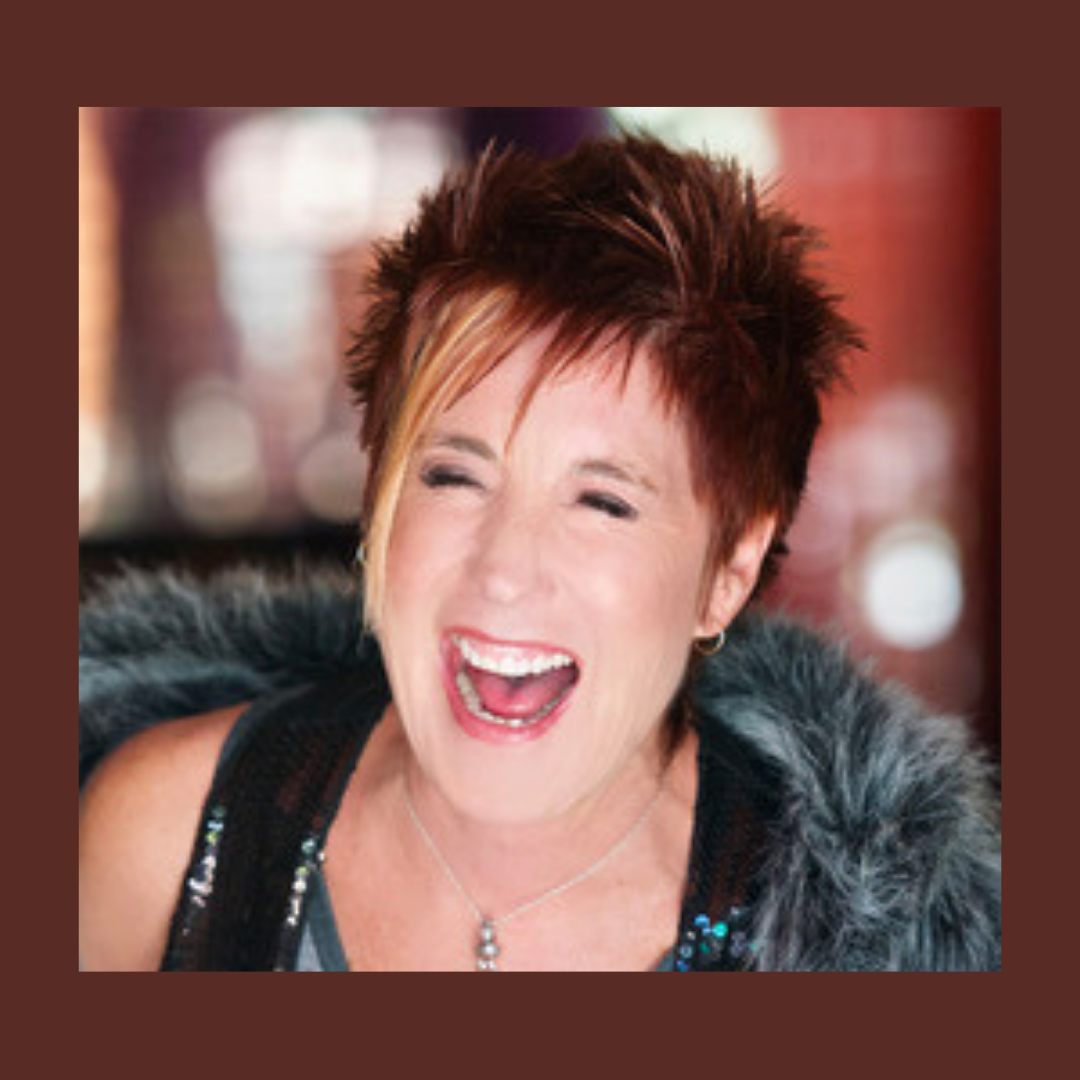
Stacie-Francombe-Sign-GreetersStacie Francombe, Sign Greeters CEO and co-founder, is a passionate entrepreneur who is always looking for opportunities to exponentially scale business growth, while bringing value and the highest level of customer service to her clientele.

Her diverse business background in Marketing, Branding, Operations, Financing, Writing, Coaching, Motivational & Public Speaking, Event Production, and Television Production, allows her to utilize her business acumen across her newest national venture Sign Greeters.

She resides in Atlanta, GA with her husband, three children, and two dogs.

Connect with Stacie on LinkedIn, Facebook and Twitter.

What You’ll Learn in This Episode

  • How Stacie and Ivonne met, and what led them to create Sign Greeters
  • What makes Stacie and Ivonne great business partners
  • How their objective was two-fold when creating Sign Greeters
  • During this time of uncertainty and unhappiness, what was Stacie’s vision for the company?
  • What has made Sign Greeters so appealing to licensees across the country

About Our Sponsor

OnPay’sOnPay-Dots payroll services and HR software give you more time to focus on what’s most important. Rated “Excellent” by PC Magazine, we make it easy to pay employees fast, we automate all payroll taxes, and we even keep all your HR and benefits organized and compliant.

Our award-winning customer service includes an accuracy guarantee, deep integrations with popular accounting software, and we’ll even enter all your employee information for you — whether you have five employees or 500. Take a closer look to see all the ways we can save you time and money in the back office.

Follow OnPay on LinkedIn, Facebook and Twitter.

Tagged With: Sign Greeters

BRX Pro Tip: With the Right Partner, You Can Do Anything

December 22, 2020 by angishields

BRXmic99
BRX Pro Tips
BRX Pro Tip: With the Right Partner, You Can Do Anything
Loading
00:00 /
RSS Feed
Share
Link
Embed

Download file

BRX-Banner

BRX Pro Tip: With the Right Partner, You Can Do Anything

Stone Payton: [00:00:00] Welcome back to Business RadioX Pro Tips. Lee Kantor and Stone Payton here with you. Lee, it’s proven itself over and over, time and time again, with the right partner, you can do anything.

Lee Kantor: [00:00:13] Yeah, this is one of those things that work in business and life. You can’t be a lone ranger. You cannot attack anything just by yourself. It’s not going to work out. You’re not going to get as far as fast as you’d like because you need help. So, it’s important to kind of understand who the right partner is and how to create a win/win situation, so that you’re both winning by joining forces.

Lee Kantor: [00:00:38] So, if you can find a partner that does something complementary with you, and you find ways to help each other, that’s going to be a good move on your part. And if you can leverage each other’s networks, so that you’re mutually benefiting each other, that’s a double win. And this can really accelerate your growth. And don’t be afraid to try things. If you’re not sure how to work together, just try something small, and then test it out. I mean, it doesn’t have to be like I’m all in it at day one. It can be one of those things where you try something and experiment. If it works, scale it, do more of it. If it doesn’t work, say, “Hey, no harm, no foul,” but you tried, and then find someone else to partner with.

Lee Kantor: [00:01:20] So, I think you should be always looking for other people that have similar values but are doing complementary things and explore ways to work together, so that you can create these mutually beneficial ways of working together. And that way, both of you can grow.

Franchise Bible Coach Radio: Daniel Rodgers and Rick Saunders with Back Solution Clinic

December 21, 2020 by angishields

Back-Solution-Clinic-logo
Denver Business Radio
Franchise Bible Coach Radio: Daniel Rodgers and Rick Saunders with Back Solution Clinic
Loading
00:00 /
RSS Feed
Share
Link
Embed

Download file

daniel-rogers-back-solution-clinicDaniel Rodgers has been involved in the health industry since 2008 specializing in chronic pain.

Having suffered chronic back pain early in his career, it was the lack of lasting results despite following many of the standard treatment processes taught through university studies that lead Daniel to specialize in chronic pain.

Daniel has worked with a vast range of specialists from all around the world to understand the intricacies of the human body. During this time, Daniel has refined and developed highly effective and predictable treatment methodologies along with his co-founder.

Over the last 10 years Daniel has both mentored practitioners and grown multiple clinics from start-up to success. This passion and tried and proven model of success has led to the opening of Back Solution Franchises around the World.

Daniel has worked with elite sporting clubs around the world, Olympic athletes as well as acute and chronic patients making his treatments sought out in Australia and patients travelling from all parts of the world.

rick-saunders-back-solution-clinicRick Saunders badly injured his back in his early twenties playing competitive sport.

Studying health science at the time and having access to the very best Doctors and practitioners, he thought it would heal and recover very quickly.

This couldn’t have been further from the truth.

After several months of no improvement, seeing countless specialists and exhausting every modality for a solution he decided to dedicate his studies to the solution of back back pain.

The unlikely breakthrough came from a mixture of both practical and theoretical research in both elite sprint training principles and neuroscience.

After successfully rehabilitating his back, returning to competitive sport and completing his graduate and postgraduate studies Rick set out to use his experience to help other people desperate to find a solution to their chronic back pain.

What started off as a passion to help people turned into a thriving enterprise as more and more people presented with the exact frustrations Rick experienced in his attempts to find a lasting solution to his back pain.

Through the process of setting up multiple clinics in Melbourne, Australia Rick and his partners learnt there is a fine line between running a profitable business and staying true to the vision to help as many people as possible.

Similar to the breakthrough in finding the solution to chronic back pain, Rick and his partner Daniel finally found the solution to setting up clinics to achieve both financial and patient outcome results.

The Back Solution Clinic model was born.

A low entry, low overhead model that allows practitioners to do what they do best, whilst creating a valuable asset that provides ongoing financial success to the owner operator.

Follow Back Solution Clinic on LinkedIn, Facebook and Twitter.

About the Show

The Franchise Bible Coach Radio Podcast with Rick and Rob features no-nonsense franchise industry best practices and proprietary strategies that franchisors and FranchiseBibleCoachRadioTilefranchise owners can implement to improve their profitability and operational efficiencies.

Our show guests are franchise superstars and everyday heroes that share their tips for growth and strategies to survive and thrive during the current challenges.

About Your Hosts

Rick-GrossmanRick Grossman has been involved in the franchise industry since 1994. He franchised his first company and grew it to 49 locations in 19 states during the mid to late 1990s. He served as the Chief Executive Officer and primary trainer focusing on franchise owner relations and creating tools and technologies to increase franchisee success.

Rick developed and launched his second franchise organization in 2003. He led this company as the CEO and CMO growing to over 150 locations in less than three years. He developed the high tech/high touch franchise recruiting and sales system.

Both companies achieved ranking on Entrepreneur Magazine’s Franchise 500 List. During this period Rick served as a business and marketing consultant to small business and multimillion dollar enterprises. He also consulted with franchise owners and prospective franchisees, franchisors, and companies seeking to franchise.

Rick had the honor of working with his mentor, Erwin Keup as a contributing Author for the 7th edition of Entrepreneur Magazine’s Franchise Bible published by Entrepreneur Press.

Mr. Grossmann has been chosen as the new Author of Franchise Bible and his 8th Edition was released worldwide in January of 2017. He currently serves as an executive coach and strategist for multiple franchise clients.

Follow Franchise Bible Coach on Facebook.

RobGandleyHeadShot250x250Rob Gandley has served as SeoSamba’s Vice President and Strategic Partner since 2015.

With 25 years of experience in entrepreneurship, digital marketing, sales, and technology, he continues to focus on leading the expansion of SeoSamba’s product and service capabilities and US market penetration. SeoSamba specializes in centralized marketing technology built for multi-location business models and continues to win industry awards and grow consistently year over year.

Concurrent with his work at SeoSamba, Gandley is a strategic growth consultant and CEO of FranchiseNow, a digital marketing and sales consulting firm.  Gandley consults digital businesses, entrepreneurs, coaches and multi-location businesses across diverse industries.  Prior to SeoSamba, he built an Internet Marketing business and platform responsible for generating over 100,000 qualified franchise development leads used by more than 400 US-based franchise brands for rapid business expansion.

Gandley also held various senior sales and management positions with IT and Internet pioneers like PSINet, AT&T, and SunGard Data Systems from (1993-2005) where he set sales records for sales and revenue growth at each company.  He graduated from Pennsylvania State University’s Smeal Business School in 92’ with a BS degree in Finance and emphasis on Marketing.

Connect with Rob on LinkedIn.

Saundra Davis with Sage Financial Solutions

December 21, 2020 by angishields

Saundra-Davis-Sage-Financial-Solutions
Bay Area Business Radio
Saundra Davis with Sage Financial Solutions
Loading
00:00 /
RSS Feed
Share
Link
Embed

Download file

Leah-Davis-Ambassador-logo1

Sage-Financial-Solutions-logo

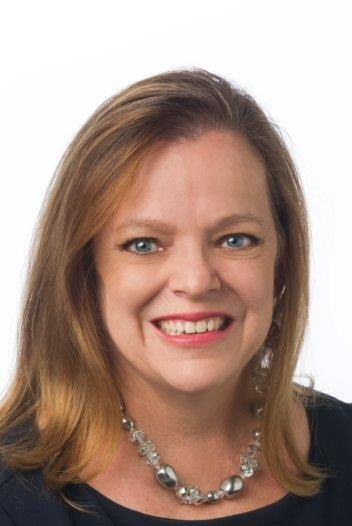
Saundra-Davis-Sage-Financial-SolutionsSaundra Davis is the Founder and Executive Director of Sage Financial Solutions, a San Francisco Bay Area based organization that develops comprehensive financial capability programs for low- and moderate-income communities throughout the United States.

She is a Financial Behavior Specialist and her philosophy of the financial continuum of care continues to shape the financial capability and coaching efforts around the country. Saundra has been an active proponent of building a more inclusive financial planning community and has served on the Financial Planning Association local and national pro bono and diversity committees.

She holds a B.S. in Management and an M.S. in Financial Planning from Golden Gate University where she is currently a Distinguished Adjunct Professor in the Personal Financial Planning program.

Connect with Saundra on LinkedIn.

Tagged With: Sage Financial Solutions

CAW E10: Kathi Roche, Santa Rita Landscaping, Inc.

December 20, 2020 by angishields

Tucson Business Radio
CAW E10: Kathi Roche, Santa Rita Landscaping, Inc.
Loading
00:00 /
RSS Feed
Share
Link
Embed

Download file

Kathi Roche, Co-owner, General Manager & Chief Financial Officer
Santa Rita Landscaping, Inc.
755 W Grant Road
Tucson, AZZIP: 85705
520.623.0421
Email: kathi@srlandscaping.com  Santa Rita Landscaping Website
Houzz Website
SOCIAL MEDIA: Facebook | Instagram | LinkedIn | Twitter |

Kathi is a resourceful financial and business management professional with 38 years of experience in accounting, finance, and business management. Her work experience includes public and private firms of all sizes.  She is a proven Manager, driven to cut company costs while boosting company revenue through innovative management techniques. Organized and diligent, with excellent written and oral, and interpersonal skills, Kathi is successful in building and motivating dynamic teams. Her practical experience with all facets of business includes Cost Control, Process optimization, Strategic planning, Staff development, Goal attainment, Accounting, Human Resources, Payroll, Office Management, Finance, Banking Relationships, Tax preparations, and Financial Statements. She has managed teams from 5 to 250 people and has overseen multiple mergers, acquisitions, buyouts, reorganizations, downsizing, and consolidations. 

Kathi is a master at creating synergy within teams and integrating business plans seamlessly to maximize company profits, employee retention, and customer satisfaction. Kathi brings practical experience and knowledge of systems, procedures, techniques, critical thinking, and problem-solving. Many of her years of experience include work in the construction industry, from general contracting to the various trades. Her knowledge of WIP (work in progress) reports, accrual and tax accounting, balance sheets and income statements help form her management style that promotes increased net profits. Her titles have ranged from Accountant, Controller, Chief Financial Officer to Integrator, and General Manager. Kathi has been with Santa Rita Landscaping for 13 years. 

About the Business

In 1985, brothers Brian and Garrett Ham started their Tucson landscaping company and called it Santa Rita Landscaping, named after the Santa Rita mountain range they lived near.  Garrett was in his last semester of high school and Brian finishing his bachelor’s degree in Watershed Hydrology at the University of Arizona when Garrett received the firm’s first Contractors license with a $1,000 loan from First Interstate Bank of Arizona, co-signed by their father, to cover the bonding requirements. 

The business began in their parents’ barn, which served as their first contractor yard. During the day both partners worked the physical aspect of a landscaping business, installing brick, irrigation, plants and trimming shrubs and each evening they would handle the business side of the company, returning phone calls, drawing plans and doing book work. 

By 2005, the company employed 125 Tucsonans, and SRL bought the 4.6 acres at 755 W Grant Road to remodel the building that serves as their headquarters today.  By 2006, the company employed over 190 Tucsonans and launched Santa Rita Environmental and Santa Rita Waste Systems to provide storm water compliance and roll off dumpster services, finally merging in 2012 with Southwest Enviroscapes, Inc. to form one of Tucson’s largest and leading commercial, public and residential landscaping providers.  Throughout, the company has grown via its focus on customer service, ownership thinking, and The Santa Rita Way.

Host

Matt Nelson: Senior Vice President, Crest Insurance Group 
Matt is a Senior Vice President at Crest Insurance Group in Tucson, consulting with companies to identify and implement insurance, risk management, and employee benefits solutions.  With more than a 15 years of industry experience, he has served as a keynote speaker on the healthcare industry, leadership, workplace culture and risk management for professional organizations throughout Southern Arizona, including the City of Tucson, Greater Tucson Leadership, the Financial Executives and Affiliates of Tucson, and the CEO Roundtable of Tucson. 

Matt is an active member in the Tucson community, having served as a Non-Commissioned Officer in the Arizona Army National Guard and volunteering with multiple local organizations, including as Treasurer and a Big Brother with Big Brothers and Big Sisters of Southern Arizona, a volunteer with the United Way of Tucson and Southern Arizona, Chair of the Pima County JTED’s Business and Industry Council, a builder with Habitat for Humanity and many other local youth charities. 
Email: mnelson@crestins.com  
Phone: 520.784.7636 
LinkedIn: www.linkedin.com/in/mattrnelson2   


Tagged With: Crest Insurance Group in Tucson, Culture at Work in Tucson

Einat Mazor with Better Foods Jeyer

December 20, 2020 by angishields

Einat-Mazor-Extra-WHITE-GOLD
GWBC Radio
Einat Mazor with Better Foods Jeyer
Loading
00:00 /
RSS Feed
Share
Link
Embed

Download file

Extra-WHITE-GOLD

Einat-Mazor-Extra-WHITE-GOLDExtra WHITE GOLD™ gluten free flour blends are crafted by renowned pastry chef and Natural Gourmet Institute (New York) graduate, Chef Einat Mazor.

Mazor is the author of various cook books, writes in magazines, instructs in culinary schools and serves as a consultant to airlines, hotels and restaurants.

What really inspired Chef Mazor to create this line of gluten free and Keto mixes & flour blends was her daughter being diagnosed with Celiac Disease. Since people with Celiac cannot tolerate gluten, Chef Mazor’s daughter could not enjoy all her mom’s delicious treats. This is how Extra WHITE GOLD™ was born.

Rigorous testing and intricate detail went into creating each blend. The result is the finest flours and baking mixes on the market.

Follow Extra White Gold on Facebook, Twitter and Instagram.

TRANSCRIPT

Intro: [00:00:04] Broadcasting live from the Business RadioX studios in Atlanta, Georgia, it’s time for GWBC Radio’s Open for Business. Now here’s your host.

Lee Kantor: [00:00:18] Lee Kantor here. Another episode of GWBC Open for Business. And this is going to be a good one. Today, we have with us Einat Mazor with Better Food – how do you pronounce the last word, Jeyer?

Einat Mazor: [00:00:30] Jeyer.

Lee Kantor: [00:00:30] So, tell us about Better Foods. How are you serving folks?

Einat Mazor: [00:00:37] Well, first of all, thank you so much for the opportunity to talk with you a little bit about the company. The company’s name is Extra White Gold. And it’s a gluten-free company and gluten-free and keto flours and mixes company. And the main point of our business is to have some kind of freedom in our foods. Meaning that everybody that has allergies, food allergies such as peanuts, and nuts, and eggs, and dairy, including gluten can enjoy our flours and mixes because we’re free from dairy, and eggs, and gluten, and so forth.

Lee Kantor: [00:01:29] So, how did you get into this line of work?

Einat Mazor: [00:01:32] Oh, well, that’s my story. That’s a big story. Well, being a mother and health supportive chef, I was always, always in the kitchen cooking and baking for my family and friends. And then, when my daughter was six years old, we discovered that she has celiac. And celiac is basically an inflammatory disease, which affects the digestive system. So, you can’t have gluten in your everyday meals. You can’t have gluten in your dairy. And so, we’ve been in shock for a couple of weeks because from a family that used to love being in the kitchen, we started to think about food in a different way. So, we needed to be more cautious about the foods we labeled. Even the spontaneous of going out for dinner or to just have an ice cream outside was a task.

Einat Mazor: [00:02:51] So, I just started to experimenting, experimenting with flours, experimenting with ingredients. In my background, I also have chemistry knowledge. So, it’s been a while. It’s been several years. And then, after many years of experimenting in the lab and even in my kitchen, I came up and invented these flours and mixes. And it’s totally changed our life, our life as a family, but also as a community from people that used to be … that couldn’t have almost … you know, we needed to think about foods and about how to eat it, why can I cannot eat it, that was a big thing for us. So, it’s completely changed the gluten-free world and culinary world from our perspective.

Lee Kantor: [00:03:59] Now, when you were experimenting with the different ingredients, did it take a long time to land on where you landed? Because I would imagine to get that right balance of not only flavor, what your expectation is as a chef, you’re probably pretty particular about how good it tastes and not just create something that has the right ingredients but it also has to taste good. And it also has to … like you mentioned, chemistry, if you’re doing baking, there’s a certain chemistry that there’s an expectation of it rising and performing it a certain way in order to create the right texture. So, there’s a lot of variables in this. And you’re basically leaving wheat behind, right? So, you’re going and finding other grains, I guess, that are celiac-friendly or different ingredients that are celiac-friendly?

Einat Mazor: [00:04:54] Yeah. So, it is a big task. And when I started it, I didn’t know that it’s going to be such an adventurous journey because you do need to know your craft, and you need to know how even flours, gluten-free flours are playing with each other or talking with each other because each and every component has its own uniqueness. So, you have to know how to combine it. And what you said is really important because it needs to taste good, and it also needs to be as close as possible to the real thing.

Einat Mazor: [00:05:43] So, for us, I think we succeeded because we’ve been around for almost 13 years in the business. We’re not new in the business. My flours and mixes are number one in sells in Israel for the first 10 years. And we launched about three years ago here in the States. We are locals. We live in Georgia, of course. But we know that people like our products because the main issue is the flavor, the texture, everything needs to be right. And that’s what we’re aiming for the best – best quality and best ingredients.

Lee Kantor: [00:06:42] Now, when you set out to do this, did you expect kind of the gluten-free community to expand as much as it has like? In Israel, you mentioned this has been around for a while. But in the United States, this is, I don’t want to say relatively new, but it’s kind of new and that there’s more and more options for people who are wanting gluten-free.

Einat Mazor: [00:07:05] Right. Well, no, I didn’t expect that it would be such a huge trend. It started as a trend but, now, I can tell you that it’s a lifestyle of many people. I mean, people are more and more to discover how beneficial is the gluten-free diet for everybody because the benefits of the diet is not only with the weight loss, it’s also increasing energy, and it’s kind of like clear your mind. If I can say that, it gives you more perspective, more clear thoughts. And, also, I think it’s much more clean food to eat all day because the gluten, the way that it reacts with your body is a glue. So, it’s kind of like a glue. It’s stuck in your system, and it doesn’t go anywhere, and it just gives you blurry, and you feel bloated all the time. And I believe the market is going towards that.

Lee Kantor: [00:08:31] So, now, you create this flour, the Extra White Gold flour that’s gluten-free. And then, was that kind of like that was the goal and, now, it’s expanded into this whole line of you have mixes, you can make pancakes, brownies. Like you can make anything really, I guess, that flour touches, you can now make with your flour. And now, you’ve expanded the line into prepared mixes that are, I guess, the same kind of gluten-free. And is it vegan as well?

Einat Mazor: [00:09:11] Not the keto but the gluten-free items are vegan as well.

Lee Kantor: [00:09:19] Wow! So, you’re checking all the boxes for the folks out there that have this lifestyle. And I’ll tell you, because I have relatives that are gluten-free and vegan, and some of their stuff doesn’t taste good. And they say it tastes good for gluten-free, but it doesn’t taste good. But I think that you’ve been able to kind of thread the needle and make something gluten-free that also tastes good.

Einat Mazor: [00:09:45] Right. Yeah. The vegan lifestyle is really demanding because there are alternatives, but not that great. I mean, they are good but, I mean, you can find good stuff that are vegan and not that great vegan product. And I was a vegan. I was vegan for many years. And I came from that approach because I wanted people to enjoy our mixes as much as possible and to give a solution to almost everybody. And I believe that this is our mission to find the solution to almost everybody, so everybody can sit at the same table eating, having the same food.

Einat Mazor: [00:10:45] Like my daughter. I remember when I started, my daughter used to have her own cake, her own pizza, her own muffin. I used to slip around with all her foods everywhere. But now, when you have something that everybody can eat and it tastes good, so why not? So, you’ll have gluten-free and vegan cake and a pizza, and everybody can share it, and everybody can enjoy it. So, that’s my mission.

Lee Kantor: [00:11:13] Right. And then, if you do it well, in which, now, you’re finding more and more people are kind of cracking the code on how to make it taste delicious, that you don’t even have to tell people it’s gluten-free and vegan. It just tastes good. People don’t even know. It’s not relevant. It’s important for the folks that have allergies, but for the people who don’t, you don’t have to identify, “Oh, that’s gluten-free,” or “Oh, that’s vegan,” because it’s just delicious. I mean, I think that it’s evolving so rapidly, and it seems like you’re really on the cutting edge of this when it comes to the baking products.

Einat Mazor: [00:11:50] Right, right. But also, that’s what I’m always saying to my clients, you need to read labels because not everything that’s gluten-free is also good for you.

Lee Kantor: [00:12:05] Right, you can’t confuse those two things because there’s plenty of things that-.

Einat Mazor: [00:12:10] There are many processed food.

Lee Kantor: [00:12:12] Right, that are processed, and that they’re not healthy but they’re gluten-free. I mean, so you can’t confuse those. Those two terms aren’t synonyms. Those are specific things. One just doesn’t have gluten.

Einat Mazor: [00:12:26] Exactly, exactly.

Lee Kantor: [00:12:29] Now, for you and your mission, where is this available for folks? Is it available only online or can they get it at certain stores?

Einat Mazor: [00:12:40] Well, we are in Walmart with one product. Our all-purpose flour, which is also a cup, two cup flour and sugar-free flour is in a Walmart. But not in Georgia unfortunately. Not now. Hopefully, next year. And we’re also in Food Lion. Food Lion, Georgia. So, you can definitely check our products in the Food Lion gluten-free section and online. I mean, we’re selling very nicely online. Listen, this was the year of the online merchandise.

Lee Kantor: [00:13:29] Right.

Einat Mazor: [00:13:31] Yeah. I mean, that’s-

Lee Kantor: [00:13:31] So, how do you do the manufacturing? Where is it being made?

Einat Mazor: [00:13:37] Oh, it’s being made in New York. We have a facility there. But our headquarter’s in Georgia.

Lee Kantor: [00:13:45] And then, you’re able to distribute it from there to wherever it needs to go?

Einat Mazor: [00:13:50] Yes, yeah, yeah. Yeah.

Lee Kantor: [00:13:53] Now, you mentioned COVID. I would imagine because everybody, when they’re locked down at home, they’re doing a lot more baking, and they were probably searching for this kind of solution. So, this probably was good for you in some ways.

Einat Mazor: [00:14:09] Yes, of course. I mean, the COVID situation impacted everybody. So, we needed to work harder to keep our head above the water. That’s the truth. And what we’ve done is we applied for grants, and we took some loans just to be present, to keep on going. But despite of the financial challenges, we feel very optimistic about the future, and we managed to keep up with the growing demand for our gluten-free and keto products.

Lee Kantor: [00:15:01] Yeah, I think you’re right. I think if you can hang in there, the sky’s the limit because I think that people who are part of that community are literally hungry for a great tasting solution because there’s not as many choices for them. And if you have a way to make it delicious, and gluten-free, and vegan, and all, and keto when they want to be keto, I think you’re right there. I mean, congratulations. To do this is very difficult.

Einat Mazor: [00:15:34] Thank you.

Lee Kantor: [00:15:34] You should be very proud of yourself. This is a very difficult task to do.

Einat Mazor: [00:15:38] Thank you very much. Yes, it is. It is.

Lee Kantor: [00:15:39] And I want people to understand that the level of experimentation in order to pull this off is quite difficult.

Einat Mazor: [00:15:49] Yeah, that’s what I keep telling my kids. You need to be persistent, you need to have a mission, you need to have something that will keep you going forward. Even the smallest thing. It doesn’t have to be huge, but you have to have some kind of a mission because if you are in the food business and you are a small business, especially women-owned business, you have to believe that you can do it. You have to believe. You have to keep on going.

Einat Mazor: [00:16:31] And I know it’s kind of like a cliche but you just need to have the persistence of incentive yourself. Nobody’s coming and tap me on my shoulder. Nobody. This is me. Like what I’m doing, what I’m investing, the results will be in the future. But you have to believe. You have to believe in your organization, you have to believe in yourself, you have to believe in your product because if you don’t manufacture products that you yourself as an owner believe in, just don’t do it.

Lee Kantor: [00:17:17] That’s great advice. And it’s important to be clear on your why. You have to have a why that’s big enough for everybody to believe in and get behind, not only you as the founder and the creator, but also your team, your vendors, your customers. The bigger the why, the easier it is for everybody to get behind the mission to help kind of get the word out, and they want to be the ones that are sharing this great thing with their folks and serving their community by letting people know that something like this exists.

Einat Mazor: [00:17:50] Absolutely, absolutely. And another tip that I have is, because I did mention it, to have a mission. So, sometimes, it’s really helpful, especially these days, to cooperate and to join forces with organizations that you believe in.For instance, we support an organization, a women’s organization, and the name itself [Will Paper]. And its International Women for Women organization, which empowers unprivileged women through art, through art, through ecological awareness, and they make art without any waste. It’s something very interesting, what they’re doing over there. And I think as a company, once you support an organization like that, a nonprofit organization, and you believe in their actions, it gives you energy, it gives you movement, it gives you something to look forward to, and this is also very important.

Lee Kantor: [00:19:16] And I believe that what you’re doing as a chef is an art form. I mean, I think that your work, you’re creating something from nothing. So, to me, that is an artist.

Einat Mazor: [00:19:28] Okay, thank you.

Lee Kantor: [00:19:30] Now, talk about the GWBC, has that organization helped you as a certified women business, helped you through this crisis, maybe COVID, or just helped you in supporting you in your mission?

Einat Mazor: [00:19:46] Well, I think that the notion to belong to a community and to be able to share your thoughts, even if it’s through the social media, through Facebook, for instance, I read the post almost every day, and to be out there and to join as much as you can for events or to be active. this is the time to be active. Although it’s really hard, it’s like to walking in water, although it’s really hard, you have to keep on going. And it helps us as a community and as a company tremendously to have the back of the organization, of course.

Lee Kantor: [00:20:46] Now, what’s next for you? Are you optimistic about the coming year? Are you excited?

Einat Mazor: [00:20:53] I’m always optimistic, and I’m always excited. Yeah, we have some things that we would like to evolve into. And yeah, we’re still working on it. Very exciting.

Lee Kantor: [00:21:12] Well, it’s an exciting time. And again, congratulations on all your success. It’s important work.

Einat Mazor: [00:21:19] Thank you.

Lee Kantor: [00:21:19] And we appreciate you. And how about the website? For folks that want to get a hold of some of your stuff, what’s the website?

Einat Mazor: [00:21:28] It’s www.extrawhitegold.com.

Lee Kantor: [00:21:35] Well, good stuff. Thank you again for sharing your story.

Einat Mazor: [00:21:37] Thank you very much. Thank you very much. Happy holidays.

Lee Kantor: [00:21:40] Yes, you too. All right. This is Lee Kantor. We will see you all next time on GWBC Open for Business.


About GWBC

The Greater Women’s Business Council (GWBC®) is at the forefront of redefining women business enterprises (WBEs). An increasing focus on supplier diversity means major corporations are viewing our WBEs as innovative, flexible and competitive solutions. The number of women-owned businesses is rising to reflect an increasingly diverse consumer base of women making a majority of buying decision for herself, her family and her business. GWBC-Logo

GWBC® has partnered with dozens of major companies who are committed to providing a sustainable foundation through our guiding principles to bring education, training and the standardization of national certification to women businesses in Georgia, North Carolina and South Carolina.

Tagged With: Extra White Gold

Emily Thompson with CoverMyMeds

December 20, 2020 by angishields

Emily-Thompson-CoverMyMeds
Learning Insights
Emily Thompson with CoverMyMeds
Loading
00:00 /
RSS Feed
Share
Link
Embed

Download file

CoverMyMeds-logo

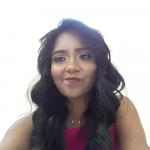
Emily-Thompson-CoverMyMedsEmily Thompson is the Learning and Development Manager for the Patient Services Team at CoverMyMeds, responsible for developing and scaling Training Programs to support two patient-centric programs.

She is actively engaged with enhancing Knowledge Management tooling for these programs and recently helped her team pivot from in-person training to a fully virtual platform. Prior to joining CoverMyMeds in 2015, Emily was an adjunct professor during graduate school at the University of Cincinnati and has a robust background in physical training.

Outside of work, Emily enjoys staying active with her fiancé and dog, Ruca, practicing her barbecue skills, and hiking.

Connect with Emily on LinkedIn.

TRANSCRIPT

Intro: [00:00:04] Broadcasting live from the Business RadioX studios in Atlanta, Georgia, it’s time for Learning Insights. Brought to you by TrainingPros. When you have more projects than people, TrainingPros can provide you with the right L&D consultant to start your project with confidence. Now, here’s your host.

Lee Kantor: [00:00:27] Lee Kantor here. Another episode of Learning Insights Radio. And we couldn’t be doing this without our friends are TrainingPros. So, please support them so we can continue to share these stories. Today on Learning Insights, we have Emily Thompson with CoverMyMeds. Welcome, Emily.

Emily Thompson: [00:00:43] Hi, Lee. Thanks for having me.

Lee Kantor: [00:00:45] Well, before we get too far into things, tell us about CoverMyMeds. How are you serving folks?

Emily Thompson: [00:00:49] Yeah, I’d be happy to. So, CoverMyMeds is a health care company in Columbus, Ohio. And we help patients get the medications they need to live healthy lives. We’re working hard to solve some of the most common medication access challenges. For some of our solutions, that include electronic pre-authorization, prescription, decision support and specialty patient support services.

Lee Kantor: [00:01:12] And then, what’s your role in the organization?

Emily Thompson: [00:01:15] Yeah, I am the learning and development manager for our patient services team at CoverMyMeds. My team, specifically, supports training and knowledge management and for two patient-centered programs. And our team serves new hires to the business, but also supports continued education and up training for our tenured members.

Lee Kantor: [00:01:35] Now, how did you get into this line of work?

Emily Thompson: [00:01:38] Yeah, good question. So, I kind of stumbled upon CoverMyMeds over five years ago. Joined our, then, very small support team, wasn’t planning to stay long, but quickly fell in love with the people, the opportunities and the real mission behind the work that we did every day. I joined the training team as our second ever trainer in 2016. And previously to CoverMyMeds, I was an adjunct professor. So, I loved education, and training and leading. Fast forward to today, I am leading our learning and development team.

Lee Kantor: [00:02:11] So, now, talk about the initiative about the onboarding plan for customer service that supports two different applications that you guys have.

Emily Thompson: [00:02:22] Yeah. So, as I mentioned, my team supports the training and knowledge management for team members for our two programs. Each program really follows a similar training structure where we take a blended learning approach anywhere from four to seven weeks, our training programs will run. Now, prior to COVID, we were pretty heavy in the classroom, spending anywhere from 13 to 20 sessions in the classroom, heavy on the lecture style. However, we’d always try to find unique ways to stay engaged through different learning games or whiteboarding sessions.

Emily Thompson: [00:02:56] Along with those classroom trainings, we also hold live shadowing sessions. So, we’d set up a new hire with a veteran team member in a side by side. A trainer would come in and shadow the new hire too side by side in office. And we’d always offer an element of feedback too. So, one-on-one feedback discussions with that new hire to discuss areas of strength and growth. The best part about being in office and the most fun part about our training program was our graduation ceremony. So, towards the end of those seven weeks, a new hire would complete their graduation exam. And then, we hold off on in-person ceremony for them with certificates, mimosas, and tend to send them on their way.

Lee Kantor: [00:03:36] So, the purpose of that, not only was to educate, but you were also kind of indoctrinating them in the corporate culture, and personal care and things like that. That was an important component of that when you were doing a face to face?

Emily Thompson: [00:03:49] Absolutely. Our trainers strive to not only educate but really lead team members to achieve such great successes at CoverMyMeds.

Lee Kantor: [00:03:57] So, now, when you had to go virtual, how did you kind of implement, at least, the spirit of some of that face-to-face interaction that was happening?

Emily Thompson: [00:04:08] Yeah, it’s been a challenge for sure. And if I think back to March, I think, overnight, we were told the company was moving to a fully virtual platform over the next following days. So, really, it was an all-hands-on-deck pivotal moment. My whole training team got on a call, and we had to decide how are we going to shift this in-person, seven-week program to fully virtual.

Emily Thompson: [00:04:32] We not only needed to quickly assess the need of the team members from the virtual standpoint, thinking about tech training, what do they need to thrive from home? But also our training programming. So, figuring out, one, how do we be as interactive virtually as we can be in a classroom? And then, what supplemental trainings or activities would we need to quickly create to ensure there’s that same knowledge retention from home? The biggest thing is we know the importance of social connection, especially in training, but as a new hire to the company. So, from the start, we’ve required that all team members, whether it’s in a meeting or a training, have their video on, so that we can get face time with each other.

Lee Kantor: [00:05:13] So, that was one step of it. Like part of it was shadowing and part of it was trainer shadowing the people learning. So, you were getting a lot of kind of human-to-human interaction, kind of looking over each other’s shoulders and being there physically. How do you kind of capture some of that serendipity in those accidental collisions and those kind of improvised moments that happened when you are in close contact. How does that translate to a screen?

Emily Thompson: [00:05:48] Yeah. No, really good question. So, our goal from the beginning with virtual training was to ensure our team members, regardless of tenure, felt supported. We knew that team members could no longer stop by our training space in the office to ask the question or seek advice. So, we’ve gotten feedback along the way through the past eight months of virtual training and working that some team members, especially the newer folks who have graduated, are really feeling a decrease in their confidence with the verbiage on their live calls. They can’t sit next to tenure team members anymore to kind of socially learn and observe other tenured folks’ phone skills.

Emily Thompson: [00:06:28] So, one thing that we’ve added to our training program is something called a simulation team. So, we’ve created this internal simulation team, which is comprised of veteran team members. We set up a new hire and a veteran team member through BlueJeans. It’s the application that we’re using to connect. And they practice calls. So, mock call scenarios, inbound and outbound with a tenured team member, and then seek feedback right away on, “Okay,” and seeing, “How did I do? What feedback can you give me? Do you have any tips and tricks for a future live call?” So, that’s one way we’ve been able to to still offer shadowing, we’re just doing it now through a screen.

Lee Kantor: [00:07:07] And that’s important for the listeners to really understand that you couldn’t just say, “Okay, this is how we were doing it live and in person,” and just cut and paste it into, “Now, this is how we do a virtual.” You have to almost rethink the spirit of what you were trying to accomplish, and then work with the strengths of a virtual in order to deliver those outcomes rather than just, like I said, cut and paste the activity you were doing.

Emily Thompson: [00:07:33] Yeah, absolutely. And another thing we really learned too is just the importance of social learning, especially in this virtual environment. So, before, in office, we’d get in a huddle room with a new hire and give them one-on-one feedback on strengths and areas of growth. Now, we’ve transitioned to doing group feedback sessions. So, we’ll have small groups of new hires jump on a call, turn their video on with a trainer, and listen to each other’s calls together. So, this really allows them to socially learn from each other, and together, take away key improvement areas or strengths as a group.

Lee Kantor: [00:08:09] Now, have you opened up things like Slack channels or kind of other means of communications?

Emily Thompson: [00:08:15] Absolutely. So, we definitely utilize Slack, whether we’re Slack messaging or Slack calling. I think for our training team, in particular, we’ve realized just how socially connected we are and how much we thrive off each other’s energy. So, we work really hard to stay connected via video call, whether it’s Slack or BlueJeans weekly. If not, sometimes, daily.

Lee Kantor: [00:08:36] So, now, I can understand how you’re getting that feedback, and they’re learning together kind of in a group setting, which might be a little different than how they were learning previously. Are you able to capture any of that learning, and then share those learnings with other people in the organization that weren’t part of that many group, and then anonymous way, at least, the key learnings, and the high points and low points?

Emily Thompson: [00:09:00] Yeah, definitely. So, CoverMyMeds as a company does a really great job of instilling a culture of feedback. And we take that to heart too on the training team. We’re always working to find ways to iterate and improve for our next class coming in. So, we capture feedback in a few ways around training. One is we hold skip level feedback sessions. These are small feedback meetings with graduated team members and either myself or a senior trainer, and really just pick their brain and ask them, “What did you love about training? What would you do differently next time? Do you have any creative ideas for us?” We were able to do those in office. And now, we’re doing them virtually the BlueJeans.

Emily Thompson: [00:09:40] We also, since working remotely, have incorporated weekly debriefs with the new hire classes. So, a trainer will get on a weekly call with that new hire class and kind of use it as an open forum. We’ll answer any outstanding questions they may have. We’ll seek feedback directly. We’ll ask them for it. We’ll hold knowledge check activities and really just work to open up space to engage with them virtually.

Lee Kantor: [00:10:03] Now, have you had any way to capture? Like, can you sense almost like if there’s kind of Zoom fatigue where. “Hey, we’re online a lot,” or “This is all I’m doing is online with somebody and I’m getting kind of burned out”?

Emily Thompson: [00:10:20] Yeah, definitely. And CoverMyMeds, as a whole, has worked really hard to preserve our culture even through the screen. To your point, there is a lot of screen fatigue. So, we encourage our new hires and team members across the board to really shut the laptop at lunch, take your break, close the laptop, go get a walk in. But we’re also trying to be creative in holding digital scavenger hunts. We’ve had cooking demonstrations with our culinary staff and random photo challenges, anything to really break up the day. I think our training team even has used some Jackbox Games to play too to just break up heavy training weeks.

Lee Kantor: [00:11:00] So, now, is there anything that’s happening now in this kind of new normal that you think will transfer and maybe just become a part of the new new normal maybe next year?

Emily Thompson: [00:11:12] Yeah, definitely. I am very excited for 2021. And I know the whole company is really excited too for our new campus. We’re hopeful to still offer virtual training. Some team members may not feel comfortable coming into office right away, and we’ll be able to offer them a virtual platform. Also, really exciting is, historically, before we were work-from-home, if you had an appointment or maybe you got a flat tire, you’d have to take a day of PTO because you couldn’t get into the office. Now, we’ll be able to offer that virtual aspect to join a classroom if you’re unable to come into the office.

Emily Thompson: [00:11:47] We’re also definitely going to continue with our simulation team. This is a great way for team members to get exercise reps in before they go live and really sharpen their skills and boost their confidence to get on a live call. And really, we’ll continue our feedback mechanisms. I mean, growth and iteration are integral to the success of our training programs. And we are always searching for new ways to offer an award-winning and creative training experience.

Lee Kantor: [00:12:13] Now, do you find that just going through this kind of a crisis and forcing your hand to make do with whatever you had, whatever resources you had to kind of improvise on the fly, do you think that when you’re planning for next year and the year after that, you’re going to take some of this and say, “You know what, this is how we’ve been doing things. We thought we were thinking outside the box before, but this really forced us into different boxes that, maybe, we didn’t even know existed,” or are you finding that your mind is now more open to more things that could possibly work and you could leverage to your advantage?

Emily Thompson: [00:12:47] Yes, absolutely. Like I mentioned, we get a lot of feedback from the new hires, and our people on the ground are the ones with the awesome ideas, and we are always open to trying things out. Each class, like I said, we’re trying to figure out, “How do we be more engaged? Sure, we can stand in front of a classroom and lecture all day, but how much retention is really had in those types of settings?” So, we’ve been experimenting currently with different online methods of presentation. So, Mentee is one example that we’re able to leverage. It’s kind of an interactive presentation tool. We’ve all bought personal whiteboards, and we’re using those on the screen through virtual training, and we’re always looking for new icebreaker games to include whether we’re in person or through the screen.

Lee Kantor: [00:13:35] Now, any advice for those companies out there that are struggling with it? And maybe let’s just talk about onboarding a new employee. Anything that you’ve learned that say, “You know what? Definitely do this. You may not want to do as much of this as you used to”? Any advice for those folks that might be struggling with this kind of virtual onboarding?

Emily Thompson: [00:13:55] Yeah. I mean, one thing that we have learned is that the video connection is super important. We’re seeing faces through the screen. We love to see them in person, but I think that that social connection through the video is huge. So, if you’re out there, and you have a platform that allows you to turn your video camera on, I definitely recommend that. It may be weird, you may be concerned you can shower, or your dogs in the background, but it’s really fun to still connect and see people’s faces. And that’s a really important part of learning as well. And just from the training perspective, we’re able to still watch facial expressions or body language, and tell, “Does someone have a question? Is someone furrowing their brow and maybe aren’t getting the concept or are concerned?” And really, that video aspect has been integral to us educating through a camera.

Lee Kantor: [00:14:57] Now, for you personally of having gone through this and it sounds like thriving in this kind of new world that we’re in, can you share a rewarding or surprising part of the year for you that that maybe your team, kind of their resilience or their ability to kind of just power through this was meaningful?

Emily Thompson: [00:15:22] Yeah. I think the most rewarding part for me is that I have brought in four new trainers over the past several months of working remotely. So, we’ve never, as a team, gotten to get together with these four new people and welcome them with real open arms and real hugs. So, that’s been really amazing to see four new team members integrating into our team and fitting in perfectly. We’ve also, within these two programs, been able to train over 400 team members in 2020. And I don’t know the math, but I would say the majority have been virtual. We have a 100% graduation rate and we have had that over the past three years, which is amazing that we still are able to successfully onboard, train, educate, lead people to success even through today’s environment.

Lee Kantor: [00:16:20] And then, as you move into 2021, how do you even go about kind of forecasting this because who knows what the world’s going to be like? Are you just doing things like at a quarter at the time? Like how do you kind of plan the year?

Emily Thompson: [00:16:35] Yeah, I mean, as far as going back into the office and what that looks like, I’m not sure of timing. I do know that CoverMyMeds is putting the health and well-being of our employees as first priority. So, we’ll continue with our virtual platform as is. Of course, still seeking feedback along the way. We hold multiple retro conversations as a training team. After a class graduates, we’ll get together, “What worked? What didn’t? What should we change?” And that’s the beauty of CoverMyMeds is we’re constantly pivoting. I think we joke that the training team is full of professional pivoters and we really look to lean into to the productive discomfort that we’ve seen this year.

Lee Kantor: [00:17:15] So, now, what do you need more of? How can we help you? Are you looking for more talent? What’s on the horizon?

Emily Thompson: [00:17:23] Yeah, great question. I mean, CoverMyMeds is always growing. And for those out there interested in learning more, you can look more into our culture at experience.covermymeds.com. As far as me, I mean, this interview has been an awesome experience, and I love being able to rave about my trainers and my knowledge management team. I heard a quote recently and it’s, “Exceptional leaders solve problems with people, not for them.” So, I’m really eager to connect and learn alongside other thought leaders in the industry. And this has been a good experience. Thank you so much.

Lee Kantor: [00:17:56] And then, for you, if somebody wants to connect with you, is the best way on LinkedIn?

Emily Thompson: [00:18:00] LinkedIn would be great. Yes.

Lee Kantor: [00:18:01] And that’s just Emily Thompson on LinkedIn?

Emily Thompson: [00:18:05] You got it at CoverMyMeds.

Lee Kantor: [00:18:07] And then, the website for CoverMyMeds is covermymeds.com if somebody wants to learn more?

Emily Thompson: [00:18:13] Correct. You got it.

Lee Kantor: [00:18:14] Well, Emily, thank you so much for sharing your story today. You’re doing important work and we appreciate you.

Emily Thompson: [00:18:19] Thanks, Lee.

Lee Kantor: [00:18:20] All right. This is Lee Kantor. We will see you all next time on Learning Insights. And remember, this work would not be possible without our sponsor, TrainingPros. Please support them, so we can continue to share these important stories.

Outro: [00:18:34] Thank you for listening. For more information about TrainingPros, visit their website at training-pros.com.


About Training Pros

Since TrainingPros was founded in 1997, they have been dedicated to helping their clients find the right consultant for their projects.

23 years later, they are proud to have helped hundreds of clients complete their projects and thousands of consultants find great assignments. Training Pros continues to focus on helping their clients and consultants as well as their community.

Follow Training Pros on LinkedIn, Facebook and Twitter.

TMBS E134: Sharon Miller BOA, 2020 Small Business Report

December 18, 2020 by angishields

Tucson Business Radio
TMBS E134: Sharon Miller BOA, 2020 Small Business Report
Loading
00:00 /
RSS Feed
Share
Link
Embed

Download file

Sharon Miller is the head of Small Business at Bank of America and is a member of the company’s Management Operating Committee. 

Her team is responsible for providing more than 12 million+ business owner clients a full range of financial products and services through Bank of America’s network of approximately 4,300+ financial centers, 16,600 ATMs, and an award-winning digital banking platform.  

Miller’s team delivers advice and guidance on cash management, business financing, personal lending, investments, and retirement to business owners in local markets throughout the United States.  


Bank of America 2020 Small Business Owner Report  

Business Owners Remain Flexible and Resilient:  

  • 85% of businesses stayed open in some capacity amid shutdowns 
  • Of entrepreneurs whose businesses remained open, 78% say their day-to-day operations were impacted 
  •          24% of business owners retooled operations to address the impact of the pandemic

 Cash Flow and Access to Capital Remains Crucial: 

  • 42% of business owners applied for at least one type of loan to address the impact of coronavirus, including:
  • 34% applied for a Paycheck Protection Program loan,
  •  16% applied for an Economic Injury Disaster Loan, and/or
  • 5% applied for a traditional bank loan 

 Guarded Business and Economic Outlook: 

  • Entrepreneurs are significantly less confident in the economy. Optimism has declined to levels not seen since 2016, while revenue expectations and hiring plans for the year ahead are at record lows since 2012 and 2013, respectively. Over the next 12 months…
  •  37% predict the national economy will improve
  • 34% anticipate their revenue will increase
  • 13% of entrepreneurs plan to hire, while 70% plan to keep staffing levels stable. 

Top economic concerns for business owners in the year ahead are the political environment (78%), the impact of coronavirus (75%), health care costs (62%) and consumer spending (56%) 

Tagged With: The Mark Bishop Show

TMBS E133: Susan Bailey MD President of the AMA

December 18, 2020 by angishields

Tucson Business Radio
TMBS E133: Susan Bailey MD President of the AMA
Loading
00:00 /
RSS Feed
Share
Link
Embed

Download file

Dr. Susan Bailey: 

 Susan R. Bailey, MD, an allergist/immunologist from Fort Worth, Texas, was elected president of the American Medical Association in June 2020. Previously, she served as president-elect of the AMA for one year, speaker of the AMA House of Delegates for four years, and as a vice speaker for four years. 

 Dr. Bailey, who has been active in the AMA since medical school when she served as chair of the AMA Medical Student Section, has held numerous leadership positions with the AMA. These include serving as chair of both the Advisory Panel on Women in Medicine and the AMA Council on Medical Education, as well as representing the AMA on the Accreditation Council for Continuing Medical Education, the American Board of Medical Specialties, and COLA. 

 Her long history of service in helping guide organized medicine extends to the local and state levels as well. She has served as board chair and president of the Tarrant County Medical Society, and as a vice speaker, speaker, and president of the Texas Medical Association. 

 Dr. Bailey is an allergist in private practice and has been with Fort Worth Allergy and Asthma Associates for over 30 years. She completed her residency in general pediatrics and a fellowship in allergy/immunology at the Mayo Graduate School of Medicine in Rochester, Minn., and is board certified in allergy and immunology, and pediatrics and has been awarded the title of Distinguished Fellow of the American College of Allergy, Asthma, and Immunology. 

 In addition to receiving her medical degree with honors from the Texas A&M University College of Medicine as a member of its charter class, Dr. Bailey was later appointed to the Texas A&M System Board of Regents by then Gov. George W. Bush and has been named a Distinguished Alumnus of Texas A&M University and of Texas A&M University College of Medicine. 

 Dr. Bailey is married to W. Douglas Bailey, has two sons and one grandson, and is an elder and longtime choir member of her church.


Tagged With: The Mark Bishop Show

  • « Previous Page
  • 1
  • …
  • 342
  • 343
  • 344
  • 345
  • 346
  • …
  • 1324
  • Next Page »

Business RadioX ® Network


Our Most Recent Episode

CONNECT WITH US

  • Email
  • Facebook
  • LinkedIn
  • Twitter
  • YouTube

Our Mission

We help local business leaders get the word out about the important work they’re doing to serve their market, their community, and their profession.

We support and celebrate business by sharing positive business stories that traditional media ignores. Some media leans left. Some media leans right. We lean business.

Sponsor a Show

Build Relationships and Grow Your Business. Click here for more details.

Partner With Us

Discover More Here

Terms and Conditions
Privacy Policy

Connect with us

Want to keep up with the latest in pro-business news across the network? Follow us on social media for the latest stories!
  • Email
  • Facebook
  • Google+
  • LinkedIn
  • Twitter
  • YouTube

Business RadioX® Headquarters
1000 Abernathy Rd. NE
Building 400, Suite L-10
Sandy Springs, GA 30328

© 2026 Business RadioX ® · Rainmaker Platform

BRXStudioCoversLA

Wait! Don’t Miss an Episode of LA Business Radio

BRXStudioCoversDENVER

Wait! Don’t Miss an Episode of Denver Business Radio

BRXStudioCoversPENSACOLA

Wait! Don’t Miss an Episode of Pensacola Business Radio

BRXStudioCoversBIRMINGHAM

Wait! Don’t Miss an Episode of Birmingham Business Radio

BRXStudioCoversTALLAHASSEE

Wait! Don’t Miss an Episode of Tallahassee Business Radio

BRXStudioCoversRALEIGH

Wait! Don’t Miss an Episode of Raleigh Business Radio

BRXStudioCoversRICHMONDNoWhite

Wait! Don’t Miss an Episode of Richmond Business Radio

BRXStudioCoversNASHVILLENoWhite

Wait! Don’t Miss an Episode of Nashville Business Radio

BRXStudioCoversDETROIT

Wait! Don’t Miss an Episode of Detroit Business Radio

BRXStudioCoversSTLOUIS

Wait! Don’t Miss an Episode of St. Louis Business Radio

BRXStudioCoversCOLUMBUS-small

Wait! Don’t Miss an Episode of Columbus Business Radio

Coachthecoach-08-08

Wait! Don’t Miss an Episode of Coach the Coach

BRXStudioCoversBAYAREA

Wait! Don’t Miss an Episode of Bay Area Business Radio

BRXStudioCoversCHICAGO

Wait! Don’t Miss an Episode of Chicago Business Radio

Wait! Don’t Miss an Episode of Atlanta Business Radio