


Business RadioX ®

  • Home
  • Business RadioX ® Communities
    • Southeast
      • Alabama
        • Birmingham
      • Florida
        • Orlando
        • Pensacola
        • South Florida
        • Tampa
        • Tallahassee
      • Georgia
        • Atlanta
        • Cherokee
        • Forsyth
        • Greater Perimeter
        • Gwinnett
        • North Fulton
        • North Georgia
        • Northeast Georgia
        • Rome
        • Savannah
      • Louisiana
        • New Orleans
      • North Carolina
        • Charlotte
        • Raleigh
      • Tennessee
        • Chattanooga
        • Nashville
      • Virginia
        • Richmond
    • South Central
      • Arkansas
        • Northwest Arkansas
    • Midwest
      • Illinois
        • Chicago
      • Michigan
        • Detroit
      • Minnesota
        • Minneapolis St. Paul
      • Missouri
        • St. Louis
      • Ohio
        • Cleveland
        • Columbus
        • Dayton
    • Southwest
      • Arizona
        • Phoenix
        • Tucson
        • Valley
      • Texas
        • Austin
        • Dallas
        • Houston
    • West
      • California
        • Bay Area
        • LA
        • Pasadena
      • Colorado
        • Denver
      • Hawaii
        • Oahu
  • FAQs
  • About Us
    • Our Mission
    • Our Audience
    • Why It Works
    • What People Are Saying
    • BRX in the News
  • Resources
    • BRX Pro Tips
    • B2B Marketing: The 4Rs
    • High Velocity Selling Habits
    • Why Most B2B Media Strategies Fail
    • 9 Reasons To Sponsor A Business RadioX ® Show
  • Partner With Us
  • Veteran Business RadioX ®

Sara Stender Delaney with 3 Mountains

December 10, 2020 by angishields

Sara-Stender-Delaney
GWBC Radio
Sara Stender Delaney with 3 Mountains
Loading
00:00 /
RSS Feed
Share
Link
Embed

Download file

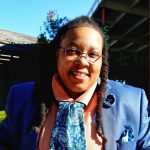
Sara-Stender-DelaneySilverback Beverage was created by Sara Stender Delaney, a global activist, and social entrepreneur. She is a working mother in Asheville, NC, who was looking for more healthy but fun nonalcoholic options in the land of a thousand breweries. She began experimenting with her looseleaf tea at home and had an idea to carbonate the cold brew. sarilla_full-logo

She sought out more skills and launching ground at the Craft Beverage Institute of the Southeast. Sara put her passion, skills and determination into accomplishing a quality product for the beverage industry. She launched Silverback on Tap™ at the September 2017 Asheville Coffee Expo and started to work with a local area brewery.

Sara is driven by a larger mission to serve humanity and to identify empowering solutions to global problems. Since first learning about the 1994 Rwandan Genocide, she has been inspired by the courage of Rwanda and sought out to live there, knowing it would be fertile soil for identifying her calling. She spent almost a year working with people who had lost loved ones during the genocide, managing a restaurant that served as a hands-on training facility for survivors.

For a deeper look at our company roots and Sara’s commitment to this work, check out our press page and learn more about her personal journey in her 15-minute Ted Talk.

Before Silverback Beverage, Sara founded the nonprofit organization Africa Healing Exchange (AHE), established to assist Rwandan Genocide survivors with trauma healing.

Today the organization operates a 3-part program designed for global replication: Heal – Connect – Sustain. AHE is in the process of opening up virtual services to anyone in the world for greater access to resiliency.

Connect with Sara on LinkedIn.

Transcript

Intro: [00:00:04] Broadcasting live from the Business RadioX studios in Atlanta, Georgia, it’s time for GWBC Radio’s Open for Business. Now, here’s your host.

Lee Kantor: [00:00:18] Lee Kantor here. Another episode of GWBC Open for business. And this will be a good one. Today, we have with us Sara Stender Delaney. And she is with 3 Mountains. Welcome, Sara.

Sara Stender Delaney: [00:00:29] Thank you so much. Good morning.

Lee Kantor: [00:00:31] Well, before we get too far into things, tell us about 3 Mountains. What are you guys up to and who are you serving?

Sara Stender Delaney: [00:00:37] Yeah. Well, I am based in Asheville, North Carolina, where I’ve lived for, I guess, 13-14 years. I had the great opportunity to spend a year in Rwanda, which, for anyone who doesn’t know, is a small, landlocked country in East Africa about the size of Vermont but with many more people. And it was a dream come true. It changed my life. That was in 2009. And then, I launched 3 Mountains in 2016 with the effort of connecting artisans, and farmers, and producers in Rwanda with global markets, specifically for tea-based products.

Lee Kantor: [00:01:19] So, what kind of was the catalyst of saying, “Okay. First, let’s check out Rwanda,” and then, when arriving there saying, “Man, there’s something here that special, and let me plug in,” and really kind of become part of the community and really kind of start, I guess, adjusting your whole trajectory of your career and life?

Sara Stender Delaney: [00:01:42] Yeah, it was a really long and interesting process. I would say it started really in my early 20s. Probably about 10 years before I actually made it to Rwanda, I watched a documentary about the genocide of 1994. And there were women in the film talking about what they had experienced, and what they had lost, and more importantly, what they had overcome and how they were recovering. And it really, really got me thinking about my purpose and what I was here to do on this earth.

Sara Stender Delaney: [00:02:28] And it also helped me on my own personal healing journey. I had post-traumatic stress disorder myself, and I had experienced violence. And when I heard their stories, it just really, really resonated with me. And although I couldn’t imagine what they had experienced, I wanted to travel there one day and learn from them about this resiliency. And I was really inspired by their stories.

Sara Stender Delaney: [00:02:57] And so fast forward, somehow, I was presented the opportunity to run a business in Rwanda. I was, at that point, I guess, 30. And an American couple owned a business there called Heaven Restaurant. And it was a mission-driven organization with the intention of providing jobs and training for orphans who had lost their parents during the genocide and were now young adults. And they had to come to the states to have a baby. And so, I moved there, and ran their business, and kind of took care of things for a year. And the whole thing just completely changed my life. I was really inspired. I really felt at home there. It’s a very beautiful, safe, mountainous place. And the people are so welcoming.

Sara Stender Delaney: [00:03:54] And I got to know the tea while I was there. And I thought, when I go back to the States, there’s got to be more. I have to do something with Rwandans. It was such an amazing opportunity. And I would say before I even got into the tea, I was very driven to create more opportunities for people who had a history of trauma to access resources. I had the great privilege to access resources in this country. And so, we created a nonprofit foundation called Healing Exchange, ahe.org. And through that programming, we started offering services for trauma healing and, more importantly, for developing everyday resilience skills. And we’re still developing that today and creating a model that can be replicated around the world.

Sara Stender Delaney: [00:04:55] And then, from there, with greater mental health and emotional stability, it’s just only natural that we want to access economic freedom, and financial security, and self-reliance. And so, that’s how we started developing more business opportunities. And I created 3 Mountains as a catalyst to help do that for our partners in Rwanda but, also, for people in the US, and for myself and my own family. And so, we go beyond fair trade. We resource only premium, organic, fair trade tea. And we are actually creating our own herbal tea program called Ubuzima, which means total health for the family. And we have a healing garden project in Rwanda where we’re growing tulsi, holy basil, oatstraw, lemongrass and some other really amazing botanicals that we use in blends there but also I’ll be using in my 2021 recipes for our sparkling teas.

Lee Kantor: [00:06:06] So, prior to this work and kind of finding this purpose, were you an entrepreneur, or did you have a regular job, or you were always entrepreneurial, and then you were able to kind of have this experience, and then it kind of moved you more into maybe social entrepreneurship? How did that come about?

Sara Stender Delaney: [00:06:26] Yeah. I would definitely say I’ve always been entrepreneurial. I grew up in a small town in Vermont. And I don’t know if it was … I mean, because it was necessary to create your own businesses in the rural community I lived in, but I was surrounded by small business owners. My stepdad owned a home building and construction business, and he was a pioneer in the green building industry before it was so common. And so, I watched. It was kind of in my home. And I remember as a child, like I did the whole lemonade stand, but no one ever came because we lived like a mile from from any other houses. I mean, it was so remote. So, I would do other things.

Sara Stender Delaney: [00:07:19] I started a birthday planning business for busy parents when I was, I think, 12. I had like a jewelry company and little things like that. I was just always inspired to create things. But I also knew that, like, there was a deeper purpose here, that I couldn’t really imagine doing like kind of a basic 9:00 to 5:00. I like having the freedom. I love traveling. I just love the challenge of creating new things and then watching them grow.

Sara Stender Delaney: [00:07:58] And I studied Business in college in Boston. And I did start on a very traditional finance path. I worked for a bank in Boston my first year out of college. And so, I have done more kind of traditional jobs. But then, I quickly kind of merged and started my own Fairtrade Cafe Bistro back in Vermont in my early 20s. And then, I took a little break. And I absolutely love to ski. And I took a little break and worked for a ski area council and kind of bummed around. I spent a little time in Colorado. I’ve always been drawn to the mountains; hence, the company name 3 Mountains.

Sara Stender Delaney: [00:08:46] So, yeah, I’ve had regular jobs and I also had kind of the side gigs necessary to launch this company here in Asheville, and had some really great experiences with local organizations, and served as fundraising managers and consultants for different local area businesses and non-profits.

Lee Kantor: [00:09:10] Now, you mentioned early on, you had a lemonade stand. So, I guess that was your first foray into the beverage industry.

Sara Stender Delaney: [00:09:17] Good point.

Lee Kantor: [00:09:18] What made you think like, “Hey, I think I can do this beverage thing. Like there’s tea leaves here. I’ll figure this out”? I mean, like, it’s a big leap going from, “Hey, let’s kind of play on the stove and play around with things,” to the beverage industry is manufacturing. Like, there’s a lot of moving parts to that to scale it. How did that come about?

Sara Stender Delaney: [00:09:44] Yeah. I mean, ignorance is bliss. Like I am glad that I didn’t know what I know now because I probably wouldn’t have gotten into it. But I have no regrets, and I absolutely love what I do. And I mean, yesterday I spent most of the day in grocery stores checking on products, and checking with managers. And I just had this moment as I was walked in through a grocery store aisle, and I just had this thought like, “God, I love this business.” Like I love the consumer packaged good business. Like I love the grocery business. And 10 years ago, I don’t know, I really didn’t know much about it at all. So, it’s interesting that I’m at this point. And I’m just super grateful that I do love it. There’s, of course, aspects of it that aren’t always exciting or fun but, I mean, that’s just part of it, but yeah.

Sara Stender Delaney: [00:10:40] So, I stopped drinking alcohol when I was 28. So, 14 years ago. And I’m living in Asheville. I mean, breweries are just popping up left and right or they were. And it’s kind of a social thing to do. And so, yeah, I’ve always been looking at non-alcoholic options just for myself, and I try to live a healthy lifestyle. I don’t eat my sugar. I don’t want to drink a bunch of calories. So, there was that. There was that I wanted to create a beverage, which would not only be interesting for myself but I just know so many people who are trying to drink less alcohol but want something special and want something that’s healthy and they don’t feel guilty about it, but it could be like an everyday drink to.

Sara Stender Delaney: [00:11:37] So, kind of put that together with my exposure to all the tea farmers, and then really getting to know the tea leaves, and discovering this, This is like award-winning tea. This is not a charity product. This is like Rwandan tea is some of the best in the world. And why aren’t we seeing it in stores or even mentioned on labels? We’re starting to see like single origin Rwandan coffee here but, still, people are surprised. They don’t even know tea comes from Rwanda. East Africa actually produces 17% of the world’s tea. Most of it is from Kenya.

Sara Stender Delaney: [00:11:37] So, put all those things together. And then, I saw what a great social impact and economic impact we could make by sourcing ingredients directly from the farmers in Rwanda. And so, I’ve been working there for 10 years and have those relationships, and it all just came together. And then,studying the trends and studying opportunities in this country, it just all made sense. So, that’s how I decided to move forward with the business.

Sara Stender Delaney: [00:12:45] And I started slowly. I mean, I created my recipes myself. Yes, in my kitchen on the stove. But then, I thought, “Hmm, I wonder what would happen if we moved this kind of cold brew tea to like another level?” And I had some friends who own breweries, and I asked one of them if they would help me, if they would teach me how to keg, and carbonate it with me, and see what happened. And so, we just did some testing, and we did a small batch, and we did a little sort of like a feedback session with an event they had. And they had their beers, and then I had my little table over in the corner with my keg of my original recipe, and it was a huge hit. It might have been like 50 people who tried it that night, and it was beyond what I could have imagined for feedback.

Sara Stender Delaney: [00:13:44] And so, that was the moment when I thought, “Wow, this might actually be a marketable product.” But then, it was probably another year or even more that I decided to can it. Originally, I thought this is going to be a keg option for breweries to have a non-alcoholic choice on tap.

Lee Kantor: [00:14:04] And then, so at some point, you said, “Hey, let’s put it in cans and sell it to the consumer directly”?

Sara Stender Delaney: [00:14:12] Yeah. I mean, we did enough events and had enough feedback from breweries that it was taking off and growing in popularity. And I was feeling really, really confident about the flavor profile and formulation. And then, that was another big hurdle to finally get into cans and to get it shelf-stable without using artificial ingredients or preservatives. And that was probably the most stressful time is just that R&D period. Like, is this going to go? Is this going to be safe and shelf-stable? And can we keep it true to the original recipe?

Sara Stender Delaney: [00:14:56] And I had no idea how tough the grocery business was. I mean, I had no idea what it took to actually get into stores. And  so many people, we always hear, “Oh, you should. You should. Have you thought of this? Have you thought of that?” And so, yeah, it was probably two years ago. And people were like, “You should really get into the Whole Foods with this.” But I mean, I wasn’t even at the point where we had … well, we were still doing a small batch at a brewery. So, it’s been about six months. We’ve really, really scaled up and partnered with a new facility, and we’re able to do it in very large volume. And yeah, we’re just at another level now.

Sara Stender Delaney: [00:15:48] And I was telling someone yesterday, they were asking for advice, and I’m glad I’m at that point where I can offer some advice, but I still have a steep learning curve ahead. But now, I have people on our team who have been in this industry for a long time, and they know how to navigate it. And I’m really grateful for that help now, and to have a growing team. But I am glad that I had to learn myself because I do understand all the the steps that it takes. And I’m glad I didn’t just go full steam ahead two years ago and and hire everyone I needed to do the different things to get into UNFI, to go nationwide, to do all the marketing. I think I’m glad we did it kind of the slow route.

Lee Kantor: [00:16:36] Now, how did you kind of manage the funding of this? Is this self-funded or did you have investors?

Sara Stender Delaney: [00:16:43] And it’s a combination, yeah.

Lee Kantor: [00:16:46] So, now that part of the business is a whole other business. I mean, there’s so many moving parts to pull something like this off. It’s really an amazing achievement. Congratulations.

Sara Stender Delaney: [00:16:55] Oh, thank you. Yeah. I mean, every every business has a different fundraising and financing strategy and model. And I never bought into the … I had a lot of people warned me that it would be much more expensive than I thought. And I am an eternal optimist. And I am not a financially wealthy person. It wasn’t that I just had all this money to pour into something. I just had so much faith and so much trust. And I knew this thing was meant to be because the mission is so much bigger than me. It’s so much more than tea or a beverage. And I just knew the funds would show up as we needed them.

Sara Stender Delaney: [00:17:45] And I mean, that may sound so naive, but it’s worked for me. And I do also believe that you can grow a business with your revenue. And I do believe that every business has a different … I guess, it really depends on how fast you want to grow it. And like I said it, if I had decided to do that route of like, “Okay, we got to go all in, like so fast nationwide,” yes, it would have taken a lot more money than I had access to at the time. But I’ve also seen companies fail like that because they raise all this money, and they spend all the money, but they haven’t learned even who their customer is in that time. So, that’s kind of how we’ve done it to this point.

Lee Kantor: [00:18:31] So, now, who is your customer? Is it kind of grocery stores, and boutique gourmet shops, and restaurants? Like are you going direct to the consumer or combination?

Sara Stender Delaney: [00:18:42] Yeah. Well, I mean, the end user, I guess we’re still discovering is we want to say … I mean, when I used to do demos in advance, it seemed like everyone liked it, which is really hard sometimes because you want to know, like, who is our target demographic here? And so, I think, sometimes, that changes. I think, often, as founders or like recipe inventors, we tend to think our target demographic is someone just like us. Like it’s going to be female, like my age, into health and fitness, likes adventure, travel. But we’re still figuring that out because I will, sometimes, walk through a store and see people grabbing my drinks out of the fridge, and it’s not maybe who I thought.

Sara Stender Delaney: [00:19:28] And so, it’s definitely the healthier person, but not necessarily someone who is afraid of like one gram of sugar because I don’t think one gram of organic raw cane sugar is going to, like, throw me off of a certain type of diet, but I know that’s not for everyone. So, we do have calorie-free and sugar-free options as well. But I also think it’s the person who really looks behind the label in a brand, and they’re choosing a product for the flavor and the healthy ingredients, first and foremost, but they also want to know and trust that the brand is doing good things in the world. And especially now, where most of us are staying close to home and not really able to travel, I think we’re looking for ways to connect and give back in a really simple way. And so, for someone to know that can be done just by choosing our products is we make it easy for that.

Sara Stender Delaney: [00:20:40] But in terms of like our wholesale customer, that has shifted with COVID too. So, we are relying so much on restaurants or university campuses like we might have 10 months ago because those were channels we were growing in. And especially, I mean, the university demographic is a great one for us, but that’s been really up and down lately. So, yes, we’re putting in a lot of our resources and attention into building out the grocery channel, particularly the natural grocery. But even in conventional grocery, there is a very fast growing expansion in their natural sets. And then, we are launching an Amazon in three weeks. So, super excited for that.

Lee Kantor: [00:21:34] Now, you mentioned the importance of affiliating and becoming immersed in different communities, some of which are associations that have helped you in your growth. Can you speak a little bit about GWBC, and how that’s helped or supported your work?

Sara Stender Delaney: [00:21:53] Yeah, I am really grateful for the organization and the opportunities that it provides. And I guess it was last winter that I went through the process, and did the paperwork, and it was just a no-brainer to me to be part of this. I really think it’s important to support our fellow female entrepreneurs and other people in diversity. And it’s challenging. I mean, it’s a challenging business. And I would say in my industry, the beverage industry, grocery industry, it is very rare that I meet other women in the business, whether it’s like at a grocery store management level, at the buyer level, at the manufacturer’s CEO level, there just aren’t that many.

Sara Stender Delaney: [00:22:51] And I guess that’s changing but to have that recognition and to be able to use the WBENC logo and mark in our material. And then, lately, I’ve noticed more and more opportunities coming from, specifically, the grocery channel with requests for certified women businesses. And in some cases, even fees are reduced. So, that’s really helpful.

Sara Stender Delaney: [00:23:27] And I just think the more we can put this message and image on our products and our companies, the more we can inspire other young women or even girls who just don’t have that many role models but they see it, and they’re like, “Oh, wow, this is so cool. Like, this company is owned by a woman.” I mean, I can’t tell you how many times I go into a store even here in Western North Carolina, and I might be checking in products, and people think I’m an employee. And then, they see my name on the can, and they’re like shocked. And I don’t know if they’re shocked because it’s me or because I’m a woman, but it’s still a pretty strong reaction.

Lee Kantor: [00:24:12] Well, you saw growing up when you had a role model of an entrepreneur, and seeing kind of the ins and outs of that, how powerful it was for you in your path of it’s doable, it’s possible, it’s hard, but I can do this. And then, there you are now role modeling that same behavior to other girls and women that showed, “Hey, I’m doing it. It’s hard. It’s rewarding. I’m making a difference. You can do this too.” I mean, I think that the more the young people, especially, see role models that look like themselves, it’s important because that can change the trajectory of their life and career because they don’t know what’s possible until they see what’s possible a lot of the times. And the more they see that not only it’s possible, that there’s a lot of people doing this now, they can do it too, and they’ll take that leap, and they don’t have to feel like, “I have to get a job,” or “I have to sacrifice and settle for something, when there’s more out there, if I can dream bigger.”

Sara Stender Delaney: [00:25:15] Exactly, exactly. And I went to an all women’s college, Simmons College in Boston. And it’s funny. Just kind of like getting to Rwanda, I just felt so divine that I ended up there because I was looking at probably eight schools and none of them were all women. I never set out to be in an all women’s school. I mean, that was the last thing on my mind. But in the end, it was the best option. And in the end, it felt like a great fit. And I was still in Boston, lots to do. There were coed schools next door. But in the classroom, I just was so focused and surrounded by professors and other students who are so such great role models as well, and teaching things like female advantage and how to be a strong female leader. And so, that really was an amazing opportunity for me too that, again, I wouldn’t have set out to do, and it’s not for everyone, but I wish that kind of inspiration for every other woman and young girl.

Sara Stender Delaney: [00:26:24] Well, what could we be doing to help you? How can we help you get the word out, let people know this exists? You said you’re going to be partnering with Amazon shortly. Right now, is the beverages available through your website? Can anybody anywhere get it or do you have to be near you?

Lee Kantor: [00:26:41] Yeah, so we ship around the country and anywhere. It’s Drink Sarilla. So, drinksarilla.com. It’s made with our looseleaf tea, which is Drink Tima Tea, T-I-M-A. And both those places, you can purchase our products and sign up for our newsletter, which we send out very rarely but those are great ways to stay in touch. And then, I always like to connect with people on Instagram and Facebook. And we also are willing to send out samples to anyone if you can just try to cover shipping. We have product to give away right now. Because we can’t be in stores sampling, I would love to get free samples to your listeners.

Lee Kantor: [00:27:26] And if they go to drinksarilla.com, that’s the best website, right?

Sara Stender Delaney: [00:27:30] Yeah, because from there they can just link to our social or send us a direct message.

Lee Kantor: [00:27:35] And then, that’s D-R-I-N-K-S-A-R-I-L-L-A dot com?

Sara Stender Delaney: [00:27:41] Yes.

Lee Kantor: [00:27:42] Well, thank you so much for sharing your story today, Sara. You’re doing important work, and we appreciate you.

Sara Stender Delaney: [00:27:48] Thank you so much. I really enjoyed talking with you, and I appreciate your support.

Lee Kantor: [00:27:52] All right. This is Lee Kantor. We will see you all next time on GWBC Open for Business.

About GWBC

The Greater Women’s Business Council (GWBC®) is at the forefront of redefining women business enterprises (WBEs). An increasing focus on supplier diversity means major corporations are viewing our WBEs as innovative, flexible and competitive solutions. The number of women-owned businesses is rising to reflect an increasingly diverse consumer base of women making a majority of buying decision for herself, her family and her business. GWBC-Logo

GWBC® has partnered with dozens of major companies who are committed to providing a sustainable foundation through our guiding principles to bring education, training and the standardization of national certification to women businesses in Georgia, North Carolina and South Carolina.

Tagged With: 3 Mountains

BRX Pro Tip: Be Willing to Test Counter Intuitive Tactics

December 10, 2020 by angishields

TMBS E130: Technology Reshapes Workforce Training

December 9, 2020 by angishields

Tucson Business Radio
TMBS E130: Technology Reshapes Workforce Training
Loading
00:00 /
RSS Feed
Share
Link
Embed

Download file

The way we work has changed dramatically – and in some ways, permanently – over the last several months. Whether it’s learning new ways to communicate with colleagues and clients, being trained on new job functions in a completely different environment, or navigating career development while working remotely, this year’s rapidly changing circumstances have given workers around the world a lot to absorb – quickly. In the face of extraordinary change, technology has played a critical role in helping companies and their employees adapt. 

JOHN JORDAN 

John Jordan is the head of The Academy at Bank of America, an award-winning onboarding, coaching, and development organization, supporting more than 80,000 client-facing teammates across Bank of America’s Consumer & Small Business, Merrill, and Private Bank businesses.  

In his role, he is responsible for helping client-facing teammates develop the skills they need to grow their careers, be more productive, and meet the diverse needs of Bank of America’s clients. 


Tagged With: The Mark Bishop Show

Ingrid Curtis with Rural Sourcing

December 9, 2020 by angishields

Ingrid-Curtis-Rural-Sourcing
Learning Insights
Ingrid Curtis with Rural Sourcing
Loading
00:00 /
RSS Feed
Share
Link
Embed

Download file

Rural-Sourcing-logo

Ingrid-Curtis-Rural-SourcingAs COO for Rural Sourcing, Ingrid Curtis is responsible for realizing Rural Sourcing’s vision to provide US-based high quality IT outsourcing solutions through her management and oversight of all Rural Sourcing development centers.

Her responsibilities include leading and developing Rural Sourcing talent, client relationship management, ensuring the scalability and reliability of Rural Sourcing’s process and systems and strategically determining the next set of solutions for our clients. She is also responsible for establishing and ensuring consistency across the organization with respect to Rural Sourcing’s processes, values, and methodologies.

Ingrid brings an expansive knowledge of underlying computer systems and technologies, allowing her to contribute to all aspects of our application development and maintenance projects.

Ingrid is a graduate of Babson College, where she earned a B.S. in Business Management.

Follow Rural Sourcing on LinkedIn, Facebook and Twitter.

About Training Pros

Since TrainingPros was founded in 1997, they have been dedicated to helping their clients find the right consultant for their projects.

23 years later, they are proud to have helped hundreds of clients complete their projects and thousands of consultants find great assignments. Training Pros continues to focus on helping their clients and consultants as well as their community.

Follow Training Pros on LinkedIn, Facebook and Twitter.

Laura McGuire with Hipstik Legwear

December 9, 2020 by angishields

Hipstik-Legwear-logo
GWBC Radio
Laura McGuire with Hipstik Legwear
Loading
00:00 /
RSS Feed
Share
Link
Embed

Download file

Laura-McGuire-Hipstik-LegwearLaura McGuire, founder of Hipstik® Legwear, believes that women should not be squeezed and uncomfortable in tights and sheers.

She talked with many women to find out what they want in legwear – the resounding answer: comfort without sacrificing style!

Six years ago she created a legwear design that does not squeeze, dig, roll or sag. Hipstik is woman-owned and made my women in the USA in NC.

Follow Hipstik Legwear on LinkedIn, Facebook and Twitter.

Transcript

Intro: [00:00:04] Broadcasting live from the Business RadioX Studios in Atlanta, Georgia, it’s time for GWBC Radio’s Open for Business. Now, here’s your host.

Lee Kantor: [00:00:18] Lee Kantor here. Another episode of GWBC Radio, and we are Open for Business. And today, we have as a guest Laura McGuire, and she is with Hipstik Legwear. Welcome, Laura.

Laura McGuire: [00:00:30] Hello. It is a pleasure to be with you today.

Lee Kantor: [00:00:34] Well, I’m excited to learn all about Hipstik. Tell us what you’re up to, who you’re serving, and what are you doing for folks?

Laura McGuire: [00:00:41] Yes. So, we have an ecommerce website, and in 2020, it has never been more important to be online with your products. So, we have absolutely been open for business this entire year, serving customers by shipping their legwear right to their front door.

Lee Kantor: [00:01:00] Now, did you start as a brick and mortar or was this always kind of an online operation?

Laura McGuire: [00:01:06] We started online, and in talking with women who owned businesses who were brick and mortar first before 2020, they have definitely experienced the most change in their businesses this year moving online. But they all tell me that they are excited now to be online, that they’re so glad that that was the push that led them to get online. But we have always been online, so we were ready for this year and the challenges that we have faced.

Lee Kantor: [00:01:39] Now, tell us about kind of the back story, how did Hipstik start?

Laura McGuire: [00:01:43] Yeah. So, I am a professional woman, love to wear professional clothings, dress up, be stylish and fashionable. And I worked at Dillard’s in, around, 2003 or so and I was given the hosiery department to help service the customers there. They — work with. They would have rather been in shoes or handbag. So, I said I’ll take one for the team. I’ll be in hosiery.

Laura McGuire: [00:02:14] And while I was in that section, I had a very difficult time helping customers find a fit that they liked. It was always an awkward conversation because hosiery is sized by weight, which is just a very awkward way to size a product. And they would come to me like, “I’ve got to go to an event. I’ve got to have legwear for the event. But I really don’t want to purchase this.” And after years of being in that department and then trying to find comfortable legwear myself, I said there really is an outage in this category. There hasn’t been a whole bunch of innovation besides shapewear, which is the opposite of comfort in a lot of ways. And so, I said, you know what, after all these years, there has got to be a way to make a comfortable hosiery product. So, out of a pain point, that’s where Hipstik was born.

Lee Kantor: [00:03:14] So, now, had you done any kind of sewing or any knowledge about being a seamstress or you were just kind of making this up as you went along?

Laura McGuire: [00:03:26] Yeah, that’s the funny part, is that, entrepreneurs come into whatever comes to be from different levels and skill set. And where I came in was with the knowledge of how to launch products. I have a background in launching products at grocery, so I knew what it takes to build a brand, find an audience, and launch a product. I do not have a background in fashion. I don’t have a background in manufacturing. That’s the stuff that I learned along the way. And it’s interesting to talk with other female business owners of where their skill set started and then who they brought in to help them grow their business with the skill sets that they need.

Laura McGuire: [00:04:15] So, this was a situation where you saw there was a problem and there was, like, a space in the marketplace for something new and different and better. So, the actual product part kind of came secondarily. You saw the problem and you’re like, “Okay. I’m going to fit product in here that I think that’ll kind of fill this gap.”

Laura McGuire: [00:04:36] Yeah. I think a lot of entrepreneurs, they want to scratch their own itch and that’s what leads to a business. I don’t think a lot of entrepreneurs, unless you come from a family-owned business, I don’t think you wake up one day and say, “Hey, I want to start a business today.” I think, you really develop through life experiences, you are in these situations where you say things can be better and this product could be changed or this service, if you’re a service based business. There’s something that I could do differently to set myself apart and to really service my customer. And I think that’s where the passion comes from. And so, yeah, that’s how it began for me.

Lee Kantor: [00:05:24] So, now, when you had this idea and saw this problem to be solved, what were kind of those steps to test this theory that there really was a place in the marketplace for your product?

Laura McGuire: [00:05:35] Yes. So, I purchased – gosh – hundreds of different styles and brands from some of the top brands, and I bought pairs from Australia companies. And I just started trying on all kinds of different designs. And started leading myself to be able to have a conversation with other women so that it wasn’t just my opinions of what needed to change, but also where were their gaps that we could fill. So, we did a panel with women of all shapes and all sizes to ask them what were they looking for. And the resounding answer, I think it came back 40 percent when we did this survey years ago, that comfort was the word they were missing out on. So, that’s the one key attribute that I latched on to. I said, “Comfort, it’s a big deal. We got to figure out how to create a design that leads with comfort.”

Laura McGuire: [00:06:40] And so, we did consumer testing. They tried on the product. They gave me feedback. And that’s how we actually developed a new way to size hosiery. So, I had mentioned the weight shape chart or the weight chart is predominant in hosiery. And I discovered that it was quite flawed because people carry their weight in different places. And legwear is all about the legs, so, really it’s all about shape, and body shape, and your hips. And so, that’s where we developed a shape based sizing, so their shape paired with height versus that awkward conversation of the weight. And I have, today, less than one percent return rate, which I’m so proud of. Typically, apparel is around 40 percent. And I think that sizing and getting that right has really changed the fit for women and made it so super comfortable. And we’ve delivered on that thing that we really needed to fill the gap on, which was comfort.

Lee Kantor: [00:07:45] Now, being exclusively online, how did you kind of get people over the hump to feel comfortable trying something, maybe, that they hadn’t ever been sized in this manner and feel confident that they’re going to get what they want?

Laura McGuire: [00:07:59] Yeah, that’s a great question. And it really goes to educating the consumer. And in this world, video is so important. And sharing videos, sharing stories, sharing customer testimonials, and how women of all different shapes, how they understand the sizing chart and work through that sizing chart through real customer reviews and videos. So, we have such an opportunity online to tell so much more of a story than just if you walk through a store, you’ve just got that shelf presence. But online, we can really say so much more and there’s so much content to be developed there. So, that’s what we’ve really tapped into, is, asking our own customers to talk about their experience with Hipstik and talk about their size so that someone can visually see her on the screen and relate to her.

Lee Kantor: [00:09:03] Now, how did you kind of create that kind of a community where your customer wants to share?

Laura McGuire: [00:09:12] Yeah. So, really, if you put out authentic conversations, it really fuels just more conversation. So, I think in this category, it had just been made the same way and done the same way for so long that no one was having conversations about how to make it different, or how to innovate, or how to change it. And I find it’s so fun to hear our customers say to me, “Wow. That was my idea back in the ’90s when I had to wear these every day for work.” When I hear that, it makes me know that there was something that she knew was wrong and that I’m the one to help bring this to the market. So, that’s very special. And I think it’s being authentic and opening up these conversations about the reality of what’s going on, for whatever product you have, being honest and saying, “Hey, here’s something that we can change rather than just highlighting the best parts.” I think the community was built out of really highlighting here’s something that can be changed, and we are changing it, and we want you to be part of it.

Lee Kantor: [00:10:31] Now, any advice for the folks out there that are maybe launching their own thing and they’d like to build a community? Are there some kind of fundamental foundational steps that you have to do to get those first members to get an active, engaged community? Because I know a community is easier to deal with when it’s large and it’s kind of self-sufficient. But to create that escape velocity, to get it up and running is not like flipping a switch.

Laura McGuire: [00:11:02] That’s so true. And so, we used Kickstarter or crowdfunding to help really kick us off. And that group of people who were very excited about this change in this product, they really helped propel us forward. That group was just 100 women, who then told their friends, and their friends told their friends. So, using a marketing tool such as crowdfunding, or going to an event, or joining a group of women, anywhere where you can get to a place where it can snowball, that will really help you to build that community.

Laura McGuire: [00:11:47] Because you’re right, the voices of 100 women is so much louder than just the voices of myself alone or one or two people. So, even though we did not get funded in our Kickstarter campaign, I did not see it as a failure. I saw it as a total win that we had that group of women now that could try the product, give us feedback, and tell others, and share.

Lee Kantor: [00:12:16] Now, when you created this company and you started building the community around it, that’s an achievement by itself. So, kudos to you for doing that. How important was it for you to kind of create this kind of manufacturing opportunity in the United States?

Laura McGuire: [00:12:37] Yeah. So, I’m in North Carolina, and it was very important to me to be very close to my manufacturer. I wanted to have the ability to just hop in my car and go talk to them about a new product development, or talk to them about inventory, or how it was going. And so, it was 100 percent I was not going to launch the company unless I found a manufacturer in the United States, and even better in North Carolina. And I arrived at a manufacturer who’s only 90 minutes from my home base, which is perfect, we’re in the same state. And we can have those conversations. I thought that was so important. And I wanted to be, not only a woman-owned business to highlight that female founders and be part of that community, but I also wanted to be part of the group of companies that are manufacturing here right in the United States.

Lee Kantor: [00:13:38] Now, in your business, you have been kind of – immersing? – immersing yourself within that kind of female founder women business community. Why did you choose to kind of become a member of GWBC and really kind of get involved with other female founders? Why was that important to you?

Laura McGuire: [00:14:00] So, a woman that I used to work with, when she found out I was launching Hipstik, she said, “One of the first things you need to do is apply for GWBC.” And I put it on my to-do list and I investigated it. And it was a very rigorous application process, which going through it, it’s a lot to do. But the value of that is that, all GWBC members are authentically women-owned companies. They are very special companies. They have been vetted by that group of women in that home office. And it is a very special membership to be a part of.

Laura McGuire: [00:14:52] And just having the opportunity to meet with other women who are going through similar stages right in your home community is so special. And I would encourage any female-owned business to check in to GWBC, see what it’s all about, and ask questions of current members about the opportunities available to get involved. There are so many different ways to get involved from going on the website and learning, to actually attending events, back when you could attend events. And I’m sure they’ll be forthcoming in the coming years when we can get back to doing events. But all of that leads to amazing opportunities.

Lee Kantor: [00:15:41] Now, the support from the group is a value by itself. But has being a member of the group ever opened the doors for business for you? Were you able to kind of leverage some of the connections or entrees that they’re able to give to benefit your firm?

Laura McGuire: [00:15:58] Yes. I have an amazing story, and it’s one of the most special things that has happened since founding the Hipstik brand. So, I signed up to be an ambassador or a host at one of the events, which meant that I helped out, I served, I opened the door. There were about five of us who did that. And anyone can sign up to be part of that and you get a free ticket to the event, which was great. It got my feet wet to start events. So, while I was being a host – this was during a luncheon – everyone had sat down at the table and there was an empty spot that I saw across the room. All of the other hosts had sat down, so I said, “Okay. I guess that’s my seat. That’s where I’m going to go sit,” so I went over.

Laura McGuire: [00:16:57] And while the speaker was talking, she said, “Look to the person on your right and say hello and tell them where you’re from.” I happen to have sat down next to a representative from Macy’s department store. It was a serendipitous moment. I got to share with her my story. Macy’s was actually a retailer that I really wanted to get an opportunity with. And just by sitting next to her, that open spot, Hipstik, a couple of months later, we were on shelves at Macy’s. Which was a huge opportunity for the business and something that I never would have gotten that opportunity to meet that lady and speak with her had that not happened. So, that was so neat. And those are the kind of things that just happen together with other women and you put yourself into opportunities like GWBC.

Lee Kantor: [00:17:56] And that’s a great example for young people out there that are listening, that joining an organization is important. And everybody knows that. But you have to get involved. You raised your hand and said, “I want to volunteer. I want to serve as well. I’m not just here to take. I’m here to give.” And then, serendipity worked out for you and it went your way. I mean, you can’t control that part, but you can control the leadership skills you demonstrated by showing up and working that event. So, kudos to you, you earned that. And it may seem like an accident, but you did a lot of work to make that accident happen.

Laura McGuire: [00:18:39] Thank you. Yeah. I have to pinch myself that that actually happened, but it actually did.

Lee Kantor: [00:18:45] So, now, what do you need more of? How can we help you?

Laura McGuire: [00:18:49] Well, I would love for listeners to visit my website and see if the Hipstik design is right for you and something that your wardrobe has been missing for all these years. I am at hipstik.com, that’s H-I-P-S-T-I-K.com. And if you contact me through the website or use any form of contact through the website, that’s going to be me on the other side. I’m very hands on. I answer the emails. Or if you text me, that’s me. So, I can help with sizing, any questions. Also, wholesale opportunities. So, if you’re interested in that, if you’re a boutique owner, or if you’re a shop owner, I would love to speak with you that way. And then, we’re on all the social media channels. So, I look forward to visiting hipstik.com and reaching out to me. I’d love to meet you.

Lee Kantor: [00:19:40] All right. Well, Laura, thank you so much for sharing your story today. You’re doing important work and we appreciate you.

Laura McGuire: [00:19:46] Thank you for having me on. It was really fun.

Lee Kantor: [00:19:49] All right. This is Lee Kantor. We’ll see you all next time on GWBC Open for Business.

About GWBC

The Greater Women’s Business Council (GWBC®) is at the forefront of redefining women business enterprises (WBEs). An increasing focus on supplier diversity means major corporations are viewing our WBEs as innovative, flexible and competitive solutions. The number of women-owned businesses is rising to reflect an increasingly diverse consumer base of women making a majority of buying decision for herself, her family and her business. GWBC-Logo

GWBC® has partnered with dozens of major companies who are committed to providing a sustainable foundation through our guiding principles to bring education, training and the standardization of national certification to women businesses in Georgia, North Carolina and South Carolina.

TMBS E129: Leigh-Margaret Stull -Career Builder

December 9, 2020 by angishields

Tucson Business Radio
TMBS E129: Leigh-Margaret Stull -Career Builder
Loading
00:00 /
RSS Feed
Share
Link
Embed

Download file

WHAT JOB SEEKERS AND RECRUITERS CAN EXPECT AS WE LOOK TO 2021. What is changing, what is staying the same, and how to best navigate the job market in the New Year. 

Leigh Margaret Stull discuses the following: 

  •  What industries/roles are showing job growth  
  • How data continues to empower tech in hiring 
  • Ways in which recruiters can tap into AI tools for more efficient results 
  • The need for companies to build diverse pipelines and address racial disparities 
  • The shift from title-based searching to skill-based searching 

About Leigh-Margaret Stull: 

Leigh-Margaret Stull is Chief Product Officer at CareerBuilder.  

A data-driven leader within the talent acquisition industry, she leads the strategy, R&D and execution of product innovations that drive performance improvements on behalf of recruiters and candidates.  

She also oversees CareerBuilder’s global marketing strategy, elevating the company’s profile as a partner well-positioned to meet the needs of job seekers and employers building the workforce of the future.  

BACKGROUND: 

The New Year is quickly approaching and, as we look to 2021, many Americans have found themselves in the job market.  

The skills gap has led to employers more frequently asking candidates, “Can you do it?” vs. “Have you done it?”, driving up the importance of job seekers listing skills on their resume in addition to experience.  

Candidates will continue to demand greater flexibility from employers in support of desired work-life balance with companies needing to adjust and promote their company culture. Candidates increasingly look for employers with strong commitment to diversity and inclusion. Successful companies will embrace technology and hiring processes that support efforts to attract, retain, and promote a diverse workforce.  

 For more information, please visit: www.CareerBuilder.com 


Tagged With: The Mark Bishop Show

TMBS E128: Sherman Joyce, COVID-19 Exacerbates Lawsuits

December 9, 2020 by angishields

Tucson Business Radio
TMBS E128: Sherman Joyce, COVID-19 Exacerbates Lawsuits
Loading
00:00 /
RSS Feed
Share
Link
Embed

Download file

COVID-19 Exacerbates Lawsuit Abuse in Nation’s Judicial Hellholes 

Sherman “Tiger” Joyce, President of American Tort Reform Foundation

Graduate of Princeton University and Catholic University Law School, he served as Legislative Assistant to U.S. Senator John C. Danforth until 1984. In 1987, after being admitted to the Virginia Bar, he became minority counsel to the Senate Committee on Commerce, Science, and Transportation, where he worked on product liability legislation. Mr. Joyce assumed his current position in August 1994.


For those listeners that are not aware, Judicial Hellholes have been deemed the most unjust local courts and state civil justice systems in the country and from my understanding, the Judicial Hellholes report digs into several concerning trends in the civil justice system and specifically highlights the surge of COVID-19 lawsuits.

It also explains the increase in artificially inflated damage amounts, called phantom damages, spurred by medical finance companies and trial lawyers issuing letters of protection to medical providers as a sort of “insurance” that they’ll be paid after a personal injury trial.

In spite of the pandemic, Judicial Hellholes pushed forward, allowing trial lawyers to continue abusing the civil justice system. Several state AGs took a more activist approach in their offices and expanded the applicability of public nuisance laws to envelop new societal issues. In Judicial Hellholes, they attempted to regulate various industries through litigation, abused laws meant to protect our most vulnerable by filing frivolous claims under the Americans with Disabilities Act, allowed outside parties to fund lawsuits, and awarded outrageous, high-dollar verdicts.

The total cost of the U.S. tort system is approximately $373.1 billion as of 2019. The Judicial Hellholes report highlights costs and inefficiencies in the tort system. At a local level, these costs result in job loss, personal income loss, and state revenue loss due to the excessive tort costs in the states. The data demonstrates the need for a more balanced civil justice system.  

ABOUT AMERICAN TORT REFORM FOUNDATION (ATRF):

ATRF is a District of Columbia nonprofit corporation, founded in 1997. The primary purpose of the Foundation is to educate the general public about how the American civil justice system operates; the role of tort law in the civil justice system; and the impact of tort law on the private, public, and business sectors of society.

It is a sister organization of the American Tort Reform Association (ATRA). Founded in 1986, ATRA is a nonpartisan, nonprofit organization and is the nation’s first organization dedicated exclusively to reforming the civil justice system through education and legislative enactment. 

ATRA acts as a nationwide network of state-based liability reform coalitions backed by 142,000 grassroots supporters. 

ATRA works to bring greater fairness, predictability, and efficiency to America’s civil justice system.

Those efforts have resulted in the enactment of state and federal laws that make the system fairer for everyone. 

 For more information go to JudicialHellholes.org 


Tagged With: The Mark Bishop Show

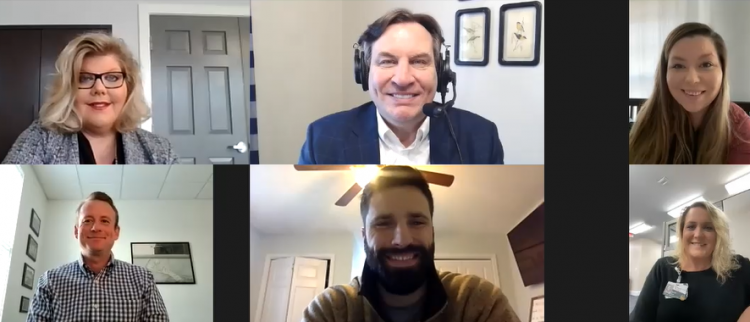
Rome Floyd Chamber Small Business Spotlight – Virginia and Spencer Brewer with Lavender Mountain Hardware, and Ian Griffin with V3 Magazine

December 9, 2020 by angishields

RomeFloydChamber
BRX National
Rome Floyd Chamber Small Business Spotlight - Virginia and Spencer Brewer with Lavender Mountain Hardware, and Ian Griffin with V3 Magazine
Loading
00:00 /
RSS Feed
Share
Link
Embed

Download file

2020-12-8 Rome Floyd Chamber Small Business Spotlight

Tagged With: Ian Griffin, Jeanne Krueger, Lavender Mountain Hardware, Rome Floyd Chamber, Rome Floyd Chamber of Commerce, Rome Floyd County Business, Rome Floyd Small Business Spotlight, Spencer Brewer, Thomas Kislat, V3 Magazine, Virginia Brewer

Lisa Apolinski with 3 Dog Write

December 9, 2020 by angishields

3-Dog-Write-logo
GWBC Radio
Lisa Apolinski with 3 Dog Write
Loading
00:00 /
RSS Feed
Share
Link
Embed

Download file

Lisa-Apolinski-3Dog-WriteLisa Apolinski is the CEO of 3 Dog Write, a digital consulting agency. She works with businesses who want to accelerate revenue and take market share using digital means. In the last eight years, she has helped her clients create nearly $1 billion in revenue growth.

Her first book, Weathering The Digital Storm, is used by businesses globally to fortify their digital growth strategies in unpredictable times. Her latest book, Persuade With A Digital Content Story, will be available on Amazon in the coming weeks. Because of her thought leadership on digital engagement, she has been dubbed “America’s Digital Content Futurist”.

Connect with Lisa on LinkedIn

Transcript

Intro: [00:00:04] Broadcasting live from the Business RadioX studios in Atlanta, Georgia, it’s time for GWBC Radio’s Open for Business. Now, here’s your host.

Lee Kantor: [00:00:19] Lee Kantor here. Another episode of GWBC Open for Business. And this is going to be a good one. Today, we have with us Lisa Apolinski with 3 Dog Write. Welcome, Lisa.

Lisa Apolinski : [00:00:29] Thank you, Lee. It’s awesome to be on your show.

Lee Kantor: [00:00:32] Well, before we get too far in things, tell us about 3 Dog Write. How are you serving folks?

Lisa Apolinski : [00:00:37] Sure. So, we are a full-service digital consulting agency. And in a nutshell, we work with businesses who want to accelerate revenue and take market share using digital means. And that is clearly a hot topic of today. It’s the fastest way to get to people. And in some cases, it’s the only way to get to people since we’re all staying at home and trying to be safe and healthy.

Lee Kantor: [00:01:07] So, how did you get into this line of work?

Lisa Apolinski : [00:01:11] So, I come from an entrepreneurial family. My father and mother owned a drug store many years ago. And I remember when they actually purchased it, I was around four or five. And just working in the store with my dad, and seeing how he built his business and the things that he worked on and one of his, really, guiding principles was to have conversations. So, the art of conversation and talking to people one on one to understand their needs and their wants.

Lisa Apolinski : [00:01:58] I have been doing digital marketing since digital became a thing. I, actually, was trained in traditional marketing and started to segue into digital. And I feel like I have kind of the best of both worlds. I understand how traditional marketing works and how conversation works in a traditional setting, and then being able to relay that into the digital world and having digital conversations, which is huge right now, digital content, and just being able to connect with your audience in a unique way and showing up in a way that allows them to tell their story to you.

Lee Kantor: [00:02:44] So, now, why don’t you share an example about how maybe somebody who was great at marketing in person, when there was in person, and they’re doing a great job, maybe branding in person, and how they can kind of leverage those skills to kind of enter the digital content realm.

Lisa Apolinski : [00:03:05] Yeah, absolutely. So, if you think about storytelling, you think about when you were growing up as a child, even having stories read to, if I said once upon a time, you get your blanket, you’re ready to go with your hot cocoa. Our brains are hard wired for stories. And everyone’s story matters. The issue or the trip-up that I see clients do is the way that they develop their stories and how they cast their audience versus themselves.

Lisa Apolinski : [00:03:46] If you think about a story, you really have three main characters, right? You have the hero. You have the nemesis. That’s the person that’s preventing the hero from getting what he or she wants. And then, you have your mentor character. That’s true in books and movies. Think about Harry Potter, Karate Kid, all those stories are structured in that way. What I’ve seen clients do is they choose the hero role for themselves. And if they do that, the only other role that really their audience can show up in, which would be their client or their prospect, is the role of damsel in distress.

Lisa Apolinski : [00:04:29] If they put themselves as Superman, their audience shows up as Lois Lane. There’s so much more power and longevity if they take the mentor role, so they become, let’s say, Mr. Miyagi in the story, and they allow their audience to become Daniel San. It really breeds a couple of things. It gives the audience control over their situation, which, as you know, right now, nothing is in our control. With the pandemic, with the global recession, with everything that’s happening in politics, it feels like nothing is within our control. If you can show up to help your client, your customer, your audience have tools to be in control, that’s number one in my book.

Lisa Apolinski : [00:05:19] And number two, it allows them to have something that a lot of stories are missing and that is hope. Hope will outlast anything else that’s out there, and hope is self-generating. If you can allow your audience to feel hope that they, somehow, with these skills, with these tools and with your guidance can get to where they are now to where they need to go, that’s something that they will take with them. And those will become repeat customers, no doubt about it.

Lee Kantor: [00:05:55] So, then, your clients or folks out there would be better served rather than talking about me, me,  look how great I am, they should be talking about kind of thought leadership and knowledge on helping their clients get what they want?

Lisa Apolinski : [00:06:13] Absolutely. And they can tell a story about what they’ve done for someone in a similar situation. You can say, “Let me tell you about this client that I have that had the same problem as you, and the tools that they gained from our interaction to be able to get from where you are now, which is where they are, to where they ended up, which was a successful endeavor.” That’s what people want to see. They want to envision themselves in that story that you’re telling them and say, “Well, so-and-so could do it. I can do it too.”

Lee Kantor: [00:06:52] So, then, you think it’s a mistake for folks to be out there maybe on social media or in any digital platform talking about them? More time has to be spent on talking about what their clients are doing and how the clients are succeeding rather than themselves.

Lisa Apolinski : [00:07:09] Right. And it’s a paradigm of showing up to solve rather than sell. I actually did an article in LinkedIn right when this pandemic hit that before, when we had all sorts of economic prosperity, and it was like spring in the Serengeti, and there’s water everywhere, and food and great supply, and you have this very superficial relationship with your audience, with your customers, you were providing something and you were getting money in return. You were selling and getting compensated. That is a very short-term strategy.

Lisa Apolinski : [00:07:51] We are now in the middle of … The water has dried up, and there’s very few resources on the ground, and scarce food. And that’s when it’s almost feels counterintuitive that you actually want to show up to solve and to provide something without really expecting anything back. You’re showing up because you want to see your audience, and your customers, and your prospects actually succeed, and you have the tools that will help them get there.

Lisa Apolinski : [00:08:28] So, it’s just shifting the mindset into how can I solve the issue that you’re dealing with now versus how can I sell you something with features and benefits? And one of the real big reasons that I’m a huge proponent of this is a lot of other companies are still in selling mode and me-too strategies do not work. If you can show up in a different way, you will absolutely attract those customers and prospects to you because that’s what they’re looking for. They’re looking for someone to help them solve their problems, not just sell them things that may or may not work.

Lee Kantor: [00:09:12] So, in your business, do you have a niche that you serve?

Lisa Apolinski : [00:09:17] So, because of my kind of ridiculous background, I have worked in retail, pharmaceutical, manufacturing, professional services. I worked the gamut of industries. So, our industry is very wide. Our expertise is very wide in that regard, but we look for clients, typically, Fortune 500 or 100 companies that are looking to kind of launch out of this paradigm that they’re in right now, and move into this new digital paradigm, and to be able to show up in a different way, and see almost immediate results. I mean, it’s kind of amazing. And at the same time, it’s quite expected.

Lee Kantor: [00:10:16] So, you’re looking to meet the chief marketing officer of Fortune 500 companies? That’s your prospect?

Lisa Apolinski : [00:10:23] Chief marketing officer. I have conversations with CEOs all the time helping them to understand how to use digital in several aspects of their business, whether it’s operations, IT, sales, marketing, customer service, the whole gamut. We talk to just C-level individuals, definitely.

Lee Kantor: [00:10:51] And then, the conversation you’re having with them is how to leverage this type of storytelling and more authentic conversations rather than kind of pitchy, pitchy, pitchy stuff?

Lisa Apolinski : [00:11:02] Yes. And I have a motto that you should not do random acts of content. A lot of times, companies … And I mean, this can be anybody from a small organization to a very large one, they believe, as long as I put content out, that’s all that matters. And it’s not about quantity; it’s about quality, and it’s about having that digital storytelling aspect, and understanding what is it that you’re trying to achieve with your content.

Lisa Apolinski : [00:11:39] Now, I know that everyone would say, “Well, I want to make more money.” That’s great, but there has to be an interim spot of what you’re hoping to achieve with your content. Are you hoping to transform banking, so that people feel empowered to handle their own finances? Are you looking to educate and bring best-in-class solutions to the retail space or the healthcare space? Are you looking to educate and empower your customers, so they make the best decision for the solutions that are out there?

Lisa Apolinski : [00:12:23] There should be a mission statement of what your content does, and that mission statement will drive the type of content that you create, and it will really help you to pick what type of content really fits in with this. It’s very easy to start backsliding and going into that selling mode, and features, and benefits. And if you constantly look at your content mission statement, it will help you to really align with that and give you new ideas of how can I show up to really inspire, educate and empower my audience.

Lee Kantor: [00:13:08] Well, it sounds like these kind of authentic digital storytelling techniques are an important way to differentiate yourself in today’s world. Like you said, it’s very chaotic, there’s a lot of change happening all at one time. So, this level of authenticity becomes a very important point of differentiation.

Lisa Apolinski : [00:13:29] Absolutely, absolutely. And it’s also allowing you to create something new. I mean, if you think about digital engagement, there’s a lot of the same old, same old out there. And if you actually show up in a different way, you’re moving away from your competitors, you’re creating this new space, and that absolutely will attract the right clients in. And I mean, imagine creating something new where competitors aren’t part of the equation, pricing isn’t part of the equation. It’s really about solving problems.

Lee Kantor: [00:14:07] Well as part of the growth of your organization, you decided to become a certified women-owned business. Why was it important for you to get certified? And why was GWBC an important part of your team?

Lisa Apolinski : [00:14:22] So, being certified as a woman on business, I felt really differentiated my agency from others. Showing the power that women bring to business, and this is becoming more and more apparent. There’s actually been studies shown that women on boards can increase the profitability of a company by as much as 40%. Women bring a different perspective into the equation. And I think it really ties into this idea of solving. Women inherently look at how they can solve and help versus just selling. And for me, the GWBC, some of their guiding principles, really resonated with the DNA of the agency that I’ve created. I started my agency in 2012. And the idea of collaboration and investment in community are two huge factors for me and why GWBC is really an amazing organization and, absolutely, something to consider being part of if you are able to become certified as a woman-owned business.

Lee Kantor: [00:15:45] Now, talk a little bit about why you decided to become an author and writing books. Why was that part of kind of the way you differentiate yourself from others?

Lisa Apolinski : [00:15:57] So, yeah. So, I had received a book from a very good friend, Ways to Grow Your Consulting Business. And one of the authors, Henry DeVries, is a huge baseball nut, and I am a huge baseball nut. I’m not as out there as Henry. I love him. He’s almost visited every single ballpark in the United States. I would love to do that to see a game at every single ballpark. But one of the things he had on there is if you’re ever in Oceanside, call me and let’s go for a coffee. And I was going to be in Oceanside, California, so I took him up on his offer in the book.

Lisa Apolinski : [00:16:41] And I sat down with him. And my goal of the conversation was to understand his story. I wanted to know what he did and how he grew his his business because that’s what I wanted to do. And a 45-minute coffee turned into a three-hour conversation. And he said to me, “You really need to write a book.” And I was like, “Oh, no. That sounds awful.” I write every day, I do content every day, but actually sitting down and writing a book sounds terrible. And what I possibly have to say? And he was like, “No, no, no. You need to write a book.”

Lisa Apolinski : [00:17:24] Henry DeVries has a publication house, and we started to talk, and I was like, “Okay. Let me see how that goes, and let me try my hand at it.” And my first book was published in 2019 called Weathering the Digital Storm. I knew something was coming down the horizon and I wanted to make sure my clients were ready and had their digital house in order. And my first book has been well received, and it’s used internationally by CEOs in organizations all around the world.

Lisa Apolinski : [00:18:03] And when the pandemic hit, I was starting to talk about my second book, and it really just dovetailed perfectly into what’s happening in the world today and the idea of getting in front of your audience using digital means and digital content because, as we know, that’s the fastest way to do it. And digital content has the lowest cost to enter. You can do it yourself and post things, and it’s just your time and your thoughts putting your content out. But I want to make sure that people, again, were not doing random acts of content, that their digital content was doing what it’s supposed to do, which is to touch, move and inspire your audience.

Lisa Apolinski : [00:18:55] And Henry and I have just finished our second book, Persuade With a Digital Content Story. It’s actually coming out a week or two. And I love this book. I mean, I read it several times, obviously, for editing. And every time I read it, I’m like, “Oh, yeah. That’s a really good point.” And even I kind of refresh myself with it. And it is a business guide with formula on how to create your digital content story.

Lisa Apolinski : [00:19:27] I am a huge believer in repeatability. If you can get a process down and it’s repeatable, it makes it faster, it makes it more efficient and it reduces cost. And if you can get your digital content story formula down – and I include that in the book – really, as far as I’m concerned, the sky’s the limit for you. Use the book, apply the strategies, and you’ll be amazed at the type of results you get and the revenue that shows up.

Lee Kantor: [00:20:02] Now, if somebody-

Lisa Apolinski : [00:20:03] Even in the pandemic.

Lee Kantor: [00:20:05] Well, I would imagine, especially in the pandemic, everybody’s in front of their screens. So, this is the perfect time to be doing that kind of work.

Lisa Apolinski : [00:20:12] Absolutely, absolutely.

Lee Kantor: [00:20:14] Now, if somebody wanted to learn more, have a more substantive conversation with you or somebody on your team, what’s the best coordinates, website, social, et cetera?

Lisa Apolinski : [00:20:22] Sure. So, they can visit my website at 3dogwrite.com. It’s the number 3, dog, D-O-G, write, W-R-I-T-E dot com. Or they can send me an email at lisa@3dogwrite.com It’s the fastest way to get a hold of me. And I love talking about the stuff. I am happy to chat with anyone about what they’re doing, and how it’s going, and any kind of guidance I can give them. Even if they don’t become a client, I really want to see digital content being transformed into true storytelling where people feel that hope coming through the content that you create.

Lee Kantor: [00:21:07] Good stuff. Well, thank you so much for sharing your story today.

Lisa Apolinski : [00:21:11] Thank you, Lee. This is a lot of fun.

Lee Kantor: [00:21:14] All right. This is Lee Kantor. We’ll see you next time on GWBC Open for Business.

About GWBC

The Greater Women’s Business Council (GWBC®) is at the forefront of redefining women business enterprises (WBEs). An increasing focus on supplier diversity means major corporations are viewing our WBEs as innovative, flexible and competitive solutions. The number of women-owned businesses is rising to reflect an increasingly diverse consumer base of women making a majority of buying decision for herself, her family and her business. GWBC-Logo

GWBC® has partnered with dozens of major companies who are committed to providing a sustainable foundation through our guiding principles to bring education, training and the standardization of national certification to women businesses in Georgia, North Carolina and South Carolina.

d follow 3 Dog Write on Facebook.

  • « Previous Page
  • 1
  • …
  • 343
  • 344
  • 345
  • 346
  • 347
  • …
  • 1320
  • Next Page »

Business RadioX ® Network


Our Most Recent Episode

CONNECT WITH US

  • Email
  • Facebook
  • LinkedIn
  • Twitter
  • YouTube

Our Mission

We help local business leaders get the word out about the important work they’re doing to serve their market, their community, and their profession.

We support and celebrate business by sharing positive business stories that traditional media ignores. Some media leans left. Some media leans right. We lean business.

Sponsor a Show

Build Relationships and Grow Your Business. Click here for more details.

Partner With Us

Discover More Here

Terms and Conditions
Privacy Policy

Connect with us

Want to keep up with the latest in pro-business news across the network? Follow us on social media for the latest stories!
  • Email
  • Facebook
  • Google+
  • LinkedIn
  • Twitter
  • YouTube

Business RadioX® Headquarters
1000 Abernathy Rd. NE
Building 400, Suite L-10
Sandy Springs, GA 30328

© 2025 Business RadioX ® · Rainmaker Platform

BRXStudioCoversLA

Wait! Don’t Miss an Episode of LA Business Radio

BRXStudioCoversDENVER

Wait! Don’t Miss an Episode of Denver Business Radio

BRXStudioCoversPENSACOLA

Wait! Don’t Miss an Episode of Pensacola Business Radio

BRXStudioCoversBIRMINGHAM

Wait! Don’t Miss an Episode of Birmingham Business Radio

BRXStudioCoversTALLAHASSEE

Wait! Don’t Miss an Episode of Tallahassee Business Radio

BRXStudioCoversRALEIGH

Wait! Don’t Miss an Episode of Raleigh Business Radio

BRXStudioCoversRICHMONDNoWhite

Wait! Don’t Miss an Episode of Richmond Business Radio

BRXStudioCoversNASHVILLENoWhite

Wait! Don’t Miss an Episode of Nashville Business Radio

BRXStudioCoversDETROIT

Wait! Don’t Miss an Episode of Detroit Business Radio

BRXStudioCoversSTLOUIS

Wait! Don’t Miss an Episode of St. Louis Business Radio

BRXStudioCoversCOLUMBUS-small

Wait! Don’t Miss an Episode of Columbus Business Radio

Coachthecoach-08-08

Wait! Don’t Miss an Episode of Coach the Coach

BRXStudioCoversBAYAREA

Wait! Don’t Miss an Episode of Bay Area Business Radio

BRXStudioCoversCHICAGO

Wait! Don’t Miss an Episode of Chicago Business Radio

Wait! Don’t Miss an Episode of Atlanta Business Radio