Business RadioX ®

  • Home
  • Business RadioX ® Communities
    • Southeast
      • Alabama
        • Birmingham
      • Florida
        • Orlando
        • Pensacola
        • South Florida
        • Tampa
        • Tallahassee
      • Georgia
        • Atlanta
        • Cherokee
        • Forsyth
        • Greater Perimeter
        • Gwinnett
        • North Fulton
        • North Georgia
        • Northeast Georgia
        • Rome
        • Savannah
      • Louisiana
        • New Orleans
      • North Carolina
        • Charlotte
        • Raleigh
      • Tennessee
        • Chattanooga
        • Nashville
      • Virginia
        • Richmond
    • South Central
      • Arkansas
        • Northwest Arkansas
    • Midwest
      • Illinois
        • Chicago
      • Michigan
        • Detroit
      • Minnesota
        • Minneapolis St. Paul
      • Missouri
        • St. Louis
      • Ohio
        • Cleveland
        • Columbus
        • Dayton
    • Southwest
      • Arizona
        • Phoenix
        • Tucson
        • Valley
      • Texas
        • Austin
        • Dallas
        • Houston
    • West
      • California
        • Bay Area
        • LA
        • Pasadena
      • Colorado
        • Denver
      • Hawaii
        • Oahu
  • FAQs
  • About Us
    • Our Mission
    • Our Audience
    • Why It Works
    • What People Are Saying
    • BRX in the News
  • Resources
    • BRX Pro Tips
    • B2B Marketing: The 4Rs
    • High Velocity Selling Habits
    • Why Most B2B Media Strategies Fail
    • 9 Reasons To Sponsor A Business RadioX ® Show
  • Partner With Us
  • Veteran Business RadioX ®

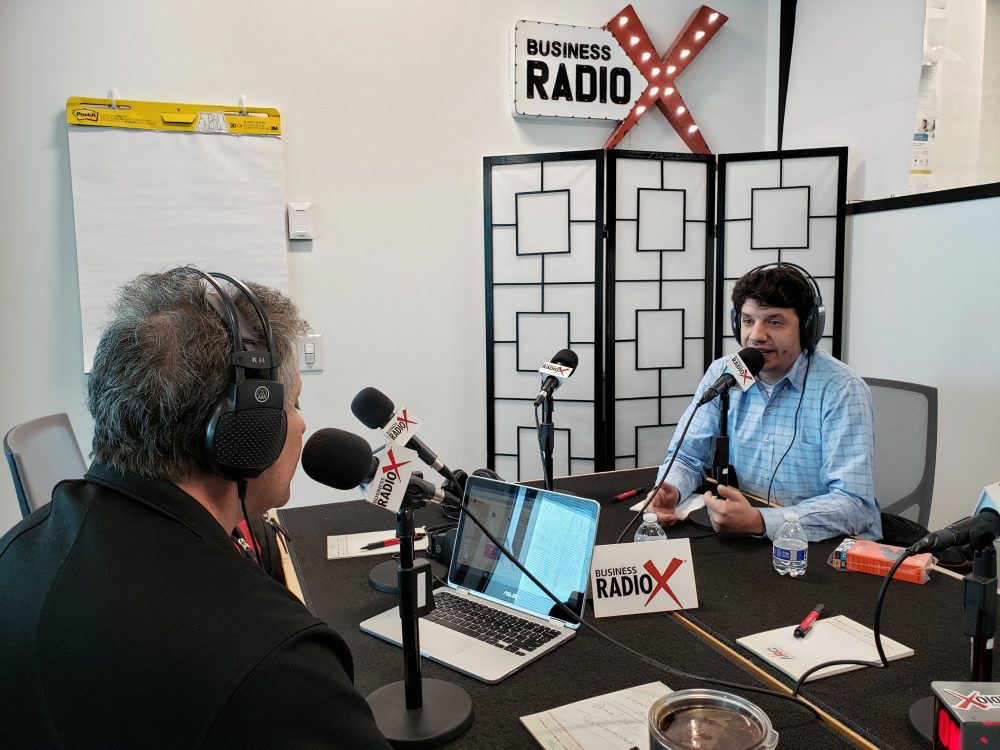
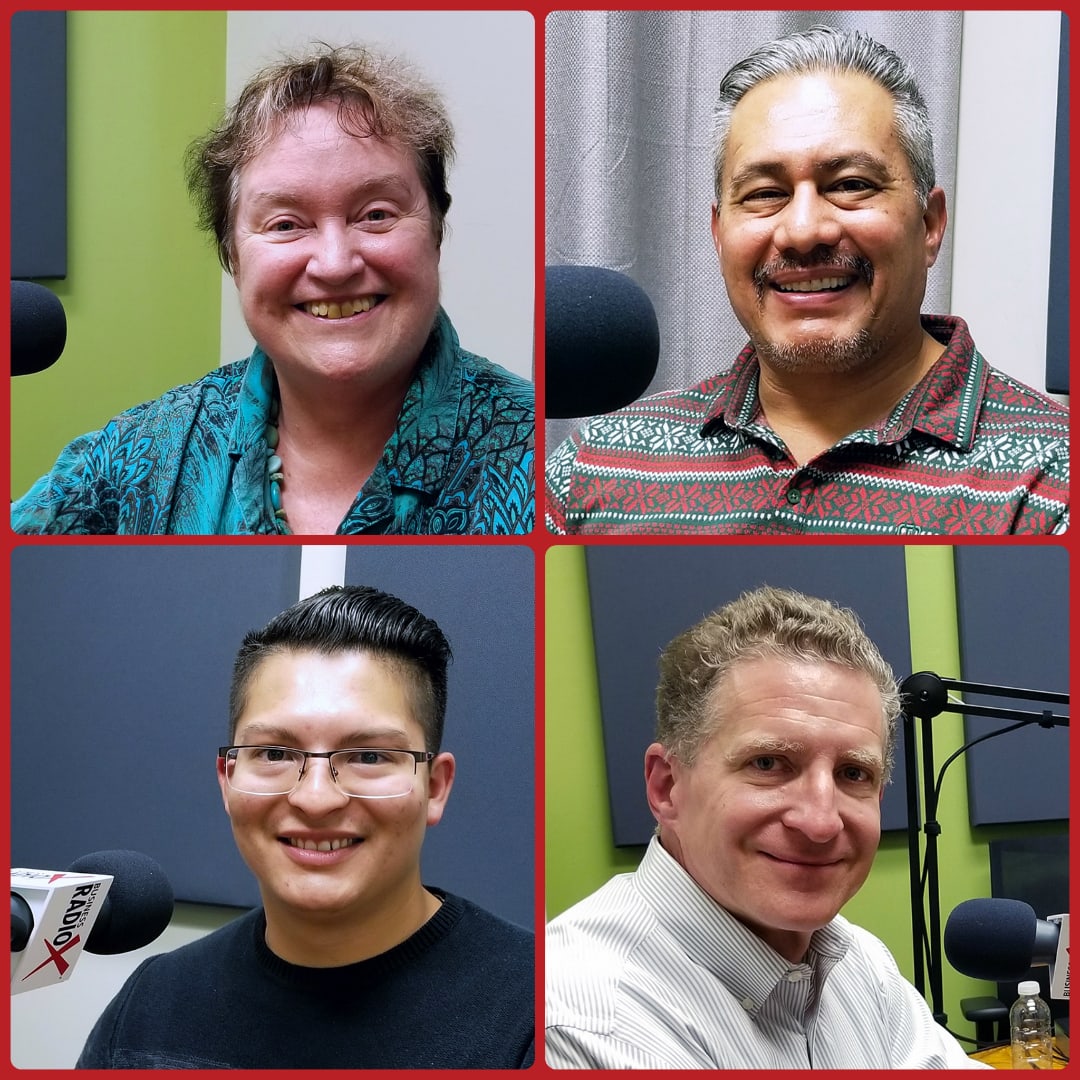
Jeanne Krueger and Amber West from the Chamber of Commerce, and Attorney Jennifer McKay

October 30, 2019 by angishields

RBR Feature 10-30-19
Rome Business Radio
Jeanne Krueger and Amber West from the Chamber of Commerce, and Attorney Jennifer McKay
Loading
00:00 /
RSS Feed
Share
Link
Embed

Download file

RBR Group 10-30-19

Jeanne Krueger was promoted to President and CEO of the Rome Floyd Chamber in July of 2019. In January 2019, Jeanne Krueger stepped into the leadership role of Interim Director for the Rome Floyd Chamber. With determination and focus to serve fellow colleagues in their excellent Chamber work and to consistently advance the Chamber’s pro- business message while communicating a confident and constructive image throughout the community, member engagement and investment has been significant.

Krueger’s professional career began in 1987 when she began working for the Metro Atlanta Chamber. She spent most of her career managing membership sales and retention, and business development for the Metro Atlanta Chamber prior to starting work at the Rome Floyd Chamber. Jeanne works to put best sales and marketing practices in place through establishing quantifiable goals and developing strategies along with cultivating long-lasting relationships.

A native of Rome, Georgia, Jeanne has been married to Mark Krueger, Managing Partner, Morehouse Group, CPAs, for 32 years. They have two children, Shelby, daughter and Spanish teacher, also a millennial living in downtown Rome, Georgia. Anderson is their 22- year-old son who is a graduate of Kennesaw State University and is working toward a medical degree.

Amber West is the Communications Coordinator at the Rome Floyd Chamber and has been in this role since September 2016. In her role as Communications Coordinator, Ms. West manages www.romega.com, social media for the Chamber, Young Professionals of Rome, Momentum Magazine, and Technology SquareTable, among other duties. 


Amber earned her associate degree from Georgia Highlands College and her bachelor’s degree from Kennesaw State University. She is also a graduate of Leadership Rome XXXVI. Amber began her career in Public Relations and Communications as an Account Manager at a boutique public relations firm in Atlanta, Georgia, before moving into Chamber work. 


Jennifer McKay is a Floyd County native who has dedicated her career to helping the people of Rome and the surrounding areas get out from under the crushing debt and creditor harassment they are facing in this uncertain economy. She started out at a larger law firm but decided that she would prefer to work in an environment that allows her to give each client the individual attention they deserve by handling every case personally, from start to finish. She have over 10 years of experience helping people get out of debt with compassion and understanding. Visit her website by clicking here.

Tagged With: Rome Floyd Chamber

Jennifer Hartz with Corporate Hartz and Halley Morochnik with WebStep Design

October 30, 2019 by angishields

Daring-to-Feature
Atlanta Business Radio
Jennifer Hartz with Corporate Hartz and Halley Morochnik with WebStep Design
Loading
00:00 /
RSS Feed
Share
Link
Embed

Download file

Daring-to-Group

Welcome to Daring To, a podcast that finds out how CEOs and entrepreneurs navigate today’s business world – the conventions they’re breaking, the challenges they’ve faced and the decisions that they’ve made, and lastly, just what makes them different.

The power behind Corporate Hartz, LLC is Jennifer Hartz.  Her background includes in-house roles at iXL Enterprises and The Home Depot, and consulting through McKinsey & Company and Cresap (Towers Watson). She has vast non-profit knowledge through engagements with Boys & Girls Clubs of America and Habitat for Humanity International, as well as a long history of volunteer leadership.

Jennifer has an MBA with a concentration in Public Policy from Georgia Tech and a BA in Industrial Psychology from University of Pennsylvania. She is the Advisory Council Chair of Hands On Atlanta, as well as an alumna of Outstanding Atlanta, Leadership Atlanta, and the Marshall Memorial European Fellowship program.

Jennifer and her husband Eric have 4 children, ages 18 – 22, who were raised from diaper-age with articulated and reinforced family values and active volunteerism through “WhyServe?” an interfaith charity Jennifer co-founded.

Connect with Jennifer on LinkedIn.

Halley Morochnik worked full-time in marketing/advertising for TBWA/Chiat Day, helping clients like Nissan, Infiniti, and Sony reach their marketing goals. In 2014, Halley started WebStep Design to deliver web solutions to small businesses and non-profits. Web consulting combines her love of art & design, marketing, and problem-solving.

Connect with Halley on LinkedIn.

Show Transcript

Intro: [00:00:02] Welcome to Daring To, a podcast that finds out how CEOs and entrepreneurs navigate today’s business world, the conventions they’re breaking, the challenges they faced, and the decisions that they’ve made. And lastly, just what makes them different?

Rita Trehan: [00:00:19] Well, hi and welcome. It may be a rainy day in Atlanta, but it’s shining bright with smiles and excitement here in the studio today. Because believe it or not, I’ve got two fantastic women joining me today, which is always great, because it’s always fabulous to actually highlight women who are doing things and standing up for businesses and helping others to see just what’s possible. But you two have a quite a unique experience. So, I’m welcoming today on my show, Jennifer from Corporate Hartz and Halley-

Halley Morochnik: [00:00:48] Morochnik.

Rita Trehan: [00:00:51] Morochnik. I’m going to—you know, I’ve been trying to say that. It’s really bad because people get my name wrong all the time, and I have to like really practice it. And so, I apologize but-

Halley Morochnik: [00:00:58] Thank you. It’s not an easy name.

Rita Trehan: [00:01:00] Yeah. And yours, obviously, is the name of your company as well.

Jennifer Hartz: [00:01:04] Yes.

Rita Trehan: [00:01:05] Right, Jennifer? So, that’s cool. Now, you have a really—both of you have really interesting backgrounds. So, I want to start. How do the two of you still—actually, not only have done work together, but have known each other for quite a long time? I don’t know that many people that have known each other from the years that you guys have known each other. Tell us a little bit about that.

Jennifer Hartz: [00:01:23] That is correct. So, we knew each other as teenagers. We both grew up here in Atlanta. And, you know, we grew up, we went to college, we got jobs, and we, you know, drifted apart, led our lives, had children. In the sixth grade, our two eldest daughters met. And essentially, it was a BFF love fest from day one, and they are now full-fledged adults. So, we have been friends and co-parents.

Rita Trehan: [00:01:52] So, it continues, right? It’s continued that they are like carrying on the tradition, shall we say?

Halley Morochnik: [00:01:56] It does. They are still best friends, and we love seeing that.

Rita Trehan: [00:02:00] And they must feel really proud of the two of you to be women—owned, like women-run businesses is still a big deal, you know. As much as we’d like to think that the world is changing and that there are more of us out there that are doing things, and daring to, and creating businesses, it’s not an easy thing to do. And both of you had children as well and having to bring up a home. So, tell me a little bit about your businesses, because they are very different, right? They’re very different. But actually, in some ways, they’re very complementary. So, Halley, like you are responsible for a company called WebStep Design-

Halley Morochnik: [00:02:33] Correct.

Rita Trehan: [00:02:33] … which he’s a web designer. So, obviously, I’m really interested in this because there’s lots of acronyms and things that I think, do I know what that means? I should know what that means. But hopefully, you can help educate our listeners as well.

Halley Morochnik: [00:02:45] Sure, sure.

Rita Trehan: [00:02:45] So, how did you get into that?

Halley Morochnik: [00:02:46] Well, actually, I’m self-taught. I originally started years ago in advertising. and I thought that this was a good fit for my background and learning how to target companies with what their needs are. So, now, I’m able to help companies with—build on their needs for their online marketing. So, I’m able to help them with their websites. And usually, I produce them using WordPress, and sometimes, I use Wix, but I’m able to help them in a manner of other ways, including SEO and email marketing to help them be seen on the web.

Rita Trehan: [00:03:36] Okay. So, we’re going to come back to SEO because some people-

Halley Morochnik: [00:03:38] Yes.

Rita Trehan: [00:03:39] … may not know what that means. And then, we’re going to talk about Mailchimp. So, if you think that you’re going to get-

Halley Morochnik: [00:03:42] Sure

Rita Trehan: [00:03:43] … educated today, trust me, guys, you are.

Halley Morochnik: [00:03:45] Right.

Rita Trehan: [00:03:45] But more interestingly is the fact that you actually helped Jen create a website. I don’t know about that.

Halley Morochnik: [00:03:50] Yes.

Rita Trehan: [00:03:50] Like you know, friends can be friends. But then, when you start to work together, that can be a whole different ballgame. So, what was that—I mean, how did you decide to like work together on that?

Jennifer Hartz: [00:03:58] Oh, it was actually because of our daughters. So, our daughters were in late college, and both of them had decided that my website was completely antiquated. Corporatehartz.com had not gotten with the program for SEO, for interactivity, for work search, for blogs. And they bullied me into-.

Rita Trehan: [00:04:21] I love it when they do that.

Jennifer Hartz: [00:04:24] … admitting that they were right. And then, Rachel Morochnik says, the daughter, says, “My mom, Halley, that’s what she does.” And I thought, “Oh, that’s perfect.”

Rita Trehan: [00:04:37] You seen that they like colluded together. So, in fact, to say, we can make some money out of this if we like—I’ll recommend your mom, right? And your mom definitely needs a website. But actually, it turned out to be a really good deal. I mean, I’ve looked at your website. It is absolutely fabulous.

Jennifer Hartz: [00:04:49] Thank you.

Rita Trehan: [00:04:50] So, kudos for the work that you have done. But actually, it’s a really important part of business today, you know. If you think that everything is digital today, that the way we interact and where we do things, we want things right here, right now. And digital is a fantastic way of reaching people. How did you—did you have an idea of what you wanted? Because I guess there’ll be lots of business owners out there that might be saying like, “Might want to look at my website, might want to change that. That sounds interesting.” Like did you have an idea about what you wanted, Jen? Like I mean-

Jennifer Hartz: [00:05:19] Yes, I definitely did have some ideas, mainly because the website is the most important piece of my business development. I live here in Atlanta. My clients are all over the planet. So, there’s no event-based marketing to be had in that situation. What I really wanted from the website was to bring my URL, corporatehartz.com from brochureware to real time. I wanted it to link with my LinkedIn. I wanted it to link with a blog. I wanted it to be able to add clients and add content and make things change.

Jennifer Hartz: [00:05:56] The main strategic thing that we were trying to accomplish with this, with the web, was I have three different lines of business. And in my brochureware, one of them, which is my traditional bread and butter, corporate social responsibility, had much more of the time and space and energy on the website than the family philanthropy LLB or the speakers, speaking engagements. And I wanted them to be more parallel with each other.

Rita Trehan: [00:06:23] We’re going to come on to some of your business, because I think that’s a really interesting field that you’re in and very, very important in today’s world, to actually be doing something that is giving back but in really responsible way. So, I do want to sort of delve into that a little bit as well. But before we get onto that, let’s talk about what was it like having Jen as a client. You know, because I know what I’m like as a client. I can be really demanding and like impossible to work with, I know. I try not to be, but I can’t be. So, was she a good client?

Halley Morochnik: [00:06:52] Well, let me tell you. Jen, because of her skill set, because of what she does, she’s very organized and she was able to push it in the direction where we could proceed and make things go quickly. Jen also, I think—you know, a lot of what I do is based on—I can’t do it by myself. I need to be able to work with the company and have them respond to me in a reasonable time. And Jen, not only was very responsive, but she also maybe pushed it to make sure that we were on target and on task and doing everything that we needed to be doing.

Rita Trehan: [00:07:33] And did you, Jen, have to like research some of that stuff? Because I mean, some of it can be quite technical, I expect. I mean, I confess, I’ve not made my own website or like. And so, you know, I kind of know how it works a little bit on the back end. And I know how to use social media. But did you have to do any research for it or was it just that like you had this vision of like these three businesses that you were really keen and sort of give equal weight to and it was more of the kind of the visual aspect that you were able to sort of convey and tell your story?

Jennifer Hartz: [00:08:00] Halley was able to do all the research, understand the technology, find tools that we could use in the website to address all of the objectives I had. So, no, I did not do any research. I am not the technician. I do research in my content but not technology.

Rita Trehan: [00:08:25] And what do your clients think about it? I mean, what’s been your client’s reaction to it? Because that’s the real proof in the pudding, right?

Jennifer Hartz: [00:08:31] Right.

Rita Trehan: [00:08:31] That you start to see people going like, “Wow”, or “Oh, we see a difference.” There’s a different image, there’s a different brand that you’re trying to convey in some ways. And that’s equally important to business these days. So, what was the reaction?

Jennifer Hartz: [00:08:45] I got a lot of wow. I got a lot of wow. I got a lot of appreciation from past clients. I got increase for current and future clients. I also have passed out Halley’s WebStep Design business card more than a few times because it was a great process and it was an excellent result.

Rita Trehan: [00:09:04] So, one of the things that I’m really interested in, it’s great that you bring it up, that you say, you know, you’ve passed on Halley’s business cards to people because you’ve had a great experience. I’m a big believer in ecosystems. I call like what we need today are more ecosystems, which is where people actually come together, where they may have different businesses or different interests, but they’re coming together to create something that’s more, that’s better, that adds more value and create some momentum.

Rita Trehan: [00:09:27] So, rather than us always seeing each other as competitors in the marketplace, whether you’re a small company or as a big company, how can we create ecosystems that’s sort of like create more purpose around both what we do and what we contribute to the world. Which, you know, it sounds like you’re doing some of that, which is great. And I don’t think that enough companies do. But I am going to bring it a little bit to your business because your business really is about sort of creating momentum around sort of social impact, social change. And it seems to spread right across from companies to families to small businesses. And, you know, that’s a lot, Halley, for you to have to convey in a website but you clearly did it very well, because, you know, I got a real good sense of it. And I was kind of eager-.

Halley Morochnik: [00:10:11] Right.

Rita Trehan: [00:10:12] … to say, “Oh, what can I get involved in? What can I do?” Because there’s almost like a pool. But what got you interested in that in the first place? I’m curious.

Halley Morochnik: [00:10:21] Wow. So, I think it goes back to even my childhood being raised in a certain way. But professionally, I was doing corporate social responsibility before anybody really knew what that was. If you hold-

Rita Trehan: [00:10:36] Some people don’t today, right? So, we need to educate them.

Halley Morochnik: [00:10:38] We’re working on that.

Rita Trehan: [00:10:40] Good.

Halley Morochnik: [00:10:41] If you said you were in CSR at the time, it meant that you were a customer service relationship.

Rita Trehan: [00:10:45] Is that right? Wow.

Halley Morochnik: [00:10:48] Which is a euphemism for sales. So, I spent a lot of time explaining to people what corporate social responsibility is, what it can provide for businesses, what it can provide for human beings, what it can provide for society. One of the best things that happened from the website was the equalizing of the three lines of business. So, the comments that I have gotten specifically have been about breadth and depth. So, I have clients, global clients in every industry. I have local clients. I’ve been in pharmaceuticals. I’ve been in manufacturing. Professional services. Name an industry, pharma. I have been at franchise, done that.

Halley Morochnik: [00:11:32] And so, it really has been able to highlight from the CSR perspective that I do diversity and inclusion, branding and employee development. All these different business needs can be addressed through for-profit, non-profit, government partnerships. The same time, I hadn’t really been public about the fact that I did corporate—excuse me, family philanthropy work as well because my clients are actually all confidential, so I can’t put their logo up on the website. So, I’ve been getting inquiries about that area of business because of the website.

Rita Trehan: [00:12:10] And do you think that you’re seeing differences between the industries, all the different kind of sectors that you work in or at the end of it, are they all really looking for the same kind of things when what—with what they’re trying to do around social responsibility and social impact?

Halley Morochnik: [00:12:25] No. Every client is completely, completely unique. There are similarities within an industry. So, an oil and gas company, they’re generally going to be investing in climate change and outdoors and planting trees-

Rita Trehan: [00:12:40] Recycling.

Halley Morochnik: [00:12:41] And recycling, right. Actually, I also work for a recycling client. So, within an industry, they can be similar, but it’s about your brand. It’s about where you’re located. It’s about what business opportunities you have and what potentially business exposures you have as well.

Rita Trehan: [00:12:58] Okay. Was that—and how did you help Jen to actually sort of like target in on clients? Because that’s often the big thing to small businesses today. You know, to actually find the clients that are interested in their services. You know, I always like think or wonder when my name will come up on Google. And you never know. I might appear like, you know, in-

Halley Morochnik: [00:13:19] Well, you know, Jen has such a great brand and she’s been working and her business has been together for a very long time. And I think really, I need to educate myself about her brand. And once I understood what she does and what she is able to provide for her clients, then I was able to talk to her a little bit better about how to put it together and how to organize her skill set so that it was effectually on her website and communicated. So-

Rita Trehan: [00:13:52] And you’ve obviously seen some, you know, traction around that. So-

Halley Morochnik: [00:13:56] Definitely. She also—WebSet Design also helped with search engine optimization. And that was really the-

Rita Trehan: [00:14:04] I don’t know what that is, that’s the SEO, I think, right?

Halley Morochnik: [00:14:04] Yes.

Rita Trehan: [00:14:08] And it’s really interesting that a lot of people don’t know about that.

Halley Morochnik: [00:14:11] Okay.

Rita Trehan: [00:14:11] And so, like—but you clearly do. And, you know, from a business perspective and obviously, from a website perspective, you do. But, you know, there’s lots of like sort of skepticism around SEO. Some people say, “Oh, I spent all this money and it’s basically like helped me, but it’s not helping me.” So, you know, how do you approach that subject?

Halley Morochnik: [00:14:07] So, really, when you get—when you have a website, people sometimes say, “Well, could you just put up a website and somebody will be able to Google me and I’ll be able to find it.” There is some people who don’t understand that there’s a lot of back information and a lot of back SEO that goes into having a website. So, Jennifer already had a lot of great content that she had with her other website. She had a great blog, a great piece called Hartz & Minds that had a content from years and years and years that we were able to build on and pinpoint and highlight different keywords and make connections with links and make sure that she was found. She already also had a fabulous URL. So, her URL had such good history that Google loved it. And so-

Rita Trehan: [00:15:23] It’s placed at the beginning of the alphabet as well, right? I hear that’s been good as well, isn’t it?

Jennifer Hartz: [00:15:27] Yeah.

Halley Morochnik: [00:15:28] Perhaps, but she already had done some good things with her website before. And so, we were able to build on that and take it to the next level.

Rita Trehan: [00:15:37] Do you think that women business owners are more reticent about what they do with like websites and how they advertise than, say, men are or do you think that there’s no difference? I mean, how would you think about that?

Halley Morochnik: [00:15:49] You know, I was talking to Jen about that the other day. And I think that women actually, I think, were a little bit more willing to listen to my advice and maybe 50 percent of my clients are women. And generally, when I talk to a man and he asks me for a website, you know, I put together whatever I can. But somebody like Jen was able to really dig deep and work with me and think about some of the questions and answers of the questions that I was asking her. And the more she was able to consider some of the things that we were talking about, the better the website became.

Rita Trehan: [00:16:34] And do you think that’s just because women think differently or just that-

Halley Morochnik: [00:16:37] I think so.

Rita Trehan: [00:16:38] You do think it’s because-.

Halley Morochnik: [00:16:38] Absolutely.

Rita Trehan: [00:16:38] So, do you think about that when you think about your clients? Does that come into play when you think about any of your clients or who you’re working with around that they may think differently to how they approach the three lines of businesses that you have? Because they’re all different, right? A family sort of trust, if you like, just trying to get money in good ways to big multinational corporates that are trying to support the local area and do things globally. And then, sort of the local community here that it’s great that you’re giving back to the community that obviously, you’ve—you know, is very much a part of your life?

Jennifer Hartz: [00:16:38] Well, the desired outcomes for corporate clients are completely different than the desired outcomes for family philanthropy clients. On the CSR side, corporate social responsibility, Corporate Hartz is trying to drive profit. Whether that profit is coming from market expansion, new products, employee retention, PR, cost savings, energy savings. The end has to be profit or when I walk out the door-

Rita Trehan: [00:17:39] Yeah.

Jennifer Hartz: [00:17:39] … they will no longer continue to do all this great stuff that we’ve just set up for them to do in the world.

Rita Trehan: [00:17:43] Yeah.

Jennifer Hartz: [00:17:45] Family philanthropy clients are much more interested in relationships, a caring and true impact on the causes that they are passionate about.

Rita Trehan: [00:17:55] Right.

Jennifer Hartz: [00:17:55] There’s no financial bottom line in that work. So, it’s very heady, cerebral work to work with corporate clients. And it’s very emotional. Really emotional at times, but positively emotional for me with family philanthropy clients. When I do speaking engagements, I just feel like it’s my turn to spread the word.

Rita Trehan: [00:18:21] And do you feel like that there are more people spreading the word around social impact, social responsibility? I feel like that maybe there is, but I don’t know. Like sometimes, I get a bit disappointed that no, there’s still not enough conversation about it going on around the world.

Jennifer Hartz: [00:18:35] Well, conversation is not what we need.

Rita Trehan: [00:18:36] Yeah, that’s true.

Jennifer Hartz: [00:18:38] Action is what we need. I find personally, of course, I am in this space all the time-

Rita Trehan: [00:18:42] Yeah.

Jennifer Hartz: [00:18:43] … in the middle of it, but I find too much conversation and too little action.

Rita Trehan: [00:18:49] Yeah.

Jennifer Hartz: [00:18:49] And that’s why I feel like having a consultant like me is a catalyst for getting an action that’s going to bring results.

Rita Trehan: [00:18:56] And if your clients, if they think about what they’ve done over the years, what would they say about some of the things that they feel that had a real impact around that, do you think?

Jennifer Hartz: [00:19:06] Clients really vary. They have, some of them have pretty good experiences with social responsibility. Some of them come out of Europe. Don’t even think of it as corporate social responsibility because it’s much more woven into the fabric there. And sometimes, this usually happens with a leadership change. They realized that what they’ve been doing has been kind of green-washing or window dressing, so that they could have sweet, nice things to say to potential employees and potential clients and government officials.

Rita Trehan: [00:19:40] Right.

Jennifer Hartz: [00:19:42] So, sometimes, when-

Rita Trehan: [00:19:43] And to quantify that, that’s like the sugar coating on the top of their cake that’s not very well made when you kind of cover it up a little bit and make it all pretty, right?

Jennifer Hartz: [00:19:49] That’s a good analogy. That is a terrific analogy. And so, sometimes, leadership change is what allows me to deliver both the profit and the impact.


Rita Trehan: [00:19:57] Well, you are really very, very passionate about this. I mean, I can feel it. I can feel like you were just sitting opposite me, but it’s like you’re like sitting right by this microphone saying like, you better hear what I’m saying, because this is really important and it’s because it’s the topic that I’m very passionate about. I think that it’s really good to hear you talk about it. How can we get more people involved in it? I mean, like clearly, we’ve got this website that’s doing a great job, but there must be other ways. I mean, I have to say, you know, my experience of Atlanta and what people in Atlanta do around sort of social causes and things that have impact is phenomenal.

Rita Trehan: [00:20:28] I mean, I don’t think I see that, you know, in London or in Australia, where I’ve lived. But you really do see this sort of community come together and people that, you know, either, that are dedicating businesses around it and/or sort of supporting. But I’m sure there’s lots more that we could do. So, to your point about action, what can people do?

Jennifer Hartz: [00:20:51] Well, I think—excuse me, when you’re talking about people to me, I think of it on two different levels—three different levels. One is an individual human. There are seven million things that you can do to get up tomorrow and make the world better in a way that you care about. They’re easy to find. Google works, handsonatlanta.org works for Atlanta. But since hopefully, we’re speaking to folks, well-

Rita Trehan: [00:21:18] Yeah. This is a global-

Jennifer Hartz: [00:21:20] … outside of Georgia. Right.

Rita Trehan: [00:21:21] … podcast. So, hopefully, they’re going to pick up some tips that they can apply in their own like towns and countries, everywhere.

Jennifer Hartz: [00:21:27] Right. So, Points of Light Foundation is all around the globe, 170-something cities. That’s a good resource. And in terms of civic groups, so if you have a group of friends, if you have a group of colleagues, there are also a million things that you guys can get together and do once, or every weekend, or every other weekend, or after work. There are a million projects and nonprofits that could use not just your hands and not just your skills, but also your hearts. Because you’ll go and you’ll talk about something that you’ve done using your skills to help a cause that you care about and that sort of has a ripple effect. And then, the third category again we mentioned was these corporations. And I feel very, very, very strongly that everybody, every company needs to make profit.

Rita Trehan: [00:22:24] So, do I. Profit is good. It’s not bad. It’s not one or the other. I don’t believe that there are extremes. You can do good and still make profit. That’s-

Jennifer Hartz: [00:22:31] And I do not believe corporations are people. So they need to make profit at it. And there are a number of levers to pull to help them achieve that goal while achieving a million other goals that they have. Some of which we’ve mentioned before, like new markets or new products or employee retention, development, branding, things like that.

Rita Trehan: [00:22:54] So, I’ve had one that I’ve always tried to solve. Maybe you can solve this conundrum around. Maybe you can do it with the website. I don’t know. But I’ve been trying for a long time to get large companies to think about their social responsibility budgets, their social impact budgets. Since with some companies, that can be millions of pounds, dollars, rands, whatever currency, francs, euros, whatever. But it can be millions of pounds. When I think—you know, I’ve worked in corporations in the past as well.

Rita Trehan: [00:23:21] And, you know, it struck me when I’ve had conversations with the senior execs, with the CEOs and some board members. And I said like, you know, “Why is it that when we’re putting like a big IT system in, like we have this massive capital discipline? Like we count every single dollar and where it’s going and making sure that we’re getting like true value for money, but yet, we’ve got millions of pounds, dollars, whatever that we put into things that we want to have real impact on. How much capital discipline? How much time do we really spend thinking about where that money’s going versus like we did the same thing that we did 20 years ago because that’s what we’ve always done?”.

Rita Trehan: [00:24:00] And that’s always concerned me. And, you know, I’ve often thought like, you know, and then, propose, why not use it as a leadership development opportunity? You know, lots of companies spend millions of pounds or dollars on sending people on training courses. Well, why not put them in charge or help them to get a mentor, coach or be coached by people within nonprofits or those organizations? I haven’t managed to convince anybody yet. Maybe you can help me because I can’t help but thinking that, you know, to your point, that there are ways to do this. And I really, truly wish. I give all CEOs a hard time around their capital discipline and when it comes to their social impact budgets.

Jennifer Hartz: [00:24:35] I’ll tell you two of my tricks. One of my tricks is when I’m working with a public company, I buy a share and I buy it for my mother. And I walk into the first meeting in the C-suite and I said, “I need you to make this worth more or I will be paying for them for the rest of my life. So, I am in this with you.”

Rita Trehan: [00:24:56] That’s great.

Jennifer Hartz: [00:24:56] “This is what I want. I also want all this good stuff that we’re talking about doing in the world.” So, that’s one of my tricks. My second trick is to ask them from the very first meeting. If it’s a manufacturing company, “How do you go about deciding whether to expand a plant or a new plant?” If it’s a retailer, “How do you decide whether you’re going to enter the Canadian market or not?” And of course, they talk all about due diligence and research, and blah, blah, blah. I’m like, “Okay, that’s what we’re going to do here.”

Rita Trehan: [00:25:27] That’s great. I think that’s really great advice for any company, whatever size actually, or small organization or even individuals that are thinking about, you know, how can I really sort of impact the world? So, there must be ways to do it through social media as well. So, you must advise people on—you know, you’ve talked highly about advising people on social media and maybe you can talk a little bit about Mailchimp, because I’m sure people think that-

Halley Morochnik: [00:25:49] Sure

Rita Trehan: [00:25:50] … you know, there’s a chimp that’s going to come deliver the mail.

Halley Morochnik: [00:25:52] Right.

Rita Trehan: [00:25:53] And that’s probably not going to happen.

Halley Morochnik: [00:25:55] Well, you know, as I mentioned before, I was in advertising and I was a broadcast media buyer. And so, the thing—the way that we used to get the word out was so much different than it has—than it is today. Things have evolved so much. And so, now, we definitely have new ways. You know, the social media, Mailchimp, Jen does a great job with her blog. And you should—actually, for people out there, you should look it up and you should read it. It’s called Hartz & Minds. And she, through Mailchimp, has a newsletter that goes out regularly. And it has all kinds of great information about things that you can do and what’s happening in the world. But the fact that we have social media is just—it’s an amazing world that we live in.

Jennifer Hartz: [00:26:51] One thing I think, Halley, maybe you can talk about is the logo, the LinkedIn, the business card that all came about from the website.

Halley Morochnik: [00:27:02] Right. So, yeah, those were three components—or several components that we came together on and they all had to be branded together. And now, I think because of that, we were able to, yeah, put together something that people will recognize and have meaning.

Rita Trehan: [00:27:23] It’s quite hard, right? To think that those things connecting together like LinkedIn, Twitter, your website. You know, like where do people go to find you. But I guess you must find ways to sort of like interweave them together so that like they actually connect behind the scenes, so that people don’t necessarily—like if somebody is a real LinkedIn user, they’re going to go to LinkedIn.

Halley Morochnik: [00:27:42] Right.

Rita Trehan: [00:27:43] But it doesn’t really matter, I guess, for the business owner, because they’re going to get that connection anyway, would they?

Halley Morochnik: [00:27:49] So all of these platforms are—it’s fabulous because they’re, for the most part, free. Mailchimp is free. It’s actually headquartered here in Atlanta. And through Mailchimp, your—Jen and whoever is using Mailchimp, you’re able to provide or to create one of the most valuable resources for your company, which is an email marketing list. And the way we set it up with Jennifer’s website is every time she puts together content, it automatically gets sent out by Mailchimp.


Halley Morochnik: [00:28:28] And the other thing is—at a certain time of the week or the month. The other thing that we put together is we put together a form on her website so that if anybody goes to her website and says that they’re interested in a certain area, that they can receive more information by entering their email address and their contact information. And it gets linked automatically to Mailchimp and their name is—automatically gets added and sent out.

Rita Trehan: [00:28:57] So what would be your advice to, say, a small business owner, who you think—who’s sitting here right now, listening to this going, looking at their website-

Halley Morochnik: [00:29:04] Yeah.

Rita Trehan: [00:29:05] … going, “Yeah. This is really not so great, is it?” But they are a bit hesitant about making that step because they may get asked questions that they really don’t know the answer to. They don’t want to look stupid. They don’t know what their budget is. How would you help them to sort of be able to kind of frame what they might be needing or looking for? How do you help people to think that through?

Halley Morochnik: [00:29:27] Sure. So, looking at a website that somebody might already have, it’s important to know that, you know, things change so quickly. You can look at a website that was constructed five years ago, 10 years ago, and you’ll say, “Oh, yeah, I know exactly when that website was created.” So-

Rita Trehan: [00:29:42] They show their age like us.

Halley Morochnik: [00:29:44] They really do.

Rita Trehan: [00:29:45] So, I hope—I like—you try to go like, “How I did?” So, doesn’t matter what we try to do with the websites.

Halley Morochnik: [00:29:48] It’s kind of like buying a dress, right? You can go back and see what it was, you know, have an idea of it based on the style of it. And also, things improve. The technology is improving constantly. So, there’s always new plugins that we can use and new resources that we can improve website. But right now, if everybody is looking at their own website, if your website is not mobile friendly, then you really need an update. Everybody should be mobile friendly, especially since Google is kind of downgrading sites that aren’t. So, that’s really the most important thing.

Rita Trehan: [00:30:22] I didn’t know that. That’s a piece of news for anyone that’s listening. Yeah.

Halley Morochnik: [00:30:26] Yeah. So, you know, Google is constantly changing their algorithm and they’re constantly deciding who needs to be promoted more. And if your website doesn’t have certain features, as I said, the most important is being mobile friendly, then you really need to make some changes.

Rita Trehan: [00:30:42] So, Jen, I mean, obviously, it’s helped you with your business hugely. It took, you know, your children to say, “You’ve got to do this, you’ve got to get in there.” And like really make the impact that they obviously felt that, you know, your daughter obviously felt that you could kick make. Where do you go from here with this now? I mean, how do you continue to sort of gain the momentum that you’ve got through using digital platforms, if you like? Because digital is the big thing. Everyone is talking about digital and analytics?

Jennifer Hartz: [00:31:11] Right.

Rita Trehan: [00:31:12] How do you envisage using it, you know, to either find your clients, work with your clients, or help your clients to understand what’s on offer and what they can do? What would you say to them?

Jennifer Hartz: [00:31:24] One thing I would say is that the catalyst of creating a new website made me think of Corporate Hartz as a brand. I don’t know if that’s a woman thing or if that’s just a me thing, but I never thought of myself as a brand. This said, yes, you are. Corporate Hartz, C-O-R-P-O-R-A-T-E-H-A-R-T-Z.com. That’s your brand. And so, that was a huge mind shift and that made it much easier for me to feel comfortable being the outreach person in a conversation. “Saw you on LinkedIn. Seems like they’re—these are the three ways I might be able to help you.”.

Jennifer Hartz: [00:32:03] So, because of the website and I redid my LinkedIn to be much more dynamic and much more appealing and easier to navigate. And so, that has been very important for me. So, I have those different avenues. In terms of the Internet in general and there are a zillion million platforms that go out worldwide or United States-wide that talk about sustainability, diversity and inclusion in branding, employer brand, social impact, metrics, tracking. And so, there is not a lack of places to put your information nor glean information back from them.

Rita Trehan: [00:32:54] And that’s a great example. I think like your own story about, you know, you perceiving, not perceiving yourself as a brand and then, sort of stepping back from it and seeing yourself as a brand, I think, is really powerful. Particularly, if you start off as a small business and, you know, you see yourself as an individual that has a passion for something or is trying to do something that has a purpose. But actually, that is a brand and not many people think about that. So, I think that’s a really good story for people to sort of resonate with and to help their businesses come to life. So, let’s talk a little bit about the two of you. So, before we finish, like three words to describe anything, yourselves, your clients, your business. What would you say? You can choose. And then, we got a tough question coming after that. This is the easy one. Go, Halley.

Halley Morochnik: [00:33:42] Okay. Sure. Okay. So, website development, design, SEO, email marketing, WordPress. That was more than three, I’m sorry.

Rita Trehan: [00:33:53] But they were good. Yeah. But they are all like capabilities that you bring.

Halley Morochnik: [00:33:58] Capabilities, right, right.

Rita Trehan: [00:33:58] That’s brilliant, right?

Halley Morochnik: [00:33:59] Right.

Rita Trehan: [00:33:59] Those are the things that like you hold dear that are like they are your brand and work, right?

Halley Morochnik: [00:34:04] Right. That’s right.

Jennifer Hartz: [00:34:05] Yeah. I think my three words for Corporate Hartz would be profit, impact, and meaning.

Rita Trehan: [00:34:13] That’s great. So last question. Because I mean, you’ve been great, I think. Really, I mean, I’ve learned so much, right? I mean, I know now, I’m going to be looking at my website going, “Oh my gosh, I’ve got to do something about this. So I may be coming to you, Halley, so watch out. But you know, a lot of this is about people that dare to. Both of you have dared to do something with your lives by, you know, creating sustainable businesses that are doing things that are helping other businesses to grow and develop and people to grow and develop. So, what would you say has been your biggest daring to moment or life event? I don’t know.

Halley Morochnik: [00:34:46] Right. So, as I said, I am self-taught. And I started my business in 2014 and many—when I started my business, I knew a lot, but there were so many things that I didn’t know. And the business that I’m in, things are just constantly changing. And so, I kind of had to dare myself to say, “I’m going to go out there. And even though I don’t know everything, I’m going to put myself out there.” And on a daily basis, I’m saying that I know a lot. And sometimes, I just have to figure it out.

Rita Trehan: [00:35:22] I love that. I love that. That’s so cool. Because often, people are just too scared to try it. And you’ve got to dip your toe in the water.

Halley Morochnik: [00:35:29] Right.

Rita Trehan: [00:35:30] And learning is quite fun.

Halley Morochnik: [00:35:31] Yeah.

Rita Trehan: [00:35:31] Yeah. So, Jen, what’s yours?

Jennifer Hartz: [00:35:33] I think my daring moment was I was working for a dot.com. I was head of what we called all relations, employee, investor, public, community and government. So, anything that wasn’t actually building our client’s work at our dot.com, that was on me.

Rita Trehan: [00:35:57] Wow.

Jennifer Hartz: [00:35:59] To fast forward the story, we all know how this ends, we get caught in the boom-bust and we get delisted from the Nasdaq and we do layoffs and we vanished into thin air. And at that point, this was 2000, I had a three-year old, a one year old, a newborn, and unbeknownst to me, one on the way.

Rita Trehan: [00:36:25] Wow.

Jennifer Hartz: [00:36:26] So-

Rita Trehan: [00:36:27] Woah.

Jennifer Hartz: [00:36:27] … there I am.

Rita Trehan: [00:36:29] Woah, that’s a daring to, guys.

Jennifer Hartz: [00:36:32] So, I actually became what I called the accidental entrepreneur. My husband is a serial entrepreneur. Ever since we left McKinsey, he’s done different industries, different businesses, loves the startup, loves the change, loves the new industry. And I have been the slow and steady wins the race guy. Well, all of a sudden, not exactly sure how I’m supposed to do that, so I accepted a project engagement with BellSouth when they called. And I accepted a long-term engagement with Deloitte when they called. And I was working with Deloitte, and I said, “So, I’m thinking maybe—should I be a company?” They said, “Yes, you should be a company.” And I really thought I was just making it up, you know, for taxes, because I had two clients and I didn’t really think about the future. I just went into it and did it. And that’s not within my nature to be entrepreneurial. When the unknown is unknown, the future is unknown. So, I think that was really a big thing that I accepted that this was going to be the right next career for me. And I’m in my 20th year now.

Rita Trehan: [00:37:48] Well, that’s fabulous. And, you know, we are actually in the world of uncertainty and uncertainty and unknown and it’s talked about a lot this past like the fourth industrial revolution that we’ve got to get comfortable of like just going out there and doing it. And I think both of you have really shown people, if they are thinking about it and they’re just thinking like, “Do I know enough or not?” And here, you both stand today as shining examples of, you know, give it a go, because you find inner strength and I think just inner belief. And we need more women. So, let’s get some more women there as well. On that note, if people want to find out more about Corporate Hartz, how do they do that, Jen?

Jennifer Hartz: [00:38:25] You can go to the web at www.corporatehartz.com, that’s C-O-R-P-O-R-H-A-R-T-Z.com or you can find me on LinkedIn, Jennifer Levine Hartz.

Rita Trehan: [00:38:42] Halley.

Halley Morochnik: [00:38:42] Yes. Same, WebStep Design. So, it’s www.webstepdesign.com or also, you can go to my LinkedIn profile.

Rita Trehan: [00:38:54] Great. And if you want to find out more about Dare, then you can find us on www.dareworldwide.com. You can find me on Twitter at Rita_Trehan. And my second edition of my book, Unleashing Capacity, is out on Amazon. Don’t miss it. It’s a great book. If you need it just to help you sleep or if you’re really interested in changing the world, it might give you some ideas. Thank you both for being a guest today. I’ve really enjoyed having you. And I’ve learnt millions of things. So, great. Thank you.

Jennifer Hartz: [00:39:20] Thank you.

Halley Morochnik: [00:39:21] Thank you.

Closing: [00:39:22] Thanks for listening. Enjoyed the conversation? Make sure you subscribe, so you don’t miss out in future episodes of Daring To. Also, check out our website, dareworldwide.com, for some great resources around business in general, leadership, and how to bring about change. See you next time.

Tagged With: Construction, Corporate Social Responsibility, design, email marketing, Family Philanthropy, impact, meaning, Non Profit, profit, SEO, small business, Webpress, website dev, Wix

Tech of the Town: Shannon Quagliata with PRE Open House

October 30, 2019 by angishields

Real Estate & Mobile App Development

Shannon Quagliata with PRE Open House speaking on Valley Business Radio in Phoenix, Arizona


Shannon Quagliata, PRE Open House

Shannon Quagliata with PRE Open House in the studio at Valley Business Radio in Phoenix, ArizonaShannon Quagliata is Founder and CEO of PRE Open House. PRE Open House is a digital platform dedicated exclusively to advertising open houses directly to consumers and providing direct line of communication with a real estate agent. The free mobile app is available for download on Android and iOS devices. For more information visit preopenhouse.com

Shannon started her real estate career in 2005. She is a been a multimillion dollar producer and one of Re/Max’s top agents in Arizona. In 2017, she earned the prestigious Re/Max Hall of Fame. Shannon built her real estate business by holding open houses. For years she faced the challenges every agent does with the open house: how do home buyers find open houses, access the open house, communicate with the agent holding the open house and how do fellow agents navigate these same obstacles. These issues, as well as many others, are what inspired Shannon to create PRE Open House, a one stop, one click website and mobile app for both real estate agents and home buyers to find, schedule, save and map open houses.

Connect with Shannon Quagliata on LinkedIn, Facebook, and follow PRE Open House on LinkedIn, Facebook, and Instagram.


Shannon Quagliata with PRE Open House visits the Valley Business Radio studio in Phoenix, Arizona

Tagged With: Tech of the Town

Rabbi Michael Beyo with East Valley Jewish Community Center, Dr. Nancy Harrowitz with Boston University

October 30, 2019 by angishields

The Holocaust and Human Dignity

Rabbi Michael Beyo with East Valley Jewish Community Center on the radio at Valley Business RadioX in Phoenix, Arizona

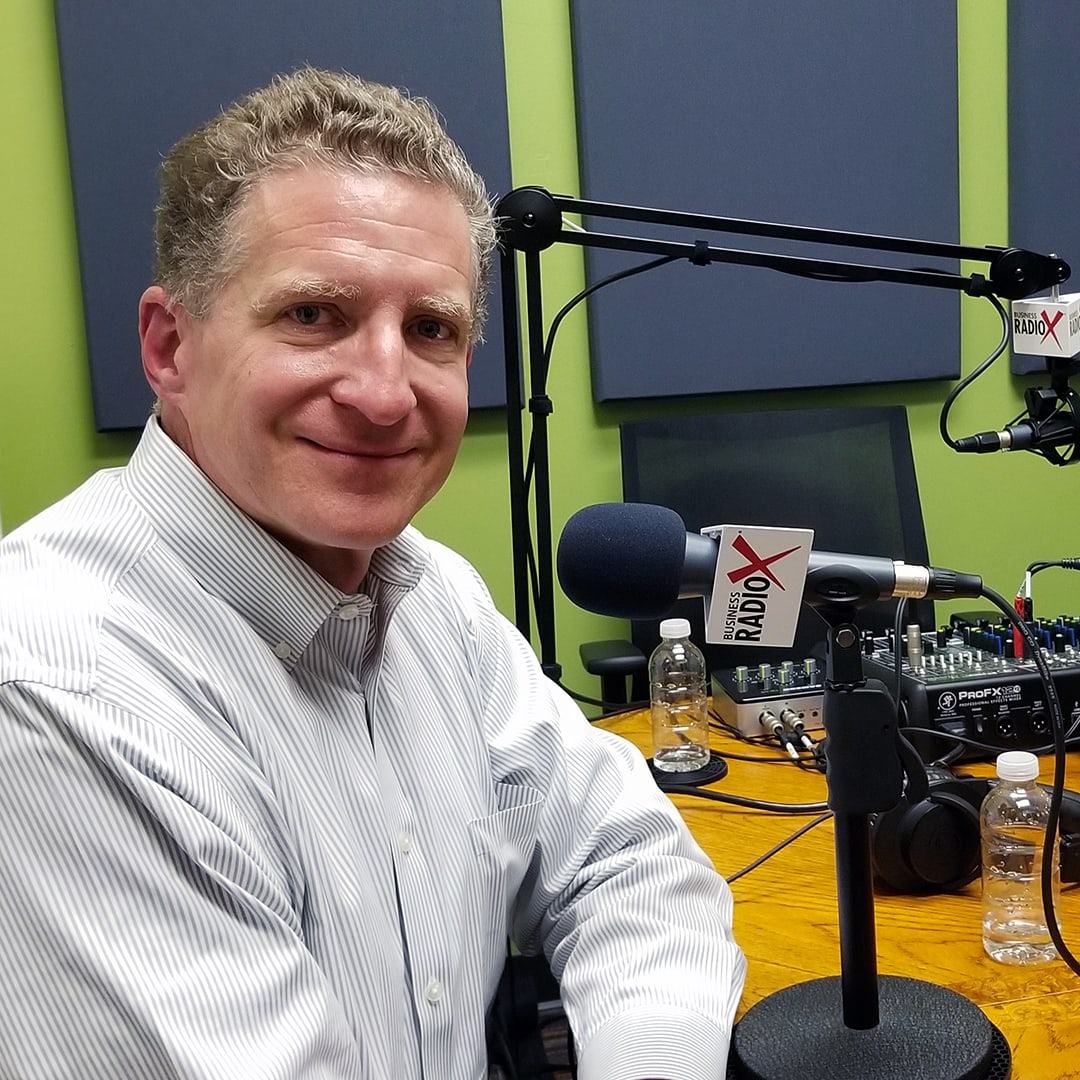
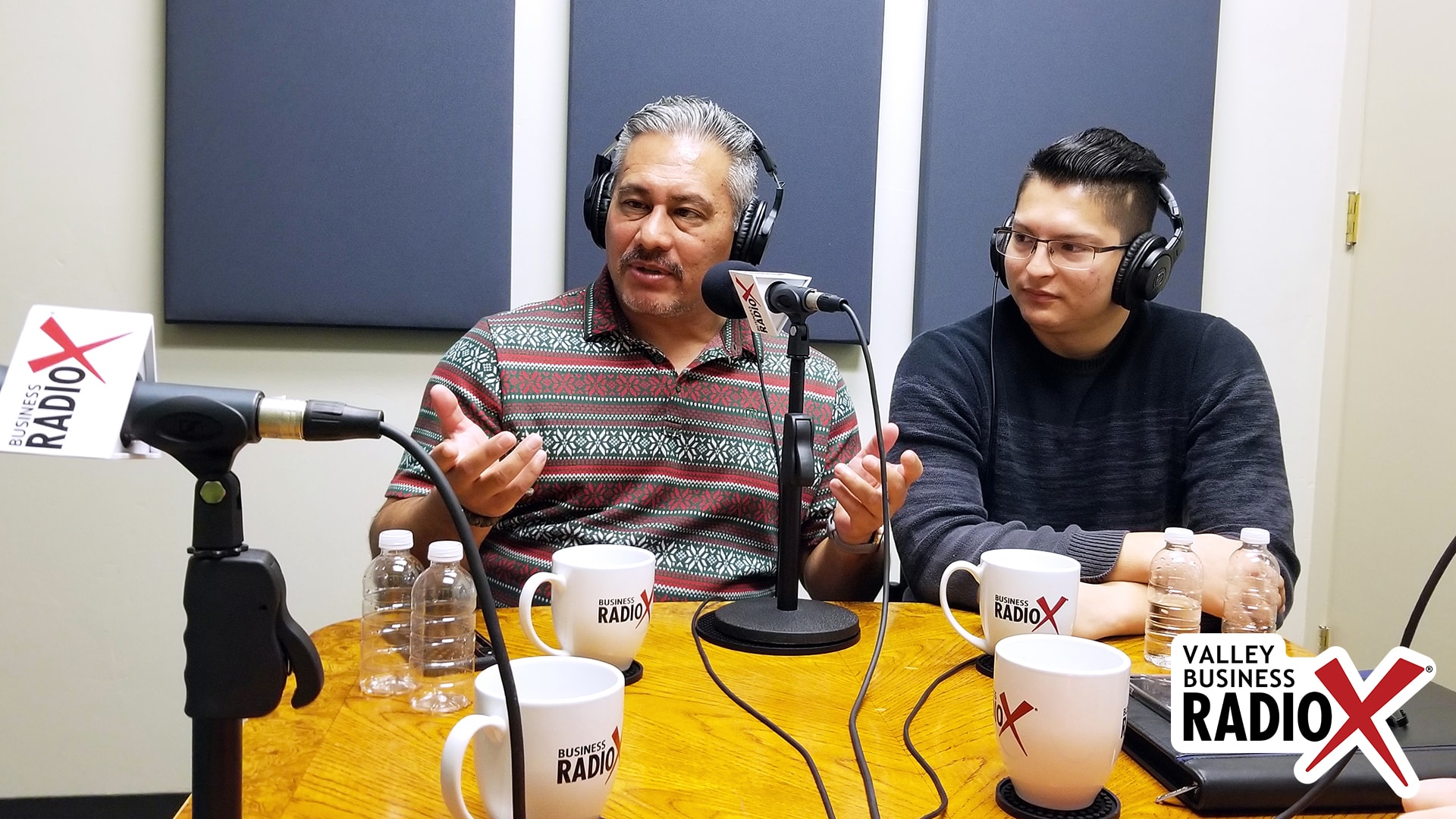
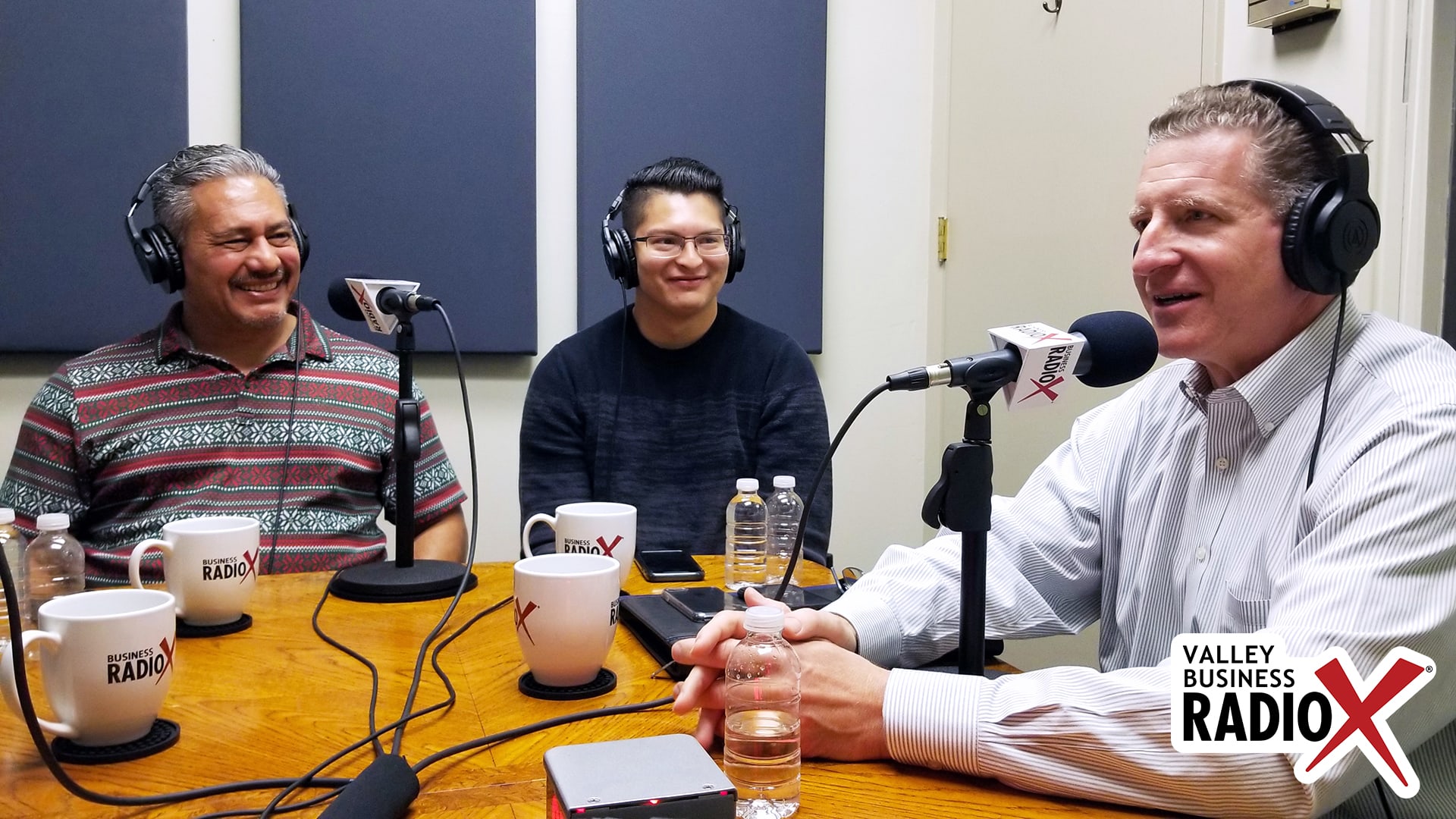
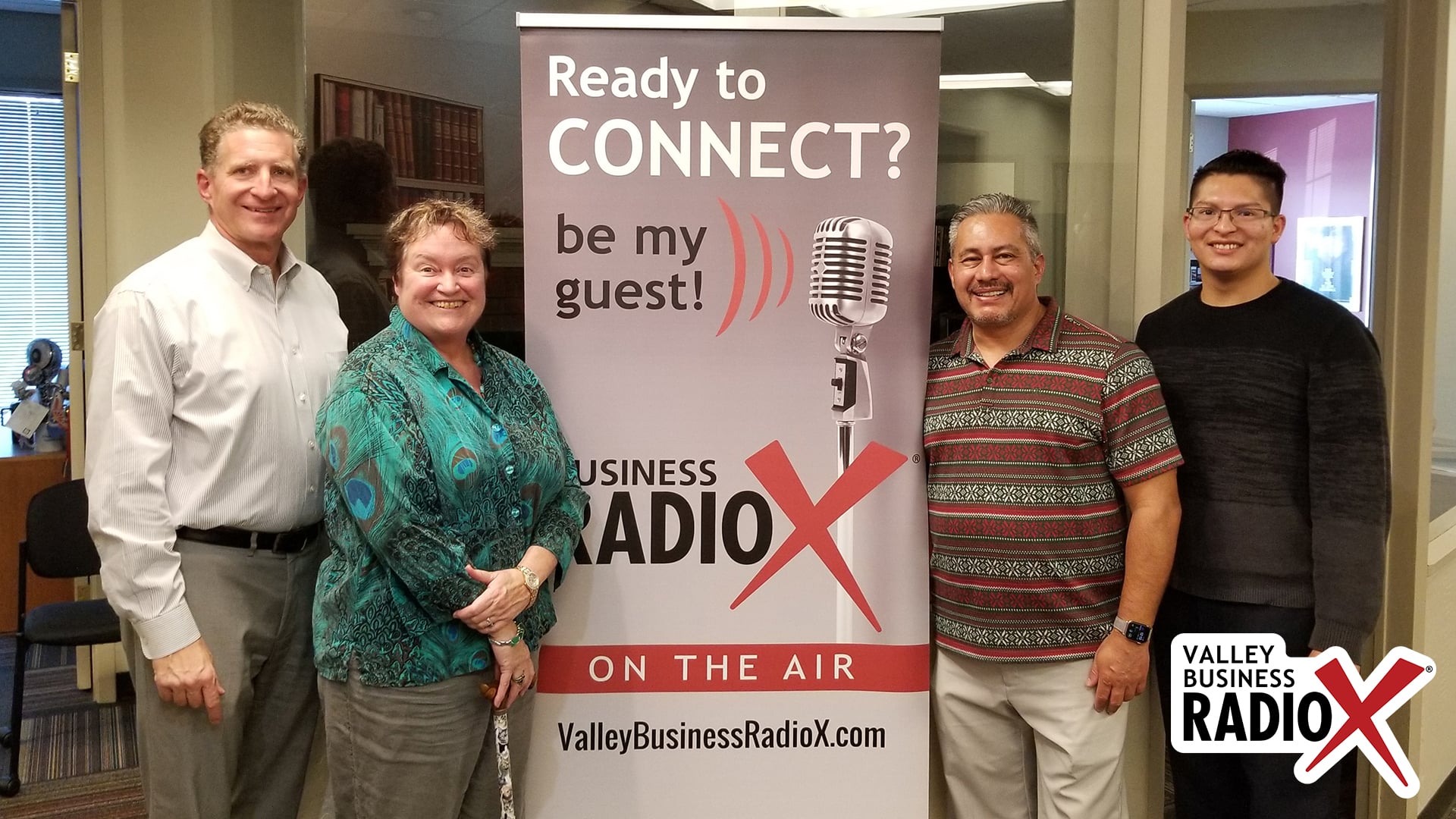
Rabbi Michael Beyo with East Valley Jewish Community Center and Dr. Nancy Harrowitz with Boston University broadcasting live from the Valley Business RadioX studio in Phoenix, Arizona
Valley Business Radio
Rabbi Michael Beyo with East Valley Jewish Community Center, Dr. Nancy Harrowitz with Boston University
Loading
00:00 /
RSS Feed
Share
Link
Embed

Download file


The East Valley Jewish Community Center in Chandler is a community center whose mission is to create social, cultural and educational activities to engage families and individuals. Led by Rabbi Michael Beyo, the EVJCC strengthens the local community by enhancing education, self-identity, personal values, and health and well-being through programs and services that are designed with the intent to uphold and sustain Judaic fundamentals. Since 1972, the EVJCC has served individuals and families inclusive of all race, religions, genders and cultures.

One of the EVJCC’s signature programs is part of the Center for Holocaust Education and Human Dignity. On November 18, they’ll be hosting a lecture on “Elie Wiesel and Primo Levi: The Gray Zone of Holocaust Survival,” by Dr. Nancy Harrowitz of Boston University.

Lecture on November 18: "Elie Wiesel and Primo Levi: The Gray Zone of Holocaust Survival"

Get tickets for Dr. Harrowitz’s lecture on November 18 in Chandler

“The opposite of love is not hate, it’s indifference. The opposite of art is not ugliness, it’s indifference. The opposite of faith is not heresy, it’s indifference. And the opposite of life is not death, it’s indifference.”“There may be times when we are powerless to prevent injustice, but there must never be a time when we fail to protest.”

“Human suffering anywhere concerns men and women everywhere.”

“We must always take sides. Neutrality helps the oppressor, never the victim. Silence encourages the tormentor, never the tormented.”

—Elie Wiesel


Rabbi Michael Beyo, East Valley Jewish Community Center

Rabbi Michael Beyo with East Valley Jewish Community Center speaking on Valley Business RadioX in Phoenix, ArizonaRabbi Michael Beyo, CEO of the East Valley Jewish Community Center, is a Jewish Scholar with a successful career providing religious guidance to all branches of the Jewish denominations. He is a passionate teacher with a love of Judaism who welcomes diversity of religious expression. Rabbi Beyo moved to Phoenix from Atlanta where he was the chief development officer for Hillel of Georgia. Before that, he was the university chaplain and campus rabbi at Boston University and the Executive Director for the Hillel House. His past experience also includes teaching, including as a lecturer for The Florence Melton School of Adult Education and a guest lecturer at Boston University, Emory and Georgia Tech. He grew up in Italy, leaving when he was 15 to attend yeshiva in London and then France. He also lived in Israel for several years, where he became ordained as a rabbi.

Connect with Rabbi Beyo on LinkedIn, and follow the East Valley Jewish Community Center on LinkedIn, Facebook, Twitter, and Instagram.


Dr. Nancy Harrowitz, Boston University

Dr. Nancy Harrowitz with Boston University on the radio at Valley Business RadioX in Phoenix, ArizonaNancy Harrowitz is a professor of Italian and Jewish studies at Boston University. She has published widely on anti-Semitism and gender in the modern period. Her most recent work includes the book Primo Levi and the Identity of a Survivor. At Boston University, she teaches courses on modern Italian literature, film and literature produced under fascism, and representations of the Holocaust in literature and film. She also directs the school’s new minor in Holocaust, Genocide and Human Rights Studies and co-chairs the Conversations on Race Initiative.

Connect with Dr. Nancy Harrowitz on LinkedIn.


Rabbi Michael Beyo with East Valley Jewish Community Center visits the Valley Business RadioX studio in Phoenix, Arizona

BRX Pro Tip: Reasons Not to Have a Show

October 30, 2019 by angishields

BRXmic99
BRX Pro Tips
BRX Pro Tip: Reasons Not to Have a Show
Loading
00:00 /
RSS Feed
Share
Link
Embed

Download file

BRX Pro Tip: Reasons Not to Have a Show Transcript

Stone Payton: [00:00:02] Welcome back to BRX Pro Tips. Stone Payton and Lee Kantor here with you. Lee, I wake up every day, I know you do as well, thinking of and sharing reasons to have a Business RadioX show, but what are some reasons not to have a show?

Lee Kantor: [00:00:19] Sure. Occasionally, we get a person that comes in the studio, and we’re talking to them about what we do, why we do it. And then, sometimes, you can tell right away, it’s not going to be the right fit because their expectations are a little out of whack of what a show is and what it can be. And I’m not saying that it’s impossible, but if they’re coming in here trying to become famous or trying to get rich quickly, our platform is probably not the right fit for them.

Lee Kantor: [00:00:51] I’m not saying it’s impossible to become famous through this, or it’s impossible to get rich quick. It’s just that that’s not what I feel confident that we can deliver to a client. It might happen. It’s kind of a lottery ticket, and all the stars have to align in order for them to get the traction they need, in order to become famous or rich quick. But it’s not something I feel confident we can deliver, kind of, reliably and predictably. If they want to dominate their local market, if they want to serve their community, that I feel pretty confident that we can deliver. If they want to meet hard-to-reach people face to face, I feel pretty confident we can deliver that. But to become famous, a lot of things have to align in order for that to happen.

Stone Payton: [00:01:34] So, two reasons that come to mind from for me, one is value system. Look, if you’re not genuinely invested in supporting and celebrating the local business community at large and really want to help people day in and day out, this thing is going to wear thin really quickly. People are going to see through it. You’re not going to have fun. You’re not going to deliver value. You’re not going to get ROI. And that’s the second thing.

Stone Payton: [00:02:02] Another reason not to do the show is math. Look, do the math. Think through return on investment. And I’m not talking about just the money that you invest but, also, the time and the energy. And you’ll think—I mean, you’ll be able to see pretty quickly if you just do some simple math. And if the ROI isn’t just in your face, obvious right out of the gate, then don’t do it, forego it, and do something else.

Franchise Marketing Radio: Nick Lopez with LIME Painting

October 30, 2019 by angishields

Atlanta Business Radio
Franchise Marketing Radio: Nick Lopez with LIME Painting
Loading
00:00 /
RSS Feed
Share
Link
Embed

Download file

Brought To You By SEO SAMBA . . . Comprehensive, High Performing Marketing Solutions For Mature And Emerging Franchise Brands . . . To Supercharge Your Franchise Marketing, Go To SEO SAMBA.com

NickLopezFounder and CEO of LIME Painting, Nick Lopez, graduated high school, left Colorado as a first-generation college student, and headed to Michigan State University. Nick was planning on walking onto the wrestling team as a way to pay for his college tuition and cost of living. Unfortunately, upon his arrival on campus, Nick realized that a wrestling scholarship was at least a couple of years away. Needing a way to afford everything, Nick decided to hang up his wrestling shoes and embark on an entrepreneurial journey.

By the time he was 19, Nick had already founded his first painting company, Spartan College Painters, LLC. From that summer on, Nick would paint homes as a way to pay for tuition, books, and cost of living. As time began to pass, Nick realized that he was developing a real passion and real love for his new craft. It was during his third year as the owner of his own business that Nick began to understand that the past three years of painting didn’t have to be his last and that a future in the industry was something that made sense for him.

With hard work, a willingness to serve, and a little luck, Nick happened to stumble upon a massive need in the market as high-end properties and clients were struggling to find a consistent, high-quality painting company that also provided custom coatings and restoration solutions. It was from this moment on that Nick began to focus on running a business that would blow past the status-quo. limepaintingfranchise-mark

Nick used his five years at Michigan State University as a way to refine and fine-tune his existing business model. After finishing his degree, Nick and his soon-to-be wife decided to move back to Colorado to start their family. It wasn’t long after they completed their move that Nick launched LIME Painting in Denver as a way to establish the same, scalable model that he had developed in East Lansing.

Since his launch, and in the first four years of operation in Colorado, LIME Painting has surged past $5.5 million in revenue. It soon became abundantly clear that Nick needed to share this model with the rest of the country which is why the decision was made to open the business up to franchising.

Today, with LIME Painting, the United States now has a brand that understands how to deliver a consistently amazing painting experience to high-end homeowners.

Follow LIME Painting on LinkedIn, Facebook and Twitter.

Tagged With: franchise, Franchise Marketing, LIME Painting

Special Episode: Workplace Diversity with Jackson Healthcare Company

October 29, 2019 by angishields

ABRSpecialJacksonHealthGroup
Atlanta Business Radio
Special Episode: Workplace Diversity with Jackson Healthcare Company
Loading
00:00 /
RSS Feed
Share
Link
Embed

Download file

ABRSpecialJacksonHealthGroup

Jackson Healthcare is built on a simple idea — that talented professionals with a shared purpose can improve the lives of patients, families and communities.

Headquartered in Alpharetta, Georgia, the company has risen to a place of prominence among the largest healthcare staffing and technology companies in the U.S. Through healthcare staffing, search and technology, it impacts more than seven million patients in over 1,300 healthcare facilities each year.

Matthew S. Harrison, PhD currently works at Jackson Healthcare as Vice President, Human Resources & Compensation. In this role he is responsible for planning, directing, and overseeing all human resources and administrative service functions for various Jackson Healthcare companies, and leads delivery in the areas of: HR metrics & reporting, job & compensation analysis, performance management, organizational development, change management, employee relations, talent management/acquisition and diversity & inclusion.

Previously, Dr. Harrison served in leadership roles at Manheim, McKesson, The Weather Channel, and Comcast focusing on talent management/acquisition, learning & development, organizational effectiveness, diversity & inclusion, and HR business partner work.

Dr. Harrison also currently serves as a Clinical Assistant Professor of Industrial/Organizational Psychology at The University of Georgia. He is a published diversity researcher, and is renowned for his research on the topic of colorism. His master’s thesis received wide publicity–being featured on websites such as CNN, CNBC, ABC News, was reported in various newspapers and media outlets across the US (and United Kingdom), and received an initial inquiry from an executive producer of The Oprah Winfrey Show.

Focusing in the area of workplace diversity, Dr. Harrison has authored a chapter for a general psychology textbook, as well as a number of other books. Additionally, he has authored several academic journal articles. He currently serves as a member of the American Psychological Association, Society for I/O Psychologists, Academy of Management, and sits on a few local boards in the Atlanta area.

Most recently, Dr. Harrison was recognized as one of Emory University’s Distinguished 40 Under 40 Alumni and was listed as an “Influencer” by The Atlanta Tribune magazine. He has also received Diversity Leadership Awards from the National Diversity Council and the Technology Association of Georgia, and was named a “Man of Influence” by the National Urban League.

Dr. Harrison is a graduate of Emory University (BA) and The University of Georgia (MS & PhD).

Savanna Rakestraw, Account Director at Locum Tenens is an experienced Business Development Executive in the healthcare industry with a broad experience in all aspects of sales and staffing. Specializing in the alleviation of understaffed hospitals and medical facilities with a primary focus on Psychiatry and Mental Health.

Nicole Ruffin, Director of Human Resources at Jackson & Coker, is a strategic, self -motivated, results oriented HR Business Partner with record of achievement and 17 + years of demonstrated generalist experience in high performing, customer focused and value driven cultures.

A strategic business partner that provides leadership and tactical support in talent development, staffing, retention, employee relations, employment laws, change management, and training implementation.

Highly skilled in managing internal customer expectations, recruiting, relationship building, and training delivery. Key competencies include excellent communication skills, the ability to establish clear lines of communication at all levels, and demonstrated expertise in aligning HR best practices and Training Development strategies with organizational objectives and initiatives.

Andrea Paradiso, CVO Specialist at Locum Tenens, is an exceptionally organized and detail-oriented leader with extensive customer service skills in multiple industries.

Laura Hitch, Team Coordinator at Locum Tenens.

Angie Humphries, Customer Care Manager at Locum Tenens.

Amy Otto, Director of Business Development at Virtual Medical Staff, is an experienced Healthcare consultant with diversified leadership skills and cross industry knowledge. Ethically driven, self-motivated leader with a strong personal and professional network. Outstanding communication skills both written and verbal with the ability to connect with diverse audiences and decision makers.

Demonstrated consultative sales approach with extensive experience with conceptual selling. Extremely resourceful, strategic thinker who loves problem solving. Excellent organizational, analytical and business planning skills. Ability to work collaboratively in a team environment to drive business objectives. Takes pride in making complex concepts easy to understand. Genuinely driven by the desire to help others.

Follow Jackson Healthcare on Facebook, LinkedIn and Twitter.

Follow Locum Tenens on LinkedIn, Facebook and Twitter.

Tagged With: Jackson Healthcare, Locum Tenens, Virtual Medical Staff

Franchise Marketing Radio: The Coffee Peddlers CEO Larry Curell

October 29, 2019 by angishields

Larry-Curell
Atlanta Business Radio
Franchise Marketing Radio: The Coffee Peddlers CEO Larry Curell
Loading
00:00 /
RSS Feed
Share
Link
Embed

Download file

Brought To You By SEO SAMBA . . . Comprehensive, High Performing Marketing Solutions For Mature And Emerging Franchise Brands . . . To Supercharge Your Franchise Marketing, Go To SEO SAMBA.com

Larry-CurellLarry Curell, CEO of The Coffee Peddlers, started his first business at 13 and has been a serial entrepreneur, successfully franchising two companies in the last 7 years. The-Coffee-Peddlers

An Army special operations veteran and avid supporter of veterans becoming entrepreneurs, Larry is focused on helping fellow veterans start and operate their own business through a proven business model and personal mentoring.

Follow The Coffee Peddlers on LinkedIn and Facebook.

Thomas Kislat with Forum River Center, Chad Smith with Trinity Motor Car and David Lance with Greater Community Bank

October 29, 2019 by angishields

Rome BRX feature 10-29-19
Rome Business Radio
Thomas Kislat with Forum River Center, Chad Smith with Trinity Motor Car and David Lance with Greater Community Bank
Loading
00:00 /
RSS Feed
Share
Link
Embed

Download file

Rome BRX Group 10-29-19

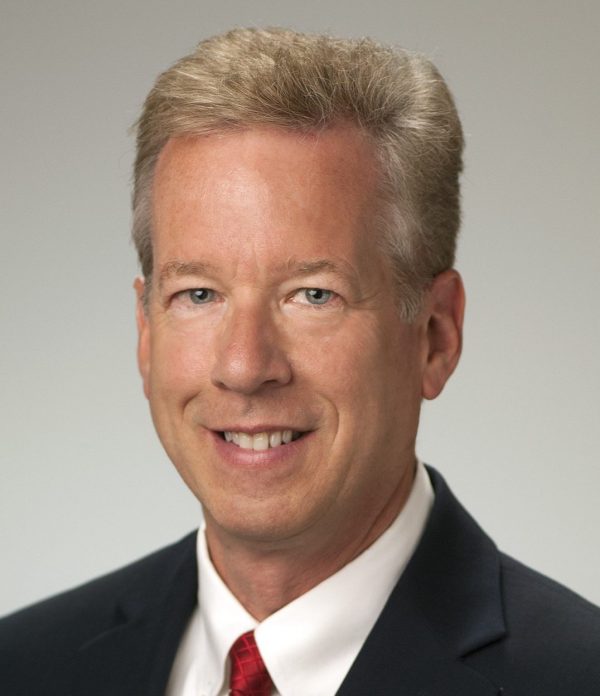
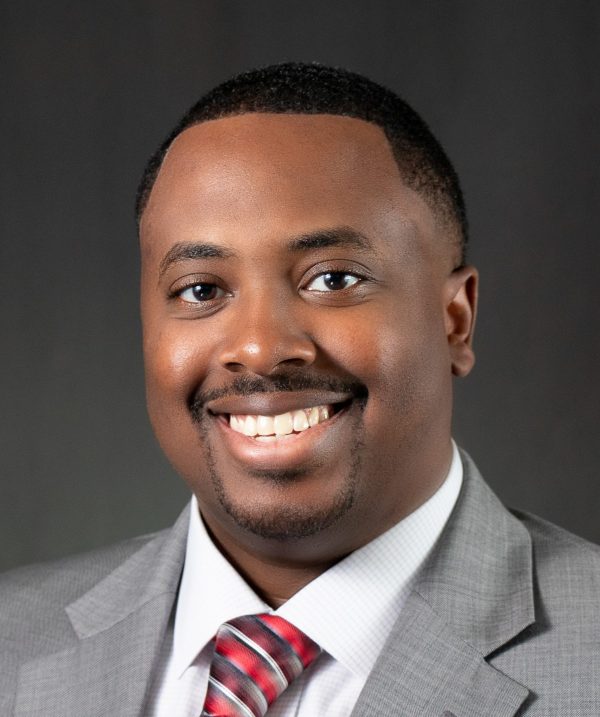
Thomas Kislat is the Sales and Marketing Manager for the Greater Rome Convention and Visitors Bureau which oversees operation of the Forum River Center in downtown Rome.

Chad Smith is the President of Trinity Motor Car.

David Lance is the President and CEO of Greater Community Bank.

This cross section of a vibrant and thriving business community discusses how important is is to build great relationships in order to grow business. Whether it’s banking, selling cars, or hosting concerts and conventions, it is the personal touch that can make a big difference. Listen to learn more about the businesses led by this group, and what the business community of Rome, Georgia is all about.


Tagged With: Forum River Center

  • « Previous Page
  • 1
  • …
  • 490
  • 491
  • 492
  • 493
  • 494
  • …
  • 1320
  • Next Page »

Business RadioX ® Network


Our Most Recent Episode

CONNECT WITH US

  • Email
  • Facebook
  • LinkedIn
  • Twitter
  • YouTube

Our Mission

We help local business leaders get the word out about the important work they’re doing to serve their market, their community, and their profession.

We support and celebrate business by sharing positive business stories that traditional media ignores. Some media leans left. Some media leans right. We lean business.

Sponsor a Show

Build Relationships and Grow Your Business. Click here for more details.

Partner With Us

Discover More Here

Terms and Conditions
Privacy Policy

Connect with us

Want to keep up with the latest in pro-business news across the network? Follow us on social media for the latest stories!
  • Email
  • Facebook
  • Google+
  • LinkedIn
  • Twitter
  • YouTube

Business RadioX® Headquarters
1000 Abernathy Rd. NE
Building 400, Suite L-10
Sandy Springs, GA 30328

© 2025 Business RadioX ® · Rainmaker Platform

BRXStudioCoversLA

Wait! Don’t Miss an Episode of LA Business Radio

BRXStudioCoversDENVER

Wait! Don’t Miss an Episode of Denver Business Radio

BRXStudioCoversPENSACOLA

Wait! Don’t Miss an Episode of Pensacola Business Radio

BRXStudioCoversBIRMINGHAM

Wait! Don’t Miss an Episode of Birmingham Business Radio

BRXStudioCoversTALLAHASSEE

Wait! Don’t Miss an Episode of Tallahassee Business Radio

BRXStudioCoversRALEIGH

Wait! Don’t Miss an Episode of Raleigh Business Radio

BRXStudioCoversRICHMONDNoWhite

Wait! Don’t Miss an Episode of Richmond Business Radio

BRXStudioCoversNASHVILLENoWhite

Wait! Don’t Miss an Episode of Nashville Business Radio

BRXStudioCoversDETROIT

Wait! Don’t Miss an Episode of Detroit Business Radio

BRXStudioCoversSTLOUIS

Wait! Don’t Miss an Episode of St. Louis Business Radio

BRXStudioCoversCOLUMBUS-small

Wait! Don’t Miss an Episode of Columbus Business Radio

Coachthecoach-08-08

Wait! Don’t Miss an Episode of Coach the Coach

BRXStudioCoversBAYAREA

Wait! Don’t Miss an Episode of Bay Area Business Radio

BRXStudioCoversCHICAGO

Wait! Don’t Miss an Episode of Chicago Business Radio

Wait! Don’t Miss an Episode of Atlanta Business Radio