Business RadioX ®

  • Home
  • Business RadioX ® Communities
    • Southeast
      • Alabama
        • Birmingham
      • Florida
        • Orlando
        • Pensacola
        • South Florida
        • Tampa
        • Tallahassee
      • Georgia
        • Atlanta
        • Cherokee
        • Forsyth
        • Greater Perimeter
        • Gwinnett
        • North Fulton
        • North Georgia
        • Northeast Georgia
        • Rome
        • Savannah
      • Louisiana
        • New Orleans
      • North Carolina
        • Charlotte
        • Raleigh
      • Tennessee
        • Chattanooga
        • Nashville
      • Virginia
        • Richmond
    • South Central
      • Arkansas
        • Northwest Arkansas
    • Midwest
      • Illinois
        • Chicago
      • Michigan
        • Detroit
      • Minnesota
        • Minneapolis St. Paul
      • Missouri
        • St. Louis
      • Ohio
        • Cleveland
        • Columbus
        • Dayton
    • Southwest
      • Arizona
        • Phoenix
        • Tucson
        • Valley
      • Texas
        • Austin
        • Dallas
        • Houston
    • West
      • California
        • Bay Area
        • LA
        • Pasadena
      • Colorado
        • Denver
      • Hawaii
        • Oahu
  • FAQs
  • About Us
    • Our Mission
    • Our Audience
    • Why It Works
    • What People Are Saying
    • BRX in the News
  • Resources
    • BRX Pro Tips
    • B2B Marketing: The 4Rs
    • High Velocity Selling Habits
    • Why Most B2B Media Strategies Fail
    • 9 Reasons To Sponsor A Business RadioX ® Show
  • Partner With Us
  • Veteran Business RadioX ®

Special Episode: Collette Portis With RED Development Group, Inc.

September 15, 2021 by Jacob Lapera

Collette-Portis-Red-Development-group2
Coach The Coach
Special Episode: Collette Portis With RED Development Group, Inc.
Loading
00:00 /
RSS Feed
Share
Link
Embed

Download file

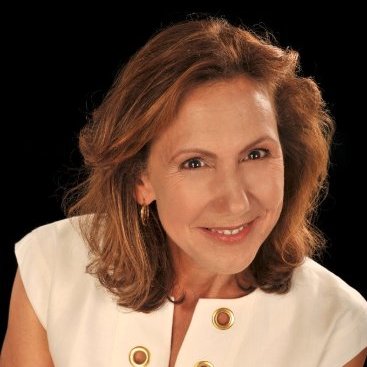
Collette-Portis-Red-Development-group2As CEO and Founder of RED Development Group, Collette Portis, M.Ed. is a serial entrepreneur proving that the entrepreneurial spirit of her parents and grandparents certainly rubbed off on her.

With 20+ years of experience as a master business coach and strategist, she has helped business owners, entrepreneurs, and executives through the process of developing their roadmap to business expansion, growth, and sustainability ultimately leading to a lasting legacy.

In line with her business accomplishments, she has earned 6 degrees including a Masters and is completing her Doctorate in Transformational Leadership. She’s been recognized by the Fort Worth Hispanic Chamber of Commerce as a Women in Leadership, honored with the Career Mastered Leadership in Action Award, and has been featured in ValiantCEO, Authority Magazine, Voyage Dallas Magazine, Mira Largo Magazine, and on countless podcast.

In addition to authoring the G.O.A.L.I.E. business strategy bundle, Collette is the host of REAL-Eyez Destiny Radio and a contributing writer and influencer for Prime Women Magazine. After founding three businesses and achieving high educational success, Collette contends that her greatest accomplishment is being the mother of her son who’s an entrepreneur and soon-to-be lawyer Thomas.

It is her heart’s desire to help business owners realize the full potential in their business, gain their freedom, and implement the steps to generational wealth and legacy in their lives.

Follow RED Development Group on Facebook, LinkedIn, and Twitter.

This transcript is machine transcribed by Sonix

TRANSCRIPT

Intro: Broadcasting live from the Business RadioX Studios in Atlanta, Georgia. It’s time For Coach the Coach Radio brought to you by the Business RadioX Ambassador Program, the no cost business development strategy for coaches who want to spend more time serving local business clients and less time selling them.Go to brxambassador.com to learn more. Now here’s your host.

Stone Payton: Welcome to this very special edition of Coach the Coach Radio Stone Payton Lee Kantor here with you this afternoon. What a delight to hear in a little bit. We’re going to get a chance to visit, revisit and welcome back to the Business RadioX microphone with Red Development Group A. Collette Portas. But first, please join me in saying hello again to my co-host and business partner of 15 plus years now. Mr. Lee Kantor, how are you doing, man?

Lee Kantor: I am doing great. I’m so excited that we’re doing this series that’s so important for folks to really understand and learn how to get the most out of their interview and how to repurpose content. As in just the general sense, whether you’re being interviewed by us or by anybody. There are so many coaches out there that are just part of their marketing plan is to be interviewed on podcasts. And if you’re not kind of bringing all the juice out of that interview, you’re kind of leaving money on the table. So I am really excited about sharing different ways that we do it and different ways that the coaches that we reached out to come on and share ways that they kind of repurpose this content and leverage the content. So this is going to be fun.

Stone Payton: Well, to me, one of the marvelous, really fun things about this work is just when I think that I’ve got it figured out. We’ve got it figured out. You know, we put it in in the Business RadioX Academy for our correspondents and our studio partners and our clients. Just when I think when we have cracked the code on this, we turn around and we learn so much more from our guest, from our clients. That’s where all this wealth of knowledge comes from, and it’s just one of the many fun and rewarding things about doing this for a little minute. It beats the heck out of working, doesn’t it? Yeah.

Lee Kantor: This kind of content, I think, is super important for folks to kind of just listen to and learn from. And that way you get the most kind of benefit out of that activity. You’ve already spent the time doing the work. So why don’t you just kind of learn different ways to get the most out of the content? And this is stuff you can implement, you know, tomorrow, next week, next month, next year. This is stuff that you can be using this content years down the road if you kind of plan it out, right?

Stone Payton: So what’s been the most interesting approach for capitalizing on on interviews that you’ve done, even if it was outside the Business RadioX system? Lee, like when you’ve done an interview, what’s been one of the most interesting and surprising ways to get the get the most out of it for you?

Lee Kantor: Well, I think something that we do internally that’s important to keep in mind when we’re doing an interview. We try to kind of plan it out in advance and know what we’re going to want to share ahead of time and try to plan that content so that it’s evergreen content. I think when people start talking about something super trendy or hot, that’s hot in that one minute, I think they’re going to regret that maybe down the road because that social media platform or that app or whatever may not even exist again six months or a year from now when someone finds this interview. So try to create kind of evergreen content. I think that’s very important when you’re doing this and when you do that, then you can add it to like what we do is we have an academy where we share best practices with our team and with our people and our clients. So we want to collect all of these things. So if they’re evergreen, it makes them more valuable and then it’s usable down the road. So I would say my big tip for this episode is to create evergreen content and make sure that you’re sharing evergreen content that you can repurpose and use down the road.

Stone Payton: Well, if my big tip, if I have one is don’t lose sight of some of the old school methods for getting the word out about the fact that you are on a on a show no matter or the fact that you are featured in a in a print article or something like that. I think it’s fabulous. I know it’s fabulous that we have all of these digital formats and with the social media platforms and new ones are emerging every day in so many ways to to multiply the effect of of any of your messaging and announcement. And yeah, I got to tell you, picking up the phone and just checking in with people and letting them know that you were featured on a show or, hey, I had an interesting experience the other day, Greg, I got a chance to do an interview. And, you know, we talked about blah blah blah. But you might enjoy it. I’ll send it to you if you want or the same, that same sort of of Typekit that same tone in a in a few emails to your inner circle. So my tip of the day would be, you know, don’t lose sight of some of the old school methods, then they can be they can be very productive.

Lee Kantor: Yeah, that’s a great tip. So why don’t we bring on the guest to get some wisdom from the crowd?

Stone Payton: I think that’s a marvelous idea. Please join me in welcoming to the broadcast with Red Development Group Miss Collette Portis. How are you, sunshine?

Collette Portis: I am amazing. Stone, you know why? Why? Why? Because I get to choose to be there every day. So why should I be anything else?

Stone Payton: A been a man. So now you appeared on the Business RadioX Coach the Coach program. It hasn’t been this long ago, as made. That sounds about right. This year

Collette Portis: It’s been. Yeah, I think it was. This year was either this year or it could have possibly been the year last year. But yes, I was on Coach the Coach and it was awesome.

Stone Payton: Well, your host for Coach the Coach almost always is is Lee Kantor. So he probably had a little something to do with that. But in my experience, the reason that those interviews are so powerful in that program has been so successful is this the caliber of our the caliber of our guests? So thank you for that.

Collette Portis: You are welcome and thank you for allowing me on your show and then being crazy enough to bring me back. I’m just saying I don’t know why people keep giving me a mike, but they do.

Lee Kantor: Now, Collette, before we get into the subject of leveraging content, can you share a little bit about Read Development Group? How are you serving, folks? Give our listener kind of a snapshot of what you’re up to.

Collette Portis: Absolutely. We are a global business development firm and we’re focused on three things. Number one, increasing the revenue of small to medium sized businesses. Number two, helping to build out and put their internal team in the right place and then helping them to build their external team, which oftentimes we don’t think about it as think about those outside of our company that support us as part of our team. And so when we think about them as part of our team, we are sure that when we make decisions and things like that, we’re conscious of them because we understand that they help us to do whatever we’re going to do. And so when we make decisions, we’re always considering what is it and how what do they do? How can they support us? And then how, how do we make it a win for them at the same time? So we’re on purpose about making sure that we evaluate a company to see where they are because oftentimes as business owners, we just guess about where we stand and where out, where our company is. And then we create a strategic plan to help you get the success you want. And then we help you to execute that plan. So we make sure that you get results. So that’s that’s a little bit about it.

Lee Kantor: Now in your world, when your go to market strategy, obviously appearing on shows is a part of it and you do a lot of work networking in real life as well as online. Can you share a little bit about what has worked best for you when it comes to doing an interview like you did with us on Coach the Coach or in any of the other places that you’ve done interviews with? How do you do you have a kind of a set? Ok, this is what I do with every piece of content or do you kind of take it piece of content by piece of content like how do you kind of strategize around that effort of being interviewed?

Collette Portis: Absolutely. So number one, as soon as that content is published, my team gets it out on and on our social platform and they are sure to get it to our media page on our website, which is absolutely pertinent. So if you Google, collect Portis or you Google read Development Group, you are sure to find us. And part of that is because when we get content like this, we’re putting that on our website, which now creates what’s called a backlink, which is great for search engine optimization. And a lot of people don’t understand that that the more that people that you’re connected to in the online space, the further up and the listing for search and engines you are. So it’s easier to find you because you’re so connected to so many people. So that’s what we that’s the first thing we do.

Lee Kantor: So then you so you have a page on your website that lists your most recent or a lot of your different media appearances?

Collette Portis: Absolutely. And either you or Stone talked about even your old or your recent magazine articles that have been written about you or that you’ve written all of that stuff is on our media page because we understand that, you know, social media is like life in the internet world is much like life in that the greater connections we make, the richer life is and that’s really if you want to break. Search engine optimization down. That’s really the heart of it. The the greater the connections you make, the higher you’re going to rank. And so we make sure we put all of that stuff on our media page.

Lee Kantor: And then when it’s on the media page, you’re not just cutting and pasting it there, you’re linking to the actual source of it and the website of wherever you appear.

Collette Portis: Absolutely. And then we have what’s called a link tree. So in our email signature, there’s our Link Tree Link. So our website link is there, our link tree line, because they’re so average and we made sure that the link is hot. And what I mean by that is somebody can go right to that email signature and click on that link and get to where you want it to be instead of just leaving it as regular text. Because every time we send that email, that’s what we’re doing. We’re creating another link back to our website. Another link back to our our link tree. And so on our link tree. You’re going to find an all a lot of the media appearances that we’ve done, the articles that have been written about read, you’re going to find those links inside of our link tree. So we’ve done it twice in our signature. There’s the link for our website and there’s the link for our link tree, both of which have all of those media appearances on them.

Lee Kantor: Now, for those who aren’t familiar, can you share a little bit about a link tree?

Collette Portis: Yes. So Link Tree is amazing, so if you don’t have it, you should have it. They have a free version, but I encourage you to pay for the paid version because Lee and Stone don’t know this until now, but I also own a branding company. It’s important that your brand is always upfront. It’s always representing for you when you can’t represent yourself. So it’s a nominal fee. It’s not that much, I promise you. I’m not a representative for Link Tree at all. I get no benefit from it. But you want to make sure that your business shows up at its best 100 percent of the time. So the fee that you pay for that small, the small fee in order to brand your link tree is very important. So what it allows you to do is to create a page like a landing page that you can brand with your logo and all of that. So if you look that red, you would see our logo and all in our brand colors. But it allows us to put our website. There are social media links there, any media links so that people can connect to YouTube videos. I too have a radio show. It’s linked on my link tree. So any link that you want to put, you can also add documents. So for instance, if you’re a speaker and you have a speaker sheet or a bio or something like that, you can put all of that stuff on your link tree. So when we get new clients, we always like to brag about our clients. So when we get new clients, one of the assignments they get is to go connect with us in the social space. Well, we just give them the literally they don’t have to try and go find us. We don’t have to try and figure out what all of our links are to send to them. We send them the Link Tree link. They’ve got everything they need right there in order to click and go directly to our pages.

Lee Kantor: Good stuff and that stuff that it seems obvious to you. But other people sometimes don’t understand the value of linking to another person’s website. They think, Oh, they’re leaving my website, but there’s value to being like you said, Google values that, hey, you’re associated with this other place that has a lot of page authority. So then you must be good to say you’re getting benefit from linking to other people’s websites.

Collette Portis: Absolutely. And even more than that, you guys mentioned earlier or you asked me earlier, how is it and why is that valuable and how do we continue to do what we’ve been able to do because it’s really all about relationships? Yes, I’m going to be concerned if someone leaves my website and goes to someone else’s web site that I haven’t built a relationship with. What if I’m on purpose about building a relationship with Lee and Stone when somebody gets to their site and they say, I found your site because we came from Red Development Group? You guys are probably going to say, Oh my god, yes, they’re great over there. Now you’ve built my credibility because statistically people only believe 20 percent of what we say about ourselves, but they believe. 80 percent of what somebody else says about us. So if you understand relationships, you want them to go to your collaborative partner site so that your collaborative partner is building this credibility and people begin to understand that you are not just good for the service you provide, but you’re a holistic provider in the sense that you bring in collaborative partners that can answer as many issues as they might come across so they can go to one place and then people really start to depend on you, and then you start getting the weird text messages like, I get that says, What do you know about trucks? I don’t know. I’m a girl. I don’t know. They’re like, Well, I know, you know someone. I’m like, You’re right, I do know someone. Let me, let me send them a text message.

Lee Kantor: Now you mentioned that part of what you do is around branding. Is there any advice you can share with the coaches out there to kind of further separate themselves? Because coaching is a very, you know, it’s the Wild West out there and it’s hard to really discern one coach from another unless that coach is really putting a specific effort to really create that niche and that that slice of mindshare, any kind of do’s and don’ts when it comes to branding for coaches.

Collette Portis: Absolutely. So I’m going to give you guys a golden ticket. It’s one of the tools that I use for my own companies and for my clients, and it’s called the lean canvas. And there’s one site that we use, particularly called lean stack. And the thing that I love about lean stack, if you’re a coach worth your weight and salt, you will look at that, that thing. And it has videos for every section that Blaine Stack is going to help you determine why you’re special, why the market needs you. What problem directly you can solve for who and who do you want to solve them for? If you can figure that out. Number one who you want to solve problems for. Number two what their top three issues are. Number three, how you resolve those top three issues. And number four, what’s unique about you? Then you sell that. Not the fact that you’re a coach because like you, said Lee, it is a while. It’s the wild wild west out here. You can wake up tomorrow and say, I’m a coach. Or you can decide by five p.m. today that you’re a coach and start coaching. There’s nothing really to regulate our industry. So you have to know how to separate yourself and then begin to use words and images branding to separate yourself and create the culture and create the idea of who you are. It’s about relationship building. It’s about building your what is it? Building your personality for your brand, the feel of your brand? What are your colors communique? What are the images on your website? Communicate. One of the things that saddens me sometimes Lee, is I look at cultures, websites, and it’s almost like we don’t make much effort or we don’t see the value in and paying someone to make sure that we show up our best. My grandmother used to say, Don’t leave that house looking like nobody loves you. And, you know, sometimes I see someone’s brand and I’m like, Oh my god, nobody loves them enough that they are them. They they can do better than that. So that’s why that is important.

Lee Kantor: Now, can you share maybe an example that in your career of having been interviewed countless times, maybe kind of the most, maybe an unexpected benefit of an interview you did and somebody found it, and all of a sudden now you got business or somebody heard about what you were up to and wanted to learn more like something that was maybe unexpected from doing, you know, these kind of interviews where there was that benefit because a lot of times people think, Oh, I’m just doing this, I’m talking there. I don’t know if anybody hears me. Can you share an example that demonstrated to you? Look, people are listening in the weirdest ways. And here’s an example.

Collette Portis: Absolutely. I said on I was nominated as I was nominated as one of the exceptional women in my community. And so I was on this panel and they were asking us pretty much about our journey and things like that. Well, what I didn’t know is there was someone in the room that was looking for someone to provide services to two cities and one county. And simply now, if anybody knows anything about government contracting, typically that means you have to find the contract, you have to respond to the bid. You have to wait to see if they accept you. There’s this whole long process. Well, just by me being on that panel and being interviewed, they determined that they wanted my company to serve those three contracts. And so we got them. We were asked. Has said we were told what they need it. We were told what the goals were and we were asked to send them something to say how we could do that. And we were selected. It took I don’t even think it took two weeks for that to happen. And then another instance I was on a not an international panel speaking and I’ve built these relationships over in Europe and in other in Germany and other countries that I didn’t expect to build. But just for the fact that I was on these panels allow me to interact and to be heard by others who decided that I have something of value that they wanted to connect to. And in the light. Another example was I was in. There was an article written about me in a magazine called Voyage Dallas Magazine, and there was another lady that they wrote an article about in that same edition who ended up reaching out to me going, I read your article. It was awesome. Let’s have coffee. Let’s have a conversation about how we do some things together. And so our media is absolutely pertinent to the growth of your your business. And so the opportunity to build relationships?

Lee Kantor: Yeah, I agree. And so many folks are doing more and more media appearances. I just want to make sure that they’re getting the most out of each and every one of those. And thank you so much for sharing what you’ve heard today. It’s so important. If you’re going to do spend the time and invest the time in doing the interview, then spend a little bit more time to squeeze as much juice out of that interview as you can. I mean, take a few steps, and if you can systematize it and do it every single time, then you’re really going to have a productive use of those times for those interviews and you’re going to get the most out of it.

Collette Portis: Absolutely. Some of the things that I’ve done with my content as my speaker rail, I’ve used content from my interviews, absolutely evergreen content and being all purpose about, you know, I’m a stickler about, I don’t want to do what’s trendy, I want to do what works and what long and what’s lasting and if it’s if it’s got staying power. I don’t mind doing that, but I don’t want to get caught in the trendy stuff, but I’ve used it again for my media page, social media accounts and commercials for my business, my YouTube channel, and most of all, for social proof, social proof, social proof. It’s proof that you are an expert at what you do. It’s proof that you have value it, build your credibility. And that, to me, I think, is probably the greatest benefit.

Lee Kantor: Well, Colette, thank you so much for sharing today. It’s just been fantastic catching up with you. If somebody wants to learn more about read, can you share the website so they can get a hold of you, maybe up their branding game or get a hold of you for your coaching?

Collette Portis: Absolutely. They can go to read development group dot com. Make sure you put group at the end or you can simply Google Colette Portis and you’ll be able to find me.

Stone Payton: Well, this is Stone speaking again, thank you so much for joining us, I want our listeners to know and I want you to know during much of this conversation, while of course I was listening to you and Lee, I was hanging out at your link tree. If that’s the right way to say that because I went to your email signature, I clicked on that and then I saw that whole a whole variety of things I could choose. And then I chose to dove into the media section and gang. This is a ninja level practical clinic on how to represent yourself. And if you if you choose to leverage one interview to get the next and capitalize on those two interviews to get the next two. I mean, this is such a perfect example. Just on one page in one section of this link tree thing on the red development site, you have all of these interviews and articles, and wow, I am so glad that that you agreed to come hang out with this, and I’ve certainly learned a lot. This is this is fantastic. I think Business RadioX Lee and Stoney Link Trees,

Collette Portis: Mozart and Lee because if you guys did nothing but link to all of the websites of everybody you interviewed. Can you imagine how many links those would be? Oh my gosh.

Stone Payton: Well, we certainly are blessed to have Collette Portis in our inner circle, and I expect that circle will continue to expand and get deeper and wider. Thank you again one more time before we wrap. Best way for people to get in touch with you. Coordinates website LinkedIn, whatever is appropriate.

Collette Portis: They can catch me on just Google Collab Portis or go to read Development Group. Com and Lee and Stone. Thank you so much. You guys are always so great. I always enjoy hanging out with you.

Stone Payton: All right. Well, this is Stone Payton for Lee Kantor our guest today, Collette Portis with Redd Development Group and everyone here at the Business RadioX family saying, we’ll see you next time on Coach the Coach radio.


Tagged With: Collette Portis, RED Development Group

Austin L. Church With Balernum

September 15, 2021 by Jacob Lapera

Coach The Coach
Coach The Coach
Austin L. Church With Balernum
Loading
00:00 /
RSS Feed
Share
Link
Embed

Download file

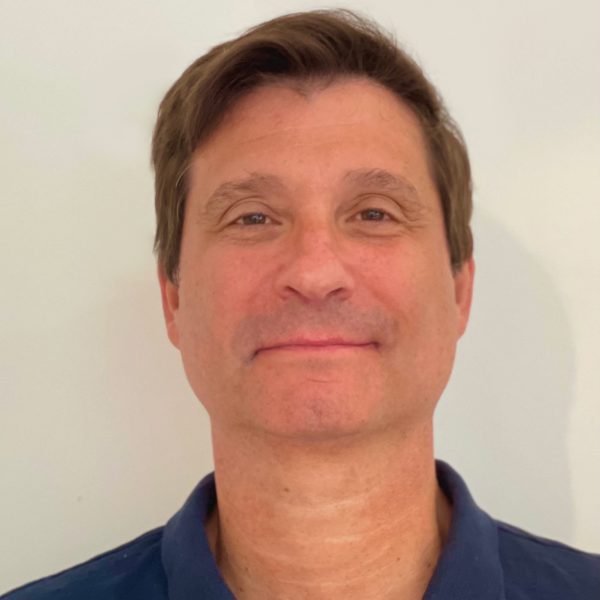
Austin L. Church is a writer, brand consultant, and online entrepreneur.

After finishing his M.A. in Literature in 2008 and getting laid off from a marketing agency in 2009, Austin started freelancing. He got into iOS and Android apps and eventually sold his portfolio of 30+ apps.

In 2013 he co-founded a tech startup called Closeup.fm (touring, ticketing, and communication software for performing artists). In 2018 he co-founded a branding and marketing studio called Balernum.

When Austin isn’t helping online creators and entrepreneurs build real brands and make a positive impact, he teaches freelance creatives how to have a record year doing their most joyful, profitable work. Austin, his wife Megan, and their three children live in Knoxville, Tennessee.

Connect with Austin on LinkedIn, Facebook, and Twitter.

What You’ll Learn In This Episode

  • It’s important for coaches to have a program
  • Advice to freelance creatives and artist types
  • Advice to other coaches and companies who want to work with or sell to creatives

This transcript is machine transcribed by Sonix

TRANSCRIPT

Intro: [00:00:02] Broadcasting live from the Business RadioX Studios in Atlanta, Georgia. It’s time for Coach the Coach radio brought to you by the Business RadioX Ambassador Program, the no cost business development strategy for coaches who want to spend more time serving local business clients and less time selling them. Go to BRXAmbassador to learn more. Now here’s your host.

Lee Kantor: [00:00:33] Lee Kantor here, another episode of Coach the Coach Radio, and this is going to be a fun one today on the show, we have Austin Church with Bill Burnham. Welcome, Austin.

Austin Church: [00:00:42] Thank you. I’m delighted to be here.

Lee Kantor: [00:00:44] Well, I’m excited to learn what you’re up to. Tell us about Burnham. How are you serving, folks?

Austin Church: [00:00:49] So I serve folks in two different ways. On the consulting side, I help the typically e-commerce brands with a specific focus in outdoor brands with their brand strategy. That’s everything from mission. Vision values all the typical stuff to differentiation, target audience, all the stuff that helps them stand out. And then on the coaching side, I help freelance creatives most often, and that’s where we’re working on business levers. The areas of their business where with a little bit of effort, they can see outsized returns.

Lee Kantor: [00:01:29] So now what drew you to creatives as a focus?

Austin Church: [00:01:34] So my background is in literature. I went to grad school to get a master’s in creative writing and never really realized it until I got into the business world. But I was always entrepreneurial, and so I was that odd duck who loved the arts, loved poetry, loved fiction writing and yet liked money and wanted to make money. And then later, when I had a family needed to make more money and didn’t think I was that unusual. But after hundreds of conversations with writers and freelancers, I’ve realized that a lot of creatives really struggle with the business side, and I’m passionate about helping them work through some of those issues.

Lee Kantor: [00:02:26] So how did you kind of I don’t want to say pivot, because maybe it was just a natural evolution from, you know, kind of wearing the hat of, I’m a creative, I’m a writer. I’m going to write. And then now that you’ve written, then going, OK, when’s the money come from this? And how do I build a business around my writing? Did that just happen? Like, you just figured out a way to do it and said, Oh, I’m going to share this with everybody else. I know, and that’s how you got into coaching. Like, what was the path?

Austin Church: [00:02:56] I think I was like a lot of people in that I had the problem, and I think most people don’t change until it hurts worse to stay the same. And I was failing forward and had a number of experiences early on where I made a mistake undercharged or had a bad master service agreement. I just made some kind of mistake that caused me pain, and I’m like, Well, there’s got to be a better way to do this. You start looking around and then as time passed, you realized, Well, I’ve started to have some success. I changed the way I operated, developed some business acumen and wait a second. All the other people that I see that are making six figures as freelance creatives, well, they’re all doing the same things. They’re all pulling the same levers. And that was kind of my light bulb moment when I thought, Oh, there are, like I said, levers and there are principles at play. And I think a lot of those will be replicable or repeatable for most people. And so that’s when I put together my program and started sharing what I had learned through trial and error.

Lee Kantor: [00:04:15] So what are some of those main levers?

Austin Church: [00:04:18] So I think a lot of them will apply both to creatives and to coaches, the six that I talk about most often are positioning, packaging, pricing, pipeline psychology and process, and I can go as as deep as you want to go in any of those.

Lee Kantor: [00:04:37] So are they in order so you have to get your positioning right before you do anything else?

Austin Church: [00:04:43] I think that helps because positioning goes back to like your dream clients. Who’s the target audience you want to serve and your market? And it’s really easy to pick a bad market, a market where people don’t have money or a market where they don’t experience an appropriate degree of pain that would motivate them to make a change or they don’t or the market shrinking. Right. So I think positioning is the best place to start. And then once you see all the indicators you need to see in your market with the type of client that you want to serve well, then you can start thinking about the packages that you want to create what I would call your juicy offers. And then, you know, you start putting prices on your offers and your pricing can be strategic and premium, or it can be more knee jerk and reactive. You can probably tell by my wording which I prefer and which I recommend definitely strategic and premium, but start with positioning for sure.

Lee Kantor: [00:05:50] So now is this kind of gear to a business audience? Or is this geared to like, what if I’m a fan fiction writer?

Austin Church: [00:06:01] So some some things still apply, right? Robert Kiyosaki. I think it was a rich dad, poor dad where he’s passing on this interview he had with a journalist, and she was expressing frustration that her books weren’t selling. And he told her, You know, they called me a best selling writer, not a best writing writer. I recommend you take a class on sales. And so certainly fiction writers, other types of writers could benefit from looking for those levers, sales being one of them. But primarily, I’m working with creatives, writers. Yes, designers, illustrators, photographers, software developers. I’m looking for folks like that who are definitely in business. Definitely see their work as a business, not just a hobby. And, you know, look for the more ambitious ones that are looking to turn a profit.

Lee Kantor: [00:07:02] So it’s not artist to be art for art’s sake. This is artist for commerce that they’re helping other people leverage their art to for their business in some manner.

Austin Church: [00:07:13] Absolutely. And I love art for art’s sake. But art and commerce have always mixed, and there’s nothing to be ashamed of in that. And wanting or needing to sell your art and support yourself does not make you a sellout. There’s a lot more to talk about there, but yes, definitely focused on people who are art as business or creativity as business.

Lee Kantor: [00:07:41] So now what are some of the symptoms these folks are having that your team or you yourself is the right fit to help them kind of get to the to a new level? Is it just frustration or lack of sales or or can it be something more deeper than that?

Austin Church: [00:07:58] Good question. It’s certainly inconsistency. You have a great month and then the next month isn’t so great and you see that freelance feast or famine. Another thing that is pretty common is burnout. Once people get to consistently making around five thousand bucks a month, so they’re, you know, topping out at around 60 a year. They get tired and maybe they don’t enjoy the work as much as they used to or find themselves pretty getting frustrated with clients or not short tempered, but just annoyed or irritated easily. And so there’s some emotional signs as well. You find yourself not as excited to get out of bed in the morning, and every new request that comes from a client may meet with some eye rolling or size. Or you get what I’m saying, right? So you’ve either hit a wall with your earning or there’s something about your emotional life or even your work life balance or blend that just feels off, and that’s when people start looking for help.

Lee Kantor: [00:09:16] So now, if you’re a creative, should you have something that is. Almost a vehicle for passive income, whether it’s a course or a book or a series or some some something that is kind of making money for you, just with the without you doing much anymore, were you did the initial work to kind of build it, but it’s saying there in the background kind of working for you?

Austin Church: [00:09:41] I recommend it. I mean, when I look at a lot of my big gains, yes, I ratcheted up my prices with creative work over the years, but a lot of my big gains came from, like you said, packaging up something that I know as a course, as a workshop and finding a more leveraged business model. There are so many business models available to us online now, and it seems like even with something like ticktalk, new ones crop up every year. So yes, by all means create some kind of digital product and you’ll achieve some scale. That’s simply not possible when you’re trading time for money

Lee Kantor: [00:10:27] And then the beauty, or one of the benefits of doing this is that this is just kind of incrementally going to add income without you kind of fussing with it a lot.

Austin Church: [00:10:37] Oh, for sure. And I think I was explaining this to my daughter the other day I had earned an affiliate commission through a product that I linked to and one of my blog posts. She’s eight. I think she’s I think we’ve got a little entrepreneur on our hands. But I was explaining to her that I wrote this blog post once years ago, and to date, I’d say that it has earned me around fifteen hundred dollars in affiliate commissions. And no, it doesn’t generate a huge sum of money on any given month. But I mean, I look at my revenue as a mosaic. Some pieces are bigger, some pieces are smaller. But every piece I add well, the whole mosaic gets bigger. My my overall revenue gets bigger. So I’m just I’m amazed at how many different ways there are to piece together that mosaic.

Lee Kantor: [00:11:32] And then as part of your work as a coach is kind of manage the expectations of your clients because like you said, you do this blog post, you add this affiliate link and it’s generating, you know, over the course of like, say, five years say it generates even even if it’s just the $1500. Well, that’s three hundred dollars a year. And if you can do that times 10 times, 15 times, 20 times one hundred, then it becomes money that you’re paying attention to. Now it’s all like you said, it’s just sitting there working in the background. And if you can get enough of that mosaic going, then then that creates that security and that creates that kind of predictable revenue over time.

Austin Church: [00:12:18] That’s right. And I think one of the things I talk a lot about is both a plan and patience. I think one of the traps that creatives in particular fall into is what I would call the skills improvement trap, where if you have, let’s say, 20 units of time and effort that you could spend, you’re a lot more likely as a writer or another type of freelance creative to go spin those units of effort on becoming incrementally better as a writer. Even if you make a 20 percent gain in skill or quality over the course of a year with copywriting that doesn’t translate into a 20 percent gain in income, so you have to come up with a plan that is built around OK, if I have these 20 units of effort and I were to apply them over here in terms of prospecting or even in terms of like what you said, creating a digital product or finding more leverage somewhere else, will that 20 minutes of effort might not represent 20 percent gain in income, but more like a 60 percent gain in income? And so part of my program is helping freelance creatives find those fulcrum, those like points of leverage so that, yeah, you won’t. We all have limited time, but where you put your time really matters in terms of the results that you give.

Lee Kantor: [00:13:54] Now I’m a big believer in processes over goals, and I think to create the right systems and tweak the right systems is more beneficial than having a goal that you’re shooting for. And is there work that I can be doing or should be doing as a creative every day to just keep pumping that lever like you were talking about earlier? That’s going to generate some sort of return over time?

Austin Church: [00:14:19] Yes. The most common mistake I see freelance creatives making is they stop marketing when they get busy. They finally experience that sense of relief, of having plenty of work, maybe even too much work. You have that one month that maybe it even doubles your best month. To date, everything is going great. And so you take your foot off the gas with marketing, with lead generation with follow up, not fully realizing that each week you’re actually working on generating leads that you’ll need six months from now. And so the one habits that I advocate for and I love what you said about process over goals. Hey, listen, if you’re going to be constantly implementing one process, it should be business development, marketing, lead generation, even if it’s just 30 minutes a day. Forty five minutes a day, don’t become inconsistent with that.

Lee Kantor: [00:15:25] So now what are those activities? How do you recommend your clients like? What activities are they doing for those 30 minutes?

Austin Church: [00:15:32] It depends on what their market is and what their primary channels are going to be, but an easy answer is listen. Beyond LinkedIn, be posting on LinkedIn. Be proactively building your audience on LinkedIn by sending 10 to 15 connection requests a day to people in your target audience. Find posts from people and your target audience. Comment on those, whatever whatever your market is, you find the main channel or the watering hole where people in that market in that target audience are hanging out and then show up there often and you put in your statistically significant number of activities there. Again, like you said, trusting the process more than you trust even a specific goal or how you feel on a specific day.

Lee Kantor: [00:16:31] So if you invest the time in kind of building this prospecting machine properly and efficiently, then it is kind of a rinse and repeat every day.

Austin Church: [00:16:41] That’s right. And it takes the pressure off of needing one particular post to get all the attention because you know, you’re going to be showing up and making another one tomorrow. It’s I mean, we all know that consistency trumps everything in marketing. It’s just that consistency is hard.

Lee Kantor: [00:16:59] So all right, that’s the work part, people. That’s the part they don’t like.

Austin Church: [00:17:04] Well, and that’s the part that, you know, a lot of freelance creatives are really smart people and we’re always looking for hacks. We’re always looking for ways to like, maximize results with minimal effort. But there are some things that you cannot hack in. Consistency is one thing you cannot hide. You just you have to put in your ups. You have to show up. You have to get the basics every once in a while. Maybe you do hit a grand slam, but you know, show up every day. And sure enough, you’ll usually come out with more than enough leads.

Lee Kantor: [00:17:39] Good stuff. Well, if someone’s out there that wants to learn more, have a more substantive conversation with you or somebody on your team, maybe to get a hold of your program or just kind of learn more what you are up to. What’s the website?

Austin Church: [00:17:51] So it’s billion m b a l e r n UMD. I’m on LinkedIn a bunch. It’s my name Austin L as in Larry Church. Find me there. Send me a message.

Lee Kantor: [00:18:04] Good stuff, Austin. Thank you so much for sharing your story today. You’re doing such important work and we appreciate you.

Austin Church: [00:18:10] Thank you for having me on.

Lee Kantor: [00:18:12] All right, this is Lee Kantor. We’ll see you next time on Coach the Coach radio.

Tagged With: Austin L. Church, Balernum

Enrique Ortegón With Salesforce

September 15, 2021 by Jacob Lapera

Atlanta Business Radio
Enrique Ortegón With Salesforce
Loading
00:00 /
RSS Feed
Share
Link
Embed

Download file

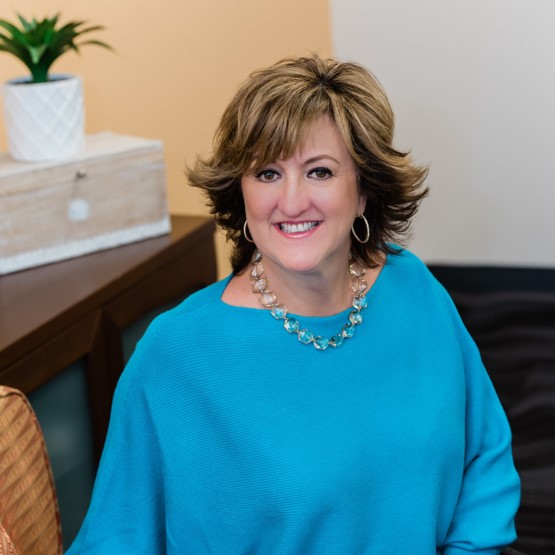
Enrique Ortegón is the senior vice president, SMB at Salesforce where he leads the North America sales team focused on helping small and medium-sized businesses grow with easy-to-use CRM technology that scales with their business.

Previously, Enrique served as the Senior Vice President and General Manager, Latin America at Salesforce.

He has shared his expertise as a writer and speaker, participating in events like the World Economic Forum, Inter-American Development Bank Summit, MexicoBusiness Summit, eMerge Americas, and IPAE Digital.

Connect with Enrique on LinkedIn.

What You’ll Learn In This Episode

  • Small and Medium Business Trends Report
  • How government and community support has affected SMBs
  • How technology has helped SMBs survive and thrive in an increasingly unpredictable world
  • Changed on SMBs in the past year and how that impacts their future

About Our Sponsor

OnPay’sOnPay-Dots payroll services and HR software give you more time to focus on what’s most important. Rated “Excellent” by PC Magazine, we make it easy to pay employees fast, we automate all payroll taxes, and we even keep all your HR and benefits organized and compliant.

Our award-winning customer service includes an accuracy guarantee, deep integrations with popular accounting software, and we’ll even enter all your employee information for you — whether you have five employees or 500. Take a closer look to see all the ways we can save you time and money in the back office.

Follow OnPay on LinkedIn, Facebook and Twitter

This transcript is machine transcribed by Sonix

TRANSCRIPT

Intro: [00:00:04] Broadcasting live from the Business RadioX Studios in Atlanta, Georgia. It’s time for Atlanta Business Radio brought to you by on pay Atlanta’s new standard in payroll. Now here’s your host.

Lee Kantor: [00:00:24] Lee Kantor here, another episode of Atlanta Business Radio, and this is going to be a good one today on the show, we have Enrique or with Salesforce. Welcome, Enrique.

Enrique Ortegon: [00:00:35] Hi, thank you, Lee. I’m so happy to be here. Thank you for having me here on your show today.

Lee Kantor: [00:00:39] Well, I’m excited to learn what you’re up to and what Salesforce is doing here with this new, I guess it’s the fifth edition of the Small and Medium Business Trends report. Can you talk a little bit about what’s the kind of the reason behind even creating the report in the first place?

Enrique Ortegon: [00:00:57] Yeah, no, absolutely. Thank you so much. Yeah. So today we launch our fifth annual Small and Medium Business Trends report, and we launch it in the framework of the Small Business Week here in the United States today kicked off the National Small Business Week, which is the opportunity for us to recognize and celebrate what I call the foundation of our economy and the fabric of our society and what we try to do here at Salesforce. We are very we’re customers, first customer centric company. We want to understand what’s going on with our customers, right? What are they going through and what are they doing to adapt, to survive, to thrive in different environments and listen? The last 18 months have been very challenging for all of us, and a small and medium businesses have, you know, are not the exception. So we went out there. We asked more than ten thousand five hundred small and medium business leaders and owners from around the world. What are they doing? How have they manage the pandemic? And we found things that are very encouraging and that makes us feel very optimistic about their creativity, their resilience, their social resourcefulness of this small and medium businesses. When we ask them how they manage to survive the pandemic. Seventy one percent of them told us that they did so by going and adopting digitalization, which is a very encouraging trend. The other thing we realized is in the U.S. alone, more than four point four million businesses we’re creating were created during this time. So I think it’s a very encouraging landscape. I think a very I’m very optimistic about what small and medium businesses are doing and will continue to do for our economy and for our society.

Lee Kantor: [00:02:41] Now, having my business, all I do is interview small and mid-sized business owners. So every day I’m on the I’m doing these kind of interviews with maybe half a dozen or so different small business mid-sized business owners around the country. And what I’m seeing is, again, just like every other crisis. Business owners tend to be optimistic. I don’t think you can be in business and be pessimistic. It’s very difficult to be kind of a naysayer and still try to grow a business. What are you seeing as kind of some hurdles ahead of small business that they’re going to have to deal with? One of the obvious ones is hiring. A lot of folks are struggling to find the right team members. Do you have any kind of insight based on your report of how they’re attacking that part of the challenge?

Enrique Ortegon: [00:03:35] Yeah. Well, I’ll just say firstly, I knew I liked you for a reason and I love your job because as much as I love my job because I also spend a lot of time talking to small and medium businesses, I mean, it’s my job, and I find it fascinating, and I admire and respect small business leaders, owners, entrepreneurs so much. And you’re right. I mean, it’s been a challenge to feel the need for employment, right? The first thing that we saw is that a lot of small businesses have to furlough a lot of their employees. Now, about half of them have a starting to hire them back, but they’re starting to hire them back under different conditions. What’s going on right now is that employees, usually customers, their expectations have changed. So now you have employees, they’re asking if they’re going to come back to the workforce. They want to come back with a flexible work and flexible work arrangements. They want to do so remotely right under the conditions that are better for them, that help them be more productive, that helped them to be happier, right, and helped to contribute more to their own onto their customer success. So as a response of that, what we’ve seen is that there’s momentum. Businesses are offering flexible work arrangements, the ability to work from home. They’re investing in online productivity and communication tools, and they’re rebuilding these relationships that they have with their own employees, right? By allowing them again to be successful from anywhere right on in the working arrangement that they find more flexible and better for them.

Lee Kantor: [00:05:08] So now how how have kind of the underserved entrepreneurs done through the pandemic? I know there’s been record numbers of black Latina women owned businesses. Two bubbling up during the pandemic, but how have they fared?

Enrique Ortegon: [00:05:27] Yeah. Listen, Latina and black owned businesses have not fared as well as the rest as well as the rest of the other businesses. That’s that’s a sad reality of the environment in which we are. And that’s why when we look back and think about when we ask them all of the businesses, what has helped them succeed get through this pandemic, both government and community support has been very important. Sixty nine percent of the leaders we asked said that government support play a key role. Sixty seven percent of the leaders we asked said community support played a key role in their in their survival. Even one one out of 10 said they will not be around if it wasn’t by a combination of good government and community support. And this is even worse for Black and Latinx owned and supported businesses. And I think that’s why it’s so important not only on this week, which is a small business week nationally. I like to say, you know, Small Business Week should be like Mother’s Day. It should be every day of the week. It’s important that we go out there and we support our local, small and medium businesses.

Lee Kantor: [00:06:39] Now it’s encouraging to see that community support is almost as high as government support because community support to me is sustainable and replicable year round, where government support probably has a expiration date. And that’s hard to kind of count on that year after year. Is there anything that you learned that is maybe kind of be actionable teaching items for folks to leverage their community more to immerse themselves in their community more to get the most out of it so they can really bond and have the community care if they’re not there anymore?

Enrique Ortegon: [00:07:14] Yeah, I mean, this goes hand in hand. We learned about how businesses actually survive and are finding success in these new environment. And the answer is do utilization right? What we’re seeing is that as small and medium businesses through digitalization are extending their relationship with their customers, they’re giving their customers the choice, the flexibility to engage with them right in the channel of their choice, the device of their choice, the time of their choice. Right. So they can have both a detail as well as an in-person relationship. I got to tell you, I love walking down the street to my favorite coffee shop, pick up my coffee and my donut right in the mornings. But sometimes I’m going to be in a rush. So I also love the ability to order from the app and have again my coffee, my donut right there waiting for me. So it’s a transaction that will usually take five 10 minutes. I can. Sometimes I stay there, I hang out there for for a few minutes to one that could be just I used to come by and grab my stuff and move on with my day right? I’m still supporting my local, my local business, right? But I’m doing in a different environment. So small and medium businesses are finding that is really important. So seventy five percent are establishing a digital E commerce and e-commerce channel, right? And they don’t anticipate this is going to go away. So they continue to invest in contactless delivery options, et cetera. They continue to invest in social media channels and communication with their customers through different channels via text message, email, marketing campaigns, etc..

Lee Kantor: [00:08:49] Now are you finding that because of this digitization and this kind of ecommerce element that they’ve added to their business, is there a chance that they might say, You know what, maybe we don’t need to be brick and mortar anymore. Maybe we can be all digital.

Enrique Ortegon: [00:09:06] I think the key word is flexibility and choice, right? I think they’re finding that they’re going to have to live in this both worlds. They’re both here to stay. Seventy five percent of the growing businesses we talked to said the changes they did in the past are going to stay and they’re going to help them remain competitive and successful into the long term, whether they’re going to keep both options. Users like employees are going to continue to say, Hey, I might be working remotely, but I want to have the option to come back to the office maybe one or two days a week if I need to. So I, I don’t anticipate and we haven’t seen a downward trend where say, Hey, we’re completely shuttering our doors and moving into an entirely digital engagement form. But rather, we’re going to leave from this duality where the customers and the employees are going to have the choice to engage both digitally and in person.

Lee Kantor: [00:09:59] Right. But that’s an interesting trade off that they’re making because in one case, they’re just competing with the folks around them and then the other case, they’re competing with the globe, whether it’s in terms of talent or whether it’s in terms of competition. Is there anything that Salesforce does to help them kind of, you know, kind of maintain that hybrid plan of attack?

Enrique Ortegon: [00:10:20] Yeah, absolutely. Listen, we’re in number one. Crm, customer relationship management platform and what we do, we actually help teams sales, marketing service, e commerce, IT teams work as one team from anywhere. So what we’re doing, we’re empowering companies. Customers of all sizes, small and medium businesses to use our tools to find ways to connect and to satisfy their customers in the ways that their customers find best as well as their employees. And we’ve done things like, for example, Slack, which, you know, introduces a whole concept of the digital HQ, right? Which means now we’re all working together in a virtual world that we can be working together side by side, and we will also be collaborating with a teammate that is in a different timezone, right in a different state, a different part of the country.

Lee Kantor: [00:11:09] And then not all of your offerings are for fee for these microbusinesses, there’s kind of no charge low charge versions of Salesforce.

Enrique Ortegon: [00:11:17] You’re certainly options. Listen. They’re very affordable options. There are different ways to get into our platform. What I will say, you know, if you know your people listen to your show, are interested. Go to Salesforce.com, a small business France sub trends and find out. Engage with us and we’ll figure out a way to make sure you are successful. We’re helping you and we’re successful and we’re helping you be successful.

Lee Kantor: [00:11:40] And then when a person engages with Salesforce, are they dealing with a kind of a live human or is this a kind of automated interaction?

Enrique Ortegon: [00:11:51] Both. I mean, all digital world. We’re an artificial intelligence. It’s so relevant and important these days. If you want to reach a human, you will reach a human. If you want to interact digitally with a chatbot, you can do that. And if we can solve your problem, we’ll do it that way, too.

Lee Kantor: [00:12:07] So now are there any kind of takeaways from this report that you would say this is the low hanging fruit that people can take action on today?

Enrique Ortegon: [00:12:18] I would say there are four things that we learn from this report that are very important. One is that small and medium businesses are prioritizing both customer and employees needs in this new digital world, right? They’re engaging with them in the channel of their choice and the device of their choice right at a time of their choice. And given the flexibility to engage digitally as well as in person, which means there’s an acceleration of digitalization, which also means there is a prioritization of security with digitalization comes the importance of keeping customers and companies data secure, right? And the fourth thing that I’ll say and we’ve seen is really interesting. You see it. You talk all the time with small and medium business owners and leaders and entrepreneurs, hard times, uncertainty, crises and challenges. They’re not as strange to this. I mean, they are sometimes, you know, they’re perennial optimists, right? But what they’re finding is the changes are coming in a faster way and a more unpredictable ways. So they’re now incorporating the scenario planning practices into their management style and into their management practices. So four things prioritized customers and employees needs accelerate utilization, focus on security, cybersecurity and incorporating this in their planning through their management style.

Lee Kantor: [00:13:43] I couldn’t agree more. I think that that is so important with these small and mid-sized businesses, especially to have that kind of support and community to help them through these challenging times because a lot of folks feel like they’re going at it alone and they don’t have a kind of a place to turn. I think one of the benefits of partnering with a Salesforce company is that community of Salesforce, folks that are users of Salesforce and the community that you’ve established over the years to help each other. And that is just the worth the price of admission by itself. I think, because it is kind of the Wild West out there and you need as much help as you can in order to survive.

Enrique Ortegon: [00:14:24] You know, I could not have said that that early. That’s just phenomenal. We do have a trailblazer community, which is millions of people who are certified, who use Salesforce, who are evangelists of Salesforce and who help each other learn advance, right? Help certainly give us feedback. As a company, they help each other and be successful in this ecosystem. But most importantly, if you’re a small and medium business leader, owner, an entrepreneur, you’re not alone. Ninety nine point nine percent of the businesses in this country are small or medium businesses. Forty seven percent of the people who are employed in this customer are employed by industry in this country are employed by small or medium business. And in this week, what I’ll say is an opportunity for all of us to recognize to celebrate small, medium businesses by a small user, small write, reviews, post and social media channels and use overall, you know, spread the love for small and medium businesses. I said before, and I will continue to say small and medium businesses are the foundation of our economy and the fabric of our society. We need them and they need us. So let’s go out there and, you know, spread the small business love.

Lee Kantor: [00:15:37] I couldn’t agree more. And the sad fact is, and this is my mission and this is why Business RadioX exists, is because we’re trying to be the voice of those small to midsize business owners. Because sadly, even though ninety nine point nine percent of the businesses are small and midsize, the zero point one percent of the businesses take all the headlines and all the media attention away from all the other ones. So we’re trying to be that voice of business and give them a chance to be heard. And I think that it’s critically important because those are the folks that are supporting the community. They’re the ones. They are supporting the church and the schools and the Little League teams. They’re the ones doing the hard work and they’re kind of the unsung heroes of those communities.

Enrique Ortegon: [00:16:18] At least we’re together on this campaign to make sure small and medium businesses continue to be around, continue to support our economy, continue to support our societies and our communities. We’re in this one big symbiotic circle. And I agree with you. So you and me, we’re hand in hand, shoulder to shoulder in this. We’re advocates, we’re evangelists and staunch supporters forever or small and medium businesses.

Lee Kantor: [00:16:44] So now if somebody wants to get their hands on this report, where can they find it?

Enrique Ortegon: [00:16:48] Salesforce.com SMB trends?

Lee Kantor: [00:16:52] Good stuff, Enrique. Thank you so much for sharing your story today. You and your firm are doing important work and we appreciate you.

Enrique Ortegon: [00:16:59] Thank you, Lee. It’s been a pleasure and go a small business love.

Lee Kantor: [00:17:02] All right. This is Lee Kantor. We’ll see you next time on Atlanta Business Radio.

Tagged With: Enrique Ortegón, salesforce

Will Downs With Downs Law

September 15, 2021 by Jacob Lapera

Atlanta Business Radio
Will Downs With Downs Law
Loading
00:00 /
RSS Feed
Share
Link
Embed

Download file

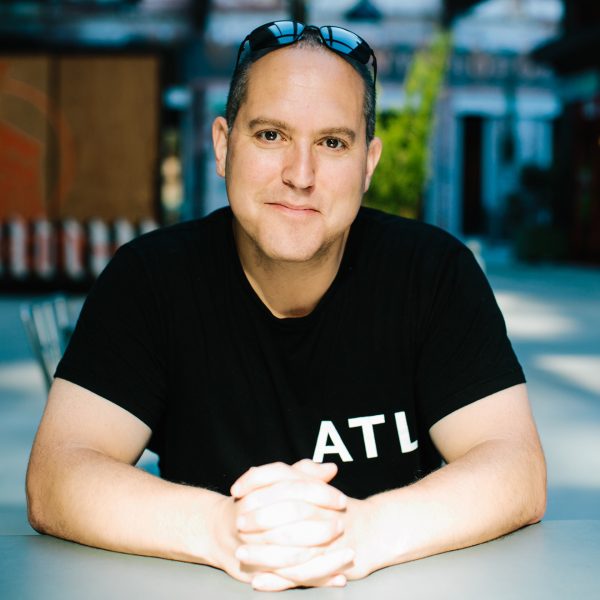
After working for several years in larger firms, Will Downs started Atlanta-based Downs Law in March of 2013 with a desire to offer clients quality legal services delivered in a more personal and thoughtful manner.

Will established immediate success with Downs Law, prevailing in several jury trials within the first few years of opening the firm. Throughout his career, Will has participated in hundreds of trials, as well as achieved successful resolution, thorough settlement, or summary judgment, of numerous other cases.

He primarily practices in the area of commercial real estate, with an emphasis on landlord/tenant and collections. Will also has extensive litigation experience in the areas of property damage, real estate, construction, and homeowner’s association law.

Additionally, his experience includes negotiating and facilitating business deals, such as leases, personal guarantees, deeds, operating agreements, security agreements, and other transaction documents.

Will’s results have prompted numerous speaking opportunities, including at the State Bar of Georgia’s Solo and Small Firm Institute along with the National Business Institute, where he has spoken on various topics including The Ultimate Guide to Commercial Real Estate Law, Combating ‘Rambo’ Litigators, and Collection Law: Start to Finish. Additionally, Will provides pertinent legal updates on the Downs Law blog.

​Beyond his dedication to the firm’s clients, Will is also committed to volunteering his time through pro bono legal work. He currently serves on the State Bar of Georgia’s Access to Justice committee where he works to increase the public’s access to legal services.

In 2008, he participated in the successful habeas trial of an inmate on Georgia’s death row. The trial was the client’s last hope of avoiding the death penalty for a crime he was mentally incapable of committing. Will also represented several Georgia non-profit environmental organizations in filing amicus briefs to stop the permitting of a coal-fired power plant in southwest Georgia, emphasizing the significant impact of the plant’s carbon dioxide emissions.

Will also presently serves on the ACLU of Georgia’s legal committee and is involved with several professional organizations, including the Lawyer’s Club of Atlanta, the Atlanta Bar Association, and the DeKalb County Bar Association.

Originally from West Point, Georgia, Will, completed a journalism degree from The University of Georgia.

Connect with Will on LinkedIn and follow Downs Law on Facebook and Twitter.

What You’ll Learn In This Episode

  • The best way to find a lawyer
  • Some good questions people should ask when hiring a lawyer
  • Some things people should avoid when looking for a lawyer
  • Some things a commercial landlord or tenant should never agree to in a lease
  • The top things to look for to avoid issues down the road

About Our Sponsor

OnPay’sOnPay-Dots payroll services and HR software give you more time to focus on what’s most important. Rated “Excellent” by PC Magazine, we make it easy to pay employees fast, we automate all payroll taxes, and we even keep all your HR and benefits organized and compliant.

Our award-winning customer service includes an accuracy guarantee, deep integrations with popular accounting software, and we’ll even enter all your employee information for you — whether you have five employees or 500. Take a closer look to see all the ways we can save you time and money in the back office.

Follow OnPay on LinkedIn, Facebook, and Twitter

This transcript is machine transcribed by Sonix

TRANSCRIPT

Intro: [00:00:04] Broadcasting live from the Business RadioX Studios in Atlanta, Georgia. It’s time for Atlanta Business Radio brought to you by onpay Atlanta’s new standard in payroll. Now here’s your host.

Lee Kantor: [00:00:24] Lee Kantor here, another episode of Atlanta Business Radio, and this is going to be a good one, but before we get started, it’s important to recognize our sponsor on pay. Without them, we couldn’t be sharing these important stories today on Atlanta Business Radio. We have Will downs with Downs Law. Welcome, Will.

Will Downs: [00:00:41] Hey, Lee, how are you doing?

Lee Kantor: [00:00:42] I am doing well, I’m excited to learn what you’re up to. Tell us a little bit about dance law. How are you serving, folks?

Will Downs: [00:00:48] Sure thing. Well, we have a law firm that focuses on commercial real estate and litigation and and really kind of what that boils down to is we negotiate and fight over a property and money. So so that’s kind of what we do and the way we do it is we just try to to do so in a clear communicable way that kind of articulates the mission, our purpose, our scope of work, and we try to be transparent about the legal process to guide clients throughout.

Lee Kantor: [00:01:17] So now what’s your back story? Did you always want to be a lawyer and specifically, do you always want to get involved in this side of the law?

Will Downs: [00:01:26] I did not always want to be a lawyer, Lee. I have a journalism background, so I was always interested in stories and telling stories and people. So it is kind of a good Segway to the law. So it’s a practice in journalism for a couple of years and then made the transition to law. So. So now I get to, you know, when I’m in court, I get to to craft the story. I want to tell that that is designed to persuade the judge or the jurors.

Lee Kantor: [00:02:00] So you get to use that storytelling still comes into play, it’s just you’re kind of using it a little differently than maybe you envisioned when you were younger.

Will Downs: [00:02:08] Yeah, it’s you know, it’s it’s interesting because, you know, in journalism, you can often take a quite complex piece and you kind of have to distill it into that, you know, however many words you’re given or how many minutes you’re given and the laws the same way. I mean, you know, in court, at least you don’t have a long time to to impress people and you kind of get to the point and you get to choose what’s relevant and what’s not and what you think is going to persuade and kind of leave the the kind of ancillary details that you may think are interesting, but other people might not out so. So it’s it’s all about it’s all about a lot about crafting the story and you know, and also in a in a negotiation, not just in core, but say, you know, a lease negotiation, for instance, you know, that’s a 50. It can be a 50 page document. And you know, you can really get bogged down in a few of the details that you may have an issue with. But you know, kind of the the bigger picture is kind of, you know, is this a deal worth entering into or not? And so, you know, kind of looking at as a lawyer, I try to guide people in looking at the particular provisions that that really matter the most to Elise

Lee Kantor: [00:03:37] And even a negotiation of that kind. It’s not always kind of the facts of the matter, right? Like it’s the numbers or the numbers. And but the story is important as well because people buy things or they negotiate things, and the outcome might not be. Maybe they justify it with numbers, but sometimes the story kind of persuades them to make the deal or not.

Will Downs: [00:04:00] Yeah, yeah, that’s very much truly. And another thing is is often find in leases too, especially from the, you know, the tenants perspective, the prospective tenant, you know, they may get, you know, their story, they may get really attached to the particular space or the particular business idea. And they may have already kind of convinced themselves that this is what they want to do. And as a lawyer, I’m not ever trying to kill the deal if that’s something that that you want to do. But I I do want to, you know, make sure you’ve considered all the scenarios that may come into play and have done your due diligence to make sure you know this will be a story with a happy ending.

Lee Kantor: [00:04:51] Right. And they can make an informed decision. Not one. That’s an emotional decision, necessarily.

Will Downs: [00:04:56] That’s right.

Lee Kantor: [00:04:57] So now being that there are so many different types of lawyers in your case, you gravitated to this commercial side of the law. Can you talk to the folks out there that are deciding which lawyer I should choose in my situation? Is it something that I have to as a business person, I have to have, you know? Just a 20 different lawyers for every specific specialty or like. Or is it some general purpose lawyers can handle some of this stuff, like how do I know when it’s time to go for a specialist or a generalist?

Will Downs: [00:05:36] Well, that’s a that’s a really interesting question and one I’ve actually dealt with myself, you know, and I’ll start by saying this is that, you know, talking to lawyers can often be incredibly confusing. Know I am a lawyer and I find that often, you know, if I’m at, you know, gathering with another attorney, I haven’t met before and they’re trying to tell me what they do often can’t even quite make sense of what they’re telling me. They do so. So I certainly sympathize with, you know, the general public or even a business owner who you know, is looking to hire an attorney but but doesn’t quite know how to go about that or what they’re looking for. Yeah. So it can be incredibly difficult to find the right person. And even in my practice, you know, we often do work out of state. And so I need to associate an attorney in another jurisdiction. And it can be difficult unless I have, you know, have a colleague, you know, that I know they’ve worked with before. It can be difficult to find someone. So, you know, in hiring an attorney, you know, there’s a lot of factors to consider. And, you know, because it can be not only a life changing experience, but incredibly expensive and emotional decision as well. You know, so do doing due diligence is important. And as far as the types of law generals versus specialists, I don’t know that I quite see it that way. I mean, obviously, if if there are some certain, you know, specialty, I guess areas of law, let’s say like if you need a divorce, right? I mean, you know, a bankruptcy attorney isn’t going to necessarily be able to help you. So there are some certain specific categories of law that that a consumer or business owner may be looking for.

Will Downs: [00:07:41] But what I often find you know that that I get connected with with people and businesses is that it’s, you know, it’s I think of myself as like our firm, as a problem solver, right? So if you if you have a legal problem, you come to us and we can assess whether it’s something that kind of fits within our skill set that we can help with or if not, you can we can reach into our network of attorneys and find someone that they can help. But you know, some good resources to find attorneys are obviously, you know, people, other business owners that you trust. You know, those are always the best referrals. You know, they may not necessarily know exactly what type of attorney you’re looking for, but if they recommend it to an attorney they trust, you know, typically that trusted attorney, you know, will be able to point them in the right direction, even if it’s not a direct connection. That trust that attorney can then refer them to someone that they trust and help you get connected that way. You know, another really good thing to do. Like with any consumer product, is to try to find reviews. You know, a lot of there’s a lot of sites out there know Google. You know, there’s some other online sites where attorneys can get reviewed. And so when I’m looking to associate attorneys as well, I’m typically looking at, you know, or do they come highly recommended and what are the types of reviews? Is it? Or they reviews that you know they’ve solicited? Or do they seem like genuine client reviews? So those are some those are some considerations I would take in mind.

Lee Kantor: [00:09:28] So now in your working commercial real estate, obviously, since this is what you’re doing every day, you have a depth in that space that obviously other people wouldn’t have. Can you talk about in the commercial real estate world? What are some things maybe do’s and don’ts when it comes to a lease? If you’re obviously if you’re representing the landlord or the tenant, it would matter. But what if you could break down some do’s and don’ts in the lease? Can you can you share some of that thought leadership with us?

Will Downs: [00:10:03] Yeah, sure. You know. You know, absolutely, I mean, I think that there’s definitely. You know, I’ll start with the, you know, the tenant considerations, you know, just some things to keep in mind and things I’ve seen in my practice. I think one of the biggest things that that that comes up a lot is, you know, when do you start paying rent? So as is often the case. You’re not when you’re going into a new space, there’s some work that needs to be done to it. Often it’s not turnkey, you know, just come in and switch the utilities over. You may need to reconfigure the space, move some walls around, you know, depending on the size of the space, the project can be quite complex. So within that, you know, there are a lot of considerations as far as you know, timing of that and also the financing of it. And those are all interesting topics as well. But I think that the takeaway I always have is is regardless of how long or how much you’re spending. Um, you know that at some point, you know, you’re going to have to start paying rent and you really don’t want that to happen before you’re open for business. And so, you know, try to be realistic about the construction process and construction right now.

Will Downs: [00:11:35] You know, it’s fraught with issues, cost issues and delay issues. And so, you know, be realistic about how much time it will take if there’s things the landlord’s doing or we’re supposed to do in order to get you open for business. What are the potential repercussions if they don’t do those things on time? If there’s things that you need to do to get open for business, you know, make sure you have enough time to do all that stuff before before you have to start paying rent because, you know, it’s a really, really significant burden for you to start paying rent before you’re making money as a tenant. And it happens a lot more than you would think, just because I think people kind of underestimate how long it will actually take to do the things they need to do. So talk to, you know, talk to your lawyer or talk to other professionals about a realistic time frame and how you can craft, you know, language such that protect yourself in the event there are unforeseen delays. And I think on the landlord side. You know, a lot know landlords, I mean, this is obviously a very landlord friendly state in Georgia and most leases are very landlord friendly. So the things that you need to do as a landlord, you know, most often you know you’ve got a form, or at least that’s that you’ve thought about that are taking that to consideration.

Will Downs: [00:13:06] But I guess kind of one thing I will note on the landlords side that can come up a lot is and what a lot of landlords don’t think about is that, you know, you need to have adequate security from the tenant that you’re leasing to even if it’s a business with an established track record, you know, not not not not a new business, not a start up, a business with established track record. I mean, you know, businesses always or in flux, you know, there’s there’s ebbs and flows to it. So a landlord will often take a security deposit, but the amount of the deposit should be taken into consideration. You know, it’s not uncommon now to see a deposit, plus the last month’s rent on hand that gives you two months of security. Other forms of security can be personal guarantees, even if you have an established business, perhaps obtaining a personal guarantee from one of the owners or a parent company or another financially solvent company. Just to give you that added layer of protection in case things do go south with the lease.

Lee Kantor: [00:14:19] Now, do you work primarily with the landlord or the tenants?

Will Downs: [00:14:23] It’s just really a mixture, I mean, I don’t I’d say it’s probably 50 50 on each side of it, so I’m not an exclusively landlord, attorney or tenant attorney

Lee Kantor: [00:14:34] Now when but more things are negotiable than maybe the layperson realizes, right?

Will Downs: [00:14:43] Yeah, I mean, not only the layperson, but even sophisticated, you know, business people. Yeah, yeah. Most a lot of provisions are negotiable now. I mean, you know, when you’re negotiating against a large institutional landlord or tenant, you know, they typically have things that they’re not willing to negotiate on. But if you don’t ask, you’re obviously not going to get it. So, you know, the approach I take to negotiations, it isn’t. And you see, sometimes you get advice of, you know, always ask for everything and you know, then we’ll whittle it down. I mean, and while that’s true to some extent and you do start out with like a longer list of things. That you have concern about and isolating the one or two things that are most concern, always always try to be reasonable and not waste everyone’s time right. So if I know I’m dealing with, you know, a form lease that doesn’t have a lot of wiggle room, I mean, we’re not going to I’m not going to waste the client’s time or the other side’s time, you know, sending back a document that’s, you know, bleeding with red lines.

Lee Kantor: [00:15:55] Now, can you share a story? Don’t name any names, but an example of how working with your firm or a firm like your firm could actually save a lot of money or make a lot of money for the client.

Will Downs: [00:16:12] Yeah, and I mean, I will say. You know, I think just kind of goes back to on the on the leasing end of I’m thinking of at least it goes back to. You know, just that. You know, due diligence and how long it will actually take to, you know, to be open for business, right? I mean, you know, there’s there’s definitely been scenarios where we’ve. You know, counseled, you know, particularly tenants on how to protect themselves in the event this project runs long and pointed out that the way this lease is written, you’re, you know, you could potentially be on the hook for, you know, six months, rent or so before you’re open for business. And here are some things that you can do to protect against that. You know, I think that certainly saves clients money in the long run. If, if

Lee Kantor: [00:17:09] Right, like an example of that would be like, OK, I’m going to say my lease begins October 1st of this year, or I can say my lease begins when the build out is fully completed. And you know, right, like, you don’t have to have a hard date to start. You can you can negotiate a the date of moving rather than the date, a certain specific date and time.

Will Downs: [00:17:31] Yeah, you can. You can negotiate that stuff. I mean, so you know, while the landlord may want a date certain you can make it contingent on certain things happening, such as you being able to get a certificate of occupancy, which will allow you to do business in space, right?

Lee Kantor: [00:17:47] Because those things can be like if it’s if you’re waiting for a permit of some kind, it could be months and you’re just sitting there paying rent for months and not being open for business. But if you negotiate it properly, I mean, you could be saving them for six months worth of rent that they didn’t pay, whether or not McCain money.

Will Downs: [00:18:07] Yeah, that’s absolutely true, and especially it’s it really came into play with the, you know, with the pandemic, you know, shutting down a lot of governmental offices. You know, that’s certainly made permitting harder to obtain in. You know, there’s lease language you can put in there about those kind of unforeseen governmental delays, kind of extending the time period for you to do certain things.

Lee Kantor: [00:18:33] So now part of your job as you help your clients collect money that’s owed to them.

Will Downs: [00:18:40] That’s right, yeah, we do. Yeah. Like I said, we’re fighting over money, so we’re we’re trying to trying to get money to do to clients, whether it be under a lease agreement or a construction agreement or things of that nature.

Lee Kantor: [00:18:55] So can you talk about how that how do you know when it’s worth the effort to try and collect his or a dollar amount? Or is it how do you determine like, OK, let’s pursue this? Or look, I checked them out. You’re just trying to, you know? Get money from a black hole here, it’s not going to happen.

Will Downs: [00:19:16] Well, I kind of start. I mean, that’s a obviously a nuanced question, Leigh. And I think I think it’s a very important one, and I’ll start by saying this about collections at the end of day is always a business decision. Right for every business is going to be a different set of factors, but it certainly is the, you know, the cost and time and effort to collect the money versus the amount of money. And I’m not ever going to tell any business owner that the amount of money that they’re trying to get is too little, if that’s really important to them. All I can really advise them on is, you know what it would take for someone like me to help you get that money. And also, you know, potentially other ways to do it. And the other thing I’ll say about collections is this because I think there’s a lot of kind of it’s a hard kind of concept to grasp. But but the way I just kind of try to simplify it for people is one year or any business is when you’re looking to collect. There’s really, you know, there’s kind of the what I say, the easy way and the hard way, right? So that and what I mean by that is there’s either you do it outside of court or you do it through court. So right outside of court, you know, the easy way all you can really do in that kind of scenario is is just try to get them to the table, right? Try to get whoever is owing you money to come to the table.

Will Downs: [00:20:47] You can do that through calls, through letters. You know, by the time it gets to me or attorney like me, it’s typically, you know, business owner is exhausted, you know, all the efforts to try to get compliance with paying the debt. But if you’ve got someone that’s not wanting to pay you, you know your recourse is is kind of limited if they’re just ignoring you, if they’re taking the head in the sand approach. And, you know, if you hire a collection agency, you know, that’s really all they’re going to do to right. So the collection agents are not attorneys. They may work with attorneys, but you know, agencies then in and of itself is all they’re really going to do is just kind of send letters or make calls, try to coerce payment, try to, you know, settle for some amount, then what an attorney can assist with is, you know, the hard way right is collecting through the court process. And you know that anytime you’re weighing a decision whether to file suit against someone, it’s an important decision. It’s not something you should take lightly. And you know, there’s cost factors and not just cost factors, but there’s time.

Will Downs: [00:22:11] Factor as well, so you turn this over an attorney, but that’s it doesn’t mean you get to wash your hands of right, you still have to kind of be involved, you still have to provide answers, you know, documents, you may have to appear in court. So does that kind of time and expense of hiring an attorney? Another thing that kind of comes up with any sort of debt when you’re hiring an attorney is, OK, well, I’ve got to pay you to collect the debt. What about my legal fees? Can I get those? And that depends in in America, we kind of have this, you know, what’s called the American rule. That’s each side kind of pays their own legal fees. But as you know, in law, there’s always exceptions. So one exception is if you have a written contract that says the other side has to pay legal fees. If you win, then you can, you know, recover your legal fees as part of any sort of court award. A little bit outside of the the scope, but even kind of further nuances. Let’s say you go to court and you win and you get a judgment. How do you put that money in your pocket? And you know, that’s a that’s a whole separate set of questions that you know, we can get into if you want. But we can also save for another time.

Lee Kantor: [00:23:33] Right. But again, having a lawyer as part of your team going in, you can kind of set the stage for that at least proactively establish that as, OK, I’m going to be able to negotiate that back. If you had planned well at the beginning, right, you can put as part of your contract that the if you don’t pay, then you’re going to pay the legal fees.

Will Downs: [00:23:56] Yeah. And I mean, that’s, you know, any any business owner probably has a form contract they’re working with. And you know, if that if it doesn’t say anything about legal fees, then there’s the general rule is you’re you’re not certainly not guaranteed to get them. So that would be something to, you know, to consult with an attorney about to make sure your contract, you know, has the provisions it needs to have to make. Make sure if you do have to go to collections through an attorney to make sure you can maximize a recovery. Because I mean, you know, the the part that’s unfortunate is if you’ve got a debt in your contract doesn’t say anything about legal fees, then it gets expensive really quick and starts eating into, you know, the amount of, you know, recovery you stand to get right now.

Lee Kantor: [00:24:48] Obviously, in today’s climate, real estate is a very popular. A lot of people are seeing a lot of money being made and they’re trying to get into it that maybe they don’t know kind of some of the the potential risks or pitfalls that might happen. Can you share a little bit about some of these things that maybe some danger, that people maybe aren’t aware of that maybe they should take into consideration before they kind of dip their toe into the real estate world?

Will Downs: [00:25:19] Sure, sure. Let me kind of to to kind of quick things kind of come to mind to me, especially right now, is, you know, if if your project or the deal you’re looking at involves construction, you know, those costs are all over the place right now. You know, they change all the time. You know, there’s material shortages. So costs can vary widely, widely and timing is is always a problem in construction. But even more so now. So I would just say, you know, having a good understanding of the variables in play for that is certainly something to keep in mind. But then, you know, specifically kind of on the legal side, something that’s come up, you know, a fair amount, you know, not just now, but you know, historically too is, you know, what happens if someone kind of wants to back out of the contract, right? So you’ve got a real estate deal or real estate agreement that you put in place and you’re the buyer or the seller, there’s some money put down in one party just kind of backs out. You know, you see that a lot now, especially with real estate prices still being high. As you know, people flipping deals, you know, getting an offer or contract in place on something, but then still shopping it and then pulling that deal from you and going with another offer. So what what do you do in that situation? So, you know, as a buyer, if the seller is flipping the deal and just kind of breaches the contract, I mean, you know, you have to understand what your what your recourse is in that scenario, right? You’re now kind of in a scenario where kind of getting back to the collection thing, if you can’t just talk them into continuing on with your agreement, what do you do? Well, the only way to legally for someone to do something right is you have to get a court order.

Will Downs: [00:27:24] And so what that looks like from a buyer’s perspective is a court order for what’s called specific performance in order to force that seller to sell you the property for the price you agreed to. And while there is that remedy at law, right, and there’s plenty of case law to support that remedy, it again is not without its expense in time involved on enforcing that. And so, you know, I’ve certainly handled scenarios where, you know, we’ve we’ve pursued specific performance, but it’s it can be a complicated and time consuming process. So some people lose interest in pursuing that all the way on the sellers in, you know, if you’ve got a buyer who defaults for know reasons such as, you know, you know, not having enough money to proceed with the deal or the financing falls through, you know, typically your recourse under any sort of agreement is to keep that earnest money, keep the deposit money. So you know, you just need to understand, you know, if a buyer is trying to tie up. A deal for a significant period of time while they put together financing, you know, just making sure that the monies you’re getting is security for that or sufficient to cover you in the event that buyer defaults, realizing that you may lose out on being able to like market the space or we’re entered the agreement with other prospective buyers during that time period.

Lee Kantor: [00:29:10] Man, there’s just so much. And this is why it’s so important to have the right trusted adviser as part of the team because you need people watching your back. A lot of this stuff is not obvious. It’s a lot of this stuff is more complex than you would imagine. So having a trusted adviser is critical when you’re especially, you’re dealing with these kind of complex deals and complex interactions. Now will, if what can we do to help you, what do you need more of right now?

Will Downs: [00:29:41] Are like everybody. We need more time, right?

Lee Kantor: [00:29:44] More time now. So I’ll just I can whip up some more time for you. What can you create that day? Yes, we’ve been working.

Will Downs: [00:29:52] I’ll probably be a bad thing

Lee Kantor: [00:29:54] Because really, I don’t know if that would help. So what do you need more of? Are you looking for more clients right now or are you looking for more talent? What can we do to help?

Will Downs: [00:30:05] Well, we’re always they were always open to working with new clients. You know, we like building relationships, longstanding relationships with clients. So if you’re a business owner or property owner who’s looking, you has a legal need or look at develop a relationship with an attorney. We’d love to serve you. You know, we we try like I said, we try to be up front about about what we do, what we can handle and what we can offer. And we tried to really use technology to kind of streamline our processes so that we can, you know, we can’t service the volume of clients that we want to service and build those relationships that we really value. So, you know, when I started my firm, cash has been. About a year ago, one of the one of the great things about is I still have, you know, several of the clients that there wouldn’t be from the beginning or still with me. So it’s I like building relationships and working with the same people because, you know, we kind of learn a working, a working style together. And so that’s that’s always been one of the joys of mine is in one of the reasons I started my own firm is to be able to to take on more things and more different types of things. You know, that I could when I was working at a larger firm that had kind of more kind of parameters or kind of safeguards around, you know, just kind of being able to to take more stuff. So yeah, I’m always I’m always looking to build relationships, Lisa. If you’re your network, want to reach out, I’d love to talk with you.

Lee Kantor: [00:31:47] So if somebody wants to have a more substantive conversation with you or somebody on your team, what’s the website?

Will Downs: [00:31:54] So our website is Downs Law LLC, says Downs Dwayne’s Law LLC. You know, our phone number is four or four eight four to six thousand five hundred.

Lee Kantor: [00:32:08] Well, well, thank you so much for sharing your story today. You’re doing important work and we appreciate you.

Will Downs: [00:32:13] All right, thank you. Thank you for your work as well.

Lee Kantor: [00:32:16] All right, this is Lee Kantor. We’ll see you next time on Atlanta Business Radio.

Tagged With: Downs Law, Will Downs

Nita Cooper with Stars N Skyes Travel and Monique Dorsainvil with Facebook

September 14, 2021 by Jacob Lapera

Atlanta Business Radio
Nita Cooper with Stars N Skyes Travel and Monique Dorsainvil with Facebook
Loading
00:00 /
RSS Feed
Share
Link
Embed

Download file

Nita Cooper owns Stars N Skyes Travel in Fayetteville.

The pandemic shut down most personal vacation travel, but her agency turned to social media to maintain her business. She specializes in packages for groups, romantic getaways, and solo trips.

Monique Dorsainvil works in Public Policy at Facebook and leads engagement to third party think tanks, advocacy organizations, and civil and human rights organizations.

She can talk about Facebook’s support of small businesses, particularly minority-owned businesses, empowering Black women both in business and in tech, and how the company is combating vaccine hesitancy in communities of color.

Connect with Nita on LinkedIn and follow Stars N Skyes on Facebook and Twitter.

Connect with Monique on Facebook, Instagram, LinkedIn, and Twitter.

What You’ll Learn In This Episode

  • How have Black businesses fared during the pandemic
  • Advice on how to use social media to help businesses thrive
  • Ongoing challenges faced by black-owned businesses
  • Specific challenges that women face in running a small business
  • Technology tools that are available for free (or are very inexpensive) that small business owners should use

About Our Sponsor

OnPay’sOnPay-Dots payroll services and HR software give you more time to focus on what’s most important. Rated “Excellent” by PC Magazine, we make it easy to pay employees fast, we automate all payroll taxes, and we even keep all your HR and benefits organized and compliant.

Our award-winning customer service includes an accuracy guarantee, deep integrations with popular accounting software, and we’ll even enter all your employee information for you — whether you have five employees or 500. Take a closer look to see all the ways we can save you time and money in the back office.

Follow OnPay on LinkedIn, Facebook and Twitter

This transcript is machine transcribed by Sonix

TRANSCRIPT

Intro: [00:00:04] Broadcasting live from the Business RadioX Studios in Atlanta, Georgia. It’s time for Atlanta Business Radio brought to you by on pay Atlanta’s new standard in payroll. Now here’s your host.

Lee Kantor: [00:00:24] Lee Kantor here, another episode of Atlanta Business Radio, and this is going to be a fun one. But before we get started, it’s important to recognize our sponsor on pay. Without them, we couldn’t be sharing these important stories today on the Atlanta Business Radio. We have Monique Dorsainvil and Nita Cooper. Monique is with Facebook and Anita is with stars and skies travel. And the reason they’re both here is to discuss Black Business Month and how Facebook is helping folks kind of provide more value and to help them get the word out about the good work that they’re doing in their businesses. So let’s kick it off with Monique. Welcome, Monique.

Monique Dorsainvil: [00:01:04] Thanks so much, I am really thrilled to be here, thank you so much for having me.

Lee Kantor: [00:01:09] Well, I’m sure I didn’t give it all the credit that it was due, but talk about Facebook’s involvement with Black Business Month and and kind of your vision of how you see this playing out for folks.

Monique Dorsainvil: [00:01:21] Great. So thanks again for having me. As you shared, I am on the Facebook team. I’m a public policy director and my team works with third party think tanks, advocacy organizations and civil and human rights organizations. One area of work that my team is focused on right now, just coming off of August, being Black Business Month, we’re really working on support to black business owners on our platform. We know that black business owners were disproportionately affected by the pandemic, so we really tailored our response to commit financial capital. Digital skills training and proactively promoting black owned businesses on Facebook’s platform. So I’m happy to dove into some of the research that we’ve done and some of the initiatives if now’s a good time.

Lee Kantor: [00:02:12] Well, what I’d like to know, and maybe your research kind of will kind of verify some of these hypotheses. I have I see in the media on traditional media, especially a handful of entrepreneurs or business owners get kind of an extraordinary amount of the attention and that folks that are black owned businesses, minority owned businesses, people that are running small and midsize businesses rarely get an opportunity to even share their story in traditional media. How do you see kind of Facebook’s role in helping those folks, those underserved folks kind of get the word out and leverage a platform as powerful as Facebook’s to kind of draw attention to the work that they’re doing? Because a lot of times those are the unsung heroes. Those are the folks that are grinding every day that desperately need the attention.

Monique Dorsainvil: [00:03:08] You know what? I think you’re absolutely right. Those are the unsung heroes. And just this past July, we released a report The Global State of Small Business, and we really focused on that economic impact that the pandemic has had. We also focused on information on how small businesses can really plug into resources. One thing that stood out to me in that report is that minority led, small and medium sized businesses, specifically in the U.S., were more likely to report a reduction in sales compared to the same period last year. Minority small businesses are 11 percent more likely to expect cash flow challenges, 18 percent less likely to be confident in their ability to stay open for another 12 months. So I think you’re right in that the focus on making sure that organizations have resources is really a priority. And there are really two things that I want to lift that we’re focused on at Facebook. And the timing of us speaking is perfect today. We we just really dug into two initiatives that we are announcing. So first, we’re introducing a new small business funding resource on Facebook that connects small business owners with purpose driven grant and loan opportunities. It also connects them to business resources, small business networking groups. This funding hub includes grants, loans, educational resources, and I’m happy to share the website at the end of our conversation so folks can have that resource.

Monique Dorsainvil: [00:04:51] The second thing I want to lift up is that we are expanding the Facebook Invoice BackTrack Fast Track program, so beginning in October, October 1st. Small businesses, minority owned small businesses will be eligible essentially to have cash immediately returned for goods and services, so they would essentially their goods and services. The invoices would be taken care of by Facebook on the front end. So instead of waiting 60 days, one hundred and twenty days, the normal period that it takes to get paid, those invoices would be paid almost immediately and we will be funding 100 million in invoices on an ongoing basis. And you know, our CEO, Sheryl Sandberg, really hit it home. She did an op ed in USA today, and, you know, she really highlighted that we were hearing firsthand from our small businesses, particularly minority owned businesses and vendors, in the early days of the pandemic that they were struggling with cash flow. They told us this is often because their invoices are rarely paid or even paid on time, for that matter. It can take up to nine. 90 days for small businesses to get paid for their work, and that lags their revenue, and that really is not acceptable during the pandemic period and in particular because it adds another impact that these small businesses are dealing with on a day to day basis.

Lee Kantor: [00:06:23] Well, it sounds like that Facebook is trying to be a real partner to businesses small, small and mid-sized businesses in general, but specifically to minority led small businesses.

Monique Dorsainvil: [00:06:35] Absolutely. You know, another area that we really focus on is training. So we hold large, scaled virtual events. This summer, we did an event called Summer of Support. Essentially, these events are helping millions of people get digital skills and information. They need to make the most critical choices during the sales periods when they’re most in need. So over the next three years, we will reach one hundred one million members of the black community and one million members of the Latin X community in the United States through a program called Elevate. And that program provides free training in the digital skills space from setting up an online presence to creating marketing materials and more. And we’ll be giving away one hundred thousand scholarships to black students, specifically working on digital skills certifications. And that’s through our Facebook blueprint program.

Lee Kantor: [00:07:33] Well, let’s bring Nita Cooper on to talk about where the rubber hits the road and how a small black owned woman led business has handled the pandemic, and how she’s maybe leveraged some of the resources that Facebook and other social media platforms have available to her. Welcome, Nita.

Nita Cooper: [00:07:53] Thank you. Thank you so much for having me.

Lee Kantor: [00:07:55] First, before we get too far into things needed, tell us your businesses, stars and skies travel. How about kind of the elevator pitch for stars and skies for the folks that are listening in case they have some travel needs?

Nita Cooper: [00:08:07] Yeah, stars and Skies Travel is and is a travel agency located in Fayetteville, Georgia. We do have a storefront out in the Fayetteville area. We serviced all clients, all destinations. So Solo Travelers Group, traveling, corporate events, personal travel, family travel reunions, we do it all. We started off initially, it was just myself, but now we have grown. We have six agents and we’re able to meet online and we can do it by appointment only in the office.

Lee Kantor: [00:08:42] Now explain to the listeners why it’s hiring or working with the travel agents a good idea, rather than just trying to kind of find the best deal on your own.

Nita Cooper: [00:08:53] It used to be OK to try to figure it out on your own, but right now, after the pandemic, I have definitely seen an increase in the number of people that are searching for a guidance because of the way things are now for us to move around. The days are gone for you just being able to go online or go on your Delta app and or your airline app and to book a flight, you have to find out what the requirements are to go into that country. And it’s not just the country situation. Once you arrive in the country, you have to find out what the protocols are at that hotel for you to even check into that hotel. So it’s a lot of research that has to go into place now before we decide where we want to vacation or where we want to travel to. So I feel like right now it is almost dangerous to try to move around without the guidance of a travel professional.

Lee Kantor: [00:09:40] So now a travel professional, not only can they save you money, but they save you time and they can find kind of maybe deals that you weren’t even aware of.

Nita Cooper: [00:09:48] Absolutely. We always have people that’s coming to us can say that they find found something and not only just the deals, but recommendations, because you may just be reading on, you know, the other outlets, TripAdvisor and reviews. Sometimes those reviews could be from people who, you know, could be a competitor, you know, speaking negatively about that product. So it’s very important that you speak with a professional who, you know, more than likely we have sent someone to that destination. You know, we’ve traveled there ourselves and we can give you recommendations, not by just us reading the reviews along with you, but we’ve actually touched down in that destination and we can let you know what’s the good place to stay. I even go as far as giving recommendations to where to dine at, you know, excursions and different things to do while you’re there. I’m really big on local experiences. I don’t want any of my itineraries to look like anything that you can just book yourself. I want you to understand the value of actually coming to stars and skies travel to have a complete, customized itinerary.

Lee Kantor: [00:10:47] So now talk about how you kind of go to market, talk about how you leverage social media to help you grow your business.

Nita Cooper: [00:10:55] I didn’t really go as deep into what Facebook offered until the pandemic hit. And from the travel industry, everybody went silent. If you was scrolling on Facebook or scrolling on Instagram, travel agents and other people in my industry didn’t know what to say or how to address it. So that’s when I took to Facebook Leaders Network Group and it was a group of business owners and we all got together and we all started talking things out. We started having virtual classes. Facebook started delivering different products. I was, you know, going to the mailbox and there was lighting in there. There was tripods there. They gave us a lot of resources to help us because we saw things were shifting, so it was no longer meeting in the in my office. I had to figure out how to now run my business virtually online and going live and things like that. And I did not have the tools to do that. And Facebook guided us. They gave us workbooks for that. Then, with the other products that started popping and coming in place with the room feature, I was able to start to just log in on Facebook to meet with my clients. They’re able to schedule directly through Facebook. I was able to tell my story and start showing people with what it’s like now to travel because people didn’t understand what was going on. So I was able to actually video myself traveling during the pandemic to let them know what it looked like now and what to expect when they started landing into these destinations. So as a result of Facebook having all of these tools out here, I was able to kind of jump ahead of the game and actually use it to my benefit to start showing people. And then people started feeling a little bit more comfortable about traveling, and I start seeing my followers increase and my phone started to ring.

Lee Kantor: [00:12:45] Now any advice for the business owner out there who hasn’t maybe leveraged Facebook in the way that you have? Is there some do’s and don’ts that you recommend for folks to get the most out of it?

Nita Cooper: [00:12:56] Yes. So the news is to actually start joining the Facebook groups. I know a lot of us, you know, our timelines are just filled with so much, but it’s very important that you start going ahead on and joining and becoming a part of the conversation. Don’t. Feel like you cannot, you know, step outside of your box. Don’t be afraid, you know, go. I was I had never before been in front of the camera, but I felt like it was time. It’s time for us to realize that things have changed as small businesses and we have to change with the times. So don’t be don’t feel uncomfortable. Step outside. Get with some friends, other business owners. We were a couple of us got together and we started testing each other out, you know, going live with each other until we felt comfortable. But you definitely want to get outside of your box and you definitely want to start researching, researching and seeing exactly what it is Facebook has to offer because it is a lot.

Lee Kantor: [00:13:54] Now, Anita, running a small business is hard, and sometimes it can be lonely and you don’t have maybe a group of people that are all there with you helping you. How did you kind of navigate some of this crisis? Did you have a support team around you that helped you through this? Did you have mentors that you can go to for advice?

Nita Cooper: [00:14:15] I’m in a lot of groups with other travel agents and other big travel business owners, so all of us were getting together and we’re, you know, we talk things through. Some of us was going like I started traveling maybe a month or so after the pandemic started and they were I allowed some of them to use my content. We were helping each other out. And then, like I said, I really had to step outside and go to other business owners who are not in the travel industry for guidance because we didn’t need, you know, to be live. We didn’t need rooms and all of that, but I needed it and I didn’t know how to. So I started networking more with other business owners as well to figure out how to start stepping out and going more into a visual, you know, actually being present and allowing people to see as opposed to them coming to the office. So I had to figure it out, and I did that by actually doing more networking with other business owners who were not in the travel industry.

Lee Kantor: [00:15:11] Now, have you found that Facebook has helped your business grow?

Nita Cooper: [00:15:17] Oh, absolutely, absolutely. Even in the Facebook leaders group, they allowed me to tell my story and they published it and it was shared, you know, throughout Facebook. So they have definitely helped me and they are still helping me every time they come out. You used to, you know, you get so many emails, but when I see something coming through with a new feature, they’re in a post up to come up on my screen. Facebook would like for you to try this. I’m immediately engaged. I’m clicking on it. They have one system called the business suite where you actually because content is king right now, so you can actually create your content loading one platform and it hits everything. So when you when it posts, it’s posting on Facebook and it’s posting on Instagram and it can post on WhatsApp. You know, it’s just so many good tools in there that’s actually saved me a lot of time.

Lee Kantor: [00:16:07] Now, Monique, you must be so proud when you hear stories like that.

Monique Dorsainvil: [00:16:12] I really am. And you know what it makes me think of? I mean, one of the things that we’ve focused on at Facebook is just the discoverability of black business owners. So black entrepreneurs, small business owners, local shop owners can now identify their page as black or minority owned business on Facebook so that anyone who wants to support them can now easily do so. I mean, the best way to really find black owned businesses on the platform is to to click on business nearby. It’s a tool where you can browse offerings, you can click through messages, you can message the business owners directly, and the self designation is really voluntary. So page admins can choose to skip it, they can choose to edit it. But it’s a really way to really lift up the fact that you are a black or minority owned business owner. So I am. It’s incredible to hear all of the success that NIDA has had on the platform. I’m not going to lie. I spent some time on your Instagram. You have some really, really great content. I was checking it out before the conversation.

Nita Cooper: [00:17:24] Thank you so much, and I do want to tell you, I have been getting a lot of phone calls now where people are saying that they are contacting me because I am a black, minority female owned business. So I want to say and I asked them, How did you find me? And they said, Facebook, so I want to say thank you so much to Facebook, because finally, you know, after all these years, I do feel like I am being seen and I am getting noticed.

Lee Kantor: [00:17:50] Well, Anita, you’re definitely being heard. And if somebody wants to connect with you, whether it’s on Facebook or your website, what is the coordinates

Nita Cooper: [00:17:59] W WW that stars and Sky WSJ.com? So we’re at stars and Sky’s travel on Instagram stars and Sky’s travel on Facebook. So that’s S.T.A.R. as the letter and as in Nancy Scott. Esquire. Yes.

Lee Kantor: [00:18:16] Travel, good stuff, and Monique, if somebody wants to learn more about all the offerings of Facebook, was there a portal or is there an easy way to find all that stuff that you mentioned?

Monique Dorsainvil: [00:18:27] Yeah, I’d love to share a couple links. So the first is to our business nearby tool. So that’s w w w facebook.com forward business underscore nearby forward slash. The other resource I’d love to lift up is the Facebook Blueprint program. So that’s w-w-what Facebook’s forward slash business, forward slash learn forward slash certification. Those are two really, really great resources that folks can can zero into for for additional information. And lastly, I don’t want to forget the fast track invoice program that I mentioned at the top. That one is w-w-what facebook.com forward slash business forward slash invoice dash fast track.

Lee Kantor: [00:19:17] Good stuff. Well, thank you both for sharing your stories today. You’re both doing important work and we appreciate you.

Nita Cooper: [00:19:23] Thank you for having me.

Monique Dorsainvil: [00:19:24] Thank you so much for having me as well.

Lee Kantor: [00:19:27] All right, this is Lee Kantor. We’ll see you next time on Atlanta Business Radio.

Tagged With: Facebook, Monique Dorsainvil, Nita Cooper, Stars N Skyes Travel

Scott and Jordan Arogeti With Arogeti Endeavors

September 13, 2021 by Jacob Lapera

Atlanta Business Radio
Scott and Jordan Arogeti With Arogeti Endeavors
Loading
00:00 /
RSS Feed
Share
Link
Embed

Download file

Arogeti Endeavors is a general startup advisory and angel investment practice. The firm’s partners, Scott Arogeti and Jordan Arogeti, have a collective 25 years of experience, including tenures with six high-profile, fast-growing tech startups in Atlanta, including Salesloft, STORD, Rubicon Global, PlayOn! Sports, Voxie, and more.

Their background also includes time at IMG, one of the largest sports-marketing firms in the world; AIPAC, one of the most effective public affairs/lobbying organizations in the nation; and The White House Office of Public Liaison under President George W. Bush.

Follow Arogeti Endeavors on LinkedIn.

What You’ll Learn In This Episode

  • Arogeti Endeavors’ core values or mission
  • Charles Krauthammer as a part of the inspiration behind Arogeti Endeavors

About Our Sponsor

OnPay’sOnPay-Dots payroll services and HR software give you more time to focus on what’s most important. Rated “Excellent” by PC Magazine, we make it easy to pay employees fast, we automate all payroll taxes, and we even keep all your HR and benefits organized and compliant.

Our award-winning customer service includes an accuracy guarantee, deep integrations with popular accounting software, and we’ll even enter all your employee information for you — whether you have five employees or 500. Take a closer look to see all the ways we can save you time and money in the back office.

Follow OnPay on LinkedIn, Facebook and Twitter

This transcript is machine transcribed by Sonix

TRANSCRIPT

Intro: [00:00:04] Broadcasting live from the Business RadioX Studios in Atlanta, Georgia. It’s time for Atlanta Business Radio brought to you by on pay Atlanta’s new standard in payroll. Now here’s your host.

Lee Kantor: [00:00:24] Lee Kantor here, another episode of Atlanta Business Radio, and this is going to be a good one. But before we get started, it’s important to recognize our sponsor on pay. Without them, we couldn’t be sharing these important stories today on the Atlanta Business Radio. We have Scott and Jordan Arogeti with Arogeti endeavors. Welcome.


Scott Arogeti: [00:00:42] Thank you. Good to be here.

Lee Kantor: [00:00:43] Well, before we get too far into things, tell us about Erghezi endeavors. How are you serving, folks?

Scott Arogeti: [00:00:48] Yeah. Arrogating Endeavors is a startup advisory and angel investment shop. Jordan and I started this a little bit a few months after the pandemic began to kind of emerge, and our goal is to help founders and their teams really start and build and scale high growth startups.

Lee Kantor: [00:01:07] So now what has got you interested in that kind of angel kind of the angel part of the lifecycle of a startup?

Jordan Arogeti: [00:01:16] So both Scott and I caught the startup bug, so we’ve been married for almost six years, and each of us has worked at startups myself. I’ve been at Salesforce for close to six years. Scott has worked for some of the most well-known companies or startups here in Atlanta, stored Rubicon, Vox to name a few, and we became very inspired by the energy and all the skills necessary to build great companies. So we thought, Well, why don’t we kind of reverse engineer the idea of working for a startup and instead find a new vehicle and that that vehicle is through angel investing and then adding our our consultation and guidance on top of that?

Lee Kantor: [00:01:59] So now how are you kind of finding your place in the landscape when it comes to, you know, an incubator versus accelerator versus, you know, the ATC versus, you know, co-working spaces, all the variety of different resources that’s part of the startup ecosystem.

Scott Arogeti: [00:02:17] Yeah, it’s a great question. I mean, I think our goal is simply to get involved and help out wherever we can. We were familiar with a lot of the folks around town that work at different incubators and programs and certainly at ATV and at DC and a lot of our companies that we have that I know even Jordan, where she worked at sales lot. They originally came out of ATV. A few other companies that we’ve invested in have also come out of that at DC. So it’s certainly not really either or in our mind, it’s all about trying to get involved and help founders however we can. Our view is that founders are really are best served by establishing a list of really a group of investors and angels and advisors that have not only C-suite experience, but also experience up and down the org chart and also have the ability and the bandwidth to get involved in the early stages and help and build our view. Having worked at really early stage companies is that, you know, the first 10 20 customers for 10 20 hires really establishing those those first processes and systems are so crucial to lay the foundation for a company’s growth. So we actually look to kind of collaborate with not only the founders, but they have other investors and advisors. We also like to work with them to to kind of see what’s best for this particular business and how we can all help kind of in the same direction.

Lee Kantor: [00:03:33] So now how are you curating your startups that you work with? Like what is the makeup of a good startup to work with your team?

Jordan Arogeti: [00:03:44] You know, we don’t really have a tried and true formula. I would say pipeline for us has been the easiest part of our journey given our our networks and our backgrounds with the companies that we’ve been affiliated with. So for us, we’re looking for opportunities that are looking at trends in today’s world. You know, remote is a trend. Diversity is a trend. But we’re also looking for companies that we just think are designed to do good and looking for founders that we we enjoy working with. And that’s kind of the beauty of the model is that we can decide what we feel is is a good opportunity and evaluating what that total addressable market looks like. Today we have a variety of endeavors and they they don’t really all look the same. Some of them are be to be tech SAS and some of them are. Some of them are more a sustainability play or we even have a government tech company. Exactly. So there’s really no one kind of ideal endeavor for us. It’s more of how can we potentially add value and how does our background and our networks potentially complement what they’re trying to accomplish? And do we enjoy working with these people and talking to them on a daily and weekly basis?

Lee Kantor: [00:04:56] Where do they have to be at in order to have conversation with you? Can they just have an idea on a napkin and and talk to you and get funded? Or is it something they have to have, you know, at least a minimum viable product, they have to have a customer?

Scott Arogeti: [00:05:12] Yeah, it’s a good question. I think that there isn’t there isn’t a strict formula for it. Kind of, as Jordan alluded to, our sense is that for us to get involved and precede our seed round, we want there to be a little bit of traction. But in addition to the six endeavors that we’ve kind of we’ve developed an equity stake in, I’d say there’s probably a dozen or two more that we’ve tried to help out that are probably a little bit earlier in their journey. So that help even in an informal way. You can be introductions. It can be kind of some advice on on sales strategies or messaging or positioning. And then depending on kind of how how they evolve and how things go, then maybe we get involved as they get to a certain point in the future. So, you know, we’ve we’ve we’ve gotten involved in companies and introduce them to their first customer. I think that it’s it’s for most companies when you when you look to raise a seed round, you already have a little bit of initial traction. So I don’t think that we’ve put money in to a company that hasn’t at least gotten that. But we’ve invested in some companies that already have a 15 to 20 employees and other ones that are that are at this point are purely the co-founders. So there really isn’t one formula that we have to go with. It’s more a question of do we, as Jordan said, do we do we believe in the mission? Do we like the founders and their team? Do we think that we can add value? And if so, do we have the capacity to help? If the answers are all, yes, then we’ll look to get involved.

Lee Kantor: [00:06:36] So when you’re saying add value, how are you defining that value?

Scott Arogeti: [00:06:40] Yeah, there’s a lot different ways it takes shape. It’s one of the main ones. It’s sales advice and strategy that Jordan and I have backgrounds in sales. Jordan is still at sales and she works at sales. Full time helps with this and decide this is kind of my full time thing. So its sales strategy, its messaging and positioning advice, it’s helping with employee onboarding and recruiting and hiring practices. We have experience in that. It’s it really can be a lot different things. There’s a lot of different introductions to employees, to customers, to advisors, potential investors for a number of our investors, a number of our endeavors. We’ve been able to introduce them to others in our network that have invested alongside us. So it really kind of runs the gamut. It kind of depends on what where the startup is and what their needs are and how those needs kind of mature over time. But yeah, it’s really kind of varies. I mean, as as an example, yesterday, I think I spoke with four of our six and divers at different points throughout the day and helping them with very different challenges that they’re having all very normal challenges. But we kind of meet them where they are and kind of look to be seen from them as like an extension of the team almost.

Jordan Arogeti: [00:07:54] And I think what’s unique is while we certainly talk to the CEOs and founders, most often we also get involved with folks that are kind of in the job every day. So VP level is director levels to really understand the more micro level and the more minutia the day to day like what are they really running into beyond the strategy? And that’s where we’re really we think that it’s a unique opportunity for for endeavors to take advantage of because we’re willing to be, to Scott’s point, a bit more of an extension of their team versus just checking in, asking for updates.

Scott Arogeti: [00:08:29] Our goal is really to be active and and not simply to cut a check and then to ask for a report every month or quarter.

Lee Kantor: [00:08:38] Now, can you share some advice for that startup founder that isn’t on your radar yet? What are some of the things they should be doing in order to get on your radar or get on the radar of people like you?

Scott Arogeti: [00:08:54] Yeah, I’m in my view, I think all start ups. I think the most important thing is just to do an extensive amount of customer discovery. I think I think I think too often in startups these days, it’s it’s there’s companies that can be built simply to raise money as opposed to looking to find your customers first. I think the backbone of every company is happy customers. So if you have happy customers, if you have a product that solves a real pain point, that’s the most important thing as far as getting in touch with us or other people like us. I think there’s a there’s a wonderful kind of trend developing in Atlanta of the startup ecosystem with different investors and advisors that are kind of offering the services and their resources more for for seed and even a precedes. So I think if you if you if you have enough happy customers and you’re beginning to make some noise in the market, I think either either you’ll find people like us or people like us, I will find you. As you mentioned earlier, there’s a wonderful amount of resources from ATC to ATV to pitch competitions and know that venture Atlanta’s. It’s coming up soon. So there’s a lot of resources out there for people to begin to make some noise once they develop a following with the first. And most important thing is to find to find some customers who want your solution to the problems that they’re experiencing and are willing to pay for it.

Lee Kantor: [00:10:13] Now, can you share the story about Charles Krauthammer and how he influenced maybe at least the genesis of the idea or kind of moved you to get moving on this idea?

Scott Arogeti: [00:10:27] Yeah, of course. So George and I both have kind of been a long time fans of it. I remember reading his columns every week for a number of years and seeing them on TV. And his last piece that he wrote before he passed away. I believe it was in June of 18. It really struck a chord with both of us, though the final paragraph in that column where he essentially announced that he had a terminal cancer and this would be the last time that he would he would be able to talk to his readers. It was a very heavy piece, a very poignant piece, but he ended it by by, by thanking his readers, his column, his readers, his colleagues, his bosses. And he said, You know, it was a wonderful life. I’ll leave with no regrets. It was filled with the great loves and endeavors that make life worth living. I’m sad to go, but I leave with the knowledge that I lived, the life that I intended, and that last line really, really hit home with us. Live the life that you intended. So we in March 30th of last year, two weeks into the pandemic, we were blessed with our second child in 18 months, a beautiful baby girl. And as everyone remembers, that time period was it was pretty crazy.

Scott Arogeti: [00:11:33] It was pretty intense. So for us to come home and really in quarantine with 18 month old son and a newborn daughter with all the anxiety of not knowing if we’d gotten sick at the hospital of our parents and grandparents and friends and family, there were so many unknowns at that point. Kind of. Our first goal was just to kind of make sure everyone stayed healthy and to kind of figure out what life would look like after we got through April may get a little bit easier. June got a little bit easier and we kind of approached this fork in the road at the end of June, where Jordan was going back to work after her maternity leave from maternity leave was over at sales loft and I had to decide what I wanted to do. I had started ahead. Head of sales I had started up in town called Boxee about a month before the pandemic emerged and things were going well. But you know, that was the intensity of a ahead of sales role with two young kids at home in a pandemic. We made the decision that it was probably best for our family, for me to resign for that role, to be able to provide some stability at home and to allow Jordan to focus on really maximizing her chapter at sales loft.

Scott Arogeti: [00:12:41] So when we kind of started to figure out what we would do next and how I would spend the bandwidth that I had, that was kind of shaky, but was beginning to grow more as our kids started to sleep more and as daycare began to kind of become an option again as fall approached. This notion of living the life that you intend really kind of came back to the forefront. So we kind of had to reset and begin to map out what is it that we wanted to do? What did we enjoy doing and what could we do? So this idea of getting involved in startups was appealing. But the notion, instead of just working at one company full time of taking a bit of a different approach of saying, We have our skills, we have a little bit of resources. What if we tried something different? Would it be try to package our network, our skill, set our experiences and help companies from the position, not as an employee, but as a angel investor? And that’s kind of what led us to where we are now

Lee Kantor: [00:13:37] And then what size investments are you typically doing?

Scott Arogeti: [00:13:41] Predominantly at this point, it’s it’s low five figures. We aren’t we don’t have the capacity to be a leading any rounds. So it’s almost like we get involved around the seed round, maybe a little earlier, maybe a little later, and it kind of helped them grow and mature and evolve. And then as they get to their arounds and their bigger rounds and they bring in more institutional money, we kind of see our role as kind of beginning to kind of fade a fade more into the background where we’re still available, we’re still around as a resource, but at that point have have new and significantly more kind of experienced investors at that stage that can kind of help them along with their journey. You know, we’re still very early in figuring out what area getting Davids will be long term. We look to have more endeavors. We’re actually eight months into building our own company and have a few of the core’s endeavors that we’re looking at really kind of ramp up our involvement and which is different nonprofits and causes that are near and dear to our heart. But the first year and it’s just been at these six endeavors.

Lee Kantor: [00:14:46] And then how much bandwidth do you have? How big do you think this can get?

Scott Arogeti: [00:14:51] It’s a good question, well, we’ll see. We’ll see how, how these endeavors, how they how they evolve. I mean, there is a bit of there is a bit of a risk in this. I mean, it’s it’s an illiquid investment. And if in five to six years, these companies all don’t, I don’t make it, then you know, there’ll be some egg on our face. We’ll have to figure out what happens next. But we kind of like that that that challenge and we kind of have we have confidence in in ourselves and our ability to to help to pick companies that have potential and to do whatever we can to help them achieve that potential.

Lee Kantor: [00:15:24] Now any advice for people thinking about getting into the angel business like you are, what are some do’s and don’ts that you’ve learned in this short time? You’ve been involved in it?

Jordan Arogeti: [00:15:35] Oh, gosh, there’s a line, there’s a lot that we’ve learned. I mean, I think the first thing and then Scott will want to chime in here. I think you have to have you have to know what makes you unique. You have to have a differentiator, much like companies that much like the companies we talk to every day. They know what’s their differentiator and why they’re appealing to customers and how they create authentic demand. You know, today there’s no shortage of money available to companies. So to be an angel. I think you have to find like what that unique quality is in you, that that makes your money more valuable to to a to a founder than than somebody else. So for us, it’s it’s that that idea of being very active and being very focused on things like sales, like messaging, like onboarding, for recruiting internally. So really knowing kind of what that skill set is, I think that’s really, really imperative. Obviously, you have to have the cash to make it happen, but you also have to have some degree of focus on why you’re more appealing to a founder than somebody else.

Scott Arogeti: [00:16:36] Yeah, one thing I’d add to that is our in, our in our in our approach. It really is all about relationships. So I’ll just when everyone that we talk to, even if they’re in a formal endeavor or not just trying to be helpful however we can and trying to to to add value. So you know, it’s it’s very much a long game play. We’re both from Atlanta. We plan to be here the rest of our life. So playing a role in the story of this city’s. Technology market and really the entire ecosystem. Our goal is just to be helpful and to see how things go. So you never know where people will will will go as as their journey continues to trying to be helpful wherever possible. And we’ll see what happens.

Lee Kantor: [00:17:23] Well, I think it’s a great time to be a startup in Atlanta as opposed to, you know, maybe 15, 20 years ago. This is a totally different ecosystem that we have now. It’s pretty robust.

Scott Arogeti: [00:17:34] Yeah, we agree. It’s it’s fun. It’s exciting. There’s a whole lot happening. And through this unique structure, it really allows us to kind of maximize what we believe to be our strengths and to kind of get involved with a number of different companies in different industries that Jordan mentioned. We have a part of our portfolio. One of one of our companies is in Government Act. One is the procurement platform, one is B2B software. One is insisting it’s really it’s it’s it’s helping to to solve the issue of food insecurity through through a logistics and sustainability. I mean, it’s it’s really exciting to be able to kind of have our hands in a lot of different of different companies and industries.

Lee Kantor: [00:18:15] And I would imagine it’s pretty rewarding in that you’re getting to pick and choose what adventure you want to go on as long as they align with your core values and mission.

Jordan Arogeti: [00:18:23] So it’s certainly I mean, for us, you know, we we’ve both worked at companies some some very, very good, some some that we have different challenges. And I think for me, in my experience at sales life, I know the value of core values and and what that really means and how to really live them. So for us, when we created our giddy endeavors, it was very important that we knew what our core values were. So for us, it’s it’s all about intentionality, authenticity and relationships. And go

Scott Arogeti: [00:18:55] Ahead. Yeah, I was going to say I’ve I’ve worked in five different startups in this city and for different industries, at some companies that were very big and some that were very small. I was the first an employee at three different times and I’ve worn a different hat at those companies. So the idea of kind of having some, some some flexibility in the industries that you work in isn’t new to me, but it’s exciting to be able to kind of do all those things in a way at once. So yeah, there’s a whole lot happening here. It’s fun to to be able to get involved and help. And I’d say the most rewarding thing is to get the positive feedback from our founders and from their teams that we’re really adding value and that they’re the insights that we bring to the table and the connections that we make, introductions that we make that they are additive, they are delivering whether they’re new employees, new customers, new investors, new partners or vendors. I think that feedback, that validation has been the best part thus far for me. Make an introduction from from to between the founder and so on our network and that person ends up getting hired. That feels great. Make an introduction to someone and it ends up closing a new deal or having an investor see what we see and and choose to invest in the company. That’s that’s a really good feeling for us.

Lee Kantor: [00:20:10] Well, congratulations on all the success. What do you need more of? How can we help?

Scott Arogeti: [00:20:17] Honestly, I think we’re in a good place right now. We will want to give some more exposure to our companies. I mean, I think that we’re proud of our portfolio. The government tech platform by the name of the clarity value is doing. Big things are going to be announcing their seed round. I think in the not-too-distant future, they’ve already signed a lot of deals around the country. So it’s it’s a platform that’s looking to really help make sure that any government agency and entity has the ability to better. It’s almost like if you hear the term a lot now, employee experience and customer experience, they’re focused on the constituent experience. So if you want to, whether it’s getting a new driver’s license or a new permit for any kind of any, any interaction you have with the government, their role, their goal is to make it easier and less frustrating. So we’re proud of what they’re doing. Q in town, see you is doing. It’s doing a wonderful things and the B2B assessed space. We’re proud to be a minority investor in GoodRx and pro photo. I mean, the companies are all doing very well. They’re very early. But as they continue to grow and scale and exposure, we can kind of help deliver to them is fantastic.

Lee Kantor: [00:21:28] Good stuff. Well, if somebody wants to connect with you or somebody on the team, what’s the website arrogating endeavors?

Jordan Arogeti: [00:21:35] And so I would encourage them to reach out to us on LinkedIn. They can or are quite active there as well.

Lee Kantor: [00:21:41] And that’s r.o get-I endeavors. Correct. Correct. Well, Scott and Jordan, thank you so much for sharing your story. You’re doing important work and we appreciate you. Thank you. All right, this is Lee Kantor. We’ll see, y’all next time on Atlanta Business Radio.

Tagged With: Jordan Arogeti, Scott Arogeti

Karen Allen With 100% Human

September 13, 2021 by Jacob Lapera

Coach The Coach
Coach The Coach
Karen Allen With 100% Human
Loading
00:00 /
RSS Feed
Share
Link
Embed

Download file

100%human

Karen M. Allen is a Mindset Expert and TEDx Speaker who is passionate about equipping individuals with the tools and resources to feel better, live better, and achieve their goals with a healthy mindset. She is the Founder of 100% Human.

She empowers highly motivated individuals and business leaders to harness the power of their mindset and develop the self-awareness necessary to overcome challenges and achieve their full potential.

After the unexpected loss of her husband followed by years of transformational experiences, Karen reclaimed control of her fate by rediscovering and healing herself from the inside out. Since 2014, Karen has been studying the human mind, positive psychology, and post-traumatic growth. Combine this with her own experience, and you have a trifecta that not many other speakers or coaches can offer.

Karen is the creator of the mental exercise: Stop + Shift. She developed this method to help people jumpstart their mental strength training. It’s a simple, yet powerful, technique that teaches individuals how to let go of negative thought cycles and move to more productive and positive thinking.

Karen’s client list includes AT&T, Kaiser Permanente, Travelers Insurance, NBC’s Golf Channel, Hubspot, Universal Orlando Parks & Resorts, Sprint and many more! Her work has been featured in Forbes, SHRM magazine, on Good Morning America, MSNBC, and many others!

Karen received her undergraduate degree in Communication from George Mason University in Fairfax, Virginia.

Connect with Karen on LinkedIn.

What You’ll Learn In This Episode

  • Growth mindset and mindfulness areas of expertise
  • Difference between mental health and mental wellness

This transcript is machine transcribed by Sonix

TRANSCRIPT

Intro: [00:00:02] Broadcasting live from the Business RadioX Studios in Atlanta, Georgia. It’s time for Coach the Coach radio brought to you by the Business RadioX Ambassador Program, the no cost business development strategy for coaches who want to spend more time serving local business clients and less time selling them. Go to Brxambassador to learn more. Now here’s your host.

Lee Kantor: [00:00:33] Lee Kantor here, another episode of Coach the Coach Radio, and this is going to be a fun one today on the show, we have Karen Allen with one hundred percent human. Welcome, Karen.

Karen Allen: [00:00:43] Hi Lee, how are you? Thanks for having me.

Lee Kantor: [00:00:45] Well, I am doing well and I’m excited to learn what you’re up to. Tell us about one hundred percent human. How are you serving, folks?

Karen Allen: [00:00:52] Yes. Well, I recognize that we all go through the human experience, but we don’t really like to talk about it too much. And it really it boils down to the fact that life is messy. It is. It just we all go through our ups and downs. But what matters most is making life beautiful in the mess. And so I have my own story that has brought me to this level of awareness. But because of the folks who I serve, I recognize that I wanted to create a community, a movement of good people who are just on this journey of personal growth because they recognize that when they become better, they help others become better. So that’s what we’re doing over in one hundred percent human.

Lee Kantor: [00:01:30] Well, it’s interesting. You use the word mess. I use the word chaos that we’re always there’s always chaos. And it’s just a matter of dealing with kind of one crisis at a time and not get overwhelmed by the chaos. But how did you come about the phrase the word mess? Like, why did you gravitate to that word to describe how people are feeling at any given moment?

Karen Allen: [00:01:50] Yeah. Well, again, it came from my own personal experience. When I was 29 years old, I went through an unthinkable tragedy that is just hard to even imagine that this is my story if I’m being honest. So I became a widow at twenty nine when my husband was teaching his CrossFit class and someone came in and shot him. And in that moment, you know, life all of a sudden was about the end of life instead of the be the beginnings of life, right? We just bought a house a year before our son was two. We were, you know, kind of doing everything. I’m using air quotes here, normal and then suddenly life changed and we could not have seen that coming. And so I think about that and I’m like, you know, this is kind of what we’re living in right now where we checked all the boxes we’re doing, all the things we’re going about life and then things suddenly change. So while for me, it was becoming a widow at a young age for the world, it’s going through this global pandemic. For listeners, it could be something completely different. It could be losing your job or moving to a new state or becoming an empty nester. And all of these changes, these ebbs and flows. If we are not careful or as I like to say, mindful about how we’re navigating those things, it can become overwhelming. So yes, we’ll things kind of be out of whack. And do we feel like it’s a little messy because we’ve tried to make it perfect? Yes, that is life. It will be messy, but it is up to us on how we respond to that mess. And that’s why the second part is so key we just make life beautiful in the mess.

Lee Kantor: [00:03:35] Now, one of my favorite books is a book called The Obstacle is the Way, and that helped me reframe a lot of this too, in terms of thinking that, Oh, here’s this thing in front of me. Oh, that’s life sabotaging me. It’s like all these things are collaborating to, you know, you know, mess with my life. But if you look at it as well, the obstacles just part of the journey and part of the journey is just dealing with whatever that obstacle might be. So then you’ve got to figure out a way to get over it, around it, under it. Through it, however, you’re going to deal with it. But the obstacle isn’t something that’s just been there to to mess you up. It’s there because it’s just part of life. Like, life has a bunch of obstacles through it. It’s it’s like an obstacle course, and part of life is figuring out how to deal with them.

Karen Allen: [00:04:21] Right, right. It’s not there to be a barrier to hold you back. It actually helps you grow. And it’s sometimes that’s hard to accept, depending on what you’re going through. But it’s always true. If you use it wisely, it will help you grow.

Lee Kantor: [00:04:35] So now when that tragedy happened to you and you’re like kind of punched in the face with that kind of you can’t even fathom how this could possibly happen, and you go through maybe some of the why me? How did this happen? How did you kind of work your way through that? Like, what were the tools you use to kind of manage that pain and manage that challenge?

Karen Allen: [00:04:57] Interestingly enough, everything that I did at that time, it wasn’t because I learned it from a book or somebody told me it was a lot of intuitive learning. So meaning I had these moments where and this was actually one of the pivotal moments, I had a moment to see that I had a choice right in the midst of grief. It’s very hard. I would describe it as drowning. Some people may describe it as like being in a fog, but it’s all consuming. And so when you get these glimmers, you have to pay attention to them. One of my favorite books is The Alchemist, and they talk about the positive. Of omens, and so sometimes we’re so entrenched in our mess. We miss them. This one time in particular, it was so clear and it really set the stage for how I chose to move forward and my son again. He was two at the time. He walked in and he said, Mommy, I was laying in bed. He said, Mommy, are you going to get up today? Are you going to eat? And I recognize that I could either give up or get up, and either way, it was going to be a choice. So I had to choose, was I going to heal or was I going to sit in misery? Now that initial shift in my mindset, it was fleeting, but it was something that I actually anchored myself to year over year, and I didn’t recognize that it was.

Karen Allen: [00:06:17] It was rooted in mindfulness and positive psychology and neuroscience, and by me, just acknowledging that, yes, this hurts. Yes, this is heavy. Yes, this is overwhelming. But how am I going to respond to this moment? There is so much power there, and every time I would align myself with just core values of who did I want to be? And for me, it was quite simple. I wanted to be a happy, healthy, whole mom. And even if I didn’t feel like it in the moment, I was going to consciously choose some level of healthy action that would help to pull me back to that center because I knew that’s what I needed to do to be there for my son. And so that just started other small micro habits. I was shifting my mindset. I was being mindful about what I was eating, what I was watching, that I wasn’t consuming news. I created healthy boundaries. It started to turn into a lifestyle change, honestly, and all of those things helped me to cultivate a strong mindset. So I was very clear and intentional about the choices that I was making.

Lee Kantor: [00:07:20] Now, do you find that in order to deal with kind of a big mess like the one you were going through that you need to have kind of an anchor or a true north and in your case, maybe was your child this bigger y that I’m doing this? It’s hard. I don’t feel like doing it, but because of my child, I’m going to do this because, you know, he’s kind of along for the ride here, and I have to step up because, yeah, yeah.

Karen Allen: [00:07:49] Well, for him, I was like, He doesn’t deserve for that to be his story, that he loses both parents because his mom decided to give up. That’s that’s what I recognized in my mind. But I do think that it helps when you can anchor yourself to the bigger picture. And maybe it’s not, you know, if you’re not a parent, maybe it’s not your child. But there’s always something inside of us. And what I’ve recognized, at least through my studies and also just through prayer and meditation, is that we are all connected. And sometimes it’s not that you are just doing it for another person, but you are fighting the good fight because, you know, and you have hope that when you when you can become your best self, you can help to make this world a better place. And that doesn’t mean the entire world. That means your corner of the world. When we take responsibility for our actions and when we decide to get up every time we’re knocked down, that makes a ripple effect. It makes a ripple effect that impacts the lives of those around you. So even if you just anchor yourself to that, that I’m going to become better because not only is it good for me, but it’s going to serve those around me. It absolutely gives you something to fight for.

Lee Kantor: [00:08:56] Now, how do you kind of marry that holistic concept of, you know, we’re all in this hive together and we’re all kind of have our own community that we can serve and we can do all this kind of work and. Doing just a little bit counts, even though I’m not seeing kind of the ripple of that little bit, but knowing in your heart that doing a little bit every day is going to compound and and build momentum and build a ripple that matters.

Karen Allen: [00:09:26] Hmm. You know, sometimes and this is this was definitely a learning curve for me. Sometimes when you are looking for the bigger picture, it can feel daunting and then it could make you feel hopeless and that leads to inaction. What I recognize is that even the small actions make a positive ripple effect. And here’s a really quick story. It’s a silly story, but it’s true if you’re a parent, you’ve definitely lived through this. But I, for I was getting ready for work. My son was getting ready for school and he was playing around and he wasn’t doing what he was supposed to be supposed to brush his teeth. But he was sword fighting the water with his toothbrush. So I had asked him a couple of times. I was trying to urge him along. And then there came this moment. It was like the third time I was asking him, Hey, hurry up, come on, Caleb, we got to go. And right before I started speaking, I was screaming like, Caleb, hurry up. I told you, you have to go. And in that moment, I recognize that if I started yelling at my son, I was able to catch those thoughts because I’d been training my brain for a while.

Karen Allen: [00:10:27] At that point, but I was able to catch those thoughts before it made a negative ripple effect in his day, in just his day. So that’s a small example. But when you take that and you then multiply it by the interactions that you have every single day and how you are showing up for these people. If you’re a leader, if you’re a coach, if you’re a neighbor, every single one of those interactions, they matter and whether you’re making a positive impact or a negative impact, either way, it leaves an imprint. So the question becomes how are you impacting other people’s lives and even the smallest way? And for me, it helped to see that if I can just do, if I can be more mindful in my interactions, if I could be more thoughtful about how I’m taking care of myself and how I’m serving others, even though I can’t see the end result, I can walk away from that interaction knowing that I showed up as my best. And for me, that’s what I anchor myself to now.

Lee Kantor: [00:11:24] Do you find that people have that kind of self-awareness that they can take that moment to breathe and see the world kind of in an empathetic way so they can see themselves in in the in the moment rather than just kind of reacting to it? There is something that somebody told me that I think it’s pretty funny. And if if if you met a jerk today, then you met a jerk today. But if you meet a jerk every day, then you might be the jerk. You know, like, so you know how some people are always finding drama and they’re always finding these people that are out to get them when in actuality, it might be them self-sabotaging themselves. How many people do you run across that have that self-awareness to kind of say, Hey, it could be me? What can I do to change? What can I do to be self-aware in order to, you know, have a better life?

Karen Allen: [00:12:20] Well, of the two groups that you just mentioned, that’s my that’s my client, right? Is to say, Hey, I’m self-aware enough to know that I want to create better habits or I want to become a more effective leader or I want to develop a growth mindset so they recognize they’re aware they’re at that starting point. And that’s what it is. So you may come across individuals who will bump up against this idea, and that’s because they don’t have that level of self-awareness. But once you become aware of your actions and how your actions impact others, if you have a clean heart and you do want to make a positive impact on the world, you start to take ownership for your strengths and your challenges and then you decide, How do I want to make room for these things? What do I need to cut out? What do I want to amplify? But any change? It doesn’t matter what change it is, you could want to change your diet. You may want to lose weight, you may want to change jobs, you might want to change partners. Any change starts with some level of self-awareness because you have to be aware of who you are. And then you also have to be clear on who you want to be. And then the real work is done in between there, right? Knowing this is who I am today. These are things that are not serving me. These are bad habits that are getting in the way. Barriers that are blocking me. Habits that I’ve been holding on to. Excuses that I’ve been holding on to. And that’s who I want to be. So what do I need to let go of? What do I need to replace? What do I need to build on to be that person? And if you’re aware of who you are and who you want to be, then the the possibilities are endless. The opportunities are out there. You just have to put in the work, right?

Lee Kantor: [00:14:02] And that’s a key component to this, because with this, self-awareness becomes the realization that you’re in control of a lot more things. And you think you are? And that that means that you have to now do some work that you can no longer blame everybody else or blame the circumstance or blame your boss or blame whoever this is now you have choices and you have control, and now it’s a matter of exercising some of that.

Karen Allen: [00:14:27] Exactly. I mean, I remember when I was thinking about the man who killed my husband. It’s been several years now, and it’s still an open world cold case now, but it’s still unsolved. And I recognized very early on that I couldn’t wait for closure in his case to start healing, that I had to take responsibility for my healing because what if we never found that person? Does that mean that I would never heal? And that sounded absurd. So that was my first realization that I have to take responsibility for my well-being, for my mindset, for my healing. And then you want to learn once you realize that you want to learn. But change comes when you apply the things that you’re learning.

Lee Kantor: [00:15:12] So now how did you make the transition from this person that’s going through a trauma that’s kind of having some self-growth to saying, OK, now I am going to share what I’m learning about myself and how to manage my situation. I’m going to help others.

Karen Allen: [00:15:28] I couldn’t help but to not share because I really, you know, early on, I never I just didn’t think that I would be a healthy, happy whole mom because I was so consumed with grief. And when I started to notice those changes in myself, I felt like if there’s hope for me in this terrible situation, I have to tell other people about what’s working for me, because that means that there’s hope for them as well. But with that said, I didn’t just start telling everybody because I was a little nervous that what worked for me wouldn’t work for you. So that’s when I started to explore more and to learn more about neuroscience. I wanted to understand the patterns and the behaviors of the brain. I wanted to learn how our thoughts control our brain, not our brain controlling our thoughts. You know, I studied a lot of great work of Dr. Carol Dweck and also Caroline Leaf. It’s like there’s so much information out there that helped me to gain the confidence to teach people what I was doing, how I was doing it, and to reassure them that science was on their side. That’s a big thing, right? You may hear somebody else’s story and you’re quick to dismiss it and say, Oh, well, they can do it, but I can’t because of or they don’t know my situation. And so when I was able to pair up my personal experience with the science and the research that’s out there, that’s when I started to shout it from the rooftops.

Karen Allen: [00:16:50] And I actually, to be quite honest with you, Lee, I was a little hesitant to coach individuals. I felt like it was easier to speak it from a stage and just leave any expectations out there. But when I was working with people one on one, I’m an empath and I get very invested in their journey. So it was also very I had to get clear on the type of individuals that I would be able to work with and that I was open to working with. And I couldn’t say yes to everyone because as you mentioned earlier, there are some people who are just completely against this. Not that they’re against it, but they don’t believe in it. So if you don’t believe you can change your mindset, you won’t. If you don’t believe you can’t change your life, you won’t. So I found that the best candidates and clients who I work with, they already know that they have the power within them to change. They know that there’s greater fulfillment out there. They know that they can take responsibility for themselves. They’re just looking for some action steps. And I love to give very quick bite size implementation that helps you to just move forward and its micro habits write little things every day they add up to really big results.

Lee Kantor: [00:17:59] Now, can you share a little, maybe one of them, this mental strength training, the stop and shift method that you’ve developed?

Karen Allen: [00:18:07] Yes. Yes, this is. This was the one where I was like, Oh, I have to tell people about this, but it took me a while, so it was a moment where I was. I was lying down and I remember I was thinking about the man who shot my husband, and I just kept thinking about this monster. I was envisioning this horrible person, and of course, my heart rate is spiking. I’m feeling the pain in my body and I just feel terrible. I’m completely overwhelmed with toxic emotions. And then I remember in that moment shifting my thoughts, my focus to my son and realizing like, I have to do better, I have to be there. I have to be whole. He is not going to feel the struggle of a single parent home like, no, I’m going to try to do my best and I notice my energy changed. It was almost like I could see myself lighting up. So I stayed there for a little bit. I was focusing on the man who killed my husband, and I would shift my thoughts to my son. I didn’t know this at the time, but I was using. Stop and shift, because I was stopping a negative thought cycle and I was shifting to a more productive and positive direction. And so once I picked up on that, I started utilizing it a lot and I do mean a lot. Any time I was feeling sorry for myself or I was feeling lazy or discouraged, I would stop. I would notice that thought I would sit with it for a little bit to kind of understand where it was coming from, and then I would pull myself out of it and shift into a positive direction.

Karen Allen: [00:19:38] Sometimes it was taking action like physically getting up and moving. Other times it was just a matter of meditating on a more positive thought or grounding myself in gratitude, things like that. And so as I started to practice this again, I was doing it constantly for about four years. I think it was before I shared it with someone. And then as I started to share it with people, they were using it in every part of their life. And it’s funny because now I hear stories up. I was in traffic and I was going to go off with this person who cut me off, but I stopped and shifted, or I was having a really bad day at work and on my way home, I stopped and I shifted, so I didn’t take that energy back into my home. So all of these different great examples of how when we’re more mindful of our thoughts, we can pay attention to if those thoughts are wearing us down. Are those the things that we are repeating in our mind that are making us feel mentally exhausted, that are holding us stuck in this place in life? And if you notice that they are, the power is yours to shift to take ownership of your thoughts, to take responsibility for what you are holding on to what is actually keeping you stuck, and even more so to take responsibility to take a positive step forward. So stop and shift is an exercise that it’s my signature key note. I have a new book coming out about it. It is absolutely a great way to build awareness and also start to build your mental strength.

Lee Kantor: [00:21:00] Now, mental health has been in the news a lot, especially through the Olympics, as really brought a lot of attention to it. A lot of athletes are sharing their struggles and how they’re dealing with the pressure of being a professional athlete. How do you see kind of coaching fit into helping folks in this area? And also, where does the line kind of drawn when it comes to mental health therapy coaching like it seems like you’re we’re in a gray area here?

Karen Allen: [00:21:31] Yeah, that’s a great question, because you’re right, it is a gray area and it’s also a new area for people to start talking about because there is so much of a stigma around this. We weren’t as open to have this discussion. So first, I think of mental health under an umbrella of mental wellness, and I think that’s the bigger conversation that we need to have. A lot of times people will just write off mental health because they think, Oh, well, I haven’t been clinically diagnosed or I don’t need medication. And so while those illnesses and disorders, they are one aspect of mental health, again, it’s not the whole picture. So when I think of mental wellness, I think it’s three pillars. Mental health is one, mental strength is another and mental performance is the third. Now, mental performance is actually something elite athletes are very familiar with. You know, they have mental performance consultants and coaches, and basically these professionals are teaching the athletes how they can get in the best state of mind when it’s time to show up, how can they bring their best self to the table? I don’t know about you, but I don’t think that Michael Phelps or LeBron James or Serena Williams should be the only people who have access to this right. These are conversations that we should all be having. How can we perform at our best when the pressure is on? Mental strength is about building your resilience, knowing how to get through those stressful moments and not let them cripple you in the moment. And then when you come to mental health again, yes, one part of that is definitely illnesses and disorders.

Karen Allen: [00:23:01] And there are people who are born with the chemical imbalance in their brain. And that’s why they have to go down this route of exploration with therapists to find out what’s going on chemically in their brain, but also under mental health. You know, I wasn’t born with any illnesses or disorders, but the trauma impacted my brain and learning about that was eye opening for me. Also, part of mental health is like just getting enough sleep, drinking water, the natural brain health conversations. And so I think when we start to talk about it from that umbrella of mental wellness, that gives us more room and it gives people different entry points for them to explore. How do I take care of my mental wellbeing? And it’s the same way education around our physical wellness started to amp up and people start to take it more seriously with What are we eating? What diet should we follow? Are we working out? You don’t have to do a rigorous exercise, but if you get some sort of movement, it’s really good for you. You know, we have all of the tools out there for our physical health, but the same is needed for our mental wellbeing. So I’m just hoping to elevate the conversation so that everyone can recognize that there are again, some just very easy. Rules that are available to you that you don’t have to change your entire life, but small changes in your lifestyle will make a huge impact on your mental health.

Lee Kantor: [00:24:19] Good stuff. Well, Karen, if somebody wants to learn more about your work, whether it’s to hire you as a speaker or to talk to their team or an individual who’s looking for coaching that is highly motivated and wants to raise their hand and to raise their game, what is the website? What’s the best way to connect with you?

Karen Allen: [00:24:40] The best way they can reach me is, Hey, beautiful human made it really easy. You can’t forget that hey, beautiful human, you can head on over. You can connect with me directly. You can also connect with me on LinkedIn. I’m very active over there, but I love to continue the conversation. If there’s any way that I can serve you, I am absolutely open to exploring that.

Lee Kantor: [00:24:57] Well, thank you so much for sharing your story. You’re doing important work and we appreciate you.

Karen Allen: [00:25:02] Thank you for having me, Lee.

Lee Kantor: [00:25:03] All right, this is Lee Kantor. We’ll see, y’all next time on Coach the Coach radio.

Tagged With: 100% Human, Karen Allen

Jacob Foss With Agricycle Global

September 13, 2021 by Jacob Lapera

High Velocity Radio
High Velocity Radio
Jacob Foss With Agricycle Global
Loading
00:00 /
RSS Feed
Share
Link
Embed

Download file

Jacob Foss first found his passion for global development in Peace Corps Ghana. He worked on projects focused on food waste elimination, value addition, and gender empowerment.

Afterwards, he created a grain distribution business in Northern Ghana and has developed over a dozen global supply chains of specialty ingredients.

As Agricycle’s COO, he oversees a network of 20,000 farmers upcycling natural fruit abundance into value-added income for their families.

Connect with Jacob on LinkedIn.


Tagged With: Agricycle Global, Jacob Foss

Christopher Klesh With Lifetime Leisure Experienced

September 13, 2021 by Jacob Lapera

ChristopherKlesh
Coach The Coach
Christopher Klesh With Lifetime Leisure Experienced
Loading
00:00 /
RSS Feed
Share
Link
Embed

Download file

ChristopherKleshWhen Christopher Klesh left his successful 31-year marketing career with AT&T behind, he became a master of traveling in luxury for pennies on the dollar. He is the President of Lifetime Leisure Experienced.

Coach Chris is a retired corporate executive who loves to travel and stay at highly desirable vacation resorts with national renown for quality, service, and amenities. He’s a leading expert on vacation ownership systems, knowing the best travel deals available and utilizing that knowledge for maximum customer benefit.

Since 2002, he’s guided hundreds of families around the world to do the same. In the aftermath of the global pandemic, demand for his travel tips has never been stronger as families want to make memories together after so many months apart.

Most often we think the cost of these dream vacations is way beyond our wildest imaginations and most daunting, way beyond our budget. Nine times out of ten it is out of our budget, but Coach Chris can teach you INSIDER TIPS and TRICKS that will show you, amaze you, and get you going on the vacation you SO DESERVE.

Connect with Chris on LinkedIn.

What You’ll Learn In This Episode

  • Top 3 Travel Tips for families to save maximum $$$$$ on their travels
  • Key safety concerns for travel in the “new normal travel environment
  • The best resources, Travel Blogs etc. to gain the most current and relevant value for travel deals
  • The Corporate Wellness, Improved Health, Reduced Stress and Burnout benefits of Travel & Leisure
  • How to plan for that dream vacation without breaking the bank

This transcript is machine transcribed by Sonix

TRANSCRIPT

Intro: [00:00:02] Broadcasting live from the Business RadioX Studios in Atlanta, Georgia. It’s time for Coach the Coach radio brought to you by the Business RadioX Ambassador Program, the no cost business development strategy for coaches who want to spend more time serving local business clients and less time selling them. Go to BRXAmbassador.com To learn more. Now here’s your host.

Lee Kantor: [00:00:33] Lee Kantor here, another episode of Coach the Coach Radio, and this is going to be a fun one today on the show, we have coach Chris with Lifetime Leisure experienced welcome coach.

Chris Klesh: [00:00:44] Yeah, it’s great to be here with you, Lee.

Lee Kantor: [00:00:46] Well, I’m excited to learn what you’re up to. Tell us about lifetime leisure experience. How you serve in, folks.

Chris Klesh: [00:00:52] Well, we service them because we empower the inside secrets to safe now with everybody concerned about safety with the COVID situation, safe luxury travel for just pennies on the dollar which bring families together so their memories lasts forever. That’s what I’m all about. It’s it’s all about the value of travel. Why people should travel. We travel not to escape life, but for life, not to escape us, but how to afford it, really, for pennies on the dollar.

Lee Kantor: [00:01:22] So now you position yourself as a travel coach. Can you share a little maybe the difference between a travel coach and maybe a travel agent?

Chris Klesh: [00:01:32] Yeah, I’d love to. Basically, I’m not a travel agent. I don’t book your airfares. What I show you is the potential, the resources. In other words, how you go about flying for free, different alternatives in travel and leisure. The importance, the the resources, the websites to how to go about the strategy. In other words, I’m known as a coach. The Game Plan, The X’s and O’s, the inside secrets, the actual place, how to live this lifestyle of privilege and travel and leisure for just pennies on the dollar. Make it affordable for your family and friends.

Lee Kantor: [00:02:08] So how did you get into this line of work? How did you kind of unlock all these tips and tricks?

Chris Klesh: [00:02:15] Well, I’ve always loved travel ever since 12 years old. I’m seventy three now and I’ve been traveling my whole life, and I was very blessed at an early age to travel with my family all over Europe. And as an athlete, I played golf football. I did traveling, so I had to travel blog bug. I’m cultural, I’m a conductor, so I used to go to a lot of Broadway shows. And so I’ve always liked seeing different cultures, different climates, different atmospheres and educational purposes. And then when I retired as an corporate executive with AT&T, I got into the speaking business. People wanted to know, How do you travel all these places? You’re not Donald Trump and and go all around the world. And so I turned it into a basically a business to help other people share the knowledge with them. It’s all about knowing the insights. Like I said, the inside secrets, the resources, the loopholes. How about going about doing it? I did it for myself, and now what I do is a company lifetime leisure experiences. I’m a professional speaker, coach, consultant, podcast guests like we’re doing here, a media interview and show other people that it’s possible that you don’t have to be rich to leverage if you’re well-educated, if you know the inside secrets and you know the loopholes. So it’s the speaker and my professional career. I just transition to speaking about travel and leisure and how to get the deals.

Lee Kantor: [00:03:48] Now, when did you kind of have that moment where you were like, You know what? I don’t have to pay rate card. There’s there’s better deals out there. When did that kind of light bulb go off and go, Hey, if I’m getting a deal here, maybe I can get a deal there? And then it just kept expanding. So how did that kind of come about?

Chris Klesh: [00:04:08] I think it was a transitional experiences. I’ve always been a guy my whole life. It always looked for a deal on everything or, you know, with a student ID. How do I go to shows for free when I was in the military, used my military discounts, et cetera? So I’ve all this one, one of those guys consumer that likes to leverage without being rich. So it was it’s innate to me. And then when I got into the travel thing, I learned, as you start going, traveling a little bit, I interviewed concierges. I read all the travel blogs, I read travel books, et cetera. I’ve interviewed tourists themselves, and so it’s just acquiring knowledge. It becomes a game. It’s like a drug to me. How do I get the best deal there? And I haven’t. For instance, I haven’t paid for a flight in the last 14 or 15 years, and I’m not married to a flight attendant. So, you know, it comes in handy.

Lee Kantor: [00:05:03] So now are you saying there’s a way for anybody who’s listening to not pay for their next flight?

Chris Klesh: [00:05:10] That’s correct.

Lee Kantor: [00:05:12] So there are certain things that, you know, that can help somebody not pay for their next flight.

Chris Klesh: [00:05:17] Yeah, that’s correct. When we talk about travel and leisure now, the value of it, we all know the value of travel and leisure. You know, especially after this COVID situation, family has been cooped up for eight. Months they have weddings, they have graduations, the typical family vacation. It’s for corporate wellness, reduce stress. Reduce burnout. Families need to vacation, but the high expenses of it now. You touched on something. How do people fly for free? Well, here’s how. Every airline, every single one, whether you united your American, your delta, your Hawaiian, your southwest is associated with a bank that has its own credit card. Some airlines have two or three credit cards. For instance, Delta is associated with American Express, and there’s sign up bonuses where you spend a minimum amount, let’s say 2000. Let’s say with Delta now has a promotion with American Express, you get a gold credit card, you spend 2000 on your every day expenses, for instance, myself, I just charge my homeowner’s insurance and I wound up with thousand Delta SkyMiles. You leverage that with your spouse. She gets 70000 miles. If you have a business, you get a business credit card, another 70000 miles. There’s even a credit card out there that I show my clients. With American Airlines, these deals change weekly daily, you got to stay on top of it, that’s why you have somebody like me that reads all the blogs because they change where you could buy a cup of coffee for a pack of gum, make one purchase now on an American Airlines bank sponsored credit card and get sixty thousand American airline Advantage Miles.

Chris Klesh: [00:07:09] So you buy a pack of gum, your wife buys a cup of coffee and her name if you have a credit score. Seven hundred. That’s one hundred and twenty thousand American airline miles. That’s enough to go to Europe twice roundtrip or like four or five destinations in the United States. So it’s a game. Well, it’s pretty much known as travel hacking. A lot of people are into this game. It’s a loophole game. So now every airline has a bank, has a credit card. You want to select the airline that you fly most frequently with. That gets you to your desired destination, vacation destination or business destination or family destination. And you want to subscribe to their credit card and get the sign up bonus, which is generally 60 or 70 thousand miles. And some lot of these credit cards, you got to spend two or $3000 over a three or four month period. But there are some, like the one I mentioned with American Airlines. You buy a cup of coffee, one purchase. The cards free, by the way, no initiation charge. And you’re going to get. That’s the equivalent of $1000 for buying a, you know, these it’s all out there. These are loopholes, it’s available. That’s what I I speak about to my clients

Lee Kantor: [00:08:29] Now is there is a is it a good strategy to kind of have one airline in one hotel so you build up kind of a relationship and and points at those specific ones? Or is it better to just kind of find the best deal and jump on it, whatever it is?

Chris Klesh: [00:08:49] Well, that’s an excellent question. It all depends with hotel chains now the major ones, Bonvoy is now Marriott Rewards Marriott Merge with Starwood West, and it’s one brand. I mean, it covers 20 different from courtyards to Ritz-Carlton, St. Regis, et cetera. I would say to build up loyalty with one hotel chain like I have done with Marriott, I’m at their highest level titanium platinum elite and it gets you all sorts of benefits. I’m upgraded to suites in New York overlooking Central Park. Concierge lounges, free breakfast, free, happy hour, late checkout, four o’clock, et cetera. So if you travel a lot, I would stick with one hotel chain when it comes to airlines. It’s a lot tougher to get that loyalty. Where are you going to get upgraded? So I would look for the best rate, the best credit card promotion because different airlines fly different places. And in other words, I use myself as an example. I live in Palm Beach Area Florida, but I have a place in Lake Tahoe and I’m a ski bum in the winter. So I ski in Vail. So I know American Airlines gets me to Reno, it gets me to Vail. So obviously I subscribe to the credit cards with American Airlines that let’s allows me to fly for free. I also travel to New York pre-COVID because I go to about 20 Broadway shows a year, and I know from just a little research that JetBlue and Delta fly nonstop from West Palm Beach to New York.

Chris Klesh: [00:10:24] So I entertain their credit cards and I fly free on them back and forth to New York. So each family, it’s a personal decision. Figure out where you like to travel to or your family reunions are or business destinations and get that loyalty program. But when it comes to hotels, I try to build up loyalty with one of the top chains and I recommend personally Marriott. It’s the Bonvoy program. In other words, you could get their credit card to again, what I mentioned three flights. If you get the associated credit cards with Chase Bank or American Express for the hotel chains like Marriott has Bonvoy, you spend X amount of dollars, you know your normal expenses, whether it be utility, insurance, et cetera. You’re going to get maybe one hundred thousand hotel points and that’s the equivalent of two or three nights, etc. And you’re going to build up loyalty that way. That will enable you to get upgraded to concierge lounges, late checkouts at four o’clock, et cetera. So there is a definite advantage to the loyalty programs.

Lee Kantor: [00:11:40] Now, when somebody is working with you, are they coming to you with a kind of a vacation in mind and they’re saying, Hey Chris, can you help me just kind of wring out the most value for this specific thing? Or is this something that they’re like, Look, I’m I’m at this stage of my life. I want to travel, you know, four times a year, and I’m going to work out a game plan with you to so I can get the most bang for my buck, for my travel, you know, for the next several years.

Chris Klesh: [00:12:08] Yeah, another excellent question. Yeah, I’m a professional speaker. Most of my seminars, I talk about the general benefits to travel and leisure and a few basic tips to save them fortunes, which I’ll get into another tip in a minute. But travel is so individualistic, some people like to go on cruises. Other people want to go on to Europe, other people play golf, other people ski, other people want to sit on the beach in Maui or Aruba. It’s some people travel with eight people their family, their kids, their grandkids, other people are solo travelers or just couples, etc. So what I try to do with my business is I tailor a program after they tell me what their goals are, where they want to travel, because everybody’s different. I know I’m a skier. I like culture. Other people might like camping or cruises or going to European museums, etc. So it’s very individual and it’s very individual. So the the solutions for those individuals change depending on what? They want to do, but there’s a solution for everybody out there in travel. The bottom line is, and this is one of my mantras, we travel not to escape life.

Chris Klesh: [00:13:24] But for life not to escape us, for this, to escape us, after all, it’s not the years in your life, but it’s the life in those years that matter and how important travel and leisure is to health, wellness, reduce burnout, et cetera relationships. And the key is, what’s the problem? People can’t afford it. It’s expensive going to four and five star hotels, getting on a flight expensive. So I created this business really for myself to show people again another one of my mantras that you don’t have to be rich to leverage. Everybody needs an advisor. You go to a doctor for medical advice, you go to your stockbroker or financial advisor for financial advice. And people would come to me as their travel coach, as an advisor. The point I’m in the right direction, they give them the right tools, things to think about, et cetera, how they can, like I say, right, it’s right on my business card. We look forward to servicing your dreams. We bring families together so their memories can last forever without breaking the bank. Now, I hope that answers your question.

Lee Kantor: [00:14:29] Well, I’m just trying to get into the logistics of how this actually works. If I’m like, say, my family have been talking for years, this is one of those things I’m sure every family does us. Wouldn’t it be great if we went to blank and in our case we’re looking at? Wouldn’t it be great if we went into some around the world trip where it was like a trip where we visit, you know, very strategic countries and places that we’re interested in going in? And I call you up. Hey, Chris, this is what we’d like to do in the next whatever year or 18 months, then do you help us say, OK, if you want to do this and go to these whatever 10 countries or 20 countries, this is how to do that. This is how you get the best flight here. This is give you the tactics.

Chris Klesh: [00:15:09] You’re just like a coach. I’m a coach. You can see travel coach, just like a football coach says we give you the plays, the action steps, the resources. How about going to this? How about thinking what airline goes weather, what season to go? What are the the I show people the 10 top blogs because this travel situation changes. I mean, with COVID now and quarantines and rules and regulations, what’s open, what’s not open? It’s a daily test to find out where you want to go, what you want to do, etc. So I try to guide people in the right way. Normally before COVID, I was giving, you know, 20 30 talks a year. People would hire me. I’m also an entertainer, I’m a comedian. So basically to show them the value of travel, not just the value, but again, some of these tips that they don’t have to pay to fly. And then if they wanted to work with me one on one, yes, I would work with somebody one on one to tailor a program, not as a travel agent now, but give them the resources, right?

Lee Kantor: [00:16:16] So you would give us the game plan. Ok, the first thing you want to do is like, OK, if you’re going to this country, think about fall or if you’re going over here, the best deal is going to be in winter, right?

Chris Klesh: [00:16:27] But the two biggest expenses, it all boils down to 80 or 90 percent of the expenses of travel revolve around airfares. Number one. And accommodation, so if we could jump ahead because I’ve done a lot of these interviews, the number two thing we talked about airfares where there’s every airline has an associated credit card. If you sign up for their their credit card, you’re going to get the initial bonus 60 70 thousand miles. You leverage that with your spouse or your grown children or your business, and you wind up flying for free the way I do. The other tip I give people, which is so important, is accommodations. Now everybody thinks when they travel, hotels, hotels, hotels, resorts, I tell people in my talks, in my experience, forget the word hotel. Strike it for your vocabulary. For your typical family vacation. Well, I’m talking five, seven nights, etc. Why? Because Marriott, Hilton, Hyatt, Westin, Disney, Starwood, Wyndham, even the Ritz-Carlton, they all have the vacation club products. Such as timeshares, where instead of staying in a hotel, you could get on the internet, use this resource for your listeners, read Wycombe and rent from an owner a timeshare. Why pay for a hotel room, 400 square feet, etc. when you could get two bedrooms or three bedrooms with a full kitchen, a washer dryer, underground parking, free health club, free WiFi for a third? The price of a hotel room? It’s possible, and let’s use me as an example.

Chris Klesh: [00:18:18] So I mentioned before I’m an active skier. I’m not rich. I go to Vail for two months, an average hotel room in Vail, Colorado. We’re talking about luxury now. A Marriott. The Marriott and Vail during the ski season goes for about seven hundred a night. Oh, and another 50 bucks to park your car. And yet on tax, you’re talking eight hundred a night for a nice room. Typically a nice four star resort where you could get on the internet. You don’t have to own a timeshare if they call in vacation clubs now from Marriott. And go on the internet and from an owner, rent, a two bedroom unit that sleeps eight, now sleeps eight three flat screen TVs, fireplace washer dryer, free underground parking, a clubhouse with an indoor outdoor pool, sauna, steam room, free transportation to the ski slopes, same beds that are in the Marriott Hotel. They managed the resort. And you’re going to pay to two or three hundred a night. Translation, you’re going to pay one third the price. Get triple the space and triple the amenities. It’s all possible to do so when your listeners are thinking about vacations. Forget hotels or even Airbnbs now with safety. You’re renting a room in somebody’s house. You’re going to save money from a hotel, but you’re not going to get full resort amenities.

Chris Klesh: [00:19:45] If you’re a golfer, for instance, there’s resorts on Hilton Head Island where golf comes for free. You could play golf with your buddies for some for free with card fees, golf fees two or three thousand dollars by renting a timeshare. Robyn owner Marietta comes with free golf, so all this is possible, so wherever you’re traveling, whether it’s Disney World and all these timeshares, vacation clubs buy these hotel brands Hilton, Marriott Hyatt and there’s a lot of other people where they were in Europe. When you’re in Disney World, where you in Hawaii playing Golf New York City? It’s another option for your accommodations, and that’s where you going to save 80 or 90 percent at a time and get all these luxury amenities. And again, we’re talking about safety instead of spending the money, going out to restaurants with your kids and your grandkids. And we’re people worried about crowds and safety still with this COVID environment. You have a full kitchen completely equipped to cook. A lot of them have outdoor grills, so you don’t have to spend that money to save them additional money. It’s a safety feature. And again, these hotel chains have strict sanitization standards. It’s all published on their website. So if you’re concerned about safety, you know all the rooms are basically going to be. Sanitized, free, clean, very well, et cetera, and it’s a great savings.

Lee Kantor: [00:21:13] Well, you say, well, you that that sounds like a great tip when it comes to accommodations, you’ve talked about airfare, you talked about accommodations, don’t you have one more tip before we wrap?

Chris Klesh: [00:21:23] Yeah, well, there’s there’s plenty of other tips besides that, I mean, you’re running a car depending there’s different resources, running a car is very expensive. I say join a loyalty program, I’m with national or enterprise or hertz, etc. Find out what your corporate discounts are. There’s a lot of websites. One, If you’re running a car, use Costco Travel looking at car rentals. Another internet website is auto. These are the major expenses of your travel. It’s airfare accommodations and renting of vehicles. So those three tips are going to save people 80 percent of their travel and they’re going to travel again. This is not tics. Motel six travel this year, all luxury four, five star accommodations and a lot of these resorts. As I mentioned, timeshares vacation clubs come with full resort amenities, the kitchen, the washer dryer, now underground parking the health club. You’re going to have it all for basically Motel six prices.

Lee Kantor: [00:22:31] Now, how do you feel about all inclusive, you know, travel deals?

Chris Klesh: [00:22:37] Well, again, I haven’t I’m not an expert on all inclusive travel deals, but there’s some out there, I would be thoroughly researched them. I look for testimonials, et cetera. I haven’t done those. I prefer, you know, the alacarte ones. But there are some people that want to go to a resort or they’re scuba dove and included lessons, tennis, free drinks, et cetera, if that’s what they want. Yes, there’s a savings to that, but I don’t consider myself the expert on it, but it is an option to consider if you want something like that.

Lee Kantor: [00:23:11] Now, if somebody wants to learn more or about maybe hiring you as a speaker or learning more about your coaching specifically for their travel, what is the website?

Chris Klesh: [00:23:21] Yeah. Well, I would suggest normally I’m a speaker if they they don’t have a group, they have obviously now hopefully speaking is going to come back for their association meetings conventions next year. That’s my forte is giving a presentation, answering their questions. Catering it to the group that you know, the travel tips and benefits of travel, et cetera. But right now, I’m offering a free initial consultation to your listeners. If they go to coach Chris Speakes dot com, it’s an automated calendar. They’ll get a free consultation with me. I’ll be glad to answer their questions if they have where they’re trying to go. There’s a little questionnaire first to make the 15 minutes available. In other words, how many people in their traveling party, what are the desired destinations? Are they a member of a loyalty thing? And I’ll try to guide them in the right way, given the right resources, the right websites, the right blogs to listen to, and if it’s something if I feel I could help them because I have connections with all the major hotel chains and again, I talk about timeshares. Preview tours is another way where you could go for 80 percent off. You have to put up with a sales tour, but you’re going to save 80 percent on the cost of the accommodations and they’re all luxury. So if they go to coach, Chris speaks dot com and it’s an automated calendar, I’ll schedule an appointment with them and there’s no problem. If there’s a problem with the calendar, then they could send me an email. I also have a free e-book for your listeners. Ninety nine travel tips without skimping. Just send me an email to Lifetime Leisure at Bell South Dot Net. And just say they want the e-book and with their name, phone number and their email address, and I’ll get out, it’s an e-book. I’ll be glad to send them my ninety nine travel tip e-book as a as a gift.

Lee Kantor: [00:25:21] Well, Chris, thank you so much for sharing your story today.

Chris Klesh: [00:25:25] Well, it’s been my pleasure, I think. I just want to leave your listeners how important travel is. I interview a lot of people, and in this environment, like I say, we all need COVID or no COVID. We’ve been cooped up. We all need to retreat, relax, renew, rejoice and really create those memories for a lifetime because the best things in life think about it. They’re not the material things what are they? Your health, your family, your friends and those precious memories and experiences. And a lot of those memories and experiences happen through travel and leisure. And what I try to do is make it affordable to them. So they can’t say we can’t afford it because you don’t. You don’t have to be rich to leverage. And I’m glad to help these people out. I consider myself the number one travel guru. It’s it’s in my blood. It’s like a drug to me, and I love to help people out, save money and let them live the dream, so to speak.

Lee Kantor: [00:26:27] All right, this is Lee Kantor. We will sail next time on Coach the Coach radio.

Tagged With: Christopher Klesh, Lifetime Leisure Experienced

  • « Previous Page
  • 1
  • …
  • 101
  • 102
  • 103
  • 104
  • 105
  • …
  • 116
  • Next Page »

Business RadioX ® Network


Our Most Recent Episode

CONNECT WITH US

  • Email
  • Facebook
  • LinkedIn
  • Twitter
  • YouTube

Our Mission

We help local business leaders get the word out about the important work they’re doing to serve their market, their community, and their profession.

We support and celebrate business by sharing positive business stories that traditional media ignores. Some media leans left. Some media leans right. We lean business.

Sponsor a Show

Build Relationships and Grow Your Business. Click here for more details.

Partner With Us

Discover More Here

Terms and Conditions
Privacy Policy

Connect with us

Want to keep up with the latest in pro-business news across the network? Follow us on social media for the latest stories!
  • Email
  • Facebook
  • Google+
  • LinkedIn
  • Twitter
  • YouTube

Business RadioX® Headquarters
1000 Abernathy Rd. NE
Building 400, Suite L-10
Sandy Springs, GA 30328

© 2025 Business RadioX ® · Rainmaker Platform

BRXStudioCoversLA

Wait! Don’t Miss an Episode of LA Business Radio

BRXStudioCoversDENVER

Wait! Don’t Miss an Episode of Denver Business Radio

BRXStudioCoversPENSACOLA

Wait! Don’t Miss an Episode of Pensacola Business Radio

BRXStudioCoversBIRMINGHAM

Wait! Don’t Miss an Episode of Birmingham Business Radio

BRXStudioCoversTALLAHASSEE

Wait! Don’t Miss an Episode of Tallahassee Business Radio

BRXStudioCoversRALEIGH

Wait! Don’t Miss an Episode of Raleigh Business Radio

BRXStudioCoversRICHMONDNoWhite

Wait! Don’t Miss an Episode of Richmond Business Radio

BRXStudioCoversNASHVILLENoWhite

Wait! Don’t Miss an Episode of Nashville Business Radio

BRXStudioCoversDETROIT

Wait! Don’t Miss an Episode of Detroit Business Radio

BRXStudioCoversSTLOUIS

Wait! Don’t Miss an Episode of St. Louis Business Radio

BRXStudioCoversCOLUMBUS-small

Wait! Don’t Miss an Episode of Columbus Business Radio

Coachthecoach-08-08

Wait! Don’t Miss an Episode of Coach the Coach

BRXStudioCoversBAYAREA

Wait! Don’t Miss an Episode of Bay Area Business Radio

BRXStudioCoversCHICAGO

Wait! Don’t Miss an Episode of Chicago Business Radio

Wait! Don’t Miss an Episode of Atlanta Business Radio