Business RadioX ®

  • Home
  • Business RadioX ® Communities
    • Southeast
      • Alabama
        • Birmingham
      • Florida
        • Orlando
        • Pensacola
        • South Florida
        • Tampa
        • Tallahassee
      • Georgia
        • Atlanta
        • Cherokee
        • Forsyth
        • Greater Perimeter
        • Gwinnett
        • North Fulton
        • North Georgia
        • Northeast Georgia
        • Rome
        • Savannah
      • Louisiana
        • New Orleans
      • North Carolina
        • Charlotte
        • Raleigh
      • Tennessee
        • Chattanooga
        • Nashville
      • Virginia
        • Richmond
    • South Central
      • Arkansas
        • Northwest Arkansas
    • Midwest
      • Illinois
        • Chicago
      • Michigan
        • Detroit
      • Minnesota
        • Minneapolis St. Paul
      • Missouri
        • St. Louis
      • Ohio
        • Cleveland
        • Columbus
        • Dayton
    • Southwest
      • Arizona
        • Phoenix
        • Tucson
        • Valley
      • Texas
        • Austin
        • Dallas
        • Houston
    • West
      • California
        • Bay Area
        • LA
        • Pasadena
      • Colorado
        • Denver
      • Hawaii
        • Oahu
  • FAQs
  • About Us
    • Our Mission
    • Our Audience
    • Why It Works
    • What People Are Saying
    • BRX in the News
  • Resources
    • BRX Pro Tips
    • B2B Marketing: The 4Rs
    • High Velocity Selling Habits
    • Why Most B2B Media Strategies Fail
    • 9 Reasons To Sponsor A Business RadioX ® Show
  • Partner With Us
  • Veteran Business RadioX ®

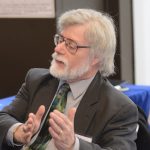
Bryan Gryka With Milt’s BBQ for the Perplexed

September 13, 2021 by Jacob Lapera

Chicago Business Radio
Bryan Gryka With Milt's BBQ for the Perplexed
Loading
00:00 /
RSS Feed
Share
Link
Embed

Download file

Firmspace-sponsor-banner

Chef Bryan Gryka has always considered food his passion. From an early age he was focused on providing eclectic cuisine to anyone who would dare try his creations.

Growing up in central Arkansas, he adopted a love for soulful barbecue, which he has taken to his current foray at Milt’s BBQ for the Perplexed.

Although he loves working with barbecue, his professional training has been in traditional French cooking.

Chef Gryka has had his recipes featured in multiple cookbooks, as well as many online and television publications. A popular personal chef and lecturer, nothing excites him more than discovering new flavor combinations.

Since moving to Chicago, he has become well entrenched in the local kosher scene, working at many of the top venues in the area. After manning the helm at Milt’s BBQ for the Perplexed as Executive Chef for five years, he took on the additional role of General Manager in January 2018.

In January 2020, Chef Bryan also became the principal owner of Milt’s BBQ. In his free time, he enjoys spending time with his beautiful wife, two daughters, and son. And baseball. He’s into that, too.

Connect with Bryan on Facebook, LinkedIn, and Twitter.

What You’ll Learn in This Episode

  • Milt’s BBQ’s founding
  • Charitable giving
  • Milt’s commitment to the kosher community
  • Their relationship with Keshet
  • Jewish Baseball

This transcript is machine transcribed by Sonix

TRANSCRIPT

Intro: [00:00:04] Broadcasting live from the Business RadioX studio in Chicago, Illinois, it’s time for Chicago Business Radio brought to you by Firmspace, your private sanctuary for productivity and growth. To learn more, go to Firmspace.com. Now here’s your host.

Max Kantor: [00:00:21] Hey everybody, and welcome to Chicago Business Radio. I’m your host, Max Kantor. And before we jump into today’s story, I just want to point out that today’s show is sponsored by Firmspace. Without Firmspace, we couldn’t be sharing these important and interesting stories, so big shout out to them, and I’m excited to talk to the guest that we have today. He is the President, General Manager, Executive Chef and most importantly, the dishwasher of Milt’s Barbecue for the Perplexed in Chicago, Illinois. Please welcome to the show, Bryan Gryka. Welcome to the show, Bryan.

Bryan Gryka: [00:00:54] Hey, guys, how’s it going?

Max Kantor: [00:00:56] So just to jump in. Why don’t you tell us a little bit about Milt’s barbecue for the Perplexed?

Bryan Gryka: [00:01:02] Okay, I guess the short answer is we’ve been open for eight and a half years. We opened in January 2013. We’re in the very dead center of East Lakeview. If you’re in Chicago, about a mile from Wrigley Field and we’ve been rocking and rolling for quite a while now, we have some great support from the community and we’ve weathered the storm through COVID over the last year or so, and we’re still here.

Max Kantor: [00:01:28] That’s great to hear. How did you guys get started all the way back in 2013?

Bryan Gryka: [00:01:33] It was a process. So for people that don’t know we are a kosher restaurant and there’s a big dearth of kosher restaurants in the city of Chicago. We’re actually the only ones left the south of Rogers Park, the northern area of the city. When we opened eight years ago, there were a couple of other restaurants, but they’re not around anymore. But there is a little bit of a Jewish community around here, and there was a need for something like what we are offering. And you know, we you know, the former owner, Jeff Ader, spearheaded it. He funded the entire venture and there was a big groundswell of support. And you know, as I say, the rest is history.

Max Kantor: [00:02:12] Now I’m Jewish myself, so I’m kind of embarrassed to ask this question. But what is the difference between non-kosher barbeque and kosher barbecue?

Bryan Gryka: [00:02:23] I mean, that’s that’s a loaded question I could give, the short answer is, you know, most people know that pork isn’t kosher, so obviously we don’t have any. Many know that we don’t have mixed milk and meat, so we don’t have any dairy at all on premises. They are dairy restaurants. There are some restaurants that have separate milk and meat kitchens, but we’re all meat. We do a lot of beef, a lot of chicken, poultry, other poultry sometimes, and it gets a little more complicated than that. There are certain levels of kosher. So we’re on the stricter side. We’re certified kosher by the Chicago Rabbinical Council. So it they’re very supportive of us and it enables us to have the widest market that I think we can capture in terms of people that keep kosher and then obviously people that don’t. We try really hard not to advertise overtly that we’re, you know, hey, we’re a kosher restaurant. You know, we try to be a restaurant first that happens to be kosher, which, you know, for people that do keep kosher, that’s been lacking for many years. You know, it’s it gets very complicated when you really get into the politics behind it.

Max Kantor: [00:03:32] Hmm. Is kosher barbecue a national thing or is what you guys do? Very niche and very unique, and there’s not many restaurants like you.

Bryan Gryka: [00:03:41] So when we opened, there was one other kosher barbecue restaurant that has that closed years ago in Teaneck, New Jersey. So we are the longest standing one since then. There’s been actually quite a few. Barbecue is very hip these days, so there’s a half a dozen places in the New York area. There’s a couple in the Miami area. There’s some Los Angeles. I mean, it’s really just booming because, you know, people see that it works. It’s very hard to keep a restaurant surviving in general. And then when you bring in, you know, the cost of kosher food and then the restrictions, you know, we have a lot of days off. Just this week alone, we were the Rosh Hashanah, the Jewish New Year. You’ve been closed the last few days. We’re just opening up now and we have a lot of holidays coming up this month that we’re missing most of September. So it’s very difficult to keep restaurants functioning. But you know, it’s it’s working and you know, people are trying to copy our model, which, you know, some people ask me if I’m bothered by it. I think it’s great. I think, you know, we show a business model that works and we were able to succeed. It’s really nice to see that others, you know, try to emulate that. That’s the sign of, you know, real success, I suppose.

Max Kantor: [00:04:51] Now I know in the Jewish community, brisket is such a big and important food in the culture. Is brisket kind of the go to dish at Milt’s?

Bryan Gryka: [00:05:01] Yeah, actually. You know, it’s funny. There’s I’ve actually talked a lot about brisket when I give lectures or other talks. We do a lot of brisket and wraps our beef ribs. I like them more, to be honest, just because they’re unique. They’re very beefy. And there’s even in the non-Pro. So there’s very few places in Chicago that do beef ribs at all. But in terms of brisket, yeah, I mean, it’s brisket was considered the garbage cut for such a long time that it was dirt cheap and that, you know, there’s a lot again, political stuff involved. You know, the Jews in Europe, we’re kind of stuck with the leftovers and a lot of ways and brisket was part of that. So we learned how to take a cheap cut and make it really good. And now it’s, you know, brisket is such a big part of Americana. If you go to Texas, it’s brisket everywhere. There is beef country. But if you look at what we’re doing, it’s actually it’s a great touch and it works really well. There’s so many things in its favor and you know, it’s it’s it’s perfect for barbecue and we love cooking it.

Max Kantor: [00:05:58] It is perfect for barbecue. And I got to say brisket is my favorite cut of meat and my favorite thing to get from a barbecue restaurant. So to hear you talk about it, I mean, I’m over here starving for food. This interview’s got me so hungry. But you know, moving on from food, the most obvious question I have for you is, who is Milt?

Bryan Gryka: [00:06:18] So I mentioned our former owner, Jeff Ader. So he just sold the restaurant to us about a year ago, and I can talk about that later. But Milt was his uncle who, like Jeff likes to say, was the irreverent guy that you never got married or had kids. And he was the one that was like, super fun. So he was the one that went well. While Jeff and his siblings were teenagers, they would sneak them drinks there and try to teach them poker and things like that. Just, you know, he was the fun guy. And so he had a special place in Jeff’s heart, and he died years ago. I honestly don’t know when I’ve only seen the one picture. If you go to our website, there’s that one picture of Mel that’s literally, literally the only one I’ve ever seen. So he’s like, It’s definitely an enigma, for sure.

Max Kantor: [00:07:00] Wow. I guess everyone has that, you know, Uncle Milt in their life. Everyone has that person. So that’s super cool that, you know, he he named the restaurant after his uncle Milt. Now you mentioned that you recently acquired the restaurant a year ago. What was that process like and what led to that?

Bryan Gryka: [00:07:18] Well, I mean, COVID certainly messed a lot of things up and. So I like to joke now that Jeff knew when to sell high. So Jeff, a big part of the restaurant and Jeff’s personality, is he’s really big into philanthropy. You know, he’s got enough money at this point. You know, I don’t want to call it a midlife crisis, but he’s very at a point where he wants to give back, and he’s doing a lot of different ventures to give back to the community and to the world at large. And so Milt is part of that at the same time. So he funded the restaurant. You know, like most restaurants, we struggled at the beginning and we made sure that we stayed afloat. We were never at risk of ever shutting our doors. And then it got to a point. Over the last few years, the restaurant was in the black consistently and doing really, really well. And so he was like, You know, I’m giving back, you know, we were giving money to charity every single month. If you look at our website and if you look at our windows outside the restaurant, we were doing a charity of the month since we’ve opened. And so Jeff’s like, OK, well, I’m giving money to all these different organizations. Why not give it back to the employees? You know, it just seemed the natural step, and he was like, You know, I did my job did the Little Mary Poppins thing where he’s, you know, OK, my job here is done. You know, you guys are successful. You don’t need me any more. Here’s the keys and joy. And that’s kind of where that went. And you know, we announced that publicly in January of last year, and there was a few articles written about that. But, you know, for obvious reasons, the transition took a lot more time than we were expecting, just because of all the shutting down and the financial uncertainty. But we sealed the deal, you know, last year, and here we are.

Max Kantor: [00:09:01] That’s so great that you guys were able to make it through the pandemic, and I know it was so hard for so many restaurants. Was there ever a point during the pandemic where the future looked uncertain? You didn’t know kind of what was what and what changes did you make during the pandemic to make it through? Four Milt’s?

Bryan Gryka: [00:09:20] Yeah, so that’s a tricky one. You know, I tend to be more of the, you know, I’m very linear in the way I think, and I’m always trying to think of like worst case scenarios, which, you know, doesn’t help with my anxiety. But it certainly helps in terms of operational, which is one thing I think works in my favor in terms of running the place I’m always trying to think of, you know? The ways to make sure we don’t fail. So on one part of me, I was always worried how long the last what’s going to happen? I’m sure other business owners, the people that are listening to this. We’ve all had the same thoughts. You know, it’s very nerve wracking. It’s hard to sleep at night. But at the same time, we always knew we had Jeff support. And, you know, I always figured, you know, hey, maybe if it ever got really, really bad, I could be like, Hey, I need some cash. We can’t succeed, but we never got to that point, you know? You know, we definitely took advantage of cheap loans. You know, one thing that worked certainly in our favor was that we always did things by the book, you know, in terms of payroll and taking care of our employees. And, you know, with the PPP loans which were geared specifically on the way you know, payroll was done is that it worked for us for the restaurants that pay people cash or, you know, under the table, they got the short end of the stick when it came to the loans. We didn’t have that problem. So we definitely took advantage and it certainly helps. So, you know, the short answer after that long winded one is, yeah, we were. I was worried, but not really. We were never anywhere close to, you know, considering shutting the doors.

Max Kantor: [00:10:46] That’s great. That’s awesome to hear. And what are some dos and don’ts for people getting started and what you do for what you do in the in the restaurant industry? So someone who maybe wants to be a chef or eventually own their own restaurant,

Bryan Gryka: [00:11:02] That’s, you know, a lot of it is luck. I can’t lie right place, right time. You know, certainly, you know, that’s part of what happened to me. You know, I’m I don’t want to say I’m like, I’m an amazing chef where I’m really, really good at what I do or anything like that. I just, you know, I was right place, right time. I was I was the right fit for what they needed here. And so for a lot of people, it’s, you know, just work, you know, try your best to learn as much as you can be well-rounded. You know, I, you know, obviously, I have a cooking background, which I did for a long time. But you know, since I, you know, I always in my last jobs and everything, I tried really hard to pay attention to the books, the back end, all the paperwork for area of it because, you know, I had to quickly become general manager here and I had to learn all the operational side very quickly at the rest. And three different, you know, the chef was very right brain creative, you know, you’re you’re the one that’s always fighting the general manager to get a few extra bucks to pay for stuff in the kitchen, little things like that. And then the general manager side is like, the numbers guy is the one who’s, you know, trying to make the restaurant successful. So these two competing aspects, you have to be good at both. You have to really pay attention to the things that you’re doing. So there are people that really want to do it, you know, pay attention to different restaurants, look at, you know, get different jobs, you know, ask as many questions as you can. I have cooks and employees here where if they have questions, I will certainly answer them for them if they want to know what’s going on the operational side. I will teach them, you know, a big part of what I do is teaching. So pay attention, try to learn, really try to learn. That’s, you know, I don’t know how helpful of an answer that is.

Max Kantor: [00:12:44] No, that’s great. You know, it sounds like on the business side of things, you have a lot of hands and a lot of different pots. No pun intended. And you know, on the cooking side, ironically, you also have a lot of hands in a lot of different pots. Being the chef? So how do you? I know, you know, an important part of a restaurant as you want to keep innovating, you want to bring the new thing out to people to not get stuck, I guess. So how do you invent and innovate new recipes while also keeping in mind to stay kosher?

Bryan Gryka: [00:13:15] So that is a little tricky. I was a little more honestly, since the COVID stuff, I’ve streamlined a lot and I’m a lot less willing right now to take risks in terms of, Hey, here’s a special because, you know, meat prices and everything are skyrocketing, business is down and we were less able to weather, you know, major losses on specials and food. So, you know, people ask me why I don’t do duck specials and I’m like, Well, Coach the Coach dog is seven bucks a pound. That means, you know, each bird is 50 bucks and you know, you just do the math, but I’m doing, you know? You know, I had to sell each duck entree for like one hundred dollars. People are going to spend that right now. So I think having a being very cognizant of what people are willing to spend, you know, just as an example today, specifically, I have a lot of extra picks from the holiday and I needed to find a use for them. And so, you know, one suggestion was, Hey, let’s do a fig bread pudding, because that tastes really good. And I’m like, I would eat that. I think it would be very good. I don’t think it would sell.

Bryan Gryka: [00:14:13] And so I’m turning right now. It’s working in the kitchen is I’m turning to figs into a big comfy and I’ll try to find a different dessert. But one thing is I don’t want to waste it. And number two is, I will. I want to preserve it so I can save it for a dessert I think would work like a nice fall. Dessert awaits the weather to change. And so I think part of it is being creative in minimizing waste. And you hear people talking about that all the time is minimizing waste and being very focused on that. And so I’ll find a good use for it. But you know, being creative but not wasteful is really tricky. When we’re successful and doing really well, it’s a lot easier to control. But yeah, I just I can’t I can’t risk doing a bunch of like, you know, veal chops right now. If I’m only able to sell one or two a night and then what do I do with the leftovers? Like, you know, there’s a limit to that creativity, to the point where you just either have old meat or you’re making stock or some random stuff because you don’t know what else to do.

Max Kantor: [00:15:08] Mm hmm. How do you create a community not only for your customers coming in, but for your employees as well?

Bryan Gryka: [00:15:18] So for the employees, you know, we have a very we’ve we’ve treated them well, I mean, you know. With all the closures and stuff you think about September and then the we’re closed for most of this month and even there’s other days, you know, there’s a couple of weeks earlier in the calendar that are, we’re all so closed. And so one thing I’ve been very cognizant, cognizant of doing is saving cash and trying to find ways to be able to support our staff even when we’re closed or not working. But they know that they’re being supported and never going to be, you know, nickel and dime. You know, I’ve worked in corporate, I’ve worked in a lot of places where, you know, it’s like if it’s time to, you know, time to lean, time to clean, and people and the employees will nickel and dime their low paid staff, which. I have a very, very hard time with, you know, we have employees making, you know, minimum wage or just a hair above it and your nickel and diming, you know, little quarters of an hour, you know, with them. And I think that’s a very caustic and work environment. And I think that’s showing now in the labor workforce right now. You hear all over the place where restaurants are struggling to find employees and all these other delivery drivers and all these other quote unquote low paying jobs who’ve been basically abused for the most part for decades. And now they feel that they’ve got some power and they’re kind of going against that. We have weathered that. We haven’t haven’t had any issues. I haven’t been trying to hire because I made sure my employees were employed the entire time. They never nickel and dime their hours. If they get overtime, congratulations, you earned it. And that’s the way they get rewarded. And then part of it is we also make sure that we give back to them financially and otherwise.

Max Kantor: [00:17:01] Well, it sounds like you’re creating a really, really great environment to work at, at Milt’s. And so for anyone listening, people who are want to come try the restaurant and order the delicious food that you’re making. What’s the best way people can research you and find you?

Bryan Gryka: [00:17:17] Obviously, our website would be the first place to go. Covid WW Milt’s BBC.com. We’re pretty active on our Facebook page. Not so much on Instagram, but you know, I’m really poor with that. But yeah, you can see our menu, Google, our menus all up there. We got lots of pictures and we have people talk about us and we’re here. Come on. By now we’re we’re out. We’re open most of the time.

Max Kantor: [00:17:42] Yes, definitely for sure. And Brian, real quick, right before we sign off, I’m just curious, what’s your favorite thing to cook at Milt’s?

Bryan Gryka: [00:17:50] My favorite thing to cook. Probably, you know, either family meal, which is usually some version of chicken and potatoes or off the menu. I’m a really big fan of our half chicken. We’ve been awarded a few times for our smoked chicken. Yeah, it’s excellent. And I’m a big fan of it and I’ll eat it over and over again. It’s the one item I never gotten sick of.

Max Kantor: [00:18:12] Oh, awesome. Well, I’m excited. The next time I’m in Chicago, I’ll be sure to stop by Milk’s barbecue for the perplex. Brian, thanks so much for being on the show today.

Bryan Gryka: [00:18:19] Thank you very much. I appreciate it

Max Kantor: [00:18:21] And thanks everybody for listening to another episode of Chicago Business Radio. I’m your host, Max Cantor, and we’ll see you next time.

Intro: [00:18:29] This episode is Chicago Business Radio has been brought to you by firm SpaceX, your private sanctuary for productivity and growth. To learn more, go to Firme Space.com.


About Our Sponsor

FSSOLOMark-WhiteonBLKIn 2016, Firmspace began with a belief that flew directly in the face of conventional thinking. We committed to building a sanctuary for the one group that continued to be underserved  – professionals.

From the blueprints forward, we set out to create an environment that empowered professionals to do what they do best. The end result was a private, secure sanctuary for professionals that’s distinctly different.

We call it Proworking.

It’s a simple distinction: While others are in the business of providing space, we’re in the business of supporting professionals as much as it’s humanly – and technologically – possible. We believe great achievers require space for collecting their thoughts — not for collecting contacts, so we add to their continued success by offering them sovereign soil with like-minded professionals.

Tagged With: Bryan Gryka, Milt's BBQ for the Perplexed

Alex Prichodko With Logan Square Improv

September 13, 2021 by Jacob Lapera

LSI-logo
Chicago Business Radio
Alex Prichodko With Logan Square Improv
Loading
00:00 /
RSS Feed
Share
Link
Embed

Download file

Firmspace-sponsor-banner
Alex Prichodko is an improviser and comedian based in Chicago, IL.

Logan Square Improv was founded on November 2018.

Follow Logan Square Improv on Facebook and Instagram.


This transcript is machine transcribed by Sonix

TRANSCRIPT

Intro: [00:00:04] Broadcasting live from the Business RadioX studio in Chicago, Illinois, it’s time for Chicago Business Radio brought to you by Firm Space, your private sanctuary for productivity and growth. To learn more, go to Firmespace.com. Now here’s your host.

Max Kantor: [00:00:21] Hi everybody, and welcome to Chicago Business Radio. I’m your host, Max Kantor. And before we get started, just want to give a shout out to our sponsor Firmspace. Without Firmspace we couldn’t be sharing these important stories with you. So thank you so much to Firmspace. Today, I have a very fun guest. He is the co-founder of Logan Square Improv. His name is Alex Prichodko. Welcome to the show, Alex.

Alex Prochodko: [00:00:46] Hey, thanks for having me.

Max Kantor: [00:00:47] I want to make sure I totally forgot to ask you, Is that how you pronounce your last name? Did I nail it?

Alex Prochodko: [00:00:53] Yeah, I like that. No one’s ever sounded it out that segmented. But you, it helped you. That was right.

Max Kantor: [00:00:59] Excellent. Excellent. That’s always the goal. So welcome to the show. Excited to talk about Logan Square improv? Tell me, how did Logan Square improv get started?

Alex Prochodko: [00:01:09] Well, me and my buddy, Andrew Lemina were the co-founders of Logan Square, and we were just taking improv classes here in Chicago. We moved up here in twenty sixteen and just doing some independent shows around the city, and then we decided that we wanted to start our own show, which was the Thursday show, and that was started out of a bar in Lakeview called Finley Dones. And they just have a little event space. In the back of the bar is like a sports bar, cool place. And we ran that show for like six months there. And it was it was awesome. We learned a ton. And then so November of twenty eighteen, we decided to open up our own space.

Max Kantor: [00:01:52] Awesome. So did you move to Chicago with the purpose of being a improviser on comedian?

Alex Prochodko: [00:01:59] Yes, I was. I was doing improv and standup in Indianapolis, where I’m from since since after college. And then just as I grew more passionate about comedy and learned that Chicago is kind of the mecca for improv, I wanted to come here and take classes at Io Second City Annoyance CIC. And so, yeah, just made the move in twenty sixteen and kind of just drove right into it, definitely.

Max Kantor: [00:02:28] And so you come to Chicago, you start taking classes. Where did that entrepreneurial spirit come from for you? So instead of, you know, staying with maybe second city and working the way up there, you guys said, we’re going to do our own thing, our own show and eventually lead to our own, our own theater. Where did that come from?

Alex Prochodko: [00:02:47] That’s a good question. I think I think part of it came from where we were at in our improv careers, Andrew and I, which was still pretty new, just like a couple of years in. And so like I had Harold teams and we weren’t on a house team there, so we weren’t doing like regular shows at Io or Second City or we’re doing regular shows nowhere. So we were just kind of like us and our peers. We’re just kind of doing shows wherever we could alongside taking classes. So I think we just kind of realized that we could. If we found a space, we could put on a show and just learn the ins and outs of putting on a show and just went for it so that we could perform regularly and give performance opportunities to other people around around our time in the improv process.

Max Kantor: [00:03:40] Yeah, definitely. I love that. Were there any obstacles that you guys came across in starting your own improv theater?

Alex Prochodko: [00:03:48] Oh, yeah. I mean, thousands of obstacles, but nothing, nothing huge, that obviously has been insurmountable, but, you know, finding the right space. We we actually opened our first base in November 2018 and then moved to a new space in April of twenty nineteen. So we were only at that first place for six months. And just kind of the more that we learned about the physical space kind of realized it wasn’t going to work for the summer, like the AC unit couldn’t keep up and there were some electrical issues. So so we kind of like dove into it and because of that. Found out that we hadn’t checked all the boxes because we didn’t know any better. So yeah, it’s been a concept and we’re still just learning about our theater and about the administrative parts of running a theater too. So it’s a constant learning process for sure.

Max Kantor: [00:04:47] Yeah, definitely. How how did you go about making sure that your theater could stand out in a unique way in the Chicago comedy space? Because, like you mentioned, Chicago’s kind of the mecca of improv of sketch. So you have so many different teams, theaters, comedians, what’d you guys do to stand out and make yourself unique?

Alex Prochodko: [00:05:08] Uh, yeah, good question. One of the things that we did was open in Logan Square. So all of those theaters that you just mentioned are on the east side of the river, you know, like Lakeview or Lincoln Park. And so we noticed that when we were taking classes and everything and we had a bunch of friends who lived in Logan Square Wicker Park Avenue area. So that was just that was one thing that we noticed when we were deciding like where to open for theater. And then also, I think something that sets us apart from the beginning was that we don’t have house teams. So a lot of improv theaters kind of have the model where you go through classes and then you can audition for house teams, which have regular shows at the theater. And we early on just decided that we didn’t want to run that kind of process and like be be responsible for auditions and selecting people. So we do have a class program, but as far as all the shows that happen at LSI, they are independent teams or sometimes house teams from other theater, other theaters of just people that we know and we like. And so we have like just our rotating cast of performers is just anybody that we know who does improv in the Chicago area. So that’s one thing that I think is unique about us, and I really like how we operate that way.

Max Kantor: [00:06:37] Yeah, definitely. It sounds like it’s a great way for new improvisers people getting involved to kind of find their network and start making friends. You guys give them the opportunity to do that.

Alex Prochodko: [00:06:49] Oh, absolutely. Yeah, there’s I mean, there’s so many people, so many performers who roll through our theater on any given weekend. It’s as running a lot of the shows. It’s just fun to see everybody come through and and also have new performers in the theater. And then, yeah, our class program brings a lot of new people that we get to meet from the Logan Square area, which is awesome. And we also have a couple we have a like an open show. So if you’re an improviser, you can come and just sign up and play on that show. It’s it Sundays at seven. And so that’s awesome and met a bunch of cool people at that show, too.

Max Kantor: [00:07:29] Definitely. Speaking of your classes, are your classes geared towards people who are brand new to improv and never done it, or more experienced improvisers who have taken other classes elsewhere?

Alex Prochodko: [00:07:42] Yeah, we have had several people who have other improv experience take our classes, but I would say the majority of the people who start taking classes at LSI are fairly new to the improv, to improv in general. And so, yeah, it’s designed so that you have to you don’t need to have any experience. And then, yeah, we it’s three levels, and then we also give two shows to each class per level. So like if you’re in level one, you have no improv experience at all. By week seven, we have you doing one of our shows, the Thursday show that I that I mentioned before.

Max Kantor: [00:08:25] Yeah, and that’s awesome, because not only are you giving people a chance to be educated improv, but you’re giving them a chance to actually get in front of a live audience and perform, which is is super important to comedy and to improv and to sketch and to all of that.

Alex Prochodko: [00:08:41] Absolutely. Yeah, we we believe that that’s it’s really important and we believe it’s important and that people are capable of. And that’s been proven like all of our level one class shows. Literally every single one has been just a joy to watch. And there’s been no like, Oh, they’re not ready to do a show like we we like. Andrew Lemmer are my co-founder. He’s the level one teacher, and he gets these classes ready to do like really fun improv shows. So it’s just a cool testament that that everybody has it in them to be a good improviser, which is something that we really believe.

Max Kantor: [00:09:20] What would you say is the most rewarding part of owning your own theater for you?

Alex Prochodko: [00:09:31] I would say. Just, well, we love running improv shows and seeing people have. Positive experiences watching and performing on shows so like that happens every every weekend, and that’s like a constant thing that we remind ourselves like, Hey, this is really cool this this show was awesome. The audience loved it. The performers had a great time onstage, like, what more can you ask for? So that that is definitely something that is like always around and that joy is always in in the room, and we try to try our best to be welcoming to anybody who walks in in in our theater too. So like meeting new people from the from the community who are just coming to watch a show and some people who have never seen improv but just saw the sign and just kind of like shepherding them and like introducing them to improv. That’s awesome, too. And then also, like I said before, just watching the people who are taking our class programs go from nothing, no improv experience to doing like an objectively good improv show. That’s that’s something that’s hard to beat, for sure. Definitely. As a teacher.

Max Kantor: [00:10:44] Oh, for sure. And now I know with the pandemic of COVID, I know I oh, closed, you know, other improv theaters totally online. How did you guys and Logan Square improv cope with COVID 19?

Alex Prochodko: [00:11:02] Yeah. I mean, it was tough, just like for everybody. We we were very fortunate one in that we are not a huge theater and we don’t really want to be a huge theater. We’re always going to be like a one room theater. So our expenses were not close to some of those bigger theaters. But we did still have to pay our rent and everything. And one thing that really, I would say saved us is we have this patron program. If you’ve heard of like a membership program for creative endeavors typically, and we had that before the pandemic and our program basically is it’s like a five dollar membership per month and you can see as many shows at the theater as you want. And we had built that up and we had we have a good amount of patrons, I think, like one hundred and sixty or something like that. And so that like. We were really, really lucky in that, and we’re grateful that most of the people who are on that membership kept their membership throughout the pandemic, even though, you know, we obviously weren’t doing live shows. So that really helped us having that little bit of income come in helped us to be able to stay afloat just as as like a corporation. And so that we could we could reopen and keep our same space.

Max Kantor: [00:12:19] Yeah, for sure. And it sounds to me the fact that they kept renewing their membership is amazing. It just shows the type of environment that you guys are creating. Having it be a safe, welcoming space for people to perform, people who love performing and watching the performance, the fact that your crowd kind of stayed with you the whole pandemic, that’s a true testament to the theater you created.

Alex Prochodko: [00:12:43] Yeah, yeah. We were really, really, really blown away with how many people like stuck with us and everyone. Everyone was having a tough time during that pandemic. And so the fact that you have people financially still made that commitment, it was really, really a special thing.

Max Kantor: [00:13:00] And now that we’re on the other side, I mean, hopefully fingers crossed of the whole pandemic wave. I know. What do you need more of? How can our listeners help you in your theater?

Alex Prochodko: [00:13:12] Well, I would say I would say just anyone can just come by and see a show. The Thursday show is a free show. That’s that’s the show that we started way back when and Finley Duns, and that still is every Thursday at eight 30 p.m. And it’s always free. And so that is like to me, it’s a very accessible show. I feel like you don’t need to know anything about improv to have a good time. And we, yeah, we really are. One hundredth Thursday show is actually this week tomorrow. So that’s just funny timing. But I would say, like, just come to a show and talk to us. And you know, if if you think it’s a cool spot, just coming to more shows and then sign it for a class, if if it’s something that you’re interested in, but like really any level, like whether someone’s come and see seeing one show or they’re there every week and they’re like twenty dollar patrons like we just love having people we like to see. People have a good time watching improv and performing improv. That’s really what we’re about.

Max Kantor: [00:14:15] Yeah, definitely. And I can tell you seem very passionate about that, and it’s awesome hearing you talk about it. And so if our listeners are interested in donating to the Patreon or seeing shows taking classes, what’s the best way they can reach you?

Alex Prochodko: [00:14:31] Yeah, yeah. So our our email for most of those contacts are as LS I at Logan Square Improv and we also have a contact form on our website. Logan Square. Improbable.com So either those two ways, either Andrew or I will see that right away or you can you can also connect with us on Facebook or Instagram. Yeah, it’s we have a pretty small operation, so if you contact us through one of those one of those avenues, then we’ll see it right away.

Max Kantor: [00:15:03] That’s awesome. Well, Alex, thank you so much again for being on the show. I’m glad we got to talk to you about your story and also about Logan Square improv.

Alex Prochodko: [00:15:12] Yeah, thanks for having me. I really appreciate it.

Max Kantor: [00:15:13] Of, of course, and thanks to you for listening to another episode of Chicago Business Radio. I’m your host, Max Cantor, and we’ll see you next time.

Intro: [00:15:23] This episode is Chicago Business Radio has been brought to you by firm SpaceX, your private sanctuary for productivity and growth. To learn more, go to Firme Space.com.


About Our Sponsor

FSSOLOMark-WhiteonBLKIn 2016, Firmspace began with a belief that flew directly in the face of conventional thinking. We committed to building a sanctuary for the one group that continued to be underserved  – professionals.

From the blueprints forward, we set out to create an environment that empowered professionals to do what they do best. The end result was a private, secure sanctuary for professionals that’s distinctly different.

We call it Proworking.

It’s a simple distinction: While others are in the business of providing space, we’re in the business of supporting professionals as much as it’s humanly – and technologically – possible. We believe great achievers require space for collecting their thoughts — not for collecting contacts, so we add to their continued success by offering them sovereign soil with like-minded professionals.

Tagged With: Alex Prichodko, Logan Square Improv

Wendy Caverly With Crusaders Networking

September 13, 2021 by Jacob Lapera

Coach The Coach
Coach The Coach
Wendy Caverly With Crusaders Networking
Loading
00:00 /
RSS Feed
Share
Link
Embed

Download file

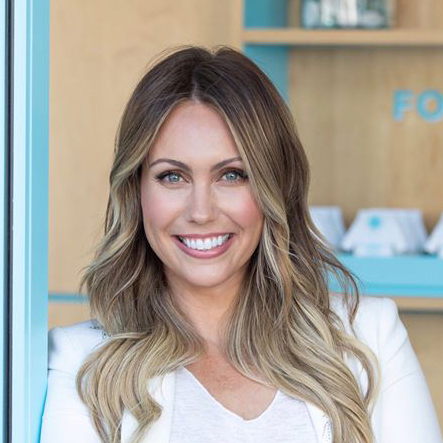
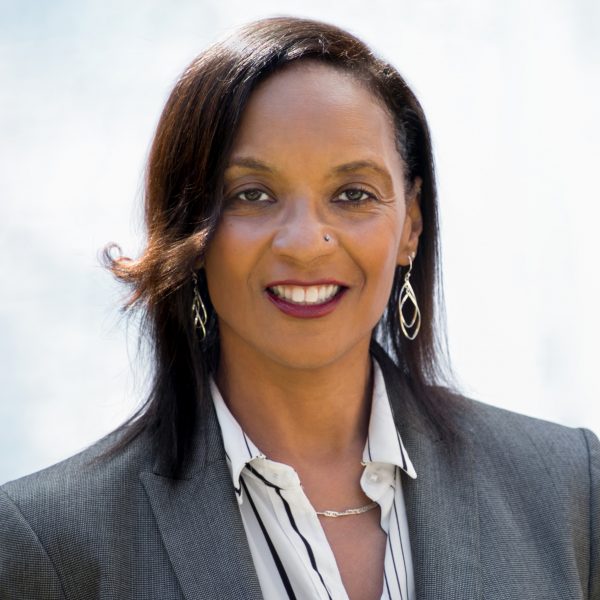
WendyCaverlyWith 20+ years of both entrepreneurial and networking experience and over 7 years of dedicated referral network facilitation, Wendy Caverly, the Founder of Crusaders Networking, brings her networking focus and knowledge, to professionals looking to learn how to effectively connect with others to create a solid foundation for success.

As a master connector, advocate for the business community and frequent public speaking engagements on the importance of sincere connections and how-to connect, Wendy Caverly excels at coaching individuals on what makes networking a valuable skill, separate from selling and marketing.

She does this by breaking down the complex, sometimes confusing and often overwhelming prospect of networking into easy to define ‘landscapes’, giving you confidence and control in any situation.

Her style of coaching new information is personable, friendly, and often humorous. Wendy Caverly encourages her coaching clients to view networking as an adventure and to enjoy the journey. Transforming a neglected but needed activity into a confident skill set that will soon feel like an art form to professionals like you.

Connect with Wendy on LinkedIn.

What You’ll Learn In This Episode

  • Networking as a stand alone skill Separate from selling and marketing
  • The Networking Landscapes, farming, hunting, fishing, and foraging
  • Transforming a neglected but needed activity into a confident skill set that will soon feel like an art form

This transcript is machine transcribed by Sonix

TRANSCRIPT

Intro: [00:00:02] Broadcasting live from the Business RadioX Studios in Atlanta, Georgia. It’s time for Coach the Coach radio brought to you by the Business RadioX Ambassador Program, the no cost business development strategy for coaches who want to spend more time serving local business clients and less time selling them. Go to brxAmbassador.com To learn more. Now here’s your host.

Lee Kantor: [00:00:33] Lee Kantor here, another episode of Coach the Coach Radio, and this is going to be a fun one today on the show, we have Wendy Cavalli and she is with Crusader’s networking. Welcome, Wendy.

Wendy Caverly: [00:00:45] Well, thank you so much for having me, Lee. I’m excited to be here.

Lee Kantor: [00:00:47] Well, I am excited to learn what you’re up to. Tell us about Crusader’s networking. How are you serving, folks?

Wendy Caverly: [00:00:53] So I am serving folks because I am a coach who specializes in the skill of networking and networking is a skill that while people know the necessity of it, is often misunderstood and not valued until troubled times come up like they did in twenty twenty. And they start to realize that it’s something that they they feel a little intimidated by. But but they shouldn’t be because it’s a skill like any other. It’s very learnable, and I am here to help them find comfort and success using the skill of networking.

Lee Kantor: [00:01:28] Well, I really appreciate that, and that’s at the heart of my business and and what we do here. Business RadioX is a version of networking. But for folks, for some folks, networking is kind of an icky thing that they feel like it’s, you know, almost too superficial or too transactional. And for other people, networking turns into not working because it’s almost like they’re not using it properly in order to grow their business.

Wendy Caverly: [00:01:56] Absolutely, absolutely. And I love that you touched on both those points, but I did have a client recently say that to me that they feel slimy, like it’s something that it’s a it’s a trick used to get a transaction done or to fake a relationship with a customer so that you can get them to agree to the services and then disappear into the night. Or another client recently said it’s something that but kissers do to try to get a promotion at work. When that is, that is the misuse of the skill of networking at the end of the day, beginning and ending. Even with this, the dictionary definition of the word networking is about connecting with people. And and that is that is what this is all about, finding great connections with people that are mutually beneficial and bring value to everyone involved.

Lee Kantor: [00:02:44] Right. I do a lot of work with salespeople, and sales has the same kind of issues where people think it’s icky and they think it’s a manipulation or you’re tricking someone to do something they don’t really want to do. But in both of the cases, I think that that they’re both for, like you said, it’s about connecting and finding the right fit and seeing if there’s ways to collaborate and work together. And it isn’t a manipulation or a any type of deception. You’re just trying to help each other win if you’re doing it right.

Wendy Caverly: [00:03:15] Politically, absolutely, I think sometimes people forget the net in networking, you are literally creating a network of people who are there when you meet. They either make you more valuable to your current customers because now you can solve a problem for your customer rather than just tell them that you really feel bad for their issues or in your own times of need. When you find yourself in an unexpected situation, you know who you can trust that will step up and help you move forward in life.

Lee Kantor: [00:03:47] So let’s kind of dig in and talk about, you know, how you communicate this and how you educate and coach your folks to be better networkers.

Wendy Caverly: [00:03:57] Crusaders networking was actually inspired by what changed in the world in twenty twenty. And I had a lot of business professionals coming to me wanting to know what they could do now that they couldn’t doorknock or have exposed to set at or, you know, be face to face with their customers. And when I started coaching how to build these effective relationships, I realized that networking is a much larger skill set than most people recognize. It has a lot of different potential outcomes, depending on which skills you use. So I started translating the skill of networking through nature references to play off of the ones that we already know very well. In the professional world. There is farming and hunting. Everyone is familiar with that in the sales world and in the professional world, and networking is very much at its heart. Relationship building, which is what the farming practices. So to help people, first of all, not be overwhelmed by this skill, I broke it down into four landscapes. I call it the networking landscape. There is farming and hunting and fishing and foraging, and each landscape is a different part of networking and has a different skill attached to it for results. And I don’t know how deep you want me to go without. I like it back and forth. So tell me what? What do you think of when you think of of farming practices?

Lee Kantor: [00:05:30] Well, I’m not much of a farmer, but I would imagine in farming that your network is very important because you need, first of all, some of the materials in order to farm. So you need kind of seed and you need kind of the machinery involved in farming. And then you also need a place to distribute the excess stuff that you farmed. So then you would need a network to help you kind of get your product out to market. So I would imagine a network is very important when it comes to farming.

Wendy Caverly: [00:06:01] So well, actually, just from a networking standpoint, farming is that building the relationship part where it’s not the one and done, it’s the home base that you are comfortable bringing people back to other professionals. It’s the people who share your farm that you are comfortable referring to. And and it’s that place where those they’ll go to mutually beneficial relationships are nurtured and cared for. You very rarely are comfortable referring somebody that you just met because you don’t actually know their quality of work. How are they going to respect your reputation? So it’s it’s a repetitive process. It’s that relationship building that happens over time. And and it’s it’s that home base where those are your go to people and those are the people who come to you when they need resources. So that’s that’s the farming aspect of networking. That’s that’s what a lot of people grow their business on. I’ve known so-and-so for 10 years and you’ve known them for 10 years because you’ve had interactions with them over the course of that time. Therefore, you know, they are someone that you can know and like and trust.

Lee Kantor: [00:07:16] So then you kind of look at this as kind of concentric circles that your closest circle is the farming circle.

Wendy Caverly: [00:07:24] I don’t actually I look at as a as an atlas, as a large landscape map that has a spider web. Actually, that’s that’s one of my favorite references is is a spider web. But when I teach the skills of networking, I first break them down into four different landscapes and then we talk about how those landscapes overlap and interact with each other. So it’s a more of a Venn diagram than than than concentric circles.

Lee Kantor: [00:07:57] So then there’s an overlap among these four landscapes.

Wendy Caverly: [00:08:02] Yes, depending on the desired outcome. Are you looking for a referral partner or are you looking for a customer? Are you looking for a resource or are you looking for a mentor? Each one of those desires? Our reach in a different manner,

Lee Kantor: [00:08:20] And then so how would. So let’s go through them, so you have the farming one, I kind of understand. So now how does the hunting one come into play?

Wendy Caverly: [00:08:28] The hunting one is from a networking standpoint, most people know hunting from a sales standpoint, from a networking standpoint, the hunting landscape is used to make a plan for your Long-Term success and manage your frustration by tracking that success. So it’s the the help was impatient that this isn’t going fast enough. I went to that one event. I met nobody. It was worthless. I’m not going to do it again. Networking is repetition, repetition. You have to have layers. So if you make a plan, it’s harder to get frustrated because you’re still making progress and you can see how far you’ve come. So that’s that’s the hunting aspect of of networking.

Lee Kantor: [00:09:10] And then where does fishing come in?

Wendy Caverly: [00:09:13] This game is actually the most classic form of networking. It’s how you meet your future mentors. It’s how you meet the people who are going to take you to the bigger rooms and introduce you to the bigger people. They’re not your clients. They’re probably not even on your farm. It’s that process where you are the one learning, and it’s commonly think about it as why do people join athletic clubs or fancy golf clubs? Of course, you know, they’re looking to surround themselves with these bigger professionals who have the ability to introduce them and help grow their business. So fishing is. You’re the bait. And how do you meet the mentors, the people who are going to carry you up? People are going to bring you to the bigger room.

Lee Kantor: [00:10:01] And then the last one is foraging.

Wendy Caverly: [00:10:04] Foraging foraging is about really looking at not only viewing networking as an adventure, but being excited by whatever opportunity you might spot around yourself, raising your awareness to what’s around you. You might find an opportunity for a new client. You might find an opportunity for a new referral partner. You just might find an opportunity to introduce two people together and look like a rock star. And and that’s why it’s foraging. You don’t know what you’re going to find, but you are looking for all the opportunities, whatever they might be.

Lee Kantor: [00:10:37] Now, when you’re coaching your clients about how to do this, well, what is kind of a day look like for them in order to implement all four of these landscapes? Or do they kind of spread them out? Do they say like one day is farming day, one day is hunting day, one days fishing day, one days foraging day? Or is this something that you just kind of build into each of your days

Wendy Caverly: [00:10:58] When when we first start out, we usually start by just learning how each individual landscape is a stand alone and what to expect from there. But as they build the skill, they start to learn the ebbs and flows. You very rarely do all four in one day, but you could do three in one hour, depending on the environment you’re in. So, for instance, you’re at a networking event, right? You’re surrounded by people you have never met before. All professions, all levels of experience. That’s a that’s a classic foraging environment where you’re there because you’re there to see what opportunities you might spot, but you might be there because of a hunting practice where you made a plan. I had a plan to go to this event so I could increase my business, make new contacts, meet new people. And if you meet someone that you think might be a valuable resource to you, you would follow up with them to try to build a relationship with them that might land them back into your farm. That home base, those, those those people that you can count on in your inner circle.

Lee Kantor: [00:12:10] So now let me see if I got this. So now I know I’m going to an event, maybe at the Chamber of Commerce. Maybe my plan is to OK, let me see who’s invited to this. Let me see who typically comes to this. Let me target, you know, I’m going to try to meet or get to meet through somebody else or directly one of these people. And then at the event, I go and either make my way to that person, introduce myself, or even better would probably be have one of the people that we mutually know introduce me to that person.

Wendy Caverly: [00:12:44] Hmm. A warm introduction is always a great way to meet a new person. Yes. And another aspect of the foraging is actually knowing how to effectively introduce yourself to get the the response that you want. A lot of people don’t like being sold to now. They can they see it coming. So if your goal was to meet this person, you don’t want to immediately try to give them a sales pitch and just dump everything on them. You don’t need to. The goal is to get to what I call the professional first date. You want to get the next time on your calendar. So by making that that warm introduction or that connection in your foraging landscape or at the networking event, in this case, the goal is to get the next appointment with them. You don’t need to close a sale. It’s not a sales call, it’s a networking event, and networking is about connecting and that open exchange of information. So take some of the pressure off yourself. It’s not a one and done scenario if you’re doing it right,

Lee Kantor: [00:13:46] And this is one of the things where I think people make a mistake as they try to accelerate the relationship faster than that, it really needs to go. It should be organic like you described, and it should be. You should be in there for the long run. This isn’t something where you’re trying to sell that person, something in that five minutes that you’re having a conversation.

Wendy Caverly: [00:14:07] Absolutely, absolutely. And it’s not the right time for that anyway. There’s there’s a lot of people there that they want to get to as well. You want to leave a positive impression and you want to give yourself a reason to follow up with them.

Lee Kantor: [00:14:20] So really, that’s the objective is really that next step. And if you go in with a plan like you described and you know, going in the object isn’t to sell anybody anything, it’s just to get, you know, the next conversation. Then it takes a lot of the pressure off.

Wendy Caverly: [00:14:36] Oh my goodness. Yes, it’s and it also helps take the pressure off when you don’t feel a ticking clock. I think that that’s true for anybody. So that’s one of the one of the skill sets in the hunting landscape is by making the plan and being able to track your process progress. It takes the pressure off that you’re not going far enough. Fast enough, you can see that you’re making progress.

Lee Kantor: [00:15:02] So now, having been involved in networking for a while, can you share an experience either with yourself or with one of your clients where you’ve helped them network and help them kind of take their business to a new level?

Wendy Caverly: [00:15:16] Yeah, actually, I can. I personally have been running referral teams for businesses for seven and a half years, so they get a very immersive experience in the farming landscape where they get to build those relationships. And we talk a lot about those long term relationships. Don’t come from laying out your expectations up front, it’s from trying to be of service to them. This is this isn’t new. This is Dale Carnegie one on one, right? You’ll make more friends in two months caring about their problems than two years. Trying to get them to care about yours. And the go giver right now is a very popular book. Same principle. How can you be of value or of service to the person that you’re connecting with? So by kind of tweaking that thought process a little bit as opposed to treating it like a sales call, treat it like an exploratory on how you might connect, find mutual common ground and and then find some to do for yourself. And it’s amazing how frequently because attitudes are important, I should back up for a quick second. When you leave a conversation with another person with something to do for them, even if it’s just, I’ll find the answer to that question. You just gave yourself a reason for another connection. Another touch. So, so without feeling like you’re just randomly reaching out to them, it’s like, Hey, I hope you had a great week. Here’s the answer to that question. Does that help you help you? So it gives you that other thing. It’s not unusual for me to have clients that when they start practicing this skill, they start finding synergy between their business and another business. I have a business consulting firm that I work with who was introduced to a leadership coach I also work with, and they’ve actually partnered in teaching one of their their clients. It’s a large credit union out west, and that synergy came because both of them were open to exploring how they could help the other person, not just what they could get from them.

Lee Kantor: [00:17:33] And it’s one of those things when you’re kind of move away from sales to service. Amazing things can happen.

Wendy Caverly: [00:17:42] Hmm. Just. For me personally, I jokingly call it my drug of choice. I the sense of satisfaction that I get when I can connect to people who may not have met otherwise, and it was a great connection or to watch my clients stop being nervous or embrace their own professionalism. Or heaven forbid, they have imposter syndrome. And they finally embrace the fact that they have things to offer that other people want to know so they don’t have to feel jealous or shy or intimidated by wanting to connect with other people. It really helps people overcome those hurdles in their professional lives.

Lee Kantor: [00:18:30] Now, Wendy, if somebody wants to learn more, have a more substantive conversation with you or somebody on your team or get into your network. What is the best way to do that?

Wendy Caverly: [00:18:40] Well, right now I have a brand new website, Wendy Cavalry dot com, and it has right now. It’s still a landing page, but there are multiple ways to contact me. I love to connect with new people, find out what makes them amazing and share them with others. And the best way to do that is to say hello.

Lee Kantor: [00:18:57] And that’s w e and y CRV e rl wiki. Correct. Well, Wendy, thank you so much for sharing your story today. You’re doing such important work and we appreciate you.

Wendy Caverly: [00:19:09] My pleasure. I appreciate the opportunity to be here.

Lee Kantor: [00:19:13] All right, this is Lee Kantor. We’ll see, y’all next time on Coach the Coach radio.

Tagged With: Crusaders Networking, Wendy Caverly

Forrest Tuff: CEO and Accredited Speaker

September 13, 2021 by Jacob Lapera

Atlanta Business Radio
Forrest Tuff: CEO and Accredited Speaker
Loading
00:00 /
RSS Feed
Share
Link
Embed

Download file

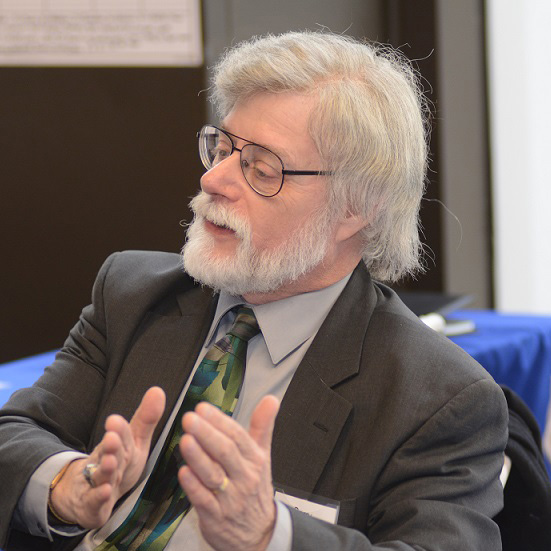
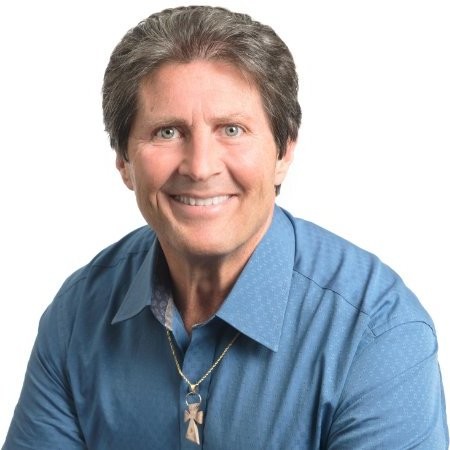
Forrest Tuff is an award-winning speaker, author, filmmaker, and television producer. He is the founder and CEO of One Vision Productions, a multimedia production, and branding agency that is recognized as one of Atlanta’s Best and Brightest Companies to Work For.

A Certified Business & Master Life Coach, he was named one of Atlanta’s 500 Most Powerful Leaders and the 89th Accredited Speaker in the world by Toastmasters International.

 Connect with Forrest on Facebook, LinkedIn, and Twitter.

About Our Sponsor

OnPay’sOnPay-Dots payroll services and HR software give you more time to focus on what’s most important. Rated “Excellent” by PC Magazine, we make it easy to pay employees fast, we automate all payroll taxes, and we even keep all your HR and benefits organized and compliant.

Our award-winning customer service includes an accuracy guarantee, deep integrations with popular accounting software, and we’ll even enter all your employee information for you — whether you have five employees or 500. Take a closer look to see all the ways we can save you time and money in the back office.

Follow OnPay on LinkedIn, Facebook and Twitter

This transcript is machine transcribed by Sonix

TRANSCRIPT

Intro: [00:00:04] Broadcasting live from the Business RadioX Studios in Atlanta, Georgia. It’s time for Atlanta Business Radio brought to you by on pay Atlanta’s new standard in payroll. Now here’s your host.

Lee Kantor: [00:00:24] Lee Kantor here, another episode of Atlanta Business Radio, and this is going to be a fun one. But before we get started, it’s important to recognize our sponsor on pay. Without them, we could not be sharing these important stories today on the Atlanta Business Radio. We have forced tough with one Vision Productions. Welcome Forrest.

Forrest Tuff: [00:00:43] Hey, how are you doing, Lee? Glad to be here.

Lee Kantor: [00:00:45] Well, I am excited to be talking with you. Please tell us a little bit about one vision How are you serving, folks?

Forrest Tuff: [00:00:52] So we’re doing good out here. We’re basically a multimedia and branding agency. We provide video production, aerial drone services. We hope to branch a company with writing services. We also have photography and graphic design, so those are some of the areas that we cover.

Lee Kantor: [00:01:09] So what’s your back story? How did you get involved in production?

Forrest Tuff: [00:01:13] You know, I grew up in the church, my father was a pastor and I was part of the media team as a young kid. You know, I was and services. This before we had members. Fast forward, I finished college and I’m now trying to figure out what I want to do and I find myself. Going right back to the media production, so in 2004, I started a business and it just so happened to be in that field. That’s kind of the long and short of it.

Lee Kantor: [00:01:39] So then when you started serving, folks, did you were you working primarily with other churches or did this kind of get into business or individuals?

Forrest Tuff: [00:01:48] Yeah, to be honest with you, I worked only with a couple of churches. It started out. I was doing a lot in the entertainment field, music videos, weddings, birthday parties. And as time progressed, we started to work with more corporations and government agencies. So now that’s pretty much solely who we work with businesses. And in the government and the sector of government. And so with that, that’s kind of where we’ve changed over now the past decade.

Lee Kantor: [00:02:16] Now, as part of your work, you chose to get involved with Toastmasters. What was the thinking behind that?

Forrest Tuff: [00:02:24] Well, you know, also I’m a filmmaker, and as I started to do things, I started to get requests to come out and speak. And, you know, being in my field, I was a behind the scenes person, and I just didn’t feel comfortable standing up in front of a group of people having conversations about what I did one on one, I was OK and I found out about Toastmasters. It was a program that would help me to become a better speaker in a public arena. So that’s how I joined the organization and that’s why I joined the organization.

Lee Kantor: [00:02:53] So now what was it like going to those first meetings where you know, you were behind the scenes person and now they’re kind of pushing you up to the stage?

Forrest Tuff: [00:03:03] You know, it’s it’s great because Toastmasters is in a club setting. One minute you’re feeling like, Oh, this is going to be the worst thing ever. But when you walk in the club and you realize that everyone is on the same journey and they’re all rooting for you, it’s a really laid back environment. You know, it’s very organized and structured in terms of teaching you different skills as a speaker, but everyone’s very supportive. So it took away the inhibition or the apprehension I had when I first went and I was actually pretty comfortable my first time.

Lee Kantor: [00:03:32] And then for the people who aren’t familiar, can you kind of walk through what a Toastmasters meeting looks like?

Forrest Tuff: [00:03:39] So you go into a meeting and they run through the business, they have a hierarchy set up. There’s a president, vice president, sergeant at arms. They have all these different officers who run different parts of the meeting. And so when they start the meeting, they’ll have speakers. They’ll have someone to do a joke philosophy. They also have this thing called table topics where you do impromptu speaking, but also with the speaking. They have a portion, a better listening where you get evaluation and feedback. And this is one of the best parts of the program because the feedback is always supportive. It’s never there to tear you down. They listen to you and they give you constructive criticism on how you can become a better speaker without letting you know how bad you are when you first come. And that’s my case. But it’s just a great environment, and I would encourage anybody who’s interested in public speaking to start with Toastmasters.

Lee Kantor: [00:04:32] So now when you started going to Toastmasters, how quickly were you starting to feel really confident and confident and start pursuing speaking as you know, another one of the things services you offer?

Forrest Tuff: [00:04:47] I started professionally speaking after about two years, being with the organization now, Toastmasters was giving me the skills. It was providing all the training and education to become a better speaker, better leader. But I was very proactive in pursuing a career as a professional speaker once I got involved. I found myself drawn to that side of it, and so I began to actively pursue that side of public speaking. So for me, I think it took about two years before I started to try to get paid speaking jobs.

Lee Kantor: [00:05:20] So now we’re were you speaking about things related to your company or were you speaking as, you know, Fforest, the speaker?

Forrest Tuff: [00:05:28] Well, yes, most of what I do comes from some of my background or training. You know, I was doing working on conferences and entrepreneurship. Also, as I said, I’m a filmmaker, so I was doing workshops and. I’m also a score business minister, so during that time, I would do workshops pro bono as also ways to share information and also get more practice speaking in front of different crowds. So I chose any opportunity I could to speak and get better.

Lee Kantor: [00:05:58] Now, any advice for the person who’s considering a career as a speaker is there like, how do you transition from doing those kind of pro bono works to getting paid to speak?

Forrest Tuff: [00:06:09] Well, I think you have to. Want to do it? First, you have to have the desire to go into it and also look at speaking as a business, which means you have to now start to change how you approach different speaking engagements, how you search for them. And some of the organizations you join. I’ve also joined professional speaking organizations such as the National Speakers Association, because that’s one that focuses more on the business side of speaking. But I would tell you to try to be comfortable in your own skin. That’s the biggest thing. You know, there are so many great public speakers, but you have to find your avenue and find how you’re comfortable and what story you want to share with people.

Lee Kantor: [00:06:54] Now you have an accredited speaker designation. Can you explain to the folks what that is and why it’s important?

Forrest Tuff: [00:07:02] Yes. Well, Toastmasters has been around ninety six years, one of the largest, most amazing organizations for speaking and leadership. They have a program called the accredited speaker designation that’s made for professional speakers. The program has been around since nineteen eighty eighty one, I believe has been around about 40 years, and that program has eighty nine accredited speakers. Currently, I’m the eighty ninth in the world, so that’s just not local or statewide. There are only eighty nine accredited speakers in the world and what you have to do is you have to actually prove yourself as a professional speaker. There’s a lot of work you need to do to submit paperwork, videos and then during Toastmasters International Conference, their annual international conference, you actually present in front of a panel of judges who are accredited speakers. And if you pass the mark, then you’ll given that designation as an accredited speaker.

Lee Kantor: [00:08:00] Now you’ve in the same breath you’ve mentioned speaking in leadership, how do you see the two tied together?

Forrest Tuff: [00:08:09] I think personally, leadership is the way you carry yourself. And also being mindful of what you say. I think Toastmasters gives you the ability to formulate your thoughts and give a presentation that will be received by a broader audience. I think as a leader, you have to be mindful of what you say and to who. And that’s where you’re giving these skills to understand what it means to be a leader and also the ramifications of what you say as a speaker. So for me, leadership. And speaking go hand in hand, because as a speaker, you have to make sure that you’re sending out a message that’s going to uplift the people or something that’s going to be used in a positive manner. And that’s my personal take. It differs for everyone.

Lee Kantor: [00:08:59] So now how did you come come about your kind of leadership philosophy? Is it something that you’ve kind of cobbled together yourself or your from your own kind of life? Or did you have mentors or do you follow a certain other kind of leader prescription?

Forrest Tuff: [00:09:16] My biggest mentor in life was my father. You know, I watched my father’s life. This is a man who I’ve watched daily and his life has been a testament to me of what true leadership is in terms of treating people fair, not judging people caring about the community. So that was my biggest lesson. As far as the leader is concerned, so as I grew up and I became a man, I started to follow under those same principles, those same guidelines. Now, along the way, I’ve met people that are great leaders in different areas and business and philanthropy and other aspects that I was interested in and even great speakers. And so with that, I find myself drawn to people that are leaders in their own right and things that I find myself interested in.

Lee Kantor: [00:10:01] So now recently you’ve been named among Atlanta’s 500 most powerful leaders. How did that award come about?

Forrest Tuff: [00:10:10] Well, I think they’re searching for different people in the community or in Atlanta who are either involved in business philanthropy and they do their background research and they send you an invite to let you know that you’ve been selected or your name has been put in the hat by other leaders in the community. And so that was a great surprise for me because being an Atlanta native and doing so much in the city as far as business, I was happy to hear that because I really do care about the city of Atlanta. I’m Atlanta native born and raised. I moved away for a while but came back. So it’s always important to be recognized in the city or where you really spend your time trying to make a difference.

Lee Kantor: [00:10:53] Now, some of your work is done through coaching, can you talk about why it was important for you to become a certified coach?

Forrest Tuff: [00:11:01] So I’ve been a business mentor with score for seven years, and Score is a resource partner through the Small Business Administration. And they offer a pro bono mentoring services for those who are looking to start or sustain a business. And as a business owner myself, this was a great opportunity for me to not only give back, but to continue learning with professionals that have retired or working professionals that have a wealth of knowledge that I may not have but can learn from. So as I have been on that journey mentoring individuals, I find myself drawn to the coaching business. And so last year, I went through a rigorous training of about six months and become and became a certified coach. And as I’m building that aspect of my business, it really focuses on people who are either in the entrepreneurial space or those who are just looking to find more purpose in their life. And that’s how that journey came about for me.

Lee Kantor: [00:12:01] Now, any advice for the business owner out there listening that maybe never had a coach before? Can you share some of kind of the. But maybe how to vet a coach or how to find the right coach for you.

Forrest Tuff: [00:12:16] Well, I think the biggest thing you want to do when finding a coach is make sure that they understand what your goals are. You know, I think oftentimes in coaching you can have a prescribed program, but you want to make sure that you tailor something to that person because everyone has a different need. They have a different outcome, and they also define success differently. So when you’re looking for a coach, make sure you ask those questions. You know, make sure they understand what you want, find out their history or if they have referrals of people they’ve worked with and have had some success. I think as long as you do your due diligence and you have a rapport or you like the person or you feel as if they can help you or their life shows you that they are living the thing that they’re trying to help you do. I think you’ll be all right now.

Lee Kantor: [00:13:04] Can you share a story and maybe you don’t have the name the name, but maybe they came to you, whether it’s through your business, through your coaching, through your speaking. They came to you and had a challenge and they were able to talk with you or work with you, and you are able to help them get to a new level like the most. An example that kind of illustrates the something that was rewarding for you and and and it had a big impact on the person.

Forrest Tuff: [00:13:29] Yes, I had a client that I worked with who had a desire to start a business. And the industry was working with pets, and it was a very unique business and they have been searching. To find someone to help them get to the finish line or to get started, for that matter. And so one of the things that we focused on was the finances, and we also talked about patience, you know, not being too eager. To get started until the foundation was laid for starting the business. Long story short, they were able to save a lot of money. They were able to get the finances they need because of the patients. They were able to open their location and get their business started, and it was a process that took about a year. But that was fulfilling because, number one, it wasn’t a it wasn’t a feel that I was familiar with. But there were things that I knew about the business that had nothing to do with pets. But more about having a facility licenses things of those nature, getting the business started and loans and finance. So when we got to the finish line and we had the grand opening you, it was great to stand there, take a picture with her and just see her facility and just see the satisfaction she had with her dream coming true.

Lee Kantor: [00:14:51] So now for people listening, who is an ideal candidate to work with you at one vision, whether it’s your coaching or whether it’s your production, what is kind of do you have a sweet spot in terms of the ideal customer that works with you?

Forrest Tuff: [00:15:06] Yes. If you are a small business owner or if you have you work for a corporation, the services we provide are really geared towards that. We do a lot of work with, like I say, government, local, state, even federal agencies in terms of providing services for internal videos, marketing packages, even helping with businesses to brand themselves if they have something new that they’re coming out with. So that would be the sweet spot as far as customers are concerned. Now for speaking engagements. You know, I talk with churches, youth groups, you know, conferences, entrepreneurial conferences and also film festivals and workshops. Those are some of the places where I’ve had the most traction as a speaker and been hired to speak.

Lee Kantor: [00:15:57] Well, congratulations on all the success force. If somebody wants to learn more, have more substantive conversation with you or somebody on the team, what’s the website?

Forrest Tuff: [00:16:07] Will visit me personally at four tough that’s fo r r e s t t USF. And you can find any of my social media or any of my other business sites located there. That’s a hub for everything that I do. So for stuff.

Lee Kantor: [00:16:26] Good stuff. Well, thank you again for sharing your story. You’re doing important work and we appreciate you.

Forrest Tuff: [00:16:31] Thank you so much, Leigh. All right.

Lee Kantor: [00:16:32] This is Lee Kantor. We will sail next time on Atlanta Business Radio.


Tagged With: forrest tuff, One Vision Productions

Peter Schneider With Primerica

September 13, 2021 by Jacob Lapera

High Velocity Radio
High Velocity Radio
Peter Schneider With Primerica
Loading
00:00 /
RSS Feed
Share
Link
Embed

Download file

Peter Schneider has been President of Primerica, a public company traded on the NYSE (PRI), since April 2015.

As Primerica’s President, he is responsible for the Company’s strategic and reputation functions and works side by side with the CEO on all important corporate matters. Corporate and Foundation giving programs are part of Primerica’s reputation function.

Mr. Schneider has a deep commitment to Primerica’s mission of helping families become financially independent and is one of the Company’s primary spokespersons with public officials, regulators and the community, as well as the Field Force.

His responsibilities also include corporate governance, government relations and oversight of the legal, compliance and media functions. Along with Primerica’s Chief Administrative Officer, Peter has been one of the drivers of Primerica’s DEI initiative.

Mr. Schneider joined Primerica as its General Counsel in 2000, Mr. Schneider continually has accepted increased responsibilities, which have included human resources and growth and distribution of Primerica’s Field Force.

Before joining Primerica, Mr. Schneider was a partner in the Atlanta law firm of Rogers & Hardin. Primerica was one of his major clients. Prior to joining Rogers & Hardin, he worked at the law firm of Paul, Weiss, Rifkind, Wharton & Garrison in New York City.

Mr. Schneider serves on a number of charitable boards and is active with industry groups on behalf of Primerica.

Connect with Peter on LinkedIn.

What You’ll Learn In This Episode

  • More secure financial future for middle-income families
  • Families are generally optimistic about their financial situation


Tagged With: Peter Schneider, Primerica

Doug Phillip With Budget Blinds

September 10, 2021 by Jacob Lapera

Franchise Marketing Radio
Doug Phillip With Budget Blinds
Loading
00:00 /
RSS Feed
Share
Link
Embed

Download file

Brought To You By SeoSamba . . . Comprehensive, High Performing Marketing Solutions For Mature And Emerging Franchise Brands . . . To Supercharge Your Franchise Marketing, Go To seosamba.com.

Doug Phillip with Budget Blinds, is an experienced Vice President Operations with a demonstrated history of working in the food & beverages industry.

He is skilled in budgeting, operations management, management, sales, and strategic planning.

He is a strong business development professional with a bachelor’s degree focused in business, management, marketing, and related support services from Auburn University.

Follow Budget Blinds on Facebook, LinkedIn, and Twitter.

What You’ll Learn In This Episode

  • What should aspiring franchisees look for an in franchise opportunity

This transcript is machine transcribed by Sonix

TRANSCRIPT

Intro: [00:00:07] Welcome to Franchise Marketing Radio, brought to you by SEO Samba, Comprehensive, high performing marketing solutions for mature and emerging franchise brands to supercharge your franchise marketing. Go to seosamba.com. That’s SEOSamba.com.

Lee Kantor: [00:00:32] Lee Kantor here, another episode of Franchise Marketing Radio, and this is going to be a good one today on the show, we have Doug Phillip with budget blinds. Welcome Doug.

Doug Phillip: [00:00:41] Hey, thanks for having me, Lee. Great to be here.

Lee Kantor: [00:00:43] Well, I’m excited to learn what you’re up to. Tell us a little bit about budget blinds. How are you serving, folks?

Doug Phillip: [00:00:49] Oh, you know, budget lines is such a great brand. We’re a franchise organization that is actually the largest custom window coverings franchise in North America. We have franchisees that serve our customers in all 50 states across the United States. We’re all across Canada and we’re even in Mexico. You know, budget lines has actually been around since 1992. Unbelievable. We’re going to be celebrating our 30th anniversary here this next year in doing business and designing windows for our customers. It’s such a great brand.

Lee Kantor: [00:01:22] Now, can you share a little bit about the back story in history? What was the genesis of the idea?

Doug Phillip: [00:01:28] You know, it actually started with what’s commonly referred to as the five guys. It was a group of friends and family that started this business back in 1992. They started as a business for themselves and then a couple of years later started franchising, and it’s grown ever since. You know, it’s really neat when you look within. We actually call it a family between our corporate structure and our franchisees. But this family has grown so much. We’re in over 1300 territories again across North America. And what to me is so wonderful to watch is the franchisees. People buy in. They might buy one territory and then they keep expanding. They add territories to their business because they like it so much. They’re successful and then they get their family involved. So we have so many franchisees that, you know, have their their own family operating within that business, or they help them buy another territory to get into the business. So it’s been great to watch over the years how this business has evolved.

Lee Kantor: [00:02:25] Now has the kind of profile of an ideal franchisee evolved as well.

Doug Phillip: [00:02:31] You know, it’s interesting in the world of franchising. I’ll tell you a little story that you know you’d never see on a resume. I actually started with my family owning our own business all the way back when I was very young. My brother and I would watch my parents start their own business. It wasn’t a franchise at that time, it was their own, and so they had to develop the model. They had to figure everything out. And so I grew up in that world of watching and living in my parents, you know, providing for our family. And that really set the foundation for kind of getting into what I think of small business. That’s that’s such an important part of my life. When you look at franchising in today’s world, it’s actually very easy to get into. You go to Entrepreneur Magazine’s top 500 over half of the top 20 of those costs less than two hundred $200000 to get involved with. So it’s actually fairly inexpensive to become your own owner within a business and and not have to report up through the corporate America. It’s actually very simple for people to get involved in and to be part of.

Lee Kantor: [00:03:38] So when the brand first started out were the franchisees looked the same as they do today.

Doug Phillip: [00:03:46] You know, they probably probably did. I wasn’t involved back when it first started, but we actually have a mix of different types of people that get into the business. There’s folks that have already, you know, owned other franchises and other businesses that are looking to expand their portfolio. We also have people that have never owned their own business and want to be part of this. We actually have a process to be able to teach people, no matter where you’re coming from, to get involved with the business, to help you be successful.

Lee Kantor: [00:04:15] Now what are some qualities that you find successful franchisees have that are maybe that first time franchisee?

Doug Phillip: [00:04:24] You know, great question, Lee. You know, it’s interesting to watch people get into business, there’s so many different reasons that they get into business. There’s so many different things they’re looking from and what they consider success to be, whether it’s financial supporting their own family, their lifestyle, just so many different reasons. Now, when they get into the business, you know, again, some people have a background of owning their own business. Some people don’t. But the qualities are really somebody that you have to be happy with what you’re doing. There’s so many different opportunities in franchising to get involved with find something that you love, something you’re interested in because you’re going to be doing it every day. And then you know what? What I’ve seen is it takes somebody that’s going to be aggressive and willing to take chances. Again, you’re starting up a business or taking over in a business that’s there. You’re the person that’s responsible for that, and you need to be willing to go out and be aggressive to go chase that down.

Lee Kantor: [00:05:20] Now, do you have any advice for emerging franchise laws in terms of what they would have to do to help support that new franchisee in their system?

Doug Phillip: [00:05:32] You know, it’s an interesting question, Leigh, in the world of franchising, I do believe it is all about supporting the owners. And so in budget blinds, we actually earlier this year so proud. We’ve got a brand new facility and we invested in over 40000 square feet of training space that we have an opportunity to bring new owners in to be able to learn the business. It’s state of the art training rooms and then we’ve got a huge open area that we create what we call an experience center. But it’s an experience to be able to learn the business. It’s hands on getting in and understanding how they’re going to operate and what they need to do to be successful. So if a new franchise organization is coming in to me, it’s about how you set up your support for the franchisees to help them be successful. We’ve got, you know, again, I told you, we’re going to be celebrating our 30th year. We’ve got so many franchise success stories out there that have happened through the years. It’s truly a wonderful part of budget lines.

Lee Kantor: [00:06:30] Now, what does budget blinds do for those franchisees? Is there a opportunities for them to learn from each other? Is there kind of a sense of community among the franchisees?

Doug Phillip: [00:06:42] There is. I mentioned it earlier. Our franchisees refer to it as a family. It’s our corporate associates, our staff. It’s our franchisees and how everybody works together on the business. So it’s really unique. We’ve got all the standard departments, from marketing to technology operations within the corporate structure and all of the years of experience that people bring to the table to be able to support our franchisees. But then again, imagine we’ve got all of our franchisees across North America and all of the years of experience they have in doing the business. Well, chances are, if there’s a problem, somebody runs into, somebody’s got a solution. And so this network, this family of people that support each other has truly been unique within budget lines. I absolutely love it, and it’s something very special.

Lee Kantor: [00:07:29] Now, how does that kind of logistically operate for that franchisee? Is there like a Slack channel? Is there a regular calls or is there, you know, Facebook Group? Like, how do you kind of facilitate that kind of collaboration?

Doug Phillip: [00:07:45] You know, great question. We’ve got a number of different ways. We have an operations team that’s based in the field that supports our franchisees. We’ve also got a field marketing team that helps our franchisees understand and do better with local area marketing. But you know what? It’s this family. All of the different channels of communication from Facebook to we have regular calls that we get are regional franchisees together on on a weekly and monthly basis to walk through the business. What to do, what are the initiatives we’re working on? What problems are people having that we can all solve together? But it’s this network of communication on a very regular basis that I think helps us to be successful.

Lee Kantor: [00:08:24] Now, when you have a franchisee out in the market, maybe first time, maybe they worked in a corporate setting. What are some dos and don’ts when they’re kind of launching their franchise in a local market?

Doug Phillip: [00:08:38] You know, if they’re starting a new business, first and foremost, you’ve got to learn the business extremely well, it’s why we’ve got that experience center I mentioned over in Dallas that we’ve created to help people get started in their business and truly learn our products, truly learn installation and how to take care of their customers. One of the unique things I think about budget blinds is our customer experience and how we’re out in customers homes helping to take care of their needs. Truly designing beautiful rooms that make our customers happy and want to do business with us again. For a new franchisee coming in, it’s so important to just truly take the time to ramp up the business, understand the products, understand what you’re trying to solve for the consumer so that we wind up having happy customers that want to come back time and time again.

Lee Kantor: [00:09:28] Now did the pandemic, maybe for some changes into the operation in terms of, you know, how you do what you do, that maybe will be a silver lining and you’ll be able to implement post-pandemic.

Doug Phillip: [00:09:41] Yeah, you know, for all small businesses, this pandemic has been just a crazy world in the last couple of years. You go back, it shut down so fast, and all the new regulations that were out made it tough to get out in customers home. It made it tough for small business to even operate. Matter of fact, across the United States and in Canada, so many small businesses were forced to close because of the nature of of the business and the changes. We actually grew. We invested in our own infrastructure and we invested in our franchisees to help them to be successful and we grew. So we added things like a virtual consultation so that if we couldn’t be out in the home, our franchisees had the opportunity to connect virtually through all the online platforms that we utilize today. We created new tools and processes and created support for our franchisees so that if they were in an area where they were struggling because of the regulations and ability to get out, they could still be successful and make it through to the end of this is what I mentioned. I’m so proud of the work that our franchisees have done. We’re actually larger today and set up better for success coming out of this pandemic and where we stand today and probably where we were going into it

Lee Kantor: [00:10:56] Now for the people out there that are listening in one to learn more. Is there a website?

Doug Phillip: [00:11:04] There is its home franchise concept. If you’re interested in the business or learning more home franchise concepts as the parent company for budget lines, we actually have six different brands in the Home Improvement and Home Services segment. We have a van, a clean concrete craft, tailored living kitchen tuneup and bath tuneup and of course, budget blinds. But if you go to that website home franchise concepts, you can click on the franchise info, put a couple of pieces of information there in our incredible team. We’ll call you back here very quickly to start talking through the business and what the opportunities are now.

Lee Kantor: [00:11:41] From an ideal franchisee standpoint, do these ideal franchisees have kind of a sweet spot in their own personality and skills in maybe sales? Or are they more operational minded or are they more management minded? Is there kind of a, you know, kind of a best practice in terms of the type of ideal franchise, like what kind of qualities that they would have?

Doug Phillip: [00:12:04] You know, I think in so many different franchise models lead, there is more of a specialty that’s needed, but again, I’ll go back to what I think is unique and special about budget lines. I see so many different types of personalities come through start up businesses or buy existing businesses and be successful. We do. There is a need to have an outgoing personality to be able to be successful selling in the home. But a lot of people, if that’s not their their true skill, they hire people that can do that. There’s the installation side of the business and you know, you know, the the hands on being in the home, installing window coverings. Again, some people have that skill set in their background. Some people don’t. But the great piece is it’s a simple model. If that’s not my skill set, I can hire people to do that. And it’s and it’s not a hard function to have to perform.

Lee Kantor: [00:12:58] Now, do you help your franchisees with hiring? I know that obviously that’s their own business, but is there some best practices you’re able to share to help them attract the right folks?

Doug Phillip: [00:13:10] Yeah. So it is interesting in the world of franchising, we can’t hire and and go through the process for them, but we do have national programs that we’ve put together to help recruit and source potential candidates that meet the needs for our franchisees. Very difficult in today’s world, even finding employees to be able to work in businesses and small businesses. We all see it in the news every day. But we bring some incredible resources that help our franchisees solve that and we’re adding to that every day. And then second, you know, what are the the tools and materials that the training needs for these new people coming on board? And we’re continuing to build out what our inventory of support materials are for our franchisees as they bring in a new new employee, whether it be a salesperson and installers, somebody working in their office. We have the tools for them to be able to train them and make it easier for them to get started in the business.

Lee Kantor: [00:14:07] Well, thank you so much for sharing your story today. One more time with the website.

Doug Phillip: [00:14:12] It is home franchise concepts.

Lee Kantor: [00:14:15] All right, Doug. Well, again, thank you for sharing your story. You’re doing important work and we appreciate you.

Doug Phillip: [00:14:21] Thank you so much, Leigh. Great to be on the program.

Lee Kantor: [00:14:24] All right, this is Lee Kantor. We’ll see you all next time on Franchise Marketing Radio.


Tagged With: Budget Blinds, Doug Phillip

Jonathan Weathington With Shuckin’ Shack

September 10, 2021 by Jacob Lapera

Franchise Marketing Radio
Jonathan Weathington With Shuckin' Shack
Loading
00:00 /
RSS Feed
Share
Link
Embed

Download file

Brought To You By SeoSamba . . . Comprehensive, High Performing Marketing Solutions For Mature And Emerging Franchise Brands . . . To Supercharge Your Franchise Marketing, Go To seosamba.com.

Jonathan Weathington joined Shuckin’ Shack in an official capacity in 2014 at the outset of franchising. Initially hired as VP of Franchise Development, he was promoted to CEO in November of 2014.

Prior to working for Shuckin’ Shack, Jonathan helped build the second Shuckin’ Shack in Historic Wilmington NC, and spent 14 years in the service and retail industry with companies such as VF and BB&T.

He holds a BA in Political Science and an MA in International Relations. At home, Jonathan enjoys spending time outdoors and hanging with his wife and two cats – Frank and Etta.

This transcript is machine transcribed by Sonix

TRANSCRIPT

Intro: [00:00:07] Welcome to Franchise Marketing Radio, brought to you by SEO Samba, Comprehensive, high performing marketing solutions for mature and emerging franchise brands to supercharge your franchise marketing. Go to SEOsamba.com. That’s SEOSamba.com.

Lee Kantor: [00:00:31] Lee Kantor here, another episode of Franchise Marketing Radio, and this is going to be a good one today on the show, we have Jonathan Wethington with Shukin’ Shack. Welcome, Jonathan.

Jonathan Weathington: [00:00:42] Hey, Lee, how are you doing?

Lee Kantor: [00:00:43] I am doing great. Before we get too far into things, tell us about Chuck and check How are you serving folks?

Jonathan Weathington: [00:00:50] Sure, I think we’re serving folks really well. We started in two thousand seven single unit and grew to a second unit in two thousand twelve and then started franchising in twenty fourteen. And and really, it’s our goal to just treat people well by serving them the best seafood and coldest drinks possible.

Lee Kantor: [00:01:06] Now what’s the kind of the origin story of the franchise? Did it start out as a mom and pop and then just organically grew into a franchise? Or did it set out to be a franchise from the beginning?

Jonathan Weathington: [00:01:18] It did not set out to be a franchise from the beginning. I think like most other restaurants, it really just set out to survive the first year from the beginning, and that was that was twenty seven. We were kind of headed into not a great place as far as macroeconomics are concerned across the nation, but just kind of started kicking butt and taking off and grew from there. And the partners. I was not a founder, but I knew the founders and I was around when the concept started and I saw it grow from just a single location. Mom and pop with two business partners and a 960 square foot location just grew every year. Started looking for a second location somewhere around late. Twenty ten or sorry, around late two thousand eight. And then things really started taking off. Finally opened a second location in twenty twelve. And then we’re in the process of looking for a third location and at that point decided to shift gears a little bit and focus a little more on franchise growth.

Lee Kantor: [00:02:18] Now, when you made that kind of switch to being a franchise group. Organizationally, how did that impact kind of your day to day because that’s a different real business, right running a franchise. Being a franchisor as opposed to, you know, running a franchise?

Jonathan Weathington: [00:02:36] It’s an extremely different business, you’re no longer just an operator, and I came in from the outside, though I knew the founders and I helped them build the second location. I was working for a couple of other companies at the time that they started franchising, and so I came in completely from the outside to help them specifically grow the franchising side. I had a rich history and, you know, processes and procedure and all of those things and kind of consolidating. I’d gotten a taste of really ultra ultra large business for some of the previous organizations I had worked with, and I knew that Chuck and Jack was scalable. But to answer your question directly, the partners, I think, found out and really knew coming into it that you’re no longer an operator of a single restaurant. It’s no longer your base. Goals are the same, which is to treat your customers exceptionally well, served great food and give people a good time. But how you get there on the franchising side is a little bit different because now you’re responsible for imparting that knowledge and training that within your own system to new franchisees coming in who may or may not have any familiarity whatsoever with your brand.

Lee Kantor: [00:03:44] Now, what does that ideal franchisee look like? Are they kind of that second act executive or are they the professional franchisee that is looking for another maybe a food concept to kind of round out of portfolio or the empire builder that’s going into a market and wants to take over the, you know, the the area?

Jonathan Weathington: [00:04:08] I think all of the above, I think that’s one of the beautiful things about franchising in general is that for us, at least for us, I can’t speak for every brand, but I’ve certainly had these conversations with other brands and that the diversity within their own franchise system is pretty great and that we do have folks in our system who are in empire building mode. I want to start with one, I want to build 10 and I want to do that over the next 10 or 12 years. And they have multiple units of multiple brands and they see us as as a long term investment. We also have a single unit franchise owners who are owner operators, and right now in our system, that’s our bread and butter. We love single unit owner operators. They tend to care about the business extremely well. Their numbers are typically even better than us as our company units, because let’s face it, they have to pay us royalties and marketing fees. And so there’s more of an incentive for them to run a little bit tighter ship. And, you know, they’re really invested within the community. And then on the other side, we have former military former military in our system. We have folks who have retired from their other careers and started the second career in this. So they come from all different directions. And I don’t think that’s just your main to check and check. I think that’s franchising as a whole. That’s one of the best parts about the industry and the sector overall.

Lee Kantor: [00:05:25] So in your system, what separates kind of the rock stars from the kind of average?

Jonathan Weathington: [00:05:31] How they treat people. That’s it. You know, we give people a great systems, we give them great products, we give them great marketing materials to reach their customers. We can drive customers in the door. That’s not an issue. It’s how they treat people. That’s what separates the rock stars from from the average folks. And again, that may not be just germane to us, but at the end of the day, when people come into a restaurant, they’ve already decided that they’re going to spend money there. It’s how you can make that money, have value to them. What is the worth like? How do they feel walking out of the doors? Would they, without hesitation, say yes, I will absolutely come back within the first few minutes of coming into their visit. And that’s it how they treat people and how invested they are within their local communities. That’s what separates the great from just the good.

Lee Kantor: [00:06:20] Now how does the organization help a franchisee when it comes to their people and their talent? What are you doing to help them kind of identify the right check and check employee and also keep them?

Jonathan Weathington: [00:06:37] Sure. So I think on our end, a lot of what we do, we don’t we don’t certainly hire for any of our franchisees or anything like that, but we encourage folks to hire for talent as opposed. I mean, sorry, we encourage folks to hire for personality as opposed to talent or as opposed to skill. We want people within our four walls who can speak to others just like you’re in someone’s living room. We desire folks who work for us to have a genuine sense of connection with other human beings. And quite frankly, the product doesn’t matter. We just happen to serve an exceptional product. And so that’s that’s one of the things that we teach is a part of our university training is how do you identify those kind of life skills that go beyond what you might find in a restaurant? And then as a part of our further training, once we actually get people in the doors and we’re training our employees, we kind of throw out all what we believe are a bunch of bad habits that a lot of other brands use that may work for them, but it doesn’t work for us. We don’t have greetings within our stores. We don’t wear name tags. We don’t do all the typical stuff that you might see in a franchise restaurant. And that’s because when we want, when people walk in the door, we want them to feel welcome. We want them to feel like they actually belong there, like it’s a place that they would go, hang out. I’m not going to come to your house and hope that you have a nametag on and hang out with me. That’s not what I’m after. And so for us, we kind of create that homegrown environment and we are teaching. And I say this very, very often, especially when we’re talking about bartenders and servers in front of the house employees. We’re not teaching them to do the certain things we are teaching them to read the room. We are teaching them to read other people and respond accordingly. And that’s one of the things that makes us extremely different from other brands.

Lee Kantor: [00:08:24] Now, during the pandemic, were you forced to kind of make some changes that maybe will have legs post-pandemic?

Jonathan Weathington: [00:08:33] Of course, yeah, I think we were we would be not telling you the truth entirely. We didn’t take a look at our entire system and say, What’s working, what’s not working, what’s not working? Let’s not put any time, effort and energy into it, and let’s focus on what’s working. That was a little bit more of our approach. We knew, practically speaking, when you’re talking about seafood and you’re talking about our brand. There’s not a whole lot of ubiquity on seafood and delivery. And so we knew that we could not compete with pizza or or some other concepts that may have a great delivery program because that’s what they’re known for. I mean, I order pizza at my own home, and we knew that we wouldn’t be able to compete with that and capture that customer. However, what we did know we could do is stay engaged with our customer base. And then when they were ready to come back or ready to order to go or pick something up, or they just wanted to get out of the house and drive up to the curb and pick something up from us, we were there and we tried to focus a lot of time, effort and energy on exactly that, which is engaging our customer base, making sure that they were there and that we were there for them. And then as time progressed, we were able to, depending upon, of course, the state and the municipality. We were able to develop some take home programs with taken boil kits and booze to go kits and those things. But I think the name of the game for the pandemic for us was just agility. No idea was stupid. Quite frankly, no idea was immediately swept under the table. We everything was on the table and we considered everything and adaptability and agility. Just pragmatism, I think, is perhaps the best way to encapsulate our approach to dealing with COVID and continuing to do it

Lee Kantor: [00:10:15] Now as we end this year and we move into next year. Are you targeting certain regions or is it kind of the whole country in play right now?

Jonathan Weathington: [00:10:27] I think a majority of the country, you know, 20, 20 was kind of our early twenty twenty one late twenty twenty was kind of the first time we started offering franchise opportunities for the right folks across the country. Prior to that, we had primarily been focused on the southeast U.S. east of the Mississippi, of course. We just wanted to have a little bit more market proof and markets outside of the Carolinas. And now that we have that and we’ve seen our restaurants grow and do exceptionally well, not only away from the coast but outside of the Carolinas. We’re at the stage in our development. We’ve got a lot of the right pieces on board internally. We’re partnered with the Great Development Group, Braintree Franchise Systems, franchise brands and we’re poised to grow as long as with the right people. And I think that matters more than anything else is that we would consider relationships and franchise partners in other states near or far. But you got to be the right fit in our system, and not everybody fits and that’s OK.

Lee Kantor: [00:11:32] Now, any advice for the emerging franchisor that’s out there, that’s listening on how to kind of get over the hump and get that escape velocity?

Jonathan Weathington: [00:11:44] Sure, I think the biggest thing is to have high brand confidence, and that sounds that sounds so silly and stupid, especially if you’re a founder of your own brand. But if you know your brand more than anyone else, which you should, is that continue to lean into that and continue to make sure that you depend upon that when you’re making decisions. And I think furthermore, just because someone hasn’t done something doesn’t mean that you can’t do it. And so I think that, you know, you have to determine obviously systems, procedures, all of those things, but lean on what you know. And that’s at the core DNA of what your brand is and what it has been and what’s gotten you there. Then maybe it’s not something you should you should sacrifice moving forward.

Lee Kantor: [00:12:30] Well, if there’s somebody out there that wants to learn more about the opportunity, what’s the website?

Jonathan Weathington: [00:12:35] Sure, it’s Chicken Shack franchise,

Lee Kantor: [00:12:38] And that’s chicken with no gee, right?

Jonathan Weathington: [00:12:41] No, gee, that’s right s s h youkai n Shack franchise.

Lee Kantor: [00:12:48] Well, Jonathan, thank you so much for sharing your story today. Thanks, Lee. All right, this is Lee Kantor, we’ll see you next time on Franchise Marketing Radio.

Tagged With: Jonathan Weathington, Shuckin' Shack

Debbie Radish-Respess With Invisible Horizons Coaching and Consulting

September 10, 2021 by Jacob Lapera

Coach The Coach
Coach The Coach
Debbie Radish-Respess With Invisible Horizons Coaching and Consulting
Loading
00:00 /
RSS Feed
Share
Link
Embed

Download file

InvisibleHorizons

Debbie Radish-Respess, an executive and leadership coach, located in the Nashville, TN area, is the founder of Invisible Horizons Coaching and Consulting, a global executive coaching firm.

With over three decades of professional experience in corporate operations and executive human resources, Debbie is a proven results-driven leader. Her expertise includes strategy, change management, talent management, and organizational development, employee relations, and executive and leadership coaching.

She is a highly effective communicator and team leader with a proven ability to build long-term relationships across internal and external customer environments built with integrity, confidence, authenticity, and trust.

Debbie earned her Bachelor of Arts in Management and Human Relations and her MBA from Trevecca Nazarene University.

Based on her previous diverse experience, she chose to complete Newfield Network’s certified coaching program and became a credentialed Associate Certified Coach through the International Coach Federation.

Additionally, she is a Certified Practitioner in the Shadowmatch and StandOut assessments.

Connect with Debbie on LinkedIn.

This transcript is machine transcribed by Sonix

TRANSCRIPT

Intro: [00:00:02] Broadcasting live from the Business RadioX Studios in Atlanta, Georgia. It’s time for Coach the Coach radio brought to you by the Business RadioX Ambassador Program, the no cost business development strategy for coaches who want to spend more time serving local business clients and less time selling them. Go to brxambassador.com To learn more. Now here’s your host.

Lee Kantor: [00:00:33] Lee Kantor here, another episode of Coach the Coach Radio, and this is going to be a good one today on the show, we have Debbie Radish-Respess with invisible horizons, coaching and consulting. Welcome, Debbie.

Debbie Radish-Respess: [00:00:45] Thank you.

Lee Kantor: [00:00:46] Well, I’m excited to learn what you’re up to. Tell us a little bit about invisible horizons. How are you serving, folks?

Debbie Radish-Respess: [00:00:53] Oh, I do it through executive coaching, leadership, coaching, trying to build the inner game of those leaders who actually want to take their organization to the next level.

Lee Kantor: [00:01:04] So you use an interesting phrase in her game. Can you tell us a little bit about how you’re defining that?

Debbie Radish-Respess: [00:01:11] Yeah, I I really look at how we show up with our own biases and assumptions and how that influences our behaviors and actions, which in turn affect how we actually lead a team. So our inner game really has to do with our emotional state, our mental state and how we communicate with folks.

Lee Kantor: [00:01:41] Now you talk about biases, how like what are some maybe unconscious biases? You see, folks have that to you. It’s like, you know, maybe a flashing red light, but to them, it’s invisible.

Debbie Radish-Respess: [00:01:55] Actually, I don’t think that we have subconscious biases. I think that we really are. We have we don’t have unconscious bias. We actually have subconscious biases. I think that we know that we have biases, but we don’t always see them. Two that I talk about a lot within businesses are called ones called in-group favoritism, and another is confirmation bias. And the in-group is kind of where we just kind of hang out with people who are just like us. I kind of attribute that to like the storm troopers. You know, we all look the same talk, the same act, the same. Our hair is the same. We think the same things, we believe the same things, and we really lack the diversity that really needs to occur to be an innovative organization. So that’s that’s one of the two. The other one is the confirmation bias, which is where we are going to seek out. Quote unquote, facts that are going to make our opinions be truthful, whether they’re really truthful or not. So we’re actually just confirming what we want to believe instead of actually getting the the right stuff right

Lee Kantor: [00:03:08] Now, do you find that most companies want to solve these problems or are they kind of OK with what they are? And just say, Look, this is what we are and this what we believe and and that’s it.

Debbie Radish-Respess: [00:03:22] The clients that I talked with actually after we have a conversation, they see that there is a disconnect between their mission, vision and values and actually what they allow to happen in the organization so their guiding behaviors don’t necessarily fit in with what they. Have on the walls or what they preach. So, you know, my job is to come in and just see what is that alignment and when they recognize that there is a misalignment, we can then kind of go deeper into their own inner game because it starts with the leaders now.

Lee Kantor: [00:04:04] So at some point, there are some incongruity, right, that they they’re saying one thing and they’re behaving in a different way. There’s a football coach I forgot who said this, that says You kind of you are what your record says you are. So your actions are kind of what, no matter what you’re saying is is nice, but it’s your actions that are are kind of reality. When you point this out to people, is this a lot of times like, Oh my god, I didn’t realize this or is it like I sensed that something was amiss, but I didn’t realize that it was this?

Debbie Radish-Respess: [00:04:39] Um, yes, to that, actually. Sometimes they do recognize that there is something that they’re missing, that’s that invisible horizon. And on the flip side, there are some times where they’re like, I had no idea that that’s what it was. So I think that it comes from two separate places, but it really comes down to that inner game. And how well, how will they know themselves or how truthful they are with themselves?

Lee Kantor: [00:05:10] Now it sounds like you’re these are or could be construed as hard truths where these are, you’re not kind of polishing up something and tweaking something. You’re really getting to the heart of kind of a true north of an organization. And that, for some folks, might be difficult and might be too painful to adjust. Is there a way to kind of ease them into this or is this something of a rip the Band-Aid kind of strategy?

Debbie Radish-Respess: [00:05:39] Clients actually dictate that we it depends on how they want it. Sometimes I’m a pretty bold coach and a very strategic business consultant. And there are times where compassion I’m always compassionate regardless of whether the Band-Aid needs to be ripped off. And it really is about asking permission on how far they want to go or how deep they want to go. They will eventually get there, but coaching is all about not leading, but it’s actually walking and partnering with the client at the pace that they’re willing to go. I hope that made sense.

Lee Kantor: [00:06:22] Right, so you’re kind of letting them, you’re giving them recommendations and then but they have to ultimately lead.

Debbie Radish-Respess: [00:06:32] Yeah, actually, so coaching isn’t about giving recommendations, it’s actually helping them come up with solutions because I play on both sides of that fence. If I’m solely coaching, it’s actually just partnering with that client and having them come up with their own solutions and the path that they want to take when I’m consulting. They may ask specifically what are some recommendations? And I use my coaching skill set to be able to help them come up with ideas and solutions and innovative ways of being able to address some of those things that they don’t necessarily see. Because when when a when a person comes up with their own ideas and solutions, they have one hundred percent buy in to want to make it. Can lead a horse to water. I think that you’ve got to be able to at least show the water and let that person decide, what path do I want to take to be able to go there?

Lee Kantor: [00:07:35] Right. But also remember, some of these horizons are invisible.

Debbie Radish-Respess: [00:07:39] That is correct. But it’s all about the deep questions. That’s that’s part of the journey. And it’s a journey, Leigh. I mean, it’s not like there’s never just a destination. That’s why coaching occurs year after year after year because we continuously grow and learn and develop and just we have such awesome depth within ourselves that you can’t get it all at once. I mean, that’s just not reality and and businesses change and leadership changes. And, you know, let’s just look at the world environment right now that has changed, which means we have to also be able to step into a new and different version of ourselves. And that’s it’s a beautiful journey.

Lee Kantor: [00:08:24] Now what are some of the symptoms that an organization might be going through or or seeing show up that it might really be attributed to these kind of core issues that you’re dealing with?

Debbie Radish-Respess: [00:08:37] Um, turnovers, always a big one, though, that’s a really tough one nowadays, because there there’s a lot of people that are just leaving organizations because they can, you know, there’s there’s such a high unemployment rate, there’s a lot of jobs on the market, on people. Unhappy people is a big thing when you’re, you know, this has been since as long as I’ve been in business. When you have your good employees, you’re strong. Employees become less engaged or even disengaged. You know that there’s a problem. Leadership is typically a big challenge when when you start seeing that or not so big, you know a big word right now and turnover is a big word and not, you know, retention is a big word right now. All of those underlying things, when people start complaining more than they ever have before it, it’s it’s the same to me. It’s the exact same problems as it has been. I’ve been in business for 30 years. Those haven’t changed and the underlying currents are, are you listening to the employees? Are you watching them? Are you looking at their behaviors and where is the disconnect in what you think you’re doing within the organization to what’s really happening in the organization? You know, are your clients happy? Are your are your vendors happy? You know, I look at the entire supply chain and go, Where’s where are you seeing the hiccups or the bottlenecks that need to be looked at? And then you start looking at it always comes down to people. And I think that that’s I think that that’s where the you just have to be aware it starts with awareness.

Lee Kantor: [00:10:32] And then so but when you start seeing some of these things pop up and they might be like, you know, you can attribute it to outside forces and you’re like, Wow, it’s not me. It’s, you know, the pandemic or it’s not me. It’s, you know, this is happening everywhere. But at some point you have to kind of look in the mirror and say, OK, what can I control and what can I help? You know? And then this is where it sounds like somebody like you or your firm can come in and really kind of help me see holistically my role into this and what I can be doing to improve the situation for my team and my company, my community.

Debbie Radish-Respess: [00:11:10] Correct. Correct. And and you have to want you have to want the change. It’s it’s not, you know, I don’t I don’t want to work with someone who is not willing. To take some tough steps, coaching and consulting can become very uncomfortable because part of the transformation that happens is you have to get out of your own way and that’s uncomfortable because it means that you’re going to try something different. So, you know, you’ve got to want the change, and that means you have to want to be a little uncomfortable. And again, the client sets that that rating of how uncomfortable they want to get and how soon.

Lee Kantor: [00:11:56] So now how do you kind of allay some of the fears for folks that are maybe new to this or I haven’t taken these kind of bold steps when it comes to showing some results. Is there a way to kind of take some baby steps in this in terms of show, some results get some momentum or this is to me an area where I think people hesitate before choosing a coach because they’re unsure that this change is going to be for the better.

Debbie Radish-Respess: [00:12:28] Yes, changes, changes always for the better, you know, you make it what you make it. When a person literally starts thinking about, OK, what am I doing that I could be doing differently? That’s that’s the first step and and it’s literally just having a conversation with someone like me just picking up the phone and saying, All right, let me just talk this through. What do you offer? What where do we want to go? And I just ask the question, what what’s important to you? What’s the underlying current? Why now? What have you tried in the past? What hasn’t worked? What has worked? Typically, there’s a lot that has not worked in the past, which is why they’re trying something different. And it really is that the first step is just having the conversation. I offer free consultations. You know, it’s just, Hey, let’s just have a conversation and see if this is even a fit for you. Sometimes it is. Sometimes it’s not. And that’s OK. And you know, my job is to serve my clients, whether they’re really my clients or not. I got into this because I love I love serving others, and I love seeing them prosper in a way that touches their heart. It’s not just about the financial goals, it’s about building teams and building trust and having respect and all of those soft skills that leaders are not always taught that actually drive the bottom line. So when a person starts feeling the change within themselves, the results of that is manifest on their team and on the others that they that they are actually serving.

Lee Kantor: [00:14:17] Can you share an example of a group you work with, an individual you work with that maybe went in thinking, OK, we’re going to solve problem a but then after working with you, they realized that the the impact is going to be greater than just that maybe tactical thing they were after initially. But it was more kind of cultural and it impacted the whole organization and obviously don’t name any names. But if you have an example that can illustrate maybe the challenge they had and then how you were able to inject yourself and help them get to a new level, that’d be great.

Debbie Radish-Respess: [00:14:49] Yeah. One of my favorite stories is I worked with a CEO. He owned his own business and we had worked together in a past life. And he said, Deb, you’re in this new thing. Let me try this out. What is it? I don’t even know what I’m going to get out of it. So he actually kind of came into it haphazardly, did not really think that he needed to learn leadership skills. He was the owner. He could make the decisions. He was successful. And we started with executive coaching that transitioned into not just the executive coaching, but we did some team coaching where I got his group together and they had a bed of very nice family feel. But there was an underlying current of distrust and we got to the heart of that, and we went through about a four month program of learning to trust each other, being able to be open and honest but compassionate. And they the success of them they had in over eight hundred percent revenue increase. The team has been there now. It’s been multiple years and he actually was in a business that was very, very high turnover because it’s a very, just hard industry. And he’s not only retained but promoted his folks and he’s built and some additional staffing. So that is one of the greatest success stories because I just love the fact that he went into it kind of haphazardly.

Debbie Radish-Respess: [00:16:30] He is a much better leader. He actually learned that he was getting in the way instead of really helping and supporting. He learned how to support in a manner that was more successful for his team and what the team needed, not what he thought they needed. So they listened better. It was just, I love, love, love that story. And that’s what a lot of my clients get is they come in with one one idea and it blossoms into cultural change and team development and greater respect and trust for your fellow colleagues, even executive teams where you kind of sometimes have that little backbiting or you have the we’re all together in it as a team when we’re in the meeting. But then we leave, excuse me, the meeting and you’ve got two people go off and they’re talking about others and you have another little click that goes off and. The success is when those those people walk out of a meeting and they’re laughing and they’re there together and they’re not in little clicks. That’s where that’s where you can really see the transformation in an organization. And I’ve had that multiple times with my clients.

Lee Kantor: [00:17:45] Now in your work, do you have kind of a sweet spot in terms of industry size of organization that you work with?

Debbie Radish-Respess: [00:17:54] I love manufacturing. I come from the manufacturing background. However, I have kind of morphed into like wealth management, financial advising, distilling. I’ve got home construction and business construction and the challenges that these organizations have. Honestly, are exactly the same. They just happen to be in a different industry. So although I love manufacturing, I can speak the lingo in other organizations and be very and help them be very successful.

Lee Kantor: [00:18:35] Now any advice for other coaches out there that are trying to build a practice and maybe moving from one niche to another?

Debbie Radish-Respess: [00:18:45] I do. When I initially started, I really thought manufacturing was at, and I really had my mind set, and this is where you come up with biases, you know, 30 years in business and it’s all been in fairly under the umbrella of manufacturing. I felt that that was the only place I could work. And all of a sudden I found myself not having manufacturing clients. I was being referred to other industries. So my very first recommendation is to recognize and understand your own biases and. Kind of consider what that is doing, is it helping or is it hurting you, is it holding you back? Is it propelling you forward? Take that leap of faith. Not. Don’t be afraid to just think, Well, I’m stuck here. I can’t go anywhere else because it’s a bias. I mean, we we can absolutely overcome it. And it’s about mindset change and habit changes. The second thing that I that I really tell everybody, including myself, is just take that step. So if I’m going to recognize and be aware of the biases that I have, I consider what are the steps that I can take that’s going to make me feel uncomfortable, but that’s going to take me in a different direction if we’re not agile, if we’re not flexible, if we don’t build in that ability to. Be able to serve those clients, whoever those clients may be. It’s really going to be hard to be successful because sometimes some of the best clients come from areas that you’re not even considering because it comes back to that first point of the biases. Um, and then as with everything, be kind to yourself. Give yourself permission to try new things and provide a platform not just for yourself, but for your clients of safety, respect and compassion. And be authentic. I can’t I can’t stress that enough is to be who you are and step into that awesomeness. That’s how we were created. It’s it’s a beautiful place to be.

Lee Kantor: [00:21:02] Well, Debbie, thank you so much for sharing your story today. You’re doing such important work and we appreciate you. Is there a website that people can go to to learn more, get on your calendar to have a more substantive conversation?

Debbie Radish-Respess: [00:21:15] Absolutely. It’s called invisible horizons coaching. And there’s a number of places that they can just, you know, click here to to chat.

Lee Kantor: [00:21:25] And that’s horizons with an S. Right?

Debbie Radish-Respess: [00:21:28] That is correct. Invisible horizons, yes.

Lee Kantor: [00:21:31] Good stuff. Well, Debbie, thank you again for sharing your story.

Debbie Radish-Respess: [00:21:34] Great. Thank you. Leigh, I appreciate your time.

Lee Kantor: [00:21:36] All right. This is Lee Kantor. We’ll sail next time on Coach the Coach radio.

Tagged With: Debbie Radish-Respess, Invisible Horizons

Amber Saunders With The Saunders Firm

September 10, 2021 by Jacob Lapera

Atlanta Business Radio
Amber Saunders With The Saunders Firm
Loading
00:00 /
RSS Feed
Share
Link
Embed

Download file

As is a highly regarded attorney whose mission is to enhance the lives of families by securing their futures tomorrow, it took personal loss to underscore the importance of estate planning to Amber Saunders. Since that point, she has tirelessly dedicated herself towards this cause, using her expertise in finance, business, and legal decisions to help families realize their financial goals.

Saunders holds a law degree from the prominent John Marshall Law school in Atlanta, GA. Graduating in 2009, she has amassed credentials that have helped her excel as an attorney.

Notable accomplishments include serving as a Judicial Assistant to the Honorable Judge Penny Reynolds on the State Court of Fulton County, receiving the Advocacy Award for her work with the Moot Court Team, served as a Dean’s Fellow for her legal writing skills, and served on both the local and regional board for the Black Law Students Association.

She is also the author of Ahead of the Curve: What Parents Need to Know to Get their Kids into College.

In 2013 Saunders started Saunders Law Group, representing high-net-worth families and their businesses in various personal and business matters. Currently, Saunders is Principal Attorney of The Saunders Firm– a law practice specializing in providing a new approach to business planning that incorporates tax, succession, business, estate, and intellectual property planning into every aspect of the work done for clients.

Connect with Amber on LinkedIn and follow The Saunders Firm on Facebook.

What You’ll Learn In This Episode

  • Estate Planning
  • Law
  • Protecting your legacy
  • Protecting your business estate
  • What Parents Need to Know to Get their Kids into College
  • Intellectual-property planning
  • Conservatorship
  • Women, Wine, and Wealth events

About Our Sponsor

OnPay’sOnPay-Dots payroll services and HR software give you more time to focus on what’s most important. Rated “Excellent” by PC Magazine, we make it easy to pay employees fast, we automate all payroll taxes, and we even keep all your HR and benefits organized and compliant.

Our award-winning customer service includes an accuracy guarantee, deep integrations with popular accounting software, and we’ll even enter all your employee information for you — whether you have five employees or 500. Take a closer look to see all the ways we can save you time and money in the back office.

Follow OnPay on LinkedIn, Facebook and Twitter

Tagged With: Amber Saunders, The Saunders Firm

  • « Previous Page
  • 1
  • …
  • 102
  • 103
  • 104
  • 105
  • 106
  • …
  • 116
  • Next Page »

Business RadioX ® Network


Our Most Recent Episode

CONNECT WITH US

  • Email
  • Facebook
  • LinkedIn
  • Twitter
  • YouTube

Our Mission

We help local business leaders get the word out about the important work they’re doing to serve their market, their community, and their profession.

We support and celebrate business by sharing positive business stories that traditional media ignores. Some media leans left. Some media leans right. We lean business.

Sponsor a Show

Build Relationships and Grow Your Business. Click here for more details.

Partner With Us

Discover More Here

Terms and Conditions
Privacy Policy

Connect with us

Want to keep up with the latest in pro-business news across the network? Follow us on social media for the latest stories!
  • Email
  • Facebook
  • Google+
  • LinkedIn
  • Twitter
  • YouTube

Business RadioX® Headquarters
1000 Abernathy Rd. NE
Building 400, Suite L-10
Sandy Springs, GA 30328

© 2025 Business RadioX ® · Rainmaker Platform

BRXStudioCoversLA

Wait! Don’t Miss an Episode of LA Business Radio

BRXStudioCoversDENVER

Wait! Don’t Miss an Episode of Denver Business Radio

BRXStudioCoversPENSACOLA

Wait! Don’t Miss an Episode of Pensacola Business Radio

BRXStudioCoversBIRMINGHAM

Wait! Don’t Miss an Episode of Birmingham Business Radio

BRXStudioCoversTALLAHASSEE

Wait! Don’t Miss an Episode of Tallahassee Business Radio

BRXStudioCoversRALEIGH

Wait! Don’t Miss an Episode of Raleigh Business Radio

BRXStudioCoversRICHMONDNoWhite

Wait! Don’t Miss an Episode of Richmond Business Radio

BRXStudioCoversNASHVILLENoWhite

Wait! Don’t Miss an Episode of Nashville Business Radio

BRXStudioCoversDETROIT

Wait! Don’t Miss an Episode of Detroit Business Radio

BRXStudioCoversSTLOUIS

Wait! Don’t Miss an Episode of St. Louis Business Radio

BRXStudioCoversCOLUMBUS-small

Wait! Don’t Miss an Episode of Columbus Business Radio

Coachthecoach-08-08

Wait! Don’t Miss an Episode of Coach the Coach

BRXStudioCoversBAYAREA

Wait! Don’t Miss an Episode of Bay Area Business Radio

BRXStudioCoversCHICAGO

Wait! Don’t Miss an Episode of Chicago Business Radio

Wait! Don’t Miss an Episode of Atlanta Business Radio