

Business RadioX ®

  • Home
  • Business RadioX ® Communities
    • Southeast
      • Alabama
        • Birmingham
      • Florida
        • Orlando
        • Pensacola
        • South Florida
        • Tampa
        • Tallahassee
      • Georgia
        • Atlanta
        • Cherokee
        • Forsyth
        • Greater Perimeter
        • Gwinnett
        • North Fulton
        • North Georgia
        • Northeast Georgia
        • Rome
        • Savannah
      • Louisiana
        • New Orleans
      • North Carolina
        • Charlotte
        • Raleigh
      • Tennessee
        • Chattanooga
        • Nashville
      • Virginia
        • Richmond
    • South Central
      • Arkansas
        • Northwest Arkansas
    • Midwest
      • Illinois
        • Chicago
      • Michigan
        • Detroit
      • Minnesota
        • Minneapolis St. Paul
      • Missouri
        • St. Louis
      • Ohio
        • Cleveland
        • Columbus
        • Dayton
    • Southwest
      • Arizona
        • Phoenix
        • Tucson
        • Valley
      • Texas
        • Austin
        • Dallas
        • Houston
    • West
      • California
        • Bay Area
        • LA
        • Pasadena
      • Colorado
        • Denver
      • Hawaii
        • Oahu
  • FAQs
  • About Us
    • Our Mission
    • Our Audience
    • Why It Works
    • What People Are Saying
    • BRX in the News
  • Resources
    • BRX Pro Tips
    • B2B Marketing: The 4Rs
    • High Velocity Selling Habits
    • Why Most B2B Media Strategies Fail
    • 9 Reasons To Sponsor A Business RadioX ® Show
  • Partner With Us
  • Veteran Business RadioX ®

Claire Chandler With Talent Boost

August 20, 2021 by Jacob Lapera

ClaireChandler
Coach The Coach
Claire Chandler With Talent Boost
Loading
00:00 /
RSS Feed
Share
Link
Embed

Download file

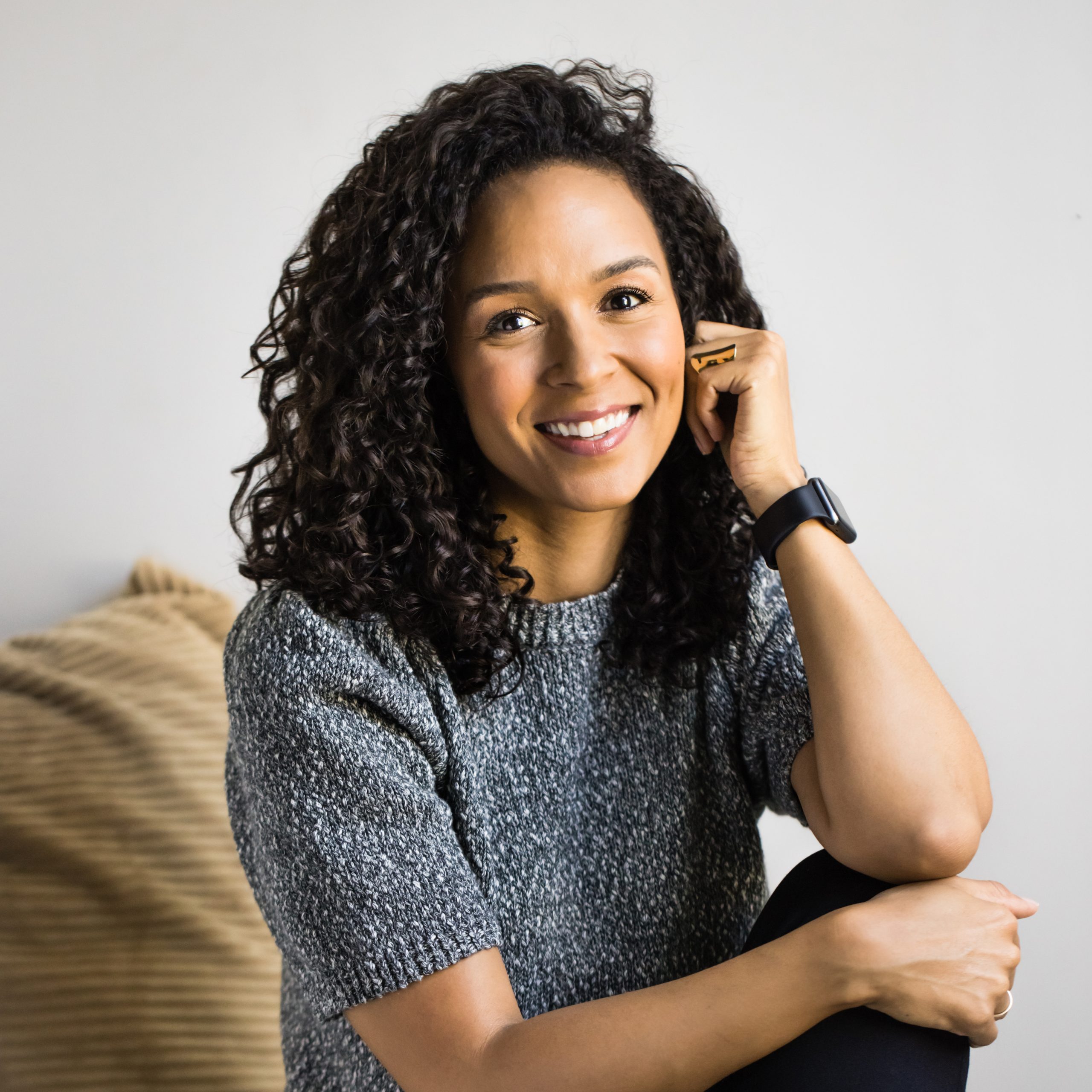
ClaireChandlerThe President and Founder of Talent Boost, Claire Chandler specializes in leadership and business value creation. She taps into over 25 years of experience in people leadership, human resources, and business owners to help the investment community identify the leaders and businesses of the future.

She helps private equity firms and venture capitalists make better decisions about which businesses to fund and fuel—AND helps future-proof those businesses—by delivering a strategic valuation of the leadership and talent within their target companies.

Claire holds a certificate in strategic HR leadership from Cornell’s School of Industrial and Labor Relations, a master’s degree from the New Jersey Institute of Technology, and a bachelor’s degree from Fairfield University.

She is the author of The Decision Dashboard and The Whirlpool Effect and co-author of Leading Beyond A Crisis.

Connect with Claire on Facebook and LinkedIn and follow Talent Boost on Twitter.

What You’ll Learn In This Episode

  • How to build the businesses of tomorrow
  • The biggest driver of business value

This transcript is machine transcribed by Sonix

TRANSCRIPT

Intro: [00:00:02] Broadcasting live from the Business RadioX studios in Atlanta, Georgia. It’s time for Coach the Coach Radio brought to you by the Business RadioX ambassador program. The no cost business development strategy for coaches who want to spend more time serving local business clients and less time selling them. Go to be BRXAmbassador.com to learn more. Now, here’s your host.

Lee Kantor: [00:00:33] Lee Kantor here, another episode of Coach the Coach Radio, and this is going to be a fun one. Today we have with us Claire Chandler with Talent Boost. Welcome, Claire.

Claire Chandler: [00:00:42] Thanks, Lee. It’s great to be here.

Lee Kantor: [00:00:44] Well, I’m excited to learn what you’re up to. Tell us about Talab Boost, how you served, folks.

Claire Chandler: [00:00:49] Sure. So I formed Talent Boost back in 2013 after I had spent the majority of my career in corporate roles. And then I left corporate America in 2011. Kind of dabble a little bit for for two years. I’m sure a lot of entrepreneurs can share that that type of journey of walking the earth little until you figure out your your niche. And so fast forward to today. I work primarily with the private equity and VC community to help it invest in the right businesses that will deliver the returns they’re looking for. So that’s kind of the trouble I get up into lately.

Lee Kantor: [00:01:27] And so then what’s your role? Are you just helping them vet them or are you helping them identify them or are you kind of once they purchase something, then are you helping fix them? Like, what’s your role with the VCs?

Claire Chandler: [00:01:40] Yeah. So on the front end, when they’re considering which company to invest in next, I work with them to build a valuation profile that helps them make a wiser, wiser decision really on the right company to get behind, because obviously, you know, they want to put their money behind a company that is actually going to deliver for them. And then on the back end, once they’ve made that financial commitment, I help them integrate that company. So it’s a line and it’s equipped to actually deliver the value creation plan that they envisioned.

Lee Kantor: [00:02:10] So you work a lot kind of with the human being, part of the transaction and the culture and the kind of fit.

Claire Chandler: [00:02:19] Yeah, very much so, human capital valuation specifically is is, yeah, my bread and butter.

Lee Kantor: [00:02:28] Now, when you’re working with a leaders like this, are you seeing folks maybe in one environment they’re the perfect leader, but you put them in a different kind of culture, then all of a sudden there’s friction and they’re not able to kind of lead in the same manner. And they’re they have to kind of evolve a little bit.

Claire Chandler: [00:02:46] Yeah, 100 percent. You know, I think that that tends to be the biggest source of underperformance and sometimes downright failure when you put the, you know, the wrong person, you know, in a role, especially at a at a leadership level. I was just having this conversation with with one of my clients the other day. They had acquired a business and wanted to install at the head of that business to small company, but they wanted to install somebody who came from a really big enterprise type of an organization. And I cautioned against that, you know, for for the reason that you just sort of touched upon, which is, you know, big organizational experience does not always and quite often it does not at all translate into success in more of a startup. Getting them to the next level, you know, for for a bunch of reasons, not the least of which is a big company leader, is used to a lot of structure is used to a lot of support is used to. You know, if they make a miscalculation or maybe not the best decision, it can be more easily absorbed in a large organization. So just assuming that somebody who’s got big company leadership experience, that that’s going to translate is really a faulty assumption.

Lee Kantor: [00:04:06] And the skills required to found a company is different than to kind of lead a more mature company.

Claire Chandler: [00:04:14] Very much so, I think the skills and the capabilities to found a company out of whole cloth and then to grow that company and help it mature. And then, of course, you know, getting to the point where you’re trying to lead in very large, very mature organization, three very, very different skill sets, and it’s the rare leader who can evolve along that entire journey.

Lee Kantor: [00:04:39] So now when you’re working with the people who hire you, is that something where you’re like, hey, this person, you know, they were great to get this thing started, but, you know, we might have to have a path to have them kind of exit and then bring in a more manager person rather than a kind of founder person. Is that part of your role?

Claire Chandler: [00:05:03] It is. And it’s it’s a key part of the service that I provide to my clients is really to assess depending on their their hypothesis. Right. Their value creation plan hypothesis, really help them assess the people within that portfolio company, especially at the top leadership level and especially the very top leader. Do they have the capability and the capacity to take that company to the next level? Sometimes the answer is yes. And we can assess and we can measure that. And sometimes, unfortunately, the answer is no, for the very reasons we just talked about, which is, you know, it’s the founder’s mentality. The founders capabilities, the founders mindset often don’t translate over to a more mature, more structured, more quote unquote, professionally run organization.

Lee Kantor: [00:05:57] Now, having done this for a minute or so, have you learned kind of what are the kind of biggest drivers for value or are there kind of some commonality that you’ve kind of said, OK, these are kind of the qualities that companies that are thriving and healthy and growing possess.

Claire Chandler: [00:06:15] Yeah, so here’s what’s interesting, you know. We used to live in an industrial economy, right, and I think a lot of people sort of falsely believe that we’re still there and an industrial economy. The overwhelming majority of business value, somewhere around 95 percent of the value of any business was driven by what we would call tangible assets. Right. The company’s technology, the products, their operations, of course, their financial capital. But the reality is, we don’t live in an industrial economy anymore. We live in an intellectual one. And it’s a fundamental shift that I think a lot of companies, a lot of business leaders and a lot of investors have not quite fully embraced yet. But our economy today is really dependent primarily on the output of the human mind, not the human hands. Right. So it’s things that I would call intangible assets, your your company brand, the services that you provide, the intellectual property, the knowledge that’s in your organization. And all of that, of course, culminates in human capital. So with this shift in the economy came a shift in what drives business value. So whereas before that value in an industrial economy was almost entirely driven by tangible assets. Today, it’s well over 72 percent of the businesses value is driven by intangible assets. And that’s across any industry. Right. And in some industries. I’m looking at, you know, the tech industries of pharma industries. The intangible assets drive closer to 80 to 95 percent of the value of the business. So it’s really, really critical that businesses do pay attention to that.

Lee Kantor: [00:08:01] And it’s one of those things where, like you said, that not every industry is embracing that thesis, that, you know, if you go to the bank and try to get a loan on that, it’s going to be a lot harder to do in a traditional kind of financing batard to explain to them how 72 percent of our value is, you know, IP, and they want to give you a loan based on your real estate and the building and your stuff.

Claire Chandler: [00:08:30] Sure. Because that’s, you know, the tangible is a lot easier to measure, right. In in most cases. But there are firms out there. There are businesses out there that have not only embraced this shift toward the intangible driving business value, but really have come to understand what it takes to measure that and to assess that. And as we know, if you can’t measure it, you can’t manage it. Right. So in that scenario, when we’re going to to banks and we’re going to investors and saying, you know, this is this is what I need to get to the next level. The companies that cannot quantify that intangible part of their business are falling short and are finding it quite difficult to attract the right investors to help them get to that next level.

Lee Kantor: [00:09:16] So now you say you’re saying that it can be measured.

Claire Chandler: [00:09:20] It absolutely can be measured.

Lee Kantor: [00:09:22] So then how does a firm go about measuring kind of intangibles?

Claire Chandler: [00:09:27] Yeah, so, you know, back to your your point about different leaders not necessarily succeeding in any role. It actually starts with the value creation plan hypothesis. Right. So you can measure you can assess the human capital, the capability, the capacity of, you know, the leadership, the depth of talent in any company. But the analysis of that data will change based on the hypothesis of your value creation plan. Right. So when I work with a client, I always start there and I say, let’s get really, really clear on what your end goal is. What is that exit strategy? Where do you want to be after your three to five year holding period? What does that return me to look like for you? And let’s get really clear on that end point. First, that is really valuable information where somebody like me to come in and then when I do, you know, I have some proprietary tools that I use, both assessments and diagnostics that then help me to quantify the capacity and capability within that target company to deliver on that value creation plan, to actually turn that hypothesis into reality. And so it’s you know, there is a lot of science behind that. There’s a little bit of art just in terms of rate, that difference between data and analytics, making sure that you know what you’re collecting and toward what end goal. But that’s really how how I tend to to work, get really clear on what the end goal looks like and then assess with that in mind to really be able to validate, does this existing human capital, especially the top layers of leadership, have what it takes to take their company and this investment to the next level?

Lee Kantor: [00:11:26] Now, in the world of private equity and venture capitalists, aren’t they primarily looking for home runs and grand slams or outs like they’re not looking for singles or doubles? That might be just fine businesses, but they aren’t going to be the ones that return kind of the value that they’re looking for, for the investment that they’re making and the risk that they’re taking.

Claire Chandler: [00:11:50] Yeah, that’s right, and honestly, that’s why the the failure rate can be so high, because a lot of the investors are swinging for the fences. And listen, we all we all want to smash the ball, right? We all want to get, you know, five times a return on the investment 10 times. You know, pick your number. But a lot of these investments do fall short because they’re not the investors and the companies that are supporting them are not necessarily focusing on, again, the majority of what drives the business value. Right. And a lot of them say, well, you’re talking about human capital. You know, you’re talking to human beings. So let’s cut to the chase. They’re unpredictable. They are wild cards in our equation. We already get that. That’s the that’s the part that we’re just sort of taking a gamble on. But they can’t be measured. And the firms that understand that, yes, they can and yes, they must. Before you plunk your money down behind a company, you know, are the ones that are getting the higher returns. They’re the ones that are outpacing the S&P 500. They’re the ones that are building the buy in of the people on the ground that actually have to deliver on their BCP. So, yeah, you know, it starts with that shift in mindset. And I know for a lot of people, that’s a hard one to grasp because it’s not it’s not tangible. But the reality is those firms that measure and assess the intangibles in the companies that they’re about to invest in are are going to, you know, I don’t to say hit for the cycle, but let’s keep using the baseball analogy. Right. They are far more likely to get extra bases out of their swings than just singles or, you know, God forbid, outs.

Lee Kantor: [00:13:33] Now, to continue that metaphor, do you feel that in your work you’re able to maybe stretch that single into a double or that double into a triple and prevent the out from occurring? Whereas if maybe they were left to their own devices, then, you know, maybe something that could be a double or triple might have been an out because they have the wrong kind of human capital on the team.

Claire Chandler: [00:14:04] Yeah, I would say that that is an accurate statement and always, you know, that the earlier you bring in somebody like me, but more specifically, that lens through which you can look at an assassin measure, the human capital side of the business, again, the intangibles that drive that the overwhelming majority, the value, the earlier in your acquisition or investment process, you bring in that lens, the more likely you are going to mitigate your risk and accelerate your success. Right. And so smart companies do this right at the due diligence phase stage. They don’t wait until after they’ve already put money committed funding behind a company, because if they do it right and they do it more thoroughly and they do it in a way that quantifies the intangibles, they are more much more likely to put their money, first of all, behind the right company and to do it with more enthusiasm and confidence that they’re making the right decision if they’re doing this after the fact. So say they’ve already made the commitment to the funding, you know, and maybe it’s it’s as late as six months post close. Invariably, they’re going to start to see some cracks in the foundation and some pain points. If they did not pay sufficient attention to the intangibles, things like, you know, they’re not they’re not able to hire enough of the right people. They’re not able to retain the good people that they have.

Claire Chandler: [00:15:36] You know, the front line supervisors are driving people away or they’re driving underperformance. The top leadership doesn’t fully buy in to the value creation plan and hypothesis. All of those different points along the way can be assessed and measured, starting with the due diligence process, but even post close. And the more clearly you can see what you’re what you’re working with in terms of capacity, in terms of capability, then you can more clearly see the actions that you can take, whether it’s to pay more attention and spend more time and effort on aligning the people that you have with the value creation plan. You know, I’m a big advocate of helping people see a direct connection between their role in their contributions to how it’s going to move the needle forward. Right. And helping a company get to the next level. And it’s it is no less true when you’ve got the backing of a of a of a of an investor, a private equity or, you know, seed funding or what have you. The alignment is critical. I think a lot of companies, especially, you know, both at the startup side, but also on the investor side, make a really critical mistake in thinking that money will solve everything. I have heard startups, you know, say we can get to the next level, if only we had, you know, the right level of financing or financial capital and funding from the right investor.

Claire Chandler: [00:17:06] And I always caution them and say that’s really a faulty assumption. Right, because if they don’t have the capacity and the capability to actually take themselves to the next level, back to that earlier point of, you know, a founder’s mentality of founders skill set of founders vision may not be the same set of skills and capabilities and mindset that you’re going to need to get from where you are to where you want to get to. So just assuming that a blank check or a big check from an investor is going to smooth over any of the other cracks and fissures in your foundation is a really faulty assumption. And it’s also made on the investor side. Some investors see, you know, a great idea or a really good idea, and they want to help take it to the next level or the start of a decent company that’s had some early success. And they want to be part of their their growth and evolution. Just putting money behind it is not going to crush your value creation plan. You have to make sure you’ve got the right people in the right roles, that they’ve got the right mindset in alignment and buy in to where you want to go, and that they’ve got the right capabilities and skills to take you there.

Lee Kantor: [00:18:15] Now, if somebody wanted to learn more about what you got going on, is there a website to get on your calendar and maybe have a discussion about, you know, helping that firm get to the next level?

Claire Chandler: [00:18:29] Yeah, so there’s there’s two things they can go to my website, which is Pellant Boost Dot Net, and there’s two areas I would absolutely encourage anyone to to go to. One is to click the link on the top. It says checklist. So there is a I put together a free checklist. I call it profit letters and risk flags. And whether you’re on the investor side of the startup side, that checklist is going to enable you to quickly calculate the top three areas in your business that are currently competitive advantages for you, that maybe you’re not putting your foot on the gas to to a sufficient of a level as you could. It’s also going to help you calculate the top three areas that are threatening to derail your success. So, you know, an investor can can download that and start to use that immediately as they’re thinking about their next investment. They can even take that and use that as a very critical, valuable lens toward the company they’ve recently acquired. And even on the startup side, those who are thinking about, you know, is now the time, right. Is now the time for us to grow, to scale, to take on an investor. That checklist is going to ask them some really key questions to help them get to some of those answers. So that’s point one and the other area on calaboose. Starnet, to your direct question of if somebody wants to reach out, you want to talk specifically about where you are in your business and how maybe somebody like me can help you get ready for your next level. There’s a button on the top right size book a call. Go there, pick the kind of call you’d like to schedule with me and let’s do it.

Lee Kantor: [00:20:04] And then so you primarily work with private equity and VCs, but you do also work with entrepreneurs.

Claire Chandler: [00:20:12] They do also work with entrepreneurs. You know, a lot of the fundamentals are the same on both sides of that relationship. Right. It’s about really getting as granular and as as tangible as you can with the intangible assets that you have. Right. So whether you’re an investor who’s considering your next investment or an investor who has just recently acquired a new company and wants to integrate it the right way, but also in the startup side, you’re heading up a startup or a growing business that you want to take to the next level. A lot of my framework and my process is very consistent on both sides of that equation. So, yeah, so I encourage, you know, even if you’re just curious, you just have questions. Go download the checklist, make a call with me and let’s have a conversation.

Lee Kantor: [00:21:03] Good stuff. OK, Claire, thank you so much for sharing your story today. You’re doing important work and we appreciate you.

Claire Chandler: [00:21:09] Thank you very much. It’s been a pleasure to be here. All right.

Lee Kantor: [00:21:11] This is Lee Kantor Rouselle. Next time on Coach the Coach Radio.

Tagged With: Claire Chandler, Talent Boost

Chris Franklin With Locumtenens.com

August 19, 2021 by Jacob Lapera

Chris-Franklin
Atlanta Business Radio
Chris Franklin With Locumtenens.com
Loading
00:00 /
RSS Feed
Share
Link
Embed

Download file

ChrisFranklin

Chris Franklin serves as president of LocumTenens.com, the industry’s most visited job board and full-service locumtenens agency. Under his leadership, the company – which provides innovative and strategic solutions to staffing challenges for thousands of healthcare facilities across the U.S. – has experienced exponential growth, currently serving 90 percent of the nation’s top hospital systems.

With 25 years of experience in the healthcare and technology staffing industry, Chris brings insight and wisdom from his progressive leadership roles directing multiple specialty-focused sales and operations divisions at LocumTenens.com.

He prioritizes delivering a world-class customer experience, optimizing key operations areas and developing leaders to position the company for continued growth – and his passion for success has ledLocumTenens.com to receive local and national recognition, including multiple“Best Places to Work” and “Best of Staffing” awards.

In addition, Chris makes corporate responsibility a key part of LocumTenens.com’s strategic business platform, prioritizing its impact globally and within the local community.

LocumTenens.com serves dozens of local organizations through corporate funding and associate volunteerism and helps thousands of underserved patients in over 200 countries through its online platform MedicalMissions.org.

Chris has served on the board of directors of Predisan USA, Inc. and the NationalAssociation of Locum Tenens Organizations (NALTO). He received a Bachelor ofArts degree from the University of Richmond.

Connect with Chris on LinkedIn and follow LocumTenens.com on Facebook, Twitter.

What You’ll Learn In This Episode

  • Role of Locumtenens practitioners in the pandemic response
  • How should facilities and practices address staffing in the future to help avoid burnout and retain talent
  • The benefits of being a locumtenens provider
  • How does LocumTenens.com benefit health facilities

About Our Sponsor

OnPay’s payroll services and HR software give you more time to focus on what’s most important. Rated “Excellent” by PC Magazine, we make it easy to pay employees fast, we automate all payroll taxes, and we even keep all your HR and benefits organized and compliant.

Our award-winning customer service includes an accuracy guarantee, deep integrations with popular accounting software, and we’ll even enter all your employee information for you — whether you have five employees or 500. Take a closer look to see all the ways we can save you time and money in the back office.

Follow OnPay on LinkedIn, Facebook and Twitter

Tagged With: Chris Franklin, Locumtenens.com

Josh Stech With Sundae

August 19, 2021 by Jacob Lapera

joshstech
Atlanta Business Radio
Josh Stech With Sundae
Loading
00:00 /
RSS Feed
Share
Link
Embed

Download file

joshstechJosh Stech started Sundae to help homeowners get a better outcome when selling off-market. With a career at the intersection of technology and residential real estate, he’s seen first hand the opportunity to create a new type of business that wins by doing the right thing for the seller.

Prior to starting Sundae, Josh was Founding Partner and SVP of Sales at LendingHome, an online mortgage bank specializing in short-term residential bridge loans. During his five years at LendingHome, Josh helped the company outperform veteran business in LendingHome’s category as the company scaled to 350 employees and $150M in venture funding.

Prior to LendingHome Josh was Co-Founder and CFO of Purpose Built Investments (PBI), a residential real estate private equity firm. Josh launched three investment funds for PBI focused on buying, renovating, and selling houses as well as bridge lending, executing more than 1,200 transactions.

Josh graduated with honors from Stanford with a BA in Economics, BA in Spanish, and an MA in Latin American Studies with a focus in Economic Policy. He wrote his honors thesis on the long-term impact of the subprime lending crisis on the Latino community. Josh lives in San Francisco with his wife, two sons, and their two dogs.

What You’ll Learn In This Episode

  • A new better way campaign that helps homeowners spot and avoid wholesaling scams

About Our Sponsor

OnPay’s payroll services and HR software give you more time to focus on what’s most important. Rated “Excellent” by PC Magazine, we make it easy to pay employees fast, we automate all payroll taxes, and we even keep all your HR and benefits organized and compliant.

Our award-winning customer service includes an accuracy guarantee, deep integrations with popular accounting software, and we’ll even enter all your employee information for you — whether you have five employees or 500. Take a closer look to see all the ways we can save you time and money in the back office.

Follow OnPay on LinkedIn, Facebook and Twitter

Tagged With: Josh Stech, Sundae

Alicia Reece With The Reece Group

August 19, 2021 by Jacob Lapera

AliciaReece
Coach The Coach
Alicia Reece With The Reece Group
Loading
00:00 /
RSS Feed
Share
Link
Embed

Download file

AliciaReeceAlicia Reece is the founder and CEO of the Reece Group. As a certified executive coach and talent strategist, she has over 20 years of experience working with individual professionals and leaders at every level across Fortune 500, enterprise, and start-up organizations such as Cisco, Gilead Sciences, KPMG, Lyft, Salesforce, FedEx, Warner Brothers, and NCR.

At the heart of her practice is helping my clients solve their greatest challenges whether they are ready for the next leadership level but unsure how to make the transition, feeling stuck in a career that is unfulfilling, wanting to improve their leadership effectiveness, or looking for ways to increase employee engagement and retention.

Having certifications in a number of leadership and career assessments including emotional intelligence and strengths, her clients benefit from working with her by learning how to cultivate their self-awareness, improve relationships and decision-making, and dispel the imposter syndrome (feelings of not being good enough) to achieve their goals.

As a speaker, she facilitates customized workshops/webinars, delivers keynotes, and serves as a panelist including Forbes and ERGs.

Prior to launching her coaching and consulting practice, she spent most of her career in HR leadership roles within Fortune 500 organizations.

Most notably, she spent nearly a decade with Cisco working at the intersection of HR and business. Currently, she partners with Cisco as one of their leadership coaches.

Additionally, she has partnerships with Duke Corporate Education, the University of Michigan Alumni Network, & Right Management which allows her the honor to coach talented professionals and leaders within their networks globally.

Connect with Alicia on LinkedIn.

What You’ll Learn In This Episode

  • How does a toxic work environment impact your success at the organization/company
  • It is crucial to cultivate a safe hybrid work model today
  • Signs of a toxic hybrid work environment
  • Tips for strategizing your way through a toxic hybrid workplace
  • How can organizations enhance their company culture to avoid a toxic hybrid workplace

This transcript is machine transcribed by Sonix

TRANSCRIPT

Intro: [00:00:02] Broadcasting live from the Business RadioX Studios in Atlanta, Georgia, it’s time for Coach the Coach Radio brought to you by the Business RadioX ambassador program, the no cost business development strategy for coaches who want to spend more time serving local business clients and less time selling them. Go to BRXmbassador.Com to learn more. Now here’s your host.

Lee Kantor: [00:00:33] Lee Kantor here, another episode of Coach the Coach Radio, and this is going to be a good one today, we have with us Alicia Reece with the Risk Group. Welcome. Highly well, before we get too far in to things, tell us a little bit about the risk group. How are you serving folks?

Alicia Reece: [00:00:50] Yeah, absolutely, so the risk group is a coaching and consulting firm that I’ve run as as the owner and lead coach and consultant, we serve as Fortune 500 companies globally in the areas of career management and leadership development, with an emphasis on emotional intelligence.

Lee Kantor: [00:01:14] So what’s your back story? Have you always been a coach?

Alicia Reece: [00:01:17] I have not, however, the journey that I took professionally and even educationally led me to this point. So I started my career over twenty five years ago working at the intersection of people and business. And what that translates to is various leadership roles that I had for several different Fortune 500 companies. But most notably, I spent over a decade working at Cisco in various capacities from being an H.R. business partner leader, supporting engineers globally to working in mergers and acquisitions. And then about 12 years ago, while I was sitting in the engineering organization as a business partner leader at Cisco, I noticed that I wasn’t fully energized by the work. On paper, everything looks perfect, like I had a really nice, flexible work environment. I was delivering results. I was even growing. But again, I just felt deep inside like something was missing for me. And so I did a lot of introspective work. And what I did use was that I wanted to get back through the power of coaching. I had touch coaching throughout my career, but I wasn’t fully entrenched in doing the work on a day to day basis. So once I had that clarity, I went through formal coach training and loved it, met a global tribe of people who had the same love, really wanting to see people live their best lives, be productive and happy in their careers.

Alicia Reece: [00:02:53] And I again, I was just totally smitten by the work. And so after I graduated from the program, I eventually became an internal executive coach within Cisco. I transitioned from being an H.R. business partner and moved into the leadership development area where I was fully in the world of coaching and even started a part time practice where I was seeing coaches or seeing clients at various various stages in their careers. And then as luck would have it, five years ago, I went through a transition, left Cisco and basically flipped the switch, transitioned my part time practice into a full time coaching firm. And I have to be honest with you, I literally had a six month plan. I never plan to be an entrepreneur like I thought I was going to eventually become a HRO or just stay in corporate and continue to grow my career. But I did take that leap. And six months has turned into five years. And I have a thriving coaching consulting practice now.

Lee Kantor: [00:04:07] Are your clients those same kind of enterprise level companies?

Alicia Reece: [00:04:12] Yes, the clients are the enterprise level companies. In fact, I always talk to my clients about the power of relationships. And so the first client organization who took a chance on me was Cisco, and I still actually coach with them today.

Lee Kantor: [00:04:28] Now, are you finding that at the enterprise level that coaching is no longer kind of something for the highest levels of leadership, that it’s kind of trickling down to more of the important leaders throughout the company, not just kind of at the C suite?

Alicia Reece: [00:04:46] Absolutely. I think traditionally what we’ve seen is coaching, particularly executive coaching, has been reserved for the top of the house of an organization. But as we see younger and younger generations, the millennials, generation Z, Generation Y, as they come into the workforce, they are now becoming the majority of the organization and even in their youth or even being young in their careers, they’re taking on leadership roles. So I absolutely see and have experience working with younger leaders and even individual contributors. Honestly, coaching has become an employee perk that a lot of organizations are using to help with the betterment of their organizations as well as to drive employee engagement.

Lee Kantor: [00:05:40] So it’s no longer kind of, like you said, at the highest levels. It’s part of the corporate culture that’s saying, hey, we want you to be the best you you can be. And coaching is a great tool to help you achieve that.

Alicia Reece: [00:05:52] Absolutely. Absolutely.

Lee Kantor: [00:05:54] Now, as we’re hopefully coming out of this pandemic and a lot of the work forces now at some point fully remote to now, kind of partially remote and people are kind of just trying to figure things out to the best of their ability because it is kind of chaotic right now. How do you recommend that companies kind of deal with culture? When you’re not kind of in the same room with folks as much as you used to be, where culture can kind of permeate itself by osmosis, I guess, when we’re all together. But now you’re dealing with folks that are all over the planet.

Alicia Reece: [00:06:33] Yeah, absolutely, it’s important that companies have some really good protocols, procedures, and I would just say overall really good leadership hygiene to support what you’ve just described as the hybrid workplace. The reality here is the pandemic created a huge experiment in folks working from home or even working partially in the office. And a lot of companies, particularly high tech, like I come from the Cisco world. We had been working from home for probably about 12 to 15 years prior to the pandemic. So for some companies, this isn’t new. But for those companies where this is a new situation, they really need to support their clients or their employees and having really strong practices in place, employee practices that will help to build the connect connection. So, for instance, looking at how you run meetings, making sure if there is a hybrid type of workplace where you have some folks in the office and some some folks who are actually bio zoom or another video enabled platform, ensuring that you actually plan those meetings and that where there is a level of where there is there’s a level of common ground, if you will, meaning you’re not scheduling the meetings too late, you’re not scheduling the meetings too early because you’re going to have multiple time zones actually participating in the meetings.

Alicia Reece: [00:08:17] I think also looking at leadership, as I mentioned, in terms of really understanding how leaders are showing up or how they’re treating employees fairly. Gone are the days where you can actually drop by a person’s desk and and cultivate relationships in that way. So ensuring that leaders are taking the time to meet with their employees on a day to day basis and checking in with them, I think also it’s important that tools, technology tools are embedded as a part of the cultural fabric, looking at that hybrid workplace. So thinking about Web based tools such as Zoome and WebEx, also looking at tools that have instant messenger. Right. So you can instantly connect with someone as well. And then I also think it’s important that companies look at their policies and procedures in terms of how they get work done, how they support each other, their business code of conduct in terms of how they are engaging in the various practices of the organization.

Lee Kantor: [00:09:32] Now, do you have any advice for the folks that you know, like you said, a lot of the especially technology firms have embraced remote and they have employees all over the planet. And that’s not kind of a new thing. The pandemic didn’t change much from that standpoint. But for the folks that are kind of dealt with this for the first time and then really have a desire to go back in office at some point and have, like you said, created or decided on some hybrid model of this, how do you advise them when it comes to just kind of the inherent bias of proximity? So if a bunch of people are coming to the office and then how do you kind of make sure the culture includes the folks that decide not to come into the office and and kind of protect them and help them get promoted and to prevent some of this just proximity bias of how I’m hanging out with this person? There’s an opportunity. I’m going to think of the person that I’m glad that, like you said, bump into or looks over my shoulder or hangs out with me or go to lunch with me.

Alicia Reece: [00:10:38] Yeah, I absolutely believe that proximity bias is is a real challenge that has to be proactively tackled and a part of that is really ensuring that managers have some good practices in place and even some leadership tenets in terms of how they engage. So, again, ensuring that there is fair treatment across the board. Let’s just take a team, for example. So ensuring that you are meeting with everyone on your team, those folks who are remote, as well as the folks who are coming into the office, I think also ensuring that there are equal opportunities for your team as well. So, for instance, if you are having a team meeting, allow some of the remote employees to actually facilitate the meeting or provide updates on topics. There has to be a balance between the treatment of employees who are remote, as well as those employees who are coming to the office and even how you evaluate employees from a performance perspective, because I think oftentimes, again, there is some bias that happens naturally when you are in close proximity, you have a stronger relationship, a stronger connection. And so for managers, for leaders, they’re going to have to be more intentional about cultivating the relationships with the employees who are remote, ensuring that they have the right visibility opportunities, again, as I mentioned, by facilitating a meeting or sharing an update, but then also ensuring that they have the same type of development opportunities and advancement opportunities, whether it’s a stretch assignment or moving into a new role. But it is going to take a lot of intention, intentional practices, to ensure that that type of proximity bias doesn’t happen and it doesn’t tear into the core of the fabric of the culture, because the reality here is if there is unfair treatment, there will be turnover and employee turnover. And as you know, a turnover could cost organizations billions of dollars.

Lee Kantor: [00:13:03] Now, to me this. If a company is going deciding if the hybridize work is going to work for them or experimenting with it, this is where having somebody like you, an expert that can deal with this, is so important, especially even fresh eyes looking at the situation because they may not even see some of these kind of potential landmines ahead of them. And if you don’t, like you said, orchestrate this in an elegant, fair way, it’s going to be easy to kind of slip into some sort of a more toxic work place. So I think I agree 100 percent that this is not something you just go, hey, now we’re hybrid and then you come in when you want to, Monday, Wednesday, Friday, Tuesday or whatever. The thing is, you can’t just kind of haphazardly do this. You have to really start playing out scenarios and understanding where the landmines are ahead of time so that when you do kind of go into a hybrid work environment, that you’re doing it in in the best way possible.

Alicia Reece: [00:14:06] Absolutely. Absolutely.

Lee Kantor: [00:14:08] Now, is there some like when you’re working with a firm. How do you kind of help them become aware of, hey, you know what, you might have some danger here or there’s something here that could kind of get away from you when it comes to culture and you could have, you know, kind of not so great work environment if you deploy that way. Like, do they have the self-awareness to kind of see that ahead of time? Are you coming in to fix something that’s already kind of gone off the rails a little bit?

Alicia Reece: [00:14:42] Yeah, I think in a blue sky world, it would be nice for organizations to reach out to consultants and coaches such as myself to get ahead of any type of challenges that may manifest. At the same time, a lot of times organizations will reach out once something is not working. And typically when I’m brought in, I will do an assessment depending on what’s happening in the organization. It could be a cultural assessment, it can be a team assessment or could even be an employee relations assessment to really understand what’s happening systemically within the organization so that we can figure out the proper protocols, practices and actions that need to be taken in order to move to a better place where the organization can perform and have a level of productivity so that they can reach the goals that they’ve set for themselves.

Lee Kantor: [00:15:44] Now is a symptom of this dysfunction, is it that is turnover? Is that the the kind of the flashing red light that says, hey, we better kind of rethink what we’re doing? The turnover rate’s kind of bumping up a little bit, or there are other symptoms that are like, hey, you might have a problem here. Like, can you catch him when it’s a yellow light instead of a red light?

Alicia Reece: [00:16:04] Yeah, absolutely. I think certainly turnover would for sure be the red light once you start to lose people, because obviously that impacts profitability. But certainly there are other signs that could lead to we may be in danger here. Right. The yellow light, as you mentioned, and some of those signs could be as simple as having employee engagement survey and seeing that a percentage of your employees are not engaged or maybe a particular affinity group within your organization. They’re not engaged, but really getting ahead of understanding what’s getting in the way of their engagement and putting strategies in place. I think that that’s certainly a piece also not meeting their goals like I recently got to reach out from a client that I’m going to be doing a leadership retreat. And it’s really around and coaching in a couple of weeks out in California. And I had to reach out because there was a lack of accountability as it relates to the team meeting their goals. And so going into the next fiscal year, this particular leader wanted to strengthen accountability, wanted to strengthen trust, and wanted to strengthen the overall commitment to achieving their goals. So I definitely think there are other signs. But the reality here is to the point you just raised, you don’t want to get to the red light. You know, maybe there is a yellow or maybe it’s just about to go the yellow and then you want to bring in and bring a consultant in and have some interventions put in place to move forward.

Lee Kantor: [00:17:43] Now, you mentioned the retreat. You mentioned coaching earlier. What are some other ways that you engage with your clients? What are some of the other services you provide?

Alicia Reece: [00:17:53] Yeah, absolutely. So I provide assessments, team assessments, as well as individual leadership assessments. The assessments typically have a common thread around emotional intelligence. I have a certification and emotional intelligence, and I personally believe that at the end of the day, all roads lead to your emotional intelligence. So when you think about any problem that you’re grappling with, I can tie it back to a dimension of emotional intelligence. And so everything that I do is is embedded there. So I do assessments. I also do career management coaching. Certainly the pandemic has raised a lot of concern and has elevated the consciousness of folks around happiness and really wanting to be in a career that is fulfilling. So often times you see people doing this because something bad has happened. But what I’ve seen over the past 16 months is people have been very proactive about wanting to move into a career that is is more fulfilling. And so I do a lot of that work. I enjoy that. But even in the career management coaching, there’s always an element of emotional intelligence understanding. You’re showing up being perceptive of others in a way where you’re able to make better decisions, manage relationships and stress to get to the outcomes that you want.

Alicia Reece: [00:19:24] So I also do that facilitation and I also have my first book coming out. I’m so excited. On September the 16th, the book is called Driven to Thrive 10 Proven Strategies to Excel, Expand and Elevate Your Career in Life. And it’s really about how you manage your career from the inside out through the power of emotional intelligence. And when I think about this book, this is the book that I wish I had when I graduated from business school and entered corporate America and really just trying to find my way. This is the book I wish I had when I was contending with Imposter Syndrome and didn’t have the language to understand what was happening to me. This is the book I wish I had when I was going through a career hiccup. And so I share a lot of personal stories, but also stories of my clients. Of course, I’ve changed their names from a confidentiality perspective, but I share a lot of stories around how to how to ensure that you are thriving in your career life.

Lee Kantor: [00:20:25] Well, if somebody wants to learn more, have a more substantive conversation with you or somebody on the team or even preorder the book, is there a website?

Alicia Reece: [00:20:34] Absolutely. The website is w w w dot aleesha Derice dot com and its allies, CIA DS and David Reise r e e e c e that. Com.

Lee Kantor: [00:20:49] Well, thank you so much for sharing your story today, Aleesha. You’re doing important work and we appreciate you.

Alicia Reece: [00:20:55] Thank you, Lee.

Lee Kantor: [00:20:56] All right, this is Lee Kantor. We’ll see you all next time on Coach the Coach radio.


Tagged With: Alicia Reece, The Reece Group

Executive Leadership Coach Brooke Dinse McCarrison

August 18, 2021 by Jacob Lapera

BrookeDinseMcCarrison
Coach The Coach
Executive Leadership Coach Brooke Dinse McCarrison
Loading
00:00 /
RSS Feed
Share
Link
Embed

Download file

BrookeDinseMcCarrisonBrooke Dinse McCarrison is a leadership professional with over a decade of management, training and team building experience.

Her experience includes teaching English and Spanish classes to factory workers, working with foster children and their families, supporting lawyers at a mid-sized law firm, and administering insurance policies, managing teams, and leading operations at a global insurance company.

She is the founder and coach of Brooke Dinse McCarrison Coaching.

Her coaching programs aim to help emerging leaders and experienced executives reconnect with their purpose to inspire teams, achieve success with meaningful impact, and find fulfillment at work and in life. Brooke earned her CPC through iPEC and is also a certified ELI-MP.

Connect with Brooke on LinkedIn.

What You’ll Learn In This Episode

  • Performance reviews
  • Hiring the right people
  • Keeping the right people
  • Having the right mindset
  • Perspective in the workplace

This transcript is machine transcribed by Sonix

TRANSCRIPT

Intro: [00:00:02] Broadcasting live from the Business RadioX Studios in Atlanta, Georgia, it’s time for Coach the Coach Radio brought to you by the Business RadioX ambassador program, the no cost business development strategy for coaches who want to spend more time serving local business clients and less time selling them. Go to BRXAmbassador.com to learn more. Now here’s your host.

Lee Kantor: [00:00:33] Lee Kantor here, another episode of Coach the Coach Radio, and this is going to be a fun one. Today we have with us Brooke Dinse McCarrison with Brooke Brooke Dinse McCarrison coaching. Welcome, Brooke

Brooke Dinse McCarrison: [00:00:45] Haley. Thank you so much for having me on today.

Lee Kantor: [00:00:48] Well, I’m excited to learn what you’re up to tell us about your coaching practice. I know you focus on executive leadership. Talk about that a little bit.

Brooke Dinse McCarrison: [00:00:57] Yeah. Thank you. Yes. I help both emerging leaders and seasoned executives really just connect in with their true purpose so that they can find their real spark and use that to have the impact they want to have to help their teams grow in meaningful ways. And just really, you know, have a have a career that’s that’s fulfilling and a life that’s fulfilling as well.

Lee Kantor: [00:01:24] So what’s your back story? Were you always a coach or is this something you got into a little later in your career?

Brooke Dinse McCarrison: [00:01:31] Yeah, definitely. Definitely something I got into later in my career. I have a bit of a winding road when it comes to my career journey. I, I taught factory workers for a while, English and Spanish language courses, and through that experience, really got to see firsthand how frustrating it can be when you can’t communicate effectively as a team. And then I work with foster kids in Chicago for a while and helping their families navigate through crisis situations and through that system was extremely Eye-Opening for me. And then I worked at a law firm and and helped paralegals and legal assistance and lawyers move through high stress situations there, and then eventually found myself as working for an insurance company and moving into led a team of operations folks at that insurance company through a lot of change and a lot of growth. So, yeah, it was a winding road, but ultimately the thread that ran through it for me was the difference between what can happen when a team of people is led by a really inspirational and purposeful leader and when they’re not. And so knowing that difference and getting to be in that seat for a while, I really I really learned that I that that’s where my my genius’s I want to help leaders grow into the best version of the leader they could possibly be so that they can lift everybody up around them.

Lee Kantor: [00:03:12] Now, on this journey. Did you have an opportunity to be coached yourself?

Brooke Dinse McCarrison: [00:03:18] Yes, definitely. So I I was coached really quite a bit. I found coaching to be extremely helpful to me in my own personal development and my development specifically as a leader. And it was actually crucial for me to really have that kind of support in order to develop the skill set that I really needed to be an effective and inspirational leader. So not only did I receive the help through coaching in that regard, it also helped me to come to realize that that coaching was really the work I’m meant to do in my life as well. And so it helped me make that that transition, too.

Lee Kantor: [00:04:01] So for the folks who have never been coached before, what is some of the kind of unexpected benefits of working with a coach that you found that might help persuade them to try coaching?

Brooke Dinse McCarrison: [00:04:13] Yeah, I love that question. So I think a lot of people, they have familiarity with coaching around, say, maybe a sports coach, which I was an athlete in high school and college. So I definitely know what that’s all about. Or or they think of it as something. Once you get into the professional development space, they think of it as something that maybe only really top level executives have access to or should take advantage of. And I think I think the most unexpected thing that I found in the power of coaching is that really it can help you amplify what you’re already doing and what you’re already experiencing to a level you never even thought possible. And so I think it comes in it comes in to be this extremely helpful thing at whatever stage of your career you’re in, but also whatever stage of fulfillment you’re in as well, because it can help you when you’re really in quite a bit of challenge and struggle and maybe moving into something new for the very first time, like your very first leadership role, for example. It can help you there, but it can also help you at times when you’re kind of just coasting. Right. You’ve got kind of got this thing down. You’ve figured out what’s going on, but, you know, you’re not operating at your optimal level. And and that’s the. Driving you crazy to some extent, right, you’re not getting the kind of level of joy and happiness and fulfillment out of your life that you really know you’re you’re capable of and you want more of. And so coaching can really help in those situations, too.

Lee Kantor: [00:05:47] Now, do you think coaching is better suited for that kind of achiever mindset person that people that want more that aren’t satisfied with where they’re at as opposed to that kind of remedial way of dealing with people and saying, hey, I need you to fix these things to really up level something from basic to, you know, better rather than from good to great.

Brooke Dinse McCarrison: [00:06:12] Yeah, that’s such a great question. I love it. So I think that I think they’re both good places to receive coaching and coaching can really help you benefit. The critical piece. Is the person seeking out the coaching really wanting to make a change? Right. So so whether you are feeling like you’re at just the very beginning base level of your skills in a certain area or your understanding or your clarity or your knowing in a certain area or whether you think you’ve moved quite a ways along, but you want to just amplify it and get better, get even better. The critical pieces, you wanting to make a change. And I think if if if that commitment and that dedication is there, it doesn’t really matter what level you’re at. It just matters that you’re ready to show up and you’re ready to be open to looking at things differently and trying different things to find what your next best step is to take that that step toward raising your bar right to the next to the next point.

Lee Kantor: [00:07:21] Now, when you’re working with leaders, do you find that a lot of times the leader has that kind of. Special, something within themselves, but sometimes they get bogged down with some of the I don’t want to downplay it in terms of calling it minutia, but some of the kind of the nuts and bolts of the job and less of the inspirational kind of classic leadership that you would see in movies, part of the job.

Brooke Dinse McCarrison: [00:07:49] Yes, absolutely. You have me laughing on that one because that one rings very true for me. Right. I am remembering when I first stepped into a leadership position and I had so much hopeful optimism and so much of my own momentum built up, wanting to be the leader that I’d seen in movies are the leaders I’ve been lucky enough to have in real life, too. And I wanted to be like those people. Right. I wanted to give that gift really to my team. And it does not take long once you step into that role and it doesn’t really matter what level it’s at, whether it’s your first time being a leader, whether you’ve been doing it for years, but your role has shifted or you’ve changed companies, it does not take long for those feelings to come to spiral into the overwhelm the because there is so much, especially as you move your way up the ladder, so to speak, there’s so much to pay attention to. And and depending on where your team is at, depending on where your companies that depending on what resources you have available to you, what level of talent you have on your team, all of those things come into play to really equate to a leader is responsible for a lot of things and the buck stops with you. And so it needs to get done one way or the other. And so I think a lot of leaders find themselves taking on a lot of, like you said, the minutia or the the to do list just gets longer and longer and longer. The the number of emails they need to respond to in their email just becomes crushingly overwhelming. And it can be so easy to lose sight of those things that you were once focused on in order to bring that inspiration and motivation both to yourself and to your team.

Lee Kantor: [00:09:39] Now, do you find that most people have kind of that leadership quality within them and they just need to have it coaxed out? Or do you believe some people are just kind of born with the charisma and the skills of the leader?

Brooke Dinse McCarrison: [00:09:54] I love that question so much. So I I definitely think that there are folks who are born with the quote unquote leadership qualities. But I truly believe that there is a leader inside of all of us and we’re actually always leading all the time. It’s just whether we’re leading actively or whether we’re leading passively. And so gaining self awareness around how you’re currently showing up, how you’re being perceived, how that’s affecting the way in which you move through the world and the people who you interact with move through the world and then really taking that self-awareness and making intentional choices about how you move forward from there. I think anyone has the ability to do that. And I also think that leadership in large part is a learned skill set and it’s oftentimes a skill set that is not so. It’s not taught in the same kind of way that teaching someone how to do a job well is taught right. And so a lot of times people find themselves just quote unquote, falling into leadership roles or getting promoted into them because they’ve been in a company for a long time or they’ve been an exceptional performer in in the role that they were responsible for before. And then they’re kind of just left to figure it out as a leader. And I think that’s where it’s really important to find the right kind of support, to be able to have someone in the ring with you to help you develop that skill set based on where you are right now and what your next best steps forward are, because I think anybody has the ability to be an amazing leader. It’s just about what how you want to lead.

Lee Kantor: [00:11:43] Now, let’s talk about your specific practice. What is the typical kind of point of entry for a client of yours? What’s the pain that they’re having? Where it’s the right move is to call Brooke in her team.

Brooke Dinse McCarrison: [00:11:56] Yeah, thank you for that question. So it’s a couple of things. I have folks who come to me who are first time leaders, right. They’re moving from being that exceptional individual contributor and they’re taking on their first leadership role. And they’re either anticipating starting doing that or they’ve gotten into it and they’re realizing, whoa, hold on a minute, this is a different pool and the water is a lot deeper over here. So I got to figure this out. And they and they realize that having someone in their corner to help them. Troubleshoot their help, guide them through that and help them work through it is exactly what they need, right? Right at that time. So that’s that’s some of the folks. The other I would say the majority of the other folks who come to me, it’s actually two things. One is they they know they are capable of so much more as a leader. They they’ve proven that to themselves and to other people in other roles that they’ve had or at other companies that they’ve been at. But they find themselves in a truly toxic work situation. And it’s just not the right fit. It’s not working. And so they’ve been they’ve really been through the fire. Right. Just and really gone into survival mode, trying to make sure that they can salvage something out of the situation. And that’s a really hard place to try to figure stuff out from and to motivate yourself from. And so they seek out the coaching in order to help them do that, in order to help them move through it and move move past it. And then I’d say the third group is folks who are our leaders. They know they’re good at it. They’re getting by. Their team is doing OK, they’re doing OK, but OK is not good enough for them. And they just really want to magnify the the impact that they’re having and show up in a in a more purposeful way.

Lee Kantor: [00:13:52] So now you mentioned working with emerging leaders or even experienced leaders that are having some difficulty. Is there an industry that you work in that you feel more comfortable in or the kind of industry agnostic?

Brooke Dinse McCarrison: [00:14:07] Yeah, great question. So I think my most recent and and longest tenure experience before becoming a coach was in the insurance industry. And I definitely had a lot of clients who coach and clients who who are in the insurance industry as well. So I’m really well versed in that and feel comfortable there. But my client base really spans all industries and it spans nonprofit and and corporate environment. There’s there’s leaders in every realm. Right. And so it really just the details are less important than the experience that the leader is going through at that time. And we can quickly get up to speed related to the specifics and then just spend our time diving deep into exactly what’s going on for that individual. And then I can customize a plan for them from there based on what they most want and what they know, how quickly they want to get there.

Lee Kantor: [00:15:10] Now, are you finding that the corporations that you’re working with are more open to coaching number one for themselves, but also to deploying it for their other employees, like maybe deeper in their bench than they had previously, that maybe, like you said earlier, that at one time this was only for a select handful of, you know, high performers to get even better. But now it’s becoming accepted as a this is a nice kind of part of our corporate culture to really upscale as many people as we can.

Brooke Dinse McCarrison: [00:15:44] Yes, I think I think the answer to that question is, is both is true. Right. I have seen a lot more examples recently of companies wanting to invest more, seeing the benefit that coaching can bring to everyone within their organization at all levels, not just at those really high senior levels or the emerging leader levels. And so the organizations that recognize it as a benefit are starting to build it in to more more concretely into their offerings. And then they’ve also got other other spaces where it still hasn’t permeated yet. Right. And I think the. Either way, whether it’s something that’s offered through someone’s company or organization or it’s it’s opt or it’s someone saying, OK, this isn’t offered through my company or organization, I’m going to go seek it out myself. I think that more and more individuals are finding that they they’re getting more nuanced in what exactly and being able to tell what exactly it what kind of support they really need at that time. And so I think more and more we’re going to see the employees and the leaders within companies kind of pushing for a more customization when it comes to the support that they’re receiving. Because I can’t tell you how many times I went on training sessions when I was in my leadership roles. And they were amazing and they were wonderful. I learned so much. I came out of there so invigorated and ready to go. And then within 20 minutes of getting back to my desk and reading all of the emails that I needed to catch up on or being informed of fire, I needed to be put out. It’s like all of that just went out the window. Right. And so I think that more and more we’re starting to see kind of driven by the individuals within companies saying we need some ability to customize this year for ourselves and pick the things, the kind of support that works best for us.

Lee Kantor: [00:17:41] Now, any advice for that new coach that’s trying to transition from maybe a corporate gig to coaching? Is there any kind of dos and don’ts that you can share?

Brooke Dinse McCarrison: [00:17:52] Oh, good question. Well, I think. I would say, you know, the first thing that comes up is just just follow your heart, right? And that sounds, I think, kind of high level and easy. But when it comes to when to do it, the right time to do it, how you do it, who you most want to work with, I think it really comes down to getting very clear in your heart and in your gut because you’re going to do a really good job of figuring out all the mundane stuff, going through all the thoughts and all the strategy and all the planning and all of that. But but really stay connected with your heart and with your gut around, you know, timing when when the right timing is for you to transition from one to the other and who you most want to work with and what you most want to help them with. Because I think at the end of the day, that’s what it will really come down to, is that’s where your passion is going to lie. That’s where your genius is going to lie and everything else, all the technical and practical pieces you can lay on top of that great advice.

Lee Kantor: [00:19:00] Now, if somebody wants to learn more about you and your team and your practice, what is the website? What’s the best way to get a hold of you?

Brooke Dinse McCarrison: [00:19:08] Yeah, so they can get a hold of me at my website. It’s Brooke Demsey McCrossin dot com. And that’s d i n s e m c c a r r s o n dot com. And then and it’s Brooke with an E or you can find me on LinkedIn. Same place, Brookton, Zema, Kerrison.

Lee Kantor: [00:19:30] Well, Brooke, thank you so much for sharing your story today. You’re doing such important work and we appreciate you.

Brooke Dinse McCarrison: [00:19:36] Thank you so much. It’s been such a pleasure getting to talk with you. And yeah, I really appreciate the time.

Lee Kantor: [00:19:42] All right. This is Lee Kantor. We’ll see you next time on Coach the Coach Radio.

Tagged With: Brooke Dinse McCarrison, Executive Leadership Coach

Dan Rothfeld With Mainland

August 18, 2021 by Jacob Lapera

Franchise Marketing Radio
Dan Rothfeld With Mainland
Loading
00:00 /
RSS Feed
Share
Link
Embed

Download file

Brought To You By SeoSamba . . . Comprehensive, High Performing Marketing Solutions For Mature And Emerging Franchise Brands . . . To Supercharge Your Franchise Marketing, Go To seosamba.com.

DanRothfeldBusiness growth expert Dan Rothfeld was just appointed president of Mainland, a 100+ brand, franchise-focused content marketing agency, to help the fast-growing agency expand into new segments, including personal finance, real estate, travel, restaurant tech and education tech.

Rothfeld is bringing his wealth of experience in business growth to Mainland, where he hopes to leverage the agency’s unique content marketing strategy and technologies to scale the company rapidly over the next five years.

Rothfeld first made a name for himself in the business world at Spherion, a pioneer in the staffing- and workforce-solutions industry, where he established a global network of professional niche staffing businesses, including IT, legal, finance and accounting.

In the years that followed, Rothfeld became one of the most sought-after business-growth experts in any industry, helping lead two businesses, including the massive hospitality franchise Choice Hotels International, to successful IPOs. Rothfeld has also helped lead businesses in different verticals to successful private equity exits.

Rothfeld has also helped brands in segments as diverse as legal services (US Legal Support) and drone technology and software (Measure UAS), reinvigorate their development strategies and dramatically increase their revenues. Rothfeld is an accomplished investor in franchising, real estate and even Broadway musicals.

Connect with Dan on LinkedIn.

This transcript is machine transcribed by Sonix

TRANSCRIPT

Intro: [00:00:07] Welcome to Franchise Marketing Radio, brought to you by SEO Samba, comprehensive, high performing marketing solutions for mature and emerging franchise brands. To supercharge your franchise marketing, go to seosambo.com. That’s seosamba.com.

Lee Kantor: [00:00:32] Lee Kantor here, another episode of Franchise Marketing Radio, and this is going to be a fun one. Today we have with us Dan Rothfeld with Mainland. Welcome.

Dan Rothfeld: [00:00:40] Hi Lee, thanks so much. Pleasure to be here.

Lee Kantor: [00:00:44] Well, I’m excited to hear what you’re up to. Tell us a little bit about mainland, how you serve in folks.

Dan Rothfeld: [00:00:49] So Mainland initially started out about close to about 15 years ago. Now, gentlemen, founder of the company is a gentleman by the name of Nick Powles and their original kind of focus area was in Franchise Marketing Radio. And today we serve about 120 different franchise brands and virtually every business vertical that you can possibly imagine. And essentially we’re providing them with digital marketing, services, media. We leverage technology, particularly through a couple of digital channels that we have created that allow us to be able to provide much more targeted type of a result back to our clientele, leveraging off the digital channel, as well as the data and analytics that we can generate as well.

Lee Kantor: [00:01:48] So now so since its inception, it was always focused on serving franchise clients.

Dan Rothfeld: [00:01:54] Yep, the last 14 years have been predominantly focused, actually entirely focused on service servicing the franchise community. And now with the advent of some of these digital channels that I mentioned, we’re now starting to branch out into areas like real estate, personal finance, restaurant technology and a couple of other business verticals as well, including travel, the travel industry as well.

Lee Kantor: [00:02:24] Now, by specializing primarily on franchises as your work helping that franchisor get found by potential franchisees, is it helping the local franchisees get more local businesses? The combination of all of that,

Dan Rothfeld: [00:02:39] Let’s see all the above. The primary focus has always started out in the development arena. So it is, as you mentioned, trying to connect up prospects that might be interested in that franchise concept. And then also, as that franchisee becomes part of that system and gets on board and working along with the franchise store and the franchisee to provide, you know, certain certain marketing tactics to make that franchisee much more successful.

Lee Kantor: [00:03:14] Now, is there anything that you could share with our listener that maybe there is an emerging franchise that is just getting started? Maybe they got some traction locally. Now they’re saying, hey, I think that this can scale. I think we can do this in other markets. Is there kind of some dos and don’ts that you’ve learned over, you know, dealing with hundreds of brands?

Dan Rothfeld: [00:03:36] Well, predominantly, what you want to be focused on is make sure that your efforts to have an up and coming franchise are part it’s essentially leveraging the founder’s story. Why did the founder think that this was an interesting business to develop on their own? And then as that business grew and evolved and became something that could be created into more of a franchise concept in which that business, you know, basically becomes almost business in a box, all the the issues that a prospective franchisee might face entering into that type of a business or that industry have already sort of been factored in. And, you know, there’s a very high success rate, which is obviously what people want when they’re buying into a franchise. We want to leverage the fact of why the founder decided to enter into that business and whether it’s lifestyle or whether it’s, you know, as a result of a particular opportunity and leverage that franchise story, because that will resonate with prospective franchisees that might have an interest in that type of a business.

Lee Kantor: [00:04:55] Now, that’s an interesting tact, my background in marketing. So that to me really is at the heart of of marketing and advertising is you have to kind of attack the heart first before the brain. And it sounds like that you are an agreement from that standpoint that the Y has to be there, the mission, whatever kind of the overarching emotional goal was, has to maybe be at the forefront and then still back it up by the facts of its replicable and it scales. And we have everything in a box that that’s secondary. I mean, those are must haves, but they’re secondary in the storytelling of the brand.

Dan Rothfeld: [00:05:31] Yes. So, you know, within mainland, one of the primary premises that we always talk about internally with our staff and we certainly talk about it with the franchise franchise or is that we work with is it’s called, you know, why? Why you why now? And it is, you know, building upon that story of why that person decided to get involved in that business, you know, what was happening in that person’s life, because at the end of the day, people sell brands, brands that don’t sell brands. So it really does start, in fact, with the person story or the founders story. And then, yes, to your point, you know, clearly the the investment, the franchise investment obviously has to be there. But what drives people to get into a business or to get into a franchise is always there’s always something beyond the dollars and cents as to why a person decides to make that type of an investment.

Lee Kantor: [00:06:44] Now, having done this for a minute or so, has the reasons people buy a franchise kind of changed, you know, as we enter hopefully a post pandemic era?

Dan Rothfeld: [00:06:57] I would say that, you know, generally speaking, I think well, I’ll say this as it relates to our current dynamics, is people are are, you know, looking for an opportunity to control the agenda as opposed to letting the agenda control them. And I think that there is certainly a fair amount of frustration out there and just a a potential interest in doing something besides, you know, more of a nine to five or a traditional corporate type of a role. And certainly the pandemic has, if anything, just increased that desire and that feeling out there, generally speaking. So it’s just, you know, really about the individual and their ability of being able to control their life and wanting to do something that they get fulfillment out of and perhaps change the balance of their lifestyle. Those are generally where people start out in their look to is to, you know, to ask the question, is there something else out there in life besides just, you know, punching in at night and clocking out at 5:00.

Lee Kantor: [00:08:21] Now, do you think that any of that is also coming from the fact that, like, interest rates are so low and that traditional retirement, some of the things that you would invest in a traditional retirement aren’t there? And you’re going to have to add some more level of risk into your kind of financial future as you exit maybe that that corporate gig or that enterprise career that you had for a period of time, that now you have to kind of take more of these kind of swings in order to maintain a lifestyle.

Dan Rothfeld: [00:08:53] I think for a certainly there’s a certain type of demographic where that resonates for sure. And I also think that once again, that’s looking at things in a very opportunistic type of way, coming off of something that kind of certainly has started off to be and maybe even still is to a certain extent a negative in terms of the pandemic. But leveraging the fact of, you know, current economics and current situations to look at it in a very, you know, business or financial type of a way that, you know, this perhaps to something for us to take advantage of because of how things have essentially set themselves up right now as it relates to economics and finances for sure.

Lee Kantor: [00:09:45] Now, is there any are you seeing kind of the demographic of a potential franchisee getting younger, our younger folks kind of choosing this path as opposed to, you know, maybe, like you said, get that nine to five or I’m just a cog in the machine and then I work my way up. And if they go with the franchise rather than they have a little more say in control of their destiny,

Dan Rothfeld: [00:10:09] You know, certainly, you know, if you go back and you look at the research as it relates to, you know, GenZE and the millennial generation, they’re certainly much more focused in on lifestyle. And so, once again, franchising as an opportunity is something that may appeal more to that demographic for certain reasons than than other generations.

Lee Kantor: [00:10:37] So you are are you seeing, like, more like parent child kind of combos where maybe the parents funding some of this for the kids to get them going in a career rather than them kind of going out and getting that corporate gig?

Dan Rothfeld: [00:10:51] Yes. And actually, to be honest, that’s something that I’ve personally seen, you know, throughout my franchising career. At one time, I was chief operating officer and chief revenue officer for a company called Choice Hotels International. And there was a lot of generational, you know, tie in where, you know, the older generation made the initial investment. And then it became very much of a sort of a, you know, family type of a business where they were, you know, originally investing in one property and then cultivated that business and ultimately allowed them the flexibility of being able to purchase and or build other hotels. And then as their children came of age and expressed an interest and they would bring them into the business as well.

Lee Kantor: [00:11:53] Now, are you seeing more? A professional franchise owners were they’re building kind of portfolios of complementary brands and they’re kind of looking at a market a little differently because once they have that customer acquired, then they can kind of share them among several brands. Or is that a trend that you’re seeing?

Dan Rothfeld: [00:12:14] Yes. And again, it’s it’s a trend for sure, but it’s been a trend that’s actually played out for quite some time, particularly, again, if I look back into the hotel industry and a choice, we have or had 15 different brands that we, you know, operated and sold and, you know, the part of the business model in that type of industry saturation. So particularly a choice where it was, you know, a limited service, limited service type of a hotel product. Investors and developers would buy a piece of property, let’s say, right off of cloverleaf of an interstate, and they would build that property and then they might choose to open up maybe even one or two or in some cases even three other properties on the other parts of that cloverleaf that were all different brands, but yet still owned by the same ownership and developer.

Lee Kantor: [00:13:26] So you’re seeing some of that. The evolution of that is that’s now trickling into other kind of sectors,

Dan Rothfeld: [00:13:33] Home services, the restaurant industry. That’s definitely something that you’re seeing out there

Lee Kantor: [00:13:41] Now when an emerging firm or franchise partners with mainland, what does that look like? Are they coming to you with maybe they got burned before they weren’t happy with their previous kind of marketing help? Or are they coming to you as saying, hey, look, we this is our best guess on how this is working and we need an expert to help shape our direction. Like what is kind of your relationship with your clients?

Dan Rothfeld: [00:14:05] Yeah, it really it’s very dependent upon the franchise laws. So in some instances it’s an upstart and they’re looking for that type of relationship. They didn’t have to have that when they were just kind of a standalone, you know, operating unit. Now that they’re are starting to explore the franchise concept, they need somebody that they can work with that will assist them in creating market generation for prospects that might be interested in that brand, or it could be a inexperienced or a, you know, existing brand that may have had a previous relationship. And that relationship has not evolved. And, you know, that’s one of the things that we definitely strive for in our business, is to make sure that we’re not standing still because business doesn’t stand still. So the ability of being able to, you know, understand how demographics are changing, how technology is changing, how storytelling because, you know, at the at its crux, that’s what marketing is all about, storytelling. How is that changing and how can we help that brand tell its story, you know, in a more constructive or better way that’s going to resonate with the demographics that that they’re trying to capture. And, you know, once again, I think for us as our own brand, we’re we tend to look at things as one. We are telling a story, but we’re trying to to try to create a emotional attachment with that prospect versus just strictly looking at this as a franchise business investment and an economic investment. And that’s what we try and center our messaging around.

Lee Kantor: [00:16:11] Can you share a story? Don’t name the name of the brand, but maybe give the back story of they were struggling with this, they started working with Mainland and then we helped them get to this new level.

Dan Rothfeld: [00:16:24] Well, there’s quite a few, right,

Lee Kantor: [00:16:26] But I want to talk about one that’s memorable in the sense that they had a hard problem and that they really were kind of, you know, they were had a real challenge and we were able to be creative and solve their problem.

Dan Rothfeld: [00:16:39] Yeah, well, one that just kind of comes to mind because it’s a conversation we were just having recently, which is once again, the messaging that their current marketing firm was using was much more focused in on the numbers of the franchise, you know, the the franchise investment that a, you know, prospective owner would make, not necessarily focusing on the value and the story behind that franchise. And we had the ability of being able to change that messaging, not only that, that almost immediately have an impact on the quality of the prospect that we were able to provide to that franchise, but also the sheer numbers of people who were interested in it, as well as I think telling it, telling the story better so that people understood what the franchise opportunity was and then consequently having the ability of being able to create an environment in which that franchise owner could be much more successful at selling that franchise concept internally or organically versus having to leverage a, you know, a broker type relationship or the broker community to do that. And also, you know, trying to leverage the resources that that franchise or kind of already brought to the table, but might not have been communicated where where people, you know, totally understood that.

Lee Kantor: [00:18:30] So do you see a lot where the franchise owner kind of has gold right around it and they don’t see it? Like maybe they take it for granted or they don’t see the value that maybe something on your team could see and say, oh, man, that’s right in front of you. Why aren’t they doing more of this

Dan Rothfeld: [00:18:44] All the time? We do. We do. We just in this past week, we did three different brand assessments. And what you find out and I think this is the case, whether you’re a mom and pop business or whether you’re a portfolio company like, you know, like a choice or, you know, some of the other larger portfolio companies out there that have multiple brands. Sometimes you get so busy in working in your business, you don’t really take the time to step back and work on your business because you’re so focused in on sort of the day to day. You don’t kind of take account or do an inventory of what you may already have that you’re really not taking advantage of. And particularly that’s where the brand assessment process is that we do with our clients is incredibly beneficial.

Lee Kantor: [00:19:38] Well, Dan, thank you so much for sharing your story today. If somebody wants to get a hold of you and have a conversation with you or somebody on the team, what is the website

Dan Rothfeld: [00:19:48] You can go to? It’s Hello, Mainland Dotcom, and certainly feel free to reach out to me or Nick, and we’d be happy to have a conversation with you.

Lee Kantor: [00:19:59] Good stuff. Thank you again for sharing your story. You’re doing important work and we appreciate you.

Dan Rothfeld: [00:20:03] Hey, you bet. Thanks so much for the time. I appreciate

Lee Kantor: [00:20:05] It. All right. This is Lee Kantor Wilson. Next time on Franchise Marketing Radio.


Tagged With: Business growth expert, Dan Rothfeld, Mainland

Kuʻuleilehua Manoa With Monat

August 17, 2021 by Jacob Lapera

Oahu Business Radio
Oahu Business Radio
Kuʻuleilehua Manoa With Monat
Loading
00:00 /
RSS Feed
Share
Link
Embed

Download file

FacilityAXS-Ambassador-Image

Kuʻuleilehua Manoa with Monat, is born and raised in Kailua, Oʻahu and a graduate of James B Castle High. She is a Polynesian mama of 5 babies and expecting their 6th.

In just under a year she was able to replace her income in the financial industry and now runs an online vegan beauty business with her babies by her side.

What You’ll Learn In This Episode

  • Why should more moms do a business from home
  • What makes Monat different
  • How have you impacted your community or given back
  • What is your favorite part about this business

Tagged With: Kuʻuleilehua Manoa, Monat

Tori Kaplan With Truist

August 17, 2021 by Jacob Lapera

Atlanta Business Radio
Tori Kaplan With Truist
Loading
00:00 /
RSS Feed
Share
Link
Embed

Download file

Tori Kaplan is Head of Corporate Responsibility (CSR) at Truist Financial Corporation, a purpose-driven organization and the seventh-largest commercial bank in the United States.

In her role, she partners with the company’s executive, business, and strategy leaders to develop, formalize, and promote Truist’s Environmental Social and Governance (ESG) initiatives to align with the bank’s purpose to inspire and build better lives and communities.

As Head of CSR, Kaplan analyzes external trends and benchmarks to inform near- and long-term goals; builds relationships with internal and external partners to advance Truist’s ESG efforts; connects with investors and stakeholders to provide counsel on Truist’s ESG strategies; and works across the enterprise to ensure corporate responsibility practices are embedded throughout the business.

She also leads Truist’s volunteerism efforts, annual workplace giving campaign, and collaborates across the organization on ongoing community initiatives to further embed CSR and ESG into Truist’s overall priorities.

Previously, Kaplan was head of Corporate Responsibility at SunTrust, where she spearheaded the organization’s first Corporate Responsibility report and led external reporting efforts to position the bank’s corporate responsibility policies and programs.

Prior to SunTrust, Kaplan led the Corporate Social Responsibility team at CSX for 13 years, where she was instrumental in developing industry-leading CSR, corporate philanthropy, stakeholder engagement, and crisis response programs and initiatives.

Kaplan leads Truist’s Climate Risk Management and ESG Working Group, which provides oversight and counsel on the organization’s CSR and ESG practices, and is a member of the Ethics, Business Practices, & Culture committee.

Additionally, she serves in several industry organizations, including the Ernst & Young Sustainability Group in Atlanta, the Georgia Tech Sustainability Advisory Council, and the Bank Sustainability Roundtable.

For fun, Kaplan, a foodie and former chef, enjoys inventing new culinary delights with her 11-year-old daughter to share with family and friends.

Connect with Tori on LinkedIn.

What You’ll Learn In This Episode

  • Highlights of Truist’s CSR and ESG progress over the past year
  • How Truist is building better communities in the Atlanta area
  • What financial literacy programs Truist offers that people in the Atlanta area can take advantage of
  • How Truist is advancing DEI within your own organization
  • What Truist sees as its role in the fight against climate change
  • How Truist is holding itself accountable to the company’s ESG commitments

About Our Sponsor

OnPay’s payroll services and HR software give you more time to focus on what’s most important. Rated “Excellent” by PC Magazine, we make it easy to pay employees fast, we automate all payroll taxes, and we even keep all your HR and benefits organized and compliant.

Our award-winning customer service includes an accuracy guarantee, deep integrations with popular accounting software, and we’ll even enter all your employee information for you — whether you have five employees or 500. Take a closer look to see all the ways we can save you time and money in the back office.

Follow OnPay on LinkedIn, Facebook and Twitter

Tagged With: Tori Kaplan, Truist

Alicia Cramer With AC Intl

August 17, 2021 by Jacob Lapera

aliciacramerhead
Coach The Coach
Alicia Cramer With AC Intl
Loading
00:00 /
RSS Feed
Share
Link
Embed

Download file

aliciacramerlogo

aliciacramerheadAlicia Cramer is a renowned mindset expert, an author, coach, consultant, and a serial entrepreneur.

Having worked with hundreds of private clients for well over a decade – from startups to owners of multi-million-dollar companies, Alicia has an intimate understanding of the mindset pitfalls that affect entrepreneurs.

Her clients include successful business professionals, executives, and entrepreneurs who are driven to take their personal and professional success to the next level.

Connect with Alicia on Facebook, LinkedIn, and Twitter.

What You’ll Learn In This Episode

  • How does our subconscious mental programming affect the results we get in life and business?
  • Where do our self-imposed limitations come from?
  • How do we change the subconscious beliefs that are holding us back?

This transcript is machine transcribed by Sonix

TRANSCRIPT

Intro: [00:00:02] Broadcasting live from the Business RadioX Studios in Atlanta, Georgia, it’s time for Coach the Coach Radio brought to you by the Business RadioX ambassador program, the no cost business development strategy for coaches who want to spend more time serving local business clients and less time selling them. Go to BRXAmbassador.com to learn more. Now here’s your host.

Lee Kantor: [00:00:33] Lee Kantor here, another episode of Coach the Coach Radio, and this is going to be a good one. Today we have with us Alicia Kramer with AC International. Welcome, Alicia.

Alicia Cramer: [00:00:43] Thank you so much for having me.

Lee Kantor: [00:00:45] Well, I’m excited to learn what you’re up to tell us about your practice. How are you serving, folks?

Alicia Cramer: [00:00:50] Sure, well, I’ve been doing this for over a decade now. I had actually started as a local brick and mortar hypnotherapy practice when I lived in Wisconsin. I’m in Arizona now, so I’ve I’ve officially snowboarded. And my background is very much in working at the subconscious level of the mind. What ended up happening was I’ve always been an aspiring entrepreneur. I failed numerous times before starting my hypnotherapy practice, and I decided I was going to finally do it right. And when clients were coming into work with me, the clients that I was getting, like so, so fired up about working with were all business owners. And I knew I was on to something. So I actually started to transition away from the local brick and mortar hypnotherapy practice to working internationally with clients as a business mindset coach. And as they say, the rest is kind of history. Of course, that is a very, very, very short version of a long story. But now to this very day, I absolutely love working with High-Performance entrepreneurs when and we all have minds that stuff. But when I am working with a client and I can hear those limiting beliefs come up, you know, my I just I have to help them shift that stuff. And my clients just, you know, they just create such amazing things. And it’s so fun to be on that journey with them.

Lee Kantor: [00:02:35] Well, before we get too deep into things, tell us a little bit about your let’s define some terms like business mindset. What is in your mind like a business mindset as opposed to just a mindset?

Alicia Cramer: [00:02:49] Well, mindset is really a general term, so you can have a negative mindset and be a pessimistic person, you can be a positive and optimistic person in a very general sense. That is mindset. Now, when we’re talking more specifically about business mindset, there are certain beliefs that we as entrepreneurs tend to develop that help us to grow our businesses, to help us achieve more success and business mindset is I mean, that encompasses so much. I have clients that might be struggling with, you know, maybe some old limiting beliefs about money. I have clients that might be reaching for a new level of success personally and professionally that they’ve never experienced before. And when that when our mind has no frame of reference for that new level, we need to do certain things to start to create that known reality at the subconscious level of the mind, because it’s kind of like saying. You know, I want to be. A pilot, but you have no frame of reference as far as flying a plane is concerned, there are certain things that you need to go through a certain mental stages that you need to go through before you’ll even begin the process of learning how to fly a plane, much less developing the proficiency as the type of pilot that you truly want to be.

Lee Kantor: [00:04:40] Now, do you think that most people have a mindset that is, I would imagine, sort of three different areas? They could be. One is neutral where it’s doing no harm, no foul, and it’s just existing. One is positive where they’re it’s it’s helpful and one is negative where it’s kind of sabotaging. Do you find that that people are among those three or they kind of going in and out of all three of those?

Alicia Cramer: [00:05:09] Well, we all are. We all have a mixed bag so we can all look at our own lives. And there are some things that are working. There are some things that just we don’t really we’re not interested in. It’s a non-issue for us. And we all have things that we want to change. So when I’m working with clients, we spend a lot of time focusing on where you’re going, what do you want to create? And as we are reaching for those higher levels within ourselves, we are going to encounter our old limiting beliefs when we bump up against those things. That is the time that we want to look at them and we want to change them. So there’s no I mean, we can all say we know people who are maybe stuck in kind of a victime mindset type of thing. And that’s obviously not a very empowering state to be in. And we all know people are more happy and optimistic. And again, those are very general terms because not everyone is one hundred percent negative or one hundred percent positive. And even some of the most successful people that I know and that I work with who by other people’s standards, it’s like, wow, I could only you know, only in my wildest dreams could I have that level of success or confidence. Believe me, they still have stuff that they are working through. It is always an ongoing process of shifting our limitations and up leveling.

Lee Kantor: [00:06:45] Now, do you find that your clients are people who are frustrated and want to get out of that frustration? Or are they kind of high achievers who are just trying to achieve more?

Alicia Cramer: [00:06:56] So it’s a little bit of both, and I and what I mean by that is. Most people do not. Invest in anything unless there is a need within them that needs to be filled, so oftentimes my clients are already fairly successful individuals they’ve achieved. Quite a bit of success, but they feel like they are getting in their own way, they know that they want more, they feel called for more and they are feeling that they’re bumping up against their old stuff. So. It’s just part of the process, I think, you know, most people, when they are really high on life and they’re really in the flow and they’re really in the zone, that’s not the time where they’re going to say, boy, I really need some coaching. I really need some help. You know, that’s when they might be doing OK even or even be doing pretty good. But they can feel there’s some kind of internal resistance. They’re bumping up against some type of self-imposed limitation. And that’s typically when they’ll come into my world.

Lee Kantor: [00:08:16] And then in order to kind of even be aware of it, they have to have some level of self-awareness where they can say, hey, maybe to the outside world it looks like I’m killing it, but I’m very frustrated and I think I could be doing more.

Alicia Cramer: [00:08:30] Absolutely. Absolutely. And we all know of someone who has a bad habit. Maybe maybe they smoke cigarets, maybe they they don’t eat very well and we see what it is doing to them. But they’re not self aware in that sense where they may know this isn’t good for me. I don’t like the way that I feel, but they haven’t really reached that place of internal conviction where now I’m committed to do something about it. I’m committed to change this. That is a sense of self awareness. We we have to get to that place within ourself where we recognize this can change. I’ve had enough. I’m fed up. Enough is enough. Now let’s do something about it.

Lee Kantor: [00:09:17] So once they have that, when that light bulb goes on and it clicks, how does the part of the solution say, well, maybe I should call Leesha?

Alicia Cramer: [00:09:30] So often times people and maybe I’m not interpreting your question correctly, so feel free if you want.

Lee Kantor: [00:09:37] Well, let me clarify before we get started, is that OK? Say, I have this kind of angst and I feel like that things are out of alignment. That’s one level of awareness now, another level of awareness is to then say, let me seek out a solution. Right. So then in the macro sense, I’m going to say I need help. So I’m going to be vulnerable and raise my hand and say I need help and then I have to choose you. So how does the kind of that path lead them to you? Are you are they kind of getting a referral from you? Like, how are they finding you in the world?

Alicia Cramer: [00:10:16] So I’ve had a lot of clients find me just by searching online. They’re searching for a mindset coach or they’re searching for business hypnosis. I’ve been interviewed by Forbes, so people have found me through that article. I have been interviewed on a lot of different podcasts and radio shows. Sometimes people find me that way. I have a YouTube channel that I’ve had for many, many, many years that has some different hypnosis and meditations and things like that for business owners to deal with some of their mindset stuff. And so a lot of people find me that way. And then, of course, a lot of people are referrals from other clients. So once somebody has. Then working with me oftentimes. They know someone else who could benefit, and there is that vulnerability piece and. The more successful oftentimes somebody becomes, the more vulnerability there often is with raising their hand and saying, hey, I got a problem, I’m struggling, I need some help. And that’s why I offer a very confidential environment, a safe place. The more successful somebody becomes, the more there’s kind of like this, this social. Peace, right? We don’t want people to know that we’ve got. Unresolved stuff and. We have to honor that, we have to respect that and creating that safe confidential space for somebody where they can safely feel vulnerable because we are really working with some of those deeper level insecurities. And that’s why many in many cases, they have not been addressed yet. The things that we are sometimes the most ashamed of are the very things that are holding us back from that next level of success for us. But we have to be willing to deal with them at some point if we really, truly want to grow.

Lee Kantor: [00:12:32] So how do you change those kind of subconscious beliefs if they’re subconscious? So by definition, they’re not overtly conscious.

Alicia Cramer: [00:12:43] Well, the. Irony is. When it comes up and so let me just clarify by saying there is the unconscious, which is the stuff we’re completely oblivious about, and then there is the subconscious, and that’s like our our conditioning. That’s our programing. And it’s it’s kind of running the the script of our life, so to speak. But we do bump up against things as we are going through life so that when we hear it all the time, we hear, you know, you’re on autopilot. Well, that basically just means that your subconscious mind is conditioned to do certain things, like you get in your car and you drive to your office and sometimes you won’t even remember what took place on that drive. And yet you arrived there safely. And that is because the subconscious mind has been conditioned to know what to do, knows how to drive the car, knows how to operate that machinery. It knows what turns to make and when to put the blinker on. And when we see somebody who is in our car off to the side, we know how to be alert and aware. So the subconscious mind is conditioned with all that stuff.

Alicia Cramer: [00:14:06] Now, we may not be aware that that is taking place because our conscious mind might be thinking about how we have to do all of these things later today or this conversation. We’re not looking forward to having with an employee or a client or whatever. But it is it’s it is not so oblivious, whereas we can see it if we are going through life and we’re recognizing and feeling frustrated, I’m feeling anxiety about this thing in my life or in my business. The programing, the conditioning is at the subconscious level of the mind, but once we’ve bumped up against it, once we’ve been triggered, we’re not oblivious. We know that something is there and we can see with more clarity what that is when we actually take the time to look at it objectively. And once we’ve done that, then we can use any number of different techniques to shift that programing at that subconscious level and create new, more empowering beliefs and habits and a different self-image, for instance, in certain circumstances that supports the changes that we are choosing to make now.

Lee Kantor: [00:15:29] Have you found that when you’re dealing with the subconscious and subconscious beliefs specifically, that it’s difficult for an individual to do this on their own, that they do need kind of a third party to help kind of make them aware and then give them the tools and resources to, you know, kind of get to this new level.

Alicia Cramer: [00:15:51] It can be very helpful. So one of the things I always explain to my clients is. You can do it yourself, you can. But there is definitely an advantage to having someone. Be there to help guide you through the process, because we can’t always see what’s right in front of us and we certainly can’t see objectively when we’re stuck in a disempowering story, our limitations can seem so incredibly justifiable. We have so many years of evidence to show us where see, it just doesn’t work. That just doesn’t change. That’s just the way that person is. And we get so stuck in that story that the thoughts that can actually help to break us out of that can not occur to us. There’s there’s just if we’re talking about energy and I love to talk about energy and about the sum of those kind of universal principles, like the law of vibration. If somebody is in the problem, we feel it right, we feel the physical sensation of the heaviness and the negativity, you can feel what frustration feels like, you can feel what disempowerment feels like when we are in that state. The solution is not in that vibrational space. The solution is on a higher vibrational plane, so to speak, even the vibration of relief, the feeling, the physical feeling of relief is different than when you’re feeling disempowered. So to be able to see something that could give us relief doesn’t appear to us when we’re so focused on the problem, so focused on our disempowerment, so focused on our old story. So having someone who is objective and can hold that higher vibrational space for us makes a huge difference. And that’s why so many people gravitate towards mentors and towards coaches, because that individual is able to hold that space for us and help point out things that we can’t see when we are so immersed in our problem.

Lee Kantor: [00:18:23] And isn’t it also another benefit of working with somebody else? Just the speed that it will take less time when there’s another person kind of holding you accountable, making you aware of things that maybe you have a subconscious bias against and just being there and helping you change those those maybe negative habits or beliefs, doesn’t that kind of accelerate the process? I would imagine it would take much less time having a third party sit there and see things that are obvious to them that may not be so obvious to the client.

Alicia Cramer: [00:19:00] Absolutely. On a practical level, look at somebody who is learning a sport. If you tried to teach yourself baseball by reading books or even watching maybe a couple of videos, like some tutorials versus working with an experienced baseball player who you can see and feel that the subtle nuances in the way that they perform, doing the various activities that are essential pieces of that sport, is going to rapidly accelerate your ability to learn how to play baseball. Now, on a very practical level, we see it all around us

Lee Kantor: [00:19:48] Now in your work. Can you share a story? Don’t name names, but maybe explain the backstory of what this client was going through, where they were having struggles, that you were able to kind of come in and help them get to a new level.

Alicia Cramer: [00:20:01] Sure, so I’ll use one example that’s coming to mind is a particular client who owns a an equipment company and is doing quite well and in expansive mode, the company is growing and had a situation where an employee had. Gotten into the company bank account and had essentially basically sold over one hundred and over one hundred thousand dollars and there was a lot of trauma there, a lot of trauma around and fear around money. And. I mean, a lot of us could only imagine I personally have not had an experience quite like that, but we could all you know, we can all imagine what it. Could feel like to be in that type of situation where that money is gone and he wasn’t getting it back and many years had gone by or not years, but months had gone by, and he knew that he had to do something because the fear and the trauma were very adversely affecting him. And we worked through that relatively quickly to get some very, very immediate, immediate relief. And then it was a process of continuing to build upon that new mindset that that feeling of confidence with money, because there are so many triggers there, even having a conversation with a bank, what would trigger his old anxiety and that particular client work with me for many, many, many, many years. And the growth has been incredibly phenomenal, going from one one location that was in growth mode to now he has multiple locations and just continues to to reach for new elevated levels of success. And I mean, that’s what’s possible when we let go of our fears, our doubts or insecurities, our limiting beliefs, the things that we’re feeling called to do become possible for us.

Lee Kantor: [00:22:24] Well, good stuff. And congratulations on all the success. If there is someone out there that wants to get a hold of you and learn more about your practice, maybe get on your calendar. What’s the website?

Alicia Cramer: [00:22:35] Website is Aleesha Cramer Dotcom, that is Adelheid CIA, CCRA a MVR dotcom, there is a button that you can click to schedule a complimentary consultation and I am absolutely happy to support any one of it is one of those things where we want it to be of value. So even if it’s not the right fit to continue on working together one on one, it I always guarantee you will get value out of it. Whether that is a mindset shift or helping point you in the right direction.

Lee Kantor: [00:23:17] Well, we should thank you again for sharing your story. You’re doing important work and we appreciate you.

Alicia Cramer: [00:23:21] Oh, thank you so much for having me on.

Lee Kantor: [00:23:23] All right. This is Lee Kantor. We’ll see you all next time on Coach the Coach radio.


Tagged With: AC Intl LLC, Alicia Cramer

  • « Previous Page
  • 1
  • …
  • 106
  • 107
  • 108
  • 109
  • 110
  • …
  • 116
  • Next Page »

Business RadioX ® Network


Our Most Recent Episode

CONNECT WITH US

  • Email
  • Facebook
  • LinkedIn
  • Twitter
  • YouTube

Our Mission

We help local business leaders get the word out about the important work they’re doing to serve their market, their community, and their profession.

We support and celebrate business by sharing positive business stories that traditional media ignores. Some media leans left. Some media leans right. We lean business.

Sponsor a Show

Build Relationships and Grow Your Business. Click here for more details.

Partner With Us

Discover More Here

Terms and Conditions
Privacy Policy

Connect with us

Want to keep up with the latest in pro-business news across the network? Follow us on social media for the latest stories!
  • Email
  • Facebook
  • Google+
  • LinkedIn
  • Twitter
  • YouTube

Business RadioX® Headquarters
1000 Abernathy Rd. NE
Building 400, Suite L-10
Sandy Springs, GA 30328

© 2025 Business RadioX ® · Rainmaker Platform

BRXStudioCoversLA

Wait! Don’t Miss an Episode of LA Business Radio

BRXStudioCoversDENVER

Wait! Don’t Miss an Episode of Denver Business Radio

BRXStudioCoversPENSACOLA

Wait! Don’t Miss an Episode of Pensacola Business Radio

BRXStudioCoversBIRMINGHAM

Wait! Don’t Miss an Episode of Birmingham Business Radio

BRXStudioCoversTALLAHASSEE

Wait! Don’t Miss an Episode of Tallahassee Business Radio

BRXStudioCoversRALEIGH

Wait! Don’t Miss an Episode of Raleigh Business Radio

BRXStudioCoversRICHMONDNoWhite

Wait! Don’t Miss an Episode of Richmond Business Radio

BRXStudioCoversNASHVILLENoWhite

Wait! Don’t Miss an Episode of Nashville Business Radio

BRXStudioCoversDETROIT

Wait! Don’t Miss an Episode of Detroit Business Radio

BRXStudioCoversSTLOUIS

Wait! Don’t Miss an Episode of St. Louis Business Radio

BRXStudioCoversCOLUMBUS-small

Wait! Don’t Miss an Episode of Columbus Business Radio

Coachthecoach-08-08

Wait! Don’t Miss an Episode of Coach the Coach

BRXStudioCoversBAYAREA

Wait! Don’t Miss an Episode of Bay Area Business Radio

BRXStudioCoversCHICAGO

Wait! Don’t Miss an Episode of Chicago Business Radio

Wait! Don’t Miss an Episode of Atlanta Business Radio