

Business RadioX ®

  • Home
  • Business RadioX ® Communities
    • Southeast
      • Alabama
        • Birmingham
      • Florida
        • Orlando
        • Pensacola
        • South Florida
        • Tampa
        • Tallahassee
      • Georgia
        • Atlanta
        • Cherokee
        • Forsyth
        • Greater Perimeter
        • Gwinnett
        • North Fulton
        • North Georgia
        • Northeast Georgia
        • Rome
        • Savannah
      • Louisiana
        • New Orleans
      • North Carolina
        • Charlotte
        • Raleigh
      • Tennessee
        • Chattanooga
        • Nashville
      • Virginia
        • Richmond
    • South Central
      • Arkansas
        • Northwest Arkansas
    • Midwest
      • Illinois
        • Chicago
      • Michigan
        • Detroit
      • Minnesota
        • Minneapolis St. Paul
      • Missouri
        • St. Louis
      • Ohio
        • Cleveland
        • Columbus
        • Dayton
    • Southwest
      • Arizona
        • Phoenix
        • Tucson
        • Valley
      • Texas
        • Austin
        • Dallas
        • Houston
    • West
      • California
        • Bay Area
        • LA
        • Pasadena
      • Colorado
        • Denver
      • Hawaii
        • Oahu
  • FAQs
  • About Us
    • Our Mission
    • Our Audience
    • Why It Works
    • What People Are Saying
    • BRX in the News
  • Resources
    • BRX Pro Tips
    • B2B Marketing: The 4Rs
    • High Velocity Selling Habits
    • Why Most B2B Media Strategies Fail
    • 9 Reasons To Sponsor A Business RadioX ® Show
  • Partner With Us
  • Veteran Business RadioX ®

Dr. Lori A. Manns With Quality Media Consultant Group

April 15, 2024 by Jacob Lapera

Atlanta Business Radio
Dr. Lori A. Manns With Quality Media Consultant Group
Loading
00:00 /
RSS Feed
Share
Link
Embed

Download file

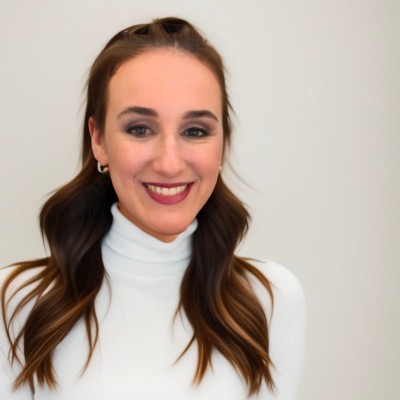
Dr. Lori A. Manns, Chief Creative Officer at Quality Media Consultant Group.

She is an award-winning, trailblazing entrepreneur and has been the owner of a successful business consulting firm for the past 14 years. As a sought-after speaker, media personality, and business coach, she is considered an expert content creator and thought leader in the marketing and sales industries.

Her work has been featured on Forbes.com and other national platforms. Across her social media channels and private network, she has amassed an audience of over 40K people.

Lori’s goal is to help purpose-driven, female entrepreneurs grow their incomes and reach their first or next six or seven figures.

Connect with Lori on LinkedIn and follow her on Facebook and Twitter.

What You’ll Learn In This Episode

  • The benefits of entrepreneurs attending business events
  • What types of business events are best for entrepreneurs to attend
  • Why should entrepreneurs attend business events
  • How should entrepreneurs prepare to attend an event
  • What are some of the key benefits for entrepreneurs to attend events
  • Events that entrepreneurs should avoid
  • The Trailblazer Business Summit 2024

Transcript-iconThis transcript is machine transcribed by Sonix.


TRANSCRIPT

Intro: [00:00:04] Broadcasting live from the Business RadioX studios in Atlanta, Georgia. It’s time for Atlanta Business Radio. Brought to you by On pay. Atlanta’s new standard in payroll. Now here’s your host.

Lee Kantor: [00:00:25] Lee Kantor. Here, another episode of Atlanta Business Radio. And this is going to be a good one. But before we get started, it’s important to recognize our sponsor, Onpay. Without them, we couldn’t be sharing these important stories. Today on the show, we have Dr Lori Manns with Quality Media Consulting Group. Welcome, Lori.

Dr Lori Manns: [00:00:44] Hi, Lee, thank you so much for having me.

Lee Kantor: [00:00:46] I am so excited to get caught up with you. For folks who aren’t familiar, can you share a little bit about Quality Media Consultant Group? How you serving folks?

Dr Lori Manns: [00:00:55] Yes, well, we are a business consultancy firm specializing in media marketing and sales strategies for optimal business growth. We help entrepreneurs and small business owners to get more dream clients, gain brand visibility and grow their income, impact and influence in record time.

Lee Kantor: [00:01:12] So how did this get started?

Dr Lori Manns: [00:01:15] Yeah, well, you know, I have been an entrepreneur for the past 14 years. And I started out, I like to say, as an accidental entrepreneur, because I got downsized from my corporate job in 2009 and just figured out that I did not want to work for corporate America anymore and just took my skills and talents and capabilities and started a marketing and media agency. And I started out doing media buying, which we still have that vertical in our business to this day. So we still do media buying and planning for our corporate clients and small business clients, and we also do marketing communications for them. And just as a way of getting myself out there in the public and becoming a expert in my industry and presenting myself as a subject matter expert, I started to do video and blogs, and that’s how I kind of got into consulting and coaching entrepreneurs and micro business owners, and I just took off from there.

Lee Kantor: [00:02:20] So is that your kind of sweet spot? Is the micro business owner and the entrepreneur?

Dr Lori Manns: [00:02:26] Yes, yes. As far as the coaching and consulting goes, yes.

Lee Kantor: [00:02:32] Now, as a rule, do you find that entrepreneurs attend enough events?

Dr Lori Manns: [00:02:39] Well, you know what I, I think prior to Covid and the pandemic, I think it was just the norm to attend events, right? Because we were just out there and we did a lot in the community. I know I did a lot, and just living in a metropolitan area like Atlanta, there’s always a business event to attend. But I have run across those entrepreneurs, uh, who just do not get out there, and they wonder why they don’t have enough leads coming in and they think everything is going to come from social media. So I really I really feel like it’s important to get out there in the community and, um, let your face be known, let your brand be known and make sure that people know who you are. And I just don’t really feel like now, post pandemic, that people are attending events, whether virtually or in person, as much as they should, to get their brand and business out there in a bigger way.

Lee Kantor: [00:03:49] Now, I know lately especially, we’ve been, uh, bombarded with the opportunities to, uh, broadcast live from events. And we work with a lot of the big business associations here in Atlanta, uh, to broadcast live at these events. How do you recommend an entrepreneur choose which is the appropriate event to attend? Because like you said earlier, there’s just so many of them popping up nowadays.

Dr Lori Manns: [00:04:16] Yeah, you’re right about that. Lee, I think there are a couple things that will help you determine what types of events or, um, which events are going to be good for you and or your business. And so I think the first thing you have to look at is. Are the speakers people that you need to learn from and do. They have expertise in the areas where you need to grow in? And if that is the case, you absolutely want to look at attending those types of events. And then you also want to look at the target audience like who’s going to be there? And based upon the type of audience that that event is going to garner, is it going to be an opportunity for you to network and for you to meet some people who may be in your target audience? And when you think about who’s going to be in the room or who’s going to be in the audience. Uh, sometimes. Who’s in the audience is just as important as who’s on the stage. So you never know if you’re able to connect with somebody in the audience who could be a new. Client, or who could be a new referral partner, or who could just be somebody who you need to know for one reason or another. So I think it’s very important to look at the speaker lineup, the topics that are going to be discussed, as well as who’s going to be in the audience. And then just looking at, you know, who’s presenting the event. And, um, based on all of these things, you know, are the presenters and organizers of the event, are they credible? You know, do they have a good reputation for putting on good events? And these are some of the things that will help you to decide. Is this an event for me and one that can benefit me and my company as to where we are right now?

Lee Kantor: [00:06:26] Now, do you recommend that an entrepreneur who’s serious about growing their business look at events like they do with their content, like with their content, they should be creating an editorial calendar of how you’re going to distribute and create content throughout the year. Should you be doing the same thing with regarding events in terms of, you know, like if I’m a business coach and I specialize in serving dentists, shouldn’t I be attending events that are for business coaches to learn? But also, shouldn’t I be attending events for dentists where there’s a bunch of dentists in the room so I can get there and meet them and be maybe the only business coach that’s there?

Dr Lori Manns: [00:07:05] Absolutely. Because not only do you want to attend events where you know it’s pertinent to your industry, but it’s got to be also pertinent to where you are trying to go, like what your goals are in your business. So, you know, it may be a situation where, you know, during the first quarter of the year, there is an industry event that you need to attend to, and they have the same event every year around the same time. And then maybe you want to attend an event that is more business oriented and it’s more, uh, wide scale. You know, it’s not a niche down event. Like if you’re a dentist, you want to attend the dentist conference. But maybe this event is for people who want to get into online courses or speaking or writing a book or things of that nature. So, you know, we’re all going to have multiple goals. So you definitely want to target the types of events that are not only going to be niche specific, but are also going to be business related and, you know, give you some intelligence and overall wisdom and knowledge about what’s happening in the world of business. Because, see, your competitors may be more well rounded than you are. And if that is the case, I promise you they are attending events not only that are specific to their industry, but they are expanding their horizons and attending events where they can get into other audiences and perhaps grow their clientele with different specialties and things of that nature. So you’re absolutely right. You may end up attending an event per quarter or per month, and it needs to be different types of events. Some need to be specific to your industry, and some need to be specific to whatever your goals are for that particular month or quarter.

Lee Kantor: [00:09:04] Now, is there a strategy when you attend an event, or is this something you just kind of go, oh, today’s the day that event, I just show up there and just kind of wander around.

Dr Lori Manns: [00:09:15] No. Absolutely not. You always want to have a strategy when you attend business events, because you just don’t want to spend money to go to this or that event. You want to have a strategy in place for every event you go to, even if you’re only attending as a attendee and you’re not a speaker, or you’re not a vendor, or you’re not a sponsor, even as an attendee, you want to have a strategy. And I think, uh, one of the basic things that you want to have is just a plan going into the event. What do you want to get out of it? Right? Even if you’re an attendee and you’ve paid, let’s just say you’re $100 to go to the event. Well, in order to make that $100 profitable for you and have a return on investment, you should think about how can I meet someone or make a connection where this $100 is going to be seed money, so to speak? It’s going to be money that I invested in my business and in myself. And somehow some way that’s going to come back to me. And so does that mean you need to meet at least five new connections or ten new connections? Does that mean you need to get your business card? You know, even if you have a digital business card these days, do you need to exchange business cards with at least ten people? Or does that mean you need to find out? You know, who is looking for the type of, uh, service or product that you offer, and perhaps they are in the market for what you do at that point.

Dr Lori Manns: [00:10:55] So you need to have a plan in place about what you want to get from the event, how many connections you want to make with people you know. Are you looking to meet, um, referral partners? Are you looking for new clients? Are you looking for joint venture operational, um, opportunities? You know, just what is it that you really need in your business? Are you looking for staff or, you know, do you need to hire some people? What is it that you want and go in with the idea that you’re going to try to make some connections with people who can help you get what you need? And not only that, who you can also help.

Lee Kantor: [00:11:38] Now when you’re deciding which events to go to, is there some criteria that you have of this is not a good event that I should be investing time in? Are there some red flags for events for entrepreneurs?

Dr Lori Manns: [00:11:52] Yeah. I think some of the red flags would, would be, you know, based upon what your goals are for that particular month or quarter. If you have not allocated the money to attend an event and it is a ticketed event, then if you’ve got to take money from something else that you actually need to pay in your business to attend that event, then that’s a red flag. You have to make sure that you allocate the the money to attend these events to make it work for you. And the other thing is, you have to make sure that what you’re going to learn and what you’re going to gain from that event is something that you’re going to take and apply and execute within your business within the next 3 to 6 months. So how timely is the information that is being discussed, and how timely is it for you and your business? Is it something that you can utilize within the next three months, six months, a year that you can turn around and make that knowledge pay for itself and make the experience worthwhile? And so I just believe that if you have the budget set aside and sometimes we don’t allocate enough money for events, right.

Dr Lori Manns: [00:13:19] And if you can pull money from something else that is not producing the the return on your investment and then invest it in this event and then boom, you go to that event and what happens is you end up meeting two people and that. Turns into a new opportunity or a new clientele. You know, I’ve had that happen to me before myself. You know, I’ve learned about an event. At the last minute. And I said, well, you know what? I’m going to take money from this thing over here that I’ve been doing that is only moderately successful and not really producing what I wanted to produce. And I’m going to use that money and go to this event. And I did that. And what happened was I got a speaking engagement from that event, and I got two clients from that event, and I was so glad that, you know, I was able to take that investment and leverage it into something more.

Lee Kantor: [00:14:22] Now, if you want to get take events to a new level is create your own event and you have an upcoming event.

Dr Lori Manns: [00:14:30] Absolutely. I always say, don’t just sit back and wait for people to invite you to their event. Create your own. And don’t just wait for people to put you on their platform. Create your own stage and shine on your own. And so that’s what I did. I created an event called the Trailblazer Business Summit, and it’s a one day conference where I invite my business colleagues and friends and connections to come out and share. Incredible. Tips, strategies, and actionable information that entrepreneurs can utilize right away in order to make a impact on their bottom line. And it’s so important to me to do that because, you know, right now we have been in an inflation society and everybody wants to learn how to make their money grow and make their money, um, move into something that is just very profitable and prosperous. And so our theme this year is Elevate to dominate. And it’s going to be Saturday, April the 27th. And I’m super ecstatic about it.

Lee Kantor: [00:15:46] And who is that kind of ideal, um, attendee.

Dr Lori Manns: [00:15:50] Well. It would be great for any small business owner. Whether you are a solo entrepreneur, a micro business owner, or a small business owner already established and doing hundreds of thousands of dollars or millions even because you’re going to get a refresher upon how to scale beyond seven figures. We have some, uh, entrepreneurs there who are going to be talking about scaling to seven figures and beyond. And then we also have some entrepreneurs that are going to be talking about, uh, just how to get to six figures for those people who are not there yet as well. So we’re going to be talking about the gamut. We have a power panel, uh, that’s going to be talking about how to leverage social media and digital technology in business so that you can increase and improve your bottom line. The incredible John Lawson and Maria Angelova and Sonia Krystal Williams are going to be on that panel, and it’s going to be amazing. And I also have Donna Ines from Georgia Tech who’s going to be the keynote. And I have Shaky Webster, who’s going to be the featured speaker. Excuse me. Excuse, excuse me, who’s going to be the featured speaker, Shaky Webster.

Lee Kantor: [00:17:15] Now, um, is this something that is in person? Virtual? Both.

Dr Lori Manns: [00:17:21] Yes, this event is a hybrid event. It is in person. Live here in Atlanta at the Courtyard by Marriott, and it’s also virtual for anyone across the country who wants to join us.

Lee Kantor: [00:17:38] And then if they want to learn more, what’s the website?

Dr Lori Manns: [00:17:44] They need to go to quality media consultants. Com. And once again that’s quality media consultants. Com. On the events page.

Lee Kantor: [00:17:58] Good stuff. Well, Lori, thank you so much for sharing your story today. You’re doing such important work and we appreciate you.

Dr Lori Manns: [00:18:04] Thank you so much. Got a little bug in my throat there, Lee. Sorry about.

Lee Kantor: [00:18:08] That. Not a problem. I think you got the word out in the message out. And it’s an important, uh, summit again. The Trailblazer Business Summit 2020 for Saturday, April 24th from 10 a.m. on April 27th. April 27th from 10 a.m. to 3 p.m. eastern at the Courtyard by Marriott Buckhead. Go to Quality Media Consultants. Com to learn more, go to their events page and you will find it. Lori, thank you again.

Dr Lori Manns: [00:18:37] Thank you so much.

Lee Kantor: [00:18:39] All right. This is Lee Kantor. We’ll see you all next time on Atlanta Business Radio.

About Our Sponsor

OnPay’sOnPay-Dots payroll services and HR software give you more time to focus on what’s most important. Rated “Excellent” by PC Magazine, we make it easy to pay employees fast, we automate all payroll taxes, and we even keep all your HR and benefits organized and compliant.

Our award-winning customer service includes an accuracy guarantee, deep integrations with popular accounting software, and we’ll even enter all your employee information for you — whether you have five employees or 500. Take a closer look to see all the ways we can save you time and money in the back office.

Follow OnPay on LinkedIn, Facebook, and Twitter

Tagged With: Dr. Lori A. Manns, quality media consultant group

Larry Gaynor With TNG Worldwide

April 12, 2024 by Jacob Lapera

High Velocity Radio
High Velocity Radio
Larry Gaynor With TNG Worldwide
Loading
00:00 /
RSS Feed
Share
Link
Embed

Download file

Larry Gaynor, author of Take a Chance!: 101 Entrepreneurial Lessons for Making It Big, is the founder and CEO of TNG Worldwide, the beauty-product supplier whose best-selling signature brands include ForPro Professional Collection and Ginger Lily Farms.

TNG manufactures more than 1,000 products in several countries and launches between 50 and 100 new products annually. Gaynor has won numerous awards, including the Ernst & Young Entrepreneur of the Year Award.

Connect with Larry on LinkedIn.

What You’ll Learn In This Episode

  • How to be flexible in the developmental stages of new products or services
  • How to react to moments of chaos that entrepreneurs inevitably encounter
  • What to do to keep customers excited and engaged
  • The importance of learning our strengths through such assessments as Gallup’s StrengthsFinder 2.0 test.

Transcript-iconThis transcript is machine transcribed by Sonix.


TRANSCRIPT

Intro: [00:00:05] Broadcasting live from the Business RadioX studios in Atlanta, Georgia. It’s time for High Velocity Radio.

Lee Kantor: [00:00:14] Lee Kantor here. Another episode of High Velocity Radio, and this is going to be a good one. Today on the show we have Larry Gaynor, and he is CEO and founder of TNG worldwide and author of the new book, Take a Chance a 101 Entrepreneurial Lessons for Making It Big. Welcome, Larry.

Larry Gaynor: [00:00:32] Thank you. Welcome, and thank you for inviting me.

Lee Kantor: [00:00:35] I am so excited to learn what you’re up to. Before we dig into the book, tell us a little bit about TNG worldwide. How are you serving folks?

Larry Gaynor: [00:00:43] Well, it’s a long story. That’s why I wrote my book about. But currently we are a manufacturer of personal care and beauty products. I manufacture over 1000 products and they’re primarily sold on Amazon.com.

Lee Kantor: [00:00:56] So what’s the back story? Were you always involved in the beauty industry?

Larry Gaynor: [00:01:00] I was involved in the beauty industry since I was 12 years old. I started my grandfather’s hardware store in Detroit and in the late 60s. I don’t know how old, how old you are, but I’m really, really old. Do you remember the show The Mod Squad? Sure. You do? What’s the guy’s name? What was the guy’s name?

Lee Kantor: [00:01:23] Link.

Larry Gaynor: [00:01:24] Yes, link. You’re showing your age. Um, okay. So. Okay. Hairstyle. Did he have.

Lee Kantor: [00:01:31] Well, somebody had an afro, and they had the afro.

Larry Gaynor: [00:01:35] That’s it. So, you know, back in the 60s, all the black guys were wearing afros, and all our customers were black. And they’re walking into the hardware store with their afros, and all of our employees had afros. And I asked her, how do you take care of those afros? And they said, well, we got to use the shine spray. So I kind of thought there were three manufacturers of shine sprays, and I contacted all three manufacturers to come into the store because I wanted to buy direct. They all came in. They said, this is a hardware store, why are you selling hair shine spray? Well, you can see all our customers are black and wearing afros. So they agreed to open me up. And after we opened up, we became the single biggest retailer in Michigan for black hair care.

Lee Kantor: [00:02:13] Added the hardware store.

Larry Gaynor: [00:02:15] I added the hardware store. So that’s how I got into beauty when I was 16. From the hardware store I went, my father and I did not. Get along in business because, you know, I was into cosmetics. I introduce, you know, lipstick in the hardware store. He almost had a heart attack and killed me. That was the last time that we had to open up a second store. So opened up a discount health and beauty store to suburbs, uh, which was called gainers. And, uh, from there, uh, I opened, uh, the current company inside that store based on demand for manicurists for professional nail supplies. And then TNG started in 1985 as a wholesale distributor of beauty products to Manicurists. So the story evolves? Uh, yeah. Over the years.

Lee Kantor: [00:03:06] Now, were you ever a creator of products or always a reseller of products?

Larry Gaynor: [00:03:11] Well, that’s a great question. So as a distributor, you’re reselling someone else’s brand. And over the years we got cut off so many times from our manufacturers, it was forced to create my own brands. So over time, 3,040% of our business was our own brands and 60% was distributor brands. And then came 2020.

Lee Kantor: [00:03:35] And was that good? I mean, was the pandemic good for you because or bad? Because people weren’t kind of showing off how they look. So maybe they were staying in so they didn’t need cosmetics as much.

Larry Gaynor: [00:03:47] So the pandemic was the biggest turning point for the company. My biggest pivot because as we were manufacturing PPE before the pandemic, so we were manufacturing nitrile gloves and hand sanitizer and disinfectant and face masks. And when the pandemic came, every, every all the businesses got shut down that were essential. All our competitors got shut down because they weren’t essential. We were the only really business that was open. And the demand for PPE, as you know, went through the roof and all of a sudden we’re starting to funeral homes and nursing homes and doctors and nurses and makeshift hospitals are opening up, but they can’t find PPE and they’re calling us for PPE and we’re supplying them. And I had to make a decision to focus 100% on manufacturing or keep the distribution business. And I decided to get rid of all the distribution business in March of 2020. It was like over 50% of our business, and it was a huge decision. And then we just manufactured more and more PPE, uh, during the pandemic. I even chartered a Fedex jet in China to bring seven containers over of face masks and gloves, because our customers needed so many face masks and gloves. Uh, just to help keep up with the demand.

Lee Kantor: [00:05:06] But then after two years, then what did you do at that point?

Larry Gaynor: [00:05:10] Well, actually it wasn’t two years. The the the country opened in June of 2020. We were still manufacturing PPE. Everyone started to try to get into the PPE business and they shouldn’t have. Uh, but because of the pandemic and because we were manufacturing PPE and because we were open, our products at Amazon took off exponentially. We started selling on Amazon in 2013. We’re one of the first beauty companies to sell on Amazon. And because of that, our business on Amazon grew and grew. And today, over 95% of our business is Amazon.com.

Lee Kantor: [00:05:47] So, um, was that just kind of being in the right place at the right time, or have you done something to kind of crack the code on how to be successful on Amazon?

Larry Gaynor: [00:05:58] It’s a little bit of both. As I said, we’ve been selling our products on Amazon for more than ten years. 12 years. We have more best selling beauty products than any other manufacturer on Amazon. And because of the pandemic and because of the demand for our products, uh, the brands gingerly farms and for professional collection continues to grow and grow. And today they’re just both, uh, mega hits on Amazon. And, uh, I think it’s all because of the pandemic and because we no longer focus on distributing other people’s brands, and we focus on our own brands instead, which in the book I tell, I tell my readers, if you have your choice between being a retailer, a distributor or a manufacturer, and you’re into products, definitely be a manufacturer.

Lee Kantor: [00:06:47] So, um, does the knowledge transfer. Like, if I have a product and I go, hey, Larry, I got a product I want to put on Amazon, like, would your learnings help accelerate my growth? Or is this something that because you are in an industry, you already have kind of been there for a decade plus, so you already have kind of a brand, so then you’re going to be successful in your brand. But it it wouldn’t necessarily transfer to my brand or what I’m doing in Amazon or the techniques and tactics similar.

Larry Gaynor: [00:07:20] That’s a great question. And the truth is, you can launch your brand tomorrow and it could be successful. Yeah, I had a head start, but there’s millions and millions and millions of resellers and Amazon and tens of millions of products on Amazon. But if you come up with a good product, a good value proposition. A competitive edge. You could be highly successful. And if you ask me which platform, which retailer, if you had a product that you want to sell to, which should you select? 100% I would say Amazon first, second and third. The. The fourth one I would recommend would be Walmart.com. But there’s still 5 to 10 years behind Amazon when it comes to what Amazon can do for resellers. Uh, other than that, if you’re thinking it goes, try to sell to Target or Kohl’s or another type of store like that. Uh, you’re spinning your wheels.

Lee Kantor: [00:08:14] So you would do online before you attempted to get into a retail store?

Larry Gaynor: [00:08:19] 100%. Not only would I do online first, but we have our own website and at one point we had over 100,000 customers. Our customers don’t even want to buy direct from us anymore. They want to buy our products at Amazon because they’re all Prime shoppers with Amazon, as you know. I mean, you’re an Amazon shopper, right? Sure. Of course we all are. There’s 170 million prime shoppers in the US alone, and they’re all Prime shoppers because they want their products same day or next day with us. If we ship Fedex or UPS, they get the products in two days to a week. But with Amazon, they could order everything they get and they can get it same day or next day. So yeah, I mean, we don’t even need our website anymore, right?

Lee Kantor: [00:09:01] But what about the trade off that you don’t really have access to those customers? Like you can’t go to Mary and say, hey, Mary, I got this new special or hey, Mary, sign up for my club where you I’ll send you something every month.

Larry Gaynor: [00:09:15] 100%. We had the best loyalty program in the professional beauty industry for more than 20 years, giving away millions and millions of dollars worth of rewards. Mary doesn’t care about a reward program anymore. Mary doesn’t care about her email blast anymore. Mary doesn’t care about our education. Mary doesn’t care about our trade shows, and Mary doesn’t care about dealing with our sales reps. All Mary wants to do is go on her computer, her smartphone or device and order the products that she wants and get them the next day.

Lee Kantor: [00:09:39] So that’s the way.

Larry Gaynor: [00:09:40] The world has changed.

Lee Kantor: [00:09:41] Well, that’s a big shift because, I mean, a lot of businesses, um, you know, are thinking in kind of a counterintuitive way, but you’re saying or what I’m hearing you say is that convenience kind of trumps everything, and Amazon has the most convenient way to buy something online.

Larry Gaynor: [00:09:57] That’s why Amazon, for the first time ever, is overtaking. Walmart is the largest retailer in the world. And when Bezos and Jeff started his company almost went broke during the.com crash, he was a bookseller. Nobody thought that he would get close to catching Walmart. Nobody would get catched close to catching Walmart in business. Walmart’s going to do over $600 billion a year in sales and Amazon’s going to overtake that. It’s it’s a phenomenal. Something that you. It’s like the solar eclipse yesterday. It’s like something that you rarely can envision happening and it happening. And not only that, Amazon has momentum because of I and I. You can take the smartphone, the PC and the internet. Those three amazing technological innovations combined won’t be as great as I is going to be in the next 5 to 10 years, and Amazon is at the forefront of that as well.

Lee Kantor: [00:10:57] So now how, as an entrepreneur, do you plug into this, uh, Amazon behemoth in order to maximize your chances of success? Because the stuff you’re saying that isn’t important, you know, in terms of email list and membership and things like that, Amazon is doing all of those things. They have my email information, they contact me constantly. They have a membership that I’m a member of. I’m a Prime member. So I get access to like movies and things like that. So they’re trying to add more value to my membership, that I get special delivery privileges and access to certain things. So how as an entrepreneur, do I use Amazon to further my needs but still have some control over the outcome? If Amazon decides to change the rules, which a lot of these third party platforms change the rules when it’s convenient for them.

Larry Gaynor: [00:11:49] Well, let me ask you about the rules. I mean, the politicians change the rules. You know, the Starbucks changes the rules when, you know, to their loyalty program. Mcdonald’s changes the rules. That’s that’s just that’s part of the game. And you’re Amazon has no requirements for. Styling your products. So as a entrepreneur, you can go on Amazon today and start selling your products tomorrow. There isn’t a single retailer that you that you can do that with. If you want to get into a retailer, you have to deal with a rep group. You have to deal with the buyer. Then you have to deal with other rules and regulations. And if the product doesn’t sell the markdowns and the returns, they don’t pay you for 90 to 120 days. Amazon pays you in 30 days. Amazon rules are straight and clear, and if you play their game and you understand their game, which is the best game you can succeed, you could take a chance and you can win, but you have to have a product that resonates with consumer. And what’s great about the Amazon story and the website in the millions of products is you can search and analyze every category, every product, every algorithm that you need to to figure out which attribute you need to succeed to introduce and launch your product.

Lee Kantor: [00:13:13] So is that part of your process when you launch a new product?

Larry Gaynor: [00:13:16] 100%. I launched between 50 and 100 products a year.

Lee Kantor: [00:13:20] So what? So what is your process? What are the you know, what’s the first three steps you’re doing when you launch a new product?

Larry Gaynor: [00:13:28] Okay, so let’s say Ginger Lily farms. Good question. Uh, we have the number one selling products for hospitality, Airbnbs. Gallons of shampoo, conditioner, body wash, hand lotion, dish soap, and so forth. And now we want to launch a new launch, a new product. So it could be a fragrance free product. Because dermatologists recommend fragrance free products to their patients who are allergic or eczema or psoriasis or whatever it is, and they recommend cerophyl. They recommend these high cost products. Well, uh, you go on Amazon and you look for fragrance free products. You see that they’re very expensive. And I said, okay, so how do I launch a new product that consumers want? Well, I know that they want fragrance free products, but they also want a value. So I introduce Zerodium, which is a dermatologist recommended, uh, fragrance free natural care line of personal care products. And it’s one of our best selling products. Now we have four amazing fragrances we want introduce another new amazing fragrance. So what do I do? Well, I go to Amazon. I look at retail sizes of personal care products and I see which brands are selling. The best selling fragrances, what the fragrances are that they’re selling. I also go to Bath and Body Works. I also go to the Body Shop. I also go to, uh, lush. I look at what their new fragrances are, what their best selling fragrances are, and then I say, oh, well, you know what? I’m going to add one of those fragrances to my line and that’s what I do. So you do your research with the best of the competition, steal the best ideas and apply it to your product. That’s what they do.

Lee Kantor: [00:15:06] But then how do you stand out kind of in the sea of things that look similar?

Larry Gaynor: [00:15:13] So the secret. Wow. There’s many secrets in my book that I share, but I think the biggest secret for your listeners is to develop a niche category and dominate it. So let’s say, you know, I started in the professional beauty business with nails. Well, the professional beauty industry includes hair care, uh, spas, nails, massage, facials. But the manicure part of the business is only 2%. So it’s a very, very small, niche business. But when you’re the leader in a niche business, you make a lot of money, and you could be much more successful than being a small guy in a in a big business. So look for the niche category. And try to dominate it. That’s my, uh, that’s my secret for your listeners.

Lee Kantor: [00:16:03] So that’s where you would start, is find a niche that is attractive, that there aren’t a lot of players in it, and then you go in there with something innovative and then try to dominate it to the best of your ability.

Larry Gaynor: [00:16:17] 100%. And you know all you need is a fragrance or no fragrance, a specific size that no one is offering. You need to offer a value proposition that consumers are looking for. And the thing about Amazon, if you search their algorithms, you learn so much information from them. And I search it every day. And the more you search, the more you learn, the more ideas you get for a product. And of course, you know, I’m in the product business. Uh. It will launch my book. I did a. Big interview. Extensive, extensive research program looking at Inc 500 companies Inc 5000 companies. 85% of those companies are tech. Very few percentage of those companies 2%, 3% actually manufactured products. So, you know, your listeners might be into tech offerings, apps and things like that. I and not so much into products. But Amazon of course is a product company. And that’s that’s really my focus with entrepreneurs is those entrepreneurs that are launching products and how they can be successful. And that’s why I wrote the book for.

Lee Kantor: [00:17:28] And then the book, um, what was there something, uh, that happened in your life that you’re like, I better write some of this down. Like, did you have a near-death experience? Was there some, uh, something happened. Somebody said, hey, you got too many ideas. Why don’t you share it? Like, what was the impetus to writing the book? Because writing a book is hard.

Larry Gaynor: [00:17:48] Well, you know, I started the first blog in the industry. Uh. I’ve been writing. I started and sold three different magazines for the professional beauty industry, so I’ve always been a writer. But last year, uh, January, I was on vacation with my son, middle son, and my wife, and I said, you know what? I’m gonna write a book. And they said, you can write a book. Are you crazy? I said, of course I’m crazy. I’m an entrepreneur. So let me tell you the date. Let’s say you drop dead tomorrow, right? What’s going to happen to you the next day after you drop dead?

Lee Kantor: [00:18:24] Nothing’s going to happen to me.

Larry Gaynor: [00:18:26] Of course something’s going to happen to you. The same thing that happened to you is the same thing that happens to everyone the day they die. What happens the next day?

Lee Kantor: [00:18:33] That life goes on.

Larry Gaynor: [00:18:35] No. You get your accolades. Oh, you were the best father.

Lee Kantor: [00:18:40] Really? You were the. Is that.

Larry Gaynor: [00:18:41] Everyone says how great everybody is after the day after they die. Okay. Famous people, when someone’s famous, like Jimmy Buffett, you know, passed away, you know, September 1st, last year, all the accolades came out as soon as he died. And I said, I said, you know what? I don’t want the accolades to come out for me after I die. I want them to come out while I’m still alive. So that’s one reason I wrote the book.

Lee Kantor: [00:19:03] For your legacy.

Larry Gaynor: [00:19:05] Uh huh. For my legacy. My kids to read my my employees, uh, my, uh. And then, of course, I wrote the book for the 5.4 million people who started a business every year in America. In three years time, that’s over 16 million people. And, uh, I said, you know what? I’m going to write this and write this book to help them out and help them succeed in that fail, because 75% of businesses fail within five years. And, uh, yeah, why not? Why not give back to that community while I’m still while I still can?

Lee Kantor: [00:19:36] Now in your background?

Larry Gaynor: [00:19:37] I wrote the book.

Lee Kantor: [00:19:38] Now in your background. You, um, have done some work with the Gallup Strengthsfinder folks.

Larry Gaynor: [00:19:44] Oh, my God, we’re at Gallup. Trade organization. Love, Gallup. Uh, it focuses on your strengths, not your weaknesses. Uh, your strengths are actually your talents. Uh, you ever wonder how, you know, the kid gets in the movies and they’re six years old? You wonder what makes an athlete. An amazing athlete at 12 years old, like, you know, Tiger Woods, how he became one of the greatest golfers of all time or someone that could sing, you know, like Kenny Chesney or Jimmy Buffett or Taylor Swift? They’re born with these genes. And they actually somehow, some way through, the parents figured out that they have these genes and they can be a professional athlete or musician or singer or acrobatic, whatever it is. Gallup focuses on your strengths as well. And there’s 34 talents that they identify that anyone can own. And you take the Strain Finders 2.0 test, which you can buy on Amazon. Uh, 20 bucks, $20.75. And you learn your top five and from your top five strengths, uh, that’s what you develop to be great at. And there’s two ways of developing your strengths, and that is coaching and training. And that’s why athletes are always coached and they’re always training and practicing, because that’s how you get better and better. And, you know, the thing with Gallup is, uh, you don’t worry about what you suck at. You you only are concerned with what you’re great at and how you can make yourself greater. And, uh, if you took that mindset to all our employees and, uh, you know, employees are you have good ones, you have bad ones, they have their strengths, they have their weaknesses. But if you only focus on their strengths and their what they’re great at, you develop a core team in a business environment that is second to none. So yeah, it was a it’s a remarkable organization. And, uh, you might think of them as the Gallup poll, but really, most of their business, over 95% of the business is, is is helping other companies, uh, just customer engagement, employee engagement and community engagement.

Lee Kantor: [00:21:57] And then a lot of that kind of the the theory behind it is, is focus on your strengths and kind of minimize your weaknesses, rather than just pick at your weaknesses and try to improve them to be strengths. It’s just double down on your strengths.

Larry Gaynor: [00:22:10] Yeah. I mean, do you have kids? I do. How old are they?

Lee Kantor: [00:22:14] I have one child that’s, uh, 26.

Larry Gaynor: [00:22:17] Okay, so let’s go back. When that child was 15 years old from high school, came home with a report card. There’s three A’s and a C. What’s the first thing that you say to the kid that has three A’s and a C?

Lee Kantor: [00:22:29] Great job.

Larry Gaynor: [00:22:31] Great job. That’s true. But most people say, what’s up with the city now?

Lee Kantor: [00:22:36] Well, I’m a big believer in Gallup, so you pick the wrong guy. I’m all in on your thinking there. I am a big believer in in, you know, having a superpower and doubling down and then eliminate or delegate your weaknesses.

Larry Gaynor: [00:22:51] Okay, so that 100% and focus on those three A’s and get that kid to develop those A’s even greater because that’s what they’re most interested in. They’re not interested in the C and forget about it. So yeah, I mean that’s what Gallup is all about.

Lee Kantor: [00:23:08] Yeah I, I’ve read their their first book and then there’s their second book and I take all that to heart I, I’m that resonates a lot with me. And it’s funny because before the show you mentioned my early podcast, Doctor Fitness and I, I was always the believer of focus on your strengths. And he was a believer in bringing up your weaknesses. We would battle about this regularly, that he thinks that you should be focused, investing time in making your weaknesses at least neutral, if not a strength. And I’d say you should be doubling down on your strengths and just be, you know, uh, as good as you can be with your strengths and forget about your weaknesses.

Larry Gaynor: [00:23:52] That’s right. You know, the world would be so much better if we all focused on what we did great and not what we sucked at.

Lee Kantor: [00:24:01] Yeah, I think mentally you’d feel better. You’d give yourself a lot more grace.

Larry Gaynor: [00:24:07] You do. And your engagement. I mean, you think about two people that get married. What’s the period called before they actually get married?

Lee Kantor: [00:24:17] What’s the period? I don’t know what. Engagement. Engagement. Right.

Larry Gaynor: [00:24:21] They’re engaged. Right? I mean, that’s like, the best time of someone’s life is when they’re engaged. Before they get married, 50% of the marriages end up in divorce. But engagement is the most fun, the best time of someone’s life when two people are engaged. And whatever that time period is, they don’t get married during the engagement if they break off the engagement. But the engagement is it’s just it’s just like you said, it’s just the greatest feeling that you can own.

Lee Kantor: [00:24:48] Yeah. And and I think that, um, I love the way in your practice that you take this thinking and you, um, make it an action in terms of your mission of 100% customer success, when you put that much energy and on a mission that is making sure your customers are satisfied, that motivates the whole team. And everybody on the team is clear on what the true north is for the organization.

Larry Gaynor: [00:25:16] Did you? Are you by coauthor? Did you write the book too? Did you think exactly like I do? But yeah, you’re right, I mean that that’s that’s it. And, you know, we haven’t hired a single employee since 2019. Our average tenure at the company is now 19 years. People just get it. They love what they do. They 100% customer success. I mean, and again, our customers are the internal customers, the external customers and community. And we take care of all three. 100% amazing.

Lee Kantor: [00:25:52] So, um, was out of the 101 lessons, was there one that was kind of, uh. Wow, that that left a mark. I got to make sure I write that one down. Was there something, uh, that was maybe a challenge that you overcame or something you can share that maybe isn’t one of the most easier or fun one of the 101 lessons, but one that was painful and that you learned from and were able to kind of grow from.

Larry Gaynor: [00:26:20] The reader is going to identify with most, if not all, of the lessons an entrepreneur learns his lessons the hard way. And of course, one of my favorite lessons is not how many times you fall down that count, it’s how many times you get back up.

Lee Kantor: [00:26:39] Right? I mean, I know.

Larry Gaynor: [00:26:40] I said that I think it’s important for entrepreneurs is starting out. Money is always an issue. And you know, money is an issue in families. Money is an issue in so many instances. But. To alleviate the money issue. A lot of entrepreneurs partner up with people and partners is a terrible way of starting a business. Because. You have the passion, you have the idea. You know, you have the gut instinct. Your partners don’t have the same passion, the same gut instinct that you do, but they have money. So invariably, a lot of entrepreneurs will get into business with partners and they’ll be a minority shareholder. And if it’s not a public company, it’s a closed corporation. One of my life lessons in the book is don’t be a minority shareholder in a closed corporation, because it’s just nothing good comes from it.

Lee Kantor: [00:27:34] Right with the right partner, you can do a lot of things, but with the wrong partner it becomes not a lot of fun pretty quickly.

Larry Gaynor: [00:27:43] Not only that, but the chances of starting a business and lasting a business with a good partner is very, very small.

Lee Kantor: [00:27:51] Yeah. So, um, for you, what’s next? After this book I saw on your website, you do some coaching, too? Is that, um, something just to give back as well? Because you’re. I mean, you’re running a big business.

Larry Gaynor: [00:28:06] You know, the coaching on my website, my publisher said, Larry, you know what? If you want to be an author, you have to be an authority figure. And to be an authority figure, you have to be a coach and public speaker and blah, blah, blah, blah, blah, blah. And you know what? I coach hundreds of entrepreneurs. Because I want to. I haven’t charged for my coaching services. That’s not my not my gig. Uh, so what’s next? Uh, right now, I launched a one of the biggest pitch competitions in the US for entrepreneurs. It’s called Take a Chance. Uh, ironically, uh, pitch competition is for Michigan residents only. One $51,000 grand prize money. First prize is $101,000, and then there are six categories, and each category has a $20,000 first prize and $5,000 second prize. And to give back to the community and entrepreneurs, I’m finding it 100% myself.

Lee Kantor: [00:28:59] Wow.

Larry Gaynor: [00:29:01] So that competition is going on now in Michigan. Applications are open to take a chance that biz. The finals will take place September 6th in Detroit, and based on how that goes, I might expand it regionally in the US and take it from there. But yeah, I mean, I love supporting entrepreneurship at the university level and coaching and working with students. Uh, so yeah, I mean, that’s that’s really my passion right now.

Lee Kantor: [00:29:28] And then, uh, for those who want to get the book, obviously, I’m sure it’s available at Amazon. Um, is there a website for your company, for the book, for everything, or is there a central location for all your stuff or where should they go?

Larry Gaynor: [00:29:43] You could buy the book at any major bookseller. So it’s available. It’s available. It just launched today. It’s on Amazon, Barnes and Noble. You know, you can buy it at Walmart, target. Uh, my website is Larry Gainer. Com and the company website for product information is TNG worldwide. Com.

Lee Kantor: [00:30:02] Well, Larry.

Larry Gaynor: [00:30:03] Larry, Larry Gardenerd.com, uh, gained our, uh, you’ll learn about my you’ll see my podcasts that I’ve done, uh, the book, the competition and, uh, my blogs. I’ve been doing blogs for over 20 years.

Lee Kantor: [00:30:17] Well, congratulations on all the success and thank you so much for the work that you do. It’s so important and we appreciate you.

Larry Gaynor: [00:30:25] Well, I really appreciate the time for the interview, and hopefully your listeners love what we’re saying, because, you know, you’ve been doing this for a long time. And the thing about engagement and your strengths and doing things that you like, and you wake up and smile every day and, you know, I go to Mexico for a week and, you know. I come back. And so how is your vacation? And you know what I say every day is a vacation.

Lee Kantor: [00:30:51] That’s right.

Larry Gaynor: [00:30:52] And people just get so worked up and people are angry and they’re not happy. And, you know, you wake up breathing, it’s it’s it certainly breaks beats not waking up breathing. Right. Absolutely. You gotta be optimistic. You got to be happy with what you got. And, uh, you know, I’m in Detroit right now. Today it’s 73 and sunny. Uh, after we hang up, I’m going to, you know, go up and, you know, take a bike ride or take a walk. Well, yeah. I mean, you really being an optimist versus a pessimist, it just makes life you smile more. Uh, they say if you smile for 3/10 of a second and someone sees that smile, you brighten up that person’s day. Yeah. And if we just smiled more, I think the world would be just a much better place.

Lee Kantor: [00:31:39] I’m with you. Larry Gainor, author of the book Take a Chance a 101 Entrepreneurial Lessons for Making It Big. It’s available now on Amazon and wherever books are sold. Larry Gainor, thank you so much for sharing your story this Lee Kantor we’ll see you all next time on High Velocity Radio.

Tagged With: Larry Gaynor

April Reed Crews With Reed Financial Group

April 12, 2024 by Jacob Lapera

Reed-Financial-Group-logo
Atlanta Business Radio
April Reed Crews With Reed Financial Group
Loading
00:00 /
RSS Feed
Share
Link
Embed

Download file

April-Reed-CrewsApril Reed Crews is Co-CEO of Reed Financial Group. As an Investment Advisor Representative, she has a fiduciary responsibility to put her clients’ interests above her own, avoid misleading clients and provide full and fair disclosure of all material facts to clients and prospective clients.

Any conflicts of interest must be disclosed to ensure a client is not being misled. She holds a Life, Accident and Sickness License and her Series 65. April has insurance licenses in multiple states and serves clients throughout the country.

Reed Financial Group is a local, family owned company founded in 1979 by April’s father, Gary W. Reed. April works closely with both her father, as well as her husband, Daniel Crews, and sister, Abby Reed, in the specialized areas of retirement. She focuses on strategies that may reduce taxes and could create income to help ensure that her clients keep an income stream.

Reed Financial Group was featured in the September 2014 issue of Forbes Magazine as one of Georgia’s Financial Leaders and has received the “Best of Gwinnett” award every year since 2015. April holds the designation of Ed Slott Master Elite IRA Advisor. Additionally, April has achieved the National Social Security Advisor Certification.

As an NSSA certified advisor, April assists her clients with making informed decisions regarding their Social Security by providing comprehensive Social Security analysis and guidance. She has also been named a Five Star Wealth Manager in Atlanta Magazine seven times.

In her spare time, April enjoys spending time with her husband and daughters, reading, volunteering as a wish granter for Make-A-Wish, and serving on 12Stone’s church’s hospitality team.

Connect with April on LinkedIn.

What You’ll Learn In This Episode

  • Strategies for how women can overcome common obstacles and increase their financial obstacles.
  • The Great Wealth Transfer
  • How The Great Wealth Transfer will impact women
  • Why money is especially stressful for women

Transcript-iconThis transcript is machine transcribed by Sonix.


TRANSCRIPT

Intro: [00:00:04] Broadcasting live from the Business RadioX studios in Atlanta, Georgia. It’s time for Atlanta Business Radio. Brought to you by On pay. Atlanta’s new standard in payroll. Now, here’s your host.

Lee Kantor: [00:00:25] Lee Kantor here, another episode of Atlanta Business Radio, and this is going to be a good one. But before we get started, it’s important to recognize our sponsor, Onpay. Without them, we couldn’t be sharing these important stories. Today on Atlanta Business Radio, we have April Reed Crews with Reed Financial Group. Welcome.

April Reed Crews: [00:00:43] Thank you for having me. Lee.

Lee Kantor: [00:00:44] I am so excited to learn what you’re up to. Tell us about your practice. How are you serving folks?

April Reed Crews: [00:00:49] We are a family owned and operated company. We’ve been in the Greater Gwinnett area for over 40 years and originally founded by my father, Gary Reed, and current operations are still all in the family. Um, I’m blessed to work with my sister every day. She is my co CEO, Abby Reed, and my husband as well, who’s our COO, Daniel Cruz. We have a team of fiduciary advisors, and our primary goal is educating our clients to and through their retirement.

Lee Kantor: [00:01:20] So was it kind of destiny you were going to get involved in this organization, or was this something that it just seemed organic and natural for you to follow in your family’s footsteps?

April Reed Crews: [00:01:31] Very organic and natural to follow in the footsteps. I like to say that the industry chose me. I didn’t necessarily choose it. The pieces just really fell into place. And after I finished college, I really just fell in love with it. And you know, here we are almost 20 years later and, uh, couldn’t, couldn’t enjoy what I do anymore than I do today. Very blessed to to work with the wonderful clients that we do on a, on a daily basis.

Lee Kantor: [00:01:59] Now, for the listener out there that maybe hasn’t worked with the financial advisor before, can you share? Like when would you begin for to, uh, consult with a financial advisor? Is this something that people should be doing, like right out of college, or is it something that they should be doing even before that? Maybe their their parent’s financial advisor should be advising the children to at least give them some sort of a roadmap. But when would that first point of entry be in an ideal world for you?

April Reed Crews: [00:02:29] It’s never too early to start. We talked to our clients children frequently, and at least helping them understand and begin to understand the time value of money, the importance of budgeting and having a spending plan, and really monitoring and tracking those things. The earlier that you start those steps, the better off that you will be in the long run and the needs just change from there. Initially, whether it’s in college or right out of college, it can really be as simple as what we just described. And then from there, it really transforms into an ongoing education process of understanding the options of where to invest, how to invest, how much to invest, and beginning to understand the different tax repercussions, both short Tum and Long Terme for those investment dollars. And then once that continues to build and that education process just continues, then we move into more advanced investment planning, retirement planning. If we’re talking specifically about retirement planning, I love when I see people who are in their 40s, early 50s really starting to dig in and make some projections about what is realistic for them, for the lifestyle that they want, making sure that they’re still on track for meeting those goals, understanding Social Security and pension options that might be available to them, and continually adjusting their path along the way to make sure that they have a high probability of getting to where they’d like to be.

Lee Kantor: [00:04:10] Now, um, you know, now that we live in this internet age and there’s so much information out there, um, do you find that your average, uh, client or prospective client is knowledgeable and educated with kind of what you believe, or is there a lot of myths and misconceptions out there?

April Reed Crews: [00:04:31] Great question. There are certainly a lot of myths and misconceptions, and as a part of our education process, with our clients and with our prospective clients, we find it’s very important to include education about understanding biased sources of information. If there’s a source of information that’s out there that is, um, you know, has an ulterior motive or, you know, they’re they’re um. They’re geared towards all towards one area of specialty, or 100% against it all or nothing. As I like to look at it. A lot of times that can be a red flag because we’re not believers, that there’s a universal solution for everyone. There are a lot of different tools and investments that need to be closely considered, and often what might seem to be a reliable source might have an ulterior motive. So understanding where the information is coming from and understanding what good, unbiased sources are available is a really important step in making sure that those myths and misconceptions can be weeded out. Then having a process in place to make sure that you know what questions to ask of anyone you might be considering working with. We have a great library of questions and resources to help people make sure that the firm and or the advisor who they choose to work with is someone who is a good fit, in alignment with their beliefs, and that they have a good holistic understanding of any agreement that they might make.

Lee Kantor: [00:06:14] Now, are you finding that, um, your clients that say you’ve worked with them since maybe they were executives, or maybe they’re, you know, well into their working career, but they want some advice from you, but they get to the point of, okay, it’s time to retire. And the to go from that kind of world where your client is accumulating wealth is a certain strategy. And then this de accumulating wealth is a different strategy and it’s a different mindset. Do you have a heart? Do you find that people have a hard time kind of shifting gears into going from saving to spending as they age, especially when there’s so many unknowns when it comes to how long you’ll live? You know, what kind of health concerns you’ll have and things like that.

April Reed Crews: [00:06:59] We do and it is a difficult transition. It’s not a natural transition for most individuals who are accustomed to committed savings and not touching those funds their entire working life. And then there’s this transition that happens that you mentioned between that accumulation phase. And then for most, it becomes about preservation and distribution. What those strategies look like, what those. Those social security strategies, filing strategies look like income tax planning. Uh, you know, how do we begin with determining how long that retirement might be and making sure that we’re going to be able to be comfortable during those years? Those are the primary questions that that we hear and the concerns that we see. A lot of people are very concerned about inflation, just about general cost of living at this time and how they can adequately project those into the future. Having a road map and a place to start to make sure that taxes and inflation and of course, health care, uh, primarily long terme care costs, that there are strategies in place and a road map in place for those. Typically the biggest exposures can really help people through that transition and knowing where they’re going and how they need to get there. But it’s not always an easy or a natural transition. Having a process in place and and a hand to hold, so to speak, can be very valuable.

Lee Kantor: [00:08:30] Now, a lot of people, um, try to save up to a certain number. Uh, and then they think they’ve had that number, then that’s going to be good, and then they won’t run out of money. I know that’s a fear for a lot of people who’s running out of money. Do you find that people who have professional help like you and your firm, they have a less likelihood of running out of money?

April Reed Crews: [00:08:53] Absolutely. And a lot of times people exactly what you just mentioned, Lee. They have a number in mind, whether it’s a number that they heard on some, you know, ancient commercial or it was instilled by the parent or a friend or a spouse, whoever that individual may be, where they they are fixated on a number. And the way that we educate is that it is not necessarily about the number of what you’ve accumulated. Retirement and the success of retirement isn’t solely what you’ve accumulated. It’s your spending strategy and the the adequate planning for income taxes, making sure that you’ve saved enough to pay yourself and Uncle Sam and and have a strategy in place for all of those income sources not to be taxable, can provide a lot of peace of mind, taking some of that off of the table with some advanced planning, making sure that. You. You know, what your expenses are now is is key. A lot of people have no idea what they’re spending. And if you don’t know what you’re spending now, it’s awfully difficult to project what you will spend during retirement once you retire. Another way we like to look at it every day is Saturday, and the day that you spend the most money is Saturday. What are you going to be doing to fill your time during retirement? Is it more golfing? Is it more traveling? All of these things, of course, have have an expense and making sure that we know where we are, that we have our spending under control and and having a good idea of what retirement looks like for an individual situation is essential in making sure that you’re going to be able to retire comfortably. And it’s not only about that number, it’s about that holistic retirement income plan and having someone who is an expert at helping you lay that out. We see it’s like a a weight lifted off of people’s shoulders when they, they see where they’re going and how they’re going to get there.

Lee Kantor: [00:10:59] Now, as the baby boomers are aging and, um, hopefully at some point retiring and, uh, and maybe passing on a bunch of money, is this something that you’re seeing as a trend that all of a sudden there’s going to be an influx of lots of money? I don’t know the number, but I would imagine it’s billions of dollars, maybe even larger than that, hundreds of billions of dollars that will be transferred to a group of people that are probably doing okay, but all of a sudden they could be doing extremely okay.

April Reed Crews: [00:11:31] Well, the estimates range a lot, but the most recent metrics that I’ve seen project that 30 trillion will be passed on by 2030. And some of those estimates show by 2045 it could be as high as 73 trillion. That is a wealth transfer. They’re calling now the great wealth transfer that will take place primarily between baby boomers and millennials, who, as you mentioned, millennials, who might be doing okay now, but they’ve never seen this type of money before. A lot of people now have a lot of of debt. Um, they have a lot of debt for school, for credit cards. Um, and they don’t have a strategy to handle this amount of money that they’re about to receive. So this goes back to the conversation about educating the the child as well. And not so much children anymore. A lot of these, you know, of course, these millennials are all now adults, but younger adults and making sure that they have the tools in advance before they receive this kind of wealth to make sure they’re equipped to handle it in a prudent manner. Um, and they have a track to run on.

Lee Kantor: [00:12:45] Now are these younger people? Are they kind of in the dark that they don’t know this is going to happen because money and a lot of families is kind of hush hush, you know, that people don’t know how much money their parents have that, that are they going to be kind of blindsided by, wow, all of a sudden I get, you know, $3 million or $5 million.

April Reed Crews: [00:13:05] It’s likely to be the case for a lot of people, and that’s why we strongly encourage family discussions, not only about the amount that’s going to be inherited, but about estate planning, about wishes for if you’re ill. Um, what? Just overall what your wishes are and and so that people know what they’re what they’re going to receive what the tax implications of that some might be. There have been a lot of recent changes to tax laws with the Secure act, the Secure act 2.0 and the transfer of wealth is not going to be as efficient as it might have been. Pre 2019 pre secure Act 2.0 as well beneficiaries of qualified assets. So we’re now talking about assets that haven’t been taxed yet. Most of those beneficiaries. And in this instance the millennials that we’re talking about are going to have to have a forced payout over ten years of qualified assets. And that could be a tax burden that they’re not anticipating at that point. A lot of these people might be really reaching a peak in their earning power, have a pretty high level of income, and then all of a sudden they’ll have a period of time where they have to empty out taxable accounts that are coming to them. So the more planning that can be done in advance for that transfer of wealth, the more that we’re going to be able to keep inside each family.

Lee Kantor: [00:14:32] Now, are you finding that people are open or understanding the ramifications? Like, I, I know a lot of people that are older and they don’t want to think about, well, I’m going to die. And, you know, what am I going to do when I die? Like, that’s the last thing they want to think about. So by asking them to go through these exercises where you start planning that stuff, I would imagine is a little trickier. Like it sounds very matter of fact. Of course you should be doing this type of planning. It’s going to benefit your kids and you don’t want to do anything to hurt your kids. But on the other hand, these are people that are like, they don’t want to think about death and the end, that it’s a difficult thing for them to even consider. So I would imagine that sometimes they are hesitant to even engage in these conversations with you.

April Reed Crews: [00:15:21] Know, what I find is that people are very relieved to have somebody who can liaise on that conversation. It’s not a comfortable topic to broach. A lot of times people just really don’t know how to even bring it up. And sometimes it’s not the parents who don’t want to talk about it. Sometimes the parents do want to talk about it. And what we find is that their adult children just they don’t even want to talk about it. They don’t want to have the conversation. They don’t want to think about it. So we we a lot of times will serve as a form of a liaison where we can help facilitate at least the beginning portions of those conversations and kind of, you know, try to make light of it in some way that, you know, there are only two things in life that are certain, as as we’ve all heard, uh, for, for a long time, that that famous adage, death and taxes and the better prepared that we are, the more efficient we can be. Uh, a lot of times it becomes about not leaving a burden. And the less communication there is between generations, the less preparation there is between generations, the more likely it is that a burden will get left, whether it’s a tax burden or whether it’s a caregiving role that hasn’t been adequately prepared for. And when we’re able to shift that paradigm and make it proactive and positive and cohesive team who has an approach to solve these problems before they happen, we find that it’s a much more comfortable position for both sides of that conversation.

Lee Kantor: [00:16:49] Now, I would imagine that it’s also a tricky conversation for the spouses. Uh, a lot of the baby boomers, maybe the male was the primary breadwinner and they were handling this type of thing, and then this might be the first time the spouse has had to deal with the complexity of these kind of financial issues.

April Reed Crews: [00:17:14] Absolutely. And of course, we can’t wind back the clock. But whenever possible, we try to engage both spouses from the beginning of our relationship with a couple for that exact reason. Because when one person handles everything, it can be a immensely more stressful and more difficult time for that surviving spouse, which, statistically speaking, women live six years longer than men, approximately. It’s it’s a lot of time’s going to be the surviving spouse and who is a the wife. And a lot of times it’s it’s they have no relationship with the financial services professional. They have not been the one who has handled the household budgeting or investments or updates to estate planning and beneficiary documents and all of that coming together at a time that is already emotionally challenging and very difficult just adds another layer of immense stress. So if at all possible, even if it’s just at a relationship level, and to start dipping the toe in the water to understand some of the bigger picture items for a spouse that hasn’t been involved, we strongly encourage that from the beginning can make that process a lot easier. Um, when that day does come.

Lee Kantor: [00:18:33] And I would imagine it can be as simple as just putting a book together that lists all the accounts and passwords and things like that. Um, so the person is aware of it.

April Reed Crews: [00:18:43] Yeah, exactly. A lot of times it’s the little things that that really add up and can make a big difference. And, um, you know, those types of things can be very difficult administratively. There are, um, you know, making sure that there is a checklist of things that will need to be addressed at that time, whether there are items that might deal with vehicles, with the home, with beneficiary changes, those get overlooked a lot. A lot of times we talked earlier about misconceptions. A lot of times people feel that as long as their estate plan is updated, then everything is good to go and that is not the case. The beneficiary documents are critical documents to update as well. So a lot of moving parts and we’ve never been there before until that day comes. So having a checklist like you mentioned, a book of passwords of where things are, the more details there, the better to make everything a lot more seamless during those transitions.

Lee Kantor: [00:19:45] And um, for your firm, do you have a sweet spot in the type of clients you serve?

April Reed Crews: [00:19:51] We specialize in retirement planning, so our average client is 60 to 65 years old. Um, and we deal with a lot of different types of professionals. We have a lot of widows. We help, um, and a lot of couples that we help also. But that area that we really focus in on is 60 to 65 is our average clientele. Like I said, you know, if we can, the earlier we can get the ball rolling and, and get everything in good order the better. But that’s really our, our sweet spot, um, of area where we, we can still do a lot of advanced tax planning to help lead and guide through retirement where, where we can really get a hold of social Security strategies before filing has taken place. So that’s that’s a really good sweet spot for us. And there if if not a bidder here.

Lee Kantor: [00:20:42] Now, are they high net worth individuals or is it, um, you know working class folks. Like do you have a mix? Are they, um, you know, entrepreneurs, are they celebrities and athletes or are they, uh, you know, teachers?

April Reed Crews: [00:20:56] We have a really good blend of of types of people that we work with. Um, high net worth, I think is, you know, a bit of a different definition for, for everybody. A lot of the strategies that we utilize do appeal to those that are classified as high net worth, because typically those are the individuals who are going to have the most concern from a tax perspective and retirement income taxes when they have to start taking their required minimum distributions, what that tax impact is going to look like if they have a higher asset base. So by nature, a lot of the folks that we work with are classified as higher net worth. But we deal a lot with middle class individuals, um, who are working towards retirement. And most of those individuals are those who have a 401 K or a 403 B, or some combination where they are contributing the majority of their their savings during their working years exclusively to those types of plans. And they don’t have an overall retirement plan or strategy. A lot of those people are relying on target funds and their retirement plans that adjust the closer they get to retirement. Recent years and the bond market that we have had, the stock market volatility that we’ve seen have really been a challenge for a lot of target date funds. So we find ourselves working a lot with people who fit into that classification as well.

Lee Kantor: [00:22:25] And, um, any advice for the person who maybe is, um, it’s time for them to switch financial advisors? What are what some advice on how to identify and find that next financial advisor? And what are some of the red flags that maybe your financial advisor isn’t doing all they could be doing for you?

April Reed Crews: [00:22:45] Uh, first thing that I recommend is doing a good bit of research, making sure that you understand the the level of responsibility and the type of licensure that the individual that you’re considering has. Uh, do a broker check, make sure there are no ghosts in the closet, so to speak. And we have a list that we provide to prospective clients of specific questions to ask to make sure there’s a very good understanding of the way that the the pricing is, the fee structure is is put together, making sure that there are mutual expectations on both sides of what that relationship is going to look like, what the role is moving forward with ongoing monitoring. A lot of times what we find is that things can fall through the cracks. If someone has a tax preparer and an advisor, and it’s important to have a cohesive team to make sure that all of the boxes are checked when it comes to tax planning and investment planning, that there isn’t an assumption or a gray area of what’s being delegated. And we we always recommend having a process where you you vet those individuals by both research and personally anytime. As far as red flags go, any time that someone wants you to move your assets immediately without seeing any sort of a comprehensive plan that’s customized to you at all. To me is is a red flag. I like to see a very well defined process where, uh, like what we do, where we have an introduction call to make sure we might be a fit, and then a three step process of analysis, recommendation and implementation to make sure that education is a part of that process and that all of your questions have been answered before any changes take place. There should be a very streamlined process for those things that you’re comfortable with, and that you feel like you’ve been well educated to make decisions that are in your best interest.

Lee Kantor: [00:24:48] Now, what’s a reasonable amount of time that, uh, you and your financial advisor should at least have a phone conversation, if not a face to face meeting, to make any adjustments to the plan?

April Reed Crews: [00:25:00] We have an introduction called that lasts for about 15 minutes. That’s really a way for us to get to know an individual and determine whether or not we might be a fit, philosophically needs that they have, or whether there might be another structure that might be a better fit for them. And from there, a week or two after that, typically we will schedule an introduction meeting. We really prefer for that introduction and discovery session to be in person whenever possible. This is a very relationship based business and should be. We do have some times where we do those by webinar, but it is not our first preference. We can do it that way and at the end of that meeting, we have a very good idea of where we might be able to assist. We put together a list of priorities along with that individual or that couple, and we spend a couple of weeks going through analysis, recommendation and putting together a customized written recommendation that we provide in that second in-person meeting, typically. And we go over that in detail and send it home with them so that they can read through it, come back to us with any questions. And in that third meeting is where clarification and implementation take place. We find that process helps make sure that we’re a very good fit for the long terme, and that our clients are very comfortable with the decisions that they’re making without feeling rushed to make decisions.

Lee Kantor: [00:26:27] And then once I have you as part of my team, how often, like, you know, were year three, year five into the relationship, do I check in with you every month, every six months, every year? How often do I, you know, stay in contact with you to let you know if anything has changed?

April Reed Crews: [00:26:44] Any time there’s a triggering life event, a job change, a divorce, a marriage, a death, uh, those, of course, can’t be on any set schedule, but it’s very important to make sure that you reach out to your financial service professional any time that any of those triggering life events take place. And as far as a cadence of meetings, we customize that. Um, sometimes people don’t like to do it more than once a year. We have some folks who like quarterly. The most common cadence that we fall into is semiannually with with most of the folks that we work with, and we find that allows us to stay in contact with them close enough to make sure that we’re proactive about any adjustments that might need to be made. And we believe in ongoing education. So the portfolio adjustments that are taking place, the projections that we see alongside our investment committee, that we have those conversations proactively and we’re able to to make any adjustments that are pertinent for each household.

Lee Kantor: [00:27:45] So if somebody wants to learn more, have a more substantive conversation with you or somebody on your team, what’s the website? What’s the best way to connect?

April Reed Crews: [00:27:53] You can visit with us at the Retirement family.com, and you will find both of our phone numbers for both of our offices in Suwanee and Snellville there, as well as the contact us form. If you would like to schedule an introduction, call or learn more. Then that’s a wonderful place to start.

Lee Kantor: [00:28:08] Well, April, thank you so much for sharing your story today. You’re doing such important work and we appreciate you.

April Reed Crews: [00:28:14] Thank you again for having me, Lee.

Lee Kantor: [00:28:15] All right. This is Lee Kantor. We’ll see you all next time on Atlanta Business Radio.

About Our Sponsor

OnPay’sOnPay-Dots payroll services and HR software give you more time to focus on what’s most important. Rated “Excellent” by PC Magazine, we make it easy to pay employees fast, we automate all payroll taxes, and we even keep all your HR and benefits organized and compliant.

Our award-winning customer service includes an accuracy guarantee, deep integrations with popular accounting software, and we’ll even enter all your employee information for you — whether you have five employees or 500. Take a closer look to see all the ways we can save you time and money in the back office.

Follow OnPay on LinkedIn, Facebook, and Twitter

Tagged With: April Reed Crews, Reed Financial Group

James Webb With Paradigm Development Holdings, LLC

April 11, 2024 by Jacob Lapera

High Velocity Radio
High Velocity Radio
James Webb With Paradigm Development Holdings, LLC
Loading
00:00 /
RSS Feed
Share
Link
Embed

Download file

James Harold Webb, Chairman and CEO of Paradigm.

He’s an author of Redneck Resilience: A Country Boy’s Journey To Prosperity, is an investor, philanthropist and successful multi-business owner. He began his entrepreneurial journey in the health industry as the owner of several companies focused on outpatient medical imaging, pain management and laboratory services.

Following successful exits from those companies, he shifted his focus to the franchise world and developed, owned and oversaw the management of 33 Orangetheory Fitness® gyms, which he sold in 2019. Not one to stop, he currently has two additional franchise companies in various stages of growth.

Connect with James on LinkedIn.

What You’ll Learn In This Episode

  • Redneck Resilience: A Country Boy’s Journey To Prosperity
  • Entrepreneurship
  • Franchising

Transcript-iconThis transcript is machine transcribed by Sonix.


TRANSCRIPT

Intro: [00:00:04] Broadcasting live from the Business RadioX studios in Atlanta, Georgia. It’s time for High Velocity Radio.

Lee Kantor: [00:00:14] Lee Kantor here, another episode of High Velocity Radio and this is going to be a good one. Today on the show we have James Webb, author of the book Redneck Resilience A Country Boy’s Journey to Prosperity. Welcome, James.

James Webb: [00:00:29] Martin Lee, how are you, sir?

Lee Kantor: [00:00:30] I am doing well. I am so excited to talk about your book. How did it come about?

James Webb: [00:00:36] You know, it’s one of those things where you go through life and you have a pretty crazy life, and people start telling you, hey, you should write a book. You should write a book. And finally, I did and had a lot of fun doing it and had a lot of help with it.

Lee Kantor: [00:00:49] Your story is kind of a I don’t know what to say typical, but it’s kind of what the American Dream used to be. At some point. There are people believe that it was possible to kind of live the life that that you’ve lived. Can you talk a little bit about your back story and, and how, you know, your upbringing kind of led you to this entrepreneurial life?

James Webb: [00:01:10] Sure I’d be happy to do that. So I was born in a little town called Laurel, Mississippi, to two, uh, 17 year old parents who got a little too friendly, too early in life. And, um, but they married, stuck together. My dad became an electrical apprentice. We lived in a little shop behind their big shop, uh, in this little town. And, uh, about five years of age, I sort of figured out that if I wanted anything other than food on the table and love from my parents, I had to work and do it myself. So I started working at five years of age, making potholders and selling them at the local bazaars and potholders led to, uh, mowing lawns and mowing lawns led to. Newspaper route. Newspaper route led to working at the local printing shop, where I worked full time through high school and became the senior pressman. But by the time I was a senior in high school. That sort of faced with the what the heck am I going to do next? Because in the little town you worked at the masonite plant. Uh, or you went into the oil field business. And, uh, fortunately, I got a little scholarship at the local junior college. And, uh, one day saw a sign and said, I want to be an X-ray tech. Call this number. And I thought. That’s a two year program. Why not become an x ray tech? And that’s exactly what I did. And that’s essentially how my career started.

Lee Kantor: [00:02:33] So then once you became an x ray tech, you kind of put your entrepreneurial, um, kind of, uh, upbringing aside and then pursued that and worked in kind of, uh, in that world and that industry for a while.

James Webb: [00:02:48] Yeah I did. I sort of took to the career path, um, and worked the night shift and went back to college and got my bachelor’s degree. And then, uh, on a true story on a flip of a coin. Had to go to Atlanta, Tesla, go to Dallas. Um, I packed up, as I called it, then my pick em up truck and a bass boat. And I moved to Dallas, Texas when I was about 22 years old, slept in a Duncanville mall parking lot for three nights trying to figure out what the heck I just done, and ultimately ended up, uh, in Lewisville, Texas and three months there as a technologist. I was named director of radiology, the youngest of the United States, at 24 years of age. Uh, and so I decided to go back to school and get my master’s degree because I, again, following my career path, thought I wanted to be a hospital administrator. Uh, finished my master’s degree, and then this thing called MRI was born, and I got dragged into that industry.

Lee Kantor: [00:03:52] And which wasn’t a terrible thing that turned out to be a.

James Webb: [00:03:57] It was new industry. Uh, it was back in the days when we we put them in trucks and drove them from hospital to hospital. Uh, we created, um, the second largest in the US company with 53 trucks. And, uh, had one of those crazy moments. I was about 30 years old at the time, sitting in a big office in Dallas, Texas, with about 300 employees, thinking, um, you know what? And the phone rings and they say, Mr. Webb, uh, we sold the company. And since you have no equity, uh, your desk needs to be empty. You are terminated. Uh, completely caught me by surprise. And that’s really what got me thinking about how hard I’d worked. And I’d done all that work for others, and that began to set me back on the entrepreneurial thinking path.

Lee Kantor: [00:04:46] And then so when that happened, um, but obviously at this point it’s different than when you were younger and you were, um, I guess, less financially stable, younger. It was very kind of, uh, you know, scratching out a living type of, uh, world for you. And then now you’re in a point where I would assume you were more financially stable. You had more choices at this point.

James Webb: [00:05:12] Yeah. I was still, uh, at that point, uh, kind of known in the radiology world at that point. So I had a job within a couple of days, but it was in Atlanta. So I packed up a family, moved to Atlanta, uh, unfortunately went through a divorce and got recruited to Boca Raton, Florida, to be president of a company down there that had, uh, 15 medical imaging centers. And that’s really when I transitioned into the outpatient medical imaging world. Uh, stayed in Boca. Finally bought a house there, I guess, when I was about 35. Uh, and then one day, the doctor asked me if I’d be interested in having the company bring the MRI to Latin America and the Caribbean. And I thought, no, the company will not, but I will. And so I quit my job and started traveling the world and trying to figure out how to raise the money to, to put an MRI machine in Trinidad and Tobago. And I did. And Trinidad Tobago led to. The Bahamas, which led to Honduras, which led to Nicaragua, which was a crazy part of my story. Uh, and did that for about three years. Now begin making an okay living. And then, um, I always tell the story about Nicaragua, which sort of set the stage for my real move in entrepreneurship. I was, um. Trying to save the location. I’d been there 53 times over three years trying to save that particular location, and I met with the Sandinista soldiers, which was was quite an experience. Uh, dealt with a riot in the middle of the streets carrying a sawed off shotgun with a bodyguard, and at that point had a young child and thought, you know, this is getting a little crazy. I need to probably sell this company and find something back in the States. Unfortunately, I was able to sell it and, um, came back to the States. Took a breath. It’s been about a year of consulting and then, uh, headed to back to Dallas, Texas, to start a new company.

Lee Kantor: [00:07:15] And then at what point did you get into franchising?

James Webb: [00:07:20] So franchises became really quite a lot later than I did. I’ll finish the quick history of the company. We started a radiology outpatient imaging company. We built the became the largest in the state of Texas. Over the next ten years, we built a pain management company with surgery centers and became the largest in the state of Texas doing that. Uh, 2017. Sold all of that off. Uh, in 2013. Uh, the sadder part of my story is I lost my wife to pancreatic cancer in 2012 and was raising two little boys on my own and decided that a guy with a wallet, so to speak, that lived a block from Jerry Jones probably shouldn’t do the bar scene and probably was susceptible to drama. So I, um, started dating a young lady I met on Match.com, and we ultimately became a couple and three years later married. But she’s the one that actually found Orange Theory fitness. And I had not been involved in the franchise world until then. And we bought some locations in Dallas and then eventually bought the territory. Uh, and ultimately became their largest franchisee with 33 gyms, uh, spread across North Texas. With some partners. And, um, we had one of those crazy lucky business moments where we exited on December 9th of 2019, about three months before Covid hit. I had to exit. Bland did not have Covid bland. Uh, and so that’s really when I got heavily involved in the franchise world.

Lee Kantor: [00:09:00] So now what did you what are kind of the lessons in as a young person? And you were, you know, kind of doing just almost random, uh, entrepreneurial things. You were working for yourself, but you were working, um, probably very hard work. And then you get to a point where now you’re in a corporate setting and that’s a different kind of hard work. Um, and then you’re you do take an entrepreneurial path to start your own companies and seeing the opportunities within that industry that, again, is is a different kind of hard work. And now franchising is a different chapter. But it’s, um, it’s all a variety of working for yourself. I mean, even your corporate stint laid the groundwork for you to work for yourself. But now in the franchise world, this seems like a different type of industry altogether.

James Webb: [00:09:53] It absolutely was. It was interesting because, you know, we were the franchisee, not the franchisor. And so as a franchisee, whether you believe it or not, you actually have a boss. Uh, they’re called the franchisor. They set the rules. They set the guidelines. They provide the support you need to help you be successful. But it’s still your business and you still have to run it. Um, and I learned a lot through that process. Uh, one being don’t buy a franchise, buy a territory. That’s probably the number one lesson I learned. Um. But I didn’t want to be a mom and pop. I didn’t want one. Orangetheory fitness. I wanted 33 orange two fitness. And to do that, you have sort of secured territory, the secure territory. You really need to be more involved with a startup or a younger franchise. And at that time, Orange Theory was at only 90 gyms and most of them in Florida. And now they have over 2600, I think. Uh, so, yeah. Five territory. Nada. Nada. Not a franchise is my number one recommendation when it comes to franchising.

Lee Kantor: [00:11:01] But how did let’s pause that for one second? Now, when you’re going kind of you’re you’re saying, let’s if you’re going to do this, don’t dabble, go all in. How did did you look at lots of different franchises and then went all in in Orange Theory, or was this just kind of happenstance that your spouse found Orange Theory and you’re like, oh, this is kind of cool. Let me see what the opportunities are. Oh, it seems to be, you know, emerging, growing franchise. Let me go all in. Like, how did that come about? Did you vet several and land on Orange Theory or did it just kind of organically happen?

James Webb: [00:11:33] The answer was organically happening. It was from a dinner in South Florida with some friends, and somebody said, if if you ever heard of Orange Theory Fitness and I won’t use the language I use, but I said, heck no, what is that? And, uh, they told me. And so I took the class and in Boca Raton, Florida, back visiting friends. Uh, and what caught my attention was not so much the class, which was cool, but the trainer caught my attention. And I’ve always said this, this trainer bled orange, and, uh, really got me motivated about digging into this thing deeper and deeper. Uh, and then once we got into it, we couldn’t build them fast enough. I mean, it was nuts. It was a situation of just being right time, right place, right company. Uh, but no due diligence other than making sure they were legit. And they were.

Lee Kantor: [00:12:26] Now, once you’re in Texas and you start cranking out these orange theories and you get to 33, you sell, you exit. Was that kind of the end of your franchising adventure? Or were you said, hey, you know what, maybe I should be a franchise or I like that side of the table better.

James Webb: [00:12:43] Yeah. So I did want to be a franchisor. That wasn’t the place I was at in life. I had cashed out at this point, and I didn’t really talk about a lot of the other companies we built along the way, but they all sort of supported outpatient imaging and pain management. Um, ultimately built 17 companies, sold eight of them. So from a financial perspective, uh, going forward, it was what could I do for my family? And so my son in law and I started looking at franchises and settled on one that, um, hasn’t turned out to be the best yet, but it’s still going okay. Uh, and then we started looking at a second franchise group, and this one was actually, um, the chairman of Orangetheory Fitness was their number one investor. It had nothing to do with fitness was in the dog health, wellness and grooming space. And so in the case of the first one, it was a female weight loss, uh, franchise. And we bought most of the rights of Texas. Uh, and then the case of Scenthound is the name of the company. Uh, we bought five territories, uh, in the Dallas market for a total of 25 stores. And we’re in the process now of doing that. And my my thought process is a lot different now than it used to be. It used to be make enough money to put food on the table. It used to be make enough money to put some money in the stock exchange. And with my, you know, money manager guy. And now I look at it a little bit different. It’s bigger. It’s about the family. It’s about how can we enhance, uh, what I leave them. And so we hope to do 25 stores, pack it up. Private equity will be hot for that kind of product. And. Sell it off again.

Lee Kantor: [00:14:29] So now when you look back at your life and you look at the beginnings, what, uh, kind of are the key moments that got you to new levels? Do you have you thought about that in terms of legacy, in terms of lessons learned in how you were able to go from where you started to where you are today?

James Webb: [00:14:52] Yeah, there’s one kilo store. My my dad, when I was a teenager, decided to start his own air conditioning service company. Uh, so he became an entrepreneur. Uh, in about two years later, the IRS walked through the door and took all his assets because his accountant had been skimming money off the table and not paying taxes. Uh, and I watched my family lose everything, and I watched my dad put on his work hat and go back to work and repaid every penny he’d ever, uh, not paid the IRS and paid every vendor every penny they were owed. Uh, it really taught me a hard core lesson in resilience. And that’s really where the book came from, of just going back, sticking to it. Watch my mom as a young mom with three children and go back to college, uh, own her own, found a way to pay the bills, worked at Sears and Roebuck, things like that, but became a nurse practitioner. So she did fine in life. So you learned a lot of lessons from my parents. Um. You know that various forms of tragedies that we dealt with along the way. Um, we had our house catch on fire and burned to the ground, so we lost everything at one point. Had to start over another time. So just those kind of lessons teach you that when you get knocked down, get back up. If you get knocked down again, get back up, find a different direction, continue to move forward. And you know, I’m 64 years of age now and have no no plans on stopping now.

Lee Kantor: [00:16:28] One of my favorite books is called The Obstacle Is the Way. Um, the meaning that the obstacles aren’t there to sabotage you. They’re not there to, um, you know, make you quit. They’re there. They’re just part of the journey. And obstacles are not things that you can necessarily avoid. You just have to figure out ways to go around them or over them or under them. Um, when you had those kind of points of, uh, challenges that were happening, how where did you get kind of the strength and the resilience to kind of just keep moving?

James Webb: [00:17:02] And I don’t know. You know, it’s a good question. I think part of it is genetics. It has to be part of it’s growing up, the life you grew up with, with a family that loved you. But love is all they had and everything else you had to get on your own. So if I wanted it, I had to do it. And it just became sort of a a mindset that I’m not going to stop. I’m not going to stop. I’m not going to stop.

Lee Kantor: [00:17:27] Now. I mean that that’s a mindset. That’s that somewhere was born into you. But there’s a lot of folks out there that, you know, the first sign of struggle, they’re pulling the ripcord and calling it a day and saying, I guess it wasn’t meant to be.

James Webb: [00:17:43] Yes. I mean, we do see that and I sort of talk about in the book and really the important things of being an entrepreneur. And, you know, number one is relationships. Relationships will define and will determine your success and whether that be with partners, whether that be with your vendors, whether that be with your employees, even your competitors. Developing strong relationships is critical. Uh, and the other thing I found interesting, which is not so much in the today’s culture, but it was in my culture, which is, you know, I wanted to work harder than anybody else. If it was time to go home, I would make one more phone call. If it was time to to leave the shop, I would send everybody home and I would stay so they would see me working. Uh, and to do that, you need a supportive family, which I had. And, uh, it was always just work, work, work, work. Keep my head down. And now, you know, you have a different kind of work at this point in my life. My work is zoom calls and. Cell phone calls and things like that. But in those days it was 12 hour days, six, seven days a week.

Lee Kantor: [00:18:55] Now, um, how has the franchising world different? Um, now that your franchisor in a couple areas is that or do you is it a similar process to get new franchisees, or is the mindset the same for a potential franchisee?

James Webb: [00:19:12] I’m not a franchisor. I’m still a franchisee.

Lee Kantor: [00:19:15] Oh, I thought you were part. I thought you took a leadership position in those or you just took over.

James Webb: [00:19:21] We did territorial, so we were we were area managers. And so we have a territory that we we can sell franchises out of that territory if we wanted to. Um, I chose not to, uh, from a mathematical perspective, it didn’t make sense to me. Why would I sell someone a franchise in my territory, uh, for $45,000 and get 6% royalties when I could own the whole thing? Again, planning an exit strategy, something I talk about a lot, which is when you start a business, it’s a bd b a b, c, d e for exit. I’m already thinking about the exit before I start the business and how do I get it there, and how do I get it to a level that’s attractive for people? So yes, we could have sold franchises. Uh, but we have not and did not. We just were the area manager for a franchise or so.

Lee Kantor: [00:20:16] Then your your the way that you like to play in the franchise world is to take over a territory or an area and grow it and then sell it.

James Webb: [00:20:28] That’s that’s correct. And what I noticed and learned too, also is some people did the opposite. They, you know, had the territory, they might have had 1 or 2 stores and then they they sold off 20 franchises to 20 different people. Uh, and from a management perspective, it was a management nightmare because you had to go manage and make sure they were following the franchise or rules. We didn’t have that problem. We owned our own. We had our own internal, uh, quality control folks. And, um, again, just about keeping it together, building it, finding the right way to exit. And there’s nothing for the record, there’s nothing magical about exit. You can keep it and turn it into what I call a cash cow. Keep it forever. And there’s nothing wrong with that process. I know people that have done that in businesses and passed them on to their children. Uh, that just wasn’t my model.

Lee Kantor: [00:21:24] Now. What’s next for you? What, uh, what do you got on the roadmap?

James Webb: [00:21:30] Yeah. Right now we’re doing, uh, um, uh, the scent hound. So we just started that last year. We’ve got our fifth store opening, uh, in October, and then we’ll take a little break, uh, because the thing I believe in is OPM other people’s money. So we borrow a lot of our money to build these things. And so we got to pay it down. Pay down debt. Why that pay down comes from when you exit. And then I think, um. I don’t know what next is. Kind of depends on what what direction my children go. I’ve got one son works international on the Israeli-Palestinian conflict. So he’s he’s a bit in the wild world. And I’ve got was about to go to law school and I’ve got three daughters making babies. Um, grandchild number six just came around. So I’m just kind of going to, you know, buy our time and seeing what will be next. But I do like the franchise world. So it would be more than likely, I would suspect, in a couple of years. Looking at and seeing what’s the new hottest thing out there?

Lee Kantor: [00:22:36] And, uh, if somebody wants to, uh, get the book or learn more about your work, what is the best way to connect with you?

James Webb: [00:22:44] Yeah. Maids on Amazon. We made Amazon bestseller list three times, so that was nice. So you can find it on Amazon. You can also go to my website. James Harold web com tells my story that has all my articles and podcasts and things that we do. Um. So, you know, again, the book has just been a lot of fun. I learned a long time ago, you don’t make money with a book unless you’re a celebrity. So I’m just having a lot of fun with it and having the pleasure and opportunity to talk to people like you about it.

Lee Kantor: [00:23:17] And then your advice for anybody in franchising is go for the territory, not a franchise.

James Webb: [00:23:24] Yeah, a lot lot. Lockdown of territory. And people are surprised that you can actually negotiate a lot with franchisors. In our case, we bought three franchises, but then we just put a small deposit down on our three territories. Excuse me. And then we put a deposit down on two other territories and then we set goals. If we meet these goals for these three territories, then we get the other two territories. So we just set up a pathway. Right.

Lee Kantor: [00:23:51] So that wasn’t maybe on the rate card that they showed you, but that was you able to negotiate based on your success.

James Webb: [00:23:59] Yeah. I think in fairness and transparency, you know, they knew my history, knew my background. And so it was easier to have those kind of conversations with the executives because, look, I’ll do this, but I want a, b, c, d e. And for the most part I got it.

Lee Kantor: [00:24:15] Good stuff. Well, congratulations on all the success. You’re doing such important work and we appreciate you.

James Webb: [00:24:22] I appreciate you having me on your show. And, uh, best to everyone out there. And good luck to all the young entrepreneurs.

Lee Kantor: [00:24:27] All right. That was James Harold Webb. You can, uh, learn more about him at James Harold Web.com and get a hold of his book, Redneck Resilience A Country Boy’s Journey to Prosperity this Lee Kantor. We’ll see you all next time on High Velocity Radio.

Tagged With: LLC, Paradigm Development Holdings

Brad Englert With Brad Englert Advisory

April 1, 2024 by Jacob Lapera

High Velocity Radio
High Velocity Radio
Brad Englert With Brad Englert Advisory
Loading
00:00 /
RSS Feed
Share
Link
Embed

Download file

Brad Englert is the founder of Brad Englert Advisory and an author, advisor, and technologist.

He worked for Accenture for 22 years, and served The University of Texas at Austin for eight years, including seven years as the Chief Information Officer. He earned a masters of public affairs degree from UT Austin.

He lives in Austin with his wife and two sons.

Connect with Englert on LinkedIn and follow Brad Englert Advisory on Facebook and Twitter.

What You’ll Learn In This Episode

  • About Spheres of Influence
  • What inspired him to write this book for emerging leaders
  • How does he create and nurture authentic business relationships
  • How does he approach his relationships with the internal sphere – his boss, direct reports and staff
  • How is it different from relationship-building with the external sphere – his customers, relationships, peers and influencers and strategic vendor partners

Transcript-iconThis transcript is machine transcribed by Sonix.


TRANSCRIPT

Intro: [00:00:04] Broadcasting live from the Business RadioX studios in Atlanta, Georgia. It’s time for High Velocity Radio.

Lee Kantor: [00:00:14] Lee Kantor here. Another episode of High Velocity Radio, and this is going to be a good one. Today on the show we have Brad Englert with Brad Englert Advisory. Welcome, Brad.

Brad Englert: [00:00:25] Thanks for having.

Lee Kantor: [00:00:26] Me. I am so excited to learn what you’re up to. Tell us a little bit about your firm. How you serving folks?

Brad Englert: [00:00:32] Well, I do it consulting. One of my latest projects was for a regional liquor store chain and they needed an IT strategy. They grew from one store to 100 stores, and there it was, stuck at about 40 stores. And we came up with a mobile app and delivery and a new website, and that’s certainly served them well during the pandemic.

Lee Kantor: [00:00:57] So what is the typical pain that one of your clients is having where they’re like, I better call Brad and his team?

Brad Englert: [00:01:04] Well, it’s usually when their business has grown exponentially, but their it has remained where it was when they started. And so that’s that’s a real pain point.

Lee Kantor: [00:01:15] But what’s a symptom that they would notice that’s like, hey, you know, we’re growing really fast. But I don’t think our infrastructure is keeping up.

Brad Englert: [00:01:23] Complaints from your customers there. And the example I just mentioned, the customers were frustrated that the website was difficult to navigate and they loved the company, but were just frustrated that they couldn’t order what they wanted the way in an easy way. So frustrated customers.

Lee Kantor: [00:01:43] Is there. So I understand, like if a customer is like complaining and they have a relationship with the people in charge, they can voice that. But is there anything like that you can notice just from metrics or from, you know, things going on on the website or on your in your business? That might be a clue that, hey, we better get ahead of this.

Brad Englert: [00:02:02] Well, one thing I see most often is they have their own equipment on site and usually it’s not very well protected or backed up very well. And in today’s world most of that can be outsourced to the cloud. So a lot of these companies can quickly take advantage of outsourcing their services to the cloud, which gives them much better resilience in terms of disaster recovery and and security.

Lee Kantor: [00:02:34] Now, how did you get into this line of work? Were you always involved in it?

Brad Englert: [00:02:38] Yes, I started after graduate school. I started with Arthur Andersen, which became Andersen Consulting, which became Accenture, and my work was in IT consulting and most of it was in public sector. But also I did a lot of higher ed consulting. So my clients were University of Michigan, Illinois, Columbia, Vanderbilt, Texas A&M, etc. and I really enjoyed higher ed because, you know, they have smart people with big issues that needed to be solved. And the firm when I joined was 40,000 globally. Now there’s 700,000 people in Accenture globally.

Lee Kantor: [00:03:23] Wow. Now you have a book out. Spheres of Influence. How did that come about?

Brad Englert: [00:03:30] Well, after I left Accenture, I retired. Um, I was, uh, called by the University of Texas at Austin, my alma mater, and they needed an IT strategy. And so I offered to help them because I knew higher ed and they wanted someone who had, uh, outside the university, and it was an hour a week pro bono. So they’re too cheap to pay for my parking or, uh, dry cleaning. And after about three months, they asked me, would I serve half time? And I said, sure, I can do that. And by, uh, three months later, I was full time and became the chief information officer for seven years. So at the culmination of my second retirement, I had all these stories from 22 years with Accenture and eight years total with the university, and I just wanted to share them with the world.

Lee Kantor: [00:04:25] And then there around the theme of relationships and spheres of influence. Can you talk a little bit about, um, how kind of this thesis came about and how you were able to connect dots and see this kind of, uh, the importance of relationships when it comes to business?

Brad Englert: [00:04:41] Sure. Well, it started with, uh, the great mentors I had at the firm over 22 years. I actually went back and looked at my annual reviews for 22 years, and my boss and mentors did a really good job of giving me stretch roles and preparing me for, uh, becoming a partner. I was a partner for ten years, and mentoring was always a big part of being in the firm. You were expected to mentor others grow, grow the pie bigger. And when I got to the university, I had a big culture change on my hands where the culture of central, it was kind of reactionary fire drill, you know, we’re heroes to save the day. And really, I wanted to change it to more of a customer oriented, uh. View of the world and relationship with our customers. And after I left the university, I still mentor 2 or 3 people. But that’s not very scalable and I can’t clone myself. So I thought, why don’t I package these stories into a book and help people who are starting their careers or already established in their careers, and the two spheres of influence relate to those people you had the most direct impact with. That’s the internal sphere of influence that would be your boss direct reports, executives, leaders and all your staff. And then you have an external sphere of influence where you have less direct impact. And that would be your customers, peers and influencers and strategic vendor partners. And so I talked about all those different types of relationships and how to be successful. The three principles that are in all relationships are you need to understand their goals and expectations, aspirations. You need to set and manage expectations. And you need to genuinely care about their success.

Lee Kantor: [00:06:45] Now, um, do you think that this, uh, premise applies to the non-business world, like your own relationships and your family or your, uh, in your community?

Brad Englert: [00:06:58] I think they can, um. Asking those people, you know, what are their goals and aspirations? What what do they want to achieve in life? Um, setting and managing expectations is it’s so easy to get crosswise if you don’t talk about what the expectations are and then genuinely caring about their success. I mean, who doesn’t want that now?

Lee Kantor: [00:07:24] Do you find that do most people have this empathy gene that you’re, I think, referring to this ability to truly care about someone else’s well-being and success? I mean, there’s a lot of folks who look at business as kind of more of a transactional, uh, occurrence rather than this deeper, relationship driven, um, interaction.

Brad Englert: [00:07:48] Well, certainly it can be transactional. Um, traditional networking tends to be transactional and short lived and many times superficial. You finish the, uh, happy hour with the stack of cards, and, you know, everyone has a what’s in it for me mindset. And I just think that rarely leads to, uh, successful outcomes. What I find is if you focus on. Understanding what people need. Like your customers setting those expectations and caring about them. It’s a more rewarding business life and it’s more fun.

Lee Kantor: [00:08:30] Yeah, and I think it’s less stressful. I think a lot of times in my experience, like in selling, for example, when I started out, I was trying to sell whatever I had to whoever was in front of me. And then over time, I learned, why don’t you just have your secret sauce superpower that you do great, and then just find people that match. And then when you’re having a conversation with someone, all you’re doing is trying to see if it’s the right fit and figure out ways that you can help them. And if it’s you as the solution, great. If it’s not you, great. You met somebody else that you know might refer you down the road, but it you don’t force fit your solution into their problem.

Brad Englert: [00:09:11] And there are times when I would say I’m not the right person for you, but I’ll find someone for you. Um, the, uh, liquor store retail firm wanted me to be their IT guy, but I wanted to write this book, so I said, I’ll find someone who will help you. And a woman who worked with me at the firm. Uh, brilliant. She actually, uh, helped, uh, Dell build Dell.com back in the late 90s. And then she worked for. She was with them for 15 years, and then, uh, built a medical marijuana website for a Canadian company. So she knew control substance over the web. Much better qualified than me. And she knocked it out of the park.

Lee Kantor: [00:09:56] Now, do you find that that just takes kind of time in business to come to that level of maturity and humbleness and, um, in order to really serve people? Like I find that this isn’t a lesson that many young people kind of have that aha moment at the beginning. That’s something that is learned over time.

Brad Englert: [00:10:17] Well, um, I have young mentees who, uh, that you can find their blurbs on the back of the book, which, um, they embraced the stories, and they are practicing, uh, some of the skills. It. The good news is you don’t have to be born with this ability. It’s a learned skill, and you just have to practice and follow the principles. And so I’ve been pleased with the feedback I’ve been getting from those just entering their career. And then the established leaders, they say, Brad, I wish I read your book 20 years ago. That would have really been a help.

Lee Kantor: [00:10:58] Now are they taking it to heart and not just reading it and going, oh, that’s a great idea, you know, for somebody else. But our business is different. We, you know, that that that wouldn’t work here.

Brad Englert: [00:11:10] Well, these principles are really, uh, applied to a diverse range of industries, organizations and backgrounds. And I’ve worked in private sector and public sector higher ed, and these principles apply to all of them.

Lee Kantor: [00:11:24] Yeah, I think that this is I mean, this is just the heart of being a good human is, you know, to focus on on relationships and how you serve somebody and how you really help them. And it’s like the the old saying from these early books, um, you know, from the beginning of last century about, you know, if you can help someone else be successful, you’re going to be successful in the long run.

Brad Englert: [00:11:48] Mhm.

Lee Kantor: [00:11:49] Like I think these are universal principles that uh, have stood the test of time.

Brad Englert: [00:11:55] So when I joined the university I met with a faculty member, been with the university for 40 years, uh, electrical engineer. I worked with him on a strategy 15 years prior for a statewide network. And, uh, we’re we were successful. And I said, okay, give me some advice. He goes, get out of your office and tell them you give a damn, right. And it was so true. And so I made a point that to build a network throughout. So the university has 52,000 students, 4000 faculty, 21,000 staff. And I made a point to build a network at the, uh, executive level. And every 6 to 8 weeks, I would meet with deans, associate deans, my peers, uh, assistant vice presidents and just ask, you know, what’s going well with central it what could we do better? And how can I help you? And one of the, uh, best relationships was with the campus safety and security, uh, associate vice president, because we knew it was not if there would be a problem, but when there would be a problem. And I wanted to make sure that everything central it could do, uh, in a bad situation would be there and tested and ready to go.

Lee Kantor: [00:13:24] And then did you were, uh, after having this relationship, did that help you kind of manage a situation that did occur?

Brad Englert: [00:13:33] Yes. We had a bomb scare. We had a shooting, we had a murder, and we had electricity go out. Now, the electricity hadn’t gone out in 15 years, actually generate our own electricity and backed up by a utility. Both failed and we once a year we would. Get together both our teams and we would have, um, disaster recovery scenarios. We actually prototyped or had a tabletop exercise of a power outage. What would we do? You have no power. You have no network. Um, and then we had an ice storm. We had a hurricane because we’re close enough to the coast that we can get tornadoes. Um, and by practicing these, uh, drills, we just got better at you always found gaps, and we we got better and better. Now, you can’t anticipate everything, though. And so in both our organizations, we had if there was a situation where the executives were called to the executive, uh, emergency Operations Center, we made sure that we had our backup operations centers ready to go. So if there’s a fire in the building where the main emergency operation center is, they were going to come over to my building and use our center. If that was compromised, then we would go to the third center, which was. Up more than a mile away from, uh, Central campus, and that would be ready. So, um, when there’s a situation, we all get on a conference call, we get the orders from executives, we make sure the cable TV is working, the copper phone lines are working. Um, when the power came back on the network working, and we just worked worked the issue and and and because you can’t anticipate everything.

Lee Kantor: [00:15:36] Now in the in you mentioned earlier that, um, part of the thesis of this is that your spheres of influence can be broken into two sections, internal and external is something actionable for the listener right now. Do you actually kind of write down the names of these, these spheres of influence, or you know who they are by name, and then you can like put them in the calendar like you just mentioned and say, okay, every within six months I’m going to make sure I, I, you know, have some communication with all of my internal and a portion of my external, like, like, do you do it that kind of tactically.

Brad Englert: [00:16:14] Yes, yes. And I had seven direct reports at the university. I asked them to do the same. So they all had 7 to 10 relationships across, uh, the campus. And that became like our nervous system, um, and, and our, our weekly meetings. We would talk about, you know, what have you heard what’s going well, what could we change our rumors? We would hear rumors. Um, one rumor was that we didn’t have, uh, enough diesel for the generators when there was an issue. Well, the generators were running on natural gas, so that was a good rumor, but it wasn’t true. Um, so we, um, we it was very intentional. There’s a technique that I describe in, uh, the chapter on peers and influencers, and it’s called power mapping. So you lay out your organization chart and you find, okay, who are your peers. And then and same thing with direct reports, ask them to do the same. And then who are your who are the influencers. So peers are in the same level you are. But influencers could be anywhere. And so it’s intentionally finding those peers and influencers and then connecting with them. And yes, I ended up on your calendar because when the meeting comes up you always remember, oh, I need to tell them about XYZ. And we had, uh, several major projects. We replaced all 21,000 phones and moved into voice over IP. So we basically irritated everybody. Well, you want to let people know that’s coming, right?

Lee Kantor: [00:17:55] You don’t want to surprise them on Wednesday that this is happening Friday.

Brad Englert: [00:17:58] Exactly.

Lee Kantor: [00:17:59] Now, what’s a manageable amount of relationships for a person? I mean, when we’re all online nowadays, it makes it seem like, you know, some people have millions of followers or millions of people. They think that they’re influencing how how many is manageable in your mind, like internally and externally.

Brad Englert: [00:18:19] I think seven is a good number. Um, textbook span of control is five plus or minus two. Um, but I think seven is a good amount evenly split between internal and external. Your boss, you’re going to meet with weekly, your direct reports. You’ll meet with weekly um, staff. We would meet quarterly. I did a, um, a weekly blog to all the staff to reinforce our values and, uh, give kudos where we’re deserved. Um. Just, um, customers. We would meet with the customers. Um, and I had one customer that the relationship wasn’t working out, and we were providing a service, and they wanted to keep one of their staff. People also do help with the service. A hybrid solution, unfortunately, everything. Every time something went wrong, their staff would point at us and blame us for the problem. So I took my pure executive out to lunch and described the problems and how they reoccurring, and he looked up at me and said, you’re firing me as a customer, aren’t you? And I said, yes, I am, and I’m going to buy you lunch, and you don’t have to pay me for any service provided to date. And and he understood.

Lee Kantor: [00:19:46] Yeah. It’s that best fit. I mean, everybody does their best work when you have that good fit and everybody is on the same page and everything’s aligned. Um, so many times the problem is that you just force fit something into something, and it’s just not an optimal relationship for either side. Really.

Brad Englert: [00:20:04] That’s right.

Lee Kantor: [00:20:05] So if somebody wants to learn more about your firm and, uh, or learn more about the book, is there a website? What’s the best way to get connect with you?

Brad Englert: [00:20:14] Uh, website is Brad Engelhardt. Com I’m on LinkedIn. I have a YouTube channel, which, uh, has a book trailer and five funny stories. Uh, good customer service. It never happened. Swiss cheese beat, copious notes and give a damn. So those are kind of some fun, uh, vignettes from the book. And then, um. The book is on Amazon, it’s a best seller, and I, uh, encourage people to check it out.

Lee Kantor: [00:20:47] Good stuff. Well, congratulations on all the success and the momentum. Uh, the website again is Brad Englert, dot com Brad e and g l e r t. Com Brad, thank you so much for sharing your story today. You’re doing such important work and we appreciate you.

Brad Englert: [00:21:03] Thank you. I appreciate the invitation.

Lee Kantor: [00:21:05] All right. This is Lee Kantor. We’ll see you all next time on High Velocity Radio.

Tagged With: Brad Englert, Brad Englert Advisory

Larry Williams With Technology Association of Georgia

March 28, 2024 by Jacob Lapera

Atlanta Business Radio
Larry Williams With Technology Association of Georgia
Loading
00:00 /
RSS Feed
Share
Link
Embed

Download file

Larry Williams is President and CEO of the Technology Association of Georgia. He brings more than 25 years of experience in global branding, international trade and finance, public and industrial policy, and administration and management to TAG.

As the former president and CEO of The Beacon Council, Miami-Dade County’s official economic development partnership, he helped facilitate local, national and international business growth and expansion programs.

Under his leadership The Beacon Council created and executed a new economic development framework to help the area grow and secure investments in today’s innovation economy. This is resulted in $687 million in new investment, 119 company relocations or expansions, and more than 4,500 new jobs. From 2011 to 2014, he helped shape the vision for Atlanta’s tech sector as vice president of technology development at the Metro Atlanta Chamber.

He provided leadership and direction to the Chamber’s Mobility Task Force, positioning Atlanta as a global hub of mobile technology, and to the Technology Leadership Council.

Connect with Larry on LinkedIn.

What You’ll Learn In This Episode

  • How has the role of technology shifted and what does this mean for TAG
  • How is AI helping

Transcript-iconThis transcript is machine transcribed by Sonix.


TRANSCRIPT

Intro: [00:00:04] Broadcasting live from the Business RadioX studios in Atlanta, Georgia. It’s time for Atlanta Business Radio. Brought to you by On pay. Atlanta’s new standard in payroll. Now, here’s your host.

Lee Kantor: [00:00:25] Lee Kantor here, another episode of Atlanta Business Radio, and this is going to be a good one. But before we get started, it’s important to recognize our sponsor, Onpay. Without them, we couldn’t be sharing these important stories. Today on Atlanta Business Radio, we have Larry Williams, the CEO and president of Technology Association of Georgia. Welcome, Larry.

Larry Williams: [00:00:46] Hi Lee.

Lee Kantor: [00:00:47] I am so excited to get caught up with you. Big anniversary this year, huh?

Larry Williams: [00:00:52] That’s right. It’s our 25th anniversary. We’re so excited.

Lee Kantor: [00:00:55] I know that is a big deal for the folks who aren’t familiar with Tag. Can you explain mission purpose of Tag and how it’s kind of different from the Chamber of Commerce and the other economic development things out there?

Larry Williams: [00:01:07] Well, sure. I mean, at the top level, our job is to focus in on the technology sector, our technology industry, as well as the people that are utilizing technology to drive their business and the people that are building great careers in technology. You know, one of the great things we’ve done over the last 25 years is we’ve created one of the most connected technology and innovation ecosystems in the country with 30,000 members. You know, in Georgia. I think that’s something for us to be proud of. And as we’ve grown, not only are we doing great things to connect our our people through our societies and our major events like we have tomorrow with the Georgia Technology Summit, but we’re also very involved in lobbying and advocating for policies that help enable innovation or prevent things that might inhibit it. So both at the state and the federal level, as well as we do a lot through our Tag Education Collaborative, our charitable charitable education foundation, about how we prepare the the next generation of technology workers now.

Lee Kantor: [00:02:11] Was tag, um, kind of born out of the Chamber of Commerce or was this 25 years ago was this kind of initiative that a bunch of folks said, you know what, there should be a dedicated organization that just serves technology here in Georgia.

Larry Williams: [00:02:24] There were three technology organizations at the time. There was what is now known as Tag. I forgot exactly what the name was back then, but it was the South East Software Association and Wit. The Women in technology all came together to create an organization under one umbrella. Um, and that was just because that was there was a little bit fragmented at the time. So most of that’s stayed together. Women in technology has grown up and they’ve, um, you know, doing great work and as a autonomous organization. But they’re a great partner of ours now, too.

Lee Kantor: [00:02:59] Now, at the time, it was, was it primarily, um, software focused or was tele telecommunication kind of part of that and the growth of that industry?

Larry Williams: [00:03:09] By all means. Um, so if we think about, you know, what was going on during that time, you’ve got to think about, um, you know, the Hayes modem. So if you want to think about, you know, telecommunication that was coming up in the 70s and the 80s, scientific Atlanta was founded in the 50s. You know, it wasn’t sold until 2005. So. So, Lee, um, technology is part of our DNA here in Georgia. You know, we’ve been in this business for a long time. And, um, you know, it was taken advantage of a lot of things that was that were going on. And then with these great nexus of, uh, organizations like Scientific Atlanta, there were a lot of other companies that were starting to build and develop and come up with new innovations as well. And that’s what created that critical mass for for it to make sense to really launch an organization like the Technology Association of Georgia.

Lee Kantor: [00:04:01] Now, did it get escape velocity right off the bat, or did it take a few years to get kind of momentum and grow to the 30,000 member mark?

Larry Williams: [00:04:11] Yeah, I think it took a few years for it to for it to grow and then to get to the 30,000 mark certainly took a few days, you know. Well, you know, 25.

Lee Kantor: [00:04:20] Years now, but was it something that you were always had a groundswell of support, or was there a tipping point at some point?

Larry Williams: [00:04:29] You know, I think there had some volunteer leadership at the very early on. And then they went with a professional, uh, CEO, if you remember, they hired Tino Ventilla to come in, and he was really a catalyst to, uh, launch it and grow it, um, and shape it. And then I came in, uh, eight years ago.

Lee Kantor: [00:04:49] Now, uh, one of tino’s kind of, um, I remember him talking a lot about clusters and special groups that were serving niches within technology. Was that helpful in, in kind of growing the organization, in your opinion?

Larry Williams: [00:05:06] Yeah. Cluster theory about economic development is is alive and well. And it’s, um, you know, with clusters when you have a certain, uh, strength and other people want to be around that for a lot of reasons. It’s either it could be, um, client vendor relationships and also workforce. So, um, those all work very closely together. And it was important then. It’s important now.

Lee Kantor: [00:05:29] Now, are you seeing that, um, the center of gravity in technology shifting a little bit? I mean, there was a lot of stuff centered around Georgia Tech, but it seems like now it’s expanding out into the suburbs and exurbs of Atlanta.

Larry Williams: [00:05:45] You know, it’s, uh, you know, we’re fortunate we have a plethora of riches in many ways. Um, Georgia Tech is still extremely important to our ecosystem and to our talent, to the research and development, uh, the thought leadership that comes out of there. But we have other areas. I mean, you know, you go out to Augusta with the cyber center out there now, you know, Kennesaw State merging with Southern Poly, uh, really made it for a richer, more comprehensive, um, uh, university for us. Georgia State and I think about, you know, what’s going on there with the film industry and, uh, the media labs, Emory, all of these things work together. Clayton State is extremely important to us. Columbus. You know, uh, the the the trouble we’re trying to start listing them is I’m going to leave somebody. They’re all important. And but, you know, if I, you know. So if we think about it from an economic development point of view, um, yester year, people used to move to where the jobs are now, the companies are moving to where the talent is, um, workforce development today. Talent is economic development. And I think you’re seeing that unfold as our you know, if you look at Atlanta, our skyline has changed and that’s been a big driver of it.

Lee Kantor: [00:07:05] So now when it comes to workforce development, how does the organization, um, kind of serve the whole state? Because it could be almost a trap to just be Atlanta focused. You mentioned, um, Augusta. And obviously Savannah is important. And and the definitely the cities around, uh, Atlanta are important. So how do you bring all of these? Kind of I don’t want to say distant, but you are serving the state. How do you bring all those communities together? Do you encourage them to kind of find their niche that they can really lean into, or do you just let them kind of develop and you just build around what they’re doing?

Larry Williams: [00:07:45] You know, it’s a little bit of both. You know, I’ve got to bring in University of North Georgia as we’re setting up some programs with them about, you know, how do we actually develop more executive leaders, um, you know, the next generation of people that are going to be, you know, running, you know, either in-house operations or building their own new technologies. So working with them on specific things, knowing where the universities are building out expertise, um, like fintech and with our partner, the fintech and, uh, fintech Academy, these things all work together so that we can direct people and collaborate as well.

Lee Kantor: [00:08:22] Yeah, I think that’s kind of one of the secret sources of, um, of the state is that we are so collaborative. There isn’t kind of that zero sum game mentality where we’re it seems like we’re all kind of rooting for each other and trying to help each other all grow.

Larry Williams: [00:08:39] It’s always been that way. And I think it’s extremely importantly. And I’m glad you mentioned that. Um, you know, if we look at you and the other component of this that’s extremely important is the technical college system of Georgia. Tcsg. Um, the way we look at the world is from a talent is one. How do we how do we start preparing and how do we start building tomorrow’s workforce today? So the demand for jobs still is higher than the supply. So we’ve got to continue to work on that and creative ways. So we work on how do we connect at the high school level. How do we, uh, connect, uh, all those smart people with Stem related, um, curriculums so that they can go to whatever higher education they want to go to, or next training programs so that they can be prepared. We work on workforce, uh, so especially things that don’t require four year degrees. And there are lots of jobs out there that don’t require four year degrees. And we’ve got to make sure that we’re engaging those people. So training people, upskilling them, reskilling them in a dynamic world is constantly important. And I’ll mention Lee that last week we launched our, um, tag technology apprenticeship program. So apprenticeships or experiential learning? Uh, it’s getting back, you know, real world experience in the workplace and then being able to build a career after that. Lee, we are the only technology association or council in the southeast that has a certified, uh, apprenticeship program. This is big news. Uh, we’ll continue to partner with, uh, the Universities and Technical College System of Georgia, but this is certainly a game changer for us in Georgia being at the lead of this. Let me just give. And then lastly, it’s that, uh, professional development that I mentioned earlier. We have a program called Pathways to Leadership about to launch our fourth cohort. And that’s all about preparing the next generation of senior and executive leaders for technology roles.

Larry Williams: [00:10:43] I keep going.

Larry Williams: [00:10:43] Let me just give you a little bit of context. Um, we’re, um, there’s data out there that we’re planning on creating about 100,000 new jobs in technology over the next nine years by 2033. Um, you know, we’ve got the large companies that are here and that are headquartered here with large presence here. But we’ve got to continue to make sure that we’re, um, connecting everyone with these great opportunities that they have.

Lee Kantor: [00:11:13] And I think that, uh, the nimbleness and the, the willingness to take action is really what sets it apart. I mean, we’re not talking about things that are just on a whiteboard for year after year after year and never gets done. These are things that action is taken and, uh, moves are made.

Larry Williams: [00:11:32] Grant. Um, so excuse me, Lee, you’ve heard me say this before. Um, Georgia is really where, uh, technology meets the real world. And what I mean by that is, you know, we don’t always create the shiniest new gadget or the coolest new social app, but we have more people that are building things, um, that are driving revenue, building new companies probably than anywhere else. And if you think about what we’ve done so successfully here in Georgia is, you know, we’ve got our our favorite start with fintech, 70% of all debit, credit and reward, uh, reward card transactions are processed through Georgia. We led the way in digitizing that industry, you know, going from paper checks and manual processes. It was here in Georgia. And that’s why we dominate. You know, as I say, we have if you have 51% market share, you’re number one. If you have 70%, you dominate. We dominate in that area. You mentioned mobile technology. I mean, what we were doing is, um, you know, building it up, you know, from BellSouth to Cingular to AT&T wireless. Um, it was also AT&T, um, that created a partnership with another company that built up here called Airwatch, which was a mobile cybersecurity application.

Larry Williams: [00:12:51] When you put those two to those, the telecom with the cybersecurity application, and then at the same time, the Apple phone, the iPhone was rolling out, that was a game changer. So the partnership that was created here in Atlanta is, you know, said to be what put the BlackBerry out of business. And in fact, there was a magazine in, uh, Canada that even said that that’s the type of things that we do cybersecurity. We were the leaders at Georgia Tech with the Department of Defense talking about what can we do with back when we’re talking about mainframes and network security, that evolution of, um, being able to lock down major, uh, systems to how do we secure our laptops to now the cloud and mobile applications that all happened here. These things are transformative. So again, you know, it’s not always the shiniest new thing, but we got people that are really building real world, uh, businesses here in Georgia.

Lee Kantor: [00:13:53] How are we doing? Um, in regards to AI are um, is that something that, um, you’re finding that there’s a lot obviously there’s a lot of interest and there’s a lot of opinion about it on both sides. Um, but what’s your take on, uh, Georgia?

Larry Williams: [00:14:10] And I know AI is the most transformative shift that we’re going to see in our lifetime. We’ve seen a lot lately, but we’re this is this is huge. And if you think about. And so I think Georgia will be the leader for AI, for legitimate commercial purposes. And a lot of reasons I say that is because of the things that I talked about that we transform industries. Just I believe yesterday I saw an article and it says that Georgia Tech has more graduates working in AI than any other university in the US, and that’s ahead of Berkeley and Stanford, um, University of Southern California more than Carnegie Mellon. It’s right here at Georgia Tech in our state. That knowledge base, that research base, that amount of people, um, that are going to be interacting with our, uh, business partners and our commercial entities are going to create and lead the way in how AI is going to have very positive case studies and even help us, you know, fight, you know, when it comes to cyber security, those that thought process is going to help us not only secure our own networks, but, uh, help us fight the bad guys as well. And we need that type of, of quick, um, response and that type of thinking as well. So I am bullish. I’m going to repeat it. I believe that Georgia will lead in AI for legitimate commercial purposes.

Lee Kantor: [00:15:40] So now, um, you know, putting that in the crystal ball of looking ahead to the next 25 years, uh, being a leader in AI, obviously is part of that. What else are you seeing for Georgia in the years ahead?

Larry Williams: [00:15:55] Well, you know, I think we’re going to continue to have the great mix of the, you know, of software along with the physical world. Uh, manufacturing is still going to be important to us, and we’re going to see that that intersection of being able to have more efficient operations. Um, you know, uh, I don’t think it’s a slam dunk on the future of EVs, but there’s going to be a great place for EVs, and Georgia’s going to be at the center of it as well. So that’s certainly something that we’re looking at. But I think overall, if what we think about is automation, whether it be the automation of software, uh, utilizing AI as a tool, but also harnessing the great smart people who are going to be thinking of new ideas and how to utilize these AI tools and then marry them with robotics and other automation in the physical world. That’s where Georgia’s going to continue to lead and build great companies and be able to trade, uh, attract, you know, global leaders that want to be a part of this.

Lee Kantor: [00:16:55] Well, congratulations on 25 years. I mean, it’s an amazing achievement for your organization and your leadership. If somebody wants to plug in to tag, what’s the website?

Larry Williams: [00:17:05] It’s, uh, tag online.org. Tag online.org. And you know, Lee, I’m looking forward to seeing you tomorrow at the Georgia Technology Summit. Uh, the new Sydney, a hotel right downtown, a phenomenal location. We have an incredible, incredible line up. And I think, uh, even the governor and the mayor will stop by and and say hello to us.

Lee Kantor: [00:17:29] As they should. Well, thank you again for sharing your story, Larry. You’re doing such important work, and we appreciate you. Thanks, Lee. All right. This is Lee Kantor. We’ll see you all next time on Atlanta Business Radio.
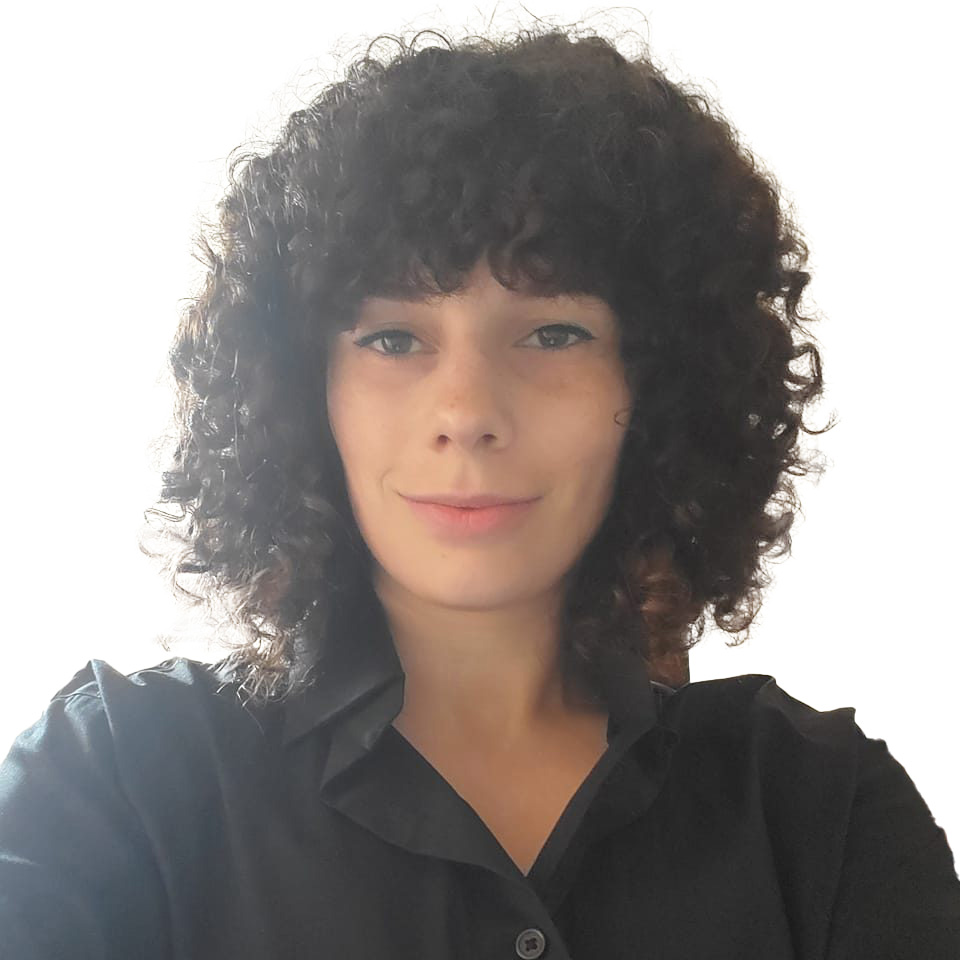
About Our Sponsor

OnPay’sOnPay-Dots payroll services and HR software give you more time to focus on what’s most important. Rated “Excellent” by PC Magazine, we make it easy to pay employees fast, we automate all payroll taxes, and we even keep all your HR and benefits organized and compliant.

Our award-winning customer service includes an accuracy guarantee, deep integrations with popular accounting software, and we’ll even enter all your employee information for you — whether you have five employees or 500. Take a closer look to see all the ways we can save you time and money in the back office.

Follow OnPay on LinkedIn, Facebook, and Twitter

Tagged With: Larry Williams, Technology Association of Georgia

Jason Marlowe With Market House

March 28, 2024 by Jacob Lapera

Atlanta Business Radio
Jason Marlowe With Market House
Loading
00:00 /
RSS Feed
Share
Link
Embed

Download file

Jason Marlowe is a founding partner at Market House, a creative agency specializing in website design, branding, and marketing. He leads the website design team and oversees technical implementation on projects. He is also a professor at Emmanuel University in the Communication Department.

In his free time, he enjoys time with his wife and kids, hiking, woodworking, and leading as a Cubmaster of his local Cub Scout Pack.

Connect with Jason on LinkedIn and follow him on Twitter.

What You’ll Learn In This Episode

  • Why outsourcing creative is the best solution for a company/brand
  • A brand new website won’t solve a business problems
  • Why is branding expensive
  • Defining a budget and being clear when working with a marketing agency
  • Why an entire company needs design support – not just the marketing team.

Transcript-iconThis transcript is machine transcribed by Sonix.


TRANSCRIPT

Intro: [00:00:04] Broadcasting live from the Business RadioX studios in Atlanta, Georgia. It’s time for Atlanta Business Radio. Brought to you by On pay. Atlanta’s new standard in payroll. Now, here’s your host.

Lee Kantor: [00:00:24] Lee Kantor here, another episode of Atlanta Business Radio, and this is going to be a good one. But before we get started, it’s important to recognize our sponsor, Onpay. Without them, we couldn’t be sharing these important stories. Today on Atlanta Business Radio, we have Jason Marlowe with Market House. Welcome, Jason. Hey, Lee, how are you? I am doing well. I am so excited to learn what you’re up to. Tell us a little bit about market House. How you serving folks?

Jason Marlowe: [00:00:51] Well, we are a creative agency. We’re based here in the metro Atlanta area. We are, uh, we’ve been around for ten years, but we are kind of like a new generation of marketing and design agencies. We’re completely remote. I work out of the Grayson and Lawrenceville area. My partner’s up in the Gainesville and coming area, and we have a team that spreads from Monroe and Gainesville up to Chattanooga. So we’re kind of spread out all over the place. But we serve the people of metro Atlanta and Georgia and beyond.

Lee Kantor: [00:01:25] Now, you used the word design agency. Can you explain what that means?

Jason Marlowe: [00:01:29] Yes. Uh, so we serve clients who are in need of branding, whether they’re coming for the first time to develop their company right out of the gate. They’ve got a name and a passion and a plan, and we help them create an actual physical look and feel to the brand. We develop a story around it. And or if you have company that is ready to be rebranded, they’ve been around for a while and something’s changed or they just need a fresh look. We’ll step in to help them redevelop the brand, but we also serve clients who need ongoing support. So you’re talking about, uh, where we outsource design and we do it all in house. So we have a team of designers with, uh, print media and digital media, web design, copywriting, kind of the whole sphere there to help and serve, uh, businesses.

Lee Kantor: [00:02:24] Now, if you’re an existing company, what’s kind of a symptom that maybe your brand does need a refresh? Because I think a lot of times, you know, people have a brand they decide on early on, and then it is what it is, and they kind of stop thinking about it. But are there some signals that you should be paying attention to when it comes to branding that you should say, hey, maybe we do need a refresh?

Jason Marlowe: [00:02:49] Yeah. Uh, you know, I think that for a lot of folks, when people are, um, really not connecting with the brand because let’s, let’s take one step back. Brand. One of the things that people don’t really get is that brand is more than just like a logo. A lot of people are like, oh, well, you know, can you do my brand? And they just expect some basic logo package. But really, brand is a whole voice, right? The whole presence of your business. And, uh, when people just aren’t connecting with your company and your business, maybe it’s time to really reconsider that voice that you’re using when you’re speaking with customers. Maybe your audience and your customer base has changed. Maybe they’ve gotten older, maybe they’ve gotten younger. Maybe they have different interests. Maybe it’s time to reposition yourself, uh, just because you’re not connecting, uh, the way that you used to. Right. Maybe your audience and is dropping off. Maybe your sales are going down, and that’s something symptomatic of something larger. Right? So, uh, those are usually some of the bigger signals that we see people coming in with.

Lee Kantor: [00:03:58] And I think that, uh, branding, along with corporate culture are one of those things that they’re going to happen whether you do something about them or not. So you might as well be proactive when it comes to them.

Jason Marlowe: [00:04:10] Absolutely, absolutely. Yeah. Um, you know, being a part of your corporate culture is one of the kind of the key things with your brand. Um, and unfortunately, a lot of folks, especially during a rebrand, it’s you got to sit down and really, like, explain to them what’s going on. Uh, because like I said, it’s more than just creating a new design. Sometimes it’s like, hey, listen, we’re changing our messaging, right? We’re not the company we were when we started 25, 30 years ago. We’ve changed. We’ve got our eyes set on something new. We might offer the same product, but we’re going to go about it a completely different way. And so it’s really important for all the stakeholders in the company to really get behind the messaging. And that’s one of the things that we help with consulting, you know, you know, after the brand has been developed, is really just trying to, you know, make sure that on all levels, not just customer facing, but on internally, uh, internal acceptance of your brand is vital, paramount.

Lee Kantor: [00:05:09] Now, um, are there some things you can do to ensure that, um, you know, everybody’s on message and that it is authentically yours and it is congruent with your values because as. Especially if you have a team and like even in your case, where you have a team that people are all over the place, uh, and not physically together, sometimes each individual will kind of have a different understanding of the brand, and they may not be communicating it. Um, you know, all from the same, uh, song page.

Jason Marlowe: [00:05:42] You know, uh, I think one of the things that you could share that we develop and other agencies develop is to start with is your brand guide, because inside of that, once you’ve been rebranded and once things have been updated, uh, there’s, there’s stuff more than just the visual aspects and the logo and the colors, but there’s voice, right? Like, how should we be talking with customers? What does our brand sound like? Uh, how are we engaging with customers? All of that should be part of your brand guide. And then, uh, you know, beyond that, it’s it’s having open discussions with the company. Um, and it is, uh, you know, making sure that people understand where you’re going. And that comes from the top down, you know. So it might be the design team along with, you know, your C-suite that’s overseeing the brand. But it’s really the the top of the company really explaining what’s up, what’s going on now.

Lee Kantor: [00:06:39] Have you ever had to have maybe kind of a difficult conversation with a client when it comes to this where like, they could think, hey, we’re Nordstrom. But you look at them and you’re like, know your target. Um, you know there’s some incongruity in what you’re saying and what you aspire to be and your behavior.

Jason Marlowe: [00:06:56] Oh yeah. Um, I think one of the biggest things is a lot of companies want to start the branding process by stripping all of the brand, uh, assets and ideas away to some really basic point. So, for example, um, you know, you have a company that comes in and they’re like, you know what? Nike’s got this brand recognition, right? Like you just see that swoosh and people just know it’s it’s sports. It’s running. It’s it’s everything. It’s you know it’s perseverance. It’s you know trying it’s trying your best when it comes to, you know being an athlete. It’s it’s all of these different aspects. But you gotta you gotta get there. So like I had a client who was like, you know, I really like this branding of X, y, z, but I prefer how they leave all of their name. They leave their name off of it. And I was like, well, you probably should leave your name on it because you’re not at that level yet. And I like to preface it with yet because, you know, you have no idea how high a business is going to fly. And, uh, but the big thing is you got to take your steps. And so a brand can be distilled eventually down to something very simple as a swoosh. But before you get there, you need to have it needs to live with Nike first, you know. So you got to you got to have you got to be around for a minute. You got to really push your brand. You got to promote yourself. You got to market. You got a campaign before you have that kind of household recognition, which is what a lot of people really they go in wanting. And it’s kind of like a baby step thing.

Lee Kantor: [00:08:40] And it’s one of those things that, um, it takes time and and it takes time and money, like, you can’t, you know, like you can’t call yourself Google without spending money. Like it costs money to call yourself a made up name without explaining what that means, right?

Jason Marlowe: [00:08:58] Yes. Branding. Branding is expensive. Um, branding is expensive because it’s a process so far beyond just making a logo. Um, if you want a logo and you don’t want to put any kind of thought behind it, you just say, hey, I want a logo, and it looks like the widget that I sell. Okay, great. Go to go to fiber there. Fiber. There are marketplaces for that, right? $0.99. They’re they’re places where you can go and do that. But if you want to think about your target audience, if you want to do competitor research, if you wanted to develop an actual brand around what you’re creating, you got to do the work. And that’s not, you know, unfortunately, that’s not cheap. And, you know, we’re not talking about breaking the bank, but, you know, you have to put some money down to to get to where you’re going. And it’s kind of like, um. My mama said this my entire life. She’s an entrepreneur. Um, and she always has told me the way it starts is the way it goes. And that’s literally a phrase I think about probably once a week, because it’s all about doing it right out of the gate, and then you set yourself up for success in the future. And unfortunately, a lot of people try and skip the steps when they’re starting a business. They’re bootstrapping, and there’s things you can cut corners on. But. Developing the voice and the face of your business is not something that I would cut the corners on, you know what I mean, right?

Lee Kantor: [00:10:21] Because it’s foundational. Everything is going to build on that. So if you screw that up, you’re going to have a problem.

Jason Marlowe: [00:10:27] Exactly.

Lee Kantor: [00:10:28] Now who is the ideal client for you? Are you working with large enterprise organizations? Do you work in certain industries? Is there kind of an ideal customer profile for your firm?

Jason Marlowe: [00:10:39] Uh, yeah. So, you know, we used to go after everybody, right? You know, big companies, little companies, medium sized. But, you know, after a while, we’re kind of settling into the lane that we really enjoy. Um, I love working with, uh, nonprofits and, um, you know, companies that are on a bigger mission, uh, you know, uh, those, uh, companies, like religious organizations, we work with several of those throughout the state. Um, and, um, you know, medium sized businesses, small and medium sized businesses are kind of our, our forte. You know, I’m not going after some huge company. Um, it’s a Nike earlier. That’s not my that’s not my audience. I don’t think I could fly with them, but, uh, I think for small and medium sized businesses who understand the need for solid design and marketing and the power that, uh, it can have to elevate your business and to grow and to create the life that you want. Uh, I think for those companies, that’s where we, uh, that’s where we really fly.

Lee Kantor: [00:11:51] Are you sometimes there first kind of agency that they hire that they’ve kind of tried things on their own, and now they’ve kind of graduated to the level where they need outside eyes on their work.

Jason Marlowe: [00:12:02] Actually. Yes. Um, that’s a that’s a that’s a great question. Um, you seem like you’ve been doing this for more than a minute. Uh, you know, but, uh, yes, that’s that’s actually, that’s actually nail on the head. Um, a lot of folks try and do it themselves, um, because they’re looking to, you know, save money. Oh, they don’t want to have to hire somebody, or they just want to be able to do it themselves. And they realize, you know what? You know what? I can’t do it myself. Um, sometimes it’s more of a case of, um, they have the skill set to do it. And so they just think that they can take on something else, but they know that their time is better spent growing the business, and our time is better spent helping them, you know, have the tools to do that.

Lee Kantor: [00:12:48] Is there a story you can share of maybe a client that you work with? You don’t have to name their name, but maybe share the problem that they had and how you helped them get to a new level.

Jason Marlowe: [00:12:57] Yeah. For sure. Um, we’ve got a great client we work with now. Uh, they were very they have they have ton of child companies and, uh, individual divisions, but they were all incredibly insulated. Right. So this hand didn’t know what this hand was doing and vice versa. And they were creating a lot of marketing materials and content and websites that were very disjointed. Nothing looked like anything else. And it was just a very muddy brand. It was a great brand, but all of their materials and outreach were very muddy, and one of the things that we’ve helped them do over the last I think two years at this point is start to develop cohesion across all of those. So, you know, we’ve been tackling it one website at a time, one booklet at a time. Uh, one social media post at a time is really just going like, what is the brand? How should we communicate, making sure that we’re always using, you know, always referencing the brand guide. Everything is on point and consistent and helping them create consistency is one of the big things that I can hang my hat on, that we’ve worked for them for over the years now.

Lee Kantor: [00:14:16] Is there a piece of advice you can give, uh, kind of a smaller firm when it comes to their brand or their design or even their marketing, something actionable that they can do today that would make a difference tomorrow.

Jason Marlowe: [00:14:29] Uh, a couple things. One thing is make sure that you set a budget. I talk to every, every, every business I work with. I feel like at one point or another, uh, never has a a defined budget, even if it’s just something. And I understand going into it. A lot of people are like, well, I don’t know how much it costs. Um, but it should never be this kind of song and dance between the business and the agency, the agency, like ourselves and others, we’re better suited to do the best by you, to do right by you, to be good custodians of your budget. If we know what we’re working with. Um, and it’s just it wastes time. It’s very frustrating process trying to suss out, you know, what’s your spend like, um, that is a, um, that’s one of the big ones is, uh, you know, actually sitting down and looking at your budget and to see what you can spend. Uh, I would also say that, um, sitting down and looking at your brain guide, if you have one or kind of creating like, okay, this is our logo, these are our colors. This is these are our fonts. Just go super, super basic and say this is what we should be doing. And then looking at the materials that you’re putting out, go over to sales and say, let me see your one sheets write sales. Send me all of your one sheets that you’re sending out. Hey air, what kind of stuff are we posting online? Uh, you know, looking over at maybe your customer service team or your account manager, like, hey, what are you mailing out to customers? And, you know, talk to somebody else, like, hey, send me your email signature. Right? So step back, take a look at what you should be doing, and then have everybody send to you what you’re actually doing and really go is what we’re doing matching what we should be doing. And I will tell you that there will be incongruity there 99 times out of 100.

Lee Kantor: [00:16:24] Now somebody wants to learn more about your agency or have a more substantive conversation with you or somebody on the team. What’s the website? What’s the best way to connect?

Jason Marlowe: [00:16:34] Yeah. Uh, we are online at MKT Dot House. Yes that is.house.com. It’s mkt dot house. Uh and you can find us on there. We have all of our services detailed out. You can live chat with us. You can give us a call. Um, we are available that way you can shoot me an email at Jason at MKT House. Uh, any way that you can get in touch with us, we’ll be happy to connect with you, talk, and give you a free consult and see how we can help you grow.

Lee Kantor: [00:17:03] Well, Jason, thank you so much for sharing your story today. You’re doing such important work and we appreciate you.

Jason Marlowe: [00:17:08] Yeah. Thank you. Lee, thank you for having me.

Lee Kantor: [00:17:10] All right. This is Lee Kantor. We’ll see you all next time on Atlanta Business Radio.

About Our Sponsor

OnPay’sOnPay-Dots payroll services and HR software give you more time to focus on what’s most important. Rated “Excellent” by PC Magazine, we make it easy to pay employees fast, we automate all payroll taxes, and we even keep all your HR and benefits organized and compliant.

Our award-winning customer service includes an accuracy guarantee, deep integrations with popular accounting software, and we’ll even enter all your employee information for you — whether you have five employees or 500. Take a closer look to see all the ways we can save you time and money in the back office.

Follow OnPay on LinkedIn, Facebook, and Twitter

Tagged With: Jason Marlowe, Market House

Charlett Albert With The Rebel Movement

March 27, 2024 by Jacob Lapera

South Florida Business Radio
Charlett Albert With The Rebel Movement
Loading
00:00 /
RSS Feed
Share
Link
Embed

Download file

DTLLogo-Blue-Bannerv2Charlett Albert is the founder of the HIGH IMPACT METHOD, a revolutionary program designed to empower female entrepreneurs to achieve consistent sales and business growth. With a unique blend of high converting sales strategies and feminine embodiment practices, she has made a name for herself as a highly sought-after sales & feminine leadership mentor and keynote speaker.

Drawing on her corporate background as a successful sales trainer for over 10 years, she has honed her expertise in helping online business owners maximize their revenue potential. Not only has she scaled her own businesses to six figures, but she has also guided a diverse clientele of over 100 female entrepreneurs to achieve their financial goals.

In 2023 she co-founded the Rebel Movement together with 3 other business mentors Gráinne O’Malley, Hayley Barnes and Tierra Womack to empower women from around the globe to build a business their way using a unique blend of business strategy, alignment and energetics.

Connect with Charlett on LinkedIn and follow her on Facebook.

What You’ll Learn In This Episode

  • About the Rebel Movement
  • Key strategies that the Rebel Movement advocates for creating a business that feels authentic and fulfilling for women entrepreneurs
  • How does the Rebel Movement support women in developing a personalized action plan for their businesses
  • What sets the Rebel Movement apart from other business coaching programs or communities focused on women entrepreneurs
  • How important is it for women to prioritize their own well-being and energy in order to succeed in business
  • How can women interested in joining the Rebel Movement get involved and start creating their own rebel energy in their businesses

Transcript-iconThis transcript is machine transcribed by Sonix.


TRANSCRIPT

Intro: [00:00:01] Broadcasting live from the Business RadioX studios in South Florida. It’s time for South Florida Business Radio. Now, here’s your host.

Lee Kantor: [00:00:14] Lee Kantor here, another episode of South Florida Business Radio, and this is going to be a good one. Today on the show, we have Charlett Albert, sales coach and feminine leadership mentor and co-founder of the Rebel Movement. Welcome.

Charlett Albert: [00:00:28] Thank you, Lee, for having me. I’m excited to be here.

Lee Kantor: [00:00:31] I am so excited to learn what you’re up to. First of all, tell us about the rebel movement. How you serving folks?

Charlett Albert: [00:00:37] So the rebel movement was created by me and three other business mentors, and we’ve been working with entrepreneurs for the past decade, almost. And we’ve noticed a common theme among entrepreneurs is that many entrepreneurs were always feeling overwhelmed and overcomplicated business, and they didn’t know where to focus on on simplifying their business. And they would often buy into business blueprints that are sold all over the internet, which often created in a resulted in creating businesses that didn’t feel good. Maybe they made some money, maybe they didn’t make money, but they often found themselves in a place of like, why did I start this business in the first place? Often we choose to build our own business because yes, we want to make money, but also we want to impact people. And most of all, we want to feel free. We want to create a business and a life that feels like freedom. So we came together and we’re like, we want to create something that’s different. We want to create something for that established entrepreneur that feels slightly overwhelmed and wants to simplify their business and really align their business goal with the lifestyle that they want to live. So we’ve come together with different expertise and resources to really support that entrepreneur on that journey.

Lee Kantor: [00:02:06] Now, do you find that a lot of folks like you mentioned, they they might go into a business and think, okay, if I make money, then I can all my dreams are going to come true. But if it’s really not aligned, if your business isn’t aligned with your values and your why, then it’s not as fulfilling. Like you might be making some money, but your life, you know you could be miserable still.

Charlett Albert: [00:02:30] Yes, that’s exactly what we’ve experienced. Like, the thing is, people think, okay, the moment I make $5,000 a month and have a full time income, or $10,000 a month, or $20,000 a month or whatever is possible in the online space, which is really, you know, captivating. It’s really inspiring to see what is possible. But guess what you have to do the next day? Like you hit that milestone, you hit those 5000, $10,000 a month, but the next day, what you have to do to maintain this is the process, the action steps that actually got you to that goal. And if you don’t like those action steps, the things that you have to do every single day to be successful, you won’t be happy. It’s not going to be sustainable and your business will collapse. Like you’re not going to find that motivation in the long haul to hit that income goal over and over. So a lot of people find themselves like leaving a corporate job or leaving some kind of a profession that they didn’t love, start their own business, hit certain milestones, and being so miserable that they end up going back to a 9 to 5. And we like I think I’m not cut out for this, but the truth is you are cut out for this. If you. I truly believe this. If you have this, why, if you have this big mission to do something to help people to serve, you are absolutely capable of doing it. You just have to find a business structure, a simple system that aligns with who you are at the core. And you cannot find that by buying some random business blueprint, but really aligning with your own internal strategy, which we are teaching inside of the rebel movement.

Lee Kantor: [00:04:12] Is there some advice you can give, or maybe some low hanging fruit for the listener that can get them on the right track? Is there some things they can do today that’s actionable, that maybe can get them going in the right way?

Charlett Albert: [00:04:28] Yes, absolutely. So this is the process that we’re taking our new members to actually. So first of all, you want to set one goal, not three, not nine, not 1015, whatever. Pick one business goal for the next three months. What’s something that feels a little bit stretchy but also feels like, you know, I think I can do it if I just put in the action, right. One goal, it could be hitting a certain income goal, having a certain amount of clients, having X amount of people on your email list, whatever it is, just pick one. Don’t pick so many different things and then break it down in simple, actionable steps that you can do every single day and find those. Action steps that really feel good to you. But because you do not have to have all these things in place, you don’t have to be on Instagram, Facebook, TikTok everywhere. You don’t have to do, you know, podcasts or radio interviews or be in magazine if that’s just not your thing. Like pick the action steps that will get you to that goal, but find a path of least resistance. A path that really lights your soul on fire, where every single day you get up and be like, oh my gosh, I can’t believe I actually get to do this. And listen to yourself like, where’s resistance in my every single day? And how can I, you know, find a better way that works for me to hit this one goal and. Yeah. This is this is really, I think, the main thing that we want to focus on for newer, newer people.

Charlett Albert: [00:06:02] And if you are already established in your business, look at how can you simplify things, how can you delegate tasks? What is really your zone of genius? What are you really good at in your business and what’s not your strength? And instead of trying to be good in everything, where can you eliminate things of your business? How can you take some weight off your shoulders? Because we don’t have to do it all in order to be successful, like so many of us. Like. I can speak to myself. I’ve built two six figure businesses, literally just with a stripe link, a social media account on Facebook, and a zoom account. That’s it. I didn’t have a website. I still don’t have one, really. I there’s so many things you don’t need that people tell you you need to have. You have to be on all these social media accounts and all of that. It’s it’s BS. You don’t need all of it. How can you simplify your business? So it feels light and it feels good to you. So those are kind of the things that we focus on. Another thing is what can you delegate? Can you hire a virtual assistant or some kind of an assistant who can help you with certain tasks that you feel like they have to be done and you don’t want to do them? So those are some of the things that I recommend for people who are in a place of like, okay, I want to make some small adjustments to my business today.

Lee Kantor: [00:07:17] Now, do you find that a lot of people who are especially new entrepreneurs, you know, they might have worked at a job that they were kind of being frustrated with or they weren’t satisfied there. So they say, okay, I’m going to do this on my own. And they realize quickly, you know, when you’re doing it on your by yourself, it can be lonely that without kind of the support and community around you, it’s difficult to really get the achievement you’re looking for. How important is a community for an entrepreneur in order to get to those levels that you described?

Charlett Albert: [00:07:53] I think it’s invaluable. Like, it’s so important to be in the group of people who truly understand you, because people who often who are employed somewhere, people who are working 9 to 5 family members, friends often who might not be entrepreneurs, they’re in a very different mindset. And they’re they care about you and they want to watch out for you, but they might not have the best advice for you. They sometimes tell you, you know, it’s better to stay safe. You know, do the things you know, go to school, get a job like pay into your 41K and like do all these things to be safe. So being in a space where people where there are people who are like. Understand where you are. They understand the obstacles that come with being an entrepreneur was it’s not as simple as just like, oh, I create an offer and I make a couple of social media posts and or talk about it, and I’m going to make money. There are so many nuances to business, from simple things of, you know, how I manage my money? How am I now going to save for taxes? To how am I going to show up online? How do I create content? How do I sell in a way that it actually converts? There’s so many conversations and then also the emotional load to it, right. Because a business is often it feels very personal because it’s our creation, it’s our dream that we want to bring into this world, and we take things very personal.

Charlett Albert: [00:09:20] So there’s a lot of emotional weight to it. Sometimes we feel maybe we’re not good enough. Maybe I’m not cut out for this. Like all of these beliefs, these thoughts that come up of being an entrepreneur is, uh, very challenging at times. So having people who’ve been through this, having a community who’s taking who’s going through the same kind of thoughts, beliefs, steps is going to feel very soothing. It’s going to feel like, wow, like she did it. He did it. Now I can do it too. And I have these people that I can ask for advice for support and like not them telling me what to do, but more like this is where I’m at right now. How would you manage this situation? How would you manage this conversation that I’m having with someone? Or how would you manage this, this feeling that I’m having right now? I don’t feel good enough, or I feel like I don’t know if I can keep going. I’m not making the amount of money that I’m making this, all these things coming up. So being in community, being in mentorship for people who walk the the path before I think is, um, very, very valuable.

Lee Kantor: [00:10:29] Now, how does the rebel movement, uh, work for a woman that might be interested in exploring this? Is this something that is a one on one coaching? Is it kind of a group thing? Is it learning kind of asynchronously just on my own? Like how do how does it work if somebody wants to plug in?

Charlett Albert: [00:10:48] Beautiful. It’s a combination of all of what you said. So it’s a membership for $44 a month and you join. You can the first thing you want to do is you start with a quiz. We want to hear where you are at in your business. And we’re going to find out, okay, where can we support you most? Do you have a business structure already? Do you know how to write content? You know how to sell or do you need support with that? Do you want to work on on simple systems so you have a business that’s more scalable. But we also going to look into how you’re feeling with your emotional health, with obstacles and time management and goal setting and all of that. So you take this quiz so we know how to support your best. Based on that, you’re going to be provided with that resource that’s going to benefit you most every month. There’s a theme inside the membership, and always one of the four of us is hosting the membership, and the modules build on each other, and you always have access to all the modules as long as you’re part of the membership. So every single month there’s a theme where you get an in-depth training on something that will help you on your entrepreneurial journey. Sometimes it’s passive income, sometimes it’s sales strategy, sometimes it’s content, sometimes it’s nervous system regulation, goal setting, all these kind of things that are important to become a successful entrepreneur. And then every month you have the opportunity to go on a call with all of the ladies inside the robber movement and a mentor to network, because we believe so much in leveraging your network, leveraging the connections that you have.

Charlett Albert: [00:12:33] The most beautiful connections have happened in this space, from opportunities to get on podcasts to being a guest speaker. It’s someone else’s program. Like there’s a lot of opportunities that just come by leveraging that network, and you have the opportunity to ask any kind of business questions to that mentor. I just had a conversation with one of our members, and she told me that she loves these life coaching moments because things happen in business all the time. And she’s actually in the process of hosting her second retreat, and she’s promoting it right now on social media, and she wanted to get some feedback of how to overcome objections that people have of like, what if it’s too expensive? What if they don’t know if this is the next move to it? And we were able to coach you through this in this moment. So she got the clarity on one call and now knows exactly how to market that retreat. So it will sell out by summer when she’s hosting it. So whatever you’re going through in your business, you have these opportunities to get life coaching moments every single month to move your business forward. So you’re not sitting on a question forever, but you can talk through it and move forward.

Lee Kantor: [00:13:46] Now, is this, um, for folks, uh, primarily in South Florida, or is this something that’s, uh, kind of a worldwide online virtual experience, or is it in person?

Charlett Albert: [00:13:58] It is an online virtual experience, and we have members from all around the world. Actually, we founders are from around the world. So we have Tiarra who’s from the United States. I’m actually from Germany. I do live in South Florida now. But, um, Grania, who’s part of the membership, she’s in Ireland. Hailey is from the UK. So we have created a global movement from people from all around the world. So it’s hosted online, it’s virtually, and we connect through zoom every single month.

Lee Kantor: [00:14:30] So what do you need more of? How can we help you?

Charlett Albert: [00:14:34] We are actually hosting right now, a Be Seen festival, which is a virtual event for trailblazing entrepreneurs who really want to be seen and and find a visibility strategy that really works for them. Again, cutting out any kind of roadmaps but giving you opportunities that really align with who you are. It’s a free experience for the next three days. Actually, it started today. So for anyone who would love to plug in and learn some amazing visibility strategies, so your business gets seen, gets heard, and you get paid for what you get to do. I would love to invite you to the Be Seen festival.

Lee Kantor: [00:15:17] And then if somebody wants to learn more about the rebel movement or, um, learn more about what you’re up to, is there a place to go to do that? Is it mostly, um, through social media or is there a website?

Charlett Albert: [00:15:30] There is a website which goes through living business Project.com slash the rebel movement. Um, we also have a social media handle, and you can also reach out to me on Instagram or Facebook at Charlotte Albert.

Lee Kantor: [00:15:49] Well, congratulations on all the success. Charlotte, you’re doing such important work and we appreciate you.

Charlett Albert: [00:15:55] Thank you so much. Lee.

Lee Kantor: [00:15:57] All right. This is Lee Kantor. We’ll see you all next time on South Florida Business Radio.

Tagged With: Charlett Albert, The Rebel Movement

David C. Williams With FlexAgent

March 27, 2024 by Jacob Lapera

High Velocity Radio
High Velocity Radio
David C. Williams With FlexAgent
Loading
00:00 /
RSS Feed
Share
Link
Embed

Download file

David C. Williams, AT&T – Inventor of FlexAgent.

He’s an award-winning inventor, tech entrepreneur, and author, is celebrated for his innovations and leadership in technology. With humble roots in Dallas, Texas, David’s journey from a challenging upbringing to a tech luminary is chronicled in his best-selling book “Business Model.”

His accolades include the 2023 D CEO Corporate Innovator, multiple Stevie Awards, and the Distinguished Engineer of the Year 2023-2024 Golden Torch Awards by the National Society of Black Engineers. A champion for diversity and mentorship, he extends his impact through educational initiatives like the Solar Robot Workshops and the Robot Dream Court Competitions, in partnership with Nancy Lieberman, fostering coding skills through play.

Beyond his professional realm, he is a family man, fitness enthusiast, and motorcycle aficionado dedicated to volunteerism.

Connect with David on LinkedIn.

What You’ll Learn In This Episode

  • The Intersection of Technology and Diversity
  • His unique experiences and cultural background that influenced his approach to technology and leadership
  • Hyper-Automation and the Future of Work
  • About FlexAgent

Transcript-iconThis transcript is machine transcribed by Sonix.


TRANSCRIPT

Intro: [00:00:04] Broadcasting live from the Business RadioX studios in Atlanta, Georgia. It’s time for High Velocity Radio.

Lee Kantor: [00:00:14] Lee Kantor here, another episode of High Velocity Radio and this is going to be a good one. Today on the show we have David C Williams, tech entrepreneur, inventor and author with AT&T. He is also the inventor of Flex agent. Welcome, David.

David C Williams: [00:00:31] Hey, how’s it going? Lee, great to be here with you.

Lee Kantor: [00:00:33] I am so excited to learn what you’re up to. Let’s start a little bit about talking about Flex Agent. I know that that’s something an initiative within AT&T that you were intimately involved in. So share a little bit about that.

David C Williams: [00:00:45] Yeah, sure. So flex agent is customer service reinvented. You know there’s nothing wrong with customer service. We all need it. We all run into issues where we have to talk to someone to get some support and help. But the difference is with flex, it works off a gig economy model. And so similar to Uber and other services like that, folks get paid by the task and by doing so, it drives a ton of efficiency and so it helps to save expenses for my firm. It helps to make sure that the folks that are taking the calls are actually earning a wage, and typically much higher than the average customer service wage, and also that the customer there’s parameters, just like in any other gig economy model, where the customer is made sure that they’re taken care of and they get the great service that they deserve.

Lee Kantor: [00:01:28] So like most marketplaces, it’s two sided. So how does it work? Like, I have a kid, he does remote work for a lot of companies. How would he kind of plug into flex agent?

David C Williams: [00:01:39] Oh yeah. So it would probably just go to flex agent Comm sign up. It’s a very simple registration process. Uh, it walks you through just a number of quick pre-hire questions. I think you usually do that with just voice. Put in your information so that you can sign up for your payments and instant payments and things like that. There’s a national background check that goes through. Training is all self-paced. You do it at your own leisure. Once you finish all that, there’s an onboarding process that happens in the background to get all your credentials together, and then we set you up so that you use your phone and your home computer, and you’re able to take calls working from home and provide customer service help for customers that may have, you know, questions about their bill or their phones and working and things like that.

Lee Kantor: [00:02:26] So it’s like you said, it’s like Uber. So I can say, okay, I want to work today from 2 to 4. I just kind of log in and, and set myself up. And then exactly as the calls come in, I deal with them. And then if I’m if I have something to do at 415, I just turn off and then I go about my day.

David C Williams: [00:02:44] That’s right. We just asked you to take about 20 calls a week as the requirement. Right now it may change over time, but yep. Uh, people get to make their own schedules. That’s the beauty of it. And so we want folks that are engaged when they want to be engaged, so that they can provide the best service to the customer.

Lee Kantor: [00:03:00] Now, is the service am I talking on the phone or am I just typing in a chat or can be a combination? No.

David C Williams: [00:03:07] Yeah, you would be talking on the phone. There’s a the system that they use is uh is that flex agents use is one browser. And so it’s a pretty simple system. But they are talking on the phone to a customer.

Lee Kantor: [00:03:18] And then how did you come up with this. What was kind of the pain point you were trying to solve?

David C Williams: [00:03:23] Well, you know, um, I’ve worked in operations and the service industry and technology for decades, and so I’ve seen a lot of the issues and problems of leaders trying to solve for. And I just realized that, you know, over time that that particular business model, I believe, is outdated and that a new business model could be used to leverage, um, and drive efficiency. And so that’s what started it. Um, the pandemic hit. And, you know, that kind of sent everybody home. And there was an opportunity to do a little toe in the water testing with it, and things looked promising. And so we just went for it. And it’s been a wildly successful.

Lee Kantor: [00:04:02] And then, uh, is this kind of only is AT&T the only customer for this? Because I would think this can work in and you know, for pretty much anyone.

David C Williams: [00:04:11] Yeah, it possibly. But right now AT&T is the only customer. That is correct.

Lee Kantor: [00:04:15] And then uh, your background has been very varied. Do you mind sharing a little bit about your back story?

David C Williams: [00:04:23] Sure. Um, yeah. Um, I don’t know where to start, but I would tell you, I’m a Dallas native. Um, and, um, I come from a very, uh, underserved neighborhood, maybe the poorest corner of the city, South Dallas. And, um, I lost my father very young. Um, however, you know, I believe that innovation is born out of necessity. Um, I kept that creative mind as I entered telecom, and, uh, I always felt like, um, you know, there are. Ways to drive efficiency to go, you know, proactively go find something broken and and try to fix it. And so that’s kind of been a mantra I’ve had. I went through a lot of different roles and technology and network and uh, chief of staff and customer experience. And I landed in technology just because, um, you know, I have a passion for automating things and really trying to find a better way to, to do the same things. And it’s worked out pretty well. I’ve been able to drive a culture in my organization. That culture trumps strategy. And so we work like a family and we have a lot of fun, and we go after really big problems, and we’ve been pretty successful solving them.

Lee Kantor: [00:05:29] Now, I know that diversity is important to you and your work. Can you, um, share some of your thoughts on that intersection between technology and diversity?

David C Williams: [00:05:41] Yeah, absolutely. So, you know, I believe that, um. Having a diverse perspective gives you a chance to see things that you normally wouldn’t have. A lot of the folks in my organization, um, are people of color, or they don’t have a traditional technology background. Um, also, um, you know, about half the team is female. Uh, all of these are not necessarily common attributes of a technology team. We’re not a homogenous team. That gives us a perspective that that gives us a perspective where we can, um, put an idea on the table a, an issue, a problem on the table, and everyone’s voice is heard. And so you’d be surprised sometimes where, you know, the PhDs are engineers are sitting with folks that, um, are, you know, not as quote unquote technical, but the collaborations come together and they can see that really one and one is 11. You just got to get close enough together. And so that diversity of thought has proven to be very successful for us. It helps us to drive exponential results. We typically drive two, three, 4,000% ROI and, you know, hundreds of millions of dollars of impact every year. And so it’s working. The proof is definitely in the pudding.

Lee Kantor: [00:06:51] Now. Um, for some people, diversity is starting to become kind of controversial. Can you share some of your thoughts on why it’s important, um, to not neglect diversity and, and to make this part of the conversation in the business world today.

David C Williams: [00:07:08] Yeah, I think the important thing is just that, you know, I understand there is an argument that, you know, you don’t want to necessarily, um, um, disenfranchize or over incentivize others just based on a specific attribute. But I would say that the key for me is to just remember that we’re all individuals. And although I may be a black man and you’re a white man, there are many things about us that make us unique. And you’re not like every man or every white man, and I’m not the same. And so I think if we’re open enough to allow people to have that type of freedom where we can view that, then we can start to appreciate the specific talents of each individual. On my team, I ask that, folks. I say, look, if you want to come to work and bring your whole self, um, you’re automatically approved for vacation. Stay at home, because the problems that we are working on are too big for Clark Kent. We need your super self, we need Superman and Wonder Woman. And so we ask everyone to come to work and bring their super self in. And we even call ourselves by those super names. There’s a burn rubber river. There’s a Obi wan Kenobi. I’m optimistic Prime. And so we take those. It’s fun, but we take those things serious. And it helps the culture that we have. And by doing that, we drive diversity without having to have a diversity label to it all. It’s really about bringing the best out of us all.

Lee Kantor: [00:08:28] Now, do you find the folks that are kind of reluctant to embrace this are maybe there is some sort of a subconscious bias in that, that they’re not seeing the need to do this, and they are in their minds believing that, yes, I’m only looking at the individual, but they’re not noticing maybe that if they look at the team or they look at, you know, kind of all the photos of the leaders on the wall, that they might all look the same. And they they just think that they are doing what you’re saying, but they’re just happened to land on this, you know, kind of group that looks the same.

David C Williams: [00:09:10] Yeah. You know, it’s interesting. It’s it’s a it’s a slippery slope and it’s very easy to just gravitate to our own. I mean, it’s super easy, you know, for guys to go talk to guys and women to talk to women. And, and before you know it, it’s guys promoting guys. And we’re not looking at promoting women. And so in these unconscious biases biases happen. Um, one thing that comes to mind for me is this. And this is a business example, but you could use it in any flavor. There was a hotel once. I was at a conference. The very nice hotel might have been a, I don’t know, a $5,060 million building. I mean, it was just absolutely gorgeous hotel. And in the hotel that all the showers had this specific type of shower head. And for a specific demographic of women, it did not work well at the conference. That topic hit the stage now. Wow. They made a huge investment. But by not necessarily taking in enough diverse perspectives, they made a small faux pas that wound up being a really big black eye for their facility. Wouldn’t it have been nice to maybe consult several types of women to get a perspective on this before going to production and rolling it out? Right? And so that’s just one example of where folks had great intentions. But by not having a diverse perspective, they didn’t get the best solution, the best reaction. That is the same in every aspect of life. We may think we have it covered, we may think we know it all. But if you get a few more perspectives from people that don’t look or talk like you come from where you come from, you may see something that you didn’t see before.

Lee Kantor: [00:10:52] And it doesn’t always have to be negative. There could be huge opportunity out there just by talking to a broader group of people that you might be missing, you could have the exact right product and service for this group, but you’re just not framing it, right? Or you’re not even asking them if they want to participate.

David C Williams: [00:11:10] Absolutely, absolutely. You know, um, here’s an example. Um, in America, cancer is a very big topic, right? Um, and I’ve definitely lost people in my family from cancer. In other countries, cancer is not as prevalent. What are those other countries doing that maybe we’re not doing in America? There are a lot of things that we can learn from others. It just takes a moment to just go look outside and say, and again, talk to the folks that don’t look like you come from where you come from. You learn things that you just didn’t know. And it’s it’s really a cheat code. Um, I believe one and one is 11. If you put two great people together and they have some conversations, they can go further, faster.

Lee Kantor: [00:11:51] Now talk, talk a little bit about Hyperautomation. I’ve never heard that phrase before. Can you talk about that and how you got involved with that?

David C Williams: [00:12:00] Yeah, absolutely. And so Hyperautomation, I like to define it in two different ways. One, it is a culmination of technologies that typically work very well together, like machine learning, robotics, process automation is a big part of it. Um, AI, ML, things like that. Um, another way I define hyperautomation is it’s the least expensive way to solve business problems with software. And so we work in very short development cycles. We typically carry a very high ROI because we spend just a little bit of resources and drive a very big impact. It’s typically how most hyperautomation programs work. And so instead of, you know, spending a lot of heavy IT resources to go solve a problem, we may solve something in the back, a process we may engineer and optimize and then provide that to the business. And so it doesn’t have to take as heavy resources to produce that solution.

Lee Kantor: [00:12:56] Now is hyperautomation something that a small business or a solopreneur can take advantage of? Or is this something that only kind of these mega companies and these enterprise level organizations have access to?

David C Williams: [00:13:10] No. Um, actually, I think about hyperautomation in at a, at a entrepreneurial level, it might look like bots, it might look like some web tools that you can use, Zapier and MongoDB, things like that, where folks can, let’s say if you’re running a dry cleaner business, um, and you may need some automated spreadsheet accounting stuff, you may need some process optimization so that the clothes register in the budget and the the supply chain of ordering materials is, is is, uh, visible. You may want to connect a few of those things together. You can use some hyper automation tools to do so.

Lee Kantor: [00:13:49] So now if you were an entrepreneur or a solopreneur, how would you kind of go about learning about this where you can take advantage of it? Is there something, uh, is there some sort of training out there or is there some is this something that, you know, you just got to kind of tinker with?

David C Williams: [00:14:05] Yeah, it’s a bit of both. And so, um, one of the huge platforms is Microsoft. They have a Power Apps and Power Automate platform. It’s it has 500 connectors into the Microsoft suite of everything that they do. And so they have some very cool, uh, cloud flows where you, even if you’re not super technical, with just a little bit of training, you can connect a few different things together and see the lights come on. And so, um, that would be the first place that I would start. You know, also the University of YouTube does pretty well.

Lee Kantor: [00:14:38] Yeah. I think a lot of folks, um, really do a great job on YouTube explaining a lot of complicated things in a very efficient manner, and it is a great tool for education. Do you find that in your work? Um, that that’s the case as well. Even at an enterprise level, you can kind of lean on YouTube for some intelligence.

David C Williams: [00:15:02] Yeah. Um, there is a huge community, especially if you, uh, so getting into hyper automation to collection of technologies, the place to probably start, um, is bots or robotics, process automation. Um, there are absolutely tools out there, YouTube videos, things like that. There’s UiPath, there’s a lot of different, uh, great resources. I will tell you, when I think from a enterprise perspective, things that we’ve been able to do and in a solopreneur could do the same. But like, um, typically when you work with software development, there’s this long list of requirements and it’s an arduous process. It takes a long time. And so we thinking in a hyper automation type of methodology, instead of writing all that stuff out, we may just capture it on video. Right. And that just truncates this. It simplifies the process. It makes it a lot more fun. Uh, it moves a lot faster. And so we can move things through the development cycle a lot quicker.

Lee Kantor: [00:16:00] Is there any bot that you would say is a good starting point for somebody?

David C Williams: [00:16:06] Um, typically where people start is can they create a bot to do something with an Excel sheet? That’s usually where most people start, right? And um, if so, then they will say, okay, I’ll go from a web sheet to a website, uh, website and a web and a, and a excel sheet. Can I put these two together? And so it just starts to build more logic from there.

Lee Kantor: [00:16:35] Now, um, one of your mottos is legacy over entourage. Um, when it comes to, uh, I guess, inspiring and growing the next generation of leaders. Can you talk a little bit about that?

David C Williams: [00:16:50] Yeah, absolutely. So, you know, in my career, I’ve worked in telecom for a couple decades, and I’ve only had two professional goals. One is to, um, impact society at large, hints, um, the patents and all that kind of stuff and to mentor. And so when I think about mentoring, there’s, um, probably a few flavors of mentoring. There’s crisis management when someone really is, you know, in a situation, there’s, um, you know, helping folks to kind of find their way. And then there’s when you have folks that are hitting it, firing on all cylinders, right? They’re doing everything right, and they just need some help to get over the fence or get to the next level. And when I find those situations, you know, and I asked my own mentees to hold me accountable. But if a mentor has been mentoring someone for a long period of time, six months or more, um, we should either be. Giving constructive feedback on how they can improve things, or opening up the Rolodex, the contact list to say, how can I help you? And who can I help you with, right? Who can I connect you with? If that’s not happening, then you know, we’re really not building a legacy. We’re building an entourage. And I think sometimes, um, unconsciously or consciously, those things happen. And we have to be very mindful that we’re not, uh, that we’re empowering the youth to not only do well, but to do as well as we are or beyond. Right. I think that’s very important to make sure that we continue to strive for that, to see the next generation or the next wave of leaders go further and faster than we have.

Lee Kantor: [00:18:29] Now, is there any, um, kind of a system of mentoring that you’ve learned over the years that’s effective? Like, how important is it, you know, to set clear goals or to have regular check ins or, um, like, how do you create that accountability while combining it with the support that a person needs, a mentee needs.

David C Williams: [00:18:51] Yeah, well, I think you have to be very intentional. And so, you know, there’s probably a couple things I would say is every mentoring session I have with, um, in a group setting or one on one, I try to remember to say to the person, hey, look, if there’s ever a time that we’re having these sessions and it’s not valuable to you, I want you to speak up and say something to me. Right. And I try to say that frequently so that it is not a tough conversation the day they want to have it. And I share with them, look, you should feel this way with me and any other mentor, right? I’m not here to waste my time or yours either. The second thing is that, um, I believe that yes, you do have to set some clear expectations in the beginning. And with that, I try to just really break the ice. Let’s not have corporate speak. Let’s talk like family for a moment. Right. What is it that you really want out of this relationship? Be very direct so that we’re clear on the goals, and then we can figure out how to get there.

Lee Kantor: [00:19:52] So, um, what’s next for you?

David C Williams: [00:19:57] Well, um, it’s been a heck of a ride thus far. I’m just coming off a pretty, uh, big, uh, weekend. I just, uh, picked up the Distinguished Engineer of the year award, um, at the Nsbe conference in Atlanta. Um, next for me is going to be pushing flex. Um, I think it’s a great program for everyone involved, customers, the company and, and, um, call takers. And, um, that’s probably the the next big thing in my immediate future is pushing flex and watching it, uh, become something amazing in our society.

Lee Kantor: [00:20:28] So if somebody wants to learn more about flex, uh, what is the way to do that?

David C Williams: [00:20:34] Sure. Just go to Flex Agent Comm.

Lee Kantor: [00:20:36] Good stuff. Well, David, thank you so much for sharing your story today. You’re doing such important work and we appreciate you.

David C Williams: [00:20:42] Thank you.

Lee Kantor: [00:20:43] All right. This is Lee Kantor. We’ll see you on the next time on High Velocity Radio.

Tagged With: David C. Williams, FlexAgent

  • « Previous Page
  • 1
  • …
  • 25
  • 26
  • 27
  • 28
  • 29
  • …
  • 116
  • Next Page »

Business RadioX ® Network


Our Most Recent Episode

CONNECT WITH US

  • Email
  • Facebook
  • LinkedIn
  • Twitter
  • YouTube

Our Mission

We help local business leaders get the word out about the important work they’re doing to serve their market, their community, and their profession.

We support and celebrate business by sharing positive business stories that traditional media ignores. Some media leans left. Some media leans right. We lean business.

Sponsor a Show

Build Relationships and Grow Your Business. Click here for more details.

Partner With Us

Discover More Here

Terms and Conditions
Privacy Policy

Connect with us

Want to keep up with the latest in pro-business news across the network? Follow us on social media for the latest stories!
  • Email
  • Facebook
  • Google+
  • LinkedIn
  • Twitter
  • YouTube

Business RadioX® Headquarters
1000 Abernathy Rd. NE
Building 400, Suite L-10
Sandy Springs, GA 30328

© 2025 Business RadioX ® · Rainmaker Platform

BRXStudioCoversLA

Wait! Don’t Miss an Episode of LA Business Radio

BRXStudioCoversDENVER

Wait! Don’t Miss an Episode of Denver Business Radio

BRXStudioCoversPENSACOLA

Wait! Don’t Miss an Episode of Pensacola Business Radio

BRXStudioCoversBIRMINGHAM

Wait! Don’t Miss an Episode of Birmingham Business Radio

BRXStudioCoversTALLAHASSEE

Wait! Don’t Miss an Episode of Tallahassee Business Radio

BRXStudioCoversRALEIGH

Wait! Don’t Miss an Episode of Raleigh Business Radio

BRXStudioCoversRICHMONDNoWhite

Wait! Don’t Miss an Episode of Richmond Business Radio

BRXStudioCoversNASHVILLENoWhite

Wait! Don’t Miss an Episode of Nashville Business Radio

BRXStudioCoversDETROIT

Wait! Don’t Miss an Episode of Detroit Business Radio

BRXStudioCoversSTLOUIS

Wait! Don’t Miss an Episode of St. Louis Business Radio

BRXStudioCoversCOLUMBUS-small

Wait! Don’t Miss an Episode of Columbus Business Radio

Coachthecoach-08-08

Wait! Don’t Miss an Episode of Coach the Coach

BRXStudioCoversBAYAREA

Wait! Don’t Miss an Episode of Bay Area Business Radio

BRXStudioCoversCHICAGO

Wait! Don’t Miss an Episode of Chicago Business Radio

Wait! Don’t Miss an Episode of Atlanta Business Radio