
Business RadioX ®

  • Home
  • Business RadioX ® Communities
    • Southeast
      • Alabama
        • Birmingham
      • Florida
        • Orlando
        • Pensacola
        • South Florida
        • Tampa
        • Tallahassee
      • Georgia
        • Atlanta
        • Cherokee
        • Forsyth
        • Greater Perimeter
        • Gwinnett
        • North Fulton
        • North Georgia
        • Northeast Georgia
        • Rome
        • Savannah
      • Louisiana
        • New Orleans
      • North Carolina
        • Charlotte
        • Raleigh
      • Tennessee
        • Chattanooga
        • Nashville
      • Virginia
        • Richmond
    • South Central
      • Arkansas
        • Northwest Arkansas
    • Midwest
      • Illinois
        • Chicago
      • Michigan
        • Detroit
      • Minnesota
        • Minneapolis St. Paul
      • Missouri
        • St. Louis
      • Ohio
        • Cleveland
        • Columbus
        • Dayton
    • Southwest
      • Arizona
        • Phoenix
        • Tucson
        • Valley
      • Texas
        • Austin
        • Dallas
        • Houston
    • West
      • California
        • Bay Area
        • LA
        • Pasadena
      • Colorado
        • Denver
      • Hawaii
        • Oahu
  • FAQs
  • About Us
    • Our Mission
    • Our Audience
    • Why It Works
    • What People Are Saying
    • BRX in the News
  • Resources
    • BRX Pro Tips
    • B2B Marketing: The 4Rs
    • High Velocity Selling Habits
    • Why Most B2B Media Strategies Fail
    • 9 Reasons To Sponsor A Business RadioX ® Show
  • Partner With Us
  • Veteran Business RadioX ®

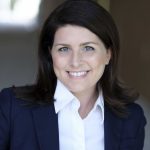
Emily Creek With Stable Kernel

December 11, 2023 by Jacob Lapera

Atlanta Business Radio
Emily Creek With Stable Kernel
Loading
00:00 /
RSS Feed
Share
Link
Embed

Download file

Emily Creek serves as the Senior Director of Customer Insights & Strategy for Stable Kernel’s Market Research division. She is responsible for developing and executing strategic qualitative &quantitative research projects that benefit clients and their customers.

With over 15+ years’ experience gaining actionable insights, she has worked across a variety of B2B, B2C, and non-profit industries to refine and position brands, products/services, and messaging. She is passionate about helping organizations better understand their audiences and solve tough business challenges.

She holds a BA in Sociology & Psychology from Indiana University, a MBA in Marketing from Georgia State University, and a Principles of Market Research Certification from the University of Georgia

About SK Market Research

Award-winning brands and agencies rely on Stable Kernel Market Research to solve significant marketing and business challenges through custom market research and consumer insights. For more than a decade, SKMR has been helping clients in diverse industries achieve better ROI, improve revenue growth, and increase market share. Better insights, better decisions.

Connect with Emily on LinkedIn.

What You’ll Learn In This Episode

  • Her market research work in the Atlanta community
  • How market research solve her clients’ biggest business challenges

This transcript is machine transcribed by Sonix

TRANSCRIPT

Intro: [00:00:04] Broadcasting live from the Business RadioX studios in Atlanta, Georgia, it’s time for Atlanta Business Radio. Brought to you by On pay. Atlanta’s new standard in payroll. Now, here’s your host.

Lee Kantor: [00:00:25] Lee Kantor here, another episode of Atlanta Business Radio, and this is going to be a good one. But before we get started, it’s important to recognize our sponsor, Onpay. Without them, we couldn’t be sharing these important stories. Today on the Atlanta Business Radio, we have Emily Creek. She is senior director of Customer Insights and Strategy with Stable Kernel. Welcome.

Emily Creek: [00:00:47] Thank you for having me.

Lee Kantor: [00:00:48] I am so excited to learn what you’re up to. But for those who don’t know, tell us a little bit about Stable Kernel. How you serving folks?

Emily Creek: [00:00:56] Yeah. So Stable Kernel is an Atlanta based software and development and technology company that has a market research division. So we not only conduct market research for software and technology products, but we also conduct tons of research for other industries such as food and beverage, construction, health and wellness, and many others.

Lee Kantor: [00:01:16] Now, market research over the years have kind of gone through an interesting evolution. Can you talk about just market research from maybe a macro level in terms of what it is like? How do you go about gathering the intelligence and the research you do as a market researcher?

Emily Creek: [00:01:33] Yeah, what a great question. So we use observational research interviews, focus groups and online surveys to gather insights that help our clients solve business challenges and gain sort of a competitive advantage.

Lee Kantor: [00:01:47] So how do you kind of get this information. It seems like today people are hesitant to, you know, participate in polls. Or if they do, they’re just saying things just for reactions. How do you kind of glean what is, you know, the truth and what is what someone’s just saying?

Emily Creek: [00:02:05] Yeah, what an awesome question. So there’s a number of different techniques that we use first, and I can’t emphasize this enough. A really good market research panel provider is key. So there’s a lot of, um, panel providers out there that provide audiences that aren’t as good as others. And so we look to work with only the highest quality panel providers. In addition, we also create a set of screening questions to make sure that we’re really finding the right people for the right study. And then we craft questions in such a way that we’re really trying to get at real authentic answers. And so it’s sort of those three components together that allow us to get really actionable and, and honest data.

Lee Kantor: [00:02:48] Now, how how does it track when you do a research and you get information and you go, okay, based upon this research, this should happen. How often does that really happen?

Emily Creek: [00:03:01] Yeah, that’s a great question. So part of my job is not only to conduct the research. Right, but it’s to set the research project up from success from the beginning, and then make sure it gets seen all the way through the end. So we work very closely with our clients in the beginning to really understand what are their big challenges, their business needs. And then we craft a research study that specifically addresses those big needs. After the study, when we’re presenting the findings, the results, we’re making sure that we’re getting stakeholder buy in along the way and as well as in the results process. And then we check in afterwards and say, okay, how’s it going? Is there anything we can do to help to make sure that we implement these findings? And we’ve had a lot of success there. I mean, a lot of companies have come back to us over and over again because they find that the data we come up with and the action actionable recommendations really do work. And so we’ve had clients come back over and over again because it it does impact their business.

Lee Kantor: [00:03:55] So for a company that hasn’t done market research before or maybe has been frustrated with it, what are some best practices to, um, you know, do this the right way?

Emily Creek: [00:04:07] Yeah, that’s a good question. I mean, I think it it depends on. Where you are to begin with. So I think the first question that any company should ask is sort of what insights do they know about their current audience, their marketplace, etc.. Right. So what do they have? What knowledge do they have, and what questions do they still have, and what business problems are they trying to solve? Once you sort of have that initial landscape, then it’s finding the right market research partner to help you through it. Right? So there’s a lot of DIY surf survey platforms out there. And I think a lot of companies say, oh, we’ll just put out this survey. Right. But garbage in, garbage out, right. So you really have to find the right, um, you know, strategic partner to help you through that process and then making sure that throughout the process, you’re always conducting the research that drives back to that initial business need or understanding, um, whether it’s developing a new product, right, or really understanding an audience or trying to figure out a new way to talk to your audience, it’s really important to keep going back to that, to make sure that it’s actionable. But I can’t emphasize enough, you know, it’s very easy in today’s world to like, go to SurveyMonkey or whatever and try to nail out a survey, but that doesn’t always get you those really, um, competitive insights that will make market research really valuable.

Lee Kantor: [00:05:24] Is there an example you can share of, uh, maybe you don’t name the name of the customer, but maybe explain the situation where they went in and they, um, thought they knew something, and then they got the research and they were able to uncover maybe an untapped area or something that that really benefited them in a surprising manner.

Emily Creek: [00:05:46] Yeah. What a great question. So we, um, worked very closely with a vitamin and supplement company. Um, and they, um, really needed to grow their online sales as well as just other sales. And they were hearing from a lot of their stakeholders that it that certain key messages were definitely the way to go. Right. Um, and they were convinced some of them were convinced of those key messages, but others weren’t totally convinced of those messages. So what they did was they worked with us, and we conducted a survey and talked to their audience in a variety of different ways to understand sort of what are their unmet needs related to vitamins and supplements? Why do they take them? What’s most important to them? Um, and then in addition to sort of understanding those needs, we tested several key messages and we have these really cool highlighter tools that allow us to highlight portions of messages to understand what really works, what doesn’t work, and why with the target audience. We also have these other really cool tools that does a rank process that allows us to really understand which messages resonate the most, or will drive the most purchases versus other messages.

Emily Creek: [00:07:01] So we put together this study for them. Um, and it came back where there were two statements that were clear winners and they were not the current statements that they were using in their current campaigns, um, in fact, their current campaign messages were sort of falling towards the bottom of the list. In addition, the sort of general questions that we asked about, you know, what are their needs? They crafted new message messages to address those customer insights they didn’t even know were out there, those customer needs that weren’t even that were out there. So it was so exciting because then they crafted an entirely new marketing campaign based on this market research for the United States, and it significantly increased sales. And in fact, they were so pleased with it that they decided to replicate this study globally. Um, so we did a market research study in five countries in Europe, etc., to uncover those unique message points. And it revamped a marketing campaign based on that study as well. So huge success by really acting on the insights that they gathered from their their audience.

Lee Kantor: [00:08:05] Now, now you’re in market research and you see the value of market research. And these types of insights is there. When you see other companies out there that aren’t kind of leveraging the benefits of market research, is there some areas where you’re like, everybody should be doing this, why aren’t more people kind of leaning into this? This is so useful. Um, like what areas to you are kind of the low hanging fruit where companies should at least be kind of experimenting with market research in some areas.

Emily Creek: [00:08:37] Yeah, I love that question. Oh, and there’s so many great ways. So I think, um, I guess three main ways pop into my head. The first is around, um, product innovation. Um, you know, I think that reaching out to customers and talking with them and observing them in their natural environment provides a lot of interesting ways to, to meet those needs. You know, customers sometimes don’t always say what they need. But if you observe somebody in their home, right, watching them do their laundry, do their kitchen, you know, chores, whatever that. And you might see opportunities there that could really lend itself to a completely new product idea that you never would have thought of before. So definitely, using observational research for product innovation is is a great way, I think. Also, um, you know, marketing is another huge opportunity. You know, we do a lot of a B testing in marketing, but I think you could do a, b, c, d e f g testing in marketing and really, um, leverage market research to not only understand consumers, but segment your audiences to figure out which messages resonate the most with which audiences, at which time. So there’s so much research you can do to really improve the effectiveness of your marketing efforts. And then the third big thing, which is sort of more specific. But, you know, right now there is just more and more customer demand around sustainable products, sustainable production processes. And I think a lot of business leaders are just trying to navigate this growing space almost blind. Right. And I wish more business leaders would use market research as sort of a GPS for their sustainability initiatives. Right? So by understanding their customers expectations and priorities in this area, their employees insights on what could have the biggest impact in sustainability? Um, I think it really could drive, you know, new initiatives, more effective initiatives, and really allow business leaders to use market research as that sound, data driven decision maker, um, to move the needle on sustainability and addressing customers demand in this area.

Lee Kantor: [00:10:55] Now, is there a niche that you guys work in more than others? A sweet spot, or is this something that’s kind of industry agnostic?

Emily Creek: [00:11:05] Yeah, we work across really all kinds of industries. Um, there’s not really any industry we don’t love to work with. We work with a lot of food and beverage. We work with a lot of construction. We work with a lot of health and wellness. We. So really across the board, we just love any kind of business challenge, opportunity company who’s really interested in taking market insights and helping to advance their business.

Lee Kantor: [00:11:30] So what is it like to begin, uh, working with you? Um, is there usually you’re going in for a specific project and then it kind of evolves over time. Or are they coming in to say, okay, now we want to implement this holistic market research as part of just our go to market strategy.

Emily Creek: [00:11:49] Yeah, yeah. Great question. So we start in a number of different ways. Um, usually we start with an exploratory conversation to see, you know, what the client needs. And sometimes they know and sometimes they don’t know. And it’s through the discussions and the conversations that we have that gets us closer and closer to figuring out, okay, what is that North Star? What are we trying to work towards? Right. So then based on that conversation, understanding what the business objective is, right? Then we’ll go back and we’ll craft a research methodology that addresses that business objective. Right. Um, for just understanding the customers at a very initial level, it might be focus groups or interviews or things like that. For testing marketing copy, it might be an online survey. So there’s just a lot of different methods that we will look into depending on sort of what that research objective is. Um, and then we work closely with our clients throughout the entire process. Um, so helping guide them along the way, we work with clients who have an in-house research team, as well as clients who don’t have an in-house research team. Right. So we can be that scalable customer, you know, partner for any of clients who are just looking to sort of dip their toe into the market research or really dive in.

Lee Kantor: [00:13:00] Now, if you’re, uh, if someone listening right now has kind of a small business, a mom and pop, or maybe it’s a solopreneur, is there a place for them to do any market research, and what would you recommend, or any advice for them to leverage some of your learnings that are happening at an enterprise level, but maybe can work for them in this kind of small or small business model?

Emily Creek: [00:13:22] Yeah, yeah. So I think about my best friend who owns a restaurant and, you know, in a craft brewery. And, you know, we always talk about, oh, wouldn’t it be fun to do a big market research? And she’s like, Emily, I don’t have that kind of money. I can’t do it. You know, I’d love to know it. But what she and I have talked a lot about is her just talking to her customers, whether they’re sitting at the bar or in the restaurant or taking doing takeout, you know, just talk to them, see what’s important to them. And that can go for anybody who owns a small retail store. For someone who is selling products online, whether it’s, you know, anything. So you can find a way to interact with your your customers and just understand what’s important to them, you can talk to them casually, one on one, as a starting point. I think that does show the benefit of listening to your customers. Um, and any information can’t hurt, right? And so, um, so that’s the way I would start. And then as the business grows, I think it’s more and more important to to really dive in bigger. But it’s a great way just to start a conversation.

Lee Kantor: [00:14:21] But when you’re talking to your customer, a lot of times, I mean, they’ll say one thing, but their behavior will be something else. You know, like a lot of people say, oh yeah, healthy food. Yeah, we want more healthy food. But then the restaurant puts healthy food on the menu. And then, you know, everybody’s buying the bacon cheeseburger. Um, how do you kind of discern whether they’re telling you what you want to hear or that may look, make them look good as opposed to how they’re really going to act?

Emily Creek: [00:14:50] Yeah, I love that question. And I think you might be a market researcher. I think, you know, not only talking to folks but observing them. Right. And so, you know, you can get a lot somebody saying something, you can get a lot from their facial expressions, their body languages, but also watching them interact in your store, in your restaurant, for example, you know, one of my favorite examples is, you know, somebody comes, sits at your bar. They like looking for a place to put their bag or their purse or their, you know, and and that is where the hook under the bar came in, right? Like people observing, no one ever said, I need a place for my bag. But people watched people try to find a place for their bag and then looking to put a hook under their their bar stool. So I think, yes, talking. But watching those nonverbal cues as well as their behaviors is, is really important.

Lee Kantor: [00:15:38] So if somebody wants to learn more about your offerings, what is the website? What is the best place to connect with you.

Emily Creek: [00:15:45] Yeah. What stable kernel.com. Also anybody can search me up on LinkedIn. Emily Creek. Um, I love having any kind of conversation. There’s no coffee. Us to just have a conversation. So if anybody’s interested in learning more about market research, I’m happy to talk to anybody. So definitely connected LinkedIn as well.

Lee Kantor: [00:16:02] Well, Emily, thank you so much for sharing your story today. You’re doing such important work and we appreciate you.

Emily Creek: [00:16:08] Thank you so much.

Lee Kantor: [00:16:09] All right. This is Lee Kantor. We’ll see you all next time on Atlanta Business Radio.

About Our Sponsor

OnPay’sOnPay-Dots payroll services and HR software give you more time to focus on what’s most important. Rated “Excellent” by PC Magazine, we make it easy to pay employees fast, we automate all payroll taxes, and we even keep all your HR and benefits organized and compliant.

Our award-winning customer service includes an accuracy guarantee, deep integrations with popular accounting software, and we’ll even enter all your employee information for you — whether you have five employees or 500. Take a closer look to see all the ways we can save you time and money in the back office.

Follow OnPay on LinkedIn, Facebook, and Twitter

Tagged With: Emily Creek, Kathleen Berardi Consultant

Kat Marran With Girl Scouts of Greater Atlanta

December 11, 2023 by Jacob Lapera

GWBC Radio
GWBC Radio
Kat Marran With Girl Scouts of Greater Atlanta
Loading
00:00 /
RSS Feed
Share
Link
Embed

Download file

Kat Marran is currently the Interim Chief Executive Officer for the Girl Scouts of Greater Atlanta.

She started her new role officially on July 12 and brings a wealth of corporate experience from a successful 29-year career at United Parcel Service (UPS.)

She recently retired from her UPS role as Vice President of Marketing where she led large marketing and supply chain programs, budgets, projects and teams both across the US and Internationally.

She has a positive reputation for bringing forth the best in her teams through competent and energetic leadership and creativity.

Connect with Kat on LinkedIn.

What You’ll Learn In This Episode

  • About Kat’s experience as a board member
  • Leadership moments
  • Her vision for GWBC’s future and what’s next for her
TRANSCRIPT

Intro: [00:00:04] Broadcasting live from the Business RadioX Studios in Atlanta, Georgia, it’s time for GWBC Radio’s Open For Business. Now, here’s your host.

Lee Kantor: [00:00:19] Lee Kantor here. Another episode of GWBC Open For Business, and this is going to be a good one. Today on the show, we have Kat Marran. She is the Interim CEO with Girl Scouts of Greater Atlanta and is rolling off the board at GWBC. Welcome, Kat.

Kat Marran: [00:00:35] Hi, how are you?

Lee Kantor: [00:00:36] I am doing well. Well, before we get too far into things, let’s talk about the Girl Scouts of Greater Atlanta. How did that opportunity kind of bubble up for you? That seems like an exciting adventure.

Kat Marran: [00:00:48] It has been an exciting few months. It’s relatively new, but yet old for me. I’ve been on the board of Girl Scouts for about five years. And in June of this year, as things happened to have the tendency to happen, I was actually leaving UPS, which was my 30 year long career, to go do something else. And Girl Scouts popped onto the radar and I stepped in to fill a position as interim here since July.

Kat Marran: [00:01:15] And it’s been an amazing transition from a for-profit to a nonprofit. Lots of learnings here. Lots of things I get to put to use from my old career. But it’s a different dynamic and it’s definitely a different color. I’ve switched from lots of brown in my wardrobe at UPS to lots of green and blue at Girl Scouts, so it’s kind of fun in many ways.

Lee Kantor: [00:01:34] But you are attracted to those earthy colors, so it’s kind of on brand.

Kat Marran: [00:01:39] I am. I am. I’m a fall colored analysis, those who got to do that in the 80s and 90s, that’s for sure.

Lee Kantor: [00:01:45] Now, your background at UPS was in marketing, is that a big change from going to the C-suite from kind of a marketing lens?

Kat Marran: [00:01:54] It’s an interesting swing. But even at UPS and marketing, there’s so many different capacities that I got a chance to be a part of for 30 years. And it all comes down at the end of the day, I think, to leadership in the first place. So, I’m still leading a large team here at Girl Scouts like I did at UPS. It’s about the dynamics of how you see the bigger pictures. The best part about it, though, is I get to make more of the decisions directly.

Kat Marran: [00:02:18] When you’re in a big bureaucracy, as good as it is, there’s still a bigger boss. When you’re the the CEO or the acting CEO in an organization, you get both the fun and the responsibility of those decisions. So, that’s been the biggest difference. But marketing had created an environment at UPS for me to learn a lot about how the world works and how it plays out in different ways at UPS and around the globe and through operations, et cetera, that holds true here at Girl Scouts as well.

Lee Kantor: [00:02:45] Now, you mentioned you were there for 30 years at UPS, a large enterprise. In your career, at what point did you go, “You know what? I have to start getting involved with organizations like GWBC, like Girl Scouts. I have to take leadership roles”? At what point did that kind of click and say, “Okay. I have to kind of lean into this if I want to achieve my goals of moving up this kind of corporate ladder”?

Kat Marran: [00:03:12] It’s a really good question, Lee. And I thought about if I could do something differently, what would I do or how do I tell people. I will tell you, though, at UPS we always had a foundation of volunteerism and philanthropy. So, even from early days in my careers at UPS, I was always a volunteer. And within that context, I kind of always would build over time.

Kat Marran: [00:03:31] But specifically, it was probably in my back end of the year, so probably about seven years before I left UPS, seven to maybe eight years, I really thought about taking greater leadership positions out in the community. And I was encouraged by both bosses at the time, as well as colleagues who had been involved in some of these type of organizations, inviting me in to learn some of those things. And at that point, I enjoyed it so much that I maybe overindulged here and there by saying yes to too many, but that was a good thing because I get to learn where my line was. but it also made me reflect on why I didn’t do it earlier.

Kat Marran: [00:04:09] And so, that’s my message out to a lot of my mentees, or to a lot of younger people or women is even in those middle stages of your career, when you feel exhausted because you’ve got everything going on, you got family, you’ve got work, you’ve got everything, you got your head down doing everything, don’t forget about the areas around you and the communities who, number one, can use your expertise at whatever levels, and two, that you could develop faster when you put those things to use with those groups too. There’s lots of learnings out there.

Kat Marran: [00:04:37] So, had I to do it over again, I would have done it earlier. But seven years or so gave me enough experience and connections and networking to create my next journey as it stands right now with Girl Scouts as a matter of fact.

Lee Kantor: [00:04:50] Now, how did you kind of choose which organizations to lean into? Like, I’m sure somebody in your role at that organization could have chosen any organization, and they’d be happy to have you. How did you, yourself, kind of narrow down the list in order to choose the ones you did?

Kat Marran: [00:05:12] Lee, another good question. To me, it came down to a few things. One, the practical side of me looked at it and said, are there organizations out there that – this sounds maybe strange – I will not feel guilty about taking time away from work to go do them? And what I mean by that is I needed to see for myself that there was some overlap of activity to the day job as well as this volunteer piece or to this other leadership capacity.

Kat Marran: [00:05:40] So, a lot of times I fell into spaces like GWBC, quite honestly, because I was working at that time in a part of UPS where we were developing our marketing programs for diverse customer groups. And in that, there was a lot of intensity and a lot of time spent on women-owned businesses, et cetera. And so, my day job was that, and I intersected in some capacity outside of that with women organizations. It became a natural fit to me to see efficiencies, if you will, as well as a passion and a learning possibility.

Kat Marran: [00:06:16] So, my first decision on when and where was around practicality with a little passion. As I got into some of these and got more coming through, it became how do these other areas make me happy as well to be a part of? And can I make a big enough impact on it? So, that’s when the Girl Scouts came in. That’s when I got involved in a women’s angel venture group called Golden Seeds as well, because I started to think about how my expertise could push those even forward, and at the same time I could get something out of them that wasn’t in my day job in that sense.

Kat Marran: [00:06:55] So, financial learnings from the investment organization, working with girls, which was not my foray nor my experience. I don’t happen to have children, so this was another way to think about giving to the community, but giving to myself at the same time. That’s how it expanded over time.

Lee Kantor: [00:07:11] Now, when you first joined your first board, can you talk about how that went? What was your onboarding like? How were you kind of going to make your mark? Did you go in there kind of just, “Hey, let me just listen first and just kind of get the lay of the land” or did you come in saying, “Okay. These are the things I think we can do. There’s opportunity here.” Like, how did you kind of ramp up?

Kat Marran: [00:07:38] Oh, it’s funny, if you ask people who sat with me on that first board meeting, they would definitely not say I was quiet. But I will say that my first onboarding of the first board happened because I had a specific area of marketing, as a matter of fact, that was seen as valuable to that board, whereas the rest of the board came from different other experiences and different backgrounds. So, they were really seeking somebody with my background.

Kat Marran: [00:08:03] So, I didn’t go in immediately quiet. I did listen for sure. I tried to read as much as I could about the organization and get better affiliated with it and the other members of the board before the first board meeting. But I did feel like I was thrown into the deep end a little bit, but I’m okay, I can swim. And I knew that they had wanted me there to be vocal, to be questioning the traditional, because I was going to come from a different experience.

Kat Marran: [00:08:28] So, I think the onboarding could differ for each person depending on what the board chair and what the CEO talk to you about as well as to your purpose on there. Why you? What do they hope you bring to it? And then, if you know what that is, then you’re onboarding kind of comes in the right context and you’re not just floundering in that deep water, if you will.

Kat Marran: [00:08:52] And then, I think having a good board mentor assigned to a new mentee, if you will, of a new board member is really helpful to help, one, get that new person involved pretty quickly. But two, it actually keeps the efficiency of the board meetings running because, oftentimes, new people, by no fault of their own, they’re just trying to ask the logical questions that are coming up in their head, but they’re almost too basic sometimes. So, if you have a mentor who can really help them get through some of those pieces to the details of how the organization works, then you can really get to the governance factors that you need to do on a board meeting and be efficient about it, rather than getting into places that everybody else knows the answers to, but the new person doesn’t. So, it’s a fine line when you come on and you onboard a person. But I’ve learned a lot each time that I’ve gone on to a board as to how to get better at it.

Kat Marran: [00:09:42] There’s also third party organizations out there. I have not necessarily had lots of interactions with them, but there’s organizations like on board and some other women board associations who will help train women and people how to be on boards effectively and be most useful as quickly as possible. So, there’s different things to learn. My experience was kind of grassroots.

Lee Kantor: [00:10:03] And let’s talk specifically about GWBC, is there any memory or any thing that you did or the board did or the organization did that kind of left a mark that’s impactful or rewarding?

Kat Marran: [00:10:19] Many. I think the camaraderie of the boards that I worked on with GWBC was really unique in that it was a combination of corporate people as well as WBEs or women enterprises, women-owned businesses. And it was nice to see the interaction and the learnings from both sides, because we all come at things with our own expectations and history and experiences. But to be able to professionally think about it from another angle, I always value that in sitting in those board meetings or having those other side meetings or the committee involvements.

Kat Marran: [00:10:53] I will say the fun part was always our galas. We also are people who love to dance and get out there and have a good time. And that’s kind of nice to let your hair down. So, I always enjoy GWBC for bringing the fun out as well. I think Roz takes that very seriously. She’s got a good team that does that.

Kat Marran: [00:11:10] But I’d say the final piece, one of my favorite takeaways, is meeting with so many of the members of GWBC and the women-owned businesses themselves, and finding the spark that makes them excited and makes me excited. So, there were several of them that I’m still actually friends with today, and still helping in some ways for them to continue their business journey and where I can be of advantage for them. It’s kind of nice to kind of be that consultant when they need it.

Kat Marran: [00:11:40] But it comes back the other way, so some of them are now becoming more and more successful. And I’ve got one company that I’ve worked with for several years that came through GWBC, I helped them get settled in what they needed to do, and now they’re reciprocating. They’ve got some good things happening, so they’re offering some help to me at Girl Scouts. So, it created a continuous community, and that, I will value for a long time.

Lee Kantor: [00:12:03] Now at GWBC, I think one of the main benefits for the members are that kind of bridge to enterprise organizations. Is there any advice you would give maybe on both sides of the table there? Any advice for the enterprise level executives and companies to be partners with GWBC and also the WBEs to kind of make themselves attractive to those enterprise level organizations. Can you share maybe some advice on both sides of the table?

Kat Marran: [00:12:37] Oh, that’s good. From the partners perspective, again having come from a large organization but not necessarily being in the procurement side, I will say I’ve watched in the last six or seven years since I’ve been a part of GWBC a great advance on the corporate side, on the partner side, to really push their own organizations to be open to these diverse companies in all different kinds of ways, and to shake things up not just for cost reasons, but for quality reasons, and not just solely to fill a diversification checkmark. And that’s been great. The companies have been advancing and seeing that, and they’re able to play it back to themselves and to their constituents or their stakeholders.

Kat Marran: [00:13:19] With ESG being such a bigger and bigger conversation these days, I think it matters to corporates in a deeper way than it did 20 years ago. Supplier diversity is not just checking the box anymore. So, number one, I hope that all companies are thinking about that. And even if we start with that concept of a big company, now play it to the mediums, and even to the WBEs at some point, everybody should be thinking about their part to play and lifting the rest of the boats. And you’re never too small to have that ESG in your DNA.

Kat Marran: [00:13:52] So, I think I would position that most partners out there, regardless of size, should be thinking about how do they make sure that their procurement is fair, equitable, which may not necessarily mean that everybody gets the same shot, some people might need a little bit more help. Mentoring is a good way that a lot of the corporates do that. I know UPS has been doing that for a while as well. So, I love to see the partners become more than just a platform for application that they really actually reach out and help the WBEs to figure out what’s going to make a difference in their organization.

Kat Marran: [00:14:28] For the WBEs, outside of what I already said, which is they, too, can be a part to play in their own ESG component. I think the greatest thing that I saw really start to get off the ground is when WBEs are helping each other. The corporate timeline for procurement is almost so long and can be really grueling, and a lot of the smaller businesses put so much weight on them, they spend so much time and they end up either being disappointed after all that investment of time and energy and/or they get the deal and that’s scary in its own right. They get the deal and then they don’t get paid really quickly sometimes. So, all of that is a real burden on them until they get enough magnitude.

Kat Marran: [00:15:11] What’s the low hanging fruit is working amongst the WBEs directly. And so, my best suggestion to the WBEs is don’t miss the trees in front of you by looking for the big huge forest out there. Sometimes it’s better to take off the small trees and figure out how you’re going to work your way to that forest by working with other people who get you and to understand what you’re going through.

Kat Marran: [00:15:34] And I think that’s one of the most powerful observations I’ve started to see of late, that the WBEs actually are recognizing their network in mass can be stronger to some degree than that one big deal they might get from a big organization. And that they spend a lot of time working on it. So, it’s a balancing act, of course. Those would be the two key things I think I would bring forward.

Lee Kantor: [00:15:55] Now, any advice for a person out there that maybe was in your shoes seven years ago when you’re deciding, “Okay. I’m going to join a board,” why should they pick GWBC? What would be the best fit for somebody? Is it that they have, like you mentioned, the alignment of goals for the corporate and the alignment of goals personally. So, how would you kind of pitch the GWBC board opportunity to somebody?

Kat Marran: [00:16:25] So, if I get two hats, so if I happen to be a WBE, I think the benefit of coming to GWBC once you’ve got a little bit of grounding in those things I just talked about, how you work the network with other WBEs, how you understand the procurement process of big companies, being onboard like GWBC helps get those experiences magnified. And hopefully, if you’re ready to give back in some way or you’re wanting to lead a little bit more, then being on a board of GWBC is going to change the direction for the good and help bring those experiences to the programs that GWBC offers, the type of development that it creates, the intersection points that it has to have.

Kat Marran: [00:17:09] It needs to evolve in some degree, I think, beyond certification. And I think a WBE who sees that in a bigger picture will be highly influential and can make a bigger mark. I hope that it’s not solely they want to join the board to open up those corporate relationships, that some of that can help, but really it should be beyond that. It should be what else are they really ready to do to define how women organizations out there can thrive at faster and stronger levels. So, that would be the pitch to the WBE is ready to give to the bigger network.

Kat Marran: [00:17:40] For the corporates, if I was a person thinking out there, again, to me, it depends on your discipline area that you’re really interested in or what you’re trying to pursue. Any one of them, whether it’s marketing or finance or procurement or HR, et cetera, legal, all of them have to have a part to play in being on a board. And so, for your own edification of what your discipline means in a different context, outside of your day job and outside of your own company and industry, I think, is a compelling reason to go learn how to put it to use in a different way.

Kat Marran: [00:18:12] And so, for your self-development, a GWBC is all about business. It happens to be a nonprofit in its own definition, but it’s all about business, and all of those disciplines are needed and useful. And I think if you are thinking about your own development, that’s a good way to think about how you apply your skills uniquely and to open up some things that you hadn’t. And I think then you get to take it back to your organization as well to let them know here’s what you’re getting on this business board. And that’s influential as well, because it can open up some things internally for you that might not have been there because people were seeing you in the same capacity. You’ve now broken free of that by bringing a new version of yourself back into the organization, because you’ve seen yourself outside of the organization.

Kat Marran: [00:18:57] So, to me, that’s the benefit to a person being on the board. And then, obviously, what you bring to that board is all of those experiences, all of that network, all of that positivity. Anybody on GWBC is very welcoming to all of those experiences. So, it’s a good board to join.

Lee Kantor: [00:19:14] Now, in your role as Interim CEO of Girl Scouts of Greater Atlanta. What do you need more of and how can we help you?

Kat Marran: [00:19:22] Oh, thank you for that question. There are so many great things that we do at Girl Scouts of Greater Atlanta. We cover a very large portion of the state, we represent 34 counties and give or take about 35,000 members of both adult and girl members. So, when we think about the things that we need most, we need to make sure that we are still relevant to what the girls around our counties need, and so we’re building programs all the time. So, there is, of course, always a fundraising component of everything that we do.

Kat Marran: [00:19:55] But if I put that aside to people who might be listening to this call and beyond that, we really want to call out to anybody who was a Girl Scout in any place around the country, or who would like to learn more about Girl Scouts to come talk to us. Our anniversary is coming up next year, it’s 100 years of one of our camps here in Mableton, Georgia. It’s a 200 acre beautiful camp, but it needs some love, needs some attention. So, we want a big 100 year celebration of come back to Girl Scouts. So, definitely invite people to come back.

Kat Marran: [00:20:25] And we love volunteers of all ages and all genders. We don’t do this work that we do without a severe amount of important volunteers at all types incremental, seasonal or long term like troop leaders. So, we’re always looking for people who are interested in giving some time to these girls and helping them build the courage, the character, and the confidence that we need them to have to be the next leaders of the generations to come. So, any way you want it, we would love as much support for Girl Scouts as possible.

Kat Marran: [00:21:00] It’s a great pipeline, by the way, for entrepreneurs. Those cookie programs that everybody loves so much, they’re not just about the cookies, they’re about teaching girls how to build their own business. What’s a better way to get more GWBC members and then to get new Girl Scouts as well.

Lee Kantor: [00:21:17] Yeah, I think that the cookie program is one of the greatest ways to ease someone into selling, to teach them how to sell and to feel confident in selling. And that’s foundational for whatever they’re going to do later in life. I mean, I think that’s a brilliant program.

Kat Marran: [00:21:35] It is. It teaches them also how to handle rejection a little bit too. That’s a big part of sales, isn’t it? How do you pivot and how do you find another way to be comfortable in the no’s as much as you can celebrate the yeses as well.

Lee Kantor: [00:21:48] Right. Well, if somebody wants to connect with the Girl Scouts of Greater Atlanta, what’s a website?

Kat Marran: [00:21:54] gsgatl.org is our website. That’s Girl Scouts of Greater Atlanta, gsgatl.org. Or they can certainly find me at kmarran@gsgatl.org and/or through LinkedIn, whatever works for anybody. Come find me, I’m happy to have the conversation.

Lee Kantor: [00:22:14] Well, Kat, thank you so much for sharing your story today. You’re doing such important work and we appreciate you.

Kat Marran: [00:22:19] Thank you very much, Lee. I appreciate always having been part of GWBC and will continue to be an advocate for that group and for the WBEs in it and for my board partners. So, they to have all of my appreciation and admiration as well. I look forward to further conversations.

Lee Kantor: [00:22:36] All right. This is Lee Kantor. We’ll see you all next time on GWBC Open For Business.


Tagged With: Girl Scouts of Greater Atlanta, Kat Marran

Aliya Bagewadi With Allume Energy

December 11, 2023 by Jacob Lapera

Atlanta Business Radio
Aliya Bagewadi With Allume Energy
Loading
00:00 /
RSS Feed
Share
Link
Embed

Download file

Aliya Bagewadi serves as the US Director of Strategy Partnerships for Allume Energy, a clean tech company unlocking rooftop solar for apartment renters worldwide. She previously worked as a management consultant for Fortune 500 companies and in rural economic development in Southeast Asia.

She studied political science and land economics at the University of Chicago and the University of Cambridge, where she was a Gates Cambridge Scholar.

Connect with Aliya on LinkedIn.

What You’ll Learn In This Episode

  • Her role at Allume
  • What does “shared solar” mean
  • An overview of SolShare technology and Allume as a whole
  • How is the SolShare unlocking rooftop solar

This transcript is machine transcribed by Sonix

TRANSCRIPT

Intro: [00:00:04] Broadcasting live from the Business RadioX studios in Atlanta, Georgia. It’s time for Atlanta Business Radio. Brought to you by On pay. Atlanta’s new standard in payroll. Now, here’s your host.

Lee Kantor: [00:00:25] Lee Kantor here, another episode of Atlanta Business Radio, and this is going to be a good one. But before we get started, it’s important to recognize our sponsor, Onpay. Without them, we couldn’t be sharing these important stories. Today on Atlanta Business Radio, we have Aliya Bagewadi with Allume Energy. Welcome.

Aliya Bagewadi: [00:00:45] Thank you so much for having me, Lee.

Lee Kantor: [00:00:47] I am so excited to learn what you’re up to. Tell us about a Lume Energy. How are you serving folks?

Aliya Bagewadi: [00:00:53] So a loom energy. We are a solar technology company, and we developed a breakthrough technology that enables renters and multifamily buildings. So tenants, residents, renters, commercial buildings to actually consume rooftop solar from a single rooftop solar system. So in this way, we’re unlocking rooftop solar for people living and working in multifamily buildings.

Lee Kantor: [00:01:18] Now, without this technology, how would like how would they utilizing solar in other ways? Like is it just solar for the entire building? And it’s not you’re not able to kind of share the savings amongst all the individuals. Like how does it work currently without a loom?

Aliya Bagewadi: [00:01:35] Yeah. So typically without our technology, which is called the soul share. So without the soul share, you would otherwise need to have multiple solar systems per meter or per unit. And so if you have a building with 60 units, you’d need 60 solar systems. And in order for a tenant or a resident to actually consume that solar. But if you see solar on a an apartment, that solar is typically going directly just to the common meter, which is the building meter. So that is lowering the energy for the the building owner. But that is really just one account or one unit that is that is sort of being benefited by that solar. So our ambition is to share that solar with multiple units in the building to enable the entire people entirely in the building to benefit from the solar.

Lee Kantor: [00:02:28] So what was the genesis of the idea? How did this get started?

Aliya Bagewadi: [00:02:32] So a loom actually started in Melbourne, Australia back in 2015. And the genesis is that, you know, Australia has some of the highest rooftop solar penetrations in the world. So 30% of all of their single family homes have rooftop solar on them, which is wild when you compare it to the 4 to 8% that we have here in the United States. So about five, six years ago, you really had this, this lingering question of, you know, we know that single family home owners are getting the benefits and the savings of rooftop solar, but people living in apartments, they’re not able to gain those thousands of dollars of savings and lower their carbon footprint, too. So how do we enable them to do that? So that is really the genesis, the sort of energy equity question of how do we enable, um, you know, people living in all types of buildings to be able to share and consume rooftop solar and, and also save their energy bills or lower their energy bills and also lower their carbon footprint.

Lee Kantor: [00:03:37] So, um, what’s your back story? How did you get involved with the loom?

Aliya Bagewadi: [00:03:41] So, uh. Well, it’s. I met the CEO of a loom, a guy named Cameron Knox. And, uh, was really, uh. I really appreciated really the energy equity focus of the company. So we’re working primarily with, uh, affordable housing, low income, um, communities to to to lower energy burdens across the country. So in the United States right now, about one out of five families faces energy burdens, which means that they’re spending a high proportion of their income on energy bills. So, you know, a typical household or let’s say a, a, um, a wealthier household may, may spend about 3% of their income on their utility bills, on their energy bills. But a low income household may be spending up to 20% of their income on energy bills. And so that can create a situation where, you know, families need to decide between paying, you know, paying to keep the lights on or paying for heat or paying for, uh, cooling in their, in their unit versus paying for education fees or groceries or medicine. So that kind of, you know, the dire situation that really the country is in and the focus that this company has and is really what drew me to to working with the company.

Lee Kantor: [00:05:02] Now, um, I know you’re trying to penetrate the Georgia market. Can you talk a little bit about how Georgia was chosen and why you think there’s so much opportunity here?

Aliya Bagewadi: [00:05:12] Yeah. Well, uh, a bit a bit of context. We’ve started in the southeast. Uh, our work in the United States started in the southeast of the US. So we’ve had projects so far in Florida and Mississippi, and Georgia is really, you know, what we see as the the enormous opportunity one, because, you know, there’s a lot of multifamily buildings in Florida. And two, perhaps more importantly, Georgia is doing and many of its cities, like Atlanta and Savannah are doing a lot of great work around, uh, this energy equity piece of, of, of creating benefits to low income communities. So, uh, because the cities have been prioritizing, uh, getting, uh, low income communities access to clean energy, it’s a really great opportunity for us to, to start working, um, in, in Georgia. So we’re really excited about Georgia.

Lee Kantor: [00:06:09] Now, can you talk a little bit I mean, maybe not name the names, but are there, um, companies that are are trying this or testing it at least, or like, where are you at in kind of growing the market here?

Aliya Bagewadi: [00:06:22] Yeah, well, what’s great is, you know, we’ve gotten a lot of support from the sustainability offices of various, uh, cities and also, um, support from, um, you know, at the federal level with Senate offices. So that’s that’s been really wonderful and has sort of laid the groundwork for a lot of the a lot of the conversations with, you know, end users and end buyers who are the property owners, um, and, and also solar installers. So for them, they get to kind of, you know, solar installers typically have have had to turn away projects in the multifamily market and they don’t want to turn away those projects. So now for them, they’re quite excited that they can go after apartments and, you know, pursue these solar installations on them. So we’ve been having a lot of great conversations with solar installers and property owners to help them understand why it’s beneficial to them to share this solar with, uh, with their residents.

Lee Kantor: [00:07:19] Now, when you’re talking to the property owner, what’s kind of the pitch like, how are you? Um, kind of getting them interested in the benefits of this because like, because the savings goes to the, um, person in the apartment, right? So it may not trickle back to them, but I would imagine that’s a that becomes now a selling point when they’re trying to rent the unit or sell the unit.

Aliya Bagewadi: [00:07:43] Yeah. So typically that, you know, that it’s what we call like a split incentive has always existed where why would a property owner, you know, make this investment if the benefits are going to flow to the tenants? That’s always been a major issue. And it’s part of the reason why solar and multifamily hasn’t really proliferated. But with the soul share with our technology, we’re able to share the solar energy between, uh, between units and between meters. And so what that means is that the building owner can also lower their energy bills and share that energy with their tenants. So really, it’s a win win situation for the building owner. So what does the building owner get? Well, they get to put one solar as has been shown to increase the property values of um of buildings. So it can increase a property value by 4 to 13%, which is, you know, the having that value stabilization is is really important in this sort of economic environment right now. So they get that. Secondly, there’s a it’s really never been a better time to go solar because of a lot of federal tax credits that are available. So going solar now enables a building owner to pursue tax credits, federal tax credits up to 30 to 60% on the cost of the system.

Aliya Bagewadi: [00:09:10] That and and there’s also municipal incentives that are further helping lower this cost of, uh, pursuing solar. So in terms of the cost of actually pursuing solar, it’s there’s a lot of benefits right now to help cover those costs. Um, and in terms of the actual building itself, well, the building owner gets to increase their net operating income, which means the profitability of the building gets to go up so they can lower their energy bills. Um, and by sharing that energy with their residents, they get to have an, you know, a recurring revenue source for them as well. Um, and so, yeah, those are just some of the few benefits that a building owner can, can get in addition to sort of the, the, the marketing, uh, you know, the marketing ability of being able to tell, um, increasingly environmentally conscious, uh, tenants and residents that, hey, you know, I am, uh, you know, a more sustainable building. I’m lowering my carbon footprint with this solar, and you get to lower your carbon footprint, too, and have lower energy bills in the process. So, you know, it increases tenant satisfaction, it increases tenant occupancy. It also creates a new, uh, positive, uh, you know, news story and, uh, a marketing with for the building.

Lee Kantor: [00:10:33] Now, when you’re talking to the property owners, are you having are you talking directly or do you work through the installers who are talking directly, or is it a combination? Because I would imagine you have to educate these folks a lot about, you know, switching to solar and and that might take some convincing. And, uh, so how does that conversation go?

Aliya Bagewadi: [00:10:56] You’re right. Yeah. There is a significant sort of education bit around this because we are new and we are a new product. And so we we definitely want to educate, uh, various, uh, community members and stakeholders that this now exists and it can benefit, uh, multiple parties. So but we at the moment are sort of, you know, our go to market, let’s say, is to talk to both installers to let them know that, okay, you can go you can pursue multifamily installations now, but also letting the property owner know that you can do this and it will benefit you and benefit your residents. Um, and, you know, make your, your building, um, more financially stable and profitable at the end of the day.

Lee Kantor: [00:11:43] So as your role as U.S. director of strategic partnerships, is that the conversations you’re having every day?

Aliya Bagewadi: [00:11:51] Those are part of the conversations I have every day. I think what’s really cool about our product is, um, we are solving for the split incentive problem. So the the asset, any asset owner or a building owner can benefit, the tenant can benefit, governments can benefit, utilities can benefit. So that’s you know, that’s an opportunity for us to reach out to all of those different stakeholders. And that’s a lot of my job is to is to let people know that we exist and help them, help them understand why it’s beneficial to them and and how it can play into their, um, equity and clean energy goals.

Lee Kantor: [00:12:31] So if somebody wants to learn more, have a more substantive conversation with you or somebody on the team, what’s the website? What’s the best way to connect?

Aliya Bagewadi: [00:12:39] Uh, well, we we’d love to hear from anyone who’s interested in learning more. Uh, an email you can reach out to is info info at al-um. Energy a l l um e e n e r g y.com. Uh, or check out our website al-um energy.com.

Lee Kantor: [00:12:59] Well, thank you so much for sharing your story today. You’re doing such important work and we appreciate you.

Aliya Bagewadi: [00:13:04] Thank you so much.

Lee Kantor: [00:13:06] All right. This is Lee Kantor. We’ll see you all next time on Atlanta Business Radio.

About Our Sponsor

OnPay’sOnPay-Dots payroll services and HR software give you more time to focus on what’s most important. Rated “Excellent” by PC Magazine, we make it easy to pay employees fast, we automate all payroll taxes, and we even keep all your HR and benefits organized and compliant.

Our award-winning customer service includes an accuracy guarantee, deep integrations with popular accounting software, and we’ll even enter all your employee information for you — whether you have five employees or 500. Take a closer look to see all the ways we can save you time and money in the back office.

Follow OnPay on LinkedIn, Facebook, and Twitter

Tagged With: Aliya Bagewadi, Allume Energy

Patricia Sampson With The King Center

November 24, 2023 by Jacob Lapera

Atlanta Business Radio
Patricia Sampson With The King Center
Loading
00:00 /
RSS Feed
Share
Link
Embed

Download file

Patricia Sampson is the Director of the Bookstore Resource Center at The King Center in Atlanta, Georgia. She has also work for the High Museum of Art Atlanta as Manager or Retail Shops and Visual Merchandising.

She began her retail career in for-profit retail in her home state of New York. She wore many different hats in the early days of her career from assistant buyer to buyer, and even fashion show coordinator.

She is a dedicated and passionate member of MSA. She has previously served on MSA chapter and national committees, on the regional board of the South Atlantic Chapter, and now serves a third term on the MSA Board of Directors.

Lastly, she is an avid sports fan, volleyball being her favorite. She enjoys sewing, cooking and spending quality time with family and friends.

Connect with Patricia on LinkedIn.

What You’ll Learn In This Episode

  • What is Museum Store Sunday and why does it matter
  • How shopping at their local museum store supports museums and artists in Atlanta
  • Special initiatives taking place at the King Center Store on Museum Store Sunday (i.e., discounts, events)
  • Unique products at the King Center Store that make great holiday gifts
  • Museum Store Sunday is prioritizing eco-friendly, ethically-made products created by local artists (highlight sustainable or locally made products available at your store)

This transcript is machine transcribed by Sonix

TRANSCRIPT

Intro: [00:00:04] Broadcasting live from the Business RadioX studios in Atlanta, Georgia. It’s time for Atlanta Business Radio. Brought to you by On pay. Atlanta’s new standard in payroll. Now, here’s your host.

Lee Kantor: [00:00:25] Lee Kantor here, another episode of Atlanta Business Radio, and this is going to be a good one. But before we get started, it’s important to recognize our sponsor, Onpay. Without them, we couldn’t be sharing these important stories. Today on Atlanta Business Radio, we have Patricia Sampson, who is the director of Bookstore and Resource Center at the King Center. Welcome, Patricia.

Patricia Sampson: [00:00:45] Thank you. Thank you for having me. Rick. How are you today? I am.

Lee Kantor: [00:00:49] Doing well. I am so glad to be sharing what you do with folks because fun fact this is my secret weapon when it comes to gift giving is museum stores. And we’re here to talk about Museum Store Sunday. Can you tell everybody what that’s about? Yes.

Patricia Sampson: [00:01:05] Well, I’d love to hear that. You’re one of our special shoppers at our museums. The museum Store Sunday is actually a program that was developed by the Museum Store Association, which is a nonprofit that brings information, collaboration and advocacy for our nonprofit retail professionals.

Lee Kantor: [00:01:30] And for folks who don’t understand, like people go to museums, but museum stores. You should go just for that. I think a lot of times the museum stores has a lot of great stuff that maybe kind of represent what’s what’s in the museum, but it also is really a great place to shop for original gifts that you’re not going to find at the mall.

Patricia Sampson: [00:01:52] Oh, absolutely. You know, museum stores have a curated selection of products that either reflect the art or the mission of the museum, as well as general great, unique items that we find in the market.

Lee Kantor: [00:02:10] And a lot of times you don’t have to, like, pay to enter the museum to kind of enjoy some of the museum and and buy some stuff at the museum stores. Right?

Patricia Sampson: [00:02:19] Oh, absolutely. You can come directly into the museum, either from the street level in some cases, or you go into the museum’s lobby and you can enter the museum store. The most important thing about the museum store is that we are there to support the mission, the programing and the work of our cultural institutions within our community, and that’s very important to us.

Lee Kantor: [00:02:47] Right. So it’s a great place to buy original stuff you’re not going to find elsewhere and support the mission of those museums that you’re enjoying.

Patricia Sampson: [00:02:56] Absolutely. So when you purchase from your museum store, you immediately become a patron of that museum because your dollars are going back into something that is developing and working towards the good within a community.

Lee Kantor: [00:03:17] Now let’s talk a little bit about the King Center. How did you get involved with them? And then tell us about your store there. How were you kind of making it special and taking advantage of of the holiday season?

Patricia Sampson: [00:03:29] Right. So I’ve been with the King Center a little over a year and a half. Prior to that, I was at the High Museum of Art managing their museum store. And so I’ve been in the museum store industry, so to speak, for quite a while, and worked closely with the Museum Store Association, which I am currently the sitting president and just love the work that I do within the retail sector and in the nonprofit sector. And here at the King Center. The focus is really to advance the work, the mission and the legacy of Dr. and Mrs. King. So here we develop products that are specific to the work that they have done. We have several new campaigns, one called love, which focuses on the beloved community.

Lee Kantor: [00:04:25] So now how do you come? How do you kind of go about curating and developing products? Like now you’re at the King Center, do you like every year or every certain period of time you kind of brainstorm, okay, this is this is the theme. Maybe going forward, maybe we should find some artists that can help us with this. Like how do you go about kind of creating the original works that are in museum stores like the King Center?

Patricia Sampson: [00:04:51] Right. So at the King Center, we focus mostly on Dr. King, his the words, his books we are selling in the book, in that bookstore, as well as looking at the center. Overall, how can we tell that story? How can we tell the story of Mrs. King founding, being the founder of the King Center and the mission and the work that she put into place? So you’re you’re looking at the organization overall and trying to figure out how you can tell that story through merchandise, which is can be tricky. But we work with local artisans, we work with in-house graphic artists as well, and we work a lot with the museum store vendors. They are also a part of our membership and they support us during Museum Store Sunday, which is very important because that’s coming up on this Sunday, which is the 26th of November.

Lee Kantor: [00:05:59] So tell us about that event. I know everybody’s competing with there’s Black Friday, there’s Cyber Monday. There seems to be lots of gift giving opportunities this time of year. How did Museum Store Sunday come about, and is there anything that’s happening collaboratively in the Atlanta area amongst the museum stores here?

Patricia Sampson: [00:06:20] Yes, actually we are in our seventh year with the museum store Sunday and we have over 2100 museums throughout all 50 states, four continents and in the UK. So we have this is not just an Atlanta thing. This is a global initiative and a global event that will be happening on November 26th. You can go to W-w-w Dot Museum Store sunday.org and find out what museums are participating in your local area. And it really came about because there was Black Friday, there was Small Business Saturday. And so the only other day that was open was museum was the Sunday after Thanksgiving. And the initiative came about to bring that awareness that as you’re purchasing from your museum stores, that we have great gift giving items as well as everyday items for any occasion. And your dollars go back, as I said before, they go back into the organization to create something sustainable within a community. And so we found that we got on board with Museum Store Sunday and we have not stopped since. It continues to grow to be a national and global event.

Lee Kantor: [00:07:55] So you mentioned that you are part of the Atlanta chapter, right, of the Museum Store Association.

Patricia Sampson: [00:08:03] Yes, yes. We have several other institutions that are part of our chapter, the High Museum, the Fernbank, the History Center, and throughout the state of Georgia as far as Savannah. So we have several museums that will partake in Museum Store Sunday.

Lee Kantor: [00:08:29] So now when a person comes in to shop, is there a favorite items you have at the King Center that they should be taking a look at?

Patricia Sampson: [00:08:39] Yeah, we have wonderful quote plaques, quotes of Dr. King’s and Mrs. King’s that’s a favorite for us. Also, we’ll be having a great book drive this year, which is going to benefit Sheltering Arms. So not only now are you giving back to the mission of the King Center, but you can extend that and give back to the community as well.

Lee Kantor: [00:09:05] So so for folks who want to check out the King Center, I mean that the King Center is a year round. You don’t have to just wait till Sunday. But if they want to go by this weekend or or during the holiday season to look for that unique gift that’s really going to capture the spirit and heart. Of the King Center and Atlanta. Is there a website for the King Center, or kind of the the best time to go? When would you recommend them coming to take advantage of all the good stuff over there?

Patricia Sampson: [00:09:37] Oh, you can start today and come and take advantage. But if you want to join us on Sunday, we’ll have trivia, activity tables, refreshments. We’ll give a swag bags for purchases of $75 or more, and we’re offering 20% off books so you can purchase a book to donate to a young child and give the gift that keeps on giving this year. And you can also purchase online at w-w-w dot King Center.org.

Lee Kantor: [00:10:14] Good stuff. Well, Patricia, thank you so much for sharing your story today. You’re doing such important work and we appreciate you.

Patricia Sampson: [00:10:21] Oh. Thank you. Lee and I enjoyed talking to you and telling you about the programs we have here at the King Center and through the Museum Store Association for Museum Store Sunday.

Lee Kantor: [00:10:33] Yeah, for those folks out there that are struggling with gift ideas, the King Center store is a great place to start. And really, any museum store is a great place to start when it comes to gifts that are unique. That is not going to be just another thing that you can see elsewhere. These are very they’re customized almost to those the spirit and heart of those museums. So I would definitely check them out. If you’re struggling to find a gift for a loved one this holiday season.

Patricia Sampson: [00:11:00] Oh yeah. Absolutely. We look forward to seeing everyone come in our doors and enjoy the holiday season. We hope that everyone has has a safe and peaceful holiday.

Lee Kantor: [00:11:14] Well thank you again, Patricia. Thank you. All right. This is Lee Kantor. We’ll be back next time on Atlanta Business Radio.

About Our Sponsor

OnPay’sOnPay-Dots payroll services and HR software give you more time to focus on what’s most important. Rated “Excellent” by PC Magazine, we make it easy to pay employees fast, we automate all payroll taxes, and we even keep all your HR and benefits organized and compliant.

Our award-winning customer service includes an accuracy guarantee, deep integrations with popular accounting software, and we’ll even enter all your employee information for you — whether you have five employees or 500. Take a closer look to see all the ways we can save you time and money in the back office.

Follow OnPay on LinkedIn, Facebook, and Twitter

Tagged With: Patricia Sampson, The King Center

Author and Coach Doug Fleener

November 3, 2023 by Jacob Lapera

High Velocity Radio
High Velocity Radio
Author and Coach Doug Fleener
Loading
00:00 /
RSS Feed
Share
Link
Embed

Download file

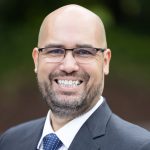
Known as “The Daily Performance Expert,” Doug Fleener is an ex-addict turned successful CEO, business advisor, keynote speaker, and coach. His extensive experience and journey of over 30 years in recovery and business give him a unique perspective with proven expertise and fast, high ROI results. His success started with his failures and the low-point in his life.

He bankrupted a family business due to his alcohol and cocaine addiction. He started anew on that fateful day, applying the same tenets of recovery to the business world: living one good day after another, believing in the power to change, taking responsibility for his actions and life, simplifying processes, and helping others succeed.

He lost that business but gained a whole new way of living and working. He was a corporate director at the Bose Corporation and CEO of a national company. He has spoken and consulted around the world. All from losing everything and learning the principles that saved his life and made a life.

He now shares these insights globally, fostering high-performing, engaged workforces that improve short and long-term results. He believes that higher levels of performance and success can be achieved within a day—the day that makes the year that shapes a life.

His new book, The Day Makes the Year (Makes a Life): Transform your work and life with One-Day Success (Five Leaf Clover Publishing) is now available.

Connect with Doug on LinkedIn and follow him on Twitter.

What You’ll Learn In This Episode

  • Top techniques for successfully practicing Relentless Simplicity throughout the day
  • How to tap into the Superpower of Taking Responsibility
  • One-Day Success: The 6 principles and accompanying practices to achieve more growth, success, and happiness
  • The ​Power of ​Intention and how to choose what to prioritize
  • How he used the principles of recovery to transform from a jobless addict to a successful CEO, ​executive coach, and international speaker

This transcript is machine transcribed by Sonix.

TRANSCRIPT

Intro: [00:00:04] Broadcasting live from the Business RadioX studios in Atlanta, Georgia. It’s time for High Velocity Radio.

Lee Kantor: [00:00:14] Lee Kantor here. Another episode of High Velocity Radio, and this is going to be a good one. Today on the show we have Doug Fleener. He is the author of the new book, The Day Makes the Year Makes a Life. Transform your Work and Life with One Day Success. Welcome, Doug.

Doug Fleener: [00:00:33] Thank you Lee.

Lee Kantor: [00:00:34] I am so excited to learn what you’re up to. Tell us about the the first of all, the premise of the book. What’s it about?

Doug Fleener: [00:00:43] Well, the premise of the book is that about 37 years ago, my life hit rock bottom and from a cocaine and alcohol addiction and had to rebuild my life and went into recovery. And I learned some very, very valuable lessons in recovery that obviously not only helped me stay clean and sober for 37 years, but more just as important has helped me in business. And so I really wanted to share those principles. Luckily, most people don’t need to go into recovery, but some of those principles can really help someone be successful in whatever they do, both business and in personal life.

Lee Kantor: [00:01:21] Well, even people not in recovery have heard the phrase one day at a time. It sounds like you’re taking that and really looking at that in different facets of that phrase.

Doug Fleener: [00:01:32] Yeah, yeah, it really is the premise and the foundation for the book. There are six principles altogether, but the very first one is the day. And you know everything. Everything you need, everything you want, your future, everything is really is created in the day. And I work with a lot of business owners and, and they’re either in the past or far out in the future and not doing what they need to do in the day to be successful.

Lee Kantor: [00:01:56] And what are kind of some symptoms that you’re not kind of in that present moment, that you are either kind of time traveling backwards into some nostalgic past or into some future that may or may not ever occur.

Doug Fleener: [00:02:12] Well, showing you’re stuck in the past is kind of when you talk about what you used to do, or probably even bigger, is that there’s kind of resentment and regret, and a lot of us carry around a lot of that, and that really keeps us from being in the moment. And for about the future, I think, is people have a lot of plans, a lot of ideas, a lot of things they want to accomplish. But if you ask them, what did they do in the day? They spent most of their day on task that isn’t necessarily really creating that future. And so when you’re really focused on what you want to have, it’s not like you don’t think about the future, but it’s what you have to do in the day to create that future you want.

Lee Kantor: [00:02:49] So how do you attack each day so that you do wring out the most out of each day? Is there kind of a template that you have for the day that it begins a certain way, and it has its own rhythm that’s predictable and repeatable, like how does it work?

Doug Fleener: [00:03:04] Good question. And, you know, I think it really starts with how you start your day, the mindset, the plan that you have, the priorities. And so one of the things I learned early in recovery is trying to identify who did I want to be that day and what did I want to accomplish that day. And early on, it was just get through a day without a drink or a drug. And over time it started to be manage organizations and what have you. So I think it’s about understanding. You start your day with where you want to go. You just don’t hop in the car and think you’re going to go on vacation and don’t know where you’re going, but you do have a map, if you will, of what you want to accomplish. So it really starts right there.

Lee Kantor: [00:03:44] Now, how does an individual, especially an entrepreneur, kind of balance all the the different priorities they might have? So, for example, they might have a priority of, okay, I’m the leader of this company. So I want to achieve these things at the end of the year or the end of the, you know, as my legacy as this business owner. But I’m also a husband, so I want to have these, you know, I want to be this type of a husband, and I want to be this type of a father, and I want to be this type of a community member. How do I kind of structure the day so that I am kind of winning at all of these things that I’m trying to accomplish as a person in totality?

Doug Fleener: [00:04:28] I love that question. And because I talk a lot about that, and it really starts with priorities. And when people think and use that word, and when you think of priorities, most people think about prioritizing tasks. But you said it. You want to prioritize your life. Understanding what are your priorities. And as you mentioned, right, I’m a business owner. I’m also a father. I’m a husband. And understanding that what those priorities are and really investing your time and energy in that. You’ll talk with people again. They’ll say that, you know, so obviously if you’re a business owner, probably, you know, the number one on the business side is revenue, you know, revenue and profits. But if you ask them where they’re spending their time, you know, they’re focused on social media. They’re, you know, if they’re a retailer, they’re unpacking an order or what have you. So, you know, I do believe that you can have I like to call it work life harmony because it can’t always be in balance. Right? There are just times we have to work more, and there are times if we go on vacation with the family, we need to be in our personal life more. But we can create harmony. But it starts with really having intentional actions each day to achieve all those priorities.

Lee Kantor: [00:05:41] So in your work as a coach, how do you kind of triage someone’s situation? I know in a coaching environment, I’m sure most of the time, hopefully, that they’re coming to you and saying, I have a problem and help me. So they’re at a vulnerable point of humility, maybe where they are asking for hope. So they are kind of at least have their guard down and they’re not as reactive, hopefully. But when they come to you and you see like, okay, things are out of whack, maybe they do have addiction problems, maybe they’re have strained relationships. How do you kind of triage that and give them kind of bite sized ways to improve so that don’t overwhelm the situation? Because I’m sure when you were in the midst of your addiction, it was difficult to have conversations to you about, hey, you know, maybe this isn’t the right thing to do. You know, you may not have been open to having those conversations.

Doug Fleener: [00:06:35] Well, you know, I like to start off with, you know, helping the the owner or whoever the person is being coached is first identify what their priorities are. I look at my priorities every day, you know, and and they move around in level and rankings, if you will, based upon the day. But my recovery comes first and then my family and my friends and and then drive in revenue. One of my priorities is helping more people. So I have a little process that we call the we call it the map. And the the map is where is mindset, actions and priorities. And it really starts with, you know, with the priorities. But the map is a better analogy, if you will. And so again, understanding what your priorities are and then get the person to focus on what’s their mindset for the day. You know, I start my day every day again trying to determine what kind of person do I want to be. But, you know, the issue is that most people don’t turn that into actions. You know, we aren’t what we think. We are what we do. And so, you know, I’m very good on liking to use simple little things. Like every day I have a reminder pop up in my phone to do five good things a day. Now, I’d like to think I would just do them without a reminder, but I know that when I get out of myself and do something for others that I’m going to, I’m going to be a better person. And as a result, I think that comes back to me three fold. So really get a person to understand how they think, what they focus on and then what they do. And it’s really a shift for most people.

Lee Kantor: [00:08:15] Now, the day before your first day of being a non addict, could you have thought in these terms?

Doug Fleener: [00:08:26] Oh no. No not not at all. And um, you know, there was a point when, uh, and my backstory is I bankrupted a family business. I hurt a lot of people. Uh, it was back in Florida in the 80s, and it was in the cocaine cowboy Miami Vice days, and I just. I stole a lot of family money. And, you know, one of the reasons I had to learn how to live like this is because I had such regret. I had such shame, such guilt, and I had to learn how to live this different way. And that’s why I like to start within the day is, you know, what are you going to what are you going to accomplish in this day? Who are you going to be in this day? But without recovery, I don’t think I ever would have started thinking like this. And again, it’s it’s interesting. So I run a Facebook group called The Highly Effective Business Owner. And what I really focus it on is being effective, being effective in the day, being effective as an owner. And again, these are things I never could have done without first learning how to live my life differently.

Lee Kantor: [00:09:33] So even in the even when you’re struggling with having multiple priority, the word priority and the word priorities to me are they might one might be a plural of the other, but to me that has they have different definitions because a priority means the most important thing. So if there’s priorities, now you’re saying there are several most important things, which it kind of goes against the definition of the word priority. How do you kind of I know you’re shooting for harmony, but how do you kind of prioritize the priorities?

Doug Fleener: [00:10:14] That’s a good question. And, you know, there are so many different elements of of our life. And, you know, so I do I again we start off, most people have five, six, seven different priorities that are important to them. And you know, I’m really like to keep things simple. They all can’t be the priority at the moment, right? I can’t be a maybe a good husband while I got a fire at work and what have you. So it’s really about understanding what is the right choice to make at the right time. And we always have choices, and I think that’s where that’s another element in the book. We call it taking responsibility. It’s kind of a superpower, if you will, because when you own everything that’s happening to you, you have the power to change it. If you think you’re a victim of it, you think some some circumstance you have no control over, then you can’t fix it. So it’s really making those right choices at the right moment.

Lee Kantor: [00:11:16] Now, at some point, don’t you have to determine, as a human on this planet, what is my true north like? What is, you know, kind of the goal of goals? What is this like? I have to have that clear vision of what my standard is before I can prioritize anything.

Doug Fleener: [00:11:42] Yeah.

Doug Fleener: [00:11:43] I think it’s knowing, right? I mean, it’s kind of, you know, cliche, if you will, but, you know, at the end of the at the end when the end of the road comes, you know, what did you accomplish? What do you want people to see. And, and rarely, you know, does anyone say, oh, man, you know, he, he, he ran a hell of a warehouse chain. Uh, right. It’s it’s who we are as people. And I think it’s again, it’s in balance with family and friends and what have you. But for me, it’s I always want to make sure that my actions are congruent with who I want to be. And, you know, a lot of people get in a lot of trouble, if you will, because there’s such a disconnect between those. And again, I think there’s just times where, right, we we need to make money. We, we need to spend time with family. And it’s making sure that we’re really making those right choices at the right moment and understanding that you can have it all. I mean, I like I like to joke and say that, you know, whoever said you can’t have it all didn’t own their own business. Because when you own your own business, especially, you get to make some of these choices.

Doug Fleener: [00:12:52] Right?

Lee Kantor: [00:12:52] Because ultimately the buck stops with you. There’s no kind of, you know, obnoxious boss who doesn’t get you. You’re the obnoxious boss who might not be choosing wisely. Now go ahead.

Doug Fleener: [00:13:06] Let me just say one thing real fast on that. It’s funny, I worked with with a coach, Alan Weiss, and I love it. But he would say to the people is he says, you know, so most of you people who are self employed work for a terrible boss.

Lee Kantor: [00:13:21] Sadly that’s true. They may not thought it was.

Doug Fleener: [00:13:25] A great line.

Lee Kantor: [00:13:26] Now, is there a way to prevent kind of an overwhelm? Because I can see, especially in entrepreneur, when they’re wearing multiple hats, that by itself seems overwhelming. But to to create kind of action items for myself just on my business, that to do list can get really out of hand quickly. And then if I layer in my personal life and my family life and my community responsibility life, all of that stuff can really overwhelm. Is there a way to manage each of those so that I am being effective with each of those different priorities that I do have?

Doug Fleener: [00:14:09] But I think that’s where starting off at the start of the day, understanding, you know, what do you want to advance? What is my most focused, my most important, my priority. And so again, if I think about, say, driving revenue, it’s not one thing is just to open the doors and whatever your business is, but it’s also making sure that we are doing the strategies and we’re doing the things in the day that will drive revenue. And if you’re the owner, you know, unless you’ve got a sales manager and you’re positive they’re doing it, then then you have to be doing that. So it’s knowing that, you know, when you do get overwhelmed, what happens? Nothing happens. So it’s really focusing on what are those that next most important thing I like personally I like the time block. So I’ll block out, you know, if I have something very important, you know, if you wanted to, if you had the opportunity to meet someone who’s really important in your life and you could meet them for an hour, you would put it on your calendar. You’d even probably go to that location early. You would really block it out. But we don’t block it out for ourselves and for the people around us. So time blocking, I think, can really be important. It’s like, you know what, for the next hour, this is what I’m going to do. The other thing I think owners have that entrepreneurs and owners have to do better at is learning just to say no and just say not now. So often they don’t own their own time. They don’t own their own day. Anyone can interrupt them. And I think sometimes when you’re really focused on the right things to get done, you have to be able to say, hey, not now.

Lee Kantor: [00:15:44] Now in your life when you were making the transition from addict to being in recovery, when did you start believing that, okay, this time it’s going to stick. This time is the time that I am going to, you know, get to the other side of this.

Doug Fleener: [00:16:05] Yeah, it actually for me, it happened very early in my recovery. At the time, I owned a marine supply store, and I went to into a recovery meeting after about 3 or 4 days. And I walked in and, and I saw some guys that I really that I knew some of my customers. And they walked up to me and they said, we’ve we’ve been waiting on you. And so that kind of tells you how well I was hiding my life. But you know what? I what really inspired me is that I saw happy people. I just remember walking in this room and it was bright and there was laughter. And I thought, you know what? I, you know, people can live this way and be happy. And and I try to bring that not only to people in recovery, but also people outside recovery. And, you know, and I appreciate this conversation we’ve had about, you know, keeping this work life in harmony or in balance, whatever you want to call it, that, you know, there’s a lot of people out there who do it, and it’s understanding that the payoff is so well worth it. You just have to do it a day at a time.

Lee Kantor: [00:17:13] Now, any advice you mentioned how during the period that you were an addict, that things didn’t go so well for a lot of people, and I’m sure some of the people were close to you and some of the people might have been family members of you. How would you recommend a family member that has a member of their family going through something like this to help them help themselves? I know you can’t fix anybody else, but as a I’m a parent and if my child was going through this, it would be I know that I would be torn. You know, I’d want to do everything to protect my child. But I also they got to kind of deal with the ramifications of their actions and their choices. How would you advise a family member to help somebody that’s going through addiction?

Doug Fleener: [00:18:07] I really appreciate that question. I think first, first and foremost, you have to take care of yourself. And a lot of people get lost in someone else’s disease. And and so it creates just even more turmoil in those. If, if you’re in a relationship and connected in any way with someone with addiction, alcoholism, and obviously there’s many addictions beyond drugs, you know, it can become a very chaotic life. So first and foremost, take care of yourself. And the second is to not enable people, you know, part of a part of the turnaround that can happen. And whether it’s, you know, you mentioned someone come to you for coaching and business and they’re hurting or on the recovery side, you know, at some point someone has to hit a bottom and kind of say, I’m done with this. Now, alcoholics and addicts have a potential to keep digging the hole quite well, but you can enable them. And I think that would you know, that would is the hardest thing for a parent is to watch your child suffer and and not try to fix them. You can give them every opportunity to, to get help, but ultimately you can’t enable them to the point that they can continue to destroy their lives and others.

Lee Kantor: [00:19:31] So when you started coaching, when did you start feeling like, okay, this is something that I do have a message that’s resonating. I can help people. And when when that happened, can you share a story that maybe kind of illustrates how you were able to help someone through their own challenges to get to a new level?

Doug Fleener: [00:19:52] The.

Doug Fleener: [00:19:54] And, you know.

Doug Fleener: [00:19:55] The coaching actually came out of I was director of retail for Bose Corporation. So it was with them and took them from one store to 100 stores. I ran a law office title firm. So, you know, the coaching was just a natural part of leadership. And so, you know, I’d been doing it. I just would never necessarily called myself a coach, but I was coaching people. And the story that I think about, I love to tell is about this woman named Kim. And we were opening a store up in Foley, Alabama. I don’t know if you’ve ever been there. Um, so they have some of the best royal red shrimp anywhere. And we met Kim and Kim. You could just tell she was this, this young woman who had so much potential, and she was the only person who probably didn’t see it. And I told him, I said, you know, I want you to be in a I want you to be a head cashier. And Kim was like, oh, no, I could never do that. And we would just like, Kim, just try it, don’t worry. And each time we Kim mastered what she was asked to do and what we did is and I think this is so important when you coach people is and it’s true in recovery is, you know, when when someone can’t believe in themselves, you believe in them, you walk with them, you show them that they can do it. And I will tell you, nothing made me prouder than when Kim would eventually become store manager of the year at Bose. And this is a woman who just didn’t even want to be a full time cashier. And so, you know, each time Kim got a new opportunity, she nailed it. But she and eventually she got to that place where she believed in herself. And to me, I think that’s just, you know, coaches just don’t, you know, tell you what to do, but definitely walk with you and get you to that next level.

Lee Kantor: [00:21:54] Good stuff. Well, Doug, thank you so much for sharing your story today. You’re doing such important work and we appreciate you. If somebody wants to get a hold of the book, the day makes the year. Where should they go? Is there a website that you have for your coaching? What are the best coordinates to connect with you?

Doug Fleener: [00:22:12] Uh, thanks. So the book The Day Makes the Year Makes a Life. It’s available on Amazon, Barnes and Noble and other online sites. You can find me on Doug at Doug fleener.com. And again, if you’re a business owner, I’d love to have you join our group where we help each other become much more effective for more personal and business success. And you can get that at the highly effective business owner.com.

Lee Kantor: [00:22:40] Good stuff. Well, thank you again, Doug.

Doug Fleener: [00:22:43] Thank you, Lee. Really appreciate getting the message out.

Lee Kantor: [00:22:45] All right. This is Lee Kantor. We’ll see you all next time on High Velocity Radio.

Tagged With: Doug Fleener

Forrest Tuff: Visionary Thought Leader

November 3, 2023 by Jacob Lapera

Atlanta Business Radio
Forrest Tuff: Visionary Thought Leader
Loading
00:00 /
RSS Feed
Share
Link
Embed

Download file

Forrest Tuff is the CEO and Founder of One Vision Productions, an award-winning media and branding agency voted “Best of Georgia” and one of Atlanta’s “Best and Brightest Companies to Work For.”

Recognized among Georgia’s Most Influential Leaders, Atlanta’s Most Powerful Leaders, and the Top 100 Transformational Leaders by the John Maxwell Team, he is a Master Life Coach, Master Certified Motivational and Accredited Speaker®.

Known as the “Brand Strategy” expert, he has given keynotes and workshops throughout the U.S. and 15 countries across five continents. He is also an accomplished producer recognized by his trademark Filmpreneur® due to his creativity and entrepreneurial skill set.

His projects include commercials, documentaries, films, music videos, podcasts, stage plays, and television shows. An avid volunteer and philanthropist, his Pay It Forward program annually awards a grant to a nonprofit.

He is a recipient of the Outstanding Georgia Citizen Award, MLK Community Service Award, and President’s Lifetime Achievement Award.

Connect with Forrest on LinkedIn and follow him on Facebook and Twitter.

What You’ll Learn In This Episode

  • Servant Leadership
  • Professional Speaking
  • Coaching Services (Business/Life)
  • The Film Industry
  • Philanthropy and Volunteerism
  • Fatherhood and Parenting

This transcript is machine transcribed by Sonix

TRANSCRIPT

Intro: [00:00:04] Broadcasting live from the Business RadioX studios in Atlanta, Georgia, it’s time for Atlanta Business Radio. Brought to you by On pay. Atlanta’s new standard in payroll. Now, here’s your host.

Lee Kantor: [00:00:25] Lee Kantor here, another episode of Atlanta Business Radio, and this is going to be a good one. But before we get started, it’s important to recognize our sponsor, Onpay. Without them, we couldn’t be sharing these important stories. Today on Atlanta Business Radio, we have Forrest Tuff with One Vision Productions. Welcome.

Forrest Tuff: [00:00:44] Hey, thanks for having me, Lee.

Lee Kantor: [00:00:45] I am so excited to get caught up with what you got going on. Tell us about One Vision Productions. How you serving folks?

Forrest Tuff: [00:00:52] So basically we’re a media production and branding agency, and our job is to make other companies look good. We tell their stories through various media outlets, and we work with them to get their best message out to their consumers.

Lee Kantor: [00:01:04] But your business also is beyond just the actual act of production, right? You’re helping people in a lot of ways speaking, coaching, philanthropy, there’s tons more facets to this than just producing videos and media, right?

Forrest Tuff: [00:01:18] Yeah, absolutely. But as far as One Vision Productions, that’s where it started. That’s where everything kind of spearheaded, just with that mission to just make our customers look good. And so now it’s grown into other aspects, as you said, you know, speaking, training and doing other things to help businesses grow.

Lee Kantor: [00:01:36] So for the folks out there that maybe are right now working in one space, how do you kind of expand into those other complementary services? How did that come about?

Forrest Tuff: [00:01:46] You know, actually it was kind of organic, you know, working in this media space. I actually had someone to say to me, hey, we having a conference and we’d love for you to come out and speak. And in doing that, they asked me, you know, how much would they would it cost for me to come out and speak? And so that started my professional speaking. You know, I wasn’t really thinking about it, but that was the catalyst that got me going in that space. And for years, for about seven years, I wanted to give back to other organizations. So I became a mentor with Score. That’s a resource partner through the Small Business Administration. And so I had the opportunity to mentor hundreds of businesses and teach workshops and help individuals grow their business and actually help others sustain their businesses. So that’s how some of these other things started to branch out from just the production.

Lee Kantor: [00:02:38] So that’s a great lesson for entrepreneurs is to always be open to other things, to not just go, okay, this is all I do. So, you know, I’m not interested in anything else. So if something is interesting to you, you should kind of pursue it a little bit, right?

Forrest Tuff: [00:02:51] Yeah, absolutely. And you know, one thing I always say about business, because we’re in the business and I always tell people we’re in the business to make money. Yes, we’re serving a customer, but we’re in the business to make money, support our lifestyle, support our families and kids and other things. So you have to know when there’s an opportunity for you to pivot and create more revenue and not pigeonhole yourself if that opportunity makes sense. So I will say this if it makes sense, and you can prepare yourself mentally and get the things you need to help you make those pivots, then I think it’s great to continuously grow your portfolio.

Lee Kantor: [00:03:28] So how do you kind of decide if something makes sense or not? Do you have kind of a checklist, or is there some philosophy that helps you decide, okay, I’m going to pursue this or I’m not going to pursue that?

Forrest Tuff: [00:03:42] Yeah, I operate out of the storytelling vein. It’s kind of weird, but when I started out doing this video thing, even when I was a kid, it was just video. Tell stories, capture memories. So as I started a business 20 years ago, that was what I wanted to do. I wanted to continue to tell stories. And as it grew, we started to tell stories not only from a wedding, from films, but also we’re telling the stories of government agencies, corporations. So I’m in that vein. And when I got into. Public speaking. I was doing the same thing. I was telling stories. I was finding ways to share things that would help others to grow. And so is the same with coaching, listening to stories and and listening to people. And so it’s all about really taking the time to care about people, listening to people. And that’s usually the things that help me to find out what I could be interested in.

Lee Kantor: [00:04:38] Now, throughout your whole career, you’ve been recognized as, you know, best and brightest, best of Georgia, great place to work. All these kind of all this recognition around kind of really the culture of your company. How did you kind of build a culture that gets recognized so often? What were some. Like where did you go for mentorship or for learning in order to build a team and a community that you’ve done so far?

Forrest Tuff: [00:05:11] I think one of the things that originally helped me was. Coming up, I played sports, I played sports at a collegiate level. I actually wanted to play professionally, but due to an injury I didn’t go. So I did play at the collegiate level and I learned how to work within the team since I was a kid. So I use those same principles when I work with people. I had the small stint where I worked in retail and corporate, and there were some things that I may not have agreed with, but there were also some things that were very valuable in terms of team building and those exercises. So I use that positive mantra of reinforcing people and letting them know the vision and being a part of that vision, because when people can take ownership of something and you also support them to grow, oftentimes it can have a positive effect. So in my case, that’s what I did. And that’s how I’ve been able to have such an impact with not only my team members, but just individually and just the things that we’ve done with our clients and customers over a period of time.

Lee Kantor: [00:06:14] Now, what are some dos and don’ts? Maybe for some young leaders and then even some that have come through sports? Because in sports, for every nurturing, benevolent dictator like coach, there’s the, you know, kind of my way or the highway. I’m, you know, listen to me or I’m going to yell at you or humiliate you. Any dos or don’ts for that new leader, because sometimes there’s some, you know, poor examples, especially in the world of sports.

Forrest Tuff: [00:06:42] Absolutely. I think training is necessary. I would be remiss to say that all of these things that we’ve accomplished were without training. So if you find yourself in an area where you recognize that you may not have. The best training or the most knowledge. Go get it. Anytime I wanted to step out into another arena, just like public speaking, it wasn’t something I just jumped into. I actually went in. Trained with Toastmasters, and then I became a member of the National Speakers Association. So it took time and training, even with your team members taking leadership classes. So those are the things I would encourage anyone. Is that as you move into these new spaces, there’s so many different certifications or trainings that you can take to not only become better at what you do, but to also help your team become better. So that for me is how I did it. And I would encourage anyone that’s embarking in entrepreneurship or any type of leadership to make sure that you stay on top of training and always listen.

Lee Kantor: [00:07:46] Now when it comes to coaching or training, how do you kind of discern which are the people that really know something? And then who is somebody who might just be saying they know something because it’s kind of the Wild West out there, and it’s hard to tell because people can look slick on a one page website and, you know, they can be persuasive even in person. But how can you tell? Or how do you kind of recommend vetting? What’s a good coach like? Who’s a good coach and who’s maybe, you know, need need some more time?

Forrest Tuff: [00:08:22] Well, I would say interview the person that you’re going to hire to be your coach. You know, one of the things that I did personally before I became a coach, and this isn’t for everyone, is I was a score mentor for almost eight years. I spent a lot of time learning just how to listen to people, how to find the right information. And once I did that, I began a journey with Transformation Academy to become a certified Master Life Coach. So there’s a process for me that took anywhere from 8 to 10 years. Now, that’s not to say everyone has to have that same journey, but for me, I wanted to make sure that I had a history and I had people that could verify the work that I’ve done. And I would say, for someone who’s embarking on working with someone. If you don’t feel comfortable, ask for references. Try to find people that can attest to what they’ve done and how they were able to support them in their growth. So that’s the thing. I would just do your due diligence. You don’t have to get caught up in social media, but, you know, find out what you know from them, spend some time talking to them.

Lee Kantor: [00:09:33] So when you were deciding, you know, you say, okay, I’m going to be a coach. Now, this is important to me. I think I can provide more value. How did you kind of land on transformational leaders? Like what? I’m sure you went through some. You had to kiss some frogs, right? You had to go and go, okay, this one isn’t for me. You know, this isn’t resonating. This one is more of a fit. Like, how did you go about choosing transformational leaders?

Forrest Tuff: [00:09:58] Well, I actually go through that vetting process myself. When I’m working with someone, I’m not just eager to, hey, let’s give me your money and I’ll coach you. I actually find out what is the end game, what are they trying to accomplish? Who are they? Because that that coaching fit is more like a synergy. It’s like a team, if you will. We we need to work together to try to find how we can grow in this space. So for me, it’s not just about you paying for something. We have a conversation. There’s a first thing we have. We have a 30 to an hour, minute long conversation just about what it is you’re trying to accomplish and your goals. And there have been some people that have suggested this may be a better fit for you to maybe try this route. Or maybe let’s try this on a small basis and see how it works out before we go further. And some we didn’t go further. You know, we maybe had 1 or 2 trial periods. We recognize that this wasn’t a fit and we moved on. So I think for both parties, I think you have to be open and willing to be honest about the relationship and about how you can communicate and if it’s going to work for you to gain that end result.

Lee Kantor: [00:11:05] So what are some when you’re having those initial conversations with someone, what are kind of some of the qualities that they must have, and what are some of the qualities that are kind of super red flags where okay, I know this isn’t going to work.

Forrest Tuff: [00:11:21] Red flags as if they already know everything. As you’re talking about it. That’s a red flag. Someone who already knows all the answers but is reaching out for help. That’s a red flag for me if you know everything. Secondly, if you’re not willing to engage in dialog, meaning true dialog is I listen to you and then I respond and then you listen to me. You respond that type of dialog to be able to actually hear one another. One of the things that I think happens so often is people. Talk at each other as opposed to talking to each other. They talk at each other. They’re saying things. They’ve been here, they’ve done that. And you know, often times it can lead to. A non synergistic, I would say energy between those two people. So for me I would say just having that. That place of actually being able to listen to one another and actually respecting the concept, to actually see if it’s going to be something that helps you.

Lee Kantor: [00:12:26] Now, is there a story you can share? You don’t have to name the individual, but maybe a success story where they came to you, maybe at a plateau, or they were struggling, and then after working with you, they got to a new level.

Forrest Tuff: [00:12:40] Yeah, I actually had a story. It was a family owned business and it was a mother and a daughter and. The challenge is that the mother was trying to exit the business, and the daughter was coming into the space of running the business, and they had done very well. The business had been around for about 25 years. They had been very successful. And the thing that happened is that. The daughter had different ideas, she had a different methodology. And I think that often happens when you run a business one way and you’ve had success, and then here comes someone now who’s like, oh, I want to do this and do that. And so that innovation oftentimes can seem daunting to someone who’s actually sustain that business and kept it afloat and kept it profitable. So in that sessions, in those sessions that we had, we were able to find a place where they embraced each other and respected one another’s viewpoints. And so it was a transition. And this happened over a period of time. I think we were working together for about three months. And in that transition, they began to embrace one another’s ideas and and see how they were able to work together and still be able to keep some of those old values, but add innovation and keep things up to times.

Lee Kantor: [00:14:00] And then in circumstances like that, a lot of times your role is just being kind of that, you know, honest third party, right? Like you’re you’re not there really advocating for one or the other. You’re just trying to keep everybody playing nicely together so they can all get the outcome they each desire.

Forrest Tuff: [00:14:17] Absolutely. And it involves a lot of listening in order to truly hear. Each person’s perspective and to see where they are having a miscommunication. So that is one of those areas. That was a very unique situation for me. But it was it was a great opportunity. To to sit back and listen and to see the end result for them to come to a conclusion. Because at the end of the day, when you’re coaching, you’re not telling someone. It’s almost like a physical therapist. A physical therapist isn’t going to fix you. They’re going to work with you until you get to the point where you can do it on your own. So I kind of look at coaching almost like an analogy of a physical therapist, someone that’s going to work with you and get you to a place where you start to be independent and you start to see how you can do things. And that, for me, was one of those great moments.

Lee Kantor: [00:15:12] Right. And it’s important to note that a lot of times, if they don’t have the humility to ask for a coach or the vulnerability to ask for a coach, and they try to do it themselves, they might have offended each other. They might have, you know, hit some hot button issue that they knew the other person was going to react to and they could have really done damage. And just like you said, with physical therapy, you can go, okay, I know how to do this, and then I can hurt myself worse than when I got here.

Forrest Tuff: [00:15:41] Absolutely. Absolutely. And I can attest to this, Lee, because as a person who’s. Coach others. I’ve also received coaching and it takes a different level of humility. It takes a certain level of being open in order to. And, you know, sometimes you have to have a little thicker skin because some of these things aren’t going to always rub you right. But if you want growth, you have to be able to receive it and know that it’s coming from a place of trying to help you grow. And, you know, don’t fight it, don’t fight it. So I’ve had coaching and I had to I’ve heard some things that made me go, oh yeah, I don’t really feel comfortable with what you said, but I had to realize that it was in the best interest, for I was trying to go.

Lee Kantor: [00:16:30] Yeah. And that’s the important part, is a coach like you said isn’t there to do it for you. It’s to help you be the best you. And sometimes that is some tough love or some asking you some hard questions.

Forrest Tuff: [00:16:43] Absolutely.

Lee Kantor: [00:16:44] So what do you need more of? How can we help you? You got so much going on. There’s a lot of plates spinning in your world.

Forrest Tuff: [00:16:51] Well, everything is kind of coming to a head. It’s it’s all in the same vein because now, you know, I’m running the media business, we’re doing films, you know, I’m doing speaking and also leadership training. And one of the things that I really focus on is youth. I really focus on helping the youth find their voice through teaching them how to speak, how to communicate, how to interview, how to present themselves. And that’s something that is now more for me, like a passion. I really love working with youth and I love giving back and into the next generation, so that’s kind of where I really am. I’ve always done this, but it’s just something now that as my kids are getting older, they’re out of college getting their master’s, I now can start to impart into other, other children. So that’s really where am Lee? I’ve just really want to continue to keep the business steady and grow it and continue to work with youth and give back.

Lee Kantor: [00:17:48] So if somebody wants to connect with you and learn more, what is the website? What’s the best way to get a hold of you?

Forrest Tuff: [00:17:54] Well, if you want to get in touch with me and other things, you can go to forest. Tough.com. That’s for two hours. Two t’s, two F’s forest tough.com. And if you want to know more about my business and working in the production space, you can visit One Vision productions.com.

Lee Kantor: [00:18:14] Good stuff. Well congratulations on all the success. You’re doing such important work and we appreciate you.

Forrest Tuff: [00:18:20] Thank you so much Lee. I really appreciate you having me on.

Lee Kantor: [00:18:22] All right. This is Lee Kantor. We’ll see y’all next time on Atlanta Business Radio.

About Our Sponsor

OnPay’sOnPay-Dots payroll services and HR software give you more time to focus on what’s most important. Rated “Excellent” by PC Magazine, we make it easy to pay employees fast, we automate all payroll taxes, and we even keep all your HR and benefits organized and compliant.

Our award-winning customer service includes an accuracy guarantee, deep integrations with popular accounting software, and we’ll even enter all your employee information for you — whether you have five employees or 500. Take a closer look to see all the ways we can save you time and money in the back office.

Follow OnPay on LinkedIn, Facebook, and Twitter

Tagged With: forrest tuff, One Vision Productions

Michael Williams With Bank of America

October 18, 2023 by Jacob Lapera

Atlanta Business Radio
Michael Williams With Bank of America
Loading
00:00 /
RSS Feed
Share
Link
Embed

Download file

Michael Williams holds the corporate title of Senior Vice President and a Small Business Banker Manager for Bank of America. He is responsible for leading 13 Small Business Bankers across Greater Atlanta. This team is responsible for delivering the full capabilities of our company to small business owners.

He joined Bank of America in July of 2011 as a Consumer Market Manager in Augusta, Georgia. During his 12 years, he has held multiple leadership roles in different markets and segments across our consumer, advance client solutions and small business enterprise prior to his current assignment.

He has championed various region and divisional initiatives and takes pride in being a change agent. Prior to joining Bank of America, he successfully held such positions as Regional Service Director, District Manager and Community Bank President during his ten-year career with another Top 5 Financial Services Institution.

During this time he received a great deal recognition for his success in sales, service, operations and team member development. He is committed to building high performing teams through the coaching and development of others by consistently and effectively executing trend based and real time coaching sessions with direct reports.

Michael defines success by his ability to make himself available to all team members as a sounding board as well as mentor, coach and to provide career developmental advance. He is an active leader within the community, volunteering and supporting organizations such as Cystic Fibrosis Foundation, Autism Society and Special Olympics.

Connect with Michael in LinkedIn.

What You’ll Learn In This Episode

  • What’s driving business owners’ positive outlook towards revenue expectations despite the threat of inflation
  • The economic factors small business owners are most concerned about
  • How women business owners’ recent experiences over the past 12 months have differed from those of male business owners
  • How women business owners have fared gaining access to capital
  • Factors that can create additional challenges unique to women business owners

This transcript is machine transcribed by Sonix

TRANSCRIPT

Intro: [00:00:04] Broadcasting live from the Business RadioX studios in Atlanta, Georgia, it’s time for Atlanta Business Radio. Brought to you by On pay. Atlanta’s new standard in payroll. Now, here’s your host.

Lee Kantor: [00:00:24] Lee Kantor here, another episode of Atlanta Business Radio, and this is going to be a good one. Today on the show, we have Michael Williams. He is the senior vice president, small business banking manager, Atlanta with Bank of America. Welcome, Michael.

Michael Williams: [00:00:42] Good afternoon and thanks for having me. Good to be here with you again.

Lee Kantor: [00:00:45] I am so excited to get caught up with you regarding some of the things that are happening in the business world here in Atlanta, and you have kind of a unique lens to all of the activity. Can you talk a little bit about your role?

Michael Williams: [00:00:58] Yes. Well, my role as a small business banking manager is I lead a team of small business bankers who are active in our local community, out in the field meeting with business owners, entrepreneurs, making sure that we’re providing access to capital, finding ways to help simplify their business, streamline productivity, as well as optimize overall cash flow.

Lee Kantor: [00:01:27] Now in your career, you’ve worked in a variety of roles in banking, including some work with community banks. Can you share a little bit about how a small business person should choose their banking partner? Like, what are some of the trade offs of going with a large enterprise bank like Bank of America versus a community bank?

Michael Williams: [00:01:48] Yeah. Listen, I will tell you that banking, just like anything else in life, is about connections, right? You want to get a team of good people around you. And so my personal recommendation is, you know, almost like an interview process, get to know your local bankers, whether that be through networking events, whether that be through Chamber of Commerce or just going in to some of your local institutions and, and really find out who’s listening to you and providing advice based on where you’re looking to take your organization and some of the specific challenges you may be facing.

Lee Kantor: [00:02:24] So what are some of the questions that small business owners should be asking of that banker?

Michael Williams: [00:02:30] You know, it’s always good to know a little bit about person’s professional background, the different programs and services that the institution provides. But I would tell you, it’s probably more about having someone who’s very interested in you and your business. How did your business get started? Right? Why are you passionate about what you do and what are some of the challenges you faced? And where do you want to take your business in the next 12 months, 3 to 5 years? So I would tell you more so than, you know, someone giving you their credentials. From a banking solutions perspective, it’s good to be with a true advisor, someone who’s going to take the time to understand your priorities, where you’ve been, where you are, and where you’re looking to take your organization.

Lee Kantor: [00:03:19] So if you’re not getting that kind of relationship with your banker, you should probably shop around a little bit then.

Michael Williams: [00:03:27] Yeah. Or let the person know also. Right. Hey listen, feedback is a is a gift. And so, you know, if I’m in a situation where, you know, I’m not getting exactly what I need or I don’t feel heard, I think one of the first things to do, especially if you vote both both parties have invested time in those relationships, is the first. Share that feedback. But definitely there’s nothing wrong with getting a second opinion.

Lee Kantor: [00:03:54] Now, because you do work for one of the largest banking institutions in the country, probably, probably in the world. I would think you have an interesting kind of lens into the small business community, and you’ve done a lot of work with surveys and and a lot of communication with a lot of people in the market here in Atlanta. What are you kind of sensing from the business community here in Atlanta?

Michael Williams: [00:04:22] Yeah, I will tell you, some of our recent surveys have shown that business owners overall are still very optimistic about the next 12 months. They are expecting revenues to increase. That’s down slightly from our last survey. But overall they’re expecting revenues to increase. And a number of businesses are expecting to expand and continue to hire.

Lee Kantor: [00:04:53] Now is it something just because entrepreneurs and business owners tend to be optimistic and look at the glass as half full? You know a lot, if not most of the time. Is it a function of that, or is there really kind of a true belief that, hey, that things aren’t as bad as maybe some of the headlines are saying they are?

Michael Williams: [00:05:14] Yeah, I would tell you that to your point, right? Small business owners, entrepreneurs are typically very optimistic. They’re courageous group. And so that’s a part of it. But the other part is listen, we’ve gone through some some major events. When you think about a global health crisis and being able to manage through that, and those things are also bleeding into the confidence that our small business owners are feeling as well. When you think about 67% of those business owners overall say they expect revenues to increase over the next 12 months.

Lee Kantor: [00:05:54] Now, is there anything that you’re seeing when you kind of parse through the data, like maybe break it down between male business owners versus female business owners, or maybe a minority business owners versus non minority business owners? Or is this just across the board.

Michael Williams: [00:06:12] It is across the board. But there are some things that are unique based on different factors. Right. So for example women entrepreneurs, business owners that were surveyed 63% of them expect revenues to increase. When you look at their male counterparts, the males are about 70%. If you go into some of the ethnic groups as well, Hispanic Latino business owners, 91% say they expect revenues to either increase or remain flat, with 63% of those surveyed saying they expect revenues to increase. Right. And you’re seeing that also increase in the African-American community as well, with 86% of black business owners saying they expect revenues to increase and three of four expecting to expand their business. And I’ll give you some examples of those just here locally. I think about we just helped a. A woman dentist opened up her practice, right? She’s been in the industry for quite a few years, has a great brand within the local community, and we were able to work with our Practice Solutions team that specializes in doctors, dentists, vets and help with accessing gaining access to capital to. Identify and open up a facility, as well as get the equipment she needed, and also cash flow for the staffing until the business can start generating enough revenue to sustain itself in a few months.

Lee Kantor: [00:08:02] Now we do hear a Business RadioX. We do a lot of work with women owned business businesses and the organizations that serve them. A lot of times you hear women business owners have a harder time accessing capital. Is that something that’s changing? Is there some tips you can recommend for a women business owner to get access to some of that needed capital?

Michael Williams: [00:08:31] When you think about women, business owners and access to capital of about 78%, right? Say that they. Plan to obtain financing. 1 in 3. Still feel like it’s very difficult for women to obtain access to to capital. Um, and so a lot of that has to do with, you know, access to advice. So once again, you know, having a relationship with a lender, right? 42% of women owned businesses said they didn’t have a relationship with the lender. So that would be one of the steps, right? Making sure that like we spoke about earlier, you develop a relationship with a local business advisor who understands what your business priorities are and can be a part of advising and helping you build a roadmap to get that access to capital. And then 31% felt they didn’t have the proper information or qualifications that made them feel confident. Would applying for access to capital. So, you know, really having your financials in order, right, 2 to 3 years of business and personal tax returns, being able to speak to your personal and business debts, having an advisor and an accountant or a CPA who understands what your long term goals are for the business. And taking that into consideration as they’re working on your financial documents as well, and advising you. But I would say the number one thing, there was an access or relationship with a lender.

Lee Kantor: [00:10:18] Now, in any business relationship with an advisor, are you and especially when it comes to banking, is it reasonable to ask of the banker for advice for, hey, what do you think I should do? Or is it something that you’re just presenting the banker with information like, here’s my tax returns, here’s my, you know, the bookkeeping information, and you know, you’re telling me, okay, maybe you could get a loan here, or if you did this, that would, you know, help you maybe make more money next year. Like, where is the consulting line as opposed to just, hey, we have access to capital. And if you bring me these documents, I check I have a checklist here and I check them all off and I have that. Then I can present this and then I can help you get a loan or, or help you kind of grow your business. Like where is consulting, advising? How do you kind of discern all of this?

Michael Williams: [00:11:21] Yeah. Listen, I will tell you, I think back to Hispanic and Latino business owners, and 84% of them who surveyed said they wish they had more educational resources, right, centered around their small business. And so, to your point, you know, um, a banking financial professional is a part of that. But sometimes it’s also about access to resources, educational resources, whether it be online or in person or courses or different websites. At Bank of America, we have our Bank of America forward slash small business site, and there are a lot of resources on there, including feedback and and best practices from other business owners. And so, you know, I would start leveraging additional resources. Your advisor is there to provide some level of direction and support. But at the end of the day, you are the quarterback of your business, right? Nobody’s going to care as much about that business as the owners and the people who are putting their blood, sweat and tears into it every day. And so just continue to do your research. Definitely leverage your banking professional. Right. But they can’t discourage you, nor should they discourage you from applying and leverage your different educational resources, whether it be through our site that has a multitude or some other resources out there, and then make sure you do your homework to make sure you’re aware of the different government programs and resources that are available as well.

Lee Kantor: [00:13:04] Right. But when you’re like most business owners obviously aren’t as knowledgeable about finance as a banker. Like this is what bankers do every day. This is all they’re thinking about 24 over seven, where a business owner comes in and they might be good at, you know, cutting hair, or they could be good at fixing a car, or they could be good at, you know, marketing programs. But to have somebody in your corner that’s kind of watching your back and then guiding you a little bit or encouraging you to to proceed, like you said, with government, there might be government money available, but you don’t even know what you don’t know. But the banker might see 50 applications of this in a week, and then they can say, hey, have you considered this? Is that reasonable?

Michael Williams: [00:13:52] That is reasonable to expect your banker to provide at, you know, point you in the right direction of different resources that you may be able to take advantage of, even things like community development programs as well, that that may be available that a lot of banks support. Bank of America, number one is a is a big supporter of community development, financial support that’s out there. So but everything is about having a team of advisors, right. No one person is the the keeper of of all answers. But between your team of advisors, I would say to any business owner, you know, get a team, a good team of advisors, who’s your banker? Um, who’s your your CPA or accountant, who’s your trusted person in the industry or mentor that you can work with as well? So I definitely agree with you. You should be able to lean on all of your advisors to make you aware of different resources that they’ve come in contact with, with their years of experience or resources that are available through that organization.

Lee Kantor: [00:15:06] Well, I think that that’s at the heart of what a good, trusted advisor is, because if. Are not helping you grow your business in tangible ways, not just executing whatever their job is. If they’re not kind of watching your back and letting you know, hey, there’s an opportunity here. Or, hey, you should meet this person here that I just met. Like, if they’re not actively helping you grow, then you better find a different trusted advisor because they’re not. It’s too hard to do this on your own. And you can’t just have vendors or service providers like bankers. Just do the minimum of just, you know, putting deposits in the bank and, you know, sending you a statement every month.

Michael Williams: [00:15:51] Yeah, exactly. We got to be thinking, like, as I said earlier, how do we help you streamline your business? How do we help you simplify your business, if you can, or how do we allow you to hold on to cash longer so you can invest in other areas? I met with a client earlier this year who was really right, starting to have a few issues when it comes to labor, right? And so they were thinking about ways that they can run their business more efficiently. And we were all able to get together and they connected with some folks and research and development, and we were able to help them finance a new piece of equipment that did not take jobs away. It actually allowed them to be more efficient with the staff that they had, and to invest in those employees in a way that they were able to build a different and even more complex skill set, which would serve them better in the future as far as higher wages. But all that started from a tour of her plant, right? And understanding the different challenges and where the business was growing and some of the challenges that the business was facing when it comes to talent, access to talent as a resource. Right.

Lee Kantor: [00:17:16] And that’s not an obvious place where a banker would help. But it was critical in the growth of this company. And that’s that’s a true trusted advisor.

Michael Williams: [00:17:25] Yes, sir.

Lee Kantor: [00:17:27] So if somebody wants to learn more, have a more substantive conversation with you or somebody on your team, what is the coordinates?

Michael Williams: [00:17:35] Um, go to Bank of America, backslash small business. That’ll be our resource site, which also allows you to set appointments with your local small business specialists, either in the financial center or one of our small business bankers that could come out to your place of business as well.

Lee Kantor: [00:17:56] And then when you have a banker and you are working with somebody, a Bank of America, is it something you should check in with them in person every quarter, every six months, every year? How often do you recommend having these kind of human to human conversations?

Michael Williams: [00:18:12] Yeah. Listen, I would definitely say at a minimum, um, every six months, but ideally about every 90 days. I was looking at one of our prior surveys, and it said that over 80% of the business owners had an action plan and were looking to adjust or revisit their action plan on a monthly, quarterly or semiannually basis. So a lot of business owners are starting to see the value of not only having an advisor, but to your point, meeting with them on a regular basis. So definitely every six months and ideally at least once a quarter, even if it’s just a touch base, um, to make sure things are still the same and folks move, right, folks? Folks get promoted or they go and follow other passions. And so you want to make sure that you and your advisor are still connected.

Lee Kantor: [00:19:10] Good stuff. Well, Michael, thank you so much for sharing your story today. You’re doing such important work and we appreciate you.

Michael Williams: [00:19:16] Oh, thanks for having me. And you guys do a wonderful job informing and advising the local community as well. So keep up the great work.

Lee Kantor: [00:19:25] All right. This is Lee Kantor. We’ll see you next time on Atlanta Business Radio.

About Our Sponsor

OnPay’sOnPay-Dots payroll services and HR software give you more time to focus on what’s most important. Rated “Excellent” by PC Magazine, we make it easy to pay employees fast, we automate all payroll taxes, and we even keep all your HR and benefits organized and compliant.

Our award-winning customer service includes an accuracy guarantee, deep integrations with popular accounting software, and we’ll even enter all your employee information for you — whether you have five employees or 500. Take a closer look to see all the ways we can save you time and money in the back office.
Follow OnPay on LinkedIn, Facebook, and Twitter

Tagged With: Bank Of America, Michael Williams

Kristin Bell and Laneisha Roberts With ReviewTailor

October 13, 2023 by Jacob Lapera

Atlanta Business Radio
Kristin Bell and Laneisha Roberts With ReviewTailor
Loading
00:00 /
RSS Feed
Share
Link
Embed

Download file

Laneisha Roberts, Co-Founder and CEO of ReviewTailor.

She has over 15 years of leadership experience in government and healthcare industries and has proven track record in leading and developing exceptional talent.

Previous founder of social app featured in AfroTech (BlessApp).

Connect with Laneisha on LinkedIn.

Kristin Bell, Co-Founder and COO.

She has experience with HR tech startups and fortune 500 companies across healthcare financial services, and manufacturing industries.

2019 SHRM Central Arkansas Rising Star Award and Advisory Board Member for VC-backed DEI/HR tech startup.

Connect with Kristin on LinkedIn.

What You’ll Learn In This Episode

  • Founding story
  • How bias manifests in the performance reviews/importance of equity
  • Who ReviewTailor targets

This transcript is machine transcribed by Sonix

TRANSCRIPT

Intro: [00:00:04] Broadcasting live from the Business RadioX studios in Atlanta, Georgia. It’s time for Atlanta Business Radio. Brought to you by On pay. Atlanta’s new standard in payroll. Now, here’s your host.

Lee Kantor: [00:00:25] Lee Kantor here, another episode of Atlanta Business Radio, and this is going to be a good one. But before we get started, it’s important to recognize our sponsor, Onpay. Without them, we couldn’t be sharing these important stories. Today on the land and business radio, we have Kristin Bell and Laneisha Roberts with Review Taylor. Welcome.

Laneisha Roberts: [00:00:45] Awesome. Thank you.

Lee Kantor: [00:00:46] Lee, I am so excited to learn what you’re up to. Tell us a little bit about review Taylor. How you serving folks.

Laneisha Roberts: [00:00:53] Yeah, yeah. So Review Taylor is an HR tech platform right now focused on performance management, performance management reviews. And we do our very best to enable employees and managers to have a more equitable and time optimized experience when it comes to performance reviews.

Lee Kantor: [00:01:13] So what was the genesis of the idea? How did this even come about?

Kristin Bell: [00:01:18] Yeah, so very funny story. Laneisha and I met in a Facebook group and kept in contact, and we started just to share our passions around having equitable outcomes in the workplace for people having very similar pain points. Lanisha from more of a manager people leader perspective, myself from an HR practitioner perspective, and decided that our current tools that we use around performance management were not solving for the root cause of the problem, which is saving time and equity within the process. And so we said, why not us? Let’s solve this problem together.

Lee Kantor: [00:01:55] So now walk us through what it’s like for a typical performance review happening right now in corporate America. Is it? Is it just super biased and subjective, or is it really getting to the heart of who are my real, true, you know, high performers and who are not?

Kristin Bell: [00:02:15] My question. So a typical performance review today, say is a very clunky and in some organizations manual process. If you were to ask 100 managers what was their most painful time of the year, I’m pretty sure at least 90% of those would say performance review time frame. The reason for that is because oftentimes managers have to keep track of employee performance highlights. If they are, let’s just start there. If they are keeping track of it in a potentially a spreadsheet or some disconnected data source. And so when it’s time for that annual or semiannual or whatever, the cadence is a review cycle, they’re having to reference various different sources to piece together one review for a single employee. And assuming that manager has multiple employees, this could be a very tedious process, and through that process, it can often lead to biases in the overall performance review process. You know, some biases that creep into the process could be halo or recency bias, where you know what, I can’t quite remember what you did 12 months ago, but I know there’s one thing you did last week. And so let me just highlight that and use that to support your overall performance for the year.

Lee Kantor: [00:03:38] Now, I have talked with several people in large organizations and they run into this. They too, as an individual, they dread this performance review time because they never can remember all the stuff. And then a lot of times they don’t. They dismiss some of the things that might be really important. And then, like you said, the recency effect where they remember the latest thing. So I was coaching them to just put a folder in your, you know, in your desk and just start just throwing stuff in there as you’re accomplishing things. Just so you remember the things that happened 12 months ago, because you’re never going to remember, you know, by going through your calendar or however you’re doing it now. It just seems so inefficient. But if you have somebody wrote a note complimenting you, or you have some success, throw it in this folder so you have at least data to support your, you know, whatever you’re trying to accomplish from a promotion or raise.

Laneisha Roberts: [00:04:39] Yeah. And that’s a really good point, Lee. And something that you, you point out there is that employees will still have to make the effort of creating whatever that performance highlight was or going into the system to update their goals. And that could be through whatever system that they’re currently using today, or if it’s just being kept on a spreadsheet or via email. But the one thing that I think really also sets Revue Taylor apart in this space is that for managers and employees, that information can now be tracked in one system, right? A centralized location. And at the time of the performance review, our system allows for all of those nodes and those performance highlights that have been gathered and the goal updates to now generate a review for you summarizing those accomplishments with the click of a button somewhere between 6 to 8 seconds. And so that’s also saving some time. That’s also supporting removing some of that recency bias or even some of the affinity bias. If there is, you know, just not the recollection of the data that’s been there and the accomplishments from throughout the year. So I think it’s a really important piece that that is missing today from a lot of the systems and the processes that we use. So even if employees are currently using a system where it doesn’t have that ability to pull everything in, they can still use what we have as our single user solution, where they can create their own review and then add that into their current system.

Lee Kantor: [00:06:08] Does this prevent some of some people are just better at these reviews and they’re better at spinning, you know, something that might be kind of minor into something major just because that’s their personality, they’re good at it, and other people are not good at it, where they kind of downplay the the contributions they make. Is does this kind of help each of that out so that the manager has a truer picture of what’s really happening?

Laneisha Roberts: [00:06:34] Oh yeah. Absolutely. And again, you know, the training that companies will give their employees and their managers about how to write a performance review will translate differently depending on how that information was delivered, how the employee and or the manager was able to adopt it. And so I think what I does in this case generative AI does in this case is it levels the playing field, right. It creates a space of access for people to be able to use something or system or technology that can help them to write and really thoroughly explain what they’ve accomplished throughout the year.

Lee Kantor: [00:07:15] Now, do you have any data to support the hypothesis that it’s inefficient, that there’s biases that are affecting performance, that the people with the highest performance aren’t necessarily being rewarded in the same manner as they should be? And maybe the there’s people in the lower end that aren’t being, you know, accounted for in that manner as well as their kind of data to support this is a better mousetrap.

Laneisha Roberts: [00:07:44] I’ll tell you what data we do have. Lee. We did a survey back in the beginning of the spring where we talked to a number of different employees, managers as well as HR administrators who would be overseeing the performance review process. And I want to say over 50% of those survey respondents really felt that there was a huge opportunity to create a more equitable practice within the performance review. The only other data that I would encourage organizations and people to look at is take a look at the demographic makeup of the organization. If you are able to see that a certain population of people are not advancing in the organization at similar rates, then there is an opportunity to really take a step back and assess and determine, are we evaluating talent in a way that is fair and that is equitable? Do we have a clear criteria that has been identified for singing? What is top talent. And those are usually conversations that don’t happen very often. And so many organizations are still operating from practices that are and could be outdated. So that is the data that I would encourage people to reflect on is what is your current organization look like and what people processes have been reviewed to to change that if it’s not a favorable outcome?

Lee Kantor: [00:09:10] Now, is this for the leadership of the organization? Is this something that is solving a problem that is a pain point for them right now, or is this kind of a nice to have? This would be great if we were able to do this. But, you know, by not knowing exactly if our performance reviews are optimal or optimized, you know, across the board, it’s kind of it’s kind of a wash, like, you know, you win some, you lose some. But is this something that they’re really missing out on opportunities? Are they really missing out on talent because they’re not rewarding the right people effectively? Like is this something that is a true pain point, or is it something that’s a kind of a nice to have?

Kristin Bell: [00:09:59] I’m sure. So I will say that review Taylor is solving for two pain points. One of those being the time aspect. And there is data numerous data available. One of those metrics is that on average, a manager spends 210 hours a year just on the performance management process. So we know that this is a pain point, not just experience in isolation and individual locations or organizations, but it’s something that’s shared across the board. So with our solution, part of our our aim is to truly address that time piece. And so because it’s such a tedious process, there are folks who are often, you know, truly left out of that process from a developmental standpoint, because if the review is just done to check a box, for example, because it’s a tedious process, then we miss valuable opportunities to truly nurture and develop and hold these crucial conversations with the employees during these, not just in the annual review stages, but also various points throughout the year.

Laneisha Roberts: [00:11:09] And I’ll also add on to what Lanisha shared there, something that comes to mind for me as a true HR executive here is cost saving mechanisms. And so when you think about traditional HR, you think about a non revenue generating function. However it is your people function and it is the function that drives the employees experience throughout their time at the organization and what their experience can be like post leaving the organization and cost saving mechanisms really contribute a lot to the bottom line, such as being able to retain employees, being able to develop the talent that you need internally, creating a culture of engagement that translate and that translates into productivity, which can then translate into, you know, how you’re able to acquire new business or market expansion or innovation for different ideas, ideas that can drive revenue. So being able to get employees the information that they need to continue their development, you know, largely benefits the organization. And we want to find a way to make it easier for the employees and the manager. I think that’s a definite area of concern and should be a priority to any organization that wants to be successful and go the distance.

Lee Kantor: [00:12:30] Yeah, I agree, I think that if you talk about it in terms of culture, that you’re not leaving anybody behind, that everybody is going to get kind of a fair shake at this. Then you have an opportunity to really, you know, kind of visibly practice what you preach. When you say people are your most important asset here is to say, I’m treating everybody equally here and everybody’s going to to kind of get the same treatment. It’s not going to be as affected by bias as these other more subjective ways of doing performance reviews. And I think that that could help in retention and in also acquiring the talent that you need to grow and to demonstrate that you actually do care about the people.

Laneisha Roberts: [00:13:16] Oh, yeah. Lee, it sounds like you’re already a believer. And we need to get you access to review Taylor.

Lee Kantor: [00:13:21] Well, what? Like, how does it work for, like, say, I’m in? What do I have to do in order to make this tool work for me?

Laneisha Roberts: [00:13:28] Yeah. So there’s two approaches here. One is a for a for a single user solution. So Lee, if if Business Radio or Radio X is using a system that is not currently review Taylor, and maybe you still want to make the process easier for yourself as an individual. We offer a freemium model where you can still download the solution and create an account, and you can keep your performance highlights there and you can still generate your review. You’ll just need to either export it as a PDF or download it, or copy and paste it. And then the second piece of that is, if you are a small business or a business that has less than 500 employees, then you have the option of exploring one of our packages and and being able to pick the right plan for you and your organization, and having that customized hands on support to getting this implemented and in access for all of your employees. So you can do that just by going to booking a demo on our website review taylor.com and one of our team leaders will reach out to you to to provide that support.

Lee Kantor: [00:14:40] So your target you’re really I mean, I would imagine your main goal is to get in front of HR people in companies under 500 employees, like the more of those you could reach, the better.

Laneisha Roberts: [00:14:52] Yeah, yeah, that would be for our business solution. And again, we do have another option available for those who may be at organizations where their H.R team is not budging. Or they maybe they’ve just signed a contract that they’re locked into as an individual contributor or an employee. You can still use that. And even as a manager, you can still use the single user version and create a review for your employees. And again, so we have two different audiences there. We have just the individual contributor, the manager for the single user, and then for the business solution. We want those small organizations that really care about their people and who care about getting it right early on in their journey.

Lee Kantor: [00:15:34] Well, thank you both so much for sharing your story today. You’re doing important work and we appreciate you.

Laneisha Roberts: [00:15:40] Awesome. Thank you so much. We are very passionate about this space and hoping that we’re creating the impact that will outlast us both.

Lee Kantor: [00:15:48] Yep. And that website one more time is review Taylor t I l o r.com. Thank you both.

Laneisha Roberts: [00:15:56] Awesome. Thank you Lee.

Lee Kantor: [00:15:57] All right. This is Lee Kantor. We’ll see you all next time on Atlanta Business Radio.

About Our Sponsor

OnPay’sOnPay-Dots payroll services and HR software give you more time to focus on what’s most important. Rated “Excellent” by PC Magazine, we make it easy to pay employees fast, we automate all payroll taxes, and we even keep all your HR and benefits organized and compliant.

Our award-winning customer service includes an accuracy guarantee, deep integrations with popular accounting software, and we’ll even enter all your employee information for you — whether you have five employees or 500. Take a closer look to see all the ways we can save you time and money in the back office.

Follow OnPay on LinkedIn, Facebook, and Twitter

Tagged With: Kristin Bell, Laneisha Roberts, ReviewTailor

Mandy Aran With Insight Food Group, Inc.

October 11, 2023 by Jacob Lapera

South Florida Business Radio
Mandy Aran With Insight Food Group, Inc.
Loading
00:00 /
RSS Feed
Share
Link
Embed

Download file

DTLLogo-Blue-Bannerv2Mandy Aran is the CEO of Insight Food Group. He is sought out as an industry expert in the food & beverage category.

With more than 40 years of experience, he has spent his career building, executing and creating brands for a host of companies, including The Coca-Cola Company, ARAMARK and Naturipe Farms.

He has developed long-term professional relationships and leverages these connections. At Insight Food Group, he brings together all facets of the food & beverage industry. From the color on the package to the quantity in the carton, his obsession with product perfection drives success for his clients.

Connect with Mandy on LinkedIn.

What You’ll Learn In This Episode

  • Learnings of year one
  • Understanding the power of relationships
  • The importance of organizational alignment – Sales and Ops
  • Giving back time to help others

This transcript is machine transcribed by Sonix

TRANSCRIPT

Intro: [00:00:01] Broadcasting live from the Business RadioX Studios in South Florida. It’s time for South Florida Business Radio. Now, here’s your host.

Lee Kantor: [00:00:14] Lee Kantor here another episode of South Florida Business Radio, and this is going to be a good one. But before we get started, it’s important to recognize our sponsor, Diaz Trade Law, your customs expert today on South Florida Business Radio, we have Mandy Aran and he is with Insight Food Group. Welcome.

Mandy Aran: [00:00:33] Thanks, Lee. Thanks for having me on the show.

Lee Kantor: [00:00:35] Well, I’m excited to get caught up with you. But for the folks who don’t know, tell us a little bit about Insight Food Group, how you serving folks?

Mandy Aran: [00:00:42] Well, you know, it’s funny because. 15, 16 months ago, I made the decision of going out into the business world on my own and use those years of expertise that I have in the food and beverage industry and kind of offer that specialized service to customers. So what we do, it’s on really three different fronts if we think about it. Number one is I buy and sell broker raw material to suppliers. We further manufacture it. I also represent brands in the marketplace as far as presenting to supermarket chains, wholesalers, distributors, etcetera. And then there’s the consulting piece where I help companies that need a little help on whether it’s general business consulting, management, consulting or, you know, how do I get my international item into the US? What do I need to know and how do I get there? And those are kind of the services that I’ve been offering for the last 15.

Lee Kantor: [00:01:45] So now what are some of the learnings of having been in business now for these 15 months? Was it as easy as you thought? Was it as simple as putting your shingle out? And then, you know, you build it and they will come? What have you learned?

Mandy Aran: [00:01:58] Well, you know, it’s been a humbling time, to say the least. First of all, happy birthday to Inside Food Group. We are officially a year old now after many months of trials and tribulations. But, you know, the first year of operation has been kind of humbling and inspiring at the same time. You know, you start with a vision and work to execute that vision, and then the business starts to grow and evolve. And it’s nothing like you plan for, okay? That’s also the beauty of being an entrepreneur As your presence in the marketplace starts to expand, you make those informed decisions and you might end up in a different direction than you would plan. But that’s part of the learnings and the experience of year one, right? And I wouldn’t want it any other way. There’s been a lot of support from family and friends, colleagues and most importantly to my wife who’s put up with me the last 31 years that I’ve had her unwavering support. So it’s a team effort on the home front. It’s a team effort with your relationships and how you bring them opportunities that since you have that relationship, you’ve cut down that time cycle of trying to introduce an item or a product or a service because you’ve targeted them specifically and they trust you to bring them only items or opportunities that work in their realm.

Lee Kantor: [00:03:19] Well, you mentioned that you have been doing this for a minute. It’s not like you had this idea one day and said, Hey, let me start offering this to people. So you had a network already. How important was that network in terms of getting feedback from them in terms of, you know, hey, this is a great idea. I’ll think of you the next time. And for them to open the doors and kind of advocate for you and say, Hey, I got a guy that knows how to do this. Has that been paying off for you?

Mandy Aran: [00:03:51] It happens every day. Okay. I have got a short list of folks that I call colleagues. Many of them are friends. I mean, I’ve been in the business for over 40 years, and I can tell you 5 or 6 people that I still have as business partners and business opportunity folks that are also my friend. So they’re going to give you not only the good and the bad, but the ugly. They’ll tell you, listen, if you do it this way, things might be a little better for you or think about this. So when you talk about learnings and experience, that’s where you get a lot of your learnings and experience from those relationships that you’ve built up over the years. And it doesn’t make it any easier. But at the end of the day, if it comes to a tie and it’s you and somebody else, seven out of ten times you’ll come out winning. You’re not going to win every time, but you have a leg up because of those relationships and that they know the way you do business is the right way to do business. There’s a lot of folks out there that, you know, don’t don’t preach it. I preach it and I live it.

Lee Kantor: [00:05:09] And that’s great advice for other people that are looking to go out on their own. It isn’t like a sign of weakness to ask the people, you know, for help and and to just say, hey, I’m out here doing this. You know, think of me next time you have that need because you already know me. I might have been somewhere else, but I’m the same person where I’m at today. 100%. 100%. Now, a kind of a corollary to that is listening to your clients, are you finding that the people that you are doing business with, when you really kind of immerse yourself into their business and helping them be successful, that that also bubbles up opportunities that maybe neither one of you had thought of initially.

Mandy Aran: [00:05:56] 100% agree with you on that one as well. You know, I remember having a simple breakfast meeting with a dear friend of mine who recommended that I reach out to a gentleman at the Latin American Chamber of Commerce here in South Florida called Carmichael. Now. They are a membership based organization. So I obviously became a member. But, you know, it’s not always being at the right place, at the right in the right time, but it’s also trying to give back to the folks in the community that you live in. Okay, So I’ve done a couple of workshops for them, both in English and Spanish because I am bilingual, you know, And that in turn led me to be a participant at a couple of trade shows as a presenter. Again, you’re giving your time, You’re giving your your expertise. Not only for the health of the organization, but in turn to help yourself. You know, there’s been plenty of opportunities where I’ve done some community outreach, gone to farmers markets, for example, where those start up brands start, you know, and get to know the folks and hear their passion about their business and their brand and what makes them a little bit different. That is eye opening When you get down into the grassroots of people that this is what they do all day, every day. It’s a little humbling when you can help them, when you can take them to the next step, when you can get them slotted into a small store opportunity where only, you know, the organization may only have 4 or 5 stores, but to them that leap into retail, into that marketplace is a tremendous opportunity. So, yes, to your point, there are learnings that come from all of this, but a lot of it comes from putting yourself out there, giving your time to others and helping them as much as you can.

Lee Kantor: [00:07:54] Now, as an entrepreneur now, and I’m assuming that a lot of your business is you, right? It relies on you to acquire the business and a lot of times it relies on you to execute the business. How do you kind of balance that, you know, your daily or or weekly workflow in terms of how much how often are you wearing that business development hat and how often are you wearing that consultant? Do the work hat.

Mandy Aran: [00:08:26] Well, thank God there’s 24 hours in a day. Lee You know, the most important thing for my organization, for Inside Food Group is to generate revenue, period. It’s if we don’t generate revenue, none of this helps. So I tend to spend and block hours of the day to do nothing else. But. Obviously, if there’s a, you know, a dumpster fire somewhere, you go and you solve it and you fix it. But I organize my day by blocking hours of time to dedicate my entire focus to that particular task. If it’s business development, then that’s what it is. If I am engaging with customers and following up on emails and phone calls, then that’s what I do. It’s getting yourself into a routine that you make, the time that you need to make the time some days or more, some days or less. There are no weekends and there are no holidays. You work and I have found that that recipe so far has worked well for my customers, my prospective customers, and for my work life balance. Okay. You make the time. You do what you need to do when it needs to be done and good things will come in the long run.

Lee Kantor: [00:09:44] Now, when anybody is starting any venture, it’s very tempting to just take business from wherever it it kind of bubbles up. Have you gotten to the point where you feel confident that you know that ideal client for yourself, the one that you wish you could clone, The one that if you had more of them, you could really serve the heck out of them. And that becomes the sweet spot for your business. Is there an ideal client persona for you?

Mandy Aran: [00:10:13] Well, the biggest thing that I’ve seen over time is a lot of folks think that they’re ready to take that leap. Okay. Of having someone represent their brand or having someone have someone help them generate all the necessary paperwork to come into the country. And more chances that than not, you find that those folks are just not quite ready. Because once you start peeling that onion and looking at the different things that the organization has done and that the organization needs to do, and you bring this to life to them, they start thinking about, Oh, you mean I needed to do this before I manufactured all that product? Yes, sir, you do. And that’s why it’s important to count on a consultant like myself that knows those steps in the progress and knows that step in the systems so that when you say you’re ready, you’re ready. There’s no worse feeling than, you know, going through the whole rigorous process of getting your brand approved and having it ready to go. And then you find something else over here on the side that you didn’t think about or you should have thought about and you weren’t ready. So part of that consultancy piece is make sure your customers are ready to go to market with everything, full guns blazing.

Mandy Aran: [00:11:42] You’re ready to go. And that in turn generates. The interest coming from the retailers when you tell them, listen, I’m licensed, here’s my distribution point. This is my marketing budget. This is how we plan to strategically place our products in your store. And here is an ad calendar, for example, of what our thoughts in because the leading presence in this marketplace, you’ve got to support your brand and there’s no backup. Yes, the brand is wonderful. The product is what you say it is. The retailer sees value and what you’re bringing to them, but there isn’t a plan behind it. The product just isn’t going to sell itself on the shelf. You have to create the excitement. And that’s what inside food groups and the other companies that I use to assist me in my business, you know, add that level of seriousness and integrity. You have to have all your ducks in a row. Everything has to be pristine because as I mentioned the last time on the show, you don’t get a second chance to make a first impression. And that first impression is critical.

Lee Kantor: [00:12:54] Now, is your ideal or an an ideal client fit for you, somebody that’s here in America that wants to expand in America? Or would it be somebody in another country that’s trying to get into America and then expand into America?

Mandy Aran: [00:13:12] It’s a little bit of both, Lee. There are folks that are have a presence in other states, for example, in Florida and are looking to break into the Florida market. Then that’s one opportunity. The second opportunity, obviously, is the international customers. Now, those take a little bit more time because there’s regulations that have to be met in labeling requirements. And, you know, something as simple as a UPC code. A lot of folks don’t think about that. But if you don’t have a UPC code, you can’t come to this country because there’s no way to distinguish what categories are coming in. So it’s a little bit of both. I’d like to call it a little piece of humble pie, for lack of a better term, where you got a little bit of a mix. You’re not, you know, depending on one category of business to run the entire business. So it’s good to have a nice mix of both and both opportunities exist and are being carried on every day.

Lee Kantor: [00:14:12] So what is happening in your prospective client’s business right now, where they should be going? You know what? I got a call, Mandy, at Insight Food Group. I think they can really help me. What is the challenge that they’re facing? What are the things that are keeping that person up at night when in terms of growing their business where they’re at today?

Mandy Aran: [00:14:38] Well, a lot of it has to do with with prior planning, right? The retail sector in the US is very strategic. It’s planned out your typical life cycle of entering a product into the US and getting it on the shelf is somewhere between 12 and 18 months. And that’s just the reality of the process, right? By the time you find that retailer that you’re interested in pursuing because it’s a geographical winner or whether it’s close to a port or something like that, you have to have somebody in place that really knows how to manage that process, that knows the process on the back end, so that when you’re guiding your customer, you’re giving them 100% solid information. Now, some customers insist on going another way. My job as a consultant is not to tell them what they want to hear, but tell them the realities. And that’s where folks learn to like you. That’s where folks learn to respect your opinion. And it’s a matter of guiding them in the right direction. Do I bring on every customer that I deal with? I wish. But that’s not the reality of this world. The reality is you’ve got to give them a reason to like you and seriousness, your experience in the marketplace. Anyone that comes in that wants to know what I do and how I do, the first thing I like to do is give them a reference to an existing customer. Here’s a number, here’s a name. Call them up and talk to him about what I’ve done for them. And I have that relationship with my customers where they’re excited to tell two people about me.

Lee Kantor: [00:16:24] Now, you mentioned going to these farmers markets and seeing all these people that are just out there taking a shot and grinding a lot of them. And a lot of times this is their first time, you know, they might have a day job and this is just a passion for them. They want to, you know, put it out there and see what the public thinks. Is there any advice for that person that is aspiring a food and beverage entrepreneur that you can share that can help them maybe get to a new level? You know what, Some of that low hanging fruit that these folks that you see that if they would just do a little more of this, maybe that would help them a lot.

Mandy Aran: [00:17:05] Well, the one thing I can tell you is when I go into these farmers markets and I talk to these startups or entrepreneurs, however we call them, I don’t come in there with a standard corporate grade. Okay? Many of them are working hand to fist, hand to mouth on keeping their business alive and keeping their dreams alive. So. I do. So I’m not going to say it’s free, but I do so at a much reduced cost so that they can take the expertise that I have and the experiences that I have with these organizations and elevate it a little bit. At the end of the day, they have to be committed to it. And yes, it’s going to require a little bit of an investment, but much less than if it were a standard organization coming in from an international organization just because of the level of work. Number one. Number two. You get to feel their passion. A lot of what we do when we’re out there selling is we tell a story. We tell a story about how that organization is, how it started. What’s driving them to get to where they are. And there is no better feeling than going to one of these markets on the weekend, talking to someone engaging and then two, three, 4 or 5 months later, you’ve got product on the shelf for them. That can be the next piece of sliced bread that America wants to buy. And you never know. And I want to give them that opportunity to succeed and be that Amazon of product of the week or what have you. That’s what gets me going. That’s what wakes me up every day saying, let’s make a difference for them. And I feel that with my expertise and the folks I know and the relationships I’ve built, I can give them that shot. And when this shot hit, the sky is the limit for them. And then in turn, I’m sure things will work out nicely for me as well.

Lee Kantor: [00:19:10] Well, mainly if somebody wants to learn more, have a more substantive conversation with you. What is the website? What is the coordinates to get a hold of you?

Mandy Aran: [00:19:21] Okay. My coordinates are w w w dot insight food group.com. There’s a button down the bottom that says to link up or let’s chat with me or hello insight food group and I can take it from there.

Lee Kantor: [00:19:39] Well thank you so much for sharing your story today. You’re doing such important work and we appreciate you.

Mandy Aran: [00:19:46] Lee, I thank you for the opportunity and hopefully I’ll get back on the grid next year and give you an update on year number two.

Lee Kantor: [00:19:53] Sounds good. All right. This is Lee Kantor. We will see you all next time on South Florida Business Radio.

Tagged With: Inc., Insight Food Group, Mandy Aran

  • « Previous Page
  • 1
  • …
  • 29
  • 30
  • 31
  • 32
  • 33
  • …
  • 116
  • Next Page »

Business RadioX ® Network


Our Most Recent Episode

CONNECT WITH US

  • Email
  • Facebook
  • LinkedIn
  • Twitter
  • YouTube

Our Mission

We help local business leaders get the word out about the important work they’re doing to serve their market, their community, and their profession.

We support and celebrate business by sharing positive business stories that traditional media ignores. Some media leans left. Some media leans right. We lean business.

Sponsor a Show

Build Relationships and Grow Your Business. Click here for more details.

Partner With Us

Discover More Here

Terms and Conditions
Privacy Policy

Connect with us

Want to keep up with the latest in pro-business news across the network? Follow us on social media for the latest stories!
  • Email
  • Facebook
  • Google+
  • LinkedIn
  • Twitter
  • YouTube

Business RadioX® Headquarters
1000 Abernathy Rd. NE
Building 400, Suite L-10
Sandy Springs, GA 30328

© 2025 Business RadioX ® · Rainmaker Platform

BRXStudioCoversLA

Wait! Don’t Miss an Episode of LA Business Radio

BRXStudioCoversDENVER

Wait! Don’t Miss an Episode of Denver Business Radio

BRXStudioCoversPENSACOLA

Wait! Don’t Miss an Episode of Pensacola Business Radio

BRXStudioCoversBIRMINGHAM

Wait! Don’t Miss an Episode of Birmingham Business Radio

BRXStudioCoversTALLAHASSEE

Wait! Don’t Miss an Episode of Tallahassee Business Radio

BRXStudioCoversRALEIGH

Wait! Don’t Miss an Episode of Raleigh Business Radio

BRXStudioCoversRICHMONDNoWhite

Wait! Don’t Miss an Episode of Richmond Business Radio

BRXStudioCoversNASHVILLENoWhite

Wait! Don’t Miss an Episode of Nashville Business Radio

BRXStudioCoversDETROIT

Wait! Don’t Miss an Episode of Detroit Business Radio

BRXStudioCoversSTLOUIS

Wait! Don’t Miss an Episode of St. Louis Business Radio

BRXStudioCoversCOLUMBUS-small

Wait! Don’t Miss an Episode of Columbus Business Radio

Coachthecoach-08-08

Wait! Don’t Miss an Episode of Coach the Coach

BRXStudioCoversBAYAREA

Wait! Don’t Miss an Episode of Bay Area Business Radio

BRXStudioCoversCHICAGO

Wait! Don’t Miss an Episode of Chicago Business Radio

Wait! Don’t Miss an Episode of Atlanta Business Radio