
Business RadioX ®

  • Home
  • Business RadioX ® Communities
    • Southeast
      • Alabama
        • Birmingham
      • Florida
        • Orlando
        • Pensacola
        • South Florida
        • Tampa
        • Tallahassee
      • Georgia
        • Atlanta
        • Cherokee
        • Forsyth
        • Greater Perimeter
        • Gwinnett
        • North Fulton
        • North Georgia
        • Northeast Georgia
        • Rome
        • Savannah
      • Louisiana
        • New Orleans
      • North Carolina
        • Charlotte
        • Raleigh
      • Tennessee
        • Chattanooga
        • Nashville
      • Virginia
        • Richmond
    • South Central
      • Arkansas
        • Northwest Arkansas
    • Midwest
      • Illinois
        • Chicago
      • Michigan
        • Detroit
      • Minnesota
        • Minneapolis St. Paul
      • Missouri
        • St. Louis
      • Ohio
        • Cleveland
        • Columbus
        • Dayton
    • Southwest
      • Arizona
        • Phoenix
        • Tucson
        • Valley
      • Texas
        • Austin
        • Dallas
        • Houston
    • West
      • California
        • Bay Area
        • LA
        • Pasadena
      • Colorado
        • Denver
      • Hawaii
        • Oahu
  • FAQs
  • About Us
    • Our Mission
    • Our Audience
    • Why It Works
    • What People Are Saying
    • BRX in the News
  • Resources
    • BRX Pro Tips
    • B2B Marketing: The 4Rs
    • High Velocity Selling Habits
    • Why Most B2B Media Strategies Fail
    • 9 Reasons To Sponsor A Business RadioX ® Show
  • Partner With Us
  • Veteran Business RadioX ®

Aly Merritt With Atlanta Tech Village

October 9, 2023 by Jacob Lapera

Atlanta Business Radio
Aly Merritt With Atlanta Tech Village
Loading
00:00 /
RSS Feed
Share
Link
Embed

Download file

Aly Merritt is a former copy editor with a residual addiction to journalism, and is currently the Managing Director of Atlanta Tech Village. She was previously the Head of Community at SalesLoft, an Atlanta-based sales engagement software company, and in past Lofter lives, she’s also been a part of customer experience, support and product management, as well as Chief of Staff.

She has spent the last decade of her career working with the Atlanta startup community to advance both local startups and Atlanta itself on the national stage, with a special focus on diversity, equity and inclusion, and contributes to their growth and culture by connecting startup hubs, VCs and organizations across the city. She also works daily to build a network of strong women in business and tech in Atlanta and across the country.

She previously organized and emceed the ATL Startup Village, a bi-monthly meetup to generate publicity, visibility and potential investment for startups in Atlanta, hosted at Atlanta Tech Village. She sporadically spends time writing about tech and the startup community on her blog, AlyintheATL.com.

Aly lives in Atlanta with her husband, Alex (who is an attorney and therefore very challenging to argue with), and their toddler son (who primarily argues over which is the “right” blue sippy cup). She still is unable to reconcile herself to the Oxford comma.

Connect with Aly on LinkedIn and follow her on Twitter.

What You’ll Learn In This Episode

  • Update on what’s been going on at Atlanta Tech Village
  • ATL Unlocked
  • InnovATL and the ATL innovation ecosystem

This transcript is machine transcribed by Sonix

TRANSCRIPT

Intro: [00:00:04] Broadcasting live from the Business RadioX Studios in Atlanta, Georgia. It’s time for Atlanta Business Radio. Brought to you by on pay. Atlanta’s New standard in payroll. Now, here’s your host.

Lee Kantor: [00:00:25] Lee Kantor here another episode of Atlanta Business Radio, and this is going to be a good one. But before we get started, it’s important to recognize our sponsor, Onpay. Without them, we couldn’t be sharing these important stories. Today on Atlanta Business Radio, we have Ali Merritt with Atlanta Tech Village. Welcome.

Aly Merritt: [00:00:44] Hi, Lee. Thank you so much for having me.

Lee Kantor: [00:00:46] Well, I am so excited to get caught up with you. So what’s been going on at Tech Village?

Aly Merritt: [00:00:52] Oh, gosh, there’s been a lot going on, not just at Atlanta Tech Village, but in the Atlanta ecosystem as a whole. And I am super excited to talk about it. Where do you want me to start? What’s been going on or what’s getting ready to happen?

Lee Kantor: [00:01:03] Well, let’s kind of get an overview of this. The Atlanta innovation ecosystem. How do you kind of see it all like from a 40,000 foot view?

Aly Merritt: [00:01:13] Oh, 40,000ft? Well, I think that one of the great benefits of Atlanta is that collaboration is our superpower. And so the Atlanta innovation ecosystem is made up of not only innovation hubs like Atlanta Tech Village, we include I think we’re at eight innovation hubs in the Unlocked group now, and we are adding in corporate innovation centers like the Chick fil A hub and boomtown accelerators up at up at the Battery. And then we’ve also got all sorts of things happening at the university innovation hubs at Emory and at Georgia State and obviously Georgia Tech, Morehouse and more. And then you’ve got all of the groups like Metro Atlanta Chamber and Startup Atlanta. So I think there’s a bunch of different pieces in our innovation ecosystem that make it up as a whole.

Lee Kantor: [00:02:00] Now, is there a kind of quarterback for all this, or is everybody kind of doing their own thing, serving the niche as they see it?

Aly Merritt: [00:02:08] Great question. For a while it’s been sort of a organic, bespoke effort, if you will. But more recently, obviously Metro Atlanta Chamber has a intense interest in the innovation side, although Mac has to cover, I think we have 17 or 19 counties that they cover. And so they cover a bigger piece than just innovation. It’s the Metro Atlanta Chamber or the metro Atlanta area as a whole. But startup Atlanta, which has been around several years and has been doing great work, has more recently been able to come to the forefront of driving a lot of the innovation pieces and sort of spearheading the more startup hub side, like what I run and interlocking that with some of the Metro Atlanta Chambers efforts and then connecting into the city and the mayor’s office, especially for driving some of the innovation visibility forward at a high level in Atlanta.

Lee Kantor: [00:03:01] And I know that here at Business RadioX, we’ve worked with the folks at Tag on some of the events that have been going around around the city as well. It’s just there are so many things happening and there are so many groups that are touching technology and innovation. Sometimes it’s hard to know how do I as an individual kind of plug in and where is you know, where are my people? Where is the appropriate place? Do you have any recommendations on how to, you know, first kind of get a lay of the land, but also to to find where where you would most benefit?

Aly Merritt: [00:03:33] Absolutely. And I think we’re at perfect timing for that. First of all, Tag is one of our fantastic ecosystem group partners. We have several, including Tie Atlanta, and they all play a specific part in the system by reaching out across the different hubs and actual physical spaces and schools as well. But one of the best places to start we’ve got I’ve got two suggestions. The first one is start up Atlanta. As mentioned, they sort of are quarterbacking a lot of the efforts. They have not only an ecosystem guide. They have not only an ecosystem guide on their website startup atlanta.com where you can find out all the different everything from a VC to an accelerator to a place to go, but they also have a shared events calendar. And that’s really where I recommend that a lot of people new to the Atlanta ecosystem are new to jumping into the innovation side start. I specifically asked my team and every other hub as well as the ones at Emory, the ones at tie tag events were all putting events into the shared community calendar so that you’re able to see at a glance what’s happening in the ecosystem. You can find things by geography. So where you are in Atlanta, which can be really important with rush hour traffic, but you can also find it by topic or by areas of interest.

Aly Merritt: [00:04:50] And then Startup Atlanta is working with a push from the Metro Atlanta chamber in the city called Innovators. So I in N of ATL and ATL 2023 is we’re right in the midst of it right now. It’s running September 26th through October 20th. So it kicked off last week with a lot of the events around Venture Atlanta, which is one of the largest venture conferences in the country, as well as a ton of ancillary events. And it’s continuing through this week and for the next couple of weeks. And so those events are not only at the start of Atlanta calendar, but also at the end of ATL 2020 3.com calendar. And you can see areas all across the city. One of my favorite panels just happened a couple of days ago called Built in the Burbs, and it specifically was focusing on the Hatch Grigg incubator at KSU, talking about the fact that there’s more going on than just ITP. I love ITP. I’m an ITP here, but OTP also has an enormous amount of innovation going on and we should be able to cross that border.

Lee Kantor: [00:05:51] Yeah, that’s Atlanta is less of a geography and more of a state of mind. I think there’s people all around, you know, Georgia that consider them part of Atlanta, you know, that aren’t in the city downtown.

Aly Merritt: [00:06:07] Now, there’s a larger, I think, mindset to what Atlanta encompasses. And to your point, more than just geography.

Lee Kantor: [00:06:16] Now, I know that your work is very tech centric. Is there a place for the folks that are doing things that aren’t, you know, software or technology may be first, but there they obviously use technology, but they they is there a place for them to kind of join this innovation ecosystem?

Aly Merritt: [00:06:37] Oh, absolutely. I think that’s the beauty of all of the different hubs and spaces in town, is that we all have slightly different verticals, niches or segments that we’re focused on, but we have a really lovely Venn diagram at a high level where we all overlap. Obviously we are very focused on the tech side. We’re working for proprietary tech startups at DC, at Georgia Tech, the Advanced Technology Development Center. Their focus is a bit heavier on tech, although they also have a lot more physical product side. I sent somebody there the other day that really wanted to get into some electrical engineering questions, for example, but then you’ve got innovation across the city. So the gathering spot has a huge focus on music design, media and entertainment, for example. And then you’ve got other areas that are focused all across the board of innovation. The Russell Center, which is the largest black innovation center in the country. And they focus on innovation at a high level, and they have an enormous amount of hospitality, for example, in addition to some tech, some media, some entertainment. But you’ve got areas like Salt Box, for example, which is doing great work for the people who used to have to ship out of their garages. You can only stack so many tiny boxes in your garage and ship them out for Etsy or your storefront and salt box streamlines the shipping, logistics the storage and gives you a space to work out of. At the same time, for people who are doing a lot of B to C and physical products. And then because we do still have a heavy duty tech focus, though, across the city and a variety of areas, the Atlanta Blockchain Center looks at tech in a different way than we do. And Atlanta Tech Park has really cool autonomous cars and then tech Alpharetta, while they have a focus in tech, they’ve been doing a lot of gaming and esports up there as well.

Lee Kantor: [00:08:20] Yeah, and we work with the GSU Entrepreneurship and Innovation Institute and they’re, you know, a lot of folks that are going through that program are more brick and mortar and smaller kind of mom and pop. And it just that’s what’s so exciting to me about Atlanta. And I think why Georgia such a strong state for from an economic standpoint is there’s so much diversity and collaboration. I mean, when you combine the amount of folks that are doing interesting things and couple that with people that want to help and collaborate and lift each other up, you know, you really have a magical opportunity, I think.

Aly Merritt: [00:09:01] Absolutely. And I think your point about brick and mortar more traditionally brick and mortar enterprises, there’s a lot more programing happening now to support what previously were considered lifestyle brands or mom and pop businesses to enable them to start utilizing I’m going to use the word tech again, but I really mean tech in a very low level form of things that can make your life easier as the mom and pop brick and mortar business owner, but also in ways that you could in fact scale that that it doesn’t just have to be a franchise anymore. There are ways to scale brick and mortar in a sustainable fashion that also allows you as the owner and the team to grow.

Lee Kantor: [00:09:38] Yeah, I mean, at one point I think that a lot of, especially the tech oriented businesses were looking at like it was either a home run or an out or a grand slam in and out even. But now it seems like people are more open to, Hey, look, you can make a living doing this. Good for you. I mean, go for it. Like there’s a place for that person. It doesn’t have to be an all or nothing part of the adventure because it’s hard enough to start a business, but to have one that’s thriving at some level and feel like they’ve failed, you know, where that could be really a good lifestyle business or a smaller scale business. And that’s okay.

Aly Merritt: [00:10:20] Absolutely. That contributes to the ecosystem. It contributes to training new employees, making a change of life for a bunch of different people and life better in your in your neighborhood, in your local area. Um, and, you know, I think the other part of all or nothing is for a long time. I think brick and mortar have thought about tech as also all or nothing. You’re either you’re tech enabled or you’re not. We’re going to do everything on paper. And a lot of times when I’m speaking to small business groups versus, say, a startup group, startup groups are asking me which tech to use. And the small business groups are asking me why they should be using tech. And I think that’s starting to change as the small business groups are seeing ways of making things more efficient and those small efficiencies of scale allow them to do things like provide better health benefits for their workers because now they’re not spending all that time and money doing something else. And that’s changing the quality of life for themselves and their local ecosystem.

Lee Kantor: [00:11:14] So where do you think that the innovation, the Atlanta innovation ecosystem needs more of and how can we help?

Aly Merritt: [00:11:22] Oh, that’s. That’s. He said we only have like 15 minutes. I think that’s a bigger question. Unfortunately, I think at a small scale, to your point, starting to think less narrowly about what a innovation business or an innovative business looks like, that it doesn’t have to fit. We’re going to scale and become the Uber of whatever fill in the blank. I think opening up and thinking about the fact that we do have a thriving media entertainment music business in Atlanta and that they’re doing innovative things as well, sometimes with tech and sometimes not. But basically, I think reaching out and continuing that level of collaboration that is Atlanta’s superpower and strengthening the bonds between all the different networks in town. Because as soon as you reach out to one person, another network, that exponentially opens up connections for you and for your network there and the right person with the right idea, the right resource might be in that other network. They just haven’t thought about it like that. So I would say broadening our horizons a bit and being open to including a variety of definitions under innovation.

Lee Kantor: [00:12:35] So let’s try to help some of the folks out there that are listening that maybe aren’t, you know, kind of taking advantage of the many, many opportunities there are to connect with people and collaborate. If you let’s look at different personas. If you’re a maybe an aspiring entrepreneur, maybe you’re somebody who is working in a in a corporate job and you have this itch that, hey, I’d like to be an entrepreneur at some point. Where would they where do you think a good beginning step for them to go and see if there is something with that idea that they’ve had that that might be potentially be able to kind of grow?

Aly Merritt: [00:13:14] Yeah, absolutely. I very heavily push for in-person events when you can make it. Right now there’s just a level of serendipitous interaction that doesn’t happen in a Zoom chat window, for example. And so I strongly encourage people to start looking at the calendar and coming to events. Most of the events for Natal and all the events that we host in the other hubs in town are free. We are participating, for example, in Unlocked, which is a series of events at different locations throughout the metro area. About every month or two we are putting out a different location. Ours is, let’s see, Tuesday, the October the 10th. So our next one is coming up shortly. And then there will be one at Atdc, one at the Russell Center. I strongly recommend you going to those and start learning about the different spaces and start meeting people and putting yourself out there. First of all, there are also a fair amount of virtual webinar style events going on, but I do really believe that a lot of the connection that you need to make when you’re trying to dig into an ecosystem and see if it’s the right fit is the in-person events. And so starting there and finding something that’s in your area of the city so you’re not having to fight traffic is a great place to start.

Lee Kantor: [00:14:30] Now, what if you’re at maybe a larger enterprise level company and you haven’t really tapped into this ecosystem yet? Is there places that you would start at or is that website you mentioned earlier, the startup or was it startup?

Aly Merritt: [00:14:47] Oh yeah. I mean, one of the things that we see a lot of is people who are moving from a more corporate position, who are looking to break into tech or startups or just interested in it is going to, for example, a pitch event because usually you’re going to have a swath of the people across the ecosystem, everything from investors to startup entrepreneurs to people who work in the space, and they can start getting a feel for what it’s all about being in a tech space and just meeting people. We have a bi monthly event, Atlanta Startup Village, but there’s an upcoming event called Startup and Standups. For example, the Atdc is doing where they’re doing comedy and startups together. What better way to start breaking into something then with a little bit of humor and just start meeting those people? A lot of the corporate innovation structures also have built in in-house innovation spaces, and so we get people who are coming in from those teams in the corporate areas, and a lot of the corporations have partnerships with the different hubs and especially at the university level in the city. So just going to those locations and starting to chat with people I think is the very first thing. But I do strongly recommend starting with an event, even if it’s just attending, say, a tech star’s demo day to see some of the startups. Pitches are a really great place where you can see what it’s all about. Encapsulate it in five minutes, but meet a lot of people in the ecosystem at the same time.

Lee Kantor: [00:16:12] So now that you mentioned Atlanta Tech Village, is there stuff there that a person could plug into or is that something like an invitation only? Like can anybody just show up and start going to events there? Or what’s the best way for someone to plug in there?

Aly Merritt: [00:16:32] Great question. Most of the events for us and most of the hubs in town are all free and open to the public. We would just love people to attend. Atv does the first and third Fridays we do start up chow Down where we feed all our villagers lunch, and people from the public can buy a ticket for that lunch for like $10 and come in and meet with different entrepreneurs. They can attend pitch practice, which happens right after, and get a feel for watching people do their 32nd pitch and refine those tech. Alpharetta and Atlanta Tech Park both do coffee mornings where you can just come and meet the startups, meet different people and socialize. And we also at Atlanta Tech Village, like I said, we’ve got the bi monthly pitch event, so I strongly recommend that. But we offer workshops on a weekly basis, most of which are free and open to the public, and they cover everything from entrepreneurship 101 to things that you need to think about with IP that are a little more advanced. And those are all free and open to the public and on our calendar and on the startup Atlanta calendar as well.

Lee Kantor: [00:17:31] Now, what’s been the most rewarding part of your job at Tech Village or just kind of cheerleading this innovation ecosystem? What what is there a story you can share that maybe you saw somebody or you met somebody and you saw them kind of grow and, you know, kind of you watch their dreams come true.

Aly Merritt: [00:17:53] That’s that’s exactly it. That is the most rewarding part, is watching someone start with an idea that they’re super passionate about to the point where they will cash in everything else that they have going on to focus on it because they think they’re going to change the world and then watching them actually be able to do so. It’s so incredible. We had a founder pop into our office yesterday or day before and say we just signed our term sheet. It’s not even public yet. We just told the team, Y’all are the first people we’re telling. That kind of excitement where we’re able to celebrate with something, with somebody, that it’s a life changing moment for them. And we’re the first people they want to tell. We are the first people that they want to share that news with because we’re able to be a part of their journey and we’re there to support them and celebrate them, frankly. So as soon as their PR comes out, you’ll see it all over our channels. That’s what’s so rewarding is I’m helping people change their lives and the lives of others.

Lee Kantor: [00:18:47] And what I love about the Atlanta ecosystem is that when those people do have massive success, they want to stay connected to the community. It’s not like they’re just checking out and saying, okay, you can find me at the beach, you know, like they still want to plug in and they still want to help that next wave of entrepreneurs achieve their dreams.

Aly Merritt: [00:19:10] Absolutely. We have an entire roster of mentors and advisors, many of whom are made up of very successful founders and people who have already had their exits and they want to give back and pay it forward and be able to help the next group of people.

Lee Kantor: [00:19:24] Well, Ali, thank you so much for sharing your story today. You’re doing such important work and we appreciate you. Before we wrap, though, can you share again the tech village website and the startup website so people can connect with you and the ecosystem as a whole?

Aly Merritt: [00:19:42] Absolutely. Atlanta Tech, Village.com And we do offer a tour a week. If you wanted to come tour the space and get a feel for the community. You can sign up on our website for those tours and then start up atlanta.com. We’ll give you the shared community calendar and the ecosystem guide. And then in ATL in oV, ATL 2020 3.com will give you all of the events that are happening for the remainder of this month.

Lee Kantor: [00:20:10] All right, Ali. Well, thank you again for sharing your story. This is Lee Kantor. We will see you all next time on Atlanta Business Radio.

About Our Sponsor

OnPay’sOnPay-Dots payroll services and HR software give you more time to focus on what’s most important. Rated “Excellent” by PC Magazine, we make it easy to pay employees fast, we automate all payroll taxes, and we even keep all your HR and benefits organized and compliant.

Our award-winning customer service includes an accuracy guarantee, deep integrations with popular accounting software, and we’ll even enter all your employee information for you — whether you have five employees or 500. Take a closer look to see all the ways we can save you time and money in the back office.

Follow OnPay on LinkedIn, Facebook, and Twitter

Tagged With: Aly Merritt, Atlanta Tech Village

Chef Maria Kemp With Beyond Decadence, Inc.

October 5, 2023 by Jacob Lapera

GWBC Radio
GWBC Radio
Chef Maria Kemp With Beyond Decadence, Inc.
Loading
00:00 /
RSS Feed
Share
Link
Embed

Download file

Maria Kemp is an award-winning French-trained Pastry Chef specializing in DEI&B (diversity, equity, inclusion and belonging) baking demonstrations and speaking engagements.

Her love of baking remained a hobby while learning the ropes of corporate America as an Information Technology Consultant for Fortune 100 companies. She left her 20-year IT career in 2007 to enroll full-time at the prestigious French Pastry School’s L’Art de la Patisserie program in Chicago.

After graduating, she immediately took a leap of faith and opened her first brick & mortar bakery. But two years into her venture, her aging mother needed care. Maria prioritized family and made the difficult decision to close her bakery.

By 2014, she refocused on entrepreneurship and launched Beyond Decadence, Inc. in Illinois. Maria relocated the company to Cornelius, North Carolina in 2017, becoming the first and only artisan pop-up bakery specializing in handcrafted gourmet desserts.

She secured certifications as a small/minority-owned business with the City of Charlotte, Mecklenburg County, NC Department of Transportation, Historically Underutilized Businesses (HUB), Carolinas-Virginia Minority Supplier Development Council (CVMSDC), and Women’s Business Enterprise National Council (WBENC).

Local retail sales and corporate catering kept her busy, but everything changed when the pandemic hit. Tapping into her resilience, she transitioned Beyond Decadence from selling desserts with nationwide shipping to launching interactive baking experiences for corporate team-building.

Her virtual and on-site baking experiences improved morale at Lowe’s Home Improvement, American Tire Distributors (ATD), CVMSDC, and IDEO-U. Adding DEI&B training into baking demonstrations allowed her to service additional corporate clients at AmeriHealth Caritas, Flagstar Bank, and Kimberly-Clark.

She has received awards from the City of Charlotte, a $10,000 website redesign courtesy of Marcus Lemonis, and a $5,000 ATD scholarship for the University of Richmond’s MBE Executive Management Program.

Maria has been featured on the NBC TODAY show, in live TV cooking demos, an ATD video, radio segments, podcasts, small business seminars, and digital/print magazine covers.  She spoke at the 2022 NMSDC conference, 2023 BMW Supplier Diversity Xchange conference, and teaches continuing education for various community colleges.

Certified ACDBE, DBE, HUB, MBE, MWSBE, SBE, WBE

Connect with Maria on LinkedIn and follow Beyond Decadence on Facebook.

What You’ll Learn On This Episode

  • How Maria “morphed” aka “pivoted” Beyond Decadence
  • What is DEI&B
  • Why diversity matters
  • About merging DEI&B and Maria’s pastry background
  • How clients use Maria’s unique skill of merging desserts and diversity
TRANSCRIPT

Intro: Broadcasting live from the Business RadioX Studios in Atlanta, Georgia. It’s time for ABC Radio’s Open for Business. Now, here’s your host.

Lee Kantor: Lee Kantor here. Another episode of Wbrc Open for Business. And today’s guest is Chef Maria Kemp with Beyond Decadence. Welcome, chef.

Chef Maria Kemp: Well, thank you. I love the emphasis you put on chef. That was very.

Lee Kantor: Cool. Well, that’s it. I’m a big fan of Chef, so I want to give you your due.

Chef Maria Kemp: Oh, thank you. Thank you. I’m really excited to be here.

Lee Kantor: Well, I’m so excited to learn what you’re up to. Tell us a little bit about Beyond Decadence, how you serving folks?

Chef Maria Kemp: Oh, yeah, absolutely. Well Beyond Decadence started as a dessert catering company. And then in 2020, when the world blew up or imploded, the most common word was the word pivot. But I adapted. The word morphed because I thought pivot was so overused. And so I morphed the business to focus on providing services in the form of D, E, and B, which stands for Diversity, Equity, Inclusion and Belonging, Training and team building Activities for Corporations.

Lee Kantor: So what have you always been a chef? Has this been a lifelong pursuit or is this also a morph?

Chef Maria Kemp: I love that you used my word already. No, I didn’t start as a chef, actually. I spent about 20 plus years. I usually round up and say a million in the IT world. And then when I was becoming an empty nester, it was time to make a transition and to follow my passion. And I enrolled at the French pastry school in Chicago and left it behind.

Lee Kantor: So what was that like, that transition to go from corporate, which I would imagine has a lot of rules and a certain lifestyle to chef, which is a different, different set of rules and a different lifestyle?

Chef Maria Kemp: Right. It was a huge transition because I had spent, you know, 20, 25 years working as a consultant for Fortune 100 Fortune 500 companies as a senior IT consultant. So you go from all that structure and rigor and processes and procedures, you know, work being a contractor, but also working for some really large corporations to now you’re in your, you know, your student uniform. It wasn’t called your chef whites you know, yet at that point and learning all the ins and outs do’s and don’ts about becoming a pastry professional. So you go from the I wasn’t in the board room, but you almost say like the board room to the kitchen. So it was totally, totally different.

Lee Kantor: Now, what drew you to pastry? Was that something you were always doing on the side that was like kind of a one of your own passions for yourself throughout your life? And you said you want to go all in or what attracted you to that industry?

Chef Maria Kemp: Yeah, I don’t think I was much different than most little girls. You know, I started in the kitchen with my mom, you know, as a kid, you know, learning how to bake and, you know, lick the beater and you know, you’re going to get some vanilla. There’s raw eggs and that. And I’m still here today. And, you know, spending all that time in the IT world and then just, you know, being at a point in my career where I was becoming an empty nester and can pursue something I was passionate about instead of being, you know, as focused on providing for my daughter. And it was it was a huge transition. But I’d always loved to bake. And I had actually baked, you know, as we call it, on the side, just for fun and hobbies. All through that time I was an IT consultant and I was like, Wow, I really love this. But you know, I needed to stay the course to be a to provide for my daughter as a single parent the best way that I could. And contracting was the best way to do that in the IT industry.

Lee Kantor: Now, were you afraid that transitioning from a love of something so much to a profession of that same thing was going to, you know, maybe make you not love it as much? Because a lot of times the business stuff isn’t the fun part. You know, the baking is the fun part and the creating is the fun part. But running a business around it isn’t as fun.

Chef Maria Kemp: Oh, I love how you delicately put that. It’s the best way to kill a hobby is to turn it into a business. And yeah, I mean, at first I wasn’t as worried about that. But then when I got into it and saw there was so much more than just, you know, baking an occasional pie or cake or cookies or cheesecake and taking it into the office. Now, you know, I’m providing customer service. I’m dealing with deadlines and trying to get customers to adhere to deadlines, especially in holiday seasons and then all the back end business, part of it going out, finding customers and courting them and wooing them and pricing and just all the ins and outs that, you know, you don’t have to deal with when you’re doing it as a hobby became, become, became and become front and center. When you’re an entrepreneur and it’s now your livelihood.

Lee Kantor: So going through that. Did you have any experiences that were like, okay, I can do this? Or were there some kind of epiphany moments where you’re like, okay, this is the right path for me to go on?

Chef Maria Kemp: I knew it was the right path for me to go on, but I learned a lot. And you the best way to learn what to do and what not to do is just to dive in and do it, you know, because you can either jump into something. And I believe with my faith, you know, you make you God will either bless it or correct it, but you have to make a step and take an action with the information that you have at the time, the best possible choice. So I had lots of gotcha moments. Some were good and some were not. But I can see now, now that I’m many years past that initial bakery, how those became woven into the fabric of who I am and have absolutely bailed me out and saved me in situations I faced, you know, now in my business in general.

Lee Kantor: So how has wearing that it hat for so long impacted your, you know, your pastry business? Is that where this emphasis in the D and B came in where you’re trying to kind of morph them those two careers together somewhat?

Chef Maria Kemp: Well, the IT background saves me every day because I’m you know, I’m very comfortable, you know, doing a lot of the technical things behind the scenes that, you know, other entrepreneurs, you know, may not be because I spent so many years in that. But the D and B came in through actually, it began with the request of a client at the time. I always have to stop back and remember where it started, where they said, you know, we really want to work with you this year as a pastry chef, and we’re doing this celebration for Juneteenth, and we would love it if you could figure out a way to bring in, you know, the desserts into our Juneteenth celebration and kind of give us a history lesson, too. And so that’s where it started. And then it grew from there as I had my ear to what was going on in, you know, in society, in the business world, where diversity, equity, inclusion and belonging were starting to come to the foreground. I said, okay, you know what? I’m kind of tired of baking for production and doing catering and dealing with orders. So the first customer had this idea, I think I can take it even further. And I walked away from the catering side onto the services side. And it’s it’s been really a rewarding experience.

Lee Kantor: But you must have been doing something, though, for them to even approach you about this. Was there something that you were doing that was attracting that type of a client to you?

Chef Maria Kemp: I believe it started. I go, I’m going back because that’s back a few years now. I was starting to do the team building when the pandemic hit, and I was aiming those. At first I was doing private baking experiences virtually online to the general public, and then when I got certified through an organization, I started offering it to corporate clients for team building. And then that particular client latched on to, you know, you’re a little bit out of the box thinker, a divergent thinker, and we want to think divergently and do something a little different this year. And it was just a marriage that came together and didn’t end in divorce.

Lee Kantor: So. So what are those conversations look like when you’re you’re explaining to your clients that we’re going to take pastry and baking and then we’re going to combine them with D and B, and this is what the outcome will be when we you know, when I hand this over to you or we do this together.

Chef Maria Kemp: Right. First, it’s a little bit of confusion. You know what my daughter and I call the puppy dog head tilt where they tilt their head and they’re kind of like, Mm hmm.

Lee Kantor: Interesting.

Chef Maria Kemp: Yeah. They’re like.

Chef Maria Kemp: Are we going to bake something or are we going to cook something? Are you. Are you a French trained pastry chef or a trainer or both? Yeah, there’s just yeah, there’s all the confusion, like, how are you going to merge the two together? But I just did it for the BMW Supplier Diversity Exchange. They hold that every year. This was year 11 and I was a breakout session speaker, so it was the first time I got to do the full program where it’s very interactive and people were confused walking in. They weren’t sure, but they knew there was going to be dessert, so that was enough to lure some in. So part of my master plan, but when they went through the session, then they they got it. They understood it. So basically what it involves is I call it a dessert presentation, interactive dessert presentation to help bring new understanding to diversity, equity, inclusion and belonging. Because I found when I use the word baking, then people think we’re going to bake, we’re in a kitchen and they’re trying to wrap their head around it. Their brain is going down a rabbit hole trying. Trying to figure out how are you going to do that? I’m looking at my chef jacket and then they’re not dialing into how it’s actually going to take place.

Chef Maria Kemp: So I start calling it a dessert presentation where I use the desserts to help bring that new understanding. And people still are a little bit confused because it sounds like a shark tank idea, but no one’s ever done this before and there’s not anybody doing it in the marketplace. So it is new and it is very hard for people to figure out how are you going to do that? But you can show diversity, equity versus equality, inclusion versus exclusion, belonging versus not belonging through desserts and make that an interactive experience. Because when you bring food into it, you know, adults are just as excited as a kid getting a lollipop or a balloon. They’re like dessert, what are we going to eat? You know, and very involved and engaged and interactive and enthusiastic and focused on what’s going on. What am I going to get? Did they get more than I did? What did they get? And they they it helps the concept resonate because I can show all of those aspects of diversity, equity, inclusion and belonging through desserts. And that’s what no one is doing now.

Lee Kantor: Can you share how that occurs, like in the session, or is it some proprietary methodology you only reveal at sessions?

Chef Maria Kemp: I’ll share. I’ll share a little snippet. How about that?

Lee Kantor: All right. I don’t want to give it away, but I also want to make people understand that this is a different way to achieve the same outcome, right?

Chef Maria Kemp: Absolutely. Absolutely. I have a video clip which I’m going to be sharing on LinkedIn, which shows part of the session, the same one I’m going to share with you because people do need to see it or they don’t understand it for a diversity, for example, you can show diversity. If I give, if I give a group desserts, maybe they don’t all have the same dessert, they don’t all have the same flavor. They may have different amounts of desserts. They may have different tools to eat that dessert with. And you might think, well, that’s kind of simplistic. Well, no, not really, because think about when you’re putting food in front of people and a luscious dessert, they’re looking around to see, oh, what did you get? What? What? Oh, you got more than I did. It’s a very simple way. Just that’s just the diversity piece. There’s still the other pieces, the E, the I and the B that that can be done with as well. And let me tell you, food resonates. Don’t we all fall asleep watching the Food Network most nights or the greatest British baking show. So when you put dessert in the hands of individuals and then start bringing the concept and the definition together with it, it starts to take on more meaning because then they start to experience what individuals may feel like based on work situations, teams, departments and what’s happening under, you know, in those areas. And it’s just a tip that’s just the tip of the iceberg.

Lee Kantor: And that’s something that people learn better when they connect the dots themselves. And you’re having breadcrumbs lead them to a place, but they have to connect the dots and they’re seeing it and that that will help them get that. Aha. Oh, I get it Now you know where it resonates and it kind of sinks in a little bit more I think, than as opposed to being told.

Chef Maria Kemp: Exactly. Exactly. And that’s what was so rewarding. After spending four months putting together this presentation and and mapping out and planning, there’s that it background coming in for detail, you know, of mapping it all out of the flow and how everything had to work together. So it was seamless and the message was understood and watching those light bulbs go on above people’s head like, Oh my goodness, I get it. I understand it now I know how it feels. And that didn’t feel good. And we felt bad for them and we were going to do. And hearing the conversations that resulted was just amazing. And you know, in the presentation I had what I call a three ingredient recipe or three ingredient approach, where I started with dictionary definitions because there’s so much misunderstanding or lack of understanding of what diversity is, what equity is, what inclusion is, what belonging is. People think they know, but they don’t always know. And sometimes they’re afraid to say that they don’t know because we’re all supposed to get it. But it is very confusing. So it started with the definitions then did the audience participation section, which is what I just explained about distributing the the desserts and then wrapped up with the little short baking demonstration to help further illustrate why it’s so. Port and why you have to do things correctly in order to reap the benefits of a diverse and inclusive workforce and the benefit actually that it has to the corporation. And there’s real dollars and cents behind that.

Lee Kantor: Now, who have you determined who that ideal client, that perfect fit client is for you yet?

Chef Maria Kemp: You know, that’s a really tough question to answer. And I’m digging into that even further because as I look at the different industries that have expressed interest or, you know, that I’m beginning to work with and have conversations with, they don’t follow any particular industry. Like, I can’t say it’s all banking, it’s all automotive, it’s all this, it’s all that. But starting to look at what are those common threads between them. It’s typically going to be an organization that, you know, has someone in a Dei leadership manager or I can’t think of the other term right now capacity and is active in their efforts and is bold enough to say, you know, what we’re doing may not be working and we may need a fresh approach. And that’s where the beginning of where I can come in to help them. The other common threads will start to reveal themselves as I get a little bit deeper into conversations with the corporations.

Lee Kantor: Now, is this a presentation or is it an ongoing training? Is it both, or are you still kind of figuring all that out?

Chef Maria Kemp: No, it’s no, I’ve got that figured out. I figured that out in the four months of planning. And then when I did the two back to back sessions at BMW, I saw very clearly then. It’s kind of funny you ask that because I was having a conversation with the client about doing it for them and we thought we could do it virtually. But then after I did it in person, I’m like, There’s no way this can be virtual. It has to be in person because this isn’t about me making desserts and shipping them to someone and telling them what to do. It’s my expertise, my background, my experience and everything that I bring into the equation that helps helps it be effective. Um, but yeah, it definitely has to be in person to have that interactive experience. I like to call it an interactive dessert presentation because when I put the word dessert in there, people’s ears perk up. They’re like, Ooh, I think I’m interested in that. Even if I’m just hungry, I’m interested. But then they get the additional benefits when they attend. So it is an interactive presentation. It’s not a keynote speaking opportunity. It’s not packaged it up and send it to them. It’s not virtual. It’s an interactive presentation or breakout session.

Lee Kantor: And then how many people does it work optimally for that?

Chef Maria Kemp: Can that can vary. Like for BMW, we planned on 100 per session because, you know, there’s there’s certain logistics that I have to make sure or are planned for in advance. And when all the planning is done, then it’s, you know, it’s easy from there and planning is easy and a comfort area for strength for me. So that was that was the easy part. But you know, we did 100 there. Could it go a little bigger? Yeah, it definitely could. I wouldn’t want to do, you know, like 500, 600 or anything like that, maybe 150, possibly 200. But that also depends upon the the venue and the space that the organization or corporation has the event taking place in as well, and the limitations that they may have on time. Because the more people you have, the more time it’s probably going to take. So there’s a lot of factors that would play into that.

Lee Kantor: And then the people who are attending, they’re going to eat something and yes, but they’re not necessarily going to make something, right?

Chef Maria Kemp: No, exactly. Thank you. Good question. No, they are going to eat it. You know, when I tell them they can, because we have to go through all the all the information and the teaching portion of it. And then then they do get to eat it and they love that part the best. But no, they’re not making anything at all. This is not that’s why I call it an interactive dessert presentation. So it doesn’t, you know, have the air that you’re going to bake something, you’re going to cook something, you’re going to get your hands in there and do anything to create anything. It’s a presentation. And then I share the recipe for the dessert they enjoyed via my link tree after. So if they want to go home and make it, they can. But it’s not in the session.

Lee Kantor: Now, what compelled you to get certified through BBQ and be a certified business owner? Oh yeah.

Chef Maria Kemp: Absolutely.

Chef Maria Kemp: I actually contacted I don’t remember if I contacted someone from there or one of my friends was certified through. Through GW BC and I was able to attend the national conference last year in. Or was it was it Nashville?

Chef Maria Kemp: Nashville. Right.

Chef Maria Kemp: Nashville. Yeah. And I attended the conference even though I wasn’t certified yet, You know, I was like, oh my goodness, this is phenomenal. You know, it’s a sea of women business owners or, you know, businesses that are primarily, you know, the majority of women owned and making all the connections, going to the expo, going to the events. And it just the engagement and even the webinars and seminars and all these things that they had available, I was plugging into, you know, as I was going through certification, maybe even before I was, you know, finally fully certified has been phenomenal. It’s just it was another opportunity to meet other women who, you know, are kind of pioneers like me. We’re all charging for it and selling a product or a service and believe in what we do and love finding individuals who are on that same journey and same path as we are. And it’s just been phenomenal. I can’t tell you how many things I’ve attended and the connections I’ve made. There were actually women that I met at an event in Charlotte, the tables of eight at Ally, and I wasn’t even certified yet. Then I got certified in July of this year and they came to Greenville and came to my session at BMW. So that was really very cool.

Lee Kantor: Wow, That’s very supportive and collaborative. Right now, if somebody wants to learn more about Beyond Decadence, what is the website? What is the best way to connect with you?

Chef Maria Kemp: The best way to connect with me is you can always go to the website, which is beyond decadence, dot com. It’s the word beyond and then the word decadence, which is on the screen behind me. I’ll tilt a little bit so people can see it if they’re watching the video or you can connect with me on LinkedIn. I’m all over social media, especially LinkedIn, and I’m under Chef Maria Kemp, and I would love to connect with you and tell you more about these interactive dessert presentation. The title I’m still running with right now because I do like it is Die and Be Powered by Dessert. Kind of had a little automotive theme for BMW, but I like it and I think I’m going to stick with that title for a while.

Lee Kantor: Well, chef, congratulations on all the success and the momentum. You’re doing such important work and we appreciate you.

Chef Maria Kemp: Thank you. Thank you.

Lee Kantor: Thank you. All right. This is Lee Kantor. We will see you on the next time on GW BBQ. Open for business.

Tagged With: Beyond Decadence, Chef Maria Kemp, Inc.

Jessica Kearney With Travelers Insurance

October 2, 2023 by Jacob Lapera

Atlanta Business Radio
Jessica Kearney With Travelers Insurance
Loading
00:00 /
RSS Feed
Share
Link
Embed

Download file

Jessica Kearney is Executive Director of the Travelers Institute, the public policy division of Travelers. The Travelers Institute was established as a means of participating in the public policy dialogue on matters of interest to the property casualty insurance sector, as well as the financial services industry more broadly.

The Travelers Institute draws upon the industry expertise of Travelers’ senior management and the technical expertise of its risk professionals and other experts to provide information, analysis, and recommendations to public policymakers and regulators. She has served at the Travelers Institute since 2012 and has led a number of public policy initiatives, including those addressing distracted driving, disaster preparedness, cybersecurity, small business advocacy, the national debt and insurance education.

Prior to joining Travelers, she held several positions at the Council on Foreign Relations, a nonpartisan foreign policy think tank and membership organization based in New York City. She served as Special Assistant to the President and Assistant Director for Foundation Relations, among other roles.

She has a Master of Public Administration degree with a concentration in public finance from the University of Connecticut, where she is a member of the Department of Public Policy’s Alumni Council. She also holds a Bachelor of Arts degree in journalism from Northeastern University and a certificate in fundraising from New York University.

Connect with Kearney on LinkedIn.

What You’ll Learn In This Episode

  • Cybersecurity
  • Cyber hygiene
  • Cyber attackers
  • Costs of a cyberattack
  • What can businesses do to address cybersecurity
  • What does Travelers offer for businesses when it comes to cyber insurance
  • Are small companies less likely to purchase cyber coverage or less vulnerable to cyber risks

This transcript is machine transcribed by Sonix

TRANSCRIPT

Intro: Broadcasting live from the Business RadioX Studios in Atlanta, Georgia. It’s time for Atlanta Business Radio. Brought to you by on pay. Atlanta’s New standard in payroll. Now, here’s your host.

Lee Kantor: Lee Kantor here another episode of Atlanta Business Radio, and this is going to be a good one. But before we get started, it’s important to recognize our sponsor, Onpay. Without them, we couldn’t be sharing these important stories. Today on Atlanta Business Radio, we have Jessica Kearney. She’s the executive director of the Travelers Institute. Welcome, Jessica.

Jessica Kearney: Thank you. Thank you for having me.

Lee Kantor: I’m so excited to learn what you’re up to. Tell us about the Travelers Institute. How are you serving folks?

Jessica Kearney: Yeah, so the Travelers Institute is the public policy division and really the educational arm of the larger Travelers Insurance Company. And we take on all different public policy topics that intersect with the insurance industry and public policy. Think things like auto safety and distracted driving, autonomous vehicles, cybersecurity, disaster preparedness. And we try and bring insights and education to these topics and really be a convener to advance important conversations on these issues.

Lee Kantor: Now, you were here in Atlanta last week. Can you talk about the reason you came here?

Jessica Kearney: Yeah, absolutely. So the Travelers Institute just recently kicked off our Fall 2023 cybersecurity education tour. This is part of our larger national series, Cyber Prepare, Prevent, mitigate, Restore. It’s our educational initiative, which really aims to help businesses tackle evolving cyber threats. And and I think we all know this. These are evolving every day, every week. And so our first stop on this national education tour was actually in Atlanta, as you just mentioned. So we convened folks from across the business community, insurance agents and brokers, small and medium sized business owners for an informational session to really arm them with knowledge around cybersecurity. And we hosted it at the Georgia Tech Research Institute. So we convened experts and partners from across the federal government. So we had folks from the US Small Business Administration talking about cybersecurity for small businesses. We had the US Department of Homeland Security. They’ve got an arm called the Cybersecurity and Infrastructure Security Agency or Cisa. This is really the lead cyber agency for the federal government, as well as folks from Travelers and data privacy law firm Mullen Coughlin, really to help leaders understand the threats facing them today and importantly, learn what we can do about it. That’s the most important piece. We started this series back in 2016, so we’ve been at this for for many, many years, but really focusing on those small and mid-sized business owners, arming them with the knowledge that they need to protect themselves from cyber threats.

Jessica Kearney: And since that time, we’re really proud that we’ve hosted nearly 60 in-person events. We’ve hosted a number of national webinars that are free and open to the public, bringing folks together with risk experts, government experts to discuss best practices and access resources. In the last two years alone, we’ve visited 15 cities and we’ve really prioritized collaboration across the federal government, as I mentioned. So bringing in multiple perspectives to help business owners hear about this issue from every angle. We were just in San Ramon, California last week and October. Looking ahead is National Cybersecurity Awareness Month. So this is a aptly timed conversation. There’s going to be lots of conversations taking place across the US in October around cybersecurity awareness and education will be in Worcester, Massachusetts, and Kansas City, Missouri, coming up in October. And then in November, we’re going to head out to Washington State, to Bellevue, Washington, and we’ll wrap up the series this fall in Dallas, Texas. So lots going on in the month of October. And your listeners can join us at Travelers Institute.org for our virtual or in-person programs.

Lee Kantor: Now, you mentioned small to midsize businesses, and this issue may not be top of mind for those folks. Can you explain how important maybe cyber hygiene is for that small to mid-sized business because they might think, look, you know, you know, the old saying, the people rob banks because that’s where the money is. And these small businesses may not feel that they’re at risk where some of these mega firms or these large health care financial services companies, you know, have, you know, teams of cyber experts deployed to protect them. But a small business, they don’t feel the threat or they don’t understand that the threat is to them as well. Can you explain how important it is for small to sized businesses to really invest in cyber hygiene?

Jessica Kearney: Absolutely. So we know that all companies are vulnerable to cyber attacks regardless of size. And that’s why it’s really, really important to understand the risks and to foster a culture of security across your business. And so I think that’s the that’s the point of our educational initiative, as I just mentioned, and I’ll give you some stats to kind of back that up. So for the last ten years, we’ve been surveying this traveler’s risk. Index that we publish every year. Cyber risks have remained among the top overall business concerns among business leaders of all sizes. You know, despite everything else right. That’s going on in the broader business community. So we’ve got workplace and workforce risk challenges, the economy, energy costs. You think about supply chain risks, all of these things that we know, the business owners and leaders of all sizes need to be concerned about. And cyber has continued to be among the top for the seventh consecutive year. Our more survey respondents said that their company had suffered a data breach or a cyber incident. So 26% of companies said that they had been a cyber victim in 2022, with nearly half of those reporting that the event has happened within the past 12 months.

Jessica Kearney: So, so fairly recent time horizon, in addition of those who had said that their company had suffered a data breach, 71% and this is this is alarming, said they’ve been a victim more than once. Right. So this is this is really happening. This is out there. And I think we see a disconnect. So when we talk about, you know, small to mid-sized businesses, we’re seeing that many in the survey are very confident that they’ve implemented best practices that they need to prevent or even mitigate a cyber event. Yet we’re also finding that most businesses have actually not implemented some of those basic prevention measures. And so I think this is where, you know, we can’t underscore it enough education, education, education. And that’s why we’ve undertaken this tour. There is so much that you can do. Some of it is, you know, low cost, no cost to help arm your business, to be ready and to be able to bounce back. There are really you know, there are really significant steps that you can take. And that’s those are all part of our tour and why we’re out there having these conversations.

Lee Kantor: So what are some of the the attacks like? What are some of the things that are happening to the small to mid-sized businesses, the breaches? What exactly is going on so that the person could maybe they’re these things are happening and they’re just saying, oh this is just things that happen like they’re not taking it as seriously as maybe they should. So what are some of the common breaches or attacks that are occurring?

Jessica Kearney: So we found in talking to our experts that criminal cyber criminals often go for the low hanging fruit. Right? So you think about those little pop up alerts that come on your screen that say, you know, your phone or your software system. It’s time for that update, Right. One of the most common cyber intrusions is actually just exploiting those very well known vulnerabilities. So one of the things that we really like to emphasize when it comes to taking issues and taking matters into your own hands and really being proactive on these issues is simply updating your systems, right? So so that’s one really easy thing that people can do the most. Again, the most common way attacker gets into the system is by exploiting, exploiting a known vulnerability. So automating those patches whenever possible and making sure that you keep your systems up to date. It’s sometimes it’s the really simple stuff. I think cybersecurity can seem like and many times is, you know, this big, complicated topic. But more often than not, when you do the simple things, it can really arm you against and protect your organization.

Lee Kantor: So I know for myself, I’ve gotten to this level of paranoia when it comes to like emails or any type of communication on the Internet. If somebody asks me to do something, my instinct isn’t to click on the thing. It’s to go to the website of the entity and then check to see if this really is a thing. Is that just me being paranoid or is that just kind of the due diligence you have to do nowadays?

Jessica Kearney: You know, I think it’s part of that due diligence. I think you’re right. I think that all of us as individuals collectively are getting a little bit smarter when it comes to clicking on links and, you know, being being pulled in. But also the sophistication of some of these attacks are getting better and better. Right? So it’s this balance between trying to stay ahead of the latest, the latest attack and the latest scam. And I think, you know, organizations can and should be testing their employees and sending these, you know, educational awareness campaigns in a safe environment. So if an employee does click on a link that is suspicious, you can use that as an opportunity to start a conversation and and provide that educational training. So that is definitely one of the recommendations is for employers and organizations to have these training cybersecurity trainings within their companies for their employees and have that conversation and really build it into the culture. Right? And that’s not an easy thing to build a culture, but it’s a really important one. And to bring all employees on board is really important. I think you just hit that on the head.

Lee Kantor: So now what are some of the other kind of low hanging fruit? You mentioned low cost, no cost things that organizations can be doing to protect themselves.

Jessica Kearney: Yeah. So I’d say one of the big ones is multi-factor authentication. So you think about when you potentially log into your personal banking, for example, I think that’s an example that could be familiar to folks. You often are asked to set up two factor authentication where you might get texted a code, so you’d have to sign in with a username and password, but then you have to have this other layer, this second factor, where you verify your identity and verify who you are. So according to Microsoft, simply doing that, that alone can can really stop an attack in its tracks. So if you have those types of verification systems on your most important logins, your most important systems, that’s shown to be 99.9% effective at stopping intrusions. And I mean, I can’t underscore that enough. That’s just an incredibly powerful number. Multi-factor authentication is usually an expensive it’s often easy and it’s very, very effective. You know, sometimes people can say the reasons they haven’t done it, it might be inconvenient or they don’t know what systems to to begin with. But that’s one where we are really encouraging everyone to lean in and learn more about it and implement it across their systems. It’s very, very effective.

Lee Kantor: Now when you’re you’re an organization and you start kind of understanding the threat level, it’s important to understand the bad guys, too. How? Who are the bad guys? And is this it’s no longer kind of this lone wolf, Right. These are kind of organized entities that this is their job. You know, they’re going into an office and whiteboarding and coming up with strategies like it’s not just somebody, you know, in the basement eating Cheetos, trying to, you know, hack into a system for for laughs.

Jessica Kearney: Yes, it’s increasingly sophisticated and increasingly, to your point, operating as a business model. Right. But cyber attackers can really come from anywhere. So they include anything from hackers. You think state sponsored cyber attacks that might target infrastructure like banks or utilities or even hacktivists, which means they could break in for political reasons. But I think you’re right. And I think bottom line is, no matter where they’re coming from, those same cyber hygiene, same cyber preparedness, best practices still apply to help an organization protect themselves from from any of those. All of the above.

Lee Kantor: Now, is it kind of like whack a mole? Like, you know, you start figuring out how to defend yourself and then they’re coming up with ways to then exploit something and then it’s just a never ending thing. Like, is this something that we’re ever going to have an answer where it’s like, Oh, this problem is behind us now.

Jessica Kearney: You know, I think I think you’re right in that I don’t think cybersecurity is something that you can set it and forget it. Right. I think this is an evolving threat. It’s something that business owners and boards of directors are need to be concerned with and need to be prepared for. That said, I think the good news is we know there are things that work. We know there are steps and proactive measures. And I think prioritizing being proactive versus reactive is one really just across the board way for your folks and your organization to to get on board with this issue and really make it a priority across your business.

Lee Kantor: Now, you mentioned that Travelers has been evangelizing and educating for a while now. What percentage of folks out there are listening and behaving in the manner you would like them to behave? Is this something that we’re making progress or is there still a ways to go to get the, you know, people on board to be doing even the the kind of the low hanging fruit level of cyber hygiene?

Jessica Kearney: Yeah, I think we’re absolutely making progress. Absolutely. You know, that said, there’s always room to improve. We actually did a survey of Atlanta area businesses ahead of going to Atlanta for our for our program recently. And, you know, and that yielded some interesting results. So you know, for example, um, we we talked about employee training and testing their knowledge from our Atlanta business survey. Less than half of those surveyed train and test their employees regularly. Right? So so that that is an opportunity. That’s one of those low hanging fruit opportunities for that education and training to really come in and help businesses and organizations. 62% in Atlanta said that their company or organization could handle the cost and logistics of a cyber event were to were to occur. So that’s a really great sign. So there are there are good there are good signs, there are positive signs. But there is always more that we should do. And I think as with any evolving area of business, it’s something that we need to stay vigilant on and stay on top of. And I guess one other thing I’ll I’ll add to that when we’re talking about vigilance. So one of the other recommendations that we would make, one of these things that we would consider a must do in terms of cybersecurity preparedness, cybersecurity hygiene is having an incident response plan, right? So once that alarm sounds, you found out through some channel that you’ve been hacked or you’ve had a data breach, how is your organization going to respond? So this is not something that anyone wants to come up with on the fly, right? So this is something that we really encourage folks to have a plan, a well thought out living, breathing document.

Jessica Kearney: Who’s going to do what, When are they going to do it? Like the exact concrete steps for, you know, the moment of crisis. Right. So you wouldn’t want to be standing there figuring it out when it’s actually happening. And it’s funny, one of the one of the one of the elements after you’ve figured out your plan is that you should have copies, both electronic and physical copies that are easily accessed at a moment’s notice. So if your computer’s organizations do go down, you have that plan. It’s in a paper copy somewhere. So you don’t need to go into your computers to access it. You don’t want to have to rely on employee memory during that moment of crisis. So it’s little things like that that you can do beforehand. I think being prepared that preparedness angle is is critically, critically important.

Lee Kantor: So if somebody wants to learn more, maybe take advantage of some of the education or attend some of the events that you’re doing throughout the country, is there a website they can go to? Can you share that again?

Jessica Kearney: Absolutely. So you can visit Travelers Institute.org to look at all of our upcoming cybersecurity education programs. And I will just say we have one coming up during October National Cybersecurity Awareness Month on October 11th at 1 p.m. Eastern, free and open to the public. We’re going to be chatting with Mullen. Collins uh, Carolyn Purwin Ryan and our own Enterprise Cyber Lead, Tim Francis here at Travelers about these five key cybersecurity practices, many of which I’ve just mentioned here. But they’re going to dig into it and kind of all the details around that. And so we’ll have a series of articles that are launching that day as well. But we welcome everyone to join us on October 11th.

Lee Kantor: Well, Jessica, thank you so much for sharing your story today. You’re doing important work and we appreciate you.

Jessica Kearney: Thank you for having me.

Lee Kantor: All right. This is Lee Kantor. We’ll see you all next time on Atlanta Business Radio.

About Our Sponsor

OnPay’sOnPay-Dots payroll services and HR software give you more time to focus on what’s most important. Rated “Excellent” by PC Magazine, we make it easy to pay employees fast, we automate all payroll taxes, and we even keep all your HR and benefits organized and compliant.

Our award-winning customer service includes an accuracy guarantee, deep integrations with popular accounting software, and we’ll even enter all your employee information for you — whether you have five employees or 500. Take a closer look to see all the ways we can save you time and money in the back office.

Follow OnPay on LinkedIn, Facebook, and Twitter

Tagged With: Jessica Kearney, Travelers Insurance

Adam Marx With The Zero to One Networker

September 22, 2023 by Jacob Lapera

Atlanta Business Radio
Adam Marx With The Zero to One Networker
Loading
00:00 /
RSS Feed
Share
Link
Embed

Download file

Adam Marx is a networking & branding consultant, speaker, journalist, startup advisor, & founder of The Zero to One Networker. Formerly the CEO of music-tech startup Glipple, Inc., and as a writer appearing in Crunchbase News, Startup Grind, & others, Adam draws on a decade-plus of experiences in the music & tech industries to teach others how to create access & powerful relationships through tactics of patience, consistency, & storytelling.

As a networking consultant & speaker, he has worked with numerous organizations, including Georgia State University, TechStars Atlanta, Atlanta Tech Village, Startup Atlanta, ATDC (through Georgia Tech), Startup Showdown, and BIP Ventures (formerly Panoramic Ventures), where he’s advised & mentored founders on developing magnetic dialogues & maintaining long-term relationships. In addition to advising & consulting, Adam sits on the steering committee for InnovATL, cohosts LinkedIn Local Atlanta, & recently emceed the 2022 Society for Human Resource Management (SHRM) State conference in Burlington, Vermont.

Connect with Adam on LinkedIn and follow him Facebook and Twitter.

What You’ll Learn In This Episode

  • Why networking is DIFFERENT from sales & marketing
  • Mental health & finding a way again after closing his startup
  • Why building networks is critical to people in ALL industries or disciplines
  • How to create access out of thin air
  • Understanding “side-entrances” and how to leverage different platforms
  • Social capital vs. social debt 8. LinkedIn Local, InnovATL, and how to make Atlanta a top-5 business hub

This transcript is machine transcribed by Sonix

TRANSCRIPT

Intro: Broadcasting live from the Business RadioX Studios in Atlanta, Georgia. It’s time for Atlanta Business Radio. Brought to you by on pay. Atlanta’s New standard in payroll. Now, here’s your host.

Lee Kantor: Lee Kantor here another episode of Atlanta Business Radio, and this is going to be a good one. But before we get started, it’s important to recognize our sponsor, Onpay. Without them, we can’t be sharing these important stories. Today on Atlanta Business Radio, we have Adam Marx. He is the Zero to One networker. Welcome, Adam.

Adam Marx: Thank you for having me.

Lee Kantor: I am so excited to meet you and to learn what you’re up to. Tell us about being the 0 to 1 networker. What does that entail?

Adam Marx: Oh wow. What a great question. Basically, what it means is I teach founders and also leaders of enterprise companies how to get in front of anybody. So whether that means journalists, investors, different customer demographics, etcetera. I teach people how to build access through relationships and then maintain that access through authentic dialogs long term.

Lee Kantor: So what’s your backstory? How did you get involved in this line of work?

Adam Marx: Wow. Well, before I was in, I consider myself to be in the middle ground, let’s say, between tech and startups and and branding and consulting. Now, before that, I was in the music world for a decade and change, and that’s actually where I learned how to build relationships and maintain those dialogs, often with demographics, artist demographics who unfortunately are used to feeling taken advantage of. So the notion and the importance of building authentic relationships through mutual value creation consistently showing up, that’s where it really started.

Lee Kantor: So how did you recognize that, Hey, I’m good at this, number one. And number two, I can kind of create a methodology around it so I can maybe productize this and help other people or build a, you know, a consultancy around it.

Adam Marx: Well, you know, it’s interesting because initially I didn’t initially I didn’t think about it in that context. I always enjoyed talking to people, hearing their stories, creating connections. It seems like one day I woke up with a very large network in the music world. Obviously it wasn’t like that. In reality, it never is because you put in time and you put in just a lot of effort to grow the dialogs. And when I closed my first startup company, which which was a music tech company, I didn’t actually think that this was a skill set that that other people would value. I didn’t see, you know, the kind of value in it that I see now because when you’re good at something and when you have a natural affinity for it, I think there’s a tendency to think everybody else is good at it also. And so it wasn’t until much later on, around 2018, 19 and then during Covid that I realized, yeah, this is something that people are asking me for help with and there could be something here that could create value for myself, but also for the community.

Lee Kantor: So just walk me through what’s happening. So you have you’re interested in music, you have a music career. You also are interested in startups. You have an idea for a music startup or something that involves music and technology. You go all in, you build something with that and then it doesn’t work out and then you’re kind of assessing. And then is that where this kind of epiphany says, okay, maybe the superpower I have is this networking and I can show other people how to leverage that.

Adam Marx: Yeah, it kind of followed that path. I mean, you know, I studied history, I studied art, so I studied things. The music thing was something I did just for myself outside of the classroom. I did the band thing for a hot minute. I’ve done music journalism. I’ve done music tech journalism for publications like Crunchbase and Startup Grind and Mattermark. These are tech publications some some listeners may be familiar with. I had a college radio show and when I was getting towards the end of my my undergrad career, I started a music company. And as as any startup founder will tell you, it’s you think you know a lot more than you do. It was a mix of being very green and perhaps the market wasn’t right. You learn things on on that trajectory. And when I closed that, it was kind of like an, Oh wow, kind of what do I do now? Um, and during that period of time, I had spent a lot of effort, not only building relationships with people in the music vein, so artists, producers, engineers, etcetera, but also what I call prepping the ground. So building relationships with tech journalists, building relationships with venture capitalists and other founders, because my mentality was at such time that there is something to report or is something to pitch. I want to have that network kind of already already moving. And that was that. That was and is the genesis for understanding how to build networks in an industry agnostic context. So it worked in music. And when I closed that career, it’s worked for me in startups and tech, it’s worked in film, it’s worked in local leadership and business. These are skills. That I recognized. And I think it started to really crystallize during during Covid because I kind of fell into doing personal branding. But I don’t love like logo design, web design, the way that I love teaching people how to love to build relationships. And so I started to go all in on the relationship building component and focused less on the web design logo design and let people who who win in that area win in that area.

Lee Kantor: So then but you were reframing the relationship building to networking. I guess networking is a word that people can understand because it sounds to me a little more layered than networking.

Adam Marx: Well, I think I think you’re correct. And I use a lot of words to describe what I think networking should be, because I think that the term networking has a lot of connotations and not all of them are positive. Right? I think for a lot of people, the word networking is daunting and salesy and possibly negative in some contexts. And and sometimes that’s true because I think that that we as a society kind of mush networking in with sales and marketing and sales and marketing are absolutely critical to one’s business, but they’re fundamentally different skills.

Lee Kantor: Right? But when a lot of people hear the word networking, they look at that as some something along the path to sales and like that’s just one of the things you do on your, you know, on your journey through sales, through marketing and sales. So but to me, what I’m hearing and this could be off base, obviously it’s relationships are critically important in anybody’s life and in their career. And if you’re mindful and you’re strategic, you can create and nurture and develop more relationships with the people who matter most with you. If you just go about it in a very mindful manner, instead of this the way most people live their life is just randomly and haphazardly. They meet people and oh, that was great. That was, oh, you know, this like, you know, it’s kind of almost accidental. And it sounds like you’re trying to make it more purposeful.

Adam Marx: Well, the way that I would I would describe it is I look at networking and relationship building. The way that somebody would look at working out at the gym. There’s a fundamental difference between saying, okay, there’s a wedding coming up and I want to lose 50 pounds so I can fit into that tux, which is unrealistic to try to do it in a week or two weeks. And it’s probably not healthy versus saying, okay, I’m going to get healthier. I want to feel healthier and feel stronger. So I’m going to adopt little habits that have huge outsized effects. So I’m going to exercise, I’m going to eat better, I’m going to work on mental health and sleep better. And networking is the same thing, as opposed to saying, okay, there’s a networking event coming up. And that’s the thing I’m going to do for my networking this quarter. What I want my clients to understand is it’s a mentality that you adopt. So what you can say is, well, you know, the let’s say the holiday season is coming up and you can that’s a perfect time to send out just personal notes and say, hey, you know, I really appreciate you being in my network.

Adam Marx: You’re a positive voice. And, you know, I just wanted to wish you a happy New Year or to say something like, hey, you know, it’s been a minute since we talked. I’d love to hear what you’re working on. Let’s catch up some time in the new year and and let’s see what we can collaborate on together. Saying some some sometime in the new year is perfect because it’s a million years from now. You’re not asking anybody to commit to anything. You’re just acknowledging that they are a positive value in your network. And people love that feeling. And if you do that consistently and you learn to kind of build that muscle, then what happens is in 18 months, you end up with crazy access. You end up saying to yourself over and over again, How did I get in this room and how did I do it? Without a 32nd sales pitch? You may you may use your 32nd sales pitch once you’re in the room. But you have access to an incredible number of people and organizations who know you as you as opposed to, oh, this is email number 35 that came into my inbox today asking me for something.

Lee Kantor: Now walk me through what an engagement looks like, especially if you’re dealing with a lot of tech folks. I work in that industry as well. I’ve met a ton of founders. A lot of times this type of activity is well outside their comfort zone. They want to be in a room, you know, by themselves or with their team working on their thing. And they don’t like to, number one, even toot their own horn to tell people their thing exists. And number two, you know, to meet strangers in a in a way that feels inauthentic to them, like like how do you kind of have those first conversations with a prospect in order to get them to have this mindset shift that you’re asking for?

Adam Marx: That’s actually pardon me, a great question because so I’ve done advising on on exactly that topic at the Atlanta Tech Village and with panoramic now VIP ventures and Startup Showdown. So this is a question that I get very consistently and the answer is twofold. The first I think is very important to hear founders and or people looking to network when they say things like, I feel shy, I feel introverted. This is daunting to me to hear that and validate it and also to say, Hey, listen, me too. You know, honestly, I have anxiety too. I have some stage fright also. I think what that does is it lowers the barrier and it makes the conversation more relatable. And and to follow that up and say to them, this is not going to happen overnight, You can absolutely do this. You can do a podcast. You can talk to investors, you can talk to journalists, you can do a book tour or whatever it is. It’s just about training that muscle. And to go back to that, that gym example, you don’t walk into the gym day one and say, I’m going to go lift the heaviest weight here. You work up to it. You have a comfort zone and you kind of push those boundaries little by little.

Adam Marx: And then the other thing that it’s really important to to have them understand and I see a lot of founders actually really connect to this, is if you use a sales business example. So if a founder does, let’s say, B2B software, that’s their company and they have a deep network in the tech community, tech industry, that’s great. It’s great to have a deep network. But my very first question is, who do you know in construction? Who do you know in music and entertainment? Who do you know in legal or in the medical industry? Because if you’re selling primarily to people who are already in your silo, so are all of your competitors. And you’re all you’re all looking at that customer base and that set of investors, if you can get outside your silo, you can start to market and sell to other companies, other industries who may not even be aware that they have a problem you could address. So you open yourself up to lots of other opportunities and lots of other business possibilities. And I see that that is something they connect to because it’s, oh, it’s a new customer base we could really explore.

Lee Kantor: So when you open their mind to that. Is that something they’re like, okay, sounds good. Do you then help them kind of craft that plan? You know, the action items they have to do in order to penetrate that new channel or is it something that, you know, that some other resource helps them with that? Like where does your service begin and end?

Adam Marx: So the service focuses a lot on talking through and retraining the mindset and showing people examples of what is possible and showing people examples of what they can do to make that possibility their own. And what I what I tell people is so I don’t sell access to a network to my network. And it’s very important to underscore why that is the first reason why it is. Pardon me. First reason why that is, is because. I don’t believe people are commodities to be bought and sold. But it’s also really important for somebody who wants to build a network to understand that value is different for different people. So if somebody comes to me and says, Hey, I want to meet somebody in, let’s say, sports management, and who do you have in your network who I can get access to. My first response is going to be, well, you know, I don’t do that. But also, I don’t know a ton of people in sports management, so there’s not going to be that same sort of value because you’re looking for something that is inherently a little bit different. And what my job is, what my job is, is to to take a look at who do you want to get in front of? And it could be people in sports management or investors or journalists and say, how do you gain access to this person or this organization in a way that is going to incentivize them to respond to your email, to pick up your phone call, to start a dialog with you, because that creates an enormous amount of value. So a lot of it is just retraining thought processes and coming up with a plan that actually works for you. So I do have I do have material that I pull from and basic structures that I pull from.

Adam Marx: And then I, I tailor it to the particular company or client. So somebody who is a solo founder is going to need something different than somebody who is running a company of six employees versus somebody who’s running a company of 100 employees. And so understanding how to build networks and is critical and the 100 employee company example is also very, very important for for people to understand, because once you get to that level, you have time. That diminishes because your time is spent doing other things, running your company. So it’s very critical that people who are running these larger companies, these enterprise businesses, recognize networking is still important, and it’s absolutely crucial that you don’t just dump it all onto your sales and marketing team. A because it overloads the sales and marketing team. But B and perhaps more importantly, because when you can invest in creating the skill set for your entire organization to go out and build relationships, including your developers, your designers, your tech people, it creates huge opportunities for you to draw in high end talent, new customer bases, new potential partnerships. Because what I tell people is we’re real. Networking happens often isn’t at the networking events that happen maybe once a quarter. It happens when you go to that wedding over the weekend. It happens when you go to whatever your hobby is. Maybe you do barbecuing or you do cars and that’s your thing. Building networks that way and understanding how to open conversations and say, Oh, hey, you know. Have you thought about doing this? We’re kind of looking for that. Or do you do this kind of work? That’s where real interesting dialog start to pop off.

Lee Kantor: Now, when you’re explaining, explaining that to a founder and saying, Look, we have to teach everybody on the team how to be the best networker they can be in the in the way that they are, no matter their role in order to grow the company in the manner we want to do. And then also giving them the tools on, okay, this is what you do. Like your first step is this. And the second step is that. And then everybody kind of has a a playbook to help them grow their network as as best they can in order for the startup or the company to grow. That’s is that kind of what you just is that summarize what you just said.

Adam Marx: Yeah so the the talks that I give which I’ve given at, at the Tech village and at DC and Georgia State, a lot of them are focused on creating material that is very elastic, very flexible. So as opposed to going into a company and saying, okay, we’re going to do this workshop and this is your one, two, three, A, B, c equation for how to do, how to build a network. The goal is to get people to see where the network possibilities can be. What I call looking for side entrances. And what I mean by that is the best networking in my career and my experience often hasn’t started with Hi, my name is Adam and I do this whatever the business is or, you know, here’s my 32nd pitch. The very best networking conversations have started based on mutual music, taste or TV humor or, you know, who’s your sports team or something. Because when people see those things, it’s not as daunting. And what it does is it brings those barriers down to a much more human level so that you can have a conversation and get an idea of who somebody is. Oftentimes, people are in such a rush to make a sale in a sales mentality of, you know, get close the deal, get it done, that they miss the opportunity to have a longer conversation and potentially open themselves up to an even bigger opportunity at some point.

Adam Marx: Sales do have to happen at some. At some point business will happen. But the point of networking isn’t necessarily to just say, okay, did I get a sale done on this phone call? If the answer was no, it was a waste of time. The point of networking is to get to that next conversation. And so at that, once you adopt that sort of a mentality, you can have a 30 minute conversation where maybe you don’t make a sale or close the deal, but you have a strengthened dialog and relationship. And if you grow that over time, you could have access to lots of stuff through potentially through that person’s network. What’s really crucial to understand? Is that the best salespeople? And I’m friendly with many, many of them influencers and whoever on LinkedIn and Twitter and whatever. The best salespeople actually recognize when to stop selling and when to look at how they can create value for someone else. And I think that’s a skill that I wish we talked more about societally.

Lee Kantor: Yeah. Well, I think that a lot of times, and especially in this digital age that we’re in, people want to automate and scale things at the first whiff of anything. So they want to just quickly automate and scale and they kind of eliminate the humanity and, and the, you know, the authentic I care about you. I want to know more about you part of life. And they just see, you know, prospects on a in a database that they want to hit with. Like you said, the cadence of, you know, this is email number 12 in the cadence and I don’t really care about you. You’re just a means to an end for me. And the relationships transactional, it’s not really human to human.

Adam Marx: It’s it’s important that you touched on that word transactional, because when I talk to people and I say non transactional networking, I am not saying don’t do business. Of course do business. Business is very good. But when I look at non transactional networking, I’m looking at how do I get in front of somebody in a way where they’re not going to say, Oh, another LinkedIn message where somebody is pretending to offer to help me. But really what they want to do is sell me something because they want my money. The goal of the mindset that I teach is when I go to, let’s say, networking events or conferences or whatever it is. I approach life with a mindset of looking at whoever that person is on stage and saying, Gee, you know, I really enjoyed this conversation. I want to figure out how to get in front of this person and not in a not in a weird fanboy kind of way. Just how do I look at this person or this organization and say, I want to get in front of them and start a dialog and I want them to also want to continue that dialog. And that’s a skill set and it’s a mindset to walk into all aspects of life and have the, the, the perspective of saying, yes, it is possible to have this conversation, this is a reachable person or a reachable organization. And a lot of that means tailoring back the, okay, how can I sell them? What’s my business pitch, all that kind of maybe data oriented material and saying. What makes them laugh? What kind of TV do they share? A gif or music? Or where are they the most human? And if you approach people that way, it’s more fun. It’s it’s it’s kind of a warmer feeling as opposed to like this very cold, you know, sales automated approach and it’s oftentimes very much more successful. Um, I’ve had much more success getting in front of people that way than, you know, than giving them a business pitch.

Lee Kantor: Now, if somebody wants to connect with you is your ideal client startup founders, is it an individual person that’s working on their personal brand and their personal network? Like, who is your ideal client?

Adam Marx: Yeah, that’s a good question. I do love working with founders. Um, so founders are, are part of whom I do tend to open myself up to lately. More and more, though, I see a a significant need for this in larger enterprise businesses, particularly because I think that there’s just a need to to invest in making sure that people in a large organization understand that this is something they can do. And so the ideal client is really less about the size of the company and more about somebody who has a mindset that’s that is critical to networking. So the ideal client is someone who says this is not going to happen overnight. I’m not going to just pay him and it’ll be done in two weeks, two weeks because we have a launch in two weeks. It’s somebody, whether it’s a founder or a larger scale enterprise with a mindset of this is extremely valuable. This can totally change my trajectory. I’m ready to make this investment and be aware that it’s a time investment no different than paying a personal trainer to train you to get to where you want to be. It’s the mindset that that I find really separates out people who are successful at it and people who are less successful at it.

Lee Kantor: So if somebody wants to connect with you and have more substantive conversation, what’s the website? What’s the best way to get Ahold of you?

Adam Marx: Yeah, so the website is 0 to 1 networker.com. I’m 0 to 1 networker on Instagram, LinkedIn, Twitter. I’m very big on it used to be very big on Twitter. But all these changes are changing that a little bit. I’m also heavily on LinkedIn. Just, you know, look for Adam Marx. I tell people, you know, look for the orange sunglasses. I’m always wearing orange sunglasses. And, you know, I welcome people if they want to send me an email. Adam at 0 to 1 networker.com. And you know, I was listening to Rachel’s show with you Rachel Simon’s show and I will echo her point just to let me know where you’re coming from, because then I’ll know that that someone’s coming through your show.

Lee Kantor: Good stuff. Well, Adam, thank you so much for sharing your story today. You’re doing such important work and we appreciate you.

Adam Marx: Thank you so much for having me.

Lee Kantor: All right. This Lee Kantor. We’ll see you all next time on Atlanta Business Radio.

About Our Sponsor

OnPay’sOnPay-Dots payroll services and HR software give you more time to focus on what’s most important. Rated “Excellent” by PC Magazine, we make it easy to pay employees fast, we automate all payroll taxes, and we even keep all your HR and benefits organized and compliant.

Our award-winning customer service includes an accuracy guarantee, deep integrations with popular accounting software, and we’ll even enter all your employee information for you — whether you have five employees or 500. Take a closer look to see all the ways we can save you time and money in the back office.
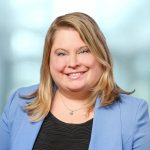
Follow OnPay on LinkedIn, Facebook, and Twitter

Tagged With: Adam Marx, The Zero to One Networker

Jennifer Dawn With Jennifer Dawn Coaching

September 22, 2023 by Jacob Lapera

High Velocity Radio
High Velocity Radio
Jennifer Dawn With Jennifer Dawn Coaching
Loading
00:00 /
RSS Feed
Share
Link
Embed

Download file

Jennifer Dawn is the founder of Jennifer Dawn Coaching and the creator of the Best Planner Ever. She began her entrepreneurial career selling apples off her grandfather’s tree because a lemonade stand was so “yesterday”. She is a serial entrepreneur who has grown two multi-million-dollar businesses and is a successful speaker and author. She serves high-achieving entrepreneurs through private business coaching and hands-on workshops.

She is a master at setting and achieving goals, problem-solving, profitability, and cash flow. She is also the host of the top-rated podcast, Happy Productive with Jennifer Dawn. A mother of three children, Jennifer currently lives in Rhinebeck, New York with her family. She loves to spend time with her family, ride horses, travel, and coach/mentor others.

Connect with Jennifer on LinkedIn and follow her on Facebook and Instagram.

What You’ll Learn In This Episode

  • Shortening the Learning Curve
  • Sustainable Growth and Work-Life Balance
  • Transitioning from Solopreneur to Effective Delegation
  • Controlled Growth for Customer Satisfaction
  • Hiring Slow, Firing Fast
  • Implementing Profit First
  • Nurturing an Evolving Owner Mindset
  • Aligning Actions with Financial Goals

This transcript is machine transcribed by Sonix.

TRANSCRIPT

Intro: Broadcasting live from the Business RadioX Studios in Atlanta, Georgia. It’s time for High Velocity Radio.

Lee Kantor: Lee Kantor here, another episode of High Velocity Radio. And this is going to be a good one. Today on the show, we have Jennifer Dawn with Jennifer Dawn coaching. Welcome, Jennifer.

Jennifer Dawn: Hello, Lee. It’s great to be here with you.

Lee Kantor: Well, I am so excited to learn what you’re up to. Tell us a little bit about Jennifer Dawn coaching, how you serving folks.

Jennifer Dawn: Yeah, well, so we help business owners who feel like they are stuck and struggling at six figure revenues and they want to get to seven figures and we help them to do that by developing world class teams because at the end of the day, your team is going to be the difference between those who are able to scale and those who aren’t. So that’s what we focus on.

Lee Kantor: Yeah, that’s funny that you bring that up because I was I was talking with a founder of a startup and he was saying that at the beginning of a startup, you want generalists, but as you grow, you need specialists. And it sounds like you’re philosophically along that same line that you need a team in order to grow because you can only do so much as an individual.

Jennifer Dawn: Absolutely true. And you’ll find to, at least in my earlier businesses and in my current business, that when you don’t have those right people in place, it just creates so many headaches for you as the business owner and so many people problems. And even in my current coaching practice, like I stayed a one woman show for the first four years, I was in business because I just had come off of other businesses and had to deal with all the people stuff and I just didn’t want to deal with it. And so I literally made the intention not to grow my business because I just didn’t want to deal with the people element. But, you know, I hit a ceiling and it’s like, you can only go so far if you, you know, by yourself. And there’s a point where it’s just like, you know what? I’m really going to need the team if I really want to take this further.

Lee Kantor: So what are some symptoms that an individual or a small group are having where it’s time to expand the team?

Jennifer Dawn: Well, it’s interesting because for people who are listening, like when you think about your team and some of us are like, Oh my God, they’re so amazing. And they they they make my life so much easier because when you have the right team, that’s where you get your freedom back, your time back, that’s where you can make more money with a team than you can on your own. And when you don’t have that team, it just becomes kind of painful when you don’t have the right team. So you might find that you’re working extra hours doing work that you wish that you could delegate to them, but you just can’t because it’s just like they just won’t get it done to the quality or the expectation that you have. You might find that you are putting out fires all day because your team, you know, they’re not thinking outside of the box. They can’t solve problems. And so you’re having to do a lot of their their thinking for them. You might find that you can’t take time off or you can’t take a vacation because it’s just like, oh, you know, like your company is not in good hands. So if those kinds of things are happening, it’s it’s usually going to be a sign that one, you need to either maybe let go of some people or hire the right people or develop the people that you have so they can actually do the job better.

Lee Kantor: So now when you’re working with somebody, walk me through what that looks like when you when you’re kind of letting them know, Hey, it’s time to have a team. Are you really suggesting who the team members are? Are you helping them onboard these team members? Like, what is your role? You know, because there’s a line between coaching and consulting.

Jennifer Dawn: Absolutely. We go a little bit further in the coaching realm than I think most people do. And so we are coaching the business owner because we need to develop them to be a good leader. We need to teach them obviously how to hire, how to fire, how to discipline, how to do all of these things to actually build a great team. But then in our coaching, we also will coach the team members because we we found that when we were working with the business owner and we’re coaching them and they’re getting great results, a lot of that coaching wasn’t trickling down to their team. And so plus a lot of business owners just don’t have like the time they’d like to to develop their team. And so what we actually do is we take it a step further and so our clients will send their teams to us as well. And so they get to work with our coaches. So now the business owner, the head of the snake gets developed, the snake gets developed, and now everything starts to click and work better together because the entire team is really being coached and developed. And so that’s what we’ve found works really well.

Lee Kantor: Now for most people. Is there a typical first hire? Like what is the typical area that you have to take care of first as you build out your team?

Jennifer Dawn: Yeah, great question. Usually if you’re a solo preneur and you know you’ve got your business, it’s usually going to be more of. Mundane administrative tasks that are actually not a good use of your time. And when you look at an hour of your time, you know, if you can charge for that hour of time and charge a nice price versus you doing that work, usually that’s a great first place to start is getting that mundane administrative stuff like off your plate so that you can really, really focus on the higher tasks in the business, like, you know, growing sales or delivering your product or service. So generally that’s a good first place to start.

Lee Kantor: And then as you build out the team, do the does the entrepreneur or solopreneur all of a sudden feel this weight has lifted off them? Like I’m sure there’s some trepidation and fear. Maybe I can I trust this person. But after a while, their their whole kind of work life balance must just get re settled there. I would imagine.

Jennifer Dawn: It absolutely does. So it can actually go both ways so it can go the wrong way or the not so great way, which is where you hire. You’re not doing it effectively, you’re not really delegating. You don’t have the right people. They don’t have the right skill set. And if you’ve ever been down that road where you yeah, you’ve hired people and then it makes your life worse, that’s the wrong way to do it, which is the way I have done it myself in the past and how I learned so many of these lessons. And then you have the right way to do it where you kind of learn, you know, how to hire the right person, the right skill set, how to develop them, how to onboard them. And when you have the right person on your team now, you’re able to delegate. You’re able to know that your company, your clients are in good hands, and that’s when it starts to click and that’s when it really starts to work.

Lee Kantor: So now, is that really before once you kind of mentally make that shift and say, okay, I’m going to hire people is the first step of kind of documenting what that task is, you know, real granularly so you can hand it off.

Jennifer Dawn: Yeah, absolutely. So with my clients, when they are, you know, getting to that place where they’re like, Hey, okay, I’m ready to hire my next position. Many of our clients already have teams, and so it’s like, Hey, I’m hiring my next position. But let’s say that you’re just getting started and you’re like, Okay, I’m ready to hire my first person. Awesome. Take a week or two and just keep track as you go through and just and start by creating a high level list of everything that you’re doing that somebody else could be doing for you. And if you just track your time over a week or two, you’re going to have a very nice list of all the tasks that you want to outsource and get off your plate. You can easily pop that into many of these AI tools that are out there and say, Hey, write me a job description and include these tasks in it and it’ll pop out a beautiful job description for you in five seconds. And then there you go. There’s your job description. So now you can advertise that position. You’ve got a nice clean list of exactly what you need this person to do. And then from there you can work on your onboarding process of teaching that person the right way to do all that stuff. So that way they can get it off your plate. So it’s kind of like, you know, when you’re ready to hire that first position and you’re already stretched for time, it’s going to get a little bit worse before it gets a whole lot better. You just kind of have to get over that little hump of making sure that you’re clear on what you want them to do. Hire the right person, train them up so they know what to do. And then once that starts to happen and they start taking over, it’s like the clouds parting and you’re just like, Oh, yay. You get so much of your time back when you when you have that person now on your plate, freeing it up.

Lee Kantor: Now, where do you even begin to look for the right person for a given task?

Jennifer Dawn: Great question. There are so many different places out there that you can you can obviously post advertisements on job websites, you know, places like indeed ZipRecruiter, those kinds of places I love. One of my favorite ones is called Hire My Mom. Now this is for virtual positions online. So hire my mom. Dot com is one of my secret weapons. I’ve used it so many times to find great online talent and LinkedIn, those kinds of places. Absolutely. You know, you can also we have our clients that will post on social media. So if they have people that are following them, that are interested in working for them, they will do social media posts around it. We’ve had people fill fill positions from that. And then also just asking, you know, asking people in your network who also have businesses if they know or can recommend somebody, that’s another great way to get connected and find good people.

Lee Kantor: So when you have narrowed it down and maybe landed on a person, is there a way to have kind of a pilot period or a trying out period? Is there a good way to go about doing that? So you, you know, feel confident that you made the right decision with this right person?

Jennifer Dawn: Yeah, absolutely. We see a trial period being used quite often, up to 90 days of that initial trial period. One of my. Favorite books on this. It’s called The Ideal Team Player. And they have some resources and the shorter name for it is hungry, humble and smart because in the book they talk about how they kind of narrowed down that ideal team player that you want to hire and you want them hungry, you want them humble and you want them smart. And so there are some great free resources of interview questions and things like that that you can ask people. So in the vetting process, you’re making sure that you, you know, really do the best that you can to hire the right person. And then once you get them hired, obviously training them to do things the way that you want it, want it to be done is super, super key. And make sure that when you’re training that you’re actually recording. We love to use Loom, which is a recorder, a video recorder software. It’s I think it’s ten bucks a month. It’s super cheap, but you can screen share, you can record your voice. And so when we’re onboarding our people, we we’ve created a series of loom videos. And so that way every time we hire somebody new, we don’t have to spend precious time and resources onboarding them. We can just send them through the recordings and that person essentially onboards themself. And then all we have to do is answer questions that they have.

Lee Kantor: Now, in your in your coaching, do you spend most of your time coaching people in and around kind of the operations of the business or the marketing of the business like the creative side, the more, you know, operations side, the administrative side, Where do you like, what’s your sweet spot?

Jennifer Dawn: Yeah, absolutely. So the answer to that question is yes. So when we work with a new business owner, we do a top to bottom assessment of their entire business. So we really and truly go through all the different aspects. So we look at their sales, their marketing, their operations, their finance, their retention. We look at all of the different areas of their business. We do an assessment to identify where those gaps are. Then we prioritize what are the most important things, because we don’t want to all go off in 14 different directions. We prioritize the top 1 to 2 things and then we we match all of our clients with a private coach. And so they work with their private coach to really just then start to execute. So the method that we use, it’s called pace and pace stands for profit acceleration through clarity and execution. And that ultimately is what we’re doing and we’re repeating that process over and over. And that’s how we help our clients really increase their revenues is just clarity and execution. And we have some great proprietary tools that we’ve developed to help them get that clarity, and then we pair them with a private coach to execute.

Lee Kantor: Now, since you do have a team, is it something like, say, I come to you first and I have maybe finance issues and I need help with setting up accounting or I believe you’re a believer or a proponent of profit first methodology. So I need help setting that up for my business. But after a while I have that set up and now I need somebody with more, maybe a more creative mindset. Do you now switch me to a different coach at that point? That’s more of a specialist in that area?

Jennifer Dawn: No, I don’t. And here’s why. Because the way that we have positioned our company, all of our coaches have training in all of the basic areas. The the recorded training content that we do all comes from me. And I have one other business coach, Thea on our team. So all of that like recorded content, the real intricate, specific strategy, all that stuff is recorded from me. So I really kind of handle all of that. Then I use it to train my coaches and then if my coaches get into an area like, for example, like the finance, they get into an area where they’re just like, Hey, this I need we need to go deeper with this client. But I don’t have that expertise. They can refer that out to one of our other coaches. So like Thea on my team has ten years of corporate finance and so she’s, she’s a CPA or she’s in the UK, so she’s the version of a CPA in the UK. And so she’s got that finance expertise so the primary coach can bring her in to consult with the client and get them wherever they need to be. But they stay with their primary coach because we’ve just found that when you have that one primary person that’s guiding you through the process, it just we just get such better results with it. And then if we need to bring in somebody with specialized expertise, we can always do that. So they can still tap into the resources of the whole team.

Lee Kantor: So what can we do to help you? What do you need more of?

Jennifer Dawn: Me. Yeah.

Jennifer Dawn: Lee I’m not used to anybody asking me that. I’m used to helping everybody else all day long.

Lee Kantor: So do you need more clients? You need more team members, coaches to work with? How can we help you?

Jennifer Dawn: You know, we always.

Jennifer Dawn: Love referrals of business owners who right now have maybe been stuck at six figures for however long, or they’re really, really struggling with people on their team that the headache that that can be. And if you want to send us some of those lovely folks, we would love, love, love to serve them.

Lee Kantor: And if somebody wants to learn more, have a more substantive conversation with you or somebody on the team, where should they go?

Jennifer Dawn: Yeah, absolutely. Just visit our website at Jennifer Dawn. Jennifer Dawn coaching.com and you’re going to see a nice little link on there to schedule a call. And you can schedule a call and talk with us and talk with my team. We’d love to talk with you.

Lee Kantor: Well, Jennifer, thank you so much for sharing your story today. You’re doing such important work and we appreciate you.

Jennifer Dawn: Absolutely. Lee. Thanks for having.

Lee Kantor: Me. All right. This is Lee Kantor. We’ll see you all next time on High Velocity Radio.

Tagged With: Jennifer Dawn, Jennifer Dawn Coaching

Jon Greiver With Stay Sitters

September 22, 2023 by Jacob Lapera

Atlanta Business Radio
Jon Greiver With Stay Sitters
Loading
00:00 /
RSS Feed
Share
Link
Embed

Download file

Jon Greiver, Founder and Business Coach of Stay Sitters.

With significant comprehensive marketing experience, he sits squarely at the intersection of innovation and execution. His cross-functional expertise allows him to understand both project initiation as well as the challenges faced with program execution.

His proficiencies in project management, brand activation and digital marketing tactics allow him to keep the goals of his clients top of mind while also coaching them to think outside of the box. 

Connect with Jon on LinkedIn.

What You’ll Learn In This Episode

  • Increase in pet ownership during COVID (adoptions, fostering, etc.)
  • Ensuing lack of boarding/kennel space – providing a service to match this challenge for pet owners
  • Caring for pets in their own home vs kennel (safe surroundings, sickness, fleas/ticks) – providing a service in their local community
  • Creation of a small business – start with something you HAVE or something you KNOW – doesn’t have to cost a fortune
  • Process – licenses, insurance, web presence, social media, etc. (start with something you HAVE or something you KNOW)
  • Growing the business organically (grass-roots)
  • Encouraging others with similar passions to “go for it.”

This transcript is machine transcribed by Sonix

TRANSCRIPT

Intro: Broadcasting live from the Business RadioX Studios in Atlanta, Georgia. It’s time for Atlanta Business Radio. Brought to you by on pay. Atlanta’s New standard in payroll. Now, here’s your host.

Lee Kantor: Lee Kantor here another episode of Atlanta Business Radio, and this is going to be a good one. But before we get started, it’s important to recognize our sponsor, Onpay. Without them, we couldn’t be sharing these important stories. Today on Atlanta Business Radio, we have John Greiver with Stay Sitters. Welcome, John.

Jon Greiver: Hi, how are you? Good morning.

Lee Kantor: I am doing well. I’m so excited to learn what you’re up to. Tell us a little bit about stay sitters, how you serving folks.

Jon Greiver: Stay sitters is an idea that I had for several years for dog walking and pet sitting service for people in the north Atlanta area. Started off relatively recently here and just trying to build up our clients through an organic grassroots campaign and take advantage of an idea that’s been bouncing around in my head for a number of years.

Lee Kantor: Well, let’s talk a little bit about that idea. What was kind of the genesis where you said, you know what, this is a problem that I might be able to solve for folks.

Jon Greiver: Well, it really was during Covid when the idea kind of came into a reality. As I sat at home remote, working from my office and staring out my front window, watching dozens and dozens of dogs walk by every day. And one of the things that Covid brought to us was a huge increase in the number of folks that were adopting dogs, cats, pets of any kind, because they were staying at home more. So we saw a huge surge in that. I think national numbers were something like 24, 25% increase in the number of pets that were owned at home. So this was a great opportunity for me to see what pet owners really needed. Having a dog of my own, I understood that sometimes it was difficult to find someone to watch it while I was traveling or had to work or things like that. So I thought with an increase in the amount of pets, what an what an interesting idea it would be to offer some sort of a service for all those people.

Lee Kantor: So, okay, so you have the idea that I’m going to create a service. I see this opportunity. There’s a bunch of pets around. Maybe this is new pets for folks as the pandemic wanes and they have to go back to work, maybe travel more, there’s going to be needs. But did you go out, do market research? Like how did you start from moving from this idea? You know, it sounds good in my head to, hey, someone’s going to actually pay for something.

Jon Greiver: Right? I had spoken with several friends and they were having a very similar problem with the increase in dogs and the increase in ownership. There was also an increased need to try to find a boarding for them when they went out of town or couldn’t take care of their own pets. So there was a real rush on boarding facilities, so much so that it’s very difficult to find a reservation right now. And it’s very difficult to find a place that you trust. So I thought to myself, well, people love being at home. They love their pets at home. Their pets are more comfortable at home. So let’s offer a service where we can board them at home, in their own home. And that was the kind of the the brainchild of stay sitters is that it’s very difficult right now to find care for your animal. People love their animals and they are willing to splurge on them even during recession or inflation. So really it’s providing a service to people that need it and that can’t find another similar service.

Lee Kantor: So the pets never actually leave the home. They stay in the home.

Jon Greiver: That’s right. That’s what differentiates stay sitters just a little bit. I’m not watching your pet in my house. I’m watching your pet in your house where they are most comfortable, most, most aware of their surroundings. And you don’t have to deal with the risks that are sometimes associated with a boarding facility or a shelter that could include things like disease, not eating when they’re supposed to because they feel stressed out. Fleas and ticks. Sometimes your animal comes back from the boarding facility even worse than yours when you drop them off. So this is an opportunity for you to feel safe and secure in your own home, that your pets are feeling more comfortable.

Lee Kantor: But one of the trade offs on that is that I’m allowing a stranger into my house.

Jon Greiver: That is absolutely correct. So what we do, I offer an initial meet and greet service and that kind of lets me get some face to face time with the owner, come over and meet the pets and then find out what they’re all about. And at that point, the owner would have a chance to say, This is right for me, this is not right for me. I feel comfortable. But yes, you would be letting myself into your own home only after I had been vetted and met you in person.

Lee Kantor: And then what exactly are you doing for the pet and the time that you’re with them?

Jon Greiver: That really depends upon what the owner would like. There are basic services such as food, water. If it’s a cat changing the litter out or scooping the litter. And then. Getting some exercise or some play time. So typically dogs, I will walk them outside for 20 to 30 minutes. If they’re not up for that, maybe it’s a little play time inside the house. Same thing with cats. They’re not typically going to go out for a walk. So there’s there’s play time and there’s just general welfare check on animals as well. And then the homeowner can actually if let’s say that they’re going on vacation, I can talk to them about watering their plants, checking on their home while they’re gone, picking up their mail and doing some other services that may not necessarily be pet related, but more related to when you leave your house alone.

Lee Kantor: So what’s your backstory? Have you always been involved with working with animals and pets?

Jon Greiver: Actually, no. I really wasn’t much of a pet person when I was younger. Didn’t have a lot growing up, but once I got married and have children, we have found our way to fostering several dogs and we had a foster fail who ended up staying with us for nine years. So he was a love of our life up until last year when he passed away. And I’ve just I tend to get along with animals a lot better than people sometimes.

Lee Kantor: Now, is this the first business you’ve created? Is the first entrepreneurial venture for you, or have you always had that bug?

Jon Greiver: It really is the first thing I’ve done on my own. I’ve done a lot of consulting and so I’ve kind of understand how to motivate myself, how to act like your own business, even though you might be working for someone else, that that consulting and contracting type of lifestyle lets you be that entrepreneur without necessarily having the risk of going out on your own. So when I decided I wanted to do this on my own, I’ve been going very slowly, very cautiously and carefully. So as I feel comfortable with the process trying not to make mistakes, as you set up businesses and get your licenses and get insured and all that good stuff. So it’s been a learning process for me, but it’s also been a fantastic opportunity to start my own business and really see the process that’s involved.

Lee Kantor: Well, how about share a little advice for folks that maybe had a corporate career and then have pivoted maybe second act into their own venture like this? Are there some do’s and don’ts that you’ve learned so far?

Jon Greiver: Um, I would say don’t be afraid to give it a shot. I would say it is. It’s probably easier now than ever to start your own business in terms of the licenses you need, in terms of setting up a website, printing, maybe some physical assets. I had a good friend of mine with tortellini marketing, so I’ll give them a small plug, helped me out with my initial web design and some initial assets that we printed up, but it really was great. She helped me get started, but now I’m able to manage it and maintain it on my own through web services and other scheduling programs. And I think it’s a little bit intimidating for some folks to get started, especially when you’ve been part of a corporate career or corporate culture for so long and realize that the company has already done a lot of those things for you. They’ve already been set up and they’ve already had a reputation and and they’ve got presence online and all those little things. When you take them all together, they seem a little bit intimidating, but when you break them down, they’re really not that bad. So I encourage folks, especially folks who have been in corporate live corporate setting for their entire career, but they still have creative ideas. Take a chance. Think about it carefully. Think about how you would start it on your own and then jump in. I don’t think you have to take as much time these days in order to get set up.

Lee Kantor: Now, you mentioned that you’re growing the business kind of organically at kind of a slow grassroots process. Is that like how does how would you recommend that for other folks out there that are listening in terms of starting their own thing? Like you started with you mentioned your friends first, but at some point you have to get people who don’t know you to buy what you’re selling in order to make a, you know, a thriving business. So have you gotten to that point where where strangers are saying, hey, tell me about Lasseter’s or are you still at that kind of grassroots where all your clients are people you know?

Jon Greiver: We definitely started grassroots, literally with neighbors around my house passing out a little flier or or doing some some free pet sitting for them just to kind of get my name out in my local neighborhood, which is really the way I wanted to grow it. There are so many ways to grow your business digitally if you want to go that route. And so once I got over that initial hump, I did some very sort of test advertising with Facebook, and that is where I started crossing over into from, from customers that know me and my neighbors into strangers literally calling me, asking for assistance. Now, as I start, I am pretty small. I have myself and one other helper, so we have kind of a small radius that we’re going into right now. I did receive a lot of calls from people all over Atlanta. Some of them were just a little bit outside my service area. So again, this is about starting small, starting grassroots and growing the business the way I want it, which is really important. As a small business owner, you may not know how you want to grow your business. You may feel timid about it.

Jon Greiver: So one thing I suggest is, is starting slowly. You don’t have to go out onto Google and buy a bunch of digital advertising or paid search or search engine optimization. You can get by with a lot of basic things to get started. And to be perfectly honest, I think digital advertising scares folks a little bit because. You may grow your business much faster than you’re prepared to handle. So by doing this with grass roots and organically, it enables me not to bite off more than I can chew. I can throttle my business by taking advantage of some of those digital aspects, or I can grow it slower by holding off on the digital, just using my website and word of mouth. One. One thing that I’ve also found interesting is is advertising through other dog or pet related events or functions around town. There was a Atlanta lab rescue who is a local rescue, and as you might tell by the name, primarily focuses on Labradors. They had a beautiful facility event in Dunwoody about two months ago, so I was able to sponsor that and become active with their group and spread word of mouth that way as well.

Lee Kantor: Well, that’s great advice. Like the a couple of the things you said, one, that, you know, create partnerships in and around your ideal customer. That’s fantastic advice. Another of know when to say no. You know, a lot of entrepreneurs, especially starting off, they say yes to everything and sometimes they get pulled in directions that maybe is not going to help them in the long term. Especially you have a clear sense of, okay, this is my target, this is my area. If it’s not a perfect fit, I’m going to have to say no because I’m not going to be able to deliver the service that I want to.

Jon Greiver: Right. Exactly. I think I think it’s a little bit of a misconception that you have to jump in to feet first and do everything possible, advertising web presence and spend lots of money. But you need to be careful because you need to understand what that’s going to do to your business, to your brand and to your schedule. So definitely make sure that you don’t bite off more than you can chew and that you’re comfortable with it. If you’re not comfortable, then take a step back and get to a place where you feel like things are manageable.

Lee Kantor: So now is your area still the Dunwoody area? Is that primarily the the area you work in or has it expanded to Sandy Springs or Brookhaven or is it still Dunwoody?

Jon Greiver: We’re trying to focus a little more on the northern suburbs. So Dunwoody, Sandy Springs, Brookhaven, Chamblee around the Perimeter center area is really where I’m focusing to start with just because, like you said, I want to make sure that I can deliver good service if if it takes me an hour to get to your house, that’s probably going to be a little bit too long. So again, we’re starting it small and growing it organically and hopefully it will continue to grow. Manageably And I won’t feel like I’m I’m swamped and overwhelmed.

Lee Kantor: So what do you need more of? How can we help you?

Jon Greiver: Oh, I need more animal lovers. It’s great. I really do appreciate you giving me the time this morning. This is a great way for me to contact people that I know via LinkedIn and your website as well as to share this with other people that may not be aware as well. So just this opportunity alone has been fantastic and I really appreciate it.

Lee Kantor: So you need more people with pets in in the kind of perimeter area. Do you need more team members? Are you right now looking for additional folks to to go in and help with the pets?

Jon Greiver: That. That will be my next step, definitely, as I get to a point where I’m having a little bit too much business for me, I will definitely need assistance. So I will be looking for people with pet experience, caregiver experience, previous dog walkers. You know, there’s a there’s a lot of other services out there. This is not something new that I’m creating. So there’s a lot of other players out there that have a lot more experience and a lot more web presence than myself. So there’s a lot of folks that have had dog walking experience, pet sitting experience, maybe even folks that have worked at a veterinary before.

Lee Kantor: So if somebody wants to learn more, have a more substantive conversation with you or somebody on the team, what is the website? What’s the best way to get Ahold of you?

Jon Greiver: It’s stay sitters.com so it’s star city ers.com kind of trying to make a play on words there like stay sit go the type of comments you might give to your pet. So stay sitters.com is the best way to reach us. You can book online. You can also book your initial meet and greet or just send an email to me requesting more information.

Lee Kantor: Well, John, thank you so much for sharing your story today. You’re doing such important work and we appreciate you.

Jon Greiver: Thank you so much, Lee. I appreciate this. I think Business RadioX is fantastic.

Lee Kantor: All right. This is Lee Kantor. We will see you all next time on Atlanta Business Radio.

About Our Sponsor

OnPay’sOnPay-Dots payroll services and HR software give you more time to focus on what’s most important. Rated “Excellent” by PC Magazine, we make it easy to pay employees fast, we automate all payroll taxes, and we even keep all your HR and benefits organized and compliant.

Our award-winning customer service includes an accuracy guarantee, deep integrations with popular accounting software, and we’ll even enter all your employee information for you — whether you have five employees or 500. Take a closer look to see all the ways we can save you time and money in the back office.
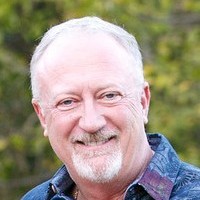
Follow OnPay on LinkedIn, Facebook, and Twitter

Tagged With: Jon Greiver, Stay Sitters

Gloria Ward With Girls L.E.A.P. and The I’m Loving Me Project

September 20, 2023 by Jacob Lapera

Atlanta Business Radio
Gloria Ward With Girls L.E.A.P. and The I'm Loving Me Project
Loading
00:00 /
RSS Feed
Share
Link
Embed

Download file

Gloria Ward is an Entrepreneur, Revenue Strategist, Author and New-Thought Leader who has devoted her life to helping women around the world level up in every area of their lives. “For over 18 years I’ve experienced what it feels like to achieve success, lose it all, and rebuild. I know what it’s like to battle with the mind when it comes to making decisions that will drastically impact your way of being and life,” she says.

Considered to be the next international leader in self-development and business performance, Gloria has become obsessed with helping women truly understand their worth and value and is the author of the bestselling book Becoming Truly You. Her platforms The I’m Loving Me Project and Girls L.E.A.P. have coached and mentored women from every walk of life. Members enjoy her confidence, humor and down-to-earth approach that has made her the most sought-out female entrepreneur and self-love coach of her era.

Connect with Gloria on LinkedIn.

What You’ll Learn In This Episode

  • 5 Ways to Support Black-owned Businesses This Month
  • Self-care in the Workplace
  • Passion to Profit
  • Business Model Innovation
  • The Seasons of Life
  • The Intelligent CEO
  • Excelling in the Digital Age
  • The 7 Strategies of Success

This transcript is machine transcribed by Sonix

TRANSCRIPT

Intro: Broadcasting live from the Business RadioX Studios in Atlanta, Georgia. It’s time for Atlanta Business Radio. Brought to you by on pay. Atlanta’s New standard in payroll. Now, here’s your host.

Lee Kantor: Lee Kantor here another episode of Atlanta Business Radio. And this is going to be a good one. Today on the show we have Gloria Ward. She’s with Girls Leap and the I’m Lovin Me Project. Welcome, Gloria.

Gloria Ward: Hi, Lee. How are you? I’m so glad to be here.

Lee Kantor: I am doing well. I am so excited to learn what you’re up to. So let’s take things one at a time. Start with Girls Leap and then tell us about the I’m Loving Me project.

Gloria Ward: Oh, Girls Leap is my amazing platform for those women business owners out there who is looking to scale their business or even start their business. Leap stands for Learn, Earn, Advance and Profit, which means that when you come into Girls Leap, we really teach you what it means to be successful in business. And what that means is how you make sure your paperwork is in order, making sure you understand the software that you need in order to run your business, showing you how to do leverage, showing you how to go ahead and earn money working on pricing. Right? Because pricing is the biggest thing as to why most businesses go broke. Show you how to get out there and network. Show you how to get out there to pitch and earn money and then leave. Take all of that to the bank because you should be in profit by then. So I’m excited about that. I’m loving Me project. That’s my baby. What we do is, is that while you’re working on your business and while you’re trying to push yourself each and every day, you got to make sure you have the perfect mindset. You have to know what your blocks are. You have to deal with your trauma. You have to be able to be around other people who are like minded just like you. So we have this sisterhood at the I’m Loving Me project where we inspire every woman to love herself and know her worth and her value. So that is our time where we get together and we have retreats and, you know, we do workshops and seminars just to relax for late release, to learn and to figure out more about ourselves. So that’s the both of the programs.

Lee Kantor: Well, what’s your backstory? How did you get involved in this line of work? It seems very inspiring and rewarding.

Gloria Ward: Oh man, I am one of those women, right? I am a business owner. I’ve been a business owner for 19 years, went through a lot of struggle to go ahead and build up my business to the million dollar level so I know what it takes to actually get there. But I had some setbacks and most of those setbacks came in the form of making bad decisions with divorce and drinking every day and getting DUIs and doing all those things. But what I discovered, Lee, was that I had to deal with me. I had to deal with the issues that was going on with me inside because it wasn’t that my business wasn’t performing well. I had a block, I had a money block because I was raised in the Bronx. My mom died of Aids, and it was six of us in the house. So we knew how to survive. But we didn’t know how to get out there and grow a business, let alone even thinking about having a business. Right? And so I had to learn from the school of hard knocks how to actually go ahead and get those things done. And once I started to work on myself and love myself just a little bit more and remove those roadblocks, my business actually took off and I wanted to go back and help other women like that because we blame a lot of society and say, you know, women don’t get enough capital, which is true. You know, it’s hard for women to get out there and network. We’re scared of rejection. Right. And some of those things are true. But the biggest thing is, is that we don’t put ourselves first. We sacrifice everything for our family and the kids and everyone else. But when we know that when we put ourselves first, everyone else is happy, that’s exactly how you grow. So that’s what I’m stomping out here, teaching all the women that I encounter. That is, when you put yourself first, everything around you changes, including that bank account.

Lee Kantor: Now, how did you kind of come up with this methodology? I know you went through some struggles and you overcame some challenges. How did you document everything? Did you, you know, come up with a methodology so that you can share with the next person so they don’t make the same mistakes? Like how did that part, you know, how did you come to the conclusion of I better write all this down so I can help somebody else rather than just like, just keep going and keep just pursuing your dream?

Gloria Ward: I had a mentor. That’s the biggest thing that people are afraid of today. You need somebody who is ahead of you to go ahead and show you the way. I had a mentor, I was doing all of the regular stuff. Right. You go. Go to Barnes and Noble’s. You buy a whole bunch of books, you get finance books, you get marketing books, you get all of these books on how to run your business and how to fix yourself and do all that. You’re reading all day long and they tell you business owners or readers, but when are you ever working on your business? Right? When are you ever pushing yourself to the next level? Because you’re basically going back to school in order to learn where. When I got a mentor and a coach Lee it made my life harder, but my business more profitable, right? Because what I learned was how I can take the skills that he already had, apply them, learn them, put in my 10,000 hours and start to climb my way up. Was it easy? Absolutely not. That’s why we have that methodology of learn, earn, advance and profit, because you need somebody to help you get there. You need to learn what leverage is right? Because nobody gets there by themselves. For those solopreneurs that are out there thinking that they’re going to get to their goals all by themselves, that is not true. You need someone who knows where you want to go. They’ve already been there and they can show you the blueprint. And that’s what happened for me and that’s what I put into Girls Leap to show other women.

Lee Kantor: Now, do you have any advice for those entrepreneurs out there that maybe have never had a coach before? How do you even go about finding the right coach? Because there are so many, and how do you make sure that it’s the right fit and they are going to gel with you and you know that they can really help you. So you’re not just kind of just spending money in the hopes that it works, but you’re investing money with the idea that it will work.

Gloria Ward: That’s a fantastic question because everybody is a coach on social media, right? Everybody is saying that they can help you get yourself to the next level. The biggest thing that I did is I asked to I looked at my coach and looked at their results. Right. And I saw their business. I interviewed them like I was like they was interviewing for a job, Right. I asked them to show me how they were moving and getting to the next level in their business. Remember, when you are getting a coach, you are entering a partnership. They have the way to get you to where you need to be and you got to make sure that they’re the right fit for your industry and what it is that you want to accomplish. Please do not go out and get a coach that has not achieved the goals that you are looking to achieve because you will never get there. I don’t care how much money they said they made, they could have made that money 1520 years ago and never learned how to get it back. Right. They can also be telling you a story about what they think because a lot of them have intellectual knowledge but have not been in that school of hard knocks to show you how to get to the next level.

Gloria Ward: Those are the people you want to stay away from you. Your coach will be that ideal role model where you will see them put in the results to get to where they need to be. And they’re always reaching back to let you know and give you help and guidance and ideas on how you can get to the level where they at or where they have where they’re trying to go. Right? So I always say interview that coach, make sure they have the same interests and have been there already. And, you know, just make sure that you’re getting in the right group. And if you don’t, if you don’t gel with your coach, then that’s just not the right one for you. Right. Because that relationship should be a long term relationship. It’s been over 15 years now with my coach and we’re doing just fine. I was I was one of the lucky ones.

Lee Kantor: Now, when you’re working with your clients. And sometimes, though, at least the business people I come to are aspiring business people, that they might have a passion or something that they love and they’re like, well, I you know, I wish that I could just make this my business, you know, like my wife likes to bake cookies. Is that necessarily a, you know, a future business for her or is it something that should just stay at that passion hobby level? Like, how do you discern which is the which passion you should be investing in and really making into a business and some that you should just keep as a passion on the side?

Gloria Ward: I tell people who have passions like that, if you love to make cookies and that excites you, that’s where you use your leverage and you go find a business person that can help you build that business because one, you’re going to be stepping into a realm that you’re uncomfortable with and it’s going to make you not like being in business and not like making cookies, right? Because a lot of especially like artists and bakers and and chefs, all of those people who just love doing what they love to do. Stay there. Stay there. Find someone who’s the business mind that can that can put a business around what you love to do and make sure you can trust that person to help you move along the way. Because if you are really serious about it and you get that right person, you will form a good business and you will grow. You know why? Because you love it and they love what they do. And you’re in two separate realms and you only come together on business matters. You can make cookies all day long, come up with different recipes and shapes and sizes and everything, and they can go out there and promote and sell and make sure that your pricing is good to bring you back the money for more ingredients. Right?

Lee Kantor: So how do you how do you go and find that partner like that? Because like, if you’re good at one thing and they’re good at something totally different and you just, you know, pair it together, that’d be fantastic. Is there some sort of matchmaking app out there that finds these people? Like, how do you find that person that’s that, you know, hand and glove fit with what you’re trying to accomplish?

Gloria Ward: That’s a that’s the beauty of networking, especially local networking, because let’s say you go to the Chamber of Commerce, right? Or you go to the SBA office. Those people who are there are just starting out just like you. Most of the people who are volunteering at the SBA and the Chamber of Commerce have been business owners before who have who have decided to dedicate their life just to helping business owners and just want to work at a government job to get a little bit of money. Those people have resources and contacts of people who they can pair you with, where you can see again if they can become a coach for you or you can actually do business with them to help you grow. Or you can become a piece of a puzzle for someone else. So if someone is making one thing and you add the cookies, if if that person is giving out cards and you send cookies for every card that they give out, now you got a person who needs what you have, right? So there’s a lot of ways that you can mix and match, but you have to be able to get yourself out there and network social media is okay, but for something like that, face to face is very important. And they’re out there. They’re out there. So I say start on the most basic level that you can get as much information as you can and get out there and network. Like I said, even an SBA office, those people who are in the office, usually the counselors have businesses before, have great networks and can really pair you with someone who can help you make your business grow. And all most if not all of the time, especially when I was starting out, that was for free. That was just an exchange of emails and phone numbers.

Lee Kantor: So it sounds like you’re helping a lot of people and growing like crazy. What is the best way to connect with you? If somebody wants to learn more and get plugged into your network and to see the different services that you have and maybe they want to be helped or mentored or coached to get to a new level, where should they go? To learn more.

Gloria Ward: You can go to my website, Love and Net. That’s our website where we have all of our things there that work on your mindset and also to work on your business. You can actually go to that website and click on our. Our programs and see our business innovation program that we have. You could click on that. It’s a free downloadable that you can get from a course that I taught to show you how to work on your business model, making sure your business model is good, making sure you’ve got the right business model for your business, and how to use that business model to come up with a pricing strategy so you can actually price your product based on it’s worth, right? Because value is something that’s relative. So you have to know the value of your product. You have to know the value of yourself. And I teach that in business model innovation. And you can find that on Amazon dot net or you can follow us at Net Girls Leap Elite on social platforms on Facebook and Instagram.

Lee Kantor: Yeah, if you go to the website, there’s just so many resources, some of them free, but just a whole variety of resources. No matter what stage you’re at, you could be at just the idea stage and there’s stuff that you can learn from the website or if you’re a veteran business person that maybe just hit a plateau, there’s resources for that person to.

Gloria Ward: Absolutely.

Lee Kantor: Well, Gloria, thank you so much for sharing your story today. You’re doing such important work and we appreciate you.

Gloria Ward: Thank you, Lee.

Lee Kantor: All right. This Lee Kantor, we will see you all next time on Atlanta Business Radio.

About Our Sponsor

OnPay’sOnPay-Dots payroll services and HR software give you more time to focus on what’s most important. Rated “Excellent” by PC Magazine, we make it easy to pay employees fast, we automate all payroll taxes, and we even keep all your HR and benefits organized and compliant.

Our award-winning customer service includes an accuracy guarantee, deep integrations with popular accounting software, and we’ll even enter all your employee information for you — whether you have five employees or 500. Take a closer look to see all the ways we can save you time and money in the back office.

Follow OnPay on LinkedIn, Facebook, and Twitter

Tagged With: Girls L.E.A.P. and The I'm Loving Me Project, Gloria Ward

Phil Davis With FulPhillment® Solutions, LLC

September 20, 2023 by Jacob Lapera

Atlanta Business Radio
Phil Davis With FulPhillment® Solutions, LLC
Loading
00:00 /
RSS Feed
Share
Link
Embed

Download file

Phil Davis, Certified Professional of Human Resources® (PHR®), is inspiring and helping people find clarity and confidence in their careers, in business, and in life. For this reason, he founded FulPhillment® Solutions, LLC to build transformative relationships and connect invigorated job seekers and dynamic employers.

Directing passion for harmony into bringing people together and helping greatness grow, FulPhillment® utilizes a highly personalized and collaborative process to help individuals and employers reach ever-evolving goals.

Connect with Phil on LinkedIn.

What You’ll Learn In This Episode

  • What is FulPhillment
  • Why was FulPhillment created
  • Who do they serve and why
  • Any business developments coming up

This transcript is machine transcribed by Sonix

TRANSCRIPT

Intro: Broadcasting live from the Business RadioX Studios in Atlanta, Georgia. It’s time for Atlanta Business Radio. Brought to you by on pay. Atlanta’s New standard in payroll. Now, here’s your host.

Lee Kantor: Lee Kantor here another episode of Atlanta Business Radio, and this is going to be a good one. But before we get started, it’s important to recognize our sponsor, Onpay. Without them, we couldn’t be sharing these important stories. Today on Atlanta Business Radio, we have Phil Davis with FulPhilllment Solutions. Welcome, Phil.

PhilDavis: Hey, Lee, Thanks for having me today. Appreciate it.

Lee Kantor: Well, I am so excited to learn what you’re up to. Tell us about fulfillment solutions, how you serving folks.

PhilDavis: Absolutely. So fulfillment and it’s spelled literally with p h i l l. So my name is actually trademarked within the fulfillment name. It is a unique career coaching and recruiting consultancy company. And so the bulk of what I love to do is I love to help Mid-senior level career professionals to find fulfillment in their career journey by helping them to tune into their value with confidence right? So as we all know, right, we all have unique value add in our careers and in our lives. And so one of the things that I absolutely love to do with my clients, my job seeker clients, is to not only help them really tune into their value, but to really show it out to companies, to whether it’s to their current employers or to a new employer, if they’re looking for a job in a way that’s compelling, but that they also feel good about. Right. And so I came up with fulfillment. The idea of of the fulfillment brand and business model, gosh, it’s been over about two years or so just during Covid and just absolutely love what I do. So that’s a little bit about that.

Lee Kantor: So what’s the backstory? How did you come to this point where you want to help people kind of get their dream jobs?

PhilDavis: Absolutely. Well, as you know, as Covid 19 hit, right. We saw a lot of a lot of career professionals get laid off. Right. Lose their positions very, very quickly just during the kind of the big season of the pandemic and being a being one of one of those affected by a layoff or really multiple layoffs. Myself, I’ve been through three consecutive layoffs in my recruiting career in corporate. I decided that I needed to just do something different with my life, right? And so for me, I saw kind of a solution, if you will, to go into the marketplace, to start my own journey, really with fulfillment. And in the beginning, rightly, like, like most entrepreneurs, I started just kind of doing pro bono work, right? Helping people with their resumes, doing a quick resume review here and there, checking out a LinkedIn profile, doing cover letters. And this was all just during Covid while I was first looking for a job myself. And I knew the job market for me was going to be a little challenging just based on my level of experience. And so just really, really being able to give and to serve back to my community here in Atlanta, I said, you know what? I’d really monetize something and really build a brand and a business just off of this fulfillment name because really the name fulfillment came to came to being through LinkedIn, right? And so when I started kind of getting on on LinkedIn, I had marketing coaches reach out and say, Hey, you need to have a unique hashtag on your LinkedIn page.

PhilDavis: And so I thought, Well, what am I here to do, right? Am I here to find a job or am I here for something kind of at a deeper level? Right? And and I knew that the frustration of Covid and job seekers being laid off then just I knew I was going to be there to help inspire and fulfill people. And so what really kind of started out as a unique, kind of quirky hashtag then became a built from scratch business model where I actually do help those job seekers and sometimes, you know, other businesses one on one with their brand and really to bring their brand out and to sing it out, if you will. I do have an opera singer voice, so I actually I went to school for opera in business. And so a lot of my framework is very musically inclined, if you will. So.

Lee Kantor: So it’s all coming together now. Coming together is your like, tell me about your ideal client. Is it somebody that is kind of in an enterprise role right now that wants to go to another enterprise role? Could they be in like you, you were a musician, Could they be in the creative arts? And you help them, you know, find a career in that path? Or do you have a sweet spot in terms of an ideal client fit?

PhilDavis: Yeah, great questions, Lee. So typically, I mean, I’ve since I’ve, I’ve been in all sorts of different industries myself. I mean, I primarily work with operations professionals. So usually folks who are in marketing or accounting finance or even HR, but a lot of, a lot of clients, a lot of folks that I love to serve are folks who want to pivot, you know, career, pivot, whether they want to change jobs, like if they’re in the education space. I’ll work with some clients in the education space that want to go into like a corporate opportunity or if they want to change industries, right? So like, let’s say I’ve got somebody that works in HR and they’re in the technology space, but they want to move into manufacturing, right? So I’d say the bulk of my work with those mid-senior level operating professionals are folks who want to make a complete career change either into a new kind of job in and of itself or into a new industry. But I work with all sorts of people. I don’t really niche down too much where I’m working like solely with like a technology client, if you will. It’s primarily those mid mid to senior level people that are currently in a career where maybe they’re not feeling that fulfillment and they want to find fulfillment in a new opportunity or a new company altogether, if you will.

Lee Kantor: So what’s the symptom? Say I’m working somewhere and you know, things are going on. And, you know, yesterday it was like today, which was like, you know, last week, how do I know? Maybe I would like a refresh or a, you know, a new career. How do I know if I’m in kind of a rut or I’ve plateaued?

PhilDavis: Yeah, it’s really, really good question. I mean, I think a lot of it and a lot of people who reach out to me primarily on LinkedIn, they’ll they’ll kind of say, hey, Phil, you know, I’m I feel like I’m ready for a new career opportunity. But, you know, I’m not sure where to begin or I don’t know if I’m fully ready to to leave my company. Right. And I think a lot of that and I tell these these folks a lot you know, a lot of it’s kind of inner reflection. Right. And so I think the most important thing when it comes to being ready to to make a move is really to like have the have the proper mindset and the realization that you are ready to make a change. Because, I mean, let’s let’s face it, right? Moving into a new career opportunity can be scary, right? Whether you’re getting into a new industry or whether you’re ready to make a move into a new job altogether, it can be very, very scary. And so I think a lot of it is is really reflecting on your career as a whole. And I tell folks to all the time, like, really give your time, Give yourself that time and that grace to reflect on where you’ve been in your career and also like write down or type out accomplishments throughout your career that you you felt really good about, right? So, for example, for me, kind of going at entrepreneurship, I knew as I was doing a season of being laid off kind of before Fulfillment was a business.

PhilDavis: I basically wrote down on paper, you know, I love to serve others, right? I love to serve other people. I love to see other people grow. And in corporate, I absolutely love recruiting, but I also loved developing talent as well, right? So helping them to build their careers, whether they want to be promoted or whether they want to move into a lateral position. Right. And so I’ve kind of thought about for me what was going to excite me most about my next steps. And I knew that I wanted to talent develop people, you know, so I wanted to get into a new career opportunity where I could truly help other people define their value and to feel good about all the achievements that they’ve done within their careers. And so I’d say, you know, writing things out on paper, really taking that time to reflect. And I call that, you know, some clarity coaching, right? So I do a little bit of that clarity coaching with folks who maybe want to uncover not only some of their value, but also really to dig into their career achievements and really helping them to define, you know, a role that might be be a good fit for them for their next story. So a lot of it is is internal reflection and getting yourself to that mindset of, you know, I am ready to make that change. And of course the time to do so, right? Because I think it takes it takes some time to to really reflect on our achievements and not really rushing the process either.

Lee Kantor: Now, what like, what’s the split of your work in terms of helping individuals as opposed to helping corporations? Like I was talking to a CEO today and he’s going from 30 people to 50 people in a year. I would imagine he’s going to need to bring on somebody if he doesn’t have it on the team, somebody like you that can help them make sure that they’re getting the right fit people in the organization to fill the right specific roles.

PhilDavis: Yeah, definitely. So I’d say for my business model right now, I’d say about a good 60 to 70% is, is on the coaching side and then the 30% is typically B2B work. And so in my business work, you know, I do offer full scale recruitment, right? So I do, I do a lot of recruiting for various industries, as I mentioned earlier. But then I also do one one thing that’s really fun that I love to do is kind of the talent attraction space and the employer branding space. So really helping typically smaller high growth organizations with their employment branding piece, right? How are they branding themselves organically or through social media, right. To really attract that top talent and the talent that they’re looking for to hire. And so I incorporate a lot of that branding into some of my recruiting strategy with those those clients, those business clients. But that is shifting, right? I think, you know, naturally, as we’re seeing the job market, as I like to say, it’s complex as we start to see companies looking to close out positions by the end of this year, they’re looking to finalize budgets and things like that and get ready for the 2024 year. Um, a lot of my my service offerings are starting to see more of an even split now. So I’d say, you know, 5050 is about what I’m doing right now. Half the work is with my job seeker clients and the other half of the work is going to be with businesses and companies who are maybe they’re looking to to hire, you know, a new recruitment department for their small startup company or they’re looking to get some consulting work out there because they have a big hiring surge that they’re going through. But it just all kind of depends.

Lee Kantor: Now, how about some advice for that job seeker? Is there anything they could be doing right now on LinkedIn specifically that can help them be found by people, you know, that are recruiters that are looking for folks? Like what are some of the the tips and tricks that a person could be using so they get, you know, pulled out? You know, they’re the needle pulled out of the haystack.

PhilDavis: Yeah, absolutely. I mean, I think the biggest the biggest tip of advice well, I’ve got kind of two things off the top of my head. I think the biggest thing and I did a post about it today on my LinkedIn page is just to start, you know, get out there. One of my good friends who’s a marketing consultant, she says, Put yourself out there. And it’s something that resonates with me to this day. Right? Because, I mean, I was in a in a same boat during Covid, right? I, I had used LinkedIn primarily as a corporate recruiter to to identify and source talent and then just send them messages on LinkedIn. But I never got to a point where I was creating content and just really putting myself out there. And so I think the biggest thing is just to start right and and really not to compare yourself to other folks out there who have maybe done content a little bit longer than you. Because I think, you know, comparison is the thief of joy, right? Like we all are on our own unique journey. And when it comes to LinkedIn and content creation, right, like really just getting started, right? Find find people that find people that create content out there that you resonate with and that you can start commenting on their posts. And you know, we don’t have to spend all day, every day on social media to get noticed, right? Even if you just take a few minutes a day and start commenting on people’s posts or also like company pages, if you’re interested in a company that you might want to work for, start start looking at those company pages and seeing what what’s out there that you can engage on that’s important.

PhilDavis: I also think, too, you know, sharing your story is critical, right? Like we say, LinkedIn is a professional platform, which it is, Right. And it was designed in the beginning, right to be a platform for job seekers and companies to identify opportunities and candidates. But it’s more than that, right? I mean, I think it’s it’s really becoming truly like a social media platform where folks are sharing their stories, their experiences and and being a little bit personable as well. So I like to say all the time, especially on LinkedIn, you know, be personable all in a professional way, but then also show your professionalism with a personable approach. So it’s a balance between the two. But I think, you know, the more that you do it and just to be your authentic self out there, you know, people will see that that you’re out there. And I think, too, you know, don’t focus on the metrics when starting out, focus on the impact that you’re going to be making. Employers love that. And believe it or not, you know, people are looking at you when you do engage and when you do comment and when you do post. So every interaction you have matters and people people are watching.

Lee Kantor: So how do you kind of get in front of people? Do you do webinars? Do you do events speaking like, can people hire you at their organization to do lunch and learns? Like how how do you kind of get the word out? And do you have any events coming up?

PhilDavis: Yeah, absolutely. So I was part of a LinkedIn local Atlanta event with my good friend Rachel Simon and Adam Marks, and we started doing kind of a local networking event through LinkedIn. You don’t necessarily have to have a LinkedIn account, but that’s something that the three of us decided we wanted to do. I’m linked in. Event events kind of informally. Once a quarter or so, I’ll do some of those volunteer work with them. But then as far as like speaking engagements, absolutely. I mean, I’m I’m more than happy to get into an organization if they’re looking for somebody to talk about maybe career development or job progression. Right. Or if there are some like colleges and universities out there who may want somebody to come in and do like a resume review day or like an interview, like a like a mock interview day or something like that. Because I know a lot of colleges and universities out there in the market, you know, looking for folks to to help them with their, you know, their students about to graduate from college and things like that. So, I mean, I do all sorts of stuff, but definitely, you know, community speaking, engagement around career career development and and even recruitment strategies and talent attraction. Those are areas that I love to talk about. So all sorts of different stuff.

Lee Kantor: And if people want to learn more, have more substantive conversation with you or somebody on the team, what’s a website?

PhilDavis: Absolutely. So I’m a one man business. So they basically get all of me if they want to learn more. My website of course w WW dot fulfillment, which is l p h i l l mint.com. If you type fulfillment on Google, you’ll be able to find me. And then of course I’m on LinkedIn as well primarily. Um, so if you type fulfillment and you’ll be able to find me, find me all over.

Lee Kantor: Now on the website, there’s a lot of information for the job seeker, including career coaching course.

PhilDavis: Yeah I do have a free and it and it is it is a free introductory career coaching course. So I created this little 25 minute introductory course for the job seeker. Maybe if they haven’t job sought, you know, been a job seeker for a while or if they just need kind of a refresher to get them started, right? To get them motivated along their job search, the people can click on that. It’s on the top right of my page. So it’s free career coaching course. People can access that and it’s literally just a 25 minute video that job seekers can watch and they can kind of learn the ins and outs of, you know, why job seeking can be challenging and other things as well, right? To help them kind of find results along their job search. And then of course how to fine tune your path. Right So really focusing in on a couple strategies that, you know based on my experience, job seekers can kind of get a quick little snapshot on before they decide they want to, you know, work with me one on one.

Lee Kantor: Well, congratulations on all the success you’re doing important work and we appreciate you.

PhilDavis: Oh, I appreciate it. Lee It’s definitely been a fun and fulfilling experience for me as well. It’s definitely I love I love what I do and I definitely appreciate it.

Lee Kantor: All right. Well, thank you so much for sharing your story today, Phil.

PhilDavis: This for having me. Lee, I appreciate it.

Lee Kantor: This is Lee Kantor. We’ll see you all next time on Atlanta Business Radio.

About Our Sponsor

OnPay’sOnPay-Dots payroll services and HR software give you more time to focus on what’s most important. Rated “Excellent” by PC Magazine, we make it easy to pay employees fast, we automate all payroll taxes, and we even keep all your HR and benefits organized and compliant.

Our award-winning customer service includes an accuracy guarantee, deep integrations with popular accounting software, and we’ll even enter all your employee information for you — whether you have five employees or 500. Take a closer look to see all the ways we can save you time and money in the back office.
Follow OnPay on LinkedIn, Facebook, and Twitter

Tagged With: FulPhillment® Solutions, LLC, Phil Davis

Steve Latham With Canopy

September 12, 2023 by Jacob Lapera

Atlanta Business Radio
Steve Latham With Canopy
Loading
00:00 /
RSS Feed
Share
Link
Embed

Download file

Steve Latham is a tech entrepreneur with over 20 years in the software industry. He founded Banyan Hills Technologies in 2013, now rebranded as Canopy, a leading platform for Remote Monitoring and Management (RMM) in hardware sectors like kiosks and digital signage.

Under Steve’s guidance, Canopy has hit major milestones, including four appearances on the Inc. 5000 list of fastest-growing companies. This year is particularly noteworthy as it marks Canopy’s 10th anniversary and its return to the Inc. 5,000, based on software revenue alone.

Prior to Canopy, Steve was the CTO for NCR’s Entertainment division and launched the Blockbuster Express kiosk business which was later acquired by RedBox for $125 million. He’s active in Atlanta’s tech scene and serves on various boards.

Connect with Steve on LinkedIn and follow Canopy on Facebook and Twitter.

What You’ll Learn In This Episode

  • About the Canopy platform and what its remote monitoring and management (RMM) software provides to customers
  • The significance of Canopy’s return to the Inc. 5,000 list, highlighting that this is the first time based solely on software revenue growth
  • The reasons behind the shift from Banyan Hills Technologies to Canopy and the significance of the new name
  • How Canopy is different from other RMM products on the market? What kinds of solutions could benefit from Canopy vs. a traditional RMM
  • Upcoming features in Canopy’s product pipeline and enhancements planned

This transcript is machine transcribed by Sonix

TRANSCRIPT

Intro: Broadcasting live from the Business RadioX Studios in Atlanta, Georgia. It’s time for Atlanta Business Radio. Brought to you by on pay. Atlanta’s New standard in payroll. Now, here’s your host.

Lee Kantor: Lee Kantor here another episode of Atlanta Business Radio, and this is going to be a good one. But before we get started, it’s important to recognize our sponsor, Onpay. Without them, we can’t be sharing these important stories. Today on Atlanta Business Radio, we have Steve Latham with Canopy. Welcome, Steve.

Steve Latham: Hey. Thank you, Lee. Great to be here.

Lee Kantor: I’m so excited to learn what you’re up to. Tell us a little bit about Canopy. How are you serving folks?

Steve Latham: Sure. So Canopy is a software solution, remote monitoring and management solution that we sell primarily to service providers that are responsible for managing uptime and availability for distributed large distributed networks of unattended solutions like device solutions that are out in the marketplace.

Lee Kantor: Now, you’ve been around for a while, but people might not know you as Canopy. Can you talk about the rebranding from Banyan Hills?

Steve Latham: Sure. Yeah. So the company was we just celebrated our 10th year anniversary in August and I started the business ten years ago under the Banner Technologies, which was at the time we always had a vision to go build a software platform that ultimately became Canopy. But the way that the business was started and funded, we first created a services business, consulting services, where we went out to the market and we did primarily technology consulting, customer facing solutions around where we built software, proprietary software products for customers, anything in exchange for revenue to ultimately fund the R&D necessary to build this software platform canopy. And so as I said, that started ten years ago and about three years in, we had enough of the product and the platform built to where we could take it to market. And then for a period of time we ran effectively two businesses. One was a consulting services and then we were really bonding the Canopy business, which was a software platform business. And then post pandemic, we made the decision to really focus in now that Canopy had gained some traction in the market, we really wanted to double down on canopy and really chase that. That part of the business, it’s highly attractive business that’s had a lot of success. So what we did is we shed the services part of the company and then probably did the most difficult thing that I think we’ve done in over the last decade, which is really transitioned out of the mindset of services and consulting into being a true software product company. And this latest rebrand that we announced here a couple of weeks ago, where Canopy is now the banner of the company and Banyan has sort of gone as has gone away was a really almost a final step to really realizing the full, complete vision of now we are everybody inside of the company is fully focused on canopy and serving our customers with that technology.

Lee Kantor: Now, can you talk about how you do these kind of monumental shifts, like when you started, you mentioned that, you know, being a service company was kind of a means to an end and then you have canopy up and running. But Banyan Hills was still such a well respected and thriving company. And then now you’re shifting gears to put all the chips on Canopy as a platform, which is a you know, it’s a different business than the service providing business in a lot of ways. So how what was kind of the like how did you come up with, number one, these kind of shifts? And like I’m sure you looked ahead in your crystal ball and said, this is where we have to be, but how do you bring everybody on board that have been so invested in the previous iteration of your venture and then get them kind of involved in belief in this new mission and this new you know, it might have, you know, the same cast, but it’s a different mission and a different objective.

Steve Latham: Yeah. Thank you for that question. I love that question for lots of different reasons. I think the truth is, is that Canopy has always been the overarching vision. Even before the company, Banyan was incorporated. I was as a part of our ten year anniversary, I went back and found all the the napkin sketches and the the roadmap for what the business was going to be. And this idea of a remote monitoring and management software platform was was the focus. And I think along the way, I was our team. My team and I were always very, very transparent about what our objective was. I can think of service companies that we did business with that was very strategic for them. And I was. I was up front with them about what my personal journey was for this business and what we were aiming to achieve. And so Canopy Canopy was always there in the forefront. And everybody that’s been a part of the company, both customers and employees, have always they’ve always understood that that was the goal. And but then I would say, you know, the other part of your question that I really like is it made me think for a second, you know, how did how did I manage these big, big turns? And truthfully, a lot of these the shifts that we had to make, I definitely underestimated the complexity.

Steve Latham: And there is a part of me that says, Boy, if I knew how complicated and what a significant investment of emotional and physical capital it would take to do some of these turns, would I have what I have chosen to do it? And so I think some blind optimism probably contributed to, you know, to the to the fact that I wasn’t nervous about doing it. I knew that through resilience and and keeping a focus on Canopy as the target that we could ultimately get there. And that probably gave me strength through some of those difficult turns. Um, I think the answer to the question, you know, if I were to ask my if I ask myself, would I do it again, the answer is probably yes, because I love the I love the journey and I don’t regret anything that we’ve gone through. But but definitely it’s if I was advising a young entrepreneur that had high aspirations like this, I would I would give them some insight as to some of the complexity and the maybe the the things around the corner that they might not be thinking about just to try to give them a better chance at success.

Lee Kantor: Well, I would think that like as a leader and the visionary, this probably is I don’t want to say simple, but in your head, mentally, it’s not that difficult to make that leap, right? You’re like, oh, this is the new path. This is how we’re going to do this. I get that. But your team and all these people who have invested, you know, months, years of their life with Banyan and have skills that maybe are uniquely Banyan skills, you know, they they don’t know how they fit into this. And maybe it’s a little harder for them to flip that switch and then, you know, say, okay, let’s go boldly forward. Canopy is the way we’re doing this and I’m going to have to relearn some stuff or I’m going to have to do some stuff differently or different things are going to be expected of me.

Steve Latham: That is so true. You know, and I think the the along the way, there were there were skill sets that were recalibrated. There’s no question that when we look at the relationships that we have with our with our customers or strategic partners today, that services consulting services is a is a big part of our value proposition because the software that is canopy, coupled with the expertise that our team has around remote monitoring and management and getting value out of an effective implementation requires some level of consulting service. So for those in the business that have been here for the entire ride, they they simply not simply don’t want to oversimplify it because it was a big shift for them, but they had to recalibrate their skills to be canopy related services instead of services that at times took the form of. We’re going to help advise you on how to build an enterprise data warehouse or a mobile platform to support a particular use case for your business. And, you know, I think if they were on this call, if they were participating, what they would tell you is they got a lot of relief out of narrowing their focus on the services front to be just focused on how to make Canopy successful for our customers as opposed to having to be spread so wide across multiple disciplines, multiple industries and solutions. So, um. Then I think the other thing is, is that there were moments and I’ve reflected on this quite a bit. There’s moments where the the mission and the objective, that is to get to canopy and to scale that business. There were there were moments where people did leave the company because part of their core value proposition themselves as an employee didn’t fit as well. And so I think that that did cause, you know, and those were those were moments that were clearly difficult. I’d like for everybody that had been on this ride to stay with us for the entire time. But I do think that those kind of big shifts force changes that that that can cause that kind of outcome.

Lee Kantor: Now, do you think it’s a competitive advantage as a platform to have this kind of foundational strength in being a service provider and and being kind of in the weeds of all these services and needs and desires from the customer, from that lens as you build out a platform that’s obviously trying to serve that community and solve their problems, where you you intimately know where a lot of the landmines and a lot of the problems and the friction is.

Steve Latham: Yeah, another great question. The that’s pretty insightful. I didn’t really have this perspective until probably a month or so ago. But the, you know, my my experience has been really strong consulting services having to shift and change into a product company and to really shift the identity and the way that we report on metrics within the business, the way that we think about our go to market strategy. And my focus has been in my reflection has been like, wow, that’s really much more difficult than I thought it was. And someone that I’m close to that advises the business about a month ago who was involved in a software product company that had a very, very successful ride. We all know the brand that this person was with had a very successful ride all the way through and what he was sharing with me was they had built a software product and they had taken it to market and they had scaled quickly and they ended up doing big enterprise deals and realizing in those enterprise deals they would sell the software. And then the buyer turned around and said, okay, now that we’ve purchased the software, how do we implement it? How do we make it? How do we make it create the value that you’ve sold us on? And they had this realization that they were missing a services component to their business that really is success oriented. You know, we pair up with you, we know our software really well. We know how to facilitate the change management inside of your business so that you can get the value out of the product. And so they almost had the reverse problem that we did. And he was making the observation, you guys are light years ahead because a lot of the services mentality that you’ll need as you scale up and do larger, more and more large enterprise deals, you’re going to walk in with a service mentality that will help differentiate you from some of the competitors that that maybe are less involved with that.

Lee Kantor: Right, because they’re getting the platform, but they have now the intelligence partner that can help them just wring the most juice out of it.

Steve Latham: Yeah. Yeah. I mean, it’s, you know, software software is great. It’s a great business. But honestly, it’s it’s only really, really maximized when you pair it with great intellectual capital, you know, and experience to make it to make it effective for the customer, you need to understand their business problem. You need to understand how the product needs to be tuned or at least get them to the point to where they have that perspective. And and so I think services services is always going to be an important part of our important part of our focus. And I think more and more as we think about our roadmap and where we’re taking the product, we do have aspirations to make the product canopy, have some of that intellectual capital built in so that it’s easier for customers to take advantage of the technology without our human capital. But, you know, my perspective is and I think there’s lots of things and areas of opportunity within our product to do that, But I do think that that that portion services in our experience is always something that will that will carry forward with us.

Lee Kantor: Yeah, I mean, you’ve heard so many horror stories of, you know, big investments in software and then all of a sudden now you’ve got these services bills that are attached to that that you didn’t anticipate. You didn’t realize how much was involved. So the more you can add services to it, the more value you’re providing to your customer, the happier the customer, you know, in the longer they’ll be around.

Steve Latham: That’s right. Yeah. I think that the the. The truth is the business that we’re in is remote. Management is especially what I like to think of as next generation. Remote monitoring and management is really complicated. The because if you just think about an operator today that has a physical presence and the amount of technology that’s being introduced into their environments, whether it’s security and access control or new innovative products that are doing things like sensing environmentals about that space or traffic, you know, sensors and smart technology that’s being put into these places. If you think, think, just think back to the operator. In order for all of that technology to breathe, in order to get the value back to the business operator, it has to be functioning. And there’s so many things that can go wrong. You know, people interact with that technology and they can knock it out of service. Network connections can go up and down and be sporadic. And so as more and more of that technology gets into these environments, the technology that is responsible for monitoring and providing remote central visibility, but also the ability to remotely resurrect that technology is becoming increasingly important. And then to continue our conversation that we were just having, thinking about helping someone get their arms around the scope of that problem, and then to tune a product like Canopy to maximize uptime, that that oftentimes requires some some experience. You have to draw on some people that have been there, done that. And that’s and I think we have a lot of pride in that.

Lee Kantor: And I would imagine that your customers don’t have those subject matter experts on the team a lot of the times, or at least the number they need that you probably have, you know, all around your office.

Steve Latham: Right. I think that that’s true. We if you if you look around the the makeup of our team here at Canopy, these are people that have built some of the largest unattended solution networks in the world and operated them at scale. And so they have those life lessons to take back to customers that are beginning that journey. And what we see a lot of times is a customer will develop a solution that they can deploy and there’s high value in that solution. They will put it into into the market. And it’s it’s producing value for the market that they serve. And they do it once and then they scale it up to ten and they scale it up to 100. And every blip, every increase in the size of their deployment introduces new complexities. You start to have failures that you didn’t expect. And the way that they solve that initially typically is just through people. They throw more people through things like break fix field service by dispatching technicians to go fix those solutions, or they create massive contact centers that can take the calls that are coming in from, you know, from people trying to use that technology. And they get to the point to where they realize they’re scaling their their organizations to the point to where it’s becoming cost ineffective. And then they start looking for how do we tame this complexity. And that’s that’s really that intersection is typically where we come in and get involved to try to help rationalize some of that.

Lee Kantor: Now, is there a story you can share that maybe don’t name the name of the company, but maybe the the problem they were trying to solve. And were you able to kind of make a big difference for them?

Steve Latham: Yeah, there’s there’s lots and lots of fun stories that we have here along the way where where we’ve done that. Um, some of my more recent favorite, favorite stories, probably just because they’re more recent. We, we helped a, we helped a solution provider that sells into they, they, they have a really neat solution where they’re streaming they’re streaming high school sports and it’s all automated. So it’s like a it’s a broadcast of high school sports with, um, that’s on on on premise without human operators. And so it’s all technology based and they scaled very quickly because the demand around remote viewing of the high school sports across all sports really has gone up dramatically, particularly in through the pandemic. And then once that ability was there, it’s like, boy, this is great. So that we can we can view those sports. But. As we were talking about earlier, you scale that really quickly and you put it lay down a lot of technology, smart, really innovative, smart technology to facilitate that sort of operation. Stuff will go wrong naturally, whether it’s human induced or if it’s weather induced or if it’s just pure technology ages and breaks. And so the where as they scaled their operation and started to hit some of those breaking points, they really needed some something to you, no pun intended, a canopy to sit over the top of that large network of unattended solutions to start to look at and look for common points of failure so that they could identify them before the problem became fatal, where it created downtime and so that we could address it and keep the their solution up and running and they very, very successful in terms of, you know, there’s these moments along the journey with them that were so fun where the first the first big like maybe spiking the football in the end zone was just seeing all of their locations on a single pane of glass on a map.

Steve Latham: And then in a view where they could look at all of those locations and say, wow, okay, boy, our network really has grown to a significant scale. And more importantly, then to start to calculate the status around the those individual sites and their availability and readiness to go stream the sports. And once we started to paint those pictures, then they can really tune their operation to to go focus in on those locations that maybe are about to go into a streaming experience. And so they want to really give them a higher level of visibility and support to make sure that the experience happens as they intend to. And and the benefits just been it’s been dramatic. You know, I think now they are at a point where they see all those locations they tuned, they understand the status of the location relative to when it’s about to stream. And there are about and they have the remote management capabilities to if there’s a problem, then they can start to resolve it, which obviously increases efficiency of uptime. It decreases their ability, their their need to dispatch technicians to go on site, which can be expensive and it could be long. So lots of success metrics out of that example.

Lee Kantor: Wow, that’s amazing. So what do you need more of? How can we help you?

Steve Latham: You know, I think the things that when we look into the future and how we continue to grow, I feel like I’m I’m so just I’m so proud of the team’s ability to have made the shift that we made that we just discussed earlier. I’m so proud of the branding and the product and the and the product capabilities that it has. The results that we’re driving for our customers is, you know, I think it’s sort of undisputed and I think we just need more visibility, more at bats, you know, for those solution operators that are out there managing these large networks of, you know, complicated solutions that need and would like to have central visibility, we just like the opportunity to talk to them and have the chance to show them the impact that we could make through through the implementation of Canopy. So it’s really about, you know, getting increased visibility, helping the market understand that there is something out there to help them and facilitating a conversation with us so that we can help.

Lee Kantor: So if somebody wants to learn more, where should they go?

Steve Latham: Several places. So our website w-w-w go canopy.com. You’ll have a chance to do a review of the product. There’s a chance there to contact us through the site. I’m also fully accessible, as is my team. I’m Steve Latham at Go canopy.com. Linkedin is always a great way to get in touch with us. You can find my LinkedIn profile, you can find the company’s LinkedIn profile and contact us there as well.

Lee Kantor: Well, Steve, thank you so much for sharing your story today. You’re doing important work and we appreciate you.

Steve Latham: Thank you, Lee. Really appreciate the opportunity to talk.

Lee Kantor: All right. This Lee Kantor. We’ll see you all next time on Atlanta Business Radio.

About Our Sponsor

OnPay’sOnPay-Dots payroll services and HR software give you more time to focus on what’s most important. Rated “Excellent” by PC Magazine, we make it easy to pay employees fast, we automate all payroll taxes, and we even keep all your HR and benefits organized and compliant.

Our award-winning customer service includes an accuracy guarantee, deep integrations with popular accounting software, and we’ll even enter all your employee information for you — whether you have five employees or 500. Take a closer look to see all the ways we can save you time and money in the back office.

Follow OnPay on LinkedIn, Facebook, and Twitter

Tagged With: Canopy, Steve Latham

  • « Previous Page
  • 1
  • …
  • 30
  • 31
  • 32
  • 33
  • 34
  • …
  • 116
  • Next Page »

Business RadioX ® Network


Our Most Recent Episode

CONNECT WITH US

  • Email
  • Facebook
  • LinkedIn
  • Twitter
  • YouTube

Our Mission

We help local business leaders get the word out about the important work they’re doing to serve their market, their community, and their profession.

We support and celebrate business by sharing positive business stories that traditional media ignores. Some media leans left. Some media leans right. We lean business.

Sponsor a Show

Build Relationships and Grow Your Business. Click here for more details.

Partner With Us

Discover More Here

Terms and Conditions
Privacy Policy

Connect with us

Want to keep up with the latest in pro-business news across the network? Follow us on social media for the latest stories!
  • Email
  • Facebook
  • Google+
  • LinkedIn
  • Twitter
  • YouTube

Business RadioX® Headquarters
1000 Abernathy Rd. NE
Building 400, Suite L-10
Sandy Springs, GA 30328

© 2025 Business RadioX ® · Rainmaker Platform

BRXStudioCoversLA

Wait! Don’t Miss an Episode of LA Business Radio

BRXStudioCoversDENVER

Wait! Don’t Miss an Episode of Denver Business Radio

BRXStudioCoversPENSACOLA

Wait! Don’t Miss an Episode of Pensacola Business Radio

BRXStudioCoversBIRMINGHAM

Wait! Don’t Miss an Episode of Birmingham Business Radio

BRXStudioCoversTALLAHASSEE

Wait! Don’t Miss an Episode of Tallahassee Business Radio

BRXStudioCoversRALEIGH

Wait! Don’t Miss an Episode of Raleigh Business Radio

BRXStudioCoversRICHMONDNoWhite

Wait! Don’t Miss an Episode of Richmond Business Radio

BRXStudioCoversNASHVILLENoWhite

Wait! Don’t Miss an Episode of Nashville Business Radio

BRXStudioCoversDETROIT

Wait! Don’t Miss an Episode of Detroit Business Radio

BRXStudioCoversSTLOUIS

Wait! Don’t Miss an Episode of St. Louis Business Radio

BRXStudioCoversCOLUMBUS-small

Wait! Don’t Miss an Episode of Columbus Business Radio

Coachthecoach-08-08

Wait! Don’t Miss an Episode of Coach the Coach

BRXStudioCoversBAYAREA

Wait! Don’t Miss an Episode of Bay Area Business Radio

BRXStudioCoversCHICAGO

Wait! Don’t Miss an Episode of Chicago Business Radio

Wait! Don’t Miss an Episode of Atlanta Business Radio