


Business RadioX ®

  • Home
  • Business RadioX ® Communities
    • Southeast
      • Alabama
        • Birmingham
      • Florida
        • Orlando
        • Pensacola
        • South Florida
        • Tampa
        • Tallahassee
      • Georgia
        • Atlanta
        • Cherokee
        • Forsyth
        • Greater Perimeter
        • Gwinnett
        • North Fulton
        • North Georgia
        • Northeast Georgia
        • Rome
        • Savannah
      • Louisiana
        • New Orleans
      • North Carolina
        • Charlotte
        • Raleigh
      • Tennessee
        • Chattanooga
        • Nashville
      • Virginia
        • Richmond
    • South Central
      • Arkansas
        • Northwest Arkansas
    • Midwest
      • Illinois
        • Chicago
      • Michigan
        • Detroit
      • Minnesota
        • Minneapolis St. Paul
      • Missouri
        • St. Louis
      • Ohio
        • Cleveland
        • Columbus
        • Dayton
    • Southwest
      • Arizona
        • Phoenix
        • Tucson
        • Valley
      • Texas
        • Austin
        • Dallas
        • Houston
    • West
      • California
        • Bay Area
        • LA
        • Pasadena
      • Colorado
        • Denver
      • Hawaii
        • Oahu
  • FAQs
  • About Us
    • Our Mission
    • Our Audience
    • Why It Works
    • What People Are Saying
    • BRX in the News
  • Resources
    • BRX Pro Tips
    • B2B Marketing: The 4Rs
    • High Velocity Selling Habits
    • Why Most B2B Media Strategies Fail
    • 9 Reasons To Sponsor A Business RadioX ® Show
  • Partner With Us
  • Veteran Business RadioX ®

Carolina Veira With CareMax, Inc.

July 1, 2022 by Jacob Lapera

Carolina
South Florida Business Radio
Carolina Veira With CareMax, Inc.
Loading
00:00 /
RSS Feed
Share
Link
Embed

Download file

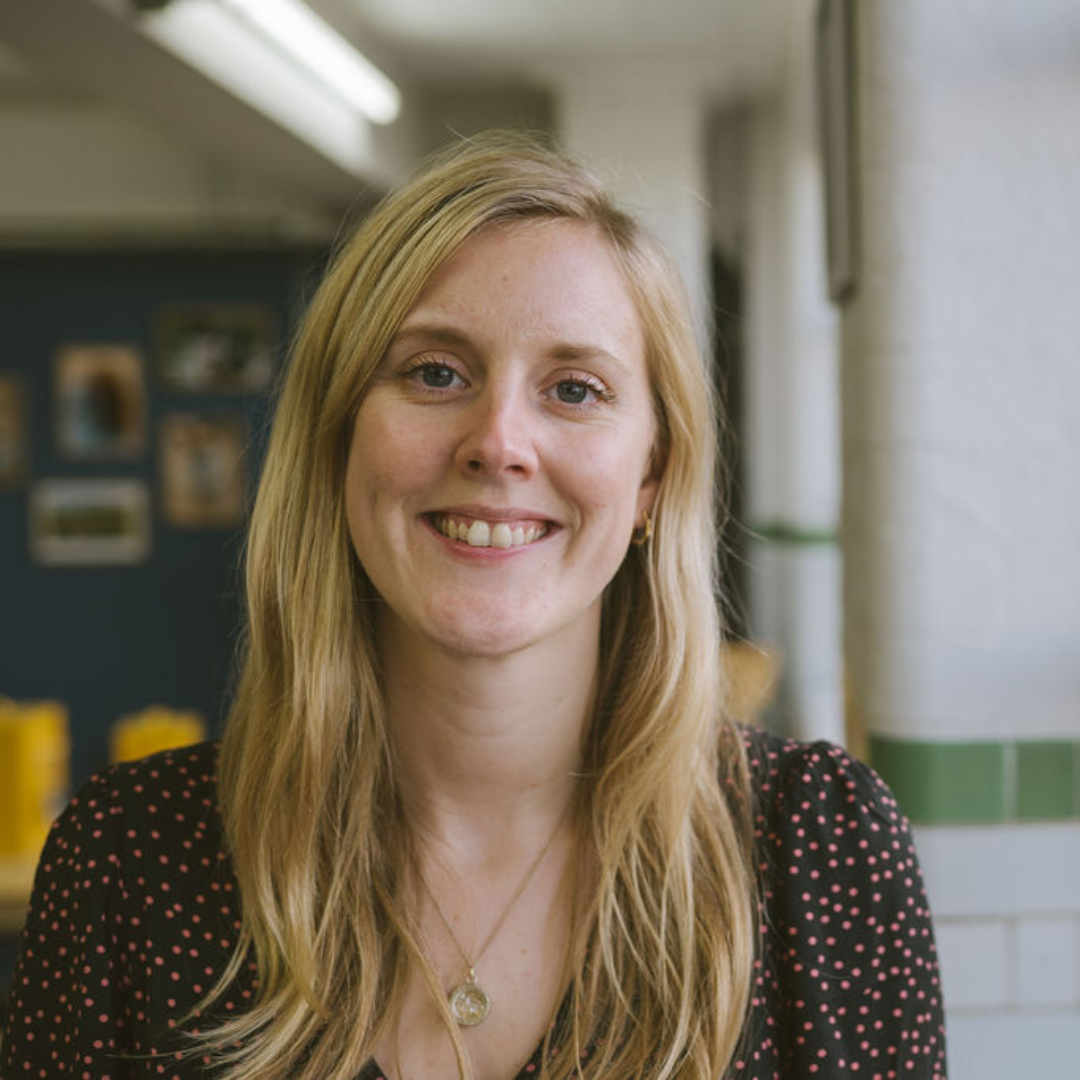
CarolinaCarolina Veira, Director of Partnerships at CareMax, Inc.

Carolina Veira is an award-winning executive, authentic leader, financial strategist and Diversity and Inclusion champion, with a passion for the advancement and empowerment of Hispanics, women, and other groups across various stages in their lives, and careers. She is an advocate for mental health, upward mobility, social impact, and the UN Sustainable Development Goals (SDGs). Carolina is a proud Latina entrepreneur with a successful trajectory in creating community initiatives and strategic partnerships with local, national, and multinational companies and NPOs. She believes in the power of building community by working together on financially sustainable and educational initiatives that transform and positively impact humans and communities.

Carolina is the leader of The Hispanic Star Miami hub, steering the strategy, fundraising & development efforts of various initiatives benefiting the Hispanic Community and expanding organizational reach on a local and regional scale. Carolina also serves as a Board Director of Deliver the Dream, an NPO that provides therapeutic programs to families facing serious illness, crisis, or disability; Accountable Impact, an award-winning company leading the way in advancing the Sustainable Development in the United States; and the Latin American Business Association (LABA), a business organization connecting and advocating for the development and growth of the entrepreneurial and business community in South Florida.

Carolina is a contributing author to Hispanic Stars Rising: The New Face of Power. A compilation of 92 stories written by Hispanic authors from across America. They share challenges and triumphs as they navigate everyday life in the U.S. She is also a contributing author to Today’s Inspired Latina, Volume IX. A positive, empowering read for anyone sitting on a dream and thinking it can’t come true. Today’s Inspired Latina™ shows that it can!

Carolina believes our voices and our stories have unlimited power and need to be shared with the world, that is why she also hosts ¡HABLEMOS! Conversations with talented humans who are leading with heart, and passion. Talks about inclusion, leadership and purpose as business drivers and a powerful way to elevate our community. These conversations are shared through video, podcasts and in written format on her website and through monthly newsletters. Carolina earned a double Bachelor of Science degree from D’Youville College in both Business and Accounting and a Master’s in Business Administration. She is Ecuadorian-American currently residing in Miami. She enjoys tennis, the Buffalo Bills, and speaks three languages.

Connect with Carolina on Facebook, LinkedIn, and Twitter. 

What You’ll Learn In This Episode

  • About CareMax
  • Serving the older adults population
  • The Hispanic community
  • CareMax has developed strategic partnerships with local and national businesses

This transcript is machine transcribed by Sonix

TRANSCRIPT

Intro: [00:00:01] Broadcasting live from the Business RadioX studios in South Florida. It’s time for South Florida Business Radio. Now, here’s your host.

Lee Kantor: [00:00:14] Lee Kantor here another episode of South Florida Business Radio, and this is going to be a good one. Today on the show, we have Carolina Veira with CareMax. Welcome.

Carolina Veira: [00:00:25] Hey Lee, thank you so much for having me. I’m super excited. Thank you.

Lee Kantor: [00:00:29] Well, I’m excited to learn what you’re up to. Tell us a little bit about CarMax. How are you serving folks?

Carolina Veira: [00:00:34] Listen. Carmax, we have both elements, both the medical services. So our patients go and visit our centers and receive primary care physician services and specialty services. So anything from seeing your doctor to nutrition, learning about your eyes and if you need glasses or not, diabetes, meeting with other other patients, that sort of thing. But we also have a technology component where we’re able to look at the patient’s data and get real time information and just to provide that whole approach to health care. We we not only worry about their physical health care, but also their mental health care, their social economic, their social determinants of health. How are they dealing with a community who’s taking care of them, who’s their provider, who’s there, who are their neighbors? All that information is, is, is needed to provide the best care.

Lee Kantor: [00:01:32] So what’s your back story? How did you get into this line of work? It must be so rewarding.

Carolina Veira: [00:01:37] It is very rewarding, actually. My my I started in the renewable energy field, actually, but then I moved when I moved to Florida a few years ago after living in Buffalo, because I know you need to experience a little bit of the cold go bills, by the way. Then I moved and I started working in the health care industry and truly, when you work in health care, you deal you obviously serve patients all ages, all socioeconomic backgrounds, all different professions. And you experience truly and you can see the need out there to not only provide medical services, but just to be there to support others. And and to do this tie to your day to day job is a blessing. We do say that it’s a blessing to be a blessing. And and that’s the type of approach that we take. We are all part of one big family and we want all the members of our families to be as healthy as possible.

Lee Kantor: [00:02:41] Now, it’s important that you mentioned all members of the family and in a lot of cases, those folks that need the most care don’t have the resources or the ability to kind of get the care that they need and deserve. Can you talk a little bit about how important it is for CarMax, you know, from a corporate social responsibility standpoint in order to make sure that everybody who needs the care can have access to it?

Carolina Veira: [00:03:09] Absolutely. And this is a beautiful question, by the way, because as I believe that not only our organization, but every organization, corporate America, should be taking more of a responsible and active role into ensuring that our communities are as healthy or as taking care as possible. I know that we cannot do it all, but we can all do something. And it’s not only about what you and I can do, it’s also about what corporations can do, what the government is doing. It’s all working together to ensure that everyone, but especially the most vulnerable members of our communities, are taking care of and are serve and are there. Their health is at the best level possible because only when we are only as strong as the most vulnerable members of our community. So it is a mission of love. I think it’s more than anything. It’s understanding that there’s a need out there and maybe we can do it all. But if we work together, we can do much more than just working, you know, just just doing a little bit of work. There’s, there’s unlimited resources out there from our end. And that’s what we focus is on understanding what the needs are, but also what the needs, the needs of our patients, but also the needs of our communities, where we’re our people, our team members are working. That’s where they live. So we want to ensure that we create partnerships with other organizations and especially the government agencies, to ensure that we’re all working in tandem and towards the same mission, which is to us provide the best health care, but with passion, with compassion, with kindness, and with those within our values.

Lee Kantor: [00:04:55] Right now, you mentioned how important these kind of strategic partnerships are in a lot of communities. There’s a lot of groups and individual organizations that are trying to solve this specific problem, but very rarely are all of the organizers. Nations that are trying to solve this kind of larger holistic problem, working together and not duplicating services or duplicating efforts. But how do you kind of build these relationships and partnerships with the variety of resources that are out there to help everybody make sure that we can get to as many people that need that have the needs.

Carolina Veira: [00:05:39] It is about it is my belief that it’s about truly understanding not only what we want to see happening, what what the end result or what we’re striving for when we’re building these partnerships with other organizations, but also very focused on what the real needs of that community of those patients are. We cannot it’s it’s a tailor initiative. If I’m a tailor made initiative, if I may say so, because you really need to understand what that community needs. You can assume that everyone needs the same thing. So it’s by by working on those relationships, understanding what the what they see as their main needs. Understanding what we have as assets that we can use for those communities. And then truly not focusing on creating big projects like, you know, that are going to take ten years. Yes, have that long term vision, but work on smaller, short term goals, accomplishing those short term goals that are more achievable. And you can provide results because only when you see the numbers and the results and the impact that the lives impact that it’s when you can encourage other organizations and other partners to join you and to really understand what you’re striving for. So I think that that open communication, that transparency, accountability, all those elements are so important. And when building these relationships but also understanding what people need, not only assuming but truly sitting down, having that cup of coffee, if you may say, but just having that conversation of, okay, what, what is what is it that you need? So that’s that’s how I build successful relationships and successful initiatives.

Lee Kantor: [00:07:30] I believe by listening and by hearing the stories of the people from the horse’s mouth, not not jumping to conclusions or making assumptions based on what’s kind of good for the organization. It sounds like CarMax is part of their culture, and DNA is to really serve this community in an authentic manner.

Carolina Veira: [00:07:51] Absolutely. And it’s not it goes beyond the patient’s right. It goes into their families, their neighbors, their their churches. If they attend one, the schools, the everyone in between, because everyone plays a role. So how can a corporation, a company like Cemex, can influence and can provide support and in an authentic manner? That’s what we work on every day. Not only we’re not only here. We’re we’re here in the business of providing health care. Obviously, we want to we want to make it sustainable. So we need to make money. But there’s ways of making or producing revenue where we all benefit from it. Our patients, our members, our team members also because we want the communities where we are to be as successful as possible so they live happier and healthier lives. Only one day they grow and they advance. It’s when everyone benefits from it.

Lee Kantor: [00:08:51] Well, it sounds like your efforts have been noticed, and you’ve been recently named one of the 100 most influential Latinas in 2022. Can you talk about that award and why it’s so important to you?

Carolina Veira: [00:09:07] Of course. And thank you so much for bringing that up. It Latino leaders, they identified the 100 most what they call the most influential Latinos in the US. And I was awarded with I was recognized by the magazine as one of them. So I’m especially proud because I know there’s all I can be representing, but I know that I’m the the summary of a lot of people working and supporting me in different roles and different initiatives. But more than anything, to me, it’s about representation. It’s about standing up for our community or for people of color, for women of color, for women who are trying to constantly break barriers in advance and show what we’re capable of. Right. So we can be what we cannot see. So we need we need more of these examples of success and whatever success means to you. But more people making things happen and whatever their goals are, just so others can see themselves in those those leaders and community leaders, those professionals, those mothers, those daughters that are truly not only representing but setting a tone and in elevating others. Because it ultimately, to me, it comes down to now that you get this type of recognition, what are we doing also to elevate others, to open doors for others, to make sure that others, the ones that are coming behind us are the ones that are with us. Right. That are part of our cohorts. How are we supporting them to also shine a light on their success? Because we’re all our individual stories are powerful. Our individual stories are needed. We just need to put to showcase this information so more people can achieve greater things just by looking at what’s possible.

Lee Kantor: [00:11:05] Can you share a story that might illustrate the way that you bring people together and maybe the most rewarding story that you were able to, you know, help other people kind of join forces and maybe get to create a bigger impact than than any individual might have thought possible.

Carolina Veira: [00:11:24] So I tell you what, during COVID night, I have two stories and I’m going to make the short and sweet because I know that we’re limited on time. But during COVID 19, we started delivering hot meals to our health care heroes at different hospitals. When people started realizing that this was possible and it was the the health care heroes felt good about it. We we had and by me, but we I mean, my team and I, we we had the support of bigger corporations like Beam, Suntory, Procter and Gamble with products so we can help. We were able to help other communities, farm workers and Homestead, people in Orlando, people in New York, people in different cities within the states to to during the time of need. Right. When when you are dealing with a pandemic. And if you don’t remember that it wasn’t that far back when we were all quarantined and we didn’t not everyone had resources available to pay for toilet paper and things like that. They were focusing on others, so this was meaningful to them and we really impacted a lot of about so far. We’ve impacted 40,000 lives with these initiatives. But the most recent one, I’m part of a book which is Latina to the Inspire Latina Volume nine and one of our colleges, Miami Dade College. We were able to talk to students about our experiences, professional and personal, and out of this group, a couple of girls, they have this initiative at school where they want to end period poverty. So now because of that experience, I motivated them to to go beyond Florida. And now they’re in different states, but I’m mentoring them and I’m working with them on establishing their MPO. They’re not for profit, so they’re probably 1 to 3. So these are initiatives that are meaningful but are impactful and can last and improve the lives of many, and it encourages others to join you. So I would encourage everyone to just, if they have a dream, to just go for it because you never know it will surprise you. And then people are willing they want opportunities to help others.

Lee Kantor: [00:13:36] Well, congratulations on all the success. The impact is real. And we appreciate the work that you’re doing and the community and in the lives of so many other people. And people don’t realize that when you make an impact like that, there’s ripples that are happening outside of your field of vision that are just as real to these people. So thank you for all that you do now.

Carolina Veira: [00:14:00] Thank you. And thank you for opening the doors and for this opportunity because. We need to continue telling our stories, our stories, so more people get encouraged and motivated by them and they do more. We need all the the support and the help and the love that we can get.

Lee Kantor: [00:14:18] Well, if somebody wants to learn more about CarMax, what’s a website?

Carolina Veira: [00:14:22] W w w CarMax. C a r e a x dot com.

Lee Kantor: [00:14:28] And if somebody wants to connect with you, is LinkedIn the best place?

Carolina Veira: [00:14:32] Linkedin is always the best place. Carolina and a m as my middle initial and Veda v i r a. And yeah, just send me a DM whatever it’s needed. And let’s work together on spreading love and empathy and kindness to the world.

Lee Kantor: [00:14:51] Well, thank you again for sharing your story. You’re doing important work and we appreciate you. Yeah.

Tagged With: CareMax, Carolina Veira

Recognized Senior & Passionate Brand Leader Michael Donahue

June 30, 2022 by Jacob Lapera

MichaelDonahue
Association Leadership Radio
Recognized Senior & Passionate Brand Leader Michael Donahue
Loading
00:00 /
RSS Feed
Share
Link
Embed

Download file

MichaelDonahueMike Donahue is a dynamic strategist and spokesperson, for both major brands, associations, and influencers in the most relevant, relatable manner feasible for existing brand stakeholders at all levels.

He is highly recognized for his positive, proven team builder addressing the most important elements of an organizations culture.  With detailed, empathetic understanding of existing objectives, he is a leader in helping execute change management needs, developing new ways of communicating and messaging existing entities objectives to promote their growth, enhanced relevance with internal and external constituencies.

His experience includes working in Brand Growth Leadership of two Fortune 50 Companies, 3M Corporation and in Senior Management as Chief Communications Officer for McDonald’s U.S. Company and later as a Global Advisor for the International President and Chief Operating Officer of McDonald’s, during some of the strongest U.S. and Global Growth of the company.

Donahue was a pioneer of brand management change in every position he held throughout his career, often serving with skilled leadership as an effective disrupter to existing orthodoxies, or as he prefers, a champion of  the Anticipatory Issues Management (AIM) Model, that perceptively looked at the future, changing consumer trends and driving decisions to lead rather than allow external forces to “be the disrupters” and interrupt organizational objectives.

He subscribes to the earliest adopters of the importance of change management, Charles Darwin, who professed, “It is not the strongest of species that survive, nor the most intelligent, but the one most responsive to change.”

Most recently Mr. Donahue is one of the few executives who experienced at the highest levels the rich perspectives of Corporate Management at McDonald’s, and later after retiring from McDonald’s several years later helping the 1,400+ McDonald’s Owners, as their Executive Director, advance their agenda with a new, less collaborative McDonald’s Corporate Management team insistent on changing the model of “collaborative leadership” established by the Founder’s and so successful for nearly sixty years with one of the world’s most recognized and respected Brands.  His vantage point from both levels is indispensable expertise as he continues his Senior Level of Strategic Consulting for agencies and clients.

This transcript is machine transcribed by Sonix

TRANSCRIPT

Intro: [00:00:02] Broadcasting live from the business radio studios in Atlanta, Georgia. It’s time for Association Leadership Radio. Now here’s your host.

Lee Kantor: [00:00:17] Lee Kantor here another episode of Association Leadership Radio and you’re in for a treat. I hope you have your paper and pencil ready. You are going to learn a lot. Today’s guest is Michael Donahue. He’s a recognized senior and passionate brand leader, proven innovative and anticipatory champion of relevant change management. He is a proven, intuitive, customer centric advocate for over 40 years at senior levels in some of the largest companies that you have all heard of. Welcome, Michael.

Michael A. Donahue: [00:00:53] Thank you very much. Lee, it’s an honor to be here with you today.

Lee Kantor: [00:00:56] I am so excited to pick your brain here and get your thoughts on the world of associations. Tell the listener a little bit about your background. I know you spent a lot of your years with McDonald’s, but you’ve been involved in associations, it seems like, for a very, very long time.

Michael A. Donahue: [00:01:14] Yeah, and I pride myself on that, LEIGH. The diversity has given me a kind of a unique perspective because I started out in the trade association business back in 1987, 1980, coming out of college as a I was one of the first public relations contract majors. They didn’t even have PR and earned media back then at the Fine Institute, we call the Harvard of the Midwest, Illinois State University. And so I came out of there and I immediately got an intern with a local state senator, and I started working down in Springfield, Illinois, in politics. I was from the Chicago area and then immediately got hired away. I realized what a breeding ground state capitals were at that time with Ronald Reagan, the 10th Amendment bringing items back to the state level, and a group called the National Federation of Independent Business, the nation’s largest trade association for small business owners. I think the vast majority have ten employees or less of their members. They hired me as part of this trend of getting back to the states to cover the Midwest area. And it was a great experience learning the association business from, you know, small business owners that were real entrepreneurs that had real problems. I migrated then I got hired from them because of our success. We actually repealed the state inheritance tax at that time. Of course, they they put it back on later. But the Governor Thompson, who was governor for 14 years, a very strong governor, they called him governor for life. He saw the work I had done with this small business group. And he was a moderate Republican and needed help. And he brought me in and had me run his Department of Commerce, small business and technology.

Michael A. Donahue: [00:03:20] So I got some government experience. And then out of that, I got noticed by corporations in the in the political world needing more help at the state level. And I got hired by 3 a.m. to do both sales branding and some some government relations work. They sold a lot of product. And then from there things seemed to kind of just breed within themselves. In this arena, I was able to go and get hired ultimately to McDonald’s Corporation, and I worked my way up there. I was there at McDonald’s Corporation out of Oakbrook, Illinois. They’re down now in downtown Chicago. And I worked there for 20 years. Lee And in a diverse group of experiences, I worked in government relations. I opened our first social responsibility group and response to all the groups like PETA and the they used to call them the obesity police and others that targeted McDonald’s. And we worked with them. And it was much like a trade association because we like to use our franchisees. Back then we had 2300 and every congressional district. So at McDonald’s we sort of worked. We said we were a multi local company, not multinational, because of the franchisee model. So I had a good experience with them, good experience with 3ma good experience with NFIB working for the Illinois Retail Merchants Association, which of course Chicago’s headquarters for many of the largest. But we worked for the largest all the way down to the smallest retailers. And then I’ve done a lot of consulting in between and have a rich history of both, seen it from the corporate larger side and then from the people that represent us in the trade associations as lobbyists or consultants and multi-unit groups like that.

Lee Kantor: [00:05:34] Now for the folks that are in the enterprise level and working for large corporates, can you talk about the importance of associations and how these large enterprises can play a role in really helping their entire industry if they lean into. Associations and really try to serve them to the best of their ability.

Michael A. Donahue: [00:05:59] I sure will. And if you have a big corporate office or people that are coming up in media relations, public relations, social responsibility, ESR, you name it, I have a significant statement for them. If they don’t use trade associations, if they don’t use third party advocates, they’re, they’re doing their brand an injustice. And that sounds a little harsh, but let me explain my experience with McDonald’s. I came into McDonald’s and the first thing I did, I was hired as a government relations specialist because that’s where I was coming under. And they wanted me to cover all 50 states, believe it or not. So I said, okay. I sat down and started my process, my inventory. I said, How many state restaurant associations coming from the retail merchants? Of course, knowing that Penney’s and Sears and all the large groups had really formulated all these state retail associations, and we had a coalition of national retail associations, and that was who they had. They hired powerful lobbyists in every state. So to some degree, they could protect their brand, you know, rather than go down and fight an issue that might be a consumer issue. They could have their trade associations doing that and talking from an economic and jobs and other reality. Well, I was told by my leaders at McDonald’s, well, we don’t join trade associations at the time.

Michael A. Donahue: [00:07:31] I will say as the industry leader at that time, long before Apple and others, we battled each year with Coca Cola to be the world’s most recognized trademark. And I guess there was a left over Ray Kroc and Fred Turner of the two founders, sort of I call it arrogance, but I have all the respect in the world for them. But they had prohibited their group or communications people from joining trade associations saying, we don’t want to share our secrets with other competitors. We are leading the industry. There was one statement somebody made in a meeting to me once that I just grimaced at We have everything to teach and nothing to learn. I went about and I realized that I was fighting upstream. Lee So I quickly developed a strategy and a plan to convince my management team all the way up to the top that not using the Restaurant Association’s was a major mistake for McDonald’s, that we were exposing the brand to unnecessary consumer hostility. There’s, you know, is there a brand that’s more consumer facing every day than McDonald’s? And if the word got out that we were fighting, let’s say a soda pop packs or we were fighting health care benefits, they could vote with their feet walking into any restaurant.

Michael A. Donahue: [00:09:07] And the same is true of any retailer and other group. So I started to put together a case examples of where we could be much more effective if we worked with our state restaurant associations as opposed to going it alone and and relying on others most at that time, QSR, as we call them, quick service restaurant rather than fast food. It’s more appealing, right? So we said, you know, if we join these associations, we have the internal expertise that they do not have. We have an obligation to give them that information because these issues. Do help other companies. And it’s just not a McDonald’s myopic issue. And as we started to do that and see some success, see some coalition building, I think others in the industry, the QSR industry and others began to realize the importance of that and join their local restaurant association. At first I had some work to do, Lee. We were met as arrogant. We were met as 19 players, and for business to split that way is a very detrimental way to lobby in the state legislature. When your opponents are coming in pretty well organized, if that makes.

Lee Kantor: [00:10:30] Sense. Now, when did you start getting traction? And then people starting to understand your vision and start believing what you believe that it helps when we lean into the association and that our work, that it’s not kind of a zero sum game that we are going to gain more than what we’re giving in actuality.

Michael A. Donahue: [00:10:50] So let’s take an issue. For example, let’s let’s say a well-intentioned legislator. Wanted to add a new tax on I use it before on beverages. We had the famous case of Michael Bloomberg as mayor of New York trying to tax big beverages and sugary drinks. Think he was doing a social good? Well, that was around a lot longer than him, I can tell you. And we would analyze the tax. We would realize that it might be like another syntax, like cigarets or other things that legislators go for because they’re not as. What do you want to see detrimental to people? We realized early on that people didn’t understand the economics of these issues. So using our tax department, using our vendors like Coca Cola, several others, we would get together with the respective industry groups and by that I mean restaurant associations, chambers of commerce, let’s say it’s in Little Rock, Arkansas, was just repealed after years there sort of tax. It took a broad based coalition of led by the local restaurant and beverage associations to really defeat this because the cause that they were paying for was a good one, but it was an inappropriate tax on the consumer. And the consumer was already taxed 2 to 3 times on food products and other purchases and like that. And we considered that a regressive tax. And you can make a very good case. And this is where I think your message or your question to me about what’s the corporate, corporate person’s job is to realize this is not a tax on a brand, that there is a statement that I would use what many Chicago legislators, and they just shake their head and say, Mike, you’re right, but your people don’t elect me. When I would say there’s no such thing as a tax on business. We live in a free market enterprise system. Any time you raise a tax on a product, what does the retailer, what does the wholesaler, what does the restaurant industry have to do.

Lee Kantor: [00:13:27] Because they pass it on like.

Michael A. Donahue: [00:13:29] Small margins. So once we started this effort of a multidimensional group coming together, we found that we could go out and recruit consumers to be a big part of the group. And don’t you dare tax my soda. You know, it’s bad enough I have to go and get a value meal for my family to save money. We would take good enough. But it’s it’s important that I pay as low as much every time you pass a tax. It’s a double tax to me because the food tax. Isn’t that so? That’s what I would say for every industry, for every issue, almost even the very complicated issues, you can put together a coalition using that trade association as the lead. And the more you make that trade association strong, the more you bring resources to that trade association, the stronger you help your brand, the stronger that you make it. And then for any corporation that has franchisees or distributors or even sales representatives out in the marketplace, the local you know, it’s all Tip O’Neill used to say that all politics are local and you want your local franchisees that people see sponsoring the Little League, cleaning up the beach or sidewalk litter, participating in Little League baseball games or litter cleanup drives or whatever. You want that local contact talking to their local legislator and saying this is the problem and that’s the job of associations and it’s multiple voices with the same message. And I hope we played a role in bringing a lot of groups together. Once we started joining, I think by the time I left 20 years later, we had joined just about every state restaurant group. Sometimes we we join the retail group if it was more powerful and even local chambers of commerce.

Lee Kantor: [00:15:34] Now, if you do that right, can’t you really build some true grassroots campaigns like that are organically built from the ground up rather than some of these things that maybe have a big national budget that makes it look like they’re a grassroots campaign, but in actuality, they’re not.

Michael A. Donahue: [00:15:55] As a great and multidimensional question and I get paid by the word and my area of work. So you cut me off if I go too long. But Lee, it starts with this. Matt. Legislation. Legislative support is a game of mathematics. And a legislator on issues of the day like abortion or like climate control or other issues get thousands of letters and many of them are signed postcards that are worthless because they just throw them in a stack. I was married to a state senator for seven years and I saw up front how they handled it. But nothing is more compelling to that state senator or that local senator or that congressman or congresswoman or senator than a personal letter on personal stationery generated maybe from the trade association. But saying, listen, I’m a member of the community. I pay my taxes, I employ 60 people per restaurant. I contribute to X, Y and Z organizations. And what you’re doing to me will hurt me competitively from the district next to me, the state next to me, and hurt employment and other things. Because we’re a most people don’t realize it. We’re not an oil company. When you’re in the retail business or the restaurant business, we don’t sell oil and buckets of crude. We sell by value. So the margins are very small and that’s what’s important. And some of these taxes that people think they can get away with and not address the real issues and and and turn a business association’s or turn their members into the evil person is a big mistake. And especially in today’s world. You know, I could go on I could I could do that in a second, but I’d rather get your follow up before I go into my Europeanization of the United States.

Lee Kantor: [00:18:19] Sure. Well, let’s let’s focus in on on the task at hand in terms of what can or what do you recommend the association leader in a local market? Let’s start there. What could they be doing better in order to attract some of these larger players that have more resources, maybe deeper pockets, but still serve that individual, the small firm, the boots on the ground guy that that, you know, this is their livelihood. And and some of the ramifications are going to impact that person personally and their family personally. So, you know, as a leader of an association, especially at the local level, you have to serve multiple constituents. So how do you recommend them kind of threading the needle to serve both the larger corporates and that kind of smaller boots on the ground where the impact is maybe felt more personally to that person?

Michael A. Donahue: [00:19:25] I’ll start in the reverse order of telling you what I think. The biggest problem if a trade association is experiencing membership from big members or small members dropping off. I’ll start with what I think is the biggest. Miss or the biggest mistake of trade associations. Trade associations from their very origin origination were created to protect whatever their organizations. Trust me. For every one business trade association, there’s two or three consumer trade associations. There is more than that union organizations. There’s what I call the built in anti marketers that are going to be attacking your members every single day. Be it on nutrition if you’re a restaurant, be it on price hikes or credit card caps, if you’re a retailer, if you’re a small manufacturer, they think you’re loaded with money and they want to tax you on employees or things of this nature. And I think what has happened, the worst trend with all of the efforts, and I do call it I heard a wise man say this, it’s not my term, and I heard it 20 years ago. Lee So it’s not new. What is the Europeanization of the United States? And that is if you look at the traditional positions of business philosophy and how we were founded and kind of why we left the other countries is the idea of the power of the individual, the idea of the power of the independent entrepreneur, and the independent idea of market based philosophy is better than a government based.

Michael A. Donahue: [00:21:22] Now, you and I know and I don’t say this to be political, we’ve long lost that war, but trade associations are probably on the front lines of changing it. And I think the sense that they make is they see everybody else is going towards this new new world order and trying to be socially responsible, transparent. Whatever the case may be. And I would tell you that I talk to many trade associations that said, Mike, we have to change here because the dynamic is changing in Iowa or the dynamic is changing in New York or wherever. And I have to work here every day with these legislators. And I said, But what that means is you’re capitulating to the idea that the system you defend isn’t working. And for example, just the change of the messaging. To not go in and apologize for the fact that you represent, I could give you all kinds of examples. But I’m a restaurant or in the case of a chamber that you represent waste management or in other areas. Every one of these areas are doing great things in the social. It’s good business, you know, for McDonald’s to take many of the social responsibility positions we did working with the Environmental Defense Fund to come up with new ways to create packaging, reduce, reuse, recycle was good business. When we made key announcements, our business would go up now. What has happened is I would go to our tax department and say they want to tax X, Y or Z, and they would sit back in business execs that don’t know the political process would say, Well, what do you want us to do? I said, No, no, no.

Michael A. Donahue: [00:23:26] Don’t don’t take that approach. Tell me what’s the best for job growth, economic growth, tax growth in our business? And let me put that into messages and go sell that to the legislators. Far too many people are conflict avoidant and are afraid to take a stand. And it’s rare anymore. And I’m talking when I was running the trade associations, it was over 25 years ago, but I found it then, and even when I was hire an independent lobbyist to work for us, I was finding it. Then they were more worried about ruining their reputation with a changing philosophy in government than they were with trying to reiterate the importance of it and, and, and business and economic issues. I could go into a 100 examples, but the bottom line is, if you’re not afraid to speak your truth, my mantra at McDonald’s was we we’re often hiding because we are again before Apple and others, we were the world’s most recognized trademark. So it was easy for Teddy Kennedy or you name it, to attack our brand. Mario Cuomo stood on the property of a McDonald’s restaurant and said, we’ve got to get rid of this disposable world and get rid of the Styrofoam container.

Michael A. Donahue: [00:24:49] And he got nightly news and was all over the place. Next thing you know, McDonald’s is a scourge of the environment and we’re fighting for four or five years bans on polystyrene foam. But. If a technical issue like that, you get the facts and you have the company committed to defend what they’re doing rather than trying to cut in and find a solution, you can win the battle and you can win by making the point you want a landfill that doesn’t have leachate and methane gas and you want inert items in there. And Styrofoam is probably one of the best to keep it solid. There’s a reason why Chicago’s built on a landfill, you know, and there’s a reason why they have methane gas and everything else. Biodegradability we used to have a professor say is the biggest myth since Santa Clause. Now, I’m not trying to get on to I’m not trying to get onto one issue at a time. I’m just trying to say the same is true with the new workforce and the different ways that people are bringing in employees. And then legislators try to regulate that. You have to have a certain schedule or you have to have certain benefits or whatever. And the HR departments and the government relations departments are afraid to go to their local trade association and say, this is why we’re doing it. We have so many single mothers that this is an advantage to them and this is how it is better for them, for business.

Michael A. Donahue: [00:26:28] They rather worry about, you know, the the stimulus coming at them, then trying to change. As Stephen Covey told us, the difference between animals and humans is our ability to think between stimulus response. You know, often trade associations will run to us and say, oh, you’re going to have to change your X, Y or Z position because they’re introducing legislation. My response would be why? And they would say, Well, they’re sponsoring legislation. I said, Isn’t it a democracy? And whoever wins the argument, so let’s go back at them and explain to them why we’re doing it. And I think too many business leaders and I’ll take it all the way up to the c-suites. And you see what happens with recent decisions by Coca-Cola, by Delta Airlines, by others. They want to capitulate to what they perceive is the what should we say, the the loud minority, and they end up hurting themselves. Worse, people vote with their feet. You’ll never be able to measure how many people didn’t go into a McDonald’s because we had Styrofoam and people were blessed. And Styrofoam you’ll never be able to measure how many people are no longer flying a certain airline because they took a liberal position. And I’m not taking sides, but because they took a position that they didn’t belong in. And that’s why you have a trade association to represent you and those issues.

Michael A. Donahue: [00:27:57] And more times than that, when we did get with the Environmental Defense Fund and say, hey, don’t look at what goes out the front of our door. Help us with decisions on what goes out the back of the door. Corrugated cardboard, you know, plastic containers help us. We came up with a Harvard business case of 60 different ways we could reduce, reuse, recycle that weren’t going out the front. And it was less than 1% of whatever was in the landfill, those Styrofoam containers. Yet we couldn’t win the PR war, but we won the government relations war. And what I would say is association management has to be stronger. They have to be more willing to tell the truth. They have to talk about transparency, and they have to go to a company and say, listen, you’re going to lose your shirt because they don’t understand you. If you don’t do X, Y and Z or arm me with those, there might be time for modifications, for compromise. We all we’re all for that. But 90% of the time the legislator does not understand. A pal does not understand a business issue. And that’s what I mean by the Europeanization. We have less business support than ever. And I’m an economic guy. I’m all for it, you know, I’m all for doing the right thing for the environment, doing the right thing for everything. But you don’t automatically capitulate to the wrong idea.

Lee Kantor: [00:29:27] Yeah. I mean, in your career, you’ve seen a lot and you have a lot to share with others and something that we’ve seen over the years when there is lack of context and lack of understanding of the big picture. You know, they say history may not repeat itself, but it rhymes. So we’re seeing some of the same things happen again and again based on, you know, not optimal information and capitulation. I mean, that’s that’s happening that’s happened throughout history.

Michael A. Donahue: [00:29:54] So this notion that you would tell legislators and they would look at you like. You know, you were a Cyclops. I’d say there’s no such thing as tax in business. All this talk about the corporations don’t pay taxes is such malarkey. If you add up what they really pay in personnel and property and sales and other taxes, there is no such thing. And people might want to argue with this as a tax on business in a free market enterprise price. It’s all about margins and the marketplace will take care of it. Why do we have to fight with all the fast food places on a dollar menu or on a value menu? It’s the marketplace setting those ideas. And so Governor Thompson used to like to travel around the state, and he was a moderate. So he liked to speak to a Republican, his Republican people. But then he also liked to talk to labor unions and sometimes got criticized. And I loved it. I say don’t walk away from adversity as a trade association, walk right into it and say, we want we got a point of view we’d like to have heard here and we’re going to bring our members. But he used to always say, because Illinois, like California, like so many other states, had a terrible worker’s comp and unemployment insurance and tax environment still does. But he would walk in and say, we’re trying to improve the business climate.

Michael A. Donahue: [00:31:34] And I pulled him aside one day as an economic adviser. And I said, Governor, why do you keep referring to it as the business climate? He goes, What do you mean? I go, Isn’t it the jobs climate? And he looked at me and he was a brilliant man, much smarter than me. And he goes, You know, you’re right. You can’t tax the job provider. And Illinois. At that time, we were losing manufacturing, basic manufacturing like crazy because of worker’s comp and unemployment and a simple message change, a simple ability. The art of the rhetoric to call it a jobs climate makes all the difference in the world. You know, now everybody wants to target business because they’re a big monolithic environment. When I testified in front of the FTC, when they were saying Ronald McDonald was no different than Joe Camel, I said, I’m here today to represent the more than 10,000 families, mothers and fathers that work for McDonald’s Corporation. And I assure you, we have no desire to make the world heavier, provide them with food that is not considered nutritious. It has the basic items. You have a lot of people that are hard to convince. But when you bring in that’s the other thing I recommend to our trade association is bring in your adversaries.

Michael A. Donahue: [00:33:08] The best thing you can do is bring in the adversary. Whenever we did state workshops or a federal workshop around the country, we’d bring in that guy that was introducing the Sirup Tax, that was introducing the retail grocery tax or whatever. And we’d have them by by talking to our members. They thought they were lobbying us until they start getting a question. And then another question. And then it might be Inner City Black from Chicago. Who would have a black owner operator who was the largest employer in that guy’s district go up to him and say, Do you understand what you’re taxed on, soda or cheeseburger or anything else? Do you know what it means to employment and to what I’m doing in your district? And it makes all the difference in the world. And what you find is people, when presented with logical facts, presented with the business case, are often persuaded in a different way. Just look at some of the changes that has happened. And and I think, you know, I think what’s his name from Tesla is a perfect example. He’s not a moderate or a liberal or conservative. He’s a common sense guy. And that’s what trade associations have lost. We retreat. We retreat. We retreat because the majority of legislators are not business oriented. Right. We know that. Right. There’s very few leaders left that would put themselves through those kind of things.

Michael A. Donahue: [00:35:01] So the immediate reaction of the business community is and the trade association is to retreat and say, let’s get the best we can out of this. And it’s like, What? Why can’t you make the case? You know, and there’s a great book, Conflict Politics. If the Enemy attacks and pushes you back two steps by criticizing and you retreat and come back with your evidence and they push you back to steps, you retreat and push them back one step. What’s their net gain? One step. And they just hurt your business and profitability as opposed to understanding you’re the job promoter or the job creator. And that’s the message I would give to summarize all that. All my rhetoric is I think trade associations in a way have to adopt that model that so many governors and and so many others. You know, Trump tried to steal it from Ronald Reagan. But taking back, taking back, you know, what it means to be an and free enterprise system and the damage that’s done. Now, I admit there’s things that have to be done to improve working conditions, all that, but not to the magnitude we’re seeing nowadays. You know, we’re reverting to a system that has failed everywhere else in the world sometimes. And again, I don’t mean to be too political.

Lee Kantor: [00:36:29] Now, I know you’ve retired for some of your work, but you’re still available as a free agent consultant, is that right?

Michael A. Donahue: [00:36:37] Absolutely. I’m one of those guys that I watched too many of my friends and colleagues when they got to be 65 and they thought they could go off and retire and play golf and take their boat out. And within a few years they were a fraction of themselves. I, I am convinced I love it so much, especially being an advocate, especially teaching businesses, trade associations, companies, new ways of going about things. Lee That I will work forever. It’s forever young for me. While I compartmentalize, I have the ability to do that and I like it a lot. And there’s this thing that most people don’t realize. It was started by Proctor and Gamble, and I shamelessly stole it, and it led to one of my biggest promotions at McDonald’s. It’s called The Idea of Anticipatory Issues Management. And it was created. I got to give her credit, Deborah, if you’re out there, please call me. I was going to form a business with at one time. She was a Ph.D. in environmental science at at, at, at P&G. And she realized they were getting chilled on things like phosphates from their detergents in the water and things like diapers when the whole solid waste crisis came on. You and I remember when we went out in the backyard and burned our garbage in United States, I never saw a seagull unless I went to Florida. Now they’re everywhere because we bury our garbage. Well, she created a model called Anticipatory Issues Management that I pioneered at McDonald’s that allows you to play offense on all issues.

Michael A. Donahue: [00:38:26] And it’s there’s only four. No matter what company, no matter what association you’re in, there’s only four elements of every issue. There is the emergence. And that’s when you hear your environmental or teacher, you know, the education’s talking about this crisis may be serious, maybe a Swedish study that’s not necessarily germane. Then there’s a triggering event. But if you follow the hierarchy before it becomes a triggering event, you get the media, you get other groups, liberal groups and others starting to repeat, you know, such and such is bad for the world. And then we all know there’s no leader. So the media picks up on it and starts running stories. And then shortly after that, your politicians start trying to affect it with regulatory and legislative policies, and then the next thing, the next. So there is the first step of emergence. Then there’s your triggering event. Think of the garbage, barge and Long Island sound that nobody would let dock because they’re out of garbage room. And then there is resolution where companies invariably, on any issue, spend millions of dollars in crisis management to solve an issue with big blue ribbon panel, you know, blue ribbon tables and all that experts. And then there’s resolution. The fourth step. And any trade association member ought to look that article up by Deborah Anderson. Anticipatory Issues Management Aim ought to ban the word crisis management from their vernacular. Same with company PR and other people and ought to say, how do I take my organization from the emergence to resolution? And what we did is we sat down and looked at every single issue in McDonald’s.

Michael A. Donahue: [00:40:29] When you’re the world’s industry leader, you could start with packaging, you could go to work in hiring, you could go to employment issues, you could go to environmental issues, you could go down the line to animal welfare. We’ve had to deal with every single one of them right down to where the symbolic scapegoat. Even if we don’t produce it, they’ll come after us in order to put pressure on our suppliers. So you identify all of those issues. You identify the top issues that are the most important, and then you engage and find out from influencers. And sometimes that means talking to your adversaries. And we did form our meetings with the environmentalists. I did talk to PETA for two years about animal welfare policies. And what we did hired Temple Grandin, the autistic PhD from Arizona, that showed us how to handle cattle and chickens and others in a more humane way. And we met with them when we talked about policies and procedures, and we came up with many solutions, like I told you about the environment. And that’s that’s going out and targeting problems that, you know, we used to say at McDonald’s, the fans are always on just waiting for the ketchup to hit them. And our job was to get the resolution before we went to the triggering event and crisis management. Does that make sense?

Lee Kantor: [00:42:03] Yeah, absolutely. Well, thank you so much for sharing your story today. If somebody wants to connect with you, is LinkedIn the best way to do that?

Michael A. Donahue: [00:42:12] Sure. You know, I’m kind of a hybrid of old school with my tried and true business practices. And then there’s a few people that have pioneered innovative solutions to deal with the world we’re dealing with today and the change of national psychology or philosophy. And so I have a perspective from either end of the continuum. Like I said, they can go to my LinkedIn, they can go to Facebook, etc. if I give my telephone number.

Lee Kantor: [00:42:47] Sure, whatever you like.

Michael A. Donahue: [00:42:48] 6304418080. I’m affiliated with a couple of great associations here in the Chicago area, so I have supporting crew on issues in that. But anything in public affairs, social responsibility, the culture, you know, they had it right when they said culture eats strategy for breakfast or lunch and not enough people think about their culture. And everybody from John Deere to a 20 employee manufacturing in the city of Chicago should be educating their employees. So they’re not taking the basic headline. You know, the opposition position and transparency is the key to all this, you know, transparency and then anticipatory management and walking into adversity. Those are the the biggest things that I could say.

Lee Kantor: [00:43:52] Well, Michael, thank you so much again for sharing your story. You’re doing important work and we appreciate you.

Michael A. Donahue: [00:43:57] Happy to help any way I can.

Lee Kantor: [00:43:59] All right. This is Lee Kantor. We’ll see you all next time on Association Leadership Radio.

Tagged With: Michael A. Donahue

Jeff Anderson With Kaizen Analytix

June 30, 2022 by Jacob Lapera

JeffAnderson
Atlanta Business Radio
Jeff Anderson With Kaizen Analytix
Loading
00:00 /
RSS Feed
Share
Link
Embed

Download file

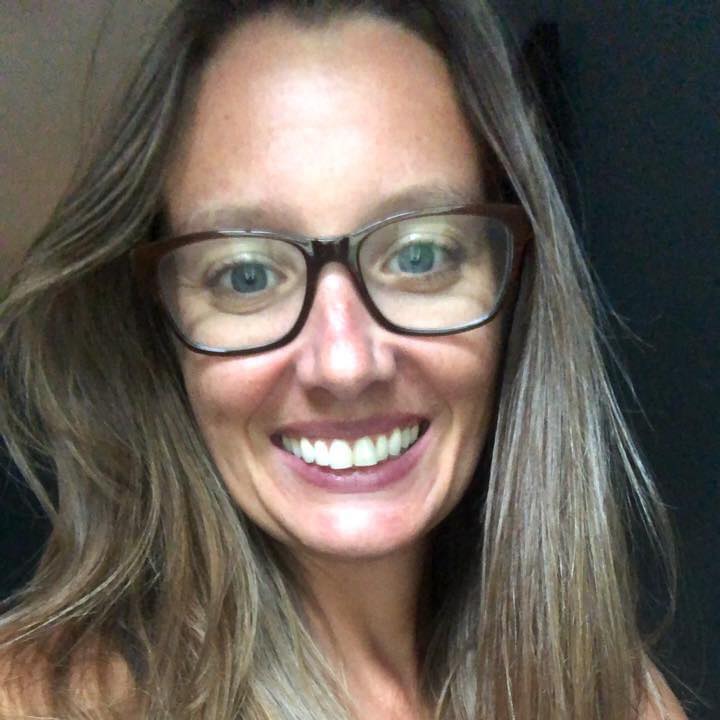
JeffAndersonJeff Anderson, Chief Growth Officer at Kaizen Analytix

Jeff Anderson leads Kaizen Sales & Marketing across all Kaizengo-to-market models. He also serves as a Client Partner for key Kaizen clients. Jeff has worked closely with some of the biggest brands across a wide range of industries to help them shape, launch, deliver, measure, and continuously improve their analytics initiatives.

Connect with Jeff on LinkedIn.

What You’ll Learn In This Episode

  • How Kaizen Analytix approaches data in new, deeper ways
  • Smarter data analytics
  • Small and wide data
  • The Kaizen Insights Anomaly Detection Engine

This transcript is machine transcribed by Sonix

TRANSCRIPT

Intro: [00:00:04] Broadcasting live from the Business RadioX studios in Atlanta, Georgia. It’s time for Atlanta Business Radio brought to you by on pay Atlanta’s new standard in payroll. Now, here’s your host.

Lee Kantor: [00:00:24] Lee Kantor here, another episode of Atlanta Business Radio. And this is going to be a good one. Today on the show, we have Jeff Anderson with Kaizen Analytics. Welcome, Jeff.

Jeff Anderson: [00:00:35] Thank you very much. Lee, how are you doing today?

Lee Kantor: [00:00:37] I am doing well. I’m so excited to learn what you’re up to. Tell us about your firm. How you serving folks?

Jeff Anderson: [00:00:44] Absolutely. Kaizen Analytics was founded back in 2016 here in Atlanta. Our first office was actually in a shared office space over on Pilot Street near a city market. It got cramped over there pretty quickly. And now we have relocated out to Ravinia over near Perimeter Mall. We also have offices in New York, Dallas, in Chicago. We’ve had remarkably consistent growth because what we do is help companies make better, faster and more profitable business decisions with data and analytics. The mission that we created back over on Pilot Street six years ago is true today. And what that mission is, is to make data and analytics actionable and accessible.

Lee Kantor: [00:01:31] So now a lot of firms, you know, you hear about big data and data is everywhere. And now you can keep track of data in places you couldn’t even imagine, you know, five, ten, 15 years ago. How do you help your clients kind of discern what is data that matters? What is data that maybe you can ignore? Or is all data data the matter somewhat and you just got to kind of prioritize it, like how do you help your clients wrap their arms around what seems to be a never ending supply of data?

Jeff Anderson: [00:02:03] Yeah. That’s a that’s an excellent way of asking that question there, Lee. For for Kaizen, it’s all about finding your unique story behind your unique data, quickly understanding what happened, why it happened, how to learn from the outcomes that you’re getting, and then moving on to predicting, optimizing and continuously improving your business performance. Now our name Kaizen, which is Japanese for continuous improvement. It’s core to everything that we do, not just the name of our company, because using Kaizen principles, we rapidly deliver an initial solution for a client in a period of weeks, and then we continuously improve that iteratively based on client feedback. So it’s an ongoing. That’s why I said your question was beautifully worded and that it’s a never ending continual journey that you’re on as companies continue to leverage advanced data and analytics.

Lee Kantor: [00:03:05] So how do they even know where to begin if it’s this giant pool of data that’s constantly being created and some parts that are super important, some parts that are maybe less important. But how do you even begin to know which where should I pay attention? Which is the area that I should focus on, where there’s a lot of opportunity? Where is an area that’s telling me there’s danger around the corner? What? It just seems overwhelming if I don’t have good systems and processes in place.

Jeff Anderson: [00:03:37] Yeah, that that’s a great point in itself. The way we would attack that with our clients is that we start small but we think big. We a lot of times will follow the money, so to speak. So we’ll look for the largest revenue streams, the largest cost buckets, and then attack those with the Kaizen approach of continual improvement.

Lee Kantor: [00:04:03] So that’s where you begin. So that’s a logical place to begin. Then you kind of dig in there because that the places that have the most revenue or the place that have the most cost, therefore you can have the greatest impact.

Jeff Anderson: [00:04:16] That’s typically what we see where the biggest opportunities are. Also, the more complex the business is, the more opportunity that you have. Because with complexity, things like revenue leakage, customer churn happens, fraud, those types of things. And what we can do is apply advanced analytics such as anomaly detection capabilities to find those situations and do that so that you and your team are not having to hunt through and sift through all the data and the spreadsheets and everything else that you use to run the business.

Lee Kantor: [00:04:57] Now, who is the kind of the ideal client for you? Are these these enterprise level, Fortune 100 sized companies that have the resources and have the data that can be attacked in this manner? Or is it relevant to small and mid-sized firms as well?

Jeff Anderson: [00:05:13] That’s the beauty of what we’ve got going here. It ties in. We have created an ability to support both larger Fortune 5500, 1000, even 2000 companies, and basically being able to provide capabilities for them that are to get them to actionable results. And that’s really that actionable part of the mission statement that I mentioned earlier. So for them, it’s all about making data and analytics actionable, finding real value within their data, leveraging analytics. But we also serve much, much smaller companies and we do that through the accessible part of our mission there. We have a suite of products that effectively allow much smaller organizations to take advantage of those same capabilities that the big clients such as, say, a Home Depot here locally or a Delta Airlines that have been investing in these capabilities for for many, many years with lots of data scientists and lots of IT professionals who do great things. But what we’ve set up here with our product offerings is, in a way for the smaller players to actually take advantage of these capabilities and deliver real business value.

Lee Kantor: [00:06:36] So what’s an area where a smaller company could lean on some of your tools to, you know, create more value for themselves? Is it around pricing? Because I think in smaller firms, pricing is kind of a let’s make a deal world and there’s not a lot of analytics behind it other than a gut feeling or what’s the temperature of the of the marketplace.

Jeff Anderson: [00:07:01] You took the words right out of my mouth with that gut feel. That’s that’s typically what we see. In some cases. It’s almost an afterthought. It’s like we got the new business, but then what are we going to price it at? So we have a specific offering. Kaizen Price Think of this as first of all, as an application, which you can consult from any smart device, but think of this as your pricing brain. It forecasts your demand, calculates your customers sensitivity to price optimizes the price, but then also factors in external data which sometimes has huge impacts, you know, things like weather, macroeconomic data. And we’ve created an ability with Kaizen price to essentially democratize the ability to price like much larger companies and do that for a very affordable price.

Lee Kantor: [00:07:52] So is this industry agnostic or does it work better in certain industries.

Jeff Anderson: [00:07:59] In terms of the I guess I’ll speak to that initially more broadly from a data and analytics perspective. I guess the two things that are driving the industry industry adoption overall is basically two things ever expanded data where companies continue to capture more and more data. And then also the pace of change in technology, which allows folks like us to apply new techniques to expand and push the envelope. But specifically speaking, I would say that you look at a couple of different industry groups, consumer centric industries that have extremely high volumes of transactions. You think retail, financial services, travel related industries. These industries are some of the earliest embraces of data and analytics, but honestly, they’re probably due for a facelift. Then you have industries using advanced machinery that have sensors now that capture literally subsequent data activity. Things are. Excuse me, something like chemical energy, industrial manufacturing. These are huge opportunities to leverage data and analytics. Then you’ve got industries such as that have kind of known throughout to be very inefficient from an operating standpoint. Health care comes to mind if you imagine how leveraging data analytics, how much more effective in terms of patient outcomes and more efficient these health care providers could be if they knew exactly who needs to come in to the or the optimal staff to provide the care, optimizing the treatments and really increasing the throughput to care for more folks in the in the operation. And then don’t forget about services industries, specifically where I’m speaking here of law firms. We’ve actually began recently working with law firms to use these same data and analytics capabilities. My lawyer buddies will say that lawyers are people too, and I would extend that to say they also have data too, and they can leverage that data and analytics for huge value within their law operation.

Lee Kantor: [00:10:10] So how does the data analytics work when it’s kind of a creative field or a subjective field where the value is kind of in the eye of the beholder? Like the art world say, like, how could you price a piece of artwork? You know, with any type of certainty or predictability when it’s so subjective. And, you know, you can put one thing up for auction, it could be worth millions and another thing be worth next to nothing.

Jeff Anderson: [00:10:43] With the in the world, like the art world, where there is some subjectivity, a test and learn approach would be really a failed self fail safe approach to that where we establish a price based on what we’ve seen in the past using as much history as we can in some of these cases, going with small and wide data instead of the big data is is a great approach. But what we would do there is establish a price, watch that to see the reaction and then adjust accordingly. So we call it test and learn and we would apply that type of approach in a in an environment such as when you’re selling it like a very unique art pieces.

Lee Kantor: [00:11:33] But that would come into play like say you’re a small producer on Etsy or one of these marketplaces. You know, you’re you produce something, a T-shirt, and you, you know, you kind of can guesstimate, okay, this is how much t shirts sell for. But how do I know if this is something that’s going to be have wild demand or no demand? So it’s this kind of test and iterate approach you think is kind of fundamental to any type of new or creative endeavor.

Jeff Anderson: [00:12:04] Yes, that’s exactly right. So you don’t like if you’re just starting a business and, you know, taking a test and learn approach, just really making sure that you are in fact, looking at it closely and frequently to see based on that price, how how fast or slow is your merchandise moving and then learning from that and then adjusting again. Going back to our our approach to how we deliver for clients, the continuous improvement also falls very much in line with that.

Lee Kantor: [00:12:37] So these are just the fundamentals of how you do what you do.

Jeff Anderson: [00:12:42] That is exactly right. You could probably almost every client engagement will be some element of a test and learn. So whether you’re brand new business getting off the ground and you want to use that approach or we’ve used it especially in the in the last two and a quarter years when we’ve all been impacted by COVID. A lot of those forecasting models for a lot of our clients really went out the window for that period of time. And using approaches like test and learn is small and wide data allow clients to nimbly shift when dramatic things like like a pandemic happens.

Lee Kantor: [00:13:24] But is that a practice that you feel that businesses should be incorporating at all times? Because change is always happening? It may not be to the degree of a pandemic or, you know, just tremendous inflation, but there is incremental change. So you should always be testing and always be optimizing.

Jeff Anderson: [00:13:42] Yes. That’s what we would recommend. If you think about the concept of a decision support optimization solution and there what you’re constantly simulating, what is going on and what you believe is going to happen in your business, taking those different scenarios and probabilistically figuring out which of those are likely to happen. But then preparing for the edge cases and just being being ready to kind of go with the market or go with the direction that the your business is going. But having the the machinery and the horsepower to have done all of those scenarios in advance and be prepared for any number is really that is a best practice that we see out in the market.

Lee Kantor: [00:14:36] Now is that it feels like it’s going against human nature a little bit and in terms of humans want things to be the same and they have this kind of security mindset or stability mindset and and it changes always. They understand intellectually, changes always happening. But you need to have mechanisms that are triggering alarms, right. That are telling you, hey, there’s danger around the corner or hey, pay attention to this, this might be occurring. So you have to kind of have your hand on the the lever in case you need to pull it. And you need to always know where you stand in the data analytics. Part of this is trying to help you if you’re open to it.

Jeff Anderson: [00:15:22] Exactly right, Lee. A lot of times what we will do is put in place, even if we’re not necessarily truly optimizing a solution, if the client is not quite ready for the true optimization business rule based alerts and establishing guardrails that once once these alerts are triggered or we’re seeing a situation outside of what we’re guarding against, then being able to trigger different operations, different processes, different decisions to really keep you more focused on and avoid catastrophic situations where you’re getting to real trouble.

Lee Kantor: [00:16:05] Now, you mentioned that I think that one of your tools is an anomaly detection engine. Can you talk about in a world where anomalies seem to be happening with more frequency or maybe we’re just aware of it more? How did this come about and how can your clients benefit from it?

Jeff Anderson: [00:16:24] Yeah. Our anomaly detection solution, probably one of our most exciting developments, very candidly, but it’s our newest offering in our Kaizen Insights Suite. What our anomaly detection solution does is it automates the delivery of very powerful, but at the same time hidden insights in your data. Importantly, without your team having to scour through and sift through all these different the data that you have, different structured, unstructured data, sources, reports, etc. What the solution does is it systematically looks through and finds patterns looking at all aspects of your data. It establishes what we call the business as usual baseline on key metrics like fraud, customer churn, revenue growth, even revenue leakage. But it’s looking for those metrics which ultimately can potentially drain company profits, and then it finds those outliers against that baseline. Great example of this is for a cable company. We use this solution to identify outliers that resulted in reducing their customer churn by 5 to 10%. So we found pockets of their customer segment combinations where churn was happening that looking at it in an aggregate, they couldn’t really see it, nor could they really act on it. But when you bring it down from your your base of 10 million customers down to a household group of, say, 4500, then you can take action and you can really move the needle. So but you are right in that there’s a lot of anomalies out there and really trying to separate the wheat from the chaff, what’s real and what’s not. That is the key to the whole thing. And that’s what we’ve got set up with this anomaly detection solution.

Lee Kantor: [00:18:21] So what do you need more of? How can we help?

Jeff Anderson: [00:18:25] Well, you know, when you I guess one thing that I wanted to say is that with our presence here in Atlanta, Atlanta’s been an outstanding location to build our business. I would say that without a doubt, we would not have been nearly as successful starting anywhere else but Atlanta. We’ve got great clients here, amazing talent, access to to great institutions, and just a talent pool that is really second to none in this space and also a local community. I almost see them and feel them as champions fans, supporters, mentors like the Atlanta CEO Council. Great, great council that we’ve leveraged a lot. Great airport. Can’t forget about Atlanta Hartsfield-Jackson. That allows us to move really quick and deliver for our clients, too. So it’s really about figuring out ways that your companies can use data and analytics starting small, we think big, but we start small. Really trying to understand that story behind your data, figuring out what happened, why, and then enhancing from there. And I guess just. You know, in summary here, just asking yourself the question, what’s your data really telling you? Where are those opportunities to to really have a huge impact in your business with data and analytics?

Lee Kantor: [00:19:57] Well, if somebody wants to learn more, have a more substantive conversation with you or somebody on the team, what’s a website?

Jeff Anderson: [00:20:03] Website is Kaizen analytics dot com I’ll spell it real quick. A Z in an ally t i x dot com. But we we would love to help and carry the data analytics torch forward in your organization. Lee, I appreciate the time this afternoon. It’s been it’s been great speaking with you.

Lee Kantor: [00:20:30] All right. Well, Jeff, I appreciate you coming on and sharing your story. You’re doing important work and we appreciate you.

Jeff Anderson: [00:20:36] You bet. Thanks. Have a great day.

Lee Kantor: [00:20:38] All right. This is Lee Kantor. We will see you all next time on Atlanta Business Radio.

About Our Sponsor

OnPay’sOnPay-Dots payroll services and HR software give you more time to focus on what’s most important. Rated “Excellent” by PC Magazine, we make it easy to pay employees fast, we automate all payroll taxes, and we even keep all your HR and benefits organized and compliant.

Our award-winning customer service includes an accuracy guarantee, deep integrations with popular accounting software, and we’ll even enter all your employee information for you — whether you have five employees or 500. Take a closer look to see all the ways we can save you time and money in the back office.

Follow OnPay on LinkedIn, Facebook, and Twitter

Tagged With: Jeff Anderson, Kaizen Analytix

Renee Dierdorff & Amy Guest With Kid Biz And Kristy Chadwick With Prime Leadership

June 30, 2022 by Jacob Lapera

CherokeeBusinessRadio062822pic1
Cherokee Business Radio
Renee Dierdorff & Amy Guest With Kid Biz And Kristy Chadwick With Prime Leadership
Loading
00:00 /
RSS Feed
Share
Link
Embed

Download file

This Episode was brought to you by

The Innovation SpotAlma Coffee


CherokeeBusinessRadio_062822_pic3

ReneeDierdorffAmyGuestRenee Dierdorff & Amy Guest are co-founders of Empowered Youth Entrepreneurs, a 501(c)3 organization. Our goal is to empower kids with resources & education to grow their entrepreneurial spirit.

Follow Empowered Youth Entrepreneurs on Facebook and LinkedIn.


KristyChadwickKristy Byess Chadwick, Founder at Prime Leadership

Kristy began her career in the banking industry as Assistant Branch Manager of Security State Bank where she gained the knowledge to help in her next adventure of starting a new bank. In 1999, Kristy joined the elite 13 team members to start Community Bank of Pickens County. In this role as Banking/ Mortgage Officer, she set all policies and procedures for both the Consumer Loan Department and Mortgage Department.

Maintaining her relationship at the bank, she founded Cherokee Elite Mortgage, Inc where she successfully closed over $100 million in mortgage loans. After selling Cherokee Elite Mortgage in 2008, she moved into the fin-tech industry where she held the position of Chief Operations Officer for General Financial, Inc. until 2018. She managed the daily operations for the Company and was responsible for implementing and developing a positive, engaging, and encouraging workplace culture. =

By overseeing Human Resources, Accounting, Compliance, Collections, and Customer Service, she developed best practices and procedures to ensure compliance with State and Federal regulations and laws. During her tenure at General Financial, she increased the loan portfolio to over 40%, maintained a default rate of less than 8%, and a retention rate of 97%. Since 2018, Kristy has been developing leaders while providing interim leadership solutions to small to medium businesses.

Connect with Kristy on Facebook and LinkedIn.


This transcript is machine transcribed by Sonix

TRANSCRIPT

Intro: [00:00:07] Broadcasting live from the Business RadioX studios in Woodstock, Georgia. It’s time for Cherokee Business Radio. Now, here’s your host.

Stone Payton: [00:00:23] Welcome to another exciting and informative edition of Cherokee Business Radio Stone Payton here with you this morning. And today’s episode is brought to you in part by Alma Coffee, sustainably grown, veteran owned and direct trade, which of course means from seed to cup, there are no middlemen. Please go check them out at my Alma coffee and go visit their Roastery Cafe at 34 or 48 Holly Springs Parkway and Canton. As for Harry or the brains of the outfit, Letitia, and please tell them that Stone sent you. First up on Cherokee Business Radio this morning, it is my distinct pleasure to welcome to the broadcast with Kid Biz Empowering Youth Entrepreneurs. Ms.. Renee Deardorff Good morning.

Renee Dierdorff: [00:01:11] Good morning. Thanks for having us.

Stone Payton: [00:01:13] Oh, it’s a delight to have you and your your your corporate structure here. Yes. In the studio, we had a chance to touch base at a million cups event, which I thoroughly enjoyed, and I felt like you were. So both of you, you and Amy, both so articulate, so passionate about what you’re doing. But let’s talk about as we start here, mission, purpose. Why are you doing this, Renee?

Renee Dierdorff: [00:01:43] Well, our overall mission and goal is to empower youth entrepreneurs and their entrepreneurial spirit through entrepreneurship. So the things that they learn through that journey, those lessons they learn, they’re invaluable. So whether or not they go on to run their own business or not, it’s the journey and the lessons learned along the way that we are trying to create a space for for that.

Stone Payton: [00:02:10] So I suspect you’ve learned a couple of things along the way, too, right? Absolutely.

Renee Dierdorff: [00:02:15] I just we’re leading by example.

Stone Payton: [00:02:18] So what was the genesis? A noble pursuit I think we can all identify with that is nobody says, oh, we don’t want to do that in this community. Right? Yes. But none of the rest of us did it. So what was the genesis? What was the catalyst?

Renee Dierdorff: [00:02:30] Well, I mean I mean, Amy can probably speak to this, but her youngest or her middle kiddo, Avery, wanted to sell cotton candy and started there. I don’t want to.

Amy Guest: [00:02:43] I mean, yeah. So about two years ago, one summer, Avery decided that she was going to rule the world by selling cotton candy.

Stone Payton: [00:02:51] All right, way to go, Avery.

Amy Guest: [00:02:53] She had her toy machine, and she wanted to be different, so she started figuring out ways to do flavors. I was all aboard. Like, I was like, this is amazing. I’m going to, you know, support you full wholeheartedly. Her sisters became her employees, and we started making cotton candy and going to farmers markets at least once a week as like a summer project. It kept him busy, which was great. And then our sisters were like, Wait a minute, we want to be a business owner. We don’t want to be an employee. So then we had to decide individually because she has two of them which who was going to do what and what was going to be their businesses. So now I’ve got three kids with businesses, oh my. Go into farmers markets. And then that kind of trickled because my oldest, best friend is Renee’s oldest daughter, Lila. So so then Lila was like, well, my best friend’s making money. So here we are in a trickle down effect with five girls, with businesses going to farmers markets around the county, just letting them explore what they could do and how they could run their own little companies. Everybody did something different, but we did start to notice that the community loved the ideas of having these kids out there, and we predominantly were the only kids out there in these markets. You know, most markets are even artist markets. Vendor markets in general are mostly adults. So it was a unique to have these kids out there. And so everybody was very supportive. But it kind of came down to, well, this is really cute, but if there’s an adult across the way making something a little bit better or it really wasn’t the right venue at the same time, so we’re like, we need a more even.

Renee Dierdorff: [00:04:43] Kid oriented.

Amy Guest: [00:04:44] Kid oriented, even playing field because there’s probably more kids out there. It’s not just our five kids that want to do this. So we kind of ran with that at the time. We’re like, Wait a minute, let’s see what we could do with this. And we.

Renee Dierdorff: [00:04:58] Actually, about a year ago now.

Amy Guest: [00:05:00] Right, was our very first time that we did it. So last August, we kind of just put it out there like, Hey, is do any other parents have kids? With an entrepreneurial spirit to have a small business, don’t know where to take them, don’t know what to do, want them to have a place to showcase what they’ve got. And we created the first kid Biz Expo and we had 28 kids. Wow, the very first time. And all we did was put make a post on Facebook and we had 28 kids right away. We hosted it at Sutley Baptist Church up on Highway 20, and we had so without anything residual, like no other events happening, no other things going on in that general area because it’s kind of out there on 20. Just with our promotion alone, we probably had at least 300 people from the community just come out solely to support these kids. Yeah, the the feel in the air, you could just everybody was stoked. Like it was very exciting. The kids you could just see going from like, we’re not sure about this to like, oh my God, I’m killing this by the end of the day. Like, their confidence levels. It was amazing. And everybody was very interactive, very generous. And, you know, they stop by each booth and they would talk to the kids like, how did you do this? What’s going on? Kind of things. And the community support was amazing, so we kind of took it from there.

Renee Dierdorff: [00:06:23] Yeah, they were like, Are you going to do this again? Not just the kids that were participating, the parents are participating, but the community like are. There’s going to be more of these and stuff. And so we packed up that day and we’re like and we’re tired. We’ll just we’ll revisit this revisit this in a few days. And just the very next day, we’re like, Let’s do this again. We couldn’t help it, you know. So then we did another one in November.

Stone Payton: [00:06:44] So I bet some of the businesses were interesting. What kind of businesses were the kids in and what kind of things?

Amy Guest: [00:06:49] We’ve had broad ranges, so our daughter’s alone. So Layla makes dip, dry dip mixes, Austin does epoxy resin. At the time, Avery did cotton candy. We have since rebranded to Popcorn. Ha Harper has done hot chocolate, but I think she’s doing muffins this time. But we’ve had like baked goods, lots of jewelry, some artwork in general. We had.

Renee Dierdorff: [00:07:14] Magic.

Amy Guest: [00:07:15] Kits, magic kit. Some of the boys get really creative trying to go in different directions. So we had five PVC marshmallow shooters walking sticks. We have slime.

Renee Dierdorff: [00:07:27] Melted.

Amy Guest: [00:07:28] Crayons, melted crayons, turning them into different shapes. The creativity out there was was quite amazing. It was a full gamut of options all bit.

Stone Payton: [00:07:37] And now this thing has grown beyond just the expo, right? There’s several pillars, aspects to the to the whole thing. Yes, I’ll speak to that a little bit.

Renee Dierdorff: [00:07:45] Yeah. So we have I guess if you consider the expo is a program, it’s the main overall goal that we’re trying to get kids ready for and let them showcase themselves to the community. But under that, we have the Kid Biz Workshop and that’s where a business professional in the community comes out and talks to the kids and teaches them a certain subject. It’s usually business related but can be mindset, just general life skills. And then we have Kid Biz Coach where it is a kid and a adult can, in a group setting mentor each other. And we’ll do that a couple of times a year. And then we have Kid Biz Connect, where it’s peer to peer networking so that they can be among other kids that are in the same mindset is them and going through the same life experience and learn from and bounce.

Amy Guest: [00:08:37] Just ideas.

Renee Dierdorff: [00:08:38] Yeah, brainstorm, but also just get just have someone relate to them.

Stone Payton: [00:08:42] Fantastic. All right. Let’s hear from some entrepreneurs, okay? Leila.

Leila: [00:08:48] Hi.

Stone Payton: [00:08:48] Hello, Leila, tell us tell us about about this business that you’re in now.

Leila: [00:08:54] My business is dip it good. It’s like dry dip mixes. They come in like there’s nine flavors. Yeah. And you can have samples at the market and you put them in sour cream. I have one sweet flavor. That’s cream cheese and they make dips.

Stone Payton: [00:09:13] It sounds marvelous. Just last night, I made, like, these chicken patty things, so I’m wondering if I couldn’t have mixed it in with that. Like, yes, I did some chicken and did some eggs and some breadcrumbs, but I could have put some of this in there.

Leila: [00:09:25] Fiesta is really good with.

Stone Payton: [00:09:27] Well, there you go. See, she’s taking me right to the. Yeah, she’s closing. She’s very good.

Renee Dierdorff: [00:09:32] She knows what pairs well with things.

Leila: [00:09:34] Now you can also put like the some of the flavors on the sandwiches. Some are good with like desserts, apples, carrots.

Stone Payton: [00:09:44] All right. So it’s cool now, but you had to get started. And entrepreneurs of any age, I think sometimes they can think it all through, sometimes maybe even overthink it through, but it’s getting it going. What was the the the the thing that you enjoyed the most about about launching it and getting it going? And what did you find the most difficult? The most challenging?

Leila: [00:10:07] The most challenging part was. Is. There wasn’t anything challenging, but. There was a part where like you have to figure out what flavors and which, like what’s better and what’s not. Because when my flavors, it was good, but it wasn’t like fantastic. So I had to tweak the recipe a little bit and that’s a really good seller.

Stone Payton: [00:10:31] Were there any flavors that sounded good on paper or when you were talking but or thinking about it and then you’re trying like, Nah, that’s not going to play.

Leila: [00:10:39] Actually, all of them have kind of worked out.

Renee Dierdorff: [00:10:42] Are you wanting to maybe change things up a little?

Leila: [00:10:44] Yeah. Feel like seasonal flavors would be cool. Like pumpkin, something for fall, like fun fruit, things for spring and summer.

Stone Payton: [00:10:54] That’d be cool. All right. So the the primary application of this that, you know, works is you mix it in with sour cream and then what do you do with the sour cream? There must be a gazillion things you can do with it once you’ve got your your flavored sour cream made.

Leila: [00:11:08] Yeah, you can put it sandwiches. Just with chips, with pretzels, with carrots. It’s really good.

Stone Payton: [00:11:15] Okay. All right. So you.

Leila: [00:11:16] Say.

Stone Payton: [00:11:17] Baby bagels. Oh, that sounds all right. So you go to the expo or. Or maybe someone finds you somehow, some way they know that you’re selling this. What does that conversation look like? Because they probably ask some of the same questions, but mainly they just they want to go home with something in the right thing. So what is that conversation like?

Leila: [00:11:36] I like, hi, I have samples. So that draws them in like, hey, free food and then they just try them all. Some people try. One is like, yes. And then like, I don’t try this one, I try that one. And then once they kind of have their mind set on a few, I have a deal where it’s like more for cheaper and then, you.

Stone Payton: [00:11:57] Know, whose idea was that to do like these deals? So it’s good to have a mentor or have some input, right?

Leila: [00:12:03] Yeah, they can order online. I talk about that and then sometimes people will ask like, how did you do this? What made you get into this? Where do you see going? So sometimes I would really long conversations about that.

Stone Payton: [00:12:16] Fantastic. All right. So did Harper switch with me or do I still have Harper on the other end here? Who’s at the mic right here.

Amy Guest: [00:12:23] In.

Stone Payton: [00:12:24] Austin? Okay. I think when I looked down at Austin, snuck in there. Austin, tell us a little bit about your business.

Amy Guest: [00:12:30] I sell a epoxy crafts, which include tumblers, keychains, trays, pens, all sorts of little things. Really. If it has a silicone mold, I could figure out how to make it so. So there’s a lot of those things and they can do all kinds of colors and glitters and any sort of design on the object itself.

Stone Payton: [00:12:51] So we have Austin tumblers in the room. I know you guys can see that out in radio land, but we have Austin tumblers.

Amy Guest: [00:12:56] I have made a cup for each of these.

Stone Payton: [00:12:59] They’re very good fun, and I’m operating under the impression we could have a Business RadioX tumbler.

Amy Guest: [00:13:07] Absolutely. Yes, definitely.

Stone Payton: [00:13:09] Cool. I think we should do that. And maybe like raffle it off or like a prize for a sponsor or part of a sponsor. Oh, great. That could be fun. So why that? Did you think about other businesses? And then you said then you kind of migrated to that well.

Amy Guest: [00:13:23] So like she said earlier, my sister had sort of cotton candy. And about a year or so later, my mom was scrolling on Facebook and she saw an ad for resin coasters and she was like, Oh, that’d be really cool to do. And so we went and bought the molds and watched a couple of YouTube videos and figured out how to do it. And once we did figure out how to do it, we realized there were so many other things you could do with resin. And so it started with a couple of coasters and then we went on from there. And then a little while later I started going to farmers markets with Avery. And so that’s kind of how that became a thing.

Stone Payton: [00:13:59] All right. Went and bought the mold. Let’s talk about that a little bit, because sometimes entrepreneurs have to make an investment early on before they’re getting a return. Did you get your capital? Did you get your money from another source? Did you save it up? Did you borrow to talk us through?

Amy Guest: [00:14:14] That was your primary investor.

Renee Dierdorff: [00:14:16] We’ve got some generous investors.

Amy Guest: [00:14:19] We’re quite generous investor. That helps me purchase some of my things.

Stone Payton: [00:14:25] So you got some of that? Do you do you pay it back?

Amy Guest: [00:14:27] Yes. After the Expos, I give her whatever amount spent on that specific expo, I give her back.

Stone Payton: [00:14:33] What does she get that a little bit more? Does she get an interest or like a return?

Amy Guest: [00:14:39] I get my products for free.

Stone Payton: [00:14:40] Oh, okay. There’s perks that’ll work. All right, so it sounds like it’s been fun. It sounds like it’s been rewarding. You clearly enjoy it and you’re a human. And sometimes things may not go well all the time. What are some of the challenges in running this business in particular? In business in.

Amy Guest: [00:14:57] General? Well, was this one specifically when you have to mix resin like perfectly or it will not harden correctly? And I’ve made a bunch of cups where it does not work and the resin still sticky. So you can’t use the cup or some of the other things that are bendy or just don’t look good. So that’s one of the things that. To work, and then sometimes any of the designs or stickers won’t stay. And so then it looks weird when you put the resin over it. So it’s become a science. It’s become a science that you have to.

Kristy Byess Chadwick: [00:15:28] Perfect.

Amy Guest: [00:15:29] To make it work.

Stone Payton: [00:15:31] So what have you learned about the marketplace and what people want and maybe they don’t want or what they like more or how they like to go by or what have you learned from interacting with the customers?

Amy Guest: [00:15:47] Most of them, when they come up to my tent, they’ll start looking at the tumblers because there’s a ton of different designs that you can do. Or they’ll ask me like, How did this start? Or Why did you do this? Or What not? There’s a bunch of keychains that usually get bought that people will look at.

Stone Payton: [00:16:05] Keychains? Yes. You don’t have one that floats, do you? I just lost my hat. Did you do a hat? Didn’t I thought hats would float and I was. That was at the river. So anyway, just if you put a little floaty thing on one. But keychains are popular.

Amy Guest: [00:16:22] Yes. Jewelry, jewelry, necklaces, keychains and tumblers are probably the main three that get sold to.

Leila: [00:16:30] I have one of your necklaces I like.

Stone Payton: [00:16:33] Oh, you guys do business with each other, so you team up. And do you ever give her food?

Leila: [00:16:37] She gives me necklaces.

Stone Payton: [00:16:38] Yeah. And if someone buys one of your dips, you can all you can always say, oh, you might really enjoy a keychain or a tumbler. You can help each other out.

Amy Guest: [00:16:46] I’ve done that a couple of times and sent them over to her table.

Leila: [00:16:48] We have. For other children?

Stone Payton: [00:16:50] Yes.

Renee Dierdorff: [00:16:52] Is it everyone?

Stone Payton: [00:16:52] Well, no, that’s handy and it’s important again, no matter what age you are, you know, in my world, it’s it’s important that I work with other people, with other media platforms, and we try to collaborate other people in other lines of business. Or if I have a client who’s a professional services person, they might be a CPA, but maybe they tell her, you know, a business attorney, hey, maybe you ought to talk to the or at least come on the show. If not if not, become a. All right. So let’s talk about the where. So it’s nice when you have the expo and the people come to you. If you found other places like, I don’t know, like a website or a Facebook page or something like that.

Amy Guest: [00:17:29] Yeah. And we’ve also been to a couple different farmers markets. One was that River Church on Sixes Road. One of them was in battleground on that green.

Stone Payton: [00:17:40] Yeah.

Amy Guest: [00:17:41] And social media do sell a couple of things there, whichever Facebook page.

Leila: [00:17:48] So people can order my stuff on the Facebook.

Stone Payton: [00:17:50] Page. Oh, nice. All right. So you’ve got an e-commerce situation going there. Yes.

Leila: [00:17:56] So professional.

Stone Payton: [00:17:58] No, that’s fair. That’s fantastic. All right. So, moms, we have an event or some events coming up.

Amy Guest: [00:18:06] Absolutely. We have. Our next expo is July 24th. We’ll be here in Woodstock on the the green.

Stone Payton: [00:18:18] Like right behind reformation. Reformation is my beacon and then everything is in reference to reformation.

Amy Guest: [00:18:25] So that makes sense. We will be directly across from reformation in the arts green green event area switch. And that is, like I said, July 24th from 1 to 6. All right. We have right now 46 children signed up to be mine.

Stone Payton: [00:18:45] Yes. All right. Well, color me there. You know I’m going to be there. Yes. We would love to have you there. Absolutely. All right. So do you pay an admission to to get in the venue itself or not?

Renee Dierdorff: [00:18:55] No, it’s free to the public.

Amy Guest: [00:18:56] Yeah. The venue itself is just a fun, free community event. The vendors set up and do their thing. We’ll have face painters and ice cream trucks and all the fun things that make it a good, worthwhile event. But the vendors do their thing, so it is for them to do.

Stone Payton: [00:19:14] Very nice. So bring your wallet. Yes, right.

Amy Guest: [00:19:17] Absolutely. Come to shop and.

Stone Payton: [00:19:19] Be ready to shop and talk with these young, young entrepreneurs.

Renee Dierdorff: [00:19:23] Do want them we do want the public to talk to them because there’s a lot that can be they can learn a lot from the questions that they.

Stone Payton: [00:19:29] Ask.

Renee Dierdorff: [00:19:30] Yeah, but the public learns a lot from them, too.

Amy Guest: [00:19:34] Absolutely.

Renee Dierdorff: [00:19:34] It’s really, really cool.

Stone Payton: [00:19:36] All right. So let’s hear from a couple of other entrepreneurs. I have Harper and Austin. Avery and Avery, man, we have a studio full here. Yes. Yes. All right, Harper, talk to me. Tell me about your business. So you know what? You know what I’m going to do, Harper? I’m going to turn your microphone on, and that’s going to make the whole thing sound better. I turned it down when you guys were switching around. So I’m getting better at this, you know? Look, you know, we’re all we’re all practicing. Let’s try it again. Now that I turned your microphone.

Leila: [00:20:05] On so I make kind of, like, circle cakes, and I’m going to.

Renee Dierdorff: [00:20:16] Book called Cake Bites, right?

Leila: [00:20:18] Yeah. My business name is Cake and Glaze.

Stone Payton: [00:20:22] Cute chicken glaze. All right. So a lot of different flavors. Yeah. Yeah. Like different tastes, different people. Like different ones.

Leila: [00:20:30] Yeah.

Stone Payton: [00:20:31] What’s your favorite?

Leila: [00:20:34] Well.

Stone Payton: [00:20:36] I think I could like Oreo. Well, you have Oreo at this next event that they’re talking about. Will you bring Oreo?

Leila: [00:20:40] Yeah.

Stone Payton: [00:20:41] Yeah. How about jalapeno? No.

Renee Dierdorff: [00:20:45] What other flavors do you think you’re going to do? What do we get?

Leila: [00:20:48] Cinnamon crunch.

Stone Payton: [00:20:50] Oh, baby. Lemon.

Leila: [00:20:52] Lemon.

Renee Dierdorff: [00:20:53] Chocolate and funfetti.

Stone Payton: [00:20:55] Yeah. All right, so. So one thing that I don’t think the general public always acknowledges and maybe even newer entrepreneurs may not realize there’s there’s the where you’re at the booth and you’re at the event or it’s available online. But sometimes they don’t see all the activity, all of the work that goes into getting ready to be able to actually hand someone the Oreo cake and get to it. Tell me a little bit about all the work behind the scenes that has to happen, for example, to get ready for this event. There’s a lot of there’s a lot that goes into it, isn’t there?

Leila: [00:21:29] It’s really simple to me, to be honest with you. It’s you just it’s supposed to be like whenever I get the box is supposed to be a cake. So I make the batter and then I can there’s like this little mini oven, you know, and it has like nine spheres in it.

Stone Payton: [00:21:48] Yeah.

Leila: [00:21:50] And then.

Stone Payton: [00:21:53] So you figured out the process. But while you’re in there doing that work and I think it sounds like you enjoy the work.

Leila: [00:21:59] Yeah, it’s really fun.

Stone Payton: [00:22:00] Some of the other kids are out playing, right. And maybe you’re playing, too, which is part of why that’s entrepreneurs. We enjoy what we’re doing, but there’s a lot to it. Okay, so you’ve got to make up the batter, then you got to make them pretty right and package them so that it looks like something I might want to buy.

Leila: [00:22:17] Yeah, it’s going to be where someone buys it, and then they can eat it while they’re walking around the kitchen.

Stone Payton: [00:22:23] And then they’ll buy another one before they leave. That’s right. That’s a good idea. Encourage them to eat it right down and tell them to come back, buy on their way out. Right.

Renee Dierdorff: [00:22:31] You’re going to have samples, too, aren’t you?

Leila: [00:22:32] Yeah, it’s just going to be free samples.

Stone Payton: [00:22:34] All right. Fantastic. All right. Again, I’m all mixed up with the names. Austin.

Amy Guest: [00:22:40] Avery.

Stone Payton: [00:22:40] Avery. All right, Avery, lay it on me now. You started this whole thing.

Amy Guest: [00:22:46] The whole.

Stone Payton: [00:22:46] Thing. All right. So talk about that very first idea with the cotton candy. You personally like cotton candy? Was that part of it? Yeah. All right. So tell us more about where in the world did you think at what point did you say, hey, I want to do this, I want to make this a business?

Leila: [00:23:05] So I got a cotton candy machine for Christmas and I wanted to do something fun. So we started to get like logos and started to go to farmers markets at River Church.

Amy Guest: [00:23:24] And then how did you come up with your flavors? Because that’s where it was very creative.

Stone Payton: [00:23:32] Oh. Did you ask anybody what they might like? Or you went with your favorites at first.

Leila: [00:23:43] I mean, I went with my favorites and in some of the best sellers that I would take to.

Stone Payton: [00:23:53] There you go. Well, that’s what I did. I started out doing the shows that I wanted to do, talking to. And then I found out that clients and listeners and people, they had ideas for other shows, kind of conversations that they would want to have. And then, yes, I also gravitated to the best sellers. Right. That’s just good, solid business right there. All right. So this has not been that long. I mean, it might seem longer to you than it does to me because I have gray hair, but it’s only been like this whole thing is like a year a year old. A lot has happened in a year. Yes. I’m going to ask you both, but I’ll start with you, Avery. Where do you see this thing going like a year from now? Will it be bigger and all of that or what do you think we’d be selling more stuff?

Leila: [00:24:43] Yeah, I think it will definitely be bigger. And I’ll have more ideas.

Stone Payton: [00:24:48] In.

Leila: [00:24:49] Better flavors or. Any other ideas?

Stone Payton: [00:24:57] Yeah. How about you, Miss Harper?

Leila: [00:25:01] I’ll probably start game. I’ll probably start and make, like, other kinds of cake. Yeah. Yeah. Then I’ll just grow from there.

Stone Payton: [00:25:11] Yeah. So. And I’ll start with you, Harper, but I want I want to ask you both about this question. If we had and we probably do, a seasoned business person, a mentor who has been through a lot, probably made some mistakes, probably had a great many successes. If you could ask them a question that you think would would help you or something you’ve been curious about that might help you in your business, is there a is there a question or something you’ve been wondering about, something that you would want to have a conversation about?

Leila: [00:25:42] Not really.

Stone Payton: [00:25:43] You got to figure it out, huh? I do know you got to you don’t need a bunch of outsiders. You just but you do pay attention to your customers. That’s the customers are good mentors, right? Because they’re going to they will speak to you. If they don’t tell you directly, they’ll tell you by what they bought right at the last expo. You can you can learn. You can learn from them. Avery, how about you? Would you have a question that you would want to know, like anything from managing the money to how to sell more or you got this thing figured out to.

Leila: [00:26:13] I think I got it figured.

Stone Payton: [00:26:14] I love it.

Leila: [00:26:15] It’s true.

Renee Dierdorff: [00:26:16] They’ve been coming to our workshops.

Stone Payton: [00:26:19] You have been going to the workshops? Yeah. So what kind of things do they talk about at the workshops?

Leila: [00:26:24] Just like I to like time management.

Stone Payton: [00:26:26] Oh, okay. Yeah, well, I need to go to that workshop.

Leila: [00:26:29] It was very. That’s the only one I’ve been to.

Stone Payton: [00:26:32] Yeah. Yeah.

Renee Dierdorff: [00:26:33] Usually the older ones are the ones that. That can hold the tension long enough.

Stone Payton: [00:26:39] Yeah.

Leila: [00:26:39] Yeah, well, I can barely hold it.

Stone Payton: [00:26:42] That might be true. I think those of us that there’s some of us, regardless of age, that that remains a challenge. Sure. Yeah. Yeah, I feel that. All right. So I’ll ask you to the same question, and I’ll start with you, Amy. Where do you see this thing going?

Amy Guest: [00:26:58] Well, our world wide world know our plans and our dreams and hopes and aspirations for Kid Expo in general. As our like as an organization grows, we would love a stable, a solid facility in the community. Okay. To kind of become that staple of where you send your kids to enhance their entrepreneurial spirit, to learn more about business, to learn life skills, to practice these these things, we could have more pop up shops. We could do like classes and camp longer classes in camps than just the occasional workshops. We could offer more to these kids that want to absorb it, just the things that they may not be getting in a traditional school setting because the curriculum doesn’t have the time for it or the focus for it, just based on different schooling systems, but just having an an outside resource that these kids can go to and learn these skills at a young age and kind of just prepare them for not only business, but just a lot of life skills.

Stone Payton: [00:28:00] Well, it certainly seems like there’s plenty of opportunity. I’m sure there are plenty of kids and parents who would love to to be a part of this. So it may be close to infinite as far as the number of people you could you could serve in that way.

Amy Guest: [00:28:15] Yeah, absolutely. I mean, we would love to make it something where we could have chapters across the state. So like we’re the Cherokee County version, we can have a COB version if we solidify how it works and duplicate it and offer the more children can benefit from it.

Stone Payton: [00:28:33] Well, you know, you bring up a good point, because so much of what you’ve learned, you’re going to want to get this and maybe you’re already working on this. You’re going to want to get the I call it the playbook, but you’re going to want to get it bottled right and documented so that you have repeatable processes and transferable.

Amy Guest: [00:28:49] Tools in that process. We have a board of directors, so we are working on all the the done our I’s and crossing our T’s, getting everything organized.

Stone Payton: [00:28:59] That’s fantastic. So, Renee, what can the community do to help? How can the community at large, how can businesses, how can media, how can we help?

Renee Dierdorff: [00:29:13] Well, at the grassroots level, people coming out and supporting the kids at the Expos, sharing our workshops and getting the word out. And when you hear this, just getting the word out and getting letting people know who we are on a business level, we need donations because Amy and I operate at you know, we don’t take a salary from this. This is our own time. We don’t.

Stone Payton: [00:29:37] There hasn’t been a wealth building exercise, so it has been.

Renee Dierdorff: [00:29:39] A self-funded.

Stone Payton: [00:29:40] Exercise.

Renee Dierdorff: [00:29:42] But we’ve talked several times when it’s just me and her and it’s like, this feels important, so it’s 100% worth it.

Stone Payton: [00:29:50] Yeah.

Renee Dierdorff: [00:29:51] And it doesn’t really matter how long it takes to kind of build things where we can. Make this our full time thing, because overall it’s just more important than anything else. So but yeah, we we are a 501 three organization, so all the business donations are tax deductible. And they would go toward the donations would go towards our general operating funds that we can work on all of the programs and all of those lead up to the expose that we do three times a year.

Stone Payton: [00:30:25] Yeah. So that’s a nonprofit designation. So Cherokee Business RadioX was a nonprofit in February.

Renee Dierdorff: [00:30:33] Oh, congratulations.

Stone Payton: [00:30:34] No, no, no. Just in February. Oh, okay. Now we’re back in the black. Oh, okay. Gotcha. Under designation. Oh, yes, I understand. So. All right, so let’s talk about businesses. Is there is there a way maybe to get some returns? There’s there’s the donation side of things, and that’s great. But could we could someone like a Business RadioX or a law firm or whatever, could we be a sponsor? Yes. Like like at this upcoming event, what might that look like or probably get pretty creative with it, right?

Renee Dierdorff: [00:31:06] Yeah. So we have a, you know, event sponsorship for the Expos where it’s, you know, your traditional levels of donating. And then we also have annual giving that a business may able to do is to be an annual sponsor. Yeah. And then another way a business can give back to the organization is to lead workshops.

Stone Payton: [00:31:30] Ah.

Renee Dierdorff: [00:31:31] So we in return would. Advertise your business and then you can come and get in front of these kiddos and really make an impact. So, yeah, donate your time.

Stone Payton: [00:31:44] No, the time is precious.

Renee Dierdorff: [00:31:45] It is. And we appreciate we’ve had so many people already do this and participate in the workshops. So those have been great.

Stone Payton: [00:31:54] So probably an off air conversation, but I want to plan a couple of seats with you before we wrap this segment and move to to our other. Yes. What if business radio sponsored an upcoming event and maybe got some presence in the value of that? I don’t know. In the literature there’s a banner or something like that. But what if periodically we had some of the kids come and talk about their business, either here in the studio or another idea that might be worth exploring? It might even help us get a third party sponsor they could help fund is at events like this. One of the areas was kid biz radio or that kind of wonderful and and really and let them kind of run the thing and maybe interview the board members. Yes that that’s what the.

Renee Dierdorff: [00:32:43] Explosions that sounds incredible because we’ve been trying to think of we thought about having like a booth there or something where we could interview people that are there, like to get kind of like testimonials, but just really hear back from the community what they got out of it. And then also the kids, what they’re getting out of it because because like we talked about, the kids learn what to make based off of the sales. We want to make sure that we’re serving the community the way that they want to be served. So we need that feedback and live and in person at that event is the best way to do that.

Stone Payton: [00:33:17] All right. So we got a thumbs up from Renee and Amy. But Harper, you down for something like that? You like that idea of having radio at the event? Yeah. Yeah. So would you be on the show and or would you be on the show but asking some questions. What do you think about that idea?

Leila: [00:33:34] That’s fine with that.

Stone Payton: [00:33:35] You’re cool with that? You got that? Yeah.

Renee Dierdorff: [00:33:36] You’ve done this.

Leila: [00:33:37] Expert.

Renee Dierdorff: [00:33:38] Now.

Stone Payton: [00:33:39] How about you, Avery? Is that something you could get into? Yes. Yeah.

Renee Dierdorff: [00:33:43] All right. Well, the kids interviewing kids would be. Really?

Stone Payton: [00:33:46] I think so.

Leila: [00:33:47] That’d be awesome.

Stone Payton: [00:33:48] Okay. We went from I think so to awesome. I think we’re making it. All right. So let’s before we wrap, let’s make sure that our listeners have an easy way to reach out to these to these businesses. And so I want to make sure that and let’s make sure we get the info and we’ll publish that when we publish. But for now, let’s make sure that they have an easy way to reach out and have a conversation with you or learn more about you and Amy, either one or both, whatever you think is appropriate, whether it’s a LinkedIn or Facebook email, whatever.

Renee Dierdorff: [00:34:22] So we’re on Facebook, Instagram and TikTok at Kid Biz Expo. So you can just search for us there and you’ll find it. And then you can go to Kid Biz Expo dot com for our website and everything’s there and you can message us on Facebook and we’re very responsive and we’ll be happy to talk to anybody that wants to connect.

Stone Payton: [00:34:40] Well, it has been a real delight having you and your entrepreneurs here in the studio. Sounds like we’re going to get a chance to do to work and play together. That sounds some more. But thank you so much. Keep up the good work. What you guys are doing is so important and we really do appreciate you and the community and Business RadioX Cherokee specifically. We’re going to we’re going to see what we can do to help. All right.

Renee Dierdorff: [00:35:03] Appreciate it.

Stone Payton: [00:35:04] Hey, how about hanging out with this gang while we visit with our next guest? We might learn something cool that. Yeah. You’re willing to stay with us, Harper?

Leila: [00:35:11] Yeah.

Stone Payton: [00:35:12] All right. All right. Next up on Cherokee Business Radio, please join me in welcoming to the broadcast with prime leadership Christy Chadwick. How are you?

Kristy Byess Chadwick: [00:35:24] Great. Thank you for having me.

Stone Payton: [00:35:25] Oh, it’s a delight to have you here. So what’d you learn in that last segment?

Kristy Byess Chadwick: [00:35:30] Well, maybe they made their way smarter than.

Stone Payton: [00:35:33] I am, that’s for sure. You picked up on that quick, huh?

Kristy Byess Chadwick: [00:35:37] I did.

Stone Payton: [00:35:38] I did know. It was a lot of fun visiting with them. So we are going to get more involved. Okay. Let’s talk about prime leadership, mission purpose. What are you out there trying to do for folks?

Kristy Byess Chadwick: [00:35:49] I’m well, I’m at the next step that these kids would take in their career. So I like to focus on the middle management where someone is just wanting to get into management, learning those life skills, learning the leadership, the culture, what it really means to build a great team, a great foundation, and what it is to really lead with culture.

Stone Payton: [00:36:14] So I got to ask, and I’ve been wanting to ask this question in the minute that I saw you were going to be on the show. So I’m going to ask her this question. I’ve asked a lot of people this question over the over the years, leadership. Is it an art? Is it a science? How would you characterize that, that word, that thing?

Kristy Byess Chadwick: [00:36:31] I wrote about this in my book. So it’s part science. Part art. Okay. So part art is something that you’re going to learn by experience, by grace under fire, I guess by just doing it and learning, you know, what works when you’re managing someone, everyone is managed differently. Just like when you have kids, each kid is parented differently.

Stone Payton: [00:36:56] And if they burn the cakes, you got to handle that otherwise. That’s right. That’s right.

Leila: [00:37:00] Yeah.

Kristy Byess Chadwick: [00:37:01] But the science part is the things that you can learn, meaning that, you know, you build your foundation with goals and core values at my, you know, at heart. And as long as you lead with your heart and with those core values, then that’s where the where the art comes in.

Stone Payton: [00:37:18] So if you do lead with your heart and your people see you kind of living into these core values that you’re espousing, do you? It’s my theory. So I will tell you, I my answer is yes, but I’m interested in your in your answer. Do you feel like people will give you a little leeway, give you a little space because they recognize your human too, and that if they see you living into that, they don’t just automatically turn off. Turn off. Is that been your.

Kristy Byess Chadwick: [00:37:44] Well, I mean, leadership is loyalty and trust. That’s a lot of it. Yeah. So you want your people to trust you and you want them to be loyal to you. I learned that from being in a corporate world and now shifting my career to to helping others. But we the. Court. The court leadership and leading by heart is by, you know, leading by example.

Stone Payton: [00:38:11] So so the when you’re thinking through establishing, reestablishing, communicating, re communicating values, are there some, I don’t know, do’s and don’ts or some some things to try to keep in mind as you’re establishing them or communicating them? What’s your take on that?

Kristy Byess Chadwick: [00:38:33] Setting expectations early. Yeah. So letting everybody know what the expectation is, what your expectation. If you was to interview 100 people who’s worked under me in the past, they would say that I’m hard but fair.

Stone Payton: [00:38:46] Hmm.

Kristy Byess Chadwick: [00:38:46] And that’s because I’ve set a very clear expectation, and I it’s very high. But, you know, I give them the resources and communicate with them, let them know what I’m expecting, make sure that they’re successful. Because if they’re not successful, I’m not successful. And that’s the way I lead. And that’s that’s the workshops that I’m doing to lead other middle management to be top, top executives.

Stone Payton: [00:39:12] And when you set the expectation and it’s not met, it doesn’t mean you got to terminate someone. Right? But you can’t just ignore that or it’s no longer an expectation. Is that accurate?

Kristy Byess Chadwick: [00:39:25] That is absolutely accurate. So you just have to coach.

Stone Payton: [00:39:29] Yeah.

Kristy Byess Chadwick: [00:39:30] So you’re I mean, you’re when you when they’re doing something that you don’t like, you know, you’re having a meeting of the minds and you are, you know, maybe, maybe they see something that you don’t see. So you have to listen as a leader as well. You just can’t. It’s not your way or the highway per se, but you’re kind of meeting in the middle because sometimes they’re going to have better ideas than you. So sometimes that’s a hard pill to swallow. However, that’s how that’s how lead. That’s how leaders grow.

Stone Payton: [00:39:57] So talk about this workshop. So walk us through some of the things we might expect if we participate in one of your workshops.

Kristy Byess Chadwick: [00:40:04] Yeah. So right now we have the ten day later, the ten day leadership challenge going on. So it’s just ten days. It’s virtual right now where you, you know, you get an activity, you send in the activity and then we talk about it at the end of the week in a zoom. So we do one of those a month right now. So it’s just now started. We just started in February. So it’s brand new and off the ground, but it’s so, so, so far so good.

Stone Payton: [00:40:31] Okay. So in the virtual environment, we have the conversation, we set the context, and then there’s there’s an activity or a set of actions, and then we’re supposed to go back to the ranch in our own environment and apply that activity.

Kristy Byess Chadwick: [00:40:45] Correct. And then you come back with real world, real world experiences, feedback. So you’re in an a group environment with mentors. You know, we have other people that come in and help because obviously I don’t I don’t know at all. So I want to bring people in who know more than I do. Right. That can help help people who are in the workshop to engage and that kind of thing.

Stone Payton: [00:41:08] I would think that that would be an incredibly powerful method of of learning far more powerful than just sitting and listening to you, no matter how eloquent or articulate or how right you might be about all these, to just write it down in my notebook. I mean, there’s value in that. But compared to actually, okay, now go back to to the office and do that and then come back with the results which aren’t always pristine, I’m guessing.

Kristy Byess Chadwick: [00:41:35] Correct. That’s part that’s half science, half art. So with them having engaged engagement, that’s your art part. So you’re learning to actually implement what your what your are your learning to implement, what your what we’re teaching.

Stone Payton: [00:41:50] So how does the whole sales and marketing thing work for a for a practice like yours? I’m anticipating that it might not be terribly easy to just pick up the phone and say, Hey, would you like to participate in my workshops? How does the whole sales and marketing thing work for a thing like your?

Kristy Byess Chadwick: [00:42:08] Fortunately, I started by warm leads by just my network. I was at a position in November. I decided to part ways at the beginning.

Stone Payton: [00:42:20] Of this past November.

Kristy Byess Chadwick: [00:42:22] Oh wow. And decided to go to do my own thing from some encouragement from some past coworkers of mine. Oh, good. So they had called me up and said, Hey, I’m wanting to teach your method to my coworkers, to my team. Will you will you come in? And I was like, maybe not. So I sit on it for a little bit, kind of like with me coming onto the show, right? So it took me it took me a minute to to say yes, but eventually I did. And I’m glad I did because it’s been it’s been real rewarding.

Stone Payton: [00:42:54] Yeah. All right. So the the early part of a conversation, if do you work with individuals as well or right now it’s.

Kristy Byess Chadwick: [00:43:01] Individuals and businesses.

Stone Payton: [00:43:02] All right. So so if if it’s an individual. Or a business, I guess. Talk me through the early part of engagement. I recognize that part of what the execution might be a workshop or some individual coaching or any number of things, but that that first conversation, that early in the engagement, what is that like? Are you are you asking a lot of questions about my world? Like, what’s a what’s that first exchange?

Kristy Byess Chadwick: [00:43:29] Like, I want to see what their mindset is. So I want to see what they I mean, this leadership or my style of leadership is half half science, half art. And I need to make sure that they don’t want to operate totally on science because they will not be successful. So I want to make sure that the partnership is successful. Kind of like when you’re hiring somebody new, you’re hiring for culture, not for not for their ability, because their ability most times, most times you can train somebody to do a certain task, right? You never can hire for culture. You can’t once somebody is who they are, that’s who they are.

Stone Payton: [00:44:08] Okay, so lesson learned.

Kristy Byess Chadwick: [00:44:09] Yeah. So once, you know, you have to define that culture, your company culture, same thing. When I’m working with people, I want to make sure that it’s a fit and I’m not wasting their time. They’re not wasting my time. So I want to make sure that they’re 100%, you know, that I’ve set them up for success.

Stone Payton: [00:44:22] So what do you do now that you’ve gone out on your own, you’re doing this work, what are you finding the most rewarding? What are you enjoying the most.

Kristy Byess Chadwick: [00:44:30] Help business owners, you know, redefine their operations. Yeah, putting people in the right seat, recruiting for them. So we started doing a little bit recruiting. So where we have people that come through our leadership training, we’ve now partnerships with companies, so we’re actually onboarding them. So we went into the company and we have we know how their operations work. So now we’re training those people. So now instead of that six, sometimes 12 week training period, that has been reduced because we’re training them as we’re onboarding them.

Stone Payton: [00:45:07] So the hiring and the onboarding, I intellectually, I know just how critical that is and practically I haven’t proven to be great at either. I at least self identified. I have a tendency to hire in my own image. Right? I mean, I’m probably not the only one, right? No. Is that a common pattern?

Kristy Byess Chadwick: [00:45:30] Yeah, I would say more than 70% of people do that.

Stone Payton: [00:45:33] Wow. And I if someone tells me they can do something, I just I want to believe them. I want to give them that shot. So it’s a I’m not a I’m not a tough job interview.

Kristy Byess Chadwick: [00:45:47] I don’t my interviews are not tough either. I like it to be very I want them to be very comfortable because I want to see how they are in their natural self versus their adaptive self.

Stone Payton: [00:46:01] Oh, yeah, talk.

Kristy Byess Chadwick: [00:46:02] More about that. So that gets a little bit into the behavioral analysis. So you want to make sure that, you know, when somebody said adapt and have an adaptive personality, then that means that they’re they’re adaptive to being who you think they are. So it’s more natural in a pressure situation. That’s who they’re going to be is their natural self. So, you know, if the building is on fire and they panic, they’re not going to get your team out. They’re going to get themselves out. So, you know, in in an executive or a management role, you want to make sure that your your team comes out on top. So you’re only as weak as you’re you’re only as strong as your weakest link. And if you you know, that’s part of being big and culture, making sure that you’re making the natural self more than the adaptive self.

Stone Payton: [00:46:50] So in our earlier segment, we touched on the idea of mentorship a little bit. Have you had the gift of someone mentoring you in your earlier career or as you start this?

Kristy Byess Chadwick: [00:47:03] I did. I did. She may kill me for mentioning her name on radio, but Geraldine Moody was my mentor. So I say she raised me in the bank. She was one of the founders of Community Bank of Pickens County, brought me under her wing, taught me everything that she knew. And I’ve been lucky enough to house that friendship over all these years. But yes, she would be my mentor.

Stone Payton: [00:47:28] So some insights, lessons learned on either side of that table as a mentor or mentee is. That’s right. Yeah. Like, well, let’s take it from the mentee. Let’s say that I have decided, you know what, I need and want to be mentored. Are there some things I could do or maybe should not do to get the most out of that relationship? The ways I can approach those conversations or any insights you might have on that?

Kristy Byess Chadwick: [00:47:58] Nope. Just be honest to yourself. Have the right mindset.

Stone Payton: [00:48:02] Yeah.

Kristy Byess Chadwick: [00:48:03] You know, always learn. From other people. So, yeah, you never want to be the smartest person in the room, that’s for sure.

Stone Payton: [00:48:10] Not been a problem for me. I got I got I got some challenges in this business that has not been one of them. So, like everyone in this room, your your enthusiasm for the business, your passion comes through, certainly here in person, I’m sure, over the airwaves. And I mean, you got to run out of gas sometimes. Where do you go? And I don’t necessarily mean a physical place. How do you. Recharge the batteries and find your inspiration to keep going.

Kristy Byess Chadwick: [00:48:44] My family, for sure. So I come from a huge family. I have. There’s five of me.

Stone Payton: [00:48:50] So am I.

Kristy Byess Chadwick: [00:48:50] I have a brother and four sisters and two daughters, two teenage daughters. Both of them are very active. One of them does rodeo, so.

Stone Payton: [00:48:59] Oh, cool. I love these conversations, guys. And I’ve said this before on the air. If you want to really get to know someone and learn some interesting stuff about them, get yourself a radio show because there’s just so much. It’s that tip of the iceberg thing. There’s just so much. So do you have a family member in rodeo?

Kristy Byess Chadwick: [00:49:17] My daughter. My youngest.

Stone Payton: [00:49:19] Oh, wow. How fun is that? I raised two. Well, Holly raised two wonderful young ladies, but I got to hang out during the process. And my youngest was a gymnast, and I was so proud of her. I thoroughly enjoyed watching the the bars and the floor exercise. I could not watch the balance beam thing. Right. Do you ever feel that way on it? Yes.

Kristy Byess Chadwick: [00:49:45] My my oldest daughter was a catcher.

Stone Payton: [00:49:48] In softball.

Kristy Byess Chadwick: [00:49:49] So I’ve spent most of my life since I’ve had kids and they’ve been old enough to be active, closing my eyes for at least 30 seconds during each event.

Stone Payton: [00:49:59] Yeah. Yeah. Oh, that is fun stuff. All right. So where do you think you’re going to take this thing? Do you want to at some point certify your methodology and have other people teach it as that or. Yeah.

Kristy Byess Chadwick: [00:50:16] I don’t know that I would go certification, but, you know, I have some other people that work with me that I’m training to kind of teach the same thing, right? So, you know, more workshops more more people like myself that teach different things, you know, like social media or marketing technology.

Stone Payton: [00:50:35] So like maybe team up with other people who are best in class in that domain and bring them to the so. Well, that’s a neat idea.

Kristy Byess Chadwick: [00:50:42] Yeah. I’m bringing bring like a group and then have, you know, maybe have a membership to that group where you meet once or twice a month and then you’re meeting the best, have a speaker. And then I like the engagement piece where you know you’re having activities and it’s just not a lot of lecture. And then you mix that up with some real world experience. That way you can test it out and then come back and say, okay, this worked, this didn’t work, why didn’t this work? Let’s go back and try it again.

Stone Payton: [00:51:11] Yeah. All right. Let’s let’s if we can leave our listeners, including the listeners in the room. So I’m going to ask you to approach it. You’re going to be covering some a lot of real estate here, but let’s leave them with some counsel, either from lessons learned, good or bad, some things that you have found. You know, these these couple of things I’m doing have really led to the progress so far. Boy, if I had it to do again or knew what I know now, I probably would not have invested as much time and energy in this. Anything along those lines that’ll help anybody in this room, including me?

Kristy Byess Chadwick: [00:51:47] That’s a hard question. So if I could go back and do anything again, it would be get a coach early. So, okay. So I had a mentor, but not really a coach. So, you know, I’ve I learned the hard way. You know, I spent all these all this money on softball lessons and riding lessons. But we don’t we don’t do those lessons in your career and in your business. So, you know, as you’re growing businesses, you want to learn as much as you can. And a lot of this, they don’t teach at school, but some but you’re learning real world. So you can have you know, you want to do social media, find you a coach. Somebody knows how to do it better than you.

Stone Payton: [00:52:25] I think that’s marvelous advice. All right. Before we wrap, let’s make sure that that we leave our listeners with a way to reach out to you, learn more about your coaching programs, or if they’d like, have a conversation with you or someone on your your team.

Kristy Byess Chadwick: [00:52:42] Yeah. So you can find me on LinkedIn. We have prom leadership, LinkedIn and Facebook, and we have a website so you can find us up from leadership dot com.

Stone Payton: [00:52:50] Fan Oh, I meant to ask why? Why did you call it prime? Why prime.

Kristy Byess Chadwick: [00:52:53] The leadership it was I come up with a couple of names, sent it to my family. My husband’s like, This is it.

Stone Payton: [00:53:00] I said, okay, it sounds like your family and particularly your spouse, very supportive of this move.

Kristy Byess Chadwick: [00:53:10] They are. Yeah.

Stone Payton: [00:53:11] So so yeah. I got to ask, though, what was that conversation like when you went home saying, you know, I got this great job, hubby, you know, and this is all good, but I’m not going to do that. I’m going to go out on my own. It was was that a five minute conversation or was that a weekend?

Kristy Byess Chadwick: [00:53:25] He said, it’s about time.

Stone Payton: [00:53:27] Oh, good for you hubby. Shout out for the hubby.

Kristy Byess Chadwick: [00:53:31] Yeah, he said it’s about time.

Stone Payton: [00:53:33] All right, one more time. Coordinates. Best way to reach out to you.

Kristy Byess Chadwick: [00:53:36] You can find us on website WW. Leadership or on I’m sorry on website WW leadership dot com or on Facebook at Prime Leadership or on LinkedIn at Prime Leadership dot com.

Stone Payton: [00:53:48] Marvelous. Well, thanks for coming down and visiting with us. Something you might entertain if you’re up for it. I think it might be an interesting segment. If you have a local client sometime that you’ve worked with, have them come on, maybe talk about their business so we can give them that opportunity as well. But maybe also talk about the relationship and what they got out of the coaching and the workshop and that guy. If you’re up for that, yeah, yeah. Reach out and we’ll have like a special episode. A special segment on that.

Kristy Byess Chadwick: [00:54:16] Absolutely. And I would love to mentor these kids. So great pairing.

Stone Payton: [00:54:18] Very nice. I have no idea who’s sitting at number four, but it’s one of our young entrepreneurs.

Leila: [00:54:25] Layla.

Stone Payton: [00:54:26] Layla, I’m horrible with the names. Layla, what do you think about that idea? You like that? Thanks. Yes. All right. So we got a lot of we got a lot done here and we have a lot of future plans. All right. This is Stone Payton for our guest today and everyone here at the Business RadioX family saying we’ll see you next time on Cherokee Business Radio.

Tagged With: Amy Guest, Kid Biz, Kristy Chadwick, Prime Leadership, Renee Dierdorff

Jake Schuster with Gemini Sports Analytics

June 30, 2022 by Jacob Lapera

Startup Showdown Podcast
Jake Schuster with Gemini Sports Analytics
Loading
00:00 /
RSS Feed
Share
Link
Embed

Download file

Jake-George-Schuster-Gemini-Sports-AnalyticsJake George Schuster, Founder of Gemini Sports Analytics, was born and raised in the Boston area. Gemini-Sports-Analytics-logo

He lived in 6 different countries through 20s to get MSc + PhD and work in pro sports before burning out and moving to Miami to be closer to family and launch first business.

Follow Gemini Sports Analytics on LinkedIn and Twitter.

What You’ll Learn in This Episode

  • Making data science accessible
  • Demystifying AI/ML
  • Why data ownership matters
  • How operational maturity and systems design can improve in pro sports
  • The pre-seed journey as a first time founder
  • Making sense of the minefield that is raising venture capital

This transcript is machine transcribed by Sonix

TRANSCRIPT

Intro: [00:00:04] We’ll come back to the Startup Showdown podcast, where we discuss pitching, funding and scaling startups. Join us as we interview winners, mentors and judges of the monthly $120,000 pitch competition powered by Panoramic Ventures. We also discuss the latest updates in software web3, health care, tech, fintech and more. Now sit tight as we interview this week’s guest and their journey through entrepreneurship.

Lee Kantor: [00:00:38] Lee Kantor here another episode of Startup Showdown, and this is going to be a good one. But before we get started, it’s important to recognize our sponsor, Panoramic Ventures. Without them, we couldn’t be sharing these important stories. Today on Startup Showdown, we have Jake Schuster with Gemini Sports Analytics. Welcome, Jake.

Jake Schuster: [00:00:57] Thank you for having me.

Lee Kantor: [00:00:58] Well, I’m excited to learn what you’re up to. Tell us about Gemini sports. How you serving folks?

Jake Schuster: [00:01:03] Yeah, we we are a data science as a service company. So we are making predictive analytics accessible. And what we mean by that is, you know, most people have seen the film Moneyball that took place 20 years ago when the Oakland Athletics used mathematics to get an advantage on their opponents and won more games with 20 years ago, they were collecting about 50,000 data points per athlete per year. Now that number is between two and 3 million. And sports teams are hiring lots of data scientists. So we encourage that, which is just hiring more and more would be like asking Henry Ford for a faster horse. Someone’s got to build a car. There are automated machine learning platforms which allow non-technical people to do data science without having to write computer code, but they’re generic to industry and sports. People won’t use them. Sports executives won’t go pay for those platforms and use them because they’re not quite user friendly enough for their needs and the technical level. And they don’t contain APIs or data ingestion pieces for the sports data that’s being collected by these teams. So there’s too many steps for them to really harness that technology. We’re just bringing that kind of vertical SAS approach into sports.

Lee Kantor: [00:02:11] So what is the type of data that is important to these teams?

Jake Schuster: [00:02:17] Anything that will help them better make better decisions in how they acquire, develop and manage their athletes? So if you’re a professional baseball team in North America, you’re going to want to figure out which players to draft and which players to sign. You’re going to have long term development plans for those athletes that you need to optimize. And you’re going to want to keep those those athletes injury free and performing their best. And finally, you want to know which tactics to play against different opponents and to optimize processes. And so any data that’s going to help improve that process.

Lee Kantor: [00:02:47] And then where what kind of universe of data do you pull from to get that kind of information? You need to assess that. Okay. Let’s start Bill today and then Bob tomorrow.

Jake Schuster: [00:03:01] Yeah, great question. So you’d be surprised how few or how common these sources are the most teams are collecting. Every sport has a scouting database, every sport has an endgame statistics database. And then every sport will use, let’s say, about a half dozen of the same, you might call them biometric or performance and medical technologies. So jump tests that they do daily GPS and accelerometer metrics of how much an athlete’s running and game or running in practice, and therefore how hard they’re working your heart rate. Similarly, sleep is measured often, and lots of nutrition and psychological metrics are taken these days. And then each league has some specific stats, like something called second spectrum in basketball, and it looks at indoor movement tracking and other technologies that you see in different sports.

Lee Kantor: [00:03:49] So then the teams for existing players, they have access to certain data and then there’s probably just public information, right, that you’re you know, they’re these people are being filmed, you know, playing the game. So there’s data there. How do you kind of help them? Kind of first of all, take that public information and marry it to the private information that you might have and then and use that to make an informed decision whether, hey, maybe this guy’s hurt and he’s not telling us. But because I’m getting data that suggests that something’s a little off, but like like how is it used practically on a day to day basis?

Jake Schuster: [00:04:33] Well, our platform on a day to day basis, it’s important to understand that this is a tool in a user’s hands existing. I don’t like to use the word competitor because no one’s done what we’re doing before, but existing technologies out there are often third party or consulting style where they have to send you the data and then someone’s going to play with it and get back to you with insights. We are entirely, entirely putting capabilities in the stakeholders hands, so we do a lot of backend work that we automate and scale in terms of data preparation, making it easy to join databases and those different data sets that you mentioned. For example, our first piece of traction was publishing in an academic journal publicly available data on MBA injuries. Over the last ten seasons. It was the most accurate data model ever published to date in that space, and that was just to show that what we do is objective and academic, that it’s not a black box, it’s not a secret sauce. We are just using open source data models and wrangling them into a space that it’s easy for someone to use without writing computer code.

Lee Kantor: [00:05:30] But then it’s on the team to now take that data and then use it specifically to help. Them in some manner?

Jake Schuster: [00:05:37] Absolutely. I mean, we believe this is not meant to be man versus machine. It’s man and machine. And a lot of times you will see something where the computers are saying one thing and the executives are saying something else. And then this war takes place between departments. And that’s not how it should be. It should be that the machines are giving you some some information and you’re making human decisions based on that, not because of that or dictated by that.

Lee Kantor: [00:06:02] So what’s an example that the machine might help you make a better decision because it’s giving you pertinent information?

Jake Schuster: [00:06:10] Sure. So our first pilot project we did with an NBA team where they wanted to know how to manage their busy schedule. The MBA schedule is famously hectic and challenging and causes a lot of injuries. And so you want to find where you can get a day off any place you can are algorithms show the the wind probability of every game across the season based on travel, based on time zones, density, things like that, amount of rest and so forth. And within them it was very obvious how much better their star player was getting when he had a certain amount of rest. So we looked across the schedule and identified about 20 different times that they could give the player a pre pre-planned day off based on our metrics, and they got to pick the five that they wanted.

Lee Kantor: [00:06:54] So like I use a Woohp fitness product and then so it tells me like, hey, you have good recovery today, you have bad recovery today. Is that something that you can take that data then and then integrate it into your data so that you know that if I’m having a bad recovery day and it’s kind of near the time for this person to have a day off, maybe we should make today. That day.

Jake Schuster: [00:07:18] Absolutely. And a number of teams are using MOVE. It’s a little bit more consumer grade technology, but they’re using similar things that are a bit more precise. And that’s exactly how it works, where many people you might see tweeting or posting online, observing that their sleep metrics are very poor after they have alcohol the prior night in a similar situation with an athlete or with a consumer, the technology isn’t saying don’t drink. It might not even be that smart, but it’s going to show you what happens when you drink and then you or your coach or someone involved has to help you make the decision to not drink.

Lee Kantor: [00:07:53] Now, is this primarily geared to professional sports leagues, or does this trickle down to college and high school?

Jake Schuster: [00:07:59] Yeah, we’re already we’re about to be able to announce a partnership with a Power five college that we’ll be working with. I think high school doesn’t quite collect enough enough technology yet, although we’ll probably work with some AA groups. College is absolutely a market that we’re working in.

Lee Kantor: [00:08:14] And then so when you had the idea to do this, how did you kind of create the company behind it to help and roll it out? Like what? Like did you do this kind of on your own as bootstrapping? Hey, I got this idea. Let me just play this out. Or were you like, right away? I’m going to I’m going to scale this thing and I’m going to build the team.

Jake Schuster: [00:08:36] This bootstrapped for a long, long time. You know, self belief and traction have a funny parallel journey together. And I had this idea back in 2019, and I’ve been talking about it with my partner, Jose Fernandez, who’s the head of sports science at the Houston Astros, when they won a World Series with the biggest analytics department in sports. And he saw this problem and he saw that they needed software on top of all those developers. And we went around, we publish this paper, we did a pilot project. I went full time last August. We raised a small, small round of angel investment, put that into product design, and then went around with that product design and pitch venture capital and recently raised $1,000,000 combined from lead sports known a group, which is the combination of the grandchildren of the founder of Adidas with the honor of a Premier League team and Florida funders who are the most active venture capital firm in Southeast.

Lee Kantor: [00:09:29] Now, was it always kind of just aimed at the professional team or is it going to eventually trickle down to, you know, gambling and fantasy football and things like that?

Jake Schuster: [00:09:40] It’s funny how often we get that question, and I don’t have a great answer. My sense is that someday we’ll build a parallel product in that space. Everyone wants to know if the numbers can can give more accurate betting odds and things like that. I think the market is plenty big just to help out elite sports teams around the world, but I’m sure some investor will convince me otherwise at some point.

Lee Kantor: [00:10:03] Well, because if you’re capturing this data and like you say, it’s self serve, and if I’m able to take what exists, that’s in the public domain and then get an edge. I mean, that’s what all of these, you know, games of chance, that’s what it’s about, right? You want an edge?

Jake Schuster: [00:10:19] Without question. Without question. I think the important thing to understand why I’m a little bit defensive about that notion is that trust is everything and data security is paramount. And we’ve built out redundancy after feature after redundancy in our platform to ensure the security of athlete data and proprietary team data, which obviously we know is important because we’ve been in those positions working for those teams. There will come a point in time where the value proposition becomes what my original idea for it was, which is this big snowball of combined data that teams want to plug into because 30 to 32 teams worth of data is a lot more useful than one team worth of data, and the betting companies will be thinking exactly the same at that point.

Lee Kantor: [00:11:00] Right. But even if the yours is just the proprietary individual team data combined with the public domain data and if the consumer is just the public domain data, I mean, for a lot of people, that would be enough for them to, I would think, have a subscription. Now, what’s been kind of the funnest part of being a founder and what’s been the most challenging part?

Jake Schuster: [00:11:24] The most fun part is easy. That’s working with incredible people. And I know it’s a cliche, but being the least intelligent person in the room every single day is really fun. And this incredible caliber of advisors and investors and employees that I work with just blows my mind every single day. So that is just caused me to level up enormously as a person. The least fun part is how I’ve come to accept this, but it’s still not fun. People like you when you’re winning and people don’t want to have as much to do with you until you’re winning. And and traction is everything. And it’s it’s very interesting seeing who gives you the time of day at certain points and who doesn’t. And I think you just learn that that’s one of the few ways that the world works, and you’ve got to run with it.

Lee Kantor: [00:12:11] Now, for you as a founder, what’s kind of your superpower that makes you the right person to lead this adventure?

Jake Schuster: [00:12:22] I know how to, and I’m able to get the right people in the room at the right time.

Lee Kantor: [00:12:28] And then as part of the fundraising process, which has his own job, obviously. But how did you kind of stumble upon Startup Showdown and Panoramic Ventures? Was that just part of your due diligence of looking out for, you know, opportunities to tell your story and to, you know, see who’s out there doing what?

Jake Schuster: [00:12:48] You know what? I was trying to remember the name of who did it. I apologize that I can’t. But someone put it into the Miami Tech Life Telegram chat run by Ryan Wray and Damien DiMeo. Some information about this event and encouraging people to apply. So I applied and then frankly, I forgot about it because I applied to a lot of stuff for that period of time. And then I got an email that I was, I think at that time a semifinalist and went through the rounds and then it happened. And you know, the support along the way from the likes of Stephanie and Tammy was, was amazing. And that that’s what helped the group stand out.

Lee Kantor: [00:13:22] And then so what specifically were they doing? Were you’re like, hey, this is a good use of my time. I’m glad I participated in this.

Jake Schuster: [00:13:30] Well, if I remember it right, if it was the semifinal kind of round where you had, it was almost like a speed dating pitch. You gave your pitch, I think, five times in a couple of hour period to a bunch of different investors. And they gave great feedback each of them. They gave great criticism and great advice, and all of it was useful.

Lee Kantor: [00:13:50] And do you have a mentor or is there somebody that’s kind of your person that you’re aiming at? If this is the type of leader that I want to be or this is the type of leader that I can learn from.

Jake Schuster: [00:14:02] I have a lot of mentors. I would say, you know, it takes a village. My my advisory group is incredible. So whether that’s my my CFO, Johan von Leek, telling me about how to financially model and how we can move forward with this business really economically, or where some of our angel investors and advisors like Chris Haskell and Flynn and Joshua Tony, who have all run multiple companies, all work in and around professional sports, and all gone and done exactly what I’m trying to do. I just observe how these people live their lives and run their businesses. And that helps me do. Do mine.

Lee Kantor: [00:14:34] And any advice for other startup founders out there?

Jake Schuster: [00:14:38] Just keep going.

Lee Kantor: [00:14:41] But just keep moving.

Jake Schuster: [00:14:43] Be relentless. Be persistent. Persevere. If I had to give a big cliche, it would be that whatever you’re working towards is just on the other side of whatever you’re you’re working through right now. Like, I really think pain tolerance is one of the most important qualities.

Lee Kantor: [00:14:59] Yeah, that resilience. They don’t teach you that in school?

Jake Schuster: [00:15:03] No.

Lee Kantor: [00:15:05] So what do you need more of? How can we help?

Jake Schuster: [00:15:08] I really appreciate you asking. I think being on this podcast is perfect because I think marketing is is a luxury, not a necessity at such an early stage. And we’re really fortunate that our first 25 customers are all going to come from direct relationships that we have right now. But what happens next? Right. So general exposure and general awareness of people about Gemini Sports Analytics is always appreciated. So I think being right here is great.

Lee Kantor: [00:15:39] And if somebody wants to learn more, get a hold of you or somebody on the team. What’s a website?

Jake Schuster: [00:15:44] Yeah. Gemini Sports Dot I and I’m at Jake Gemini Sports dot II.

Lee Kantor: [00:15:50] Well, Jake, thank you so much for sharing your story, doing important work. And we appreciate you.

Jake Schuster: [00:15:55] Thank you, buddy.

Lee Kantor: [00:15:56] All right. This Lee Kantor will show next time on Startup Showdown.

Intro: [00:16:01] As always, thanks for joining us. And don’t forget to follow and subscribe to the Startup Showdown podcast. So you get the latest episode as it drops wherever you listen to podcasts to learn more and apply to our next startup showdown pitch competition visit showdown vs that’s showdown dot DC. All right. That’s all for this week. Goodbye for now.

Tagged With: Gemini Sports Analytics, Jake George Schuster, Jake Schuster

Andy Hasselwander With MarketBridge

June 29, 2022 by Jacob Lapera

AndyHasselwander
Richmond Business Radio
Andy Hasselwander With MarketBridge
Loading
00:00 /
RSS Feed
Share
Link
Embed

Download file

Coach-Karena-ambassador

MarketBridge

AndyHasselwanderAs Chief Analytics Officer, Andy Hasselwander leads the marketing data and analytics functions at MarketBridge, joining the firm (for the second time) in 2018. Andy brings 20+ years of marketing strategy, data science, and software development experience to the firm.

What You’ll Learn In This Episode

  • The measurement paradox
  • How marketers can best prove marketing effectiveness to the C-Suite
  • The history of marketing measurement
  • The current standings of marketing measurement and what data is available to marketers

This transcript is machine transcribed by Sonix

TRANSCRIPT

Intro: [00:00:03] Broadcasting live from the Business RadioX studios in Richmond, Virginia. It’s time for Richmond Business Radio. Now here’s your host.

Lee Kantor: [00:00:14] Lee Kantor here, another episode of Richmond Business Radio. And this is going to be a good one. Today on the show we have Andy Hasselwander and he is with Market Bridge. Welcome.

Andy Hasselwander: [00:00:25] Thank you very much. It’s good to be here.

Lee Kantor: [00:00:27] Well, I’m excited to learn what you’re up to. Tell us a little bit about Mark Bridge. How are you serving folks?

Andy Hasselwander: [00:00:32] So Market Bridge is a marketing analytics consultancy. We’re based in Bethesda, Maryland. So just an hour, hour and a half, North Richmond. We work with Fortune 500 companies in the US and internationally to help them understand how effective or ineffective marketing and promotions are to their acquisition efforts. They’re just in customer efforts. Taking a look at that buy channel, for example, how upper funnel advertising is contributing versus demand generation or digital marketing type type things. And we do we do that in a very scientific way. We’re open codes, so our clients get all the code that we that we write to analyze their data. And we’re we’re extremely scientific. So basically everything we’re doing is is provable and reproducible. That’s that’s sort of what we do in a nutshell.

Lee Kantor: [00:01:29] Well, how do you help the clients that are maybe overwhelmed by the amount of data that, first of all, that exists and how to prioritize that just because something can be measured? Is it worth measuring? How do you help them kind of navigate those waters to identify the priorities in terms of the metrics that matter?

Andy Hasselwander: [00:01:51] Yeah, well, I think for the last 20 years, marketers have been there’s there’s certainly been an imperative to measure effectiveness marketing. I think before maybe 2000 got a bit of a pass in terms of measurement. The, the accounting functions of financial functions might not have been as is worried about what marketing specifically was doing. And then I think in the last 20 years as direct marketing and digital data just got bigger and, and more, more easy to, to gather, you know, it became really important for CMO’s chief marketing officers to say, hey, this is what we’re driving. The unintended consequence of that has been for channels that don’t have as much data or for channels that take longer to work, like upper funnel television advertising or now over the top video advertising. Those channels might get short shrift because it’s just easier to say, Hey, we have these digital channels, these direct channels where I can actually measure a click and I can say, Hey, that click cost me $30 or $40, whereas advertising might might not be. So what we try to do is we try to help clients put some of those tougher to measure channels on an equal footing because they actually do work differently. And it’s really important to understand the value that that they drive. That’s I think that’s one of the most important things that we help with, if that makes any sense.

Lee Kantor: [00:03:21] Now, what about kind of the the saying that maybe there’s some art and science when it comes to these creative arts and, you know, like just because you want to measure or you can measure something like it’s difficult to measure creativity or or that. Why is that one ad outperforming this other ad? Can you scientifically tell me the 14 reasons why this ad is a successful ad and an ad that looks it looks similar to me or it sounds similar, but it is underperforming.

Andy Hasselwander: [00:03:57] So Daniel Kahneman is a very famous economist and psychologist. He wrote a book Thinking Fast, Thinking Slow. And in that book, he posited that the human brain kind of works in two ways. The first way is it thinks slowly and through rational decisions, which he called system to thinking. And then and then the system one the quick decision making is more primitive. What’s interesting about the system one thinking that we find that is the more emotional thinking. That’s really what advertising good creative advertising does. It’s memorable. It activates emotions. It’s not necessarily pushing the viewer or the the clicker to sort of do math in their head. You’re really trying to build an attitude and that good, creative, good upper funnel, creative or creative that’s designed to change minds over time does a really good job on that system, one mechanism and aspects of that. I mean, there’s all kinds of ways I. Advertising can be effective. I mean, it can be memorable. Memorability is really important. You know, this is why, you know, for years and years and years, jingles have been so important. Visual and visual cues are really important. Mnemonics are really important.

Andy Hasselwander: [00:05:26] The reason celebrities or spokes animals like you’re seeing a lot of in property and casualty insurance, whether those be geckos or emus or whatever, those sort of create those those memorable pieces. So, yeah, there’s ways to to sort of scientifically understand how that mechanisms working, but you’re never going to be able to take away just sort of scientifically create perfect advertising. You know, there’s always going to be the role for that for creatives. And what you can do is you can certainly say some of these upper funnel ads are more memorable. They do a better job activating the system one side. And we can see that that mechanism work against measured attitudes over the course of months or years. And you see brands that understand this do it very effectively. Consumer packaged good companies like Coca Cola have been doing this for four decades. I think property and casualty insurance companies that I mentioned earlier have figured this out now for a couple of decades. Retail banks, I think, are doing a good job. And you’re seeing those scientific pieces, I think, come through in some of the creative that you see up for funnel.

Lee Kantor: [00:06:40] But does that? I don’t know. I think luckily if you take a Coca-Cola, they don’t really create brands. They buy existing brands that are out there. There’s a million brands going out there, doing what they do, taking shots, being crazy. Coca-cola waits for some of them to be successful, then buys a stake in them and then eventually takes them over. And then in a lot of cases, they fail once they’ve got in the hands. I mean, that’s their R&D program.

Andy Hasselwander: [00:07:13] Coke is I mean, that’s their certainly their line extension strategy. I’m more talking about the core brand, right. Which is which is the brands that are successful and how you make sure that when you walk into a when a consumer walks into a grocery store or walks into a convenience store, that they they don’t think about it. They just they just choose. And that is that is a huge piece of what they’re doing. And so when they’re running their media mix modeling, they’re very intentional on making sure that their share of voice and their core attitudes are doing what they need to do to drive all the way down to retail. I think for the line extension piece, you’re right. I mean, they’re definitely buying brands and not all those brands are going to succeed and they’re only going to invest marketing against those brands where they think they have a decent shot of, you know, of getting shelf space and of activating the shopper marketing side.

Lee Kantor: [00:08:08] But are they are they succeeding because of their marketing or are they succeeding because of their distribution?

Andy Hasselwander: [00:08:13] Well, both. I mean, distribution is a part of marketing. I mean, upper funnel advertising is probably the beginning of the funnel and distribution is the end. You know, you have to have ultimately, if if a consumer has an attitude, that attitude is only going to be activated. If when they get to all the points of distribution they can activate, that’s going to be there. So, I mean, if you had if you had to say to a coach, you know, what’s more important, shopper marketing, distribution or advertising, they would just say both because they’re both absolutely critical, you know, but one one sort of top of funnel and the other’s bottom of funnel. But the key is understanding how those are valued ultimately now.

Lee Kantor: [00:08:55] But can any of those things that these mega enterprises can can use, can they trickle down to a small to midsize firm that doesn’t have the resources or the distribution?

Andy Hasselwander: [00:09:09] I think I think what you’re seeing with right now with with on the consumer side, if we’re talking about consumers and there’s all these other industries as well, because I think it’s become much easier for upstart to to enter. And that’s for two reasons. Going back to marketing and distribution, from a marketing perspective, it’s much easier to put together long tail marketing strategies. I think Instagram and a lot of digital media, a lot of digital video has made that far more easy to do and actually has made it actually more difficult for large, large firms to compete. Because you can no longer just buy huge pieces of viewership on broadcast. You have to actually play a little bit of small ball, which can be hard for for larger firms. So that’s made it easier. And then I think the other thing from a distribution perspective obviously is, you know, e-commerce has made things much, much easier, but that gets back to for small firms, you know, they need they need to think the same way big firms do about segmentation, targeting and positioning. And the four P’s, just like marketing 101. And segmentation is if I’m going to compete and I’m going to win as a small firm, I need to pick a very specific segment. I need to be able to target them very effectively, which I can now do with digital media. And then I need to position myself in a way that is really differentiated from the larger firms that are out there. And then maybe going back to your previous point, maybe Coca-Cola will pick me up, right? Maybe they’ll maybe their business development team will go out and sort of put an offer out there. But I mean, it’s much easier, I think, now for small firms to compete because those barriers to entry on the upper funnel side, on the advertising side and on the distribution side have come down so much, but they still have to do it right.

Lee Kantor: [00:11:01] So so the fundamentals are still the same.

Andy Hasselwander: [00:11:04] Oh, yeah. And the models are still the same.

Lee Kantor: [00:11:07] So nothing has changed from that standpoint. Now you can measure better and more effectively. So you can invest your dollars wiser.

Andy Hasselwander: [00:11:15] Yeah, absolutely. And I think. Marketing has become marketing and distribution generally has become a much more scientific discipline because it can be instrumented. I mean, all the money that’s gone to marketing technology. If you just look at all the multiples of software as a service, martech firms, Salesforce was kind of the pioneer there before that was was Siebel. But all the money that’s gone in there, the reason that’s going there is it’s for everything from a small 50 person firm or a 25 person firm to do content marketing all the way up to a gigantic firm trying to create digital CRM, sort of customer management pathways that are really measurable and delight customers. So and you know, and that’s hard to do, but, but the technology now makes it certainly much, much more measurable than it ever was.

Lee Kantor: [00:12:07] Now, what about kind of the ever there’s always friction between sales and marketing. Has that has this influx of data helped hurt made it grayer?

Andy Hasselwander: [00:12:22] Well, you know, my my marketing professor a long time ago used to say that marketing was was. You defined it simply as the entirety of all of the customer facing or outside facing functions of the firm. And I’ve always I’ve always believed that. And I think sales was simply the most the highest cost per transaction, most personalized piece of that. And I think that holds together logically. But but obviously, that being said, sales has a very the sales function generally is a very, very different culture than than marketing sit in person sales selling is in COVID accelerated this with digital transformation is becoming harder. And what you’re seeing we used to actually say telesales was different or inside sales was different than field sales. Now it’s it’s really not I mean, most if you look, for example, at Medicare Medicare selling Medicare Advantage, most of these agents now are a lot of these agents are selling digitally over the phone, whereas even three years ago they would have been across the kitchen table. So it’s in a way it’s made selling more digital, more measurable, more data driven. I think sales is always going to be the toughest thing to measure because it ultimately depends on an individual keying in an activity or an individual keying in a disposition.

Andy Hasselwander: [00:13:46] And that’s hard to do. I mean, this is if you talk to anyone who has Salesforce, a Salesforce.com, and they say what’s what’s the base challenge, the challenge is data cleanliness. And it’s just getting people, for example, to pick the right thing out of a pick list or enter the date a call happened. I don’t know if that’s going to get better. Honestly, I, I think I think it might, but, you know, that that’s been a that’s been a tough one for a long time. The tension used to be the tension between sales and marketing. You know, the ultimately what sales wants for marketing is they weren’t really high quality leads and what marketing wants for from sales is they want good data and that tension is always going to be there. And I think in organizations that have integrated sales and marketing organizations, those tend to those tensions tend to to work at work themselves out. But where you have executives running each department who are very different and sort of run them in silos that can be that can be tough.

Lee Kantor: [00:14:46] So now what is your ideal client look like?

Andy Hasselwander: [00:14:51] Well, for Market Bridge, you know, we we as I mentioned, we’re primarily focused on Fortune 500 space. We typically put together we work over multiple years with clients building out data science and data infrastructures with them and delivering and delivering long run solutions. Eventually, our goal is to is to leave, right? Our bench our goal is to teach clients how to build these systems and operate these systems so we don’t have to be there anymore. I would say our our ideal client inside of of that kind of company is a company who wants to take a scientific approach towards sales and marketing, who wants to have reproducible data stack and reproducible technology stack. In other words, one that we know exactly why things happen and one that wants to have their data science team and their data engineering team bring bring these things in-house. We’re not a software reseller, so we work with all the MarTech stack, but we’re not we sort of intentionally don’t choose one or the other or partner with one or the other. We’re very agnostic in that respect. So I think we can fit into, you know, whether somebody has an Adobe stack or a Salesforce stack or Oracle or whatever we can we can fit in. It’s more the ethos of the executives and making sure that they really want to be very scientific in how they do marketing and sales.

Lee Kantor: [00:16:19] Now, what are some symptoms that they’ve got a problem like? What are some of the things going on? What are some of the things that they’re dealing with where they’re like, Hey, maybe we should be calling these Market Ridge folks?

Andy Hasselwander: [00:16:28] Yeah, you know, I mean, basically anyone who says, you know, I’m pretty sure that my marketing is half my marketing is working, but I’m not sure which half that would be a classic one.

Lee Kantor: [00:16:39] People are still saying that because they were saying that 50 years ago.

Andy Hasselwander: [00:16:42] Yeah, they’re saying it probably more. And but I think going back to the most classic one we get is I know upper funnel or brand is is important, but I can’t prove it. And you know, or somebody that might say something like, geez, I really we’re spending all this money on promotion, on promotional paid search, and my CPAs look good. But I think I think I’m overspending because I think I might be just doing demand capture that would be happening anyway. Those would be the kinds of questions we would get most often from CMO’s. Another one might be, Hey, we’re sort of launching a new we’re in a we’re in new product launch mode and I don’t. I don’t know how much of my new product launch is is being driven by marketing and how much would have happened anyway. Those kind of hypotheticals tend to get asked. Another one on the data side would be would be, hey, I, I, I don’t really have a good sense of my marketing pal. So really, what the p now being what I’m getting and what I’m spending for it, I don’t, I don’t have a good data stack getting from my source, my source data systems up to that sort of almost accounting or financial reporting view of marketing’s effectiveness. Those would be some of the things.

Lee Kantor: [00:18:13] Can you share a story? Don’t name the name of the client, but maybe the problem that they were having, that you came in and were able to take their business to a new level, maybe get a result that maybe they didn’t even dream possible.

Andy Hasselwander: [00:18:24] Yeah, sure. So one of one that’s that’s fairly recent, I’d say is we had a client who, you know, had a good business. The business was, was from a market share perspective, stagnant or declining, direct response marketing looked effective. In other words, the cost per acquisition was was lower than the customer lifetime value. And yet they were declining and they had a strong slowly but but still they had a strong hypothesis that, that, that they weren’t spending enough upper funnel and that they were losing mindshare. And what we were able to do for them is we were able to build a two stage model where we proved that advertising was driving affinity and comprehension and awareness of the products where those system one. Attitudes. I mentioned earlier, we and we showed mathematically what that relationship looked like. And then secondly, we showed that those those attitudes, those core attitudes were over the course of months and even even a year plus were driving customer acquisition at rates that they were basically refilling the top of the funnel. And we were able to instrument all that, put that together, and then they were able to change their advertising strategy and sort of turn that decline around. And I’m not saying it’s not like we’re talking about you go from -10% to plus ten, it’s more like minus two to plus two. But that understanding that and understanding that relative market share is, you know, the mechanistic link of that to share voice or the basically the percent of messaging, upper funnel marketing. And that we’re doing and proving that mathematically, I think is really important in this case, help the client a ton. I mean, this was a major impact on their ability to sort of tell a compelling story to investors. So that would be a pretty good one.

Lee Kantor: [00:20:33] Well, if somebody wants to learn more, have a more substantive conversation with you or somebody on your team, what’s a website?

Andy Hasselwander: [00:20:39] Yeah, it’s w-w-what market dashboard edgecomb. We have a dash in the middle. Apologize for that. That’s just somebody sat on the URL when we bought it but WW web slash dash market bridge dot com and hit contact us and we’d be happy to to reach out and have a conversation.

Lee Kantor: [00:20:56] Well, Andy, thank you so much for sharing your story today. You’re doing important work. We appreciate you.

Andy Hasselwander: [00:21:01] Thanks, Lee. Appreciate it.

Lee Kantor: [00:21:02] All right. This is Lee Kantor. We’ll see you all next time on Richmond Business Radio.

Tagged With: Andy Hasselwander, MarketBridge

Porter L. “Buddy” Ozanne, III With Probity Advisors, Inc.

June 29, 2022 by Jacob Lapera

PorterL.BuddyOzanneIII
Dallas Business Radio
Porter L. “Buddy” Ozanne, III With Probity Advisors, Inc.
Loading
00:00 /
RSS Feed
Share
Link
Embed

Download file

ProbityAdvisorsInc.

PorterL.BuddyOzanneIIIPorter L. “Buddy” Ozanne, III AEP®, ChFC, founder of Probity Advisors, Inc., a Dallas-based registered investment advisory firm(RIA), is celebrating his 50th work anniversary in the financial industry. Over the past five decades, Ozanne, III has helped innumerable Dallas families and individuals create and conserve wealth.

The native Texan entered the financial industry in1971 when he joined his father, Porter L. Ozanne, Jr.’s, insurance agency, Ozanne and Associates, and later acquired the business in 1976.  As a forward-thinker, Ozanne, III, wanted to provide Dallas area residents with holistic wealth management solutions and foundedProbity Advisors, Inc. in 2002. By adding investment, retirement portfolio and asset management services, the firm has been able to better accommodate its clients’ financial and estate planning goals. Probity Advisors, Inc. is now focused on helping multi-generational families build and grow wealth.

Asa Southern MethodistUniversity (SMU) alumnus, Ozanne, III has dedicated his professional life serving SMU by holding various board positions and mentoring business students and student-athletes. He also donates his time and resources to serve local Dallas nonprofits and organizations.

Not one to sit at home, Ozanne, III and his wife, Linda attend SMU sports games, primarily football and basketball. He also enjoys golf, fly fishing, travel, and flying. An avid flyer, he had to land planes in two in-flight emergency situations. After his first emergency landing, his first thought was how relieved he had just bought additional life insurance for his family.

Ozanne, III believes that integrity is the most important aspect of running a business. That’s why he named the firm Probity Advisors, Inc.

Connect with Porter on LinkedIn and follow Probity Advisors on Facebook and Twitter.

What You’ll Learn In This Episode

  • The secret to your success
  • The transition from insurance to wealth management
  • The most important (obstacle) Americans will be facing financially in the future

This transcript is machine transcribed by Sonix

TRANSCRIPT

Intro: [00:00:05] Broadcasting live from the Business RadioX studios in Dallas, Texas. It’s time for Dallas Business Radio. Now, here’s your host.

Lee Kantor: [00:00:17] Lee Kantor here, another episode of Dallas Business Radio. And this is going to be a good one. Today on the show, we have Buddy Ozanne with Probity Advisors. Welcome, Buddy.

Porter L. “Buddy” Ozanne, III: [00:00:28] Oh, thank you, Liddy. It’s good to be here.

Lee Kantor: [00:00:30] Well, before we get too far into things, tell us about probity advisors. How are you serving folks?

Porter L. “Buddy” Ozanne, III: [00:00:36] Okay. So property advisors, we help people create and conserve wealth. We’re an independent registered investment advisory firm registered with the SEC and independent. We offer our clients financial planning, estate planning, business succession planning, retirement planning services, and we follow that up with excellent asset management services to fill the clients needs on a fee only basis, by the way.

Lee Kantor: [00:01:15] Now, I think in today’s world, especially with the turbulent times that we’re dealing with right now, to have somebody like you on the team is a must have. It’s not a nice to have. I think that when things are going well, then everybody is kind of quote unquote system is working great. But when things are kind of going through a rough patch, this is where you need a steady hand of an advisor. How do you help your clients, you know, through this kind of what are some of the conversations you’re having with the clients now as opposed to if I was there on my own and I’m seeing headlines and woe is me stories left and right, and I’m just going to have to sort through this on my own without any help. Like, I think that what you’re doing is critically important.

Porter L. “Buddy” Ozanne, III: [00:02:03] You know, that’s a great question. First of all, you know, I’ve been in this business now for over 50 years, 50, 52nd year. And the entire my entire career, I have focused on helping people plan, plan for retirement, plan their estates. You know, we do a lot of estate settlement work. We help people, you know, take people to attorneys that do a great job of of setting up trusts and so on and so forth and so and, you know, my dad actually started our business back in in the 1950s. And and so we’re serving in a few cases, fourth generation clients of our family, of our business family. But it’s all been focused on on planning. And so when times get tough, we’re able to take our clients back to the plan and show them where. Yes, you know, we’ve planned for downtimes. You know, we we expect during your retirement, we expect, you know, after someone’s passed away and we’re and we’re managing money for, you know, widows and orphans, we expect we expect these times and we show them where we’ve we’ve gone through the process of planning and and, you know, so. We expected these times. This is what we’re doing about it. And and, you know, according to the plan, you’re still on track.

Lee Kantor: [00:03:48] Now, how do you help people with the mindset? Because as people age, it’s one thing like you’re going through your working years and you and you have a plan and you’re like, I’m going to invest. And so when there’s a downturn, you’re like, Good, I’m buying things on sale because I know I feel good about all this and everything’s, you know, going to be better down the road and you keep investing in a downturn. And then it goes, you know, the market goes up and then you’re investing and maybe you’re not getting as many shares, but you still feel good about the system because you’re betting on some better future. But what if you had to retire? You know, last year and you were going through the downturn at the time where you’re no longer accumulating wealth, you’re accumulating and spending down your nest egg. How do you help people through that time? Because that’s a mental shift. You know, it’s one thing when you know that I’m always refilling that bucket. But now when I’ve stopped filling the bucket and I’ve got to live with what’s in the bucket, that’s a different kind of mentality.

Porter L. “Buddy” Ozanne, III: [00:04:52] You’re absolutely right. And and I will say this, that my observation has been over almost 52 years in this business, that our happiest clients are clients that can afford to live on dividends, primarily those clients when they retire. Honestly, it just doesn’t matter. As long as we have them broadly diversified, we have, you know, some in fixed income. But but on the equity side, focused on dividends. That’s that’s not where the problem is. The problem is where people haven’t been. Doing their financial planning long enough to to have a portfolio that’s focused primarily on generating income from dividends and interest. And so they they kind of have to create we have to create dividends for them in in the form of, you know, capital gains, selling off some capital gains. And you’re right, you know, somebody if they begin this process just as they retire and and their assets are invested. You know as well as we can along, according to modern portfolio theory, which is is the system that we use in determining what kind of asset allocation that we provide for clients. If we’re having to depend on that, then then the client has to go through we have to take them through a planning process that shows them what’s going to happen if if indeed they wind up retiring and the market goes through a downturn like we’re experiencing. Once again, we want to make sure that that plan stands up and it becomes a spending policy issue. We help our clients figure out what their spending policy should be. Planning for a potential downturn. You know, once they once they hit retirement, it’s not it’s it’s it’s more comforting than just saying, well, this happens. But it’s, you know, it’s problematical for people. But what we find is if we’re doing the planning right, the the the the asset allocation will hold and, and our clients portfolio survives.

Lee Kantor: [00:07:47] Yeah. And I think it goes back to again, you have to have somebody on the team doing the work that you’re doing to play out scenarios and what ifs. And, and could you live with this kind of a budget or what would be the most you would need? What would be the least you would need? What are you willing to, you know, sacrifice? What are you not willing to sacrifice? You know, when it comes to lifestyle or choices or vacations or future, you know, giving grandkids stuff like all of these questions should be asked and answered well before you’re retired.

Porter L. “Buddy” Ozanne, III: [00:08:21] Oh, absolutely. And you mentioned someone has to be able to help people figure that out. And one of the things that we’re really blessed with here at Probity Advisors is although I’m in my seventies, we have five experts who do a great job on the planning side, and we have three wonderful analysts, two of whom are CFOs who who do the portfolio construction to meet the goals that are that our planners set. And, you know, one of my policies has been ever since we you know, created probity advisors was to hire. People that are smarter, smarter than I am. And so that makes life pretty easy for me right now. I mean, you know, we’ve we have our own analysts that are, you know, that are paying attention on every day to what’s going on in the economy and and doing, you know, company specific research, portfolio construction. And once again, to meet the goals that the our CFP, our planners set with our clients, it’s a great marriage. And we, like I say, we’ve just been blessed with wonderfully. Smart people and wonderful clients that have a tendency to stick to us. Stick with us, and. But. Does that answer your question? Yeah.

Lee Kantor: [00:10:00] And where do you fit when you have a portfolio or you’re managing someone’s portfolio or any of your clients portfolios where is you know, obviously a portfolio is investing a lot of times in other businesses and other organizations. How much of a portfolio should you invest in yourself, in your own entrepreneurial venture? Is there a place for that in a in your clients portfolios?

Porter L. “Buddy” Ozanne, III: [00:10:28] Oh, absolutely. We have a lot of entrepreneurial clients. And honestly, the best thing in the world for people to do if if they have a good business idea, is to invest in themselves. But once that once that business begins to make money and it’s throwing off. You know profits that that are not. Immediately needed. That that business needs to be looked at. We do actually, we manage for entrepreneurs a number of portfolios for businesses we refer to as sinking funds. But but they’re just portfolios of investable cash that the business has. You know, we counsel people on setting up retirement plans for tax efficiency and ways to save for their employees and themselves. And so, yeah, we really encourage people to to invest in themselves if they have a good business idea. Once that business idea starts bearing fruit, then we encourage those entrepreneurs to begin to diversify and and move. So much so that so that they’re not wiped out if if their particular industry gets hit by a recession or or something worse.

Lee Kantor: [00:12:10] Now, it sounds like your firm is kind of holistic in the sense that you’re trying to watch your clients back from a variety of places, whether it’s from wealth management. It sounds like there’s some insurance in there as well, and a variety of ways to really be that trusted advisor that a person needs if they really want to have that kind of good retirement they dream about.

Porter L. “Buddy” Ozanne, III: [00:12:38] Yeah. That’s a that’s a great point. My father started our business or the incubation of our business back in the 1950s when he went into the life insurance business. And he opened a an agency for the Guardian Life Insurance Company in Dallas in 1960. I went to work for him January the second of 1971. Guardian created the very first insurance. To my knowledge, the insurance company owned mutual fund, which I think is still there. And when I went to work for my dad, the first thing he had me doing was killing people on paper, filling out the estate tax return for small business owners as if the owner died as the spouse died. And back then, the estate tax rate was 70% the top. A state tax bracket back then was 70%. There was no unlimited marital deduction back then. So in a community property state like Texas, if the business owner or spouse died or if the business owner died, half the value of the business was exposed to a state tax with a $30,000 exemption. And like I say, up to a 70% tax. Well, we we we would run these numbers or I would run these numbers and we would have the business owner, you know, show.

Porter L. “Buddy” Ozanne, III: [00:14:26] Show them what what the cost was going to be of of the business owner dying, the spouse dying. And then we would try to help figure out, okay, so how do you reduce the cost? How do you and one of the ways of doing that, of course, is to get life insurance out of the estate and available for the family to use either to pay estate tax or to live on. And, you know, that evolved into financial planning, which evolved into providing financial solutions for retirement planning and other other areas of financial planning. And then that evolved into a fee only basis of serving clients. We still hold we still actually own the insurance agency, but that’s not really a part of probity advisors. And so, you know, we we make available to our clients the ability to acquire life insurance to solve that part of the financial plan and estate plan. And we fully disclose what the costs of doing that are and what and what individuals that are in that agency get paid. But but probity advisors is a fee only institution and totally separate from that agency.

Lee Kantor: [00:15:59] Now do you think that the role of Financial Advisor, obviously some of the job requirements have changed over the years and what they may do in a day to day basis. But at the heart of what they’re doing is helping people navigate a successful retirement and have more, I guess, predictable income as they age. As has that part change? Is it still a relationship business where you really have to care about people? It can’t. It seems like a lot of folks are moving to this robo advisor world where they think they can just put in, you know, pay a fee every month that just comes out of your account. You don’t have to talk to a human. And it all just happens like magic.

Porter L. “Buddy” Ozanne, III: [00:16:41] Yeah, that’s a good point. You know, in some people, we’re going to do just fine with robo advisor. But but, but they’re going to have to if they want financial planning, they’re going to have to do that themselves, too. If they want a state planning, they’re going to have to either do that themselves or go find, you know, somebody that’ll do the estate plan for them, an attorney CPA, a CFP. We find that our clients are very comforted with the holistic approach that we take. We we provide the planning and then we find the solutions for them. And. And of course, you know, we provide some of those solutions. But, you know, not every client is going to. You know, you’re absolutely right in our business model. Care for the client? Integrity. Really, really good people. Providing service is really the key to success.

Lee Kantor: [00:17:54] Well, I think that, as you mentioned earlier, you have clients that span multiple generations, which I think is pretty unusual in your in your industry, that most financial advisors, their kids don’t don’t take up the same financial advisor they are. They’re kind of go their own way. So if you’ve been able to crack the code to have multiple generations still under your umbrella, you must be doing something right.

Porter L. “Buddy” Ozanne, III: [00:18:22] Yeah, that’s exactly right. As a matter of fact, honestly, then this big key to my success is honestly has been prayer. You know, I’ve prayed for guidance. I pray every day for the ability to help somebody. And and a long time ago, when I first went to work for my dad, that that estate planning focus that that that we began with and we still continue with his actually, that’s the key to the code. The the fact is if we do the estate planning, we get a really good estate planning attorney involved to draft the documents when mom or dad passes away. The family seeks out our help. In doing the estate settlement work. And during that process, we get to we get to kind of shine in front of the family. Okay. Well, so we do. This is the next step. This is the next step. We get a tax ID number for the trust. Whatever it is that we know that we’re doing, we we allocate assets between trusts. We help hold their hands through that, that making that decision process. We then do financial planning for the beneficiaries to figure out how much income they need. And what happens is when someone dies, instead of the kids taking assets to their relationships more frequently, we wind up with additional assets because they see the competency of the work that we’ve done for their parents.

Lee Kantor: [00:20:12] Well, I think it’s super wise to invest in the next generation. Like, why try to find brand new clients when you have a pile of them just sitting there with your existing clients?

Porter L. “Buddy” Ozanne, III: [00:20:23] Right. That’s exactly right. In the estate planning and estate settlement process is is key to to to hang on to those clients.

Lee Kantor: [00:20:34] But most, at least in my work, I’ve seen a lot of financial advisors don’t want to invest in the children because they don’t have the assets yet. And, you know, if you wait till the last second, you know, they’ve already they might already make a decision. So at least show them some value prior so that they think of you when the moment comes.

Porter L. “Buddy” Ozanne, III: [00:20:58] That’s exactly right. And as a matter of fact, you know, to to that end, we’re not snobs. You know, a lot of our competitors will say, you know, we don’t want to deal with you unless you have $1,000,000,000 portfolio or a half million dollar portfolio. There’s TV advertisements. I won’t mention the name. You know, if you have a half million dollars or more, come to us. We’re not snobs like that. We we have actually created, you know, a small account service for kids and grandkids, you know, where, you know, grandparents, parents, you know, they want to set up a five9 account for the. You know, for their kids or grandkids. We’re going to help them do that. And. And so, you know, we do invest in. You know, generations to come. But we also in the estate planning process, we get our clients to bring their families in before anyone dies to to help the family, the kids understand what their responsibilities are in the estate plan. You know what? The way their parents have set up their estate, you know what their ultimate goal is for their family and what the kids responsibilities are with regards to, you know, what if what do we do if dad passes away and mom, you know, needs mental care assistance, for example? You know, we have those frank discussions with the family. We get to know the family. We get to know the kids. And the kids have needs. We’re going to figure out a way to fill those needs, too.

Lee Kantor: [00:22:55] Yeah. And what better way to teach them the the proper way to save and to get, you know, the power of compounding working in their favor early, earlier, the better.

Porter L. “Buddy” Ozanne, III: [00:23:06] Absolutely. Absolutely.

Lee Kantor: [00:23:09] So what do you need more of now? How can we help? Do you need more advisors? You need more clients. What do you. What do you need?

Porter L. “Buddy” Ozanne, III: [00:23:18] Well, of course, you know, we need good, experienced advisors, actually. We have, like I mentioned, three analysts. We have a a an SME football player is interning with us this summer. But our newest our most recent employee, HA, has been with us eight years. He’s a young CFP. We have five scopes and they’re all, of course, younger than I am. And, you know, we have great tenure. The youngest, like I say, employee, has been with us eight years. And it goes all the way to two of our CFOs have been with us 20 years. You know, we would love to find an advisor that likes the kind of of client centric. The only client loving, planning focused service. You know, if that appeals to people, the idea of being independent of of of the big company, you know, we’re looking for those advisors and of course, you know, we we would love to add clients. We we, you know, work solely by referral. You know, we don’t none of our people do code calls and such. So we’re sure we’re we’re still looking to grow.

Lee Kantor: [00:25:00] So if somebody wants to learn more about property advisors, what’s the website?

Porter L. “Buddy” Ozanne, III: [00:25:06] W w w probity advisors dot com.

Lee Kantor: [00:25:10] Well, buddy, thank you so much for sharing your story today. You’re doing important work and we appreciate you.

Porter L. “Buddy” Ozanne, III: [00:25:16] Lee. Thank you for having me. This is this has been a fun experience.

Lee Kantor: [00:25:20] All right. This is Lee Kantor. We’ll see you next time on Dallas Business Radio.

Tagged With: Porter L. “Buddy” Ozanne III, Probity Advisors Inc.

Kyle Knapp With Saxonburg Area Business Association

June 29, 2022 by Jacob Lapera

KyleKnapp
Association Leadership Radio
Kyle Knapp With Saxonburg Area Business Association
Loading
00:00 /
RSS Feed
Share
Link
Embed

Download file

Saba

KyleKnappKyle C. Knapp is the founder and CEO of Viterium LLC, an IT Managed Services Provider in Saxonburg, PA. He is responsible for all functions of the company and works with organizations and individuals in the Greater Pittsburgh area to keep their information systems running efficiently and securely.

Mr. Knapp also serves the community through his activities as President of the Board of Directors for the Saxonburg Area Business Association, Governance Committee Chair on the Board of Life’sWork of Western PA, and Board member of Downtown Kittanning Inc.

SABA was formed in June 1990 for the purpose of organizing, planning, and implementing functions to benefit our community by enhancing the economic prosperity of members, encouraging economic development of the area, and promoting free enterprise, growth, and quality of life in southeast Butler County, PA, especially in the greater Saxonburg region.

Connect with Kyle on LinkedIn and follow SABA on Facebook.

What You’ll Learn In This Episode

  • The role of Business Associations
  • Networking opportunities for business owners
  • Resources for small businesses
  • Marketing your business on a budget
  • Getting started in business

This transcript is machine transcribed by Sonix

TRANSCRIPT

Intro: [00:00:02] Broadcasting live from the business radio studios in Atlanta, Georgia. It’s time for Association Leadership Radio. Now here’s your host.

Lee Kantor: [00:00:17] Lee Kantor here another episode of Association Leadership Radio, and this is going to be a good one. Today on the show, we have Kyle Knapp and he is with the Saxon Berg Area Business Association. Welcome, Kyle.

Kyle Knapp: [00:00:30] Thank you, Lee. Great to be here.

Lee Kantor: [00:00:31] Well, before we get too far into things, tell us about the Saxon Burg Area Business Association. How are you serving, folks?

Kyle Knapp: [00:00:39] Well, we started about 30 years ago, and we are focused on local governments, working with local governments to enhance the business environment for our members, as well as bringing consumers into the area through events and promotions for our members.

Lee Kantor: [00:01:00] Now, what was kind of what did something spur this 30 years ago that said, hey, you know what, maybe all the business folks should get together here and work together to for the greater good.

Kyle Knapp: [00:01:11] There was just a couple of folks that had stores and just really wanted to work together with the other people in the in the area to promote their businesses and to promote our town. We have a long, rich history, so we like to bring people in so they can see all the historical sites and visit our locations.

Lee Kantor: [00:01:34] That was that not being kind of those services, not being delivered by a Chamber of Commerce or other type of associations that typically form.

Kyle Knapp: [00:01:43] Yeah, we do have a Chamber of commerce and actually a tourism group also in our county. However, there’s a lot of history in our area. So yeah, we felt that we were a small piece of a larger pie. We really wanted to kind of take the bull by the horns and really promote our town on our own, in addition to the support provided by the Chamber and the Tourism Bureau.

Lee Kantor: [00:02:10] Now, how do you kind of see the the differences between a business association and a chamber?

Kyle Knapp: [00:02:16] The chamber is usually a larger geographic area, and they work with kind of county governments and maybe even the state governments in some sense. Whereas I think the business association is operate more on a local level. We can really get to know our members and work with our local government as far as the regulations and things that they can do to help our businesses prosper. And we also help to promote building owners to fill any open spots because it’s. Tourists, I think, like to see a bustling town and area and have a lot of things to do rather than see, you know, half of the the shops boarded up because no one’s operating out of it.

Lee Kantor: [00:03:07] So when you say that and it seems like you’re very collaborative, that everybody is kind of working together in this way. What drew you to this leadership role? I mean, what’s your day job?

Kyle Knapp: [00:03:20] My day job is running a company for offering I.T. support, computer support to small businesses. I started my company about four years ago, and the Saxon Burg Area Business Association was the first group that I joined. I thought that it made the most sense that they’re a local group. I already knew a lot of the people that were within that, and so I joined. I enjoyed the networking opportunities and within about a year and a half, I was elected as president of the organization. So I got to make a good impact on our town.

Lee Kantor: [00:03:56] So what’s kind of your dream like? What? What do you want more out of the like what kind of outcome do you desire from being the leader of this organization?

Kyle Knapp: [00:04:07] The outcome I desire is to see a robust economy in our local area with a lot of events that people can participate in that bring in outside consumers. Because our town is kind of in the middle of a triangle of major highways. So there’s really people don’t just come through. Saxon burg you don’t there’s just no three ways through. So we have to really have something, a destination, a reason for them to come visit. So I’d like to see all of our local businesses having events working together in just promoting our area.

Lee Kantor: [00:04:51] Now, for the business folks that join or should join, what are some of the reasons, the compelling reasons why, if you’re a business owner in the Saxon burg area, that this should be a must join group.

Kyle Knapp: [00:05:10] You know, one of the main benefits that we provide is promotion advertising. So we have a website. We list all of our members, all of our members information. We have a Facebook group where we promote our members. We’ll do spotlights periodically, where we talk about a business in our area, a little bit of their history, what they’re currently doing, what they’re offering. And then we actually do some paid ads or boosts on social media to yeah. To get the word out. The the networking opportunities are great with our our business is really work together a lot and try to patronize each other’s businesses rather than going outside, if possible. A lot of my clients have have come from joining the group and just being able to talk about what I do and in offering that service to the local businesses.

Lee Kantor: [00:06:07] Now, when you’re in the kind of the town environment that you’re in, a lot of folks are like, Well, why should I join the Business Association? Everybody knows who I am. It’s a small town. Everybody knows everybody. So is there is it worth the dues or the, you know, the time commitment to to actually be part of an association? I think that for most people, that that’s some consideration for people who are members of associations. And like you have leaned into this leadership role, it becomes a this is just kind of being a good corporate citizen. This is something you should be doing and you should be supporting everybody here because we’re all in this together. And and if we start failing individually, then as a collective, we’re all going to fail. So how do you kind of help make that case for your other business people that haven’t yet joined it?

Kyle Knapp: [00:07:01] Right. So, I mean, we really try to keep our our dues low just for that reason. I mean, it just make it an easy, easy entry for our new members and current members to remain. But one of the biggest things we do is we we leverage the group power to expand our influence further than we could as individuals. So we do some advertising through billboards, magazines, things that a an individual business on their own probably couldn’t afford. So this allows us to not just market to our local people who, like you say, a lot. A lot of the people in the local town know everybody knows everyone. But this expands our sphere of influence by. Standing together in using the power of of the group.

Lee Kantor: [00:07:58] Now, are you finding that you’re getting a lot of folks that are first time business people, like maybe they had a corporate job or a more worked for a larger enterprise and then they’re kind of going out on their own nowadays.

Kyle Knapp: [00:08:13] Yeah, we do have some of that. We have some some folks who have opened up stores. Maybe they retired from their their day job and this is just something to do in their golden years. But we also do have people who are currently even working in a another job, but they’re moonlighting and kind of testing the waters to see if their business idea can can take root and can become a full time venture for them.

Lee Kantor: [00:08:45] So is that something where the association can help them kind of learn the ropes of getting started in business?

Kyle Knapp: [00:08:52] Yeah, definitely. We have a lot of small business owners who have started on the business on their own. We can definitely provide feedback and advice, and particularly with resource other resources that businesses can use that they may not have known even existed before joining in getting the first hand knowledge. There’s just there’s so much information available on the on the Internet. It’s hard to filter through what’s really worth it or not. So I think having the advice of someone who’s been through that and who’s tried out different resources on what work best for them is really invaluable to a new business owner.

Lee Kantor: [00:09:36] Now, any advice for the people in a similar situation that you’re in kind of a smallish town? It’s super important the work that you’re doing, but it’s just you’ve got to kind of struggle to get the word out every day. You know, you’ve got to, you know, be present. You have to create events. There’s a lot of energy. You have to invest into this group that maybe isn’t appreciated by everybody, but it’s kind of like that unsung hero in the community that’s doing important work that maybe it isn’t at the forefront of other people’s minds.

Kyle Knapp: [00:10:09] Yeah, there can be some of that. But I mean, really keeping an eye on the on the bigger picture, what the reason or the purpose that you’re in that organization. And I also find that partnering with or at least making connections with other. Business associations and even even the chambers to to to work together in the when you find other people who are doing similar work and they have the enthusiasm enthusiasm it it compounds everyone’s enthusiasm kind of builds. And even if your organization does not have a lot of active members, just being involved with other people can share their, their, their passion for what they do. And there will come a time there will be people that ebbs and flows of people within the group that are organizing events, but keeping a steady hand on it will get you through the dips until you get some periods of high activity.

Lee Kantor: [00:11:14] So what’s been the most rewarding part of the job for you thus far? Has there been a moment where you’re like, Wow, this is really paying off? I can really see the impact I’m making, I think.

Kyle Knapp: [00:11:27] After COVID. I mean, during COVID, we all of our events, which were all in person where we did not have any that first year, the second year was very, very light. But this this past year, going into this year, we have basically revived and added new events. We so we’re we’re going stronger now than we were before COVID. So I think that that just shows the resiliency of everyone. And we also going into COVID had several storefronts that were empty, businesses had closed or moved, and we were able to get to 100% occupancy after COVID. And I think that’s just a great sign of the of how our our local community is thriving.

Lee Kantor: [00:12:16] Well, congratulations on that. That is a big achievement. And you can see that the impact is real. I mean, it takes that whole team in order to keep that going. That wouldn’t have happened by itself.

Kyle Knapp: [00:12:30] Absolutely. It’s nothing. Nothing happens very little. It happens by accident. I mean, you do have to put in some effort, but it is very rewarding to see the outcome when when it happens.

Lee Kantor: [00:12:46] Yeah. And you can see that people are really hungry for that sense of community and the working together and getting back to that some sense of normalcy of everybody’s in person, you know, looking each other in the eyes, shaking their hands.

Kyle Knapp: [00:12:59] Yeah. Yeah, absolutely.

Lee Kantor: [00:13:01] So what do you need more of? How can we help you at Saxon burg and also in your day job? Business vegetarian?

Kyle Knapp: [00:13:09] Well, I mean, any any opportunity to promote our town and say, hey, we’ve got a great little community here. We have a lot of shops, a lot of great restaurants to visit. So if you if you’re in the area where in the greater Pittsburgh area, just northeast of Pittsburgh. So if you happen to be in Pittsburgh and you have a data that you want to take a look at, some some great American history, we have that to offer. And for my my day job, I work in cybersecurity for for all businesses. And it really doesn’t matter where they are. A lot of my work is remote, so if anyone is having difficulty finding a provider or just wants some feedback, some maybe a second opinion on what they can do to secure their local networks, I’m happy to have a conversation.

Lee Kantor: [00:14:01] All right. Well, if somebody wants to learn more about Saxon Burg Business Association, what’s the website?

Kyle Knapp: [00:14:07] The website is WW dot Saxon business dot org.

Lee Kantor: [00:14:13] Good stuff. Well, Kyle, thank you so much for sharing your story. You’re doing important work and we appreciate you.

Kyle Knapp: [00:14:19] Thank you, Lee. I appreciate it. And. Thanks for having me on the show.

Lee Kantor: [00:14:23] All right. This is Lee Kantor. We’ll see you all next time on Association Leadership Radio.

Tagged With: Kyle Knapp, SABA, Saxonburg Area Business Association

Voice Over Artist and Audiobook Narrator Sharon Cline

June 29, 2022 by Jacob Lapera

CherokeeBusinessRadio062122pic1
Cherokee Business Radio
Voice Over Artist and Audiobook Narrator Sharon Cline
Loading
00:00 /
RSS Feed
Share
Link
Embed

Download file

This Episode was brought to you by

The Innovation SpotAlma Coffee


SharonClineLogo

SharonClineSharon Cline is a professional voice-over artist and audiobook narrator in Atlanta, and she has recorded voiceovers for podcasts, authors, internal company videos, doctor’s offices, automated voice recordings, and you can hear her on YouTube and educational videos. She has recorded 16 audiobooks so far, and love working with authors and businesses alike.

Connect with Sharon on LinkedIn.

This transcript is machine transcribed by Sonix

TRANSCRIPT

Intro: [00:00:07] Broadcasting live from the Business RadioX studios in Woodstock, Georgia. It’s time for Cherokee Business Radio. Now, here’s your host.

Stone Payton: [00:00:23] Welcome to Cherokee Business Radio Stone Payton here with you this morning. And today’s episode is brought to you in part by Alma Coffee, sustainably grown, veteran owned and direct trade, which of course means from seed to cup, there are no middlemen. Please go check them out at my Alma coffee and go visit their Roastery Cafe at 34 or 48 Holly Springs Parkway in Canton. As for Harry or the brains of the outfit Leticia and please tell them that Stone sent you. You guys are in for a real treat this morning and please join me in welcoming to the broadcast voiceover artist and audiobook narrator Miss Sharon Cline. Good morning.

Sharon Cline: [00:01:07] Good morning. Thank you for having me.

Stone Payton: [00:01:08] Oh, what a delight to have you in the studio. So, voiceover artists, audiobook. Narrator Why, when, how, what compelled you to get into this line of work?

Sharon Cline: [00:01:20] Well, I used to do a lot of driving down to Atlanta every day, and I would listen to a lot of audiobooks, which is the most fun for me, because I’d be excited to get back in my car to kind of hear what was happening with the rest of the story. And so I really just thought, well, I wonder if I could do any of these kind of characters or I think I just got so used to hearing what it sounded like. I wondered if I could sound the same. So I did some I did some research online and I found a website called Ask.com, and it teaches you kind of how to become an audiobook narrator and what you need and how to be successful. And so I started to audition for different books and got a few books, and that just started sort of my, my audio journey and then voiceover work a couple of years later, I thought, gosh, you know, it’d be nice to, to do something similar, but, but a shorter amount of time because books can be, you know, months of recording, you know, in my spare time outside of my my regular everyday job. So but the goal would be to be able to make this kind of work, my everyday job. So it’s part of why I’m here with you. So I really appreciate the time.

Stone Payton: [00:02:27] Yeah. So I hadn’t thought about the character aspect so, so much. So do you have an acting background or like did you do community theater? Did you were you always in the high school play kind of thing?

Sharon Cline: [00:02:38] It was, you know, my story is like you’re following me. Yeah, no, I really was. I did a lot of theater in high school and, you know, like musicals and just kind of loved getting into characters. And so I think one of one of the most fun parts about doing the audiobooks and recording is kind of, you know, becoming a different person. And I’m trying to identify with the energy of who that person is to make it easy for the person listening to automatically know this character speaking. You know, it’s different from when you’re just reading a book and you’re hearing voices in your head as opposed to hearing it. You know, you don’t want someone to question who’s speaking and get confused.

Intro: [00:03:13] So.

Stone Payton: [00:03:14] Well, I can’t imagine that challenge because it’s one thing to see an actor on stage and they’re in costume and they have different movements. And maybe, maybe now that I’m a little more informed, I’ll look and listen for different voice, too. But you’ve got to do it all with the voice, right?

Sharon Cline: [00:03:30] So the main, if it’s a woman speaking, usually I get a book where the main character is is a woman. So I have like a certain tone for her. And then her friends will come along and they’ll either have a higher pitch or a lower pitch or an accent. And and then, of course, men will be speaking. So I try to speak in a bit of like a lower tone, not not exactly like that. But I try to make it sound more distinctive so that when you’re listening, they don’t always say he said. She said it’s more just a natural flow of conversation.

Stone Payton: [00:03:58] So of course, I’m a huge admirer of Frank Caliendo. The me and my nephew candidly does a pretty darn good Christopher Walken and Donald Trump. No kidding. So he’s like entertainment at the family dinner, right? And I enjoy the heck out of it, but I wouldn’t even know where to begin. So you just you’ve had to train yourself. You’ve gone to help get people to help you. How does that.

Sharon Cline: [00:04:23] Work? Well, I really kind of I look up YouTube videos a lot on different accents. Like there was one book that I did where a character was from Jamaica. Yeah, I think. And I was like, I don’t.

Intro: [00:04:36] Know, I sound like an idiot.

Sharon Cline: [00:04:38] I sound like an idiot. And people are going to hate this book and write the author. And so I just did a lot of like listening over and over to just the tone. And I checked with the author and it’s like, Here’s how I sound. Are you happy with this? Because my goal as sure is to make the author just so happy and feel like, Oh, yes, this is exactly what I was looking for. That’s the way I want to be. With anyone I’m interacting with in this industry is to just hope that they’re extremely happy with everything that I’ve done and that that they feel like, okay, yes, this this is brought to life, my product. This has brought to life these characters. And it’s very special. When an author feels that way, it’s like very satisfying for me.

Stone Payton: [00:05:16] Well, no, that’s that’s the beginning, too, to the answer, I’m sure. But a question I wanted to ask you is, why do you. You feel that that that this kind of work is so important to business, to businesses and authors?

Sharon Cline: [00:05:28] And that’s a good question. It is a good question, I think, in terms of business or product. When I read a statistic and I wish I could give you the exact source, so I hope you believe me. But there’s about 8 seconds that we have when we’re listening to something for for an ad to catch our attention, because I do the same thing. If I’m not really into it, I switch over to something else. So having a voice set the tone of of what your product is or your business is or your services is really important. It gives an energy. It gives almost a call to action. Listen. Listen to what I have to say. This is important. You know, it brings to life your product. And it and it explains in a really super concise, non confusing way. Usually this is the problem that people have. This is an answer. You know, it could be us and this is why we’re different and this and so it’s it makes it’s this the product or service that you have or even book. It sounds very professional and serious and not just someone off the street speaking. And I think a voiceover artist kind of knows the audience as well, knows what audiences want, because that’s kind of what they’re thinking about all the time. What what would someone want to hear and how how how can you make it sound even more appealing than than just someone on the street speaking? So I think that’s why it feels really important is is to have that professional sound be taken seriously, set the tone, explain in a concise way why your product is wonderful or different or important. You know what your values are.

Stone Payton: [00:07:01] So, so, so let’s walk that through a little bit. What are some of the applications? One that comes immediately to mind, of course, is the we interview a lot of business authors here throughout the Business RadioX network. A long, long time ago, when I had black hair, I self-published a book. Right. Good for you. But there are a lot of people out there in the business world. So that’s one application is to is to have their book have an audio version of their book. But there must be a ton of other applications for this.

Sharon Cline: [00:07:33] I agree the voiceover industry is so huge and I’m just still what, two years into it? So I’m not as definitely not an expert yet. I hope to be some day. But just from the experience that I’ve had in kind of dabbling in this industry and I did go to school for it. So got some really good insight into different ways that I can market myself. And one of the big genres is, is like computer games and video games and it’s it’s huge. I would love to get involved in that way some way and be a character on one of these kinds of games. And it can go on and on and on. And that’s the goal kind of for me is steady work. But also if you you’ve got obviously radio and commercials and you’ve got oh my goodness, I’m trying to think there’s like so many different aspects. It’s kind of crazy because when you really pay attention, you can hear how voices are involved in so many different parts of our lives. And I watch TV, obviously, and have hear a commercial come on and I wonder, what would I sound like if I had tried to done that? But but also there’s voice over announcing people like if you’re having an event and you need someone to speak and kind of announce people’s names, right? What’s happening? There are different videos that you can do as you’re walking around town, like there are media companies that need a voice for an explanation of what their projects are. There are real estate offices that would like to hire people to kind of explain this model home is coming and put that on YouTube. And I’ve done medical explainer videos like software that’s that’s brand new for a medical office and they want to have like their whole team learn how to use it. I’ve done the the voice for the explaining how that works. Gosh, I can’t even think it’s so funny. I’m like, race, my mind is racing. So I sound great and articulate. I’m sure I sound great.

Intro: [00:09:27] No, you don’t.

Stone Payton: [00:09:28] And I know our listeners can feel it too, and I can certainly feel it in this room. Your your passion for this work. I mean, this really I mean, I think this is what you’re meant to do.

Sharon Cline: [00:09:36] That’s so sweet. It’s very fun. And I find a lot of joy in it, which is to me, that’s kind of the key if you’re really finding some joy in what you’re doing. You know, it’s not really just about me making tons of money. It’s it’s it’s providing a service that you’re happy with. And we both win. You know, that’s the best is when there’s a win win, you know, you’re happy. I’m happy. You know, let’s hope. Let’s hope everyone walks away with a good feeling.

Stone Payton: [00:09:58] Sure. Okay. So how does the and I’m sure the answer to this is evolving, but how does the whole sales and marketing thing work for a small business like this? How do you get on people’s radar? How do you get those first conversations to talk to somebody about, Hey, maybe I could voice over your training videos or something?

Sharon Cline: [00:10:15] It’s a great question. There are lots of different ways that I could be marketing more, and it’s kind of my goal this year is. Actually to build this business. And and this actually is is part of it. I started to go to some local business meetings once a week like.

Stone Payton: [00:10:31] Like Woodstock Business Club or why or. Those are my those are my two. You know.

Sharon Cline: [00:10:35] I go to FAO and that’s how I met you. And it’s really great in that I feel like I’m not just a name or just even a voice that you hear somewhere. It’s getting to know people because ultimately that’s what business is. It’s it’s meeting with people and interacting with people. And I wanted to build my own brand in that way, not just be a business card or a mailer. I wanted to be a person. And I think just having met all the so many different, really wonderful and innovative and smart people that work here in Woodstock, it’s really been fun to say, you know, do you have an an interest? Like there’s the Reeves house, which has it’s an art center, but it’s also coffee.

Stone Payton: [00:11:18] Right. Right.

Sharon Cline: [00:11:18] To go and get a drink.

Stone Payton: [00:11:19] Beer and wine and some great waffles and before. What a waste. They promoted Zack, and now he’s running more stuff. But, Zack, if you guys have ever met Zack, he makes these sirups out of beer and it poured over. No, I love. I love everything about the retail.

Sharon Cline: [00:11:35] I’ve never had. That sounds amazing, but that’s what I mean. So if, like, let’s imagine that they had a little video that they wanted to explain their new I don’t know, sirup, you know, like, and put it on YouTube or put it on their website. Perfect. Exactly. Something like that. So I try to speak to different people. You know, there are mortgage lenders that are there. You know, do you have any need for a communication that you’d like to explain to people? Or is it do you need some direction on something? I mean, I would love to be able to help people to get whatever their message is out into the world in a way that they’re really happy with.

Stone Payton: [00:12:08] So let’s talk about process and again, probably evolving, but let’s walk. Let’s say that you do get a chance to have a meaningful, substantive conversation with Darren Hunter over there, over there at Mortgage. Mortgage. What is the name of his outfit that isn’t that awful? Anyway, Darren is a great he’s the mortgage hunter, you know. All right. So you talked to Darren. You meet him at Woodstock Business Club or around town or something, and he says, okay, yeah, tell me more. What what’s the process particularly like early in the Engage, you sit down and kind of think through goals and stuff.

Sharon Cline: [00:12:39] Yes, that’s exactly right. So what are some of the needs that you have? So for example, if he’s saying, well, we’ve got a new kind of mortgage that we would like to promote to people, well, I would ask him to come up with some of the highlights and a script of of how he would like it to sound. What are some of your what would you like the audience to know the most about and what would you like them to do about it? And how are you different? Those are some of the the highlights that I think are important. So I have a studio in my basement. It’s a it’s a booth. It’s not a studio. This is a.

Stone Payton: [00:13:10] Studio. But you can well, I mean, it’s a different application. This is an application of some of this kind of work. But you can go in your booth and you can create really high quality stuff.

Sharon Cline: [00:13:19] That’s it.

Stone Payton: [00:13:20] You edit it, all that stuff.

Sharon Cline: [00:13:21] That’s right. And it’s really important to have the correct equipment. The sound is obviously it’s everything. So having the right software and microphone and being able to edit out certain sounds that just letters that are difficult to nail because they just pop too hard, you know. So anyway, there’s there are a lot of really great ways to make yourself sound so professional, so that it’s it’s very low, low noise floor so you can’t hear anything in the background. It’s just the message is as clear and concise as possible. So I can do that and turn that audio around and, you know, 12 hours. And it’s great because there are different ways to process the files. And if anything is like a real immediate of course, let me help you right now. So yeah, so I would be able to send them an audio file and have them, I don’t know, even if they wanted something on their their voice, like as an answering service. You know, I have one one of the companies I do is, you know, thank you for calling Stone Payton.

Intro: [00:14:20] Yeah.

Sharon Cline: [00:14:21] For this press one for, you know. So those are really important as well.

Stone Payton: [00:14:24] You know, you just just occurred to me, if anybody should have a really good, solid professional sounding voicemail, it’s Business RadioX people.

Sharon Cline: [00:14:32] Well, you know.

Stone Payton: [00:14:33] All of us do.

Sharon Cline: [00:14:33] Right? It’s true. But whoever did your intro, I was like, Who is this lady? She sounds great. She sounds great. You don’t need me at all.

Stone Payton: [00:14:40] I don’t know. Well, we’ll find out. But that’s another application, right? Exactly. And podcasting is so prolific. Not a lot of folks I don’t think are doing what we do with the in-studio and all the comforts. Right. But there’s a I don’t know, maybe they are. But there’s I mean, a lot of people are doing the podcasting. And so to reach out and have you do.

Sharon Cline: [00:14:57] Those, it’s true in the pandemic. That’s kind of when I started to do I had been going to school a couple of months doing voiceover, and that’s when the pandemic hit. And so I had no idea but was able to kind of watch as my business and kind of as I was learning it really did change. There’s so many people talked about, I’m home, I’m home, I can’t go to a studio, I can’t do anything. And so actually, I lost some. Opportunities to buy equipment because they were being sold so fast, because people were doing things from home, which is great and it’s actually a wonderful business to be part of, to not have to go to a big studio or live near a big city. I’m obviously able to just be in my B in my booth, used to be my closet. Now I have a booth and just, you know, record and feel like I’ve got opportunities to affect the whole world in a really small way. I’ve done podcast intros before. I’ve done questions for podcasts. It’s like it really does set a really nice tone of these people have invested time in making sure they sound polished and professional and it just gives, like, a nice feeling to to a consumer.

Stone Payton: [00:16:03] All right. So let’s go on the other side of the table. Someone who is pretty sure or at least they’re interested in exploring the idea of of capitalizing on talents like yours. I don’t even in fact, I know for sure I don’t know what to ask, what to look for when I begin. I mean, I do now. I just I just I’ll just reach out to Sharon. But but right. But but you and I haven’t gotten to know each other a little bit. And maybe even looking at doing some projects together, I wouldn’t know how to go about shopping for what kind of questions, what am I looking for? What should I be asking?

Sharon Cline: [00:16:35] You know, it’s interesting. There are a lot of people who if they’re looking for a voiceover artist or even an audiobook narrator, they have an idea of what they want the sound to be, but they don’t know it till they hear it, which sounds kind of odd, but it is very subjective. My voice is not for everyone, which is totally fine. I want to be whatever anyone really feels and identifies with. That’s what I want the most. But I would say that where I have a lot of my work I get from voices dot com. So if you’re interested in hiring a voiceover artist for a book or anything else, that’s one of the websites that I’m listed on and really appreciate. And if you Google like voice artists, you’ll find so many different ones and it’s nice they have samples of how people sound. So it’s not just what someone looks like or, you know, what other work that they’ve done, their list, their resume, it’s how do you sound and do you do you have an emotional connection at all to any of the products that I that I want? So I do a lot of auditioning stuff.

Stone Payton: [00:17:36] So there’s these demo kind of reel and some voiceover artists might even be willing to do like a little brief auditioning.

Sharon Cline: [00:17:44] Kind of thing. I do. I audition all the time. It’s just. Yeah, and the more the better. Yes. And I obviously don’t always get jobs, but I feel like every time I audition and I’m trying to identify with the energy and the and the emotion of whatever spot this is, I get better and better.

Stone Payton: [00:18:01] Okay. So let’s let’s say that I do this or I don’t call you because I really need a male voice for this or whatever, or young or kid or something. And I like this, but but what else should I be? I should be asking how they work, I guess. And there’s other stuff I should get. That’s right. Lined up, right?

Sharon Cline: [00:18:17] Yes. A lot of people want to know what’s the equipment that you have? What is your turnaround time?

Stone Payton: [00:18:22] Well, turnaround time, yeah.

Sharon Cline: [00:18:23] Okay. Do you do edits or, you know, revisions if I’m not happy and some people are not as detectable as others. So if you were like, you know, I really like the way this sounded, but can you say it just a little bit faster or a little bit slower? Put an emphasis on this word. You know, I tried.

Stone Payton: [00:18:39] To.

Sharon Cline: [00:18:40] I really like the I’m very direct. I don’t know what’s the.

Intro: [00:18:44] Word you can direct for me. You can direct me, right?

Sharon Cline: [00:18:48] Yeah. And I think it’s just important because, again, I’m such a pleaser regarding this job. I really the industry itself, I’m just like, why do I want you to be so happy? What do you want? You know, I’ll do it. And so definitely being able to have someone kind of listen and take direction and adjust themselves to to kind of match what your vision is. And even if you’re just starting, if you have no idea what you want something to sound like, here’s the script, here’s what I’ve got. Do you like how this is? It’s a starting point. And I think that’s kind of fun to with books because a lot of times the authors that I’ve worked with have not done an audio book before. And when they hear their characters come to life, it’s like so special. And I don’t know, it’s like a really I feel like, so honored, you know? It’s like a little sacred thing that I get to do is to be part of what their little vision is, you know? So I really appreciate the opportunities for sure, and I’m grateful for them.

Stone Payton: [00:19:36] Well, I can tell that you are. What are you enjoying the most? What are you finding the most rewarding about this pursuit? Whoa.

Sharon Cline: [00:19:42] Okay, I love these questions. I’m taking them for myself. So when I have an interview show someday.

Stone Payton: [00:19:47] Oh, you’re going to have a show. We’re going to talk about that after this.

Intro: [00:19:50] Oh.

Stone Payton: [00:19:50] You’re going to have a show.

Intro: [00:19:52] Well.

Sharon Cline: [00:19:53] I can’t wait. This is so fun. So I think the most rewarding is when I feel like I’ve really been able to identify with what an author or a business or producer is looking for, like the energy of what they want, the tone of what they want. And I feel like I’ve been able to match it, understand it and match it. I don’t know. There’s just like I just get a little thrill about it myself. I’m like, Yeah, I did what I did it. You know, I some the way that I was put together in the way I. Sound naturally somehow really makes someone else really happy.

Stone Payton: [00:20:25] With, yeah.

Sharon Cline: [00:20:26] Whatever I can do for them. So there’s just like a really personal, deep satisfaction. I get out of that and it’s just like a little party I have. Any time I get hired to do anything, I already have one for sure, but I’m still just so honored, so honored and just want to, you know, prove them right for choosing me. I guess so. Yeah, it’s really it’s really fun. I mean, and an author being super happy is. Yeah, it’s oh, it’s the best. Yeah. I feel like they’re my, they’re my people. I don’t know. They’re my family now.

Stone Payton: [00:20:55] All right. So let’s shift gears here for a moment. Talk about being an entrepreneur, the decision, because that can be a daunting prospect for some people. Was there like this catalytic moment? Was it just a slow roll and you eased into it, accidentally tripped over it? Because I’ve heard all of those things over the years. Yeah, let’s let’s let’s talk about that a little bit. What was what was that?

Sharon Cline: [00:21:18] So when I started to do audiobooks, being paid was, was part of the process. Like, how do I what what is going to happen now? So I had to create, you know, a little business for myself so that I had a tax ID number. And really I stumble through everything. I kind of the first thing I did when I decided to do audiobooks is I put like a little sample of what I sound like. And I auditioned for a couple of different ones. And when I got hired, I actually had like a total meltdown. Like, what.

Intro: [00:21:40] Do you mean? Oh, no, I got.

Sharon Cline: [00:21:41] To do this for real. I’m like, What does this mean? I don’t even have this or that. Like, I kind of like through the through the phishing hook out there. And it someone caught it and I was like, Oh, no. So then I had to kind of go backwards. Well, what do I need to actually make this work? And in in figuring all of that out, it’s a lot of resources on the Internet, obviously, of how to create your own business. You have to make a name and apply and pay certain fees or actually I don’t even remember. I just kind of did. Everything was like, please, please make this work. I hope I did this right. But yeah. So in the beginning it was really just doing audiobooks and kind of everything I did was just online and very slow and I wanted it to be so good. And just as time’s gone on and I think I’ve done maybe like 16 or 17 audiobooks. Wow. Yeah. So I realized, well, I really kind of need to understand how to market myself as Yeah. And with voiceover work enormously competitive and very subjective, I can only sound how I sound.

Stone Payton: [00:22:37] And you are doing a great job and it’s just this is like an audition for a movie, you know, I need somebody five, eight and you’re five five, right?

Sharon Cline: [00:22:44] Exactly right. It’s just very it’s very interesting because it can I just I just booked one for Harley-Davidson, which I actually do ride a motorcycle. And I think that’s why I got this job, is because I can understand, I guess, the energy behind the spot. But I never would have thought they would have chosen me over anybody else that auditioned. I’m like, why me? Why question it? Just be happy, you know, but at the same time just be great, which I am. But it is just so almost random and serendipity and who knows the right person at the right time. So I just keep trying to put myself out there, I guess, and hope someone likes it. But as far as building the business, this next part, being a voiceover artist and and and trying to understand the different markets and what they want and how the how to best help them. I through school actually, I had gone to a studio called Such a Voice and they helped me to understand that there’s just the first part of of trying to become a really effective voiceover artist.

Sharon Cline: [00:23:41] But the other part is letting people know who you are. And I have not embraced that as much as as I would like. So again, that’s why I kind of this year has been my don’t hide, you know, be brave. Go out there and try to help yourself to to learn, not just, I guess, kind of to avoid hiding. Because for me, I’m like, oh, I’m in my closet or I’m in my studio and you know, no one kind of knows where I am or what I’m doing. But that’s not going to to grow kind of my business, which is ultimately, yeah, I would love for this to be every day, my full time, every day. And getting to know people is, is a huge part of it. Not, not just I’m sharing voiceover artist. I’m sharing this kind of what I’m all about and what I what drives me. And, you know, I like getting to know you and your story, too. It was really fun. We met for coffee at the Reeves house, and it was really it was really.

Intro: [00:24:29] Fun to.

Sharon Cline: [00:24:29] Just sit and chat and kind of, you know, what are the ways that you kind of move through the world and is there a way that I can help you and do that as well? So yeah, I don’t that was very random. All the different things I know. I think it’s I answer your question.

Stone Payton: [00:24:41] I think it’s a marvelous piece of counsel for all of the entrepreneurs and aspiring entrepreneurs out there. Don’t hide.

Intro: [00:24:48] No, no, that’s perfect.

Sharon Cline: [00:24:50] It’s it’s it’s a challenge. I naturally don’t want to, you know, be brave. I tend to want to just, like, comfort. And so, yeah, it’s forcing myself to to to say, what’s the worst that can happen? They just say no and can I take a no? Heck yeah, I can take a no. So. Right, yeah. That’s the best thing I can think. I can think at this moment, maybe I’ll have better words in like five years.

Stone Payton: [00:25:11] So you get four or five no’s in a row or things don’t go well or you’re buried or you run out of gas and all that kind of stuff. Where do you go? And I don’t necessarily mean if. Physical place, although the answer might be motorcycle. Where do you go to get recharged to get kind of inspiration rejuvenated? What’s your path for that?

Sharon Cline: [00:25:31] Oh, my goodness. So I go through phases of being enormously, enormously busy. And then I think you’re right. Like, I will run out of gas a little bit where I’m just. Oh, I got to I got to not worry about this. I can’t be in that in my booth all, all day. So, yeah, I definitely try to balance out my life a little bit, but. I read a lot of blogs. I’m on different Facebook pages that are associated with voiceovers. And so when I read what other people are working on it, it’s very inspiring for me. Yeah, yeah. In different questions. They have also problems that they come up with that I haven’t experienced yet. Well, I think it’s wonderful that people are willing to share kind of their experiences and what are things to look out for. So I try to keep my my mind focused on those. It’s kind of nice with social media, but I also look at my audition pages and what different jobs are out there. And some are super inspiring for me and some I’m like, Oh no, I wouldn’t do that one. I know a lot of people I’ve been asked to like. Are there things that you won’t do? And there are some people don’t want to do a political ads. I tend to stay away from those as well. But anything that can kind of like make a little spark, oh, I know what this is like. I know. You know, if it’s about a Prius because I drive a Prius, well, I’d be happy to.

Intro: [00:26:44] Do it.

Sharon Cline: [00:26:45] Because I know what that feels like. So if there’s something I can identify with personally, it really helps to make the audition or the spot sound, I guess, identifiable, you know? And that’s the goal is to really have a moment when you’re auditioning or or is, is to get someone to feel the emotion behind the spot. It’s not just this is a great glass of water, you know, but it’s like, why is this a great glass of water? So you kind of go back to how can you get someone to understand the passion behind why this water is so great, you know? So it really is. It’s just acting. A lot of acting, not just acting, but it’s a lot of acting. But yeah, so I think I just try to keep my mind focused in that way. I can definitely balance myself out easy by doing other things. But yeah, I think it’s trying to find that balance is really important because I can get burnt out pretty quick.

Stone Payton: [00:27:32] This is turning out to be the Sharon Klein Masterclass on Entrepreneurship.

Intro: [00:27:36] No, it’s not.

Stone Payton: [00:27:37] No, you don’t hide. You decide where you draw your lines. You look for the balance. You look for the inspiration. You look for the connection. This is perfect.

Intro: [00:27:44] I love you.

Sharon Cline: [00:27:46] I’m so glad you’re not disappointed.

Stone Payton: [00:27:47] No, no, I’m learning. Okay, so where’s this thing headed? You touched on it early in the conversation, but it sounds to me like you’ve got a pretty, pretty clear vision of where you want to take this thing.

Sharon Cline: [00:27:58] Yeah, I do. So when I was going to college, I was. I worked at a radio station at Kennesaw State University. Go Owls. Anyway, I loved it. I loved it. And it was just so much fun. I had a couple of different radio shows and I would interview different people on campus and I just thought, This is like joy for me. I have the highest joy. And because I really do, I like people so much and just kind of understanding people, I like to identify with them in some way. So I think that would be my ultimate goal, is to be able to still somehow do radio and and get to know people and not just have I mean, I’d love to I’d love to do it all. Like, I love to have books and I love voiceovers, but also, yeah, just chat with people and kind of. I don’t know. See what they’re all about. And is there is there a way that anything that I can do can help? Because I do think that we’re all here to kind of help each other, I think.

Stone Payton: [00:28:46] Amen. I agree.

Intro: [00:28:48] Yeah.

Stone Payton: [00:28:49] All right. So if our listeners want to get in touch with you and have a conversation with you on any of these topics, let’s leave them with some coordinates, whatever you think is appropriate, whether it’s LinkedIn, email, website, but I want to make sure they can connect with you.

Sharon Cline: [00:29:01] That’s so sweet. So my my website is Sharon Klein C, Klein E and I have my phone number there and I have like a little form that you can fill out and those samples of how I sound. So if it sounds like something that could work for you. All right, but feel free. Feel free to let me know. I’d love to help.

Stone Payton: [00:29:20] Well, it has been an absolute delight having you in the studio this morning. Thanks for coming and hanging out with us.

Sharon Cline: [00:29:26] Thank you for having me. You’re so sweet.

Stone Payton: [00:29:27] Yeah. We’re going to do some more of this if things go my way.

Sharon Cline: [00:29:30] Oh, okay. I’m on board.

Stone Payton: [00:29:32] All right. This is Stone Payton for our guest today, Sharon Klein, voiceover artist and audiobook narrator and everyone here at the Business RadioX family saying, we’ll see you next time on Cherokee Business Radio.

Tagged With: Sharon Cline

  • « Previous Page
  • 1
  • …
  • 61
  • 62
  • 63
  • 64
  • 65
  • …
  • 116
  • Next Page »

Business RadioX ® Network


Our Most Recent Episode

CONNECT WITH US

  • Email
  • Facebook
  • LinkedIn
  • Twitter
  • YouTube

Our Mission

We help local business leaders get the word out about the important work they’re doing to serve their market, their community, and their profession.

We support and celebrate business by sharing positive business stories that traditional media ignores. Some media leans left. Some media leans right. We lean business.

Sponsor a Show

Build Relationships and Grow Your Business. Click here for more details.

Partner With Us

Discover More Here

Terms and Conditions
Privacy Policy

Connect with us

Want to keep up with the latest in pro-business news across the network? Follow us on social media for the latest stories!
  • Email
  • Facebook
  • Google+
  • LinkedIn
  • Twitter
  • YouTube

Business RadioX® Headquarters
1000 Abernathy Rd. NE
Building 400, Suite L-10
Sandy Springs, GA 30328

© 2025 Business RadioX ® · Rainmaker Platform

BRXStudioCoversLA

Wait! Don’t Miss an Episode of LA Business Radio

BRXStudioCoversDENVER

Wait! Don’t Miss an Episode of Denver Business Radio

BRXStudioCoversPENSACOLA

Wait! Don’t Miss an Episode of Pensacola Business Radio

BRXStudioCoversBIRMINGHAM

Wait! Don’t Miss an Episode of Birmingham Business Radio

BRXStudioCoversTALLAHASSEE

Wait! Don’t Miss an Episode of Tallahassee Business Radio

BRXStudioCoversRALEIGH

Wait! Don’t Miss an Episode of Raleigh Business Radio

BRXStudioCoversRICHMONDNoWhite

Wait! Don’t Miss an Episode of Richmond Business Radio

BRXStudioCoversNASHVILLENoWhite

Wait! Don’t Miss an Episode of Nashville Business Radio

BRXStudioCoversDETROIT

Wait! Don’t Miss an Episode of Detroit Business Radio

BRXStudioCoversSTLOUIS

Wait! Don’t Miss an Episode of St. Louis Business Radio

BRXStudioCoversCOLUMBUS-small

Wait! Don’t Miss an Episode of Columbus Business Radio

Coachthecoach-08-08

Wait! Don’t Miss an Episode of Coach the Coach

BRXStudioCoversBAYAREA

Wait! Don’t Miss an Episode of Bay Area Business Radio

BRXStudioCoversCHICAGO

Wait! Don’t Miss an Episode of Chicago Business Radio

Wait! Don’t Miss an Episode of Atlanta Business Radio