Business RadioX ®

  • Home
  • Business RadioX ® Communities
    • Southeast
      • Alabama
        • Birmingham
      • Florida
        • Orlando
        • Pensacola
        • South Florida
        • Tampa
        • Tallahassee
      • Georgia
        • Atlanta
        • Cherokee
        • Forsyth
        • Greater Perimeter
        • Gwinnett
        • North Fulton
        • North Georgia
        • Northeast Georgia
        • Rome
        • Savannah
      • Louisiana
        • New Orleans
      • North Carolina
        • Charlotte
        • Raleigh
      • Tennessee
        • Chattanooga
        • Nashville
      • Virginia
        • Richmond
    • South Central
      • Arkansas
        • Northwest Arkansas
    • Midwest
      • Illinois
        • Chicago
      • Michigan
        • Detroit
      • Minnesota
        • Minneapolis St. Paul
      • Missouri
        • St. Louis
      • Ohio
        • Cleveland
        • Columbus
        • Dayton
    • Southwest
      • Arizona
        • Phoenix
        • Tucson
        • Valley
      • Texas
        • Austin
        • Dallas
        • Houston
    • West
      • California
        • Bay Area
        • LA
        • Pasadena
      • Colorado
        • Denver
      • Hawaii
        • Oahu
  • FAQs
  • About Us
    • Our Mission
    • Our Audience
    • Why It Works
    • What People Are Saying
    • BRX in the News
  • Resources
    • BRX Pro Tips
    • B2B Marketing: The 4Rs
    • High Velocity Selling Habits
    • Why Most B2B Media Strategies Fail
    • 9 Reasons To Sponsor A Business RadioX ® Show
  • Partner With Us
  • Veteran Business RadioX ®

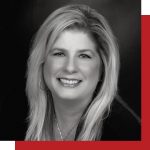
Jennifer Glass With Business Growth Strategies International

April 14, 2022 by Jacob Lapera

High Velocity Radio
High Velocity Radio
Jennifer Glass With Business Growth Strategies International
Loading
00:00 /
RSS Feed
Share
Link
Embed

Download file

bgsi

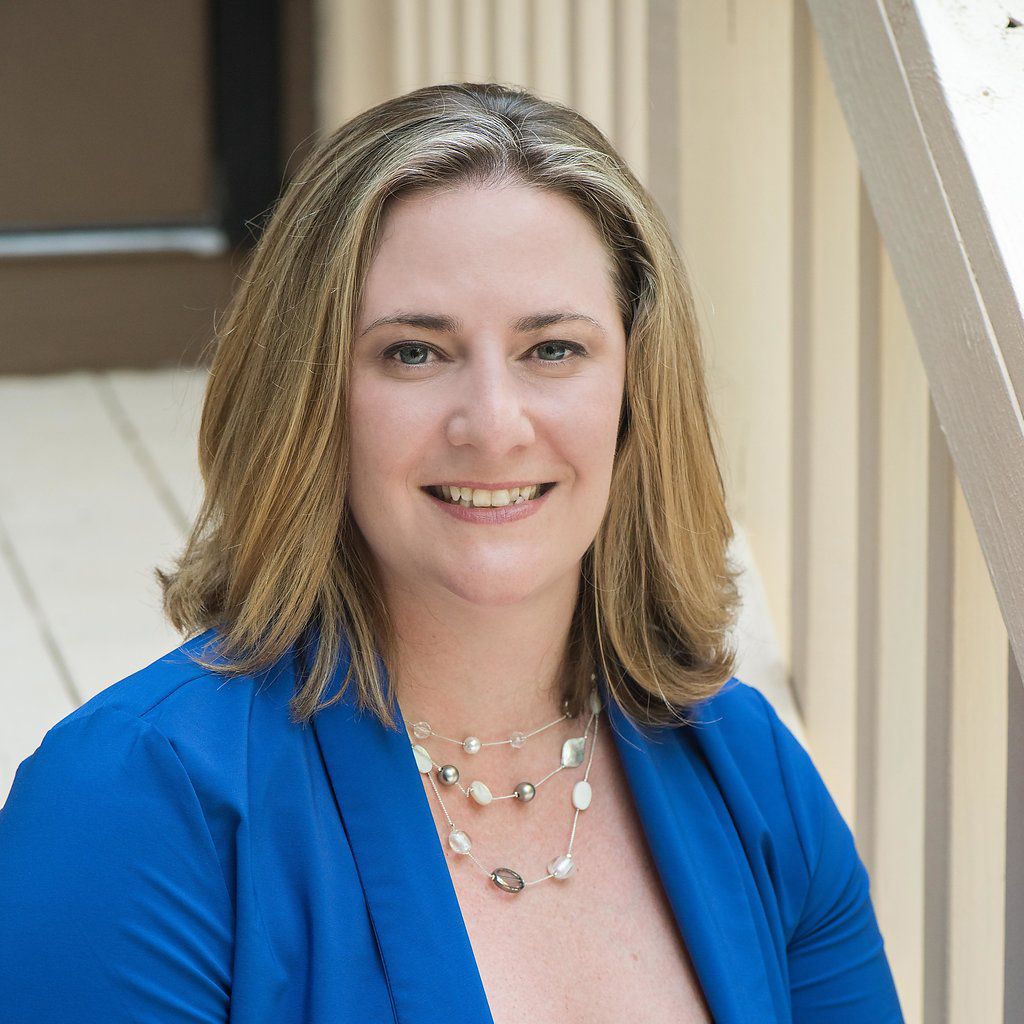
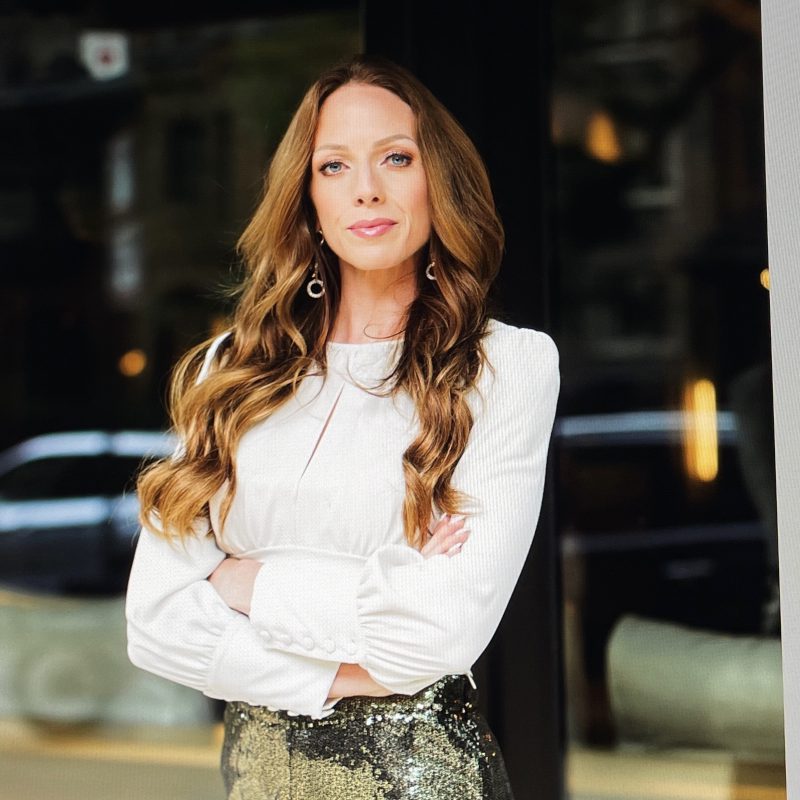
Jennifer R Glass is the CEO of Business Growth Strategies International, the only company to offer business growth coaching along with smart payment processing solutions, marketing plus web hosting, and design solutions designed to increase a company’s bottom line.

Jennifer is a business growth expert who works with small to medium-sized businesses to help them find the money they are leaving on the table. She is also the author of multiple works including her “It’s the Bottom Line that Matters” series.

Connect with Jennifer on LinkedIn and follow her on Facebook and Twitter.

What You’ll Learn In This Episode

  • How businesses can add more leads and opportunities without spending money on marketing that doesn’t work
  • How to use LinkedIn to drive business
  • Success equates to happiness

This transcript is machine transcribed by Sonix

TRANSCRIPT

Intro: [00:00:04] Broadcasting live from the Business RadioX studios in Atlanta, Georgia. It’s time for high velocity radio.

Lee Kantor: [00:00:13] Lee Kantor here, another episode of High Velocity Radio, and this is going to be a good one. Today on the show, we have Jennifer Glass with Business Growth Strategies International. Welcome, Jennifer.

Jennifer Glass: [00:00:24] Thank you so much for having me. We thank you.

Lee Kantor: [00:00:27] Well, I’m excited to learn what you’re up to. Tell us a little bit about your practice. How are you serving folks?

Jennifer Glass: [00:00:32] I am all about serving people. I am a profit acceleration specialist in terms of what I do. And I work with my clients, helping them increase their leads, increase their opportunities, increase their revenues, and ultimately have more in their business that they can hire people, give back to their communities and make our communities and our nation stronger, which is really why I do what I do. It’s all about helping people continue to grow and do more for our community.

Lee Kantor: [00:01:04] Now, how prevalent is of a problem is lack of leads.

Jennifer Glass: [00:01:10] It is one of the biggest problems that small business owners have. If you talk to 100 small business owners, 99 are probably going to say they need more leads. They are relying on word of mouth solutions. They’re relying on listening to some of those gurus out there that say buy Facebook ads, buy Google ads. Now, don’t get me wrong, Facebook and Google ads and those kinds of things have their place in an individual marketing plan, as does word of mouth and referrals. But the problem is, is that if you don’t really know what you’re doing, it’s the fastest way to lose a fortune. And a lot of business owners are missing some of the basics in marketing fundamentals. And that’s one of the areas that I really work with my clients on in terms of helping them figure out what they can do to really generate more value without having to spend money on marketing. That really does not work for what they’re trying to do right now.

Lee Kantor: [00:02:12] Well, let’s dig in a little bit on that. Let’s start at what a lead is. How do you define a lead? Because, like you said, a lot of those platforms might define a lead as somebody who saw their ad or an impression or a click. Like where do you kind of draw the lines around what a lead is for one of your clients.

Jennifer Glass: [00:02:34] And that’s a great question, Lee, because so many people, like you said, have different definitions of what a lead is. A lot of people think anybody is my lead because I can talk to anybody in terms of doing business. There’s the universe as a whole in terms of, well, everybody who’s on Facebook, everybody who’s on Google is seeing my ad. That’s great. And they may be a prospective client at some point, but a lead is really somebody who is going to be moving through that buyer’s journey and is going to be somebody that may want to be doing business with you. So when you are trying to generate leads, you don’t just want to be doing branding. As some of my mentors have said, when you are a small business, we don’t do branding, branding as a happy byproduct of what we do, but it is not the core function of what we’re doing. And so when we need to get people in the door, those are the leads, the people that are realistically qualified and ready to do business with us, whether it’s today, tomorrow, three months, six months, a year down the road, that is what a lead is. A prospect is somebody that we simply speak with at a networking event maybe, or somebody that sees information about us. But it’s part of the buyer’s journey that gets people from completely uneducated about what we offer, uneducated about the problem, even that they may or may not have, and how that moves the process forward to them ultimately becoming a lead. And how do they become somebody that’s now equipped to be doing business with us?

Lee Kantor: [00:04:12] So how do you move a person through that journey from uneducated to educated, to interested, to raising their hand for creating some action that interacting with your clients.

Jennifer Glass: [00:04:28] And that’s really another great question because it’s all part of in my world anyway, we use something called a conversion equation. And the problem is that there was a UC San Diego study back a couple of years ago that said that we as a human species are bombarded with 34 gigabit of data on a daily basis. If you think about that for a second, a lot of people have smartphones that are 64 gig in terms of the storage that’s on their phone. If we’re being bombarded by 34 gigabit of data on a daily basis, that is more than half of the storage on your phone. Think about it from this morning. You woke up, maybe the school bus across the street was going off your alarm clock, kids going to school, whatever it was that woke you, that was the first piece of information that your brain absorbed. And throughout the day we have so much bombardment coming at us. So what we have done as a human species to evolve and keep our brains from losing it is we built the wall and that wall is there to prevent all of these messages from hitting us. And so we need to do is we need to enter the conversation taking place in the prospect or the lead tide in terms of there’s a problem they have and they don’t want or a result they want and don’t have.

Jennifer Glass: [00:05:46] So when we use our conversion equation, which is interrupts, engage, educate and offer the headline, subheadline what you do and ultimately the offer and I can get into more of that later. It’s really how are you going to make that messaging stand out that you can go from 20 to more than 100 touch points to get somebody to hear you? And when I was talking earlier about branding, if you think about the airlines, the sneaker companies, the restaurants, the fast food businesses, all of these are constantly needing to be doing branding because they need you to recognize their name because you may not be ready to buy right now and you need to think about them down the road. However, when you have somebody that uses that conversion equation that we talk about, it brings the touch points down to 5 to 12 touchpoints on average, which is really where about 80% of the business takes place. And so when you can bring people from, well, I’ve got something going on, I’m not really sure what it is. So typically speaking, they go online to their favorite search engine. They type in what is it that they’re dealing with? Maybe it’s their accounting system is getting too slow or they have a toothache, whatever it may be that’s going on. If somebody is a now buyer and there’s only one, two, 3% of buyers are now buyers, they’re going to be the ones that are say, I want to use you and I want to be in a position to really get what it is that you are offering me so that I can move forward.

Jennifer Glass: [00:07:13] Everybody else, we have to set up different campaigns and there’s something called the Drip campaign that sends out messages on a predetermined and automated basis that is really helping us reach that 5 to 12 touchpoint mark to really help move people along the process. What kind of information are they looking for? What is it going to help them figure out why they should buy and answer those objections to the Why shouldn’t I buy from you? And then as they move through the process, they will then eventually become those 1 to 3% and now buyers where they will want to buy from you. But it’s part of our job as business owners and marketers. And by the way, everybody is a marketer. They’re not just a business owner. You’re a dentist, you’re not a dentist, you’re a marketer of dental services. And so the more that you think about it in that regard, you see how you need to be moving people along the path and helping people get into your business, whether it’s online or physical, and how are you going to bring them there in that process?

Lee Kantor: [00:08:18] Now, do you work primarily with online clients or kind of brick and mortar in real life clients?

Jennifer Glass: [00:08:26] I have a mix of clients in those industries. So I work with service businesses like doctors, attorneys, accountants, electricians, plumbers, etc. I work with retail businesses. I do a lot with E commerce and nonprofit businesses in terms of the clients that I primarily work with.

Lee Kantor: [00:08:47] And when you’re working with an online client versus a, you know, a brick and mortar client, is the strategy foundationally similar but the execution is slightly different, or is it similar across the board?

Jennifer Glass: [00:09:03] It’s really similar in the sense that business is business fundamentals are still fundamentals. When you look at what somebody is doing, whether they’re an online business or they’re a brick and mortar business, they still need people coming into their business, whether it’s I’m creating a strategic relationship or a joint venture partnership. And that’s one of the strategies that I quickly work on with my clients, showing them how you really can make a big difference in bringing somebody into your business, whether it’s online or in the real world, where somebody is going to be coming there as an online business, you can still be having joint ventures and strategic partnerships, driving links instead of people to your business. So I may partner with a couple of affiliate partners to drive traffic to my online site. I may partner with certain organizations that are going to be sharing a link about my organization. Think about the £800 gorilla that started as a bookstore and turned into basically you go there for everything that you possibly can want when you’re looking at that business. There’s a lot of affiliates that are driving traffic there in terms of what they’re looking at. Sometimes somebody is going to think about going there. Other times it may be an affiliate link that is driving me to go to that online business in a retail environment.

Jennifer Glass: [00:10:27] I’m going to have people saying, Here’s the place that you want to go for this particular solution. I have an instance where just last night my lamp decided to fall down. I don’t know what happened, but the glass shade that was on the light broke. So I went on my favorite search engine and I typed in glass lampshade for a floor lamp and there’s a whole bunch of different links that popped up where I can possibly get that replacement for what I’m looking for, for that light. Same idea. I can go to a physical business. I ask somebody that I was on the phone with when it actually happened, where can I possibly go? And then I was also looking online to see where else might I be able to see. And so I’m in that buyer’s journey in that regard, like we talked about before. What am I doing? I’m looking for a problem. It’s a solution I want and don’t have right now. And so that’s all part of the process. Online retail really doesn’t matter. The fundamentals are still fundamentals. It’s just which strategies you want to start working with and then you change the order in terms of the implementation of online versus retail. But it’s still going to pretty much be the same idea in terms of driving business to that particular merchant.

Lee Kantor: [00:11:48] Now let’s talk about that lampshade, the lampshade brakes. And your first move was to go online to type in that there could be a lampshade business down the street from where you live that you may not have you might have seen a thousand times, but it didn’t click in your head to be the solution for this kind of urgent problem that needed to be triaged. What could that lampshade company that’s down the road from you in in real life have done to have you not go online to have thought of them?

Jennifer Glass: [00:12:24] So again, everything comes that top of mind awareness that we need to be thinking about. So if a company is local, being more community focused to a lot of people is going to help with name recognition and with the idea that you are part of the community. For me, in addition to everything else that I do, I also am the Vice President of my local Chamber of Commerce. So my name, my business name is out there all of the time. If you look at all of the companies that sponsor the Little Leagues and different organizations, there’s a reason they’re putting their name out there because it’s keeping people aware of what they’re doing. Very often I see posts on an online community board. As an example, I’m looking for a personal injury attorney. Oh, there happens to be a very large personal injury attorney office, a firm here in my town. And they do advertise. You do see. As for them on television, you do hear ads for them on the radio. And a lot of people simply forget about it because they’re not paying much attention. But they also are right on the main street in town. The thing that they need to do to connect more with the people is really where are they going to be at that moment when somebody comes in? But it’s also not just necessarily am I connecting with you individually at that moment, it’s when you have that problem.

Jennifer Glass: [00:13:59] Am I showing up online? Also, one of the very first things that we’ve been conditioned over the last 20 or so years is to go online when we have a problem and there are certain search things that you can be taking advantage of, such as geo targeting. You put in a. Personal injury firm near me or glass lampshade business near me. There’s a lot of things you can be doing on that that are going to allow you to still come up and then have people come directly to your business and shop in your store. And the best way to do that is you drive people, even if they’re looking online, you have some inventory that may not be available online, only available in the store. And that makes people want to come into your store where you’re saving whatever may be going on online, what you have there. Alternatively, you may really want people going online because you can have even more inventory when you have dropshipping services and you want to drive people to the website because you have even greater margins without having to worry about holding inventory and things along those lines. There’s a lot of options that are there, again, depending retail versus online, where whatever the business is.

Lee Kantor: [00:15:16] So now let’s shift gears a little and talk about LinkedIn. How do you what are some do’s and don’ts for LinkedIn when it comes to using LinkedIn as a channel to drive business?

Jennifer Glass: [00:15:29] Oh, and this is a really big one. And when you think about LinkedIn and there’s a couple of things you want to be thinking about, the biggest one is, remember, it’s relationships. Nobody is going. As one of my other mentors said, nobody is going to go over to a woman in a coffee shop very first time they meet and say, Marry me. So look at you like you’re growing two heads. Maybe even slap you across the face, say you’re nuts and walk away. It’s the same thing in business if you’re trying to sell someone right away on LinkedIn or Facebook, even without having a relationship first, you’re going to lose that entire value. So never, ever try and come out of the gate and try selling. What you want to do is always offer value first. See where people are going to see. You really are the expert in this particular area and this is why I should be working with you. You want to be having your profile, talk directly to your avatar or the representation of your ideal prospect? That’s what Avatar means when you look at having your profile. A lot of people design it as a resume, and unless you’re really in a job market, your LinkedIn profile is not meant to be doing that. And even if you are in the job market, it’s not meant to be doing that. If you’re in the job market, you want your LinkedIn profile to be talking to the kinds of benefits that you provided at a particular position and how you are going to be in a position to really offer that to a new provider or a new company employer.

Jennifer Glass: [00:17:13] If you are selling B to B or B to C, even a lot of people need to have what it is that you do as it relates to your avatar. So if you are helping your avatar with. Getting the right pricing for a particular widget. You need to talk all about how do you work with that avatar and securing the right pricing on those individual widgets. If that’s your avatar, if your avatar is somebody in need or if your business is a dental practice, your LinkedIn profile should be all about how do I alleviate the pain in your mouth and make all of those processes better? So there’s a lot of different things you can be doing, but you really want to target your profile to areas where you are going to be making a difference and making that process come true. And it really comes down to the systems that you have in place to really make sure also that all of these different pieces like we spoke about on the marketing side and on the LinkedIn side, how are you really controlling what you’re doing and having the right processes, the right systems is really going to allow you to ultimately have that success that you are looking for.

Lee Kantor: [00:18:27] Now, you talk a lot about systems and processes. A lot of small to midsize businesses, though, tend to be more scattershot, though. Somebody will say, Hey, try this. And they’re like, Oh, what’s that? Okay, I’ll try this. And they do that for 30 days, 60 days. Then they get frustrated. It’s not working and they jump to something else, and then they’re doing direct mail and then they’re doing whatever the flavor of the day is. They’re doing TikTok videos, whatever it is that’s hot or they read about is now that’s their, you know, marketing plan. How do you help folks kind of lean into this concept of systems and processes rather than just throw things against a wall and hope?

Jennifer Glass: [00:19:08] And it’s so funny that you say it that way because it’s the S.O.S., the shiny object syndrome, or, ooh, look, squirrel kind of idea with the idea that we have less of an attention span than a goldfish. Our the human species has an average attention span of 8 seconds, and that’s what it takes to really connect with people. If you are trying to figure out, all right, what am I doing? So like you said this month, the flavor of the month may be tick tock videos next month might be insta reels and all of these other things that are out there that we’re looking at. How do you start figuring out what you need to do? So the first thing that you really need to remember is you can’t measure when you’ve got so much going on. If you are throwing things against the wall to see what’s going to stick, that’s going to be the result that you’re having also. So when you have the right system and you need to be looking at what that system really is, there’s a couple of examples that I use. Robert Kiyosaki talks about a cashflow quadrant in his book Rich Dad, Poor Dad. And when you look at the left side of that quadrant and it’s the employed person or the self-employed person, the only thing they have is they have a job, they have a job or they own a job.

Jennifer Glass: [00:20:24] But on the right side of that quadrant is the business owner and the investor. And the reason the right side is where it’s all at is because their systems, if you think about those fast food restaurants that we all know, there’s so many of them, but we never see the owner in those fast food burger places. And the reason why is because there’s systems. We know that when people have a system in place, they are going to be following a particular recipe, if you will, of how to do A to Z with what they are doing. You don’t mess with that success when you have that nailed down, but what you really need to be doing is you need to develop those systems and you need to have processes in place that allow you to step out of your business. Also, to many people like you are saying, they’re running around trying to manage the entire business, trying to do everything. And very often they cannot even leave their business to go see a client. Because what happens is somebody comes into the business when they’re not there, then they’re losing that.

Jennifer Glass: [00:21:27] And so systems are going to allow them to have what happens when we need certain things to happen. So it means having the right kind of onboarding process, you know, exactly the kind of person that’s coming in, the training that’s going to happen, the policies that have to be in place, all of that is there to make sure how you’re hiring people. Then it’s how do you build that individual widget that you are selling or provide the service that you’re offering, whatever it is that’s fair. We need to be looking at those systems to make sure what you’re doing is going to be ultimately working for you. And when I work with my clients, the system that we develop ultimately is providing the joint ventures and strategic partnerships, sending business to them. The Upsells Cross sells and down sells, always having more transactions coming to the business owner. It’s having the people coming in because of the drip campaigns set. Your funnel is always going to be full of people coming into your business and things along those lines that people see the leads, opportunities and revenues constantly coming in the door.

Lee Kantor: [00:22:41] So now if somebody is listening and says, You know what, I am interested in Jennifer and her team, what is that first conversation you have with people like what are some of the questions you’re asking them? Or What is some of the homework they should have done before even reaching out and having the conversation with you?

Jennifer Glass: [00:23:00] The first things that I try and understand about the business is what is their most burning problem in the business? Very often it’s centered around a couple of key areas. It’s centered around leads, it’s centered around revenue generation, which again goes back to leads. It’s centered around people, especially in the world that we are living in today with the great resignation and supply chain shortages causing even more conflict in terms of where we are. So there are certain things that we need to cover from that perspective. And then we also look at numbers. One of the things that any business owner absolutely, absolutely needs to understand is their numbers. You need to understand how much your customer acquisition is. You need to understand what the lifetime value of a customer is. If you don’t know those two numbers, how do you know when you’re spending money to get a lead whether or not it’s going to be profitable? You need to understand what your profit margin is, your gross and your net profit. And there’s a very big difference between those two numbers and a difference also between how the markup is different than the profit margin, because a lot of people say, well, it cost me $50, I want to make 20%. So they sell it for 60. But that’s not the same number if you want to be making 20%.

Jennifer Glass: [00:24:25] So you need to be looking at what is it that you’re looking at with those numbers. And there’s a lot of other factors that are going into that conversation in terms of saying, well, do I really understand what it is that I am doing and where I am in my market? And the other question is also, is there a clear reason why somebody should work with you as opposed to everybody else that’s offering the same thing? At the end of the day, most business owners compete on price. It’s that £800 behemoth based out of Bentonville that right now is pretty much the leader in the lowest cost. But you can’t be that £800 gorilla and expect your margins to be where you want it to be. And so when you’re looking at what is it that you’re trying to do, you need to really understand how those factors are all playing in and set. You understand this is the reason people are coming to me. It’s not just the price, it’s the value that I’m offering. And I’m constantly innovating and putting my own product or service out of business and creating new products that the market is going to want to work with. And so it’s really important to get away from the price competition and focus on the value.

Lee Kantor: [00:25:51] Now, are your clients $100 Million Companies, $10 Million Companies, million dollar companies, $100,000 companies. Like who’s your ideal partner to work with?

Jennifer Glass: [00:26:02] So I work with a lot of startup businesses and established businesses. I would say that I primarily am working with businesses that are under the $1 million in revenue mark. However, I can work with higher businesses, but I tend to draw the line when you have about 10 million and up in revenue or about 20 to 25 people in the firm, simply because at that point you pretty much have a series of experts internally that may be in a position to help. However, that does not mean that I cannot come in and do trainings for those larger entities where that can still make a difference. And there’s also my different speaking opportunities that I do go out and I’m constantly speaking along with my keynote of the success Equate to Happiness, which is really all about finding at what point success and happiness overlap based on, of course, the generational period where you are in your life. But moving back though, to the size of a firm is really dependent on the business and the kinds of solutions that they’re looking for with what they’re doing.

Lee Kantor: [00:27:17] Now, can you share a story, maybe the most rewarding success story you have where you took a firm that was struggling or frustrated and you were able to take them to a new level?

Jennifer Glass: [00:27:27] Oh, absolutely. I mean, there’s so many of those businesses, but I’ll share with you one that you utilize primarily my joint venture strategy. And this is a really interesting one because if you look at the bridal market and the event chain that’s involved in that and a florist is involved in that being the florist at the wedding, but also possibly the florist that’s going to be providing the roses when the guy wants to propose to his girlfriend to become his fiancee. So the joint venture that we created was between this flower shop and the jeweler that be a couple of stores down. And what we did was we tie the two of them so closely in that when people came into either one of them and the florist knew that the guy was coming in because he was going to the jeweler to get the ring or vice versa, the two of them were immediately referring to each other. So that way it would be a package, right? The jeweler was actually buying the flowers and the florist was saying, look, if you’ve got the ring, the guy couple stores down is going to give you a great deal on the diamond ring and everything so that you can propose. During that process. We also then looked at the entire event chain. So we looked at the officiant, the wedding hall, the caterer, the photographer, the deejay, the wedding planner, the printer, the the cake, the dress, all of those different pieces. And then we also created a trusted vendor list. And what that did was for any of the bridezillas that are listening, or if you were Bridezilla, you know how hard it was when you were trying to figure out all of those different pieces, trying to do all of them, figure out who the right person is, and do they play nicely with the others.

Jennifer Glass: [00:29:23] But when you have that trusted vendor list, it all of a sudden started making a huge difference because now everybody on that list was getting the referrals up and down in terms of where they were. And so everybody is getting more more business, more value. You can have the referrals going both ways. You can also have financial arrangements going both ways. So if one person specifically referred someone else in that event chain, you can have them get that. But the other thing also that we threw in was the guide to avoid all of the issues that can happen on the wedding day, things like what do you do if you’ve got a stain on your dress? What do you do if you tear or pop a button? What do you do if and there’s a little guide that we came up with that shortly before the wedding, we give it to the bride and she’s got it there along with her whole party. In the event anything happens, they know how to handle it. And so all of those different ideas, we were able to take that and now everybody in that event chain was getting significantly more business and having dramatically more revenues as a result from that.

Lee Kantor: [00:30:43] When you do that or those exclusive relationships. So there’s only one florist, one jeweler, one, you know, officiant.

Jennifer Glass: [00:30:52] Typically speaking, it is one if we’re doing the vendor list. However, the vendor list is not. A requirement in that regard. It just allowed us to really make the process that much easier because if I know I got this one, this one and this one, that’s great. But if it’s not in a written format, I can have three officiant, I can have three caterers, three DJs, ten photographers, and it’s really not going to make a difference. But again, understanding that people get booked pretty quickly and things along those lines. But if you’re having that trusted vendor list, if I’ve got 20 officiant as an example or 20 caterers, those caterers may not work nicely with an individual facility because there may be certain issues with that facility. And the caterer is an example. If you have a dietary restricted caterer, as an example, a kosher caterer, but they can’t go in or non kosher caterer going to a kosher venue, you would have that problem. So that’s why on that paper, we don’t have multiple people in that regard, but we do. If you’re not looking at having that paper, you can certainly have multiple providers. So that way you can be recommending different people. And then again, it would be based on who’s above and below you that you can be either getting referrals from or giving referrals to. And how that would look in terms of the overall process and the kinds of revenue increases that you can be making in that. Event chain. And if you think about it, you didn’t have to spend marketing dollars to even do either one of those solutions. So you didn’t need the Facebook ads and the Google ads to be driving that business with what you’re trying to do.

Lee Kantor: [00:32:43] Good stuff. Well, Jennifer, thank you so much for sharing your story. Today, if somebody wants to learn more. Have a more substantive conversation with you or somebody on your team. What’s the website?

Jennifer Glass: [00:32:53] It’s going to be BGC coaching. Again, that’s beers in business G as and growth as in strategies I as International Coaching Bcom BGC Coaching AECOM.

Lee Kantor: [00:33:08] Well, thank you again for sharing your story. You’re doing important work and we appreciate you.

Jennifer Glass: [00:33:13] Thank you so much, Lee, for having me.

Lee Kantor: [00:33:15] All right. This is Lee Kantor. We’ll see you all next time on High Velocity Radio.

 

Tagged With: Business Growth Strategies International, Jennifer Glass

Adam Christing With Clean Comedians

April 14, 2022 by Jacob Lapera

AdamChristing
High Velocity Radio
Adam Christing With Clean Comedians
Loading
00:00 /
RSS Feed
Share
Link
Embed

Download file

CleanComedians

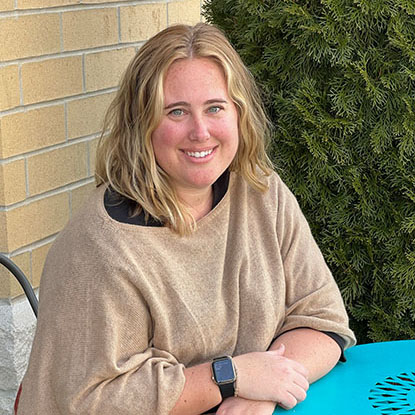
AdamChristingAdam Christing, Master of Ceremonies, Interactive Comedian, Keynote Speaker

Adam is the Chief Entertainment Officer at Clean Comedians. Adam works with organizations that want to experience how the magic of laughter can open doors and hearts in business and in life. ExxonMobil executive Mark Green dubbed him the “Tom Brady of Emcees.” Adam has delighted corporate, association, and nonprofit audiences in 49 of the 50 U.S. states, Canada, Europe, and China. In 2021, he received the Best of Los Angeles Award as the #1 Event Master of Ceremonies.

He has appeared on more than 100 radio and TV shows, including CNN, Fox News, Entertainment Tonight, and NBC Nightly News. He’s also been featured in national magazines and newspapers, including USA Today, FORTUNE, and The New York Times. He is the author of three personal growth and humor books published by Random House and Markin Books. His forthcoming book is called The Laughter Factor: The 5 Habits of Humorous People.

“My goal is not to be the star of the event. I love being the “glue” that joins all the pieces—the theme, the leadership, the attendees—together.” -Adam Christing

Connect with Adam on LinkedIn.

What You’ll Learn In This Episode

  • Humor can help business leaders
  • 3 things that Clean Comedians avoid on stage at corporate events. (3 p’s)

This transcript is machine transcribed by Sonix

TRANSCRIPT

Intro: [00:00:04] Broadcasting live from the Business RadioX studios in Atlanta, Georgia. It’s time for high velocity radio.

Lee Kanntor: [00:00:14] Lee Kantor here, another episode of High Velocity Radio, and this is going to be a fun one. Today on the show, we have Adam Christing with clean comedians. Welcome, Adam.

Adam Christing: [00:00:23] Hey. Great to be with you.

Lee Kanntor: [00:00:25] Well, I’m excited to learn what you’re up to. Tell us a little bit about clean comedians. How you serving folks?

Adam Christing: [00:00:31] Yeah. Well, you know, if you’re planning an event like let’s say you’re planning an after dinner program or a sales award meeting or a fundraiser, and you want everybody to laugh, but you can’t risk embarrassing or offending your audience or making your company or nonprofit look bad. And so people are reaching out to us at clean comedians dot com and we provide entertainers, speakers, stand up comedians who get big laughs without getting dirty or offensive.

Lee Kanntor: [00:01:02] So what was the genesis of the idea? How did you get started?

Adam Christing: [00:01:06] Well, you know, I was as a kid, I grew up in Los Angeles, California, and there’s a really fun club. I don’t know if you’ve heard of it. It’s called The Magic Castle. It’s a private club in Hollywood. And so I grew up exposed to comedy and magic and variety and juggling and ventriloquism and sketch comedy and standup comedy. And people kept coming up to me as a young man and saying, Hey, thank you for keeping it clean. Thank you for keeping it clean. That was refreshing. So we started clean comedians and it just really exploded in the last it’s been three decades now. We’ve been offering this this service. And even through the pandemic, we were doing hundreds of Zoom shows. And so it’s a resource for for people who are our motto is it doesn’t have to be filthy to be funny.

Lee Kanntor: [00:01:55] And then so as your career always been kind of on the clean side, is that how you you started and then your comedy career just kind of stayed along that line?

Adam Christing: [00:02:07] Yeah, my career has taken a number of different turns. I at one point I made a movie like a mockumentary film, and I was the the actor, lead actor and co-director, and my acting was so badly, I got cut out of my own picture. So that was kind of embarrassing. I go over acting. So all these years, though, I’ve worked as a as a comedian, as an emcee, as a keynote speaker, and then also been working with many talented people who who do comedy in different ways. Sometimes I think people think, mistakenly, that comedy is just a man or a woman standing in front of a red brick wall telling you no body part jokes. But the history of comedy in the US is much broader than that with really anything that’s funny is comedy, and our niche is avoiding three P’s. We don’t do politics, no prejudice and no profanity. And so it forces our entertainers to be more more creative and more connected to to the live audience.

Lee Kanntor: [00:03:11] Now, are your performers, they have to be in there when they’re not with you. They’re still clean or you’re just looking for them to be clean at the events that you work with them on.

Adam Christing: [00:03:23] That’s a great question. You know, we’re not trying to police people and totally believe in free speech and expression. And and there’s a time and a place for everything. But in terms of our engagements, we actually have this no gross policy that our performers subscribe to, which is an acronym. Gross. No gender bashing, no racist humor, obscenity, sexual innuendo or swearing. And so that eliminates probably 90% of the comedians in North America. And so we we do have to keep an eye on because of social media. So, for example, let’s say we were plugging an entertainer into, let’s just say a a high school assembly program. And if that performer does racial material or sexually explicit material that’s out there, it could make the school look bad if we’re putting him or her up for a for a red ribbon week assembly or a multicultural assembly. And then later, in other contexts, they’re doing, you know, material that would be into discrimination. So we do have to be more careful than we were prior to the age of social media.

Lee Kanntor: [00:04:40] Now, how do you find your comedians? Because, like you said, most don’t go this direction.

Adam Christing: [00:04:47] Yeah. Well, you know, what’s interesting is we’re getting sometimes 3 to 5, sometimes more submissions a week. Sometimes we’ll get that many in a day. And so there’s an old saying in comedy, you know, funny is money. And so I don’t know how word gets out, but we’re booking so many events that many comedians and funny speakers and some who are not so funny and and not so clean, they reach out to us, Hey, can you get me work? And sometimes they’ll add a note in their email like I can I can take out the F bombs if you want. And so we’re really selective about who we who we book because it’s sort of like, if in doubt, leave it out if you think it’s going to offend. I’ve never had somebody come up after an engagement and say, you know, I really wish that could have been been raunchy. I’ve just never had it happen.

Lee Kanntor: [00:05:36] Now, when you’re working with your clients who have never hired a comedian before, how do you kind of educate them to, you know, because they probably have a bias based on what they’ve seen and heard about. How do you kind of explain how they’re this is another way to do this. You can communicate the message you want. You can stay true to your brand and you don’t have to worry.

Adam Christing: [00:05:58] Right. You know, probably my favorite quotation that connects to this is the great Mark Twain said it takes me three weeks to prepare a good impromptu speech. And so what we’ve discovered is that we want the audience to experience something fresh and exciting, but it takes a lot of prep before the event ever happens. We call that pre show work. And so we’re we send out a questionnaire. We want to know, do you have inside acronyms, buzzwords? Is there a VIP that we could lightly toast or roast and always in an in an appropriate way but maybe you know, Jim is a wears crazy socks or is a terrible golfer and he loves to joke about it. So we do a lot of work like that to help the client feel at ease, knowing it’s it’s we call it laughter you can trust. But we found that if you just have a comedian, show up and do his or her regular shtick, it’s probably not going to it might it might go over really well if they’re great. It might. But chances are it’s more effective if you can customize the humor around the event, around the theme, around the meeting planners vision for the for the event.

Lee Kanntor: [00:07:12] So you’re not just, you know, kind of hiring someone saying show up at this day and time and then go at it. You got an hour for 45 minutes here. This is kind of an orchestrated event where you’re trying to give that client a great experience. And one of your tools is your comedian, who you’re helping to give them as much resources to be successful in that environment.

Adam Christing: [00:07:36] That’s exactly right. We want to be an extension. Like, the best compliment I get when I work myself as a comic presenter is they come up and they say, Well, how how long have you worked for? For us? They think many times, if we’re doing it right, that we’re an extension of the company or the nonprofit. And that’s probably the best compliment we can get because that means we’ve done our homework and have learned their jargon and their their culture. Last week I was with an awesome company that just went public called the Porch Group, and they’re in the home home buying home improvement arena and they’re just exploding with growth. And so I did a lot of customized humor for them that would not be funny for a different company and certainly would not be funny in a nightclub. But for them it was very funny because you want to talk about everybody’s favorite subject, which is them.

Lee Kanntor: [00:08:30] Right. So you want to get kind of that inside baseball. You want to be kind of in on the joke and then you craft the kind of the speech or the talk to that audience like it’s meant for them. It’s not meant for next week to do the same thing somewhere else necessarily. Maybe parts of it, but not all of it.

Adam Christing: [00:08:52] Right. That’s exactly it. You you want to let the audience know, oh, he or she understands us. Like, a new thing I’ve been doing is acronyms are so big that I joke about how everything’s an acronym. I flew Delta the other day. It turns out Delta stands for Don’t Expect Luggage to Arrive, but I think you guys Porch Group need the ultimate acronym. And then I will unpack a 26 letter acronym from A to Z. That’s all about them. It’s about their unique offering or their people, and they just light up. And that would obviously not be funny for a different group. But for a particular audience, you’re sending the message like, Hey, we care about this meeting, not just getting a laugh, but making a difference. And so the feedback we got was this was the perfect kickoff for a meeting because we were all laughing together and you made it about us.

Lee Kanntor: [00:09:47] Now, when you’re talking to a meeting planner or a corporation that’s thinking about, you know, hiring you, how do you kind of move them? I don’t know, necessarily away from music or musician or band to to even consider comedy as a as a choice. Because a lot of these events have a musician or they have music as kind of the entertainment, because that seems like, oh, everybody likes that band. So that’s an easy choice where comedy, you know, they get a little, like you said, nervous because they have this preconception of, Oh, well, I don’t want this to go off the rails. So how do you even open their mind to comedy as a choice?

Adam Christing: [00:10:28] Well, you’d be surprised. Sometimes people are having just as difficult a time with music because there’s so many genres. It’s very hard unless you’re going to pick, I don’t know, like have a seventies disco kind of a theme or something like that where it feels like a retro thing. It’s hard to find music or just about anything that appeals to everyone. But you’re right, comedy, because it’s become so vulgar in our culture over the years. It’s like a red flag, like, Oh, we wish we could do that. And so we have to help people see with video clips, with what we call pre decision calls, with a client where we’ll have a Zoom meeting with the client and the comedian or the comic magician or the comic juggler. And they get to know them and build that trust and they realize, wow, you really are going to make us look good. But the. The appeal of laughter is so strong, especially post COVID now people are anxious to laugh. And I always tell people the same root word for comedy is the root word for community. And so I think it was Mother Teresa who said the shortest distance between two people is a smile. So when you get people laughing and smiling, it just builds these instant bridges of rapport, which feels so good at a live event. I can’t remember a time when I have had more people come up and my material is not funnier than it was pre-COVID, but people are laughing harder and they’re laughing longer because we’re just wired to want to laugh together.

Lee Kanntor: [00:12:06] Now, I think an advantage that comedy has over music is that you can educate also through the humor. Do you also have your comedians do training or work with training to do kind of lunch and learns or to kind of teach something rather than just perform and entertain?

Adam Christing: [00:12:27] Yes. And by the way, I’ll tell you a little insider secret in terms of the way comedians and speakers understand it. The ones in the know is there’s there’s a funny saying like the difference between a comedian and a speaker is a speaker has an extra zero at the end of her check. And that’s because companies value training and empowerment more than just entertainment. But to your point, yes, precisely. Comedy’s a great way to hook and hook an audience’s attention and also to convey sometimes difficult concepts or challenging concepts like diversity or even sales. Training can be enhanced. So we had a company one time hire us. In fact, it was HP hired us to create five funny spoof videos that were kind of like parody videos. So we would do parodies of commercials. Like, I think at that time, the most interesting man in the world was really hot. So we did a spoof on that, but we used it to take their material and present it in a funny way that would be memorable for their for their employees.

Lee Kanntor: [00:13:39] So are you finding that that’s a bigger part of your business now of doing those kind of custom videos for training? Or is that just that happens just periodically now?

Adam Christing: [00:13:52] It is a growing thing. I think more and more people understand and I think Ted Talks have had a big piece in this, like a TED talk is what is it, 14 to 18 minutes long. So the days of the 60 minute talking head seminar, people are so burnt out on that. And so they’re looking for I’ll give you an example. We book a comedy juggling act called The Passing Zone. That’s just unbelievable. And so they have two different talks. They have one of their talks is on team building, for example. So when you’re seeing it and not just hearing it, but you’re seeing two guys who are collaborating and partnering and doing astonishing things together. And then you hear that, hey, whatever the company is, Chevron can do this, too. You know, with your workforce, it just feels like, wow, we’re getting entertained and we’re also feeling empowered. So what we try to do is when a client comes to us or a potential client is is, we take the time to find out what are you trying to accomplish at this meeting? And then we can help you reverse engineer it. And, and sometimes sometimes they pass. Just because it’s expensive to get a real pro is going to take maybe 10 hours of prep before they ever get to the stage. It’s not like just finding a birthday party entertainer and hoping for the best.

Lee Kanntor: [00:15:13] So what do you need more of? How can we help you?

Adam Christing: [00:15:17] Well, we’re always looking for more more clients and more entertainers. And so if anybody is funny and clean, we’re we’re looking for more diversity. We’re looking for younger and younger talent. And we’re also wanting to serve more clients. We have entertainers all over North America. And so we can plug people in to various events if they just go to clean comedians. We’re we want to be your resource for for great entertainment and and motivational speaking.

Lee Kanntor: [00:15:50] Now, do you do you get most of your work through meeting planners? Is that your kind of main channel to get new clients or companies just kind of find you and they just talk to you directly?

Adam Christing: [00:16:03] You know, there’s there’s no one way. I do think the best work, of course, for any business is repeat business. And so if a company hires one of our emcees, for example, a comic host, and if they do a good job, that man or woman becomes sort of the face of the conference. And so, like we’re doing one in Orlando, 4000 attendees. It’s called Work Wave. They’re trying to they are bringing new companies under their umbrella. They’re growing. And so they’re trusting our emcee to delight them year after year. In this case, it’s the second year we’ve had some companies literally ten years in a row hire us. But to answer your question more specifically, there’s there’s no one way. For example, sometimes the person in charge of entertainment doesn’t even want to be in charge of entertainment. It’s like, hey, Julie, you’re you’re the executive assistant to the vice president of sales or Hey, Mike, it’s your turn to be in charge of the entertainment this year, and they’re not sure what to do. So when they hear about clean comedians like, well, this sounds like if it’s funny, it sounds like something that would would help us and we actually offer a money back guarantee. If it isn’t funny, we’ll refund your money.

Lee Kanntor: [00:17:19] Wow. Has anyone ever taken you up on that?

Adam Christing: [00:17:24] You know, I think two times. And, you know, when you hear when you hear the comedian’s perspective, it’s very different than, you know, comedy is very subjective. But I think we’ve done well over 5000 events. I think we’ve two times where there wasn’t a good fit and we just refunded the money.

Lee Kanntor: [00:17:43] Good stuff. Well, congratulations on all the success. One more time, the website.

Adam Christing: [00:17:48] The website is Clean Comedians Dotcom. And it’s just been a lot of fun. You asked great questions. Thanks for having me on.

Lee Kanntor: [00:17:56] You got it. And that’s clean comedians with an S dot.

Adam Christing: [00:18:00] Com, correct?

Lee Kanntor: [00:18:01] Well, Adam, thank you so much for sharing your story today. You’re doing important work and we appreciate you.

Adam Christing: [00:18:07] Oh, thank you. You, too. I appreciate you.

Lee Kanntor: [00:18:08] All right. There’s Lee Kantor all next time on High Velocity Radio.

Tagged With: Adam Christing, Clean Comedians

Mike Gomez With Allegro Consulting

April 14, 2022 by Jacob Lapera

Startup Showdown Podcast
Mike Gomez With Allegro Consulting
Loading
00:00 /
RSS Feed
Share
Link
Embed

Download file

allegroconsulting

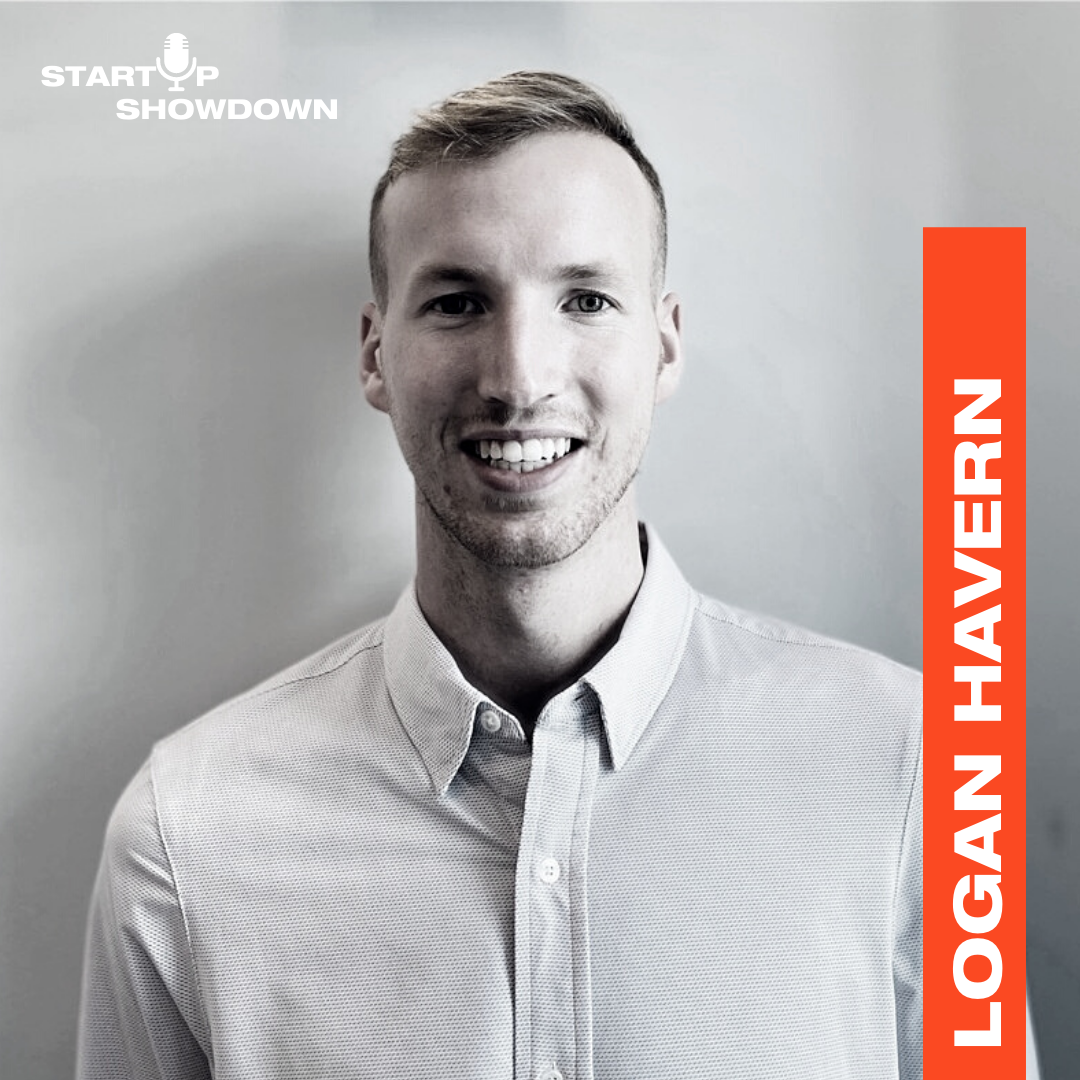
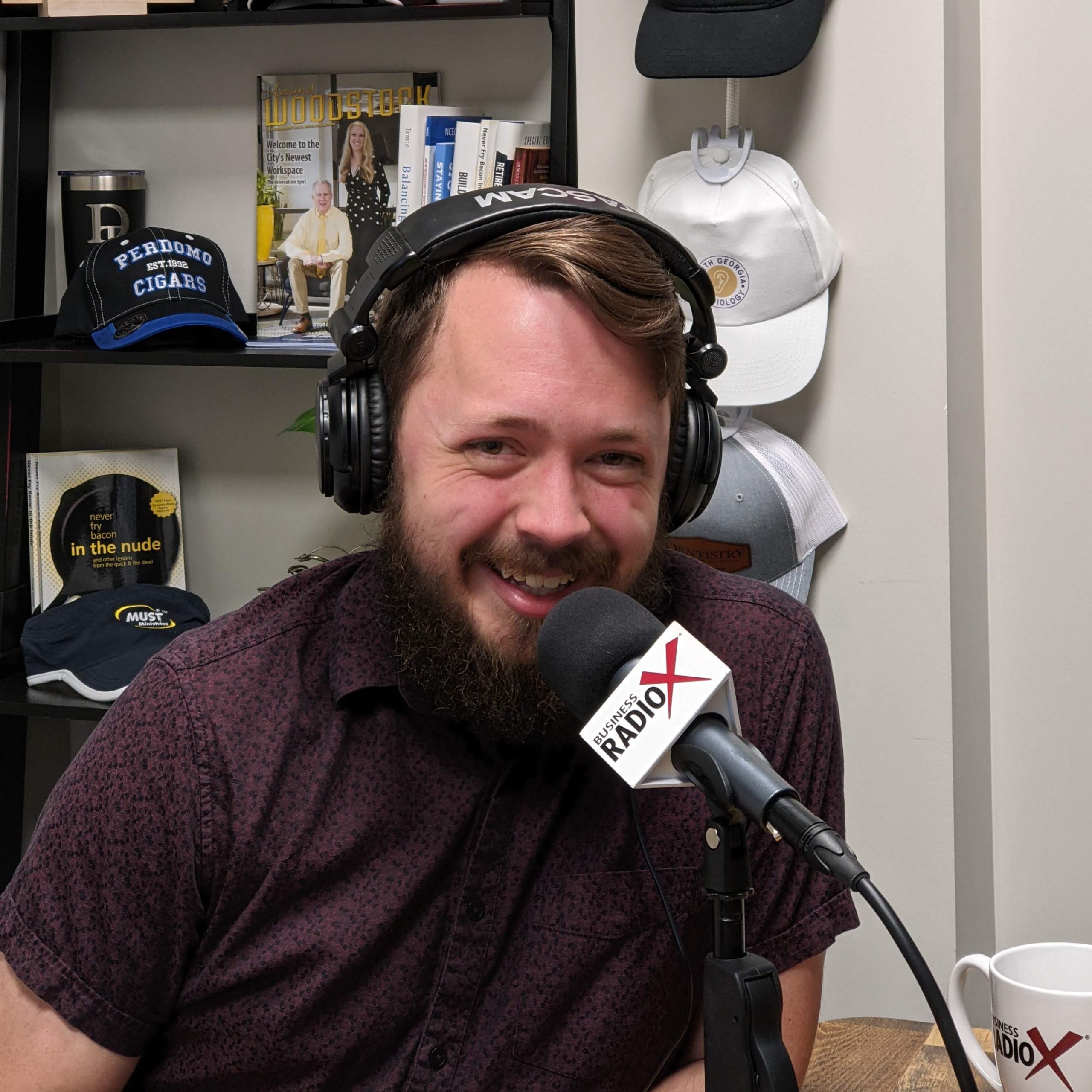
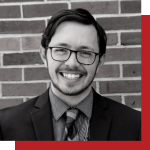
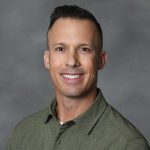
mikegomezMike Gomez is the founder and principal consultant of Allegro Consulting, a growth strategy and sales specialty firm based in Atlanta, GA.

Mike has been helping privately held business owners and startup founders find avenues for sustained growth for 20 years. He is an advisor at Atlanta Tech Village, guest lecturer at Georgia Tech and University of Georgia, and a prolific business speaker and writer.

Prior to Allegro, he was an aerospace engineer for the USN, an officer in the USAF, and an international sales executive for Boeing and Lockheed. Mike has an accumulated sales record of over $10 billion.

Allegro applies his vast personal sales campaign experience and process to help companies dramatically improve their sales win-rate by profoundly transforming the quality and content of every customer interaction; an interaction grounded by the principle of being “in the service of” your customer.

Connect with Mike on LinkedIn.

What You’ll Learn In This Episode

  • Advising startup founders
  • Advice to give a B2B startup founder on how to go about selling their product or service
  • SDRs (Sales Development Reps)
  • The whole cadence cold emailing and cold calling approach to selling

This transcript is machine transcribed by Sonix

TRANSCRIPT

Intro: [00:00:04] Welcome back to the start of Showdown podcast where we discuss pitching, funding and scaling startups. Join us as we interview winners, mentors and judges of the monthly $120,000 pitch competition powered by Panoramic Ventures. We also discuss the latest updates in software web3, health care, tech, fintech and more. Now sit tight as we interview this week’s guest and their journey through entrepreneurship.

Lee Kantor: [00:00:38] Lee Kantor here another episode of Startup Showdown, and this is going to be a good one. But before we get started, it’s important to recognize our sponsor, Panoramic Ventures. Without them, we couldn’t be sharing these important stories. Today on Startup Showdown, we have Mike Gomez. He is with Allegro Consulting. Welcome, Mike.

Mike Gomez: [00:00:59] Hi, Lee. God, it’s been a while since I’ve talked to you.

Lee Kantor: [00:01:02] I know it’s been a minute. How have things been going for the folks who aren’t familiar? Can you share a little bit about Allegro? How you serving folks?

Mike Gomez: [00:01:10] I’m I call myself a growth specialist. I help privately held businesses, which includes both startups and established businesses. On if you’re a startup and a founder about go to market strategy and if you’re an established business about what strategic plan you have that will drive growth. And so I focus on helping clients figure out where they want to be, what they want their company to look like two years from now and make that the driving destination. If you cannot just grow by letting the market guide you, you have to drive your business that way. And the other focus I have is on on sales and sales process and firm believer that selling is a science selling it can be taught and that in doing so you can dramatically change the way you engage with your customers and and improve your sales win rate.

Lee Kantor: [00:02:02] So what’s your back story? How did you get involved in this type of consulting?

Mike Gomez: [00:02:07] Wow. It’s an interesting backstory. So I used to sell fighter jets for Boeing and Lockheed. Right now people go, well, that’s an interesting back story. And how does that translate to this? Well, one of the things that most people don’t know about international sales of jet fighters is there’s two elements. One is to prove to the customer that our solution is the best solution for their future defense needs. That’s common. Everybody understands that. The other element that most people don’t know about is there’s the part of it where the governments that we’re dealing with want to see. In addition to the fighter jets arriving, they want to see jobs being created in their country. And and that element where I am basically an economic development specialist, meant that I needed to travel around these countries and meet the business owners to see what it is about their business that made them unique and that might make a good match. Marriage with some of our suppliers. And so what I was basically doing was doing many consulting engagements with a whole bunch of different businesses all over the world. And I began to start seeing some common flaws that privately held businesses tend to not adhere to. Some of the basic standards of business rules have a strategic plan, follow a plan. These are rules that I’ve come to know by working in corporate America, but I was quite stunned. We’re not being adhered to by privately held businesses. And so when I finally got off the corporate treadmill, I decided that I would make this my personal mission to to bring these disciplines in a reasonable way to private business owners and to startup founders so that we can reduce the failure rate of startups and improve the growth rate of privately held businesses. How’s that?

Lee Kantor: [00:04:07] That’s pretty, pretty impressive. Now, is the advice similar to a startup as an established business? Because an established business hopefully has kind of some repeatable measures of success. And they know that if I push this lever up and down, I’m going to get a certain result where a lot of startups hope that that occurs, but they are not kind of quite sure what are the right levers to push and who are the right people to even be talking to about those levers.

Mike Gomez: [00:04:44] All right. So the commonality that exists between an established business and a private I mean, a startup is this when you’re trying to launch a business, the question that has to be is, do you know everything that you should know about entering your business into the marketplace? Do you know the risks? Do you know the competitive landscape? Do you understand who is suffering the problem that you’re trying to set out to solve? And what proof do you have that they’re willing to pay for your kind of solution? Now, all of those things I just described are are the makeup of what is known as a business plan. And that is a necessary first step for any startup. Now, there’s going to be a lot of people who are going to turn off this podcast right now because there’s another strategy consultant talking about a business plan. But the same holds true when you’re an established business, that an established business needs to have a destination that they’re driving the business to. That’s called a strategic plan. And both of these are very common languages in the business world. They’re very well understood. The practices have been around for years. They’re around for years because they’re relevant. Unfortunately, most startups skip the business plan and most established businesses skip the strategic plan. And unfortunately the results are well documented.

Lee Kantor: [00:06:21] So why do you think that is? If something has been kind of tried and true for so long and has so many examples of success, why do both entities, you know, either consciously or subconsciously say, Yeah, that’s for other people, not for me.

Mike Gomez: [00:06:37] It’s not fun. Lee It’s not fun. I’d rather make things. I’d rather do stuff in my company, then work on a plan or I don’t know how to. I’ve tried many times to sit down and start working on it and I get as far as strategic plan on the top of the piece of paper or the Google doc. And then I immediately go, This is not fun and I’m going to go do something more productive. Or Here’s another excuse is I don’t want to be hemmed in. I don’t want to be restricted or handcuffed by a plan. I want the ability to to to move around and be free to make constant, constantly evolving decisions. I’ve written an article called Short Sighted Reasons Business Owners Don’t Plan, and it captures a lot of ones that I’ve heard. But look, I don’t want to get focused on the on the business plan here because the audience that we’re talking about, these startup founders, they want to know, like, what what can I do to improve my chances? And yes, I will argue that if you do a business plan, you will improve your chances substantially.

Mike Gomez: [00:07:45] I’m not failing. It doesn’t guarantee it. But at least you’ve gone through the exercise. I was explaining to a startup founder the other day that in my old world of flying airplanes, we had simulators. And the reason we flew in simulators to practice emergency procedures and conditions of flight that we not would not normally encounter is that we could exercise ourselves so that when we are in that environment, it actually happens. We’re not going to be surprised. And the business plan for a startup is that simulator in the safety and comfort of your home. You can sit down on paper and see whether or not the business that you’re projecting. The idea for your startup can survive on paper by looking at the competitive landscape and how much do you differentiate and and what are all the resources that you’re going to need in order to make this business successful? And can you afford those resources? And how long before you run out of money you can do all that in the safety of the paper.

Lee Kantor: [00:08:50] Now is that your role when you’re consulting is to be this kind of stress test or stress tester for these firms to give them things to think about and to challenge their assumptions and to poke and prod to see where the weak points are.

Mike Gomez: [00:09:08] I find myself doing that quite a bit. I’m an advisor in Atlanta Tech Village. That’s how I got associated with this opportunity here. And I’ve been an advisor for Tech Village for coming on five or six, seven years now, and I’m considered sort of the Simon Cowell tough love judge there. My job is to not be a cheerleader for the founders, and I know I do that very well, but but instead really challenge the the founders about how they thought through everything. And and so are they going to stumble and fall on some of the same traps that have caused other startups to stumble and fall? For example, if we agree, let’s start with this first premise. If we agree that startups fail because they run out of money, can we agree about that?

Lee Kantor: [00:10:12] Sure.

Mike Gomez: [00:10:13] All right. Good. So if you then talk about, well, why do they run out of money? All right. Or what can we do to prevent that? And therefore, it is the founder’s job to drive the business to the shortest path toward incoming revenue. What is that shortest path? Now when I’m advising my startup founders, one of the things that I’ve used, a term that I’ve developed, it’s a Gomez ism. It’s called. Be soda straw small. In pursuit of the first paying customers. Now, what do I mean by that? If you’ve ever looked through a soda straw, you don’t see very much. And what I’m asking of the founder is, who is it that you were aiming at? And the way I help my founders figure that out, because that’s really the most important part, is shortest distance to the first paying customer. Well, you have to know who that paying customer is. What do they look like? And I go, the best way to figure that out is doing your market research while you’re out there talking to the market community about your solution. Which one of that community, when they see your solution, have nothing short of this kind of expression? Wow. This is awesome. Where has that been? And that is your soda store. Small target. That demographic of that individual needs to be the one that you go after first.

Lee Kantor: [00:12:04] And then you help them identify that, help them get clear on on who that is, what they look like and where they’re where they hang out.

Mike Gomez: [00:12:14] That that is that is probably the the one common issue that I have to deal with most often when working with a startup founder is are you do you understand who is going to be your first paying customer? And now, look, this this scares the heck out of a lot of founders about this idea of soda straw small because they’re told, well, Mike, shouldn’t I be trying to reach out to the broadest audience? Because by sheer numbers, if I reach out to the broadest audience, I am more likely to get a sale than if I were so narrowly focused like you are describing. And here’s a great example of that from a founder who had a solution that was designed to serve and help lawyers do their job. And he came to me and I and he goes and he goes, Mike, and this is this is salute. And I go, what? So. So it’s to help lawyers because. Yes, I go, any lawyers? And he goes, Well, yes, any lawyer. I said, I’m a lawyer in Singapore. Is it for me? He goes, no, no, not not international lawyers. Oh, so it’s actually not any lawyer. It’s what? Lawyers in the United States? Yes, lawyers in the United States. So in this one brief moment, I just change his definition, his founder’s definition to his team about who our target market is.

Mike Gomez: [00:13:41] It went from any lawyers to lawyers in the United States. I then ask the next question. How many lawyers are there in the United States? I don’t know. How about 5 million or maybe more? How many people in your company? Well, it’s just me and two others. How well do you think you can communicate effectively to 5 million lawyers? What kind of lawyer are you? Because I imagine the genesis of this idea was to help you do your job better. Well, I’m going to patent an attorney law. Why don’t we focus on patent attorney lawyers? And we kept going through this exercise. Now, he had not made a sale yet, and they’ve been flailing around for about a year or two. But we got to a soda straw small target demographic of patent and attorney lawyers in firms of this size who deal in this kind of patent attorney law. Located in the Southeast because they were an Atlanta based company and more narrowly located in Georgia and Atlanta. And I said, Why don’t you target these companies first? And if you can’t sell your solution in your own backyard. Then maybe we don’t have a viable business here.

Lee Kantor: [00:15:03] Now. Yeah, well, when you’re having that conversation, I’m sure the people you’re talking to are going. It’s obviously counterintuitive to their thinking. And it’s it’s one of those things where I think people underestimate these the power of the niche. You know, they they don’t understand that being focusing on that niche and going deep and really becoming that subject matter expert, that that person who knows everything about it and is paying attention to all the nuance and all of all of the kind of subtleties of that niche makes you that much more valuable. And as a bonus, they’re easier to find. You know what they look like, you know where they are, there’s less of them. So you can do a better job of reaching out to them and communicating with them.

Mike Gomez: [00:15:53] Bingo. It is. It’s one thing to say I have a solution for moms. It’s another to say I have a solution for moms with kids in elementary school. Who live in the suburban environment and those kids go to. I participate in in Little League baseball. Because now when you’re communicating, using all the different tools we use in the world of marketing to target an individual and attract their attention, what you’re using in the language you’re using is intended to speak to that mom. With kids in elementary school whose sons are participating in Little League versus the first one was We have a solution for moms. All right. So and again, we’re talking about the shortest distance, so to straw small to the first paying customer. We’ve got to get our startup founders focused on that because running out of money is what’s going to cause them to go out of business. Makes sense.

Lee Kantor: [00:17:11] Yeah. Now, a lot of startups are very attracted, attractive or attracted to the kind of the SDR model of selling with the sales development rep going, you know, doing what they do. Handing him off to somebody to do a demo. Blah, blah, blah. Everybody’s heard this a million times. What’s your take on that methodology when you’re dealing with marketing in the manner that you’re describing, does that work in that as effectively in that space?

Mike Gomez: [00:17:42] Okay. So I’ve got a pet peeve with SDR, the whole concept of SDR. I think it’s just taking the whole world of sales. It’s already got a bad reputation as it is to be self serving and all about us as opposed to the customer. It’s just it’s just taking it and taking it one step even worse. There’s no doubt in my mind that the audience is listening to this podcast right now has been the recipient of cold emails from people you don’t know who trying to get on your calendar because they want to make a pitch to you. They haven’t bothered to serve you in any capacity. Their email is something you’re going to have to work to delete. They weren’t invited into your email inbox, but they they self invited themselves into it and they gave you work to do to just delete them every time. And this idea of stars where their focus is on volumes. How many emails did you send out? How many cold calls did you make? Not on how, how, how? What was the quality of the engagements that you had with the prospects that we think we can best serve? No, it’s it’s all about quota and all about me and my agenda, the SDR, and not a thing about the customer. And I despise that approach to selling. I believe that if if you are running your business well and this is a message to founders and and business owners and you are clear about the customer demographic that you best can serve with your solution.

Mike Gomez: [00:19:39] Then then you will find a way to be more in the service of that community and engage them in a thoughtful manner, in a useful manner. Then this idea that says, I’m just going to broadcast out to as many people as possible and then see what I what I catch in my net. But look, I’m a professional sales guy. I sold fighter jets to foreign governments. I was taught how to sell. And one of the underlying principles about what I was taught was, are you acting in the service of your customer? Are you helping them? Make a good buying decision. And that philosophy of the service has always stayed with me. Are you acting? Are the tasks and the things that you are doing in the service of your customer and helping them make a good buying decision? And the moment you step away from that and that you’re doing something because you’re trying to meet your company’s quota or your your sales bonus, then you need to stop because your customer doesn’t care about any of that. They’re trying to run their business successfully as they can. And to the extent that you can help them with a solution, that’s awesome.

Lee Kantor: [00:21:10] Well, I don’t think a lot of salespeople look at it that way. Their goal is to sell them something, not really help that prospect find the best solution. Because sometimes the best solution isn’t you.

Mike Gomez: [00:21:23] Yeah, yes. Sometimes it isn’t. And maybe that should be some insight into whether or not that’s the kind of customer you should be communicating with. Right?

Lee Kantor: [00:21:35] Right. Well, that’s why it’s called customer discovery, right?

Mike Gomez: [00:21:38] Yes. And so that’s an insight that says, you know what? After listening to you and understanding the different solutions that help solve your problem, we’re not the right ones. I think you probably should go that direction. But it was a pleasure meeting you and. And learning about your business. Thank you very much. And move your time and attention to a more relevant customer.

Lee Kantor: [00:22:10] Yeah. I mean that in order to do that, you really have to care and not just crank out numbers.

Mike Gomez: [00:22:16] Oh, my goodness. There’s a word that, yes, it’s unfortunately alien in a lot of the sales departments and particularly those with czars. They don’t care. They don’t care about my email box. They don’t care about my day that they may be interrupting with their unsolicited phone call into my cell number or the unsolicited text that I now getting from them. They don’t care. And that shows I mean, as a professional sales person, that just burns my butt anyway.

Lee Kantor: [00:22:52] So. Well, let’s talk about how that transfers to that early stage startup. How do you get these people who who their backgrounds aren’t usually typically in professional selling, they might be technologists. They might be somebody who stumbled on a great solution to a pressing problem. But they don’t understand truly the sales, what sales looks like or what it could look like if it’s done in a more elegant manner. How do you help those people open their mind to a different way of doing something when they’re bombarded with this kind of older? It’s not it’s not even older, but it’s a different, you know, more accepted practice in the startup community.

Mike Gomez: [00:23:35] Yeah, the look, I spent a great deal of time trying to help convince a startup founder to look at the selling. In the same way that they look at accounting. It’s a profession that is learned. It’s a profession that can be that can follow a series of steps. And and sequences and that and that by adhering to specific steps along the sales journey and your serving the customer along that journey, by following those steps, you prevent yourself from falling in the classic excuse that is used to explain away a loss, a sales loss to a competitor or a sales loss to in action. And that excuse is I didn’t know. I didn’t know something about how the decision was going to be made. I didn’t know that, Bob. The CFO had more weighting in this decision than Sally and Operations, and I was focused on John only talking to Sally. I didn’t know Bob how to say. I didn’t talk to Bob. Well, why didn’t you know? Well, because you didn’t have a sales methodology that you were adhering to that made certain that you found this information out. I didn’t know that sustainability was more important than functionality. I didn’t know our software had to be integrated with this. I didn’t know. I didn’t know. I didn’t know. It is the number one excuse for why a cell? Loss occurs. And I will argue that a sales methodology rigidly followed prevents you from falling in that trap. That’s how they turn an aerospace engineer me into a very, very effective and successful salesperson because I adhered to a sales process and methodology, and now I teach that.

Lee Kantor: [00:26:03] But you also may be inherently. He had the secret sauce of caring.

Mike Gomez: [00:26:10] Honestly, you know, I never saw myself as becoming a salesperson. I was an engineer. But but one of the things that happened in in the world of Boeing and later in Lockheed was a recognition that simply. Having a pass to flying our airplanes made you a good salesperson. And that wasn’t enough. Well, what we found is that there are a multitude of people that are involved in these making these decisions. And it’s our job is to sales person to understand who those people are and where their mind is. And it’s that sales methodology that I was taught that equipped me with that and now knowledge of what it means to help someone through a sales purchasing decision. Right. I wasn’t I wasn’t born with that. And I wasn’t taught that in school as an engineer. I had to be taught selling. By my company and by like by following a sales methodology. And there are sales methodologies that are out there. Like I said, I teach one, there’s spin selling, there’s, there’s a challenge of sales methodology, there’s the Sandler sales methodology. There are professional sales courses out there. And what founders need to understand that if you are trying to sell a solution, particularly to an A, B to B environment. Then you better be adhering to some sort of sales methodology, or I guarantee you will fall in the classic trap of I didn’t know when you’re suddenly surprised when a customer didn’t buy your product.

Lee Kantor: [00:27:58] So. So Mike, what’s the most rewarding part of your job working with these startups?

Mike Gomez: [00:28:05] Rewarding would be to watch them get through that first awkward startup phase and finding and hearing their story of when they got the first check. That they that they followed my advice. They became so distraught, small in who they went after. And as a result of that, they got their first check. And that I mean, there’s nothing more amazing to see that smile and to see that as a result of that first check. That helped them bridge themselves to the second check and the third, because now they can talk to that customer community and say, yeah, we’ve already sold our solution to this company and this company, and you’re just like them. And these two others have figured out that we are a valuable solution and we’re going to convince you and show you how we are as well for you and then later to see them. And particularly when I come back and see them a couple of years later and I see 25 people now working there. Those are jobs. Those are real jobs. These people are now serving our economy in Atlanta and continuing to grow our employment when there were no jobs in that company before. And that’s that’s pretty, pretty exciting.

Lee Kantor: [00:29:39] Well, congratulations on all the success. And thank you so much for helping this community. If somebody wants to learn more about your practice, your team, what’s the website?

Mike Gomez: [00:29:53] Allegro consultant one word. No. S No. Img after consultant dot com and you can find, I think on my site interviews like this that I’ve done where I talk about a lot of the elements that are necessary to help your company grow. My closing message to founders out there. The rules of business have been around for years. It’s like gravity. You might be able to think you can fight them, but gravity will eventually win. Follow the rules. It’ll serve you well. Leigh, thanks so much.

Lee Kantor: [00:30:33] Well, Mike, thank you. Thank you so much for what you do. You’re doing important work and we appreciate you.

Mike Gomez: [00:30:39] I am honored to be invited for this podcast and let me know if you need anything more.

Lee Kantor: [00:30:46] You got it. All right. This is Lee Kantor. We’ll see you next time on Startup Showdown.

Intro: [00:30:52] As always, thanks for joining us. And don’t forget to follow and subscribe to the Startup Showdown podcast. So you get the latest episode as it drops wherever you listen to podcasts to learn more and apply to our next startup showdown pitch competition visit showdown vs that’s showdown dot DC. All right that’s all for this week. Goodbye for now.


Tagged With: Allegro Consulting, Mike Gomez

Olga Zapisek With Novedia Creative

April 12, 2022 by Jacob Lapera

NovediaCreative
High Velocity Radio
Olga Zapisek With Novedia Creative
Loading
00:00 /
RSS Feed
Share
Link
Embed

Download file

OlgaZapisekOlga Zapisek is the founding CEO and Principal Coachsultant at Novedia Creative, a digital marketing consultancy and agency.

With 16 years of combined experience in media and marketing, Olga helps purpose-driven brands, coaches, and SMBs to unlock their growth potential, increase their impact, and improve their digital footprint through bespoke coachsulting programs and marketing services that engage and connect at the heart.

Her mission is simple: For brands to discover new ways to reach and magnify their success, so the individuals behind them can live their best life possible and deliver exceptional experiences to their target market.

Connect with Olga on LinkedIn and follow Novedia Creative on Facebook.

What You’ll Learn In This Episode

  • Stop being distracted by the new shiny toy
  • Stop saying you don’t have time, take control of it
  • Find your brand identity and audience.
  • Build quality relationships through engagement and stories to propel things forward
  • Change your narrative around your business and what you can accomplish

This transcript is machine transcribed by Sonix

TRANSCRIPT

Intro: [00:00:04] Broadcasting live from the Business RadioX studios in Atlanta, Georgia. It’s time for high velocity radio.

Lee Kantor: [00:00:13] Lee Kantor here, another episode of High Velocity Radio, and this is going to be a fun one. Today on the show, we have Olga Zappa back with media creative welcome overall.

Olga Zapisek : [00:00:24] Hello, Lee. It’s so great to be on this show. Thank you for having me and welcome to all the listeners.

Lee Kantor: [00:00:31] Well, before we get too far into things, tell us about your practice. How do you serve in focus?

Olga Zapisek : [00:00:36] Well, what I do is I run a digital marketing agency and consultancy and we help really purpose driven, small to medium sized businesses and coaches as well. Primarily what we do is we help them unlock their growth potential, really increase their impact and really help them with their digital footprint in this space. So the way we do that is a lot for storytelling. So content marketing and also thought leadership really putting the personal in your brand because you want to be human about things, you want to engage with people and connect with them on that emotional level.

Lee Kantor: [00:01:21] So what’s your back story? How did you get into this line of work?

Olga Zapisek : [00:01:25] Well, my back story is kind of has twists and turns to it. I started out as a journalist back in the day, and that brought me to I’ve always been passionate about storytelling and ways we can tell stories and interact with people and have conversations. And I started out as a journalist, which led me to being an editor. I had my own magazine for quite a while, seven years, but due to some health issues at the time, and also just discovering that the way journalism was going, it wasn’t really what I wanted to do with my life, but also the way I wanted to help people, because that was the missing link in everything that I was doing. Yes, I was helping people by telling their stories, but I felt there was more I could do. So I was engaging more and more in marketing myself as freelancing, and I took that route with my master’s degree. And then what happened next is I started really doing a lot of consulting work for companies, but I was doing it more so for corporations, and that wasn’t as fulfilling because they were already at a stage where their growth was quite, I would say, ample.

Olga Zapisek : [00:02:50] And I felt that I wanted to help the person who was just starting out like I had back in the day, because I knew all the hardships that come with it and that there are not there aren’t really as many people you can turn to. So I decided that that’s that and I love the corporate life. I decided that I’m not doing that anymore and not helping those bigger businesses and brands and decide to go out on my own. And that’s when Nova Creative started up. And it’s been a fascinating journey ever since. And it brings me so much joy just to see people have the results that they wish for, but even more so, the life that they desire. Because that’s why I do this, to give people the life of a dream of really because it’s more of an about the business for them. They want freedom. They want to buy the things I’ve never had before. They want to spend time with their children. So I want to give them that by a lot, by giving them the systems and strategies, really, that will make their business function in a capacity where they can have all those things.

Lee Kantor: [00:04:08] Now, do you have any actionable advice for that business owner that it may be struggling and that that maybe you can share that’ll take them to a new level?

Olga Zapisek : [00:04:20] Yes, I would love to do that. So first of all, one of the key things that I can’t stress enough is really building relationships because building quality relationships, really engagement and stories to propel things forward for you. So I would say take your time with that. Don’t rush into things. Don’t rush into the sale, because sometimes we’re so anxious to get that new client anxious to get that sale once we have a lead that we sometimes come out with it. We’ve had hard sale. Don’t do that. You know, you wouldn’t ask someone to marry you. On that first date, as I say. So don’t do that with a lead. Be authentically you and engage in conversation. See what their pain points are. See how you can help them on that call or in that private message. Or even if it’s in a Facebook group or LinkedIn group, wherever it may be, where you’re meeting them, you know, meet them wherever at, give them some tips and nurture that relationship. Keep it going, ask questions, ask follow up questions, see them if you can get them on another call and then see if you can help them come from it in a way where you’re offering them help and value, where you’re not really selling. Because people really connect with that if they see that you’re just trying to support them.

Lee Kantor: [00:05:55] Yeah. There’s no shortcut for caring.

Olga Zapisek : [00:05:58] Definitely not. Definitely not. And you know, you can’t rush these things. And those are the types of those leads that turn to clients who you’ve taken the time with that to develop that relationship. Those are like lifetime clients for you. They will pay you back not only in testimonials, but you’ll see that a lot of them will send clients your way because of the way you took time to develop that relationship. And some of them might be repeat customers.

Lee Kantor: [00:06:29] Now in your work, do you work with primarily B to B companies? B to C companies. Solopreneur SaaS. So do you have a niche that you specialize in?

Olga Zapisek : [00:06:42] Yes. So I work primarily with service based businesses, primarily in health and wellness and spirituality, lifestyle and homes. So that could be interior designers, real estate agents. And we also sometimes help business and career. So those are our niches, but we don’t turn away anyone who has a big purpose behind it. And I mean a real purpose not I want to make more money. There has to be something that’s really driving them, but they want to do more in this world or for another individual. So we look for that, and if it really moves us well, we’ll definitely work with you.

Lee Kantor: [00:07:27] Now, what do you tell that entrepreneur that is kind of overwhelmed by marketing? Like, they may not be great at marketing, but they’re great at what they do. But, you know, every day you’re just bombarded with people saying, hey, try this or Hey, you have to be here. Hey, where’s your ticktalk? Hey, where is your Instagram? Hey, do this. And they don’t know. Number one, they don’t know which is the appropriate place to be. And number two, they don’t know how to behave in in that space, even if they entered all of them. And they tend to dabble on all of them and not go deep in any of them.

Olga Zapisek : [00:08:02] It’s funny that you mentioned that because I was just before our chat on a call with a prospect actually who was stressing about this very thing. And I hear this all the time, literally be Tell me, Olga, I have to be on YouTube, Facebook, Instagram, tik tok, you name it, right? I have to build an email list, create an e-book, have a podcast, and I ask them why. That’s the first thing I do. I ask them, Why do we need to do all of that right now? And what we usually tell me is because I saw so-and-so is doing it and it’s working for her or him or I saw this in the Facebook group I’m in. And if it’s working for that influencer that they follow or for their business friend, then it must be the answer to all their problems. That’s what we’re thinking. But as we know, that’s not necessarily true. So this is, like you said, very common with small business owners who are just starting out or only in year one or two in their business. And we’re not really seeing, I would say, the traction that they desire. And in effort to prepare, propel their growth, they start to try everything and anything that comes their way and they get distracted by something that feels really fresh and new because that might be better, right? If that’s not working, then this must.

Olga Zapisek : [00:09:29] And so they keep trying this and that adding really multiple things to their plate without ever giving anything a true chance or more importantly, really taking a moment, I would say, to figure out what would work best for them, their business and their audience, because I can’t stress that enough. You always have to be thinking about your audience. So if they don’t take the time to assess the strategies and tactics in terms of long term goals, feasibility and sustainability, it will bring delays and wasted resources. So you step away from progress really as you keep concentrating on something new and you know, instead of giving what you are doing a fair chance. So it’s comparable to what I like to call throwing spaghetti on the wall. You’re copying actions of others and watching what will stick. And that’s not really a custom strategy for you that will bring you success. You’re simply trying out tactics that are short term and that haven’t been adjusted toward your brand, your goals, or your audience. So first of all, you know, marketing takes. It’s not a race. You’re not running a marathon here. So we’re trying the next best thing alongside anything. And really everything that you’re already doing, you’re on the fastest way to burn out.

Olga Zapisek : [00:10:55] So if you’re doing that right now, stop. And what I would suggest doing is, first of all, stop consuming so much content because we do that all the time. We’re all guilty of it. We have our cell phones on us all the time. We have our laptops and we’re constantly consuming because that will only lead you further down the rabbit hole. So if you want to learn from others, try working with someone 101. See if someone in a Facebook group can support you. Maybe you can collaborate together and offer each other. You know, sessions based on value, or maybe there’s a group coaching program or a mastermind you can join, you know, get advice and insight that’s unique to your business. I’ve personally worked with several coaches and mentors throughout my journey, and I plan to do so in the future because I wouldn’t be where I am today without their sound advice and really unrelenting support. So I would say always invest in yourself and in your building and in your business as a building block to success, because we can learn so much from one another. And it also shows that you believe in yourself and your business when you’re doing that because you’re investing in yourself and you’re moving out of your comfort zone and leveling up. But to give you something that you can actually do.

Olga Zapisek : [00:12:24] So what you can do is when you get distracted by a shiny new toy first list, I would say three main goals at the start of each quarter. Then pick 2 to 3 focus areas that will revolve around your main goals and your marketing strategy. And here’s the very important bit to that. Stay the course. You want to truly become the master of these. So, for example, if brand awareness is a goal and you choose to be active on social media as part of your strategy, then pick only one platform and become the master of it. And then you can adjust things next quarter if you feel it’s necessary for your growth, though, I would advise you to wait at least six months to properly analyze your actions and see results. And also, like I said, get an accountability partner, someone who will help you see that you don’t necessarily need those other things to move the needle forward. This can be a friend, you know, someone in a Facebook group who shares your passions, someone who will really push you to keep doing what you’re doing all while facing your doubts and fears. Because I think that’s actually the culprit of a shiny object syndrome that we we go down that fear tunnel.

Lee Kantor: [00:13:55] Now, for the listener that might be thinking about getting a coach maybe for the first time, can you share what it’s like to work with you? Like, what does that first conversation look like and what are some of the things that they should do to be prepared to make the most out of that first conversation with you?

Olga Zapisek : [00:14:15] So the first conversation with me really is always about getting to know each other and where that person is at. I left because I call myself a consultant because I do a hybrid of coaching and consulting where I guide someone, but I also do it with them so they don’t feel alone in it because a lot of coaches, they leave it up to the person to do all the work. But if I’m seeing that they need that helping hand, I’m there to hold it and actually take it and give them the proper methods to actually do this. So I lead by example, but I also do it with them. But going back to that, when it comes to the actual conversation, I call my discovery calls really break through or power our calls, because what we do is we really start strategizing on these calls and getting into the nitty gritty of things in your business and seeing how we can move a needle forward, because that’s all I really want to do. Whenever somebody decides to work with me or not, I want to help them move that needle forward in their business. So I start each conversation getting to know them, asking lots of questions. I always joke about my journalism skills come out in, and then we dove deep and strategize together.

Lee Kantor: [00:15:47] Now, before we wrap, I know a lot of folks out there, especially, that are contemplating making a change to becoming an entrepreneur. They never think they have enough information. And they I don’t want to call them imposters, but they might think of themselves as not worthy enough to be giving advice to anybody. Do you have any advice for those folks out there that can maybe help shift that mindset or reframe what they’re doing so they feel confident, you know, asking other people for money because that’s what sales is in a first small business person.

Olga Zapisek : [00:16:26] Exactly. Exactly. And, you know, I’ve been known to suffer from imposter syndrome back in the day as well. So anyone who’s suffering from it know that it’s common and it happens even to the biggest gurus out there. You might be surprised. We all have our doubts from time to time. So I always say that mindset is truly half of the recipe. So if your mindset isn’t in the right place, your actions will get stuck. You won’t move forward because mindset truly is everything. I know it’s a cliché that you hear from time to time, but it really is everything. So when those negative thoughts start to creep in of how this will never work or it’s taking too long, or I’m just not cut out for this, there are far better people out there. Why would anyone want to work with me? I want you to do this first and foremost. Be kind to yourself. We all suffer from imposter syndrome, like I said, and impatience from time to time. Right? We want things fast. But you have to remember that this isn’t a marathon, like I said. But you’re running in. This is a lifelong journey. So enjoy the ride, the bumps and the wins. You know, we’re all here to teach you something about you, your business, your clients all along the way, and you’ll be far richer for it. So you have to believe in yourself. I’ll first and what you can achieve because if you don’t, why should your client. So to help with this I think that I really suggest that you make it a daily habit to repeat positive affirmations and I would say hang them up as a reminder all around your workplace and house, so be it for kitchen.

Olga Zapisek : [00:18:12] Right. We frequent the kitchen, the bathroom, your laptop. This is actually how I start my mornings. The minute I wake up, I look at all the notes I have around the house because I work from home and I also repeat affirmations to myself for 10 minutes, and that gives me energy and confidence to push past any hardships within my month or day. They really set the tone to my day, I would say. So while I could give you a list of statements to repeat to yourself right now, like something that comes really to mind right now is every client that my business serves will be impacted in a powerful way, or I do not worry about things I cannot control, or I think it is much better when we come up. Really. I think it’s better when we come up with our own statements because I could ramble off a lot of affirmations that I repeat to myself. But I think they hold more merit and power when we come up with ones that mean something to us, so it makes it easier for you to believe in them. So what I would suggest is even today, take 5 minutes to write a couple of those down and then repeat them to yourself for 7 to 10 days. And you’ll be surprised by how much we’re making an impact already on you and your business and how you approach every lead, every client with those affirmations in mind. So definitely try that out because it’s life changing.

Lee Kantor: [00:20:01] Well, if somebody wants to learn more, maybe get on your calendar and have a more substantive conversation with you or somebody on your team. What’s the website?

Olga Zapisek : [00:20:11] Yeah, sure. So you can visit me at Nova Creative dot com. Or you can also message me on my LinkedIn at Olga’s. And I would just like to say something. I was also recently reminded of myself this week, but I think it’s really important. Make sure you’re having fun in your business because if you’re not. Think about what you could do to have more fun in it. Because after all, you know, you didn’t set out on this journey to feel miserable. Right. There are going to be hiccups and challenges along the way. But. There’s also going to be great moments. So set little challenges for yourself to enjoy things. Create maybe a weekly or monthly ritual where you celebrate all your wins. Heck, even throw a party for the small ones and make work a part of your life. Integrated. Enjoy it, just have fun.

Lee Kantor: [00:21:12] So the website one more time if someone wants to connect with you.

Olga Zapisek : [00:21:16] Know via creative dot com or LinkedIn at Olga zap that’s where you can find.

Lee Kantor: [00:21:23] Me and that’s Novi EDI IAC creative AECOM. Olga, thank you so much for sharing your story today. You’re doing such important work and we appreciate you.

Olga Zapisek : [00:21:36] Thank you for having me on. It’s been a pleasure and I hope everyone achieves the success we’re going for.

Lee Kantor: [00:21:44] All right. This is Lee Kantor. We’ll see our next time on High Velocity Radio.

 

Tagged With: Novedia Creative, Olga Zapisek

Kurt Gallagher With DC Dental Society

April 12, 2022 by Jacob Lapera

KurtGallagher
Association Leadership Radio
Kurt Gallagher With DC Dental Society
Loading
00:00 /
RSS Feed
Share
Link
Embed

Download file

dcdslogo

KurtGallagherKurt Gallagher, Executive Director at DC Dental Society

Kurt is an executive with more than 20 years of association management experience who serves as executive director of the District of Columbia Dental Society (DCDS) and interim executive director of the American College of Oral and Maxillofacial Surgeons (ACOMS).

He is responsible for achieving the strategic missions of the organizations he serves and ensuring a high level of member service.

Connect with Kurt on LinkedIn.

What You’ll Learn In This Episode

  • Strategic Planning
  • Board Relations
  • Events and Educational Programs
  • Member Engagement
  • Volunteer Management

This transcript is machine transcribed by Sonix

TRANSCRIPT

Intro: [00:00:02] Broadcasting live from the business radio studios in Atlanta, Georgia. It’s time for Association Leadership Radio. Now, here’s your host.

Lee Kantor: [00:00:17] Lee Kantor here, another episode of Association Leadership Radio. And this is going to be a good one. Today on the show, we have Kurt Gallagher with D.C. Dental Society. Welcome, Kurt.


Kurt Gallagher: [00:00:28] Well, thanks, Lee. I appreciate you having me on as a guest.

Lee Kantor: [00:00:30] Well, before we get too far into things, tell us a little bit about DC Dental Society. How are you serving folks?

Kurt Gallagher: [00:00:36] So DC Dental Society is the state level affiliate of the American Dental Association that operates in our nation’s capital. We represent close to 500 dentists out of the dentist practicing, and we represent them from providing ongoing educational programs to advocacy before the City Council, the mayor and the Board of Dentistry. And we’ve really provided a lot of support for our profession throughout COVID, including getting PPE and making sure that the concerns of dentists are are maintained at a high level before the board and the city council.

Lee Kantor: [00:01:13] Now, how long have you been leading this group?

Kurt Gallagher: [00:01:16] I’m fairly new. I came on board in December 2019. So what a what a time of change. Just leaders when the pandemic started.

Lee Kantor: [00:01:25] So going into that, you were like, oh, this is going to be great. Another association to lead. And then, you know, within what, a quarter or so you had a new reality thrust upon you.

Kurt Gallagher: [00:01:37] Exactly as did the rest of the world.

Lee Kantor: [00:01:39] So what was the kind of first move? You were probably still in those early stages of getting to know everybody, and then all of a sudden you got a, you know, worldwide pandemic on your plate. How did that transition go?

Kurt Gallagher: [00:01:52] It was immediate. You’re right. It was I was still in the phase where I was learning, getting to know that the organization, the culture, the people and we had to quickly pivot to virtual. Dc Dental Society has monthly events from September to May, so it’s not like a lot of other organizations have a big annual conference, which certainly has risked a lot of those conferences were canceled in 2020 and let’s say you’re fortunate to have them early in the year, but DC Dental, we had to pivot to these monthly events and so it was not only was a logistical change, but it was also a cultural shift because the members are used to coming together, seeing their colleagues every few weeks. And then we had to quickly go to virtual where they saw faces on a zoom screen for about a year and a half before we finally were able to come back together.

Lee Kantor: [00:02:40] Now, how did you kind of manage that change? Because that’s difficult enough. You know, all of those all of your members are struggling with their own situation. And then here’s a group that they relied on in terms of face to face, you know, kind of dealing with each other and making that transition to virtual. How do you keep providing the value that your members need and then even the value that they’re used to in terms of networking and things like that? But now it’s some of these things are kind of life or death regarding their practices.

Kurt Gallagher: [00:03:13] You’re absolutely right, Leigh. And we really strove to provide a steady stream of communication. We had a wonderful support from the ADA. They, the American Dental Association, was a terrific partner throughout this process. They were on top of the government relations at the national level, working with Congress, working with FEMA, working with other federal agencies. Ada was able to provide key information about all the assistance programs, the PGP loans, the EIDL loans, and which we were then able to share with our members. But the ADA also was a great advocate for securing PPE and the protective equipment for dentists, which at that point in early 2020 was in short supply. And there were also a lot of risk from people who knew someone, who knew someone who could potentially get PPE that was not legitimate. And so we work with closely with the ADA in terms of providing that communication and did a lot of listening to members to to just make sure we were aware of the challenges that our members were facing.

Lee Kantor: [00:04:19] Now, when you’re in that kind of crisis mode, you’re probably the way you envisioned. This is going to be my first hundred days here. They’re going to work on the culture. I’m going to work on some of these kind of big issues. And all of a sudden, is that all kind of just pushed to the backburner and you’re just, you know, putting out this big fire of I got to keep my members, you know, in business.

Kurt Gallagher: [00:04:41] Part of the challenge of a crisis is the crisis usually becomes all encompassing. But at the same time, an organization needs someone to keep the lights on, which is something that might not be appreciated. So those basic administrative functions are also critical. You need to make sure that they use those. You don’t lose sight of them, that they’re still managed properly. And fortunately for the DC dental side, we did have staff that helped out with that so that we were able to provide that that basic level of support and operation to keep the organization going while also providing that support that members needed. Know, for example, I mentioned that PPE was was PPE was in short supply. And again, we had some members coming to us who had connections who could potentially get sources of of PPE. But the sources were were were questionable whether or not the quality was there, whether the products were legitimate. At the same time, the ADA secured commitment from FEMA to provide PPE to dentists in 50 states and in DC. But unfortunately, DC government was providing PPE to health care providers, but dentists weren’t in the first priority list, so we had to actually go to a local TV network that helped us raise awareness about this challenge. And a couple of days later, we received confirmation that dentists, too, would be included in that distribution of PPE.

Lee Kantor: [00:06:06] Now when you’re working through this crisis like this and you have so many fires and so many, you know, kind of so much noise out there, how do you kind of. Prioritize. This is a must do. This is the stuff that has to get done. This is a nice to do. And maybe we will backburner this all while trying to kind of keep your vision of a culture of collaboration and of sharing best practices and knowledge during this time.

Kurt Gallagher: [00:06:39] It involves a lot of collaboration with the leaders of the organization. Organizations have to be agile during a crisis and staying in close communication with the elected leadership. But there’s an acronym that’s used in the medical field to assess how to support someone in a sort of triage. Triage mode is ABCs airway, breathing, circulation. So that sort of tells you what you need to do to keep your patient alive. And I use that as an analogy for how we focused and prioritize within the society as well, making sure we address those issues that if weren’t addressed right away, the patient might not survive and then get into the point where we can then deal with the circulation issues. The ABCs again. So it sort of provided a nice apt analogy for the society.

Lee Kantor: [00:07:29] Now, during a crisis like this, to me, this is one of those moments where the value of being a member of an association like DC Dental Society becomes no longer a Oh yeah, that’s a nice thing that I should consider. It becomes a This is something I have to do because these people are helping me survive during this crisis. How do you also educate the folks out there that aren’t members? Like how do you kind of create that member engagement and the prospective member engagement during this time? Because I would think that during a crisis like this, you’re giving them, you know, the information, you know, hot off the presses. You’re helping these people with the stuff they need to be doing without them having to go out and search for it and hope they get reliable information out there on their own.

Kurt Gallagher: [00:08:20] You’re right. And again, it really is that steady communication and sharing some of that information with the nonmembers. In some cases it might be in sort of a teaser format. There might be content that’s password protected behind some sort of password firewall. But making sure that we’re able to to highlight to members and to nonmembers the activity of the organization, whether it was, again, advocating for the PPE, providing information on the assistance programs, those PPE loans or the EIDL loans and other federal assistance programs, and just providing that information, really highlighting the value of the work that the society was doing and that the ADA was doing on our behalf and in coordination with the D.C. Dental Society.

Lee Kantor: [00:09:05] So now how have you have move forward as as the pandemic hopefully is waning and now people can meet again face to face. Are you seeing kind of a resurgence among members like, you know, hungry for this kind of engagement? Is it something where attracting new members is easier or like what’s happening now in the growth of the organization?

Kurt Gallagher: [00:09:29] It’s still an evolving process. So we’ve switched over to having hybrid events, which is something we were never able to do before those monthly events, which has made the organization more accessible to members. But at the same time, we don’t have as many coming in person because there are some participating online. And so it’s it’s still evolving. We had a mask mandate until about a month and a half ago. So that was an impact. And I think people are still to some degree on easy. We had the Delta variant, we had the Omicron variant, and there may be others in the future that are widespread, but we’re seeing the numbers increase in terms of of members coming back as well as members getting engaged in our events. But again, it’s a slow going process because the other thing is we’ve gotten we change culturally and there’s this sort of grand scale in a large scale. You know, we were sort of withdrew. We got used to working from home. Dentists couldn’t do that. They had to go to their practices. But even there, I think a lot of them just sort of were used to sort of getting home, trying to be safe, you know, sort of being almost cocooned for a while during this period just to make sure that, you know, especially someone had younger kids or older and older family members, someone who might be more susceptible to COVID because of their their age or health conditions. You know, we’ve all had to be mindful to protect those people in our lives as well. And that’s certainly applies to dentists because they obviously are people and they have family members who could be at risk as well.

Lee Kantor: [00:11:14] So. Tell us a little bit about your back story. Have you always been involved in association work?

Kurt Gallagher: [00:11:21] For most of my career I have. I’ve worked for a number of associations from a wide range of industries. So the food sector and agriculture are the types of organizations I work with early on. The Pet Food Institute, US Export Council, and then I transitioned over to health care oriented organizations. Initially, some of those were more oriented towards companies and trade associations. But I’ve also worked with a couple of professional societies in addition to the DC Dental Society. I recently was appointed as Executive Director of the American College of Oral and Maxillofacial Surgeons, which is an association for oral surgeons nationwide.

Lee Kantor: [00:12:03] Now, so what do you think your superpower is that makes you so attractive to lead associations?

Kurt Gallagher: [00:12:12] You know, there’s the analogy that we use in the industry that we’re herding cats, right? So with associations, there’s so many different stakeholders and so many different players. Number one, you’ve got to be a good listener. You’ve got to actively listen, find a way to build consensus, bring people together, often with different viewpoints, to try to get on the same page. They’re members of the association because they want to be part of something and they want to support efforts that help their profession with their industry. So that in some ways can make it easy. But even with that sort of very high level shared goal, there can still be challenges that required. So really, I think in terms of building that consensus, that’s one of those, but also helping organizations in terms of assessing their strategic standing. Now, I once was appointed of an association, and part of my onboarding process is to talk with every board member key stakeholders within the organization. And ironically, not one board member could describe the mission of the organization, which was a huge red flag that I focused on correcting.

Lee Kantor: [00:13:19] So when you’re doing that kind of kind of due diligence and getting that discovery at the beginning and you see something like that occur where the board doesn’t even know kind of what you do or the why behind it. What are some actionable things you can do when that occurs? Like what? Share some advice for a leader that’s in a similar case when it comes to dealing with a board. And there is a disconnect between how you see what this association is and the why behind it. And then this the board not understanding fully, you know, why they’re there, really.

Kurt Gallagher: [00:14:00] And one of the challenges an executive director or another association leader has is to surface and resolve conflict. There are always going to be conflicts even again when people come together with similar missions. Sometimes the conflicts are personality, which it can be really challenging as well. Sometimes they’re political and sometimes they’re sort of institutional. But really, to elevate this up in a respectful way, creating a safe place to have that dialog. You know, in the case of the organization I was referring to, it was sort of an open secret that people were aware of, but they weren’t really conscious of, if that makes sense. And no one had come together and and raised it for topic of discussion to be addressed. So this that’s something that’s really important. You know, those of us who are in the association profession to elevate these issues to the appropriate level, whether they be a committee that might have a role or ultimately the board that may have a role in trying to right the ship in terms of its direction and address these challenges.

Lee Kantor: [00:15:04] Now, when you have an event like COVID and that forces change on an organization, sometimes that’s a good thing in a way, in the way that you’re now kind of auditing all of your the whole operation. And you can say, okay. Maybe we should get rid of this. This is a legacy process that maybe has outlived its purpose. Have you found that to be the case in your group where there are some things that just because we’ve done this in the past, it doesn’t make as much sense moving forward in the world the way that it is today.

Kurt Gallagher: [00:15:41] As we go into the next phase of Cove, it is critical for organizations to reassess. There really can’t they can’t be any sacred cows. To your point, there are programs that probably have outlived their purpose and need to be sunset. And that’s a challenge because often culturally organizations members get accustomed to certain programs, but they may not provide the value. They might not have the level of use. They or they may not. They may have revenue challenges. And so that’s critical as we move forward to assess changes and be willing to innovate. Sometimes innovation can be minor. There can be might be minor adjustments to a program or developing a new program that might be very similar to something old. And in some cases, innovation can be really transformational, something that brings about a major change or a major new initiative. Both are valid and both can have significant impact to the organization.

Lee Kantor: [00:16:45] Now, when you’re going about implementing some of this change, is there kind of a go to methodology you use to implement this thing, or is it more of a collaboration getting consensus and then incrementally moving forward? Or is it sometimes just ripping the Band-Aid off and saying, hey, we got to go this way, it’s time we were zigging and now we got to zag.

Kurt Gallagher: [00:17:08] It really depends on the organization, its culture, its situation, you know, the insights I can bring. And it’s also a matter of of sharing a vision that others can get behind. That’s part of the challenge. Part of the challenge, those of us who are leaders in terms of getting that support, if you’re trotting up the mountain and no one’s following you, you’re not really a leader. So that’s critical, is to make sure that you don’t leave people behind. And sometimes it takes time just to bring them on board to make sure that they understand the vision and that they can support it. And sometimes that vision, you know, we might be so sold down on ourselves, but it might not resonate with others and we need to adjust it. So we’ve got to be really flexible in order to really fulfill that promise of leadership.

Lee Kantor: [00:17:54] So what are you most looking forward to as we move hopefully out of this pandemic and move forward into this new normal?

Kurt Gallagher: [00:18:04] Well, I guess a new normal life for all of us. This is a challenge. The COVID has forced us all to reassess our lives, reassess, reassess our work life balance. I can I can attest for how it’s been for me working from home. My schedule expanded. I mean, again, it’s a crisis situation which always requires more attention, more time. But working from home, you know, when I did, you know, my schedule didn’t shorten. I’m looking to create some balance as well. We were all have heard about the great resignation. So that’s a challenge for organizations, whether they be associations or companies or other entities out there trying to find and retain staff. And and that’s a challenge, too, as we move forward, just making sure we provide a work environment that is Fosters staff and provides what they need in terms of expectations and just general sort of personal needs to to feel comfortable working in a place and feel comfortable serving an organization. That’s where the mission and vision no for associations can be so critical because it can provide that reason. That reason. That’s right. That people want to get behind, including staff.

Lee Kantor: [00:19:19] Yeah. There has to be a why that everybody kind of buys in or else it’s going to be very difficult if people don’t believe in the why. That’s a challenge for any group, whether it’s an association or a traditional business or whatever.

Kurt Gallagher: [00:19:34] Absolutely.

Lee Kantor: [00:19:35] Right now for you, have you had any mentors or any whether they’re personal or maybe a book you read or some resource that you go to for leadership advice or for, you know, kind of your philosophy in this.

Kurt Gallagher: [00:19:55] I’ve had mentors in in my role in earlier on when I was with the Pet Food Institute, there were there are a couple of senior members of the team who who mentored me and or we’re really I found to be really helpful in terms of providing advice. And I’ve tried to model myself after their behavior to a certain degree that in one case there was a former executive director of PFI who really was a master in terms of of that consensus building and and empathy and sort of bringing people along with him, making people feel included. So that’s something I’ve striven to achieve and follow my practice. A few years ago also I had an opportunity to participate in a leadership program that really exposed me to a lot of leadership concepts. And this was not a program that was over a weekend, it was over about six months, and there were a dozen books that were I had to read for the course and I took a lot out of that program. And I still have these books that are referred to periodically. So it’s a wide range of them some. And these aren’t basic management sort of books. Some of them focus on challenges of leadership around consensus building or around management structure, around honesty. Some of them focus on mistakes, learning from mistakes, using case studies. So, you know, I think what I try to follow is to always continue learning and always continuing and improving, practicing continuous improvement. If we can do that, I think we can all continue to grow and get better.

Lee Kantor: [00:21:44] So what do you need more of? What right now would help you kind of do your job and help your community?

Kurt Gallagher: [00:21:55] Has some staff transitions. You know, the organizations I serve aren’t immune to the great resignation. And so I’ve got new teams on. We’re all getting on board, learning with one another. I think once we get through that process of really getting acclimated and integrated, you know, we’re well positioned to really move forward with a lot of success. So I’ll be happy once we’re through that process that it takes some time to just for people to get acclimated.

Lee Kantor: [00:22:28] Now, any advice for a young person that hasn’t considered going into association work that maybe that wasn’t on their radar when they were, you know, going through school? Is there anything you would share with them about the reason to explore this as a profession and career?

Kurt Gallagher: [00:22:47] There’s such a tremendous variety of organizations out there that that they can find an organization that matches their areas of interest and their values, and they can also gain so much professional knowledge that that they can carry for other organizations that they may serve, whether they’re for profit or nonprofit. And so that’s why I would encourage them really look at the opportunities, because they’ll be challenged. They will grow, they will learn, they’ll expand their knowledge. And again, they may also end up working for an organization that they really connect with on a personal level, which can be so rewarding as well.

Lee Kantor: [00:23:25] Now, if somebody wants to learn more about D.C. dental society or get a hold of you through that, is there a website?

Kurt Gallagher: [00:23:33] It is. It’s D.C. Dental dot org.

Lee Kantor: [00:23:36] Well, thank you so much, Curt, for sharing your story today. You’re doing such important work and we appreciate you.

Kurt Gallagher: [00:23:43] Lee, I really appreciate the opportunity. Thank you so much. You have a great day.

Lee Kantor: [00:23:46] All right. This is Lee Kantor Lucy all next time on Association Leadership Radio.

Tagged With: DC Dental Society, Kurt Gallagher

Bill Schankel With NAFA Fleet Management

April 11, 2022 by Jacob Lapera

BillSchankel
Association Leadership Radio
Bill Schankel With NAFA Fleet Management
Loading
00:00 /
RSS Feed
Share
Link
Embed

Download file

NAFAFleetManagement

BillSchankelBill Schankel, CEO at NAFA Fleet Management

Bill is an innovative association professional with over 25 years of experience at membership associations, non-profit organizations, and educational institutions. He created and implemented B2B and Consumer campaigns.

He managed membership, business development, event, and educational/training marketing campaigns. He solicited and oversaw major fund-development efforts. He served as a liaison to several high-level boards and councils. He is a strong strategic thinker and team builder.

What You’ll Learn In This Episode

  • Change Management
  • Culture Building for a remote staff
  • Moving on from legacy programs

This transcript is machine transcribed by Sonix

TRANSCRIPT

Intro: [00:00:02] Broadcasting live from the Business RadioX studios in Atlanta, Georgia. It’s time for Association Leadership Radio. Now, here’s your host.

Lee Kantor: [00:00:17] Lee Kantor here another episode of Association Leadership Radio, and this is going to be a good one. Today on the show, we have Bill Schankel with NAFA Fleet Management Association. Welcome, Bill.

Bill Schankel: [00:00:28] Thank you. It’s great to be here, Lee.

Lee Kantor: [00:00:30] Well, I’m excited to learn what you’re up to. Tell us a little bit about Napa. How are you serving folks?

Bill Schankel: [00:00:36] Sure. So Napa Fleet Management Association, we represent three just around 3000 fleet management professionals, automotive professionals. So those are everybody from our individuals in the government fleet. So groups like your public safety fleets, from law enforcement to emergency medical to fire to the corporate fleets, from your delivery services as Amazon and UPS to basic sales fleets of pharmaceutical groups as well as educational fleets from both higher ed and universities to the public schools and private schools that all of our children go to. So we have a broad range of types of fleets and individuals we represent.

Lee Kantor: [00:01:23] So what’s your back story? How did you get involved in association work?

Bill Schankel: [00:01:27] So I’ve been in the association space for about 23 years now and it’s basically it was by accident. I applied for a job early on at the National Kitchen and Bath Association marketing job and really didn’t understand what associations were at the time going into that and then got into the business and really loved the the opportunity to not only learn an industry but really get to know the leaders in those industries. So I’ve been in multiple associations now throughout the years and one of my favorite things just is really getting to see all the types of people that get involved in these associations, the passions that they have, and learn a lot about leadership from, from various volunteer leaders that I worked with over the years. And it’s really been a great opportunity and great experience for me now.

Lee Kantor: [00:02:15] Has working through the pandemic had any challenges for you in your work that you hadn’t really encountered prior to the pandemic happening? Is there some things that you were like, Wow, I don’t know if we’re going to be able to get through this?

Bill Schankel: [00:02:31] There definitely were. I’m sure we are like many other organizations, so we had some big challenges. Obviously, we so I was actually in the interim CEO role at Napa at the time, so I wasn’t even fully a CEO yet, but we had to face the cancelation of our in-person conference and trade show, which represented represents about 50% of our revenue. So it was definitely something I’ve never experienced before being new in a leadership role within an organization and then also having to face something as drastic as that where you had to potentially lose 50% of your revenue. We’ve had great support from our board and our volunteer leaders through all that. And what I found is we we just kind of worked our way through it, made decisions based off the data we had at the time. We actually did not cancel our event right away. We actually moved it and then had to move it again and got lucky. We were able to hold it last year at the end of the summer, 18 months after that first time. But it was really a challenge in communications as well, communicating back to members, making everybody feel safe and comfortable that Napa would be there for them after the pandemic was over, whenever that was going to be and really get through. And we learned a lot of different ways to deliver value that we never did before. So it was a great opportunity, particularly as a new leader coming in to try a lot of things and build somewhat of a change management culture because we were forced to change. And that was, I think, the positive experience of that, even though it was a very challenging time.

Lee Kantor: [00:04:05] Now when you are dealing with that type of chaos, it can be an opportunity, like you said, to to make changes where there’s maybe less pushback because these are such trying times. Is there any kind of lessons you learned that you will be able to use moving forward regarding that? When it comes to that type of change?

Bill Schankel: [00:04:27] I definitely will. I think one of the the big things that we that really we did during the we became very data centric during this whole process. So as we started to have to look at resources and understand every resource needed to have some type of impact, whether it be member value, how members rated and engaged with the resource financial. So what’s the revenue we brought in from that or also from an efficiency point of view, what what does this program take from a staff resource and or from an expense side for us to deliver? So as we went through the change and as we we were forced to look at some of these things, that was the way we made the judgment. And what what are the programs we can stop doing? What are the programs we need to do more of so that. Getting that mindset in when we had to. In the midst of the chaos, as you mentioned, it’s really something we carried forward now. And now as we look at programs, it’s not just an automatic assumption that, yes, we should keep doing that. We now look at that a few key metrics and say, are our members engaging with this? Is this something we need from a revenue resource? And is this something that is the way we do? It is not really efficient or we’re taking way too many resources to deliver on that for the the ROI we’re getting back. So those are some of the lessons that I’ve learned in this process that we carried forward, even as the pandemic comes to a close here.

Lee Kantor: [00:05:49] Now, when you are kind of leaning into data like you are, sometimes that brings about some change that you’re forced to make with some legacy programs that might have constituents that enjoy that status quo and are hesitant to move forward from that. How do you kind of thread that needle to keep your team engaged with programs that might have kind of run its course where that maybe it is time for a change and to look at things with fresh eyes, especially when you have data to back it up.

Bill Schankel: [00:06:25] Right. It’s definitely it’s definitely a challenge. And as you said, there’s people that are passionate about programs that as you start finding the data and looking at the the engagement and the involvement, knowing that they’re legacy programs, but they’ve they’ve they’ve played out or they’ve they’ve have dwindling value in today’s world and how things are happening. So it’s really trying to get some of those really passionate people to, to look at the data, understand the data, understand the reason for change. And I’ve been trying to engage them to be part of the solution, saying we’re not we’re not trying to throw out the history of this. Let’s take the best parts of some of these legacy programs and say, is there another way we can package them or or the benefits that you’re getting from some of these legacy programs? Are there other ways we can do that? And we’re going through that process right now with several different legacy programs that started throughout the pandemic that now are going to, over the course of 2022 and 2023, are going to really change. And we’re going to phase out some some longstanding programs just based off that data and that internal look we did. But we tried to engage as many of those what I’ll say, the passionate people that that had a strong support for those programs and keep them in the process and become part of that process to help us navigate that change. And in some cases, it doesn’t work out. It can’t say it’s always successful. Sometimes people just they just don’t see the see the data as that crucial. And and that’s fine. And that’s been another thing we’ve learned is that we are in the process of change. We can’t please everyone. So in some cases, we do have to understand where you have to go for the greater good and you are going to have to lose some people and change process. But for the most part, it’s been very people have been very supportive and want to be part of the solution.

Lee Kantor: [00:08:16] Now, when you take on a challenge of leading an organization and being new to it, and how do you kind of keep the culture while respecting the past, but also kind of making the change necessarily that you need to do into the future? That that’s a tricky needle to thread. And especially now, I think it’s even more challenging as more and more organizations are going to either a hybrid or a remote staff where there’s not even that face to face camaraderie, where we can all kind of feel like we’re on this team together now. Everybody could be spread out. So how have you been able to kind of manage the culture?

Bill Schankel: [00:08:56] Sure, we did. We we actually did go from an in-person, completely in-person staff to now we are completely virtual. We actually moved out of our lease. So we actually are completely virtual through that whole process. I mean, we did have a lot of really open and frank conversations with staff via I mean, we met a lot via virtual meetings, but really it’s really around communication. And I said those exact words you started two questions with is that we want to honor the history. There’s no blame or judgment in the fact that things have to change. It’s more circumstances that are causing changes that we need to move past some of the historical ways of doing things, some of the historical procedures and policies and processes we had in place. We just need to move past that because of other factors. So it was no blame. So that was one key thing is to make sure we get especially some of the long standing employees and members of board and volunteer leaders to make make it clear that this change was not an indictment on anything that anybody did in the past. But it’s really a need to move forward. And essentially what we do is just really communicate again with that, focusing on the end goal and try to get as much in. And involvement from the staff as we can. We’ve created some inter-departmental teams with our our staff because we do have a fully virtual staff. So we want to make sure that because our marketing team may meet on a weekly basis virtually, they don’t know how to talk with our education team or our membership team. So we created a few inter-departmental teams to ensure that representatives on all those teams getting together and talking once a week or once every two weeks just to get a sense of what’s happening, what are the projects doing. And then we do a full all staff meeting every week, virtually with a full agenda, letting people put any items on the agenda they want so they can ask any questions. And that’s really been helpful in building the culture out.

Lee Kantor: [00:10:57] Yeah, I think that as we move to a more remote virtual world that you have to be more intentional when it comes to communication and you have to kind of schedule these things, like things that you take for granted in person where like you bump into people or I’ll see them at some point during the day, you know, virtually that’s not going to happen unless you put it in a calendar schedule.

Bill Schankel: [00:11:20] That’s definitely what we’ve found. And the messaging, getting our staff to start utilizing messaging, the messaging tools such as a microsoft teams or and there’s multiple ones out there to ensure that those hallway conversations can still happen. But just think somebody on their laptop and and chat them up that way. So that’s been a little bit of a change because people at first didn’t think of it that way and we didn’t want them necessarily sending emails back and forth as their communication method because there’s other, more effective ways. So now we have we’ve built that into our culture to where people are much more comfortable in messaging each other through some of the instant messaging opportunities out there. And that’s been helpful as well to kind of build back in some of those hallway conversations that that won’t happen now that we’re virtual.

Lee Kantor: [00:12:09] Now, has there been anything that’s occurred where you’re like, okay, these are some breadcrumbs that we were on the right track here that I feel pretty good about this change that it’s occurring.

Bill Schankel: [00:12:21] We actually we do. We’ve so as we started changing and we’ve we’ve been putting out more calls for volunteers as staff, we’ve been doing some what I’ll call her not listening to us because we haven’t been traveling, but we’ve been calling members or talking to members and more of a town hall, town hall format. And I think the biggest thing we’re seeing is that the change is positive is we’re getting a lot of new members engaged that weren’t in the past. So I think like most associations, you have your corps of longtime volunteers, the stalwarts in the in the profession, in the industry, that everybody recognized those names. But now we’re starting to see some of the new people within our our membership base that people say, I never I never knew that person or I didn’t I don’t recognize that name. And we’re getting more and more of those. And now when we put out those call for volunteers, we’re in the past, it was a very similar roster of people that would volunteer. We’re getting much larger number of people. So that, in my mind, makes me feel good that more people see the see the vision, see the change we’re making and want to get involved and want to be part of this process. So I think that’s one that I feel really good about.

Lee Kantor: [00:13:32] Yeah, I think that that’s one of those unintended consequences of kind of people getting more comfortable with virtual. I think a lot of folks are saying, you know what, because things are virtual, I’m going to have to be more proactive and get more involved in my association. I’m going to have to be the the change I want to see in the world. And people, I think, are stepping up.

Bill Schankel: [00:13:53] They definitely are. And I think a lot of people that that may have been to your point and may have been more hesitant in the past, because I can’t travel to an event or I don’t have a travel budget to get there. I can’t go to these other meetings now that they see the meetings are more and more likely to take part, at least majority of them on a virtual session I can now join in and we’ve also been cognizant of that. People have less time now in today’s world. Even though we were all home for two years, it seems like people have less time to do things. So we’ve even tried to to right size a lot of our meetings and volunteer opportunities as well to say, we’re not going to put you if you volunteer, we’re not going to put you on an eight hour zoom call. We’re going to set up these meetings. So it’s 20 minutes every other week and we’re going to have you talk and we’re going to do things through a collaboration site where you’re not going to have to sit and meet a specific time, but we’ll ask the questions and you can give your input that way. So we’ve created new ways for them to get involved too, which aren’t a big time commitment, which I think they seem to like.

Lee Kantor: [00:14:51] Yeah, I think flexibility in time especially is a key component of today’s working world. I mean, people are demanding it.

Bill Schankel: [00:15:00] Yes, absolutely. And we understand that it’s extremely important for us to to make sure that we we make it as easy as possible. If somebody is willing to give us their insights and help us to leverage their professional experience and their thoughts, we want to make it as simple as possible for them to get involved with us and and get the more voices, the better it is for us as an association.

Lee Kantor: [00:15:23] Now, do you have any advice for the leaders out there on how to engage your members and how to kind of keep pushing the value line for members?

Bill Schankel: [00:15:34] So I think the the biggest things that we’ve heard is, is some of the things we spoke about is look at the data. Don’t just assume that because you’ve been doing a program for a long time, you are getting a lot of value out of it. You really look at the data and set some real clear metrics. I think all of the all of our members that are part of whatever industry associations are and their everyday job, they have clear metric that they’re working towards for the most part. And so from my point of view is when we had to start implementing change and pushing some things that people may have felt uncomfortable with, and we started going back to the data, here’s why we’re doing that and could show real tangible data points, whether they’re financial or engagement or resource driven, whatever they may be. It was a lot easier to tell that story and people could relate that more to their everyday job. So why? I know a lot of times associations tend to focus on the the emotion and the connectivity of of being part of an association. When we start putting more of that, the data driven content out and the reason of why we’re doing this, it seemed to help members get more engaged because, one, it gave them a clear understanding and a clear target of where we were going. But it also gave them a clearer picture as to why this wasn’t an emotional or a philosophical change. It’s more of a necessity or an opportunity change.

Lee Kantor: [00:17:01] So now what are the kind of the metrics that matter for you and you and your team? Like what are the things that get you high fiving the team at the end of the week or the quarter?

Bill Schankel: [00:17:11] So as most I mean, we’re, we’re obviously membership growth is important to us. Membership growth and retention is key for us. We’ve during the pandemic, we did take a decent sized membership because a lot of our particularly government fleet managers that had budget cuts needed to drop. So we’re focusing on building back up that member base. That’s definitely a key for us. We’re also we’ve also launched quite a few new educational opportunities. So we’ve set some metrics to see how many people we can engage both members and non members on some of the educational opportunities which are online seminars and and starting to do some in-person conferences. So seeing how many people can get engaged in those because those are some of the newer programs that we’ve just launched. So those are really ones we high five about because as we launch new things, did we hit the marks on the metrics and did we get the right people there? Did we get the amount of people there is really important to us because that’s when we really see that that change is making a difference and people are liking the vision that we set out a few years ago and they’re getting involved.

Lee Kantor: [00:18:20] So what’s the most rewarding part of the job for you?

Bill Schankel: [00:18:24] I think from my perspective, it’s it’s really the collaboration of getting all these groups together. I mean, it’s while it’s been the most challenging time I’ve ever had in my career the last few years, some of the proudest times I’ve had is when groups came together of both staff and volunteer leaders and suppliers to really put their heads together and all dig in and do work towards that common goal of how do we how do we move the organization together? To the point of early on it was how do we save the organization from not not going under with this financial hit, but just to the the the amount of passion, but then also the amount of level headedness from the from everybody involved and understanding of what’s on the line here and what our ultimate vision is, what we do for for our members, why that’s important and how we need to move forward. That’s one of the the I guess my favorite part of what happened over the last year is it forced that collaboration with people I may not have had the opportunity to work with to that degree, but just to see their passion and for them to come in and their willingness to work with us and help us was just really great.

Lee Kantor: [00:19:31] Now, is there a trend in the industry that you’re most excited about?

Bill Schankel: [00:19:36] So we we are very we’re very excited because obviously if you watching the news and everything that we are on the what I’ll say is a front lines for several things that you hear a lot about now. So supply chain issues, the electric vehicles changes some of the mobility and vehicle to vehicle communications, which is going to create a much more safer roadway. And some of the the alternative fuel opportunities that are coming down the road. We are we’re on the front line of those, both from a legislative side as well as from our members having to actually implement those changes. So it’s been great because our members see the values of both sides and from of everything that needs to happen and laying out really a realistic plan for how how can our members help reshape what the infrastructure looks like in a reasonable time? That doesn’t that doesn’t overpromise, but but sets expectations out there. And what we what organizations can do to to lay some of those things into their business practices. So that’s been, for me, the electric vehicles, the alternative fuel, and then also how we can assist in the in some of the supply chain issues that are happening has been really the the things that I’m really getting excited about every day to see what our members are doing and how naphtha can help lead the way in some of those initiatives.

Lee Kantor: [00:21:03] Yeah, strong organizations and associations like yours are the key to really make the biggest impact, I think in the industry. I mean, it’s important for folks to get involved with their association and really share those best practices and collaborate and just everybody wins.

Bill Schankel: [00:21:22] That’s really what we’ve found. And obviously we’ve done a lot from a legislative side in the recently and some of the infrastructure discussions that have happened over the last few years. So we’ve had a lot of input and impact to the point where we’ve had some of our members writing letters or actually providing some testimony to elected officials in both state and the federal level, because we realize obviously things are changing and we can we can be on the front line to help ensure that this is a a positive change for everybody and also something that that we can actually implement. So it’s not it’s we are our members are the real world examples of what a lot of the legislation you’re hearing about is going to impact. And they’re the ones that have to implement those changes. So it’s been it’s been really a fascinating time for us.

Lee Kantor: [00:22:13] Well, if somebody wants to contact you or get a hold of or learn more about the organization, can you share the website?

Bill Schankel: [00:22:20] Sure. Actually, they can go to WWE dot nafaa dot org and all of our staff information’s there. They can contact me. I’m happy to take any emails or talk to anybody we have and definitely check out our website. And like I said, I’m happy to provide any advice I can from a little bit I learned over the last few years.

Lee Kantor: [00:22:39] Well, Bill, thank you so much for sharing your story today. You’re doing important work and we appreciate you.

Bill Schankel: [00:22:44] All right. Thank you. I appreciate it, Lee.

Lee Kantor: [00:22:46] All right. This is Lee Kantor. We will see you all next time on the Association Leadership Radio.


Tagged With: Bill Schankel, NAFA Fleet Management

Jason Wachtel With JW Michaels & Co.

April 11, 2022 by Jacob Lapera

JasonWachtel
Atlanta Business Radio
Jason Wachtel With JW Michaels & Co.
Loading
00:00 /
RSS Feed
Share
Link
Embed

Download file

JasonWachtelJason Wachtel is the Managing Partner of JW Michaels & Co. and heads up all business development, operation and strategic growth initiatives for the firm. Jason is one of the founders and partners of Compliance Risk Concepts (CRC) and Execusource.

He has been designated as a Senior fellow to the Regulatory Compliance Association’s (RCA) community of over 80,000 executives. In addition, he serves as the RCA’s annual keynote speaker discussing compensation trends for legal, compliance, A&F and risk professionals.

Follow JW Michaels & Co. on Facebook, LinkedIn, and Twitter.

What You’ll Learn In This Episode

  • The ‘great resignation’
  • Atlanta’s current job market
  • What should employers be doing differently

This transcript is machine transcribed by Sonix

TRANSCRIPT

Intro: [00:00:04] Broadcasting live from the Business RadioX studios in Atlanta, Georgia. It’s time for Atlanta Business Radio brought to you by onpay Atlanta’s new standard in payroll. Now here’s your host.

Lee Kantor: [00:00:24] Lee Kantor here, another episode of Atlanta Business Radio. And this is going to be a good one. But before we get started, it’s important to support our sponsor on pay. Without them, we couldn’t be sharing these important stories. Today on the Atlanta Business Radio, we have Jason Wachtel with JW Michaels & Co. Welcome, Jason.

Jason Wachtel: [00:00:44] Thank you, Lee. Nice to be here.

Lee Kantor: [00:00:46] Well, I’m excited to learn what you’re up to. Tell us a little bit about J.W. Michaels. How are you serving, folks?

Jason Wachtel: [00:00:52] Well, thank goodness we are extremely busy. J.w. Michaels We focus on placing high level attorneys, compliance, I.T. accounting and finance and HR professionals. And fortunately for us, the Atlanta market has been super, super busy. So it’s been a really good time to be in our industry helping great companies, higher grade fellow Georgians. Just a very tight labor market. So it’s a great time, but also a very challenging time due to the lack of talent in the marketplace.

Lee Kantor: [00:01:22] Well, do you mind if we chat a little bit about maybe both sides of that balloon? If you were an employer, what can you be doing to make your offer and firm the one that people want to work for? What are some of the things they can be doing to attract the right talent?

Jason Wachtel: [00:01:41] Sure. Well, of course, there’s a few things. Obviously, compensation is important, but there’s a new there’s a new aspect of what really employers have to be focused on. And that’s the hybrid model. You have to listen to your employees. And most employees are looking for a employment opportunity where obviously they’re compensated well, treated well, but also what’s the hybrid schedule? So the companies that are struggling and will continue to struggle are the companies that are requiring their employees to be in the office five days a week. Now there’s five days a week, there’s remote and there’s hybrid. And what we’ve seen is most of our clients have adopted some kind of hybrid schedule that could be two days, three days, four days a week in the office. But if you’re requiring your people five days a week and you think that paying your people a fair wage is going to be sufficient, you’re going to see that not only you’re going to lose some of the talent that you have, but you’re going not going to be able to hire great talent to help your firm grow. So really adapting that hybrid model, listening to your employees and sort of that separation of when the day is over, unless it’s an absolute emergency, you shouldn’t be reaching out, emailing your employees, because what happened before COVID, where people were technically on 24 seven. Now there has to be weekends where you don’t harass your people. And when the work’s done, at least if it’s not an emergency, you have to sort of turn it off for the day and sort of start again new the next day.

Lee Kantor: [00:03:03] Now, the folks that kind of embrace this hybrid model, doesn’t that mean that they’re kind of abandoning the remote model? Because if I work remotely, I can live anywhere in the world and still work for this company. But if I’m working in a hybrid environment, I have to be semi close to this employer so I can come in that one or two or three days a week.

Jason Wachtel: [00:03:24] Yes, you actually nailed a very good point. So most companies are requiring some kind of hybrid model. However, what you what you mentioned about if you’re working for a firm that’s remote, in theory, you could be living in Idaho and be and still continue to do your job in Atlanta. What’s really made the Atlanta job market, specifically Atlanta, so challenging? I mean, you have the Fortune 500 companies. Atlanta, Georgia is the out of the ten most populated states, has the lowest level of unemployment. And part of the reason is you have the Amazons, the Googles, the Facebooks of the world, where generally those are in Northern California or Seattle. They would only be able to hire people in that area. Now they’re saying we’re going to hire the best talent the market has to offer. So if you’re in Atlanta and you’re a technologist, let’s say, for example, we have no issue working remotely and working for us in Seattle. So what’s happened is you’re losing a lot of local talent in Atlanta to companies that are that are open to remote. So you’re making it that much more challenging in the market to hire people. So you really nailed a very good point.

Lee Kantor: [00:04:28] So now let’s look at it through the eyes of the employee. What could they be doing to be attractive to these these great employers that are out there looking for more and more talent? Well, what some of the things that employee can do so they get found online or however they get found.

Jason Wachtel: [00:04:48] Well, you know, obviously a very good networking tool is LinkedIn. I would encourage people to have a strong profile on LinkedIn. Part of when you’re looking for a new job or being as desirable as possible is networking. So networking going to networking events, you may have a neighbor down the street who is a senior employee at, let’s say, Home Depot, maybe be able to get some introductions that way, but also trying to broaden your skill set. So maybe before you were very narrow, focused in what you did and now with the way that the employment market is, there’s so many openings all over the place, you may go up to your boss and say, listen, I might just be an accounting. I’d like to do a little bit more of operations. So then you’re broadening, broadening your skill set, and that also makes you more desirable to your for your future employer.

Lee Kantor: [00:05:32] Now, what what’s something on LinkedIn that catches your eye? What are some kind of red flags or do’s or don’ts that people can be doing on LinkedIn that catch the eye of people like you?

Jason Wachtel: [00:05:42] Well, the first thing is LinkedIn has all these algorithms. So the first thing you got to do is you have to sort of fill out your profile to be a fully completed profile. Otherwise, you’re on the bottom of the algorithm. So LinkedIn has a sort of policy on what you need to do. You need to make sure your your profile is completely filled out. Second thing is you need to explain what you do in your description, whether that’s LinkedIn or Monster. You need to have a very broad understanding of what you do and really how do you articulate that? And then the thing is, no one really wants to see job hoppers. So if you’re taking a job every six months to a year, that’s generally a little bit of a red flag. When a recruiter or a Home Depot or a Coca-Cola is looking at you on LinkedIn or Monster when you’ve a new job every six months. So that’s not that’s not a positive. So really the first thing is sort of expanding it, expanding your description, making sure it’s very clear what your roles and responsibilities are. Another helpful thing is no matter what you’re doing, how you might have saved the company money, how you might have made the company money, and how you were able to deal with a tough problem and came up with a creative solution. Those are generally what employers and recruiters look for when they see a candidate that they get excited for to represent and send to their clients.

Lee Kantor: [00:06:55] Now, there was a lot of headlines about the great resignation and and a lot of people either saying, you know, pulling the ripcord and saying, okay, I’ve had enough, I have enough. I don’t have to work here anymore. I can just, you know, call it a day. But I’ve also been sensing that there’s a rethinking of that, where a lot of those folks that may be resigned or retired are saying, you know what? This is such a great job market. Maybe I’ll throw my hat back in the ring. Have you been seeing a trend in that direction where a lot of folks that had quit maybe have either got a little buyer’s dissonance where they said, hey, maybe I should shouldn’t have quit, or maybe it’s time to even maybe look in a different direction.

Jason Wachtel: [00:07:40] So what we’ve seen a lot of is, first of all, we think the resignation is only going to continue to to get stronger and stronger. So J.W Michaels and most recruiting firms in our in the industry we all had record years last year and as great as last year was this year is even off to a much, much better start as we can see from unemployment numbers. I think I read that the unemployment rate is as low as it was in 1968. So because of that, if you left the job market and you sort you retiring like, wow, I can make a lot more money if I go back to the to the to the employment world or you’re at your company and you’re seeing your friends making 20, 30, 40% more at other firms, you’re going to move. And that also increases to the great resignation. And then also when now that you might have been at a company for ten years, but you were commuting for 2 hours each way. Now, you may be able to work completely remote work for one of those companies that I mentioned in the earlier part of this interview. And that also increases the great resignation. So there’s a lot of factors that I just mentioned that helped come to create this perfect storm of why this great resignation has been so unbelievable that no one seemed before, but also why we really believe that this is going to continue for a much longer time.

Lee Kantor: [00:08:51] Now, are you seeing folks that had retired from kind of corporate jobs and going back as maybe contract workers?

Jason Wachtel: [00:08:59] We haven’t seen as much as that. I mean, one of the major impacts of the great resignation is there’s been a lot less companies leaning on contractors. They like to continue to lead on contractors. But with unemployment rates so low, contractors that were having a hard time finding full time jobs, they’ve been all scooped up by all these big companies or small companies. So although companies would prefer sometimes to use contractors, they’re just not a lot of talent in the marketplace because there’s so many full time jobs there. So I think if you were a career contractor, a lot of those career contractors have gone on full time roles just because of their demands and just because unemployment is so low, it’s really hard to find people that are having a hard time gaining employment when when unemployment is at a record low.

Lee Kantor: [00:09:47] Now, you mentioned that Atlanta is kind of a unique place in terms of the combination of enterprise. So many enterprise level, Fortune 500 headquarters here, as well as the the amount of educated workforce that we have and the great colleges that we have in universities that are kind of spilling into that. What are some of the other kind of characteristics you see that makes Atlanta a different market than maybe some of the other ones around the country?

Jason Wachtel: [00:10:19] I think you nailed a lot of the really key reasons, in my opinion, but I think even before the great resignation Atlanta has been is such a fast growing city. So you have all these Fortune 500 I think it’s over a dozen in in Atlanta or Georgia. You have unemployment so low in Atlanta and you have an area that was so thriving before COVID. And now it’s like, wow, you have all these companies, you have all these great people, all these great schools. As you mentioned, it’s like a perfect storm and affordable housing compared to the northeast. And so you take all those aspects. You create an environment where it’s like an unbelievable place for businesses to grow and thrive and employees to get great careers and really grow, not just professionally but financially.

Lee Kantor: [00:11:03] Yeah, I also think the diversity of the economy is is so vast that it’s different that we’re not a one industry town. There’s a lot of industries and in fact, some of the northern suburbs, if they were cities by themselves, they’d be a large city unto themselves. And there’s no kind of geographic boundary where a lot of the in the coasts obviously have the oceans. And there’s a limit to the size. But Atlanta is kind of in the center north of the state, so there’s plenty of room to just keep growing outward. And that’s you know, that’s what’s happening. You’re I mean, we have a film industry now that didn’t exist, you know, 20 years ago. And now it’s one of the top in the world.

Jason Wachtel: [00:11:44] You have a film industry of a major tech hub now in Atlanta. There’s a lot of things, as you mentioned, that are just created this unbelievable environment for talent and for employees to employers to want to relocate to Georgia to take advantage of that.

Lee Kantor: [00:11:58] Now, are you seeing young people wanting to move to Atlanta from other parts of the country because there is so much opportunity here?

Jason Wachtel: [00:12:06] We saw that before COVID and we’re continuing to see that after COVID. You know, generally, Atlanta was a much smaller version of Manhattan, but you had all if you went to University of Alabama, you go to grade school like Emory, Georgia, you know, Auburn, you all went everybody went to Atlanta. If you’re in the Midwest and Chicago was the hub Iowa, you’d go to Chicago and then you have New York. But what you’re seeing is a lot of people from the Northeast specifically because of the cost of living differences. You know, a lot of people have relocated down to Atlanta, companies have moved down to Georgia. And so you’re seeing a lot of younger people, for the reasons that I mentioned, have now made Georgia home, more so than, let’s say, in the last ten years.

Lee Kantor: [00:12:49] So now in your work, you do you work a kind of industry agnostic or do you have some niches that you’re are kind of known for sweet spot for your firm?

Jason Wachtel: [00:13:00] You know, in our headquarters in Atlanta, we’re really focused on accounting and finance, i.t. Supply chain and some human resources. That’s where our bread and butter has been for the last 15 to 20 years. So our clients are your fortune 500 companies, manufacturing companies, finance companies that sort of spread across what their disciplines are. But those are the areas that we focus on.

Lee Kantor: [00:13:26] So what do you need more of? How can we help you?

Jason Wachtel: [00:13:29] So right now, you know, it’s it’s crazy because generally as a firm grows, you need you always need to continue to have clients and new job orders. And so that’s always what the most important thing is. Now, however, because it is such an employee and employee driven market, you know, any great candidate that we come across, we can generally get two or three offers the next day for that, I would say within that week or two of that person. So any amazing candidate that is looking for the next great opportunity, we’d be so excited to talk to that person because we have so many great opportunities to discuss with them.

Lee Kantor: [00:14:02] And if somebody wants to learn more about your firm and get a hold of you or somebody on the team, what’s the website?

Jason Wachtel: [00:14:08] The website is WW GW Michael’s dot com.

Lee Kantor: [00:14:13] Well, Jason, thank you so much for sharing your story today. You’re doing important work and we appreciate you.

Jason Wachtel: [00:14:18] Thank you for having me in. My pleasure.

Lee Kantor: [00:14:20] All right. This is Lee Kantor Russell next time on the Atlanta Business Radio.


About Our Sponsor

OnPay’sOnPay-Dots payroll services and HR software give you more time to focus on what’s most important. Rated “Excellent” by PC Magazine, we make it easy to pay employees fast, we automate all payroll taxes, and we even keep all your HR and benefits organized and compliant.

Our award-winning customer service includes an accuracy guarantee, deep integrations with popular accounting software, and we’ll even enter all your employee information for you — whether you have five employees or 500. Take a closer look to see all the ways we can save you time and money in the back office.

Follow OnPay on LinkedIn, Facebook, and Twitter


Tagged With: Jason Wachtel, JW Michaels & Co.

Andrew Taulbee With LIME Painting

April 8, 2022 by Jacob Lapera

limepainting
Atlanta Business Radio
Andrew Taulbee With LIME Painting
Loading
00:00 /
RSS Feed
Share
Link
Embed

Download file

AndrewAndrew Taulbee, Owner at LIME Painting

Andrew is an Atlanta native who grew up playing sports in east Atlanta. He attended Clemson University, where he lettered in baseball for 3 years and was drafted by the San Francisco Giants. He returned to Clemson to finish his degree in Business Management / Accounting once his playing days were over.

Upon graduating, he entered the financial services industry and eventually gravitated to IT communications. The time Andrew spent playing team sports and working his way up in corporate America has given him a strong work ethic, a team attitude, and a drive for excellence.

His strong business and sales background working with different industries throughout his career, gives him the ability and knowledge needed to run a successful painting company in the communities of Atlanta.

What You’ll Learn In This Episode

  • Professional background before LIME Painting
  • How LIME Painting serves the Atlanta community
  • Leadership style
  • Past and potentially future charitable initiatives

This transcript is machine transcribed by Sonix

TRANSCRIPT

Intro: [00:00:04] Broadcasting live from the Business RadioX studios in Atlanta, Georgia. It’s time for Atlanta Business Radio brought to you by onpay Atlanta’s new standard in payroll. Now, here’s your host.

Lee Kantor: [00:00:24] Lee Kantor here, another episode of Atlanta Business Radio. And this is going to be a fun one. But before we get started, it’s important to recognize our sponsor onpay. Without them, we couldn’t be sharing these important stories. Today on Atlanta Business Radio, we have Andrew Taulbee with Lime Painting. Welcome, Andrew.

Andrew Taulbee: [00:00:42] Thank you, ma’am.

Lee Kantor: [00:00:44] Well, I’m excited to learn what you’re up to. Tell us a little bit about lime painting.

Andrew Taulbee: [00:00:49] Lime painting is a national paint company based out of Denver, Colorado. It’s very value based. They are very active in supporting charities of different mostly youth and faith based organizations, and they’re expanding rapidly across the US. And I’m actually the first franchise owner here in Georgia.

Lee Kantor: [00:01:17] So what’s your back story? How did you get involved in this line of work?

Andrew Taulbee: [00:01:23] Well, I came out of college playing professional sports. I was a baseball player. I was drafted in the second round by the Giants coming out of college. I played for five years and blew out my shoulder. And the first instinct for me was to go into something financial. I went into financial planning and realized I didn’t get into it at the right time and didn’t really like it. So I went into telecommunications, which I’ve been in that for the last 12 or 13 years or so. I’ve basically sat at a desk and talked to people locally and also around the world, but I realized that I wanted to be more outside and doing something to give back to the community. Lime painting came along after a thorough search of different franchises that were service based, and it was since it’s value based and giving back, it was very intriguing to my wife and myself and that’s kind of how we landed on it.

Lee Kantor: [00:02:21] Can you share a little bit about going through the process of choosing a franchise? Because once you kind of make that decision, okay, I’m going to go franchise as a, you know, kind of a career path. There’s infinite possibilities. And how did you narrow it down and how did you ultimately land online? Did you have help or was this something you did on your own?

Andrew Taulbee: [00:02:45] Sure, it’s a great question. So there are a couple of different ways you can go about getting into a franchise. One, you can just walk by a franchise and they’ll have a sign up there. Says, Interested in being a franchise? That’s a kind of a limited way of looking at it. You can also just look up franchises on the Internet, and once you do that, you’ll probably have a bunch of franchise brokers reaching out to you. And that’s what happened with me. I had a franchise broker come out. They interview you, ask you what your likes and dislikes are, what your hobbies, what you’re interested in, and then they bring back four or five different choices of national franchises. And then you sit there and vet those out over a couple of weeks. Then you go out on Discovery Day for the two or three that you like, and then you ultimately make a decision and sign the paper.

Lee Kantor: [00:03:33] Now you like, how did you get into painting like? Was that in your radar when you first started where you’re like, it’s probably going to be a painting franchise?

Andrew Taulbee: [00:03:43] No, that was one of the first questions the broker asked me is because have you ever thought about going into the painting business? So no, actually the franchises that came our way were a little bit different based on our backgrounds. We were looking for something that was service based, that didn’t have any physical location overhead or lots of it. But they came up with different ones that were one of them was seniors helping seniors, where you have the older community helping seniors in need. One of them was a water restoration business line. Painting was one and then one was was called D one training. It was actually a gym where people of either high school age or college age can go and work out with a professional trainer.

Lee Kantor: [00:04:27] So then what were some of the questions they asked you to kind of narrow it down and ultimately choose lime?

Andrew Taulbee: [00:04:34] Oh, they ask you about your background. What are your attitudes towards owning overhead, how much you want to spend, what your net worth is, things of that nature?

Lee Kantor: [00:04:44] And then what was the like? So what put it over the top for you. Where Line Lime was the right choice?

Andrew Taulbee: [00:04:51] Well, Lime was a service business that allowed me to be outside most of the day. It’s a need that’s COVID proof, recession proof. Because everywhere you look is a coating needs to be placed somewhere, whether it’s in a commercial building or a home. So it’s something that always needs to happen and their value system. Lime stands for Love, Integrity, Mission and Excellence. It just spoke to us.

Lee Kantor: [00:05:20] So now tell us about the actual lime services you mentioned that you do can work commercial or residential. Can you talk about the types of services that you offer?

Andrew Taulbee: [00:05:31] Sure. So Lime is traditionally a painting company. With painting comes a lot of different things, including exterior, interior, commercial, residential. You also have different services. Services surfaces like wood, metal stamped concrete will also do restoration services like gutters leaking. Or if you have rot on your house, we’ll go in and replace all that for you with quality and custom and premier products. So we do a good job and do it right.

Lee Kantor: [00:06:05] So now as part of the mission of lime is not only to do great work, but it’s also to serve the community. So how are do you plan on serving the Atlanta community?

Andrew Taulbee: [00:06:17] Great question. So my wife and I have been involved in a charity called Lighthouse Family Retreats. It’s a charity that focuses on giving families that have children with cancer some time away like a vacation. So what we do is we raise money for that organization and then go and serve. We serve those families while they’re on vacation. So they have a little time off, a little break from the normal day to day and have time to enjoy some of the cooler things in life, usually on the beach.

Lee Kantor: [00:06:51] So now in your previous work, you’ve worked for larger organizations. Is this the first time you’ve kind of been the boss and this is your own entrepreneurial venture?

Andrew Taulbee: [00:07:03] It’s the first time I’ve been the boss in something this this big as an organization. I’ve owned little companies, LLCs before that have done things like hold rental properties and stuff like that. But this is the first time I’ve had employees and manage sales teams. So yes.

Lee Kantor: [00:07:21] So how has that adventure been? Because that’s a different skill set, right, to lead yourself or, you know, manage your own time and your own kind of the outcomes that you desire versus now leading an organization and training people to get ready to serve and also to be able to create that culture so that your employees understand, you know, the why behind what you do.

Andrew Taulbee: [00:07:47] Yes. Yeah. So I’ve always been a part of teams where I’ve either been the lead, but this is just a little bit different because it’s actually me that’s funding it. It’s just a different, I guess, mindset and that you’re doing it for yourself and the community instead of just for somebody else, the company.

Lee Kantor: [00:08:08] So do you have a mentor or a coach that’s helping you through this?

Andrew Taulbee: [00:08:15] Yes, the community is actually very thorough. So I communicate with the corporation themselves. I’m the head of lineman in Denver. And then also they have a good network of mentors through the franchisees. So we have a call and then I have the ability to talk to them whenever I have a question or a need or an experience. They’re very fast to help out and explain the process and how they handled it and and how to move forward.

Lee Kantor: [00:08:47] Now, is there any moment so far that has been rewarding that you’ve you’ve kind of got that goosebump feeling like, hey, we’re on the right path. This is something that’s really going to be good for us and the community.

Andrew Taulbee: [00:09:05] Yeah. When we hired our first employee and we came back from training and and she went out the first day and got a couple of prospects that that was very rewarding just to see her to grow and get to that point where she’s able to do it by herself and and manage the process. So that was very rewarding.

Lee Kantor: [00:09:25] Now, you mentioned you were the first lime in Georgia. Is it something that you’re trying to build a lime empire throughout Georgia? Is that the intention or is this kind of a business for you in the in the area that you’re living right now?

Andrew Taulbee: [00:09:39] It would be nice to build a lime empire. It’s going to take some time. And of course, building the reputation is kind of curious. Some of the people I went to training with, they were in Texas and my my territories I have three territories here in Georgia. My three territories fit in one of their territories. So the land is very dense in terms of population. So it would take a lot to get us to grow phenomenally. It’s going to take some time.

Lee Kantor: [00:10:09] So now what is the kind of pain your customer is feeling right now where lime is the right solution?

Andrew Taulbee: [00:10:17] Well, we usually focused on on. The higher end. We’re not usually going out for just any paint job. We’re very custom painters. So we’re we’re usually looking for 500,000 and above. We’re very quality based. So we’re not just going to go out there and paint something and not prepared the surfaces. We’re going to make sure it’s prepped right. There’s a solid substrate and that we can paint and make it look phenomenal. So some people get picky, but we explain the value in that, that if you want it to last and look good for a long time, this is the process and it’s sometimes it’s not going to be your basic paint job.

Lee Kantor: [00:10:59] So now is this paint job, is it the whole exterior of the house? Is it the whole interior of the house? Could it be just one room? Like what is the typical job?

Andrew Taulbee: [00:11:09] Yeah, typically in painting, usually you start on exteriors because those are the easiest to do and you only have a certain amount of time based on the weather. But we also do interiors as well. We also do cabinets, custom surfaces. It just depends on the job.

Lee Kantor: [00:11:28] So your quote, if anybody has any painting need, you’ll have a conversation with them, right?

Andrew Taulbee: [00:11:33] Correct. Yes.

Lee Kantor: [00:11:34] And if somebody wanted to have that more substantive conversation with you or somebody on the team, what’s the best way to get a hold of you?

Andrew Taulbee: [00:11:42] The best way is to call us this way. It’s 34704685599 would be the best way.

Lee Kantor: [00:11:58] And then is there a website for Lyme?

Andrew Taulbee: [00:12:00] Yes we’re W WW dot lime painting of Atlanta dot com.

Lee Kantor: [00:12:06] And then if they went to lime painting dot com they can find you through that and drill down to your location as well.

Andrew Taulbee: [00:12:13] Yes the lime painting dot com would actually go to the one in Denver, but if they put in their zip code or anything like that, it would out back to us.

Lee Kantor: [00:12:20] Well, Andrew, congratulations on all the success.

Andrew Taulbee: [00:12:26] Well, thank you.

Lee Kantor: [00:12:27] All right. So one more time, the website for lime.

Andrew Taulbee: [00:12:32] It’s a lime painting of Atlanta.

Lee Kantor: [00:12:35] Its lime painting of Atlanta dot com.

Andrew Taulbee: [00:12:39] Correct.

Lee Kantor: [00:12:40] All right, Andrew Taub, lime painting. Thank you for sharing your story today.

Andrew Taulbee: [00:12:45] All right.

Lee Kantor: [00:12:46] Thank you. All right. This Lee Kantor will see you all next time on Atlanta Business Radio.

About Our Sponsor

OnPay’sOnPay-Dots payroll services and HR software give you more time to focus on what’s most important. Rated “Excellent” by PC Magazine, we make it easy to pay employees fast, we automate all payroll taxes, and we even keep all your HR and benefits organized and compliant.

Our award-winning customer service includes an accuracy guarantee, deep integrations with popular accounting software, and we’ll even enter all your employee information for you — whether you have five employees or 500. Take a closer look to see all the ways we can save you time and money in the back office.

Follow OnPay on LinkedIn, Facebook, and Twitter

Tagged With: Andrew Taulbee, LIME Painting

Cal Burlock With STEMReps

April 8, 2022 by Jacob Lapera

Cal
Atlanta Business Radio
Cal Burlock With STEMReps
Loading
00:00 /
RSS Feed
Share
Link
Embed

Download file

stemrepsCalCal Burlock, Founder at STEMReps

STEMreps is a new TECHNOLOGY AND TRAINING network of STEM students, technologists, and professionals whose commitment is to learn about and support disruptive STEM and the smart inventions/ new technologies that 1.)  actually make a real difference, primarily in human health and biotech research, 2.)  are always revenue-positive, and 3.) improve our health and environment.

“True Education” is the Goal- applied in the bright and lucrative STEM fields.  They want to lead an excited and committed group of STEM professionals entering or continuing in the workforce as scientists, healthcare professionals, business owners, managers, and inventors who will be in command of how technology works, how it’s adopted and spread, and how they can inspire others to leverage STEM for human advance.

Its mission is to define and spread great STEMsmart technology, always upholding its Premise Promise, to develop and retool a workforce for the careers and ownership that drive STEM and tech advancement, and to offer a new and fresh approach to B2B and B2C outbound markets that manufacturers and service providers can leverage to take their STEMreps-approved solution to market.

Connect with Cal on LinkedIn.

What You’ll Learn In This Episode

  • About STEMreps
  • Dive into $5K won from Staples
  • Future/next steps of STEMreps

This transcript is machine transcribed by Sonix

TRANSCRIPT

Intro: [00:00:04] Broadcasting live from the Business RadioX studios in Atlanta, Georgia. It’s time for Atlanta Business Radio brought to you by onpay Atlanta’s new standard in payroll. Now here’s your host.

Lee Kantor: [00:00:24] Lee Kantor here, another episode of Atlanta Business Radio. And this is going to be a good one. But before we get started, it’s important to recognize our sponsor on pay. Without them, we couldn’t be sharing these important stories today on the Atlanta Business Radio. We have Cal Burlock with STEMreps. Welcome, Cal.

Cal Burlock: [00:00:42] Thank you so much, Lee, for having us. We’re excited to be here.

Lee Kantor: [00:00:45] Well, I’m excited to learn what you’re up to. Tell us a little bit about stem ropes. How you serving folks?

Cal Burlock: [00:00:50] Absolutely. Well, STEM Ropes is a platform that connects innovative manufacturers with their end users. We represent science, technology, engineering, mathematics. And we use a highly trained technical sales and marketing force to go out and bring impactful science to human use. So in order to explain this appropriately, I have to kind of go from general to specific. If you’ve ever wondered how Marta or Delta or any hospital or university, for that matter, gains its actual technology, they usually leverage a highly trained, credible employee of the manufacturer who’s known as an executive account manager or an account executive, to come out and speaks about speak about the solutions and benefits of their technology, and then they guide the institution. Be it Marta Delta or any one of those, the repurchasing process, what we’ve done is privatize that, taking that out of the employer’s hands and created an outsource that does those exact things. So that’s a very general explanation of what we do in that we serve three groups. We serve the manufacturers, we serve the end users who need the technology, and then we serve this middle group to take the technology out to the end users. And we have technology ranging from robotics and automation and chemical reagents used in the university down to sanitizer, soaps and wipes that are fighting the pandemic that we’re in right now. So quite a spread of technology and knowledge base.

Lee Kantor: [00:02:19] So what was the genesis of the idea? How did it come about?

Cal Burlock: [00:02:23] Sure. Well, I had for years been myself an account executive working for companies like Roche, one of the largest companies, pharmaceutical companies in the world, working for like a biosystems perkinelmer, several multinational large technology producers. I mean, well known, top of the line, you know, technology coming out of these companies. And prior to going to that, I had been a teacher. I taught at Marist, I taught at South Cobb and a couple other places around Atlanta. So STEM reps was really the amalgamation of my experience in the world as a scientist. It has a provider of technology, my ability to teach right, and the desire to get economic development going. So I finished Morehouse here in Atlanta and graduated in history, in education. And my entire life had always been about trying to kind of figure out what is going on in America, right. With the economy and with the different, you know, melting pot expressions that we have here in the country. And I felt that for African-Americans many times, the holy grail that’s been missing is economic development. There have been attempts the entire time throughout the history of the country, but they were thwarted or either successful locally. But we need a lot more of that. And so I thought I saw STEM science, technology, engineering, mathematics as the best vehicle and the broadest spectrum vehicle to drive economic development, not only for African-Americans, but for everyone. So I built this structure to say, you know, I really can create this same amazing job and this amazing, amazing life outside of an employer. So we’re an alternative pathway. We take people from soup to nuts and they’re prepared to walk into the boardroom and negotiate and construct deals.

Lee Kantor: [00:04:13] So how does STEM reps impact like those people in K through 12 or in, you know, college or how do you serve that constituent?

Cal Burlock: [00:04:25] Sure. Great question. Most STEM programs and we have been around for about five and a half years. So when we first started using the moniker STEM, people were like, Huh, what’s that? Stem cells, right? But most STEM programs, STEM Nights, they’re all related to K through 12 education. And I wanted to do something that was post K through 12, something where the adult, the young adult could pick up stem and continue their education and not only their education but their employment into STEM. So I purposely did not go into K 12. We target college students, forward adult learners, folks who might want second jobs, folks who might be looking to start their own businesses. And we search out those folks so that you have a adult STEM education and an adult STEM applications. In many ways, STEM is still very foreign to adult learners. They’re still like, Hey, man, I’m trying to get a little bit of it. I bought a new computer and I’m a little dangerous there, but stem in general is something. That’s missing us. We need no further example, no better example than how our country has dealt with this pandemic these last couple of years. My specialty has been biotech and health care tech. So when this came along, this literally fell into our wheelhouse.

Cal Burlock: [00:05:38] I mean, I’ve been doing immunology and microbiology and lab science for 15 years. So none of this, none of the stuff, be it related to the vaccine or to the virus, is foreign to me. So it afforded us an opportunity to speak to adults. To adults. We have a media channel that we teach and try to put to bed a lot of misinformation. We have a situation where blacks are dying at nearly three times the rate. Still, even though there’s been a you know, we’re in a middle of a low, lower part of the surge and out of the surge into a low point, numbers in the black community are still fairly high. And our the deaths are still nearly three times the rate of others. And a good part of that has to do with vaccine hesitancy, a lot of misinformation that’s being passed about. So we saw this as an opportunity to leverage that side of our profession. The education piece, our motto is Learn, earn, gross off, and we do all four of those things. So of course, you can learn with us. You can certainly represent our solutions and earn with us. We’re going to grow your network, grow your resume, and we’re going to solve some of the toughest human challenges.

Lee Kantor: [00:06:45] So let’s talk about each one of those. We talked a little bit already about the learning where you’re trying to educate folks about what’s what out out there and the benefits. I would think of leaning into a STEM related career because there’s so much opportunity here and employers are just, you know, desperate for people with the skills necessary to help them them grow. So I could see tremendous educational opportunities. How does the earning opportunities come into play? How do you help folks earn, you know, maybe either a full time or secondary income?

Cal Burlock: [00:07:22] Absolutely. So we will recruit people to to come into our learning, to take up our our technical training and then place them as account executives to the field. So we have teams that serve universities. So like Georgia Tech, we provided them a 3D bio printer for their bioengineering department, very cutting edge stuff. We only touch the most cutting edge, the literal bleeding edge. It’s actually part of our religion and our our badge of honor. We call the premise promise we won’t touch anything unless it’s very disruptive. And so we send people forth. They go out to the universities, they go out to doctor’s offices, clinical environments, daycares, and provide our technology again, from general to specific, even though we provide robotics and automation and all that kind of high level stuff for for research laboratories, we also provide to daycare schools. We provide a technology in antimicrobial that actually lasts much longer on the surfaces and much longer on your hands. So right as the pandemic came prior to that, we were actually already in antimicrobials. We were already representing non leaching technology. So we have people who take this out and they make commissions off of sales and off of the relationships that they build. If they’re really good, we will promote them. On to the more technical team where they’ll actually be talking to cancer labs and protein and genetics labs and so forth. So we’ve got something for for just about every technical skill level. We do qualify you and test you and make sure that you’re ready to represent us correctly and send you out and you make commissions on those sales.

Lee Kantor: [00:08:58] So is that a difficult conversation to have with folks? I’m sure people are attracted to the idea of, hey, there’s money to be made doing this kind of work and people need this kind of work. But this isn’t like you have to be educated and this kind of learning. Some people struggle with this kind of science based learning.

Cal Burlock: [00:09:18] Bleh or so, right? I mean, that’s, that’s been a little bit for me because I’ve always been certified nerd, right? So I knew when I started this, I said, Well, we’re not like a multi-level marketing organization. We’re not just open to everybody. We’re very specific on the kind of talent base that we’re looking for. You know, this is science and tech, so you need to be polished when you actually walk into an environment or you reach out to them. So we do a good job at qualifying the right kind of people and it’s not for everyone. We want to get those folks who are on the fence who don’t think they can learn tech, but they just need the right kind of teacher. And for me, in my experience, I’ve our program, what we’ve set up has been the right kind of teaching to really reach out to people. So not for everybody, but I think for a lot of folks, especially for those are coming out of K through 12 who’ve had STEM education for these last 15 years or so. And they are at least in the conversation. Well, we want to take that forward and show them how to earn money with it.

Lee Kantor: [00:10:23] So now how did you get involved with that Staples program where you won $5,000?

Cal Burlock: [00:10:28] Sure thing. We are always looking for resources. We’re always looking to collaborate and partner. My mantra this year has been collaboration is the new tech. So so we were, I think, cruising on social media, probably on Facebook. And I saw the application and I was like, this is for me. And I dove right into filling things out. You know, when you’re in our situation where we have been relying on our organic growth and organic sales, we’ve not taken on any investment. When you’re in that situation and kind of bootstrapping along, every partner that comes to the table is really helpful. And so to be able to get, you know, $5,000, which will go to our equipment, go to making us not look so amateurish on our TV channel. I’ve never been a TV channel producer, and yet here I have a channel that goes to 200 million homes and 200, 200 countries. And so I and I’ve had that now for about four months, and we’re trying to do as best as we can to produce TV level quality. So we were able to buy some communication tools, new computers, software, business software. All of that is extremely helpful. So now I feel very outfitted. Even though we’re not done making our purchases, I feel very outfitted to approaching the market better and serving our constituencies much better.

Lee Kantor: [00:11:50] And then, so what is next for STEM reps now that you have kind of some funding in place, you’ve got a little bit of momentum now and you’re got these new channels that you’re able to kind of get the word out on. What’s next for you and your team?

Cal Burlock: [00:12:07] Hey, the sky and all of space, man. Stem is an explosive metaverse. There really is no end to it. I always say, you know, my strong suit has been biotech, health care, tech, but there’s stem in everything from food science to audio engineering to oil in petroleum to materials engineering. So we’re as long as we bring on the expertize and a corresponding cutting edge product set, there is no limit to where we’re going, where we are right now. As far as the very next step is to pour gasoline on our model, we’re looking for new partners, new collaborations. You know, we may entertain some investment, looking for more customers, looking to serve our community. I will say I know I’ve said a lot here on this interview, but one of our I would say the tip of our spear right now is biosafety, is giving our community the tools that they need to fight the pandemic. So we do regular education on that, just broadly to the public. Right. Do a clubhouse a couple of nights a week. We try to on our television channel. I’ve got an episode there. I call What to Tell Your Kids about COVID, where it’s a non-threatening way for really the adults. It’s really written for the parents, but it’s got kids in the title, so hopefully people will watch it and go, Oh yeah, let me see what to tell my kid and actually get educated themselves.

Cal Burlock: [00:13:22] So that’s on the channel. We just want to pour gasoline on our model. We want to reach more customers, protect more environments. The kinds of testimonies that I get coming out of some of the environments that we’ve impacted are just phenomenal. We’ve got daycares, churches, schools who’ve been very, you know, been pretty much without COVID or have not been able to have the infection spread that they usually would have. I mean, like longtime daycare owners, you’ve only daycare for 15 years. And you know that hand, foot, mouth disease, thyroid disease, norovirus, flu, these are things that are common in a daycare. Well, when we come in and coat those environments, we put down a 90 day germ killer. It’s a barrier that goes on all the surfaces, the floors, the door pulls, the switches right, and kills microbes that land there. And all of a sudden your absenteeism goes down, your employee absenteeism goes down. Right. And you’re not losing kids who are getting sick, you know, and your daycare operators are not sick every day. And it just it’s a real it’s a real impact. So that’s what we’re in it for, to make a real impact. And we want to do that in more places. Our message is that everyone needs to upgrade their kind of their disinfectant technology right now.

Lee Kantor: [00:14:29] So now what’s what’s an actionable piece of advice you can share with other founders when you’re launching, especially one of these mission based organizations where your work not only, you know, can generate revenue, but it also can really make an impact in a community.

Cal Burlock: [00:14:49] Sure. Your job is our job is to serve. If I’m not serving anyone today, I’m failing. And that’s the way I see it. I you know, obviously, I told you the heart of this is economic development, but we believe that economic development comes when you serve others, when you provide value to your community. So I would say don’t give up and don’t lose the focus of providing a service and being of service to your community. I think it starts there and collaborate, collaborate, collaborate, collaborate is the new tech. So there are people who are more attuned to doing some maybe some facets of your business, perhaps, you know, collaborate, find those folks and build build a consensus and a team approach and whatever vehicle you guys choose. But yep.

Lee Kantor: [00:15:38] Well, Kyle, if somebody wants to learn more about STEM reps, whether they want to learn, they want to earn, they want to grow. What is the website.

Cal Burlock: [00:15:47] Sure. We’re at WW stem reps dot com just like it sounds stem reps. We’re on all social media at STEM reps and definitely reach out to us at any of those sites. We have contact forms on every page of our website so you can drop in a note, say, Hey, I’d like to join the group, I’d like to learn Earn GROSS off with you, I want to partner with you. And in some way we’re completely open for that. So we’re just we’re just just growing now, man. It’s really just growing and scaling.

Lee Kantor: [00:16:20] Well, thank you again for sharing your story. You’re doing important work and we appreciate you.

Cal Burlock: [00:16:25] All right. Well, I appreciate the ability to get on your platform and tell people about it. So thank you so much.

Lee Kantor: [00:16:31] All right. This Lee Kantor will show next time on Atlanta Business Radio.

About Our Sponsor

OnPay’sOnPay-Dots payroll services and HR software give you more time to focus on what’s most important. Rated “Excellent” by PC Magazine, we make it easy to pay employees fast, we automate all payroll taxes, and we even keep all your HR and benefits organized and compliant.

Our award-winning customer service includes an accuracy guarantee, deep integrations with popular accounting software, and we’ll even enter all your employee information for you — whether you have five employees or 500. Take a closer look to see all the ways we can save you time and money in the back office.

Follow OnPay on LinkedIn, Facebook, and Twitter

Tagged With: Cal Burlock, STEMReps

  • « Previous Page
  • 1
  • …
  • 71
  • 72
  • 73
  • 74
  • 75
  • …
  • 116
  • Next Page »

Business RadioX ® Network


Our Most Recent Episode

CONNECT WITH US

  • Email
  • Facebook
  • LinkedIn
  • Twitter
  • YouTube

Our Mission

We help local business leaders get the word out about the important work they’re doing to serve their market, their community, and their profession.

We support and celebrate business by sharing positive business stories that traditional media ignores. Some media leans left. Some media leans right. We lean business.

Sponsor a Show

Build Relationships and Grow Your Business. Click here for more details.

Partner With Us

Discover More Here

Terms and Conditions
Privacy Policy

Connect with us

Want to keep up with the latest in pro-business news across the network? Follow us on social media for the latest stories!
  • Email
  • Facebook
  • Google+
  • LinkedIn
  • Twitter
  • YouTube

Business RadioX® Headquarters
1000 Abernathy Rd. NE
Building 400, Suite L-10
Sandy Springs, GA 30328

© 2025 Business RadioX ® · Rainmaker Platform

BRXStudioCoversLA

Wait! Don’t Miss an Episode of LA Business Radio

BRXStudioCoversDENVER

Wait! Don’t Miss an Episode of Denver Business Radio

BRXStudioCoversPENSACOLA

Wait! Don’t Miss an Episode of Pensacola Business Radio

BRXStudioCoversBIRMINGHAM

Wait! Don’t Miss an Episode of Birmingham Business Radio

BRXStudioCoversTALLAHASSEE

Wait! Don’t Miss an Episode of Tallahassee Business Radio

BRXStudioCoversRALEIGH

Wait! Don’t Miss an Episode of Raleigh Business Radio

BRXStudioCoversRICHMONDNoWhite

Wait! Don’t Miss an Episode of Richmond Business Radio

BRXStudioCoversNASHVILLENoWhite

Wait! Don’t Miss an Episode of Nashville Business Radio

BRXStudioCoversDETROIT

Wait! Don’t Miss an Episode of Detroit Business Radio

BRXStudioCoversSTLOUIS

Wait! Don’t Miss an Episode of St. Louis Business Radio

BRXStudioCoversCOLUMBUS-small

Wait! Don’t Miss an Episode of Columbus Business Radio

Coachthecoach-08-08

Wait! Don’t Miss an Episode of Coach the Coach

BRXStudioCoversBAYAREA

Wait! Don’t Miss an Episode of Bay Area Business Radio

BRXStudioCoversCHICAGO

Wait! Don’t Miss an Episode of Chicago Business Radio

Wait! Don’t Miss an Episode of Atlanta Business Radio