

Business RadioX ®

  • Home
  • Business RadioX ® Communities
    • Southeast
      • Alabama
        • Birmingham
      • Florida
        • Orlando
        • Pensacola
        • South Florida
        • Tampa
        • Tallahassee
      • Georgia
        • Atlanta
        • Cherokee
        • Forsyth
        • Greater Perimeter
        • Gwinnett
        • North Fulton
        • North Georgia
        • Northeast Georgia
        • Rome
        • Savannah
      • Louisiana
        • New Orleans
      • North Carolina
        • Charlotte
        • Raleigh
      • Tennessee
        • Chattanooga
        • Nashville
      • Virginia
        • Richmond
    • South Central
      • Arkansas
        • Northwest Arkansas
    • Midwest
      • Illinois
        • Chicago
      • Michigan
        • Detroit
      • Minnesota
        • Minneapolis St. Paul
      • Missouri
        • St. Louis
      • Ohio
        • Cleveland
        • Columbus
        • Dayton
    • Southwest
      • Arizona
        • Phoenix
        • Tucson
        • Valley
      • Texas
        • Austin
        • Dallas
        • Houston
    • West
      • California
        • Bay Area
        • LA
        • Pasadena
      • Colorado
        • Denver
      • Hawaii
        • Oahu
  • FAQs
  • About Us
    • Our Mission
    • Our Audience
    • Why It Works
    • What People Are Saying
    • BRX in the News
  • Resources
    • BRX Pro Tips
    • B2B Marketing: The 4Rs
    • High Velocity Selling Habits
    • Why Most B2B Media Strategies Fail
    • 9 Reasons To Sponsor A Business RadioX ® Show
  • Partner With Us
  • Veteran Business RadioX ®

Paul Noble With Verusen

February 4, 2022 by Jacob Lapera

Atlanta Business Radio
Paul Noble With Verusen
Loading
00:00 /
RSS Feed
Share
Link
Embed

Download file

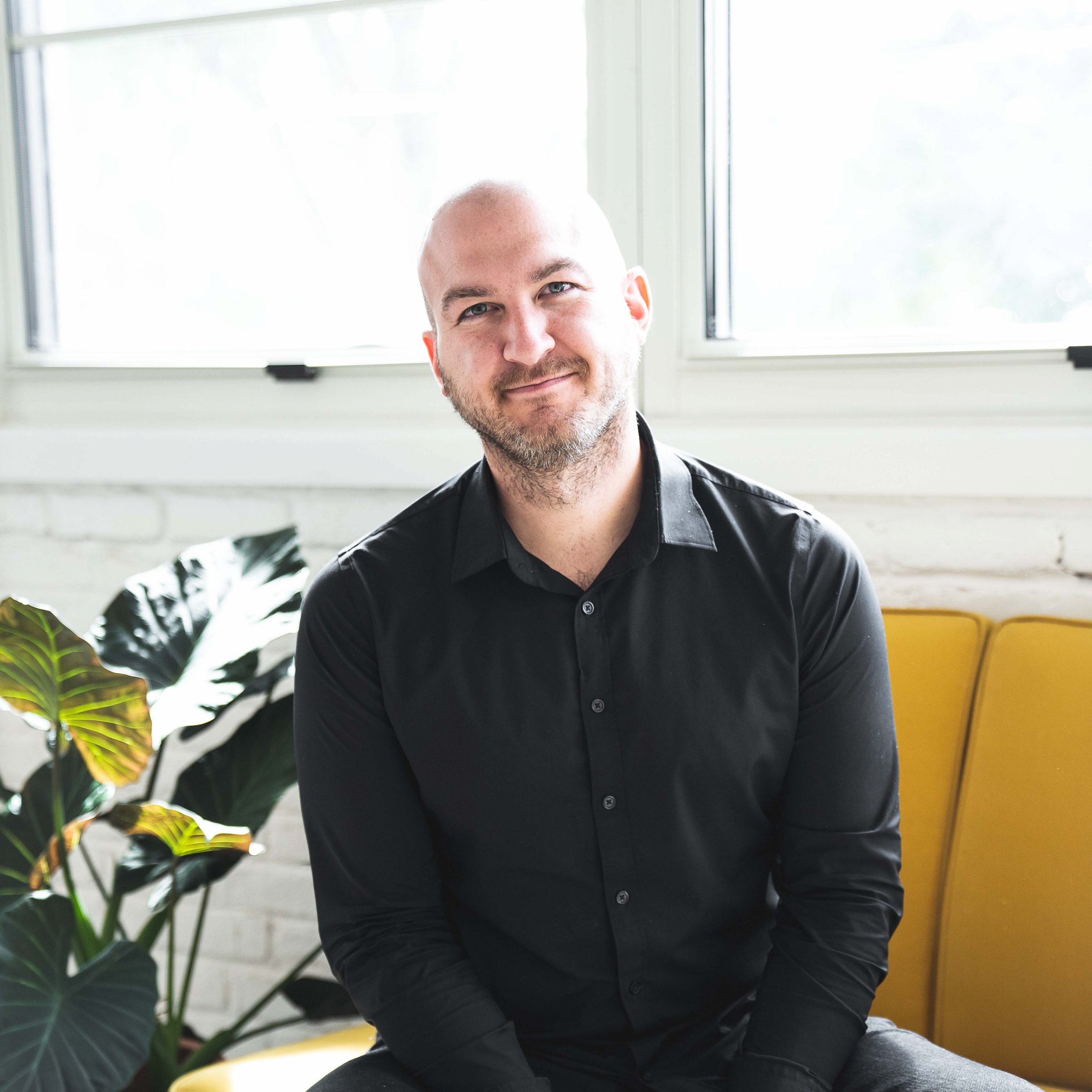
paulnoblePaul Noble, CEO at Verusen

Paul Noble’s passion for entrepreneurship has always shaped his approach for go-to-market strategies and tools, which was the driving force to pursue his dream of launching his own organization to improve the availability of easy-to-use technology for optimizing the supply chain for materials management.

Verusen helps the world’s largest organizations evolve beyond their legacy systems and processes by solving the supply network data complexity that enables true supply chain digital transformation.

Connect with Paul on LinkedIn.

What You’ll Learn In This Episode

  • About Verusen
  • Roadmap to moving forward
  • About Series B

This transcript is machine transcribed by Sonix

TRANSCRIPT

Intro: [00:00:04] Broadcasting live from the Business RadioX Studios in Atlanta, Georgia. It’s time for Atlanta Business Radio brought to you by onpay Atlanta’s new standard in payroll. Now here’s your host.

Lee Kantor: [00:00:24] Lee Kantor here, another episode of Atlanta Business Radio, and this is going to be a fun one today on the show. We have Paul Noble and he is with Verusen. Welcome, Paul.

Paul Noble: [00:00:34] Hi, Lee. Great to be here. Thanks for having me.

Lee Kantor: [00:00:36] Well, I’m excited to kind of get an update about where things are going for VeriSign, but for the folks who aren’t familiar. Can you share a little bit about VeriSign? How are you serving, folks? You know, mission purpose and all that good stuff?

Paul Noble: [00:00:48] Certainly. So we are a supply chain intelligence company based here in Midtown Tech Square, Atlanta, and we help organizations simplify the way they manage their material supply across their global networks. And so what does that mean? We help them reduce the complexity and all the moving parts around data and personas and organizational challenges, and just distill it into one simple software solution that helps them find what we like to call material truth, which is I have what I need, where I need it for the least amount of capital, in the least amount of risk possible. And that’s, you know, a combination of data and human augmentation and a lot of cool technology, but really delivering upon that value. And and obviously in today’s environment, that’s a really important thing for supply chain and global organizations to have now.

Lee Kantor: [00:01:51] Supply chain has been in the news, obviously a lot lately, if not for the greatest of reasons. But can you educate folks about maybe some of why there’s issues there are today and how kind of you foresee this kind of coming to an end and improving?

Paul Noble: [00:02:08] Yeah, yeah. I know everyone’s hoping that things get a lot less chaotic than they have been, but really the problem exists, you know, less and less because, you know, organizations don’t know what they want to do or have a lack of desire of doing these things. But it’s really a lot of legacy systems, legacy processes, dirty and incomplete data that inhibits them from doing what they want to do, whether that’s, you know. Route things logistically, which you’ve been seeing a lot in the news or manage, I need these materials to build my product or produce my product or run the plants. All of these things have traditionally been very the approach to it was very disjointed. So you had, you know, you have to cleanse data and manage data governance data, use an inventory solution, user spend solution, use a procurement solution, use a planning solution. And all of that disk connectivity makes it difficult to really get what you want out of it. And so, you know, we’ve seen this chaos partially because of that and then also partially because we haven’t seen an environment like this. And so when you combine. Planning also historical versus, you know, changing that historically, we have changes that we historically haven’t seen yet. That’s why we kind of have seen this chaos. And so what we do is we essentially help these organizations wrap their arms around it, overcome the data challenges without having to cleanse data and governance data. That’s a unique part of our technology. Let’s eliminate that and let’s bring all the stakeholders into one place and, you know, show them what the data is telling us and provide recommendations on what you should procure, what you should inventory here your biggest risks and allow them to to add more information to the story. And that’s that’s really the power of what we do is driving simplicity, speed and most importantly, sustainability to continue to get better and move forward.

Lee Kantor: [00:04:46] Now, I believe the last time you were on and we discussed Atlanta and kind of the midtown area kind of becoming this supply chain kind of mecca, at least southeast, maybe globally. Has that changed, you know, during this period of time that we’re going through now with the complexity and this kind of global challenges that are happening not just here in the United States, but all across the world?

Paul Noble: [00:05:14] Yeah, I think we’ve you’ve continued, I’ve been having a lot of conversations, not only with customers and in the market and analysts around the continue investment into supply chain technology. I think still very early, you’re going to see a lot more software as a service solutions across the entire supply chain and you’ll see kind of a. A growth of what we saw, you know, 10 years ago as technology transition to the cloud and sales and marketing technologies transition there, and, you know, obviously seeing the things that have happened there over the last 10, 20 years, we’re going to see a lot of that over the next five to 10 years with supply chain and. Deliver, you know, the customer experience that most customers expect, but first supply chain technology as a whole doesn’t deliver, Atlanta remains very focused on. And really, I’m biased. But what we think of or what I would say is kind of like one of, if not the global hub for where a lot of this is taking place. We have some of the biggest, best brands and companies and supply chain companies in the world. We have great academic institution and talent and diversity and the diverse talent pipeline. We’ve got a handful, a great position, you know, a handful of companies, including VeriSign, that have continued to put Atlanta on the map. And then you have the support of the city and the state to make Georgia Atlanta a place that you want to start a company and can get all those things you need to build a great business. So I think the moniker of supply chain city is only continuing to grow and global global presence. Will Atlanta continue to be top of mind for people as it relates to supply chain as well as supply chain technology?

Lee Kantor: [00:07:41] Now you mentioned earlier this period of chaos, and this is a complex industry for high growth, especially technology firms that is gets a lot of folks drooling about the opportunity, especially when you couple that with a bunch of maybe legacy businesses that are ready for kind of systemic change when it comes to updating and leaning into this type of technology solutions. Is that all lined up for you in terms of your announcement of the Series B? Was that some of what gets investors excited about a firm like yours that has kind of a handle on things and it has a solution to help during these kind of complex, chaotic times?

Paul Noble: [00:08:31] Yeah, I think so. I mean, we we were fortunate to have started and I know we’ve had previous conversations with you and the team. A couple of years ago, right before all of the chaos really kicked up doesn’t mean it didn’t exist, but it just wasn’t as heightened. And then obviously, as I mentioned earlier, the traditional systems and processes just didn’t work for the the new environment, especially at the pace that it needed to. So we were in a fortunate position to have already started, you know, recognizing this and building a team and building a technology so that as this happened and the the companies and the the the leaders chief supply chain officer as chief procurement officers were now, you know, good enough was no longer good enough and they needed a solution that could, you know. Work quickly and get things back on track, and also not just be a point solution or a point in time solution, something that could be sustainable, so we were in that unique position where we had already been building to be able to add to the team, which we have significantly. And the last time we spoke, we came off our Series A where we raised $8 million and continued to build on our vision and accelerate that doubled headcount from 12 to 25 to now over 60, and plan to do so again into the next year.

Paul Noble: [00:10:02] And it has captured the attention of not only the media and everyone because everyone feels the effects, but certainly the market and investors and folks that want to where they see opportunity and movement and the way that you can actually change industries by infusing capital, allowing companies like ours to do things quicker. I think that timing is a big part of things, and I think we are in a great position to be able to go out to the market. Have customers supporting us today and clamoring for more support in and across the business. And so we couldn’t be more excited but joint to have scale venture partners join our team and bring their expertize and scaling enterprise software companies and obviously providing capital. But more importantly, continuing to round out the great team. We have to allow us to build our vision faster and support our customers and create more value for our customers.

Lee Kantor: [00:11:18] So what is kind of the future hold? How are you seeing this influx of capital and the opportunity that’s presented itself? What is kind of the roadmap moving forward, at least in the short term?

Paul Noble: [00:11:30] Yeah, yeah. Big, big part of this, you know, was we’re going to continue to do what we’ve been doing and continue to serve our customers where we started, which was on the indirect side of their business. So materials that they needed to run operations and things of that nature. What this and we’re going to continue to hire for that and not take our foot off the gas. What we’re really excited about is throughout the past 12 months, we’ve been asked by our current customers and prospects. And really, the market has been pulling us into simplifying how these organizations manage their raw and direct material that that supply has been kind of thrust into into chaos and uncertainty. And so. With this capital raise, we are going to look to resource and expand our reach into that space, which keeps us focused on materials, but allows us to serve each one of our customers that has that. Manages and purchases both to make their products and run their operations that we can provide the simplest way for them to do that, and so we’re going to utilize over the next year to build out that experience, fill some of the gaps that exist in their current systems and provide obviously, you know, a big part of our platform is deep learning and intelligence. And this combination of data filling data gaps and understanding data and augmenting human experts that know what they want to do, allowing them to do that simply, quickly and sustainably.

Lee Kantor: [00:13:18] Now, has anything changed regarding the type of clients you’re working with, is it are you getting deeper within existing clients? Are you? Are there opportunities developing with new potential partners?

Paul Noble: [00:13:30] Yeah, we are. Great question. We are obviously continuing to expand our value in and across organizations, so we know each of our customers have a global footprint. We typically are starting in North America, but now we are expanding more widely globally with many of them and continuing to deliver more, helping them really manage capital, manage risk, build trust, find that perfect balance, find their material truth. And we’re also that that really is the concept there is. They understand their supply chain. While there are many more than but kind of easy way to put it within their four walls or within their organization, where we’re advancing is that we are also going to build that network out. And so we are going to be investing resources and helping to build supply networks and be able to say, I make a change as a user of a material. Now I can share that with my best suppliers so they know and they can have what I need without me actually having to. Bring it in, house and sit on, sit on the inventory and you start building out these networks. And that’s really the future of supply chain and really harnessing all of the complexity and distilling it down into what really matters. So we’re going to continue to support our customers that way and give them just a broader, broader perspective and broader visibility and action and execution across their supply network.

Lee Kantor: [00:15:14] Well, if somebody wants to learn more, have a more substantive conversation with you or somebody on the team, what’s the website of the best way to reach out to you?

Paul Noble: [00:15:22] Yeah. So we comparison has all the information to get in touch with our team. Or you can reach out to hello at Amazon.com or sales at Amazon.com, and somebody will get back with you very quickly or on social on LinkedIn, as well as the company is. Feel free to reach out to me there, as well as at various and underscore A.I. on all. All the major social channels is a good way, good way to reach out and look, really look forward to connecting with all the listeners out there that are interested to learn more.

Lee Kantor: [00:15:59] And that’s VeriSign VR U.S.A.. Paul, thank you so much for sharing your story today. You’re doing such important work for the city, for your firm. We really appreciate you.

Paul Noble: [00:16:12] Thanks, Leigh. Appreciate the opportunity. Good to talk to you again and look forward to speaking again to.

Lee Kantor: [00:16:18] All right, this is Lee Kantor. We’ll see you next time on Atlanta Business Radio.

About Our Sponsor

OnPay’sOnPay-Dots payroll services and HR software give you more time to focus on what’s most important. Rated “Excellent” by PC Magazine, we make it easy to pay employees fast, we automate all payroll taxes, and we even keep all your HR and benefits organized and compliant.

Our award-winning customer service includes an accuracy guarantee, deep integrations with popular accounting software, and we’ll even enter all your employee information for you — whether you have five employees or 500. Take a closer look to see all the ways we can save you time and money in the back office.

Follow OnPay on LinkedIn, Facebook, and Twitter

Tagged With: Paul Noble, Verusen

Nancy Steiner With Steiner Coaching Solutions

February 2, 2022 by Jacob Lapera

NancySteiner
Austin Business Radio
Nancy Steiner With Steiner Coaching Solutions
Loading
00:00 /
RSS Feed
Share
Link
Embed

Download file

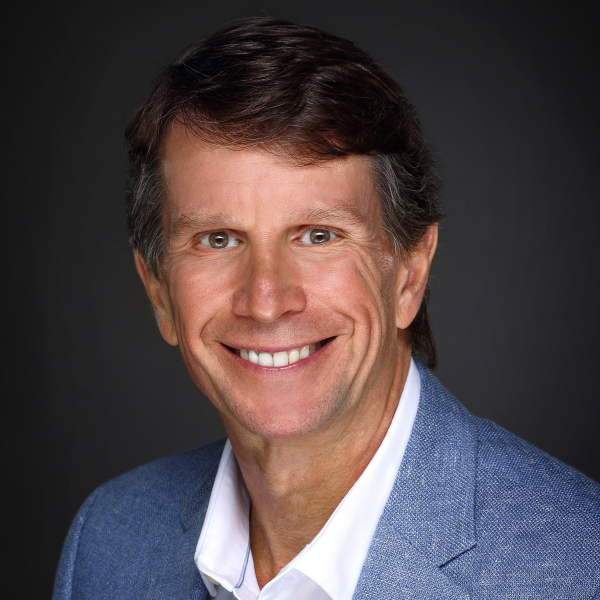
NancySteinerNancy Steiner, President at Steiner Coaching Solutions

For 38 years, Nancy Steiner produced nonfiction content for NBC, CBS, HBO, CNN, TBS, PBS, and Bravo. When in 2018, she had a near-death, sudden illness when her colon suddenly ruptured. She was positioned to rethink her life and decided during a 12-week recovery hiatus, that she wanted to immediately impact lives and help people be their best.

She became a master certified coach with a gold standard outfit, IPEC, and today coach clients from all over the world. She coaches a class at the Harvard Business School of budding entrepreneurs and their professors. She creates coaching circles for groups and will work with anyone she believes she can help.

Connect with Nancy on LinkedIn.

What You’ll Learn In This Episode

  • Similarities or crossover over skills between coaching and being a producer
  • Balancing family and work
  • Advice to anyone who wants to professionally pivot at age 60

This transcript is machine transcribed by Sonix

TRANSCRIPT

Intro: [00:00:02] Broadcasting live from the Business RadioX Studios in Atlanta, Georgia. It’s time for Coach the Coach radio brought to you by the Business RadioX Ambassador Program, the no cost business development strategy for coaches who want to spend more time serving local business clients and less time selling them. Go to brxambassador.com To learn more. Now here’s your host.

Lee Kantor: [00:00:33] Lee Kantor here, another episode of Coach the Coach Radio, and this is going to be a fun one today on the show, we have Nancy Steiner with Steiner coaching solutions. Welcome, Nancy.

Nancy Steiner: [00:00:43] Hi.

Lee Kantor: [00:00:44] Hey. Before we get too far into things, tell us about Steiner coaching solutions. How are you serving, folks?

Nancy Steiner: [00:00:52] Steiner coaching solutions reaches out to all different kinds of people, all different ages. I’m serving people who are pivoting in their lives, changing from one job to another or from one career to another. I’m also coaching at the Harvard Business School. I work with a class of budding entrepreneurs and I coach their professor as well. So that’s really fun because I work with young people there who have amazing ideas, and I coach women’s groups, women mostly who are in the 50 and older category, although I’m about to start a group for women who are in their thirties. Everybody that I coach wants to sort of move themselves forward in their lives. Whatever that means, they want to be the best they can be. They’re either stuck or they’re happy where they are want to do even better. It used to be that coaching was for companies who were feeling that they were struggling or a little lost in their management directions. And now what’s happening in the world of coaching is that people want to be coached, who are doing great and want to be doing even better than great. But there are plenty of people that I work with who are not doing great. So it really runs the gamut. I I do not have a coaching niche against the advice of lots of people. I will coach anyone with whom I feel I have an authentic connection. If I if I feel that I can really help you, then I’ll work with you.

Lee Kantor: [00:02:30] Now, what’s your back story? Have you always been involved in coaching?

Nancy Steiner: [00:02:36] No, no, no, no. I for about 40 years have been making films as a network producer. I created series and one offs for CNN, NBC, PBS, HBO, Bravo, Turner Broadcasting. So I came to coaching in 2018 when I had a life threatening illness sort of forced me to have downtime for 12 weeks. And at that point I had just made fifty two pieces for the Council on Foreign Relations, which is a global think tank. And these were little sort of six minute sort of mini docs that explain global diplomacy to people in over 100 countries. And I was really feeling like I wanted to have an immediate impact on people’s lives because my life had just been immediately impacted by illness and I had no sense of how much more time do I have carp, a carp. And I’ve always been a real people person, and my genius therapist, Mark BANKEX, said to me, You ought to be a coach, Nance. You’ve been a coach forever, so why not get paid for it? So I became a coach and went through 14 months of intensely vigorous training with a gold standard outfit called IPAC, and I got my master certification and put my shingle out in twenty twenty. So I’ve been doing this for two years and it’s been going incredibly well. And I cannot begin to tell you how much I love it. And the last thing I want to say about it is that there actually is connection between coaching and being a producer. And that is that as a producer, I interviewed people from every walk of life imaginable. The most famous, the most powerful, the least famous, the least powerful. But my job was always to get somebody to feel comfortable giving me their story. And so now what I do is I work with people once I know that they’re comfortable and I’m comfortable helping them. I will work with somebody to create the next chapter of their own story.

Lee Kantor: [00:05:05] Well, I’m glad you brought up your background as a producer, somebody who has consumed a lot of television and movies over the years. I’ve always seen producer, an executive producer and all kinds of different producers. Can you educate the listener to what a producer does? It sounds like they do a little of everything, and there’s different kind of producers for different tasks that are involved in a production.

Nancy Steiner: [00:05:29] Lee, that is such a great question. You’re exactly right, producers do whatever their bosses think they want their producers to do, and that can be anything from booking talent, you know, celebrity bookings to shooting those interviews and creating topics for people. Producers do all the stuff that gets great credit and all the stuff that gets the blame. When things go bad, it’s the producers fault when things are wonderful. The producer did it. So as a producer, what I’ve done is I’ve created a lot of content, come up with some ideas, transform those into films and pieces. I’ve also, you know, it really does rain range so, so dramatically from what the assignment is. So as a coordinating producer, you might be responsible for coordinating a series of interviews that are going to be taking place within a series. As a senior producer, you are sort of managing producers below you and guiding the production. And I’ve done all of these things. I’ve been a coordinating producer, a senior producer and executive producer, the whole nine yards. So executive producers largely are responsible for funding and getting the funding put together. If you’re an executive producer for a network like NBC, you’re responsible for the team, you’re the team captain and you don’t have to raise the money because it’s already there. So your job is to really put a staff together and manage the entire operation. Does that help?

Lee Kantor: [00:07:23] Yeah. So it’s more of an operational role rather than maybe the director is in charge of the the elements of the thing that gets on the screen.

Nancy Steiner: [00:07:34] Well, the director in television is very different than the director in a movie. What a director does in a movie is what a producer does in television. So in at least, that’s how it was when I was in television. So it may be different today, but I don’t really think so. A director is really responsible for how everything looks and and sounds and fits in on every major edit in the editing room as it is really in charge for the content in charge of, excuse me, a charge of the content of the production. And a producer is also responsible for creating that content for going out and getting that content and making sure that it’s exactly right.

Lee Kantor: [00:08:20] So now having that background that seems to kind of it’s a natural really evolution to get into coaching because you have to be kind of a generalist and understand the big picture and help something kind of evolve into that finished product that everybody is looking for.

Nancy Steiner: [00:08:39] That’s exactly right. You really have to be able to sort of get the lay of the land, be a quick study of a human being and stay with them so that they can be doing exactly what they want to be doing in their lives. And you have to make sure that they’re making tangible progress with you, that you’re coaching is really working and really penetrating through whatever problems or circumstances their life is creating

Lee Kantor: [00:09:05] Now for you personally. Was it that big of a leap to go from being a producer to a coach? Or it sounds like. There’s a lot of emotional, kind of visceral resonance for you that this is maybe where you should be like, you feel very comfortable in this role, it sounds like.

Nancy Steiner: [00:09:24] I really love it. I can’t say enough great things about it. It’s so amazing for me to have an impact on somebody’s life. Immediately, I can get on the phone with somebody who’s feeling really low and within an hour of working together. When they leave the call, they’ve shifted. There has been an actual palpable shift in their attitude and in their behavior, in their tone and most of all, in their outlook for the next couple of weeks or days. So coaching is so productive and exciting to me because I get the I get the gratification of the audience’s reaction immediately. And that’s really why I went into this because I am a people person and I love hearing people’s stories and to think that I can help them was just like even more amazing to me than producing films about them.

Lee Kantor: [00:10:22] Now you mentioned that it was important to you to get the credential and to go through the training in order to do this at the at a high level, right? Was that something that you were like, OK, if I’m going to really do this, I have to have some sort of foundation or some sort of a system that I can execute so that I make sure that I’m delivering what I want to promise.

Nancy Steiner: [00:10:45] Absolutely, and I had to be. It had to be even. I’ll take it a step further. Lee, it was really an education and nothing short of a coaching education that I got, and I have a toolbox now that I’m very comfortable with and very grateful for. That guides me in every single session that I have. And without those tools and without that education, I would not consider myself a legitimate coach

Lee Kantor: [00:11:10] Because it gave you the framework to have a conversation that can get an outcome that your client wants. Or because I would imagine you have a lot of knowledge, just your your work history and your, you know, human life history that you can have a conversation with someone casually or informally that might, you know, cause a change. But this gives you kind of more tools in order to help the person or move them faster to the outcome.

Nancy Steiner: [00:11:39] That’s exactly right, and it does help you move faster towards the outcome. And unlike other modes of, you know, wellness coaching wants to get you through this process. Not fast, but we don’t want I think we as coaches don’t want clients to feel that they’re in this for the next five years. This is not that kind of situation. Most often, although some people hold on to life, coaches and corporations hold on to coaches for years and years too. But it’s pretty exciting to be able to watch another human being move through their process within a year or so or even less, or maybe a little more, but to see that they are actually getting from A to B where they want to go. And I think that my skills as a producer came into this with a with a sort of organic capacity for listening. But I think that coaching and my coaching education has transformed my listening to another level, and my definitely has transformed my understanding about human beings to another level because there’s nothing that can be more exciting and more invigorating for me. Anyway, then, than engaging with the human being and hearing what their situation is and knowing that I have now learned what empowering questions are to ask them. You know that that I can enable another person to hear themselves talk and just through that come to a deeper understanding of where they want to be going.

Lee Kantor: [00:13:21] Now, is it a challenge for for you as someone who was intimately involved in so many projects to want to inject yourself to help them like and do it yourself, to help them faster so they can get where they want to go? Because, you know, like, Hey, if you do these three things, this thing’s going to work a lot faster. But I got to kind of, you know, kind of nudge you and help you, you know, realize this and coauthor this yourself in order to get the most impact.

Nancy Steiner: [00:13:51] It’s exactly. And it is hard sometimes because I’m a fixer, you know, by nature and being a producer really hammers that home. And so it is sometimes difficult for me to sort of sit back and listen, really, really listen and ask the question that I think is going to bring about the AHA moment instead of just saying, Well, why don’t you just do this right?

Lee Kantor: [00:14:16] It’s right in front of you. Like, like, you see it as clear as day.

Nancy Steiner: [00:14:20] Yeah, but it gives the person absolutely no power, no learning capacity. If I do that and so their needs come first. You know, I put I sublimate my need to fix and I put forward their need to to learn this themselves.

Lee Kantor: [00:14:37] Now is that where the going through the coaching training helped you? Kind of OK, I got to pump the brakes here. I got to let them self discover this, and I can maybe leave some breadcrumbs that helps them. But I got to just, you know, shut up a little bit and let them figure this out.

Nancy Steiner: [00:14:52] Absolutely. That’s a huge change for mainly because normally, you know, with my children, let’s just say, and sometimes even with my spouse, I have been in the past now, you know, a micromanager. And so now it’s the absolute opposite. I hang back, I wait for my children to call me. I don’t call them half as much. I don’t dare butt in to a clients line of thought. Now, you know, occasionally I will say, may I share a response with you? And when I set up the coaching relationship, I will ask the client if you want me to challenge you. Let me know. So that I can, if they want, say now, you know, would you think about this, would you consider thinking about this a different way now and offer that

Lee Kantor: [00:15:51] Now when you were going through your career, was there an opportunity for you to be coached at any point? You mentioned having some counsel? But was there an actual coach at any point in your career or was this kind of a whole brand new world once your counsel mentioned it to you?

Nancy Steiner: [00:16:11] Leigh, I didn’t even know what a life coach was. I thought life coaching was like for people who can’t find other work. So they call themselves life coaches like people who can’t teach gym. You come life coaches. I was completely ignorant and I was wrong about every supposition that I had. So it was a whole new language. When I walked into my coaching education’s first seminar, I went up to the teacher and I said, Listen, I’m a journalist by training. I don’t know if I’m ready to drink the Kool-Aid here. And he looked at me and he said, Huh, well, you’ll figure it out. And he was right. And you know, any any thing I thought, really every single thought I had that first day proved to be wrong. And that’s one of the things that I loved about it because it was fantastic and exciting and the people were marvelous and really interesting and smart and accomplished and really had sort of a drumbeat that was that they were marching to. That was really interesting to me. So coaching is a whole universe that I came to embrace.

Lee Kantor: [00:17:27] Now you mentioned coming into coaching with maybe some bias against it, but you opened your mind to it. How do you help your clients that maybe have that same type of skepticism?

Nancy Steiner: [00:17:40] You know, actually, that’s kind of an easy part of coaching. I find that reframing how people think with them, helping them reframe their thoughts usually is something that people want to do, even when they’re stuck. They know they’re stuck and they want to become unstuck. So through a series of questions that I ask, I can help a person become unstuck and reframe their thinking, you know, and offering offering things to them. Would you be interested in trying this? What would happen if you thought about it this way?

Lee Kantor: [00:18:22] Now, are there what are I mean, I’ve heard the word stuck a lot, there’s now it seems like a lot of books using the word stuck and unstuck in the titles. Are there kind of symptoms or clues that a person might be stuck, but they might not have the self-awareness to know they are stuck?

Nancy Steiner: [00:18:42] Yes, I can give you two biggies procrastination and perfectionism. You know, I can’t finish that because it’s not perfect yet, so I’m going to take another six months and really work on it, and then it’ll be perfect. And then I’ll be done. And then those six months pass by and the person says, Yeah, well, you know, it’s just not right yet. So those are warning signs and perfectionism and procrastination can often do a little dance together. So your perfectionism sort of fuels your procrastination. If that makes sense to you, so those are two warning signs, if you’re procrastinating, you’re just not getting through your to do list the way you should be or you want to be. I don’t believe there are any shoulds, but if you’re just not making the progress that you want to be making, that’s a red flag, right then. And there, you know, the chapter is not written. I’ve thought about it. It’s not written. Or, you know, the desk isn’t cleared. My house isn’t organized. Whatever it is, whatever it is, those are the red flags that you might be stuck. And of course, the number one red flag would be that you feel unmotivated to do anything.

Lee Kantor: [00:19:56] So if you’re getting into that kind of place, sorry, sorry, not a problem. It’s just it’s real life. This is what happens if you’re in a place where your your momentum as may be waned and you’re kind of questioning, should I even be doing this? That’s probably your own evolutionary inside system telling you, Hey, maybe you need help. Or maybe you should reach out to somebody like yourself as a coach to help you through this kind of period because it’s probably not healthy to live in that space for a long period of time.

Nancy Steiner: [00:20:36] That’s right. That’s exactly what being stuck means. It means that you’re living in a place for whatever period of time. You can be stuck for a day, but you can also be stuck for nine months. Whatever it is, if you feel like you’re just not getting to where you want to be, if things aren’t moving the way you want them to move, then you’re then you’re stuck and and life coaching is all about freeing that up for you. It’s like an emancipation that allows you to become what and who you want to be.

Lee Kantor: [00:21:11] Now, have you found that when a person takes the leap and says, OK, you know, I’m stuck because some people might feel like this takes a level of vulnerability and trust in order to enter this type of relationship, they have to say. Some people might perceive it as a weakness that I should be able to figure this out. But when they take that leap and they go through a period of coaching, and I don’t even think it has to be a lot of coaching, but it has a ripple effect not only to themselves if they really embrace it, but it could even go into their personal relationship with their family, with their kids, you know, with their friends because they have this kind of glimmer of what’s possible and they they can’t help but want to share it.

Nancy Steiner: [00:21:56] Exactly, and it does affect every relationship you have in your life. And when I’m doing relationship coaching, it’s amazing to me how people are so vulnerable and and how it does sort of help. Coaching can help you, even if you’re not coming to me for relationship coaching, even if you’re a business person and you want your team to be doing better or for your own results to be more effective, every relationship that you have in your life is help through coaching because you’re learning how to listen and you’re learning how to ask really good questions, and you’re learning how to understand what’s in front of you in ways unimagined.

Lee Kantor: [00:22:41] Now, do you have any kind of action items for somebody that is maybe our age that is saying, You know what, I I am kind of stuck and I there has to be a life out there that maybe is more than what I’m having right now. Is there any advice you could share with someone who is maybe in the second act ish of their life to take the leap? Is there something they could be doing today or tomorrow that’ll give them the strength to take that leap?

Nancy Steiner: [00:23:13] I would say like that every day in your life, you have an opportunity. Every minute of every day. You have the chance to be whomever you want to be, whatever you want to be. And if you can come to an understanding of here’s what I really want to be doing, you can do that. You have the capacity to do that. You just have to propel yourself forward by creating baby steps and following through. It’s really simple. I mean, this is not brain surgery. If somebody is at a point where they want to pivot, they’re at, you know, in their fifties, sixties, seventies, they just don’t know yet what it is. I will work with them to help them figure that out, but they can do a lot of the work themselves to just by thinking it through making lists of What do I want to be doing? What is what do I want three o’clock in the afternoon to feel like? What have I always wanted to do and never done it? So those are ways to begin this process. God, you know, I’ve always wanted to take piano lessons. Why can’t I speak Italian? That would be so fantastic or I’d love to have a career at sixty five, but I don’t really know what that is because I’m sixty five. Well, all of these things are possible. Any of this is possible. You can do these things, I would say to anybody as long as you follow through.

Lee Kantor: [00:24:43] Yeah. And and I agree 100 percent. People get overwhelmed with, well, you know, it’ll take me forever to learn how to speak Italian, but it’s like, Well, you can start and learn one Italian word today. And if you do one word a day, you know you’ll have 365 words at the end of the year, like it can be manageable if you break it down into the the tiniest steps.

Nancy Steiner: [00:25:07] That’s exactly right. You know, so many times people are looking for magic bullets, but just tell me and I’ll do it. Well, it’s really about you. It’s how much do you want to do this? If this is really important to you, you’ll do it because you can

Lee Kantor: [00:25:24] Write, I’m a big believer of those little baby steps. Compounding over time gives you a bigger result over time. But it’s not like you said a magic bullet that you just kind of wave a magic wand and then you’re there at the end of the journey. The journey is the the important part. The the outcome really isn’t. It’s the journey. Yeah.

Nancy Steiner: [00:25:45] I mean, in my own experience. It would have been very easy to give up on the coaching education process. It’s pretty damn hard with IPAC, you have to write several papers that are like seventy five pages, you have to be coached by groups, you have to coach groups, you have a mentor, a mentor coach who’s, you know, testing your coaching live during sessions. It’s grueling. But once you make a commitment to something that you really believe in, you can follow through. It’s really that simple.

Lee Kantor: [00:26:20] Well, it’s a lot simpler when you have somebody by your side, if somebody wants to learn more about your practice, is there a website?

Nancy Steiner: [00:26:27] Absolutely. And I and I would encourage people to go there. I’m happy to do complimentary sessions and begin there. My website is Steinar Stinney coaching solutions, Steiner coaching solutions. Well, Nancy

Lee Kantor: [00:26:45] Nancy, thank you so much for sharing your story today. You’re doing important work and we appreciate you.

Nancy Steiner: [00:26:50] We thank you so much for finding me, and I really love talking to you. So thanks so much for this.

Lee Kantor: [00:26:57] All right, this is Lee Kantor. We’ll see you next time on Coach the Coach radio.

Tagged With: Nancy Steiner, Steiner Coaching Solutions

Kendall Jones With MUST Ministries

February 2, 2022 by Jacob Lapera

Cherokee Business Radio
Kendall Jones With MUST Ministries
Loading
00:00 /
RSS Feed
Share
Link
Embed

Download file

This Episode was brought to you by

The Innovation SpotAlma Coffee


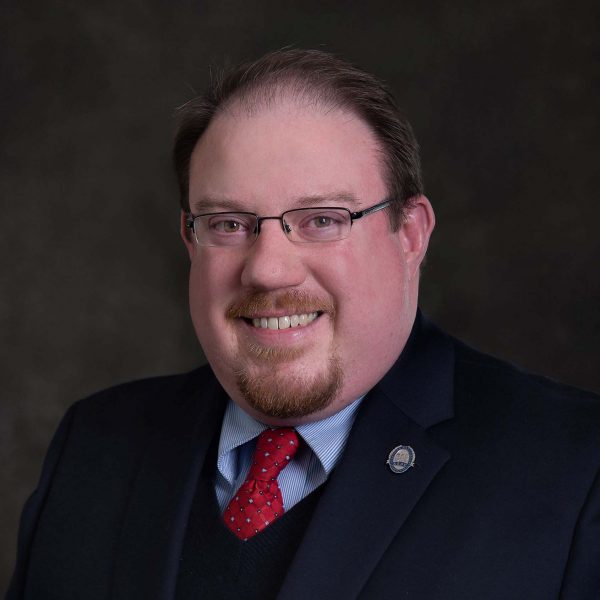
KendalljonesKendall Jones, Community Liaison for MUST Ministries in Cherokee County, has been with MUST Ministries since May of 2010, having served previously as Summer Lunch Coordinator for Cherokee Co., Client Intake/Volunteer Coordinator and Program Director.

Prior to his employment with MUST, Mr. Jones served as a high school/middle school band director and as a church music director. Mr. Jones has lived in Cherokee Co. for 35 years and is a member of Canton First United Methodist Church.

He currently serves as the Chairman for the Canton Housing Authority Board, Cherokee FOCUS board member, Homeless Coalition of Cherokee Co. board member, EFSP Local Board member, Accountability Court Steering Committee member and Homeless Solutions Task Force member. He is married to Carol Jones and has two married sons and four grandchildren.

Follow MUST Ministries on Facebook and LinkedIn.

This transcript is machine transcribed by Sonix


TRANSCRIPT

Intro: [00:00:07] Broadcasting live from the Business RadioX Studios in Woodstock, Georgia. It’s time for Cherokee Business Radio. Now here’s your host.

Stone Payton: [00:00:23] Well, welcome to Cherokee Business Radio and the first the inaugural the one right out of the box of our Cherokee CARES series. And I cannot think of a better way to kick this thing off than welcoming to the broadcast community liaison for Cherokee with must ministries. Mr. Kendall Jones. Good morning, sir.

Kendall Jones: [00:00:45] Good morning,

Stone Payton: [00:00:46] I’m quite sincere in that I can’t think of a better way to kick this series off than to have a conversation with you. You and I have actually had a chance to visit on a couple of occasions because we’ve done a couple of things connected to to your work and you are you really are a liaison. You’re you are in the business community, in the community, in general, you. You must love the work. But before we dove into any of the specifics, can you just give our listeners a bit of a primer like an overview mission purpose of most ministries?

Kendall Jones: [00:01:24] Sure. The the mission statement for us is serving our neighbors in the transforming lives and communities in response to Christ call. So the idea is to provide services and provide hope. But it’s also transformation. You know, if somebody comes in and gets food and they leave and that’s all we’ve done for them, we haven’t made a lasting difference. So we’ve discovered things like food and clothing are just a symptom of a more underlying cause. And so our hope is to get to the underlying cause so that when people leave our services, they are in a different place than when they came in.

Stone Payton: [00:01:55] So this this acronym, must I usually see it, maybe I always see it in all caps, is it? Is that the right word acronym? Does it stand for something it does?

Kendall Jones: [00:02:04] Well, that’s that’s one of my trivia questions when I’m out there speaking publicly. Does anybody know? And about one person every once in a while knows, you know, must started 50 years ago. And so it started out as Methodist United for Service and Training because it started out in the Methodist Church down in Cobb County. Now, over the years, we, you know, we diversified our partners. We have a lot more people helping us and working together. So now it stands for ministries, united for service and training.

Stone Payton: [00:02:27] That was clever. That was good. That was a good shift. It was

Kendall Jones: [00:02:29] Worked out.

Stone Payton: [00:02:31] So how does one find themselves in this role? Tell us a little bit about your back story, man.

Kendall Jones: [00:02:38] Well, it’s funny. I’ve been with us for 11 years, and so I’m in my fifth position with must tell people I’m either moving up the organization or can’t hold a steady job. So that’s kind of the story with must. But I actually started out as a middle school band director and my degrees are music, and so did that for 18 years and was doing church music the whole time I was doing that. And then I went 12 years. I was a full time musician, music at a church, and then I had opportunity to go to the must 11 years ago. And so I started out doing the summer lunch coordinator. That’s a program when I get a chance to talk about later. But then the volunteer coordinator position came up and I said, Well, what qualifications do I have? I’m not in social services. I have a degree in social service, but I look back, you know, for 18 years, teaching banned them for 12 years to in church choirs here, one of those people to volunteer. Yeah. And so I had 30 years of working with volunteers. And so, you know, the Lord came prepared from that role, you know, even though I didn’t have any training in it. And then, you know, moved from volunteer coordinator, up to program director, ran our Cherokee facility for a while and then a couple of years ago, moved to the community liaison. So it’s like I say, I do love what I do as as my my kids used to say, Dad, do you have to talk to everybody?

Stone Payton: [00:03:44] But you can’t go to the grocery store or the restaurant without somebody stopping you, right? You’re that guy.

Kendall Jones: [00:03:48] Exactly. And that guy. So but that’s the joy about it, you know, because being the grocery store and connect somebody to a need or a volunteer opportunity, whatever. That’s that’s what you hope to be able to do.

Stone Payton: [00:04:01] So you guys have I saw this, I saw this word in on Facebook, and I think I’m using it properly. A plethora, a whole bunch of programs, things, services, and I don’t expect you to list all of them. But can you share, you know, a few of them just to give us some context for the depth and breadth of the work?

Kendall Jones: [00:04:20] Just to make the list, we do, you know, food, clothing, shelter, financial assistance, employment assistance, health care and transportation. Wow. And so just give you an example, you know, people know that much does food and clothes, and we do so for example, food, you know, fiscal year twenty one, we distributed 2.7 million pounds of food. And so, you know, each day we’re distributing three point three tons of food a day and Cherokee that relates to we give out about a ton and a half a week at our Cherokee office. And so, you know, people say food and know it. But the volume of that and so clothing, you know, like our Cherokee office, will give out about 7000 articles of clothing a month. But in addition to that, we have sheets and we have towels and wash clothes and all those things that also go along that are so expensive that people can’t afford to get. So there’s so much more to it than the shelter. We actually have seven different shelter programs. You know anything from an emergency shelter for people who are coming in off the street. We have what’s called a permanent, supportive housing program for people who’ve been chronically homeless because of a disability.

Kendall Jones: [00:05:23] We actually own property in Cherokee. We own two duplexes and four townhomes. And then we also lease another 14 years or so. We got 40 people in that program and then the Emergency Rental Assistance Program. We heard about that from the federal government. You know, we’ve distribute over $5 million and help thousands of people avoid being evicted. And so there’s just, you know, for each thing we do when I’m out in public, people invariably say, Wow, I didn’t know, must did that. So that’s that’s really the cool part is because we know what the basics are. But then it just I think the thing that I like about us is that when they see a need, they figure out a way to meet it. You know, in Cherokee, we didn’t have a housing program five years ago when I was program director. You know, like if somebody came in and was homeless, we said, well, must have a shelter. Twenty two hours away, start walking. That’s that was the only option we could offer them. Yeah. And so now we’ve got a housing program. We’ve got a motel voucher program where people can we can stay in the motel for up to 30 days while they work with the case manager who digs into permanent housing.

Kendall Jones: [00:06:22] We’ve got a bridge program that people can need if they need more than 30 days to get stable. They can be in an apartment for up to 90 days. We can send people down to our shelter in Marietta. We just, you know, we have options because while they’ve always said is, I don’t want to sit across the table from a client who’s in need and say, I got nothing for you. So most says, OK, we don’t have this. How can we fix this? You know, transportation is a huge issue in Cherokee County. Oh, yeah. So, you know, we’ve got Uber cards and gas cards and bus passes. And so we even have we even have money now for. I’m in the area where if somebody gets a job interview, we can transport them to the job interview, and if they get the job, we can pay their transportation up to two weeks until they get their first paycheck and then can start paying for transportation themselves. Because why have somebody not be able to take a job so they can have employment because they can’t get their?

Stone Payton: [00:07:11] The logistics, it’s tough for me to even wrap my mind around the logistics, the leadership, the organization, the the discipline and rigor that must be required to pull this off consistently in any situation, let alone with and through volunteers. Surely leading volunteers is a different animal than leading someone who gets a paycheck. A. Is that accurate and b, can you speak to that a little bit?

Kendall Jones: [00:07:41] It is accurate. I mean, what amazes me is before the pandemic, must had about 17000 volunteers every year. I don’t know what the number is now, but we’ve had a lot of, you know, for our day services, you know, we’re open 10 to two during the day. And for that, you know, we have mostly retirees because that’s the people who are available during that time frame. And so we depend on those volunteers. We’re very much a volunteer driven organization. We couldn’t do what we do without our volunteers and and they. But then you have, you know, with if they have to be out, you can’t say, I’m going to dock your pay, right? Right. God bless you. Thank you. My philosophy always and when I was volunteer coordinator was I just thanked him for the time. They would apologize and say, I’m so sorry. I came here and said, I’m just thankful for the time you are here and you kind of feel like the little Dutch boy, you know, plug in the holes of the night. Yeah, right, right. Ok. We think we have this covered. And but then then you have we would have people, we’d have utility infielder, so to speak. You know, we have people who we could call them and say, Hey, we have a hole in the in the food pantry that can come in. So you kind of build up this network of of on call people so that when people have to be out, you can you can plug them in.

Stone Payton: [00:08:49] So I can tell I can see in your eyes, our listeners can hear it in your voice. You clearly have a passion for this, for this mission and thoroughly enjoy the work. What are some of the things that you find the most rewarding?

Kendall Jones: [00:09:03] You know, I’m in a role now where I’m in a different setting, but especially when I was programing director and I was the person at that time. We didn’t have a case manager for housing, so I was the case manager. And so I sat across the desk every day from people that were in need and to be able to see, you know, how people walk in and you talk about seeing in your eyes, you see the hopelessness in somebody’s eyes when they walk in and then to see them walk out with hope. There’s nothing better than that to see that they walked out and, you know, are all their problems solved in 30 minutes? No. But do they can they see a path now? Yes. And that’s rewarding is to know that for that one person, you know, sometimes the thing that you do for them, it might not even be the food or clothing. It’s just you actually listen to them. Yeah. And you let them tell their story and somebody actually cared about them because they don’t have that in their life very much. And so there’s there’s ways to you’ve made a difference in somebody’s life, whether they might not walk out into and they have a job, they have an apartment, they have a car, they’re ready to roll. But at least they can see that maybe there’s a glimmer of a possibility that they can get there.

Stone Payton: [00:10:09] Yeah, that does have to feel really good. Well, I can tell you from my own experience, 15 plus years now being part of the Business RadioX network, our tribe, the folks who are attracted to our work, they’re very relationship oriented. They’re a little quicker to invest in community. They are more if there is a profile of the giver, someone to, you know, to try to help their fellow person. Our tribe that that really does describe them. What? I’m not sure many of us and I feel proud to count myself as part of that tribe. What? I’m not sure that we clearly understand or remember or maybe haven’t even thought of is and we talked about this a little bit before we came on air the genuine economic benefit of social services. Talk about that a little bit.

Kendall Jones: [00:11:01] Oh, don’t turn me loose now. Well, the first thing is like, I talked about our employment services department. Obviously, we’re trying to help people find jobs or a lot of times trying to help people find better jobs because, you know, they may be making the wage, but it’s not a living wage. Mm hmm. So like in the last year, you know, most helped about three hundred and sixty people find employment, either, you know, initial employment or better employment. That translated to eight point eight million dollars in wages back in the community. And so those people are now paying taxes. You know, they are going to the grocery store and buying things. They’re going to Walmart and buying things. They’re, you know, they are contributing to the economy, right? Simply because we were able to rather than the service of finding a job. And then the bigger picture and like, say, this is a conversation I’m having out in the community a lot. There’s about, you know, we have an affordable housing issue in our county, in every county, in the United States. I’m connected to a lot of, you know, websites and webinars and like that. And so we hear the same thing. You know, just give you an example, you know, the four people who are at 30 percent of army, which is an average median income. Ok, so that’s about twenty five thousand Cherokee County for every 100 households at that, that income level. There’s only twenty nine available and affordable units of housing. And seventy seven percent of those people are severely cost burden, where they’re paying more than 50 percent of their income towards housing. Even when you get up to 40 to 60 percent of FEMA, which you think, well, that’s a pretty good wage, you know, you know, you got your admins and you got your ready, you know, radiology techs and you guys, I

Stone Payton: [00:12:30] Thought, you’re going to say, radio host.

Kendall Jones: [00:12:33] No, no, you’re 110 percent. I am, I’m sure. But even at that, there’s only 55 available on affordable units. So. So what happens is people end up going and living in other counties. I was telling the business owner last week, and a lot of their employees are going up to Pickens because they can only they can’t afford to live in Cherokee County. But what happens is, you know, as they’re driving to work 30 minutes to Cherokee to go to the job, they’re passing the same sort of business in Pickens. It’s 10 minutes away from their house. Right. And so also now you know why? Why? Why am I driving 30 minutes to Cherokee when I can go ten minutes and work in Pickens? And so, you know, there’s you know, you have people moving outside of the county and employers having a hard time finding people to work. But the bigger picture is, you know, you hear the term affordable housing sometimes and people sometimes have a buzz word about that. They they see they see the projects down in Atlanta. But the affordable housing is just a place that people can afford to live. And so, you know, the state of Rhode Island, for example, did a did an investment into affordable housing. They built $50 million in the building houses that people could afford so they could live near their work or what they didn’t anticipate generate $800 million worth of economic activity.

Stone Payton: [00:13:41] Talk about your ROIC.

Kendall Jones: [00:13:43] Yeah, sixteen to one. Wow. So, you know, as part of that, that generated six thousand one hundred jobs and about three hundred million of income back into the economy. So, you know, it’s not an economic drain. Some people think affordable housing. All that’s going to take my property values is going to, you know, it’s going to be a drain on services, but it’s actually is actually not. It actually enhances because people can afford to live and work in the community, you know, live in the community where they can work.

Stone Payton: [00:14:10] So walk us through, if you would, a day in the life of Kendall Jones. What is your day, your week, your month look like?

Kendall Jones: [00:14:19] Well, that’s the thing I love about it is that it’s different every day. In fact, you know, even when I was program director, I would say, you know, I’ll have a scheduler, you know, for the day. But then I have what I call the Ministry of Interruptions. You know, I’ve got my schedule, which is which is awesome because, you know, the other way of doing that is divine appointments, you know? You know, for example, I’m a, you know, I’ve got involved in the Chamber of Commerce. I go to a lot of Chamber of Commerce events because of networking. I am on four boards and two steering committees and so connected in that way. And so I’ve got meetings for that. A lot of times it’s just, you know, but then the networking like, I went to a networking event for the chamber last week and there was at the day care center, a new day care center. Well, they were so excited that I was there. And, you know, they say, Well, how how can we partner, you know, they might, because child care obviously is a great need for people that we serve. And you’ve got a single mom trying to get a job.

Kendall Jones: [00:15:17] How is she going to able to work without talk here? And so we had a conversation about what that might look like, how we might work together. So it just varies from day to day. But then while I’m out there, you know, sometimes it’s funny. When I was program director, I told you, you know, as case manager for a lot of people and said, I still get those emails from the people. We have new case managers. We actually have three case managers now, and they they take care of our housing, our financial assistance. But the clients will reach out to me. And so I will still try to connect them. And so it’s just never changing. And some people say, Hey, I’d like to do something from us or do you know about the resource for this? Or, you know, the greatest joy that I have now is to be in a group. And I hear a need. I say, Hey, I just talked to somebody that might be fit, that need. And so, you know, to quote my my friend Laura Mix, and I’m connecting the dots all the time.

Stone Payton: [00:16:05] Well, I got to tell you those of you in the listening audience. Kendall Jones is the epitome. He is the paragon of virtue. He is the picture in the dictionary. When you talk about connecting people, you are that guy for the whole county. I mean, you are.

Kendall Jones: [00:16:19] Well, it’s a role that it’s funny. You know, people will say, I’ve done a lot of research and study in the area of housing and affordable housing and spent a lot of time talking to county officials and city officials and all that. So it’s funny in some of our groups. Let’s say you’re the you’re the expert on housing. I say I’m not an expert. You know, I told you my music background. I tell people, I’m just a trumpet player trying to help people. I mean, I’m an expert, but

Stone Payton: [00:16:42] I have no one,

Kendall Jones: [00:16:43] No more, exactly. But I have a passion for it because I’ve sat across the desk from those people who who need it. And, you know, I can’t just sit there and go to bed at night, you know, every time I lay my head down at night. And these days, when it’s 20 degrees, I know somebody out there who’s sleeping in it. Yeah. And so, you know, that motivates me to do whatever I can do to connect people. And the cool part is, is that what Musk does a lot of time is be the hands and feet for people. They they want to do something for people to help, but they’re not quite sure how to do it. So must is that it gives them that opportunity to realize that the passion they have in their heart helps somebody. So that’s that’s a wonderful connection to to connect people to the opportunity to make a difference in people’s lives.

Stone Payton: [00:17:26] Well, that’s an excellent point and actually kind of relates to my next question. Specifically, I was going to ask what can the small business community? And I know there’s other constituencies, but there’s quite a few of us that are that are blessed, you know, would make a comfortable living. We enjoy this marvelous community of ours. What are some things that the Business RadioX is, you know, the Dewey Cheatham and how law firm or, you know, like just look, I saw that on some comedy, but you know, just just the local business, folks. These are people in my experience that have a good heart, but to your point, may not really know, you know, what’s the best way to plug in and provide help that’s going to have some, some impact. So, yeah, talk about that a little bit more.

Kendall Jones: [00:18:12] Well, there’s so many different ways. I mean, the first thing is is that the obviously like where we’re sitting right now, we’re, you know, we’re in the studios here at the innovation spot, right? And they’ve been in business for a few years and they’ve already done three events to to benefit must. You know, they have a heart for helping people. So they did an ax throwing event. We had a lot of fun and I love that. I was terrible at it. But but we enjoyed it. And then they did. At Christmastime, they did. Lunch recalls where, you know, the admission to the lunch was a Christmas toy for our Christmas Toy Shop program. And because the cool part is, is that, you know, we put out a barrel. Anybody can put out a barrel to collect food, for example, and say, Well, what difference does that make? Well, you know, I shared earlier that in fiscal year twenty one, we just forty two point seven million pounds of food. The miracle for me is that we had two point seven million pounds to give. Yeah. And so, you know, we get some large grants, but then a lot of that comes from local businesses. So those type of things, you know, for example. And our clothes closet, we distribute used clothing, but we have a joke, says we, we accept gently used clothing, but we prefer not to accept gently used underwear. And so we’ve had businesses. Do you know an underwear and socks drop? Oh, there you go. So, you know, everything makes a difference. And you know, with the food coming in, you know, it’s like saying Chiaki, we’re distributing a ton and a half a week, so whatever comes in is going to go out.

Kendall Jones: [00:19:32] So obviously monetary donations, it cost us to do what we do. Mm hmm. And so that’s always helpful. I mean, just like just like a church or business, you know you you count on regular monthly income in order to sure to to operate. And the thing about that is is that a lot of people say, I want to give to a specific thing. I’ll give the children, I want to give the food, I want to give to whatever. And that’s awesome. But we actually serve more. They want to say, how can my gift have the greatest impact? We serve more people through our regular everyday services than we do through any special programs. I mean, we do a Christmas toy shop where you know this. This past December, fifty seven hundred kids got gifts that they wouldn’t have otherwise have gotten. You know, we do a summer lunch program where we feed five thousand two hundred kids a week in nine counties or in those seven counties for nine weeks. And so, you know, those are special programs, but we serve, you know, in fiscal year twenty one, we served over forty five thousand people with our regular services. So that’s the greatest impact. You know, it’s not it doesn’t seem as as attractive, but it’s just as important to give, you know, give financially so we can have operate just our regular operating expenses so we can open our doors every day.

Stone Payton: [00:20:41] Well, I was going to ask you about that because my instincts have been for some time now, whether it’s at church or for some good cause that that you are probably going to have a greater impact if you don’t and I don’t know what the right term is. Earmark, you know, like direct where the money goes, like this has to be spent on this or this has to be, I mean, to me, you know, like a church, you know, I think the committee, you know, they’re doing a good job and they they have the bigger picture. And I feel like I would have greater impact with my dollar if I don’t, you know, like, earmark it, is it?

Kendall Jones: [00:21:18] Exactly right. You know, a lot of times people just say for whatever the greatest need because you have like flexibility. I mean, for example, you know, we, you know, we have a motel voucher program. And then when we do our emergency night shelter, you know, anytime just below is thirty five degrees down to our Elizabeth in a night shelter. They open up the kitchen and single men can come in and stay and get out of the cold. And then for the women and children, we put them in the motel, so must before the pandemic was spending about $5000 a month on motel. We’re now spending forty thousand a month motel, so also in this need popped up. And so if you have funds to say for greatest need, you know, wherever that need is, we can apply it towards that. So it’s very helpful to have have the flexibility to do that.

Stone Payton: [00:22:01] Well, and I don’t mean to dismiss the idea. I think it’s fun and creative to do like the underwear drive or the toy things. To me, it’s a both and it is. But I wanted to bring that point out because it just makes sense to me that, you know, it’s going to go further and go exactly where it’s needed right now, right? Well, good. Well, I’m glad I asked. So here we are early. Twenty twenty two. Mm hmm. What upcoming programs, events? What are some things going on in the community over the next 90 days that we ought to let our folks know about?

Kendall Jones: [00:22:32] Well, I’ll borrow a line from WSB copyright infringement, but they always do the the three top things to know for your day. So the three top things to know from us right now. First thing is, we’re celebrating 50 years of serving our neighbors in need. So April 30th, we have our Golden Gala. And so there’ll be an opportunity for people to come and celebrate with us and, you know, business because we can sponsor a table or they can donate some auction items. You know, we’ll, you know, we will celebrate and also fundraise so that we can do what we do for 50 more years. So we have the Golden Gala coming up. The second thing is I talked about earlier, we have the our new overnight shelter down in Cobb County called Hope House. It’s called Hope House Grand, opening sometime in March. Our current Elizabeth in shelter. Seventy two beds, this shelter will be one hundred and thirty six beds. All right. And it has thirty six transitional beds. So you say, Well, what’s a transitional bed? Well, we’ve got one hundred thirty six beds for people who are in our shelter program for the 30 day program. But let’s say somebody comes in and meets one of our client intake people and they need to come into the shelter, but we don’t have any beds available. Used to be, they’d have to go back out and sleep in the tent wherever they were until we had the bed available.

Kendall Jones: [00:23:41] Now we can put them in a transitional bed until the bed opens up in the shelter and they can move in. And then also, once we open up that shelter, the emergency night shelter, the transitional beds will become the emergency warming shelter for people who aren’t in our shelter program but need to escape the cold. So that’s number two the number three. Keep your eyes out open for the must food bus. We got an Old City bus and we retrofitted it and made a mobile food pantry out of it. And so we can put up food for up to 100 families in there and you walk in there and you can get produce, you can get meat, you can get dairy, you can get frozen, you can get toiletries, you can get non-perishables. And so we take that bus to food deserts where people live, where they have access to grocery stores. We also do that to help seniors. We go to a couple of high rises down in Cobb County, where their seniors are, and then we go to the Canton Housing Authority here in Cherokee. And then there’s another location in Woodstock that will be starting to serve soon. So it’s the coolest looking bus, so keep an eye out for the most mobile pantry driving around.

Stone Payton: [00:24:42] Fun. All right. Well, again, your enthusiasm, your passion for the work. I mean, it just shines through. And I know you’re human. You’ve got to run out of juice from time to time to get beat down. I mean. And when that happens, where do you go? And I don’t necessarily mean a physical place, but where do you go to to recharge and inspiration? You know, is it riding the waves down the Gulf of Mexico? Is it, you know, meditation? But how do you recharge and kind of steel yourself to get back out there?

Kendall Jones: [00:25:17] Well, you know, there’s actually a term in our in our field called compassion fatigue. And basically, and that’s not so much, you know, you get tired of being compassionate, but you run up so much need. And sometimes there are situations where you can offer resources. You can see a clear path and sometimes it’s not so clear and you know, you’re not so sure whether they’re going to make it or not. So actually, in my position now I go check on our case managers we have now and just kind of check on the I go say, I’m checking the temperature, how are you doing? I can see where they’re stressed out or not. And so, you know, for me, you know, two things. Number one, anytime you start getting a little stressed about, you know, how are we making a difference? You remember the old starfish story, you know, pick up the starfish and throw it out there and say it made a difference to that one, right? Right. May I help everyone, but they help the one that you did. And the other part for me, just real simple. I’m a runner. I’m a very slow runner, and so I’m out running every morning. I tell people as much for my mental health as my as my physical health. Yeah, I’ve slowed down over the years, but I’m still out there and just kind of I don’t run with music. I just, you know, it’s just the breathing and the footsteps and the nature and and the people say, How do you stay so calm? And part of it is that, you know, I know who’s in control, you know, in prayer every morning. You know, it’s funny with running. You know, when I first started running, it took me six weeks before I could run the mile. So my prayers used to be Lord, help me get to the hill. Now I can pray for other people because I finally been doing it for a little longer. But that’s the way just to stay grounded and just. And by the time I get to work, I’m just I’m chill.

Stone Payton: [00:26:46] Wow. All right, before we wrap, let’s make sure that our listeners know how they can reach out and have a conversation with you or someone on your team or or get involved in some of these activities, whatever you think is appropriate, whether it’s a website and email or phone number or place. But I just want to make sure that they have a place to start learning more and see Insein about getting involved. Sure.

Kendall Jones: [00:27:12] Well, the website is a great place to go to just learn about muscle and all the services and find out where you might want to plug in. So that’s just simply w-w-what must ministries dot org and then for communication like, say, I’ll be, I’ll be the contact point. I’ll I’ll direct the call. It’s just cajones at most ministries dot org. And so I got this email that whatever you want to ask, whatever you want to do and I’ll get you connected.

Stone Payton: [00:27:34] Well, Kendall Jones, Community Liaison, Cherokee For most ministries, it has really been a pleasure having you come on the show this morning. Thanks, man.

Kendall Jones: [00:27:42] Well, thanks so much for having me. It’s been a pleasure to talk to you and just kind of share, hopefully help somebody connect.

Stone Payton: [00:27:49] All right, this is Stone Payton for our guests today. Kendall Jones, Community Liaison, Cherokee with Mussed Ministries and everyone here at the Business RadioX family saying We’ll see you next time on Cherokee Care’s.

Tagged With: Kendall Jones, MUST Ministries

Melissa Brogdon With FourthParty

February 1, 2022 by Jacob Lapera

MelissaBrogdon
Atlanta Business Radio
Melissa Brogdon With FourthParty
Loading
00:00 /
RSS Feed
Share
Link
Embed

Download file

fourthparty

Melissa R. Brogdon co-founded FourthParty, a Legal technology Saas company, to provide a more efficient practice management solution for negotiators. In her role as COO, Melissa manages the development team and customer experience for FourthParty’s enterprise solutions. FourthParty has been recognized by selected for the $100,000 Black Founders Fund Award as well as features on Google and Hypepotamus.

Prior to FourthParty, Melissa was an accomplished nonprofit professional in addition to earning the distinction of Certified Fundraising Executive. Her work supported more than $10 million of philanthropic investments to vulnerable women, children, and communities in Georgia since 2014.

In addition to her professional work, Melissa volunteers is a founding board member with Atlanta Unbound Academy. Melissa is a proud native of Oakland, CA , and an alumna of Spelman College and The University of Pennsylvania’s Graduate School of Education.

Connect with Melissa on LinkedIn.

What You’ll Learn In This Episode

  • Trends in Legal technology
  • GA startup/technology landscape
  • Dispute Resolution trends

This transcript is machine transcribed by Sonix

TRANSCRIPT

Intro: [00:00:04] Broadcasting live from the Business RadioX Studios in Atlanta, Georgia. It’s time for Atlanta Business Radio brought to you by onpay Atlanta’s new standard in payroll. Now here’s your host

Lee Kantor: [00:00:24] Lee Kantor here another episode of Atlanta Business Radio, and this is going to be a fun one. But before we get started, it’s important to recognize our sponsor onpay without them. We couldn’t be sharing these important stories today on Atlanta Business Radio. We have Melissa Brogdon with fourth party. Welcome.

Melissa Brogdon: [00:00:42] Thank you, Lee. Super happy to be here.

Lee Kantor: [00:00:44] Well, I’m excited to learn what you’re up to. Tell us a little bit about fourth party. How are you serving, folks?

Melissa Brogdon: [00:00:50] Absolutely so. Fourth party provides modern solutions to legacy problems within the legal space, and it’s particularly catering towards mediators and arbitrators. And that’s just like a lot of words to essentially say we focus on negotiators, those middlemen who help everyday people navigate things like car accidents, divorces, custody battles or even the landlord tenant disputes. We just help them do their job better.

Lee Kantor: [00:01:14] So what’s an example of ways that you help them do their job better?

Melissa Brogdon: [00:01:19] Absolutely. So Fourth Party is really focused on making sure that a negotiator can access case files securely anytime, anywhere. The pandemic really exacerbated a problem that’s existed for decades in the legal space, which is legacy paper based systems can’t be accessed in a remote world. So we really make the process of accessing that information easier, more secure with tools for communication, document storage as well in data and insights. And really, we mirror that process the experiences that they’ve had sort of those time honored traditions that are part of the negotiation process. We just make that a little bit easier so that our adoption of our tool can be a little bit faster for them

Lee Kantor: [00:02:04] Now is faster, kind of a double edged sword for lawyers because, you know, a part of I’m not a lawyer, but as a layperson, I think that they like the idea of me thinking that they’re going through a dusty old book thinking of some obscure case. You know, that’s going to save the day, and that requires a lot of time, and that time is expensive. And then if I can just Google search, you know, cases that are relevant to me and in two seconds, you know, 30 things pop up. Is that good or bad from the lawyer?

Melissa Brogdon: [00:02:38] So, so I’ll clarify a little bit that we most of the mediators that we work with are lawyers, but their role is really an authoritative position to help the lawyers who are representing the everyday folks like me. And you sort of get to that, get through that conversation smoothly and they are just balancing so much information. And right now, a lot of folks are doing that with a pen and a legal pad. And so we’re really helping them to kind of move into the modern age with that process and make sure that that information is secure. Because if they’re using that pad and paper, not only is it sort of a time waster, but it also is a really unsecure process that might leave your private information accessible to people that you don’t want to have it.

Lee Kantor: [00:03:29] Now, is this something these kind of changes moving from paper and pencil to digital is a lot of legacy organizations are going, kicking and screaming into this world, even though for the people who are already there, this seems obvious and logical, and there’s no reason to go backwards. But for some reason, you know, it’s not just this industry. There’s several other industries out there that this is like a hill they all want to die on. How are you helping them with this kind of behavior change and this kind of legacy thinking of this might not be the best way today to be doing this kind of work, even though it has worked this way for, you know, decades, if not, you know, multiple decades or a hundred years now.

Melissa Brogdon: [00:04:15] Right, right. Well, well, you know, we agree that our biggest competition is the status quo, the way things that have always been done. And we really do serve a pretty diverse user base and that our users range from age thirty five to 80. And so their experience engaging with technology is as varied and a part of what we sort of message and really try to drive home with folks is we are trying to augment and complement the human centered work that you do. So it’s not so much about change or, you know, sort of villainizing the process as it is. It’s really about adaptation and making sure that people are prepared for what’s ahead of them and doing that really in a compassionate way. That hasn’t been the way that Big Tech has necessarily approached sort of transitioning folks who are sort of used to those legacy systems doing that in a compassionate way has really helped us to engage people and get them onto the platform now.

Lee Kantor: [00:05:23] And a lot of SAS projects like yours and companies like yours. The aim is always for the aspirin, not the vitamin right. Look, I’m trying to solve a problem that is dire and not something that would be nice to solve down the road. Is this elevated to that level with the folks that you’re serving?

Melissa Brogdon: [00:05:46] Yeah. I mean, I think we see our our relationship with negotiators as certainly urgent and time sensitive. What we’re seeing is a real sort of crisis, and it was exacerbated by the pandemic, but something that was sort of building up, which is a justice gap in terms of the ability for people to access the sort of representation that they need. And so we see a lot of cases go unheard because there just is not there just is not enough time in our court systems or enough negotiators to handle that work. And so we’re really invested in making sure that as people join this, this career and consider even a career shift to two negotiations, that they’re equipped with the tools to really accelerate their career as quickly as possible. So we focus a lot on process mapping, really coaching people through the process so that they can sort of have an educational coach as a part of using our tool.

Lee Kantor: [00:06:51] Now, do you have a story you can share about how maybe somebody who was skeptical or, you know, just decided to take the leap into your platform? We’re able to use that in order to, you know? To win something or to to gain something. Maybe surprise, maybe surprise their client.

Melissa Brogdon: [00:07:12] Absolutely. So the reason that we thought of building this tool was a personal challenge. It really started with the family meeting between myself and my husband, who is a mediator who’s mediated over 200 cases virtually. And he was faced with an individual reaching out to him for some information about a about a negotiation that he actually wasn’t able to settle. And he spent an hour literally throwing sheets of paper over his shoulders, trying to find the detail that that person was looking for. And that was really the light bulb moment for us that there needed to be a way for people to access that information in a much easier way and also say that time on the negotiator side to be able to update and move that process along. And so if you think about that as just one small example of the ways that people are losing time and then in turn, the people who are actually bringing the conflict to bear are the ones who suffer as a result of that, as costs skyrocket and time, they lose time in that process. So it really is an experience, a pain point that we experienced personally and a part of us. Being able to collaborate and bring this sort of universal tool to bear is really something that was a response to a challenge we faced ourselves.

Lee Kantor: [00:08:44] Now, being an emerging brand is identifying that ideal client is is one of the biggest challenges. Have you been able to kind of hone in on, you know, who the persona of this ideal client? Is this this negotiator? Is it a judge? Is it a lawyer? Is it a mediator? Like, do you know who this person is? That is the most likely to consider this?

Melissa Brogdon: [00:09:14] Yeah. So we’re we’re we’re hyper focused on alternative dispute resolution firms, and those are organizations that really help negotiators with that administrative load booking and all of the things that come along with going into a negotiation that really aren’t a part of that active negotiation process. But we’re also thinking about that solo neutral, a person who’s probably been practicing at least 10 to 15 years, maybe a little bit disenchanted with their experience as an attorney. Maybe the work life balance isn’t the right fit for them, and so they’re considering a shift into the mediation space or have already certified. And they’re looking for a way to turn this from really a side hustle from the beginning into a second career.

Lee Kantor: [00:10:06] And then with fourth party, this really that person doesn’t have any of that legacy thinking this is kind of a fresh idea for them, and this enables them to get up and running faster

Melissa Brogdon: [00:10:18] A little bit. I mean, we still face the fact that they are coming out of the legal space. And so whatever notions and experiences and habits, they still bring those to fourth party. And so we do still have to challenge some of that thinking. But as we engage with early career neutrals and folks who are in that in that age range, they have a little bit more experience with technology. They’re using it every day. They’re engaging with customer relationship management systems in prior experiences, and so they do have some reference points. And again, the fact that our tool really mirrors some of those time honored traditions that they’re used to doing in a in a paper based system. It feels more familiar than a tool that maybe has been built by someone who isn’t truly an industry expert.

Lee Kantor: [00:11:09] So now what’s your back story? Had you been involved in software as a service before, technology before?

Melissa Brogdon: [00:11:17] Yes. So my background is actually in nonprofit of operations. And then I was working part time for the past seven years supporting my husband’s law firm, who is also my co-founder. A fourth party. And so I got to watch sort of deal with some of those administrative pain points and problem solve around that. So when we were first thinking about a solution to having a rifle through all those papers and throw them over his shoulders, we went through several different iterations of using up to a dozen different applications to create some kind of workflow management tool for him. And so that’s where my expertize came in and as he did interviews with colleagues and really engaged with hundreds of. Mediators who were experiencing the same challenges that he was facing. He was able to create that universal workflow and then I could incorporate time saving and efficiency and process management into that workflow so that we could create the basis of fourth party.

Lee Kantor: [00:12:22] Now what about the technology element of it? Were either of you coders or technologists or did you have to partner with someone to in order to get it?

Melissa Brogdon: [00:12:30] We, we’re both. I put quotes around non-technical. We actually got to engage with the team that was based in Jackson, Mississippi. Some really smart young engineers who were really excited about the opportunity to jump into this kind of work. And so they actually had some limited experience, but really ambitious. And they were the ones that brought forth parties MVP to the to to the place where it is now.

Lee Kantor: [00:12:58] So now where is that place? Are you looking for funders? Are you? How can we help you? What do you need more of? Do you need funding? Do you need clients or is this funded?

Melissa Brogdon: [00:13:08] All of it. We need all of it. So we actually just wrapped up a pilot with one of the largest alternative dispute resolution firms in the Southeast. And so our tool has currently has over 2000 active cases on it, and we’re serving negotiators in seven states. And we’re thinking about certainly planning for funding. So we were really lucky last year to receive $100000 from Google for startups to help support us in this early stage of development. And now we’re looking to bring on new partners and advisors and advocates, so definitely looking for investors to have a legal background and can really understand the magic of this tool and where we are trying to go, but also looking for those advisors and advocates who can be a part of our team and coach us and support us as we accelerate into this, this new realm. So right now, we are super, hyper focused on building a really high quality tool and making sure that we are able to serve the new firms that we bring on this quarter. And then the next really well.

Lee Kantor: [00:14:26] Well, congratulations on all the success, if there is someone out there that wants to learn more about fourth party, what is the website?

Melissa Brogdon: [00:14:36] They can reach us at fourth party, and it’s spelled out F O U R R T Dot app. Connect with us. We would love to talk. We’re always looking to have conversations with mediators, lawyers, judges, anyone who might be interested in using the tool, but really, again, with a focus on building the right tool for people. We want to understand their pain points and would love to have a conversation.

Lee Kantor: [00:15:05] Good stuff. Well, again, congratulations on all the success you’re doing. Important work and we appreciate you.

Melissa Brogdon: [00:15:12] Thank you, Lee. Thank you.

Lee Kantor: [00:15:13] All right. This is Lee Kantor our next time on Atlanta Business Radio.

About Our Sponsor

OnPay’sOnPay-Dots payroll services and HR software give you more time to focus on what’s most important. Rated “Excellent” by PC Magazine, we make it easy to pay employees fast, we automate all payroll taxes, and we even keep all your HR and benefits organized and compliant.

Our award-winning customer service includes an accuracy guarantee, deep integrations with popular accounting software, and we’ll even enter all your employee information for you — whether you have five employees or 500. Take a closer look to see all the ways we can save you time and money in the back office.

Follow OnPay on LinkedIn, Facebook, and Twitter


Tagged With: Fourth Party, Melissa Brogdon

Adina Saperstein With Adina Rose Coaching

February 1, 2022 by Jacob Lapera

AdinaRoseCoaching
Austin Business Radio
Adina Saperstein With Adina Rose Coaching
Loading
00:00 /
RSS Feed
Share
Link
Embed

Download file

Adina Saperstein is a multidisciplinary practitioner, facilitator, teacher, coach and homesteader, driven by a commitment to help others build rich, vibrant and sustainable tapestries of life, livelihood and community, anchored in ancestral wisdom and values.

For over a decade she rose up through an exciting, successful career in the field of international economic and community development, working in twenty countries in sectors ranging from horticulture to hospitality to post-conflict recovery. In her mid-30’s, burned out, disillusioned, and craving deeper purpose, she left her full-time consulting career and, with the guidance of yoga and meditation teachers, healing arts practitioners and coaches, began to strip away the veneer of success and accomplishment she uncover what lay beneath.

Adina is a student of a constellation of teachers who guide her to deepen her personal and ancestral healing and growth, and to transmit what they’ve taught through her own offerings.

Her practice with clients integrates Transformational Coaching and Yoga Therapy, which help her guide others through big life changes with courage, integrity and grace.

She is also certified in and has taught Hatha, Vinyasa, Kundalini and Pre-natal yoga; Yoga for 12-Step recovery; and mindfulness-based meditation, all of which she passes on with discernment and deep reverence for the lineages from which they have been received. She is also currently pursuing a Masters of Mental Health Counseling, with the aspiration of integrating all of these modalities in a more holistic, accessible manner.

When she’s not working with inspiring people you’ll find her hiking, cycling, gardening, cooking, playing with clay, and exploring in the Hudson Valley and far beyond with her amazing partner in crime and growing family.

Connect with Adina on LinkedIn.

What You’ll Learn In This Episode

  • How & when to take the leap of leaving a secure job to pursue your calling
  • “Find your GEAR” model
  • Ground-Envision-Actualize-Reflect
  • Make sure to reset/shift gear seasonally to work with the energetic cycles of the year
  • How to succeed by rooting your work in the community

This transcript is machine transcribed by Sonix

TRANSCRIPT

Intro: [00:00:02] Broadcasting live from the Business RadioX Studios in Atlanta, Georgia. It’s time for Coach the Coach radio brought to you by the Business RadioX Ambassador Program, the no cost business development strategy for coaches who want to spend more time serving local business clients and less time selling them. Go to B.R. Ambassador to learn more. Now here’s your host.

Lee Kantor: [00:00:32] Lee Kantor here, another episode of Coach the Coach Radio, and this is going to be a fun one today on the show, we have Adina Saperstein and she is with Adina Rose coaching. Welcome.

Adina Saperstein: [00:00:43] Hi, good to be here.

Lee Kantor: [00:00:45] Well, I’m excited to learn what you’re up to. Tell us a little bit about your practice. How are you serving, folks?

Adina Saperstein: [00:00:50] Yeah, absolutely. So I refer to myself as an integrative coach, which means that I integrate traditional transformational life coaching along with some other modalities that I am trained in in practice, including yoga, therapy and other forms of healing arts. I practice reiki. I have been a yoga and meditation instructor for many years. And so when I work with people, I work in two ways. Some clients, I do stick more to the conventional coaching if that’s what they are looking for and weave in the other pieces a little more subtly. Some of the more energetic aspects of working through blockages and just really tapping into your full potential. And then some clients, I do a longer, longer integrative sessions where I actually do formal work with them on movement and or sometimes a reiki session or whatever it may be people who are more receptive to and seeking out that kind of more holistic approach.

Lee Kantor: [00:02:04] Now do you find that in this kind of chaotic time that we’re living through right now, maybe this transitional period that self-care has kind of been elevated to much more importance than people are becoming more mindful about the importance of self-care?

Adina Saperstein: [00:02:21] I think absolutely that it has, but it’s a bit of a catch twenty two because, of course, a lot of the structures that people may have had in place or may want to access to. Access health care have been compromised, so working from home, not being able to get to a gym or a yoga studio, a lot of those have not even been open. So obviously that makes it really tricky. And one piece that I think that I’ve found with a lot of my clients, as well as colleagues, coaches and other other wellness practitioners and and such is that as a result of the flexibility that we have in our schedules, which of course, we’re always really excited about that flexibility. And that’s one of the things that draws a lot of people to coaching, I think, is that that flexibility in our in our schedules, in our lives, but actually in a way that can really actually be detrimental to our self-care when we have no or very little routine, regular routine and rhythm in our day, day to day that can make it really tricky to get in the kinds of self-care disciplines, whether it’s practice or nutrition nourishment that comes with having sort of set meals at certain times. This is something that has come through a lot of my training and yoga therapy and comes from from from many of the eastern traditions is just the real need to have routine and regularity day to day in order for our bodies to be able to get into a rhythm so it can be really challenging. Even more so when we have when the externally imposed structures that came for a lot of us from going to a workplace are taken away. And then again, for coaches in general who who don’t tend to have those kinds of as much of those as externally imposed structures and routines even more so challenging.

Lee Kantor: [00:04:48] Now how does kind of the need for your services typically present themselves to a prospective client? What are they struggling with? What are maybe some of the breadcrumbs or symptoms that maybe they’re going through and not aware that maybe they need kind of some help or some conversations with you or a person like you?

Adina Saperstein: [00:05:10] Sure. Well, I think number one is just a feeling of stuckness. That was certainly what what drew me to coaching as a client before I became a coach myself, just a feeling of being stuck, whether some people that come to me have an idea of what it is that they would like to do, but are sort of stuck on the precipice of actually taking the leap to go for it. And some for some, it’s it’s much bigger just to a feeling of discontent with their current situation and maybe a vague concept of of what they might want to do differently. So sometimes the the health and wellness piece is more pronounced. And increasingly, as I have stepped up my work in the yoga therapy piece that has been there have been more people coming to me with with that particular aspect. But generally it generally it tends to be people who are either aspiring entrepreneurs or early stage people who have either recently sort of taken the leap to leave a full time job or go to part time or something like that to carve out time for another pursuit that they’re interested in or are again, just just sort of trying to line things up and and and and energetically sort of brace themselves to be able to take that leap.

Lee Kantor: [00:06:52] Now let’s, if you don’t mind, share some advice for those folks who are at the precipice. Is there some things they could be doing or thinking about when it is that time where they’re struggling? Or maybe getting the nerve up to take that leap into leaving something that may be feel secure, but maybe isn’t really secure, but it feels secure and then pursuing something that has more purpose?

Adina Saperstein: [00:07:16] Sure. Well, number one, I would say, and this is something that I think a lot of coaches start sessions by asking and I certainly was trained to do this, which is to identify and anchor into all of the resources that they have. Available so whether that family or friends or other support structures in their community, whether that is, whether that’s financial and and. Finding creative ways in which there are so many of these days of accessing financing, whether it’s whether it’s crowdsourcing, whether it’s resources that may be available from from a loved one in some creative way, I do feel like it’s important to name here that there’s a lot of privilege and involved in, I think the the the. A world in which Kochi tends to happen, so people obviously have to be able to pay for coaching, and there’s often, unfortunately an assumption that there are resources available somewhere to tap into that may not be actually the case. So I think just taking a really realistic view of what those resources are on all those different fronts emotional, psychological, financial or other other types of resources. And then being really realistic about that. And I will I’ll share in my own story at the moment when I took the leap and left my full time career about 12 years ago and I, I staged it. I first went to part time and I, I, I began. I created another income stream that I was able to rely on before I really took that leap. But even so, even even with that, all of that in place if I, you know, looking back, if I were coaching somebody in that in that situation, I probably would advise to even take it even slower, leaving that security, that safety net of a job. It’s nothing to take lightly and can certainly lead if it’s if it happens too quickly, can lead to a lot of anxiety and things that and situations that aren’t aren’t ideal. So I would say just definitely tread, tread carefully and first and foremost, identify an anchor into all of the resources, really excavate all of the resources available to you.

Lee Kantor: [00:10:20] Now, since you’ve been doing coaching, I’m assuming that your methodology has evolved based on what you’re learning. It sounds like you’re a lifelong learner and you’re always looking for more information to make more informed decisions. Have you kind of stumbled upon a methodology yourself? That is the DNA methodology that kind of summarizes the path that your clients are now or you recommend your clients following?

Adina Saperstein: [00:10:50] Yes, I’ll share that and I’ll also start. You know, I really have been trained to always start by acknowledging my own teachers and the lineages in all of the very all of the various lineages that I draw from, which are really vast. As you said, I do really consider myself a lifelong teacher. I’ve had the benefit of of learning and absorbing from many, many different wisdom lineages, both spiritual and in the coaching realm. I was trained by Joanna Lindenbaum and her sacred depths training course. I just want to acknowledge her. First of all, she was what really drew me into and really gave me the foundation of coaching and other many other teachers as well that I draw from, but. So with that said, what I have developed, that is sort of I would say my signature is sort of a four part approach. So and I call it the the. It started as the gear up. So the acronym is Gear G a R, which I’ll share in a moment in a moment. And I started by calling it gear up. And then what? I really what I realized is that it’s more about shifting into the right gear for you in the moment that you’re in. So that may be shifting up that gearing up, that may be gearing down and really acknowledging where we are in the cycles of our own energetic world, as well as the seasons which really inform the energy that’s that’s coming through us at a particular time. So finding our own gear and the the acronym is a g is ground.

Adina Saperstein: [00:12:44] So that’s the foundation of really everything I do. And that word is thrown around a lot. So I’ll just define what it means to me is to really anchor into our location in time and space. So really just anchoring into where are we right now? And part of that for me is anchoring in to our values in in our in our life, in the present moment. What’s really what do we really want to ground into to as a foundation for? Whatever we do today and in the period that we are that we’re foreseeing anticipating planning for, so ground, the second is envision and I do a lot of a lot of work on visioning visualization. I do a lot of guided guided visualization practices to really from that place of grounding. Visualize where would you like to be, whether it’s a two year or a five year trajectory that we’re that we’re thinking towards, usually five years at the most and really encouraging people to really let that vision crystallize. And with each session, and I ask people, I ask my clients to write out that vision again and again and revisit that vision so that it it starts to crystallize in more and more detail. And I will tell you some of the things that I have seen come to fruition that based on those, those really detailed crystallized visions have been quite astounding to me the way that reality starts to line up with those visions.

Adina Saperstein: [00:14:45] So it’s a really powerful practice. And so which leads into the A, which is actualized, and that’s where we get into the nuts and bolts of how to make these things happen. So my work really balances the two parts of sort of the energetic. Work of of getting people through blockages and and really creating the momentum to move forward and then the nuts and bolts, my background is in consulting business consulting. That was my first career, which I did internationally. I worked in 20 countries, so I have a lot of project management experience. I have a lot of. I’m a big believer in really getting into the details of how are we going to make this? Actually, acts actually happen. These are the plans that result in those, in those in those visions. And then the answer is twofold. Actually, it’s I reflect and also reset. So this is a process of just constantly going back and and reflecting on where, where, how far, how far we’ve come, what will be done skillfully. What could we have done more skillfully? Are there aspects of this vision or the action plan that we want to refine and then and and resetting just constantly touching back into where we are energetically giving ourselves again, coming back to the self care, resetting with self-care practices and spiritual practices, whatever they may be for the individual to again put us in a place to really be in a constant and a constant flow with this with this work.

Lee Kantor: [00:16:52] Now how do you help your clients who might be stuck in maybe the envisioning part of this where they do vision boards and they can visualize what they would like their life to be? But it’s almost like they’re using that as a stalling tactic to take the next step of the actualization and the action that’s needed to help make those dreams come true.

Adina Saperstein: [00:17:14] Absolutely. I mean, great. Great question. And this is where getting into really specific action steps, homework. I mean, just really giving very concrete, really. And it’s there co-created assignments. I’m not just dictating to go do this, you know, this week, it’s very it tends to come very intuitively in terms of of. Co-creating those with a client, but just an example that comes to mind in terms of bridging that gap. So I have a couple of clients actually working on book projects, and this is a piece of advice that I was given at one point when I was actually working on a book project several years ago, which is to go to go visit bookstores and begin to visualize your book on the shelves. So that is still that’s sort of that’s an example of something that’s kind of bridges the gap. It’s still it’s still in the in the visioning and visualizing realm. But there is a concrete action in terms of just getting out of the house, going to a bookstore, actually doing doing something about it. And then from there, that’s when we can get into the really the nuts and bolts of what are you going to tackle this week? Are we going to? Can we agree to five pages this week on this book proposal that that kind of thing?

Lee Kantor: [00:18:50] Now, you mentioned earlier the importance of having some sort of a support network around you of people, fans, maybe financiers, people helping their cheering you on. How important is developing this kind of a community in in a person’s work?

Adina Saperstein: [00:19:11] Yeah, absolutely. I mean, I I feel that it’s crucial and there’s there’s two parts to it, right? There’s so much community building now that’s that’s done in the in the online realm, which is absolutely very, very powerful. Absolutely. And at the same time, I think that often many of us, especially if we live in bigger cities, can really just. Focus put all of our energy on in that sphere. And what tends to be lost is the real hands on face to face community building of just getting to know, getting to know business owners, entrepreneurs like minded souls, colleagues, whatever it may be, actually in your community. And I myself moved about four years ago from from New York, Brooklyn, up to the Hudson Valley in the town of Catskill, which is a lovely, little lovely little town. And there are a few other really vibrant towns right around us, and it has been really a joy and a privilege to just be able to form community in a smaller sort of microcosm of of of a town in a region like this where it’s really a matter of getting to know other other entrepreneurs, business owners, seeing even people who are just. Working in the in the local community, but interested, potentially interested in starting their own business or making some kind of shift and just getting to know people through word of mouth. More and more of my clients have been coming to me that way. And it’s become a really nice opportunity to start to envision to do this, visualizing practice not just on the individual level, but really on the community level and and engaging in dialog with these peers and colleagues around what would we like our community to look like in five years? How can we really be a hub of wellness and inner work and entrepreneurship and all of these things that we’re all individually committed to? But how can we support each other around that and really create a community around that? So I would say certainly again, the online community building is can be really powerful and really nourishing, but not to let that replace old fashioned face-to-face community building.

Lee Kantor: [00:22:24] Yeah, I agree. I think there’s a the internet. I guess the, you know, the yin and the yang of the internet is that it’s global and it’s the world. But there’s a community right around you, you know, walking distance and a lot of people forget about that. And they’re so focused on connecting with people all over the world because it seems so vast and the opportunity seems so grand, which is great and true. But it’s also you can really make a difference in your neighborhood or in your community or your town just by walking outside. And a lot of people forget that, I think, and they’re so tied to electronic devices, they forget that, you know, human to human contact is something that’s been around for a long time, and it’s not going anywhere, either.

Adina Saperstein: [00:23:09] Yeah, I mean, I’m just I’m just reminded of Gabby Bernstein, who got her start really in her motivational speaking empire by going to her local community centers and just asking to be able to give these talks for free, you know, to people and just offering that. And that’s that’s how she started. So that’s a pretty, pretty powerful testimonial.

Lee Kantor: [00:23:40] Yeah, I agree. I think that I think there’s a parable or a book called like acres of Diamonds, that a lot of people are scouring the Earth to find this pot of gold when it might be in your backyard, right?

Adina Saperstein: [00:23:53] Yeah, absolutely.

Lee Kantor: [00:23:54] Well, if somebody wants to learn more about your practice and get a hold of you and just check out what you got going on, is there a website?

Adina Saperstein: [00:24:03] Yeah, yeah. Dena rose dot com. So a D and A is my name and rose, which is my middle name named after my great grandmother. So using that name, which I don’t use normally is actually has been part of my sort of ancestral healing journey. So Edina Rose.

Lee Kantor: [00:24:29] Good stuff. Well, thank you so much for sharing your story today. You’re doing important work and we appreciate you.

Adina Saperstein: [00:24:34] Thank you so much. Thanks for thanks for reaching out. It’s been a pleasure talking to you.

Lee Kantor: [00:24:39] All right, this is Lee Kantor. We’ll see, y’all next time on Coach the Coach radio.

Tagged With: Adina Rose Coaching, Adina Saperstein

Michelle Fox With Foxygen Consulting

February 1, 2022 by Jacob Lapera

Workplace Wisdom
Workplace Wisdom
Michelle Fox With Foxygen Consulting
Loading
00:00 /
RSS Feed
Share
Link
Embed

Download file

MichellefoxMichelle Fox brings exceptional talent in the areas of leadership coaching, emotional health, conflict resolution, and cultural dynamics. Michelle has devoted her career to understanding people and helping them to understand themselves as they adapt and navigate their own environment and life circumstances.

She is best known for her trainings on “Becoming Emotionally and Relationally Fit”, “The Healthy Hurried Human” as well as “Developing The Whole Minded Leader”. She brings to the table almost 25 years of experience, having worked as a Consultant with the U.S. Military, running her own counseling practice and now also works as the Founder and CEO of Foxygen Consulting.

Connect with Michelle on LinkedIn and Facebook.

This transcript is machine transcribed by Sonix


TRANSCRIPT

Intro: [00:00:08] Broadcasting live from the Business RadioX Studios in Atlanta, Georgia. It’s time for workplace wisdom sharing, insight, perspective and best practices for creating the planet’s best workplaces. Now here’s your host.

Stone Payton: [00:00:30] Welcome to another exciting and informative edition of Workplace Wisdom Stone Payton here with you this morning. You guys are in for a real treat. Please join me in welcoming to the broadcast with Foxygen Consulting founder and CEO Miss Michelle Fox. How are you?

Michelle Fox: [00:00:49] I’m good. Thank you. Thank you for having me.

Stone Payton: [00:00:51] Oh, I have really been looking forward to this. There’s so many topics that I’d like to touch on and we’re going to go there. But before we do, maybe a little primer, overview, mission purpose, what are you and your team really out there trying to do for folks?

Michelle Fox: [00:01:06] Oh, that’s a good question, because we are trying to do. Sometimes it feels like a hundred things, but it really comes down to like three things that we’re trying to do. Our biggest focus of our business with oxygen is we really want to work with companies and organizations where they have more than two people because I like to remind our our our group that where there’s two people, you have a culture and because everyone is using that word, we talked before the show that there’s tag, you know, tag words like culture and culture is one of those things where people are hearing it ad nauseum, you know, it’s like, we’re hearing it too much. What does that even mean? So we’re trying to get more involved in the dynamics of work life because it’s changed over the last two years dramatically. Yeah. You know, so we are trying to come in and help create energy synergy, understanding who owns the culture. That is such a good question that’s coming up lately, who owns the culture, leaderships in business and organizations think they do or their people do. But then the people think, Well, it’s the leadership. Nobody really knows who owns the culture, who’s creating that work environment and where’s the satisfaction coming from

Stone Payton: [00:02:26] That must be incredibly well. I don’t mean to suggest for one minute your work doesn’t have its own set of challenges. I’m sure it does. Yeah, but it must be incredibly rewarding work.

Michelle Fox: [00:02:37] It is. It very much is. When you’re able to go in and you think about stone, people spend a lot of time at work, whether they’re working from home or going into an office. A lot of your your day or night, but your time is taken up by work. Why not when you leave, even though you’re tired, it’s like that same tired you get from when you’ve run your 5K or other enjoyable activities that you’ve just given all the energy. But afterwards you’re like, Yes, you’re tired, right? Yes. So why not help everyone who comes to work feel that way about what they’re spending so much time on because when they go home or when they’re in relationships? They yes, they’re tired they have spent, but it’s not this dryness that’s like, oh, I have nothing else left for you children or spouse or parents that are aging or whoever else we’re trying to give time to. We’re not completely spent. We’re able to say, OK, that that I gave it all at work. But now I have a different energy to pull from to do these relationships. And when we have satisfaction in those two areas, boy, I think life just tends to be much sweeter.

Stone Payton: [00:03:51] Well, you lit up the room when you walked in before we even came on the show. So I know how passionate you are about the work, and I’m glad I asked that question. But I got to know. So what’s the back story? How do you find yourself in this career doing this for a living?

Michelle Fox: [00:04:06] That’s OK. So I love to tell this story because people are like, Wow, you’ve done like all of these things. And I was getting discouraged because I thought, nobody understands that all of the things that I’ve done had the same common theme, and my husband helped me kind of narrate that. But after I graduated from graduate school with psychology and counseling and education, I I’ve I’ve worked with military as a consultant and then went into. I had some law enforcement work and then eventually opened my own practice in Philadelphia and did counseling and marriage and family life counseling. But the biggest thing for me was when we moved back to Philadelphia, back to Atlanta from Philadelphia, and I’ve always had a heart. I worked in a little bit in work workforce development in Philadelphia, and the seed started there for the blue collar worker. Seeing that, you know, big companies do a lot of things for your white collar workers. You know, we have employee assistance programs, right? They do a lot of, you know, the help. You know, this is my big thing is you go into any big company and they have a workout room because in the nineties it was really important. Let’s care about their physical health. So we’re going to clean out the janitor’s closet and create a workout room, right? And nobody’s going to take that away because then that looks terrible.

Michelle Fox: [00:05:32] But nobody’s really paying attention to the blue collar worker. The factory floor. And no one’s really paying attention when there’s mergers and acquisitions to what’s happening to that culture when they get taken over and we move everything and we combine two different cultures of people from St. Louis and Kentucky to or that’s the same place St. Louis and Kentucky with, I don’t know, Miami, right? What happens there? So we what I found is in organizations, they kind of forget the lower down the totem pole of how to care for those workers. However, those workers are what drive that drive the profitability, the environment. It’s those workers. And so that’s where the seed was planted to kind of start bringing in some, Hey, how can I help you kind of care for the whole minded worker and see the leadership in every worker because there’s leadership potential and everybody who goes to work. But we don’t always leadership doesn’t always know how to tap into that. So that that started kind of years ago in my workforce development. And then when we moved here, I knew I didn’t want to do private practice. I wanted to do something different. And the oxygen started five years ago.

Stone Payton: [00:06:43] So where do where does one start if they want to impact change, shift, reform, whatever the word is, whatever the verb is, the culture, it just seems like this. This this mushy, nebulous thing that as as a as a small business owner, where do I even start?

Michelle Fox: [00:06:59] That’s that’s really important because you have to be willing. It starts with asking the question you have. You have so many business owners and C-suite people who don’t even ask the question where they don’t even want to look at it. They do analytics on every other aspect of their business. But the one they don’t do, and it’s the one that has the most drive is their human capital. They’re not asking the questions to their human capital, to the people who are working and driving the ship of their business. So you have to be willing to just say, Hey, I should probably look at this. Let’s ask how are you happy? But I mean, you’re not going to ask that question, are you happy? But there’s ways to to do assessments of the people who work for you. And the crazy thing is is you’ll hear leadership push back and they’re like, Well, they’re not going to they’re going to be afraid to answer. They don’t. They don’t trust HR or they don’t trust these things. And actually, studies show us that when you ask, all of a sudden they’re like, Oh, you, I’m important enough that you want. You want my opinion and they do share.

Stone Payton: [00:08:06] Oh, so they’re just that’s novel, right? Because they don’t get they’re not accustomed to being asked.

Michelle Fox: [00:08:12] Yeah, I mean, if somebody ask you your opinion about something, it instantly in your brain, we actually see it on brain scans. Your brain will light up because you’re like, what? Yeah, yeah. Every human wants to be valued, and so when we ask for an opinion, even if it’s not used, even if we don’t have a great strong opinion, we feel like we’re valued. So yeah.

Stone Payton: [00:08:35] So when you initially walk into the boardroom or in a corporate environment, do you find most execs kind of embracing the idea of putting some attention and some rigor and some discipline to to these topics? Or do you meet with a little resistance, typically early on?

Michelle Fox: [00:08:51] Well, that that is our challenge at oxygen. So if I’m already if, if, if I’m in, there’s no resistance because in order for oxygen to work, we have to have the buy in of the leadership. It can’t be. It’s the decision makers who bring oxygen in. It’s not air can open the door, but we really have to sit down with the owners, the CEOs, the leadership and when I can get with them and help them understand, Hey, look, here’s what we’re going to do diagnostically. But you can’t have just data and no one to help you do something with the data data. Reigns supreme, but it’s not worthwhile if you can’t have somebody help you do something about the data. You know, so if somebody goes to the E.R. with possible heart attack, they’re going to do an EKG on them, sure, you can run all the tests you want and it’s like, Hey, yeah, there’s a heart attack, come in. All right, there you go. Go home. You got to. Have you got to have like the professional come in and be like, OK, here’s what we’re going to do about it. So if I’m in or if oxygens in, then then we’ve got the buy in. But we it’s really hard getting the buy in for leadership that’s resistant to because I find that especially smaller businesses that are male run, they’re not real interested in a female coming in and saying, Hey, look, you’re it’s emotional. You know, they think it’s emotion driven or we get that people think we’re like doing crystals and woo woo stuff. And we’re like, No, there’s there’s data here. This is real science based stuff that we’re doing.

Stone Payton: [00:10:28] So, yeah, so you touched on fitness a little while ago when you were describing a kind of a fad in the nineties or what is there, though such a thing as some emotional and relational fitness? And if so, you know, what kind of part does that play in this culture we’re talking about?

Michelle Fox: [00:10:49] So we created I think we coined the term emotional and relational fitness because it

Stone Payton: [00:10:55] Almost starts slinging around everywhere I go. I say, Well, folks will say,

Michelle Fox: [00:11:01] Yeah, I made. The funny thing is is I made these badges for us to go to like trade shows and different things, networking events, and we couldn’t fit emotional and relational fitness on the nail. Yeah. Well, they they give you like 20 characters. We far exceeded it. So I put thinking, Oh, this is fantastic because you want people to ask you questions. So I put E and R fitness under our name and found and those are going in the trash because people are all they saw was fitness. And so they think we’re fitness growers and it’s it’s kind of embarrassing to be like, Nope, nope. Nope, nope, nope. If I’m running, something’s chasing me. So no, we are not into physical fitness, but emotional and relational fitness where we do have kind of a mission to explain that to people. My belief in this business, I’ve been doing an element of helping people better understand themselves and how other people understand them for a long time. And what I have found when I did private practice, I could have 40 clients in a month and there were roughly the same issues among those really.

Stone Payton: [00:12:15] You see these patterns?

Michelle Fox: [00:12:16] Yeah, it looks different. You know, it’s like cake is cake, but you have chocolate, vanilla, strawberry, you know, you have all the things. So I found that, gosh, if we can really hone this down to two areas of people’s lives, their emotional state and how they are relating to their spouse, to their children, their aging parents, their best friend, their colleagues. When we find that we have satisfaction in those areas, then in that so that’s a relational fitness, then we find that we have an emotional satisfaction. And so the two play off of each other. And so then it’s like, Well, when people go to work, we’re way past my parents’ generation that when they went to work, they were expected to leave it all at the door. Yeah, when you run that badge through at AT&T or wherever they worked, you don’t bring in the fact that your teenage son is being. Difficult, right? You don’t talk about the fact that you’re having to deal with your aging parents. You don’t do not even think about bringing the baggage of maybe you and your spouse or fighting or on the edge of divorce. Don’t bring that to work. You come to work, you work and then you go deal. We’re way past that. Yeah. And also it didn’t work because people don’t do that. We’re not robots. So what it does is when we come to work, if the leadership, if the work environment says, Hey, look, we care about what’s going on with you, we have resources, we have this program, we’re doing these things that are there for you. Boy, that person says, Gosh, I want to make sure I’m giving the best of me to my work when I’m here. I mean, the studies and statistics just prove it over and over again that it’s vital to an organization’s health if they’re paying attention to what a person is, their emotional and relational fitness.

Stone Payton: [00:14:10] Now is this related to the I think the label for this is IQ or emotional quotient. I’ve read a few books on it. I’ve had a few guests over the years come in and talk about it. Is what you’re talking about now related to that?

Michelle Fox: [00:14:26] It’s one aspect, one aspect of it. It’s one aspect of so you’re talking about emotional, emotional intelligence, emotional intelligence.

Stone Payton: [00:14:36] So there’s an echo of something.

Michelle Fox: [00:14:37] Q Is emotional intelligence OK? And so yes, that is one aspect of it. There’s trainings on it, I think, to the point that people are like they role, do the AI role like, really, we’re going to do another IQ thing and we do find that it’s incredibly important and valuable. But what we’re seeing so now the new term you and I were talking about this beforehand is executive skills. Oh yeah, right? They want to, you know, we have to change it. When we overuse a label, we have to have to re label it so that people will pay attention for a little bit. And so that is one aspect of emotional fitness is, you know, you want to build that. What we’re finding more the trend is, though, is the younger workforce. So. I don’t know if I should use company names, but you take a factory. There’s one here in Woodstock and they are pulling right out of high school. They’re pulling high schoolers out that want to just go right to work. But they’re saying, Hey, Michelle, can you come do some executive skills training for these guys because they don’t know that they’re supposed to not look at their phone all day. They don’t know that they’re supposed to make eye contact when they’re, you know, basic things. So we’re finding executive skills more on the younger labor force. Not that when we do it for your really your C-suite and your management, it would be probably executive leadership. Five point two. You know, they’ve been through a lot of the things that, you know, self-awareness, motivation, self-regulation, empathy, social skills. That’s all.

Stone Payton: [00:16:11] Are you rattled off a lot right there?

Michelle Fox: [00:16:13] Those are all. That’s a lot. Sorry. Those are the aspects of what makeup executive skills or emotional intelligence. So they’ve been through a lot of that. So then we take them through. This is what we’re doing on their retreats or their conferences where we would do a deep dove. So it’s it’s an aspect of emotional fitness at work.

Stone Payton: [00:16:32] Well, I got to tell you one of the reasons I ask. I have two daughters, and of course, they’re both practically perfect in every way. It’s amazing to me, though, how you can raise two people in the same household and and the differences. But my youngest in particular, I, she has this executive skills IQ, whatever she’s born.

Michelle Fox: [00:16:52] It’s always the second born

Stone Payton: [00:16:54] Well beyond her years. Yeah, I definitely beyond me. She has a level of emotional maturity or empathy or that is just fascinates me, and I’d love to be able to bottle that. Yeah, and let all of our studio partners have it, you know, and share it with our clients. And so some of us, as my dad would say, born in you,

Michelle Fox: [00:17:16] It’s born in. Yet you’re right. Second, born children, birth order is really important. I find it very fascinating, but I love for people to understand about emotional intelligence is, you know, stone. Unfortunately, when it comes to our IQ, what we get is what we get. You cannot. You can’t make it bigger. You can’t. Fortunately, even though as a mom, sometimes I feel like it does somehow go lower, but you get what you get with emotional intelligence. We actually can grow it and we can change it. So even with first borns? No, I’m just kidding. I’m a second born.

Stone Payton: [00:17:54] I’m a firstborn.

Michelle Fox: [00:17:56] Yeah. So even with no matter what, we can actually build the emotional intelligence skills into people. If if they’re willing to learn just like any other thing, we can build it.

Stone Payton: [00:18:07] Well, that leads me to my my next question. I guess it’s a broader version of the same question can people organizations culture? I mean, can they really change? And this question is coming from someone, by the way, who used to work in the change management consulting arena. And I’m still genuinely asking the question Can they really change?

Michelle Fox: [00:18:31] Well, can I? I’ll answer that. Can I turn that I really love to hear what you think? Can’t do you think they can?

Stone Payton: [00:18:39] I have seen them change the way they go to market. I have seen them change the way they communicate and interact. They with the way the executive team communicates and interacts with the with the rank and file and back to your Miami, Kentucky example. One of the things that I saw that continues to fascinate me to this day because there was a lot in the name merger and acquisition work. And of course, there’s in our experience, I don’t care what the paperwork says. It was never a merger. It was always an acquisition. It was always a cultural acquisition, right? One usually ate the other. But one of the things that we did find is the change went so much smoother, such a much lower burn rate and was much more effective on the other side of things, if it. And this is a silly example, this isn’t real. If it was a health care company and a surfboard company like two completely different kinds of companies, if they came together, they seem to sort of get the benefit of both man. When you put two health care companies together or two surfboard crazy, it was like, you know, the clash of the Titans. That was now I wasn’t. I did a little design and delivery were mostly I was on the sales and marketing side of that world, but I was on the periphery of watching some of that work get executed. And they didn’t change as much in as fast as I had hoped for them. Right?

Michelle Fox: [00:20:07] Yeah, yeah. Change is slow. I mean, we’re I like to tell people that it’s turning the we’re we’re trying to turn the Titanic now. Also, I want to be really careful. I don’t just work with companies who feel like they’re struggling. I don’t. You know, it’s kind of the dentist the dentist would love for there to be people who most of their docket, to be people who are coming in for the two times a year checkup. Right, right, right. Not all the people who are like, Hey, I have a toothache. Oh, root canal. I don’t. We don’t work with just the root canal companies who there’s pain points. We really want to work with people. I was sharing this recently. There’s a lot of CEOs who are wishing they had brought fox digit end this time last year because they didn’t see the resignation coming. So it’s like pay attention before you get to the iceberg, let’s turn it around. So turning around, you know, it depends on the size of the company, but turning it around doesn’t happen on a dime. Yeah. But oftentimes you you can. We can initiate some changes and some different way of doing things pretty quickly. And it’s amazing. It has a ripple effect.

Stone Payton: [00:21:19] So there are some some key levers that you can pull and maybe different levers for different clients, right? Absolutely. Although I’m sure you see some patterns. Ok, let’s talk about this great resignation, this this challenge of retention, which has been with us forever. But oh my gosh, is it magnified now for most, right?

Michelle Fox: [00:21:35] Mm hmm. It really has that a little bit. Yes. So what I find fascinating is that most people buy into the myth that it’s all about pay. And that’s all we’re hearing when it comes to the news or your, you know, your when you pull up your phone and reading articles, it’s about pay and who’s paying what. And my kids are my kids are 15, 13, nine and they’re talking about it. Who’s paying this? And it really is kind of hard not to keep repeating myself, but it’s a myth that it’s about pay. It really isn’t. When the studies are coming out now, the statistics are coming out now that pay is actually the lowest reason for people to resign. Yes, the reason that people are really leaving their jobs is because of value. They don’t see their value in a company. And also the pandemic. What the pandemic did is it created a stress bubble for everybody, everybody across any industry. And not only when I say stress bubble, I mean, it’s not usually we’re we. Up until this point, we’ve been pretty used to stress being one to two areas at a time. You know, so what I mean by that is now with the pandemic in the way things happened, we have stress about our job. We have stress with our relationships because I’m working at home with my husband or, you know, my husband’s now working at home. My children are home from school.

Michelle Fox: [00:23:10] There’s finances because am I going to have my job? We aren’t going on vacation. So do we save that? You know, there’s these there stress from almost every aspect of our parents, our aging parents. That’s a big one. Are they going to be OK or are they going to be? Well, we can’t leave. We can’t travel. We can’t run away. So there’s we’ve created it’s created a stress bubble where it’s coming from so many different areas of our life, all at one time. And so what that has caused is for people to really examine the one thing they can really change. I mean, you can change spouses, but we wouldn’t recommend that you can’t change your children. You can’t get up and just go anywhere. The one area where people could change is their job and how they were treated. Was I valued in this job? Do they value the fact that I’m trying to teach my child I’m having to be kind of a teacher at home this year while the you know where this is coming from? Are they listening to me or are they listening to our team? If not, I can probably go somewhere else and find something new or different, or I just need a change. So what it’s done is it’s brought the stress level to the top. And that’s what we have found based on statistics why people are resigning, not feeling valued in their job.

Stone Payton: [00:24:33] So and going about a genuinely establishing value and maybe as important communicating value in the job and how much we value you. That’s a that’s a that’s a different, new and different conversation that a lot of execs, even small business owners like me. I mean, we’re not good at that yet, right?

Michelle Fox: [00:24:53] No, I don’t think we are. I think we’re seeing it among some of the younger, I’d say, 40, 45 and below. There are more. They lean more into that. The older it’s a little harder to lean into. Oh, we’re supposed to ask people about their feelings, you know, or how they’re stressing that doesn’t come natural one. It doesn’t come natural to one gender.

Stone Payton: [00:25:18] Right, right. No. No, it doesn’t come natural to me. No. As a coach consultant, if I were your client and you told me, go do that, then I would make every effort to do that, but it would not occur to me.

Michelle Fox: [00:25:29] Naturally, it doesn’t come natural

Stone Payton: [00:25:31] And I might do it for a little while. And then you’d have to kind of help me stay accountable because I would not. I would always go toward, Hey, Karen, out in Phenix, here’s a new type of client and how we were able to build that relationship and bring that client. It’s a very kind of black and white, and I feel like I’m really helping Karen, and I guess I am. But maybe I should also ask her about Ivan and how’s Ivan doing, you know? That’s right. That’s her son.

Michelle Fox: [00:25:56] Yeah. So, you know, I have I had a client of mine that I work one on one. So that’s another thing that Foxconn does is we do one on one executive coaching and do something. Yes. So I had a business owner and very much like you, he’s an engineer and engineers are some of our favorite because they’re like, Wow, we really don’t know how to do this. And that’s that’s new for them. Engineers feel like they know how to do a lot of things, sure, but emotions and feelings and getting in there, that’s not one. And he said to me, Hey, I’ve got this guy who I might need you to talk to. He had enough wherewithal to say there’s something going on, and he’s really a good

Stone Payton: [00:26:37] Worker, doesn’t want to lose him, don’t

Michelle Fox: [00:26:38] Want to lose him. But if something doesn’t change, I’m going to have to let him go because there’s some choices and decisions happening. Sure. So he set me up with that guy and I started seeing him one on one, and the turnaround in him was phenomenal. In fact, I’ve asked him, I’m like, Can I make you a poster child? Because it was really phenomenal what happened in this guy’s life? But more to the point was that his boss, he didn’t have what it. He didn’t have it, but he he knew enough to reach out to to me to say, Can you do it? And I feel like, you know, that’s we need more leadership like that.

Stone Payton: [00:27:14] Ok, so let’s talk about process a little bit and I’ll just use the business. I know Business RadioX. We have a network of community studios like this. They try to support and celebrate business and and we have a business model up under all of this. So we so we so we bring you on and we and maybe Lee and I, that’s my business partner. Maybe we’re self-aware enough to know that we’re probably the problem. But but we we feel like we definitely want to get better at this and we want to make it available to our studio partners to to. What would that process do you? Do you sit down and talk with us together individually? I’m kind of trying to get a feel for at least. Early, early stages of your of like an engagement process.

Michelle Fox: [00:27:58] Yeah, we sit down and we talk or we Skype or, you know, because we serve people all over the country or not. Skype does e-mail Skype anymore.

Stone Payton: [00:28:06] Sorry, Skype, we zoom.

Michelle Fox: [00:28:08] Yeah, I was going to say we zoom. We do the Google. Do you know we’ll sit down and we will try to do face to face. I really value face to face and have been doing face to face even before the pandemic, the remotely. So we we will sit down and just talk just like, you know, I hate to say this because it might scare people away, but it’s basically a really big version of counseling or therapy. You know, when you go sit down and you know, it’s a good one, they’re just going to find out where’s the pain point? Where’s the challenge or are you just here? Because you’re you’re good. You go to the dentist twice a year. You want to do maintenance, you want to make sure you’re staying where you want to. Hey, things are actually going really good. I feel like my workers really love it here. But again, a lot of CEOs thought that last year. So, you know, people who are preemptive, we start the conversation and then what we do is we find out where we need to be looking. You know what closets? What rugs do we need to look under and in kind of in your life or not, really your personal life, but what’s going on in the business, right? So we start that conversation and then that’s where we start, and then we pull in some diagnostic tools to get some data right and then we start making, you know, assessments and and from there we put in some programs or we tweak some things or

Stone Payton: [00:29:31] That’s where it goes. So let’s talk a little bit. And I recognize, or at least I suspect, that these are tools available to you, and you may not probably don’t use them all in every situation you sort of and choose the situation dictates what resources you bring to bear. But just to kind of get would it be OK if we get like an overview of some of the tools and resources like there? Might there be a training? Might there be some sort of workshop? Might there be some self-paced stuff that we do? Might there be some regular that kind of just to kind of give us a bit of a picture?

Michelle Fox: [00:30:05] Yeah, sure. So you kind of used several of the ones that we do, but yeah, we will do leadership development. We love to help people design. Some companies are getting back into it. It was real big before the pandemic, where they did retreats corporate retreats for their leadership. Ok. We really do enjoy working, starting from the top because I’m a big believer that change starts from the top and trickles down. And so I really, if leadership is willing, I really like to kind of dove in with them. And then there’s buy in. Going back to my 1990s, you know, weight room and exercise room, the reason those started is because CEOs were being told, You got to get healthy, you got to put some time on the treadmill. They were the ones that brought that in. It wasn’t a worker who came in. It was like, Hey, can we have a weight room? That’s not how that happened. It trickled down from CEOs buying into the health fitness thing that we have. So we like to do leadership development. We do training courses, I do seminars a lot of public speaking and that kind of stuff. I will do lunch and learns I have a couple of people on my staff that we’ll do a lunch and learn where we just kind of get started with whoever’s interested in this. We also, with just through oxygen, we have training courses where they can do some self-guided stuff. We do groups. So there’s a lot of different tools that we use. I would say those are more things we offer versus tools. The tools are so varied, and that’s one of the things I’m probably most proud of in what we do at Fox. Again in the work is, you know, I just heard this example recently. You’re not going to just come take a risk assessment and us figure out what your risk personality is and how that works at work, how that fits in. It’s way more than that. We got to figure out, you know, if you go to the E.R. and they all have the same three tools, you’re going to probably be worried.

Stone Payton: [00:32:06] Right, exactly.

Michelle Fox: [00:32:07] So you want you want to know that whoever you’re working with, they’ve got several things in their bag and they’ve got the experience to apply those tools.

Stone Payton: [00:32:16] I mean, I think everything you’re saying makes perfect sense to me, particularly the idea that you have to have the the sponsorship, you have to have the commitment from those senior level execs for this thing, too. I had a mentor for many years. His name was Steve Brown, and he would talk about getting the senior level execs in the mid-level managers involved in the training process. And he said, if you don’t, they’ll untrained them quicker and you can train them. That’s exactly right.

Michelle Fox: [00:32:43] It is absolutely true that that that’s spot on.

Stone Payton: [00:32:47] So it makes perfect sense to me. And as a small business person out there marketing our services, I I can envision it being a little bit of a challenge, just getting to have this kind of conversation with those execs that you can help. So my question is, and I ask this of almost all of my guests, how does the whole sales and marketing thing work for a person like you do? Are you at a point now where you get the where could you do the good work? And I mean, nothing sells like doing good work, right? Right. That’s right. Is it? Is it? I just get the sense. It must be a very relationship oriented kind of exchange, not the kind of thing where you send them a postcard or pick up the phone and say, Hey, can I come? I don’t know how to. How do you market this kind of thing and get it? Get those conversations?

Michelle Fox: [00:33:35] Well, I can tell you, we’ve tried it all we have tried, but you are right, and I’ve probably learned more in the last year and a half how relationally driven this work that we’re doing has to be right. Because, I mean, I’m probably the face of oxygen and you know, you kind of you’re going to do business with people you like. That’s right. And you believe. And so my business partner who is behind you well, is laughing because she knows I’m not a sales person. I’m not going to try to sell people and stuff. But I do get pretty passionate about this because I know that it impacts people’s lives for the better, not just their work life, their home life. Things get turned around when you apply this kind of work. And so I get pretty passionate about that. And so in order to do that, I’ve got to be pretty relational, you know, one to one having those lunches, doing coffees, talking with them the hard. Part is just getting, you know, the guy who owns the manufacturing plant to go have lunch with me because I think whoever he’s heard about me from, he thinks I’m selling crystals. And, you know, funny water and I want to come in and do yoga classes. And that’s not.

Stone Payton: [00:34:50] Well, I’ll tell you what, if you will have lunch with her, I’m telling you it is worth your while. I have thoroughly enjoyed this conversation. I love your energy. I love your enthusiasm. You have these executive skills, whatever you want to call it, off the chart, which makes for great programing for us, but just a delightful way to spend a Friday morning for me. But even someone with your passion, even someone with your energy running a business, you’ve got to run out of steam once in a while, you’ve got to run out of gas and need to recharge. And so I’m curious. And here again, I asked most of my guests this question. When that begins to happen and where do you go for inspiration to try to recharge? And I don’t know if it’s a place or if it’s books or but how do you kind of. Recharge, get and get inspired.

Michelle Fox: [00:35:43] For me, it’s weekends, it’s called the weekend.

Stone Payton: [00:35:46] Ok, so you can’t book Michelle on Saturday. Forget about that. She’s got to say

Michelle Fox: [00:35:50] That

Stone Payton: [00:35:52] You pay me enough money. I’ll come in the Saturday.

Michelle Fox: [00:35:55] I’ll make Wednesday, Saturday. Yeah, for me, it’s weekends and for my husband. We have four kids and we’re involved in what they do. That’s a whole different bag of energy there. Yeah. And so for us, we put people, I do a whole thing on inner circle. And so for me, having a healthy inner circle, the people that I spend time with the most time with because I’m an extrovert and in energy comes from being with people and being able to just be who I am. My husband will tell you because he it’s the way we started dating. You need to think I’m funny. Like, funny is my thing. So I use all my friends to be stand up and I’m like, They give me energy because they pretend to laugh at me. And so being with people, you know, our inner circle, people doing baseball with our kids, spending time with my husband. And frankly, I like to do a little bit of Netflix and Hulu.

Stone Payton: [00:36:56] Me too.

Michelle Fox: [00:36:57] So that would be how I recharge.

Stone Payton: [00:37:00] So before we wrap it in a moment, I want to make sure that we let our listeners know how they can get in touch with you, have a conversation with you or that coffee or somebody on your team. But before we, we do that. The other thing I wanted to ask you about is. What can Stone do? What can his business partner really do? What if someone’s listening to this today or six months from now? First of all, my advice is reach out and have a conversation with Michelle. But between then and when they have that cup of coffee, are there? Are there just a couple little things that we can look out for or begin to ask ourselves about, or some little action we can take to just get a just move the needle a little bit, get a little bit better in this area,

Michelle Fox: [00:37:46] In the area of

Stone Payton: [00:37:48] Of of helping our culture and helping helping our people be more better at relating and being better with this emotional intelligence and and just something that helps them, that will help me. In my case, I keep using Karen as an example because I just think the world of her. But I mean, I wish I was doing more for Karen out in Phenix, right? Right. Like this? Is it as simple as, you know, pick up the phone and tell her how much I appreciate her and asking her how her life is going?

Michelle Fox: [00:38:24] I mean, yeah, I think if we want to move the needle a little bit and we want to become more aware of what’s around us, we have to be willing to ask the questions. So one of the. So I like to say clarity. We need clarity at various times in our life because we lose it, we lose. We think we’re doing it. But then when we we sit down, we’re like, Oh, wait, that’s not what I’m about. And when I say that, there’s two questions you can ask for clarity How do I see myself and how do I think other people see me?

Stone Payton: [00:38:58] Mm-hmm. And I don’t know if I want that, I don’t know if I want to answer that last one. Well, well, it’s important.

Michelle Fox: [00:39:04] It is important and it’s not going around. You’re not going to go ask somebody that you wouldn’t ask advice from. You’re going to ask your inner circle. Somebody who’s important your spouse. Yeah, or one of your favorite people. You’re going to say, Hey, this is how I see myself. Here’s here’s three strong things I think that I bring to the table in any given circumstance or situation. Here’s where maybe I think I have challenges, right? You know, how do you think person? My favorite person? How do you think people see me? Am I on there and be willing to ask? That is is like it’s vulnerable. It’s hard. Yeah.

Stone Payton: [00:39:44] And and then maybe not be trying not to be defensive if you get the answer.

Michelle Fox: [00:39:48] Don’t ask a question. And if you’re not ready for answers. So if you’re not ready, don’t go ask. And so that’s my first part. But the second part is I run this through everybody. And no matter where you are, if you’re at work, you’re at home, you’re in marriage crisis, you’re in kid crisis. Whatever it is, we’re in two states of being always one or the other. And one is we are feeling captive or we’re we’re free. And when I say captive is it’s any thought, feeling or action that is is binding you down. So you’re frustrated, you’re angry. That’s a captive thing. And so when we’re we’re saying, where am I right now, when I’m in a state of freedom, I think I’ve got satisfaction. I’m not a big fan of workplace balance balance.

Stone Payton: [00:40:41] Well, the balance in my experience is a little bit of a myth. Maybe it is

Michelle Fox: [00:40:45] A myth, because if you’ve ever tried to balance on anything, how long can you actually do it? Not very long. Right. Even the gymnasts they still fall off balance is a myth. I love that you just said that we’ll start using that. Can you write that down? Hey, that’s

Stone Payton: [00:40:58] Free of charge. Yeah, there you go.

Michelle Fox: [00:41:00] But I love satisfaction. We can always find satisfaction. So, you know, the Work-Life Balance thing is, is a myth because you really can’t balance that. Sometimes work is going to be two weeks of utter nonsense. But then we can sometimes come back and say, OK, but then I get four weeks of really getting to be at baseball or I get to go on vacation that we can bring satisfaction because sometimes we understand we’re not going to always be able to balance it. But we know that we can satisfy ourselves with what it is that we need and the people around us. So satisfaction is a real good indicator. If I’m not feeling satisfied in something right, it’s January. What are most people not feeling satisfied in right now? Their waistband? Right? So that’s an easy one for everybody to go to and change because it’s it’s outside, it’s physical. We put our clothes on every day. And so if you’re not feeling satisfied, everybody gets this concept. They’re like, Well, what do I need to do? I don’t really like what I need to do, like eat less and I don’t really want to go run and I don’t want to do go to the gym, but I know what I need to do. And so just starting to work on what it is is going to then bring satisfaction, right? Not not just the end results. Just starting the process starts to bring satisfaction, and I don’t feel captive anymore. I’m in freedom even though my waistband hasn’t shrunk, even though I’m not, I’m doing it. So now I’m in a state of freedom. But before I get started, I’m held captive by it because I’m thinking about it. When I fall asleep at night, I’m thinking about it when I’m sitting in front of the TV.

Stone Payton: [00:42:39] Yes, right. It bleeds into other places where you can’t be your best and give it your attention

Michelle Fox: [00:42:43] Or you’re held captive by it. So feelings, so thoughts, feelings and actions that are negative and that are holding us in place. That’s a place of being captive versus a place of freedom. And so you said, what’s one thing? Where can people start, right? You got to start there? Am I feeling more captive most of the time? Or do I feel like I’m in a state of freedom, which is therefore I’m pretty satisfied with all the different areas of my, of my life and my being?

Stone Payton: [00:43:10] I’m so glad I asked. It took me a minute to try to get that question out, and you help me ask the right question, but I am really glad that I asked because I think that’s good, solid, practical, actionable counsel that our listeners can move on immediately. Yeah, and that I can move on. I’m so glad. Glad I asked. It has been an absolute delight having you in the studio today. And let’s do before we wrap, let’s make sure we leave our listeners with some points of contact, whatever you feel like is appropriate. Linkedin email website. Whatever is the best way for them to connect with with you, OK?

Michelle Fox: [00:43:46] The best way to contact us is through our website.

Stone Payton: [00:43:52] I’m sorry. Just so you know, those of you are in the studio. She’s looking at her business partner getting like the nut. Yes, that would be the best one.

Michelle Fox: [00:43:59] Ok, where we want to send them to is we want to send them to fox and consulting. Ok. That’s just the easy part. Oxygen comes for everybody asks that where does that come from? Well, my last name is Fox and we want to breathe fresh air into people in their relationships. I love oxygen, so it’s spelled just like that. Oxygen consultant oxygen with an F. OK consulting. They can reach out to us. There is probably the best, quickest way to get us. I’m not

Stone Payton: [00:44:26] Sure

Michelle Fox: [00:44:28] My email. I’m like, Do I get my phone number? No, we’re not going to give. This is nationwide. My my phone number will be on bathroom stalls for fresh air call.

Stone Payton: [00:44:44] Call this number.

Michelle Fox: [00:44:46] We will give you more info at. They can email info at Michelle Ralphs or USC Foxconn as well.

Stone Payton: [00:44:56] Fantastic. Well, thanks again for coming in the.

Michelle Fox: [00:44:59] It’s been so fun. Thank you for having me.

Stone Payton: [00:45:01] You are absolutely welcome. I’ve enjoyed every minute of it. All right. Michelle Fox, founder and CEO with Foxton Consulting. Go back. Listen to this. This conversation more than once, there’s just some real pearls and gems in there. Reach out and have a conversation with them. I guarantee you it will be an absolute delight. All right, this is Stone Payton for our guest today, Michelle Fox with Fox Consulting and everyone here at the Business RadioX family say we’ll see you next time on workplace wisdom.

Tagged With: Foxygen Consulting, Michelle Fox

Irina Alexander With Academy Of MotivAction

January 28, 2022 by Jacob Lapera

motivaction
Coach The Coach
Irina Alexander With Academy Of MotivAction
Loading
00:00 /
RSS Feed
Share
Link
Embed

Download file

IrinaAlexanderMeet Irina Alexander, the founder of Academy of MotivAction™. It is Neuro-Science based MotivAction Method™ Training for Entrepreneurs and Thought Leaders, using tools and techniques from behavior research and science to create hugely successful life and businesses.

Her journey for the last 20 years has been a worldwide quest to understand what makes a great entrepreneur and person so successful. Through running her own businesses, learning from many amazing mentors, she has been blessed with many experiences, challenges, and lessons.

She is the owner of multiple businesses, she got her MBA at the age of 21. She is Certified Business Coach, Certified Master Coach and Trainer of Neuro-Linguistic Programming (NLP), Quantum Time Line and Hypnosis.

In 2018, after only 2 years, she reached the top 1.6% of all women-owned businesses in the USA, by working on a business, and not in her business. She knows, all the struggles that businesses have are usually come down to 3 things: Time, People, and Money. “The only thing holding you back from the business of your dreams is you, and more specifically, your beliefs, your habits, your mindset, and your skillset.”

Connect with Irina on Facebook and LinkedIn.

What You’ll Learn In This Episode

  • About MotivAction
  • Productivity hack for entrepreneurs

This transcript is machine transcribed by Sonix

TRANSCRIPT

Intro: [00:00:02] Broadcasting live from the Business RadioX Studios in Atlanta, Georgia. It’s time for Coach the Coach radio brought to you by the Business RadioX Ambassador Program, the no cost business development strategy for coaches who want to spend more time serving local business clients and less time selling them. Go to brxambassador.com To learn more. Now here’s your host.

Lee Kantor: [00:00:33] Lee Kantor here, another episode of Coach the Coach Radio, and this is going to be a fun one today on the show, we have Irina Alexander with mode of action. She is with the Academy of Motive Action. Welcome, Irina.

Irina Alexander: [00:00:47] Hello, thank you for having me.

Lee Kantor: [00:00:49] Well, I’m excited to learn about mode of action. Tell us a little bit about it.

Irina Alexander: [00:00:55] My reaction is the Academy of Neuroscience tools and techniques that help people to reprogram their mindset, especially specializing, working with business owners.

Lee Kantor: [00:01:12] Now I am assuming and correct me if I’m wrong, it’s a combination of motivation and taking action.

Irina Alexander: [00:01:20] Absolutely. You’re 100 percent correct. What happens is a lot of times people go to different events or taking courses, and they become extremely motivated. However, what they are lacking is actually taking action. Massive inspired action and that’s why it was created is not only theory, it’s actually practical tools that you can implement right now to get the results you want.

Lee Kantor: [00:01:48] Now, why do you think it is in human behavior that it’s easy for them to get fired up and rah rah? And let’s go, you know, take the hill. But it’s hard for them to take that first baby step to begin.

Irina Alexander: [00:02:05] There are probably few reasons human beings are very interesting creatures, and we tend to overthink a lot of times and that overthinking and trying to make everything perfect creates a certain way of procrastination, and the longer you think, the more fear you have towards taking action. And I think that’s one of the things why people not taking action is actually being afraid. They have certain beliefs and so on goes away the way it is, the less motivation they have.

Lee Kantor: [00:02:41] Now, is it something that it’s great if this idea is in my head, but as soon as I bring it into the real world now I’m going to be judged of, Hey, this might fail, I might not be as good as I think I am. There’s a lot of negative things that may happen and and people kind of dwell on that instead of imagine all the possibilities that could happen and all the good things that might happen.

Irina Alexander: [00:03:08] Yes, so most of the people they have unfortunately broken mindset, they focus on what’s not working or what’s might go wrong, and therefore they actually have a lack of communication. So how to communicate those things, how to make them work. And yeah, it’s definitely a challenge for a lot of people what they will say. There is some limited beliefs, limited decisions. Perfectionism is one of them making everything perfect. And I love to give an example of a lot of us have Apple phones, write iPhones, and that’s the least, you know, perfect phone, because what they do is they give us updates every so often. So they launched on Perfect now perfect product, and then they just make it better and better every time. Nobody cares about that. However, when people trying to launch their product or service, they’re trying to make everything perfect and what others will think, or what if it will not work and they just have their focus instead of what they want. They focus in on everything that might go wrong.

Lee Kantor: [00:04:26] Now I find it interesting that humans a lot of time. Don’t give them self and enough grace, and they’ll give grace to other people or people they know they’ll have an excuse for them, but for themselves, they don’t give themselves much grace like they hold themselves almost to a higher standard.

Irina Alexander: [00:04:48] And that is definitely true. Maybe because we we were raised that way, maybe because we were not taught to be kind to ourselves. There’s always that race of being more having more and nothing is wrong with that, wanting more. However, appreciating what you have and living in the moment versus always, you know, running towards something and not appreciating things you have is might be a challenge in life.

Lee Kantor: [00:05:26] Now what’s your back story? How did you get involved in this kind of work?

Irina Alexander: [00:05:31] I move to the United States over 12 years ago and I opened my business. In two years, I reached top one point six percent of all women owned businesses. And with that kind of success came right down failure like I was burned out. And what I realized that, you know, no money, worse, your mental health and stability. And I got into figuring out like, why is it happening to me? I had that thinking that everything is against me. Like, why? Why are employees not doing what I’m telling them to do? So I got into researching what’s out there and what I realized that the biggest constraint in business is actually me myself. My beliefs set my mind set. And from exiting my business, I decided to help others to be successful and to. Avoid learning on my mistakes to avoid those pitfalls of being out and being in charge of your life and business and not being a victim of circumstances.

Lee Kantor: [00:06:56] Now what were some of the clues or breadcrumbs that you found that helped you realize that, hey, I might be onto something here?

Irina Alexander: [00:07:06] Oh, honestly, when you do the change work, when you are changing your mindset and people around me kind of saying like, Hey, you’re a different person. Like, you know, a lot of people will have a quit quit already in like, how are you so strong and how you keep pushing forward? So for me, it was the feedback from my family and friends who kind of pointed it out that, hey, you’re actually changing and you are happier, you’re more calm, you’re not work. Twenty four seven, you can finally hang out with us. So the feedback from outside world was kind of my my way of realizing that I am. I am actually changing. I am sleeping at night. I’m not worried. Twenty four seven anymore.

Lee Kantor: [00:08:07] Now do you find that folks, as they evolve in their business kind of journey, they get to a point where the work is important, but that legacy is more important.

Irina Alexander: [00:08:21] If you know. Unfortunately not. And I wish more people would have that bigger picture and thinking about leaving a legacy. But a lot of people went in and started their business because they tired to work for somebody else. They saw that they can do better. They are going to be their own boss. And what? They didn’t realize that they created another job for them. They probably making less money and they are working more and they have more headache and they just in a day to day activity and operations, and they are not thinking about future anymore. So when I come and start working with the businesses, that’s where we focus, like we are starting with the end in mind. What are you here for? What what is not only about product, the service, but how overall you’re helping others with your service and product? And what’s the end goal and always, you know, what’s the honeyeater goal? Like, do you want to pass it to your kids or you want to sell it and things like that

Lee Kantor: [00:09:37] Now in order to get an answer that’s close closer to the truth. It takes a lot of trust between you both. How do you kind of create that environment where there is trust, where the person is going to tell you the truth? Because a lot of times if you ask me, Oh, what’s my goal? Oh, to make money, you know, like, it’s going to be kind of a superficial answer. It’s not going to be kind of the the truth behind the answer.

Irina Alexander: [00:10:05] You know, by working with people, you learn to read people and there are tools and techniques through neuro linguistic where you establish rapport and asking the right questions, really digging down and being honest, like, Hey, is it the real answer or is it just you’re saying that because you don’t want to get to relax? So overall, just establishing good rapport, and it’s a process as we work together for a few weeks or a month. The more we get to know each other, the more people open up. So it’s not like immediately you start with like, Hey, where you want to be in 100 years. For some people, it’s important to know why you’re asking certain questions. So in explaining to them why it’s important to know sharing my own story and saying, Hey, I’m not just a coach who thinks I know everything because I know I don’t. And I’ve been where you’ve been. I’ve been in that rollercoaster with employees, profit loss equipment and so on. And just relating to them.

Lee Kantor: [00:11:22] Now, has there been a time you mentioned, you know, kind of the ups and downs of your of your entrepreneurial journey? Has has there been a time when you attempted something and that you’ve gotten an outcome that maybe wasn’t what you expected, but it was wonderful nevertheless?

Irina Alexander: [00:11:44] Um, you know. The first thing that comes to mind is networking, right? So in order for me to grow my business, I decided to do network. It was pre-COVID and we have in the city where I live, you probably could network two to four times a day. So I took all of my free time or made time to go to those networking events. And honestly, that was the last thing I wanted to do, which means it was exactly what I needed to do meet people, introduce myself, work through my own fears in certain way. And what I realized that not only helped to grow business might not be as fast as I wanted to, but I made so many great connections. I made so many friends that something that I didn’t think would happen. I really built genuine connections with people that are less like turn into a lifetime friendship. So that’s something that was not easy. Something that I didn’t go for. I was there simply to increase sales, and while sales did increase, maybe not as fast as I wanted. I met so many wonderful people and connected to them,

Lee Kantor: [00:13:13] And that’s a great lesson for folks out there. When it comes to your growing, your own business is, you know, sometimes you have to get outside your comfort zone and sometimes you have to reevaluate, what are the metrics that matter? I mean, if you were just judging your actions on how many dollars did I generate, you may not be, you know, thrilled over the top. But if you measured on how many quality friends and relationships I have, you probably hit a home run. So it’s important to measure the right things.

Irina Alexander: [00:13:47] Absolutely, and seeing the riots, things focusing on riots, things once again back to the beginning of our conversation, what are you focusing on? Are you saying that what everything that is going wrong or you are actually focusing on the great things and finding a way to improve certain things that might not go as good as you thought they would?

Lee Kantor: [00:14:10] So now walk me through what it’s like to be part of this Academy of Motive action. How does someone kind of get involved and what are some of the things they can expect when they do?

Irina Alexander: [00:14:22] So Academy Motive Action is a training for entrepreneurs and thought leaders. As of right now, we have trainings usually quarterly in at our location in Texas, or we can also travel and it’s either a four day or seven day training that is almost like 10 hours long. I know it sounds crazy, but in order for to reprogram the way you think and have direct implementation into your life and business, we kind of taking you out of your environment. And reprograming and learning new tools and techniques and immediately practicing them so you can then leave the facility or leave your office or whatever it is and implement it in your life to create the success you want or a life you want.

Lee Kantor: [00:15:20] So it’s something that when they work with you, they’re coming to you in person. In real life, it’s not virtual, it’s not an online course. This is something that happens in real life, in real time.

Irina Alexander: [00:15:33] Correct. It is a live training that we organize because that’s what especially after COVID, that’s what people have been missing is actually being in person, feeling the energy, getting your hands on tools and techniques and practice them with real people.

Lee Kantor: [00:15:56] Now, if you could give some advice for our listeners right now that an action that they could take right now, today, what would that be something that would move the needle a little bit in their business?

Irina Alexander: [00:16:10] I would say sit down and write down on a scale of one to 10. Pick one area of your life or business and read it on a scale of one to 10. And for example, if it’s five. Then you’re missing five more points to being at the highest point of 10. So what I want you to do after you rate yourself and knows that five points are missing for each of those, I want you to write down what haven’t you been doing or you have been doing that is preventing you from being at 10. Does it make sense?

Lee Kantor: [00:16:55] Yeah, so you’re just kind of assessing what is the cause of it, but you’re not doing anything to take action to change anything just yet. You’re just evaluating and you’re saying, OK, if I did these things, then I could get to 10, correct?

Irina Alexander: [00:17:11] Well, it’s not even to do it or not to do it is. First thing is to realize what it is. You can take action towards something that you know, you don’t know. So you have to be clear, in order to be clear, you need to figure out what is the root cause. And if, like I’m saying, I’m at my house, for example, at eight and not in 10, what is what is I have not been doing or doing for me, not being a 10 while I’ve been eating ice cream, for example, once a week or every night. So I know now that, OK, this is the cause of me not being a tent. And next step is going to be a choice. Are you ready to take to make a choice to change it? Yeah, that’s that’s what mine of action is about,

Lee Kantor: [00:18:03] And that’s an important distinction because I think a lot of time people in their head are afraid. And if you actually write it down or say it out loud, it kind of takes some of the scariness away from it. You can see, Oh, if I do these 14 things, then my life will be better. So why don’t I just start working on these 14 things instead of this kind of vague, not thought of cloudy kind of pollution in my head? That is saying, Oh, I wish I was this, but if you start saying, Well, why am I not this? Here’s the 14 things that I could be doing that maybe I could be closer to that. It it becomes more practical and tangible. It gives me a path to go on as opposed to just this feeling of fear and anxiety.

Irina Alexander: [00:18:55] So mostly because life will not get better by chance, it will get better by choice change and action. So it’s very important to make a choice to change and then take massive action.

Lee Kantor: [00:19:10] Good stuff. Well, if somebody wants to learn more about the Academy of Motive action, where should they go?

Irina Alexander: [00:19:18] They can go to Academy of Motive Action dot com or simply book a call with me, book arena dot com, and we’ll be happy to answer any questions and tell you more or known about you and how how you can succeed in life in business and get what you want.

Lee Kantor: [00:19:37] Well, thank you so much for sharing your story today. You’re doing important work and we appreciate you.

Irina Alexander: [00:19:42] Thank you.

Lee Kantor: [00:19:43] All right, this is Lee Kantor, we’ll see you all next time on Coach the Coach radio.


Tagged With: Irina Alexander, MotivAction

Frankie Russo With The School of WHY

January 28, 2022 by Jacob Lapera

BreakingWHY
High Velocity Radio
Frankie Russo With The School of WHY
Loading
00:00 /
RSS Feed
Share
Link
Embed

Download file

FrankieRussoFrankie Russo, through his Russo Capital firm, has developed a portfolio of companies across multiple industries, including technology, advertising, marketing, automotive, music, agriculture, publishing, and finance. The beneficiaries of his investments have offices in the United States and India and serve 128 US markets.

Russo and his team have led two of his companies to become some of America’s fastest-growing, privately-owned organizations for eight years in a row. The Art of WHY (2016), Russo’s first book, was on Amazon’s bestseller list in the self-help category and has been readapted and expanded into the rules-defying Breaking WHY

Frankie’s highest calling is his family, and he happily lives with his wife and six children in Louisiana.

Connect with Frankie on LinkedIn and follow him on Facebook.

What You’ll Learn In This Episode

  • How to Break your WHY
  • How harnessing strategic emotions brought authentic success
  • Passion, purpose, and profits into one

This transcript is machine transcribed by Sonix

TRANSCRIPT

Intro: [00:00:05] Broadcasting live from the Business RadioX Studios in Atlanta, Georgia, it’s time for high velocity radio

Lee Kantor: [00:00:15] Lee Kantor hear another episode of High Velocity Radio, and this is going to be a fun one today. On the show we have Frankie Russo and he is with the school of Why? Welcome Frankie.

Frankie Russo: [00:00:25] Hey, man, thanks for having me.

Lee Kantor: [00:00:27] Well, I’m excited to learn what you’re up to. Tell us a little bit about the School of Y. How are you serving, folks?

Frankie Russo: [00:00:33] All right, great. Well, the school is basically an extension of the two books that I’ve written. One was the Article II about five years ago and then Breaking Wide, which actually hits the stores on Tuesday. And the School of Y was something that we started because we found that there was a need to take the principals and all of the different pieces from the books that I’ve written, which are mostly about finding and mastering your purpose was the first book, and then the second book is about hacking and rebuilding what we call strategic emotions for authentic success and ultimately being able to turn your passion and purpose into profits. And so the School of Y is a place where people can come together. It’s a community with people that are mentoring each other, as well as that are coming in, working the steps from the book together. So there are ten steps from our books, and it’s the School of Y is basically working those steps, one on one with mentors and sponsors that are working with other people to help them to master their purpose and really break their y. And then as the workshops come together this year, we’ve been doing more group settings so that people can experience working these steps as a group. So that’s really the biggest thing we focus on, mostly entrepreneurs, because that’s been my experience. But we also work with musicians and athletes, as well as just really anyone who’s seeking to hack their current life to rebuild a better future.

Lee Kantor: [00:02:12] Now, I’m sure it’s no accident that why is the operative word here? Is it a lot of people with focus on the what of what they do or the how of what they do? But you’re it sounds like your center or your foundational piece is the why? How did you kind of come about that?

Frankie Russo: [00:02:31] Yeah. So actually started about 15 years ago. It was of all things, I was in the mortgage business and I was had a lot of young people that were up and coming. And of course, this is before the mortgage crisis hit. So just about anybody could could be involved in mortgages back then. And and I had a bunch of young guys that were all starting to follow me and work with me and all this and that, and I needed a way to kind of really train them to rethink the way that they interact with people that they’re going to work with. And a lot of them, you know, always when it comes to finance and money and banking, everything is always about what is the numbers right or how is this going to work? Or how long is it going to take or when can we close? And I had to really find a way to train them to start with asking the question, Why are you here and really getting down to the why? Because why if we know the answer to why? I realized early on that tells us the motive, right? If somebody knows why somebody would have, let’s say, killed someone in crime mysteries and detective work, we then have a motive, right? So but if you can figure out what the motive is, you can then use that to create motivation. And so that’s where it originally started at. And then that basically evolved from being about business and doing deals and success. It matured to being more about purpose because as I kind of kept going down my own journey over the last 15 years, I realized that success and making money and being successful in business started to matter less and less as I actually became more successful and I started to realize that having a purpose was actually more important than just being successful.

Frankie Russo: [00:04:16] And so the Y started to become about having a true purpose and figuring out why I’m here, and as I’ve kind of uncovered that it’s become a passion of mine and I found that a lot of other people are, they’re rarely asking that question. It’s like you said who, what, when, where, how often all those questions or questions I’ve got to ask every day to survive. I don’t actually have to ask the question why in order to survive, I can never ask that question and still survive. But if I want to really thrive and I want to fulfill and master my purpose on why I’m here and how that affects the people around me, in the community, around me, I’ve got to be asking that question. And it’s a question that sometimes can be really uncomfortable. And it’s it takes a lot of work and it’s going to continue to rediscover it. That’s one of the reasons why I wrote breaking why as a follow up to the art of why. Because even in the last five years, I’ve gone through a lot of stuff that really forced me to kind of break my own rules and break some of the things that I had even laid out in my first book. And what I learned was that that’s that is part of the ever evolving. Life that we’re living, we have to constantly be reevaluating and even breaking our why so that we can continue to grow and evolve.

Lee Kantor: [00:05:34] Now how do you create an environment of trust and vulnerability that allows a person to truly answer the why? Because a lot of times you’ll ask, like, why? Why do you, you know, why do you want this job? Or Why do you want to do whatever you’re trying to do? And it’s like, Oh, to make money or I got to feed my kids, or, you know, it’s something surface level, it isn’t really getting to the heart of what the real why might be that is motivating them.

Frankie Russo: [00:06:00] Well, so the thing about getting doing the work that I do around this deeper, more vulnerable experience with people, especially like in business for me, it actually came from going through a lot of difficult times for myself. So about almost 14 years ago, I got sober from drugs and alcohol. So that was one of the first real big times as an adult that I had to ask the question Why am I here? And I was forced to get a lot more vulnerable because I needed it to save my life. And so I find that the people that not everybody’s ready to ask this question, right? So it’s it’s it’s not this book and this journey isn’t for everyone. These this is for the people that are willing to to really dig deeper, to go deeper and and that want something more than just checking boxes and getting a check and and want to go and make their life more meaningful. And so the thing is, is that the first step in this journey is that you don’t really even start the work unless somebody is ready and not everybody’s ready. And a lot of times what makes us ready is experience, sometimes pain difficulties, setbacks. Those are the types of things that that kind of bring us to that sometimes bottom, if you will, that forces me to really start asking some of these questions because just asking the other questions isn’t working for me. So most people don’t start this process unless something is broken or something isn’t right, or there’s just something they’re no longer able to accept about their life or their situation.

Lee Kantor: [00:07:42] So there are some clues. There are some breadcrumbs that are happening for this person to say, You know what? Maybe I’ve got to take a step back or I got a way to beat and really look at things because what I’m doing now isn’t getting me where I want to go.

Frankie Russo: [00:07:58] Absolutely, and and a lot of times, some of the greatest things and the most successful people, it happens after what feels like major setback, you know, because like somebody who has maybe dreamed about starting their own company but is always working, a job is going to look at being fired or laid off as this massive setback. Like they’re going backwards. But how else are they going to be in a position to start something fresh and new? If they weren’t first forced into that uncomfortable position, and sometimes it is powers greater than us and call it the universe, call it, you know, corporate America, whatever the point is, is that it’s when we get to that place of feeling powerless, that we have an opportunity to rethink what what it is that we’re going to do to to regain power and to regain our life back. Right. And it’s easy to just go along to get along and just kind of follow the status quo or just follow what we think we’re supposed to do or what people tell us we’re supposed to do. And you know, those are the those are the times when you want to go deeper. I mean, to me, the the biggest lessons that I’ve learned, the best teachers that I’ve had has been pain. And as much as I wish that wasn’t true and I hate going through it. I always try to make the most of it. And a lot of the book is about how to maneuver that first from, like what I call the up steps. So the first five steps of the school y are about how to get started and really digging deep into like where we’re going. And then the second five steps are more what I call the lifestyle steps, and that’s where the ongoing daily work has to happen in order to continue to evolve and continue to be able to run the race that it takes to fulfill your purpose and fulfill your wife.

Lee Kantor: [00:09:54] Now, do you think the fact that so many people were, you know, a lot of people are using the term, this great resignation where a lot of people are, you know, kind of pulling the rip cord of their old life and saying, Look, after going through this pandemic, there has to be more. I’m not going to tolerate certain things anymore. I am going to find my passion. I am going to find my purpose and I’ll figure out the money part down the road. Do you think that this kind of line of thinking this art of why this school of why is the path for a lot of people when it comes to kind of reevaluating where they’ve been and where they want to go?

Frankie Russo: [00:10:32] A hundred percent. A lot of this book is about my experience, other people’s experiences that have gone through just that at different moments. For me, I thought that my life was over. You know, when I got sober at 13, 14 years ago, right? And also at the same time. Granted, that’s when the mortgage crisis hit. So I lost my business and I lost my marriage and I had to get sober all at the same time. So obviously, if you don’t rethink your life in a moment like that, you know, chances are it’s definitely going to get worse. So it always can get worse as something I’ve learned and I decided to do something different and I walk to work. I saw my sports car walk to work for a year decided I was going to do something very different, got into a business where I could build a name that wasn’t about just money or success and build something with true value and also focus on challenging myself to give back to others and to mentor other people and to sponsor other people, whether it be in a 12 step program or whether it be in in business. And that was a real kind of driver for me to create the school of why and these books in this community so that we could have a place for people that are entrepreneurs or maybe aren’t as aren’t aren’t going through something that would put them in a 12 step program, but create a similar type community to really grow together, build a team because that’s that’s something that I was blessed with 11 years ago, was a really powerful mentor who became like a business father to me.

Frankie Russo: [00:12:12] And that changed the course of my career. Ok. And so I know how powerful that can be, and to be able to share that with other people is important to me, and I think it’s important for all of us, no matter where we’re at, to be sharing and our experience with someone else in order to be a that in and of itself is a big part of what I think our purpose is in this life is to help others. And the tenth step is all about basically taking the experiences from these steps and then giving it back, and that’s really where it starts to come alive and stay alive.

Lee Kantor: [00:12:46] Now, for the folks that are interested in this, obviously the books are the starting point, but now you’re kind of evolving this into a community in a sense of. Really, people helping people in terms of getting the most out of their shared experience and helping each other go through this transition. Can you talk a little bit about if you were new to this where you would start and what the steps are to really ring out the most value from it?

Frankie Russo: [00:13:15] Yeah. So the first place you start is to get the breaking wide. So in the breaking my book is the the initial steps and the basic curriculum of the school life and to work the steps, the written portions which are in the book on their own and then to reach out to our school community to get plugged in and talk about ways to talk with us about what type of role they’d like to play as it relates to being a sponsor or being sponsored. And one of the cool things about it is that there’s no real money involved. So it’s not like a community where you’re paying fees and getting referrals and all that kind of nonsense. Those things might be a byproduct, but this is really about being able to have a mindshare and a community and coming together mostly so that each person in the community has a place where they can give back. So that’s really the theme is that everybody, including myself, is there to give back as opposed to just get so the way that we get or receive in this community is by giving back, but reaching out to the school or Frankie Russo or any of the social media platforms that I’m on right now, I like to keep it very personal. And so I’m encouraging people to reach out to me that way. But the first step is absolutely getting breaking WHI-, which is available on Amazon Books a million Barnes and Noble, all the main booksellers and starting the process on their own. And I usually encourage people to read through the book first and then come back and do the exercises. It can be difficult to do the exercises as you go. But I find that most people have have enjoyed the experience better by reading the book and then coming back to do the exercises.

Lee Kantor: [00:15:11] Now is there anything that listener could do right today based on your knowledge and past experience today that would help them move the ball and help them find this piece and this kind of life of meaning that your book talks about?

Frankie Russo: [00:15:32] Absolutely. You know, if somebody just wanted something to do today, it would be to start off by asking themselves, you know, the question of why am I here in this moment and why am I here on this Earth? Those are two big questions that we have to start asking ourselves. And then what I usually will do is have people list things that they used to love as a child or in their earlier years. See, most of the people I work with are just getting started up or they’re stuck. A lot of them are stuck. And some what I’ve learned is that if you can tap into what we loved when we were just a child, those things that were important to us back before we started to change is to start to remember those things and think about what would it take to bring those things back to the forefront. And one easy way to do that so list things that used to love as a child the earlier years that you didn’t. You don’t do anymore because of busyness or life or your situation or others opinions. And then you use that list to kind of help you uncover what are the things that now today you’re passionate about? Because tapping into what I’m passionate about is an important component of understanding my purpose. So those are some, some initial things, and there’s a bunch of other opportunities of what you can do. But but starting to kind of look at why am I here? Am I fulfilled asking those questions and starting to do some of that work of of looking within because the school is really about looking inward to be able to create what you want outward?

Lee Kantor: [00:17:02] Now, if somebody wants to learn more about the books and or the school of why, what’s the website one more time?

Frankie Russo: [00:17:08] Yeah. So it’s Frankie Rousseau or the School of Wired.com, and it’s

Lee Kantor: [00:17:13] The last school of why the school of why

Frankie Russo: [00:17:18] The School of Wine.com? That’s right.

Lee Kantor: [00:17:21] Well, Frankie, thank you so much for sharing your story today. You’re doing such important work, and we appreciate you.

Frankie Russo: [00:17:26] Awesome. Well, thanks so much for having me. I’m really excited to have been a part of your show.

Lee Kantor: [00:17:31] All right, this is Lee Kantor. We’ll see you all next time on high velocity radio.


Tagged With: Frankie Russo, The School of WHY

Brian Pruett With Lake City Branding And John Quirk With Asset Location & Recovery Intl

January 27, 2022 by Jacob Lapera

Cherokee Business Radio
Brian Pruett With Lake City Branding And John Quirk With Asset Location & Recovery Intl
Loading
00:00 /
RSS Feed
Share
Link
Embed

Download file

This Episode was brought to you by

The Innovation SpotAlma Coffee


brianpruettBrian Pruett, Co-owner at Lake City Branding

Brian Pruett is passionate about sports, fundraising, and helping others by helping find their potential and showing them how to market and brand themselves by using his creative abilities! He is a jack of all trades.

He is a Sales and Marketing professional with event planning and sponsorship background as well as proficient in contract negotiations, organizing, coordinating and fundraising. Great ability to maintain public relations, work well as a team player, able to multitask, uncanny knack for getting people to come to events & help them have a great time and familiar with Microsoft Word, PowerPoint, and Excel. He possesses the strengths of Ideation, Responsibility, Individualization, Empathy, and Developer.

He currently has found something that he can use his passion of sports, and helping others with Lake City Branding & Small Business Solutions. This business allows him to help others in Branding their business in many different and creative ways as well as still working with retired athletes.

Connect with Brian on LinkedIn and follow Lake City Branding on Facebook.


JohnquirkJohn Quirk, President and Chief Executive Officer at Asset Location & Recovery Intl

John Patrick Quirk is the author of a number of books and articles on national security and intelligence, including the CIA Entrance Examination, The Intelligence Community and the FBI Entrance Examination. He is also the author of the best-selling, CIA: A Photographic History. He has recently written articles for the ABA’s National Security Law Report: Latin America and the New US National Security Concerns and a second article, New Targeting and Goals in National Security Matters.

Other recent articles include topics on Mutual Legal Assistance Treaty, French Foreign Policy, Banking Secrecy and the All European Intelligence Service. John Quirk is a Professor of National Security Studies and lectures on corporate and financial intelligence in France and Istanbul.

He has lived in Venezuela, France, Russia, Yugoslavia and Jordan. He has also testified before the House Intelligence Committee on KGB Matters. For several years he taught a 14-week course on Intelligence and National Security at two universities and has lectured at the California Bar on Corporate Espionage. He has lectured for several years on the World’s Intelligence Services at the Center for Diplomatique and Strategic Studies in Paris and one year at the Diplomatic Academy of London.

He is a subject of two books titled Betrayed, about his work in Russia and Eastern Europe regarding the POW issue, and The Penafiles, how he rescued a client from being indicted. His new writings include a book on Terror in Latin America and an article on Local Police Cooperation in Terrorism matters. He divides his time between Florida and France.


This transcript is machine transcribed by Sonix


TRANSCRIPT

Intro: [00:00:07] Broadcasting live from the Business RadioX Studios in Woodstock, Georgia. It’s time for Cherokee Business Radio. Now here’s your host.

Stone Payton: [00:00:23] Welcome to another exciting and informative edition of Cherokee Business RadioX Stone Payton here with you this morning, and today’s episode is brought to you, in part by Alma Coffey, sustainably grown, veteran owned and direct trade, which of course means from seed to cup, there are no middlemen. Please go check them out at my almacoffee.com and Go visit their Roastery Cafe at thirty four point forty eight Holly Springs Parkway in Canton. As for Harry or the brains of the outfit Leticia? And please tell them that stone sent You, you guys are in for a real treat this morning. First up on Cherokee Business Radio, please join me in welcoming to the broadcast with Lake City branding Mr. Brian Pruett. Good morning, sir.

Brian Pruett: [00:01:11] Good morning, sir. Thank you for your invite to be a part of this.

Stone Payton: [00:01:14] Well, I am delighted to have you. Of course, I have a real affinity for anything sales, marketing, promotion, anything that’s going to help the business person and particularly the small business person, get the word out about what they’re doing. Get some visibility out there. So I really appreciate what you do. Can’t pretend to understand how to do it, but I don’t have to. I can. I could call you right. That’s right. So do tell us a little bit about mission purpose what you envision yourself out there trying to do for folks.

Brian Pruett: [00:01:48] So I’d like to be that person that’s helping that small business get their word out and getting them to draw their customers to them. I’ve worked for several different folks around the metro Atlanta area in different capacities, mostly in the sales and marketing aspect of it. And they just, I’ll be honest, they were crooks. They said things that they didn’t, they didn’t mean and they didn’t do the job. They said they did. And I don’t want to be that person. I’ve seen what not to do. I’ll just give you a quick example if I can everyone please. We had a sales slick. I became this this company. I won’t mention any names, but I became this sales, this company sales marketing sales director and ran a contest for some of our clients. And during the holidays, part of the numbers were cut in half for this particular product. And I didn’t know that until I talked to the circulation manager. It’s just a little hand. It was a newspaper, but come to find out when our sales. Alex told everybody that we did one hundred and twenty thousand circulation and I find out at the most it was twelve thousand circulation. That’s a big deal, you know? So I walked in the next day after finding that out and handed my resignation. And when I was asked what I was doing, I told him I wasn’t going to lie to customers anymore. So unfortunately, I had a little streak there for a while who worked for a lot of business owners who just didn’t do what they told the customers they were going to do. Yeah. So I want to be the person who is honest, reliable and getting the word out for that small business to help grow their business.

Stone Payton: [00:03:21] So I got to tell you, and I’m sure this is no surprise to you as a small business person myself, you know, I run this little studio here in Woodstock, and I also work for the network trying to help grow grow our presence across the country. This whole idea of advertising and marketing, it’s an elusive creature. It’s it’s a little bit intimidating. We we so often find ourselves at the mercy of someone who purports to know how to do everything from social media to direct advertising and all that. What do you do? What can you do to set a person’s mind at ease and get them in a space where they can collaborate with you to create a productive campaign?

Brian Pruett: [00:04:03] So I love to sit down with the owner and hear about their story and what they’re trying to do and what their business is. And then from that, I’d like to find out what they’ve done in the past, what seems to work, what doesn’t work, and then put together a plan for them. I’ve done everything from selling for advertising to newspapers to magazines. We’re doing direct mail to events, that kind of stuff. And there is a little bit of good in every single one of those. I think a lot of people don’t understand the difference between marketing, advertising and branding. It all kind of kind of comes under one umbrella, but there is a difference. You know, marketing is my first to any activities undertaken by a company to promote and buying or selling of a service. And you’ve got the four p’s of marketing, which is, you know, the product price, place and promotion.

Stone Payton: [00:04:51] That’s the one thing. I got a marketing degree, and that’s why I’m pretty good at table tennis and pool because I didn’t pay as much attention as I should. That’s the one thing I remember is the four pieces. Is that still valid is I still have a place in our framing.

Brian Pruett: [00:05:06] It does. It does, you know? And then if you go in to look at the the the advertising aspect of it, that is the act of practice, of calling public attention to one’s product service need and especially by paid announcements in newspapers. Magazines, radio, television, billboards, et cetera, there’s just I could go on and on. Yeah, branding falls under that, and that’s when you, you know, you put your logo on shirts, hats, pins, different things to give away. And I also believe that nowadays print has gotten to the point where it’s not just advertising, you’re still branding yourself because a lot of people don’t unless it’s a local magazine, local newspaper. People that keep they say print is dead. It’s not totally true, but you’re branding yourself, you know, people see that logo in in a magazine and newspaper, and they remember that after reading it all of it over when you had a business card or somebody, you’re branding yourself right?

Stone Payton: [00:06:03] And I think I heard someone say not too long ago, right in the studio that your branding, whether you want to or not. Right, right. One, four

Brian Pruett: [00:06:14] Seven. If you go to any networking event, you go to any networking event you’re branding yourself. Right, right. Your sales because you’re selling yourself. And I think that’s what’s important to understand is that if you’re working for somebody and trying to do sales or if you own your business and doing sales, you’re selling yourself. Yeah, you’ve got to establish one relationships. Relationships is huge in this industry and sales of any kind. Yeah. And you know, if you don’t. Establish that relationship, begin that trust in us, you know, trusting somebody to do what they say and then not doing it.

Stone Payton: [00:06:47] Your relationship is dead. Well, we were talking about this before we went on air. You and I are both part of the Woodstock Business Club and and I’ve written business as a result of that, but maybe just as importantly, if not more so. There’s a plumber, there’s a video guy, there’s a business attorney in there that I have come to know and trust and enough to use them myself. But also, if you or our other guest, John, that will visit with her a little bit, you know, said, Hey, do you know a good plumber in the area? I without hesitation, you’ve got to talk to Justin. He’s the guy read, Tell me. And I know. I just know Justin is going to come through. Those relationships are, I mean, they are so critical. I knew that to be true in the consulting, training speaking world because that’s where I came from. But it’s obviously true across the board, isn’t it?

Brian Pruett: [00:07:39] Oh, definitely. I mean, you know, one industry that I find, there’s three industries that I find very hard to really give good recommendations referrals to because everybody in the world does them, and it’s real estate mortgages and insurance. You know, so I’ve got friends, good friends, multiple friends that are in all three of those and have multiple relationships with multiple people in those things. So I always tell somebody, Well, who am I going to tick off in an industry? But you know, it comes down again to a good relationship. Some of those, like I just came from another networking group where they promote collaboration over competition. Mm hmm. Right. So somebody who let’s just take a mortgage broker may not be able to do something that another mortgage broker can do. So they were for that back and forth. I think that’s what you. You know, if you refer your friend and he can’t do it, believe and understand that he’s referring to somebody else who can and will take care of you. Right? So again, that’s the relationship part of, you know, understanding that you’re not going to refer somebody who’s just going to come in and not take care of you, rip you off, you know, do anything that’s going to hurt you.

Stone Payton: [00:08:46] So over the years of doing this, I got to believe that you’ve seen people make some of the same mistakes, like you’ve seen some patterns. Is that accurate? And if so, can you can you share some of those patterns or some of those do’s and don’ts when we’re thinking about using services like yours?

Brian Pruett: [00:09:04] I think probably the biggest. One mistake and it comes down to even part of the printing aspect because we do commercial printing as well. And it comes to the fact where they make the mistake of going to somewhere who’s not local. Meaning like Vistaprint going online and buying their stuff.

Stone Payton: [00:09:23] There goes my Vistaprint sponsorship, John. No, I’m kidding.

Brian Pruett: [00:09:29] You know, and because they think they’re less expensive, that’s not always the case. Why you should do business with that person or that company, right? You know, if if there’s a mistake to be made, keep on Vistaprint. If there’s a mistake to be made and you call them, you’re not going be able to talk to anybody. Right? When you got somebody local, you can talk to somebody, figured it out. Get the the issues fixed, whatever the case is. The other thing that I think about is the other mistake that I see all the time when it comes to marketing is that when a business says, well, I’ve got to cut costs, the first thing they cut is marketing dollars. And that’s the worst thing you can do, right? Because you’ve got to keep your name out there, you’ve got to keep your brand out there. You want your customers still to come. The other thing when it comes to marketing and people say, Well, I’m just too busy. Don’t stop your branding because, yeah, you don’t want customers anything, but if you’re too busy, but you would need to hire some help. Why not brand yourself by doing a help wanted ad? So you’re keeping your name out there all the time, so people just see it.

Stone Payton: [00:10:33] So and this doesn’t have to cost a fortune, right? If you if you just eyes wide open, just build it into your budget, even if it’s a percentage of your of the gross receipts you’re bringing in, maybe just right off the top put in that branding bucket. Is there some wisdom in something like that?

Brian Pruett: [00:10:52] Yeah, I think that if you do look just like your personal budget, if you set aside a certain amount every month right to go into that, then you can build a pretty decent plan in a small business, can build a really good one, both just the local vendors in the media that can help them grow their business.

Stone Payton: [00:11:09] Yeah. So what is your favorite part? What do you enjoy the most about this work?

Brian Pruett: [00:11:15] The networking I love being I’m a people person. I love getting out. I’m going to have a run by somebody. Tell me that I’m like Santa because I’m everywhere. They see me everywhere.

Stone Payton: [00:11:25] Which again, that’s a that’s a I mean, I realize that you enjoy it, but that’s just good. Solid mojo. That’s good branding strategy, right?

Brian Pruett: [00:11:32] Right. And they say I’m built like him too. So I got that jelly belly just like him. So but the other thing too is it’s been joked around and I’ve actually made some business cards up with this that I’m the leader of the networking posse. For a while there, I took two guys around with me and they all we did was network together, so they branded me the leader of the networking posse. So I tell people all the time, if you want to go with me, I’ll keep you busy networking. I’ll introduce you to folks. But that’s my favorite part.

Stone Payton: [00:12:00] Well, I got to tell you, networking I personally always found uncomfortable, did not do very much of it in my former career, even when I was trying to market to a local constituency. I don’t mind it now. In fact, I enjoy it more because I can invite people to come on my show like instead of trying to sell them something, right? So. So I enjoy that. But what? What tips, counsel, if any, do you have on? I don’t know what the right word. Working the room, you know, like if you go to a Woodstock business club or a Canton business club or the chamber is there, are there some do’s and don’ts or some some some good tactics strategies for them?

Brian Pruett: [00:12:39] Yeah. So the first thing is, don’t go in and try to hand your business card and sell to every single person

Stone Payton: [00:12:44] And every room has that guy right? Yes. Right, John? Right? Yes.

Brian Pruett: [00:12:49] And the other thing too is you’re not going to be able to meet everybody. So what I’ve been taught and learned is you try to talk to somebody, be nice, but listen to what listen is. Listening is key. Yeah, to to what they do. And if you think one, it’s going to benefit them that your services can offer or you know, somebody else that they can benefit from knowing. That’s that’s huge. I’ve taken the approach this year, twenty twenty two has been is what I’m trying to do in networking is do as many one to ones establish the relationship? Yeah. And not talk about Brian. But listen about Stone. Listen to their story. And then how can I help them if it if I can help them because of my business? Great. But if it’s because I can introduce them to John, then that’s what I’m going to do.

Stone Payton: [00:13:35] I’ll tell you who should do like a training video on this. It’s just this is just the way this guy operates, you know, and Rudy Garza over there, it would to stop Business Club. You’ll really have to press to get the man’s name and his business. If you’re meeting with him, he is genuinely listening to to what? Who you are or what you do. Why you do it. And he is wired to say, Oh, you know what? You need to meet Bill. I’m going to I’m going to have. I’m going to connect you with or he’ll walk you. If you’re in the room, he’ll walk you over there. You don’t hear him say anything about insurance. I bet he writes more business. Anybody in the room, right? He is a living example of what you’re describing. And candidly, so many in that crowd or are are that way. Ok, so let’s get a little bit tactical here for a moment because I get the very distinct sense that working with you is not not Hey, Stonewall million. My catalog, right? Right. I mean, you’re a did you tell me if this is inaccurate? I get this sense that you’re essentially a marketing consultant and in some of the tools that you have available to help me achieve the objective might be promotional products or some of these. But speak more to that.

Brian Pruett: [00:14:46] Yeah, so I haven’t. We started part of this business back in June. Just the Lake City part. Ok. All right. We had a magazine up until then that we covered high schools and Bartow and Gordon counties, but to answer your question is part of my business model for this is yes, I wanted to be that consultant and going and listen to the business owner and then sell them. You know, whether you’re using us or you’re using the family, you know, magazines or Mary Daly Journal or whatever the case is. Let me look at what you’re doing and what you’ve done in the past, and then let me see if I can put a plan together. That makes more sense if that’s going to be the case. Because again, I’ve worked, I’ve done sales for different print media, done, you know, some things in the sports world and realize that, hey, that you might want to sponsor this team because that’s going to be big for you and your business, right? That type of stuff. So to answer your question, that is correct. I also have worked for a media buying agency and and most people don’t understand what that is. I want to go in and listen to them and and and instead of, well, I’ll maybe on top of putting the plan together, let me be the person that’s going to all these different media vendors and work on a plan with them. So you’re not having directly to deal with them. Let me do that and might be able to even negotiate a better price.

Stone Payton: [00:16:04] Yeah, I wouldn’t have the first clue about how to buy media, and we don’t sell ads in our particular business model. But yeah, if I were to buy, I would screw that up. Nine ways to Sunday.

Brian Pruett: [00:16:16] Yeah, I mean, and you have to be able to understand and know different aspects and different vendors, from billboards to radio to cable TV to, you know, all the different stuff. So there’s a lot to go into it. And most people, most business owners, you asked about mistakes early, most business. The other mistake they do is try to do it all themselves. Let somebody come in, you know, and spend the money.

John Quirk: [00:16:37] Brian, has COVID affected your business or other businesses in the last year?

Brian Pruett: [00:16:41] Yeah. Well, that’s why we had to shut our magazine down because we couldn’t get the advertising, so we had to rebrand ourselves.

Stone Payton: [00:16:47] I see. Well, it’s impacted us. In some ways it actually helped us. We we started doing more virtual interviews because people didn’t want to come in the studio. It’s not the same thing by any stretch. It’s not anywhere near, you know what we’re doing right here. But it did. It still gave us a way to serve, and it did expand one segment of our of our market. But yeah, it’s impacting. It’s impacting everyone, I think.

Brian Pruett: [00:17:16] One thing that I have learned from this business, we were briefly talking and joking before about direct mail. I was one of those guys who thought direct mail was junk until I got into the business and found out how how it can be definitely effective and only because we’ve come up with, I guess you could say it’s our baby, but it’s called a billboard postcard that we mail to five thousand homes every six weeks and rotate the areas. And there’s twenty twenty five businesses on there. And it’s really cool to know when you’re your product works because you have a client, call you back and say, When’s your next mailer? Because I just got four clients off this thing. Oh, sweet, you know? So if it’s done right, if it’s got somebody who can do it while business partners been doing it for a while, so he knows he does all the paperwork and we take it to the post office for you and all that. It can be very effective, but the key to that is to having a very good call to action. Why should that customer call? Are you right now granted with ours? It’s a little kind of being innovative because the ads are basically a business card size or two if they do double spots. So we put a QR code on top of the in front on the front of the card. So when a person gets it and they scan it, everybody who’s on that card has some kind of offer mentioned. They say I’d get 10 percent off from whatever the case may be. So you have to be creative too. But I was just thinking, you know, about people who talk about direct mail and it doesn’t work. And maybe because you’re not hitting the right customers, it may be because the right person is not doing it or the right message isn’t right. So. But yeah, so I enjoy being able to be creative in helping others.

Stone Payton: [00:18:52] I can tell. I know it comes through in your voice. I can see it in your eyes here in the studio. So do you find that there is a distinction in many cases in what’s going to be an effective strategy for business to consumer type businesses or retail versus B2B business to business?

Brian Pruett: [00:19:13] Yeah, I mean, a lot of folks that we’ve talked to, we are now getting ready to actually kick off a one of those billboard postcards to 5000 business for business to business customers. Ok. Because the message is it’s different. Obviously, if you are a let’s just take an HVAC customer who wants to hit your residential right, one HVAC for a commercial is going to be able you’ve got a bigger building, you’ve got different aspects. So your music is going to be a little different I.T. companies. They’re not going to promote residential because I mean, yeah, they could work on computers, but that’s not what they’re there for. Right, right. So they’re going to go out and they’re going to try to do some kind of add to the business owner of wireless. Why letting me take care of your it is important, you know, and stuff like that. So you’ve got again, got to be creative on that. But yes, there are different ways to to work with those and get the message out there to different customers. If I believe that, answer your question.

Stone Payton: [00:20:11] Well, yeah, what I think I hear you saying is so many of these tools and resources can be utilized effectively in both of those arenas, but it circles back to working with someone that has the experience, has some, some real knowledge and expertize in the arena can make the distinction and make the.

Brian Pruett: [00:20:30] Yeah, I had to cancel what I will say to going back to the direct mail piece. Part is, you know, when you talk to somebody about doing social media and digital marketing, they can talk about how they can target your IP, address your income. I don’t know that most people know that you can actually do that with direct mail. I had somebody who. Oh, no, I can’t.

Stone Payton: [00:20:49] Yeah, right. It sounds like you can. We can. We can help you with that.

Brian Pruett: [00:20:54] I had somebody approached me and asked me they were doing the Alzheimer’s walk for the Rome area back in the summer, and they asked if there was a way for us to target people who’ve donated to Alzheimer’s in the past. We actually could. We actually found that, oh wow, we wound up not doing the mail piece because it was a little out of their budget. But we think the point is we can find we can find anything to and do it direct mail piece for that, just like you can on digital

Stone Payton: [00:21:19] Now, do you guys work with promotional products like the hats and the pins and the and that kind of stuff are like this little messenger bag I have here?

Brian Pruett: [00:21:27] And yes, we can.

Stone Payton: [00:21:28] You or you have someone that you bring in for something like that

Brian Pruett: [00:21:32] Or, yeah, we can we can get it done for you, whether we have to outsource it or whatever the case is, we can get it done. Funny story. When we started doing this back in June and we met with one of the vendors we were going to work with, we learned real quickly what the hot seller was back in the summer and won’t go because I know this. We’re on air. But condoms was the big seller back in the summer for hotels. The all the hotels are buying up, putting their logos on them and keep them in the room so we can literally put your logo on anything but.

Stone Payton: [00:22:06] But again, it’s it sounds like it’s not. Hey, you know, let’s just let’s go to Brian and order some more books or hats or T-shirts or whatever. Yeah, make that call. But you’re more of the the quarterback and strategist. And if that fits into the strategy? Great, if not. And let’s, you know, make sure that we take into account the budget and plan accordingly. Your eye sees as much more of a strategic resource than a promotional vendor, right?

Brian Pruett: [00:22:36] Yeah. The other thing, too, is one of my jobs that I was able to have was I was blessed to be able to have and I’m a big sports person. Ok, so but this particular job that I was, that I had allowed me to have and get introductions and maintain relationships with a lot of retired sports athletes who live around the areas. Yeah. And what I’d like to do, which I’ve not been able to do yet, and I’ve talked to some of these guys that that would be willing to do it is again, along with the budget of a small business owner. But let’s do a smaller scale of a Tiger Woods and Nike with some. These athletes who live in the area where the retired, you know, or whatever, let don’t promote that small business and see where it goes.

Stone Payton: [00:23:15] Fun. So I got to ask. I think I know most of the answer based on the conversation so far, but I got to know, man. How does the whole sales and marketing thing work for you? Work for Lake City branding? Do you find yourself eating a lot of your own cooking or how do you get the new business all networking?

Brian Pruett: [00:23:35] Yeah, I was just talking with somebody last night and talking with my mom and my wife as well that I’ve been blessed enough to all of the business that Lake City has gotten. I have not had to do one cold call. Wow. I’ve done some cold call emails here and there, but the ninety five percent of the business has come from networking.

Stone Payton: [00:23:56] Yeah. And that relationship building as a as a product of the network. Right. So you have so much energy and your enthusiasm is contagious. So I suspect this doesn’t happen very often. But you know, I’ve been around people my whole life, so I know sometimes you must run out of gas and you got to recharge. Where do you go for? And I don’t necessarily mean a physical location. It might be, you know, a book or whatever. But where do you go for inspiration and to kind of get recharged and ready to suit up and show up again?

Brian Pruett: [00:24:30] So I spend a lot of time with my family in the evenings and then also hang out with friends. We do. Some of us go and do trivia one night a week. I used to host trivia, but I go play it now instead of hosting. And it’s just that time with friends and family that that really energizes me and. And then the other thing too, is thinking back about people that I’ve helped in the past.

Stone Payton: [00:24:53] That’s got to feel good, right? Yeah, yeah. So what’s next, man? What where are you going to be putting your energy in the next several months? Are you looking to grow the business to scale it, to replicate you or you’re just going to hunker down? Or what are you going to do if

Brian Pruett: [00:25:07] I could clone myself? That would be great, but scary at the same time. But yes, I want to grow this business. I need some. I need some sales help right now. The other thing that I want to do is I want to actually get back into some charity event planning. Back in September, we actually I partnered with somebody and we put on a business expo in Cartersville, which was the first business expo in Kargil in five years and got 52 vendors. And what I did was I wanted to give a portion of the proceeds to the Tranquility House, which is the battered women’s shelter there in Bartow County. At the end of the day, we were able to hand a check for $2000 to them. Oh, nice. So I want to be able to put on events like that and be able to spread the love of different charity because there’s so many out there that do good things that are local and small that people don’t get to hear about. So that’s what I want to do and add to Lake City.

Stone Payton: [00:26:02] Well, it’s a conversation for off the air, but I really would like to sit down. And of course, you know, I’d like to do it over a beer. That’s my stuff. But we’ll do it over coffee. If you want,

Brian Pruett: [00:26:12] I’ll do it over root beer.

John Quirk: [00:26:13] Ok, that sounds good.

Stone Payton: [00:26:15] But one of the things that we would like to do here locally for Cherokee Business Radio I would like is to start having a regular influx of people who are running nonprofits and are managing these causes. I don’t feel like they they get a lot of attention. I don’t think most traditional media are probably knock on their door down, saying Come and talk to us about your mission and purpose. And so I’d love to sort of tap into that world and I don’t know, maybe even set up a monthly series or something. It sounds like maybe you’ve got some inroads into that world.

Brian Pruett: [00:26:49] Definitely. We can definitely talk about that.

Stone Payton: [00:26:51] All right. If our listeners want to learn more, I want to have a conversation with you or someone on your team and talk about any of this or sit down with the root beer and just kind of think through where they are and where they’d like to be with their with their marketing and their branding. What’s the best way? Let’s leave them with some coordinates, whatever’s appropriate LinkedIn, email, phone, whatever website.

Brian Pruett: [00:27:11] So our website is Lake City branding. You can go there and there’s a contact us form there. I’ll give you my email. It’s Brian, it’s Brian at Lake City branding. You can follow Lake City branding on Facebook, and you can look me up on on LinkedIn as well.

Stone Payton: [00:27:28] So fantastic. Well, it’s been an absolute pleasure having you on the show.

Brian Pruett: [00:27:34] Thank you for having me.

Stone Payton: [00:27:35] Yeah, keep up the good work. Hey, how about hanging out with us while we visit with our next game?

Brian Pruett: [00:27:39] Absolutely. I love to learn more about John here.

Stone Payton: [00:27:42] Fantastic. All right. Next up on Cherokee Business Radio this morning we have with us managing director for Asset Allocation and Recovery International, Mr. John Quirk. Good morning, sir.

John Quirk: [00:27:54] Stone, good morning. Thanks for inviting me.

Stone Payton: [00:27:57] What a delight. This is fun. So what did you learn in that last segment, man? Anything you can take away down to your back to your business?

John Quirk: [00:28:03] I learned we need Brian and we need Lake City.

Stone Payton: [00:28:06] I can tell you that

John Quirk: [00:28:07] Most of our business comes. From word of mouth, but we want to grow our business, and I’ll tell you, I am definitely going to get together with Brian Pruitt.

Stone Payton: [00:28:15] All right. We’ll talk about my commission on that later, Brian. It sounds good to me. So. So John, mission purpose, asset, location and Recovery International. Tell us what you guys are up to out there.

John Quirk: [00:28:27] Well, we locate and recover assets taken as a result of financial fraud, and that means investment fraud, divorce spouses and so on. We locate assets locally through our sister company, Spencer Investigations, which is a licensed investigative agency. My business, which is asset, location and recovery, focuses on all the overseas banking havens. So we locate money in Bermuda, Jersey, Jersey, Isle of Man, Liechtenstein, Luxembourg, Cook Islands and so on. We’ve been doing this for 20 years. We locate the money and we recover the money overseas

Stone Payton: [00:29:11] So you can hide your money, but you can’t have it from John

John Quirk: [00:29:15] In most countries. We’re able to find, find the money and recover it. Every country is a little different. Switzerland is different than Panama. Bermuda is different than the Cook Islands or the Cayman Islands, but you have different kinds of terms and we use different remedies to recover the money. Ok, I

Stone Payton: [00:29:34] Got to know what’s the back story? How in the world does one get in this line of work? Tell us a little bit about your career path and how you landed here, man.

John Quirk: [00:29:43] Well, I worked in the intelligence community for 35 years. I lived overseas. I lived in Russia, Venezuela, Turkey, Yugoslavia, France for many years. My wife used to say I’ve been thrown out of every decent country in the world, and we’re all former FBI and CIA, and we use intelligence tactics. Not so much law enforcement tactics to recover the money. We use financial databases and sources that we have overseas that are either lawyers, sometimes criminals, Standard Chartered accountants in all of these different venues to help us locate the money, how the money got there. We’re a member of Swift, which we use to trace money wire transfers, and we’re able to obtain documents to support lawyers that are involved in litigation in this country or law enforcement, international law enforcement that’s looking for money as a result of money laundering cases.

Stone Payton: [00:30:49] So is fraud more prevalent today than several years ago? Or is it just on my mind because I’ve been watching the the season four of Ozark?

John Quirk: [00:31:00] No fraud. Fraud is booming in many, many areas. We used to have a fraud database. We had 100000 fraudsters listed in it. There’s different kinds of fraud, there’s senior fraud, there’s investment fraud. There’s fraud now by a divorced spouse hiding money overseas and abandoned children and spouses in a divorce setting. And what people don’t realize is that fraud really undermines democracy. We talk about, you know, terrorism and terrorism gets a lot of play, but draining money. We’ve had tremendous fraud and covert billions of dollars have been lost. Mortgage fraud, investment fraud, all kinds of different fraud is really draining money out of democratic countries.

Stone Payton: [00:31:52] So are there things that we, as individuals, heads of families, business owners? Are there some just basic blocking and tackling that we can and should be doing to insulate ourselves a little bit from being easy pickings for fraudsters?

John Quirk: [00:32:08] Yeah, it’s a good question.

Stone Payton: [00:32:10] In order to get it out. But I thought it’s a great question. What do you mean?

John Quirk: [00:32:13] Well, what I usually tell people is that in the beginning, do a background check on somebody just because they said they went to the Wharton School of Law or the Wharton School of Business, or just because they said that they’re very liquid doesn’t mean anything. There’s so many different kinds of fraudsters. We have so many people in prison and so many people probably that should be prosecuted. And there are so many different kinds of frauds small frauds, large frauds. We do mainly large investment frauds where people have invested money in Ponzi schemes or pyramids. And because there’s more of an educated information base on how to hide money, more people are putting money in Switzerland, Bermuda, Panama, the Caymans and so on. And that’s those are the banking havens we target for 20 years, I used to do an annual trip. I’d go to Guernsey, which is an island off the coast of England. I’d go to the Isle of Man, which is a banking haven off the coast of Ireland. Then I’d go to Switzerland, Liechtenstein, Luxembourg, Cyprus. I fly out to Hong Kong, Macao and so on. And there’s some of these countries that no longer are really banking havens. People no longer put money in the Bahamas. They no longer put money in Hong Kong because of the situation. Panama is not a good place to put money. Caymans is a very, very top place to put money, and different ethnic groups hide money in certain places like you’ve heard a lot about Nigerian and West African frauds. You know, they send these letters through the mail. They like Guernsey. Canadian fraudsters like Bermuda, OK? Americans usually go to Switzerland or Liechtenstein if they have a lot of money. So we find money, whether it’s in a trust stock account, bank account or intermingled Swiss Technical Fund, a Swiss management portfolio con. It’s called. So those are all of our targets, basically.

Stone Payton: [00:34:27] So what makes these places havens? Is there a degree of privacy that you’re afforded there that you’re not afforded, like in a typical American bank or what?

John Quirk: [00:34:39] Yes, they call it banking secrecy, but in Switzerland, there really is no more banking secrecy. There’s only a couple places really that are super secret that are even difficult for us to find money. Well, I don’t

Stone Payton: [00:34:52] Tell them about those. Ok. Unless you want to.

John Quirk: [00:34:55] Well, it’s not a big secret. Liechtenstein is very difficult. Luxembourg is difficult because they haven’t signed the international money laundering laws. And you see, when you get into these type of things, you have a coterie of specific criminal violations. We prefer criminal recoveries. So if somebody has been involved in conspiracy, fraud, wire fraud and usually money laundering, money laundering always comes at the end. People think, Oh, it’s a money laundering case. You can have money laundering. If you don’t have wire fraud, you can’t have money laundering. If you don’t have conspiracy to defraud or bank fraud or embezzlement, money laundering always comes at the end. And most of these countries now have laws, which means know your customer and suspicious activity. But many of the banking havens don’t pay attention to it. North Korean drug money is hidden in certain places. Putin owns fifteen hundred companies in Guernsey. He’s probably the richest man in the world. Way more rich than Donald Trump or Bill Gates. And so fraud is it cuts across business, politics, government. And to answer your original question, we just have more corruption everywhere. We have corruption in government, business, banking, health care. We are in part of the corruption is that the world has become so much more prosperous. There’s so much more money to steal and fraudsters engage in that in a very big way and a very clever way. And law enforcement is very, very difficult and hard to catch up to them.

Stone Payton: [00:36:45] Oh, I bet. So what is the process look like? I maybe I’ve been defrauded. Someone’s embezzled some money or something, and now I reach out to John because now, now you’re on my radar. What? What does our relationship information exchange? What does that process look like when you bring on a new client?

John Quirk: [00:37:10] Well, first we do a background on the target. The bad guy. Ok. Second thing is we locate all their assets. We can find anybody’s bank account trust, wire transfer. Wow. Domestically or internationally. Then the most important thing we have to determine was it really fraud or a bad investment? Two different things. Yeah. You know, everybody thinks they lose money and it’s fraud, and the FBI is completely overwhelmed. Now, the FBI and our firm is getting heavily into identifying digital currency bitcoins. We couldn’t do it a year ago, but now we can find the balance and transfers of bitcoin. So there’s always new types of frauds, but you have to be sure that it’s not just an investment that’s gone bad. Yeah. Then you have to after you locate the money, we have to. Develop a remedy to recover the money, and there’s only a few remedies. And when I say only a few remedies is very difficult to get your money back when somebody is taking it. The first thing we do is when we find out something, Hey, did the person that took your money, did he go out and buy a Range Rover? A boat, a car? Spend a lot of money on his girlfriend’s jewelry? Does he have any money left? Because it may not be worth going after him? Because law enforcement, mainly the FBI or the IRS Criminal Division there are only interested in the prosecution.

John Quirk: [00:38:45] They’re not interested in getting money back. They’re not a collection agency. So what we do is there’s only three ways really to get your money back unless you use some mafia thug to visit the guy. We don’t do that. So there’s a civil way that’s civil litigation. You hire a lawyer to sue the person. There’s criminal, which we prefer. Explain that in a minute, and there’s a hybrid civil and criminal to get your money back. We prefer the criminal remedy because it’s nine out of 10 times you’ll get your money back if you work with a specific law enforcement group that is interested in the criminal violation, while our company is only interested in getting the client’s money back. And that’s a criminal complaint, and it’s a remedy called Mallette, which is called Mutual Legal Assistance Treaty. I write articles on this. Yeah, it’s in the Justice Department and they will help you get money back in Switzerland or Hong Kong or Bermuda or the Cook Islands. Or you can use British techniques called Anton Piller Ax or Meriva injunctions. Because if you look at all the offshore banking havens, they were all run basically by England, Hong Kong, Bermuda, Caymans, Turks, Barbados, Guernsey, Isle of Man, Jersey and Cyprus. Even Monte Carlo were all British law. So you use British law in the criminal area to recover the money if there’s any money left that the fraudsters taken.

Stone Payton: [00:40:30] So you’re a prolific writer. You write and teach. You got a lot of irons in the fire. Speak a little bit to that. Is that accurate? Don’t you’ve written books and articles and all kinds of stuff? Have you?

John Quirk: [00:40:42] Well, most of my books and articles are initial security. I wrote the official history of the CIA, FBI and things we use in our terminology, like targeting and counter-espionage. Yeah, but most of my background has been in what we call FCI. That’s foreign counterintelligence. So over the years, I’ve worked against what we call criteria. Countries in this country criteria countries. It’s not a secret our Russia, North Korea, Cuba, Venezuela, China and then the National Security Division, they’re Iran, Hezbollah, the PLO people that are working against us. And over the years, the FBI, which is the premier counterintelligence organization, has been overwhelmed by both the Chinese and the Russians coming into the United States to both steal secrets and basically bribe a lot of our leaders to go along with them, especially the Chinese. They’re brilliant at this. In fact, I came up to Georgia because I worked on a Chinese case, which, you know, the people know that the Chinese steal intellectual property, mainly technology. But let me tell you what they’ve done in Georgia. This could be a whole separate show. They have come into Georgia Chinese intelligence and they steal all of our seed tobacco, cotton, apple, soybean, whatever we grow, they come into our universities. Sometimes they co-opt professors, they give them a free trip to China and a few other perks when they get over to China. And the professors think it’s great and what the Chinese do, they take our seeds, send it back to China, re-engineer it, come back, sell it at a discount rate and put our seed businesses out of business. Wow. And that’s just one of the things they do. If they, of course, they’re involved in technology theft, they’re involved in business theft, strategic alliances. There are really our main adversary now. I mean, the Russians steal things, but they can’t get it into production. The Chinese get it into production.

Stone Payton: [00:43:04] So Brian, how would you feel if John? Quirk or on your tail if you got wind, John Quirk, who was hunting you down.

Brian Pruett: [00:43:14] I don’t think I could hide. I think that’s a movie. Catch me if you can. I think he catches you.

Stone Payton: [00:43:20] Yeah, I think so too.

John Quirk: [00:43:22] So we’re very focused on trying to get money back for our clients. We do some pro bono work mainly for seniors who don’t have a lot of money, who are a very big target of fraud. And what we try to also do is on the federal level, we have great people at the FBI and the IRS that that know how to target and develop criminal cases with the U.S. attorneys. On the local level, the economic crime units at the local police and the state police need better education and need better money because there’s so much fraud. When somebody comes to them, they usually don’t take the case. They just don’t have the resources to trace money to Switzerland or they don’t have the resources to build a case against them. And this is a very, very big problem. You know, with all the problems in the United States that we have crime and fraud is increasing dramatically.

Stone Payton: [00:44:21] Well, so does the layperson who does not know about you guys, do they typically if they’re, you know, fired up and want to do something because they’ve lost money or their mom got swindled? Do they typically go to their family lawyer first and then the lawyer connects you guys or.

John Quirk: [00:44:41] Yeah, sometimes in the U.S. they go to a lawyer in divorce cases. Of course, they go to a family lawyer who’s looking for assets and a spouse. A spouse is hiding money, right? So they contact us and then also word of mouth internationally, it’s a little different. We’re we’re very well known internationally. I spend part of the year in France. I lived in France 20 years and I’ve lived in Turkey and a number of other countries. So we know most of the people in the banking havens, whether they’re international lawyers or we do a lot of anti-counterfeiting work for companies like Gucci, Ferragamo, Polo, Louis Vuitton, Hermes, and now we used to do what’s called by bust. We we do a buy of counterfeit goods, counterfeit pharmaceuticals, counterfeit AZT, whatever. And now we just looked for assets of the counterfeiters. So if you find the assets of the counterfeiters, you can put them out of business. So in that regard, most of our business in asset location, 90 percent of our business is international. So we’re always overseas looking for money or developing courses. And in most foreign countries, they don’t have a very good system in our country. We have the Justice Department with the U.S. attorney on the federal level. And there’s an old saying a U.S. attorney can indict a ham sandwich and our laws here are very draconian. If you want to conduct fraud, go to Canada, you have penny stock fraud and Vancouver investment fraud and Toronto, the mafia in Montreal and their system for prosecution is very, very weak. Germany, what Americans do here to go to jail for would never go to jail. In Germany, their laws are just very weak and they kind of defend the businessmen. So there are major frauds overseas, but the prosecutions are not aggressive. And in our country, you have to be aggressive because if not, the fraudsters will just take over everything. I mean, we’ll never eliminate fraud, like you’ll never eliminate the mafia, you just control them from taking over the country.

Stone Payton: [00:47:13] It seems like you would never run out of work. I mean, do you even have to do sales and marketing at this point?

John Quirk: [00:47:20] We wanted to grow our company, and the type of outline that Brian Pruitt did at Lake City is exactly what we need because the reason we want to grow our company is we want to get into different areas and we want more revenue, right? Our bigger cases take a longer time to do. We might have to work on a case for two to three months locating the money, writing the filing. Yeah. Meeting people. Sometimes in many cases, we work undercover against the people. We get into their organization. Wow, we become partners with the crook. We work with them. We find out who the accountant is, who the bookkeeper is, who the who’s doing, the wire transfers. And we use some very large sources that aren’t secrets overseas. Like Swift. When we do a background, we usually get the person’s phone calls. So if he’s got 20, if Stone Payton has got 20 phone calls into the Cayman Islands, the Barclays bank, that’s a pretty good idea where Stone Payton is

Stone Payton: [00:48:25] Like, Wow. So I mean, I can tell you, enjoy the work. Is there anything in particular like when you get a certain type of case, you’re like, Oh boy, another one of those? Or do you just find joy and satisfaction and a lot of different?

John Quirk: [00:48:40] Yeah, I think it’s the curiosity of how intelligent the bad guys are and how sophisticated they are in America. Most people go to a lawyer to set up an overseas bank account, OK, and they set up. Maybe they pay 5000 bucks to set it up in Guernsey or Switzerland, but it’s not really secret from us, right? People like the drug cartels, the Russian mafia, they spend hundreds of thousands of dollars to hide money, so they go into Ireland. They set up a company like the Scorpion Trust. They open up an Irish bank account. They take that, they take that documentation, they go to Guernsey, then they go to Guernsey. They go back to Gibraltar, they go to Gibraltar, they go to Switzerland and then the money will rest in a spirit to Santo in the Cook Islands. Most American businessmen or spouses cheating on their spouse don’t want to do that. They’re too puritanical, too practical. And we Americans are too practical, so they don’t want to spend more than five or ten thousand dollars hiding a bank account. Right. It’s not secret from us if we’re going after people in the drug business, which we don’t do. We know that we’re going to be defeated early on because it it costs thousands and thousands of dollars to locate there where the money rests.

Stone Payton: [00:50:04] I’m such a boring person. I have. We have my family has a couple of accounts over at Wells Fargo and here for this studio. I got a little business account over here at Banco C.K. down at the corner. Wow.

John Quirk: [00:50:19] Well, it’s getting more expensive to set up a bank account overseas. You need at least a million five to open a bank account in Switzerland. Now you need three million in Liechtenstein. Gibraltar, you can open up for a couple of thousand, but it’s not really secret if somebody’s looking for it. Guernsey’s very secret Bermuda’s secret the Caymans. The super secret Panama is not secret anymore. The Bahamas is not secret. As I mentioned, Hong Kong doesn’t really have banking secrets anymore, so Americans prefer Europe. They get a trip to Europe, they can visit Luxembourg, they can go to Switzerland, and they open up their bank account there.

Stone Payton: [00:51:02] So, so the gap if there is one, and I’m not convinced that there is much of one, but but the gap or a place to to maybe pull the lever and continue to grow and scale this thing. It occurs to me, it’s education. It’s the layperson like me, you know, just the average person knowing that there’s a resource available to us like you to help us solve these problems. If mom does get swindled or if we if we do have some sort of fraud or suspected fraud in our lives.

John Quirk: [00:51:35] Yeah, yeah. I write articles for family lawyer and divorce magazine, and one of the frustrating things that happens in divorce it is that it’s very difficult to get documents out of the spouse, whether it’s a PNL or IRS statements you’re talking about. Education lawyers need to be educated, but even judges need to be educated because judges, if you go in with a with a report and say, look at it, we found all the money in Switzerland. The judge often doesn’t know how to enforce it. Ok. And what’s happened in the divorce area, which was civil? You know, you go to a lawyer to get divorced, right? It’s now going into the criminal area and it’s good for us because we do criminal seizures in divorce cases. And what happens is the spouse lies where he is put money. You can’t really get them on what’s called fraudulent, transfer or contempt. Those are very weak civil things and lawyers often have to keep the case going. And it never ends almost where when the spouse lies in court and he hides money overseas and you get into money laundering, that’s a criminal violation in the divorce setting that’s happening more and more.

Stone Payton: [00:52:54] All right. So if our listeners want to learn more and get more educated there, clearly there are some resources they can go and read about it. But they also might want to have a conversation with you or someone on your team. What’s the best way for them to do that?

John Quirk: [00:53:06] Yeah, I can send them articles I’ve written on how to locate assets overseas. We’ve done a number of podcasts. They can contact us at our website, which is W W W Dot Asset Location Recovery Dot Com or I R G G Global BRL at AOL.com or our phone number nine five four seven four four six zero eight five. We’re a family business. My son is a cyber investigator. He has advanced degrees in hacking and cyber investigation. And my wife is former intelligence officer from Venezuela. She runs our domestic company. My older son was a U.S. attorney. He was a prosecutor. So we have a few other spiny creatures around in the company with different kinds of backgrounds. We have a former KGB guy that’s very good when it comes to things in Russia and so on. So we have that expertize to and we would. Be able to tell you early on before you spend any money, whether the case is worth doing or not.

Stone Payton: [00:54:23] It sounds like you’ve got most, if not all, the bases covered on these topics almost. Well, John Quirt, thank you so much for a fascinating, informative, wee bit scary but interesting and intriguing conversation. Really appreciate you coming down and visiting with us.

John Quirk: [00:54:41] My pleasure. Thank you.

Stone Payton: [00:54:42] All right, this is Stone Payton for our guest today and everyone here at the Business RadioX family saying we’ll see you next time on Cherokee Business Radio.

Tagged With: Asset Location & Recovery Intl, Brian Pruett, John Quirk, Lake City Branding

  • « Previous Page
  • 1
  • …
  • 81
  • 82
  • 83
  • 84
  • 85
  • …
  • 116
  • Next Page »

Business RadioX ® Network


Our Most Recent Episode

CONNECT WITH US

  • Email
  • Facebook
  • LinkedIn
  • Twitter
  • YouTube

Our Mission

We help local business leaders get the word out about the important work they’re doing to serve their market, their community, and their profession.

We support and celebrate business by sharing positive business stories that traditional media ignores. Some media leans left. Some media leans right. We lean business.

Sponsor a Show

Build Relationships and Grow Your Business. Click here for more details.

Partner With Us

Discover More Here

Terms and Conditions
Privacy Policy

Connect with us

Want to keep up with the latest in pro-business news across the network? Follow us on social media for the latest stories!
  • Email
  • Facebook
  • Google+
  • LinkedIn
  • Twitter
  • YouTube

Business RadioX® Headquarters
1000 Abernathy Rd. NE
Building 400, Suite L-10
Sandy Springs, GA 30328

© 2025 Business RadioX ® · Rainmaker Platform

BRXStudioCoversLA

Wait! Don’t Miss an Episode of LA Business Radio

BRXStudioCoversDENVER

Wait! Don’t Miss an Episode of Denver Business Radio

BRXStudioCoversPENSACOLA

Wait! Don’t Miss an Episode of Pensacola Business Radio

BRXStudioCoversBIRMINGHAM

Wait! Don’t Miss an Episode of Birmingham Business Radio

BRXStudioCoversTALLAHASSEE

Wait! Don’t Miss an Episode of Tallahassee Business Radio

BRXStudioCoversRALEIGH

Wait! Don’t Miss an Episode of Raleigh Business Radio

BRXStudioCoversRICHMONDNoWhite

Wait! Don’t Miss an Episode of Richmond Business Radio

BRXStudioCoversNASHVILLENoWhite

Wait! Don’t Miss an Episode of Nashville Business Radio

BRXStudioCoversDETROIT

Wait! Don’t Miss an Episode of Detroit Business Radio

BRXStudioCoversSTLOUIS

Wait! Don’t Miss an Episode of St. Louis Business Radio

BRXStudioCoversCOLUMBUS-small

Wait! Don’t Miss an Episode of Columbus Business Radio

Coachthecoach-08-08

Wait! Don’t Miss an Episode of Coach the Coach

BRXStudioCoversBAYAREA

Wait! Don’t Miss an Episode of Bay Area Business Radio

BRXStudioCoversCHICAGO

Wait! Don’t Miss an Episode of Chicago Business Radio

Wait! Don’t Miss an Episode of Atlanta Business Radio