
Business RadioX ®

  • Home
  • Business RadioX ® Communities
    • Southeast
      • Alabama
        • Birmingham
      • Florida
        • Orlando
        • Pensacola
        • South Florida
        • Tampa
        • Tallahassee
      • Georgia
        • Atlanta
        • Cherokee
        • Forsyth
        • Greater Perimeter
        • Gwinnett
        • North Fulton
        • North Georgia
        • Northeast Georgia
        • Rome
        • Savannah
      • Louisiana
        • New Orleans
      • North Carolina
        • Charlotte
        • Raleigh
      • Tennessee
        • Chattanooga
        • Nashville
      • Virginia
        • Richmond
    • South Central
      • Arkansas
        • Northwest Arkansas
    • Midwest
      • Illinois
        • Chicago
      • Michigan
        • Detroit
      • Minnesota
        • Minneapolis St. Paul
      • Missouri
        • St. Louis
      • Ohio
        • Cleveland
        • Columbus
        • Dayton
    • Southwest
      • Arizona
        • Phoenix
        • Tucson
        • Valley
      • Texas
        • Austin
        • Dallas
        • Houston
    • West
      • California
        • Bay Area
        • LA
        • Pasadena
      • Colorado
        • Denver
      • Hawaii
        • Oahu
  • FAQs
  • About Us
    • Our Mission
    • Our Audience
    • Why It Works
    • What People Are Saying
    • BRX in the News
  • Resources
    • BRX Pro Tips
    • B2B Marketing: The 4Rs
    • High Velocity Selling Habits
    • Why Most B2B Media Strategies Fail
    • 9 Reasons To Sponsor A Business RadioX ® Show
  • Partner With Us
  • Veteran Business RadioX ®

Author and Storyteller Jennifer Irwin

December 3, 2021 by Jacob Lapera

Adressthecolorofthemoon
BRX National
Author and Storyteller Jennifer Irwin
Loading
00:00 /
RSS Feed
Share
Link
Embed

Download file

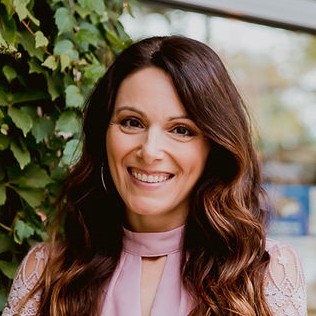
JenniferIrwinA native New Yorker and captivating storyteller with a flair for embellishment, Jennifer Irwin currently resides in Los Angeles with two cars, a dog, and her boyfriend.

After earning her BA in Cinema from Denison University, she worked in advertising and marketing, raised three boys, anhigh d ultimately became a certified Pilates instructor.

Jennifer’s short stories have appeared in numerous literary publications including California’s Emerging Writers, An Anthology of Fiction. A Dress the Color of the Sky has been optioned for a feature film.

Connect with Jennifer on LinkedIn and follow her on Facebook and Twitter.

What You’ll Learn In This Episode

  • About A Dress the Color of the Moon
  • Connection with readers

This transcript is machine transcribed by Sonix

TRANSCRIPT

Intro: [00:00:04] Broadcasting live from the Business RadioX Studios in Atlanta, Georgia, it’s time for high velocity radio

Lee Kantor: [00:00:14] Lee Kantor hear another episode of High Velocity Radio, and this is going to be a fun one today. On the show we have Jennifer Irwin, author of the new book A Dress The Color of the Moon. Welcome, Jennifer.

Jennifer Irwin: [00:00:27] Hi, thanks for having me.

Lee Kantor: [00:00:29] Well, I’m excited to learn about your book, and I’m also curious about life as an author. So before we get too far into things, tell us a little bit about the book. How did the idea come about for you?

Jennifer Irwin: [00:00:42] It’s a standalone sequel to my debut novel, which won seven awards and has been optioned for a movie. And basically, it’s the story of a woman who is checking into rehab for sex addiction and goes back and forth in time to learn her story and what happened in her life and how she ended up where she is. There’s a cast of characters in rehab, so in a dress color of the Moon, I bring those characters. So she’s just checking out of rehab. She has all of her tools that she learned there. And I bring a few of the characters to Los Angeles, and there’s this sort of trials and tribulations of some of them. Make it some of them not don’t how they put their pieces of their lives back together, rebuilding relationships that have been broken, trust that has been broken. And it’s a very it’s a very interesting insight into how people handle the recovery process and and what it looks like.

Lee Kantor: [00:01:46] Now on this show, we’ve interviewed a lot of authors, most of which have been nonfiction authors. Is there kind of a different kind of methodology when it comes to writing a fiction book? You know, I know in nonfiction they outline they have some points they want to get across, but in fiction there has to be kind of a story arc. There has to be kind of sympathetic characters. There has to be a hero. There has to be some, you know, redemption. Maybe there has to certain kind of elements of story you have to take place that aren’t necessarily true in a nonfiction book.

Jennifer Irwin: [00:02:21] Yeah, I mean, I did a lot of research, and my work falls in the category of biographical fiction. It does read like a biography and feels a lot like a biography when you read it. But I did want to create a realistic therapeutic environment and what the process looks like, so I did have to do a lot of research. But other than that, I do follow the the fiction format with character arcs and heroes. I do. My writing is character driven. And so I really work on character development, even flipping characters, flipping there from being likable to unlikable and vice versa. But I’m what they call a panther, so I write without really having it all plotted out. I just sort of let the story unfold as I do the work.


Lee Kantor: [00:03:21] So you have an idea for how the story begins, and then you just start writing and then let it just kind of evolve as it goes.

Jennifer Irwin: [00:03:28] Yeah, yeah. And the first draft is pretty disastrous, and you just take it from there and keep working on it and working and tweaking it and fine tuning it until it’s it’s ready to go.

Lee Kantor: [00:03:42] So how do you know when you have kind of a characters or a story that’s resonating and clicking?

Jennifer Irwin: [00:03:50] I think it’s just for me, it’s really a gut feeling where I just because I’ve been doing this now for a while, and I and I have a better idea of what works and where I’m at, and it typically takes seven drafts to complete a novel. And I really that’s that’s sort of the rule of thumb, and it actually is pretty true. It just I try to look at everything with a small I take a small section and work on it and then continue just doing that. And there’s just a moment where you, you know, it’s ready to go. And and then what I typically do is I go, I send them out to beta readers. I have some readers that like to take a look at my work and let me know how it’s how it’s resonating with them, and I’ll get some feedback and then send it over to my agent.

Lee Kantor: [00:04:42] Now, how do you kind of prevent the story from spiraling where like, you’re going down this one rabbit hole and then you like, how do you remember? Oh, I got to bring these other characters back in? Or I’ll, you know, it’s been a while since we’ve talked about these guys.

Jennifer Irwin: [00:04:56] Yeah, that’s that’s definitely tough. And I typically write a more difficult. Restructure and address the color of the Moon goes not not only back and forth in time, but it goes from first person to third person. So I when it comes to that, I sometimes I count on my beta readers, but I also have a writing app that I use that helps you focus on where you are and what what’s happening with each character, and you can keep track of it that way. I’m just starting to use this app. It’s it’s pretty complex and it’s been a lot for me to get to figure it out. But once you get into it and figure out how it all works, it’s been. It’s been made. It a lot easier for me, but I guess it’s just for me. I just I’m really close to these characters and it’s kind of hard to just not have them keep coming back. And when you’re writing the story, because I of the way, especially with the dress, the color of the Moon, I have them all gathering at the very end for a funeral of someone from the previous book that committed suicide. So I go into the different things and experiences of each of those people and how their lives intertwine after rehab. I don’t know. I just, I guess somehow I just try to keep it on track and and if I miss something, typically a beta reader will let me know. Believe me, they’re good.

Lee Kantor: [00:06:28] Do you do you kind of track each each character, like with index cards like some writers, you know, kind of follow the path of character by character, maybe a different color card for each character to make sure that they have a true arc and that they are kind of growing. Like, how do you keep track? Is there any tools you use or you mentioned the software? Or is it just your memory that, hey, let me let me just kind of search for that. I haven’t mentioned this name in a while.

Jennifer Irwin: [00:06:59] I use a software,

Lee Kantor: [00:07:01] So software is the tool.

Jennifer Irwin: [00:07:03] Yeah, it’s a writing software that basically keeps track of all that for you, and you can even get deep into the characters, interview your characters, keep track of your characters and it. It’s a it’s a very it’s a it’s an app that a lot of writers use and it’s very it keeps everything really, really organized for you. I’m not the three by five card thing is just a little too archaic for me.

Lee Kantor: [00:07:33] Now let’s talk a little bit about the business of being an author. Was this something that you kind of accidentally fell into, or is this something that you’ve been kind of, you know, aiming your career towards all along?

Jennifer Irwin: [00:07:48] Um, I it’s not it’s definitely not something I accidentally came into, I worked in advertising and I. Was always working on telling a story through ads and through television commercials, and then worked in another industry where I was launching products for corporations like McDonald’s and Burger King, where they bring a lot of people to a conference and have staging and set design and sort of like a Broadway show that happens for the salespeople to launch products. I worked in that industry for a while and I just after I got divorced, I really wanted to get into my life and my childhood and things that happened. And why did I choose this person? And I’ve been teaching Pilates for many years while I was raising my boys and was writing at night and I had written a screenplay in college that got me into this arts program, and I sort of springboard of that screenplay. Along with some of the experiences that I had gone through with my marriage and divorce and and my childhood and kind of created this, the story that has resonated with a lot of people and surprisingly more men than I could ever imagine have posted reviews, which has been kind of a nice surprise, actually.

Lee Kantor: [00:09:15] So now you write the book. This is just on your own. This is like you don’t sell the book. Before you write the book, you write the book and then you use the book as a way to get an agent and then to sell it. Is that how it works?

Jennifer Irwin: [00:09:27] Yeah. So the way that the first book happened was at the time I was querying agents and I ended up selling the film rights to the book or optioning the film rights to the book before I published it. So it can typically take years to get a book published after you sign with an agent. And so the film option put a bit of sense of urgency on me getting the book out to market. And so basically because at the time, I thought this producer was going to be moving really fast and getting this film, getting the film made, which she ended up not doing. But I ended up publishing Indy and jumping into the business of being my own book marketing guru. I guess you might say so.

Lee Kantor: [00:10:26] That’s where all those advertising and marketing years were now paying off, huh?

Jennifer Irwin: [00:10:30] All right. So I basically taught myself how to build a social media platform, how to market on social media, how to run Amazon ads, what the Amazon algorithm is. And I also. Used myself as a writer and as someone that has written about addiction and recovery and divorce and childhood trauma and a lot of experiences, many people either know someone that have gone through or have gone through themselves and use these personal experiences to share about myself, not just as a writer, but as a person, and so created a platform of followers that have has grown exponentially and helped me sell books. Basically, I used I mostly use Twitter and Instagram and Facebook. I’m also on LinkedIn, but I run. I run promotions every quarter for my first book through a variety of different programs, and I discount the Kindle edition for that. And then when I’m not running the 99 cent Kindle edition promotions, I run consistently every week, run 10 to 12 ads on Amazon, and there’s a complex way that you run the ads and get them in the right categories and book titles. Yes, I mean, it’s a hustle. It’s it’s a lot easier if you sign with a big publisher. But even right now, I mean, like you said, you mostly promote nonfiction authors. Those books can get to market a little faster. Memoirs of celebrities obviously do really well, but the days of big publishers spending a lot of money on a on on releasing a book or those are those days are gone. That’s not happening much anymore unless it’s a super big, you know, celebrity or famous person is sending their memoirs to market.

Lee Kantor: [00:12:35] So how did you get in front of the producer to option the film rights? How did that come about?

Jennifer Irwin: [00:12:42] So it was someone that I had sent the manuscript to to get some feedback before I was pitching it to agents and that the reader had. Was so moved by the story that I received a text message, they wanted to purchase the film rights and it’s basically it was. It’s a billionaire who has not been in the film industry, but her daughter graduated from the USC Master’s Film School of Cinematic Arts and was, you know, as involved in the film business. And she was very moved by the story and and said she wanted to make the movie.

Lee Kantor: [00:13:28] So that was just again the hustle and the doing kind of the grind of the work and then opportunity kind of just clicked and it found you and you found it.

Jennifer Irwin: [00:13:39] Yeah. And yeah, that was that was really lucky. And then on top of that. I my book won seven awards, which which also got me, so the different awards programs promote your book for you and get your book out there to to to their their platforms so that that was very, very helpful. I, the book community on social media is very, very powerful. There are some very powerful book bloggers. Many of the bigger ones are on the big. Five publishing companies send books out to them. I can’t really touch those ones. The ones that have massive amounts of followers typically don’t look at India authors. I mean, there is a stigma still for authors that publish small press like mine, which we do not. We can’t really have our books at Barnes and Noble because there isn’t a publisher paying Barnes and Noble to put our books on the shelves. So when we we do a book signing at a Barnes Noble, that’s great. But our books end up in the back in a box. Nobody’s they’re not put on the shelf because Barnes Noble doesn’t have financial motivation to put the book on the shelf.

Jennifer Irwin: [00:14:57] So, I mean, there’s a lot of roadblocks as an indie author, but at the same time, my royalties are mine. I’m not sharing them with anyone, you know, so that that in itself and you end up being able to manage your own career and decide where you want to wear, how you want your career to go as a writer? And the other thing is, it’s a little difficult is like, for example, Reese’s Book Club and Hello Sunshine are snatching up film rights to books left and right. But you will. You just won’t see them reading or promoting an indie published book, ever. So in the game of life, it’s who you know, sometimes as well, you know, so you don’t have the connections. Your book’s not going to get into those big influencers hands unless unless, like, what happened to me, you get it in someone’s hands who happens to be to have deep pockets and be able to make a movie regardless of whether they have any connections in the movie business. So, you know, it does happen. It’s just it’s not that easy.

Lee Kantor: [00:16:03] So it sounds like if you want to pursue being an author as a career or even a hustle side hustle, you’ve got to build a community. You have to kind of use your network and expand your network and hustle and grind, and there’s no shortcuts here. But again, the bottom line good work gets found, right? I mean, yeah. You know, if you’re doing good work, someone’s going to pay attention to it.

Jennifer Irwin: [00:16:29] Yeah, no. And it’s true. And honestly, there there’s a lot of courses on how to do book advertising, how to run ads for your book, and a lot of indie authors are making a really good living on their books. The more books you write, the more followers you have, the more readers you have. And without even wanting to. As a social media person, I’ve I now have businesses reaching out to me for sponsored posts and offering me products, and I’m an ambassador for Rent the runway, so I’m wearing their clothes and and getting perks from them. So there’s just a lot of things that happened because I was hustling on social media that I didn’t expect to have happen. You know, there’s a whole stigma that writers are like introverts and sitting with their head in the sand. But the bottom line is, even if you publish with a big five, they want to know you’re going to do the work and get your book out there and do your own marketing as well. They don’t want someone that isn’t going to be helping get there. Spread the word about their work. And I, you know, I I believe in what I do. I believe in my writing. I believe in my stories, and I just keep hustling and don’t give up. And there’s been a lot of highs and lows, just like there is when you’re launching a product, you’re going to have, you’re going to hit roadblocks, but you just you can’t give up. You just have to keep going, right?

Lee Kantor: [00:18:05] And ultimately, you’re in control. You’re betting on yourself.

Jennifer Irwin: [00:18:08] Right, exactly. You’re betting on yourself. And and also when you publish with the Big Five and you have an agent, a lot of your royalties go to your agent and the rest goes to your publisher. A lot of these. And honestly, when I look at, I take a lot of writing courses where a Big Five published author will talk about their their story and how they got where they are. And while there, while I’m taking the class, I’ll look their book up on Amazon and my book will have far more reviews, a higher rating than their book. And it’s because, number one, my writing’s good. My books are good. Readers speak for me. They rate the book, and I can’t make up my my rating on Amazon that’s done by the readers. And and I have a lot of reviews, and when a reader is compelled to write a review, that’s a really big deal because I mean, I can honestly tell you, I’ve sold a lot more books than there are reviews, obviously. But getting reviews is a big deal because that means someone was so moved. Either they hated your book or they loved your book, but they wanted to write a review, and that’s a really, really big deal to have a solid amount of reviews on Amazon.

Lee Kantor: [00:19:22] Well, Jennifer, congratulations on all the success. If somebody wants to learn more about address the color of the Moon or your other book, or just hang out with you and your community, is there a website?

Jennifer Irwin: [00:19:34] Yeah. Jennifer Irwin, author and all my social media is at. Jen Irwin, Author.

Lee Kantor: [00:19:41] All right, Jennifer, thank you again for sharing your story. You’re doing important work and we appreciate you.

Jennifer Irwin: [00:19:46] Oh, thank you so much, Leigh. I appreciate you having me on your show.

Lee Kantor: [00:19:50] All right, this is Lee Kantor. We will see you next time on high velocity radio.


Lou Sandoval With SupplyHive

December 3, 2021 by Jacob Lapera

LouSandoval
Chicago Business Radio
Lou Sandoval With SupplyHive
Loading
00:00 /
RSS Feed
Share
Link
Embed

Download file

Firmspace-sponsor-banner

SupplyHive

LouSandovalLou Sandoval is the President and CEO of SupplyHive™, a B2B software technology company based in Chicago. Previously, he held senior leadership positions at Brunswick Corporation, a global consumer goods company based in the Chicago area. Lou has served on the Wintrust Bank Board of Directors since 2015 and brings more than 30 years of professional experience in business development, mergers and acquisitions, and leading strategic growth initiatives.

Lou has worked with Fortune 100 companies to lead technology-driven organizational transformation in consumer engagement with health care, business services, durable consumer products, and industrial products. He has a B.S in Biochemistry from DePaul University and completed the Executive Education Program at the Kellogg School of Business at Northwestern University.

Having grown up in South Chicago, Lou has walked the past least traveled. Sandoval has been one of the few Latinos in the marine industry, financial services industry and now the Technology sector. His diverse personal and business background gives him a unique vantage point that he has leveraged to bring value to the markets he has sought to impact.

Aside from the Wintrust board, Lou serves on the advisory board of two early-stage startups in satellite communications and marine technology and has held leadership positions on the Boy Scouts of America Board of Directors. He is on the board of directors of the Chicago Yacht Club, where he also served as the commodore and chair of the board.

Lou lives on Chicago’s South Side with his wife and two daughters. In his spare time, Sandoval is a competitive Offshore sailor, He is the first Latino inducted into the Lake Michigan Sailing Federation Hall of Fame- having won the storied Chicago Yacht Club Race to Mackinac nine times.

Follow SupplyHive on Facebook, LinkedIn and Twitter.

What You’ll Learn In This Episode

  • History of SupplyHiveTM
  • Importance of diversity and inclusion for company
  • The benefits of supplier diversity
  • The trends and challenges with supply performance management

This transcript is machine transcribed by Sonix

TRANSCRIPT

Intro: [00:00:04] Broadcasting live from the Business RadioX studio in Chicago, Illinois, it’s time for Chicago Business Radio brought to you by FirmSpace, your private sanctuary for productivity and growth. To learn more, go to Firmspace.com. Now here’s your host.

Max Kantor: [00:00:21] Hey everybody, and welcome to another episode of Chicago Business Radio. I’m your host, Max Kantor. And before we get started, I want to give a shout out to our sponsor for today’s show. So special. Thank you to firm SpaceX for sponsoring today’s episode because without them, we couldn’t be sharing these important stories that we do, and I have a great guest today. Very interesting guest. He is the president and CEO of SupplyHive, so please welcome to the show, Lou Sandoval. Welcome to the show, Lou.

Lou Sandoval: [00:00:51] Hi Max, how are you? Glad to be here. Thank you for having me on the show.

Max Kantor: [00:00:55] Thank you for being here. I’m excited to kind of talk to you and learn all about supply, hive and what you guys are doing so to jump right in. What was the genesis of the idea of supply hive? How did you guys come about?

Lou Sandoval: [00:01:09] You know what the. So the company was founded in 2018 by our founder, Michael Equiano. Mike’s a serial entrepreneur like much like myself, you know, and he’s done a couple of successful exits in the supplier diversity space, the procurement space. So his last exit was then, you know, for a company named CVM that was sold to a private equity firm and then later sold again. So, you know, he’s really steeped in knowledge and and I think really the genesis for supply was sort of like to kind of create sort of like a moodies for procurement for suppliers, you know, sort of a rating system that gives a little more information on on the different suppliers that a buyer or a company has. And just a way to improve the relationships using performance data.

Max Kantor: [00:02:02] So what a supply hive do exactly for its clients, you know?

Lou Sandoval: [00:02:07] You know, simply put, I mean, if you kind of look down our website to like where where we’re a B2B cloud based supplier performance management platform, you know, what we really do is we provide visibility to performance data at scale for procurement teams, at companies and their suppliers. You know, by doing this, we enable growth and improve the operating efficiency for those for those companies and then obviously for the suppliers. So really kind of we used we leverage the data that that they exchange within each other and they procure this data through surveys and just, you know, ratings of each other. So the supplier rates, the company, the company rates the supplier and they use the information from that to develop an action plan on how to make them better.

Max Kantor: [00:02:53] What pains were suppliers having that supply hive solves?

Lou Sandoval: [00:02:59] Well, you know, it’s interesting because there isn’t. The pains are specific to a lot of the the procurement to pay and source the pay suites that are out there. The ERP is a very large legacy systems. They’re there in every major Fortune 100 company. The challenge with those systems is often the implementation that we’ll call it at. The grassroots level leaves much to be desired, and employees end up finding ways to work around the systems, and it ends up being very static data. So one of the things that has come out of the pandemic is obviously, you know, you know, the real big need to digitally transform any spaces because one person is tougher to come by skilled personnel, but one more importantly to, you know, the more that we can do across different platforms, especially with people working remotely working from home, different locations and globally, the more we can do in a cloud based type system, the better off it is. And the ability to do it at scale is even better. So if if there if I had to summarize it into two big endpoints, one is the stat the static capability of the existing systems and to the inability for those systems to operate dynamically and at scale.

Max Kantor: [00:04:15] Yeah, for sure. And you were talking a little bit about, you know, the the wide range of of companies. I think you mentioned companies that are working from home, companies that are in the office. So how to supply Hive integrate into your clients business? And is it a challenge or difficult to do that with every business being so, so different?

Lou Sandoval: [00:04:35] No, it’s really simple because you know what what they do is they’re able to kind of. So we have some drop down features that they can kind of customize their KPIs. So their key performance indicators and depending on what what is what the specific company is looking to to identify and their suppliers, they can take those those ratings and then drive them across all suppliers. And that might be. So for example, that might be their their hard line suppliers or Tier one suppliers. And then their Tier two suppliers are the the ones that are focused more around services. And that’s really where they’re able to do that at scale, you know, really kind of helps them gather the data they need to work more efficiently to improve the return on investment of the spending. The average fortune one hundred company spends a large portion of their gross revenue goes right back out the door in through their procurement arm. And so that’s why it’s so important, because it’s so tied to the revenue that comes into the company.

Max Kantor: [00:05:37] Do you have an ideal client or serve a certain industry? Or are you industry agnostic?

Lou Sandoval: [00:05:42] We’re very industry agnostic and really, at the end of the day, what we’re really focusing on four key verticals. We’re focusing on consumer products right now health care and biotech financial services in manufacturing. And two of those are really huge categories, obviously consumer products and manufacturing. But we’ve really kind of found some some stickiness in some of those those companies, you know, we currently have have. Some great relationships, some of our clients we boast to have Abbott, McDonald’s, Fox, Centene, First Energy, Mars, Facebook Pay safe, you know, are some of the many customers that we have so really kind of spread out, we’re industry agnostic, really focused on the deliverables, and we’re really keen on being a trusted partner to those companies.

Max Kantor: [00:06:30] And now how does supply Hive help your clients identify minority suppliers?

Lou Sandoval: [00:06:35] Well, here’s the beautiful thing. We don’t help them identify minority suppliers, but what we do is help by using data. We level the playing field because they don’t think about it this way. If we if you’re a large supplier, let’s just say you’re a big three. You know, every every one of the Fortune 100 have has the following suppliers somewhere in their top 50 Microsoft. They have a large law firm. They have probably a large consulting firm and Accenture and e.y a Deloitte, but some of that of that sort. So think about it, if you’re a diverse consulting firm, say you’re an MBA or an MWI consulting firm, you know you don’t have the resources to build those, those those relationships and invest in those relationships that say, an Accenture or a Deloitte or one of those larger firms who I might. But you know, often what happens is that that precludes the ability, you know, by not looking at it objectively through performance data. It precludes their ability to grow as a supplier. So by look, by focusing on the data, you actually level the playing field, you increase the the depth of the relationship because out of that, you know, the surveys that we do with the different suppliers, large and small, they they’re able to get an action plan on how they can improve. So think of who benefits from that. You know, the the large companies, obviously, they can do a lot of that. The small companies now get a clear path to how they can actually improve the spend with them and improve their growth with the large company.

Max Kantor: [00:08:06] So we obviously can’t talk about supply without mentioning kind of the havoc that COVID 19 created when it comes to the supply chain. So my question for you is simple how to supply hive help.

Lou Sandoval: [00:08:18] Well, you know, again, going back to the need for digital transformation, you know, and nowhere was that more evident in than needing the ability to kind of look at suppliers really across the entire dashboard and looking at where they’re strong in where they’re weakened and how to make the weak ones stronger, how to make the mid performers stronger. And then for those that are that are big performers, you know, you’re able to identify things that might be it might be areas where you might not have considered the risk, you know, cybersecurity risk, you know, there’s different things that you can do. I mean, our platform kind of you could measure on a variety of different things there and really got to break down how to make those companies stronger and better. So on the back end of the pandemic, it really kind of helps give that that insight regardless of where you’re at in the world, regardless of where the company focuses out of it really in a digitally transformative way.

Max Kantor: [00:09:17] What are some trends in supply chain that you see in 2022 and maybe even beyond?

Lou Sandoval: [00:09:23] Well, really, the move towards digital transformation is one that’s huge. You know, it used to be that the procurement department was the unsung heroes in a company. You know, those are the guys that always negotiated the best contracts for with vendors and the like. And and they often didn’t get the, you know, we’ll say the since they were often on the other side of the balance sheet, they don’t often get the notoriety that the revenue side gets that the sales team might get right. So what this is really kind of done is the, you know, the pandemic is done and more so the move towards procurement technology is really kind of, you know, highlighted the the importance of that procurement department in one leveling the playing field for diverse suppliers. But to, you know, leveling the playing field for large and small suppliers across the across the across the company’s platform. So it really that it’s really kind of been important for those companies to to get those insights, which allows them to really kind of make changes on the fly.

Max Kantor: [00:10:26] Earlier, you mentioned some of the companies that have worked with you guys like McDonald’s, Mars, Facebook. Can you share a success story where Supply Hive took a client to a new level?

Lou Sandoval: [00:10:39] I’ll take this anonymously while I’ll share two with you. One is anonymous in the we’ll call it in the consumer products category, so I won’t name specifics. But you know, this is a company that they wanted to evaluate pesticides across their entire supplier network. So they use our our our system to be able to kind of look at all the different suppliers and measure the amount of pesticides that were going into that. This kind of this is the data that went into sustainability, which is another trend when you look at the ESG measurements that companies are looking to have, that they’re having to report out in their proxy statements. So some of the data that we measure the AI supplier diversity sustainability in, like in the case of this company, helps them in those particular areas. Another area that you know, we’ve seen some growth is for another large. We’ll call it food company. We’ll just say and we went in through their vendor management office, then they helped us, then they had us help them in their supplier diversity department. And then they, you know, on the one year anniversary of George Floyd’s murder, you know, they had made some big proclamations in, you know, in twenty twenty. And on the one year anniversary of that, those proclamations, they said, Listen, we’ve got to start putting our money where our mouth is. So let’s measure DTI through our entire supplier network. And so they’re using the supply platform to do just that. They have asked all of their suppliers to sign a pledge and then they’re meeting them all where they’re at. And the beautiful thing about that is it isn’t a kind of a make wrong, but what they’re really finding is they’re giving them the resources, the tools to help them raise their game and get to a level that basically improves the supplier universe for all of them.

Max Kantor: [00:12:21] So, Lou, it sounds like Supply Hive is doing amazing work for the companies that you serve, but what do you need more of? Is it clients, talent partners? How can we help?

Lou Sandoval: [00:12:32] Well, a little bit of both. You know, I would say if there’s two key things clients so introductions and we’re working with a lot of different groups right now and introductions to companies that can use our platform. So that’s one. And then a collaborative partners is another one where we’re kind of working on some collaborative partnerships and and we’ll call them competition deals that will help us expand our platform, expand our use case and more importantly, improve the offering and deepen the offering to the companies that we serve and companies that we plan on. So those are two key areas. We just went through a little bit of a hiring spree on our techs on the tech side of our business because of course, deepening the talent pool, deepening the product capabilities are. So, you know, that’s kind of what one of our short term goals, but a long term goal is to continue to add logos accounts at new new customers.

Max Kantor: [00:13:27] Speaking of long term goals, what’s next for supply hive?

Lou Sandoval: [00:13:31] Well, right now we’re going to where we’re going to really kind of focus on on growing our portfolio to to hit 50 anywhere between 30 to 50 companies in the year twenty twenty two. And then that’ll probably set us up for a series, a race. You know, we just completed a seed round in in twenty twenty one that we finished up the third quarter. So, you know, going in, you know, I’ll say almost a year from now, we’ll be kind of in the midst of a series and no, after we hit all of our metrics. And that, I think, is going to position us for a major explosion in size of company.

Max Kantor: [00:14:07] And if our listeners want to learn more about supply hive, where can they learn more online?

Lou Sandoval: [00:14:13] They could go to supply Hive our website and learn more about that. We’re about to roll out a brand new website here in the next four weeks so that we’re very proud of that and also go to LinkedIn. Any of our social media channels LinkedIn, Instagram, Twitter, you know, we kind of cross posts. A lot of things are LinkedIn site has a lot of information on it as well. And you know, one of the cool things that was that most recently, we were named by one of the larger consulting firms, Gartner. We were named as one of their cool vendors of of twenty twenty one. So there’s going to be some additional information that comes out of that here in the weeks to come. So they had some very glowing things to say about our technology in the platform and how we utilize tech and automation, and I think that was a big feather in the supply cap.

Max Kantor: [00:15:05] That’s awesome. Well, congratulations on that. And Lou, thank you again for being a guest today on Chicago Business Radio.

Lou Sandoval: [00:15:11] All right. Thank you very much, Max, and I appreciate your hospitality.

Max Kantor: [00:15:16] It is not a problem at all, and thanks to you for listening to another great episode of Chicago Business Radio. I’m max cantor and we’ll see you next time.

Intro: [00:15:26] This episode is Chicago Business Radio has been brought to you by firm SpaceX, your private sanctuary for productivity and growth. To learn more, go to Firme Space.com.


Tagged With: Lou Sandoval, SupplyHive

Jay Fairbrother With The Profit Architects

December 3, 2021 by Jacob Lapera

JayFairbrother
Coach The Coach
Jay Fairbrother With The Profit Architects
Loading
00:00 /
RSS Feed
Share
Link
Embed

Download file

TheProfitArchitectsJayFairbrotherJay Fairbrother with The Profit Architects, is a serial entrepreneur, coach and consultant with 30+ years of experience in starting, scaling, buying and selling businesses. He has helped hundreds of entrepreneurs scale their businesses as a Coach, Business Advisor and Turn-Around Consultant.

He is a licensed Sales Coach and Sales Trainer, as well as a Peer Group Facilitator. Jay is also the Executive VP of Chapters for the Global Leaders Organization (GLO), and his job is to recruit Chairs and start Chapters all over the world.

Jay’s story includes losing everything in the 2010 financial crisis and rising from the ashes. He has years of experience presenting online, doing webinars to sell products and services and in being interviewed for various publications and media. He knows how to add value to listeners and engage them with stories and anecdotes. Jay also offers affiliate commissions for his products and services.

Jay’s focus now is on helping entrepreneurs profit more… period. Whether through improving sales skills to convert more prospects already in the pipeline, or through making small incremental changes that can have a huge impact on profits, Jay customizes his coaching and consulting with each business owner based on their goals

More growth usually means more headaches. More profits can mean more money in your pocket or more personal freedoms or making the world a better place or selling your business… but none of that happens without Profits.

His WHY derives from reinventing himself and committing to helping other entrepreneurs avoid his failures, mistakes and lessons learned. His mission over the next decade is to help 100 entrepreneurs to each add six-figures in profits to their businesses.

Connect with Jay on LinkedIn.

What You’ll Learn In This Episode

  • Rebound/reinvent yourself after losing everything
  • Focus coaching on profits
  • process for helping a business increase Profits
  • About GLO
  • $100k Profit Program

This transcript is machine transcribed by Sonix

TRANSCRIPT

Intro: [00:00:02] Broadcasting live from the Business RadioX Studios in Atlanta, Georgia. It’s time for Coach the Coach radio brought to you by the Business RadioX Ambassador Program, the no cost business development strategy for coaches who want to spend more time serving local business clients and less time selling them. Go to brxambassador.com To learn more. Now, here’s your host.

Lee Kantor: [00:00:32] Lee Kantor here, another episode of Coach the Coach Radio, and this is going to be a fun one today on the show, we have Jay Fairbrother with the profit architects. Welcome, Jay.

Jay Fairbrother: [00:00:44] Hey, Lee. Glad to be here, thanks for having me.

Lee Kantor: [00:00:46] Well, I’m excited to learn what you’re up to. Profit to me is the most important thing in the business. A lot of people don’t put it at the top of their list. They kind of hope it happens at the end of the month. But I would love to learn more about how you, as the profit architect, elevate that in importance for your clients.

Jay Fairbrother: [00:01:06] Yeah, absolutely. So the reason I’m focused on profit is totally from personal experience. I’m, you know, I think I’m on my ninth of business over the last 30 years, so I’ve had some pretty good success and I’ve also had massive failures. But the profit thing is from when I started my first business, like most entrepreneurs, you know, it’s all about growth, growth growth, more leads, more clients more revenue. And so I found myself, you know, I built it up my first company to 50 employees and I felt, you know, my egos was doing pretty well. I grew to five million in sales and I kind of thought I was a hotshot, but I was still making no money. You know, I was barely making six figures and income. I hadn’t had a vacation in seven years. So, you know, it took me quite a while to figure out like, wait a minute, maybe we ought to start making some money. And I fortunately figured it out, and by the time I hit 200 employees, I was very profitable and ended up selling that business a few years later. But I think that’s a very common path for a lot of entrepreneurs, especially first time entrepreneurs, is that, you know, we kind of have this thing. We just grow, you know, if we just we increase revenue, we spread out overhead and that’s going to create more profit. But when you increase, when you’re focused solely on growth and if you take that attitude, it’s just more revenue is going to even out your expenses. What ends up happening is you just create more complexity, more headaches. And so yes, you’re growing, but you don’t necessarily end up profitable.

Lee Kantor: [00:02:42] Now are the clients you’re working with now. Are they kind of entrepreneurs that have reached a plateau and are frustrated? Or are they people kind of starting from scratch? And they’re have an emerging business and they just want to build foundationally strong structures so that. That they don’t have to go through that, you know, have that scar tissue that you have.

Jay Fairbrother: [00:03:04] Yeah, well, the answer is both because, you know, unfortunately, as you kind of identified a lot of times, we figure this out a little too late or like you said, you’re looking for profit at the end of the month or an entrepreneur like starts a business with no exit strategy. So if you’re smart enough to realize that that you need to shift this focus at the beginning of your business, that’s great. But yes, a lot of I’d say it’s more a little more common that it’s an entrepreneur who’s plateaued is frustrated kind of with where they’re at. And my sweet spot is typically businesses doing between like a million and 10 million in sales. Not that I wouldn’t work with a smaller business if if they’ve got a good growth trajectory. But you know, that’s the reason that’s kind of my sweet spot is that’s the arena that I’ve played in as an entrepreneur. Those are the size of businesses that that I’ve, you know, run and grown.

Lee Kantor: [00:04:00] Now when you’re working with them? Walk me through what that engagement looks like so they come to you. They’re frustrated in some manner. They’re either not making money or they were working too hard and they’re stressed and their life’s kind of upside down and they want to get more control over it. They contact you and your team what’s kind of the first thing you do to kind of triage the situation?

Jay Fairbrother: [00:04:22] Yeah. So obviously, we start with an assessment, and part of that assessment is just walking through. You know, we have up to 40 different areas of a business that will look at in terms of where can we make some significant profit impact with the least amount of cost and effort? So what we do? We’re not going to do this an initial meeting, but but over the initial course of a few meetings, we, you know, eventually work through all 40 areas of those business and look at those to say, Are we, you know, are we good there? You might be able to make some incremental increases, but it’s going to take, you know, X amount of cost or effort. So let’s prioritize these areas and typically will come up with six or eight to start with and say, let’s prioritize these six or eight things that are going to have the most impact on your profit, on your bottom line with the least amount of cost and effort. Not, you know, without a total disruption to your business. Like, you know, there’s there’s programs out there where you can bring a system in, so to speak, an operating system for your business. But it really is a disruption because it takes about six months to implement that operating system and change your practices, processes and culture. So what we do is say, Look, let’s focus this, prioritize these six to eight things and just knock them off the list one by one and start working through them. And that’s, you know, it’s just to me, it’s a common sense approach, and that

Lee Kantor: [00:05:52] Is the the items you find to work on. Are they to you? There are obvious and they’re right there in front of the entrepreneur and the entrepreneur isn’t seeing them or they haven’t prioritized them. Or is it stuff that you really haven’t to dig deep and be creative and really modify things?

Jay Fairbrother: [00:06:11] Yeah, that’s a great question. It’s really both. Sometimes there are things right in front of the entrepreneur that they’re not even, you know, look at or they may have heard about, but they’ve never implemented. And other things do take, you know, more sort of a deeper dove to to say, you know, what can we do here? What kind of creativity can we do? So I would say that especially typically when when we prioritize that list out of the 40 and knock it down to six or eight, those six or eight things are typically sales and marketing related, meaning changes to your marketing, messaging, changes to your marketing plan and then changes to your sales, messaging and sales process as well. You know of over the eight nine businesses I’ve owned. I’ve always had the core, you know, as an entrepreneur, you wear all the hats. But my core strength has always been sales and marketing, so I gravitate to those areas first anyway and just start to work through some of that.

Lee Kantor: [00:07:17] Now are the people that you work with. Are there problems when it comes to sales and marketing? Is it kind of top of the funnel problem or is it bottom of the funnel problem? Do they have a hard time prospecting or do they have a hard time closing? Where or is a, you know, a mixed bag?

Jay Fairbrother: [00:07:33] Yeah, yeah, you’re going to start thinking. Every answer I say is going to be both. But but it is both because so you know, you mentioned bottom of the funnel, which which I love. Most people don’t even bring that into the conversation because most businesses are only focused on top of the funnel, right? Get more leads into the funnel. Get fancier marketing, you know, paradigm fancier sales funnel. And what a lot of people ignore is what’s leaking out at the bottom of the funnel, and that’s sales. You know, that’s you. You put all that money into getting them into your funnel and working them through the funnel to the bottom. And then often, you know, you’re not paying attention to how many people you’re not converting. So that that’s definitely an area almost always focus on. I’ve never run across a business. I can’t help them in some way improve their sales, messaging and sales strategy.

Lee Kantor: [00:08:29] Now, why do you think that is, that a lot of people focus in on that top of the funnel and getting more new fresh leads in rather than kind of nurture and love on, you know, the the people that already know who you are? A little bit.

Jay Fairbrother: [00:08:47] Yeah. I don’t know. Can I blame the internet?

Lee Kantor: [00:08:50] It’s the ad of of the world.

Jay Fairbrother: [00:08:52] Yeah. Yeah. I mean, you know, if you think about it as as a business owner, right? Whether you’re a coach or an entrepreneur or, you know, we’re all bombarded with marketing messages via the internet, LinkedIn and Facebook, all the social media channels that you know, it’s it’s all about your digital marketing, right? It’s your social media. It’s your it’s all about generating leads and traffic. And you know what? And that’s all great like that. There’s nothing you know you want to. You need to have leads and traffic, but you know, there’s so many businesses that I run into and it’s like, you know, look, do you really need, you know, 10000 people that that you’re trying to nurture in your sales funnel? Aren’t you really just looking for, you know, whether it’s 10 or 100 people at the bottom that are the right targets and the ideal clients and that kind of thing? And and there’s a perfect example. Like I know when I first started my business, my first business. You know, we took any client, you know, even though we had a niche, you know, any client that was willing to pay us and walk in the door. We took the money because, you know, we’re building a company. You’re covering your overhead. And you know, as you go down the road, you start to figure out like, OK, well, we’ve got to start getting rid of some of these certain types of clients that don’t fit what we’re really good at. And a lot of entrepreneurs go through this, this learning curve of, you know, look, it’s not just about any client. Let’s focus on attracting the right clients and then making sure that those are the ones that we’re giving all of our attention to.

Lee Kantor: [00:10:27] Yeah, I find that when I started in business, like ABC was always be closing. But now, as I’ve matured and have done this for a minute, ABC is always be curating and always be connecting. It’s not about closing, it’s just finding that perfect fit that you can serve and be the go to resource for. And just being super selective rather than just, you know, try to sell it. Anybody anything?

Jay Fairbrother: [00:10:54] And absolutely, I agree 100 percent, and part of that equation leads back to that profit conversation because a lot of times as a business owner and I look this at my own experience with this, it was like I really liked working with this client. They were fun. They challenged me. But when I really then, you know, separated my, my personality and my, I guess, separated my ego out of it, you know, it came down to, well, yeah, they were a lot of fun to work with, but I really didn’t make any money from them. And here’s this client over here that maybe not as fun to work with. Still challenging, but look at how much money we’re making. Maybe we ought to focus there, right?

Lee Kantor: [00:11:32] And those are the hard kind of choices that you’re at least working your clients through to help them make decisions. Because for some people, it’s like, Look, I’ll make less money, but I’ll have more rewarding relationships here. And then some people want more money and have kind of a business that that kind of runs itself like everybody has different goals and objectives.

Jay Fairbrother: [00:11:53] And that’s why one of the first things that I always do with a client is, you know, thanks to Simon Sinek, we all know to answer the question What’s our why? Right business, right? Well, what I do is take that a step further and say, What’s your profit? Why? And the reason that I do that is because first of all, a lot of us have hang ups around money, right? For some people, profit is a dirty word. You know, it kind of takes that we’re being greedy or we’re taking advantage of people or we’re charging too much or, you know, those kinds of things. And so, you know, entrepreneurs often struggle with fear of success, often more than fear of failure. And so what I do is is say, look, let’s look at why you want to make money. Is it because you want to take that fancy vacation finally? Is it because you know you want to buy the $20000 watch? Is it because you just want to reinvest that profit to make your company stronger and more stable? Do you have an exit strategy? Do you ever want to sell your company because you’re not going to sell your company without profits? So it’s important to to sort of go through that exercise, first of all, to see if there are blocks and help try to remove those blocks around why you’re making money because, you know, for some people, that profit. The answer might be I’m just going to donate it all because I want to make the world a better place or I just want to serve more people. The point is, there’s no right answer to the profit wide question, but it’s important that you understand what your why is, and that helps you then create goals to go after it.

Lee Kantor: [00:13:36] And it creates that true north, because once you have that true north, then decisions become a lot easier. Like, is this helping me on my road to my true north? Or is this not helping me like things become very clear if you can really be tight when it comes to your why?

Jay Fairbrother: [00:13:53] You’re absolutely right. I talk a lot about values based decision making, because if if as as a company, you’re really clear on your values, decision making becomes so much easier, like even those decisions we just talked about, of which clients to to go after and bring on, it’s if you have clearly articulated values, you can look at those against any almost any decision that comes up in business and say, Does this fit my values? Does this fit my true north? Yeah, then we’re moving forward. If it doesn’t, it might be hard, but we’re walking away now.

Lee Kantor: [00:14:29] Can you share with the listeners? Is there anything they could be doing now? Is there some low hanging fruit that’s maybe in front of them that they could be working on today to help increase their profits?

Jay Fairbrother: [00:14:41] The lowest hanging fruit, especially in this market right now, is pricing, you know, almost every business on the planet has raised prices at some point in the last two years, most of it COVID or supply chain related. And you know, that’s a discussion that that a lot of businesses, you know, there’s many businesses that underpriced themselves in the first place, especially service businesses. And there’s things that you can do to increase your profit around pricing that are, you know, aren’t around discounting and might be around. You know, let’s increase the price, but also offer this additional value so that it’s easier for our customers to stomach and that kind of thing. That’s one thing. And then the other low hanging fruit. I think that a lot of people entrepreneurs miss is JV partners and strategic relationships are are there businesses in your industry that serve the same clients but do not compete with you that you can connect with and form, you know, not a like, Oh hey, you know, if you run into somebody, I’ll refer them to you. And if I run into somebody, you’ll refer them to me. That almost never works. But if you put together a formal strategic partnership relationship that says, Here’s what I’ll do for you and you send me a client, here’s what you can do for me. If, if you know, vice versa, it’s often easy to develop those kind of partnerships. And a lot of entrepreneurs don’t even think to look there.

Lee Kantor: [00:16:10] Well, let’s dove into that a little bit like if if you were helping somebody kind of form those type of partnerships say they’ve never done it before. What is an exercise that that entrepreneur or coach can do to kind of at least get started on identifying the right partner and then kind of working through what the parameters of a relationship would look like?

Jay Fairbrother: [00:16:34] So let me try to give you a simplified example. If I have a flower shop, you know, I’ve got my base of customers, but what I would want to think about is as people are buying flowers. What are other types of businesses that serve the exact same clientele that I might be able to form a strategic partnership with? So with flowers, obviously weddings are huge. So there’s a whole slew of everybody whose services the wedding industry, from the wedding planner to the caterer to the linen people to, you know, just any the the the dresses and tuxedos. All of those are potential strategic partners for you, especially if you’re in a local market and you want to help other local businesses. There’s nothing better than a customer walking in and you referring them to another local business that you recommend and know and have a relationship with to say, You know, Hey, here’s wanted to take this card and there’s there’s lots of ways you can structure that again. I’m always because I’m focused on profits. I’m not a big discount guy, so I’m not a big like here. Here’s a discount to go get a cheaper price at this local business. What I’d rather look at is, is there something we can do as a value add to say, Hey, if if you take this card that I gave you to this local business, they’re going to give you an extra blank right that hopefully has no cost. That just adds value to that relationship.

Lee Kantor: [00:18:10] And then so it’s just a matter of being creative and collaborative.

Jay Fairbrother: [00:18:15] Yes, and then and then trying to formalize it, so that the reason JV and strategic partnerships don’t work usually is because you go through the exercise of agreeing on it and then it just kind of gets forgotten. You just, oh, I forgot to give that card out because either there’s there’s no reward back and forth or you’re sending clients to them and they’re not sending clients to you. So it’s important to just formalize the relationship and say, Here’s what I’ll do for you. Here’s what you do for me. Great. This is a win win. Let’s stay in touch and develop this and nurture it

Lee Kantor: [00:18:50] And then create like, like you said, that formality, whether it’s check ins or make sure that you’re staying top of mind. So it isn’t just on a pile of stuff. Yeah, I work with these people, but I never think of them.

Jay Fairbrother: [00:19:03] Exactly top of mind is the critical phrase there. Yeah.

Lee Kantor: [00:19:06] Now let’s talk a little bit about your $100000 profit program. How does that work?

Jay Fairbrother: [00:19:11] So this is a new thing we’re doing in twenty two, and basically, we’re going to work with up to 10 entrepreneurs as business advisors, business coaches, and we’re going to guarantee that they, as a result of our help, create an additional minimum of $100000 in profit, not revenue, but profit. So basically, what we’re saying is over the time you work with us, we’ll guarantee, you know, above and beyond anything we charge for, for our help, we’re going to guarantee you at least $100000 in additional profit.

Lee Kantor: [00:19:50] Now, if somebody signs up for that, is this something that they’ve got to wait till the end of the year to see the profit? Or are they going to be you think they’re going to be able to see kind of substantial gains fairly quickly?

Jay Fairbrother: [00:20:04] Yeah. Again, good question, hard to answer, I mean, you know, every business is different, right? Some businesses have the the capability and ability to immediately add profit. So in some cases it doesn’t. It doesn’t necessarily take that long to add that kind of profit. In other cases, it might take a year, and that just depends on what’s their current revenues at this point, what’s their cost of goods and current net profits. So, you know, that’s what we looked at before we accept anybody into that program.

Lee Kantor: [00:20:36] So how are they going to know that it’s going to work?

Jay Fairbrother: [00:20:42] So the so the process for that is just for us to get on a call and talk through some of the basic issues and what kind of challenges they have and what kind of struggles. And at that point, we, you know, make a determination whether we think they’re good for that program. Basically, what we try to do is on any of our coaching services. We offer an ROI guarantee that that if the very least, you don’t make back in profit what you paid us, you know, we’ll continue working with you until you do. But the $100000 program is, you know, we’re a little more selective and who gets in there.

Lee Kantor: [00:21:19] So that’s a pretty strong guarantee. So your your team is able to really kind of move people to at least get them out of the rut they might be in, but to take them to new levels?

Jay Fairbrother: [00:21:32] Yeah, that’s the whole idea, right, is is, you know, we’re not looking to reinvent your business, we’re not looking to, you know, disrupt it and that kind of thing. We, you know, we go after the low hanging fruit first, which you picked up on right away. And you know, the longer we work with somebody, the deeper we dove into areas where they can make a difference, you know? And sometimes that’s cost cutting. You know, another you know, current example right now is because of the effects of COVID. A lot of people can renegotiate their rents, and they haven’t even thought of going down that road. But you know, again, it’s a timing thing. You know, in normal times, that’s that’s, you know, your percentage of success on that kind of strategy is very low, but right now it’s much higher

Lee Kantor: [00:22:18] Now for you. Can you share kind of a most rewarding story in terms of the back story of what the pain and what the challenge was and how you were able to inject yourself and your team in to help get a client to a new level? Obviously, don’t name the name of the client, but maybe just kind of explain the situation.

Jay Fairbrother: [00:22:38] Well, I guess one of the most recent clients that I’ve worked with, it’s very niche business. I was brought in as a turnaround consultant because the company was losing money. They had family members involved. So this was a pretty significant engagement on our part. This wasn’t, you know, just a sort of nominal coaching arrangement. But we came in and, you know, the first thing we did is it identified the three different areas that the business functioned in and we kind of separated those areas and created a P&L and budgets and goals for each of the areas separately so that they could be judged independently. Then we came in and did some difficult staff recommendations for changes. And then we helped build them a sales force. So this was over, you know, a several year period. But we completely turn the company around in this case, you know, from losing money to making money. And then in this case, we quadrupled the size of the company over a few years. Wow.

Lee Kantor: [00:23:47] And before we wrap, I’d like to talk a little bit about your relationship with the Global Leaders organization. Can you educate our listeners about that group and why it’s something they may want to consider getting involved with?

Jay Fairbrother: [00:24:00] Absolutely, I appreciate you asking. So global leaders organization we call it GLOW is modeled after a few very successful other entrepreneurial communities EO, the entrepreneurs organization YPO, young presidents and WIPO women president. So we’ve modeled glow after those organizations, which are very successful. And basically, it’s an entrepreneurial community where we formed chapters in cities all over the world and at the chapter level, there are monthly events with very prominent business speakers and obviously networking with other entrepreneurs, as well as we form forum peer groups, which I’m a huge proponent of being in a peer learning environment so that that’s at the chapter level. But then Glow also offers a global digital platform for that as a member marketplace and a field network for people looking for strategic partners and and we also offer a full capital platforms. We have over one hundred and fifty funders looking to work with small businesses on a debt or equity basis. So Glow is is less than two years old. We offer some of the most amazing business content that’s out there. We’ve had in the past speakers like Mark Cuban, Kevin Harrington, Molly Bloom, Akon, Pit Bull, Mark McDonald or some of our past speakers. And we do this all at a price point, which is significantly less than these other organizations that I mentioned. So it’s a great community to get involved in. I run the Pittsburgh chapter where I’m based, but I’m also executive VP for GLOW, and my job is to find recruit and train chairs to start chapters all over the world.

Lee Kantor: [00:25:46] And then what? What is a good candidate for a chair look like?

Jay Fairbrother: [00:25:51] Chair would be an entrepreneur, obviously who who’s who would benefit from instantly becoming a leader in their local entrepreneurial community. So from the, you know, business contacts and networking that’s created by you building a local chapter, if that’s going to benefit you as a business owner in the long term, then that’s a great person to to be a candidate and there and there is financial compensation for these chairs. Based on what you do with your chapter, you can kind of set up your chapter as a separate business unit and run it as a business.

Lee Kantor: [00:26:29] Well, amazing story, Jay, and I appreciate you sharing it with us today. If somebody wants to connect with you and maybe learn more about your practice and or glow. What is the best way to get on your calendar or to learn more about what you’re up to

Jay Fairbrother: [00:26:44] So you can check out my consulting coach website, which is the profit architect scheme, and you can also just email me. It’s very simple. It’s JJ y at Fairbrother.

Lee Kantor: [00:26:59] Good stuff. Well, thank you again for sharing your story. You’re doing important work and we appreciate you.

Jay Fairbrother: [00:27:03] Thanks, Leigh. I appreciate being here.

Lee Kantor: [00:27:05] All right, this is Lee Kantor. We’ll next time on Coach the Coach radio.

Tagged With: Jay Fairbrother, The Profit Architects

Hanno Ekdahl With Idenhaus Consulting

December 3, 2021 by Jacob Lapera

idenhaus
Atlanta Business Radio
Hanno Ekdahl With Idenhaus Consulting
Loading
00:00 /
RSS Feed
Share
Link
Embed

Download file

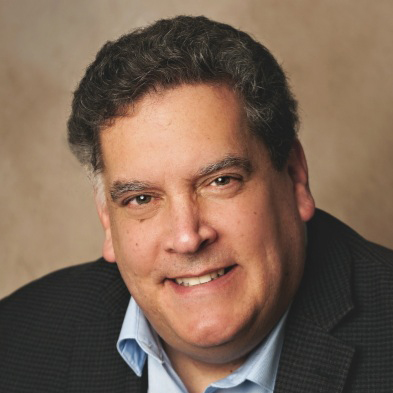
HannoEkdahlHanno Ekdahl is the founder of Idenhaus Consulting, a professional services firm specializing in the design and implementation of Identity Management and Cybersecurity solutions.

With more than 15 years of experience in Identity and Access Management, Hanno has a deep understanding of how the cybersecurity space has evolved as well as mission-critical insight around the challenges IT leaders and their organizations face in order to prevent, identify and mitigate security breaches, enhance regulatory compliance and safeguard customer information.

With clients in numerous sectors including financial services, CPG, healthcare, retail, manufacturing and the public sector, Idenhaus excels at helping organizations build and maintain effective Cybersecurity programs by focusing on the importance of leadership as well as the communication of business issues and value of security programs to all levels of the organization.

Hanno received his Masters in International Business from the Moore School of Business and an undergraduate degree from the University of North Carolina – Chapel Hill.

Originally from Chapel Hill, North Carolina, Hanno now resides in Atlanta, Georgia with his wife Carmen and enjoys running, travel, and skiing.

Follow Idenhaus Consulting on LinkedIn.

What You’ll Learn In This Episode

  • Services offered
  • Some general cybersecurity trends
  • How organizations manage their cybersecurity risks
  • Advice to better protect themselves from a cyber attack

This transcript is machine transcribed by Sonix

TRANSCRIPT

Intro: [00:00:04] Broadcasting live from the Business RadioX Studios in Atlanta, Georgia. It’s time for Atlanta Business Radio brought to you by onpay built in Atlanta. On Pay is the top rated payroll and HR software anywhere. Get one month free at onpay. Now here’s your host.

Lee Kantor: [00:00:31] Lee Kantor here, another episode of Atlanta Business Radio, and this is going to be a fun one. But before we get started, it’s important to recognize our sponsor onpay. Without them, we couldn’t be sharing these important stories today on the Atlanta Business Radio. We have HannoEkdahl with IdenHaus. Welcome.

Hanno Ekdahl: [00:00:49] Thanks, Lee. It’s a pleasure to be here.

Lee Kantor: [00:00:51] Well, I’m excited to learn what you’re up to. Tell us about in-house consulting. How are you serving, folks?

Hanno Ekdahl: [00:00:57] Are we certain folks well, hopefully with a lot of good cybersecurity advice, so I’ve now started almost eight years ago in March of twenty fourteen. We started with some identity management and cybersecurity work for some local Atlanta companies and have evolved from there. Part of what we do is help organizations get their arms around their cybersecurity posture. How well are they protecting their systems and then help them move from where they are today to a more secure position in the future?

Lee Kantor: [00:01:29] So now what was the genesis of the idea? I’m sure the tactics have changed dramatically in the eight years you’ve been around, but maybe foundationally and fundamentally the idea of cybersecurity is kind of the same, I would think.

Hanno Ekdahl: [00:01:45] So, yeah, the notion of cybersecurity, I mean, you know, it started with usernames and passwords back in the day, right? And then once we started networking computers together, the security model started to change because now it’s not me logging into my local desktop. Now I’m logging into a network, and so everyone potentially has access to everything. If anyone can log into your network, so then how do we start segregating things off to protect them? And those techniques have evolved dramatically over time. So password protecting folders. But on a more sophisticated level, if you think about your network as it used to be, like inside, outside, like a castle, right? So anyone who got through the front door of your castle could get access to everything that was inside the castle, and we’ve changed that model now. So we have things like network segmentation where you think about having like secure rooms within the castle that each one has its own security that’s hardened and makes it very difficult to get in. So just getting in the front door doesn’t necessarily get you anywhere interesting.

Lee Kantor: [00:02:49] Now, how has the pandemic impacted your business in terms of, you know, at one point, the only way to get in the castle was to physically be in the in the office of the castle. And now people are taking their own devices, their own computers and their, you know, accessing the castle from all over the planet. As you know, work becomes more remote and their client base is more remote and everybody wants instant access without any friction. But friction is kind of important to keep the bad guys out.

Hanno Ekdahl: [00:03:21] I couldn’t have said it any better myself. So it’s almost like you want to think of an analogy that everyone can understand, it’s like having brakes on your car. Right? The idea is you wouldn’t want to drive your car at one hundred miles an hour if you couldn’t stop, right? Right. So security really should be like breaks, it’s a fundamental part of running the organization. It doesn’t necessarily have to create friction with customers and your employees. They can have a relatively seamless access experience and get to the assets that they should get access to. But the brakes are there to make sure that bad guys aren’t able to access things and that internal employees aren’t able to access things they shouldn’t access. Like, I wouldn’t want someone accessing my medical records just because there are some staff person at the hospital, for example.

Lee Kantor: [00:04:12] Now, I always thought that this was a problem early on when it came to passwords. Just give me your take on this. If they would have said initially, instead of passwords being like eight characters or six characters, they would say like, make a sentence or, you know, phrase that you recognize rather than letters or numbers. I would have thought that you would have had more protection in an easier way for the person to remember what that password is. And, you know, in a world that requires you to change it, it seems like every 30 to 90 days.

Hanno Ekdahl: [00:04:45] Yeah, that’s that’s correct, so a lot of people refer to that as a past phrase because, like you said, it’s a sentence, right? It could be something that’s meaningful to you personally, and because it’s long and complex, it’s going to be more difficult to hack by brute force. Right, so I can’t just sit there and crank through a set of eight characters at random until I finally crack the password, right? Because these phrases are 20 characters long, maybe even longer. So a lot of that actually came from limitations and IT systems from back in the day when I was coming up. We won’t say how long ago that was, where memory was a premium, and so passwords were limited to these eight character passwords. And as organizations evolved and our technology evolved, processing power got more advanced. Now, computers are able to just process so many transactions so quickly you can do these brute force hacks that just weren’t possible 20 years ago. So we’re a little bit trapped by this legacy model where computers weren’t so tightly networked and memory was a premium, and so we did sort of the minimum level of security that we could get away with and still preserve the functionality of the computer.

Lee Kantor: [00:06:05] Now, as things have changed and now memory is probably less of an issue than it was, there’s always this promise of these biometrics, you know, whether it’s my eye or fingerprint or something that’s going to eliminate passwords. Are we getting closer to that kind of world? Is that dream can ever come true? Or is it something that we’re always going to be like in a world where someone’s going to text me some numbers that I’m going to have to type in? Is that kind of the future of this?

Hanno Ekdahl: [00:06:36] That’s a very intriguing question, and the answer, I think, is also fairly complex because biometrics originally, you know, the whole fingerprint scanning was really the first one that came around for more general, consumer based access, right? How do you get into your laptop? You can actually scan your fingerprint, but the readers themselves were so primitive initially, they actually could be defeated with a gummy bear or by lifting someone’s fingerprint off a glass. Right now, the technology has gotten more sophisticated since then, but biometrics can also be bypassed in certain ways. Face face recognition all these things are possible. The technology is getting much better. The algorithms are getting more sophisticated. That is much more and more becoming a possibility so that you look at your phone right and you can get into your iPhone, for example, right? They have that face based recognition. The flip side of that, though, is that you’re also giving up some of your privacy potentially, right? You’re having your fingerprint, your face is logged and processed through this algorithm. And so countries like, well, sorry, I should say, regions like the EU under their GDPR and privacy regulations are putting some rules and regulations around what data can be collected and how it can be used. So we actually start getting into a privacy issue because it’s something about me that’s very personally identifiable. How much protection are we putting around that information?

Lee Kantor: [00:08:06] So is there, and I would imagine also as cameras get better, they’re able to make such a great copy of my face that that might be able to kind of be used instead of my face.

Hanno Ekdahl: [00:08:18] Exactly. Exactly, so some of the earlier faith based technologies, they were able to defeat it by just using a picture of the person.

Lee Kantor: [00:08:26] So it’s kind of this constant cat and mouse game.

Hanno Ekdahl: [00:08:31] It is it’s it’s an evolving it’s trying to strike a balance between ease of use. Having sufficient security and also protecting the person’s privacy, and sometimes those things are at odds. Which makes it for a very complex landscape.

Lee Kantor: [00:08:47] But it’s good job security for you and your firm.

Hanno Ekdahl: [00:08:51] It doesn’t hurt.

Lee Kantor: [00:08:52] It doesn’t hurt. So now what are some of the specific challenges your customers are facing nowadays?

Hanno Ekdahl: [00:08:59] Uh, well, you would talk a little bit earlier about the remote working, right, so you have folks who are working from home now, possibly using their own devices to access corporate systems, and those devices may not be patched, they may not be scanning them for viruses. Moreover, if you’re working from home and you’re leaving your laptop open, it’s accessible to any number of people who could potentially get on and copy some data or log in and take away your intellectual property. So there’s a number of risks there that I think are really. Impacting organizations in ways that they didn’t expect. Uh, part of that also, too, is being able to roll out things like virtual private networks, which VPN, which allows you to connect securely to the corporate network and that offers some level of protection by encrypting all the traffic between your home computer and. The company network, the problem is a lot of organizations didn’t have enough VPN accounts, and they didn’t know how to get their users enrolled in the VPN solution so they could actually implement it. So there’s been a lot of heartburn. I think organizations have realized that their security models now need to be able to adapt to scale up relatively quickly, and they need to find ways to help manage end user devices and lock down their systems almost on a system by system basis. So I can implement more advanced and sophisticated security to only allow you to access certain applications from your phone, for example. And those considerations weren’t something that organizations really had to think about too much before the pandemic, and then all of a sudden it became front and center top of mind. And that’s been a big struggle for them to adapt to that reality.

Lee Kantor: [00:10:45] So now is that typically the point of entry for you and your firm that you know they’re going remote or they’re dealing with remote for the first time, that kind of in large numbers and they need somebody like you and your team to help them think through all of the dangers.

Hanno Ekdahl: [00:11:01] That is an area where we play, so one of the things that we do. One of the multiple domains in cybersecurity, one of them is identity management. And so what identity management is getting back to your biometric example where we are establishing an identity? So it used to be username and password. Now it can be username, password and a biometric or some combination of credentials, right? Something you know, something you are to make sure that we establish an identity for you. And once we have an identity that we know is valid, we can actually automate the processes to provision things to you as a user. So I can say everyone who’s located in the Dallas office needs VPN access tomorrow and then have the system automatically grant that access. And then the system can automatically revoke that access when someone leaves the organization or that need no longer exists. And so we help organizations identify. Security models that work for them and how they can. Allocate resources and revoke resources based on security policies in an automated fashion.

Lee Kantor: [00:12:07] And then it can flex like maybe I’m in the Dallas office, but today I’m in Seattle. Like, it knows that

Hanno Ekdahl: [00:12:15] Yes, you can actually do some fairly sophisticated things based on location changes, whether it’s tying into a badging system. So we can also manage your physical security and also identify things like which office you’re working out of. So as long as we’re tracking it in a system and I have it available in the IT world, I can make a decision based on that. So we usually call that attribute based access control. And so I can look at a whole series of attributes based on your user session where you’re logging in from what device you’re logging in with and make a decision about what I let you see and not see. And that’s a great way for organizations to manage risks on a real time basis.

Lee Kantor: [00:12:56] Now, you know, like financial and health care, fintech, health care, those seem like obvious places where they’re paying attention to cybersecurity. Do you find that cybersecurity is trickling down into other businesses or other industries that maybe they weren’t as kind of active in that space, or maybe weren’t paying as much attention because they didn’t feel like they had anything worth taking or worth, you know, hacking into? And now that that is changing.

Hanno Ekdahl: [00:13:28] Yes, so I think you can look at the Colonial Pipeline, it’s a great example, right? So that’s part of our critical infrastructure, right? Transportation of oil, the impact of that ransomware attack where they shut down the pipeline. Gas prices in the southeast went to five and a half six dollars a gallon. There were shortages of supply. I think that made it very real for a lot of people that you know, anything that’s not properly secured can bring our economy or certainly regions of our country to a screeching halt, whether that’s the energy industry. You mentioned health care, and there’s actually a big exposure there around all the medical devices, right? And so there’s all these different places that organizations are now becoming more aware that, yes, we have to do something. We’re in manufacturing, but our operating systems are vulnerable, right? Our operating technology is vulnerable. We’ve exposed it to the internet because that made our life easier from a business standpoint. But we didn’t think through the security model to make sure that these devices are protected, can’t be hacked and won’t disrupt our operations.

Lee Kantor: [00:14:40] So now what are some of those organizations that are maybe new to some of these cybersecurity risks? How are they managing their situations?

Hanno Ekdahl: [00:14:51] Well, I think the first thing they’re trying to do is get a handle on what their risk exposure is, so a lot of them like to begin with a risk assessment where they’re using. There’s this, which is actually a u.s.-based federal standard. Others ISO, which is an international standard that defines these cybersecurity risk frameworks, and they actually do a really nice job of laying out these scorecards, if you will, where you can go through step by step and check all your controls. All right, here’s one hundred and eighty controls that we should have in place. How do we rate each of these areas? So let’s understand what controls we have in place where we’re lacking. Do an honest assessment and start doing regular vulnerability scans of our system so we know where our weaknesses are and then start patching them, fixing them.

Lee Kantor: [00:15:42] And then is that the services that you provide? Is that what you’re doing for your clients? You’re kind of helping them see where they’re at and then just kind of shore up any weaknesses.

Hanno Ekdahl: [00:15:53] That’s correct, yes, so we’ll spend time doing an upfront assessment, helping them get a handle on what’s going on in the environment. What controls they have. What their capabilities are. Understand where the gaps are and then help them develop a plan to mature their organization from the current state to that desired future state. And every organization is a bit different, right? Depends on which applications are the most sensitive, as well as what data they contain. Is there personal identifiable information in the application or system? Is there health care information? Is there credit card data more attractive? The data, the more secure you want the system to be?

Lee Kantor: [00:16:32] Now is there any kind of tips or advice you can share for our listeners that they can do themselves? Is there some low hanging fruit that they can be doing to just kind of mitigate some basic risks that maybe people are just taking for granted?

Hanno Ekdahl: [00:16:46] Oh, absolutely. So for the end user, I think sometimes people will click, you know, they get annoyed by having to reboot their machines when they get updates, but it’s strongly encouraged. I mean, you should install those updates promptly to your computers to patch vulnerabilities. That’s why Microsoft needs other companies are pushing these updates out. There is there are some known vulnerabilities there fixing them with these patches, but if you don’t download them and apply them, you’re leaving yourself vulnerable every time you go online. There’s also a number of virus scanning tools, whether it’s Malwarebytes or McAfee, there’s a number of them out there. I scan my computer on a daily basis. It’s just a scheduled scan that runs in the background. I usually do it in the evenings because that’s when I’m usually not working so much. One of the other things, too, that that they can do is thinking about your home wi fi, you may have heard of this league that a lot of folks set up their wi fi and they just use the default username and password out of the box. And doing that just leaves you wide open to someone hacking into your network, taking it over. They can monitor all your traffic, capture everything that you’re sending, and just some basic hygiene around setting up a complex password. When you first open up that access point or router if you’re setting up your network is a huge win.

Hanno Ekdahl: [00:18:07] Two more points. Uh, there is actually more and more multifactor authentication out there for people to use, so you mentioned the SMS text that you get. I am a big fan of setting up multifactor authentication, whether it’s Google Authenticator, a physical token for anything that’s like financial services or health care. Any place that’ll let you set it up, take the time it take you a few minutes to set it up. It does slow down the login process, but it really protects your information. And the last point I would leave our listeners with is don’t click on that, I think there’s a tendency to get you get a suspicious email that appears to be from your credit card company or your bank or brokerage firm and that says your account’s been breached or you need to reset your password or there’s some suspicious activity. We get excited. We want to click on whatever links in the email and see what the problem is. I would encourage people not to do that instead. If you really are concerned, then log into your bank or brokerage through the web browser just like you normally would. Using the saved link and log in and you’ll be able to see any alerts on your account there, and that’ll really help prevent you succumbing to a phishing attacks.

Lee Kantor: [00:19:17] Now, something for folks to understand. The bad guys are are now professionals, right? This isn’t the teenager with a Red Bull and some Cheetos goofing around like this is an organized crime. This is organized criminal activity that they’re doing strategically on purpose. You know their whiteboarding. This is a professional operation. This isn’t just, you know, kids anymore.

Hanno Ekdahl: [00:19:46] Absolutely, and so how do you compete with nation state level resources, right? Because some of the hackers are funded by the state, whether they’re coming out of China or Russia or wherever? Back in 2016, the federal government held a commission on enhancing national cybersecurity, where they’re trying to evaluate the risk and come up with recommendations, especially to help small to medium sized businesses cope with this right. And really, the information that came out of that out of this analysis was that we need to have more public private partnerships and there needs to be more resources for the small and medium sized businesses because they just don’t have the budgets to invest to provide an adequate level of security. So there has to be some federal funding or state level funding to help these organizations become compliant.

Lee Kantor: [00:20:36] And then how are we doing, what do you if you look in your crystal ball, are we winning? Is it a draw? What’s happening out there?

Hanno Ekdahl: [00:20:45] I think at this point, we’re losing, unfortunately, if I’m going to be completely honest, the the biggest weakness we have is actually people. You know, it’s much easier for me to do a little bit of social engineering and figure out who your favorite pet was from Facebook or whatever because you answered a survey and you tend to use that as your password. So hacking people is a lot easier than hacking systems. I can invest a lot of money in protecting my system. But if I’m not. Practicing good cyber hygiene at an individual level, then I’m putting everything at risk. And so the weakest link continues to be people and companies really are underinvesting in cybersecurity training and awareness for their employees.

Lee Kantor: [00:21:31] So it goes beyond the business, it really gets into their personal, which it goes back to the privacy. It’s fascinating how this is all connected.

Hanno Ekdahl: [00:21:40] Yeah, it’s interesting, it’s I don’t know if it’s a virtuous circle or a vicious circle, but yeah, everything does kind of come back on each other. So, you know, we talked a little bit earlier about the Colonial Pipeline breach and the way they think that happened is that this employee who had a VPN account was using the same password on their VPN account that they were using on other personal systems elsewhere. And so there are other accounts or accounts got breached. That information was published on the dark web. Some hackers got a hold of it, figured out that this person worked at the pipeline and got there, was able to access the VPN and get into the system and launch this ransomware attack.

Lee Kantor: [00:22:23] Yeah, everything’s connected, that’s the the good and the bad of this.

Hanno Ekdahl: [00:22:28] Exactly everything is connected and it’s very hard. It’s not an easy thing to do as people were, you know, I can’t remember 50 passwords either. So are you using something like a LastPass or other password solution that you can copy and password? Copy and paste encrypted passwords from so that you’re protected? Most people don’t use those tools, but that’s another way you can help protect yourself.

Lee Kantor: [00:22:52] Well, thank you so much for sharing your story today and doing the work that you do. It’s important, and we appreciate you.

Hanno Ekdahl: [00:22:59] Thank you, Lee, for having me. It was a pleasure.

Lee Kantor: [00:23:01] Now if somebody wants to learn more, have a more substantive conversation with you or somebody on the team, what’s the website?

Hanno Ekdahl: [00:23:07] Website is w w w dot com and that’s spelled i d e n h a U.S. good stuff.

Lee Kantor: [00:23:18] Well, thank you again for sharing your story.

Hanno Ekdahl: [00:23:20] Thank you so much, Leigh.

Lee Kantor: [00:23:21] All right, this is Lee Kantor. We was here all next time on Atlanta Business Radio.

About Our Sponsor

OnPay’sOnPay-Dots payroll services and HR software give you more time to focus on what’s most important. Rated “Excellent” by PC Magazine, we make it easy to pay employees fast, we automate all payroll taxes, and we even keep all your HR and benefits organized and compliant.

Our award-winning customer service includes an accuracy guarantee, deep integrations with popular accounting software, and we’ll even enter all your employee information for you — whether you have five employees or 500. Take a closer look to see all the ways we can save you time and money in the back office.

Follow OnPay on LinkedIn, Facebook, and Twitter


Tagged With: Hanno Ekdahl, Idenhaus Consulting

Emily Huynh With Emily Kim Photography

December 2, 2021 by Jacob Lapera

EmilyKimPhotography
Bay Area Business Radio
Emily Huynh With Emily Kim Photography
Loading
00:00 /
RSS Feed
Share
Link
Embed

Download file

Leah-Davis-Ambassador-logo1

EmilyHuynhEmily Huynh is a traveling brand photographer and studio owner based in the San Francisco Bay Area, California. Over the last four years, she’s helped 80+ entrepreneurs revamp their online presence through creative brand photography.

She’s passionate about helping business owners stand out as thought leaders in their industry by creating strategic, eye-catching imagery that aligns with their marketing strategy.

Connect with Emily on LinkedIn and follow Emily Kim Photography on Facebook.

What You’ll Learn In This Episode

  • Who needs brand photography and why do they need it?
  • The biggest mistake when hiring a photographer for business
  • Business owners consider hiring a brand photographer

This transcript is machine transcribed by Sonix

TRANSCRIPT

Intro: [00:00:06] Broadcasting live from the Business RadioX Studios in the Bay Area. It’s time for Bay Area Business Radio. Now here’s your host

Lee Kantor: [00:00:17] Lee Kantor here, another episode of Bay Area Business Radio and this is going to be a good one. But before we get started, it’s important to recognize our sponsor, Leah Davis, coaching inspiring women of color to claim their wealth legacy. Today on Bay Area Business Radio, we have Emily Kim with Emily Kim Photography. Welcome, Emily.

Emily Huynh: [00:00:38] Hi Lee, thanks for having me.

Lee Kantor: [00:00:39] Well, I’m excited to learn what you’re up to. Tell us a little bit about your practice. How are you serving, folks?

Emily Huynh: [00:00:45] Yeah. So I am a brand photographer for entrepreneurs and business owners who want to stand out in their industry. So brand photography is kind of like commercial photography. If you’ve if you’re familiar with that phrase. And basically what I do is I help give small business owners and personal brands the confidence and the consistency that they need to market their business by providing them beautiful photography that elevates their presence both online and in print. So billboards, magazines, stuff like that. And I guess really the the people that I work with are all kinds of people, really. So when I say personal brand, that could be anyone from a realtor to a chiropractor to coaches to jewelry makers, they run the gamut.

Lee Kantor: [00:01:27] Now are they typically solopreneurs or owners of small firms? Or they could be a big corporate executive as well?

Emily Huynh: [00:01:35] Yeah, so they can be both. I primarily work with smaller businesses like solo entrepreneurs and maybe small teams, but occasionally I do have a corporate client who’s looking to rebrand their presence. Like maybe they’re speaking at events more often or they’re writing a book and they just want to elevate their presence.

Lee Kantor: [00:01:53] Now you mentioned the you use the phrase brand photography. How is that different than, like a headshot?

Emily Huynh: [00:02:00] Yeah, yeah, so with the head shot, right when you think about it, you kind of show up, you get your, you know, you get all judged up makeup, hair, you’re wearing a suit, maybe, and it’s just one picture of you that you use everywhere. But with brand photography, it’s not just one image, it’s really a gallery or a library of images that you can use, and it represents who you are and what you do in your business. So as an example, like with the chiropractor, a headshot would be just the chiropractor, you know, standing against a plain background. And that’s something that they can use. But it doesn’t really tell me what they do. But for chiropractor clients that I have, what we do is we go into the practice and I will take photos of them in action. So photos of them, you know, working on their clients, using things that they use around their office. So they have little like models and things that they use to show people with the spine looks like what they’re doing. I show pictures of their of them making adjustments and just showing off what you do in your everyday work, everyday life.

Lee Kantor: [00:03:00] Now that sounds good. If I have a job that you know, I play with toys and I do things like that. But what say if I’m a lawyer or I’m an accountant? How do you kind of bring out? My passion and what separates me from everybody else via photography, when you know what I actually do is, like I said at my desk and think,

Emily Huynh: [00:03:25] Yeah, that’s actually a really great question. So a lot of my clients spend most of their days in front of a computer, and I have worked with a law firm and let’s just take them. For example, they are personal injury attorneys. So the way that we pull out that information is we go through a planning process. So when you think of photography, traditionally a lot of the times it’s kind of like a you show up and you take pictures and then you leave. But with Brandon Photography, there’s a lot more planning and strategy that goes into it. So before the photo shoot, we have a planning call and I have you fill out a questionnaire and we go over what you do in a lot of detail. And that’s kind of how we start to pull out the things that you use in your everyday work. So a lot of the time it’s going to be a laptop, obviously. It could also be your phone. It could also be books. And then the more I learn about how my clients work with their own clients, the more I can kind of dig deeper and ask what other tools that they use. So with those personal injury attorneys, when they first meet with the client, they have these tiny model cars that they bring in so that the client can show them the situation that happened. So that’s not something that I would have thought initially like. Like when you say you’re a lawyer, I don’t think, Oh, you’re going to have little models that show off like what your client situation is. But that’s kind of how we begin the planning process and everyone comes to me and they’re like, Emily, all I do is work on a computer, but there’s always ways to show off what you do digitally in a photograph.

Lee Kantor: [00:04:53] Now what do you say to the folks that are like, Look, my camera? I mean, my is a camera. I’m on Instagram all the time. Well, like, why would I hire a professional photographer? You know, I can do it or my kids, 20 years old, they’re there on their phone constantly. They take a million pictures. Why don’t I just use them?

Emily Huynh: [00:05:13] Yeah, yeah, so a lot of my clients, when they first come to me, that is what they’ve been doing already, right, they’ll, you know, be out and about. They already look nice. They’ll ask their husband or their kid, Hey, can you take a quick photo of me? But then the more often you do that and as you grow your business presence online, that will get you to a point. But there always comes a point when you’re like, OK, I only have so many phone pictures. I’m imposing the same way and all of them, I’m tired of taking pictures. I’m tired of organizing them. I’m tired of editing them. Or, yeah, it just ends up being a huge time suck. So that’s where the library of images comes in. And then another reason that people stop doing that is they either get a big brand deal or they’re going to have a big feature in a publication and they’re like, OK, this is a really big publication. I don’t want to use my phone picture that my kid took in this publication. I want something professional that shows that I am a professional and I am a leader in this industry.

Lee Kantor: [00:06:10] So now when you’re working with your clients and you’re going over this, you know you’re having them fill out the form so you really can understand them and go layers deep to really explore possibilities in terms of getting the right framing the right background, the right materials in the in the photograph, are you helping them also kind of maybe get clear on what colors are the best for them that align with their brand? Are you? Are you? Kind of it sounds like you’re going a lot deeper than just I’m just taking a photo that looks good. I’m there’s more strategy to this that is maybe has more depth and more layers to it than a layperson would really realize or understand without talking to you.

Emily Huynh: [00:06:56] Yeah, yeah, absolutely. Brand photography is a lot of business strategy as well. So one of the first questions that I ask is what are your business goals over the next one to three years? Because when I know that, then I can help brainstorm photos that will actually help drive those business goals, right? Because now brand photography is getting a little bit more popular, I guess. And when people first start, they see what they see on Instagram, right? And that could be, Oh, I need a picture of me sitting at a laptop because that’s where I work or I need a personality picture of me holding a coffee mug. Well, it’s like, OK, a lot of people probably use their laptop and use their coffee mugs. But what really starts to create compelling imagery is when you dig deeper into what are your goals? Where do you want to go from here? So another example is, let’s say I’ve had some clients that come to me and they’re like, Hey, I am working on getting into more speaking gigs, and that’s one of their one one three year goals. And with that, what we’ll do is will actually stage photos of them at like a faux speaking event. I will set up a mic, will have them all take pictures of them talking like in action, as if they were at a speaking event and having those pictures. It helps drive those goals, right? Because if they have a picture of them at a speaking event on a website, then people potential publications or events that are coming to their website are going to be like, Oh, this person, like has a picture of them at a speaking event.

Lee Kantor: [00:08:31] Now, when you’re doing your work and you have a client and you mention that it’s not one photograph or four or six or ten, it’s a hundred ish, are you kind of strategizing in terms of OK, since it’s a hundred, let’s give them material that’s going to work throughout the year. So like, is there a holiday pictures or pictures around, you know, meaningful events or days that throughout the year so that they can deploy these photographs, you know, year round or they’re evergreen, that they can kind of come and go as the year goes on, depending on what’s happening.

Emily Huynh: [00:09:13] Yeah, absolutely. So more along the lines of the business strategy, questions that I ask, I also have a business background, so I have my MBA and I have a little bit of experience in advertising as well. So when we first approach a new project, when a client first approaches me for brand photography, another one of the questions that I ask in addition to What are your business goals? What is your brand mission and the visual stuff, like you mentioned, will go into colors and more of the visual aspects as well. But another question I ask is what is their launch calendar or just their business calendar over the next year looking like in general? Because if they have an upcoming launch, upcoming event, holiday promotion, stuff like that, then yes, we can add into that gallery and plan. Ok, let’s make sure we get two to three holiday shots. Let’s make sure we get enough photos to fill out your sales page for this upcoming launch, and that’s those questions help us drive. The shot list is what it’s called is what are the must get photos that we get on photo shoot day?

Lee Kantor: [00:10:11] And then when you say a shot list like how many shots are there? I know there’s 100 ish photographs, but how many shots does that typically turn out to be? Is that twenty five shots of four photographs, eight each is the 10 and 10 like had? How is that determined?

Emily Huynh: [00:10:27] Yeah. So I don’t get super dialed into the numbers because what I what I like to do is the way we plan the photo shoot. We’ll plan for about two to three locations and then we’ll plan for a variety of outfits. And based on those locations is where we’ll figure out, OK, what are the types of images that we want to get here? So I like to call them themes or stories, and it’s basically pretty self-explanatory. They’re like one story that we might want to capture is my client working in their office or my client working with one of their clients. And that can be a story. So depending on how important that is to the client, like if they need photos of them working with their clients will prioritize that and that can yield more images. So it kind of depends on what the client’s priorities are. Wherever they lie. I’ll make sure to get more images in that story. But for example, holidays, right? We don’t need tons and tons of holiday photos because it’s only going to be useful for maybe a couple of weeks out of the year. So maybe we’ll get five to 10 images, depending on what they’re planning on doing, like if they’re going to be posting on social versus an email newsletter or something in print, knowing where they’re going to be using the images or where they plan to helps me figure out in my head how many will probably need to get per story.

Lee Kantor: [00:11:47] So now, when they’re working with you, is there also I know you’re capturing the photos. Are you also giving them some counsel on how best to deploy them? Like, Hey, this is going to be better for mobile or this is going to be better for your website, or this should be shared on LinkedIn. Like, are they also, you know, some kind of distribution suggestions as well?

Emily Huynh: [00:12:12] Yeah, absolutely. So this also depends on the client, sometimes I’ll be working with clients that have a marketing coordinator or a marketing strategist that will be able to handle that for them. And sometimes they’ll give me a list of, Hey, here’s where we’re going to be using the images. So I need, you know, a long horizontal image for the website header or I need a square image for LinkedIn or something like that. But if it’s a client that maybe is doing it all themselves, then I do have tips on, Hey, make sure you use vertical images for Instagram because those are going to perform the best and then I provide an after I deliver the whole gallery, I have some information on, Hey, here’s the best types of images to use on social versus here’s what you should be using on your website and stuff like that.

Lee Kantor: [00:12:55] So what’s your back story? How did you get involved in photography?

Emily Huynh: [00:12:59] Yeah. So kind of a roundabout story. I actually my background is in computer science, and like I said, I did my undergrad degree and then I did my MBA back to back. And the way I started doing photography is while I was still on campus, finishing up my graduate degree, I needed a way to make money, and I’ve always been that person that had a camera in hand and I had a couple of friends ask, Hey, will you take our graduation photos? And I said, Sure. And I just kept doing that. And then when I got a job as a software engineer out in the Bay Area, I just kept doing it because I liked doing it on the weekends. So, you know, I worked in tech, I kept doing my photography business on the side, and the more I did it, the more I was like, Wait, I actually really like this. And this seems like a pretty viable career option, too. So once I started thinking about it with like, Oh wait, I can actually turn this into my career, that’s when I started taking it a lot more seriously, and it was just a really good match for me personally. I’ve always had an entrepreneurial kind of spirit and then being able to work with all kinds of business owners and all different industries has been so rewarding just to learn about them, to see how they run their business, to help them run their business and give them marketing collateral that grows their own business. It’s been really, really rewarding for me now.

Lee Kantor: [00:14:20] Is it limiting in the sense that you have to physically be at wherever you are to do this kind of work like so all your clients have to be in and around the Bay Area? Or is it something that you travel like? How do you handle that side of the business?

Emily Huynh: [00:14:35] Yeah. So almost all of my clients right now are local, but occasionally I do get a travel inquiry and that is something I can travel for as well. I was I I mean, barring the pandemic, but yeah, I’m very open to traveling. I have something coming up in the next couple of months where I’ll be flying down to Southern California, hopefully. And it’s definitely something I can travel to. And if not, if someone’s not in the position to where they want to hire an out-of-state photographer, then I always have recommendations to help people because I just want people to have what they need, you know?

Lee Kantor: [00:15:10] Now on your website, it mentions that you do mentorship. Can you talk about that?

Emily Huynh: [00:15:16] Yeah, yeah, definitely. So I do a few different things in the mentorship arena. So sometimes I’ll have photographers come to me that are maybe wedding photographers or more personal portrait photographers that want to break into brand photography. So I offer a mentorship session for them and they can ask me whatever they want. They can come prep with questions and we’ll go over my process and how I go about running my brand photography business because it’s really great. And I love that other people are getting into it too, because I think that just elevates the whole industry. And on the flip side of that, sometimes I’ll have my clients that aren’t photographers ask for marketing help. So whether that’s helping them implement their images or helping them with their Instagram strategy, I kind of do. I can act as like a marketing strategist for my clients as well if they need support in that area.

Lee Kantor: [00:16:09] So in your work, you’re 100 percent brand photography or do you do that kind of the college? You know, those photos or the, you know, the family photos when asked as well? Or you just kind of, Hey, I’m a brand photographer, and that’s what I do.

Emily Huynh: [00:16:24] Yeah, I’m about 100 percent into brand photography. Occasionally, I’ll have, you know, long time brand clients that say, Hey, Emily, I need family photo for our Christmas card this year. Will you take it because I don’t want to work with someone else, then I’ll definitely do that. But I am percent in the brand photography field.

Lee Kantor: [00:16:40] Wow, is there a lot of people like you out there that are kind of all in on brand photography? Or is this kind of something that, just like the wedding photographer is just adding to their skill set?

Emily Huynh: [00:16:53] It’s definitely a little bit of both brand photography has grown a lot in the pandemic to because when the pandemic started and everything went online, everyone realized, Oh wait, I need to be online, I need to put myself out there. And when the pandemic first started, I noticed that my business had a huge I had a huge influx of inquiries just because everyone is online and everyone needs to promote themselves professionally online. So it’s definitely a growing field. And I see a lot of current photographers like wedding photographers, portrait photographers switching into the commercial field. And it’s also great because when you’re in brand photography and you’re working with businesses, you work Monday through Fridays. Whereas with wedding photographers, you’d you know you’d have to work your weekend, Saturday, Sundays, doing doubleheaders at weddings. So it’s definitely it works for some lifestyles, a lot better than it does for other people. And for me, I I didn’t want to work on weekends, so brand photography made a lot of sense for me in that area as well.

Lee Kantor: [00:17:51] So if there’s someone out there that is looking to raise their photography game and get a hold of you or somebody on your team, what’s the website?

Emily Huynh: [00:18:02] Yeah, so my website is Emily Kim Photography. And then you can see my brand photography services there, as well as my mentorship options.

Lee Kantor: [00:18:11] Well, Emily, thank you so much for sharing your story today. You’re doing such important work and we appreciate you.

Emily Huynh: [00:18:18] Thanks so much, Leigh. It was so great. Thanks for having me.

Lee Kantor: [00:18:21] All right, this is Lee Kantor. We’ll see, y’all next time. Bay Area Business Radio.

Tagged With: Emily Huynh, Emily Kim Photography

Hugh Glazer With WinterView Group

December 2, 2021 by Jacob Lapera

WinterView
Coach The Coach
Hugh Glazer With WinterView Group
Loading
00:00 /
RSS Feed
Share
Link
Embed

Download file

HughGlazerThrough the WinterView Group, Hugh Glazer has provided coaching and business operations consulting services to private companies with a focus on Business Operations as a consulting CFO and Coach to CEOs & CFOs. Hugh Glazer is a career CFO/COO experienced in building and leading finance and business operations teams in over ten organizations.

He has held key operations and finance roles in early stage, high growth and media related technology companies that include The New England Journal of Medicine, Macmillan, Simon & Schuster. Architects and Advertising Agencies are among the range of professional services firms, Hugh has had as clients. He has worked with organizations with multiple locations and workforce teams as large as 500 people.

Hugh is also a Virtual Business Advisor in the Goldman Sachs/Babson 10,000 Small Businesses Initiative. The GS10KSB  is a program that provides business education to growth-oriented entrepreneurs. Hugh as advised over 200 CEO scholars in the program.

He was appointed to the American Arbitration Association Roster of Neutrals to serve as a commercial arbitrator.

Connect with Hugh on LinkedIn.

What You’ll Learn In This Episode

  • Business Operations
  • Business Strategy
  • Business Planning
  • Prepare for growth
  • Managing cash flow

This transcript is machine transcribed by Sonix

TRANSCRIPT

Intro: [00:00:02] Broadcasting live from the Business RadioX Studios in Atlanta, Georgia. It’s time for Coach the Coach radio brought to you by the Business RadioX Ambassador Program, the no cost business development strategy for coaches who want to spend more time serving local business clients and less time selling them. Go to brxambassador.com To learn more. Now, here’s your host.

Lee Kantor: [00:00:33] Lee Kantor here, another episode of Coach the Coach Radio, and this is going to be a fun one today on the show, we have Hugh Glazer with WinterView Group Welcome.

Hugh Glazer: [00:00:42] Welcome leave, how are you?

Lee Kantor: [00:00:44] I am doing well, I’m excited to learn what you’re up to. Tell us a little bit about Winter View Group. How are you serving, folks?

Hugh Glazer: [00:00:51] Well, Winter View of Europe is a consulting practice that I have started 20 plus years ago, and in its original form, where it was back on the days when being a part time or fractional CFO or chief financial officer was was a kind of a unique thing to provide smaller companies with the support and knowledge of experience of an experienced CFO. But on something less than a full time basis and and today it’s much more common than it was. But I enjoy working with entrepreneurs, small business owners and trying to help them accomplish their goals and objectives. And through more and more of the years, I’ve been doing more work as a trusted business advisor. I’m also an arbitrator with the American Arbitration Association, so I also help folks with transition of businesses, both in terms of succession planning, you know, buying selling companies. But my real core sweet spot is just helping folks do a better job of growing and enlarging their businesses. And I tell folks when we work together, all I ask them from what keeps them up at night. From a business perspective,

Lee Kantor: [00:02:09] Now working on businesses operations might not be obvious for new entrepreneurs, but if you don’t get that right, you’re going to have a problem. And I would imagine most entrepreneurs go into business with kind of big dreams and big aspirations, but they take the operations side of the business and the financial financial side almost for granted. Is that really kind of true number one? And is that that’s your sweet spot, that’s where you really can help an organization come?

Hugh Glazer: [00:02:41] Oh, most definitely, and I often say, folks, no one starts a business or a company, you know, or let me rephrase that every an entrepreneur starts a business or a company because they have an idea of a product or service that they want to bring to an audience. And they don’t think about that. No one starts a company because they want to get involved with running it and filing reports and returns and and employees and issues. But you know, the good news bad news is, is that that’s part of success. Your idea takes hold. You have an audience, you need to add a team of people. And now all of a sudden you’ve got a company in an organization and those things need to be tended to. And as you said that that entrepreneurs and business owners don’t think about that in the beginning, and they kind of start off with some bad habits that end up if you don’t get in front of them. It can create problems where all of a sudden there’s no money in the bank or or they’ve got a lot of bills they’re sending out with. Clients aren’t paying them. So those are the things I try to help folks think about simple ways. It’s like anything. If you do it right in the beginning, then as you grow or scale, as we like to say these days, you’re just adding, you know, more pieces to a strong foundation.

Lee Kantor: [00:04:02] And then these kind of things that you’re working on are foundational. If you get these right at the beginning, you’re giving yourself a better chance at succeeding in the long run.

Hugh Glazer: [00:04:15] Oh, exactly, because the more you know about those aspects of the business, the better able you are to to leverage this, and I think that’s why it’s important. A lot of times, some folks is perspective as well. I’m good at the product part or I’m good at the creative part or I’m good at selling the business of the service teams. And I don’t want to focus on these other pieces. And oftentimes what happens is they wherever they’re getting their bookkeeping or backroom resources for, they all, they create a reverse dependency where they’re almost dependent on the person that’s supposed to be. Their employee actually knows more about what’s going on with those operational mechanics of the business than the owner does.

Lee Kantor: [00:05:07] Now let’s talk about how you work with your clients. What is typically the pain that this organization is having where they call you and your team?

Hugh Glazer: [00:05:17] Well, you know what? I’ve been very fortunately in the 20-plus years I’ve been doing this, that almost 100 percent of my new clients or new introductions are from referrals. And typically, there is something that goes on where, hey, we’re out of cash, we lost money. I also have a background in turnaround management, which is, you know, distressed companies that either are, you know, bankruptcy candidates or on the potential board or that, God forbid. And it’s, you know, there’s just there’s something wrong, you know, there are the bankers telling them, Hey, your financial statements that you’re getting, don’t look right or they need just someone to be their partner, almost so to speak, to make sure they’re on, you know, a good path to getting accurate and timely financial reporting, as well as someone that will work with them and motivate them on strategy and particularly this time of year as we get to the end of the calendar year, budgeting and thinking about next year and plans as an important component that successful companies, you know, employ on an ongoing basis.

Lee Kantor: [00:06:28] So now, almost by necessity, the people that you’re starting to work with are under some financial pressure. So how does the how do they take the leap of, well, you and his team are going to be able to I’ll invest in them to help me get through this, like how you’re kind of joining them in a vulnerable state?

Hugh Glazer: [00:06:48] Well, I think it’s, you know, having the wherewithal of being able to stand up or look at yourself in the mirror and say, Hey, I need some help here, you know, and it could be that scenario I just mentioned where we are existing bank isn’t happy with the information you’re getting or you’re even applying for loans and getting turned down, and you just realize you need someone. You know, as we said on the internet, you know, a coach or an advisor to kind of sit with you and listen to what your concerns and fears are and help you kind of set a path and a program to hold yourself accountable. You know, being in a small business owner, if you don’t have a partner or what I it can be a lonely place sometimes, and you can only throw so much on the shoulders of your family or your friends. You know they’re going to be empathetic with with you, certainly. But you want someone that can also be firm and guide guide you and say, Hey, you know, you need to change these practices if you keep doing what you just described. Nothing is going to change now.

Lee Kantor: [00:08:01] When you start working with new client, is it something that you have to really kind of immerse yourself in their financials and their business to really see where the opportunity is and where the kind of the holes in the boat are?

Hugh Glazer: [00:08:15] Well, to some extent, yes, I have when I get started with a new client or even before the relationship is formalized, something we have a I would call a discovery project that could be anywhere from five, 10, 15 hours, just probing some of those things. I mean, solid financial and business practices or are pretty straightforward and generic, but every organization is different. Everybody has a different style, and I like to try to find a path of fitting controls and practices that fit the needs of the particular company and what their business niches is. This isn’t a one size fits all kind of thing. You know, just to take a personalized approach. And part of my background has a theme of working with what I like to call creative people doing creative things to. While my experience space is very broad, I do have a lot of concentration in areas such as architecture, engineering, publishing, software, design, education related companies and those sectors. And you, you know some aspects of that and also the advertising industry as well. Have a little different approach than someone that’s in the manufacturing business now.

Lee Kantor: [00:09:43] Can you share maybe a success story? Don’t name the name, but maybe explain what the challenge they were having and how you were able to come in and shore things up and take them to a new level.

Hugh Glazer: [00:09:52] Sure, sure. In this architecture space, I have very deep operating experience as well as financial experience with one of the leading architecture practice management systems. And it’s a kind of thing today that a lot of companies under invest when they’re making a change or starting a system like that. So I got a call from. Another professional that that was this client, and the story was they tried to put in this new software and they got overwhelmed and they haven’t been able to send a bill out to clients for almost 90 days. And now there’s no money coming in. So I was able to come in and help them assess and get the implementation of that system back on track. And in the course of that review, I happen to see you’ve got some other kind of holes in how you do your financial and business operation management. And we started a series of conversations that led has led to my being there by call consulting CFO. And it’s now I think we’re in our eighth or ninth year of that relationship. So I have many experiences like that at another client where essentially the controller stole a six figure sum of money, a high six figure sum of money and just didn’t show up to work one day. I actually it was because in this time he was around a Thanksgiving holiday, so I came in and helped rebuild the finance team there. And those folks, I think, are in our five or six year working relationship.

Lee Kantor: [00:11:34] Now you mentioned that your firm does coaching and consulting. How do you kind of draw the lines around each of those services?

Hugh Glazer: [00:11:43] Draw the line between what

Lee Kantor: [00:11:44] Coaching and consulting because of

Hugh Glazer: [00:11:46] Coaching and consulting,

Lee Kantor: [00:11:47] Because obviously they’re different.

Hugh Glazer: [00:11:49] Well, yeah, the difference. Sometimes, you know, a consulting is more focused on the accomplishment of specific set of tasks like, Hey, help us find this piece of software, help us implement and train people, whereas coaching is more about. I need to think about what the next generation of people running the company is going to be or my other partners. Don’t seem to be doing as much work as I’m doing is being more directive in helping people think about how they can do a better job with their own efforts and thinking just like you have on, you know, coaching comes, I think, from a sports metaphor of someone that will help you work out the right play to try. When you run back on the field, so to speak.

Lee Kantor: [00:12:43] Right. Well, sometimes you may well, sometimes you need help and sometimes you need a helper.

Hugh Glazer: [00:12:48] Exactly. And the coaching is is more about working through the help and what other kinds of helpers where oftentimes the consulting is being the helper exactly right.

Lee Kantor: [00:13:03] So sometimes you roll up your sleeves and you’re in there and doing some of the work, and then sometimes you’re just helping them kind of find the resources they need to get the job done right.

Hugh Glazer: [00:13:13] And very often my longer term, you know, relationships include a little of both, but I have other experiences and folks, I work with that it can be almost all, you know, the helping or versus the coaching. And and sometimes that comes and you know, things have a cycle versus an ongoing support need

Lee Kantor: [00:13:36] Now for you. What’s the most rewarding part of the job?

Hugh Glazer: [00:13:41] You be in terms of what I enjoy. Yeah, I like. Well, you know, we’re all in these kind of things. You know, having a traditional accounting background, you know, you know, being the help or sometimes has a service satisfaction because you can see the beginning in the end, where is the coaching is sometimes a little less transparent and more intangible. But I think at the end of the day, I like, you know, the things I like about the coaching is it’s sort of that old parable about a teaching a person to fish when you can see that someone is taking the lessons or the things you’ve discussed and they’re applying them in multiple situations going forward, so you can see that it has an impact. So I like working with companies and business folks that are looking to improve and go forward, and I always try to find or enjoy situations where I see it’s not only an opportunity for me to contribute and share my experience, but I get the opportunity to learn something new as well.

Lee Kantor: [00:14:53] Now let’s talk a little bit about your role with the Goldman Sachs 10000 Small Businesses initiative. How did that come about?

Hugh Glazer: [00:15:02] Over 10000. Goldman Sachs 10000 Small Businesses Initiative is a wonderful, wonderful program. It’s a joint venture in a way between the Goldman Sachs Foundation and Babson College, which is among the leading schools of entrepreneurship. I think it’s the U.S. News and World reports for 20+ years running as one of the best schools of entrepreneurship, and the program teaches business owners, etc. what I would say a business toolkit in a 13 week semester type format that they can apply to any business opportunity or issue in their business. And the way I became involved in it is I happen to be an alum of Babson College and involved in some similar kinds of things within the school itself, and I was just asked about whether I might be available to assist them with some initial parts of the program. And then I ended up getting involved as a virtual business advisor and then became a lead advisor, supervising uncertain times, up six to eight other advisors. So it’s a wonderful program to help strengthen small businesses in this country

Lee Kantor: [00:16:15] And is an ongoing program or was

Hugh Glazer: [00:16:18] That? Yes, that’s an ongoing program. It’s delivered in a couple of different formats as partnerships with community colleges across the United States. I’m part of a national program that delivers all the same content that’s run virtually through Babson directly, and I can give you a URL if we want to have if people have an interest in going to learn more. I’m happy to share that with you.

Lee Kantor: [00:16:49] Yeah, sure, that’d be great.

Hugh Glazer: [00:16:50] All right. So the URL would be, of course, w WW. I see. I see dot org. And that stands for the Inner City Initiative for Competition. And I see I see is the national recruiting partner. And if you poke around on their website, I think it’s under programs. There’ll be a dropdown that will show you the the 10000 Small Businesses program, and there’s no information there about the program itself and how you can apply. And depending on what part of the country would connect you with the either the national program or the Regional Community College.

Lee Kantor: [00:17:30] Well, thank you so much for doing

Hugh Glazer: [00:17:32] That wonderful program. Well, the best business experiences I’ve ever had. I’ve helped close to 200 CEOs go through that program, and I’ve got a wonderful network of, I can say, friends and business owners across the country from across all kinds of business segments, and

Lee Kantor: [00:17:49] It’s giving an opportunity for folks who might not have have access to this type of education. So thank you for doing that.

Hugh Glazer: [00:17:55] Oh, for those folks, yeah, it’s tremendous. And particularly now, you know, we’ve the program has got a strong emphasis on trying to help small businesses provide, you know, survive and these extra challenges of the last year or two. So there are some qualifying criteria, but they’re they’ve been adjusted to meet, you know, the needs of company, you know, that might potentially be struggling right now.

Lee Kantor: [00:18:22] Now a lot of our listeners are business coaches now. Do you have any advice for them when it comes to their operations? Is there any tips you can be giving as we end this year and go into next year that they can be doing to help maybe manage your cash flow, prepare for growth things that they can be doing strategically so they get into next year, you know, running instead of kind of looking back and wondering what happened.

Hugh Glazer: [00:18:47] All, I think for any kind of business, it’s always important to understand what I call your cash flow break even. And while I’m a big believer in investing and I think investing in marketing and business development is a particularly critical. When things slow down and oftentimes in smaller organizations, that’s the first place they cut back. But in the coaching sector in particular, I think my thoughts that I learned myself is we are not. All experts in everything. I think one of my strengths is I know what I know. I know what I don’t know and I know how to find out about what I don’t know is pretty quickly, but to not sell something that you’re not really capable of delivering. I mean, I very often will have a conversation with somebody and once I understand what their needs are. I realize that’s not my thing either by my knowledge and expertize. Or it may be something that you know. And this is probably maybe more on the helping side that it’s a task I’m not interested in taking on. So I think it’s very good to know what your core sweet spot is. And very often, as human beings, we we take the shotgun approach to things because we fear that, you know, there might be of the of the hundred things I might be qualified to do. If I don’t mention all 100 of them, I could lose an opportunity.

Hugh Glazer: [00:20:27] And I have found that’s much more important to kind of think of what your approach is is more of a shooting a rifle than a shotgun. And then it’s important to know what your core expertize is and demonstrate that. And when you’re talking with people that you know, they want to know that they’re dealing with an expert, the fact that they may have a question or something that’s outside your expertize, they it’s important to leave that hook that they’ll come back to because someone that can be a jack of all trades and do everything and markets themselves like that doesn’t leave anything in the prospects, you know, like a way to retain. Remember you, so you want to. Maybe that’s after all that babbling along. And the answer is you want to be able to have an expertize and make a memorable presentation and people will come back and resonate with that. Ok, this guy or gal was good at this or that. I was very impressed. Maybe they could help find me someone of equal skill set that could do whatever might help me with whatever it is I need. I’m asking for help for even though it might not be their expertize. So that’s some. And what I what I would say, don’t be afraid of putting yourself out there as an expert and don’t try to be a jack of all trades and everything.

Lee Kantor: [00:21:49] Yeah, we say here that niches bring riches. But you want to be the go to for something. And if you can pull that off, then you’ll be remembered and they’ll think of you when they need that something right?

Hugh Glazer: [00:22:01] Your goal is to position yourself as a trusted adviser. You know, confidentiality discreet those criteria. I think we all would agree, would be important in this kind of work.

Lee Kantor: [00:22:16] Now, if somebody wants to learn more about your practice and get a hold of you or somebody on your team, what’s a website?

Hugh Glazer: [00:22:22] It’s Winter View Group. All one word.

Lee Kantor: [00:22:26] Well, you. Thank you so much for sharing your story today. You’re doing important work and we appreciate you.

Hugh Glazer: [00:22:32] All right, thank you. I appreciate this opportunity.

Lee Kantor: [00:22:35] All right, this is Lee Kantor Rochelle, next time on Coach the Coach radio.

Tagged With: Hugh Glazer, WinterView Group

Jania Bailey With FranNet

December 2, 2021 by Jacob Lapera

JaniaBailey
Franchise Marketing Radio
Jania Bailey With FranNet
Loading
00:00 /
RSS Feed
Share
Link
Embed

Download file

Brought To You By SeoSamba . . . Comprehensive, High Performing Marketing Solutions For Mature And Emerging Franchise Brands . . . To Supercharge Your Franchise Marketing, Go To seosamba.com.

FranNet

JaniaBaileyJania Bailey is an Executive Leader with over 30 years experience in the banking and franchise industries.

She was hired as President and COO of FranNet in 2006. Promoted to CEO in 2014. Her accomplishments include converting the company to a franchise model and establishing national relationships with several key organizations such as SCORE, ASBDC, and BNI.

She is over 8 years and in several different managerial capacities with Fantastic Sams International, a hair care franchise.

She served as the regional manager for Fantastic Sams. Oversaw operational support and development for franchisees in a five state region.

She has eighteen years in the Banking Industry in the commercial lending and business development areas and 3 years as a National Speaker, Consultant and Trainer.

She is a key-note speaker at several National and International events for organizations on topics including Change Management, Leadership Excellence, Team Building, Customer Service, Communication Skills, and Strategic Planning.

She is the Author of a book that was published in 1995, “Thriving – The Journey to Success in the Business World”.

She served 6 years on the IFA Executive Board, 6 years on IFA Supplier Forum Board, is currently the IFA Membership Committee Chair, and has been active as a mentor for new Franchisors through the IFA FranShip program.

Her specialties: Finance, Franchising, Leadership, Public Speaking, Change Management, Team building, Performance Coaching, Customer Service Excellence, and Management Training.

Connect with Jania on LinkedIn.

What You’ll Learn In This Episode

  • The catalyst that sparked the partnership between FranNet andFranConnect
  • The benefits of using a FranNet consultant
  • FranNet consultants help their clients choose a franchise

This transcript is machine transcribed by Sonix.

TRANSCRIPT

Intro: [00:00:07] Welcome to Franchise Marketing Radio, brought to you by SeoSamba Comprehensive, high performing marketing solutions for mature and emerging franchise brands to supercharge your franchise marketing. Go to SeoSamba.Com, that’s SeoSamba.com.

Lee Kantor: [00:00:32] Lee Kantor here, another episode of Franchise Marketing Radio, and this is going to be a good one, but before we get started, it’s important to recognize our sponsor SeoSamba. Thanks to them, we get to do these shows every day. Today on Franchise Marketing Radio, we have Jania Bailey with Frannet. Welcome.

Jania Bailey: [00:00:51] Thank you. Thank you. It’s nice to be here, Leigh.

Lee Kantor: [00:00:54] Well, I’m excited to learn what you’re up to. Tell us a little bit about Fran Net. How are you serving, folks?

Jania Bailey: [00:00:59] Well, Fran Net is a 34 year old company now. What we do is we work with people that are interested in pursuing business ownership and obviously we have a specialty in franchising. So we do a lot of education around what is a franchise model like and what’s the difference and being, you know, start start it yourself or buying an existing business and then buying into a franchise. We work with people who do not have a clue which franchise they want or that would be a good fit for them. And we take them through a series of questionnaires and assessments and one on one time to really help boil down what is going to be the best match for their skill sets, for their budget and for their long term goals.

Lee Kantor: [00:01:50] Now how many franchises are out there to choose from if somebody was interested in a franchise?

Jania Bailey: [00:01:56] Well, according to the latest statistics, you know it’s close to 4000 different concepts, so it can be quite overwhelming. If you just go to the internet and Google franchise opportunities, you’re just bombarded. And of that, four thousand roughly concepts, you know, that’s 90 different industries. So it is a huge variation, everything from a hotel all the way down to vending machines. So it’s quite the range.

Lee Kantor: [00:02:25] And when a person is considering this, is this something that they’re they even aware that there’s this many choices? Or do they think like, I like yogurt, so I’ll just look for yogurt franchises?

Jania Bailey: [00:02:38] Well, that’s a very good question, and that’s exactly what happens, is people think fast food is what they typically think. Anything related to food or retail. And of course, franchising is so much more than that. But we help people try to get out of that narrow mindset and look at all of the opportunities out there now. Obviously, we don’t tell them to go look at four thousand concepts, but we try to help keep their mind open to it’s more than what comes first in your mind. And so somebody comes in and says they want yogurt. I would probably start with them and say, OK, tell me why. What about yogurt? Well, I like yogurt. You know, you might say, or it’s always busy. Or then we start going in to the model and what you would be doing as an owner. And it may not be a fit for anything close to what you would like to do

Lee Kantor: [00:03:33] Because as an owner, it’s a lot different than being a consumer of something than being an owner of something, because the business model has to really work for you in helping you achieve what it is for your lifestyle and your financial goals, right?

Jania Bailey: [00:03:46] Exactly. And that’s what we’ll go back to your yogurt concept. You know, we think about it. It’s seven days a week. It’s open nights and weekends because it’s in retail settings. Are you comfortable with that? And then you look at the workforce well, we ask people, Do you want to work with white collar or blue collar younger people, more mature professionals? Does it matter to you? And for some people, it is very important that they work with professionals and adults as well. Yogurt business probably a lot of your workforce is going to be, you know, teenagers and we know the challenges that can come with that. So it might be on Friday night when they had a better offer. You’re in there scooping yogurt. Is that really what you want to do

Lee Kantor: [00:04:34] Now with the through the pandemic and with this great resignation that’s happening? Is this attracting a different type of franchise owner or are people considering franchising?

Jania Bailey: [00:04:46] Well, I wouldn’t say it’s a different type of owner, I think there’s more right now. What we have seen historically is it’s our clients have been people in transition, either they’re recently laid off from their job or they foresee that coming or they’re just burned out with corporate America, quite frankly. Now what we see is some of that burnout happening happening, some of that reshuffling going on and people just saying it’s time to do something I want to do do something for me. I’m tired of the corporate grind. So this is always what’s driven people to franchising. We think it’s just more right now, and it’s coming at a time where it’s coming in mass waves as far as people looking. What we do see is just because people are looking does not mean they’re buying. We do expect an uptick, but we’re seeing a lot of people who are exploring and looking around and thinking about it. So they make it to the buying stage. But initially, there’s just a flood of people looking

Lee Kantor: [00:05:54] And then are a flood of people looking. You mentioned transition, so typically I’m sure historically transition was happening. Maybe later in life. Is transitioning happening now at a younger time for some folks?

Jania Bailey: [00:06:07] Yes, and people are looking sooner than they did and wanting to know their options, and we do believe, you know, the pandemic has brought a lot of this on people working from home that just realize they don’t want to go back to an office setting and thinking about their future and what’s important. I know that several of us had friends and family that were impacted over the last two years, and that causes us to reassess what’s important in our lives.

Lee Kantor: [00:06:34] So now talk about this partnership you have now with Fran Connect.

Jania Bailey: [00:06:39] Yes, Fran Connect and Fran met both service franchisors. If you think in terms of we work with about two hundred brands now, Fran Connects got a lot more brands than we do, but we both work to assist those franchise owners with their growth and their overall status in the industry as far as knowing what’s going on. We try to keep them informed so we work together on projects and data gathering to supply that information back to the franchise industry. And then also, you know, brands that work with us obviously may need Friends Connect and Fran Connect brands may need Fran Net. So we do some cross referrals and just make sure all of our clients are aware of the opportunities with the other company.

Lee Kantor: [00:07:28] So now how is Fran Connect different than Fran that?

Jania Bailey: [00:07:31] Well, Fran Connect is basically offering cerium services, so it’s more on the technology side, and they do have programs for emerging brands all the way up to, you know, legacy brands, very well established companies. So they’re on the technology side and providing that data and helping the franchisor stay on top of all of the data they need to run their business. And we’re on the side of helping them find franchisees.

Lee Kantor: [00:08:02] So you help the franchisor find franchisees, and Frank Connect helps the franchisor interact better with their franchisees through the technology.

Jania Bailey: [00:08:13] Exactly. And with prospective franchisees, they’ve got programs that help on the franchise development side that interact very well with what we do as far as the back and forth with the companies on those prospects.

Lee Kantor: [00:08:28] So for franchise owners and especially emerging franchises, why is it important for them to partner with the franchise? Why? How are you kind of a tool to help them grow?

Jania Bailey: [00:08:39] Well, we’re not for everybody. You know, and when a brand is thinking they might be ready to work with broker groups, there’s a lot of questions they should be asking. You know, is the expense something that they can take on? They’re going to have to go to meetings as well as any initial fees or monthly fees and that type of thing. Do they want to work with multiple broker groups or one? But when they start looking at broker groups and looking at Frenette, what we need to do is help determine if we’re the right fit. Are we going to bring them the type of clients that they’re looking for, the franchisees they need? We take our franchise orders through a process very similar to the ones we take our candidates and we’re. What are you looking for? What, who’s your top performer? What type of person is successful with you and what? What does their income level potentials look like? Is that going to line up with our average client? So there’s brands, for example, if somebody says we have to have someone with a real estate license, well, that’s not our client, that’s not who we see as a rule or not enough of them that it would be beneficial. So those are the type of things that a brand needs to look at when they’re talking to the broker groups is, you know, getting down to do they see the person on need and if not, then they need to look at other opportunities for candidate generation. But a good relationship with friend can be very beneficial to a young and growing brand because we are seeing candidates they would never see. We’re not buying portal leads or on the internet that much. Ours are coming from our local market marketing efforts. Our people are local market based. We are a franchise ourselves, so our people are out networking and finding people that are not surfing on the internet.

Lee Kantor: [00:10:37] So now do you find that most emerging franchise laws are kind of going technology first or digital first and this kind of boots on the ground second? Or is it do you recommend that it’s some combination? Like what if you were starting a franchise from scratch? How would you go about kind of marketing it the opportunity?

Jania Bailey: [00:10:59] Well, you know, the first 10 franchisees, a lot of times were friends, family and employees that have been a part of the flagship company. We tell them they really need to have their proof of concept buttoned down well before they try to work with the broker. So if it were me, I would get my five to 10 open and operational and make sure my unit economics are attractive to other people, and that the model works in multiple locations, not just in my hometown. So there are those type of things that need to happen. I would look at if I was ready for a broker group in terms of I financially can support the growth they could supply me and I’m ready to handle those leads. Who is my franchise development person who’s going to be the one to take the candidate through the process? Can I support the number of leads that may be coming in? I would never depend on just one source. Lee, I would always be looking at my own website and being sure it’s optimized and I’m driving traffic there where I can. I would be looking at social media. I would be looking probably at portals as well as some trade shows, the expos. I would do a little bit of everything in the beginning and to get my momentum going. The brokers should be a add on to those other things. Don’t ever put all your eggs in one basket.

Lee Kantor: [00:12:33] Now you mentioned at the start a lot of successful franchise laws start their first. Few are employees or super fans of the brand. How does that emerging franchise kind of get a clearer picture of who that ideal franchisee is? If most of the initial people are kind of people that are very comfortable and familiar with their brand? How do they kind of extrapolate that out to get clear on OK? This means that. This type of a person would be the most successful in some, you know, random market outside of my territory.

Jania Bailey: [00:13:08] Well, they need to really study who these people are and what they bring to the table because just because it’s a fan of the brand doesn’t mean they’re going to be the right fit. So look at these initial franchisees and who’s excelling and what is it about them? What did they bring to the table? What’s their background? What’s their skill set? And that begins to paint a picture for you of your ideal candidate. We know that some of the initial people, any franchisee or franchisees or brings on, there’s going to be some misalignment down the road. They may be great early franchisees because they support the brand. They support you as a franchisor, but it may become apparent pretty quickly that there are some that just long term aren’t the right fit. And that’s where we start having resale opportunities and we call it pruning to grow forward. So the franchise needs to stay very observant, let their operations. People start listing who’s who’s surviving and who’s doing well and why, and what is it about them that sets them apart?

Lee Kantor: [00:14:15] And then for you to help them, you have to be crystal clear on that, right, because the clearer they are on who that ideal franchisee is, that helps you identify the right match in the local market that you serve.

Jania Bailey: [00:14:28] That’s exactly right. And we’ve been called the match.com of franchising because we really do drill into both the franchisor and the candidates to make sure we’re making the best match. We don’t want to just be throwing spaghetti at a wall and seeing what sticks. And it’s very important to us because as I mentioned, our people are local market based, so their franchisees of their touring and the people they’re dealing with, they’re going to continue to see after the placement is made. So we’re very, very stringent about these introductions that we make and being sure we’re giving our clients the best possible options to review when they’re considering franchise ownership.

Lee Kantor: [00:15:10] Now for you, who is that ideal candidate for franchisee? What does that person look like in a local market for Fran?

Jania Bailey: [00:15:18] That’s a good one. We’re actually looking for hunters as it might be people who can go out and generate leads themselves in their local markets. They’re not afraid to knock on doors, so to speak, but do a lot of networking. They’re going to be involved in their local communities. I want them to be so visible that if somebody tells their friend, you know, I’m thinking about making a change, I might want to go into business that somebody that knows them is going to say, you should talk to fill in the blank, Fran, that person in our market. They seem to help a lot of people. So we want to become that local market expert that people know and immediately feel comfortable referring people to.

Lee Kantor: [00:16:03] So what is the day in the life of a friend that local market consultant look like? What are the what are some of the activities they’re doing every day to be top of mind because these people aren’t running ads like, Hey, I’m unemployed now or I’m about to be fired in three months or, you know, like these people are are not out and about, obviously. So they have to be kind of friends of friends in order to be identified, right?

Jania Bailey: [00:16:29] Exactly. And I will go back to it’s a lot of networking and that does include online being visible on LinkedIn and in the different groups in your community as much as possible. I mean, it’s great to connect with other people in the industry, but it’s more important to be connecting with prospective clients. So we need to think in terms of that when we’re picking and choosing how we use our time in their local markets, it’s going to be Chamber of Commerce. It’s going to be, you know, being AI groups. It’s going to be any type of networking that’s possible. Just getting your name out there. It’s going to be speaking at the rotary luncheon or speaking at the Chamber of Commerce or participating in a regional job fair expo type thing. So it’s it’s just getting your name out there in the beginning, especially what we finally, after thirty four years, the majority of our current clients are referrals from previous clients, which is very nice and says a lot about our success in what we’re doing.

Lee Kantor: [00:17:33] And do they typically come from like HR background? Are they people that were in HR? So they’re familiar with these kind of people in transition?

Jania Bailey: [00:17:44] The people in H.R., as it might be, or if you think in terms of outplacement firms, those consultants do refer people to us, that’s one of our referral sources friend that also has a national relationship with score. And with the small business development centers, both of which are under the SBA umbrella Small Business Administration. And we work with them on national, regional and local levels in providing education to their clients that are interested in business ownership. So a lot of referrals from these networks that we work with.

Lee Kantor: [00:18:23] Now what do you need more of? How can we help?

Jania Bailey: [00:18:27] Well, we just need more visibility and more people to understand what net does and how we’re different. We’re not your typical. There’s different groups that do things differently, and that is the oldest, and I’m very proud of the integrity of our organization. So just keeping us top of mind, if you’re looking for a franchise or if you’re a franchisor. Give us a shout and see if we’re a fit.

Lee Kantor: [00:18:52] And then what’s the website?

Jania Bailey: [00:18:55] W w w dot Fran Net. And there’s two INTs fray in in itI.

Lee Kantor: [00:19:04] Well, thank you so much for sharing your story. You’re doing important work and we appreciate you.

Jania Bailey: [00:19:08] Thank you, Lee.

Lee Kantor: [00:19:10] All right. This is Lee Kantor. We will see you all next time on franchise marketing network.


Tagged With: FranNet, Jania Bailey

Ajay Sunkara With Nala Robotics

December 1, 2021 by Jacob Lapera

AjaySunkara
Chicago Business Radio
Ajay Sunkara With Nala Robotics
Loading
00:00 /
RSS Feed
Share
Link
Embed

Download file

Firmspace-sponsor-banner

AjaySunkaraMr. Sunkara is the President and Co-Founder of Nala Robotics. He is an entrepreneur carrying experience in multiple industries. He is a Director for Advansoft International and Usha Rama College of engineering. He cofounded Best Brains Learning Centers which has over 150 locations worldwide.

Mr. Sunkara is also a managing partner at multiple breweries, manufacturing and technology firms.

Connect with Ajay on LinkedIn and follow Nala Robotics on Facebook and Twitter.

What You’ll Learn In This Episode

  • About Nala Robotics
  • Robotic chef
  • One Mean Chicken in Naperville’s Mall of India
  • Nala Robotics in the future of the restaurant industry

This transcript is machine transcribed by Sonix

TRANSCRIPT

Intro: [00:00:04] Broadcasting live from the Business RadioX studio in Chicago, Illinois, it’s time for Chicago Business Radio brought to you by FirmSpace, your private sanctuary for productivity and growth. To learn more, go to Firmspace.com. Now here’s your host.

Max Kantor: [00:00:21] Hey, everybody, and welcome to another episode of Chicago Business Radio before we get into today’s show, I want to shout out our sponsor. Today’s show is sponsored by firm SpaceX and thanks to firm SpaceX because without them, we couldn’t be sharing these important and fascinating stories that we do. And today we have a very fascinating and important story to share. My guest today is the president and co-founder of Nala Robotics, so please welcome to the show. Ajay Sunkara, welcome to the show, Ajay.

Ajay Sunkara: [00:00:51] Well, thanks, Max. Thanks for having me.

Max Kantor: [00:00:53] I’m excited and very interested in what we are going to talk about today. I’ve been looking you up all day, kind of checking out your things and and what you guys are doing, but let’s jump right in. What is Nahla Robotics and how you guys serve in the community?

Ajay Sunkara: [00:01:07] Well, Nala is a fully automatic robotic chef. It’s kind of meant to automate the entire food making process, in fact. And it’s actually going to solve a lot of issues that we are currently facing, you know, with the impact of the pandemic. In fact, talking about the shortage that we have in the in the restaurant industry in terms of labor or we’re talking about contactless food prep and delivery. After the COVID thing, all these things have have been such a big priority to the community. And with nano robotics, we believe we can address a few of them.

Max Kantor: [00:01:50] So was Nano Robotics founded specifically for the food industry?

Ajay Sunkara: [00:01:56] That’s right, yeah, in fact, Nala is is designed only for the food industry. We started the company four years ago and we actually will be touching five next month, in fact. But the it’s we’ve been working on this for a while and with the pandemic coming, we kind of like went on the fast lane to kind of customize it to the current market trends, in fact.

Max Kantor: [00:02:20] Yeah, I’m sure the pandemic for a lot of people and for all of us, really, it was such a hardship. But for you guys, almost in a way, it sped up things. I mean, it gave you a tremendous opportunity to introduce what you guys are doing.

Ajay Sunkara: [00:02:32] Exactly, yeah, so, yeah, so all the way through, we we’ve been we’ve been concentrating on the food contamination, the Illuminati cross contamination kind of like being consistent in the food prep. But with the pandemic thing of the labor shortages, as well as the contactless food prep has been a priority and we could address that.

Max Kantor: [00:02:53] So I know you all just opened kind of your your very first kitchen. Can you tell us a little bit about how you got that going and what it actually is?

Ajay Sunkara: [00:03:03] Oh, yeah, we have actually opened our first two restaurants at the Mall of India in Naperville. And so the first restaurant, it’s actually a chicken and wing place. We’re talking about fried chicken, chicken tenders, wings and it’s called one mean chicken. And we also have another kitchen that opened there. It’s called Suya Defense. It’s more of South Indian breakfast. And so both the restaurants are basically the storefronts. But the actual back end part of it is done by the robot actually cooks the food for both the restaurants, and the front end is two different restaurants. But when you come to the back, it’s the same kitchen that the robot cooks the food there.

Max Kantor: [00:03:50] So in addition to the robot who’s cooking the food, are there human employees as well?

Ajay Sunkara: [00:03:56] Oh, yeah, we do have human employees right now. The plating part of it for now at one point zero, the building part of it is still manual as well as we have staff there to greet you at the point of sale to greet and take your order. So we still have the the human touch there, but the actual food prep outfit, the handling part of it is is done by the robot.

Max Kantor: [00:04:20] In fact, how many employees total do you guys have in your kitchens versus a standard restaurant?

Ajay Sunkara: [00:04:29] So typically we would be needing one third of the staff that a standard restaurant would operate with. For instance, if you’re a regular restaurant needs like 20 employees, we’d be needing anywhere from six to seven. So 30 percent of the regular staff is what we need now.

Max Kantor: [00:04:47] Do you see this in just fast casual settings, or can your robots eventually be expanded out to other types of restaurants?

Ajay Sunkara: [00:04:56] Well, it’s pretty much it can fit into any kind of set up right from fast casual to to fine dining virtually would be perfect for a cloud kitchen concept as well. So kind of pretty much whatever the model that we have, we can customize the total machine into to fit that need, in fact.

Max Kantor: [00:05:18] And how does it work?

Ajay Sunkara: [00:05:22] Oh, well, the way it works is it actually has millions of recipes in its database, so we decode the recipes into the database and the so whenever a dish is ordered, the robot actually goes and picks up. The recipe from the database kind of checks up the profile of the customer and kind of fine-tune it to to what they exactly need, for instance, like if this customer has a history of ordering something always a little spicy, you know, so it’s going to it’s going to spice it up. Someone needs it really cold. You know, it’s going to solve them at like the temperature, in fact what they need. So really kind of customize it based on the history of the customer. And then it goes to work. So it precisely puts those ingredients in your recipe. Calls for 10 grams of oil. Medium, rare or whatever it is like, it’s exactly fit fitting. This thing has hundreds of sensors, but actually monitors every step of it. And you know, the the entire cooking process is is thoroughly monitored and it’s been delivered, in fact.

Max Kantor: [00:06:28] Wow, that is super cool. That is that is just so awesome. And it’s funny. You mentioned Spice because I cannot stand spice. I’m like the I have to have everything as bland as possible. So if I went there, it would. All the sensors would just say, let’s make it as bland as we possibly can for him. No, no spice for me at all. If I had a recipe that like I really loved, maybe a family recipe. Is there a way I can submit it to your database of recipes?

Ajay Sunkara: [00:06:55] Oh, that’s right. In fact. So we have this concept of called immortalize your grandma’s recipe. We would be launching that pretty soon, in fact. So the concept of that is your, for instance, like your grandma, grandma, pasta or whatever dish that you know that you have as a family tradition, you actually can code it into the database with the exact ingredients, exact quantities and whenever you need it. Or whenever you feel you want to taste that food, you just go online all of that food. You can either pick it up or get it delivered through a delivery app, in fact.

Max Kantor: [00:07:32] So who is the customer for knowledge robotics? Who’s your average customer?

Ajay Sunkara: [00:07:39] The average customer is. Is anyone who actually eats fast casual, anyone who actually loves to dine out, and also anyone who actually wants to have consistent food that’s tasty and kind of adventurous as well. So we have this surprise me button where, you know it actually is going to try a new item for you. So our average customer kind of varies multi cuisine. So it’s kind of pretty much anyone who loves eating out.

Max Kantor: [00:08:05] And how did you test your robot chef? Did you guys have your own kitchen? Did you take over a kitchen of a restaurant? How was it tested to kind of figure out the best way for it to work?

Ajay Sunkara: [00:08:18] Well, it’s it’ll be been having it in our office for a while now. So most of our staff, they don’t get their lunch boxes anymore. We’ve been trying it for quite quite a good amount of time. We did cater for a few events. Most of them related to our own form, in fact. And the first restaurant that we have, it’s actually built from scratch every bit of it, and it was built from scratch, in fact. So we did test it out quite a bit. Kind of fine tuned it. And we’re still learning. In fact, not just us, even the machine, its air power, in fact. And what that means is it actually gets smarter and smarter every day. As I mentioned earlier, it goes based on the history, in fact, and you know, it gets finer and finer, smarter and smarter. The more the data it has, the most moderate gets, in fact. So we’re going to see the future versions of Malla, like pretty, pretty smart in terms of getting into new recipes, getting into the customer trends of the area, for instance, like, you know, what people love in Naperville might be different to what people love. Somewhere in the city, in fact. So it actually would kind of customize based on the weather, for instance, the weather is cool. Like, like today it might it might be preferring, or it might throw your recommendations or foods that are that are pretty decent for the for the weather right now.

Max Kantor: [00:09:39] Can other restaurants buy your nulla technology robot?

Ajay Sunkara: [00:09:45] So we are actually currently in works of partnering with a few chains, you know, to have nanotechnology put in there, but also not just a chain or an established restaurant. We have this feature that we’ll be launching very soon called the marketplace. And what the marketplace is, it’s it’s a platform where anyone from a from a Michelin star to a home chef to pretty much anyone who has a desire or passion to cook and serve you. A quality food can go onto the can go online to a marketplace, create a virtual restaurant or have it upload their recipes and their menus into it and stop serving their food instantly. And for instance, if you have 10 locations of tomorrow and someone who goes online can upload their recipes and all these 10 locations can instantly start serving the virtual menu.

Max Kantor: [00:10:40] Wow, that’s incredible. That is absolutely incredible. Now what other verticals are you in within the food industry?

Ajay Sunkara: [00:10:48] So basically, Nulla would have five different verticals. The first one is the restaurants that we discussed about our own restaurants. I’m talking about the Taiwan that we’re starting early next week, the the Indian Kitchen. We actually want to have a virtual restaurant for soups and salads. So the typical Nala company owned restaurants is our first vertical and we have another vertical for on the go food side factor. We’re talking about, you know, frozen foods or on the go foods that you can find in a local grocery store or, you know, somewhere in your neighborhood stores where you know, the the machine. Actually, during this during its off peak hours, it actually would make the food kind of freeze it and keep it ready to be sold in the shelves. The second vertical, the third one is the meal plan. So since the machine can pretty much cook every day around the clock, we’ll be having this meal plan to so freshly prepared meals every day. Some it sounds like someone has a dietary restriction or someone needs a freshly prepared diet. Food, in fact, knows all these things can be prepared with meal plan. The next vertical is a marketplace, the one that I talked about earlier, where anyone from a home chef to celebrity to you have your own recipes store own grandma recipe stored there. So somewhere a platform where anyone can create a restaurant or order food and stop spending thousands and thousands to build their own restaurant, that’s a market place vertical. And the last one we have is is a business partnership. It’s more of a B2B thing that we discussed earlier, where we partner with existing restaurant chains and customized Lala to fit in their kitchen, in fact.

Max Kantor: [00:12:38] Now what you guys are doing is so innovative, so game changing. How do you see this impacting the future of the restaurant industry?

Ajay Sunkara: [00:12:46] The technology, in fact, is is one area that the restaurant industry has always benefited, benefited from. If you look at the recent introduced the introduction of technology, is it on the pure systems or in the food to food delivery apps? It actually helped the restaurant industry survive during the pandemic. It actually had the survive industry reached new levels in terms of their, you know, their service. In fact, if you take a few years ago, it’s only pizza businesses that were able to deliver to customers. Now, almost every restaurant is able to deliver because of the technology that they’ve adapted. Similarly, with the introduction of Nala, the entire food industry would be benefiting in terms of quality, consistent food you’d be saving on the food wastage type, which is a big budget constraint for a lot of restaurants. So food wastage, cross-contamination and all those things can be alleviated, and that’ll actually elevate the food sector as a whole effect.

Max Kantor: [00:13:46] So as we start to wrap things up, I do. I do have another question for you that I’m just so curious about. I’m assuming you’ve had a lot of dishes made by your knowledge chef. What’s your favorite thing the robot has made for you?

Ajay Sunkara: [00:13:59] Well, actually, that’s something I’m going to have for dinner again tonight. My favorite is is the spicy garlic wings, you know? And yeah, in fact, there was one of the first dishes that I made and always had the same amount of spice, you know, introduced to it. And that’s my favorite, actually.

Max Kantor: [00:14:17] Awesome. Well, next time I’m in Naperville, I’ll definitely have to come try out one mean chicken. And speaking of Naperville, tell us again where people can find your restaurants and if they’re interested in learning more, where they can find you online.

Ajay Sunkara: [00:14:30] Sure. So we are in Naperville at the Mall of India. It is right opposite to the Fox Valley Mall in between New York Street and Ogden on fifty nine and. You are open from 12 noon to nine p.m., in fact, all seven days of the week

Max Kantor: [00:14:51] And AJ is my last question for you. What do you need more of? What does Nahla Robotics need more of?

Ajay Sunkara: [00:14:58] A wall of what we need more of is is more recipes, more cuisines that we can introduce. We’re talking about the next versions of it. We’re going to have more like the pizza thing that you be introduced. We’re talking about the burger thing that will be introduced. So that’s what Nahla would be would be doing in the next coming future, in fact.

Max Kantor: [00:15:21] And is there a website that our listeners can find more about Nahla Robotics?

Ajay Sunkara: [00:15:26] Sure, it’s it’s nulla robotics dot com. You can go and check us out there. And also our Twitter handle is na’allah robotics so you can handle it. You can check us out on to transfer.

Max Kantor: [00:15:39] Awesome. Well, RJ, thank you so much for being on the show today. It’s been very fascinating talking to you and all the work you’re doing with knowledge robotics.

Ajay Sunkara: [00:15:46] Sure. Thank you, Max. Thank you for having me.

Max Kantor: [00:15:48] And thanks to you for listening to another episode of Chicago Business Radio. I’m max cantor and we’ll see you next time.

Intro: [00:15:55] This episode is Chicago Business Radio has been brought to you by firm SpaceX, your private sanctuary for productivity and growth. To learn more, go to Firme Space.com.

Tagged With: Ajay Sunkara, Nala Robotics

Kelly Gay With OnBoard

December 1, 2021 by Jacob Lapera

KellyGay
Atlanta Business Radio
Kelly Gay With OnBoard
Loading
00:00 /
RSS Feed
Share
Link
Embed

Download file

KellyGayKelly Gay is the chair of OnBoard and immediate past chair of Venture Atlanta. She also serves on the boards of 1105 Media, the Atlanta CEO Council, ATDC, and Acivilate.

Kelly has led companies ranging from billion dollar organizations to startups. As CEO, she has led both private and public companies, all of which resulted in successful exit transactions for shareholders and employees.

Kelly is the former head of Vertical Markets for Sierra Wireless (NASDAQ: SWIR), as well as co-CEO and COO of Numerex Corp (NASDAQ: NMRX), which was acquired by Sierra Wireless in 2017. She joined Numerex with the acquisition of Omnilink Systems, where she was president and CEO.

Prior to leading Omnilink, Kelly was chair, CEO, and president of KnowledgeStorm, and led the company from startup to acquisition by TechTarget (NASDAQ: TTGT). She also led IBM in the media, entertainment, advertising, sports, music, publishing, broadcast, and cable markets as vice president of IBM’s North American Media and Entertainment division. Under her leadership, this division grew to $1.2 billion in annual sales, with 18% annual growth over a three-year period.

Kelly’s management and accomplishments have been recognized by industry-leading publications and organizations, including The Indus Entrepreneurs’ inaugural Atlanta Top Entrepreneur, IoT Now’s first Top Women of IoT, Connected World’s inaugural Top Women of M2M, and Pathbuilders’ first Inspiria Award. The companies Kelly led were recognized with Inc.’s Inc. 500, the Deloitte Technology Fast 500, BtoB’s Media Power 50, and Software Magazine’s Software 500.

Kelly serves on the boards of directors of OnBoard, where she is the chair; Venture Atlanta, where she is the past chair; 1105 Media, where she is the lead digital marketing director; Acivilate, and the Atlanta CEO Council. She also serves on the governing board of the Advanced Technology Development Center, named by Forbes as one of the Incubators Changing the World.

Kelly is a magna cum laude graduate of Tulane University with a bachelor’s degree in economics. She was the first Newcomb College recipient in the school’s history to receive the Murphy Prize in Political Economy, awarded by the Murphy Institute.

Connect with Kelly on LinkedIn.

What You’ll Learn In This Episode

  • The transformation of Atlanta’s tech community
  • Advice to up and coming female technology leaders
  • Perspective on where the future of Atlanta’s tech ecosystem is headed

This transcript is machine transcribed by Sonix

TRANSCRIPT

Intro: [00:00:04] Broadcasting live from the Business RadioX Studios in Atlanta, Georgia. It’s time for Atlanta Business Radio brought to you by on pay built in Atlanta. OnPay is the top rated payroll and HR software anywhere. Get one month free at Onpay. Now here’s your host.

Lee Kantor: [00:00:31] Lee Kantor here, another episode of Atlanta Business Radio, and this is going to be a good one, but before we get started, it’s important to recognize our sponsor on pay. Without them, we couldn’t be sharing these important stories today on the Atlanta Business Radio. We have Kelly Gay, who is the first female that was awarded the John Imlay Leadership Award. Congratulations and welcome, Kelly.

Kelly Gay: [00:00:55] Thank you, Lee. Thank you so much.

Lee Kantor: [00:00:57] Now, before we get to 400 things, can you let our listeners know a little bit about your career? It spans a year or two and then the history of Atlanta, the technology scene. But you have such an interesting background. Can you share a little bit of the highlights?

Kelly Gay: [00:01:13] Yes, absolutely. So highlights I. Hi, my Atlanta and my non Atlanta, a portion of my career, my non Atlanta portion of my career, essentially this of IBM starting as a marketing rep or sales rep at IBM and partying after 19 years with IBM from Atlanta. Actually, by then, we’ve been moved back to Atlanta or to Atlanta, departing as the vice president of media and entertainment for IBM. And that meant serving the industries that made up media and made up entertainment, not not dealing with the media in in terms of marketing. So always using all these customer facing love that. And in Atlanta, I have run two venture backed companies and sold both of those two public companies. One was knowledge, storm one was Omni Lane, and then I was asked to sell the public company to another public company, which was Sierra Wireless out of Canada. And that has all occurred. While I’ve lived in Atlanta, I would say the most significant part of my Atlanta. Her tenure, though, has been the joy and the involvement I had had in this Atlanta technology community. Lee, as you know, I’ve been very involved in the Technology Association of Georgia over the years then to Atlanta, where, well, I was the chairman of the tag. I was chairman of Venture Atlanta involved in on board, which is an organization focused on women moving women forward in both their leadership opportunities as well as helping them get on board. And then Techbridge and early days with Sidetrack and Atlanta CEO Council and HTC, et cetera, et cetera. Just those are the kind of things that this technology community affords all of us and I have taken full advantage of it.

Lee Kantor: [00:03:15] Now, how have you seen the community evolve over the years? I know women in technology. We’ve been involved with that group for a long time and that was the, you know, born because of the lack of women in technology, and they needed a place to kind of hang out together and help each other. How have you seen kind of females fare in technology over the years?

Kelly Gay: [00:03:38] Great. If you don’t mind, I’ll start with technology overall in the Atlanta community and then add to it with the what I’ve seen for women because it all a continuum. When I first became involved in the Atlanta technology community with the 1999 2000 kind of time period, the fabulous entrepreneurs are fabulous companies. You know, that was the heyday of of DSL and internet security systems coming of age and certainly MSA and, you know, early successes, lots of fabulous entrepreneurs and executives. But it wasn’t all bundled up, shall we say, as a community that relied upon each other and built off of each other’s successes over time. It was a little more wild, Westy, just because that’s where we were at that time in terms of the development of the technology community in Atlanta. What I see now is a clear understanding by the leadership and the base technology base of people who work in this industry in Atlanta, a clear understanding. We are all pulling each other up every penny, the rest of the companies of every venture firm that has a great exit or invest in a unicorn or lead the unicorn. The rest of the venture community by virtue of the airtime that it creates for the city and and that investing community overall startup community, we are second only to New York. So I guess we’re third and San Francisco, but we’re in terms of raw volume of startups.

Kelly Gay: [00:05:33] It’s pretty funny that we’re in when you’re when you’re being mentioned and have that kind of success in the startup community and then we have a whole set of organizations and community, well, community organizations that support that community, the sort of community and those entrepreneurs. And what I see is it’s all we’re all working together to create this phenomenal technology community that Atlanta has, which then leads to women. We have got so many, just so many talented, capable women leaders, women executives, women CEOs, women engineers. You can go on and on in the city. And I think the technology community, the business community overall and our industry here in town have all rallied around. This needs to be a moment to start recognizing. And I don’t mean with awards, I mean, recognizing the talent and the contributions that not only women, but all underrepresented communities in this in Atlanta can contribute to our growth and our success and on the brand of Atlanta community technology community. And I’ve said a number of times if we can’t in Atlanta, take advantage of the fantastic, underrepresented, very diverse, very broad technology community that we have here in Atlanta. What city can? And I, you see it all coming together and and that does include women.

Lee Kantor: [00:07:10] Only now do you think that something that kind of leans in our favor here in Atlanta and I think Atlanta is unique compared to the other cities you mentioned that are kind of these startup communities in that Atlanta has such a diverse economy and there is there’s multiple industries that touch technology and it’s primarily be to be like there’s not a lot of B2C companies in technology that are the household names, but there’s a lot of B2B companies that are kind of running maybe those B2C companies or they’re or they’re the kind of the background of those B2C companies. But the fact that it’s B2B may be kind of a little more anonymous and not kind of front page news that allows leaders to kind of jump maybe from one company to another a little easier here in Atlanta than maybe in these other areas.

Kelly Gay: [00:08:04] Yeah, I think there’s there are both good and bad to what you just said in terms and you know, somebody who’s on the other side of the equation as you just outlined it, there’s good and bad on that side, too. I actually don’t think that this Atlantic technology community in general, I don’t think I don’t think we took jobs like in general, like you see happen in San Francisco. I do think there is a higher level of, you know, loyalty will use that word or commitment to what you’re doing. And part of it is we’re not as big as San Francisco or the New York communities because we’re not as big a city in terms of technology and the respect of community matters and your reputation matters and people are aware of that. Additionally, we have a pretty youthful community here, which is a great strength of ours, just a fabulous strength of ours. And many of them are joining smaller entrepreneurial companies where they can make a real difference. And then you’re very invested in the difference that you make and and you become a critical, critical part of the growth of a company. And people aren’t going to switch jobs when when that’s your situation.

Kelly Gay: [00:09:19] So those are the good things related to the B2B and the size and scope of what we have. You are right. We are more the things that make it all work. There’s nothing wrong with being the things that make it all work, like being so, so big in the city with us being the number one financial payment processing clearinghouse, Atlanta being the number one Georgia, really because there are some outside of Georgia. So outside of Atlanta, the number one payment processing, clearing technology stations, shall we call it, in the world? That’s not glamorous, that’s not A. But it generates billions and billions of dollars of revenue, some of which much of which gets infused back into the Atlanta community. So I do think there are some things. No, we don’t have the big big retail names or the big consumer names that do your brand. So that’s a little harder to come by when you don’t have it. But. But you know, to me, the B2B element with Atlanta, overall, we’re very functional city. We’re a very practical city. We are. Pragmatic in our approach, we’re not showing General as a city. It all comes together to me.

Lee Kantor: [00:10:37] Yeah, and I had a funny thing happen to me. I was doing broadcast from Fintech South a few years ago and that was a global conference and people were coming from all over the world to come to Atlanta. And I would ask some of these people who were when they were leaving their country and they were saying, Hey, I’m coming to America for this big global fintech conference. And and I said, when you told them you were going to Atlanta, did they know like what was their take on that? Because I’m sure their assumption was, Oh, this has to be in New York or in Silicon Valley or in Boston. But Atlanta, you know, for people who don’t know, like you said, this were the world where all the action is in that space. But it’s not just common knowledge and and it’s frustrating. I remember at the time when you were beginning, you know, Atlanta always had kind of a chip on the shoulder that, hey, why aren’t we getting any of this attention? There’s a lot of great things happening here. And it’s like you said, when we’re the people that are running kind of the companies that are making headlines, it’s frustrating that we’re not getting our due. But I think. But just by doing the, you know, grinding and doing the blocking and the tackling of the work that it is starting to come, you know, everything is kind of leaning our way nowadays. So many people are exiting and staying here and doing more to help the community grow. It’s really kind of a golden age, I think, for for the city when it comes to technology.

Kelly Gay: [00:12:04] I completely agree with you and on a point you said about people growing and being successful and staying with the city. We’re so fortunate that we have people willing to do that. That is how San Francisco became. San Francisco is in terms of technology, is this wealth of knowledge and capability and expertize that you need there and grew the next thing and next thing. So we’re very lucky on that. It is frustrating. At one level, we we have to beat the drum seven times more loudly. To do that, we are worth the city. That’s bad in terms of the contribution we’re making certain industries. Technology is one, but communications is another. Iot is another distribution, technology, transportation. I mean, there are a lot of great hub for that’s bad. Good of it, however, is that we don’t have a hyper. We don’t have a tulip bulb bubble occurring because everything is here in Atlanta. It’s more rational. It’s more pragmatic. If at a time, a company at a time, a person at a time. And so it just generates a better result in terms of our growth.

Lee Kantor: [00:13:21] Yeah. Like our foundation is strong and it’s diverse so that it can withstand, you know, a downturn in any one given market where we have enough infrastructure here that’s going to support us.

Kelly Gay: [00:13:37] Yeah, you’re absolutely right. And our infrastructure, you know, we’re a we’re a backbone to so many of the things that travel on the internet was quietly, just quietly in the background being this this, you know, infrastructure city that makes the internet work makes companies make payments work. You know, I don’t know that we mind being this quiet. You know, megatropolis in terms of technology and that contribution, because we wouldn’t attract the companies, we have been able to protect this city, all we were doing was yelling right here.

Lee Kantor: [00:14:20] Well, and you’re seeing the ripples go beyond Atlanta in terms of the southeast now in Nashville and Birmingham, Chattanooga. There’s other kind of areas sprouting in technology. And, you know, we might have been the catalyst to get it going or at least kind of have people looking in this area of the country, at least. But you’re seeing some of the ripples, you know, appear throughout the southeast.

Kelly Gay: [00:14:48] You’re right about that. And while not every city recognizes that Atlanta is a bit of a hub, not with not the we’re the only ones in the southeast. There’s one or two, shall we say, in Florida. And then burgeoning burgeoning success in Nashville and Charlotte and that kind of thing. But if you look at, for instance, just center Atlanta, we had over 400 applications from 16 states to come to Atlanta, and any venture conference in the southeast will tell you that venture. Atlanta has figured out the formula to to showcase. Hard southeastern companies, certainly Atlanta based companies, both early states and more world stage companies, over 60 percent of the presenting companies on stage at Venture Atlanta, of which there were almost 100 presenting companies ninety one overall. But of that, 91 over 60 percent were from 12 different southeastern states, with a little bit over to the West as well. And get this late fifty nine percent of the of the companies that ultimately presented were led by underrepresented founders back to where we started with both women and diverse populations. And we in Atlanta can can attract that and showcase it. Yeah, very unique among the southeast

Lee Kantor: [00:16:13] And not only unique, it’s important because there’s a lot of folks out there that fall under that category that deserve a chance to be seen and heard.

Kelly Gay: [00:16:23] You’re completely right. I wish I’d been here to the punch on that critically important. And beyond the critically important. You see, Atlanta has always had such great corporate leadership outside of technology as well in terms of being good citizens, being proper shepherds of the human race. And you see companies overall, yes, many in technology, but many not in technology and in many consumer brands, for instance, looking at each other and saying, you know, we’ve an obligation and an opportunity better for a company and our community by lifting up this population of diverse, talented people that we represent. You see it happening all over the city. And technology is just one of the places that has been smart enough to take advantage of the great base of both leadership and a base of employees from every walk of life.

Lee Kantor: [00:17:27] Now, if you look into your crystal ball, what are you seeing coming into 2022 and then beyond as we hopefully get out of this pandemic? And then we go back to some sense of normalcy, even if that normalcy is just dealing with these kind of an endemic at this point?

Kelly Gay: [00:17:45] Right, right? You know? I think we all would like to believe there will be a moment it’s over. I think we all would like that. We’re desperate for that. I don’t I do think we’re headed towards an endemic, but I don’t think it’s fun and it will. You know, the flu is an endemic olarinde and endemic. There’s a set of things you can just not wipe out. The flu is a great example, but we manage it and we manage it fine. I think technology stands at a wonderful place in terms of being able to deal with whatever comes our way because people can work remotely. We have the technology to work remotely. We are all about providing populations with the ability to do your job with with great tools from wherever you are. That’s the great strength of technology, much of the work. Yeah, it’s much work technology companies being able to do that work from wherever you are and, you know, so many collaborative tools and and the ability for those teams to work collaboratively. I think that we will. No, I’m not worried about technology industry in the population of industries that Atlanta and its very diverse set of industries represents will be fine as an industry. I think that our big industries, let’s just use fintech and payment processing as an example. I think those will continue to thrive because there is no question that scale drives scale.

Kelly Gay: [00:19:25] And I hope it continues at a rate that can be consumed properly by the city, by the employment base, by the number of companies that are created so that we don’t create, you know, the equivalent of a Dutch tulip bubble and some trouble. I don’t think it will. We’re just too practical a city and too diverse for us to lean all in on one thing and create a problem for ourselves. So I do I. We’ll continue to drive scale. I think that the our diverse population. Is it down? And I think there are many technology companies realizing it’s a gem and there as a group that is a gem of humankind, that other companies in other cities would love to be able to replicate where they are, but they can’t. And so you see a fair number of companies. Yes, many of them are smaller. Moving to Atlanta and Georgia, but certainly the Atlanta metropolitan area to be able to capitalize on the opportunity of. Having a diverse workforce, which, you know, has so many benefits, it has so many benefits to your current employees, you know, who want to live in that kind of a world. And so I do think that we’ll see companies continue to to move to Atlanta to participate in this in this fabulous environment that we have.

Lee Kantor: [00:21:06] Yeah, I mean, it’s it’s a true melting pot, and I’ve been fortunate to do some of the radio for ATC and Georgia State University’s Entrepreneurship Institute and to see those the startups that come out of each one of those are totally different, even though there are just a few blocks apart, you know, from there just down the road from each other. But it’s a different group of people, a different kind of mission and different kind of activities that interest them and they’re good at. And it’s just fascinating to see them both have a place to grow and learn, and people are investing in them and helping them get to new levels. And I think that that is, you know, that raises all boats, that kind of effort and that type of collaboration. I think that’s what we need here in Atlanta. More of and that’s what the country needs as a whole.

Kelly Gay: [00:21:54] Mm hmm. I completely agree and you said an important thing, but the populations are different and the support and raising up is probably a little different. But the strength is in all of us. No one of us, the strength is and the strength is in the diversity. And I mean that broadly, not just underrepresented communities. And that’s an important point that you just make.

Lee Kantor: [00:22:21] Well, thank you so much for all that you do, and congratulations on the John M. Leo Award. We really appreciate you and your work here in the city and beyond. And if there’s anything we could be doing for you, please let us know. We think your work is important.

Kelly Gay: [00:22:38] Well, thank you. Thank you so much, Liane. Thanks for the time.

Lee Kantor: [00:22:41] All right, this is Lee Kantor Willis Hale next time on Atlanta Business Radio.

About Our Sponsor

OnPay’sOnPay-Dots payroll services and HR software give you more time to focus on what’s most important. Rated “Excellent” by PC Magazine, we make it easy to pay employees fast, we automate all payroll taxes, and we even keep all your HR and benefits organized and compliant.

Our award-winning customer service includes an accuracy guarantee, deep integrations with popular accounting software, and we’ll even enter all your employee information for you — whether you have five employees or 500. Take a closer look to see all the ways we can save you time and money in the back office.

Follow OnPay on LinkedIn, Facebook, and Twitter


Tagged With: Arketi Group, Destiny Thompson

  • « Previous Page
  • 1
  • …
  • 87
  • 88
  • 89
  • 90
  • 91
  • …
  • 116
  • Next Page »

Business RadioX ® Network


Our Most Recent Episode

CONNECT WITH US

  • Email
  • Facebook
  • LinkedIn
  • Twitter
  • YouTube

Our Mission

We help local business leaders get the word out about the important work they’re doing to serve their market, their community, and their profession.

We support and celebrate business by sharing positive business stories that traditional media ignores. Some media leans left. Some media leans right. We lean business.

Sponsor a Show

Build Relationships and Grow Your Business. Click here for more details.

Partner With Us

Discover More Here

Terms and Conditions
Privacy Policy

Connect with us

Want to keep up with the latest in pro-business news across the network? Follow us on social media for the latest stories!
  • Email
  • Facebook
  • Google+
  • LinkedIn
  • Twitter
  • YouTube

Business RadioX® Headquarters
1000 Abernathy Rd. NE
Building 400, Suite L-10
Sandy Springs, GA 30328

© 2025 Business RadioX ® · Rainmaker Platform

BRXStudioCoversLA

Wait! Don’t Miss an Episode of LA Business Radio

BRXStudioCoversDENVER

Wait! Don’t Miss an Episode of Denver Business Radio

BRXStudioCoversPENSACOLA

Wait! Don’t Miss an Episode of Pensacola Business Radio

BRXStudioCoversBIRMINGHAM

Wait! Don’t Miss an Episode of Birmingham Business Radio

BRXStudioCoversTALLAHASSEE

Wait! Don’t Miss an Episode of Tallahassee Business Radio

BRXStudioCoversRALEIGH

Wait! Don’t Miss an Episode of Raleigh Business Radio

BRXStudioCoversRICHMONDNoWhite

Wait! Don’t Miss an Episode of Richmond Business Radio

BRXStudioCoversNASHVILLENoWhite

Wait! Don’t Miss an Episode of Nashville Business Radio

BRXStudioCoversDETROIT

Wait! Don’t Miss an Episode of Detroit Business Radio

BRXStudioCoversSTLOUIS

Wait! Don’t Miss an Episode of St. Louis Business Radio

BRXStudioCoversCOLUMBUS-small

Wait! Don’t Miss an Episode of Columbus Business Radio

Coachthecoach-08-08

Wait! Don’t Miss an Episode of Coach the Coach

BRXStudioCoversBAYAREA

Wait! Don’t Miss an Episode of Bay Area Business Radio

BRXStudioCoversCHICAGO

Wait! Don’t Miss an Episode of Chicago Business Radio

Wait! Don’t Miss an Episode of Atlanta Business Radio