Business RadioX ®

  • Home
  • Business RadioX ® Communities
    • Southeast
      • Alabama
        • Birmingham
      • Florida
        • Orlando
        • Pensacola
        • South Florida
        • Tampa
        • Tallahassee
      • Georgia
        • Atlanta
        • Cherokee
        • Forsyth
        • Greater Perimeter
        • Gwinnett
        • North Fulton
        • North Georgia
        • Northeast Georgia
        • Rome
        • Savannah
      • Louisiana
        • New Orleans
      • North Carolina
        • Charlotte
        • Raleigh
      • Tennessee
        • Chattanooga
        • Nashville
      • Virginia
        • Richmond
    • South Central
      • Arkansas
        • Northwest Arkansas
    • Midwest
      • Illinois
        • Chicago
      • Michigan
        • Detroit
      • Minnesota
        • Minneapolis St. Paul
      • Missouri
        • St. Louis
      • Ohio
        • Cleveland
        • Columbus
        • Dayton
    • Southwest
      • Arizona
        • Phoenix
        • Tucson
        • Valley
      • Texas
        • Austin
        • Dallas
        • Houston
    • West
      • California
        • Bay Area
        • LA
        • Pasadena
      • Colorado
        • Denver
      • Hawaii
        • Oahu
  • FAQs
  • About Us
    • Our Mission
    • Our Audience
    • Why It Works
    • What People Are Saying
    • BRX in the News
  • Resources
    • BRX Pro Tips
    • B2B Marketing: The 4Rs
    • High Velocity Selling Habits
    • Why Most B2B Media Strategies Fail
    • 9 Reasons To Sponsor A Business RadioX ® Show
  • Partner With Us
  • Veteran Business RadioX ®

Katie Baird With Baird Coaching, LLC

November 18, 2021 by Jacob Lapera

Coach The Coach
Coach The Coach
Katie Baird With Baird Coaching, LLC
Loading
00:00 /
RSS Feed
Share
Link
Embed

Download file

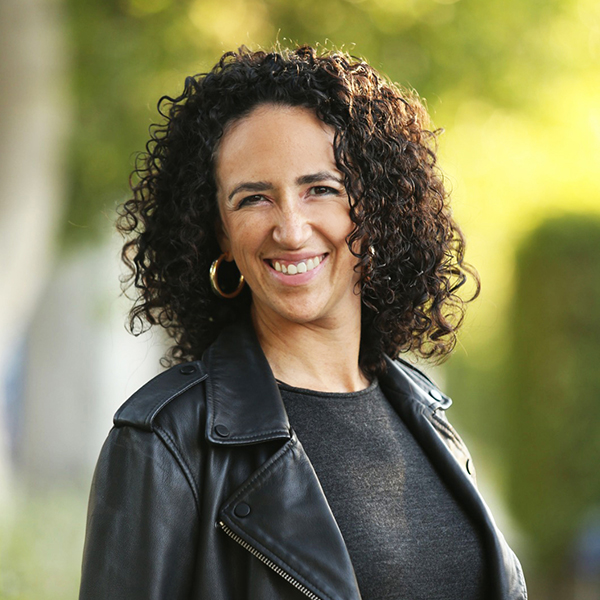
KatieBairdKatie Baird transitioned from climbing the traditional corporate ladder to nurture a career built upon her passion for human connection, problem solving and accelerating personal and professional development. Her boutique coaching business serves highly motivated professionals who are looking to accelerate their careers and transition effectively into their next role.

Her work is exclusively about career navigation and leadership development. She has coached executives and emergent leaders (across mature Fortune 100 companies, Unicorn start ups, and small scale entrepreneurial endeavors) in industries ranging from financial services, to healthcare, consulting, media and technology.

Katie is a Rice University trained, ICF-certified coach, with an undergraduate degree from Washington & Lee University and a Masters of Public Policy from American University. She stays current on research, science and best practices in the coaching field as a member of Institute of Coaching at McLean Hospital, Harvard Medical School.

Her experience draws upon eight years in Consulting, and nearly three years of coaching mentorship under the tutelage of several premiere executive coaches with expertise in human behavior, systems change, and energy leadership.

Katie’s approach to coaching is further informed by her career in Corporate America as a Strategy & Operations Consultant with Deloitte, much of which focused on strategic workshops designed to assist recently appointed executives make a successful and efficient transition into their new executive role.

In both a coaching and service capacity, Katie is especially passionate about helping women thrive professionally. She’s been an active volunteer with Camp Seafarer fundraising and Washington & Lee University Alumni Admissions for more than ten years. She resides in Houston, Texas with her husband, James, and pup, Copley (an ode to their days in Boston).

Connect with Katie on LinkedIn.

What You’ll Learn In This Episode

  • About Baird Coaching
  • How Katie first introduced to the field of Coaching
  • Regular topics address coaching clients

This transcript is machine transcribed by Sonix

TRANSCRIPT

Intro: [00:00:02] Broadcasting live from theBusiness RadioX Studios in Atlanta, Georgia. It’s time for Coach the Coach radio brought to you by the Business RadioX Ambassador Program, the no cost business development strategy for coaches who want to spend more time serving local business clients and less time selling them. Go to brxambassador.com To learn more. Now, here’s your host.

Lee Kantor: [00:00:33] Lee Kantor here, another episode of Coach the Coach Radio, and this is going to be a fun one today on the show, we got Katie Baird with Baird coaching. Welcome, Katie.

Katie Baird: [00:00:41] Thanks. Great to be here.

Lee Kantor: [00:00:42] Well, I’m excited to learn what you’re up to. Tell us a little bit about bird coaching. How are you serving, folks?

Katie Baird: [00:00:47] Absolutely. So I am based in Houston, Texas, but really have a client base across the country and even internationally, which is really exciting. My business really builds on my background and strategy consulting and the years I spent supporting executives as they transitioned into the C-suite. And that’s really where my my coaching practice has gone. I serve leaders who are mid and senior level in their career, anticipating some really important inflection point professionally that they want to have a great deal of clarity and confidence around in terms of how they approach that. So very much so. I’m here to support people as they navigate career change and further develop as leaders.

Lee Kantor: [00:01:38] So now you mentioned having a corporate background. Could you talk about how during your work in corporate, you were able to help executives transition?

Katie Baird: [00:01:46] Yeah. So most of my career was spent at Deloitte, which for those who aren’t familiar, is a very, very large professional services firm here. The great thing about being at a company like that is you can reinvent yourself a few times. So I started in very traditional strategy consulting, meaning I was analyzing business problems and helping companies be more efficient in the choices they were making. And that led to work with a group called the Deloitte Green House. When I started with them back in, gosh, I think twenty thirteen, we were about 30 people nationwide out of a company of one hundred and fifty thousand. So we were a tiny sort of startup and our focus was around helping to accelerate relationships for the firm by really carving out a space for senior leaders to come and think without interruption about their strategy and really wrestle with nebulous business problems. So I supported not only designing those day long sessions but also facilitating them, which is ultimately what led me to my my first academic coaching program at Rice University about four years ago.

Lee Kantor: [00:03:04] So now, having gone through corporate and then being involved in consulting at the level you were in, you still felt it necessary to actually get a, you know, more academic program of coaching to feel confident in order to deliver coaching.

Katie Baird: [00:03:23] I’m glad you asked that. Yes, I did. So, you know, the coaching market these days has really exploded. I would say it’s probably oversaturated and just like my background and consulting it, it can be very easy to call yourself a coach, just like it can be pretty easy to call yourself a consultant. And for me, I really wanted to understand the foundations of of this profession. And for me, that meant going back to the classroom. So Rice has a has a wonderful program, very focused on emerging leaders and the role that sort of coaching coaching tools and methodologies can can do to help business leaders. So I started that and have since sort of advanced in my accreditation with the International Coaching Federation.

Lee Kantor: [00:04:16] So now what did you take from that kind of academic coaching kind of from the learnings there as opposed to what you were experiencing kind of boots on the ground, dealing with folks in real life situations in real time?

Katie Baird: [00:04:35] You know, the the lessons from the classroom have been really applicable to to my profession, I think the biggest thing for me in my practice has been really embracing this idea of, I call it, leading from behind. So I am there to really support my clients, to accelerate their thinking, to give them a space, to look at their challenges and contemplate things from a variety of dimensions. And I really want to use my line of questioning and my listening and insights from what I’m hearing them to help further their progress as they’re unpacking those problems. And to me, that’s really what stood out in the program at Rice was just the incredible impact that you can have when you really just hold the space for somebody to to explore without, without a whole lot of requirements and pressure put on them.

Lee Kantor: [00:05:38] Now was that a difficult transition to go from kind of wearing a consulting hat for so many years where you’re there to solve a problem and implement a solution to a coaching hat, where it’s more about asking questions and having the client self discover the answer?

Katie Baird: [00:05:57] It definitely could be. I think, if anything, early on, it made me a better consultant when I was still in that world because. You want to make sure that you’re you’re answering the question to the right problem. And in order to do that, you need to be really curious and unpack things and and look kind of beyond the face value of what you may be seeing in the business challenge. So coaching was really helpful in that regard. I’d say when I made my transition to my coaching practice full time, it actually was probably more of a challenge for my clients to adjust to. And I think that’s because a lot of people see my background. They see Deloitte. They may know the name. They may loosely understand strategy consulting. And if they don’t necessarily understand what coaching really is about, they may want me to give them the answer or help solve the problem for them. And I think there are probably plenty of coaches that are fine with that and work that way. My hesitation and the reason I don’t really bring consulting into my coaching business is that I think it makes the solution really less sticky, and I want my clients to really be confident and in control and have that clarity around where they’re going next. What those choices are so that they can continue that momentum without me, like that success is that, you know, they don’t need me as a coach anymore.

Lee Kantor: [00:07:44] Now, having spent time now in both camps, the consulting and the coaching camp, why do you think there is a firm like a Deloitte, like you said, with 100000 consultants and there isn’t a firm that has 100000 coaches?

Katie Baird: [00:08:03] I think coaching is. Well, there’s a few reasons. Coaching can be harder to. I would say standardize it is much more, I think, of a unique, I’m sure, a preference driven profession than consulting. And so I would imagine it would probably be hard to really coalesce a mass of coaches around a single methodology or approach to the work. You know, certainly, I think you’re seeing important work being done in that space by kind of governing bodies like ICF. And I think you’re seeing some early efforts of that to really democratize coaching. If you look at the better ups and the coach hubs of the world that are trying to bring coaching at scale to to junior level people in at companies, at frankly a really, really low price point. I think that’s probably the most we’ve seen so far in terms of establishing a firm around coaching.

Lee Kantor: [00:09:17] Now do you see coaching as integral as consulting, especially to senior level folks, because as as coaching becomes more and more available, and it seems like, as you said, that it’s being kind of offered. It used to be offered, obviously to just a handful of people in a given firm. And now it is kind of moving its way down the the ladder to more and more folks. Do you see this as becoming almost a must have addition to any type of an organization rather than a nice to have?

Katie Baird: [00:09:55] Absolutely. So to your your first part around it being integral at the leadership level compared to consulting, I would say it’s it’s more important. I think businesses have become overly reliant on consultants for talent and for answers. And I don’t think that’s actually what they need. I think they need to be investing in themselves at those most senior levels to frankly be more capable at, at cultivating and retaining talent. And a big part of that is things like communication and setting a strategy and vision that people can relate to and really buy into. And I think coaching can go a really long way in helping those leaders develop more holistically in terms of coaching and its value throughout the ranks of of a business. I think it is also an incredible imperative. You know, this pandemic has been so incredibly hard for the world in so many ways. And I, you know, I don’t want to underestimate that. But I think a really exciting shift that’s happened is all of the reflection and reevaluation that, frankly, those fortunate enough to be able to do so have done about their careers, their priorities and how they want to grow. And, you know, it used to be I think that there was this myth or this narrative around what an ideal worker is or what an ideal company is or what it means to be successful in your career. And if this past year of 2021 is any indication, people are just bucking those ideals left and right, and there really is no longer one definition of career success. I love that for my clients. At the same time, I think that’s really hard for companies to deal with unless they have a really robust approach to investing in their people and providing a variety of avenues for them to grow and think about their development.

Lee Kantor: [00:12:23] Now for your clients, are they finding you because they have a specific pain they’re trying to address and get past or a challenge they’re trying to overcome? How how are they coming to you and what is the problem you typically solve for that first time client?

Katie Baird: [00:12:41] Clients are really coming to me, I would say, through several referral networks I have. And also just word of word of mouth based on, you know, my own reputation and Rolodex, which is fantastic. And I, you know, I make it pretty easy for people to find me in terms of my website and LinkedIn and just, you know, reaching out to find time to chat. So it’s a pretty straightforward process for anybody that wants to just explore coaching. But those that do tend to find me or choose to work with me are both men and women mid to senior level in their career and very much so want somebody as a sounding board to help them think through what’s next? How do I grow? How do I manage through this transition? The best way possible? And you know, for some people, that might be I am a I don’t like this term, but I’m a working mom returning to my job, my career for the first time as a parent, and I don’t know what that looks like. Or it could be somebody leveling up into a senior or very highly visible leadership role for the first time, and they want to be successful. And in that first year, another kind of specific example I’m seeing a lot of currently or are people who know they are unhappy with what they are doing right now, know they have value and experience to offer and want to make some type of pivot. But they just don’t really know entirely what that looks like. So they want to think through what’s next

Lee Kantor: [00:14:30] And for the folks that do reach out to you. What does that first conversation typically look like? Is it a lot of you asking questions or them kind of giving you the background of the challenge? What is that first conversation, feel and sound like?

Katie Baird: [00:14:44] Yeah, and typical coaching fashion. I’m probably always asking a lot of questions, but it is very much so a back and forth. I want to learn. Much about them as a person and what has them interested in coaching as I want them to leave feeling they know about me and my style and my approach so that we can really ensure that we are a good fit. I think if you don’t have that natural rapport and connection with your coach, it’s really worth having a few conversations and fit between both parties. To me, is is just as important as understanding what’s the coach’s expertize and what kind of process or methodology do they bring to the work they’re doing. So we cover all of that

Lee Kantor: [00:15:38] For people that are new to coaching. How do you know that you have a good fit with a coach? Like what are some symptoms of a good fit?

Katie Baird: [00:15:47] So, yeah, rapport can be really hard to kind of put your finger on, but you know, at least where I’m focused in this sort of career space and leadership development. These are serious conversations. It can be intense. It can be a lot in terms of what you’re contemplating. So you want someone where you feel like you can say anything to them. And that is because. You know, there’s no idea here that we won’t entertain or that we won’t unpack. So you want to find a coach where you feel comfortable exploring out loud. I think for me, when I think about some of the the best clients I’ve had in terms of our relationship, they they really value a coach who is going to challenge them, who’s going to ask tough questions, who’s going to push their thinking. And so you want to make sure that you are with somebody who you feel comfortable kind of having that back and forth with?

Lee Kantor: [00:16:58] Now can you share maybe the most rewarding success story in terms of where the person was, you know, when they started with you and where you helped them get to? Obviously, don’t name any names, but maybe just share what was the challenge in how you came, got involved and then in the new level they attained.

Katie Baird: [00:17:17] Yeah, so. And there’s one recently that comes to mind. I was working with a woman who was very established in her career in the tech space. She was not based in Houston. And she chose to leave her her very large, established tech company for for a startup. And I’ve been with her through that whole journey from deciding it was time to make a move to figuring out what that next right move was. And all the way through now we are about six or so months into her transition into that new company. I think for her, what has been one of the greatest values from coaching has. Has been having a consistent kind of supporter and perspective there throughout that process, end to end. She remarked recently that she really had not realized how lonely it is to be a woman and a senior woman in a very male dominated small company culture. And so being able to really help her think through relationship building and setting a strategy in this new role and how she goes about building a brand for herself in this new culture has been really exciting and I think set her up for success in the long term with this with this new startup.

Lee Kantor: [00:19:05] Well, congratulations on all the success. If somebody wants to learn more, have more substantive conversation with you, what is the website?

Katie Baird: [00:19:13] Yes, it is chaos with my initials and then Bayard Baier coaching. And they can also find me on LinkedIn under Katie Baird.

Lee Kantor: [00:19:25] Well, Katie, thank you so much for sharing your story today. You’re doing such important work and we appreciate you.

Katie Baird: [00:19:31] Thank you so much, Leigh. It’s been a pleasure to talk with you.

Lee Kantor: [00:19:34] All right, this is Lee Kantor. We’ll see you next time on Coach the Coach radio.


Tagged With: Baird Coaching LLC, Katie Baird

Natalie Shmulik With The Hatchery

November 17, 2021 by Jacob Lapera

NatalieShmulik
Chicago Business Radio
Natalie Shmulik With The Hatchery
Loading
00:00 /
RSS Feed
Share
Link
Embed

Download file

Firmspace-sponsor-banner

Natalie Shmulik is The Hatchery’s CEO, and go-to resource for launching a successful food and beverage business. Along with an M.L.A. in Gastronomy from Boston University, she has a wide range of experience working with supermarkets, culinary publications, consumer packaged goods companies, and food service establishments.

After successfully operating her own restaurant, Natalie was hired as a specialty consultant for one of Ontario’s largest supermarket chains where she enhanced consumer experiences through educational initiatives. Discovering her passion for innovation, Natalie was brought on as a brand strategist for the first cold brew tea company and later moved to Chicago to run The Hatchery Chicago.

With over eight years of food incubation experience, Natalie has gained a unique perspective on the industry and what it takes to launch and grow a successful business. Natalie is a regular contributor to Food Business News, was recently featured in the Chicago Tribune’s 10 Business People to Watch in 2020 and received the Specialty Food Association’s award for leadership in vision.

She continues to play a valuable role in branding and marketing for food businesses around the country, with her specialty in trend forecasting.

Connect with Natalie on LinkedIn.

This transcript is machine transcribed by Sonix

TRANSCRIPT

Intro: [00:00:04] Broadcasting live from the Business RadioX studio in Chicago, Illinois, it’s time for Chicago Business Radio brought to you by Firm Space, your private sanctuary for productivity and growth. To learn more, go to FirmSpace.com. Now here’s your host.

Max Kantor: [00:00:21] Hey everybody, and welcome to Chicago Business Radio. I’m your host, Max Cantor, and I’m so glad you’re here. We have a good one today, but before we get started, let’s give a quick shout out to our sponsor firm space. Without firm space. We couldn’t be sharing these important stories, so thank you so much to them for sponsoring our show and today’s show. We have a guest who was recently featured in the Chicago Tribune’s Ten People to Watch in 2020 and received the Specialty Food Association’s Award for Leadership and Vision. She’s the CEO of the Hatchery Chicago. Please welcome Natalie Shmulik. Welcome to the show, Natalie.

Natalie Shmulik: [00:00:57] Thank you so much. Thanks for having me.

Max Kantor: [00:00:59] Of course, I’m glad you’re here. Let’s dove right in. What is the hatchery Chicago and how are you guys serving, folks?

Natalie Shmulik: [00:01:06] Great question. So we are a nonprofit food and beverage incubator. We were established out of a collaboration between two nonprofits. One is Industrial Council of Near West Chicago, and the other is allies for community business. Both are nonprofit organizations I see and see focuses on manufacturing. They’re one of the oldest and largest business incubators in the country, and allies for community businesses is nonprofit micro microlenders. So they’re able to provide essential capital to entrepreneurs who often can’t get access to those funds to launch and grow their businesses. We opened our brand new facility just a few years ago. We have a sixty seven thousand square foot facility located in East Garfield Park on the west side of Chicago, which was a very intentional location for us. We wanted to be part of a community that we felt could both benefit from our resources, but also work alongside us to tackle important challenges within the industry, including things like access to nutritious foods, access to resources and production space, and creating more diversity, equity and inclusion in the industry as a whole. So we are able to provide additional support to West Side entrepreneurs with thirty four hours of free shared kitchen use time and we have a large shared kitchen as well as 50 for private kitchen so entrepreneurs can grow their businesses in a flexible, adaptable space alongside all of the wraparound support they need.

Max Kantor: [00:02:35] So you mentioned that you guys are a nonprofit. How are you funded?

Natalie Shmulik: [00:02:40] Great question. We are funded primarily through three sources. One, we received support from the city in land acquisition, so we were able to access the land to build the hatchery on, and the city has been a big supporter of the hatchery from day one. We also have great corporate sponsors and foundation partners. We wouldn’t be able to exist without these incredible organizations that have believed in our mission from the very beginning. These include companies like Kellogg, ConAgra, Griffith Foods, Ingredion, PepsiCo Foundation Builders initiatives, so many amazing companies that have just jumped up to support us. And then the third way we’re able to continue to provide the support we do is through some of the revenue we generate with rental income, as well as some of the services that we provide with programing and membership.

Max Kantor: [00:03:33] So how can someone participate, most most importantly, an entrepreneur? How does it work? What’s the best type of person who should get involved with you guys and how do they make that happen?

Natalie Shmulik: [00:03:44] We focus on early stage brands, so anyone who has an idea or has just launched a food and beverage business or is in that early growth stage, they’re the ideal candidates to come to us to get the support they need. We run a starting a food business class every month, so anyone who’s just thinking about whether or not this is the right industry for them, we try to provide that information and we take a very realistic approach. So it’s certainly a very exciting industry, but we also know it’s a very challenging one. So we want to make sure that we give everybody the information they need to make a very wise decision on whether or not to move forward. So that’s usually the best place to start is if you’re just thinking about it or you’re in the inception phase, a tender starting a food business class. Again, we run these monthly. We’re the only ones who run this class in the city right now, so we are doing it all virtually, which should make it very easily accessible. From there, we have a sprout program. So if you are in the process of launching or you have launched your business, we have a six month program to just accelerate your path to market and then if you are looking for production space. So if you need commercial grade production space again, we have a lot of flexibility, whether it be access to an hourly shared kitchen space. We have no minimum our requirements. We have daily private kitchens. And then of course, we have your own private kitchen, which you can rent anywhere from one to three years.

Max Kantor: [00:05:08] So you mentioned classes. Do you also have classes and workshops for non entrepreneurs, people who are looking for other things? And also, do you guys do any type of consulting?

Natalie Shmulik: [00:05:19] We do. We do all of the above. So we actually have our networking events. So every month we cover various industry topics that are trend forward, very enticing, relevant topics that we like to discuss with the industry. So we invite everyone, whether you’re a food enthusiast, you’re a service provider, you’re an industry expert or an entrepreneur. We want everybody to be part of the conversation. Our last one this month, which was last Thursday, was actually on reimagining target market exercises. So trying to think differently about how to appeal to the new consumer. Given all these new consumer habits and ways of eating that have developed during and and certainly will continue post-pandemic, and of course, we have our annual fundraiser coming up, which we invite everybody to. The theme is good mood foods and gutsy trends, and it will be talking about how food plays a very important role in how we feel, and especially given that we’re in a time where people feel very isolated, depressed, lots of anxiety and stress. Our gut microbiome plays a big role in helping to change our mood and also improve our health. So we have an incredible roster of speakers. We have Julie Smolensk from Lifeway. We have GT Day from GT Living Foods and of course, famously kombucha. And we have Dr. Erika Engel, who’s the CEO of Excel Foods. She’s really a specialist in the space, and she’ll be doing a bit of a TED talk and then we’ll actually have a pitch session with five finalists from our Dream Commercial Kitchen Pitch contest who will share their innovative ideas, and the audience will get a chance to see the pitches live. They even if there’s an audience vote. So of course, we want to have more than just entrepreneurs as part of our community. We have so many incredible individuals who support entrepreneurs and support innovation

Max Kantor: [00:07:19] For sure, and it sounds like an amazing event. You guys are combining two really important things you know, mental health awareness and also eating good food, and you’re combining it into one great event. So it sounds amazing. Incredible. Do you guys have the opportunity for like ready made meals or buying food or getting? Food from from the hatchery.

Natalie Shmulik: [00:07:43] Yeah, so we on our website have information on the vendors that produce out of our facility, so there’s great ways to support your local entrepreneurs by ordering meals from them. We do have entrepreneurs that use our kitchens as ghost or cloud or dark kitchen concepts. I know there’s a lot of terms out there. But if anyone is interested in ordering, whether it be through one of your third party delivery platforms or for yourself to come and pick up, there are those options. We have so many incredible catering businesses and food service businesses that have meals that are ready to go, so you can always support them that way. And of course, we have so many baked goods and meal kit brands, cocktail mixes, so you can find all of them on our website and you can learn more about the entrepreneurs producing out of the hatchery. And then, of course, we have a program called Hatch Made Meals, where we actually have one of our foundation partners who supported this program, where we’re able to pay catering companies at the hatchery to produce five hundred meals a week. And those meals are are donated to 12 different organizations on the west side who help individuals facing food insecurities.

Max Kantor: [00:08:51] Do you guys ever work with food trucks?

Natalie Shmulik: [00:08:54] We do. We have a few food trucks housed at the hatchery, actually, so we’ve got quite a few of them and we have the space both outside in terms of being able to load up. And then we have the commissary space space where you can prep all of your production for the trucks so that it’s ready to go.

Max Kantor: [00:09:12] Now, COVID 19 obviously was very hard on the food and restaurant drink industries. What were some challenges you guys came across during the pandemic and how did you work to overcome them? Or even how were you still working to overcome them?

Natalie Shmulik: [00:09:27] I would say the biggest challenge was pivoting of business models. The meal delivery model in particular, was not something we had anticipated. Our building was ultimately designed for more so consumer packaged goods brands or large catering business. We didn’t really have the flow of traffic built into the facility to allow for ease of handing over meals, so we ended up having to do a bit of a redesign and pivot ourselves in many ways. So we created a new pathway and space where we could have all of these third party delivery drivers come to the side of the building. And then we had to pick up and drop off location to make it a little bit easier. That’s something we’re always working on improving, and that’s definitely something that won’t go away. So we want to continue to see what role we play and how we can support these brands. And I think something that the industry as a whole is working on supply chain issues are a big challenge right now. So trying to get entrepreneurs to partner together when it comes to sourcing so they can hopefully reduce their costs, it makes it makes a lot of sense if somebody’s already delivering sugar or base commodity items to the hatchery and there’s another entrepreneur ordering the same thing, they can order in larger quantities and find ways to reduce their costs. So bulk purchasing is is a great strategy. And then looking at additional ways to support the labor market, we are relaunching our Impact Culinary Training program, where we are going to be training youth on the south and west side. It’s a subsidized program in partnership with chef Rick Bayless, where we will be training these students who will hopefully be able to fill some of the gaps we’re seeing in the food service space. But we know there’s also challenges when it comes to supporting labor. So higher wages, more benefits and support. That’s something that we’re constantly working on with our members as well as the industry altogether.

Max Kantor: [00:11:23] How do you encourage collaboration and networking, both among members and then among members and the community in the Chicagoland area?

Natalie Shmulik: [00:11:32] Yeah. For us, we always want to take an organic approach. We try to encourage service providers to realize this is a great way to build connections rather than just seeing networking opportunities as a chance to sell a service. So we do spend a lot of time vetting who attends our networking events, who’s part of our branch network program and supporting our entrepreneurs in any, any way we can. We’re very entrepreneur centric, so we always wanted to be a safe space and we always like for everyone to come at the angle of how do we work together to just make things better for everybody? And the way we do that is we like to ask questions. We like to push boundaries a little bit, even with the topics that we cover. We never want to sugarcoat things and make things seem differently than the way they are. We want to ask the real questions. We want to make sure that we’re really addressing what’s going on in the industry. So we always have our work cut out for us too, and making sure that we have great representation for diverse entrepreneurs and industry experts, and that’s something we’re constantly trying to work on. And we also want to make sure that this is a great option. Immunity for entrepreneurs to network with others in the industry, so we do provide holistic coaching, so really not just talking about the technical support, you need to establish a successful business, but how do you, as an entrepreneur, establish your speaking skills and your networking skills? How do you take care of yourself as an entrepreneur? We know that a lot of times you can burn out, and that’s never good for the business either. How do you build a strong team culture? So these are all things that we incorporate in our programing.

Max Kantor: [00:13:09] Now what do you need more of from members or sponsors, industry partners? What do you think the hatchery needs more of?

Natalie Shmulik: [00:13:17] We always want to bring great minds together. Anybody who’s interested in making change in the industry and particularly supporting entrepreneurs in the food and beverage space. We want to hear from you. Of course, if there’s anyone who wants to be a sponsor, a funder, a supporter. We are more than welcome to that. Those types of contributions allow us to keep growing our programing and provide even more support to the entrepreneurs, as well as reducing costs for rental space at the hatchery and providing even more equipment and additional items needed to grow the business. So we always welcome any kind of insights and we love growing our community.

Max Kantor: [00:13:57] What would you say is the biggest success story that’s come out of the hatchery?

Natalie Shmulik: [00:14:02] Oh, my goodness. Well, we are still quite young ourselves, and we’ve had so many incredible entrepreneurs who’ve reached great success. Hopefully, we played a good role in that, but we’ve had wonderful members in the past when they were starting out like farmer’s fridge and tow. Emily, from Little Box. There are so many great businesses that we’ve just they’ve been a joy to work with and getting to watch them grow is amazing. But I think to us the best success is really seeing community members on the West side get these opportunities to whether it’s opening up their own restaurant or cafe or seeing their business grow when they otherwise might have not had that opportunity. So those to us are great successes and we can’t wait to see more of them grow.

Max Kantor: [00:14:49] And Natalie, I have to ask you what is the most rewarding part about what you do?

Natalie Shmulik: [00:14:55] Hmm. I think getting to hear from the entrepreneurs and not so much hearing them talking about their business because we always hear about their being so grateful to have resources, to have time saved. But I think the biggest feedback we always hear is how grateful they are that we are there to listen. We’re there to support them. And even in the hardest times, they know they have someone to talk to who understands them and will be patient. Our team is a team of entrepreneurs and we always want to be there and understand that sometimes supporting entrepreneurs isn’t just giving them numbers or a table to fill in. Sometimes it’s just being there to listen and showing that they have a supportive community and getting to hear that feedback is extremely rewarding, for sure.

Max Kantor: [00:15:46] And as we wrap the interview, I do want to mention one more time you mentioned you guys have a virtual event coming up. Do you want to talk about that one more time?

Natalie Shmulik: [00:15:53] We do. Yes, thank you. So on December 2nd at four p.m., we are hosting our annual fundraiser, which will be virtual again this year. But it will be very interactive, very exciting and packed with exciting conversations. So again, we have a fireside chat with Julie Smalley and Ski and Dave, a TEDx talk from Dr. Erica Engel talking about gut health and some things we can expect to see in the future and innovative ways of thinking. And then we will follow that and conclude with five finalists from our Dream Commercial Kitchen contest who will pitch their ideas. They have five minutes each. We have a great panel of judges and then we have an audience vote. It’s just going to be a great way for us all to connect before the end of the year and celebrate some great successes. So we invite everyone to join and they can get tickets on our website at the hatchery. Org.

Max Kantor: [00:16:48] And speaking of your website, because that’s what I was about to ask if people want to learn more about the hatchery. You just mentioned your website. Do you guys also have social media?

Natalie Shmulik: [00:16:57] We do. So you can find us on Facebook, Instagram, LinkedIn, we are on on Twitter. So we’re on most channels you can find us. Typically, the hatchery high is our handle, so please connect with us there or on our website. And if there is anything we can do to help, or if you wanted to share some insights with us, we welcome you to reach out to us through our website or you can email us at info at the hatchery. Org.

Max Kantor: [00:17:27] Awesome. Well, thank you so much for being a guest on today’s show, Natalie.

Natalie Shmulik: [00:17:31] Thank you for having me and thank

Max Kantor: [00:17:33] You again for the work you are doing for the Chicago community.

Natalie Shmulik: [00:17:37] Oh, thank you. We’re we’re so. Honored to be a part of it.

Max Kantor: [00:17:40] And that’s another wrap on another great episode of Chicago Business Radio. I’m your host, Max Cantor, and we’ll see you next time.

Intro: [00:17:50] This episode is Chicago Business Radio has been brought to you by firm SpaceX, your private sanctuary for productivity and growth. To learn more, go to Firme Space.com.

Tagged With: Natalie Shmulik, The Hatchery

Chris Kneeland With Cult Collective

November 16, 2021 by Jacob Lapera

ChrisKneeland
Coach The Coach
Chris Kneeland With Cult Collective
Loading
00:00 /
RSS Feed
Share
Link
Embed

Download file

ChrisKneelandChris Kneeland is the cofounder and CEO of Cult Collective. He helps brand leaders develop better ways to engage with customers, prospects, and staff by applying eight common characteristics discovered while researching the most iconic, “cult-like” brands on the planet.

Chris has held marketing positions at John Deere and The Home Depot. He was also previously the Head of Retail Marketing at RAPP. He has consulted with brands like Harley Davidson, Zappos, Best Buy, Canadian Tire, Keurig, GoDaddy and more. He believes advocacy trumps awareness and that most brands have an unholy addiction to mass advertising and markdowns.

Chris has a Master’s Degree from Northwestern University and a B.A. from Brigham Young University. He’s worked extensively throughout the US and Canada and has spoken globally about the principles of Cult Branding. Chris is also the co-founder of The Gathering, a Forbes top-rated business conference that hosts 1,500 business executives annually in Banff Alberta.

Connect with Chris on LinkedIn.

What You’ll Learn In This Episode

  • Cult branding
  • The top cult brands in N. America
  • How businesses convert more customers into cult-like followers

This transcript is machine transcribed by Sonix

TRANSCRIPT

Intro: [00:00:02] Broadcasting live from the Business RadioX Studios in Atlanta, Georgia. It’s time for Coach the Coach radio brought to you by the Business RadioX Ambassador Program, the no cost business development strategy for coaches who want to spend more time serving local business clients and less time selling them. Go to brxambassador.com To learn more. Now, here’s your host.

Lee Kantor: [00:00:33] Lee Kantor here, another episode of Coach the Coach Radio, and this is going to be a fun one today on the show, we have Chris Kneeland with cult collective. Welcome, Chris.

Chris Kneeland: [00:00:42] Hey, thanks, Lee. Great to be here.

Lee Kantor: [00:00:43] Well, I’m excited to learn what you’re up to. Tell us a little bit about cult collective. How are you serving, folks?

Chris Kneeland: [00:00:48] We’re we’re what we refer to as an audience engagement firm. That’s a sort of a hybrid if an ad agency and a business consultant had a baby. We meaning we do business advisory services, but all within the construct of the customer experience. So we don’t get into things like supply chain management or M&A work or things like that. We really try to look at creating customers who can not only buy more product more often but be converted into cult like followers and cult like adoration or raving fans is sort of the pinnacle of audience engagement. And we’re fascinated by businesses that have sort of transcended that category and have spent a lot of time trying to reverse engineer what they do, how they do it so that everybody else can can copy it.

Lee Kantor: [00:01:36] Now is that something that can be reverse engineered for any company? Is it any company kind of cult worthy?

Chris Kneeland: [00:01:43] I don’t think every company is cult worthy. The two biggest disc qualifiers is an uninspired C-suite, so businesses that are just content with some form of financial performance don’t make good candidates because cult brands aspire to not only be successful, but they want to be significant in some way. It could be culturally significant, like Converse or vans, or it could be socially significant like, say, a Patagonia that’s trying to save the planet. So if you have a purpose beyond profit that makes you cult eligible, and then there are certainly some categories that are just so commoditized, home utilities comes to mind where it’s like, I don’t want to think about it. I have no affinity for it. I don’t know. Don’t care. Maybe business copy machine salesmen. They may have a hard time, you know, trying to create some noble purpose behind their business. But the flip side, Leigh, is that many businesses have sold themselves short. We our problem is not finding businesses that want to be cult like that can’t be our businesses. Our problem is finding businesses that should be more cult like, but aren’t.

Lee Kantor: [00:02:53] So you think that this could be a limiting belief for some organizations that they just think, Hey, we’re an accounting firm, so they all look alike. They have different names on the door, but we’re not kind of eligible for being a cult when you’re saying that. Maybe they are.

Chris Kneeland: [00:03:09] Yeah, I mean, take lots of different industries, nonprofits, colleges, health care be to be even accounting services. Yeah, it is rare that we would run into somebody that’s trying to find. I mean, really, it comes down to how were you overcoming commoditization? How are you choosing to compete beyond price or convenience? And so if you have a C-suite that says we don’t want to win on price or convenience, we must compete differently. I think we’re going to have a 90 plus percent success rate finding a way to let them use some principles from cult brands.

Lee Kantor: [00:03:42] So, so mindset is at the heart of this. It’s this if leadership doesn’t have the right mindset that it’s going to be difficult, but if they have the right set, then it’s possible.

Chris Kneeland: [00:03:52] Yeah, because then it gets into both courage and creativity, right? If you have the ambition, then you’re going to maybe have the courage to try something scary and buy scary. I mean, doing something that maybe, you know, your competitors have ever done before and then also just creative. And I just think that there’s too many businesses that have settled into mediocrity that are just failing to display appropriate levels of creativity to solve problems by applying different sorts of models or benchmarks.

Lee Kantor: [00:04:22] Now is it something that only kind of the largest organizations can take part in? Or is this something that if you’re a scrappy startup that you can say, you know what, instead of going the traditional marketing, I’m buying AdWords and Facebook, I want to kind of lean into this cult branding initiative. Is that something I can do? Or is it something only for the big boys?

Chris Kneeland: [00:04:44] I think the newer your business and the smaller your business, the bigger advantage you have for two reasons. One, the bigger you get, the more bad habits you start to embrace, the more you stop playing offense and start playing defense. You stop trying to to challenge and you start trying to protect. So big is usually bad, not good. As well as you know, a lot of these brand principles don’t require big investments in things like paid media, you know, so it’s if you don’t have a lot of money, you should be even more open minded to coach brand marketing because the answer is not ever going to be by Super Bowl commercial or, you know, maybe even not not even doing some paid media at all. Brands, some of our favorite cult brands that we run across Lululemon, Spanx, Costco, you know, they’re not they don’t do any advertising. And so if I’m a small business owner that’s trying to count my pennies, I’m thinking, Well, why wouldn’t I do that if I don’t have to then spend a bunch of money to Google or to some media publish?

Lee Kantor: [00:05:51] So now what are some ways we have a lot of coaches that listen to this show? What are some ways like a business coach where that could be a commodity type business can kind of create that cult brand around themselves? Is there any low hanging fruit that they could be doing today?

Chris Kneeland: [00:06:10] Well, yeah. I mean, the first thing we like to do if we talk to somebody that’s been doing it for a while is to assess their activities and question why are they doing anything that they were doing five years ago? So, you know, like I mentioned, one of the biggest challenges is legacy thinking and bad habits, and the world has changed so drastically, not just with the pandemic, but with options around how consumers are making buying decisions that, you know, 10 years ago, Harvard and McKinsey partnered up and completely obliterated all of the paradigms around the purchase funnel. And yet we still talk to B2B professionals that are talking about this funnel metaphor, about filling the top of the funnel. And it’s like, guys, the world has moved on from that a decade ago. And so if that’s still your guiding framework, that’s low hanging fruit to just rethink differently about, you know, lead generation and conversion. Obviously, there’s been macro shifts away from paid media into content marketing and inbound marketing. And then, you know something it doesn’t even exist on the purchase funnel that is so critical for today’s brand. Leaders and marketers is post-purchase. You know, the purchase funnel ends with getting someone who purchases and and we would argue at least 25 percent of your marketing effort should be spent on people who have already bought to not only get them to rebuy, but so that they become a noncommissioned sales force and start referring your business business to you.

Lee Kantor: [00:07:39] So now what’s been your most maybe favorite? I don’t want to say the most successful, because that’s probably in the eye of the beholder. But for you, a personal favorite of a brand that you work with that was struggling and maybe you took them to a new level and maybe they exceeded their expectations.

Chris Kneeland: [00:07:59] Um, well, it is true, it’s interesting you mentioned the brands that are struggling, unfortunately, most people that call us or businesses that are sort of in cardiac arrest. Maybe a new C-suite has come in the board kind of cleared house and they they need to make drastic measures. But that’s not always the case. I mean, some of our favorite engagements. I’ll share one with Home Depot. I mean, Home Depot was not in trouble. Home Depot was a, you know, over $100 billion in sales, but Home Depot wasn’t content to rest on their laurels. And Home Depot is looking in their crystal ball and realizing that what was shifting in consumer behavior was they do it for me, mentality. So Home Depot was built in the late 80s, early 90s on this idea of a do it yourselfer. And this, you know, that classic campaign, if you can do it, we can help. And all of their money came from selling products through their stores or their website. But what they saw with the rise of Angie’s List and Thumbtack and the pro referral was was this idea of I just want somebody to do it for me.

Chris Kneeland: [00:09:07] I don’t want to paint my house or mow my lawn or build my fence. I’m looking for a contractor, so they used us to help them birth and really exploit this idea of home services. And they didn’t want to use the same playbook. They didn’t want to create brand confusion. They didn’t want to use the same ad agencies. They didn’t want to use the same reliance upon fliers and discounting and promotions. They wanted to create a new entity that could be almost like a standalone business Home Depot Home Services, but certainly leveraging the brand equity that the strengths of the Home Depot brand. So we worked with them for many years to try to turn that into a multibillion dollar company, and it not only had elements of consumer understanding and appeal, but also we had to attract suppliers. We had to get professional roofers, window installers, painters, landscapers to come and join that Home Depot network and so called brand principles, I think was a much more effective way for them to get, you know, from zero to billions faster than if they had done more of a traditional approach.

Lee Kantor: [00:10:11] Can you share a story like that? But maybe with a smaller entity rather than somebody who like, I’m hearing you say that it can work for anybody. But when you have a pocketbook the size of Home Depot, you can take certain risks, even though culturally or politically it’s more difficult. But is there an example from a smaller company that you can share that there were some tactics or some principles that help them kind of grow?

Chris Kneeland: [00:10:36] Yeah. So I can think of a company that’s in Alberta, Canada, called F12. They’re in the B to B tech support to kind of managed I.T. solutions business. So if you’re a dental office or an auto mechanic shop and you don’t want to deal with your I.T. issues, you can outsource your infrastructure to f 12 and they’ll hook your team up with laptops and make sure that everything’s working and that the right software is downloaded and that you’re protected from malware or whatnot, right? So they had about 40 employees when they called upon us, and it was it was the CEO’s desire to stand for something more than what they call the break fix model. They didn’t just want to be known for. When you know when your computer crashes call us, they really wanted to be in the business of helping entrepreneurs grow big businesses. They wanted to be a partner and they wanted to take away all of the headache and the hassle that, you know, most people that start companies don’t have a clue about what their I.T. or network or server infrastructure should be. And so it’s kind of this necessary evil, and it’s a huge cost and a huge risk for many businesses. They just undervalue and under appreciate that. So we work with F12 again, leveraging these brand principles to create extreme differentiation of why you would choose to work with F12, then just going through any other sort of tech support provider that they might find on Google if they were looking for a vendor and they got into solutions that not only made them more, obviously, you know, distinct and different, but also it had huge implications on the people that they attracted. So they attracted a better caliber of employee. They attracted a better caliber of of tech support agent. And so they had huge cultural benefits as well, which was a wonderful sort of secondary side effect besides just creating more revenue and market share.

Lee Kantor: [00:12:38] So what are some of the tactics that are used to help that business person kind of convert more of their customers into this, like you said, raving fan?

Chris Kneeland: [00:12:48] So a lot of it was, you know, again, if you were to hire an ad agency, you’re going to find people that would start to find better ways to communicate. You know, maybe they would do something. Funny or clever or emotional to create some sort of resonance, but when you’re using a brand playbook, you’re getting into the value proposition itself. So we actually created products and subscription services and price points that were far more attractive and empathetic to specific types of audiences. That was another big part of, you know, brands don’t try to be all things to all people. They get very, very clear on who what we call their predominant and opportunity audiences are. So they get more narrow, they elevate their positioning, they become less of a generalist and they become more of a specialist to a very discrete group of people. And then what they’re selling is something that’s a lot more thoughtful and very, very rarely. I remember we did a project in Harley Davidson back in the day, and now we’re back to big companies. But Harley needed to attract a younger audience, and they’re not going to do that through an ad campaign. They can certainly buy media on channels that young people watch, but what Harley needed was a bike that was under $10000. No young person is going to go buy a cruiser for thirty five thousand dollars, and so Colt Brands think about their solutions, their offerings, their product mix in ways that non-core brands just think about. Well, this is what I’ve got. Let’s keep coming up with, you know, communications strategies to make it seem better versus, we don’t know, let’s actually go make something that’s that’s that is better for the market.

Lee Kantor: [00:14:22] So you mentioned the importance of kind of leaning into specialization and to really attract the folks that kind of resonate with your message. At some point, though, don’t you have to communicate whatever that is to these people? Like how do you kind of get in front of those people to let them know that this offering even exists?

Chris Kneeland: [00:14:42] Yeah, of course, you have to make sure that you have a a compelling storefront or a compelling website or a compelling sales force or a compelling, you know, a marketing or advertising campaign. I think what we’re disappointed by, though, is simply the the balance of that because, you know, nobody I didn’t get on to tick tock because I saw an ad for tick tock. I got on to tick tock because everybody in my circle started sharing videos with me about this crazy new thing called tick tock. That’s frequently how I find out about new restaurants in town or new movies to go watch or some streaming service. So I think that we’ve underestimated the power of word of mouth. It has always been and will always be the most persuasive form of business. So if we work with a brand new company, we’ll talk about what are you doing for the first hundred customers that will be completely unsustainable and scalable. But I need each of those 100 customers to be more than customers. I need them to become evangelists for what I’m doing, so I’m going to over invest in that experience. I’ll give you an example with trigger grills. Check your grills is a is a small and when I say small, I mean, there are a couple of hundred million now, but they used to be twenty five, $30 million and they were for sort of the extreme barbecue enthusiasts that wanted to smoke meat instead of grill it. And, you know, one of the missed opportunities that they stole from Apple, one of the world’s best cult brands, is that when you get your iPhone, it feels like Christmas morning.

Chris Kneeland: [00:16:19] The packaging is done right. The phone is already charged and ready to go. The onboarding app in terms of, you know, how it welcomes you and downloads all your stuff from the cloud, it just makes it sound so easy. Somebody was so thoughtful. Tesla is the same way. So Trager took the box that the grill showed up in and completely reimagined the way that the grill is assembled and how you actually would invite friends over. You know, there’s cupholders for beer cans in the Styrofoam of the box so that you’re having a little assembly party. And then when you’re done, you undo the box. You flip it inside out and it’s a log cabin playhouse for your children and the number of people that will then take a photo of the box and say, Look at this cool thing that Trager did when I mowed my thing. That’s what creates social conversation and the and the sort of we call becoming remarkable. Being remarkable doesn’t mean you’re exceptional being remarkable. It means that you’re giving people things to remark about. And not enough businesses are sitting down thinking about the entirety of their buying cycle to say, What would I expect somebody to say as a result of having visited my website? Talk with my sales, know, come into my store. It’s just all too ordinary. So therefore people don’t say anything. But if you can make it extraordinary, then all of a sudden you’re part of the conversation.

Lee Kantor: [00:17:39] So now when you’re working with a new client, what does that initial conversations look like? Is there some sort of an assessment to see where they’re at, where the opportunities lie? Like, how deeply do you have to really kind of immerse yourself in order to find that hidden gold that might be right there?

Chris Kneeland: [00:17:55] So we’ve identified eight areas that cult brands exceed their mediocre peers in. So yeah, that’s exactly what is. It’s a bit of an audit of how well are you living up to each of those eight areas and we just plot your sort of current state and the desired state desired could be either the ambition of the C-suite or desired could be benchmarked from what the best competitor in the category is doing. We’re looking at that right now for oil changes. As an example, there’s just a huge missed opportunity for how pedestrian, how boring, how inconvenient, how unexciting going to get your oil change could be. So the bar is so low that if you had a C-suite that said, I no longer want to compete instead of being forty nine, we’re going to be 39, which is what everybody is doing. They’re bombarding the marketplace with coupons to just become a cheaper oil change versus what if you could actually become a better oil change? What could what could the consumer be doing in the 20 minutes while they’re waiting for their car to be, you know, to have the oil changed on it? How might the appointment scheduling be handled? What might be happening after they leave now that you know, some information about that car and about that consumer? And so there’s just, I think the day it’s just thoughtfulness about some very specific areas. You don’t have to think about everything. We’ve kind of whittled it down to eight. And then with that, then you just create a prioritized list. Which ones are we going to tackle first?

Lee Kantor: [00:19:20] Now is there things that over time that you’ve learned like this is kind of the biggest bang for your buck? This is kind of where a lot of the opportunity is for folks like missed opportunity that they have it right there. They just have to do more of it. It sounds like some of it is around those kind of early people who are your clients that just lean into that and really understand what. They like about you and then how to kind of just wring more juice out of that.

Chris Kneeland: [00:19:47] Yeah, I think probably the biggest missed opportunity is around the customer experience. We do a lot with health care and, you know, just everything, particularly in the states, but also in Canada. The difference is it’s equally bad, but in the states, you’re paying more, obviously through it versus in Canada, it’s more of a social service. But you know, the waiting room experience absolutely sucks the the ambiguity around who you’re seeing, the credentials of the practitioner, the course of treatment or action afterwards, the access to a community of people that are suffering from the same thing that might have the same concerns, like the health care experience should not feel like the DMV experience, right? And yet it oftentimes does. And so if you’re trying to become a health care institution like the Mayo Clinic, for example, that’s going to stand out above the rest where, you know, people will fly across the country and pay premium dollar to access the Mayo Clinic. They’ve built that brand partially, certainly through the expertize of the things that they’re that they specialize in, but also just the thoughtfulness of the customer experience. Soup to nuts. And so, you know, yeah, if I was to say, the easiest place to start is not to assume that what you’re selling is good and you just need a better way to communicate it. Assume that what you’re selling could be radically enhanced so that you can actually create greater demand. And if you do it well enough, you know, the founder of Geek Squad and other tech support company that we worked with years ago said that, you know, advertising is a tax that brands pay for being unremarkable. You’re going to pay the money. Either way, it’s not about cost savings, it’s about are you going to pay the money and a bunch of paid media? Are you going to pay the money into putting something into the experience that makes it memorable and buzzworthy?

Lee Kantor: [00:21:35] So now when you’re working with your clients, do you have the the niche? You mentioned that anybody or a lot of companies that don’t think they’re eligible are eligible to be a cult if they kind of lean into this and open their mind to the opportunity there? That’s right in front of them. Do you have a sweet spot in terms of the types of clients you have like, are they enterprise level only at this stage of your growth? Or are you working with companies of all sizes?

Chris Kneeland: [00:22:04] You know, our sweet spot is sort of the fifty to four hundred million range, you know, the early stage, I think we can certainly add value, but what you’re doing is giving them ideas that they’ll need to execute as their business grows. And then, as I mentioned, kind of went you over five hundred million and maybe a billion. We’re kind of uninspired by you. I see a lot of people take their foot off their gas at that point, and they’re just trying to maintain. But if you’re like a yeti as an example, that kind of came out of nowhere and comes out with this $400 cooler where the next option was a fifty dollars Coleman from Walmart is like, Where is it? What’s this all about and how did this happen? And then they just kind of become this iconic brand for the outdoor enthusiasts that we work really well with businesses that have achieved a level of market fit. And now they’re trying to say, How do you scale this? How do you take it and make sure that we don’t ruin what we’ve got because we seem to be having something very special here?

Lee Kantor: [00:23:05] And then on your website, you have there’s opportunities for the smaller brands to get those ideas. You have ways for a smaller brand to learn about what you gained as well, right?

Chris Kneeland: [00:23:17] Yeah. We’ve, you know, lots of things and we were doing our best to keep not keep this a secret. So we’ve written a book. We host an event every year called The Gathering, where we put these iconic cult brands on stages and let people understand how they started and what bold things do they do. We do classes every month for two hundred bucks. You can come and participate in a workshop to understand how the brand principles can be applied. I go on every podcast and radio show like yours, Lee, that I can like. You know, the goal here is not to keep this close to our vest. The goal is to get people from to a be curious about, is there a better way and then be to start practicing, testing, applying, you know, you don’t have to go all in. You can take some product line, some regions, some new new division and experiment with it in a really safe way.

Lee Kantor: [00:24:11] And if somebody wants to learn more, what’s the website?

Chris Kneeland: [00:24:15] It’s cult ideas.

Lee Kantor: [00:24:18] Well, Chris, thank you so much for sharing your story today. You’re doing important work and we appreciate you.

Chris Kneeland: [00:24:23] Yeah. Thanks, Lee. Appreciate the time with you.

Lee Kantor: [00:24:25] All right, this is Lee Kantor. We’ll see, y’all next time on Coach the Coach radio.

Tagged With: Chris Kneeland, Cult Collective

Ariana Makau With Nzilani Glass Conservation

November 15, 2021 by Jacob Lapera

ArianaMakau
Bay Area Business Radio
Ariana Makau With Nzilani Glass Conservation
Loading
00:00 /
RSS Feed
Share
Link
Embed

Download file

Leah-Davis-Ambassador-logo1

Nzilani Glass Conservation

ArianaMakauAriana Makau holds a Masters in stained glass conservation from the Royal College of Art in London, and is the president and principal conservator of Bay Area-based Nzilani Glass Conservation.

Makau is also the Health and Safety Chair on the Board of the Stained Glass Association of America (SGAA), a Fellow of the American Institute for Conservation (AIC) and ​​has been a conservator for over 25 years, having worked for numerous museums in the States and abroad including the Victoria and Albert Museum in London, the Metropolitan Museum of Art in New York, numerous Bay Area museums including: SFMoMA, the De Young, the Legion of Honor, BAMFA and the J. Paul Getty Museum in Los Angeles.

Nzilani is a highly specialized architectural glass preservation, design and fabrication company dedicated to making the profession more equitable by being accessible to under-served communities. What started as a small, one-woman studio has expanded to include a full-time core crew of glaziers, artists, project managers and interns.

Nzilani core values, “Be Safe. Have Fun. Do Excellent Work.” guide every project, including windows and domes for: private homes, churches, museums and monumental historic buildings. Nzilani focuses on self-empowerment through information: sharing processes, health and safety procedures (particularly lead awareness) and the importance of preserving cultural landscapes and the environment.

Capable of completing a project “in-house” from start to finish, they also enjoy collaborating with other folks in the trade (GCs, architects, masons, carpenters and metalworkers, etc.).

Connect with Ariana on LinkedIn and follow Nzilani Glass Conservation on Facebook.

What You’ll Learn In This Episode

  • The inspiration behind the name of the business, Nzilani Glass Conservation
  • Be Safe, Have Fun, Do Excellent Work
  • One particular moment that took the business to the next level

This transcript is machine transcribed by Sonix

TRANSCRIPT

Intro: [00:00:06] Broadcasting live from the Business RadioX Studios in the Bay Area. It’s time for Bay Area Business Radio. Now here’s your host

Lee Kantor: [00:00:17] Lee Kantor here, another episode of Bay Area Business Radio, and this is going to be a good one. But before we get started, it’s important to recognize our sponsor, Leah Davis, coaching inspiring women of color to claim their wealth legacy. Today on Bay Area Business Radio, we have Ariana Makau with Nzilani Glass Conservation. Welcome.

Ariana Makau: [00:00:38] Thank you.

Lee Kantor: [00:00:39] Well, I’m excited to learn what you’re up to. Tell us about your business. How are you serving, folks?

Ariana Makau: [00:00:44] We are primarily a stained glass preservation and fabrication studio based in Oakland, but we serve the Bay Area and beyond. We’ve had pieces in our studio as far as England, and we work for museums as well as residences and monumental buildings and, of course, churches.

Lee Kantor: [00:01:08] Can you share the back story? What was kind of the genesis of the idea to explore this part of business? It’s fascinating.

Ariana Makau: [00:01:15] Right? Well, I have a master’s in stained glass conservation, and I always thought that I would work within museums, but they’re actually two places in the world that have full time positions for stained glass conservators. So even though I’d worked in both of them, one is in England and the Victoria and Albert Museum and the other ones at the Met in New York. When those positions came open, I was studying or working in another part of the world, so I worked for another company for a couple of years and then established my company, Zolani, in two thousand and three because I wanted to sort of marry the work and experiences I had at museums, but serve a larger group of people.

Lee Kantor: [00:02:00] Now, can you share a little bit about the inspiration behind the name of the business?

Ariana Makau: [00:02:04] I would love to. So my father is Kenyan, which is where my last name comes from. Macao and our family on both sides really support education. So on the day that I received my master’s in stained glass conservation, my father, which is traditional with his family, gave me a name. Excuse me. So you’re given in his his tradition and his culture. You’re given one name when you’re born and another name when you come into your own, and that can happen when you’re five, it can happen when you’re sixty five. But he felt that on the day that I received my masters and I’d chosen my professional career that he would give me the name of his mother to be the Lani Macao. And I thought it only appropriate to name my company after my grandmother.

Lee Kantor: [00:02:55] And what? What drew you to stained glass as a young person to, you know, make it your life’s work?

Ariana Makau: [00:03:03] I have always been interested in making things, I started really young, working with my grandfather on my mother’s side, building things for as long as I can remember. So I always wanted to fabricate or preserve or salvage things. And as I grew up, I also was interested in the arts. And so it seemed like the perfect marriage between fabricating new things and preserving things that exist already.

Lee Kantor: [00:03:31] Was there anything that you saw or there was inspirational that said, this is I want to aim my my attention to this work because this stained glass, you know, kind of inspired me. Or it seems to me.

Ariana Makau: [00:03:44] Yeah. So I had the opportunity when I was an undergrad to study in Paris for a semester and the courses that were offered by my school, although we’re really interesting in the arts. I was looking around and I like to say that I fell in love in Paris, but not with a person or an experience. I fell in love with stained glass because there’s so much amazing stained glass there. And that’s where I took my first course in stained glass, and I loved it as a medium and I was an undergraduate art major. So I started fabricating my own pieces, but realized pretty early on that I wasn’t making it fast enough to have it as a profession in its own. And also, I really like to interact with people and learning the history of their pieces and working in museums as well, working on pieces that were three, four or five hundred years old. It’s sort of spoke to everything that was interesting to me. So there’s history, there’s science, there’s preservation, there’s fixing things right. And a lot of people get really caught up in the stained glass aspect and don’t think about the fact that it’s actually acting as a window. So you have to think about the construction aspect of it as well as I have a C17 Glazing California glazing contractor’s license, and I really like that every day there’s something different and it’s marrying all of these things together.

Lee Kantor: [00:05:21] Yeah, I think that when you do spend time thinking about it, it’s one of the things that you see it. And when you see it, you’re kind of in awe of it, but you don’t maybe think about it in in the way that I’m sure you do. But stained glass, like you said, is a window. But it’s also a lot of times tells a story and a lot of times it talks. It’s really kind of a moment in time. There’s a historical element to it as well. I mean, it touches in a variety of ways the the person who’s looking at it.

Ariana Makau: [00:05:51] Correct? Yeah. And I think that’s the more people who think about that and have that realization, the better. And part of what I feel is my job is is sharing the knowledge that I have with the public and also the people who choose to spend their time working for my company. If it’s a short time, if someone’s doing an internship for a couple of months or someone’s been working with us for years at a time, I hope that their experiences are. Are are good and sort of shine a light on on this. You know, people try to say it’s a dying art. I don’t think it’s a dying art. I think it’s an art that is unique. And once you start looking for it, it’s kind of like that that that old saying, you know, if you’re looking to buy a pair of shoes, you start noticing everyone else’s feet where you didn’t before, and it’s the same thing with stained glass.

Lee Kantor: [00:06:54] Now, was it a difficult transition to go from the academic world to kind of this artistic world to now the business world and now running a business? Is that was that a difficult transition?

Ariana Makau: [00:07:07] I would say yes and no. I always like to organize things. I always like to really do the best and everything that I do so in that way. Starting my own business wasn’t wasn’t a challenge. All of those things are interesting to me, right? So the art part is interesting, the preservation construction side of it. What was the most revelatory for me, actually, was the fact that I like the business aspect of it as well. And I think as a woman of color and a female business owner, oftentimes when you’re first starting off, you’re sort of not encouraged or given the space to to own the fact that you do like to do that and you are proficient at it and you are good at it. So I feel like I’m in a really good space now where I love what I do. I love coming to work every single day and I love the challenges are almost opportunities for me to sort of reassess them and do the best that I can and make sure that our clients are served well, but also that our team is having a good time working on things. So I, for the internal part of the business, it’s great. I can’t say one thing that is challenging for us is that stained glass. The main components of it are glass and lead, and people are really knowledgeable.

Ariana Makau: [00:08:48] I think across the board about having lead safety. When you’re talking about conserving or repainting someone’s home or even an industrial space that has old lead paint in it to take certain precautions. And the same precautions are applied to what we have to do when we’re taking, especially when we’re taking out old old windows that have less oxidized lead. You have to have a containment unit. You need to make sure you’re really clean when you’re closing, closing up your space, your workspace, you’re not moving everything around and you need to make sure that your team that’s working in that space daily is wearing the proper PPE or personal protective equipment. And with that comes cost. And so conveying that to our potential clients and making them understand that our employees go through the same rigorous training that any lead worker goes through. And occasionally we’re working with asbestos as well with some of the other sealing materials. And and that cost that we charge for the work that we do is attributed to making sure that the clients are safe. The the general public is safe where we’re working and also our employees on a daily basis are taken care of so they can do the best work they can do for as long as they they want to do it.

Ariana Makau: [00:10:16] And then secondarily, the you sort of touched upon it saying that there’s this art component to it. I mentioned earlier as well that I have a C-17 Glaeser license, so if people think about general construction and what costs are attributed to doing construction work, they put it in a certain category. And when they think about an artist doing work, they put it in a second category. And I think there’s this misperception sometimes that artists do the work that they do for the love of it. And and that’s fulfilling enough. And yes, I love what I do, but I also like to eat and I like to live in a nice home and I like to invest in my community. And definitely as a business owner, I like to make sure my employees are taken care of. And I think the more people who sort of think about all the different steps that we do, we bring this construction component and also bring an artistic component to every job that we do. And we’re not asking for more than what we do, but we should be paid on par to what other construction professions do. I think that would be really helpful. And that’s that’s something that I’m trying to make more people think about, right?

Lee Kantor: [00:11:41] And it gets tricky. And a lot of businesses, especially, I’m sure of the size that you deal with. It’s almost like it comes from two different departments, right? Like you have the fix the window department and then you have the, you know, the people that purchase art department and they they don’t tend to work together or know each other or kind of collaborate. And you’re saying, Hey, our thing does both of those things. So maybe you can kind of put your budgets together for this initiative and they don’t think that way. There are a lot of them are siloed and they can’t separate. No, I do do windows. So that’s that number is too high for windows or this is art. And like, well, that sounds like it’s windows so that we don’t do that. So it’s hard to educate them that, hey, in this case, we might have to collaborate internally.

Ariana Makau: [00:12:30] Exactly. You’re hired, you can those person.

Lee Kantor: [00:12:34] But that’s I mean, I run into that in my business because our are the service we provide is sales and marketing and sales has a budget and marketing as a budget, and they’re usually separate. And a lot of times they don’t play nice together because they get very territorial about their budgets.

Ariana Makau: [00:12:50] Mm, yeah, it’s a really good point.

Lee Kantor: [00:12:53] Now in your business, you mentioned safety, you mentioned fun and you mentioned this level of craftsmanship, those kind of core values. Is that is it hard to hire and find the right folks to work there? It sounds like, I mean, getting clients has its own challenges, but I’m sure once they become your clients, they see the value. But those kind of elements are those part of your kind of company culture?

Ariana Makau: [00:13:20] Yeah. So our company motto is be safe, have fun, do excellent work. And I strongly believe that that safety comes first for a reason because if you’re safe, those other things are going to make themselves available to you. So having fun? I’ve mentioned a couple of times that I’m passionate about what I do. I love what I do. We all can can have a laugh when we’re working together and everything’s just really fluid and working as a team and we deliver excellent work. And in answer to your question, is it hard to find people? Yes and no. And I think a stronger emphasis on no than yes. So I’ve had over the years, we’re coming into close to 20 years of being in business as a company where I’ve had other employees have done what I do longer than that. I’ve only had a handful of people who have had a master’s degree in stained glass conservation like myself. But every single person who’s come through our doors and has worked for Zolani has been really passionate about the work that we do, and they bring a new, new insight with their own, their own experiences. And I can tell you about a few people. We have one person that seems like a pretty easy parallel who does glass blowing. But it never built a flat window, so experience with glass and three dimensionality, but not building, having the lead can go around the glass.

Ariana Makau: [00:14:59] But then we also have had people who we had a musician who is also a lyricist writing their own their own songs, and we do a lot of documentation and what we do. So that person, in addition to learning how to build windows, does great written documentation and explaining what we do to a larger audience who isn’t with us every step of the way to explain what we do. We have ceramicist. We have someone who works on ink on paper and very delicate, detailed work. That person that translates to to doing our three dimensional glass fabrication or three three dimensional glass. When I say fabrication, it’s taking tiny little shards and lining everything and putting it back together. We often will have someone bring in a family heirloom and it’s in a box and 60 100 pieces, and that person is really good at putting everything back together and making it look pretty much like it did before it broke. So I’m really passionate about finding. People who are equally passionate about what we do and also providing access to our general community to know that this is a profession that they can pursue, it’s not this really lofty thing that there’s only one avenue that you can get to where we are.

Lee Kantor: [00:16:31] Now, do you see a time where stained glass isn’t only for, you know, like churches and religious places that it can just be incorporated in more and more of architecture and in buildings and homes to add? To me, it adds so much. It’s something that it’s like you said earlier, it’s a window, but it’s art. It combines multiple things and with people, you know, spending so much time there, HGTV ing of the world, you would think that there would be some opportunity for stained glass to be part of some of this design.

Ariana Makau: [00:17:08] Yeah, that’s a really excellent question, and I’ll sort of take that in two parts. The first is the HGTV people who are renovating their homes. We’re based in the Bay Area, like I mentioned. And so there are these Victorian homes that people are slowly renovating back to the way they they looked back in the day, but also adding these modern amenities and stained glass definitely fits into that category of we preserve the windows that were potentially damaged to look the way they looked. One hundred years ago. Conversely, you can do these really fun, newer fabrication opportunities where. You can do something in the style of a Victorian window, but adding new subject matter, if you want to do a really detailed, painted painted window or you can do the same design, but with modern colors. One of the things that we are really lucky at and frankly really good at is matching the styles of what came before us and making it seamless. So based on all of our preservation work in the past. If someone comes to us and says and this has happened, you know, I’m building a huge addition onto my home and I have this front door and I, my architect, says, let’s put in 40 more windows. Can you match the front door? But hey, the dimensions of all the other windows are different.

Ariana Makau: [00:18:52] So some of them are four feet by 12, four feet by two. And then there’s another one that’s two feet by only seven inches tall. Can you match the same design but fit into those different spaces? That’s something we can do. If someone brings us something that’s a hole painted section is missing. So there’s a figure and there was an arm missing or a leg or a face missing. We can match that. We have a master glass painter who trained in Europe as well as here in our studio space so they can match anything that’s missing. We start with a base layer of the glass and then paint on top of that. And then we also because we’re working on these different genre of existing windows. If someone comes in and says, I have this brand new idea for a window, can you do it? Do you have the skillset to do that? You say, of course. What do you want to do? Well, we’ll match it. So that’s really exciting that we even though every project is quote unquote new and different, we draw on the base of our experience. Up until that point that we can give examples to a monumental building, but also a residence that we can match.

Lee Kantor: [00:20:14] Now, the work that you do legacy is an important component of it. Is there any concern for you in terms of your legacy and the company’s legacy to have this go beyond you and what you can do as an individual? Is there kind of a roadmap for the future?

Ariana Makau: [00:20:37] Great question and definitely something I’m so excited about, something I just did this summer and I want to continue to do is opening up the opportunities for this profession to a larger swath of people. And when I say that sometimes people think about, Oh, you’re just trying to find more young people to do this work, which is one component, but it doesn’t matter how old you are or what your background is, you just really have to be passionate and interested in doing this. This hands on work, and I had the opportunity to work on a hands on preservation experience. Hope Crew for the National Trust for Historic Preservation this summer in Astoria, Oregon. And it was an all women run crew and mostly women powered crew, and we worked with some young people from the Job Corps at one point there as well. And that’s the kind of legacy I want to leave. I don’t really. It’s not really that important if people remember my name. What’s really important to me is that this profession continues and more people have access to it. So that’s sort of what my roadmap is moving forward, always having Villani glasses as a core, but just reaching out and finding maybe public private partnerships or more opportunities to give back to the community and also involve the community and starting like we did at the beginning of this conversation to starting, how do you look at stained glass? Are you starting to see that within the fabric of your of your city? And then if you’re interested in it, how do you go about preserving preserving those windows? We’re talking about preservation and building, but it’s also preservation of space and preservation of your environment. The more you can preserve and re reconstitute existing windows, that’s less going into the landfill. That’s less of using older materials that like plastics that don’t can’t be maintained. And so that sort of the legacy I would, I would love. I would love to leave, and I’m actively working towards fabricating and making and having now.

Lee Kantor: [00:23:22] Can you share a little bit about who this ideal client of yours is? Is it primarily the churches? Is it, you know, these kind of buildings that have some of this work inside that need to conserve it? Or, you know, kind of spruce it up, refresh it, maybe. Or. It sounds like it could be also a home, like you said, a residential home that they discovered, Hey, look, this is here. Why don’t we just kind of refresh this and give it new life?

Ariana Makau: [00:23:52] Great question. Short answer is yes. And the longer answer is my ideal client on behalf of Zolani is. A collaborator, right, because we have multiple projects that we’re having at this, that we’re working on at the same time and we dove and drill deep when we’re working on a on a piece or pieces, and then once our work is done, we go on to the next one. And so the ideal client is someone who’s really invested in preserving their window or windows or working with us to create a new one. And then someone who will continue being excited about those windows after after we’ve left. And so it could be a large church or a monumental building, it could be someone who just has. For example, we have two windows in our in our studio right now. They’re really small. They’re two by two by three feet, but it’s from a residence of a home here in West Oakland, where the client purchased the home with the help of a parent and the parent has now passed on. And the windows were the things that that really resonated with with both of them. And so preserving those windows are legacy of the family’s history. So it’s not the size of the project, it’s it’s the interest. And there’s that word again, the legacy of the work. So people who who value the work that we do and with whom we can value the work that they bring to us.

Lee Kantor: [00:25:43] Well, congratulations on all the success if somebody wants to learn more. Is there a website there is.

Ariana Makau: [00:25:50] We are at WW W Z and that is silent n so n as in Nancy Z, I play and I. And we’re also on Instagram at underscore sorry at Z, Loni underscore glass.

Lee Kantor: [00:26:10] Well, Ariana, thank you again for sharing your story. You’re doing such important work and we appreciate you.

Ariana Makau: [00:26:15] Thank you so much for your time.

Lee Kantor: [00:26:17] All right, this is Lee Kantor. We’ll see you all next time. I’m Bay Area Business Radio.

Tagged With: Ariana Makau, Nzilani Glass Conservation

Meraj Ahmed With Eidi

November 12, 2021 by Jacob Lapera

Eidi-Meraj-Ahmed
Atlanta Business Radio
Meraj Ahmed With Eidi
Loading
00:00 /
RSS Feed
Share
Link
Embed

Download file

Eidi-Meraj-AhmedMeraj Ahmed is Co-Founder & President of Eidi, and an Undergraduate Student, B.I.S. Media Entrepreneurship at GSU.

Eidi is a one-stop decor shop for Muslim holiday decor.


What You’ll Learn In This Episode

  • What made Meraj interested in starting Eidi
  • The target demographic for Eidi
  • The biggest problem Eidi solves for clients
TRANSCRIPT

Intro: [00:00:04] Broadcasting live from the Business RadioX Studios in Atlanta, Georgia. It’s time for Atlanta Business Radio brought to you by on pay built in Atlanta. On Pay is the top rated payroll and HR software anywhere. Get one month free at onpay. Now here’s your host.

Lee Kantor: [00:00:31] Lee Kantor here, another episode of GSU ENI radio, and this is going to be a good one today on the show, we have Meraj Ahmed with Eidi. Welcome.

Meraj Ahmed: [00:00:43] Hi, how are you all

Lee Kantor: [00:00:45] I am doing well, I’m excited to learn about Eddie. Please tell us what you do and how are you serving folks?

Meraj Ahmed: [00:00:52] Yeah, so we’re a Muslim-based holiday decor shop. Me and my co-founder Fatima Ahmed are both Muslims, and we just kind of realized that there weren’t the core wasn’t decor out there for Muslims, for our holidays, and a lot of people are having to DIY, and both of us are designers and artists. So we felt like we could best serve our community by creating products and having people be able to purchase quality products.

Lee Kantor: [00:01:17] So are you creating the products yourself or you’re kind of a place where all these products are curated?

Meraj Ahmed: [00:01:23] We’re creating the products ourselves, so we’re designing, manufacturing, producing, going through all, all of that.

Lee Kantor: [00:01:29] Well, how did you like what kind of products do you start out with? How is it evolved over the over time?

Meraj Ahmed: [00:01:35] So we wanted to start off smaller. We’ve done like gift cards and stuff like that. More of the stationery goods, but we’re moving towards inflatables. We want to design our own lights. We want to do kits for people. So it started off with the simpler stuff, but we’re definitely moving up.

Lee Kantor: [00:01:55] And do you think it’ll always be kind of designed and made by you guys? Or is it going to be something that you’re going to open it up for other creators?

Meraj Ahmed: [00:02:04] We definitely want to be able to bring more people into our team and more designers into our team just so we can diversify our designs. But I think we would always be be designing and creating our products ourselves.

Lee Kantor: [00:02:17] Now you mentioned that there’s not a kind of a place for Muslims to go for this type of kind of what are you calling a decorations or what? What do you call the products you’re selling?

Meraj Ahmed: [00:02:31] Yeah, just holiday decor, holiday decor.

Lee Kantor: [00:02:34] So. So you said that there most people are just kind of doing it themselves or just creating their own stuff. There’s there’s no place to go for anything like this.

Meraj Ahmed: [00:02:44] Yeah, there are products on the market, but a lot of them are really cheap. They won’t last very long. We we we bought some products from Amazon party cities, a really big one that has products, but they’re always generic. They’re not quality. A lot of people buy them out of necessity from what we’ve we’ve talked to. And yeah, they just don’t last or they’re not quality or the the product itself just looks bad. So we want to be able to to have a place where it caters to people’s esthetics and with the world, with people wanting to make their space so, so much like themselves, we want to be able to offer that for the holidays.

Lee Kantor: [00:03:27] Now is it is the primary client, the person that’s in America, that’s Muslim or is it somebody from anywhere in the world could purchase?

Meraj Ahmed: [00:03:37] Oh, definitely anywhere in the world. I think just because we are, we’re starting up. We want to focus more on the American client, but clientele. But we we’ve talked to people all across the world just to see what what different esthetics are going around, what people are, what’s trending, what people are liking.

Lee Kantor: [00:03:58] Now what’s been the hardest part? Has it been creating the decor or is it kind of building out the website that has a, you know, e-commerce component?

Meraj Ahmed: [00:04:07] I feel like a lot of it has been a little difficult because we’re both both me and my co-founder a little newer to the startup scene, but the entrepreneurship scene. But the designing aspect comes easy to us. It’s been the producing in the manufacturing and just the legal aspects of that. So we don’t get something stolen or we don’t. Yeah, we don’t. We don’t run into a roadblock on that. But that’s been a little difficult. And whether with creating an e-commerce site, that that’s its own little thing, but we have a team that we can trust who we can go to, and they’ve been helpful with that.

Lee Kantor: [00:04:49] So now how has Jsou Insight program helped you?

Meraj Ahmed: [00:04:54] It definitely made us create the company when we joined Main Street. It was just an idea. And because of Main Street, we’ve been able to actually create this, make the idea physical. We’ve done all the paperwork. We’ve actually been able to do research and talk to potential customers and actually see if this business is viable and what people are actually looking for. So it’s definitely easy and I’ve definitely been a huge supporter in creating making our idea an actual company.

Lee Kantor: [00:05:31] And what’s kind of what do you see the hurdles coming up like what? What is keeping you up at night?

Meraj Ahmed: [00:05:37] I think the legal aspect for sure, and just the accounting to where we’re both not good with numbers, and I think that’s always been like, Oh, I don’t want to do something and then I’m I’m being fined $5000 because I didn’t fill out something or so. That’s that’s been a little bit of a fear, for sure.

Lee Kantor: [00:06:00] Now, do you have a website that’s up and running where people can go and see some of the stuff in order?

Meraj Ahmed: [00:06:05] Yeah, we have a landing page just so people can see the products and what what we’re trying to offer. So if you ever are curious, you can always go to a store store and check it out

Lee Kantor: [00:06:21] And then can they actually order? They can just see stuff

Meraj Ahmed: [00:06:24] They can see and inquire about products right now, just because we’re we’re making sure that we get all our ducks in a row for our big launch in March of twenty twenty two. We want to be able to just focus on that. So if you do like a product and you really want it now, we can definitely try and make that happen. But we’re definitely focusing more for our big launch in March of next year.

Lee Kantor: [00:06:48] Now, are you looking to get funding or is this something you’re self-funding with you and your families?

Meraj Ahmed: [00:06:54] We’re definitely looking for a little bit of funding, but we’re I think we’re just organizing our things at the moment. So funding for sure in the future and mentorship and guidance, I think is the biggest thing.

Lee Kantor: [00:07:07] That’s where you’re looking for more because there’s a lot of e-commerce folks here in the Atlanta area. I’m sure that would be willing to help you share some of their kind of scar tissue from learning how to do this.

Meraj Ahmed: [00:07:21] Yeah, we would love. We would love to to know all the ins and outs of just managing an e-commerce site.

Lee Kantor: [00:07:29] Now you mentioned you did some customer discovery. How did you go about doing that without having kind of an operational store?

Meraj Ahmed: [00:07:39] Luckily, me and my cousin are very, both very involved in our community and social media was a huge aspect of that. We already had a pretty decent following on our personal social media, so we had a lot of people we knew around the world because of that and we just reached out to them and everyone was super supportive and responsive. And I don’t think there was anybody who who said they weren’t interested in talking about about the subject. So that was the biggest thing was just reaching out to people and and the support that they gave validated us even more.

Lee Kantor: [00:08:14] So you mentioned you have a landing page. Are you capturing email addresses of people who might be interested in this type of products?

Meraj Ahmed: [00:08:21] Yeah, absolutely. So if you go on there, you can submit your email for a product that you think you like because we have some images of products that we have that we can offer. And of course, there’s there’s a section where you can send us an email if you just have a question or anything like that.

Lee Kantor: [00:08:40] So are you kind of up until your launch? Are you kind of building out a campaign in order to gather as many email addresses as possible?

Meraj Ahmed: [00:08:49] Yeah, yeah, absolutely. We definitely want people to know and we want we want to know what you have to say. So we we would love for people to just email us and send send in their emails. That way, we can keep them up to date on everything.

Lee Kantor: [00:09:03] And then like, maybe they get some discount or they get some VIP treatment for being.

Meraj Ahmed: [00:09:08] Absolutely, absolutely. We’re working on all the all the little discounts that are coming, but for sure, we would love for people just to send in their emails and be able to to keep those so we can keep them up to date.

Lee Kantor: [00:09:23] Well, congratulations on all the success. What you’ve done so far is a big achievement in you and your co-founders should be very proud of yourself. You’re you’re starting something from nothing and that’s always difficult.

Meraj Ahmed: [00:09:33] Yeah, yeah, we definitely e! And I’ve guided along the way, but we I don’t think we understood it all the way, but it’s been an interesting few months to see just how an idea can really become reality.

Lee Kantor: [00:09:48] So one more time, the website

Meraj Ahmed: [00:09:50] Ldi DIY store.

Lee Kantor: [00:09:53] All right. Well, thank you so much for sharing your story. You’re doing important work, and we appreciate you. Thank you. All right, this is Lee Kantor. We will see you all next time on GSU. Any radio.

About Our Sponsor

OnPay’sOnPay-Dots payroll services and HR software give you more time to focus on what’s most important. Rated “Excellent” by PC Magazine, we make it easy to pay employees fast, we automate all payroll taxes, and we even keep all your HR and benefits organized and compliant.

Our award-winning customer service includes an accuracy guarantee, deep integrations with popular accounting software, and we’ll even enter all your employee information for you — whether you have five employees or 500. Take a closer look to see all the ways we can save you time and money in the back office.

Follow OnPay on LinkedIn, Facebook, and Twitter


Tagged With: Eidi, Meraj Ahmed

Anne Woodman With ANNE WOODMAN coaching and jewelry design

November 12, 2021 by Jacob Lapera

Anne-Woodman
Coach The Coach
Anne Woodman With ANNE WOODMAN coaching and jewelry design
Loading
00:00 /
RSS Feed
Share
Link
Embed

Download file

AnnewoodmanAnne-WoodmanAfter being raised in New York City by artist parents, Anne Woodman took a long time to find her path in life and in her career. She tried all the things. From modeling/acting, to waitressing in jazz clubs to dancing on top of bars, to creating handmade photo albums, you name it. If it was unconventional, she tried it. And in order to survive, she built up a pretty tough skin.

When she began making jewelry, it brought out a different side of her. A light, whimsical, delicate side. And it felt like her true self. So she dove deeper. As she grew her jewelry line and built it into a business, she continued to explore her inner self.

As she explored and got more connected with her true self, things began to open up for her. She began making decisions based on what she really wanted. There were major life changes (motherhood, moving, divorce to name a few). And through it all, she found more joy and self-acceptance. All of this was accelerated by working with a coach.

Watching and experiencing her own transformation inspired her to become a coach herself to help others get more of the things they really want.

As a coach, she can guide you to get past your personal hurdles faster than you thought possible. She’ll help you explore what makes you tick and how to get more fulfillment in your life. She want to see you achieve your goals and dreams. She want to see you find more joy, more self-love, and more success.

Connect with Anne on LinkedIn, and Twitter and follow her company Facebook page.

What You’ll Learn In This Episode

  • Coaching small business owners
  • Coaching is an accelerator.
  • Importance of metaview in business
  • Importance of values in business
  • The societal idea about starving artist
  • Helping artists get over their fear of success
TRANSCRIPT

Intro: [00:00:02] Broadcasting live from the Business RadioX Studios in Atlanta, Georgia. It’s time for Coach the Coach radio brought to you by the Business RadioX Ambassador Program, the no cost business development strategy for coaches who want to spend more time serving local business clients and less time selling them. Go to brxmbassador to learn more. Now, here’s your host.

Lee Kantor: [00:00:33] Lee Kantor here, another episode of Coach the Coach Radio, and this is going to be a fun one today on the show, we have Ann Woodman with Anne Woodman coaching and jewelry design. Welcome, Ann.

Anne Woodman: [00:00:43] Hi Lee, how are you? It’s great to be here.

Lee Kantor: [00:00:45] Well, I am doing well and I’m excited to learn what you’re up to. Tell us a little bit about your practice.

Anne Woodman: [00:00:51] Well, I’m originally an artist and jewelry designer turned life and business coach, so I’m currently coaching mostly small business owners like myself who are creatives and wanting to grow their business and find more joy and fulfillment in their business and in their lives.

Lee Kantor: [00:01:12] Now, when you work with creatives, I hear a lot of times from creatives, especially that they have almost I don’t want to say it’s self-sabotage, but maybe they have lower expectations, like there’s an expectation of being that quote unquote starving artist. And there’s almost a shame in in making a lot of money. Or they might be seen as a sellout. Do you find that?

Anne Woodman: [00:01:36] Yes, absolutely. I see that a lot. And that’s one of the things that I see the most. Actually, I really love working with my clients to help them get over that, that kind of self-sabotage side. I think as a creative, as an artist, especially when you’re trying to grow a business and you’re putting yourself out there, it’s putting your art out. There is even more of a challenge. Sometimes it feels more personal than just putting a business out there. No, I think it’s something that people struggle with a lot.

Lee Kantor: [00:02:10] So how do you help your clients, even at the kind of at the granular level of just even pricing? Because in some respects, artists, you know, it’s not a cost to material business, right? Like, you know, if I’m a painter and it’s if I just calculate what the canvas and the paint is, I’m really not selling my art. I’m selling material.

Anne Woodman: [00:02:36] That’s true. That’s true. Yeah, that is a challenge. And I think what’s interesting about pricing as an artist is that, like you said, it’s really not about the materials that you’re using. That is a factor. And especially as a jewelry designer, I know a lot about that. But it’s also about the years of training, maybe that you’ve had. It’s about your own personal value of the the emotion and the life experience that you’re putting into your work. And I think that artists tend to undersell themselves a lot. So I always try to say price yourself where it feels really uncomfortable, where you think, Oh, there’s no way anybody would pay that that’s probably closest to what you should be charging.

Lee Kantor: [00:03:21] Now, have you can you share a story, maybe where you’ve helped somebody with their pricing and that’s impacted their business?

Anne Woodman: [00:03:31] I’m trying to think, I mean, honestly, the best story I have about that is from my own personal jewelry business, from when I was starting out, I started by selling in person and in shows and craft fairs and things like that, and I had an opportunity to sell in a really fancy department store. And what they asked me for was my wholesale prices, and this was my first experience with wholesale. So I really didn’t know how that worked and I had to figure it out. And when I realized that they took my wholesale price, which was basically the price, I had been selling retail at shows and they tripled it and I thought I, I started crying. Actually, I was like, There’s no way people are going to pay that for my work. And people not only paid it, but they were. I sold out at that show and that was a huge lesson of that. I was really undervaluing my work, and so I tell that story a lot to my own clients.

Lee Kantor: [00:04:27] Now do you find that just an average client of yours or just maybe an average creative? The percentage of times they’re under charging is way more than the percentage of times they’re overcharging?

Anne Woodman: [00:04:44] Eh, sometimes I find that I do find that especially creatives who are at the level where they’re actually hiring me, meaning they’re looking for a coach to help them grow their business. Usually they’ve gotten to the point where they are starting to make money in their businesses, so they’ve kind of gotten over that a little bit. But yes, I do usually have to push them to charge a little bit more and that that is usually a stretch.

Lee Kantor: [00:05:13] So what is that point of inflection for creative where they do need a coach? Is there something that happens in their work that says, Hey, now it’s time to take this to a new level?

Anne Woodman: [00:05:25] Yeah, I think that when a creative has a business and it sort of feels like they’re at a plateau or they’re not really growing as fast as they could be, or it feels like they’re kind of going in in circles like spinning their wheels. I think what I found with coaching is that the biggest benefit is that it really can be an accelerator. So I find once I start working with a business like that, it’s amazing how quickly things can shift and change. And so I think that when you as a creative, if you’re in that kind of stagnant place where you really want growth but you feel like you’re kind of getting in your own way, that’s when you start looking for a coach.

Lee Kantor: [00:06:04] Now, does a typical creative spend enough time on the marketing and sales part of their work and or do they spend maybe too much time on the learning more, getting more skills and like getting ready to do the work part?

Anne Woodman: [00:06:20] I think you hit the nail on the head. I think the typical creative is not spending enough time on the sales and marketing part because for the average creative, not to be stereotypical, but that’s usually the hardest part for them really selling yourself. And so really, what they’re spending most of their time doing is what’s fun for them, which is the creating. So I find that the typical creative can get lost in making the work and kind of procrastinating a lot on the actual selling of the work. And I can relate to that a lot myself.

Lee Kantor: [00:06:54] So how do you help that person who now has like kind of a boatload of product and not a lot of sales? Like how do you get them to kind of pause the creating and just start selling through inventory?

Anne Woodman: [00:07:06] Well, what I really like to do is I try to show a creative person how fun and creative sales and marketing can actually be. And the great thing about creative people is that when they actually get into the sales and marketing part, they tend to be really good at it. And actually they think of ideas that the average sales person might not think of. And so the marketing can be a really good outlet for creatives to really show themselves and express themselves. And they tend to be great once they kind of get over that hurdle of thinking of it as, Oh, I don’t want to be salesy.

Lee Kantor: [00:07:46] So it’s a lot of it is a mindset shift to kind of lean into the selling because if people aren’t aware of what you have or they don’t see the value of it, then it’s hard to sell it. So you have to spend some time evangelizing about it or getting other people to evangelize on your behalf.

Anne Woodman: [00:08:02] Yeah, absolutely, absolutely. And it can be really fun. I mean, there are a lot of creative ways to sell and to create marketing, so it can be actually a really fun endeavor once you get over the the kind of stigma of of what it means to be selling yourself.

Lee Kantor: [00:08:21] Now in your work, you started out with the jewelry and then moved to coaching. Or were you doing coaching and jewelry at the same time? Or like, what was the order of things?

Anne Woodman: [00:08:31] No. I started out with my jewelry business and I had my built my jewelry business for about 15 years, and I ended up building up to the point where I ordered. I opened a brick and mortar retail space and I ran that for about six years. And then actually, when COVID came about, I ended up having to close my retail store and I went into coaching because for the last couple of years of my business, I had actually hired a coach myself. And the growth that happened in my business and in my life during that time was just amazing to me. And so I really felt like maybe I could give back to my community of artists and creatives in the same way I really wanted to help other creatives save some time. I spent so much time kind of figuring things out for myself and tripping over myself and getting in my own way. And so I was excited about trying to be that accelerator for other people.

Lee Kantor: [00:09:30] And was that the first time you had coaching?

Anne Woodman: [00:09:34] Yeah. Well, the first time I had coaching was about, yeah, I guess it was about three years ago when I was in my. Running my retail business, my I was running my jewelry business on my own, and I felt like it was just overwhelming all of the different parts of it, and I wasn’t sure where I wanted to go and how I wanted to grow, and that’s when I hired my own coach, which was really beneficial for my business.

Lee Kantor: [00:10:01] Now, when you decided to raise your hand and say I’m going to be a coach, was that something that you struggle with as like a new creative would in terms of, am I, you know, qualified to do this? Was there any imposter syndrome or was it something like, Look, I’ve got enough scar tissue here, I have enough information to help others?

Anne Woodman: [00:10:21] Yeah, there’s definitely some imposter syndrome. I actually part part of what I did to tackle that is I actually went through a training program so that at least I would have the credentials so that it wasn’t just like, Oh, I can do this now. So I did go through a year and a half of training. And so that helps with that. But absolutely, I find now that I’m kind of back in the same place of building a business that’s different from the business that I built 50, you know, starting 15 years ago. So I definitely am having some of the imposter syndrome that even my clients struggle with as well.

Lee Kantor: [00:10:59] Now, is it really that different of a business or does it kind of rhyme like it’s not making jewelry, but it sounds like it’s doing a similar, you know, you’re starting something from nothing. You’re selling kind of maybe a feeling or an outcome that these people are, you’re helping them along the way. Is it really that much different than being creative?

Anne Woodman: [00:11:23] It’s there are a lot of similarities, actually, I would say, because what you’re really selling is yourself as a coach, I’m selling myself so. And as a creative, I’m selling a product that I’ve created with my hands. So in that sense, you’re selling yourself in both ways. It’s just a kind of a different language. I guess how I’m selling a piece of jewelry is about how is this jewelry going to benefit your life? How is it going to make you feel? How is it going to be the best gift you’ve ever, given all of that? And then as a coach, how is this going to benefit your life and your business? And it’s it’s a little tricky because you’re selling yourself, you know, and part of coaching is that what I’m really doing is I’m helping my clients. Create the change in their own lives by doing the work themselves, so I’m not really doing it for them, so it’s kind of hard to sell that way because I can’t say I’m going to tell you what to do to fix your life. You know, I’m kind of like, I’m going to help you find your own answers to fix your life, right?

Lee Kantor: [00:12:33] And but the it’s kind of similar in the sense that at the end of the day, they’re trusting you to solve a problem, whether it’s the perfect gift or it’s the take my business to a new level.

Anne Woodman: [00:12:46] Yes, yes. And at the end of the day, I it’s also up to them, right? In some ways, because if they’re presenting the perfect gift to somebody, but they are buying a flower necklace for a person who hates flowers, you know, then that’s might not work or if they’re hiring a coach, but they’re not going to do the work themselves that I’m suggesting that they do. Then again, I can’t really solve the problem. So the client in both situations has to do some of the work.

Lee Kantor: [00:13:21] Now, any advice for that new coach that is kind of making a change from what they were doing before to now getting into coaching. Is there anything that you’ve learned since having gone through that that might help ease their kind of learning curve?

Anne Woodman: [00:13:39] I would say, first of all, get a coach, which is funny, but I think that having a coach myself, I still have a coach. And it’s really helpful to get rid of that kind of Sabater voice in your head that is really that imposter syndrome telling you that all those terrible messages that it tells you, right? So it’s really helpful to have somebody to talk to about that so that you can get out of your own way when you’re building a new business, whether it be coaching or any kind of business, really. And yeah, just trust yourself and know that if you have a calling to do this, then it’s because you’re meant to do it and there’s something you have to offer.

Lee Kantor: [00:14:21] Now what’s more rewarding for you nowadays is it when a piece of jewelry gets sold or one of your clients gets to a new kind of milestone?

Anne Woodman: [00:14:32] Hmm, that’s an interesting question, I would say it’s probably the latter, because at this point, I’ve been selling jewelry for so many years. I’m kind of used to that excitement and I’m still the coaching is kind of new for me, so it’s still sort of boggles my mind that things happen so quickly and that these clients, my clients, are making these big strides in their life. And I kind of sit back and I’m just amazed by them. So I’m still in that sense of newness and awe in the coaching business.

Lee Kantor: [00:15:07] So if there’s somebody out there that wants to get a hold of you and learn more about your practice or see your jewelry, is there a website?

Anne Woodman: [00:15:14] Yeah, yeah, they can go to my website. It’s just an Woodman. It’s Anne with an E. So Anne Woodman.

Lee Kantor: [00:15:22] Well, Anne, thank you so much for sharing your story today. You’re doing important work and we appreciate you.

Anne Woodman: [00:15:27] Thank you. It’s so great to be here. Thanks so much.

Lee Kantor: [00:15:29] All right, this is Lee Kantor. We’ll see, y’all next time on Coach the Coach radio.

Tagged With: Anne Woodman

Terri Lawson-Adams With Ellsworth Healthcare Staffing, LLC

November 12, 2021 by Jacob Lapera

TerriLawson-Adams
GWBC Radio
Terri Lawson-Adams With Ellsworth Healthcare Staffing, LLC
Loading
00:00 /
RSS Feed
Share
Link
Embed

Download file

EllsworthHealthcareStaffing

TerriLawson-AdamsTerri Lawson-Adams is the CEO of Ellsworth Healthcare Staffing a full-service agency committed to providing strategic solutions for all medical staffing needs.

Ellsworth was founded in Tucker, Georgia with a mission of providing “Superior People and Superior Service.”

When Terri’s mother was ill, she experienced firsthand how a shortage of healthcare workers could negatively impact patients and their families. That’s why she created Ellsworth Healthcare Staffing – to deliver peace of mind to organizations and families as well as the individuals looking to work in the healthcare field.

Ellsworth Healthcare Staffing recruits and places qualified, compassionate staff in hospitals, hospices, schools, skilled nursing and rehabilitation facilities, assisted living, and government agencies.

Terri always wanted to help others and give back to my community. As CEO of Ellsworth Healthcare Staffing, Terri draws on her extensive background in business, political organizing, and community affairs. She started her career with the Louisiana Legislature and later managed several political campaigns, developed outreach programs for Atlanta’s Fulton County District Attorney’s Office and owned and operated a small business. Terri also served as a delegate to a national political convention. She is a graduate of Clark Atlanta University (MPA) and Southern University at New Orleans (BS); and a fellow of the Loyola University Institute of Politics. Terri is currently a member of American Staffing Association, Society for Human Resource Management, Women’s Business Enterprise National Council, Atlanta Black Chambers, Atlanta Senior Network Niche and Alpha Kappa Alpha Sorority.

Terri resides in Tucker, GA with her husband, Keith. They have two children, Lauryn and Keith Jr. During her free time, Terri likes to walk and hike at Stone Mountain Park. She enjoys traveling, reading and spending time with family and friends.

Follow Ellsworth Healthcare Staffing on Facebook, LinkedIn, and Twitter.

What You’ll Learn In This Episode

  • How Ellsworth Healthcare Staffing started
  • Vision, mission and values of Ellsworth Healthcare Staffing
  • Staffing companies recruiting today
TRANSCRIPT

Intro: [00:00:04] Broadcasting live from the Business RadioX Studios in Atlanta, Georgia, it’s time for GWBC Radio’s Open For Business. Now, here’s your host

Lee Kantor: [00:00:18] Lee Kantor here. Another episode of GWBC Open for Business, and this is going to be a good one. Today on the show, we have Terri Lawson-Adams with Ellsworth Healthcare Staffing. Welcome, Terri.

Terri Lawson-Adams: [00:00:30] Thank you.

Lee Kantor: [00:00:31] Well, I’m excited to learn what you’re up to. Tell us a little bit about Ellsworth Healthcare Staffing. How are you serving folks?

Terri Lawson-Adams: [00:00:38] Ellsworth Healthcare Staffing, we are a staffing agency. We staff clinicians. That’s RNs, nurse practitioners, licensed practical nurses, certified medical assistants, as well as physical therapists. We are locally owned. We’re located in Decatur, Georgia. And we send people to work at any place in the city that needs healthcare clinicians or help with their healthcare services.

Lee Kantor: [00:01:12] Now, what’s the back story? How did you get involved in this line of work?

Terri Lawson-Adams: [00:01:17] Well, it’s very interesting. In my previous life, I did political consultant, campaign management, and community affairs. And a couple of years ago, my mother fell and she was ill and she’d gone to the hospital. And prior to her falling, I kept thinking, “I need to do something. I want to do something where I can help people, where I can serve, and make a difference in the community.” But I didn’t know what that would be.

Terri Lawson-Adams: [00:01:51] And after she fell and was in the hospital, we had a lot of days where we had difficulty getting nurses to come in and trying to find a nurse. They were short staffed. And I remember complaining and asking to speak to the director of nursing and escalated it up. And at the time, they said, “Well, we’re sorry. We’re short.” And I said, “Well, can you call a staffing agency?” And they said, “Well, it’s not that easy. We have to go through what’s called the managed service provider,” which I had no idea what that was. And she said, “We really apologize.”

Terri Lawson-Adams: [00:02:32] So, of course, that didn’t make me feel better. And I saw a lady in a room next to her who also was calling for help, and she had no family members there to go and try to find a nurse. And I sat there that evening and thought, “You know, this is a need. Something needs to be done.” But kind of let it go and move forward.

Terri Lawson-Adams: [00:02:57] A couple of weeks and she’d gone to rehab. And at the rehab facility, they also were short staffed. And I remember complaining and going to the executive director saying call a staffing agency. And they said, “Well, we don’t have any one that we can call.” And so, after that, I did some research. I thought, “You know what? Maybe this is where I can help and make a difference.”

Terri Lawson-Adams: [00:03:21] So, I did research and got a consultant and started Ellsworth Healthcare Staffing. And thought, “Okay. I can help, not only facilities to run smoothly, but help families give them peace of mind and help the patients as well.”

Lee Kantor: [00:03:39] Now, when you’re starting a staffing agency, it’s kind of a chicken and the egg thing, right? Like, you need to have the healthcare people that do the work, but you also need the clients that want to hire you to have healthcare people to do the work. So, how do you, at the same time, build up both of those groups? Was that difficult?

Terri Lawson-Adams: [00:04:01] It was very difficult, because when we first started, we thought, “Okay. We should always have the people first.” And we want to differentiate ourselves from everybody else by saying, “You can call us, and when you call us, we will have staff that are qualified. We’re going to make sure that we’ve already credentialed them. We’re going to make sure they’re drug tested, background checked, and ready to go.” So, we started hiring and hiring like crazy. Then, we went to look for clients. By the time we got clients, the clinicians were gone. So, it was trying to get that balance, and it’s always hard to get the balance.

Terri Lawson-Adams: [00:04:40] But, yeah, we struggled at the beginning with that formula and learned that it wasn’t the best formula. Because we were hiring lots of people, and drug tested them, and background checking, and just lost a lot of money.

Lee Kantor: [00:04:55] Right. Because you were doing that and they ended up working for somebody else. So, you invested in them, but you never got the payout.

Terri Lawson-Adams: [00:05:03] We never got the payout because I did that before we got the clients, thinking they would be sitting and waiting. Not really thinking that they want sitting and waiting to go to work. They’re ready to go to work immediately. So, that was difficult. That was really difficult in the beginning. But we’ve learned from our mistakes.

Lee Kantor: [00:05:22] So, now, has your client changed? Does the person hiring you to find these practitioners, has that person changed? Like, through COVID, is it a different person pre-pandemic than now?

Terri Lawson-Adams: [00:05:35] Yes. It has changed. Prior to COVID, we were also doing homecare. And when COVID hit, we were doing something with one of the counties, and they stopped everyone who wanted the homes. And then, our private homecare clients, they were all scared. So, that kind of stopped completely. Some of our assisted living facilities had a high rate of COVID cases in their facility, so it was hard to keep people in their facilities, workers as well as just their residents. And so, they didn’t need us as much.

Terri Lawson-Adams: [00:06:22] But it was very interesting because we started getting calls from the oddest places that wanted clinicians, wanted nurses to do temperature checks, or, say, we had requests for vaccinations. And we also had a lot of schools that need help. So, our client did change.

Lee Kantor: [00:06:45] Now, how has kind of being part of GWBC helped you in this adventure of yours?

Terri Lawson-Adams: [00:06:51] GWBC has been a tremendous help for us. They offer lots of trainings, and those trainings are really, really helpful. And I’m just happy to be part of it. And I’m glad someone told me about it because I didn’t know anything about them and I didn’t realize all of the help and support and resources that’s available through the organization.

Lee Kantor: [00:07:18] Now, as you kind of grow in your business, what has been kind of the most rewarding part? It seems like every day you’re helping somebody, you know, kind of get through a difficult time.

Terri Lawson-Adams: [00:07:31] That’s the thing about this business, it can be hard, but it’s very rewarding. And because it’s always rewarding, one, to even help people find jobs. Some people are looking for jobs and they can’t find them. Of course, pre-COVID – also everywhere – but helping people find jobs, helping facilities that are struggling that need help, that’s been rewarding knowing that we’re helping them give them a peace of mind, but also the patients or the people that they serve. Even schools, knowing that we’re helping to try to keep the students safe and administration safe at the schools. All of that has been very rewarding for me.

Lee Kantor: [00:08:17] Now, because of the pandemic, did that force you to do things differently? Like, maybe some of this people working remotely, did that hurt you in some ways and help you in other ways? Like, maybe now you’re able to interview people faster and using technology than maybe having them come in in-person and do an interview? Like, has that changed at all?

Terri Lawson-Adams: [00:08:42] Yes. Prior to the pandemic, we did all of our recruiting in-person. And I always felt like I wanted to see people. I wanted to know and get a feel for them. Because it’s kind of hard to get a feel for someone virtually. And always wanting to know that people representing Ellsworth Healthcare Staffing, we seen them, we know how they are, we kind of got a feel. I mean, you never really know someone just from meeting them once or twice, but it’s better than doing it virtually, I thought.

Terri Lawson-Adams: [00:09:15] But then, the pandemic hit and it’s like, “Okay. Well, we can’t do this. We have to do it virtually.” So, we started doing our recruiting virtually. We do interviews virtually. And we’re able to interview more people. And we’re even doing stuff outside of the metro Atlanta now. We’re looking at doing stuff out of state. Because we realized that we can do things virtually and we don’t necessarily have to meet people in-person. Now, the difficulties, we have also increased, I guess, our technology to make sure we can onboard people virtually. But it’s helped us.

Lee Kantor: [00:09:56] Yeah. It’s one of those things where there’s a lot of negative, obviously. But then, some silver linings happen and maybe this will enable you to grow in areas that you didn’t even anticipate.

Terri Lawson-Adams: [00:10:08] Correct. Because I never thought about staffing at warehouses or even at schools at the time. And here we are.

Lee Kantor: [00:10:16] So, now, being a woman-certified business, is that something that opens some doors in areas that maybe people who aren’t taking advantage of that opportunity are missing out on?

Terri Lawson-Adams: [00:10:27] Yes. I think so. Because some organizations and bigger companies, they have a certain spend with women-owned businesses. And if you’re not certified, then they want to make sure you have certification. So, if you’re not certified and you’re a woman-owned business or you’re just saying you’re woman-owned, they need the certification. So, it does help to give you an advantage.

Lee Kantor: [00:10:52] So, as we end this year and look into next year, are you pretty optimistic? Or do you think it’s going to be tough? What does next year look like for you?

Terri Lawson-Adams: [00:11:02] I’m optimistic. I’m optimistic that we’re going to keep growing and growing. And, you know, being a woman-owned business and with all of the programing and training that we get, I think, it’s going to help us as well and position us to continue to grow.

Lee Kantor: [00:11:22] Now, are you constantly looking for – I would imagine it’s twofold – clients and also the healthcare practitioner? You need the worker and you need the clients that need the workers. So, is it constantly kind of looking for those folks?

Terri Lawson-Adams: [00:11:38] That’s correct. Yeah. We have two clients, the workforce as well as the facilities that we service. Yes, we’re always looking.

Lee Kantor: [00:11:47] So, if there’s a practitioner or if there’s somebody who needs healthcare, what’s a website that they can go and check you out?

Terri Lawson-Adams: [00:11:58] We are at www.ehstaffing.com. That’s E as in elephant-H as in Henry-staffing.com.

Lee Kantor: [00:12:08] Right. And that stands for Ellsworth Healthcare Staffing. Terri, thank you so much for sharing your story today. You’re doing such important work and we appreciate you.

Terri Lawson-Adams: [00:12:16] Thank you. Thank you for having me. I appreciate it.

Lee Kantor: [00:12:19] All right. This is Lee Kantor. We will see you all next time on GWBC Open for Business.

About GWBC

The Greater Women’s Business Council (GWBC®) is at the forefront of redefining women business enterprises (WBEs). An increasing focus on supplier diversity means major corporations are viewing our WBEs as innovative, flexible and competitive solutions. The number of women-owned businesses is rising to reflect an increasingly diverse consumer base of women making a majority of buying decision for herself, her family and her business. GWBC-Logo

GWBC® has partnered with dozens of major companies who are committed to providing a sustainable foundation through our guiding principles to bring education, training and the standardization of national certification to women businesses in Georgia, North Carolina and South Carolina.

Tagged With: Ellsworth Healthcare Staffing, Terri Lawson-Adams

Heather Fortner With SignatureFD

November 11, 2021 by Jacob Lapera

HeatherFortner
Atlanta Business Radio
Heather Fortner With SignatureFD
Loading
00:00 /
RSS Feed
Share
Link
Embed

Download file

signaturefd

HeatherFortnerAs CEO, Heather Fortner leans into her passion for listening – to the SignatureFD team, our clients, and the industry – to create and implement the organization’s vision and mission to impact the lives of 10,000 families.

Practicing a “coach with empathy” leadership style, Heather leverages her unique ability to harmonize people’s passions and talents to build teams and lead organizations that deliver excellent and inspiring client experiences.

Previously serving as Chief Operating Officer, Chief Compliance Officer, and President of SignatureFD, Fortner has learned, navigated, and held strategic oversight for every aspect of the organization.

A highly sought-after leader in the industry, Fortner is regularly asked to speak on the ever-changing landscape of wealth management. Additionally, in 2021, Heather was awarded CEO of the Year by WealthManagement.com for the category Individual RIA Firm Leaders.

Prior to joining SignatureFD in February of 2003, Heather was senior operations supervisor at a trust company, managing all portfolio and security operations. She also worked for an investment management firm in Marietta, Georgia, as a financial associate.

Heather holds a Bachelor of Finance from Kennesaw State University, a Master of Science in professional counseling from Georgia State University, and is an Investment Adviser Certified Compliance Professional®. Additionally, she is a graduate of the Schwab Executive Leadership program and the G2 Institute.

Connect with Heather on LinkedIn.

What You’ll Learn In This Episode

  • Journey to C-Suite
  • Navigation of SignatureFD through the pandemic to having one of the strongest years in the organization’s history
  • Coach with empathy
  • Heather’s master’s in psychology helped in leading a financial firm

This transcript is machine transcribed by Sonix

TRANSCRIPT

Intro: [00:00:04] Broadcasting live from the Business RadioX Studios in Atlanta, Georgia. It’s time for Atlanta Business Radio brought to you by on pay built in Atlanta. On Pay is the top rated payroll and HR software anywhere. Get one month free at onpay. Now here’s your host.

Lee Kantor: [00:00:31] Lee Kantor here, another episode of Atlanta Business Radio, and this is going to be a fun one today on the show, we have Heather Fortner with Signature PhD. Welcome.

Heather Fortner: [00:00:41] Thank you, Lee. Thanks for having

Lee Kantor: [00:00:42] Me. Well, I am excited to learn what you’re up to. Tell us a little bit about signature F.D.. How are you serving, folks?

Heather Fortner: [00:00:48] Yeah. Signature of D. We are a comprehensive wealth management firm. And we are the home we like to call it being the home of net worth. While so we believe that there is a beautiful, sweet spot where a person’s wealth and their worth, the things that are actually worthwhile to them overlap, and that if you can identify what those things are, that you can create a plan that encompasses a person’s entire wealth that helps them achieve their net worth while over time.

Lee Kantor: [00:01:21] Now do you find that folks aren’t thinking about that as often as they should be like? It’s something that gets kind of procrastinated down the road.

Heather Fortner: [00:01:31] Yeah, you know, I think that there are seasons, right? And sometimes it’s really hard in the moment when you have issues that are pressing down on you that you have to resolve, whether it’s the work compensation issue or you’ve got an issue with your child, or maybe a parent has a need or you’ve got some health care issues. Sometimes it’s really hard to take a step back, or maybe two or three steps back and look at your wealth in totality and look at it from a comprehensive nature and understand that decisions. They’re cumulative, right? And they matter in the sense of Are you ensuring, do you have a quality thought partner that can actually step back with you and help you think about, OK, yes, this is the decision we need to make in this moment. But but ten years from now, five years from now, 20 years from now, this is where you want to be. And what do we need to put into place today to help you achieve those goals? And and are you sure, have you even taken the time given yourself the space to actually think about what those goals actually are and what those things are that are most important to you? And sometimes it’s just, you know, having somebody that you trust that can come alongside and and help you create that space to have a more holistic viewpoint and plan thinking through the things that matter to you over the long term.

Lee Kantor: [00:03:03] Now, when a person, if they have the self-awareness to be that kind of aware of all of those kind of tentacles that are coming out and that impact their life and that really impact their worth and the value and that their dream of how they want their story to end. Why is Signature Ph.D. the right folks to be that kind of quarterback or the point person in that in managing all of those tentacles?

Heather Fortner: [00:03:33] Yeah, I think because not only are we experts on the wealth side of the house, but we have a unique offering on the work side of the house as well. And so one of the things that that we’ve leaned into over many, many, many years is how to have those deeper conversations and what those deeper conversations look like and how to help guide clients through those. Some of those you get through different training and some of those you get through experience. And so I think we’ll be twenty five years old next year. We’ve had enormous amount of success over that time, and we’ve been so privileged to serve so many clients over that period of time that you build, quite frankly, an expertize on both sides of the house. And so leaning into that conversation, framing the conversation differently, thinking through wealth differently, we think through wealth pillars as grow, protect, give and live and thinking through how your wealth translates into each of those buckets so that each component of your wealth actually serves a purpose. It provides a higher connection to your wealth overall, which quite frankly, in life, connection is everything.

Lee Kantor: [00:04:58] Now, as part of a person’s kind of team of trusted advisors, it makes sense to have a financial person. It makes sense to have an insurance person, a banking person, an accounting person, a lawyer. Is it something that if I’m with signature fd that now I just have signature Ph.D. and then you’re all of those things, or you’re going to work with my trust advisors? Or is it a combination?

Heather Fortner: [00:05:28] It’s a combination of both. So. We do have in in-house experts, not only obviously on the financial side of the house, but in the insurance side of the house as well, we have an affiliated accounting firm that is full of CPA types of experts, but we also work with all different types of professionals for the client to help bring all of that advice together to ensure that it’s not a piecemeal solution. You know, if a financial solution or true wealth solution should be a comprehensive solution, and quite frankly, that’s part of what’s been broken in our industry for such a long period of time is that it was really the client’s responsibility to ensure that they had all the right pieces working together, and that all of those professionals were informed along the way and had all the right information. And sometimes the one professional didn’t know what the other professional was doing, and that could be counterintuitive or counterproductive to the plan. And so having someone like Signature PhD at the helm, bringing all of those pieces together in a comprehensive way into truly your wealth activation model that that really is, I think, a difference maker for our clients.

Lee Kantor: [00:06:51] So now if I’m working with Signature PhD, is it kind of a one stop shop in the sense of I’ll give you a real life example. Sure. About myself, I have a financial adviser, and they were talking about something technical that had to do with accounting. I have an accountant. I had to go to this accountant. I had to ask them the question, which I knew the answer to. I just had to kind of get them to bless the answer, right? And then I go back to the financial person and they said, Great, now we can execute the thing they want to execute. But then I got a bill from the accountant. For what I thought was a lot of money to answer the question. So sometimes the teams aren’t, you know, the advisors aren’t kind of in lockstep of how to serve me as the client, and I’m kind of getting nickeled and dimed by the variety of people because they’re not on the same team. They all have their own team, they’re there and they have their own agenda.

Heather Fortner: [00:07:56] Yeah, and that’s hard because, you know, professionals do deserve to get paid for the work that they do. One of the things that that we have in-house is a lot of our advisors are actually CPAs as well. And so being able to have expertize in those areas in-house, you know, it’s critically important. There are some times that you can you can get answers to the questions that you need just through the expertize that we have in-house. However, there are times that we obviously don’t draft legal documents in-house, right? So if if a client needs an estate document drafted, we actually do need to to work with the estate attorney to get that done. However, we are helping to manage that process all along the way, right?

Lee Kantor: [00:08:42] And that by you, like, I’m working with you and I have some relationship with you that you’re being compensated fairly and we feel that you’re being compensated fairly, but you’re kind of watching my back when it comes to this. It’s not. I’m getting the I’m asking more than telling, but that’s the impression I’m getting is that I’m not getting kind of nickel and dimed along the way that I’m have a relationship with you. That part of your job is to kind of watch my back and not to send me, you know, kind of a million bills.

Heather Fortner: [00:09:13] That’s absolutely correct. Lee, it sounds like you need to come on over to signature.

Lee Kantor: [00:09:18] Look, I I’m always looking for a better solution. So now walk me through this first time because a lot of times when people make a change, when it comes to this, they’re not going from nothing to this. They’re going from something to this. Can you talk about what that transition looks like when they make that change? What are some of the things that you like to know ahead of time to see if it’s the right fit? And number two, how do you help kind of make a smooth transition?

Heather Fortner: [00:09:49] Yeah, absolutely. I think that’s a great question, and I think you’re right, most people have something right, even even if they’ve just had to do a tax return like they’re getting compensation somewhere, they have had to do some sort of tax return. So whether or not they have a professional that’s helping them coordinate all of that, they have something. But part of the original, you know, first conversation is just trying to get to what does that person need like? What is it that they’re looking for? What brought them in many, many times you will find that when someone first seeks out help, it is because there has been some sort of transaction or some sort of problem or some sort of transition that was unforeseen that that led them to actually finally seek out help. So understanding you, that original pain point is is critically important, but then gathering a bigger scope of of what type of relationship do you want to have? What do you expect? What does success look like to you? How how do you like to work, quite frankly. You know, we like to work with clients that like to delegate things that want to be involved and want to have a conversation. But there can. There can only be one real quarterback. And so it’s it’s understanding how we work. It’s understanding your expectations and your needs and then really having a frank conversation about whether or not that’s a good fit. I think that’s where all of the conversations should start. I’m a very, very firm believer. That Clear is kind. And so when you are establishing a relationship up front, understanding what success looks like and what expectations are up front and how our firm might be able to help you as really the best place to start.

Lee Kantor: [00:11:56] And then once you decide, OK, this is a good fit. What is kind of that onboarding look like? How long does that take and what is that kind of look like in terms of, you know, getting together and what you need in order for the relationship to work well?

Heather Fortner: [00:12:11] Yeah, it can look different for different people, but we like to have, you know, at least for the first year, for the first 12 to 18 months or a pretty regular cadence, probably a quarterly cadence of identifying what what does the designed plan look like? So we spend a lot of time on the front side really digging. Into what does what does this design look like, what do we need to do, when do we need to do it? How do we need to get it done? And then having some regular cadence probably quarterly to dos of, you know, here are the highest priority things that we need to get done in the next 90 days. And then keeping that cadence until you’ve actually managed to get through probably a 12 to 18 month, it could be longer depending on how complex the issues are. But you’ve addressed at that point in time what the wealth activation model should look like, what you want it to look like and you’ve made some significant progress. And then, you know, it’s a matter of client preference, quite frankly, of how often do we want to check in back to expectations and relationship, right? This is this is intended to be a long term relationship, not a transaction. This is this is a partnership.

Lee Kantor: [00:13:36] Now does the profile of your clients, do you have kind of personas? Are they, you know, all at retirement age or mostly or retirement age? Are they kind of young and they’re just starting to build any wealth? Like, do you have, you know, entrepreneurs, professional athletes like do you have a sweet spot?

Heather Fortner: [00:13:55] Yeah, I love that question. So one of the things that that really separates Signature PhD is our belief in community. And so we’ve actually organized around initiatives. We call them initiatives or community. So we do have a signature entrepreneur community, a signature exact, a signature pro, a signature women, a signature law, signature health. All of these are areas where we have found over time that clients a they tend to have very specific and similar needs based on the type of community that they identify with. And then also, you know, one of Maslow’s hierarchy of needs is just that people need to belong. They want to connect somewhere, they want to identify with people like them. And so we have found that our advisors over time, usually they usually have a passion for serving a certain type of community. And so it’s been this beautiful process that’s unfolded in our business over the last probably 15 years where we have developed these communities, where we serve these like minded and similar types of clients in community with very special and specific needs that those advisors have developed an expertize in serving.

Lee Kantor: [00:15:25] So now when you’re working with folks, it gets to the point, I would imagine for a lot of your clients that it’s not about accumulating more wealth necessarily, but it’s about legacy. That conversation is very personal and and intimate in the sense that if you’re really trying to help the person. Leave something behind and and have an impact that goes beyond themselves and their time here, it takes a lot of trust and a really solid relationship that’s probably built up over years. Can you talk about how that comes about? It sounds like you at least broach it at the beginning, and maybe that’s you start it with the end in mind. I don’t know how, how people feel about talking about that, depending where they are in their life, but can you talk about the legacy part of this?

Heather Fortner: [00:16:20] Sure, absolutely. I think so. We have a fundamental belief. I talked about before core pillars of wealth, which that we believe all of your wealth can fit into, which is grow, protect, give and live. And when you think about when we think about the give bucket of wealth there are, there’s intended giving and there’s unintended giving. And so you can think about intended giving as I want to leave money to a charity or I want to give to my kids or I want to give to my family or I want to give to this organization. Unintended giving can be I have to give to the government like I, you know, I’m doing my tax planning for next year, and I understand I’m going to have to give a certain amount to the government. And so there are certain strategies that can be developed and used in an overall wealth plan that will help you minimize your unintended giving and maximize your intended giving. And so really, just having creating a space to have that that mindset conversation around, Hey, look, we understand that this can be hard, but but there are ways that we can lean into this conversation and actually do more with your wealth now, potentially even even today, that will create a longer legacy for the for the people or the causes or the charities or the communities that you love. Let’s lean into that conversation now, and I think when you frame it that way and when you when you show people that there are opportunities for them to maximize that legacy very specifically with without necessarily having to have, you know, these super hard conversations about death or dying or whatever. But but just really of, you know, I do want my legacy to be something around this and potentially there are opportunities or options or alternatives or strategies or solutions that that we have seen over time in our experience that we can bring to the table at the very beginning that will make that a part of the conversation ongoing.

Lee Kantor: [00:18:42] So as the CEO, can you share maybe a story that is a moment where you’re like, this is work that is meaningful and rewarding, that this is why I get up in the morning?

Heather Fortner: [00:18:58] Yeah. You know, I’ve got Lord, I’ve got. One hundred of those I’ve been fortunate to be at signature. It’ll be nineteen years in February and I’ve I’ve literally. You know, I’ve literally grown up through this organization. I think one of the. Most impactful. Conversations that I’ve ever been a part of was was part of a family meeting where a very wealthy family was was very for the very first time, having the conversation with their kids around legacy exactly what we were just talking about late around. You know, the extent of their wealth around what their intentions were for their wealth, what it meant for them, what they wanted for their kids and for their grandkids, and how much time and effort and work they had spent and structuring things appropriately over the years to to take care of of not only their kids, but for generations to come, but also wanting their their kids to be to carry on the legacy of stewardship that that this family had had already had. And so, you know, for me, my undergrad is in finance, but my master’s is in professional counseling, and it was an enormously impactful moment for me, recognizing that there was a real way to impact families in a generational sense when you can help facilitate quality conversation and quality communication around money.

Heather Fortner: [00:20:59] And quite honestly, when I, you know, way back when I was getting my degree in professional counseling, I just had this belief because of some of the things that I had experienced when I was growing up that, you know, money, whether you have it or whether you don’t, it can create issues in families and that if families and people were better. Equipped to communicate well around money that that we could change communities, we could change families. And so that was just a real, you know, just a real sweet moment for me of of seeing how those two studies of art and science came together to have truly generational impact for that family. And so that that’s just one of hundreds of stories that I’ve seen, not only for our clients, quite frankly, but for our team members as well of how leaning into truly net worthwhile it changes lives.

Lee Kantor: [00:22:06] Yeah, the impact is real in the ripples are real and you see that play out and especially in a room like that where you’re seeing generations probably together and you can see how the impact is going to be of everybody in that room and plus everybody in the rooms that they’re going to go into when they leave that room so that it must be very powerful and rewarding work to see the difference you’re making in families all over the place.

Heather Fortner: [00:22:30] I love it. I absolutely love it. And I think that that’s why I’m so passionate about what signature PhD has to offer, because I do believe that the way that we bring our world back together and and help combat some of this divisiveness and and anger and things we see today, right, is through basic community and through basic families and ability to have better plans and better advice and better communication around money. I think it’s just one of those core core educational things that it’s an easy way for us to make a difference in a lot of people’s lives.

Lee Kantor: [00:23:13] So if someone out there is looking for a change and wants to learn more about the signature PhD and your holistic approach to wealth and worth, can you share the website, please?

Heather Fortner: [00:23:27] Yeah, absolutely. It’s W w w dot signature, Ph.D..

Lee Kantor: [00:23:33] Well, Heather, thank you so much for sharing your story today. You’re doing such important work and we appreciate you.

Heather Fortner: [00:23:39] Lee, thank you so much for having me. I appreciate it.

Lee Kantor: [00:23:42] All right. Lee Kantor We’ll see, y’all next time on Atlanta Business Radio.

 

About Our Sponsor

OnPay’sOnPay-Dots payroll services and HR software give you more time to focus on what’s most important. Rated “Excellent” by PC Magazine, we make it easy to pay employees fast, we automate all payroll taxes, and we even keep all your HR and benefits organized and compliant.

Our award-winning customer service includes an accuracy guarantee, deep integrations with popular accounting software, and we’ll even enter all your employee information for you — whether you have five employees or 500. Take a closer look to see all the ways we can save you time and money in the back office.

Follow OnPay on LinkedIn, Facebook, and Twitter

Tagged With: Heather Fortner, SignatureFD

Wesleyne Greer With Transformed Sales

November 11, 2021 by Jacob Lapera

WesleyneGreer
Coach The Coach
Wesleyne Greer With Transformed Sales
Loading
00:00 /
RSS Feed
Share
Link
Embed

Download file

TransformedSalesWesleyneGreerWesleyne Greer understands being at the top of her game. Having managed multi-million-dollar teams, she marries her love for sales and her passion for coaching at Transformed Sales.

She understands that sales leadership requires coaching to develop leadership skills and outside-the-box strategies ensuring everyone on the team becomes a sales superstar.

Connect with Wesleyne on LinkedIn and Twitter.

What You’ll Learn In This Episode

  • Sales management
  • CEOs should not manage a sales team and sales in general

This transcript is machine transcribed by Sonix

TRANSCRIPT

Intro: [00:00:02] Broadcasting live from the Business RadioX Studios in Atlanta, Georgia. It’s time for Coach the Coach radio brought to you by the Business RadioX Ambassador Program, the no cost business development strategy for coaches who want to spend more time serving local business clients and less time selling them. Go to Brxambassador.com To learn more. Now here’s your host.

Lee Kantor: [00:00:33] Lee Kantor here, another episode of Coach the Coach Radio, and this is going to be a fun one today on the show, we have Wesleyne Greer with transformed sales. Welcome.

Wesleyne Greer: [00:00:44] Thank you so much for having me.

Lee Kantor: [00:00:46] Well, I’m excited to learn what you’re up to. Tell us a little bit about transform sales. How are you serving, folks?

Wesleyne Greer: [00:00:53] We are a sales leadership coaching firm. And so what we do is we focus on the sales manager sales leader as the nucleus of the sales organization. We work with them and we teach them how to manage up as well as manage down. What we found is middle management is where initiatives go to die. As I love saying, so what we do is we work with those sales leaders. We train them, we coach them, we help them build sales processes as well as how to hire better people. And we know that everybody eventually wants to be promoted or to move up in the ranks. So we also teach them how to speak with upper management, how to ensure that what they’re doing is getting her throughout the organization.

Lee Kantor: [00:01:36] So how did you get into this line of work? Have you always been in sales?

Wesleyne Greer: [00:01:40] No, I am actually a recovering chemist, and so I started my career working with plastics and I said, Hey, you know what? I want to do something where I’m actually talking to people. So I got into sales and I tell people when I got into sales, I finally figured out what I wanted to be when I grow up grew up and I loved everything about it as a new salesperson. There were so many tools out there for me to really grasp and learn how to be really excellent. But as I transitioned to becoming an international sales manager, I was like a dropped in the middle of the ocean and told to figure it out. So that’s when I really realized that, hey, I really understand how I can get everybody on my team to hit quota and also retain those sales people. So that’s why I started transform sales.

Lee Kantor: [00:02:28] So now you were thrown into it with, I’m guessing, not a robust training system that you had to figure out things on your own.

Wesleyne Greer: [00:02:37] Absolutely, no one gave me a roadmap, they said, Hey, Wesley, make everybody is excellent, as you were as a salesperson. And I was like, How do I do that? And they said, Well, you’ll figure it out. And so I really had to figure it out. I fell flat on my face a couple of times and then I was like, OK, everyone is not a mini Westerling. That’s really the first key in leading a team. Everybody’s not you and everybody’s not going to sell like you. So once I got that, it was like off to the races. I know what I need to do.

Lee Kantor: [00:03:07] So now when you’re are you finding people are kind of born salespeople or you think anybody could be a salesperson if they’re trained properly?

Wesleyne Greer: [00:03:17] Ooh, that’s a good one. You know, I really think that there’s a dynamic to sales. A lot of people think that you have to be born a salesperson. You have to have the right personality for sales. But really, sales is something that is coachable. It is something that is teachable. And so typically, when I work with an organization, we evaluate everybody who’s customer facing customer service outside salespeople. Anyone who talks to a customer. And what I say is, Hey, this is the spectrum of your salespeople. This is the spectrum of your customer service, people. Do you want to invest the time necessary to get them where they need to be? Everyone can be skilled up. Everybody can be leveled up, but it’s about having the investment of time to invest in their development.

Lee Kantor: [00:04:01] Now do you find that more and more organizations really kind of lean into that belief that really anybody that is talking to a customer or a vendor or anybody other than themselves or their coworkers are in sales,

Wesleyne Greer: [00:04:15] It’s something that I’m trying to change the dynamic. I really believe that everyone is a salesperson, right? And so whether your customers internal or external, you are still a salesperson because, hey, if I’m an accountant, I probably don’t talk to external customers, but I do need to talk to maybe the salesperson to say, Hey, I just got this purchase order. Now I need to invoice someone. Can you help me with this right? And so when you have that thought that, Hey, this is somebody that I’m serving right? Because I like to say we’re serving that selling it really helps you in how you operate daily within the company.

Lee Kantor: [00:04:54] Now, when you go into an organization that maybe I’m sure they’re they’re calling you because something’s not going as well as they would like either. It’s going fine and they want to be better or it’s not going well and they have to turn it around. Do you kind of have your own methodology of selling or you just adapt to whatever the selling kind of methodology is in the organizations you’re working with?

Wesleyne Greer: [00:05:18] Mm-hmm. So I really, when I’m working with customers, I always start with what I like to call a sales training boot camp and really what that sales training boot camp is. It is a methodology called gap selling. And what that is is it’s a problem centric way to sell. And really what we’re doing is we’re understanding the actual problems the buyers are having and we’re trying to figure out, Hey, how do I get you from where you are today to where you want to be? And we really sell to what we call that gap? So what is the the distance between where you are today and where you want to go? We’re not selling based on price or need or timing or any of those other. I would say traditional sales methodologies, that is really what we’re doing.

Lee Kantor: [00:06:03] Now, when you’re working with folks, is it something that is, do they kind of get a light bulb goes off or is this something that you have to kind of constantly being reminding them of the the path that they’re trying to lead their prospect on?

Wesleyne Greer: [00:06:21] Yes. This is why I like to say sales, training and isolation just doesn’t work because you can’t really stick people in a room for eight hours and expect them to come out. Like I say, fix. What has to be coupled with sales training is what I really call coaching, right? And so when I’m working with clients, we’re working together for three or six or nine or even 12 months. And typically it takes everybody has a different learning curve. Sometimes it takes people three months to get it. Sometimes it takes them four months to get it. Or sometimes we’re even like in month nine and it just clicks, right? Because before then, they’re going through the motions. But once it clicks and they really understand the work that we’re trying to do and they really understand those changes that we’re working on because everything that I do is behavior change, right? It’s not just you pick up a phone, you pull call, you pick up a phone, you call how you have a meeting with your sales rep. Yeah, those are just the tactical things. But in order to get people to do what we need them to do, we really have to insist upon behavior change.

Lee Kantor: [00:07:22] Now are you finding that organizations are they? They seem to me to be adapting a kind of a it used to be one salesperson used to be the whole thing, right? Like they were the prospector they were. The closer they were, the one doing the demonstration they were, they were doing every aspect of it and then they were kind of managing the client too. But now it seems like everything’s been delineated to almost like tasks like you describe, like somebody’s job is just prospecting. Someone else’s job is just, you know, kind of demonstrating the product. Somebody else’s job is to close the sale. Somebody else is in charge of customer success. Are you finding that as well? Or is it are there still folks out there that are wearing multiple hats?

Wesleyne Greer: [00:08:09] You know, I think it’s part industry, so in the tech industry, they’ve done a really good job of breaking things down, and I like to say her people’s strength because sales isn’t really just sales. You actually laid it out really nicely. I say it’s three separate things. It’s the prospecting is the nurture and it’s the close, right? And so when you think about it, you can have a really, really superstar salesperson that’s good at all three. But typically one person is not great at all three. So within the tech industry, they’ve really done a good job of breaking that out. You have the person that prospects, the person that demos, the person that closes and then you have somebody on the back end. Like you said, it’s customer success. But in some of the other industries that I work in the petrochemical industry, manufacturing industry, some of those those types of industries, even things like medical devices and biotech, they still have the one sales person doing everything. And they’re starting to realize that, hey, maybe this isn’t such a good idea. So they’ve broken it up into inside sales and outside sales, and then they do have a customer fulfillment team. But I still think that within the industry that within those industries that things need to change up a little bit right. Like, we need to realize that we can’t expect one sales person to produce two or three million dollars a year without any inside or outside support.

Lee Kantor: [00:09:27] Now do you find that you’re working with people that some of them have a bias against sales like some people think sales are icky or I don’t want to be seen as a sales person, so they’re kind of fighting that internal battle of, you know, is this work to be proud of?

Wesleyne Greer: [00:09:44] You know, because a lot of the clients that I tend to work with are kind of technical, as a former chemist, I tend to work with engineers and scientists and people in those areas. And what I find is they they don’t like to be called a salesperson. They do feel kind of like a, you know, a little bit sleazy or dirty. But a lot of times once I help them understand that, hey, what you’re doing is helping whatever product you’re selling or service you’re selling, you are helping somebody achieve a goal, you’re helping them do something that they couldn’t do before. And so really, in one of the very first sessions that we have is, I call it, getting rid of their self limiting beliefs because once people get rid of those self limiting beliefs and sometimes it might even be like, Well, if I’m calling somebody, I’m bothering them, right? So any of those beliefs will hold you back from selling. So we really try to break through those pretty quickly.

Lee Kantor: [00:10:40] Now, when you’re working with your clients, how do you deliver some of this? Is this, you know, are you doing kind of one on one coaching or do you have a team? Is it a group? Is it, you know, a workshop for the whole organization? Like, how do you kind of deliver some of the the the coaching and the work that you do?

Wesleyne Greer: [00:10:57] It’s all of the above. So we do some in-person work. We do some one on one. We also do team coaching because what what I found is when I’m working with a sales manager, they have a team and as I’m trying to level up that sales manager, their team is still two or three steps behind them. So we do a multifaceted thing where I’ll be working with the sales leader. I might be working with them one on one or with a group of their peers within an organization. And then I’m also working with their team and then I also do one off workshops. I do sales kickoff events to get sales teams really motivated and excited about the the year.

Lee Kantor: [00:11:36] Now, you mentioned that a lot of your work is kind of B to B. Is there any advice for coaches out there when it comes to selling something like coaching some low hanging fruit that a coach can do right now that can improve their sales?

Wesleyne Greer: [00:11:54] You know, as a coach or a consultant, I always say understand what is that thing that you really enjoy doing that people may think is annoying or think is quirky, that is your secret sauce, right? And so I always like to say there are riches in the niches. So really, find out what is that addressable market? What does that smallest area that you can just tap into? And if you tap on somebody’s shoulder and said, this is what I do in 60 to 90 seconds, they’d be like, I need that now. So that would be one thing. And then the second thing is, ask your previous customers, your existing customers, ask them for business. You don’t have to beg them for business, but say, Do you know any other business owner or any other sales rep or any other, whatever that is, any other CFO that may need the kind of services that I’m providing to you? And a lot of times people will say, You know what? I do have a friend, a colleague or somebody who I’ve met or go through my LinkedIn connections, see if there’s anyone you want me to introduce you to. So when you ask you open up that door,

Lee Kantor: [00:13:01] I find that people always err on the side of not following up and connecting enough with their network. They always think they’re bothering people or they don’t think it’s appropriate. But I rarely find the person that is. That does it too much.

Wesleyne Greer: [00:13:17] Exactly right, like we always think that we’re going to bother people. But at the end of the day, most people aren’t even doing it. And so and it’s not again, this is somebody that you’ve worked with that you’ve helped them see growth in an area. So why not ask them, Hey, who else is out there or even asking them for, Hey, can can you write me a review? Can we do a quick recording so I can get you on video? Because those kind of things are helping give you another reason to reach out to somebody who you’ve already worked with?

Lee Kantor: [00:13:49] Now, can you share a story? Don’t name the name, but maybe explain the challenge that this client had that you helped them overcome and get to a new level.

Wesleyne Greer: [00:13:59] Ok. So I was working with a client and he had just been turned down for a job promotion, and he didn’t really understand why. And so once I got in there and we started working together, he hadn’t met his quota for a couple of months. He was way behind this quota. And he really did not develop that managing up tactic, right? He didn’t know how to do that. He would just keep his head down, do what he needed to do and keep going. We worked together for about six months and what we found was by the end of the six months, he had already hit his annual quota and he was a year ahead of where he wanted to be. So he was at about twenty two million and that was his goal for the next year. And we also found that in him realizing like, Hey, I don’t say this, I just do it. He started keeping his boss in the loop. And eventually his boss stopped checking in with him so much. And so he asked them. He said, Well, why don’t you call me and check on me? He was like, Because I know you know what you’re doing. So I don’t need to check on you as often. And so really helping to instill that confidence into his boss, as well as hitting his revenue targets helped him to open his mind to say, Yes, I can do this. So the next time there’s a promotion that I want to apply for, I have all of these things that I can show as my growth.

Lee Kantor: [00:15:32] Now, when you’re working with somebody like that, are you also sharing tactics to help them improve their performance? Or is it just a matter of reminding them what they already know and just going and doing it?

Wesleyne Greer: [00:15:44] Oh, no, so I have a few different options, so what I do with people is either I advise you so we have our sessions and again, it might be a one on one. It might be a small group and I’m listening to their challenges and we’re coming up with an action plan and they go implement it and then they come and report back the next week or in two weeks. Then I have a stake done with you option. And so that done with you option is I’m advising, but I’m also assisting in doing some things for that person because again, depending on the strength of that sales manager, they may need a little bit of extra help and the goal is to get them to where they need to be as quick as possible.

Lee Kantor: [00:16:28] So it’s it’s an either or but I mean, it could be an and right. It’s not an either or like you help them in whatever way they need to be helped.

Wesleyne Greer: [00:16:36] Exactly. I meet people where they are.

Lee Kantor: [00:16:39] So now if somebody wants to learn more, have a more substantive conversation with you or somebody on your team, what’s the best way to get a hold of you? Is there a website?

Wesleyne Greer: [00:16:47] Yes, the website is transformed, salesforce.com and there’s a contact form there. And also on LinkedIn, my name is pretty unique. Wesley and Greer. You can always get me there. Let me know you heard me on Coach the Coach.

Lee Kantor: [00:17:01] All right. Well, thank you so much for sharing your story. You’re doing important work and we appreciate you.

Wesleyne Greer: [00:17:06] Thank you so much.

Lee Kantor: [00:17:07] All right. This is Lee Kantor. We won’t say all next time on Coach the Coach radio.


Tagged With: Transformed Sales, Wesleyne Greer

  • « Previous Page
  • 1
  • …
  • 89
  • 90
  • 91
  • 92
  • 93
  • …
  • 116
  • Next Page »

Business RadioX ® Network


Our Most Recent Episode

CONNECT WITH US

  • Email
  • Facebook
  • LinkedIn
  • Twitter
  • YouTube

Our Mission

We help local business leaders get the word out about the important work they’re doing to serve their market, their community, and their profession.

We support and celebrate business by sharing positive business stories that traditional media ignores. Some media leans left. Some media leans right. We lean business.

Sponsor a Show

Build Relationships and Grow Your Business. Click here for more details.

Partner With Us

Discover More Here

Terms and Conditions
Privacy Policy

Connect with us

Want to keep up with the latest in pro-business news across the network? Follow us on social media for the latest stories!
  • Email
  • Facebook
  • Google+
  • LinkedIn
  • Twitter
  • YouTube

Business RadioX® Headquarters
1000 Abernathy Rd. NE
Building 400, Suite L-10
Sandy Springs, GA 30328

© 2025 Business RadioX ® · Rainmaker Platform

BRXStudioCoversLA

Wait! Don’t Miss an Episode of LA Business Radio

BRXStudioCoversDENVER

Wait! Don’t Miss an Episode of Denver Business Radio

BRXStudioCoversPENSACOLA

Wait! Don’t Miss an Episode of Pensacola Business Radio

BRXStudioCoversBIRMINGHAM

Wait! Don’t Miss an Episode of Birmingham Business Radio

BRXStudioCoversTALLAHASSEE

Wait! Don’t Miss an Episode of Tallahassee Business Radio

BRXStudioCoversRALEIGH

Wait! Don’t Miss an Episode of Raleigh Business Radio

BRXStudioCoversRICHMONDNoWhite

Wait! Don’t Miss an Episode of Richmond Business Radio

BRXStudioCoversNASHVILLENoWhite

Wait! Don’t Miss an Episode of Nashville Business Radio

BRXStudioCoversDETROIT

Wait! Don’t Miss an Episode of Detroit Business Radio

BRXStudioCoversSTLOUIS

Wait! Don’t Miss an Episode of St. Louis Business Radio

BRXStudioCoversCOLUMBUS-small

Wait! Don’t Miss an Episode of Columbus Business Radio

Coachthecoach-08-08

Wait! Don’t Miss an Episode of Coach the Coach

BRXStudioCoversBAYAREA

Wait! Don’t Miss an Episode of Bay Area Business Radio

BRXStudioCoversCHICAGO

Wait! Don’t Miss an Episode of Chicago Business Radio

Wait! Don’t Miss an Episode of Atlanta Business Radio