
Business RadioX ®

  • Home
  • Business RadioX ® Communities
    • Southeast
      • Alabama
        • Birmingham
      • Florida
        • Orlando
        • Pensacola
        • South Florida
        • Tampa
        • Tallahassee
      • Georgia
        • Atlanta
        • Cherokee
        • Forsyth
        • Greater Perimeter
        • Gwinnett
        • North Fulton
        • North Georgia
        • Northeast Georgia
        • Rome
        • Savannah
      • Louisiana
        • New Orleans
      • North Carolina
        • Charlotte
        • Raleigh
      • Tennessee
        • Chattanooga
        • Nashville
      • Virginia
        • Richmond
    • South Central
      • Arkansas
        • Northwest Arkansas
    • Midwest
      • Illinois
        • Chicago
      • Michigan
        • Detroit
      • Minnesota
        • Minneapolis St. Paul
      • Missouri
        • St. Louis
      • Ohio
        • Cleveland
        • Columbus
        • Dayton
    • Southwest
      • Arizona
        • Phoenix
        • Tucson
        • Valley
      • Texas
        • Austin
        • Dallas
        • Houston
    • West
      • California
        • Bay Area
        • LA
        • Pasadena
      • Colorado
        • Denver
      • Hawaii
        • Oahu
  • FAQs
  • About Us
    • Our Mission
    • Our Audience
    • Why It Works
    • What People Are Saying
    • BRX in the News
  • Resources
    • BRX Pro Tips
    • B2B Marketing: The 4Rs
    • High Velocity Selling Habits
    • Why Most B2B Media Strategies Fail
    • 9 Reasons To Sponsor A Business RadioX ® Show
  • Partner With Us
  • Veteran Business RadioX ®

Mackey McNeill With MACKEY

October 8, 2021 by Jacob Lapera

MackeyMcNeill
Coach The Coach
Mackey McNeill With MACKEY
Loading
00:00 /
RSS Feed
Share
Link
Embed

Download file

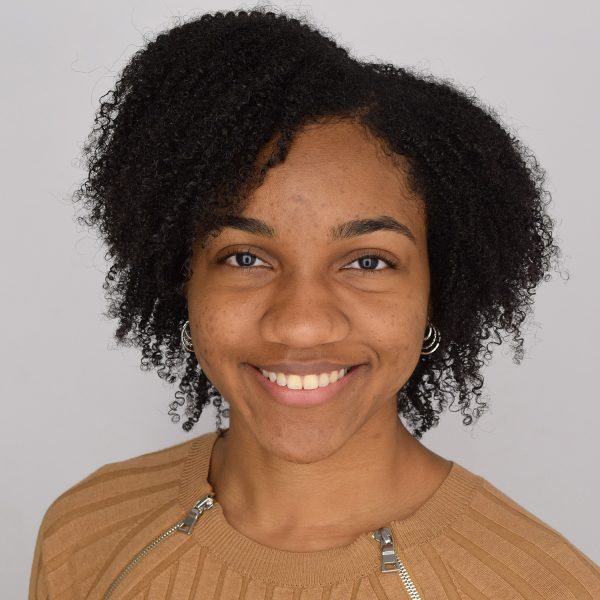
MackeyMcNeillMackey McNeill is the Founder of MACKEY, a Cincinnati-based firm offering family-owned businesses an invaluable and innovative combination of coaching and CFO-level financial expertise to help them stop settling for profits and learn to prosper.

Mackey is the author of several books including the award-winning, The Prosperity Playbook. She has been quoted as a financial expert in major media including The Wall Street Journal, The New York Times, Money, and USA Today.

Mackey holds a Bachelor of Business Administration degree with honors from the University of Georgia and is a CPA/PFS (certified public accountant/personal finance specialist).

Her affiliations include the American Institute of Certified Public Accountants (AICPA), bcorporation.net, The Goering Center for Family and Private Business, Small Giants Community and Cincinnati Chamber of Commerce.

Connect with Mackey on Facebook, LinkedIn, and Twitter.

What You’ll Learn In This Episode

  • The Standard Playbook – Work Hard, Grow Sales and The Bottom Line Will Follow Doesn’t Work
  • Why Settle For Profits, When You Can Prosper
  • The 5 New Paradigms to Assimilate
  • The 3 Freedoms of Prosperity, Money freedom, Time freedom an and Freedom from Worry

This transcript is machine transcribed by Sonix

TRANSCRIPT

Intro: [00:00:02] Broadcasting live from the Business RadioX Studios in Atlanta, Georgia. It’s time for Coach the Coach radio brought to you by the Business RadioX Ambassador Program, the no cost business development strategy for coaches who want to spend more time serving local business clients and less time selling them. Go to brxambassador.com To learn more. Now, here’s your host.

Lee Kantor: [00:00:32] Lee Kantor here, another episode of Coach the Coach Radio, and this is going to be a fun one today on the show, we have Mackey McNeill with Mackie. Welcome.

Mackey McNeill: [00:00:42] Thanks, Lee. It’s great to be here with you.

Lee Kantor: [00:00:45] Well, I’m excited to learn what you’re up to. Tell us about your practice. How are you serving, folks?

Mackey McNeill: [00:00:50] Well, I help people prosper. I help them achieve the three freedoms of prosperity. Money, freedom, time, freedom and freedom from worry.

Lee Kantor: [00:01:01] So what’s your back story? How did you get into this line of work?

Mackey McNeill: [00:01:05] Well, I sort of wandered in from the perspective. I started as a CPA and I, my clients are primarily business owners, and I noticed how much they struggled to really generate a decent return on the investment risk and effort they were putting into their business. So I started iterating and trying new things and seeing what helped and and discarding what didn’t. And over the course of years, I developed a whole system for helping people make more money, keep more money and grow their money. So it’s been a wonderful, lifelong journey that I’ve enjoyed and had a great. Many have worked with thousands of business owners at this point, and it just continues to grow, so I’m excited now.

Lee Kantor: [00:01:53] Do you find that because of your background as an accountant, that you have maybe a better understanding of the numbers part of the business where a lot of entrepreneurs have the passion and maybe have a great idea, but they don’t really have a good handle on the financial aspect of their business.

Mackey McNeill: [00:02:14] Well, that’s exactly it. What I learned early on when I was working with business owners is they often went into business because they were passionate about something, but they didn’t really understand business and they certainly didn’t understand how to make the numbers work for them. They tend to to work hard and try to focus on selling more. And they assumed that they would make money that way. And you know, it would be nice if it work that way. And when you start out, really, let’s face it, you don’t have any customers, so you have to focus on sell, sell, sell. But at some point you have to get a little more sophisticated about, OK, I’ve got revenue coming in. How do I maximize that? So there’s something left over at the end of the day that makes it worthwhile for me to be here.

Lee Kantor: [00:02:57] So now what does that look like? So what frustration are your entrepreneurs or your clients? Are they just just feel like they’re banging their head against the wall? They think there’s there’s got to be more to this. This can’t be what I signed up for. Like what is kind of the frustration where they’re like, I better call Mackie.

Mackey McNeill: [00:03:14] Well, I think there’s several. One, there’s really kind of three drivers that people reach out to us. One is that they’re trying to make a generational transition and if they’re making a generational transition, you know, basically the next generation is buying out the current generation. And so there’s a lot of money that’s got to go from that into new places into somebody else’s pocket. So that becomes a financial challenge for the business. And so to help them build a business in such a way that they can, the business can afford this transition is one way that we get involved. Sometimes we have clients who come to us because they have done everything they know how to do and they’re kind of at their wit’s end. That’s not my favorite client because basically it’s like, you know, a fire hose and we’re putting out fires and it’s an emergency. But you know, it’s always great to see what when they turn around. But it is very nerve wracking when we first get started. And the third kind of client that tends to work with us is people who really are at a point where they’re ready to scale to the next level. You know, there are places in our business where we we’ve developed a sort of level of competence and confidence that we can get to say two million in sales. But for some reason, we’re sort of stuck here. And, you know, it’s often that there may be structural processes and systems, and we’re just not really have the the bandwidth yet underneath us. We don’t have the right structures to get to four million or five million or where they were wherever they’re trying to go. Or maybe they’re at 10 million and they’re having struggles getting to 15 million. So they’re really working on some issue of scale that they’re being having a hard time getting past and usually with the financial tools that we’ve developed in all three of those cases, it helps business owners see their businesses from a different perspective so they can make new choices and really drive the business forward.

Lee Kantor: [00:05:06] Now, a lot of business folks think profit is really the objective, but in your model, prosperity is what you should be aiming at. Can you explain why that is? Why are you put prosperity ahead of profits?

Mackey McNeill: [00:05:23] Well, when you say I put it ahead, I would say that if you settle for profits, you’re selling yourself short. So, you know, and here’s why is that? I define prosperity as the ability to have money, freedom, time, freedom and freedom from worry. So, you know, you can produce profits by working yourself 60 70 hours a week, and a lot of entrepreneurs go about it that way. But maybe you’d like to have some time freedom too, and maybe you’d like to worry a little less along the way. To me, that combination of having the money that you need, having the time that you’d like to have and being free of worry, it’s really gives us a ground to live better lives, not just to have more money. There’s only so far that you can go with more money. We want to have a good. We want people to have a good life to.

Lee Kantor: [00:06:14] Now, when you’re having that kind of conversation with folks, are you telling them or are they hearing that maybe less as more? Maybe I shouldn’t work so hard. Maybe I should focus more on other things that I’m valuing. So it’s almost like a mindset shift in terms of I always thought the objective was to just keep growing and getting bigger and making more money. And what I’m hearing you say is that maybe you should shift that kind of mindset.

Mackey McNeill: [00:06:44] Well, I I expect everyone that we work with to make more money. Don’t get me wrong. Absolutely. In fact, I would say if they’re not making more money, then we aren’t doing our job and. And so I know that all of our current clients are doing that because otherwise I would be firing ourselves. We would be firing ourselves, you know? So the number one job definitely is to make more money that’s not beyond, that’s not on the table and not improve their profits. But what along the way, we want them to build their team so that they, I call it, stop being a fulcrum where everything has to go through you and rather build a wheel. So build your team so that the team begins to create some energy and to help you build the business and help you grow the business. We use a set of metrics. We teach the people the key management team in the business how to use those metrics so that they can begin to create some energy to drive the business forward as well. So it’s not only the owner that’s doing that, and really that’s where the time freedom comes in and the freedom from worry comes from. I have enough. I have enough information coming to me. We put together a set of reports that are, you know, I’d say, beyond financials, but are also much easier to read than a set of financial statements so owners can very quickly get their finger on the pulse of where their business is. And they don’t have to worry Am I going to make payroll tomorrow? Am I going to be able to scale this business to do? I have the cash flow of working capital to do what I want to do. They have that confidence so they can go about doing the things that they need to do to grow the business free of worry and building their team to help them along the way.

Lee Kantor: [00:08:23] Now what attracted you to the family owned businesses? What about them was kind of, Hey, this I can really make a difference for these folks.

Mackey McNeill: [00:08:35] Well, I think there were too early on I ran into, I’m always a person who I run into a challenge that I can’t solve. It just drives me nuts and I had a business owner that I was working with and he had was a there were, I think, four siblings. This was a second generation business. So the parents had left and the four siblings were running it and they were slowly dying. I mean, the business was dying. The margins were, you know, kind of crushing it on. And I said, you know, you’re really going to have to make some changes here and this business and everybody, all the four there were all brothers. All the four brothers received an equal salary regardless of what they did. And I said, you know, if we’d started paying people based on the marketplace salaries that they should earn based on their jobs, first of all, you would you would have more money. The company would have some profits because we didn’t have any money to plow back, end or kind of reinvent the business. And he said, I just can’t do that. And I said, Well, you’re going to have to choose, I think between whether you keep all your brothers employed at this level or whether you have your business. And he just couldn’t hear that and he went out of business. So everybody lost their job. And to me, it was like, this didn’t make any sense. This was, you know, any family there always the dynamics of things that you think you can or can’t do, the sacred cows, which makes it just all the more challenging because everything is not a business decision. Sometimes it’s a family decision.

Lee Kantor: [00:10:11] Now I’ve been in doing the work that I do. I’ve been involved in shows that focus on family business, and this was completely an eye opening experience for me to understand, like you were saying, that they run. They look like businesses, but they run completely different because a lot of things are in play that a typical business isn’t have to deal with, like holidays or dinner or or, like you said, one sibling doing more than the other. It’s a fascinating, fascinating world.

Mackey McNeill: [00:10:45] It is. It is. And you know, as as time progressed, my daughter eventually joined me in my business, so it became a family business. So then I had the look in my look in the mirror and say, Well, I’ve got these challenges. And so I became even more committed to family businesses. And, you know, I think that the additional dynamics just make it more interesting. And and it is a it’s a I think something like 98 percent of all businesses in the United States are family businesses. People think of it family business as a minor niche, but it’s really a huge niche. And the truth is that I always say that even if you are the only owner in the business, you have a family business because at the end of the day, I guarantee you’re going to go home and you’re going to talk to your spouse about your business and you’re going to tell them your woes and their and how your family does is very much going to depend on how your business does. So the business and family is very much related to each other. No way around it.

Lee Kantor: [00:11:44] Now, when it comes to this kind of talent shortage challenges that are happening now, do family businesses have an even more challenging time because of the fact that if your last name isn’t the last name of the leadership and you’re kind of middle management and aspire to be more, you see kind of a ceiling ahead of you, whereas in a traditional business, maybe you don’t see that.

Mackey McNeill: [00:12:13] I think that all depends on the culture and the business, and I think family businesses can have a culture that allows people to have upward mobility. You know, I know many family businesses that have, for example, strong profit sharing plans that are that are not just retirement plans, but also cash bonus plans that employees can participate in all employees or a certain set of employees. So there are ways to structure the business to give the non-family members a vision of how they can make a great impact. I know another family business that I talked to the the CEO and there are a lot of family members in the business and he’s not family. But he said, I’m very attracted to this business because the family makes it stable. It’s a stable business and he loves manufacturing and he loves working in this industry. But he’d found it to be a situation where the businesses that he worked with in the past were constantly sold to a larger competitor and everything was disrupted. And he said, I want to work for something that’s going to stay. You know, it’s going to stay a family business. I know that my boss is going to be the same boss tomorrow. So there’s advantages and disadvantages. But a lot of the turnover that’s happening, I think very much is related to the culture inside of the business. I think employees and business owners will do much better if they begin to open their books, teach their employees how they make money and invite them into the conversation. You know, it is the days of telling people what they’re going to do and micromanaging or over, and this is the time for engaging and building community in your business.

Lee Kantor: [00:13:51] Now, in the in the Mackey playbook, can you share a little bit about how an engagement with you looks like? Are you kind of just saying, OK, this is I know you’ve written books and you have a lot of strategies and experience and working with a variety of folks. But what does it look like? An engagement with Mackey and her team?

Mackey McNeill: [00:14:12] Well, that’s what it looks like is we have we start every engagement with a whiteboard session, so we, you know, our job is to help a business owner get where they want to go. So the whiteboard is just to say, where do you want to be? Where do you want to be the next three to five years? Where what is epic for you? What would be over the Moon that you can’t imagine it being any better? We want to know that, and then we want to look and see, do we think we can help you get there? And if so, we’ll prepare our proposal and our system that we’ve developed over the years has a whole cadence to it. In other words, there’s an annual planning process, the strategic planning process, the monthly reviews are all set in, so we understand the services that we’re going to deliver. So we give them give them a price based on the size of their company basically, and how many key employees and key people that we’re going to be working with because we’re bringing the whole team along. So we’ll put together a proposal. They’ll know exactly what they’re going to spend with us, and every contract comes with the 90 day out. So for the first 90 days, well, we’re going to work with you. And if I always say 90 days, you may not be able to see new profit showing up. Yet that’s a pretty short time frame, but you’ll know that you’re on the right track or not. And rarely do we have someone leave after 90 days, but I do like them having that out so their one year contracts with a 90 day out. And and, you know, if we’re not, if it turns out we’re not a good fit, then we bless them and send them on their way. But most of the time they are a good fit and they continue in. Almost all of our clients renew year after year because they continue to grow and evolve and and we grow and evolve with them.

Lee Kantor: [00:15:52] Well, your background in accounting is accounting part of the services you deliver? Or is that kind of is this primarily coaching and advising?

Mackey McNeill: [00:16:01] Well, I would say that the reason that most coaches cannot be successful in helping people take, you know, actually drive different financial results is because the accounting is lousy. So we have a team of accountants that are internal to our and but we have a set of coaches and they are very different people. A lot of accountants try to become coaches, and I certainly started that way. But most accountants are not cut out to be coaches, let’s face it. But we but the I would say of the business owners I’ve worked with, less than one in 10 have a set of books that’s really usable for decision making. So the first one of the first things we do is a financial systems analysis and we look at where are the places that the financial systems are not up to par that need to be fixed because if we don’t have good information, then we spend all of our time talking about the fact that the numbers are wrong. We don’t want to talk about the numbers being wrong. We want the numbers to be right so we can see where we’re going and see if the decisions that we’re making are producing the results that we want. And if not, what do we change so that we get the results that we’re looking for? So we have to have critical data. So we have a team that’s a great team. They says all they do is work with our clients to help them get their books in order and put their information sets together so that we can. The coaches can take that over and help them drive their business forward.

Lee Kantor: [00:17:27] And then is there kind of a minimum size you work with? Is it like $10 million businesses or is it one hundred employee businesses now?

Mackey McNeill: [00:17:35] Well, I say for a people get real caught up on sales, but you know, in a professional service environment, say a million dollar professional services firm is actually a fairly good sized firm. A million dollar manufacturing firm would be a micro firm, but I think the smallest business we’ve ever worked with is probably about a half a million dollar professional services firm, but I’ve worked with clients as large as 50 million. So but I’d say our average client is somewhere in the two to six million range when we start working with them. And then there’s outliers from there

Lee Kantor: [00:18:10] And then it’s industry agnostic. I would imagine it’s like a family business typically, but industry agnostic.

Mackey McNeill: [00:18:18] That is true. We’re industry agnostic. We have manufacturing clients and construction clients and service clients. And kind of if there are a few places, I won’t go. But we again, we pride ourselves on the customers that we’re working with. The clients that we’re working with are going to make more money. They’re going to put money in their pocket from engaging us. So if we don’t feel like we can do that, we will walk away. I mean, that’s because we hang our hat on that and our clients tell their friends so we can’t afford to be wrong.

Lee Kantor: [00:18:53] Now is there a story you can share of challenge you had? And maybe it’s maybe it’s the most rewarding in terms of the impact that you made with this firm that you were working with? Can you share something that may be their challenge that they were having? Then they engage with your you and your team, and then they got to a new level.

Mackey McNeill: [00:19:13] Well, I’ll tell you what, I’ll tell you a story of a client that we’ve worked with, say, over about 10 years, they actually just made an exit from their business. But when we first started working with them, they were a very large player in their region and they had really done a great job of growing sales again. They were in that playbook of, you know, work hard, grow sales and the bottom line will follow. But the bottom line wasn’t following. And as it does, it often doesn’t. You know, that’s a good start up playbook, but it’s not a good scale up playbook. So they were struggling with their bottom line, and we came in and helped them put together a set of metrics and began to talk to him about how to really measure the right things in their business so they could achieve the bottom line results that they wanted. And over the next four years, they went on to 10x their their bottom line, and they eventually just took over all of that work. And then we did. The next thing we did was we worked with the owners to do financial plans for them personally, and then eventually they decided that they were ready to make some sort of exit.

Mackey McNeill: [00:20:19] So we helped them identify, Well, how am I going to exit? Am I going to sell to my employees? Am I going to sell to a competitor or am I going to sell to an upstream person? Am I going to sell to private equity? What are my options and what? What’s the best marketplace? And then we help them decide on what a broker to purchase to represent them. And we worked with them through all the negotiations on the financial end, and they sold the business for a good five million over what I really expected they would get because they had such strong culture and their earnings were so strong, you know, they could have probably I mean, they would have walked away with a decent amount of money if they hadn’t done that work to build their profits. But by having a company that was so strong and had such good systems and had had the bottom line to this, they were they were moved into a consolidation where, you know, there are four or five companies that are consolidating in that industry. So they would have consolidators are paying a pretty good price even if you don’t have earnings. But if you’ve got earnings, you can get even more so.

Lee Kantor: [00:21:27] So having kind of this CFO level partner as part of your team, I would imagine it’s attractive to a lot of folks. If somebody wants to learn more about you and your practice and your team, what is the website?

Mackey McNeill: [00:21:43] Our website is McCain advisors. That’s GMAC, KFYI Advisors, Advisors, SARS. And we have. There’s also, if you want to just learn more about us, there’s a ton of free resources. We offer free classes on a lot of our how to write malware. There are several classes coming online about how to get ready for twenty twenty one. And we’d love to to see people join us and and take a taste.

Lee Kantor: [00:22:14] Good stuff. Well, congratulations on all of the success you’re doing, important work that we appreciate you.

Mackey McNeill: [00:22:20] Thanks, Lee. It’s great to be on with you. I appreciate your time today.

Lee Kantor: [00:22:23] All right, this is Lee Kantor. We’ll see all next time on Coach the Coach radio.

Tagged With: MACKEY, Mackey McNeill

Brian Catania With Better Business Bureau

October 8, 2021 by Jacob Lapera

Atlanta Business Radio
Brian Catania With Better Business Bureau
Loading
00:00 /
RSS Feed
Share
Link
Embed

Download file

BCataniaBrian Catania is the President & CEO of the Better Business Bureau serving Metro Atlanta, Athens & NE Georgia.

Brian is responsible for effectively conducting the affairs of the Better Business Bureau, including providing strategic solutions to drive growth, reduce expenses and improve the end-user experience.

He promotes and maintains a positive relationship between businesses, consumers, and the community and ensures BBB’s businesses meet the rigorous standards of BBB Accreditation. He began his role with BBB in 2018.

Before his current role, Brian worked for AT&T for 18 years. His roles included Strategy & Business Development, Sales & Marketing, Big Data, Program Management, Merger Integration, and Human Resources.

Before AT&T, Brian spent time at several smaller enterprises. During that time, Brian had responsibilities ranging from Sales to Project Management to Human Resources.

Brian holds his MBA from Kennesaw State University and his undergraduate BA degree in Telecommunications from Purdue University. He also has his Six Sigma Green Belt. He continues to grow his capabilities with certifications in Model Thinking from the University of Michigan and Data Scientist Toolbox from Johns Hopkins University.

Brian and his wife Marta are co-owners of My Total Health, a mobile application dedicated to improving the lives of everyone through better nutrition, fitness, and lifestyle choices.

He has done a TEDx talk on the importance of health. He is an Advisory Committee member for the Personal Connected Health Alliance (PCHA).

Brian lives in Atlanta with his wife and three children.

Follow Better Business Bureau on Facebook, LinkedIn, and Twitter.

What You’ll Learn In This Episode

  • About Better Business Bureau
  • 2021 Best Places to Work

About Our Sponsor

OnPay’sOnPay-Dots payroll services and HR software give you more time to focus on what’s most important. Rated “Excellent” by PC Magazine, we make it easy to pay employees fast, we automate all payroll taxes, and we even keep all your HR and benefits organized and compliant.

Our award-winning customer service includes an accuracy guarantee, deep integrations with popular accounting software, and we’ll even enter all your employee information for you — whether you have five employees or 500. Take a closer look to see all the ways we can save you time and money in the back office.

Follow OnPay on LinkedIn, Facebook, and Twitter

This transcript is machine transcribed by Sonix

TRANSCRIPT

Intro: [00:00:04] Broadcasting live from the Business RadioX Studios in Atlanta, Georgia. It’s time for Atlanta Business Radio brought to you by on pay Atlanta’s new standard in payroll. Now here’s your host.

Lee Kantor: [00:00:24] Lee Kantor here, another episode of Atlanta Business Radio, and this is going to be a good one, but before we get started, it’s important to recognize our sponsor on pay. Without them, we couldn’t be sharing these important stories. Today on Atlanta Business Radio, we have Brian Catania with the Better Business Bureau. Welcome, Brian.

Brian Catania: [00:00:42] Welcome, thanks for having me, Lee.

Lee Kantor: [00:00:44] Well, before we get too far into things for the two people out there, I’m sure everybody’s heard of the Better Business Bureau, but maybe they don’t understand exactly how you serve the community and the business community. Do you mind giving us kind of the elevator pitch?

Brian Catania: [00:00:56] I would love to. Better Business Bureau has been in metropolitan Atlanta and North Georgia for over 100 years. And one of the things we do is we want to help set standards for ethical behavior and compliance in the marketplace. We really want to be able to help consumers find businesses and charities they can trust. So a real driving force behind who and what we are is being that leader in advancing marketplace trust. I know you hear me say the word trust repeatedly. That’s really who in what we’re all about is is trying to promote that, that consumer trust in businesses and asking those businesses to abide by a set of standards that that give them that authenticity to be able to, you know, be recognized in the business community. So that’s that’s a little bit about who we are.

Lee Kantor: [00:01:45] Now, can you tell us a little bit about the history? Did the organization start out as a national organization or was it always kind of local? And then it just expanded to markets around the country?

Brian Catania: [00:01:55] It’s a little bit of the latter. It started kind of locally almost 127 years ago and without getting too boring. Samuel Dubs, the actual CEO of Coca-Cola, was the first to really get this kicked off a long time ago. And when it started 100 plus years ago, Lee, it was really focused on marketing. It was focused on truth and advertising and making sure that folks were advertising in an ethical and honest manner. And what’s happened is, over the course of the last hundred years that’s evolved and morphed into what you see today with the BBB is a broader focus than just marketing its its evaluations of charities and making sure that people who are donating their hard earned money are donating to charities that can be trusted. The same thing with our business community. It’s making sure that consumers have a place to go where they can understand that BBB is helping them evaluate those businesses to be dealing with only the best of the best. So it’s really morphed over the last hundred years, starting with just a real laser like focus on advertising to a much broader evaluation of business in general and those organizations who can really be trusted and supported in the marketplace.

Lee Kantor: [00:03:09] Now, like you mentioned earlier, you use the word trust, and that’s an important component of what you offer both your business and consumer people who use the service. Do you have a take on kind of what how the layperson perceives business? Because at the heart of what we do at Business RadioX is we try to be the voice of business, and our mission is to help tell these stories because we feel that business gets kind of a bad rap and and that they get kind of villainized and they get seen by a lot of folks as these evil exploiters who are greedy. And in my experience, the vast, vast majority of business owners aren’t that way, and I don’t want to be Pollyanna and think everybody is that way. But I know there are some bad eggs there, but by and large, business is a to me a way net positive in a community.

Brian Catania: [00:04:01] I really agree with you, Lee. I think you’ve got two two factions of consumers. You’ve got the altruistic, the folks that really are just going to trust anybody and they’re going to feel good about the business as they deal with until you give them a reason to feel bad about you. And then you’ve got the much more conservative kind of pessimistic consumer who’s probably a little bit more of what you were talking about, which is no matter what you do, they’re always going to be looking for the angle that business is taking on you. How are you looking to work me over? How are you looking to shortchange me? I agree with you haven’t spent quite a bit of time evaluating businesses and understanding who they are. I would say 95 percent of them are honest. They’re ethical. They genuinely want to do right by consumers. You pointed it perfectly. I mean, there are going to be those five percent who sometimes give us a bad name, and that’s the group that we’re really trying to not necessarily focus on. We always want to promote and recognize the champions of good, good behavior and practices. But at the same time, we do want to try and protect consumers from the dangers that lurk.

Brian Catania: [00:05:09] The scam artists, the, you know, the con, the con men that are out there trying to, you know, trying to swindle you. So I’m with you. I genuinely believe 95 percent of businesses are doing their best. They’re trying to make things right. A big part of our business is mediation. We we try to look for Win-Win Solutions, and that’s where we really get perspective on the nature of business and consumers. That mediation process tells us so much about who a business is and it also who are consumers, you know, because we really we. Strive for win win and probably again, 90 percent of the time. Both the consumer and the business who are mediating with us want the same thing. They want to get to the best outcome that they think is fair and almost always we come to positive resolution. But even during those mediation phases, we always have those consumers and businesses that just don’t play nice. And that’s where we hope that as the BBB, we can kind of help facilitate that experience to to end a little more positively.

Lee Kantor: [00:06:10] So now let’s talk a little bit about how each of your constituents kind of engages with you. Can you talk about how a business can kind of raise their hand and get accredited and become part of the Better Business Bureau?

Brian Catania: [00:06:24] Sure. Businesses have the opportunity to they can either come and self nominate so they they approach us or we we do call on businesses to ask them if they would have interest in being part of the Better Business Bureau. And if they do, we put them through a vetting process. So we have a set of eight standards that we ask all all businesses to abide by. You know, can you be trusted? Are you transparent with your behavior with consumers? A lot of different things. But we, you know, if a business shows interest in being accredited with the Better Business Bureau, we vet them on those different standards of trust. And if they meet all those standards, then they become accredited and then they can advertise that BBB seal on their website, on their truck, on their, you know, their door or their window. They, you know, in advertising, they can advertise that their BBB accredited as long as they’ve gone through that process of making sure that they meet all the standards that we ask them to meet. And then periodically, you know, once a year, once every other year, we’ll revamp them just to make sure that they continue to abide by those standards. We don’t want to let them lay dormant. All of a sudden, we find out that we’ve got accredited businesses out there who aren’t abiding by other standards or are out there scamming consumers. So it’s it sounds intimidating and almost overwhelming, but we’ve really streamlined it so that a business can be vetted in in probably, you know, two hours if they’re if they’re interested. And we’re lucky because we have a lot of businesses that want to be vetted, we probably we accredit about 200 businesses a month. We currently got about 7500 businesses in the North Georgia market accredited, so it’s a great opportunity for consumers to be able to leverage those businesses.

Lee Kantor: [00:08:10] And speaking of consumers, how does the better Business Bureau help consumers? Maybe if there is an issue or just the different services you kind of afford to the consumer?

Brian Catania: [00:08:23] Yes, the two, most obviously are. Number one, we have our website, BBB, where consumers can come and visit and they can search for businesses. You know, they can search by name or type of business. They can request quotes from businesses and they can request quotes from accredited businesses or not accredited businesses alike. But the first place where we really try to help consumers is through our website, where they can come and find businesses that they can trust. The second gets to gets to where you were going and talking about, which is, you know, if that consumer has a dispute with the business, they’ve worked with the business and they’re just they have a disagreement that they’re not able to work out between themselves. They can file a dispute with Better Business Bureau and then we get involved in trying to help facilitate that experience. And that experience can kind of take two different, two different paths with accredited businesses. They have agreed when they become accredited to work in good faith with BBB and consumers to resolve all issues. So we get back to the mediation. A lot of our better business bureau representatives are certified mediators in the state of Georgia, so they can make recommendations based on those standards of mediation set forth in the Georgia code. So when we make a recommendation, we like to believe that it takes into account everybody’s side. It’s not in favor of business and it’s not in favor of consumer. It’s a genuinely neutral mediation where we try to help both sides facilitate a solution. We also do mediations and disputes with non-accredited businesses, and while they’re not required to abide by our standards because they’re not accredited, we find that most of the time, like we talked about earlier, they want to do the right thing.

Brian Catania: [00:10:07] They want to be good businesses, so they typically work with us pretty closely. We are not an enforcement agency, so so we do not pass judgments. We do not pass penalty. We really attempt to help consumers and businesses mediate these these issues before they have to get to that phase and before they have to seek, you know, help from the FTC or from attorneys. We really try to help them avoid that because we know that can be costly and really time, you know, a massive time commitment. So those are our two main factions. But we we really. Are expanding heavily, we do a lot in educationally. We do a lot in community outreach where we try to help communities at large. We’ve really tried to take diversity, equity and inclusion as a matter of who and what we are being that we’re in the cradle of civil rights. We’ve really tried to promote small business, minority owned business diversification and helping support them with grants and with programs to help entrepreneurs of of color or female owned businesses. So we’re really trying to expand our footprint and presence in this North Georgia market where we’re more than just accreditation and disputes. We’re education where grant writing, where support for startups and entrepreneurs. So we’re really excited about what we’ve been able to do, but also what we have planned for the coming years.

Lee Kantor: [00:11:33] So now along those lines, how would a company that kind of meets those criteria get involved with some of that education or that help with grants?

Brian Catania: [00:11:43] Well, certainly they can approach us and ask for that help. But we also have a team that’s dedicated to going out into the community and reaching out to those accredited businesses and soliciting their feedback and, you know, surveying them for what they want and what they need and what they’d like to be involved with. We’ve got business profiles on all of our accredited businesses where they can they can express interest in different programs and services that we offer. So a lot of times when you know, a new grant program supported by American Express or Visa comes out focusing on African-American business owners. We, you know, we typically work with those larger partners. We can look at our business profiles and say, OK, we have businesses that have identified as minority owned businesses. We can help facilitate that experience. And really, in a lot of ways, you know, probably 75 percent of our businesses are small businesses, which means they’re 10 or fewer employees. A lot of times they just don’t have the bandwidth or resources to go out and search for all these things. So a big part of what we do is we try to facilitate that experience and take the partnerships we have with these larger organizations who want to help small businesses. And we act as almost a broker to facilitate that. And the more we know about our accredited businesses and even our non accredited businesses, we can help sort of alert them to these opportunities and position these things in front of them.

Lee Kantor: [00:13:06] So Brian, what’s your back story? How did you get involved with the Better Business Bureau?

Brian Catania: [00:13:11] Well, I’ve known about Better Business Bureau for, you know, most of my adult life. I came from AT&T, where I worked for about 20 years, and I was lucky enough to do a lot of different things with them. You know, I did a little bit of human resources, finance, technology, sales and marketing, mergers and acquisitions. And, you know, I loved AT&T. It was a great time, a wonderful, wonderful organization. But I really got to the point where, you know, I wanted to do something that was a little bit more mission focused, and I had never worked with nonprofit organizations before. So I started kind of dipping my toe into the water of what was out there and Better Business Bureau was a perfect opportunity. It allowed me to leverage my background with business and organizational effectiveness, with my, you know, with my want of being able to give back and being able to be a little bit more mission focused in the work we were doing. It was just a perfect marriage. It allowed me to use what I believe are my skills and really marry them up with an organization who I believe has such incredible, you know, incredible goodwill and interest in the community. We talk about businesses and consumers, but we do tons of work with partners and it’s just it’s such amazing work that the BBB is doing. And it really, you know, when I first had the opportunity to talk with the board about it, it just it tugged on my heartstrings immediately. So it was just something that the more I learned about it, the more I knew it was going to be situated perfectly for what I was hoping for.

Lee Kantor: [00:14:46] Well, under your leadership that the BBB for North Georgia was recognized as a best place to work, why was it important for you to, you know, go after that award?

Brian Catania: [00:14:58] You know, it’s probably the most important thing that we’ve been recognized with since I’ve been here. I just I’m a believer that that we are who we are based on the people we have. You know, and to be recognized by by the Atlanta Business Chronicle is one of the best places to work in Georgia. It’s just hopefully it’s a testimony to what our employees believe is a great place to work. I think all the reasons I came to BBB is very similar in nature to why a lot of our our team comes to work for BBB. They believe in the mission and vision, and I believe that’s a lot of the reason why, you know, when ABC came out and solicited organizations for this, I believe our employees responded in force to say, Oh yeah, we’ve got a great organization. You know, I could bore you to death with with how we’re competitive and pay and benefits, and we got flexible scheduling. We love to train and develop our team. We really. But I think if you were to ask me what’s what sets BBB apart as an employer versus, you know, lots of other, you know, the thousands of other employers in North Georgia, I would say it’s our ability to offer Work-Life Balance, you know, beyond the mission and vision.

Brian Catania: [00:16:16] I think people want and need work life balance. They need some semblance of, you know, personal. I don’t want a company to just think about me as an employee. I want them to think about me as a person and what I have outside of business, and I genuinely believe that’s what we do. We give our employees work life balance where I think it’s meaningful to them. They know that they pretty much come to work at 8:00 and they leave at 5:00. Most of the time, I don’t believe they take work home with them. When they go home, they’ve got the ability to focus on their family or friends or just their personal selves. Rarely, if ever, do we work on weekends. Occasionally, we’ll do a couple of things, but we really try to be incredibly respectful of our team in that we we make sure we prioritize their personal lives just as much as we ask them to give to our organization from a work balance.

Lee Kantor: [00:17:08] So what do you need more of? How can we help? Do you need more talent? Do you need more businesses to sign up to be accredited? You need more consumers to hit your website. What do you need?

Brian Catania: [00:17:19] Probably a little of all of that. You know, luckily, we have wonderful talent, we have great talent when we do have openings. Periodically we grow and we bring on some new heads. People who have interest, we’d love to hear from them. They can go to our website bbc.co.uk, and we’ve got a place for them to search for careers. We’ve got opportunities in marketing. We’ve got opportunities and consumer experience, you know, finance, lots of operational impact, lots of opportunities. So we always are looking for for the best and the brightest. And we love to believe that we have a great place to give them to grow and develop. But same thing with businesses. You know, one of the things we want to do is we want to we want to expand our footprint. We believe the more businesses that we can get accredited, the more we can help consumers have opportunities to find trustworthy businesses. And at the same time, we can give businesses access to consumers. You know, we often find that the consumers that come to our site are what we could call trustworthy consumers. You know, there are people that act ethically and responsibly, and they don’t try to take advantage of the system and they don’t try to play businesses. So we could use a lot of everything. We could always use more accredited businesses to expand that footprint and give more consumers opportunities. You know, Metro Atlanta is obviously one of our hotbeds, but we deal a lot in banks and Monroe County with Athens. We go up north into Dahlonega and 4Syte County, and we want to continue to expand that footprint out there.

Brian Catania: [00:18:54] A lot of our more rural partners in northeast and northwest Georgia, where we don’t have quite the impression or quite the footprint, and we need to be better about that. So certainly businesses in those areas, we would love to have them and community partnerships, you know, we want to we want to develop partnerships with with a lot more, you know, Atlanta and North Georgia businesses. We recently secured a really wonderful opportunity with Mercedes Benz Stadium and the Atlanta Falcons. We’re going to host our annual meeting of accredited businesses at the new stadium. And if you’ve never been there, what a remarkable experience. I mean, it is such a cool place. Rich McKay, the CEO and president of the Atlanta Falcons, has been cool enough to say that he’ll do our keynote, but it’s relationships like that. The more relationships we can build like that, the more we can expand our footprint and the more that we can give back to our businesses. Again, I mentioned a lot of our businesses are small businesses. They rely on BBB for marketing. So the bigger impression we can make in North Georgia, the more impact that’s going to have on those small businesses who are accredited with us. So lots and lots of opportunities for businesses, consumers, the community at large to engage with us and for us to engage with them so that we can really give back to all those that trident of engagement.

Lee Kantor: [00:20:17] Well, if somebody wants to learn more, where should they go?

Brian Catania: [00:20:21] Bwbwbwbwb, Dawg. That’s the best place we geolocation. So depending on where you where you come to us from, we’ll put you in touch with your closest BBB. So folks in North Atlantic, North Georgia, when they go to Billboard, they’ll be immediately geolocated to their BBB, which is probably going to be the better business bureau serving Metro Atlanta, Athens and Northeast Georgia. That’s always the best way for them to get in touch with us, and from there they can find lots of contact information if they want to report a dispute, if they want to seek accreditation, if they want to get a quote from a local business, they can do all that. They can learn more about our Student of Integrity program that recognizes high school seniors for their their leadership opportunities and their ethical actions and behaviors. They can learn so much on Lee that again, that’s always the first ingestion point is Göteborg spend a minute or two seeing all the things that BBB does. We like to say we’re not your grandfather’s BBB. There is so much more to us than than there was 50 years ago. And I hope people get the opportunity to take the time to go out there and see that and figure out who and what we are.

Lee Kantor: [00:21:32] Well, congratulations on all the success and thank you so much for doing what you do and sharing your story. You’re doing important work and we appreciate you.

Brian Catania: [00:21:39] Thank you, Lee, and I appreciate you having me on your program is wonderful. I love the fact that even something as simple as your open where you talk about how most businesses are, are good businesses at nature, at such a wonderful sentiment. And I love to hear guys like you that have a real positive influence being able to promote the goodness between businesses and consumers. So thank you for everything you’re doing. And again, thank you for having us on to spend a couple of minutes talking about Better Business Bureau.

Lee Kantor: [00:22:06] All right, this is Lee Kantor. We’ll sale next time on that land that business radio.

Tagged With: Better Business Bureau, Brian Catania

Rohit Sinha With SmartPM Technologies

October 7, 2021 by Jacob Lapera

RohitSinha
Atlanta Business Radio
Rohit Sinha With SmartPM Technologies
Loading
00:00 /
RSS Feed
Share
Link
Embed

Download file

SmartPMTechnologiesRohit Sinha, chief technology officer of SmartPM Technologies, leads a team in developing new technology that is transforming the construction industry. Since the SmartPM software as a service (SaaS) product was launched in mid-2019, the Atlanta startup has seen rapid growth, from $0 to over $1.5 million in annual revenue.

Rohit wrote code at age 9 “for fun,” and started a business where he built desktop and web applications for clients at age 12. By age 25, Rohit was managing the delivery and architecture of a $20 million project for one of the world’s largest fund managers.

He went on to develop the architecture of enterprise solutions for multiple organizations, from startups to Fortune 500 companies, and founded several technology and software consulting companies.

Rohit holds a Bachelor of Science in mechanical engineering and computer science from Georgia Tech.

Follow SmartPM Technologies on Facebook, LinkedIn, and Twitter.

What You’ll Learn In This Episode

  • About SmartPM Technologies
  • Technology for the construction industry
  • How SmartPM Technologies is making a difference in the industry (both in commercial construction and insurance)
  • Some key partnerships of SmartPM in the construction and insurance industry
  • Involvement of SmartPM in Atlanta’s Tech industry

About Our Sponsor

OnPay’sOnPay-Dots payroll services and HR software give you more time to focus on what’s most important. Rated “Excellent” by PC Magazine, we make it easy to pay employees fast, we automate all payroll taxes, and we even keep all your HR and benefits organized and compliant.

Our award-winning customer service includes an accuracy guarantee, deep integrations with popular accounting software, and we’ll even enter all your employee information for you — whether you have five employees or 500. Take a closer look to see all the ways we can save you time and money in the back office.

Follow OnPay on LinkedIn, Facebook, and Twitter

This transcript is machine transcribed by Sonix

TRANSCRIPT

Intro: [00:00:04] Broadcasting live from the Business RadioX Studios in Atlanta, Georgia. It’s time for Atlanta Business Radio brought to you by on pay Atlanta’s new standard in payroll. Now here’s your host.

Lee Kantor: [00:00:24] Lee Kantor here, another episode of Atlanta Business Radio, and this is going to be a good one, but before we get started supporting to recognize our sponsor on pay without them, we couldn’t be sharing these important stories. Today on the Land of Business Radio, we have Rohit’s Senhor with smart PM Technologies Welcome.

Rohit Sinha: [00:00:44] Hey, how are you doing today?

Lee Kantor: [00:00:45] I am doing great, I’m excited to learn what you’re up to. Tell us about smart technologies. How are you serving, folks?

Rohit Sinha: [00:00:51] Yeah, so smart cam technologies. We were founded in 2016. We are a construction project, controls and analytics platform. We analyzed the construction project schedule to really get all of the different stakeholders on the same page and really understanding the data. It’s a fairly large and complex dataset that confuses most people, and we we demystify and give you clarity into what your data is telling you.

Lee Kantor: [00:01:21] So what’s an example of some of the insights that your software helps them kind of glean?

Rohit Sinha: [00:01:28] Yeah. So on a large construction project, you could have thousands and thousands of different activities. So we help you understand how you perform. Right? So at a certain point in time, how much of the project should you have completed and what are some of the risks associated with it? In terms of, do you have a lot more work piling up than you had originally planned for and helping you make sure that you have the resources in mind to really understand that? And then also, if the schedule has changed many, many times throughout the process of the project, we’ll help you understand what are those changes and evaluate the criticality of those changes, whether they were actually impacting what’s driving the completion of the job or not.

Lee Kantor: [00:02:17] Now, is it telling me stuff after the fact where I’m kind of doing like an autopsy of my project to see where the problems were? Or is it helping me in real time to kind of manage some of the delays that are happening all through the construction industry, you know, regarding supply chain or employee talent and things like that.

Rohit Sinha: [00:02:36] So it can actually do both, right? I mean, you can always ask for the fact load in all your schedules and really get an understanding of how your project went. But our goal is to get you to to really do it more real time where as your project is progressing, you’re updating smart PAM with your latest progress information and it’s telling you how you’re progressing. The whole idea is to get get ahead of the claim, right? So you don’t get into that situation where you’re so far delayed that you have to go through a claims situation. You can avoid that and actually everybody get on the same page and work together. So everybody is successful.

Lee Kantor: [00:03:17] Now. Is it was it built because of the challenges that are happening now or the challenges that are happening now, kind of just a perfect storm for you to help in this regard?

Rohit Sinha: [00:03:32] Yeah, so it’s very unfortunate what’s happening now, but the fact is we were built before before the current situation and the construction industry has been facing delays forever, right? I mean, there have been studies done where seven out of 10 or nine out of 10 commercial construction projects end up overbudget or over time. And so this is actually a systemic problem that existed long before our current situation and current environment, and we were really built to help address those issues.

Lee Kantor: [00:04:09] So now is it helping the person that’s managing the project kind of reprioritize things as they get kind of new information?

Rohit Sinha: [00:04:21] I’m sure it can be used for that. There’s a lot of different uses of smart. You can use it to get a better understanding of how you are progressing. You can get a better understanding of if you are delayed. What are some of the different techniques you can use to to recover some time? Like, for example, you can use the product to test out if we were to get a certain crew in six days a week instead of five watts. What impact is going to is that going to have to my overall job? You can also use it to track to an individual milestone or a phase of the project. For example, if you’ve got multiple buildings and you really would need to get one building done, you can isolate everything in the schedule that’s driving to that completion of that building and say, OK, what are some of the things I can do to optimize here? Right? We are going to be venturing into more A.I. and looking at some of your past projects, as well as automating a lot of the potential recovery situations, evaluating them for some ideal and making some propositions. But today the system enables you to test out some different theories you have.

Lee Kantor: [00:05:37] And I would imagine that this is elevated to a must have in today’s environment, especially because it sounds like in construction especially, it’s like three dimensional chess. And then if one thing has an issue, it has a domino effect for like five other things. And then everything is kind of at a standstill until you kind of overcome that whatever obstacle is. So having all this data and really the ability to analyze it and and make kind of. Better decisions, I would imagine that the industry is hungry for this kind of information.

Rohit Sinha: [00:06:15] Oh, yeah, for sure, and and the domino effect is interesting way to look at it, because that is what should happen. Right? And if you have a high enough quality schedule, you’ll understand that that’s going to happen. Looking at the schedule and as the delay is mounting right, you’ll see an activity pushing out because it’s not progressing as planned and then you’ll see the rest of that activities automatically get pushed out. Now, in a lot of cases, what happens is the quality is missing. Some some of that key information to tie those different subsequent activities together, and things will just not get impacted in the way that they should. And those delays would then cause some other side effects where some, if somebody is managing just by looking at the schedule, they won’t realize that a certain crew isn’t ready to be on site yet. And those delays could could cause other impacts. But one of the other things that our product does is it evaluates your schedule for quality and helps you determine whether it’s structurally a good schedule to manage the job. If there are some structural issues, then you could run into issues that aren’t even necessarily visible in the schedule, but could have easily, easily been prevented with the high quality schedule.

Lee Kantor: [00:07:37] Now, when you’re implementing something like this, is there a pushback from the folks that are the boots on the ground? Because this is another thing I have to input data on, this is now another thing that I have to that’s take me away from, you know, my superpower and the thing I should be doing every day.

Rohit Sinha: [00:07:54] Yeah. So part of the the beauty of what we’ve done is we actually consume your native schedule. So part of the construction contract is some form of schedule CPM schedule that has to be built and maintained and CPM critical pass method. And so what we’re trying to do is not require the boots on the ground to create or maintain another system right there using their existing schedule. And we’re just taking that data and processing it through the system. Now there are some downsides to that. It’s monthly snapshots or in some cases, some of our customers are doing weekly snapshots, which the more granular the data, the better. But we will do based on the data that we get right and we’ll still give you fairly accurate results. And you can always go into smart cam and correct the data so you can get more accurate analytics. But we want to be as hands off and as. Low input as needed, right, so that’s why we want to consume those existing files that you already have.

Lee Kantor: [00:09:07] Now, can you share any examples of how somebody implemented smart PM and they were able to save some money or speed up the project?

Rohit Sinha: [00:09:18] Yeah, so we have a customer of ours. They were looking at actually hiring somebody and building out a full project controls team to really oversee their jobs. They felt like they were struggling in this department. They decided to give it a try, and in the end, their existing staff was actually able to to manage these jobs better. And this was a general contractor as well. We also have some consultant customers that are looking at expanding their business without hiring additional people because the analysis that before would take them days or weeks or months, especially with a very skilled individual that’s now taking them minutes. So they’re actually looking at taking their existing staff and scaling up with them just by making them themselves more efficient. So we have. No. Consultants that are able to do more more work for more clients, we have general contractors who are more efficient at finding jobs and learning more about their their jobs, and a lot of these guys are actually rolling it out across all of their projects. Once they’re saying really the insights and information that they’re getting out

Lee Kantor: [00:10:41] Now, is it better suited? I mean, it seems obviously suited, obviously for commercial construction. But within commercial construction, is it better suited for a certain type of construction or is it kind of industry agnostic when it comes to how it’s deployed in this specific situation?

Rohit Sinha: [00:11:02] Oh, so we have all sorts of different projects. You’re typically in commercial construction, if you have a small project like a tenant set out or something like that, you’re not really going to find a whole lot of use for smart p.m. just because they tend to be smaller weeks or months long project. But really, any larger scale 10 20 million dollar plus job you can use smart for. We have multifamily, we’ve got office buildings, infrastructure, which is roadways and airports, some bus terminals. So we’ve got a fairly large variety of projects in our industrial and chemical plants and things like that. So it’s used across the board on many, many with many different types of projects.

Lee Kantor: [00:11:50] But typically the driver is the commercial construction that firm or the insurance company that is working with it or both and both.

Rohit Sinha: [00:12:02] We have a lot of we have some new partnerships with insurance companies. A couple of them, XXL and Hudson Insurance are the two main ones that we’re working with, where they’re actually pushing their customers to use their introduce, giving us the introduction in some cases, even helping them with a trial of smart pen. Just because the risk is these risks a little bit right? The projects that they’re insuring have a higher chance of being on time and on budget with smart versus without. And then, of course, there’s the commercial construction. Both the general contractors as well as the owners that want to do a better job of managing their jobs are overseeing the job that they’re paying. So really, all stakeholders have purchased a new start.

Lee Kantor: [00:12:59] Now was it strategic to build this here in Atlanta because of all the development and the kind of the infrastructure when it comes to technology? Or that was a happy accident?

Rohit Sinha: [00:13:13] And I would say it’s a happy accident, right? Both the CEO and myself, we both went to Georgia Tech. We both decided to stay back in Atlanta after college and we love it. So it just so happened that we we met and we started working on this idea together. And we have.

Lee Kantor: [00:13:35] Now, how has the has since you’re from Georgia detected, were you involved with ATC? Was this something that you were able to kind of leverage the infrastructure that’s kind of there for you at Georgia Tech?

Rohit Sinha: [00:13:49] Yeah, so we are a company. We also have been through. Mike and Rich, the co-founders, did go through Flash Point, which is a Georgia Tech accelerator. So and as I mentioned, we are a part of a PDC. We do participate with some of their different events and have leaned on them for a lot of their relationships, and they’re always there for us if we have a question. It’s good and we try to help out and give back as much as we can.

Lee Kantor: [00:14:26] Now how do you see nationally the Atlanta tech reputation when it comes to construction technology?

Rohit Sinha: [00:14:39] I’m. Atlanta has a has a very diverse talent. People are migrating here from all over. It’s got a low cost of living relatively. And it’s got good colleges and good engineers available. So I definitely see more companies coming into Atlanta and founding in Atlanta, especially as a lot of the startup community grows. And I think construction technology is going to be a big part of it. I remember a couple of years ago I went to a CRT tech meetup and there were a lot more people there than I expected. And a lot of people were focused on some really, really neat things, especially using cameras and different types of beacons to really get a better understanding of the progress of the project, as well as things such as how full are my parking lots and what to do with the parking lot. Once self-driving cars become more of a reality. So I definitely do see a fairly or a fast growing talent pool in Atlanta and the construction technology industry, commercial technology and construction technology as an overall is growing very, very rapidly.

Lee Kantor: [00:16:01] Now what do you need more of? Can we help you any more clients? You need more talent, need more funding. What is it? You need to grow?

Rohit Sinha: [00:16:09] Um, all of the above. Actually, we we definitely need more talent. We’ve been very. Rapidly hiring, we’ve grown significantly this year, but we still still need more, more talent. We’re looking for engineers. We’re looking for a customer success marketing. So really all across the board, we’ve been looking for candidates. We’re always looking for more customers. We’ve last year, we tripled our customer or tripled our revenue and two and a half times our customer base and looking to continue that momentum and keep growing this year and doing well. And yeah, in regards to funding, we we do have around that we’re going through right now. We haven’t formalized it yet, but we are going to be continuing to raise to grow faster.

Lee Kantor: [00:17:04] Well, congratulations on all the success. If somebody wants to connect with you or somebody on your team or learn more about the offering, what is the website?

Rohit Sinha: [00:17:13] You can go to, you can visit with us, visit us at WW Smart Contact. We can always give us a call at four four two three two nine three thousand. And if you’d like to reach out to them personally, you can always find them.

Lee Kantor: [00:17:29] Well, thank you again for sharing your story. You’re doing important work and we appreciate you.

Rohit Sinha: [00:17:34] Thank you. Have a good time to do.

Lee Kantor: [00:17:35] All right, this Lee Kantor will scale next time on Atlanta Business Radio.

Tagged With: Rohit Sinha, SmartPM Technologies

Communication Advisor Madeline Schwarz

October 7, 2021 by Jacob Lapera

MadelineSchwarz
Coach The Coach
Communication Advisor Madeline Schwarz
Loading
00:00 /
RSS Feed
Share
Link
Embed

Download file

MadelineSchwarzMadeline Schwarz is a Strategic Communication Advisor who helps quiet leaders speak up in a world of loud talkers and helps corporate teams articulate their vision in clear, concise messaging. Madeline has worked with clients at organizations such as Etsy, Mastercard, The Jewish Museum, Tommy Hilfiger and JP Morgan.

When she’s not coaching or facilitating workshops, you can find her playing legos with her 7-year old, community organizing, and creating playful ways to make communication more fun.

Learn more at Madeline Schwarz Coaching and download Get Clear on Your Message: 4 Easy Steps to Prep for Any Presentation even when you only have 5 minutes.

Connect with Madeline on Facebook, Instagram, and LinkedIn.

This transcript is machine transcribed by Sonix

TRANSCRIPT

Intro: [00:00:02] Broadcasting live from the Business RadioX Studios in Atlanta, Georgia. It’s time for Coach the Coach radio brought to you by the Business RadioX Ambassador Program, the no cost business development strategy for coaches who want to spend more time serving local business clients and less time selling them. Go to brxambassador.com To learn more. Now, here’s your host.

Lee Kantor: [00:00:33] Lee Kantor here, another episode of Coach the Coach Radio, and this is going to be a fun one today on the show, we have Madeline Schwarz with Madeleine Schwartz coaching. Welcome. How are things going over there in the in your empire, your coaching empire, you’re building to help people communicate more strategically.

Madeline Schwarz: [00:00:54] It’s great I have found that even more people want help communicating during a pandemic.

Lee Kantor: [00:01:01] Now what’s your back story? How did you get involved in kind of this passion of yours around communication?

Madeline Schwarz: [00:01:09] Well, my back story is that I have been telling stories in different mediums for my entire career. I started my career in book publishing where I ran the publicity department of a design book publisher, and I placed authors and books on NPR and in the New York Times and other major media. And from there, I made a career change and I moved into display design, where I design window displays and retail environments for big brands like Armani Exchange, Coach Diesel, Nike and Adidas. And our team was responsible for the first contact with customers and our work determine whether people came into the store. And that’s where I really learned how important it is to be able to get a message across in seconds. And what I also saw is that so many creative people are great at one part of their jobs, their amazing creative problem solvers, but they often struggle to get their ideas across, and that was the downfall of so many projects that I worked on. So when I decided to start a business, that’s the problem that I really wanted to solve.

Lee Kantor: [00:02:28] So now are there some low hanging fruit that folks can do a better job at being a more effective communicator?

Madeline Schwarz: [00:02:34] Absolutely. Just practicing presentations out loud, like doing one run through. If you only have time to do one and going through it, taking the time to save the words out loud and find the words before you walk into that meeting, instead of just flipping through your your deck and saying it in your head can make so much difference in how comfortable and confident you come across in that presentation.

Lee Kantor: [00:03:04] Now is your work kind of focused in certain industries, or is this kind of industry agnostic?

Madeline Schwarz: [00:03:11] I work with people across industries, so on an individual level, I help people get their message across clearly and concisely, whether they are giving a presentation, speaking at a conference or introducing themselves to a room full of strangers. And then on the team side, I really work with teams to help them balance out communication so that they’re not just hearing from the same five people over and over again and missing out on the other ideas that the the team brings to the table when you really hear from everyone.

Lee Kantor: [00:03:48] Now are there are some symptoms for people who are leading teams that maybe they’re just not aware of it. They might think that, Hey, I invited everybody to the room here. So I’ve done my part. I can check that box. I’m being inclusive and I’m including people. But while the discussions going on, like you said, there might only be a handful of people who are actually contributing and other people are just sitting silently. Are there some symptoms for that leader to kind of wake them up a little and say, Hey, you, you think you might be including everybody, but you might be missing some people?

Madeline Schwarz: [00:04:19] Yeah. So there are a few things that it’s so important for leaders to think about. One is how they are running meetings. What are their facilitation skills like? Because often they might throw out a question or pose a problem and say, let’s brainstorm. And while that seems like an innocent enough activity, the way brainstorming is traditionally done in most corporate environments is not an inclusive activity at all, because not everyone is able to process ideas and come up with solutions at the same speed. And so that’s one of those scenarios where you often hear from the same people over and over again and you miss out on the rest of the ideas. And I think it’s so important to remember that 30 to 50 percent of the population are introverts and and people are always astounded. Leaders are often astounded when I share that stat. And so when you think about that, you you need to make sure that you are engaging those people and providing time for those people to also contribute their ideas in a brainstorm. And so some really simple things that you can do is instead of just throwing out a question and everyone or not everyone, the loudest people start throwing up the answers instead pose a question or a problem. Give everyone a minute or two to write down their ideas and then start asking for for group feedback. And the other thing for leaders, too, that’s so important, especially if they are on the more loquacious side, is to really tap into their own listening skills so often people might throw out. A question, but they’re not wait for the answer. And and so listening and being comfortable with silence and allowing time for the team to come up with the answer is another really important skill for leaders.

Lee Kantor: [00:06:23] So I’m hearing you say that listening is really an important component of communicating.

Madeline Schwarz: [00:06:29] Yeah, it’s 50 percent of communication, but I think we treat it like the forgotten stepchild.

Lee Kantor: [00:06:36] So now when you say listening, is it just kind of listening with your ears or is it also listening with your eyes to kind of glean cues from body language? You know, there how focused they are there, you know, line of focus, they’re leaning like, there’s they’re listening. It encompasses more than just hearing, right?

Madeline Schwarz: [00:06:56] It definitely encompasses more than just hearing. And I like to think of it as listening with all of your senses. So you don’t want to just listen for the words coming out of people’s mouths you want to watch for all of the visual cues that you were talking about and all of the things that they are saying or not saying between the lines.

Lee Kantor: [00:07:18] Now in your work, do people you mentioned introverts and extroverts do introverts kind of. Are they self-aware enough to say, Hey, you know, I need some help in this area? Or are they just saying, Oh, well, I’m introvert, this is just my lot in life.

Madeline Schwarz: [00:07:33] So it’s a little bit of both. I do often work with introverts, and when we start our work together, they are often very self-critical and think they are at a disadvantage because they are introverts and that if only they were an extrovert, it would be easier to more effectively communicate their ideas. And one of the things that I do is help them see that it’s just the opposite that introverts have so many powerful skills and can really use their superior listening skills as a competitive advantage in communication. And so I think it’s so important to help people lean into the strengths that they already have instead of trying to emulate a different personality or style.

Lee Kantor: [00:08:21] Now do extroverts ever come to you and say, Hey, you know, I don’t think I’m connecting well with the introverts? Do you have any suggestions?

Madeline Schwarz: [00:08:30] Yes, definitely. So I have one client who I’m thinking of, and while she came to me wanting to work on her presentation skills, one of the other things that we have worked on is her facilitation skills and how to make more space in meetings for other people who might not be as inclined to raise their hand and immediately jump in. And again, this is where. Just making subtle tweaks in your in the way that you’re running, meetings can make a huge difference. So one of the tips that I shared with her and I shared with all of my clients is establishing some community guidelines in meetings can make a huge difference, and one that I really like is one to three and meet. So after you throw out an idea, you need to wait for three more people to speak and and share their ideas before you jump in again. And that’s just a great, really simple way to monitor yourself and give everyone else on the team a way to monitor each other.

Lee Kantor: [00:09:47] Now, do you find that some folks feel like, look, I got a lot of good ideas here, and how can I help this team if I don’t share all my great ideas? So in their head, they’re kind of I don’t know if they’re rationalizing it, but in their head, this makes sense to keep sharing because they got a lot of good ideas.

Madeline Schwarz: [00:10:08] Yes. And that’s where it’s so important for people to pay attention, not only to what they’re saying, but what are they listening to? Because yes, they might have great ideas and they probably have ideas, but they don’t have all the ideas rather, and they’re missing out on all of the great ideas that the rest of their colleagues or teammates or clients have if they don’t listen for them. And I think that comes down to humility to to and courage to be willing to consider that you might not have all the ideas or you might not have the best ideas and that together you and the other people in the room can come up with even better ideas.

Lee Kantor: [00:11:02] Now we’re talking a lot about speaking and presenting. How does this come into play when it comes to maybe networking and especially we’re in this kind of hybrid world where networking isn’t always face to face like it used to be, but maybe it’s on a group Zoom call, like how does an introvert kind of navigate the waters of networking?

Madeline Schwarz: [00:11:25] Yeah. Well, what’s been interesting during the pandemic and I did a survey in the spring was that just about 50 percent of the people who I talked to in this survey, where I surveyed dozens of introverted professionals, about 50 percent have been taking advantage of being on Zoom that they prefer that that they find it more comfortable to be able to network from the comfort of their home. And then the other 50 percent are finding it more challenging or avoiding it like the plague because they think it’s more difficult to be on video and to not have the benefit of body language and being able to. Read the people in a physical room, so I actually designed a five part framework for introverted and anxious networkers called comms. So five really essential skills that can transform your experience and those are curiosity asking questions, listening mindset and stories. And the reason it starts with curiosity is when you approach networking with genuine curiosity about other people as opposed to trying to sell them something. It really allows you to connect on a more personal human level. And when you strategically use curiosity to pique interest, it can also make the whole process easier. And so I, for instance, a number of years ago dropped the New York City all black, all the time dress code and started wearing really colorful prints to networking events.

Madeline Schwarz: [00:13:15] And that might seem counterintuitive. As an introvert, wear something that’s so obviously makes you stand out. But what it does is it invites people to talk to you. And so the first time I did that, I discovered I no longer had to walk up to strangers and start conversations because the conversations came to me. And that’s just one way that you can use curiosity to really make the process of networking easier. And then. You also use it to ask questions, so introverts might get nervous about talking about themselves and be hesitant to quote unquote brag about their accomplishments. But if they use their curiosity to ask better questions at an event again, this is a way to spark conversations and use the process and really connect with other people. And that leads into listening, which I think of as an introvert superpower. But all of those skills really wouldn’t work without mindset. And so I like in mindset to moving the furniture in your brain. So if you’ve ever moved the furniture in your living room, only you can have all of the same pieces. But if you just move the couch, everything looks different. Your entire perspective changes, and that’s what is different about networking and all areas of communication when you change your perspective and how you’re approaching it.

Lee Kantor: [00:14:50] And then when you’re working with folks, there is the usual point of entry that they have a presentation or something big is happening, and they need some help to kind of make sure they get it right. Is that usually how people engage with you for the first time?

Madeline Schwarz: [00:15:06] Yeah, that is often one point of entry. And then another point of entry is leaders who are meeting teams for the first time, who they’ve been promoted to leading a larger team. And either they have self-identified or their managers have identified that communication skills are an area that they need to grow in order to be more confident and be more effective in their roles of leading other people and being able to inspire a team and get them on board to lead a new direction.

Lee Kantor: [00:15:47] Now, do you find that communication is one of those skills where people just take it for granted that they have, you know, pretty decent communication skills, but when you really hold them accountable to it, they really are lacking some some things where a coach could take their communication style and even kind of the trajectory of their career to a new level if they can really level up in this area.

Madeline Schwarz: [00:16:10] Absolutely, because I think what often happens is people get promoted into positions of. Leadership and managing other people, but they don’t necessarily get any training in order to do that. And that if they have reached a certain level in their career, there’s often an assumption that they are also good at certain skills and that’s not the case at all. And so, for instance, like I was brought in to work with this nonprofit research firm and I was working with their team of data scientists. And so the entire team, they all have PhDs, they’re constantly presenting at conferences and speaking on panels. But their ability level was really uneven and some of the people were struggling to. Get their message across clearly and to answer questions without rambling. And so what I did was design a series of workshops to help them tighten up their messaging. Prepare for panels more effectively and use storytelling as a way to make the data come alive. And as a result, it reduced stress and anxiety on the team because everyone had a game plan to prepare for their presentations. It allowed them to use storytelling to really connect the dots between the the research that they were doing on an individual level, the research that the firm was doing on a collective level and how it impacted the end user. And the other amazing thing about facilitated learning is that those discussions that we had in that room allowed them to learn from each other and learn from how their colleagues had handled real life scenarios when they were on panels or moderating panels, and how to navigate those tricky situations that they too might come up against.

Lee Kantor: [00:18:18] Now, when you’re working with folks in this coaching manner, is this something that once they learn a few key tactics or strategies or mindset elements that then they’re kind of good to go for? I mean, I would imagine and once you learn this, then you’ve learned it forever. This is a skill that you’re going to be able to have, you know, forever. It’s not something that requires, Oh, now here’s a new communication skill. So is it like you come in and help kind of triage whatever that challenge is and then you’re available, obviously down the road, but you’re there. Kind of good to go for a while, I would think.

Madeline Schwarz: [00:18:53] Mm hmm. Yeah. So when I work with people, there are really three key areas that I addressed and that is the messaging helping people get crystal clear on their messaging and why it matters to the audience. The second thing we work on is delivery how to make their content and their material engaging to the audience and really how to create an experience for the audience. And then the third thing which is equally important is the mindset and how communication really is a mindset and how you are thinking about communication determines how you give presentations. It determines how you navigate difficult conversations, how you negotiate and how you lead. And those three things together really skyrocket confidence and build people’s professional and leadership presence.

Lee Kantor: [00:19:55] Well, if somebody wants to learn more, get on your calendar. What is the website?

Madeline Schwarz: [00:20:00] Yes. So they can find me at Madeline Schwartz coaching, and they can also connect with me on LinkedIn. And my last name has no teeth. So it is spelled C h w a R Z, right?

Lee Kantor: [00:20:16] That’s Emma de Belin IESE pH WRC coaching.

Madeline Schwarz: [00:20:23] Yes. And if they sign up for my newsletter on my website, I will send them a really, really nifty tool, which is four steps to help you prepare for any presentation, even when you only have five minutes.

Lee Kantor: [00:20:39] Well, thank you so much for sharing your story today. You’re doing such important work and we appreciate you.

Madeline Schwarz: [00:20:44] Thanks, Lee. It was great to be here.

Lee Kantor: [00:20:46] All right, this is Lee Kantor, we’ll see you next time on Coach the Coach radio.

 

Tagged With: Madeline Schwarz, Madeline Schwarz Coaching

Mark Mele With Paris Baguette

October 6, 2021 by Jacob Lapera

ParisBaguette
Franchise Marketing Radio
Mark Mele With Paris Baguette
Loading
00:00 /
RSS Feed
Share
Link
Embed

Download file

Brought To You By SeoSamba . . . Comprehensive, High Performing Marketing Solutions For Mature And Emerging Franchise Brands . . . To Supercharge Your Franchise Marketing, Go To seosamba.com.

Mark Mele has achieved the Certified Franchise Executive (CFE) designation from the Institute of Certified Franchise Executives (ICFE) through the International Franchise Association.

An accomplished corporate franchise sales and development strategist, his vision and expertise in business performance have driven notable franchise brands such as Century 21 Real Estate Corporation, Country Inns & Suites by Carlson, Retro Fitness, Kumon North America, and Huntington Learning Centers.

Mele has achieved exciting company turnarounds and is recognized for his success in growing franchise brands. His strategic approach to expanding a franchise brand is reflected in his work as Vice President of Franchise Development of Kumon North America, Inc., where his leadership resulted in the opening of over 500 new franchised Kumon learning centers in 4 years.

In addition to Mark Mele’s exceptional track record in franchise development, he is also known for his ability to create and implement positive change in the areas of franchise operations and franchisee support. His franchise achievements have been featured in Entrepreneur Magazine, Inc. Magazine, as well as other business media.

Mele is a member of the International Franchise Association (IFA) and is actively involved in an advisory capacity with start-up franchise companies.

Connect with Mark on LinkedIn and follow Paris Baguette on Facebook and Twitter.

What You’ll Learn In This Episode

  • Leadership experience building and guiding franchise brands

This transcript is machine transcribed by Sonix

TRANSCRIPT

Intro: [00:00:07] Welcome to Franchise Marketing Radio, brought to you by SEO Samba Comprehensive, high performing marketing solutions for mature and emerging franchise brands to supercharge your franchise marketing. Go to SEOSamba.com that’s SEOsamba.com.

Lee Kantor: [00:00:32] Lee Kantor here, another episode of Franchise Marketing Radio, and this is going to be a good one today on the show, we have Mark Mealie with Paris Baguette. Welcome, Mark.

Mark Mele: [00:00:42] Hi Lee, how are you?

Lee Kantor: [00:00:43] I am doing great. I’m excited to catch up with you and learn a little bit about what’s been going on lately with Paris Baguette. For the folks who don’t know, just give them kind of the elevator pitch.

Mark Mele: [00:00:55] Sure. So Paris Baguette is a French inspired bakery. Bakery cafe, we’ve been baking and going back to our roots in baking since 1945. So 70 plus years of baking has given us the know how to manufacture the dough that goes into each and every one of our pastries, our pastries. And the menu includes fresh bread, daily cakes, slices of cake pastry. There’s Chris Sants. Obviously baguettes, so sandwiches I mean a full menu that is really fresh and delicious, made every day, day in and day out. So Boston products and this is the bakery like you have in your head, like when you were a kid, you had a bakery in your neighborhood. This is this is the same kind of bakery. We’re doing things fresh every day there.

Lee Kantor: [00:02:01] Now, talk about kind of your journey in the is kind of how you’ve evolved in the franchising industry, you’ve worked for a number of brands. I believe this is your first food, but you’ve worked with a number of brands in different industries. Talk about how that’s kind of helped you navigate the waters and helping Paris Baguette grow.

Mark Mele: [00:02:24] Wonderful. Absolutely. So leave for me, it’s this is all franchising. This is basic blocking and tackling, right? This is I’ve been in franchise development for thirty five plus years. I go back a while, as you said, several different sectors. A handful of brands over that time span. And for a brick and mortar concept like this, it’s Paris Baguette. That is, it’s really about starting off with the quality franchisees that you bring in. So you’ve got to have quality franchised sales, you’ve got to have quality real estate because they’ve got to have the perfect location and quality design and construction. And then of course, we development will take it from prospective franchisee to ribbon-cutting. That’s that’s the department that I’m in charge of at Paris Baguette. So we’ve got a lot of people on hand to make sure that that franchisee is going to be successful from the day that we say hello to them and approve them as a prospective franchisee to be a new franchisee all the way to the ribbon cutting and then we transition them over to the operations team. So yeah, for me, it’s it’s having a great brand. Being a part of a great brand is is the most important thing to me in my career. If I can speak about my career, and that’s really why I think I chose Paris Spaghetti and why Paris forget chose me. You’ve got to. You’ve got a great brand that wants to expand in the U.S. and I was certainly up for the challenge. And you know, with it’s a global brand with nearly four thousand units and what an exciting time and what an exciting opportunity to be able to to expand this. In the U.S. past a thousand up to a thousand plus more units. It’s very, very exciting.

Lee Kantor: [00:04:31] Now, when you’re looking at a brand to get involved with, you mentioned the operations, you mentioned real estate, you mentioned kind of the selling. Are there a certain kind of red flags for you or green lights for you when you’re kind of analyzing a brand to see what’s the right fit? Because I would imagine in your experience you’ve seen a lot of things that maybe looked OK in some areas, but maybe had some warning signs and then other things maybe look too good to be true. Can you help the person who’s because I think a potential franchisee is almost in your situation? When you chose to work with Paris Baguette, you were vetting it also from probably a lot of the same places. They’re vetting it because you had to believe in the brand and you had to believe that this is something that you can proudly, you know, sell to others.

Mark Mele: [00:05:25] You’ve hit it right on the head. You’re exactly you’re spot on. That’s that’s exactly. And we want prospective franchisees to do just that. Complete your due diligence. Look at the brand, speak to our existing franchisees. What? What does the brand? What’s the perception of the brand globally? What’s the perception of the brand locally here in the states, in each city? Who are the franchisees? Are they profitable? Those types of questions need to be asked. And what does your franchise disclosure document look like? Do you have lawsuits? Do you have this? Yeah, I I spent a lot of time doing due diligence on the brand, and everything came up and very, very positive. And I and I love that because. At the end of the day, you have to be able to have the confidence in the brand and hopefully you can hear it in my voice. I am in a in a year’s time now with the brand very, very optimistic and excited as I was from the first day I joined the company. Even more so because I’m seeing the incredible response that the audience, the prospective franchisees are having for this brand.

Mark Mele: [00:06:38] So we’re we’ve got a huge push on to open a thousand units in 10 years or less. And look, I’ve been in the business for a long time. As I’ve mentioned in you here, you hear this all the time. One brand will say, Yeah, we want to get to four hundred units in X number of years or six hundred units. And it sounds good and it looks good. It’s a nice soundbite, but it’s a heavy lift and you need to put you need to have number one, the brand that is well liked, well perceived. And I think we have that and we have that global presence and I think we can drive the sales and I think we can find the best locations. And I think this, I think it’s going to be explosive and we’re starting to see it already. We’ve executed already year to date almost a hundred franchise agreements, 90 through the third quarter, 90 agreements and very, very proud of that. We’ve got a good, good sales team, good real estate team and a good construction team too. So a lot of a lot of good energy this year.

Lee Kantor: [00:07:42] Now, from a potential franchise standpoint, explain to them why it’s an advantage that Paris Baguette has such a strong global brand already and how that’s going to help them as it expands in the United States.

Mark Mele: [00:07:57] Well, a couple of things. Number one, global presence is in the success of that. Global presence is very, very important from a name recognition standpoint, but also from an operating standpoint when you look at the way that we’ve been able to refine the operations, the brand been around since nineteen eighty eight Paris Baguette. We own and operate other brands as well, some that we’ve created overseas and some that we just bought into where we’re master franchisees of other brands globally too. But Paris Baguette since nineteen eighty eight, has had an opportunity to refine the operational model for doing business here in the States. We started to franchise the brand in two thousand fifteen twenty fifteen, so. But we’ve been operating here corporately since 2005. That gave us a 10 year start to have 40 operating corporate units to be able to say, OK, you know, over the last 10 years, we’ve been able to figure it out and we’ve taken what they’ve operated overseas now since 1988 and refined that model and made it work here in the U.S. and that’s what prospective franchisees want to hear. You guys know how to run the business and we continue to operate. Lee, we continue to operate corporate units here and we will always operate corporate units. I love when franchise stores have units, whether it’s five units, two units or in our case, we still operate over twenty five units.

Mark Mele: [00:09:35] It’s just it gives us that knowledge base and I’ll tell you what else it gives us. It gives us a an operational bench, if you will, for of of human capital, right? When we have strong general managers and district managers, they can be moved up and moved over. They can help franchisees. They could be on the franchise ops team. They can be, you know, it’s just we recruit from internally as well when you have those kind of numbers. So I would think perspective and I know prospective franchisees are especially excited when they hear that, that we still own and operate a number of the units ourselves corporately. So that’s that’s what you want to look for, that operational excellence, that that makes that brand a reality. It’s one thing to have a wonderful break every day inside the cafe, which we do. Our products are just amazing. The cakes are just phenomenal. The pastries are amazing like you’ve never tasted before, but it’s it’s another thing to say wow. Operationally, they they believe in. They know how to operate and they believe what they do. Every day matters. So prospects see that they love it.

Lee Kantor: [00:10:50] Now, how have you seen an evolution of the franchisee have? Is the is the person that’s a franchisee today the same as it was when you started in franchising?

Mark Mele: [00:11:01] Oh, wow, I got to think back now. You know, I think in many respects, there’s still the state they come from the same. They have that bloodline, so to speak. They have that entrepreneurial spirit, right? They they want to do for themselves. They figure why I’m I’m working, whether it’s corporate America working for another company, I can go out and spend that much time if I find the right brand that I’m passionate about, that proven track to run on where you have a franchise system and I can plug myself into that system. But what I work every day and how I work it and how long I work at the success is mind, you know, and there’s there’s something about that. So from that aspect, I would say that has stayed the same. What’s changed is back from when I started in nineteen eighty five in my career to today is there’s many more opportunities, right? You have probably four thousand franchise brands spanning across dozens of different sectors and industries and all different investment levels. You know, in nineteen eighty five, yeah, there were still there were plenty of franchise brands, but not like you see today, it’s it’s pretty amazing. And I think it makes it easier for a prospective franchisee to determine their path. They will look at the brand, the strength of the brand and say, Hey, that brand has been around for, you know, since the eighties or for the nineties. And let’s look at how successful they are, whether it’s success here in the U.S. or abroad or globally, wherever and or are they a startup? Are they brand new? Do they have 10 units? Do I want to be affiliated with the brand that has a smaller number? Maybe that’s a good opportunity for you. I don’t know, but there’s so much to choose from today. And again, you can compare yourself and your skill set to that company and something that you’re passionate about and I think be successful. So the entrepreneurial spirit, I think, is still alive and well there now.

Lee Kantor: [00:13:10] Are you finding that folks involved in franchising as it matures, as an industry are becoming kind of professional franchisees where they’re putting together a portfolio of complementary franchises that have maybe a similar customer base? So that gives them some economies of scale in their marketing, maybe. And that they can, you know, share the that client with multiple franchises that they own.

Mark Mele: [00:13:36] Yeah, you see that all the time, especially, I would say, you know, in the restaurant sector, if you look at some of the trade publications that come out every now and then, with franchisees that have gotten themselves to the point where it’s no longer, you know, a multi-unit franchisee is no longer three or four or five units, some of these multi units are spanning a dozen or more brands, and they own hundreds and hundreds of units. They built themselves up and they have that nucleus set up for for doing the operation. And yeah, they’re so successful today. You know, they do it again and again and again, and they have figured it out. And I think when they plug themselves into a system and utilize that system, you’re right. They can go into other brands, other sector brands that that they can they complement each other. So 100 percent correct. We see that all the time in the franchise industry. You’re spot on

Lee Kantor: [00:14:37] Now. Are you finding for you that franchisee? Is that person or is it still kind of like you said, that executive that wants to go out on their own and, you know, kind of carve their own path?

Mark Mele: [00:14:50] We’re seeing both and fortunately, we’re seeing both. I like I like the we like to have the business background we like if they have the restaurant operations background, we like if they’re existing franchisees in the non competing brand, but still within the restaurant sector, the restaurant industry, we’ve signed franchisees this year that own and operate other fast casual brands, other breakfast food brands, casual theme restaurants we signed. Folks that have their parents had restaurants in the past or and they operate a successful business to outside of the restaurant industry. But but they have that background and they know how to operate businesses successfully. It might be a little bit more difficult for someone, even if they were just in corporate America, saying, Yeah, I want to get out and I think I know enough about accounting that I’ll go in and look for a franchise, something that interests me. We want the business background. So we we kind of want to take the guesswork out of it for ourselves. But but also. Give the franchise a chance to be successful to knowing that they they they have whatever it takes to be successful in their background too. So. So we’ve been fortunate to to look for both and we’ve found both.

Lee Kantor: [00:16:14] Now you said you’re shooting for a thousand in 10 years. Are there areas of the country right now that you’re kind of aiming at or is it the whole country? You know, how do you attack this as a whole or do you detect it in regions?

Mark Mele: [00:16:29] I prefer, you know, if I were starting from scratch, you know, you know, ideally you’d work up and down a handful of states and do concentric development and plant a few seeds here and there by opening up corporate units. But I think what what has been put in front of me when I came aboard, you know, we existed on both the East Coast and the West Coast. We had several units on both coasts that had been there for a very long time. We had some units in in a unit in Texas, units in Atlanta, Philadelphia units in Phenix area. So so we had a few sprinkled in. But the heaviest concentration was on North San Francisco, North California, Northern California with San Francisco and then, of course, Southern California, Los Angeles and then in New York, DMA as well. So right now and in Chicago, two is big for us. We’ve got a number of units there operating for to be exact and seven more coming. But we are absolutely interested in the top 20, 30, 40 cities in the U.S. and, you know, taking what we’ve done and already expanding across the country. We will just make sure that we won’t let one unit set out there by itself, and we have the opportunity to go in corporately and invest in a marketplace. So if we ahead of executing a franchise agreement, say, for example, in Nashville, Tennessee, I’ll be there first. I’ll be in Phenix. First, I’ll be in. For example, we just signed a lease in Winter Park in the Orlando market, so so we have that opportunity. So the short answer is, yeah, we’re expanding across the country and we’re taking a freight train approach a little bit at a time. But you know, being right for the right reasons, a lot of activity happening right now to get to that 1000 units.

Lee Kantor: [00:18:37] Now did the pandemic kind of cause you to adjust maybe the size of unit? Are there now, kind of different options that maybe didn’t exist pre-pandemic regarding size?

Mark Mele: [00:18:51] Not necessarily regarding size. You know, the brand itself when you walk into a Paris baguette, being a bakery, a lot of the menu. Well, the whole menu being the baked goods are all in front of you. They’re out. And as you walk around, you’re you’re you’re walking into the cafe. And whether you’re going to dine in or or place it to go or you’re basically picking up what you want, placing it on a tray. A paper lined tray walking up to the front with all your baked fresh baked goods, and if you’re leaving, they’ll kindly wrap it up for you and put everything in a bag and you’re leaving. And get your beverage and your and you’re out of there. It’s not like you’re walking up to a menu board and ordering a number five or number three to go. You’re experiencing the sights of all this fresh baked goods. You’re smelling it. You’re you just sense. Wow, this is going to be extra special. You’re looking at the refrigerated cases with the cakes and other fresh pastries that are refrigerated and keeping them nice and cool so you can buy a cake and take it home and surprise the family. But that’s that’s what makes it special and during COVID. The one thing we had to do, it’s just because who knew during that time? I remember when it was, Hey, wash your hands, wash your hands.

Mark Mele: [00:20:15] This is how it’s spreading turned into. No, you put a face mask on. That’s how it’s spreading, right? So we were wrapping and we still, to some extent, certain products. Everything has to cool down first. And then we were putting it into plastic into nice, you know, see through clear plastic. So you know, you go in and grab it and put it on your tray, but it’s wrapped. And I think that made everyone feel more comfortable. To an extent it still does today as well. But a lot of our product now is behind the glass cases. You’d open up the case, whether it’s self-serve or we’re handing it to you, it’s it’s on a, you know, it’s wrapped up. You can wrap it once. Once it is, it is put on your tray. But that’s really the only change that’s happened. We’ve used outside delivery services like the rest of the industry had pivoted with DoorDash and some of the others, whether it’s picking up orders that were called in ahead of time or place through our app, those things happen every day. You know, I don’t believe that we’ll be going out and putting in a drive thru anytime soon.

Mark Mele: [00:21:24] I don’t think that’s the Paris baguette experience, but maybe a 10 word for a preorder, something that’s there’s a lot of experimenting that we’re doing on the operations side. So. But you know, we were able to keep the cafes open for the most part, as long as the state would let us open. We were open with our cafes and and I think that did well for the brand. From a customer standpoint, they like the fact that we were choosing to stay open where a lot of brands said, now we’re going to we’re going to shut it down for a little bit here and decide what to do. But yeah, we definitely pivoted during that time, and I think we got stronger for it and got some innovation. And you know, this this year is especially good for us. I think our numbers are way up over 20, of course, 20 20, but 20, 19 as well, which, you know, there was no pandemic in the air at that time. And we’re we’re comping our stores are comping a lot better than twenty nineteen, which tells you people are out and about and it’s just a great product that we have.

Lee Kantor: [00:22:30] Well, Mark, congratulations on all the success. If somebody wants to learn more about Paris Baguette near them or if they’re interested in the franchise opportunity, what’s the website?

Mark Mele: [00:22:40] They can go to Paris Baguette family and fill out the request form, and our franchise development team will reach out to you immediately and get you more information accordingly.

Lee Kantor: [00:22:56] Good stuff! Well, thank you so much for sharing your story, Marc. You’re doing important work. We appreciate you.

Mark Mele: [00:23:00] Well, thank you so much, Leigh. I appreciate being on the show.

Lee Kantor: [00:23:03] All right, this Lee Kantor. We’ll see you next time on Franchise Marketing Radio.

Tagged With: Mark Mele, Paris Baguette

Sean Patton With Stronger Leaders Stronger Profits

October 5, 2021 by Jacob Lapera

SeanPatton
Coach The Coach
Sean Patton With Stronger Leaders Stronger Profits
Loading
00:00 /
RSS Feed
Share
Link
Embed

Download file

SeanPattonAs a US Army Airborne Ranger and Special Forces Green Beret Commander, Sean Patton earned the respect of his men and chain of command while operating in hostile and politically sensitive environments.

Now in the private sector, he has applied these lessons in new ways growing his own companies and helping others unlock greatness through Stronger Leaders Stronger Profits. Sean just released his first book, A Warrior’s Mindset: The 6 Keys to Greatness.

Connect with Sean on Facebook and LinkedIn.

What You’ll Learn In This Episode

  • A Warrior’s Mindset: The 6 Keys to Greatness
  • Entrepreneurial Journey
  • The Pipeline For 2022
  • Where Are Stronger Leaders Stronger Profits heading?

This transcript is machine transcribed by Sonix

TRANSCRIPT

Intro: [00:00:02] Broadcasting live from the Business RadioX Studios in Atlanta, Georgia. It’s time for Coach the Coach radio brought to you by the Business RadioX Ambassador Program, the no cost business development strategy for coaches who want to spend more time serving local business clients and less time selling them. Go to brxambassador.com To learn more. Now here’s your host.

Lee Kantor: [00:00:33] Lee Kantor here, another episode of Coach the Coach Radio, and this is going to be a good one today on the show, we have Sean Payton with stronger leaders, stronger profits. Welcome, Sean.

Sean Patton: [00:00:45] Ali, how’s it going today?

Lee Kantor: [00:00:46] It is going great, I’m so excited to learn what you’re up to. Tell us about stronger leaders, stronger profits, how you sovereign folks.

Sean Patton: [00:00:54] So strongly, your stronger profits, you’re really focused on leadership mindset and business practices and what makes, I think, my our approach and my approach a little different is basically based on my background. So I served 14 years in the army, 10 years as an officer, including five as a Green Beret detachment commander. And after I got out, I started my own companies. So between an MBA and my entrepreneur experience and the special operations I think I bring, we bring a pretty unique approach to sort of melding those different worlds together and bringing an elite perspective to leadership mindset and business practices.

Lee Kantor: [00:01:36] Now for the listeners, can you just highlight maybe some of the overlap among an elite military professional, an elite entrepreneur? Where are some of the similarities?

Sean Patton: [00:01:52] Well, it really starts with mindset and purpose and a commitment to that mission. That’s what I I really see. You know, it’s interesting. I spent time in the conventional army, right? Big army, and that actually lets me relate to sort of the corporate leaders that I work with because it’s sort of a correlation there between the corporate, the world, the hierarchy, the systems, the standards, the leadership practices. And so I I sort of lean on that experience when I work with corporate clients and then I work with entrepreneurs. It’s more I sort of draw from the special forces experience where you’re trying to do more with less and you’re dealing with high performing, high functioning individuals, but smaller groups and some more complex mission sets and problem sets.

Lee Kantor: [00:02:45] Now is it something the way you describe it and correct me if I’m incorrectly summarizing, but traditional military is more like has more bureaucracy? Maybe there’s more politics involved. There’s still a mission, but there’s more complexity in terms of the layers necessary to take action. There’s maybe an element of CIA that isn’t there in smaller groups may be more entrepreneurial efforts. And then the special forces. This is a small group that’s charged to get something done. Less tolerance for excuses. There’s way more urgency. And there’s more. Just make it happen. Attitude?

Sean Patton: [00:03:31] Yeah, I think that’s accurate. But you know, I think it’s really it’s really a function of mission and size, right? So it’s in companies. Find this and one of my kind of specialties is actually working with companies starting to make that transition. I’m sure you’ve worked with and talked with a lot of high growth entrepreneurs that they’ve got their small team. You know, I’ve got the six, then they’ve got 12 people, 15 people, all in one room and everybody’s communicating. It’s very flat structure, it’s very fluid. You’re making quick decisions and all of a sudden they have some success and they need to hire 50 or 100 people and you can’t run one hundred and fifty person organization the same way you run with eight of your founders in a room. And so the more people that you start bringing in, the more complexity you bring in. It also requires you to develop more structure, more standards and more layers in the bureaucracy. So it’s really a function of size. I think more than anything in terms of what’s the optimal operating practice?

Lee Kantor: [00:04:32] Now is it possible to move from that nimble to the more bureaucratic in with this warrior mindset of I’m still going to be able to have a tremendous impact despite my size now not, you know, now the size, I’m going to use the size of the lever for even more impact.

Sean Patton: [00:04:53] Absolutely, and that’s that’s the key is frameworks, and that’s that’s the problem that I see with a lot of founders and entrepreneurs as they start to grow and get that high growth stage is it really takes a different set of skills and it takes strong leadership and frameworks to start transitioning to function with a larger organization. So, you know, for example, as you as you grow and you start getting levels. All of a sudden, you have to establish communications SOPs. Right? The CEO of a five hundred person company can’t have direct conversations with their with their sales staff or with their marketers, and not be looping in the leaders in the levels between them or chaos ensues. Right. So the wear’s mindset really is about. Keeping a framework freedom within a framework. Developing a mindset of gratitude. Developing a purpose for your life, a mission for your company and then you move into self discipline, and that’s really the strategic execution. And then we teach presser variance and resiliency and leadership as the final component. So really, the the key with the warrior’s mindset, what I try to do there was get leaders prepared.

Sean Patton: [00:06:20] To lead an organization of any size, but what I found working with larger companies as I was trying to teach or work with them on big organizational design processes and strategic planning and servant leadership. And what I what I realized quickly was some of these senior executives, even though, you know, they were great at their job, they were fine. They’re professionals, but they weren’t actually ready because they hadn’t built a foundation of strong self leadership. And that’s really what a warrior’s mindset is. You know, we have to we have to make sure that where we’re correct in what, how we handle ourselves. And ultimately, if you can’t effectively lead yourself, if you don’t have self-discipline, if you know, how are you going to not just manage but lead other human beings in an organization if your home life is a wreck, if your kids aren’t talking to you, right, like your values of what you say is important and what your actions are doing aren’t aligned, and that’s not a recipe to lead by example.

Lee Kantor: [00:07:21] Now, when you’re working with folks, are you finding them at the beginning of this journey or are they already at that established larger stage and have required some help to kind of maybe navigate through the. Maybe they didn’t go through the transition as elegantly as they would have liked?

Sean Patton: [00:07:36] Yeah, it’s really all levels. I’ve got some clients, you know, that are solopreneurs or just getting started and have a company with some revenue, but they’re adding their first few employees so we can really start from the ground up and focus on them. And then I’ve worked with some corporate clients where, you know, where they’re not going to pull them out of the organization and start from zero. They have a lot of skills, but we need to go back and fine-tune some of the the mindset, some of the values and some of the strategies to optimize their performance and their mindset so they can plug into their organization and make it even more efficient.

Lee Kantor: [00:08:16] So let’s help our listeners, no matter what level they’re at. So let’s work with the entrepreneur first. What are some low hanging fruit for the entrepreneur to do to kind of take control and take command of their situation right now?

Sean Patton: [00:08:31] So in terms of low hanging fruit, the first thing that you can do without a ton of sort of high level thinking and exercise is scheduled prioritization. And what I found is so many entrepreneurs are so flooded with tasks in their to do list that they’re working, working, working. We’ve probably done this right. We’ve worked, we work here 40, 50, 60 hours a week and you get done and catching your breath. And all of a sudden you’re like, What am I actually closer to my goals right now than I was on Monday? And so what I try to teach is that. We need to make sure we are scheduling our priorities, not prioritizing our schedule, so instead of. Sitting down with your to do list, which is what most people do, they start writing down like I do these 20 things and then you look at it to do list and then you start. Plugging them into your calendar based on deadlines. I’m going to do this first because it’s due tomorrow, and then this and this person’s rely on me and they you start using your to do list and you start prioritizing your schedule. Instead, you need to look at your calendar and list out what are your actual priorities like, what are your priorities in life? And then what are your seasonal priorities professionally? Then you go on your calendar and block out time for the things and activities. They’re the most important to accomplishment of your life priorities. And once that’s done and you identify what those priorities are and you have time scheduled for those priorities. Then you can go in and look and start putting those to to do list into buckets.

Sean Patton: [00:10:07] All right. Well, I’ve got a creative work block tomorrow to work on business strategy. What tasks go in there? What task do I have on my to do list that fit with networking or lead generation or systems development? And you can start plugging that into the calendar once you have times already on there. What what I found, though, is? Instead of doing that right, I’ll look at someone’s calendar and it’s packed full of stuff or just like they do list just hammering stuff out from the time they wake up at the time they go to bed. And then I look at, well, what are your life priorities? Well, if my family and then it’s my health and then it’s my well, I don’t see a single time on here to spend with your kids. I don’t see a single time on here to spend with yourself to think strategically. I don’t see a single time in here for you to get out, you know, for you to work out or to make your meals so you’re not having to get fast food. Like all these, all these components that are that are important and critical to them achieving their their actual life priorities and purpose. But because they don’t start there and they start with it to do list, they never get to the actual important things. And they spend their whole day just putting out fires and checking and responding to email and looking at social media and checking on competitors. And they never get the real work done. That matters.

Lee Kantor: [00:11:26] And then by identifying kind of these and it’s literally a handful, it’s not like you can’t have 500 priorities, so you’re you’re helping them kind of narrow down maybe a top 10 or five to 10 priorities, put those in the calendar first, block the time each week, then start kind of sorting through the To-Do list and where it fits, rather than kind of making your priorities fit in whatever time’s left over.

Sean Patton: [00:11:53] One hundred percent. And that’s really one of the first things we look at is what your calendar looks like. And the other thing I would say low hanging fruit is. Especially, you know, so many of us are working from home now, right, so especially entrepreneurs, so when they start working from home and we’ve got kids and family and other requirements and distractions. So we have to set ourselves up for success, so you have to sell your environment up for success, and as human beings, our brains work with patterns and associations. That’s just it’s how we’ve survived as human beings and gotten to the top of the food chain as we recognize threats and patterns and we set habits. And so you need to set your environment up for success, so one of the things I work on with clients is. You know, for me, if it’s during the workday, I never sit on my couch. The couch is for after work time. The TV does not go on until work is done. And conversely, when I’m at my desk, you know, I’m not watching. I don’t watch funny cat videos. I don’t, you know, I don’t. I don’t check funny emails or watch videos that aren’t about work. When I’m at my desk, the only thing I do at my desk is work. The only thing I do on my couch is relax at the end of the day. And so even when I eat lunch in the middle of the day, I sit in the dining room table or I stayed at the island.

Sean Patton: [00:13:10] And if I want to watch some videos or you’ll want to watch SportsCenter when I’m making lunch, I watch on my phone. And as you do these things, you start creating these neural pathways in your brain and these associations. And instead of having to fight these distraction, the self-discipline always being an issue. Whenever you sit down at your desk, your mind instantly says, Oh, we’re working now. And then the beauty of this thing is then when you sit on the couch with your wife or your kids. Now your mind is, oh, I get to actually relax, so it’s about focusing and setting your environment up, not just for work, work, work, work, but so that you can focus on working in one environment. Total relaxation in another environment. And then like your bed, like, don’t take naps if you have to nap or rest, the bed’s not for that. Do that from a seated position in another room because when you go to your bed and you shouldn’t read or work in your bed, either like read for work because then your body and brain doesn’t know what beds for, but bed should just be for sleeping like for eight hours or more. Right. So it’s just that’s another giant thing that most of us that work from home and most entrepreneurs struggle with. And the key is just to create environments for each component of your life, and it’ll maximize your ability to enjoy and be productive in each area of your life.

Lee Kantor: [00:14:31] Now what was it like for for you when you left the military and entered kind of civilian world and going down this entrepreneurial path? Was that a difficult transition or or were you able to kind of navigate that pretty seamlessly?

Sean Patton: [00:14:46] It’s so hard, it’s so hard and it takes so long. I think that’s the one thing that really surprised me is you think, Oh yeah, you know, it’ll take me a few months, it’ll I got to adjust, but. You know, I went in I went to West Point three weeks out of high school and I got to the military was thirty two, so literally my entire adult life had been in the military, in the army and all of a sudden all that was gone. And it takes you a while to start to reprogram your brain and you start to realize some of the things that are normal when you’re in the military, especially, you know, I was in the infantry and then I was in special forces. So, you know, all of a sudden you’re like, it’s just normal to blow stuff up and have bullets whizzing by your head and be in these high stress environments at all times. It’d be reading classified reports about all the worst things going on in the world. You’re just in that world so much. And also, you get out in the civilian world and everything kind of slows down and. You realize your mindset and what you think is normal is not normal, and it takes years to sort of reprogram yourself and start to relate to other people. You know, it’s so hard to relate to my first employees because I was used to being around Green Berets who had run through a wall and would, you know, go to the ends of the Earth.

Sean Patton: [00:16:08] And we’re committed to everything. And you had this big mission about life and death, and all of a sudden, you don’t realize why you’re your employee can’t just make 30 calls a day and you’re just want to strangle. It’s like, what is wrong with you? But it takes you a while to start to really see the world through other people’s eyes and assimilate back into a completely different culture. So now it was it was difficult, to say the least. I think I’m still doing it. I think after about six years, I’m starting to really feel like I’ve got a handle on it and also really starting to identify who I am as a human being. Outside of that identity, because your identity is for so long, you know, you’re the sir, you’re the captain, you’re the commander, you’re the you’re the army guy, you’re deploying, you’re doing these things and also all that’s gone. And it’s it does. It strips away part of your identity and you’re maybe 80 percent of your identity. And then all of a sudden you have this hole of, well, who? Who am I, really? And it takes time for you to start figuring out what do I really believe and how do I want to live my life? And how do I want to structure things? And it takes years to do that.

Lee Kantor: [00:17:15] Now, do you have any advice for people like you were able to motivate people to really kind of go above and beyond and it had nothing to do with money. It had everything to do with the big why the mission? And then you go into the civilian world and people that you trusted are loyal to will leave you for five dollars an hour or more somewhere else. Is there any advice to kind of capture that spirit of mission and fighting for for a bigger cause than themselves?

Sean Patton: [00:17:51] Absolutely, and and in my book that comes out next week called a Wear’s mindset, this is a huge thing I talk about and that is establishing a North Star and not just for yourself, but you need to do that for your business as well. And what? What I have found and what I I use in the book is evolutionary biology and metaphysics and a bunch of other things to really hammer down and psychological principles. The fact is that we’re social creatures. And what I see as individuals and companies. Is that it to capture people’s attention long term, to motivate them to to have them feel contented, fulfilled and really buy in to what’s going on with the organization? Your purpose has to be social in nature. So it has to be about impacting other people. Your your individual purpose can’t be about. It can’t be a financial goal, right? How many miserable millionaires are there out in the world, right? And then they say, Well, as soon as I get this amount, I’ll be happy and they get that and it’s not really happen anymore. Well, maybe the younger girlfriend, maybe the new faster car, maybe the bigger house. Get those still not happy. And then I see that in organizations as well, right? It’s like, Well, we’re going to we’re going to hit this metric and do this goal and then you get there. And I was like, Oh, OK, but I’m not really fulfilled.

Sean Patton: [00:19:14] And so as human beings, from an evolutionary biology perspective, we we’ve survived because we’re communal. And so what I would tell you is that you have to identify an impact that your organization is having in the world, in the community and beyond. Just, oh, we provide jobs and make money. You have to you have to set up your organization to say, Look, we’re changing the world, right? We’re changing our community. Here’s the problem. And we’re alive. You know, we’re getting rid of suffering where elevating people’s spot in life and we’re granting freedom and we’re giving them this and we’re allowing them to spend more time with their families. And you have to tie in this human component. You know, every business really isn’t is in the business of serving humans. And so we need to make business more humane and that that will capture people that’ll hit them in their soul and their spirit. Because the end of the day, you know, money’s a satisfying, but it’s not really a driver, but people will take. And studies show this. People will take less money to be part of a great culture and great organization. And conversely, the number one reason in almost every study that of why people leave jobs is because of bad leadership and bad management. Money is really a secondary factor. You might say it’s five dollars, but really it’s a lack of culture and a lack of strong leadership.

Lee Kantor: [00:20:49] Yeah, they quit bosses, they don’t quit jobs. Absolutely. Now if somebody wants to learn more is is your ideal client? Is it that solopreneur, that entrepreneur? Is it that larger organization that wants to kind of get this training for their team? Like who? Who’s the ideal client fit for you?

Sean Patton: [00:21:09] So both but with different services, so with corporate clients, I have an elite leadership workshop that I can do virtually or in person, and we divide it up into three modules. We talk about self leadership, we talk about servant leadership and we talk about organizational leadership and strategic planning. And I can tell you that for senior executives or middle management, and I think it’s important for. For those organizations to come through with their peers, with with teams and then individuals, I can work with one on one and we’re actually getting ready to launch a stronger leader society group that will be up after this after the book comes out. And in that group, we’re going to have a support team around us and do some small group training as well. So services for both. I have found recently that the more that I talk with sort of these larger organizations or I said, really these these high growth early stage companies that are starting to explode that need that leadership training to help facilitate all the challenges that come with high growth. These elite leadership workshops have been instrumental in them setting the culture training leaders to not just to be leaders, not just managers and see great results.

Lee Kantor: [00:22:26] Good stuff. Well, Sean, congratulations on all the success. If somebody wants to learn more about your practice or your book A Warrior’s Mindset, The Six Keys to Greatness. Is there a website where they can find you and the book?

Sean Patton: [00:22:41] Absolutely. If you go to stronger leaders, stronger profits, we’ll have updates on the book and a way to get a hold of me and different services and additional information. And then you can also, I’m on Instagram and Facebook as Sean Payton presents, and of course, I’m on LinkedIn just under my name, Sean Payton.

Lee Kantor: [00:23:00] All right, Sean, thank you again for sharing your story. You’re doing important work and we appreciate you.

Sean Patton: [00:23:05] Thank you, Lee. Appreciate it.

Lee Kantor: [00:23:06] All right, this is Lee Kantor. We’ll see you next time on Coach the Coach radio.
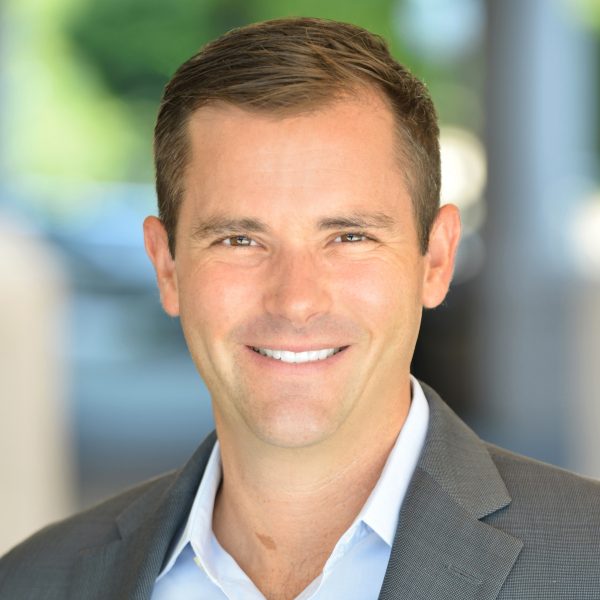
 

Jon Dwoskin With The Jon Dwoskin Experience

October 5, 2021 by Jacob Lapera

Coach The Coach
Coach The Coach
Jon Dwoskin With The Jon Dwoskin Experience
Loading
00:00 /
RSS Feed
Share
Link
Embed

Download file

Jon Dwoskin was recently the Chief Operating Officer of The Hayman Company and partnered with the firm in its restructuring. Previously, he was a Vice-President of Investments with Marcus & Millichap, specializing in negotiating the sales of multi-family investment properties.

After selling nearly 5,000 units valued at nearly $250 million, he was named the Regional Manager of the Detroit Marcus & Millichap office. He took over the office in August, 2008, and the recession that followed nearly obliterated us all the following month.

Despite the toll that the recession took, he successfully oversaw more than $4 billion in investment commercial transactions, building the Detroit office into one of the most profitable offices of 76 offices nationwide. He expanded the office to 45 agents by actively working with them to grow their agent teams and increase their bottom lines. He strategized, trained and improved their skill-sets and held them accountable to their business plans.

He was a regional and national trainer, assisted in turning around other branch offices, and was part of the CEO Advisory Committee. At that point, six years had passed and he knew it was time to move on.

Before his successful career in real estate, he created one of the first online marketing companies in the United States. This was one of the first times he remember tuning in to his instincts. The Internet didn’t exist, yet he knew it was going to be huge. Many people thought we were crazy, but he knew we were onto something new, uncharted and very big.

It was 1995. he was 23 years old and leading the sales team. He sold the company in 1997 to USWeb, the largest Internet professional service firm in the world. His brother and him, along with a friend, started this in their parents’ basement, working 100-hour weeks for years.

Being part of the Silicon Valley boom was phenomenal, but looking back, he wishes he took more time to breathe it all in. Everything was moving so fast; he was so young. And he loved every second of it. He’s honored to have been awarded the prestigious Crain’s “40 Under 40” award and to have received the Eastern Michigan University Alumnus of the Year Award, having graduated from there with a double major in Economics and Journalism.

Through it all, he has always had business coaches – as an agent, as a manager, always. Even before he knew about “coaching,” he had advisors to whom he could turn for advice and inspiration to support and fuel the drive he had within him. At times, he has had two coaches. It’s true! In fact, he currently has two coaches and uses co-coaching with other coaches in the industry. It is through coaching that he found his voice, especially when he took over at Marcus & Millichap.

He learned how to more effectively communicate with all the different agents, both locally and nationally, and how to work with and communicate more effectively with the C-level people of the company. He continues to use coaches because they hold him accountable and facilitate his own growth. After all, even us coaches have dreams and aspirations!

He has sat on the board of directors of nearly a dozen organizations in the past 20 years, served as a mentor to many, and continues to do so as his way of giving back and paying it forward. he wants to share one more important thought with you.

As a cancer survivor, he is a mentor with Imerman Angels (imermanangels.org). He is a 16-year cancer survivor (and counting!) with every intention of staying that way. He mentors men who are, unfortunately, going through a very scary experience. When he was going through his own diagnosis and treatment, his mentor was Jonny Imerman. His support was life-changing for him.

He lives in a suburb of Detroit, Michigan with his wife, Joanna, who makes true the old saying that behind every strong man is a stronger woman. She is a nurse and Reiki energy healer when she is not driving carpools, supervising homework, making meals, and raising their kids – all of which she does selflessly.

Their son, Jacob, is an awesome basketball and tennis player with a kind heart. Their daughter, Aria, is an amazing singer, dancer, and pianist with a heart every bit as kind as her brother’s.

When He’s not busy growing businesses or guiding people through their next endeavors, he’s playing tennis or basketball with friends or the kids, skiing, golfing, reading or listening to books, writing, or focusing on self-development.

Connect with Jon on Facebook, LinkedIn, and Twitter.

This transcript is machine transcribed by Sonix

TRANSCRIPT

Intro: [00:00:02] Broadcasting live from the Business RadioX Studios in Atlanta, Georgia. It’s time for Coach the Coach radio brought to you by the Business RadioX Ambassador Program, the no cost business development strategy for coaches who want to spend more time serving local business clients and less time selling them. Go to brxambassadorcom to learn more. Now here’s your host.

Lee Kantor: [00:00:33] Lee Kantor here, another episode of Coach the Coach Radio, and you’re in for a treat today. Today on the show, we have John Dwoskin with the Jon Dwoskin experience. Welcome, John.

Jon Dwoskin: [00:00:44] Hey, well, thank you for having me.

Lee Kantor: [00:00:45] Well, I’m excited to share what you are doing with our listeners. Tell us a little bit how you’re serving folks at the Jon Dwoskin experience.

Jon Dwoskin: [00:00:56] Yeah. Thanks so much for asking. I work with successful people who are stuck and get them unstuck in their business. I work with solopreneurs to Fortune 500, Fortune 100 companies and everything in between. And really, you know, creating a space for them to get unstuck and then creating and working with them on a vision and then reverse engineering that vision and giving them and providing them and opening up a discussion, leaving them with immediate tools to implement into their business and grow their business to get and keep them unstuck.

Lee Kantor: [00:01:28] Now, the word stuck in unstuck has been bandied about quite a bit lately. I don’t know if it’s the pandemic or just a hot word we had grind a while ago. That was a hot word that we were talking about, but stuck in unstuck seemed to be floating around a lot lately. Do you find that it is the pandemic that has kind of made people realize that, hey, maybe I am stuck, maybe there is something more than what I have right now?

Jon Dwoskin: [00:01:55] You know, it’s been it’s been a word I’ve been using for almost seven years in my business, and I have found that it has been consistently something that people call me and say, John, I’m stuck. I need to get unstuck. I think the pandemic rose everyone’s level of consciousness and level of awareness to begin to identify that what they want is to be more fulfilled. What they want is to be more in alignment. And so because of that, they’re more aware of, they’re stuck. So I don’t know if it’s the word is new, but I think people are just kind of realizing that they’re stuck. They have been stuck. They just didn’t know it.

Lee Kantor: [00:02:36] So what are some symptoms of being stuck?

Jon Dwoskin: [00:02:41] So some symptoms of being stuck are

Lee Kantor: [00:02:45] Like, what’s it look like, how do I know if I’m stuck or not?

Jon Dwoskin: [00:02:48] Yeah, well, you’re complacent, you’re bored, you are doing the same thing and not seeing growth or results. The stuff that used to work isn’t working. The mindset of yesterday isn’t working, and just the way that you’re approaching your business is working. But it’s not. You’re not seeing the type of growth that you could see based on the little movements where if you move just a little bit, you’re stuck. See, what happens is as what the pandemic did was that it put people who were in alignment and taking action. It put them into an adjustment period. And so in this adjustment, where people are evolving, that’s where they get stuck and don’t know how to get back into alignment. And so if you feel out of to put it simply, if you feel out of alignment. That means you’re stuck in your adjustment. And and what I do is I help people get back into alignment. And so sometimes that’s a small little thing. I was, for example, I was on the phone with a client the other day and you know, there was one thing that they were doing in their business. We dove in and they made a million dollar shift in their business. So it’s about communicating and realize you need more mentors today because you’re more distracted today, right? So people are stuck, but people are also more distracted and they need people to pull the best out of them. So a lot of times, you know, there’s this quantum problem where things that we do, we don’t realize are so special because we do them. But if we can get somebody to bring the best out of us when we are so distracted, then we can turn that and monetize it and grow our business.

Lee Kantor: [00:04:30] Now in your career, you’ve gone down a variety of roads and have been successful throughout. Can you share with the listeners how when you became stuck or decided you had a point of inflection and you were going to, you know, maybe pivot tweak or just go a different path? How did you realize that? Did you have mentors and coaches that were helping guide you through those things? Or is this something that you just figured out while you were kind of in it?

Jon Dwoskin: [00:04:57] I’ve had business coaches and mentors for 25 plus years. And so through every career, I’ve always had people that I can turn to on a consistent basis to talk about and deep dove into my business and forecast three, six, nine 12 months out and say, OK, where am I today? Where do I want to be tomorrow? Am I fulfilled? Am I in alignment? What does that look like? How am I going to grow my business? How am I going to grow myself as my soul grows? So does the evolution of any business that I’m in now.

Lee Kantor: [00:05:30] Was that something you just kind of organically figured out during the course of this career? Or is this something that was with you at the start?

Jon Dwoskin: [00:05:39] You know, my dad was an entrepreneur. Everyone in my family were entrepreneurs, and from the time I was 18 years old, my my dad gave me a set of tape sets by Brian Tracy, the psychology of success. And that just kind of ignited something in me. So I became a student of learning, and so everything I read or listen to carried that message, and I would then carry that message in my conversations with my mentors and coaches. So I was always kind of in the on the path of fulfillment and evolving myself, evolving my business, evolving my soul. And so it kind of I would say it was a combination of art and science.

Lee Kantor: [00:06:20] Now, how did kind of the mingling of business and soul occur? Did something happen where you were like, Oh, like this? I had some sort of an epiphany moment or is this something that just said, you know, this is the holistic way of looking at life?

Jon Dwoskin: [00:06:37] I read a book called The Seat of the Soul by Gary Zuckoff. And in it, he says something. I may be getting a bit wrong, but not, but not really. But in it, what he talked about was the ideal human being is where the personality begins with the personality ends and the soul begins, and you can’t even tell. And I thought, Oh, that was so interesting, because if that is the case, I’m a bit out of alignment. And so that was kind of where I realized the connection of business and soul and being in fulfillments, being in alignment and constantly realizing that I needed to be in a state where I was always evolving and raising my level of consciousness. And so, you know, as you outgrow. You know, bosses or outgrow different careers. It’s because I was always evolving and growing my business acumen, but I was also doing soul work as well.

Lee Kantor: [00:07:39] Now how do you kind of marry this big wide, this big mission with kind of monetary or materialistic things? Or do you?

Jon Dwoskin: [00:07:52] Well, you know, I think I’m I’m really good with being a conscious capitalist. I believe that making money is a great thing, and the more money people make, the more money I make, the more people I can help. And so for me, I’m all about providing coaching over my lifetime for over a billion people and getting them thinking big by getting them unstuck and staying consistent and being fulfilled. And so I do it three different ways. I update content on my website every day. I have a daily podcast so people can get a lot of content from me for free every single day on my social platforms, my website, et cetera. I then have custom coaching, right, which is either one on one, you know, coaching trainings that I do keynotes that I do. Those are very custom to my clients. For those that can’t afford that, I offer a group coaching, which is every Monday night at 4:30 to 5:30 p.m. Eastern Live coaching with me. It’s a private coaching group, but where my one on one coaching is full access to me. Even between sessions, my Monday live coaching group is the only access they have is my Monday coaching group and that’s $100 a month. So you can do, you can you you can learn from me for free for $100 a month or custom one on one coaching, which also the the tentacles of that are group trainings, private custom trainings and keynote talks.

Lee Kantor: [00:09:23] Now, when you’re working with a client, one on one. How does that work? Like is the beginning? Just conversations kind of deep dove. See if it’s the right fit, ask them questions about, you know, the outcome they desire and then kind of formulate a plan of action.

Jon Dwoskin: [00:09:40] Yeah. So I every client starts with a deep dove with me. That deep dove is typically three to five hours after the deep dove. They go into a maintenance program of 15 minutes a week or 30 minutes every other week. Some clients may do forty five minutes, but but the majority do 15 or 30 minutes. And and that’s the way to stay consistent. And I guarantee everything I do. I do no contracts. I am a month to month investments. I consider myself, my clients, consider me a profit center for their business and I guarantee everything that I do. I tell my clients, when you get the bill, don’t pay it. So I I’m very value add and I can provide and I can hear what’s not being heard. I can see what’s not being seen and I can take a company no matter what size and say, OK, here’s what you’re trying to do, what you’re telling me. Ask them a series of questions and say, Here’s what you really need to be doing and where you need to be going. Give them perspective, leadership, effective communication skills. You know, work with them on their vision, their goals, being specific, being miserable, miserable. I’m, excuse me, measurable and and really just diving into all of the nitty gritty detail that’s accustomed to exactly what they need in that moment to get unstuck, inspire themselves, inspire others and grow their business.

Lee Kantor: [00:11:05] And then it sounds very tactical to that. You’re getting really into the weeds and granular of do these four things this week and we’ll check in tomorrow. So you’re part cheerleader, part accountability partner and part tactician.

Jon Dwoskin: [00:11:19] Correct.

Lee Kantor: [00:11:21] Now for you in this journey is the most rewarding part. Their success is that kind of what brings you the most joy nowadays?

Jon Dwoskin: [00:11:31] Yeah, I love watching clients succeed and get unstuck. And you know, to me as a coach, my emotional intelligence, my intuitiveness is very high. So many times I can see things that are hidden in plain sight that they cannot see. I can hear and see things that they’re missing. And so that they’ve been missing for years, sometimes decades. And to me, it’s just as clear as day. And so once I can get them to the point and create that space for them to erase their awareness, their consciousness, or they can see what I’m seeing and then provide them the tools and the action plan on how to execute and evolve to the next level. It’s hugely fulfilling. For me, getting people unstuck is amazing to me.

Lee Kantor: [00:12:17] Now, can you share a story? Don’t name their name or their company, but explain what they’re kind of before looks like and explain your actions. And now then what the after looks like.

Jon Dwoskin: [00:12:29] You know, there’s so many, but one that comes to mind is, you know, working and I’ve done this many, many, many, many, many times is working with a team of salespeople who cannot sell and don’t have the proper training in place and training them on a consistent basis and on a group basis to get them to start selling, increase their courage, provide them tips to really multiply their pipeline in a major, major way and grow not only their own pipeline, but the company’s bottom line working with companies to train managers. Because most managers have not been, we’re promoted because they were good at their job but don’t know how to manage people. And then nobody trained them on how to manage people and coming in and teaching and educating people, how to manage people working with CEOs or leaders of companies who don’t know how to effectively communicate and make people feel like they matter and create and carry a vision on a daily basis and provide people the tools and the understanding and awareness of what they’re doing, why they’re doing it, and the impact and the influence that they have, which most, most people don’t realize. And diving in and educating people on the simple and then giving them simple ways to implement it and execute it into their daily world.

Lee Kantor: [00:13:47] Now do you mind sharing one or two things that a person could do themselves right now to get unstuck or at least make them aware of their stuckness?

Jon Dwoskin: [00:13:56] Absolutely. Start of morning ritual where there are silent time, preferably meditation, and create a ritual of meditation and quieting your mind and your nervous system. Your best ideas are inside of you. You just if you’re running a thousand miles an hour, you can’t get to them. And so you’ve got to. I think everybody should meditate. You can call it whatever you want. Silent time going for a walk with no music doing something. Getting in nature but absolutely taking care of yourself and your well-being is absolutely number one, and having a morning ritual is absolutely critical. So whatever that is, five minutes of walking and five minutes of reading, five minutes of this something where you can get grounded in alignment and be ready to conquer the day because you’ve you’ve nurtured and fueled yourself.

Lee Kantor: [00:14:53] Well, John, congratulations on all the success. Just amazing story and just you’re really a gift to the people that follow you and that I’m sure are working with you. If somebody wants to learn more. Maybe get a hold of some of those free resources or, you know, get on your coaching calendar. What is the website?

Jon Dwoskin: [00:15:15] My website is John Dwoskin, John Diaz and David W0 Sky and John Dwoskin. My cell phone is two four eight five three five seven seven nine six. Anybody can call me and we can chat. I answer my own phone. I have a team of eight people that work with me so I can be with clients and return calls because people are buying me and and they want to hear from me. They can email me at John John at John Dwoskin Scam. And again, John Dwoskin dot com is my website, and two four eight five three five seven seven nine six is my cell and you from my website. You can add to all my social platforms where I have live stuff Monday to Friday, and my website is updated every day.

Lee Kantor: [00:16:01] Well, thank you again for sharing your story. You’re doing important work and we appreciate you.

Jon Dwoskin: [00:16:05] Thank you. I appreciate you having me on the show, and I appreciate your community for listening. Thank you so much.

Lee Kantor: [00:16:10] All right, this is Lee Kantor. We’ll see you next time on Coach the Coach radio.

Tagged With: Jon Dwoskin, The Jon Dwoskin Experience

Brooke Wright With LOCAL

October 5, 2021 by Jacob Lapera

Atlanta Business Radio
Brooke Wright With LOCAL
Loading
00:00 /
RSS Feed
Share
Link
Embed

Download file

BrookeWrightBrooke Wright is partner and Chief Client Officer at LOCAL, a change communications agency that has been named an Inc. 5000 fastest-growing private company in America and one of Atlanta Business Chronicle’s Best Places to Work (twice).

An Atlanta native, Brooke is a seasoned marketing strategist with 18 years of experience helping B2C and B2B brands bring their story to life inside and outside the organization.

She has worked on both sides of the desk—serving agency and client brands, ranging from national/global non-profits, to Fortune 100 companies.

While managing large complex external brand programs, she realized one of the biggest limitations to success was directly linked to belief in the brand and program on the inside by the company’s most important asset – its people.

Her attention and passion shifted inwards to leading organizational strategies and transformation programs focused on strategic employee-centered design and communications to drive positive change and, in-turn, impactful external success.

In her free time, Brooke is an avid estate sale shopper and lover of all things old. She is passionate about designing curated spaces combining old and new.

Her most recent project was LOCAL’s very own headquarters, The Be Nice House, in Atlanta’s historic Old Fourth Ward neighborhood.

Connect with Brooke on LinkedIn.

What You’ll Learn In This Episode

  • About Local
  • About The Be Nice House
  • How the pandemic affected the plans and visions for The Be Nice House
  • Where the inspiration for BNH came from
  • The types of events that are a perfect fit for the space

About Our Sponsor

OnPay’sOnPay-Dots payroll services and HR software give you more time to focus on what’s most important. Rated “Excellent” by PC Magazine, we make it easy to pay employees fast, we automate all payroll taxes, and we even keep all your HR and benefits organized and compliant.

Our award-winning customer service includes an accuracy guarantee, deep integrations with popular accounting software, and we’ll even enter all your employee information for you — whether you have five employees or 500. Take a closer look to see all the ways we can save you time and money in the back office.

Follow OnPay on LinkedIn, Facebook, and Twitter

This transcript is machine transcribed by Sonix

TRANSCRIPT

Intro: [00:00:04] Broadcasting live from the Business RadioX Studios in Atlanta, Georgia. It’s time for Atlanta Business Radio brought to you by on pay Atlanta’s new standard in payroll. Now here’s your host.

Lee Kantor: [00:00:24] Lee Kantor here, another episode of Atlanta Business Radio, and this is going to be a fun one, but before we get started, it’s important to recognize our sponsor on pay. Without them, we couldn’t be sharing these important stories today on Atlanta Business Radio. We have Brooke Wright with local. Welcome, Brooke.

Brooke Wright: [00:00:41] Hey, Lee, thanks so much for having me.

Lee Kantor: [00:00:43] Well, I’m excited to learn what you’re up to. Tell us about Loku. How are you serving, folks?

Brooke Wright: [00:00:47] Yes, I’d love to. Well, we are a consulting firm. We’re located in Old Fourth Ward of Atlanta, our headquarters where we are today. We’ll talk a little bit more about in the show. It’s called the be nice house, but local was started about five years ago out of a need that my two business partners, Neil Bedwell and Andrew Esterday, who’ve been on the show in the past that we all saw coming out of some of our marketing careers working in or for Fortune one hundred organizations. There’s constant change going on in any organization, but especially those big ones. And so whether it was an HR team that was working on a massive reorganization or an IT team that had a new piece of technology that they needed employees to all use or just a training program to help a team become more brand focused or customer focused. We just saw a gap that a ton of times there was a lot of resources and investment put into these change initiatives that needed to take place. But when they got time to roll those out to employees, the communication of those often was just maybe even a series of emails that the change that they needed to stick wasn’t sticking because of the communication.

Brooke Wright: [00:02:04] So as marketers, we were all marketers in our prior career. We saw an opportunity. You know, if we were launching a product to consumers on the outside, we’d spend tons of time and resources looking at our audience first and then crafting very specific communications on different channels to those different audiences. And we just didn’t see the same thing happening inside of organizations. So we turned everything we knew as marketers on the outside to the inside of businesses and working with Fortune. One hundred companies today to doing what we call change, marketing, marketing, change to employees to to really drive inspired change versus change that’s maybe compliance based and thinking of employees is an audience that we’ve got to think about worth winning, not just communicating with through some pretty direct messaging and emails. So we’re really humbled. We just were named on the Inc five thousand fastest-growing companies and Atlanta’s best places to work for the second year in a row. So some exciting things happening down here in Old Fourth Ward at local.

Lee Kantor: [00:03:09] Now tell me a little bit about your work in terms of how the companies you’re working with. Choose the you to solve this problem. Every company is part of their mission statement, has a variation of our people are the most important asset. Yeah. And you can cut and paste that into pretty much across industry. It doesn’t matter the size. They all at least give lip service to that kind of the way of thinking are the. And it gets to the heart. I would think a lot of it is the culture of the organization. Exactly. And when you’re having these kind of conversations with your prospective customer or your your actual customer. How how much do they mean it? You know, they say it, but but, you know, actions speak louder than words. How much disconnect are you seeing or incongruity between the intention or the aspiration to to behave in that manner and the actual behavior?

Brooke Wright: [00:04:13] That’s that’s a great question we could spend all day talking about.

Lee Kantor: [00:04:17] All right. We have all day. Let’s let’s do it.

Brooke Wright: [00:04:20] But the quick answer, I think organization, a lot of organizations do talk about being people first. We talk about that in our own team here at local and people. First is it’s a great ambition. But to live that out, the bigger you get is really challenging. And so we just look at it really simply that being people first is really about listening first, listening to employees, listening to where they’re at. As we see these huge transformations happening within organizations, it’s often and very common that we see great intentions, but just not slowing down to see how that change may be received from an employee standpoint first. And again, like we do that in the marketplace, we listen to potential customers if we’re launching a new product. But people first really starts with understanding people and their needs and their feelings and how change may be received on their end. So all of our clients have great intentions of that. Unfortunately, the speed in which a lot of this change has to happen prohibits that and a lot of organizations. But we have seen with COVID just a huge uptick in looking at employees and employee engagement differently. As we’re working in virtual environments, we don’t have the face to face contacts that we used to have. There is just a much more intentional need for employers to be spending more time listening.

Lee Kantor: [00:05:46] Now, as part of your work as a marketer, I’m sure you believe in metrics and and choosing the metrics that matter as kind of the benchmark of how well you’re doing. Has the recent kind of employee tightness in the market and the demands of the employees really exacerbated some of these issues where these aren’t no longer? Yeah, let’s get to this down the road. But this becomes now vital to even just staying in business for a lot of folks that are desperate to, you know, to get the right employees to work there and keep them. Is this stuff really at the forefront nowadays, more so than maybe a couple of years ago?

Brooke Wright: [00:06:31] One hundred percent. We’re having daily conversations with clients from everything from talent acquisition. How what are we making appealing in our culture to get new people in? What are we doing to help those people grow and develop and want to stay a part of our culture once they’re here? And employee engagement data, as you mentioned metrics, that’s huge. It’s a key part of what we do. We have our own tools that we use and a lot of our projects and client work, but we’re also leveraging a lot of the tools that they’re using and their HR teams. Hr Teams is one of the main groups that we work with in our client relationships, and so that data is hugely important. But yes, COVID and the talent market that we’re in, all of that has elevated the need to look at metrics more closely.

Lee Kantor: [00:07:19] And it’s the metrics that matter. Like I would imagine one of the pain points that they’re seeing is, Hey, why aren’t we keeping enough people? Why are these great people, you know, going out the door as fast as they’re coming in? Hey, maybe we should call the local folks to help.

Brooke Wright: [00:07:34] We would love that. We would love that.

Lee Kantor: [00:07:36] But is that is that usually the pain point is that somewhere around the retention? Because that’s a noticeable thing for anybody. They don’t have to be that paying that close of attention to notice, Hey, where’s where’s Mary? She was great. How come she’s not here anymore?

Brooke Wright: [00:07:53] Yes. Retention is one of the key metrics that we look at, and we a lot of the work we do with clients is around that. So like I said, that talent acquisition and and retention, how do you keep people happy? And that’s not just about giving them the tools that they need to do their job, it’s it’s looking at them like a human being and and knowing and understanding them and what makes them tick within their job, what they care about, what they’re passionate about and how the organization is nurturing up.

Lee Kantor: [00:08:21] Now in your work internally for your own organization, you decided to invest in office space. That is a little different and maybe is kind of has a bigger y associated with just coming up with a different type of headquarters for your company. Can you talk about that?

Brooke Wright: [00:08:39] Sure, I would love to. Yeah, it’s maybe a little bit ironic that we’re talking about a physical office space in the middle of a pandemic. But funny enough, we’ve signed the lease on a new space in the middle of Old Fourth Ward a month before the pandemic. Hit so we have continued to evolve our vision for what return to work looks like in the future of work for our own company, just like we do for a lot of our clients. But we’re just really excited to kind of officially show the world this space. It’s a space we created to really create community and culture within our own team, but also as a hub for the community here in town, for the film industry to utilize the space. But it’s a historic building on Edgewood Avenue that was humble beginnings as a engine repair shop turned church turned yoga studio turned skateboard skateboard manufacturing facility. And now it is what we call the be nice house. The owner, prior for 20 years, had painted a beautiful graphic on the side of the building before selling it a couple of years ago. That said, be nice and just a reminder to the neighborhood of just a simple, simple thing we should live by. And so we wanted to carry on that tradition. And so we call this space to be nice house. It’s a nontraditional office space, not a desk in sight. A huge twenty five hundred square foot outdoor courtyard and a lot of living space. That was what we created as a safe way for our team to return with plenty of room to spread out. But also our team just loves coming together and one of the safe place to do that, even in a COVID work environment.

Lee Kantor: [00:10:25] So now with this space, the way that it’s configured, how, how, how does that impact the community as a whole outside of your own folks?

Brooke Wright: [00:10:36] Yeah, that’s a great question. So we wanted the space to be a place of gathering and people coming together. So we’ve been using it for community events, meeting lots of bringing local business owners together and the old Fourth Ward community to come together and think about community initiatives that we need to be all collectively participating in to help the neighborhood. Just next week, we’ll be hosting an event with the Atlanta Design Festival on design and the black image with some, some great speakers here. So just as a gathering place, you know, community and culture is key to what we do as a business, and we wanted this place to be more than an office, which is why we call it a house and a place together.

Lee Kantor: [00:11:23] Now can you walk through the thought process? Obviously, it happened pre-pandemic, so maybe the thinking was different once the pandemic hit. Maybe there was some changes in how it how you finished, but talk about, like why it was important to build something that serve the community, not just, Oh, let’s just get a good space for us because that’s what we need.

Brooke Wright: [00:11:45] Yeah, our team, you know, we’re a team that’s passionate about change, obviously, with the work that we do within organizations, that change comes in a lot of forms and a big part of that. And what’s important to us as a business is change in our community and not just talking about it, but actually doing something about it. And so having a physical space to do that, just it gave us a great platform to be able to come together with others in the community who have the same passion.

Lee Kantor: [00:12:16] And then since you it’s open now, right?

Brooke Wright: [00:12:20] Yeah, we’ve been open since January, so it is open now.

Lee Kantor: [00:12:25] So now how does it work if there’s somebody in the community that is interested in, Hey, we have this event now, they can look to you and say, Hey, you might be able to do it here, hosted here.

Brooke Wright: [00:12:37] Is that how it works? Yes, you can reach out to us on our website, local industries. And there’s a nice little tab there for the B Nice House with lots of fun photography to actually see the space. It’s kind of hard to describe a space. It’s kind of like trying to describe what a delicious cheesecake tastes like to somebody, but you really need to come and see it and experience it. So we love to have coffee with anyone who is just even interested in thinking about what does a future workplace look like in this world we live in? Or they have a great event coming up that you’re looking for a unique environment to do that, that that can be safe as well. So we would love for anyone who’s interested to come grab a cup of coffee with us.

Lee Kantor: [00:13:18] So it could be, you know, a one time event or semi-regular. Or it could be like, Hey, I want to work out of there, like I moved my small team there.

Brooke Wright: [00:13:28] Yeah, they can. If you want to host a meeting with your team, we call it kind of a retreat from business as usual. You know, everyone needs a chance to get away. And because we have ample outdoor space, that’s been a great option for people. We’ve hosted a lot of photo shoots and film events with the local film industry here, in addition to some of those community events that we just talked about. So lots of different use use cases for the space.

Lee Kantor: [00:13:53] So now in your work and serving organizations and their people, does it do you still get to scratch the itch of marketers and helping them with their marketing? Or is your work solely just internal?

Brooke Wright: [00:14:06] That’s a great question, so we work with a lot of marketing teams still, but mainly on the internal side, so helping marketing teams selling ideas across the organization. When we were working in corporate America, one of the things that we saw is that marketing teams, you have these big ideas for things you want to do on the outside. And then we joke that they get dropped into the corporate blender and they come out kind of a fraction of what they started as. And we saw that as some of the dysfunction of ideas just not circulating well internally to get them sold in, to be able to to do what you wanted to do on the outside as a marketing team. So we support a lot of marketing teams from that standpoint. We don’t do external marketing, but we help the teams make sure that their ideas can come into fruition on the outside.

Lee Kantor: [00:14:55] Well, congratulations on all of the success. If somebody wants to connect with you, whether it’s to help them kind of optimize their own team, or if they’re a local business that wants to, you know, check out the event space, what’s the coordinates? What’s the website?

Brooke Wright: [00:15:11] It’s local industries and there’s an easy place on there just to email us at hello at local industries and we would love to chat and grab a cup of coffee.

Lee Kantor: [00:15:22] Well, congratulations again on all the success, Brooke. You’re doing important work and we appreciate you.

Brooke Wright: [00:15:27] Thank you, Lee. It was fun.

Lee Kantor: [00:15:29] All right, this is Lee Kantor. We’ll see, y’all next time on the Atlanta Business Radio.


Tagged With: Brooke Wright, local

Darcy Eikenberg With Red Cape Revolution

October 5, 2021 by Jacob Lapera

High Velocity Radio
High Velocity Radio
Darcy Eikenberg With Red Cape Revolution
Loading
00:00 /
RSS Feed
Share
Link
Embed

Download file

RedCapeRevolution

Darcy Eikenberg is a leadership and career coach who’s worked with high-performing professionals at The Coca-Cola Company, Microsoft, State Farm, Deloitte, and Hewlett-Packard, among other great companies.

She speaks inside organizations and at professional group events on career growth, personal development, and overcoming leadership challenges. Plus, Darcy’s the author of Red Cape Rescue: Save Your Career Without Leaving Your Job and blogs regularly on leadership and career issues at Red Cape Revolution.

Her ideas have been shared in the Harvard Business Review, Thrive Global, Chief, CNN.com, ABC News, The Ladders, The Atlanta Journal-Constitution, Forbes and elsewhere.

She graduated from Northwestern University and started her business in Atlanta, where she lived for 15 years.

She’s constantly sharing new ideas and tools, which you can get for free each week when you sign up at Red Cape Revolution.

Connect with Darcy on LinkedIn, and Twitter and follow Red Cape Revolution on Facebook.

What You’ll Learn In This Episode

  • The biggest mistake most professionals are making when they hit a tough time in their life at work
  • The biggest trap we get stuck in when we’re ready for change in our careers
  • Drop Some Balls

This transcript is machine transcribed by Sonix

TRANSCRIPT

Intro: [00:00:04] Broadcasting live from the Business RadioX Studios in Atlanta, Georgia, it’s time for high velocity radio

Lee Kantor: [00:00:13] Lee Kantor hear another episode of High Velocity Radio, and this is going to be a fun one. We get to catch up with an old friend, Darcy Eichenberg with Red Cape Revolution. Welcome, Darcy.

Darcy Eikenberg: [00:00:23] Hey, thanks for having me.

Lee Kantor: [00:00:25] Well, I’m excited to catch up. Tell us about Red Cape. How are you serving, folks?

Darcy Eikenberg: [00:00:29] Yeah, so Red Cape Revolution is a leadership and coaching firm, but really, the idea of the Red Cape Revolution came out of thinking about when you were a kid and you grab a towel or a sheet and you throw it around your shoulders and you would feel confident you’d feel in control and asking, What do I need to do to feel that way every day in my life at work? And so a lot of the work that we do with our clients and companies is to help get that feeling back at work to make people feel they can take control again in their lives, at work so they can soar once more, no matter what’s going on in our world.

Lee Kantor: [00:01:11] Now do you find that a lot of folks are kind of just going through the motions at work like they feel like they’re maybe a cog in the machine and it doesn’t really matter what they do or don’t do, and they’re just kind of showing up and they kind of lose that spark that maybe they had right when they started.

Darcy Eikenberg: [00:01:28] You know, I think we all struggle with the battle of the brain, right, there’s a little part of our brain that is just sending us the messages to try to keep us safe and small and and like, Oh, don’t do that or don’t don’t put your, you know, keep your head down, don’t lift your head up, you know, follow the rules. But our modern workplace doesn’t work like that anymore. And I think what I’m seeing is that some of the frustration and the concern and the stresses that are happening and especially our professional workplaces, our knowledge workplaces are really what’s happening is that people are hearing a different voice. They’re hearing that voice. So they’re more heroic self, the one that says I, I want to make more of an impact. I want to have more meaning in my work or I want to work differently. I want to work with less stress or with people that I enjoy or on things that I care about. And yet we hear we listen to that lizard brain voice, that other part of our brain. And so we don’t take a step forward. We don’t take control. And a lot of my work and what I’ve been writing about in my next book is to how do you have the tools that you can take back control of your life at work and how to make it simple and practical and ways that you don’t need anybody else’s permission to do some of these things for yourself? You don’t. But it also you can look at the world and the world of your work in different ways that you might not be seeing right now. And you don’t have to be a cog in the system or just somebody you know in a cube, just pushing papers around. There’s somebody out there who needs you. There’s meaning that you need right in your own company and you can go and find that.

Lee Kantor: [00:03:18] So now what is an engagement with you look like? Are these people kind of just frustrated and they feel like they don’t know where to turn and they turn to you and your team? How do they, you know, like what’s kind of their the symptoms of this, this agenda?

Darcy Eikenberg: [00:03:34] Yeah, it’s a great question. So I sometimes say that my biggest competition in my business is my client, him or herself, because people will usually come to me after they’ve been struggling for a little bit because they’re smart. And this is even the the story that they bring to me or that, you know, they’ve share later. It’s been going on in their head. They’re like, I’m smart. I should be able to figure this out. You know, something’s not quite right, but I should have the tools to figure it out. I should if I only take the weekend or I’ll figure it out on my next vacation, or I’ll figure it out when the project’s over. The merger is done, but eventually there’s a catalyst moment. There’s something that hits where someone realizes, Hey, you know what? I’m not figuring this out. I’m I’m actually something’s not right in my life at work, and that doesn’t always mean that they’re doing anything wrong or that anything is wrong with their company. It just may be a feeling it may be prompted by hitting a birthday that has a zero on the end. It may be prompted by something else external, a merger and new leader, anything coming in. But when people come to me often they’ll think that if something’s not right at work, they only have two options. That one option is what they need to go find another job. And so like, can you help me find another job? Or they’re like, Well, finding another job is hard. I need to just suck it up and deal, and there must be something wrong with me.

Darcy Eikenberg: [00:05:11] So can you help me figure out what’s wrong with me? And the truth is that neither of those options are true. Very often you don’t have to totally leave where you are to create a situation that works better for you and whatever you want right now, or you don’t have to suck it up and sacrifice, you don’t have to say, Well, I must not be good enough. This is the best that I can do. I’m just going to have to deal or or I have to be fixed. There’s something wrong with me. So a lot of our work here is around how to help you help people get clear about what they want, which we often don’t take time to do. Build the confidence and trust themselves again, that those things are possible. That they can have those and then take the actions to take back control. Whether that means having different conversations inside their company, whether it means making different choices about where they’re spending their time, what they’re doing, or sometimes it’s as simple as just changing a thought instead of making an assumption that this situation is broken. Maybe it’s it’s changing the assumption that these this group of people, this team I’m working with doesn’t. No, any better, they don’t have another alternative, so maybe I’m the one that they’re waiting for that I could bring the alternative. So it’s a mix of things, but it’s always about finding new possibilities that work for you.

Lee Kantor: [00:06:42] Now, I’ve been reading a lot lately, and the word stuck has been showing up, I’ve seen books called Unstuck. I see the word stuck. Do do people feel sometimes that they’re stuck, that there isn’t any options and that they’re kind of they don’t feel like they’re they have any control over their situation?

Darcy Eikenberg: [00:07:03] Oh, we we all feel stuck right? And this is, I think something we don’t recognize is actually a normal part of any career. I talk to people all the time that I use the term. They look good on paper, right? They’re a senior VP of digital marketing at XYZ Company. And from the outside, it’s like, Oh, wow, you know, that person has it all together, but they don’t feel like it. This is just human beings. This is how we are. We all get into places where we feel stuck, and I think we have to normalize that. We have to almost anticipate the fact that at some point in your beautiful and long career, you are going to hit a speed bump, you’re going to hit the wall. Something’s not going to go right. So what do you do then? And that’s really why I wrote my next book, Red Cape Rescue. Save your career without leaving your job because I wanted to give people the tools for when that happens, not if because it’s going to happen when that happens. This is what you can do that you control.

Lee Kantor: [00:08:18] And then when you have that awareness that it’s going to happen, it should take some of the surprise and the unexpectedness out of it. And I would imagine that you’re better equipped to deal with it when you know it’s ahead. Like I read a book that’s called the obstacle is the way obstacles aren’t there to sabotage you. They’re just part of the journey. And when you know that and you know the big rocks in the road in front of you, you now go, Oh, that’s here’s the point when the Big Rock comes in front of me, and now this is where I go over it, I go around it or I go under it, I go through it. I just, I know it’s coming. It’s not like, Oh, wow, woe is me. Why did this happen to me? It’s just part of the journey. And it sounds like you’re saying kind of a similar thing that there is a point where you’re just going to feel this way and when you know that ahead of time, you can plan accordingly.

Darcy Eikenberg: [00:09:13] Mm hmm. Or you can not be surprised and get into what I call the swirl right when when things happen. First of all, I think we forget a lot of times that our work is organic, that our work changes all the time and we change what we need, changes the environment around us changes. And just because we might have been in one particular job or role for a period of time, a stretch of time doesn’t mean it looks the same. And so recognizing that, yeah, you know, something is going to happen at some point and that’s going to be OK. Instead, when the thing happens, when that boulder drops in the road or that you know, you wake up to the announcement that your company is being bought by your worst competitor, which just happened to a client of mine, it’s it’s like, Oh, OK, new data. New information. You know what? Now what’s next for me right now, what right and and not? You know, not being in the mind space where I’m always worrying about when the next shoe will drop because that’s no fun, right? That’s that swirl of worry. Worry never wins. But the expecting that there’s always a messy middle, that there’s always something that happens and when that happens, great. Ok? Do I have the tools? Do I have the confidence in myself that if it’s not clear, I’ll figure it out. You know, how do I create? How do I be creative when there’s chaos instead of succumbing to the chaos? And those are things that we can plan for and prep and build our skills for now?

Lee Kantor: [00:10:54] Now, some of the recommendations in the book are counterintuitive. Can you talk a little bit about your advice of dropping some balls? What does that mean and how can someone do that in a way that makes sense to them?

Darcy Eikenberg: [00:11:09] Yes, so often today where I’m hearing from people and you probably hearing this too of when people say they’re stuck, a lot of times it’s they’re overwhelmed or feeling burnt out, or they just have they feel like they’ve just got too many things to do and they’re not feeling successful at any of them. But I had a mentor who once said Overwhelm isn’t about having too much to do. Overwhelm is about not choosing what to do. And when we recognize that it’s a choice and that we can actually take a step back and assess the things that we’re doing, we can find the balls that we should drop. We can find the things that might be being pitched at us because, you know, and we’ve been maybe trying to catch them and throw them all back because we want to be a team player or we don’t want to show up as lazy or any of those labels that we put on ourselves. But the truth is that the things you might be doing now that take time and that also are not in what I call your superpower space, the place where you’re at your best and highest use that by looking at those and saying, maybe there’s another option here. I often find working with clients when we look through clients as they are overwhelmed or close to burnout.

Darcy Eikenberg: [00:12:32] When we look through the things they’re spending their time on, we can find 20 to 30 percent of things they’re doing that they can drop and nobody will notice. There are always things that we organically added into our jobs. Things like meetings that maybe a year ago when the team was new were essential. But now the team has its rhythm and they don’t really need that time on the calendar every week. Maybe you can drop that. Maybe you can just not go to those meetings, reports things where systems have replaced access to data. I am constantly seeing people spend tons of time on PowerPoints and things for meetings where once when you talk to the person they’re meeting with or the executive, like, I didn’t read it. What’s the headline? So did they need to spend that time to begin with? But really assessing that and dropping some balls is counterintuitive. But it’s the way to magnify how you are making the best contribution in your superpower space and the things that also feed you and make you feel like you’re the hero in your life at work. Not that you’re doing everybody’s grunt work, that you’re actually contributing to the company in the way that they need you to contribute.

Lee Kantor: [00:13:54] Now are your clients, typically these seasoned executives that are maybe frustrated and want to get to a new level? Or do you sometimes work with recent grads that are just starting out on their journey or is a combination?

Darcy Eikenberg: [00:14:08] So I mostly work with a mid to upper level professional, right? Somebody who already has what again, paper looks like a successful career. They they have, they work at a good company. They have a good job, they work with good people. They maybe make good money, but there’s something that’s going awry for them and they’re. They’re questioning themselves. They’re saying, what’s wrong with me? I do volunteer work with ads, and I think some of the differences in somebody who’s new in the workforce is really recognizing that what from the outside world of work looks like, it’s very buttoned up and structured. And this is how we do things in a Google world. We’re looking for the magic answer, but they don’t exist. It’s all made up and recent grads. I’ve always advised need to spend more time connecting with people and understanding, you know, building relationships and seeing things through other people’s eyes in different parts of the world of work, as opposed to spending too much time behind the screen, trying to figure out what’s the perfect way that my résumé should be, or what’s the perfect way that I need to show up. But yet we still keep teaching some of these things, and I will tell you people don’t hire resumes anymore. People hire people. So whether you’re recent grad, whether you’re an experienced person, all change comes through connection with others and also the connection with ourselves. What we want.

Lee Kantor: [00:15:49] Good stuff, Darcy. If somebody wants to learn more about your practice, maybe get on your calendar or get a hold of your book. What is the coordinates? What’s a website?

Darcy Eikenberg: [00:16:00] Yeah, I’m at Red Cape Revolution and the book is at Red Cape Rescue. You can find me both ways, but the new book comes out soon. And looking forward to sharing it with more of the world.

Lee Kantor: [00:16:14] Well, thank you for sharing your story. You’re doing important work, and we appreciate you.

Darcy Eikenberg: [00:16:18] Thank you. Appreciate being here.

Lee Kantor: [00:16:20] All right, this is Lee Kantor. We’ll see you all next time on high velocity radio.


Tagged With: Darcy Eikenberg, Red Cape Revolution

  • « Previous Page
  • 1
  • …
  • 96
  • 97
  • 98
  • 99
  • 100
  • …
  • 116
  • Next Page »

Business RadioX ® Network


Our Most Recent Episode

CONNECT WITH US

  • Email
  • Facebook
  • LinkedIn
  • Twitter
  • YouTube

Our Mission

We help local business leaders get the word out about the important work they’re doing to serve their market, their community, and their profession.

We support and celebrate business by sharing positive business stories that traditional media ignores. Some media leans left. Some media leans right. We lean business.

Sponsor a Show

Build Relationships and Grow Your Business. Click here for more details.

Partner With Us

Discover More Here

Terms and Conditions
Privacy Policy

Connect with us

Want to keep up with the latest in pro-business news across the network? Follow us on social media for the latest stories!
  • Email
  • Facebook
  • Google+
  • LinkedIn
  • Twitter
  • YouTube

Business RadioX® Headquarters
1000 Abernathy Rd. NE
Building 400, Suite L-10
Sandy Springs, GA 30328

© 2025 Business RadioX ® · Rainmaker Platform

BRXStudioCoversLA

Wait! Don’t Miss an Episode of LA Business Radio

BRXStudioCoversDENVER

Wait! Don’t Miss an Episode of Denver Business Radio

BRXStudioCoversPENSACOLA

Wait! Don’t Miss an Episode of Pensacola Business Radio

BRXStudioCoversBIRMINGHAM

Wait! Don’t Miss an Episode of Birmingham Business Radio

BRXStudioCoversTALLAHASSEE

Wait! Don’t Miss an Episode of Tallahassee Business Radio

BRXStudioCoversRALEIGH

Wait! Don’t Miss an Episode of Raleigh Business Radio

BRXStudioCoversRICHMONDNoWhite

Wait! Don’t Miss an Episode of Richmond Business Radio

BRXStudioCoversNASHVILLENoWhite

Wait! Don’t Miss an Episode of Nashville Business Radio

BRXStudioCoversDETROIT

Wait! Don’t Miss an Episode of Detroit Business Radio

BRXStudioCoversSTLOUIS

Wait! Don’t Miss an Episode of St. Louis Business Radio

BRXStudioCoversCOLUMBUS-small

Wait! Don’t Miss an Episode of Columbus Business Radio

Coachthecoach-08-08

Wait! Don’t Miss an Episode of Coach the Coach

BRXStudioCoversBAYAREA

Wait! Don’t Miss an Episode of Bay Area Business Radio

BRXStudioCoversCHICAGO

Wait! Don’t Miss an Episode of Chicago Business Radio

Wait! Don’t Miss an Episode of Atlanta Business Radio