Business RadioX ®

  • Home
  • Business RadioX ® Communities
    • Southeast
      • Alabama
        • Birmingham
      • Florida
        • Orlando
        • Pensacola
        • South Florida
        • Tampa
        • Tallahassee
      • Georgia
        • Atlanta
        • Cherokee
        • Forsyth
        • Greater Perimeter
        • Gwinnett
        • North Fulton
        • North Georgia
        • Northeast Georgia
        • Rome
        • Savannah
      • Louisiana
        • New Orleans
      • North Carolina
        • Charlotte
        • Raleigh
      • Tennessee
        • Chattanooga
        • Nashville
      • Virginia
        • Richmond
    • South Central
      • Arkansas
        • Northwest Arkansas
    • Midwest
      • Illinois
        • Chicago
      • Michigan
        • Detroit
      • Minnesota
        • Minneapolis St. Paul
      • Missouri
        • St. Louis
      • Ohio
        • Cleveland
        • Columbus
        • Dayton
    • Southwest
      • Arizona
        • Phoenix
        • Tucson
        • Valley
      • Texas
        • Austin
        • Dallas
        • Houston
    • West
      • California
        • Bay Area
        • LA
        • Pasadena
      • Colorado
        • Denver
      • Hawaii
        • Oahu
  • FAQs
  • About Us
    • Our Mission
    • Our Audience
    • Why It Works
    • What People Are Saying
    • BRX in the News
  • Resources
    • BRX Pro Tips
    • B2B Marketing: The 4Rs
    • High Velocity Selling Habits
    • Why Most B2B Media Strategies Fail
    • 9 Reasons To Sponsor A Business RadioX ® Show
  • Partner With Us
  • Veteran Business RadioX ®

The Dance Between the Employer and the Employee E30

March 3, 2023 by Karen

The-Dance-Between-the-Employer-and-the-Employee-feature
Phoenix Business Radio
The Dance Between the Employer and the Employee E30
Loading
00:00 /
RSS Feed
Share
Link
Embed

Download file

The-Dance-Between-the-Employer-and-the-Employee-E30

The Dance Between the Employer and the Employee E30

“This conversation of culture is brand new. Everytime you turn the corner there is a new thing that has never been tried and never been done before.” So how do leaders and employers take all of these new things and learn to implement them into their workplace- through support.

It’s a dance and it’s not easy.

There is a dance that happens between the employer and the employees. The space between that dance is where the culture is. This space between is where the growth of the company can happen. It takes support from outside of the company to grow and improve in this space though. That support could be learning how to focus on your main stakeholders, it could be providing financial education to your employees, or even coaching the leadership team.

Having Aaron and Kent on the show was so rewarding to our team and we hope it was to the listeners as well. They are both so knowledgeable and it makes sense why they work in the spaces that they do. They discussed some of these areas where the outside support to the company is what leads to the growth of the culture and the company.

Who are your stakeholders and how do you support them?

Kent gave us some insight into the work that he does focusing on the stakeholder business model and the work that he does to shift companies from a shareholder focus to a stakeholder focus. What are the needs of the employees and the employers as they keep up that dance and redefine what those relationships look like.

Aaron walked us through the responsibilities that working “in” the business is to work “on” the business. There are trends to notice, feedback to gather, and polarities in the company to deal with. In most cases, the best way to get to know what is going on inside of the business, is to ask someone outside of the business. As a leader, having someone else check in with your team is when you are going to end up finding out more.

“Who are the stakeholders that are part of your world and can they start putting the blocks together for culture so that as it grows it is there and they don’t have to correct it.”

This is a beautiful episode to listen to if you are ready to hear from two of the most knowledgeable individuals about growing a conscious business with a strong culture.

A few of our quick takeaways:

  • Culture is not a balanced equation.
  • Be intentional from the get go to grow your culture.
  • Define your higher purpose.
  • All coaches are not created equally.
  • Share the story of your company to show transparency.
  • Focus on positive reinforcement with the stakeholders.

Some resources that came up in the conversation:

In addition to the resources that Aaron and Kent provide, there was a book that was mentioned in the podcast that we wanted to share as well.

The book- Bringing Out the Best in People: How to Apply the Astonishing Power of Positive Reinforcement
by Aubrey Daniels

The Beyond Zero film that focused on the culture and sustainability building of the company Interface.

Stakeholder-Business-logo

Stakeholder Business is a collaboration between three inspired humans who care deeply about ushering in the next paradigm of capitalism where — rather than business benefiting a select few and actively harming others — it benefits all.

Our purpose is to ease the transition for business leaders from shareholder capitalism to stakeholder capitalism by providing inspirational content, educational material, and world-class training.
Kent-Gregoire-Phoenix-Business-RadioKent Gregoire – the Co-Founder of Stakeholder Business – is on a mission to help entrepreneurs transform their companies for maximum impact. In his consultancy work, he is known as the ‘CEO to CEOs’ who focuses on a win-win approach that delivers exponential value to all stakeholders.

Kent is a serial entrepreneur, having launched his first manufacturing company at age 14. Since then, he has founded or led more than a dozen organizations, guiding several through successful exits and raising tens of millions of dollars in private capital for business acquisitions, start-ups and expansions.

Kent has more than 35 years of experience providing advisory services to executive-level management, is one of the first certified conscious capitalism consultants in the world and is the President of the EO U.S. East Bridge Chapter.

In addition to his work with Stakeholder Business, he is also the Co-Founder and CEO of Symphony Advantage in which he is focused on helping companies do well by doing good.

Connect with Kent on LinkedIn, Facebook and Instagram.

At Get Out of Your Own Way, we believe that on the way to a fulfilling, successful life the puzzle piece we are all searching for is within us, and through our inner transformation we become the person that leads our community, family, and business. GET-OUT-GOLD-CLEAR-1

Our innovative coaching methods and tools provide a reliable roadmap for inner transformation, shedding your limitations and empowering you to align with your values, grow your enterprise, and build your ideal lifestyle within 6 months.

We offer six-figure earners individual coaching programs and personal development retreats, while supporting organizations with leadership trainnig and team building workshops.
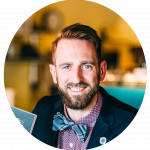
Aaron-Velky-Phoenix-Business-RadioAaron Velky is a keynote speaker, CEO and coach. His career has been dedicated to building movements, companies and leaders.

Get Out of Your Own Way, his leading coaching company guide soon to be and successful entrepreneurs to a clear direction in their lives and business – more income, more freedom and more purpose.

He leads retreats and leadership training for hundreds across the US, creating change for other emerging leaders and companies.

He’s the CEO of Money Club, an economic empowerment and financial wellness organization that blends personal finance with professional development. And he’s the author of Let Her Play, a guide for sports coaches and parents that coach female athletes. Outside of the professional sphere, Aaron is a dad, a comic book nerd and adrenaline junky.

Connect with Aaron on LinkedIn, Facebook, Twitter and Instagram.

About Culture Crush

Culture is not just a tag word to be thrown around. It is not something you throw in job descriptions to draw people to applying for jobs within a company.

According to Marcus Buckingham and Ashely Goodall in their book Nine Lies About Work, “Culture is the tenants of how we behave. It’s like a family creed. This is how we operate and treat each other in the family.”CultaureCrushKindraBanner2
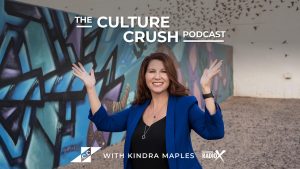
As a growing company- Culture Crush Business Podcast is THE culture improvement resource that supports companies and leaders.  Our Mission is to improve company cultures so people WANT to go to work. Employees and leaders should like where they work and we think this is possible.

Within the company: Culture Crush has Vetted Resources and Partnerships with the right people and resources that can help improve your company culture.

On this podcast:  We focus on everything surrounding businesses with good company culture. We will talk with company leaders to learn about real-life experiences, tips, and best practices for creating a healthy work environment where employees are finding joy and satisfaction in their work while also striving and growing within the company.  We also find the companies that offer resources to help improve company culture and showcase them on the show to share their tips and tricks for growing culture.

About the Host
ABHOUTHOSTHEADSHOT

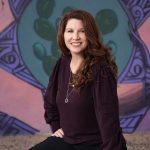
Kindra Maples  is spartan racer, past animal trainer, previous magician’s assistant, and has a weakness for Oreo cookie shakes. Her journey working with people actually started working with animals as a teenager (don’t worry we won’t go that far back for her bio).

She worked for over 15 years in the zoo industry working with animals and the public. Her passion of working with animals shifted into working with people in education, operations and leadership roles. From there her passion of leadership and helping people develop has continued to grow.

Then came the opportunity for leading  the Culture Crush Business Podcast and she jumped on it. Leadership, growth, and strong company cultures are all areas that Kindra is interested in diving into further.

Shout Outs

We want to thank a few people for their behind the scenes effort in helping this relaunch to come to life. James Johnson with Tailored Penguin Media Company LLC.– It is a small, but powerful video production company with a goal to deliver the very best by articulating the vision of your brand in a visually creative way. Gordon Murray with Flash PhotoVideo, LLC. -Flash Gordon has been photographing since high school and evolving since then with new products that will equip, encourage, engage, and enable. Renee Blundon with Renee Blundon Design – She is not only one of the best free divers (that’s not how she helped with the podcast) but she is great with graphics design and taking the direction for the vision that you have while also adding creative ideas to bring to your vision to life.

These are just a few of the folks that supported the relaunch of the podcast. If you would like to be part of the Culture Crush team or would like to support underwriting the show- please reach out: info@culturecrushbusiness.com
Tagged With: Coaching, Leadership, retreats, Transformation, workshops

EPISODE 101: How Senior Living Providers Should Approach their Digital Health Transformation Journey

March 3, 2023 by Karen

EPISODE 101: How Senior Living Providers Should Approach their Digital Health Transformation Journey
Phoenix Business Radio
EPISODE 101: How Senior Living Providers Should Approach their Digital Health Transformation Journey
Loading
00:00 /
RSS Feed
Share
Link
Embed

Download file

EPISODE 101:  How Senior Living Providers Should Approach their Digital Health Transformation Journey

EPISODE 101: How Senior Living Providers Should Approach their Digital Health Transformation Journey

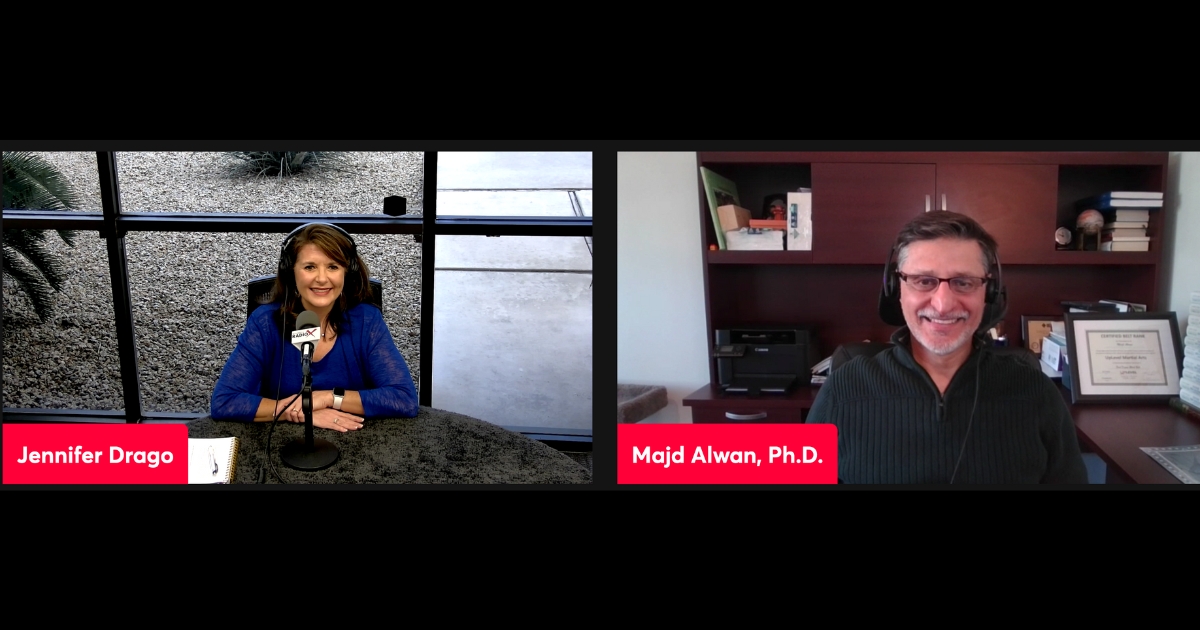
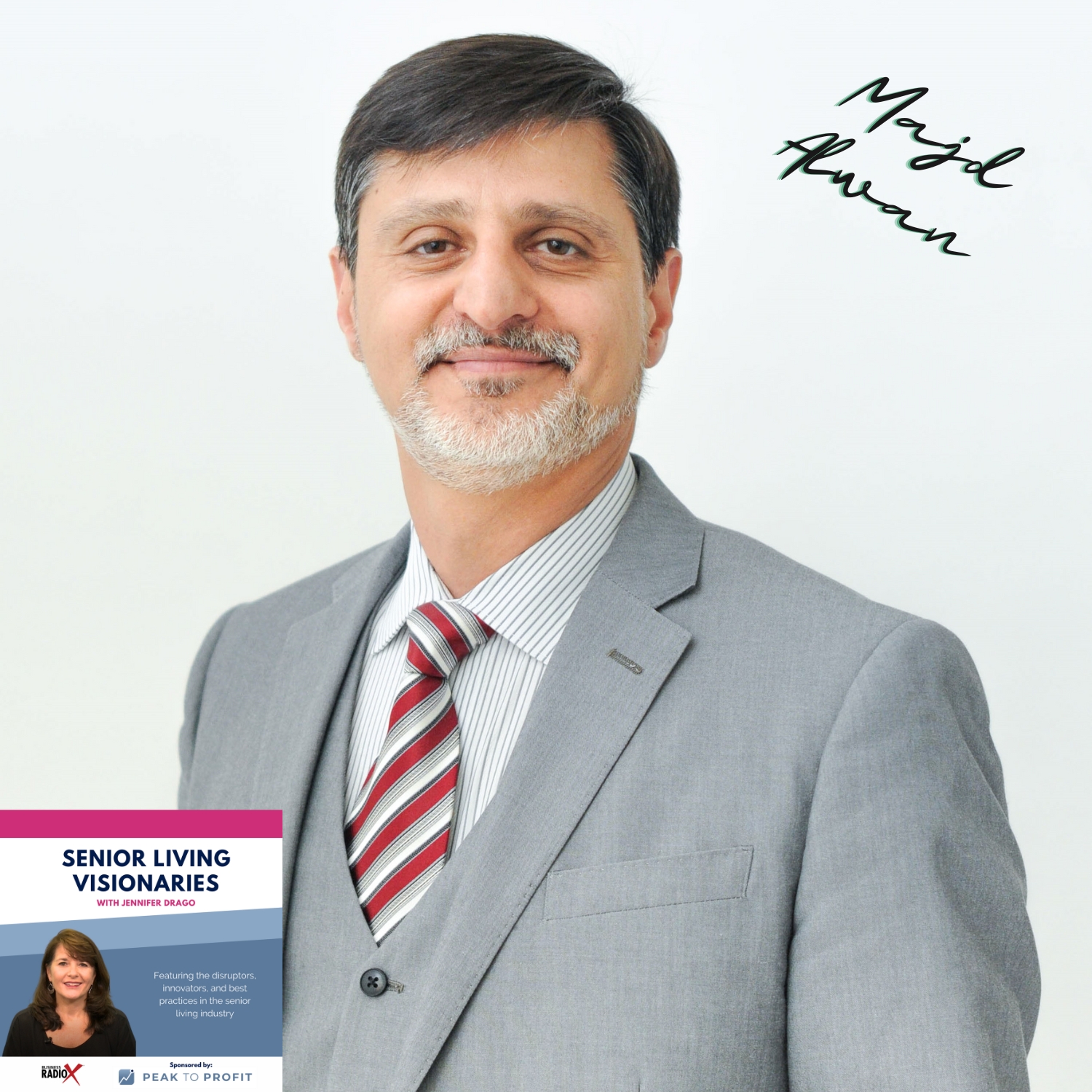
In this episode, host Jennifer Drago interviews Majd Alwan, PhD, digital health and aging services technology expert, and former Executive Director of LeadingAge Center for Aging Services Technologies. They discussed some of the most promising technologies to promote safety, wellness and social connectedness among senior residents, as well as technologies that can help with staff recruitment/retention and productivity.

In addition to learning about promising new technologies in senior living, Dr. Alwan provided guidance and resources on how best to evaluate and select technologies that will meet organizational objectives while having a return on investment.

Senior living leaders who are leading their organization’s digital health transformation journey will benefit from Dr. Alwan’s answers to questions about:

  1. where to start when there are so many technology tools and options,
  2. what to do BEFORE you implement technology that you hope will streamline processes,
  3. how to integrate technology plans with the organization’s strategic plan and
  4. how to structure a selection process to ensure the best technology choices for the organization.

Alwan Advisory Services provides consulting to a wide range of providers, technology companies, including start-ups, investors, and policy makers on issues related to technology and business innovation in the aging services sector.

Majd-Alwan-Senior-Living-VisionariesMajd Alwan, Ph.D., is an independent digital health, health IT, and strategy expert and a noted authority on aging-services technologies.

In his previous role at LeadingAge CAST, Dr. Alwan was responsible for creating and leading a network of technology companies, providers and research institutions focused on technology solutions for an aging society.

The network advanced the interests of older consumers, caregivers and providers and fostered opportunities for collaboration between provider organizations, technology companies, and research institutions in exploring product development, testing prototypes, evaluating technology and deploying technology-enabled care models.

Prior to joining CAST, Majd served as an Assistant Professor and the Director of the Robotics and Eldercare Technologies Program at the University of Virginia’s Medical Automation Research Center. His research interests there included passive functional and health assessment, biomedical instrumentation, medical automation, as well as eldercare and assistive technologies.

Connect with Majd on LinkedIn, Facebook and Twitter.

TRANSCRIPT

[00:00:05.45] Welcome to Senior Living Visionaries, a podcast for senior living leaders who are looking to stay ahead of the curve in the industry. On this show, we feature leaders and innovators in senior living who are pushing the boundaries and creating new effective services and solutions. And now, let’s settle in as host, Jennifer Drago, connects us with today’s guests.

[00:00:31.18] Welcome to Senior Living Visionaries, broadcasting live from the Phoenix Business RadioX Studio, where we showcase leaders and innovators who are shaping the future of senior living. I’m your host, Jennifer Drago, Strategy Coach and CEO of Peak to Profit.

[00:00:47.05] And my guest today is Dr. Majd Alwan, and he is an independent Digital Health, Health IT, and Strategy Expert, and a noted authority on Aging Services Technology. I’m so excited [00:01:00.00] that he’s here today. You might know the name Dr. Majd Alwan as the former Executive Director and Senior Vice-President at LeadingAge CAST, where he was responsible for creating and leading a network of technology companies, providers, and research institutions focused on technology solutions for an aging society.

[00:01:21.64] Prior to joining CAST – and I just learned this recently – Majd was an assistant professor and the director of the Robotics and Eldercare Technologies [00:01:30.00] Program at the University of Virginia’s Medical Automation Research Center. So, we have the perfect guest to launch our podcast here, Senior Living Visionaries.

[00:01:41.62] Today, Dr. Alwan has his own company. He’s recently left LeadingAge – and I’m sure they’re very sad about that. But, now, he’s available to all of us to provide consulting to a wide range of providers, technology companies, including startups, investors, and policymakers on issues related to technology [00:02:00.00] and business innovation in the aging services sector. So, thank you so much, Dr. Alwan, for being here today. And how are you doing?

[00:02:09.01] I’m doing great. Thank you so much, Jennifer. It’s a pleasure and honor for me to be with you here today. And I’m excited to be the inaugural guest on your show. Congratulations.

[00:02:21.07] Thank you so much. I’m very excited. And there’s nothing more important, I think, to senior living providers and to the industry as a whole than the emergence [00:02:30.00] of technology. And technology is really hitting us at a blinding speed. And one of the things that I hope to unpack with you today is how providers can really evaluate technology intelligently and logically.

[00:02:45.10] Because we all know sometimes technology comes with price tags that can break the budget, and we don’t want to do that especially in today’s very challenging time in our industry. Costs have escalated. We are having staffing challenges [00:03:00.00]. And we want to use technology in a way that has an ROI that provides things for our residents, perhaps makes them safer, makes them better socialized or healthier, or that provides us with efficiencies in the way that we do things in our businesses. And so, those are some of the topics that I know we’re going to dig into today. And I’m just, again, really excited to have you here.

[00:03:25.75] Great. Thank you.

[00:03:26.89] Yeah. So, let’s start with [00:03:30.00] technology as it relates to our residents. So, tell us about two or three areas that you see technology impacting senior living communities as it relates to resident socialization, safety, or their wellness. Because, obviously, when we operate a senior living community, first and foremost, is, how are we protecting our residents, keeping them safe, keeping them happy. So, tell us about that.

[00:03:57.97] Absolutely. You touched upon [00:04:00.00] very, very important areas, the safety, the socialization, and the wellness. And they’re all, believe it or not, related. So, safety is a need. While it’s really important for the providers embracing technology in this area or pushing technology down the resident’s or the client’s throat can be hard. It can be perceived to be stigmatizing. So, [00:04:30.00] we really need to be very careful and to make sure that we engage the residents in this process in terms of buy-in, and not just acceptance, embracement, because you want them to not just accept the technology but embrace it, to use it, and to get the most benefit.

[00:04:50.44] So, in terms of safety, there are two or three areas that I want to focus on. Believe it or not, falls [00:05:00.00] are still high in senior living communities, and that’s an important area. Of course, there are a lot of solutions out there now that focus on fall detection, which is important.

[00:05:15.43] But, again, fall detection, the three important parameters provider’s need to look at in terms of fall detection. Number one, the accuracy of the detection. What’s the sensitivity of the technology [00:05:30.00] that’s being deployed, i.e. what’s the rate of missing a true fall? That should be as close to zero as possible. The other thing, the flip side of that coin, is the specificity. You don’t want a technology that alerts to falls that gives you false positives, a high number of false positives, because that’s going to annoy staff and drive them to ignore [00:06:00.00] those alerts and those signals. So, that’s the second thing.

[00:06:05.71] The third thing is the potential for integration into the workflow to reduce the actual response time. Not just how quickly you detected the fall from the minute it happened or the instance it happened, but also how quickly can you send someone help, if [00:06:30.00] someone is living in the community, without necessarily sending the EMS and the fire department to break down the door and find out that someone just took off their pendant and slammed it on the dresser before going into the shower. So, that’s another one.

[00:06:51.70] And the third thing – the fourth thing, I should say, is the potential for preventing the fall, either identifying [00:07:00.00] the root causes or the circumstances and the environment conditions that led to that fall so that you can address them and/or identifying early signs of increasing fall risk. And intervening early on, whether it’s with exercise, whether it’s with rehabilitation, whether it’s with medication review, environmental review, and so on and so forth. So, these are the four things that [00:07:30.00] I would touch on falls.

[00:07:31.75] Another important area of safety, as we’ve all seen over the past few years, is infection control, measures for infection control. Whether those are, again, related to cleaning and disinfection, whether these are related to verification of cleaning and disinfection, whether they’re related to processes, for example, using telehealth, using social connectedness to reduce [00:08:00.00] sort of the spread of viruses, or even clinical decision support systems built into the electronic health records and built into sort of reviewing vital signs that may provide the providers with insights in the earliest instance of potential infection that they need to take care of.

[00:08:23.65] The third area, again, related to a broader set of clinical [00:08:30.00] decision support systems, for example, prevention of pressure ulcers in skilled nursing facilities, particularly dehydration, falls prevention, and so on and so forth. So, that’s with regards to the safety, the need.

[00:08:49.03] But I always find that socialization is a want. And it’s something that is much easier to accept and embrace, [00:09:00.00] especially when you have a technology that is intuitive, easy to use, that is easy to train on, and that is multimodal that caters for a broad array of older adults with different types of deficits, whether it’s vision, dexterity, hearing impairments, and so on and so forth. Voice as one user interface is a great [00:09:30.00] example.

[00:09:31.90] Another important aspect related to socialization technologies, again, because it’s a want and we are different people with different sort of likes and dislikes, it’s important for the technology to be personalizable and customizable in terms of content, but also in terms of channel, whether we sort of layer [00:10:00.00] the the content on top of a T.V. set through a setup box, or a tablet or a smartphone for those who are more sort of younger, older adults who are familiar with smartphones, or voice control devices, and so on and so forth.

[00:10:20.57] Yeah. So, Majd, you’ve talked about a lot of topics there, and I just want to hit on a couple, but let’s start with the socialization piece. So, we know [00:10:30.00] with COVID and the whole pandemic, as senior living communities really responded to that, it left a lot of the residents feeling isolated, sometimes in their own units most of the day. And I think that’s really where we started to see these apps that could socialize and connect them to different activities and to each other even before the pandemic. But I think they really proliferated during that period.

[00:10:56.39] Absolutely.

[00:10:57.26] Do we know for sure that technology [00:11:00.00] and apps are a good substitute for person-to-person connection? I mean, in-person connection?

[00:11:07.37] I don’t believe it is a substitute. I beg to differ on the word substitute. Technology is almost always never a substitute for anything. Technology is just a tool that can enhance, supplement, and augment, and [00:11:30.00] complement whatever we are trying to do.

[00:11:35.06] So, again, imagine social connectedness modality that eliminates the human touch. That is going to actually backfire and have, not necessarily unanticipated – an unanticipated, actually, downside that is sort of lack of human touch. It [00:12:00.00] may work for certain people with certain personality traits. But, again, that’s why I focus on personalization.

[00:12:10.16] And that’s why I talked about multimodal, because, again, socialization, I may enjoy having a conversation like this live through audio video. Others may prefer to chat. They’re a little bit camera shy and they prefer to chat. [00:12:30.00] So, again, the multi-modality helps you ensure that you are catering for the different set of personalities and the different traits. But it’s definitely not a substitute.

[00:12:45.68] And, again, when we have the right technology and the right content connecting them to the right parties, because communications and engagement, it’s [00:13:00.00] at a minimum a two-way street. So, we need to know who they’re interested in connecting and engaging with and cater for the modalities on both ends. So, when we sort of do this right, it helps increase, actually, the interpersonal communications, interpersonal connections, and strengthen [00:13:30.00] it as opposed to reduce it.

[00:13:32.72] Great. Great. And I love how you started your conversation by saying we have to engage our community in the technologies that we want to adopt and make sure that they are involved from the very frontend of that. But then, what you just said, too, is as we’re implementing, any time we can personalize it to the individual user, it’s going to have so much more impact for that personal user. So, I really like that.

[00:13:59.84] Absolutely. [00:14:00.00]

[00:14:00.92] Yeah. I also want to go back to something that I’m pretty passionate about, and that’s falls prevention. I’m guessing a lot of providers who are listening to this are well-aware of fall detection devices. Those, again, have been around a long time from the lifeline pendants, I’ve fallen and I can’t get up, to sensors that can be in apartments that can kind of monitor movement and drastic [00:14:30.00] changes in movement.

[00:14:32.36] What I really love in our industry today are the technologies that are focusing on preventing falls. And I certainly hope that from a resident perspective, they embrace these types of technologies, which don’t have to be potentially in their units everyday. But it can be something that helps evaluate their gait or their balance or things that, to your point, we can take action to improve before there’s a fall. And [00:15:00.00] I just love those types of technologies. Are you seeing more and more of those and do you feel that they’re pretty accurate in being able to identify fall risk?

[00:15:09.95] Absolutely. Again, we are seeing a lot of innovation. There’s a lot of innovation that involves vision, analysis, and using computer vision and artificial intelligence, AI, deep learning AI that evolves the models [00:15:30.00] that are being used to model and detect movement and activities. And, hence, improve, and also at the same time detect falls, different types of falls. Because, again, you know that there are different types of falls.

[00:15:50.23] And the advantage of some of those vision-based and AI- powered solutions is that they can (A) learn [00:16:00.00] and evolve with time. The more sort of instances they see, the better they get. The other thing is that because they’re imaging and vision-based, you can always go back. And whether it’s via a human or human in the loop can go back and review the videos or review the few minutes before the falls to see the exact circumstances [00:16:30.00] and the root causes for that particular fall, address those root causes to prevent future falls. Not just detect and rescue the individual who has just fallen, but try to eliminate the causes that led to that last fall.

[00:16:49.81] And we are starting to see an actual reduction in the frequency of falls as a result of using those technologies. So, again, [00:17:00.00] now many of these systems are using the human expert to review these short recordings right before the fall was detected. But we also are seeing smaller startup technology companies that are using machine learning to analyze those scenes right before the falls. And trying to identify the risk factors and provide some decision [00:17:30.00] support for the staff, giving them sort of indications to what might have led to that fall.

[00:17:40.84] And, again, if the staff address those issues, we’re starting to see a reduction in the frequency of falls. And hence, of course, liability risk, costs of care. Take, for example, transfers to hospitals. When we reduce the incidence of falls, that’s [00:18:00.00] going to decline significantly. And that’s a cost that could be borne by the senior living provider or the payer in the worst case scenario.

[00:18:15.04] Right. And that’s important, Majd, because we know as senior living providers that the health care systems, the providers, and the insurers, if they’re not our partners today, they are our future partners. And so, any way [00:18:30.00] that we can add value by doing our jobs better.

[00:18:34.63] I love that you talked about doing a root cause analysis. I come from hospitals and health systems, and we’ve been doing root cause analysis for as long as I can remember. Whenever there’s an event, you do a root cause analysis and you learn from that. And to your point, apply those learnings so that it doesn’t happen in the future or it happens with much less frequency in the future. So, I love that you’re talking about providers getting more skilled in [00:19:00.00] that type of work as well.

[00:19:02.02] You know, I’m a systems engineer, I don’t have the tunnel vision perspective. I always like to look at the big puzzle, big picture. And, again, this is especially important with falls, because falls, as we all know, is multifactorial. So, there could be environmental factors. There could be medication, polypharmacy, side effects of medications, it could be vision and lighting, he steps and [00:19:30.00] drugs, you name it. In addition, of course, to the innate issues related to what you described early on in terms of balance and functional abilities, and drop foot, and so on and so forth, that could be addressed by physical therapists and clinicians.

[00:19:52.78] So, this is a point that I think you and I were hoping to make today, which you’ve already said it once, technology is a tool. It’s not the be all end [00:20:00.00] all. It’s not the holy grail. And in your examples that you just provided us around fall prevention, really, is a technology potentially matched with a human presence that can evaluate all the other aspects of what’s going on in the apartment, what’s going on with the medications, even beyond what the technology does.

[00:20:21.96] Absolutely. So, you’re bringing me to the third category of technology that you mentioned in your first question, which is wellness. So, we [00:20:30.00] talked about the two extremes. The need when there is a risk, like falls, for example, and the want when in socialization. But in between, there is a continuum of technologies to help in the wellness, whether that’s technologies that can monitor and encourage physical activities, again, ranging from monitoring and counting steps, all the way [00:21:00.00] to doing virtual coaches for tai chi and physical therapy or even dance.

[00:21:08.46] Monitoring of nutrition or taking care and looking at nutrition, this is especially important for older adults who are known to have multiple chronic conditions, sort of we need to feed them right and make sure that they’re getting the nutritious values, but without necessarily [00:21:30.00] negatively impacting whatever chronic condition they may have, for example, the salt content for hypertensive, and so on and so forth.

[00:21:38.97] The third thing is monitoring for biometrics, using biometric remote patient monitoring, and so on and so forth. And combining all of this – again, I’m going to go back to my soapbox and harp on the want – making the context for this [00:22:00.00] wellness management and chronic disease management more fun than directives, just instructions. I’m going to use a politically incorrect word, barking instructions at them. We need to sort of walk them through the rationale why this is not good for you. And walk them through alternatives that [00:22:30.00] are good for them, but they enjoy.

[00:22:33.93] Again, whether this is related to nutrition and nutritious substitutes or related to alternative types of exercises and physical activities, we need to find the sweet spot and what makes that individual tick or makes them motivated to take control of their own physical [00:23:00.00] and mental wellness.

[00:23:03.54] Yes. That is a topic I am very passionate about. And probably a topic for a whole nother show is how do we motivate and engage seniors around their health, especially as it relates to chronic conditions.

[00:23:17.28] Gamification is a great potential way to do so, I really believe so.

[00:23:23.52] Yeah, I agree. I agree. Well, I have so many other things I want to talk to you about, so let’s keep going. [00:23:30.00] And for listeners, I want you to know we are going to also touch on before we end, how to invoke a process in your own organization that helps you make logical decisions around technology without breaking your budget. Because there are so many options. And where do we start? What are the priorities in your organization? And, again, Majd has been doing this for a long time and has a lot of advice on this.

[00:23:56.37] But before we go there, let’s now turn our focus away from residents [00:24:00.00] to more of the back office things or even front lines. We know that senior living is facing unprecedented staffing shortages, what do you think are the top types of technology that would help providers improve their productivity or their staffing efficiencies? And you’ve seen everything, so I’ll just leave it to you to take that one on.

[00:24:26.34] Absolutely. So, again, staff today, especially [00:24:30.00] after COVID, the number one demand or request – what? What do you think?

[00:24:36.96] Well, caregivers. Is that what you mean? What type of –

[00:24:40.41] No. No. Their demand. The demand from caregivers, what do you think is the number one demand and expectation?

[00:24:47.16] Well, they want to be safe from an infectious disease perspective, I imagine. And I know salaries have gone through the roof, so I imagine that compensation is a big one as well. [00:25:00.00]

[00:25:00.18] Yeah, absolutely. But the other one is flexibility. Everybody wants flexibility this day and age, especially now that they and their family members have the ability to work-from-home, work different schedules, and so on and so forth. So, I think flexible scheduling and self-service and self-directed scheduling is really important and going to continue [00:25:30.00] to gain sort of position.

[00:25:34.21] The other thing is, we have limited number of staff, limited hours. We have a lot of processes. So, we need to think about how we can digitalize and process engineer or process reengineer, reengineer processes so that they can take advantage of digitization, where you can input [00:26:00.00] data only once and use it multiple times rather than enter it multiple times in different systems. We need to sort of think about automation potentials like case automation, for example, process automation platforms.

[00:26:19.84] Robotics, in general. Specifically robotic process automation that can help us. For example, the last two, the case automation platforms and robotic process automation [00:26:30.00] can help us, for example, completely automate and reduce the staff time on things like onboarding a resident or a client admission, billing, reprocessing, denied claims with insurance, transfer and referrals, and so on and so forth. So, physical robots, especially service robots, whether it’s in [00:27:00.00] dining, cleaning, lawn mowing, and so on and so forth, they are gaining acceptance and providing ROI.

[00:27:10.96] Telehealth, remote patient monitoring, in particular. Again, electronic health records that are implemented correctly where you can have access to the same data by multiple clinicians, including, potentially, coordinating with other care providers [00:27:30.00] and care partners. So, these are some of the ones.

[00:27:35.80] And, also, for those who are on sprawling campuses and cottages, and so on and so forth, even in high rise CCRCs, think about the potential of automation and smart home, turning things on and off, automating check ins, for example, auto-detecting occupancy, [00:28:00.00] and so on and so forth. That’s all really important for gaining on maximizing efficiencies using technology.

[00:28:08.71] Yeah. I love it. I want to talk about at least two of the areas that you mentioned. One, flexible scheduling. I love this as a focus for senior living providers. And we know that there is certainly a portion the team that can work from home. But we need front line. We need people in the community. So, flexible [00:28:30.00] scheduling works for both types. Is that correct?

[00:28:34.36] Absolutely, yes. Absolutely.

[00:28:36.31] So, somewhere where we can help employees to feel that they have direction over their own schedule or at least over their scheduling requests makes us an employer of choice or could make us an employer of choice, so that’s really important. And those systems have been around for a while, so I imagine that they’re pretty well put together at this point.

[00:28:57.76] And they’re getting better. Again, they’re [00:29:00.00] starting to use artificial intelligence as well in terms of modeling the employees preferences and making suggestions or recommendations. And remember, this also has a byproduct, and that is a better work-family-life balance that we all sort of sometimes struggle with. Which leads [00:29:30.00] to satisfaction and higher retention. And we all know that this industry is also suffering from high turnover rate. So, this can improve retention of our staff.

[00:29:45.88] Yeah.

[00:29:46.21] And reduce, of course, the cost of recruiting and replacing those staff members.

[00:29:55.84] Exactly. Exactly. That’s so important. I bet you’ve made a lot of people’s [00:30:00.00] ears perk up right then because I think it’s something that everyone is focused on today.

[00:30:06.01] I want to ask you about robots. You said that you do see an ROI from robots. I’ve seen them most frequently in Arizona in the dining venues delivering meals. I haven’t seen the robots that mow the lawn. I think my husband would have loved that when we had a lawn. But tell me more about the ROI and whether this truly does replace [00:30:30.00] some positions that we would otherwise have to staff with humans.

[00:30:34.96] Yeah, absolutely. So, again, in terms of delivery, whether it’s meal delivery, it’s delivery of mail to residents, or any kind of delivery of medications, robotics is sort of becoming a popular and cost effective way to do it. [00:31:00.00] It allows you to repurpose some of those staff members that were sort of busy shuttling between the kitchen and the dining room, for example, in the dining example, or between the pharmacy and the nurse’s station stocking carts with medications, and so on and so forth. You can sort of reduce [00:31:30.00] that time and get the staff to have more meaningful tasks that involve the residents. So, the higher touch, more valuable time spent with staff.

[00:31:46.69] So, that’s one of the approaches. But, again, the robotics that are used in disinfection cleaning and infection control are also [00:32:00.00] extremely important. And we’re starting to see those, not only being used in acute care and starting to get into long term post-acute care, but also in schools, disinfecting schools after the students go home, and so on and so forth.

[00:32:18.43] I love that. I love that idea. And you reminded me that when I worked in a senior living community during COVID, mail delivery was a huge issue. [00:32:30.00] The U.S. Postal Service did not want to deliver mail to the casitas in our community. And I don’t think the staff or the residents were keen on coming to get their mail or necessarily having anybody touch their mail. So, it was this whole thing. I hadn’t considered the mail delivery, but that’s an important thing. And the reason I – go ahead.

[00:32:52.15] No, no. Go ahead, please.

[00:32:53.68] I was going to say, the reason that I have kind of a love-hate relationship with the idea of these robotic things, I love the [00:33:00.00] infection control, but I feel like sometimes we might see providers gravitate toward shiny objects. And that’s a shiny object. It’s something that the residents are, “Oh, that’s cute and it’s feasible. And we can get some even press attention from it at times.” But is there truly an ROI? And so, I know that’s something that you and I want to talk about is how you evaluate whether this truly is making an impact and is not just a shiny object that gives [00:33:30.00] us some exposure.

[00:33:32.02] Absolutely. We looked at several case studies last year during the LeadingAge Annual Meeting. We actually had a session focused on robotics and the ROI. Joe Velderman, is a friend and a CAST commissioner from Cyprus living in Florida. They [00:34:00.00] were having significant issues with attracting dining staff, especially when they have a young staff who is not trained to carry large trays with multiple dishes or clear tables. They were having issues with training them and getting to onboard them quickly.

[00:34:27.94] And when they deployed robots, [00:34:30.00] they assigned those individuals to oversee. But the robots are the ones that bus the plated trays. The individual just hands the plates to the residents and engages with them. There were a lot more satisfaction on both ends. And, also, a lot less shuttling and a lot less confusion in terms of [00:35:00.00] delivering the right meal. And they were able to reduce, not necessarily the staff, but they were able to reduce the cost of the dining, and were able to give the staff a raise of about 50 percent, which, again, lead to higher satisfaction and longer retention for those staff.

[00:35:28.73] Perfect. Perfect. [00:35:30.00] And one other area you mentioned that I just want to give a little shoutout to or love to is, some of the paper processes, as providers, that we are engaged in, whether it’s getting the admission paperwork, the billing, the claims, the claims denials, even paying your accounts payable, that is an area, honestly, I believe, is also in shortage across the country as having good admissions and financial services [00:36:00.00] people sometimes. And so, any way that we can automate that as an industry, I think, is going to bring us increased efficiencies and lower costs.

[00:36:11.24] Absolutely. Absolutely. And this is why I believe in the importance of, not just digitization, but digital transformation, which is a comprehensive process that starts with digitization and goes into [00:36:30.00] analyzing processes, redesigning processes, or reengineering processes, and then automating. But to be able to do all of that, you need to ensure that we liberate the data from the different software system silos and have a data warehouse, and the right application programming interfaces or integration engines.

[00:36:57.98] And we can pull that data from multiple [00:37:00.00] sources and feed it into our process, automation platform or robotic process automation. And that’s where we can milk efficiencies from all the system, all the components of the systems within our organizations. And, moreover, when we have the data liberated, we can utilize data analytic tools to better understand where we are to [00:37:30.00] measure our performance and our efficiencies, visualize the data, so that’s prescriptive analytics – or descriptive analytics, I should say. We can start building predictive modeling, again, go on to have decision support or prescriptive analytics to help us with decision support and even automated decision making were warranted or [00:38:00.00] possible.

[00:38:01.46] Yes. Thank you. That might be a whole topic for another podcast too. But you brought up another good point that I was hoping that we could get across to listeners today, is that, make sure that we’re not just taking technology, something that sounds like a great technology application, like let’s say back office automation, and slapping it on top of processes that stink from the beginning.

[00:38:28.85] Fraud [00:38:30.00] processes, inefficient processes – exactly – that do not take advantage of the fact that you have digital tools today to do this.

[00:38:39.89] Right. So, we have to have those interfaces built, the warehouses, and the process has to work right before we put technology on top of it. Technology will accelerate it.

[00:38:50.57] Absolutely. Yeah. We have to re-engineer or redesign the processes to take advantage of all the digital capabilities and [00:39:00.00] the data elements that we have at our fingertips.

[00:39:04.94] Perfect. So, if a senior living provider is listening today, who maybe is at the beginning or early in their digital transformation journey, where would you suggest that they start to look at opportunities in terms of where technology could best suit them in their organization? We’re going to talk next how we evaluate that technology. But what would be the area? We’ve talked about so many today. [00:39:30.00]

[00:39:30.14] Sure. Well, again, there is no one size that fits. Providers come in all shapes and sizes, and problems, and the approaches, and opportunities. So, there are three approaches. One might look at what is known as low hanging fruit, things that could be implemented quickly at a low cost to solve [00:40:00.00] a problem. That problem may be small, it may be big. So, that’s one approach.

[00:40:06.20] Another approach that I see people take is tackling their biggest pain point, their biggest problem, and putting all of their resources on top of it. In my opinion, both can be advantageous. The first one is advantageous short term. The second one may or may not be advantageous [00:40:30.00] long term if you commit to it.

[00:40:34.28] I’m a systems engineer by training, by mentality, and by approach. I see the biggest opportunity in taking a strategic look, revisiting their strategic goals, their strategic plan, identifying where they want to be, in which area, is it going to be growth [00:41:00.00] in home health or focus on the campus. I believe that they need to figure that out and then link each of the strategic goals to an array of enabling technologies that are going to be key to advance that goal.

[00:41:21.83] So, for example, telehealth and medication management, if they want to be the known provider [00:41:30.00] who takes care of chronically ill individuals, whether it’s on-campus or off-campus. Tools for home care and home health staffing and scheduling if they’re going to go outside the campus. Engagement tools and modalities that link those clients to the organization and helps them become loyal clients and customers, [00:42:00.00] and also good referral sources for additional clients in the community, and so on and so forth.

[00:42:09.11] So, I firmly believe in strategic planning, ingraining technology into strategic planning, and conducting strategic IT planning. Preparing the infrastructure to be able and capable of supporting all of the different technologies that they are going to layer and cater for a well-known certainty. And that is the increasing [00:42:30.00] demand on bandwidth, which is exponential. It increases by 50 percent year over year.

[00:42:36.41] Wow. That’s crazy. That’s crazy. Well, I have to say, you’ve spoken to my heart. I’m a strategic planning consultant, and so I love that you said get your strategic plan in place, your vision of where you’re taking your organization, and then layer the technology on top of that where it’s going to help advance your strategic goals. And I also love the idea of having a strategic IT [00:43:00.00] plan underneath your strategic plan. So, I think we’re very much in alignment there. And what great advice as a third takeaway from today, which is make sure your technology is supporting your strategic goals.

[00:43:15.92] And in our final minutes, I want to ask you – and I know this is a hard question to answer in a really succinct time period – what kind of process would you recommend a provider have in place to evaluate [00:43:30.00] technology? So, say, we’ll use your home care example, if they really want to build their home care and related services, and they have a number of technologies that they want to evaluate, what would a process look like that would help them evaluate, not just the cost, but the different capabilities of the systems, the ROI, things like that?

[00:43:53.90] Well, this is something that we’ve done that I helped built at LeadingAge CAST for the past, [00:44:00.00] at least, 11 years. Actually, I use to get this question a lot. I’m a CCRC. I’m planning to implement telehealth. What’s the best telehealth solution that’s out there?

[00:44:19.16] And, again, the first step is to identify where do you want to deploy telehealth? Is it just in home health? Is it just on-campus? [00:44:30.00] That’s the first step. The second step is, What are the functionalities and features that I really need in this technology based on, not only the care setting, but also the population that I’m serving? What are the the common chronic conditions that I’m planning to tackle or my team is sort of specialized in addressing? What [00:45:00.00] kind of integrations do I need?

[00:45:03.74] So, for example, if I have an electronic health record already and I’m looking for a telehealth, and I’m not planning to change that EHR because I love it, my staff love it. I need to ensure that the technology I’m selecting also integrates seamlessly. Or the vendor is willing to build a custom integration and prove it to me [00:45:30.00] before I commit to purchasing. So, again, soliciting those requirements from a multidisciplinary planning team from every department that solution is going to touch, including the billing, for example, including the IT. And it shouldn’t be led by IT. It should be led by the business leader of that team [00:46:00.00] who’s going to deploy this, and so on and so forth.

[00:46:03.33] So, what we’ve done is built over 13 of these technology selection tools, ranging from social connectedness all the way to electronic health records and even health information exchange. We asked the vendors who are out there over 200 to 300 questions like this, mostly yes/no questions. And we also asked about how [00:46:30.00] long the company has been on the market, how many clients or organizations they are serving, if they have case studies, and so on and so forth.

[00:46:44.34] And we put this in online selection tools that helps them quickly sort of narrow down and get a shortlist of potential vendors. All of this is available, even the [00:47:00.00] background that I talked about, the process is described in a white paper. For those who are busy, there is an interactive yes/no question driven tool that can give you an idea about this process in, like, ten minutes or less. There is also an interactive selection tool that works on this huge matrix of vendors and solutions. Also, a set of case studies from providers who have implemented these kinds of technologies. [00:47:30.00]

[00:47:30.78] So, all of these are available to providers in addition to additional tools on cybersecurity, on strategic planning, strategic IT planning, and so on. And even digital transformation, which was the crown jewel, as I call it, that sort of sits on top of all of these resources that we built for providers. And they’re all available online for free on leadingage.org [00:48:00.00] under the technology topic and issue tab.

[00:48:07.71] Perfect. So, leadingage.org, and then under the technology tab.

[00:48:14.10] Issues and Topic, and then you select technology.

[00:48:16.83] Issues and Topic, and then technology. And there is a wide variety, as Dr. Alwan suggested, of resources. But if you want to get really clear on a process that your organization can use to select technologies [00:48:30.00] and then, to your point, help narrow down that selection, it’s all there for the taking. So, Dr. Alwan has left LeadingAge CAST, but left all of those resources behind. And so, we’re so thankful for you and your team and the work that you’ve done. And I know LeadingAge will continue to do in this area.

[00:48:50.37] Thank you. Absolutely.

[00:48:51.00] Dr. Alwan, as we close, tell us what you’re doing today, the type of work that you’re doing today, and how folks can [00:49:00.00] get in touch with you if they would like to engage your services.

[00:49:04.11] Absolutely. I’m working and providing strategic guidance to a couple of startup companies. I’m also providing guidance and consulting to a couple of established companies, who they’re trying to grow their footprint into the senior living vertical. I am also [00:49:30.00] passionate about advocating for electronic health records and telehealth. I’m volunteering my time on two or three coalitions related to this. And I’m always also helping one provider tackle this selection, specifically technology selection issue. They’re looking to replace their EHR. And I’m here and happy to help any of your clients. They can reach me on LinkedIn, just [00:50:00.00] search for Majd Alwan, and they can message me over there. I would be more than happy to help.

[00:50:06.88] Perfect. Thank you so much. And I want to thank you for everything, all the knowledge that you’ve imparted and shared with us today.

[00:50:13.72] Absolutely.

[00:50:14.71] I’ve learned so much. Every conversation I have with you, I learn so much. And I just want to, again, thank you for your time. I know that our listeners have enjoyed this as much as I have.

[00:50:24.34] Thank you. It’s been a pleasure.

[00:50:26.74] You bet. So, you’ve been listening to Senior Living Visionaries [00:50:30.00] Podcast and Radio Show. I’m Jennifer Drago, and I hope you will join us next time as we continue to explore the cutting edge ideas and breakthroughs shaping the future of the senior living industry. Thanks so much for listening and please subscribe to Senior Living Visionaries on your favorite podcast platform. We’ll see you next time.

[00:50:51.91] You’ve been listening to the Senior Living Visionaries Podcast and Radio Show where we showcase the leaders and innovators in the industry who [00:51:00.00] are pushing the boundaries and setting the stage for the future in senior living and services. Join us next time as we share the bold ideas and breakthroughs of the industry’s most forward thinking leaders here on Senior Living Visionaries.


About The Show

Senior-Living-Visionaries-Podcast-Cover

Senior Living Visionaries is a podcast and radio show curated specifically for leaders in the senior living industry. Our guests are among the best and brightest executives, advisors, and service providers in senior living.

These industry leaders have consistently implemented creative solutions, new customer services, and targeted financial strategies resulting in long-term brand impact and increased revenues.

About Your Host

0217JenniferDrago00654squareWith 30 years of experience working with mission-driven organizations in senior living and healthcare, Jennifer Drago is an executive leader who brings creative, out-of-the-box strategies to help organizations amplify their impact and skyrocket their revenues.

As an award-winning strategist, best-selling author, and certified business coach, Jennifer helps corporate leaders and small business owners develop and implement a laser-focused business vision and strategy so they can earn more and amplify their impact.

Jennifer holds a bachelor’s degree in Finance, a master’s degree in Health Services Administration and an MBA from Arizona State University. She is a Life Fellow of the American College of Healthcare Executives.

About Peak to Profit

Peak to Profit serves senior living, healthcare and nonprofit organizations, helping them identify and execute revenue and growth opportunities through strategic, financial and operational consulting. Our core purpose is to help mission-driven organizations amplify their impact by serving more clients and increasing their financial resiliency.

Our proprietary Peak Performance Assessment provides an objective evaluation of your organization on six key dimensions, identifying areas that need improvement and highlighting growth opportunities. With the assessment results, we help you implement an Impact Roadmap – a clear, measurable action plan to execute your strategy.

Learn more at PeaktoProfit.com.

Peak-to-Profit-logo

Tagged With: Alwan Advisory Services

Opportunities are Everywhere E144

March 2, 2023 by Karen

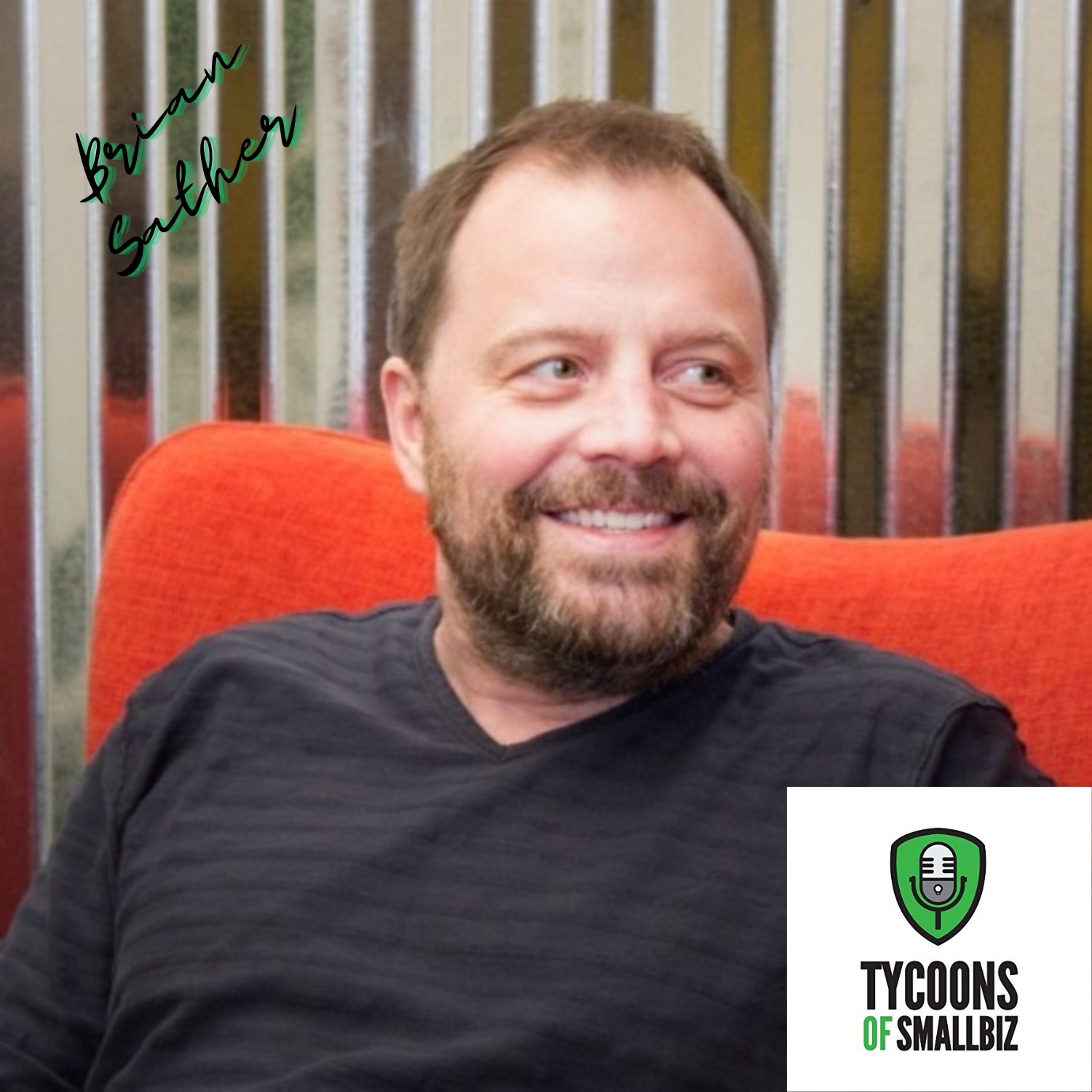
Brian-Sather-Tycoons-of-Small-Biz-feature
Phoenix Business Radio
Opportunities are Everywhere E144
Loading
00:00 /
RSS Feed
Share
Link
Embed

Download file

Opportunities-are-Everywhere

Opportunities are Everywhere E144

Brian Sather joined Tycoons to discuss his experience in production and entrepreneurship. He discussed his desire to being a part of defining the industry. Brian also talked about some of the choices he made during the pandemic and how he had to make changes to his business.

Tune in to hear Brian talk about the importance of finding your niche in business and how social media changes have affected businesses so drastically over the last few years. To learn more about Brian visit blacksmithint.com

blacksmith-logo-color

Blacksmith International and West Brand Lab form a 360 degree service for brand creation and extension in the physical product space. From brand strategy to design and development, GTM, product production and QA, through delivery of product, thet have the team consumer goods brands need to be successful in this changing market.

Their management team is well seasoned across all product disciplines and bring years of training and experience from some of the world’s most respected CG brands like Nike, Lululemon, Puma, and more. They have seen about every possible way to execute on projects and can bring that knowledge to brands who need projects managed from start to finish, or simply an extension of a department that may be understaffed.

The type of expertise they have is rare to find outside of major corporations. There is simply no other company like them.

Brian-Sather-Tycoons-of-Small-BizBrian Sather is the CEO of Blacksmith International, a company passionate about reforming the inefficient, costly, and environmentally damaging way apparel and other soft goods are manufactured. Blacksmith International has headquarters in Salt Lake City, Utah and Shanghai, China.

Brian is also a founder and the CEO of West Brand Lab, a company founded to build and launch new an innovative product lines in the apparel, uniform, and accessory space. West Brand Lab partners with forward thinking brands to launch product line extensionss. West exists at the intersection of brand, product, and tribe where entertainment, content, and innovation come together to create opportunity.

Brian is a founder of the Product PowerUp Conference, a community designed to educate, inspire, and connect entrepreneurs. He is a music fan, musician, skier, Dad, and hardcore entrepreneur. Brian’s career has taken him from startups to Fortune 100s, from acquiring companies to being acquired, from Silicon Valley to the Silicon Slopes, and all around the world.

Brian has previously held the position of Head of Technology Product Marketing at Apollo Group and Vice President, Acquisition Marketing at Optionetics/Charles Schwab.

In Brian’s own words, “I have been blessed with the drive and passion to find solutions to big problems.” Brian received his BA in Political Science from the University of Minnesota- Twin Cities.

Connect with Brian on LinkedIn, Facebook, Twitter and Instagram.

About the Show

Tycoons of Small Biz spotlights the true backbone of the American economy, the true tycoons of business in America… the owners, founders and CEO’s of small businesses. Join hosts,  Austin L Peterson, Landon Mance and the featured tycoons LIVE every Tuesday at 1 pm, right here on Business RadioX and your favorite podcast platform.

About Your Hosts

Autsin-Peterson-on-Phoenix-Business-RadioX

Austin Peterson is a Comprehensive Financial Planner and co-founder of Backbone Planning Partners in Scottsdale, AZ. Austin is a registered rep and investment advisor representative with Lincoln Financial Advisors. Prior to joining Lincoln Financial Advisors, Austin worked in a variety of roles in the financial services industry.

He began his career in financial services in the year 2000 as a personal financial advisor with Independent Capital Management in Santa Ana, CA. Austin then joined Pacific Life Insurance Company as an internal wholesaler for their variable annuity and mutual fund products. After Pacific Life, Austin formed his own financial planning company in Southern California that he built and ran for 6 years and eventually sold when he moved his family to Salt Lake City to pursue his MBA.

After he completed his MBA, Austin joined Crump Life Insurance where he filled a couple of different sales roles and eventually a management role throughout the five years he was with Crump. Most recently before joining Lincoln Financial Advisors in February 2015, Austin spent 2 years as a life insurance field wholesaler with Symetra Life Insurance Company. Austin is a Certified Financial Planner Professional and Chartered Life Underwriter. In 2021, Austin became a Certified Business Exit Consultant® (CBEC®) to help entrepreneurs plan to exit their businesses.

Austin and his wife of 23 years, Robin, have two children, AJ (21) and Ella (18) and they reside in Gilbert, Arizona. He is a graduate of California State University, Fullerton with a Bachelor of Arts in French and of Brigham Young University’s Marriott School of Management with a Master of Business Administration with an emphasis in sales and entrepreneurship.backbone-New-Logo

Connect with Austin on LinkedIn, Facebook, Twitter, and Instagram.

LandonHeadshot01

Landon Mance is a Financial Planner and co-founder of Backbone Planning Partners out of Las Vegas, Nevada. He rebranded his practice in 2020 to focus on serving small business owners after operating as Mance Wealth Management since 2015 when Landon broke off from a major bank and started his own “shop.”

Landon comes from a family of successful entrepreneurs and has a passion and excitement for serving the business community. This passion is what brought about the growth of Backbone Planning Partners to help business owners and their families. At Backbone Planning, we believe small business owners’ personal and business goals are intertwined, so we work with our clients to design a financial plan to support all aspects of their lives.

In 2019, Landon obtained the Certified Exit Planning Advisor (CEPA) designation through the Exit Planning Institute. With this certification, Backbone Planning Partners assists business owners through an ownership transition while focusing on a positive outcome for their employees and meeting the business owner’s goals. Landon is also a member of the Business Intelligence Institute (BII) which is a collaborative group that shares tools, resources and personnel, and offers advanced level training and technical support to specifically serve business owners. In 2021, Landon became a Certified Business Exit Consultant® (CBEC®) to help entrepreneurs plan to exit their businesses by counseling owners about exit options, estimating the value of the business, preparing the business for exit and tax considerations.

Landon enjoys spending time with his beautiful wife, stepson, and new baby twins. He grew up in sunny San Diego and loves visiting his family, playing a round of golf with friends, and many other outdoor activities. Landon tries to make a difference in the lives of children in Las Vegas as a part of the leadership team for a local non-profit. He regularly visits the children that we work with to remind himself of why it’s so important to, “be the change that you wish to see in the world.”

Landon received his B.S. from California State University Long Beach in business marketing and gets the rest of his education through the school of hard knocks via his business owner clients.

Connect with Landon on LinkedIn.

Tagged With: Blacksmith International, brand creation, brand strategy

Obada Subei with The Brain and Eye Institute Danielle Remington with Ophthalmic Surgeons and Physicians and Patient Carly Norton

March 1, 2023 by Karen

Obada-Subei-with-The-Brain-andEye-Institute-Danielle-Remington-with-Ophthalmic-Surgeons-and-Physicians-and-Patient-Carly-Norton-feature
Phoenix Business Radio
Obada Subei with The Brain and Eye Institute Danielle Remington with Ophthalmic Surgeons and Physicians and Patient Carly Norton
Loading
00:00 /
RSS Feed
Share
Link
Embed

Download file

Obada-Subei-with-The-Brain-andEye-Institute-Danielle-Remington-with-Ophthalmic-Surgeons-and-Physicians-and-Patient-Carly-Norton

Obada Subei with The Brain and Eye Institute Danielle Remington with Ophthalmic Surgeons and Physicians and Patient Carly Norton

The Brain and Eye Institute is Arizona’s only Neuro-Ophthalmic service provider accepting new patients. It is directed by Dr. Obada Subei. The Brain and Eye Institute’s mission is to provide the entire state of Arizona with the much needed services of Neuro-Ophthalmology, in addition to all the services that Neuro-Ophthalmic patients need. The-Brain-and-Eye-Institute-logo

More importantly, it is Dr. Subei’s personal goal in life is to foster a medical practice that treats patients, staff, and all people interacting with The Brain and Eye Institute as dignified, respectable and valuable human beings during a time where overwhelming corporate interests leave little room for.

Obada-Subei-Phoenix-Buisness-RadioDr. Obada Subei, MD completed his medical education at the University of Illinois at Chicago. His drive to understand the most complex entity in the universe, the human brain, motivated him to pursue specialty training in the field of Neurology at the University of Arizona in Phoenix.

His passion to improve the quality of life and manage the most complex cases in medicine drove him to do sub-specialty training in the rare field of Neuro-Ophthalmology at Michigan State University. Dr. Subei has a reputation of outstanding patient care and is valued highly in the fields of Neurology and Ophthalmology.

He is an avid speaker and educator. His goal in life is to make as much of a positive impact on his community as he possibly can, through his gifted skillset and abilities.

Connect with Dr. Subei on LinkedIn.

Ophthalmic Surgeons & Physicians have provided the highest level of eye care for 40 years. Ophthalmic-Surgeons-and-Physicians-logo

Their offices are dedicated to the principle that patient care is their first and foremost focus. They strive to provide the most comprehensive eye care available by offering a wide range of ophthalmic services.

They believe you will find that they built an exceptional team of highly trained staff, who share in the doctors’ commitment to meeting your eye health care needs, while making your visit to OS&P a pleasant and caring experience.

Danielle-Remington-Phoenix-Business-RadioDanielle Remington, OD is an Ohio native who received her Doctorate of Optometry from The Ohio State University. Dr. Remington then continued on to complete her ocular disease residency at Erdey Searcy Eye Group, a surgical practice where management of urgent and chronic anterior segment disease, diabetes, and glaucoma and post-operative care were emphasized.

In 2016, Dr. Remington made the move to Arizona where she joined Ophthalmic Surgeons and Physicians. She has a passion to practice full-scope Optometry including comprehensive examinations, diabetic eye exams, glaucoma evaluations and management, post-operative care, and emergency cases. She also enjoys developing patient specific plans for those who struggle with chronic dry eyes and fatigue.

Outside of the office, Dr. Remington enjoys being an active member of the American Optometric Association in addition to being the President-Elect for the Arizona Optometric Association.

Connect with Dr. Remington on LinkedIn.

Carly-Norton-Phoenix-Business-RadioCarly Norton is a first-year law student at Arizona State University and survivor of Cerebral Venous Sinus Thrombosis (CVST). This condition caused her to lose a portion of her vision and warranted an emergency ventriculoperitoneal (VP) shunt placement.

Under the care of Dr. Subei, most of her vision has been restored. After nearly a year in recovery, she has since returned to her studies and is preparing for an internship in the Arizona Supreme Court.

Connect with Carly on LinkedIn.

Tagged With: cvst, dry eye, dry eye disease, eye care, low vision, Neuro-Ophthalmology, neurology, Ophthalmology, optometry, thrombosis, vision, vision therapy

How Public-Private Partnerships Foster Innovation E35

February 27, 2023 by Karen

AZ TechCast
AZ TechCast
How Public-Private Partnerships Foster Innovation E35
Loading
00:00 /
RSS Feed
Share
Link
Embed

Download file

E35-How-Public-Private-Partnerships-Foster-Innovation

How Public-Private Partnerships Foster Innovation E35

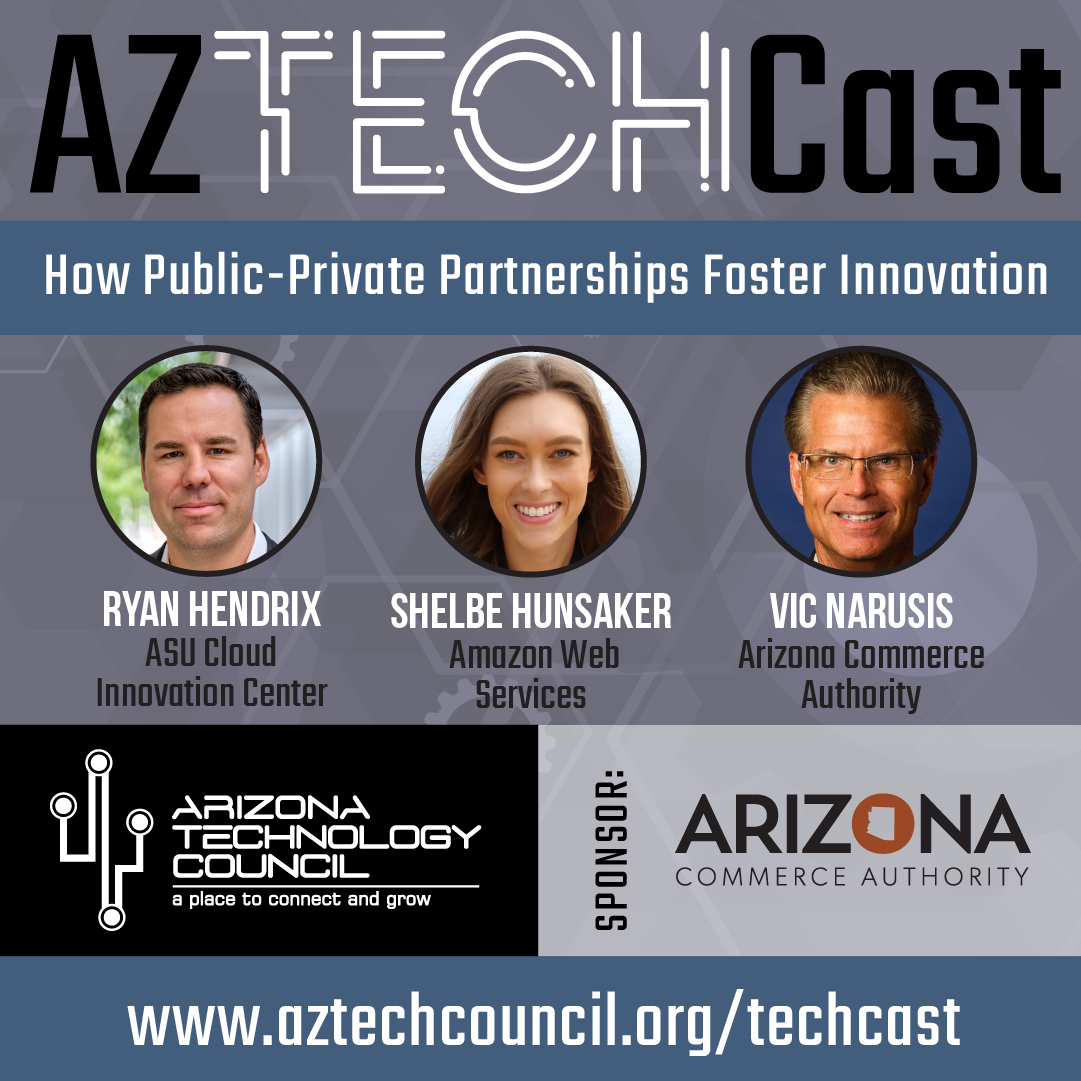
Public-private partnerships play a pivotal role in Arizona’s economic development and positioning the state as an attractive place for technology companies to do business. So, what are some of the partnerships contributing to Arizona’s continued growth?

The February 2023 episode of the Arizona Technology Council’s AZTechCast podcast featured experts including Ryan Hendrix, general manager of the ASU Cloud Innovation Center; Shelbe Hunsaker, southwest region public policy manager at Amazon Web Services; and Vic Narusis, executive vice president of business development at the Arizona Commerce Authority. These leaders joined Steve Zylstra, president and CEO of the Arizona Technology Council, and Karen Nowicki, president and owner of Phoenix Business RadioX, in discussing the collaborations between industry, government and education shaping Arizona’s future.

In this hour-long episode, the panel of three experts started by discussing the momentous month that February 2023 has been for Arizona’s economic development between the Super Bowl, Waste Management Open and Barrett Jackson, among other signature events that attracted tourists to the state from far and wide. On top of that, TSMC recently announced that they are deepening their investment in the state to the tune of $40 billion and thousands of new jobs being created. With this exorbitant growth in mind, the panel set their sights on the public-private partnerships that are working behind the scenes to continue making Arizona an even more attractive place to do business.

arizona-state-university-logo-vertical

Arizona State University is a public University of higher education.

Ryan-Hendrix-AZ-TechCastRyan Hendrix earned his BSM and MBA from the University of Phoenix and has worked in higher education for nearly 2 decades. Professional interests and experience include Project Management, Agile/Scrum, Business Development, Smart Cities and Cloud Technologies.

Prior to his current role Ryan managed the ASU Technology Office Cloud Migration Program. Ryan is currently the Partnership Portfolio Manager for the Enterprise Technology Office (ETO) and General Manager of the ASU Smart City Cloud Innovation Center (CIC).

The CIC is a partnership between the ASU ETO and Amazon Web Services working with local community leaders to solve pressing urban challenges with technology.

Connect with Ryan on LinkedIn.

AWS-logo

Since 2006, Amazon Web Services has been the world’s most comprehensive and broadly adopted cloud. AWS has been continually expanding its services to support virtually any workload, and it now has more than 200 fully featured services for compute, storage, databases, networking, analytics, machine learning and artificial intelligence (AI), Internet of Things (IoT), mobile, security, hybrid, virtual and augmented reality (VR and AR), media, and application development, deployment, and management from 99 Availability Zones within 31 geographic regions, with announced plans for 12 more Availability Zones and four more AWS Regions in Canada, Israel, New Zealand, and Thailand.

Millions of customers—including the fastest-growing startups, largest enterprises, and leading government agencies—trust AWS to power their infrastructure, become more agile, and lower costs. To learn more about AWS, visit aws.amazon.com.

Shelbe-Hunsaker-AZ-TechCastShelbe Hunsaker is a Regional Public Policy Manager for Amazon Web Services (AWS), based in Arizona, covering six states in the southwest. Shelbe has eight years of experience working within the state and local political scene. During that time, she has garnered extensive knowledge in community engagement, state procurement and policy development that has translated to successful advocacy and public policy.

Shelbe started her career in political campaigns, managing 12 successful municipal campaigns in 2016. She also acted as the project manager for the David & Gladys Wright House Foundation, overseeing a successful digital strategy campaign in 2017 that was later awarded “Best Earned Media Around a Single Event” by the National Campaigns & Elections’ Reed Awards.

As a lobbying consultant in Arizona, Shelbe advocated for various policy initiatives in healthcare, transportation, education and technology. Her passion for public policy led her to AWS where she has continued to advocate for policies that foster innovation and improve the over citizen experience through the utilization of technology.

Throughout her experiences, Shelbe has established strong rapport within the Arizona political community naming her one of the 2019 40 under 40 rising stars in Arizona politics and a nominee for the best Lobbyist under 40 in 2020.

Connect with Shelbe on LinkedIn.

ACA-orange

The Arizona Commerce Authority (ACA) is the state’s leading economic development organization with a streamlined mission to grow and strengthen Arizona’s economy. The ACA uses a three-pronged approach to advance the overall economy: recruit, grow, create – recruit out-of-state companies to expand their operations in Arizona; work with existing companies to grow their business in Arizona and beyond; and partner with entrepreneurs and companies large and small to create new jobs and businesses in targeted industries.

Vic-Narusis-AZ-TechcastVictor Narusis leads the Business Development Team of the ACA and is responsible for bringing businesses to Arizona and assisting companies already in Arizona to grow and thrive. Daily activities include site selection, coordination of local communities, utilities, education, workforce, and logistics partners to identify and solve business needs and management of ACA’s Foreign Trade/FDI and Film/Digital Media teams.

In previous roles, Victor has served Economic Development for over twenty years in various capacities including the State of Illinois as Deputy Director of the Business Development Team; the Village of Huntley, Illinois as the Business Attraction Coordinator; the Delta Regional Authority of Illinois as Delegate and Executive Board Member; the McHenry County Economic Development Corporation as Vice President & Treasurer; the Woodstock Chamber of Commerce as President of Real Estate Development.

Additional expertise includes six years as partner at Centerville Properties-Site Selection and Entitlement and 18 years in Commercial Banking with major US and regional banks including US Bank, Bank One. He has served as Lead Analyst and on lending teams dedicated to serving the lending and other financial needs of medium and large businesses.

About AZ TechCastAZTECHCASTLOGOBRX-4-23-2020

AZ TechCast is dedicated to covering innovation and technology in Arizona and beyond.

Through the art of connected conversation, AZ TechCast’s guests will share their expertise, success stories, news and analysis about the region’s leading startups, companies and emerging technologies, as well as the latest industry trends and critical issues propelling the state’s growing technology ecosystem.

About Your Hosts

Steven-ZylstraSteve Zylstra serves as president and CEO of the Arizona Technology Council, a role he assumed in 2007. He is responsible for strategy, operations, finance and policy development. Zylstra is a vocal spokesman for the value technology can provide in raising social and economic standards in Arizona.
Zylstra serves on numerous councils, committees and boards, was named “Leader of the Year, Technology,” by the Arizona Capitol Times, and “Most Admired Leader” by the Phoenix Business Journal. In addition, he was awarded an honorary doctorate of science in technology from the University of Advancing Technology in Tempe, Ariz.

Zylstra earned a bachelor’s degree in automotive engineering technology from Western Michigan University.

KarenNowickiv2Karen Nowicki is a successful author, speaker and the creator of Deep Impact Leadership™ and SoulMarks Coaching™. She is a two-time recipient of the prestigious national Choice Award® for her book and personal development retreat. Karen was crowned the first-ever “Mompreneur of the Year” Award in 2010 for the southwestern states. She was recognized for her leadership, business acumen, and work-life balance.

Karen has been an expert guest on regional TV and radio shows, including Fox Phoenix Morning Show, Sonoran Living, Good Morning Arizona, The Chat Room, and Mid-Day Arizona. She has been a regular contributor to many print and online magazines – publishing articles and blogs for business and education.

In addition to working with private coaching clients, Karen is also the Owner & President of Phoenix Business RadioX. The Business RadioX Network amplifies the voice of business – serving the Fortune 500,000, not just the Fortune 500. Phoenix Business RadioX helps local businesses and professional associations get the word out about the important work they’re doing to serve their market, profession, and community.

Of all the experiences Karen has had the privilege of participating in over her vast career, she shares that Phoenix Business RadioX is a pinnacle adventure!

Connect with Karen on LinkedIn and follow Phoenix Business RadioX on Facebook and Instagram.

bianca-buliga-aztechcastBorn in Phoenix, Arizona, Bianca Buliga is a trilingual first-generation American of Romanian ethnicity. A marketing professional with experience in both the nonprofit and for-profit sectors, Bianca currently works as Director, Marketing & Communications for the Arizona Technology Council.

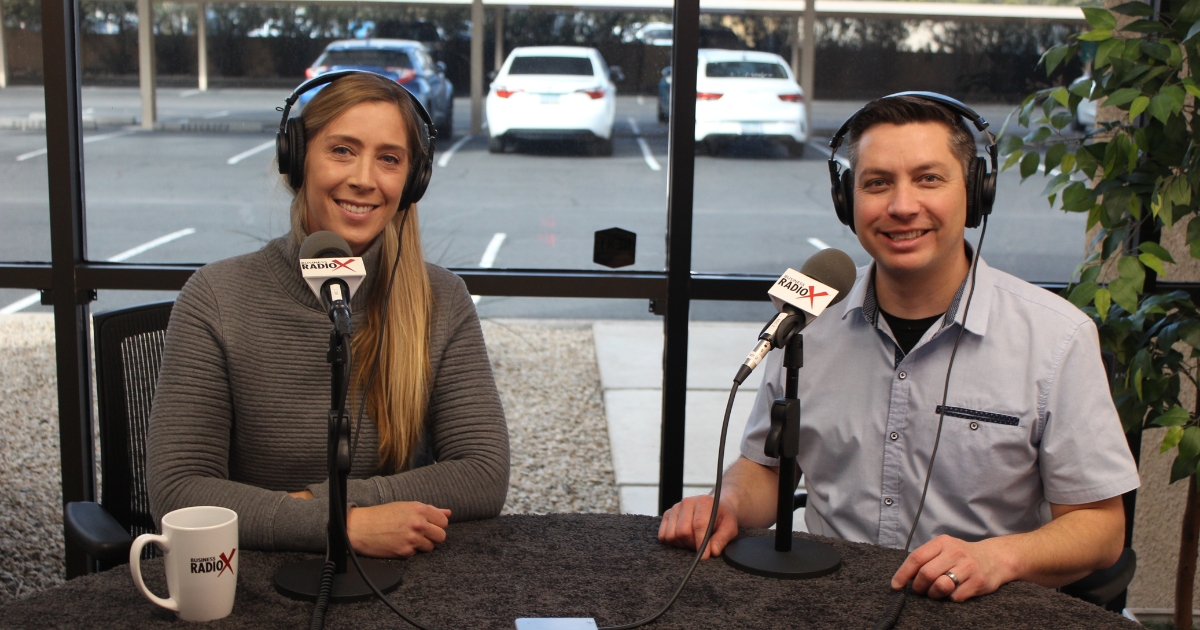
Previously, Bianca worked as Marketing Communications Lead at Proctorio, a learning integrity platform that offers remote proctoring software ensuring exam integrity for learners around the world.

Bianca also worked as Senior Marketing Manager at SEED SPOT, a social impact incubator that educates, accelerates, and invests in impact-driven entrepreneurs creating market-based solutions to social problems. In January of 2020, Bianca was selected as an awardee of the Mandela Washington Reciprocal Exchange Program and traveled to the African island of Mauritius to run entrepreneurship programming for 15 impact-driven ecopreneurs on behalf of the U.S. State Department’s Bureau of Educational and Cultural Affairs.

Bianca has also completed comprehensive consulting projects for IBM, ESAN Business School, and the Peruvian government, and interned at the Arizona House of Representatives and U.S. Embassy in Bucharest, Romania.

Bianca earned her Bachelor’s degree in International Affairs from Northern Arizona University in 2014 and her Master’s degree in Global Affairs and Management from the Thunderbird School of Global Management in 2017. She is an avid reader, yogi, and world traveler always planning her next trip.

Connect with Bianca on LinkedIn.

About Our Sponsor

The Arizona Technology Council, Arizona’s only statewide organization serving the technology sector, fosters a climate of innovation to enhance technology in Arizona.

A trusted resource in strengthening Arizona’s technology industry, the Council proactively eliminates impediments that companies face, accelerates the entrepreneurial mindset in the state’s expanding innovation ecosystem, and works to create a destination for companies to be, thrive and stay.

Follow Arizona Technology Council on LinkedIn, Facebook, and Instagram.

AZTClogomainRGBPNG300DPI

Tagged With: Amazon Web Services, Arizona State University, The Arizona Commerce Authority

Kendall Taylor with Valley Schools Management Group E36

February 27, 2023 by Karen

Kendall-Taylor-with-Valley-Schools-Management-Group-feature
Arizona Good Business
Kendall Taylor with Valley Schools Management Group E36
Loading
00:00 /
RSS Feed
Share
Link
Embed

Download file

Kendall-Taylor-with-Valley-Schools-Management-Group-E36

Kendall Taylor with Valley Schools Management Group E36

VSMG-071

VSMG is a leading employee benefits consultant dedicated exclusively to serving the needs of Arizona’s school districts, municipalities, and other public entities for over 17 years. With offices in Phoenix and Tucson, we are committed to delivering expert advice, forward-thinking strategies, and cost-effective solutions to help clients attract and raetain employees.

VSMG’s exclusive health and wellness program, WellStyles™, meets employees where they are. Through education and motivation, the program actively cultivates opportunities for employees to improve their wellbeing, mindfulness, fitness, and overall quality of life.

Kendall-Taylor-Phoenix-Business-RadioKendall Taylor graduated from Arizona State University, where she earned her Bachelor’s of Science degree in Kinesiology with an emphasis in exercise physiology.

With more than 13 years of experience in the healthcare and wellness field, she holds extensive knowledge in the development, implementation and management of health and wellness programs. She’s energized by finding innovative solutions to common health disparities, reducing chronic diseases and claims costs, and encouraging healthy behaviors.

Kendall is a popular speaker at regional conferences on worksite wellness and employee retention. She loves spending time with her two energetic boys, being active in the local organic food and farm community and sharing her love of fitness with friends and family.

Follow WellStyles™ on Instagram.

About Arizona Good Business

What is good business? What are local businesses doing to build a better Arizona?

Join Arizona Good Business to hear from local companies who are:

  • Centering purpose at the forefront of business
  • Creating social well-being for the community
  • Prioritizing sustainability and positive environmental practices
  • Growing strong company cultures through building authentic teams
  • Ensuring diversity, equity, and inclusion are involved in all business decisions

Arizona Good Business features local business leaders that are redefining what it means to do good business.

About Your Host

Thomas-BarrThomas Barr is the Executive Director for Local First Arizona, the largest coalition of local businesses in North America. He advocates for a strong local business community that contributes to building vibrancy, equity, and prosperity across the state. A proud Arizona native and graduate of Arizona State University, Thomas leads the business coalition of Local First Arizona by advocating for the economic and cultural benefits provided by building strong local economies.
Thomas steers the strategic direction of LFA’s major programs and initiatives as well as the engagement of over 3000 businesses across Arizona. As Executive Director, Thomas guides a team of statewide senior directors overseeing the execution of LFA’s communication strategy, major initiatives and key partnerships, as well as the collaboration of over 30 staff implementing work in entrepreneurship programs, small business advocacy, local food initiatives, sustainability, urban development and community building. He frequently speaks to groups locally and nationally, presenting the impact of Local First Arizona and the importance of local economy work in building prosperity.

Outside of Local First Arizona, Thomas has participated in volunteering his time to many causes and organizations throughout the Valley including Young Nonprofit Professionals – Phoenix, Equality Arizona, Alliance of Arizona Nonprofits, Arizona Commission on the Arts, Heritage Square Foundation and Phoenix Legal Action Network. Additionally, Thomas is a 2018 Phoenix Magazine 40 Under 40 honoree, alumni of Arizona Leading for Change, and current participant in Valley Leadership Institute’s 40th cohort.

Connect with Thomas on LinkedIn and Twitter.

LFA-Logo


Tagged With: Arizona employee benefits consultant

Elena Joy Thurston with Elena Joy Experience and Vera Minot with Southwest Solutions

February 23, 2023 by Karen

Elena-Joy-Thurston-with-Elena-Joy-Experience-and-Vera-Minot-with-Southwest-Solutions-feature
Phoenix Business Radio
Elena Joy Thurston with Elena Joy Experience and Vera Minot with Southwest Solutions
Loading
00:00 /
RSS Feed
Share
Link
Embed

Download file

Elena-Joy-Thurston-with-Elena-Joy-Experience-and-Vera-Minot-with-Southwest-Solutions

Elena Joy Thurston with Elena Joy Experience and Vera Minot with Southwest Solutions

Elena Joy Experience is a certified LGBTQ-owned and women-owned consulting company that offers training, coaching, speaking, and consultation. We increase authentic and sustainable Inclusive Leadership through: EJE-logo3

  • Inclusive Leadership training workshops
  • Human Resource and Public Relation department trainings
  • ERG support strategy
  • Executive Coaching that focuses on inclusion and impactful Vocal Empowerment for leaders from marginalized communities
  • Keynote speaking engagements that allow for transformational experiences

Our mission is to increase inclusion in real and sustainable ways, through transformational experiences and communication. We believe that organizations specifically and society at large can prevent suicide and homelessness in the LGBTQ+ community by authentically increasing inclusion, safety, and belonging, while simultaneously increasing profit.

We envision a world in which every LGBTQ+ employee is safe at work and proud of the impact their employers are having on the world.

Elena-Joy-Thurston-Phoenix-Business-RadioFeatured in the award-winning documentary, CONVERSION, Elena Joy Thurston is an inspirational Diversity & Allyship speaker, trainer, and author through a lens of LGBTQ+ inclusion.

Elena Joy inspires her audiences to learn how Inclusive Leadership can improve company morale and productivity, changing members’ lives in a practical way.

A Mormon mom of four who lost her marriage, her church, and her community when she came out as a lesbian, her viral TEDx talk on surviving conversion therapy has been viewed more than 45,000 times and landed her media and speaking opportunities with ABC, CBS, FOX, Penn State, University of North Texas, Michael’s, Logitech, and more.

Connect with Elena Joy on LinkedIn and Instagram.

Southwest-Solutions-logo

Southwest Solutions is an award winning marketing materials agency that has been going the extra mile for their clients since 2014.

With a diverse team comprising more than 45 years of experience in the industry, they help people think beyond the product and leverage the emotional exchange that marketing actually is.

Vera-Minot-Phoenix-Business-RadioVera Minot is the Creative Director for, and part owner of, Southwest Solutions – an award winning promotional design company. She is a heart-first professional who’s known for her creativity; aversion to small talk; and appreciation good vocabulary and clever marketing materials.

She studied Linguistics and Gender & Women’s Studies at the University of Arizona, and after stints in a variety of industries that converged into a unique perspective on business and humans, she joined the team at SWS.

She never knew she’d love her industry so much, but every business or organization has a unique brand story to tell, and when she realized promotional products & custom apparel don’t have to be boring (nor do they have to be straight-to-the-trash-swag) she was hooked!

In her free time, Vera serves as the President of the Tucson LGBT Chamber of Commerce – cultivating a safe space for queer folks in business but also a space of learning for allies who are tremendously important to the LGBTQIA+ community.

In the free time that’s left, you’ll find her being active, tending to too many houseplants, reading, and hanging out with her wife and their cats.

Connect with Vera on LinkedIn.

Tagged With: Arizona Promo Products, Custom Branded Apparel, diversity, equity, inclusion, Inclusive Business, inclusive leadership, Intentional Marketing Materials, leadership development, LGBTQ+ Inclusion, Print Materials, promotional products

Passion is Not a Plan E143

February 23, 2023 by Karen

Passion-is-Not-a-Plan-feature
Phoenix Business Radio
Passion is Not a Plan E143
Loading
00:00 /
RSS Feed
Share
Link
Embed

Download file

Passion-is-Not-a-Plan-E143

Passion is Not a Plan E143

Join us as we welcome Joe Cherluck to Tycoons. Joe shared a ton of knowledge on how to grow your business and what worked for him in the manufacturing industry.

One of Joe’s key takeaways was understanding that the old adage, “if you want something done right, you have to do yourself,” is not always the best advice when trying to grow your business. You cannot grow if you are working in the business; you have to hire the right people.

Joe also talked about how business owners need a balance of one-the-job training and schooling. One of his early misconceptions was thinking he had enough knowledge from working in the business, but he didn’t. It was when he went through business training that he was able to gain a wider perspective of how to effectively manage his business. Tune in to hear more about Joe’s unique journey and learn some valuable tips on how to grow your business.

BTE-Final-Logo

Best Tool is a full service plastic product manufacturer. It starts with engineering, from product development, tool and fixture designs and automation to final product shipped from our location. Our tool build is tailored to customer specifics.

From low volume 1 to 100 parts, to 1 million and up, we tailor the tool to the needs of the customer. Injection molding capacity to a part weight of 4 pounds covers most needs of the small inventor to high volume automotive, consumer product and medical customers.

The process that sets us apart from the competition is our plastic welding abilities. We have a combined 80 years experience in plastic welding using vibration and hotplate welding techniques. With welding equipment on the floor we can service low volume to high volume needs.

No two projects are the same, but with our decades of experience in plastics, we are well equipped to take any challenge presented to us.

Joe-Cherluck-Tycoons-of-Small-BizJoseph Cherluck is the President of Best Tool & Engineering Company, Inc.  He started in the Tool & Die industry in 1977.

Joseph completed his Tool & Die apprenticeship in 1984. He started in the mold building trade in 1982. Joseph went on to complete his associates degrees in Manufacturing Engineering, Electrical Engineering and General Studies while working full time.

He started Best Tool & Engineering Company in September 1991 with the asset purchase of Best Tool & Mold Company. Steady leadership has guided the company through 3 major recessions in 1991, 2000, and 2008 and continues to guide the company forward.

Connect with Joe on LinkedIn.

About the Show

Tycoons of Small Biz spotlights the true backbone of the American economy, the true tycoons of business in America… the owners, founders and CEO’s of small businesses. Join hosts,  Austin L Peterson, Landon Mance and the featured tycoons LIVE every Tuesday at 1 pm, right here on Business RadioX and your favorite podcast platform.

About Your Hosts

Autsin-Peterson-on-Phoenix-Business-RadioX

Austin Peterson is a Comprehensive Financial Planner and co-founder of Backbone Planning Partners in Scottsdale, AZ. Austin is a registered rep and investment advisor representative with Lincoln Financial Advisors. Prior to joining Lincoln Financial Advisors, Austin worked in a variety of roles in the financial services industry.

He began his career in financial services in the year 2000 as a personal financial advisor with Independent Capital Management in Santa Ana, CA. Austin then joined Pacific Life Insurance Company as an internal wholesaler for their variable annuity and mutual fund products. After Pacific Life, Austin formed his own financial planning company in Southern California that he built and ran for 6 years and eventually sold when he moved his family to Salt Lake City to pursue his MBA.

After he completed his MBA, Austin joined Crump Life Insurance where he filled a couple of different sales roles and eventually a management role throughout the five years he was with Crump. Most recently before joining Lincoln Financial Advisors in February 2015, Austin spent 2 years as a life insurance field wholesaler with Symetra Life Insurance Company. Austin is a Certified Financial Planner Professional and Chartered Life Underwriter. In 2021, Austin became a Certified Business Exit Consultant® (CBEC®) to help entrepreneurs plan to exit their businesses.

Austin and his wife of 23 years, Robin, have two children, AJ (21) and Ella (18) and they reside in Gilbert, Arizona. He is a graduate of California State University, Fullerton with a Bachelor of Arts in French and of Brigham Young University’s Marriott School of Management with a Master of Business Administration with an emphasis in sales and entrepreneurship.backbone-New-Logo

Connect with Austin on LinkedIn, Facebook, Twitter, and Instagram.

LandonHeadshot01

Landon Mance is a Financial Planner and co-founder of Backbone Planning Partners out of Las Vegas, Nevada. He rebranded his practice in 2020 to focus on serving small business owners after operating as Mance Wealth Management since 2015 when Landon broke off from a major bank and started his own “shop.”

Landon comes from a family of successful entrepreneurs and has a passion and excitement for serving the business community. This passion is what brought about the growth of Backbone Planning Partners to help business owners and their families. At Backbone Planning, we believe small business owners’ personal and business goals are intertwined, so we work with our clients to design a financial plan to support all aspects of their lives.

In 2019, Landon obtained the Certified Exit Planning Advisor (CEPA) designation through the Exit Planning Institute. With this certification, Backbone Planning Partners assists business owners through an ownership transition while focusing on a positive outcome for their employees and meeting the business owner’s goals. Landon is also a member of the Business Intelligence Institute (BII) which is a collaborative group that shares tools, resources and personnel, and offers advanced level training and technical support to specifically serve business owners. In 2021, Landon became a Certified Business Exit Consultant® (CBEC®) to help entrepreneurs plan to exit their businesses by counseling owners about exit options, estimating the value of the business, preparing the business for exit and tax considerations.

Landon enjoys spending time with his beautiful wife, stepson, and new baby twins. He grew up in sunny San Diego and loves visiting his family, playing a round of golf with friends, and many other outdoor activities. Landon tries to make a difference in the lives of children in Las Vegas as a part of the leadership team for a local non-profit. He regularly visits the children that we work with to remind himself of why it’s so important to, “be the change that you wish to see in the world.”

Landon received his B.S. from California State University Long Beach in business marketing and gets the rest of his education through the school of hard knocks via his business owner clients.

Connect with Landon on LinkedIn.

Gary-Braun-Breakthrough-the-Growth-Plateau-E52Gary Braun is a Founder and co-owner of Pivotal Advisors. In his role at Pivotal, Gary is primarily responsible for business development but, he’ll gladly take on few clients in a consulting role. Gary speaks with and partners with other firms that help drive top-line growth.
Gary, helps organizations define where growth is coming from, helps them hire and/or develop the sales team, identify ideal clients and markets, and leverage true differentiators (even in commodity markets). He also implements sales processes, targets specific KPIs, increases activity, creates and applies sales compensation plans, and develops sales leadership skills.Pivotal-Advisors-Logo1

Pivotal Advisors LLC is dedicated to creating a community of people who strive for excellence in sales and leadership. A Sales Operating System is the model for how to achieve excellence. Leadership is the First Factor of success in any sales organization. Therefore, building and developing leaders responsible for generating revenue is critical for growth.

Follow Pivotal Advisors on LinkedIn, Facebook and Twitter.

Tagged With: Hot Plate Welding, Injection Molding, Plastic Products Manufacturer, product development, Vibration Welding

Inspirational Leadership E13

February 22, 2023 by Karen

Inspirational-Leadership-feature
Changing the Perception of Blindness
Inspirational Leadership E13
Loading
00:00 /
RSS Feed
Share
Link
Embed

Download file

Inspirational-Leadership-E13

Inspirational Leadership E13

Jared Kittelson and David Steinmetz discussed some of the misconceptions of what blindness is and and when appropriate training and technology are provided, people who are blind are able to compete and be successful in the workplace.

When talking about leadership skills, Jared said that it is important for leaders to be authentic, otherwise people it will be difficult to inspire others.

FBC-logo-FINALS-FullColor

The Foundation for Blind Children was founded in 1952 by parents of blind children who wanted services for their blind children in Phoenix, instead of having to send them to the State Institution for the Blind in Tucson.

The Foundation for Blind Children serves the blind and visually impaired of all ages, from birth to currently 102 years old. As the only agency of its kind in Arizona, the Foundation for Blind Children is an essential resource to families and children with blindness or low vision.

With three Valley locations (East Valley, West Valley and Central Phoenix), we strive to serve as “the” community’s resource for blind, visually impaired, and multi-handicapped children, adults, and their families.

Jared-Kittelson-HeadshotJared Kittelson is the Associate Chief Executive Officer at the Foundation for Blind Children (FBC), a 70-year-old organization that provides education and services to individuals with visual impairments of all ages.

Since joining FBC in 2017, Kittelson has helped grow programs by building collaboration between delivery models and creating infrastructure to support the demand for vision services in Maricopa County and beyond.

To address the shortage of Teachers of the Visually Impaired (TVI), partnered with Arizona State University to create a one-of-a-kind program that marries the classroom knowledge with real world application. During the pandemic, FBC was not only able to survive, but thrived. FBC became a national leader through hosting webinars with attendance from all over the world. FBC families never missed a day of service due to pandemic, as the staff came together to navigate the new reality.

Prior to coming to FBC, Kittelson spent time as an Executive Director at the Legacy Foundation Chris Town YMCA and was a Superintendent of charter schools throughout the country.

Connect with Jared on LinkedIn.

About Your Host

David-SteinmetzAs the manager of Community and Public Relations, David Steinmetz uses his expertise, education, and personal experiences to “change the perception of blindness.”

Diagnosed with RP, a blinding retinal disease, at the age of 19, David uses his personal story to drive change that leads to improved employment outcomes and community integration for people who are blind or visually impaired.

Mr. Steinmetz graduated from Arizona State University with a bachelor’s degree in Business Management and Economics. Additionally, Steinmetz has continued his education by graduating from the Business Management Training (BMT) program provided by Darden Graduate School of Business, University of Virginia.

In 2008, David was the national recipient of the National Industries for the Blind Milton J. Samuelson Career Achievement award. This prestigious award recognized Mr. Steinmetz for his career achievements and community service work.

David Steinmetz is a member of the Governors’ Council on Blindness & Visual Impairments, is a Board Member at the Arizona Center for the Blind & Visually Impaired (ACBVI) and serves his community through the Chandler Lions Club.

Connect with David on LinkedIn and Instagram.Changing-the-Perception-of-Blindness-iTunes

About the Show

Changing the Perception of Blindness; One Conversation at a Time is dedicated to breaking down barriers, de-mystifying blindness and promoting real world solutions that empower people who are blind to live a full and inclusive life.

Host, David Steinmetz connects with organizations, industry professionals and thought leaders who are working to bridge the gap that creates a world accessible for all.

About Arizona Industries for the Blind

Arizona Industries for the Blind is a nonprofit organization dedicated to creating employment opportunities for people who are blind. It’s employees, more than half of whom are blind, deliver a variety of products and services, including a full-service Warehousing and Distribution Center, confidential Digital Data Scan (DDS) services for private businesses and government and the operation of Base Supply Centers located at each of Arizona’s three military bases under the umbrella of the U.S. Department of Labor’s AbilityOne program.

Follow AIFB on LinkedIn and Facebook.

Tagged With: The Foundation for Blind Children

  • « Previous Page
  • 1
  • …
  • 23
  • 24
  • 25
  • 26
  • 27
  • …
  • 170
  • Next Page »

Business RadioX ® Network


Our Most Recent Episode

CONNECT WITH US

  • Email
  • Facebook
  • LinkedIn
  • Twitter
  • YouTube

Our Mission

We help local business leaders get the word out about the important work they’re doing to serve their market, their community, and their profession.

We support and celebrate business by sharing positive business stories that traditional media ignores. Some media leans left. Some media leans right. We lean business.

Sponsor a Show

Build Relationships and Grow Your Business. Click here for more details.

Partner With Us

Discover More Here

Terms and Conditions
Privacy Policy

Connect with us

Want to keep up with the latest in pro-business news across the network? Follow us on social media for the latest stories!
  • Email
  • Facebook
  • Google+
  • LinkedIn
  • Twitter
  • YouTube

Business RadioX® Headquarters
1000 Abernathy Rd. NE
Building 400, Suite L-10
Sandy Springs, GA 30328

© 2025 Business RadioX ® · Rainmaker Platform

BRXStudioCoversLA

Wait! Don’t Miss an Episode of LA Business Radio

BRXStudioCoversDENVER

Wait! Don’t Miss an Episode of Denver Business Radio

BRXStudioCoversPENSACOLA

Wait! Don’t Miss an Episode of Pensacola Business Radio

BRXStudioCoversBIRMINGHAM

Wait! Don’t Miss an Episode of Birmingham Business Radio

BRXStudioCoversTALLAHASSEE

Wait! Don’t Miss an Episode of Tallahassee Business Radio

BRXStudioCoversRALEIGH

Wait! Don’t Miss an Episode of Raleigh Business Radio

BRXStudioCoversRICHMONDNoWhite

Wait! Don’t Miss an Episode of Richmond Business Radio

BRXStudioCoversNASHVILLENoWhite

Wait! Don’t Miss an Episode of Nashville Business Radio

BRXStudioCoversDETROIT

Wait! Don’t Miss an Episode of Detroit Business Radio

BRXStudioCoversSTLOUIS

Wait! Don’t Miss an Episode of St. Louis Business Radio

BRXStudioCoversCOLUMBUS-small

Wait! Don’t Miss an Episode of Columbus Business Radio

Coachthecoach-08-08

Wait! Don’t Miss an Episode of Coach the Coach

BRXStudioCoversBAYAREA

Wait! Don’t Miss an Episode of Bay Area Business Radio

BRXStudioCoversCHICAGO

Wait! Don’t Miss an Episode of Chicago Business Radio

Wait! Don’t Miss an Episode of Atlanta Business Radio