

Business RadioX ®

  • Home
  • Business RadioX ® Communities
    • Southeast
      • Alabama
        • Birmingham
      • Florida
        • Orlando
        • Pensacola
        • South Florida
        • Tampa
        • Tallahassee
      • Georgia
        • Atlanta
        • Cherokee
        • Forsyth
        • Greater Perimeter
        • Gwinnett
        • North Fulton
        • North Georgia
        • Northeast Georgia
        • Rome
        • Savannah
      • Louisiana
        • New Orleans
      • North Carolina
        • Charlotte
        • Raleigh
      • Tennessee
        • Chattanooga
        • Nashville
      • Virginia
        • Richmond
    • South Central
      • Arkansas
        • Northwest Arkansas
    • Midwest
      • Illinois
        • Chicago
      • Michigan
        • Detroit
      • Minnesota
        • Minneapolis St. Paul
      • Missouri
        • St. Louis
      • Ohio
        • Cleveland
        • Columbus
        • Dayton
    • Southwest
      • Arizona
        • Phoenix
        • Tucson
        • Valley
      • Texas
        • Austin
        • Dallas
        • Houston
    • West
      • California
        • Bay Area
        • LA
        • Pasadena
      • Colorado
        • Denver
      • Hawaii
        • Oahu
  • FAQs
  • About Us
    • Our Mission
    • Our Audience
    • Why It Works
    • What People Are Saying
    • BRX in the News
  • Resources
    • BRX Pro Tips
    • B2B Marketing: The 4Rs
    • High Velocity Selling Habits
    • Why Most B2B Media Strategies Fail
    • 9 Reasons To Sponsor A Business RadioX ® Show
  • Partner With Us
  • Veteran Business RadioX ®

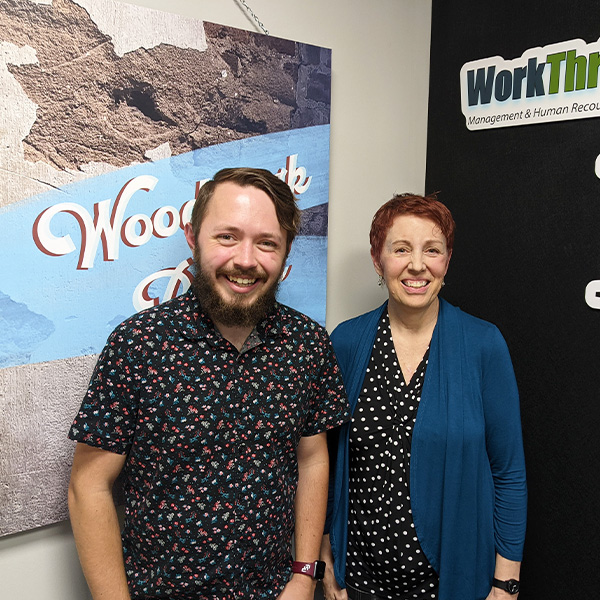
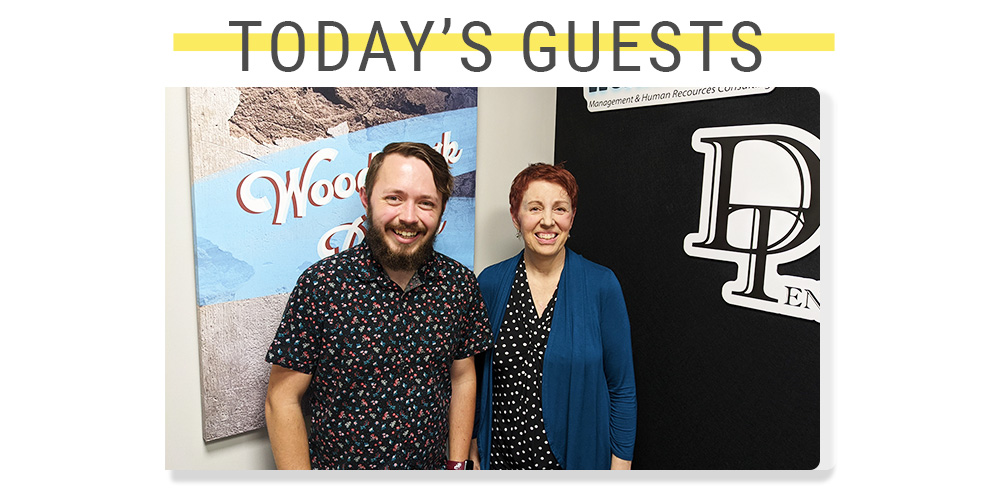
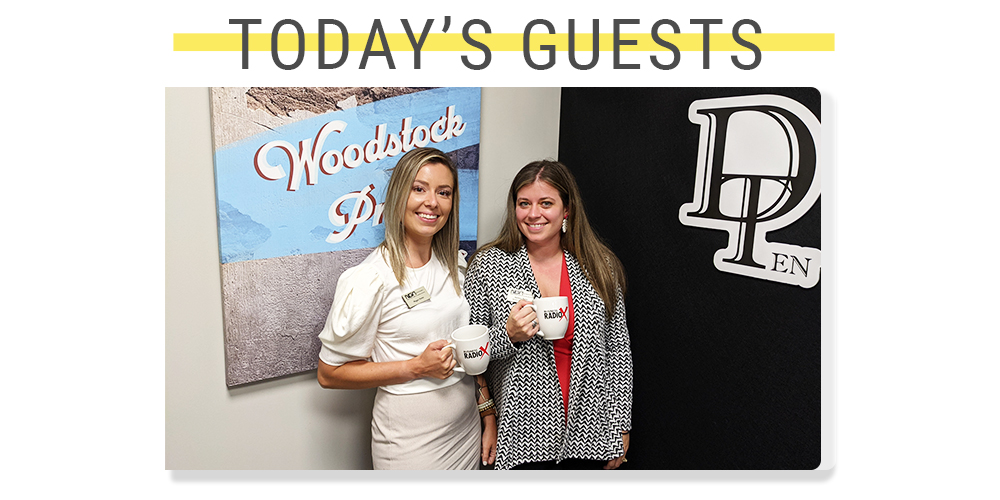
Brian Gamel from Woodstock Arts and Ellen Tyler from Ellen Tyler Coaching

July 14, 2021 by Kelly Payton

Cherokee Business Radio
Brian Gamel from Woodstock Arts and Ellen Tyler from Ellen Tyler Coaching
Loading
00:00 /
RSS Feed
Share
Link
Embed

Download file

InnovationSpot

ALMA

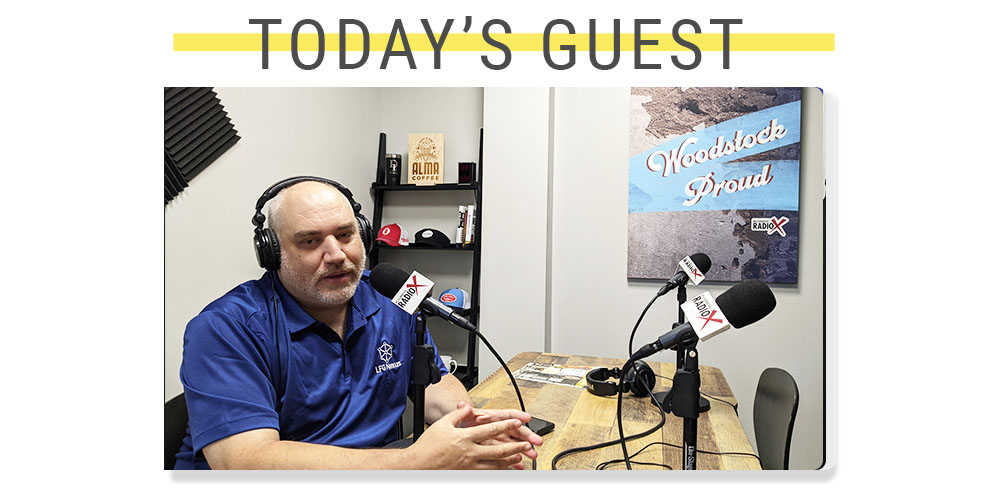
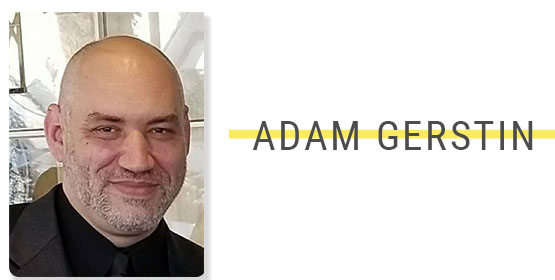
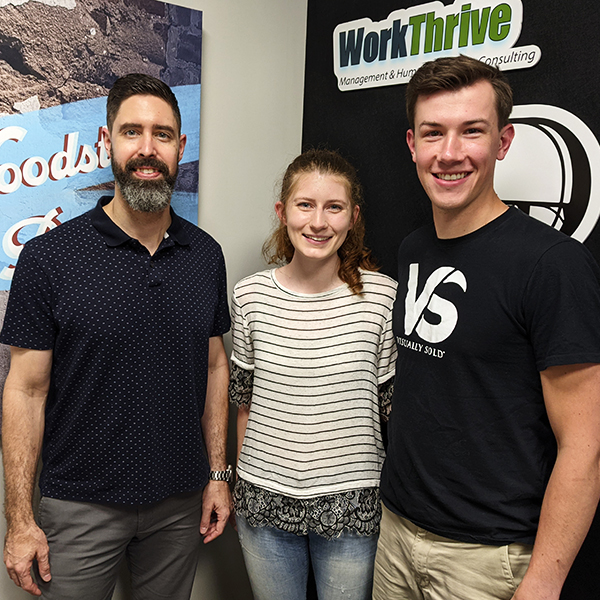
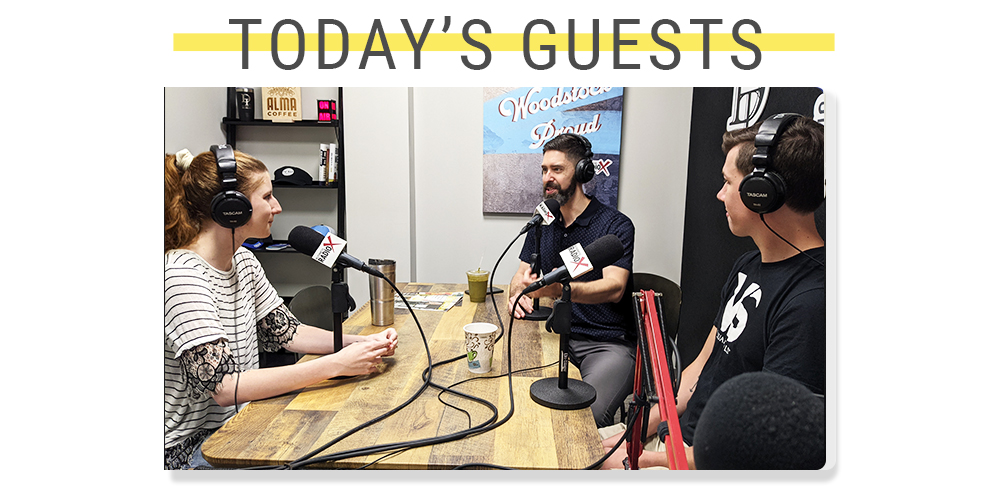
Brain GamelBrian Gamel, Managing Director of Woodstock Arts

Brian grew up in the Woodstock area and has loved this town ever since. After going off to get his undergraduate degree in Theatre from Florida State University he came back home and became a part of the Elm Street Cultural Arts Village’s team, now known as Woodstock Arts.

Connect with Brian on LinkedIn

 

Ellen TylerEllen Tyler, Business/Mindset Coach with Ellen Tyler Coaching

Ellen Tyler is a Business & Mindset Coach, working with everyday entrepreneurs to reach 6 & 7 figures in their business – so they can experience heaven on earth NOW. WHY? Because she wants her clients to enrich their families lives, clients and community (ultimately making their world a little bit better).

Connect with Ellen on LinkedIn and Facebook



This transcript is machine transcribed by Sonix


TRANSCRIPT

Speaker1: [00:00:07] Broadcasting live

Speaker2: [00:00:09] From the Business RadioX

Speaker1: [00:00:11] Studios in Woodstock, Georgia, it’s time for Cherokee Business

Speaker2: [00:00:16] Radio.

Speaker1: [00:00:17] Now here’s your host.

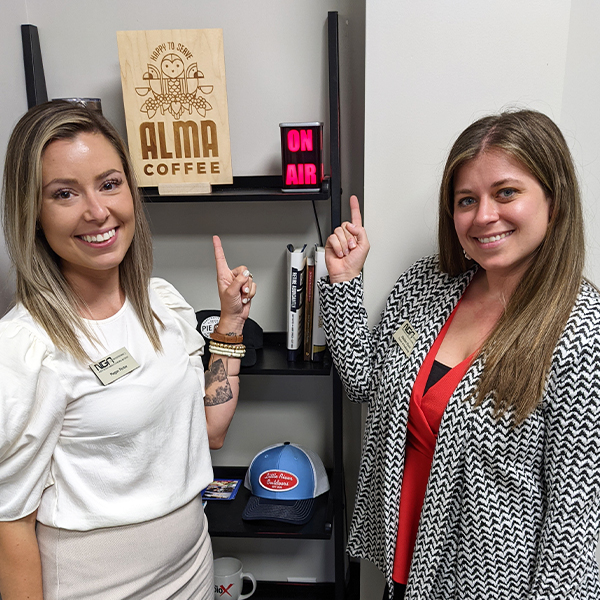
Speaker3: [00:00:23] Welcome to Turkey, Business RadioX Stone Payton here with you this morning, and today’s episode is brought to you in part by Alma Coffee, sustainably grown, veteran owned and direct trade, which means, of course, from seed to cup, there are no middlemen. Please go check them out at my Alma Coffee Dotcom and go visit their Rushdoony Cafe at 34 or 48. Holly Springs Parkway in Canton asked for Letitia or Harry and tell them that Stone sent you. You guys are in for a real treat this morning. Please join me. First up on Cherokee Business Radio, Mr. Brian Gamble with Woodstock Arche. Good morning, sir.

Speaker2: [00:01:04] Good morning. How are you doing?

Speaker3: [00:01:06] I am doing well. I had the pleasure of enjoying just one small piece of what you guys do. As recently as yesterday evening as I watched my wife and three of our neighbors at their last part of their pottery class, which is the glazing, they were dunking these bowls and cups in these five gallon pails. They were having the time of their lives. I was sitting there on the on the stage where we’ve had acts come for the Lantern series. And I positioned myself between what they were doing and Cornhole League. And I thought, what a marvelous place to live, work and play. So, yeah, tell us a little bit about the Woodstock arts for the I don’t I can’t imagine. But if there’s someone out there who doesn’t know about this organization, mission purpose and what you guys got going on, man.

Speaker2: [00:02:00] Yeah. So for those of you who might have already known as we are currently still Elm Street Cultural Arts Village, we’re making that transition into Woodstock arts to embrace our community just a little bit more than we already have this upcoming August. So August one, we will officially be Woodstock arts. But yeah, we we stay busy. So we’ve grown up through the theater program originally, the town like art center all the way back in 2002, we were off Bells Ferry and a little tin building, just doing some theater for families. And we we moved downtown as well, kind of with a partnership with the city to give the city of Woodstock a arts hub. So we’ve had visual art classes for a long time. And then finally, after the better part of ten years, we were able to get the Reeves house built. And it is in its second exhibit, which we’re super excited for. So the inaugural one just went down. The second exhibit, women’s work is actually just opened up this past Thursday. And it’s all textile pieces, which are traditionally women’s jobs, but looked at in a different light. So you’ll see a lot of very unique quilts. There’s one that I absolutely love, but my fiancee will not let me hang in our house. That is a bunch of stitches of wind patterns on a regular day in Atlanta just to show that there is beauty in every single day.

Speaker2: [00:03:17] So that’s just free to the public. You can walk into the Reeves house if you want to grab a cup of coffee, get your bottomless mimosas on Sunday or get a glass of wine and just go in and enjoy the art whenever you’d like. But we also have recently just opened back up theater, which is super exciting. The last Elmasry Cultural Village show is Junie B. Jones. So if you have any kiddos that have read that book series, I know that a lot of people I know read them growing up. But that is going through not this upcoming Wednesday, but the following Wednesday is our final show for that. And then we’re kicking off the fall with legally blond. So far, we’re super excited for that. And this Saturday, we actually have a concert like on the on the Green that you were talking about with Scott Mulvehill, a upright bass player, and he has kind of that classical pop feel. So you have some more of those pop vocals. But with the upright bass, it’s going to be a lot of fun and tables are still available. And honestly, just getting a table with your friends and possibly decorating it well enough to win a table to the next concert is always a fun,

Speaker3: [00:04:18] Fun thing to do. Well, you had me at bottomless mimosas. Great. But my head is spinning just as a citizen who lives here in the community and works in the community with all the activities that are going, I can’t imagine what the inside of your brain must be like. What is your role? What do you specifically do for this organization?

Speaker2: [00:04:41] Yeah, so I’m the managing director. Basically, I get to help out with a lot of logistics, budgeting, scheduling, H.R., all the fun stuff you think about with the arts. But I also get to work as a department head of the Lantern series, so it’s my fault for whoever is on that stage. On a given Saturday, I used to be the production manager. My joke was always, if it’s on a stage, it’s my fault. Whether it was in the theater, whether it’s on the green, if it’s on a stage, it’s my fault. Now, I just joke that it’s all my fault, says personal accountability.

Speaker3: [00:05:11] Right. In a little while, we’re going to visit with coach Ellen Tyler and coach personal accountability. That’s important stuff, right?

Speaker1: [00:05:17] Yeah. And I would I would just say it’s not your fault if it’s because you tell. Ownership of it.

Speaker2: [00:05:23] Oh, yeah, it’s my opportunity, right? But yeah, no, we we do have a lot going on at all times. You know, we are we’re trying to keep things going at the Reeves house and have free events to public. Jazz nights have been a hit up to this point. And, you know, if you’re in there grabbing a cup of coffee, you can look over to your left and see see the counter we have going on and maybe see an event you want to come to. All right.

Speaker3: [00:05:47] Hit the brakes. Jazz nights. You just like you go right over this.

Speaker2: [00:05:50] Yeah. There’s so many. I can break them all down, but I don’t know if the show’s long enough. We have a jazz band that comes out and you can just bring your chair. Come on the back. We’ll have the bar back to you and you could just hang out and they’re out there for four hours and there’s some free jazz music once a month. Once a month. All right. Once a month. And then we have two other major events at the Reeves House that are once a month aren’t on the spot, which is this Friday. We get local artist and they create art right there on the spot. It’s all in the name, but you can buy a raffle ticket and take home one of these pieces of art. So if you’re there, you can choose which one, you know, at the end of night, you can choose which one you want to take home with you. If you’re not there, you can still be drawn to win. And we’ll just have the artwork there for you to come pick up whenever you’re so.

Speaker3: [00:06:32] Is it hard to find artists who are willing to just be there like a bug in a jar doing their thing right there on the spot or so?

Speaker2: [00:06:41] You got to find the right people, obviously. But I think for a lot of them, it’s also kind of a marketing thing, right? If I know I’m going to have 40, 50 people walk through and they like what I’m doing right now, I can also say, well, here’s some other stuff I do. And I can do commissions. And, you know, for a lot of them, it is a good source of, you know, marketing revenue and then at some point getting clients,

Speaker3: [00:07:02] Ok, so everybody wins from that. So let’s back up a little bit. Yeah, I got it. I got to get a feel for this. What is your back story? How in the world does one land in a position like this?

Speaker2: [00:07:15] Yeah, that’s a great question. So I actually grew up in Acworth. I started doing theater at the organization back in 2003 as a small child.

Speaker3: [00:07:26] But so you like being on the stage, or at least you.

Speaker2: [00:07:29] I used to, yeah. Yeah. I’m not there anymore, but I’ll still get on the stage and talk about what I have going on. But really, when it comes for to a performance aspect, I think the last time I did something was a couple of years ago actually on the stage. But we you know, I grew up through the organization. I went off to college, got my degree in theater at Florida State University.

Speaker3: [00:07:51] And aren’t they very well known for that program?

Speaker2: [00:07:54] Yes. The theater program at Florida State is one of the top, especially in the southeast of this country. It’s a phenomenal program with a lot of great people. I still, you know, love going and chatting with my old professors and things like that. They it’s it’s all about this connection sometimes, too. But, you know, I came back I had taken a couple of other jobs. I was in Ithaca, New York, for a little bit. I was in Lynchburg, Virginia for a little while. And then I was you know, I was just ready to come home for a little bit. And the production management job opened up. I applied. I’m here. And as the organization’s grown, obviously it started off as just a theater job and then later series needed, you know, a little bit more attention. And I was like, I can help. I love music. I really was going to double major music and theater. But then I also realized I want to breathe sometimes and sleep. So I decided to just focus on theater. But it was a good, good opportunity then to go back into those rooms. And really what we love about the Landon series is it’s about bringing different cultures and stories together. So it’s not it’s not a bluegrass series. It’s not a jazz series. It’s meant to celebrate every culture, which is why every culture has its own lanterne right. So there’s the London fog where the Chinese lanterns. So we want to celebrate those cultures. And that’s why you’re around a table to create that conversation. So we’ll have Afro Celtic funk. We will have.

Speaker3: [00:09:14] How many of those albums do you have on your Chauvelin? Right there. All right. But wouldn’t it be great if I would

Speaker2: [00:09:20] Do the African drums? Bagpipes and funk music is something I never thought I would love so much as I do. But then you have Irish bluegrass, you have this classical pop. So like all of these different things that, you know, you’re not going to get anywhere else, really. It’s you might have to drive into Atlanta for it. We want to give it, you know, to the people here in Woodstock and in Cherokee County and just put in your own backyard.

Speaker3: [00:09:46] So I remember we had an opportunity to to get a table, and that was a marvelous experience. But the very first time we came to the Lantern series, we sort of stumbled onto it and we just we bought a couple of seats and they were very modestly priced. And I mean, the the worst seat in the House was the worst seat in the House is like the best seat in any other venue. And it’s it’s just a marvelous experience. And you’ve got you’ve got young kids. You got you got people from the neighborhood. It’s just a I don’t know, there’s a there’s a there’s a buzz or a vibe at that series. It’s really. And I suspect difficult for others to replicate.

Speaker2: [00:10:24] Yeah, it’s definitely a community building experience and we try to keep it accessible to kind of what you were saying, all of our programing really for, you know, for a concert that we’re flying somebody in from across, you know, across the sea. They’re coming in from Ireland. I think you can still get tickets for less than twenty dollars a pop, which, you know, that is incredible.

Speaker3: [00:10:44] Wait a minute. Flambéed OK. Yeah, let me ask about that. How do you decide how do you go about finding these these acts?

Speaker2: [00:10:52] So in that industry, there’s a little bit of a lot of different things. So one great example of what everyone thinks it probably is, is I over the pandemic. I reached out to some friends because, you know, everyone had a little bit of a mental lull during that point. And I was like, you know, I want to think about the people that mean something to me. So I said, give me your five favorite songs, five songs that mean something to you. And someone sent me a denim jacket by Sammy Ray in The Friends. And I was like, this song is really good. This artist is really good. So then I started snooping and then I find out who their agent is. And I look at how many streams they have on Spotify and how many followers they have on Instagram to just kind of start to figure out what that price point is. And once again, because pandemic, we had a lot of artists that were like, hey, I can’t come from Canada. It’s not allowed. Right. I can’t come from, you know, Ireland. So we were looking for in country artists to replace those acts because we were open. All of our audience was like, we just want to come see art. We want to come to a concert. So I was like, I’ll shoot my shot. Then Sammy Ray came this past October and it was a lot of fun to have her.

Speaker2: [00:12:01] So that’s kind of one of the more fun what everyone would think ways of just, oh, I heard the song, I like it. Let me go snoop around. But in all reality, we mostly built our entire season from going to a couple of different conferences. And it’s the best week of my job throughout the entire year where I get to go somewhere else, talk about what we do with a bunch of other professionals, talk to agents about, you know, what’s this look like? What’s the state look like? Well, what if we got another venue in Georgia to get them on this day? Could we lower the price? There’s a lot of negotiation there. And then and then I listen to concerts for about six hours every night. So you get fifteen minute concerts for, you know, from three o’clock to midnight and you’re just remigration watching whatever you want to watch. And, you know, if I there have been a couple of times we don’t produce dance right now, but every now and then it’s nice to go see, you know, a dance troupe perform so I can just scooch over and watch that or see a comedian and start getting this year turning up. Well, what have we what if we presented dance? What would that look like on the outdoor stage or what what if we did comedy and when we when could we do that and

Speaker3: [00:13:05] All those different things? Well, if you do comedy or dance, I’ll be there. I love comedy. I haven’t been to a comedy show in some time, but that’s really cool.

Speaker2: [00:13:11] Well, we have a local one that’s every month to St. Louis.

Speaker3: [00:13:15] And I need like a spreadsheet or something here.

Speaker2: [00:13:17] Yeah, no, we over the past two or three years, with the growth of Lantian series with the Visual Art Center, we went from a busy weekend being three to five events, you know, because we have a show Friday, Saturday, Sunday in the theater and a concert. And maybe one other random thing to a smooth weekend for us right now is eight. Oh, my. And that’s not counting what like you talked about the bottomless mimosas to us. That’s just an offering we have. That’s not an event, but it’s you know, it’s we stay busy.

Speaker3: [00:13:48] You really do. I can’t imagine the discipline, the personal discipline that you must have to exercise to go to these conferences and stay focused on business, because I can see me like having a Vegas moment at Coachella over years, year ocus. That’s that’s incredible. I will say you you mentioned sort of the pandemic and how that’s had an impact. One of the moments that really stood out for me when we when we did get the table, we got a table for the time for three. I remember they were great. Yeah. And well, actually, there were a couple of things. One was, you know, when the gentleman mentioned, one of the one of the three mentioned that there was someone in the audience that was his roommate at a little school called Juilliard. So these are like top acts. I mean, these are these are talented people. But what was so evident and these guys just demonstrably, you know, articulated and made a very a real point of communicating. You could just tell how much they were enjoying once again, conducting live performances. You could just see the joy in their eyes, couldn’t you? That how thrilled they were to be doing live again.

Speaker2: [00:15:07] Oh, yeah. Last month we had another artist that hadn’t done anything live. We’ve been thoroughly blessed in the weirdest way when it came to everything that happened for having that outdoor space. Yeah. As an arts organization, we had to keep a. Close eye on a lot of those governor’s orders, and it was done by industry, so we were one of the last industries to allow to open. So we we got to watch a lot of success stories. We got a lot of watching, not as much of success stories from other industries and see what was going on. And we were set up in position of success. So we were able to have concerts starting last July. So it’s it’s been about a full year since we’ve been able to actually be opened back up. But having a lot of these artists just come in and, you know, the arts were hurting during this time. We are a very lucky organization because we’re growing rapidly, which is not you know, a lot of organizations went under. They weren’t as lucky. But it’s because of people coming out to these concerts. It’s about people who have donated and donate their time to our volunteers. We are a very small staff. I think at this point we’ve gotten up to like seven or eight. We we were four before the four or five before the pandemic started. And we’ve we have been so lucky to both grow that staff and to see the volunteerism growth and to really embrace this community. So if you’ve been able to be an event up to this point, thank you so much. If you haven’t, we are so happy to have you at the next one.

Speaker3: [00:16:39] So there’s there’s a branding shift that’s been under way. Is that the right way to articulate a branding umbrella, to talk a little bit about that, what you feel like motivated that and anything you would like the community to know about that? About that chef? Yeah.

Speaker2: [00:16:53] So we are I think I said a little bit earlier, currently Elm Street Cultural Arts Village, but I think we’re going to try to make sure all the branding on this is for Woodstock arts, because that’s changing in about 17 ish days whenever August 1st is all right. But in all reality, for us, there were a couple of factors. The funniest one for me is any time radio shows are a great example. You had your notes and you write everything and it was great. We have definitely had some times where there are it’s village street. I think if

Speaker3: [00:17:26] If we get that sometimes X Business RadioX.

Speaker2: [00:17:29] Yeah, yeah. If I had a nickel for every time that Elmasry Cultural Arts Village was butchered, I would have a lot of nickels. But in more seriousness, we talked to Tom Cox, who’s designed a lot of things around here, including armor and reformation and a lot of those local businesses.

Speaker3: [00:17:47] But he’s all over the studio. I got him on this on the logo wall. I got him on the Reformation.

Speaker2: [00:17:52] So that’s the guy, right? Tom Cox does a lot of Woodstock as well as at Woodstock Brand. So you’ll see like a little scarecrow around October. He you know, he was great to work with, but he sat down with a lot of stakeholders about two years ago now to just trying to kind of pick people’s brains to what makes our organization what it is. Right. And what we really got down to is we are here for this community and we need people to know where we are, what we do. Right. Woodstock arts. That’s that. That is it. So one to embrace Woodstock, embrace the north metro Atlanta community just a little bit more. But to just to keep it simple, right. If you know, you hear Elm Street, Cultural Arts Village, it’s a lot. That doesn’t mean what you think it means, at least at first.

Speaker3: [00:18:42] Well, it’s a mouthful for the layperson, right, Coach? Yeah, it’s

Speaker1: [00:18:45] Simple.

Speaker2: [00:18:47] Yeah, it’s very simple and clean. Some of the the branding behind it, too, is we have a pulse, which would be the logo if if it’s just set up, it looks like a W in a little bit. But really it’s to talk about how are the heartbeat of the community.

Speaker3: [00:19:00] Oh what is Coxiella.

Speaker2: [00:19:02] He’s he knows what he’s doing. Oh my goodness. Yeah. After working with reformations surge in the city of Woodstock, you kind of at least have a one. But now Tom was fantastic to work with and it was a great, great full by an effort from our staff, from our board, from volunteers, from teachers. Everyone just was kind of. Yeah, I know it was time for a little bit more growth because the organization is growing, the Reeves house is opening up, and this is a good time to make that change. So.

Speaker3: [00:19:30] All right. So you see all the hats in the studio. We plan to have more. I’ve got a pie bar, had a reformation, had a little river outdoors doors at. So let’s do get some Woodstock artists. Yes.

Speaker2: [00:19:39] Yeah, we got to get some hats lately.

Speaker3: [00:19:41] And I’ve been telling people I need two one for me to wear around town and one for the show. But we’re seriously we’re thinking about putting like this going to be like a hat studio. We’re going to all the local businesses. We’re so for whatever my vote is worth, I hope you decide to print up some hats.

Speaker2: [00:19:57] Don’t worry. I got you

Speaker3: [00:19:59] For the suggestion box. Before we wrap it, let’s talk a little bit about plugging in to this effort, both for just people in the community who want to. But also this is Business RadioX some ways for businesses to plug into what you’re what you’re doing. And I sense that it doesn’t have to be 100 percent altruism. I would think that. Being visibly seen supporting Woodstock arts would be good mojo for the brand of good, good business you yes to speak to both of those, if you would.

Speaker2: [00:20:31] I would love to think that it’s great mojo for you to support us. But, you know, there’s multiple ways, depending on what size your business is. Obviously, we’ve had some businesses that are just like we’re going have a volunteer day there. So if we know that Scott Mulvehill is coming up this Saturday, we’re going to have our, you know, our employees volunteer and reach out the same way you would for any other nonprofit. We’re also a nonprofit, which means we’re 501 c three, which means tax deductible donations, which is a beautiful thing. We also have sponsorships on that level. So you’ll see. Great example, that hat right behind me, reformation there, one of our sponsors for the Lantern series. So, OK, that’s another way to get involved. If you’re a sponsor, you get a table per concert for the whole year and your name gets announced. And a bunch of other fun things I would love to talk to you about. But we also have sponsorships for the theater, which Junie B. Jones alone in the first three shows, all over 300 people. And that’s just for the first three shows. Right. So as you know, as we’re coming back to it with legally blond sister act a Christmas Carol, if your name’s up there for an entire year, you’re going to be seen by thousands of people in the community. And then obviously with the Reeves house, we have these opportunities as well. Those are still being fleshed out. So obviously because it’s brand new. So we have to figure out what that looks like. Obviously, I can’t give you a table to the art gallery because that doesn’t really work as well as a concert. But obviously, sponsorships are a great way to get involved. It’s a great way to, you know, get your name out there while also getting a little bit of a tax incentive for it and just being able to put your name out there in our community with a bunch of people that may not have heard of your business otherwise or already know your business and are super excited to see your name somewhere supporting local.

Speaker3: [00:22:20] Well, no, I think that means so much. It means a lot to me now. I would have found reformation and occasionally have a beer there regardless or regardless whatever the word is. And I got to tell you, well, first of all, from what I’ve heard people have told me in the community about this, Spencer, next, I have not met him, but apparently it’s just a good guy. It’s just a good person. But also, when I see them supporting you guys, when I see them supporting other efforts around town, when I see them opening up their space for, like the Woodstock business club, I don’t know the beer taste just a little bit better. You know, I want to support reformation when they do. And I think that’s so. I really do think it’s good. It’s it’s good mojo. I also get the sense that, yes, you have your your men you guys are very creative. You’re this is what you do. You eat, sleep, you know, live, breathe this stuff. So you’ve come up with all these neat programs. But I get the sense if I came to you and I said, you know, my wife is just thrilled with your pottery class, which, by the way, she just graduated from Las Vegas. Business RadioX wants to buy a wheel, you know, or you know or whatever. I sense that you’re open to those kinds of conversations of like getting creative about different ways to support, right?

Speaker2: [00:23:33] Oh, for sure. If if if there’s ways that you want to support that just don’t fit in the box. Well, we’re going to break the box. We’re going to figure it out because we’re about this community, right like that. That’s with a name change. That’s just who we are as a volunteer run organization. And with that being the case, we want to support all those local businesses and whether that is, you know, setting up you buying a wheel or it’s, you know, I can’t really afford this right now, can we do some sort of payment plan or whatever that is? Yeah, let’s do it. Let’s get you involved. Let’s get your name out there. And, you know, let’s just show the community how supportive you are of local arts because, you know, it’s not a lot of communities are. And you kind of get to see the difference in going to a place that doesn’t really have an art scene. You know, people talk about going to Asheville, North Carolina. Right. Right. Beautiful place to visit. They have an entire arts district. Right. And that’s that’s something you can go do. They also have an entire brewery district and that’s something else you can go to. But Woodstock has a little bit of both. Right. You know, there’s you’re not just going downtown doing something real quick and going away. The our goal is that you can come to our event, but beforehand you can go grab dinner somewhere local and afterwards you can go grab your pie, a pie bar or you can go shopping like we we don’t want you to come and go. We want you to come stay a while and check out these other local businesses because they’re kicking butt and taking names, too.

Speaker3: [00:24:59] So what a delight to have you come in here and share all this with you. This has been a lot of fun. I love hearing about this, don’t you, Coach?

Speaker1: [00:25:07] I think my calendar is filled.

Speaker3: [00:25:09] I know. And it inspires me, you know, to go back home and tell Holly, okay, we’re going to start that spreadsheet. We’re going to have a whole separate Google calendar just for Woodstock Arts. So a couple of. One, I know we’ve talked about it casually, but I will I will pitch it again, we’d love it if you would come in here periodically. Whatever rhythm makes sense for you on this or other shows, we’re having more and more shows that we’re launching and just get get our different audiences caught up on the stuff you’re doing. So if you’re up for that, you know, I you know, I don’t know, maybe have Woodstock Arts Wednesdays or something. I don’t know. But yeah. Come on in here. So if you’re up for that, we’re definitely going to make that available to you. And I think it’d be marvelous for the community in one small way that Business RadioX can can try to help. But I also want to make sure that our listeners have some key points of contact, whether they want to have a conversation with would you guys about this corporate sponsorship kind of stuff or just getting their their ducks in a row on the things they want to participate in and or maybe volunteering. So what what are some good ways for them to connect with you?

Speaker2: [00:26:20] The best way would be through the website. We have a contact us page on it like most websites do, but we also our website filters it all. So if you’re interested in Lantian sponsorship or theater sponsorship, you can click theater and shoot that message and will go to the right people. I could give you the basic info at Elm Street Art Sorg, which once again will they don’t just go to certain people, but on other people. And you might be trying to contact somebody else entirely. But yeah, volunteering anything like that, if you use that contact form, it gets in contact with the right people and they they can get you all the answers you need. Our office line is also an option. That’s six, seven, eight or nine. Four or two. Five one. Can you tell I worked in a ticket office before

Speaker3: [00:27:01] That phone was ringing off the hook?

Speaker2: [00:27:03] Yeah, it does. And it’s always, you know, it’s it’s always a great fun conversation to because it’s normally someone going, I’m so excited for this event. I don’t know where I’m parking or, you know, can I bring in food or what is this look like? And you get to have a good conversation and learn. You know, I’ve been twice or I’ve never been this is my first time in Woodstock, you know, and that’s a and you

Speaker3: [00:27:25] Do have some of those kind of frequently asked questions there as well about all that kind of stuff, where to park, bringing in food

Speaker2: [00:27:32] For. And we also send out emails prior to the events to you. So if you were on, you purchased a ticket, you should get an email before and it’ll be like, here’s here’s what you need to know before you go. And yeah, afterwards you’ll get a big ol thank you so much for being here. And we’re so excited to have it for the next one because

Speaker3: [00:27:45] You guys are so great about that.

Speaker2: [00:27:47] Trying to.

Speaker3: [00:27:48] But no, I think that’s one of many reasons that you’ve got the following that that you do. Well, again, thank you so much, Brian Gamble with Woodstock. Also an absolute delight. We’ll continue to see more of each other just in the community and at the Reeves house. And what’s the Quish house? Is that the pottery

Speaker2: [00:28:06] That the Mary of Kish Center for Pottery? Yes, that is that is a great place to take a pottery class. And we’re working on trying to figure out how you can get a membership to just go in. And there are some clay whenever you need to. So.

Speaker3: [00:28:18] Well, Holly Peyton will write a check for that. I can tell you that

Speaker2: [00:28:22] Is going to get really excited when she hears that I live on the air.

Speaker3: [00:28:24] Absolutely. Well, it’s been an absolute delight and I’m quite sincere. And let’s let’s let’s find a way for you to continue to update the community. Hey, be great, man. Can you hang out with us while we visit Alex? Guess. Yeah. All right. Next up on Cherokee Business RadioX, please join me in welcoming to the broadcast business mindset coach, Miss Ellen Tyler. How are you, sunshine?

Speaker1: [00:28:45] I’m doing awesome.

Speaker3: [00:28:47] So what do you what did you learn in that last segment?

Speaker1: [00:28:50] Well, I learned that I probably need to get better at time blocking my calendar and leaving some time on the weekend. And that one of the reasons that occurred in our house, we do hear about local we care very much about supporting local businesses and getting out and about. And I think it’s I think it’s great having him here.

Speaker3: [00:29:11] I do, too. All right. So tell us about your practice. You came in this morning and I could see you always are in such good humor, but there was like a glint in your eye. I think you brought on a new client. But tell us, what does that mean? Mission. Purpose? What what are you out there trying to do for years?

Speaker1: [00:29:31] Because it’s a very is a category that people kind of roll their eyes at and they don’t understand because they they think we’re consultants and we’re going to tell you what to do. The reason that I love what I do and it doesn’t really matter the business, but I care about businesses is that I get to get behind somebody who wants to do a quantum leap. And when whether whether it’s growing their business, whether it’s this one is bringing a daughter into the business so she can inherit it. But you can imagine I hear so many different stories that it just I get goosebumps, though, when I’m chatting with somebody and, you know, I tell people I hold the picture of it until you can see the picture of it. So I know at that point in time that they’re going to they’re going to do what they want to do. Just a little bit of work.

Speaker3: [00:30:22] So do these people do they find you or do you find them? How does that whole thing work? Both kind,

Speaker1: [00:30:29] If you can imagine, just like a business, you know, like Brian was talking about, like, how do people find you? Like how do people know about Radio X? You’re probably out there on social media, but you’re the greatest billboard for them. You’re the one who’s running around town doing a little bit of the networking. So it’s a little bit of both. And if you think about it, like when Brian was talking about the vision of the Reeves house and how it came about. They had a really clear vision and a focus of where they were going. So I just hold the picture of knowing that if somebody wants to grow a business. I’ll have a conversation with them, and it can be they find me on social media or their local and I work with them from here or they’re international and they’re in England. But typically something has spoken to them and they’re at that point in time, it’s just like they’re ready to go to the next step. The way that coaching works is that we help you expand your possibilities. We can only see. What we think we can accomplish and the ones that truly are successful are the ones who understand you need a little bit of help. So I’m usually just a step. I tell them I’m preparing you for the next coach because there’s going to be someone who’s going to do even better, because I work with coaches, always tell people don’t work with somebody that doesn’t bet on themselves.

Speaker3: [00:31:57] I like that. No, I think some people and I’ll confess surely me to some degree at some point might be under the impression that you get or someone gets you if you’re in a corporation, a coach, when you’re when you’re struggling and elstone their boy, somebody gets stolen a coach. And I do think sometimes we put that in that box. And that’s not accurate. That’s not right.

Speaker1: [00:32:22] No. If you think about it in the evolution. So just like all businesses evolve, when people even five or 10 years ago thought about what a coach meant, they’re thinking Tony Robbins at one hundred thousand dollars a day. Well, Brian, can you write a check like I know that’s beyond people’s scope. And they knew that presidents worked with coaches. They knew that executives typically. So if you’re in a corporation on average, most of the senior executives are provided coaches. And so we think that it’s this unattainable. Work that we have to get to that level to work with them, well, with the explosion of, what would I say, certification and coaching, because that’s a whole nother thing. Is that. Don’t just work with somebody who hung up a shingle and said I had a huge transformation, but the Rosseau, the organization that I utilize, some of their processes and software were in every single country. So we’re touching lives in all of those countries. And I would say reasonable, not cheap,

Speaker3: [00:33:34] But doing that and seeing so many different businesses and working with so many different types of people from different walks of life and different cultures, I suspect that would be a real advantage if I were to engage you. You bring those those different perspectives to the to the conversation, right?

Speaker1: [00:33:52] Very much so. So remember when Brian was talking about how he grew up and he liked to be in theater then and isn’t now, but he’s liked it for a long time. Right. So sometimes in our history of work, we may not understand, like, why is all of this like why are we doing these jobs and why are we changing? And if you asked my mom when I was growing up, I was considered shy.

Speaker3: [00:34:14] You’ve got to be kidding me. No.

Speaker1: [00:34:17] In fact, so and true story. When I was in high school, she called all of my closest friends and asked them not to eat lunch with me. Oh, my, so that I would be forced to sit with other people and mind you and so I graduated a while ago, but I’m graduating class was 500 kids, so it was huge. And so I, I now have learned there are such things as an introverted salesperson, which is what I am. All it means is that you re energized by quiet. But what that helped me do and in and then in my work experience, I watch people. So I learned early on, if I liked, you know, why I’m sitting here, if I liked you and if I thought you were a good person that I might want to get get along with, I never picked business as a career ever. I started a nuclear medicine.

Speaker3: [00:35:16] Oh, my. Yeah, it makes perfect sense, of course.

Speaker1: [00:35:19] Can you see the transition? But a couple of things happen. And this is where we always get really good at piecing it together from the back looking forward. But it’s that ability to carry it forward and to understand that, oh, OK, I have done pretty good things. So organic chemistry happened and twice, twice, 20 seconds in it, my kids saw my my transcripts from college and they’re like, oh, you really weren’t that great of a student like Nightwatch people. So during that time I was. Afforded the opportunity to go on an exchange program to England only because my roommate who majored in journalism, they were starting up a new program. It was a University of Iowa, and she was petrified to go talk to the professor. So she’s like, I’ll bring the shy person with me and we’ll go talk to the professor about this exchange program. And during the conversation, he just looks at me and he said, Well, why don’t you come? Like my major’s nuclear medicine, and it was right at the time where organic chemistry happened and I thought, well, how bad could this be? And you’re going to send me to England? And then I discovered I can write like, OK, and I got all A’s after I got a D in organic chemistry. It just helped open the door to realize that I really don’t know what I want to do. So let me just get the heck out of school and figure it out. And I learned early on to say yes to opportunities. And then one of my first roles, the president, it was an investment company. Said, we’re putting you in sales and here’s my mom, mind you, she she’s like, you’re going to do what job? Oh, and they’re going to move you across country to California, like, away from.

Speaker3: [00:37:09] She’s thrilled. Yeah.

Speaker1: [00:37:10] And and you don’t like talking to people, Ellen, like. And I’m a really good student and I’m a really good follower

Speaker3: [00:37:17] Now, do you find yourself coaching? We talked about executives in that being a group of people that often get coaching. Do you find yourself coaching salespeople a lot? Is that or a lot?

Speaker1: [00:37:27] Well, think about this. Do you sell?

Speaker3: [00:37:29] Yes. I mean, I

Speaker1: [00:37:30] Have to buy and sells.

Speaker3: [00:37:32] I don’t find I will. It comes to me, I say selling, talking about the value that we can provide. A business comes very easy to me. I don’t know if selling comes easy. I don’t. Not everybody says yes. Where you been all my life? But but talking about what we do comes easy to me and I really enjoy it. Right.

Speaker1: [00:37:51] Everybody sells. And because I came from the sale environment and that was when I started to hire coaches because I didn’t understand that they existed back then. And when I hired the coaches is when I had those huge quantum leap. So I understood that they were just unlocking just key things that I wasn’t aware of because I came from that. And I’m really good at opening businesses and getting them started is what I learned was my forte in the corporate world because I get bored. But I thought, well, why not take that skill on this side? Because if you’re if you have the title of sales, most will struggle with it, because when there’s sales training done in an organization, everybody has the same sales training. But not everybody is a top performer. Right. So there’s a reason for that. They actually understand and have the skill set that we teach people, which is really mindset like what are they thinking? Are they thinking, oh, crap, it’s the 30th of the month and my manager is on my back and I haven’t closed a sale. And they’re sitting across from an individual thinking that that person doesn’t know because that person knows, they just can’t figure out what’s going on. But even even people who walk away from the corporate world and then open a business, those are my favorite because they first took the leap. Right.

Speaker3: [00:39:18] Which is I tell you something about mindset, right. They’re right.

Speaker1: [00:39:22] They at least got either pushed far enough ahead and they believe that they could do it. But then they don’t realize I’m chief cook and bottle washer now.

Speaker3: [00:39:32] Right. And they’re doing a lot more than that craft that they want to practice. Now, do you find and I recognize that surely every situation has its idiosyncrasies, everything’s unique. But do you find that there are some patterns in that? I don’t know. Small businesses often fail for the same three reasons or whatever, that kind of thing. Yes.

Speaker1: [00:39:51] So I would summarize it in one of the things when we’re working with with clients is we talk about how book knowledge isn’t going to serve them. You could learn all the stuff in school is not going to help you. You need the skill, like you said, to be able to express it with whatever you’re selling and to get out there. So typically, it involves action. Whatever action that is and. Average individuals will not do what they know how to do. We call it the knowing doing gap because they ask a salesperson what what do they need to do? They actually should talk to people, ask them what they do during the day. And on average, that’s one of the skills that we work with, and the other is that everyone, including myself and you and Brian, we have bad habits. Yeah, we don’t understand that those bad habits are keeping us away from doing what we know we should do. We just don’t understand how to change it. And so those are the two predominant ones that we see over and over and over again. They just show up in a different way, depending on the business.

Speaker3: [00:41:02] So on the other side of the coin, are there some some habits or characteristics or traits that when you see that, yes, you still may be able to help this person, but you’re like, OK, this this person, this gal, this guy, she’s a winner. She just needs a miracle. She’s got she’s got she’s already got this, this and this. And I don’t have to teach that. I don’t have to take her there, you know, morning routine.

Speaker1: [00:41:26] Morning routine. What is your morning routine because and the pandemic was a perfect example of this. How you set your mind up for the day is everything. And so that’s one of my first questions is what is your morning routine? It should include some form of exercise movement. I don’t care if it’s outworking. Gratitude is big. What are you grateful for? What are the ten things you’re grateful for? And then study do you study every day? And so in the morning, that’s what I explain. It’s like you want to prepare your mind to be a steel trap. Right, because when you think about all the noise that comes into our head during the day, you know, we can have one bad conversation, but if we’ve set ourselves up better. I know that if they are already doing that, there’s just a couple of tweaks.

Speaker3: [00:42:23] So you’ve mentioned habits a couple of different times, a couple of different ways. And I guess sometimes I don’t know, there’s some scientific term for it. But, you know, like when you buy a blue Buick and nobody else has one, and then once you buy one, every traffic light, you see another blue Buick. So lately this term habits has just been popping up everywhere for me. So I’d love for you to speak speak more to that, because I’m almost coming to the conclusion and I’d be interested in your input in years to Brian. If habits aren’t even maybe more important than goals are, like without the habits, the goals are. Can you talk about the habit goal? Yeah.

Speaker1: [00:42:59] Yeah, it’s in the fancy word is reticular activator since I knew

Speaker3: [00:43:03] I had heard that at some seminar somewhere. Yes, yes, yes, yes.

Speaker1: [00:43:07] Ok, it’s that and it’s really when you buy a car you see your car everywhere. Right. Right. And then you start noticing it. So let’s talk about habits because we didn’t. Come to this earth with habits like you speak English, you could have been born in China and speak Chinese, so when you think about habits, we we adopt them early in life. So if you think you’re not good at something, that’s a habit. So when you think it’ll give you an example, when I was coming back from California, here’s my dad. Oh, I signed you up for scuba diving lessons, OK? I mean, I haven’t swam since I was in eighth grade. And you said it all, by the way, you have to swim the length of the pool, Olympic size pool underwater the whole length without coming up the first night. Right, right.

Speaker3: [00:43:57] Ok, so well, your parents

Speaker1: [00:44:03] I’m a good student, I’m a good follower, but but I then instill the habit. So the question was, OK, so then how do I make this become a habit? What we know is that we have two parts of our mind, because if I ask you what you think about your mind, the average answer is the scientific one, the brain. But in reality and Dr. Thurman fleet back in the 1930s is the one who came up with this. He was a chiropractor back then. So in the healing arts. And he cared more about, well, why don’t we stop throwing pills at people and how do we help them understand how to change their habits?

Speaker3: [00:44:38] That’s a revolutionary idea. Yes.

Speaker1: [00:44:40] Right. I’m like I’m surprised he wasn’t burned at the stake. So, so many of them. But what he did was he made this very simple drawing to help us understand how do we actually change our habits, which was he just took a big round circle and drew a line between it. And at the top was the conscious mind. So it’s our thinking mind. We we see, hear, smell, taste and touch. That’s how and we decide are we going to accept what we hear or not. So that’s where you first decide, am I good at this or not? My good at organic chemistry? No. And then you realize, oh crap, it was just memorization and but it’s the key to understand that’s our filtering everything that it lets into the subconscious. So that’s the second part of it. That’s where all of our actions come from. So anyone who’s trying to kick a bad habit, they really have to change what they think about it. So it’s how how you change a habit. That 21 day thing also false. Somebody made it up. It sounds good. They’ve actually done research. It’s anywhere between 19 and 350 days to make a habit. But it’s just because it’s something that’s repeated over and over again becomes a belief and becomes a habit. We just change it.

Speaker3: [00:45:56] So it sounds like you’ve had some practice, some practice doing this.

Speaker1: [00:45:59] We all have bad habits down. I usually tell stories of most people can’t hear the habit around money. Right. Too much is tied into money, which is interesting because goals should always be money should be tied to it. But then it’s how do you weave in the importance of what it does to your life? So most of us can’t hear that it’s what we think about, which is why we can’t earn the six figures a year. So this is when I work with the business owners. This is something like what did we hear growing up? My dad was pretty entrepreneurial, so I’m fortunate for that. But if if we heard over and over, I did hear this. You have to work hard. To get ahead right there, you got to go in and work on the weekends or you got to show up and do something different, and all we do is tweak that. Tweak that and you’ll change your outcome.

Speaker3: [00:46:55] So this this this idea of money, there’s a lot of, I don’t know, emotional weight around the topic of money. Money has is a source of a great deal of conflict. It may be as a kid, maybe your parents argued about money a lot. Are you come from a lot of money, so you don’t appreciate it. You know, not imagine you come from no money. So you’re totally focused on the I mean, this is one of those topics. It just is weighted down with with emotion, isn’t it? Yeah.

Speaker1: [00:47:21] And so that’s part of the difficulty for most people is to figure out that money is just energy. It really is. It’s like you can turn on the spigot to money and you can turn it off by what you’re thinking. Mm hmm. And it’s it’s helping them come to that realization. It is what we heard growing up. I watched my mom decided to pay the electric bill this month and not the next month. I didn’t know we would probably be considered poor growing up. So you can imagine I can never have enough money in the savings account because that’s what I saw. Right. And it’s why when I work with people, I will say it in different terms so they can hear it. And it’s funny. I’ll use weight again. OK, so same thing about I want to earn ten thousand dollars a month or I want to lose ten pounds, ok. I want to lose ten pounds. What’s a bad habit when I buy Krispy Kreme every single morning. Well what’s a habit I should replace it with. I probably should go out on a walk. And what do I have to be thinking. Not how hard this is, but that lots of people do this. Do you just walk through it? It’s the same with money I’d like to earn ten thousand dollars. Great. What what’s a bad habit? Well, I’m not calling people now. Here’s the big one. I’m not asking people we’re afraid to ask people to buy. That really is the reason

Speaker3: [00:48:39] That the truth. Just to even if you’re not elegant, if you don’t have the best systems, if you’re not all that articulate, if you ask someone to buy on a regular rhythm every week, every day, whatever makes sense for your business. Some of these folks are going to say, yes, if you’re doing good work,

Speaker1: [00:48:56] You’ll be surprised what you can get just by asking. Right. And that’s one of the things that is is once they understand, you can be awkward and ask, do it. Just keep doing it over and over and over again this morning at seven thirty in the morning, I’m I’m up early, but it’s like she was all ready to be a client and we get stuck in her head up and I didn’t go through my process.

Speaker3: [00:49:20] Oh yeah.

Speaker1: [00:49:21] So we have to listen to our intuition and we just have to sit and go. It’s just like coming on here any time we’re doing a presentation or any time we’re able to talk to multiple individuals. I came from a world where you had a prepared presentation. I didn’t memorize one for 45 minutes one time. Oh. People know that, right, versus if you just come in and it’s like I mean, I have a wealth of knowledge, don’t get me wrong, but it’s like, what do people need to hear? Well, the conversation will go pretty good, STONA lead it. And whoever needs to hear what we’re talking about will hear. We’ll hear without me thinking. Or did I say this? I say that way.

Speaker3: [00:50:06] So this I have the experience, this dynamic, this phenomenon. Very recently I have joined this Woodstock business club and I’ve been trying to get this studio off the ground, which is a separate business from my day job of being the number two guy in the Business RadioX network. And it was like, I don’t know, maybe three or four weeks ago I announced we’re launching this Women in Business show. I wish Brian, when I was single, if I would have known about this, I would I should sell this product to single guys in every community. I have met more women in the last three weeks. But to your point, I and I simply I didn’t ask for like sponsors and stuff. I said we’re just we’re launching a women in business show, you know, and if somebody knows a woman in business, we might have a compelling story to share. Please let me know. And I mean, I have been flooded with genuine interest. Yes, you should talk to so and so. Yes, you should talk to someone. So and then some of those conversations I’ve said, OK, great, and I don’t have to get rich in month one, but I do need it funded. So I’m also looking for like host sponsors and a signature sponsor. It’s so I sort of tripped over this idea, just asking for what I need and want. And I mean, it’s like the whole community has rallied around this this cause of stone. And as women in business here, yeah, it is fantastic. But I have I’m I am living right now what you’re describing. Just go out and tell people what you need want. And if you’re if you’re doing good work, they’ll they’ll try to help you.

Speaker1: [00:51:35] Yeah. So I’ll tell the backstory because when when I was there that night that you and I were chatting and it is all about intention. I started out the year just saying, not knowing how I’m like I just want to talk to more people. So I’ve done the chamber. I’ve done the rotary. You know, I’ve been on podcast and the night that we were at the Reeves house. Actually, the day before, it was like, no, I don’t think we’re going to go, and that morning I came home from the meeting, I looked at my husband and then go, no, we’re going to have to go to what

Speaker3: [00:52:03] We only ran.

Speaker1: [00:52:05] And then you and I end up standing next to each other. Or I was like, that’s pretty interesting. Like, he has a radio thing. It’s like, maybe I want to do that. I don’t know what that means, but maybe we should talk to him. But I love to always give examples where it’s not even that. And I think like in our family, we have one of the best examples about what you think about happens, just not in the way that you think it is and asking. Right. So we have five kids, three of them are adopted, all siblings from a European country now when we were going to host them. So that was a whole. And anyways, we decided to host them because we thought he was crazy enough to host three teenage girls. And I raised the money to do this. Now, we ended up adopting them because my husband’s like, we are not adopting. OK, you see how that worked out.

Speaker3: [00:52:56] But, yeah,

Speaker1: [00:52:58] It’s just he tells it way funnier, but he really was like, we are not adopting. But what came out later and we did not know this. So when we chose the three that we were hosting, the oldest was in school in Finland. So they’re from Latvia. They sent two kids over to Finland. She was she was praying, you know, what she was praying for. I’d like to go to America and I’d like us to all get adopted. She, of course, meant in Latvia, right? Right. So she came to America and they got adopted. Now, that story didn’t come out until about a year or two later, but I said, look at the power of what you wanted. Yeah, no. And I think that always helps just an individual understand if it’s I want to find I want my business to do better. We have people who find spouses with the type of work that I get to do. We have a coach that ran a marathon in Australia and she only wanted to finish in the top ten. She came in first and she’s not a runner, so. Those types of stories I tell people, I just tell stories, I’m a great storyteller, I learned that from my dad, but the stories sell in a sense that they go. Maybe that can happen for me.

Speaker3: [00:54:12] So I don’t know the first thing about professionally coaching as a as a standalone profession, I don’t think. But I do find myself with sort of a coaching hat on in my day job because there’s other people who run studios and they’re looking to the to the mothership for some guidance about how to how to run a good business. But I do sometimes feel like I’m flying by the seat of my pants a little bit like I don’t have the structure I think that maybe a professional coach might have. Can you give us a little insight into like what what does an engagement with a certified real professional coach that knows what the heck they’re doing? Yeah. Can you kind of tell us what that looks like?

Speaker1: [00:54:54] Certainly, yeah. And I get this question a lot, and I think it’s a great question because if there’s not a process or a system. Then you’re not really coaching, right, because all coaching does is help hold you accountable to do the things that you need to do to get to where you want to be, but you obviously have to have a vehicle to help them move along. So the way that that I utilize and different coaches with different types of organizations will have similar. But it’s. How do we start? And how do we move you along the process and

Speaker3: [00:55:33] And you know where we’re going, you might you might let things brew over here and brew over here a little bit, but at least you know where we’re going.

Speaker1: [00:55:39] Well, I know where you’re going. OK, and I know where the pitfalls are. So for for me, it was coming from an analytical financial services type of a background. Right. In science. I still like science. I like things that go do these three things and you’ll get this outcome, do these four things and you’ll get this outcome. I’m a really good follower and what I like about that type of a coaching structure is that it’s not a wish and a prayer. So it’s not just. Well, let’s talk about where you want to get to and what do you think and all that, it’s like, no, if you do this. I know because well, for one, it took me from five figures to six mid six figures, which we don’t always talk about money, but money is the great equalizer. And I just look, I didn’t get any smarter. So if I have this same process that I did and I see it happen repeatedly, we have hundreds of thousands of people that if you do this. The guarantee is that you’ll get to where you want to be. Now, it’s simple, it’s not easy,

Speaker3: [00:56:45] Right,

Speaker1: [00:56:46] Because we get into the bad habits and the things you’re telling yourself, but the guarantee is just do it.

Speaker3: [00:56:54] So one of the very specific, very granular tactical things that I picked up on during the conversation, you talked about identifying a bad habit and then but you didn’t just and you didn’t just talk about removing that. You said replace it with another one that I get the idea that that’s an important discipline.

Speaker1: [00:57:13] It’s that’s key. It’s the difference. It’s the key.

Speaker3: [00:57:16] You got to replace it. You can’t leave the void, though.

Speaker1: [00:57:19] So think about I like eating Krispy Kreme donuts. OK, so if I just stop eating them and that habit is at 10 o’clock every morning, I’m eating a donut and I don’t replace it with anything. What am I going to do? Going to eat Krispy Kreme Donuts? Reverby So I’m going to revert those.

Speaker3: [00:57:35] You’ve had a bad day or a good day or right some day.

Speaker1: [00:57:40] The other problem becomes and this is why New Year’s resolutions never work, because they don’t understand, first of all, what they have to keep telling themselves to make that habit stick and they have to figure it out. And it’s always weight or money. The weight is a great one. We don’t lose weight because if you lose it, you’re going to find it. So I’m like, OK, and same with debt and money. If you say I want to get out of debt, you’re always going to stay in the debt. OK, so if I have a habit of it’s three o’clock in the afternoon and I haven’t made my phone calls, that’s not great. And I’m in sales. So the habit is no matter what, every morning at nine o’clock, I’ve got to make my calls. And if I don’t, then I can’t move on to the next thing that I need to do. So you just start by implementing one at a time. Then the challenge is people get all excited. I’m going to make a million dollars. You’re going to help me make 10000 dollars, you know, whatever. And they go, let me change all of these habits like a one.

Speaker3: [00:58:44] One, because it’s too much, you know,

Speaker1: [00:58:46] If you don’t teach yourself how to do that, it’s like training for a marathon they don’t have you day one, go on and run 20 miles or 20 miles alone. No, they start slowly and build up the same with a habit you have to start. And until you’re certain that it becomes a habit, then you move on to the next one. But the other trick is and you’re right, it’s. We have to replace the bad habit with a good one. It’s how do you tell yourself to do that? And it’s just understanding. When I said that we have a conscious and a subconscious, you have to understand your actions come from your subconscious mind. You think you’re in control. So it’s like the people trying to stop doing something when to stop doing this right. It’s your subconscious that’s used to it in your subconscious. In the other fancy word is paradigms. They like to keep you comfortable. Oh, Allen likes eating those donuts. I’m skimping on donuts all the time, but it just seems like because I don’t eat donuts, but it’s like whatever I’m doing right. It’s like I’ve got to I got to know how to to change my actions. And that’s that’s where the the key comes. Because your conscious filters, it’s like now it’s like people listening to you and me and Brian are going, do I believe what they’re saying. Do I really believe they have unlimited mimosas there? Am I going to go,

Speaker3: [01:00:10] You know,

Speaker1: [01:00:12] Or they’re sitting there going, oh, shit, reticular activating system. I don’t I don’t believe that stuff. So they’re choosing that your conscious mind? Well, if you believe it, then you’re going to let it go into your subconscious and then you’re going to take action. So they’re going to sign up and they’re going to come over on Sundays to the Reeves house and they’re going to go, is there unlimited mimosas? And now now they believe it now.

Speaker3: [01:00:34] Now you’ve got it.

Speaker1: [01:00:34] Now they believe it. And so that’s that’s a very simple way of understanding. Our actions come from our subconscious.

Speaker3: [01:00:41] Yeah. So I suspect there’s also tremendous power and value in in the fact that if we’ve decided that not going to do the donut and we’ve replaced it with something more healthy, a different habit. And I’ve also got to have a brief conversation and update my coach Ellen on Tuesday about it. That accountability partner thing. That’s important, too, right?

Speaker1: [01:01:05] It’s huge because if we’re left her own devices. So think about this. How many books do you think there’s written on personal development?

Speaker3: [01:01:12] Oh, my gracious. By the way, if you like business books, hosts her own radio show, I’ve Got More. I lost the whole library in a fire, and I still have more probably than anybody, you know, signed copies of business books. Yes, a bunch.

Speaker1: [01:01:26] But then you should be owning your own island. You shouldn’t be sitting here talking. So but that’s my point. So one of the questions I’ll ask sometimes when I I’m talking to a group of people is to help them understand. We call it self-help. There’s a reason it doesn’t work.

Speaker3: [01:01:43] You ought to put that on same shirt

Speaker1: [01:01:45] That I maybe had

Speaker3: [01:01:47] To do. Yes.

Speaker1: [01:01:49] You know, so one of the questions is because everybody either has heard of or known. I go, how many of you have either been told or have read thinking grow rich?

Speaker3: [01:01:57] Oh, yeah, I reread that. OK.

Speaker1: [01:01:59] Oh, well, let’s ask you the question. Oh.

Speaker3: [01:02:01] Oh yeah.

Speaker2: [01:02:03] All the mistakes.

Speaker1: [01:02:05] Oh well so what does the author Napoleon Hill tell you to do? To come back and do for 30 days. And did you do it?

Speaker3: [01:02:14] Apparently not, because I don’t remember. I do remember gravitating toward this idea of definiteness of purpose, and that was the big idea that stuck with me on the last reread. I know to your point, I don’t remember.

Speaker1: [01:02:26] Right. And so that’s where accountability is huge because very successful individuals, if they reference a book there, it’s usually think and grow rich. They’ll always say, like, what made you get to where you want? So here’s what Napoleon Hill tells us. And he tells us all the secrets is that he said, when you’re done reading all of these chapters, come back to Chapter four unaccountability and read it. And it’s actually repetition. So he has you doing the affirmations and the repetition. So how do you create a habit? His other ones are as important. But and he tells you along the way, he actually gives you a formula for this six steps. To get what you want, so those people that have paid attention and use that, well, they don’t need my help. People like you that read it, but you understand it, then is that that’s that’s the difference is that is you have somebody who’s accountable, somebody who’s done it, and that’s that’s key and has similar results. So if somebody really did want to release weight, don’t ever say lose.

Speaker3: [01:03:33] They would find you here that. I love doing the show. I the right replace the haven’t released the weight.

Speaker1: [01:03:40] I lose it. You’re going to find it again. But but if you need that higher coach. Because, you know, I can get on my scale in the morning, I’m like, nobody saw that. So it’s like it’s the accountability and whatever we want to accomplish, it’s when we have a a person to work with. You can call them coach or a mentor that has. Similar results, because usually all coaches, like I think of the health coaches, I know they’ve had transformations, so they want to help other people. I had a huge business transformation. So when I thought, oh, wait, I can either help people who don’t need my help, who have a lot of money and financial services, because when you get good at it, that’s what the corporations do. Just talk to the people with ten million dollars, something you don’t really need help or can I come over here and help people, no matter where they are in their life, change their business so it changes their family because that’s how we ended up with five. You know, we were able to do that to change the community. They began giving back. We just last night donated. So I’m probably gonna have to talk to Brian, because the funny thing is and

Speaker3: [01:04:48] He let me handle this commission sheep and this is my cut. Got to

Speaker1: [01:04:51] Be great. But listen to this. This is funny. Last night we were doing our charitable donation and there was an organization that I was trying to donate to three times. It kept going. Nope, nope, nope. Can’t take your credit card. I did all the other three perfectly fine. I’m like, you’re, you know, it’s not like you’re new. And I thought there’s a reason it’s not going through now because I’m sitting here not crying today. So think about that. Things happen for a reason.

Speaker3: [01:05:21] I could talk about this all day and we when have you back some time. In fact, if you’re up for I’ll tell you all could be cool is I don’t know though maybe it’s too private. I was thinking it might be fun to have you come in with a client sometime and talk about the process, but that’s probably it’s probably a little too too intimate and private, isn’t it? Or maybe an organization that’s you to work with some of their coach. I don’t know.

Speaker1: [01:05:43] So think about this. So a lot of times we do hotseat and it and it’s something that as simple as saying how do I get to clients before the end of the month? Right. We actually just run through. The teachings that we do, OK, if you want to, clients, what are you doing now that’s getting in your way?

Speaker3: [01:06:03] Then we put me on the hot seat. Well, you know, somebody is it better to do somebody? I don’t know what’s really

Speaker1: [01:06:09] Funny, actually. Anybody. Because it really does help help them understand it gets them to think outside the box.

Speaker3: [01:06:16] I’m going to be a lot of work and I got a lot of flaws.

Speaker1: [01:06:19] We all do. Here’s what they did. 400 people in a room in Los Angeles before covid. And here’s the message from our company, is that you all have a self image problem.

Speaker3: [01:06:31] We do. So so noodle on that idea. I don’t know if and how it work. And we would never want to compromise anybody or anything like that. But I think it might be like a hotseat thing or whatever. So we’ll think about that. But before we go, let’s make sure that our listeners have a good way to connect with. Would you like to have a conversation about any of these topics, whatever you think is appropriate, whether it’s email, LinkedIn, phone, whatever you think

Speaker1: [01:06:54] Works so easiest. I’m like, Brian. If they go to Ellen Tylor coaching dotcom, there’s a contact me form. And so they can just fill that out and actually books a calendar appointment with me because I like talking to people or they can go to LinkedIn, I’m on LinkedIn, I’m on Facebook and spend more time on LinkedIn. And if they really would like to get inundated next week, we’re doing a challenge with some people, like having Casey Sullivan come in. Who is going to teach us how to improve our self-image. But we’re doing a five day sales challenge. So if they go to the meeting, it’s soup. Oh, God, you think I would know this sales superstar sales challenge dotcom. OK, yeah. And then they can just register.

Speaker3: [01:07:38] Fantastic. Well, thank you so much for coming in and hanging out with us and talking about I mean, these are such important topics. This is this impacts everything. And to the degree that you’re able to help me or Brian or anyone else, we can turn right back around and be more of the good that’s in us. Right in

Speaker1: [01:07:55] The community.

Speaker3: [01:07:56] Yeah, fantastic. Well, thank you so much for joining us. And I’m quite sincere. We’ll get together and do one of these hotsy thingies.

Speaker1: [01:08:04] It’s fun.

Speaker3: [01:08:05] All right. Until next time. This is Stone Payton for our guests this morning and everyone here at the Business RadioX family saying we’ll see you next time on Cherokee Business RadioX.
Tagged With: Ellen Tyler Coaching, Woodstock Arts

Megan Porter and Dr. Haiden Nunn from North Georgia Audiology & Hearing Aid Center

July 7, 2021 by Kelly Payton

Cherokee Business Radio
Megan Porter and Dr. Haiden Nunn from North Georgia Audiology & Hearing Aid Center
Loading
00:00 /
RSS Feed
Share
Link
Embed

Download file

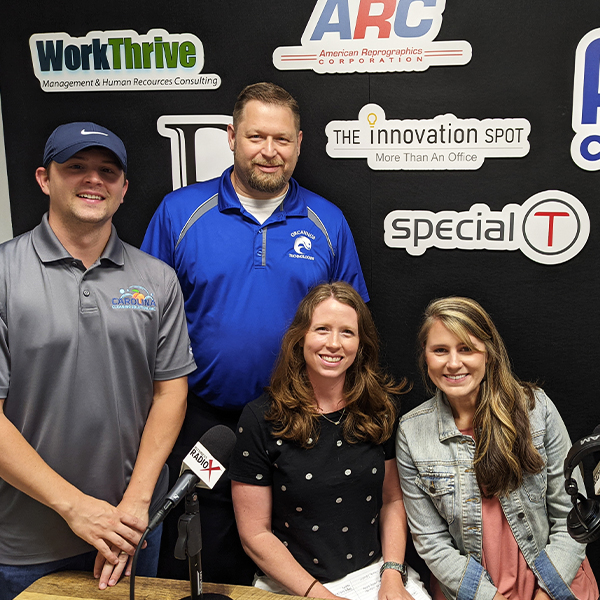
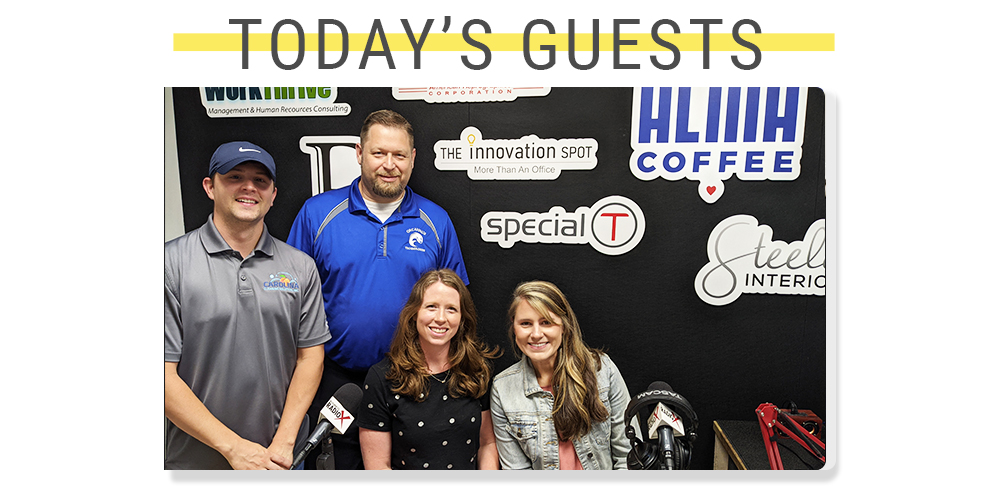
Megan and HaidenInnovationSpotALMAMegan Porter, Practice Manager at North Georgia Audiology & Hearing Aid Center

Megan was born and raised in Woodstock, GA. She attended the University of Tennessee where she played lacrosse and majored in Kinesiology. In 2014, Megan lived and studied in Australia where she became a part of the culture by working and volunteering at Hillsong Church – Newcastle. Now, she currently resides back in Cherokee County with her husband and daughter. Megan enjoys working out and spending time outdoors with her friends and family.

Dr. Haiden Nunn, Doctor of Audiology at North Georgia Audiology & Hearing Aid Center

Dr. Haiden Nunn is a licensed audiologist who joined North Georgia Audiology in June 2018. She earned her Doctor of Audiology degree from The University of Louisville, her Bachelor of Science degree in Psychology from The University of Georgia, and she completed her residency at North Georgia Audiology and Hearing Aid Center. Dr. Nunn is a member of the American Academy of Audiology, the American Speech-Language-Hearing Association, and the Georgia Academy of Audiology. Dr. Nunn found her passion for the field of audiology through her hearing impaired friends at the University of Georgia, and that passion was strengthened after she helped her grandfather through the process of obtaining his cochlear implant. Dr. Nunn is a native of Commerce, GA, but currently resides in Cumming with her husband and new puppy, Shrimp.

North GeorgiaConnect with North Georgia Audiology & Hearing Aid Center on Facebook


This transcript is machine transcribed by Sonix


TRANSCRIPT

Speaker1: [00:00:07] Broadcasting live from the Business RadioX Studios in Woodstock, Georgia, it’s time for Cherokee Business Radio. Now here’s your host.

Speaker2: [00:00:22] Welcome to Turkey, Business RadioX Stone Payton here with you this morning, broadcasting live from the innovation spot right here in the heart of downtown Woodstock. Today’s episode is brought to you in part by Alma Coffee, sustainably grown, veteran owned and direct trade, which means from seed to cup, there are no middlemen. Please go check them out at my Alma Coffee Dotcom and go visit their Rosary Café at thirty four forty eight. Holly Springs Parkway in Canton. For Letitia or Harry. And tell them that Stone sent you. This can be a fantastic show this morning. We have with us from North Georgia Audiology and Hearing AIDS Center, Miss Megan Porter and Dr. Haden Nunn. Welcome to the show.

Speaker3: [00:01:11] Thank you. Thank you for having us. This is so exciting.

Speaker4: [00:01:14] Yeah, we’re really excited to be here.

Speaker2: [00:01:16] Well, I have really been looking forward to this for such a long time. We had a chance to meet briefly over at Woodstock Business Club. Shout out to that crowd.

Speaker4: [00:01:24] That’s a fun crowd for sure.

Speaker2: [00:01:26] It is. And such a such a marvelous exchange of ideas. And I know for me, I’ve at least found people who I want to do business with. I have my my car right now over at Alpha and Omega Automotive, and you really do this, but I can’t pronounce his last name. So I was calling Mike G, but my service was electric. Guy got me hooked up in my new house with some electricity so that I could plug in my electric smoker smoking. That’s right. And maybe maybe some folks in there will eventually sponsor and host shows. But today’s conversation is all about you guys. I’ll start with you, Dr. Hayden. On mission purpose. What exactly is it that you’re out there trying to do for folks?

Speaker4: [00:02:12] Yeah, so we are an audiology practice. We’re a private practice, which I think sets us apart a little bit. We’re fully staffed with doctors of audiology and we’ve had lots of training to help people here. So we do all kinds of things, diagnostic hearing evaluations. We work with tinnitus patients. If you have that pesky ringing in your ears, hearing aid fittings, cochlear implant evaluation, all kinds of things. So really, we we like to pride ourselves on being linked to better hearing. So definitely.

Speaker2: [00:02:45] So this must be more of a of an issue. More people must be faced with these challenges that I guess I realized it hasn’t come into my or maybe it has come into my life and I don’t realize it. But yeah, just a little bit of it are there are there are a lot more people with one or more of these challenges than the average person like me recognizes.

Speaker4: [00:03:07] Oh, definitely. You know, we like to think of hearing loss as being one of those silent diseases because a lot of people have it, but nobody really talks about having it. I think hearing loss comes with such a stigma. You don’t want to be the one to have hearing loss. And, you know, when you do, you find that you kind of grin and bear it through my situation. So you don’t really know what’s being said, but you just kind of nod and you find you go along and you can find that you socially either isolate yourselves a lot, too, because, you know, you don’t know what’s being said. So you kind of pull back and you don’t enjoy going and doing the things that you used to do because you struggle to hear. And I think that’s that’s a really sad part that happens with a hearing loss, is that you just isolate and that can cause, you know, anger and frustration and depression. There’s all kinds of things that kind of are linked with hearing loss that go unsaid as well. And I think it causes a lot of family issues, too, when you have a hearing loss, because if you have it and you don’t want to acknowledge the fact that you have it and then you’re you’re putting some strain in your relationship at home, too,

Speaker2: [00:04:14] I’ll bet you are. So this kind of thing for a lot of folks, it sort of sneaks up on you, right? For most people, it’s not. Yesterday I heard well, today I don’t write exactly.

Speaker4: [00:04:24] A lot of people on average wait about twelve years or more. They come in to acknowledge the fact that they have an actual problem. And that’s that’s really bad because, you know, I mentioned the health issues that go along with it. It’s all about brain hearing now, too. We have to keep your brain healthy and untreated. Hearing loss has been linked to cognitive decline and dementia, too. So the sooner you can do something, the better.

Speaker2: [00:04:48] And so you have several practitioners, is this a two man band, as it were, visiting with two lovely young ladies, but you know what I mean?

Speaker4: [00:04:58] Yes, yes. No, thank goodness. It’s more than just me and a lot now. So at our Woodstock location, we actually have two doctors of audiology and an audiology assistant, and we have two other practice locations as well. There’s one in Johns Creek, Georgia, and one in Gainesville, Georgia. So shout out to Dr. Deborah Woodward and Dr. Jessica Allen in our Johns Creek location. And then Dr. Brook means in our Gainesville location. So I think we we kind of have a spread across north Georgia to enhance our practice.

Speaker2: [00:05:30] So this business may work out for you. All right. So, Megan, your role in all of this, what do you find yourself doing on a day to day basis?

Speaker3: [00:05:41] Well, I am the practice manager, so I do wear many hats, but mainly that’s been taking up my time is the insurance. So we’re one of the only private practices that take insurance. A lot of them are just self pay. So we do hearing a benefits. We do a lot of marketing and Facebook. And then I just basically go around to all three offices and make sure it’s running smoothly. So I wouldn’t be able to do it without Hadyn or any of the support staff that I have, which is amazing. We’re just like an NBA family and we’re all a team, so it’s awesome.

Speaker2: [00:06:15] So when you say awareness, it strikes me because I think it’s happening right now in this room, a great a great deal of your business is the product of education and information. Right. Because I think the general public is probably less informed on this topic than they are on many.

Speaker3: [00:06:33] Right. I actually read somewhere it was at the National Hearing Association that hearing loss is a third chronic illness in the US and only 17 percent of people wear hearing devices to help that. So and we’re like, oh, that’s just a lack of education. These people need help and they need to learn what hearing loss is connected to.

Speaker4: [00:06:54] Yeah, I think a lot of it for people comes down to hearing devices have always had such a bad stigma associated with them. You know, you don’t want to wear a hearing aid because that makes you seem old. Right. But that’s no longer the case. I’ll tell you, the majority of my patient population is in their 30s to 50s, I would say. So that age is going down and down and down and more people are wearing things on their ears than ever before. You have Bluetooth devices, you have air pods, and then I have hearing aids. So they’re getting interesting, smaller. And, you know, now a lot of these devices compare to your phone so you can stream music, you can stream phone calls, you can adjust them from the phone. And we no longer have that pesky feedback or that squealing sound that everybody’s so afraid of with hearing aids because the technology has just come so far. So, you know, I think a lot of people are really scared to get out there and kind of get their feet wet when it comes to hearing aids. But you don’t have to be anymore. You really don’t.

Speaker2: [00:07:55] So so is hearing one of those things. It’s interesting. My wife, I walk to work, which is one of the things I love about living in this community. I lost nine tenths of a mile from the house and I was going to walk to work anyway. But we got to one car with Laura and Billy, right? Yeah, it’s Holly. God bless her. She drove twenty three f 150 pickup to her eye doctor appointment today. And you know, but she’s I’m sure that we must be going once a year. The eye doctor. Maybe we’re going twice a year. Is that something at fifty seven and sixty three we should be doing with respect to our ears or should have been doing for some years, is should we be going once a year just to see how things are or is there some rule of thumb.

Speaker4: [00:08:36] Yes, definitely. So it’s always better to get a baseline sooner than later, you know, because if you notice changes in your hearing, we have nothing to kind of compare it to. And I mentioned before how it goes to brain hearing. You know, the longer you wait, the worse off your auditory nerve becomes and then your speech understanding goes down. So that’s when you’re going to start to hear what you say, huh? What? I can’t understand you. I can hear you, but I can understand you. And when you start saying that, that’s when you definitely need to come in and get a baseline. And the nice thing, which Meghan mentioned earlier is we do take major insurances and and a lot of insurance companies will pay for you to have a hearing test once a year, which I don’t think a lot of people realize.

Speaker2: [00:09:20] Never it never even occurred to me to go get my hearing checked the way I might get an annual physical or a doctor, the dentist, a couple times a year. This is something that that people should be doing to get to have that that baseline. OK, talk to me more, if you could, about this brain hearing thing. So they might still hear the volume that you’re not struggling with the volume, but they can’t make out the words. I’m saying they maybe it’s me. Just told you that, weren’t you listening, so what you

Speaker4: [00:09:52] Mean now when you have what we call press boxes? So this is your typical age related hearing loss? A lot of times it starts to affect your higher frequencies first. And so when you’re higher frequencies start to drop off, you’re going to miss the consonants of speech. So those S’s, the T’s, the case, things that really bring clarity or understanding to speech. And when that starts to happen, people start to sound like Charlie Brown’s teacher. You know what? You can hear them. But now everybody’s mumbling, right? So you’ve got this problem. Your wife starts mumbling, your husband’s mumbling, your partner’s mumbling. And you start to say, I can’t understand what’s probably right. Right. It’s all you. It’s not me. But when that happens, you’re starting to see a breakdown in your acoustic nerve function. So this is the nerve that connects to your organ of hearing and travels up to your brain. We call this information highway. Right. When you have a breakdown there, it’s kind of like you have a traffic jam and so you’ve got damage to that system. And so the words don’t make it up to the brain. Right. You may think somebody says that, but they said, cat,

Speaker2: [00:10:58] Oh, my

Speaker4: [00:11:01] Hearing and understanding two very different things.

Speaker2: [00:11:04] Yeah. Ah, and you actually pronounce the word properly. I’m sure I would have said tinnitus. Right. But but the ringing in the ears that is that the thing we’re talking about.

Speaker4: [00:11:16] So we in the audiology community pronounce it as tinnitus

Speaker2: [00:11:21] And that’s what it is.

Speaker4: [00:11:23] I think that’s a common a common error there. But that’s OK. That’s why we’re here.

Speaker2: [00:11:28] Tinnitus. You’re still with me, right?

Speaker3: [00:11:30] Education.

Speaker4: [00:11:32] So so a funny thing about tinnitus. Nobody really knows what causes it. There’s a lot of research out there. And the majority of the research is pointing to tinnitus as a symptom or a side effect from hearing loss. So a lot of times you could have just a tiny little bit of high frequency hearing loss. And that’s what’s driving that tinnitus. And, you know, I have so many patients come in my door who are just so defeated because they’ve been to many, many doctors. They’ve had MRI as they’ve done all kinds of different things. And everybody just says, nope, there’s nothing we can do. I’m sorry. And and I think we see so much depression when it comes to

Speaker2: [00:12:12] It’s bad enough that it’s driving them crazy. It’s like really annoying.

Speaker4: [00:12:16] It’s annoying them to the point where that’s all they focus on. And when it’s you start down this this road where it spirals, you know, and you’re just you’re you’re panicking because when somebody says there’s nothing I can do to help you now, you’re like, I’m stuck with this for the rest of my life. I do. But the nice thing about hearing devices is that they come with different ways to manage that tinnitus. So while we may never get rid of it, we can help your perception change. So you don’t focus on it so much. So your brain doesn’t kind of spiral. And yeah, there’s absolutely something we can do to help manage it for sure.

Speaker2: [00:12:52] So can can one this is going to be the wrong verb, but you’ll get what I’m saying. Can you exercise the ears are the things you can do to prevent or make better you.

Speaker4: [00:13:03] Definitely, yes. So it goes back to keeping that acoustic nerve nice and strong and healthy. And the way that you do that is fitting yourself with hearing devices. So come come get your hearing tested. We can talk about different treatment options and pick which device is best for you, because not everybody needs the same device and now they’re all different. And it’s kind of specific to your particular hearing test, your particular prescription. And also, you know, if you have tinnitus, we have to talk about that as well.

Speaker2: [00:13:34] Yeah. So I want to turn to you, Megan, for a moment. I got to hear the back story. What would the career path how did you find yourself in in this niche field?

Speaker3: [00:13:49] Honestly, when I say that it like came out of nowhere is exactly what I’m talking about, because I was actually when I went to University of Tennessee, I went and studied in Australia for about a year. Oh, my. And I came back all ready to move back there. I was getting my visa to move back, getting a job, everything. And then I met my husband. And so now I have my daughter. So I decided to go back into nursing school and become a nurse. I was on my way to my job because I was a medtech. I was in school and then my friend from high school reached out to me, Dr Mary Santic, at our Wittstock office, and was like, Hey, we’re hiring. Oh, so long story short, here I am two years later.

Speaker4: [00:14:35] And yes, I definitely think our CEO and owner, Steve Woodward, would be very happy that you’re here because you’ve taken a lot off of his plate. So he’s very yeah. We’re all thankful she’s here

Speaker2: [00:14:46] And you’re back. Story you must have known you want to get into this field. This takes.

Speaker4: [00:14:51] Yeah, it’s a long time.

Speaker2: [00:14:52] A lot more study than a degree. I’m er quoting a degree that I got. Yeah.

Speaker4: [00:14:58] It’s a it’s not an easy feat for sure, but no I actually didn’t know I wanted to be an audiologist, I wanted to go to medical school, I wanted to be a surgeon. And then I realized very quickly once I got about three classes away from finishing my degree, that I didn’t want to be a surgeon anymore.

Speaker2: [00:15:15] Oh, my gracious.

Speaker4: [00:15:17] So talk about last minute change. Yeah, I really wanted to have a relationship with my patients. And, you know, when you’re when you’re a surgeon like that and you’re in the hospital, you really don’t know. You don’t it’s a quick surgery. And then you’re like, we’ll see you for your follow up and kind of move on. But with audiology, the nice thing about this degree in this field is a hearing loss is more than likely permanent. So I see you from the time you’re diagnosed, so long as you’re here

Speaker2: [00:15:46] Not

Speaker4: [00:15:47] To get more of it. And so, you know, I do develop a lot of relationships with my patients and those relationships can last for years and years and years. And so I think that’s really nice about being in a private practice as well. Megan mentioned that we’re a team, we’re a family, but that’s true for our patients, too. So once you come through our doors and you kind of meet us and we start this journey to better hearing, it’s a journey, you know, like, yeah, it’s a long, long journey. And we’re we’re meeting obstacles along the way, but we overcome them.

Speaker3: [00:16:19] My favorite review was one from a patient that said they all must have worked at Chick fil A once in their life.

Speaker2: [00:16:25] That was a fantastic interview. We’ve had some Chick fil A folks in the studios over the years that, wow, what a company. I know.

Speaker3: [00:16:32] It’s just stuck with us. I’m like, wow, OK, think like chick fillet workers. OK, we got this is a

Speaker4: [00:16:38] Pleasure to help here. Better for you.

Speaker2: [00:16:42] All right. So I’m a I’ll call myself a sportsman. I’m not particularly effective at it, but I like to hunt and fish. And so that’s a that’s a good way to damage. Was just shooting shooting guns. Right. Definitely. So there’s a Yeah. Counsel advice on that one.

Speaker4: [00:17:00] So I’d like to say noise induced hearing loss is one hundred percent preventable. So you do have to wear your hearing protection when you’re in loud environments, especially hunting, shooting guns. You know, I have a few patients who are professional and shooters and they’ve come to us for custom earplugs so we can make custom plugs for sure for musicians as well. If you’re a musician, you know, like really want to protect your hearing or if you’re just a music enthusiast like myself, you know, like

Speaker2: [00:17:28] To be crackups. Sweet home Alabama.

Speaker4: [00:17:31] I’m more of an Aerosmith fan myself, but not filter plugs are great because you can still hear the music, you can hear the lyrics, but it’s protecting your ears.

Speaker2: [00:17:41] Selter plugs. All right. So this is different than just plug in the

Speaker4: [00:17:44] Hole, right? Exactly. So filtered plugs kind of helped protect the damaging parts of the sound from reaching your ears, but you can still hear the quality of the music. So I think that’s why a lot of people don’t wear earplugs when they do go,

Speaker2: [00:17:58] Because they just feel like it’s damp and they’re like they rolled the window up was

Speaker4: [00:18:01] Terrible. The quality is awful and I definitely will attest to that. But filtered plugs are great filtered plugs.

Speaker2: [00:18:07] I wonder if this because I was thinking I really don’t want to wear a set of headphones right in the tree stand, but you know what I mean for that, because if I may get to shoot, I may not I don’t want to be wearing those great big things that we wear when we’re citing the rifles in right now. We doesn’t.

Speaker4: [00:18:23] Yeah. Now you can get they make hunting bloods for sure. Hunting plugs and they’re digitalize too. So you can hear that deer crunch leaf if you want to.

Speaker2: [00:18:32] Oh my baby. I could hear him coming here, coming up on me and it’s going to protect my. Got it. Oh baby. Sold American hunting. There’s such a thing. Really.

Speaker4: [00:18:42] Ah yeah. Hunting flags for

Speaker2: [00:18:44] Sure. Well thanks. You sponsor this episode. We could have all of that is fair. I have no idea. So hopefully that is cool. So in some fields, financial services is one of them. I have found I’ve had practitioners something. We even have a financial services guy that runs a whole studio up in Gainesville, though. Henderson up there runs Gainesville, Business RadioX, and we have some who sponsor shows and we have a lot of financial services people in that world, fintech in financial services who come to our studios. And my what they share with me is that more often than not, women are a little more predisposed to talking about money. Often they’re a little more comfortable kind of sharing their concerns about money. They’re more coachable. They’re probably smarter than I mean, that’s been my experience working with. And so financial services folks. Well well, you certainly need to. To build a relationship with the with the couple, if it’s a couple, you know, they just find that women that’s a good group of people for them to build relationships with when it comes to this kind of thing. Are women a little more likely to seek out help and be a little more proactive than the men?

Speaker4: [00:20:06] I’m laughing because it’s 100 percent true, really. OK, yeah, I think it all goes back to the stigma that we were talking about earlier. You know, you don’t want to have a hearing loss because it’s a sign of weakness, right or wrong. But it’s actually not. It’s not. And in our practice, we do we do recommend bringing somebody with you because four years are better than two. So any time you can

Speaker2: [00:20:28] Bring somebody to you,

Speaker4: [00:20:29] It’s great. There’s so much information. And I always recommend bringing somebody. But, yeah, you’re you’re right. The women are more pleasant to acknowledge it first.

Speaker3: [00:20:40] And we get a lot of people like I’m calling to make an appointment for my husband. Oh, yeah. And then he comes in and be like, yeah, my wife is dragging me and she’s mumbling.

Speaker2: [00:20:49] She’s mumbling. Mumbling as you said, the this appointment. Yes.

Speaker4: [00:20:53] It’s Hanami.

Speaker2: [00:20:55] Interesting. Yeah. Oh. About that. So that’s a that’s a group of people. That doesn’t mean they don’t need education. In fact there may be more educable, there may be more coachable and more moral, more likely to find some of your thought leadership or education of that and that kind of stuff. Interesting.

Speaker4: [00:21:14] You know, it’s funny to the field of audiology is primarily women as well, is that right? So, I mean, there are definitely some male audiologists and a lot of the research part of audiology has been male driven. But the majority of the clinics, you see, they’re all led by women.

Speaker3: [00:21:29] While our CEO is the only male in the whole practice,

Speaker4: [00:21:34] She’s married to the owner.

Speaker2: [00:21:38] Yes.

Speaker4: [00:21:39] Dr. Deborah Woodward. Yes, she owns the practice. OK, she’s in our Johns Creek location. So definitely a female led business.

Speaker2: [00:21:46] All How about that? So what’s next for you guys and how can we help?

Speaker4: [00:21:52] Yeah, so I think our biggest thing was just wanting to come on here and just educate the population a little bit about what we do and why it’s important to do something sooner rather than later. One thing we didn’t talk about that I’d like to bring up is just the commoditization of hearing devices and now hearing aids have become such a commodity. So it’s all about that top dollar, right? You want to find the best price for the best product that you possibly can. But when it comes to your overall quality of life and your health care, sometimes finding the best price isn’t always the best product. Right. So we have to talk a lot about what we call the Wild West of hearing aids. So now you can you can pretty much get hearing aids anywhere. You can do self-test online. You can buy them online, you can buy them on eBay. Please don’t buy them on eBay. You can please. Dear God,

Speaker2: [00:22:45] There goes my eBay sponsorship.

Speaker4: [00:22:48] Ebay is great.

Speaker2: [00:22:49] I love

Speaker4: [00:22:52] Hearing aids. So hearing aids are a medical device. They have a medical number attached to them and they are assigned to you as a patient. So we we always try to educate people about buying devices online. You want to be really careful because if you buy them online, a lot of times they’re locked or they come from other countries and we have no way to program them. I’ve had so many patients fall into this trap and it just makes me really, really sad because, you know, you spend a lot of money on these devices and if you get them online and then you have nowhere to go, that’s really laughable.

Speaker2: [00:23:24] There’s such a thing as a lock.

Speaker4: [00:23:25] Yes. So let’s allow a lot of places to lock their devices. So we we have a lot of competition with big box stores where you can go in, you can get your hearing tested. You can also buy a carton of eggs and some milk. And that’s just not really great because to do so, we like to pride ourselves on our hearing health care approach. So it’s all about making sure you as a patient are taken care of. We like to address all of your needs and we have the ability to kind of select what device is going to work best for you. And we have lots of different pricing options, too. So you don’t always have to buy seven thousand dollar hearing aids. Sometimes you can get a lower level of technology that meets your needs. And I will say our pricing is very comparable to a lot of the pricing in the area for sure. So if it’s all about the top dollar for you, you’re not the place, right? No.

Speaker2: [00:24:16] Right, right. Well, no, for me, it’s it’s very similar to the I want to start my own podcast versus I’d like to have a radio show on Business RadioX conversation. So play this out for for me a little bit. Let’s say Holly calls you and says, please, my wife calls you and sets an appointment for me right now. I would do my own calling, but so so what happens? You get to you you run me through some sort of assessment and we get that baseline you talk to. You just talk to me about what that looks like and also you’re one of

Speaker4: [00:24:51] The nice thing about our practice, when you call in, you talk to a person. So it’s not a it’s not an operating system. We like to you know, Melisa’s the go to shout out to Melissa. She’s super friendly and she’s the face of our office here out in Woodstock. And then we have Lorenzini in Johns Creek and then Colleen in Gainesville and they’re all great. But you’ll meet them, you know, first thing when you walk in the door, they like to greet you. We’ll get you scheduled for your hearing evaluation. So that’s your diagnostic hearing tests and takes about takes about 25 minutes to do the whole thing. And then when we’re done, we can give you results same day and we can kind of counsel you. And and if you are a candidate for a hearing device, we kind of have that conversation at that time. You can try them on at no pressure in our office to see if you even notice a difference, because some people do and some people don’t. And we’re never going to pressure anybody into doing anything. But if it’s in your best interest as a patient, then we kind of have that conversation and we say, listen, you know, things are starting to go down a little bit. We need to be aggressive.

Speaker2: [00:25:52] Got it. So just as likely might be, I come in, we get a baseline and you’re like, yes, Don, you’re getting old, but you’re really OK right now. You don’t really need a device. Maybe you should do these filter. There you go. Thing is, when you’re hunting, right. And let’s say. And then what? Come back next year. Come back in six months. Looks like a regular rhythm in the next year or the year after. You say, OK, we’ve got an X percent, you know, slide here, we ought to think about. Is that how it could unfold?

Speaker4: [00:26:20] Exactly. So I think we’re really monitoring how well your understanding speech. So if that really starts to decline, that’s when we have to say, OK, last year you were fine, you weren’t a really great candidate. But this year we definitely need to have that conversation. We got to keep your brain healthy. We got to keep that decline cognitively at bay. We’ve got to keep that dimension right. We don’t want that to happen. So let’s let’s have that conversation now. And then we’ll just sit down and kind of figure out what’s your life like. What do you do every day? You know, I want to make sure we’re picking a device that’s going to fit your needs more so and then also to make sure you’re fit appropriately. So we do a lot of verification at our practice. It’s gold standard and audiology to make sure you’re fit appropriately for hearing aids. Um, and if they don’t do that, then they’re not doing right by you as a patient.

Speaker2: [00:27:03] So that’s one of the things that an old codger like me like, because my kids, you know, had all the, you know, not the Waltman that would have been in my time. Well, the the apple stuff, the airports, I try to put them in my early fall out. Right. Because I don’t know what I’m doing, number one. And they’re not. But if you ever did design something that an option might be, well, let’s get this thing to fit your exact done.

Speaker4: [00:27:26] We can do it.

Speaker2: [00:27:26] You can check

Speaker4: [00:27:30] It has been thought of and it is.

Speaker2: [00:27:33] All right. So let’s talk about me some more. I mean, it’s my show, right? Let’s talk about these Beltrami things. Is this also something that goes right in there or

Speaker4: [00:27:41] It’s custom made? We make an impression of your ear in office. We send it off. They have it made clothes that beautifully fit. And so you can pick your own colors.

Speaker2: [00:27:52] Oh, short trips. And when you think of the other,

Speaker3: [00:27:55] We can do it.

Speaker2: [00:27:57] Funster Well, this has been an awful lot of fun. It’s absolute delight having you having you come into the studio. Thank you for coming to share your story.

Speaker4: [00:28:07] Well, thanks for having us. Thank you so

Speaker3: [00:28:09] Much. Fun. Yeah.

Speaker2: [00:28:10] So let’s make sure before we wrap that we leave our listeners with some points of contact. What’s the best way for someone to reach out and set up one of those evaluations or maybe even just have a brief conversation over the phone with would you or someone on your team, what’s the and or and or some places to just go get some some education?

Speaker3: [00:28:30] So the best way is to actually call us at the Wittstock office. Our number is seven seven zero seven two six eight nine four eight. And actually, when you call, you don’t have to press one, two, three, four five six zero one hundred times. We will answer the first time you call. So which is amazing. And you would be able to talk to Melissa. And then Melissa is very educated. Should she be able to tell you guys what you need and get you guys scheduled. But if you want to talk to us, you just ask for us. It’s Megan or Dr. Hayden. And yeah, we’re there.

Speaker4: [00:29:00] And you can go to our website to it’s your hearing link, dotcom.

Speaker2: [00:29:03] Fantastic. Oh, all right. This has been marvelous. Thank you both for coming.

Speaker4: [00:29:08] And thanks so much for having us. And don’t forget to protect your hearing.

Speaker2: [00:29:12] You guys are right until next time. This is Stone Payton for our guest today, Megan Porter and Dr. Hayden with North Georgia Audiology and Hearing Center. And everyone here at the Business RadioX family saying we’ll see you next time on Business RadioX.

Tagged With: North Georgia Audiology & Hearing Aid Center

John Cloonan from Audacity Marketing, Zach Yokum from Mileshko, and Mike Christensen from The Voice Monkey

June 30, 2021 by Kelly Payton

Mileshko
Cherokee Business Radio
John Cloonan from Audacity Marketing, Zach Yokum from Mileshko, and Mike Christensen from The Voice Monkey
Loading
00:00 /
RSS Feed
Share
Link
Embed

Download file

InnovationSpotALMAJohn Cloonan

John Cloonan, Marketing guy | Strategic Polymath of Audacity Marketing

Marketing MBA. Motorcycle racer. Growth creator for everything from startups to $8B+. With his early career dedication to creating the weirdest possible résumé, John’s done it all. He’s been a marketing consultant, agency founder, and marketing executive. He’s developed others as a leader and university professor (oh, and an inline skating instructor). He’s held leadership roles in industries from staffing to behavioral health to capital-C consulting. He’s branded or rebranded over 100 companies. Now the founder and part-owner of Audacity Marketing, he helps his diverse partners create innovative marketing solutions for small-to-medium businesses. Oh, and he tells a good story, too.

Audacity MarketingConnect with John on LinkedIn


Zach Yokum

Zach Yokum, COO / Creative Director of Mileshko

Zach is a Georgia-born, Scottish-blooded, Christ-following, B.A. in Cinema/Television holding, 15-years in photo/video industry-working, pun-purveying, BBQ-consuming, Star Wars-geeking, C.S. Lewis-reading, outdoor-enthusing, long sentence-composing man.

MileshkoConnect with Zach on LinkedIn


Mike Christensen

Mike Christensen, Voice Actor for The Voice Monkey

Worked in veterinary medicine for 26 years. Worked part time in VO starting in 2012 and full time since 2016. Mike works out of his home studio and voices commercials, training videos, e learning, podcasts, characters.

The Voice MonkeyConnect with Mike on LinkedIn


This transcript is machine transcribed by Sonix


TRANSCRIPT

Speaker1: Broadcasting live from the Business RadioX Studios in Woodstock, Georgia, it’s time for Cherokee Business Radio. Now here’s your host.

Speaker2: Welcome to Cherokee Business RadioX Stone Payton here with you this morning, and today’s episode is brought to you in part by Alma Coffey, sustainably grown, veteran owned and direct trade, which means, of course, from seed to cup, there are no middlemen. Please go check them out at my Alma Coffee Dotcom and go visit their street cafe at 348 Holly Springs Parkway and Canton asked for Letitia or Harry and tell them that St. Cincher you guys are in for such a treat today. We’ve got a studio full, these gentlemen. So much energy before we even came on the air. I know we’re going to have a lot of fun. We’re going to learn a lot. First up on Cherokee Business RadioX this morning, please join me in welcoming to the broadcast and back to the Business RadioX microphone, the man himself with audacity marketing, Mr. John Clune. And how are you doing, man?

Speaker3: Doing great. Stone This has been great fun to come back.

Speaker2: It’s been

Speaker1: Too long.

Speaker3: Eleven, eleven years has it been.

Speaker2: But it looks like we’re both going to make it. I, you know, our business is I think we’re going to make it.

Speaker1: Absolutely. Absolutely.

Speaker2: So I have been invigorated and inspired since I’ve moved to the Woodstock community. One of the things I’ve had the pleasure of doing is become part of the Woodstock business club. It’s a it’s a four minute walk from my home and it’s the second or third bar by the time I’ve walked that four minutes from my home. But, you know, at eight thirty in the morning, we drink Almac coffee. We don’t we don’t hit the Reformation Bridges yet.

Speaker3: I was going to say it’s in the brewery. So you do have that opportunity.

Speaker2: Absolutely. And I make a point of doing that. But one of the things that I have thoroughly enjoyed it. I get a new shot in the arm. It’s a big group. So it’s pretty quick. Like when we introduce each other, John almost always stands on a table, stands on a bit and always says something funny or exciting or different to say. So I’m really glad to be kind of back in your circle. I was.

Speaker3: And, you know, part of the reason I stand on stuff is because I’m five foot seven inches tall. So, you know, being a little short guy, you know, I get that Napoleon thing going. So I have to make myself seen.

Speaker2: So so Zach and I, we resemble that remark a little bit later on. We’re going to get it

Speaker4: Just we’re fun size, right? I like to say we’re energy efficient.

Speaker1: It’s energy efficient. We get more with less.

Speaker2: So audacity, marketing mission purpose. What are you out there trying to do for folks?

Speaker3: So Audacity is a full service marketing agency, but we focus very specifically on better creativity through perspective. So, you know, while, you know, I’m an old white guy, I have partners who are diverse and we focus on hiring diverse people and getting diverse clients because we me personally, but we as an organization truly believe that you get better creative and better ideas if you have people who are from different backgrounds in the space. So we cross cultural ethnic age. Every line you can cross, we cross it.

Speaker2: So was that a decision? Was that decision to to operate in that fashion, partially a product of this? I’ll call it a movement of recent years, or did you get on that boat early?

Speaker3: You know, I’ve been on that boat for a long time because my you know, as you you know, as we were talking about earlier, you know, I’ve been in marketing for a long time. And my first agency you interviewed me when I had my first agency really see, I

Speaker2: Did not remember that. So it was a different agency.

Speaker3: This is. Yeah. So I sold that agency shortly after

Speaker1: After the interview. That’s always underground, right?

Speaker3: Absolutely. But we sold that agency shortly after the interview and then I refounded back last August. But I’ve always believed that, I’ve always believed that if you have a bunch of people in the room who all look alike, you’re going to get a certain set of ideas. Right. But if you change that mix, you get different ideas and better creativity and just better results. And there’s data that proves it. So it’s a good business decision.

Speaker2: Now, did you own this this time around? Did you decide to focus on on an industry or a size or any kind of niche or what decisions did you make in that regard?

Speaker3: I mean, we best serve B2B and small to medium, and I define small to medium as one hundred million dollars or less. Now we have some clients that are bigger than that.

Speaker2: So I’m small, my business small. I don’t know about you guys, my exact. These are our other guest this morning. We are you under a hundred million, you guys?

Speaker4: I’d say we must be atom size.

Speaker1: In your criteria, we do

Speaker3: Work with we do work with a lot of start ups actually, and very like micro business, but, you know, if they have to have a little money because we do like to get pet funding is nice. But, you know, overall, it’s that business spectrum allows us to serve them effectively. We come in, we build the strategy and then help with the execution. You know, when you get larger than that, most of those organizations larger than that have a marketing team and they they don’t need as much strategic help.

Speaker2: So what does an and maybe a loaded question Romney smash almost ask

Speaker1: To go to?

Speaker2: What does an engagement cycle look like? You’re working with a small company, a Business RadioX like in our case, we’ve got 17 studios where we’re in, I don’t know. Twenty nine markets total. But we’re kind of a small team. We certainly don’t have a vice president of marketing unless I met him, but I also empty the trash. So yeah, walk us through kind of what an engagement might look like. I’m particularly interested in what happens on the front end. Sure. Yeah.

Speaker3: So there’s two we operate under two different kinds of engagements. One is just a project like you identify a need and we come and fill that need. An example might be you decide you need to redo your website. So we come in and do that. That’s a that’s a small piece of what we do. A more common engagement is you stone come to me and say. John, I need to make this change, I need I’m having this business

Speaker2: You don’t have to get through. Let me give you a real and let me get some free consulting here.

Speaker1: Absolutely. Go to town.

Speaker2: Again, it is my job. Right? Right. So we have we’re in 17. We have 17 physical studios. We want to be in a thousand.

Speaker1: Right.

Speaker2: Locally, I feel like I have got the she. Isn’t it the thing you need if you’re local and you want to meet other local to be people inviting them to come on your radio shows. Pretty cool way to meet people and build relationships. It works. It always works. It never doesn’t work. When I’m trying to have a conversation with someone in Pittsburgh because I want someone in Pittsburgh to run a Business RadioX studio. Right. I’m like every other poor schlub out there trying to figure out how do I get conversations in Pittsburgh? So that’s like a real problem challenge. Absolutely. Is that a good one? Just kind of. That’s exactly. OK, so,

Speaker3: You know, we would look at, OK, you know, we would start that with, OK, you have this business problem of you’re trying to expand very quickly into a lot of markets in which you don’t have physical presence. Right. That yes. Our fair assumption. Yeah. OK, so then looking at that is then we would build a target. So who are you trying to reach in Pittsburgh? Because it’s not everybody, right? It’s it’s a very specific demographic psychographic, technocratic profile. So people who look a certain way, if you will, in from a business perspective. Right. And then we would build a plan as to how you might do that, like how do you reach that specific target? And the answer to that is where does that target live? You know, and that’s across both the that’s across the digital and traditional space. So, you know, digital is a big thing like and you can find honestly, you’ll find a hundred digital marketing agencies probably just here in Woodstock.

Speaker2: It’s across your business is it is crowded. Yeah. You know,

Speaker3: It’s feels that way. Can I tell you why? Yes, because you absolutely need no credential whatsoever to call yourself a marketer.

Speaker1: Oh, you know,

Speaker2: The Zach Stone marketing agency. I mean, we can do that this afternoon.

Speaker3: We could do that right now, you know, and that’s a differentiator for audacity because, you know, I have twenty five years of marketing experience both in corporate and agency. And I have a master’s degree and I have an MBA in marketing. Oh, wow. You know, I’ve led global sized organizations, multibillion dollar organizations in the marketing space. So that makes us a little different than, you know. You know, you’re a young person who knows social media and decides to call themselves a digital marketer because we can look strategically across the entire spectrum of marketing activity. So it’s a little different. It’s a lot of different, really.

Speaker2: So it occurs to me that even in that initial conversation where we’re trying to figure out who they are, where they are, that we may have a preconceived notion, then after talking it through with you a little bit, you know, that’s not really who after at all. And then once you get that figured out, you got this whole say, OK, well, OK. Now, how do we find them? What do we say to get their attention and what do we say to get there? So all of this is this is this is where your expertize your experience base and that’s where all of this really comes into play, I would say.

Speaker3: Absolutely. Because, you know, it’s interesting. You talk about preconceived notion. Yeah. Because we just worked with a local roofer who has a slightly different take on the roofing business, like they’re into preserving rather than replacing your roof. Oh, wow. And so we were talking about an emotional connection to your home. So who has that? There are people who like Reid home rags who, you know, who are very into safety and security and comfort. And those were the emotions we were trying to get after. So we were looking at, OK, how do we reach those people? Well, gee, the home rags is a good place to start, but there’s also broader campaigns. There’s websites on Pinterest is big on the home decor side. So we were looking at those things as to how do you find these people now? Of course, I have some, you know, and again, because like you’re saying, like, I’ve been at this for a few minutes, I have some definite ideas as to how to reach certain demographic technocratic psychographic profiles. But in the end of the day, so much just research, so and knowing where to research and how to

Speaker2: Sew, even if it doesn’t come immediately to you, you know how to to set up the research, to go get the answers that you need.

Speaker3: Yeah, because the data sources are not common in that space. Like there’s not something it’s not something that like

Speaker2: You don’t just call this broker them.

Speaker1: No, please don’t call this broker. You may have less brokers because my list broker. Yeah. There goes your broker Shadowman, but you don’t call this broker.

Speaker3: But there’s data sources available to. They are not as commonly known that will give you better profiling. Oh, and then, of course, the digital space, I mean, the you know, the Facebook and so and Twitter and LinkedIn, social media algorithms are very powerful to reach a group if you know how to utilize them properly. And there’s a difference between I know how to put together an ad campaign than there is. I know how to target that ad campaign effectively and how to run it such that Facebook reaches the people. Facebook particularly reaches the people you want it to reach.

Speaker2: Right. So like in other areas of life, do you find that success in a in a marketing campaign, a marketing strategy is really a moving target, like, OK, this is a great strategy for now. And, you know, let’s all recognize 18 months from now we may be doing something, you know, 180 degrees out from what we’re doing now because circumstances change.

Speaker3: Oh, absolutely. Because, you know, I mean, first thing is, is your business in 18 months is not going to be the same business it is today. So your targets may change your you have different expansion opportunities, the trends in the market change. So this is a yeah, it’s a moving target. I mean, but there’s certain principles that always are maintained. So you’re going to do some of your activity is going to be the same, but it’s going to be this nuance. The nuances will change. Does that make sense?

Speaker2: It does. It does. I got a question for you, and it touches on a pre conversation that I had before we came on the on the air about what was the phrase I use eating, eating your own cooking. Yeah.

Speaker4: So I’m curious and I follow that up. I think that’s why you never trust a skinny cook.

Speaker1: They’re not going to eat their own food. Are you there?

Speaker2: That’s great insight. Aren’t you glad he’s going to be on the show? We’re going to learn a ton and a little bit. We’re just showing the fat right now. The learning segment of the show is coming up, guys. What was I going to say? It was really. Oh, so how do you when you go to market, are you at a point now where the phone just rings or you can you can stroll down to the Woodstock business club and have a cup of coffee and you’re going to get plenty of business? Or do you find that you two have to be thinking through these things and making these adjustments for your own business?

Speaker3: Oh, well, first thing is, is that as a marketing company, if your marketing doesn’t look good, people don’t find you credible. Well, I mean,

Speaker2: You can’t be a skinny guy.

Speaker3: I can’t be skinny. Now, the downside to that right now is that, you know, we’re a we’re a 10 month old company, you know, so we’re still putting a lot of that in place. So, like, if you go out to the Audacity Facebook page, unfortunately, you’re not going to see anything.

Speaker2: It exists, but

Speaker3: There’s no content there yet because we’ve just finished building our content calendar. So, you know, you go there next month, there’ll be a pile, you know, but there’s you know, these things do take time to build. And that’s something that I like to let the client know as well, is like if we build you a program, it takes time and effort and resources to execute. Right. So but, you know, within but you really do have to eat your own dog food like I you know, do we have you know, are we running a good business? Are we profitable? And do we have clients? Yeah, absolutely. Is that going you know, but a lot of that is based on networking and personal network will eventually you have to scale beyond that.

Speaker1: Right.

Speaker2: So what are you because this is kind of a it’s a it’s a new endeavor for you. What do you enjoy the most and what do you get what do you get in having the most fun with.

Speaker3: Oh, wow, Bill, I’m a strategist like that, right. Deep in my heart of hearts, if you give me anything else to do, is I’m going to write your program and I’m going to show you why this is going to work. So like building those programs, executing on them and then watching the results come in as expected or better is like that’s that’s the love of my life right there. You know, know don’t tell my girlfriend that. But, you know, that’s that’s the part that really, you know, really gets you know, it gets me up in the morning is being able to look at a client and say, look, we built this program for you. We built the strategy, we helped you execute on it. And here’s results, because at the end of the day, marketing is about growing your business. Right. And so we’re here to help companies grow their businesses. And if we’re not seeing those results, it’s a drag on.

Speaker1: It’s well, I

Speaker2: Want to talk about results for a moment here at Business RadioX. We chose very early on not to try to fight the battle of getting a huge audience and then charging you a fee to tap into this audience. We built our whole thing around using the platform. Formed to build relationships, so our clients are looking for 10 more clients this year, not 10000 more Facebook buddies, right. So in our world, the results, the metrics are very simple, straightforward. Did you meet 50 more people that you really needed to meet? And did 10 of those people write you checks in your world? I suspect sometimes audience is an important metric in viewership and all that kind of stuff. Is that is that to just very case specific and part of that consultative

Speaker3: Peace for you? Yeah, that’s absolutely case specific, because there’s really a couple different levels to this. One is, is brand building and brand awareness. Right. Which is and that’s a pure reach play. How many people know Business RadioX. Right. And then, you know, and that’s a top of the funnel activity. Right. And then you go to the next level down is influencing decisions. You know, how many people are going are, you know, engaging with your social media as an example? Right. Right. So they may not necessarily be a customer, but they might influence buy in the future or they may become a future customer. And then the bottom of that funnel is actually lead gen. How many people did you get in the door who are potentially buyers? And in the B2B space, like we don’t generally measure, you know, once that’s sort of where the marketing piece ends and sales picks up. Right. Because we’re not going to, you know, as an example. Right. Are, you know, using audacity as an example. Right. You’re not going to buy a marketing program online, clicking a button. You’re going to have to talk to a salesperson, which is, you know, these days is

Speaker1: You do

Speaker3: A sales. Yeah, I’m not much of a salesperson that you are going to have to talk to me. So, you know, so we’re that’s really we’re in the B2B space. Our measurement stops. We brought you a person who is qualified to purchase your product or service.

Speaker2: Got it. But some of those other things that the higher up in the funnel, those are leading indicators or, you know, you’re getting traction all the way through.

Speaker3: Yeah. I mean, and you have to. Right. Because you if you look at a funnel like you can generally and this is on a business by business basis, you can look at different stages in the funnel and determine your success. So as an example, if you have a huge top of the funnel audience, but very few of them engage, you know, you’re very likely not to have very many at the very at the bottom. Right. So you need to make sure that your percentages kind of line up across the entire funnel so that that top of the funnel person who is aware of your brand, a portion of them eventually by.

Speaker2: Right. And so if you run into that scenario, you may put more energy into that next phase. The why why get them more in the top. Let’s fix the middle.

Speaker3: Absolutely right. And that’s and that’s part of the consultative sell because. Or the consultative service. Because you’re. And I go back to that, you know, the St. Johns Act marketing agency, right, is you know, you may know how to get audience right and get views, but you may not know how to take those viewers and turn them engaged. And you may not know how to take that engaged group and make them convert. And there’s strategies across that whole thing.

Speaker2: And you can’t buy a gallon of milk on them on views.

Speaker1: No, it doesn’t. No, no, no. You know,

Speaker2: We had 300000 downloads. Yeah.

Speaker1: You know, I mean,

Speaker3: I keep showing them my 10000 Twitter followers and they’re like, yeah, those are great.

Speaker1: But, you know, I mean, you mentioned milk.

Speaker4: If 10000 people come into Kroger but don’t buy anything,

Speaker1: There’s not going to be open next month. There you go. This is

Speaker2: Exactly right. So for the Zachs, the Stones, we also have my Mike Christensen, who is the voice monkey. We’re going to talk to you later. You know, we’re running we’re running these small businesses that Zach and I both have business partners. What are some telltale signs, some symptoms or some milestones? That that’s just for me to, you know, like I mean, I have a standing call, you know, Tuesdays at noon after the show. What am I looking for? What kind of things would we see in our business to say, you know what, we we might want to take a look at getting some outside help? Yeah. When do you know that it’s maybe time to have that conversation? You know,

Speaker3: When you I always like to think of audacity is the last we’re the last people you’re going to talk to. Right. So you’ve tried things right. You know, maybe you’ve run some Facebook marketing campaigns and they’ve fallen in their face. You know, we’ve been brought in to turn around software product launches as an example with some very, very big companies, you know, who launch software products and then say, oh, this didn’t go anywhere. So, you know, you when you realize that you have a problem and you’ve either attempted to address it and failed or you just don’t have any idea, like you’re like, OK, how do we fix this? Because the the like asking the question to a point will cost you nothing. Right. You know, like stone like as an example, like you were saying you want to like if you called me up and said, hey, we’re trying to get these thousand studios open, how do we do that? You know, that first, you know, hour or so of me just talking through that with you don’t cost you anything.

Speaker2: A couple of beers maybe. Yeah. Oh, I don’t drink.

Speaker1: Oh. You know, coffee by the cup. OK, you can bring me all the coffee, you know,

Speaker3: Because, you know, powered by caffeine. But, you know, it’s really I dunno, it’s really understanding that I have a business problem and I’ve either tried stuff and it’s failed or I just don’t even know where to begin. Right. Because marketing crosses almost every aspect of the business except for like accounting.

Speaker1: Right, right.

Speaker2: Mayor, before we wrap up, I want to make sure that our listeners know how to get in touch with you, to have a conversation with you or somebody on your team. So whatever you feel like is appropriate, where there’s the LinkedIn or the Facebook or the email phone, whatever you feel like is appropriate.

Speaker3: Sure. I think the best you know, the best way to reach out to us is there’s a contact form on our website, Audacity dot marketing. It is not audacity dot marketing, dot com. It is audacity dot marketing. And you can actually reach me directly on it. Audacity, dot marketing. I have you know, we are a we are still a relatively small company. We do have some team members. But if I’m not the person you need to talk to, I’m you know, I’m the traffic coordinator, if you will. So, John, it audacity, not marketing or audacity not marketing.

Speaker2: Fantastic man. I am so glad we’re getting a chance to to reconnect after all this time. It’s been an absolute delight having you in the in the studio. Keep us posted. Let’s let’s have you come in on some rhythm. I’d love for you to come in and just kind of get us I don’t know, maybe we should do like the marketing minute or something. I don’t wanna be doing super fun. Yeah. And I think it might be fun because I know you have a lot of local clients. It might be fun to have you and a local client or two like a special episode, and we’ll spotlight their businesses and we’ll learn about that. But I’d love to maybe in also just hear about how you guys work together. Sure. So put some thought into that. Well, and we’ll make that happen if you like.

Speaker3: Absolutely. Stone and super appreciate being invited back on the show after, you know, like I said, eleven years.

Speaker2: You know, I know I had black hair back then. I think

Speaker3: You did.

Speaker1: And I think I had. You had.

Speaker2: So yeah. So once again, this contact points of contact again,

Speaker3: John, at Audacity not marketing or Audacity, not marketing is our website.

Speaker2: Oh, right. Hey, man, how about hanging out with us while we visit with our other guests? Absolutely. All right. Next up on Cherokee Business RadioX, we have with us with my Alesco, Mr. Zach Yocum. Good morning, sir.

Speaker4: Good morning. It’s a pleasure to be here. And may I say, I’m so excited to go in the middle because with the name Zach Yocum, I’m normally going last alphabetically. So very excited.

Speaker2: It was elementary school. You were like the last one to get the date. So what did you learn in that last segment, man? What did you take away from that?

Speaker4: Well, I am so excited to have Jon on the show because working with marketing agencies is what we love to do, because we’re the content creators that help fuel their campaigns. So I will probably be giving you a call and then, hey, what content are you creating for your your clients you can do locally?

Speaker2: I think I have some permission slips here in the file cabinet. I’ll hand them both

Speaker1: Know

Speaker2: It does happen in the studio a lot. Right. And I will share with you guys. I’m not I’ve never very strategic about this, but because we’re all about supporting and celebrating local businesses, it’s not at all uncommon for some marvelous relationships to get forged. And there’s little done by fifteen room. So that’s marvelous serendipity. Tell me more. What are you guys out there trying to do for folks? And before you get too deep into it, you got to tell us why it’s called Malenko.

Speaker4: Well, Malashenko is the name of our founder, Tom Alesco. And if you’ve never heard it before, it’s because it’s Belorussian. Last name. Oh, my. So you actually said it correctly, too. So because we get the whole gamut. Malashenko Molaskey. Oh yeah. Also props to you for saying it correctly, but in Belarus it’s kind of like Smith. So here, it’s here, it’s foreign, but over there they’re like,

Speaker1: Oh OK, sure,

Speaker4: But that’s the name. And the reason we stuck with it is Tom has been in business here in the Atlanta area for forty years. He was a photographer. And so I came on in 2012 when he was kind of noticing the industry was going toward hybridization versus specialization when it came to content creation, because you don’t just go to one person to get photography and one of the person get videography and another person get graphic design. Sometimes you just need an agency that does all of them. So it can be kind of that one stop shop. And so Tom had these wonderful relationships. You can cultivate it over 40 years. And so we thought, hey, let’s stick with Malashenko. It’s catchy. You don’t hear it often. And we it sticks to our thinking of creating that relationship long term. It’s all in the name.

Speaker2: All right. So going from what I learned in the last segment and demographic psychographic tech, that techno graphic that I’ve not heard that word before. And the who who are these folks and where are they hanging out, the folks you’re trying to work with?

Speaker4: So the big thing we bring is often when you think of the creative, you think of that person with the tussled hair, ripped jeans. Who’s going to tell you? All right, I’m going to tell you about the feeling of melancholy as we create this this campaign for you. And what Tom realized early on is you have these corporations that have deadlines. They need you to deliver on time. And so. Taking this right brain creativity and really combine it with the left brain of productivity. So our target market is bigger corporations that aren’t just trying to create something, they need it created at scale. So when you think training media, all right, they don’t need just one one minute video, they need 60 one minute videos that teach you about a process. So our big niche is finding how do we give them something creative but at scale. So our our target audience is things like we do a lot of work with Chick fil A WellStar, which is a big conglomerate.

Speaker2: I’ve heard of them.

Speaker1: You might have seen one or two places. Yeah. Yeah.

Speaker4: But, you know, we had to diversify so we could serve people on Sundays as well. But that is what we found to be a huge need because you can go to someone that can. All right. Will make you the one commercial. The one video. But what when you need 80 of those things produced in the same amount of time. So our big thing was figuring out how do we do this efficiently while still giving you something creative.

Speaker2: So a long, long time ago when I did have black hair and something a little closer to a real job, I was in the training consulting. That’s Fariña. I sold consulting, specifically Change Management Consulting. So and my wife still has a real job. She’s a change management grand poobah or something. And IBM, but we’re from the Hollowly. Both are from that training consulting world. And yeah, it strikes me like that must be a really great source of business, a revenue stream for you doing these training. And not all of it might have been leadership development, change in sales like we were. But some of it’s like compliance like you have to have. Well, I don’t know if you have two videos, but you have to have you have to prove that you’ve that you’ve checked these boxes on sexual harassment and probably diversity and inclusion and all this stuff. Right.

Speaker4: You get the legal team to approve that. Yes. We have said the sentence. So our butts are covered.

Speaker2: Right. So you find yourself creating creating a high volume of video for that, for that kind of thing. So is the consultative creative process as involved as it might be for like on the agency side of stuff or or is that kind of come a little bit precooked? And and for you guys, it’s more about making sure the lighting is right and you got people who can execute on the create on getting it done.

Speaker4: Well, like John mentioned, a lot of times a client will come to us with a problem such as we need training material and they may not even know what that exactly looks like. So we will consult on how can we best execute on getting you this material. And then we will very readily say, and here is our friend John, who will tell you how to market it and get this great material.

Speaker2: Okay, so you team up with people like organizations like John’s to you don’t try to be try to be that too.

Speaker4: Right. So so what we what we kind of describe is we will help you create the best painting in the world, will help you source the paint, make sure that the canvas looks really good, that it represents you, it’s nice and branded, and then we’ll hand it to someone who can then market that painting so lots of people want to buy it. So we will give you the the material that makes you look good. And then someone can come in that will partner with and they’ll make sure that they can get it to as many people as possible. Got it. So we try to we like to say we try to make John’s job easy because we’ll give him something that looks so good that he’ll be able to market it, whoever needs to do well.

Speaker2: And this is a this is a growing beast, right, John? These these venues, these platforms that you capitalize on, these, they are ravenous. They’re hungry for for food, right?

Speaker3: Absolutely. I mean, you know, social media is a content suck, right?

Speaker1: Oh, yeah. Content is

Speaker3: Everywhere. And and it’s and it’s according to the platform to write like Twitter is the worst. You have to be on Twitter, like on average. I tell clients that they have to be on Twitter minimum five times a day.

Speaker4: Holy cow. That sounds about right.

Speaker2: I’m not incidentally.

Speaker4: Well and videos every. Wow. I mean, I’m sure you’ve gone to the gas station pumping your gas and then all of a sudden, hey, welcome to Stevie Wonder.

Speaker1: This video on my gas pump now. Yeah, I

Speaker4: Need for content. I mean, that’s how you’re getting eyeballs now is through video. I mean, the stats are out there that by 2024, over 82 percent of the Internet is just going to be video. Wow. I mean, shifting from text and photo, it’ll be video. So there’s such a need to have this content and oftentimes you need a lot of it very quickly. Like you mentioned, your Facebook page, right now, there’s not a lot of content while you need this quickly and you may need it at scale. So we try to work with companies. All right. You need enough content to fill a Facebook page for a month. How can we strategically and cost efficiently film stuff? Kind of like what you’re saying about this show. Hey, we’re going to have this one recording session. You may have content for eight months.

Speaker2: So, yes, I will say this. Having a real radio show is a content factory. Exactly. And for me and you know, I don’t have the formal training in the expertize of. You guys are in that kind of thing, but I will tell you, just hanging out and talking about people’s businesses comes easy to most people. And then, yeah, before you know it, you know, by tomorrow we’ve got this 45 minute, 60 minute. I mean, I think it’s pretty darn good content and we’re just hanging out, chewing the fat. Right. And it is. And I suspect video has this version of that now for me. We feel real good about what we’re doing in terms of radio. I am very reluctant for me to try to do much in this room during this experience with video because I’m concerned about the lighting and all that jazz. But I bet you there’s a place for it. Maybe not trying to replace what you’re doing. But I mean, you get the visual element. And I do know that we’ve had people take this the audio from the shows that we’ve done and make it into a video. Right. So there’s a ton of stuff you can you can do with it. But but yeah, it’s a hungry beast. We’ve got to have the content to feed it. I asked Jon earlier what he found the most rewarding, what he was enjoying the most. And I do want to hear that from you. But I’ll also ask you, what what are you finding to be the biggest challenge when it comes to either getting the client or working effectively with the client or getting them the results they need? What’s what’s the biggest challenge, you think?

Speaker4: I’d say the challenge is educating the client into what is actually going to work for them because they will come and say, hey, we want you to create this 45 minute video of a guy talking. All right. That might have been great.

Speaker2: And our boss is really smart.

Speaker1: Right.

Speaker4: And he may be a subject matter expert and can talk authoritatively for 45 minutes, but but people will consume it better if it’s in 30 second increments. So I tell people it’s the the YouTube effect to where we try to help our clients think in smaller bite sized bits because no one will watch a 40 minute video. They’ll see that length and the next thing in the feed. But funnily enough, if you make forty one minute videos,

Speaker2: They’ll watch 40.

Speaker4: Maybe they’ll sit there and go, Hey, I like that first one, I’ll watch the next one. So it’s kind of like popcorn. You read a hundred pieces of popcorn without thinking about it, but would you eat that same if it was on one giant corn cob?

Speaker2: Yeah, probably not. So I got to know, what is your back story? How did you how did you find your way into this?

Speaker4: Well, I’m up here in the north because I’m from down in Fayetteville,

Speaker1: So I’m excited to be up here in the Woodstock area

Speaker4: On the other side of the clock of Atlanta. But I actually I’ve been holding a camera since I was two years old. So this has always been something I’ve wanted to do it. I didn’t do it. Well, it looked like The Blair Witch Project because I was holding the camera the wrong way and my eyeball was in the lens. And but that was my first film. And then I went to film school for college.

Speaker2: Oh, you got like legit credentials. You’re a little bit like Clooney

Speaker1: Degrees, too,

Speaker4: As legit as a film green. But I learned the craft and then realized really early on that you can go to Hollywood and, you know, it’s kind of a feast and famine kind of life. But I wanted to have a family I like actually, no, my kids know my wife. And so I found that in corporate video, you get to use all these technical skills, you get to use that creativity. But it’s consistent work and you get to be home at five o’clock. And so there’s such a need. But I just realized it’s not the glitz and glamor of Hollywood, but it’s all the consistency and creativity of what I want. So that’s that’s a bit of a background fun.

Speaker2: Ok, so you’re all the way down in Fayetteville, your business partner, Nathan.

Speaker4: Yeah, Nathan Fowler, he runs up the geography side of things.

Speaker2: He’s in Woodstock.

Speaker4: Yeah, he’s he’s right here. It’s like right where Woodstock and Canton meet. But you’ll see him you’ll see him there at the copper coin coffee shop most days.

Speaker1: That’s where Scicluna just came from, as good as you’ll see there pretty much every day.

Speaker4: He’s a fueled by caffeine kind of guy as well.

Speaker3: Yeah, I’ll introduce him to Basar Coffee and Kenton’s.

Speaker4: Ok, well he probably knows like he’s our coffee connoisseur on the team so I don’t mind. He, he, he told me about all my coffee as well that you started the show off with. So he’s our coffee guy.

Speaker2: That’s typical. The Fayetteville guy drives up here for the show

Speaker1: Would start guys.

Speaker4: Well it’s because Nathan is in New York actually. You know, we we say that we were working mobile before. It was cool because we we never really invested in a brick and mortar studio because we found, hey, let’s go to the client film on their turf and use their own environment as part of the marketing in what we’re filming, like show them in their space. They don’t have to come to us. So Nathan’s up in New York shooting some stuff for Chick fil A right now. So he couldn’t be here. But so I got the short end of the stick.

Speaker2: I got this pretty good excuse shooting stuff for Chick fil A.

Speaker1: Yeah, we’ll take it.

Speaker2: So day to day, though, you’re not in Fayetteville, you’re on side. You’re on location.

Speaker4: I’m all we tell people. You know, you got two eighty five all around. Atlanta, so we serve people around the clock of Atlanta, so it’s very rare that I’m actually working from home, so I’ll be up in Canton one day, I’ll be over in Loganville. I’ll be right by the airport. So we’re all over serving clients around Atlanta.

Speaker2: So. So your work, not unlike Johns and a little bit like ours before we actually launch, are accustomed. So there’s this consulting kind of educational component to your work that you described, because I asked you, you know, what’s a challenge area? But I mean, you got to get that right or the whole thing crumbles, right?

Speaker4: Right. Well, our our big thing is we want to make the content production easy for the client and sometimes making it easier for them is educating them on, hey, what’s going to be the best method for this? Like you may have come in and asked. But once we understand what you’re trying to do, we may offer, hey, based off of our experience, we can consult and say, here’s a method we think will work even better. So so I’ll take it. For instance, we had a a beauty products company come to us and say, hey, we need this commercial because our products are going to go into Wal-Mart. And they wanted to have this like ten minute segment where the owner was going to come on and talk about their journey. And we consult and said, hey, where is this going to live on Facebook? All right. Well, then ten minutes is already out because no one is going to watch 10 minutes of anything on Facebook. So instead, we are able to say, hey, based off of now what we know you’re trying to do, may we suggest a video that’s more like the 30 second ten minute range? And let’s not worry about your story. Let’s just talk about what the consumer like, what’s the benefit the consumer is going to get? You can tell your story on your website so we can include that at the end of this thing. Go to the website and check out the full story. And so then they were able to take that raw video that we gave them work with a marketing agency. And now the word is out that, hey, you can now buy this product at Wal-Mart.

Speaker2: Now, do you find yourself writing copy or that more John’s thing? Or you guys might collaborate on a client and figure out who should be writing copy.

Speaker4: And so we will absolutely admit when we are not the best fit for someone to wear if they need extensive copyright and they will say, hey, may we introduce you to our friends at insert marketing agency name? But if it’s a matter of, hey, they’ve given us this training material and that just needs to be modified to fit better for video because there will be a sentence’s looks fantastic written that you would never say in person. And so we can help.

Speaker2: Like I would write that dog won’t hunt and then you might say yes. So maybe you ought to use a different phrase here in New York.

Speaker1: Well, a lot of times that voice goes like

Speaker4: A lot of times it’s taken corporate ese and translated, oh, usually

Speaker2: It’s coming the other way. Someone will say that’s refreshing. Maybe that dog would be great.

Speaker1: No, I would say

Speaker4: Make it more colloquial,

Speaker1: Make it more approachable,

Speaker4: Because a lot of times would be like, well, the organization’s self fulfillment of the supply chain reorganization was quite a no no. Just say, hey, the trucks get there sooner, right? That’s what the audience will understand. Right. So it’s helping the lawyers and the really high falutin legal people translate it into more layman terms. Yeah.

Speaker2: All right. So before we wrap near term plans, were you and Nathan going to be putting your energy in the next, I don’t know, to 18, 18 months? Is there a focus area or two growth scaling?

Speaker4: So right now, it’s just finding a lot more of those. So you mentioned 100 hundred million plus clients where we find that since we’re creating content at scale, we’re targeting those one billion plus dollar clients that, hey, they’ve realized that their need for production is beyond what even just an in-house group can do. So they need you know, we can serve as that pressure relief valve to we can make it more efficient and at scale. So we’re looking for those kind of partnerships which there’s more and more of those companies moving here to Cherokee County. It’s isn’t

Speaker2: That exciting. So so there is the prospect of doing that work and there’s the work of getting that work.

Speaker1: Yep.

Speaker2: So you may have to have like this three layered chest conversation with John or whomever that you trust, because you two, you can’t be the skinny cook. You got to use all of your all of your skills. Exactly. And where’s because you’ve got to get in conversation with so who. So it’s not the CEO of a gazillion dollars. Who who are you talking to and trying to have a conversation with those countries and how. I’m not saying we can’t help, but how can we help you get some pretty smart folks in the room?

Speaker4: Well, you talk about the the demographic techno graphic, like we found that we can best help marketing directors, content producers, those people that are in these corporations, internal marketing. Yeah. They’re tasked with you need to create all this content and they may have the option to go to an internal team that very often we found that those internal teams are running around like chickens with their heads cut off. They’re going to lose. They don’t. So much going on. But hey, yet. We still need this marketing campaign next week so we can serve as, hey, where the pinch hitter bring us in when you need that extra work done, when it’s when it’s pouring, you’re normally used to it raining, but when it’s pouring, we can come in and serve as that scaleable option.

Speaker2: Got it. So you got some job security man. You got you got plenty of work ahead of you.

Speaker4: We’re excited to be able to serve.

Speaker2: Fantastic. All right. Somebody who’s listening would like to reach out and have a conversation with you or Nathan or someone else on your team. What’s what’s the best way for him to do that?

Speaker4: Well, you said, you know, eat your own cookies. I direct them to our cookies, which is our website. That’s Malashenko Dotcom. That’s my LSH Cayo Dotcom. And you’ll see all of our work there. And if you like something, we can make that for you.

Speaker2: Marvelous. Well, thanks so much for joining us, man. And I am delighted to get you and John together. And I look to see some great things coming from that. Hey, how about staying with us? We got one more guests that we’re going to visit with. Absolutely fantastic. Y’all ready for the headliner? He’s been. He has been. So, you know, the undercard is now over. This guy has been so patient. He’s the only pro in the room.

Speaker1: When you say he’s going to show us

Speaker2: He’s going to nail like a comedy club. Right. You suffer the

Speaker1: Job. We’re done. So Zach and I might as well just go home. So.

Speaker2: All right. Next up on Cherokee Business RadioX, please join me in welcoming to the program of the voice monkey, Mr. Mike Christensen. How you doing, man?

Speaker5: I’m great. Sorry I’ve been so quiet. I’m learning so much from these two guys and it’s soaking it all in.

Speaker2: Well, I never expected that candidly. I thought he’d be interjecting the whole show or, you know, even, you know, once in a while in a world, you know, doing one of those things. But no, I guess the pros don’t really do that. They wait till it’s lights, camera, action on them. So my voice, Smokey. So I you must do voice over kind of kind of work. How in the world does one decide to go? And it strikes me as like, how do you know if you’re good at cliff diving, you know,

Speaker1: How does

Speaker2: One decide to become a voice monkey?

Speaker5: Well, the best way to do to learn cliff diving is just to jump. And that’s kind of what I did with this. I worked in veterinary medicine for a long, long time. The initial plan in my life was to be a vet. And when that didn’t work out, I didn’t quite know what to do after that. So I kind of floundered around for a little while, worked in radio here in town at Eagle, one of six point seven, which was y y y I did that. I found out that it was just I loved it. You know, radio is not a job. It’s something fun to do. Aimen And you know, after we got left, let go from there, I found some people that used to work there. They did. Voiceover They helped train me, work on my demos, got me into that world. That was back in 2012. So I’ve been doing it ever since.

Speaker2: And so you’re doing that you can, I guess, do that largely at home. Right. You probably have some set up, more sophisticated than the one we’re using right now for this conversation. But, well,

Speaker5: You know, whatever works at home, some people have varying degrees of of home studios that you can make. Well, we talked about before. So anybody can call themselves a marketer. Well, anybody can buy a microphone off Amazon and call themselves a voice, a voiceover actor. It takes a lot more than that. There’s training, equipment, anything. Anybody can just read a script and, you know, I’m reading it. But to really connect with the copy and really get the message across, it takes a lot of work.

Speaker2: Do you find yourself doing like we were talking about earlier commercials, training videos? Because I mean, because well, going back to music, you know, sometimes you don’t really want Stone doing the commercial, even though it might be about Business RadioX. You want you want the voice, you say in the smart stuff.

Speaker4: Right. Depending on who your audience is and who you’re trying to appeal to.

Speaker2: Got it. OK, so you so are you doing training videos, that kind of stuff. And I have done them.

Speaker5: I’ve done training videos for new employee safety videos. I did car wash up north where it’s, you know, don’t jump in the car wash when it’s on that kind of thing.

Speaker2: Oh, there’s a pro tip

Speaker1: For,

Speaker5: You know, anybody can do a video. But what I always tell people is you want to make that impression. The best that you can make with your clients and hiring a pro voice is one of the best ways you can do that. You can have a great video. You can have a great marketing campaign. But if you get a guy going, well, let’s see, we got this and it just

Speaker2: I don’t know, even your own sounds good.

Speaker1: Even his own is an awesome cool. Sounds good to me. He’s got that Morgan Freeman. Oh, that’s right.

Speaker2: I get what you’re saying though. So I wonder if you could not potentially suffer and suffers maybe a little bit of a strong word, but. In my world, there’s this, there’s this and a conference or trade show environment, which is an incredibly great way to to do a trade show. I mean, I’m looking through a very biased lens. And there’s everybody in your brother, including my nephew, who has a podcast. So in some ways, the podcasting movement has been great for us because at least gets the conversation going. But then we’re tasked with having a conversation about the difference between trying to do it yourself, you know, or be part of the Business RadioX network. It strikes me I haven’t looked, but it wouldn’t surprise me to learn that on some of these freelance kind of sites that there would be people who present themselves as over actors and they may not they may not be voice monkey caliber.

Speaker5: All right. Well, there’s room. There’s room for everybody. There’s tons of work out there. You can say, oh, you’re a voice actor or you on cartoons, you on you know, what have I heard you on kind of thing. But if you listen to every TV ad, every radio ad, every podcast, every thing that you hear, a voice that’s a voice actor doing it right. And it’s not just a national commercial for Budweiser or Coca-Cola or whoever. It’s training videos. It’s explainer videos. I do a lot of those where, you know, this is our product and it’s animated and it’s that kind of thing. There’s YouTube, there’s, you know, podcast intros. I’ve done a lot of those there. Oh, I thought about that. Interesting. You know, like you said, there are tons of podcasts out there, right? Hundreds of thousands of podcasts where somebody sets up a microphone in their garage and they want to talk about movies or whatever they’re interested in. And that’s certainly fine. But to stand out, you need to grab them as soon as they try. You know, they want to hear the subject, but then they hear they don’t want to hear you clicking your tape player in front of the microphone on. Yeah, they want to hear something produced and sounds

Speaker2: Good and coming right out of the box like that. Right, guys? I mean, that that sort of sets the tone, right? If you’ve got a Mike Christensen voice over and then if you’re talking about trout fishing or whatever is still it’s it’s a better package

Speaker3: To talk, right? I mean, that’s you’ve got to create the hook no matter what. Ryan, VOICE-OVER Like Mike says, a good way to do that.

Speaker4: I say for the recorded version of this episode, just to have Mike redo the opening.

Speaker1: There you go. I’ll have you do that. I’m not saying it’s a great idea saying no, I have

Speaker2: Mike do the library for Alma and then I’m sitting here and Letitia Bill.

Speaker1: There you go.

Speaker5: But with the technology now, I mean, what we’ve got your setup here, right, is something that anybody can get.

Speaker2: It’s getting easier and fantastic.

Speaker5: It is. It is is getting the barrier to entry is low technology wise. It’s not super cheap. But and I’ve built my own recording booth at home, so it sounds good. And you need to have the environment is more important than most anything if it’s the greatest microphone in the world. Sounds terrible in your bathroom, Yop. So you need to have an acoustically treated space, and especially over the last year when everybody couldn’t get together. Right. You had to be at home. There was a rise in home studios and I’ve been working from home for years. So last year was one of my best years because I’m home. I’m ready to go. Hire me. Let’s go. As opposed to hold on. I got to build something. I got to figure out how to do this. And I’m calling people and and so it’s I’ve got it all set up at home and that’s great.

Speaker2: So even in every business that I’ve talked to over the last six or eight interviews, there’s some sort of onboarding process, initial consultation, discovery, the different names for it. Is that true in your world to do you also or by the time it comes to you, is it pretty much this is exactly what I want. I want upbeat tempo. I want these words I want. And so a lot of time, I guess, to you, that’s pretty. Maybe it’s even coming from John or from Zaca, an agency, or is that how it is for you?

Speaker5: Generally, when it gets to me, it’s at the end of the process, OK, the creative is already done. They know their vision. They have the script. They know what they want. Right. They send out the script either to agents or on freelance sites or I have connections with other production studios. They send me scripts directly to audition. They say we want. Yeah, upbeat, conversational, whatever.

Speaker2: I never even thought about it. So you could send it out. They’ll send it to Mike and two other people. And it’s just it’s probably not even personal a reflection of the quality of your work. It might be. We like that other guy’s accent more for what we’re doing today. So there’s an audition thing.

Speaker5: It’s it’s a real just if your voice is what they want, that day just is what it is and you got it. It’s not. You don’t. And it’s nothing

Speaker2: Person. You can’t take it personally.

Speaker5: Right, unless you’re really horrible at

Speaker1: It and

Speaker5: Do something. They want conversational. And you come in like in a world and they go, no, we don’t want that. But if it is it just kind of you know, you just you match it up and you go, oh, OK, I got the job. And I mean, there’s companies I’ve auditioned for four years. You finally book something. And it is as long as they keep sending you auditions, then you’re OK. Then they have faith in you. They know, like, OK, let’s give this guy more chance if they stop and then you got to and you got a problem.

Speaker2: And so and I suspect there’s not a terrible degree of hard cost overhead and knocking out a brief audition. It’s just part of your business model, like we pay rent here. This is part of our business model.

Speaker5: Everything leading up to the audition is, well, the cost is all the classes I’ve taken. Right, right. Right. And I continue to take, you know, Zoome classes now, especially over the last year, have really been able to connect me with some higher in coaching and things like that. Right. Building your space at home, the equipment, the microphone, the editing software, learning how to use the software to make yourself sound good or sound better. I usually just send wrong files because my recording space is so good. Right. Not to brag, but but it’s one of those things where a lot of the the cost people don’t see. So we talked about you can’t go to Kroger and buy things with you know, it was all my followers. I’ve got you know, we have a joke in the voice of a world where they say, oh, you’ll get exposure

Speaker1: For this, don’t you? Like, I can’t pay my mortgage with exposure to any artist two years that just dies inside. Yes.

Speaker3: Creatives, creators of all kind. Because, you know, I’ve you know, we’re in the creative space and we well, we have this great project. And, you know, if you help us with this, you’ll get great exposure. I’m like, that’s great. Are you going to pay my mortgage with that?

Speaker4: I can’t pay my rent with exposure.

Speaker3: I’d like to keep my car. That would be

Speaker1: Cool.

Speaker5: Yeah, well, my exposure is good to a certain point of because it could get you other clients out there.

Speaker3: It’s brand rich.

Speaker5: It is. It is. But at the same time, you’re right, you do need to get paid at a certain point. And I’ve never seen more people offer to pay less than with voiceover. I had one the other day where they said, we want you to read. I think it was like 2000 words, you know, we want it this way. And they were very strict about we want it bum, bum, bum, bum. We want offers less than five dollars and it’s five bucks. And that’s that’s kind of the thing where I make I copy it and send it to all my friends and we make fun of it because it’s and then they go, how? What do you mean you’re going to charge me, you know, this much these hundreds of dollars and it’s so easy for you to do it. Yeah. But you don’t see a lot of what went into getting me to set up to this point.

Speaker4: Yeah, and you’re training, right? Because I have a I’m the guy who sends out the auditions and I have so much respect for the voiceover artist because I know you’re taking that intentionality and putting that into everything you read.

Speaker5: And I love doing it. I mean, it’s something that I’m able to work from home and kind of hang around my family. And it’s it’s great as long as they stay out when I’m recording

Speaker1: It all the.

Speaker5: Yeah, there’s plenty of times my recordings have messed up with Daddy.

Speaker2: Can we go like.

Speaker1: No, no,

Speaker4: I don’t think it’s authentic, you

Speaker5: Know. Yeah, it’s right. It’s real life. But yeah, it’s, it’s fun to to work from home and a lot does go into it and.

Speaker2: So so when it comes to surprise and delight in just doing good work, and we all know here that one of the most marvelous sales tools you can have is doing good work. Are there some things that you try to to do or not do so that you are genuinely received as kind of a cut above the. The rank and file, their

Speaker5: Customer service to me is very important, a fast turnaround is in turnaround. OK. All right. Because like I said, a lot of times, I’m at the end of the rainbow when it comes to a project. I don’t want them waiting on me to turn something around. I want wanted 24 hours and I’m usually less than 20 is the same day. I’ll get it done and sent back out.

Speaker2: Wow. I mean, to me, that seems great. I mean, that would be in particular

Speaker5: A lot of people. You don’t want them waiting on you. I don’t want to be a diva. That’s one of the things like if you’re difficult to work with, that spreads faster than any good you do for anybody. If you’re like, I’m not going to do that for less than this much or I’m, you know, no, no, no. Know that your your directions are wrong and needs to be read this way or just to be difficult with somebody. Why why would you do that? There’s so much work out there and there’s so many people who are voice actors out there that are better than I am or worse than I am. You got to find the voice, why be difficult? Be happy, be quick, be follow up, be nice. It’s like Patrick Swayze, he said, and Roadhouse, you know, just be nice.

Speaker2: I love that

Speaker5: It doesn’t cost you anything to be nice and it could earn you a whole bunch of business

Speaker4: Or just communicative. That’s something I’ve always valued in a voice over. Artist is just answering my email and it’s the right. Is there a voiceover

Speaker1: Artist to talk to me?

Speaker5: No, I don’t. I hate when people just kind of ghost you and and like, oh, what do you think about this? And there’s nothing out there. Please just write me back. It doesn’t take that long just to especially if I see you’ve looked at my message and then you don’t reply on.

Speaker2: So your marketing for your services, is there much outbound stuff? Or if you kind of get things set up and you get some inbound activity from the Zak’s and the Johns the world?

Speaker5: Well, for many years I did the kind of let business come to me model. I was on a what’s called a pay to play website where you pay a yearly fee and you get audition’s from that. And I booked work through that. It was fine. But over the last few years, I’ve kind of realized that, no, you need to go out and you need to earn that work. You need to go out and get that work. I worked with a marketing guy last year and his name is Corey Dison. He does voice over marketing on social media marketing. We worked on branding, so we kind of had the voice monkey thing kind of come out. I got the logo to

Speaker2: Say that got my attention. That was I thought that was cool.

Speaker5: I like it’s a lot of

Speaker4: Fun at the veterinary background.

Speaker1: You know,

Speaker5: It’s a funny story. I used to watch a show on Discovery Channel called Fast and Loud with Gas Monkey Garage.

Speaker1: Right, exactly. You know, I know it well.

Speaker5: And every time he would sell a car, he would go gas monkey gets paid. So every time I would get a check in the mail, I would make a joke and go voice monkey gets pages and then they just kind of stuff.

Speaker1: It’s great.

Speaker5: And it’s one of those things were like, yeah, I can be serious about it, but I also like to play around and have fun. And and so we said, you need one stick with the voice monkey thing. And we did and built a website and got everything put together and started a marketing campaign where it’s, you know, a lot of it was just, you know, kind of monkey puns and things.

Speaker1: A voice that appeals, right.

Speaker5: Yes. I need to write that it said

Speaker2: In his bio that he was good at puns. We didn’t go there yet or barbecue anybody. We have a barbecue and

Speaker4: I’ve been tame

Speaker1: That.

Speaker2: We’ll have a whole episode dedicated to his sons and dad jokes.

Speaker1: Or do you want to go dad jokes? Hey, let’s go.

Speaker3: I got eighteen years of dad jokes.

Speaker2: So. So the marketing so are. So you are kind of getting out there building. I mean still in all these businesses. I mean relationships are just important. They’re so key and that’s why that’s the way you approach being communicative and not ghosting people. These are all this is important.

Speaker5: It’s 100 percent relationships. If people don’t know you’re there, they can’t hire you right now. You need to get out on social media. I even have a tick tock, which I’m kind of embarrassed about, but it’s there. You never know where work is going to come from. I’ve got fishing poles and tons of different. It used to be you had to have an agent and that’s how you got your work. I really they were the gatekeepers to all the good jobs and they still give you good, you know, that kind of higher end auditions. But it’s still nothing prevents you from firing off a bunch of emails or calling production companies or creative directors or wherever you can find a little niche and exploit it and go in there and find this, find that I’ve done spec commercials, I’ve written them and recorded them, and I’ve had a friend do a video for them and things like that. And you put that out there and people go, Oh, man, that’s pretty cool, who is this guy? And then they get that relationship going and things like that. So.

Speaker2: All right. So for you, what what’s next and how can we help?

Speaker5: Just getting the getting my name out there is the, like I said, exposure,

Speaker1: This is the best thing.

Speaker2: You guys can’t see it, but we’ve got some air quotes from that with that word exposure.

Speaker5: A lot of that helps, you know, with your reads. If you do, you know, using me with my hands around. That’s what I do anyway when I’m in the studio, because it brings more authenticity to the read as opposed to just standing here with my hands in my pockets going,

Speaker4: Well, you see that? And it’s boring. And, you know, Pixar, when they’re doing the voice over there, they’re like, oh, yeah, gesticulating all over the place.

Speaker5: And that’s real voice acting. And when you yeah. You’re waving around, you’re yelling, you’re screaming. And I’ve done things like that for video games and and things where I’ve had to, you know, turn the mike down a little bit, back way off the mic and yell. And then I take a day to recover and thought

Speaker2: About the video games is another

Speaker4: Oh, isn’t video games is huge isn’t it. Like the number one is

Speaker5: It doesn’t pay real well and it’s a lot of stress, a lot of stuff because a lot of it’s yelling and a lot of it’s like, OK, you have to die 17 different ways and you’re screaming and getting stabbed.

Speaker1: What’s your family think in there?

Speaker5: Here’s one funny thing is I’ve done a couple of things where I really let it go. And they didn’t they didn’t hear me because I’m kind of in the closet off the part of the house and I come out like, guys, OK, you hear that? And they’re like, no, like I would just get my own shoot off by a zombie. You didn’t hear that? And I’m in there screaming my head off like now. I didn’t hear. They don’t pay attention, so it’s fine.

Speaker2: That’s funny. All right, we’re can our listeners get in touch with you and have a conversation with you about these services?

Speaker5: The best way to find me is my website is the voice monkey dotcom thing is voice monkey dotcom was already taken. So I’m going to go with the sound official.

Speaker2: I love it. Well, thanks for coming.

Speaker5: Hanging out with. Thanks for having me. This has been awesome.

Speaker2: Yeah. All right. Until next time. This is Stone Payton for our guest today and everyone here at the Business RadioX family saying we’ll see you next time on Cherokee Business Radio.

Tagged With: Audacity Marketing, Mileshko, The Voice Monkey

Adam Gerstin from LFG Nexus

June 25, 2021 by Kelly Payton

Adam Gerstin
Cherokee Business Radio
Adam Gerstin from LFG Nexus
Loading
00:00 /
RSS Feed
Share
Link
Embed

Download file

InnovationSpotALMA

Adam GerstinAdam Gerstin, CEO of LFG Nexus

Built by Gamers with Gamers in mind, LFG Nexus is the next-generation Social Media Platform. We have all of the standard posts, groups, chat, reactions, and Gifs which make us the same. It is what makes us different, that will make Gamers rush to us! We have incredible features that have not all been seen in one place from our Map of local businesses and events to our Looking for Group/Guild/Gamemaster to help connect gamers, as well as our Find streamers and our Stores are coming soon!  We are building a One-Stop-Shop for ALL Gamers!

LFG NexusFollow LFG Nexus on Facebook and LinkedIn, and if you’re looking to invest, visit www.wefunder.com/lfg_nexus2


This transcript is machine transcribed by Sonix


TRANSCRIPT

Speaker1: [00:00:07] Broadcasting live from the Business RadioX Studios in Woodstock, Georgia, it’s time for Cherokee Business Radio. Now here’s your host.

Speaker2: [00:00:24] Welcome to Cherokee, Business RadioX Stone Payton here with you this morning. This is going to be a fantastic show. We organized a special episode. So yeah, we broadcast it twice this week for Cherokee Business Radio, but I’m so glad that we’re going to get a chance to visit with this gentleman. Today’s episode brought to you in part by Alma Coffey, sustainably grown, veteran owned and direct trade, which means, of course, from seed to cup, there are no middlemen. Please go check them out at my Alma Coffee Dotcom and go visit their grocery café at thirty four or forty eight. Holly Springs Parkway in Canton asked for Letitia or Harry and tell them that St. Cincher. All right, please welcome to the broadcast with LFG Nexxus, the guy, the CEO, the Grand Poobah, the man who’s put the whole thing together, Mr. Adam Gerstin. Good morning, sir.

Speaker3: [00:01:22] Good morning, Stone. How are you

Speaker2: [00:01:23] Today? I am doing well. I have so been looking forward to having you on the show. I had the pleasure of walking a good eighty, eighty five yards from my home all the way over to the circuit to hear you present. And I was just I was captivated. I was really enamored with not only what you talked about doing, but why you were doing it. And I knew right then, man, if he’ll do it, we got to we got to get him on the show. So naturally, I took the the subversive route and I got my business card to your daughter. What’s your daughter’s name?

Speaker3: [00:02:02] Her name is Gabrielle.

Speaker2: [00:02:03] Gabrielle. So Gabrielle is the one that made this happen for me. So thank you. Shout out to Gabrielle. Welcome to the show. But for the benefit of our listeners who were not there at that million Cupps presentation that day, please do give us a little bit of an overview mission purpose. What are you out there trying to do for folks?

Speaker3: [00:02:23] So we’ve created a social media platform specifically designed for gamers or with gamers in mind. So it’s not just video gamers and sports people, but also for people that like board games or mobile video games, tabletop games, collectible card games. And so we’re trying to reach out to everybody. That’s a gamer that’s interested in learning more about gaming and tired of going to hundreds of different websites to get information that we’re trying to create this nexus or this home for everybody to go to a one stop shop sort of place. And so what that will do is, you know, just make things easier and also kind of expose people to some other games that they might not realize that are out there that they might really enjoy as well.

Speaker2: [00:03:03] What a marvelous idea. What prompted it? Was there was there some void in the marketplace or in that arena that was impacting you? And and and you said, OK, we got to fix this, we got to plug this void?

Speaker3: [00:03:17] Exactly. That’s really what happened. So I’m just going to kind of come out with it. I’ve been like a big, you know, nerd geek for forever. And so I was recently playing Dungeons and Dragons and which has become super popular. Now, today,

Speaker2: [00:03:32] Really, again, it’s that, again, I’m not I don’t know that world. I was more comfortable sitting the bench on the baseball team, that being in that world. So I wasn’t good in any of the worlds, but that was the world I found myself in. But is it again, it’s it’s it’s reemerged as a very popular thing.

Speaker3: [00:03:50] It has, actually. So, you know, first of all, Dungeons and Dragons has been around for almost 50 years.

Speaker2: [00:03:54] Oh, you’re making me feel so good.

Speaker3: [00:03:58] So what happened recently that I think it really gets attributed to? A lot of it is if you ever saw the thing on Netflix called Stranger Things. Yeah. So in Stranger Things in the first episode, they or the they’re playing Dungeons Dragons and they sign something that’s like Demi Gorgan, which is a devil type of thing. But from there just it started growing. People started wondering more and stuff like that than give Throne’s came out

Speaker2: [00:04:23] And Marvel, now Game of Thrones. Now I’m all over that. I love that. Yes.

Speaker3: [00:04:27] I love Giménez, as do

Speaker2: [00:04:29] Apparently some other folks

Speaker3: [00:04:30] That I mean, I think they had something like, I don’t know, average of like twenty million viewers per episode only Couto. And that was even in season eight, which, you know, wasn’t as good as that of others. So, yeah. So we basically I was playing these games and I got to be honest, I’m I’m a power gamer. So what that means is I really like to kind of dig in and try and understand and just so that when I play, like, I could do really well, it’s a lot of things.

Speaker2: [00:04:57] So you’re in it to win it when you’re you’re not just blowing off a little steam. You have a bigger play, a game. You’re like, this is this is big time for you.

Speaker3: [00:05:05] Yeah. So it’s super. You know, it’s I’m I’m a competitive person. And so, you know, I get into it. I want to play and, you know, I like to see, you know, how well my character do or that type of thing. And so I started looking for different websites and things like that where I could learn more about some of the different classes and things. And through that, I just never. I just had to go to so many websites, I was like, you know, I wish it was just like one place or I could go to the had everything. And, you know, I’m not just into the Andes or Dungeons and Dragons. You know, there’s other games that I like as well. And so the thought was like, you know, what if there was just a place that kind of cater to everybody instead of having to go to 20 different places, get the information that you want. And so that’s kind of how it began.

Speaker2: [00:05:49] I love that. I love the idea. And it is not uncommon for an early stage entrepreneur to come in the studio or one of the other Business RadioX studios across the country. And that same kind of dynamic, they were trying to get some done. There was something missing. And bless your heart, they took on the charge of filling that hole. I think that’s that’s fantastic. And I got to believe there must be some tremendous challenges in trying to get something of that nature and that scale off the off the ground. Would you share a couple of the some of the rough spots that you’ve had to navigate?

Speaker3: [00:06:28] Well, sure. So, first of all, actually, that wasn’t originally what we were trying to do originally. We were trying to create a place for people to go to have better experiences playing Dungeons and Dragons. And from that, it grew into this social media platform. So we’ve pivoted once or twice. But the challenges were just in. And I’ve learned a lot about myself kind of in the process as kind of how I am as manager and expectations I have from people the priorities that I have versus the priorities that other people have. And they are usually completely different.

Speaker2: [00:07:04] To be quite honest. There’s a pro tip for all you new entrepreneurs and existing entrepreneurs. It’s companies. Not everybody is coming from the same world view or priorities or any of that or that.

Speaker3: [00:07:15] Exactly. And so that was kind of a big dose reality. Like, I knew that, but I kind of just needed to see that kind of affect me. So, you know, as we’ve been going through this process, we’ve, you know, work with different people and, you know, some people just this is a side project for them. Sometimes it was less or more and that sort of thing. And, you know, so trying to build something that’s kind of trying to be on the scale of potentially like a Facebook or Twitter, that sort of thing is, you know, obviously that’s what I’m trying to go, but it’s a lot of steps to get there. And so I’m actually not a developer myself. I can’t write the code, although I’ve got to.

Speaker2: [00:07:54] I have a dream that a Martin Luther Gersten and I have a dream big enough

Speaker3: [00:08:00] That rightly so. But we’ve actually done really well with the limited funds that we’ve had. The site looks great. In fact, we even changed it up for the amount of money that we spent, which has been pretty much a shoestring budget to have. What we currently have right now is is quite amazing. I’m really proud of the stuff that we’ve been able to do and just being, you know, as you know, watching our pennies where we can here and there.

Speaker2: [00:08:27] So do you have a revenue model yet? Are you still getting it? So there is some money coming in from from the product or some path for money for the.

Speaker3: [00:08:36] So we’re about to go live with our product. Currently, it’s in what we call a beta

Speaker2: [00:08:41] Phase where you it you heard it first here on Business RadioX. Ever catch it immediately.

Speaker3: [00:08:45] All right. Exactly. So currently it’s in a beta state where we’re trying to get people to kind of come in and tell us what they think. You know, is it easy to use this? Is it tough? Are the colors OK? You don’t touch any of the problems that are out there before it goes live so we could, you know, fix them ahead of time. Right, right. And so we are looking to go live probably here in the next week or two. So we’ve been able to get some time, some good feedback. And it’s been very, very exciting. At the same time, we’re right there on the precipice of being able to go live and and really start trying to, you know, bringing in ramp up revenue at the same time. So it’s been an interesting day.

Speaker2: [00:09:24] Yeah. So what prompted you? Was there some catalyst? Was it something Gabrielle said about opening the the venue, the the platform up to the board games? Another. Well, tell me a little bit about how that unfolded.

Speaker3: [00:09:39] Sure. So, you know, originally our goal was to create like a catered experience or Dungeons and Dragons. Right. So the whole idea was like to have sound effects and cool voices and and things like that. And with that, I just you know, I knew that I myself, I like video games just like everybody else. In fact, just to use some numbers, apparently 66 percent of the country self identify as a gamer only count. Right. And so now it’s really hard to find numbers on things like board games and Dungeons and Dragons and things like that. But the numbers for video games and these were so fairly easy to see. Right. And there’s just so many people are into the video games and now EA Sports, which is, you know, the whole idea of is is neat. It’s you know, they’re trying to. Actually kind of take over Major League Baseball, the NFL, the NBA, they’re trying to take sports to this completely crazy.

Speaker2: [00:10:33] And there are rock stars in that world that are really talented. I mean, the rightest I mean, they’re just like,

Speaker3: [00:10:39] Oh, yeah, there’s millions and millions of dollars being thrown at it. It’s it’s actually pretty crazy, the amount of money. But so the reason why we’re kind of focusing a little bit on the DNG, the massive gathering, all these other types of games is because nobody else is right. And also because that’s just kind of where my heart is. That’s where I first started getting into gaming. You know, I still love video games and stuff like that, but there’s this whole genre of people that aren’t being

Speaker2: [00:11:07] Back to that whole writers or it’s another whole within the whole this gap you’re trying to fill. So does this extend to, you know, what I’m sure will sound very mundane to some of the people listening when when my crowd gets together, it will we have this the this game called codenames. And it’s this kind of it’s overt. It’s kind of a newer version of password and that kind of thing. But eventually, if enough people want it, can will there be a little code named Sandbox in your thing where people say, hey, here’s what we’re learning about code names. So it could extend to stuff like Monopoly and code names and some of that.

Speaker3: [00:11:45] Just so our goal is to create games, direct ability for people to connect over any type of game. Oh, so we absolutely have a Monopoly board. Games are incredibly popular. Yeah, sure. Especially, you know, with covid and people being locked in. Yeah. They’re playing in Borgen. So their families actually I read something that puzzles like puzzles were at an all time high during covid because people kind to sit there and do that on their own and they’re still kind of using their brain to, you know, they’re still exercising their brain at the same time they, you know, had something to do physically as well. Sure. So people were really getting into these older type of style of of games and things that we would do in the past versus the level of technology that we currently have as well. You know, where you can pick up your phone and you can play millions of games from, you know, one of the app stores or even just a video game. But people were going back to like this physical sort of thing as well.

Speaker2: [00:12:39] So from a from a and I and I recognize and I want to talk more about it in a few moments about your motives, I recognize that that your motives are not confined to financial. So we’re talking maybe talk about that. But staying in the revenue generating kind of conversation is this are people going to be able to advertise on this platform? Is that one of the revenue streams for this kind of thing?

Speaker3: [00:13:04] So we actually have probably between five and 10 different potential revenue streams. The biggest one. Cool. Yeah. So we have like different tiers. The businesses could get involved. And one of the things we’re really about connecting people and that’s that’s how I see this. Our goal is to connect gamers or people that are just starting to get into gaming or people that are getting into what I would call geek geek culture. So like the Game of Thrones, the Marvel, the Star Wars, Lord of Rings, Harry Potter, and, you know, I could go on with just all the different things that are coming out on between Netflix Prime

Speaker2: [00:13:36] And it’s not going to be less is going to be more

Speaker3: [00:13:38] Recently. So they’ve realized that they’ve really kind of tapped into this thing. And it’s crazy because like years ago, people would never admit that they were a gamer. Now. Now it’s cool. Dungeons and Dragons is I read an article to the CEO of Wizards of the Coast of the Coastal Dungeons Dragons and also this other game called Magic, the gathering. And they’re saying that there’s nearly 40 million people that play Dungeons and Dragons and that they’ve been seeing revenue increase significantly over the years to the fact where they’ve even grown another 30 percent this last year.

Speaker2: [00:14:10] And so ad revenue is a revenue stream, like who wants to advertise on something like that? Well, more and more to the point, who wants or who should be considering advertising on LFG next? Sure.

Speaker3: [00:14:21] So we’ve got two different sets of people or businesses that were kind of looking at one. Is that nationwide sort of business? So if you’re into energy drinks or a lot of the things that kind of go along with gaming and streaming, so candy drinks, you know, people that sell peripherals for computers like keyboard and mouse, things like that, OK, people that are also into like music and things, just anything kind of related to gaming genre, just that kind of younger youth sort of thing where you’re trying to get people that are that are into gaming to.

Speaker2: [00:14:54] Right. Right. Sort of thing.

Speaker3: [00:14:55] At the same time, what we’re also trying to do is we’re trying to reach out to local businesses and so interesting.

Speaker2: [00:15:00] So you tell me more about the local angle. Sure.

Speaker3: [00:15:02] So when I grew up and going to kind of date myself here, we had gaming stores, but we didn’t have the Internet at that point. And so to find out what was going on with the different games are coming out or comic books or things like that, you’d have to go to these gaming stores and the people running that would usually be in the middle of what was going on. We didn’t have access to the Internet that said, you know, basically. Every Tuesday, something comes out and so right, we would not hear for months about different types of games. And so because of that kind of part of our social mission is we want to help local game stores to get their names out there, to be able to sell stuff. So on our platform, we actually have a marketplace where the local game store can now put up their games on to our platform and they can sell through our platform for the benefit of that also is that if anyone buys through our platform, we’re going to give them points. And with these points, they can do things like they could redeem for gift cards that could get cool backgrounds. You know, there’s a lot of things that we can do to encourage them to,

Speaker2: [00:16:00] You know, that didn’t even occur to me. And it makes perfect sense that you guys would have a great handle on what a soul guys are calling gamification that would like like even at Business RadioX, we want people to share the material. Right. Right. So we don’t know how. But in recent time, phone calls, we’ve had this conversation. Is there some way to reward people for for sharing the material with people? You know, people are very interested in listening to the material, but we don’t want to stop there. We want, you know, Bill to share it with Sue and Sue, to share it with her mastermind group, you know, and all that kind of stuff. So but you guys, you I mean, you know, this world of gamification and.

Speaker3: [00:16:37] Yeah, right. So, you know, we’re trying to so we have the ability to give people points for doing different things. And so that’s, again, another revenue model. So, for example, let’s say local gaming company comes to us or just any gaming company come to us and say, hey, we’re thinking of creating this sort of game. We can basically reach out to our group of people that are on our platform and ask them to fill out a survey like does this interest you? Do you like this? Do you like this? And they could give them a lot of good data. Oh, yeah. That they can use to decide, OK, which way do we want to go to create this game? So we’re looking to that’s another revenue stream that adds a revenue stream. We charge people in local businesses like 25 bucks to be on our platform. We actually have a local map that will show all the different events that they have going on in the local area. So you could look and see what’s going on in your neighborhood so that

Speaker2: [00:17:24] You can also. OK, but I could have sworn you just said and we can go take it out if it was a mistake. I thought you said 25 bucks. And this is not like thousands and thousands of dollars at this stage to get involved and participate as a as a sponsor. Correct. Like a local business.

Speaker3: [00:17:41] So a local business for like 25 bucks a month. They could be on our map. They could post unlimited events. So if they’ve got you know, and it’s not just for local games, it’s for the leader take place for the escape room, be a pizza place down the street. That’s made me do it right. I don’t want to there’s some breweries around here and a lot of times to bring people in, they’ll be like, hey, get like, you know, two beers in. And we’re also playing board games. We’re going for a little while. One of the breweries down here was doing a thing where it was like a day and night where you could come and play. Well, they’re a cool one shot thing. It was like two or three hours. Right. And you’re drinking a beer or two and you’re playing TNT with some people. Maybe, you know, maybe you don’t, you know, just kind of depending on how they set it up. Right. And so we’re trying to reach out to people like that. We’re trying to reach out to, you know, concerts, you know, people that anything that, you know, gamers could get to kind of get into it.

Speaker3: [00:18:30] So if we could get of concerts on the site that we could even, you know, sell event tickets for as well, because we have the ability to almost like an event. Right. Sort of thing where you can create tickets that for events that you want to charge money for. So we’re trying to, you know, just again, get everybody to be a little bit we’re trying to make the social media more social. We’re trying to, you know, take things out of kind of the cloud and the Internet. Right. Give people a way to meet one another. And the reasoning behind that is a lot of the friends that I have currently are people that I’ve met through gaming. And so, you know, I these are great people that I’ve, you know, that I love and stuff like that that I’ve known for twenty plus years doing that sort of thing. And, you know, we want to help more people find other people to play games and maybe that’s just a start. Then from there they can, you know, learn more about the people and grow and that sort of thing.

Speaker2: [00:19:22] It seems like an enormous undertaking. And clearly you’re up to the to the task, but it sounds like you’re very close to a to to a critically important milestone. You’re going to you’re going to is the right word release. You’re going to you’re going to let this thing out in the wild. You’re pretty soon. Yes.

Speaker3: [00:19:40] So within probably the next week or so. Wow. And there’s you know, there’s a few things that were still kind of adding as we go. Right. We’ve got to constantly be innovating and be just ready to do something different, because to be honest, you know, Facebook could kind of just kind of just. Take like a pittance of their money, right? And, you know, we’re actually trying to actually raise money right now, but, you know, they could just be like, so are you.

Speaker2: [00:20:04] So are you actually looking for funding or do you want to stay customer funded or where are you with regard to that? So you’re open to the conversations or are you?

Speaker3: [00:20:11] So currently we actually have what’s called a refund or a refund or is like, OK, crowdfunding. Oh, so anyone could come in and they can buy into our company through we.

Speaker2: [00:20:23] So you’re not just getting a T-shirt, you’re actually getting a piece of the.

Speaker3: [00:20:26] Ok, so you’re actually not getting a T-shirt.

Speaker2: [00:20:28] No T-shirt.

Speaker3: [00:20:29] You know, there’s a whole thing. It’s that’s a whole nother level and the kind of financial stuff. But in essence, you can buy into the company. And so, you know, imagine if you could buy into Facebook when it was first. Absolutely. And what that stock would be worth now. Right. And so we’re doing that.

Speaker2: [00:20:45] And if you got relatively small unit, small pattern, I don’t know the right words, but can you get in for a little bit of money? You don’t.

Speaker3: [00:20:52] Yeah, you could get it for as little as a hundred bucks. Oh, wow. So, I mean, that’s why we like this platform, because it lets people that are just getting started. Right. You know, we see a lot of things are going on with stock, with, you know, all the things that happen with GameStop and AMC right now. And just, you know, just how the stock market’s kind of going. Right. And so and Bitcoin and stuff like that. So I think a lot more people are interested in that. And so for, you know, a minimal, you know, amount of wanting to get in, there’s a potential that you can make, you know, a significant amount of money. I mean, if you just maybe don’t like a Starbucks drink, like once a night, that could kind of cover 100 bucks,

Speaker2: [00:21:27] You know, after a month or so. So for me personally, I can tell you there would be that money motive a little bit. But also it would just be cool to be able to say, yeah, I was an early investor on something that took off and got some traction. Exactly. And so there’s there’s a cool factor associated with it. And it as people like me, we get a little longer in the tooth to be associated with investing in something like this. Right. It’s a little more hip. It’s a little more so. I know I’m very attracted to it. You touched on it briefly early in the conversation, but I’d like to dove a little deeper to whatever degree you’re willing. I’d love to know what you feel like in this journey you’ve learned about yourself.

Speaker3: [00:22:10] I have been going through this process. I’ve learned different things in terms of how much I kind of tolerate from people. And maybe that’s not the best way to say it. And hopefully I’m not putting myself in this terrible light. But, you know, business is business. And so there are times that, you know, I had to make some decisions that I didn’t necessarily want to. But, you know, just. To to move the business forward, there’s things that we have to do and there are people that, you know, just weren’t didn’t have that same level of priority. They had that same little passion. And I realized that no one can have the passion that I do. And so I can’t expect that from other people. But, you know, I just want to, you know, to work with people that were interested in things like that. And people said that they are interested. But what actually kind of came down to actually doing some of the stuff, they weren’t really there. And so it was kind of how how do I deal with that? You know, because these people are saying that they’re going to do things and then the deadline comes up and they’re not done. And so, you know, I’ve learned when I first initially got into this, I was. I’d rather, you know, rather strict, and so, you know, I’ve realized, you know, and there are times when, you know, people are sick or something happened in the family or things like that. And that I completely understand. But from that, I’ve also learned, you know, better ways to manage people, better ways to, you know, have certain expectations of people. And so that I’m not getting upset with others for things that just, you know, I should have known better that they were going to happen or things of that nature. So it’s been definitely a real good, interesting journey into kind of my personality and my expectations of of people when it comes to this business.

Speaker2: [00:23:55] Well, kudos to you for recognizing that there has been some growth and recognizing at least I get the sense that you clearly expect more growth. Maybe you’re not a finished product yet. So I know we’ve got this we’ve got this launch. We’ve got this refunders thing. So we may have the answer to this question, but. Were your energy is going to be near term. You know, what is this thing going near term and long term and what can we do to help we, the Business RadioX community, listeners, ambassadors, correspondent, studio partners, all of us. But, you know, also Cherki Business Radio. Well, what can we do to help that? Sure.

Speaker3: [00:24:35] So, you know, just near term, the stuff that we’re working on is just finishing up the website and getting the built out. The app, I think is major is a big thing. And so that’s why I can take a couple of weeks for us to get that done. But that’s really kind of where to add. A lot of people don’t want to go on the desktop or that sort of thing. They just want to have access to things on the phone. Right. So that’s a lot of what we’re working on right now is just the development, making sure that everything is smooth, it’s easy to do stuff, is that when you log into a site, you could understand where to go and just just have things in proper order that makes sense. Right. So that’s kind of where we are like on the business level in terms of the development of it. Obviously, there’s a lot of marketing we’re looking to do, and that’s kind of where Radio Business RadioX can help us is. There’s probably a ton of local businesses that can use, you know, additional you know, have more people come into their stores, get involved in the local community from from Gemas. I mean, literally 66 percent of the country is gamers. And so I can be you know, I know that a lot of people think that that’s like, you know, 18 and 20 year olds and stuff like that. But the data actually says that the average gamers, 32. Wow. And there’s, you know, tons of, you know, people that are a little bit older that are still kind of, you know, playing games out there. They’re trying to keep their brain, you know, in good shape. And they’re just kind of, you know, there’s lots of people that have money that are looking to to do things. I mean.

Speaker2: [00:26:06] Yeah, so getting so the answer to the question about how we specifically might be, it’s just you need to get the word out. You need to the local proprietor, the guy who was running the pizza shop, the lady who’s running the design job, the people who run the the stores, because that’s a looks like it’s going to be a meaningful revenue stream for you. You need to just they just need to know you exist and you’ve got this thing going.

Speaker3: [00:26:30] Absolutely. So, yeah, if you own the pizza shop down the street, you know the convenience store, you know the beer place, you know. Right. Right. You know, what we’re looking at doing is to have your business on our platform. It’s like twenty five dollars a month, which is less than doing a decent boost on a Facebook post, is that right? Yeah. I mean, you know, I don’t want to bash Facebook too much, but you build up this community and then when you actually post on it, you’re lucky of 10 percent of the people.

Speaker2: [00:26:58] Yeah, that’s not. Yeah, right. So, you know, the first one to say.

Speaker3: [00:27:02] Exactly, Michaels, you never, ever have that on the platform. So if if I can do anything to make sure that that happens so that when you post everyone that you’ve worked so hard to bring it over will be able to see it because it’s just ridiculous that they don’t you have to pay your own pay for your own audience to see your posts.

Speaker2: [00:27:22] And I see that’s a very refreshing thing. I think that’s a refreshing idea. Well, Adam Gersten with LFG next. It has been an absolute delight having you here in the studio. Thank you so much. Before we wrap up, let’s make sure that we leave our listeners with appropriate points of contact, whether they’re Jarrell’s for the for the Refunder type thing, the anything you want to know, LinkedIn, phone, email, your URL is just whatever you think is appropriate.

Speaker3: [00:27:53] Sure. So our actual website that you could go to right now and log in and check it out is just what lfg nexxus dot com from there. Just right now it’s in beta. We are making edits and things like that, but feel free to let us know if you see like a problem or a suggestion we’re all about trying to make this as easy for everyone seems as possible are when it comes to investments we’re using the thing called Refunder, you can go to Refunder Dotcom and then it’s forward slash and this is going to kind of get a little bit weird. It’s l f g underscore nexxus any excuse to the no to. And from there you can see kind of actually how much we’ve raised at this point. You can get involved. There’s there are some levels where you get like additional things, but that’s where you kind of get involved. And again, you can get involved. Herzl’s one hundred dollars, you can invest twenty five thousand. I mean, we’ve got people doing both fantastic. And we do have a Facebook page we’re going to keep at least for a little while longer, hopefully, or until hopefully

Speaker2: [00:29:09] Mark, Mark, Mark, Z, that near this interview say, okay, enough with that. I’m already done with. Exactly.

Speaker3: [00:29:15] So we really feel that this is really our competition and some sort of way that they kind of are. Yeah, but so you could go to Facebook dot com forward, slash LFG Nexxus. And so I post a lot of stuff about different things are coming out with the gaming world, whether it’s games or what’s going on in geek culture. But again, you know, we’re going to have all that even more of that stuff on our site. And you can, like, find different streamers, you can find other people to play games with. And it might be more of a national level just to find people to play at the same time. You can also interact with local businesses and find, you know, other people locally, which we think is really kind of the crux of what we’re trying to do here.

Speaker2: [00:29:52] Well, so do I. After this conversation, what will keep up the good work? Congratulations on the momentum. But and in in that vein, I was thinking when you were talking, it might be fun for you to bring in a local sponsor. You know, let’s say you do lay in the pizza parlor guy or the GameStop guy or whatever. It might be fun to do an episode where you bring them in. We we kind of get caught up on what’s going on in your world because I know it’s going to change rapidly. We spotlight that business and maybe talk a little bit about the partnership. If you’re up for that, will, we’ll do that sometime or maybe even a

Speaker3: [00:30:26] Couple of them. They’ll be great. No, absolutely. Yeah, I’d love to. You know, again, if we could help the local community. And yes, we’re all about that. We’re all about connecting people, creating relationships. That’s kind of to me the whole point of this whole thing called life a man.

Speaker2: [00:30:43] Well, thanks again for joining us, man. This has been a blast.

Speaker3: [00:30:47] Awesome. Well, thank you for inviting me. It’s been tremendous.

Speaker2: [00:30:51] All right. Until next time. This is Stone Payton for our guest today, Adam Gersten with LFG Nexxus and everyone here at the Business RadioX family saying we’ll see you next time on Cherokee Business Radio.

Tagged With: LFG Nexus

Justin Kier from Atlanta Challenge and Evan Roberts from Visually Sold

June 23, 2021 by Kelly Payton

Cherokee Business Radio
Justin Kier from Atlanta Challenge and Evan Roberts from Visually Sold
Loading
00:00 /
RSS Feed
Share
Link
Embed

Download file

InnovationSpotALMA


Justin KierJustin Kier, Keynote Speaker and Lead Facilitator of Atlanta Challenge

Justin Kier is an Keynote Speaker, Executive Coach, and Lead Facilitator living in Cherokee County. He has been involved in leadership development for over a decade, and spent the past 4 years as an integral part of the Atlanta Challenge team. During that time, Justin has worked with teams from many industries and companies such as Delta, LexisNexis, Control Southern, and Chick-Fil-A.

Along with Fortune 500 companies, Justin has also worked with numerous small businesses, church leadership groups, and non-profits such as Dekalb County Schools and Wounded Warrior Project. He is trained in coaching methodologies for teams and leaders, and is a Certified Life Coach. Justin is also an accomplished and dynamic speaker, including the TEDx stage. He is frequently invited to speak to audiences on collaboration and leadership, facilitate team workshops and retreats, and lead events designed to build morale and camaraderie. Drawing on his early career in the education and fitness industries, Justin brings an engaging and motivating style to the practical applications of building high performing teams and leaders.

Atlanta ChallengeConnect with Justin on LinkedIn and Facebook


Evan Roberts, CEO of Visually Sold

Founded in 2016, our mission at Visually Sold is to be the simplest part of the home selling process. We work hard to ensure all client needs are met, to go above and beyond, and to connect on a personal level. Visually Sold believes in over-delivering, consistently bringing positivity, and honoring our customers through our words and actions.

Visually Sold Follow Visually Sold on Facebook


This transcript is machine transcribed by Sonix


TRANSCRIPT

Speaker1: [00:00:07] Broadcasting live from the Business RadioX Studios in Woodstock, Georgia, it’s time for Cherokee Business Radio. Now here’s your host.

Speaker2: [00:00:22] Welcome to Cherokee Business RadioX Stone Payton here with you this morning, and you guys are in for such a treat. Today’s episode brought to you in part by Elmore Coffey, sustainably grown, veteran owned and direct trade, which means, of course, from seed to cup, there are no middlemen. Please go check them out at my Alma Coffee Dotcom and go visit their Rose Street cafe at thirty four. Forty eight, Holly Springs Parkway in Canton asked for Letitia or Harry and tell them that Stone sent you. Also, before we came on the air today, we decided that today’s episode was also brought to you in part by Alpha and Omega Automotive. I just came from there and of course the staff was great, drop the car off, got home. And by the time I got to the studio, I was I was sharing with one of our guests today just in case who were going to visit with in a moment, I had an estimate I could check it off, whether I wanted to do the whole thing or if I needed to call them. And I mean, it’s done. It’s off my plate and now we get to have fun. So we’re double sponsor, double bless this morning. So thank you to the Kennedys over there at an Alpha and Omega and also our other guests with visually sold. That’s why we got a chance to get connected, right. Because Lori Kennedy in that crowd got us here. And so we get a chance to visit with Alex and and Evan hear a little bit. But first up on Cherokee Business RadioX, please join me in welcoming to the broadcast with a Delante challenge. Mr. Justin here. How are you, man?

Speaker3: [00:01:55] Doing great. I’ve been looking forward to this.

Speaker2: [00:01:57] So have I. Among other marvelous discoveries here, now that I live in the Woodstock community, is this group, the Woodstock Business Club. So I find myself going down there on Thursday mornings. And it’s I mean, it is it’s like a four minute walk from my home now. And a couple of days ago to three, thirty years ago,

Speaker4: [00:02:19] There’s this really

Speaker2: [00:02:20] Dynamic presenter talking about the way things have have been shifting in his world, how they’ve shifted for all of us.

Speaker4: [00:02:27] And talking about

Speaker2: [00:02:28] This thing, Atlanta

Speaker4: [00:02:30] Challenge. Yeah.

Speaker2: [00:02:32] So tell us a little bit about it. Mission purpose. What are you guys that are trying to do for folks?

Speaker3: [00:02:36] So Atlanta Challenge has actually been around for a long time. It’s been around for seventeen, eighteen years now in the Southeast, and its original

Speaker4: [00:02:45] Roots came out

Speaker3: [00:02:46] Of the traditional team building style. So it was field games and ropes courses and all that. That was a little bit before my time, but over the years. And I got involved with them about four years ago, maybe a little bit longer. Now our job is just to make teams more effective. That’s it. Teams and leaders getting them more effective. And we could do that with a lot of different folks. So we have a lot of fun with it. But but but that’s it. And we we do things a little bit different because we we’ve understood over the years the effect that having a good work life has on the rest of your life and how having a good rest of your life has an effect on your work life. And I think people years

Speaker4: [00:03:27] Ago thought of those as more

Speaker3: [00:03:28] Segmented that it was one or the other, and you could go to work and come home and just shut everything else off. And that has changed over the years. And so it people just have a life and work is in there and families in there and all of it is in there together. And it’s not quite as segmented as it used to be.

Speaker2: [00:03:44] So it strikes me that teams maybe very much like the car I took in this morning without some maintenance, without some tuner’s, without some attention, things can fall off the rails with virtually any team, even if it started out really strong and cohesive. Is that accurate?

Speaker3: [00:03:59] Oh, very much so. And it’s funny that we we tend to work with. Good teams, not bad teams, which is also kind of odd, like people are kind of surprised by that sometimes, but

Speaker4: [00:04:11] We I like to think

Speaker3: [00:04:12] Of us as more or swim coaches than lifeguards. And so we are not the ones with a

Speaker2: [00:04:18] Great way to frame it.

Speaker3: [00:04:19] I love that. And we’re not the ones just coming in to save a dumpster fire of an organization that is just flailing around, usually

Speaker4: [00:04:26] Because they’re in such bad

Speaker3: [00:04:28] Shape, they don’t even know they need us.

Speaker4: [00:04:30] But we so if you put

Speaker3: [00:04:32] A scale of one to 10, it’s rare for us to work with threes and fours. We tend to work with the seven and eight that want to get to nines and tens. And so we’re working with teams that already have some things that they’re doing well

Speaker4: [00:04:46] Or

Speaker3: [00:04:46] Aspects of it. They have leaders that see a direction. They want to get everybody going there or they have a new leader that comes into a situation. They’re trying to get everybody on board. But it’s those types of teams that we tend to spend the most time working with is the ones that there are a lot of good things here. But, you know, you can be better. And when we hear that phrase from people, you know, our eyes light up and we just know, OK, yeah, we’re going to get along well.

Speaker4: [00:05:11] Are there some

Speaker2: [00:05:12] Patterns to look for? In my organization? I have the studio and I’m sort of an individual proprietor in the studio, but I’m also part of a larger team, the Business RadioX network, and we have studio partners

Speaker4: [00:05:24] Around the country.

Speaker2: [00:05:25] And I’m blessed to be part of that team as well as a leader of that type of team. Are there some signs to look for? Are there some signals that, hey, maybe we ought to start thinking about getting, you know, getting a little bit of some fresh perspective in here? Are there some patterns to look for?

Speaker3: [00:05:42] Yeah, definitely. And one of those initial ones is

Speaker4: [00:05:46] When you find yourself just

Speaker3: [00:05:47] Going back to the same old thing over and over again, no matter what situation or problem pops up, because there are always some good things that you do that have worked in the past. And then you get to a point and you try it on something and it it doesn’t work like it used to or it’s a new situation. You’re like, but this

Speaker4: [00:06:04] Worked either five years

Speaker3: [00:06:05] Ago or this worked on, you know, a year ago. But it was a completely different situation. So when you start going back to the same old tricks, in a sense, it’s always good to have you know, there are some tried and true principles, of course, but having a fresh perspective, that’s what lets us do what we what we do. And I tell people to I would be a really bad CEO. I would I don’t do a really good job at wrangling all of those things together, but I’m a really good coach because I see the things that CEOs don’t see or I see the things that team leaders don’t see because you get so caught in your own world that seeing things from an outside perspective or an outside industry. I was talking to someone not too long ago and they were talking about how they get coaching within their industry. And so they go to mastermind’s and they get coaches and all this about how to build a better. It wasn’t this, but I use this as an example, dentist’s office. So they have a dentist’s office and they just want to have a better dentist office. So they go talk to other dentists and they go to dentist conferences and they and they get some great ideas. And then we have conversations and it’s. Well, what about this? And they never heard of it because dentists don’t talk about that. And so it’s just that’s where we get to bring in our special sauce when we work with teams and leaders is seeing the things

Speaker4: [00:07:21] That you guys

Speaker3: [00:07:22] Don’t see because you’re so involved in your own world, which is natural. And it’s good to look for other dentists office that are going to make your dentist’s office better. But but getting that outside perspective is always a good thing.

Speaker2: [00:07:35] So what do you enjoy the most about the work? What do you find the most rewarding?

Speaker3: [00:07:41] And so some of that goes back to my my history even before getting into what I do now. And my background before getting into leadership coaching was actually in the fitness world. So I taught school for several years. I will never do that again, but I taught school for several years. The middle school health and P.E. was was not the career choice for me. But I went from that into fitness and did one on one training and ran a boot camp and managed to cross that gym and have my own personal training business all. But what got me from that into this was my enjoyment of seeing people

Speaker4: [00:08:16] Just get better.

Speaker3: [00:08:17] And I realized even with the fitness stuff that, well, yes, it’s great to get slightly bigger biceps or see a little weight off your waist or whatever at all. That’s great. But it was people walking out with a different level of confidence. It was people walking out and their relationship with their spouse changed because they’d been working out. And so for me, it was I want that. But without

Speaker4: [00:08:39] The sweatiness

Speaker3: [00:08:41] Of and I like this because I still like to work out. But just, you know, I was done having people do Barbizon push ups and squats all day long. Not that that’s not a great and noble thing, but it’s just there’s something next. What’s next. And so for me, that’s that’s what it was, is I want to be working with people where I can really see a difference in their lives. And that’s what we get to do. And it’s just those ripple effects. If you help somebody in there, you know, think a little bit clearer or be a little bit less stressed or a little bit less fearful in their life, and then that affects their work, which then affects when they go home and deal with their spouse and their kids because they’re not quite as stressed and fearful. And so it’s those ripple effects of having people tell me things that, hey, my life has never been better and work is a part of that. Our team dynamic is a part of

Speaker4: [00:09:28] That, but it’s everything.

Speaker3: [00:09:30] And so seeing those ripple effects in people’s lives, it started way back in the day with the fitness side. And and I get to do the same thing now, but just in a slightly different environment and one that has bigger

Speaker4: [00:09:41] Ripples, because when you affect

Speaker3: [00:09:43] The team dynamic of people’s work, that affects everything. And I think anybody that’s had a challenging and stressful job over the years knows what it’s like to go home and try to let some of that go. And it is not easy. So being able to affect that work life, which is where so many people spend most of their time, it has some of the biggest ripples.

Speaker2: [00:10:02] Well, I bet that is remarkably satisfying as a as a career as your work.

Speaker4: [00:10:08] The early part of an engagement

Speaker2: [00:10:11] Is that is is that where the hill is super steep? Like, don’t you at least initially, aren’t you trying to help people that may not even be sure they want the help, like maybe their leader said, we’re going to do this thing? I mean, do you ever run into some of that initial kind of resistance or apathy or.

Speaker4: [00:10:27] We do a little bit.

Speaker3: [00:10:28] And but at the same time, that’s one of the things that we screen for at the

Speaker4: [00:10:31] Beginning, because that’s

Speaker3: [00:10:32] One of the things that we don’t want in place. If you were going to work with us or someone to be coached, they have to be willing to be right. And so there’s even I mean, it’s a beginning of an engagement. We we do a lot of of. In a sense, consultations back and forth of making sure is the best fit for us and for you, because the last thing that we want is to be working with people that don’t want us working with

Speaker4: [00:10:55] You or people that

Speaker3: [00:10:56] Are just completely checked out and unresponsive and unwilling to look inside and look at themselves a little bit and look at things they may need to do differently. And so that’s one of the first things that we look for is people that are that are open and and turned on.

Speaker2: [00:11:12] Right now, the person you’re describing, not only might that person not grow or benefit at all, but they might impact someone else, that that could really benefit. But if you’ve got that kind of sour apple in there for sure.

Speaker3: [00:11:25] And obviously there are situations where sometimes we get into working with the team and there are a couple of people on the team that are less responsive than others. And that comes with the territory.

Speaker2: [00:11:34] That’s why you need a pro. That’s why you don’t pull a stone in there. And I’m trying to be funny or make jokes or something. You need a professional facilitator that knows how some is there some I know the answer to this is yes. So what I really want to know is tell me a little bit about to the degree you’re willing

Speaker4: [00:11:48] To, there’s

Speaker2: [00:11:50] Got to be some structure, some discipline, some rigor. It might look like all fun and games, but you’ve got this process map in your head when you’re working with a group, right?

Speaker4: [00:11:59] We do.

Speaker3: [00:12:01] We’re not just winging it when we walk in. But but at the same time, part of what we strive for is helping keep things

Speaker4: [00:12:08] Simple for what people need to

Speaker3: [00:12:10] Do moving forward. And so we may have a giant toolbelt in a sense of all the different strategies and structures and different things we can give you and processes and all that. And part of our job is figuring out which one is going to help the most and which which things we need to address that are going to affect your leadership the most. And because we see that happen with sometimes we’ll come in and work with people who have done their company has done like a 360 assessment for all their executives or leaders. And so they you know, they even show us sometimes we’ve got a big folder here of all these thirty seven things that we need to do to get better, you know, because we and and our job is to help narrow that to two or one. You know, it’s what is the one thing that we can do moving forward over the next 30 days or 60 days or 90 days, whatever it is. Let’s focus on that thing and let’s beat that thing like a drum for the next 90 days and fix that, because a lot of time, again, I mentioned ripple effects earlier. You can sometimes fix just one or two things. And it has a massive ripple effect on the entire organization. And it’s you don’t need to go in and do this giant process of things that people don’t really need. And so we definitely have a process and it’s definitely not it takes a level of courage to step up and go through the process. But part of our job is keeping it simple, because everybody has too much on their plate. Everybody has a lot going on. We talked to some people that get a thousand emails a day in there and just in the studio here shaking their head like I can’t even imagine. So the last thing we want is to throw another bunch of stuff on your plate. You want to help either take things off. And sometimes that’s what we spend a lot of time on. That’s some of our biggest

Speaker4: [00:13:57] Process is that we take

Speaker3: [00:13:58] People through is how can you delegate a little bit more? How can you time block a little bit better? And you might be surprised, but some of the executives that we see are really good at what they do. But some of the,

Speaker4: [00:14:12] You know, keeping

Speaker3: [00:14:13] Track of your schedule and delegating and some of those they kind of think is are simple things, are the things that we can come in and help with the most just to help get things off your plate. What does that look like? And so the process is definitely there. But our our job is to keep that as simple as possible.

Speaker2: [00:14:30] But there’s some real discovery. You have to be comfortable, I would think, and to with some degree of chaos. And you’ve got to meander around a little bit because what’s going to help Evan and Alex may not be at all what Lee Kantor and I need for our business. Right. The process is going to get us there, but we may be working on a completely different thing. Absolutely.

Speaker3: [00:14:49] And well, yes and no. So there’s there’s aspects to this. One thing I’ve seen over the years of working with teams from all different industries and all different sizes, because we work with everything from small small businesses, with a dozen employees that are trying to move forward all the way to the biggest names in Atlanta, Delta and Home Depot and Cox and Chick fil A and you name it, we’ve worked with the big companies to teams or teams and people or people. And so what? What teams struggle with and deal with? It’s all the same stuff, it’s all because people are people now where it differs is people are all a little bit different. And so the way they think, the way they approach situations, what drives them, what wakes them up in the morning and keeps them up at night, all those very a little bit. So that’s part of what we get to do, too, is when we look at a team, it’s what are the people like on this team? What what are their strengths? What are their weaknesses? What do they struggle with? What do they not? How can you look at someone else that has a completely different skill set from you and value that and see what they bring to the table? And that’s part of what makes a team work. But that’s where the challenge comes in for people, is understanding that that person over there who maybe we’ve butted heads a lot in the past, it’s not because we we don’t like each other. It’s because we have different ways of thinking. We have different styles. We have different personalities. We have. But when you can understand that what they do helps what you do, get to the goal, whatever output you’re trying to achieve, that’s where people really come alive. Because I tell people, one example I give people is one of the things I hate

Speaker4: [00:16:30] More than anything

Speaker3: [00:16:31] In the world is accounting. I hate it with a passion. I mean, if you put me in front of a computer with a spreadsheet and say, just sit here eight hours a day or ten hours a day or whatever it is for the rest of your life, I would go crazy.

Speaker4: [00:16:45] But one of the things

Speaker3: [00:16:46] I love more than anything else in the world. Our accountants. Because they do it and they like it and they’re good at it, and it’s just so it’s, you know, well, there’s there’s differences between how we approach things and maybe our personalities and our style and all that. But I can appreciate the heck out of them because I can go up to them and they do something that I don’t do well and they enjoy it. And when teams start seeing that, that. Oh, yeah, this person I’ve been butting heads with, they actually do something that I don’t like to do and they’re good at that. They provide something that’s a team that’s valuable. That’s where people really start to come alive.

Speaker2: [00:17:24] So how does the whole sales and marketing thing work for a firm like yours? I got to believe if you’re talking to a CEO, someone or even a team who makes this kind of decision, do we engage these Atlanta challenge? Folks, I got to believe if they have this kind of conversation with you, you probably get to work. But but how do you get to have this kind of conversation or have you just been at it long enough that the phone rings? Or how does that piece work?

Speaker3: [00:17:49] I’m a little bit of both. So and but it’s changed a little bit even over the last two years. I guess when we first started building Atlanta Challenge, it was some word of mouth. And because we were one of the few ones in the area, but everything from Google ads to pay per click and people would find us. And we did a really good job with our website of SEO and things like that of getting people to find us. Over the years, over the past couple of years especially, we’ve made a little bit of a shift to where it’s less of the the fun and games and the ropes courses and the, you know, the big let’s go play with foam foam pool noodles on a field somewhere. And it’s more of this. It’s more of the in-depth conversations. And so it tends to be more a lot of word of mouth is a lot of referrals.

Speaker4: [00:18:34] We have worked

Speaker3: [00:18:35] With so many companies in the past that we have a lot of really good connections and relationships with those companies do so when we reach out to somebody and we talk with them. And that’s part of what I get to do. And it’s even coming on a show like this is helping get the word out. And in some

Speaker4: [00:18:49] Respects, I consider

Speaker3: [00:18:50] Myself the Atlanta challenge evangelist, just letting people know about what we do because it has to resonate with people when they start having those conversations with us. And yeah, if we get to this conversation, it tends to be either very quickly one way or the other, it’s either nope, this isn’t a good fit or. Yes, let’s let’s talk more, because when we have initial conversations with people, the last thing I try to

Speaker4: [00:19:15] Do is, is sell

Speaker3: [00:19:16] Somebody something they don’t want or get them to sign up for a coaching engagement that they don’t want and don’t need or get them to do an event that doesn’t really fit what their team is looking for. And so it’s really having those kind of exploratory conversations of what are you looking to get out of this? What’s the what’s a win for you? If we did came in and did this workshop or strategic work session or an event or something like that, when we leave and people are writing on their little cards, the reviews of the session, what’s a win for you? What does it look like when we do our job and do it well and

Speaker4: [00:19:47] Really and then once we start hearing

Speaker3: [00:19:49] That it’s OK now, we can start playing with a little bit and plugging in the pieces of this would work well and this would fit and this wouldn’t work. And you don’t need to waste your time with this. And it’s so it’s having some of those conversations. But yeah, it’s it’s a different business because it’s not just the type of business where you run a bunch of ads and get the phone to ring and that’s it. So it’s it’s a lot more relational, it’s a lot more connections and referrals and, you know, work with one organization and see dramatic effects. And so he calls his buddy that’s a VP at a different company that, hey, you need call these guys.

Speaker2: [00:20:20] So the trust that you guys must have to

Speaker4: [00:20:24] Cultivate with

Speaker2: [00:20:25] Leadership in the beginning to get the business and then in executing on the work because you’re never going to get in if you don’t if you don’t cultivate that.

Speaker3: [00:20:35] And that’s that’s one of the things that sets us apart a

Speaker4: [00:20:37] Little bit, too, is there’s a

Speaker3: [00:20:39] Lot of organizations, whether it’s, you know, consulting agencies or team building firms or

Speaker4: [00:20:45] Coaching companies

Speaker3: [00:20:46] Or whatever, that that get a little lost in one end or the other. And so they either get lost in the the goals result. And that that’s just

Speaker4: [00:20:55] It just too

Speaker3: [00:20:56] Businesslike and it’s just too sterile in a sense. And it’s just here’s all your data and here’s our numbers and fix this and fix that. And that’s it. You go home and you don’t do it or don’t do it. And we tend to have a little bit more fun with it than that. And we’re not quite as corporate, even though we work with a lot of corporate corporate companies. But some people get lost on the other end. And it’s just all about we just want everybody to feel better and they lose sight of the goals and results in why we’re actually there. And so that’s one of the things that we stay very conscious of, is making sure that we’re connecting both of those. If you’ve got to take care of your people to make sure that they’re

Speaker4: [00:21:31] In a good spot, that

Speaker3: [00:21:32] They’re healthy, that they’re mentally firing on all cylinders, that they’re not overly stressed, that are not overly fearful, and we have to take care of the people. But it’s to get to the result in the output of what you actually want and and keeping the focus on both of those of the people and the output at the same time.

Speaker2: [00:21:51] Well, that’s a lot. To hold it is that’s a tall order, but let’s talk a little bit about event and process, right? Because in my experience and I’m getting a little long in the tooth, I’ve been on the periphery of some of this kind of work over over the years. Are there some things that that leadership should be taking some responsibility and accountability for to fully maximize the fact that we’ve had Justin and his crew in here to help us out? There’s some things we should be doing before you get here, some things we should be doing after the event is over or some workshop so that we really get the full measure of the return that we’re after. I sense the answer is yes, but I just want to hear more about what that might look, what that looks like.

Speaker3: [00:22:35] And that’s one of the things that we strive for to is the front end and the back end. And to some people, do they just walk in on the day of the event? And I’m here for three hours and we did our workshop and I’m walking

Speaker4: [00:22:48] Away and, you know,

Speaker2: [00:22:49] I’m a good soldier. I’m not going to give anybody trouble. I’m here. I’m doing my thing. But I got work piling up. Right. I mean, you get the right.

Speaker3: [00:22:56] And one of the things that’s helped us over the years, though, is leaders helping cultivate the mindset that

Speaker4: [00:23:02] Coaching and

Speaker3: [00:23:04] People like us and our profession aren’t just there when somebody is in trouble, because that’s something we run into a little bit to, as we call it, a team building or a team development guy in

Speaker4: [00:23:15] What we do

Speaker3: [00:23:17] To screw screwed up.

Speaker2: [00:23:18] If I was looking around like, OK,

Speaker3: [00:23:20] Who’s on the chopping block now?

Speaker4: [00:23:22] And it goes back to what

Speaker3: [00:23:23] I said earlier, that’s that’s rarely why we come in. It’s we’re coming in because you’re doing big things. And we like working with companies that are doing

Speaker4: [00:23:31] Big things,

Speaker3: [00:23:31] Too. It’s it’s not people that are just they just want to sell, you know, one hundred thousand more widgets this month. It’s people that are having an impact that are affecting. And we work with a lot of people in the kind of scientific health care space that are developing biometric devices to help people function better and building prosthetics and some of those kind of things that real world like this is impacting lives to a great degree. And so for

Speaker4: [00:24:00] That that lead up

Speaker3: [00:24:02] Of what can leaders do at the beginning, it’s fostering that environment,

Speaker4: [00:24:06] That coaching isn’t for people

Speaker3: [00:24:07] That are in trouble. You know, bringing in a coach like us to do a workshop isn’t because we’ve all screwed up, but that’s what the best of the best do. And it’s reframing that a little bit that, yeah, just because we we’re good at what we did doesn’t mean we need to just stop here. And then on the back end is stuff that we help with of what does that need to look like? Do we need to hold your hand or do you just need to give you a template of, OK, here’s what we talked about. Here’s what needs to happen. Here’s what’s going to give you the most bang for your buck. And you focus on these one or two things. How can we help with that? Can we facilitate that process on the back end and keep having conversations and and have a coaching call with your folks every two weeks for the next three months and those types of things? And that depends on the company, the organization or what they’re really looking to get out of it. But we’re very intentional about yeah, we are not just come in, swoop in, chat with you for a day. Here’s all the stuff to fix now. Good luck with that. And so having that relationship is always important for us.

Speaker2: [00:25:06] Now, you are a keynote speaker as well, or at least have been. Do you

Speaker4: [00:25:10] Continue to to do that or

Speaker2: [00:25:12] Will you continue to do the speaking workers? You’ve got to focus one hundred percent on this other.

Speaker4: [00:25:17] So one of the reasons

Speaker3: [00:25:18] I stopped doing a little bit of it is last year was kind of a weird year

Speaker2: [00:25:22] If you came here

Speaker3: [00:25:25] Only a little bit. And and so some of the whether it’s keynote speaking or even in person workshops, obviously not just

Speaker4: [00:25:31] Stopped last

Speaker3: [00:25:32] March or April or whatever it was. And so I still enjoy doing keynote speaking and still do that. I like being able to do both, which is why I like my role. I like being able to. One day I’m doing a three hour workshop with the company. The next day I’m doing a forty five minute keynote. The next day I’ve got a full slate of coaching calls that I’m doing from home and but keynote speaking is a great

Speaker4: [00:25:56] Way to bring

Speaker3: [00:25:58] Awareness to what we do and not just what we do, but helping people be better individuals within teams and helping leaders be better leaders. And so it’s a great way to build awareness

Speaker4: [00:26:10] Around our

Speaker3: [00:26:11] Processes and around our principles and the way we do things. But where people struggle with speaking is you walk in, you do your keynote speech and you walk away and you

Speaker4: [00:26:21] Don’t get that that depth

Speaker3: [00:26:23] And you don’t get that in direct action and. To see success, it tends to be 20 percent insight and about 80 percent application keynote speaking is great for the 20 percent insight. It’s great for giving people awareness of even some of the stuff we’ve talked about so far this morning is, you know, here’s some things to think about. And people really thought about that before all this really could work. And it’s great for that. But then we need the coaching engagements and the ongoing workshop series and things like that to really be able to provide the application

Speaker4: [00:26:54] For

Speaker3: [00:26:55] What needs to happen. And so I still again, it’s been slow on the speaking side, but it’s already starting to pick back up. And so it’s definitely something you’ll still do. Sometimes they’ll do some of that.

Speaker2: [00:27:05] Now, you strike me as the kind of

Speaker4: [00:27:07] Guy who

Speaker2: [00:27:08] I don’t know if the word keynote is still the right word, but I’m going to use it. You might be doing a keynote at a middle

Speaker4: [00:27:12] School to just to help some

Speaker2: [00:27:14] Kids or you have an affinity for and some genuine interest in serving the community, the broader community. Don’t you talk a little bit about that?

Speaker3: [00:27:24] I do. We don’t spend quite as much time in schools lately, and some of that’s a little bit of just our niche. And there’s only so many hours in a day. And so I definitely and again, with my education background, I’ve spoken to schools. I’ve spoken to, you know, high school groups and things like that. One of the first things I actually did with leadership development was about a decade ago with my wife, we let a teen leadership development program in Atlanta for several years with a nonprofit she was working with. And and so I definitely have a heart for that. I don’t do quite as much of the school speaking anymore. Again, just because keynote speaking especially, you kind of find your lane and your niche and there’s not always as much overlap is as people think. And so it’s still out there, but it’s just not. You have to focus on one or the other to a certain degree, and most schools, there’s some really good education speakers out there and there’s some really good people that really is their life. That is what they do and that’s their passion. And I’d support them any way that I can. And again, love still speaking with youth, but it just is not quite enough hours in the day to do a lot of it these days.

Speaker2: [00:28:33] I was just thinking to myself I would have butterflies if I were to get on the stage and do a keynote for Microsoft and Google. But I would be absolutely terrified if I had to get on stage and talk to a group of high school kids. All right. Well, that’s one of the things I tell people all the time.

Speaker3: [00:28:49] Yeah. What I do now and the people that I work with now, it is easier than middle schoolers. I mean, I don’t get cussed out nearly as much. Don’t you challenge the fight nearly as much? So it’s yeah, it’s definitely a lot easier.

Speaker2: [00:29:02] So as you do turn some of your energy and attention toward the community, the broader community, nonprofits, those kinds of things, are are there some that kind of have a bigger piece of your heart or more of your time than others do? Is there a group that you like to?

Speaker3: [00:29:19] That’s a tough question because, yeah, we do work with so many. So I don’t know if there’s just one. I do. I do appreciate local local communities and non-profits, though. And I’ve lived in Cherokee County off and on most of my life. We moved really far away for a while to Marietta, which is not that far. But we’ve been back here in Cherokee County for about four years. And whether it’s Goshen Valley Boys Home up in North Cherokee and groups that are working here, the Circle of Friends that has a new coffee shop that just opened up all over the circuit and what Pádraig is doing with Limitless. And there’s just so many good nonprofits and people that are just doing really cool things in the community here is it’s definitely hard to pick just one.

Speaker2: [00:30:04] I’ll bet. Well, no, you’re the kind of guy that’s probably plugged into service and trying to serve them. And you have some tools and some knowledge and expertize at your disposal that you can you can utilize to help them. So before we wrap up, where is your energy effort going to be in the coming months? You got anything that particular area of focus or you guys trying to grow? What’s the what’s the.

Speaker3: [00:30:27] We’re always trying to grow but grow strategically. And it’s been

Speaker4: [00:30:31] The next, I guess, three

Speaker3: [00:30:32] Months or so. Our biggest focus is just diving in deeper to the deeper programs that we offer. We kind of developed an entire suite of more leadership, strategic workstations that we’re going to be offering and rolling out in the next month or so. And it really just is our focus of spending more time on the development side than the the camaraderie side, because that is a continuum. There’s on one hand doing something where it just gets people together and it’s a scavenger hunt or a game room or or a game show or something like that where it’s kind of getting together and having a good time and laughing and smiling and learning people’s names that they haven’t seen in a while. That kind of thing is is great. And there’s a place for that. We’ve done a lot of that over the years and especially over the next three months. Our focus is going somewhat to the other end of the spectrum of now let’s get let’s get deep now. It’s a you built a pretty good culture from everybody smiles and there’s nobody slashing tires in the parking lot or anything like that. So we’re we’re doing OK. But now how do we really get better? And so that’s probably our biggest focus for the next three months is is spending more time on the deeper programs of let’s let’s spend six months with your leadership team. Let’s spend a year with your leadership team.

Speaker2: [00:31:47] Ok, really, really a deeper

Speaker3: [00:31:49] Than really a deeper dove. Or let’s not just do a workshop, but let’s do a four seminar series where we’re going to come back once a month for the next four months and really dove into some of these deeper things instead of just coming and putting a bunch of stuff in front of you up here. Good luck with this and walking out. So that’s definitely our focus for the next three months is getting deeper with with the folks that we’re working with.

Speaker2: [00:32:11] You touched on a phrase and I don’t remember if it was in that presentation or if you and I were just kind of standing around or but but the the phrase that you utilize was high character culture is that if you’re really going to pull that off, is that where you got to do this deeper work? Is that one of the. Absolutely. To talk a little bit about what you mean by that. And yeah.

Speaker3: [00:32:34] Yeah. One of the one of the most crucial things that people can do within any team organization, whatever, whether it’s a corporate leadership board or a family unit. One of the most important things you can do is, is have people that are ethical and tell the truth and be honest. Honesty goes so far. And so when we talk about a high character culture, that’s one of the first tenets of high character is being being honest. And it doesn’t have to be honest and a jerk kind of way. If I’m just going to tell you, every

Speaker2: [00:33:06] Hair looks a lot of lately.

Speaker3: [00:33:11] So let me say one thing, but but having being able to have those very real, very open, very honest conversations about what’s going on and what can we do to get better. And so high character cultures are ones that place that at the forefront of let’s have a real conversation, not just to Nitpicked, not just to be a jerk about it, not just to throw throw stones and call people names and all that. But let’s let’s talk about it.

Speaker4: [00:33:36] What’s working, what’s not working,

Speaker3: [00:33:38] What do we need to do more of? What do we need to do less of? And again, that goes for everything. So family units to corporate boardrooms, it’s all the same that having people that are willing to be honest, tell the truth and be a little less fearful, be a little less stress. That’s the starting point for everybody.

Speaker2: [00:33:56] It sounds like a lot of work is obviously very rewarding work. Please keep up the good work. I can’t thank you enough for coming in and visiting with us. If someone would like to reach out and have a conversation with you or someone on your team, let’s give them some points of contact, whatever you think is appropriate. Phone, email, LinkedIn, whatever you think is best.

Speaker3: [00:34:16] Yeah, definitely. My email is a great place to start. Justin at Atlanta Challenge Dotcom, Atlanta Challenge dot com is our website, so you can get a lot of info there. You’ll see me around on LinkedIn and Facebook and some of those places too. But yeah, probably email just an Atlanta challenge, dotcom or just go to our website and you can get a lot more info on all the the programs that we offer in the workshops and that sort of thing.

Speaker2: [00:34:39] So what a delight having you come in the studio.

Speaker3: [00:34:42] This has been so much fun.

Speaker2: [00:34:44] So much fun. Hey, how about hanging out with us while we visit with our next guest?

Speaker3: [00:34:48] Absolutely. I can’t wait to hear

Speaker4: [00:34:49] More about him. All right.

Speaker2: [00:34:50] Next up on Cherokee Business RadioX, we have with us with visually souled Alex and Evan Roberts. Good morning, gang. Good morning. Well, we’re delighted to have you. We’ll start with you, Alex. Mission purpose visually. So what are you doing for folks?

Speaker5: [00:35:09] So our mission is to provide the simplest solution for real estate photography. We just want to be ready and available for any real estate agent, really to just book excellent photos so that they can impress their clients and impress potential buyers.

Speaker2: [00:35:24] I would think that that is probably one of the most important parts of the sales and marketing process for a for a home is the pictures that people see before they even make the decision to go out and take a look, right?

Speaker5: [00:35:36] Absolutely. So more and more lately, buyers are basing their choices online based on the photos. So I think it’s like 85 percent of home buyers make a decision to go see a home based on its pictures. So you would think a lot of people don’t use cell phone pictures, but unfortunately, they do. So really, yes, our mission is to just kind of be accessible so that people are deterred from using cell phone pictures.

Speaker4: [00:36:02] So, yeah, go ahead

Speaker6: [00:36:03] To jump off of that.

Speaker4: [00:36:04] I think the way to look

Speaker6: [00:36:06] At it as a home is is the most expensive thing that that somebody will buy or sell in their lifetime. And Coca-Cola spends millions of dollars to sell a Coke can, a can of Coke. Right. So to have

Speaker4: [00:36:19] That excellent visual

Speaker6: [00:36:21] Representation of the most important asset you may buy in your lifetime, I think is is really important and more and more so now.

Speaker2: [00:36:28] So you guys are taking still pictures, video or both? Yes, well,

Speaker5: [00:36:34] All of the above.

Speaker2: [00:36:35] So you could if you have those skills and I’m making the the jump that you do, I’m sure that you do. And I can’t wait to see more more of your work. You could have chosen a lot of different ways to apply those skills, meet a variety of different segments of the market and probably build a very fruitful business. You chose to niche you chose to stay in this lane. Tell me a little bit about that choice.

Speaker6: [00:37:00] Yeah. So I started the company a little over five years ago. I originally was doing live music photography because I was I was a musician in my in my teenage years. And and that was sort of a natural progression for me and I when I was I was managing a pizza shop and in coming and when I was doing that on my breaks and everything, I would be looking at houses online, sort of just dreaming because I couldn’t afford a house. But I wanted to. So, you know, I would look on there and I would dream and I went, wow, this was great. And it’s way too often I would notice that I couldn’t see enough of to home or I or I couldn’t get a feel for what the home actually looks like because of the photos. And if I was actually buying, it would have really mattered because, you know, I typically would just skip the ones that that didn’t have great photos. So I and I notice that some did have great photos. So I said, OK, there’s seems to be a market here, like there seems to be you know, people want some people want excellent photos for their listings. So that’s how I sort of got into it. I said maybe I could do this. I did some research on. What I needed for equipment, and then I sort of snowballed from there, so the.

Speaker2: [00:38:18] Taking these pictures, what is the what is the key, is it better equipment, is it the knowledge is because you’re going to I mean, people are going to expect the same level of professionalism on their job as they saw on the last one. Well, how did you crack this girl? What’s the secret sauce?

Speaker6: [00:38:37] So I think. Obviously, cell phones take great photos right now, so

Speaker2: [00:38:43] It’s not mind so much, I’ve been trying to take you over having this conversation,

Speaker5: [00:38:47] But don’t say that.

Speaker6: [00:38:49] So so they do take great photos. So it’s not it’s not a matter of purely the equipment. Right. Obviously, having professional grade equipment matters a whole lot. So it’s not just the equipment. It really is the I. It’s the training. It’s the technique that’s used. Real estate photography is completely different from really any other kind of photography. Oh, really? It really is. It’s it’s not you know, it could be similar to to maybe product photography. But even still, it’s the the angle choices that you’re getting the lighting, because it’s it’s a space where people live. It’s a space where you’re trying to convey a feeling of of of where people live their lives and who will live their lives. So it’s a little it’s a little different than anything else.

Speaker2: [00:39:37] All right. So here’s a disclaimer. We’re broadcasting live as we speak right now. But a great many of our consumers, the people who listen, our material, listen to it on demand. If you’re listening to this on demand and you’re looking at some pictures, Evan and Alex did not take those Stone Payton those pictures. So so where does the where does the business come from? Is it is it is it the individual, the families selling the home? Or is is your business really coming from the trusted realtors in this ecosystem?

Speaker5: [00:40:10] It’s a little of both. So obviously a homeowner can book a shoot with us if they need to, because we want to be accessible to that. And we understand that for a homeowner, selling a home is really difficult. It’s a lot to take in. You know, you’re leaving a place with a bunch of memories. So part of our goal is to be easy and accessible to homeowners so that when they’re booking with us, you’ve got someone who has a comprehensive understanding of how to make this easier for you. All you have to do is go on because you you’re done. We show up. We take care of everything else. It’s one less thing for you to worry about. And, of course, you know, real estate agents as well, whether they’re an individual real estate agent just booking one off or they’re a brokerage that we’ve partnered with. So it’s really just.

Speaker2: [00:40:55] Oh, that’s smart. So you guys have partnered with entire brokers. Wow, that’s cool.

Speaker5: [00:41:00] And we have so really, it’s just anyone that needs real estate photos, they can just hop on and shoot.

Speaker2: [00:41:07] So something in this whole ecosystem. Right. There’s the stagers. So this is kind of fresh in my mind. Right. Because and it’s a little for those of you who are listening on demand and, you know, sometimes people listen our stuff five years later. But I mean, we’re in the throes of, like summer of twenty twenty one as we’re having this conversation. The real estate market here, at least locally, is nuts. And so we got into this home a little bit before it got crazy. And we sold ours a little bit before I went really nuts. But we never had to sell the house. We had a stager come in. They took some pictures, circulated them in that kind of like coming soon. Circle of realtors never went out on the market. One family came in, made a full price offer, you know, and we were out there like the blackjack dealer. Right. And I I’m almost certain having the stager there to set things up, the clutter that I’m sure that had a big impact on it. And it was.

Speaker4: [00:42:04] But what I’m getting at

Speaker2: [00:42:06] Is the the people that you need to build relationships with or choose to build relationships with. These are a variety of people in this real estate ecosystem. Yes. The stager, the real estate person. I mean, maybe anyone connected to that because you never know. Who knows, right?

Speaker5: [00:42:21] Oh, absolutely. I mean, I’m sure plenty of real estate agents would agree with this, but referrals are the lifeblood in the real estate industry. And that’s, I think one of our favorite parts about being in the real estate industry is it’s such a relationship focused business. You know, I’ve grown up in real estate. My mom’s been a real estate agent for probably like twenty three, twenty six years now. And something I always notice was she just always went the extra mile to build that relationship with someone so that they knew she was someone they could count on. I remember being in the store with her one

Speaker4: [00:42:53] Day and she was picking out like a baby outfit. I was like, What are you doing?

Speaker5: [00:42:57] All your kids are grown up. And she was like, oh, my my client just had a new baby. So I just wanted to pick something up for them. And that was just always so neat to me was that it was such a kind relationship focused business for sure.

Speaker4: [00:43:09] Well, again, we

Speaker2: [00:43:10] Just kind of Holly, my wife and I kind of lived through this, a lady by the name of Joe Heineken’s with Keller Williams Realty. She’s also a client out of a different studio, but she’s

Speaker4: [00:43:19] One of our clients.

Speaker2: [00:43:20] I’m I get a chance to visit with her later today. I mean, we just trust her implicitly. Right. And she was sort of the quarterback of the of the team. Like, I could have gone out. I’m kind of in the business community and several business communities, actually, and sourced a mortgage broker. And so, you know,

Speaker4: [00:43:37] I just trusted

Speaker2: [00:43:38] Jill. I felt like she’s got the relationship. People are going to go above and beyond for her and for a JOHANNAH

Speaker4: [00:43:44] Client, you know,

Speaker2: [00:43:46] More so than someone I just might reach out to. That was incredibly important to us. The other thing, the other part of it was almost like a you know, like when you go to the emergency room, the doctor doesn’t ask you if you want to stay over for observation. He says, OK, you check in, you’re going to stay overnight for observation. We’re going to do tests like this just right. I mean, whatever. I mean, I just trust her. So she said, OK, look, here’s

Speaker4: [00:44:08] How it’s going to work. When I’m staging

Speaker2: [00:44:10] Here on Thursday, we’re going to get some photos, you know. Right. And I didn’t I never even questioned it. Right. And so that’s the that’s the beauty of doing good work. All right. So I got to ask, you guys are

Speaker4: [00:44:20] A married couple. Yes.

Speaker2: [00:44:22] A young married couple, or at least in contrast to me and the other guests, I’m

Speaker4: [00:44:28] A little a little older

Speaker2: [00:44:30] Than the rest of the folks in the studio today. But that’s got to present it on its own set of dynamics. Right. Tell us a little bit, OK? I was going to talk bless your heart and go for it.

Speaker6: [00:44:41] But yeah, I think it absolutely does. We actually met because of

Speaker4: [00:44:45] This this company,

Speaker6: [00:44:47] You know, she she worked for one of our clients and she would book the photos, shoots from us. And so we had contact with her. And then our our two companies had a happy hour event, and that’s where we met. So. So and now and now she works for us.

Speaker5: [00:45:04] He poached me.

Speaker6: [00:45:07] So, yeah, I mean, it definitely does present its interesting dynamics and it’s definitely been a unique experience. And we’ve been married for a little over a year now. So it’s you know, it’s it’s really challenging and

Speaker4: [00:45:21] Fun and amazing to

Speaker6: [00:45:22] To sort of work through certain things together and get to

Speaker4: [00:45:26] Know each other differently

Speaker6: [00:45:27] Than maybe other couples

Speaker4: [00:45:28] Would, because we’re also trying

Speaker6: [00:45:30] To grow a business together while we’re trying

Speaker4: [00:45:32] To develop a marriage

Speaker6: [00:45:34] And a family.

Speaker4: [00:45:35] So, you know, it’s definitely, definitely interesting.

Speaker2: [00:45:39] Well done. You can run for office. All right. Let’s get the truth out here. You know, have you found or have you settled

Speaker4: [00:45:45] Into, I don’t

Speaker2: [00:45:47] Know, a division of labor and this is our roles. Are you still kind of figuring that piece

Speaker4: [00:45:51] Of it out?

Speaker5: [00:45:52] I think as a business, we’re still growing. So just kind of our roles continue to grow and expand. I’m in charge of our marketing, but at the same time, you know, I’m also trying to help plan company events so that we can all get together. I’m covering the phone sometimes for my sister in law who’s our head of operations. So it’s a lot of different roles and

Speaker4: [00:46:12] We’re just constantly growing

Speaker5: [00:46:14] In them.

Speaker6: [00:46:14] Yeah, I think the the pandemic obviously affected everybody. You know, I hear people say that all the time.

Speaker4: [00:46:20] It’s like, OK, yes, obviously.

Speaker6: [00:46:22] But it really it did impact our our culture a lot. And so it’s really trying to almost almost rebuild that culture now. And Alex has been, you know, really pivotal in that. Like, she’s really been been pushing forward to try to to try to rebuild those those relationships. So it’s really interesting to hear Justin talk about what he does. It’s kind of serendipitous almost that that you’re here

Speaker5: [00:46:44] Because the workshop is just

Speaker6: [00:46:45] Go through it. And and I really, by the way, side note, I love what you said about it’s not taking bad, you know, to good. It’s really like Jim Collins. Good to great, you know, and I’m sure I’m sure that that book probably plays a huge role in what you do. And I’m so sorry, but

Speaker5: [00:47:01] I never heard of it.

Speaker3: [00:47:03] So that is one book that I’ve heard, I’m sure.

Speaker6: [00:47:08] So. So, yeah. And I think that that’s been a huge a huge part of it right now, especially recently. Is that

Speaker2: [00:47:14] So? But this is the mindset. These are the type of people and I don’t know, maybe this firm is a little small at this point for you. I don’t know about that. But the mindset of these guys are doing good. They want to do better. They do check that box on your criteria. I just.

Speaker3: [00:47:28] Yeah, absolutely. And I think what we’re seeing, even just in this little you know, these last couple of minutes is the power of having people in leadership that see the value of taking care of their people and the connection that has. Do you guys seeing success as a company? That’s the magic, right? There is leaders that see that that, yes, it’s important to take care of our people. But it’s important to grow as a company and those are connected,

Speaker5: [00:47:54] Right, especially so because our our team members are the ones that are going out and doing shoots every day. You know, it’s not Evan sometimes, but it’s not me, because I can’t I can’t I mean, the amount of times that we get people calling in who are saying like, oh, you know, my my shoot wasn’t booked with Samantha, like, could it be booked with Samantha? She’s just so good. She knows exactly what I need. I can always count on her. Like when we get that kind of feedback about our photographers, it is just doubly so important to take care of our team because they’re the ones who go out and represent us every day and they do such a good job doing so. Like our clients are crazy about our photographers.

Speaker2: [00:48:31] So and I’m going to ask you, too, if appropriate, Justin, you have something to say on the matter and how do you recruit, develop and continue to nurture someone as Samantha? Right. And we have a Samantha, too. She runs Phenix Business RadioX out there in Phenix, Arizona, and her name is Karen Zwicky. And she’s just she’s unbelievable. She’s incredible. And and we wasn’t anything I did. I don’t think I you know, maybe I maybe I didn’t run her off. But other than that. But, ah, there’s some, you know, some dos and some don’t always do this. Don’t do that. Or at least I don’t know.

Speaker6: [00:49:09] So just to clarify. So you’re asking about the actual recruiting and interviewing

Speaker4: [00:49:13] And and finding the

Speaker2: [00:49:15] Right. I want the whole workshop right now. Yeah. Yes. And OK, now we’ll wait for care. Like what should I be doing for Karen today? You know, like sure. Because I feel like sometimes I don’t I don’t do enough to to to let Karen know how. Sure.

Speaker4: [00:49:31] Yeah. Yeah.

Speaker6: [00:49:32] I mean I think before pre pandemic we were a team of thirty three and we’re in multiple states and so we’re fairly large for four for what you know I’ve experienced what we found was really important was being able to take in, in real time almost feedback from our people and being able to, to be lean and to be able to change with that feedback. So taken to to account what what the team is saying, what the people are saying, who are actually doing, meeting the clients and really doing a lot of the the groundwork for that and being able to adapt that. So we had something

Speaker4: [00:50:10] We call and

Speaker6: [00:50:11] We haven’t done in a while since because of the pandemic. But we call Bruen Review and it was basically a monthly meeting where the whole team was invited and we’d go around and we’d ask questions. We’d say, OK, here’s how the company is doing. And it doesn’t matter what position you held in the company. We want to hear from everybody, basically. So we would have this monthly sort of meeting to make sure that we’re all we’re meeting everybody’s needs and really trying to to develop them as much as they want to be developed.

Speaker2: [00:50:36] I like it. Did you. Is this because you’re so well read or you just I mean, would you say maybe just a little wise beyond his years or absolute are you just that well read or do you just look, your

Speaker6: [00:50:50] Reading comprehension was one of the things I struggled with most in school. So it’s definitely not not that

Speaker5: [00:50:55] He listens a lot. He listens to a lot of podcasts and books and stuff. I don’t know,

Speaker4: [00:50:59] Doesn’t read a lot. And he listens

Speaker2: [00:51:01] To his people apparently and genuinely, genuinely listen. So this is very tactical. But I mean, I’ve run into this, you know, I’m not a professional coach, but I find myself sometimes wearing a coach hat with our studio partners and that kind of thing. When people do give you feedback and input, sometimes they have creative new ideas.

Speaker4: [00:51:20] And for whatever

Speaker2: [00:51:21] Reason, maybe because of my lack of foresight or because it’s really not the right time to make that move, we’re not going to implement that idea. But I don’t want to shut that down. Like, if I haven’t came up with that idea, I wanted to feel good about coming up with the idea. And I don’t want him to not come up with an idea next time we get together. Is there some mojo that we can use on that any any of the three of you that’ll help?

Speaker3: [00:51:44] Yeah, not shut them down? I definitely have something on that because it’s true. And there are some people that all it takes is you telling them that their idea is awesome and they’re like, yeah, it is. And then they walk away. We can’t do it right now. OK, but at least they thought it was awesome. And so there is some validity to that. OK, and and I’m kind of that way too. And Sean Clark, the founder of Atlanta, challenged that he and I are working together all the time and we’re both similar in that regard. If like sometimes it’s just. Yes, that is an awesome idea. Doesn’t fit for right now. But the for us, the benchmark is that’s why it’s so important to have clearly defined goals and not just big overall, you know, five year goals or whatever, but like what is the focus right now. And so that way, if an idea is awesome,

Speaker4: [00:52:29] But it doesn’t

Speaker3: [00:52:30] Line up with what the current focus and defined vision and goal is for what you’re trying to accomplish now.

Speaker4: [00:52:37] It’s it gives

Speaker3: [00:52:39] A clarity to the reason of why we can’t do it now, because if that’s not defined, then it’s just we can’t do it now. Well, why do you just not like it?

Speaker2: [00:52:47] It’s not like.

Speaker3: [00:52:49] Right. Like. And it gets it can go off the rails fast. So not being able to say, yeah, that’s a great idea, either maybe we tweak it or we use it for this, or maybe we show that we do it later. But having clearly defined this is what we’re focusing on right now gives a reason for why we maybe can’t do that idea right now.

Speaker2: [00:53:06] Got it. Now, that’s helpful. I’m glad because I really I’m kind of getting inspired and sort of invigorated here a little bit. I want to go back and try to apply some of these some of these ideas. So do you guys have the bandwidth? And if so, do you decide do you want to meet more realtors? I bring more realtors into your circle or have you got enough already? Leave us alone.

Speaker5: [00:53:30] There’s never enough or enough.

Speaker2: [00:53:31] So but that’s that’s a group. That’s a group. The realtors are the folks that.

Speaker5: [00:53:36] Absolutely. I mean, we could never stop growing. The goal is world domination. We want to make sure we want to make sure everybody has consistently beautiful and excellent real estate photos. So, I mean, never enough. It’s just a matter of hire more people if we need to, but we want everyone to

Speaker4: [00:53:52] Feel

Speaker5: [00:53:54] Trusted and a vendor that they can come to and know that they can shoot very easily and that everyone who’s working with them knows exactly what they’re doing and knows how to provide extra help if needed.

Speaker4: [00:54:04] Yeah, yeah. I’ve done my I’ve done just to

Speaker6: [00:54:07] Sort of tag off of that. I’ve done my research on on other companies to do this. And I have to say, without a doubt, we have the simplest way to book a photo shoot. If you’re a real estate agent or or a homeowner,

Speaker4: [00:54:20] The we

Speaker6: [00:54:21] Get the absolute necessary information that we need to be able to come out there. But it’s also real time booking. All of our photographers are actually, you know, team members. They’re not just contracted out and we give them all the equipment to do the job. So all of the photo shoots are going to look the same. Right. And if something breaks, we know exactly what to replace it with. And they don’t have to worry about putting wear and tear on their equipment. So because of that, we have a real time booking. So if you see Friday at two o’clock is available on the website, you click book, that’s when we’re going to show up. So it’s it’s things like that. I think that

Speaker4: [00:54:53] It’s going to do really well to that.

Speaker6: [00:54:55] What Alex said we’ll do

Speaker5: [00:54:56] That honestly used to be the worst thing as someone who had to book food, photo shoots, like not being able to just see a real time availability and lock it in, it would be like, OK, well, I have to call the contact and I’ve got the contact and they have to call and see who’s available, OK? They have to call and see what people they don’t have that day that you requested, but they have another day. Would you want to do that day? OK, well, now let me call the client because I need to see if the client can do that. OK, let me call the guy again. I’m sorry we ran out of that time. Someone else. But can you do this dance that just constant back and forth and it is so stressful and especially for real estate agents or if they have someone who’s helping them book shoots. That’s a lot to ask of them. That’s a lot that’s taking up their bandwidth. That’s a lot of calls to make.

Speaker4: [00:55:34] It should just you really should

Speaker5: [00:55:36] Just be able to go and be like, OK, I want Friday at two o’clock,

Speaker4: [00:55:39] Lockton. Yeah.

Speaker6: [00:55:41] And we’ve even built, you know, private booking pages for larger brokerages that the book, all of the photo shoots. That way they can send it to the homeowner and say, look, choose a date in time that works

Speaker4: [00:55:51] For you

Speaker6: [00:55:52] And book the photo shoot. And so the the brokerage or the agent doesn’t even have to do the booking. So and yeah, I think I think the simplicity of the booking system is really what what are sort of competitive advantages.

Speaker2: [00:56:05] That is really interesting because. Well, and you have the advantage of you do the the good work that you’ve done is published. People can see it. And so they get they see the quality of it. And then the ease of the the booking, though, is the real secret sauce.

Speaker4: [00:56:19] So far. That’s how we get you. Definitely.

Speaker6: [00:56:21] I see. I see I see so many, so many different different websites with like a few samples, maybe five to ten different pictures of the best of the best of the best pictures that they’ve taken. So that’s why that’s one thing that I

Speaker4: [00:56:34] Wanted to do differently was

Speaker6: [00:56:35] On our website, I’m like, let’s put tens and tens and tens and maybe hundreds of different samples of our work, because just to sort of prove the point like this is consistent. This is what you’re going to get when you book.

Speaker2: [00:56:45] So so does the sale. I don’t know if that’s the right word. Does the relationship often start through that website interaction or do you find yourself trying to have an initial conversation with a with a realtor that you don’t know you can?

Speaker5: [00:57:02] Absolutely. We, you know, of course, go through, you know, Google ads and Instagram and Facebook and people can just search us and start on the website. But more often than not, we just get referrals from a lot of agents. And that is honestly the highest praise for us is when, you know, it’s cool, like, oh, cool. Someone came in from Instagram. That’s neat. But like when someone’s calling in and saying, like, oh, well, you know, so-and-so recommended you and they just gave you such high praise. I just I need a photographer, so I figured I’d give you guys a shot. That’s honestly the most gratifying, gratifying thing for us.

Speaker6: [00:57:35] Yeah, absolutely. I mean, I think the website is definitely crucial, right. Because so many, you know, real estate agents especially are out and about all the time. So they either need to have something really accessible and really quick to be able to access or they need to. Have somebody to call, like right away as soon as they can, because they’re in the car or whatever,

Speaker4: [00:57:54] So

Speaker6: [00:57:55] Having somebody to answer the phone as soon as you call somebody

Speaker4: [00:57:58] That that knows

Speaker6: [00:57:59] You, some of the you’ve talked to before

Speaker4: [00:58:01] And really that could even

Speaker6: [00:58:02] Be the same person on the website. Live chat. You know, it could be you know, it’s really somebody

Speaker4: [00:58:07] Here that’s local

Speaker6: [00:58:10] That knows you, that knows your colleagues. So, yeah, I think that’s that’s crucial, too.

Speaker2: [00:58:14] So before we wrap, let’s see if we can help out some young aspiring entrepreneurs. Maybe they have a, you know, like a regular job right now and they’re thinking, you know, I’m going to take a shot at this. I’m going to

Speaker4: [00:58:29] Pursue setting up

Speaker2: [00:58:30] A business. I got to get some customers. I got to think through the culture. I’m trying to build it. Actually, I like both of you maybe to take a swing at that with an idea or two. And I’ll start with you, Alex, if we could just. Yeah, you know, I don’t know any counsel. You might have something to be thinking about, some

Speaker4: [00:58:47] Dos and don’ts,

Speaker2: [00:58:50] Because I think our our listeners would would really profit from the exposure. I was going to say scar tissue is there as well. But, yeah, anything you might offer that that that new aspiring entrepreneurs, they they think about making this move.

Speaker4: [00:59:08] Yeah. I was very

Speaker5: [00:59:10] Blessed to not have to take the plunge like Evan did. He was already, you know, four or five years in before I came on. So and I didn’t have to do anything quite as dramatic as, you know, quitting my job and starting something from the ground up. But I would say anyone looking to do that, I would say, listen to Dave Ramsey. I know that was a big stepping stone for Evan was just constantly listening to Dave Ramsey. And I would say find a mentor, someone who can coach you and kind of understand what you’re going through when you come up with a hardship or encounter a roadblock. Just find someone who’s willing to coach you and who understands what you’re going through and can provide counsel. That’s something other than, well, you know, just pick yourself up. It’ll be OK as long as you stick to it. Someone who can give you very concrete advice.

Speaker2: [00:59:57] Fantastic.

Speaker4: [00:59:58] Evan, I would say

Speaker6: [01:00:00] I want to sort of reiterate what Justin said earlier about

Speaker4: [01:00:03] The 20 percent knowing and

Speaker6: [01:00:05] Learning and 80 percent

Speaker4: [01:00:06] Doing. I would say

Speaker6: [01:00:08] When you’re starting out, it’s like ninety nine percent doing because so many people, so many people have a hard time just taking the first step

Speaker4: [01:00:16] And just doing the initial. Let me let me set something up.

Speaker6: [01:00:21] Let me actually try to get that first dollar of sale. Let me just try to make one dollar from what you want to try to do or I just do it. Just start. And once you start, that’s that’s where, you know, you never know where it’s going to go from there. So I would say as far as like advice goes and learning from my mistakes is do not hire too fast. That is that is a very, very common mistake. And and it’s actually something that I called into Dave Ramsey and he told me when I first started the business and and I know I’m speaking about one of your competitions is also calling on Cherokee Business RadioX. But but he told me he’s like a be very careful about payroll because that’s what kills so many businesses. It’s payroll.

Speaker4: [01:01:06] And I did make that mistake.

Speaker6: [01:01:07] And, you know, I hired like I said, we were a team of over 30 people. And I just I liked having people I liked having people in the office and talking to people and interacting and having a great environment. And that’s something that that will, once you do take that first step later down the road, will be very important to

Speaker4: [01:01:26] Do so try to try to be as

Speaker6: [01:01:28] Lean as possible in the beginning.

Speaker2: [01:01:29] I am so glad that I asked. And for the record, I am a huge Dave Ramsey, not even just a fan disciple. I’m fifty seven years old now. My wife’s going to retire in a year. We’ve been very blessed and we’ve made a comfortable living for some time. We still live out of envelopes. We have cash envelopes in our bureau. It’s amazing. And I think that’s one of the reasons. And and that came from Hill. And I know I’m a huge fan, so I don’t consider competition at all. I think he’s I think that the work that gentleman doing is just marvelous. Well, this has been fantastic. I know realtors who do hear this, senator are going to want to talk to you guys. What’s the best way for him, for them to connect with you?

Speaker5: [01:02:14] I would say anyway, you can always go on our website. We’ve got live chat. We’ve got a phone number to call. If you’re into calling, we have our email, which is Contact Visually, Soul dot com. Or you can chat with us on social media websites like Facebook and Instagram. We we’re pretty available. We love answering questions and talking to people.

Speaker6: [01:02:34] I would say we’ve made it a point to try to make it as informative as possible to just visit the website. You’ll you know, you’ll have everything that you need there. So the website is visually souled dot com,

Speaker4: [01:02:45] And you can really go start from there or

Speaker6: [01:02:47] Follow us on social media visually souled.

Speaker2: [01:02:49] Well, thank you both for coming in the studio and and hanging out with us and, you know, maybe let’s do this again, maybe you guys come back some time to check in with us.

Speaker4: [01:03:00] One idea

Speaker2: [01:03:01] That could be fun, if

Speaker4: [01:03:02] You’re up for maybe a

Speaker2: [01:03:04] Local realtor client, come in. We’ll spotlight their business, but maybe talk about the relationship. We’d love that. Yeah, that would be great fun segment. All right. Well, this has been marvelous. Thank you both.

Speaker4: [01:03:14] Thank you. All right.

Speaker2: [01:03:16] Until next time. This is Stone Payton for our guests this morning and everyone here at the Business RadioX family saying we’ll see you next time on Cherokee Business RadioX.

Tagged With: Atlanta Challenge, Visually Sold

Robin Wright from Silverton Mortgage

June 21, 2021 by Kelly Payton

Woodstock Proud
Woodstock Proud
Robin Wright from Silverton Mortgage
Loading
00:00 /
RSS Feed
Share
Link
Embed

Download file

InnovationSpotALMARobin WrightRobin Wright, Silverton Mortgage

Robin has lived in Woodstock, Georgia with his lovely wife and their two children since 2003. As a loan originator with over 20 years of mortgage lending experience, Robin believes that every family deserves to close their loan on time, with great communication from start to finish, and no unwanted surprises. He is proud to be a part of a team of dedicated professionals who work tirelessly to make sure their client’s loan process is a smooth one. Throughout the years, Robin has become very familiar with the underwriting guidelines for all Conventional, FHA, VA, USDA, and non-traditional loan products. As a mortgage expert, he makes it his responsibility to attend multiple training courses each year in order to be as knowledgeable as possible for both his clients and referral partners. Robin is confident that after working with him, he will be your mortgage professional for life.

Silverton MortgageConnect with Robin on LinkedIn and Facebook and Follow Best Possible Mortgage on Facebook


This transcript is machine transcribed by Sonix


TRANSCRIPT

Speaker1: [00:00:02] Broadcasting live from the Business RadioX Studios in Woodstock, Georgia, this is Woodstock proud, spotlighting the individuals, businesses and organizations that make Woodstock one of the premiere destinations in metro Atlanta to live, work and play. Now, here’s your host.

Speaker2: [00:00:28] Hello and welcome to Woodstock, proud here on Business RadioX, I’m your host, Jim Bulger, and if you’ve been with us before, it’s great to have you back again. If you’re joining us for the first time, we appreciate you spending a few minutes with us as we get better acquainted with some of the individuals and businesses and organizations that are making a daily difference here in the Woodstock community. Today’s guest is Robin Wright, another proud resident of Woodstock and a mortgage loan originator with Silverton Mortgage. Now, Robin is also one of the most active and effective business networkers in the Woodstock area. And we’re going to talk to Robin about the current mortgage landscape and a little later, get his thoughts about how networking can really make a difference in your business. So, Robin, welcome to Woodstock. Proud.

Speaker3: [00:01:18] Well, thank you very much for having me. I’m really glad to be here. Looking forward to it.

Speaker2: [00:01:21] Now, also joining Robin and me in the studio today is Stone Payton, the managing partner of Business RadioX and Stone. The reason I’m so glad you’re sitting in is that, first off, he recently opened this new Business RadioX studio here in Woodstock and just a few months ago also became one of our newest neighbors when you and your wife bought a home here in Woodstock. Plus, you’re another proven relationship builder who recently has gotten very active in many of the networking opportunities in the area. So Stone, so glad to have you sitting in.

Speaker4: [00:01:57] Well, thanks for inviting me to play. Man, I’ve really been looking forward to this one.

Speaker2: [00:02:01] Now we’re going to have a good time. So, Robin, let’s let’s start talking about home mortgages. I mean, as we sit here in June of 2021, we’re in an amazing time for home purchases here in the Woodstock area and really throughout Cherokee County. But over the past few months, I mean, Woodstock has enjoyed some impressive and exciting array of awards as Money magazine’s number 17 best place to live in the U.S. Home magazine just a couple of months ago, named as the third best suburb to move to in the U.S.. Yep. And people are starting to discover what we’ve known for a long time, and that’s at Woodstock is a great place to live. Yet housing prices remain affordable, mortgage rates have remained low, but with all this new attention, I’m hearing, a lot of people say that homes are only on the market for a few days and there’s a lot of action going on. So you spent over 20 years in the mortgage business. How does this compare to what you’ve seen in the past?

Speaker3: [00:03:06] It’s a very good question. This this is something that we’ve a market that we’ve never seen before. And there’s a lot of variables that that are attribute that are attributed to it. You know, one of them being what you mentioned, there’s, you know, with yet with covid a lot of folks. Found out because the technology and the way that their jobs are working, that they could work remotely from home. Sure. And be just as productive as they always have been. So their employers have also realized that and as a result, there are a lot of folks that maybe had previously lived in possibly more expensive areas of the country that see the opportunity that exist to to move to such a vibrant place. I mean, we’ve got, you know, some of the best fire employees in the state, you know, a great school system throughout the county and and everything else that Woodstock brings from a business and a personal perspective. Great trails, the arts concert series. The list goes on and on and on. So people see these things and and with rates being as low as they are on mortgages, even though inventory is low, it’s really still a great time to to to buy for those people who are relocating or or possibly moving up or moving down, depending on what’s going on with their families. But in regards to the level of inventory that we’re seeing on the market, it is fairly and I hate to use the word unprecedented because we’ve heard it so much over the last little while.

Speaker3: [00:04:41] But homes are seeing multiple offers, oftentimes over list we’re having to and working with our real estate partners. We’re having to, you know, find creative ways to have these buyers win offers. We’re seeing some some some really interesting tactics when it comes to negotiating contracts. I actually, you know, have a transaction. It’s in Florida. It’s not it’s not a Woodstock deal. But I’ve got a Florida deal that that I boarded yesterday that in order for them to win, they had to do a 10 day due diligence and waive every other contingency. So no appraisal contingency, no financing contingency in the financing contingency was fine because we already had them fully approved and we could talk about that. But, you know, when a seller puts a house on, it seems and I’m not a real estate realtor, you know, I don’t hold a realtor’s license. But based on what I’m seeing in the current market, it you know, if a buyer wants to win an offer, they definitely need to be prepared. And sellers are are usually seeing multiple offers in most instances with a lot of cases where they’re seeing offers over list, which is something that is is not typical in any fashion.

Speaker2: [00:05:57] So for someone who’s looking to buy a home. Knowing that they have to move fast in this market because the homes are only on the market for a few days. What are some of the steps they can take to ensure that they can secure a mortgage loan quickly?

Speaker3: [00:06:15] I would suggest that my my dad was a big fan of he had a saying it was the five P’s, which is prior planning prevents poor performance. So I would I would suggest that I would suggest that any potential buyer be extremely prepared in this environment. It’s kind of a joke in my house is kind of funny and a little bit I guess it relates, but it’s kind of a joke in my house that I could almost set my clock to every Friday between five and seven p.m., where I’ll get a call from someone that says, hey, the perfect house just hit the market. I know I’ve never talked to you before, but I need a letter in 15 minutes so I can make an offer, OK? And and, you know, I love that. I’m glad that they’re calling. I appreciate the person that told them about me and I appreciate the opportunity. I’m certainly not not pooh poohing that, you know, but at the end of the day, when it comes to purchasing what is largely probably going to be an individual’s largest asset in their lifetime, being extremely prepared is not a bad idea. So, you know, there are some things that an individual could do to be prepared and even to stand out from other buyers in this marketplace one way. Well, let’s say, for example, the typical real estate contract will have three different contingency periods, right? It’ll have a due diligence period where an individual can wake up in the middle of the night and say, I don’t like that shade of blue in the bathroom and I’m going to cancel the contract and they walk away and they get their earnest money back. Right. And then you’ve got a financing contingency and then you have an appraisal contingency.

Speaker3: [00:07:43] You know, the appraisal contingency is there to protect the buyer in case the house doesn’t appraise for the purchase price because the lender is only going to lend on the lesser of the purchase price of the appraisal. So that’s there to protect them in case the house appraises for less than the agreed upon purchase price. And then you have the financing contingency, which is there in place to protect the buyer in an instance where something happens and their loan gets denied, then they get their earnest money back. OK, so one thing that an individual could do is get fully approved for their mortgage in regards to fully vetting their income and assets and employment and, you know, credit and all the back office, IRS reports and everything that we have to pull to comply with all the federal regulations and whatnot, get all that stuff done on the front end. Right. And then be able to make an offer without a financing contingency. So if a seller is looking at three different offers and let’s say there’s static in regards to purchase price and closing costs and everything else, the numbers are the same. But they’ve got one person that’s got a generic prequel letter from ABC Mortgage. And then you’ve got, you know, a preapproval from a loan officer at, you know, X, Y, Z mortgage. And then you’ve got a letter from Silverton that says, we have fully vetted this borrower. And, you know, if we can close this loan in 14 days, if you go under contract and all we need is an appraisal, a title, reverify your employment and get a homeowner’s insurance policy that separates that buyer from other buyers in the market.

Speaker2: [00:09:20] Well, and don’t you have some special programs at Silverton, too, where someone can get a lot of the preliminary qualifying done even before they’ve decided on a home?

Speaker3: [00:09:30] Exactly. We actually have a program. And, you know, a lot of lenders do it, you know, but it’s something that we really specialize in is what we call our Silverton Secure Plus. And it’s really neat because, you know, it takes a lot of resources from an operational standpoint to underwrite and process a loan. OK, I mean, you’ve got we’ve got underwriters that, you know, are working 12, 14 hour days in this environment. You know, I mean, they’re just constantly cranking out files, processing and operations. I mean, there’s a lot of back office stuff that happens with the mortgage, much as like everybody and all the commercials that you might see on TV might lead you to believe it’s not as simple as just pressing a button. But that being said, you know, Silverton is because we truly value our our our realtor partners and our relationships with our clients. We have made a promise and we have developed a program. And it was around Silverton long before I joined Silverton, you know, clearly. But it’s the secure plus. And what it allows us to do is before a client has identified a property, we will fully vet them, will send out the state and federal disclosures. We will gather all their income and asset documentation, pull all the back office report, spend all the money, have an underwriter underwrite the file and then say, Mr. Borrower, Mrs. Borrower, this is what you’re good for. And and then we will guarantee a two week close in that scenario. And if we miss that close date, then we will pay the buyer and the seller a thousand dollars.

Speaker2: [00:11:04] Wow. OK. Helstone, you just went through this process a couple of months ago.

Speaker4: [00:11:10] Well, I did, and I feel so blessed that the realtor that we had and her name is Jill Heinicke and she’s a she’s a Business RadioX client as well. So I had a relationship with her and her show is on customer experience. So she takes that very seriously. Right. And she was so great at getting us connected with someone in the mortgage business that helped us think through all this. And we did very I think we did something very similar to what you’re describing right out of the box. And in this environment, we wanted to separate ourselves. We did not have enough cash to just go buy the house outright. We needed to sell our house eventually. But we had the assets and the credit that where we could borrow enough cash. And then we’re in the process right now and in the last little bit of recasting the loan. But all of that stuff was taken care. I don’t know. We didn’t understand half of it. And we were OK because we trusted Jill and we trusted the person to Jill got us connected with. But you talk about the peace of mind when you go out into the marketplace and your wife, who let’s admit it, that’s she’s the boss decides she wants that house. We can make an offer with or without that. Is that a contingency to like it wasn’t based on? If we sell our house, we’ll buy yours. Right. And the peace of mind that comes with that. But but yeah, I can’t I cannot overstate how how good it felt. The security the peace of mind that Holly and I had during the very brief time that we went out and looked at homes and found what we wanted.

Speaker3: [00:12:47] Well, it allowed you to shop with confidence. Oh, yeah, right. I mean, there wasn’t, you know, sometimes in and buying a house is kind of like a life experience, you know? I mean, it’s not like a divorce or a death in the family or something like that. But you’re really going through a lot. I mean, you’re getting put through the paces. You’re stroking a big check. Yeah, right. I mean, anytime you stroke a check with a comma in it, there’s a little bit,

Speaker4: [00:13:09] You know, so it was pretty nice out there.

Speaker3: [00:13:12] And then you’re committing yourself to this obligation for, you know, 15, 20, 30 years and all the upkeep. And you know what? If something goes wrong and this and that, this this is where, like I am in this market, there’s a lot of buyers in the marketplace. Right? There’s there’s not as many sellers as as we would like. And so what I’m trying to really advise a lot of these buyers to do is make sure that they’re working with a good realtor. They can you can protect them, can make sure that they’re not getting into a situation where they’re exposing themselves to to any undue risk because of real estate contract is a contract. I mean, there are ramifications to not fulfilling the obligations related to it in a first time homebuyer that doesn’t hasn’t done it before or has never been down that road, really needs someone to help guide them. And working with a licensed realtor is an important component of that.

Speaker4: [00:14:03] Well, so let me ask you about that. In our scenario, Joe Heinicke was our quarterback, right? She connected us with, you know, and we trusted her implicitly. I’ve known her for a long time. And, you know, like I said, she’s just a wonderful person. In our case, she was the quarterback. Is that typically the case for her? Sometimes Silverton, the quarterback, can you help coordinate all the other?

Speaker3: [00:14:25] It depends on the scenario. I mean, you know, because

Speaker4: [00:14:28] We need a quarterback, right, Jim, for for me and Jim to go out and build six, eight relationships with the appraiser and the realtor. No, I need someone I can trust.

Speaker3: [00:14:37] Well, you need you need a team. Right. Right. You need you need people that have relationships that do it every day. I mean, if I have a leaky faucet, I’m going to maybe try to tighten one or two things and see if I can fix it. But if I can’t fix it, I’m calling a plumber, Amy.

Speaker4: [00:14:52] Okay.

Speaker3: [00:14:53] You know, so I mean, with that being the case, it’s really important. And that’s we’re having a team like having a a good insurance partner, having a good, you know, having a good realtor partner. You know, it maybe it depends on where the client comes from. I mean, maybe it’s a client that’s a referral from a previous client for me. And they’re not being represented by a realtor. And then I can say, OK, here’s a realtor partner that I feel is a good fit for you.

Speaker4: [00:15:18] And you have those, right? You have some go to people that you trust. You know that they’re going to work hard for you and your clients. I mean, that’s got to be key in your business. It is,

Speaker3: [00:15:26] Absolutely. And I really try to I value those relationships tremendously, you know, because having a partner that you can count on and you know what you get and the expectations are so I don’t have to worry about it, you know, is is huge because, you know, put guiding someone through the mortgage in the real estate process. Much as you know, the lay person might think that it’s not I mean, it’s not stressful. It is stressful. I mean, we know I know that there are many lives that hang in the balance of this transaction. And if I did a calculation wrong or if a partner doesn’t turn something in on time or if we miss a contingency date. Someone’s earned his money, you know, that’s why we have processes in place and like, for example, when when we on board a new purchase contract client, we set calendar reminders so that I’m being reminded seven, five and three days before contingencies, making sure that everything is in line and communicating with our partners as we go through every step so people know, you know, what to expect and when to expect it. It’s really important because they have so many often times people may maybe relocating or starting a new job. It’s you know, there’s many there’s many instances where people have multiple things going on at the same time while they’re buying a house. Sure. Right.

Speaker2: [00:16:47] Well, let me I want to take advantage of 20 years experience that you’re bringing to us today. Let’s say someone’s planning to buy a house a year from now. What can they do in the next 12 months as far as their personal finances go to better position themselves to qualify for the mortgage when they need it in a year?

Speaker3: [00:17:09] Ok, there’s a there’s quite a few things that they could do. I mean, the first thing that I would advise them to do is to to meet with a mortgage professional and and sit down and. Well, let me let me rewind. I guess the first thing that I would suggest that they do is they sit down and they do their own good personal budget and they figure out how much money do they want to spend on housing when that time comes, OK? And when I say housing, you know, it’s it’s not just the principal and interest that you pay on the mortgage. Right? You’ve got property taxes. You’ve got homeowner’s insurance. If you’re not putting 20 percent down, you’ve got my mortgage insurance. You know, if you’re living in a in a in a place that has a homeowner’s association, you’ve got adieus. Right. So how much do you want to spend on that? You know? And then how much money do you feel like you’re going to have in 12 months for a down payment and then, you know, try to get an idea of those items and then. You know, meet with a mortgage professional and prepare a general analysis, we use you till I use a utility called the Mortgage Coach, which is a really cool utility that allows me to show people up to four scenarios in a side by side format.

Speaker3: [00:18:26] And, you know, generally people will have an idea of about where their credit score is, you know, the credit karmas and, you know, the those different utilities and whatnot. So generally, if they’re a euro, you know, I’m going to suggest like give me an idea of where your score is. Give me an idea of how much you want to put down or and how and where you want the payment to be. And then we’ll structure an analysis so that I can show them it. OK, at the end of the day, if you find a house that’s 250000 dollars and you put three percent down and it’s in, you know, Egle, watch, right? This is a this is what it’s going to cost you. Principal interest taxes, insurance, mortgage, insurance. Here’s a good, solid bird’s eye view of what it’s going to look like at the end of the day and then show them, OK, here’s 250. Here’s 275, here’s 300. Because invariably what happens, you know, it’s just like, you know, when I was a kid and I walked on to a car lot, you know, I walked into the car, Carlotto, I’m only going to spend ten thousand dollars on this car. Right. And then that one car’s there and I’m like, man, that was 13 grand. I really like that car,

Speaker4: [00:19:33] You

Speaker3: [00:19:33] Know, so that, you know, that happens a lot. It’s like people say, OK, I want it to be for this. And then they had the perfect house at the market and it’s two eighty. So I always think it’s a good idea to to well, be prepared for that. So when it comes to the planning stage, when we’re a year out for a client, I’m not advising at that instance that we would pull their credit yet. OK, because the credit reports are only good for 120 days. I have to fund the transaction within that 120 day time frame. And so, you know, in an instance where they know what their credit is, right. Then we can budget in plan and help them, you know, save for their down payment. And this is how much you’ve got to have ready and this is how much you have to have in reserves and whatnot right now in an instance where someone didn’t know about their credit or they thought that maybe, hey, maybe my credit’s a little wonky, you know, I don’t really know for sure, but I think it could be this. But Credit Karma says it’s that and whatever, then I would go ahead and yank it. I would say just go ahead and let’s do a quick prequel. There’s no there’s no fee. There’s no cost to that. We have a very easy online application that somebody you know, can hammer out in five or ten minutes. It actually is really kind of cool because even allows the borrowers to sink their accounts with our applications so that we don’t have to hassle them for bank statements and stuff like that. It just automatically pulls the data in. Technology is an amazing thing.

Speaker2: [00:20:56] Well, and as you said earlier, I mean, this is all part of the preparation to get ready for. One for most of us is the biggest single investment we’re going to make in our life, and it’s a traumatic time for people. I mean, you understand all the ins and outs of it. But for the rest of us, I mean, there’s a lot of different types of loans available. There’s a lot of legal paperwork that has to be signed. There’s a lot of jargon we’re unfamiliar with. We’re writing a big check, as you said earlier, and people just don’t totally understand the process that they know they have to go through to get that great house they just saw. So as you work with your customers. How do you make that process more comfortable, more understandable for them?

Speaker3: [00:21:49] Well, the first thing that we do is we start with every client. We start with just a general on boarding call, as you know, to give them a little bit of background on well, on me, a little bit of background on my team, and then a bird’s eye view of how the process is going to work. So, you know, it’s typically, you know, there’s you know, someone will send me a text and say, so-and-so told me to call you. I’m looking, you know, I’m looking to buy or I’m looking to verify or whatever it is. And I’ll say, OK, let’s call, let’s meet, let’s talk at this time. And it’s a 10 or 15 minute call. And depending on their scenario, we’ll ask a couple of questions. No, I won’t be taking an application at that instance or whatever, just kind of getting a bird’s eye view and then they’ll kind of step them through the first couple of steps. You know, does it make sense to even apply and have your credit pulled? You know, are you too far out or are you just budgeting and planning? And let’s do an analysis for you and we’ll kind of figure that out.

Speaker3: [00:22:44] And then once if it makes sense for an individual to apply, depending on their scenario, time frame, refinance purchase transaction, at that point, once I get the application, I just walk them through the next steps, like, OK, this is just the disclosure step. Once I get these back, my assistant Emma is going to move it into processing and underwriting. And in addition to that, we do weekly videos that we send out to all our clients there that are in process to update them in regards to the milestones that they are. So like when an appraisal gets ordered, a client will get an email from from us saying, hey, this is the appraisal step. The praise is going to go out there, do some measure and turn the reporter and underwriters got to. So it’s the communication aspect. You know, you kind of set the table early, right, by saying giving them a bird’s eye view of the process. And then as you’re approaching each milestone, you remind them of that.

Speaker2: [00:23:39] Well, I think that’s where people tend to get the most twitchy is when they’re not hearing anything and they don’t understand the process, they’re kind of putting their trust into people who they hope know the process right there.

Speaker3: [00:23:54] But our CEO, not just because you touched on it, our CEO has a saying that I remember very, very vividly. And it says he said, in the absence of communication, people make up their own story.

Speaker2: [00:24:07] Exactly.

Speaker4: [00:24:08] That is so true. It was true in the change management consulting world that I came from. Right. In the absence of that information, they’ll they’ll fill in their own gaps.

Speaker3: [00:24:17] I would rather I would rather communicate like, you know, I asked I asked my boss. I’m like, wait, I’m sending him a text message. I’m I’m sending them an email. And they’re getting a video telling them, you know, because I mean, I believe you were thorough, OK?

Speaker4: [00:24:31] And you sent a video. Yeah. How cool is that? I mean, to get you off track now, it’s a

Speaker3: [00:24:35] Little animated, little animated video. So I’m actually working with the guy to contract a series of like ten or 12 personalized where I’m going to do it myself. Yeah, I think I have a better voice than I do a favor.

Speaker4: [00:24:46] By the way, stay after class. I do want him to stay and do some voiceover work. And you’re listening to this as I interrupted you anyway about this thing of communication. Yeah.

Speaker3: [00:24:55] Overcommunicate Well, yeah, I would rather overcommunicate. So like I was talking with my boss a couple of months ago and and I’m like, well, you know, is this overboard? And he said, man, they can always hit the unsubscribe button at the bottom if it’s like if they don’t want the video, you know, they’d like that text or whatever he said. But why not hit him on several different mediums? Because maybe they’re not checking their email or, you know, maybe it went to a spammer. Juncker I would rather air on the side of caution. And I think that’s just when it comes to this isn’t you know, we’re not going down and buying the TV from Best Buy. Right. You know, I mean, this is a serious deal.

Speaker4: [00:25:27] There goes my Best Buy sponsors.

Speaker2: [00:25:30] Ok, well well, we talked about I mean, that communication is so important and you’ve both talked about the trust that needs to be present to really kind of be the foundation for all this. And obviously, I mean, the relationships you’ve built with your mortgage customers are a testament to the trust they have in your guidance and the sincere way that you focus on their needs. And the way you’re able to build those relationships also carries over to your interaction in the business community with other business professionals in our community. You’re a very active presence. I see you everywhere. So let’s talk a little bit about business networking and the numerous opportunities that business owners and business people have to connect in the Woodstock area. Probably too many individual organizations to list, but you’re so good at it. Talk a little bit about the types of groups that you found to be beneficial.

Speaker3: [00:26:34] Ok, I’ll be glad to. I really enjoy this aspect of what I do for a living. I mean, it’s, you know, those types of interactions and those relationships, you know, are great. You know, some of our best friends are people that we’ve met through networking groups over over the last few years, you know, which is really, really awesome. We really do live in an amazing community, a place that people really do truly care about each other. It’s not it’s not a cut throat cut throat mercenary crowd, you know, if you will, so that that breeds its own culture, if you will. But in regards to I do get around a little bit. I’m not going to lie. But, you know, the thing that nobody knows is I’m actually a twin.

Speaker4: [00:27:21] There’s no way you can pull it off. I know that. You know, it makes sense.

Speaker3: [00:27:25] You’ve got good Robin today. Bad Robin is locked away someplace else. But no, I mean, there was a time a couple of years ago when I had a little bit of a different gig, you know, where I was working for a company that was a little bit more lead based and not didn’t allow for as much freedom for me to get out and kind of do my thing, if you will. And, you know, unbeknownst to me, I wasn’t I mean, we were doing OK. I mean, we were close and loans and, you know, the production was there and all that stuff. But I had lunch with a buddy of mine and he was like, dude, you’re miserable. You know, this is not for you. You know, you need to look for something different. And then a door opened and one thing led to another. It wasn’t anything. It just happened. I wasn’t looking at that time. But in any event, it led to an opportunity that allowed me to really kind of sink my teeth into some of the different networking opportunities that exist here in Cherokee County. And, you know, being a Woodstock resident for the last 20 years, you know, I’d had my finger on the pulse a little bit and been involved in some groups. I had done close contact networking groups, you know, for I was in a close contact group for about seven years, started two different chapters

Speaker4: [00:28:31] For just saying, when you say close contact, is that one of those were only one person from a certain field. Like once you had someone from the financial services that said, that’s our financial services.

Speaker3: [00:28:41] Exactly. You’ve got like each profession has a seat, if you will. Got it. And then now there could be, you know, maybe you’ve got an insurance person and one person focuses on health insurance and the other person focuses on P and C. Got it. But only like one mortgage guy, one realtor kind of thing. OK, and that was great. I mean, again, some of my best friends in the world today are people that I met through those types of groups. But I did find that it was a little bit of a captive audience. Right. So one of the things that I learned, though, was that it’s important similar to like a golf bag. Right? You don’t just have a nine iron and a putter. You usually have a couple of clubs in your bag. Right. So I look at a table when it comes to networking. I look at a table, a networking, like a table, OK, a table. You can make a table level and and put something on it. If it has three legs, I mean, you just have to like kind of maneuver the three legs in a manner to make it so it’s stable. Right. So if you want to go with just a minimum of three legs, maybe you have like an open networking group, like for example, like a YPO Young Professionals of Woodstock, which is an offshoot of the in Woodstock organization here in town. OK, they meet every Thursday at seven a.m. at the circuit is when the meeting starts. Networking starts at seven, 15 or so. So maybe you’ve got like an open networking group like in like YPO or in Woodstock, the greater group.

Speaker3: [00:30:05] And then you’ve got maybe a community service organization of sorts. Maybe it’s a Rotary Club of which I’m a part of, or maybe it’s an optimist club. There’s several there’s several Rotary Clubs here in the county. There’s several optimist clubs. The Optimist Club is similar to a Rotary Club or a Kiwanis Club. Lyons, you know, there’s there’s many, many different community service organizations. And then maybe you do something with your church or you do something with your neighborhood, you get involved in the HSA or or whatever. So you’ve got three different legs. Right. And and what you do is you invest, you invest your time, a sweat equity. You show up early, you stay late. If there’s a committee or something, somebody somebody says that a meeting, hey, we need somebody to show up early and carry the tables from point A to point B, be that guy, you know, be consistent, you know, and that’s that’s the key. And that that right there, that that touches on something which I speak to people about, you know, often, which is you can’t start networking and show up at an event and just expect that business is just going to just kind of like just start flowing from it. Right. It’s not like you can show up at an event and throw business cards at people and then walk away and then the balloons are going to fall from the sky. OK, that’s not how it works when I typically go into a new networking scenario, which I’m fairly seasoned in the networking thing.

Speaker3: [00:31:30] Now, after a couple of years and really committing to it, it’s about getting the flywheel moving, OK, like you get when you get that flywheel moving and then you get consistency. But, you know, whenever I entered into a new opportunity, which is how every group or every interaction really should be seen as an opportunity, whether an opportunity to to delight in somebody’s day or maybe make a new friend or bring, you know, bring some positive energy to somebody. I mean, everything that we do this this radio is opportunity is awesome, for example. Right. So, you know what I what I tell people is if you’re going into a new opportunity like that, you have to expect that you’re probably going to be around for six to nine months before you realize really anything other than maybe building a you know, from a business, you know, profitability standpoint. And if you show up and you’re willing to give first and give of your time and then be consistent and and, you know, do so with a positive attitude and maybe bring an idea or two, you know, maybe invite a friend, maybe a little. It’s amazing how, you know, one new teammate can make such a big difference sometimes. And you look at things from that perspective and you’re not looking to take instead, what you’re trying to do is give and give value. Because when you do that and you do it consistently, eventually it will come back. You just have to be patient.

Speaker2: [00:32:48] Well, and I’ve seen some people who have gone into a networking event and they start talking to people and they say, well, this isn’t really my audience, but I think what they don’t get in that is that you’re building partnerships, you’re building relationships. And a lot of times those relationships will turn into referrals down the road because that person knows somebody who knows somebody who maybe will need you in the future, but they get to know you. They get to trust you. They know the kind of person you are. And, you know, I think the business community and Woodstock, from what I’ve seen and tell me if you agree, is a real reflection of kind of the overall charm of Woodstock. I mean, people want to help each other. There’s a lot of concern for the other guy.

Speaker3: [00:33:35] Absolutely. And it’s a reflection of the leadership of our of our city. Absolutely. And our county, you know, Mayor Dony and, you know, our city city managers. And, you know, I mean, they just do a tremendous job, you know, so it really starts from the top down. But Woodstock is built an amazing community. And, you know, there’s there’s multiple groups, you know, like the for example, just talking about a Thursday morning, you know, you’ve got white people that meets at 7:00 and then immediately following white, you’ve got the Woodstock business club that meets at Reformation. And that’s a very energetic group that’s been around for about a year and a half or so, maybe two years. And just an amazing group of people that really all they care about is energizing each other and helping each other. And, you know, I

Speaker4: [00:34:22] Got to break in here because let me give you some experience from a guy who’s lived here, all of like maybe 10 weeks. Right. So when I get to town, I’m a little bit spoiled because from a networking standpoint, a lot of people come to me because people want to be on the radio show. It’s part of the attraction. It’s part of our business model works, you know, putting accent. So I’ve been a little bit spoiled over the years, but I knew when I got to Woodstock, I really want to immerse myself into the business community. So one of the things that I did right out of the box, I knew Jim Bulger. I didn’t know you lived in Woodstock. You suggested I start getting involved with in Woodstock, which has been. Oh, my goodness, what a blessing. I’ve met so many wonderful people with and through that. And great organization. Oh, man. Absolutely. And then but I thought, you know what? I’m really going to pull out all the stops. And so I started looking at some different networking groups on the computer and I found this Woodstock business club. And so I just reach out with a few emails inviting people to be on the show.

Speaker4: [00:35:18] A guy by the name of David Jackson with Heritage Financial, David Gregory, right back out to me. And usually when they when I have those conversations, those people want to talk about themselves and see if they can get on the show. Now, they was talking about this great group he was part of. He says, you got to come, man. You got to I went first morning. I brought my kid with Kelly, who’s in the studio today. And so she witnessed this. I walk into the room. I meet this guy who I now know. His name is Rudy Garcia. Rudy Rudy is great, too. We did this little exercise where you introduced the other guy. I got the name wrong. I called him Steve. But, you know, we really, really never talked about Rudy. Rudy was all about how can I introduce Stone around, how can I get him? And he introduced me to a guy named Steve. I got to confuse. This group has been so and it’s really true. Both of these groups, they have been so embracing and welcoming.

Speaker3: [00:36:15] They’re very

Speaker4: [00:36:15] Welcoming. They’re very in their relationship. I’m attracted to I think the whole ethos of Business RadioX is much more we’re attracted. And I think that that we draw people who are more relationship oriented and less transactional, and my experience over the years, maybe I’m a little bit jaded, has been that some networking things are far more transactional. Oh, my goodness. I swear to you, and I don’t know when and how clients may or may not come from that group of referrals. I bet they do. They do. But everybody in that room right now and they they haven’t known me. You know, I’ve been to the four meetings or whatever, I they’re going to try to help me any way they can. They’re going to take my call. I mean, I really believe I could call really and tell them I got a flat tire I need to come home. I mean, it’s just it’s just completely different.

Speaker3: [00:37:00] Rudi’s that kind of guy. You’d help you.

Speaker4: [00:37:02] I know. And I think a lot of people in this group are. And I do have a little I got a tip for single guys. I don’t know. So I announced to come out, be good. Now, this is great. You know, look, I’m off the market and I’m no prize anyway, but I just I still think this is a valid tip. I was telling Kelly about this on the wall down, not this last minute, the one before I shared with the group. Hey, I’m here in the in the Cherokee Business RadioX studio. We’re going to launch a women in business show. Right. So if you’re interested, you know, I do eventually need a sponsor. But right now I’m looking for a lead host. I’m looking for good, compelling stories to share about women in business and how many women in business I’ve met in the last week and quite a few. Even if you don’t do it for business guys, if you don’t get yourself a women in Business RadioX but know the groups are fantastic, they really are.

Speaker3: [00:37:50] I mean, and, you know, it is about the relationship as as as Jim mentioned, you know, I mean, when when an individual, like, goes into a room is like, OK, let’s say that there was another mortgage guy and they go in there and they go, there’s 70 people in this room. There’s only three realtors like I mean, like, you know, I don’t look, I personally, you know, this is just my opinion. And if you ask Mrs. Right. I’ve been wrong about many, many things over the years. OK, but, you know, my opinion is that people do business with people that they like and people that like them. OK, so my job is at the end of the day to just make as many friends as I can, OK? And you do that by just being genuine and and sharing and asking questions like Rudy, you know, like Rudy does. You know, he was

Speaker4: [00:38:38] All about me. That’s, you know, that’s that’s so weird. The other three people in a group, they were all members and it was it was all about me. What can we do to help trying to

Speaker3: [00:38:45] Find a way to create a connection. Right. Because when you create that connection and this is this is a this could be a technique, if you will, you know, but when you when you create a triangular connection between two people and it has absolutely no benefit to you.

Speaker4: [00:39:01] Right.

Speaker3: [00:39:02] Those two people tend to think a little bit more highly of you.

Speaker4: [00:39:06] Sure. Yeah. You know, you’re the hero in the story, right? You’re that mega.

Speaker3: [00:39:09] You got nothing. You got nothing in it. Right. So every now and then, I’ll have an opportunity to either address a crowd, you know, talk a little bit about my history as a kid and some of the things that tied into like the mortgage business and stuff like that. But I usually finish with kind of a thought, which is, you know, the single best thing that we can do is human beings is to help someone else without the expectation of recompense. So apply that to your life and your networking, your business, you know, just everything. And in my in my experience, it’s not not that the road isn’t sometimes rocky, but usually if you if you live it that way, I think things tend to fall in place.

Speaker2: [00:39:47] Well, you’re so good at it. Let me let me ask you this. Let’s kind of look at the other side of the coin as you go to these events. What mistakes do you see people making where because of the way they’re interacting or because of the intent they have going into the event, they’re not going to get the full benefit of those interactions.

Speaker3: [00:40:08] I think the most common mistake that people make is they try to interact with too many people instead of going in to instead of going into a setting and having the mindset of if I have one or two meaningful interactions in this environment, then that’s a win for me, because then you’re really giving more value to the other person. I’ve seen it happen many times where I’ll be sitting at it. I’ll be talking to someone at a networking event and I can see their eyes

Speaker4: [00:40:40] And they’re looking over your shoulder

Speaker3: [00:40:42] To see who’s the next person. They’re going to talk to me. Oh, my goodness. So that that’s that’s a major faux pas for me and not necessarily at the event. So, like, you have the events which the event you’re not really going to, like, develop a huge relationship at the event. I mean, you’re going to like get to know the person a little. Right. What’s the weather like? What do you do? You know, do you have kids? Well, where the rubber meets the road is when you schedule that one on one point appointment with that individual to truly sit down, maybe you break bread, maybe have a cup of coffee, but it really gives

Speaker4: [00:41:14] You an idea. But, well, that works, too. We’re on the same page. Yeah, totally.

Speaker3: [00:41:17] Totally. You got a good brewery right down the road. That’s right. You know, so it’s amazing. To me, how many times I could have a coffee or a lunch meeting with someone, and that is, you know, they’re not a realtor, they’re not a CPA, they’re not a financial planner, they’re not my typical gate opener, OK, if you will. Right. But we met at an event and we, you know, hit it off a little bit and, hey, let’s get together and have a beer or, you know, sit it real and have a drink or or go to, you know, copper coin and have a coffee. And two or three days later, my phone would ring and be like, Hey, so-and-so. Stone told me to call you, you know, and that’s organic and organic, methodical. Consistent growth is sustainable if you do it right, I think

Speaker2: [00:42:05] Well, I guess two other things I’ve seen happen that I think take away from the effectiveness for people is unless it’s a social event, a lot of these will have some kind of presentation or some kind of guest speaker or something else. And I see people that will arrive just before the presentation. They’ll leave right after the presentation. And they’ve really missed that networking time before the meeting and after the meeting where you can really meet people, where you can really have those kind of conversations you’re talking about. The other thing is I see people who will go into a networking event and they’ll immediately gravitate towards the people they know rather than the people they don’t know.

Speaker3: [00:42:49] Yep. And I think, like I think it’s important. One of the things that I try to do is when I walk into a room and I’ve been at a lot of these networking events for quite a few years, so I know the feels right. OK, so I know when somebody is relatively new, I really do try to make it a point. I think that’s where somebody can win is walk up to that. Maybe they have been around for a while, maybe, you know, maybe they’ve never been there before. It can be really intimidating when you’re like a new guy and you roll into this environment and there’s a room of 30 people there and they’re all like chatting it up and they’ll know each other, you know what I mean? So if somebody walks up to them and says, oh, hey, Jim, you know, you’re maybe wearing a name badge, maybe you’re not. But, you know, hey, how are you doing? How’d you find out about this? And then what I what I personally try to do is I try to give them a rundown of how the meeting is going to work. You know, if I can if there’s enough time, I’ll say, like, hey, if you’ve never been here before, like four Wipeout, for example, I’ll say you’ve never been here before. You know, we’re going to network and have coffee for ten or fifteen minutes and kind of hang out and chit chat and whatnot. And then we’re all going to sit over here. All he’s going to ask a question. It’s going to be it’s going to be short. It’s going to go around and then there’ll be some time for announcements, you know, so so people know that it helps them feel a little bit more comfortable. And, you know, and I really it’s really neat for me, you know, because I love seeing, you know, we have had a lot of influx of new people into the into the county, into the city. You know, Stone, welcome. You know, glad to have

Speaker4: [00:44:19] You and your brother. I certainly feel welcome. I got to say,

Speaker3: [00:44:23] It’s an amazing place. It really is. You know, so it’s what I what I really dig is seeing the evolution of some of these folks, like, you know, the first time somebody stands up in a meeting and they say, like, I’m just I mean, sometimes, you know, I’m just terrified. I don’t like public speaking, you know, and this is, you know, like I’m outside my comfort zone. And then to pull them aside and say, like, hey, you did a really good job. Remember, when you go outside your comfort zone, that’s where the magic happens. And it’s going to get more comfortable as you as you progress. And then you see them evolve and you see their business growing. I mean, it’s very rewarding. You know, I mean, the mortgages is what we do to keep the light on, you know, to keep the lights on. But I think, like the networking, the community involvement, the rotary, you know, what we do up in battleground the association, those are the things that truly those are the things that help fill my cup.

Speaker2: [00:45:11] Well, and you mentioned ground. And I guess one thing I, I want to mention here is that while there’s a lot of networking opportunities within Woodstock, a lot of the surrounding area has started to build their own business, networking groups and business associations like ball ground. I think there’s one in Holly Springs. Obviously, we have the Cherokee Chamber. And with some of the larger groups like the chamber, a lot of that relationship building is going to happen in the smaller committees. Right. And in the smaller groups within those larger groups. But, you know, for a business person in Woodstock. There’s a lot of opportunities just outside of our city, too, as well as within totally and you know, you talk about relationships. I mean, part of the fun for me when I go to these is connecting people, just like you said, that triangulation. I mean, when Stone first got to town, I spent most of my time and networking groups bringing people over and saying, Stone, you got me.

Speaker3: [00:46:10] You got to meet this guy.

Speaker4: [00:46:11] Jim is the poster child for this triangle thing you’ve described. I mean, that’s what he did. And he really you did do that. And I love doing it well. And I should do more of that on purpose. I don’t guess I’ve intentionally it in my in my business. I guess we organically do that, right? Yeah, because because I get to be the host and some of these shows are connecting people and I’m connecting people and they get to meet each other inside the studio. So I guess that’s happening. But I will confess and this has been really helpful for me, this has been very instructional for me. I think I’m going to work harder as I go to these things to and now that I do know a few people right around me, you know, I’m meeting Darren in a meeting Ellen and I can and I’m going to start doing this intentionally. And, you know, just I think I’ll wear one of those bracelets, like, what would Jim do? There you go, kids. Get one of those. I mean, like Jade readily available. You know, I

Speaker2: [00:47:05] Think Robin said it best when he said that, you know, you can go to one of these events and you can pass out 50 business cards and you can shake 50 hands. And at the end of the night, nobody really knows you or what you do.

Speaker3: [00:47:16] Your business card ends up in file 13. Exactly.

Speaker2: [00:47:18] I’m sure. Or you can go and you can have two, three, five really good conversations with people learning about their business, even if you don’t talk about yours. But it’s that relationship and that and you’ll you’ll have time to talk about your business at some future meeting because they’re going

Speaker4: [00:47:37] Over that beer, over that coffee.

Speaker3: [00:47:38] If you if you do it the right way, people will ask you what you do instead of you telling them what you do. You know, I mean, like, that’s really my intent. And I’m this is something that I’m bad about. I know that there are some protocols like in the networking codex. You know, it says that, like, you’re supposed to wear a nametag. So, you know, people that forgot your name don’t don’t get embarrassed when they don’t remember your name, OK? I mean, but I’m terrible, but wear name badges and I’m terrible about carrying business cards around. I just I’m bad about it, OK, because I don’t go to the events for that.

Speaker4: [00:48:15] Right. Besides, you’re Robin Wright. Everybody knows Robin Wright. Mr. Right.

Speaker2: [00:48:21] And we should mention that whether you’re an established business or whether it’s a new business or whether it’s a new concept, getting ready to be a business, these kind of relationships can be very beneficial. I mean, they can build visibility for your business. They can definitely build those resource partners for you down the road.

Speaker3: [00:48:41] We’ll look at Eden in Woodstock that just recently opened. OK, they were participated. They’re members of the woods in Woodstock and also the WBC. And, you know, WBC helped out with their kick. A lot of people from WC helped out with their Kickstarter. The painter is a guy that’s a member of the business club. I mean, you know, there’s you know, when you’re starting a new business, you need a good CPA, you need a good, you know, insurance guy. You need you know, everybody needs a coach. Right? I mean, Larry Bird had a coach. You know, Phil Jackson had a coach. So, you know, everybody needs and there’s and the thing is, in the in in almost all of these settings, there are multiple people in multiple categories and we all work together. Darren Hunter, who is the the lead at the Woodstock Business Club. He and I are good friends. You know, we work in a very similar business, in the same business, you know, and but there’s a lot of business out there and it doesn’t have to be cutthroat. You know, we’re here to we’re here to to build up the community, to build each other up. And really, that’s the I mean, that’s the the pulse of this awesome place that we call Woodstock.

Speaker2: [00:49:51] So if you haven’t been networking and you want to learn about what groups are available, I mean, it can be as simple as doing a Google search of Woodstock business networking and I’m sure a list of groups will come up. But I think one of the easiest things is when you go to these networking events and you’re talking to people, a lot of people like you, Rob, and now like Houston are involved in multiple groups. And just ask them, say, what other groups are you a part of? I’m trying to get more active in networking in the community.

Speaker3: [00:50:24] Well, the benefit to that is, you know, when you start seeing cross pollination, OK, where whereas like, oh, I saw you at the chamber thing and you were doing this and you showed up and you were there and you didn’t leave early. And then then I saw you at the end Woodstock thing, and you’re a member of a committee and you help out and and then, you know, you know, so that that that cross polymerization is very important if. But I will make this offer if anybody wants to get involved, I think that they still sell those things where the toddler gets attached to the parent, where they have to follow them along or whatever. The if anybody wants one of those, they could just follow me around for a week or two and I’ll get plugged in pretty quick.

Speaker2: [00:51:04] Nobody can keep up with you. I’m sorry. But so, again, I mean, we could talk about this for hours. And, you know, it’s I think the keys here are get involved, go out there. And I don’t want to end this session without talking about how much you have contributed to the leadership of some of these groups and the way these groups operate, because obviously there’s groups out there that have multiple intends to and sometimes they don’t allow some of that relationship just because of the way the programs are built or the agendas built for some of the meetings. True. But I mean, you know, you’ve I know you’ve been very involved with the Rotary you’re on the board for in Woodstock. Yes, sir. And you are are you currently leading the ball ground?

Speaker3: [00:51:57] And the current president of the Battleground Business and Community Association next month, they’ll be VPE in the summer.

Speaker4: [00:52:04] So I. So how did these things happen? Did it naturally unfold or did you actively pursued like did you sort of accelerate the process to be on committees in that kind of thing, or do they just sort of organically happen or a little bit of both?

Speaker3: [00:52:17] A little bit of both. You know, it was one of those things where, you know, OK, so I when I got in when I get involved in a group, what I do is I take that group’s calendar for the year and I put every event on my calendar that they do. And then I start going to them and I go to every one that I can. And then as I’m there consistently, you know, what happened was sometimes someone would say something at a meeting like, hey, we need help with this. I’d be like, I’ll help. And then sometimes maybe someone in a leadership role would approach me and say, hey, we’ve got a vacancy coming up and you’ve been fairly active and we’d like you to consider this. And sometimes, you know you know, I asked, like they would say broadly in a meeting like this opening is happening and I would throw my hat in the ring. There’s been a couple of times where I’ve been nominated by my peers as what is what happened with the Woodstock board, which is a real privilege to be nominated. Yeah, the background group. You know, I just started going to the meetings, you know. You know, so just a quick synopsis like the background group is a is a is a community organization made up of community individuals, entrepreneurs, small, medium and large businesses, nonprofits.

Speaker3: [00:53:32] But one hundred and forty members in the group dues are fifty bucks a year. We meet monthly for a lunch and learn and we do a couple of fundraisers a year typically. And we’re we’re a five or Wannsee three. So we turn around and donate the money to other nonprofits in the county. We actually have a casino night coming up, which is pretty, pretty cool. But so that’s a really neat group, really laid back battlegrounds, a really cool town. You know, you got in Woodstock, which is the in Woodstock group in Woodstock, dawg, we typically do about 85 to 90 networking events a year between YPO mingles evening and power events, which are really great for personal or business development and other lunch, and learns dues for that organization. Very. But you can get in for as little as 100 bucks a year. You know, you’ve got the town like Business Association Rotary. You know, I’m fortunate. I’m on the board for Rotary. Incoming president tickled, very honored to be considered to be able to lead this this group in the upcoming year. We had our Rotary Club of town.

Speaker3: [00:54:37] Lake had a tremendous year last year navigating the challenges due to the just great leadership of of our current president, Phil Jackson, and the support of his wife, Debbie, and the whole leadership team all the way around. So really, really excited about that. And, you know, folks will sometimes ask me, you know, like, you know, because I do get around a little bit, you know, like, how do you have time to do these things? And, you know, the first thing is I’m never too busy to help somebody is what I try to first thing I try to remind people about is, yes, I do stay pretty busy. But, you know, my kids are older. You know, Robert and Claire have both graduated high school. You know, I’m not that cool anymore. They don’t want to hang out with me, you know, so I’ve got a little bit more time, you know, and I’ve got an amazing support team behind me in the Silverton operations team so that I can, you know, they allow me the flexibility and the freedom to build these relationships. And, you know, I’m I’m really thankful for the opportunity and I like to be involved. You know, it I’m a social animal. I can’t help it.

Speaker2: [00:55:39] Well, thank you for everything you’re doing out there. I mean, it means a lot to all of us and it means a lot to the community.

Speaker3: [00:55:46] I appreciate that, Jim. Very much.

Speaker2: [00:55:48] Stone in. The other thoughts or questions you want to add,

Speaker4: [00:55:51] I got a ton of questions, but I think we ought to ask them over that beer, over that cup of coffee. I did want to mention because I thought I thought I uncovered this before we went on air, because, again, I am just so enamored with within Wittstock, for example. Totally. I have not gone to a wide panel it meets. But, you know, you can throw a rock from where you guys me to my home. So I’d love to go. I have not been going to that because of the why. Because I am not a white. Understood. Understood.

Speaker3: [00:56:20] The joke that I use is I’m neither young or professional, but they let me hang out with them anyway. You know,

Speaker2: [00:56:26] The our part of the

Speaker4: [00:56:27] House at this point, I really could walk over there early, hang out with you guys, get to know some of those folks and then walk over to Woodside. Business Club is absolutely accurate.

Speaker3: [00:56:36] Absolutely. Yeah. Yeah. It’s not you don’t have to be young to go to Wipeout. You just have to be young at heart.

Speaker4: [00:56:41] Well, well, and I would like to find a way if there are some young people there and maybe there are, I would like to find that say that is a real passion for me is to help young people in business. I mean, I would really enjoy that if I

Speaker3: [00:56:57] Got to say this. It’s a little bit of a tangent. OK, but like we’ve all heard the M word, right. You know, like people have oh, unfortunately, here in the last little while, people have a tendency to sometimes bash the millennial crowd. Right. OK, if you ever want to get energized and motivated and inspired by the millennial generation, come to a wipeout meeting. OK, OK. These are these are very energetic, smart, driven, kind. It’s just an amazing group of people.

Speaker4: [00:57:28] All right. So, yeah, that’s you know, I know that was all about me, but I know this about things which which

Speaker3: [00:57:34] Ypo is really a reflection of the culture that that Woodstock itself has created. You know, if you look at, you know, you know, friends, you know, friend Fris, you know, the groups will just get together and hang out at reformation. And, you know, there’s a playground across the field. You’ll see people throwing a Frisbee over at the Elm Street green. I mean, this is a very I’ve lived all over the place from, you know, the South Pacific to Hawaii to Canada to New Zealand. And I’ve never lived in a place that is community minded and caring and welcoming as Woodstock.

Speaker2: [00:58:10] Yeah, well, Robin, thank you so much for sharing your time. It’s my pleasure. Your expertize, your advice, we wish you and your team at Silverton Mortgage continued success. And I know we’ll be seeing you at about another business event around town real soon. Stone, thank you again for sitting in. Thanks for sharing your experience to the conversation. So, Robin, if someone listening would like to know more about the services at Silverton or would like to talk to you more about networking, how can they best get in contact with you?

Speaker3: [00:58:46] The best way would be to either shoot me an email or send me a text. You know, my phone number is 404 four or five six two, three, one, seven. And my emails, Robin Wright at Silverton Mortgage Dotcom, find me on Facebook, come to a networking event.

Speaker2: [00:59:04] You’ll be there.

Speaker3: [00:59:05] You’ll probably find me.

Speaker4: [00:59:07] So we’ll start from this point forward, I think

Speaker3: [00:59:10] Is really great. I really appreciate the opportunity. Guys, this is a lot of fun. Thank you.

Speaker2: [00:59:14] Oh, thank you. And thank you for listening to Woodstock. Proud until next time. This is Jim Bulger saying take good care of yourself. Stay safe, and we will talk with you again real soon.

Tagged With: Silverton Mortgage

Lori Kennedy from Alpha & Omega Automotive

June 11, 2021 by Kelly Payton

Cherokee Business Radio
Lori Kennedy from Alpha & Omega Automotive
Loading
00:00 /
RSS Feed
Share
Link
Embed

Download file

InnovationSpotALMA


Lori Kennedy, Owner of Alpha & Omega Automotive

Alpha & Omega Automotive is a family-owned, customer-driven auto repair shop committed to quality, honesty, and integrity. Our first location in Marietta opened in 2001 when Billy Kennedy decided to start a neighborhood auto repair shop with a more personal feel than the dealerships and franchise auto service centers. He had worked at both and even co-owned a Goodyear shop, but there just wasn’t the friendly, local vibe he was looking for—and that he knew other folks appreciate as well.

You see, Billy started working on cars with his dad when he was just eight years old, and with his own auto repair shop, Billy’s goal was to create a legacy in honor of his dad by running a shop with high integrity and family values. So, Alpha & Omega Automotive was born. The quality ASE (Automotive Service Excellence) certified technicians at Alpha & Omega Automotive employ today’s latest automotive technology and are equipped to handle all major and minor repairs on foreign and domestic vehicles.

Alpha & Omega AutomotiveFollow Alpha & Omega Automotive on Facebook and Instagram


This transcript is machine transcribed by Sonix


TRANSCRIPT

Speaker1: [00:00:07] Broadcasting live from the Business RadioX Studios in Woodstock, Georgia, it’s time for Cherokee Business Radio. Now here’s

Speaker2: [00:00:18] Your host.

Speaker3: [00:00:23] Welcome to Cherokee Business RadioX Stone Payton here with you this afternoon, and today’s episode is brought to you in part by Alma Coffey, sustainably grown, veteran owned and direct trade, which means, of course, from seed to cup, there are no middlemen. Please go check them out at my Alma Coffee Dotcom and go visit their Rosary Cafe at thirty four forty eight Holly Springs Parkway in Canton. As for Lutetia or Harry and tell them that Stone sent you a little extra bonus promotion for these guys. I was telling our guest today that one of the first things I would do after the intro music cued up is do a live read what we call I read for my coffee. I began to ask her if she if she knew about those guys. And she immediately said, Oh, I love that coffee. We love the idea. I just had coffee today. So the Jerky Business RadioX is not the only fan base for the work that Harry Lattes and family are doing out there. So please support them. Go check them out. All right. You guys are in for a real treat. First up on Cherokee Business RadioX today, it is my distinct pleasure to introduce with Alpha and Omega Automotive Miss Lori Kennedy. How are you?

Speaker2: [00:01:38] Hi, Stone. I’m great. How are you? Thanks for having me.

Speaker3: [00:01:41] Well, it’s absolutely our pleasure. I’ve been looking forward to this for some time. We have to do a little juggling to work it out normally. A tricky business. Radio broadcast live on Tuesday mornings, but you are out playing for a few days and you’re busy when you’re not out playing it. I’m so glad that we got it that we got it worked out. I know there’s a very specific event that we want to make sure that we let our folks know about here in a little while. But before we go there and before we dove too deep, could you share just a little bit about the organization and what you’re really trying to do for folks and why?

Speaker2: [00:02:19] Ok, absolutely. Yes. My husband and I, we just a side note have been married. Thirty one years.

Speaker3: [00:02:25] Oh, yeah. Congratulations.

Speaker2: [00:02:27] Thanks. But we he’s always worked in automotive. His dad had a repair shop out of their, you know, their home and around where he lived. And so from the age of eight, he would go to work on, you know, Saturdays or whatever with his dad. And so he always worked on cars. And so at one point he decided that he wanted to do that for himself. And we were part of a good year for a while. But ultimately, in two thousand and one, he opened Alpha and Omega Automotive and his first location. And then in 2006, we opened a second location. And so we’ve been in business as Alpha and Omega Automotive since 2001.

Speaker3: [00:03:07] So it might work out right. And see how you guys might have this thing kind of figured out.

Speaker2: [00:03:14] Yeah, we’ve been doing it twenty years and then, of course, I’m not going to tell you how old he is, but if we’ve been married thirty one, you know, he’s been on he’s been working on cars for a little while.

Speaker3: [00:03:23] Yeah. So when you made the shift from the from the being affiliated with Goodyear kind of into totally going, was that did it feel risky? Was it scary? Were you both just ready? What was what do you remember what were things like when you were making that decision?

Speaker2: [00:03:40] Yeah, it was absolutely scary. We had a partner and my husband just wanted to be his own boss because even with a partner, there’s, you know, still things that that you have to work out and figure out. Sure. And it’s another marriage. Yeah, it is. It is. And in that case, it wasn’t necessarily a healthy marriage. So he decided he wanted to go out on his own. And so we actually interestingly enough, he kept working as a mechanic while we owned the shop and hired people over there. So we are paying part of his paycheck to pay people for working over there because we just didn’t have the clientele yet to to really, you know, we had to build that from scratch and

Speaker3: [00:04:25] Have this big treasure chest of working capital back in the closet either.

Speaker2: [00:04:29] I know we truly started this company, you know, from ground up. We didn’t have loans or anything. We went and bought lists that were used from places that had closed down. And we started it totally from scratch. And he would go at night and he would, you know, finish up things. And I would go I would on I was full. I worked full time as well. So my my salary was helping pay our bills. And when I got off work, I would go and balance the checkbook or write checks for the day like it was it was a lot. And our kids were younger than two, but we paid the dues and we’ve been doing it for a long time and we’re grateful to serve our community. We’ve been in Woodstock, our kids went to Sequoia, so we’ve been in Woodstock for years and we’re family owned, locally owned. And, you know, we just are here to we’re live. And here, you know, we have to we have to face you tomorrow, too, and so we want to do everything the right way.

Speaker3: [00:05:27] You work on a person’s car. You might see him at IPPs or one of the restaurants or something tomorrow. Right.

Speaker2: [00:05:32] Right, right. Absolutely. So we want customers for life. They’re really part of our extended family.

Speaker3: [00:05:38] So going back again, I’m always fascinated at the in the early stages of an entrepreneurial journey, and I think many of our listeners are as well. Was there a sign, a set of signs, a catalytic event, anything that you kind of said to each other? OK, honey, we’ve we’ve we’ve made this is this is going to work. Was there like was it a point of revenue or was it a kind of a just a breathing point? Like how did you how did or are you still like I don’t know if we’re going to make it or not?

Speaker2: [00:06:08] Yeah, that’s that’s a great question. Stone. I feel like it is kind of a journey. I mean, I think we just kind of settle in to where we are. And I think that if you ever sit back and think that you’ve made it, then that’s exactly when you want out.

Speaker3: [00:06:25] Well, that’s good counsel right there. Yeah. So husband and wife team running this business. I don’t know how much you have a wrench in your hand. I assume there’s some division of labor here. Can you speak to that a little bit? I want to know about the division of labor or more importantly, I want to know about the process for arriving at the division of labor.

Speaker2: [00:06:49] Well, we haven’t killed each other yet, so that’s good. That’s always positive. I actually have worked in another industry for years and he’s run this 100 percent on his own. Oh, wow. And then when covid hit, I was in live events. So that obviously changed my name

Speaker3: [00:07:07] Over or at least for a while. Right.

Speaker2: [00:07:09] Right, right. Yeah. Yeah. And so I just jumped in and started helping. And we’re still trying to really figure out, like, I know I can’t even screw in a light bulb. So we know that the mechanic stuff is all his right. But I just tend to look at things a little differently than he does in reference to just the marketing side. The advertising side is something that he’s always wanted to do but hasn’t had the time really to tackle that because he’s he’s really a hands on let’s fix this. And so I’ve been able to just strategically take it, take apart each part of the business and make sure that we’re doing things as wise as possible. But most of my input has to do with computer administratively, that sort of thing, like I’m helping with, you know, accounting and H.R. and advertising and marketing and that side of it more so than he’s, you know, still pulling an engine out of a car because that’s just what makes him alive.

Speaker3: [00:08:09] Right. Sounds to me like you’re pulling more than your weight. Well, we I’m sure he feels the same way.

Speaker2: [00:08:17] It’s just been amazing because it’s you know, it’s been a little over a year now, but we’re really starting to see some differences from from, you know, just a different side of the business being focused on. One of the main one of the really amazing things we did was just change our our point of sale system. And we went to a system that’s on the cloud where we can log in and we can just manage our business better and we can communicate with our customers better. And so that’s been so amazingly helpful. But it just takes a while for all that stuff to show up.

Speaker3: [00:08:51] So how does the whole sales and marketing thing work for, um, from the training consulting world where I’m selling something that doesn’t really quite exist and then we go back to the shop and build it. It just seems like a very different world than the one I came from. So I’m curious how the whole sales and marketing thing works for a business like yours, like how you get the new customers.

Speaker2: [00:09:13] Well, let’s see. I have no idea because I’m not a marketing expert. I’m just learning it as I go. But we’ve been focusing on social media. We obviously the main way that we keep business is to keep our customers happy. Like that’s our goal is to keep the customers we currently have happy in the least expensive way to get more customers is to have them tell others about it.

Speaker3: [00:09:37] There is a protip to do. Good work, good work, great sales tool, right?

Speaker2: [00:09:42] Yeah. I mean, that’s our goal. I mean, obviously we have people employed with us that we’re all human and so we’re going to make mistakes. But but ultimately we’re we’re going to stand behind our work. We’re going to fix our mistakes and we are going to try to provide you the best service possible. We do try to communicate with our customers in such a way that we give them a way to plan these things. You you need to get done today or you’re not going to stop at the next light. You know, your breaks down today or or it’s going to be a problem. But, you know, you’re about at 100000 miles. You may need to get this done in three to six months. You may need to look at. This in about nine months to a year, so we try to give them kind of an action plan.

Speaker3: [00:10:27] I would find that meaningful. I don’t drive expensive cars. I drive a twenty three F one fifty. And one of the reasons is I like to hunt and fish. I know I’m starting to hear a little squeak. I know that before hunting season gets cranked and I don’t drive it much. I live a mile from the studio now, but before I drive down to Tallahassee and spend some time with my brother and hunt and fish, I know, you know, we’ve got to get the all change. We got to get things. But if but if I could go in and if someone were willing to spend the time with me and say, OK, Stone, you don’t have to do all this today. But if you if you want to get ready for October, you know, here’s what here’s what you need to do. I personally, I would find that incredibly valuable because I don’t know the first I don’t know anything about it. And I need someone I can trust. But I also I would really like to have that plan you’re describing.

Speaker2: [00:11:15] Yeah, I well, we’re still I’m still kind of trying to get everybody on board to think like I do and, you know, help so that we can do that. That’s our goal. I don’t know that we’re doing it one hundred percent right now, but that’s what we want to

Speaker3: [00:11:27] Look at, is the intent. And I love that. That’s so for whatever, you know, one potential, because I think I’m in your demographic. I live right here in Woodstock. I have two tools at home, telephone and a checkbook. You know, I’m not a handy person. I think I’m your I think I’m your potential client base, right?

Speaker2: [00:11:45] Yeah, absolutely. I just I think I feel like if you have a car that has that’s not no longer under factory warranty or dealer warranty, that generally speaking, you should plan on a certain amount that you set aside for repairs each month, just like you would a car payment, like you’ve chosen to not have a car payment, which is amazing. But to have an expectation of no repairs is not reasonable. I do think that we are not like I would love for us to be Chick fil A in reference to everybody who comes in is always happy. But when people come in, they’re not necessarily excited to be there. And so even if we provide Chick fil A type service to you, that doesn’t mean that you’re happy that your car’s not working. So I think our people have to overcome people, customers coming in that are already unhappy. And I think that makes it harder for us, you know?

Speaker3: [00:12:43] Well, I’ll bet it does. I bet it is. All right. So as this thing evolved and it grew and I know that you were working part time probably during this shift or maybe not. So I’ll just ask instead of making assumptions here. But another inflection point for your business is you had the thing in Marietta and then you opened a second shop. You talk about that transition a little bit and what prompted that?

Speaker2: [00:13:03] And my husband is he’s an amazing man, but he has always he’s forward looking and he always I just help him follow his dreams, because if we were to go to Vegas, I would be Payne playing the penny slots and he would be challenging me to play the quarter slots. I don’t know. I don’t think either of us are really gamblers, but he’s always getting more high risk than I have. And he’s always pushed me to do my best. But I’ve always tried to stand behind him wanting to move forward. So that was something he did at the time. I was working full time. I was working in homebuilding because it was before the market crash. And so I was working full time. And so, again, we went back to. My salary paying our bills while we built a business from nothing and he did not take, you know, a salary at the time because we couldn’t afford it yet. Right.

Speaker3: [00:13:55] So what did you find the most rewarding? What are you enjoying the most at this point?

Speaker2: [00:14:01] I think my personality style is the kind that likes to create things and get them running and then let people take them from there. Mm hmm. And so I’m always thinking about the next project that I can put together and get off the ground and then give it to somebody to let them run with it. And so that’s kind of how I operate. And so the fun thing for me has been to start seeing people come in that I know are coming in because of something that I was part of, whether it be going to the Woodstock business club on a Thursday morning, or whether it be a advertising campaign that somebody said they came in because they saw that somewhere, you know, whatever that is, it makes me happy to know that I’ve created something that’s now happening. And I don’t know, I’m just always looking for the next thing. So I just take each piece of the business and look at it and see if, you know, it’s most effective.

Speaker3: [00:15:04] I would think that that a very important part of that whole equation would be the people that you recruit and develop and work so hard to keep so that you could so that they can kind of take the the mantle or take the ball and run with it. Talk a little bit, if you would, about this, your approach and your your thoughts, your observations, your joys and concerns, as we say in church, about people giving people and leading people. What’s what’s that been like for you?

Speaker2: [00:15:39] Well, I haven’t I mean, I’ve led tons of people not in automotive before. So this is all new for me. And I feel sorry for our guys because they’re trying to figure out, like, OK, he tells us, you know, he my husband tells us something and then she comes along and tells us either the same thing again. Hello. Do we need to really hear this twice or something different now? And what do I do? So he and I are still trying to figure out, like, you know, what he communicates with them about and what I communicate with them about. But I will say the good thing about it is we are a family owned business and they definitely feel like they’re part of the family. All right. Dad came and did something, and now here mom comes and does something, you know? So it’s real, right? You know, it’s real. It’s like there are there are children. And then our customers are like the cousins and nephews and nieces. And so it’s it it’s really like a family and we like that.

Speaker3: [00:16:31] So this family of yours, if you will, very involved in the community, quite, quite sincere, quite serious about investing in the community. I mean, it means a lot to you to be part of this part of this community to speak to that a little bit.

Speaker2: [00:16:48] Well, I think, again, after I was in homebuilding, I was in live events and my live events were national and even international. And so my focus on the local community has not I haven’t always understood that the same way. And so I’ve really loved getting plugged in to our local community during this last year. We have an amazing community here in Woodstock, amazing people that just want to do things for each other and be helpful. And I think one of the ways that we want to go into that community is to help people with their vehicles, not only to repair them, but what we’re wanting to do is a free car care clinic. And we’re wanting to have these twice a year, a set of them in the spring and a set of them in the fall and want to do one on a Saturday morning and then one on a Tuesday evening so that we can kind of capture more people that way. And some of the things that we’re going to talk about in that, those would be things like, you know, how to how to check your oil, how to check your tire pressure, why your tire pressure being correct is important, why it’s important to change your oil.

Speaker2: [00:17:55] What are some things that you need to have in your car? And we’re also going to show people how to change the tire. And we just do some conversations with them, like, you know, what can you what questions should you ask about your car when you take it in to get it repaired, to make sure that you understand? Like we want you to understand what your I know car places get a bad rap. But in most I think a lot of cases I know at least in ours, you know, we’re wanting to do what’s best for you. We’re not wanting to take advantage. But a lot of times people don’t understand. And so we are doing this free car care clinic. And the one that we have coming up is going to be on June 15th. And it’s going to be at our Woodstock location, which is sixty seven, thirty nine Bells, Ferry Road and Woodstock. And it’s going to be from six thirty to eight thirty. And I do have a link for you to sign up, and it’s it’s car care clinic, Woodstock dot Eventbrite dot com. That’s car care clinic Woodstock altogether, dot Eventbrite, Brighty, Dotcom. And incidentally, just so you know,

Speaker3: [00:19:07] We’ll make sure that we publish that link. Well, this show we’re broadcasting live, obviously, as you and I are talking, but we’re recording this. We’ll get it published in pretty short order and we’ll include that link there so that people can click on it.

Speaker2: [00:19:18] Ok, that’s awesome. And also, if you go to our website, we have some you know, when you first go and we have like splash screens. And so there’s also if you click on the one that has the car care clinic, you can register there as well.

Speaker3: [00:19:30] So so an informed customer really is that that’s that’s everybody wins when you have it. When I say informed, look, I’m never going to learn much about fixing a car, but if I know when to think about all the tire pressure and why it’s important and you mentioned a moment ago you there are some things you should you should always have in your car. Never even crossed my mind. And I mean, sometimes I’m in the woods with my truck. It’s it’s really important. I probably ought to put more thought into that kind of thing.

Speaker2: [00:19:58] Well, one of them is a blanket. If your car breaks down and you can’t start it and you’re out somewhere in the middle of one of them as a flashlight, you’re out somewhere at night and it’s cold. Right. You know, until somebody can get to you, you need to be able to stay warm. What if it was warm during the day and cold at night? You didn’t have a jacket in your car. Just just things like

Speaker3: [00:20:19] Warm to you right now. And again, we don’t drive big fancy cars. Holly drives a twenty seven Lexus, but it’s our nice car, right? That’s our nice car. And it is nice. I’ll tell you right now, we don’t have a flashlight or a blanket, but we will by two o’clock this afternoon. But no, this I mean these are things you don’t like. If you wanted to if you wanted to learn some things about doing a radio show, maybe I’d have a few tips. OK, but I mean, this is really meaningful to me, right? I mean, I’m going to go home right now because we have three or four flashlights. I know right where they were. I’m will grab one them, put fresh batteries in it, find a blanket and throw it in the back of that. That’s really I mean, just stuff like that’s meaningful. It’s important.

Speaker2: [00:20:58] Yeah. I think I think about all the people I know it was several years ago, but they had the ice storm and people got stuck all night on the road, you know, and and at some point you might run out of gas if you don’t stop your car. So anyway, I just think, you know, so we’re going through those. But ultimately, one of the things I really think that people don’t understand about automotive, the automotive industry is, for example, if your car if your engine blew and you took your car in to get it repaired, they can’t tell you what caused your engine to blow until they get your car running. I mean, it might be something that’s obvious, but what happens is people go in and they get this big bill or this big quote for an engine, and then after the engine’s fixed, then they get another bill or quote for, you know, a radiator or a thermostat or a fan or whatever. It could be multitude of things.

Speaker3: [00:21:54] But that’s the root cause of the right.

Speaker2: [00:21:57] See, people don’t necessarily understand it. If you think about your health, like your stress is what caused all these other things. But if you you know, if you you have to go back to whatever that root is and and sometimes that would mean that you have to correct the first problem before you can even tell what the next problem is. I think communication is important and sometimes people don’t know what they don’t know. And people who work in the industry are like making assumptions that, oh, well, they’ll know that.

Speaker3: [00:22:30] But well, that’s what makes me think it would be so valuable and so important to have a relationship with your with your mechanic so that you’re starting in a place of trust where, you know, this person is not going to gouge me. I mean, that you get properly compensated for their work, but you’re starting in a place of trust and you communicate so that you don’t have your your your sales guard up so high that you’re not letting them properly serve you.

Speaker2: [00:22:56] Yeah, and it’s interesting because you do have some people who come in for an oil change and they’re like, well, I really want to get a report card on my car. And then you have some people that come in for an oil change and they’re like, if you tell me anything else I have to do, I’m going to feel like you’re ripping you off. So it’s hard to know for sure how to communicate with people in ways that are going to be effective for them.

Speaker3: [00:23:18] Right. I’d like you to look at my brakes and then I would like you to tell me that I don’t need to do anything. That’s what that’s what I want right now. Can I actually, I’ve heard him squeak lately and I’m thinking, OK, you know, I don’t drive it that much. But before I get going, you know, I got to get I got to get down and haven’t looked at. Now, is there any wisdom at all I’m not this guy because I’m not going to invest the time and energy. But I wonder, is there any wisdom at all like me going, let’s say I do need breaks in? Are you going to get an apartment and bring them to you? Is that a way to save money and time and energy? Is that is that a good thing or is that makes zero sense?

Speaker2: [00:23:52] Or I was in the shop yesterday and a man came in and he said, hey, my brakes are squeaking, my friend did for me. Can you figure out why they’re squeaking? So now he had his friend do him, but now he’s going to have to, you know, have them looked at. Right. I there’s a couple of things that we also had somebody who wanted to put in their own alternator. They brought it and it didn’t work. So then they had to pay us to put it in. Then they had to pay us to take it out. And then they went and switched it out and they had to pay us to put it in again. So ultimately, ultimate and it doesn’t have a warranty from us, right. Because they brought the part. So they ended up spending more and didn’t have a warranty. So, I mean, you wouldn’t go to Kroger and buy a steak and then take it to Longhorn and ask to look out for

Speaker3: [00:24:40] You, which is great point, right? I know you

Speaker2: [00:24:43] Would. And you don’t expect to spend what you would spend at Kroger for a steak at Longhorn. Right. Right. So and ultimately, Kroger is making money on the steak, even if you buy it there. So it’s the same concept like you could go buy your parts in the parts place. Is making money or. And then you could bring him to us, but you’re not going to have a warranty and if something’s wrong, you’ve got to pay to take it out and then put another one in, or you can pay a little more because we’re warranty, because we’re paying for that warranty or we’re covering that warranty for you in case there’s something wrong with the part.

Speaker3: [00:25:18] Well, I’m glad I asked. I wasn’t going to do it, but now I’m definitely not going to do that. But matter what you’re saying, it makes perfect sense. Before we wrap, I would like to kind of talk to the other entrepreneurs out there, maybe even particularly the budding entrepreneurs. Maybe they are working a regular, full time job, but they’ve got this side hustle or, you know, their spouse or partner. Somebody is trying to get something, something going. Two things I’d like to chat about just for a moment or two before we wrap. What is your experience in trying to get that done in this community? I’ll tell you my experience real quick, and I have every reason to believe this is not unique. I’ve been in town. I’ve lived here for a little over 30 days. I started poking around maybe four months ago. This community has just embraced me like a long lost son. Everybody like Start Business Club or in Woodstock. I mean, they do. I just they want to help. They’re trying to help me find sponsors. They help me find great guest. I mean, they really the I just I can’t I’m just blown away at the at the the way that the Woodstock community has chosen to welcome me into the circle. Is that consistent with your experience?

Speaker2: [00:26:33] It absolutely is. I think if I’m being honest, I’ve taken it for granted because I’ve been here so long. Yeah, but I’ve also again, my job hasn’t had me focus in locally until, you know, until the last year when I was helping my husband. And so as that’s happened, I’ve really come to see all of the all of the camaraderie and the Samaritan ism and all of the amazing things about our community. We do have a great community of people, and I’m just honored and humbled to be part of it.

Speaker3: [00:27:06] I mean, I, I really don’t want to take it for granted. Living right here on the edge of town, the Woodstock Business Club, we meet on Thursdays at Reformation Brewery. I mean, we’re talking about a five minute walk from my back door. So I feel just so forth. I can’t wait to get up on Thursday morning and walk down there and listen to listen to the folks. So the other part of that question or conversation that I’d like to at least get going, I will probably continue the conversation as we get to know each other better. I don’t want to take it for granted. So some tips, some ideas, some counsel to people to fully leverage that opportunity, take advantage in it. What are some some tips to make sure that you take full advantage of the fact that we have that kind of business community here? Have you found yourself like just, you know, really trying to help the other person? The only tip I could come up with while I’m talking out loud and just, you know, if you if you get a you’ve heard like see something, say something, I’m like, well, if you can help somebody go heard him go do it, you know, swing back around you somehow, right. Yeah.

Speaker2: [00:28:12] I think I mean, ultimately, I need I’m wanting to get better at making sure that my thoughts are of others instead of of myself. That’s that’s something that I’m working on and want to continue to work on. But I think the more that you do for others, it’ll it’ll come back. I mean, it’ll come back. It’s not insane. It’s not it’s not a waste. Like we we as a community, if we reach out and we try to raise others up, then sooner or later we’re going to be raised up as well. And there’s there’s no there’s no reason to do it for that purpose. It will just happen.

Speaker3: [00:28:50] And it’s rarely, if ever, a straight line, right. Because it swings back around in the side window. I will call one person out just because it’s very fresh in my mind. And in it, it’s so emblazoned for me. My first experience at Woodstock, there’s a guy there by the name of Rudy Garza, and I think maybe his wife is part of that organization. I think she’s in the travel business. I believe she’s in the insurance business of some kind. Let me tell you, I don’t know that much about Rudy’s business. Rudy never talks about Rudy. He’s always trying to help you meet somebody else. Oh, you got to meet Stone Payton. You got to meet Jill. Hey, you really ought to talk to Bob. I think really, at least in my experience, is not about Rudy. And I want to be more like that.

Speaker2: [00:29:32] Right. And that’s Elyse. Yes. He is somebody that I look up to. He’s he’s awesome. He is actually on now doing some quotes for me because I trust him. Well, there you go through life with people and they trust you. And he also asked to be part of this car care clinic as well. So he’s been he’s been kind of sponsoring us on that as well.

Speaker3: [00:29:54] Oh, fun stuff. That is fantastic. All right. So before we go, let’s make sure that our listeners have all the appropriate. Points of contact, whatever you think is is appropriate, whether it’s LinkedIn or email, phone number that and then let’s swing back around and let’s leave them with some some specific details again about this upcoming upcoming clinic.

Speaker2: [00:30:14] Ok, our website is Alpha Dash, Omega Dash Auto Dotcom. We have two locations. One is at forty, thirty five, Canton Road and Marietta and one is at sixty seven thirty nine. El’s Ferry Road and Woodstock are Marietta locations. Phone number is seven seven zero nine two eight zero zero zero six. And our Woodstock’s phone number is six seven eight four eight three five nine nine five. We have some amazing people in place that would love to take care of you.

Speaker3: [00:30:51] Fantastic. All right. Let’s talk about this upcoming event one last time.

Speaker2: [00:30:55] Yeah, it’s June 15th, which is next Tuesday night, and it’s from six thirty eight thirty at our Woodstock location. And it’s totally free. And we’re just going to show you how to do some things on your car, check your oil and why some of these things are important. Check your tire pressure and that sort of thing.

Speaker3: [00:31:16] Marvelous. Well, this has been such a delight. Thank you so much for coming by and hanging out with us and insurance. Some of these ideas with this. I have thoroughly enjoyed the conversation. I hope you’ll come back some time and get us caught up on what you’re doing. Maybe, you know, recap one of these clinics as you as you do them. It may be it would be fun for you to come in the studio with a delighted client. And it maybe maybe they have a business for talk about their business. But we’ll also talk about the relationship like, well, like even how you were talking about you and Rudy and Rudy wanting to support this clinic. You up for that sometime?

Speaker2: [00:31:51] Yeah, absolutely. Thank you for having me. I appreciate it, Stone.

Speaker3: [00:31:54] Absolutely. All right. Until next time. This is Stone Payton for our guest today, Lori Kennedy with Alpha and Omega Automotive and everyone here at the Business RadioX family saying we’ll see you next time on Cherokee Business Radio

Ronald Sweatland from Orcannus Technologies, Luke Brillard from Carolina Cleaning Solution and Anna Teal from Teal Marketing

June 9, 2021 by Kelly Payton

Cherokee Business Radio
Ronald Sweatland from Orcannus Technologies, Luke Brillard from Carolina Cleaning Solution and Anna Teal from Teal Marketing
Loading
00:00 /
RSS Feed
Share
Link
Embed

Download file

InnovationSpotALMA


Ronald Sweatland, Founder and CEO of Orcannus Technologies

Follow Orcannus Technologies on LinkedIn and Facebook


Luke BrillardLuke Brillard, Managing Partner of Carolina Cleaning Solution

Born in Memphis in ’89, moved every 3-4 years after that. Settled in Charlotte, NC where Luke graduated high school and college with a Finance degree. He loves playing golf, being active. Luke has been working on building out entertainment space in his backyard.

Carolina Cleaning Solution Follow Carolina Cleaning Solution on Facebook


Teal MarketingAnna Teal, Owner of Teal Marketing

Teal Marketing, LLC started as a result of a tough journey that I never in a million years thought I’d weather. On February 6th, 2018, my husband had a massive stroke. I was two days into a new job and was hit with a life-changing event at the age of 33. I was forced to quit my new job and take care of my husband full time. Over the course of the following year, I focused primarily on getting my husband the care he needed and eventually got to a point where I was able to start working again. However, I knew I couldn’t manage a traditional 9-to-5 job at the time while being held captive by demanding therapy schedules and doctor appointments. So, with the help of a few beloved friends and God putting the right people in my life, Teal Marketing, LLC was born.

Years later, I’m happy to report that Teal Marketing, LLC is my primary focus. I feel extremely blessed to do what I love for a living while surrounded by people I greatly admire. This journey has taught me that whatever life throws your way, you can CHOOSE to be an overcomer, with God’s help, of course.

My passion for content creation and writing continues to fuel my love of storytelling. A good story sticks with you like the smell of honeysuckles on a warm summer day that brings back memories year after year. And a really good story imprints on your heart. My goal is to write stories in such a way that it leaves a lasting impression while creating the ultimate experience of brand loyalty and community engagement.

Teal MarketingFollow Teal Marketing on LinkedIn and Facebook


This transcript is machine transcribed by Sonix


TRANSCRIPT

Speaker1: [00:00:07] Broadcasting live from the Business RadioX Studios in Woodstock, Georgia, it’s time for Cherokee Business Radio. Now here’s your host.

Speaker2: [00:00:23] Welcome to Cherokee Business RadioX Stone Payton here with you this morning, and we are at full capacity, we’ve got a studio full. You are in for such a real treat this morning. Today’s episode is brought to you in part by Alma Coffey, sustainably grown, veteran owned and direct trade, which means, of course, from seed to cup, there are no middlemen. Please go check them out at my Alma Coffee Dotcom and go visit their grocery café at 34 or 48. Holly Springs Parkway in Canton asked for Letitia or Haria. I did that to Harry a couple of thousand. Harry always a say Letizia and Harry. Actually, his name is Harry. He’s a fantastic person, but Letitia is the brains of the outfit. As for either one of them and please tell them that St. Sentier. All right. First up on Cherokee Business RadioX this morning, it is my distinct pleasure to introduce from Orkan this technologies Mr. Ron Sweetland. Good morning, sir.

Speaker3: [00:01:23] Good morning, Stone. How are you?

Speaker2: [00:01:24] I am doing well, man. I’ve been looking forward to this conversation. Tell us a little bit about Nishan purpose. What are you out there trying to do for folks, man?

Speaker3: [00:01:34] Well, we’re just trying to keep everybody in the community and elsewhere safe. There’s a there’s a real threat out there. Unfortunately, we only hear about the big stuff, but nobody’s immune to ransomware attacks, any kind of criminal activity, and we’re protectors by nature anyways. That comes just from upbringing, my time in the Navy. And we just want everybody to be safe. We want to bring education to the community, because that’s the last thing that you want to do, is have that phone call with me saying it’s too late, we’ve been hacked.

Speaker2: [00:02:13] So I. Yeah, yeah, I know. It’s got to be an incredible torture for large organizations, but I can’t imagine, like an organization the size of mine, we would be crippled, I would think, if we got one of these ransomware thingies. And, you know, for small business people, often we’re watching every penny. We’re taking a look at the rent, our labor costs, materials, you know, all that kind of thing. Absolutely necessary service. But I’ve got to wonder about the back story. I mean, while everybody else was playing cowboys and Indians, so you said I’m going to protect people from how did you get into this line of work?

Speaker3: [00:02:50] Well, it started actually probably when I was maybe seven, about 15 years old. My mother was actually and she’s been in the industry for a while and the computer industry and

Speaker2: [00:03:02] My mom can’t send email,

Speaker3: [00:03:06] Which is helpful with that. So a lot of times my choices either were go to Massachusetts and build houses with my grandfather or I would work in a house or I’m sorry, in a warehouse, starting to do computer work and stuff like that with one of the any of the companies that my mother was working for at the time and. You know, one of the claims to fame is that kind of shows my age is we did two projects. One of them was. Going over here to Charlotte, where we did at the time, it was called Wachovia Bank. Oh yeah, the warehouse was filled all the way to the top with computers. So that was one of the major projects that I started with, getting the computers all built up, getting them packed up and all all the software on there. And it just kind of went from there. You know, throughout my career, I’ve always been in some capacity in the computer industry. Some of the other things that I would do is, you know, I was in the Navy for a while. I was on the USS Los Angeles, which was a fast attack sub. We. It was part of the sonar division and weapons department, so we got to either listen to things under the water or go shoot big guns like Tomahawk cruise missiles,

Speaker2: [00:04:34] How mentally tough would you have to be? I mean, my entire frame of reference for this is television in the movies. But you’re in a very confined space. The stuff that you’re looking over and considering employing is very dangerous stuff. You must be incredibly mentally tough, which I’m sure serve you well in your in your work, because I would go berserk. I got a job that they would fire me on the first cruise.

Speaker3: [00:05:00] Yeah. So when you’re going through submarine school and everything else, you get tested and tested and tested. At any point in that time, they feel that you’re not going to correct. You know, they can send you to a desk job or to the surface fleet. That’s the whole thing where

Speaker2: [00:05:19] They put them up in my arms. Nobody even longer.

Speaker3: [00:05:22] Yeah, so. So like a class of 100 after that hundred go comes through, maybe 20 people come out, then what do you get that. You go to your first school, Minocin, our school, and even with that, you know of. A few people going in, you know, the you know, only of even fewer people coming out. So there’s always a cut off process the entire way they had whoever it was basically at the end when you finished your school, depending on how you ranked in the class, you got to pick where you wanted to get stationed. So I got to go to Pearl Harbor, Hawaii, if that tells you my ranking, too. And it was pretty good when I was in Pearl Harbor. I didn’t see a lot of it because we were always out to sea because of the missions that we had to do. But I did have an opportunity to go to Japan quite a bit. We were in South Korea, Australia, Tasmania. Tasmanian devils do exist, that’s the real thing, that’s a real thing. They’re not little brown guys that run around and make a lot of noise. But so basically after the Navy, you know, I went from a few different kinds of jobs, still staying, you know, partially within the computer realm at some point or the other.

Speaker3: [00:06:49] I did do a little bit of stuff because I’ve you know, some of the folks in my family were mechanics. So I’ve worked at, like, mechanics or, you know, Goodyear, Gemini type places and stuff. But I always seem to come around, you know, went got, you know, two degrees. My first one was actually pre law criminal justice. And then after that. I went to school here before Kennesaw State took over, it was Southern Poly, I got my degree there. The funny story with that was, is my senior project. They basically asked us to take this room just filled with old servers and stuff like that. And they said we need this virtualizing. Well, the project was supposed to be at six. I’m sorry. It was what was a three year project. We had it done in six months. They actually built out the data center and stuff for us. And the funny thing was, is as I’m crossing the stage, basically, they’re like, we don’t know how any of this works. Do you want a job? So, you know, staying in the virtualization field, just racking my brains with that. I’d always been in the security portion of it as well. My degree is actually in cybersecurity.

Speaker2: [00:08:13] You have a degree in cybersecurity, correct? So that that hasn’t even existed for too long? I wouldn’t think so.

Speaker3: [00:08:20] It’s about security and assurance. Yeah, so. Just kind of going from there, you know, we all had. Things where we’ve had jobs and stuff like that, where, you know, just something doesn’t work out and it’s the whole mantra there where it’s like you don’t quit a job, you quit a boss, just, you know, unfortunate circumstances. And finally, the final straw was, you know what, I can do this. I had, you know, a very wonderful support program. You know, my wife works full time.

Speaker2: [00:08:55] All right. Now, here, I got to stop you. You got you got all this job security. You got you. Things are going well. And you go home and you tell honeybunch, I’m going to I’m going to I’m going to start running my own thing. What was that conversation like?

Speaker3: [00:09:12] Actually, thinking back of it, you know, after kind of doing a lot of the job hunting and stuff and people just at that point not realizing, you know, the potential that I would be able to bring to their company. I think she was actually the one that actually said, why don’t you just start your own thing? You’ve always talked about it.

Speaker2: [00:09:30] Shout out to her. What is her name? Jennifer. You go, Jennifer. Thank you, Jennifer.

Speaker3: [00:09:36] So getting her support, she was fortunately making enough to, you know, support everything and. You know, we went from there and, you know, it was tough, was it

Speaker2: [00:09:51] Hard in the beginning? It’s hard to yeah. Yeah. Get those first few customers right.

Speaker3: [00:09:55] It was really hard to get the first customers. You know, my first customer is probably still my best customer that I have. I don’t know anybody that.

Speaker2: [00:10:04] But that says a lot. The right guys. I mean, everybody here at the table knows that. I mean, that means a lot, right? Oh, for sure.

Speaker3: [00:10:12] And. That was actually a word of mouth from another couple that you had on a few weeks ago magnetize me. Oh yeah, they take care of their website and they referred me to him to say, hey, you know, maybe you check this guy out. So me sort of circles around. So, yeah, just that that continual support that she would give to it to us. And then just it’s finally starting to, you know, get take off and stuff like that. So.

Speaker2: [00:10:45] Well, I am delighted to hear it. So let’s talk a little bit about the problem. Some of the strategies toward a solution. Help us get a good handle on what the problem is, what it looks like, how to how to look at our situation and determine if we ought to at least just have a conversation with you or somebody on your team.

Speaker3: [00:11:05] Well, the first thing is, is to. Look at your computer. Am I using a reputable. Antivirus software, is it is it monitoring me live and even going back further than that? Am I going to websites that are potentially places I shouldn’t be going?

Speaker2: [00:11:26] Was he looking at you? That’s a great question.

Speaker3: [00:11:33] You know, going from even starting from there, the biggest delivery method is through email. So I find a lot of times that’s that’s usually what it is. And it looks harmless. People get headaches and stuff all the time. Well, it’s very easy to go in, you know, for somebody with the right skill set to go in and embed things into that. So it’s like, oh, yeah, this looks like a normal PDF, but after you download it on your computer, that’s it.

Speaker2: [00:12:07] You’re done out. So is that just like a basic rule? Don’t download speeds or don’t download unless you know who you are? I mean, what are the what’s the common sense? Just general operating procedures for for just regular folks like.

Speaker3: [00:12:21] Well, you could say, you know, what downloads something from somebody that you know, however, that doesn’t always work either, because if you’re getting if that person’s account has been hacked and then they send you something, it’s like, oh, well, this is from such and such. I know you say. And then you download it and then that’s it.

Speaker2: [00:12:39] So you’re scaring the bejesus out of me. I mean,

Speaker3: [00:12:43] It’s it’s the one of the things I do try to do is is not try to. Scared? I try to educate. I’d like to say so. A good, reputable antivirus software solution is going to have something where it scans it before it even downloads.

Speaker2: [00:13:02] Ok, so that’s a good start. That’s just like table stakes. Don’t even turn this thing on without that. Right.

Speaker3: [00:13:07] Ok, so a good antivirus solution is going to serve you all day making sure that computers are up to date. I’m sorry, there’s no more support for Windows seven. So if you’re on Windows seven,

Speaker2: [00:13:21] But please call

Speaker3: [00:13:22] Me and we’ll help you or one of one of the other. You know, many great I.T. companies that are in the area can help you do that. We’re actually getting ready to try to do a huge migration with one of our customers. So it’s what happens this is when they don’t support it, then that’s the operating systems that the hackers go after. It’s like there’s no more security patches. And I already know that this is open right here. I’m just going to exploit this all day.

Speaker2: [00:13:50] Interesting.

Speaker3: [00:13:51] So, I mean, stay on top of the security patches and the updates with your computers. Make sure you’re at least on Windows 10 now. I mean, I’m not a I’m not a brand loyalist or anything. Anything that’s reputable. Just right, make sure that there are some.

Speaker2: [00:14:08] So that’s just some of the basic stuff that we all should be paying attention to. OK, so let’s shift to we’re thinking about looking at engaging you and your team. What does that look like, particularly in the early going? What does that process look like if we want to engage you?

Speaker3: [00:14:24] One of the things that we like to say is. If you look at it from a restaurant point, your cook can’t be the health food inspector, so you can’t if you go until you’re cook and say, hey, is everything all right back there, he’s going to say, oh, yeah, everything’s fine or whatever. And this your cook’s been there for years, has been doing the same thing. You have complacency and everything else. Well, he’s not ever checked, you know, to make sure that the anything’s calibrated on the refrigeration units and everything else. We’re just that second set of eyes that and

Speaker2: [00:14:59] Incidentally, this guy might not be lying. He may actually think everything’s OK. Right. That’s his that’s his lens. Right. Everything smooth is running. We’re getting the food out. But OK, go ahead. I’m sorry.

Speaker3: [00:15:10] And I mean, that’s the thing. And, you know, using another analogy, he’s been working on gasoline engines all day in your house and you burn all of a sudden you bring in a big truck with a diesel engine. He’s not going to have the tools or even the skill set because that’s a completely different thing. Right. So that’s where we can come in. Our purpose is not to make them look bad, it’s to actually make them look good. And not only, you know, do the check and everything else, but also teach them, you know what, these are the things that you’ve got to stay on top of. These are the things to look for.

Speaker2: [00:15:43] So and I would think that a professional in that capacity, internal like that, who is who is really at the top of their game would want outside perspective. They would want and you just like the, you know, the best in sports, want some coaching and some counsel and help them kind of rethink the way they’re coming out of the starting blocks. Are shooting the Frito or or what have you. Right. Yeah. All right. So you come in to offer some fresh perspective. Do you do anything in particular that you’re allowed to talk about to kind of get things going and get a good handle on what what the situation is?

Speaker3: [00:16:20] Right. Generalities.

Speaker2: [00:16:22] They don’t want you to share anything. You know, they don’t want to give the hackers a tip or anything. Right.

Speaker3: [00:16:27] So basically, we go in and we’ve got tools where we can go through and basically knock on all the doors and windows to make sure you know what’s open. What can we actually get into, what are the hackers, you know, looking to do and. Based off of that, then we can say, all right. This is OK, that it’s open, but you have to do X, Y and Z. So basically we go through and do a full blown analysis on everything and their technology infrastructure. Not only do we do that, but we go and say, who are your vendors and who has access to your network?

Speaker2: [00:17:05] Ok, so because this could be an Achilles heel, right? The vendors and however, where our relationship is over, the correct.

Speaker3: [00:17:13] So it’s you know, well, we deal with this guy who delivers corn to us all the time or something. Well, he was just hacked last week, but he still has access point. Well, guess what? He has access and to use. Well, yeah. Yeah. So it’s the continuously thing. It’s basically it’s we have to have the mindset of a criminal to go in,

Speaker2: [00:17:33] And that’s what it is. Now, this is getting fun. So you really do you sort of have to play kronemer. You got to start thinking like the criminals threat to really help me. Right. That’s got to be fun, huh?

Speaker3: [00:17:45] So we you know, so there’s that we actually go through and we have. Do analysis on their their you know, can I get into this door even, you know, that’s part of that thing. We’ve got tools. I’ve got a tool where, you know, some of these have the slide locks or whatever and, you know, key cards, ID cards to get into access. I have a thing that I can go I can be like five feet from you and activate this device. It reads, what’s on that card? Holy cow. Then I switch it and then I can put it back in and submit mode and then I can just go in the door that you just came out of.

Speaker2: [00:18:22] If I do anything at all to make you uncomfortable or piss you off during this interview, please tell me and let’s clean it up because I do not want you mad with me. So do you actually find yourself on some projects? Even I saw this in some movie, like actually hacking their system just to kind of just to see where the faults aren’t and say, hey, look, Joe, look, soon you got some real challenges here, so.

Speaker3: [00:18:48] That’s a really fine line when I graduated, just like doctors do, I had to sign a Hippocratic Oath. Basically, I’m not going to do bad things with the knowledge that I have. And, you know, most everybody that has come out of there, you know, we stand strong and behind that. Right. The laws are pretty much like this. If you think of a house, I can come and I can knock on your door. I can be even creepy and look in your windows to see if I see something. The second that I enter your door, that’s when I’m breaking the law.

Speaker2: [00:19:23] Ok, well, I’m not suggesting you do it as a marketing technique, although I can see where that would work. I mean, like with like full permission, like, come on, let’s

Speaker3: [00:19:31] Show permission,

Speaker2: [00:19:32] Ok? No, I did hear a story once where I’m from Pensacola, Florida, got sold windows, had a pickup truck with kids and it would be big guns. So anyway, yeah, I’m not suggesting we’re OK, but not with full permission.

Speaker3: [00:19:46] So full permission. We go in there, we go in and as deep as we can.

Speaker2: [00:19:50] Ok, and B, you put on this hacker persona, right? Right.

Speaker3: [00:19:54] So that’s one portion of it. There’s actually a service that we provide. It’s called red teaming and usually that is hired out. That service is activated by a CEO, usually of CFO. Yeah. Upir things. And basically that is you’re not telling your IT department that were there. And think of it as kind of a ninja type thing where we’re going to go in and infiltrate as silently as we can, go all the way and see how far we can get and then come all the way out undetected.

Speaker2: [00:20:22] So this is where the submarine training the mom and the computers, the virtual all this you like the perfect pedigree, education preparation for this work, didn’t it?

Speaker3: [00:20:32] Yeah, it certainly helps. Yeah. So I mean, and that’s kind of what the submarines go in and. Right. Remain undetected. So that’s that’s that’s called red teaming where we go in and we just we go in like ninja’s and see how far we can go and then we report back. And again, it’s. Well, the IT department get really hurt feelings, probably, but I mean, at the same time, it’s it’s it’s an eye opening experience for them. It’s like, look, right. If we do this again, we should only be able to get to this point before you have alarms and triggers and stuff going off, because that’s that’s something to a lot of these companies. No matter what size they are, they don’t even have monitoring, saying, hey, something’s not right here, or you’ll have a company that says, oh, yeah, I’ve got a firewall that I got at Wal-Mart. Well, you’re a business. You know, those are even, you know, at best something that you use for your house.

Speaker2: [00:21:32] Well, and there goes my Wal-Mart sponsorship. Thank you. They’re very good. Very good. One other thing that is a great deals on TV. Snufkin, we’re going to have to wrap here in a minute because this is fascinating to me. I could talk about this all day as much as is scaring me a little bit. But I did want to ask before we wrap this segment, what about the human factor? Like even with all these tools in place, there’s some are I get the sense that there are some things that we can do and not do that could that could keep us from shooting ourselves in the backside to. Right. Right. Don’t we as humans open some doors that we shouldn’t. Yes.

Speaker3: [00:22:10] Ok, humans are are unfortunately the weakest link. OK. All right. Well, we’re somewhat trusting and we’re very happy. And it’s like, wait, I didn’t mean to click that. Well, you can’t take that back. You can’t control.

Speaker2: [00:22:27] So I’m clicking.

Speaker3: [00:22:28] Yeah, you can’t control Zeya. But a mouse click. So there’s. There has to be a little bit of sense of slowdown, have a little bit of sense of paranoia, because it’s like there’s a lot going on right now. I get a threat feed every day and it’s just astronomical, the stuff the people don’t even know and hear about. I mean, like Chrome, for example, you constantly have to update Chrome because everybody that there a huge target. Everybody’s want to find what that vulnerability is to do. So.

Speaker2: [00:23:03] Interesting. All right. We do need to wrap this segment. You got to come back some time and it might be even fun. Maybe come back with a delighted client like a local client. OK, and we’ll talk about their business, too. But what I’d really like to do is hear about the partnership and how you got. I think that could be a lot of fun. All right. If someone out there would like to speak with you or someone on your team, let’s give them some points of contact, whatever you think is appropriate. Oh, yeah. I don’t know what’s a lot of you got to have, like, an encrypted password, but I’d love for them to be able to get to it, get in touch with what’s the best way for them to reach out usually.

Speaker3: [00:23:38] Well, I say this call me, but I actually have that rainbow color sometimes and it doesn’t go through. So you may be talking to Boris, but my number seven seven oh seven one two six six six eight emails. Always good. It’s just ah S.W. Etty and D at or cannas dot com, you know, always come check out the site if you’d like to or kind of Starcom. And you know, even if it’s something, if you’re not sure we’ll make sure as secure. So I mean we can do that.

Speaker2: [00:24:14] So fantastic. Well thanks so much for joining us this morning. And this has been informative, a little bit scary, but I think it’s an important topic and I want to stay on top of it. And I’m quite sincere. I think there’s probably some wisdom in that. And you’d come back, come back periodically. Hey, how about hanging out with us while we. Absolutely. Couple of the guests are right. Next up on Cherokee Business RadioX, we have the man managing partner, grand poobah with Carolina cleaning solution, Mr. Luke Brulard. Did you learn anything in that last segment?

Speaker4: [00:24:46] Yeah, way too much from one that we we probably don’t want to go into talking about commercial cleaning after that. But, man, that is that’s fascinating. I definitely need to probably upgrade my my computer system. Yeah. Or Canice will be getting a call from me.

Speaker2: [00:25:05] You know, we didn’t ask you, we’ll ask him off here maybe because I really do want this to be your time. And you’re saying we didn’t ask about the origin of the name. We’re Canice maybe. Maybe on the next episode we’ll jump into that. All right. So let’s talk about your outfit. Sounds pretty simple, straightforward, but my experience has been it never is what you’re doing and wineman.

Speaker4: [00:25:25] Yeah, absolutely. So, again, I’m a commercial cleaner that simple. We we handle your nightly janitorial. We will do all of the specialty flooring. What we consider specialty flooring would be stripping and waxing floors would do your carpet cleaning. We will your tile and grout clean that make sure those draglines lines are nice and white or gray again, whatever color they started. But we’ve also recently gotten into polished concrete work and then live stone polishing. So the traverse steans, the really nice tile you spent a lot of money on. Yeah, they, they dolen way over time we will grind those out, repolish them to their natural beauty.

Speaker2: [00:26:04] I think I may have seen what you’re describing. I may not have most of what I discover. Most of my new knowledge comes from either being in a winery, a craft brewery or a bar. This time it was a winery and kill a couple of weekends ago, but it was this beautiful floor that was clearly concrete under it. But somebody had done some magic. Something on top of that. Is that maybe what you’re talking. It was beautiful.

Speaker4: [00:26:29] Absolutely. A lot of people actually like epoxy or put a another kind of chemical sealant over it. OK, do is naturally polish it. You can get a concrete floor looking really shiny naturally, really

Speaker2: [00:26:41] Just by scrubbing the heck out of it with the right.

Speaker4: [00:26:43] Yeah. And it actually last a lot longer. So heavily, heavily traversed area. Right. Naturally that that ceiling is going to wear away over time by naturally polishing it and bringing that that just. No, no additional chemical you’re going to get, you know, three or four times the life out of that floor,

Speaker2: [00:27:03] So your services it the kind of thing that businesses will try to kind of do on their own up to a point. And then they said, OK, we’ve got to get some pros in here. Do you run into that lot where you’re sort of taking over from the three people on staff who are responsible for emptying the trash and all that? One hundred

Speaker4: [00:27:19] Percent. Yeah, we we do get that feedback a lot. Oh, we do that in-house. It’s like, awesome. That is great. I’m glad you have somebody doing it right. What’s been your satisfaction level? Is the the million dollar question. What is your customer satisfaction level when you walk in and you see something that it’s maybe a little unsightly, that kind of it’s a reflection on you in your business. At the end of the day, that’s where we come in. We can we can absolutely help that. But if it’s if it’s janitorial, a lot of smaller businesses will do that in-house. Not a problem. I completely understand. But those in-house folks aren’t going to be the ones to do the carpet cleaning. They don’t have the tools, the resources to do that VCT tile work, make it, you know, really shiny. Again, you walk into a hospital there, they’re usually very, very clean, very shiny. There’s a reason for that. A professional team came in and redid that floor and they do it a lot. So.

Speaker2: [00:28:13] So is that sometimes your entry point then? You know, maybe I’m a financial services company, a real estate development company, whatever. I’ve got a couple of floors over here in a commercial building and we’ve had, you know, just different people emptying the trash and every now and again. But maybe your entry point is you can come in and do a deep clean on the carpet or that. Is that how you sometimes build the new relationships?

Speaker4: [00:28:32] Absolutely, yeah. One time cleans are great for us. It’s it doesn’t have to be an ongoing relationship, but obviously we would love that. Sure. But yeah, we will come in, we’ll do a maintain clean, we will do a one time clean, we’ll do a construction clean up. So obviously either a property takeover or a brand new project just got built. We can come in and handle that.

Speaker2: [00:28:54] Absolutely so. Well, I’m always fascinated and I’m interested to get Ana’s input on this as well. In a moment, we’re going to have in NATO and in her compadre, Jessica, talk about all things marketing. But I am curious to know how the whole sales and marketing thing works for a firm like yours, because it’s B2B. It is. So it’s not like a Super Bowl commercial not going to do you much good. Plus could be a little your pockets may not be that deep anyway. How do you get to have even like conversations like this with people who ought to be seriously considering your your services? How are you how are you getting in that position?

Speaker4: [00:29:30] Yeah, absolutely. It’s it’s local community work networking. We we’ve actually sponsored a whole for a the crew Atlanta event. So that’s like women in real estate. From there. We just we got the opportunity to talk to all the people we try and we’ll call it cold call unfortunate. It’s the nature of the beast to get out there. You have to kind of cold call. Sometimes it’s not fun. So the more we can get out and be in the community and network and see you face to face, the more you get to know us and, you know, realize that it’s there is a face, there is a person, there is a soul behind, you know, that that cold calls because

Speaker2: [00:30:09] Ultimately I’m by. And Luke, right?

Speaker4: [00:30:10] Absolutely you are. You’re my me, my company, my quality,

Speaker2: [00:30:15] The whole shebang. And there’s so. And is that consistent with your experience of an outfit like Luke’s? He’s got to just get out there and build those relationships. And what’s your take on the best way for an outfit like this to do?

Speaker5: [00:30:26] Absolutely. Like face to face networking is still the number one way to go. I mean, it’s still the most viable way to get new clients. And like you said, when they see you as a person rather than, you know, even behind a phone or computer screen or an email, there’s a little bit more impactful and you can make that connection a little bit more easily. So I feel like that is definitely I mean, I’d say you’re doing all the right things.

Speaker2: [00:30:53] It’s good to hear and hear pros

Speaker5: [00:30:56] Like, you know, especially in a B2B business, because it’s very different model for marketing and immediacy. So. So I say kudos.

Speaker4: [00:31:05] Yeah. Thank you. Yeah. Three three months in and I’m already getting that praise. So that’s good. Good to know I continue.

Speaker2: [00:31:11] So what are you enjoying the most. I mean what are you finding to be the most rewarding about the work.

Speaker4: [00:31:16] Yeah, absolutely. So I came from a corporate sales job. I was a national account manager for a large bathroom and kitchen fixtures and company. And the best thing about being my own boss at this point is, is waking up knowing that any impact I have on the business was directly generated by me, directly generated for me. That is the absolute best feeling. That’s why I, you know, with my business partner started this business was I want to work for myself. I want that gratification of, you know, I get a project done, you know, pat myself on the back, so to speak. It’s it was all me. And it it’ll impact both myself and my family and my wife.

Speaker2: [00:32:01] So, yeah. OK, so three months in kind of coming into this effort, let’s because many of our listeners are entrepreneurs, sometimes even aspirational entrepreneurs, maybe they haven’t made the leap yet. Yeah. Council, if any, that you might have, I don’t know, three or three dollars, whatever you do, do this, whatever you do. For God sakes, don’t do this, this, this early in. What would you what would you say to these folks?

Speaker4: [00:32:25] Yes. So far I don’t have any don’t do this. Everything, you know, knock on wood is is worked out extremely well for us thus far. But if you’re even aspirational, you’re looking at at starting a business. I say do it. There is no such thing as a perfect time. You might be looking for that sign or that that one moment, that one thing that says it is time, it’s never going to come. You just kind of have to do it. And, you know, I have to kind of piggy back on a lot of what Ron said is the way his business started. He’s got a very supportive wife. She is able to mine is able to kind of take care of the bill, so to speak, while I’m building this up.

Speaker2: [00:33:04] And obviously so marry up. That’s step one. I think we are going to have a checklist here by the time we’re married or not. Yeah, sounds like we

Speaker4: [00:33:11] Both kicked our coverage, which. Great.

Speaker2: [00:33:13] So how do you think I get to do it my way as a great job?

Speaker4: [00:33:17] Yeah, exactly. So, yeah, my wife April, give her a little shout out here. Very, very good job in education. So she’s she’s been able to kind of hold down the fort, so to speak, while I’m out, you know, hustling as hard as I can to grow. But there there really hasn’t been a don’t do this so far for me, which is a great feeling to have. But it’s all do it. Just just go out and do it. If you want it, go make it happen.

Speaker2: [00:33:43] All right. Very tactical question. I’m asking as much for me as I am for the listeners because, you know, it is my show. Right. How do you handle the money question? Do you wait for the question to be. Answered, You go ahead and bring it up and then do you do the kind of very matter of fact, you know, some hundred thirty eight dollars and 14 cents and, you know, kind of your answer or do you do the more it depends. And the range thing and as

Speaker4: [00:34:08] Far as my pricing is, how

Speaker2: [00:34:10] Would you if you’re willing to share it, I’m just I’m curious. I think, again, I think our listeners want to hear that, you know, and that comes up for me, for people who want to underwrite or host shows. I’m you know, I’ve been doing it for 15 years and I’m still trying to figure out what is the best way to have that conversation.

Speaker4: [00:34:25] Yeah, it’s to have obviously you’re in business to make money, right?

Speaker2: [00:34:30] So don’t avoid it. Don’t avoid it. I told you, we’re getting a heck of a checklist going here, guys. We could publish this and sell it. OK, no, no.

Speaker4: [00:34:37] Yeah. Don’t avoid it. It’s that’s why you’re there. That’s right. They have you there to pay you for a service. But what I go in, I obviously will go in for free, take a look, see what exactly they want. And then from there, it’s the pricing model kind of changes depending on the space, depending on the the overall assets of the job.

Speaker2: [00:35:00] So your work really is custom. There’s no two spaces and needs exactly the same way.

Speaker4: [00:35:06] Now, right now, your office and, you know, the office down the street are going to be priced different. And that’s just, you know, none of my business janitorial. You can look anywhere from probably 10 to 12 cents a square foot, up to probably 15, 18.

Speaker2: [00:35:22] So you have some rational basis to rent to figure because it is a very tangible service.

Speaker4: [00:35:29] One hundred percent. Yeah, it’s it’s it’s not just, you know, pull it out of the hat, so to speak. There is a science, we’ll call it to it, but it’s it’s all based on the industry. Obviously, some folks are more expensive than others. Some are cheaper than others. Some just want to win the bid. So they underprice you know, that’s that’s where the almost level of quality would come into the conversation as well. You know, the cheaper we bid it, you know, unfortunately, the cheaper the jobs. You know, look, I think you could say that in almost any industry, but especially in cleaning. So it’s not that I’m going to say I’m the most expensive by any means or I’m the cheapest. But there is a kind of pricing continuum we look at depending on the the scope of the work.

Speaker2: [00:36:17] All right. So let’s talk about the people side. Yeah, recruiting, developing, keeping good folks. You have people out there right now while we’re talking, as I understand it, somebody on behalf of you and your organization, they’re out there in a persons place of business. And I mean, this is critical. I mean, they could sink. You are really elevate you. What’s the how do you crack that code? Manhattan, the right people, keep it motivated, that kind of thing.

Speaker4: [00:36:43] That is the secret sauce. But it’s it’s hard. It’s hard. It’s brand new to me. I’ve been in interviews. I’ve interviewed people. I’ve never been the person to make the final decision. And now obviously I’m I’m in that seat. I’m wearing all those hats. Right. We put a post out there actually on social media, another shout out to my wife doing a great unpaid internship, our social media.

Speaker2: [00:37:12] April, April is way to go, April. Yeah, right.

Speaker4: [00:37:15] Who’s listening right now? So I know she heard that awesome job. Yeah. We we just honestly put some posts out there saying, hey, we’re hiring for these positions. Got a lot of interest in them. And I went from their message to back, set up an interview, talk to them on the phone. If if they sound like the right fit, you don’t. This is an unskilled labor job and I’m not going to try and overcomplicate.

Speaker2: [00:37:39] So you’re not looking for skill sets as much as your personality, personality and that kind of correct.

Speaker4: [00:37:45] I want you to sound honest. I want you to sound like a hard worker. Obviously, I don’t know that until you actually get there. So it’s kind of a shot in the dark, so to speak. But so far, I’ve been very, very lucky. I’ve got two folks working right now as we speak on some properties and so far so good. I will say I do a very, very good job at it, being there and supervising especially, we’ll call it training hands on as we start out the account. That way, I’m setting the expectation the client or the customer’s setting that expectation and everybody hears it. And there’s no that kind of middle man telephone game. I’m telling you to do this. They’re telling me to do something different. So everybody hears it, you know, straight from the source. That’s kind of also help me out a lot, especially in these early days is is making sure everybody’s on the same page.

Speaker2: [00:38:38] All right. So what’s next for you? Are you going to continue to grow? You’re trying to go deeper in his existing accounts, a little bit of both. Where’s the energy going to be over the next few months?

Speaker4: [00:38:46] Yeah, it’s growth mode. One hundred percent is my big focus, I think, going forward at least the next six months. Strategic partnerships, there are a lot of companies that they don’t necessarily do what we do, but they are in the spaces that. We want to be in doing similar jobs, so for one is we work with a commercial flooring installer. In the past, they have not offered any sort of with their customers, any sort of cleaning or maintenance packages, which since I’ve been able to, you know, meet and partner with them, they’re now able to do so. They’re offering a free service on their end to their customers that I basically come in and and help them with. So interesting. It’s just a major matter I see this morning.

Speaker2: [00:39:36] And that is that is good. One of our sponsors still interiors. Yeah. You see him on the sponsor wall there. They will come in and install like they’ll do like if there’s 30, 40 of these deaths like we have in here, these kind of go up in offices and they’ll do that kind of stuff. So that’s a maybe even a potential partner for you. But yeah, because you’re not competing and they’ve already got a relationship, obviously, with the people who run the show. So, yeah, very.

Speaker4: [00:40:04] I’ve got a similar company to sounds like steel interiors I’m working with currently trying to

Speaker2: [00:40:10] Give them a shout out. That way I can send them an invoice. That’s the

Speaker4: [00:40:16] Business environment. Business environment. I say cabling.

Speaker2: [00:40:19] So it’s very cool.

Speaker4: [00:40:20] Two different entities under

Speaker2: [00:40:22] The same roof. Right. So you can help each other. You’re serving a common client. You’re genuinely helping them. And I know so well, I mean, as simple as our great guests come from our great guests. Right. And it’s I’m sure the same thing is true in your world. Well, in our world, you know, our great sponsors and underwriters and hosts and ambassadors, they come from other people and they go, oh, you ought to talk to Jill or referrals.

Speaker4: [00:40:44] Yeah. The other shot I have to give is the commercial foreign companies, Vanguard commercial flowerings, OK. They’ve been great guys to work with thus far.

Speaker2: [00:40:51] So, man, that is you’re really you’re playing three dimensional chess here instead of just trying to do my best. Fantastic. All right. If someone wants to reach out and have a conversation with you or have you come out and look at their property. Yeah. Or just anything in between, what’s the best way for them to connect with you?

Speaker4: [00:41:09] Yes. We have a website w w dot Carolina cleaning solution. No South Carolina cleaning solution.

Speaker2: [00:41:17] Dotcom, there’s only one solution. We want a lot of baby and it is ours.

Speaker4: [00:41:21] So you actually get to the pager’s the landing page, you either click on the logo for my business partner or you click on mine. Mine is the one, says Geet underneath Georgia and it has a peach. So that’s that’s where you can find all my information or our socials. We are Carolina Cleaning Solution of Georgia on Facebook and Instagram. Both my email, phone number. Everything you need to contact me is right there. I love to hear from. Yes.

Speaker2: [00:41:47] Marvelous. Well, thanks so much for coming in, man. And keep up the good work. I appreciate it. Congrats on the moment. And we’re going to keep following your story. Awesome. Thank you. All right. Next up on Cherokee Business RadioX, are you ready for the headliner? She and her buddy over here have been so patient that they’ve been taking copious notes. I don’t know if they’re going to rescue you guys and help you with your marketing or if they’re getting just some ideas from you. But no, it is such a pleasure to have this lady and now her colleague here in the studio. She was kind enough before we actually had a physical studio here in Cherokee. She was kind enough to do a phone based, a virtual interview with me, and then to kind of get me started getting me connected with some of the folks in the community. So please join me in welcoming back to the Business RadioX microphone with Tiel Marketing, Miss Anna Teal. How are you?

Speaker5: [00:42:45] I’m doing good. How are you?

Speaker2: [00:42:46] I’m doing well. I am just thrilled to actually have you in studio with us. This is going to be so much fun and what a blessing to have come into your circle some weeks ago. It’s been marvelous. Thank you so much for coming in today.

Speaker5: [00:43:04] We’re happy to be here. I’m so glad to see you face to face this time.

Speaker2: [00:43:08] It’s fun and it’s fun. I know I know you and Ron, that character, you already knew him pretty well. Yes.

Speaker5: [00:43:15] We worked together time, you know, a few times. So he’s a good friend of mine

Speaker2: [00:43:19] And then get a chance to visit with Luke. And that’s a very interesting business. And we certainly want to help him out any way we can. But tell us about till marketing what kind of work you’re doing. And I don’t know what we can do to help.

Speaker5: [00:43:32] Well, first, I want to introduce Jessica. She is actually new to the marketing team and a godsend.

Speaker2: [00:43:39] Welcome, Jessica.

Speaker5: [00:43:41] Our our team has been growing and so all good things have been happening since the last time we spoke. But Till Marketing, LLC, we are a, you know, digital marketing company pretty much. So we actually work for, you know, to help small businesses with their company. Website needs, you know, their advertising needs. If the. I want to run Google ads, Facebook ads, we can help them develop a strategic strategy around that and help with even branding or rebranding their business. So, you know, just from soup to nuts, kind of making sure their brand is consistent online, their messaging is consistent online, and they’re making sure that they’re keeping up with their interactions online, what their customers are saying and reputation management. So that’s essentially kind of what we’re doing right now.

Speaker2: [00:44:34] So when when I think of a C word associated with branding, I think, cool, that’s the first thing you want your thing to be cool. But it sounds to me like every bit as important, if not more so. You mentioned a couple of times already is consistent. Say more about that,

Speaker5: [00:44:48] If you will. Yeah. So really and my favorite part about my job and I’m not sure about Jessica, but we really enjoy working with clients to develop their brand and really get in their headspace because a lot of people, they have trouble talking about themselves. They don’t necessarily want to boast about themselves. You know, they don’t want to you know you know, it’s hard for them to wrap their head around that. So that’s where we can come in and help them develop a strategy and determine, you know, what makes them unique from all of their competition and really develop a strong message online with develop with keywords, you know, SEO potential to help them really make an impression online. So that’s that’s kind of what we what we do as far as that goes. But, yes, it all is woven together. You’ve got to have a strong website so you can funnel your your social channels to that website. You know, that’s kind of like your hub and all of these different marketing levers kind of work to fuel, you know, to your website, which will ultimately gain that lead for you. So from social media to email to traditional marketing, all these different little things are geared to support your ultimate website.

Speaker2: [00:46:01] And they do. Well, it makes sense now that you’ve kind of painted the picture for me because I can’t imagine any business B to C or B to be my world is B to be more I, I mean, as simple as me reaching out and inviting someone to participate on the show if they don’t know me or and hasn’t told them, hey, you know this stone guy, he’s really OK. You know, it’s going to be fun. There was one of the first things we’re going to do. You’re going to go look at the social profiles. We’re going to go check out Cherokee Business RadioX. Maybe they go check out Business RadioX dot com, you know, try to get a feel for the whole network. They’re going to they’re probably going to do all that even before they send me a note and say, yeah, what’s this all about? Or where you been all my life or anything in between? They’re going to they’re going to do that. You talked about unique. Really. I’d like to boil down an example, because I would think this would be a real challenge. Well, being in this business would be crazy challenge for me anyway. But let’s take a CPA. At first blush, I would think that maybe a CPA would really have a serious challenge trying to differentiate themselves from the CPA down the street. But the truth of the matter, what I’m saying this like it’s fact. I’m operating under the impression that every CPA really does kind of there are a little unique. They do have a different angle on things are different. Is that accurate? And can that be surfaced?

Speaker5: [00:47:19] And it is it is to a certain extent. You have those those crowded industries that it’s hard to find a differentiating factor. But I think that’s what we do best. Because, you know, you can’t boil down to yes, your performance is, you know, across the board, very similar to other people in your industry. But there are some little things and Problem-Solving things that you can pull out, like maybe you are best at listening to your customers and serving their pain points in a certain way or maybe getting back to them on time. You’re best at that. You know, if certain CPAs, you know, maybe they they don’t get back to you and for a week and maybe you’re like on it. Right. And that’s something that is a differentiator. And so that’s that’s definitely what we try to get with them, determine what are you the best at in your industry? And we can help weave a story to to put that out there in the digital world, you know what I mean? So we we really try to get down to the nitty gritty and develop a value proposition for them.

Speaker2: [00:48:25] Well, I think maybe you’ve just described how you are different and they are one of the ways that you’re very different in a what I would consider to be a crowded I mean, you can’t swing a dead cat without hitting a marketing person. Am I? Am I right? Wrong. So so you if anybody on the planet has to do this, you’ve got to eat your own cooking. So if you’re familiar with that phrase right. You’ve got to. So that’s got to be a challenge. But I guess if I see the behavior modeled and I see you saying, look, this is our specialty, we’re not all things to all people, this is what we do. We do it extremely well. So this is one of those special ingredients that’s helping us. On this these points of differentiation,

Speaker5: [00:49:06] Yes, absolutely, and you’re right, I mean, we are we we know we know those. We know how it is because, yeah, you’re right, there are a lot of different marketing people, you know, in our community. And so what we like to say is we’re very different in especially with Jessica or she brings such a well-rounded you know, she’s got BTB experience. I’ve got a whole bunch of experience from product management to all different types of, you know, things I’ve done in the past, in my past lives that I bring to the table so we can relate on so many different levels to businesses, especially small businesses that are our favorite really to deal with that and to help because you’re along with them, you know, in that journey. And you can counsel them and, you know, help them. And then you’re kind of being there and you see their success and it makes you so proud. So it’s just it’s a joy for us to be able to help people in our community, you know, reach that different level of growth.

Speaker2: [00:50:06] So, Jessica, are you having fun? So you’re very new, right? Very recently on board.

Speaker6: [00:50:12] Yeah, absolutely. I’ve been with Anna for the past three months and it’s been a great experience so far. I’m kind of speaking to what and as I said, what I really enjoy about with a small business environment is there’s so much low hanging fruit coming from like a large national network in my previous life. There’s a lot of hustle and a lot of huge challenges that you’re after. But when you start to meet with small businesses, a lot of them are at a place where they’re not really sure what they’re doing. And we can come in and really show them. These are some basic things that you can get started and start working. My favorite thing to say is working smarter, not harder, and kind of harder than casting a wide net and helping them to kind of fine tune what their efforts are and maximizing their time and maximizing their budget.

Speaker2: [00:50:54] Yeah. So the oil is there an onboarding structured process that you guys have or every situation so unique, you just kind of have to feel your way with a new client?

Speaker5: [00:51:06] Well, a lot of people come to us with specific dates. So if you go to our website, which is still marketing LLC dot com, you’ll see a bunch of packages that we kind of put together based off of kind of an average of what our customer clientele will want. But usually that ends up getting tweaked because, you know, some people end up having, you know, two social media channels or five social media channels or, you know, they have different needs and they have different goals, too, you know, so we try to get with them and really figure out, you know, what’s your goal this next year? Is it to grow your audiences, to create more engagement? Are you wanting to try a new social media platform and give it all you’ve got, but maybe you need some help and some guidance, you know, so so those things are, you know, developed at the point when our customer contacts us and we kind of say, OK, like we’ll brainstorm what’s best. And oftentimes I will say a lot of our clients will come to us and they’ll be on so many social media channels and they’ll be just killing themselves. And we’re like, based on your industry, let’s like look at this. You know, your customers aren’t really necessarily on all of these platforms. And let’s see if we can cut the fat, you know, because you’re wasting a lot of time and energy, you know, trying to make something work that may not work for you. It may not be where your customer is. So we we want to optimize that, like Jessica mentioned, work smarter, not harder, and help guide them and best practices and how to really, you know, work smart on the social media in the digital realm.

Speaker2: [00:52:39] So in the social media, this can sound like a self-serving statement, because I feel like this is one of the advantages of working with a Business RadioX because we’re such a content factory. Right? I mean, we’ll hang out here for an hour and we’ll generate a ton of content and we’re just chewing the fat. Right. But it’s my understanding that one of the challenges of being effective on social media is just what do you what do you do? Because you go out every time and just say, hey, look at me, I’m great, right? Oh, yeah, exactly. So you have to you have to sort of feed that beast, am I right?

Speaker5: [00:53:13] Oh, yes, you do. You have to definitely feed that beast. But it’s, you know, our biggest motto and I think Jessica would agree with this is quality, not quantity. OK, so, you know, trying to make sure that you get things that are relevant to you, not only for your business, but are also relevant to your customers and your customers. And that’s where it goes back to the branding piece, because when we work with clients to develop their brand, we also develop their kind of, you know, their customer, their target market. We give them a name. We give them, you know, what are their characteristics, where do they live? And so doing that work up front, it may seem like a lot of work and a lot of people are like, why do we need to do this? But it serves you very well, you know, and it kind of sets those guardrails when you’re doing your social media work because, you know, you don’t want to develop. That’s going to be outside of what they’re interested in, because you’re going to get low engagement, so it kind of keeps you focused and it keeps you developing content that’s relevant and that will perform well. And, you know, there are some tricks of the trade when it comes to social media getting around certain algorithms, things like that.

Speaker2: [00:54:21] And that’s where your expertize with that.

Speaker5: [00:54:24] Yes. Would help with that. But, you know, it’s a it’s a very strategic approach. Like I said, that starts with the branding. And we always ask, like, do you have a solid branding brand standards? You know what? Your target audience is up front. So we can make sure that we take all of that information into account when we when we start developing a plan for them.

Speaker2: [00:54:44] So a little while ago, in another segment, in an earlier segment, Luke with Carolina Cleaning Solution was talking about strategic partner. And I’m sure you probably if you’re not already there, you’re developing a social media presence. You have stuff out there on these platforms is Luke. And his organization will serve periodically by coming and shining the light on what was your flooring partner? Vanguard. Vanguard. Is there some wisdom in him, like in them somehow? It’s like doing a post or even a series. That’s all about how what, what, how great Vanguard is like not shining a light on themselves.

Speaker5: [00:55:21] Absolutely. OK, let’s say partnering, doing those social media posts, knowing how to tag them. You know, you tap into their network so they’ve got like a million people following them or, you know, that’s that’s great for you. So I say that I mean, the more you can do it, that that that’s going to help you get an organic boost on social media. So I definitely think that’s a smart way to go.

Speaker4: [00:55:44] Yeah, that’s awesome. Yeah.

Speaker5: [00:55:46] Just just make sure you’re tagging, though, don’t. Yeah. You got to know all the things to make it work.

Speaker2: [00:55:51] You can’t just go out. You got to do that. Yeah. Right. The right you got to. But that goes back to time immemorial. There is some just good mojo in Business RadioX shot in the line on you guys. We get to come along for the ride. Right. We’re going to publish this show in the next day or two. And you guys are going to get some great exposure. And with you being on the show, we’re all going probably get better exposure than we normally would. Oh, but Business RadioX gets to come along for the ride. I don’t have to, you know, brag about Business RadioX during the show or in the posting. Right, right. And so that’s and I mean, that’s all this time just, you know, being a good person and helping other people can be a very lucrative methodology. Well, and I

Speaker5: [00:56:33] Say you’ve got three friends who are going to share all your content, and that’s invaluable. So but, you know, it’s all everyone kind of helping each other promote business. And I think it’s great. I think that’s that’s fabulous.

Speaker2: [00:56:47] So bringing a colleague on like this, did you really have to think through beforehand? And are you probably having to evolve the division of labor? How have you attacked it now that you’re sort of expanded the team?

Speaker5: [00:57:00] Well, I have to say going from one to two is a big decision. And I was a little bit stressed out about it. But I don’t know. I just attribute it to God, worked it out. And, you know, I told Jessica I’ve known her for years. I mean, God, how long have we known each other? Ten years. Let’s not talk about that. We’re going to date ourselves, as I said, we are. But we actually knew each other from college. We were study abroad, roommates to Mexico. Cool when we went to KSC. But, yeah, she’s a dear friend of mine and I knew she was looking for an opportunity. And I said, OK, I’m listening to her text message. And, you know, if it’s meant to be, it’ll be. And it was meant to be. It was meant to be this time text message. She was like, oh my God, I’m crying. And I’m like, why are you crying? Just like, I need to be sad for me. So it just worked out, you know, and when those things happen like that, you just you’re like, oh, I guess this is meant to be. And it’s been great. We’ve had so much fun working together and helping clients and serving our community. So it’s just it’s great.

Speaker2: [00:58:01] And you take that quite seriously. This serving our community. I mean, we all say it and I and I will say Business RadioX really tries hard to do it. But you really take that’s a very serious part of your ethos, your value system, the way you guys want to go to market.

Speaker5: [00:58:17] Yeah, absolutely. I mean, community is first. And like I said, when it comes to small businesses specifically, especially in our local town, we want to see those businesses succeed and we just have a soft spot for that. And so I think, you know, we really try to work hard to get them up and running because small businesses, they’ve kind of gone through the wringer the past year or so. And so I’m

Speaker2: [00:58:41] In I’m raising money. You know, it hasn’t been an easy ride, right, guys?

Speaker5: [00:58:44] It has. And so, you know, I think that kind of fueled our passion more to help do whatever we can. And we really think of our clients as family, you know, our friends. It’s just we’re kind of partners with them and they know that we want them to succeed and we’re acting in their best interests. And, you know, we’ll never sell them in. Do you think they don’t need because we know they’re tight, you know, we sure the hard times they’ve just come through. So we really tried to say, hey, if if I was in your shoes, what would I need and what would be my top priorities? And that’s how we

Speaker2: [00:59:15] That’s a great way to approach it, in my experience has been with small business people. When they start to see and rely on that, then they will invest more with you if it makes sense and they trust you. And and so sometimes those can be very significant, lucrative accounts, but rightly so because you’re delivering on the ROI. So probably a conversation for another time, probably not even an on air conversation, although it might be fun to do it that way. But I want to plant a seed with the two of you. One of the key ingredients to getting a new studio up and running in the Business RadioX network is to one, have a house show like this that serves the general community. And then there are some specific niches, different ecosystems that we all try to serve. So I’ve been teaching people how to set up these studios and run them for years. But here, one of the next steps for us is I need and want to launch a women and business show. Oh, so I need to be thinking about the branding, the positioning. The last person on the planet that should host that show is me. I’d like very much to find a sponsor. I don’t have to get rich off the sponsor, but but, you know, I need I need it to be positive cash flow on that. But the the show concept, if you will, is to have a room full two, three, four at a time, businesses that are run by by females, by women in business. So I’ll take all the help I can get just casually, just as you know people that you think we ought to invite to be anything from guests to sponsors and hosts or whatever. But also, I think it would be unwise not to really think through. I don’t think just Business RadioX or just Business RadioX Cherki Branning is enough. I think we’ve got to go a little deeper. And really, does that make sense to you?

Speaker5: [01:01:05] Absolutely. I think that would be smart to do count as in. We’ll be glad to help with that.

Speaker2: [01:01:09] Well, thank you. But I would think that we would you know, we would want to walk through this whole process and really think that who are we trying to reach? Why are we trying to reach and where the hanging out, where they get all the stuff you marketing as the ask the good questions. So anyway, we’ll take all the help we can get on on that front. Yeah, of course. So what’s next for you guys? It’s an exciting time for you. I feel like particularly in this community, what a supportive community Cherokee is. But it’s I feel some some new energy. I don’t know, you know, with the pandemic, kind of some of those worries are subsiding. Is that influencing some of your your plans for the coming months? What’s on your radar?

Speaker5: [01:01:53] Yeah, I mean, I think we want to grow and we want to like, you know, kind of expand. And like I said, the more we can help our community, the the better we are. And so I think we’re we’re just definitely on that growth bandwagon. So we’re we’re looking for new clients. And so we’re we’re definitely we’re definitely there. So.

Speaker2: [01:02:13] Yeah, well, if there’s a way for you to leverage this platform to build relationships or serve your clients or let’s I mean, let’s think that through a little bit, because that’s a it’s a it’s a fun way to serve, right?

Speaker5: [01:02:24] Absolutely. Yeah. I love it. I love it. I’ve enjoyed hearing everyone’s stories.

Speaker2: [01:02:29] I have to it’s been a blast. And Jessica, I’m so glad that we’ve got you in the fold. This is fantastic. Welcome aboard.

Speaker6: [01:02:36] Thank you so much. So happy to be here.

Speaker2: [01:02:38] Yeah. All right. Let’s leave our listeners with a way to get in touch with you or just go whatever you feel like is appropriate. You know, LinkedIn website, Thone, whatever share.

Speaker5: [01:02:49] You can go to our website at Telemarketing LLC Dotcom. You can find our contact information there. You know, phones, emails. If you want to email me, my email is Anna at Telemarketing LLC Dotcom. If you want to email Jessica, you can flood her inbox. Jessica at Telemarketing LLC Dotcom.

Speaker2: [01:03:11] What a delight to have you two in the studio today. Let’s do it again. You know, I’m quite sincere when I say let’s swing back around. And absolutely,

Speaker5: [01:03:19] I would love to be a part of that journey to offer some insight into women in business, because

Speaker2: [01:03:25] It’s fantastic. All right. I’ll put some thought and energy into that. All right. Until next time. This is Stone Payton for our guests today and everyone here at the Business RadioX family saying we’ll see you next time on Cherokee Business RadioX.
Tagged With: Carolina Cleaning Solution, Orcannus Technologies, Teal Marketing

The Wrap Podcast | Episode 046: The State of PPP Loans [Funding, Forgiveness and Audits] | Warren Averett

June 5, 2021 by Kelly Payton

TheWrap
The Wrap
The Wrap Podcast | Episode 046: The State of PPP Loans [Funding, Forgiveness and Audits] | Warren Averett
Loading
00:00 /
RSS Feed
Share
Link
Embed

Download file

As companies continue to utilize the Paycheck Protection Program (PPP), some are still applying for funds, some are navigating the forgiveness process and others are now facing a PPP audit.

No matter where your company stands in the PPP process, it can be difficult to know what to do and what to expect.

In this episode of the Wrap, Adam West, CPA (Warren Averett’s in-house PPP expert) and Mark Woods (Senior Vice President and SBA Executive Director at Southpoint Bank) join our hosts to discuss the current state of the PPP program, what the future may hold for PPP and what it all means for companies looking to take advantage of it.

After listening to this episode, you’ll be able to:

  • Grasp the current landscape of PPP lending and know if there are any remaining available PPP funds
  • Move forward with tips for pursuing PPP loan forgiveness
  • Gain a basic understanding of who is being audited and what is being considered in the PPP auditing process
  • Understand how PPP and the Employee Retention Tax Credit relate to each other when it comes to eligible wages and loan forgiveness
  • Know how Shuttered Venue Grants and the Restaurant Revitalization Fund interplay with PPP
  • Gauge the longevity of the PPP program

Resources for Continued Learning:

  • Blog Post: Employee Retention Tax Credit (ERTC) [What Companies Should Know]
  • Blog Post: Frequently Asked Questions about Shuttered Venue Grants Answered
  • Blog Post: Restaurant Revitalization Fund
  • Podcast Episode: How Do I File for PPP Loan Forgiveness?
  • Resource Page: Warren Averett’s COVID-19 Resource Page

This episode reflects our views at the time it was recorded. Information within should be used as reference only. We recommend that you talk to your Warren Averett advisor, or another business advisor, for the most current information or for guidance specific to your organization.

Tagged With: Warren Averett

  • « Previous Page
  • 1
  • …
  • 4
  • 5
  • 6
  • 7
  • 8
  • …
  • 14
  • Next Page »

Business RadioX ® Network


Our Most Recent Episode

CONNECT WITH US

  • Email
  • Facebook
  • LinkedIn
  • Twitter
  • YouTube

Our Mission

We help local business leaders get the word out about the important work they’re doing to serve their market, their community, and their profession.

We support and celebrate business by sharing positive business stories that traditional media ignores. Some media leans left. Some media leans right. We lean business.

Sponsor a Show

Build Relationships and Grow Your Business. Click here for more details.

Partner With Us

Discover More Here

Terms and Conditions
Privacy Policy

Connect with us

Want to keep up with the latest in pro-business news across the network? Follow us on social media for the latest stories!
  • Email
  • Facebook
  • Google+
  • LinkedIn
  • Twitter
  • YouTube

Business RadioX® Headquarters
1000 Abernathy Rd. NE
Building 400, Suite L-10
Sandy Springs, GA 30328

© 2025 Business RadioX ® · Rainmaker Platform

BRXStudioCoversLA

Wait! Don’t Miss an Episode of LA Business Radio

BRXStudioCoversDENVER

Wait! Don’t Miss an Episode of Denver Business Radio

BRXStudioCoversPENSACOLA

Wait! Don’t Miss an Episode of Pensacola Business Radio

BRXStudioCoversBIRMINGHAM

Wait! Don’t Miss an Episode of Birmingham Business Radio

BRXStudioCoversTALLAHASSEE

Wait! Don’t Miss an Episode of Tallahassee Business Radio

BRXStudioCoversRALEIGH

Wait! Don’t Miss an Episode of Raleigh Business Radio

BRXStudioCoversRICHMONDNoWhite

Wait! Don’t Miss an Episode of Richmond Business Radio

BRXStudioCoversNASHVILLENoWhite

Wait! Don’t Miss an Episode of Nashville Business Radio

BRXStudioCoversDETROIT

Wait! Don’t Miss an Episode of Detroit Business Radio

BRXStudioCoversSTLOUIS

Wait! Don’t Miss an Episode of St. Louis Business Radio

BRXStudioCoversCOLUMBUS-small

Wait! Don’t Miss an Episode of Columbus Business Radio

Coachthecoach-08-08

Wait! Don’t Miss an Episode of Coach the Coach

BRXStudioCoversBAYAREA

Wait! Don’t Miss an Episode of Bay Area Business Radio

BRXStudioCoversCHICAGO

Wait! Don’t Miss an Episode of Chicago Business Radio

Wait! Don’t Miss an Episode of Atlanta Business Radio