Business RadioX ®

  • Home
  • Business RadioX ® Communities
    • Southeast
      • Alabama
        • Birmingham
      • Florida
        • Orlando
        • Pensacola
        • South Florida
        • Tampa
        • Tallahassee
      • Georgia
        • Atlanta
        • Cherokee
        • Forsyth
        • Greater Perimeter
        • Gwinnett
        • North Fulton
        • North Georgia
        • Northeast Georgia
        • Rome
        • Savannah
      • Louisiana
        • New Orleans
      • North Carolina
        • Charlotte
        • Raleigh
      • Tennessee
        • Chattanooga
        • Nashville
      • Virginia
        • Richmond
    • South Central
      • Arkansas
        • Northwest Arkansas
    • Midwest
      • Illinois
        • Chicago
      • Michigan
        • Detroit
      • Minnesota
        • Minneapolis St. Paul
      • Missouri
        • St. Louis
      • Ohio
        • Cleveland
        • Columbus
        • Dayton
    • Southwest
      • Arizona
        • Phoenix
        • Tucson
        • Valley
      • Texas
        • Austin
        • Dallas
        • Houston
    • West
      • California
        • Bay Area
        • LA
        • Pasadena
      • Colorado
        • Denver
      • Hawaii
        • Oahu
  • FAQs
  • About Us
    • Our Mission
    • Our Audience
    • Why It Works
    • What People Are Saying
    • BRX in the News
  • Resources
    • BRX Pro Tips
    • B2B Marketing: The 4Rs
    • High Velocity Selling Habits
    • Why Most B2B Media Strategies Fail
    • 9 Reasons To Sponsor A Business RadioX ® Show
  • Partner With Us
  • Veteran Business RadioX ®

Search Results for: regions business radio

BRX in the News

May 18, 2021 by angishields

20 Best Georgia Business Podcasts

January 12, 2025 (Originally posted on FeedSpot)

9 of our Business RadioX® Studio Partners are on this list out of thousands of podcasts on the web.

The best Georgia Business podcasts worth listening to in 2025 from thousands of podcasts on the web and ranked by relevancy, authority, social media followers & freshness.

See full list.

On the Air: Regions Business Radio

September 2021 (Image and article originally posted on doingmoretoday.com)
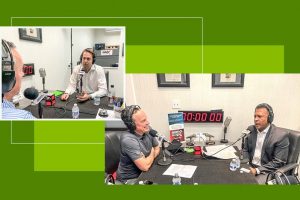
Regions-Business-RadioIn the ‘Golden Age of Radio,’ listeners in the 1930s were regaled with commentary on current events, news, entertainment, sports and, of course, business.

Fast-forward to the digital age, where media consumption stretches beyond the innovative imaginations of Guglielmo Marconi and Aubrey Fessenden.

Regions commercial banker J.D. Mealor, who has a background in mass communications, embraced the digital medium and found a calling behind the mic. Marrying the gift of gab with his financial prowess, Regions Business Radio was born.

Read full article.

Gwinnett Chamber Announces Ambassadors Council

August, 2021 (Image and article originally posted on Patch)
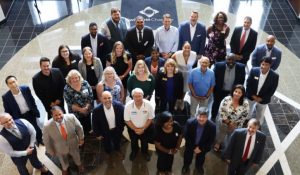
Gwinnett-Chamber-Ambassadors-CouncilOur own Mike Sammond (Gwinnett Business RadioX) was chosen to serve on the Ambassadors Council at the Gwinnett Chamber.

An extension of Gwinnett Chamber staff, the Ambassadors Council are volunteers who donate their time and talent to engage, encourage, and expand business relationships on behalf of the organization.

Recognized as area leaders, nearly 40 professionals have been chosen to sit on this important council.

Read full article.

Arizona Technology Council Wins First Place in Public Policy Advocacy in 2021 Technology Councils of North America Innovation Awards

July, 2021 (Originally posted on PrZen)
ATC logoThe Arizona Technology Council today announced it was named a winner in the Public Policy Advocacy category and a finalist in the Creative Marketing & Communications category in the 2021 Technology Councils of North America (TECNA) Innovation Awards.

TECNA, which represents approximately 60 technology associations across the United States and Canada, hosts the awards each year to recognize and honor technology council staff and teams who are integral to developing and implementing innovative and impactful work on behalf of a tech association.

Arizona Technology Council sponsors AZ TechCast on Phoenix Business RadioX.  Owner Karen Nowicki has been a part of helping the ATC be recognized as a finalist in the Creative Marketing & Communications Category.

Read full article.

Meet Stone Payton: Managing Partner at Business RadioX ® Network

June 29th, 2021 (Originally posted on Shoutout Atlanta)

We had the good fortune of connecting with Stone Payton and we’ve shared our conversation below.

Hi Stone, what is the most important factor behind your success?
SERVING. We made the decision from Day One to be a Pro-Business, Earned Media platform.

We never charge Guests to join us On Air to share their story and promote their work. And on the client side of our work (where we do charge a subscription fee, and do make money), the product itself is a customized platform (media property) specifically designed to help our clients SERVE their clients in the same way . . . helping their key customers, best prospects, and most trusted market partners Get The Word Out about the great work they’re doing for their market, their community, and their profession.

We find that most Business Leaders really want to serve — and serve their entire ecosystem well beyond simply providing their particular product or service. And we’re so blessed at Business RadioX ® to have the systems, and the people who can help them do that.

Read full article.

Amanda Pearch of Business RadioX® Named Gwinnett Young Professionals 35 Under 35 Award Recipient

Gwinnett County (METRO ATLANTA) GA – Released June 21, 2021
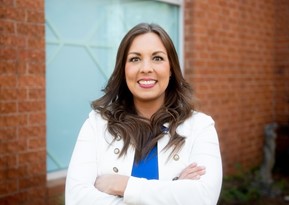
Amanda-PearchBusiness RadioX® is pleased to announce that Amanda Pearch, the Chief Marketing Officer (CMO) for the Business RadioX® studio in Gwinnett County, has been named as one of the Gwinnett Young Professionals (GYP) 35 Under 35 Award Recipients. The awards were announced recently during the organization’s annual party celebrating the mission behind GYP and the thriving young professionals in the community.

In her leadership role as the Chief Marketing Officer (CMO) with Gwinnett Business RadioX®, Amanda has taken the studio’s brand awareness to new heights while creating new strategic business relationships. She also serves as an on-air host of the “Celebrating Powerhouse Women” series and is an occasional guest host on “Gwinnett Business Radio“.

She has a tenured career in sales and marketing, specializing in brand awareness and driving engagement. Energizing and engaging, she is an active participant within the business community and you can often find her at business networking and civic events. Amanda currently serves on the advisory boards for Gwinnett Young Professionals and the Hudgens Center for Art & Learning.

Read full article.

Assisting Small Businesses in Atlanta and Beyond

May 21, 2021 (originally posted on GeorgiaTrend)

According to the U.S. Small Business Administration, there are more than a million small businesses in Georgia, representing over 99% of all companies in the state. Coming out of the pandemic, a number of resources are available to help owners bounce back.

Among the resources gaining popularity with a growing audience is the Sandy Springs-based Business RadioX, a podcast network that now has studios in 16 states.

The network itself is a local success story and the goal of its podcasts is to help business leaders share the work they’re doing to serve their communities.

Read full article.

Podcasters Find Niche in BusinessRadioX®

May 14, 2021 (originally published on ajc.com)
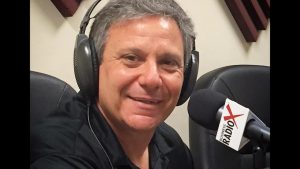
Lee-AJCLee Kantor was onto something when he co-hosted “Dr. Fitness and the Fat Guy” in 2007.

Podcasting.

In those early days, it was called internet radio and Kantor and Adam Shafran featured fitness and wellness gurus such as the late Jack LaLanne and Denise Austin who discussed their books or DVDs at the time, Kantor said.

Kantor, who describes himself as an introvert, was “the Fat Guy” and Shafran was “Dr. Fitness.” Their schtick was somewhat of a comedy show, Kantor said.

“We were one of the places (the experts) would go to tell their stories,” he said. “I saw this was an effective tool to build relationships.”

Read full article.

Exploring Life & Business with Lee Kantor of Business RadioX®

May 13, 2021 (originally published on Voyager ATL)
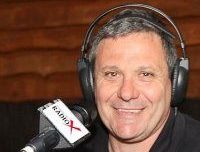
LeeHeadshotMicToday we’d like to introduce you to Lee Kantor.

Alright, so thank you so much for sharing your story and insight with our readers. To kick things off, can you tell us a bit about how you got started?

I founded Business RadioX® with the intent to create a media platform that supported and celebrated the small to mid-sized business leaders in Atlanta. I felt that the smaller players tended to be ignored in traditional media and I wanted to build a network where their stories could be told and that their work could be shared and appreciated.

One of the guests (Stone Payton) on one of the shows I produced (Atlanta Business Radio) became a client then became my business partner. Together, we are expanding the Business RadioX® network around the United States by partnering with like-minded entrepreneurs who want to serve their community by becoming the “Voice of Business” in the markets they live in.

Read full article.

Business RadioX®: Raising the Voices of the Business Community

September 8, 2020 (originally published in Our Town Gwinnett Monthly Magazine)
Gwinnett-Raising-Voice-of-Business2In the best of times and in the worst of times, one thing is true for all business owners: they need an outlet to let their voice be heard.

While each business address-es this need in its own way, there are several Gwinnett businesses that have taken advantage of one of the best resources in town to get their message to the community.

It might not be what you think it is – unless, of course you were thinking of Business RadioX.

Read full article.

The $100k/yr. Franchise Opportunity Helping Small Businesses Grow

September 24, 2019 (originally published on trends.co)
Stone-Lee-Trends

Have you ever wanted to create your own podcast? How about one that brings in $100k/yr. while helping small businesses grow?

Then you should meet Lee Kantor, founder of Business RadioX, an Atlanta-based small-business radio/podcast network that can be replicated in any market.

What started as an Atlanta radio show––Mr. Fitness and the Fat Guy––has evolved over the past decade into a 9-city franchise, with plenty of room to grow.

Read full article.

Sharing Your Small Business Story On Demand – Mike Sammond, Business RadioX®

December 7, 2018 (originally published on ASBN)

Finding investors and potential customers for your new startup is no easy task. However, having your small business featured on the right platform can make all the difference, and our guest today knows a thing or two about branding on a large scale.

Joining us today, is Mike Sammond, owner, producer, and host of Business RadioX®, one of the fastest growing online radio networks in the country.

Business RadioX® aims to be the voice of business in all of the communities that they serve. Like ASBN, Mike believes that small business is the backbone of every town or city.

Mike explains, “There’s so many great business people out there that are working hard every day; we want to help share their story and get it out there.”

Read and/or watch the full interview here.

Filed Under: Uncategorized

Celebrating Asian American and Pacific Islanders Heritage Month

May 14, 2021 by Mike

Gwinnett Studio
Gwinnett Studio
Celebrating Asian American and Pacific Islanders Heritage Month
Loading
00:00 /
RSS Feed
Share
Link
Embed

Download file

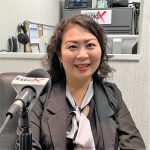
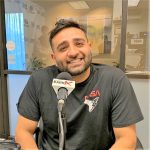
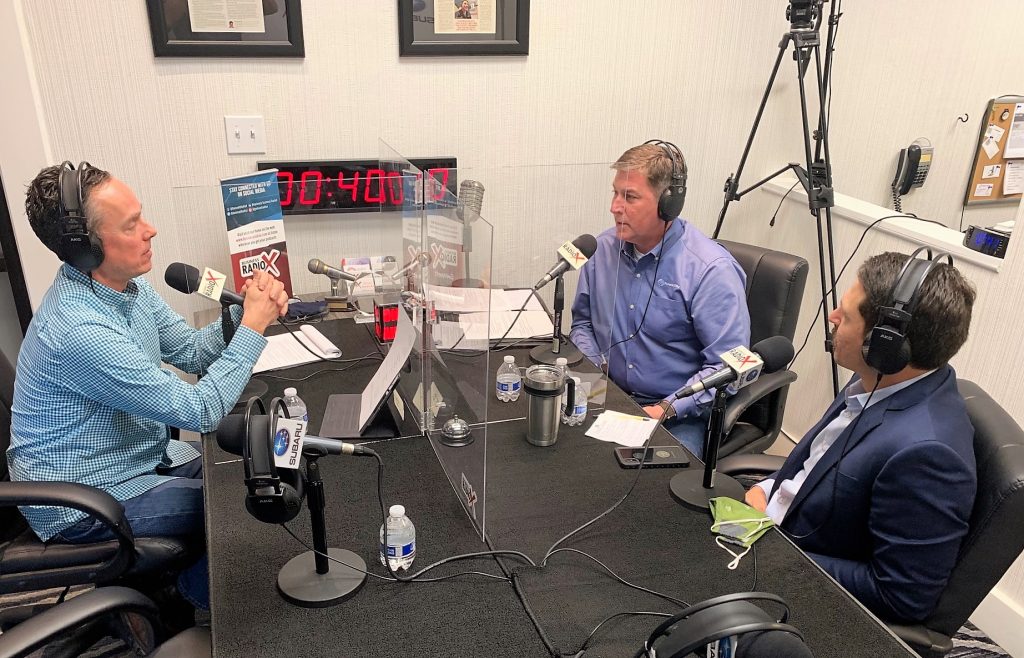
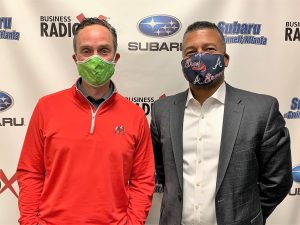
J.D. Mealor, Michelle Kang, Shamran Kurani and Henry Yu

“Regions Business Radio” covers financial topics such as banking and lending, mortgages, wealth management and more. The program also allows listeners to get to know some of the top executives from Regions Bank.

Hosted by J.D. Mealor, Senior Vice President and North Georgia Market Executive, “Regions Business Radio” streams live on the second Friday of every month on Business RadioX. All episodes are also available for download on Apple iTunes, iHeartRadio, Spotify, Google Podcasts, or wherever you enjoy your favorite podcasts.

Michelle Kang/Korean American Chamber of Commerce

The Korean American Chamber of Commerce of Atlanta, GA was established in 1971 by the Korean American business owners of the Atlanta area to build a strong business community. It is an umbrella organization which has worked with various professional associations such as Korean Business Women Association, Grocery Association, Liquor Association, Beauty Supply Association and Restaurant Association. It has also been very active promoting the 2020 census and disseminating information of the Cares Act in 2020. The chamber would like to help its members to expand their business territory to the greater Atlanta area business community.

Henry Yu/Hong Kong Association of Atlanta

The Hong Kong Association of Atlanta is the leading non-profit organization in Atlanta involved with issues relating to Hong Kong. It promotes business and economic ties and fosters mutual understanding between the United States and Hong Kong.

As a major international center for trading, finance, manufacturing, telecommunications and transportation in the Asia-Pacific region, Hong Kong has long been a powerful lure to American businesses in search of profit and opportunity. There are now over 1,300 US firms in Hong Kong, with about two-thirds locating their regional headquarters and regional offices in the territory. With some 60,000 Americans residing in Hong Kong, US citizens now represent one of the most significant foreign presences in Hong Kong.

Shamran Kurani/Kurani Real Estate Investments & Platinum Donuts

Dunkin’ is the world’s leading baked goods and coffee chain, serving more than 3 million customers each and every day. True to their name, they offer over 50 varieties of donuts, but you can also enjoy dozens of premium beverages, bagels, breakfast sandwiches and other baked goods.


About Regions:

Regions Financial Corporation (NYSE:RF), with $145 billion in assets, is a member of the S&P 500 Index and is one of the nation’s largest full-service providers of consumer and commercial banking, wealth management, and mortgage products and services. Regions serves customers across the South, Midwest, and Texas, and through its subsidiary, Regions Bank, operates approximately 1,400 banking offices and 2,000 ATMs. Regions Bank is an Equal Housing Lender and Member FDIC. Additional information about Regions and its full line of products and services can be found at www.regions.com.

This information is general in nature and is provided for educational purposes only. Regions makes no representation as to the accuracy, completeness, timeliness, suitability or validity of any information presented and Regions does not accept liability for any direct or indirect loss stemming from the application of any material. Information provided and statements made by employees of Regions should not be relied on or interpreted as accounting, financial planning, investment, legal or tax advice. Regions encourages you to consult an appropriate professional concerning your specific situation and irs.gov for current tax rules.

Tagged With: Asian American and Pacific Islanders Heritage Month, asian american month, asian americans, henry yu, hong kong association of atlanta, j.d. mealor, jd mealor, korean american chamber, kurani real estate investments, michelle kang, platinum donuts, regions bank, regions business radio, shamron kurani

Private Wealth Management

March 12, 2021 by Mike

Gwinnett Studio
Gwinnett Studio
Private Wealth Management
Loading
00:00 /
RSS Feed
Share
Link
Embed

Download file

J.D. Mealor and Ty Smith

“Regions Business Radio” covers financial topics such as banking and lending, mortgages, wealth management and more. The program also allows listeners to get to know some of the top executives from Regions Bank.

Hosted by J.D. Mealor, Senior Vice President and North Georgia Market Executive, “Regions Business Radio” streams live on the second Friday of every month on Business RadioX. All episodes are also available for download on Apple iTunes, iHeartRadio, Spotify, Google Podcasts, or wherever you enjoy your favorite podcasts.

Ty Smith/Regions Bank

Regions Financial Corporation (NYSE:RF), with $145 billion in assets, is a member of the S&P 500 Index and is one of the nation’s largest full-service providers of consumer and commercial banking, wealth management, and mortgage products and services. Regions serves customers across the South, Midwest, and Texas, and through its subsidiary, Regions Bank, operates approximately 1,400 banking offices and 2,000 ATMs. Regions Bank is an Equal Housing Lender and Member FDIC. Additional information about Regions and its full line of products and services can be found at www.regions.com.

This information is general in nature and is provided for educational purposes only. Regions makes no representation as to the accuracy, completeness, timeliness, suitability or validity of any information presented and Regions does not accept liability for any direct or indirect loss stemming from the application of any material. Information provided and statements made by employees of Regions should not be relied on or interpreted as accounting, financial planning, investment, legal or tax advice. Regions encourages you to consult an appropriate professional concerning your specific situation and irs.gov for current tax rules.

Tagged With: financial planning, j.d. mealor, jd mealor, private wealth management, regions bank, regions bank podcast, regions business radio, ty smith, wealth advisor, wealth management, wealth strategist

It’s All About the People

January 8, 2021 by Mike

Gwinnett Studio
Gwinnett Studio
It's All About the People
Loading
00:00 /
RSS Feed
Share
Link
Embed

Download file

Brian Andrew, Ryan Jones and J.D. Mealor

“Regions Business Radio” covers financial topics such as banking and lending, mortgages, wealth management and more. The program also allows listeners to get to know some of the top executives from Regions Bank.

Hosted by J.D. Mealor, Senior Vice President and North Georgia Market Executive, “Regions Business Radio” streams live on the second Friday of every month on Business RadioX. All episodes are also available for download on Apple iTunes, iHeartRadio, Spotify, Google Podcasts, or wherever you enjoy your favorite podcasts.

Ryan Jones/Regions Bank

Regions Financial Corporation (NYSE:RF), with $145 billion in assets, is a member of the S&P 500 Index and is one of the nation’s largest full-service providers of consumer and commercial banking, wealth management, and mortgage products and services. Regions serves customers across the South, Midwest, and Texas, and through its subsidiary, Regions Bank, operates approximately 1,400 banking offices and 2,000 ATMs. Regions Bank is an Equal Housing Lender and Member FDIC. Additional information about Regions and its full line of products and services can be found at www.regions.com.

Brian Andrew/Georgia Mechanical

Georgia Mechanical is a full-service HVAC/R contractor, delivering quality service to commercial, industrial, and food service customers since 1987. They put their customers first, and their team is focused on complete customer satisfaction. They pride themselves on delivering QUALITY projects ON TIME.

If you are a general contractor building a distribution center, performing a tenant fit/finish, building a hotel or school, the Georgia Mechanical team can perform! Their crews travel almost anywhere in the United States.​

If you are a facility manager of a cold storage facility, educational facility, office building, retail store, or quick-serve restaurant chain, their service department is ready to respond to your HVAC/R and food service equipment repair and maintenance needs.

This information is general in nature and is provided for educational purposes only. Regions makes no representation as to the accuracy, completeness, timeliness, suitability or validity of any information presented and Regions does not accept liability for any direct or indirect loss stemming from the application of any material. Information provided and statements made by employees of Regions should not be relied on or interpreted as accounting, financial planning, investment, legal or tax advice. Regions encourages you to consult an appropriate professional concerning your specific situation and irs.gov for current tax rules.

Tagged With: brian andrew, Business RadioX, georgia mechanical, j.d. mealor, jd mealor, regions bank, regions bank podcast, regions bank radio, regions business radio, Ryan Jones

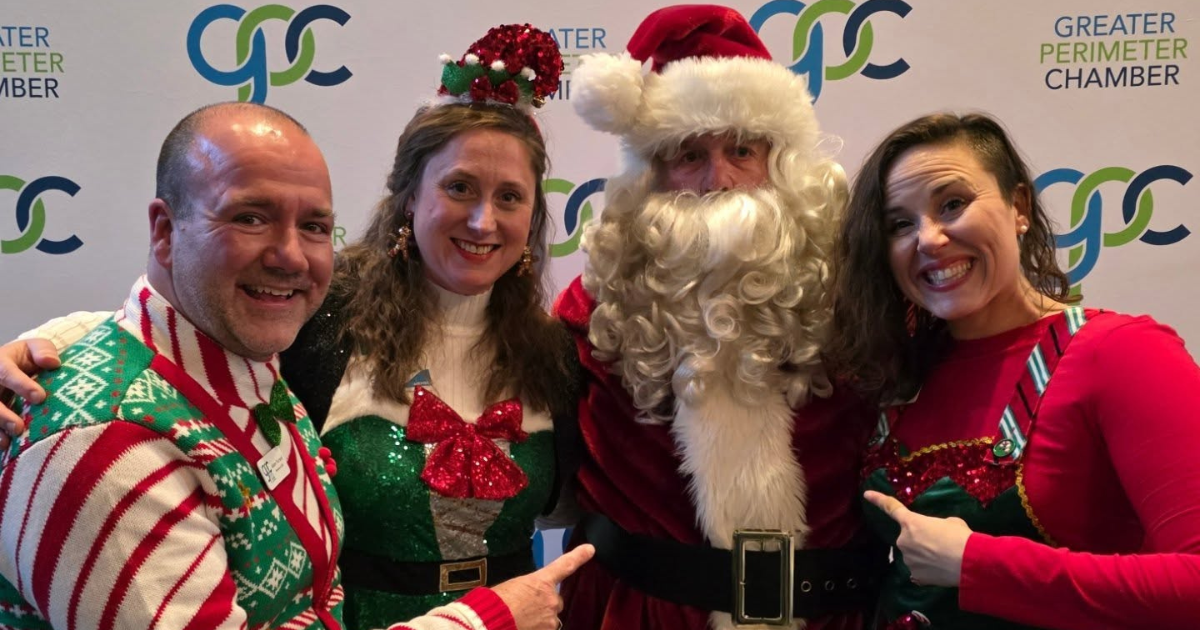
2025 Greater Perimeter Chamber Holiday Open House

December 18, 2025 by angishields

GPC-Holiday-Open-House-Featurev2
Greater Perimeter Business Radio
2025 Greater Perimeter Chamber Holiday Open House
Loading
00:00 /
RSS Feed
Share
Link
Embed

Download file

GPC-Holiday-Open-House-Banner

This episode of Greater Perimeter Business Radio features host Lee Kantor interviewing local business leaders and professionals at the 2025 Greater Perimeter Chamber Holiday Open House. The episode emphasizes the value of networking, collaboration, and community engagement among Greater Perimeter businesses, showcasing how these organizations support wellness, education, and professional growth in the area.

Deveney-WhitleyDeveney Whitley, Waterwalk Hotel


Vic-McCartyVic McCarty, Hemophilia of Georgia


Alex-ColemanAlex Coleman, Energy Works ATL


Andre-AlbrittonAndre Albritton, Networking Only ATL


Don-FarreyDon Farrey, Don The Money Man


Juliette-ColonJuliette Colón, Focal Point


Carlos-BarrowCarlos Barrow, Vino Venue


Abby-Johnson-Leslie-MackAbby Johnson & Leslie Mack, Harmony Nutrition


Episode Highlights

  • Community engagement and involvement in local businesses
  • Business services and development within the Greater Perimeter area
  • Health awareness and wellness initiatives
  • Networking opportunities for professionals and organizations
  • Unique offerings of local businesses, such as extended stay accommodations and holistic wellness services
  • Support for individuals with specific health conditions, including bleeding disorders
  • Financial coaching and management for small and medium-sized businesses
  • Executive coaching and personal development for entrepreneurs
  • Educational approaches to nutrition and health management
  • The role of local chambers of commerce in fostering business connections and community growth

Transcript-iconThis transcript is machine transcribed by Sonix.
 

TRANSCRIPT

Intro: Broadcasting live from the Greater Perimeter. It’s time for Greater Perimeter Business Radio. Now, here’s your host.

Lee Kantor: Lee Kantor here. So excited to be broadcasting live at the GPC Holiday Open House. Our first guest today is Deveney Whitley and he is with the Waterwalk Hotel. Welcome, Deveney.

Deveney Whitley: Thank you. Thank you for having me.

Lee Kantor: Well, I’m excited to learn what you’re up. Can you tell us about the Waterwalk Hotel?

Deveney Whitley: Waterwalk by Wyndham Atlanta is a upscale extended stay hotel here in the Greater Perimeter Chamber area. And, um, you know, we try to get a lot of corporate business in-house. We just, you know, try to do a little bit different.

Lee Kantor: So what’s your background? Have you always been in the hotel business?

Deveney Whitley: Well, you know what? It’s funny. I did, uh, my my background began in, um, in law, and, um, I decided not to pursue that, um, avenue anymore after university and I decided, hey, you know what I like? I like people I love serving, so why not?

Lee Kantor: So what was it like to transition into the hotel business?

Deveney Whitley: It was not a difficult transition because my love for people and my, um, my love for service really just supersede, you know, it’s just my personality is who I am. And, um, it just started and, you know, ten years later, here I am.

Lee Kantor: Wow. Ten years. Yes, sir. And as always with the Wyndham. Or have you worked with other hotels?

Deveney Whitley: I’ve worked across several brands and pretty much every, um, you know, position there is from a houseman to a front desk officer manager. And now, you know, we’re running our own property, so.

Lee Kantor: So you’re you’re part of the management team running the hotel.

Deveney Whitley: I am the general manager in charge of.

Lee Kantor: Oh, wow. So what are some kind of. What’s a day in the life look like for you?

Deveney Whitley: Well, you know what a day in the life is always just, um, putting a smile on every guest’s face. It’s not always perfect. Um, but just, you know, just creating that experience and leaving them with that memorable moment and, you know, always leaving them with something to come back and looking forward to with our water brand here in Atlanta.

Lee Kantor: Now, is that something that’s part of the culture where they encourage you to create that memorable moment?

Deveney Whitley: It is a part of Waterwalk’s culture, right? We try to be different. We try to stand up. We try to always, you know, find a way to say yes.

Lee Kantor: Mhm. So how do you kind of, uh, inspire and coach your team to, to have that kind of mindset in order to serve the customer.

Deveney Whitley: Well it starts from the very beginning. You know, the moment they get hired they are um introduced to our culture. And we have a yes culture here at Waterwalk. And we just always try to find a way to, you know, appease our guests and enhance the experience and, you know, continuously provide an exceptional level of service for every guest that comes through our door.

Lee Kantor: Now, do you work a lot with kind of corporations, with their HR team that maybe they have visitors, people coming in, like, how do you attract the business people to your hotel?

Deveney Whitley: 100%. Um, Waterwalk is, uh, is a very diverse module. It’s not a select. It’s an upscale extended stay. And our ideal audience and guest mix is mostly corporate, right? So that’s the traveling nurses and doctors. Um, that’s the corporate people that are relocating to the Atlanta metropolitan area. We try to provide a home away from home, right from our well furnished to our full kitchen. And not only that, smart washers and dryers in every single unit. Can you imagine that?

Lee Kantor: So they they don’t have to go to a laundromat. They don’t have to deal with anything. They can take care of their own business.

Deveney Whitley: You don’t have to put a coin in the machine. You just simply scan and tap your phone and wash your your clothes just like that.

Lee Kantor: Wow. So it sometimes it’s better than their home.

Deveney Whitley: It’s better than their home. You know, we try to be modern. We try to be, um, you know, you know, a little bit better, right? They get everything fully provided by us. Even the detergents in the room, we replenish, you know, the toilet papers, the hand towels we replenish for their entire stay.

Lee Kantor: Now, um, why was it important for you to become part of the chamber?

Deveney Whitley: It was very important to become a part of the chamber because, um, I was brought into this business with understanding the importance of community. And the chamber is just that. Right. Um, I was, you know, I became a member of the chamber of the chamber a year ago. Right? And one year forward. It has just been simply amazing. Right. Um, with Adam being the president, um, page being in charge of the, you know, marketing aspect, I was able to open a lot of doors and sit with a lot of, you know, business owners and managers alike and share ideas and business, right? We have grown so much, and it’s just been an excellent pleasure for me to literally be here and be a part of this movement.

Lee Kantor: Now, if somebody wants to learn more about the Waterwalk, what’s the website? What’s the best way to connect with you?

Deveney Whitley: Please just type in Waterwalk by Wyndham Atlanta and, you know, look us up. You know, give us a call. We’ll happily, you know, give you a tour, tell you more about our product and our property, you know, and just feel free to come on down. It’s always open to, you know, anyone looking for that upscale extended stay experience?

Lee Kantor: Well, thank you so much for sharing your story today. You’re doing such important work and we appreciate you. We appreciate.

Deveney Whitley: You too. Thank you for having me. Have a good one.

Lee Kantor: And we’re back. Next up on the show we have Vic McCarty. He is with Hemophilia of Georgia. Welcome, Vic.

Vic McCarty: Thank you. Thank you for having me.

Lee Kantor: Well, for folks who aren’t familiar, tell us a little bit about Hemophilia of Georgia. How are you serving folks?

Vic McCarty: Um, so we are an organization that serves the entire state of Georgia, border to border and what we call cradle to death. So we serve all ages, children and adults who have a bleeding disorder. So in a layman’s term, easy to understand is your blood does not clot properly. So you’re missing a protein in your blood. So we’ve been in business 53 years, were formed in 1973. Um, and so again, we serve the entire state of Georgia. We kind of have three, um, parts of our organization. We are hemophilia treatment center, which means we provide access to care to folks not only in Georgia, but in about eight states and serve 28 hemophilia treatment centers around the region. Um, in North Carolina, South Carolina, Alabama, Tennessee, Kentucky, Mississippi, Florida. I think I got everybody in Tennessee. Um, and then we also have a pharmacy program. So folks who have inherited blood clotting disorder, um, need to infuse themselves with what we call a factor concentrate product. And that basically replaces that protein in the blood that they’re missing that helps them clot. And then lastly, we are a 501 nonprofit. So we do fundraising events and corporate engagement and stuff for folks to support our programs and our services that we provide.

Lee Kantor: So how many people are afflicted with this?

Vic McCarty: So there’s about 45,000 across the country, and there’s about roughly 2000 in the state of Georgia.

Lee Kantor: So it’s not a super common or is that is that a lot compared to other ailments?

Vic McCarty: It’s actually not a lot. And it’s not very common at all. It’s a very rare genetic inherited linked disorder. Um, you don’t die from hemophilia. You might die from complications of hemophilia. So it’s what we call a manageable illness so you can treat it and care for it. But again, it’s not a terminal. Hemophilia is not an illness that you can die from.

Lee Kantor: Is it something that you get? Uh, it’s recognized that you have it early in your life, and then you’re dealing with it, managing it the rest of your life? Or does it come on at any age?

Vic McCarty: Yep. That’s correct. So, um, typically for our little guys when they are born and and part of the birthing process, um, they’re diagnosed, um, with hemophilia, um, at a very early age, just because a lot of our, our guys go through, um, the, the circumcision. I hate to get kind of graphic, but but that’s how it’s detected. Um, because they don’t stop bleeding. Um, and then, um, our girls, a lot of times we’re both sexes and both genders, um, there’s some easy bruising and prolonged bruising and that kind of stuff.

Lee Kantor: Those are clues.

Vic McCarty: Yeah, those are clues. And then our women, our little girls and our young adults when they start their cycles, of course, that’s when it can be detected. And then sometimes our, our adult women are carriers and they don’t even know it. So sometimes our women are carriers and don’t know it. And then when they start having children and childbirth, then it’s detected and then a woman becomes a carrier, right.

Lee Kantor: And then, um, so is most of your work treating the folks or is it kind of evangelizing and trying to fundraise around it or a mixture.

Vic McCarty: Yeah, it’s it’s a mixture. And a lot of our work is providing educational resources for our folks because as you can imagine, a woman who’s a carer that doesn’t realize it then has a child who has hemophilia or.

Lee Kantor: They.

Vic McCarty: Feel bad. Imagine what kind of shock that is because you’re like, what am I? What? So a lot of our programing is around providing educational resources, helping people understand what it means to live with bleeding disorder. Then we are advocates and leaders in treatment and care. And across those regions that I talked about. Um, and then we do some fundraising as a nonprofit, 501 three. We do some fundraising and help support some of the things that we do. Um, the, the things that we raise money for currently are scholarship, research and then global impact. And those are kind of our three focus areas and our buckets of what we do to raise dollars from a fundraising perspective.

Lee Kantor: So, um, what’s your role in the organization?

Vic McCarty: So I’m the chief community engagement officer. Um, so I manage all of the fundraising and corporate stakeholder engagement. Um, I manage all of the communications and, uh, website, anything, print collateral, brand integrity, all that. And then I manage the team that provides all those educational programs that we provide to families. And those may be family nights. They may be teen retreat, our family camp program, our camp 1:00 program, which is our summer camp we’ve been doing for over 30 years. That falls under my umbrella, too. So I’m community facing, right? Um, and my role is really to educate and promote and create awareness in throughout Georgia. Really. And so I’m, I’m kind of all over the place all the time.

Lee Kantor: So what is, um, your background? Have you always been involved in association leadership?

Vic McCarty: I have, um, I’ve been doing nonprofit work for 25 years and fundraising most of those most of that time. Um, I’ve always been in a mission oriented service delivery, give back kind of career. Um, and so it’s really kind of, I think it’s all I ever really know and have done.

Lee Kantor: So any advice for the other association leaders out there when it comes to this type of, uh, Proving community engagement. Are there some do’s and don’ts that you recommend other folks think about?

Vic McCarty: Yeah, I think for us, what has been successful for us is really having the heartfelt mission heart right and being able to tell your story and impact of your story. Because when you’re able to tell your story about how you affect people in your community and what you do for your community, I think that’s how people rally around you and will support you and come to come to the table.

Lee Kantor: And then, uh, what do you need more of? How can we help you?

Vic McCarty: I mean, we’re we of course, we always need funding for the things that we do. Um, and again, and some of those buckets that I talked about in some of those areas of focus areas, we are always looking for volunteers. Um, we have many programs that need volunteers, particularly our camp program in the summer. It’s the full second full week in June this summer, and we camp with we partner with Camp Twin Lakes over at the Jago site in Winder. And so we’re always needing volunteers. We need volunteers to come in and help us with some office stuff, preparing for some tasks that we do. Um, so it’s really volunteers and donations. And then, you know, we’re always looking for people that are cheerleaders, cheerleaders and stakeholders and can tell our story throughout the community and make sure people understand who we are as an organization.

Lee Kantor: Now, why was it important for you to become part of the chamber?

Vic McCarty: Um, for me, it’s just developing our again, it goes back to the promotion, awareness of who we are and making sure people understand that we have a presence in Georgia. You know, we’ve been in business for 53 years, and I run across people on a daily basis that either don’t know who we are or don’t even know that an organization like ours existed. Um, and so for me, it’s the networking and the community engagement. Part of my role is to be part of the chamber, um, particularly, you know, the Greater Perimeter Chamber where we can network with people. We can get people to understand who we are as an organization. We’re just up the road off Roswell Road. So we’re we’re part of, you know, the Sandy Springs community and perimeter community. Um, and so it’s really just an opportunity for us to tell our story and make sure people know who we are.

Lee Kantor: And if somebody wants to learn more, what’s a website? What’s the best way to connect?

Vic McCarty: So the best way to reach us is our website is Hogwarts. So hemophilia Georgia, but just abbreviate Hogwarts. Um, and then our phone number, you can call um and basically ask any questions that you need to. But it’s (770) 518-8272.

Lee Kantor: Well, well, Vic, thank you so much for sharing your story. You’re doing such important work and we appreciate you.

Vic McCarty: Absolutely. Thank you for having me.

Lee Kantor: And we’re back. Next up we have Alex Coleman who is with Energy Works ATL. Welcome, Alex.

Alex Coleman: Thank you very much Lee.

Lee Kantor: Well, I’m excited to learn, uh, what you’re up to tell us about Energy Works ATL how you serving folks.

Alex Coleman: So we are a holistic family center in Sandy Springs. And what that means is we look at the person as a whole, body, mind, spirit and community, and we create a safe space for people to come and give their wellness a different try. What that means is massage therapy is not a luxury. It’s a therapy, and it addresses everything that your body needs, not only physically but also emotionally. Um, we have a psychology on staff that manages all the mental health parts. So if someone needs to talk to someone, we have that at the same place. We do a lot of events that teach mindfulness, that teach people skills to how better deal with stress. Stress is big now and it comes from my story. I didn’t know how to process stress. I was in corporate America for 25 years and it nearly killed me. And what killed me was my inability to process stress. And that’s what we created at Energy Works Seattle, an environment where people can come and learn how to deal and process with that stress that is Every day, every hour, every minute of our lives.

Lee Kantor: So is this your company?

Alex Coleman: It is my company.

Lee Kantor: So what was it like kind of beginning and starting this from coming from a corporate background? That must have been scary. A little bit, right?

Alex Coleman: It was very scary. It was leaving everything that I knew. 25 year career for something that I loved. And I had no idea how to do it. Just the passion to do it right. And I, um, as I share with you, stress nearly killed me. Um, 2017, I was 185 pounds and my entire body hurt. Walking hurt. Sitting hurt. Moving hurt. And I did what I do. When you hurt, you go to the doctor. And they were giving me prescriptions to address the symptoms. So I was taking 13 prescriptions on a regular basis, with a handful more as needed, with multiple diagnoses and my body was shutting down. It was just yelling at me that I needed to make changes, and I didn’t know what it was. I didn’t know how to listen to my body. So what we do is that reconnection between my mind and body so that people can understand what is going on and process what is going on, and not just keep carrying it.

Lee Kantor: And is there any advice you can give our listener right now? Is there something they can do right now as they’re listening to become more mindful or to become less stressed? Is there a breathing exercise or something you could share?

Speaker6: That is what I was going to say.

Alex Coleman: Just start with a nice deep breath. We do shallow breathing day in and day out. When I say take a nice deep breath in is strengthen your back and when you breathe in, allow your abdomen to expand. Feel your lungs as much as you can. When you think you cannot get anymore, try to get a little bit more. Hold the breath for four seconds and then just let it out slowly through your mouth. When you breathe mindfully for two minutes, your brain doesn’t have any other alternative than regulate. So if you’re having a hard day, if you’re dealing with anxiety, if you’re having a panic attack, just put a timer and start breathing deeply. That’s that’s the tool that we all have handy every day of our lives.

Lee Kantor: Now, why was it important for you to become part of the chamber bringing awareness?

Alex Coleman: So it’s not just a massage place. It’s not a mental health place. We’re not a clinic. We are a safe space where we try to educate people how to take care of their lives, how to take care of their wellness, how to be able to translate this very busy life that we live on a more calm manner so that it doesn’t affect you, and you can be full and recharged for the people that matters to you. Because what we do is we give out all day long. And so there is nothing else to give. And then when there is nothing else to give, you are so depleted. The only thing you want to do is lie down in bed and go to sleep. And you’re not even giving your body what it needs. You need movement. You need. You need breathwork. You need to be able to listen to your body. So meditation is very important. When I started meditating, I couldn’t stay focused more than 2 or 3 minutes and I hated it. And I started with just YouTube meditations and got in the habit of doing guided meditations to a point that I was able to do it completely, but it took me few months, several months until I felt comfortable going through a full meditation. And it’s just like when you it’s like that room that you have in your house, that it’s where you put everything that you don’t want on site. And when you open the door, everything is still there. That’s meditation. It’s going through that room and emptying it and saying, okay, I’m opening space for new things to come and allow all that energy to flow.

Lee Kantor: So if somebody wants to learn more, is there a website? Is there a way to connect with you?

Alex Coleman: So our website is Energy Works. Com. You can follow us on social media. We are on Instagram and YouTube. And just take time for yourself. Just give yourself that treat of wellness.

Lee Kantor: Well thank you so much for sharing your story. You’re doing such important work and we appreciate you.

Alex Coleman: Thank you very much, Lee.

Lee Kantor: And we’re back at the GPC Holiday Open House. So excited to be talking to my next guest, Andre Albritton with Networking only ATL. Welcome, Andre.

Andre Albritton: Hey, Lee, thanks for having me on the show.

Lee Kantor: Well, I’m excited to learn what you’re up to. Uh, tell us about networking only ATL.

Andre Albritton: Yeah. So networking only ATL is a brand I started probably like late March. And essentially what I do is I send out a Sunday newsletter. It’s for free, it’s for business and creative professionals, and on any given week it’s about good 60 to 80 events listed for everyone. So that includes Chamber of Commerce events like the Greater Perimeter ones. It include general networking, industry focused seminars, conferences, expo summits, all the fun jazz of being a professional in the city.

Lee Kantor: So you’re the place to go to know about all the events.

Andre Albritton: I’m hoping to be. Yeah.

Lee Kantor: So how’d you get this idea?

Andre Albritton: So, in all honesty, I have a bad habit. So my other job is I’m an independent adjuster. So, like, those guys who, like, walk on roofs for claims for insurance companies. But this year, first year since 2015, we haven’t had any hurricanes. So I’ve been a little bit bored. So I kind of started because I tend to get bored. And when I get bored, I’ll start a brand, grow it because, you know, being an entrepreneur or entrepreneur, to be more specific, it’s just kind of nice to create something and see it grow, see you help people. And that’s really why I created this one. And essentially like in Atlanta, you can go to an event, it says networking, but you find out it’s a big party. It’s like I’m not sure how to networking this thing at all, hence the name networking only.

Lee Kantor: So, um, do you have any advice for folks out there on ways to network? Are there good ways, bad ways? Are there some things that you recommend people doing to get the most out of a networking event?

Andre Albritton: You know, I’ll say two major things. One, keep going to the event. I think that’s the a big misconception. People feel like if they go to the event, they will get this million dollar business deal the first night and then go walk out like a millionaire. Doesn’t work like that at all. So always keep going to the events, learn what people want, learn how to help people. So always lead with value at all times. And even if you guys don’t do business, is really okay because I always tell people when you go to these events, you probably won’t be doing business with the person you meet, but they might know someone. So at all times always still bring out your value. And then the second tip I mentioned is kind of how I research my events for the newsletter. So for example, if an event says it starts at 9 p.m., it’s probably a party. So I say, hey, research the events, see who the group is, see who’s on the board, see if there’s anyone there that you actually want to talk to, and see if that’s an event for you. So just do a little bit more prior research before you go and click the button say I’m going to go to this event.

Lee Kantor: Right. So it’s a good idea to do research before attending any event, just to kind of get the lay of the land and see if there’s anybody there that’s worth kind of meeting.

Andre Albritton: Yeah. Yeah, exactly. Because, you know, we have a lot of events and this is Atlanta is a busy city. Business is everywhere. But just because you go to an event might not be the event for you. So another one might be. So it takes a little bit of time to explore and research.

Lee Kantor: So how did you land on joining this chamber? What were they doing that attracted you to them?

Andre Albritton: I guess since I have a little bit of a cheat sheet. So I’m a little data nerd. So when I sent out the newsletter, I’m looking at the clicks. This chamber tends to get the most clicks out of all the chambers. So that stuck out to me automatically. And I’ll say with page handling the social media side. That helped a lot too. And most importantly, it’s a warm, welcoming community. So I think that’s what really did it for me because it was pretty inviting. They want to see you network. And I’ve been to a few groups. It’s like you go to the event and you might be kind of by yourself a little bit. And sometimes the board will come and see you, chat with you, introduce you to someone. Sometimes they won’t. For the Greater Perimeter side, they’ve been really great about that and making sure they put focus on their members.

Lee Kantor: Now, um, when you’re at this event. So we’re here at the holiday party. Is this an appropriate place to network, or is this a place that where you say, you know what, I’m just here to have a good time and, you know, end of the year kind of thing.

Andre Albritton: For me, it’s going to be both. But no, that’s a good point you bring up because, you know, it’s holiday party season. And I would say if I didn’t know anyone, it’d be a little bit hard for me to network because, you know, I feel like when people come to these events, it’s like the end of the year, let your hair hang down. You know, my hair’s not hanging down, but, you know, it’s like they want to have fun. So it’s like, okay, might not be the best time if I’m new. If I was brand new, I probably wouldn’t come out to it. But if I was, you know, some people. Yeah, I’m definitely coming out because I have a chance to talk to people. We have some good food with my Christmas sweater. Yeah, it’s just a good time.

Lee Kantor: So what do you need more of? How can we help you?

Andre Albritton: The best way to help me is just share the newsletter with someone. Um, so like I said, the newsletter is for free. Anyone can sign up, and it’s a good 80 to 100 events for a weekly email list at this point. And I’m also on the website. I have the conferences and summits all listed up for 2026.

Lee Kantor: And then, uh, the website. What is the coordinates? Are you on socials as well? So give us whatever kind of the best way to connect.

Andre Albritton: Uh, best way to connect is on Instagram. Um, tag handle is networking only ATL or visit the website at w-w-w only ATL.

Lee Kantor: Com good stuff. Well Andre, thank you so much for sharing your story. You’re doing such important work and we appreciate you.

Andre Albritton: I appreciate you, Lee. Thank you.

Lee Kantor: Back at the GPC Holiday Open House. So excited to be talking to my next guest Don the Money Man Farrey. Welcome, Don.

Don Farrey: Hi. Thank you for having me.

Lee Kantor: Well, I’m excited to be talking to a financial coach. That is information everybody needs. Uh, tell me a little bit about your practice.

Don Farrey: Well, I started earlier this year, and it’s a fractional chief financial officer, uh, business. And I provide, uh, you know, high level advice to small to medium sized businesses, try to help them understand where their money is going. How come they don’t have as much sales in the bank that they wish that they did? Uh, try to help them reduce expenses, uh, grow sales through sort of out of the box marketing ideas and also, uh, explain their financials in terms that they can really understand now.

Lee Kantor: So you’re a CPA though, correct. But you’re focused primarily on business owners. Correct. And then were you was that always your practice or is this kind of, uh, a an extension of what you had been doing?

Don Farrey: Well, it’s an extension of my experience working 30 plus years in real estate development, property management and construction, as well as being a controller of other businesses. And I’ve had my own companies as well, so I understand the need to market and get your name out there and think in ways that you can do things inexpensively, but still, you know, retain clients and gain clients.

Lee Kantor: So so you have kind of the been there, done that background as well as the, uh, kind of the CPA credentials so that, you know, kind of the nuts and bolts of that side as well. Yes. But you’re not interested in doing my taxes. You’re more interested in consulting with me about growing my business.

Don Farrey: Well, one of the things that happened with my clients is that they want me to do their taxes.

Lee Kantor: So is that a necessary evil or you don’t want to do or you’re stuck doing now?

Don Farrey: It’s not really. You know, there are people that are expert in taxes. You know, I can get people through taxes and certainly consult with people. If I come across a situation that’s really hard for me to, to, uh, get through.

Lee Kantor: Right. But the value you’re providing to most of your clients nowadays is kind of this financial coaching. So you can help them kind of get their act together so that the tax part, you wouldn’t mind if somebody else did that part.

Don Farrey: Correct. Yeah. In fact, I’ve got one fellow that’s, you know, just started in business, uh, knows his business really well, but doesn’t understand, you know, financials at all. And so I’m helping him with budgeting and understanding what his financials tell him and how much he can afford to do things. And then I met with a new client today that’s got four very successful businesses, but he wants those rolled up into sort of an overall view of what’s going on. What’s my cash flow, you know, how am I doing percentage wise with compared to other businesses.

Lee Kantor: Now, are you a good resource for the person that wants to exit their business and is thinking, okay, in 5 to 10 years I’d like to exit, but maybe I should get my financial house in order and work with an expert that can really, you know, make me look as attractive as possible down the road.

Don Farrey: Yes, I’ve actually done that with several businesses that I’ve been exposed to, you know, in the past. So the the best part or the most important part is to get finances in order. Very clean, very understandable, everything in the right place so that when they go to present to potential buyers, the buyers can’t find anything wrong to try to reduce the price on them.

Lee Kantor: So what’s some advice for that business owner looking to exit? Are there some do’s and don’ts that you would recommend? You know, like a year before you’re about to sell?

Don Farrey: Uh, yes. Don’t put put personal expenses in your business expenses. And make sure that.

Lee Kantor: Does that happen. More like you were laughing about it. But is that something that happens more times than you think?

Don Farrey: Yeah, it happens frequently. Sometimes people intermix, you know, their personal expenses with their business expenses, and then that makes it tough for the CPA, who’s doing their taxes at the end of the year to pull those out and get their taxes done. So it ends up costing the person in the end having mixed expenses in their in their financials. So it’s just better if they, you know, have a separate bank account for the business, keep it clean, separate credit card for the business. If they, they, uh, need a credit card for the business or a debit card. And then that way, you know, the only thing that the CPA gets to do their taxes is clean, you know, clean information. What I see a lot, though, is that many businesses, you know, hire a bookkeeper and the bookkeeper puts things where they think they should be. But, you know, I’ll often see things that are like refunds posted to income and they shouldn’t be and loan, you know, proceeds, you know, book to income when they should be a liability. So there’s just things like that that happen frequently.

Lee Kantor: Now, um, if you were starting a business from scratch, what would be the first thing you did from an accounting standpoint to make sure that you’re off in the right way?

Don Farrey: Well, get yourself set up to where you limit your liability. So an LLC of some kind is highly recommended. Uh, you don’t want to have exposure to being sued. If you’re out and about and have an accident or something, or one of your employees is involved in something where you could be sued. So you want to protect your personal assets. So you want to have the right structure for your business. And then, like I mentioned earlier, separate bank accounts, separate credit cards and then conduct business. You know, uh, bring in new sales, market yourself, network and that type of thing.

Lee Kantor: Now, why was it important for you to become part of the chamber?

Don Farrey: Uh. Well, I was looking at it as a way to, uh, grow my business, meet people, have resources. If I came across somebody who needed something, uh, I’ve sent referrals to people that, uh, I know that I don’t do business with, um, but because I think that’s just sort of part of what a good person should do. And so if I can help another person’s business, I’ll try what I can to make that happen.

Lee Kantor: Now for you, um, do you have kind of a sweet spot or an industry that is a good, uh, referral for you? Is there a type of client that you’re looking to have more of?

Don Farrey: Well, interestingly enough, real estate would be a great real estate oriented client. Would be great because that’s like.

Lee Kantor: A realtor, somebody that’s.

Don Farrey: Know more so of a property management or development company. Because I’ve got so much experience in that area. But interestingly enough, um, my one of my clients is a tire center, and I worked at a tire center in college, so I had experience. There you go. Knowing how to change tires and oil and all that.

Lee Kantor: You could relate to that.

Don Farrey: And then, uh, another client of mine already owned, uh, promotional products company said, well, what do you know about promotional products? I said, I buy them.

Lee Kantor: Yeah, I’ve used them. I have a pen.

Don Farrey: And then the fellow that I met with today, he, you know, he has an oil and gas distribution business. And my dad did that. Oh, wow. When I was a kid. So I had experience with that as well. So so it’s amazing how much your younger life.

Lee Kantor: Right.

Don Farrey: That helps you in your older life.

Lee Kantor: You never know.

Don Farrey: No you don’t.

Lee Kantor: Um, so if somebody wants to learn more and have a more substantive conversation with you, what is the website? What’s the best way to connect?

Don Farrey: Uh, my website is down the Moneyman comm. Or they can email me at Don at Moneyman comm.

Lee Kantor: Good stuff. Well, thank you so much for sharing your story, doing such important work, and we appreciate you.

Don Farrey: Thank you very much.

Lee Kantor: And we’re back at the GPC Holiday Open House. So excited to be talking to my next guest, Juliette Colón with Focal Point. Welcome.

Juliette Colón: Thank you.

Lee Kantor: Well, uh, for folks who aren’t familiar with Focal Point, tell us a little bit about how you’re serving folks.

Juliette Colón: Focal Point was started about 21 years ago, co-founded by Brian Tracy. He’s a well-known sales and management guru. He’s written over 70 books, and he has a proven methodology. And I know that because I listened to him many years ago and doubled my income by following his training.

Lee Kantor: There you go. And then so with your background always in executive coaching.

Juliette Colón: Throughout my career I have been the one training, coaching, mentoring, developing. So it looks like I have a kind of a knack for that now.

Lee Kantor: Um, when did you realize that you were good at it? Did something happen that you were able to help someone get to a new level or, somebody who are mentoring, you know, said, hey, great job. Thank you so much. Like, when did you kind of believe that you could pull this off?

Juliette Colón: Pretty early on, even before I started a career, I worked in retail. I was an assistant manager, and I was all of a sudden just telling people, you can do this. You know, what do you want from your career and helping people get promoted? So that was pretty quick. And I just have that desire to help and be of service. And I think that comes from my parents now.

Lee Kantor: Um, being part of focal point, focal points, a franchise. Was that a difficult decision to say, okay, I’m going to own my own business?

Juliette Colón: No, not at all. Um, and it’s because I worked for corporate America 21 years sales leadership, management. It’s where I really cut my teeth. Then I had my own business for ten years. I managed two, actually. I owned and managed two salon suites locations, and I mentored and coached my hairstylist beauty professional clients. Then I sold the business in January, didn’t know what I was going to do, and looked at different franchises. When I heard Brian Tracy was involved, it was a no brainer, right?

Lee Kantor: And then so when you joined Focal Point and was, is it something that when you’re part of a franchise like that, that you just can show up and say, I’m with focal Point and people hire you, or you still have to do some of the selling.

Juliette Colón: You absolutely have to let you have to find out what they who they are, what they need, and see if what you have can be of benefit to them. Because we really don’t sell. People either want coaching or don’t. It’s not something like, I’m going to go shopping for a coach.

Lee Kantor: Now, is there kind of a any symptoms or signals that a person in their own life is having, where maybe a coach is the right move for them? Like, are there some clues for an individual to know when, hey, maybe I should call a coach because some people I would imagine coaching is out there and people know it exists, but they don’t think that it exists for them. Maybe.

Juliette Colón: Personally, I think you’re completely correct. Um, for an example, a small business owner, they feel like the business owns them. They’re working 70 hour weeks. They don’t feel like they can take a day off or take a vacation. I was there, I understand that, um, so I can help them clarify their goals. We facilitate and help them with a strategic plan, help execute, and then we deliver accelerated, tangible results. Because at the end of the day, we have to deliver results. We even have a guarantee.

Lee Kantor: Oh, wow. So then is is there a kind of a niche that you work in because your career has been, uh, so broad, or do you have a sweet spot on the type of people that you like to work with?

Juliette Colón: I think because of my last ten years as a small business owner, I have a sweet spot in my heart for small business owners. Um, it’s. I was a solopreneur. You feel very alone and sometimes isolated, and I didn’t have people that I knew at my level that were business owners. So I think I can really help and impact them in a very positive way.

Lee Kantor: And is there kind of a early point of entry, like what’s the the first way people start working with you?

Juliette Colón: Um, there’s many different ways. I mean, for example, I do workshops, so they might come to a workshop and then, you know, talk to me a little bit more about what they are thinking they might need assistance with. Um, um, just meeting people. You know, we have conversations if they’re interested in further conversation. I had a great conversation this morning with a financial advisor who has a couple of other things going, and he wants to meet me and his partner because he has a new side gig. It’s a new business, and he wants me to help them.

Lee Kantor: And then are you a good, uh, as part of the service, kind of an accountability partner to help hold people accountable to maybe some of the things that they’d like to do but just never get around to.

Juliette Colón: Thank you for saying that, because that is a huge part. I’m working with a husband wife photography team and they are thanking me for the accountability. I’ve helped them. They say almost forced them to grow. So things are going well.

Lee Kantor: I’m sure things are going well. The best way to connect with Juliette is through her website, juliette.com, or by emailing her at Jay at. Juliette, thank you so much for sharing your story today.

Lee Kantor: And we’re back at the GPC Holiday Open House. So excited to be talking to my next guest Carlos Barrow with Vino Venue. Welcome.

Carlos Barrow: Thank you for having me.

Lee Kantor: Well, I’m excited to learn what you’re up to. Tell us about Vino Venue.

Carlos Barrow: So Vino Venue is just a really cool place. We do everything related to wine. We are wine retail store. We’re a wine bar, so you can come and grab a drink, get something to eat, hang out and then buy any of the many, many bottles of wine that we have in there. And then we have another bucket where we do events and classes. So we do cooking classes, wine classes, private events, kind of corporate events, corporate retreats. You know, we do cooking competitions, team building, that type of thing.

Lee Kantor: So so what’s your background? How’d you get involved in this line of work?

Carlos Barrow: So it was quite by accident, actually. I just moved to Atlanta from LA and I was looking for a wine bar. I have a wine bar in every city, and I searched one place and it didn’t quite work out. And then I found vino venue on Google, and I went and the owner, Emily Mandika, she was just so welcoming to me and my wife, and we had an amazing time. And I went back there every day for like two months. And we just kept talking. And one day she was like, you know, I need somebody to help me manage this place. And I was like, that’s great, because I need a place to manage. So the rest is history.

Lee Kantor: So you in other places you’ve lived, you’ve found kind of your place.

Carlos Barrow: I’ve always had a place. Uh, I’m in hospitality. I’ve been in hospitality for the last 16 years I worked in fine dining and resorts, mostly, um, but so the opportunity to get into a side of things I hadn’t really experienced before, meaning wine was just like, it’s too compelling to pass up.

Lee Kantor: So now when you when you take on kind of, um, an opportunity like this one here in Atlanta, how what are you looking forward to elevate kind of the experience to get it to the way you would like it to be in your mind?

Carlos Barrow: I think for us, it’s it’s about opening the community of wine to everyone. Like wine is not just for a certain type of people or certain economic status. It’s so amazing. Um, and it’s not just drinking. It’s it’s something you do with the community. And that’s what we’re really seeking to do. And that’s why we have the educational classes. Uh, we do certifications in wine. It’s really to get anybody interested, like access.

Lee Kantor: So what’s the typical kind of entry point for someone to enter into this world? Because obviously for you it made a mark, right? Like there was something happened and it clicked. And you’re like, I really like this. I want to immerse myself in this community. How do you kind of bring in a new person into the community?

Carlos Barrow: I think it starts with curiosity. Um, you just taste this. Do you like it? And let’s figure out why. And then, if you like this, how about we try something else over here? And, you know, you just discover things through experience. Um, so I think that’s the best way.

Lee Kantor: Because wine is one of those things where there is so much nuance. And it’s not like a wine isn’t a wine that’s a wine. It’s not like you buy a Coca Cola that tastes the same every time. Right there, every bottle, every region, every. There’s so much kind of subtle differences. And the more you get into it, the more you kind of appreciate that the individuality of each of the wines. How does. So curiosity is the entry point you think?

Carlos Barrow: Curiosity is the entry point. And also so we have these little machines, we call them enigmatic machines. And basically you can put a bunch of different wines in there. You give you a little card, you preload it with money and you know, you get to taste a bunch of different wines. Um, and what’s cool about that is we have these little kind of info cards above each wine, so it’ll say where it’s from, you know, the type of wine it is and the type of flavors you should smell or taste.

Carlos Barrow: And when people go around like, you know, you bring your date or you have your friends, you can just see them, like discovering they like, taste it. And I’m like, oh yeah, I kind of taste the peach or the pear. You know, they they kind of discover how wine works, like as they go. And it’s really cool to see.

Lee Kantor: So then the experience kind of unlocks different things because they can really quickly understand some of the subtlety and maybe pick up some of those subtle things that if someone was just drinking glass after glass, they wouldn’t really be able to kind of appreciate.

Carlos Barrow: And then they come to a tasting or they come to one of our wine classes and you get to learn more and more, and then your appreciation grows, and then they come and say, well, now I have a wine, Carlos. I love Gamay, that grape from France.

Lee Kantor: And then you start saying, okay, maybe I like this aspect of it. Is there another wine that has similar aspects? And then you can taste that and you’re like, okay, this type of thing is my is the one I’m looking for. And that way I can seek that out.

Carlos Barrow: Yeah. And I’ve met so many people that way. But I do want to say equally, I have met people that came in and said, I’m going to a family dinner or gathering and I need a wine, and they like reds. You know what I mean? Right.

Lee Kantor: But reds is, you know, that’s.

Carlos Barrow: So you find that entry point and then you say, well try this. And they’ve I’ve had people come back and say, everybody loved that wine, right. And again, that’s now that.

Lee Kantor: Becomes my go to. And then that’s the one I bring.

Carlos Barrow: Yeah. And it’s it’s equally cool right.

Lee Kantor: It must be so rewarding to have that light bulb go off that aha of oh I, I get it now why people are so obsessed by this.

Carlos Barrow: Yep. And I think it’s working so well because now we’re entering into catering. Mhm. So we can go offsite you know bring food. We can also bring wine. And now we can do tastings for you at your office or at your home. You know like depending on the event. Um, and that’s just like another way for us to, to reach the community where if you can’t come to us, we’ll come to you, and you can have these same experiences.

Lee Kantor: And and these are elevated experiences. These aren’t just kind of run of the mill that if you went to a liquor store, they’d give you a bottle of wine. Right.

Carlos Barrow: Well, you know, we have we have a little flair. Every person that works for us has to be level one certified, and that means they have a level of knowledge that they can answer any of the basic questions. And what that does is it makes it makes the guest comfortable. Right. Well, let me ask them. Let me ask you this. Oh, you’re just a server. But you still know this much about wine, right? It makes them feel comfortable and it elevates the experience without without having to do a lot of extra stuff around it. You know what I mean?

Lee Kantor: Now, do you work with restaurants or people that are waitstaff, um, to teach them kind of the basics or some of the kind of go to, um, you know, just basic information about wine, you know, for the people that are curious that say, you know what? This is going to help my career if I do a deep dive in this and I get level one, two, three certified. That’s good for my wallet.

Carlos Barrow: It that is so true and is something that we definitely offer to all of our staff, like, hey, because we are Emily, our owner, you know, she’s level four certified. Normally you go up to three. She went the extra mile, got certified overachiever. Exactly. Uh, and what she does is she does this wonderful thing where she offers everyone that works for her the opportunity to take each certification. Um, she’ll give them the materials for free. They come and they study, and.

Lee Kantor: That’s a huge perk. I mean, that’s I mean, that can impact your livelihood.

Carlos Barrow: Well, yeah, because they help us. And when they come to work, we want to help.

Lee Kantor: Everybody wins.

Carlos Barrow: Right, exactly. And then they can go on afterwards and do so much more of their careers. Mhm. Um I think it helps everybody. And it’s a wonderful opportunity that she’s offering to everyone.

Lee Kantor: Now why was it important for you to become part of the chamber community.

Carlos Barrow: So the chamber is so amazing because it I think it just takes all of the businesses in a community and it brings us together. Uh, so not only can people that are searching for us find us in this one place, we can also find each other and we can work together. And it just creates such a robust community and so many connections and opportunities for collaboration. Um, I think you can’t get any better than that.

Lee Kantor: So if somebody wants to learn more about vino venue, where what’s the website? What’s the best way to connect?

Carlos Barrow: Find us at com. Uh, we are just off Shamley Dunwoody. Dunwoody road, um, in the same place as the Kroger. So there’s plenty of free parking. Um, but. Yeah. Com or email me at Carlos. Com. I’ll answer any questions. Come have a glass of wine with me.

Lee Kantor: All right. Carlos. Well, thank you so much for sharing your story, doing such important work. And we appreciate you.

Carlos Barrow: Thank you. I appreciate you for having me.

Lee Kantor: And we’re back at the GPB Holiday Open House. So excited to be talking to my next guests, Abby Johnson and Leslie Mack with Harmony nutrition. Welcome.

Abby Johnson: Thank you for having us.

Lee Kantor: Well, for folks who aren’t familiar, tell us a little bit about Harmony nutrition. How you serving folks?

Abby Johnson: Yeah, absolutely. So Harmony nutrition is a nutrition practice. Um, we are a group of registered dietitians, and our tagline is A body and Harmony performs at its best. So we try to help people achieve their best optimal health through food, through the belief that food truly is medicine. And we have 12 different specialties under our roof. So everything from autoimmune conditions, weight management, pediatrics, eating disorders. So, um, whatever someone’s coming in for, we try to match them with the specialist that can help them. And um.

Leslie Mack: And I’ll add on a little bit to that. Um, we do cover all age groups. So anywhere from babies up till seniors. Um, and we are also a network with most major insurance companies. So it is an affordable and accessible option for most and fully covered in most insurance plans. Um, and we just opened our new location in Sandy Springs, and we have a new opening, grand opening coming up next week. And we also have an office location in Alpharetta and do virtual appointments as well.

Lee Kantor: So what is the, um, signal or symptom that someone is having where they’re like, you know what, maybe a nutrition expert is the one I should be contacting, not, you know, googling this.

Leslie Mack: Excellent question. That is a good question.

Abby Johnson: So I would say that there’s some obvious ones out there, but there’s also some less obvious ones. I think oftentimes when people think of a dietician, they’re like, oh, you know, you help people lose weight, which which is a thing that we do. But there are things that can also be tied to nutrition that I think a lot of times people don’t make that connection. So things like, um, migraines, eczema, um Bloating GI issues that haven’t been resolved through through medical management. So those things can all be at least helped, um, through through nutrition. So there’s not one single symptom. I would say it’s a variety of things. Anything else that comes to mind for you, Leslie?

Leslie Mack: Um, I think what makes a dietitian unique is that we are able to kind of be very individualized and, um, integrative with our approach. Um, and so we really listen to kind of all the levels or layers of, of nutrition needs and address those individually. Um, I think the other very cool thing is we have time to kind of work on more of the how to execute, right? Like, how do we put this in action? Not just here’s the recommendation. And I think that’s what’s also very helpful for our clients and patients.

Lee Kantor: Now I’m very pro nutrition. And what you’re doing I think is super important. And I don’t think people understand or appreciate it enough because I have a big bias for you and what you’re all doing.

Abby Johnson: Well thank you.

Lee Kantor: We have I have a relative and he told me he’s like, I take an antacid every day.

Abby Johnson: Mhm.

Lee Kantor: And in my head I’m like, that doesn’t sound like a good idea that something is wrong.

Abby Johnson: Yes.

Lee Kantor: And I don’t think and, and I wasn’t educated enough now that I am to think, oh you should probably. Why don’t you call a nutritionist? Like that wasn’t my go to thinking. Yeah, but somebody who has a symptom like that, or a behavior like that is somebody that maybe should contact you. Absolutely.

Abby Johnson: Yep. Yeah.

Leslie Mack: Um, I think sometimes, um, we get a lot of things to treat the symptom instead of fix the root cause. And, uh, as dietitians, I think we really work to kind of rebuild food relationship and food practices and lifestyle habits to reduce some of those symptoms, like reflux or something that presents instead of just saying, here, let’s add a medication.

Lee Kantor: Right. And especially when there are, you know, quote unquote, medications like an antacid where they can buy a barrel full like a Costco. And then that seems like normal. Like, oh, I’ll just get this. And my problem solved. Correct. But you’re never solving the problem.

Leslie Mack: Correct. And maybe making it worse over time. Yes. Yeah. Yep.

Lee Kantor: So do you spend most of your time kind of educating? Is that kind of the mode you’re in in a lot of the times, is just explaining how your relationship with food can contribute to a lot of things that maybe are not thrilled about.

Leslie Mack: Yes.

Abby Johnson: Yeah. We spend a lot of time on education, but we we also spend a lot of time, I think, making connections between symptoms or things that patients may not often pick up on. So when we do our initial appointment, it takes an hour and 15 minutes because it takes a long time to learn someone’s whole story. So you have to know, okay, you might have a symptom that resembles acid reflux, but let’s go back to the beginning of when did this start? What else was happening at the time that it started. Um, what is your diet consisting of like? So, you know, there could be a stressful event that triggered GI issues. And that’s also when our migraines started. So you have to kind.

Lee Kantor: Of be a detective.

Abby Johnson: You do a food detective is a perfect way of explaining what we do, but it’s listening to people’s story and then understanding how food may play a role in some of the things that they’re experiencing. So it’s a little bit of both storytelling, education, making connections, all of those things.

Lee Kantor: Now, do you do any testing to like kind of see if there’s any food sensitivity issues that, you know, I’ve been eating this all my life and maybe I shouldn’t be, because maybe that’s a trigger for things that are not great for me.

Abby Johnson: Yeah. So we offer a lot of different types of functional testing. So we have food sensitivity testing. We have gut testing. We do micronutrient testing. Um, so there’s a lot of different things that we offer. I think that what sets us apart from some Uh, other maybe forms of, um, you know, integrative practice is we really try to listen to the whole story first and make sure that that level of testing is actually necessary because none of that stuff is covered by insurance. So if I can easily identify, like, hey, I think this food might be triggering your problem, let’s try eliminating this first. I will do that. Um, the testing is a nice tool that we keep in our pocket, but, you know, hey, if this plan that I had didn’t work, then our plan B would be to let’s go to some additional testing and try to find out what’s triggering you, um, and whatnot. So we have all different layers of how to practice.

Lee Kantor: So now why’d you become part of the chamber community?

Leslie Mack: Great question. Um, I think, uh.

Lee Kantor: One of you made the other.

Leslie Mack: I think it was a joint decision. Um, but I think coming into a new area and kind of I think the connectivity is something that we really value, um, not just for obviously business growth, but I think learning about the community you’re in and how you can play a role in that, and how we can connect with other small business owners to us was really attractive and something that I think is, is beneficial.

Lee Kantor: So if somebody wants to connect with you, what’s the website? What’s the best way to get Ahold of you?

Leslie Mack: Yep. Um. Harmony nutrition ATL. Com. Um, and you can see kind of all of our, um, teams on their areas of specialty, you can also book appointments in there. And then we can also do it over the phone as well.

Abby Johnson: And our Facebook and Instagram is also Harmony nutrition ATL as well. Good.

Leslie Mack: Shout out to the socials.

Lee Kantor: Well thank you so much for sharing your story. You’re both doing such important work and we appreciate you.

Leslie Mack: Thank you.

Lee Kantor: And that’s a wrap for the 2025 GPC Holiday Open House. This is Lee Kantor. We will see you all next time on Greater Perimeter. Business RadioX.


Hands-On Learning: The Mobile AI Studio Bringing Technology to Life Across Georgia

October 23, 2025 by angishields

CBR-Georgia-AIM-Grant-feature
Cherokee Business Radio
Hands-On Learning: The Mobile AI Studio Bringing Technology to Life Across Georgia
Loading
00:00 /
RSS Feed
Share
Link
Embed

Download file

In this special episode of Cherokee Business Radio, Joshua Kornitsky broadcasts from the Russell Innovation Center in Atlanta to spotlight the EDA Georgia AIM Grant Project Three. Guests Quia Cunningham and Sherard Polite discuss how their mobile AI studio is bringing hands-on artificial intelligence and manufacturing technology experiences to communities across Georgia. The episode explores the project’s focus on education, workforce development, and entrepreneurship, highlighting partnerships, community engagement, and upcoming events—all aimed at fostering innovation and career readiness in Georgia’s evolving manufacturing sector.

Brought to you by Diesel David and Main Street Warriors

CherokeeSponsorImageDieselDavidMSW

Q-CunninghamQuia Cunningham serves as the Project Director for the EDA Georgia Artificial Intelligence in Manufacturing (GA AIM) grant at the H. J. Russell Innovation Center for Entrepreneurs.

An Atlanta native, Quia is driven by a deep passion for providing resources and knowledge that empower individuals and communities to thrive. With more than 15 years of experience in educational leadership and federal program management, she has built a strong record of advancing access, learning, and opportunity.

Quia is excited to contribute to a field that fuels innovation and imagination, helping shape the future of manufacturing through the power of AI.

S-PoliteSherard Polite is a seasoned project manager and servant leader with extensive experience overseeing complex initiatives and leading diverse teams across the nation.

With a proven ability to deliver results in high-impact environments, he has successfully managed multi-year projects funded by organizations such as the U.S. Department of Health and Human Services, National Institutes of Health, NASA, Apple, and Pfizer. Most recently, he plays a key role in managing the EDA Georgia AIM grant, a statewide initiative focused on advancing artificial intelligence and manufacturing innovation through workforce development, strategic partnerships, and applied research.

His career highlights include his work as a Health Policy & Initiatives Manager for the 100 Black Men of America, Inc., where he implemented innovative solutions to address systemic health disparities, and as a Senior Health Educator with the Fulton DeKalb Hospital Authority.

Renowned for his organizational expertise and collaborative approach, Sherard Polite excels in driving strategic initiatives from conception to execution. He leverages a results-oriented mindset to ensure projects meet or exceed expectations while fostering stakeholder engagement. RICE-logo

Above all, Sherard is a loving father of two who brings the values of care and compassion to both his personal and professional life. His dedication to servant leadership drives his unwavering commitment to advancing equity and fostering healthier communities nationwide.

Follow Georgia AIM Project 3 on LinkedIn, Facebook and Instagram.

Episode Highlights

  • Overview of the EDA Georgia AI Manufacturing (AIM) Grant Project Three
  • Integration of artificial intelligence in manufacturing technologies
  • Focus on innovation, education, and career readiness in Georgia
  • Development and purpose of a mobile AI studio for hands-on learning
  • Engagement strategies for diverse audiences, including students and entrepreneurs
  • Collaboration with workforce development and educational institutions
  • Measurement of project success through community engagement and partnerships
  • Importance of strategic partnerships, including with Georgia’s CEO program
  • Impact of the project on local economic development and job creation
  • Future events and initiatives to promote AI and manufacturing awareness

Transcript-iconThis transcript is machine transcribed by Sonix.

 

TRANSCRIPT

Intro: Broadcasting live from the Business RadioX studios in Woodstock, Georgia. It’s time for Cherokee Business Radio. Now, here’s your host.

Joshua Kornitsky: Welcome back to Cherokee Business Radio. I’m your host, Joshua Kornitsky professional EOS implementer. And today, we’re not in the studio in Woodstock. We’re doing a remote broadcast from an absolutely incredible place called the Russell Innovation Center, downtown Atlanta. We’ll talk a little bit more about the Russell Innovation Center and who we’re here to talk to in just a minute, but I want to make sure we know that today’s episode is brought to you in part by the Community Partners Program, the Business RadioX Main Street Warriors. Defending capitalism, promoting small business and supporting our local community. For more information, please go to Main Street Warriors org and a special note of thanks to our title sponsor for the Cherokee chapter of Main Street Warriors Diesel, Inc. please go check them out at diesel. Com. Well, as I said, we’re not in the studio today. We’re coming to you live from the Russell Innovation Center in downtown Atlanta. My guests today are Quia Cunningham, who is the project director. My guest today is Quia Cunningham, the project director of the EDA Georgia Aim Grant project three and shared I swear this never happens to me. We’ll try it one more time. My guest today are Quia Cunningham, the project director of the Eda Georgia Aim Grant project three, and the project manager, Sherard Polite, also from the Georgia Aim Grant, project three, the EDA, Georgia Aim Grant project three. It’s a lot to remember, so welcome both of you. I’m so happy to have you. Quia, Sherard, let’s start by talking about what got you here. What what brought you, uh, to Georgia. If you’re not from Georgia, what brought you to the Russell Center? And ultimately, what got you involved with the EDA Georgia Aim grant project three?

Quia Cunningham: Absolutely. Joshua, we’re so happy to have you here at the Russell Center for entrepreneurship as well. We are, uh, the faces and the the brains behind keeping this grant moving and progressing and the way we got here, I myself, I, uh, my background started off in education. Okay. Um, I worked my way up through educational leadership, and then I moved over to federal programing, uh, within the school district. And then I made a little pivot and came over to the federal grant side of things, okay. And became the project director of this wonderful program, um, that’s connected to so many other wonderful programs in Georgia. Um, so let me let Gerard. Yeah. Tell us about you.

Sherard Polite: Yeah. Thank you. And welcome. Welcome to the Russell Center. Yes. So I’ve done programing, uh, all across the United States. I’ve done some programing in other countries, such as Turks and Caicos and also in London, uh, a lot of community, uh, activations. Um, and that that kind of summed up all of my, uh, my work that brought me here, um, to be working on this fabulous grant, uh, because, as you know, AI is the future, and the future is is now.

Joshua Kornitsky: You could not be more. Right. So. So tell me, what is the Aim grant project three?

Quia Cunningham: Absolutely. Um, well, approximately three years ago, maybe a little more. Almost four. Um, a wonderful opportunity was, uh, was offered by the Build Back Better grant Build back Better program, I should say, uh, from Biden’s administration through the EDA, where they were offering grants to promote the use of manufacturing in AI and kind of make manufacturing great again and showing. Showing basically the people that these this is the place for innovation, that Georgia is the place for innovation and employment and bringing people to that career path as an opportunity and basically going from K to gray, from educating young children, young students, and building a path and program that builds up to job readiness and career readiness, including AI and manufacturing and all types of technological innovations.

Joshua Kornitsky: Okay.

Quia Cunningham: And you’re right.

Joshua Kornitsky: Well, so so you’ve both mentioned AI now, but I’m still not clear on what the mysterious project three is.

Quia Cunningham: Wow. Well, project three is kind of a the on the road force of the the the Georgia Aim grant. And when I say Georgia aim, I want to make sure I’m clear the Georgia artificial intelligence and manufacturing grants.

Joshua Kornitsky: Okay. So the the a and the AI in aim is.

Quia Cunningham: Aim and.

Joshua Kornitsky: Ai. Now I get it. Okay. So artificial intelligence and manufacturing. And so what have you done as a, as a part of this grant to get this to more people?

Quia Cunningham: So basically what we’ve done is part of the grant kind of listed direct fundamentals that needed to be covered. Um, the first big piece of that was building a AI mobile studio that could be on the road and taken all around Georgia to give people the opportunity to interact and engage in a very innovative environment to show the, you know, the wonderful technology that is available within AI now and that is only going to progress and become even greater, um, things that are already in use in manufacturing now and kind of give people a hands on experience in that environment.

Joshua Kornitsky: So you, you built a mobile version of this.

Quia Cunningham: A mobile version that includes.

Joshua Kornitsky: What does it look like?

Sherard Polite: Well, our mobile version is actually 53 foot mobile studio. It’s on wheels. It’s mobile. We bring it all across Georgia. It’s a different communities. Uh, it has a lab that’s equipped with advanced tools and educational vignettes to showcase, you know, these real world applications of AI. We have things such as the robotic arms, we have drones, we have CNC printers, 3D printers, laser cutters, robot dogs, and much more.

Joshua Kornitsky: Wow. So is it built 53ft? It sounds too big to be like an RV. What is it built into?

Quia Cunningham: We actually attach it to a rig.

Joshua Kornitsky: Oh, so it’s like a full 18 Wheeler.

Quia Cunningham: You gotta have a driver. Wow, that takes it all around. Wherever we are scheduled to be and wherever we’re, you know, allowed to promote, um, this wonderful opportunity for people. You know, we do travel a lot to, to, you know, areas that may not have had opportunities to engage with this type of technology because we want everybody to understand that this is a choice and a path that is within reach.

Joshua Kornitsky: Well, so you said something that caught my attention. You said engage, right? So everything that Sherard pointed out sounds very expensive. So I would think, you know, usually when you see something like that rolling along, it’s behind a very nice piece of plexiglass. And there’s a sign that says, this is a robotic arm.

Quia Cunningham: No, we want you to touch experience. We want you to see what your hands can do and what the technology can do without, you know, any any particular barrier to being able to do that. Because if I bring you something and you can’t touch it, are you really getting the experience?

Joshua Kornitsky: No, no, not at all. That’s why I’m kind of surprised by that. And and I think you touched on it very briefly. And I want to also make sure that I ask who is the intended audience for the engagement that you’re delivering?

Quia Cunningham: Oh, I would love to answer that for you. So, you know, like we are here in this building now. We are in the Russell Innovation Center for entrepreneurship.

Joshua Kornitsky: Okay.

Quia Cunningham: Part of AI most definitely includes entrepreneurship.

Joshua Kornitsky: I can speak to that.

Quia Cunningham: Absolutely. So when we when you put those things together, the grant kind of encompasses both of those. So we want the relationships with manufacturers in order to bring people to the table of what that looks like and how a career path could look at that. But also, entrepreneurs need to have the opportunity to engage and learn about automation and AI so they can scale up their businesses, which is what the Russell Center does an amazing job of.

Joshua Kornitsky: So this isn’t just a rolling tour for me to decide what to major in in college.

Quia Cunningham: No. Absolutely not. It is an opportunity for you to see what’s out there and hopefully inspire you to either look forward in that direction, or even take the piece that you need to just further your understanding and knowledge.

Joshua Kornitsky: It sounds absolutely incredible. So did you guys actually design and and build the the rig here? Sorry, the mobile studio here.

Quia Cunningham: Well, like I said, it’s been a few years in the making. Um, the it took the first two years to kind of get the, all the items together to get the studio designed. And you know, before that, we were there were still, you know, the mission of reaching the people. So you would go out into the communities and do demonstrations of things. But once we got the mobile studio complete and rolling out, we were able to completely change the program and how we approach the entire subject. So that took, you know, definitely years of planning, putting together, you know, what would be the most effective and what people would get the most benefit and impact from.

Joshua Kornitsky: So it really sounds like it’s a pretty incredible, um, educational opportunity. Absolutely. It’s not just, uh, hands on, but it’s actually something that that you can experience firsthand. Before I have a million questions, my background is all technology, but. But I do want to ask, how did how did you get connected with the the Russell Center for Innovation and Entrepreneurship?

Quia Cunningham: Well, sure. Um, let’s talk about how Russell Innovation Center for entrepreneurship is like no other place. Um, it connects entrepreneurs who we like to, you know, lovingly call stakeholders. That is their title, because they have a stake in what happens in this building and how it affects them. So this is an incubator for entrepreneurs to gain resources to learn about securing capital, to also, you know, receive just as much attention, to build and scale their businesses to places that they may not have even imagined they could go to. Um, you know, it covers programing. It covers, um, just special opportunities with major manufacturers, distributors and just providing people with the information that they need and the uncommon access of being in a building with full of entrepreneurs who and coaches and people who are there to strictly help your business be better.

Joshua Kornitsky: So it sounds like it was kind of a natural partnership.

Quia Cunningham: Made sense.

Joshua Kornitsky: And on that front, okay, so here you have this mobile studio that’s got drones, robots, AI manufacturing, uh, a robotic dog, internet of things. Um, all of this really bleeding edge technology other than your own engagements where you take this out and have scheduled events where people will be there. How else do you. Well, so I like I said, I got a million questions. How else do you get to a place where. Okay, I’m interested. Someone wants to turn what they’ve learned into a career path. How do you. You’re not doing the employment side of this, right?

Quia Cunningham: Well, our job is connections.

Sherard Polite: Yes. And I can speak to that. So we connect, uh, manufacturers and future job seekers. Um, that’s with our strategic partnerships. So, you know, part of our grant, one of our KPIs is to support entrepreneurs and to support manufacturers. Okay. We go out to the manufacturers. We, uh, let them know and show them how AI can, you know, enhance their business processes. Right. And at the same time, we are working with their workforce development departments, and we’re actively going to colleges, universities, these different trade schools and we’re bringing out their resources. We have a partnership with Tag tag, and there’s an online platform in which they they post jobs and they actually use AI to help select the top five candidates. And then those candidates can actually be sent to the manufacturers. So, you know, if you’re in the job seeking, uh, you know.

Joshua Kornitsky: Mode.

Sherard Polite: Right. Uh, you can, you know, access that website, you can come, come check out one of our events, okay. And then you can go check it out, check out one of the jobs. And then, you know, if you see something that you see fit, then you definitely apply. So we’re we’re trying to make sure we’re engaging both sides.

Joshua Kornitsky: So it’s through those strategic partnerships that you’re really extending the impact of what you’re doing with the mobile studio.

Quia Cunningham: It’s a must. Um, because bringing the studio is a wonderful, you know, opportunity. But we want that to lead to the next step.

Joshua Kornitsky: Absolutely. What’s the point? Otherwise you’re you’re you’re you’re essentially a road show to show cool things and then.

Quia Cunningham: Inspire, right? You know, give someone the opportunity to say, hey, I could do this. I could incorporate this into what I do for a living and make money off of this. So that’s the you know, that’s the overall goal is to show people the future and how the future is here now, like Sherard said, and how we have to, you know, upskill and learn that, you know, you have to be able to transfer and move into these fields because this will be, you know, where we are going and you know the train is going to move.

Joshua Kornitsky: Do either or both of you have the opportunity to to accompany the mobile studio?

Quia Cunningham: Oh, absolutely.

Joshua Kornitsky: Yes. So so I have to ask this. I have two daughters. Do you. Is it cool? Do you see the light go on. For kids or for adults or for, uh, an entrepreneur that that they’re like, oh, that’s possible.

Quia Cunningham: Every time.

Sherard Polite: Every single time.

Joshua Kornitsky: That’s, you know, as a parent, seeing it with kids is one thing. As a as a business coach who works with entrepreneurs, when that light goes on, that is ten times more rewarding to see an adult realize that that there are no limits on their ability to continue to advance and move forward. So that has to be incredibly gratifying.

Quia Cunningham: Oh, absolutely. I feel like that is, you know, most certainly what makes each all the hard work and labor that goes into maintaining this program and, you know, making sure everything is handled through processes that, that that is the ultimate reward is that when we’re on the road. And I’ll give a key example, we just got back from Georgia a week where there were 13 events scheduled throughout Georgia the entire week. So we went from Carrollton to Augusta to Athens and then ended up down in Rankin County. Wow. Yeah. Effingham County at Effingham. Um, career tech career tech Academy. So we ended up, you know, being able to see and interact with so many people, um, from UGA to the to Carrollton, Southwire 12 program. Amazing. If you get a chance to look it up. Um, Georgia Cyber Center, we like we’ve been all over the place. So last week was, you know, a beast, but it was, you know.

Joshua Kornitsky: Definitely must have been incredible.

Quia Cunningham: Yeah. And so the planning that goes into it is way more than people think. But with that being said, it definitely shows the proof is in the pudding of what we get to see when we get there.

Joshua Kornitsky: So what does success look like for a project like this? When when everything that you’re describing, because your term was, was, uh, all Georgians, right? This serves all Georgians. This I gave the impression and I did it a second time referencing my daughters. This is not just for children. This is for any Georgian. Mhm. Um, that’s a really broad target audience or target market. It is. What does success look like. How do you know that you’ve made an impact. What are your goals?

Quia Cunningham: You know success. Uh, you know on paper looks like, you know, meeting, you know, quotas on how many people were able to engage with and interact with. It also looks like, you know, building that connection between entrepreneurs and automation and AI and providing opportunities and workshops to to teach and show them the path of how that looks. And then it also involves the job readiness and career connection part of it. Um, like Gerard was, you know, speaking on our, our partnership to, to to put together job seekers and job ready Georgians with actual job openings. So our success looks you know, it’s probably about 5 to 6 pronged. But you know, the major key pieces are, you know, assisting entrepreneurs with making that connection and scaling their business using AI and technology. Uh, it also looks like reaching Georgians and, you know, meeting all 12 economic regions of Georgia. It also looks like, you know, making sure that we assist in employing as many people and connecting to jobs as possible. Um, it also looks like, you know, ongoing and continued success with the mobile studio. You know, once the grant period ends, like moving on and figuring out the next step and how that looks.

Joshua Kornitsky: So understanding that there’s not an. Well, first of all, I’ve asked about how you measure success. How are you doing on those measures.

Quia Cunningham: This is the one for that.

Sherard Polite: Yeah. We’re actually we’re doing very good as far as, uh, our timeline goes. Um, I mean, we’re we’re ahead, um, of most of the KPIs, especially engagement. Yeah, engagement. We I mean, we’re.

Joshua Kornitsky: I mean, you got pretty shiny toys. People want to see them.

Sherard Polite: Yeah. It’s not hard to get people to come out. We got a big draw. Um, and that’s kind of how we hook them, right? Uh, our engagements are looking fantastic. Um, we’re, you know, we’re in the thousands, um, you know, tens of thousands of engagements. Um, as far as, um, manufacturers go, uh, we’re steadily increasing our stakeholder, uh, register of manufacturers. So we’re, we’re making great partners, like Georgia CEO, for example.

Quia Cunningham: Exactly.

Joshua Kornitsky: Tell us about Georgia CEO.

Sherard Polite: Yeah. Georgia CEO.

Quia Cunningham: I mean, it’s a it kind of happened and it made sense and we didn’t even know at the time what was what was happening. But then once we made the connection with Marie, I believe I met Marie down in Albany at, uh, the Agra. Agra fist. Agra. Agra Tech Fest, uh, that was hosted by our wonderful community engagement specialist, uh, Clinton. Um, I was able to meet and interact with Marie, and then someone else brought us back together again. And, you know, we were able to discuss, like, just how she works with manufacturers and how important employee ownership is. Um, and then that brought us to, you know, now at the end of this month, we are working together on a celebration of, you know, Georgia Center for Employee Ownership and, you know, succession. We’re working on a celebration with them that will be hosted here at the Russell Innovation Center for entrepreneurship. And we’re super excited about that. We’ll have the mobile studio here.

Joshua Kornitsky: Oh, wow.

Quia Cunningham: Yeah. And we’ll be able to have, you know, manufacturers of employee owned companies will be able to have stakeholders here to interact Iraq together. Also another really important stakeholder here, Kendra Futures. They’ll be here talking about secession. So it’s just a kind of a match that makes sense and makes sense for what the the goal is for both. Both of us.

Joshua Kornitsky: Well, I’ll be here too, then.

Quia Cunningham: You sure will, won’t you?

Joshua Kornitsky: I sure will. We’re gonna see who else we can learn from.

Quia Cunningham: Absolutely.

Joshua Kornitsky: That I’m overwhelmed by what it is you guys have put together. And, uh, do you have any idea the numbers of people that that have experienced the mobile studio?

Quia Cunningham: Oh.

Joshua Kornitsky: Um, I mean, ballpark, ballpark, ballpark.

Sherard Polite: Around 12,000 or so.

Joshua Kornitsky: That’s pretty incredible. And I know that you said the project’s three years old, but how long has the mobile studio actually been out there?

Quia Cunningham: One year. That’s one month.

Joshua Kornitsky: Wow. So you’re averaging around 1000 a month and and, uh, I can’t wait for the future to learn what the impact of this has been, because you’re you’re planting seeds, right? And and those seeds need time to germinate and grow. But there’s going to be success stories. There’s no question about it. Yeah. And the fact that you’re seeing those fires lit while you’re out there. That’s absolutely amazing. Excuse me. I’m so sorry. So how do people learn more?

Quia Cunningham: Well, uh, we are googleable.

Joshua Kornitsky: Okay.

Quia Cunningham: And, um, you know, just I know it’s we’ll.

Joshua Kornitsky: Put the links on when when we publish and push out the podcast, we will put the links up there. Sure. But it’s the, uh, the Georgia Aim grant project three, right?

Quia Cunningham: And the easiest way to find us, um, would be through our socials.

Joshua Kornitsky: Okay, we’ll get all of those from you, but if you know them, say them.

Quia Cunningham: Yeah, they’ll be listed. Right. We’re on Instagram. We’re on LinkedIn. Uh, heavily. Um, we also, uh, have a newsletter that we send out. So, you know, once you sign up with us to get more information, we kind of send you links to be able to, to check all of check us out and check out where we’ll be and where we’ve been. And, you know, and we have, uh, you know, a wonderful presence online that gives, you know, just connections to where AI is and where it’s going. And that’s really important because I feel like what you what you present to the world in person is only strengthened by what you present to a digitally. So we love to provide the opportunities for people to see, you know, more about or investigate more about what AI is, um, how it’s connected to manufacturing and you know, what events we have coming up, because a lot of them are public facing and people can register and join.

Joshua Kornitsky: So wonderful. Anything that you want to highlight that you know is coming up in the short term, other than obviously here at the Russell.

Quia Cunningham: Yeah. Um, our next big event is definitely, you know, going to be here and that’s, that’s going to be that’s listed online through our socials as well. So people want.

Joshua Kornitsky: October 28th, October 20th and that is open for anyone that wants to come.

Quia Cunningham: It’s open. Yes.

Joshua Kornitsky: Wonderful. Okay. So we’ll make sure that we have that link so that everybody knows. Yeah. Um, we’d love to have you. I am a lifelong technology enthusiast, and everything about this just has me. I can’t wait to play with it all. Uh, it sounds absolutely like the best toy to show you. Yeah, it’s the best toy I’ve ever seen. I want one under the tree for Christmas. Oh.

Quia Cunningham: That’s a big.

Joshua Kornitsky: Tree. Yeah, I guess it would have to be. Yeah. Um, well, I can’t thank you both enough for your time again. Uh, my guests have been Quia Cunningham, who is the project director of the Iida Georgia Aim Grant project three. And remember, Aim stands for artificial intelligence and manufacturing. And I’ve also had with us the project manager, Sherard Polite, also for the Iida Georgia Aim project Grant project three. And it’s important that I say all of that because when you’re dealing with a grant and I want the the, the folks listening to know, you have to acknowledge where that grant comes from. And that’s why, uh, though I may step over it or step on it when I say it, it’s really important that we communicate where Grant comes from, because that Grant is absolutely making a difference.

Quia Cunningham: Absolutely. And it’s so, uh, it’s important to know and for people to understand the source so they can understand and feel more comfortable with interacting and engaging and knowing, you know, where we’re going and how that will impact them and their communities.

Joshua Kornitsky: I can’t wait to see this mobile studio.

Quia Cunningham: Absolutely.

Joshua Kornitsky: Thank you both so much.

Sherard Polite: Thank you, thank you.

Joshua Kornitsky: Just as a reminder, today’s episode is brought to you in part by the Community Partner Program, the Business RadioX Main Street Warriors Defending Capitalism, promoting small business, and supporting our local community. For more information, please go to Mainstreet Warriors. And a special note of thanks to our title sponsor of the Cherokee chapter of Main Street Warriors Diesel, Inc. Please go check them out at diesel. Com. My name is Joshua Kornitsky. I am a professional implementer of the Entrepreneurial Operating System, also known as EOS. Your host here on Cherokee Business Radio. Thank you for joining us. We will see you next time.


Blackjack Coffee Roasters – Will Edwards and Julie Gossett

September 29, 2025 by Rose

North Georgia Business Radio
Blackjack Coffee Roasters - Will Edwards and Julie Gossett
Loading
00:00 /
RSS Feed
Share
Link
Embed

Download file


Blackjack Coffee Roasters: Bringing Specialty Coffee and Pirate Passion to Gainesville

During this North Georgia Business Radio segment, host Phil Bonelli welcomed the energetic duo behind Blackjack Coffee Roasters — Will Edwards and Julie Gossett — for a caffeinated conversation packed with business insights, origin stories, and the aroma of specialty-grade coffee.

Will Edwards, already a veteran entrepreneur with 20 years of experience running “We Clean,” stumbled into the coffee business while servicing commercial buildings. One day, a client asked him if he could provide coffee for a 300-person office. He didn’t know how—but he said yes. That “yes” kicked off a whirlwind journey of learning, persistence, and eventually, the creation of Blackjack Coffee Roasters.

Julie Gossett joined the venture with a background in farming and small-scale production, bringing precision and passion to the roasting process. As a member of the Specialty Coffee Association of America, Julie ensures that every bean is treated with care, from sourcing to roasting. Blackjack proudly roasts Grade 1 specialty coffee — the highest quality in the industry — and their attention to detail shows in every cup.

Phil, a self-proclaimed coffee aficionado, raved about their hazelnut toffee iced latte, describing it as “delightful” and “not too sweet,” and praised their cold brew for its smooth, rich kick. Julie broke down coffee science for listeners, explaining how roast levels affect caffeine content and flavor profiles, and walked us through the magic behind blends like “Blackbeard’s Brew” and “Anne Bonny’s House Blend.”

With a pirate-inspired brand and names like Blackbeard and Anne Bonny attached to their roasts, Blackjack Coffee is about more than just taste—it’s about storytelling. Julie and Will have tied the treasure-hunting spirit of pirates to the global journey of coffee, sourcing beans from places like Sumatra, Ethiopia, and Peru, all with distinctive flavor profiles and ethical traceability.

But they’re not just about pirates and great coffee—they’re serious about business too. Blackjack Coffee is now available online at blackjackcoffee.net, in select Gainesville shops like Greens Grocery, Thrive, and even at Mellow Mushroom. They also serve corporate clients with breakroom delivery, helping companies keep employees happy, alert, and energized.

Whether you’re a business looking for premium breakroom coffee or a consumer seeking better beans for home brewing, Blackjack Coffee Roasters has your back. Their commitment to freshness, flavor, and local roots makes them a true North Georgia gem.

Want to energize your office or taste coffee worth walking the plank for? Visit blackjackcoffee.net or stop by their booth at Mule Camp to sample the brews. You’ll be hooked!

Connect with the Blackjack Coffee Roasters team:

Website Contact

https://www.instagram.com/blackjackcoffeeGVL


Connect with Phil Bonelli:

https://www.facebook.com/Hopewell-Farms-GA-105614501707618/

https://www.instagram.com/hopewellfarmsga/

https://www.hopewellfarmsga.com/


Connect with Beau Henderson:

https://RichLifeAdvisors.com

https://www.facebook.com/RichLifeAdvisors

https://www.facebook.com/NorthGARadioX


This Segment Is Brought To You By Our Amazing Sponsors

Hopewell Farms GA

Roundtable Advisors

RichLife Advisors

Cadence Bank


Highlights of the Show:

00:30 – 01:22
Phil introduces Blackjack Coffee and their pirate-inspired brews. Will Edwards and Julie Gossett join the show.

02:10 – 03:04
Will shares how his cleaning business led to his first big coffee opportunity — a 300-person office asking him to supply coffee.

04:01 – 04:43
Will describes the hustle of learning the coffee business, visiting roasters, and convincing one to give him a chance.

07:37 – 08:30
Julie explains what makes Blackjack special: Specialty-grade beans, precision roasting, and SCAA membership.

10:38 – 11:53
Julie dives into roasting science—how roast levels affect caffeine and flavor, and what the “first crack” means.

13:05 – 14:00
Phil shares how quitting K-cups improved his health and urges businesses to choose Blackjack for breakroom coffee.

17:03 – 18:35
Will shares how Julie’s past egg business made her the perfect partner—attention to detail and strong marketing.

24:49 – 26:41
Julie discusses how bean origin affects flavor profiles, highlighting regions like Kenya, Guatemala, and Sumatra.

30:46 – 31:48
The origin of the pirate theme—coffee is treasure brought from far-off lands. Each roast tells a pirate’s story.

36:18 – 37:11
Julie and Will share their future goals—expanding nationally while maintaining local quality and integrity.

38:10 – 38:55
Perfect holiday gift idea: A holiday box of premium Blackjack coffee for clients, employees, or loved ones.

Tagged With: Blackjack Coffee Roasters, Gainesville Georgia coffee, Georgia coffee companies, local coffee business Georgia, North Georgia coffee roasters, office coffee delivery Georgia, pirate-themed coffee brand, small batch coffee roasters, specialty coffee Gainesville

MORE THAN MORTGAGES: Non-Profit Champions in Gwinnett County

September 22, 2025 by Mike

Gwinnett Business Radio
MORE THAN MORTGAGES: Non-Profit Champions in Gwinnett County
Loading
00:00 /
RSS Feed
Share
Link
Embed

Download file

Ginger Powell, Katrina Lucisano, Gracelyn Thrash

Ginger Powell/GHS Foundation & Northside Hospital

The GHS Foundation is committed to advancing the mission of Northside Hospital, providing high quality, compassionate health care to the community. Through the generosity of donors, they help ensure that Northside remains a center of excellence, offering innovative treatments, state-of-the-art facilities, and comprehensive programs that enhance patient care.

As a 501c(3) not-for-profit, they rely on philanthropic support to make a lasting impact. Since their founding in 1989, the GHS Foundation has played a vital role in shaping health care in Gwinnett. Every gift strengthens their ability to provide the highest-quality of care close to home.

Gracelyn Thrash/American Cancer Society

The American Cancer Society (ACS) is a nationwide community-based voluntary health organization dedicated to ending cancer as we know it, for everyone. For more than 110 years, ACS has led the way in funding and conducting life-saving cancer research, providing free resources and support for patients and caregivers, and advocating for policies that improve access to care and  prevention,. Locally, ACS empowers communities  to join the fight through signature fundraising events such as Relay for Life of Gwinnett – the largest Relay for Life in the Southeast – which brings together survivors, caregivers, businesses, schools, and residents to raise funds and awareness for the mission. Every dollar raised helps fund research, patient programs, and advocacy.

Katrina Lucisano/Silverton Mortgage

Founded in 1998, Silverton Mortgage is an acknowledged industry leader within the mortgage community. They’ve always believed that maintaining the entire loan process in-house keeps everyone involved: borrower, real estate agent, and Silverton Mortgage. One team, one goal. ‍Because of their collaborative culture, they are honored to continually be recognized with the industry’s leading customer satisfaction rankings and stunning growth as they continually expand their lending footprint. Success is always a team effort. At Silverton Mortgage, they credit their years of success to the trust of their clients and the hard work of the talented individuals on their team.

Proudly Presented by

Tagged With: american cancer society, GHS Foundation, Ginger Powell, Gracelyn Thrash, Katrina Lucisano, more than mortgages, Northside Hospital, Silverton Mortgage

From Support Group to Global Network: The Evolution of IAIP

September 9, 2025 by angishields

ALR-Lisa-Hardin-Feature
Association Leadership Radio
From Support Group to Global Network: The Evolution of IAIP
Loading
00:00 /
RSS Feed
Share
Link
Embed

Download file

In this episode of Association Leadership Radio, Lee Kantor is joined by Lisa Hardin, President of the International Association of Insurance Professionals (IAIP). Lisa discusses IAIP’s evolution from a women’s support group in 1938 to a diverse, global organization. The conversation covers IAIP’s focus on leadership development, professional education, and networking, as well as strategies for engaging a geographically dispersed membership. Lisa also highlights the association’s scholarship programs, community service initiatives, and efforts to promote the positive impact of insurance professionals.

IAIP-logo

Lisa-HardinLisa R Hardin graduated from the University of Wisconsin-Stevens Point in 1988 with a B.S. in Business Administration-Finance. After a brief stint as a retail customer service supervisor, she began her insurance career in 1990 at Sentry Insurance as a Commercial Lines Rater.

Lisa is currently a Claims Representative Specialist handling large exposure liability claims for Sentry’s National Accounts division. In this position, Lisa handles claims country-wide, maintains 15 adjuster licenses, attends mediations, and directs the strategy for litigated files.

Lisa has been involved with the International Association of Insurance Professionals (IAIP) since 1994, earning their International Claims Professional of the Year Award in 2004 and was named Region V Insurance Professional of the Year in 2021. She is currently serving as the IAIP International President.

In her spare time, Lisa enjoys spending time with her husband Jon. They love traveling, biking, and participating in martial arts together. Lisa is a 3rd Degree Black Belt in Tae Kwon Do and Jon is a 2nd Degree Black Belt. Although since the pandemic, pickleball has replaced martial arts.

Jon and Lisa are also volunteer chefs for Lasagna Love, a national charity providing hot meals to families going through a tough spot who need a break from making dinner. They have 2 children Rachel (35) and Ryan (28) and two cats, Lola and Bianca.

Follow IAIP on Facebook.

Episode Highlights

  • History and evolution of the International Association of Insurance Professionals (IAIP)
  • Focus on leadership development and professional education within the insurance industry
  • Networking opportunities for insurance and risk management professionals
  • Diversity of membership, including individuals from large corporations and family-owned agencies
  • Challenges in meeting the educational needs of a varied membership
  • Engagement strategies for geographically dispersed members
  • Importance of virtual and in-person events for member connection
  • Support for education through scholarships and grants
  • Community involvement and charitable initiatives by IAIP
  • Promotion of positive perceptions of the insurance industry and its professionals

Transcript-iconThis transcript is machine transcribed by Sonix.
 

TRANSCRIPT

Intro: Broadcasting live from the Business RadioX studios in Atlanta, Georgia. It’s time for Association Leadership Radio. Now here’s your host.

Lee Kantor: Lee Kantor here another episode of Association Leadership Radio. And this is going to be a good one. Today on the show, we have Lisa Hardin, who is the president of the International Association of Insurance Professionals. Welcome.

Lisa Hardin: Thank you Lee.

Lee Kantor: So excited to learn what you’re up to. For folks who aren’t familiar, do you mind sharing a little bit about the association? How you serving folks?

Lisa Hardin: I would love to. So International Association of Insurance Professionals,IAIP or the easy way insurance professionals, is an organization obviously serving insurance professionals from our name. We actually go back to 1938. We had a group of forward thinking ladies out in Colorado in the 1940s that decided, hey, you know, we need to get together to support each other, to help each other as far as networking and leadership skills and education, kind of a response to the good old boys network, so to speak. And so in they started this organization, they had a couple hurdles getting people to join, and then at that time, convincing employers that this is not a union, this is just a support group. We just want to support each other and learn and and promote people within the insurance industry. So in 1940, 187 women met and formed the National Association of Insurance Women and in 2000, in 1967, an international was added to the name to recognize the fact that we had members in Canada and other countries. And in 2011 we updated our name to be International Association of Insurance Professionals to reflect the diversity of our membership. So our membership has always been open to anyone in the insurance and risk management industry. So we wanted our name to reflect that, and we provide professional education and an environment to build business alliances and the opportunity to make connections with people of differing career paths and experience within the insurance industry. So we have anyone, you know, CEOs, agency owners to people starting in entry level jobs.

Lee Kantor: So the membership could be an entrepreneur that has their own kind of brick and mortar store, and it could be somebody that works for a large corporation insurance. It’s for everybody in the industry, everybody.

Lisa Hardin: That has a connection to insurance or risk management. So if you work for an insurance company, if you work for an agency, if you’re a broker, that type of thing, or if you work in an industry that serves the insurance industry like your Proclean and Dura clean. And you know, the the companies that come in and clean up the mess when there’s a fire or have to, you know, independent adjusting firms, glass companies like Safelite. Paul Davis restoration is one of our big partners.

Lee Kantor: Uh, so so it’s evolved then from support group for a handful of people to now a pretty sounds like a pretty diverse membership.

Lisa Hardin: Oh, definitely.

Lee Kantor: And then how do you go about what are some of the challenges when you’re serving that diverse of a membership?

Lisa Hardin: It’s it’s everybody’s always, you know, looking for CE and looking for the next big education opportunity. So in the last few years we have focused on developing leadership skills. So we want to be the premier, um, association to provide leadership skills, not only training, but also the opportunity to put those leadership skills to the test, to, um, practice. But your job is not on the line, so it’s a safe place to to, you know, take on a leadership role that you may not be, um. Comfortable with and kind of stretch your legs a little bit before you, you know, put your, your career and your livelihood on the line. And then the next time you go in for a promotion, you can say, hey, well, I took this leadership course. I have this designation, a certified professional leader. But then I’ve also done, uh, I led a task force for a year, and I had to do the scheduling, and I had to do, you know, run a meeting and do an agenda and do all this stuff so that you can say that in your next interview and hopefully, you know, that’ll set you aside and you can get the next promotion.

Lee Kantor: Now, do you have chapters around the country or around the world, or is it kind of one central and everything’s done virtually?

Lisa Hardin: Um, it’s a little bit of both. So, um, the original organization really started out as a grassroots organization with local associations. We do have a few local associations still, um, around. So it’s one of those things that you just kind of have to be in the right place at the right time. Um, as with a lot of associations, that local membership has been difficult to maintain with people’s schedules and a lot of things happening virtually. But then we also have the international organization, and we say that you’re a member of Insurance Professionals first. A member is a member. And then if you’re lucky enough to have a local association and have that support, that’s an extra bonus.

Lee Kantor: So the main way you get together, you have an annual or regular kind of conferences.

Lisa Hardin: Uh, yes. So we have um, we have weekly or not weekly. We have monthly webinars through our website that address different topics such as education or leadership or, you know, what’s the what is the next big thing that we’re going to be doing? We, uh, also have we’re divided into regions. So the regions are typically, you know, a group of states. So there’s, there’s one that’s, uh, in, you know, like northeast, uh, the United States and then southeast United. It’s kind of the Midwest and then the West Coast. And so each of those regions has, um, their own separate conference. And then we have an international conference. So, um, we’ve got, uh, opportunities to attend things virtually, uh, every month, whether it’s, uh, a virtual town hall meeting or if it’s one of our, uh, local associations teaching one of our designation classes. And then at the regionals, those are typically in-person meetings. So we have a little bit of both.

Lee Kantor: Now, in your membership, you a portion of the members are kind of part of enterprise organizations, and some are kind of part of mom and pop entrepreneurial organizations. Can you share a little bit about the makeup, like what portion is kind of working for a large organization and what portion is working for kind of an entrepreneurial organization?

Lisa Hardin: Um, it’s a pretty good mix. Uh, we have it’s so we have a lot of people that are working for your, your insurance companies, your Vermont mutuals, your Liberty Mutual’s, your Nationwide’s, um, that type of thing. But then, like you said, on the other side, we have, you know, family owned insurance agencies that have, you know, they’re on the second or third generation owner. So you’ve got that kind of legacy as well. And, you know, the mix. I don’t really have, you know, percentages, but it’s it’s pretty close, probably a little bit more on the agency side versus the company side right now. You know, employer support is another one of those things that, you know, we have to start drumming up again. It’s like, okay, yes, this is what we can provide you. And we do that with our corporate partnerships as well. So the Certified Professional leadership designation that I mentioned is um, of course there’s 17 courses and we offer it to, uh, our corporate members where they can sign up, you know, 10 or 15 people that they would like to go have them go through this membership course, and then they become members of the insurance professional while they’re taking those courses. And that kind of gives the company a way to do those soft skills, because a lot of companies have their training internally on, you know, insurance topics, you know, how to be underwriting, doing claims, all their systems, all that kind of stuff. But it’s the soft skills. And then some of those agencies as well, you know, they’re smaller and they don’t have that internal training. So then we can help provide that leadership training for them.

Lee Kantor: And do you have any advice for other, um, association leaders when it comes to engaging, uh, a national group like this where there isn’t as much kind of chapter in person, regular, you know, face to face contact, but you’re having to engage a membership that is all over the place.

Lisa Hardin: Right? Um, it’s it’s basically repetition. Um, they say you have to see something three times to, to make it stick. So use all of your resources. Uh, you if you have like, we happen to have what we call a blast email system where we can, you know, send out an email to all the members. They all get the same information. Posting on social media, posting on LinkedIn. Uh, we have a YouTube channel where we have recordings of our town halls. So if you missed that town hall, you can go back to the YouTube channel and, uh, watch it. We, our members are very good at sharing, at sharing and reposting. So each each individual region has a Facebook page. And then, um, a lot of those local associations also have a Facebook page. So again it’s just reposting and you just keep sharing it. You may think you’re overdoing it but you’re not.

Lee Kantor: Yeah I think that’s a mistake that a lot of people make is they think that they’re oversharing, when in reality most people are so busy they don’t see things as often as you think they do. They don’t feel like they’re being bombarded. They miss most of the stuff that most people send out.

Lisa Hardin: Right. And we thought we apparently there’s a survey that says emails are opened more likely on a Wednesday. So we’ve we’ve actually used that. And um, we have two newsletters that goes out. One is for our, um, uh, the organization itself. It’s our connections newsletter. And then the other one is for our NCW Legacy Foundation, which is our uh, 501 C chapter, uh, scholarship organization. So that Legacy Foundation provides scholarships for our members that they can apply for. So if they’re, you know, taking a college course or taking a designation course that their employer is not going to reimburse them for, they can apply for a scholarship to get money towards that, um, additional education, or they can apply for a scholarship to attend the international conference for that registration. And then we also do grants for, uh, the either a local association or a regional. So if they’re trying to get a keynote speaker, uh, they can apply for a grant through the foundation to help assist with that keynote speaker. If they want to put a class on it, their conference, they can do a grant for that. And we also have a couple of, um, it’s called the Norm Ziegler Scholarship. And it is. We did it for $1,000. Scholarships for, uh, college aged. Well, you know somebody who’s in college in a risk management or insurance program. So that is a big part of our, uh, organization as well.

Lee Kantor: Now, how about some advice around I think it’s an advantage of having regional, uh, kind of the way that you have it delineated in, in regions. Are you able to do you have any systems that enable, uh, when something’s happening in a regional level or even in a local level that you’re able to kind of bubble up that best practice and then share it with everybody because you’re getting a lot of intelligence from boots on the ground all over the place. And if you have the right systems, you can kind of affect quickly and effectively share something that someone’s learned, uh, with everybody.

Lisa Hardin: Right. So each region has what we call a regional vice president. So there are seven regions, seven regional vice presidents. They make up our board of directors. In addition to the executive officers, each of those regional vice presidents has um a, a director. So there’s a membership director, there’s a marketing director, there is an education director. And then there is what we call a member at large director. Those are the people that don’t happen to have a local association near them, or wish not to be part of a local association, so that that director team and the regional vice president, their jobs then are to do that, delineate the the information and, you know, keep in touch with the members, keep in touch with the local associations, find out what everybody’s doing. They do a quarterly newsletter where they promote, you know, oh so and so got a designation or so and so was recognized for this or this local association did this fundraiser. So there’s a lot of, um, you know, self-promotion. And it’s one of those things that we do need to get better at.

Lee Kantor: Right? Because there’s so much intelligence that’s happening that, um, you might be able to miss it, but by you having so many people out there paying attention to stuff, I would imagine that a lot of good stuff can bubble up and be shared. And, uh, and it can improve kind of the lot for a lot of folks. Can you talk a little bit about, um, I know that, um, kind of giving back is an important part of your, your life, but also how how you, uh, you choose kind of which charities to support. And you mentioned the scholarships, which is super generous. And that seems like it’s helping a lot of people in the industry. But do you how do you kind of choose which charities to get involved with as an association?

Lisa Hardin: So typically what we do is, um, when we host our international convention, which next year in June 2026, will be in Norfolk, Virginia. The president kind of, you know, chooses a charity. So we kind of look to that particular area to see, you know, where need might be. So last year we were in Oklahoma City and we chose Toby Keith’s Kids Corral. So he raised money for them. We had people that brought books and toothpaste and, you know, essentials and stuff like that. So the specific charity is kind of, you know, a perk of being president, I guess you could say. Um, so we kind of look to, to do something in the community that we are holding our convention in.

Lee Kantor: And then for the upcoming convention, what’s the charity?

Lisa Hardin: So for the upcoming convention, I was really excited because, uh, Norfolk, Virginia has a, uh, local chapter or a local, um, uh, coordinator for a group called lasagna. Love that I’ve been involved with for almost four years now.

Lee Kantor: And for folks who aren’t familiar, do you mind sharing a little bit about lasagna love?

Lisa Hardin: I would love to. So, um, but like I said, about four years ago, Lasagna Love popped up on my Facebook page, and I looked at it and I’m like, oh, this is this is really a neat organization. They were looking for lasagna chefs and I’m like, oh, I could make lasagna. That’s no big deal. You know, lasagna is lasagna. And what it is, is it’s an organization where, uh, you’ve got the people, the lasagna chefs and the people that support the organization that make lasagna. And you’ve got the people on the other side who are receiving lasagna. And it’s not it’s not a financially based system. Yes. There are people that are requesting lasagna that are, you know, I’m elderly, I’m on a fixed income, I’m a single mom. But it can also be, you know, somebody’s going through cancer treatments who just doesn’t have the energy to make a dinner or a new mom. Again, same thing. I don’t have the energy to make a dinner or somebody again. It’s just, hey, you know, I could use a good hot, fresh meal type thing. So that’s the the the most exciting thing about it is even myself. If, you know, if I find myself in a situation where, you know, I’ll all of a sudden I’m overwhelmed, I could go and and request a lasagna. And so we’ve been doing that for about four years. My husband is a chef, so he took over the cooking of lasagna. And I’m the admin person that makes the contact with the recipient and schedules when we’re going to deliver it and whether they want it hot or cold or whatever. So yes, I was very excited that lasagna love has a connection in Norfolk. So that will be our charity.

Lee Kantor: And, um, and you don’t have to be a professional chef to, to participate, right. Like, like if, you know, it’s just I mean, lasagna is one of those meals that it’s not that complicated of a recipe and it’s not and, uh, and, and pretty much anybody could do it, if you’re so inclined. And then, um, and there are lasagna love. I don’t know what they call it, but coordinators all over the country, it’s a pretty substantial organization. It’s grown organically, um, over the years. But I think it’s in a lot of places. It’s not just in a handful of places.

Lisa Hardin: Yes, it’s nationwide, it’s everywhere. And they definitely, you know, I know in our area we’ve got a backlog. So, uh, you know, look it up and, you know, it’s like you said, it’s easy to, you know, just make a lasagna and you go out and help somebody. And the the responses that we get back when we deliver it, people are so appreciative. They’re excited. They’re like, thank you, thank you, thank you. Um, because my husband is a chef, he doesn’t understand portion sizes. So the people that are lucky enough to get us to make them lasagna definitely have leftovers.

Lee Kantor: So and you can just go to lasagna love, To find one near you. Whether you want a lasagna or you want to make a lasagna.

Lisa Hardin: Make a lasagna, or if you just want to make a monthly donation that goes, you know, for ingredients, you can do that too.

Lee Kantor: Yeah, it’s a great organization, and it’s such a generous, clever way, uh, to allow people to help the other people in their community. I mean, it’s it’s just a wonderful organization. And kudos to you for really, um, making me aware of it and also letting our listeners know about such a wonderful group and and your association. I mean, it kind of goes hand in hand about insurance. I mean, there’s a lot of generosity and kindness in the insurance industry. I mean, you’re valued members of all the communities you’re in.

Lisa Hardin: Well, yes, it’s it’s it goes to, you know, we gotta we gotta boost our image as insurance people. You see the, you know, especially when you see the attorney commercials. Oh, don’t trust the insurance company. They’re out to get you. But, um, you know, we like to be the the positive force of insurance. And we’re out there. We’re serving community. We are professional. We are there to you know, I’m in claims. So I meet I meet people on their worst days because they’ve been in an accident or, you know, something happened and they don’t know what to do. And so part of my job is to, uh, guide them through that process and, you know, take away the stigma of, you know, I’m just out to get you, and I’m going to sell your claim for as little as I can. So the whole organization is working to put a positive spin on the insurance industry as well.

Lee Kantor: Right. And I think that everybody understands that an insurance person should be part of your trusted advisor team. I mean, it’s definitely it’s not something that you cannot have and just hope, like insurance is just part of the deal, you know, as you kind of go through life and in your career, you have to have insurance and you have to have a trusted insurance person and a trusted insurance organization in order to kind of have a successful life. So, um, you know, I’m sorry that you’re having to deal with the stigma issue, but, I mean, the facts are the facts. I mean, insurance is important, and you better have somebody you trust watching your back because that’s their job. Mhm. So, um, if somebody wants to learn more about your association um, where should they go.

Lisa Hardin: Um you can certainly go to our website if you go, um, the easiest way to do it is to do IAP in your Google search. And we typically come up first. We’re International Association of Insurance Professionals. And uh, that’s the easiest way to find us.

Lee Kantor: And then if you’re in the insurance business, you should be a member. Right. Like this. This this sounds.

Lisa Hardin: Like.

Lee Kantor: This is a kind of an association that is, uh, should be a priority if you’re in the insurance business.

Lisa Hardin: Yes, we we, like I said, we promote the education of our members, the leadership development of our members, networking, working with corporate partners. And, like I said, giving our members that safe place to expand their skill base so that when they go for that next promotion, they have something that sets them apart.

Lee Kantor: Right. And everybody needs that. So. Well, Lisa, thank you so much for sharing your story today. You’re doing such important work in so many areas and we really appreciate you.

Lisa Hardin: Well, I appreciate you having me. Thank you very much.

Lee Kantor: All right. This is Lee Kantor. We’ll see you all next time on Association Leadership Radio.


Tagged With: IAIP, International Association of Insurance Professionals

  • « Previous Page
  • 1
  • …
  • 17
  • 18
  • 19
  • 20
  • 21
  • …
  • 81
  • Next Page »

Business RadioX ® Network


Our Most Recent Episode

CONNECT WITH US

  • Email
  • Facebook
  • LinkedIn
  • Twitter
  • YouTube

Our Mission

We help local business leaders get the word out about the important work they’re doing to serve their market, their community, and their profession.

We support and celebrate business by sharing positive business stories that traditional media ignores. Some media leans left. Some media leans right. We lean business.

Sponsor a Show

Build Relationships and Grow Your Business. Click here for more details.

Partner With Us

Discover More Here

Terms and Conditions
Privacy Policy

Connect with us

Want to keep up with the latest in pro-business news across the network? Follow us on social media for the latest stories!
  • Email
  • Facebook
  • Google+
  • LinkedIn
  • Twitter
  • YouTube

Business RadioX® Headquarters
1000 Abernathy Rd. NE
Building 400, Suite L-10
Sandy Springs, GA 30328

© 2025 Business RadioX ® · Rainmaker Platform

BRXStudioCoversLA

Wait! Don’t Miss an Episode of LA Business Radio

BRXStudioCoversDENVER

Wait! Don’t Miss an Episode of Denver Business Radio

BRXStudioCoversPENSACOLA

Wait! Don’t Miss an Episode of Pensacola Business Radio

BRXStudioCoversBIRMINGHAM

Wait! Don’t Miss an Episode of Birmingham Business Radio

BRXStudioCoversTALLAHASSEE

Wait! Don’t Miss an Episode of Tallahassee Business Radio

BRXStudioCoversRALEIGH

Wait! Don’t Miss an Episode of Raleigh Business Radio

BRXStudioCoversRICHMONDNoWhite

Wait! Don’t Miss an Episode of Richmond Business Radio

BRXStudioCoversNASHVILLENoWhite

Wait! Don’t Miss an Episode of Nashville Business Radio

BRXStudioCoversDETROIT

Wait! Don’t Miss an Episode of Detroit Business Radio

BRXStudioCoversSTLOUIS

Wait! Don’t Miss an Episode of St. Louis Business Radio

BRXStudioCoversCOLUMBUS-small

Wait! Don’t Miss an Episode of Columbus Business Radio

Coachthecoach-08-08

Wait! Don’t Miss an Episode of Coach the Coach

BRXStudioCoversBAYAREA

Wait! Don’t Miss an Episode of Bay Area Business Radio

BRXStudioCoversCHICAGO

Wait! Don’t Miss an Episode of Chicago Business Radio

Wait! Don’t Miss an Episode of Atlanta Business Radio