Business RadioX ®

  • Home
  • Business RadioX ® Communities
    • Southeast
      • Alabama
        • Birmingham
      • Florida
        • Orlando
        • Pensacola
        • South Florida
        • Tampa
        • Tallahassee
      • Georgia
        • Atlanta
        • Cherokee
        • Forsyth
        • Greater Perimeter
        • Gwinnett
        • North Fulton
        • North Georgia
        • Northeast Georgia
        • Rome
        • Savannah
      • Louisiana
        • New Orleans
      • North Carolina
        • Charlotte
        • Raleigh
      • Tennessee
        • Chattanooga
        • Nashville
      • Virginia
        • Richmond
    • South Central
      • Arkansas
        • Northwest Arkansas
    • Midwest
      • Illinois
        • Chicago
      • Michigan
        • Detroit
      • Minnesota
        • Minneapolis St. Paul
      • Missouri
        • St. Louis
      • Ohio
        • Cleveland
        • Columbus
        • Dayton
    • Southwest
      • Arizona
        • Phoenix
        • Tucson
        • Valley
      • Texas
        • Austin
        • Dallas
        • Houston
    • West
      • California
        • Bay Area
        • LA
        • Pasadena
      • Colorado
        • Denver
      • Hawaii
        • Oahu
  • FAQs
  • About Us
    • Our Mission
    • Our Audience
    • Why It Works
    • What People Are Saying
    • BRX in the News
  • Resources
    • BRX Pro Tips
    • B2B Marketing: The 4Rs
    • High Velocity Selling Habits
    • Why Most B2B Media Strategies Fail
    • 9 Reasons To Sponsor A Business RadioX ® Show
  • Partner With Us
  • Veteran Business RadioX ®

Search Results for: regions business radio

Stephen Collins with Gsage Capital and Jessica Gardner with Blueprint to Success Academy

May 5, 2022 by Mike

Gwinnett Business Radio
Stephen Collins with Gsage Capital and Jessica Gardner with Blueprint to Success Academy
Loading
00:00 /
RSS Feed
Share
Link
Embed

Download file

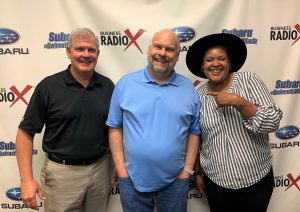
Stephen Collins, Steven Julian, Jessica Gardner

Stephen Collins/Gsage Capital

Gsage Capital is a commercial loan brokerage firm that provides consulting services, risk management assessments, and incorporates business loan products to satisfies the acquisition, expansion and cash flow needs for small, medium, and large businesses throughout Metro Atlanta and the Southeast.


Jessica Gardner/Blueprint to Success Academy
The mission of Blueprint To Success Academy is to “Build Tomorrow’s Superstars” by expanding their knowledge base in multiple facets and self awareness. They believe that all things are accomplished through knowledge of a subject and tactical implementation. BTS Academy will not only educate your child in K-12 academia, music, and swim, they also teach implementation tactics so their students can thrive in any environment.
Gwinnett Business Radio is presented by


Tagged With: blueprint to success, blueprint to success academy, bts academy, Business RadioX, gsage capital, gwinnett business, Gwinnett Business Radio, gwinnett county, jessica gardner, stephen collins, steven julian

Colin Diaz with The Tempe Chamber of Commerce

May 5, 2022 by Karen

Colin-Diaz-Tempe-Chamber-of-Commerce-feature
Phoenix Business Radio
Colin Diaz with The Tempe Chamber of Commerce
Loading
00:00 /
RSS Feed
Share
Link
Embed

Download file

Colin-Diaz-Tempe-Chamber-of-Commerce

Colin Diaz with The Tempe Chamber of Commerce

Colin-Diaz-Phoenix-Business-RadioXThe Tempe Chamber of Commerce Board of Directors has named Colin Diaz, IOM, ACE, as the new President & CEO following the retirement of Anne Gill.

Colin Diaz is no stranger to chamber of commerce work, as he assumes the role of President & CEO with over four years of experience as the Chief Executive Officer/President of the Culver City Chamber of Commerce in Culver City, California. In addition to his chamber experience, Colin has over 20 years of management, marketing, sales, and community outreach experience.

He brings an impressive educational background with an MBA from Duke University and an MFA for Chapman University. As the leader of the Culver City Chamber Colin used a blend of his professional, personal, and educational experience to grow reach, elevate the chamber brand to others and protect the reputation of the Chamber.

His range of educational, professional, and practical experience allow him to be in-tune with current trends and technology, while still being rooted in the sound practices that have led businesses for decades. He is an industry influencer that currently sits on the W.A.C.E. Board of Directors as member of the Executive Committee. In addition to this regional appointment, Colin will be the only Accredited Chamber Executive in the Valley.

Personally, Colin values spending time with his family and will be making the move to the East Valley with his wife Alicia and two daughters. He cited the regions many activities and resources as being especially attractive to his family. When he is not there or visiting their extended families, you may find him on a basketball court somewhere. He’s always been active and uses that energy and enthusiasm in both professional and personal endeavors.

Follow The Tempe Chamber of Commerce on LinkedIn, Facebook, Twitter and Instagram.

Tagged With: Tempe Chamber of Commerce

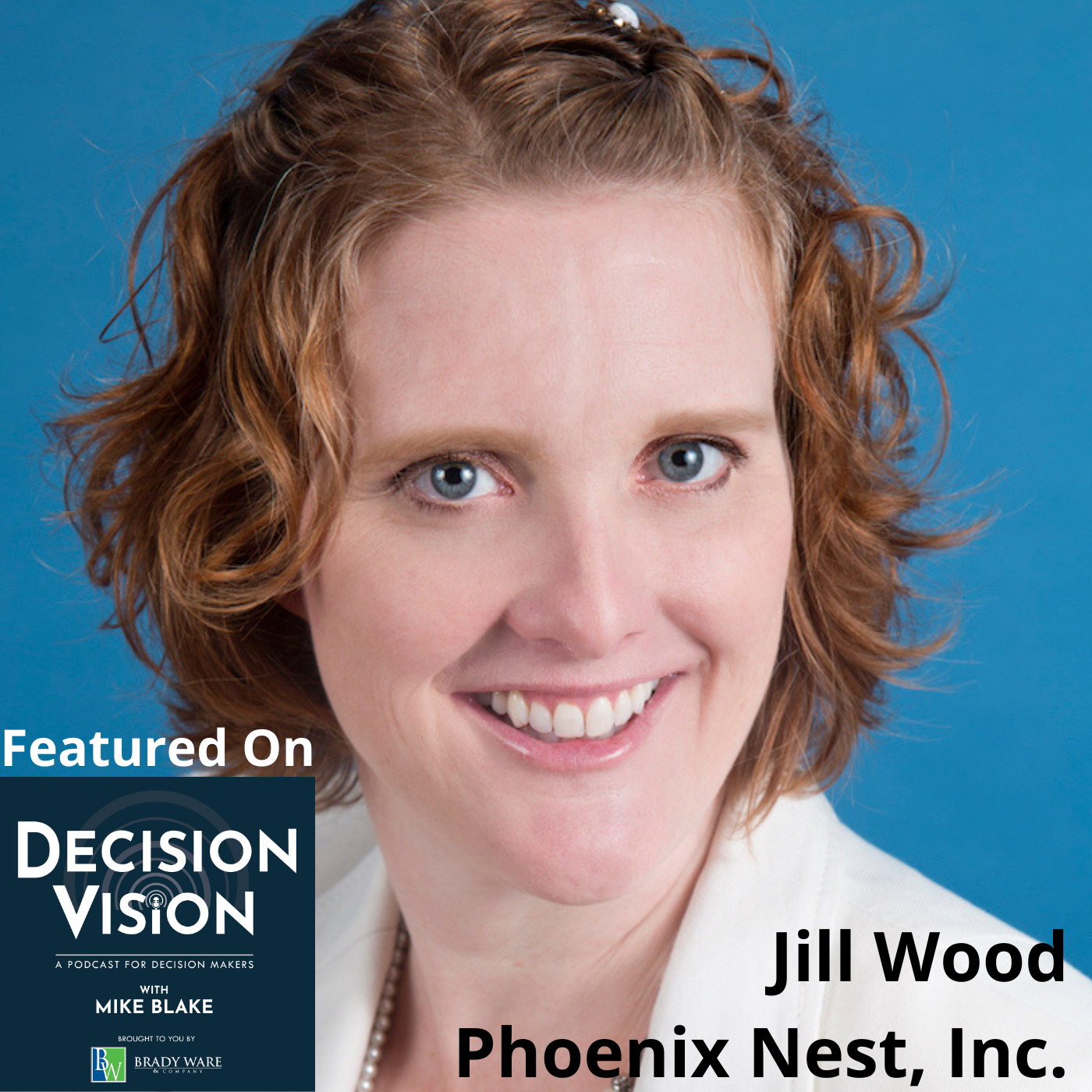
Decision Vision Episode 167: Should I Apply for Grants? – An Interview with Jill Wood, Phoenix Nest, Inc.

May 5, 2022 by John Ray

Grants
Decision Vision
Decision Vision Episode 167: Should I Apply for Grants? - An Interview with Jill Wood, Phoenix Nest, Inc.
Loading
00:00 /
RSS Feed
Share
Link
Embed

Download file

Grants

Decision Vision Episode 167: Should I Apply for Grants? – An Interview with Jill Wood, Phoenix Nest, Inc.

Jill Wood, Co-Founder and CEO of Phoenix Nest, Inc., and Co-Founder of Jonah’s Just Begun- Foundation to Cure Sanfilippo, Inc.,  gave an overview of the process of applying for grants. She and her husband started the foundation when their son was diagnosed with Sanfilippo, Type C. With host Mike Blake, she covered the basics of applying for grants, becoming a “citizen scientist” to understand the science, where to begin, the need for help from consultants and grant writers, the strict requirements, timelines, and much more.

Decision Vision is presented by Brady Ware & Company and produced by the North Fulton studio of Business RadioX®.

Phoenix Nest, Inc.

Phoenix Nest was founded by an alliance of parents with children suffering from Sanfilippo syndrome type C.

Our management team has a built-in sense of urgency and limitless determination to bring a treatment to the families affected by Sanfilippo syndrome to market. Phoenix Nest is the proud recipient of several Small Business Innovation Research grants from the National Institute of Health. Through funding from the NIH, we have been able to facilitate the research in academic labs and licensed these programs.  With support from our Independent Scientific Advisory Board and Board of Directors, we have thus far successfully met the challenges of pioneering treatments for these ultra-rare and untreatable diseases.

Company website

Jonah’s Just Begun – Foundation to Cure Sanfilippo, Inc.

Jonah’s Just Begun-Foundation to Cure Sanfilippo Inc. is a 501(c)3. The foundation raises funds then distributes them to academic research groups focused on finding treatments for Sanfilippo Syndrome, MPS III.

JJB was formed in 2011 after parents Jill Wood and Jeremy Weishaar after their son Jonah was diagnosed with Sanfilippo Type C. Jonah’s astute pediatrician, Dr. Hai Cao MD (South Slope Pediatrics), suggested that Jonah receives an MRI based on his abnormally large head size. Jonah’s Neurologist, Dr. Romaine Schubert (New York Methodist), concurred. At the time of diagnosis, Jonah was 22 months old and asymptomatic. Upon learning that their child had a fatal genetic disease that had no treatment, Jill and Jeremy received some advice from Jonah’s Geneticist, Dr. Karen David, also from New York Methodist. Dr. David told Jonah’s Parents to make a treatment happen. It was this advice that spawned JJB.

Jill and Jeremy hit the ground running, locating the world’s few scientists that were working on Sanfilippo, and seeking the support of like-minded parents. JJB brought these parents, scientists, and clinicians to New York for a patient population in May of 2011, just one year after Jonah’s diagnosis. Together they identified the three most promising approaches to a treatment. The parents went home filled with hope and began their grassroots fundraising efforts.  The scientists went back to their labs, inspired by the parents.

Today there are half a dozen Sanfilippo research projects in progress and a knockout mouse model.  Jonah’s Just Begun works hand in hand with other International and US type C Medical Research Foundation, we call this consortium HAND.

Website

Jill Wood, Co-Founder, Chief Executive Officer, Co-Founder, Phoenix Nest and Jonah’s Just Begun – Foundation to Cure Sanfilippo, Inc. and Chief Executive Officer

Jill Wood, Co-Founder, Jonah’s Just Begun and CEO, Co-Founder, Phoenix Nestc.

Jill Wood Co-Founded Jonah’s Just Begun-Foundation to Cure Sanfilippo (JJB) with her husband in May of 2010.  After their son Jonah was diagnosed with the ultra-rare genetic disease, Sanfilippo Syndrome type C.  JJB’s mission was to foster a treatment for Sanfilippo Syndrome type C; by connecting researchers, funding science, and mobilizing the patient population.

JJB revenue came through grassroots fundraising efforts, small grants, and private donors. Funding was then distributed to researchers through grants made by JJB.  Grassroots fundraising provided the seed money to initiate pre-clinical research but was far from what was needed to develop, test, and manufacture a drug. Jill founded Phoenix Nest (PN), a for-profit bespoke biotech in 2012. PN licensed the programs that JJB kickstarted, which allowed PN to apply for National Institute of Health (NIH) Small Business Innovation Research grants (SBIR/STTR). PN won its first SBIR grant in 2012, the start of a series of grants totaling $10,750,320.

The funding has allowed PN to bring one of its treatments almost entirely through its pre-IND studies and has funded a clinical observational study, still ongoing.

LinkedIn

Mike Blake, Brady Ware & Company

Mike Blake, Host of the “Decision Vision” podcast series

Michael Blake is the host of the Decision Vision podcast series and a Director of Brady Ware & Company. Mike specializes in the valuation of intellectual property-driven firms, such as software firms, aerospace firms, and professional services firms, most frequently in the capacity as a transaction advisor, helping clients obtain great outcomes from complex transaction opportunities. He is also a specialist in the appraisal of intellectual properties as stand-alone assets, such as software, trade secrets, and patents.

Mike has been a full-time business appraiser for 13 years with public accounting firms, boutique business appraisal firms, and an owner of his own firm. Prior to that, he spent 8 years in venture capital and investment banking, including transactions in the U.S., Israel, Russia, Ukraine, and Belarus.

LinkedIn | Facebook | Twitter | Instagram

Brady Ware & Company

Brady Ware & Company is a regional full-service accounting and advisory firm which helps businesses and entrepreneurs make visions a reality. Brady Ware services clients nationally from its offices in Alpharetta, GA; Columbus and Dayton, OH; and Richmond, IN. The firm is growth-minded, committed to the regions in which they operate, and most importantly, they make significant investments in their people and service offerings to meet the changing financial needs of those they are privileged to serve. The firm is dedicated to providing results that make a difference for its clients.

Decision Vision Podcast Series

Decision Vision is a podcast covering topics and issues facing small business owners and connecting them with solutions from leading experts. This series is presented by Brady Ware & Company. If you are a decision-maker for a small business, we’d love to hear from you. Contact us at decisionvision@bradyware.com and make sure to listen to every Thursday to the Decision Vision podcast.

Past episodes of Decision Vision can be found at decisionvisionpodcast.com. Decision Vision is produced by John Ray and the North Fulton studio of Business RadioX®.

Connect with Brady Ware & Company:

Website | LinkedIn | Facebook | Twitter | Instagram

TRANSCRIPT

Intro: [00:00:02] Welcome to Decision Vision, a podcast series focusing on critical business decisions. Brought to you by Brady Ware and Company. Brady Ware is a regional, full-service accounting and advisory firm that helps businesses and entrepreneurs make visions a reality.

Mike Blake: [00:00:21] Welcome to Decision Vision, a podcast giving you, the listener, clear vision to make great decisions. In each episode, we discuss the process of decision making on a different topic from the business owners’ or executives’ perspective. We aren’t necessarily telling you what to do, but we can put you in a position to make an informed decision on your own and understand when you might need help along the way.

Mike Blake: [00:00:43] My name is Mike Blake, and I’m your host for today’s program. I’m a director at Brady Ware and Company, a full-service accounting firm based in Dayton, Ohio, with offices in Dayton; Columbus, Ohio; Richmond, Indiana; and Alpharetta, Georgia. I am Managing Partner of the Strategic Valuation and Advisory Services Practice, which brings clarity to the most important strategic decisions that business owners and executives face by presenting them with factual evidence for such decisions. Brady Ware is sponsoring this podcast.

Mike Blake: [00:01:12] If you would like to engage with me on social media with my Chart of the Day and other content, I’m on LinkedIn as myself and @unblakeable on Facebook, Twitter, Clubhouse, and Instagram. I also recently launched a new LinkedIn Group called Unblakeable’s Group That Doesn’t Suck, so please join that as well if you would like to engage.

Mike Blake: [00:01:30] Today’s topic is, Should I apply for grants? According to data from Foundation Center, there are over 86,000 grant making entities in the United States with 92 percent represented by independent foundations. According to the Instrumental Blog, there are 26 grant making agencies in the federal government. And corporations represent 17 percent of all non-government grant funding, according to Grant Station.

Mike Blake: [00:01:57] And I wanted to cover this topic separately from the discussion that we have with Lauren Cascio a couple of weeks ago on non-dilutive funding, because I do believe that grant making is its own animal. And, in fact, I don’t know that most people appreciate just how big the grant sector is in the United States, and how central the grant making sector is to supporting certain kinds of business, in particular biotechnology.

Mike Blake: [00:02:33] There’s a rule of thumb that says it takes about $100 million to get from molecule to market. And a lot of that early stage funding when you’re in that molecule phase and you’re not even sure that the molecule does anything useful yet, you’re trying to prove that (A) it might do something useful and then determine if it’s going to kill the person that you’re trying to cure. That’s what they call preclinical and phase one in clinical trials.

Mike Blake: [00:03:03] But to get to that point, that’s usually not done through venture investing. Sometimes it is, but it’s actually usually accomplished through some form of grants. And, indeed, I think this is something that my profession and the world of corporate finance has to come to grips with and really make a fundamental adjustment in how we value companies.

Mike Blake: [00:03:33] And I’m going to get a little bit technical here on that, because I think it’s really important, and then we’re going to get to the actual topic because you want to hear my guest, not me. But for those of you who are finance geeks out there – and I know that you’re out there because you send me you send me messages and emails – when we look at cost of capital to figure out the hurdle rate for a project, or a discount rate on an investment, or required rate of return, conventional wisdom says that we consider the cost of equity and the cost of debt financing, which is all well and good.

Mike Blake: [00:04:08] But conventional wisdom ignores non-dilutive financing. That is financing that has no cost of capital. There is no expectation that it’s going to generate a financial return to the investor. And, accordingly, I think that leads to a lot of companies, frankly, being undervalued – at least by people who do what I do – and explains, at least in part, some of the gap that exists between sort of academic finance and practical finance. So, I’ll put out a white paper on that. I’m not going to discuss that anymore because it really would make for a lousy podcast.

Mike Blake: [00:04:43] So, let’s go to the part that makes for a good podcast. And joining us today is Jill Wood, who co-founded Jonah’s Just Begun – Foundation to Cure Sanfilippo with her husband in May of 2010 after their son Jonah was diagnosed with the ultra rare genetic disease, Sanfilippo Syndrome Type C. Their mission was to foster treatment for Sanfilippo Syndrome Type C by connecting researchers, funding science, and mobilizing the patient population.

Mike Blake: [00:05:12] The revenue came through Grassroots Fundraising efforts, small grants, and private donors. Funding was then distributed to researchers through grants made by the foundation. Grassroots Fundraising provided the seed money to initiate pre-clinical research, but was far from what was needed to develop tests and manufacture a drug.

Mike Blake: [00:05:31] So, Jill then founded Phoenix Nest, a for-profit bespoke biotech in 2012. Phoenix Nest licensed the programs that the foundation kickstarted, which allowed them to apply for National Institute of Health, Small Business Innovation Research Grants. They won their first SBIR grant in 2012, the start of a series of grants totaling nearly $11 million. That funding has allowed Phoenix Nest to bring one of its treatments almost entirely through its pre-clinical studies and funded a clinical observation study which is still ongoing. Jill Wood, welcome to the Decision Vision podcast.

Jill Wood: [00:06:09] Thank you, Mike. Thanks for having me here.

Mike Blake: [00:06:13] So, let’s educate our audience first. We’ll talk about grants in a second. But what you do is so important and I also want to get into your origin story because I think it’s just amazing, candidly. I’m not sucking up to you. I truly believe that. What is Sanfilippo Syndrome? And so, you and I had spoken, I never heard of it, to be perfectly candid.

Jill Wood: [00:06:34] Yeah. Very few people have heard of it, and that’s one of the major problems with diagnosing this disease. So, Sanfilippo Syndrome is part of the umbrella group of syndromes called mucopolysaccaridosis, which is MPS for short. There are seven forms of MPS, and Sanfilippo Syndrome is MPS III, which breaks down to another four syndromes, MPS III A, B, C and D, or you can call it Sanfilippo Syndrome A, B, C, and D. I don’t know why they have to make this stuff so complicated, but that’s what it is.

Jill Wood: [00:07:16] So, my son, Jonah, was diagnosed with Sanfilippo Syndrome Type C about a year into his first year of life. We were really very lucky, for lack of better words, we lived in New York where we are surrounded by some really great institution, health care hospitals, who our pediatrician recognized that something was off with Jonah. And it was basically the head size, his head circumference, which a normal pediatrician would sweep under the rug, like no big deal. You know, if they’re Polish, they all have big heads, you know.

Jill Wood: [00:07:57] But he sent us over to a neurologist and that neurologists took a hard look at Jonah and saw some other things. And they sent us to an MRI that was done at NYU. And, luckily for us, the techs saw in Jonah’s brain deformities or lesions. The deformity was a skull deformity that’s pointed towards mucopolysaccharidosis. So, we were able to zero in right away into what diagnostic testing we needed to do for Jonah.

Jill Wood: [00:08:42] So, Sanfilippo Syndrome, it’s a genetic disease that has a mutation on one of the chromosomes. And a husband and a wife have a 25 percent chance of giving both of those bad genes to their child. And so, Jonah has a defect on his gene that stops an enzyme from forming. And that enzyme’s job is to break down a protein called heparan sulfate. And because that enzyme is not there or lacking, it doesn’t break down that protein. And the protein sits in the cell in every single cell.

Jill Wood: [00:09:26] This is called a lysosomal storage disease. There are numerous lysosomal storage disease out there. Gaucher, Fabry are some of the more popular ones that people might recognize. So, anyways, you could imagine what this storage must do to your cells that’s not supposed to be there, right? It has catastrophic effects. It starts with near degenerative progressive disease, a lot of behavioral issues. The symptoms are really quite diverse and it’s very hard to pick up because a lot of it in the early diagnosis is hyperactivity.

Jill Wood: [00:10:08] So, you have a two year old that’s extremely hyper. The two year old with a large head that’s extremely hyper. Then, what really sets people off to search is their speech delays and not keeping up with their peers. A lot of times, if they have older brothers, siblings, they’re like, “They’re just not like his older brother Johnny. You know, this is not the way he developed.” And so, they start on that odyssey of getting the diagnosis, and they usually get diagnosed as in the autism spectrum disorders until they start regressing.

Mike Blake: [00:10:47] And in the regression, they’ll start to lose their speech, their ability to walk, their ability to eat on their own, and they succumb to death between the ages of 10 to 30, really, depending on the severity of the syndrome.

Mike Blake: [00:11:04] So, at the time your son was diagnosed, were you already a biologist? Were you already a trained pharmaceutical researcher? What was your background?

Jill Wood: [00:11:16] No. Everybody always asks me that, Mike. They call us citizen scientist, is the term that came out. No. I was in the fashion industry. I think what gave me the ability to do what I’ve done is just being able to talk to people, not being shy. And it’s okay to not understand. And going after people and making those connections is one of my strong suits.

Mike Blake: [00:11:49] You know, and I think just aside from the story, being remarkable that you’re undertaking that challenge and you really just pivoted your life to pursue this, you’ve gone from that point to raising over $11 million of grant money. Which tells me – and I mean, this in no disrespect to you and in any way diminish your accomplishment – that you don’t necessarily have to be a “insider” to raise grant money. You don’t necessarily have to have lived that entire life, you’re part of a secret club, or anything, that there is a process, that if you muster that process, then grant money is achievable.

Jill Wood: [00:12:33] Yeah. But, Mike, I do think they were shocked. I think the people that released the funds when they talk to me that first round and they asked me who I was and what kind of financial setup I had, they were shocked. I could hear them gasp on the other line.

Jill Wood: [00:12:56] I would be curious to know how many other parents have started out. And since I’ve started doing this and telling my story – you know, the NIH brings me out all the time to campus to speak – and since I’ve started this, many families, many parents said, “Okay. I can do this too.” So, I know there’s been an uptick in that, but I would be curious to know.

Mike Blake: [00:13:19] So, walk through your first grant, if you can remember that. What was that like? How did you approach it? Was it successful?

Jill Wood: [00:13:34] You know, it took a couple of times, a couple of rounds to have our first successful grant. Obviously, I did not do this grant writing on my own. You do need to have a medical degree or a PhD – actually, you don’t. I mean, you could really educate yourself up to that point. But if you want to expedite the situation, you should probably bring some consultants in.

Jill Wood: [00:13:57] And so, I did have my colleague, my co-founder, was a PhD, and he had NIH grants under his belt. He inspired me and said, “Let’s do this.” I have really great researchers that I work with. We had preclinical work. We had efficacy. And we really had what was needed to start writing grants. So, he helped me put together our first grant application.

Jill Wood: [00:14:27] And to go back, so my major funding comes from the National Institute of Health, NINDS, as I mentioned, the Small Business Innovation Research Grants. To get these fundings, to start up, even able to apply, is a major undertaking. You can’t just go and log in and sign yourself up. There are several different agencies that you have to go through. The dance number, your cage code, all these steps that you have to go and be certified for. So, anyways, that could take you four to six months. So, if you’re going to do this, you’ve got to get started.

Jill Wood: [00:15:14] There’s very little cost that’s involved in starting up, though. I think there might just be a couple of fees, but, anyhow, it’s inexpensive to do, so – go ahead.

Mike Blake: [00:15:25] Please go ahead. No. Go ahead, please.

Jill Wood: [00:15:26] Okay. So, my researchers, with these small business grants, usually it’s a requirement. You’re working with an academic, and that academic worked with my grant writer, and we put together a strategy. There is a format to these grants. And I suggest you read the instructions over and over and over again. And you don’t throw anything in there that you think is really great. You need to follow what the FOA asks you to do.

Mike Blake: [00:16:04] FOA stands for what?

Jill Wood: [00:16:08] You put me on the spot there, and you’re going to come up –

Mike Blake: [00:16:12] I’ll look it up.

Jill Wood: [00:16:13] Yeah. Thanks. Look it up. You can call for grant FOA.

Mike Blake: [00:16:23] Funding Opportunity Announcement.

Jill Wood: [00:16:25] Thank you. There it is.

Mike Blake: [00:16:26] You’re such an expert, you’re so in it, it’s hard for you to get back to the [inaudible].

Jill Wood: [00:16:33] I was impressed that it came up with SBIR. So, anyways, you follow what the FOA is asking. And if you don’t, that is your first rejection. They’ll kick it right back at you. The NIH is not messing around. I once had a grant kicked back to me because there was a hyperlink in the page within the body of a CV. That was kicked back to me. I’ve had grants kicked back because we went over the page limit. I mean, you don’t even get reviewed. They kick it back and you can’t reapply for another six months.

Jill Wood: [00:17:13] So, you really got to take these things very, very seriously. Have other people take another eyeball on it, pass it over. I mean, bio sketches have to be in the form of an NIH bio sketch. Anyhow, so our first grants we applied had really great comments. We did not win. But you take those comments, and you take them seriously, and you go back and you address them. And you could have a chance, within time you can go and address those before your grant will go to committee for final review. But most often you have to reapply to the grant funding opportunities, which usually happen every six months.

Mike Blake: [00:18:04] Now, you’ve also received other grants from non-governmental organizations as well, correct?

Jill Wood: [00:18:14] Correct.

Mike Blake: [00:18:15] So, I guess I’m curious, why are they giving away money? I understand and our listeners will understand, government agencies, in a way, it’s sort of their job. But there are these private foundations, individuals, I guess, corporate entities, and so forth, what do you think kind of makes them tick?

Jill Wood: [00:18:39] Obviously, breast cancer awareness, you can see how that got started, because it affected people and maybe affected loved ones. A wealthy entrepreneur out there may have had a grandchild with a rare disease and somebody on a staff started up a foundation, because they want to help and maybe they don’t have the time or the resources to do what I’ve done.

Jill Wood: [00:19:11] And I’m sorry I keep regressing here, but I’m thinking back to the science. What was there ten years ago is here now. Alzheimer’s is a really good example. You know, that is a disease that’s only recently had treatments and it’s been known for 70 years. You can look that one up, Mike, as well. But some of these ultra rare diseases are easy fixes where a single gene defect and the science is finally here. You know, CRISPR gene therapy, it’s just opened up the world to us.

Jill Wood: [00:19:53] So, I’m going back to make my point is that, these large foundations that have been there for so long, they had to fund a lot of science to get to where they’re at now. I think we’re going to be seeing a lot more treatments coming out in the next couple of decades with the recent discoveries that we’ve had. So, yes, I think they have a connection. They have a connection to the community.

Mike Blake: [00:20:23] So, I’m not sure if the way to ask this question have you think back or maybe just if you’re going to start today. But, you know, I’m sure somebody who’s listening to this podcast is thinking this out, “You know, I’ve been thinking about getting a grant and this conversation with Jill is giving me the confidence to give this a shot.” Where do you start? How do you start figuring out what might be a potential source of grant money?

Jill Wood: [00:20:53] Well, you’re going to want to look at the institutions or the smaller nonprofits that are in your space. And NIH was obvious to me. But if you might have an education grants, you can go for the Department of Education. Department of Defense is a really good, huge funding opportunity. So, look within your space.

Mike Blake: [00:21:20] I imagine a lot of this can be just accomplished by Google Search, right? Because I think some organizations are very private, they don’t necessarily want a solicitation at large, but then there are some that do. But one thing I’ve read, and I’m curious if you agree with or have any experience with this, is that, it might be easier to obtain money from a smaller organization than a larger one simply because they may not have as many applicants. Any comment on that?

Jill Wood: [00:21:55] No offense, Mike, finding those is pretty dang tough. So, we can go on a tangent here, maybe there’s foundations. So, in my space you’ll have a foundation that supports MPS, but they support MPS as in the families, getting help to the families, and getting families to where they need to be. And I’m looking for foundations that are willing to fund research to bring a treatment.

Jill Wood: [00:22:30] The smaller ones are hard, I think, to find unless you know them because they’re in your space and then you have a link to them. But the larger foundations, you know, everybody always says, “Did you go for a Zuckerberg grant? Have you talked to Bill Gates?” It’s always the first thing out of people’s mouths. And it’s like, “Those are the people that are inundated with grant applications.”

Jill Wood: [00:22:56] You know, you really need to have an in, you need to have somebody you can talk to, a name, and ask for advice, what are people looking for, what’s the tone of this grant. And a lot of times you’ll look at the FOAs and it’s like, “I don’t even know they’re so all over the place.” Nothing has really zeroed in and there’s so many different ones. It’s really convoluted.

Jill Wood: [00:23:24] So, you start out doing that because that’s what everybody tells you to do. But I turned around and just walked away from it because it was all misses. You know, you could spend a lot of time putting things together and it’s just not what they’re looking for. But they don’t really tell you what they’re looking for. And the goalposts are changing all the time, whichever way the wind blows, what’s the sexy right here that I’m funding.

Mike Blake: [00:23:52] You know, the interesting thing about what you just described, I think, is that a lot of people who have had to raise venture capital would offer a very similar description. You’ve got to have an in and you’re not really sure what they want. The VCs aren’t sure what they want. It’s sort of like trying to define the difference between art and pornography. They don’t know. They can’t define exactly where it is, but they know it when they see it. And so, you get bouncing around saying, “Well, no. I’m really not into this. But maybe if you do this, I’ll take another look.”

Jill Wood: [00:24:26] And I don’t know about you, but I know that at least on the VC side of it, the funding seeker side, that can just be immensely frustrating, because it’s hard to tell the difference between being tasked to do something with a specific objective versus just sort of being frankly jerked around.

Jill Wood: [00:24:46] Yeah. Exactly. Yeah.

Mike Blake: [00:24:49] So, in your experience, what does the timeline look like for applying to a grant? I’m curious, is it fairly quick? Is it lengthy? Is it variable? What’s your experience with that?

Jill Wood: [00:25:04] It’s all lengthy. From small to large, it’s all lengthy. I mean, small operations don’t have as many people onboard looking at it. They want to vet the application. So, it might take more time to find the right eyes to look at the application. And then, large institutions, you think they’re large, but the NIH, I feel like they don’t have enough employees, The FDA, they don’t have enough employees. And there’s a lot to go through as well. So, they’re about six months rotation. And if you have a government shutdown, it’s all over, and it happens all the time.

Mike Blake: [00:25:49] When that happens, do you basically have to start over or is it sort of extended animation?

Jill Wood: [00:25:53] No. We just sit in limbo. We sit in limbo. You know, it’s happened to me a couple of times during the Obama Administration, where towards the end we had shutdowns every other day. And it was between we had won the grant and now we’re waiting for the funds to release. Well, the funds aren’t being released because nobody’s made their decision on how much funds are being released. They’re all squabbling there. So, yeah, you sit down for another three months. It’s extremely frustrating. I mean, you think you got the funds, but it could take you a year to actually get them.

Jill Wood: [00:26:33] And I should preface that, too, maybe this is obvious to most people, but maybe not. Those funds don’t hit your bank account. They’re sitting up there in the cloud somewhere – we call it the Payment Management System – and you only pull down funds when you’re paying an invoice.

Mike Blake: [00:26:51] Oh, that’s interesting. I didn’t know that and I’ll bet our listeners didn’t know that. How does that impact your operations as you try to operate your company?

Jill Wood: [00:27:02] Mike, it’s really hard. I was laughing, I could tell you all the horror stories behind this. So, you know, you have to budget so fine tuned. You need to know every penny. And when those invoices are coming, a lot of these grants are milestone driven. If you don’t get to your milestones, your grants can be frozen. If you have a researcher that changes positions or you have to move to a different site, your grant is frozen. And if you’re in between a funding cycle and they only release fundings at certain points, it’s frozen, then you have to get permission to release it, and then here the funds come another six months.

Jill Wood: [00:27:58] So, you can’t get ahead of yourself. You can’t ever overcommit. You really need to be prepared for those things to happen because it is inevitable. They will happen. And if you are living from paycheck to paycheck, it can crush you.

Mike Blake: [00:28:19] And I’m guessing also it probably creates a vendor management challenge, too.

Jill Wood: [00:28:25] Yes, it is. Yeah. I always go in. And a lot of these vendors, believe it or not, even though the money is there, they don’t take on uber rare projects. You know, it’s like $1,000,000 actually means nothing to them. You know, patient population with 15 patients, I’ve had vendors have turned me down because my projects are too small. So, you get these good ones that want to work with you, that understand the situation, and they realize this is what’s happening, but we’re going to do the right thing. And I’ve had several of those vendors.

Jill Wood: [00:29:06] But, yeah, I work with one company that has been incredibly patient where that exact same thing happened. My grant got waylaid and I owed them hundreds of thousands of dollars, and they sat there for six months. And they continued to work, they kept on working until the funds were released. But I couldn’t sleep at night. I do not like living like this.

Mike Blake: [00:29:30] No, of course. I guess, on the bright side, I have to imagine if you provide those services or vendors provide, for example, clinical research organizations, that kind of thing, many of their clients are in your position. And so, my guess, if they’re smart, is that their business model already foresees the fact that there may be a six month delay between invoicing and being paid simply because that’s the nature of the beast.

Jill Wood: [00:30:05] Yeah. It’s like the venture capitalist, you know, they’re taking a little bit of a risk helping you out.

Mike Blake: [00:30:15] So, let’s go to the NIH, because I think that’s obviously a big source for you. How important has it been to develop a personal relationship with people at the NIH? And if that was important, how did that happen?

Jill Wood: [00:30:38] You know, they have to be very careful. There cannot be any favoritism there. You can’t take these guys out for lunch or buy them a drink. That is not appropriate. And if you’re in this space, it’s a small fishbowl. And I was fortunate enough where my grant funding came from the NINDS. And there’s a representative, our program manager that runs in the same circle – her name is actually the same as mine – who I just got to know her. And she really understood the science. She understood the disease. And so, when the grant application came through, it hit her desk. We already had the rapport. She knew the people that I work with.

Jill Wood: [00:31:27] But she’s not the one who’s making the decisions on reviews. You know, when your grant goes in, she gives it to the right people. But you never see your reviewers. They give you a list of their names, but you actually don’t know which ones are looking at your grant. And it is a major no-no to ever contact these reviewers. Don’t ever say anything to them. And it’s those guys that are making the decisions on giving you the score. And those guys can tear you apart if their idea does not fit with yours.

Jill Wood: [00:32:07] But the grant managers, how they can really help you is fight for you. When they do see something that is not in sync with the guidelines, they can call a reviewer out and say, “Hey, you know, this was an unjust comment.” During those times when grant funding freezes, they can help you find other ways to get bridge funding. So, my program managers are priceless. I do have a really great relationship with them. And they are extremely helpful, and networking, and giving ideas.

Mike Blake: [00:32:46] So, you’ve indicated that you’ve in the past, and perhaps you still do, have relied on the help of outside consultants and advisors to help you prepare grants. And I’ve read the same thing, like many organizations have internal grant writers because it’s such a specialized skill. If you’re going to apply for grants such as the ones that you’ve received, how much should somebody budget in terms of the cost of applying for this “free money,” which isn’t so free?

Jill Wood: [00:33:19] It’s not free. Oh, geez. You know, I think it could probably cost you, it depends, like, are you going to hire these people and keep them on staff. That’s where I always worry about. They need to not only have the gift of writing, they need to understand your disease too. And so, it’s hard to find a consultant out there that’s going to be able to nail both of them. So, I would suggest hiring somebody and then you’re going to give them a full salary, which you want to Google it, $100,000 to 300,000.

Jill Wood: [00:34:02] If you are going to piecemeal it, I just think you get what you pay for. You’re not going to get quality work out – maybe you will, maybe you can find somebody – just saying, “Here’s my package, put it together.” I would say that probably costs you at least $10,000.

Mike Blake: [00:34:23] Have you had grant applications rejected?

Jill Wood: [00:34:27] Oh, all the time nonstop. This one grant goes to cancel May 18th. And we are sitting on the edge of our seats. We got a really great score. And that grant has gone through three times. This is its fourth time.

Mike Blake: [00:34:48] It’s fourth time being submitted?

Jill Wood: [00:34:50] Fourth time being submitted.

Mike Blake: [00:34:52] And you’re hopeful that the fourth time is the charm?

Jill Wood: [00:34:55] Yeah.

Mike Blake: [00:34:56] Okay. So, actually this is one of my questions, I was curious if you’re able to apply for grants more than once. That sounds like you are. That may even be expected.

Jill Wood: [00:35:07] Yeah. So, you’ll get your comments, and you’re not always going to have the same reviewers. And sometimes you get lucky with a reviewer that knows exactly what it is that you’re trying to convey and get across, they’ve been in this space. They’re in your space. These people are in your space. They have understanding of the disease. And then, you’ll have somebody who is like, “No. That is not the route of administration I would suggest. No.” “F.” They score you for, like, one to eight, one being good, eight all the way across. So, it’s some egos in there.

Mike Blake: [00:35:44] So, is it fair to say there’s a certain amount of luck involved? Do I get the right application in front of the right reviewer on the right day in the right mood?

Jill Wood: [00:35:55] Yeah. I think with all honesty, Mike, yes. Because we’ve resubmitted it and gotten way different comments from the previous round, so it’s extremely frustrating.

Mike Blake: [00:36:13] Now, when you receive a grant – we touched upon this in terms of how money is dispersed – what other things do you have to change about your business or build your business around in order to manage the grant? Because my understanding is when there’s a grant, there’s just usually some sort of reporting function to send to the granting organization to verify, basically, that you took the money, you didn’t go to Atlantic City and put it all in 22 black. So, what does that look like?

Jill Wood: [00:36:43] It’s hard. And that was really scary for me. And I found there’s niche companies out there that specialize in managing your funds and helping you with the accounting. Yes, there will be line item budgets for travel, for equipment, for subcontracts, yadda yadda. And you get your F&A portion of it and your fee. There’s a lot of calculation that goes into these. It’s epic. It’s quite a lot of work. And your invoices all need to be properly coded.

Jill Wood: [00:37:22] So, all that goes into – I use this company and I’ll pitch them because I think they’re fabulous – Jameson, is my company that does that for me. But I take the invoices and I code them. They manage all the backend of it for me. And then, when you hit a milestone, it’s 750,000 in funding, you’re audited. It triggers an audit. And so, these guys come in, they’re certified by the NIH, and they come in and they look at all your books and make sure you spend down to the time cards, to every single sub-award, seeing the contracts, knowing how you vetted these different contracts. It’s pretty intense and it’s extremely intimidating.

Jill Wood: [00:38:14] So, I strongly suggest you bring somebody in to help you with that. Academia, who wins a lot of these kind of grants, they have entire departments that manage this. They manage the researchers grants for them. But I did not. And so, I found a company that could manage it for me.

Mike Blake: [00:38:38] So, I’m curious, does that also mean that you have to – I’m guessing – kind of approach accounting in a separate and kind of a different way? Some companies, frankly, can be pretty loosey goosey about accounting. And if all you’re doing is you’re running a business selling peat moss out of the back of your truck, you can do that. But it sounds like for you, you probably effectively need at least a controller, if not an outright CFO, and maybe even a whole separate kind of firm even to sell off on it to make sure that you’re doing what you need to do. Because I’m guessing that’s the kind of thing where a misstep can destroy a relationship forever.

Jill Wood: [00:39:24] Yeah. So, yeah, that’s why I depend on this company, and I really want to make sure. This was a portion that I did not know. There’s always that behind the scenes stuff, and this was one of them, is the reporting of the funds, how you spend the funds. I mean, there’s stipulations on how much funds you can roll over to the next accounting period. If you come up short in one budget item and over in the other one, how much you can reallocate to different areas. You know, it’s really detailed.

Mike Blake: [00:40:05] I’m talking with Jill Wood. And the topic is, Should I apply for grants? With the time we have left one question I want to get your thoughts on here is, who shouldn’t apply for grants? I’m sure you’ve probably talked to people that have asked, you know, “Hey, this sounds great. I want to get some of this free money to do X, Y, and Z.” Have you ever talked somebody out of applying for grants or can you see a scenario under which you might talk somebody out of applying for grants? Because for whatever reason, they’re not wired for it, they’re not appropriate, not the right space. Hopefully, you get my question there.

Jill Wood: [00:40:46] Yeah. I would say not in the right space. This is not free money. Because free means it’s my time. This is a massive amount of work that you’re doing to managing these grants. So, if you think you’re going to get free money, who’s going to manage that money for you? That’s not free. So, it would be the person that I would talk out of it.

Jill Wood: [00:41:14] Like, I know where I’m at. And I only have one child. I live in New York. I have access to a large infrastructure, lots of consultants at my fingertips. I don’t want to pick on anybody, but Arkansas did not have the infrastructure that I do and have more than one child, four kids, maybe two, very sick. It’s too much. It’s too much work. I know how hard it is.

Jill Wood: [00:41:52] And you’re not just managing grants. You’re also managing your research. You’re managing the companies. You’re managing your vendors. You’re trying to understand where to go to next, the NIH, the whole landscape. You have to quit your job. And if you’re taking care of multiple sick children, that’s too much. I ask myself all the time, “Is it worth it?”

Mike Blake: [00:42:20] And I imagine it must feel sometimes like you’re working for your granting organizations.

Jill Wood: [00:42:27] Yeah. I do. I really do. I would say that’s a good portion of my time is to make sure all my books are in order, that I’m making all my milestones, planning ahead so that I’ll get the funding when my milestones are met. Yeah. It’s a lot of juggling.

Mike Blake: [00:42:52] So, one way to potentially approach applying for grants is to basically put out as many applications as you possibly can, sort of a shotgun approach as opposed to being surgical. I think I know what the answer is going to be. That’s okay. But I’m sure somebody has tried that. Is that a viable strategy or do you really have to be zeroed in and decide and bet on organizations?

Jill Wood: [00:43:20] If you have nothing better to do, if you have nothing else to lose, you could sit around and write. I mean, some of these grants are small, but some of them are 30 pages. And you’re also wasting other people’s time. If you’re not serious about your grant writing, you’re wasting other people’s time because you have to go and get quotes from all your CROs. Maybe you need to rent a space. Maybe you need to hire other people. You have to get letters of support. There’s a lot that goes into this.

Jill Wood: [00:43:54] So, that would make me mad if you did that, because you are wasting a lot of people’s time, and you are wasting reviewer’s precious time by putting something in their face that’s just worthless. So, be focused.

Mike Blake: [00:44:17] What are the most common reasons that a grant is rejected in your mind?

Jill Wood: [00:44:23] Mistake.

Mike Blake: [00:44:26] Yeah?

Jill Wood: [00:44:27] Yeah.

Mike Blake: [00:44:28] Just like a factual error or –

Jill Wood: [00:44:30] A mistake. A hyperlink, too many pages, you didn’t follow the format. This was supposed to be ten pages, you know. Or in the mistake that you missed the concept, the FOA, you misunderstood it. You should really talk to the grant managers before you apply and say, “Are my aims, does this fall under what the reviewers are expecting?”

Mike Blake: [00:45:02] Jill, we’re running out of time and there are probably questions that our listeners would have liked me to have asked, but didn’t, or would have liked us to spend more time on, or maybe they just want to find out more about Sanfilippo Syndrome and how they can help. If somebody would like to contact you, can they? And if so, what’s the best way to do that?

Jill Wood: [00:45:24] You can contact me directly at my email address. If you have a place to put that, it’s in the blog text or in a text somewhere under my bio, it’s jwood@phoenixnestbiotech.com.

Mike Blake: [00:45:41] Very good. That’s going to wrap it up for today’s program. And I’d like to thank Jill Wood so much for sharing her expertise with us.

Mike Blake: [00:45:48] We’ll be exploring a new topic each week, so please tune in so that when you’re faced with your next business decision, you have clear vision when making it. If you enjoy these podcasts, please consider leaving a review with your favorite podcast aggregator. It helps people find us so that we can help them.

Mike Blake: [00:46:05] If you would like to engage with me on social media with my Chart of the Day and other content, I’m on LinkedIn as myself and @unblakeable on Facebook, Twitter, Clubhouse, and Instagram. Also, check out my new LinkedIn Group called Unblakeable’s Group That Doesn’t Suck. Once again, this is Mike Blake. Our sponsor is Brady Ware and Company. And this has been the Decision Vision podcast.


Tagged With: Brady Ware & Company, Decision Vision, grants, Jill Wood, JJB, Jonah's Just Begun, Mike Blake, NGO grants, NIH, Phoenix Nest, Sanfilippo Syndrome

Stuart Cooper with Provisions Group

May 5, 2022 by Mike

Nashville Business Radio
Stuart Cooper with Provisions Group
Loading
00:00 /
RSS Feed
Share
Link
Embed

Download file

Stuart Cooper/Provisions Group

Provisions Group is a leading management consulting firm in the Nashville area. They are a Nashville Top 10 IT Consulting Firm, Top 10 Management Consulting Firm, Top 10 Staffing Firm, and Top 20 Healthcare IT Firm. Their IT consulting practice delivers a full range of technology consulting services, including data and reporting, CRM (Customer Relationship Management) assessment and deployment, infrastructure, networking and cloud solutions, application development, security, architecture, IT strategy, Chief Technical Officer and CIO (Chief Information Officer) advisory. As a Microsoft Gold Partner, Salesforce Partner, and others, they can deliver solutions that meet the demands of the business. They specialize in IT staffing, recruitment, app development, data and analytics, CRM, network, cloud, managed services, network security, virtualization, content delivery networks, disaster recovery, archival, backup solutions, and much more.

Nashville Business Radio is presented byRegions-Business-Radio

Tagged With: Nashville Business Radio, Provisions Group, regions bank, Stuart Cooper

Lowell Aplebaum With Vista Cova

April 29, 2022 by Jacob Lapera

LowellAplebaum
Association Leadership Radio
Lowell Aplebaum With Vista Cova
Loading
00:00 /
RSS Feed
Share
Link
Embed

Download file

VistaCova

LowellAplebaumLowell Aplebaum, FASAE, CAE, CPF is the CEO and Strategy Catalyst of Vista Cova – a company that partners with organizations on strategic visioning and planning, designing strong systems of governance and growing staff and volunteer leaders. As an IAF Certified™ Professional Facilitator, Lowell frequently provides dynamic sessions to organizations – getting volunteers, members, and staff involved through experiential learning approaches.

Lowell currently serves on the ASAE Research Committee and is a past Chair for the overseeing commission for the Certified Association Executive (CAE) credential. He chaired ASAE’s Task Force on CEO Pathways, and previously served as Chair for ASAE’s Component Relations Council. He is the creator of a master-level learning series, Through the CEO Lens, and Association Charrette – a co-creation retreat experience.

He is the co-Executive Editor and Contributing Author for ASAE’s Component Relations Handbook, 2nd edition, and contributed chapters to the latest versions of Professional Practices of Association Management as well as Membership Essentials. His work on global efforts for associations includes experience across five continents, hundreds of volunteer groups, and all 50 states in the U.S.

Connect with Lowell on LinkedIn.

What You’ll Learn In This Episode

  • Many organizations use strategy to better guide their directions and decisions in the world today
  • Some key leadership skills or traits that every association should seek for its Board of Directors
  • How can an organization focus its resources on the right programs to advance the mission
  • How modern-day associations use vision and mission

This transcript is machine transcribed by Sonix

TRANSCRIPT

Intro: [00:00:02] Broadcasting live from the Business RadioX studios in Atlanta, Georgia. It’s time for Association Leadership Radio. Now, here’s your host.

Lee Kantor: [00:00:16] Lee Kantor here, another episode of Association Leadership Radio. And this is going to be a fun one. Today on the show, we have Lowell Aplebaum with Vista Cova. Welcome.

Lowell Aplebaum: [00:00:27] Thanks so much for having me, Lee.

Lee Kantor: [00:00:28] Well, I’m excited to learn what you’re up to. Tell us a little bit about Vista Cordova. How are you serving folks?

Lowell Aplebaum: [00:00:35] Sure. So we are a set of facilitators that have a depth and breadth of experience in the association space. So we help organizations with strategic planning and visioning and reimagining how their governance and leadership should be. We worked with about 86 associations last year, on track for over 100 this year, and really try to help any organization that is mission focused to imagine how they could accomplish that mission even more.

Lee Kantor: [00:01:00] So what’s your back story? How did you get involved in association work?

Lowell Aplebaum: [00:01:04] Probably like most people that you speak to, I’m not sure it was by initially by intention. We I have a master’s in education and actually in a doctoral program for the same and in not wanting to be in a classroom, but with a passion for learning, found my way to association where of course, so much of what we create are environments where we want members to learn about one another, for them to increase their own learning on their professional growth journey. And started inside. The American Institute of Chemical Engineers worked inside about five different organizations and finally just missed working with boards and strategy, leadership, and so became a certified professional facilitator, which is in part what I had been doing inside associations and five and a half years later, here we are.

Lee Kantor: [00:01:48] Now, why did you choose, though, the path of associations rather than since you’re serving businesses and industry? Why didn’t you just work for a, you know, a company within, you know, maybe was a member of the association rather than the association itself? Like, how did you see kind of that path or that the value there rather than, you know, being in the company that’s a member?

Lowell Aplebaum: [00:02:12] I think at the heart of the answer to that question is really a service mindset, although of course my company is a for profit company, it’s really dedicated towards mission based organizations. There’s a really heartfelt belief that the work that nonprofits and specifically associations do in trying to create these communities and places of connection to better represent a collective voice for industry, for professionals, can have impact on community society can make a better world. I have I have three little ones that I want to build a better world for. And I just have a strong belief that associations are a real key way to do that. And so if we can continue to build up their strength and continue to build up their profile, then I think that we’ll see a better world because of it.

Lee Kantor: [00:02:58] Now are you seeing associations kind of lean into that, trying to be the true north for their their members and their industries that they represent, that they are trying to role model these behaviors that folks say are important but maybe don’t execute at the level that people would like them to.

Lowell Aplebaum: [00:03:17] I think the past few years in particular, as we’ve experienced ever successive more rapid societal shifts that associations in general have been able have been forced to actually embrace that more. I mean, they’ve had to be representatives of industry when that industry has been disrupted. And so there’s been a great opportunity for those organizations that can recognize that their mission is not just to throw a great meeting, right? That their mission is not just to make a pretty journal, but their mission is to create the right value and resources to amplify and to embody the voice and potential of their membership or the industry they represent. Yeah, those, those organizations are taking mission to heart and are really it’s impressive how they are innovating to try to go beyond what have been traditional models to think about if we can do anything but not everything, what are the most important places we could invest to advance that mission? And so I do I do think that there’s been a double down. I do think there’s been a serious focus on that. I think many organizations are still learning how to do it.

Lee Kantor: [00:04:23] Now, you mentioned that the the chaos and the disruptions that have been happening lately have been maybe unprecedented in our time at least. But how have these associations done when it comes to pivoting and adjusting and, you know, kind of maybe getting outside of their comfort zone when it comes to the status quo, that they’ve had to make changes, they’ve had to, you know, no longer rely on things that historically maybe have served them, but they’ve had to make adjustments, just even like you said, like coming out of the. Pandemic going. Serving members always in-person or with live events in real life shifting to some more virtual or remote or, you know, not in-person events. You know, that was a big shift in providing value to members. How have you seen them, you know, handling that disruption?

Lowell Aplebaum: [00:05:21] You know, I think that you would hear from many CEOs that many of the changes that have come have been places that there was an initial intention for the idea of being able to serve a broader audience, to be more inclusive by geography, by having virtual programing isn’t novel. It’s just not anything that, for many organizations was a short term priority. It was more of a slow roll of how do we get there? Welcome, pandemic and forced innovation. All of a sudden you see how quickly can we adapt? And so I think organizations have taken the two ish years of pandemic as a time of forced innovation, and that’s opened up a lot of experimentation and innovation in ways that many organizations probably needed. I think the the real tipping point we’re at now is that as we go from pandemic to endemic, right. And there’s still, of course, societal shift and change that’s happening nearly every week. We do see that there are some organizations that take a traditional mindset of where can we somehow go back, even though they don’t have any sort of time travel machine? Rather than taking a mindset of What did we learn over the past two years? What are the new strengths we discovered we had? And rather than try to recreate the past, what is the future we want to design where we leverage those strengths so that we both acknowledge what we had beforehand, but then include what we’ve been able to learn and create.

Lowell Aplebaum: [00:06:54] And so perhaps it’s not a full shift back in person. Perhaps it’s not a full shift back to virtual. Is there a blend there? Right. Is there a balance there? And I think that that goes across the gamut. Another one of, of course, for national organizations, at least here in the United States, was the Black Lives Matter movement and the raise profile of the importance of DNA. And so I see many organizations we’re working with rethinking about their governance structures, right? How are we choosing a board of directors? Not by nepotism, but by strategic competencies and diverse representation? Now, I think that many leaders would tell you that their hope is that isn’t something that goes back. Right. But that that is something that continues to have a place of progress and innovation and growth. And so there’s there’s a lot of opportunity, especially at this moment, to learn the lessons from the past few years, to not lose those, but to take what’s been a place of forced innovation and to put in place practices of innovation that become part of the routine. So it doesn’t take a pandemic or some other societal crisis to shift into a mode where we have to think about something new.

Lee Kantor: [00:08:02] Now, can you share maybe some of the symptoms that an association is having where maybe they need to kind of inject some of the leadership that you were talking about? Like what are some signs that maybe things aren’t going as well as youth that they have been going?

Lowell Aplebaum: [00:08:18] So I think if we’re talking specifically around leadership here, for many organizations, one of the wake up calls is the generational shift. It’s always interesting when you’re talking to a board of directors or leaders of an organization. You talk about concerns about the next generation not becoming involved around the next generation’s voice, not being joining the organization. And yet the entire board of directors is the senior experience generation, right? Where is their efforts and inclusion if they want to see that just as one one example. So that’s that’s one place that often if they can actually articulate a need for a greater inclusive nature by a differentiated population that isn’t present, that doesn’t happen by accident. Being welcoming and creating a sense of belonging doesn’t happen by accident, but by intention. So that’s certainly what I would say is one indicator. A second indicator, I would say is if you look at the systems of leadership within an organization, what you want to try to measure to ask about is not how well they’re able to say yes to things, but how strong is their capacity to say no? Right. Is there an inherent system, a belief in the culture that if they say no, if they’re willing to cut back or to cease doing some programs because those programs are live the time, then that’s not a place of failure, but that’s a place of capacity building.

Lowell Aplebaum: [00:09:36] So they can be in the space of design and creation about what’s needed next. And so organizations that have a culture where saying no, right? We’re being able and willing to sunset, to pause things, to create capacity for new and innovation. Those are the ones that are going to thrive and that takes culture right. And so I think the third piece of that would just be that there is an intentional culture in the membership and in the leadership. Of not just what is the value they’re going to produce, but if who they are of what you’re going to experience about what we’ve agreed to and how we function in today’s day and age. You can buy great products anywhere, but if you’re going to actually try to belong somewhere, it’s going to be because your beliefs align with the beliefs of the organization or the community that you’re joining. And so in articulation and then a fulfillment of what you’re going to experience is essential if we actually want to see people not just buy products but want to belong.

Lee Kantor: [00:10:30] Now, are you seeing as we come out of the pandemic, a hunger for belonging to associations, getting re involved and re-energized by what’s happening in the associations like the. Our members are growing at this stage or are they kind of still hesitant to invest back into association where they might have dropped the membership during the pandemic because they weren’t doing some of the activities that they had used that association for?

Lowell Aplebaum: [00:10:59] Yeah, I think that there’s a real hunger for connection and belonging and community. I think there’s a real hunger for a recognition of rapidly changing disruptors. And then how do we adapt to those disruptors? And who has the right resources and insights that can help prepare us to help prepare our workforce, can help ensure we succeed? Right. There’s a real hunger for in this time of great resignation in ever shifting job places, titles and personnel. If how do we get some stability and workforce, whether that’s on the company end and being a great place to connect to potential future employees or on the individual end? If I want to take the next step, my my employer is not providing the kind of work environment that I think that I need. Where can I go to find the right opportunity? And I think in both of those cases, in all of those cases that absolutely are places that an association can thrive, and if they do right, if they do thrive there, then they see growing membership. But for organizations that don’t try to right set what they are offering, what they’re creating with those really immediate needs of the moment that are going to be here for a bit and we’ll continue to evolve, then, yeah, I think you’re going to see declining affiliation, declining membership and declining engagement. It’s not enough to have rigorous and good set value of products to buy by transactions, right? You have to be really fluent in the needs of your high priority audiences, be able to talk their language so you can cut through this ever loud world and then hopefully create an experience around using those those pieces of value, those experiences that’s going to make them both want to come back, but also share the experience they’ve had with others. And they do that. Then those organizations are the ones where we’ve actually seen membership growth at this time.

Lee Kantor: [00:12:52] Are you seeing young people embrace membership in these associations, especially in their industry, at the level that maybe, you know, their parents did?

Lowell Aplebaum: [00:13:05] I don’t think I’m seeing young people embrace it at the level their parents did in the same means by which their parents did. Meaning that there was some when you got to your job that you would stay at for decades, your supervisor said you have to join this organization. And by the way, we’ll often pay for you to join this organization and therefore you got your membership. I think that that that model exists in some places still, but not everywhere. And so where I see young people wanting and those coming in, wanting to affiliate is for those organizations that recognize that the path to involvement has changed, the path to seeing the value has change. And so how are they building functional places of leadership development, right, where those that are coming into an industry and have greater career success because of their affiliation. Right. Not that they come in and there’s some other newer you have to put in your time before you get any value, but rather that organizations are dedicated to being inclusive to all voices and to the needs of differentiated populations from the very first time you come.

Lowell Aplebaum: [00:14:09] And it doesn’t mean that everything has to be geared to next gen, but if nothing is geared to next gen, why are they going to affiliate and come and stay, especially when fewer and fewer companies are paying for memberships? If you’re going to expect them to pay to affiliate, then just like anything else they purchased in life, if they don’t see the value of it in a consistent way, then they’re not going to. And I think the the fault line there is that organizations are all too often still relying on loyalty that’s been built over years, decades with traditional members, that they can have subpar interface platforms in the digital space. They can have subpar experiences when taking advantage of the value because there’s been a good career partnership. But for those that are coming in, that are new, that have differentiated expectations, there isn’t that base of loyalty that’s been built over years. And so you see them either joining and then leaving or not even joining because they can’t perceive what the value is to belong until they’re inside and they’re four years that’s too long of an on ramp.

Lee Kantor: [00:15:13] Now, isn’t that kind of a warning sign if you aren’t attracting younger members that, you know, troubles brewing?

Lowell Aplebaum: [00:15:23] I think that it’s a warning sign is probably a good word, but I think it’s also an opportunity because you can if it’s the priority, you can shift your system. You know, for a few years I worked for the American Institute of Chemical Engineers early in my career. And what happened during my time there, frankly, was that there was this great, robust system of local students and local young professional groups, but there needed to be a stronger connection to the national group. And so what we created over years was a parallel system of leadership, where there were regional student vice presidents, there was a national student board, and those leaders then actually had mentor opportunities with the actual national leadership, with those that were the full time, the impressive, the ones who had written their textbooks, and by establishing a parallel system, those young professionals coming in could see leaders of their own generation already within the organization. And surprise, surprise, many of those young professionals in subsequent years actually came on to the board of the organization. And so it’s it’s a challenge, but I think it’s an opportunity that if you start to design, right, if you take a design mindset of we were designing our systems today, that we were inclusive of the multiple differentiated generations and populous by differentiated diversities that we want to see. What would we actually design? Would we design conferences that cost 5000? When we think about differentiated populations, they may have different economic standing, right? Would we design the majority of our value? And once a year of meetings when we have a global population that may participate if we are virtual. And so if we could take more of a step back and do a design mindset of what would we design, we could probably come closer to rightsizing what we have to what we need. Then if we just look at what we have and do a little tweak here or there.

Lee Kantor: [00:17:18] And it gets back to what you’re saying, being clear on what your mission in True North is, as well as pushing that kind of value to your members. I mean, if you can get those two things right, you can be more inclusive. You could serve more people in the way that they want to be served in today’s world.

Lowell Aplebaum: [00:17:36] Absolutely. And I think that what’s key to that is that that’s not static. Right. The organizations like OC, we know what they need and now we’re good for the next five. Ten years are in just as much of a pickle as the as the ones that said the same thing five years ago and haven’t changed. And so what we really need are systems designed within an organization for places of continual input. Hopefully what I at least talk about often is the curiosity imperative that an organization has inherently elevates the need to be curious. We’ll see leaders that ask more questions than hear their own voice. We’ll see staff that seek to listen to members more than just quickly answer a needs related question. And we’ll seek an overall community and wants to be a learning community that can evolve together. And if that can help guide an organization, then those places have differentiated. Value won’t become static, they’ll become ever evolving.

Lee Kantor: [00:18:31] Now can you share a story? Maybe you don’t name the name, but maybe explain what the challenge the association had when you came around to help them and then how you were able to help them get to a new level.

Lowell Aplebaum: [00:18:44] Sure. And so one organization we worked with when I came in had a council of representatives from geographic regions that I believe was around 80 to 90, as well as a board of directors that had partial authority to oversee the fiscal responsibilities. But part of it was in this representative council that met once a year and no one in leadership could draw a clear map of what the leadership should look like looked like currently. And so the work we did right was to after we had done strategic planning with this group, to re-imagine the vision, the priorities and what success looks like. One of the things that emerged was like, Well, if we’re going to be able to do this, we need a leadership system that actually is inclusive, is easy to understand, and is right size at the right levels so that we have decisions being made by the right levels of governance. And so the work we did was with a task force that they assembled was to look at what are the best practices in nonprofit association governance, leadership happening in the space today to have them then discuss, decide, debate, right? What are the things that we need that will fit within our system where we want to see inclusion of voice, but we also want to see meaningful volunteer input and contribution and really help them redesign where we got still a representative council and that representing the council was just about two dozen.

Lowell Aplebaum: [00:20:09] And instead of having roles of fiscal oversight, they had advisory roles and that the main place of fiscal and legal oversight became the board itself, who could then form the right committees. We’re under the advisement, right, with the consideration of this representative council. I mean, that’s that’s a big shift in what leadership of decades looks like. But it allowed them to actually be more inclusive by including more voices and advisory capacities, while also making everyone’s volunteer experience more meaningful because no one felt like they were coming to just rubberstamp something. When they were asked to do something, it was because it was going to be tied to mission. It was going to be tied to where the organization used to go.

Lee Kantor: [00:20:48] So over what period of time did it take to make that transition?

Lowell Aplebaum: [00:20:52] So that one took just about a year. We’ve done some governance transitions in quick ones, as short as six months, some as long as two years, depending the size, scope and what that looks like. And look and that’s different. You know, the strategic planning sessions we do, that process unto itself is also something that can take anywhere as short as three or four months that in some cases has taken a year and a half. And that depends on what the architecture of the strategy outcomes they want to see will really look like.

Lee Kantor: [00:21:26] Well, if somebody wants to have a more substantial conversation with you or somebody on the team or maybe learn more about your services, what is the website?

Lowell Aplebaum: [00:21:37] The website is Vista About.com, Vista SEO VA dot com.

Lee Kantor: [00:21:43] Well, thank you so much for sharing your story today. You’re doing important work and we appreciate you.

Lowell Aplebaum: [00:21:48] Thank you so much. I appreciate the opportunity to share your story.

Lee Kantor: [00:21:51] All right. This is Lee Kantor. We’ll see you all next time on the Association Leadership Radio.


Tagged With: Lowell Aplebaum, Vista Cova

Jennifer Andersen Smith With GROWTH Community, Yin Johnson With COUNTRY Financial, and Jessica Light With JJ Social Light

April 27, 2022 by Jacob Lapera

WomemInBusiness042122pic4
Women In Business
Jennifer Andersen Smith With GROWTH Community, Yin Johnson With COUNTRY Financial, and Jessica Light With JJ Social Light
Loading
00:00 /
RSS Feed
Share
Link
Embed

Download file

WIBapril212022

This Episode is brought to you byAlpha and Omega

1JenniferAndersenSmithJennifer Andersen Smith is a daughter, wife, mother, and grandmother. She has built herself a life full of joy and love. As someone who deals with depression but works hard to stay positive, Jen has done her best, with God’s help, to stay strong in the face of the lowest lows. Through her speaking and writing, Jen shares her own experiences of being emotionally well.

Jennifer and her husband Craig have a blended family of 9 children and 15 grandchildren. She loves interacting with each of them and enjoys watching them excel in achieving their individual goals. Jennifer believes that being part of a community of family and friends that celebrates people collectively and as a whole is the most important legacy. For relaxation, Jen loves to read, garden, and watch her favorite baseball team, the Chicago Cubs.

Connect with Jennifer on LinkedIn.


2YinJohnsonYin Johnson is an insurance agent at COUNTRY Financial, serving all of the state of Georgia by bettering people’s education about insurance.

She will help you cover the things that are important to you in home, auto, commercial, and life insurance by advising and walking you through the difficulties of insurance in a simple way to assure that your life is enriched in the COUNTRY Financial way!

Connect with Yin on LinkedIn.


3JessicaLightJessica Light began the business (along with her husband, Ryan) in much the same way that most business owners begin – with passion and interest. Then she did what all entrepreneurs do and turned her passion into expertise.

She refers to herself as a “project management aficionado” of the company. For you, that means that Jessica is your main point person for your website and social media project. She coordinates between designers, writers, and the SEM team on your behalf in order to make the process as simple and stress-free as possible.

Jessica lives with her family in the Atlanta suburbs and is a proud “Military Mom.”

Connect with Jessica on LinkedIn.


This transcript is machine transcribed by Sonix

TRANSCRIPT

Intro: [00:00:07] Broadcasting live from the Business RadioX studios in Woodstock, Georgia. Welcome to Women in Business, where we celebrate influential women making a difference in our community. Now here’s your host.

Lori Kennedy: [00:00:29] Hello. This is Lori Kennedy and I’m your host today for Women in Business Powered by Business RadioX Stone Payton. Our producer is also in the studio with us. And today we are grateful to have you tuned in with us. Today, we have three amazing women and we are going to get to meet them and hear more about them. First, we have Jennifer Anderson Smith and she will tell us about herself. She has an organization called Growth Community and Yin Johnson will tell us about her new endeavors with with the insurance world. And then we have Jessica Lyte, who is with J.J. socialite, and we will hear more about that as well. And Jessica, I am going to actually start with you. Why don’t you tell us your business name, what you do, how long you’ve been in business, and just what you what your business does?

Jessica Light: [00:01:20] Yeah. So I own founder of J.J. Socialite Marketing Company, and we’re out of Alpharetta. We serve mostly Fulton County, also Cherokee County. And then I have customers all throughout the US. We do web design, social media, graphic design ads, all the things. I love working with the small to midsize client and really just helping them grow and then kind of plug into the local community and figure out what we can do with them that will help them not only grow business wise, but also relationally like how they can help connect to their customer base.

Lori Kennedy: [00:02:02] That’s great. Didn’t you do something in Cherokee County that with a like a Facebook page or something? That became quite the thing.

Jessica Light: [00:02:12] Yeah. So I, I didn’t start a Josh Bagby started this Facebook group called Cherokee Connect, and I had known him a little bit and we kind of really started connecting and then COVID hit. And he I had this idea that he should create a website that would go with the Facebook group. Well, he also had the very same idea. So we were chatting and he was kind of nervous to pull the plug. But during COVID, we were really working with a lot of the restaurants, trying to do lots of posts about helping them get, you know, word out that they’re doing takeout all all the things. I said, Josh, let’s just do this. So I said, I’ll do it for free. And so I built a website and there was about 5000 people in the group, maybe 88,000. He’s broken the 50,000. It’s crazy group. And and I think there’s well over 800 businesses or close to it listed on the directory. So it’s a great piece tool for the local business owner as well as the community. So they can go on the group and find out, hey, you know, who do you know that does a really good insurance or I’m looking to to learn more about networking or whatever. And the community can collaborate. Business owners for $100 a year can put a listing on there. I mean, I’ve known so many people, their business has literally taken off just because of Cherokee connects. So yeah, I built the website for that and it’s just of course, Josh is great and he does amazing work with the community anyway, so it makes my work very, very easy. So, but it’s been neat. It’s been great for me and my business as well, and it’s neat to just be able to help because as a marketer, I really can’t help people, you know, I mean, AdWords charges so much, you know, you know, so not everybody has $5,000 a month to spend on marketing, but for 100 bucks, I mean, yeah, I can’t, I can’t get those kind of results at all. So for 100 bucks, it really helps, you know, people get out there.

Lori Kennedy: [00:04:15] Yeah, for sure. So in reference to the Facebook page, just just to just a curious question with that many people on there, I would think that there could be some negative talk.

Jessica Light: [00:04:30] About a lot of.

Lori Kennedy: [00:04:31] Manage that because I haven’t seen a lot of it at all on there. Most everything is amazingly positive. But how do you like keep an eye on that much that many people in that much happening.

Jessica Light: [00:04:43] Yeah it’s a lot. I mean Josh does a lot. I mean, he teases that he’s a part time babysitter for adults, you know? All right. Yeah. So you know there is that he actually even just posted you know we’re going to be starting to not ban people, but mute them if they can’t be nice and act like adults, you know.

Lori Kennedy: [00:05:04] So there is some of it.

Jessica Light: [00:05:05] It just is just doesn’t.

Lori Kennedy: [00:05:06] Come in my inbox because he’s on top of it.

Jessica Light: [00:05:08] Yeah, we try to be on top of it. But, you know, he’s a big advocate of free speech. You know, we’re not going to, you know, so, you know, it’s always the line you don’t want to like control the situation that we live in. This like nirvana, happy little community and there’s nothing negative going on that’s not the case. But it is this balance you’re always trying to. In a marketing in general, you’re always trying to balance. You know, not every customer is happy, you know, not you know, your husband owns an auto mechanic shop. I’m sure not everybody comes out of their super happy, you know, all the time things happen. So it really is indicative of life in business, that Facebook page and community and the diversity and, you know, all all of the things.

Lori Kennedy: [00:05:52] Yeah, for sure. Well, let’s talk to Jennifer. Okay. Tell us about who you are, what you do, your business, your company, whatever you want to tell us so that we can know who Jennifer is.

Jennifer Andersen Smith: [00:06:05] Well, I am the founder of Growth Community, which is really a safe space for you to be able to kind of come back to the person that you always wanted to be or you once were. But life has kind of gotten the way and you lost track of that, kind of lost your way and trying to figure out how to get back. So I am a speaker and an author and a mentor. I have published a book called So that for Relationships a couple of years ago, and that’s really a personal transformation memoir about my own life, starting with my childhood, some adverse experiences that I had there going into teenage pregnancy, and then a very early marriage that lasted 23 years and turned toxic. And then how I pulled myself out of all of that, and then the healing processes that I went through that I felt were the most beneficial for me to become the person that I am today, which I am a very happy, very blessed, very positive person. And I would say to you that ten years ago I would have never said any of those words to describe myself. But just by being aware of, you know, the things that happened in life and then the lessons that we can learn from them and then how we can take those lessons and share them with other people so very much at Pay It Forward concept, but it’s based on the so that principle which is actually found in the Bible in Corinthians. So but I just that’s how I’ve lived my life and I didn’t do it on purpose knowing this principle, it just kind of all fell together. And I thought, Well, I’m going to put a book together, and if that helps one other person out there have a better life, then I’ve done my job. So yeah, that’s awesome.

Lori Kennedy: [00:07:59] Do you have the scripture address memorized?

Jennifer Andersen Smith: [00:08:02] Yes. It’s second Corinthians one, three and four. I don’t have the whole verse memorized, but essentially to paraphrase, it says that God gives us comfort and mercy in our time of need so that we can share that with others in their time of need.

Lori Kennedy: [00:08:19] Oc oc i I’m familiar with that one.

Jennifer Andersen Smith: [00:08:22] There you go.

Lori Kennedy: [00:08:23] Awesome. All right. You can tell us about you, baby girl.

Yin Johnson: [00:08:28] All right. So Ian Johnson here, and I’ve been in the insurance world for like two years, going on two years now, past two years. Now, at this point, I started my own business, so I opened up Johnson Insurance Agency. So that’s what we’re looking at now. It’s still powered by country financial. So rock and roll in there. It’s been very interesting as a starting out business owner. I’m thankful though, having the networking groups, meeting all these people that are willing to support having the community inside of Cherokee Connect. And it’s just phenomenal, phenomenal having all the support and people that you can call and go to and ask questions because that’s what it is at the end of the day, is just laying down the ego, ego and just being humble and being able to ask people questions and figure out like, you’re not on your own on this. Everyone’s gone through this before, so learn, you know.

Lori Kennedy: [00:09:26] So, so when we started this process talking about coming on the show, you were with Country Financial, now you’re with Johnson Insurance Agency, powered by Country Financial. Can you help us understand what the difference is?

Yin Johnson: [00:09:42] So it’s a I’m an agency owner through country, so I own my own office. So everything is ran under me and. I’m rocking and rolling under myself.

Lori Kennedy: [00:09:56] So you were an agent before. Now you’re an agency and you will have agents.

Yin Johnson: [00:10:01] Yes.

Lori Kennedy: [00:10:02] Yes. Got it. That’s awesome. Yes. Congratulations.

Yin Johnson: [00:10:05] It’s exciting, but scary.

Lori Kennedy: [00:10:07] Yeah. Well, so where is your do you have to have a brick and mortar for that? And where is.

Yin Johnson: [00:10:12] That? Yes, I do have a brick and mortar. I am on Sixes Road. So where Shane’s rib shack and Verizon Wireless is right in front of one life fitness and stuff. So that’s where my office is.

Lori Kennedy: [00:10:24] Great. That’s awesome. Okay. I’m going to ask you the next question and we’re going to go around the room the other way. What motivates or inspires you in?

Yin Johnson: [00:10:35] Honestly, it’s the community. That’s really what’s inspiring and motivating. For me, just seeing people support each other, it makes you want to be supportive as well and being able to give back to the community that helped you. So like through Cherokee Connect, you know, you have all these shout outs, all these people that you’ve met, you definitely once you build a relationship, you know that you could trust them. And so it’s being able to shout them out, being able to support them and help their business grow as well, and then them doing the same.

Lori Kennedy: [00:11:08] And do you feel like we met in Woodstock Business Club? So you feel like that’s the same kind of concept that occurs in that location?

Yin Johnson: [00:11:15] Yes, absolutely.

Lori Kennedy: [00:11:17] Yeah. I think it’s an amazing group of people. Oh yes. Oc What motivates or inspires you?

Jessica Light: [00:11:23] Jessica Well, I mean, I originally started the business nine plus years ago. We moved to Atlanta. I had four kids at home and I’m just not really the PTA mom type. I mean, I’d probably get beer and pretzels for the party, you know, the school party watch movie.

Lori Kennedy: [00:11:42] I’m coming to that one.

Jessica Light: [00:11:43] Yeah. I mean, the parents would come, but, you know, anyway, so, you know, I had been a stay at home mom for pretty much most of my kids. And I started kind of just doing a little bit part time and I just really, really loved it and I kind of grew and grew my business. So really at first it was motivating, just something that I could do that was for me because as a mom, you know, everything’s always for your kids and your husband, everybody else. And I just really love it. And my business grew and grew and my husband has been amazingly supportive at first, you know, I mean, I was a stay at home mom and now I’m, you know, you know, I’m buying Costco dinners pre-made, you know, heated up. Heated up. Yeah. So that’s what initially got me going, you know, just kind of doing something for me. But now it’s been the community in the businesses I love, like getting to know everybody and getting to know the people. I am a boutique agency. I don’t take everybody that comes through my door has to be a good fit. I have to know that I can help them. I have to see that they’re willing to do their side of the work as well. And it has to be a business that I believe in also. So so there is some kind of vetting process, but now seeing them grow and just having those relationships with people in the community is just great. I love doing that. I just I could never really quit because I just did that. Just what feels me.

Lori Kennedy: [00:13:05] Yeah, you did a website for some of our really good friends. The blacks.

Jessica Light: [00:13:10] Yes. I love. I do t black hardscape. Yeah. By the way, they have done some work for me, they do hard scapes and they, they do just wonderful, wonderful work. Actually I just chatted with her the other day. She said they’re getting like 3 to 4 leads a week from their their website alone.

Lori Kennedy: [00:13:26] That is.

Jessica Light: [00:13:27] Awesome. I mean, it helps that they do fantastic work and Troy Justin.

Lori Kennedy: [00:13:31] Is.

Jessica Light: [00:13:31] Awesome. Yeah. He’s out there, you know, haul in the bricks with them, you know, he did. He did our thing. He’s out there with the guys. He just doesn’t show up, give you the invoice and leave. You know, he’s out there and making sure the work’s done right. Yeah. So I love seeing that, you know, that they had this website that was well in the top ten worst website I have seen. I could tell them that. So it’s not news to them, she said. It was like, you know, it was like inviting people over to your home. And it’s just such a mess. You’re just so embarrassed when people see it. And so anyway, I love seeing that. Like she just told me, I’m working so busy like 3 to 4 leads from the website alone. So if I can do that for someone. Yeah, you know that. I love.

Lori Kennedy: [00:14:14] That. Yeah. She’s definitely shouting your praises. Yeah, for.

Jessica Light: [00:14:17] Sure. Yeah.

Lori Kennedy: [00:14:18] Awesome. Okay, Jennifer, tell us what motivates or inspires you?

Jennifer Andersen Smith: [00:14:23] I love hearing people’s stories. So just like that, your story, you know, the different things about the different people in the community and hearing the stories of how people have transformed their lives. And I figured out a few years ago that what really gets me going every day is being able to help somebody, whether that’s through growth community or I also do mortgages for residential. So if it’s helping someone get a mortgage and buy a house and change their life that way, it’s. Really something that that is what gets me up every morning is knowing I can help somebody.

Lori Kennedy: [00:14:58] Now, this mortgage thing is a new job for you. Yes. And are you aren’t you serving a specific people group?

Jennifer Andersen Smith: [00:15:06] So a couple of things about that. I’ve actually been in the mortgage business for over 30 years. So, yes, this position is new. I work with Regions Bank and specifically I work with community mortgages. And while I can do a mortgage for anyone up or down the spectrum of mortgage world we do in the community section, we really try to find people who are low to moderate income borrowers who need maybe a little bit of help with their credit, or they need help with a specialized program and also a down payment assistance. And so we actually have an internal program at regions with a down payment assistance that we are able to help people. You know, you have to fall into certain criteria, but we able able to give them $5,000 to help with that down payment.

Lori Kennedy: [00:15:55] Oh, that’s so awesome.

Jennifer Andersen Smith: [00:15:56] Very, very rewarding.

Lori Kennedy: [00:15:58] Wow. I love that. So how does a person how does sorry, how does who you are as a person reflect in what you do?

Jennifer Andersen Smith: [00:16:07] Jennifer Well, that’s super easy because I mean, I wrote the book about myself, so there you go. But, you know, I butterflies are a big part of my symbolism in what I do. And as we I think all of us can say that a butterfly we know that that symbolizes new life. Right. And a new chance and a new experience. And that’s definitely what the transformation is about when you go from, you know, understanding, realizing that, hey, I’m in this dark pit where I can’t even see my hand in front of my face. I’m so lost. And then you start to hear someone at the top of that pit that you know, Oh, hey, maybe there is someone up there who can help me. And and that’s where I come in, is I’m that person that, you know, when you think about what do I need to do? How do I need to get there? You know, we don’t all have the answers. And that’s why I love, like, groups like this, like just this four ladies right here and shown you, too. But I just I love it because women need to be there for one another. You know, if you look back in biblical times, that is exactly what they did, you know? I mean, and if you we have gotten so far away from that in our world that we’re all competing and competing and striving against one another, when, you know, if we could just figure out how to lift each other up, it would actually lift all of us up. Yes and yes. That’s that’s definitely a theme in my life. Absolutely.

Lori Kennedy: [00:17:43] I’d love a couple of things you said, first of all, about the darkness, because I feel like when you when you compare that to the life of a butterfly, which of course, starts as a caterpillar, the darkness could signify some people look at darkness as difficult times, obviously. But could you be creating something new during that time? Could that be a cocooning period, so to speak? Because this is an interesting fact that I didn’t know for. I haven’t known for very long. But the DNA of a caterpillar is different than the DNA of a butterfly. It is a new created like it is a new creation. It’s a different creature. It’s a different type of creature. So who you are before you began, this process of darkness changes you into this new, beautiful thing at the end. I just think it’s so cool when you look at some of that, how that plays out in our lives.

Jennifer Andersen Smith: [00:18:35] Well, you know, that’s where transformation comes from. But quite honestly, even a stronger word that that fits that even better is transfiguration.

Jessica Light: [00:18:44] Hmm.

Lori Kennedy: [00:18:45] Wow. That’s awesome. Jessica, tell us how who you are as a person reflects in what you do.

Jessica Light: [00:18:53] Well, I mean, I. I like to get things done right. I don’t like to do things halfway. So I feel one of the biggest frustrations as a marketer in my business, I’ll get people that will call me. Actually, I just had someone call me that said I paid $15,000 for this website and I didn’t know that I was only renting it. So as soon as we didn’t, you know, and I was just I could not believe it. Or I’ll get, you know, I’ll see a website when we get in the back end. I won’t bore anybody with that. But it’s just such a mess that people took shortcuts. They didn’t think about that business known that they’re not going to be able to do these things going forward. They just did what they their little job that they get paid for. They didn’t take the time to inform the client of different options they have. That may not include you and that’s okay. Yeah. What’s the best for them? So that really kind of drives me to do it correctly and do. Do things right. What’s the best fit for the other person I just don’t like? And, of course, my kids. I mean, you’ve met my eldest son. He’s a marine. I was teased that it was easier for him to join the Marines and continue staying at home. I just don’t you know, I don’t like halfway. So, you know, I think that helps me be good at what I do.

Lori Kennedy: [00:20:15] Yeah. Yeah, that’s awesome. All right, Ian, what about you? What? How does who you are as a person reflect in what you do?

Yin Johnson: [00:20:22] I definitely agree with what Jessica said on doing things right. So in the insurance world, if you’re not covered correctly and something happens. It’s danger. So when if when an if a claim happens and their policy is not written correctly or if like they’re cutting corners on coverages just because it made the premium cheaper, you are not protected, you know? And so I like to take time with my clients or even prospects are just people that have questions. I like to educate and go over what they have currently, because if I could change your policy and what you have currently and you could stay, that’s great, because I could help you realize, like, okay, this is what you’re paying for, this is what you’re covered for. And I’m going to show you how to do it correctly. And I’ll like walk them through, like, okay, this is what this means. This is what that means. And just taking the time to do it correctly the first time and make sure that that person is protected, their family’s protected, because at the end of the day, I’ve, you know, seen houses like get burned down and they’re like, yeah, you’re not covered correctly or that house is not written as a house, you know, it’s just different things that, if not written correctly, your claim will get denied. And so definitely taking the time to go over all of that.

Lori Kennedy: [00:21:50] That feels scary.

Jessica Light: [00:21:51] Yes.

Lori Kennedy: [00:21:54] So tell us, how do you use your influence in the community? Let’s see.

Yin Johnson: [00:22:03] I’m still a newbie in Cherokee County, so. Being in the networking group, though, has definitely brought like a whole new light for me. Definitely in meeting all these people, getting to know them, building that relationship helps influence me and my character because then people realize, okay, she’s not just trying to sell, like sell someone on getting a policy. She’s trying to educate people and highlight their coverages and being like, okay, like this is what you need because insurance changes throughout your life. So I use that influence to educate and help people realize, okay, this is how you’re going to protect yourself correctly.

Lori Kennedy: [00:22:50] I was I had something else in mind for your answer, and that was, aren’t you doing trivia now?

Jessica Light: [00:22:56] Yes.

Yin Johnson: [00:22:59] So so do.

Lori Kennedy: [00:23:00] You have like trivia where you only ask insurance questions?

Yin Johnson: [00:23:03] No, unfortunately not. I think that would be scary for people. So, yeah, I actually do like I partner up with Mesmerize Media and so I help Tim and Jared out with running trivia over at the Woodstock beer market. So I do trivia and bingo night there and it’s is awesome getting to meet a whole bunch of people there as well and building relationships.

Lori Kennedy: [00:23:27] Yeah, that sounds fun.

Yin Johnson: [00:23:29] It is so fun.

Lori Kennedy: [00:23:31] Okay, Jessica, tell us, how do you use your influence in the community?

Jessica Light: [00:23:36] I think I just I just want to be helpful and inform people, even if it’s something I can tell them to do that’s free, you know, or help them learn to not pay $15,000 for a website that you’re going to rent, that you’re not going to own. You know, so I really just try to educate people and let them know what to look for. Even if you don’t go with me, these are the things you need to know and be aware of.

Lori Kennedy: [00:24:00] Yeah, I feel like as well, when you said yes to the Cherokee Connect thing for free, you had no idea how much influence that was going to have later on.

Jessica Light: [00:24:09] Yeah, no, it really was just spur of the moment. There’s another reason also I won’t go into that, but it was mostly because like, we’ve got to do something and I know I can help. You know, I can only order so much food to go. Yeah, you know, and, and then also I almost exclusively use only Cherokee connect people for services. So I always try since I am a moderator in a group, I always try to, you know, take a picture of what I’ve done and give them a shout what I’ve had done. Give them a shout out, hey, look what I just had tile done today. So I know the guy that’s done. He’s done a ton of work in my house. I’m always like, I tried to paint the tile. I thought I could just paint the tile. And they laughed at me. I’m like, Mike, you know? Oh, I gotcha, gotcha. So, you know, I mean, I’ll post that picture. Like, they came and helped me because I stupidly thought I could paint tile and do it very, very cheap. And it was.

Lori Kennedy: [00:25:09] Worth a.

Jessica Light: [00:25:09] Try. It was worth a try. My, my, my cheap and quick project came out very expensive and very long, so. Yeah. So anyway, what you planned. Yeah. It’s not what I had planned on too, but so and of course I’ve gotten plenty of work through Cherokee Connect, which I’m extremely grateful. That’s not why I did it. But you know, sometimes when you do things not expecting anything in return, it comes back. So that’s been great. But if I can turn around and then also help other people’s businesses. Hey, you know Jennifer Jennifer Jennifer hair. Yeah you know did help me with with my LinkedIn or help me you know you know some coaching and I can give that I can leverage my position in the group and help other people’s businesses.

Lori Kennedy: [00:25:52] Yeah, that’s awesome. All right, Jennifer, the same question for you. How do you use your influence in the community?

Jennifer Andersen Smith: [00:25:58] So first of all, I want to say for Cherokee Connect, technically I live in Cobb, although I’m closer to Woodstock than Marietta. But and I follow that group and we are actually hiring a guy to come and do some work in our yard because he was recommended when someone else asked a similar question. So it’s absolutely powerful and I know my daughter does custom cookies and she has gotten so much work off of that website. So, yes, very, very powerful.

Jessica Light: [00:26:28] I have a niece of cookies soon, I’m sure.

Jennifer Andersen Smith: [00:26:33] But for me, I mean, I built my own community also. So, you know, growth community is about having a safe space and very much the same way with Cherokee Connect. Right. You have the moderators and you have the website built the way you do so that people can feel comfortable talking about what they need to talk about and not get slammed for it like we are so quick to do in so many places. And so that’s I like to think that, you know, by just putting out a social post that says, you know, chin up today, you know, not every day has got to be a. I killed it today. Maybe some days. It’s just I got through it day, you know, just putting that out there for somebody who is having one of those days where it’s like, this sucks, you know, maybe maybe hearing that seeing that social post will help them feel like, you know what, it’s okay. I can have a day like that. Or, you know, the mom that’s just exhausted and tired because, you know, I think we’ve all been there or will be there maybe some day that you are just exhausted, you’re tired, you’re done. And giving yourself that permission to be exhausted and tired and done. And that’s okay. And even if my community just reaches into one person’s life at a time, it’s still a community and that’s what matters.

Lori Kennedy: [00:27:54] Well, one of the things that you mentioned is on my list to ask anyway, and that’s about mentorship. So are you being mentored and are you mentoring others and what does that look like?

Jennifer Andersen Smith: [00:28:04] I am currently searching for a mentor. This is something that, you know, I’m going to say my age, I’m 50.

Jessica Light: [00:28:11] And I.

Jennifer Andersen Smith: [00:28:13] Know I’m good with it now. But, you know, last year was rough, but I’m good now. But I realized a couple of years ago, actually about a year ago, as I’m approaching my 50th birthday, that that is something I missed out on. I never really got on the boat there with the mentoring or with coaching in my career. And I really do encourage people to do that because I think it can make a huge impact in in being able to figure out your career and your trajectory that way, but also in figuring out what your personal passion is. Because my life got so kind of skewed sideways that I didn’t even know what my own desires and passions were, what my dreams. I remember specifically being asked, What are your goals? And I said, I don’t know, I don’t have any goals. What are you talking about? And I was like 30 years old. I mean, what 30 year old doesn’t have goals? You should have goals, right? But so right now I’m searching for a mentor. So if you know anyone who’s looking for a mentee. But yes, I mean, actually, part of what I do, I don’t call it coaching, I call it mentoring. And the reason is because I think a mentor just kind of walks alongside you. You make all your own decisions. You choose to take the action steps or not. The mentor is just there to kind of be a sounding board more than anything. And if you’re going a little bit sideways, maybe help kind of get you back in that lane.

Jessica Light: [00:29:40] So yeah, yeah.

Lori Kennedy: [00:29:42] Understood. Jessica, who is mentoring you and how are you mentoring others?

Jessica Light: [00:29:46] Yeah, I would I would love to do both. I I’m originally from Seattle, so my husband and I, we lived in Seattle most of our while. I lived most of my life. My husband will not admit to any of that. Anyway, there’s a story. Yeah, there’s a story there. He says he lived in Seattle 19 years and it took him 20 years to get out. But in our church life and actually in business, we both had mentors, all our early marriage and we and if it wasn’t for them, we would not still be married. I know for a fact it was so vitally important. Personally, especially my husband actually is a coach now, so he is a coach for anxiety and depression and all that. Everything that was poured into him and us, he’s able to give back now. And I mean, I’m a huge advocate of it. I tried to even start a mentorship group in our church and it didn’t are old church here and it didn’t pan out. I find that sometimes people are just apprehensive to kind of get down and dirty, you know? So I think some people are just scared to do that. But I think it’s so, so important to have that.

Lori Kennedy: [00:31:00] Yeah, for sure. What about you again?

Yin Johnson: [00:31:03] I consider everyone in my networking group. So like Woodstock, Canton Ball Ground, everyone there are all my mentors. Like I love being able to sit down with someone and just ask them questions and just like try to figure my way around things, especially being a first time business owner. It’s just awesome having that that support. I also like I would love to mentor, I would love to mentor first time business owners as well and help them kind of figure out the steps and just kind of help guide them through as well because it’s terrifying. It’s absolutely terrifying. I am 27, so trying to figure out all of this is has been really interesting, but the mentorship that I’ve gotten from just the community and the people I’ve met and just even in my own industry, in the insurance industry, everyone that I’ve met insurance wise, like Josh Bagby and like Derrick Goode and everyone like that, they’ve just been able to support like I can just call them up and just be like, Hey. Quick question for you. Have you ever dealt with this, you know, or something like that? And they’ll help me out. They’ll meet with me, we’ll grab lunch and just talk it over. It’s phenomenal.

Lori Kennedy: [00:32:26] That’s awesome. Well, who is in your household? Tell us about your family.

Yin Johnson: [00:32:30] So my little household is just my husband and I. And we have two dogs.

Lori Kennedy: [00:32:36] Dogs? Yes. Tell me more.

Yin Johnson: [00:32:38] We’re a dog family, so I have a husky mix. So before Lock and I were dating, I adopted Ripley from the Blue Ridge Humane Society. And she’s a wonderful, wonderful dog. She is melted butter in dog form is what she is. She’s she’s amazing. She is like the most lovable creature. She just wants to cuddle with you. And that’s all she wants to do. Which is so interesting because Huskies are normally not like that. But she’s if she could get on the couch with you or have you have treats, she’s all about you. And then our youngest dog that we have is a blue heeler, full blood, and she’s a little psychotic. Like, I adore her. Like, she’s very intelligent, very intelligent. But she’s so intelligent that she knows that she could break your rules if you’re not watching her. She’s like, Och, och, you’re not watching me anymore. And then she’ll go do the things that she knows that she was not supposed to do.

Jessica Light: [00:33:47] So. Yeah.

Lori Kennedy: [00:33:48] All right, Jessica, who is in your household?

Jessica Light: [00:33:51] So my husband. So we’ve been married 23 years.

Lori Kennedy: [00:33:56] Congratulations.

Jessica Light: [00:33:57] Yeah. And I’ve got four kids, three older ones, and a little bonus one. So I have a 22 year old. This is how I remember how long I’ve been married. It’s one year after. So if he’s 22, we’ve been married 23 years. We just figured this out. This is how we. So this is how smart we are. So I’ve got a 22 year old that’s Marine. He just came home and I hadn’t seen him in almost three years, which was great. He was in Japan during COVID and stuff, so I didn’t get to visit him or do any of the things, which is very disappointing. I have a 20 year old and he is in the army and he’s stationed in El Paso. And then I have an 18 year old daughter who should be graduating this year and then a 12 year old little guy that pretty much runs a house and he does whatever he wants and he’s pretty much an adult already and you know, and he’s great. So and we have two dogs that are both psychotic and crazy. And I wish that yeah, I wish they were, like, better and they are not. I grew up in a dog family and these are not great dogs. And, you know. So anyway, I shall digress.

Lori Kennedy: [00:35:07] Well, thank you for keeping them and not kicking them out to the road.

Jessica Light: [00:35:11] Right? Oh, I won’t do that. And my kids would hate me for it, but. And I could never do that, honestly.

Lori Kennedy: [00:35:17] But. Who’s in your home?

Jennifer Andersen Smith: [00:35:19] So in my home, we are pretty quiet. It’s my husband and I for the most part. We have been married just under five years. So but we have a blended family that we have nine children and one of the youngest one of those does live with us kind of part time. He’s in the guard right now. So he’s 20. He’s trying to figure out what he’s doing all the time, which is great. I’m glad he’s trying to figure it out. And then we have 15 grandchildren, so.

Jessica Light: [00:35:50] Yeah. Oh, my.

Jennifer Andersen Smith: [00:35:51] So all but one of the children and two of the grandchildren live here in Georgia and are within easy driving distance. And and we have a couple that are out in the state of Washington. But yeah, so that was my Easter was I think we had just shy of 30 people in my house. Oh, so thank God it did not rain.

Lori Kennedy: [00:36:10] Oh, wow. Right. That way you could be outside some. Well, tell me about a mistake that you’ve made in your business and then how what you learned from it.

Jennifer Andersen Smith: [00:36:19] Oh, that’s easy. So, first of all, there’s a million of them. Right? But the. Biggest thing that jumps out immediately is not following my gut, you know, compromising on especially when you’re a writer or an artist, which all of us are creative beings. So, you know, I know that Jessica was what you do. You use your creativity every day. And then even though you’re in insurance, there’s still ways that you can use your creativity every day. And obviously being in this art form, Lori You can definitely users, but all of us are creative beings and so we have this desire to have things the way that we see them and perceive them and putting our best foot forward on that stuff. And the very first time that I published my book, I was kind of pushed by my author coach to publish it immediately. And so I did because I didn’t know better. And this time around, with the re formatting and adding 10,000 words and republishing, it should have been out like a couple of months ago. And I’m just making sure we do it right because I’m not going to do this one again. I’m ready to write the next book. So yeah, definitely. Go with your gut. Do not compromise.

Lori Kennedy: [00:37:34] Jessica, what about you?

Jessica Light: [00:37:36] Yeah, I would piggyback on that. Go with your gut. Just because I feel like I’ve done things that people pushed me to do or clients have pushed me to do, or maybe I’ve taken clients and they pushed boundaries. Maybe I can only get on that call at 9 p.m. at night, you know, because I’m busy during the day and I would do it, you know, and then and then I’m mad that they’re calling me on the weekend, so not setting proper boundaries and then I’m working all the time and then I love what I do. I found myself hating like Friday. I was just, like, dreading, you know, my what I was doing. So now I have boundaries and a schedule and, you know, I rarely go outside of that boundary just because I know what I can do and I want to be the most effective. But I think as women, we tend to feel guilty, like, you know, like maybe I should do this or we just let people push our boundaries. And we, I don’t know, we always kind of second guess ourselves. And, and I’ve just done things that I felt like I’m supposed to do. Yeah. And not just said no and yeah, I can say no. Very easy. And, you know, asking, you know, my family for whatever in business I had a hard time saying no and somebody wanted me to do a website, but they only had $500. And I would, you know, and it should have been 4000 and I would do it, you know. Okay, well, you know, maybe we’ll just do this and this and I would just do it. And then I’m resentful because I did all of this work and then they only paid me $500 and then they expected $5,000 worth of work. And, you know, the expectations were you paid. And I’m like, you paid 500 and they expected $5,000 worth of work and then no one’s happy. So now I just set those little like I like fences, lots of fences and proper expectations. And not everybody’s a good fit. And that’s okay. Yeah. Yeah.

Lori Kennedy: [00:39:31] And what about you? Mistakes and what you’ve learned?

Yin Johnson: [00:39:36] You can’t please everyone. That’s. That’s what I’ve come to realize pretty quickly. When I started in insurance, especially in the insurance field, you cannot make everyone happy. Premium changes are bound to happen. We all know this. We’ve all had insurance throughout our whole lives. That is probably the biggest thing, is just you can’t please everyone and don’t be sad if you’re told no. Yeah, yeah. Because you get told no a lot in the business world. But just taking that with stride and just keep going, it’s going to be fine. And just, just realize that with every no, there’s going to be a yes somewhere. And then the other part is yes, the boundaries. Yeah, laying out the boundaries where yeah, I’m not on work right now, I’m not on shift right now because I need me time realizing that also. And the last part is probably realizing that I cannot do everything by myself 24/7. I need to bring on a good like counterpart that’s able to support and also build the business.

Lori Kennedy: [00:40:58] That’s great. All right. We have just a couple more questions. This one I’m going to ask all of you, and then we’re going to talk about how to get in touch with your businesses. Do you have a message that is for women specifically? Jessica, I’ll start with you.

Jessica Light: [00:41:14] I always say go for. Don’t use competition. Always, always collaborate. So I’m big collaborator, not competition. I have many friends in the marketing industry and some. And we’re maybe direct competitors and we’re still friends. I still because sometimes, you know, maybe I can help them and maybe they can help me and we’ve shared clients or maybe I can do this. So I’m a big, you know, women sometimes negatively we see each other’s competition. And there’s no reason for that because I’m not for everybody. You’re not for everybody. And if we can help each other out so, you know, don’t look as everybody is competition, even if they’re direct competitors to you, you can still be friendly. And I think you can learn from each other. You know, there’s plenty of business out there. There’s no reason that you have to, you know, claw people to death and be not nice about it. So, yeah, you know, look, as people as not as competition, but potential collaborators.

Lori Kennedy: [00:42:17] Jennifer, what about you?

Jennifer Andersen Smith: [00:42:19] I just like to tell women you’re not alone. You know, you might feel like your story, the stuff you’re going through, no one else has ever gone through it or felt it or dealt with it. And if I’ve learned nothing else since I published a book, I have learned that that’s not true, and which is actually why I published it was because I wanted women to know that, you know, there’s parts of my story that probably resonate with every single person in this room. And quite honestly, every single person listening to this, there may not be the whole story, but there’s parts of it and just a little bit of kindness and compassion of thinking about that. You know, I don’t know what’s going on in Jen’s life after she leaves here today or what happened to Jessica this morning before she came in. But if I can, you know, if I can be a little bit kinder to her, then maybe she’ll turn around and be a little bit kinder the next person she deals with, you know. So it’s the same thing. It’s a collaboration as opposed to competition. You know, you’re not alone. None of us is an island and you definitely need to just extend a little bit more kindness. It’s nothing off of your nose to do that. So.

Lori Kennedy: [00:43:32] And what is your message for women today?

Yin Johnson: [00:43:34] Those are both really good ones that Jessica and Jennifer just gave. I mean, for me, it’s just. Realizing that, like, you can put your foot down if you feel uncomfortable in a situation business wise or personal life. If you feel uncomfortable, put your foot down. Say no. Like it’s if you don’t want to do it, don’t do it. Feel comfortable in that. You are not alone. There are some people that are going through the same thing and if you don’t feel comfortable, leave like leave the situation. It could be work life if you know you have a whole lot of stress and you’re not happy. Their mental health is really, really serious topic. Get out of it. Find something that fulfills you.

Lori Kennedy: [00:44:23] That’s great. All right. This is last one and that is tell us how to get in touch with your business.

Yin Johnson: [00:44:30] Well, for me, it’s very easy to get a hold of me. So I have a Facebook business page that a lot of people like to just go through, and it’s the easiest part because then it’ll pop up like a chat page and you could chat me and it’ll instantly pop up on my phone, my cell phone numbers on the page. So you could text me as well, call me with questions or anything. And I have a website like a business website landing page that some people go through that as well.

Lori Kennedy: [00:45:03] Okay. And what are those addresses?

Yin Johnson: [00:45:08] Oh, geez.

Lori Kennedy: [00:45:09] Look at this. What is your Facebook called?

Yin Johnson: [00:45:11] So the Facebook page is in Johnson Johnson Insurance Agency, LLC.

Lori Kennedy: [00:45:18] Okay. And you had said the other thing was a website.

Yin Johnson: [00:45:23] Yes, the website. The website will be Country Financial Companion.

Lori Kennedy: [00:45:30] And that’s spelled.

Yin Johnson: [00:45:32] Y i n dot q you oh CS and cat.

Lori Kennedy: [00:45:37] Awesome. Thanks, Ian. All right, Jessica, how can people get in touch with your business?

Jessica Light: [00:45:42] Just you can find me. I’m on Facebook, Instagram, all the things. Of course, you know, I do social media, so you’re supposed to do those things. And I have a website, so it’s JJ Social Lite and my last name is Light Like a Light Bulb. So it’s a little bit of play on words, so it’s social and then light lag. Hd So. Jj Socialite, if you want to book a free consult, I have a button right at the top. Right. That’s your highest converting section on the website, by the way. Top right? Yes.

Lori Kennedy: [00:46:12] Good to know.

Jessica Light: [00:46:12] Yeah. Take notes. Yeah. So take notes. Whatever you want the user to do, put it in the top. Right. So I have a book now you can book as a free zoom call right from there.

Lori Kennedy: [00:46:25] I’m writing that down along with the Corinthians scripture.

Jessica Light: [00:46:28] Yeah.

Lori Kennedy: [00:46:30] All right, Jennifer, tell us how to get in touch with you in your business. Sure.

Jennifer Andersen Smith: [00:46:34] So my website is my name, Jennifer Anderson Smith. Just FYI, it is Anderson with an E n because we are Danish. And so it’s Jennifer Anderson Smith. You can see my book on there. The book title is so that for relationships do not order the book right now, but definitely go to the website and get part B part of the community. Just jump in and do the little contact us form and then you can actually be on the list of people who hear about it first. So that’s the best way to get me. I am on Facebook and Instagram and all those places as well, but Jennifer Anderson Smith And that way you can click on all the links to go to all the places.

Lori Kennedy: [00:47:18] Awesome. Well, thank you, ladies, for being here today. And remember, if you already know everything you are sure to.

Tagged With: Country Financial, GROWTH Community, Jennifer Andersen Smith, Jessica Light, JJ Social Light, Yin Johnson

Sara Figal with Nashville Conflict Resolution Center

April 22, 2022 by Mike

Nashville Business Radio
Sara Figal with Nashville Conflict Resolution Center
Loading
00:00 /
RSS Feed
Share
Link
Embed

Download file

Sara Figal/Nashville Conflict Resolution Center 

The Nashville Conflict Resolution Center (NCRC) provides lower-income Middle Tennesseans with access to justice and to conflict resolution via free and sliding-scale mediation services. This includes help with landlord-tenant issues, parenting and visitation conflicts, neighbor disputes, and school or workplace conflicts. Mediation, whether in-person or via remote conferencing, helps prevent court judgments, terminations, school expulsions, and other damaging actions by helping people create realistic solutions to their conflicts that include follow-up plans and satisfy everyone involved.

Nashville Business Radio is presented byRegions-Business-Radio

Tagged With: Nashville Business Radio, Nashville Conflict Resolution Center, NCRC, regions bank, Sara Figal

Shana Berkeley with Corner To Corner

April 22, 2022 by Mike

Nashville Business Radio
Shana Berkeley with Corner To Corner
Loading
00:00 /
RSS Feed
Share
Link
Embed

Download file

Shana Berkeley/Corner To Corner

Corner to Corner is a community-led nonprofit co-creating meaningful economic growth with historically underestimated Nashvillians through knowledge, tools, and networks.


Nashville Business Radio is presented byRegions-Business-Radio

Tagged With: Corner To Corner, Nashville Business Radio, regions bank, Shana Berkeley

Lisa Blaurock with 5 Strands Affordable Testing

April 21, 2022 by Mike

Gwinnett Business Radio
Lisa Blaurock with 5 Strands Affordable Testing
Loading
00:00 /
RSS Feed
Share
Link
Embed

Download file

Steven Julian, Lisa Blaurock, Mike Sammond

Lisa Blaurock/5 Strands Affordable Testing

5 Strands was founded in 2017 by a team on a mission to change the healthcare industry. 5 Strands is a small business that dug its roots in the Gluten Free industry early on. The team traveled to tradeshows, getting on the ground and spreading awareness of gut health and food intolerances. The 5 Strands results had created super fans who all found solutions to their “unsolvable” health imbalances. The power of intention has been a huge focal point for the 5 Strands family as their slogan is “those who need us come find us“. This means that those who are truly ready to experience a positive transformation in their health can trust the people at 5 Strands to assist your journey!

Gwinnett Business Radio is presented by
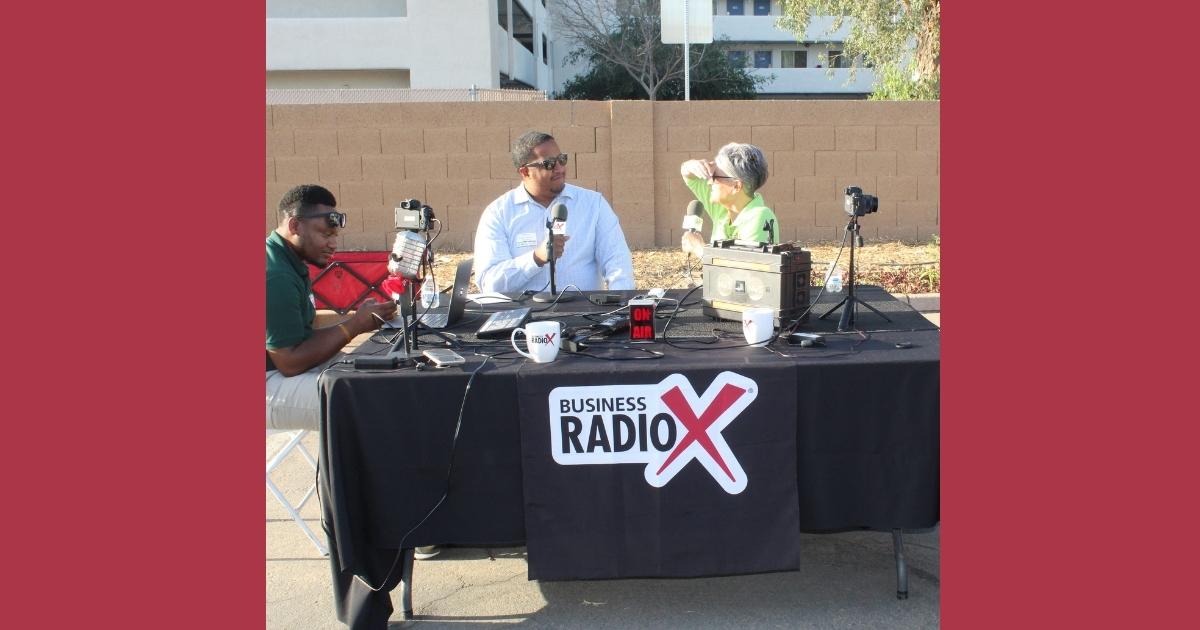
Tagged With: 5 Strands Affordable Testing, Gwinnett Business Radio, Gwinnett Business RadioX, Lisa Blaurock, regions bank, steven julian

  • « Previous Page
  • 1
  • …
  • 52
  • 53
  • 54
  • 55
  • 56
  • …
  • 81
  • Next Page »

Business RadioX ® Network


Our Most Recent Episode

CONNECT WITH US

  • Email
  • Facebook
  • LinkedIn
  • Twitter
  • YouTube

Our Mission

We help local business leaders get the word out about the important work they’re doing to serve their market, their community, and their profession.

We support and celebrate business by sharing positive business stories that traditional media ignores. Some media leans left. Some media leans right. We lean business.

Sponsor a Show

Build Relationships and Grow Your Business. Click here for more details.

Partner With Us

Discover More Here

Terms and Conditions
Privacy Policy

Connect with us

Want to keep up with the latest in pro-business news across the network? Follow us on social media for the latest stories!
  • Email
  • Facebook
  • Google+
  • LinkedIn
  • Twitter
  • YouTube

Business RadioX® Headquarters
1000 Abernathy Rd. NE
Building 400, Suite L-10
Sandy Springs, GA 30328

© 2025 Business RadioX ® · Rainmaker Platform

BRXStudioCoversLA

Wait! Don’t Miss an Episode of LA Business Radio

BRXStudioCoversDENVER

Wait! Don’t Miss an Episode of Denver Business Radio

BRXStudioCoversPENSACOLA

Wait! Don’t Miss an Episode of Pensacola Business Radio

BRXStudioCoversBIRMINGHAM

Wait! Don’t Miss an Episode of Birmingham Business Radio

BRXStudioCoversTALLAHASSEE

Wait! Don’t Miss an Episode of Tallahassee Business Radio

BRXStudioCoversRALEIGH

Wait! Don’t Miss an Episode of Raleigh Business Radio

BRXStudioCoversRICHMONDNoWhite

Wait! Don’t Miss an Episode of Richmond Business Radio

BRXStudioCoversNASHVILLENoWhite

Wait! Don’t Miss an Episode of Nashville Business Radio

BRXStudioCoversDETROIT

Wait! Don’t Miss an Episode of Detroit Business Radio

BRXStudioCoversSTLOUIS

Wait! Don’t Miss an Episode of St. Louis Business Radio

BRXStudioCoversCOLUMBUS-small

Wait! Don’t Miss an Episode of Columbus Business Radio

Coachthecoach-08-08

Wait! Don’t Miss an Episode of Coach the Coach

BRXStudioCoversBAYAREA

Wait! Don’t Miss an Episode of Bay Area Business Radio

BRXStudioCoversCHICAGO

Wait! Don’t Miss an Episode of Chicago Business Radio

Wait! Don’t Miss an Episode of Atlanta Business Radio