
In this episode of Association Leadership Radio, Lee Kantor talks with Kristen Petillo and Rob McKinney about their collaborative efforts in the Georgia Mental Health Alliance. Kristen, from the American Foundation for Suicide Prevention, discusses the mission to save lives and bring hope to those affected by suicide, while Rob, of AGC Georgia, talks about addressing mental health in the construction industry. They explore the underreported issue of suicide, the importance of prevention resources, and how associations can unite to provide a broader range of support, emphasizing the need for a workplace culture that encourages seeking help.
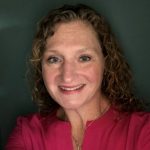 Kristen Petillo, Area Director with American Foundation for Suicide Prevention.
AFSP (American Foundation for SuicidePrevention) is a national non-profit with chapters in every state across the nation.
Our mission is to save lives and bring hope to those affected by suicide.
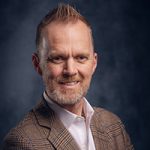 Rob McKinney joined Associated General Contractors of Georgia in October 2022 and has been involved with the organization since 2001, including serving as chair of both its Safety Committee and Technology Shared Interest Group.
The Decatur-native grew up in Augusta, went to high school in Snellville and now calls Clarkesville home. Rob earned his Construction Risk and Insurance Specialist designation in 2015.
He is a proud founding member of the “ConTechCrew Podcast” featuring interviews with many fascinating construction technology experts, thought leaders and industry partners, such as Mike Rowe and Diamond Dallas Page.
 This transcript is machine transcribed by Sonix
TRANSCRIPT
Intro: [00:00:02] Broadcasting live from the Business RadioX studios in Atlanta, Georgia, it’s time for Association Leadership Radio. Now, here’s your host.
Lee Kantor: [00:00:20] Lee Kantor here another episode of Association Leadership Radio and this is going to be a good one. Today on the show we have Kristen Petillo and Rob McKinney. Kristen is with the American Foundation for Suicide Prevention and Rob is with AGC Georgia. Welcome, both of you.
Kristen Petillo: [00:00:39] Thanks so much.
Lee Kantor: [00:00:41] Well, before we get too far into things, why don’t you lead off Kristen and tell us a little bit about yourself and your association?
Kristen Petillo: [00:00:47] Yes, sure. So I am the area director with American Foundation for Suicide Prevention, and I have the privilege of serving the state of Georgia in that capacity. And our focus while in a national nonprofit, we have chapters in every state. So I am, as I said, leading things off for Georgia with a mission to save lives and bring hope to those that are affected by suicide.
Lee Kantor: [00:01:11] And, Rob.
Rob McKinney: [00:01:13] It’s good to be here. Lee. My name is Rob McKinney and I am the Director of Safety Services for the AGC Georgia, which is also referred to as the Associated General Contractors. So we’re a local trade organization that represents general contractors, trade contractors. And my role is to help lead our safety efforts for improving the workplace on safety. And as we’ll talk about a little today, trying to bring a little bit of light to the mental health issues in our industry.
Lee Kantor: [00:01:40] And speaking of those mental health issues together, I guess you’re working on the Georgia mental Health Alliance and a specific initiative of nurturing the mental health of Georgia workers. Can you talk a little bit about that, Rob?
Rob McKinney: [00:01:56] Absolutely. It’s an honor for the AGC Georgia, to participate in this alliance. My understanding is the alliance was originally created between the local OSHA offices and the Georgia Department of Public Health. They started this back in the pandemic days, believe it or not, and it’s grown quite a bit since then, where organizations such as Dillon Christian is coming from. At the American Foundation for Suicide Prevention, we added four new signatories, I believe, on Friday, along with the AGC, to try and bring different parts of the industry together. It’s hard to talk about what’s sometimes considered a dark subject, but we’re trying to bring positivity and light to that so people can kind of look at the issues in a new way, but more importantly, provide resources and tools that hopefully can help people that might be in need, if that makes sense.
Lee Kantor: [00:02:49] And is this an example of a way or ways that associations that have obviously different kind of objectives, but they can come together when there are kind of issues or circumstances that can benefit both. I’d like to get Kristen’s kind of thoughts on how maybe she plugs in with other associations because her association is so specific in its mission.
Kristen Petillo: [00:03:14] Yes. So interchangeable alliance association in this conversation, if you will. And so the idea here is if, uh, other entities or businesses are, uh, have complementary programs or services, resources that they can offer to kind of lock arms and address an issue that there is there’s strength in numbers and more power behind that. Um, and maybe, um. Sometimes there’s not crossover within those offerings. So together we have a much more broad offering to be able to address and reach and affect change as a group.
Lee Kantor: [00:03:54] Now, Kristin, what are some of the resources that maybe other associations aren’t aware of that the Afsp has and that other that you’d be kind of willing to share, or to at least collaborate with other groups?
Kristen Petillo: [00:04:07] Sure. So from the vantage point of American Foundation for Suicide Prevention and a number of the other alliance partners as well, uh, leading with prevention related resources, um, that we can deliver on site and in a workspace to help, uh, those that are, whether they’re employees or employees, uh, to realize these programs and operate with a vantage point where we all understand to a degree what the signs or symptoms of suicide might present as the behaviors to speak, uh, compounding factors around risk and how to have that lens so that we’re keeping everyone safe. And so we want to lead with those programs and work to normalize the conversation around mental health being a part of the broader overall health of of a human being.
Lee Kantor: [00:05:01] And, Rob, how did suicide prevention, uh, come up as a priority, that this is something that your association should be kind of getting involved with?
Rob McKinney: [00:05:12] So our national art, the AGC of America, they have a safety and health committee that’s been looking at this topic for several years. And as they were researching the numbers and really understanding the magnitude that we were talking about, they started creating an effort and an initiative that has been spread out to the different association, the local association. So here in Georgia, for example, and the numbers that I’m referring to, if people haven’t seen these numbers in the construction industry every year, unfortunately there’s generally around a thousand accidental deaths. That is where there’s something that wasn’t meant to happen. It didn’t have the right training or PPE. It was a complete accident. As they look at the numbers and they’re getting the data from the Department of Bureau of Labor Statistics, the BLS, they’re realizing that the suicide overdose rate is around 5000 per year. So nearly 5 to 1, as our industry is coming to terms with that and realizing, you know, that severity is where, again, the national organization has started to create resources, training materials, videos. They are sharing those with the chapters. So in our case, the chapters picking up those resources, and we’re trying to share those with our members also working with other associations locally and trying to help provide knowledge and training where we can, if that makes sense.
Lee Kantor: [00:06:36] Now, Kristen, is this, um, is suicide one of those issues that, um, I don’t want to say this in a crass way, but people aren’t aware of the magnitude of the problem here because people aren’t, you know, talking about it like there’s not as many headlines from a suicide as a murder or something dramatic like that. Is that something that that some people don’t see it, so they don’t think it’s a big deal. And then but it is a big deal and it affects lots of people way, probably way more than the average person understands.
Kristen Petillo: [00:07:11] Yes, I would say, um, across the nation, uh, suicide numbers are underreported or misreported, uh, sometimes reported. And, uh, a cause of death is may be named an overdose or something else. And then also, there’s a lot of shame and stigma around losing someone by suicide. Thoughts of what did we miss or we should have known or, uh, a lot of shame in that. And so sometimes the response is that we are going to tell everybody, because now we’ve had to we’re, we’re dealing with this very dark time and we maybe never saw it coming. And now we’ve got to tell others with the idea that we want to reach out to save someone else. But the other side of that is sometimes when someone is lost by suicide. Maybe a family is dealing with it, or maybe an employer is dealing with it. A university is dealing with it, and sometimes they don’t want to be associated with it. And so it’s again normalizing that this does happen sometimes. And um, to see yourself in it in the way of operating from a prevention lens. And, and really it’s every employer’s responsibility to be leading with these resources and making sure that they’re opening and having an inviting environment where people can reach out if they are struggling, and having those resources on hand and making it safe for people to raise their hand if they’re having a struggle.
Lee Kantor: [00:08:43] Now, Rob, you mentioned that, uh, suicide was five times the amount of deaths, uh, than just kind of workplace injuries and accidents. When you saw that number, were you like, that can’t be right. Like, that seemed like we spent so much time on safety. And how are we just not spending the same or five times the amount of time on this other area? Was that something that you were surprised by?
Rob McKinney: [00:09:09] I was definitely surprised to see that number. It’s it is a stark contrast in the numbers, and it’s hard to really think through that amount of people are in that much pain and not seeing the world the way other people do, you know? Well, we talk about OSHA compliance. We talk about normal occupational health and safety. We’re very focused on process procedures, equipment. We work through engineering controls and best practices and all the way down to the last line of defense of PPE, such as boots and hard hats, where we’re very focused on the body. But by them. The mind side of this, the mental side of this, that is definitely where it is. You know, it’s a gray area and it’s it’s a struggle for the industry to kind of look and think, how can we approach this in a new way? As the numbers are kind of showing, it’s not exactly going the way we would like to see it. So yeah, there was definitely some sticker shock of seeing those numbers and starting to talk to more professionals and really understanding the magnitude of of that number, without a doubt.
Lee Kantor: [00:10:12] And then how do you kind of turn that shock into action? Like what were some of the the ways you were looking at kind of triaging this and get that number lower? Was that where these alliances and these kind of partnerships came in?
Rob McKinney: [00:10:31] From the agency Georgia. Absolutely. It was trying to understand who were professionals that study this and practice in this area, because it is definitely, you know, for most safety professionals, they learn OSHA regulations and worker compensation laws. They’re studying something totally different. And so in the last couple of years, we’ve had to really look around our community, at least, let’s say in Georgia. And we’re lucky we’ve got one tremendous member, uh, a gentleman named Mike luster, who has a business. He has been a clinician for a couple of decades. And so he is a resource that’s been helping us understand the nature of what we’re talking about, how to talk about it because we’ve had to back up a little bit and kind of look first of, well, how do we talk to companies about this at the management executive level and really help them understand what their culture looks like for this? And one of the things that Mr. Luster helped us try to understand better is how to create a culture that it is okay to seek help. And not be such a stigma. So we’re working with companies at the the highest level, the leadership, the management, but also at the same time of putting materials in place that are out on job sites, that any worker on a job site or an office trailer, how can they access things a little more freely and easily? So, you know, some technology like QR codes is a great thing that we can make posters, we can put QR codes, people can send emails, they can do things where we kind of put the information and easy to find places. So there’s there’s the cultural side of this at the company as much as at the worker level, that we’re trying to really approach it hand in hand and distribute that knowledge. Both both directions.
Lee Kantor: [00:12:15] Now, are your members, um, kind of grasping, grasping the severity of this and saying, oh, thank you. You know, where have you been? This is great? Or are they kind of reluctant to apply some of these things?
Rob McKinney: [00:12:30] I’ll be candid. It is. It’s a tough subject. We have some members that are leading the way tremendously, that have put a lot of effort into their programs. Uh, one one that I can give a shout out to is Holder Construction. Last week at our signing ceremony, they had donated some funds for creating the image and the logo for the poster for the campaign. You know, that’s a company that’s been leading in a lot of a lot of ways, and it’s tremendous to see it. We’ve got a few other members that are doing a lot of amazing things, and it’s kind of like a lot of topics. I would say that there’s a little bit of an arc, you know, you’ve got those on the one side that see it, they’re understanding it. They’re trying to help make the situation better. We’ve got members that are still kind of scratching their head of coming to terms with it. Uh, because when you really look at the fabric of our industry, we’ve got people working in this industry from their 20s to their 60s. We’ve got men, we’ve got ladies. It’s. It’s an interesting topic to ask any individual construction and see how it’s going to land with them. And, uh. We are doing the best we can to make a positive effort forward, shall we say.
Lee Kantor: [00:13:42] And then, Kristen, is there any, um, advice that you can give to organizations that want to, um, you know, first just bring the awareness to, uh, to the fore and then also some specific, uh, things that they can be doing to improve the situation.
Kristen Petillo: [00:14:04] Yes, I, I I’ll reiterate that suicide prevention is everyone’s job. And, uh, to make the resources plenty and available in public and private places where people can seek them, uh, confidentially, if need be. Um, also to keep in mind that someone who is a risk for a suicide. There’s no face for what it looks like to be at risk. Um. Suicide. Someone who is struggling may walk around in the day to day with a smile. And so, um, to get informed about what those subtle other things may be that might indicate that a conversation is warranted, and to make sure that everyone is researching and accessing these resources, that all of these organizations that are members of the alliance have these programs, and they’re all free. And so make it part of the wellness offering. Um, if there are CEUs that are required or internal, uh, in-service hours that are required to to fold it in so that people are taking these trainings and getting refreshers and normalizing that it’s part of consistent conversation. We’ve gotta all show up in this and it’s got to be a top down. Conversation and acknowledgment.
Lee Kantor: [00:15:30] So it has to be just like you keep using the word normalization in the sense that if we talk about it freely, there’s less shame and stigma. So then it’s more okay for someone to go and get help or ask for help.
Kristen Petillo: [00:15:46] 100% and the way we speak about it. American Foundation for Suicide Prevention, and likely a lot of these other alliance partners do too, is that, um, just as if you’re having an issue with your back, you might need to go have a tune up with your chiropractor. Sometimes in your mind, when when you might have a physical condition or you’re having a relationship strain or you’re not getting enough hours at work, and then there’s a there’s financial strain, your mind can go places. It gets dark. And so when all those factors are converging, that is when someone gets into a place where they might not be able to see beyond that dark period. And so it’s allowing them to have permission to raise their hand and say, I’m struggling. And to be seen in that and and be met with resources so we can help them through that dark time. Um, knowing that there’s hope and help available.
Lee Kantor: [00:16:41] And so it doesn’t spiral and they don’t feel like this is their problem only to solve.
Kristen Petillo: [00:16:49] 100%.
Lee Kantor: [00:16:51] Now, Rob, are you seeing now that this has, I guess, been started and is now, uh, going? Are you seeing the impact of it yet, or is this too early?
Rob McKinney: [00:17:03] I don’t think we’ve seen the impact yet. Uh, honestly, I think we’re in the awareness stage that as Kristen was talking about, we’re able to talk about this openly now. We’re not whispering about it. You know, in our safety committee meetings, we’ve spent a good year actually addressing it and talking about it. We’ve scheduled classes for education. We’re sharing resources. I still think we’re really in the awareness phase again, to be able to talk about it, to be able to see impact, I think will take a couple of years to see if that number trend, does it continue to rise for our industry? Ideally, it’s going to slow down and reverse. That’s going to be the real tale of the tape because we can put. Posters everywhere, and we can talk and we can do a lot of action. The tale of the tape is going to be the results of what? What does this number continue to do? Does it continue to rise at an alarming rate? Does it slow down? Ideally it flattens or it drops. That’s Christian. You may have a better insight on what those numbers look like of when do we think that we would see a significant impact on the numbers from all of our collective effort?
Kristen Petillo: [00:18:23] It’s a good question. You know, I think as I said, as we lock arms and try to infiltrate, if you will, and lead with these programs. And, um, I think my hope is we’ll see a change. Right. And so some conversation rather than no conversation is a start. Right. And so, uh, at Afsp, we lead with the idea that talk saves lives. That’s the name of one of our programs. Having that conversation, reaching out to somebody you are worried about. The research literally shows that talk, that very conversation, can quite literally save a life. And so as we look at a calendar year and what transpires in May will have Mental Health Month, right. And so you’ll see, uh, an increased program delivery at that time of year. And then in September, it’s suicide prevention month. So I’ll imagine in May and September we’ll see a ramp up of specific program delivery. And then the rest of the year, the idea is the resources are around, and then maybe we can look at some other programing to give to parents that are in those spaces that might have children. And there are there’s further work outside of the workspace. So who are these individuals as holistic people, and how do we inform and educate all of them? So as they’re walking into their daily lives to that they can be soldiers in this safety effort, if you will.
Lee Kantor: [00:19:53] So how do companies participate in this?
Kristen Petillo: [00:20:01] Regarding the involvement in the alliance. Yeah. I would say there there is further room at the table. And so, uh, I think we would lead through. Um, either myself or Marilyn Velez or through Rob, uh, for some next conversations around, uh, what organizations or businesses would be interested? What do they bring to the table? I, I see the alliance as continuing to grow as we have complementary offerings to, um, reinforce and further our reach as we try to save more lives.
Lee Kantor: [00:20:38] Well, I’m just glad mental health is on the agenda. I think that’s a big step.
Kristen Petillo: [00:20:44] We’re all grateful.
Lee Kantor: [00:20:46] Now, uh, if somebody wants to learn more about either of your associations, what are the coordinates? We’ll start with you, Rob.
Rob McKinney: [00:20:54] Though our website if you want to look us up is agc ga.org.
Lee Kantor: [00:21:01] And then Kristen.
Kristen Petillo: [00:21:03] Our website is afsp. Org and then if you’re looking for Georgia specific it will be Afsp. Org forward slash Georgia.
Lee Kantor: [00:21:14] Well I applaud you both for the effort in trying to solve this important problem. And thank you so much for doing what you’re doing. It’s important and we appreciate you.
Kristen Petillo: [00:21:27] Thanks so much.
Lee Kantor: [00:21:28] All right. This is Lee Kantor. We’ll see you all next time on Association Leadership Radio.

 Mike Dunham has been with














