Business RadioX ®

  • Home
  • Business RadioX ® Communities
    • Southeast
      • Alabama
        • Birmingham
      • Florida
        • Orlando
        • Pensacola
        • South Florida
        • Tampa
        • Tallahassee
      • Georgia
        • Atlanta
        • Cherokee
        • Forsyth
        • Greater Perimeter
        • Gwinnett
        • North Fulton
        • North Georgia
        • Northeast Georgia
        • Rome
        • Savannah
      • Louisiana
        • New Orleans
      • North Carolina
        • Charlotte
        • Raleigh
      • Tennessee
        • Chattanooga
        • Nashville
      • Virginia
        • Richmond
    • South Central
      • Arkansas
        • Northwest Arkansas
    • Midwest
      • Illinois
        • Chicago
      • Michigan
        • Detroit
      • Minnesota
        • Minneapolis St. Paul
      • Missouri
        • St. Louis
      • Ohio
        • Cleveland
        • Columbus
        • Dayton
    • Southwest
      • Arizona
        • Phoenix
        • Tucson
        • Valley
      • Texas
        • Austin
        • Dallas
        • Houston
    • West
      • California
        • Bay Area
        • LA
        • Pasadena
      • Colorado
        • Denver
      • Hawaii
        • Oahu
  • FAQs
  • About Us
    • Our Mission
    • Our Audience
    • Why It Works
    • What People Are Saying
    • BRX in the News
  • Resources
    • BRX Pro Tips
    • B2B Marketing: The 4Rs
    • High Velocity Selling Habits
    • Why Most B2B Media Strategies Fail
    • 9 Reasons To Sponsor A Business RadioX ® Show
  • Partner With Us
  • Veteran Business RadioX ®

Randy Beck with Beckshot

October 24, 2022 by angishields

Fearless-Formula-Beckshot
Fearless Formula
Randy Beck with Beckshot
Loading
00:00 /
RSS Feed
Share
Link
Embed

Download file

Fearless-Formula-Randy-Beck

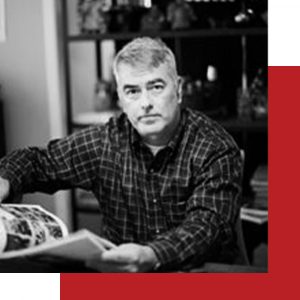
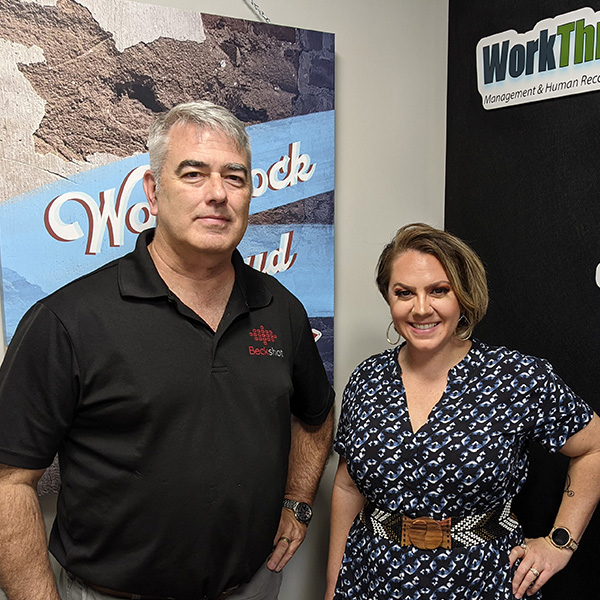
Randell-Beck-headshotRandell Beck, Photographer – Cinematographer–and Post-Production at Beckshot

Randell is a former Naval Commander with a background in engineering and special operations. A lifelong outdoorsman and photographer, he also holds an MBA from the University of Texas in Community Planning (joint program between the school of architecture and real estate programs), and extensive experience in logistics and team building.

He applies his business expertise, operational planning background, and award-winning photographic talent to the challenge of producing exquisite marketing materials for his clients. His extensive real estate career spans over 25 years in every aspect of real estate: development, construction, marketing, operations, and design.

He is a member of the Board of Directors of Lutheran Social Services of New York and an accomplished guitarist.

Follow Beckshot Media on Instagram and Facebook

This transcript is machine transcribed by Sonix 

TRANSCRIPT

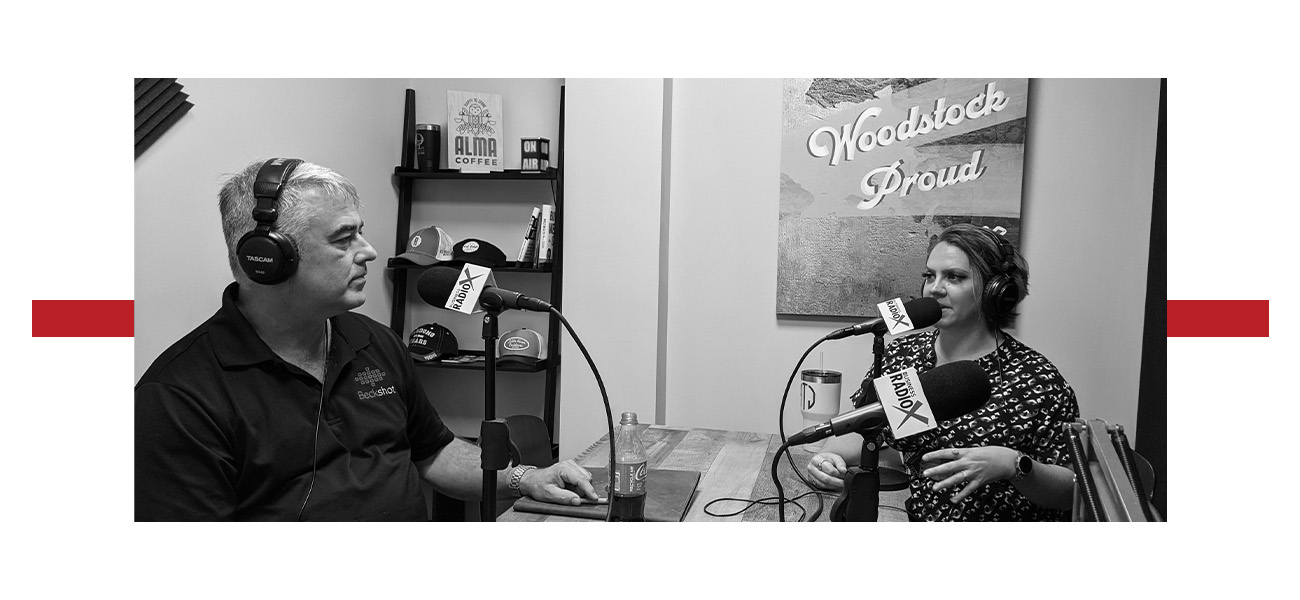
Intro: [00:00:08] Coming to you live from the Business RadioX studio in Woodstock, Georgia. This is fearless formula with Sharon Cline.

Sharon Cline: [00:00:18] And a happy Friday. Fearless formula Friday here at Business RadioX.

Randy Beck: [00:00:22] Is there another kind?

Sharon Cline: [00:00:23] No, there’s not, because Fearless Formula Friday is my happy day. Welcome to Fearless Formula, where we talk about the ups and downs of the business world and offer words of wisdom for business success. I am happy to have a gentleman in my studio who is the owner, creator, director, president of Beckshot. It’s a media company here in Woodstock, but also interestingly in New York. His name is Randy Beck. Thank you for coming in.

Randy Beck: [00:00:52] Hi, Sharon.

Sharon Cline: [00:00:53] Hello, Randy. I appreciate you taking the time to come here because I know you’ve actually were on another business radio show. You’re like in demand. So I appreciate you.

Randy Beck: [00:01:02] I cut a photoshoot short just for you.

Sharon Cline: [00:01:05] Oh, my goodness. Well, I don’t want to keep you, you know. So I wanted to talk to you for a couple of different reasons. One is, I think it’s kind of interesting, your back story. You you have you had a business in New York, which seems like people from Woodstock, Georgia, would almost seem as New York as their destination. But you came from New York to here. How did you do that?

Randy Beck: [00:01:29] It was more of a side hustle in New York. Because I had started doing photo and video for real estate at the companies I worked for. I really didn’t like what I was getting from the photographers or anybody that I worked with up.

Sharon Cline: [00:01:43] There, really.

Randy Beck: [00:01:44] So I kind of adopted the equipment, started doing it myself because I’ve been doing this my whole life. I kind of knew what I wanted and how to get it. And so it was growing into a business. And when COVID and all that mess happened, I was basically looking at what to do next. Right. I interviewed a few E suite type positions here and there, and they had like 800 applicants for the VP jobs. Gosh, it’s crazy. Is lunacy in the job market. You know, the effect on on the commercial real estate up there, which is what I was doing. And so I. In the course of deciding what I wanted to do and making my pro and con list and all that, I figured maybe I could turn this into a career. And then as it turns out, my friend here in Woodstock was retiring. He has health problems, really could not keep working. He was going to close his doors. So I called him and I was like, you know, why don’t you sell me your company? And that’s what we did. I wound up buying it from him and moving down. And, you know, back shot 2.0 is the new venture. Right after I moved down and kind of started making it into my own little game.

Sharon Cline: [00:02:55] So why didn’t you like what they were doing when you were when they were taking videos and photos of real estate up there? What was it that didn’t satisfy you?

Randy Beck: [00:03:06] Ultimately, it was just the the art of it. Real real estate photography is kind of a unique game. And then and I worked in in the commercial world, corporate real estate. So we were building big buildings and operating big portfolios of apartment housing and multi use buildings and land development and all that. So I was working a lot with architects and engineers, and the photography that goes along in that world is very different. If you look at an Mlss photo and then you look at something in, I don’t know, Residential design magazine.

Sharon Cline: [00:03:32] Right.

Randy Beck: [00:03:33] Night and day difference. Right, Right. What I found was that architectural style photography worked really well in the real estate world, really communicated more to people about what it’s like to be in the space, what it looked like and felt like, and what the design part of the equation stuck out. It’s not just standing in the corner, taking that big, wide angle shot, making that that making a closet look like a football field, which happens in real estate. Sure, sure. It’s never a good thing, right? A buyer comes in and sees a small room after seeing something like that. Now he’s mad at the agent and so forth. So there’s other ways to communicate. What’s so about a space? And that’s what I was always into. I just and I couldn’t find it nearly as often as I liked.

Sharon Cline: [00:04:16] So it clearly worked for you getting into this business so far. I’m not jinxing anything by saying that. I’m just saying in New York, you know, you have you were successful this way, so it made sense for you to transfer it down.

Randy Beck: [00:04:29] As soon as I started, people were like, Wow, you really made that look like something special, you know? And people responded, You know, the art of doing this has always been towards the top of my list. You know.

Sharon Cline: [00:04:39] Were you, you know, the shows fearless formula that we talk about fear a little bit. So was it daunting to come down here and start brand new with a brand new market?

Randy Beck: [00:04:49] Terrifying. Terrifying, Yeah.

Sharon Cline: [00:04:52] But you did it anyway.

Randy Beck: [00:04:53] Yeah. Which doesn’t really slow me down a lot. It just makes me plan more, you know? So I was a naval officer. I kind of learned how to deal with adrenaline, fear and confusion and frustration in the past and maybe, maybe have some training and resources that a lot of people don’t have. Right. Which makes it easier. But so I can call on that. Right. So for me, sequence and order, right, is the antidote to fear and frustration, right? So I start, I start putting things in sequence and imposing order on chaos and just move forward.

Sharon Cline: [00:05:23] That calms your emotions down.

Randy Beck: [00:05:25] Yeah. To me, that’s the management challenge, is just just imposing order on the chaos. And as you do that, everything calms down. And so now it’s not a fear question, Now it’s a logistics question, it’s facts.

Sharon Cline: [00:05:36] That’s interesting. I hadn’t really thought about it in terms of kind of like you’re saying, putting things in sequence A plus B equals C, You know, it’s like logical. I’m such a non logical person. So it’s I really appreciate that nugget for me to take, you know, because I tend to get overwhelmed with the feelings and the logic. It all kind of shuts down for me. So thinking about it, I’m switching it from right brain brain to left brain. I can imagine that being kind of what you’re talking about.

Randy Beck: [00:06:02] That’s the imposition right there is. It’s a learned skill to pull back from the emotional view. And take the rational view, make that switch right And then but if you can do that, then because there’s order there, then you can develop a plan to deal with yourself essentially.

Sharon Cline: [00:06:23] How did you learn that skill, though? Was it the military?

Randy Beck: [00:06:26] Mainly, yeah. I did some very we did some very complex things in the military. So when I when I you remember in officer and a gentleman, he’s asking them where they’re all from. And that one guy, the little the short Hispanic guy he says Texas Tech University math major. And he was like the only two things come out of Texas is steers and queers. Right. The reason they picked Texas Tech is because there was no ROTC at Texas Tech. And so it’s like there’s a safe school to mention. Eventually, there was one. I was the first officer commissioned out of that ROTC.

Sharon Cline: [00:07:00] Oh, well, congrats.

Randy Beck: [00:07:01] And so I went in the Navy. I started doing the things they make you do. And I was completely you know, I’m a dirt kickin, redneck kid. I did rodeos in high school, and most people are playing football from Texas.

Sharon Cline: [00:07:13] You’re from.

Randy Beck: [00:07:13] Texas? I’m from. Cotton field and oil oil country. Right. And, you know, I didn’t know anything when I got to my initial training up in Rhode Island. I was claustrophobic for three weeks. I was uncomfortable. I couldn’t sit still for three weeks until I finally figured out it’s because all the trees and I couldn’t see see anything. You know, I was used to being able to see for miles.

Sharon Cline: [00:07:31] Oh, interesting, right? Yeah. So the thought landscape would impact someone like that, but it makes sense. I never thought about that.

Randy Beck: [00:07:37] So I didn’t know what I didn’t know. Right. So I’m this green bucket headed, insane, showing up, trying to. Trying to be a leader and. It’s a very methodical plan. Everything on a ship is very thought out and very, very structured. And so for me, it was I was able to take that structure and make it work for me and learn my way along very quickly without having to have somebody hold my hand. So I guess that was the beginning of the process. And then later on we got to be doing very complex things. The ship I was on was the first vessel’s equipped ship, so we were loading. We developed a way to load Tomahawk cruise missiles at sea from a barge. Extremely dangerous, first time ever. But we were able to develop that.

Sharon Cline: [00:08:18] What was the name of your ship?

Randy Beck: [00:08:20] Fife. Fife? Yeah. It’s a reef. It’s a reef now. It’s sunk in in 97, I think.

Sharon Cline: [00:08:27] Oh, how weird.

Randy Beck: [00:08:27] Right? Decommissioned and so on. So that was one of the things that I did was develop that, that at sea load. Right. And so logistics is a thing for me and being able to plan things and put them in sequence. So then later when I was in the SEAL teams, that was an essential skill because you’re dealing with subject matter experts. They don’t need to be told what to do or how to do it. All they need to be shown is what’s the objective, and they’re spread out over the the globe, right? So it’s really a logistical challenge.

Sharon Cline: [00:08:58] So you feel like these things translated so well for you regarding business? Absolutely. Do you think people are too emotional in business?

Randy Beck: [00:09:08] Maybe yes and maybe no. But what they are not is what I see. The biggest shortcoming I see a lot of times is just the ability to put a plan in action and follow all the way through with it in an expedited way. Right. We used to say things like an OC plan put in practice is better than any perfect plan that you never get into into.

Sharon Cline: [00:09:28] Right? You’re just thinking about it and it’s never been executed.

Randy Beck: [00:09:30] So I think some of this is about being able to adjust on the fly too. But ultimately the better planner and the better you can adjust and the better you can put things in action and make them move and move yourself forward faster, I think is a real advantage in the marketplace.

Sharon Cline: [00:09:42] Well, how different is the market? Tell me how different. Woodstock, Georgia or Atlanta is from New York. Is are people’s fundamentals the same? What their needs are are basically the same. It’s just what you’re shooting is different.

Randy Beck: [00:09:57] I say that people pay more and get less up their. Huh? Everybody’s in a hurry all the time. The use of time is insane up there. People schedule down to five minute increments. You know, it’s crazy. 5 minutes down here. Down here. Nobody’s in a hurry.

Sharon Cline: [00:10:11] We need to drink our sweet tea. I don’t know.

Randy Beck: [00:10:15] It’s a much more comfortable lifestyle. And of course, we have space here. We haven’t ruined our cityscape here. Like. Like some areas up there. Ah, which is good.

Sharon Cline: [00:10:28] But are you are you finding. It’s okay. How about this? Is it. Is it. What’s the most satisfying part of your job since you’ve been here with Beck Shot? What’s your. What makes you the happiest?

Randy Beck: [00:10:42] I like to see when when a project goes well and it changes the relationship that a business has with their clients. Because I’m B2B, my job is to help you change the relationship you have with your clients. And so where you used to do advertising and everything was salesy and it was all your your website was an electronic flier, right? Right. Or bulletin board. Now it becomes an interactive and interactive thing. We use video and photos in a way that give people a real sense of connection, and we communicate in ways that generate emotional impact. And so your client now is is having an interaction with you on a personal level. This is all part of content marketing. One of the reasons that advertising model is obsolete now and. And so to watch that transformation and watch, watch people get it. Watch them start nodding. Watch them smile. Watch those emotions hit. Watch that relationship with their client change, you know, where they’re generating loyalty and commitment from their customers to. It’s a really neat thing.

Sharon Cline: [00:11:45] It’s interesting that you’re talking about emotion when you when you need to not talk about emotion in terms of business, but you’re trying to connect with people emotionally with your product, which is must be I mean, that’s a skill you have to be adept, I suppose, at being able to do both.

Randy Beck: [00:12:01] Well, certainly in any creative field, any kind of media field or anything that’s got a creative aspect to it, you really got to be able to go back and forth.

Sharon Cline: [00:12:09] So do you have people here that are sort of a mentor of yours, or do you who are your mentors, who are people that you look to to kind of navigate? As you said, the the advertising model is different, right? So as it’s changed, do you look toward any other kind of company or group that kind of gives you ideas about how to. I’m talking like. Social media even being the advertising, I guess, model.

Randy Beck: [00:12:36] I learn a lot from a lot of people, right? And so like when I bought this company and went into this business, my predecessor Michael, helped me get off off the ground, on my feet, get run in the right way. Right. And things that I needed to know about operating the business and making video and doing the things that where I had not been exposed to it yet, but on a broader scale, on that marketing sense, there’s people that I read or listen to that that make a lot of sense. I’ve been exposed to them from I’m an MBA, I have a graduate degree, so I’ve been exposed to a lot of people. I do a lot of study and a lot of reading, and I’ve found people that resonate with me that I think are really on the right track for future marketing. There’s an architect that I listen to that does podcast, and he’s always talking about how to have a creative type business in this modern environment. I find that very useful.

Sharon Cline: [00:13:32] Who is.

Randy Beck: [00:13:32] He? Simon Sinek is another one. His motivational aspects of marketing, you know, on on why and how and how businesses either do communicate or should communicate is really groundbreaking. One of the reasons he resonates so much is because it pulled a lot of things together that people were observing over the last 20 years and maybe unable to explain. But he did a really good job of putting that in context for people and work enormously from the sign framework.

Sharon Cline: [00:14:00] What are what are things that you think people don’t understand about your industry or that have a misconception about that you would like to clear up?

Randy Beck: [00:14:10] There’s an old joke in music about how many drummers does it take to change a light bulb? None. We have machines that do that now. So? So it’s like, Oh, well, I have I have a cell phone. I’ll do video. Good luck with that.

Sharon Cline: [00:14:26] You don’t think it just takes me to my cell phone to. I mean, All right, so you have kick ass equipment.

Randy Beck: [00:14:31] I think you’ll hit the limits of the of the knowledge and experience in equipment very quickly if you try that. Right.

Sharon Cline: [00:14:38] Right.

Randy Beck: [00:14:39] Well, it’s not that it’s bad to get started. Of course it’s not. You know, I mean, and you can do video that way and but what is your brand? How do you want to show up in the marketplace? You know, what type of messaging are you trying to do? There’s a lot of ways to show up. The periodic table of marketing shows hundreds of combinations of ways to appear in the marketplace in ways to communicate to your market. So. One of the big challenges is tailoring your presentation to fit that. It’s all it’s all part of branding. What is that sum total of experience that your clients. Receive. When they deal with you.

Sharon Cline: [00:15:19] Who’s your ideal client?

Randy Beck: [00:15:21] My ideal client are people that either own businesses or run them high up decision makers that are brand conscious and understand the value of broad based branding. And then what they want to do is communicate directly to their clients and communicate that they have shared values, shared lifestyles and shared goals so that the lifestyle of their client and the purpose of the business resonate with you. This is pure Simon Sinek now. Sure, Aria is the best example. I use this all the time. I, as a company, lives the life that their client base lives and they have from day one. They’re an outdoor equipment maker. They they started off as a group of climbers buying in bulk so they could save themselves money. They were buying the things they actually used on the mountains. The company was run by Jim Whittaker, by a mountaineer who attempted to climb K2, went to Everest, all those all the big stuff. And over the years, they’ve developed this reputation and this presence in the market where if you’re an outdoors person, you know that you’re going to get the best of its kind from area. So number one, if you want to save time, you really don’t want to do all the research. Go to Aria and find out what they’re selling because it’s the best of its kind. Whatever it is, you don’t have to do all that work they’ve done. It takes the guesswork out of it. Plus their pricing is good. They give they give money back if you’re a member, Right. Based on the level of your purchases. So it’s a co-op business. It’s a co-op.

Sharon Cline: [00:16:43] It’s got you.

Randy Beck: [00:16:45] It’s that concept is useful for people who want to belong to something, right? Then they they do all the things you would expect a company in that business to do. They’re involved in conservation efforts. They their customer service is. Beyond anything that you’ll find.

Sharon Cline: [00:17:03] Anywhere better than Nordstrom. Just curious.

Randy Beck: [00:17:06] I think so.

Sharon Cline: [00:17:07] Wow, that’s awesome. I’ve never I’ve never shopped there.

Randy Beck: [00:17:09] Clearly, I don’t. If you weren’t there and you feel like, you know, there’s a need, like I want to teach people how to build, how to clean up the river by using beaver dams. Right. They will make resources available to you to have that class and go help people do that or hold the class in the store or whatever. You can take a leave of absence to go do that. You know, the company walks the walk, right? So their client base knows that and they’re fanatically loyal.

Sharon Cline: [00:17:32] And they so they mark it correctly and effectively.

Randy Beck: [00:17:35] You mean very effectively, Yeah.

Sharon Cline: [00:17:38] In coming down here and starting this company, taking over this company, what would you say? You have something that’s your biggest mistake. What’s a mistake that you wish you had or been able to navigate differently?

Randy Beck: [00:17:50] I wish I’d done it five or ten or 20 years sooner. All right. I was too slow.

Sharon Cline: [00:17:59] No, you know, there’s there’s divine timing. Do you agree with that?

Randy Beck: [00:18:02] Yes. Yes. Yes, I do. All right. And apparently managed to hit divine timing this time around, which I’m happy about that. Well, that’s.

Sharon Cline: [00:18:11] Exciting.

Randy Beck: [00:18:13] Mistake.

Sharon Cline: [00:18:15] I can name ten and just 5 seconds really easily.

Randy Beck: [00:18:18] It’s like, where do we start? I know I charged too little. I tried to do things maybe wasn’t quite ready to do. I tried to cover too many too many market segments at first instead of specializing at first.

Sharon Cline: [00:18:30] So you would recommend that I would.

Randy Beck: [00:18:33] Any time. You need to get your name known quickly, it’s better to go deep than to go wide.

Sharon Cline: [00:18:39] Okay, that’s interesting. But you know what? There’s something that I do a lot, which is fake it till you make it. So I mean, I’m still faking it, by the way, in case you’re wondering, I. I do think this like, Well, I’m going to seem like I know what I’m doing and then kind of go back and figure out how to do it before I actually officially do it. In other words, even starting a voiceover company, I didn’t know if I would be successful doing that, but I started it. And then once I got hired, I figured out, Oh my God, now I’ve got to go back and figure out exactly how I’m supposed to sound. And all of the I guess all the back story behind being a successful person. So I didn’t I don’t recommend that, generally speaking. But I do have an energy of, yeah, I’ll try that. Even this radio shows. Sure, I’ll try it. We’ll see what happens.

Randy Beck: [00:19:22] How long have you been doing?

Sharon Cline: [00:19:23] Voiceover Well, I started recording audiobooks in 2017 six. So how many years is that? Six. Six years? Yeah. Five, five years. Six years.

Randy Beck: [00:19:37] Do I remember you telling me you put a booth in?

Sharon Cline: [00:19:39] Yeah, I have a booth in my garage. That’s true.

Randy Beck: [00:19:43] Taken all the right steps, right?

Sharon Cline: [00:19:44] Yes, but, you know, I guess what I’m asking is, like, would you. You were kind of had that energy. If I’m going to make. I’m going to do what I think is right. I’m going to throw myself out there and see what what sticks and what hits.

Randy Beck: [00:19:55] You know, there’s always a body of knowledge, right? And then there’s always room for a little bit of experimentation or individual expression. And some of the some of the pathways are a little hidden till you get on them. So I would say it’s it’s not a bad idea to just get started, right? I don’t know if fake it till you make it is what I the way I would describe it. But you walk the path that’s laid before you and you’re learning as you’re going, you know, and figuring out what to do, what the next best thing. Yes, you can always backtrack a little and change a decision. You know, very little of this is is permanent.

Sharon Cline: [00:20:24] Right.

Randy Beck: [00:20:24] So if you make a mistake, you can always back up and try again and do something different.

Sharon Cline: [00:20:28] Yes. Is there anything that you wish you could have known that you know now that you wish you could have known when you got started? Besides the don’t go as wide as making your market smaller and making a name for yourself in a smaller way.

Randy Beck: [00:20:44] I wish I had started studying marketing in a deeper way before I did. So I would have more knowledge and more expertise in that field because it turns out that practically everything I do now is marketing based. And so I’m.

Sharon Cline: [00:20:59] Just very much filming.

Randy Beck: [00:21:00] Right? I’m very much in the marketing space. And so the art of building a campaign and how to what makes marketing campaigns work and what makes branding special is all stuff I learn as I go. And I wish I had studied that deeper sooner.

Sharon Cline: [00:21:15] I don’t know. I find that inspiring too, because if I don’t, if I try to get all my ducks in a row and know everything before I actually do something, generally speaking, I’m never going to be ready because I always think there’s something I’m not going to be prepared for.

Randy Beck: [00:21:28] The trap you fall into is that perfectionist trap, right? Like, I can’t I can’t move until I know every detail. It’s all.

Sharon Cline: [00:21:34] Like, you know, me.

Randy Beck: [00:21:35] Nailed down.

Sharon Cline: [00:21:35] Like, you know me. That’s my brain.

Randy Beck: [00:21:37] I have a friend that way back in, back in Texas. And his name, you know, he’s such a perfectionist that he has he has turned down lots of opportunities because he couldn’t lay out the entire plan from the very beginning. And as a result, he just he never has done much. And it’s really kind of heartbreaking to see. He’s a talented guy, but he just can’t get off the starting mark until all the answers are in place and they never are.

Sharon Cline: [00:22:01] So how do you how do you navigate perfectionism then?

Randy Beck: [00:22:04] I don’t have any.

Sharon Cline: [00:22:07] No problem. Me neither. By the way.

Randy Beck: [00:22:10] I don’t even look for perfection.

Sharon Cline: [00:22:12] You look for good enough. I look for good enough.

Randy Beck: [00:22:14] The Navy taught us day one. They said, Listen, good enough is good enough. It’s just pain, you know.

Sharon Cline: [00:22:19] It’s the fix of pain.

Randy Beck: [00:22:20] And they said if the minimum wouldn’t be the minimum if it wasn’t good enough, you know, it’s like, okay, so I don’t I don’t like that mindset. But but there’s a useful lesson there, which is get going.

Sharon Cline: [00:22:30] Just do good.

Randy Beck: [00:22:31] Enough, get going. You’ll improve as you go.

Sharon Cline: [00:22:34] Truth. Truth. Well, so what do you think has been the biggest challenge for you? Besides, I know that you had mentioned not knowing exactly marketing as well as you know now, but is it the biggest challenge is is becoming a starting a business where you don’t really have a huge network like you would have in New York? What was what’s been the biggest challenge for you?

Randy Beck: [00:22:57] I didn’t find I just so this business has a huge component of networking. It’s a it’s a creative business, right? People don’t really know what they’re going to get till the end.

Sharon Cline: [00:23:05] It’s interesting.

Randy Beck: [00:23:05] I have to trust you.

Sharon Cline: [00:23:06] I was going to say, you probably have to show them things, try to make them see things that aren’t tangible yet.

Randy Beck: [00:23:12] Or visual examples. And, you know, so they have to trust you. And so that means a lot of personal contact. So it’s a long sales process and it’s all all based on referral on who? Who knows you? Nobody. Nobody orders this stuff off the web by remote control. It just doesn’t work. So I kind of knew that that networking was going to be a huge part of this coming in, and I just planned to do it that way.

Sharon Cline: [00:23:34] So you do you do networking? Yeah, a lot. What are some of your networking events that you go to.

Randy Beck: [00:23:40] Woodstock Business Club to shout out to the Woodstock Business Club? Hi, Darren. Hi. John Whipple, young professionals of Woodstock. I do, Powercor. I go to some architecture and commercial real estate oriented groups in Atlanta. Things like that.

Sharon Cline: [00:24:00] How do you market yourself besides networking? Do you do you do any kind of advertising?

Randy Beck: [00:24:06] I do social media work. Social media advertising.

Sharon Cline: [00:24:09] How big is this? Because I talk about social media with every person.

Randy Beck: [00:24:12] So now we’re going into what I do, right, which is content marketing, right? And so the presentation I give all the time is that marketing changed used to be an advertising model. So you had you had three basic channels of reaching out to people, you had print, you had radio, audio broadcast, and you had TV broadcast, right. And. There’s a few others like billboards and stuff like that. But I mean, essentially it was it was broadcast, it was radio or it was print. And so what you would do is competition was fierce for that space. It’s very expensive. And and it’s necessarily generic. So you would develop a slogan, you develop a product, you develop a message, and you make your ad a little bit in the blind. Ad agencies were all about coming up with a creative way to put out what you were saying. And then and then you walk out there on a street corner with a megaphone and you shout it to the world and everybody that goes by, you’re hoping it resonates with some of them, right? And every industry, every type of marketing had its own measures of.

Sharon Cline: [00:25:15] Their analytics.

Randy Beck: [00:25:16] And how many people are going to respond. Right. So along comes the Internet revolution and we get bandwidth and we get social media and we get things like YouTube. And so now you can host high resolution images and video and blog posts, and there are all these ways to communicate directly to somebody if they can find it. And so by pushing out what you’re doing on social media and on and you got social, you’ve got search engines with SEO and all this stuff that they can search out what they want. So now the job is not to shout your megaphone to everybody. The job is give your primary client something to find, right? Because they’re looking for what matters to them. So you give it to them to find. So that’s all about story, That’s all about communication. It’s all about shared values. They’re looking. Simon Sinek again mentioned that people are now choosing companies based on Do they Think Like me? So if you can do that, you give them the information to show that the way you’re thinking and the way they’re thinking. Have a match. Then they like you and they’re doing all the work. They’re finding you. So your job now is putting out good content that illustrates that. So this is all a social media or primarily a social media function in various different channels, and there’s a lot of ways to do it. But this is where that periodic table I was mentioning comes from. How do you want to show up? What’s what’s the format? You can’t be good at everything. So you pick a few ways that you know you can be good at to put that information out there for people to find. And then that’s what you roll with. That’s a that’s a big sea change in the marketing world.

Sharon Cline: [00:26:54] Well, if you’re just joining us, I’m speaking with Randall Beck of Big Shot to Media company here in Woodstock, also Long Island. How do you manage Long Island?

Randy Beck: [00:27:02] So have a. Snowboard house up there. That’s a production facility, right?

Sharon Cline: [00:27:11] Yeah.

Randy Beck: [00:27:11] Got you. Keep some gear there. Keep some equipment. I can travel back and forth. And so if I need to do some work up there, I can base out of that. That’s on. And I have basically the company fits into my grip truck, so it’s a complete inventory of all the gear. I need a minimalist movie set, essentially lights, reflectors, cameras, drones, it’s all there. And so I can carry that with me, either location or anywhere on the road to any location I want to be in and work in a complete and complete way.

Sharon Cline: [00:27:41] So nice.

Randy Beck: [00:27:42] So there’s a facility there where I can sleep, eat and and hang out and do the work as well as here.

Sharon Cline: [00:27:48] You keep those those contacts as well up there. So that’s I mean, it makes sense. I’m sure not everybody has that. So it’s kind of cool that you’ve got two different places.

Randy Beck: [00:27:57] And I could do that in Texas too. I haven’t been, but I can.

Sharon Cline: [00:28:02] Take a.

Randy Beck: [00:28:02] Little place, a little place back there. So yeah. World domination. Pinky. Same thing we do every day.

Sharon Cline: [00:28:07] Pinky Well, you know what you’re talking about content and the quality of content. What do you think of the quality of content that is out there now that people are using? I mean, we we talked briefly before the show started about how people use our phones for everything. I mean, it’s true. I could potentially do a little bit of videoing for myself, but there’s a huge limit to what my phone can do.

Randy Beck: [00:28:30] There is.

Sharon Cline: [00:28:31] But it’s not just.

Randy Beck: [00:28:32] Fits your brand, then, you know it can work, right? I mean, it’s not like it’s not like it’s a useless tool. It’s just got its limitations. It’s not a professional marketing tool, right? But there’s plenty of guys that use their hammer in their PSAs and they build their dog house. Right. And so and their dog is fine in their dog house. So there’s a lot of ways to show up in the market. Basically boils down to what is your brand, Right? And if your brand is kind of DIY, cheap and cheerful, hey.

Sharon Cline: [00:28:56] Listen, cheerful.

Randy Beck: [00:28:57] Enlists cell phone updates, right? Every day I’m going to get on that cell phone. I got to tell you something interesting. Well, that can.

Sharon Cline: [00:29:03] Work, does work.

Randy Beck: [00:29:04] And then there’s and then there’s other industry. But look, there’s a lot of industry that understand the idea about visuals, Right? There’s a reason that that they spend so much money on visual branding, on high quality imagery and video is because that conveys something, emotion about their product, about their brand, and it conveys something to their client, right? So you have to kind of choose where in this spectrum you want to fall. I do a lot of work with like real estate people and real estate people. They need to be both quick and current with information and they need some really high quality material that really sets them up as a as a local expert in their field. So one of my clients does quarterly series of video content that’s produced. We do very high quality work that basically illuminates topics of interest to his market, to his sellers and his buyers. And then in between those times, he’ll jump on the cell phone and be like, here’s something that just happened that you might be interested in, right? So there’s a mix of this legacy content and this casual content, and it’s very effective that way. It keeps him top of mind to all of the people that are interested in working with him.

Sharon Cline: [00:30:14] So someone who would be interested in getting into this industry, do you have some words of wisdom for them?

Randy Beck: [00:30:19] Don’t.

Sharon Cline: [00:30:20] Yeah.

Randy Beck: [00:30:21] I’ve got it all locked up.

Sharon Cline: [00:30:24] Don’t compete with Randy. You might go to a different market. You can’t complain. Oh, good Lord.

Randy Beck: [00:30:29] My my best advice would would literally be to take business courses. I mean, look, it’s easy to learn the cameras. It’s easy to learn the drones. That’s mechanical, right? It’s machinery. I was having this conversation this morning with somebody. It’s easy to learn the tools. What’s hard to learn is judgment messaging, impact the emotional qualities that you’re looking for, what a business is need, what’s the business billing cycle? How does it work? What is what does a business need to do in the marketplace to make to set itself apart? Right. Those are things that the more you can know about that, the better you can be at that, the more value you’re going to deliver to your client. As opposed to their nephew who went out with his drone and captured some content. And now he’s going to try to stitch it together to a story that’s kind of random. And business messaging, at the very least, is not random.

Sharon Cline: [00:31:19] So take some business courses to understand the back side of this. Not only your own business, but the businesses you’re looking to impact. Interesting.

Randy Beck: [00:31:26] I would recommend that. And then and then at the early stage, specialize in a market so that you get very familiar with it. Right? You can you can work deep. You can become a subject matter expert for your chosen clientele. You can branch off from that easily. But if you’re trying to work in every direction at once, all at once. That’s a lower strategy of success.

Sharon Cline: [00:31:48] What’s a project you’re working on right now? I know you had mentioned real estate, that you’ve got something you do quarterly, but I know you’ve done other things and I know you’re working specifically with someone who writes motorcycles, which is exciting.

Randy Beck: [00:31:58] I’m doing a documentary on John’s John Clunes comeback from from his. He used to be a racer, at least semi-pro or professional sponsored racer, and he had a series of I don’t want to give away too much of the story, but has series of health and life challenges that took him off the track for 15 years. And then this past year he made a comeback to racing. So our film is, you know, racing as a metaphor for life, right? Oh, how original. It seems like a lot of people do that, but it’s a it’s a real unique story that I really when I heard him tell it, it resonated with me. And I said, Let’s do this little film about you. And so not to give away the end, but we’ve tracked his progress through this season now and and how he’s doing in his first season back in 15 years.

Sharon Cline: [00:32:48] Well, that’s fun, isn’t it? I mean, that’s I think the goal, like anything that I’m doing, I’m trying to have fun with it, which this is very fun for me. But I just mean being able to follow someone else’s sort of own hero journey is fun, you know, and it’s inspiring for your own self, I think. Or at least.

Randy Beck: [00:33:03] That’s where you find it, right? It’s all around you. Heroes are all around us. All you have to do is be open to the idea and looking for them.

Sharon Cline: [00:33:09] I don’t know. I always look. I just think about myself all the time. I’m not kidding.

Randy Beck: [00:33:13] I’m kidding. No, you. A little bit. I know that’s not true. Not entirely true. Well, mostly not. It might not be true.

Sharon Cline: [00:33:21] I appreciate you giving me a little out there. That was really nice. Well, if anyone wanted to find you and are interested in kind of working with you, what would be the best way?

Randy Beck: [00:33:31] My website is best shot, and I’m on Facebook as best shot. And Instagram is best shot in media and. Those are the best ways.

Sharon Cline: [00:33:43] Well, I can’t thank you enough for spending some time with us. I mean, I know that you’ve been here a good bit, so it feels really nice that you took more time out of your weekend filming to at least give me some tidbits of information that it’s like when whenever I’ve chatted with you in the past, I haven’t really been able to kind of hone in on your story. And that’s kind of what I love about Business RadioX is like, this is an opportunity for us to even kind of know each other better. But but for you to be able to explain a backstory that someone may not know, I feel like that’s everybody’s got their back story. And when you understand someone’s backstory and their journey, it’s almost like you become like you want to root for them a little bit. You know.

Randy Beck: [00:34:20] Like my career story is a long one of error, miscalculation and frustration until all of a sudden you find something that could actually work.

Sharon Cline: [00:34:29] But it’s probably most people listen. That’s very inspiring for anyone who’s listening who’s like, yes, that’s me. But I do think that’s most people, you know, nobody’s career path seems to go in a straight line. No one that I’ve spoken to has been like a, A, plus B, We’ll see.

Randy Beck: [00:34:44] What do they say? Plans are what we make while God laughs.

Sharon Cline: [00:34:47] Well, yeah, I’m just rolling with it too, you know. But how how fun and how inspiring and exciting for you to see how well you’ll do as time goes on. And you, you’ve even got another venture. You’re about to start in radio, right? Do you want to talk about that at all?

Randy Beck: [00:35:01] Well, here on Business RadioX, some of my real estate partners and I have been putting a show together that we may be we may be going ahead with sort of an interview style Joe Rogan style interview based. Podcast, if you will, broadcast for four local community leaders, business leaders and stuff where we can talk a little more about thought leadership, not strictly business. It’s more about community and business and ways for people to talk about their causes and what’s important to them as well as just what they do.

Sharon Cline: [00:35:37] Well, I love that because when you understand someone’s thought process behind why they’re putting a building where they’re putting or why this road is changing or why this initiative is happening, it’s exciting to it almost your emotions get involved in it because you can understand why as opposed to being annoyed that this change is happening. But there’s real thought behind what’s coming. And a lot of times I don’t even know, you know, it’ll just be, Oh, I see that now there’s construction here or there’s a decision that’s been made, but it’s I think that’s awesome because it can it can get people to understand the thought behind. It’s not an inconvenience to your life. It actually has a real big purpose.

Randy Beck: [00:36:13] Right. And we want to deal with topics that that resonate with people like lately. You know, interest rates in the real estate market in Atlanta is all of the rage, right? It’s all of the story. So Robert and Stacy both were in here earlier this week. And we we spent quite a bit of time on the outlook and how people can navigate the interest rate changes and what’s going on and how to make the best decisions. Right now, what it looks like looking out six months, that sort of thing, because those are those are topics that hit us all. Yes. Whether we’re homeowners or renters or whatever living in our community, those things affect us every day. And there’s 150,000 people a year moving into the Atlanta area.

Sharon Cline: [00:36:55] 150,000 a year. I didn’t know that.

Randy Beck: [00:36:58] That’s why the housing is so in short supply and prices have been running up. And, you know, it’s hard to hard to build new housing fast enough for a for in-migration like that.

Sharon Cline: [00:37:06] And then with the interest rate going the way it’s going, it makes it even a smaller market that can even afford to buy a home, I imagine.

Randy Beck: [00:37:13] Well, it’s like bonds, right? If the interest rates go up, prices have to go down for a for a fixed level of income or I guess we should say, for a fixed level of buying power. And so prices and interest rates are interlocked like that. But then there’s also the supply equation. There’s very low supply of housing right now. They can’t build it fast enough. So even though prices try to come down based on interest rates, they’re being pushed up by demand and by lack of new housing. So it’s very complex.

Sharon Cline: [00:37:44] Well, it is. Well, I have spoken to a couple of different realtors and it’s been a fascinating conversation each time because they all have different I mean, they’re dealing with the same things, but their personalities and how they manage these challenges can be vastly different. But at the same time, the goal is the same for everyone to be able to sell their house well, make a profit, and for your buyer to not have to spend an exorbitant amount.

Randy Beck: [00:38:07] So so those personalities and those different methods of dealing with things is is basically what I mean when I say, how are we going to show up in our marketplace, Right. What is what is their plan that either will work or that they hope will work? It’s not not the same as mine would be or yours would.

Sharon Cline: [00:38:21] Right?

Randy Beck: [00:38:22] But everybody has to find the key that unlocks the way forward.

Sharon Cline: [00:38:27] Well, Randy Beck, thank you for coming in. Beck Scott, thank you for coming into the studio today. I really appreciate it. And again, this is Sharon Klein with Fearless Formula, reminding you that with knowledge, knowledge and understanding, we can all have our own fearless formula. Have a great day. Thanks, Randy.

Randy Beck: [00:38:43] Thanks.
 

Tagged With: Beckshot

Randell Beck from Beckshot and Aria Taboada from Aria Music Studios

July 28, 2021 by Kelly Payton

Cherokee Business Radio
Randell Beck from Beckshot and Aria Taboada from Aria Music Studios
Loading
00:00 /
RSS Feed
Share
Link
Embed

Download file

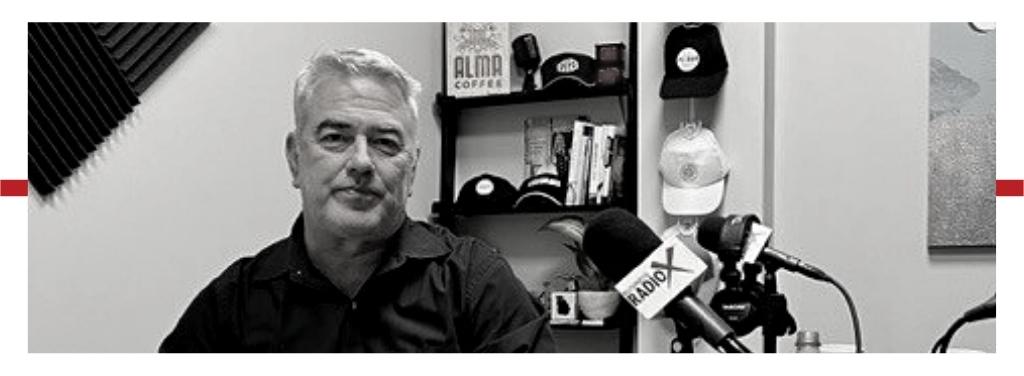
Aria and RandellThe Innovation SpotAlma Coffee


Randell BeckRandell Beck, Photographer – Cinematographer–and Post-Production at Beckshot

Randell is a former Naval Commander with a background in engineering and special operations. A lifelong outdoorsman and photographer, he also holds an MBA from the University of Texas in Community Planning (joint program between the school of architecture and real estate programs), and extensive experience in logistics and team building.

He applies his business expertise, operational planning background, and award-winning photographic talent to the challenge of producing exquisite marketing materials for his clients. His extensive real estate career spans over 25 years in every aspect of real estate: development, construction, marketing, operations, and design.

He is a member of the Board of Directors of Lutheran Social Services of New York and an accomplished guitarist.

BeckshotFollow Beckshot Media on Instagram and Facebook


Aria Taboada, Owner of Aria Music Studios

Aria Taboada has been passionately engaged in music since she was nine years old, when she picked up the violin for the first time. She spent many hours practicing her craft as well as learning piano. She played as a member of the Atlanta Youth Symphony as well as the Georgia All State Orchestra in high school, and later attended Georgia State university as a violin performance major, studying under Dr. Christos Galileas. She has been featured in multiple artists recordings, including Latin Artists Seich Music and country artist Alison Nichols. Although she enjoys performing, her true passion lies in educating and inspiring young musicians. She believes that the fine arts are a very important part of the community.

Aria Music StudiosFollow Aria Music Studios on Facebook and LinkedIn


This transcript is machine transcribed by Sonix


TRANSCRIPT

Speaker1: [00:00:07] Broadcasting live from the Business RadioX Studios in Woodstock, Georgia, it’s time for Cherokee Business Radio. Now here’s your host.

Speaker2: [00:00:22] Welcome to Turkey, Business RadioX Stone Payton here with you this morning, and today’s episode is brought to you in part by Alma Coffee, sustainably grown, veteran owned and direct trade, which of course means from seed to cup, there are no middlemen. Please go check them out at my Alma Coffee Dotcom and go visit their grocery café over at thirty four forty eight Holly Springs Parkway in Canton. Ask for Harry or the brains of the outfit Letitia and please tell them that Stone sent you. You guys are in for a real treat this morning. A little bit later in the broadcast, we’re going to get a chance to visit with Aria and I’m going to try to pronounce her last name, but we’ll get a handle on that. And she runs a school where she teaches folks how to make beautiful music. But first up on Cherokee Business RadioX this morning, please join me in welcoming to the broadcast with best shot Mr. Randall Beck. Good morning, sir.

Speaker3: [00:01:23] Good morning, Stone.

Speaker2: [00:01:24] How are you? I am doing well. It’s a delight to have you here in the studio. You and I have talked about this idea of having you come in and visit and talk to us about your work. It’s finally happening. Thanks for coming down. Tell us a little bit about mission purpose. What are you out there trying to do for folks, man?

Speaker3: [00:01:45] In the corporate world, there’s this thing in the instilled it in us in business school back when I was getting my degree right, and you you ask somebody, what do I what do you do? And so it bigshot that they would ask me that. And I might say, you know, I subvert dominant paradigms by leveraging industry best practices through accentuated technology, what you know, and so, so big shot is about messaging. Right. And what we try to do, what we’re trying to do is transform business messaging and really grab people. We help the business tell their story about why they do what they do and what makes them different than their competitors in a way that has impact through video and high quality photography. And we put the impact on the story so that they can reach their clients and, you know, generate a better client experience.

Speaker2: [00:02:34] Well, I tell you, I can’t think of anything that is more important and would have a larger impact faster than getting that messaging crystal clear. And I think I suspect you tell me there’s probably a tremendous advantage in having third party perspective come in and help you think through articulating that message. Because I can tell you this, my business partner, Lee Kantor, I mean, he and I can talk we can tell each other what we do. And it all sounds great. But like if you have a third party, there’s some value just from that third party perspective, isn’t there?

Speaker3: [00:03:11] Clarity is everything. Yeah. And particularly in today’s marketing world, the Internet marketing and social media, explosive growth there has kind of transformed the marketing equation. Now, I’m a big Simon Sinek disciple, and so it’s all about why

Speaker2: [00:03:29] He’s the why guy. As I’ve seen a little YouTube, I got to confess, I didn’t read the book. I should probably read the book and read the book.

Speaker3: [00:03:35] It’s really good. Yeah, it’s called Start With Why? And I’m not going to try to recap the book, but the central message for him is, is that the research shows that nowadays people aren’t buying what you sell, they’re buying why you do it. Yeah. And so to communicate that why is the most important thing and the best way to do that is is through. High impact, direct communication. Forget the business, speak like I was joking about a minute ago. Right, right. Talk simply and directly to people in ways that engage them. And of course, with social media and the Internet, the best way to do that is video. The video revolution is is in full swing. If you if you’re not doing video. Five years ago, you’re already behind, so.

Speaker2: [00:04:24] Right. Right. Well, that’s where we come in. One of the things that I think I like about the idea of video, interesting in some respects, audio, but certainly you’ve got once you get it nailed and the pros like you, piece it all together properly and we’re all happy with what we’re going to place out there. I got this I got this stone out there. I think I don’t know. I don’t have one, but I’ve got this stone out there working for me 24/7 while I’m doing other things. That’s got to be a tremendous advantage. And he gets it right every time

Speaker3: [00:04:56] He gets it right every time. And it’s a consistent message if you if you. If you orient your narrative so that each piece that you put out is is really hitting on your core values, your core message, your HWI, right, then he is getting it right every time. And of course, nobody likes to be sold to. And so when you’re having a conversation with somebody, if you start coming across like a salesman, they start tuning you out. Right. But it’s a better approach to be able to say, yeah, you know, I do Business RadioX and hey, check out my website. There’s a bunch of stuff on there for you to look at and you can see what it is we do. And then you just have a conversation with them where they can get your they can get your pitch and your differentiation and your messaging from that website that’s getting it right every time. Right. So that’s the that’s the social media revolution.

Speaker2: [00:05:44] So these I think I heard you say this is is your council typically to do more like and rather than do a 15 minute ditty, you would do five, three minutes, you would do multiple pieces with little different angles on them.

Speaker3: [00:05:58] They call it the three second world that we live in, you know, three seconds to grab somebody’s attention. That’s spans are really short. So you start with a bang, right? Yes. And, you know, one minute, maybe two sometimes is is really as long as you want to go in that environment. And, you know, marketing in general tells you to always, always be putting your key message out. Right. Nike, Nike says just do it on everything. Yeah. They want you to understand what they’re about. We work with champions. We open doors for you to achieve your potential. Just do it. You get that on everything you see from Nike.

Speaker2: [00:06:32] Ok, so let’s walk it through a minute. So let’s say so. I understand that you probably have a wide variety of the kinds of people you could service for for the moment. Just purely hypothetically, let’s talk about me for a minute. I mean, it is my show, let’s say when it was my as soon as the check clears, Randall, as soon as the check clears. If we were doing this and I were the subject, like what? Walk us through the engagement, especially like the early steps. How do we how do we do a certain set of videos or a Cherokee Business RadioX? Yeah, Walkerston, we would start

Speaker3: [00:07:09] Off with the idea of what is Business RadioX? What is Cherokee Business RadioX? What’s what’s this about?

Speaker2: [00:07:16] And this is me and you just talking casually, just trying to get out. Just I was trying to

Speaker3: [00:07:21] Find out what you’re about. Right. And then I want to explain what I’ve just explained to you about about proper marketing and the way way to get your messaging out. So now you decide, OK, this is this is really for me. I really want to do, you know, maximize my impact. Right. And do this. So then we sit down on camera and we do a structured interview where I’m going to elicit from you during the interview

Speaker2: [00:07:47] The you’re probably a lot better than I am. I don’t know about that. You’re going to give me a report card after. I don’t know about that. I interrupted you. Go ahead. All right. So so you’re a structured kind of interviewer structured interview. You’re pulling you’re pulling the best of me out of me.

Speaker3: [00:08:01] I guess you’re getting your why and you’re how wrong. What makes you different. Right. And that’s all on camera. So I can edit that video and audio together once we’re done to to craft the narrative that you’re wanting to put out there, you know, in a very concise and powerful way.

Speaker2: [00:08:18] And that’s encouraging that you can that you can just clean it up a little bit.

Speaker3: [00:08:23] You know, we’re talking business messaging here. We don’t need

Speaker2: [00:08:27] Nice, you know, is

Speaker3: [00:08:29] Like like like you

Speaker2: [00:08:30] Can I think you tell me. I think maybe you can get away with a little bit more that kind of thing, like in this format where you’re just sort of chewing the fat, as my dad would say, but not in a professional messaging piece. That’s a different animal. That’s right.

Speaker3: [00:08:44] Yeah. Because you only have that one minute to run before they’re turning you back out. And so then once we have their narrative crafted, right, we edit in what we call Berel, which is, you know, you’re cutting away from your smiling face and showing what you do, showing in this context, we’d be showing you doing some interviews, show your facility like, oh, you

Speaker2: [00:09:04] Were just some faces, get more big role than others. You why do I get the feeling that there would be a lot of money

Speaker3: [00:09:13] That’s up to you. We edit all that in there, too. So still getting your message, you know, you’re still hearing your voice. But this is almost like a documentary, right? You’re hearing your voice. You’re narrating your story. But we’re seeing aspects of what you do, too, in a very impactful way. And then that is that goes to color correction in the whole editing process we call post-production. Right. Just like you do. Right.

Speaker2: [00:09:34] And you make me six foot three with the blast and

Speaker3: [00:09:37] We make you look like Clark Gable. And then and then we distribute.

Speaker2: [00:09:41] Ok, well, OK, let’s talk about that, because that’s nothing to gloss over. When you say distribute, the last thing we want to do is based on my little tiny circle of knowledge. You don’t want me making major decisions about when to distribute what how to frame it. So I’m going to get some direction from you on that, too, right?

Speaker3: [00:09:58] Not for me personally, but. I’m no marketer, OK, but part of the package can be that we bring in a marketing person to help do that campaign. OK, or if you already have that marketing person we give you, we give them your deliverables. Right. You know, execute your marketing strategy. Right. Whether that’s Facebook or Instagram or both or, you know, website or blog or whatever it is. And so we work we work together with your team to come up with that.

Speaker2: [00:10:24] Well, I like that idea. I like the flexibility of it. If I’ve got someone who I really have gotten to know and trust and really respect their their professionalism and their expertize on on how to fully leverage that kind of content, you’re flexible. Find Stone. Here it is. Run with it. And if not, sounds like you have relationships with best in class folks that have that knowledge and expertize. And I can I can team up with them. Or do you just build it into my whole

Speaker3: [00:10:49] Package, build it into your package. That’s right. And the bigger we go, the bigger the company are. Sometimes they have their own agency. Right. And in that case, the agencies will be given us delivery specifications. So we’re just working to the specs then. Right. They already have the campaign defined and at that point we’re giving them the content.

Speaker2: [00:11:07] So talk about that a little bit, because I think, you know, a lot of our listeners are some of them are aspiring entrepreneurs, but a great many of them have a little something going, even if it’s a side hustle and they’re trying to figure out different aspects of their business. And a big piece of it is this whole sales and marketing piece. How does the whole sales and marketing thing work for for a guy like you? Like we were talking about, like an individual you and I met at a at Woodstock business club function on in stock in Woodstock thing. So I think I have a feel for how you might meet people like me or Oria. But how do you how does all sales and marketing thing work when you’re trying to build relationships with people that own, you know, large firms? That cannot be easy, I wouldn’t think.

Speaker3: [00:11:54] No mystery to networking. Right. The introduction is always the best. A good referral is the next best.

Speaker2: [00:12:01] So you get referred in a lot of time. Doing good work is a heck of a sales tool in that area. Yeah, you’re right. I mean, if you taught my kid how to play the violin and they couldn’t walk and chew gum before I brought them to you and then I tell my neighbor, did get your kid over there. Are you straight about right?

Speaker3: [00:12:16] Definitely not the drums or the trumpet.

Speaker2: [00:12:19] Right. Right. So so your business, I mean, you you have to have a tremendous amount of trust. It’s not just the money. I mean, OK, I mean, I’ve spent money on stuff that didn’t work. But to trust you, to put me in the best light, that’s the that’s

Speaker3: [00:12:38] The key factor in this business. And yeah. And so we make a real point that we are always loyal to the project and to our client, you know, whatever it takes to get it done, right. That’s right. And and, you know, there’s never a time that I want them to be surprised by anything that’s happening. Yeah, communication’s critical because once you lose the trust in this kind of business, it’s all relationship. When she loses the trust,

Speaker2: [00:13:05] That’s better and better, I suspect. I mean, I think better to overcommunicate and have them cry uncle on that and then not communicate and then over deliver.

Speaker3: [00:13:16] You know, if you’re in a real estate shoot for a brokerage and they contract for twenty photos, we might give them twenty five because, you know, it’s just better we don’t nickel and dime and we overdelivered.

Speaker2: [00:13:28] Ok, so I wanted to ask industry sectors, are you fine because you just mentioned real estate. I chose myself. I thought it might be fun to do something for someone like an already small business people that we know. But are you finding that your business over the years has sort of gravitated toward certain sectors, certain industries, certain types of businesses?

Speaker3: [00:13:47] Yes. You know, in the broad sense, it’s professionals, right? It’s businesses of any size, but in a professional environment, the need to differentiate themselves. But there are sweet spots that. Right. We’ve developed. Real estate’s obviously a big one in the photography.

Speaker2: [00:14:02] Well, it wasn’t obvious to me. Why is that? Why is that?

Speaker3: [00:14:05] Because my photographs all the time on their listings and they need videos about why you should work with me. And, you know, here’s what my process is, OK? And related businesses to them, to mortgages and people like that need to do the same

Speaker2: [00:14:16] Because those are crowded arenas, right? I mean, you can’t swing a dead cat without hitting a mortgage broker or a realtor, right?

Speaker3: [00:14:22] That’s right. And they need to differentiate themselves in a big way. Right. But then there are other industries related to that. Commercial real estate is one commercial buildings. The property managers that are leasing apartments and office space, you know, are starting to discover out there that that showing their operation in their properties in the best light is going to be very critical post covered with all the downsizing and shuffling going on. Right. Leasing is going to get very competitive

Speaker2: [00:14:50] And I’m going to look at it. Will you tell me, is this right? I’m going to look at that space, look at shots, videos of anything around this on a computer long before I ever try to set up any visit. I’m not going to drive all the way to wherever, right? That’s right.

Speaker3: [00:15:06] And in a real sense, you know, you want that buyer that’s seen those photos to come in prepared to make an offer. Right. The better, the better. The presentation online that’s your first showing in the better that presentation is, the more likely they are to to do that. Transaction and in a bigger sense than that, you know, in other related industries, architects, engineers, property developers, construction contractors that need to show a portfolio, our approach is really well for them. Now, that’s some high level involvement on those issues. They’re really looking to express a design concept and really show it in its best light. Some of those shoots are very involved and are our secret to this is we shoot everything we do as if it’s for publication for an architect. Right. So even even a real estate agent says, just shoot. My listing gets the same approach with some standardization and some things that we do to make that efficient for them. Right. We have we have standard pingle, standard shots, you know, some standard settings and things like that. And so they get that same approach as is the architectural shoot would be if they’re going to be featured in residential design. Right. Wow. So it’s a it’s a good way to make their business advertise their business.

Speaker2: [00:16:23] So then you get a chance. I would think you get a chance to build relationships and genuinely serve. I don’t know the the people who run the building. Right. Or run the the marketing of the can be. Do you enjoy. You must you must enjoy seeing all the different architecture and have a real appreciation for design,

Speaker3: [00:16:41] Something I thought about doing in my life and didn’t do. And maybe that was a good decision and maybe it was so, so I’m fascinated by it. But because I’ve been involved in it, you know, even back in the Navy, I built team buildings for the SEAL teams. And so,

Speaker2: [00:16:55] Ok, we got back involved with they just got sort of I built training for the SEAL teams. I got to hold my breath for an hour and a half. Well, let’s back let’s get the back story on this thing. Although as far back as you’re willing to go, how does one, you know, land where you have what’s the what’s the Randall big back story? Oh, no. We call it the back story. Oh, I like that. See?

Speaker3: [00:17:17] Ok, how do I get to where I am? A long series of miscalculation and error. So, no, I. I was a naval officer out of college for 14 out of school, 14 years total. And about 10 of that I spent in, you know, some various capacities in the SEAL teams or the special bone units. And my last job in the Navy was on the on the staff of the commander in chief Atlantic Fleet as the special warfare liaison. Oh, my. So I was in big involved in R&D and acquisition budgets. You know, new things. Right. Like my favorite project was we were developing a wave piercing speedboat, combat speedboat. Oh, my. So things like that that were very interesting. But one of one of the projects was building a team building with some very specialized electronics and security features and things like that was a fascinating process. And and post Navy, I got into the real estate world development and construction operations world. And so I’ve learned to speak, engineer, architect, city planner, all those languages. Right.

Speaker2: [00:18:24] Do you feel. I’m sure the answer is yes. So maybe I should say, why do you feel how do you feel that having that that background in the military and in this case even highly specialized, you know, elite pocket of the military, how do you feel like that has served you in the business world?

Speaker3: [00:18:44] Mission focus, true leadership, an orientation towards results.

Speaker2: [00:18:51] So do you get frustrated occasionally so you can you can tell me it’s just us girls here, just it’s just me and Ariah. Do you get frustrated sometimes when you see people that are less than driven or less than disciplined or a little bit lazy? Is that frustrating to a Navy SEAL?

Speaker3: [00:19:10] No, never.

Speaker2: [00:19:12] I don’t think I’m buying that. You have to find a way to work with those folks. But but I’m sure you do run into most people must seem a little less disciplined, a little less on point than you would prefer, I would think at times. OK, maybe at times. OK, so you also learn diplomacy and all that, as I say, less timely.

Speaker3: [00:19:36] Maybe sometimes you just you just want people to hurry up, you know.

Speaker2: [00:19:40] So but you’re just like the people, some of the constituencies you serve your go.

Speaker3: [00:19:46] Before we go on talk about constituency, we kind of talked a lot about real estate and architecture, which are lovely, sweet spots. I enjoy that tremendously. But we’re also in the art world where we’re currently working on a five part documentary for Cousins Properties. Speaking of developers, I’ve heard

Speaker2: [00:20:01] Them nice little cute little cottage

Speaker3: [00:20:03] Industry. But they are they are doing a four sculpture installation in their renovation of Buckhead Plaza, OK. And so we are filming. We’re videoing the creation and the installation of these sculptures, which represent intersections around the Atlanta area. And of course, by that, you’re automatically drawing in some historic and cultural context. Right. Cousins is a company that’s made a real commitment towards art in public spaces and impacting the culture in ways other than just don’t we have a pretty building lease in it right now, a very unique company among developers out there. So we’re doing a five part documentary series on that, which puts us we’re working with an art consultant and the sculptor himself. We’re in his studio doing the creation, as well as in the Plaza for the installation in the finished product. So that’s an interesting one. We’ve done health care and, you know, health allied health services.

Speaker2: [00:20:57] Now, why that would not have thought. I wouldn’t I’m not getting a good visual on health care.

Speaker3: [00:21:02] Remember that our thing is differentiation, right? Writing anybody, any professional that needs to differentiate themselves from the others is is a good client and they have need of what we do.

Speaker2: [00:21:14] Well, and I guess there’s a pocket there’s a there’s a a sandbox in the health care world that is that has medical devices and stuff. And I bet design and that kind of things like visual is important in that regard. I bet.

Speaker3: [00:21:27] I don’t know. But design always reveals intent. Right.

Speaker2: [00:21:30] And if somebody write that down and

Speaker3: [00:21:32] Design is design, it’s fascinating to me, no matter what form it takes, one of my friends from up in New York City is works for a company that does packaging design. They package products for their clients, while a strange. You wouldn’t believe how technical that that is. You know, there’s a science to product design and packaging and

Speaker2: [00:21:58] The packaging, I mean, it’s the kind of thing I don’t even think about the

Speaker3: [00:22:02] Shape of the grip on the skill. So it’s not an accident

Speaker2: [00:22:06] And neither is the box that it comes in. Maybe that’s it.

Speaker3: [00:22:11] So design is fascinating. Right. So in any aspect and I personally really like design.

Speaker2: [00:22:17] Yeah. And it’s and you get the joy of capturing it and putting it in its best light and then helping them think through how to get that message out there. We touched on it a little bit, but is there anything else that comes to your mind when maybe we’ll get it? We’ll ask in the form of getting some counsel for for some of the the folks in our tribe. What advice, if any, do you have with regard to to those of us who might be in an arena that that is kind of noisy, kind of crowded? What advice do you have for us to try to achieve a little bit of differentiation, to just separate ourselves a little bit from the from the crowd?

Speaker3: [00:22:52] I would say inspiration is the key, and so you need to find a way to inspire people to do business with people that inspire them. Right. And that’s that’s the challenge when I talk about impact, when I talk about differentiation, that’s really what we’re trying to do, is give them your your big why in a way that inspires them to participate with you.

Speaker2: [00:23:14] Know this whole Y thing for you, it’s not a parlor trick. I mean, I think you take this very seriously. This is the core of what you do, isn’t it?

Speaker3: [00:23:22] How many businesses say you’ve got the best price? Right. How many of them say we’ve got the best product? Right.

Speaker2: [00:23:30] Do they? I don’t know. All right.

Speaker3: [00:23:34] On any given day, that can change. Right, right, right. And if your customer is coming to you because you’re. Your convenience store and you’ve got the cheapest price on gasoline today, they’re going to buy their gas from you, but tomorrow when the other guy undercuts you by a nickel where they’re going to buy their gasoline. Right, right, well, that’s a simplistic example, but you want to inspire loyalty and continued. Continued commitment from your client. All right, so now you’re in the white world. Yeah. Why are we doing this?

Speaker2: [00:24:04] I must start asking why more like that. Yeah, that’s it. I enjoyed the video when I watched it. This Simon guy, Simon. Yeah, but I don’t know. I don’t feel like I’ve applied enough. I should just I should be I should ask you more like if people think they might want to sponsor a show or a host of serial, maybe I should say. Well why. Well, I mean, maybe there are other maybe I have come up with some other phrases besides why or, you know, what makes you feel that way or something, but kind of just keep poking. Right.

Speaker3: [00:24:32] Said you hadn’t read the book, but in the book he tells you how to do that.

Speaker2: [00:24:35] Oh, he does.

Speaker3: [00:24:35] It’s a process, not a destination.

Speaker2: [00:24:37] And so since I’m on an invoice, we’re giving him quite a little poker. He doesn’t believe

Speaker3: [00:24:43] The world is talking about him. It’s just, you know, it’s a good framework.

Speaker2: [00:24:49] So, yeah, before we before we wrap, I want to make sure that our listeners know how to get in touch with you. So whatever you think is appropriate in terms of contact info, whether it’s a phone number or email address, maybe a website, maybe there’s a cool place to go. Look at some of your work or whatever you think is appropriate. Let’s make sure we let them.

Speaker3: [00:25:09] So a part of why is is a contact, contact, communication and commitment. So at best shot when you need to get hold of us, you’re getting hold of me. And whatever needs to happen, I will take care of with our crew or our suppliers or whatever you can get. You can reach me through the website. It’s bigshot shot dotcom. Beck shot singular dotcom. There is a big shots that’s plural and that’s not us. My email and phone number are on the website. Phone numbers five one six five oh nine six nine four three. Email is Rendel L.L. at Bigshot Dotcom and we’re on Instagram and Facebook as well. Just type in best shot and up will come.

Speaker2: [00:25:59] Well, and I do. I think maybe that’s even a point of differentiation. If I pick up the phone or even if I sent you an email, the next contact, probably I’m going to look you in the eye or talk to you on the phone. Yes. I mean, not to me, that seems like a real point of differentiation right there. No, it is. Well, thank you so much for coming to visit. And I hope you’ll come back. I’ll tell you an idea that might be worth pursuing. I think it be fun. Might be fun if if you have a local client to maybe have them come in. We’ll spotlight their business, too, because I love learning about other other businesses. But maybe it would be fun to talk about this a little bit about the relationship, how you guys work together and or if that’s do that, or maybe one of these trusted market partners, these best in class, somebody that handles the other part of the engagement. If someone needs like to have someone that does, you know, the the distribution work. So if you’re up for that, we’ll do that sometime.

Speaker3: [00:26:56] Yeah, that would be fun. I can think of several good local clients that might really enjoy that.

Speaker2: [00:27:01] Yeah, I’d love it. Hey, listen, how about hanging out with us while we visit with our next guest?

Speaker3: [00:27:06] Sure. It’s a great studio. I’d love to hang out with you guys for a little bit.

Speaker2: [00:27:10] All right. Next up on Cherokee Business RadioX, we have with us from us Aria. Armelle, take a swing. I should have asked before we went on air, would have been the last sort of professional interviewer would have done right to both of you.

Speaker1: [00:27:23] Got it. That’s exactly right.

Speaker2: [00:27:24] Are you all that built up or not? She just took a swing. Right. So, Aria, the the name of your outfit. Am I saying that right? Aria, Aria, Aria, Music Studios, Music studio. Clever. All right. Music Studios, you’re teaching folks how to play music. What are you doing?

Speaker1: [00:27:43] So I personally teach violin. That’s my main instrument that I teach. And also piano, ukulele and viola. We also have a bunch of other or a few other instructors that teach other instruments, such as saxophone, recorder, bass guitar, guitar, drums, beginning voice. I hope I’m not leaving any out there. There have been several that have been added recently, which is a great thing.

Speaker2: [00:28:09] So I’m going to tell them myself and my my supreme lack of musical knowledge or talent. When my oldest was in the third grade, I had I wasn’t very long in this business of running studios for the Business RadioX network. And one of the things on the list was you had to have a recorder and Holly was going to the store to get a recorder. I said, Holly, I got more recording equipment and you can take a look at what do they need? It’s a little flute, etc.. So that was my education that they have. What a recorder that I

Speaker3: [00:28:42] Think Stone should come to your school.

Speaker2: [00:28:45] Maybe, you know, maybe you should have just a class for parents to just like just basic terms. And I want to say and not to say, because I don’t know in third grade, though, and actually in third grade, you’re still kind of a smart guy. You’re like Daddy, the hero. I was at seventh, eighth grade where you got to be really stupid. I don’t know, somewhere. I don’t

Speaker1: [00:29:03] Remember. I was a big nerd the whole way, so who knows?

Speaker2: [00:29:07] All right. So you’ve got a you’ve got a physical location that people come to. We do, yeah.

Speaker1: [00:29:13] So we recently opened our brick and mortar location in the beginning of March. We have been around for a long time, though, probably about ten years. We were previously located in Kennesaw actually at my home studio. So I just moved it now to a brick and mortar because we wanted to have some more instructors and also to be able to do a little bit more in the community, in the Woodstock community. So I was really lucky to land that new that new office that we can actually be in Woodstock and kind of, you know, do some outreach and stuff like that.

Speaker2: [00:29:48] Well, congratulations on that. I think that’s fantastic. So the the the end user profile, probably not the person writing the check, but the ah, most of the students, young people,

Speaker1: [00:29:59] We have a wide range of students. The ages range from anywhere from four years old to eighty, just however old. We have some adult students that actually take with their kids, which I think is really good.

Speaker2: [00:30:13] That’s cool. That’s the way we do it. Right.

Speaker1: [00:30:16] And I have several adult students. They tend to not be as they’re a little bit more shy about performing. But I’m trying to get some more performance opportunities that they would be comfortable with so that they can kind of get their music out there.

Speaker2: [00:30:30] So we should just bring them to the studio and be like, OK, it’s time for the. The area, our show us what you heard last week, Bill,

Speaker1: [00:30:38] So I have a few for you.

Speaker2: [00:30:39] Yes, but like the four year olds, a six year old, I bet they’re probably less inhibited. Right. And they don’t have it right or willing to stand and strong string or blow the thing or whatever, Netley.

Speaker1: [00:30:50] Well, I do have some shy ones. I will say I have some kids that I, I haven’t really heard a peep from, you know, for the duration of their lesson. And sometimes they’ll open up. But, you know, after a year of teaching and they’ll just start talking, I’m like, wow, I’ve never heard you talk before. But for the most part, yeah, the kids are a little bit more free and bold.

Speaker2: [00:31:11] So the hats that you must have to wear, the all the the disciplines that you must be able to exercise because you have this highly specialized knowledge from in the music world and talent in the music world. But you’re also running a business, a big piece of which I suspect is, you know, getting the business, the sales and marketing and all that kind of stuff. And you got to sort of know how to how to run a class, even though there’s a lot of your work, one on one or some group.

Speaker1: [00:31:43] So it’s actually all one on one up until this point. But we are opening a mommy and me type class that taught its toddler music, baby music, and we’re calling it baby rock stars. And it’s going to be opening in September. So we’re hoping to get a couple people for that, for the group class. That will be kind of a new avenue for us.

Speaker2: [00:32:04] But having a child that you don’t know initially come in. I mean, to me, it was I mean, I my kids were wonderful, but still they were I mean, that was a handful. And then try to get them focused on learning something. Do you have did you just learn that by trial and error or you just have a knack for that? Or is there like formal education? And here’s how you handle a kid for an hour and a half. Right.

Speaker1: [00:32:28] I mean, really what we focus on is the individual. So everybody’s different in their learning style. I’ll have some parents that will bring their children in like we want them to do competitions. We want them to, you know, be a little Mozart. And then I have other parents that come in. There’s just like, you know, just let them have fun, just explore what they want to do with music. So it really depends on the individual. And I just try to make that individual comfortable when they come in for lessons by trying to figure out what their individual goals are, what they want to do. And if it’s a kid or an adult, I’ll ask them, what is the song that you really want to play? Like something that you’ve heard on the radio, just your favorite song. And even if it’s something that they can’t do for a year or more, will work towards that so that they have a goal to work towards.

Speaker2: [00:33:19] Now, are there some instruments that are easier in general to pick up and do a pretty good job over other? I mean, because I have zero musical talent, there’s no one no one in my family on my side, no one sings, dances, plays any music. My wife says that I’m tone deaf. I maintain that I am tone mute. I can hear you just fine. I just can’t I just can’t produce it. But are some instruments you have little if you’re going to get if you’re going to have a stone style studio, let’s get him on. I don’t know. Maybe it’s that recorder thing.

Speaker1: [00:33:53] I would say recorder is a really good instrument to start with. That’s the reason that a lot of schools use that instrument to kind of get kids acclimated to learning music. Also, I do have some students that want to learn stringed instruments right off the bat, and I wouldn’t recommend that if they’re below a certain age, I would recommend starting with piano. It’s a little bit more instant gratification to play piano because you don’t have to, though. There is technique involved. There’s no screeching sounds or anything like that. When you play piano as opposed to violin. There’s just so much to think about when you’re playing a stringed instrument. And that can frustrate a lot of the younger musicians.

Speaker2: [00:34:34] Ok, is the violin and the fiddle the same thing? Is it the same instrument?

Speaker1: [00:34:39] It is the same instrument. It’s just the style that it’s played. There is an argument, though, that there were old time fiddles that were shaped a little bit differently, the bridge that holds the strings up so that fiddle players could play more strings at the same time. But I think in general, it’s just a violin. Yeah.

Speaker2: [00:34:59] Randall, you I remember now, if it was during during our conversation or before we went on air, but you play something in your room.

Speaker3: [00:35:08] I’ve played a number of instruments in my life, but. But guitar is the one that stuck.

Speaker2: [00:35:12] Yeah. And did you learn from a really early age like like she’s talking about her? I started about

Speaker3: [00:35:18] Six years old or so I said, oh wow,

Speaker2: [00:35:21] That’s awesome.

Speaker3: [00:35:21] It got a little songbook with a bunch of old, you know, bluegrass songs and Johnny Cash songs and John Denver songs in it. Right.

Speaker2: [00:35:28] Learn them. Oh what fun. So it out in the community. You obviously find yourself working with parents to provide them and their child a great experience, you get to the 80 year old who says, I always wanted to play guitar or whatever. Do you find yourself collaborating with community organizations, associations, other businesses in some way to either on the business side of things or just to try to be a visible, vibrant part of the local community?

Speaker1: [00:36:04] Yes, of course, when we open the studio and of course, I know covid is still kind of a thing. It’s still kind of going on now. But, you know, covid has really kind of inhibited us from doing community stuff. So we are looking forward to doing a little bit more out in the community. I really would like to get the kids especially and the adults out, you know, playing at different locations, maybe for children’s hospitals or retirement homes or anything like that. We are going to be doing or I say we I mean, me and some of the other teachers are going to be doing a benefit concert, a charity event for Circle of Friends. You might have heard of them.

Speaker2: [00:36:44] Oh, yeah. I get my coffee there on Thursday morning.

Speaker1: [00:36:48] Thursday morning. I see you there every Thursday, too. So, yeah, we are planning on doing a Valentine’s Day concert. I know that super far away, but I’ve already started practicing for it. So I will be playing the Vivaldi Four Seasons, All Four Seasons. And one of my coworkers are employees, Lanard. He’s going to be doing piano and I’m not sure what he’s going to do yet, but I’m hoping that something kind of jazz related, I think that would really balance it out well. So unfortunately, I don’t have the venue get the information, but it is going to happen. It’s in sometime in February. So if you follow the social media links, we will definitely announce that.

Speaker2: [00:37:27] Well, that is fun. You can call it the Business RadioX folks there. But I have

Speaker3: [00:37:32] A question for you is if that’s OK. Absolutely. You know, listening to this and with my perspective on the world, I’m interested in what you do that’s different and all the music stores that give lessons, right? Yes. Why would there’s that question? Why would somebody

Speaker2: [00:37:49] And you’re getting all those for free, are or are you going to send us a bill?

Speaker3: [00:37:56] Size matters. You get a big bill. You know, why would somebody come to your school instead of those lessons or, you know, what is it that you do different?

Speaker1: [00:38:05] I think one thing that differentiates us is our focus more on the individual during the lesson, as I said, just figuring out what their goals are and trying to focus on them instead of just having a core curriculum that we do. So whereas some people might do better with a curriculum, other people do better with just learning individual songs, just kind of, you know, piddling around a little bit. Playing by ear is a big one, too, like some people read music better, some people play by ear better and just, ah, you know, just being able to perform as well. We have to recital’s a year currently that we do. So the students really get to show off what they’ve learned during the year. And also we have other you know, we help we help students out with competitions that they want to do, all state orchestra, stuff like that, to to just inspire them. You know, I think that’s our main our main thing is to inspire musicians.

Speaker2: [00:39:04] There’s that word again where you were on to something, you

Speaker3: [00:39:07] Know, that resonates with me, though, because when I was a kid and taking piano lessons, the thing that frustrated me about it was the structure of it. You know, it was all exercises and these little songs you wanted me to learn. And they weren’t at all what I was wanting to play. And ultimately I stopped doing that and moved over in the guitar direction. So I didn’t play the things that I was interested in. Yes. Like she was saying,

Speaker1: [00:39:27] I think it’s important for us as teachers to communicate well with our students because sometimes you can tell if they’re not having a good time, you know, after a while and I’ll just stop and ask, like, hey, sweetie, you know, or buddy can are you enjoying this? Like, are you do you like the song? Is there something else that you want to do? And that’s more effective because more often than not, students will not communicate with you and then they’ll just end up quitting. So it’s better to communicate them from the get go to see what they want to do, what their goals are.

Speaker2: [00:40:00] So how about what about recruiting other team members? Because you want them to have that same love for the craft. You want them to have that same presence with the kids? Have you have you kind of got it dialed in and crack the code on how to recruit good people and keep them on board?

Speaker1: [00:40:21] Well, so far I’ve been very lucky with the staff that I have. I know I don’t I don’t think I’ve cracked the code yet because we just really started. And so this is my. First time having employees or having, you know, people, there’s

Speaker2: [00:40:37] Another hand, I mean, when you run into you, can you wear all these hats?

Speaker1: [00:40:40] Yeah, well, you know what one thing? My husband was a marketing major, so he helps me a lot. And I definitely wouldn’t be able to do that kind of stuff is not my cup of tea, but I’m learning a lot more through him and also through the Woodstock Business Club where I met you guys as well.

Speaker2: [00:40:58] So your husband’s name, if you don’t mind, Taylor.

Speaker1: [00:41:01] Taylor.

Speaker2: [00:41:02] All right. Shout out for Taylor. Make it happen. Behind us is Taylor’s musical at all.

Speaker1: [00:41:07] He’s not. No, but he supports music, though.

Speaker2: [00:41:13] That’s fantastic.

Speaker1: [00:41:14] It’s the radio

Speaker2: [00:41:15] You give me, too. So talk a little bit about Woodstock Business Club specifically, but also just the the the the I don’t even know what to call it. The collegial, supportive environment. At least I have found it that way since I’ve come here. That’s been your experience to apparently, yes.

Speaker1: [00:41:34] I was pleasantly surprised because I’m definitely an introvert. I don’t really put myself out there very much as far as talking to people. Playing music is fine. That’s that’s kind of odd, I’m sure. But but I just I’ve made so many great contacts and great friends, and it’s amazing how one thing will kind of lead to another. You know, you meet someone that you don’t really think is going to to help Persay, you know. But I think just putting yourself out there and just being getting to know everybody and kind of helping collaborating with them, I really enjoy that a lot more than just trying to recruit people to help my business, you know, so so I found a lot of it’s been great to kind of get to know people and also just to drive around Woodstock and be like, oh, wow, I know the owner of that business is kind of cool where, you know, I would have never met all of these people otherwise.

Speaker2: [00:42:28] So I’m that experiences that. That’s what I’m finding as well. The other thing that I did not anticipate, although I have run another studio and my day job is trying to find other people across the country to run studios, I’ve run another studio in Sandy Springs for years, but it wasn’t as intimate because they might be from, you know, the east side of Atlanta or whatever. Now, on the client side of our work, I mean, it’s they’re going to be a client of mine. I might see them at church. I might see them at Reformation. I might run into him at the piebald. I kind of I got to live with he’s going to look them in the eye. So I feel like there’s this I don’t know, I’m feeling even a higher obligation of making sure that I can I can give them whatever type of result they’re seeking if they’re going to write me a check to be part of this team.

Speaker1: [00:43:17] Right. Right.

Speaker2: [00:43:18] Do you feel like this higher sense of obligation? I certainly

Speaker1: [00:43:21] Do. I do. Yeah. I definitely want to help out anybody that I can if I if I can, you know, and give them give them some business and just kind of collaborate with them. That’s that’s that’s my favorite word. I guess lately it’s just collaborating.

Speaker2: [00:43:36] I can’t even spell it, but I walk away from the and I get energized when I go over here. My new routine is just to walk across the street to the circuit and I really enjoy the Ypersele. I don’t know. We may need an opower crusty

Speaker3: [00:43:50] Old

Speaker2: [00:43:51] Curmudgeon’s what

Speaker1: [00:43:52] I’m getting there too,

Speaker2: [00:43:53] But I’m really I’m enjoying that. And it’s a little different flavor and it’s a it’s a it’s some of the same folks but other folks. And then I try to time it so I can get over to the Reformation and enjoy the Woodstock business. So that’s that’s kind of my get to know people day. And there are a lot of people for whom I might not be a good client for, and they are probably not a good client for me. But I swear to you, I really am. After I got a chance to sit down, this was my intellect is kind of up, you know, if there’s a way for me to help someone. So I’m going to, you know, I keep it. So I feel like I’ve got all these I call market mates. Yes. Like, I get all these, you know, market mates. And I’m going to try to help. And I feel like they are the same. Yes. That they’re going to try to help me. So I don’t maybe that happens in other communities, but it’s all new to me.

Speaker1: [00:44:40] Yes. Yeah. And I never go in there with the intention of I’m going to get some business today. I’m going to drum up some business. Yeah.

Speaker2: [00:44:45] That’s not the right frame. Right.

Speaker1: [00:44:47] I think that people can sense that too, if you feel that way, you know. So I think it’s it’s great just to just to make new friends, you know,

Speaker2: [00:44:55] That’s probably what maybe turned me away from years ago, investing much time or energy in that kind of activity, because I can remember going to a to a thing. And I swear to you, the some of the people to have a conversation with me. And as soon as they put me in whatever box they wanted to put me in, I probably wasn’t answering the question properly. Randall thought I had some training from you. I probably answered, you know, what do you do? I probably got. But I swear to you, I could I could tell they were looking right over my shoulder like, who’s my next victim? Who’s my name? This is I’m not. Yeah, but that is not been my experience at all for this.

Speaker3: [00:45:32] That’s tell them that you subvert leveraging industry best

Speaker2: [00:45:37] Practices and then they’ll just move right along. So what’s next for for for you and mastermind Taylor? What do you guys got some world domination plans for this thing?

Speaker1: [00:45:47] Well, I don’t know about that. I mean, you know, I haven’t thought about that, though. So maybe that’s a that’s a good idea, but not for right now. I mean, we’re we’re just focusing on filling up our studio with awesome students and awesome teachers. We currently have five studios open, but we’re really only utilizing two of them.

Speaker2: [00:46:05] So we got some capacity.

Speaker1: [00:46:07] Yes. Yes. So we we definitely want some of our students. And I think for us, we we definitely want to get out in the community more. That’s our main focus right now, is to have more performance opportunities for the students, which creates, you know, just inspiration in them to learn music as well as retention.

Speaker2: [00:46:28] So, yeah. So how can we help the most? I mean, obviously, you know, maybe this will help you get a little something. You can get out there to the to the masses and share and that kind of thing. But yeah. How how can people like Randall and me and our listeners, what can we do to support what you’re what you’re trying to accomplish?

Speaker1: [00:46:47] I mean, you know, if you can make it out to the performances, that’s great. Just support us. And and then if you know anybody that needs lessons, you know, you might want to come by and check us out first. I don’t know if you’ll feel like us or not. I’m sure we will. But but yeah, that’s pretty much it.

Speaker2: [00:47:07] Fantastic. Do you have any great pictures of you anyway? Didn’t you want me to ask her that? Really great

Speaker1: [00:47:12] Pictures. Actually, I was I was thinking about that during this whole thing. Like, I need some headshots. And and then I also learned from Randall about I need to be making more videos and maybe I need someone to make them for me.

Speaker2: [00:47:24] But no, I would think that, gee, I wonder who could do that. We’ll find somebody for you. We’ll we’ll go on for you. But no, I could see if I were looking for lessons for Katie or Kelly, my too. And if I went to your website and I saw a beautiful picture of you on a cello or I mean, to me the instruments are so gorgeous, the cello and the fiddle, the two instruments that you should be in every song. No, I could see that, you know, really making an impact. So. All right. Well, we’ll keep our our eyes open and our our ears open for for some opportunities. It’s been a lot of fun having, you know,

Speaker1: [00:48:03] Thank you for having me.

Speaker2: [00:48:04] Yeah, well, I hope you do. And I’m quite sincere with this. I hope you’ll think about coming back and letting us know how things proceed. Definitely. For sure. And maybe when you’re getting the next event that your thing is February,

Speaker1: [00:48:19] February, it’s going to be around Valentine’s Day. And we’re hoping to have kind of like a romantic setting, like some y, you know, whether you’re single or in a couple, you can enjoy some wine. Yeah. Enjoy some music.

Speaker2: [00:48:32] All right. So, I mean, I’ll I’ll definitely participate by the ticket or whatever. And me and my roommate of thirty plus years, Holly, will come on down. So but what I was going to say is, if you like, as we get closer to that event, anything you’ve got going or if you’re doing something kind of connected to one of these causes, because I know you’re great about trying to support these causes. Let me know even if you can just swing by the studio for a quick segment just to get people caught up. I mean, the platforms at your disposal, I’m happy to help and we’re happy to help in any way we can. Thank you. Yeah. All right. So before we wrap, let’s make sure folks know where you are, OK? So let’s make sure we tell them that again and then how to how to get to you and have a conversation with you or someone else on the team or have a kid, have them in their kid, come see whatever whatever works for you.

Speaker1: [00:49:17] All right. So we are located basically in downtown Woodstock. It is off of Highway Ninety two in the Creekstone office, Creekstone Ridge sorry, office complex. And it’s right behind that Dairy Queen on off of Highway 92. And if you want to look at our website, it’s our music studios dot com, and you can also reach us on pretty much any form of social media. So if you look us up on Instagram at our music studios and also on Facebook at the same address, and we are also on LinkedIn and I’m missing something, but we’re we’re we’re definitely on those news websites. So you can check us out just type in area music studios on any of those platforms.

Speaker2: [00:50:04] Sounds to me like you’re incredibly accessible. Yes, I know. Randle would support. Well, thank you, Aria. Thank you, Randall. This has been an absolute delight. What a fantastic way to to invest a Tuesday morning. Thanks so much. Thanks for having me. You all right. Until next time. This is Stone Payton for our guest this morning and everyone here at the Business RadioX family saying we’ll see you next time on Cherokee Business RadioX.

Tagged With: Aria Music Studios, Beckshot

Business RadioX ® Network


Our Most Recent Episode

CONNECT WITH US

  • Email
  • Facebook
  • LinkedIn
  • Twitter
  • YouTube

Our Mission

We help local business leaders get the word out about the important work they’re doing to serve their market, their community, and their profession.

We support and celebrate business by sharing positive business stories that traditional media ignores. Some media leans left. Some media leans right. We lean business.

Sponsor a Show

Build Relationships and Grow Your Business. Click here for more details.

Partner With Us

Discover More Here

Terms and Conditions
Privacy Policy

Connect with us

Want to keep up with the latest in pro-business news across the network? Follow us on social media for the latest stories!
  • Email
  • Facebook
  • Google+
  • LinkedIn
  • Twitter
  • YouTube

Business RadioX® Headquarters
1000 Abernathy Rd. NE
Building 400, Suite L-10
Sandy Springs, GA 30328

© 2025 Business RadioX ® · Rainmaker Platform

BRXStudioCoversLA

Wait! Don’t Miss an Episode of LA Business Radio

BRXStudioCoversDENVER

Wait! Don’t Miss an Episode of Denver Business Radio

BRXStudioCoversPENSACOLA

Wait! Don’t Miss an Episode of Pensacola Business Radio

BRXStudioCoversBIRMINGHAM

Wait! Don’t Miss an Episode of Birmingham Business Radio

BRXStudioCoversTALLAHASSEE

Wait! Don’t Miss an Episode of Tallahassee Business Radio

BRXStudioCoversRALEIGH

Wait! Don’t Miss an Episode of Raleigh Business Radio

BRXStudioCoversRICHMONDNoWhite

Wait! Don’t Miss an Episode of Richmond Business Radio

BRXStudioCoversNASHVILLENoWhite

Wait! Don’t Miss an Episode of Nashville Business Radio

BRXStudioCoversDETROIT

Wait! Don’t Miss an Episode of Detroit Business Radio

BRXStudioCoversSTLOUIS

Wait! Don’t Miss an Episode of St. Louis Business Radio

BRXStudioCoversCOLUMBUS-small

Wait! Don’t Miss an Episode of Columbus Business Radio

Coachthecoach-08-08

Wait! Don’t Miss an Episode of Coach the Coach

BRXStudioCoversBAYAREA

Wait! Don’t Miss an Episode of Bay Area Business Radio

BRXStudioCoversCHICAGO

Wait! Don’t Miss an Episode of Chicago Business Radio

Wait! Don’t Miss an Episode of Atlanta Business Radio