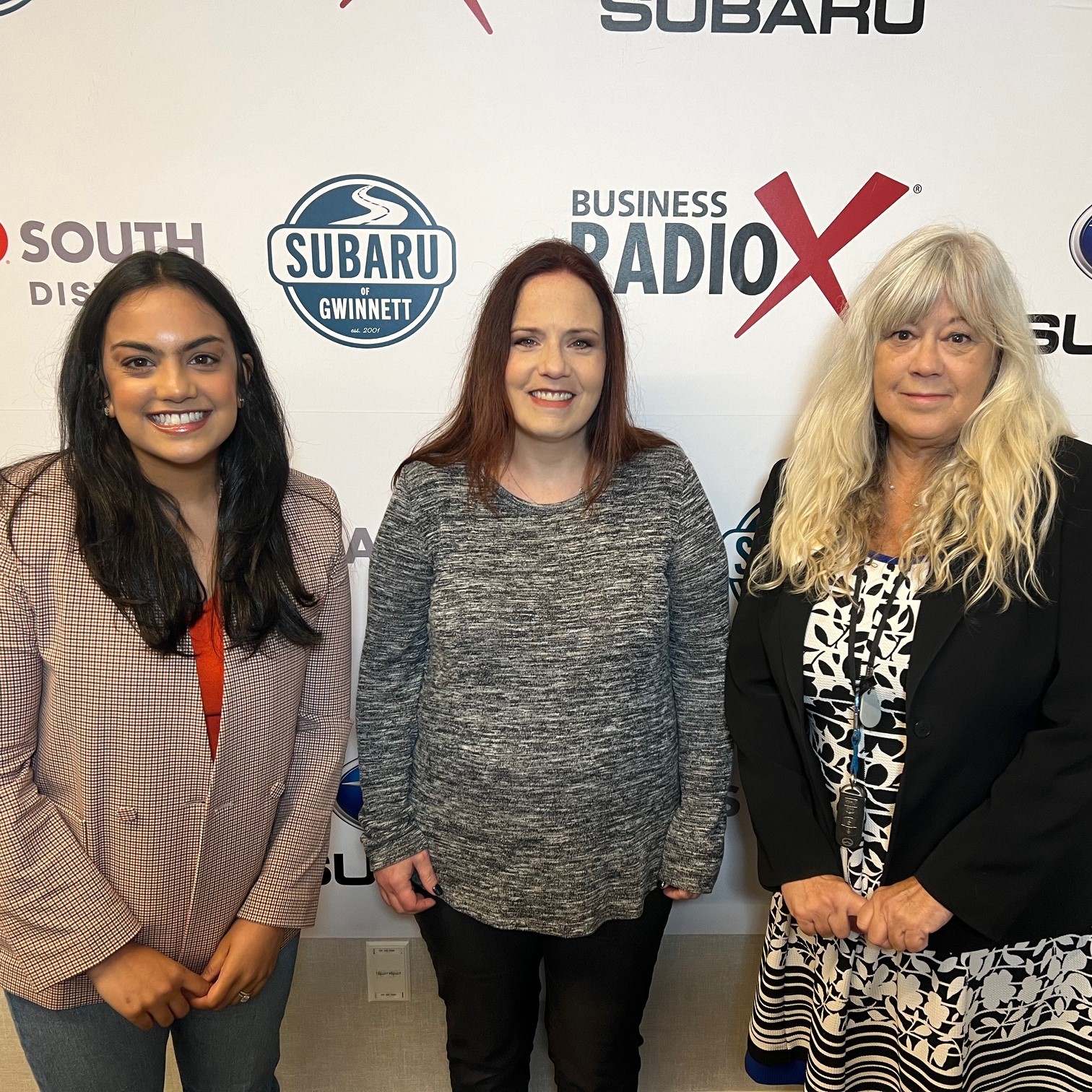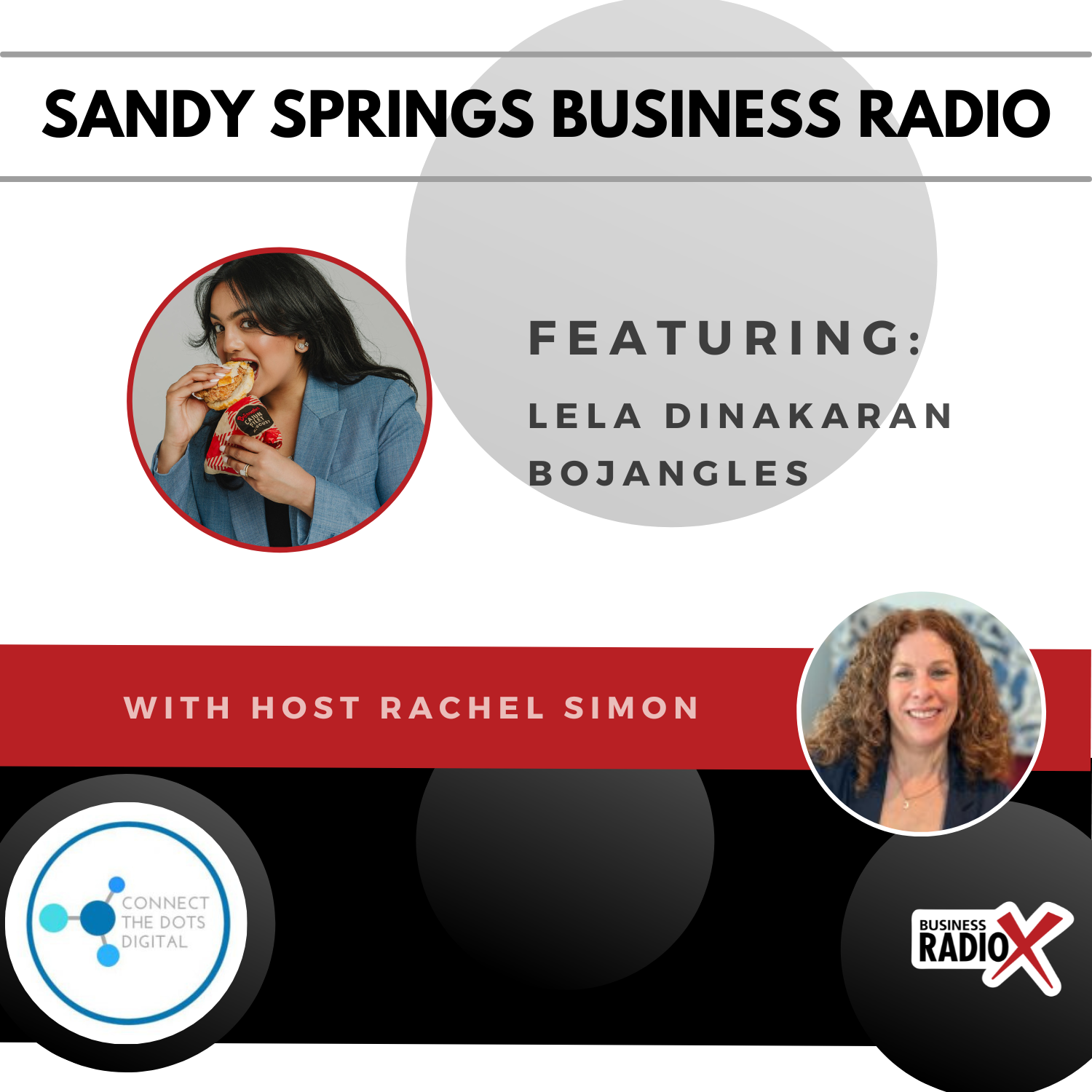

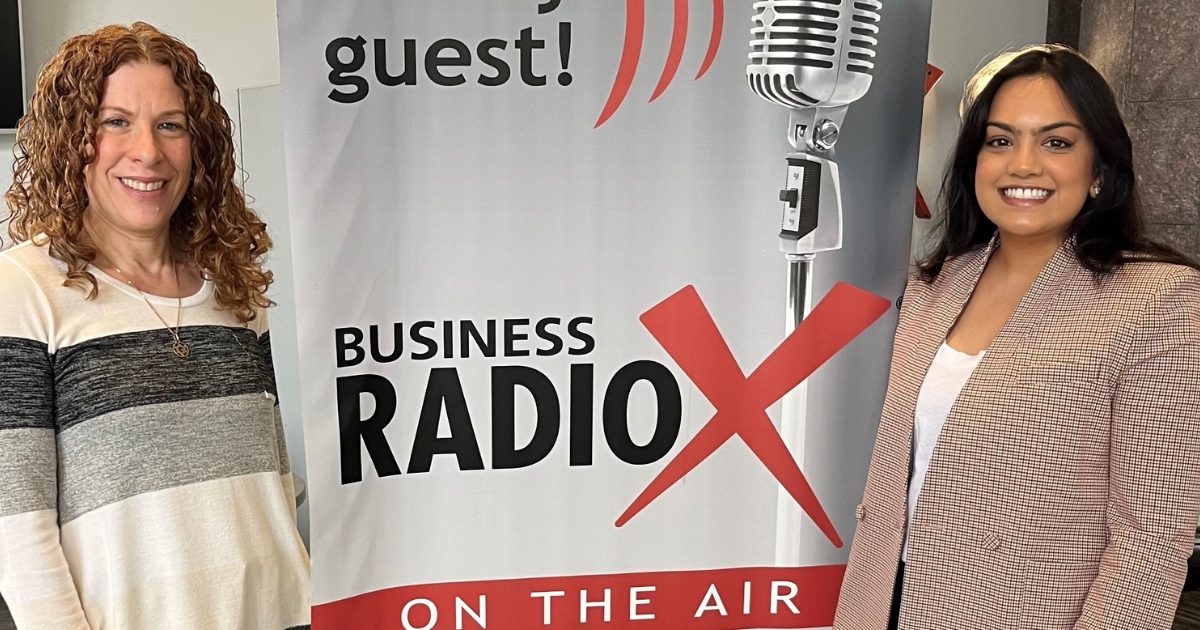
On this episode of Sandy Springs Business Radio, Rachel Simon is joined by Lela Dinakaran , Vice President of Marketing for Georgia Foods, which operates Bojangles. Lela shares her family’s journey, starting with her father’s immigration and the opening of their first Bojangles location in 2004. Now, they operate 46 locations, primarily in Georgia. Lela discusses her evolving marketing role, the challenges and successes of launching catering services, and the importance of digital marketing. She highlights the collaborative relationship with Bojangles corporate and the innovative strategies that have driven their franchise’s growth and success.

 As a second-generation Bojangles franchisee, Lela Dinakaran oversees all the marketing strategies for her family’s 44 franchise stores in Georgia, North Carolina, and Virginia.
This includes brand promotion, brand awareness, driving catering sales, digital sales, and other revenue drivers.
Connect with Lela on LinkedIn.
 This transcript is machine transcribed by Sonix.
TRANSCRIPT
Intro: Broadcasting live from the Business RadioX studios in Sandy Springs, Georgia. It’s time for Sandy Springs Business Radio. Now, here’s your host.
Lee Kantor: Lee Kantor here with Rachel Simon. This episode of Sandy Springs Business Radio is brought to you by Connect the Dots Digital. When you’re ready to leverage LinkedIn to meet your business goals, go to Connect the Dots. Rachel. Hi. How you been?
Rachel Simon: Good. How are you?
Lee Kantor: I am doing well. So excited about this show.
Rachel Simon: Yes. And it seems like winter has come back to us.
Lee Kantor: I know, just for today.
Rachel Simon: Just for today. Uh, yes. So I’m super excited about today’s show as well. And I met our guest when I went up and visited one of the other Business RadioX studios up in Gwinnett, and she was a guest on there, and I was like, oh, well, we have to have her on the show here. So we have with us today Lela Dinakaran. And she is the vice president of marketing for Georgia Foods. But we know Georgia Foods better as what they are doing business as, which is Bojangles.
Lee Kantor: I’m excited. Welcome.
Rachel Simon: Welcome.
Lela Dinakaran: Thank you.
Rachel Simon: So, you know, I’m so happy to have you on the show today because I thought you had such a great story about your business and sort of. It’s a family business. So tell us about it.
Lela Dinakaran: Yeah. So I’m a second generation Bojangles franchisee, really proud to say that I love the Bojangles brand. I grew up with it. So our story starts back in 1984. My dad emigrated from India to Myrtle Beach, South Carolina, uh, on a tennis scholarship to go to college. And he is craving Indian food. Food that reminds him of home, flavorful food, food that has a little spice to it, level to it, a little kick. So he is recommended to stop into a Bojangles by his roommate and he walks into this restaurant and he has a bite of the dirty rice and the chicken. And honestly, the rest is history. He decided at that point that he was going to own Bojangles, and he opened his first location in 2004. So I was a very little girl, but I vividly remember walking into his first location and having our chicken supremes and honey mustard and fries, and I was hooked after that. I love Bojangles, I love eating the food, love talking about it. And fast forward to today alongside my dad and my brother. We own and operate 46 Bojangles locations. 35 are in Georgia, so and I run the marketing for all 46. So I am everywhere all of the time.
Rachel Simon: So is that in the franchise world, like a typical number of locations to own within a company? Or is it like on the high side, the low side?
Lela Dinakaran: It’s so we’re the fourth largest franchisee in the system. So definitely on the high side, I’d say there are probably a lot of franchise groups out there with just 1 to 2. But Bojangles is all about growth. So I mean, why stop at one, right?
Rachel Simon: I mean, who doesn’t love fried chicken?
Lela Dinakaran: Yeah. And biscuits.
Rachel Simon: And.
Lela Dinakaran: Biscuits and tea.
Rachel Simon: I think it’s so interesting. And first of all, like, kudos to that roommate for saying, you know, oh, there’s no maybe there’s not a lot of Indian food options in Myrtle Beach, but check out this southern fare. Yeah. And I think it’s actually amazing that it just satisfied that need so much for your dad.
Lela Dinakaran: And I think it’s really full circle because at that moment, my dad was searching for something that reminded him of home. And then fast forward 40 some years, Bojangles is my home. It’s what reminds me of home, you know, being from North Carolina. But yeah, very proud.
Rachel Simon: I grew up in North Carolina.
Lela Dinakaran: I did born and raised.
Rachel Simon: Okay. And then how how long have you been in Atlanta?
Lela Dinakaran: So I moved down to Georgia in 2019. I actually moved down right after I graduated college to a little town called Eatonton, Georgia. Um, I don’t know if you’re familiar or super. It’s a retirement community. So I was like 22 living in a retirement community. Um, so you can kind of imagine how fun that was. Um, so when we wanted to, like, go out and do something fun, we would drive up to Athens, Georgia. Okay, so big UGA, go dawgs. Uh, so I actually live in Athens, Georgia. When the opportunity came in 2021, I was getting married. Um, and we were like, let’s just move to Athens. So we bought a house there and have been kicking it ever since.
Rachel Simon: Oh, I have a UGA student currently, so.
Lela Dinakaran: Okay. So you know all about Athens.
Rachel Simon: Very fun town.
Lee Kantor: So now, um, now that you’ve been in the franchise business for so long, have you kind of explored Indian franchises? Because now there’s more Indian food franchises.
Lela Dinakaran: There are. We haven’t. We’ve like I said, we’ve been all about Bojangles since the beginning. Um, so that’s kind of just what we’re sticking to.
Lee Kantor: So you’re just the the thinking is just keep expanding the Bojangles.
Lela Dinakaran: Yeah. So when I started with my dad, uh, the goal was 50. But we’ve gotten there very quickly, Um, from 2019, we started with three locations in Georgia, so went from 3 to 35. Uh, so the past five years of my career have been literally insane. But yeah, the goal is just to keep growing and keep expanding.
Lee Kantor: Now, when you’re as a marketing person, how does kind of your role change, you know? Is it different marketing for 3 to 50. Like is it the same activity. You’re just doing it hyper locally in each of those markets.
Lela Dinakaran: So definitely when I started it was very hyperlocal. Um, while also looking for ways to drive the business increase foot traffic. So one of my first ways of doing that was discovering catering. Um, I think we all know what restaurant catering is. It’s these high ticket items. Um, and just a great way to grow your revenue really quickly. So I discovered that in a hyper local level in Milledgeville, Georgia, and, um, kind of funny story I was so I started with the business working as a crew member in Milledgeville, Georgia.
Lee Kantor: One, that’s a college town.
Lela Dinakaran: That’s a college town. Yeah. Um, and then one odd day, the phone rings and it’s the local prison, and they want to place an order for 500 dinner boxes, and they want it in, like, two days time. Um, that was a huge order, as you can imagine. I wasn’t going to say no, but in the back of my head, I’m thinking, how the heck do I put this together?
Lee Kantor: We’re going to be working 24 over seven.
Lela Dinakaran: Yeah. So I was like, I’m just going to figure it out. And to be quite honest, we failed the first time and we failed the second time. But I was determined and by the third time, like they finally gave me a third shot at this order. I got it right. And then I was like, how do I do more of this? And then just kind of grew catering from there. And now it’s just been scaling revenue drivers like catering, but also in the digital sense. So delivery through DoorDash, Uber Eats and through our app as well.
Rachel Simon: So was yesterday a big day for Bojangles? Oh yeah. The Super Bowl.
Lela Dinakaran: So yesterday’s a big day. But something kind of fun about Bojangles is that we’re great hangover food, and today is pretty much National Hangover Day. Um, so we are going to going to be especially busy in the digital world today.
Rachel Simon: Hmm. Interesting.
Lee Kantor: Now, part of the, uh, appeal of franchises, are there systems in place? Were there not systems in place for catering from Bojangles? Is that something that you had to kind of figure out on the fly?
Lela Dinakaran: Great question. Um, as a brand, we did not have a catering platform. It was kind of like any customer could walk into a Bojangles and order catering. We just weren’t calling it that. So I kind of started to, you know, find this, this low hanging fruit, if you will, like this idea of like, this is what we could kind of expand into. Um, and then just kind of figured out the operational tasks behind it.
Lee Kantor: And so you had to figure that out. Yeah. As an individual. Yeah. So did you get any help from the kind of the franchisor?
Lela Dinakaran: Yeah. I mean, um, we did get some support, of course, but I was just kind of paving the way and just kind of figuring it out as I went.
Rachel Simon: That’s so interesting. So when you’re marketing and all of these different for all of your different locations, I mean, do they each have their own manager? Like, how does it work? And then, like, how do you meet the needs of each specific store based on what they’re doing in their community?
Lela Dinakaran: Absolutely. So every store has a general manager. Um, and I guess for me, I always make it a point to be in my restaurants at least four, four days a week, if not every day, because that’s where the magic happens. That’s where I’m seeing my customers come in, and that’s when I can talk to my managers and figure out what’s working for them and what’s not, and what opportunities they see because they’re in their restaurants 50 hours a week. They could see a need that I might be missing. Um, just because I’m not there as often. So definitely a lot of communication, a lot of boots on the ground.
Rachel Simon: Yeah. And so obviously, if you’re living in Athens and now you’re down in, you know, Atlanta today, are you hitting the road to see some of your stores while you’re here?
Lela Dinakaran: Oh yeah. Absolutely. I am making the most of being here in the city today.
Lee Kantor: Now, what is that ideal target for that catering order? Because like you said, the catering orders are big orders. You know, that can make your day one catering order.
Lela Dinakaran: Yeah. So typically, uh, a catering order can range from 250 to $500. Um, those order, those are on the smaller end. I’m using air quotes for those listening. Uh, the smaller end of catering orders. I’ve done orders as big as, like ten, $20,000. Um, and as far as, like, the target market.
Lee Kantor: Is that more of a B2B play?
Lela Dinakaran: Yeah. So it’s all those bigger orders and the thousands are B2B. Um, and I guess that’s where I’ve definitely started to carve it out, because usually when you think of catering, you’re thinking of your personal events. So like Super Bowl yesterday, if you were having a party, right. That’s a catering.
Lee Kantor: People.
Lela Dinakaran: Right.
Lee Kantor: So this is a it’s similar but different.
Lela Dinakaran: Yeah. It’s very similar but different. It’s I carved out this, uh, food for work idea. Um, food for prisons if you will. Um, so.
Lee Kantor: It was built on that.
Lela Dinakaran: First.
Lee Kantor: Customer, right?
Lela Dinakaran: Yeah, it was built on that. And then just from there, found this need of a lot of employers to incentivize, um, coming back into the office will start offering a paid.
Lee Kantor: Lunch on Thursdays.
Lela Dinakaran: Yeah. So that it was tapping into places like that.
Rachel Simon: What about, like, events? Do you have a food truck? Is there, like a food truck?
Lela Dinakaran: The food truck is coming. Um, I definitely think it’s another avenue I will explore. But, yeah, that’ll only continue to grow this, uh, external, uh, source for us.
Rachel Simon: Yeah. Because I’m thinking again, I have one, uh, one of my kids is a senior, so all the grad party stuff starts, you know, talk happening, and then I’m like, oh, you know, lots of people love to do food trucks for.
Lela Dinakaran: Those kinds.
Rachel Simon: Of parties. So Bojangles food truck.
Lee Kantor: Yeah, that’s is that kind of a franchise? Like, how does the franchise owner look at a food truck?
Lela Dinakaran: So it’ll just be something that we kind of add on.
Lee Kantor: So that’s again, you kind of going yeah. Rebel here. Yeah a little bit.
Lela Dinakaran: Again. Just kind of boots on the ground figuring it out as I go. So I do currently have a food truck, but it’s in the process of getting a lot of TLC right now. Um, so right now I’m in the process of finding somebody to fix it up for me. So if anybody here listening, does that hit me up.
Lee Kantor: Now, um, when you’re so when you’re going about your marketing, I’m just curious about the franchise or franchisee relationship, because this, to me is always one of the challenges when you’re a franchisee, because a lot of times the franchisor doesn’t want you to kind of be rebellious like this. They’re they’re like, hey, we have a system. This is what you bought. It was a system. How are you working with the franchisor on these initiatives? It sounds very collaborative that they’re okay with it. Are they taking your best practices and then sharing it with the network?
Lela Dinakaran: Yes. So they’re taking my best practices and sharing it and kind of growing on it. We have a great relationship with corporate. We’re with them at several times in the month. Um, so anytime that I’m innovating, I’m innovating alongside them. So it’s not something I’m doing separately on my own. We’re a team and we’re in this together. And our vested interest is just growing the brand.
Rachel Simon: And so with that, like, have you seen some of the things that you’ve created and sort of done in Done in your stores. Kind of move into some of the other franchisors?
Lela Dinakaran: Yeah, definitely. So catering is definitely one of them. So just you know, speaking about hey guys, there’s this huge opportunity out there. We just need to be tapping into it and looking for these customers. Uh, and then more than that, it’s how do we execute catering. So just speaking on all all of those things.
Lee Kantor: From an operational standpoint.
Lela Dinakaran: Yeah. From an operational standpoint.
Lee Kantor: So the sales there’s a sales standpoint to a marketing. So you have to make them aware that you even do this right. So there’s some of that. But then once you have the order, like you said the first time of 500 that we’re not ready for 500, most of these stores, right. Yeah. Unless there’s systems in place.
Lela Dinakaran: Yeah, exactly. So it’s just making sure that it’s really just a communication game. Um, and, you know, just being being able to walk the manager through how to do it. Um, and then just also just being a sounding board, too.
Rachel Simon: So as you’re expanding your stores again, trying to get to that 50, which seems like you’ll be there very, very.
Lee Kantor: Soon this.
Rachel Simon: Week.
Lela Dinakaran: Right?
Rachel Simon: Like, are you looking for existing properties that are, you know, like a shell of a fast food restaurant that can be turned into a new store?
Lela Dinakaran: All of the above. I think we’ll just go where the best opportunity is for us.
Lee Kantor: Now, um, when you’re expanding into other markets, how does that how does that go? Like, are you I know Georgia has an area. Do you have a territory? Yeah. Is that how it works?
Lela Dinakaran: We do. Um, and we’re always exploring, you know, new markets that we could enter into. But again, that goes back to the relationship that we have with corporate. It’s very collaborative. And they’ll work with us and making sure we’re making a good investment.
Lee Kantor: So they might make a recommendation. Hey, this came up like maybe somebody didn’t make it and they would offer it to you.
Lela Dinakaran: Yeah. Yeah. So it’s really all opportunities. You know it could be building from the ground up. It could be acquiring a new location.
Rachel Simon: So when you were younger, I mean, did you, uh, envision yourself going into the family business? Or was this sort of, like, a surprise to you?
Lela Dinakaran: It was a surprise. So I always when I got my first job, it was in restaurants, and I loved working in restaurants. And then I went to college and I majored in business. And then I was also going to major in public health because I thought that I wanted to manage hospitals. Uh, and then I had to come to Jesus moment and realize I don’t even like going to the doctor. So why would I run hospitals? And even throughout college, I was always working in restaurants and just loved hospitality. And I love food. Huge foodie. I love talking about food and creating food. And then my dad just kind of came to me one day and was like, I think you would be really good at this. This is kind of what I’m envisioning for the company. Like, would you consider coming on board? Um, and I definitely had to think about it because it’s family business, right? I’m essentially just, you know, merging the professional world and the family world together. But yeah, I was like, sure, let’s do it. And I’ll just like I said, figure it out as it comes.
Lee Kantor: Now, are all the kids in the business?
Lela Dinakaran: So my brother is five years older than me, so he’s in the business. And then we have an older sister, but she’s on the health care side.
Lee Kantor: So now is she is that create any kind of family? I don’t want to say friction, but just kind of issues like the holidays come up. You’re like, you know, a bunch of you are talking about the business and one person’s not like, is there any weirdness?
Lela Dinakaran: So we um, great question. We are all huge Bojangles fans and all very invested in the business. So I’ve never felt like, you know, the dinner table conversation is split in half. I think even when work comes to the dinner table, everyone is equally interested.
Lee Kantor: Now, is there any succession issues like as it’s your father? Was the founder of it? Is there any plan to one of either your brother or you to take?
Lela Dinakaran: Yeah. So my brother and I both currently own this business. So, you know, there that is the succession where it’s already in place, and right now it’s just in terms of growing it and, you know, keeping it going.
Lee Kantor: Now, was there any kind of, um, like how did that come about? So when your, your dad said, okay, I’m done or I’m easing out. And now.
Lela Dinakaran: So my dad loves his job. I don’t think he’s ever going to retire. I think he’s going to be all very hands on in the business until, you know, he can’t anymore.
Lee Kantor: Right. And then. So what about, like, when it comes to decisions, how do you break ties?
Lela Dinakaran: Yeah. I mean, we’re always making decisions together. So I’ve never felt like that’s an issue.
Rachel Simon: No, it seems like I mean, because, look, there’s some family businesses with lots of challenges in the in when it comes to succession planning and sort of internal conflict. So it seems like through your mutual love of Bojangles, you’ve really managed to.
Lela Dinakaran: Yeah.
Rachel Simon: You know, avoid those challenges.
Lee Kantor: Well, in America, there’s not a lot of multi-generational family businesses like in Europe. That’s pretty common. Not pretty common, but it happened. There’s hundreds of year old businesses that have been passed on in America. For whatever reason. It’s unusual to, you know, make it even to the third generation.
Lela Dinakaran: Yeah. No. So I think it’s like 70% of business of family businesses fail in the second generation. Very scary statistics. But I think that’s why we’re so driven to make it work because we know the odds are against us.
Rachel Simon: Yeah, I think I mean, I’ve worked with several clients who are either kind of in family businesses or touch them in one way or another, and a lot of it is around those challenges around succession planning or expectations of the second generation taking the business over without that, those people necessarily wanting to.
Lela Dinakaran: Yeah.
Rachel Simon: Um, and so the fact that you and your brother are so, uh, you know, passionate about continuing to grow the business is, is really very cool to see.
Lela Dinakaran: Yeah, definitely.
Lee Kantor: Now, how do you, um, there I’ve interviewed some people that are with a multi-generation, uh, fast food restaurant. And one of their strategies as they got into the the third generation was to encourage the younger generation to get jobs outside of the industry, to bring best practices in. Are you is there anything along those lines, uh, between you and your brother, uh, thinking to explore outside, you know, maybe complementary businesses to bring that learning into the business?
Lela Dinakaran: I think that’s definitely a possibility. Like I said, when I was in college, I was working at all sorts of different kind of restaurants, one of them being chick fil A. Um, and it was not like my family was like, don’t do that. They were actually encouraging me to go for what you just said, to learn best practices and learn more about the industry.
Rachel Simon: Yeah. No, that’s I mean, it’s you have to learn from your first of all, you have to learn from your competitors.
Lela Dinakaran: Right, exactly.
Rachel Simon: Um, and we know there’s more than enough of a of a need and a desire for good comfort food.
Lela Dinakaran: Oh, yeah.
Rachel Simon: Right. Oh, yeah. Um, one question I had, I guess on the marketing side is like, what is an example of one of your favorite, uh, campaigns that you’ve put together?
Lela Dinakaran: Yeah. So recently we’ve been launching a lot of new menu items. I’ve really enjoyed kind of seeing that come together. Last year, we launched Bird Dogs. Uh, bird dogs is our Chicken Supreme, which is our chicken tender on a hot dog roll that’s toasted with pickles. And our Carolina gold sauce, which tastes like a honey barbecue sauce. Uh, such a delicious product. Um, I really loved testing that. We tested it in Atlanta several times, especially at the Atlanta United games. Um, and really just saw a lot, got a lot of positive feedback for it. So we’re like, let’s put this on the menu as a limited time offer. Uh, it’s coming back again this year, so be on the lookout for it. But I love seeing that come into fruition. And I love hearing the customer feedback and also watching what kind of demographic it’s pulling in and seeing if it’s bringing in any new consumers.
Rachel Simon: So when you’re testing at a United game, do you have a like a stand in the stadium or are you outside at the tailgates? Like how does that work?
Lela Dinakaran: So we were in the Home Depot backyard tailgating area right outside Mercedes-Benz. So huge foot traffic area. And we just set up a tent. Um, and it was just like, you know, advertising. We’re giving out free food. We had a bird dog sign and just asked people we had three flavors that we were testing. I think we did a buffalo, a ranch, and then this, uh, Carolina gold sauce. And everyone got an option to pick one. And it was just like, give us your feedback. And that’s kind of how we we canvased.
Rachel Simon: Oh, well, that sounds like fun. I mean, who doesn’t want free food?
Lela Dinakaran: It was tons of fun. Yeah.
Lee Kantor: So let’s get to the the beginning of that. So you have an idea that you want to test or do some sort of focus group? Yeah. And then some companies would just hire a focus group company to do this and a conference room. You decided to kind of go out into the real world with your own eyes and your own kind of thing. Can you talk about how that came about and how you were able to execute something like that?
Lela Dinakaran: Yeah. So to be quite honest, I think Atlanta United came to us with a possible sponsorship opportunity. Um, and then as that was coming to play Bird Dogs was coming into the story. So we were like, maybe there’s something here. And we knew we knew like the demographic loosely of the people that are going to the Atlanta United games. So we knew that there could potentially be some crossover, some match, some interest. So it kind of just flourished from there. Um, and then obviously got into the conversations of like, can we test products at our booth? Where would the booth be? Um, you know how keeping track? Because that’s an.
Lee Kantor: Important component.
Lela Dinakaran: Too.
Rachel Simon: Yeah, yeah. I mean, I’m sure doing these various, like, activations in the real world are, um, outside the stores give you a lot of information.
Lee Kantor: But it can be can be chaotic if you don’t have good systems in.
Rachel Simon: Place. But probably also great for brand exposure because there might be people that have don’t have a store near them and then are like, where is the closest Bojangles to me now?
Lela Dinakaran: Yeah, definitely. And you know, when you’re doing it just out in the public, it’s unbiased. Whereas a focus group, I mean, I’ve never done it that way, but I’m assuming there’s a little bit more bias there.
Lee Kantor: Right. You have a different person is involved in a focus group than just kind of in the wild like this. You’re getting a real person in a real. They don’t have kind of, uh, pre biases. Yeah. They might come in a focus group because there’s like professional focus group people.
Rachel Simon: Right. But also I’m assuming that like the attend the people who are signing up to participate in a focus group, if they know what it what it’s for. They, they have a feeling of like, oh, I would like to.
Lee Kantor: Eat and they’re getting paid.
Rachel Simon: For.
Lee Kantor: It. Getting paid for it. So they could have biases.
Rachel Simon: But if you ever want to you know, since you’re based in Athens, if you ever want a group of 150 50 college students to test your food. I can set you up with my.
Lela Dinakaran: That is very good to know.
Lee Kantor: A bunch of beta testers are available.
Rachel Simon: They would be. They love free food.
Lee Kantor: Professional shoppers.
Rachel Simon: Right? I mean, when you brought some food up to the other show where we met and there were some these, like, amazing cookies that I brought back to my family.
Lela Dinakaran: The blueberry cookies.
Rachel Simon: Oh my God. I was like, Bojangles makes the best cookie. Yeah, ever.
Lela Dinakaran: So something fun about our brand that we’re starting to step into. Um, we are known by a lot of people for our Bo Berry biscuit. Um, I think it’s a very, um. I think it’s a big part of our breakfast brand. So we want to own this segment that we have and really dive into it. So we’ve just been expanding on that product line, one of them being the Bo Berry cookie. So we launched that. A couple of my stores still have it. So if you’re in, um, the Gwinnett County area into Atlanta, definitely stop by a store and try Bo blueberry cookie. However, I also have blueberry cobbler on my menu right now. It’s a limited time item, but definitely stop in and try it. It’s a the bottom is a Bojangles biscuit, and then we do a blueberry, um, compote on top with a icing drizzle.
Rachel Simon: And as I remember, all those biscuits are made by hand.
Lela Dinakaran: Oh, yeah. All of the biscuits are made from scratch.
Lee Kantor: Right. That’s one of your different.
Lela Dinakaran: Yeah, that’s definitely something that puts Bojangles on the map, especially in terms of our competitive edge. Our biscuits are made from scratch. Their buttermilk biscuits. If you walk into the back of our kitchen you’ll see flour clouds. It’s all real ingredients. And they’re made from scratch every day.
Rachel Simon: Yeah. And I think today people, uh, care about that more and more. Yeah. They don’t want to know. They don’t want food that’s coming from a freezer. They want food that’s being actually, like, prepared.
Lela Dinakaran: Exactly. Yeah.
Lee Kantor: So what do you need more of? How can we help you?
Lela Dinakaran: Um, I mean, this this is great. I love, you know, getting to talk about catering. We want to cater all of the events. So you know.
Lee Kantor: So then let’s walk through what that looks like. So who. So this one of these companies here in this building right here might be hey, we want to do lunch for our employees. So how would they just call a store. Like how do they even begin this process.
Lela Dinakaran: Yeah. Great question. So if you’re in charge of, um, ordering, catering for a big group, your next meeting, all you got to do is go to catering. Uh, choose your location, and you can place a catering order on there and pay for it. And you can also get it delivered as well.
Rachel Simon: And what’s the turnaround time? How much?
Lela Dinakaran: So we just need 24 hour notice.
Lee Kantor: And that’s for like you said it could be 500. Yep. So you got the systems down. We got the systems down.
Lela Dinakaran: We know how to execute. We’re just waiting for the orders.
Rachel Simon: So that could be a great breakfast incentive for a company right.
Lee Kantor: So it’s any day part right?
Lela Dinakaran: Yeah. Any day part. But that’s not all. You know of course there’s businesses that need catering. But let’s also talk about like the personal parties, like the Super Bowls. Um, the Valentine’s Day, if you’re doing something, you know, at your house, um.
Rachel Simon: Grad parties.
Lela Dinakaran: Grad parties, all of that we can do. I’m actually doing a prom up in North Carolina like an after prom party. Um, and we’re also getting into weddings, too. So. Really? Yeah. So Bojangles will be everywhere.
Lee Kantor: So now when you do something like that, is there is it just the food part you’re handling or is there. Oh, I got some wedding decor that we throw in there.
Lela Dinakaran: So we don’t do any decor. But I do offer serving staff as well if that’s something the customer wants.
Lee Kantor: Good stuff.
Rachel Simon: Yeah. I mean, it seems like there is a multitude of, uh, applications for where Bojangles could be consumed. Right? Whether it is and again, on the party side and the individual, you know, within your home, whatever you’re doing or potluck or something like that.
Lela Dinakaran: Mhm.
Rachel Simon: Super easy to pick up.
Lee Kantor: Now Rachel before we wrap. Um, you know, we always like to go to you for a LinkedIn tip. Is there any kind of LinkedIn advice for a franchisee of an organization?
Rachel Simon: I mean, I think that, you know, if you’re not already doing it, whether you specifically or just if especially in these areas of like, uh, food, people love to talk about food. Every one, uh, on LinkedIn needs to eat three meals a day. Um, but there’s probably people who don’t are not even thinking about, uh, Bojangles as, as an option for some sort of, like, company incentive. And so I would just start talking about and showing pictures of setups at different, uh, corporate, you know, events that you’re catering to sort of get people to go, gosh, I never thought about that for our corporate events.
Lela Dinakaran: Yeah, that’s a great idea.
Lee Kantor: Is it something that her she can, um, teach her managers to have kind of AA1 One voice.
Rachel Simon: I think it depends on, um, what their. If they have a following. So your managers, you know, there are people I they may not necessarily be on LinkedIn or be super active. So it may be better coming from you or from your brother or from some people, like higher up within the organization. Um, since you can build relationships with those corporate decision makers. Yeah. Um, but pictures, I think of your general, of your managers. It’s a good it’s a good shout out for them. But then it also gets people aware of like, this is a product and a service that we.
Lee Kantor: Because they may not even be aware that.
Rachel Simon: 100%. Yeah. 100%.
Lee Kantor: And like.
Rachel Simon: Look a beautiful platter of like delicious fried chicken is gonna be very appealing and go, oh, that looks really.
Lee Kantor: Well, especially if you get the person who was the client to do the pictures and say, Thanks to Bojangles for catering this thing.
Rachel Simon: Oh for sure. Yeah, there’s just a lot of good applications to help build help. Just enhance that brand awareness, for sure.
Lela Dinakaran: Definitely.
Lee Kantor: Good stuff. Well, one more time, the, uh, website. Best way to connect.
Lela Dinakaran: Yeah. So catering.
Lee Kantor: Com and then just bojangles.com to find the location.
Lela Dinakaran: Yeah. Bojangles.com to find the location. And also, uh, use our app. Our app is great. You can get 20% off your first order. Uh, so definitely download that app too.
Lee Kantor: Does that kind of ping you reminders or specials or.
Lela Dinakaran: Yeah. So you’ll get push notifications. You’ll get all all the things you need to know about Bojangles will come through on that app.
Rachel Simon: And who doesn’t like reward points, right.
Lela Dinakaran: Yeah.
Lee Kantor: Good stuff. Well, thank you so much for sharing your story. You’re doing important work and we appreciate you.
Lela Dinakaran: Thank you.
Lee Kantor: All right, that’s a wrap. Uh, this is Lee Kantor for Rachel Simon. We will see you all next time on Sandy Springs Business Radio.
About Your Host
 Rachel Simon is the CEO & Founder of Connect the Dots Digital. She helps B2B companies close more business by leveraging the power of LinkedIn.
Rachel works with professionals, both individuals and teams, to position their authentic brand on LinkedIn so they can connect organically with ideal clients, attract the best talent, and stand out as a leader in their industry.

Connect with Rachel on LinkedIn.