
Business RadioX ®

  • Home
  • Business RadioX ® Communities
    • Southeast
      • Alabama
        • Birmingham
      • Florida
        • Orlando
        • Pensacola
        • South Florida
        • Tampa
        • Tallahassee
      • Georgia
        • Atlanta
        • Cherokee
        • Forsyth
        • Greater Perimeter
        • Gwinnett
        • North Fulton
        • North Georgia
        • Northeast Georgia
        • Rome
        • Savannah
      • Louisiana
        • New Orleans
      • North Carolina
        • Charlotte
        • Raleigh
      • Tennessee
        • Chattanooga
        • Nashville
      • Virginia
        • Richmond
    • South Central
      • Arkansas
        • Northwest Arkansas
    • Midwest
      • Illinois
        • Chicago
      • Michigan
        • Detroit
      • Minnesota
        • Minneapolis St. Paul
      • Missouri
        • St. Louis
      • Ohio
        • Cleveland
        • Columbus
        • Dayton
    • Southwest
      • Arizona
        • Phoenix
        • Tucson
        • Valley
      • Texas
        • Austin
        • Dallas
        • Houston
    • West
      • California
        • Bay Area
        • LA
        • Pasadena
      • Colorado
        • Denver
      • Hawaii
        • Oahu
  • FAQs
  • About Us
    • Our Mission
    • Our Audience
    • Why It Works
    • What People Are Saying
    • BRX in the News
  • Resources
    • BRX Pro Tips
    • B2B Marketing: The 4Rs
    • High Velocity Selling Habits
    • Why Most B2B Media Strategies Fail
    • 9 Reasons To Sponsor A Business RadioX ® Show
  • Partner With Us
  • Veteran Business RadioX ®

Anna Kawar with Boys and Girls Club of America

October 20, 2022 by angishields

Anna-Kawar-Boys-and-Girls-Club-of-America
Cherokee Business Radio
Anna Kawar with Boys and Girls Club of America
Loading
00:00 /
RSS Feed
Share
Link
Embed

Download file

Boys-and-Girls-Club-of-America

Boys & Girls Clubs provide a safe haven for more than 4 million youth, giving them an opportunity to discover their great futures. Their mission is to enable all young people, especially those who need us most, to reach their full potential as productive, caring, responsible citizens.

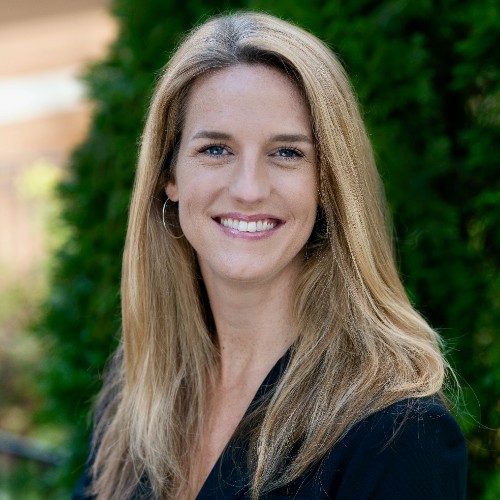
Anna-Kawar-Boys-and-Girls-Club-of-America1Anna Kawar is a recent transplant to Georgia and originally grew up overseas in Ireland and the Middle East. She currently serves as a Senior Director of Implementation & Impact at Boys & Girls Clubs of America.

She has dedicated her career to supporting non-profits from diverse sectors in producing measureable outcomes for the people they serve.

She is passionate about continuous quality improvement, compassionate leadership, and ultimately, bettering the American social sector.

Connect with Anna on LinkedIn.

This transcript is machine transcribed by Sonix 

TRANSCRIPT

Intro: [00:00:05] Coming to you live from the Business RadioX studio in Woodstock, Georgia. This is fearless formula with Sharon Klein.

Sharon Cline: [00:00:15] Welcome to Fearless Formula on Business Radio, where we talk about the ups and downs of the business world and offer words of wisdom for business success. I’m Sharon Cline, your host, and I am thrilled to welcome back Anna Kawar because she’s got not only was she a great first guest, but she has some serious wisdom that I just kind of like would go back and listen to some of the words that she said. And it’s like, I want to touch on that. Want to touch on that. We only have so much time. So anyway, I’m really happy to have her back and I kind of wanted to ask her opinion about some of the shows that we’ve done, at least I don’t know. We’ve got about eight or so behind us, but I kind of wanted to ask her, you know, some of her opinions about some of the guests that we’ve had and maybe, you know, expand upon some of the the great wisdom that she has from working in various different industries. But mostly the coolest part is that she really has a heart for helping people and working in nonprofits. And I don’t know, I always kind of admire people who are like the greater good. I always think just about myself, just so you know. Thank you.

Anna Kawar: [00:01:21] Sharon Yeah, it’s awesome to be back. It’s been fun to listen to some of the shows that you’ve been doing and all the guests. It’s so happy that people have been coming on and talking to you, and I think you’ve always done a really great job of pulling out really great experiences and stories from everybody.

Sharon Cline: [00:01:38] Oh, thanks. Well, I mean, you’re like a perfect person to sort of be a template for that as well. And I think what’s cool about the show is that we’ve had so many different kinds of people in different areas and lengths of businesses. It’s like some people are just brand new getting started, like the LA monica’s with Ants inspections and then some people have been a couple of years and then some have. This is what they’ve been wanting to do their whole life. So it’s really cool. It’s it’s it’s interesting. Most of the themes are the same no matter where you are. Yeah. In your.Journey.

Anna Kawar: [00:02:10] Yeah. I mean, I think I think sometimes we underestimate the people component of business and really organizations are just a, an amalgamation of different egos and personalities and mindsets, right? I mean, every organization in the world is made up of people first and foremost, so. Well, I guess unless you’re an automatic factory or something like that. But still, people built it. People coded it. All of the all of the people are represented in there somewhere. So yeah, there’s always going to be those common patterns and stories and journeys, and it’s pretty fascinating to watch that.

Sharon Cline: [00:02:48] It is. And I like that you talk about that because it’s I always think it’s people, right? People first. But it’s it’s the personalities that can be just so varied and you just don’t know, like what when you hire someone, whether it’s going to be a good fit or not, or when you work with someone, whether or not you’re going to click and you hope you do and work is so much a part of our day that we hope that we don’t make a mistake in the kind of people who are interacting with most of our day, you know? But at the same time, I mean, I kind of like like what you’re going through right now. You’re kind of I know you’re about to hire someone and you’re kind of examining the different personalities and who who you think would fit best. But isn’t it so challenging to know?

Anna Kawar: [00:03:28] Yeah, I mean, I’m actually hiring three. Well, I had one person accept an offer last night.

Sharon Cline: [00:03:33] So.

Anna Kawar: [00:03:34] I have two positions. So if anybody is looking for to work in a nonprofit doing national large scale strategy, let me know. But I yeah it’s it’s been it’s it’s terrifying honestly because you don’t get to spend a lot of time with people when you’re interviewing and you don’t get to see them in action. In reality, you can do simulations and presentations and all of that. But you know what people are going to bring to the table in terms of their in terms of their, you know, how they approach things, how they approach problems is always the unknown. But I I’ve been thinking about this a lot for myself and I and I think just reflecting on the conversations you’ve had with people as well, I think it it really comes down to, at the end of the day, finding people who are willing to do the hard things and collaborating on finding those problems and working through whatever issues you have. You know, I that’s just been become one of my favorite things in people, whether it’s work, friendship, romantic, whatever. If you’re willing to just do what needs to get done to move the whole collective forward, then you really can’t go wrong, you know? I mean, you really can’t. Like if you’re willing to solve problems and do the best for the people around you, it’s you can still have conflict, but you’ll move through it.

Sharon Cline: [00:04:59] Do you know when you’re hiring someone that they’re not putting, just like they’re giving you word salad or they’re just giving you like, I don’t know, catch phrases that make it seem like I’m a great collaborator, but in general, like, I don’t know, I guess I think about this a lot. Like we’ve talked about this recently, about what it’s like to kind of try to almost pick apart someone’s personality above and beyond what they’re even saying in those moments. You know.

Anna Kawar: [00:05:22] I mean, the interview I don’t know the right answer to that. And there’s I don’t I’m sure there’s a whole science. I know there’s a whole science. Is there? I mean, there probably is. How you hire and how to figure it out. And it depends on the industry as well. I know for myself, I, I listen for certain things. So one thing is how many questions they ask and the quality of those questions, because if they’re if they ask kind of those canned questions or they talk a lot, then I already know that whether they’re nervous or not, their inclination is to is to take up a lot of space, and that’s fine. But that is a little bit of a warning sign that they that you’re either going to have to coach them to kind of step back and get curious and ask questions or that that’s their personality and they they that’s how they like to operate. So and then the quality of the questions matters because then I get to see what are they, what are they curious about, what are they thinking about? What problems are they already noticing? Because when I tell them this is the work we’re going to do, you know, what are they picking up on? And you can tell a lot from those questions they ask that tells you what experiences they have, what knowledge they already have, and in how their mind works in terms of tackling that. So that’s been some of the stuff I’ve been doing a little bit so far. And then we do some group panel interviews and just how they kind of interact with the whole group and their, you know, how warm they are. They’re, you know, do they laugh? Do they? You know, and again, I know some people are nervous, so it’s not fair to judge initially. So I don’t I don’t I always question that and give people a second or third chance if I think they’re qualified. But but yeah, that’s a little bit of what I’ve been doing for that piece.

Sharon Cline: [00:07:13] What are some other red flags that you see flying?

Speaker2: [00:07:16] I mean, I’m not.

Anna Kawar: [00:07:18] I’m not an HR expert by any means. It’s funny that we’ve gotten on.

Sharon Cline: [00:07:21] I know I’m kind of curious, too, because this applies to business in a major way, especially if a small business owner is looking to hire someone. What are some of the red flags they should be looking out for as well?

Anna Kawar: [00:07:31] I mean, what else I and again, this is me. I really, if not sending a thank you note after an interview is a is just really bothers me.

Sharon Cline: [00:07:45] Does it require planning for my previous job. Have I done that.

Anna Kawar: [00:07:49] Because it’s it’s it’s I think it’s a sign of thoughtfulness and it’s a sign of and also like how they write emails.

Speaker2: [00:07:59] Oh, this.

Anna Kawar: [00:08:00] Is I’m this is where I know my boyfriend’s probably listening, thinking this is her being a micromanager.

Speaker2: [00:08:06] But no.

Anna Kawar: [00:08:06] No, it’s just you. I don’t know. I just feel like you can pick up things sometimes.

Sharon Cline: [00:08:10] What do you mean? With writing emails? Is it using speech a certain like instead of writing the letter, the word you, they write you. Is that text speech?

Anna Kawar: [00:08:19] Yeah. Well, that that’s one thing. So just and this again, this is my industry, my company. I there are, there’s a lot of what we call field facing work so you have to be out working with our affiliates and working with a lot of different people. So there’s a certain way professionalism you need in your communication. So if that’s what your business is looking for, then you you need to find, you know, you need to find things like that. So I wouldn’t I wouldn’t hire somebody who with me, when you know who’s interviewing for position and won’t take the time to write a a proofread, properly structured professional email, for example. Right. You know, like if we’ve gone back and forth a couple of times, then those one liners are fine. But that first note, you know, can tell you a lot about just the person’s effort that they are. And also and also people’s effort they’re putting into the application. And, you know, some people I definitely got resumes that had like I’m so excited to apply for this position as a something that’s not the role that you’re actually applying for, you know? Yeah, that was always funny.

Sharon Cline: [00:09:29] Wow.

Anna Kawar: [00:09:31] But yeah, it’s, it’s, it’s hard because I don’t, I don’t I don’t know. It’s funny. I’m thinking in my brain about the connection to, like, online dating or something like that where it’s so hard to know who people really are.

Sharon Cline: [00:09:43] I was going to ask you that was my next question. Is so in someone’s first impression that you’ve had with with an email or a resume, have you ever been surprised at how they’ve come across in?

Anna Kawar: [00:09:54] Oh, yeah, Yeah. I mean, you know, like I said, I in my mind kind of rank things, so. Maybe. Maybe I get a little red flag on this, but this other thing is really great. Or so I kind of say, Okay, well, I still want to talk to this person. And then that’ll be my my third or fourth impression of them through different means. And then I have the conversation and then it tells me even more. So I’ve had both where I’ve been not super impressed by just the on paper, but then I’ve talked to them and been really impressed or vise versa. On paper they’re really great. And then I talk to them in person and it’s the opposite. So it’s a it’s an interesting you just that the key for me that I’ve been trying to do is, is you have to trust yourself that you know what you’re looking for and trust your gut. Also be aware of your biases because we all have them. So being aware of the things that are giving you a bad feeling and question those like, is that true? Like, is that actually something that’s a red flag or am I just being a little biased or making assumptions? So staying open to that.

Anna Kawar: [00:10:55] So I’ll, I’ll challenge those. And then and then if you have any question in your mind, then give that person a chance to talk to you and see how it goes. And if and if after that first conversation, you still have questions, have another conversation. There’s no harm in having more conversations, but you don’t want to regret letting somebody go in early, too early in the process. So it’s always just being open to letting somebody surprise you. And it’s funny, again, with online data, I tell some of my friends when we talk about dating, like give them a chance to surprise you. But that that doesn’t that’s not just about the amount of times that you interact with them and providing more chances, but also keeping your mind open and walking in without preconceived notions of what’s going to happen and and looking for data to disprove what you’ve already decided. You know what I mean?

Sharon Cline: [00:11:51] As opposed to looking for things to prove exactly.

Anna Kawar: [00:11:53] A confirmation bias.

Sharon Cline: [00:11:54] Which is.

Anna Kawar: [00:11:55] Very human thing that we all do. Yes, We always look for things to prove what we already believe. But and this applies to everything in life. You know, I, I make a game out of it for myself, of looking for things to disprove what I have already decided to be true. Yeah.

Sharon Cline: [00:12:11] How often do you find that you are wrong?

Anna Kawar: [00:12:15] I mean, many, many times. I mean, not. Not. I wouldn’t say. I don’t know. I’ve never tried to put a percentage on it.

Sharon Cline: [00:12:22] I’m curious because I haven’t done that. So then I wonder how how many opportunities am I missing to see something from a different point of view? Like the world to me is just through my own eyes?

Speaker2: [00:12:33] Well, it depends.

Sharon Cline: [00:12:34] Very much on.

Anna Kawar: [00:12:35] Reality. Yeah, it depends on the topic. Like I know, I know with just with like today’s political climate, I have been proven wrong many times with my the assumptions I make about what what a person believes. And y. So that’s that’s been a big journey over the last few years. Good for.

Sharon Cline: [00:12:56] You. That’s that’s open minded for sure. I tend to think negatively. I don’t know why I sound like.

Anna Kawar: [00:13:01] A I mean, it’s such a toxic climate generally that we have. So people have, I think, gotten more comfortable with making assumptions and believing them to be true and refusing to disprove them. And the same with, again, I don’t know why I’m bringing up online dating so much. I think it’s just that I’ve been having these conversations with people, but that’s a big one where people are just they will refuse to give somebody another chance just because one little thing goes wrong or whatever.

Sharon Cline: [00:13:27] What do you think of that, though?

Anna Kawar: [00:13:30] I mean, I think it depends on the person. Like if if you’re really I just I think if you’re really looking for someone, it’s the same with hiring, dating or whatever. If you really are looking to make a connection, you just have to make that choice. If you’re not, then it’s fine. Let people go. Don’t, you know, be a perfectionist or whatever, or or, or don’t give people chances. That’s fine. It’s your choice. But if you’re really looking for something, you have to be aware of your inclination to not. Right.

Sharon Cline: [00:14:02] Right. It’s awareness. Awareness, awareness.

Anna Kawar: [00:14:05] Awareness. Yeah. So it’s the same for me with the hiring piece. Like, I could be super picky about every little thing, but if I actually want to hire somebody, I’m going to have to start.

Sharon Cline: [00:14:14] You know, do your hierarchy, your things you need, and then like the lesser value things. Yeah, I understand that. Have you have you dealt with any ageism? And I don’t mean personally, I just mean like in the hiring process. Do you look at someone’s age and does it affect your thoughts? I think for myself, you know, I was an older person going into the corporate world and worried about my age, but no one treated me like that, which is a happy surprise. But I was wondering how much does that. Impact you.

Anna Kawar: [00:14:44] It’s funny because I’ve I’ve actually been looking for folks with probably more experience than is typical for the role. Like for the for the title. Like the title is just director, but I’m actually looking for people with some more extensive experience. So there were a couple of of women who were probably ten years older than me that I was interested in, and they were interested in the role. And I, I had some fear about being their manager because I’m younger. And so I, you know, I had a couple of conversations with my my supervisor about that and just kind of my own insecurities around it. But but I wasn’t it didn’t deter me. That was about me, not about them. For me, it was it’s really about experience. But I did get nervous, you know, if I’m hiring somebody, would they be okay with me being younger than them? How would that dynamic play out? So those are some questions I had. But but yeah, I think that we didn’t they one of them didn’t end up taking an offer in the other one and pulled herself out of the running. So. But it’s yeah, it was, it was an interesting question to kind of play around with.

Sharon Cline: [00:16:06] Yeah. I mean some of my managers have been younger than me, but it’s, it’s doesn’t bother me or anything. But I always kind of like chuckle, you know, because I’m just like, Oh yeah, get that out of your head. They’re just people. It was similar to when I went back to college. I went to Kennesaw State University like ten years ago or 12 years ago and Go Owls. But anyway, they everyone was younger, I swear. Every person and I walked into class the first time. I was like, I’m so much older and like, so smart and I’m totally not. And, you know, I have to say I did them a little like disservice by thinking that I somehow with my, you know, my age and my wisdom of being a stay at home mom that was somehow going to translate to life experience or smarts. And it really didn’t. You know, there were there were a lot of incredibly smart people that were like 20 years old where I was like, oh, my God, Oh, yeah, shame on you, Sharon, for thinking that. But it’s interesting. It’s like you start to just relate to people as just people.

Anna Kawar: [00:17:06] Exactly. And I think that’s really at the end of the day, like, I try to I try to hold the mantra that there’s something I can learn from everyone. It doesn’t matter any anything, nothing, Nothing is every human being has something, something to teach me, whether it’s how they see the world, something they’ve lived through, something that they’ve learned and and are an expert at or whatever. So it doesn’t matter how old they are or where they’re from or anything like that.

Sharon Cline: [00:17:34] I love that. I really appreciate that aspect of it because you’re in the active phase of hiring someone. You’re seeing all kinds of people with all kinds of experience. And like you said, if you had a bias, you may miss some of the gifts that they are bringing to you. What’s something that you would consider kind of a general bias of yours or like as a general statement about people who are being hired or in the hiring process?

Anna Kawar: [00:17:57] Well, I know one thing I’ve been so one thing I’ve been trying to do on purpose is hire people that think differently than I do in terms of how their mind works. I’m I’m a very so it’s funny I get frustrated by people who are very in the weeds and talk you know you know the difference between storytelling. Right. Some people will tell you every detail of a story and they tell you all of the nitty gritty stuff and it goes on and on and on. And it’s it’s a it’s wonderful because you’re really if it’s engaging and they’re a good storyteller, then you’re in it and you’re like, you’re really feeling it and you can smell the smells and see the sights and all that. I’m not good at that. I’m much more of a connector idea connector, you know, putting the dots together. And so you.

Sharon Cline: [00:18:44] Don’t tell a long story.

Anna Kawar: [00:18:45] Oh, no, I’m sure I do. I mean, I talk a lot. No, no, no.

Sharon Cline: [00:18:48] I just mean, like, it’s interesting because this is huge to me, because these different personalities are important. I mean, I appreciate a good storyteller, but I also appreciate someone who gets to the point quickly. And I’ve never noticed about you either one. Like, I’ve never come up on my radar.

Anna Kawar: [00:19:02] I think. Well, I just I like to at least in a work environment, I’m much more likely to listen to what people are saying and then can find connections between what they’re saying versus going down one rabbit hole. Gotcha. And so I sometimes I’ve at least as I’ve been developing my career, I’ve noticed like that frustrates me, but it frustrates me because I just do it differently, right? So I’ve actually been looking for people who are much more detail oriented and go down those rabbit holes because I know it’ll balance me out and I can pull them out of that when they when I need to and they can pull me down into the rabbit hole with them when I need to go. But I won’t do it for myself. And they won’t. Do, they won’t connect the dots for themselves. So. And then also people who are very analytical and very need a fact and a figure for every decision. I’m not like that either. I’m much more like gut driven and I love data, but I balance it. Some people just want data. They just want the facts and figures. So I’m also looking for somebody like that.

Sharon Cline: [00:20:06] It’s so smart. And because you’re going to balance out everybody so well, you know, and move forward. And it does take a.

Anna Kawar: [00:20:12] Village, right? Well, I’m hiring for three, so it’s going to be a team of four. And I want it to be a well rounded team. Yeah.

Sharon Cline: [00:20:18] Wow. Well, I think it’s cool. It’s that you’re appreciating something that could make you uncomfortable, if that makes sense.

Speaker2: [00:20:26] Something that could drive me nuts. Yeah, but at the end of the day, will be a good thing.

Sharon Cline: [00:20:30] Yeah, I mean, because it’s not about me.

Anna Kawar: [00:20:33] It’s about the work. And if we’re. This is very complex work. And so if we’re going to be solving complex problems, we need all of the different ways of looking at those problems. And I cannot do it on my own. And the way that I look at the problems is, is one side of the cube. So I need all sides. The cubes covered the cube.

Sharon Cline: [00:20:56] All sides of the cube. Cube. The cube. Well, no, you know, it’s funny. We were going to come on the show and talk about fearless, funny things, but this is actually hugely important, I think. And since you’re in the weeds of it and the thick of it right now, it’s and you’re this is what kind of occupies your thoughts. You know, you’ve you’ve really given yourself time, devoted yourself time to what it even feels like to have to go through the process of hiring.

Anna Kawar: [00:21:16] Yeah, yeah, it’s been fun. But I think yeah, I just, I think the people aspect of, of business is so interesting and that’s really what you’re pulling out here on the show. So can I ask you a question?

Sharon Cline: [00:21:29] Oh, my gosh. This is unexpected. Yes, you can. Will.i.am, sir, I’m curious.

Anna Kawar: [00:21:36] What what are there any patterns that you’ve noticed across your guests that’s interesting, Like life lessons that you’ve pulled away from the the number of shows you’ve done so.

Sharon Cline: [00:21:47] Far? Yes, I have. One of the biggest ones is I always ask people, you know, what what advice would you give people out there? And almost everyone invariably says, keep going, keep going, don’t give up on it. Figure out a way around it, but keep going. And if that isn’t doing something in the face of fear or feeling the fear, but doing it anyway, you know, I don’t know what else is. And I appreciate that because I apply that to my life when I’m feeling very overwhelmed. Like like a day like today. It’s been a nonstop boom, boom, boom. And I’m like, What am I doing with my life? As I ride my motorcycle? I’m like, What am I doing? Everything right? I don’t know. I swear my thoughts. But I appreciate that everyone kind of has that notion of of what is it called? Fortitude, you know, where you’re just going to keep going no matter what. One gentleman I had, Chris Sevilla, he has a jujitsu studio in Woodstock, and he was talking about how difficult it was for him to have a business in a different state. And then COVID hit, and it just really challenged him even emotionally. But to come back and just have the faith that it will work out if you try again.

Sharon Cline: [00:22:58] You know, I really appreciated that. I think about that interview a lot. Not only that, but the fact that he said that there were days he would just didn’t want to get out of bed. And I loved he was vulnerable enough to even say that, you know, that was yeah, like, really it was surprising. And in an endearing I sort of was like, you go, yeah, you go, I’m so glad you’re doing so well. You know, it made me happy for him. And I think the main theme that it seems to be is that people’s lives can go this way and then they take another turn and then they take another turn. But we’re all kind of our own hero journey. You know, we’re trying to all save ourselves a little bit or try to be our own saviors in many ways. And no one is exempt from things that that will set someone back. No one is just got golden parachute. It’s all going to be fine. The money’s going to appear. You know, no one’s kind of got this feeling of it’s all going to work out no matter what. And I’m not afraid like, everyone has that fear and I, myself included, all day long.

Anna Kawar: [00:24:01] Yeah. And it’s no matter where people, quote unquote, end up in their life, it’s never been a linear path. It’s always been if you talk to them and you know, they may they may in their commercial spiel, say, I learned this lesson, this happened to me, and then, woo, I got successful. But really it was up and down and hard days, easy days and back and forth and two steps forward, one step back. And I think just being vulnerable and open about that helps other people realize like, Oh, okay, this isn’t this isn’t going to be easy no matter what.

Sharon Cline: [00:24:39] No, you’re right. And I think too, it’s so true. And it feels like. Everyone’s trying to find their happy like they thought they were on one path that would make them really happy. And then eventually they just really weren’t. And when you’re faced with a crossroad where you go and some people have made their own businesses and some people have done something else, it’s just kind of interesting. I mean, I think people’s lives are interesting and I always compare myself, like if I were in that person’s shoes, what I’ve made that decision. And if I wouldn’t, then why? You know, or if I would have, why? I’m kind of always analyzing myself. So this is just a vehicle for that.

Anna Kawar: [00:25:14] Well, I mean, what you said kind of got back to what we were talking about in the beginning is that you and you’re you’re speaking to a a pre-selected group of people who have who have built businesses who are doing amazing things. And so you’re you’re already they’ve they’ve self-selected into this group of people who have that understanding of persistence. And but in the general population, that’s not an easy quality to find people who understand that that that you have to struggle through the you have to just keep what is it, put your faith in the process and not in the outcome. Right. If you have the process and you know that if like if I’m trying to walk from this wall to that wall, all I have to know is that if I keep putting one foot in front of the other, I will eventually get there. Maybe I can’t see it anymore. Maybe it’s covered in fog, maybe it’s whatever. But if I just keep putting one foot in front of the other, some days I’ll see the wall and I’ll realize I’m getting closer. Other days I won’t know where it is and I’ll feel like I’m walking backwards. But I just keep putting one foot in front of the other. And I don’t know. That’s been a big that’s that’s been a great lesson for me too. And I.

Sharon Cline: [00:26:23] Have that. I have a plaque in my kitchen and it says that it’s a martin Luther King Jr quote, and it says, Faith means taking the first step before you see the staircase. And I really appreciate I keep that in my head a lot because I don’t know what life will bring. And I think I worry that I won’t be able to handle my emotions because sometimes I don’t handle them well and I tend to want to numb everything and not look at so but it is it is a journey. That’s something I’m even dealing with right now, is that this this journey that I’m on is it’s not about am I am I going to be happy when I finally get this or do that or achieve this? I mean, yes, I’m sure I will. But am I going to defer the happiness that I could have in this moment? That’s part of the journey, you know? Yeah. Amari is just going to wait until that one thing may happen or may not. I mean, I’m trying to live in the moment and be very mindful. And I think it’s that’s a challenge, especially in business, because when people have so much on the line, it’s like, well, the money’s going to run out in two weeks. You know, what are we going to do? I can’t imagine that pressure. I haven’t been brave enough to have that kind of.

Anna Kawar: [00:27:27] Pressure on me. Yeah, Yeah, me neither. Well, I tried once, and I. I’m not a I’m not. Yeah, it was hard, but I think, I think it’s, it’s. Yeah. It’s admirable to not know what’s going to happen but to keep taking those steps.

Sharon Cline: [00:27:42] It’s true. It’s true. And I think the big thing for me is, and I think most people in business is like knowing that today they believe, they believe in their process, they believe in their business, they believe in what they’re doing enough that they just keep going. A plumber or a jujitsu person or electrician or whoever, hiring managers, you know, they believe enough to just know that today these are my problems to handle. And it really is a microcosm of of kind of what life is, You know, in business is like a version of it, I suppose.

Anna Kawar: [00:28:14] Yeah. Because it’s Yeah, business is made of people. Yeah.

Sharon Cline: [00:28:17] And any time living lives.

Speaker2: [00:28:19] Yeah.

Sharon Cline: [00:28:20] It’s Real Housewives of whatever. I don’t know. I think in the drama of it, you know, the different personalities and the drama of it. But yeah, I mean, this has actually been a really fascinating conversation. I know it’s a little bit of a short, fearless formula, but I just want to thank you for stopping by and giving me kind of, I don’t know, some interesting insight into what it’s like for you and maybe someone out there will listen to it and find some nugget of wisdom as well, which is the whole goal.

Anna Kawar: [00:28:45] Yeah, No, I appreciate it. It’s always fun and it’s been great to to listen to everybody that’s come in. And I think it’s Yeah, always having great conversations. So and I’m looking forward to some motorcycle riding this weekend.

Sharon Cline: [00:28:58] Oh, we’re heading out to North Carolina. We’ll have a good time, I think.

Anna Kawar: [00:29:02] Yes, we will.

Sharon Cline: [00:29:03] All right. Well, listen, I don’t know if my fearless formula outro is going to play, but this is the journey. This is the journey. I’m happy nonetheless. This is sharing Cline reminding you that with knowledge and understanding, you too, can have your own fearless formula. Have a great day, everyone.


 

Tagged With: Boys and Girls Club of America

Anna Kawar with Boys and Girls Club of America

July 21, 2022 by angishields

Anna-Kawar-Boys-and-Girls-Club-of-America
Cherokee Business Radio
Anna Kawar with Boys and Girls Club of America
Loading
00:00 /
RSS Feed
Share
Link
Embed

Download file

Boys-and-Girls-Club-of-America

Boys & Girls Clubs provide a safe haven for more than 4 million youth, giving them an opportunity to discover their great futures. Their mission is to enable all young people, especially those who need us most, to reach their full potential as productive, caring, responsible citizens.

Anna-Kawar-Boys-and-Girls-Club-of-America1Anna Kawar is a recent transplant to Georgia and originally grew up overseas in Ireland and the Middle East. She currently serves as a Senior Director of Implementation & Impact at Boys & Girls Clubs of America.

She has dedicated her career to supporting non-profits from diverse sectors in producing measureable outcomes for the people they serve.

She is passionate about continuous quality improvement, compassionate leadership, and ultimately, bettering the American social sector.

Connect with Anna on LinkedIn.

This transcript is machine transcribed by Sonix.

TRANSCRIPT

Intro: [00:00:08] Broadcasting live from the Business RadioX studios in Woodstock, Georgia. It’s time for Cherokee Business Radio. Now, here’s your host.

Sharon Cline: [00:00:23] Well, hello and welcome to the inaugural show. This is a new show called Fearless Formula on Cherokee Radio X. And this is where we talk about the ups and downs in the business world and offer words of wisdom for business success. And I am your host, Sharon Cline, and our guest in the studio currently serves as the Director of Implementation and Impact of Boys and Girls Clubs of America. And she has dedicated her career to supporting nonprofits from diverse sectors in producing measurable outcomes for the people they serve. I love your bio Ana. Please join me in welcoming Ana Kawar.

Anna Kawar: [00:01:00] Hey. Hi, Sharon.It’s great to be here.

Sharon Cline: [00:01:03] Thank you. I’m so happy you’ve made it to this studio today. So again, this is our first show called Fearless Formula. And I know we talk a lot about fearlessness, generally speaking, but actually it’s more about fear and how you manage it. So I wanted to talk to you a little bit about kind of your journey in coming from a different country, coming over here to the United States and kind of how you’ve gotten to the position you’re in. Oh, well, Boys and Girls Club, I know it’s a big broad, but you touch on what you want.

Anna Kawar: [00:01:31] Know it’s a good story. I feel like it really does all tie together for me. So I was born in the Middle East in Jordan. My father is originally Arab American. He was born and raised in New York, but his father is from Jordan. And then my mother is from Dublin, Ireland. So they met in the Middle East and I was born there and I spent most of my life there, although we would go back to the States every once in a while to visit my dad’s brothers and cousins. But one influential point in my life, my to the summer of ninth and 10th grade, my dad said to us, We’re moving to upstate New York. And we were living in Oman at the time, and I’d never been to an American high school, let alone actually live in the States for any amount of time that I could remember. And I was terrified. Absolutely terrified because.

Sharon Cline: [00:02:28] Yeah. What was it?

Anna Kawar: [00:02:29] Well, this and I think this is applicable to a lot of us, but we have you know, I had a lot of preconceived notions about what the states was like, especially especially the world of American teenagers.

Sharon Cline: [00:02:41] Let’s just you know, did you watch like Disney Channel?

Anna Kawar: [00:02:44] Well, first of all, yeah, Jordan TV had basically saved by The Bell Friends and Seinfeld and then, you know, just those typical movies and things about the jocks and the cheerleaders and the nerds and cliques and people getting beaten up and all of.

Sharon Cline: [00:03:01] That scare anybody.

Anna Kawar: [00:03:02] Yeah.So all you all I had in my mind was I’m not going to fit in. I was a nerd. I love school, loved school. My sister was way more popular than me. So she I already knew we were going to be in separate camps.

Sharon Cline: [00:03:15] But was it when you got here? Did it did it live up to your your expectations American?

Anna Kawar: [00:03:21] Well, luckily, we were in a smaller town in upstate New York. So there was there were definitely the groups and the cliques, but it was a small enough school that everybody still got along or knew each other. So I, you know, I fit in pretty well and I kind of had group. I had friends from all different groups, which is really nice. But the biggest thing that impacted me though was just the different the culture shock of going from really some of the poorest countries in the world to the richest country in the world, and the difference in how people live their lives and the issues that they face on a daily basis.

Sharon Cline: [00:04:02] So do you think that that influenced you in wanting to become associated with Boys and Girls Clubs and.

Anna Kawar: [00:04:08] Well, it really it really, I think is where my nonprofit career came from because what the way I say it now, looking back, I couldn’t understand why the richest country in the world had the problems that it did and why people were struggling so much. Though the one of the things that was very obvious to me was that, you know, coming from developing countries, people are resource poor, but their family and happiness rich is kind of how I think about it.

Sharon Cline: [00:04:41] Be interesting.

Anna Kawar: [00:04:42] Culturally. It’s a much more tribal culture. It’s much more based on your social network. That’s what gives you wealth, that’s what gives you status, is what’s your last name, who’s your family? Who are you connected to in the States? We’re very individualistic. We it’s much more about what you own, your resources. And so so if you’re not resource rich, you you kind of almost lose the ability to be happiness rich in this in a sense. And so people I noticed being in this small town in upstate New York where people were pretty poor, you know, living. In mobile homes and on farms and just not necessarily in a city where people had more money. They were also really struggling with broken families, substance abuse, just in very self destructive ways of living. And it confused me. It really confused me. It helped me understand a lot of things about my own family. But it it really confused me because I just thought, why can’t we figure out a way to fix these resource inefficiencies so that people can really live the lives that they could given, you know, what we have in this country? So that really kind of launched my obsession with wanting to fix the social system, not necessarily from a, you know, give everybody everything lens, but more like where are the where are the breakdowns?

Sharon Cline: [00:06:16] So fascinating because someone who lives in this grows up this way may not have that same exact perspective. So it’s a gift in a way for you to come in during your teenage years and see the world that you thought was going to be kind of like Disney, Disneyfied, yeah. Or whatever, and see it now kind of with a different lens. I love that because not everybody gets that gift. So it’s really actually says a lot about your character that you’ve continued on this path for your living. So tell me what you do. I know that you are the implementation and impact director, senior director. It’s very important. Boys and Girls Clubs tell me what that position is like for you.

Anna Kawar: [00:06:58] So essentially my job is to think about how we can improve the level of scale of implementation, which I’ll explain in a second, and the quality of impact. So the way I like to think about it is that we have a lot of great stuff at Boys and Girls Clubs of America, which is our national organization that serves all of the Boys and Girls clubs across the country who are all independent. 501 Threes We have no direct authority over them other than setting a minimum standard of compliance to certain rules and regulations. But they’re all their own organization, their own board, their own culture.

Sharon Cline: [00:07:36] I didn’t know that.

Anna Kawar: [00:07:37] Yeah, and not many people realize that. And so what we what we at National have to do is really through influence and through education. And so we have a lot of great stuff that we can that we’ve developed, that we have, that’s research based, that’s evidence based, that’s proven to work for impacting young people and helping set them up for success, that we need to get out there and help the individual clubs implement successfully. So it’s about building awareness that these tools and resources exist across. And we’re talking close to 1200 independent organizations that we’re trying to work with and and support. It’s a lot of moving parts.

Sharon Cline: [00:08:15] Yeah, I imagine so.

Anna Kawar: [00:08:17] Building awareness of what we have and then supporting them to implement it well and then and ultimately the goal then is to is to create a consistent level of quality across the country where a young person can walk into any single boys and girls club anywhere in the country and be promised the same level of outcomes and experience that we know really will impact them throughout their whole lives.

Sharon Cline: [00:08:42] What I love, too, is you’ve had a lot of celebrities associated with Boys and Girls clubs. So you can can you tell me a little bit about that? I know that we had spoken not long ago about oh, my goodness, Magic Johnson. Yeah, yes, yeah.

Anna Kawar: [00:08:55] Magic Johnson was at our national conference in May in Chicago and was a huge hit. He was he he went he went a little bit rogue in terms of what was planned for his session, but he delivered above and beyond. And it was so fun and people loved him.

Sharon Cline: [00:09:10] Did he talk about being associated with Boys and Girls clubs when he was younger?

Anna Kawar: [00:09:14] Yeah, so we have a number of celebrities that went to the clubs as children, a lot of NFL stars. Hulk Hogan is is associated Denzel Washington as our national spokesperson. So is Jennifer Lopez. We have Misty Copeland, the ballet dancer, learned ballet at Boys and Girls Clubs, was introduced to it. So we have a number of folks that have that went to clubs as children or as teenagers and were and really found their calling in some way through it or were just given a place where they were shown that somebody really cared about their future and felt motivated and supported to to pursue their dreams. And so a lot of folks then are kind enough to come back and share those stories with us, with with folks in the public. And Denzel Washington was just awarded the Presidential Medal of Honor for his service to Boys and Girls Clubs of America, which has been for almost three decades now. Wow. So, yeah, we have a great, great relationships with a lot of. People.

Anna Kawar: [00:10:23] It’s crazy because all of these children whose lives are impacting, there’s no way to see or measure what that exact impact is. So to be able to have people come back and say, this really meant something to my life, it must be very emotional, too. Is that what’s most satisfying for your job? What would you say is most satisfying to you?

Sharon Cline: [00:10:41] I think that for me personally, I know this sounds a little harsh, but I’ve never been one to want to directly work with a young person and and see, you know, I’m not a mother. I’ve I haven’t had children on my own. And and I, I love kids, but I’ve never been one to want to directly mold them or shape them. But what I, what I love doing is helping the people who are really good at that do that even better. So I worked with teachers before this job. I worked in California and education. So I worked with a lot of teachers and principals and school folks that are so unbelievably passionate about what they do and but yet can the system is so complex and they can get so stuck in the bureaucracy. And so my job was to help them break through and find ways to really impact youth in alongside all of the other stuff they had to deal with. But I love finding those paths to impact. I love I’m I’m a mapper. I love to say, okay, if this is where we want to be, how do we get there? What do we know works? What do we know from evidence? How can we test things? What data we need to collect? How can we stay youth focused? How can we stay aligned with our values? And you just said, you know, we don’t always know what’s going to impact a young person, but we do know a lot. One of the scariest statistics is that you can predict whether somebody is going to end up in the prison system by their third grade reading level.

Anna Kawar: [00:12:21] Oh, my goodness.

Sharon Cline: [00:12:22] So where? So there are prison organizations that literally plan for capacity based on the literacy rate of third graders. Oh, gosh, it’s it’s that it’s that predictable. And so we know so much about how to prevent negative outcomes, and we know a lot about how to build positive outcomes. And so that’s really my favorite thing in the world is to watch an organization really get super clear on that North Star and the path towards it and help them lead the way in doing that.

Sharon Cline: [00:12:58] Do you think that there are some some misconceptions about. Boys and Girls Clubs or your industry that you’re in. What are some things that you think that people don’t understand or would need to know?

Anna Kawar: [00:13:09] I think one of the biggest things that we battle is that Boys and Girls clubs are not just a daycare organization. You know, I think in practice it can feel that way because you drop them off and then you pick them up and they’re in this place while you’re at work or whatnot and they’re just playing and having fun. Yeah. But part of that mission of of preparing youth for the future is to ensure that there is a, a curriculum of a set of programs and really thoughtful structures that ensure that that young person is physically safe, emotionally safe and thriving and exposed to opportunities, exposed to ideas for their future and support in their academics. So when they’re in those walls, they are not just being kept physically safe, they are also being developed. And that’s that’s something a lot of folks don’t really understand.

Sharon Cline: [00:14:07] Well, on a personal sort of level, who are your mentors or people that you look to to sort of help navigate through not just this position, but a position you had previously through your career? Did you have a particular person or did you read a particular book that you thought was impactful?

Anna Kawar: [00:14:27] I think.

Anna Kawar: [00:14:28] That.

Anna Kawar: [00:14:29] From on the mentor level of why I’m doing what I’m doing now, I think, you know, I, I graduated from college. I was 21, I was went to Cornell University and I, I finished and I moved to Boston with my best friend at the time. And I had no idea, I honestly had no idea what I wanted to do for a job. I had studied public health. I sort of thought I wanted to go to medical school, but then I switched to public health and I started sending out resumes. And I ended up as an executive assistant at this at this nonprofit, health care nonprofit. And the CEO president CEO at the time was a man named Don Berwick, who I always say, you know, I drank the Kool-Aid very young because I started at 21 in this organization under his leadership and a woman, our chief operating officer was Maureen Bisignano, who was an amazing Bostonian woman with the best Boston accent.

Sharon Cline: [00:15:24] Oh, I love it. Wicked this. Oh, she was great.

Anna Kawar: [00:15:27] And the two of them were pioneers in the field of of quality improvement, specifically in health care. But for me, I fell in love with I thought I wanted to be in health care, but I fell in love with quality improvement. I fell in love with problem solving, with fixing stuff. And and so I’ve always been inspired by their work of really setting the tone and saying there is no reason why we can’t provide reliable outcomes in the social sector. That is kind of what has been my driving force. And but I think on a personal level, you know, I’ve I’ve had a lot of mentors in the sense that I have a lot of people that inspire me. One of my best friends, her name is Lavine. She’s out in San Francisco. We took some time together to work on a leadership development organization. She is I was call her like my soul sister because we went to high school together in Jordan. She’s from Sri Lanka and we graduated together in Jordan.

Sharon Cline: [00:16:36] And she came over here, too.

Anna Kawar: [00:16:37] And then she she ended up in the States as well. And we we she was she’s the person that has always helped me understand myself and my values and what matters to me. And I think if anything has helped me stay focused and manage fear and that imposter syndrome and feeling of doubt, it’s been staying in touch with that y literally feeling it in your chest like this matters to me. This is my purpose. This is why I’m here. This is important. And just I think sometimes I need to do that and just sit there and remind myself of why I’m doing something. And then all the anxiety kind of goes to the background.

Sharon Cline: [00:17:22] Well, if you’re just joining us, we are speaking with Anna Khoury. She is the senior director of implementation and impact at Boys and Girls Clubs of America. What I like that you just talked about is that it’s so easy. I mean, I live in imposter syndrome. That’s my calling card. I’m the best at mental torture and questioning whether or not I deserve anything anyway. I just really appreciate that. You mentioned how having a friend to kind of keep you on track and answer the why is actually so important. Because I get into my head where why is not even just because I want to do this because I want to do this or but having a why shifts the focus out of should I do I need to deserve this how am I good enough any of that but to having actually something to do a problem to solve it becomes about the problem and not about me, I guess. So. I really appreciate you brought that up because I hadn’t thought about it that way. And it’s wonderful that you had early on some very important people in your life that you can kind of go back to and remember what their philosophies are to to continue on with your journey right now.

Anna Kawar: [00:18:29] Yeah, I think I think from a professional standpoint, it took me a while of being a bit lost as we all are, and dealing with some of some of my own stuff from my past that has held me back. And I’ve been working through a lot of that. But but now looking back, it’s a lot it’s become easier to stay in touch with that. And and I think, you know, it’s funny because it it my own personal journey of trying to figure that out aligns with what I do for work. Because for me, a nonprofit organization that doesn’t understand its why and ultimately what it’s trying to accomplish is not going to get very far. And I think that is is true. It’s the same for people. I mean we if you have goals, you need to stay in touch with that y and make sure that it really resonates with you, with you, with your values, with your intentions. With your hopes for yourself.

Sharon Cline: [00:19:28] Do you think that’s how people can almost make, like I’m saying, their own fearless formula? There are ways to combat well in your industry or even just your position. What are some of the ups and downs that you experience that could potentially throw you off track?

Anna Kawar: [00:19:42] Well, I mean, you know, at a if you’re talking from an entrepreneur perspective, I’m sure that there’s a ton when I tried doing it on my own, I mean, I’m not well wired for entrepreneurship just because I I’m very externally motivated and I and I’m very extroverted and I need a lot of people around me. And, you know.

Sharon Cline: [00:20:03] Pandemic must have been hard for you.

Anna Kawar: [00:20:05] Yeah, that was really hard. But so I’m sure, you know, places like here in Woodstock where we have such an amazing entrepreneur community, I can’t imagine the value of that to to to people who are entrepreneurs. But being in a large organization, I mean, Boys and Girls Clubs is a complex animal. It’s massive. I mean, before the pandemic, we were serving 500,000 children would walk through the doors of Boys and Girls Club every day. Wow. We’re talking about half a million youth every day are in some Boys and Girls Club somewhere. And so the scale is immense. And then we have 500 staff or so at the national office. So when you’re working in the level of complexity like that, you can get really lost in both feeling, both being in your own head about what’s the point of doing this. It’s never going to get anywhere. I don’t even. Doesn’t even make sense or even to listen to me. Everybody’s got all these other things going on, you know, there’s that. But then there’s also just navigating the complexity of the organization. How do you get your strategy, your ideas out there? How do you you know, I’m very motivated by problem solving. I don’t care if it’s my idea or not my idea. I just want to solve the problem. So how do we get people in the room? How do we solve the problems? How do we move forward? That’s all that throws me for a loop and I get really overwhelmed. And some actually just had this experience this week where I was feeling super shut down and just very overwhelmed and frozen.

Sharon Cline: [00:21:36] Where do you find your inspiration to kind of come back from that? Because that can derail anybody. That happens to me probably once a day at least.

Anna Kawar: [00:21:42] Yeah. And this was bad. Like it was a couple of days in a row of feeling. Every time I started to do something, this just sinking feeling.

Sharon Cline: [00:21:51] How do you combat that?

Anna Kawar: [00:21:52] Yeah, I mean, I what I was I was lucky enough to have a I’m in a leadership program that that’s wrapping up. And I have an amazing pair of colleagues that were in a little peer coaching group with and we have this great executive coach. So this I’m lucky enough to have that resource and that call was literally that morning and I said, okay, well I guess I’m bringing this to the call even though I feel super vulnerable saying this. But I just was really honest. And and, you know, that’s one of the that’s actually a piece of feedback that I’ve gotten from colleagues is that I’m willing to be vulnerable and that inspires them. So I’m not afraid to go and say, I don’t know what I’m doing. I’m struggling, please help. And and that, I think, humanizes things for other people, too. And then we can have real conversations about what needs to be done. So I said to them, I feel frozen, I feel overwhelmed, I feel stupid for feeling this way because I know exactly what I need to do, but I can’t physically bring myself to do it because I’m so I’m just feeling very lost. And we had just had a whole conversation about purpose and getting tactical and taking it one step at a time. And, you know, we had a pretty high level conversation, but I think something clicked for me where I just said, Anna, do one thing at a time. And I got up on my whiteboard and I just brain dumped everything in my head and just kept massaging it and it came together into a plan. And all of a sudden I was like, Wow, I feel clearer. I feel clearer.

Sharon Cline: [00:23:23] I love the one step at a time because I get overwhelmed as well. But one of the reasons why I wanted to call this show Fearless Formula is because I think that is a very normal human emotion we all experience in so many different ways, and I let fear make decisions for me too often. And so I guess that’s kind of what I like is that when you talk about highlighting an emotion that we all can identify with, there is a level of bravery. It’s vulnerable, but there’s there’s bravery and vulnerability. And so being able to say, I’m over, I don’t even know what I’m doing. Like, that’s for me. I feel like that takes all of the ego and all of the bravado people carry and just kind of breaks it down to just your human. And I’m a human and this is how I feel, whether it has nothing to do with judgment, you know, it just is what it is. And I really appreciate your sharing that because I think many people, including myself, would be much more willing to be like, nah, you know, I’m good, I got it, I got it. But most of the time I’m inside, like. Saying out loud. I don’t think I got anything.

Anna Kawar: [00:24:29] Well, I think I think I can imagine. I know vulnerability is hard for a lot of people, but I think one thing that I like to think about for myself is fear can come from a lot of different places. And I think it’s important to think about where where is that fear coming from. So if I’m scared of being vulnerable, if I’m scared to admit that I’m stuck, why? Where is that fear coming from? Is it because I don’t want to look stupid? Is it because I’m shaming myself for not being able to figure this out myself? So I have colleagues who are much more concerned with status and what people think of them than I am. So for them, being vulnerable in that sense is really hard for me. What what drives my fear is I self shame and I say I should be able to do this.

Sharon Cline: [00:25:15] I’m yourself. I should myself all day long.

Anna Kawar: [00:25:18] There’s no good reason why I can’t do this myself. What’s wrong with you, Anna? So I have to. I have to use different tactics than somebody else would have to use to be vulnerable, because for them, maybe announcing it to a group of four people is a little bit harder. But finding one person you trust is a better way to do it. For me, I don’t mind if they know that I’m struggling, but what I do mind is being judged that I should know better. So I’m not going to go to somebody who’s going to tell me I’m an idiot because I can’t do it myself. Right? So I think I would my recommendation to people would be to get clear on what your where your fear is coming from in that sense, and pick a tactic that specifically addresses that so that you can be vulnerable and ask for help. Because that’s really, at the end of the day, what we all should get better at doing.

Sharon Cline: [00:26:02] What do you think you’re not afraid of anymore? What do you think? You’ve been able to kind of learn a good technique or I mean, tool or tool, something that will kind of help you to ground yourself some. I don’t know. I have been in therapy many times, so I have some techniques. Yeah.

Anna Kawar: [00:26:20] Join the club. You know, one thing that I. One thing that I have gotten better at and that has really helped me is getting more comfortable with the process. So part of that should has been like, I should know the answer and I should know what’s going to happen when and have and and be able to get there quickly. So I’ve gotten much more comfortable with the fact that things take time and I don’t know the answer now. And I have to let things unfold and I have to trust the process and I have to be patient and wait for results or wait for the knowledge or wait for the insight.

Sharon Cline: [00:26:58] So you tell yourself, I just need to be patient.

Anna Kawar: [00:27:01] I tell myself it’ll come out. I told myself so when I’m confused by something. I used to get really frustrated and I used to. And sometimes I would take that out on people around me, as in like, you need to explain this to me. This doesn’t make sense to me. And I would try to force the understanding, and now I’m much more willing to sit back and just let conversations unfold without needing to jump in, without needing to control the conversation, without needing to have an answer. And I just say, you know what? I’m just going to listen and see how this goes for a couple of days. And if I and then I not only will the answer maybe come, but the questions will come, the right questions will come. Because I don’t even know what the I don’t even know what questions to ask right now. And that is also on a personal level, too, like not rushing relationships, not having to have an answer is like what’s going to happen where this is going to go and what does this mean and and friendships and where your life is going and where should I where I grew up moving around the world. I’ve never had a home before, a place where I can put roots down. And I never knew that the first time I walked into Woodstock, I would say to myself, I love this town, I want to live here. And then a year later I buy a house here, and I had no idea that that was going to happen, but I trusted that somewhere would feel that way at some point and I’ve gotten better at that.

Sharon Cline: [00:28:25] Do you think that if like four years ago someone would have said in four years you’re going to own a house and you’re going to live in this town and you’re going to be sitting down roots and it’s not going to be so nomadic and you’re not a gypsy. And all of these things like. Would that have overwhelmed you at that moment? It’s so interesting to me that things happen in the time that you’re ready for them to happen or you allow things to happen when you’re ready. I guess.

Anna Kawar: [00:28:46] I agree. I mean, I was I was married and living in California four years ago. So that would have come as a very big shock. And also, I was still in a place where I was scared to settle down and to like put roots down somewhere because I wasn’t ready to face the fear of commitment that I needed to work through for my own from my own nomad upbringing.

Sharon Cline: [00:29:10] Sorry, it was a nomadic okay to say, because I don’t know if that’s a good word or not. Okay, well, if people wanted to contact you and want more information about what you do, or even more information about Boys and girls clubs or just even to chit chat. With you. What do you think would be the best way for them to contact you?

Anna Kawar: [00:29:28] Yeah, I use LinkedIn a lot so you can find me on LinkedIn and a QR. Ah, I know. It’s a it’s a it’s an Arabic last name. Boys and girls is America. I’m always on there so you can connect with me. I have a pretty big network too, so I’m always happy to connect people with other people. If you’re thinking about nonprofit careers or, you know, definitely happy to connect anyone to to folks they may want to talk to more.

Sharon Cline: [00:29:54] Well, Anna, thank you so much for joining us on. Thank you. I had so much fun chatting with you today. And I hope some people can take some good words of wisdom for themselves. And again, this is Sharon Cline. And I am reminding you that with wisdom and understanding, we can all have our own fearless formula. Have a great day.

Tagged With: Boys and Girls Club of America

Business RadioX ® Network


Our Most Recent Episode

CONNECT WITH US

  • Email
  • Facebook
  • LinkedIn
  • Twitter
  • YouTube

Our Mission

We help local business leaders get the word out about the important work they’re doing to serve their market, their community, and their profession.

We support and celebrate business by sharing positive business stories that traditional media ignores. Some media leans left. Some media leans right. We lean business.

Sponsor a Show

Build Relationships and Grow Your Business. Click here for more details.

Partner With Us

Discover More Here

Terms and Conditions
Privacy Policy

Connect with us

Want to keep up with the latest in pro-business news across the network? Follow us on social media for the latest stories!
  • Email
  • Facebook
  • Google+
  • LinkedIn
  • Twitter
  • YouTube

Business RadioX® Headquarters
1000 Abernathy Rd. NE
Building 400, Suite L-10
Sandy Springs, GA 30328

© 2025 Business RadioX ® · Rainmaker Platform

BRXStudioCoversLA

Wait! Don’t Miss an Episode of LA Business Radio

BRXStudioCoversDENVER

Wait! Don’t Miss an Episode of Denver Business Radio

BRXStudioCoversPENSACOLA

Wait! Don’t Miss an Episode of Pensacola Business Radio

BRXStudioCoversBIRMINGHAM

Wait! Don’t Miss an Episode of Birmingham Business Radio

BRXStudioCoversTALLAHASSEE

Wait! Don’t Miss an Episode of Tallahassee Business Radio

BRXStudioCoversRALEIGH

Wait! Don’t Miss an Episode of Raleigh Business Radio

BRXStudioCoversRICHMONDNoWhite

Wait! Don’t Miss an Episode of Richmond Business Radio

BRXStudioCoversNASHVILLENoWhite

Wait! Don’t Miss an Episode of Nashville Business Radio

BRXStudioCoversDETROIT

Wait! Don’t Miss an Episode of Detroit Business Radio

BRXStudioCoversSTLOUIS

Wait! Don’t Miss an Episode of St. Louis Business Radio

BRXStudioCoversCOLUMBUS-small

Wait! Don’t Miss an Episode of Columbus Business Radio

Coachthecoach-08-08

Wait! Don’t Miss an Episode of Coach the Coach

BRXStudioCoversBAYAREA

Wait! Don’t Miss an Episode of Bay Area Business Radio

BRXStudioCoversCHICAGO

Wait! Don’t Miss an Episode of Chicago Business Radio

Wait! Don’t Miss an Episode of Atlanta Business Radio












