
Business RadioX ®

  • Home
  • Business RadioX ® Communities
    • Southeast
      • Alabama
        • Birmingham
      • Florida
        • Orlando
        • Pensacola
        • South Florida
        • Tampa
        • Tallahassee
      • Georgia
        • Atlanta
        • Cherokee
        • Forsyth
        • Greater Perimeter
        • Gwinnett
        • North Fulton
        • North Georgia
        • Northeast Georgia
        • Rome
        • Savannah
      • Louisiana
        • New Orleans
      • North Carolina
        • Charlotte
        • Raleigh
      • Tennessee
        • Chattanooga
        • Nashville
      • Virginia
        • Richmond
    • South Central
      • Arkansas
        • Northwest Arkansas
    • Midwest
      • Illinois
        • Chicago
      • Michigan
        • Detroit
      • Minnesota
        • Minneapolis St. Paul
      • Missouri
        • St. Louis
      • Ohio
        • Cleveland
        • Columbus
        • Dayton
    • Southwest
      • Arizona
        • Phoenix
        • Tucson
        • Valley
      • Texas
        • Austin
        • Dallas
        • Houston
    • West
      • California
        • Bay Area
        • LA
        • Pasadena
      • Colorado
        • Denver
      • Hawaii
        • Oahu
  • FAQs
  • About Us
    • Our Mission
    • Our Audience
    • Why It Works
    • What People Are Saying
    • BRX in the News
  • Resources
    • BRX Pro Tips
    • B2B Marketing: The 4Rs
    • High Velocity Selling Habits
    • Why Most B2B Media Strategies Fail
    • 9 Reasons To Sponsor A Business RadioX ® Show
  • Partner With Us
  • Veteran Business RadioX ®

Pat Abernathey With Caring Senior Service

October 10, 2025 by Jacob Lapera

Franchise Marketing Radio
Pat Abernathey With Caring Senior Service
Loading
00:00 /
RSS Feed
Share
Link
Embed

Download file

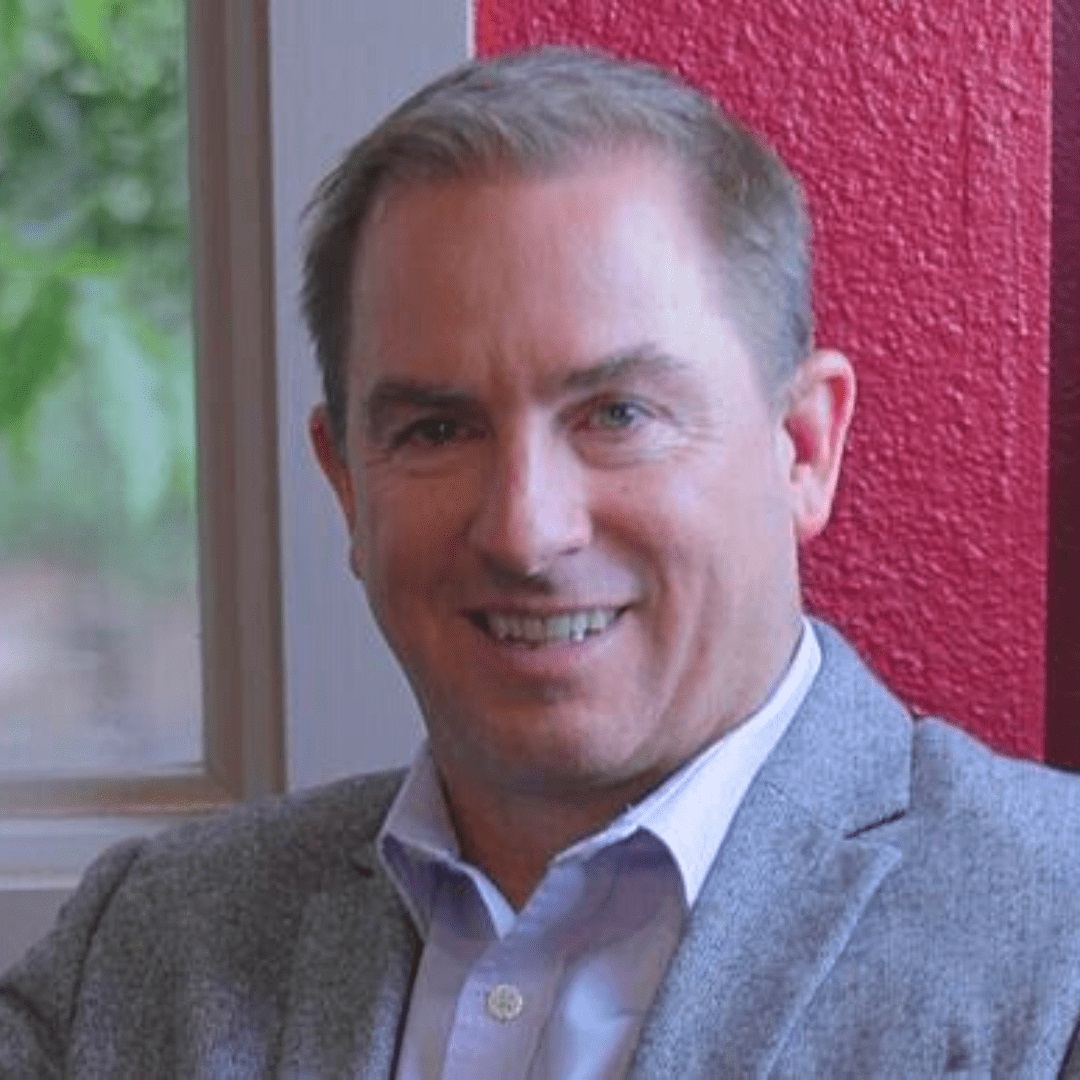
Pat Abernathey is the owner of Caring Senior Service of Boulder. He joined Caring Senior Service in 2005 as the Marketing Director. After holding many positions within the corporate structure — most recently as Franchise Business Consultant — he opened his own franchise office in Boulder. He later began managing offices in Lakewood and Fort Collins.

As the owner of Caring Senior Service, it’s his goal to give seniors in Boulder the control needed to live safely at home and to give their families peace of mind. Pat and his staff believe that every senior should be able to remain healthy, happy, and home.

Connect with Pat on LinkedIn and Facebook.

What You’ll Learn In This Episode

  • The factors that initially drew him to Caring Senior Service in 2005 and the reasons she has remained with the organization for nearly two decades
  • The philosophy of helping seniors stay healthy, happy, and home — and how that philosophy is put into practice
  • The ways he and his staff work to maintain independence and control for the seniors they serve
  • The biggest challenges currently facing seniors in Boulder and the surrounding areas
  • The methods he uses to work with families to build trust and provide peace of mind during emotional transitions

Transcript-iconThis transcript is machine transcribed by Sonix.


TRANSCRIPT

Intro: Coming to you live from the Business RadioX studio. It’s Franchise Marketing Radio.

Lee Kantor: Lee Kantor here. Another episode of Franchise Marketing Radio and this is going to be a good one. Today on the show we have Pat Abernathey. He is an agency director with Caring Senior Service. Welcome.

Pat Abernathey: Thank you for having me.

Lee Kantor: Well, I’m excited to learn what you’re up to. Tell us about Caring Senior Service. How are you serving folks?

Pat Abernathey: Yeah. So we’re a non-medical home care company. We’re the franchise is based out of San Antonio, Texas. I am a franchisee. I own three locations in Colorado Northern Colorado, Fort Collins, Boulder County, Colorado, and Lakewood, which is a western Denver area. So three three territories all together Other. They’re here in Colorado.

Lee Kantor: So what’s your backstory? How’d you get involved in this line of work?

Pat Abernathey: You know, Leah, actually, it’s it’s an accident. Uh, my, uh, background had been in, uh, marketing. Sports marketing for a university and had been working at a local university there in San Antonio, Texas. And, uh, was also I was involved in, uh, the local rugby community and a couple people who were involved in rugby as well. Uh, Jeff Salter and Ian Claeys, we knew each other. And Jeff had a company called Caring Senior Service that he had just started franchising. Not and this would have been 2005 when this was taking place. And Jeff and I were having a conversation and unrelated to business, in all honesty. See, and we hit it off. And he invited me to come work for the franchisor and I. And my job was to go teach franchise owners how to how to market their business, how to sell, how to get referrals. And I traveled around the country and that’s my that was my background. That’s how I came to Caring senior service.

Lee Kantor: So what did you learn about kind of that? Because you were kind of in the early stages of the franchising part of the equation. And, and your background wasn’t in franchising, but you had some experience in marketing. So how did you kind of blend the two to, uh, come up with a plan that helps people be successful as a franchisee? Because those being a franchisor is one kind of a business. You know, you start something, you have an idea, you replicate it. But running a franchise, being that franchisor is no longer really in the I gotta care for one individual person anymore. Now I’m trying to make my franchisees successful, that the business kind of shifts a little bit. So what are some of the things you learned about how to take a great concept and then kind of make it so that people in other markets can be successful with that same kind of playbook?

Pat Abernathey: Sure. Well, one part of that is I came from a coaching background as well. So teaching franchisees how to grow their business was was really coaching. Uh, no different from coaching on the athletic side. So, um, but taking a proven model of, um, and in the home care business, we use the word marketing. And this is also home health and hospice, when really we mean sales. We’re, um, but marketing has has a better connotation in the healthcare world, I think. So people prefer that word over sales, but we’re talking face to face sales, trying to, um, get referrals, convince people to refer to our companies. Other healthcare professionals. So what we were doing was going out, um, and teaching people how to make fake, how to make cold calls, how to make face to face conversations. Um, and using a proven method that Jeff had developed, uh, with the help of others, but also just over time, um, because he had been in the business since 1991. And when I got there in 2005, I mean, he had been running his locations not as franchise locations, but just as his, um, kind of corporate offices or home offices for a long time. And he knew how to get business, and we were implementing his model. Um, so what I, what I really learned is sales, whether you’re trying to sell advertising for, um, a, an athletics. Um, program or you’re trying to get referrals is very similar. You’re making you’re making calls, you’re making face to face visits. And we were teaching franchisees those types of skills, which they often did not come to us with. Um, you know, they might have come from the corporate world where they were managers, or they may have come from other, other sales opportunities or sales jobs, but not not face to face kind of hardcore getting referral, um, jobs. So what I, what I really learned is sales is sales. I know that sounds kind of simplistic, but it’s true.

Lee Kantor: But it’s about relationships. Like, this is a hard business to do without kind of having human relationships with other human beings. This is not a, you know, somebody who’s who’s deciding whether to put their mother or grandmother Somewhere to get service for them. They want to talk to a human. This is. You’re not going. I don’t know if you’re going to make that buying decision based on a billboard or a a banner ad on a website.

Pat Abernathey: Well, and and one reason we don’t spend a lot of money on advertising in our, our particular company, um, is because you’re absolutely right. You make a meal decision three times a day. So advertising for a, for a restaurant may have a lot of effect on, on people. Um, even buying a car or buying a house is something that happens generally more often in someone’s live life than choosing home care, whether it’s for themselves or for for a parent, an aging parent. So no one out there is thinking about home care in your general day to day life until you have to think about it. Um, so that’s a lot of wasted advertising dollars just out there in the ether. Um, and you’re absolutely right. When it comes time, they don’t want to they may use the internet as a validation tool, but they want to talk to a human right.

Lee Kantor: Because this is personal. This is this isn’t like you. You don’t want to screw this one up. You know, the stakes are too high.

Pat Abernathey: Exactly, exactly.

Lee Kantor: So, um, so you’re doing your work there, and, uh, what brought you to Colorado to to do your own thing and and say, okay, that’s good. I’ve helped a lot of people out there. Now it’s time for me to kind of take this machine and work it for myself.

Pat Abernathey: Yeah. Um, well, I first and foremost, I believed in the model 100% had been teaching it, um, had seen a lot of success and a lot of failure. I mean, it’s franchising, Um, but a lot of success and people are respected. Other owners, um, had had a lot of success implementing the model and working hard. And also I, my family was young and I was I was traveling a lot. I was kind of tired of traveling. Um, and being from Texas, we thought about initially staying in Texas, but the a lot of the territories were already already bought up. We needed a metro area. Um, Colorado provided a metro area, a good, good, um, way of life for us. Um, good quality of life. And I wanted to stay home. So but I believed in the model, so I traded everything in for to become a franchisee. Um, because I knew I would be successful if I implemented the model and worked hard. And that has been the case.

Lee Kantor: Now, you mentioned an important point, and I think a lot of folks in franchising, they think that, oh, I buy a franchise, then this is like a guarantee, you know, for success. But there’s still a lot of variables. Do you find that the people who don’t find success with franchising, they they didn’t really understand what they bought. Like, maybe they thought they bought something that it really wasn’t like, this isn’t something that you buy the franchise and then you you pay for it and then you just sit at home and then it successful. Like you still have to do some work like this is it’s not a magic box that you can just, uh, you know, put it on the table and walk away. And then it’s going to create this kind of passive income. Like, this is absolutely this is this is a you know, you’re not it’s not I don’t want to say it’s a job, but it’s definitely work.

Pat Abernathey: Yeah. And the I think the biggest misconception on the on the franchise buyer, um. Side is that you are buying some sort of, you know, magic box, like, like you said, like the franchisor is going to do all the work for me and I’m, I’m investing some money and then I’m going to get this, this good return without having to put too much work into it. And that cannot be farther from the truth. Anyone buying a franchise needs to understand that, um, especially most franchise franchise models out there are small businesses. They’re not, you know, uh, and you’re and most people are buying one one unit at a time. Um, and they, they are trying to become their own bosses, which is admirable, which is very good. Uh, but when you become your own boss, whether you’re buying a franchise or you’re hanging a shingle and starting up, you know, Dave’s auto repair, um, you will, unless you have a lot of capital to pay someone to do the work for you, which which has its own problems. Um, you’re going to do a lot of the work until you stabilize your business and until you are experienced enough to train your replacement, um, and make those things happen. But but it is a lot of work up front, and no one’s going to do it for you. The franchisor is not going to do it for you. Their representatives are not going to do it for you. Um, and that’s that’s not really what you’re buying when you buy a franchise. Uh, the work is still you. And it all comes down to owners. And that’s a huge misconception.

Pat Abernathey: And also something that needs to be, I think spread is any franchise location of any probably any model. It really comes down to the dedication of the owner, how much they’re willing to put in, especially at the beginning, and how much they’re willing to work on their business. Some at the beginning, you got to work in it, get all your systems down, make sure they’re there. And the thing is, you get the systems from the franchisor, but someone still has to implement those systems. It’s not. They don’t just happen, um, you know, by themselves. So the, the work, the I always liken it to the mom and pop store. You still got to sweep the floor, mop the floor. You still gotta clean the restrooms. You need to put in the work, um, to, you know, to keep your business going and, and and then grow it and identify where you’re growing it. Personally, I also think that gives the owner the knowledge, the wherewithal to understand that you know this business better than anyone, um, better than any of the people you’re going to hire because you’ve done it. You’ve been in, you know, you’ve rolled up your sleeves and, and put in that work to, um, to then be able to teach someone how to do it properly. Your ethos, your, um, and you may they may not be 100% you, but they’re going to give you a pretty good, um, facsimile of yourself and get the job done, at least to, you know, 80, 85%, 90% of what you need. Um, then you can start scaling your business and growing from there.

Lee Kantor: Now, what was it like when you were making the transition? So you’re like, okay, I’m going to do this now. I’m going to be the franchisee. I’m moving to Colorado. I’m going to set up shop. I’m going to, you know, I know this playbook inside out. I’ve been coaching it for a while. I, I know you know what needs to be done. But what was it like when it now it’s your name that’s getting the call. You’re the one who has to deal with things. You know, at two in the morning, you’re the one who is is kind of the boots on the ground there. You’re not. You’re no longer the coach, but you’re the. You’re the quarterback.

Pat Abernathey: Yeah. Um, it’s funny, the even though I had all this background and experience and believed in everything 100%, there was still a tiny bit of self-doubt in would this would this actually work? I’m moving to a state. I have no contacts, no. No ties to Colorado. Um, would this actually work? Um, and the why? I had that doubt, I will never know because I, I saw it, I saw other people do the exact same thing. You know, open a business that they had no experience in. Um, I had experience, but they and and do well and I but there was still just that little seed. Um, until until I answered the phone correctly, signed up my first client. Then I and then and and placed a caregiver exactly the way that Jeff Saltzer and the franchisor and I had been teaching people how to do when until that happened, there was always just a little bit of reservation of, you know, am I? But then when it worked exactly the way it was supposed to work, that’s when I that that feeling of, you know, just a little bit of self doubt that went away. It went away. It was like this, this, this, this works exactly the way it’s supposed to work. Um, and now and there’s no difference between Denver, Colorado or San Antonio, Texas, or Houston, Texas, or, um, Bergen County, new Jersey in terms of. There’s a need and we’re filling that need. The need doesn’t change.

Pat Abernathey: The workforce really doesn’t change. Um, the accents change, you know, depending on where you are in the country. But other than that, the workers are the same. The referral sources are the same. The clients are the same. They have the same needs. And you’re meeting that those needs, um, in the exact same way. And that that was very helpful just to, just to reinforce, um, just to reinforce. But but again, it only, it only took a month or two, you know, once we got on the ground to start that process and get, get clients and, and it then it then all doubt was removed. I mean then it was yeah. This everything I’ve been talking about is actually I mean yes, I’ve seen it work, but now it’s I’m, I can feel it working. Right. Um, but I’ll say I’ve made I’ve still made a couple of mistakes. You know, I, I got caught up in a couple of things. I advertised a little bit when I knew I wouldn’t. I shouldn’t have advertised. No need, no need to advertise. But of course a new business owner every now and then wants to do something, and I, um, and I wasted a few dollars on on something that I should not have wasted on. And I quickly learned my lesson and went, trust the process, trust the process, trust the process. Um, but I’ll freely admit that even even I went out on my own just a tiny bit.

Lee Kantor: Now, um, obviously the the senior population is growing dramatically, and there’s the need. There’s no kind of shade of gray when it comes to, uh, the need for these types of services. Is it becoming more of a challenge nowadays in terms of finding the right talent to be the ones you’re deploying to serve these seniors? And how are you kind of managing that side of the equation?

Pat Abernathey: You know, I wouldn’t call it more difficult. It’s always been a challenge. Um, the, you know, even even 30, 30 something years ago when Jeff started, uh, he, you know, he’ll talk about the challenge, the. Finding the right caregivers is is a challenge. And it’s a constant. It’s, um, similar to maybe the restaurant business where you’re you’re trying to find talent, but also, you know, you have a built in, um, sort of there’s a constant you’re you’re you’re constantly hiring. You cannot stop. You can’t. There’s no sweet spot if you will. Um, but I mean, we, for example, and because I have three locations that are, are all in one group, We we’ve refined our hiring process to be able to hire across the three territories. Um, and we’re lucky in that way. But we have a full time person who’s just recruiting, recruiting, recruiting. It’s so, so really, it’s your volume. You’re filling your hopper with just a huge amount of volume and then shaking that that volume out to meet our standards. Um, and it just never, never stops. And you’re lucky, you know, if you’re getting one, two, three good people a week, um, then you’re you’re actually lucky. Um, some days, some weeks, you don’t get anybody who meets our standards. So it’s just it’s a it’s really the cost of doing business. You have to you have to really fill up that hopper and, um, and be thorough. So, so I would say that the the and that hasn’t changed. That has not changed the the numbers. You know, we’re looking for a certain person, a quality caregiver. And um, and we’re able to find those people, but you just it’s a lot of weeding out, working through that. Um, and we have to know our expectations, you know, know what numbers we’re looking for and and be okay. We can’t we, um, we can’t lower our expectations and lower our standards in order to get higher volume. Um, we just have to and we we the process just has to be really adhered to religiously.

Lee Kantor: So, um, in the areas that you’re serving, what are kind of some of the challenges that seniors are facing that you’re able to help them with?

Pat Abernathey: Um, cost of living? Colorado has a has a pretty high cost of living. Uh, so you’ve got a lot of we’ve got a lot of seniors. Their houses have. Gone up in value quite a bit. So they’re, they’re often um, sitting on a, on a big resource. But they, they have challenges maybe uh, accessing some of those resources. Um, so there’s because so there’s, there’s some cost of living issues there also because of the cost of living here in Colorado, our hourly rates are a little higher than, um, some other states. So, so cost of doing business is a little bit bigger, and the cost of service is a little bit bigger. Not, not too much and not, um, not prohibitive. But it is a, it is a challenge. Um, also because of the cost of living, certain parts of Colorado are underserved because the workforce is having a hard time living in those areas. Um. The affordability. So then that increases the cost of service quite a bit because you got to pay someone to to go somewhere. Um, or they have to make more to be able to afford to live in certain spots. Um. So, for example, in Boulder, Colorado, the workforce is, is limited. Um, and a lot of the, the caregivers live on the periphery of Boulder, um, and even further away because of, because of the housing prices, um, and the cost of living. So there’s some and that trickles down and affects the seniors because it affects pricing, things like that. Right.

Lee Kantor: It becomes one of those spirals.

Pat Abernathey: Yes, absolutely. Absolutely. And, um.

Lee Kantor: But still, you know, aging at home is less expensive, typically, than going aging elsewhere, right?

Pat Abernathey: Yes. Yeah, absolutely. And, um. You get you get a lot more, um, a lot more for your dollar in with one on one care than you would in a, um, in a community sometimes because you’re getting one to many care as opposed to one on one and that so your quality of life, your ability, also your freedom. You, you know, you’re not waiting on a bus to and and someone else’s schedule to do the things you still want to do. You have someone who can provide you with that type of freedom and that flexibility to go do what you want to do when you want to do it, um, and give you some physical help so you can really not, Um, not less than your quality of life. As much as you may think you need to. So that’s those are also, um, a huge benefit that really can’t be totally, um, quantitative.

Lee Kantor: Now, is that one of the challenges? Also on the flip side of, okay, there’s issues, obviously, with the caregivers being able to get to where they got to get to. But on the other side is you have the the individual, the senior who might be hesitant to pull the trigger and work with you guys, just maybe out of an ego or pride situation where they really do need some help and the families may be oblivious to it because especially in today’s world where families are so spread out, you know, it’s not like back in the day when all the kids lived near the parents who lived near the grandparents, like we’re all in the same kind of area now. The kids can be anywhere in the country. So is that hard to kind of help the senior kind of make the decision to, hey, you’re independent. We’re not debating this, but you might need some help a little bit, you know, a few hours just to just to kind of cover some of the bases that maybe are challenging to you and that maybe you should, like, you shouldn’t maybe be getting on the roof to blow the leaves, you know.

Pat Abernathey: Like, yeah.

Lee Kantor: Back in the day you could do that. But maybe today you can.

Pat Abernathey: It’s an epidemic right now in the elderly community of waiting too long to get help and I. And that could be not just waiting. If someone did eventually want to move into an assisted living type situation, which is absolutely their choice. They’re still there, waiting longer to do that as well. And, um, and we all respect our parents or our elders. We’ve all, you know, if you grew up with your your one of your parents being a dominant figure in your life? Um, in a good way or bad way. You and or if you respect them, you respect their individuality, respect their independence. You don’t. If they say they’re okay, it’s natural for us to to as children to go, yeah, okay. Mom or dad have they’ve always been a rock for us or independent. And if they say they’re they’re okay, they’re okay. But like you said, we do not live in, um, tight knit family communities like we like. We’re in the past, so we don’t see people every day. Um, also, sometimes when you see someone every day, you don’t you’re not you don’t see the gradual decline. Um, it doesn’t it doesn’t jump out at you quite as much. So what is happening is people are forced to get care or move because an emergency happens. And one one thing we’re trying to spread the education about is getting help earlier, especially home care, to help us avoid some of those emergencies.

Pat Abernathey: If we if you had a little bit of help and keeping, you know, keeping a loved one from doing some, some work around the house that they’re not maybe not able to do anymore, like, um, being on the roof or something like that to of which might avoid a fall, which a fall is catastrophic. So um, and can some, some home care a couple times a week allow for some of those chores to be done or allow for, um, someone just to have an extra set of eyes and extra set of helping hands to avoid that emergency situation. That then because what happens is you have freedom of choice until you don’t have freedom of choice. And what some sort of physical, um, I want to age in place or and in some sort of physical. Or mental problem then forces you to do to not do what you want to do. If you want to age in place, getting some help earlier can help avoid that emergency that forces you to move when you really didn’t want to move. And that’s happening often in not just here in Colorado, but just all over the United States, where, um, parents, aging parents and their children are avoiding getting some help and then they’re stuck there, they’re hit with an emergency that forces them out of their choice system.

Lee Kantor: Right. Like it’s one of those gradually, then suddenly, like, you know, the parent might be missing, not taking their medication regularly and no one’s noticing, and but they’re not getting better or they’re having side effects, and then all of a sudden, you know, a bigger problem happens. Or or if they’re not, you know, checking to see if the food’s expired and no one’s noticing, and then all of a sudden they get sick and it’s like, how did this happen? It’s like you’re missing kind of subtle clues, uh, where if somebody was there a little bit, they would pick up on it. But because a lot of these families are so spread apart, no one’s there enough to kind of catch some of these minor things that turn into major things because no one’s, you know, there’s not good eyes on it.

Pat Abernathey: Yes. And what happens with elderly people a lot is they we often and this happens to everybody, we forget. Um, but then people just forget. Sometimes they forget what they ate or how much they ate, and there they end up eating once and or they eat very small amounts and their, their strength begins to fail because they’re not or dehydration.

Lee Kantor: How much of a problem is dehydration? That’s a tremendous problem. And if if someone’s not there a little bit, that can really turn into a big problem pretty quickly.

Pat Abernathey: Absolutely. I can tell you a hundred stories, Lee, of someone who dehydration led to a major issue, um, with either a urinary tract infection that caused tremendous, um, mental, you know, instability that then led to either a fall or some sort of near catastrophic episode, um, that led to a hospitalization that then led to, you know, almost a forced relocation. And that and it was all had to do with someone if someone were just reminding someone to drink more water, that the whole situation could have been avoided or mitigated and that that’s that’s a great example. Um, it happens all the time.

Lee Kantor: So if somebody wants to learn more, if they have issue in Boulder, um, or Colorado about senior care, what is the best way to contact you there? And, and where should they go if they want to learn more about the, uh, caring senior Service franchise?

Pat Abernathey: Uh, both the Caring Senior Service website, uh, will get you to both to the three my three locations Lake Caring senior service, Lakewood caring senior service, Boulder caring senior service, Fort Collins. Um but that also that website uh caring senior service. Com will also get you to the franchise system. Um, I’ve been very happy with our franchise system. Our support is excellent. Um, we’re still. We’re a good size franchise system, but we still are small enough where all the owners know one another. We get together on a regular basis. Um, you know, we know all the corporate people very well. So we we do feel like we’re we’re a little family in our own way. Um, but I would I would start with caring senior service and its caring senior service singular. Um, so, um, that’s where I would start.

Lee Kantor: All right. Pat, well, thank you so much for sharing your story. You’re doing such important work, and we appreciate you.

Pat Abernathey: Yeah. Lee, thanks for having me.

Lee Kantor: All right. This is Lee Kantor. We’ll see you all next time on Franchise Marketing Radio.

Tagged With: Caring Senior Service, Pat Abernathey

Jeff Salter with Caring Senior Service

April 10, 2025 by angishields

FMR-Jeff-Salter-Feature
Denver Business Radio
Jeff Salter with Caring Senior Service
Loading
00:00 /
RSS Feed
Share
Link
Embed

Download file

css-logo-png

Jeff-SalterCaring Senior Service founder & CEO Jeff Salter began his career in senior care in 1991 working for a home health care agency in Odessa, Texas.

Four months later, he started his own senior care service to provide seniors with the non-medical care they need to stay at home.

In 2003, Caring Senior Service began offering franchises and today has locations in more than 50 markets nationwide.

For more information on Caring Senior Service, please visit https://www.caringseniorservice.com/.

Connect with Jeff on LinkedIn.

Transcript-iconThis transcript is machine transcribed by Sonix.


TRANSCRIPT

Intro: Coming to you live from the Business RadioX studio. It’s Franchise Marketing Radio. Ready to revolutionize your franchise with AI? Franchise now empowers franchises with advanced AI solutions, automatic processes, and enhanced marketing strategies. From personalized customer interactions to predictive analytics, we help you harness AI to drive growth and efficiency. Transform your franchise with the power of AI. Visit Franchise Now to learn more and take your business into the future. Now here’s your host.

Rob Gandley: Hi everybody, and welcome back to Franchise Marketing Radio, where we explore the dynamic world of franchise marketing, technology and business ownership. I’m your host, Rob Gandley, and today we have the pleasure of welcoming back to the show Jeff Salter. He’s the visionary founder and CEO of Caring Senior Service. With over three decades dedicated to enhancing senior care, Jeff has been at the forefront of integrating innovative technologies to ensure seniors can age safely and comfortably in their own homes. Since his last since our last conversation in early 2023, Caring Senior Service has made some remarkable strides, particularly in leveraging AI to revolutionize caregiving. So it’s a pleasure to have you back to the show. It’s definitely something near and dear to my heart to talk about AI and innovation, but also senior care. And how do we add those two together? That’s an interesting conversation. So welcome back to the show, Jeff. It’s good to have you.

Jeff Salter: Yeah, thanks for having me. I’m excited to talk about this. I know that, you know, it’s not something people often put together as technology and seniors. Historically, it’s been something that has been fought against quite a bit. But as combination of things are happening, information technology is making things easier for people. And just the fact that seniors, the today’s seniors are a little bit more ready for technology to be part of that ongoing care continuum.

Rob Gandley: Yeah. Yeah, exactly. You got to be have that little, little, little piece of willingness. But I think then you see this helps things. We don’t want to take away the relationship. Right. This is just enhancing it. So it’s actually pretty interesting. So before we dive into that sort of conversation, which I can’t wait to tell the audience a little bit again about the brand, about you, about where you’re headed. Uh, just so they understand where you’re coming from.

Jeff Salter: Yeah, yeah. So our company is caring Senior Service, and what we do is we provide caregivers to a senior that wants to remain independent and avoid relocation to a nursing home or assisted living. They’ve made that choice. I’d like to stay home. They’re typically dealing with some sort of an ailment. Or maybe they’ve had a recent injury of some sort, and they need to bring someone in to help serve that ensure they’re safe at home. So we provide a caregiver anywhere from 4 hours to 24 hours a day to help ensure that they’re cared for properly. They’re getting good nutrition, their physical needs are met, they’re getting good hygiene, you know, help with baths, restroom assistance where necessary, errand running, everything that you and I would think of and take for granted that we do each and every day or each and every week, we have to go in and help a senior that may not be able to do those things. So our we have today, we have 59 locations across 20 states continue to keep growing as an organization. And one of the biggest challenges in the senior care business right now is how do you find enough caregivers to care for the the needy population? A lot of people need care, but there’s not as many caregivers as there once was or people are choosing other careers.

Jeff Salter: So we’re kind of in a constant battle of finding people. So for me, it’s always been a technology solution. I knew technology would augment the work that we do and figuring out how to make that happen. So as we continue to grow and expand, bringing on more owners, providing them the support that they need, we’re really trying to pay close attention to what technology is out there, and how does that get implemented into the day to day operations. And that’s where technology sometimes really doesn’t meet the business needs. It doesn’t integrate within the ongoing business flow and the business processes we have in place. And it’s solving problems that weren’t necessarily problems sometimes for business owners. And and that’s a challenge that we really need to get right, because we have to serve so many more people and do that with as little of staff as possible.

Rob Gandley: Right. It’s a key point that you just made. And the idea, the comment you made about whether or not you actually need it. Right. Like, is it creating the the result that is actually needed? You know, and in the end, you have to keep that in mind. Why are we doing this? What is the why behind it? Um, and so let’s talk a little bit about that because I know that you’ve, you’ve definitely released some innovative tools and AI driven, um, resources for your franchisees to better serve your, your, your, clients and customers and and things. So let’s just start with, um, and again I want to make sure I get all the names and the technologies right. But I want to start a little bit with your AI driven caregiving assistant. Right. I think there’s a name. Is it Carrie? Is that the name of the assistant? Okay.

Jeff Salter: We’ve got. Yep. Carrie. Yep.

Rob Gandley: Yeah. I was going to say real fast. So just help us understand that, because again, it goes back to what we were just talking about. Like, are we implementing something that’s helping everybody be more efficient and keep the relationship intact where we want it to be better? Not not like we’re not talking to people or we’re confusing people or any of that. Talk, talk, talk to us about Carrie. And and that’s an amazing achievement. So tell me more about that and how it works.

Jeff Salter: Yeah. As we dive into this, it’s really important to think about any technology. And a lot right now with AI. But what we look at is we look at third party vendors, third party partners that might be providing some AI technology. We also look at in-house what technology we can develop on our on our own. So we we’ve approached both sides of that. One of those examples is Carey Care. Uh, we were uh, we were approached last. Last. I guess it’s almost 18 months ago now by a man named Nazar that was developing some, um, I assistant, early stages, early development. And that’s something. Right now, things are moving so quickly. You talk about something that happened last year and it’s almost outdated. Thankfully, this technology has been able to keep up with what’s happening. Um, but but it basically at its core, it’s an, it’s an AI assistant that’s really designed for families. And it’s to help families coordinate communication between each other and third parties. So you can imagine that you’ve got a senior who has four, four children. All four children are trying to figure out how am I going to help mom? How do I help one 1st May live far away. 1st May live, you know, 30 minutes away. The other two might be local, if you will. And local can be a long way sometimes. In a lot of cases, especially in the sandwich generation, we got family members that have got other things going on.

Jeff Salter: They’re raising kids trying to deal with these challenges. So Kerry is basically an AI system that kind of gets in the middle and coordinates all of the communications between family members initially. So if, uh, the son is able to make a doctor’s appointment, take take mom to the doctor’s appointment. Um, mom can can message Kerry rather than having to do a group chat where she messaged everybody, you know, and the son that lives miles away is in that group chat. He can never actually do anything. He’s always. It might be nice, he knows what’s going on, but it doesn’t really help. So Kerry steps in and Kerry is intelligent enough to know who is where and what they can help with. So if if I’m in town taking care of mom and I can do driving, but you’re in town, but you can only go by when in the evening times. Kerry is intelligent enough to know that if mom needs a doctor’s appointment, it’s going to contact me and let me know. It doesn’t let you know because you’re not in the loop necessarily. It’s not important. Doesn’t let our other sibling that’s many, many miles away know because they wouldn’t be able to help. So it’s in one way it’s real simple in that sense. But it gets, it gets and does so much more. And what we looked at is like, well, if it can do that for families, how can we leverage that same kind of concept and technology to augment our team members? So you can imagine right now, today, it’s it’s a process of scheduling.

Jeff Salter: Um, you know, any location has 30 caregivers, 40 clients. We’re trying to manage a schedule across all those people. So Kerry is able to help me as a care manager, manage my pool of caregivers, communicate with them, and also communicate with all the family members involved. So it’s just a man in the middle that’s able to be intelligent enough and has enough context, knows what’s going on to carry out a conversation with each of those people as if they’re the only ones involved in the loop and it’s really, really innovative and it’s really driving wanted for a business owner. It means my costs are driven down. So now where I normally would have to add additional staff to manage more and more caregivers. Now I can do that with fewer people, and they can do it in a way which they’re not pulling their hair out. It’s not adding stress. It’s not saying I’m not going to add staff because I want you to work harder. It’s saying, I’m going to put technology in place that’s going to help you communicate with caregivers more efficiently and more succinctly, in which the client experiences better, the caregiver experience better, and the staff experience is better. And when you get all three of those, that’s just a winning combination with technology.

Rob Gandley: Wow. So tell me just real quick to kind of picture it a little, uh, how does the tool work? Is it a, uh, interface you log into like ChatGPT where you chat with it and it coordinates things for you. How does that look and feel? How does it work?

Jeff Salter: Important thing for Carey Care was to make sure that it was using an interface that the majority of people were comfortable with. Majority of people are comfortable with SMS, texting and maybe using the the WhatsApp texting capability. It’s the same thing as really texting, just a different platform. So it’s its primary mode of communication is through text messaging back and forth. Keep them. Keep them short and succinct. But that’s something that everybody can use. So you don’t have to download an app. You don’t have to log in, create a user account, go through all that process. It’s just simply once it has your phone number, it can start communicating with you as part of the care circle. So that makes it really simple for people to use.

Rob Gandley: Wow, that is great, I love it, I love it. Sms is definitely the channel and boy we’re feeling it now in the regulatory environment with getting numbers approved, right? It’s hard to do that now, but man, it’s the perfect way to communicate with people because we all open almost 100% of our texts and are very used to using it all day, every day. So what a brilliant way to approach it. Uh, so I want to keep going here because you have more you have more of these tools, and I don’t I don’t want to I want to kind of try to flow, but I wanted to look into okay. So there’s another tool though that you’re looking at called sensei AI or working with me. Tell us a little bit of how these now how does that complement further or does it at all? Maybe it’s a separate tool, but tell us a little more how that AI tool is helping enhance care outcomes as well.

Jeff Salter: Yeah, it’s worth noting because I know that you got a lot of business owners listening to this, this broadcast, and you got a lot of people going into business. It’s worth noting that it is a challenge for companies right now, especially because we do have so many new technologies that are merging, and we’re all trying to use them so it can get you can get a little bit lost on what’s one thing to do versus another one. Everything ends in AI and it’s it’s it’s like, what is that tool specifically do? And we’re in this mode right now where everyone is developing single purpose tools, which I think is an important route to go, and making sure that those tools just work for your business. So also about we’ve been with working with sensei for almost two years now and with Cinci. What’s unique about that? That organization is what we’re able to do is provide augmented care in a client’s home. So what we’re doing is we’re able to go into a home, we install a couple of devices, and these are audio devices. And what these devices do is locally they they record sound and they process that sound and what they’re looking for. It’s looking for care related type of situations. So you can imagine if someone were to fall. That makes a very distinct type of sound. It makes a situational, um, environmental situational sound that the AI picks up on and then goes, wait a second, I think I heard a sound that, combined with other things in the home, help it understand that a fall might have just occurred.

Jeff Salter: Now, typically in a fall situation, you have someone that if they have a medical alert device like a wristwatch or a pendant. They might be able to press it, but one of the downfalls of of those devices is that it requires user intervention. User has to take an action. And too often when a fall occurs, someone could get knocked out. They simply are unconscious. They could hurt themselves in a way in which they’re no longer able to use that hand to push the device. But what they typically can do is they can make sounds, and by listening for sounds, that means if they fall and we hear some groaning, maybe, or oh my gosh, I just fell. Those are sounds that the system is able to detect. And then giving us an alert that the fall might have happened. And then we can go into action so we can call the client if they don’t pick up the phone after we’ve we’ve detected a fall. Well, now we’re a little bit more concerned. Now we can get in our car. We can drive out there to, to assess the situation in person. Um, but we’re also able to listen to what actually happened through a short audio clip. It only records a short audio clip. And so if in that audio we can tell something serious happened, then we can just call 911 on the client’s behalf and get someone out there that’s ready to help that client immediately. Um, all of this is done, though, through the AI, able to take that audio sound and determine what happened.

Jeff Salter: And it goes like so much further than that. And the good thing is, it’s not Big Brother. We’re not recording and listening to sound. I don’t have, uh, access to any sound in that house at all. Only the AI has access to it. I only am aware of something that it detected. So it’s not like a video camera. A lot of people want to put video cameras in the home, and and there’s a lot of cool things you can do with video, like we’ve all got security cameras, but the problem with video is then it always has to be monitoring and looking, and then people can tap into that and it feels a little bit invasive into my privacy. So a lot of seniors really don’t want video technology at all. Audio technology is much different. It’s not as invasive and people are much more receptive to it. What we’re finding right now. So that’s something that’s been a big, big help. And frankly, it’s saving lives. We’ve saved a number of lives just by learning that a fall happened. We had a client that fell, had a head injury, and they were actually bleeding pretty, pretty seriously. We got there. We got we got 911 dialed in and we got them to the house. We were told that had we not intervened, it was highly likely that patient would have passed away. So that’s where just it’s amazing that it can do that kind of stuff.

Rob Gandley: We had someone on the show not long ago, one of, uh, a couple, uh, your franchisees, and they were telling a story. Same thing. I wasn’t sure if it was the same tool, but I just know it was. It saved a life, and I. So you’re doing this routinely. So my question is, how innovative is this right now? I’m sure in time this would be very standard. But for companies that do what you do, I’m sure many of them aren’t doing this yet. I mean, I feel like, my goodness, it should absolutely be there, right? You know, if it was my mom or dad. But anyway, what are your thoughts on that? Is this still pretty early or are you still pretty out in front doing these things, or is this starting to catch hold to be kind of standard?

Jeff Salter: Yeah. You know I’d like to that’s a that’s a challenge for any company, any any franchisor, any franchisee, anyone in in any industry is like how do you get at the forefront of technology? Not on quite the bleeding edge necessarily, but how do you how do you get it early enough to where you can be a first mover? Um, a lot of us can’t develop technology ourselves though, caring. We’re doing a lot of development of these technologies. But with sensei, they’re the only ones using audio to do this kind of detection. Everyone else is focused on the video side of things or user input side of things. Motion sensor is also something people are using. There’s some interesting things happening there, but what sensei is very innovative in the fact that their their processing of that data, All the data points that come in, they’re able to really do some amazing things with alerting us to what might be happening with that client so we can intervene. But it’s a third party technology that all companies can work with. But the key thing is as an investment, there’s a cost involved in these technologies.

Jeff Salter: It’s an additional cost that you have to figure out how to earn money on. And that’s where most of this technology today is having is having resistance is people aren’t sure. It’s really cool. It does amazing stuff. But how does it return an investment in such a way that it makes sense for me to do? For us, it was really easy. If I avoid a client passing, I keep them on service and that’s important. So for for me and it’s saving lives, so it makes it a no brainer. Why would I not use this type of technology? But it doesn’t necessarily mean that we’re the only ones that have it. There are other companies that are using it, trying to use it. I just think it’s like anything, we all have the same access to everything. It’s how you implement the tool to make it more to your advantage than somebody else. And that’s the same with anything we’ve got today. And that’s the same with AI. How do you use it in your workflows and your business processes that give you a competitive advantage?

Rob Gandley: Exactly. Yeah. You have to look at both. I mean, you have to do the business side, especially in a business model where you are helping others in such a profound way. But you still have to look at the dollars and cents, right. The basic blocking and tackling. Is it paying off? Can I sustain it? Can I afford it? How would I monetize it? That sort of thing. But that’s all for the betterment of making your clients experience better, right? And in your world, you’re helping people in a very direct way, which is a good feeling. But you’re right. You got to think about it. It’s like, yeah, we’re help a lot of people, but we’ll lose a lot of money and maybe that can’t work right away. You know, you do what you can, right? So let’s keep going because I think you have you have some other tools. But I also want to just ask the first tool we talked about Carrie. Uh, now, if that fall occurred and was detected with sense he would carry come into for helping with some streamline of communication, deploying people, notifying people. Is that sort of or would that not necessarily be helpful? Or is that now a helpful way now to further the communication after something like that, or do they work together in other words? Yeah.

Jeff Salter: Yeah, absolutely. Absolutely. If you think about the process and that’s what that’s what you really I think um, and again, I encourage people, business owners to think about the process and what has to happen for everything that you do, and then think about where, where these eyes can augment things or where this technology can augment. So you can imagine I’ve just gotten an alert that a client has potentially had a fall. I’m in scramble mode to figure out what I need to do next, and in that process, I probably want to let some people know I might need to let some other team members know what’s going on. I might need to let the family know what’s going on. Imagine if if I’m doing that process right now without any advanced technology, because, you know, my phone is a technology, but if I would have to stop what I was doing, I’d have to get the client’s phone number, get her family’s phone number, and then I’d have to call that family member. And then I have to relate the situation to them. I’ve got to start taking time, right? It’s going to take time to do that. I then got a call, and am I the one going to go out there or am I a team member? Go out there and if I’m going out there, what about the other things that I had to do? I know there’s an emergency situation. I can drop everything, but do I do I drop all the work that was done that puts me behind now.

Jeff Salter: And what if this was turns out to be a false alert? I might still need to go out there to verify if it’s a false alert. And that again, means that the work that I was supposed to do falls behind. Well, what Carrie does is I’m able to text Carrie and say, Carrie, I just found out with from from a client, and I could tell Carrie what client it is. Mrs. Jones has fallen. Can you let the family know and contact my other care manager to have them come back into the office and Carrie will take care of all the communications. I don’t have to look up a number. She doesn’t have to look up a number. She calls those people. She can do voice calling pretty soon, but right now it’s text based. But that’s the other feature that’s coming is voice calling. So it’s actually communicating in real time using some of the tools that are available now. Um, and so I can just go get what, get what I need to do. And I can just tell I can communicate with one person and it will then communicate to all the people that it needs to communicate to. So that’s where it’s a it’s kind of they are linked together in that sense. One tool is augmenting something that’s part of that business process.

Rob Gandley: Yeah, I love it, I love it, I love this because eventually it’s a bunch of AI agents throughout your business, augmenting many things, becoming you become something different while you’re still the same brand, but you’re capable of doing more. And that’s the beauty.

Jeff Salter: Because because I need to be there to be able to assess the situation. I need to be there to maybe help that client get off the ground. If it’s not a serious fall, I need to be there to to assure them that they’re okay. That’s where I can’t handle that. You know you need a human. But if now all my other tasks that would have burdened me or stressed me out can be offloaded to augmented technologies, then that’s a boon for everybody.

Rob Gandley: I’m just laughing because I think of myself throughout my life and and just most of the stresses in life had to do with like communication, trying to get through all the tech, like I started in the 90s when tech started to emerge as a as a useful tool and a way to live. And no matter which way you sliced it, it was challenging over the years, but now I feels like I can go back to just talking. I can just delegate. I could just communicate and things will get ripple and get done. And it’s not so much button clicking and figuring out right of tools. Absolutely. Yeah, yeah, very cool stuff. So let’s keep going on this AI tool because you’ve been busy with innovation. So I think I have one more question here. Um, and I want you to kind of fill in any gaps I missed. But there’s another tool called Key Scribe. Is that correct? And I believe this if I said it right. But it’s another tool I think that kind of analyzes calls. So tell me a little bit of what that’s doing and how that’s fitting into this ecosystem here that you’ve built.

Jeff Salter: Yeah. Inky scribe is designed to to to help business small business owners. What we it’s important I describe the problem to describe what the technology does. So what we have is a small business is we have people that answer the phone. I hire 3 to 4 staff members in each location. A franchisee might have 3 to 4 people in their location. And the nature of the way that our businesses work, they’re small businesses. So the phone rings. Whoever’s in the office, whoever’s on call, picks the phone up and answers the phone call. They just that’s the way it works. All hands on deck. It’s a small business. We’re scrappy. Got to make things happen. We don’t have receptionists. We don’t have a call center. We don’t have a team of people waiting for that new client call to happen. What we found was that oftentimes people in that mode pick the phone up and they don’t properly handle a new client call as well as we’d like them to. And to get people better. We do tons of training. We teach everyone how to properly handle a new client call, how to walk them through a problem statement, understand what their situation is, make sure that they, um, uh, detail how we can help their situation. Give them pricing everything that that that you would typically want to see in a perfect customer service call, especially for a new client. But inevitably, the end staff member doesn’t do as good as we would hope they would do with the training that we put into them.

Jeff Salter: And that’s okay, because they’re busy. They’re they’re they’re dealing with a scheduling issue in our business. And the phone rings and they’re frustrated with scheduling, and they pick the phone up hastily and say, yeah, thanks for calling my business. What can I do for you? And that person starts going, and then they don’t properly stop what they’re doing and engage in that call. And to find out first who’s not doing it well is a massive process. Like you could record phone calls. Well, if you record phone calls now, you got to listen to every phone call to find the ones that you want to. Then grade, if you will. And grading a phone call is a miserable experience. You got to listen to it all the way through, rewind it, listen to it again, rewind it, listen to it again. And then you got a grade A paper, and then you got to have a meeting with that person and you got to say, hey, uh, Joe, uh, I just got to listen. I just listened to one of your calls, and I got to tell you, we’re we’re not too happy with what happened here. Here’s the areas I need to see improvement on. Then you got to train that person. Let me tell you what you should have done on the call. And now you got to start all over, because now you got to wait for the next call.

Jeff Salter: In our business, we get 3 to 10 calls a week about new service. So it’s not a lot of at bats. You don’t get a lot of opportunities even to improve. So it’s a high risk, high reward type of business process that we said there’s got to be a better way to do this. We’ve got to be a way we can coach people up, that we can help them identify where their where their blind spots are. And we developed this technology called Inky Scribe, in which we record every single call that comes into the business. We transcribe every single call. That’s common technology. Every phone system probably has something like that. But what we specialize in is we take that call and really look for some very specific things, what type of caller it was. We look for what the general issue was that they were calling about, and we provide a summary. Now, again, that’s not super special in its own right, except for the way that we display the information is really intuitive, easy to follow. But where things get really magical is what we provide. If it’s a new client call, we identify that as a new potential client. And then we have a little a little feature in which you can grade yourself. And when you click that grade yourself button, what you get is an email that says, here’s how you did on that call. Here’s where you here’s what you were supposed to do. Here’s the ten things our business.

Jeff Salter: It’s customized for every business type. Here’s what we were supposed to do. And here’s how you did on each one of those segments. Along with that, not just a grade, but keys to improve. So we’re training on every single call they get. They see where they could have asked some different questions. They could have dived a little deeper. They could have explained our services a little better. But at the end, no manager had to spend time doing any work. The AI is augmenting the the the process by giving that person the immediate feedback. And this happens in under a minute after the hang the phone call up. They get that the ability to run that report and know exactly how they did on top of that. Advantage of the business owner is right now, I’ll tell you, is every person on this call that’s a business owner today in the service business, they only know about inquiry calls or new service calls to their business. Probably about 50% of the time. Our data shows that only about 50% of all calls actually get recorded, because what’s happening is people are self determining if this is a hot lead or a cold lead. And unfortunately, they’re not equipped with how to turn a cold lead into a hot lead. So they don’t even record in whatever system businesses are using. That call would never even got recorded. So basically it never happened. And it’s, it’s it’s a huge, huge miss.

Rob Gandley: Right. Yeah. And I, I know what you mean by that. So like some conversations are sort of turn the corner like they’re, they’re saying things that you could maybe ask a follow up question and bring them back to, you know. Hey, wait a minute. They might need your help. You shouldn’t dismiss that too quick. Gotcha. No. It’s a very powerful tool. And you’re right. It kind of overcomes all the barriers, the the difficulty of with the time investment. But also, I think people would learn much more openly. They wouldn’t be so feel so judged by it or critiqued right by their by their supervisor. Just real quick, I can I can tweak it and I get better at it. You feel.

Jeff Salter: Better. It’s huge. It’s huge. Yeah. And and I like to tell people when I’m talking about scribe that it’s a technology we developed for in-house, but then we turned it into its own company. And today I am the only CEO of any decently sized home care franchise that can tell you every single day how many actual calls for service happened across the entire organization. No one else has that kind of insight that I’ve got, because 100% of our locations are using this technology, and I know I’m not. I’m not Big brother. I’m not reading about every one of them. But I can tell you exactly how many potential service calls we had every single day. Nobody else knows that anybody else would have to guess only on stuff that got recorded. So how do you know if your marketing campaigns are working? Well, I can tell you how many actual calls we got for service based upon our marketing campaigns, in a way that no one else can do.

Rob Gandley: I think I’m interested. We might have to talk. Yeah, that is a that is a thing that is. Well, it’s just always kind of been there as a acceptable reality. Like, you know, you record calls, but you got to listen to them and you’re not going to know much unless you listen to them. And that’s a lot of work and no one listens to them like you, you’d have to hire someone to do that and then do the work of segmenting everything and say, well, that was a call. That wasn’t that, man.

Jeff Salter: It’s almost it all for you.

Rob Gandley: Yeah, right. But now you got you take it. I, you put it into a use case, something that’s game changing. And you’re right that for home services, brands of all kinds, uh, that get those inbound calls. You don’t, you know, you just don’t know what they’re about. They could be about a lot of things. Be able to identify that quickly and adjust and improve. Woo! All right. We’ll talk more. But that’s really powerful. So that was something that you guys you you you built internally 100%. Or you use a third party tool and then customized it. Or how did that what was that.

Jeff Salter: On this one is I developed it 100% on my own on on nights and weekends. I decided this was a problem I was going to solve. I wanted to learn a lot about AI during the process, and so I just dove in deep. I taught myself programing at a level I hadn’t, I didn’t know, um, I learned everything I could about AI, technology, how it works, how prompting works, how processes work, back end. I had to learn a lot to do it, but in the end it was like it was it was well worth it. You know, we’ve we’re we’re started up a whole new company helping other companies achieve the same thing. And I’m at the point in my career to where I kind of I want to give back. I want my brand to to grow. Caring is going to continue to grow. We want to see more franchise owners come on board. We want to serve more seniors across America. But I also know that I need everyone to be as good as they can. And if I can help develop some technology that can be used by others in that process, then I want to make sure that’s something that I can give back to people.

Rob Gandley: That’s beautiful, I love it. And from what you described, I think you landed on something very important. Uh. So cool. Uh, so let’s talk a little bit about, uh, you know, so we kind of went through the, the I before I leave, I, um, I wanted to kind of ask you. So you’ve done these things, you’ve the custom, uh, and then working with some third parties and, and then and then getting it to a place where you can implement it, and then you’ve got to get the franchisees on board to understand and implement properly. So you’ve done this probably for give or take. Let’s say it’s two years I’ve talked to you. It’s been a little over two years since we talked. So so you’ve been at it and and so tell me, looking back now, was there anything you didn’t anticipate any challenges in getting things done or rolling them out. Yes, these things work. Amazing. They do amazing things. But what were some of the hidden challenges you. Found trying to roll this out as a franchise leader?

Jeff Salter: Well, I think that it’s it’s still people, right? And the end of the day, I mean, I can create information all day long for people that are to consume, but still the people have to be able to, to use it, and it has to be really easy for them to use. And as much as I think it might be easy on my side, we have to learn, okay, that wasn’t the outcome we expected. So we need to we need to modify things. But what’s been I say that caring senior service is a little bit more set up than other organizations, because I myself am a change freak, if you will. I don’t mind change one bit. I know that things are going to change. I know my business needs to change. We have no sacred cows so everything is is up for change as far as we’re concerned. And I’ve tried to lead with that, which can be tough for other people around me because they’re like, wait, I just learned the last process and now we have a new process. I’m like, yeah, unfortunately, you know, things are moving fast, and with AI it’s even moving faster. So we’ve set our company up, though, to be prepared for change.

Jeff Salter: So we’ve trained our people say, hey, this is the way we do things now, but it may change tomorrow and be ready for that. So the change mindset I think is is ingrained, but not everyone’s always on board with the change mindset. So it’s still something that is is tough for some folks, especially our newest team members that come on board. They’re used to working with a company that things were always done like this. Nothing ever changed. And to be for us, they’re like, wait, wait a second. I just went through training last week and you taught me to do it like this. And now there’s this new thing we’re doing and it’s going to be completely different. Like, yeah, that’s the pace it works at here. We want to stay ahead of the game. We try to be mindful of, you know, too much change can be too disruptive and no one can keep up with that. So we try and balance that out. I would rather error on the disruptive side than I would on the static and stay the same side though. So that’s what I try and keep that into our culture.

Rob Gandley: Yeah. And that’s very important. It’s the way you frame that into your culture, because I think it’s just reality of what we’re living with right now. I think the, um, you know, and you probably know this too, uh, this the speed of change is, is not only faster but will continue to accelerate. So if that can even make sense, I don’t I mean, whether everything makes it to us, like right now, I believe the capabilities are way past what we see, like in the labs and things at these big providers that are building out the technology. But it’s still we all, as business owners, have to have a plan for rapid change and innovation. That has to be a process. And and you just have to expect it and not be too intimidated by it. And sometimes in those evolutionary steps, you’re not looking for perfection. But I think the the point is what you can get in that is so transformative that you can’t not do it right. So you almost have to. The old way might have been to go a little slower. Don’t constantly disrupt and be careful. The new way has to be what you’re saying.

Rob Gandley: I mean, if it’s not, if you’re not seeing it now, you will see it this year. By the end of this year into next year, the speed again will leap up and you’ll start to feel it. Then you’re starting to say, wait, this guy, you know, hearing this podcast, they’re probably thinking, oh my goodness, we haven’t even thought about these things, right? And then that’ll be more like in a year. Like everybody you’ll feel that way. So anyway yeah good good advice on that. Um, wanted to circle back then something sort of that encompasses you and your brand. And, uh, it’s a lot about awareness, right? About about around senior care and and the way people communicate about it. And, uh, it is still something that a lot of people keep to themselves. And so you’ve done a lot to create awareness. And I think you have something called the Close the Gap senior care movement. And I just wanted to kind of circle back to that and get some updates from you and kind of see where that’s at and what that’s about.

Jeff Salter: Yeah. So, uh, in, uh, I think we maybe talked about it last time. Um, you know, in 2021, I went on this journey, uh, visited every single one of our locations, rode a bicycle across the country for months on the road 9500 miles. And it was to launch our movement to close the gap in senior care. So our goal was to raise awareness to the needs of seniors in local communities, um, to help bring other people involved in senior care, either becoming business owners in senior care, um, becoming actual care deliverers, you know, uh, home health aides, nurses, doctors, anyone involved. I really want to see more people get involved. But focusing attention on the senior population and then on technology, I wanted to really try to inspire people that technology can really be a powerful mover in the senior care space. If we have enough people thinking about the problems and coming up with innovative solutions. So the bike ride let us raise some money and some funds. We started a nonprofit to close the gap in senior care, and right now our main initiative still is installing grab bars for seniors. So we’re doing free installations for seniors that are that have needs in the communities we serve today. And we’re putting two grab bars in their bathroom area because that’s the number one place seniors fall and have an injury. And it’s the leading cause of injury related death among seniors is a fall in bathroom is like 80% of all falls happen in the bathroom. So we’re just trying to really focus on that one.

Jeff Salter: We’ve had to cobble together partners across the country for doing the installation work. So we’re right now we’re working on the creating the premier place that people can go that need a grab bar installed, which it seems like pretty basic, right? You think a grab bar in a bathroom? How hard can that be? It seems like a pretty good, easy handyman job. Well, Turns out to get it done right. It’s really, really hard. Uh, for one, finding someone that will actually show up to your house to do it, finding someone to do it with at an affordable price, and finding someone that will do it in the right way is is actually more difficult than than I would have thought it was myself. Uh, and so we’re working to build a list and to put together a network that covers the entire nation so that any senior that needs to get a grab bar installed and they want to pay for it, they can find, um, on our website, they’ll be able to go to our website hopefully by the end of this year and find a provider that that says, I’ll, I’ll prioritize the grab bar installation if you end up using their service. So that’s part of what we’re trying to do that through the through the close the gap in senior care nonprofit and really elevate that that responsibility to those to those, uh, you know, people that are that are doing home modifications and work for seniors.

Rob Gandley: Yeah. And there’s, there’s quite a few franchise brands that probably fit that description. Right. Yeah.

Jeff Salter: We’re working with a number of them right now. Yep. Yeah. That’s the problem is, is it’s a patchwork right now. There’s no one covers everywhere. So we’re having to and this is a it’s been unique because I’m a franchise or I’m speaking to other franchisors in a in a semi related business. But their home modification franchise and they don’t always they’re competitive with some of the other people. I’m trying to get them to come together for a common cause and say, look guys, I, I don’t I know you’re competitive, but let’s try to solve this problem as a group because it only helps us all. Every franchisee wants to serve their community, no matter what the business is that they do. Close gap and senior care is a good way for them to serve their local community, no matter what brand they are.

Rob Gandley: Yeah, exactly. Exactly. That’s that’s beautiful. Well, I, I hope that that continues to evolve and and be, uh, very, very easy for folks in the future to take advantage of. And that’s a it’s a great it’s a great it’s a great gift to to offer the community. And I think everybody involved should look at it that way. And I think if you give more, you’ll get more. Don’t worry. It’ll work out.

Jeff Salter: So it should it should be that way for all of us.

Rob Gandley: It should be that way. Right? Anyway. Okay. So so I love your technology brain. So I wanted to kind of just say, you know, before we wrap things up, I wanted to ask you, looking ahead a little bit. So I know you’re probably got a lot going on here and it’s working well. And I know that takes your focus, but I know the other part of you is like, okay, what’s coming, what’s coming, what’s coming and what can I do? What can I do? Is there some things you would want to share with where you see some things evolving for senior care technologically, that you really hope that you can do more with here in the coming year or two?

Jeff Salter: You know, right now, I think a lot of my focus is more on how do we make the delivery of senior care from the people that own and operate senior related businesses. How do we make their job easier? How do we make them more effective? For me, it’s like, um, I’m just coming off of a long weekend of actually doing a ton of new, innovative programing. I’ll tell you about a product, but it’s related to where I’m going. And, and that’s we’re going to see this rise of agents continue to, to accelerate. I think, um, where that ends up, I’m not entirely sure because it does start to seem a little fragmented because there’s an agents or there there’s new technology that’s allowing allowing what’s called a single agent to use multiple agents, and the ability to get those agents to be smart and do what you want them to do is becoming simpler, actually. Um, so you’re going to see this kind of rise happening. Like this weekend. I spent my time building out one of our our business processes to get new business is we go out to we go out to marketing, we do referral based marketing. Maybe I’m going to go to a home health company and let them know about my service, and want them to send any clients that need senior care in my direction. Well, that business process is fraught with all kinds of management problems. How do I manage a salesperson? And if you can make it easier for the salesperson, then that’s a win.

Jeff Salter: But if you need to make it easier on the manager, then that’s a win. So we’re working right now. I spent the weekend working on agents that help that salesperson get really good. When they’re about to go in to visit somebody about what they should talk about. Things like summarizing all my past visits, being able to pull in my marketing playbook, be able to pull in any information that that the that I was trained on. You know, we’ve all seen the perfect sales rep, right? The guy that knows everything, you say something, he can quickly rattle off the exactly how the product solves that problem or does this well. You know, those people are rare and far between. And so what we’re trying to do is how can I augment anyone to have as much knowledge when they’re about to go in to that, that sales call as possible? And we’ve got some really cool stuff I just developed over the weekend. It’s not yet a product for us internally yet, but it’s real close and but it’s just an example of an agent that’s helping that one job with kind of a it’s it’s with multiple tasks of that job. You know, if I got to send an email, I want to make sure that email is not just a just from my memory, but it can also incorporate other aspects of that relationship building that I’ve done.

Jeff Salter: And if I’ve got 500 relationships in San Antonio that I’m working on, how do I remember everything? I can’t remember what I did last week personally, so I need something to augment that. And this kind of technology helps write an email to a referral source that pulling the data from our database, because that’s where everything’s kind of keyed on. How do I use my data effectively, not analyze the data? I’m not I think that’s important, but I’m not focused on analyzing data because that’s what I think a lot of people talk about. But I’m like, how do I use that data in something that makes me look better, sound better, be better? You know, and so that’s the kind of things I’m working on. So this is stuff that I was doing over the weekend was exciting because I got to play with these agents and really give them some superpowers. And, and early stage is like, wow, this is where things are going. And I think you’re going to see a lot more of that for, for businesses. But it’s right now a highly specific to an individual business. It’s tough to do at scale across multiple businesses, even though there’s some great products out there in the franchising world, there’s some fantastic businesses doing similar stuff, but it’s still kind of pricey right now for people to do.

Rob Gandley: Yeah, that’s what I’m finding. I think it’s yeah, it’s a little bit everywhere right now. It’s definitely the wild west of the of the phase we’re in. Um, and I don’t know when we’ll settle, but it’s going to be an interesting journey the next couple, two, three years. But you’re right about the the idea of agents and teams and, well, this is the transformation that that is being talked about at a at 100,000 foot view of. Yeah. Well, if everything gets replaced someday, whatever that might be. Like what we used to do, uh, it is in the form of these agents that slowly take over. But again, we always say is it’s here to augment what we do, to give us the ability to do it better, to give us more time back, to reinvest it in different ways. That’s good for our friends, family, customers, everything that’s I. But it’s all sort of the tip of the spear of these agents that are going to slowly make this transition for us, uh, so we can hopefully spend more time with each other in relationship.

Jeff Salter: Absolutely. Yeah. I was I was just, um, playing with something, uh, this last week also that was like, you know, I want to do some research. And not only did it do all the research for me, but it spun up its own website that that delivered to me in a way, like, like, wait a minute. It just gave me a full website with all the research. It just did and all the research was correct, and now I can easily navigate through it all as if I had gone to a website that was custom built just for my research. That was just amazing stuff. I mean, like, wow, that’s nuts.

Rob Gandley: I know, and it’s, uh, you and I are in the same path here. We’re amazing. Amazing ourselves wondering, okay, when is this going to be in the mainstream? But it’s like, you see it, you’re like, oh my goodness. Once everybody else starts to see the same thing, then it starts to transform. But you’re right. I think of that all the time. I have those moments where I’m like, oh my goodness, I could do. But there’s not enough time in the day to kind of contain all these ideas right now because of because it’s so new. But it is amazing what what I is accomplishing and moving very quickly. As they said early on, this is the the dumbest it will ever be. I remember in 2022 talking about that or 2023 or yeah, early on like after ChatGPT got released. But it is it is true to form. It has gotten far better in the short time and again that speed will pick up. So looking forward to what that will mean. But love the way you’re thinking about it, because it has to be about our business, our vision, our customer. What is it? How can we help them right now? And then it will evolve.

Rob Gandley: But so so before we we close the conversation. It’s been great having you here. Amazing insights. I think anyone should listen to this more than once if you’re wondering about AI and how to implement it. Um, but but any any final tips or advice for anyone that might be navigating? I guess from a couple perspectives. One is if they’re searching for a business opportunity or franchise opportunity at this point, how does AI play into that? Like, that’s probably an important consideration to think about. Well, how is this brand handling that? What’s their vision? And then and then so how what would be a tip for someone looking for a business to kind of look for. And then if you are a leader in a franchise brand, anything you want to leave for them and how you’ve been navigating through this, which really this past conversation has been a clinic on that. But maybe this leaves someone with, uh, if they just didn’t get started yet, they. Where do they start? Uh, but anyway, what would you like to leave with the audience?

Jeff Salter: Yeah, I think the, the end of the day, when you’re evaluating different businesses that you’re considering is not just don’t just listen to the hype of what they say technology is doing or going to do, but really investigate how are they actually implementing that technology? What’s the end result of those implementations? Are they just doing beta testing or is it baked into the way that they operate right now? That’ll give you some insight into how innovative they really are. And I think it’s very important right now. Any brand you’re looking at that they are being innovative. And if they’re not, how are they going to keep up with the this this rapid pace of things that are happening. And it’s not going to be always forward facing. It’s going to be back of house stuff oftentimes. And that’s what you got to dig into deeper, because that’s not always on the surface. So you got to really understand what is happening. And as I, as I talk about like how from a leadership standpoint, you know, and an ownership standpoint is how are you building that culture in your own teams to make sure that they are prepared to not just be adopting the newest technologies, but we need we need as business owners, we need our own people to be those those foragers.

Jeff Salter: And they’re out there looking for the new technologies and thinking, how can I make this better? But we have to support them and ensure them that as they I’m finding that people are eliminating the job I hired them to do today. They’re eliminating the work that they were hired for, and I’ve got to make sure they all feel safe in that process. I’m you’re not going to work yourself out of a job here. You’re going to be potentially repurposed, if you will, or you’re going to we’re going to find some other work you can do that’s more valuable to the organization. But by all means, I don’t want anyone doing a mundane job that is able to be done by some augmentation through some some artificial intelligence, or just streamlining the process. You know, so many different things that can be done. So, you know, encourage your team to be very innovative, look for new, new things that can change the way they work. But then be sure you’re supportive of them to to let them know that anything that they eliminate in their job, you’re not going to start talking about their job getting eliminated.

Rob Gandley: Yeah, that is a very, very interesting and a perfect perspective of every leader needs to hear like you’re you’re you’re right where leaders need to be. Because this is a big question that will come about in the coming years, because opportunities will be right in front of us where we can make these adjustments. It should never be that we’re just replacing people because this should be serving humanity. It’s it’s about making humanity better. It’s about all of a sudden we have cars to use instead of horse and buggy. How will that change our business? But we have a thousand of those instead of just one thing. We gotta, you know. But it needs to make everybody better. Not. Not make them afraid of. Hey, I’m going to work hard and then get rid of me, you know, or whatever that.

Jeff Salter: Exactly.

Rob Gandley: But that. But they’re also holding back. I guess that’s the real message is don’t hold back because of this fear that I should just sit and wait. Right. It’s almost like you sit and wait because you don’t you don’t want to give people that impression, but at the same time, you’ve got to take a proactive stance and say it’s not about replacement, it’s about augmentation and evolving the brand. We’re still the same brand. We just want to continue to raise the level of service.

Jeff Salter: Yeah, anything I do to put people more time with clients, more time with caregivers at the business operational level, more times the clients, more times with caregivers. If I can do more of that, then that’s. That’s only because, look, we all like spending time with people. Um, yeah, a majority of us do. I mean, there’s some people that like the hermits out there in the world, but for most of us, we like to spend around time with people. Let’s let the technology help give us more of that time. And that’s what we stay focused on.

Rob Gandley: Exactly. And I think that’s a simple way to look at it. I think you got to ask yourself, I mean, we could all work a little less and spend more time on family and other pursuits. But, you know, if 100% of our less time was focused on each other, that’d be okay. In other words, we’re just we’ll have 100% more time to hang out with each other and let I do all the things we struggle with the last 50 years as this world evolved and we had to serve each other through, you know what I mean? We created this world to serve each other.

Jeff Salter: Yeah, yeah.

Rob Gandley: But it’s beautiful. All right, well, listen, I again, I love your insights. You really made me think today. Um, I love I love your balancing of passion for technology with empathy and serving seniors the right way. And this could be done with any brand. It’s the right thought process, though. You could have applied it to any brand and said, we’re going to keep the integrity. But I think it’s particularly challenging in relationship driven brands like this one. So I think it’s probably a little scary for some of the leaders in the senior care space to say, well, how would we use all this? But all of it just came back to you’re serving your franchisees and they’re serving their clients better and employees better. So beautiful. Absolutely. I appreciate your insights today. It’s great having you on the show, and I absolutely hope to have you back soon.

Jeff Salter: Yeah, thanks for having me. I really enjoyed it, and I look forward to our next conversation to see where things are going to be when that when that time comes.

Rob Gandley: Absolutely. I’m glad you said that. Well, definitely. We might have to check in pretty regularly, maybe once a quarter or something. I don’t know if two years or three years. It’s definitely too long. We’ll definitely do a little more, but good stuff.

Jeff Salter: Thanks.

Rob Gandley: Yeah, yeah, I love.

Jeff Salter: It, I love.

Rob Gandley: It, I love what you’re doing. And, uh, and so I just want to thank the guests, uh, or the, um, thank the audience for tuning in. And if you get value, please, uh, go ahead and share, uh, the story and the episode. And before before we shut things down, please share the website and any other ways they can get in touch with your brand and any questions they might have. Yeah.

Jeff Salter: It’s caring. Senior Service Comm is our website and that’s the easiest way to find out about about our company. Um, I can be found on LinkedIn. Geoffrey salter. Um, I think there’s a number that goes behind that. Uh, forgive me for not remembering my exact handle there. Uh, but, Jeff, at caring.com, if anyone wants to email me, I’m happy to hear from them. That’s beautiful.

Rob Gandley: Thank you so much. Thanks again and bye for now.


Tagged With: Caring Senior Service

Mike and Adie Walls with Caring Senior Service

March 4, 2025 by angishields

FMR-Caring-Senior-Service-Feature
Denver Business Radio
Mike and Adie Walls with Caring Senior Service
Loading
00:00 /
RSS Feed
Share
Link
Embed

Download file

css-logo-png

RAWMikeandAdieColorMike and Adie Walls’ journey as franchise owners began in 2009 when Mike joined Caring Senior Service as a Franchise Development Manager. His primary role was to sell franchises.

At the time, his wife, Adie, was a stay-at-home mom, and she accompanied him to conferences and events, where she met the leadership team and learned more about the franchise system. She became increasingly invested in Caring Senior Service’s mission, which eventually led to their decision to become franchise owners in 2014.

Their motivation was personal. Inspired by Adie’s grandfather’s battle with Alzheimer’s disease, Mike and Adie moved back to her hometown of Lake Jackson, Texas, to open their Caring Senior Service location. Their goal was not only to provide care for her grandfather but also to serve the local community.

As the face of the company, in 2018, Adie was honored as Franchisee of the Year, a testament to her exceptional contributions to the franchise and her dedication to providing excellent care and service.

Connect with Mike on LinkedIn.

Transcript-iconThis transcript is machine transcribed by Sonix.


TRANSCRIPT

Intro: Coming to you live from the Business RadioX studio. It’s Franchise Marketing Radio. Ready to revolutionize your franchise with AI? Franchise now empowers franchises with advanced AI solutions, automatic processes, and enhanced marketing strategies. From personalized customer interactions to predictive analytics, we help you harness AI to drive growth and efficiency. Transform your franchise with the power of AI. Visit Franchise Now to learn more and take your business into the future. Now here’s your host.

Rob Gandley: Hey everybody, welcome back to Franchise Marketing Radio. I’m your host, Rob Gandley, and we are the podcast that spotlights brands, innovators and leaders driving success in the franchise industry, and we have a truly inspiring story today that blends business purpose and personal passion. Joining us today are Mike and Addie Walls, franchise owners of Caring Senior Service in Lake Jackson, Texas. Their mission is to provide compassionate care for seniors, and it’s inspired by 80s grandfather’s battle with Alzheimer’s. So really interested in in learning more about that. But along the way, they’ve built a thriving business and even earned the prestigious. And it is prestigious. I’m very involved with these awards. Franchisee of the year award. There can only be one. So that’s pretty amazing. And so we’re excited to hear their insights on franchising, marketing and making a difference in the lives of seniors and families. Welcome to the show, Mike and Addie.

Mike Walls: Thank you very much. We’re really excited to be here. Rob, thanks so much for having us.

Rob Gandley: Yeah, you got it. You got it. So it’s one of my favorite questions. I love to tee it up. Tell me, how did you arrive at being a business owner? And I know that you were in franchise development, which obviously you’re very involved with the idea of business ownership and sharing that, that with someone else. Then you flip sides. So tell me a little bit about how that happened and your journey to becoming a team here, a husband and wife team to build this business.

Mike Walls: Yeah. So, uh, it’s an interesting journey to get here. That’s to be sure. Um, I had dabbled with, uh, being a business owner in the past, and, um, in the kind of 2008, 2009, uh, bubble burst, you know, that occurred, um, my business at the time didn’t fare very well. So, uh, I was unemployed. I was looking for a job. Um, and luckily, I came to know Caring Senior Service. I had never done anything in franchising before. They were looking to really expand their franchise growth. And so we we both kind of took a chance on each other, you know. And and and that’s how I got into franchise development in, in late 2009. Um, from there, I think we, you know, over the next, uh, 3 or 4 years, uh, expanded by about 50 or 60 units. Um, and what was interesting was along the way, of course, um, in franchise development, you talk with people at all hours of the day. You know, I live in Texas. So if I’m speaking with somebody in California, there’s a two hour time change. Or if they’re on the East Coast, there’s a one hour, you know, and so it might be after dinner or something like that, 80s listening to me on the cell phone, you know, going over the the spiel of what the Kerry senior franchise opportunity is all about. Um, but at some of the conferences and things, she would start to attend with me and got to know many of the existing franchise owners and some of the new franchise owners that I had helped bring on board and I think started to, you know, feel kind of called to this. Um, and, and it was I kind of like maybe for her to, to jump in and give her side here. But. Yeah, but many of our franchise owners, uh, would talk with her and say, you know, you would be perfect for this. You really need to get into this.

Addie Walls: That’s what they said. Um, my my youngest was starting kindergarten, so I was looking at, you know, going back to work and, um, as more people said, yes, you should think about this. Um, we looked in our own family. Um, my my grandfather, like you said, was diagnosed with Alzheimer’s in 2010. So, um, you know, we were dealing with that for a couple of years, and finally we decided that, yes, um, we needed to, to do this. Um, and that would help me to take care of my grandfather, um, and my grandmother I was very close to. Them, um, I, you know, I, I’m the first grandchild, but I consider myself the fourth kid. Um, because I was stepping in and doing a lot of things that, you know, typically the. Daughter does. So, um, caring senior service just helped us to be able to, to do that. So. Yeah. Um, so.

Rob Gandley: So how do you think just just kind of made me think of this, but how do you think. That that affected how you guys approached this business, how you approached how you built it. How you now manage it? I know that never leaves you that experience. So. So how how do you think? That influenced the way you run this business?

Addie Walls: I feel like it, it it gave us, I mean, the ultimate purpose because, you know, I was taking care of my grandparents and then sharing with others how I was taking care of my grandparents. Um, it was very personal because, you know, I did it on the on a daily basis. I got to see it. But I also, you know, learned from my other clients. Um, you know, different things and, and took those things that I’ve learned to, to help care for them. So, you know, it just kind of was all intertwined. But, you know, the main focus being, um, you know, I want to treat people like I want others to treat my grandparents and how, you know, I would I would care for them.

Rob Gandley: Oh, you just said my favorite thing, the golden rule.

Rob Gandley: I love the golden rule.

Rob Gandley: I wish everybody followed the golden rule.

Addie Walls: Yeah, it would be a lot better.

Rob Gandley: Yeah, it’s a little less work. It’s a little less effort. Um, yeah.

Rob Gandley: Cool. Well, that’s amazing, I, I love the industry. I am in that age range where I have my mom and my dad did pass away at 82, but I was very happy he had that life. And, um, my mom’s 86 and doing pretty good. Uh, but definitely because of my, uh, relationship with the industry and with some of the brands that do such an amazing work, like you guys. Um, I was able to get some some guidance and experience how that makes the other person feel like the family. And I’ll tell you, it was a 15 minute consultation that really gave me peace of mind. We like using the phrase peace of mind a lot, uh, in a lot of marketing that we do. Uh, because it’s so true. Oh my goodness. It was. And I would just encourage anyone listening, you know, make sure you, you speak about it, uh, reach out because it makes you feel better when you understand what to do. Uh, when you’re dealing with parents, it really is a it’s a weird shift when you start having to take care of your parents, right? After all those years of them being your parents. And so, anyway, I had a great experience and felt really good, uh, in that. So so let me ask you, uh, maybe pivot over here to Mike. Um, so you were doing, uh, franchise development, Right. And you and I know that that is for anyone listening. That is the side where you’re helping share the opportunity with others that are thinking, yes, I’d like to start a business and not sure where they want to start it, but this is a great industry and so they wind up talking to Mike and Mike. You helped grow that business. The same brand you’re a part of, you helped grow that. So doing that role for so many years and then coming over and becoming a franchisee. Tell me, were there any were there any adjustments, were there any challenges, any any notable things that you said? Oh my goodness, I didn’t realize.

Mike Walls: Yeah. I mean, yeah, I mean and that’s what’s what’s pretty funny is I think a lot of people thought, well, you were already involved, you know, at the franchisor level. And, you know, on the franchise development side, you know, this should be a cakewalk. And it’s like, I could talk about the business a lot, you know, and and I even thought I understood it. And wow, being on this side of the table, you know, and and working as a franchisee and an operator was, uh, yeah, there was a lot of eye opening experiences along the way. Luckily, um, my transition was helped so much by A.T. as as we launched our franchise, I was still working in dev, and so she was, you know, the the operational side of our franchise. So we worked in the same office. But I, we were filling very different roles. I was very little involved in the franchise at the time other than, um, a sounding board or sometimes a punching bag, maybe for A.T., uh, at times. But, um, it, it slowly, you know, developed where as our franchise grew rapidly. Um, I needed to to to to pivot and move into, you know, full time working in the franchise. And I remember that conversation I had to have with our CEO basically saying, you know, I’m I’m going to have to quit. You know, I’m going to have to leave the franchise or because my business, my wife, my family, you know, they need me. And, um, and I was really enjoying it, too, you know, which which was which was wonderful. And, you know, not only do we have the opportunity to care for our own family members, um, but getting into that side of the business and no longer just talking about it like I had done previously, I found to be, um, extremely rewarding, uh, both personally and financially. You know, if I’m being honest. So, um, it was it was fantastic. But yeah, the the number, the number one question we get asked is how on earth are you able to work with your spouse.

Rob Gandley: That’s a that is a testament to your relationship because it’s an I agree I understand what you’re saying. It’s another level, another dimension. But it’s awesome.

Mike Walls: Yeah. And you know, for us, I mean, working with each other. This is the first time we’d worked, you know, together like this and, um. Yeah, that that is the most challenging part because we don’t get a break from each other anymore. Right. And so it blurs the lines between where does business end and where does, you know our life as a, as husband and wife and a family, you know, and it kind of all intertwines. And I mean, yeah, there’s our kids can tell you, you know, there’s been conversations 11:00 at night. You know, we’re heated about something about the business. And they’re like, guys, can we, you know, please stop talking about business for a change? Um, that’s been the most challenging aspect is not as business partners not being, you know, business business all the time, taking time to step back from the business, be husband and wife, be mom and dad, you know, and do those types of things.

Rob Gandley: Yeah. Yeah. Well and that as I said, you’re doing a family business though too, which I think is probably edifying on some level still challenging to run a business together, but I’m sure you enjoy a lot of the moments together that that where you’re impacting families, because being married in a family is all about, you know, you want your family to be healthy, but you know, you feel the community around you and the friends and, you know, and so you want them to feel that too. And so you’re doing that good work must be a good thing for your relationship. But I don’t know, it’s still work. Um, but so tell me about your community, though. Tell me about the area you’re in and how did you how did you go about building the relationships and what kind of marketing and, and what is the approach to kind of getting started maybe in that early period. And then now as you’re more mature, like, what does that look like? Who do you work with and how do you get the word out? Because I know awareness is certainly a factor. People don’t just automatically think of you, or maybe they kind of do a little. But the reality is not a lot of people realize what the options are when they experience family challenges like this. So how do you get out there and get the word out?

Mike Walls: Yeah. You know when when when we we moved back home to our hometown where we grew up to do this. We had been gone for around 15 years, but but we grew up in the area where we started our franchise and where our family was, and we really thought that it would be a cakewalk. Oh, we’re going home. We know everybody. You know this will be no problem. And boy, were we wrong. You know, um, and I think you you alluded to this just a second ago. This isn’t something that, uh, people normally think of. You know, we make decisions, um, about where we’re going to have lunch on a daily basis or where am I going to get my car washed, or where which vehicle am I going to purchase? Even making a house purchase. We make these decisions multiple times over our lives. Oftentimes, the decision to take care of a loved one, um, in the long term, an elderly loved 1st May be Maybe a decision you only make once. Um, and so to get in front of those people when they’re ready to make those decisions is, is quite challenging. And, um, luckily, working for the franchisor, um, this was one of the most common questions we would get by people investigating our brand is, you know, how do we generate the business, right? How do we get the name recognition? How do we market and get that information out there? So I’ll, uh, I’ll let Adi talk a little bit more about that, because, again, I’m still working in dev at the time. Right. So she’s the one who’s pounding the pavement.

Rob Gandley: Yeah. Got it.

Addie Walls: It was. It was really cool moving back home and, you know, knowing some people, um, this was a small town, um, created for Dow Chemical, you know, 50, well, 70 years ago now. Um, and so, you know, it was very small and it grew from that. But some of the original family members, um, you know, or families that were here, I was then dealing with, you know, my grandparents, friends, um, people that we went to church with, people that I had known, you know, through church forever and, um, you know, so so it was we still had that kind of kind of close, um, six degrees of separation or something like that. Where.

Addie Walls: I could tell, you know, if I didn’t know, you know, the the son or daughter I knew, the grandparents or I, you know, they knew my aunt and uncle or his aunt and uncle or, you know, something like that. So, I mean, that that makes it, you know, really interesting. Um, and, you know, and that, you know, helps helps make you feel like, okay, hey, I know you and I’m going to take care of you, you know, like, I take care of my grandparents, you know, it just.

Addie Walls: You know, kind of, um, you know, just your family. Okay? We’re going to, you know, care for you that way. So, um, we we did have to go out and and talk with the healthcare community and, and, you know, because that’s where you find those people that are, um, make need to make those decisions right away. So, um, we did go out and visit with them. But, um.

Mike Walls: I mean, primarily, you know, talking about these, these people that we knew or maybe really didn’t know, but they knew our family members and whatnot. It seemed like we made those connections after the fact. Those weren’t the driving force of how they came to know us. So the interesting part in this type of business is, again, it’s not something we think about on a regular basis. So it’s really, um, usually in times of crisis where a family member starts thinking about, you know, needing this type of care, which caring senior service provides non-medical in-home care. Um, so caregivers that come into the homes of our clients and help them with what we call activities of daily living. Um, everything from light housekeeping, cooking of meals, maybe running errands, picking up medications to. The more hands on personal care assistance with dressing. Grooming, bathing. Ambulation. Getting around their environment. Um, and so normally what we found is. An incident occurs, an illness, um, a fall, an injury, something like that. That maybe put. Put a loved one in the hospital. Um, and now things have changed significantly for them. And they maybe are not able to, uh, live as independently as they could previously. So how do you catch those people in that moment is what we’re always trying to understand. And so we reach out to the people who are interacting with those patients in that moment. Hospitals, um, home health care companies, which might be providing skilled services in the home, um, rehab facilities that will be discharging patients home. Um, and it’s it’s old school face to face, you know, it’s it’s getting in front of him. Um, luckily, we’re able to have a little bit of a unique story, you know, that we can share with them, which, um, catches ears a little bit easier, I hope. Um, but that’s that’s how. That’s how we drive the marketing and and and get that name recognition. And then we are in a fairly small town. So, um, the word of mouth, by providing superior service, um, you know, takes it from there and is invaluable.

Rob Gandley: Yeah. I, I can tell you, I, I would guess your, your reviews are, are amazing. Uh, because, um, you know, in this business, there’s such a heartfelt thank you that occurs when that is a mom and dads are good. They’re good. She’s covered. You know what I mean? It’s like you finally figured it out. It’s, uh, it’s a good feeling, but that. Yeah, that word of mouth and that that experience just kind of naturally carries. Right? So that’s your your marketing is your product. Your marketing is your service. Right. Doing the good right.

Rob Gandley: Doing the good work and it amplifies the good work. So that’s amazing. I love businesses that work that way, just like we just do what we do and then it just grows.

Rob Gandley: I mean if it’s really good, that’s what happens, right?

Mike Walls: Yeah, yeah. I mean, you have to be excellent, right? You have to you have to be excellent in everything you do. But, uh, but when you, when the reward, you know, when you get to help, you know, not to besmirch any other business out there, but we’re not selling widgets, you know? Yeah. Uh, yeah. It’s a very intimate line of work that we’re in with a very vulnerable population. And, um, to, to do that, we’re we’re blessed and humbled every day.

Rob Gandley: I love what you just said. Uh, intimate work with a with a vulnerable population. What a what an important thing to. That’s a great perspective. It’s true. So true. And that’s that is what makes that impact, you know, when when people feel that way. Um. Very cool. So tell me a little bit about, uh, I love talking about technology. I’m a technology. It’s my background and marketing. And and I come from franchise development, brokerage and and way back when 20 plus years now and but was in technology. So I love to get into that. And um tell me a little bit about that. And so you have this real intimate, um, business model. But there’s some technology, right? There’s some things going on and it’s just, hey, how can we help, uh, this population? So tell me, how do you evaluate, first of all, which is there some technologies that you, you’re a fan of and that you’re starting to look at or use or are using? And then, you know, what’s your perspective like? How do you evaluate things like AI coming down the pike? Right. We don’t know where things will be in 5 or 10 years. How do you guys like think about that stuff? How do you use it to help your your your your clients?

Mike Walls: Yeah. Great. Great question. Um, it’s been, um, what? We’ve been doing this for 11 years, I guess now. And, uh, the changes over the past decade have been absolutely incredible on the technology front. Um, we, um. We were a little cold. Um, we we started off pretty basic, you know, almost Excel spreadsheet type of database. Um, for, you know, logging our, our, you know, our CRM, if you will. Right. And logging our clients and our employees. And we had multiple different, you know, programs and different things. And luckily for us, our franchisor, the founder Jeff Salter of Caring Senior Service, um, is really technology, technology focused. And he made it his mission to create a software just for our business that could incorporate all these details payroll, clocking in, clocking out telephony, uh, tracking progress notes, tracking patients. Tracking employees all into one. Accounts receivable. Accounts payable. I mean, everything got into this one package developed just for our business model. Um, and that happened in about 15 in 2015. And we’re about to adopt the second iteration of that, which is starting to incorporate AI. So that’s incredible. And we’ve had some demos of some of the conferences we’ve been to. And you said it earlier, like, I have no clue how this is going to impact us. I know it’s super cool. Um, it’s a bit overwhelming. Um, and a lot of it is just I’m not a tech guy. Um.

Addie Walls: Certainly not. Yeah.

Mike Walls: And and so we’re really interested, you know, from a from a management, you know, how we manage our, our, our business. You know, how that is going to help streamline things and provide efficiencies. With all of that being said, you know, the more time we can spend devoted to our patients and what’s going on in the home and not the the mundane goings on of scheduling and payroll and things like that, you know, we can focus on the things that really make a difference. Um, so that’s been really cool. What another thing that was super cool. I think it was in August of last year. We implemented, um, some AI technology. Now we place devices in the home of our patients and kind of like Amazon. Um, uh, we have an Alexa in here and start talking. Yeah. Yeah.

Mike Walls: She who shall not be named. Um, it’s similar to that in that it’s listening all the time. Um, and it’s running that information through an AI model. And when it hears sounds of someone maybe having a fall or calling out for help or something like that, We can get alerts about this. Um, it can also listen for, um, positive interactions between our caregivers and our patients. And it can be used as a coaching tool for us where we can coach our caregivers. Um, we can also maybe coach family members. Hey, you know, you’re dealing with someone with with dementia or Alzheimer’s. Here’s some tips that we can provide you to maybe make things less combative for you. Yeah. Um, but just the other day, we were getting ready to go out of town, and this, um, technology alerted us. Um, and it alerted me, my wife and one of our managers, my managers immediately called the closest family member. Um, I got in the car and started driving to the, uh, patient’s home because it had detected a fall, and then it had detected someone crying for help.

Rob Gandley: Wow.

Mike Walls: And me and the family member got there at about the same time, and sure enough, she had had a really bad fall, um, and hurt herself pretty significantly. We were able to be there in about 5 or 6 minutes. And she lives at home. This this patient that lives alone. We weren’t scheduled to be there until about 10 a.m. the next day, and this was about 6:30 p.m. the night that when it happened. There’s a really good chance that she would have not been found by anybody until 10:00 the next day. And I believe firmly that that technology saved her life.

Rob Gandley: Man, what a great what a great. That’s what I hope for, for our future, where technology is helping us be better people to each other, spend more time and solve so many problems that that that are just, you know, part of living. But I you know, it’s funny because, you know, let’s let’s look at a different story real quick. This is my story. I went home to visit a family member, my sister, and we’re sitting around the kitchen table and just having a nice visit, and she gets a phone call from a neighbor. But the neighbor is in Harris. We’re in Pennsylvania, in Philadelphia area and Harrisburg. The the daughter is calling from Harris several hours away, uh, calling my sister, saying her mom fell, and we run over across the street. Now, that is not a reliable solution. You know, just happen to be home happened to answer. And of course, they’re close enough. They we we all did. Me and and my brother in law. And we went over and sure enough, she was laying alongside her bed. And you know, if we weren’t there, we wondered we always wondered. And I remember thinking, man, that happens too much. It just this is the awareness part. And I believe then your CEO Jeff ride his bike. Didn’t he have a bike? Did he do that?

Rob Gandley: Yeah I mean yeah.

Mike Walls: He’s the yeah, he rode it around the country and, um, he got stopped at our location, you know, and we we got to enjoy that. But. Yeah.

Rob Gandley: Very cool stuff because you know, you know, you wonder how does that happen? You know, this woman was 92, I think. I mean, she had her wits about her and she was pretty, but you know, but physically, you know, it was hard for her to get around. And she had a walker and and so it’s it’s just. Yeah, we don’t want to leave that exposure. It just seems too risky to me to even have someone living alone like that. But but if you’ve got technology that maybe helps with that or, you know, for the hours that they’re by themselves or what have you, you know, amazing stuff, great story. Glad that you’re. So, so tell me, is there anything else that you found like that in the home security, anything like that, that you found that’s really cool or that you’re using or.

Mike Walls: I mean, we, we’ve tried a number of different things. And of course, there’s all kinds of gadgets and stuff that come along to right that. So yeah, not all technology is good and, and you know.

Mike Walls: And bears fruit. Right. But um, this one in particular, we’re really, really excited about about what AI is going to do, you know, and, you know, like I said, the services that we provide, Rob, are, are, are non-medical, but we’re so closely connected with the medical side of things. And of course, we get a lot of, you know, medical journals and things like that that we read, you know, what they’re doing by, you know, doing imaging and running that through an AI model. And it’s finding things that humans missed. And I just think in the grand scheme of things, um, especially, you know, just looking at our end of the market in long term care, we’re incredibly excited about what that technology, you know, is going to bring. And, and the innovators who are going to take these technologies and use them like I would have. When I think of AI, I think of ChatGPT, you know, or Gronk.

Mike Walls: Like that. Right. And and we use that. You know, we’ll use it to write Facebook posts or you know some little marketing you know, thing. But um, to have some type of device that’s listening and keying in and learning, you know, about these situations. Um, we get alerted, uh, you may know this when when someone has Alzheimer’s or dementia, um, a sudden mood change, especially in women. Um, one of the, uh, things that can cause that is a urinary tract infection, um, it’s very common. And it’s a, it’s a it’s a very common signal that someone maybe has a UTI. Um, the AI will alert us to that and it’ll say, hey, possible UTI, so we can make a quick phone call to their home health company or doctor, you know, and say, hey, we suspect there may be a UTI. Would you take a sample? I mean, and it nails it almost every time. It’s incredible. Wow. What it’s capable of learning and doing. So, um, that’s the most significant thing that I think is coming. But again.

Addie Walls: We don’t know what’s next.

Mike Walls: Jeff and our franchise system have all kinds of stuff that they’re working on. I mean, and I probably can’t talk about some of it because.

Mike Walls: He’s pulled back the curtain and let us see it. But it’s truly incredible what’s what’s what’s coming down the pike very, very quickly.

Rob Gandley: Very cool. That’s great to hear and very important. And it goes back to us spending more time with each other. Right. You guys can focus in different ways with the relationship and being, you know, just human to human relationship. And and you are in that ideal sort of industry where like you said earlier, where you know, you’re you’re a very intimate business model. But I feel all business models can become more intimate because of AI. So I’m really excited what this means for everybody. So we can maybe slow down and focus on each other a little better instead of staring at screens trying to figure it out.

Rob Gandley: Well, tell me a little bit about we didn’t talk much about training because, you know, you did have a background. So you knew the brand and the industry. Um, but certainly, you know, 80 you had to jump in and learn the business. And then Mike, later on, you kind of came in and had to learn the franchise owner side. Tell me a little bit about that path. I mean, a lot of people probably wonder, you know, do I have to be more medically inclined? Do I have to have a healthcare background? I know it has a lot to do with your heart. So maybe talk a little bit about that, but tell me a little bit about the training and a little bit about what is a good fit. Like who is a good candidate for this kind of a business?

Addie Walls: Well, I think a good candidate like you said has to have the heart for this. You have to be passionate about taking care of people. And you know that I don’t have a nursing background. I don’t have a medical background. I was a stay at home mom and, you know, wanted to care for my grandparents. Um, I didn’t I went through the franchisee training and, you know, learned a lot. One of the best things that I, that I utilize, you know, still to this day is talking with other franchise owners. Um, we have our quarterly conferences and we’ll get together and, you know, talk about, you know, what’s working in your office and, and just learn from each other. Um, so we have this, you know, close knit family that we can reach out to. Um, you know, I can pick up the phone and call one of the other offices. If I have a question, we can call the corporate office. If if we have a question, you know, about software or about, you know, any, any kind of kind of situation. So, um, I feel like we’ve got, you know, good lifelines there.

Mike Walls: And not just the not just the procedural stuff or the process stuff either. The, you know, talking about goals and, you know, how how do we see growth? What are the pitfalls of growth. Right. Um, growth can be incredibly challenging. And early on we grew rather quickly. And I don’t think we were prepared for some of that. We didn’t have some of the systems in place, so maybe some of this is a little misery loves company. But you know, 80 is right. These are franchise family. You know, it’s a whole group of people that we all want each other to succeed as, as as each franchisee succeeds, the franchise system as a whole succeeds. And that’s how we all grow together, right? I mean, that’s the essence of franchising. Um, yeah. A little bit of Fran Dev coming out of me here.

Rob Gandley: But yeah, no, it’s beautiful.

Mike Walls: But, um, you know, if you’re not in a franchise system, who are you going to go to that you can trust with some of these very difficult questions? Who can you share information with? You damn sure can’t do it with your competitors. Right. Um, and then you can pay for consultants. Are you getting good advice? Are you not? What’s that cost? So I, I agree, you know the the the training was incredible a week at our corporate office and then them coming to our location and helping us both on. You know, just setting up the office. What what equipment do we need? How many computers? Printers. You know all that from those mundane things to. Let’s go out and market. Maybe you have a client. Let’s go see what that is. Let’s hire employees. All of this is new. You know, to us and especially new to to 80. But once you learn those things, you know them. Um, it’s the it’s the more subjective details. And that being part of a franchise system I think has really benefited us.

Rob Gandley: Oh, yeah, I, I always talk about, like, the cost of a mastermind. Right. Like, you had talked about consultants and things, or you’re involved in groups and networking groups and different, different support groups that might exist for business, but nothing is more powerful than a network of one brand working together in the same direction, supporting each other because you’re all doing the same thing. Similar things, different markets. But that’s powerful. Like, you just don’t manufacture that without the idea of a franchise. And you need to get you know, it’s funny because you got to get there. It takes a while to build 100 units or whatever. In fact, how many units do you guys currently have right now?

Mike Walls: I don’t even know right now.

Mike Walls: You know, so, uh.

Rob Gandley: Quite a few, but but the point is, you got a lot of people, right? There’s a lot of personalities, a lot of different, a lot of talent. Right? A lot of skilled people that come in and become franchisees. So it’s pretty exciting in that sense. But you guys did something pretty special because not a lot of people can do what you did. And I think it was it was 2018, if I get that right. But you want franchisee of the year. And I wanted to kind of talk to you about that. Like and maybe couple that with any advice you might have for any new franchisee. Right. Maybe it is coming into your brand, but just in general. And how do you get to franchisee of the year? Tell us a little bit about why that was and how did you make that happen?

Addie Walls: I know how we got there.

Rob Gandley: It just happened.

Rob Gandley: I was so happy to get it.

Addie Walls: You get there. Yeah, I.

Mike Walls: Know. I mean, I think she makes a really good point, you know, 2015 or thereabouts. We started on this very new, uh, software system that, that, that Jeff had developed, the franchisor had developed for us. And, um, my, my lovely wife, who is not the most technologically gifted, and that she admitted to earlier, um, she from day one said, I’m just embracing this, you know, out with the old, in with the new. Um, and, and she’s a bit risk tolerant, you know, and maybe not the earliest of adopters, um, but had faith. We we we started in 2014 and, um, we, we had already seen that the system works, you know, over the first couple of years. And so I think it was easy for us to make that decision, you know, just adopt it. Don’t push back. It was difficult. You know, change is hard at times. Very hard. Especially anybody listening. I’m sure most of the people listening to this will have been through these types of software changes and things like that, and it can be very difficult. Um, but we trusted the process. We trusted the system. Um, we worked incredibly hard, you know, I and and and by this time when, when, when she won franchisee of the year, um, I was now in the business with her.

Mike Walls: It was demanding, um, us and we were also at a, at a bit of a, a crossroads of what’s the next step forward, you know, in growth look like for us. How are how can we not be both in the business. You know, daily, you know, in the daily grind of it. All right. We know that that can’t continue if we wish to grow. So you know, how do we expand it. So we were kind of in, in those, uh, discussions at the time as well. But, um, I think, you know. Having the 80s since day one, her, her mantra has been I just she never says no to any patient. And no matter the difficulty, um, the success of our business, while we have a great system, um, the success of our business is her incredible work ethic and passion to not leave any of our patients ever, you know, never question that. We won’t be there, you know, for them.

Rob Gandley: It’s people first. Right? People first. And it’s good.

Rob Gandley: You gotta have a good system to make sure you can do that. Right is because otherwise you may not stay in business. And that’s always a struggle with any kind of business. Right. And that’s a little bit what we said before is I can maybe relieve some of the pressures that we have as business owners just with administration or different things. But but if you say to yourself, our culture is about people first, we’ll worry about it later. We have the systems in place to help us be able to do that. Right. That way, the that’s the way the families always know you’re like family. And it’s like you said, and you have that level of trust. And once that’s there and that that pays back in dividends is what I would guess. Then people talk about you and share the story and you just get more referrals that way. And and it just that’s beautiful because it’s based on what we said earlier, treating people the way you want to be treated. So I think that’s pretty cool to be able to do that in your business.

Mike Walls: Absolutely.

Rob Gandley: I wanted to ask you real quick, and then maybe we can wrap up with any advice you might give to anyone thinking about the industry, right? Because I think at this point it’s one business ownership. But there’s something special about this industry. And we we need good people, right? There’s no doubt. Um, so any advice? But before that, is there anything about this business model that you would think people would get the wrong impression? Like, is there something different about running it that you weren’t you didn’t realize and now you realize? Uh, anything like that, that just kind of on the surface it seems kind of obvious, but is there something you were kind of surprised you about business ownership and you maybe pleased you something that was, um, you know, it was nice to find out.

Addie Walls: I think probably the biggest surprise to us was employees. Um, just learning how to manage employees. Um, I think that, you know, they we learned how to take care of of seniors and the processes for that. Um, but, you know, when you’re dealing with human people, it’s, you know, on both ends. They’re they’re they’re humans. And, you know, they do things, they get sick and and you know, there’s just there’s it’s not it’s not an easy black and white. Um, so you have to learn to adapt and learn how to, you know, figure out, um, how to best manage. I think that’s probably the biggest, biggest hurdle and an ever changing hurdle.

Rob Gandley: It sure is.

Mike Walls: Yeah. It’s this is not a transactional business model in any stretch. You know, there’s oftentimes our our employee is with a particular patient, uh, for, you know, for six, eight, up to 12 hours at a time. Um, they do become like family. And so challenges are setting boundaries. Um, but we also have a very diverse workforce. I’ve got employees who are in their 60s. I’ve also got employees who are 22, and they’re doing the same job. Right. But the way they go about doing the job, or the way they go about communicating with each other or with us is very different from one another. You know, um, my 60 some odd year old employee, um, will come to the office and wants to speak face to face or at the minimum, wants to get on the phone. My 23 year old employee doesn’t want to have anything to do with talking to me on the phone. They would rather do it in a Snapchat or a text message or something like that, right? Yeah, that’s been super challenging for us. You know, we’re Gen Xers and, um, ah, I mean, our children are the age of some of our younger. Well, let me back up. Our child does one of our our oldest child does work for us and does marketing.

Mike Walls: Yeah, he’s he’s been texting me during this.

Mike Walls: And I’m like, bro, I’m in a podcast right now. You know, I worry about you borrowing the truck to pick up a couch later, you know?

Rob Gandley: Yeah, yeah, yeah. That’s funny.

Mike Walls: So I think, you know, I think to her point, you know, that us learning how to manage this diverse group of employees has probably been one of the most challenging aspects of running the business. And, uh, uh, it’s been rewarding at the same time. Um, because we learn a lot, you know, through that process as well.

Rob Gandley: Yeah, yeah, they become part of the family. Right? It’s just it’s it’s all of it. It’s the community. It’s your it’s your clients. It’s your employees. It’s. You gotta you gotta figure it all out. But it is part of the family and and, uh. Yeah.

Mike Walls: Well, you know, and and 81 the franchisee of the year award. Well, just last year, it was one of our caregivers who won our national, uh, caregiver of the year across our entire system. We were lucky enough that our, one of our employees was the caring senior service caregiver of the year. Her and her husband went to our owner conference in Cancun, um, all expenses paid. You know, she was completely blown away. And they announced her in front of all of these different franchisees at our annual conference. And I mean, tears and cheers. And it was it was such an overwhelming experience, uh, for us. I can’t I mean, I can’t imagine what Christina Devine, our character of the year, what what she thought about all of that. It was it was really incredible and so proud. Yeah.

Rob Gandley: Well, I think that.

Addie Walls: That second this year.

Rob Gandley: Well, I was going to say it has something to do with both of your heart. Right. And the way you approach things, obviously you’ve been given the framework and the brand and that’s a big part. But yeah, that’s saying a lot. Yeah, that’s saying a lot. You won two very big awards and there’s a lot of you out there. So you, you that’s pretty important. So with that I wanted to to to wrap our conversation up, but make sure that you shared how folks can, um, get Ahold of you in your local market. Maybe share that. And then if you had one last piece of advice for anyone, again, just maybe one thought that you wanted to leave with anyone thinking about participating in the industry, either as an employee or as an owner, but just just anything at all you’d want to leave with the audience.

Mike Walls: The the easiest way to reach out to us is through our website. It’s very simple. It’s the name of our company, Caring Senior Service. Com. Um, absolutely. The best way to get Ahold of us 24 hours a day, seven days a week. We’re always available. Um, we service an area, uh, in Brazoria County. We’re in Texas, uh, south of the outer skirts of the Houston metro area. Um, in our in our headquarters in Lake Jackson here. So, um, as far as the best piece of advice, um, you know, being on the franchise development side, you know, you having a long career doing that as well. Um, you know, you know, 99% of the people that we talk to do not wind up moving forward, you know, with, with your particular brand that you’re representing. And so I think it’s important to, you know, I remember when I first got started, you know, they said, uh, this guy loves to play golf. He wants to get into a golf franchise. The last thing you’re going to do running a golf franchise is play golf, because you’re running a business.

Mike Walls: And so you know that that business, the the process of running the business is what is the most important aspect in my, you know, in my viewpoint of what someone needs to be looking at when evaluating any franchise system, but specifically caring senior service. I can think of very few things that are as satisfying, gratifying, and rewarding as taking care of our loved ones. Um, and there are a lot of us who are not nurses, are not doctors, but who have a servant’s heart and feel compelled and called to serve each other. That that this is a really, really incredible fit. And, you know, a lot of people are nervous or scared. You know, starting a business is, is, is is every bit as big as buying that first home as making, you know, as getting married? Um, it is a life altering decision. Um, and so the more someone can research and really soul search, what motivates them, what makes them happy, if it’s to serve others in some capacity, if it’s a desire to excel in everything that you do. Um, then, you know, caring senior service, I think is a is an excellent choice for someone who’s looking at something like that. Uh, it doesn’t have to be. You know, I care about giving, you know, old people a bath, right? It doesn’t have to be that, you know, but. But this this desire to serve one another, someone with a servant’s heart, you know, is is ideal for what we do. And, uh, if anybody has a a question about that or wants to, you know, look into that, reach out to me on my website also. And, um, I’m willing to share. I’m always willing to share. I’ve had nothing but mentors. We’ve had mentors both in the system and outside the system. Um, I love sharing our story with others and and willing to do so with anybody who’s who’s willing to ask.

Rob Gandley: I and I, I hear that a lot on these conversations. And I always tell people, take them up on it. Take them up on it. That’s the thing about the franchise industry is it’s very giving, uh, very, very giving. And, um, and that’s good because you’re all, yeah, you’re serving all the time. Right? You’re helping those folks to hopefully they get to the place they got to go. And we have better business owners everywhere. Um, but, Eddie, what do you think was a good piece of advice?

Addie Walls: A piece of advice for someone starting in senior care. Um, I don’t know. Look. Look at your heart.

Addie Walls: I think that’s.

Rob Gandley: It’s that it starts there, right? That’s what’s driven your success.

Rob Gandley: So it’s not just. It’s not that complicated. Well, it’s awful.

Rob Gandley: It’s awful hard, right, to say. It’s easy to say, oh it’s just about your heart. But that is easier said than done. It has to be in your heart. So don’t don’t force it. So anyways. Well listen you guys, I appreciate you sharing your journey. I appreciate the work you do because as I said, I’ve kind of been in that a little, um, and experienced it on the other side. And, uh, it is great work. It is an industry that is obviously going to be propelled here in the future with aging population really starting to accelerate, as you guys know. And, uh, so thank you for the work you do. And thank you for sharing your story with us today.

Mike Walls: And thank you, Rob.

Rob Gandley: You’re welcome. You’re welcome.

Mike Walls: Thank you for having us.

Mike Walls: It’s been a real pleasure. And it’s been it’s been a joy to talk with you today. Thank you.

Rob Gandley: You got it. And I just want to thank the audience for tuning in and and keep on tuning in. If you like what you hear, share it. And, uh, we appreciate you too. And bye for now.


Tagged With: Caring Senior Service

Jeff Salter with Caring Senior Service

January 13, 2023 by rgandley

Jeff-Salter
Franchise Marketing Radio
Jeff Salter with Caring Senior Service
Loading
00:00 /
RSS Feed
Share
Link
Embed

Download file

Caring-Senior-Service-logo

Jeff-SalterJeff Salter is the founder and CEO of Caring Senior Service. Caring provides in-home, non-medical homecare services to help seniors maintain their independence and quality of life.

While working at a home health care company, Jeff saw that seniors and families were not able to handle the challenges of aging in place.

At 20 years old in 1991, Jeff started his company to be the solution for local and long-distance caregiving.

Within 5 years, he had opened an additional 4 locations and in 2003 started franchising. In 2021, Jeff celebrated the 30-year anniversary of Caring Senior Service by launching a nonprofit foundation called “Close the Gap in Senior Care” to bring awareness to overlooked aspects of senior care.

In April 2021, to kick-start this foundation’s fundraising and start a national conversation around senior care, Jeff rode his electric bicycle over 9,400 miles to visit each franchise location — a 4-month cross-country journey that raised over $100,000 for the Close the Gap cause.

Connect with Jeff on LinkedIn.

Tagged With: Caring Senior Service

Business RadioX ® Network


Our Most Recent Episode

CONNECT WITH US

  • Email
  • Facebook
  • LinkedIn
  • Twitter
  • YouTube

Our Mission

We help local business leaders get the word out about the important work they’re doing to serve their market, their community, and their profession.

We support and celebrate business by sharing positive business stories that traditional media ignores. Some media leans left. Some media leans right. We lean business.

Sponsor a Show

Build Relationships and Grow Your Business. Click here for more details.

Partner With Us

Discover More Here

Terms and Conditions
Privacy Policy

Connect with us

Want to keep up with the latest in pro-business news across the network? Follow us on social media for the latest stories!
  • Email
  • Facebook
  • Google+
  • LinkedIn
  • Twitter
  • YouTube

Business RadioX® Headquarters
1000 Abernathy Rd. NE
Building 400, Suite L-10
Sandy Springs, GA 30328

© 2025 Business RadioX ® · Rainmaker Platform

BRXStudioCoversLA

Wait! Don’t Miss an Episode of LA Business Radio

BRXStudioCoversDENVER

Wait! Don’t Miss an Episode of Denver Business Radio

BRXStudioCoversPENSACOLA

Wait! Don’t Miss an Episode of Pensacola Business Radio

BRXStudioCoversBIRMINGHAM

Wait! Don’t Miss an Episode of Birmingham Business Radio

BRXStudioCoversTALLAHASSEE

Wait! Don’t Miss an Episode of Tallahassee Business Radio

BRXStudioCoversRALEIGH

Wait! Don’t Miss an Episode of Raleigh Business Radio

BRXStudioCoversRICHMONDNoWhite

Wait! Don’t Miss an Episode of Richmond Business Radio

BRXStudioCoversNASHVILLENoWhite

Wait! Don’t Miss an Episode of Nashville Business Radio

BRXStudioCoversDETROIT

Wait! Don’t Miss an Episode of Detroit Business Radio

BRXStudioCoversSTLOUIS

Wait! Don’t Miss an Episode of St. Louis Business Radio

BRXStudioCoversCOLUMBUS-small

Wait! Don’t Miss an Episode of Columbus Business Radio

Coachthecoach-08-08

Wait! Don’t Miss an Episode of Coach the Coach

BRXStudioCoversBAYAREA

Wait! Don’t Miss an Episode of Bay Area Business Radio

BRXStudioCoversCHICAGO

Wait! Don’t Miss an Episode of Chicago Business Radio

Wait! Don’t Miss an Episode of Atlanta Business Radio