Business RadioX ®

  • Home
  • Business RadioX ® Communities
    • Southeast
      • Alabama
        • Birmingham
      • Florida
        • Orlando
        • Pensacola
        • South Florida
        • Tampa
        • Tallahassee
      • Georgia
        • Atlanta
        • Cherokee
        • Forsyth
        • Greater Perimeter
        • Gwinnett
        • North Fulton
        • North Georgia
        • Northeast Georgia
        • Rome
        • Savannah
      • Louisiana
        • New Orleans
      • North Carolina
        • Charlotte
        • Raleigh
      • Tennessee
        • Chattanooga
        • Nashville
      • Virginia
        • Richmond
    • South Central
      • Arkansas
        • Northwest Arkansas
    • Midwest
      • Illinois
        • Chicago
      • Michigan
        • Detroit
      • Minnesota
        • Minneapolis St. Paul
      • Missouri
        • St. Louis
      • Ohio
        • Cleveland
        • Columbus
        • Dayton
    • Southwest
      • Arizona
        • Phoenix
        • Tucson
        • Valley
      • Texas
        • Austin
        • Dallas
        • Houston
    • West
      • California
        • Bay Area
        • LA
        • Pasadena
      • Colorado
        • Denver
      • Hawaii
        • Oahu
  • FAQs
  • About Us
    • Our Mission
    • Our Audience
    • Why It Works
    • What People Are Saying
    • BRX in the News
  • Resources
    • BRX Pro Tips
    • B2B Marketing: The 4Rs
    • High Velocity Selling Habits
    • Why Most B2B Media Strategies Fail
    • 9 Reasons To Sponsor A Business RadioX ® Show
  • Partner With Us
  • Veteran Business RadioX ®

Atrial Fibrillation

February 11, 2022 by John Ray

Atrial Fibrillation
North Fulton Studio
Atrial Fibrillation
Loading
00:00 /
RSS Feed
Share
Link
Embed

Download file

Atrial Fibrillation

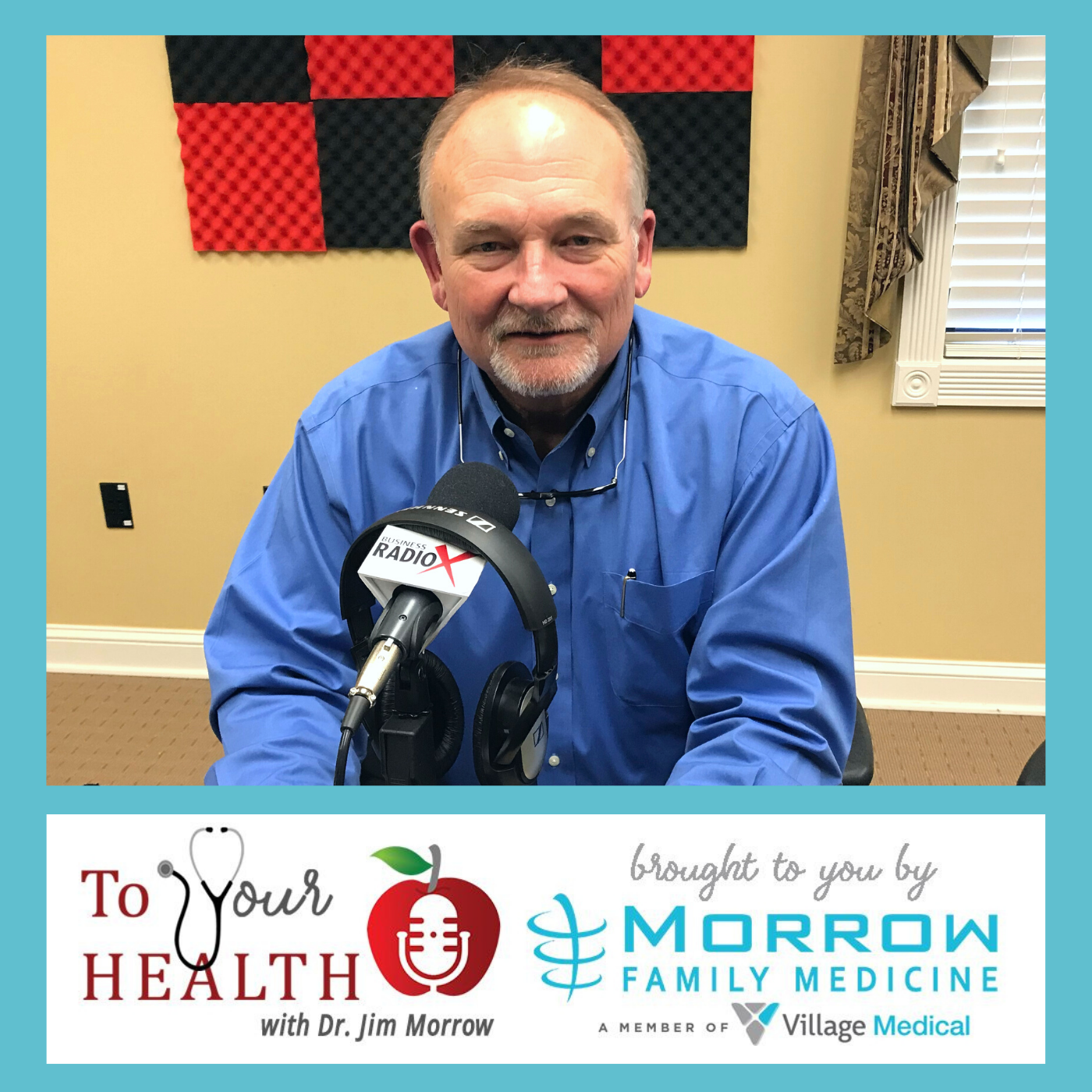
Atrial Fibrillation (Episode 69, To Your Health with Dr. Jim Morrow)

Recalling his wife’s transient ischemic attack (TIA) several months ago in the middle of the night, Dr. Jim Morrow says the ultimate diagnosis was Atrial Fibrillation. Dr. Morrow describes the symptoms, but notes that some people do not experience symptoms and sometimes have events, such as a TIA, which point to atrial fibrillation. Because of the risk of blood clots, he stresses the need to check all symptoms that may arise without delay, discusses treatments, and much more. To Your Health is brought to you by Morrow Family Medicine, a Member of Village Medical, which brings the care back to healthcare.

About Morrow Family Medicine, A Member of Village Medical

Morrow Family Medicine, a Member of Village Medical, is an award-winning, state-of-the-art family practice with offices in Cumming and Milton, Georgia. The practice combines healthcare information technology with old-fashioned care to provide the type of care that many are in search of today. Two physicians, three physician assistants and two nurse practitioners are supported by a knowledgeable and friendly staff to make your visit to Morrow Family Medicine, A Member of Village Medical one that will remind you of the way healthcare should be.  At Morrow Family Medicine, a Member of Village Medical, we like to say we are “bringing the care back to healthcare!”  The practice has been named the “Best of Forsyth” in Family Medicine in all five years of the award, is a three-time consecutive winner of the “Best of North Atlanta” by readers of Appen Media, and the 2019 winner of “Best of Life” in North Fulton County.

Village Medical offers a comprehensive suite of primary care services including preventative care, treatment for illness and injury, and management of chronic conditions such as diabetes, congestive heart failure, chronic obstructive pulmonary disease (COPD) and kidney disease. Atlanta-area patients can learn more about the practice here.

Dr. Jim Morrow, Morrow Family Medicine, and Host of To Your Health with Dr. Jim Morrow
Covid-19 misconceptionsDr. Jim Morrow is the founder and CEO of Morrow Family Medicine. He has been a trailblazer and evangelist in healthcare information technology, was named Physician IT Leader of the Year by HIMSS, a HIMSS Davies Award Winner, the Cumming-Forsyth Chamber of Commerce Steve Bloom Award Winner as Entrepreneur of the Year and he received a Phoenix Award as Community Leader of the Year from the Metro Atlanta Chamber of Commerce.  He is married to Peggie Morrow and together they founded the Forsyth BYOT Benefit, a charity in Forsyth County to support students in need of technology and devices. They have two Goldendoodles, a gaggle of grandchildren and enjoy life on and around Lake Lanier.

Facebook: https://www.facebook.com/MorrowFamMed/

LinkedIn: https://www.linkedin.com/company/7788088/admin/

Twitter: https://twitter.com/toyourhealthMD

The complete show archive of To Your Health with Dr. Jim Morrow addresses a wide range of health and wellness topics and can be found at www.toyourhealthradio.com.

Dr. Morrow’s Show Notes

Atrial Fibrillation

  • Atrial fibrillation (A-fib) is an irregular and often very rapid heart rhythm (arrhythmia) that can lead to blood clots in the heart.
    • A-fib increases the risk of stroke, heart failure and other heart-related complications.
  • During atrial fibrillation, the heart’s upper chambers (the atria) beat chaotically and irregularly —
    • out of sync with the lower chambers (the ventricles) of the heart.
    • For many people, A-fib may have no symptoms.
      • However, A-fib may cause a fast, pounding heartbeat (palpitations), shortness of breath or weakness.
    • Episodes of atrial fibrillation may come and go, or they may be persistent.
      • Although A-fib itself usually isn’t life-threatening, it’s a serious medical condition that requires proper treatment to prevent stroke.
    • Treatment for atrial fibrillation may include medications, therapy to reset the heart rhythm and catheter procedures to block faulty heart signals.
    • A person with atrial fibrillation may also have a related heart rhythm problem called atrial flutter.
      • Although atrial flutter is a different arrhythmia, the treatment is quite similar to atrial fibrillation.

Symptoms

  • Some people with atrial fibrillation (A-fib) don’t notice any symptoms. Those who do have atrial fibrillation symptoms may have signs and symptoms such as:
    • Sensations of a fast, fluttering or pounding heartbeat (palpitations)
    • Chest pain
    • Dizziness
    • Fatigue
    • Lightheadedness
    • Reduced ability to exercise
    • Shortness of breath
    • Weakness
  • Atrial fibrillation may be:
    • Occasional (paroxysmal atrial fibrillation).
      • A-fib symptoms come and go,
        • usually lasting for a few minutes to hours.
        • Sometimes symptoms occur for as long as a week and episodes can happen repeatedly.
        • Symptoms might go away on their own. Some people with occasional A-fib need treatment.
    • Persistent.
      • With this type of atrial fibrillation, the heart rhythm doesn’t go back to normal on its own.
        • If a person has A-fib symptoms, cardioversion or treatment with medications may be used to restore and maintain a normal heart rhythm.
    • Long-standing persistent.
      • This type of atrial fibrillation is continuous and lasts longer than 12 months.
    • Permanent.
      • In this type of atrial fibrillation, the irregular heart rhythm can’t be restored.
        • Medications are needed to control the heart rate and to prevent blood clots.

When to see a doctor

  • If you have any signs or symptoms of atrial fibrillation, make an appointment with your doctor.
  • If you have chest pain, seek immediate medical help.
    • Chest pain could mean that you’re having a heart attack.

Causes

  • To understand the causes of A-fib, it may be helpful to know how the heart typically beats.
  • The typical heart has four chambers —
    • two upper chambers (atria) and two lower chambers (ventricles).
    • Within the upper right chamber of the heart (right atrium) is a group of cells called the sinus node.
    • The sinus node is the heart’s natural pacemaker.
      • It produces the signal that starts each heartbeat.
    • In a regular heart rhythm:
    • The signal travels from the sinus node through the two upper heart chambers (atria).
    • The signal passes through a pathway between the upper and lower chambers called the atrioventricular (AV) node.
    • The movement of the signal causes your heart to squeeze (contract), sending blood to your heart and body.
  • In atrial fibrillation,
    • the signals in the upper chambers of the heart are chaotic.
      • As a result, the upper chambers shake (quiver).
      • The AV node is then bombarded with signals trying to get through to the lower heart chambers (ventricles).
      • This causes a fast and irregular heart rhythm.
    • The heart rate in atrial fibrillation may range from 100 to 175 beats a minute.
      • The normal range for a heart rate is 60 to 100 beats a minute.

Causes of atrial fibrillation

  • Problems with the heart’s structure are the most common cause of atrial fibrillation.
  • Other possible causes of A-fib include:
    • Coronary artery disease
    • Heart attack
    • Heart defect that you’re born with (congenital heart defect)
    • Heart valve problems
      • High blood pressure
  • Lung diseases
    • Physical stress due to surgery, pneumonia or other illnesses
    • Previous heart surgery
    • Problem with the heart’s natural pacemaker (sick sinus syndrome)
    • Sleep apnea
    • Thyroid disease such as an overactive thyroid (hyperthyroidism) and other metabolic imbalances
    • Use of stimulants, including certain medications, caffeine, tobacco and alcohol
    • Viral infections
  • Some people who have A-fib have no known heart problems or heart damage.

Risk factors

  • Things that can increase the risk of atrial fibrillation (A-fib) include:
    • Age. The older a person is, the greater the risk of developing A-fib.
    • Heart disease. Anyone with heart disease — such as heart valve problems, congenital heart disease, congestive heart failure, coronary artery disease, or a history of heart attack or heart surgery — has an increased risk of atrial fibrillation.
    • High blood pressure. Having high blood pressure, especially if it’s not well controlled with lifestyle changes or medications, can increase the risk of atrial fibrillation.
      • Thyroid disease. In some people, thyroid problems may trigger heart rhythm problems (arrhythmias), including atrial fibrillation.
  • Other chronic health conditions. People with certain chronic conditions such as diabetes, metabolic syndrome, chronic kidney disease, lung disease or sleep apnea have an increased risk of atrial fibrillation.
    • Drinking alcohol. For some people, drinking alcohol can trigger an episode of A-fib. Binge drinking further increases the risk.
    • Obesity. People who have obesity are at higher risk of developing atrial fibrillation.
    • Family history. An increased risk of atrial fibrillation occurs in some families.


Complications

  • Blood clots are a dangerous complication that can lead to stroke.
    • In atrial fibrillation, the chaotic heart rhythm can cause blood to collect in the heart’s upper chambers (atria) and form clots.
      • If a blood clot in the left upper chamber (left atrium) breaks free from the heart area, it can travel to the brain and cause a stroke.
    • The risk of stroke from A-fib increases as you grow older. Other health conditions also may increase your risk of a stroke due to A-fib, including:
    • High blood pressure
    • Diabetes
    • Heart failure
    • Some valvular heart disease
  • Blood thinners are commonly prescribed to prevent blood clots and strokes in people with atrial fibrillation.

Prevention

  • Healthy lifestyle choices can reduce the risk of heart disease and may prevent atrial fibrillation.
  • Here are some basic heart-healthy tips:
    • Eat a nutritious diet
    • Get regular exercise and maintain a healthy weight
    • Don’t smoke
    • Avoid or limit alcohol and caffeine
    • Manage stress, as intense stress and anger can cause heart rhythm problems 
 

Tagged With: Atrial Fibrillation, blood clots, Dr. Jim Morrow, Stroke, TIA, To Your Health, transient ischemic attack, Village Medical

Cancers of the Head and Neck

January 28, 2022 by John Ray

Cancer of Head and Neck
North Fulton Studio
Cancers of the Head and Neck
Loading
00:00 /
RSS Feed
Share
Link
Embed

Download file

Cancer of Head and Neck

Cancers of the Head and Neck (Episode 68, To Your Health with Dr. Jim Morrow)

Head and neck cancers refer to cancers that start in the mouth, throat, voice box, sinuses, and salivary glands. On this edition of To Your Health, Dr. Morrow describes their causes, symptoms, causes, treatments, as well as the side effects of those treatments. To Your Health is brought to you by Morrow Family Medicine, a Member of Village Medical, which brings the care back to healthcare.

About Morrow Family Medicine, A Member of Village Medical

Morrow Family Medicine, a Member of Village Medical, is an award-winning, state-of-the-art family practice with offices in Cumming and Milton, Georgia. The practice combines healthcare information technology with old-fashioned care to provide the type of care that many are in search of today. Two physicians, three physician assistants and two nurse practitioners are supported by a knowledgeable and friendly staff to make your visit to Morrow Family Medicine, A Member of Village Medical one that will remind you of the way healthcare should be.  At Morrow Family Medicine, a Member of Village Medical, we like to say we are “bringing the care back to healthcare!”  The practice has been named the “Best of Forsyth” in Family Medicine in all five years of the award, is a three-time consecutive winner of the “Best of North Atlanta” by readers of Appen Media, and the 2019 winner of “Best of Life” in North Fulton County.

Village Medical offers a comprehensive suite of primary care services including preventative care, treatment for illness and injury, and management of chronic conditions such as diabetes, congestive heart failure, chronic obstructive pulmonary disease (COPD) and kidney disease. Atlanta-area patients can learn more about the practice here.

Dr. Jim Morrow, Morrow Family Medicine, and Host of To Your Health with Dr. Jim Morrow

Covid-19 misconceptionsDr. Jim Morrow is the founder and CEO of Morrow Family Medicine. He has been a trailblazer and evangelist in healthcare information technology, was named Physician IT Leader of the Year by HIMSS, a HIMSS Davies Award Winner, the Cumming-Forsyth Chamber of Commerce Steve Bloom Award Winner as Entrepreneur of the Year and he received a Phoenix Award as Community Leader of the Year from the Metro Atlanta Chamber of Commerce.  He is married to Peggie Morrow and together they founded the Forsyth BYOT Benefit, a charity in Forsyth County to support students in need of technology and devices. They have two Goldendoodles, a gaggle of grandchildren and enjoy life on and around Lake Lanier.

Facebook: https://www.facebook.com/MorrowFamMed/

LinkedIn: https://www.linkedin.com/company/7788088/admin/

Twitter: https://twitter.com/toyourhealthMD

The complete show archive of To Your Health with Dr. Jim Morrow addresses a wide range of health and wellness topics and can be found at www.toyourhealthradio.com.

Dr. Morrow’s Show Notes

What are cancers of the head and neck?

    • o Cancers that are known collectively as head and neck cancers 
      •  usually begin in the squamous cells that line the mucosal surfaces of the head and neck 
        • • (for example, those inside the mouth, throat, and voice box). 
      •  These cancers are referred to as squamous cell carcinomas of the head and neck. 
        • • Head and neck cancers can also begin in the salivary glands, sinuses, or muscles or nerves in the head and neck, 
          • o but these types of cancer are much less common than squamous cell carcinomas (1, 2).
    • o Cancers of the head and neck can form in the:
      •  Oral cavity: Includes the lips, the front two-thirds of the tongue, the gums, the lining inside the cheeks and lips, the floor (bottom) of the mouth under the tongue, the hard palate (bony top of the mouth), and the small area of the gum behind the wisdom teeth.
      •  Throat (pharynx): The pharynx is a hollow tube about 5 inches long that starts behind the nose and leads to the esophagus. It has three parts: the nasopharynx (the upper part of the pharynx, behind the nose); the oropharynx (the middle part of the pharynx, including the soft palate [the back of the mouth], the base of the tongue, and the tonsils); the hypopharynx (the lower part of the pharynx).
      •  Voice box (larynx): The voice box is a short passageway formed by cartilage just below the pharynx in the neck. The voice box contains the vocal cords. It also has a small piece of tissue, called the epiglottis, which moves to cover the voice box to prevent food from entering the air passages.
      •  Paranasal sinuses and nasal cavity: The paranasal sinuses are small hollow spaces in the bones of the head surrounding the nose. The nasal cavity is the hollow space inside the nose.
      •  Salivary glands: The major salivary glands are in the floor of the mouth and near the jawbone. The salivary glands produce saliva. Minor salivary glands are located throughout the mucous membranes of the mouth and throat.
      • • If a squamous cell carcinoma of the head and neck is going to spread, 
    • o it almost always does so locally and/or to the lymph nodes in the neck. 
      •  Sometimes, cancerous squamous cells can be found in the lymph nodes of the upper neck when there is no evidence of cancer in other parts of the head and neck, possibly because the original primary tumor is too small. When this happens, the cancer is called metastatic squamous cell carcinoma with unknown (occult) primary. 

What causes cancers of the head and neck?

      •  Alcohol and tobacco use
    • o (including secondhand smoke and smokeless tobacco, sometimes called “chewing tobacco” or “snuff”) are the two most important risk factors for head and neck cancers, especially cancers of the oral cavity, hypopharynx, and voice box (3–7). 
      •  People who use both tobacco and alcohol are at greater risk of developing these cancers than people who use either tobacco or alcohol alone (8, 9). 
      •  Most head and neck squamous cell carcinomas of the mouth and voice box are caused by tobacco and alcohol use (8).
      •  Infection with cancer-causing types of human papillomavirus (HPV), especially HPV type 16, 
    • o is a risk factor for oropharyngeal cancers that involve the tonsils or the base of the tongue. 
      •  In the United States, the incidence of oropharyngeal cancers caused by HPV infection is increasing, while the incidence of oropharyngeal cancers related to other causes is falling. 
        • • About three-quarters of all oropharyngeal cancers are caused by chronic HPV infection. 
        • • Although HPV can be detected in other head and neck cancers, it appears to be the cause of cancer formation only in the oropharynx. The reasons for this are poorly understood.
        •  Other known risk factors for specific cancers of the head and neck include the following:
    • o Paan (betel quid). The use of paan (betel quid) in the mouth, a common custom in Southeast Asia, is strongly associated with an increased risk of mouth cancers  
    • o Occupational exposure. Occupational exposure to wood dust is a risk factor for nasopharyngeal cancer (17, 18). Certain industrial exposures, including exposures to asbestos and synthetic fibers, have been associated with cancer of the voice box, but the increase in risk remains controversial (19). People working in certain jobs in the construction, metal, textile, ceramic, logging, and food industries may have an increased risk of cancer of the voice box (20). Industrial exposure to wood dust, nickel dust, or formaldehyde is a risk factor for cancers of the paranasal sinuses and nasal cavity 
    • o Radiation exposure. Radiation to the head and neck, for noncancerous conditions or cancer, is a risk factor for cancer of the salivary glands (24–26).
    • o Epstein-Barr virus infection. Infection with the Epstein-Barr virus is a risk factor for nasopharyngeal cancer (27) and cancer of the salivary glands (28, 29).
    • o Ancestry. Asian ancestry, particularly Chinese ancestry, is a risk factor for nasopharyngeal cancer (17, 18).
    • o Underlying genetic disorders. Some genetic disorders, such as Fanconi anemia, can increase the risk of developing precancerous lesions and cancers early in life (30).

What are head and neck cancer symptoms?

    •  Head and neck cancer symptoms may include a lump in the neck or a sore in the mouth
    • o or the throat that does not heal and may be painful, a sore throat that does not go away, difficulty in swallowing, and a change or hoarseness in the voice. These symptoms may also be caused by other, less serious conditions. It is important to check with a doctor or dentist about any of these symptoms.
    •  Symptoms of cancers in specific areas of the head and neck include:
    • o Oral cavity. A white or red patch on the gums, the tongue, or the lining of the mouth; a growth or swelling of the jaw that causes dentures to fit poorly or become uncomfortable; and unusual bleeding or pain in the mouth.
    • o Throat (pharynx). Pain when swallowing; pain in the neck or the throat that does not go away; pain or ringing in the ears; or trouble hearing.
    • o Voice box (larynx). Trouble breathing or speaking, pain when swallowing or ear pain.
    • o Paranasal sinuses and nasal cavity. Sinuses that are blocked and do not clear; chronic sinus infections that do not respond to treatment with antibiotics; bleeding through the nose; frequent headaches, swelling or other trouble with the eyes; pain in the upper teeth; or problems with dentures.

    • o Salivary glands. Swelling under the chin or around the jawbone, numbness or paralysis of the muscles in the face, or pain in the face, the chin, or the neck that does not go away.

How common are head and neck cancers?

    •  Head and neck cancers account for nearly 4% of all cancers in the United States (31).
    • o These cancers are more than twice as common among men as they are among women (31). 
      •  Head and neck cancers are also diagnosed more often among people over age 50 than they are among younger people.
      •  Researchers estimated that more than 68,000 men and women in the United States would be diagnosed with head and neck cancers in 2021. 
    • o Most will be diagnosed with mouth, throat, or voice box cancer. 
    • o Paranasal sinus and nasal cavity cancer and salivary gland cancer are much less common.

How can I reduce my risk of developing head and neck cancers?

    •  People who are at risk of head and neck cancers―particularly those who use tobacco―should talk with their doctor about ways to stop using tobacco to reduce their risk.
    •  Avoiding oral HPV infection can reduce the risk of HPV-associated head and neck cancers. In June 2020, the Food and Drug Administration granted accelerated approval of the HPV vaccine Gardasil 9 for the prevention of oropharyngeal and other head and neck cancers caused by HPV types 16, 18, 31, 33, 45, 52, and 58 in persons aged 9 through 45 years. 
    •  Although there is no standard or routine screening test for head and neck cancers, dentists may check the oral cavity for signs of cancer during a routine checkup.

How are head and neck cancers treated?

    •  Head and neck cancer treatment can include 
    • o surgery,
    • o radiation therapy, chemotherapy, 
    • o targeted therapy, 
    • o immunotherapy, 
    • o or a combination of treatments. 
    • o The treatment plan for an individual patient depends on a number of factors, including the location of the tumor, the stage of the cancer, and the person’s age and general health.
    •  Research has shown that patients with HPV-positive oropharyngeal tumors have a much better prognosis and higher chance of complete cure than those with HPV-negative tumors following the same treatment (32). 
    • o Because of this, ongoing clinical trials are investigating whether patients with HPV-positive cancers can be treated with less intensive regimens, such as less intensive radiation or immunotherapy.

What are the side effects of head and neck cancer treatment?

    •  Surgery for head and neck cancers may affect the patient’s ability to chew, swallow, or talk. 
    • o The patient may look different after surgery, and the face and neck may be swollen. 
    • o The swelling usually improves with time. However, if lymph nodes are removed, the flow of lymph in the area where they were removed may be slower and lymph could collect in the tissues (a condition called lymphedema), causing additional swelling that may last for a long time.
    •  Head and neck lymphedema may be visible or internal. 
    • o In most cases, it can be reversed, improved, or reduced if treated promptly. 
    • o Patients with untreated lymphedema may be more at risk of complications such as cellulitis, or an infection of the tissues. Untreated cellulitis, if severe, can be dangerous and could lead to further swallowing or breathing difficulties.
    •  After a laryngectomy (surgery to remove the voice box) or other surgery in the neck, 
    • o parts of the neck and throat may feel numb because nerves have been cut. If lymph nodes in the neck were removed, the shoulder and neck may become weak and stiff.
    •  Patients who receive radiation to the head and neck may experience side effects during and for a short while after treatment, including redness, irritation, and sores in the mouth; 
    • o a dry mouth or thickened saliva; 
    • o difficulty in swallowing; 
    • o changes in taste; 
    • o or nausea. 
    • o Radiation may also cause loss of taste, which may decrease appetite and affect nutrition, and earaches (caused by the hardening of ear wax). Patients may also notice some swelling or drooping of the skin under the chin and changes in the texture of the skin. The jaw may feel stiff, and patients may not be able to open their mouth as wide as before treatment.
    •  Although side effects will improve slowly over time in many patients, others will experience long-term side effects of surgery or radiation therapy, including difficulty swallowing, speech impairment, and skin changes (33).
    •  Patients should report any side effects to their doctor or nurse and discuss how to deal with them.

Tagged With: Cancer, Cancer of the Head, Dr. Jim Morrow, Jim Morrow, Morrow Family Medicine, Neck Cancer, To Your Health With Dr. Jim Morrow, Village Medical

Mary Caldwell, Alzheimer’s Association of Georgia

December 23, 2021 by John Ray

Alzheimer's
North Fulton Studio
Mary Caldwell, Alzheimer's Association of Georgia
Loading
00:00 /
RSS Feed
Share
Link
Embed

Download file

Alzheimer'sMary Caldwell, Alzheimer’s Association of Georgia (Episode 67, To Your Health with Dr. Jim Morrow)

On this edition of To Your Health, Dr. Morrow welcomed Mary Caldwell, Helpline and Early Stage Program Manager for the Alzheimer’s Association of Georgia, to discuss Alzheimer’s disease. Mary described its features, diagnosis, treatments, available resources such as The Georgia Memory Net, and much more. Dr. Morrow also addressed the current Omicron variant of Covid-19. To Your Health is brought to you by Morrow Family Medicine, a Member of Village Medical, which brings the care back to healthcare.

The Alzheimer’s Association, Georgia Chapter

The Alzheimer’s Association leads the way to end Alzheimer’s and all other dementia by accelerating global research, driving risk reduction and early detection, and maximizing quality care and support.

The Alzheimer’s Association, Georgia Chapter, is Georgia’s leading volunteer health organization in Alzheimer’s disease care, serving 159 counties in Georgia with offices in Atlanta, Augusta, Columbus, Dalton, Macon, Savannah, and Tifton. The chapter has been serving Georgia communities since 1982 by providing care and support such as care consultation, support groups, education, and social engagements for those with a diagnosis and their care partners. They also fund research globally and right here in Georgia.

Currently there are 150,000 Georgians living with Alzheimer’s and another 330,000 unpaid caregivers.

Website| LinkedIn| Facebook| Twitter

About Morrow Family Medicine, A Member of Village Medical

Morrow Family Medicine, a Member of Village Medical, is an award-winning, state-of-the-art family practice with offices in Cumming and Milton, Georgia. The practice combines healthcare information technology with old-fashioned care to provide the type of care that many are in search of today. Two physicians, three physician assistants and two nurse practitioners are supported by a knowledgeable and friendly staff to make your visit to Morrow Family Medicine, A Member of Village Medical one that will remind you of the way healthcare should be.  At Morrow Family Medicine, a Member of Village Medical, we like to say we are “bringing the care back to healthcare!”  The practice has been named the “Best of Forsyth” in Family Medicine in all five years of the award, is a three-time consecutive winner of the “Best of North Atlanta” by readers of Appen Media, and the 2019 winner of “Best of Life” in North Fulton County.

Village Medical offers a comprehensive suite of primary care services including preventative care, treatment for illness and injury, and management of chronic conditions such as diabetes, congestive heart failure, chronic obstructive pulmonary disease (COPD) and kidney disease. Atlanta-area patients can learn more about the practice here.

Dr. Jim Morrow, Morrow Family Medicine, and Host of To Your Health with Dr. Jim Morrow

Covid-19 misconceptionsDr. Jim Morrow is the founder and CEO of Morrow Family Medicine. He has been a trailblazer and evangelist in healthcare information technology, was named Physician IT Leader of the Year by HIMSS, a HIMSS Davies Award Winner, the Cumming-Forsyth Chamber of Commerce Steve Bloom Award Winner as Entrepreneur of the Year and he received a Phoenix Award as Community Leader of the Year from the Metro Atlanta Chamber of Commerce.  He is married to Peggie Morrow and together they founded the Forsyth BYOT Benefit, a charity in Forsyth County to support students in need of technology and devices. They have two Goldendoodles, a gaggle of grandchildren and enjoy life on and around Lake Lanier.

Facebook: https://www.facebook.com/MorrowFamMed/

LinkedIn: https://www.linkedin.com/company/7788088/admin/

Twitter: https://twitter.com/toyourhealthMD

The complete show archive of To Your Health with Dr. Jim Morrow addresses a wide range of health and wellness topics and can be found at www.toyourhealthradio.com.

Dr. Morrow’s Show Notes

Omicron, My Omicron

  • The variant is rapidly taking over as the most common cause of Covid in the US.
    • Most cases are already caused by Omicron and while a lot of these cases are mild,
      • this still causes a tremendous threat to those who are most susceptible.
  • The good news is that the mRNA vaccines are looking really good at preventing serious disease and death from Omicron and the other variants of the SarsCoV2 virus.
  • It’s an important distinction to make in this regard that the virus is not mutating.
    • Genetic code mutates.
    • That is NOT what is happening here.
    • The genetic code of this virus is the same in ALL these variants.
      • What is changing is the protein sequence in the spike protein of the virus.
    • See, viruses are composed of NOTHING but protein and genetic material.
      • They are not alive.
      • They are merely pieces of genetic code and amino acids,
        • which when lined up or connected in a certain way form protein molecules.
      • So, when you hear people talk about mutations, they are not informed correctly.
        • This is probably splitting hairs, but I believe it is important for people to understand that the virus is not mutating,
          • it is just having some changes in the amino acid sequence in the spike protein
          • and none of these changes have made it resistant to the vaccine to this point.

And About Treatments

  • Some people tried to drag me into an argument about treatments on social media again yesterday.
    • I do love it (air quotes here) when people say to me, “I got Covid and I took hydroxychloroquine and it cured me.
    • As if they were not going to be cured at all if they did not take it.
    • Just because you or someone you know took a substance and did not die, that does not mean that the substance worked.
    • I know people who got Covid and chewed bubble gum and did not die.
    • Does that mean that the bubble gum cured them?
      • I hope not and if you do not understand that, then I’ll just have to let Darwin sort that out.
      • And if you don’t get that reference, you have no business in this discussion anyway.


Alzheimer’s Disease

The Alzheimer’s Association works to end Alzheimer’s and all other dementia —

o          by accelerating research,

o          driving risk reduction and early detection,

o          and maximizing quality care and support.

Questions for Mary

  • What is the difference between Alzheimer’s and dementia?
  • What are some of the signs of Alzheimer’s?
  • Where are we with early detection?
  • What should people do if they notice a loved one is showing signs of Alzheimer’s?
  • What’s happening with treatment?
  • What should you expect if you or a loved one gets diagnosed with Alzheimer’s or another form of dementia?
  • What are some of the resources that the Alzheimer’s Association has for caregivers and people living with Alzheimer’s?
  • How can people get involved with the Alzheimer’s Association?


Tagged With: Alzheimer's Association Georgia Chapter, Alzheimers, alzheimers association, Caregivers, COVID-19, dementia, Dr. Jim Morrow, Mary Caldwell, Omicron Variant, To Your Health With Dr. Jim Morrow, Village Medical

Seasonal Affective Disorder

December 9, 2021 by John Ray

Seasonal Affective Disorder
North Fulton Studio
Seasonal Affective Disorder
Loading
00:00 /
RSS Feed
Share
Link
Embed

Download file

Seasonal Affective DisorderSeasonal Affective Disorder (Episode 66, To Your Health with Dr. Jim Morrow)

Dr. Jim Morrow, Host of To Your Health, revisits Seasonal Affective Disorder (SAD). He discusses what causes it, how it is diagnosed, and how to treat it. He mentions light therapy, behavioral therapy, medication, and lifestyle changes, as well as advice for how to live with Seasonal Affective Disorder. To Your Health is brought to you by Morrow Family Medicine, a Member of Village Medical, which brings the care back to healthcare.

About Morrow Family Medicine, A Member of Village Medical

Morrow Family Medicine, a Member of Village Medical, is an award-winning, state-of-the-art family practice with offices in Cumming and Milton, Georgia. The practice combines healthcare information technology with old-fashioned care to provide the type of care that many are in search of today. Two physicians, three physician assistants and two nurse practitioners are supported by a knowledgeable and friendly staff to make your visit to Morrow Family Medicine, A Member of Village Medical one that will remind you of the way healthcare should be.  At Morrow Family Medicine, a Member of Village Medical, we like to say we are “bringing the care back to healthcare!”  The practice has been named the “Best of Forsyth” in Family Medicine in all five years of the award, is a three-time consecutive winner of the “Best of North Atlanta” by readers of Appen Media, and the 2019 winner of “Best of Life” in North Fulton County.

Village Medical offers a comprehensive suite of primary care services including preventative care, treatment for illness and injury, and management of chronic conditions such as diabetes, congestive heart failure, chronic obstructive pulmonary disease (COPD) and kidney disease. Atlanta-area patients can learn more about the practice here.

Dr. Jim Morrow, Morrow Family Medicine, and Host of To Your Health with Dr. Jim Morrow

Covid-19 misconceptionsDr. Jim Morrow is the founder and CEO of Morrow Family Medicine. He has been a trailblazer and evangelist in healthcare information technology, was named Physician IT Leader of the Year by HIMSS, a HIMSS Davies Award Winner, the Cumming-Forsyth Chamber of Commerce Steve Bloom Award Winner as Entrepreneur of the Year and he received a Phoenix Award as Community Leader of the Year from the Metro Atlanta Chamber of Commerce.  He is married to Peggie Morrow and together they founded the Forsyth BYOT Benefit, a charity in Forsyth County to support students in need of technology and devices. They have two Goldendoodles, a gaggle of grandchildren and enjoy life on and around Lake Lanier.

Facebook: https://www.facebook.com/MorrowFamMed/

LinkedIn: https://www.linkedin.com/company/7788088/admin/

Twitter: https://twitter.com/toyourhealthMD

The complete show archive of To Your Health with Dr. Jim Morrow addresses a wide range of health and wellness topics and can be found at www.toyourhealthradio.com.

Dr. Morrow’s Show Notes

What is Seasonal Affective Disorder?

  • Seasonal affective disorder (SAD) is a type of depression that is triggered by the seasons of the year
    • Symptoms usually begin in late fall or early winter
    • People with SAD usually feel better in the spring and summer
    • It is thought that SAD is related to changes in the amount of daylight during different times of the year
    • Some people have SAD with depressive episodes in the summer instead of winter
      • This is much less common


How common is SAD?

  • Between 4% and 6% of people in the United States suffer from SAD
  • Another 10% to 20% may experience it in a milder form
  • SAD is more common in women than in men
  • Some children and teenagers get SAD.  But it usually doesn’t start in people younger than 20 years of age.
  • The risk of SAD decreases for adults as they age
  • SAD is more common in northern regions of the United States
    • Winters are typically longer and harsher there
    • There is also less sunlight because they are farther away from the equator

Symptoms of SAD

  •  Not everyone who has SAD experiences the same symptoms
    • Common symptoms of winter-onset SAD include:
      • change in appetite, especially craving sweet or starchy foods
      • weight gain
      • fatigue
      • sleeping more than normal
      • difficulty concentrating
      • irritability and anxiety
      • increased sensitivity to rejection
      • avoidance of social situations
      • loss of interest in the activities you used to enjoy
      • feelings of guilt or hopelessness
      • physical problems, such as headaches


  • Symptoms of summer-onset SAD include:
  • loss of appetite
  • weight loss
  • insomnia
  • irritability and anxiety
  • agitation


  • Symptoms of SAD tend to come back year after
    • They usually come and go at about the same time every year
    • If you think this could be happening to you, call your family doctor.


What causes SAD?

  • In most cases, SAD seems to be related to the loss of sunlight in the fall and winter
  • Researchers have found that reduced sunlight can affect the body in ways that could contribute to SAD. These include:

o    Circadian rhythm (biological clock) –

  • The decrease in sunlight could disrupt your body’s natural rhythms
  • This could lead to feelings of depression

o    Serotonin levels –

  • Serotonin is a brain chemical that affects your mood
  • Reduced sunlight could cause serotonin levels to drop
  • This could trigger depression

o    Melatonin levels –

  • Melatonin is a brain chemical that regulates sleep
  • More darkness causes the body to produce more melatonin
  • More melatonin could make you feel more tired and lethargic
  • These are common symptoms of depression

o    Vitamin D levels –

  • It is believed that vitamin D plays a role in serotonin levels
  • Much of the vitamin D we get is from the sun
  • Less sunlight could lead to a deficiency in vitamin D
  • This can cause depression symptoms


Some people have a higher risk of developing SAD Factors that increase risk include:

o    Being female.

  • Four times as many women are diagnosed with SAD than men

o    Living far from the equator.

  • In the United States, living farther north increases your risk
  • These areas get less sunlight in fall and winter

o    Family history.

  • Having family members with SAD or other forms of depression increases your risk

o    Having depression or bipolar disorder.

  • If you have one of these conditions, your symptoms may worsen with the seasons

o    Young age.

  • SAD is more common among younger adults
  • It has been reported in teens and children
  • Your chances of getting it decrease as you get older


How is SAD diagnosed?

  • Your doctor will ask you about your symptoms, thoughts, feelings, and behavior
  • He or she may perform a physical exam
  • They may request lab tests to rule out other conditions that cause symptoms similar to SAD
  • They may refer you to a specialist to diagnose your condition
  • This could be a psychologist or a psychiatrist.


Can SAD be prevented or avoided?

  • There’s not much you can do to avoid getting SAD
    • But you can take steps to manage it so your symptoms don’t get worse
    • Some people start treatment before their symptoms start
    • They also continue treatment past the time that their symptoms normally go away
    • Others need continuous treatment to control their symptoms


SAD treatment

  • The three main ways SAD is treated are with light therapy, behavioral therapy, or medicine
  • Your doctor may want to combine therapies if using one does not work for you


ï      Light therapy

  • Light therapy is designed to make up for the lack of sunlight during the fall and winter
    • It has been used to treat SAD since the 1980s.
    • You will sit in front of a special light box every
    • The box emits a bright white light that mimics natural sunlight
  • It seems to make a change in brain chemicals that regulate your mood
  • The amount of time you sit in front of the light box depends on the strength of the light
  • It is usually between 20 and 60 minutes
  • There are other types of light therapy
    • Instead of sitting in front of a box, you can wear a visor that emits light
    • Another kind is a “dawn  simulator”
      • This light turns on early in the morning in your bedroom
      • It mimics a natural sunrise and gradually increases in brightness
      • This allows you to wake up naturally, without using an alarm
    • If light therapy helps, you’ll continue it until enough sunlight returns
      • This usually happens in spring
      • Stopping light therapy too soon can result in a return of symptoms
    • When used properly, light therapy seems to have very few side effects
    • Some side effects include eyestrain, headache, fatigue, and irritability
    • If you use it too late in the day, you could have trouble sleeping
    • Talk to your doctor before starting light therapy if you have:
      • bipolar disorder
      • skin that is sensitive to sunlight
      • conditions that make your eyes vulnerable to sunlight
    • Tanning beds should not be used to treat SAD
      • The light sources in tanning beds are high in ultraviolet (UV)
        • These harm your eyes and your skin
        • They also cause skin cancer


ï      Behavioral therapy

  • Talk therapy or behavioral therapy can help you identify negative thoughts
  • Then you replace those with more positive thoughts
  • Therapy can help you learn healthy ways to manage your symptoms of SAD
  • You can also learn how to manage stress


ï      Medicines

  • Your doctor might recommend you take medicine to help with your symptoms, especially if they are severe
  • Selective Serotonin Reuptake Inhibitors (SSRIs) are often used to treat depression
  • Some have been approved to treat SAD specifically
  • You may have to take the medicine for several weeks before you feel
  • You may have to try more than one medicine to find the one that works best for you
  • You can also make lifestyle changes that can help your symptoms
  • Let as much natural light as possible into your home or
    • Open blinds, sit close to windows, and keep your environments as bright as possible
    • Get outside when you
      • Even if it’s cold or cloudy, the light can still benefit
      • Keep physically active
        • Exercise and activity boost endorphins and relieve stress
        • Both of these can keep you feeling better


Living with SAD

The keys to living with SAD are to plan ahead and to manage your symptoms.

ï        Follow your treatment plan.

  • This includes going to appointments, taking medicines, and following up if things aren’t working

ï        Take care of your body.

  • Eat healthy foods and get enough sleep
  • Exercise has been shown to have the same effect on depression as antidepressants

ï        Have a plan.

  • Know what you will do when your depression symptoms start to get worse
  • Watch for early signs and take action before you feel bad

ï        Don’t turn to alcohol or drugs.

  • They make depression worse
  • They can also have negative reactions with antidepressants

ï        Manage stress.

  • You can’t avoid stress, so you have to learn to manage it
  • Talk to a counselor or read about ways to handle stress better

ï        Don’t isolate.

  • It’s harder to be social when you’re depressed
  • But being alone can make you feel worse
  • Try to reach out as much as you can

ï        Start treatment early.

  • If you know your symptoms usually start in October, start your treatments in September, before symptoms start
  • You might be able to prevent. them

ï        Plan ahead.

  • Some people purposely plan their lives to be very busy during the time they normally feel down
    • This helps prevent them from “hiding out” at home, because they have already made committments

ï        Take a trip.

  • Plan a trip to a warmer, sunnier climate during the winter
  • The positive feelings will extend before, during, and after your trip

Tagged With: Dr. Jim Morrow, Morrow Family Medicine, SAD, seasonal affective disorder, To Your Health, Village Medical

Marijuana and delta-8 THC

November 26, 2021 by John Ray

Delta-8 THC
North Fulton Studio
Marijuana and delta-8 THC
Loading
00:00 /
RSS Feed
Share
Link
Embed

Download file

Delta-8 THCMarijuana and delta-8 THC (Episode 65, To Your Health with Dr. Jim Morrow)

On this episode of To Your Health, Dr. Morrow discusses delta-8 THC, one of the cannabinoids from the hemp plant. It is not FDA evaluated or approved, and Dr. Morrow covers its risks and adverse effects. To Your Health is brought to you by Morrow Family Medicine, a Member of Village Medical, which brings the care back to healthcare.

About Morrow Family Medicine, A Member of Village Medical

Morrow Family Medicine, a Member of Village Medical, is an award-winning, state-of-the-art family practice with offices in Cumming and Milton, Georgia. The practice combines healthcare information technology with old-fashioned care to provide the type of care that many are in search of today. Two physicians, three physician assistants and two nurse practitioners are supported by a knowledgeable and friendly staff to make your visit to Morrow Family Medicine, A Member of Village Medical one that will remind you of the way healthcare should be.  At Morrow Family Medicine, a Member of Village Medical, we like to say we are “bringing the care back to healthcare!”  The practice has been named the “Best of Forsyth” in Family Medicine in all five years of the award, is a three-time consecutive winner of the “Best of North Atlanta” by readers of Appen Media, and the 2019 winner of “Best of Life” in North Fulton County.

Village Medical offers a comprehensive suite of primary care services including preventative care, treatment for illness and injury, and management of chronic conditions such as diabetes, congestive heart failure, chronic obstructive pulmonary disease (COPD) and kidney disease. Atlanta-area patients can learn more about the practice here.

Dr. Jim Morrow, Morrow Family Medicine, and Host of To Your Health with Dr. Jim Morrow

Covid-19 misconceptionsDr. Jim Morrow is the founder and CEO of Morrow Family Medicine. He has been a trailblazer and evangelist in healthcare information technology, was named Physician IT Leader of the Year by HIMSS, a HIMSS Davies Award Winner, the Cumming-Forsyth Chamber of Commerce Steve Bloom Award Winner as Entrepreneur of the Year and he received a Phoenix Award as Community Leader of the Year from the Metro Atlanta Chamber of Commerce.  He is married to Peggie Morrow and together they founded the Forsyth BYOT Benefit, a charity in Forsyth County to support students in need of technology and devices. They have two Goldendoodles, a gaggle of grandchildren and enjoy life on and around Lake Lanier.

Facebook: https://www.facebook.com/MorrowFamMed/

LinkedIn: https://www.linkedin.com/company/7788088/admin/

Twitter: https://twitter.com/toyourhealthMD

The complete show archive of To Your Health with Dr. Jim Morrow addresses a wide range of health and wellness topics and can be found at www.toyourhealthradio.com.

Dr. Morrow’s Show Notes

Covid-19 Vaccine Booster Update


Get a darn booster.

If you wanted to be immune badly enough to get the vaccine, you clearly need a booster to stay as immune as possible.


What is this “Delta-8” that everyone is talking about?!?


  • Delta-8 tetrahydrocannabinol,
    • also known as delta-8 THC,
    • is a psychoactive substance found in the Cannabis sativa plant,
    • of which marijuana and hemp are two varieties.
      • Delta-8 THC is one of over 100 cannabinoids produced naturally by the cannabis plant
        • but is not found in significant amounts in the cannabis plant.
        • As a result, concentrated amounts of delta-8 THC are typically manufactured from hemp-derived cannabidiol (CBD).


  • It is important for consumers to be aware that delta-8 THC products
    • have not been evaluated or approved by the FDA for safe use in any context.
    • They may be marketed in ways that put public health at risk and should especially be kept out of reach of children and pets.


Here are 5 things you should know about delta-8 THC


  • Delta-8 THC products have not been evaluated or approved by the FDA for safe use and may be marketed in ways that put the public health at risk. 
  • The FDA is aware of the growing concerns surrounding delta-8 THC products currently being sold online and in stores.
  • These products have not been evaluated or approved by the FDA for safe use in any context.
  • Some concerns include variability in product formulations and product labeling,
    • other cannabinoid and terpene content,
    • and variable delta-8 THC concentrations.
    • Additionally, some of these products may be labeled simply as “hemp products,”
      • which may mislead consumers who associate “hemp” with “non-psychoactive.”
      • Furthermore, the FDA is concerned by the proliferation of products that contain delta-8 THC and are marketed for therapeutic or medical uses,
        • although they have not been approved by the FDA.
        • Selling unapproved products with unsubstantiated therapeutic claims is not only a violation of federal law,
          • but also can put consumers at risk, as these products have not been proven to be safe or effective.
          • This deceptive marketing of unproven treatments raises significant public health concerns because patients and other consumers may use them instead of approved therapies to treat serious and even fatal diseases.


  • The FDA has received adverse event reports involving delta-8 THC-containing products. 
  • From December 2020 through July 2021,
    • the FDA received adverse event reports from both consumers and law enforcement
    • describing 22 patients who consumed delta-8 THC products;
    • of these, 14 presented to a hospital or emergency room for treatment following the ingestion.
    • Of the 22 patients, 19 experienced adverse events after ingesting delta-8 THC-containing food products (e.g., brownies, gummies).
      • Adverse events included vomiting, hallucinations, trouble standing, and loss of consciousness.
    • National poison control centers received 661 exposure cases of delta-8 THC products between January 2018 and July 31, 2021,
      • 660 of which occurred between January 1, 2021, and July 31, 2021.
    • Of the 661 exposure cases:
      • 41% involved unintentional exposure to delta-8 THC and 77% of these unintentional exposures affected pediatric patients less than 18 years of age.
      • 39% involved pediatric patients less than 18 years of age
      • 18% required hospitalizations, including children who required intensive care unit (ICU) admission following exposure to these products.


  • Delta-8 THC has psychoactive and intoxicating effects.


  • Delta-8 THC has psychoactive and intoxicating effects,
    • similar to delta-9 THC (i.e., the component responsible for the “high” people may experience from using cannabis).
    • The FDA is aware of media reports of delta-8 THC products getting consumers “high.”
    • The FDA is also concerned that delta-8 THC products likely expose consumers to much higher levels of the substance than are naturally occurring in hemp cannabis raw extracts.
    • So, historical use of cannabis cannot be relied upon in establishing a level of safety for these products in humans.


  • Delta-8 THC products often involve the use of potentially harmful chemicals to create the concentrations of delta-8 THC claimed in the marketplace. 


  • The natural amount of delta-8 THC in hemp is very low,
    • and additional chemicals are needed to convert other cannabinoids in hemp, like CBD, into delta-8 THC (i.e., synthetic conversion).
  • Concerns with this process include:
    • Some manufacturers may use potentially unsafe household chemicals to make delta-8 THC through this chemical synthesis process.
    • Additional chemicals may be used to change the color of the final product.
    • The final delta-8 THC product may have potentially harmful by-products (contaminants)
      • due to the chemicals used in the process,
      • and there is uncertainty with respect to other potential contaminants that may be present or produced depending on the composition of the starting raw material.
      • If consumed or inhaled, these chemicals, including some used to synthesize delta-8 THC and the by-products created during synthesis, can be harmful.
    • Manufacturing of delta-8 THC products may occur in uncontrolled or unsanitary settings, which may lead to the presence of unsafe contaminants or other potentially harmful substances.


  • Delta-8 THC products should be kept out of the reach of children and pets.


  • Manufacturers are packaging and labeling these products in ways that may appeal to children
    • (gummies, chocolates, cookies, candies, etc.).
  • These products may be purchased online, as well as at a variety of retailers,
    • including convenience stores and gas stations, where there may not be age limits on who can purchase these products.
    • As I said, there have been numerous poison control center alerts involving pediatric patients who were exposed to delta-8 THC-containing products.
      • Also, animal poison control centers have indicated a sharp overall increase in accidental exposure of pets to these products.
      • Keep these products out of reach of children and pets. 


Why is the FDA notifying the public

about delta-8 THC?

  • A combination of factors has led the FDA to provide consumers with this information. These factors include:
    • An uptick in adverse event reports to the FDA and the nation’s poison control centers.
    • Marketing, including online marketing of products, that is appealing to children.
    • Concerns regarding contamination due to methods of manufacturing that may in some cases be used to produce marketed delta-8 THC products.
    • The FDA is actively working with federal and state partners to further address the concerns related to these products and monitoring the market for
      • product complaints,
      • adverse events,
      • and other emerging cannabis-derived products of potential concern.
      • The FDA will warn consumers about public health and safety issues and take action when necessary when FDA-regulated products violate the law. 

How to report complaints and cases of accidental exposure or adverse events:

  • If you think you are having a serious side effect that is an immediate danger to your health, call 9-1-1 or go to your local emergency room.
  • Health care professionals and patients are encouraged to report complaints and cases of accidental exposure and adverse events to the FDA’s MedWatch Safety Information and Adverse Event Reporting Program:
  • Call 800-332-1088 to report a problem.


Credit:  http://www.fda.gov/

Tagged With: adverse effects, cannabinoids, Delta-8 THC, Dr. Jim Morrow, fda, Hemp, hemp plant, Marijuana, Morrow Family Medicine, Village Medical

Five Things You Need to Know About Dietary Supplements

November 10, 2021 by John Ray

Supplements
North Fulton Studio
Five Things You Need to Know About Dietary Supplements
Loading
00:00 /
RSS Feed
Share
Link
Embed

Download file

SupplementsFive Things You Need to Know About Dietary Supplements (Episode 64, To Your Health with Dr. Jim Morrow)

Dr. Morrow covers some of the myths about the Covid-19 vaccine and explains why they are not true. He also covers dietary supplements, the ones that work and those that don’t, the potential problems with them, the importance of a good diet and much more.  To Your Health is brought to you by Morrow Family Medicine, a Member of Village Medical, which brings the care back to healthcare.

About Morrow Family Medicine, A Member of Village Medical

Morrow Family Medicine, a Member of Village Medical, is an award-winning, state-of-the-art family practice with offices in Cumming and Milton, Georgia. The practice combines healthcare information technology with old-fashioned care to provide the type of care that many are in search of today. Two physicians, three physician assistants and two nurse practitioners are supported by a knowledgeable and friendly staff to make your visit to Morrow Family Medicine, A Member of Village Medical one that will remind you of the way healthcare should be.  At Morrow Family Medicine, a Member of Village Medical, we like to say we are “bringing the care back to healthcare!”  The practice has been named the “Best of Forsyth” in Family Medicine in all five years of the award, is a three-time consecutive winner of the “Best of North Atlanta” by readers of Appen Media, and the 2019 winner of “Best of Life” in North Fulton County.

Village Medical offers a comprehensive suite of primary care services including preventative care, treatment for illness and injury, and management of chronic conditions such as diabetes, congestive heart failure, chronic obstructive pulmonary disease (COPD) and kidney disease. Atlanta-area patients can learn more about the practice here.

Dr. Jim Morrow, Morrow Family Medicine, and Host of To Your Health with Dr. Jim Morrow

Covid-19 misconceptionsDr. Jim Morrow is the founder and CEO of Morrow Family Medicine. He has been a trailblazer and evangelist in healthcare information technology, was named Physician IT Leader of the Year by HIMSS, a HIMSS Davies Award Winner, the Cumming-Forsyth Chamber of Commerce Steve Bloom Award Winner as Entrepreneur of the Year and he received a Phoenix Award as Community Leader of the Year from the Metro Atlanta Chamber of Commerce.  He is married to Peggie Morrow and together they founded the Forsyth BYOT Benefit, a charity in Forsyth County to support students in need of technology and devices. They have two Goldendoodles, a gaggle of grandchildren and enjoy life on and around Lake Lanier.

Facebook: https://www.facebook.com/MorrowFamMed/

LinkedIn: https://www.linkedin.com/company/7788088/admin/

Twitter: https://twitter.com/toyourhealthMD

The complete show archive of To Your Health with Dr. Jim Morrow addresses a wide range of health and wellness topics and can be found at www.toyourhealthradio.com.

Dr. Morrow’s Show Notes

Covid-19 Vaccine Booster Update- Myths About the Vaccines 


·      Myth 1: You can delay routine vaccinations until the pandemic is over.

  • Routine childhood and adult vaccinations are an important part maintaining health.
  • Vaccines prevent additional disease outbreaks during the pandemic.

·      Myth 2: The COVID-19 vaccines were developed too fast to be safe.

  • The technology used to develop the mRNA COVID-19 vaccines is not new;
    • it has been extensively studied and used in cancer research.
    • Additionally, mRNA vaccines have been studied for other infections including Zika, Rabies, and CMV.
  • The other vaccine platform uses a weakened adenovirus, which has been studied extensively for other vaccines.
    • The clinical trials for the COVID-19 vaccines were done with the same rigor as all vaccine trials and the results have been reviewed and approved by multiple independent advisory panels.
    • The ability for the developers to be more efficient was due to increased collaboration, use of newer technology and funding due to the severity of the pandemic.

·      Myth 3: There weren’t enough participants in the clinical trials to say the vaccines are safe.

  • This is not true.
    • The currently authorized COVID-19 vaccines enrolled tens of thousands of participants, many of whom were followed for two months after receiving the second vaccine.
  • After authorization, the CDC, FDA, and other groups continue actively monitoring for safety concerns.
    • There have been a few cases of blood clots plus low platelet counts occurring after the Johnson & Johnson vaccine.
    • However, these are really rare (15 cases in 8 million doses) so the CDC continues to recommend the vaccine.

·      Myth 4: I’ve already had COVID-19, so I don’t need to get the vaccine.

  • It’s unclear how long a natural infection with COVID-19 provides immunity from the disease.
  • There are reports of individuals becoming reinfected, even after being ill with COVID-19.
  • Individuals who have had COVID-19 are encouraged to get vaccinated once they have recovered and symptoms are no longer present.

·      Myth 5: The COVID-19 vaccines will alter my DNA.

  • This is not possible.
    • Messenger RNA (mRNA) vaccines work in the cell’s cytoplasm and never enter the cell nucleus where the DNA, your genetic material, lives.
      • Like all mRNA, it is broken down quickly once it enters the cell and delivers the needed vaccine “message” to the cell’s machinery.
      • The virus spike protein is also rapidly broken down once there is no longer any mRNA.
    • The adenovirus platform uses DNA encoding the spike protein which does enter the nucleus.
      • However, it does not alter the cell’s DNA in anyway.

·      Myth 6: COVID-19 vaccines will make me infertile.

  • There is currently no evidence that COVID-19 vaccination causes any problems with pregnancy or getting pregnant.
  • In addition, there is no evidence that fertility problems result from any other vaccines.

·      Myth 7: COVID-19 vaccines were developed to deliver a microchip into my body.

  • There is not a microchip in the vaccines.
    • This rumor started after comments were made about digital vaccine records.
    • States maintain electronic immunization records to help people and their physicians know which vaccines they have received.
    • There are no electronic components in any of the vaccines.
  • The mRNA vaccines contain only mRNA, lipids (fat bubble), salts and other stabilizing agents, which are routinely used in other medicines.
  • The other vaccines contain the non-replicating adenovirus vector and stabilizing agents.

·      Myth 8: I don’t need to wear a mask after I’m vaccinated.

  • The COVID-19 vaccines protect you from getting seriously ill from COVID.
    • In July 2021, the CDC recommended masks for vaccinated people in certain areas of the U.S. to prevent the spread of the highly contagious Delta variant.
    • The Delta variant is highly contagious because it can replicate to high levels in the airways of infected people.
    • This means that vaccinated people may be able to transmit the Delta variant at a similar rate as unvaccinated people.
  • You may want to wear masks and physical distance indoors and in big crowds to be cautious.
  • This will also help protect people who can’t get vaccinated, like young children.


·      Myth 9: I only need one dose of the vaccine to be protected against COVID-19.

  • There is not enough data to support changing the recommendations on the COVID-19 vaccine schedule.
  • You should get two doses of the mRNA vaccines to get the best protection.

·      Myth 10: I have to pay for the vaccine.

  • Anyone living in the U.S. can get the COVID-19 vaccine for free, even if you’re not a citizen or you don’t have health insurance.

Five Things You Need to Know

About Dietary Supplements


The dietary supplement industry is huge, with billions of dollars in sales. Now a new study is suggesting that supplements are mostly useless: in a wide-ranging analysis, researchers from Johns Hopkins University determined that supplements did not increase lifespan or reduce heart disease. On the plus side, the supplements were also found to rarely cause meaningful harm. But supplements may have some unusual downsides.


1.   Supplements come in many forms.


·      Whether in

o   pill,

o   powder

o   or liquid form,

§  the goal of dietary supplements is often the same:

·      to supplement your diet to get enough nutrients and enhance health

·      They contain at least one dietary ingredient,

o   such as vitamins, minerals, herbs, botanicals, amino acids or enzymes.

o   Some of the most popular supplements come in a multivitamin (which can help you avoid taking a dozen pills each day),

o   but they can also be purchased as a standalone supplement.

·      The simplest common denominator?

o   They’re labeled as dietary supplements.

·       Some common dietary supplements include:

o   Calcium

o   Fish oil

o   Echinacea

o   Ginseng

o   Garlic

o   Vitamin D

o   St. John’s wort

o   Green tea


2.   Some supplements are effective,

while others are not

·      There’s a reason supplements are so popular:  sometimes, they work.

·      There is evidence that some supplements can benefit your overall well-being with little to no risk

·      Common supplements that may benefit your health include:

o   Vitamin B12, which can help keep nerve and blood cells healthy, make DNA and prevent anemia

o   Folic acid, which can reduce birth defects when taken by pregnant women

o   Vitamin D, which can strengthen bones and assist your immune system

o   Calcium, which can promote bone health

o   Vitamins C and E, which can prevent cell damage

o   Fish oil, which can support heart health

o   Vitamin A, which can slow down vision loss from age-related macular degeneration

o   Zinc, which can promote skin health and slow down vision loss from age-related macular degeneration

o   Melatonin, which can help counteract jet lag and help you sleep

However, despite the amount of research that’s been done on supplements

(since 1999, the National Institutes of Health has spent more than $2.4 billion studying vitamins and minerals),

§  scientific evidence isn’t completely clear.

§  Keep in mind:

·      Most studies suggest that multivitamins

o   won’t make you live longer,

o   won’t slow cognitive decline

o   and won’t lower your chances of disease,

§  such as heart disease,

§  cancer

§  or diabetes.

·      In fact, it’s illegal for companies to make claims that supplements will treat, diagnose, prevent or cure diseases

·      Also, the products you buy in stores or online may be different from those used in studies,

o   so studies may be misleading.

3.   Supplements aren’t always safe.

·      In most cases, multivitamins aren’t likely to pose any health risks.

o   Still, it’s important to be cautious when you put anything in your body.

·      Supplements may interact

o   with other medications you’re taking or pose risks if you have certain medical conditions,

§  such as liver disease, or are going to have surgery.

§  Some supplements also haven’t been tested

·      in pregnant women,

·      nursing mothers

·      or children,

·      and you may need to take extra precautions.

·      Also, federal regulations for dietary supplements are less strict than prescription drugs.

o   Some supplements may contain ingredients not listed on the label,

§  and these ingredients can be unsafe.

§  Certain products are marketed as dietary supplements

·      and actually contain prescription drugs within them —

o   drugs that are not allowed in dietary supplements.

·      Some supplements that may pose risks include:

o   Vitamin K,

§  which can reduce the effectiveness of blood thinners

o   Gingko,

§  which can increase blood thinning

o   St. John’s wort,

§  which can make some drugs, such as antidepressants and birth control, less effective

o   Herbal supplements comfrey and kava,

§  which can damage your liver

o   Beta-carotene and vitamin A,

§  which can increase the risk of lung cancer in smokers


4.  Speak with your healthcare provider

before taking any supplements.

·      The most important thing to remember is to be smart when choosing a supplement

o   Your first step should be discussing your options with your healthcare provider,

§  since a supplement’s effectiveness and safety may depend on your individual situation and health.

·      On top of that,

o   keep these simple tips in mind as you choose a supplement:

§  Take supplements as directed according to the label and your healthcare provider’s instructions.

§  Read the label,

·      including ingredients,

·      drug interactions,

·      and percent daily value (% DV).

·      Be wary of extreme claims,

o   such as “completely safe”

o   or “works better than (insert prescription drug).”

·      Remember that the term “natural” doesn’t necessarily equal “safe.”

·      Keep supplements stored properly and away from children.

·      Read about the potential dangers of weight-loss supplements


5. Nothing beats the nutrient power of a healthy diet.

·      No matter what your goal is when taking supplements,

o   one thing is certain:

§  They aren’t a replacement for a nutrient-dense, healthy diet.

·      Supplements are meant to be supplementary

o   meaning they enhance benefits already provided by eating a well-rounded diet

·      Supplements should never be used in place of real food.

o   Don’t underestimate what a nutrient-packed salad can do for you compared to a pill made in a factory.

·      Vitamins and minerals are essential to helping your body develop and function as it should.

o   While most people get all of what’s recommended by eating healthy,

§  others need a little extra nutrient boost.

§  That’s where supplements come in

·      providing you with the support your body needs to stay healthy.


credit to pennmedicine.org

Tagged With: Covid-19 Vaccine Booster, dietary supplements, Dr. Jim Morrow, medical myths, Morrow Family Medicine, Village Medical

Shingles Vaccine

October 28, 2021 by John Ray

North Fulton Studio
North Fulton Studio
Shingles Vaccine
Loading
00:00 /
RSS Feed
Share
Link
Embed

Download file

ShinglesShingles Vaccine – Episode 63, To Your Health with Dr. Jim Morrow

Shingles can be very painful and debilitating–ask anyone who’s had it. On this episode of To Your Health, Dr. Morrow discussed what shingles is and offered details about the shingles vaccine, Shingrex, including its effectiveness. Dr. Morrow also provided an update on Covid vaccine booster shots. To Your Health is brought to you by Morrow Family Medicine, a Member of Village Medical, which brings the care back to healthcare.

About Morrow Family Medicine, A Member of Village Medical

Morrow Family Medicine, a Member of Village Medical, is an award-winning, state-of-the-art family practice with offices in Cumming and Milton, Georgia. The practice combines healthcare information technology with old-fashioned care to provide the type of care that many are in search of today. Two physicians, three physician assistants and two nurse practitioners are supported by a knowledgeable and friendly staff to make your visit to Morrow Family Medicine, A Member of Village Medical one that will remind you of the way healthcare should be.  At Morrow Family Medicine, a Member of Village Medical, we like to say we are “bringing the care back to healthcare!”  The practice has been named the “Best of Forsyth” in Family Medicine in all five years of the award, is a three-time consecutive winner of the “Best of North Atlanta” by readers of Appen Media, and the 2019 winner of “Best of Life” in North Fulton County.

Village Medical offers a comprehensive suite of primary care services including preventative care, treatment for illness and injury, and management of chronic conditions such as diabetes, congestive heart failure, chronic obstructive pulmonary disease (COPD) and kidney disease. Atlanta-area patients can learn more about the practice here.

Dr. Jim Morrow, Morrow Family Medicine, and Host of To Your Health with Dr. Jim Morrow

Covid-19 misconceptionsDr. Jim Morrow is the founder and CEO of Morrow Family Medicine. He has been a trailblazer and evangelist in healthcare information technology, was named Physician IT Leader of the Year by HIMSS, a HIMSS Davies Award Winner, the Cumming-Forsyth Chamber of Commerce Steve Bloom Award Winner as Entrepreneur of the Year and he received a Phoenix Award as Community Leader of the Year from the Metro Atlanta Chamber of Commerce.  He is married to Peggie Morrow and together they founded the Forsyth BYOT Benefit, a charity in Forsyth County to support students in need of technology and devices. They have two Goldendoodles, a gaggle of grandchildren and enjoy life on and around Lake Lanier.

Facebook: https://www.facebook.com/MorrowFamMed/

LinkedIn: https://www.linkedin.com/company/7788088/admin/

Twitter: https://twitter.com/toyourhealthMD

The complete show archive of To Your Health with Dr. Jim Morrow addresses a wide range of health and wellness topics and can be found at www.toyourhealthradio.com.

Dr. Morrow’s Show Notes

Covid-19 Vaccine Booster Update

What is a third dose of the coronavirus vaccine?

  • A third dose of the mRNA COVID-19 vaccines (Pfizer or Moderna) is identical to the first two doses.
    • It can help protect people with weakened immune systems who did not have a strong enough response to the first two doses of one of the mRNA vaccines.
    • Such people can get a third dose as soon as 28 days after a second dose.
    • The FDA has authorized, and the CDC recommends, that those with certain medical conditions that suppress the immune system get a third dose of the same brand of COVID-19 vaccine that they initially received.

Who can get a third dose of a COVID-19 vaccine?

Based on CDC recommendations, third vaccine doses are available now for people who are considered moderately or severely immunosuppressed. These would include those who:

  • Receive active cancer treatment for tumors or cancers of the blood.
  • Received an organ transplant and are taking medicine to suppress the immune system.
  • Have either had a stem cell transplant within the last two years or are taking medicine to suppress the immune system.
  • Were diagnosed with DiGeorge syndrome or Wiskott-Aldrich syndrome.
  • Are diagnosed with HIV and have a high viral load or low CD4 count, or are not currently taking medication to treat HIV.
  • Are taking drugs such as high-dose steroids or other medications that may cause severe suppression of the immune system.

If you are not sure whether you fit into any of these categories, please contact your medical provider.

When can I get a third dose of COVID-19 vaccine?

  • People who have an eligible medical condition that causes a suppressed immune system can receive a third dose of either the Moderna or Pfizer vaccine as soon as 28 days after the second dose.
  • Johns Hopkins Medicine is offering a third dose to those who are eligible.

Why is a third shot of a COVID-19 vaccine needed?

  • The CDC recommends a third dose of the two-shot vaccines (Pfizer and Moderna) for people with certain health conditions to help further protect them from getting severely ill or dying due to COVID-19.
    • Some people have conditions or take specific medication doses that can cause them to have a decreased immune system.
    • Data suggest that two doses of the mRNA COVID-19 vaccine may not have a strong enough response in these individuals, and that they may benefit from a third dose.

How do I know if I need a third dose of COVID-19 vaccine?

  • If you are unsure about whether your health condition or treatment affects your immune system, discuss it with your health care provider, who can help determine if you would benefit from a third dose of COVID-19 vaccine.
  • People eligible for Pfizer’s booster include
  • those 65 and older and those who live in long-term care facilities,
  • have underlying medical conditions
  • or are at higher risk of exposure to the virus because of their jobs or institutional settings,
    • a group that includes health care workers, teachers and prisoners.


Would a third COVID shot have to be the same brand of vaccine I got originally?

  • Ideally, yes:
    • Your third vaccine dose should be the same type (Pfizer or Moderna) you received when you were first vaccinated.
      • The third shot can be given to you when it has been at least four weeks (28 days) since your second shot, if you are considered immunosuppressed based on the criteria determined by the CDC.


Can I get an additional COVID-19 shot if I received the Johnson & Johnson vaccine?

  • Data are still emerging as to whether an additional dose is necessary for individuals who received the Johnson & Johnson COVID-19 vaccine.
    • There is no current recommendation for an extra dose for people who received the Johnson & Johnson COVID-19 vaccine, even if they have a qualifying medical condition.
    • Watch for information from the CDC.

www.hopkinsmedicine.org


Herpes Zoster “Shingles” Vaccine


What Everyone Should Know about the Shingles Vaccine (Shingrix)

  • Shingles vaccination is the only way to protect against shingles and postherpetic neuralgia (PHN),
    • the most common complication from shingles.
    • CDC recommends that healthy adults 50 years and older get two doses of the shingles vaccine called Shingrix (recombinant zoster vaccine),
      • separated by 2 to 6 months,
      • to prevent shingles and complications from the disease.
      • Your doctor or pharmacist can give you Shingrix as a shot in your upper arm.

Who Should Get Shingrix?

  • Healthy adults 50 years and older should get two doses of Shingrix, separated by 2 to 6 months.
  • You should get Shingrix even if in the past you
    • had shingles
    • received Zostavax*
    • are not sure if you had chickenpox
  • There is no maximum age for getting Shingrix.
  • If you had shingles in the past,
    • you can get Shingrix to help prevent future occurrences of the disease.
    • There is no specific length of time that you need to wait after having shingles before you can receive Shingrix,
      • but generally, you should make sure the shingles rash has gone away before getting vaccinated.
    • You can get Shingrix whether or not you remember having had chickenpox in the past.
      • Studies show that more than 99% of Americans 40 years and older have had chickenpox,
        • even if they don’t remember having the disease.
        • Chickenpox and shingles are related because they are caused by the same virus (varicella zoster virus).
        • After a person recovers from chickenpox,
          • the virus stays dormant (inactive) in the body.
          • It can reactivate years later and cause shingles.
        • Shingrix is available in doctor’s offices and pharmacies.
        • If you have questions about Shingrix, talk with your healthcare provider.
  • A shingles vaccine called Zostavax is no longer available for use in the United States, as of November 18, 2020.
    • If you had Zostavax in the past, you should still get Shingrix.
      • Talk to your healthcare provider to determine the best time to get Shingrix.

Who Should Not Get Shingrix?

  • You should not get Shingrix if you:
    • have ever had a severe allergic reaction to any component of the vaccine or after a dose of Shingrix
    • tested negative for immunity to varicella zoster virus.
      • If you test negative, you should get chickenpox vaccine.
    • currently have shingles
    • currently are pregnant or breastfeeding.
      • Women who are pregnant or breastfeeding should wait to get Shingrix.
  • If you have a minor acute (starts suddenly) illness, such as a cold, you may get Shingrix.
    • But if you have a moderate or severe acute illness,
      • you should usually wait until you recover before getting the vaccine.
      • This includes anyone with a temperature of 101.3°F or higher.
    • The side effects of the Shingrix are temporary
      • and usually last 2 to 3 days.
      • While you may experience pain for a few days after getting Shingrix,
        • the pain will be less severe than having shingles and complications from the disease.

How Well Does Shingrix Work?

  • Two doses of Shingrix provides strong protection against shingles and postherpetic neuralgia (PHN),
    • the most common complication of shingles.
  • In adults 50 to 69 years old who got two doses,
    • Shingrix was 97% effective in preventing shingles;
    • among adults 70 years and older,
      • Shingrix was 91% effective.
  • In adults 50 to 69 years old who got two doses,
    • Shingrix was 91% effective in preventing PHN;
    • among adults 70 years and older,
      • Shingrix was 89% effective.
  • Shingrix protection remained high (more than 85%)
    • in people 70 years and older
    • throughout the four years following vaccination.
    • Since your risk of shingles and PHN increases as you get older,
      • it is important to have strong protection against shingles in your older years.


What Are the Possible Side Effects of Shingrix?

  • Studies show that Shingrix is safe.
    • The vaccine helps your body create a strong defense against shingles.
    • As a result, you are likely to have temporary side effects from getting the shots.
    • The side effects may affect your ability to do normal daily activities for 2 to 3 days.
  • Most people got a sore arm with mild or moderate pain after getting Shingrix,
    • and some also had redness and swelling where they got the shot.
    • Some people felt:
      • tired,
      • had muscle pain,
      • a headache,
      • shivering,
      • fever,
      • stomach pain,
      • or nausea.
      • About 1 out of 6 people who got Shingrix experienced side effects that prevented them from doing regular activities.
      • Symptoms went away on their own in about 2 to 3 days.
      • Side effects were more common in younger people.
    • You might have a reaction to the first or second dose of Shingrix, or both doses.
      • If you experience side effects, you may choose to take over-the-counter pain medicine such as ibuprofen or acetaminophen.
    • If you experience side effects from Shingrix, you should report them to the Vaccine Adverse Event Reporting System (VAERS).
      • Your doctor might file this report,
      • or you can do it yourself by calling 1-800-822-7967.
    • If you have any questions about side effects from Shingrix, talk with your doctor.
    • The shingles vaccine does not contain thimerosal (a preservative containing mercury).


When Should I See a Doctor Because of the Side Effects I Experience From Shingrix?

  • In clinical trials, Shingrix was not associated with serious adverse events.
    • In fact, serious side effects from vaccines are extremely rare.
    • For example,
      • for every 1 million doses of a vaccine given,
      • only one or two people may have a severe allergic reaction.
    • Signs of an allergic reaction happen within minutes or hours after vaccination and include:
      • hives,
      • swelling of the face and throat,
      • difficulty breathing,
      • a fast heartbeat,
      • dizziness,
      • or weakness.
      • If you experience these or any other life-threatening symptoms, see a doctor right away.
    • Shingrix causes a strong response in your immune system,
      • so it may produce short-term side effects more intense than you are used to from other vaccines.
      • These side effects can be uncomfortable,
        • but they are expected and usually go away on their own in 2 or 3 days.


How Can I Pay For Shingrix?

  • There are several ways shingles vaccine may be paid for:
  • Medicare
    • Medicare Part D plans cover the shingles vaccine,
    • but there may be a cost to you depending on your plan.
    • There may be a copay for the vaccine,
    • or you may need to pay in full then get reimbursed for a certain amount.
  • Medicare Part B does not cover the shingles vaccine.
  • Medicaid
    • Medicaid may or may not cover the vaccine.
    • Contact your insurer to find out.

·       Private health insurance

    • Many private health insurance plans will cover the vaccine,
    • but there may be a cost to you depending on your plan.
    • Contact your insurer to find out.

·       Vaccine assistance programs

    • Some pharmaceutical companies provide vaccines to eligible adults who cannot afford them.
    • You may want to check with the vaccine manufacturer, GlaxoSmithKline, about Shingrix.
  •   Regardless of the cost, I can assure you that if in the future you were to contract shingles, you would pay three times any amount to have them go away. They are brutal and can be life-altering.

Source: CDC

Tagged With: Covid-19 Vaccine Booster, Dr. Jim Morrow, Morrow Family Medicine, shingles, shingles vaccine, Shingrix, Village Medical

Medication Errors and How to Avoid Them

October 14, 2021 by John Ray

Medication Errors
North Fulton Studio
Medication Errors and How to Avoid Them
Loading
00:00 /
RSS Feed
Share
Link
Embed

Download file

Medication Errors

Medication Errors and How to Avoid Them – Episode 62, To Your Health with Dr. Jim Morrow

On this edition of To Your Health, Dr. Jim Morrow shared a personal story about medication errors, and how patients can ensure they understand their medications to avoid errors which might cause serious health consequences. Dr. Morrow also provided an update on Covid vaccines and answered commonly asked questions he’s received from patients on boosters. To Your Health is brought to you by Morrow Family Medicine, which brings the care back to healthcare.

About Morrow Family Medicine, A Member of Village Medical

Morrow Family Medicine, a Member of Village Medical, is an award-winning, state-of-the-art family practice with offices in Cumming and Milton, Georgia. The practice combines healthcare information technology with old-fashioned care to provide the type of care that many are in search of today. Two physicians, three physician assistants and two nurse practitioners are supported by a knowledgeable and friendly staff to make your visit to Morrow Family Medicine, A Member of Village Medical one that will remind you of the way healthcare should be.  At Morrow Family Medicine, a Member of Village Medical, we like to say we are “bringing the care back to healthcare!”  The practice has been named the “Best of Forsyth” in Family Medicine in all five years of the award, is a three-time consecutive winner of the “Best of North Atlanta” by readers of Appen Media, and the 2019 winner of “Best of Life” in North Fulton County.

Village Medical offers a comprehensive suite of primary care services including preventative care, treatment for illness and injury, and management of chronic conditions such as diabetes, congestive heart failure, chronic obstructive pulmonary disease (COPD) and kidney disease. Atlanta-area patients can learn more about the practice here.

Dr. Jim Morrow, Morrow Family Medicine, and Host of To Your Health with Dr. Jim Morrow

Covid-19 misconceptionsDr. Jim Morrow is the founder and CEO of Morrow Family Medicine. He has been a trailblazer and evangelist in healthcare information technology, was named Physician IT Leader of the Year by HIMSS, a HIMSS Davies Award Winner, the Cumming-Forsyth Chamber of Commerce Steve Bloom Award Winner as Entrepreneur of the Year and he received a Phoenix Award as Community Leader of the Year from the Metro Atlanta Chamber of Commerce.  He is married to Peggie Morrow and together they founded the Forsyth BYOT Benefit, a charity in Forsyth County to support students in need of technology and devices. They have two Goldendoodles, a gaggle of grandchildren and enjoy life on and around Lake Lanier.

Facebook: https://www.facebook.com/MorrowFamMed/

LinkedIn: https://www.linkedin.com/company/7788088/admin/

Twitter: https://twitter.com/toyourhealthMD

The complete show archive of To Your Health with Dr. Jim Morrow addresses a wide range of health and wellness topics, and can be found at www.toyourhealthradio.com.

Dr. Morrow’s Show Notes

Covid-19Vaccine Booster Update

What is a third dose of the coronavirus vaccine?

• A third dose of the mRNA COVID-19 vaccines (Pfizer or Moderna) is identical to the first two doses.

o It can help protect people with weakened immune systems who did not have a strong enough response to the first two doses of one of the mRNA vaccines.

o Such people can get a third dose as soon as 28 days after a second dose.

o The FDA has authorized, and the CDC recommends, that those with

certain medical conditions that suppress the immune system get a third dose of the same brand of COVID-19 vaccine that they initially received.

Who can get a third dose of a COVID-19 vaccine?

Based on CDC recommendations, third vaccine doses are available now for people who are considered moderately or severely immunosuppressed. These would include those who:

  • Receive active cancer treatment for tumors or cancers of the blood.
  • Received an organ transplant and are taking medicine to suppress the immune system.
  • Have either had a stem cell transplant within the last two years or are taking medicine to suppress the immune system.
  • Were diagnosed with DiGeorge syndrome or Wiskott-Aldrich syndrome.
  • Are diagnosed with HIV and have a high viral load or low CD4 count, or are not currently taking medication to treat HIV.
  • Are taking drugs such as high-dose steroids or other medications that may cause severe suppression of the immune system. If you are not sure whether you fit into any of these categories, please contact your medical provider.

    When can I get a third dose of COVID-19 vaccine?

  • People who have an eligible medical condition that causes a suppressed immune system can receive a third dose of either the Moderna or Pfizer vaccine as soon as 28 days after the second dose.
  • Johns Hopkins Medicine is offering a third dose to those who are eligible. Why is the third shot of a COVID-19 vaccine needed?
  • The CDC recommends a third dose of the two-shot vaccines (Pfizer and Moderna) for people with certain health conditions to help further protect them from getting severely ill or dying due to COVID-19.

o Some people have conditions or take specific medication doses that can cause them to have a decreased immune system.

o Data suggest that two doses of the mRNA COVID-19 vaccine may not have a strong enough response in these individuals and that they may benefit from a third dose.

How do I know if I need a third dose of COVID- 19 vaccine?

  • If you are unsure about whether your health condition or treatment affects your immune system, discuss it with your health care provider, who can help determine if you would benefit from a third dose of COVID-19 vaccine.
  • People eligible for Pfizer’s booster include

o those 65 and older and those who live in long-term care facilities,
o have underlying medical conditions
o or are at higher risk of exposure to the virus because of their jobs or institutional settings, or a group that includes health care workers, teachers and prisoners.

Would a third COVID shot have to be the same brand of vaccine I got originally?

  • Ideally, yes:
    o Your third vaccine dose should be the same type (Pfizer or Moderna) you received when you were first vaccinated.
    § The third shot can be given to you when it has been at least four weeks (28 days) since your second shot if you are considered immunosuppressed based on the criteria determined by the CDC. Can I get an additional COVID-19 shot if I received the Johnson & Johnson vaccine?
  • Data are still emerging as to whether an additional dose is necessary for individuals who received the Johnson & Johnson COVID-19 vaccine.

o There is no current recommendation for an extra dose for people who received the Johnson & Johnson COVID-19 vaccine, even if they have a qualifying medical condition.

o Watch for information from the CDC. www.hopkinsmedicine.org

Medication Errors

I started using electronic health records on December 18, 1998. At the stroke of midnight, pretty much, we made that change. We did it for financial reasons, not quality reasons. If you had asked me, I would have adamantly told you that I was practicing quality medicine, that I was taking great care of all my patients.

Then in a few months, a report was published: The Institute of Medicine’s report “To Err is Human”. Published in 1999

98,000 deaths are attributable to medication errors every year.
Launched the movement to computerized medical records. It was a slow, laborious process.

Started the move to improve care by sharing records with the entire “care team”. It took years to really start making headway.

Multiple people testified to multiple congressional committees, in and around the Washington DC area.

I had started using electronic records in December 1998, and around 2005 was asked to testify to one such committee.

One of the main points in the report, To Err is Human, was about medication errors. Even to this day, this is a huge problem and people die all too often, or have some bad outcomes all too often, because of changes that doctors make in prescribing and those changes are not accurately relayed to the patient or the caregiver.

Doctors might change things like dosage, drug, instructions as to when and how often they are to be taken.

Pharmacies, especially mail-order pharmacies, will purchase the next cheapest drug equivalent they can on any given day so that when a patient receives a refill, the look and size of the pill or capsule is completely different.

Patients become numb to the fact that medications look different from one fill to the next. Therefore, if a doctor changes a medication or a strength of a current medication, the patient might very well NOT realize that change has been made.

And then drug manufacturers change the way their pills or capsules look because they got a better deal on a blue one versus the brown one they have used for years.

And then my recent experience with medication errors . . .

Tagged With: booster, COVID-19, Covid-19 vaccine, Covid-19 vaccines, Dr. Jim Morrow, Medication Errors, Morrow Family Medicine, prescription drugs, prescription medications, Village Medical

Irritable Bowel Syndrome (IBS)

September 24, 2021 by John Ray

IBS
North Fulton Studio
Irritable Bowel Syndrome (IBS)
Loading
00:00 /
RSS Feed
Share
Link
Embed

Download file

IBS

Irritable Bowel Syndrome – Episode 61, To Your Health with Dr. Jim Morrow

On this episode, Dr. Morrow covers Irritable Bowel Syndrome (IBS), its symptoms, and treatments. He also shares a personal story of his wife’s TIA (mini-stroke) experience, which he believes is related to a breakthrough Covid infection. To Your Health is brought to you by Morrow Family Medicine, which brings the care back to healthcare.

About Morrow Family Medicine, A Member of Village Medical

Morrow Family Medicine, a Member of Village Medical, is an award-winning, state-of-the-art family practice with offices in Cumming and Milton, Georgia. The practice combines healthcare information technology with old-fashioned care to provide the type of care that many are in search of today. Two physicians, three physician assistants and two nurse practitioners are supported by a knowledgeable and friendly staff to make your visit to Morrow Family Medicine, A Member of Village Medical one that will remind you of the way healthcare should be.  At Morrow Family Medicine, a Member of Village Medical, we like to say we are “bringing the care back to healthcare!”  The practice has been named the “Best of Forsyth” in Family Medicine in all five years of the award, is a three-time consecutive winner of the “Best of North Atlanta” by readers of Appen Media, and the 2019 winner of “Best of Life” in North Fulton County.

Village Medical offers a comprehensive suite of primary care services including preventative care, treatment for illness and injury, and management of chronic conditions such as diabetes, congestive heart failure, chronic obstructive pulmonary disease (COPD) and kidney disease. Atlanta-area patients can learn more about the practice here.

Dr. Jim Morrow, Morrow Family Medicine, and Host of To Your Health with Dr. Jim Morrow

Covid-19 misconceptionsDr. Jim Morrow is the founder and CEO of Morrow Family Medicine. He has been a trailblazer and evangelist in healthcare information technology, was named Physician IT Leader of the Year by HIMSS, a HIMSS Davies Award Winner, the Cumming-Forsyth Chamber of Commerce Steve Bloom Award Winner as Entrepreneur of the Year and he received a Phoenix Award as Community Leader of the Year from the Metro Atlanta Chamber of Commerce.  He is married to Peggie Morrow and together they founded the Forsyth BYOT Benefit, a charity in Forsyth County to support students in need of technology and devices. They have two Goldendoodles, a gaggle of grandchildren and enjoy life on and around Lake Lanier.

Facebook: https://www.facebook.com/MorrowFamMed/

LinkedIn: https://www.linkedin.com/company/7788088/admin/

Twitter: https://twitter.com/toyourhealthMD

The complete show archive of To Your Health with Dr. Jim Morrow addresses a wide range of health and wellness topics, and can be found at www.toyourhealthradio.com.

Dr. Morrow’s Show Notes

Covid-19 Update

“Check my antibodies” – says nothing about immunity – need a vaccine anyway.

Variants – vaccine works well so far against these new and increasingly important viruses. Previous infection does nothing to prevent infection by these variants.

“The vaccine is not a vaccine, it is gene therapy.”

“I don’t want people to get the vaccine if they live with me because then I can get the virus from them.”

HCQ has been in the news again recently. Some REPORTS, not STUDIES, said that it might help those on a ventilator.  So far, All of the SCIENCE says that it does not stop this virus.

What is Irritable Bowel Syndrome (IBS)?

Irritable bowel syndrome (IBS) is a gastrointestinal (GI) disorder. It describes a group of symptoms that affect your large intestine with no known cause. IBS is common and occurs most often in women. People with a family history of IBS are more likely to have it.

Symptoms of Irritable Bowel Syndrome

Common symptoms of IBS include:

  • Abdominal pain and cramping that usually comes and goes, with relief after a bowel movement
  • Bloating and gas
  • Constipation and/or diarrhea
  • Feeling like you need to have a second bowel movement right after finishing one (often with no results)
  • Mucus in your stool

IBS symptoms vary for each person. You may have some or all of the symptoms listed above. You may even have normal bowel movements some days. Most people have mild symptoms, but some symptoms may be severe enough to affect your daily life.

What causes Irritable Bowel Syndrome?

There is no exact cause of IBS. Doctors believe that a mix of problems with your GI tract can lead to IBS. Health problems that are known to cause or worsen IBS include:

  • A breakdown in how your brain sends signals to your intestines
  • Trouble processing food through your GI tract
  • Abnormal nerves in your GI tract that are more sensitive than normal
  • A bacterial infection in your GI tract
  • An increase or change in bacteria in your small intestine
  • Reactions to certain foods or drinks
  • Mental health issues, such as depression and anxiety
  • Extreme stress

How is Irritable Bowel Syndrome diagnosed?

  • There aren’t any tests that detect IBS. However, your doctor can look for a pattern in your symptoms. Also, your doctor can order tests to rule out other problems. These tests may include a blood test, a stool test, a colonoscopy, or X-rays of your lower GI tract.
  • Your doctor will perform an exam of your abdomen. They will check for bloating, pain, tenderness, or unusual sounds. Your doctor will ask you:
  • If your pain improves or gets worse after a bowel movement
  • How often you have a bowel movement
  • What your bowel movements look like
  • You may be diagnosed with IBS if you’ve had symptoms weekly for 3 months and your symptoms started at least six months ago.

Types of IBS

There are three main types of IBS.

IBS with constipation (IBS-C)

On days with at least one abnormal bowel movement, you have:

  • Hard or lumpy stools at least 25% of the time
  • Loose or watery stools less than 25% of the time

IBS with diarrhea (IBS-D)

On days with at least one abnormal bowel movement, you have:

  • Hard or lumpy stools less than 25% of the time
  • Loose or watery stools at least 25% of the time

Mixed IBS (IBS-M)

On days with at least one abnormal bowel movement, you have:

  • Hard or lumpy stools at least 25% of the time
  • Loose or watery stools at least 25% of the time

Can Irritable Bowel Syndrome be prevented or avoided?

Since there isn’t a single cause for IBS, you can’t prevent or avoid it.

Treatment for Irritable Bowel Syndrome

The best way to treat IBS is to make lifestyle changes. Treatment is different for everyone. You may need to try several options to find the one that works for you. Your doctor will guide you in which options to try. They may suggest you:

Visit with a dietitian for tips on foods that are easy to digest. You may need to avoid caffeine, dairy, some fruits and vegetables, spicy and fatty foods, and foods made with gluten. Gluten foods include cereal, pasta, and processed foods.

  • Eat small meals throughout the day.
  • Increase your fiber a little at a time.
  • Reduce your stress level.
  • Get enough sleep.
  • Exercise regularly.
  • Try meditation or therapy.
  • Take medicines. Your doctor will advise you about which ones may work for your type of IBS.

Living with Irritable Bowel Syndrome

IBS is an ongoing problem. It can subside or flare up, based on your lifestyle. IBS does not require surgery, and it won’t shorten your life. If you have IBS, talk to your doctor about how to manage it. Symptoms often get better with treatment.

Tagged With: Breakthrough Covid Infection, COVID-19, Dr. Jim Morrow, IBS, Irritable Bowel Syndrome, mini-stroke, Morrow Family Medicine, TIA, Village Medical

  • « Previous Page
  • 1
  • 2
  • 3
  • 4
  • 5
  • …
  • 9
  • Next Page »

Business RadioX ® Network


Our Most Recent Episode

CONNECT WITH US

  • Email
  • Facebook
  • LinkedIn
  • Twitter
  • YouTube

Our Mission

We help local business leaders get the word out about the important work they’re doing to serve their market, their community, and their profession.

We support and celebrate business by sharing positive business stories that traditional media ignores. Some media leans left. Some media leans right. We lean business.

Sponsor a Show

Build Relationships and Grow Your Business. Click here for more details.

Partner With Us

Discover More Here

Terms and Conditions
Privacy Policy

Connect with us

Want to keep up with the latest in pro-business news across the network? Follow us on social media for the latest stories!
  • Email
  • Facebook
  • Google+
  • LinkedIn
  • Twitter
  • YouTube

Business RadioX® Headquarters
1000 Abernathy Rd. NE
Building 400, Suite L-10
Sandy Springs, GA 30328

© 2025 Business RadioX ® · Rainmaker Platform

BRXStudioCoversLA

Wait! Don’t Miss an Episode of LA Business Radio

BRXStudioCoversDENVER

Wait! Don’t Miss an Episode of Denver Business Radio

BRXStudioCoversPENSACOLA

Wait! Don’t Miss an Episode of Pensacola Business Radio

BRXStudioCoversBIRMINGHAM

Wait! Don’t Miss an Episode of Birmingham Business Radio

BRXStudioCoversTALLAHASSEE

Wait! Don’t Miss an Episode of Tallahassee Business Radio

BRXStudioCoversRALEIGH

Wait! Don’t Miss an Episode of Raleigh Business Radio

BRXStudioCoversRICHMONDNoWhite

Wait! Don’t Miss an Episode of Richmond Business Radio

BRXStudioCoversNASHVILLENoWhite

Wait! Don’t Miss an Episode of Nashville Business Radio

BRXStudioCoversDETROIT

Wait! Don’t Miss an Episode of Detroit Business Radio

BRXStudioCoversSTLOUIS

Wait! Don’t Miss an Episode of St. Louis Business Radio

BRXStudioCoversCOLUMBUS-small

Wait! Don’t Miss an Episode of Columbus Business Radio

Coachthecoach-08-08

Wait! Don’t Miss an Episode of Coach the Coach

BRXStudioCoversBAYAREA

Wait! Don’t Miss an Episode of Bay Area Business Radio

BRXStudioCoversCHICAGO

Wait! Don’t Miss an Episode of Chicago Business Radio

Wait! Don’t Miss an Episode of Atlanta Business Radio