Business RadioX ®

  • Home
  • Business RadioX ® Communities
    • Southeast
      • Alabama
        • Birmingham
      • Florida
        • Orlando
        • Pensacola
        • South Florida
        • Tampa
        • Tallahassee
      • Georgia
        • Atlanta
        • Cherokee
        • Forsyth
        • Greater Perimeter
        • Gwinnett
        • North Fulton
        • North Georgia
        • Northeast Georgia
        • Rome
        • Savannah
      • Louisiana
        • New Orleans
      • North Carolina
        • Charlotte
        • Raleigh
      • Tennessee
        • Chattanooga
        • Nashville
      • Virginia
        • Richmond
    • South Central
      • Arkansas
        • Northwest Arkansas
    • Midwest
      • Illinois
        • Chicago
      • Michigan
        • Detroit
      • Minnesota
        • Minneapolis St. Paul
      • Missouri
        • St. Louis
      • Ohio
        • Cleveland
        • Columbus
        • Dayton
    • Southwest
      • Arizona
        • Phoenix
        • Tucson
        • Valley
      • Texas
        • Austin
        • Dallas
        • Houston
    • West
      • California
        • Bay Area
        • LA
        • Pasadena
      • Colorado
        • Denver
      • Hawaii
        • Oahu
  • FAQs
  • About Us
    • Our Mission
    • Our Audience
    • Why It Works
    • What People Are Saying
    • BRX in the News
  • Resources
    • BRX Pro Tips
    • B2B Marketing: The 4Rs
    • High Velocity Selling Habits
    • Why Most B2B Media Strategies Fail
    • 9 Reasons To Sponsor A Business RadioX ® Show
  • Partner With Us
  • Veteran Business RadioX ®

CBD Oil, with Apollon Constantinides, Lakeside Pharmacy & Compounding Lab – Episode 52, To Your Health with Dr. Jim Morrow

March 11, 2021 by John Ray

Lakeside Pharmacy
North Fulton Studio
CBD Oil, with Apollon Constantinides, Lakeside Pharmacy & Compounding Lab - Episode 52, To Your Health with Dr. Jim Morrow
Loading
00:00 /
RSS Feed
Share
Link
Embed

Download file

Lakeside Pharmacy

CBD Oil, with Apollon Constantinides, Lakeside Pharmacy & Compounding Lab – Episode 52, To Your Health with Dr. Jim Morrow

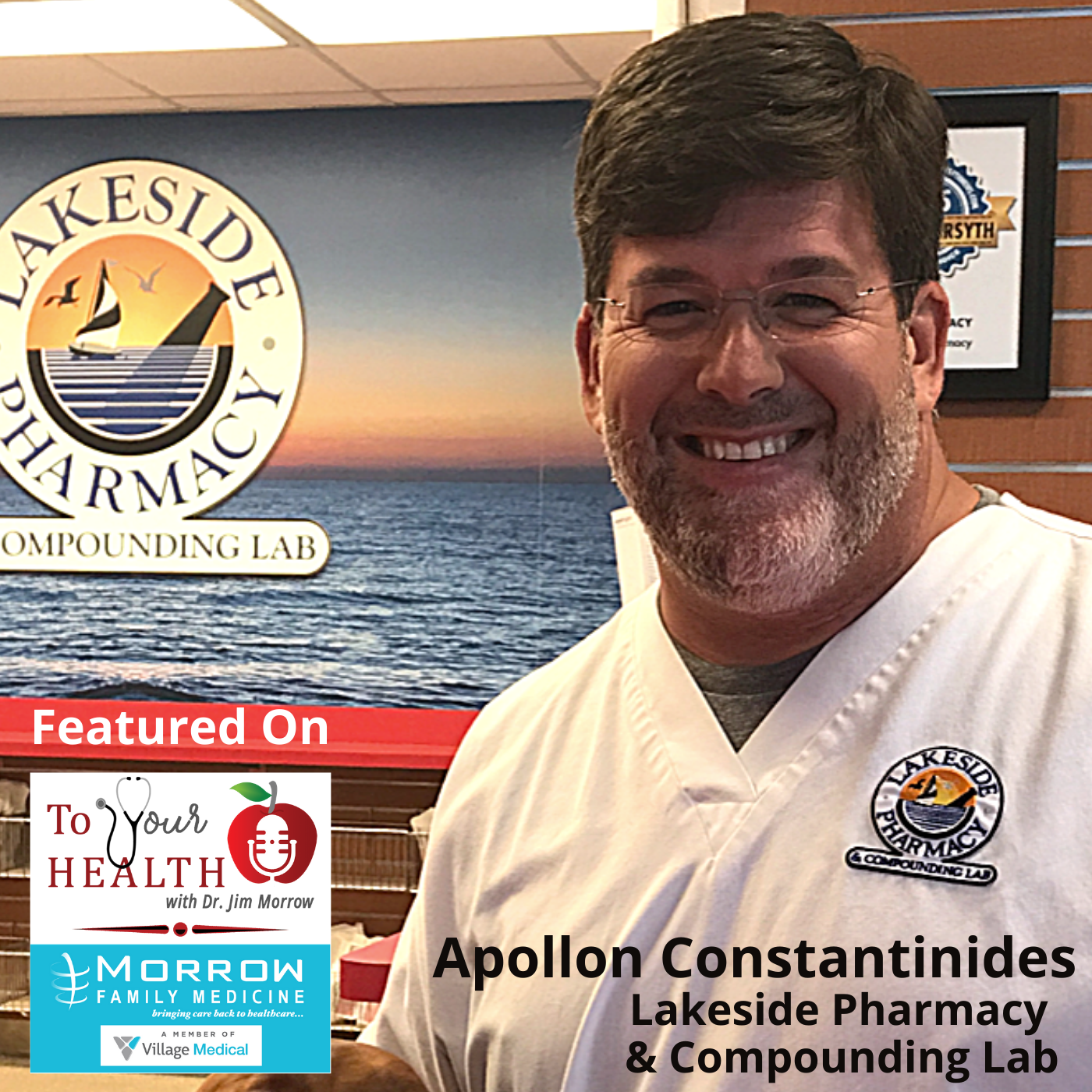
While many are aware of the benefits of CBD oil in alleviating cancer-related symptoms, there are quite a few other health benefits for this compound. Dr. Apollon A. Constantinides, Jr., Owner and Pharmacist of Lakeside Pharmacy joins Dr. Morrow to discuss various uses for CBD oil. “To Your Health” is brought to you by Morrow Family Medicine, which brings the care back to healthcare.

Lakeside Pharmacy & Compounding Lab

Lakeside Pharmacy & Compounding Lab is truly a family business. Apollon is joined by his mother, Doty, his wife, Christy, and their two daughters Athena and Madison as well as a host of nephews and nieces to offer unparalleled customer service to Forsyth County and the surrounding area.

For 21 years, they have offered FREE Delivery in Forsyth County and even state-wide with regards to compounded medications.  They have been voted Best Pharmacy in Forsyth for 7 straight years and voted Best Medical Equipment and Best CBD Supplier on top of that.

Dr. Apollon A. Constantinides, Jr., Owner and Pharmacist of Lakeside Pharmacy

Lakeside Pharmacy
Dr. Apollon A. Constantinides, Jr., Lakeside Pharmacy

Dr. Apollon A. Constantinides, Jr., owner and Pharmacist of Lakeside Pharmacy is honored to serve Forsyth County and surrounding communities. Dr. Constantinides attended Pharmacy School at Mercer University Southern School of Pharmacy. He graduated with his Doctorate in Pharmacy from Mercer in 1996. His Father, A. A. Constantinides, Sr. was also a Pharmacist and owned and operated a chain of seven Pharmacies in Atlanta, GA. Having grown up surrounded by the Profession of Pharmacy, he quickly developed a passion for it. In continuing in his father’s footsteps, Dr. Constantinides will share his experience and passion for the profession of Pharmacy with the addition of Lakeside Pharmacy to the Northside Hospital – Forsyth campus.

Dr. Constantinides insists that Lakeside Pharmacy will be second to none in customer service and pharmaceutical care. He will provide personalized services such as FREE Delivery and a full line of Durable Medical Equipment. Lakeside Pharmacy will also accept over 3,000 insurance plans in order to serve all of North Georgia and Metro Atlanta. In addition, Lakeside Pharmacy will also offer FREE Delivery by boat to Lake Lanier Homeowners.

Company website

About Morrow Family Medicine, A Member of Village Medical

Morrow Family Medicine, a Member of Village Medical, is an award-winning, state-of-the-art family practice with offices in Cumming and Milton, Georgia. The practice combines healthcare information technology with old-fashioned care to provide the type of care that many are in search of today. Two physicians, three physician assistants, and two nurse practitioners are supported by a knowledgeable and friendly staff to make your visit to Morrow Family Medicine, A Member of Village Medical one that will remind you of the way healthcare should be.  At Morrow Family Medicine, a Member of Village Medical, we like to say we are “bringing the care back to healthcare!”  The practice has been named the “Best of Forsyth” in Family Medicine in all five years of the award, is a three-time consecutive winner of the “Best of North Atlanta” by readers of Appen Media, and the 2019 winner of “Best of Life” in North Fulton County.

Village Medical offers a comprehensive suite of primary care services including preventative care, treatment for illness and injury, and management of chronic conditions such as diabetes, congestive heart failure, chronic obstructive pulmonary disease (COPD), and kidney disease. Atlanta-area patients can learn more about the practice here.

Dr. Jim Morrow, Morrow Family Medicine, and Host of “To Your Health with Dr. Jim Morrow”

Covid-19 misconceptionsDr. Jim Morrow is the founder and CEO of Morrow Family Medicine. He has been a trailblazer and evangelist in the area of healthcare information technology, was named Physician IT Leader of the Year by HIMSS, a HIMSS Davies Award Winner, the Cumming-Forsyth Chamber of Commerce Steve Bloom Award Winner as Entrepreneur of the Year and he received a Phoenix Award as Community Leader of the Year from the Metro Atlanta Chamber of Commerce.  He is married to Peggie Morrow and together they founded the Forsyth BYOT Benefit, a charity in Forsyth County to support students in need of technology and devices. They have two Goldendoodles, a gaggle of grandchildren and enjoy life on and around Lake Lanier.

Facebook: https://www.facebook.com/MorrowFamMed/

LinkedIn: https://www.linkedin.com/company/7788088/admin/

Twitter: https://twitter.com/toyourhealthMD

The complete show archive of “To Your Health with Dr. Jim Morrow” addresses a wide range of health and wellness topics, and can be found at www.toyourhealthradio.com.
Tagged With: CBD oil, CBD supplier, compounding pharmacy, Dr. Apollon Constantinides, Dr. Jim Morrow, Jim Morrow, Lakeside Pharmacy, Morrow Family Medicine, pharmacist, pharmacy, Village Medical

Human Papilloma Virus (HPV) – Episode 51, To Your Health with Dr. Jim Morrow

March 3, 2021 by John Ray

Human Papilloma Virus
North Fulton Studio
Human Papilloma Virus (HPV) - Episode 51, To Your Health with Dr. Jim Morrow
Loading
00:00 /
RSS Feed
Share
Link
Embed

Download file

Human Papilloma Virus

Human Papilloma Virus (HPV) – Episode 51, To Your Health with Dr. Jim Morrow

The most common sexually transmitted disease (STI) is the Human Papilloma Virus, or HPV. On this edition of “To Your Health,” Dr. Morrow reviews the symptoms, causes, and treatments for HPV, as well as how to live with it. “To Your Health” is brought to you by Morrow Family Medicine, which brings the care back to healthcare.

About Morrow Family Medicine, A Member of Village Medical

Morrow Family Medicine, a Member of Village Medical, is an award-winning, state-of-the-art family practice with offices in Cumming and Milton, Georgia. The practice combines healthcare information technology with old-fashioned care to provide the type of care that many are in search of today. Two physicians, three physician assistants and two nurse practitioners are supported by a knowledgeable and friendly staff to make your visit to Morrow Family Medicine, A Member of Village Medical one that will remind you of the way healthcare should be.  At Morrow Family Medicine, a Member of Village Medical, we like to say we are “bringing the care back to healthcare!”  The practice has been named the “Best of Forsyth” in Family Medicine in all five years of the award, is a three-time consecutive winner of the “Best of North Atlanta” by readers of Appen Media, and the 2019 winner of “Best of Life” in North Fulton County.

Village Medical offers a comprehensive suite of primary care services including preventative care, treatment for illness and injury, and management of chronic conditions such as diabetes, congestive heart failure, chronic obstructive pulmonary disease (COPD) and kidney disease. Atlanta-area patients can learn more about the practice here.

Dr. Jim Morrow, Morrow Family Medicine, and Host of “To Your Health with Dr. Jim Morrow”

Covid-19 misconceptionsDr. Jim Morrow is the founder and CEO of Morrow Family Medicine. He has been a trailblazer and evangelist in the area of healthcare information technology, was named Physician IT Leader of the Year by HIMSS, a HIMSS Davies Award Winner, the Cumming-Forsyth Chamber of Commerce Steve Bloom Award Winner as Entrepreneur of the Year and he received a Phoenix Award as Community Leader of the Year from the Metro Atlanta Chamber of Commerce.  He is married to Peggie Morrow and together they founded the Forsyth BYOT Benefit, a charity in Forsyth County to support students in need of technology and devices. They have two Goldendoodles, a gaggle of grandchildren and enjoy life on and around Lake Lanier.

Facebook: https://www.facebook.com/MorrowFamMed/

LinkedIn: https://www.linkedin.com/company/7788088/admin/

Twitter: https://twitter.com/toyourhealthMD

The complete show archive of “To Your Health with Dr. Jim Morrow” addresses a wide range of health and wellness topics, and can be found at www.toyourhealthradio.com.
Show Notes

Human Papilloma Virus

●      Human papillomavirus (HPV) is a common sexually transmitted virus.

o   It is the most common sexually transmitted infection (STI) in the United States.

o   There are more than 100 types of HPV.

o   Some types don’t cause any symptoms.

o   Other types cause genital warts.

o   More aggressive kinds of HPV can cause cancer in both women and men.

▪       This includes cancer of the cervix, vagina, vulva, anus, penis, and throat.

●      HPV is passed between people through genital or skin-to-skin contact.

o   Both men and women can get HPV and pass it on.

o   Often, they don’t know they have it, so they don’t realize they are passing it to other people.

o   Nearly all people who have had sex will get HPV at some point in their lives.

Symptoms of HPV

●      In most cases, HPV—including the kinds that cause cancer—does not have symptoms.

●      The main symptom people see with some types of HPV infection is genital warts.

o   Genital warts can be small or large, flat or raised.

o   Sometimes they are described as looking like cauliflower.

o   There can be just one, or they can appear in groups.

o   They can appear on the anus, cervix, scrotum, penis, groin, or thigh.

●      Another type of HPV can cause warts to develop on other parts of your body,

o   such as your hands and feet.

o   The types of HPV that cause warts generally do not cause cancer.


What causes HPV?

●      Infection from HPV happens when the virus gets into your body.

o   This most often happens during vaginal, anal, or oral sex with a person who is already infected.

o   HPV is spread through skin-to-skin contact, not through bodily fluids.

How is HPV diagnosed?

●      If you think you have warts in your genital area,

o   call your family doctor.

o   He or she will be able to diagnose it with an examination.

●      For women, diagnosis of HPV often starts with abnormal results from a routine Pap test.

o   When you have a Pap test (or “smear”), the doctor will take a sample of cells from your cervix.

o   The sample is sent to a lab and looked at under a microscope.

▪       If abnormal cells are found, your doctor may do another Pap test and include a cervical HPV test.

▪       This test can identify many of the HPV types that can cause cervical cancer.

▪       This is the only HPV test approved by the FDA.

●      If you have a type of HPV that can cause cancer, your doctor may want to perform a colposcopy.

o   In this test, he or she will use a special magnifying lens to get a closer look at your cervix.

o   If the tissue looks abnormal, they will cut out a small bit to perform a biopsy.

o   This test will check for signs of cancer.

●      There is no FDA-approved test for HPV for men.

Can HPV be prevented or avoided?

●      Because HPV is such a common virus,

o   it is hard to avoid it completely.

o   But there are steps you can take to lower your risk.

▪       Have few sex partners.

▪       Avoid sex with people who have had many sex partners.

▪       Use condoms consistently and correctly, though they may not cover all areas of skin where the virus lives.

●      HPV often shows no symptoms.

o   Sometimes symptoms show up weeks or months after you’ve been infected.

o   This makes it harder for you to not spread the infection.

▪       It is less common for men to develop complications from HPV.

▪       But they can spread the virus to women, where cancer from the virus is more common.

▪       So it is important to do your best to avoid HPV.

HPV vaccine

●      There is an HPV vaccine available that can protect against diseases caused by HPV, including cancers. It is approved by the FDA.

●      The Centers for Disease Control and Prevention (CDC) says girls and boys between the ages of 11 and 12 should get the vaccine.

o   It is most effective when the person is vaccinated before becoming sexually active.

o   Teenagers and young adults can get the vaccine, too.

o   It is approved for anyone between 9 years and 26 years of age.

●      The vaccine is given in multiple doses (shots) over 6 to 12 months.

o   Children age 9 to 14 receive 2 doses.

o    Those 15 or older receive 3 doses.

o   It’s important to get all of the doses to make sure you or your child are getting the most protection from HPV infection.

●      Without health insurance, vaccines can be expensive.

o   The CDC’s Vaccines for Children (VFC) program provides free vaccines for some families.

o   If you have low income and don’t have insurance for vaccinations, you might qualify.

HPV Treatment

●      There is no cure or treatment for the virus itself.

o   In many men and women, the Human Papilloma Virus goes away on its own without causing any health problems.

▪       There are treatments for the conditions the virus causes.

▪       These include genital warts,

▪       precancerous cells,

▪       and cancer.

●      Genital warts must be treated by your doctor.

o   Do not try to treat the warts yourself.

o   Don’t use over-the-counter wart-removal products.

▪       These chemicals are not supposed to be used for genital warts.

▪       They can irritate the skin.

●      If precancerous cells are found,

o   the abnormal tissue is removed so it doesn’t turn into cancer.

▪       If cancer is found, treatment will vary.

▪       It will depend on

▪       the type of cancer,

▪       the stage,

▪       and the patient’s age.

Living with Human Papilloma Virus

●      You may test positive for HPV without having signs of cancer or genital warts.

o   Your doctor will likely want you to get a repeat Pap test every 4 to 6 months until the infection is gone.

▪       This could take up to 2 years.

●      Most women who get their routine Pap tests and follow their doctor’s advice will not get cervical cancer.

o   It takes a long time to develop,

▪       and regular check-ups help find issues early, before they get more serious.

info courtesy of www.familydoctor.org

Tagged With: Dr. Jim Morrow, HPV, Human Papilloma Virus, Morrow Family Medicine, Village Medical

Exercise in a Pandemic, with Andrew Abernathy, Focal Fitness – Episode 50, To Your Health with Dr. Jim Morrow

February 12, 2021 by John Ray

Focal Fitness
North Fulton Studio
Exercise in a Pandemic, with Andrew Abernathy, Focal Fitness - Episode 50, To Your Health with Dr. Jim Morrow
Loading
00:00 /
RSS Feed
Share
Link
Embed

Download file

Focal Fitness

Exercise in a Pandemic, with Andrew Abernathy, Focal Fitness – Episode 50, To Your Health with Dr. Jim Morrow

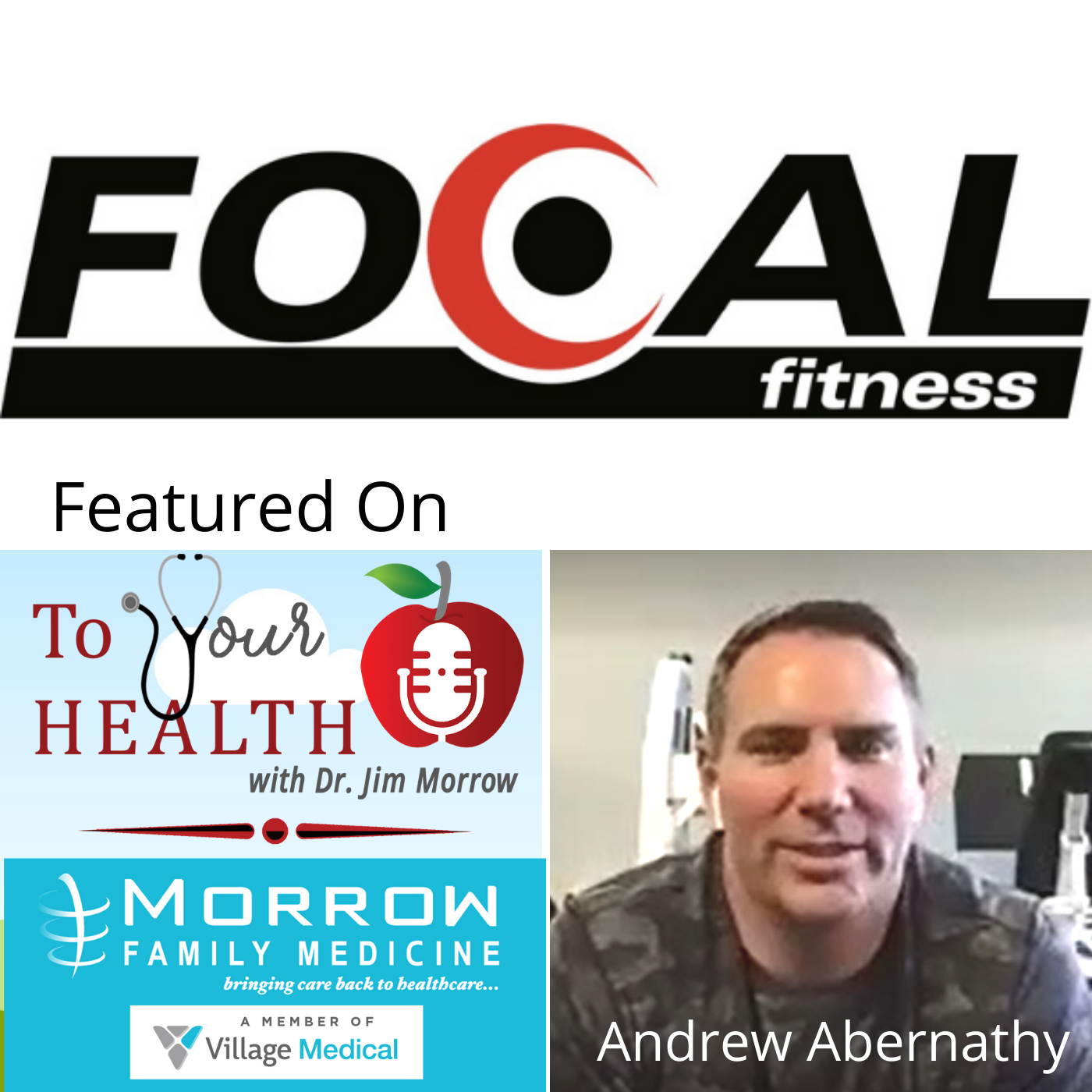
Focal Fitness Owner Andrew Abernathy is welcomed by host Dr. Jim Morrow to discuss exercise and physical fitness challenges and solutions for a pandemic. Dr. Morrow also offers a Covid-19 update on the new vaccines and the latest information on Covid-19 mutations. “To Your Health” is brought to you by Morrow Family Medicine, which brings the care back to healthcare.

Andrew Abernathy, Owner, Focal Fitness

At Focal Fitness their goal is to inspire people to change their lives by becoming passionate about their health, having a positive attitude, and implementing fitness into their everyday lives.

Andrew Abernathy is the owner and operator of Focal Fitness. He grew up in Gainesville, GA, and attended the University of Georgia where he received a B.S. in Exercise Science. Andrew is a certified Personal Trainer with extensive work with post rehab, sports specific, and weight reduction clients. He also is a certified Super Slow© instructor. Andrew’s intensive academic study of anatomy, exercise physiology, kinesiology, biomechanics, fitness screening and testing, training principles and techniques, sports injury, and motivation, allow him to offer clients highly researched and tailored fitness programs.

Andrew chose to become a trainer because he has a passion for educating and helping people achieve healthy, active lifestyles, and creating real and lasting change. This work is the culmination of a life of athletic training, a tailored college education, and his entire work experience. Some of his objectives are to encourage people to make exercise a part of their lifestyle, through motivation, teaching correct technique and improving strength, coordination and balance. The professional challenge of creating effective workout routines that fit in with a person’s unique lifestyle, schedule, and needs is what he strives to achieve for each client.

Outside of Focal Fitness, Andrew enjoys running, camping, hiking, golf, Univ. of Georgia football, just about anything on water or in water, and socializing with friends and family. Andrew and his wife Melissa live in Cumming GA, located in beautiful Forsyth County. They have a daughter, Tatem, son, Myles, and one dog, “Neo”. They both attend Mountain Lake Church.

Focal Fitness Company website

About Morrow Family Medicine, A Member of Village Medical

Morrow Family Medicine, a Member of Village Medical, is an award-winning, state-of-the-art family practice with offices in Cumming and Milton, Georgia. The practice combines healthcare information technology with old-fashioned care to provide the type of care that many are in search of today. Two physicians, three physician assistants and two nurse practitioners are supported by a knowledgeable and friendly staff to make your visit to Morrow Family Medicine, A Member of Village Medical one that will remind you of the way healthcare should be.  At Morrow Family Medicine, a Member of Village Medical, we like to say we are “bringing the care back to healthcare!”  The practice has been named the “Best of Forsyth” in Family Medicine in all five years of the award, is a three-time consecutive winner of the “Best of North Atlanta” by readers of Appen Media, and the 2019 winner of “Best of Life” in North Fulton County.

Village Medical offers a comprehensive suite of primary care services including preventative care, treatment for illness and injury, and management of chronic conditions such as diabetes, congestive heart failure, chronic obstructive pulmonary disease (COPD) and kidney disease. Atlanta-area patients can learn more about the practice here.

Dr. Jim Morrow, Morrow Family Medicine, and Host of “To Your Health with Dr. Jim Morrow”

Covid-19 misconceptionsDr. Jim Morrow is the founder and CEO of Morrow Family Medicine. He has been a trailblazer and evangelist in the area of healthcare information technology, was named Physician IT Leader of the Year by HIMSS, a HIMSS Davies Award Winner, the Cumming-Forsyth Chamber of Commerce Steve Bloom Award Winner as Entrepreneur of the Year and he received a Phoenix Award as Community Leader of the Year from the Metro Atlanta Chamber of Commerce.  He is married to Peggie Morrow and together they founded the Forsyth BYOT Benefit, a charity in Forsyth County to support students in need of technology and devices. They have two Goldendoodles, a gaggle of grandchildren and enjoy life on and around Lake Lanier.

Facebook: https://www.facebook.com/MorrowFamMed/

LinkedIn: https://www.linkedin.com/company/7788088/admin/

Twitter: https://twitter.com/toyourhealthMD

The complete show archive of “To Your Health with Dr. Jim Morrow” addresses a wide range of health and wellness topics, and can be found at www.toyourhealthradio.com.
 

Show Notes

Covid-19 Vaccines and Mutations 

Why does the coronavirus change?

  • Variants of viruses occur when there is a change (mutation) to the virus’s genes. 
    • it is the nature of RNA viruses such as the coronavirus to evolve and change gradually. 
  • Mutations in viruses — 
    • including the coronavirus causing the COVID-19 pandemic — 
      • are neither new nor unexpected. 
      • All RNA viruses mutate over time, some more than others. 
      • For example, flu viruses change often, 
      • which is why doctors recommend that you get a new flu vaccine every year.
  • We are seeing multiple variants of the SARS-CoV-2 coronavirus that are different from the version first detected in China
  • one mutated version of the coronavirus was detected in southeastern England in September 2020. 
    • That variant, now known as B.1.1.7, quickly became the most common version of the coronavirus in the United Kingdom, accounting for about 60% of new COVID-19 cases in December. 
    • Other variants have emerged in South Africa, Brazil, California and other areas.

COVID-19 Variants: How are they different?

  • There are 17 genetic changes in the B.1.1.7 variant from England. 
  • There’s some preliminary evidence that it’s more contagious. 
    • Scientists noticed a surge of cases in areas where the new strain appeared.
  • some of the mutations in the B.1.1.7 version seem to affect the coronavirus’s spike protein, 
    • which covers the outer coating of SARS-CoV-2 and give the virus its characteristic spiny appearance. 
    • These proteins help the virus attach to human cells in the nose, lungs and other areas of the body, causing COVID-19 illness.
  • Researchers have preliminary evidence that some of the new variants, including B.1.1.7, seem to bind more tightly to our cells
    • This appears to make some of these new strains ‘stickier’ due to changes in the spike protein. 
    • Studies are underway to understand more about whether any of the variants are more easily transmitted.

Is there a new variant of the coronavirus that is more dangerous?

  • so far, the news is somewhat reassuring. 
    • Although mutations may enable the coronavirus to spread faster from person to person, 
      • and more infections can result in more people getting very sick, 
      • overall, there is not yet clear evidence that any of these variants are more likely to cause severe disease or death. 
  • it may be more advantageous for a respiratory virus to evolve so that it spreads more easily. 
    • On the other hand, mutations that make a virus more deadly may not give the virus an opportunity to spread efficiently. 
      • If we get too sick or die quickly from a particular virus, the virus has less opportunity to infect others. 
  • One of the main concerns is whether any of the variants could affect treatment and prevention. 
    • Mutations may allow the coronaviruses to escape the antibodies in currently available therapies and those induced by vaccines. 
      • More data are needed to investigate this possibility.

Will there be more new variants of the coronavirus?

  • Yes. 
    • As long as the coronavirus spreads through the population, mutations will continue to happen. 
      • in 2020, several mutations caught researchers’ attention and raised concern, but further study revealed no major changes in how the coronavirus behaves.
  • New variants of the SARS-CoV-2 virus are detected every week
    • Most come and go — some persist but don’t become more common; some increase in the population for a while, and then fizzle out. 
    • When a change in the infection pattern first pops up, 
      • it can be very hard to tell what’s driving the trend: 
        • changes to the virus, 
        • or changes in human behavior. 
        • It is worrisome that similar changes to the spike protein are arising independently on multiple continents.”

Will the COVID-19 vaccine work on the new strains?

  • There is new evidence from laboratory studies that some immune responses driven by current vaccines could be less effective against some of the new strains.
  • Whether that means that people who have gotten the COVID-19 vaccines could get sick with the new variants is not yet known. 
    • The immune response involves many components, 
      • and a reduction in one does not mean that the vaccines will not offer protection.”
  • People who have received the vaccines should watch for changes in guidance from the CDC ,and continue with coronavirus safety precautions to reduce the risk of infection, such as mask wearing, physical distancing and hand hygiene.”
  • “We deal with mutations every year for flu virus, and will keep an eye on this coronavirus and track it,” says Bollinger. “If there would ever be a major mutation, the vaccine development process can accommodate changes, if necessary, but we’re not yet at the point when we need to consider that,” he explains.

Regarding coronavirus variants, how concerned should we be?

  • “Most of the genetic changes we see in this virus are like the scars people accumulate over a lifetime — incidental marks of the road, most of which have no great significance or functional role,” Ray says. “When the evidence is strong enough that a viral genetic change is causing a change in the behavior of the virus, we gain new insight regarding how this virus works.”
  • “As far as these variants are concerned, we don’t need to overreact,” Bollinger says. “But, as with any virus, changes are something to be watched, to ensure that testing, treatment and vaccines are still effective. The scientists will continue to examine new versions of this coronavirus’s genetic sequencing as it evolves.”
  • “In the meantime, we need to continue all of our efforts to prevent viral transmission and to vaccinate as many people as possible, and as soon as we can.”

Source:  Johns Hopkins

Tagged With: Andrew Abernathy, athletic training, COVID-19, Covid-19 vaccines, Dr. Jim Morrow, Exercise, Fitness, Focal Fitness, Morrow Family Medicine, To Your Health With Dr. Jim Morrow, Village Medical

Better New Year’s Resolutions – Episode 48, To Your Health With Dr. Jim Morrow

January 14, 2021 by John Ray

Better New Year's Resolutions
North Fulton Studio
Better New Year's Resolutions - Episode 48, To Your Health With Dr. Jim Morrow
Loading
00:00 /
RSS Feed
Share
Link
Embed

Download file

Better New Year’s Resolutions – Episode 48, To Your Health With Dr. Jim Morrow

All of us make New Year’s resolutions, but what are the better New Year’s resolutions we should make for 2021 (or any year, for that matter).  The ideas Dr. Morrow shares in this episode of “To Your Health” for more healthy living can be started anytime! “To Your Health” is brought to you by Morrow Family Medicine, which brings the CARE back to healthcare.

About Morrow Family Medicine and Dr. Jim Morrow

Morrow Family Medicine is an award-winning, state-of-the-art family practice with offices in Cumming and Milton, Georgia. The practice combines healthcare information technology with old-fashioned care to provide the type of care that many are in search of today. Two physicians, three physician assistants and two nurse practitioners are supported by a knowledgeable and friendly staff to make your visit to Morrow Family Medicine one that will remind you of the way healthcare should be.  At Morrow Family Medicine, we like to say we are “bringing the care back to healthcare!”  Morrow Family Medicine has been named the “Best of Forsyth” in Family Medicine in all five years of the award, is a three-time consecutive winner of the “Best of North Atlanta” by readers of Appen Media, and the 2019 winner of “Best of Life” in North Fulton County.

Dr. Jim Morrow, Morrow Family Medicine, and Host of “To Your Health With Dr. Jim Morrow”

Covid-19 misconceptionsDr. Jim Morrow is the founder and CEO of Morrow Family Medicine. He has been a trailblazer and evangelist in the area of healthcare information technology, was named Physician IT Leader of the Year by HIMSS, a HIMSS Davies Award Winner, the Cumming-Forsyth Chamber of Commerce Steve Bloom Award Winner as Entrepreneur of the Year and he received a Phoenix Award as Community Leader of the Year from the Metro Atlanta Chamber of Commerce.  He is married to Peggie Morrow and together they founded the Forsyth BYOT Benefit, a charity in Forsyth County to support students in need of technology and devices. They have two Goldendoodles, a gaggle of grandchildren and enjoy life on and around Lake Lanier.

Facebook: https://www.facebook.com/MorrowFamMed/

LinkedIn: https://www.linkedin.com/company/7788088/admin/

Twitter: https://twitter.com/toyourhealthMD

The complete show archive of “To Your Health with Dr. Jim Morrow” addresses a wide range of health and wellness topics, and can be found at www.toyourhealthradio.com.
Dr. Morrow’s Show Notes

Better New Year’s Resolutions

  1. Eat more whole foods
  • One of the easiest and most sustainable ways to improve overall health is to eat more whole foods.
  • Whole foods, including vegetables, fruits, nuts, seeds, whole grains, and fish, contain a plethora of nutrients that your body needs to function at an optimal level.
  • Research shows that following a whole-foods-based diet may significantly reduce heart disease risk factors, body weight, and blood sugar levels, as well as decrease your risk of certain diseases, such as type 2 diabetes
  • What’s more, adding more whole foods to your diet can be done slowly and consistently.
    • For example, if you’re not used to eating vegetables, start by adding one serving of your favorite veggie to your diet every day.
  1. Sit less and move more
  • Whether it’s due to having a sedentary job or simply being inactive, many people sit more than they should. Sitting too much can have negative effects on health. In fact, it may be linked to an increased risk of overall mortality
  • Making a resolution to sit less is an easy and attainable resolution that can be tailored to fit your lifestyle.
  • For example, if you have a desk job that requires long periods of sitting, make a resolution to go for a 15-minute walk at lunch or to get up and walk for 5 minutes every hour.
  1. Cut back on sweetened beverages
  • Cutting back on sweetened beverages is a smart idea considering that sugary drinks are linked to an increased risk of obesity, fatty liver, heart disease, insulin resistance, and cavities in both children and adults
  • Though quitting sweetened beverages cold turkey is always an option, gradually minimizing your intake may help you kick your sugary drink habit for good.
  1. Get more quality sleep
  • Sleep is an essential part of overall health, and sleep deprivation can lead to serious consequences. For instance, lack of sleep may increase your risk of weight gain, heart disease, and depression
  • There are many reasons why people don’t get enough sleep, so it’s important to focus on your schedule and lifestyle to determine the best ways to improve sleep quantity and quality.
  • Decreasing screen time before bed, reducing light pollution in your bedroom, cutting back on caffeine, and getting to bed at a reasonable hour are some simple ways to improve sleep hygiene.
  1. Find a physical activity that you enjoy
  • Every New Year, people purchase expensive memberships to gyms, workout studios, and online fitness programs in hopes of shedding excess body fat in the year to come. Though most people start strong, the majority don’t make their new routine into a lasting habit.
  • Still, you can increase the chances of making your fitness resolutions stick. To get started, choose an activity  based on enjoyment and whether it fits into your schedule.
  • For example, taking a half-hour walk, jog, or bike ride before work, or swimming at a gym that’s on your way home, are simple and sustainable exercise resolutions.
  • Then, set an attainable goal, such as planning to walk a few specific days per week instead of aiming for every day.
  • Making a more realistic goal can enhance the chances of making your new routine last, especially if you’re new to working out.
  1. Take more ‘me time’ and practice self-care 
  • Taking time for yourself is not selfish. In fact, it’s imperative for optimal health and wellbeing. This is especially true for those in caretaker roles, such as parents and healthcare workers
  • For people with busy schedules and limited time, making a resolution to engage in self-care may take some planning. However, it’s well worth the time investment.
  • Self-care doesn’t have to be elaborate or time-consuming. It can simply mean taking a bath every week, attending your favorite weekly yoga class, preparing a healthy meal for yourself, going for a walk in nature, or getting an extra hour of sleep.
  1. Cook more meals at home
  • Research shows that people who cook more meals at  home have better diet quality and less body fat than people who eat more meals on the go
  • In fact, a study in 11,396 adults found that those who ate 5 or more home-cooked meals per week were 28% less likely to be overweight, compared with those who ate fewer than 3 home-cooked meals per week
  • Start by making one meal a day, then increase the frequency over time until you’re making the majority of your meals and snacks at home.
  1. Spend more time outside
  • Spending more time outdoors  can improve health by relieving stress, elevating mood, and even lowering blood pressure
  • Making a better New Year’s resolutions to spend more time outside every day is a sustainable and healthy goal that can benefit most everyone, no matter where you live.
  • Taking a walk outside during your lunch break, hiking on weekends, going camping with friends, or simply soaking in the beauty of your backyard or local park are all ways to incorporate nature into your daily routine.
  1. Limit screen time 
  • Many people depend on their phones and computers for work and entertainment. However, spending too much time on electronic devices — particularly on social media — has been linked to depression, anxiety, and loneliness in some studies
  • Setting a resolution to cut back on the time you spend scrolling through social media, watching TV, or playing computer games may help boost your mood and enhance productivity.
  1. Try meditation
  • Meditation is an evidence-based way to promote mental well-being. It may be particularly helpful for people who have anxiety or depression
  • Trying out this practice is part of better New Year’s resolutions because there are many ways to meditate, and it’s easy to find books, podcasts, and apps that teach you how to start a meditation practice.
  1. Rely less on convenience foods 
  • Many people rely on convenience foods, such as packaged chips, cookies, frozen dinners, and fast food, for a quick meal or snack. Though these items may be tasty and readily available, they can have detrimental effects on your health if eaten too often.
  • For example, frequent fast food intake is associated with poor overall diet quality, obesity, and an increased risk of numerous conditions, including heart disease and diabetes
  • To cut back on your consumption of convenience foods, make a resolution to prepare more meals at home using healthy ingredients.
  1. Rethink dieting 
  • Chronic dieting is harmful to both physical and mental health. Plus, most people who lose weight through restrictive dieting regain up to two-thirds of the weight lost within 1 year
  • Dieting can also make it harder to lose weight in the future.
  • Rather than setting a New Year’s resolution to lose weight by using restrictive measures, such as a fad diet, try a healthier, more sustainable method of weight loss by focusing on increasing physical activity and  eating healthier foods. 
  1. Go grocery shopping regularly 
  • Having a well-stocked pantry and fridge is necessary to prepare healthy, home-cooked meals.
  • If you’re not used to going grocery shopping, make a New Year’s resolution to go to the supermarket or farmer’s market more regularly to stock up on nutritious ingredients.
  • Depending on your schedule, it may be helpful to designate 1 day each week as your day to shop. Ensuring that you have time to buy the groceries you need to make tasty, nourishing meals is a savvy way to improve your diet quality.
  1. Use healthier household products 
  • It’s obvious that what you put into your body can significantly impact your health. However, what you choose to put onto your body and what products you use in your home matter, too
  • Make this part of your better New Year’s resolutions:  purchase more natural beauty products, household cleaners, laundry detergents, and personal care products to create a healthier environment for yourself and your family.
  1. Add more produce to your diet 
  • Adding more cooked and raw vegetables and fruits to your diet can go a long way towards improving your health in the new year.
  • Numerous studies have shown that eating a diet rich in produce helps protect against various illnesses, such as diabetes, heart diseases, certain cancers, and obesity, as well as overall
  1. Cut back on alcohol 
  • Though alcohol can certainly fit into a healthy diet, imbibing too often can negatively affect your health. What’s more, drinking alcohol frequently may keep you from reaching your health and wellness goals (32Trusted Source).
  • If you think cutting back on alcohol may be helpful for you, set a reasonable goal to keep yourself on track, such as limiting drinking to weekend nights only or setting a drink limit for the week.
  • If you need a non-alcoholic beverage idea to replace your usual cocktail of choice, try fruit-infused sparkling water, kombucha, or one of these fun mocktails.
  1. Be more present
  • Research shows that being more present may improve life satisfaction by decreasing negative thoughts, which may thereby improve psychological health
  • Making this part of your better New Year’s resolutions:  be more mindful and present may help you feel more content in your everyday life.
  • Spending less time on your phone, stopping to notice your environment, and listening intently to others are simple ways to be more present.
  1. Take a vacation
  • Taking a vacation — even a short one — may have significant and immediate positive effects on stress levels and may enhance well-being
  • In the new year, make a resolution to take a vacation with friends or family members, or on your own. Whether you travel to an area you’ve always wanted to visit or simply plan a staycation at home, taking some time for rest and relaxation is important for health.
  1. Try a new hobby
  • It’s common for adults to let once-loved hobbies fall by the wayside as they get older due to busy schedules or lack of motivation.
  • However, research shows that partaking in a hobby that you love can help you live a longer, healthier life
  • Make a resolution to try out a hobby that you’ve always been interested in — or pick back up a hobby that used to bring you joy.
  1. Stop negative body talk
  • Talking negatively about your body can lead to feelings of body shame. In fact, research shows that engaging in and hearing negative body talk is associated with higher levels of body dissatisfaction and decreased self-esteem in both women and men
  • Make a healthy New Year’s resolution to engage in positive self-talk regularly and reduce negative body talk. This may not only help improve your relationship with your own body but also encourage others to stop talking negatively about themselves.
  1. Visit your doctor 
  • Getting examined regularly by your healthcare practitioner is important for many reasons. Having regular blood work and necessary screenings can help spot potential problems before they turn into something more serious.
  • Though your pace of doctor’s visits depends on many things, including the type of medical care, your age, and your medical history, most experts recommend seeing your primary care physician at least once a year for a checkup.
  1. Take care of your teeth 
  • Maintaining your oral health is a New Year’s resolution idea that can and should be sustained for life.
  • Brushing and flossing your teeth regularly can help prevent oral conditions like gum disease and bad breath
  • What’s more, some research suggests that gum disease may be associated with serious health conditions, such as Alzheimer’s and heart disease, making oral care all the more important
  • In addition to regular brushing and flossing, most dentists recommend a checkup and cleaning at least once a year
  1. Create a sustainable, nourishing diet
  • You may be making a resolution to eat healthier or lose weight year after year because you’re prioritizing short-term changes over long-term health benefits.
  • Instead of making a plan to follow yet another restrictive fad diet, this New Year, make a better New Year’s resolution to break the dieting cycle and create a sustainable, nourishing eating pattern that works for you.
  • The healthiest diet is one that’s rich in whole, nutrient-dense foods and low in heavily processed, sugary products. A healthy, long-term diet should not only be nutritious but also adaptable, meaning you can follow it for life — no matter the circumstances.
  • A sustainable eating pattern can be maintained on vacation, during holidays, and at parties because it’s unrestrictive and suited to your lifestyle.
  • Check out this beginners’ guide to healthy eating to get started.

The bottom line

  • Though most New Year’s resolutions are only kept for a short period, the better New Year’s resolutions listed above are sustainable ways to improve your physical and emotional health that can be followed for life.
  • Creating a healthier relationship with food and taking better care of your body and mind can drastically improve your health in various ways.
  • This New Year, try out a few of the better New Year’s resolutions in this article to help make this year — and the years that follow — the healthiest and happiest possible.

Thank you to healthline.com

Tagged With: Cumming, Dr. Jim Morrow, Happy New Year, Milton, Morrow Family Medicine, new years resolutions, To Your Health, To Your Health With Dr. Jim Morrow

Healthy Anxiety – Episode 47, To Your Health With Dr. Jim Morrow

December 23, 2020 by John Ray

health anxiety
North Fulton Studio
Healthy Anxiety - Episode 47, To Your Health With Dr. Jim Morrow
Loading
00:00 /
RSS Feed
Share
Link
Embed

Download file

Healthy Anxiety – Episode 47, To Your Health With Dr. Jim Morrow

Health anxiety, commonly referred to as hypochondria, is an obsessive and irrational worry and concern which can cause real problems for individuals with this condition. On this episode of “To Your Health,” Dr. Morrow discusses health anxiety, its causes and treatments. Dr. Morrow also offers a Covid-19 update and answers several questions on the new vaccines. “To Your Health” is brought to you by Morrow Family Medicine, which brings the CARE back to healthcare.

About Morrow Family Medicine and Dr. Jim Morrow

Morrow Family Medicine is an award-winning, state-of-the-art family practice with offices in Cumming and Milton, Georgia. The practice combines healthcare information technology with old-fashioned care to provide the type of care that many are in search of today. Two physicians, three physician assistants and two nurse practitioners are supported by a knowledgeable and friendly staff to make your visit to Morrow Family Medicine one that will remind you of the way healthcare should be.  At Morrow Family Medicine, we like to say we are “bringing the care back to healthcare!”  Morrow Family Medicine has been named the “Best of Forsyth” in Family Medicine in all five years of the award, is a three-time consecutive winner of the “Best of North Atlanta” by readers of Appen Media, and the 2019 winner of “Best of Life” in North Fulton County.

Dr. Jim Morrow, Morrow Family Medicine, and Host of “To Your Health With Dr. Jim Morrow”

Covid-19 misconceptionsDr. Jim Morrow is the founder and CEO of Morrow Family Medicine. He has been a trailblazer and evangelist in the area of healthcare information technology, was named Physician IT Leader of the Year by HIMSS, a HIMSS Davies Award Winner, the Cumming-Forsyth Chamber of Commerce Steve Bloom Award Winner as Entrepreneur of the Year and he received a Phoenix Award as Community Leader of the Year from the Metro Atlanta Chamber of Commerce.  He is married to Peggie Morrow and together they founded the Forsyth BYOT Benefit, a charity in Forsyth County to support students in need of technology and devices. They have two Goldendoodles, a gaggle of grandchildren and enjoy life on and around Lake Lanier.

Facebook: https://www.facebook.com/MorrowFamMed/

LinkedIn: https://www.linkedin.com/company/7788088/admin/

Twitter: https://twitter.com/toyourhealthMD

The complete show archive of “To Your Health with Dr. Jim Morrow” addresses a wide range of health and wellness topics, and can be found at www.toyourhealthradio.com.
Dr. Morrow’s Show Notes

What is health anxiety?

  • Health anxiety is an obsessive and irrational worry about having a serious medical condition.
    • It’s also called illness anxiety,
      • and was formerly called hypochondria.
    • This condition is marked by a person’s imagination of physical symptoms of illness.
  • Or in other cases,
    • it’s a person’s misinterpretation of minor or normal body sensations as serious disease symptoms
      • despite reassurance by medical professionals that they don’t have an illness.

What’s the difference between concern for your health and health anxiety?

  • If your body is sending you signs that you’re ill,
    • it’s normal to be concerned.
      • Health anxiety is marked by constant belief that you have a symptom or symptoms of a severe illness.
      • You may become so consumed by worry that the distress becomes disabling.
    • If you’re concerned about your health,
      • the rational thing to do is see your doctor.
      • With health anxiety, you’ll feel extreme distress about your real or imagined symptoms
        • even after medical test results come back negative and doctors reassure you that you’re healthy.
      • This condition goes beyond having a normal concern for one’s health.
        • It has the potential to interfere with a person’s quality of life, including their abilities to:
          • work in a professional or academic setting
          • function on a daily basis
          • create and maintain meaningful relationships

What causes people to develop health anxiety?

  • Experts aren’t sure of the exact causes of health anxiety, but they think the following factors may be involved:
    • You have a poor understanding of
      • body sensations,
      • diseases,
      • or both of these things.
    • You may think that a serious disease is causing your body’s sensations.
      • This leads you to look for evidence that confirms that you actually have a serious disease.
    • You have a family member or members who worried excessively about their health or your health.
    • You’ve had past experiences dealing with real serious illness in childhood.
      • So as an adult, the physical sensations you experience are frightening to you.
    • Health anxiety most often occurs in early or middle adulthood and can worsen with age.
      • For older people, health anxiety may focus on a fear of developing memory problems.
    • Other risk factors for health anxiety include:
      • a stressful event or situation
      • the possibility of a serious illness that turns out to not be serious
      • being abused as a child
      • having had a serious childhood illness or a parent with a serious illness
      • having a worrying personality
      • excessively checking your health on the internet

How is health anxiety diagnosed?

  • Health anxiety is no longer included in the American Psychological Association Diagnostic and Statistical Manual of Mental Disorders.
    • It was previously called hypochondriasis (better known as hypochondria).
  • Now, people who had been diagnosed with hypochondria might instead be classified as having:
    • illness anxiety disorder,
      • if the person has no physical symptoms or only mild symptoms
    • somatic symptom disorder,
      • particularly when the person has symptoms that are perceived as distressing to them
      • or if they have multiple symptoms
    • To arrive at a health anxiety disorder diagnosis,
      • your doctor will perform a physical exam to rule out any health conditions you’re concerned about.
      • If you’re healthy, your doctor may refer you to a mental healthcare professional.
      • They will likely proceed by:
        • performing a psychological evaluation,
          • which involves questions about
            • your symptoms,
            • stressful situations,
            • family history,
            • worries,
            • and issues affecting your life
          • asking you to complete a psychological self-assessment or questionnaire
          • ask about your use of
            • drugs,
            • alcohol,
            • or other substances
          • According to the American Psychiatric Association, illness anxiety disorder is marked by:
            • preoccupation with having or coming down with a serious illness
            • not having physical symptoms, or having symptoms that are very mild
            • excessive preoccupation about an existing medical condition or a family history about a medical condition
            • performing unreasonable health-related behaviors, which may include:
              • screening your body for disease over and over
              • checking what you think are disease symptoms online
              • avoiding doctor’s appointments to avoid diagnosis with a serious illness
              • preoccupation with having an illness for at least six months (The illness you’re worried about might change during that period.)

How is health anxiety treated?

  • Treatment for health anxiety focuses on improving your symptoms and ability to function in daily life.
  • Typically, treatment involves
    • psychotherapy, with medications sometimes added.
  • Psychotherapy
    • The most common treatment for health anxiety is psychotherapy,
      • particularly cognitive behavioral therapy (CBT).
      • Cognitive therapy can be very effective in treating health anxiety because it teaches you skills that can help you manage your disorder.
      • You can participate in CBT individually or in a group.
      • Some of the benefits of CBT include:
        • identifying your health anxiety worries and beliefs
        • learning other ways to look at your body sensations by changing unhelpful thoughts
        • raising your awareness of how your worries affect you and your behavior
        • responding to your body sensations and symptoms differently
        • learning to better cope with your anxiety and stress
        • learning to stop avoiding situations and activities because of physical sensations
        • avoiding examining your body for signs of illness and repeatedly looking for reassurance that you’re healthy
        • boosting your functioning at home, work, or school, in social settings, and in relationships with others
        • checking whether or not you’re suffering from other mental health disorders, like depressionor bipolar disorder
      • Other forms of psychotherapy are also sometimes used to treat health anxiety.
        • This may include
          • behavioral stress management
          • and exposure therapy.
        • If your symptoms are severe, your doctor may recommend medication in addition to your other treatments.
      • Medication
        • If your health anxiety is improving with psychotherapy alone, that is generally all that will be used to treat your condition.
        • Some people don’t respond to psychotherapy.
        • If this applies to you, your doctor may recommend medications.
        • Antidepressants, such as
          • selective serotonin reuptake inhibitors (SSRIs),
          • are frequently used for this condition.
        • If you have a mood or anxiety disorder in addition to your anxiety,
          • medications used to treat those conditions may also help.

What is the outlook for health anxiety?

  • Health anxiety is a long-term medical condition that can vary in severity over time.
    • In many people, it seems to worsen with age or during times of stress.
      • However, if you seek help and stick to your treatment plan, it’s possible to reduce your health anxiety symptoms so you can improve your daily functioning and decrease your worries.

Source:  www.aafp.org

Tagged With: Dr. Jim Morrow, health anxiety, hypochondria, Jim Morrow, Morrow Family Medicine

Seasonal Affective Disorder- Episode 46, To Your Health With Dr. Jim Morrow

December 9, 2020 by John Ray

Seasonal Affective Disorder
North Fulton Studio
Seasonal Affective Disorder- Episode 46, To Your Health With Dr. Jim Morrow
Loading
00:00 /
RSS Feed
Share
Link
Embed

Download file

Seasonal Affective Disorder- Episode 46, To Your Health With Dr. Jim Morrow

Seasonal affective disorder is common in winter months with shorter daylight hours, and Dr. Morrow addresses symptoms as well as treatment options, both medicine and therapy, for this condition. “To Your Health” is brought to you by Morrow Family Medicine, which brings the CARE back to healthcare.

About Morrow Family Medicine and Dr. Jim Morrow

Morrow Family Medicine is an award-winning, state-of-the-art family practice with offices in Cumming and Milton, Georgia. The practice combines healthcare information technology with old-fashioned care to provide the type of care that many are in search of today. Two physicians, three physician assistants and two nurse practitioners are supported by a knowledgeable and friendly staff to make your visit to Morrow Family Medicine one that will remind you of the way healthcare should be.  At Morrow Family Medicine, we like to say we are “bringing the care back to healthcare!”  Morrow Family Medicine has been named the “Best of Forsyth” in Family Medicine in all five years of the award, is a three-time consecutive winner of the “Best of North Atlanta” by readers of Appen Media, and the 2019 winner of “Best of Life” in North Fulton County.

Dr. Jim Morrow, Morrow Family Medicine, and Host of “To Your Health With Dr. Jim Morrow”

Covid-19 misconceptionsDr. Jim Morrow is the founder and CEO of Morrow Family Medicine. He has been a trailblazer and evangelist in the area of healthcare information technology, was named Physician IT Leader of the Year by HIMSS, a HIMSS Davies Award Winner, the Cumming-Forsyth Chamber of Commerce Steve Bloom Award Winner as Entrepreneur of the Year and he received a Phoenix Award as Community Leader of the Year from the Metro Atlanta Chamber of Commerce.  He is married to Peggie Morrow and together they founded the Forsyth BYOT Benefit, a charity in Forsyth County to support students in need of technology and devices. They have two Goldendoodles, a gaggle of grandchildren and enjoy life on and around Lake Lanier.

Facebook: https://www.facebook.com/MorrowFamMed/

LinkedIn: https://www.linkedin.com/company/7788088/admin/

Twitter: https://twitter.com/toyourhealthMD

The complete show archive of “To Your Health with Dr. Jim Morrow” addresses a wide range of health and wellness topics, and can be found at www.toyourhealthradio.com.

Dr. Morrow’s Show Notes

 What is seasonal affective disorder?

  • Seasonal affective disorder (SAD) is a type of depression that is triggered by the seasons of the year.
    • Symptoms usually begin in late fall or early winter.
    • People with SAD usually feel better in the spring and summer.
    • It is thought that SAD is related to changes in the amount of daylight during different times of the year.
    • Some people have SAD with depressive episodes in the summer instead of winter.
      • This is much less common.

How common is SAD?

  • Between 4% and 6% of people in the United States suffer from SAD.
  • Another 10% to 20% may experience it in a milder form.
  • SAD is more common in women than in men.
  • Some children and teenagers get SAD. But it usually doesn’t start in people younger than 20 years of age.
  • The risk of SAD decreases for adults as they age.
  • SAD is more common in northern regions of the United States.
    • Winters are typically longer and harsher there.
    • There is also less sunlight because they are farther away from the equator.

Symptoms of SAD

  • Not everyone who has SAD experiences the same symptoms.
    • Common symptoms of winter-onset SAD include:
      • change in appetite, especially craving sweet or starchy foods
      • weight gain
      • fatigue
      • sleeping more than normal
      • difficulty concentrating
      • irritability and anxiety
      • increased sensitivity to rejection
      • avoidance of social situations
      • loss of interest in the activities you used to enjoy
      • feelings of guilt or hopelessness
      • physical problems, such as headaches.
  • Symptoms of summer-onset SAD include:
    • loss of appetite
    • weight loss
    • insomnia
    • irritability and anxiety
  • Symptoms of SAD tend to come back year after year.
    • They usually come and go at about the same time every year.
    • If you think this could be happening to you, call your family doctor.

What causes SAD?

  • In most cases, SAD seems to be related to the loss of sunlight in the fall and winter.
  • Researchers have found that reduced sunlight can affect the body in ways that could contribute to SAD. These include:
    • Circadian rhythm (biological clock) –
      • The decrease in sunlight could disrupt your body’s natural rhythms.
      • This could lead to feelings of depression.
    • Serotonin levels –
      • Serotonin is a brain chemical that affects your mood.
      • Reduced sunlight could cause serotonin levels to drop.
      • This could trigger depression.
    • Melatonin levels –
      • Melatonin is a brain chemical that regulates sleep.
      • More darkness causes the body to produce more melatonin.
      • More melatonin could make you feel more tired and lethargic.
      • These are common symptoms of depression.
    • Vitamin D levels –
      • It is believed that vitamin D plays a role in serotonin levels.
      • Much of the vitamin D we get is from the sun.
      • Less sunlight could lead to a deficiency in vitamin D.
      • This can cause depression symptoms.
  • Some people have a higher risk of developing SAD. Factors that increase risk include:
    • Being female.
      • Four times as many women are diagnosed with SAD than men.
    • Living far from the equator.
      • In the United States, living farther north increases your risk.
      • These areas get less sunlight in fall and winter.
    • Family history. 
      • Having family members with SAD or other forms of depression increases your risk.
    • Having depression or bipolar disorder.
      • If you have one of these conditions, your symptoms may worsen with the seasons.
    • Young age.
      • SAD is more common among younger adults.
      • It has been reported in teens and children.
      • Your chances of getting it decrease as you get older.

How is Seasonal Affective Disorder diagnosed?

  • Your doctor will ask you about your symptoms, thoughts, feelings, and behavior.
    • He or she may perform a physical exam.
    • They may request lab tests to rule out other conditions that cause symptoms similar to SAD.
    • They may refer you to a specialist to diagnose your condition.
    • This could be a psychologist or a psychiatrist.

Can Seasonal Affective Disorder be prevented or avoided?

  • There’s not much you can do to avoid getting SAD.
    • But you can take steps to manage it so your symptoms don’t get worse.
    • Some people start treatment before their symptoms start.
    • They also continue treatment past the time that their symptoms normally go away.
    • Others need continuous treatment to control their symptoms.

Seasonal Affective Disorder treatment

  • The three main ways SAD is treated are with light therapy, behavioral therapy, or medicine.
  • Your doctor may want to combine therapies if using one does not work for you.

·     Light therapy

  • Light therapy is designed to make up for the lack of sunlight during the fall and winter.
    • It has been used to treat SAD since the 1980s.
    • You will sit in front of a special light box every day.
    • The box emits a bright white light that mimics natural sunlight.
    • It seems to make a change in brain chemicals that regulate your mood.
    • The amount of time you sit in front of the light box depends on the strength of the light.
    • It is usually between 20 and 60 minutes.
  • There are other types of light therapy.
    • Instead of sitting in front of a box, you can wear a visor that emits light.
    • Another kind is a “dawn simulator.”
      • This light turns on early in the morning in your bedroom.
      • It mimics a natural sunrise and gradually increases in brightness.
      • This allows you to wake up naturally, without using an alarm.
    • If light therapy helps, you’ll continue it until enough sunlight returns.
      • This usually happens in spring.
      • Stopping light therapy too soon can result in a return of symptoms.
    • When used properly, light therapy seems to have very few side effects.
    • Some side effects include eyestrain, headache, fatigue, and irritability.
    • If you use it too late in the day, you could have trouble sleeping.
    • Talk to your doctor before starting light therapy if you have:
      • bipolar disorder
      • skin that is sensitive to sunlight.
      • conditions that make your eyes vulnerable to sunlight damage.
    • Tanning beds should not be used to treat SAD.
      • The light sources in tanning beds are high in ultraviolet (UV) rays.
        • These harm your eyes and your skin.
        • They also cause skin cancer.

·     Behavioral therapy

  • Talk therapy or behavioral therapy can help you identify negative thoughts.
  • Then you replace those with more positive thoughts.
  • Therapy can help you learn healthy ways to manage your symptoms of SAD.
  • You can also learn how to manage stress.

·     Medicines

  • Your doctor might recommend you take medicine to help with your symptoms, especially if they are severe.
    • Selective Serotonin Reuptake Inhibitors (SSRIs) are often used to treat depression.
    • Some have been approved to treat SAD specifically.
  • You may have to take the medicine for several weeks before you feel better.
  • You may have to try more than one medicine to find the one that works best for you.
  • You can also make lifestyle changes that can help your symptoms.
  • Let as much natural light as possible into your home or office.
    • Open blinds, sit close to windows, and keep your environments as bright as possible.
  • Get outside when you can.
    • Even if it’s cold or cloudy, the light can still benefit you.
  • Keep physically active.
    • Exercise and activity boost endorphins and relieve stress.
    • Both of these can keep you feeling better.

Living with Seasonal Affective Disorder

The keys to living with Seasonal Affective Disorder are to plan ahead and to manage your symptoms.

  • Follow your treatment plan.
    • This includes going to appointments, taking medicines, and following up if things aren’t working.
  • Take care of your body.
    • Eat healthy foods and get enough sleep.
  • Exercise has been shown to have the same effect on depression as antidepressants.
  • Have a plan. 
    • Know what you will do when your depression symptoms start to get worse.
    • Watch for early signs and take action before you feel bad.
  • Don’t turn to alcohol or drugs.
    • They make depression worse.
    • They can also have negative reactions with antidepressants.
  • Manage stress.
    • You can’t avoid stress, so you have to learn to manage it.
    • Talk to a counselor or read about ways to handle stress better.
  • Don’t isolate.
    • It’s harder to be social when you’re depressed.
    • But being alone can make you feel worse.
    • Try to reach out as much as you can.
  • Start treatment early.
    • If you know your symptoms usually start in October, start your treatments in September, before symptoms start.
    • You might be able to prevent them.
  • Plan ahead.
    • Some people purposely plan their lives to be very busy during the time they normally feel down.
      • This helps prevent them from “hiding out” at home, because they have already made commitments.
    • Take a trip.
      • Plan a trip to a warmer, sunnier climate during the winter.
      • The positive feelings will extend before, during, and after your trip.

Tagged With: Depression, Dr. Jim Morrow, Morrow Family Medicine, seasonal affective disorder

The Status of Covid-19 Vaccines – Episode 45, To Your Health With Dr. Jim Morrow

November 30, 2020 by John Ray

Covid-19 Vaccines
North Fulton Studio
The Status of Covid-19 Vaccines - Episode 45, To Your Health With Dr. Jim Morrow
Loading
00:00 /
RSS Feed
Share
Link
Embed

Download file

The Status of Covid-19 Vaccines – Episode 45, To Your Health With Dr. Jim Morrow

Three different Covid-19 vaccines are in late stage development, and the companies who have developed them may be seeking approval for distribution very soon. On this edition of “To Your Health,” Dr. Morrow examines each of these vaccines and discusses whether they are safe and effective. “To Your Health” is brought to you by Morrow Family Medicine, which brings the CARE back to healthcare.

About Morrow Family Medicine and Dr. Jim Morrow

Morrow Family Medicine is an award-winning, state-of-the-art family practice with offices in Cumming and Milton, Georgia. The practice combines healthcare information technology with old-fashioned care to provide the type of care that many are in search of today. Two physicians, three physician assistants and two nurse practitioners are supported by a knowledgeable and friendly staff to make your visit to Morrow Family Medicine one that will remind you of the way healthcare should be.  At Morrow Family Medicine, we like to say we are “bringing the care back to healthcare!”  Morrow Family Medicine has been named the “Best of Forsyth” in Family Medicine in all five years of the award, is a three-time consecutive winner of the “Best of North Atlanta” by readers of Appen Media, and the 2019 winner of “Best of Life” in North Fulton County.

Dr. Jim Morrow, Morrow Family Medicine, and Host of “To Your Health With Dr. Jim Morrow”

Covid-19 misconceptionsDr. Jim Morrow is the founder and CEO of Morrow Family Medicine. He has been a trailblazer and evangelist in the area of healthcare information technology, was named Physician IT Leader of the Year by HIMSS, a HIMSS Davies Award Winner, the Cumming-Forsyth Chamber of Commerce Steve Bloom Award Winner as Entrepreneur of the Year and he received a Phoenix Award as Community Leader of the Year from the Metro Atlanta Chamber of Commerce.  He is married to Peggie Morrow and together they founded the Forsyth BYOT Benefit, a charity in Forsyth County to support students in need of technology and devices. They have two Goldendoodles, a gaggle of grandchildren and enjoy life on and around Lake Lanier.

Facebook: https://www.facebook.com/MorrowFamMed/

LinkedIn: https://www.linkedin.com/company/7788088/admin/

Twitter: https://twitter.com/toyourhealthMD

The complete show archive of “To Your Health with Dr. Jim Morrow” addresses a wide range of health and wellness topics, and can be found at www.toyourhealthradio.com.
Dr. Morrow’s Show Notes

How Vaccines Work

  • The Immune System—
    • To understand how vaccines work, it helps to first look at how the body fights illness.
    • When germs, such as bacteria or viruses, invade the body, they attack and multiply.
    • This invasion, called an infection, is what causes illness.
    • The immune system uses several tools to fight infection.
    • Blood contains red blood cells, for carrying oxygen to tissues and organs, and white or immune cells, for fighting infection.
      • These white cells consist primarily of macrophages, B-lymphocytes and T-lymphocytes:
        • Macrophages are white blood cells that swallow up and digest germs, plus dead or dying cells.
          • The macrophages leave behind parts of the invading germs called antigens.
          • The body identifies antigens as dangerous and creates antibodies to attack them.
        • B-lymphocytes are defensive white blood cells.
          • They produce antibodies that attack the antigens left behind by the macrophages.
        • T-lymphocytes are another type of defensive white blood cell.
          • They attack cells in the body that have already been infected.
        • The first time the body encounters a germ, it can take several days to make and use all the germ-fighting tools needed to get over the infection.
          • After the infection, the immune system remembers what it learned about how to protect the body against that disease.
          • The body keeps a few T-lymphocytes, called memory cells, that go into action quickly if the body encounters the same germ again.
          • When the familiar antigens are detected, B-lymphocytes produce antibodies to attack them.

Current State

  • In the United States, there is not yet an authorized or approved vaccine to prevent coronavirus disease 2019 (COVID-19).
    • The federal government, through Operation Warp Speed, has been working since the pandemic started to make one or more COVID-19 vaccines available as soon as possible.
    • Although CDC does not have a role in developing COVID-19 vaccines,
      • CDC has been working closely with health departments and partners to develop vaccination plans for when a vaccine is available.
    • With the possibility of one or more COVID-19 vaccines becoming available before the end of the year, here are some things you need to know about where those plans currently stand.
      • The safety of COVID-19 vaccines is a top priority.
        • The U.S. vaccine safety system ensures that all vaccines are as safe as possible.
      • Many vaccines are being developed and tested, but some might be ready before others—CDC is planning for many possibilities.
      • At least at first, COVID-19 vaccines might be used under an Emergency Use Authorization (EUA) from the U.S. Food and Drug Administration (FDA).
      • There may be a limited supply of COVID-19 vaccines before the end of 2020, but supply will continually increase in the weeks and months that follow.
        • The goal is for everyone to be able to easily get a COVID-19 vaccine as soon as large quantities are available.
          • The plan is to have several thousand vaccination providers available, including doctors’ offices, retail pharmacies, hospitals, and federally qualified health centers.
        • If there is limited supply, some groups may be recommended to get a COVID-19 vaccine first.
        • Experts are working on how to distribute these limited vaccines in a fair, ethical, and transparent way.
      • At first, COVID-19 vaccines may not be recommended for children.
        • In early clinical trials for various COVID-19 vaccines, only non-pregnant adults participated.
          • However, clinical trials continue to expand those recruited to participate.
          • The groups recommended to receive the vaccines could change in the future.
        • Cost will not be an obstacle to getting vaccinated against COVID-19.
          • Vaccine doses purchased with U.S. taxpayer dollars will be given to the American people at no cost.
            • However, vaccine providers will be able to charge administration fees for giving or administering the shot to someone.
            • Vaccine providers can get this fee reimbursed by the patient’s public or private insurance.

The Possibilities

  • Pfizer and Moderna used the same basic design to build their vaccines. Both vaccines contain a genetic molecule called messenger RNA, which is wrapped in an oily bubble. The bubble can fuse to a muscle cell and deliver the RNA. Encoded in that molecule are instructions for building a single coronavirus protein called spike protein. When a vaccinated cell releases copies of the spike protein, the immune system learns to make antibodies against it.
  • While scientists have investigated mRNA vaccines for years, no vaccine has yet been licensed as safe and effective to use in people. When Moderna and other vaccine makers began designing mRNA vaccines for coronaviruses, skeptics wondered how well they would work. The two preliminary reports from both Moderna and Pfizer suggest this type of vaccine may work very well. Neither trial has uncovered serious side effects from the vaccines, although studies on their safety are continuing.

 Moderna Vaccine

  • Covid-19 can lead to a mild illness, or it can lead to a severe case that requires hospitalization and oxygen support. Out of the 95 people who got sick in the Moderna study, 11 experienced severe disease. None of those 11 people were vaccinated. In other words, the five vaccinated people who got sick experienced only mild symptoms, and all of the severe cases were participants from the placebo group.
  • “It couldn’t be a more favorable split,” said Natalie Dean, a biostatistician at the University of Florida.
  • The split suggests that Moderna’s vaccine doesn’t just block the virus in most cases, but also shields the people who do get sick from the worst outcomes of the disease. It also eases concerns that a vaccine for Covid-19 may make the disease worse, not better.
  • Moderna took a billion dollars from Operation Warp Speed.
  • Pfizer did not take money from OWS, but they do have a distribution agreement with the government.

Pfizer – BioNTec Vaccine

  • The drug maker Pfizer said on Wednesday that its coronavirus vaccine was 95 percent effective and had no serious side effects — the first set of complete results from a late-stage vaccine trial as Covid-19 cases skyrocket around the globe.
  • The data showed that the vaccine prevented mild and severe forms of Covid-19, the company said. And it was 94 percent effective in older adults, who are more vulnerable to developing severe Covid-19 and who do not respond strongly to some types of vaccines.
  • Pfizer, which developed the vaccine with its partner BioNTech, said the companies planned to apply to the Food and Drug Administration for emergency authorization“within days,” raising hopes that a working vaccine could soon become a reality.
  • The trial results — less than a year after researchers began working on the vaccine — shattered all speed records for vaccine development, a process that usually takes years.

Astra Zeneca – Oxford Vaccine

  • AstraZeneca’s vaccine is a different type. It uses a virus from chimpanzees, an adenovirus, to carry protein into the cells to make them produce spike proteins.
  • Developed by the University of Oxford, this vaccine is effective at stopping people developing Covid-19 symptoms, a large trial shows.
  • Interim data suggests 70% protection, but the researchers say the figure may be as high as 90% by tweaking the dose.
  • The results will be seen as a triumph but come after Pfizer and Moderna vaccines showed 95% protection.
  • However, the Oxford vaccine is far cheaper, and is easier to store and get to every corner of the world than the other two.
  • So, the vaccine will play a significant role in tackling the pandemic, if it is approved for use by regulators.

The Bottom Line

  • A vaccine is on the way.
    • It will be safe when released and
    • apparently will be much more effective than we first thought it might be.
    • People need to have an open mind about this and realize that politicians did not make these vaccines.
    • When the time comes, and you are offered the vaccine, TAKE IT!

Source:  www.cdc.gov

Tagged With: Astra Zeneca, BioNTec Vaccine, COVID-19, Covid-19 vaccine, Covid-19 vaccines, Dr. Jim Morrow, Moderna vaccine, Morrow Family Medicine, Oxford Vaccine, Pfizer, To Your Health With Dr. Jim Morrow, vaccines

Pancreatic Cancer- Episode 44, To Your Health With Dr. Jim Morrow

November 12, 2020 by John Ray

pancreatic cancer
North Fulton Studio
Pancreatic Cancer- Episode 44, To Your Health With Dr. Jim Morrow
Loading
00:00 /
RSS Feed
Share
Link
Embed

Download file

Pancreatic Cancer – Episode 44, To Your Health With Dr. Jim Morrow

Popular “Jeopardy” host Alex Trebek just passed away from complications caused by pancreatic cancer. On this edition of “To Your Health,” Dr. Morrow covers pancreatic cancer, its possible causes, including genetic factors, and the limited effective treatment options. Dr. Morrow also offers a Covid-19 update which includes advice on how to handle family visits for Thanksgiving. “To Your Health” is brought to you by Morrow Family Medicine, which brings the CARE back to healthcare.

About Morrow Family Medicine and Dr. Jim Morrow

Morrow Family Medicine is an award-winning, state-of-the-art family practice with offices in Cumming and Milton, Georgia. The practice combines healthcare information technology with old-fashioned care to provide the type of care that many are in search of today. Two physicians, three physician assistants and two nurse practitioners are supported by a knowledgeable and friendly staff to make your visit to Morrow Family Medicine one that will remind you of the way healthcare should be.  At Morrow Family Medicine, we like to say we are “bringing the care back to healthcare!”  Morrow Family Medicine has been named the “Best of Forsyth” in Family Medicine in all five years of the award, is a three-time consecutive winner of the “Best of North Atlanta” by readers of Appen Media, and the 2019 winner of “Best of Life” in North Fulton County.

Dr. Jim Morrow, Morrow Family Medicine, and Host of “To Your Health With Dr. Jim Morrow”

Covid-19 misconceptionsDr. Jim Morrow is the founder and CEO of Morrow Family Medicine. He has been a trailblazer and evangelist in the area of healthcare information technology, was named Physician IT Leader of the Year by HIMSS, a HIMSS Davies Award Winner, the Cumming-Forsyth Chamber of Commerce Steve Bloom Award Winner as Entrepreneur of the Year and he received a Phoenix Award as Community Leader of the Year from the Metro Atlanta Chamber of Commerce.  He is married to Peggie Morrow and together they founded the Forsyth BYOT Benefit, a charity in Forsyth County to support students in need of technology and devices. They have two Goldendoodles, a gaggle of grandchildren and enjoy life on and around Lake Lanier.

Facebook: https://www.facebook.com/MorrowFamMed/

LinkedIn: https://www.linkedin.com/company/7788088/admin/

Twitter: https://twitter.com/toyourhealthMD

The complete show archive of “To Your Health with Dr. Jim Morrow” addresses a wide range of health and wellness topics, and can be found at www.toyourhealthradio.com.
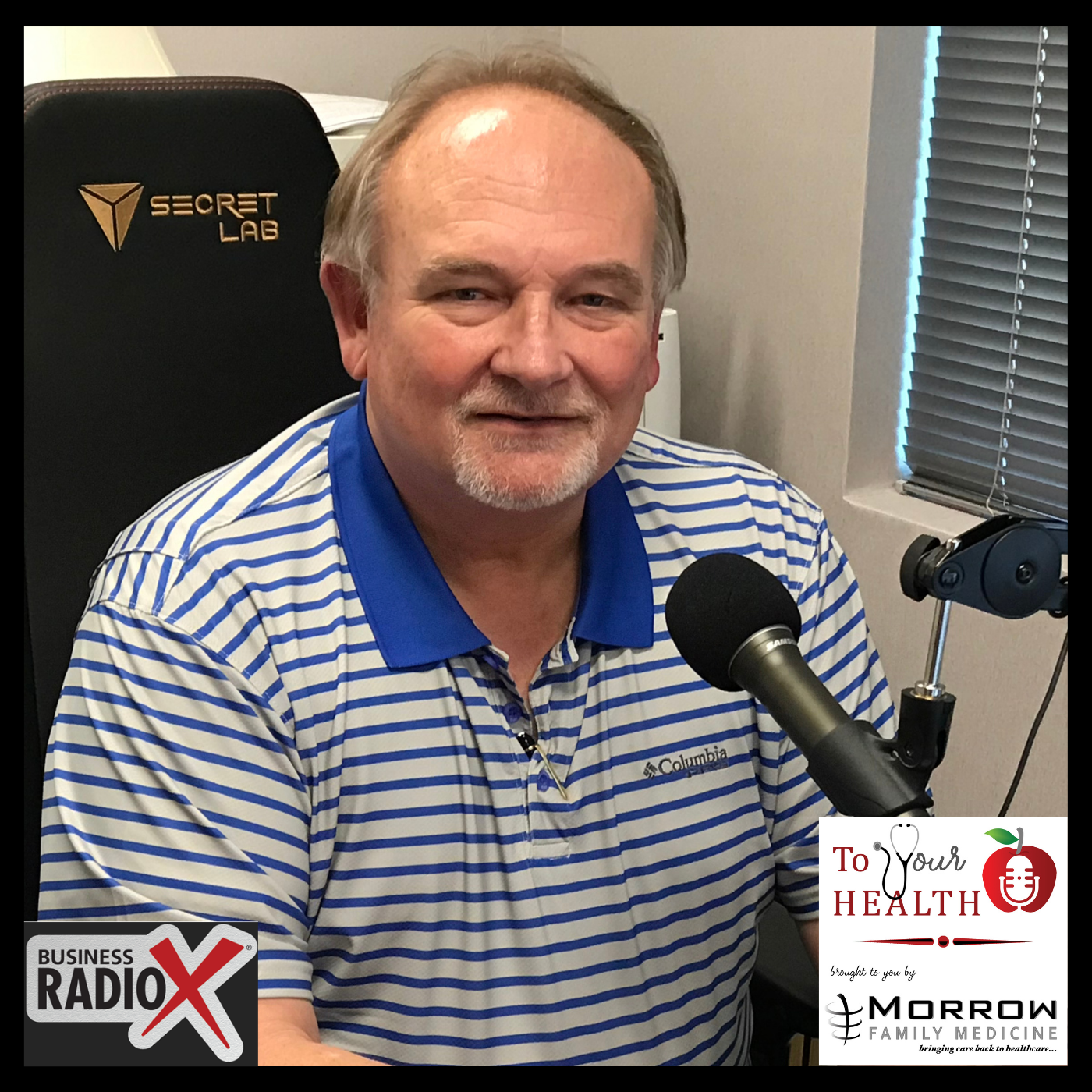
Dr. Morrow’s Show Notes

Overview

  • Pancreatic cancer begins in the tissues of your pancreas —
    • an organ in your abdomen that lies behind the lower part of your stomach.
    • Your pancreas releases enzymes that aid digestion and produces hormones that help manage your blood sugar.
  • Several types of growths can occur in the pancreas,
    • including cancerous and noncancerous tumors.
    • The most common type of cancer that forms in the pancreas begins in the cells that line the ducts that carry digestive enzymes out of the pancreas (pancreatic ductal adenocarcinoma).
  • Pancreatic cancer is seldom detected at its early stages when it’s most curable.
    • This is because it often doesn’t cause symptoms until after it has spread to other organs.
  • Pancreatic cancer treatment options are chosen based on the extent of the cancer. Options may include surgery, chemotherapy, radiation therapy or a combination of these.

Symptoms

  • Signs and symptoms of pancreatic cancer often don’t occur until the disease is advanced.
  • They may include:
    • Abdominal pain that radiates to your back
    • Loss of appetite or unintended weight loss
    • Yellowing of your skin and the whites of your eyes (jaundice)
    • Light-colored stools
    • Dark-colored urine
    • Itchy skin
    • New diagnosis of diabetes or existing diabetes that’s becoming more difficult to control
    • Blood clots
    • Fatigue

·      When to see a doctor

  • See your doctor if you experience any unexplained symptoms that worry you.
  • Many other conditions can cause these symptoms,
    • so your doctor may check for these conditions as well as for pancreatic cancer.

Causes

  • It’s not clear what causes pancreatic cancer.
    • Doctors have identified some factors that may increase the risk of this type of cancer,
      • including smoking
      • and having certain inherited gene mutations.

Understanding your pancreas

  • Your pancreas is about 6 inches (15 centimeters) long
    • and looks something like a pear lying on its side.
    • It releases (secretes) hormones,
      • including insulin, to help your body process sugar in the foods you eat.
      • And it produces digestive juices to help your body digest food and absorb nutrients.

How Pancreatic Cancer Forms

  • Pancreatic cancer occurs when cells in your pancreas develop changes (mutations) in their DNA.
    • A cell’s DNA contains the instructions that tell a cell what to do.
    • These mutations tell the cells to grow uncontrollably
      • and to continue living after normal cells would die.
    • These accumulating cells can form a tumor.
      • When left untreated, the pancreatic cancer cells can spread to nearby organs and blood vessels and to distant parts of the body.
  • Most pancreatic cancer begins in the cells that line the ducts of the pancreas.
    • This type of cancer is called pancreatic adenocarcinoma
      • or pancreatic exocrine cancer.
    • Less frequently, cancer can form in the hormone-producing cells or the neuroendocrine cells of the pancreas.
    • These types of cancer are called
      • pancreatic neuroendocrine tumors,
      • islet cell tumors or
      • pancreatic endocrine cancer.

Risk factors

  • Factors that may increase your risk of pancreatic cancer include:
    • Smoking
    • Diabetes
    • Chronic inflammation of the pancreas (pancreatitis)
    • Family history of genetic syndromes that can increase cancer risk,
      • including a BRCA2 gene mutation,
    • Family history of pancreatic cancer
    • Obesity
    • Older age, as most people are diagnosed after age 65
  • A large study demonstrated that the combination of
    • smoking,
    • long-standing diabetes
    • and a poor diet
    • increases the risk of pancreatic cancer beyond the risk of any one of these factors alone.

Complications

  • As pancreatic cancer progresses, it can cause complications such as:
    • Weight loss.
      • A number of factors may cause weight loss in people with pancreatic cancer.
      • Weight loss might happen as the cancer consumes the body’s energy.
      • Nausea and vomiting caused by cancer treatments or a tumor pressing on your stomach may make it difficult to eat.
      • Or your body may have difficulty processing nutrients from food because your pancreas isn’t making enough digestive juices.
    • Pancreatic cancer that blocks the liver’s bile duct can cause jaundice.
    • Signs include yellow skin and eyes,
      • dark-colored urine,
      • and pale-colored stools.
      • Jaundice usually occurs without abdominal pain.
    • A growing tumor may press on nerves in your abdomen,
      • causing pain that can become severe.
      • Pain medications can help you feel more comfortable.
      • Treatments, such as radiation and chemotherapy, might help slow tumor growth and provide some pain relief.
    • In severe cases, your doctor might recommend a procedure to inject alcohol into the nerves that control pain in your abdomen (celiac plexus block).
      • This procedure stops the nerves from sending pain signals to your brain.
  • Bowel obstruction.
    • Pancreatic cancer that grows into or presses on the first part of the small intestine (duodenum) can block the flow of digested food from your stomach into your intestines.

Treatment

  RESECTABLE LESIONS

  • Surgical resection is the only potentially curative treatment for pancreatic ductal adenocarcinomas.
    • Approximately 15% to 20% of patients have resectable disease,
      • but less than 20% of patients who undergo surgery survive five years.
    • Although immediate postoperative mortality is less than 5%,
      • the median survival is about 12 to 19 months.
    • Studies support the recommendation that pancreatic resections should be performed at high-volume institutions,
      • generally those that complete at least 15 pancreatic resections annually.
    • Higher-volume centers have reported
      • decreased mortality rates,
      • shorter hospital stay,
      • and lower overall cost compared with low-volume institutions.
  • The classic surgery for resection of a carcinoma of the head of the pancreas is a pancreaticoduodenectomy,
    • also known as a Whipple procedure.
      • In this surgery, the gallbladder, common bile duct, second portion of the duodenum, and the head of the pancreas are resected.
  • Tumors involving the body or tail of the pancreas are rarely resectable.
    • They are usually advanced at diagnosis and cause symptoms late in their development.
  • There is no standard for providing adjuvant treatment of pancreatic ductal adenocarcinomas postoperatively.
    • Chemotherapy improves survival by two to three months compared with observation alone.

UNRESECTABLE LESIONS

  • More than 80% of patients present with disease that is not surgically resectable.
  • Although a histologic diagnosis is not necessary before surgery,
    • it is required for treatment of locally advanced,
      • unresectable,
      • or metastatic disease.
      • Some studies have addressed the use of chemoradiation with or without chemotherapy to convert unresectable disease status to resectable.
      • Postresection, these patients have survival rates similar to those with disease initially determined to be resectable.

LOCALLY ADVANCED LESIONS AND METASTASIS

  • The primary goals of treatment for advanced pancreatic cancers are palliation and improved survival.
    • In some patients who have good performance status (i.e., adequate nutrition and pain control),
      • some effect on survival may be achieved.
  • The National Comprehensive Cancer Network recommends
    • systemic chemotherapy
      • followed by chemoradiation therapy as a treatment option.

PALLIATIVE CARE

  • Very often, when this is diagnosed, there is already nothing that can be done for the patient. It is just that bad a disease.

Prevention

  • You may reduce your risk of pancreatic cancer if you:
    • Stop smoking.
      • If you smoke, try to stop.
      • Talk to your doctor about strategies to help you stop, including support groups, medications and nicotine replacement therapy.
      • If you don’t smoke, don’t start.
    • Maintain a healthy weight.
      • If you are at a healthy weight, work to maintain it.
      • If you need to lose weight, aim for a slow, steady weight loss — 1 to 2 pounds (0.5 to 1 kilogram) a week.
      • Combine daily exercise with a diet rich in vegetables, fruit and whole grains with smaller portions to help you lose weight.
    • Choose a healthy diet.
      • A diet full of colorful fruits and vegetables and whole grains may help reduce your risk of cancer.
  • Consider meeting with a genetic counselor if you have a family history of pancreatic cancer.
    • He or she can review your family health history with you and determine whether you might benefit from a genetic test to understand your risk of pancreatic cancer or other cancers.

Tagged With: Cancer, Dr. Jim Morrow, Morrow Family Medicine, pancreatic cancer, To Your Health With Dr. Jim Morrow

What Your Genes Say About Your Cancer Risk – Episode 43, To Your Health With Dr. Jim Morrow

October 29, 2020 by John Ray

What Your Genes Say About Your Cancer Risk
North Fulton Studio
What Your Genes Say About Your Cancer Risk - Episode 43, To Your Health With Dr. Jim Morrow
Loading
00:00 /
RSS Feed
Share
Link
Embed

Download file

What Your Genes Say About Your Cancer Risk – Episode 43, To Your Health With Dr. Jim Morrow

On this episode of “To Your Health,” Dr. Jim Morrow discusses what your genes say about your cancer risk, particularly breast cancer. He explains the genes found to impact chances of developing breast cancer as well as genetic testing. In addition, Dr. Morrow explains the difference between isolation and quarantine when it comes to Covid-19.  “To Your Health” is brought to you by Morrow Family Medicine, which brings the CARE back to healthcare.

About Morrow Family Medicine and Dr. Jim Morrow

Morrow Family Medicine is an award-winning, state-of-the-art family practice with offices in Cumming and Milton, Georgia. The practice combines healthcare information technology with old-fashioned care to provide the type of care that many are in search of today. Two physicians, three physician assistants and two nurse practitioners are supported by a knowledgeable and friendly staff to make your visit to Morrow Family Medicine one that will remind you of the way healthcare should be.  At Morrow Family Medicine, we like to say we are “bringing the care back to healthcare!”  Morrow Family Medicine has been named the “Best of Forsyth” in Family Medicine in all five years of the award, is a three-time consecutive winner of the “Best of North Atlanta” by readers of Appen Media, and the 2019 winner of “Best of Life” in North Fulton County.

Dr. Jim Morrow, Morrow Family Medicine, and Host of “To Your Health With Dr. Jim Morrow”

Covid-19 misconceptionsDr. Jim Morrow is the founder and CEO of Morrow Family Medicine. He has been a trailblazer and evangelist in the area of healthcare information technology, was named Physician IT Leader of the Year by HIMSS, a HIMSS Davies Award Winner, the Cumming-Forsyth Chamber of Commerce Steve Bloom Award Winner as Entrepreneur of the Year and he received a Phoenix Award as Community Leader of the Year from the Metro Atlanta Chamber of Commerce.  He is married to Peggie Morrow and together they founded the Forsyth BYOT Benefit, a charity in Forsyth County to support students in need of technology and devices. They have two Goldendoodles, a gaggle of grandchildren and enjoy life on and around Lake Lanier.

Facebook: https://www.facebook.com/MorrowFamMed/

LinkedIn: https://www.linkedin.com/company/7788088/admin/

Twitter: https://twitter.com/toyourhealthMD

The complete show archive of “To Your Health with Dr. Jim Morrow” addresses a wide range of health and wellness topics, and can be found at www.toyourhealthradio.com.
Dr. Morrow’s Show Notes

What Your Genes Say About Your Cancer Risk

  • Virtually every human ailment has some basis in our genes.
    • Until recently, doctors were able to take the study of genes, or genetics, into consideration only in cases of birth defects and a limited set of other diseases.
    • These were conditions, such as sickle cell anemia,
      • which have very simple,
      • predictable inheritance patterns because each is caused by a change in a single gene.
  • With the vast trove of data about human DNA generated by the Human Genome Project and other genomic research,
    • scientists and clinicians have more powerful tools to study the role that multiple genetic factors acting together and with the environment play in much more complex diseases.
    • These diseases, such as
      • cancer,
      • diabetes,
      • and cardiovascular disease constitute the majority of health problems in the United States.
    • Genome-based research is already enabling medical researchers to develop improved diagnostics,
      • more effective therapeutic strategies,
      • evidence-based approaches for demonstrating clinical efficacy,
      • and better decision-making tools for patients and providers.
    • Ultimately, it appears inevitable that treatments will be tailored to a patient’s particular genomic makeup.
      • Thus, the role of genetics in health care is starting to change profoundly and the first examples of the era of genomic medicine are upon us.
  • It is important to realize, however,
    • that it often takes considerable
      • time,
      • effort,
      • and funding
        • to move discoveries from the scientific laboratory into the medical clinic.
      • Most new drugs based on genome-based research are estimated to be at least 10 to 15 years away,
      • though recent genome-driven efforts in lipid-lowering therapy have considerably shortened that interval.
    • According to biotechnology experts, it usually takes more than a decade for a company to conduct the kinds of clinical studies needed to receive approval from the Food and Drug Administration.
  • Screening and diagnostic tests, however, are here.
    • Rapid progress is also being made in the emerging field of pharmacogenomics,
      • which involves using information about a patient’s genetic make-up to better tailor drug therapy to their individual needs.
  • Clearly, genetics remains just one of several factors that contribute to people’s risk of developing most common diseases.
    • Diet,
    • lifestyle,
    • and environmental exposures also come into play for many conditions,
      • including many types of cancer.
      • Still, a deeper understanding of genetics will shed light on more than just hereditary risks
        • by revealing the basic components of cells and, ultimately,
          • explaining how all the various elements work together to affect the human body in both health and disease.

What Is A Gene?

  • Each person’s DNA contains the code used to build the human body and keep it functioning.
    • Genes are the small sections of DNA that code for individual traits.
    • For example, someone with naturally red hair has a gene that causes his or her hair to be red.
  • All inherited traits are passed down through genes.
    • Each person has two copies of every gene:
      • one gene from each parent.
      • Since each parent passes down exactly half of their genes to each child, any of the parent’s genetic traits has a 50% chance of being passed on to their offspring.

Screening for Hereditary Breast and Ovarian Cancers

  • The goal of screening is to prevent cancer or to find the disease at an early stage, increasing the chance that it can be treated.

Screening Guidelines for Women at Average Breast Cancer Risk

  • We recommend the following for women at average risk of breast cancer:
    • Women between the ages of 25 and 40 should have anannual clinical breast examination.
    • Women 40 and oldershould have an annual mammogram in addition to an annual clinical breast examination.
    • Ultrasound may be recommended for women with dense breast tissue.
    • All womenshould consider performing a monthly self breast exam beginning at age 20 and become familiar with their breasts so they are better able to notice changes.

What Is BRCA?

  • The name “BRCA” is an abbreviation for “BReast CAncer gene.”
    • BRCA1 and BRCA2 are two different genes that have been found to impact a person’s chances of developing breast cancer.
  • Every human has both the BRCA1 and BRCA2 genes.
    • Despite what their names might suggest,
      • BRCA genes do not cause breast cancer.
      • In fact, these genes normally play a big role in preventing breast cancer.
      • They help repair DNA breaks that can lead to cancerand the uncontrolled growth of tumors.
      • Because of this, the BRCA genes are known as tumor suppressor genes.
  • However, in some people these tumor suppression genes do not work properly.
    • When a gene becomes altered or broken, it doesn’t function correctly.
      • This is called a gene mutation.

BRCA Mutations

  • A small percentage of people
    • (about one in 400, or 0.25% of the population)
    • carry mutated BRCA1 or BRCA2 genes.
      • A BRCA mutation occurs when the DNA that makes up the gene becomes damaged in some way.
  • When a BRCA gene is mutated,
    • it may no longer be effective at repairing broken DNA
      • and helping to prevent breast cancer.
      • Because of this, people with a BRCA gene mutation are more likely to develop breast cancer,
        • and more likely to develop cancer at a younger age.
        • The carrier of the mutated gene can also pass a gene mutation down to his or her offspring.

BRCA Mutation Risks

  • It is estimated that one in eight women,
    • or approximately 12%,
    • will be diagnosed with breast cancer in her lifetime.
  • However, women with certain genetic mutations have a higher lifetime risk of the disease.
    • It’s estimated that 55 – 65% of women with the BRCA1 mutation will develop breast cancer before age 70.
  • Approximately 45% of women with a BRCA2 mutation will develop breast cancer by age 70.
  • Women with a BRCA1 or BRCA2 mutation who overcome their breast cancer with treatmentappear to have a higher-than-average chance of developing a second cancer.
    • This is called a recurrence. Cancers related to a BRCA1 mutation are also more likely to be triple negative breast cancer, which can be more aggressive and difficult to treat.
  • You may find these statistics alarming.
    • However, it’s important to note that less than 10% of women diagnosed with breast cancer have a BRCA mutation.
    • Also, with early detection, the vast majority of breast cancer cases can be successfully treated—and that’s true even for people who have a BRCA1 or BRCA2 mutation.

Who Should Be Tested For BRCA?

  • While BRCA1 and BRCA2 gene mutationsmay increase your odds of developing breast cancer,
    • your odds of having either mutation are pretty small.
    • An estimated 0.25% of the general population carries a mutated BRCA gene,
      • or about one out of every 400 people.
  • For some people, though, the chances of having a BRCA gene mutation are much higher.
    • Genes are inherited,
      • which is why knowing your family history is important when determining breast cancer risks.
      • If one of your parents has a BRCA mutation,
        • you have a 50% chance of inheriting the mutated gene.
      • Odds can also vary depending on a person’s ethnicity.
        • For example, people of Ashkenazi Jewish descent have a 2.5% chance of inheriting a BRCA mutation,
          • or about 10 times the rate of the general population.
        • Because the overall odds are so low,
          • most experts recommend that only people with a heightened risk get tested for BRCA mutations.
          • Likewise, insurance companies often only cover genetic counseling and testing for individuals who are at high risk.
          • A person could be considered at high risk for BRCA mutations if they have a family history of:
            • Breast cancer diagnosed before age 50.
            • Male breast cancer at any age.
            • Multiple relatives on the same side of the family with breast cancer.
            • Multiple breast cancers in the same woman.
            • Both breast and ovarian cancer in the same woman.
            • Ashkenazi Jewish heritage.

How To Get BRCA Genetic Testing

  • Genetic counseling is recommended for those who are interested in being tested for breast cancer gene mutations.
    • You can talk to a doctor about getting a referral to a genetic counselor,
      • who can help determine whether genetic testing would make sense based on family history and risk factors.
      • Since many genetic tests only look for one specific gene mutation,
        • the counselor can often help determine which mutations to test for.
      • The genetic test itself simply involves taking a small sample of blood or saliva, which is sent to a lab for analysis.
        • Results can take several weeks or months.
      • Genetic testing results are not always clear-cut:
        • A test result can be positive, meaning that the patient does carry the gene mutation.
        • A negative test result indicates that they do not have that particular gene mutation.
          • It does not, however, rule out the possibility of having mutations in other genes.
          • It also does not rule out the possibility of developing breast cancer.
          • Most breast cancer cases are not hereditary,
            • so everyone should still have an early detection plan.
          • Genetic test results can also be uncertain or ambiguous.
            • An ambiguous test result means that a mutation has been found on the gene,
              • but it is not yet known whether that particular mutation has any effect on the chances of developing breast cancer.
            • After receiving genetic test results,
              • a patient should meet again with a genetic counselor to clarify what the results mean.
              • Whether the results are positive, negative, or ambiguous can impact many life decisions, and a counselor can help navigate those decisions.

What To Do If You’ve Tested Positive

  • It’s natural to feel worried if you’ve tested positive for a gene mutation.
    • It’s true that these gene mutations can significantly increase your chances of developing breast cancer.
    • However, it’s important to keep in mind that many people who carry such gene mutations never develop breast cancer.
    • Even for those who do,
      • early diagnosisand treatment make it very likely that they will overcome the disease.
      • With early detection, the vast majority of people survive breast cancer and go on to live full, normal lives.

Early Detection Plans

  • People with BRCA gene mutations have a higher-than-average chance of developing breast cancer,
    • and are more likely to develop it at a younger age.
    • Women with a BRCA1 or BRCA2 mutation can have a 45 – 65% chance of being diagnosed with breast cancer before age 70.
  • The good news is that,
    • with this knowledge, you can create a custom early detection plan with your doctor to increase the chances that your breast cancer is detected early.
      • Early detection makes breast cancer far easier to treat.
      • Overall, the five-year relative survival rate for breast cancer detected in the localized stage
        • (there is no sign that the cancer has spread outside of the breast) is 99%.
      • An early detection plan for someone with a BRCA or PALB2 gene mutation will likely involve more frequent breast cancer screenings starting at a younger age.
        • It may also involve different types of screenings,
          • such as ultrasoundor MRI scans.
          • Your doctor can help recommend which screenings you should have, and when you should have them.

Preventative Surgery

  • Though some consider it extreme,
    • women with high-risk BRCA mutations may choose to undergo preventative surgery to help reduce the risk of developing breast cancer.
  • A preventative double mastectomy(or bilateral prophylactic mastectomy)
    • is the surgical removal of both breasts before cancer has a chance to develop and/or spread.
    • There are different types of preventative mastectomies;
      • some remove the entire breast,
      • while others leave the skin and nipples intact to aid in breast reconstruction surgery.
    • Actress and filmmaker Angelina Joliedrew public attention to using surgery to proactively address BRCA gene mutations when she publicly shared her story of undergoing a preventative double mastectomy.
      • She later chose to also have her ovaries and fallopian tubes removed, a procedure known as a preventative oophorectomy.
    • Though such preventative or prophylactic surgeries decrease the risk of developing breast cancer by about 90%,
      • they don’t eliminate the risk entirely.
      • Surgery itself also carries its own set of risks and costs,
      • which need to be carefully considered.
      • Your doctor can help you understand the options and risks and make the choice that is right for you.

BRCA And Breast Cancer Treatment

  • If someone with a BRCA mutation does develop breast cancer,
    • the treatments used may be different than for people who do not carry the gene mutation.
  • People with BRCA1 mutations are more likely to develop triple negative breast cancer.
    • Triple negative breast cancer does not respond to hormone therapy or certain drugs.
    • However, chemotherapy may be more effective at treating triple negative cases than it is against other types of cancer.
  • Breast cancer patients with BRCA1 or BRCA2 mutations are also more likely to later develop a second cancer,
    • either in the same or the opposite breast.
    • Because of this, they may opt for a double mastectomy instead of a single or partial mastectomy.
    • Removing the healthy breast along with the cancerous one is essentially another form of a preventative mastectomy.
  • Though research is still ongoing,
    • some findings indicate that certain types of cancer treatment drugs might be more effective than others in patients with BRCA gene mutations.
  • As always, your doctor can help determine which breast cancer treatments are right for you.

Other Considerations

  • There are many emotions and decisions that come along with a positive BRCA mutation test result.
    • Feelings can range from fear to anger, sadness, or guilt.
    • There can be questions about whether your children or other family members should be tested.
      • For some, it can affect the decision of whether or not to have children.
      • You may have concerns about passing on the mutated gene to your offspring;
        • some women even choose preventative surgeries that can make it difficult or impossible to have children.
      • Genetic counselors can help you navigate the waters and understand all the risks, decisions, and emotions involved.

What Your Genes Say About Your Cancer Risk

Tagged With: breast cancer, breast cancer treatments, cancer risk, Dr. Jim Morrow, genes, genetic testing, Morrow Family Medicine

  • « Previous Page
  • 1
  • …
  • 3
  • 4
  • 5
  • 6
  • 7
  • …
  • 9
  • Next Page »

Business RadioX ® Network


Our Most Recent Episode

CONNECT WITH US

  • Email
  • Facebook
  • LinkedIn
  • Twitter
  • YouTube

Our Mission

We help local business leaders get the word out about the important work they’re doing to serve their market, their community, and their profession.

We support and celebrate business by sharing positive business stories that traditional media ignores. Some media leans left. Some media leans right. We lean business.

Sponsor a Show

Build Relationships and Grow Your Business. Click here for more details.

Partner With Us

Discover More Here

Terms and Conditions
Privacy Policy

Connect with us

Want to keep up with the latest in pro-business news across the network? Follow us on social media for the latest stories!
  • Email
  • Facebook
  • Google+
  • LinkedIn
  • Twitter
  • YouTube

Business RadioX® Headquarters
1000 Abernathy Rd. NE
Building 400, Suite L-10
Sandy Springs, GA 30328

© 2025 Business RadioX ® · Rainmaker Platform

BRXStudioCoversLA

Wait! Don’t Miss an Episode of LA Business Radio

BRXStudioCoversDENVER

Wait! Don’t Miss an Episode of Denver Business Radio

BRXStudioCoversPENSACOLA

Wait! Don’t Miss an Episode of Pensacola Business Radio

BRXStudioCoversBIRMINGHAM

Wait! Don’t Miss an Episode of Birmingham Business Radio

BRXStudioCoversTALLAHASSEE

Wait! Don’t Miss an Episode of Tallahassee Business Radio

BRXStudioCoversRALEIGH

Wait! Don’t Miss an Episode of Raleigh Business Radio

BRXStudioCoversRICHMONDNoWhite

Wait! Don’t Miss an Episode of Richmond Business Radio

BRXStudioCoversNASHVILLENoWhite

Wait! Don’t Miss an Episode of Nashville Business Radio

BRXStudioCoversDETROIT

Wait! Don’t Miss an Episode of Detroit Business Radio

BRXStudioCoversSTLOUIS

Wait! Don’t Miss an Episode of St. Louis Business Radio

BRXStudioCoversCOLUMBUS-small

Wait! Don’t Miss an Episode of Columbus Business Radio

Coachthecoach-08-08

Wait! Don’t Miss an Episode of Coach the Coach

BRXStudioCoversBAYAREA

Wait! Don’t Miss an Episode of Bay Area Business Radio

BRXStudioCoversCHICAGO

Wait! Don’t Miss an Episode of Chicago Business Radio

Wait! Don’t Miss an Episode of Atlanta Business Radio