


Business RadioX ®

  • Home
  • Business RadioX ® Communities
    • Southeast
      • Alabama
        • Birmingham
      • Florida
        • Orlando
        • Pensacola
        • South Florida
        • Tampa
        • Tallahassee
      • Georgia
        • Atlanta
        • Cherokee
        • Forsyth
        • Greater Perimeter
        • Gwinnett
        • North Fulton
        • North Georgia
        • Northeast Georgia
        • Rome
        • Savannah
      • Louisiana
        • New Orleans
      • North Carolina
        • Charlotte
        • Raleigh
      • Tennessee
        • Chattanooga
        • Nashville
      • Virginia
        • Richmond
    • South Central
      • Arkansas
        • Northwest Arkansas
    • Midwest
      • Illinois
        • Chicago
      • Michigan
        • Detroit
      • Minnesota
        • Minneapolis St. Paul
      • Missouri
        • St. Louis
      • Ohio
        • Cleveland
        • Columbus
        • Dayton
    • Southwest
      • Arizona
        • Phoenix
        • Tucson
        • Valley
      • Texas
        • Austin
        • Dallas
        • Houston
    • West
      • California
        • Bay Area
        • LA
        • Pasadena
      • Colorado
        • Denver
      • Hawaii
        • Oahu
  • FAQs
  • About Us
    • Our Mission
    • Our Audience
    • Why It Works
    • What People Are Saying
    • BRX in the News
  • Resources
    • BRX Pro Tips
    • B2B Marketing: The 4Rs
    • High Velocity Selling Habits
    • Why Most B2B Media Strategies Fail
    • 9 Reasons To Sponsor A Business RadioX ® Show
  • Partner With Us
  • Veteran Business RadioX ®

Ellen Tyler With Ellen Tyler Coaching

April 7, 2022 by Jacob Lapera

GWBC Radio
GWBC Radio
Ellen Tyler With Ellen Tyler Coaching
Loading
00:00 /
RSS Feed
Share
Link
Embed

Download file

Ellen Tyler-Logo

ellentylerEllen Tyler is a Business, Mindset, and Sales Coach who has been helping her clients create the life they want and making their (BIG) goals a reality.

Ellen has excelled in business for the past 30 years. As a former financial services professional, she has been recognized for her ability to build business – whether individual or corporate. She then turned her attention to broadening her capability to help expand ALL areas of a client’s life. Have you ever wondered why some people are successful and others aren’t? Ellen knows exactly how and why and more importantly – how many of us can have the same results.

No matter what your past was, your future is dependent on what you do today. People often wait for their “golden opportunity” or until it’s “their turn” to be successful. However, those opportunities aren’t handed out. They are created by individuals who are passionate about and determined to improve the quality of their life and reach their goals. DECIDE right now to astonish yourself. With what you can become. What you can do. What you can have.

Connect with Ellen on Facebook and LinkedIn.

What You’ll Learn In This Episode

  • How to Build Your Dream Business
  • 90 Day Action Plan – fill your pipeline
  • You can’t outearn your image
  • Most of us don’t know how to set a goal
  • Identifying and avoiding the land mine that will sabotage your success
TRANSCRIPT

Intro: [00:00:04] Broadcasting live from the Business RadioX studios in Atlanta, Georgia, it’s time for GWBC Radio’s Open for Business. Now here’s your host.

Lee Kantor: [00:00:18] Lee Kantor here. Another episode of GWBC Open for Business. And this is going to be a fun one. Today on the show, we have Ellen Tyler and she is with Ellen Tyler Coaching. Welcome, Ellen.

Ellen Tyler: [00:00:29] Hi, Lee. Glad to be here.

Lee Kantor: [00:00:31] Well, I am excited to learn about your practice. Tell us a little bit about your coaching practice, how you’re serving folks.

Ellen Tyler: [00:00:39] So, I like to say I help serve individuals who are trying to define what success means to them rather than to tell them what success should mean for them because it’s different for each and every person. But typically it’s around some business aspect that they’re just trying to get someplace they’ve never been before.

Lee Kantor: [00:01:00] Now, could they be an entrepreneur that has their own business? Could they be like a corporate executive that wants to move up the ladder or a variety of folks?

Ellen Tyler: [00:01:10] I think the variety of folks helps describe it the best way. If you think about a person’s role as an entrepreneur, they’re responsible for growing their business. As an executive, they’re responsible for their role, their division, and how they get from point A to point B in any given timeframe.

Lee Kantor: [00:01:34] So, now what’s your back story? How’d you get into this line of work? Have you always been a coach?

Ellen Tyler: [00:01:39] Not at all. In fact, I always like to say that we find our way and we find the solution when we’re not looking for it. And I left a few decades of working in financial services, which similar, I didn’t start out that way. And it was through the insight of one of my former managers who thought sales would be a good fit for this introverted, shy person. I’m not quite sure how that managed, but a couple of things. I’m a really good student. I’m very aware that other people have knowledge that will help me. And when you end up in financial services that you never thought you would, you realize, I should raise my hand and get a little bit of help. And it introduced me to the idea of what the heck a coach even does because I wasn’t raised in that environment. I went to school, picked a major. But it was the ability to identify that if I needed to uplevel my skills that there were other people who had the roadmap. And, I like to say that the transition was seamless, even though my peers in financial services would have thought me a little bit crazy. But in both instances, you’re helping people. In financial services, you have to wait for a financial event, and on the coaching side, I don’t have to wait for that. I get to help them at any stage along the journey.

Lee Kantor: [00:03:14] Now, so you were saying that you kind of invested in coaching in your career while your peers were not?

Ellen Tyler: [00:03:22] Yes. Look, I think it’s who you associate yourself with and how you identify the individuals that do well in business and you ask them questions. What did they do differently? Why are they having success and others aren’t? And sometimes sales is a really easy place to see that in any organization. You’ll have the superstars and then you’ll have the people who are just struggling to get by.

Lee Kantor: [00:03:50] And then, you found a correlation between the superstars and them getting either mentored or coached.

Ellen Tyler: [00:03:57] That and sometimes they would like to say their unconscious competence, but they recognized that there are different skills, that just because we went to school it doesn’t mean that somebody taught me how to have a sales conversation or how to prospect or get in front of people or what the heck a balance sheet looks like. All those different areas are places that we can benefit from asking questions and being a really good student.

Lee Kantor: [00:04:28] Now, in your practice, you focus a lot on helping people get better results. How did you kind of use that as your – how did that come about as kind of a lever for conversation or for just helping people get the outcome they desire?

Ellen Tyler: [00:04:43] Sure. So, when I thought about what it really meant as a coach for me and what the outcome was, I couldn’t have imagined that somebody could help me double or triple my income and stay in the same role. And even to this day, sometimes it sounds just a little bit impossible, but that’s truly the benefit of working with a coach, is to identify where do they want to get to, what type of outcomes would mean success for them.

Ellen Tyler: [00:05:19] Typically around income is why somebody comes in the door to begin with. And then, Lee, they also understand that if I can figure this out, how to increase my income, I can probably use this in some other areas of my life. I just chose the business side because I had spent such a long time in the business world as to what success looked like for most that I could speak their language. And it wasn’t that I was going to have to learn a whole new language with how to help people define success within the structure of what they do.

Lee Kantor: [00:05:55] And then, the good thing about sales and business is there are numbers. So, you know, that’s quantifiable. Like, you can say, I have X number of dollars today and then in 90 days, you know, I have X plus or X times the amount of money. Like, you can quantify it. How do you, how do you – is there a way that you can help somebody, a listener right now, at least take some baby steps when it comes to putting together some sort of an action plan or just, you know, some sort of a launching point to help them get the result that they would want. Is there something that you can share today that can put people on the right track?

Ellen Tyler: [00:06:41] Oh, absolutely. It’s one of the things that I love is being able to bring value to anybody where they sit today. And I sometimes talk about what is their – what is a 90-day action plan? So, somebody sitting here at the very beginning week of the third quarter I wish, second quarter, is looking at how do I get a little bit closer to the goal that I already set out? And, first is to ask a question. If it’s number of clients that defines where I’m trying to get to, so I’ll speak in the terms of somebody who’s just trying to reach X. If I want to add ten more clients today, then let’s back into that and create the action plan. So, the first question becomes, what’s the game plan? And if I want to add clients, it’s where do I find them? How do I get introduced?

Ellen Tyler: [00:07:37] You run through all the normal prospecting ideas that you can come up with. So, first is to lay out the game plan, but then it’s to break it down even further from that and narrow it in as to what is the one thing that they know if they focus on for the next 90 days that they’re certain because they’ve seen it work for them before, that it’s going to get them closer to having those X number of clients.

Ellen Tyler: [00:08:07] So, what is the one thing? It could be something as simple as consistently calling five people a day, showing up at networking. But just focus on one thing, because the challenge becomes in a 90-day plan is that we try to do too many things. So, have the game plan, focus on the one thing and then have a daily discipline each and every day for those 90 days.

Ellen Tyler: [00:08:34] And it’s to consistently track that daily discipline, whether it’s how do I start my morning? How do I contact people each and every day? What do I have to change to get to that? And then, most important at the end of the week is to review what the week has looked like to reflect on any changes that you might need to add to that and then repeat. So, it’s almost rinse, review, repeat. If anyone listening adheres to those five steps in their industry, game plan, focus, daily discipline, and review, repeat and rinse, they will hit where they want to go in 90 days.

Lee Kantor: [00:09:22] And is this part of your coaching process? You really help them hone in so they are being efficient and effective in executing that plan.

Ellen Tyler: [00:09:30] I would say yes. I like to tell my clients, look, you’re going to fall down. You’re going to need some help getting up. We’re going to dust you off and we’re going to send you down the right path again. It sounds so simple when I say it, but when each and every one of us tries to implement it, we’re going to hit bumps. And the best thing to understand is that when those bumps come, it’s how do we address them and just get right back to the game plan.

Lee Kantor: [00:10:00] And that’s what I think a lot of people don’t realize that a coach does. They’re there to catch them when they fall and get them back on track as quickly as possible, as opposed to if you’re on your own, one day becomes a bad week and that bad week becomes a bad month, and then that bad month, a bad quarter. And then, you had a plan last year. And it just kind of spirals out of control if you don’t have someone that’s, you know, holding you accountable and watching your back.

Ellen Tyler: [00:10:28] Very true. I think I heard and I wish I could attribute to where I heard this from, but it was a great description of coaching versus being exposed to training that a lot of the companies do, and I came from those companies so I understand it. It’s that when you’re in the audience, listening to a speaker, a coach, a motivational person, you’re being exposed to the idea. So, you’re exposed to the idea of what coaching does. But just as you said, I always say my job is, is that I hold you accountable so I will come and hunt you down if you’re not doing the work that you need to do, that you get to practice because there’s practice involved in that repetition, and then, you have repetition. And it’s having a guide who’s been there before, who understands that there is not perfect. Because if perfect happened, we all wouldn’t be going to goals, that we are going to learn to come out of that rabbit hole quicker than stay in it.

Lee Kantor: [00:11:30] Now, how do you help people who have never set a goal before that they may not even know how to begin this?

Ellen Tyler: [00:11:37] So, Lee, one of the exercises I give them, because here playing, if I ask them what’s your goal and they can’t answer that, there’s two different ways to start feeling like they’re getting closer. One is to ask, “Well, what don’t you want?” Sounds kind of crazy. But if I don’t want to be the bottom of the sales bucket, then that’s a really good way to start defining.

Ellen Tyler: [00:12:02] But the other is to start on an exercise that is going to take a little bit of time, and that is to list up to at least 50 and the goal is to try to get to 100 of personal and professional wants that you would like to have. The reason that the number is so large to help anyone is that the first 10 or 12 are the ones we’ve been taught by society to say, I want a vacation home. I’d like to go travel to Italy. I’d like to go around the world. And so, we have to get through those first ones to really start identifying what do we really want.

Ellen Tyler: [00:12:43] The next step for someone who has taken the time to do that is to take whatever number it is and, let’s say, it’s only 30 or even 15, is to divide those into three equal columns, from most important to least. Focus on that most important column because your goal is hidden in there and it’s wrapped around what’s important to you.

Lee Kantor: [00:13:08] And then, that helped you kind of hone in on once you know these things now it’s just a matter of doing that kind of relentless, persistent, daily discipline, the behavior that you need to do to just start knocking out these dreams and goals.

Ellen Tyler: [00:13:23] Right. And the other place that it helps you in is that it will give you the why do you get up in the morning and why do you really want to get to that goal? And, it’s to assign an accountability like who gets hurt. Because the problem with goals and that whole thing about, oh, my gosh, New Year’s resolutions, they don’t work because you’re not assigning why do you care so much about it.

Ellen Tyler: [00:13:49] So, for instance, I have five kids. I do everything so that I can improve their life and make sure that they are happy, contribute to society. And why do they get hurt if I don’t succeed is that they’re not going to have life experiences. So, I tell some of my clients, assign it to a Disney trip, which sounds crazy, but if you’ve ever taken kids to Disney, you know how expensive it is. But it is really who’s going to get hurt if you don’t make this goal because that’s the person you have to be accountable to at the end of the year.

Lee Kantor: [00:14:24] Now, is there anything that could be done for the person that may be subconsciously sabotaging themselves or maybe has some bad habits or behaviors that are preventing them from reaching their goals?

Ellen Tyler: [00:14:38] Always. In fact, that’s the bulk of the work that I do, is that I like to let people know that we cannot outearn our self-image, but our self-image is only what we accepted of the opinions and the evaluations of others. But habits are – you know, you’ve heard it takes 21 days to make a habit stick. Part of what happens with an individual who’s, let’s say I’m trying to go to the gym and I want to work out and I want to stop drinking sweet tea here in Georgia and replace it with water. Well, that’s all good and fine until I hit a day that I’m craving that drink that I used to love. And it’s the missing piece that most of these other, or I would say like, training programs miss is that, is to give yourself the ability to create a command, which is I replace sweet tea with water every day. I love to drink it and I drink eight glasses a day however it is. But it’s to give ourselves a command.

Ellen Tyler: [00:14:38] And, again, I’ll go back to that very beginning part, whereas they’re going to fall down, I’m going to fall down in my habit, but I’m going to give myself the command the very next day to instill that habit. And we don’t leave working on the habit until we’re sure that it’s moving us closer to the goal. And habits are important to understand. It should be an action step that will help us improve our life and get closer to where we want to be.

Lee Kantor: [00:16:19] Now, this Ellen Tyler Coaching methodology, is this something that you have just kind of put together over the years of having read and experienced life and have seen things? Or is this – are you following someone else’s kind of paradigm? How did you come about this kind of, you know, this almost a curriculum for success?

Ellen Tyler: [00:16:42] Yeah. I will say this because the curriculum that I use and the process and the system was the brilliant genius of Sandy Gallagher and Bob Proctor. Bob Proctor is no longer with us. We lost him a couple of weeks ago. And he would have told you that everything that we do and the way that we take people through this process is information that he gleaned from you can go through the books, Think And Grow Rich, The Science of Getting Rich, individuals like Dr. Thurman Fleet or JB Ryan from Duke.

Ellen Tyler: [00:17:24] And Bob Proctor had all this information in his head. Sandy Gallagher came along, brilliant merger and acquisition attorney, who decided she wanted to work with him and had the insight to take what was inside him because this is what he taught and to pull it out of him into this system. So, we always give credit that this is not something we created. This is not something that is only Proctor-Gallagher, but it was through the 60 years of research that Bob did into all these other individuals.

Lee Kantor: [00:17:58] So, now when you decided to kind of make this your career, this part of your career, when did you kind of start seeing that traction, those breadcrumbs that are saying, hey, I am on the right path?

Ellen Tyler: [00:18:12] Well, I think part of it is that to understand when we all take a leap and it doesn’t matter whether it’s going from financial services to coaching. The first thing is for myself and everybody is that decision, and the decision is this is going to be successful no matter what. It really comes down to persistence. And it’s asking the important questions, who do I want to help? And, how is that going to be successful for myself and my clients?

Ellen Tyler: [00:18:46] And I always give the story to my clients. Look, I have no insight into when we’re going to be locked down, but in 2019 I had been doing some coaching and I decided I was going to leave and do that full time. And then, it really was in 2020 because everybody had to pivot. Everybody had something that was put in front of them that they’ve not ever seen and they didn’t know how to navigate it, which was, it was like the perfect storm. It was the ability to relate to what they were going through and to be able to help them have a roadmap because nobody had the roadmap.

Lee Kantor: [00:19:29] And then what –

Ellen Tyler: [00:19:30] And that wasn’t easy.

Lee Kantor: [00:19:31] Right. So, you’re in this kind of a chaotic time and then you decided to kind of just lean into this direction. Rather than fight it, you just went with it and said, let me get – let me relentlessly pursue this. So, congratulations for, you know, also having that not only having the mindset to embrace it instead of, you know, battle it, but to, you know, kind of get the most out of it. That’s a big achievement. You should be very proud.

Ellen Tyler: [00:20:04] I am. I’m fortunate that I’ve always looked at how can we make this better? That’s really – that’s really it. How can we make this better? And one of the things I tell my clients, which I adhere to, Lee, is if I didn’t choose to make the jump when I did, I was going to hurt the clients that were looking for me.

Lee Kantor: [00:20:24] Right. The sooner you got into this, the more people you could help.

Ellen Tyler: [00:20:27] Right.

Lee Kantor: [00:20:29] Now, what drew you to GWBC?

Ellen Tyler: [00:20:33] Well, it was a client of mine. So, I was unaware that this was a benefit or an organization that really was honed in in helping those of us, female entrepreneurs, to really grow and expand our business and to really make a footprint. And, a client of mine was giving a presentation, speaking about her business, and that she said two major things happened, is that she had gone through this process of recognizing and organizing as a woman-owned business. Coupled with that, she was increasing her visibility and that her business just did that J curve and soared and took off. And I asked a very simple question, not being aware, I go, “Well, how many people need to be in this woman-owned business?” And she said, “One.” And I go, “Okay. Let me think about this. I care about the growth of businesses. I help all of my clients understand how to grow businesses. And you’re telling me there’s this organization that’s going to help me even more?” It was a no-brainer.

Lee Kantor: [00:21:48] And then, so you kind of researched it and then just took the leap in this area as well.

Ellen Tyler: [00:21:54] I researched it. I did everything that I needed to do. I’m a person who believes into participate because when – it’s no different than a sports team in school. You join it. You don’t know how to play the sport. You’re trying to figure out your role in it. And to get a better understanding is to jump in and participate as much as you possibly can without asking how.

Lee Kantor: [00:22:24] Right. I agree 100%. To get the most out of anything, it’s hard to dabble. You have to kind of go all in and immerse yourself and be part of the organization or whatever it is you’re trying to do. The more you’re involved, the better your chances of leveraging it to get the most out of it.

Ellen Tyler: [00:22:43] And I think for me it was, also because of the type of work I do, it’s also to ask how can I help you. So, when you think about all of the businesses that encompass this, it’s how can I help? Do I know somebody? Is there a skill that you need? Is it a way to comfortably expand? I tell people I collect relationships and I’m looking to see who can open doors for you. That’s the way I approach it.

Lee Kantor: [00:23:14] Now, have you identified kind of that opening point that point of first interaction that at least gives you a chance to get a new client or to learn about a new client? Is there something that happens first for you to – where a prospect can raise their hand and say, I’d like to talk to Ellen?

Ellen Tyler: [00:23:37] So, through a couple of different ways. But typically a person who’s thinking about that they can do better – it’s like perfect storm, Lee – is that I have opportunities where I get to speak in front of groups. I have opportunities where I get introduced to individuals. It’s that same philosophy is like, how can I help? I tend to describe it as if there’s somebody in these situations, if they’re an entrepreneur and they’re frustrated and they’re sitting in the 3 to 5 year and they’ve plateaued and they don’t know how to get past it, let’s have a conversation. And it’s in a sense, it’s having your warriors out there for you who understand the types of businesses that you like to help and being able to just ask those simple questions, would you like some help? What is the goal for your business? I think I know somebody who can help you get there.

Lee Kantor: [00:24:36] And then, you do talks as well. So, if there’s a team or an organization or group that would have you come in and speak, you do different talks about getting results and things like that.

Ellen Tyler: [00:24:46] I do. And it’s very simple. Some of the most requested topics are subtle things like if I know what to do, why am I not doing it? And I just tell people, I trained with the best. I trained with Bob Proctor. And all we want to do is get this information in people’s hands like that 90-day plan. And I think through those types of talks, people understand. We just want to help you have the tools at your fingertips so that you can do this because it works for everyone in every instance on anything that they want to get to. And I think it’s that approachability. It’s not – this is not a big secret. I will tell people exactly what to do. And if they want the accountability and the help along the way, then they raise their hand.

Lee Kantor: [00:25:39] Well, congratulations on all the success. And, thank you for sharing your story today.

Ellen Tyler: [00:25:45] Look, Lee, if it changes one person’s life and if one person sits there and goes, “Oh, shoot. It is the second quarter and maybe I should just come up with that game plan so it doesn’t happen, like you said, that it gets at the end of the year,” then this was the perfect conversation.

Lee Kantor: [00:26:03] And if somebody wants to learn more, have a more substantive conversation with you, what’s the website?

Ellen Tyler: [00:26:09] It’s ellentylercoaching.com.

Lee Kantor: [00:26:11] And they can connect with you there or I’m sure on LinkedIn and all the socials.

Ellen Tyler: [00:26:17] All the usual suspects.

Lee Kantor: [00:26:19] Well, thank you again for sharing your story. You’re doing important work, and we appreciate you.

Ellen Tyler: [00:26:24] Thanks, Lee. I’m glad to be here.

Lee Kantor: [00:26:26] All right. This is Lee Kantor. We’ll see you all next time on GWBC Open for Business.
Tagged With: Ellen Tyler, Ellen Tyler Coaching

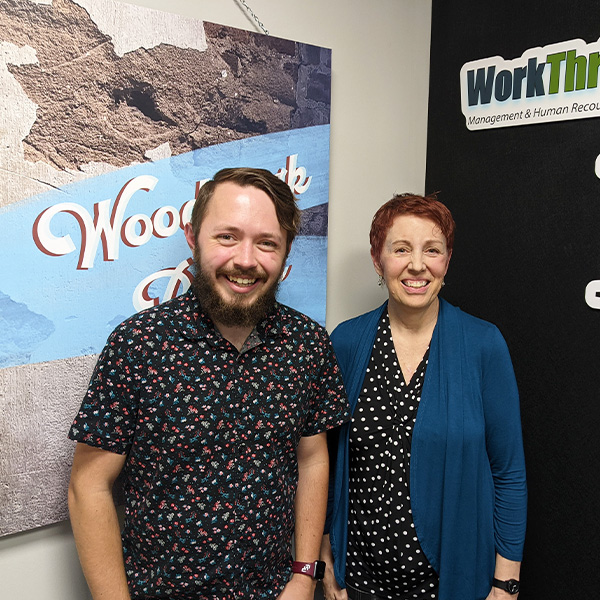
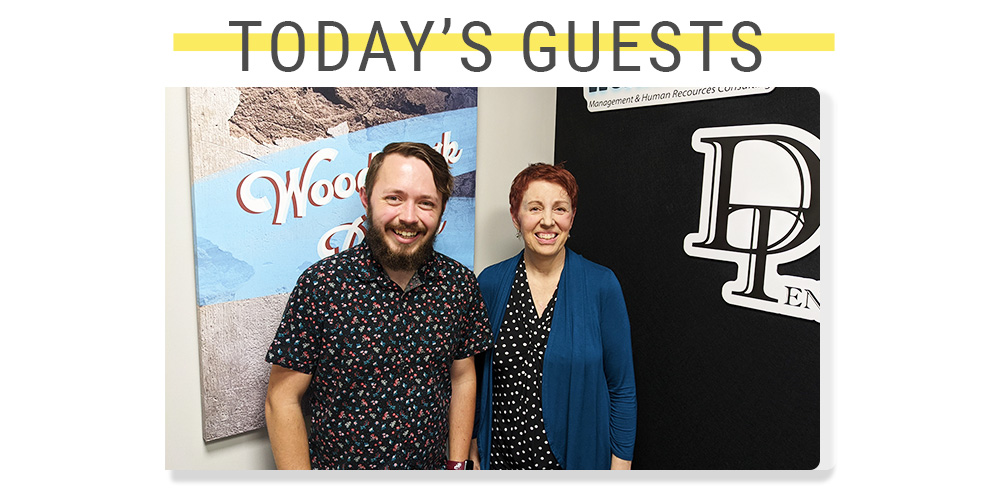
Brian Gamel from Woodstock Arts and Ellen Tyler from Ellen Tyler Coaching

July 14, 2021 by Kelly Payton

Cherokee Business Radio
Brian Gamel from Woodstock Arts and Ellen Tyler from Ellen Tyler Coaching
Loading
00:00 /
RSS Feed
Share
Link
Embed

Download file

InnovationSpot

ALMA

Brain GamelBrian Gamel, Managing Director of Woodstock Arts

Brian grew up in the Woodstock area and has loved this town ever since. After going off to get his undergraduate degree in Theatre from Florida State University he came back home and became a part of the Elm Street Cultural Arts Village’s team, now known as Woodstock Arts.

Connect with Brian on LinkedIn


Ellen TylerEllen Tyler, Business/Mindset Coach with Ellen Tyler Coaching

Ellen Tyler is a Business & Mindset Coach, working with everyday entrepreneurs to reach 6 & 7 figures in their business – so they can experience heaven on earth NOW. WHY? Because she wants her clients to enrich their families lives, clients and community (ultimately making their world a little bit better).

Connect with Ellen on LinkedIn and Facebook


This transcript is machine transcribed by Sonix


TRANSCRIPT

Speaker1: [00:00:07] Broadcasting live

Speaker2: [00:00:09] From the Business RadioX

Speaker1: [00:00:11] Studios in Woodstock, Georgia, it’s time for Cherokee Business

Speaker2: [00:00:16] Radio.

Speaker1: [00:00:17] Now here’s your host.

Speaker3: [00:00:23] Welcome to Turkey, Business RadioX Stone Payton here with you this morning, and today’s episode is brought to you in part by Alma Coffee, sustainably grown, veteran owned and direct trade, which means, of course, from seed to cup, there are no middlemen. Please go check them out at my Alma Coffee Dotcom and go visit their Rushdoony Cafe at 34 or 48. Holly Springs Parkway in Canton asked for Letitia or Harry and tell them that Stone sent you. You guys are in for a real treat this morning. Please join me. First up on Cherokee Business Radio, Mr. Brian Gamble with Woodstock Arche. Good morning, sir.

Speaker2: [00:01:04] Good morning. How are you doing?

Speaker3: [00:01:06] I am doing well. I had the pleasure of enjoying just one small piece of what you guys do. As recently as yesterday evening as I watched my wife and three of our neighbors at their last part of their pottery class, which is the glazing, they were dunking these bowls and cups in these five gallon pails. They were having the time of their lives. I was sitting there on the on the stage where we’ve had acts come for the Lantern series. And I positioned myself between what they were doing and Cornhole League. And I thought, what a marvelous place to live, work and play. So, yeah, tell us a little bit about the Woodstock arts for the I don’t I can’t imagine. But if there’s someone out there who doesn’t know about this organization, mission purpose and what you guys got going on, man.

Speaker2: [00:02:00] Yeah. So for those of you who might have already known as we are currently still Elm Street Cultural Arts Village, we’re making that transition into Woodstock arts to embrace our community just a little bit more than we already have this upcoming August. So August one, we will officially be Woodstock arts. But yeah, we we stay busy. So we’ve grown up through the theater program originally, the town like art center all the way back in 2002, we were off Bells Ferry and a little tin building, just doing some theater for families. And we we moved downtown as well, kind of with a partnership with the city to give the city of Woodstock a arts hub. So we’ve had visual art classes for a long time. And then finally, after the better part of ten years, we were able to get the Reeves house built. And it is in its second exhibit, which we’re super excited for. So the inaugural one just went down. The second exhibit, women’s work is actually just opened up this past Thursday. And it’s all textile pieces, which are traditionally women’s jobs, but looked at in a different light. So you’ll see a lot of very unique quilts. There’s one that I absolutely love, but my fiancee will not let me hang in our house. That is a bunch of stitches of wind patterns on a regular day in Atlanta just to show that there is beauty in every single day.

Speaker2: [00:03:17] So that’s just free to the public. You can walk into the Reeves house if you want to grab a cup of coffee, get your bottomless mimosas on Sunday or get a glass of wine and just go in and enjoy the art whenever you’d like. But we also have recently just opened back up theater, which is super exciting. The last Elmasry Cultural Village show is Junie B. Jones. So if you have any kiddos that have read that book series, I know that a lot of people I know read them growing up. But that is going through not this upcoming Wednesday, but the following Wednesday is our final show for that. And then we’re kicking off the fall with legally blond. So far, we’re super excited for that. And this Saturday, we actually have a concert like on the on the Green that you were talking about with Scott Mulvehill, a upright bass player, and he has kind of that classical pop feel. So you have some more of those pop vocals. But with the upright bass, it’s going to be a lot of fun and tables are still available. And honestly, just getting a table with your friends and possibly decorating it well enough to win a table to the next concert is always a fun,

Speaker3: [00:04:18] Fun thing to do. Well, you had me at bottomless mimosas. Great. But my head is spinning just as a citizen who lives here in the community and works in the community with all the activities that are going, I can’t imagine what the inside of your brain must be like. What is your role? What do you specifically do for this organization?

Speaker2: [00:04:41] Yeah, so I’m the managing director. Basically, I get to help out with a lot of logistics, budgeting, scheduling, H.R., all the fun stuff you think about with the arts. But I also get to work as a department head of the Lantern series, so it’s my fault for whoever is on that stage. On a given Saturday, I used to be the production manager. My joke was always, if it’s on a stage, it’s my fault. Whether it was in the theater, whether it’s on the green, if it’s on a stage, it’s my fault. Now, I just joke that it’s all my fault, says personal accountability.

Speaker3: [00:05:11] Right. In a little while, we’re going to visit with coach Ellen Tyler and coach personal accountability. That’s important stuff, right?

Speaker1: [00:05:17] Yeah. And I would I would just say it’s not your fault if it’s because you tell. Ownership of it.

Speaker2: [00:05:23] Oh, yeah, it’s my opportunity, right? But yeah, no, we we do have a lot going on at all times. You know, we are we’re trying to keep things going at the Reeves house and have free events to public. Jazz nights have been a hit up to this point. And, you know, if you’re in there grabbing a cup of coffee, you can look over to your left and see see the counter we have going on and maybe see an event you want to come to. All right.

Speaker3: [00:05:47] Hit the brakes. Jazz nights. You just like you go right over this.

Speaker2: [00:05:50] Yeah. There’s so many. I can break them all down, but I don’t know if the show’s long enough. We have a jazz band that comes out and you can just bring your chair. Come on the back. We’ll have the bar back to you and you could just hang out and they’re out there for four hours and there’s some free jazz music once a month. Once a month. All right. Once a month. And then we have two other major events at the Reeves House that are once a month aren’t on the spot, which is this Friday. We get local artist and they create art right there on the spot. It’s all in the name, but you can buy a raffle ticket and take home one of these pieces of art. So if you’re there, you can choose which one, you know, at the end of night, you can choose which one you want to take home with you. If you’re not there, you can still be drawn to win. And we’ll just have the artwork there for you to come pick up whenever you’re so.

Speaker3: [00:06:32] Is it hard to find artists who are willing to just be there like a bug in a jar doing their thing right there on the spot or so?

Speaker2: [00:06:41] You got to find the right people, obviously. But I think for a lot of them, it’s also kind of a marketing thing, right? If I know I’m going to have 40, 50 people walk through and they like what I’m doing right now, I can also say, well, here’s some other stuff I do. And I can do commissions. And, you know, for a lot of them, it is a good source of, you know, marketing revenue and then at some point getting clients,

Speaker3: [00:07:02] Ok, so everybody wins from that. So let’s back up a little bit. Yeah, I got it. I got to get a feel for this. What is your back story? How in the world does one land in a position like this?

Speaker2: [00:07:15] Yeah, that’s a great question. So I actually grew up in Acworth. I started doing theater at the organization back in 2003 as a small child.

Speaker3: [00:07:26] But so you like being on the stage, or at least you.

Speaker2: [00:07:29] I used to, yeah. Yeah. I’m not there anymore, but I’ll still get on the stage and talk about what I have going on. But really, when it comes for to a performance aspect, I think the last time I did something was a couple of years ago actually on the stage. But we you know, I grew up through the organization. I went off to college, got my degree in theater at Florida State University.

Speaker3: [00:07:51] And aren’t they very well known for that program?

Speaker2: [00:07:54] Yes. The theater program at Florida State is one of the top, especially in the southeast of this country. It’s a phenomenal program with a lot of great people. I still, you know, love going and chatting with my old professors and things like that. They it’s it’s all about this connection sometimes, too. But, you know, I came back I had taken a couple of other jobs. I was in Ithaca, New York, for a little bit. I was in Lynchburg, Virginia for a little while. And then I was you know, I was just ready to come home for a little bit. And the production management job opened up. I applied. I’m here. And as the organization’s grown, obviously it started off as just a theater job and then later series needed, you know, a little bit more attention. And I was like, I can help. I love music. I really was going to double major music and theater. But then I also realized I want to breathe sometimes and sleep. So I decided to just focus on theater. But it was a good, good opportunity then to go back into those rooms. And really what we love about the Landon series is it’s about bringing different cultures and stories together. So it’s not it’s not a bluegrass series. It’s not a jazz series. It’s meant to celebrate every culture, which is why every culture has its own lanterne right. So there’s the London fog where the Chinese lanterns. So we want to celebrate those cultures. And that’s why you’re around a table to create that conversation. So we’ll have Afro Celtic funk. We will have.

Speaker3: [00:09:14] How many of those albums do you have on your Chauvelin? Right there. All right. But wouldn’t it be great if I would

Speaker2: [00:09:20] Do the African drums? Bagpipes and funk music is something I never thought I would love so much as I do. But then you have Irish bluegrass, you have this classical pop. So like all of these different things that, you know, you’re not going to get anywhere else, really. It’s you might have to drive into Atlanta for it. We want to give it, you know, to the people here in Woodstock and in Cherokee County and just put in your own backyard.

Speaker3: [00:09:46] So I remember we had an opportunity to to get a table, and that was a marvelous experience. But the very first time we came to the Lantern series, we sort of stumbled onto it and we just we bought a couple of seats and they were very modestly priced. And I mean, the the worst seat in the House was the worst seat in the House is like the best seat in any other venue. And it’s it’s just a marvelous experience. And you’ve got you’ve got young kids. You got you got people from the neighborhood. It’s just a I don’t know, there’s a there’s a there’s a buzz or a vibe at that series. It’s really. And I suspect difficult for others to replicate.

Speaker2: [00:10:24] Yeah, it’s definitely a community building experience and we try to keep it accessible to kind of what you were saying, all of our programing really for, you know, for a concert that we’re flying somebody in from across, you know, across the sea. They’re coming in from Ireland. I think you can still get tickets for less than twenty dollars a pop, which, you know, that is incredible.

Speaker3: [00:10:44] Wait a minute. Flambéed OK. Yeah, let me ask about that. How do you decide how do you go about finding these these acts?

Speaker2: [00:10:52] So in that industry, there’s a little bit of a lot of different things. So one great example of what everyone thinks it probably is, is I over the pandemic. I reached out to some friends because, you know, everyone had a little bit of a mental lull during that point. And I was like, you know, I want to think about the people that mean something to me. So I said, give me your five favorite songs, five songs that mean something to you. And someone sent me a denim jacket by Sammy Ray in The Friends. And I was like, this song is really good. This artist is really good. So then I started snooping and then I find out who their agent is. And I look at how many streams they have on Spotify and how many followers they have on Instagram to just kind of start to figure out what that price point is. And once again, because pandemic, we had a lot of artists that were like, hey, I can’t come from Canada. It’s not allowed. Right. I can’t come from, you know, Ireland. So we were looking for in country artists to replace those acts because we were open. All of our audience was like, we just want to come see art. We want to come to a concert. So I was like, I’ll shoot my shot. Then Sammy Ray came this past October and it was a lot of fun to have her.

Speaker2: [00:12:01] So that’s kind of one of the more fun what everyone would think ways of just, oh, I heard the song, I like it. Let me go snoop around. But in all reality, we mostly built our entire season from going to a couple of different conferences. And it’s the best week of my job throughout the entire year where I get to go somewhere else, talk about what we do with a bunch of other professionals, talk to agents about, you know, what’s this look like? What’s the state look like? Well, what if we got another venue in Georgia to get them on this day? Could we lower the price? There’s a lot of negotiation there. And then and then I listen to concerts for about six hours every night. So you get fifteen minute concerts for, you know, from three o’clock to midnight and you’re just remigration watching whatever you want to watch. And, you know, if I there have been a couple of times we don’t produce dance right now, but every now and then it’s nice to go see, you know, a dance troupe perform so I can just scooch over and watch that or see a comedian and start getting this year turning up. Well, what have we what if we presented dance? What would that look like on the outdoor stage or what what if we did comedy and when we when could we do that and

Speaker3: [00:13:05] All those different things? Well, if you do comedy or dance, I’ll be there. I love comedy. I haven’t been to a comedy show in some time, but that’s really cool.

Speaker2: [00:13:11] Well, we have a local one that’s every month to St. Louis.

Speaker3: [00:13:15] And I need like a spreadsheet or something here.

Speaker2: [00:13:17] Yeah, no, we over the past two or three years, with the growth of Lantian series with the Visual Art Center, we went from a busy weekend being three to five events, you know, because we have a show Friday, Saturday, Sunday in the theater and a concert. And maybe one other random thing to a smooth weekend for us right now is eight. Oh, my. And that’s not counting what like you talked about the bottomless mimosas to us. That’s just an offering we have. That’s not an event, but it’s you know, it’s we stay busy.

Speaker3: [00:13:48] You really do. I can’t imagine the discipline, the personal discipline that you must have to exercise to go to these conferences and stay focused on business, because I can see me like having a Vegas moment at Coachella over years, year ocus. That’s that’s incredible. I will say you you mentioned sort of the pandemic and how that’s had an impact. One of the moments that really stood out for me when we when we did get the table, we got a table for the time for three. I remember they were great. Yeah. And well, actually, there were a couple of things. One was, you know, when the gentleman mentioned, one of the one of the three mentioned that there was someone in the audience that was his roommate at a little school called Juilliard. So these are like top acts. I mean, these are these are talented people. But what was so evident and these guys just demonstrably, you know, articulated and made a very a real point of communicating. You could just tell how much they were enjoying once again, conducting live performances. You could just see the joy in their eyes, couldn’t you? That how thrilled they were to be doing live again.

Speaker2: [00:15:07] Oh, yeah. Last month we had another artist that hadn’t done anything live. We’ve been thoroughly blessed in the weirdest way when it came to everything that happened for having that outdoor space. Yeah. As an arts organization, we had to keep a. Close eye on a lot of those governor’s orders, and it was done by industry, so we were one of the last industries to allow to open. So we we got to watch a lot of success stories. We got a lot of watching, not as much of success stories from other industries and see what was going on. And we were set up in position of success. So we were able to have concerts starting last July. So it’s it’s been about a full year since we’ve been able to actually be opened back up. But having a lot of these artists just come in and, you know, the arts were hurting during this time. We are a very lucky organization because we’re growing rapidly, which is not you know, a lot of organizations went under. They weren’t as lucky. But it’s because of people coming out to these concerts. It’s about people who have donated and donate their time to our volunteers. We are a very small staff. I think at this point we’ve gotten up to like seven or eight. We we were four before the four or five before the pandemic started. And we’ve we have been so lucky to both grow that staff and to see the volunteerism growth and to really embrace this community. So if you’ve been able to be an event up to this point, thank you so much. If you haven’t, we are so happy to have you at the next one.

Speaker3: [00:16:39] So there’s there’s a branding shift that’s been under way. Is that the right way to articulate a branding umbrella, to talk a little bit about that, what you feel like motivated that and anything you would like the community to know about that? About that chef? Yeah.

Speaker2: [00:16:53] So we are I think I said a little bit earlier, currently Elm Street Cultural Arts Village, but I think we’re going to try to make sure all the branding on this is for Woodstock arts, because that’s changing in about 17 ish days whenever August 1st is all right. But in all reality, for us, there were a couple of factors. The funniest one for me is any time radio shows are a great example. You had your notes and you write everything and it was great. We have definitely had some times where there are it’s village street. I think if

Speaker3: [00:17:26] If we get that sometimes X Business RadioX.

Speaker2: [00:17:29] Yeah, yeah. If I had a nickel for every time that Elmasry Cultural Arts Village was butchered, I would have a lot of nickels. But in more seriousness, we talked to Tom Cox, who’s designed a lot of things around here, including armor and reformation and a lot of those local businesses.

Speaker3: [00:17:47] But he’s all over the studio. I got him on this on the logo wall. I got him on the Reformation.

Speaker2: [00:17:52] So that’s the guy, right? Tom Cox does a lot of Woodstock as well as at Woodstock Brand. So you’ll see like a little scarecrow around October. He you know, he was great to work with, but he sat down with a lot of stakeholders about two years ago now to just trying to kind of pick people’s brains to what makes our organization what it is. Right. And what we really got down to is we are here for this community and we need people to know where we are, what we do. Right. Woodstock arts. That’s that. That is it. So one to embrace Woodstock, embrace the north metro Atlanta community just a little bit more. But to just to keep it simple, right. If you know, you hear Elm Street, Cultural Arts Village, it’s a lot. That doesn’t mean what you think it means, at least at first.

Speaker3: [00:18:42] Well, it’s a mouthful for the layperson, right, Coach? Yeah, it’s

Speaker1: [00:18:45] Simple.

Speaker2: [00:18:47] Yeah, it’s very simple and clean. Some of the the branding behind it, too, is we have a pulse, which would be the logo if if it’s just set up, it looks like a W in a little bit. But really it’s to talk about how are the heartbeat of the community.

Speaker3: [00:19:00] Oh what is Coxiella.

Speaker2: [00:19:02] He’s he knows what he’s doing. Oh my goodness. Yeah. After working with reformations surge in the city of Woodstock, you kind of at least have a one. But now Tom was fantastic to work with and it was a great, great full by an effort from our staff, from our board, from volunteers, from teachers. Everyone just was kind of. Yeah, I know it was time for a little bit more growth because the organization is growing, the Reeves house is opening up, and this is a good time to make that change. So.

Speaker3: [00:19:30] All right. So you see all the hats in the studio. We plan to have more. I’ve got a pie bar, had a reformation, had a little river outdoors doors at. So let’s do get some Woodstock artists. Yes.

Speaker2: [00:19:39] Yeah, we got to get some hats lately.

Speaker3: [00:19:41] And I’ve been telling people I need two one for me to wear around town and one for the show. But we’re seriously we’re thinking about putting like this going to be like a hat studio. We’re going to all the local businesses. We’re so for whatever my vote is worth, I hope you decide to print up some hats.

Speaker2: [00:19:57] Don’t worry. I got you

Speaker3: [00:19:59] For the suggestion box. Before we wrap it, let’s talk a little bit about plugging in to this effort, both for just people in the community who want to. But also this is Business RadioX some ways for businesses to plug into what you’re what you’re doing. And I sense that it doesn’t have to be 100 percent altruism. I would think that. Being visibly seen supporting Woodstock arts would be good mojo for the brand of good, good business you yes to speak to both of those, if you would.

Speaker2: [00:20:31] I would love to think that it’s great mojo for you to support us. But, you know, there’s multiple ways, depending on what size your business is. Obviously, we’ve had some businesses that are just like we’re going have a volunteer day there. So if we know that Scott Mulvehill is coming up this Saturday, we’re going to have our, you know, our employees volunteer and reach out the same way you would for any other nonprofit. We’re also a nonprofit, which means we’re 501 c three, which means tax deductible donations, which is a beautiful thing. We also have sponsorships on that level. So you’ll see. Great example, that hat right behind me, reformation there, one of our sponsors for the Lantern series. So, OK, that’s another way to get involved. If you’re a sponsor, you get a table per concert for the whole year and your name gets announced. And a bunch of other fun things I would love to talk to you about. But we also have sponsorships for the theater, which Junie B. Jones alone in the first three shows, all over 300 people. And that’s just for the first three shows. Right. So as you know, as we’re coming back to it with legally blond sister act a Christmas Carol, if your name’s up there for an entire year, you’re going to be seen by thousands of people in the community. And then obviously with the Reeves house, we have these opportunities as well. Those are still being fleshed out. So obviously because it’s brand new. So we have to figure out what that looks like. Obviously, I can’t give you a table to the art gallery because that doesn’t really work as well as a concert. But obviously, sponsorships are a great way to get involved. It’s a great way to, you know, get your name out there while also getting a little bit of a tax incentive for it and just being able to put your name out there in our community with a bunch of people that may not have heard of your business otherwise or already know your business and are super excited to see your name somewhere supporting local.

Speaker3: [00:22:20] Well, no, I think that means so much. It means a lot to me now. I would have found reformation and occasionally have a beer there regardless or regardless whatever the word is. And I got to tell you, well, first of all, from what I’ve heard people have told me in the community about this, Spencer, next, I have not met him, but apparently it’s just a good guy. It’s just a good person. But also, when I see them supporting you guys, when I see them supporting other efforts around town, when I see them opening up their space for, like the Woodstock business club, I don’t know the beer taste just a little bit better. You know, I want to support reformation when they do. And I think that’s so. I really do think it’s good. It’s it’s good mojo. I also get the sense that, yes, you have your your men you guys are very creative. You’re this is what you do. You eat, sleep, you know, live, breathe this stuff. So you’ve come up with all these neat programs. But I get the sense if I came to you and I said, you know, my wife is just thrilled with your pottery class, which, by the way, she just graduated from Las Vegas. Business RadioX wants to buy a wheel, you know, or you know or whatever. I sense that you’re open to those kinds of conversations of like getting creative about different ways to support, right?

Speaker2: [00:23:33] Oh, for sure. If if if there’s ways that you want to support that just don’t fit in the box. Well, we’re going to break the box. We’re going to figure it out because we’re about this community, right like that. That’s with a name change. That’s just who we are as a volunteer run organization. And with that being the case, we want to support all those local businesses and whether that is, you know, setting up you buying a wheel or it’s, you know, I can’t really afford this right now, can we do some sort of payment plan or whatever that is? Yeah, let’s do it. Let’s get you involved. Let’s get your name out there. And, you know, let’s just show the community how supportive you are of local arts because, you know, it’s not a lot of communities are. And you kind of get to see the difference in going to a place that doesn’t really have an art scene. You know, people talk about going to Asheville, North Carolina. Right. Right. Beautiful place to visit. They have an entire arts district. Right. And that’s that’s something you can go do. They also have an entire brewery district and that’s something else you can go to. But Woodstock has a little bit of both. Right. You know, there’s you’re not just going downtown doing something real quick and going away. The our goal is that you can come to our event, but beforehand you can go grab dinner somewhere local and afterwards you can go grab your pie, a pie bar or you can go shopping like we we don’t want you to come and go. We want you to come stay a while and check out these other local businesses because they’re kicking butt and taking names, too.

Speaker3: [00:24:59] So what a delight to have you come in here and share all this with you. This has been a lot of fun. I love hearing about this, don’t you, Coach?

Speaker1: [00:25:07] I think my calendar is filled.

Speaker3: [00:25:09] I know. And it inspires me, you know, to go back home and tell Holly, okay, we’re going to start that spreadsheet. We’re going to have a whole separate Google calendar just for Woodstock Arts. So a couple of. One, I know we’ve talked about it casually, but I will I will pitch it again, we’d love it if you would come in here periodically. Whatever rhythm makes sense for you on this or other shows, we’re having more and more shows that we’re launching and just get get our different audiences caught up on the stuff you’re doing. So if you’re up for that, you know, I you know, I don’t know, maybe have Woodstock Arts Wednesdays or something. I don’t know. But yeah. Come on in here. So if you’re up for that, we’re definitely going to make that available to you. And I think it’d be marvelous for the community in one small way that Business RadioX can can try to help. But I also want to make sure that our listeners have some key points of contact, whether they want to have a conversation with would you guys about this corporate sponsorship kind of stuff or just getting their their ducks in a row on the things they want to participate in and or maybe volunteering. So what what are some good ways for them to connect with you?

Speaker2: [00:26:20] The best way would be through the website. We have a contact us page on it like most websites do, but we also our website filters it all. So if you’re interested in Lantian sponsorship or theater sponsorship, you can click theater and shoot that message and will go to the right people. I could give you the basic info at Elm Street Art Sorg, which once again will they don’t just go to certain people, but on other people. And you might be trying to contact somebody else entirely. But yeah, volunteering anything like that, if you use that contact form, it gets in contact with the right people and they they can get you all the answers you need. Our office line is also an option. That’s six, seven, eight or nine. Four or two. Five one. Can you tell I worked in a ticket office before

Speaker3: [00:27:01] That phone was ringing off the hook?

Speaker2: [00:27:03] Yeah, it does. And it’s always, you know, it’s it’s always a great fun conversation to because it’s normally someone going, I’m so excited for this event. I don’t know where I’m parking or, you know, can I bring in food or what is this look like? And you get to have a good conversation and learn. You know, I’ve been twice or I’ve never been this is my first time in Woodstock, you know, and that’s a and you

Speaker3: [00:27:25] Do have some of those kind of frequently asked questions there as well about all that kind of stuff, where to park, bringing in food

Speaker2: [00:27:32] For. And we also send out emails prior to the events to you. So if you were on, you purchased a ticket, you should get an email before and it’ll be like, here’s here’s what you need to know before you go. And yeah, afterwards you’ll get a big ol thank you so much for being here. And we’re so excited to have it for the next one because

Speaker3: [00:27:45] You guys are so great about that.

Speaker2: [00:27:47] Trying to.

Speaker3: [00:27:48] But no, I think that’s one of many reasons that you’ve got the following that that you do. Well, again, thank you so much, Brian Gamble with Woodstock. Also an absolute delight. We’ll continue to see more of each other just in the community and at the Reeves house. And what’s the Quish house? Is that the pottery

Speaker2: [00:28:06] That the Mary of Kish Center for Pottery? Yes, that is that is a great place to take a pottery class. And we’re working on trying to figure out how you can get a membership to just go in. And there are some clay whenever you need to. So.

Speaker3: [00:28:18] Well, Holly Peyton will write a check for that. I can tell you that

Speaker2: [00:28:22] Is going to get really excited when she hears that I live on the air.

Speaker3: [00:28:24] Absolutely. Well, it’s been an absolute delight and I’m quite sincere. And let’s let’s let’s find a way for you to continue to update the community. Hey, be great, man. Can you hang out with us while we visit Alex? Guess. Yeah. All right. Next up on Cherokee Business RadioX, please join me in welcoming to the broadcast business mindset coach, Miss Ellen Tyler. How are you, sunshine?

Speaker1: [00:28:45] I’m doing awesome.

Speaker3: [00:28:47] So what do you what did you learn in that last segment?

Speaker1: [00:28:50] Well, I learned that I probably need to get better at time blocking my calendar and leaving some time on the weekend. And that one of the reasons that occurred in our house, we do hear about local we care very much about supporting local businesses and getting out and about. And I think it’s I think it’s great having him here.

Speaker3: [00:29:11] I do, too. All right. So tell us about your practice. You came in this morning and I could see you always are in such good humor, but there was like a glint in your eye. I think you brought on a new client. But tell us, what does that mean? Mission. Purpose? What what are you out there trying to do for years?

Speaker1: [00:29:31] Because it’s a very is a category that people kind of roll their eyes at and they don’t understand because they they think we’re consultants and we’re going to tell you what to do. The reason that I love what I do and it doesn’t really matter the business, but I care about businesses is that I get to get behind somebody who wants to do a quantum leap. And when whether whether it’s growing their business, whether it’s this one is bringing a daughter into the business so she can inherit it. But you can imagine I hear so many different stories that it just I get goosebumps, though, when I’m chatting with somebody and, you know, I tell people I hold the picture of it until you can see the picture of it. So I know at that point in time that they’re going to they’re going to do what they want to do. Just a little bit of work.

Speaker3: [00:30:22] So do these people do they find you or do you find them? How does that whole thing work? Both kind,

Speaker1: [00:30:29] If you can imagine, just like a business, you know, like Brian was talking about, like, how do people find you? Like how do people know about Radio X? You’re probably out there on social media, but you’re the greatest billboard for them. You’re the one who’s running around town doing a little bit of the networking. So it’s a little bit of both. And if you think about it, like when Brian was talking about the vision of the Reeves house and how it came about. They had a really clear vision and a focus of where they were going. So I just hold the picture of knowing that if somebody wants to grow a business. I’ll have a conversation with them, and it can be they find me on social media or their local and I work with them from here or they’re international and they’re in England. But typically something has spoken to them and they’re at that point in time, it’s just like they’re ready to go to the next step. The way that coaching works is that we help you expand your possibilities. We can only see. What we think we can accomplish and the ones that truly are successful are the ones who understand you need a little bit of help. So I’m usually just a step. I tell them I’m preparing you for the next coach because there’s going to be someone who’s going to do even better, because I work with coaches, always tell people don’t work with somebody that doesn’t bet on themselves.

Speaker3: [00:31:57] I like that. No, I think some people and I’ll confess surely me to some degree at some point might be under the impression that you get or someone gets you if you’re in a corporation, a coach, when you’re when you’re struggling and elstone their boy, somebody gets stolen a coach. And I do think sometimes we put that in that box. And that’s not accurate. That’s not right.

Speaker1: [00:32:22] No. If you think about it in the evolution. So just like all businesses evolve, when people even five or 10 years ago thought about what a coach meant, they’re thinking Tony Robbins at one hundred thousand dollars a day. Well, Brian, can you write a check like I know that’s beyond people’s scope. And they knew that presidents worked with coaches. They knew that executives typically. So if you’re in a corporation on average, most of the senior executives are provided coaches. And so we think that it’s this unattainable. Work that we have to get to that level to work with them, well, with the explosion of, what would I say, certification and coaching, because that’s a whole nother thing. Is that. Don’t just work with somebody who hung up a shingle and said I had a huge transformation, but the Rosseau, the organization that I utilize, some of their processes and software were in every single country. So we’re touching lives in all of those countries. And I would say reasonable, not cheap,

Speaker3: [00:33:34] But doing that and seeing so many different businesses and working with so many different types of people from different walks of life and different cultures, I suspect that would be a real advantage if I were to engage you. You bring those those different perspectives to the to the conversation, right?

Speaker1: [00:33:52] Very much so. So remember when Brian was talking about how he grew up and he liked to be in theater then and isn’t now, but he’s liked it for a long time. Right. So sometimes in our history of work, we may not understand, like, why is all of this like why are we doing these jobs and why are we changing? And if you asked my mom when I was growing up, I was considered shy.

Speaker3: [00:34:14] You’ve got to be kidding me. No.

Speaker1: [00:34:17] In fact, so and true story. When I was in high school, she called all of my closest friends and asked them not to eat lunch with me. Oh, my, so that I would be forced to sit with other people and mind you and so I graduated a while ago, but I’m graduating class was 500 kids, so it was huge. And so I, I now have learned there are such things as an introverted salesperson, which is what I am. All it means is that you re energized by quiet. But what that helped me do and in and then in my work experience, I watch people. So I learned early on, if I liked, you know, why I’m sitting here, if I liked you and if I thought you were a good person that I might want to get get along with, I never picked business as a career ever. I started a nuclear medicine.

Speaker3: [00:35:16] Oh, my. Yeah, it makes perfect sense, of course.

Speaker1: [00:35:19] Can you see the transition? But a couple of things happen. And this is where we always get really good at piecing it together from the back looking forward. But it’s that ability to carry it forward and to understand that, oh, OK, I have done pretty good things. So organic chemistry happened and twice, twice, 20 seconds in it, my kids saw my my transcripts from college and they’re like, oh, you really weren’t that great of a student like Nightwatch people. So during that time I was. Afforded the opportunity to go on an exchange program to England only because my roommate who majored in journalism, they were starting up a new program. It was a University of Iowa, and she was petrified to go talk to the professor. So she’s like, I’ll bring the shy person with me and we’ll go talk to the professor about this exchange program. And during the conversation, he just looks at me and he said, Well, why don’t you come? Like my major’s nuclear medicine, and it was right at the time where organic chemistry happened and I thought, well, how bad could this be? And you’re going to send me to England? And then I discovered I can write like, OK, and I got all A’s after I got a D in organic chemistry. It just helped open the door to realize that I really don’t know what I want to do. So let me just get the heck out of school and figure it out. And I learned early on to say yes to opportunities. And then one of my first roles, the president, it was an investment company. Said, we’re putting you in sales and here’s my mom, mind you, she she’s like, you’re going to do what job? Oh, and they’re going to move you across country to California, like, away from.

Speaker3: [00:37:09] She’s thrilled. Yeah.

Speaker1: [00:37:10] And and you don’t like talking to people, Ellen, like. And I’m a really good student and I’m a really good follower

Speaker3: [00:37:17] Now, do you find yourself coaching? We talked about executives in that being a group of people that often get coaching. Do you find yourself coaching salespeople a lot? Is that or a lot?

Speaker1: [00:37:27] Well, think about this. Do you sell?

Speaker3: [00:37:29] Yes. I mean, I

Speaker1: [00:37:30] Have to buy and sells.

Speaker3: [00:37:32] I don’t find I will. It comes to me, I say selling, talking about the value that we can provide. A business comes very easy to me. I don’t know if selling comes easy. I don’t. Not everybody says yes. Where you been all my life? But but talking about what we do comes easy to me and I really enjoy it. Right.

Speaker1: [00:37:51] Everybody sells. And because I came from the sale environment and that was when I started to hire coaches because I didn’t understand that they existed back then. And when I hired the coaches is when I had those huge quantum leap. So I understood that they were just unlocking just key things that I wasn’t aware of because I came from that. And I’m really good at opening businesses and getting them started is what I learned was my forte in the corporate world because I get bored. But I thought, well, why not take that skill on this side? Because if you’re if you have the title of sales, most will struggle with it, because when there’s sales training done in an organization, everybody has the same sales training. But not everybody is a top performer. Right. So there’s a reason for that. They actually understand and have the skill set that we teach people, which is really mindset like what are they thinking? Are they thinking, oh, crap, it’s the 30th of the month and my manager is on my back and I haven’t closed a sale. And they’re sitting across from an individual thinking that that person doesn’t know because that person knows, they just can’t figure out what’s going on. But even even people who walk away from the corporate world and then open a business, those are my favorite because they first took the leap. Right.

Speaker3: [00:39:18] Which is I tell you something about mindset, right. They’re right.

Speaker1: [00:39:22] They at least got either pushed far enough ahead and they believe that they could do it. But then they don’t realize I’m chief cook and bottle washer now.

Speaker3: [00:39:32] Right. And they’re doing a lot more than that craft that they want to practice. Now, do you find and I recognize that surely every situation has its idiosyncrasies, everything’s unique. But do you find that there are some patterns in that? I don’t know. Small businesses often fail for the same three reasons or whatever, that kind of thing. Yes.

Speaker1: [00:39:51] So I would summarize it in one of the things when we’re working with with clients is we talk about how book knowledge isn’t going to serve them. You could learn all the stuff in school is not going to help you. You need the skill, like you said, to be able to express it with whatever you’re selling and to get out there. So typically, it involves action. Whatever action that is and. Average individuals will not do what they know how to do. We call it the knowing doing gap because they ask a salesperson what what do they need to do? They actually should talk to people, ask them what they do during the day. And on average, that’s one of the skills that we work with, and the other is that everyone, including myself and you and Brian, we have bad habits. Yeah, we don’t understand that those bad habits are keeping us away from doing what we know we should do. We just don’t understand how to change it. And so those are the two predominant ones that we see over and over and over again. They just show up in a different way, depending on the business.

Speaker3: [00:41:02] So on the other side of the coin, are there some some habits or characteristics or traits that when you see that, yes, you still may be able to help this person, but you’re like, OK, this this person, this gal, this guy, she’s a winner. She just needs a miracle. She’s got she’s got she’s already got this, this and this. And I don’t have to teach that. I don’t have to take her there, you know, morning routine.

Speaker1: [00:41:26] Morning routine. What is your morning routine because and the pandemic was a perfect example of this. How you set your mind up for the day is everything. And so that’s one of my first questions is what is your morning routine? It should include some form of exercise movement. I don’t care if it’s outworking. Gratitude is big. What are you grateful for? What are the ten things you’re grateful for? And then study do you study every day? And so in the morning, that’s what I explain. It’s like you want to prepare your mind to be a steel trap. Right, because when you think about all the noise that comes into our head during the day, you know, we can have one bad conversation, but if we’ve set ourselves up better. I know that if they are already doing that, there’s just a couple of tweaks.

Speaker3: [00:42:23] So you’ve mentioned habits a couple of different times, a couple of different ways. And I guess sometimes I don’t know, there’s some scientific term for it. But, you know, like when you buy a blue Buick and nobody else has one, and then once you buy one, every traffic light, you see another blue Buick. So lately this term habits has just been popping up everywhere for me. So I’d love for you to speak speak more to that, because I’m almost coming to the conclusion and I’d be interested in your input in years to Brian. If habits aren’t even maybe more important than goals are, like without the habits, the goals are. Can you talk about the habit goal? Yeah.

Speaker1: [00:42:59] Yeah, it’s in the fancy word is reticular activator since I knew

Speaker3: [00:43:03] I had heard that at some seminar somewhere. Yes, yes, yes, yes.

Speaker1: [00:43:07] Ok, it’s that and it’s really when you buy a car you see your car everywhere. Right. Right. And then you start noticing it. So let’s talk about habits because we didn’t. Come to this earth with habits like you speak English, you could have been born in China and speak Chinese, so when you think about habits, we we adopt them early in life. So if you think you’re not good at something, that’s a habit. So when you think it’ll give you an example, when I was coming back from California, here’s my dad. Oh, I signed you up for scuba diving lessons, OK? I mean, I haven’t swam since I was in eighth grade. And you said it all, by the way, you have to swim the length of the pool, Olympic size pool underwater the whole length without coming up the first night. Right, right.

Speaker3: [00:43:57] Ok, so well, your parents

Speaker1: [00:44:03] I’m a good student, I’m a good follower, but but I then instill the habit. So the question was, OK, so then how do I make this become a habit? What we know is that we have two parts of our mind, because if I ask you what you think about your mind, the average answer is the scientific one, the brain. But in reality and Dr. Thurman fleet back in the 1930s is the one who came up with this. He was a chiropractor back then. So in the healing arts. And he cared more about, well, why don’t we stop throwing pills at people and how do we help them understand how to change their habits?

Speaker3: [00:44:38] That’s a revolutionary idea. Yes.

Speaker1: [00:44:40] Right. I’m like I’m surprised he wasn’t burned at the stake. So, so many of them. But what he did was he made this very simple drawing to help us understand how do we actually change our habits, which was he just took a big round circle and drew a line between it. And at the top was the conscious mind. So it’s our thinking mind. We we see, hear, smell, taste and touch. That’s how and we decide are we going to accept what we hear or not. So that’s where you first decide, am I good at this or not? My good at organic chemistry? No. And then you realize, oh crap, it was just memorization and but it’s the key to understand that’s our filtering everything that it lets into the subconscious. So that’s the second part of it. That’s where all of our actions come from. So anyone who’s trying to kick a bad habit, they really have to change what they think about it. So it’s how how you change a habit. That 21 day thing also false. Somebody made it up. It sounds good. They’ve actually done research. It’s anywhere between 19 and 350 days to make a habit. But it’s just because it’s something that’s repeated over and over again becomes a belief and becomes a habit. We just change it.

Speaker3: [00:45:56] So it sounds like you’ve had some practice, some practice doing this.

Speaker1: [00:45:59] We all have bad habits down. I usually tell stories of most people can’t hear the habit around money. Right. Too much is tied into money, which is interesting because goals should always be money should be tied to it. But then it’s how do you weave in the importance of what it does to your life? So most of us can’t hear that it’s what we think about, which is why we can’t earn the six figures a year. So this is when I work with the business owners. This is something like what did we hear growing up? My dad was pretty entrepreneurial, so I’m fortunate for that. But if if we heard over and over, I did hear this. You have to work hard. To get ahead right there, you got to go in and work on the weekends or you got to show up and do something different, and all we do is tweak that. Tweak that and you’ll change your outcome.

Speaker3: [00:46:55] So this this this idea of money, there’s a lot of, I don’t know, emotional weight around the topic of money. Money has is a source of a great deal of conflict. It may be as a kid, maybe your parents argued about money a lot. Are you come from a lot of money, so you don’t appreciate it. You know, not imagine you come from no money. So you’re totally focused on the I mean, this is one of those topics. It just is weighted down with with emotion, isn’t it? Yeah.

Speaker1: [00:47:21] And so that’s part of the difficulty for most people is to figure out that money is just energy. It really is. It’s like you can turn on the spigot to money and you can turn it off by what you’re thinking. Mm hmm. And it’s it’s helping them come to that realization. It is what we heard growing up. I watched my mom decided to pay the electric bill this month and not the next month. I didn’t know we would probably be considered poor growing up. So you can imagine I can never have enough money in the savings account because that’s what I saw. Right. And it’s why when I work with people, I will say it in different terms so they can hear it. And it’s funny. I’ll use weight again. OK, so same thing about I want to earn ten thousand dollars a month or I want to lose ten pounds, ok. I want to lose ten pounds. What’s a bad habit when I buy Krispy Kreme every single morning. Well what’s a habit I should replace it with. I probably should go out on a walk. And what do I have to be thinking. Not how hard this is, but that lots of people do this. Do you just walk through it? It’s the same with money I’d like to earn ten thousand dollars. Great. What what’s a bad habit? Well, I’m not calling people now. Here’s the big one. I’m not asking people we’re afraid to ask people to buy. That really is the reason

Speaker3: [00:48:39] That the truth. Just to even if you’re not elegant, if you don’t have the best systems, if you’re not all that articulate, if you ask someone to buy on a regular rhythm every week, every day, whatever makes sense for your business. Some of these folks are going to say, yes, if you’re doing good work,

Speaker1: [00:48:56] You’ll be surprised what you can get just by asking. Right. And that’s one of the things that is is once they understand, you can be awkward and ask, do it. Just keep doing it over and over and over again this morning at seven thirty in the morning, I’m I’m up early, but it’s like she was all ready to be a client and we get stuck in her head up and I didn’t go through my process.

Speaker3: [00:49:20] Oh yeah.

Speaker1: [00:49:21] So we have to listen to our intuition and we just have to sit and go. It’s just like coming on here any time we’re doing a presentation or any time we’re able to talk to multiple individuals. I came from a world where you had a prepared presentation. I didn’t memorize one for 45 minutes one time. Oh. People know that, right, versus if you just come in and it’s like I mean, I have a wealth of knowledge, don’t get me wrong, but it’s like, what do people need to hear? Well, the conversation will go pretty good, STONA lead it. And whoever needs to hear what we’re talking about will hear. We’ll hear without me thinking. Or did I say this? I say that way.

Speaker3: [00:50:06] So this I have the experience, this dynamic, this phenomenon. Very recently I have joined this Woodstock business club and I’ve been trying to get this studio off the ground, which is a separate business from my day job of being the number two guy in the Business RadioX network. And it was like, I don’t know, maybe three or four weeks ago I announced we’re launching this Women in Business show. I wish Brian, when I was single, if I would have known about this, I would I should sell this product to single guys in every community. I have met more women in the last three weeks. But to your point, I and I simply I didn’t ask for like sponsors and stuff. I said we’re just we’re launching a women in business show, you know, and if somebody knows a woman in business, we might have a compelling story to share. Please let me know. And I mean, I have been flooded with genuine interest. Yes, you should talk to so and so. Yes, you should talk to someone. So and then some of those conversations I’ve said, OK, great, and I don’t have to get rich in month one, but I do need it funded. So I’m also looking for like host sponsors and a signature sponsor. It’s so I sort of tripped over this idea, just asking for what I need and want. And I mean, it’s like the whole community has rallied around this this cause of stone. And as women in business here, yeah, it is fantastic. But I have I’m I am living right now what you’re describing. Just go out and tell people what you need want. And if you’re if you’re doing good work, they’ll they’ll try to help you.

Speaker1: [00:51:35] Yeah. So I’ll tell the backstory because when when I was there that night that you and I were chatting and it is all about intention. I started out the year just saying, not knowing how I’m like I just want to talk to more people. So I’ve done the chamber. I’ve done the rotary. You know, I’ve been on podcast and the night that we were at the Reeves house. Actually, the day before, it was like, no, I don’t think we’re going to go, and that morning I came home from the meeting, I looked at my husband and then go, no, we’re going to have to go to what

Speaker3: [00:52:03] We only ran.

Speaker1: [00:52:05] And then you and I end up standing next to each other. Or I was like, that’s pretty interesting. Like, he has a radio thing. It’s like, maybe I want to do that. I don’t know what that means, but maybe we should talk to him. But I love to always give examples where it’s not even that. And I think like in our family, we have one of the best examples about what you think about happens, just not in the way that you think it is and asking. Right. So we have five kids, three of them are adopted, all siblings from a European country now when we were going to host them. So that was a whole. And anyways, we decided to host them because we thought he was crazy enough to host three teenage girls. And I raised the money to do this. Now, we ended up adopting them because my husband’s like, we are not adopting. OK, you see how that worked out.

Speaker3: [00:52:56] But, yeah,

Speaker1: [00:52:58] It’s just he tells it way funnier, but he really was like, we are not adopting. But what came out later and we did not know this. So when we chose the three that we were hosting, the oldest was in school in Finland. So they’re from Latvia. They sent two kids over to Finland. She was she was praying, you know, what she was praying for. I’d like to go to America and I’d like us to all get adopted. She, of course, meant in Latvia, right? Right. So she came to America and they got adopted. Now, that story didn’t come out until about a year or two later, but I said, look at the power of what you wanted. Yeah, no. And I think that always helps just an individual understand if it’s I want to find I want my business to do better. We have people who find spouses with the type of work that I get to do. We have a coach that ran a marathon in Australia and she only wanted to finish in the top ten. She came in first and she’s not a runner, so. Those types of stories I tell people, I just tell stories, I’m a great storyteller, I learned that from my dad, but the stories sell in a sense that they go. Maybe that can happen for me.

Speaker3: [00:54:12] So I don’t know the first thing about professionally coaching as a as a standalone profession, I don’t think. But I do find myself with sort of a coaching hat on in my day job because there’s other people who run studios and they’re looking to the to the mothership for some guidance about how to how to run a good business. But I do sometimes feel like I’m flying by the seat of my pants a little bit like I don’t have the structure I think that maybe a professional coach might have. Can you give us a little insight into like what what does an engagement with a certified real professional coach that knows what the heck they’re doing? Yeah. Can you kind of tell us what that looks like?

Speaker1: [00:54:54] Certainly, yeah. And I get this question a lot, and I think it’s a great question because if there’s not a process or a system. Then you’re not really coaching, right, because all coaching does is help hold you accountable to do the things that you need to do to get to where you want to be, but you obviously have to have a vehicle to help them move along. So the way that that I utilize and different coaches with different types of organizations will have similar. But it’s. How do we start? And how do we move you along the process and

Speaker3: [00:55:33] And you know where we’re going, you might you might let things brew over here and brew over here a little bit, but at least you know where we’re going.

Speaker1: [00:55:39] Well, I know where you’re going. OK, and I know where the pitfalls are. So for for me, it was coming from an analytical financial services type of a background. Right. In science. I still like science. I like things that go do these three things and you’ll get this outcome, do these four things and you’ll get this outcome. I’m a really good follower and what I like about that type of a coaching structure is that it’s not a wish and a prayer. So it’s not just. Well, let’s talk about where you want to get to and what do you think and all that, it’s like, no, if you do this. I know because well, for one, it took me from five figures to six mid six figures, which we don’t always talk about money, but money is the great equalizer. And I just look, I didn’t get any smarter. So if I have this same process that I did and I see it happen repeatedly, we have hundreds of thousands of people that if you do this. The guarantee is that you’ll get to where you want to be. Now, it’s simple, it’s not easy,

Speaker3: [00:56:45] Right,

Speaker1: [00:56:46] Because we get into the bad habits and the things you’re telling yourself, but the guarantee is just do it.

Speaker3: [00:56:54] So one of the very specific, very granular tactical things that I picked up on during the conversation, you talked about identifying a bad habit and then but you didn’t just and you didn’t just talk about removing that. You said replace it with another one that I get the idea that that’s an important discipline.

Speaker1: [00:57:13] It’s that’s key. It’s the difference. It’s the key.

Speaker3: [00:57:16] You got to replace it. You can’t leave the void, though.

Speaker1: [00:57:19] So think about I like eating Krispy Kreme donuts. OK, so if I just stop eating them and that habit is at 10 o’clock every morning, I’m eating a donut and I don’t replace it with anything. What am I going to do? Going to eat Krispy Kreme Donuts? Reverby So I’m going to revert those.

Speaker3: [00:57:35] You’ve had a bad day or a good day or right some day.

Speaker1: [00:57:40] The other problem becomes and this is why New Year’s resolutions never work, because they don’t understand, first of all, what they have to keep telling themselves to make that habit stick and they have to figure it out. And it’s always weight or money. The weight is a great one. We don’t lose weight because if you lose it, you’re going to find it. So I’m like, OK, and same with debt and money. If you say I want to get out of debt, you’re always going to stay in the debt. OK, so if I have a habit of it’s three o’clock in the afternoon and I haven’t made my phone calls, that’s not great. And I’m in sales. So the habit is no matter what, every morning at nine o’clock, I’ve got to make my calls. And if I don’t, then I can’t move on to the next thing that I need to do. So you just start by implementing one at a time. Then the challenge is people get all excited. I’m going to make a million dollars. You’re going to help me make 10000 dollars, you know, whatever. And they go, let me change all of these habits like a one.

Speaker3: [00:58:44] One, because it’s too much, you know,

Speaker1: [00:58:46] If you don’t teach yourself how to do that, it’s like training for a marathon they don’t have you day one, go on and run 20 miles or 20 miles alone. No, they start slowly and build up the same with a habit you have to start. And until you’re certain that it becomes a habit, then you move on to the next one. But the other trick is and you’re right, it’s. We have to replace the bad habit with a good one. It’s how do you tell yourself to do that? And it’s just understanding. When I said that we have a conscious and a subconscious, you have to understand your actions come from your subconscious mind. You think you’re in control. So it’s like the people trying to stop doing something when to stop doing this right. It’s your subconscious that’s used to it in your subconscious. In the other fancy word is paradigms. They like to keep you comfortable. Oh, Allen likes eating those donuts. I’m skimping on donuts all the time, but it just seems like because I don’t eat donuts, but it’s like whatever I’m doing right. It’s like I’ve got to I got to know how to to change my actions. And that’s that’s where the the key comes. Because your conscious filters, it’s like now it’s like people listening to you and me and Brian are going, do I believe what they’re saying. Do I really believe they have unlimited mimosas there? Am I going to go,

Speaker3: [01:00:10] You know,

Speaker1: [01:00:12] Or they’re sitting there going, oh, shit, reticular activating system. I don’t I don’t believe that stuff. So they’re choosing that your conscious mind? Well, if you believe it, then you’re going to let it go into your subconscious and then you’re going to take action. So they’re going to sign up and they’re going to come over on Sundays to the Reeves house and they’re going to go, is there unlimited mimosas? And now now they believe it now.

Speaker3: [01:00:34] Now you’ve got it.

Speaker1: [01:00:34] Now they believe it. And so that’s that’s a very simple way of understanding. Our actions come from our subconscious.

Speaker3: [01:00:41] Yeah. So I suspect there’s also tremendous power and value in in the fact that if we’ve decided that not going to do the donut and we’ve replaced it with something more healthy, a different habit. And I’ve also got to have a brief conversation and update my coach Ellen on Tuesday about it. That accountability partner thing. That’s important, too, right?

Speaker1: [01:01:05] It’s huge because if we’re left her own devices. So think about this. How many books do you think there’s written on personal development?

Speaker3: [01:01:12] Oh, my gracious. By the way, if you like business books, hosts her own radio show, I’ve Got More. I lost the whole library in a fire, and I still have more probably than anybody, you know, signed copies of business books. Yes, a bunch.

Speaker1: [01:01:26] But then you should be owning your own island. You shouldn’t be sitting here talking. So but that’s my point. So one of the questions I’ll ask sometimes when I I’m talking to a group of people is to help them understand. We call it self-help. There’s a reason it doesn’t work.

Speaker3: [01:01:43] You ought to put that on same shirt

Speaker1: [01:01:45] That I maybe had

Speaker3: [01:01:47] To do. Yes.

Speaker1: [01:01:49] You know, so one of the questions is because everybody either has heard of or known. I go, how many of you have either been told or have read thinking grow rich?

Speaker3: [01:01:57] Oh, yeah, I reread that. OK.

Speaker1: [01:01:59] Oh, well, let’s ask you the question. Oh.

Speaker3: [01:02:01] Oh yeah.

Speaker2: [01:02:03] All the mistakes.

Speaker1: [01:02:05] Oh well so what does the author Napoleon Hill tell you to do? To come back and do for 30 days. And did you do it?

Speaker3: [01:02:14] Apparently not, because I don’t remember. I do remember gravitating toward this idea of definiteness of purpose, and that was the big idea that stuck with me on the last reread. I know to your point, I don’t remember.

Speaker1: [01:02:26] Right. And so that’s where accountability is huge because very successful individuals, if they reference a book there, it’s usually think and grow rich. They’ll always say, like, what made you get to where you want? So here’s what Napoleon Hill tells us. And he tells us all the secrets is that he said, when you’re done reading all of these chapters, come back to Chapter four unaccountability and read it. And it’s actually repetition. So he has you doing the affirmations and the repetition. So how do you create a habit? His other ones are as important. But and he tells you along the way, he actually gives you a formula for this six steps. To get what you want, so those people that have paid attention and use that, well, they don’t need my help. People like you that read it, but you understand it, then is that that’s that’s the difference is that is you have somebody who’s accountable, somebody who’s done it, and that’s that’s key and has similar results. So if somebody really did want to release weight, don’t ever say lose.

Speaker3: [01:03:33] They would find you here that. I love doing the show. I the right replace the haven’t released the weight.

Speaker1: [01:03:40] I lose it. You’re going to find it again. But but if you need that higher coach. Because, you know, I can get on my scale in the morning, I’m like, nobody saw that. So it’s like it’s the accountability and whatever we want to accomplish, it’s when we have a a person to work with. You can call them coach or a mentor that has. Similar results, because usually all coaches, like I think of the health coaches, I know they’ve had transformations, so they want to help other people. I had a huge business transformation. So when I thought, oh, wait, I can either help people who don’t need my help, who have a lot of money and financial services, because when you get good at it, that’s what the corporations do. Just talk to the people with ten million dollars, something you don’t really need help or can I come over here and help people, no matter where they are in their life, change their business so it changes their family because that’s how we ended up with five. You know, we were able to do that to change the community. They began giving back. We just last night donated. So I’m probably gonna have to talk to Brian, because the funny thing is and

Speaker3: [01:04:48] He let me handle this commission sheep and this is my cut. Got to

Speaker1: [01:04:51] Be great. But listen to this. This is funny. Last night we were doing our charitable donation and there was an organization that I was trying to donate to three times. It kept going. Nope, nope, nope. Can’t take your credit card. I did all the other three perfectly fine. I’m like, you’re, you know, it’s not like you’re new. And I thought there’s a reason it’s not going through now because I’m sitting here not crying today. So think about that. Things happen for a reason.

Speaker3: [01:05:21] I could talk about this all day and we when have you back some time. In fact, if you’re up for I’ll tell you all could be cool is I don’t know though maybe it’s too private. I was thinking it might be fun to have you come in with a client sometime and talk about the process, but that’s probably it’s probably a little too too intimate and private, isn’t it? Or maybe an organization that’s you to work with some of their coach. I don’t know.

Speaker1: [01:05:43] So think about this. So a lot of times we do hotseat and it and it’s something that as simple as saying how do I get to clients before the end of the month? Right. We actually just run through. The teachings that we do, OK, if you want to, clients, what are you doing now that’s getting in your way?

Speaker3: [01:06:03] Then we put me on the hot seat. Well, you know, somebody is it better to do somebody? I don’t know what’s really

Speaker1: [01:06:09] Funny, actually. Anybody. Because it really does help help them understand it gets them to think outside the box.

Speaker3: [01:06:16] I’m going to be a lot of work and I got a lot of flaws.

Speaker1: [01:06:19] We all do. Here’s what they did. 400 people in a room in Los Angeles before covid. And here’s the message from our company, is that you all have a self image problem.

Speaker3: [01:06:31] We do. So so noodle on that idea. I don’t know if and how it work. And we would never want to compromise anybody or anything like that. But I think it might be like a hotseat thing or whatever. So we’ll think about that. But before we go, let’s make sure that our listeners have a good way to connect with. Would you like to have a conversation about any of these topics, whatever you think is appropriate, whether it’s email, LinkedIn, phone, whatever you think

Speaker1: [01:06:54] Works so easiest. I’m like, Brian. If they go to Ellen Tylor coaching dotcom, there’s a contact me form. And so they can just fill that out and actually books a calendar appointment with me because I like talking to people or they can go to LinkedIn, I’m on LinkedIn, I’m on Facebook and spend more time on LinkedIn. And if they really would like to get inundated next week, we’re doing a challenge with some people, like having Casey Sullivan come in. Who is going to teach us how to improve our self-image. But we’re doing a five day sales challenge. So if they go to the meeting, it’s soup. Oh, God, you think I would know this sales superstar sales challenge dotcom. OK, yeah. And then they can just register.

Speaker3: [01:07:38] Fantastic. Well, thank you so much for coming in and hanging out with us and talking about I mean, these are such important topics. This is this impacts everything. And to the degree that you’re able to help me or Brian or anyone else, we can turn right back around and be more of the good that’s in us. Right in

Speaker1: [01:07:55] The community.

Speaker3: [01:07:56] Yeah, fantastic. Well, thank you so much for joining us. And I’m quite sincere. We’ll get together and do one of these hotsy thingies.

Speaker1: [01:08:04] It’s fun.

Speaker3: [01:08:05] All right. Until next time. This is Stone Payton for our guests this morning and everyone here at the Business RadioX family saying we’ll see you next time on Cherokee Business RadioX.

Tagged With: Ellen Tyler Coaching, Woodstock Arts

Business RadioX ® Network


Our Most Recent Episode

CONNECT WITH US

  • Email
  • Facebook
  • LinkedIn
  • Twitter
  • YouTube

Our Mission

We help local business leaders get the word out about the important work they’re doing to serve their market, their community, and their profession.

We support and celebrate business by sharing positive business stories that traditional media ignores. Some media leans left. Some media leans right. We lean business.

Sponsor a Show

Build Relationships and Grow Your Business. Click here for more details.

Partner With Us

Discover More Here

Terms and Conditions
Privacy Policy

Connect with us

Want to keep up with the latest in pro-business news across the network? Follow us on social media for the latest stories!
  • Email
  • Facebook
  • Google+
  • LinkedIn
  • Twitter
  • YouTube

Business RadioX® Headquarters
1000 Abernathy Rd. NE
Building 400, Suite L-10
Sandy Springs, GA 30328

© 2025 Business RadioX ® · Rainmaker Platform

BRXStudioCoversLA

Wait! Don’t Miss an Episode of LA Business Radio

BRXStudioCoversDENVER

Wait! Don’t Miss an Episode of Denver Business Radio

BRXStudioCoversPENSACOLA

Wait! Don’t Miss an Episode of Pensacola Business Radio

BRXStudioCoversBIRMINGHAM

Wait! Don’t Miss an Episode of Birmingham Business Radio

BRXStudioCoversTALLAHASSEE

Wait! Don’t Miss an Episode of Tallahassee Business Radio

BRXStudioCoversRALEIGH

Wait! Don’t Miss an Episode of Raleigh Business Radio

BRXStudioCoversRICHMONDNoWhite

Wait! Don’t Miss an Episode of Richmond Business Radio

BRXStudioCoversNASHVILLENoWhite

Wait! Don’t Miss an Episode of Nashville Business Radio

BRXStudioCoversDETROIT

Wait! Don’t Miss an Episode of Detroit Business Radio

BRXStudioCoversSTLOUIS

Wait! Don’t Miss an Episode of St. Louis Business Radio

BRXStudioCoversCOLUMBUS-small

Wait! Don’t Miss an Episode of Columbus Business Radio

Coachthecoach-08-08

Wait! Don’t Miss an Episode of Coach the Coach

BRXStudioCoversBAYAREA

Wait! Don’t Miss an Episode of Bay Area Business Radio

BRXStudioCoversCHICAGO

Wait! Don’t Miss an Episode of Chicago Business Radio

Wait! Don’t Miss an Episode of Atlanta Business Radio