

Business RadioX ®

  • Home
  • Business RadioX ® Communities
    • Southeast
      • Alabama
        • Birmingham
      • Florida
        • Orlando
        • Pensacola
        • South Florida
        • Tampa
        • Tallahassee
      • Georgia
        • Atlanta
        • Cherokee
        • Forsyth
        • Greater Perimeter
        • Gwinnett
        • North Fulton
        • North Georgia
        • Northeast Georgia
        • Rome
        • Savannah
      • Louisiana
        • New Orleans
      • North Carolina
        • Charlotte
        • Raleigh
      • Tennessee
        • Chattanooga
        • Nashville
      • Virginia
        • Richmond
    • South Central
      • Arkansas
        • Northwest Arkansas
    • Midwest
      • Illinois
        • Chicago
      • Michigan
        • Detroit
      • Minnesota
        • Minneapolis St. Paul
      • Missouri
        • St. Louis
      • Ohio
        • Cleveland
        • Columbus
        • Dayton
    • Southwest
      • Arizona
        • Phoenix
        • Tucson
        • Valley
      • Texas
        • Austin
        • Dallas
        • Houston
    • West
      • California
        • Bay Area
        • LA
        • Pasadena
      • Colorado
        • Denver
      • Hawaii
        • Oahu
  • FAQs
  • About Us
    • Our Mission
    • Our Audience
    • Why It Works
    • What People Are Saying
    • BRX in the News
  • Resources
    • BRX Pro Tips
    • B2B Marketing: The 4Rs
    • High Velocity Selling Habits
    • Why Most B2B Media Strategies Fail
    • 9 Reasons To Sponsor A Business RadioX ® Show
  • Partner With Us
  • Veteran Business RadioX ®

Forrest Tuff: Visionary Thought Leader

November 3, 2023 by Jacob Lapera

Atlanta Business Radio
Forrest Tuff: Visionary Thought Leader
Loading
00:00 /
RSS Feed
Share
Link
Embed

Download file

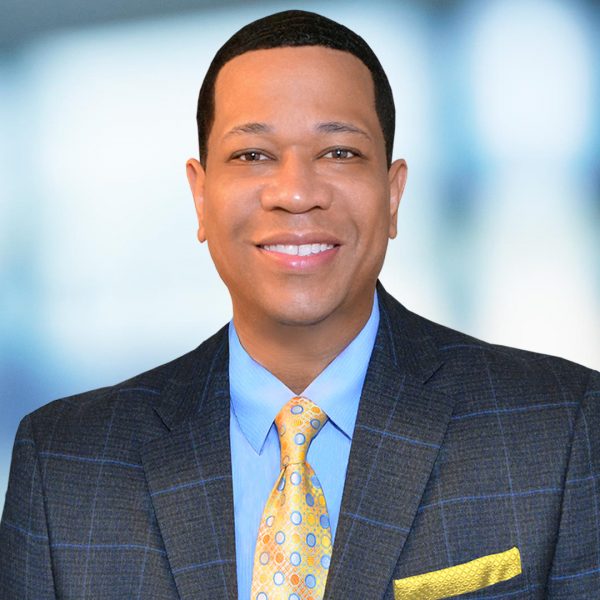
Forrest Tuff is the CEO and Founder of One Vision Productions, an award-winning media and branding agency voted “Best of Georgia” and one of Atlanta’s “Best and Brightest Companies to Work For.”

Recognized among Georgia’s Most Influential Leaders, Atlanta’s Most Powerful Leaders, and the Top 100 Transformational Leaders by the John Maxwell Team, he is a Master Life Coach, Master Certified Motivational and Accredited Speaker®.

Known as the “Brand Strategy” expert, he has given keynotes and workshops throughout the U.S. and 15 countries across five continents. He is also an accomplished producer recognized by his trademark Filmpreneur® due to his creativity and entrepreneurial skill set.

His projects include commercials, documentaries, films, music videos, podcasts, stage plays, and television shows. An avid volunteer and philanthropist, his Pay It Forward program annually awards a grant to a nonprofit.

He is a recipient of the Outstanding Georgia Citizen Award, MLK Community Service Award, and President’s Lifetime Achievement Award.

Connect with Forrest on LinkedIn and follow him on Facebook and Twitter.

What You’ll Learn In This Episode

  • Servant Leadership
  • Professional Speaking
  • Coaching Services (Business/Life)
  • The Film Industry
  • Philanthropy and Volunteerism
  • Fatherhood and Parenting

This transcript is machine transcribed by Sonix

TRANSCRIPT

Intro: [00:00:04] Broadcasting live from the Business RadioX studios in Atlanta, Georgia, it’s time for Atlanta Business Radio. Brought to you by On pay. Atlanta’s new standard in payroll. Now, here’s your host.

Lee Kantor: [00:00:25] Lee Kantor here, another episode of Atlanta Business Radio, and this is going to be a good one. But before we get started, it’s important to recognize our sponsor, Onpay. Without them, we couldn’t be sharing these important stories. Today on Atlanta Business Radio, we have Forrest Tuff with One Vision Productions. Welcome.

Forrest Tuff: [00:00:44] Hey, thanks for having me, Lee.

Lee Kantor: [00:00:45] I am so excited to get caught up with what you got going on. Tell us about One Vision Productions. How you serving folks?

Forrest Tuff: [00:00:52] So basically we’re a media production and branding agency, and our job is to make other companies look good. We tell their stories through various media outlets, and we work with them to get their best message out to their consumers.

Lee Kantor: [00:01:04] But your business also is beyond just the actual act of production, right? You’re helping people in a lot of ways speaking, coaching, philanthropy, there’s tons more facets to this than just producing videos and media, right?

Forrest Tuff: [00:01:18] Yeah, absolutely. But as far as One Vision Productions, that’s where it started. That’s where everything kind of spearheaded, just with that mission to just make our customers look good. And so now it’s grown into other aspects, as you said, you know, speaking, training and doing other things to help businesses grow.

Lee Kantor: [00:01:36] So for the folks out there that maybe are right now working in one space, how do you kind of expand into those other complementary services? How did that come about?

Forrest Tuff: [00:01:46] You know, actually it was kind of organic, you know, working in this media space. I actually had someone to say to me, hey, we having a conference and we’d love for you to come out and speak. And in doing that, they asked me, you know, how much would they would it cost for me to come out and speak? And so that started my professional speaking. You know, I wasn’t really thinking about it, but that was the catalyst that got me going in that space. And for years, for about seven years, I wanted to give back to other organizations. So I became a mentor with Score. That’s a resource partner through the Small Business Administration. And so I had the opportunity to mentor hundreds of businesses and teach workshops and help individuals grow their business and actually help others sustain their businesses. So that’s how some of these other things started to branch out from just the production.

Lee Kantor: [00:02:38] So that’s a great lesson for entrepreneurs is to always be open to other things, to not just go, okay, this is all I do. So, you know, I’m not interested in anything else. So if something is interesting to you, you should kind of pursue it a little bit, right?

Forrest Tuff: [00:02:51] Yeah, absolutely. And you know, one thing I always say about business, because we’re in the business and I always tell people we’re in the business to make money. Yes, we’re serving a customer, but we’re in the business to make money, support our lifestyle, support our families and kids and other things. So you have to know when there’s an opportunity for you to pivot and create more revenue and not pigeonhole yourself if that opportunity makes sense. So I will say this if it makes sense, and you can prepare yourself mentally and get the things you need to help you make those pivots, then I think it’s great to continuously grow your portfolio.

Lee Kantor: [00:03:28] So how do you kind of decide if something makes sense or not? Do you have kind of a checklist, or is there some philosophy that helps you decide, okay, I’m going to pursue this or I’m not going to pursue that?

Forrest Tuff: [00:03:42] Yeah, I operate out of the storytelling vein. It’s kind of weird, but when I started out doing this video thing, even when I was a kid, it was just video. Tell stories, capture memories. So as I started a business 20 years ago, that was what I wanted to do. I wanted to continue to tell stories. And as it grew, we started to tell stories not only from a wedding, from films, but also we’re telling the stories of government agencies, corporations. So I’m in that vein. And when I got into. Public speaking. I was doing the same thing. I was telling stories. I was finding ways to share things that would help others to grow. And so is the same with coaching, listening to stories and and listening to people. And so it’s all about really taking the time to care about people, listening to people. And that’s usually the things that help me to find out what I could be interested in.

Lee Kantor: [00:04:38] Now, throughout your whole career, you’ve been recognized as, you know, best and brightest, best of Georgia, great place to work. All these kind of all this recognition around kind of really the culture of your company. How did you kind of build a culture that gets recognized so often? What were some. Like where did you go for mentorship or for learning in order to build a team and a community that you’ve done so far?

Forrest Tuff: [00:05:11] I think one of the things that originally helped me was. Coming up, I played sports, I played sports at a collegiate level. I actually wanted to play professionally, but due to an injury I didn’t go. So I did play at the collegiate level and I learned how to work within the team since I was a kid. So I use those same principles when I work with people. I had the small stint where I worked in retail and corporate, and there were some things that I may not have agreed with, but there were also some things that were very valuable in terms of team building and those exercises. So I use that positive mantra of reinforcing people and letting them know the vision and being a part of that vision, because when people can take ownership of something and you also support them to grow, oftentimes it can have a positive effect. So in my case, that’s what I did. And that’s how I’ve been able to have such an impact with not only my team members, but just individually and just the things that we’ve done with our clients and customers over a period of time.

Lee Kantor: [00:06:14] Now, what are some dos and don’ts? Maybe for some young leaders and then even some that have come through sports? Because in sports, for every nurturing, benevolent dictator like coach, there’s the, you know, kind of my way or the highway. I’m, you know, listen to me or I’m going to yell at you or humiliate you. Any dos or don’ts for that new leader, because sometimes there’s some, you know, poor examples, especially in the world of sports.

Forrest Tuff: [00:06:42] Absolutely. I think training is necessary. I would be remiss to say that all of these things that we’ve accomplished were without training. So if you find yourself in an area where you recognize that you may not have. The best training or the most knowledge. Go get it. Anytime I wanted to step out into another arena, just like public speaking, it wasn’t something I just jumped into. I actually went in. Trained with Toastmasters, and then I became a member of the National Speakers Association. So it took time and training, even with your team members taking leadership classes. So those are the things I would encourage anyone. Is that as you move into these new spaces, there’s so many different certifications or trainings that you can take to not only become better at what you do, but to also help your team become better. So that for me is how I did it. And I would encourage anyone that’s embarking in entrepreneurship or any type of leadership to make sure that you stay on top of training and always listen.

Lee Kantor: [00:07:46] Now when it comes to coaching or training, how do you kind of discern which are the people that really know something? And then who is somebody who might just be saying they know something because it’s kind of the Wild West out there, and it’s hard to tell because people can look slick on a one page website and, you know, they can be persuasive even in person. But how can you tell? Or how do you kind of recommend vetting? What’s a good coach like? Who’s a good coach and who’s maybe, you know, need need some more time?

Forrest Tuff: [00:08:22] Well, I would say interview the person that you’re going to hire to be your coach. You know, one of the things that I did personally before I became a coach, and this isn’t for everyone, is I was a score mentor for almost eight years. I spent a lot of time learning just how to listen to people, how to find the right information. And once I did that, I began a journey with Transformation Academy to become a certified Master Life Coach. So there’s a process for me that took anywhere from 8 to 10 years. Now, that’s not to say everyone has to have that same journey, but for me, I wanted to make sure that I had a history and I had people that could verify the work that I’ve done. And I would say, for someone who’s embarking on working with someone. If you don’t feel comfortable, ask for references. Try to find people that can attest to what they’ve done and how they were able to support them in their growth. So that’s the thing. I would just do your due diligence. You don’t have to get caught up in social media, but, you know, find out what you know from them, spend some time talking to them.

Lee Kantor: [00:09:33] So when you were deciding, you know, you say, okay, I’m going to be a coach. Now, this is important to me. I think I can provide more value. How did you kind of land on transformational leaders? Like what? I’m sure you went through some. You had to kiss some frogs, right? You had to go and go, okay, this one isn’t for me. You know, this isn’t resonating. This one is more of a fit. Like, how did you go about choosing transformational leaders?

Forrest Tuff: [00:09:58] Well, I actually go through that vetting process myself. When I’m working with someone, I’m not just eager to, hey, let’s give me your money and I’ll coach you. I actually find out what is the end game, what are they trying to accomplish? Who are they? Because that that coaching fit is more like a synergy. It’s like a team, if you will. We we need to work together to try to find how we can grow in this space. So for me, it’s not just about you paying for something. We have a conversation. There’s a first thing we have. We have a 30 to an hour, minute long conversation just about what it is you’re trying to accomplish and your goals. And there have been some people that have suggested this may be a better fit for you to maybe try this route. Or maybe let’s try this on a small basis and see how it works out before we go further. And some we didn’t go further. You know, we maybe had 1 or 2 trial periods. We recognize that this wasn’t a fit and we moved on. So I think for both parties, I think you have to be open and willing to be honest about the relationship and about how you can communicate and if it’s going to work for you to gain that end result.

Lee Kantor: [00:11:05] So what are some when you’re having those initial conversations with someone, what are kind of some of the qualities that they must have, and what are some of the qualities that are kind of super red flags where okay, I know this isn’t going to work.

Forrest Tuff: [00:11:21] Red flags as if they already know everything. As you’re talking about it. That’s a red flag. Someone who already knows all the answers but is reaching out for help. That’s a red flag for me if you know everything. Secondly, if you’re not willing to engage in dialog, meaning true dialog is I listen to you and then I respond and then you listen to me. You respond that type of dialog to be able to actually hear one another. One of the things that I think happens so often is people. Talk at each other as opposed to talking to each other. They talk at each other. They’re saying things. They’ve been here, they’ve done that. And you know, often times it can lead to. A non synergistic, I would say energy between those two people. So for me I would say just having that. That place of actually being able to listen to one another and actually respecting the concept, to actually see if it’s going to be something that helps you.

Lee Kantor: [00:12:26] Now, is there a story you can share? You don’t have to name the individual, but maybe a success story where they came to you, maybe at a plateau, or they were struggling, and then after working with you, they got to a new level.

Forrest Tuff: [00:12:40] Yeah, I actually had a story. It was a family owned business and it was a mother and a daughter and. The challenge is that the mother was trying to exit the business, and the daughter was coming into the space of running the business, and they had done very well. The business had been around for about 25 years. They had been very successful. And the thing that happened is that. The daughter had different ideas, she had a different methodology. And I think that often happens when you run a business one way and you’ve had success, and then here comes someone now who’s like, oh, I want to do this and do that. And so that innovation oftentimes can seem daunting to someone who’s actually sustain that business and kept it afloat and kept it profitable. So in that sessions, in those sessions that we had, we were able to find a place where they embraced each other and respected one another’s viewpoints. And so it was a transition. And this happened over a period of time. I think we were working together for about three months. And in that transition, they began to embrace one another’s ideas and and see how they were able to work together and still be able to keep some of those old values, but add innovation and keep things up to times.

Lee Kantor: [00:14:00] And then in circumstances like that, a lot of times your role is just being kind of that, you know, honest third party, right? Like you’re you’re not there really advocating for one or the other. You’re just trying to keep everybody playing nicely together so they can all get the outcome they each desire.

Forrest Tuff: [00:14:17] Absolutely. And it involves a lot of listening in order to truly hear. Each person’s perspective and to see where they are having a miscommunication. So that is one of those areas. That was a very unique situation for me. But it was it was a great opportunity. To to sit back and listen and to see the end result for them to come to a conclusion. Because at the end of the day, when you’re coaching, you’re not telling someone. It’s almost like a physical therapist. A physical therapist isn’t going to fix you. They’re going to work with you until you get to the point where you can do it on your own. So I kind of look at coaching almost like an analogy of a physical therapist, someone that’s going to work with you and get you to a place where you start to be independent and you start to see how you can do things. And that, for me, was one of those great moments.

Lee Kantor: [00:15:12] Right. And it’s important to note that a lot of times, if they don’t have the humility to ask for a coach or the vulnerability to ask for a coach, and they try to do it themselves, they might have offended each other. They might have, you know, hit some hot button issue that they knew the other person was going to react to and they could have really done damage. And just like you said, with physical therapy, you can go, okay, I know how to do this, and then I can hurt myself worse than when I got here.

Forrest Tuff: [00:15:41] Absolutely. Absolutely. And I can attest to this, Lee, because as a person who’s. Coach others. I’ve also received coaching and it takes a different level of humility. It takes a certain level of being open in order to. And, you know, sometimes you have to have a little thicker skin because some of these things aren’t going to always rub you right. But if you want growth, you have to be able to receive it and know that it’s coming from a place of trying to help you grow. And, you know, don’t fight it, don’t fight it. So I’ve had coaching and I had to I’ve heard some things that made me go, oh yeah, I don’t really feel comfortable with what you said, but I had to realize that it was in the best interest, for I was trying to go.

Lee Kantor: [00:16:30] Yeah. And that’s the important part, is a coach like you said isn’t there to do it for you. It’s to help you be the best you. And sometimes that is some tough love or some asking you some hard questions.

Forrest Tuff: [00:16:43] Absolutely.

Lee Kantor: [00:16:44] So what do you need more of? How can we help you? You got so much going on. There’s a lot of plates spinning in your world.

Forrest Tuff: [00:16:51] Well, everything is kind of coming to a head. It’s it’s all in the same vein because now, you know, I’m running the media business, we’re doing films, you know, I’m doing speaking and also leadership training. And one of the things that I really focus on is youth. I really focus on helping the youth find their voice through teaching them how to speak, how to communicate, how to interview, how to present themselves. And that’s something that is now more for me, like a passion. I really love working with youth and I love giving back and into the next generation, so that’s kind of where I really am. I’ve always done this, but it’s just something now that as my kids are getting older, they’re out of college getting their master’s, I now can start to impart into other, other children. So that’s really where am Lee? I’ve just really want to continue to keep the business steady and grow it and continue to work with youth and give back.

Lee Kantor: [00:17:48] So if somebody wants to connect with you and learn more, what is the website? What’s the best way to get a hold of you?

Forrest Tuff: [00:17:54] Well, if you want to get in touch with me and other things, you can go to forest. Tough.com. That’s for two hours. Two t’s, two F’s forest tough.com. And if you want to know more about my business and working in the production space, you can visit One Vision productions.com.

Lee Kantor: [00:18:14] Good stuff. Well congratulations on all the success. You’re doing such important work and we appreciate you.

Forrest Tuff: [00:18:20] Thank you so much Lee. I really appreciate you having me on.

Lee Kantor: [00:18:22] All right. This is Lee Kantor. We’ll see y’all next time on Atlanta Business Radio.

About Our Sponsor

OnPay’sOnPay-Dots payroll services and HR software give you more time to focus on what’s most important. Rated “Excellent” by PC Magazine, we make it easy to pay employees fast, we automate all payroll taxes, and we even keep all your HR and benefits organized and compliant.

Our award-winning customer service includes an accuracy guarantee, deep integrations with popular accounting software, and we’ll even enter all your employee information for you — whether you have five employees or 500. Take a closer look to see all the ways we can save you time and money in the back office.

Follow OnPay on LinkedIn, Facebook, and Twitter

Tagged With: forrest tuff, One Vision Productions

Forrest Tuff: CEO and Accredited Speaker

September 13, 2021 by Jacob Lapera

Atlanta Business Radio
Forrest Tuff: CEO and Accredited Speaker
Loading
00:00 /
RSS Feed
Share
Link
Embed

Download file

Forrest Tuff is an award-winning speaker, author, filmmaker, and television producer. He is the founder and CEO of One Vision Productions, a multimedia production, and branding agency that is recognized as one of Atlanta’s Best and Brightest Companies to Work For.

A Certified Business & Master Life Coach, he was named one of Atlanta’s 500 Most Powerful Leaders and the 89th Accredited Speaker in the world by Toastmasters International.

 Connect with Forrest on Facebook, LinkedIn, and Twitter.

About Our Sponsor

OnPay’sOnPay-Dots payroll services and HR software give you more time to focus on what’s most important. Rated “Excellent” by PC Magazine, we make it easy to pay employees fast, we automate all payroll taxes, and we even keep all your HR and benefits organized and compliant.

Our award-winning customer service includes an accuracy guarantee, deep integrations with popular accounting software, and we’ll even enter all your employee information for you — whether you have five employees or 500. Take a closer look to see all the ways we can save you time and money in the back office.

Follow OnPay on LinkedIn, Facebook and Twitter

This transcript is machine transcribed by Sonix

TRANSCRIPT

Intro: [00:00:04] Broadcasting live from the Business RadioX Studios in Atlanta, Georgia. It’s time for Atlanta Business Radio brought to you by on pay Atlanta’s new standard in payroll. Now here’s your host.

Lee Kantor: [00:00:24] Lee Kantor here, another episode of Atlanta Business Radio, and this is going to be a fun one. But before we get started, it’s important to recognize our sponsor on pay. Without them, we could not be sharing these important stories today on the Atlanta Business Radio. We have forced tough with one Vision Productions. Welcome Forrest.

Forrest Tuff: [00:00:43] Hey, how are you doing, Lee? Glad to be here.

Lee Kantor: [00:00:45] Well, I am excited to be talking with you. Please tell us a little bit about one vision How are you serving, folks?

Forrest Tuff: [00:00:52] So we’re doing good out here. We’re basically a multimedia and branding agency. We provide video production, aerial drone services. We hope to branch a company with writing services. We also have photography and graphic design, so those are some of the areas that we cover.

Lee Kantor: [00:01:09] So what’s your back story? How did you get involved in production?

Forrest Tuff: [00:01:13] You know, I grew up in the church, my father was a pastor and I was part of the media team as a young kid. You know, I was and services. This before we had members. Fast forward, I finished college and I’m now trying to figure out what I want to do and I find myself. Going right back to the media production, so in 2004, I started a business and it just so happened to be in that field. That’s kind of the long and short of it.

Lee Kantor: [00:01:39] So then when you started serving, folks, did you were you working primarily with other churches or did this kind of get into business or individuals?

Forrest Tuff: [00:01:48] Yeah, to be honest with you, I worked only with a couple of churches. It started out. I was doing a lot in the entertainment field, music videos, weddings, birthday parties. And as time progressed, we started to work with more corporations and government agencies. So now that’s pretty much solely who we work with businesses. And in the government and the sector of government. And so with that, that’s kind of where we’ve changed over now the past decade.

Lee Kantor: [00:02:16] Now, as part of your work, you chose to get involved with Toastmasters. What was the thinking behind that?

Forrest Tuff: [00:02:24] Well, you know, also I’m a filmmaker, and as I started to do things, I started to get requests to come out and speak. And, you know, being in my field, I was a behind the scenes person, and I just didn’t feel comfortable standing up in front of a group of people having conversations about what I did one on one, I was OK and I found out about Toastmasters. It was a program that would help me to become a better speaker in a public arena. So that’s how I joined the organization and that’s why I joined the organization.

Lee Kantor: [00:02:53] So now what was it like going to those first meetings where you know, you were behind the scenes person and now they’re kind of pushing you up to the stage?

Forrest Tuff: [00:03:03] You know, it’s it’s great because Toastmasters is in a club setting. One minute you’re feeling like, Oh, this is going to be the worst thing ever. But when you walk in the club and you realize that everyone is on the same journey and they’re all rooting for you, it’s a really laid back environment. You know, it’s very organized and structured in terms of teaching you different skills as a speaker, but everyone’s very supportive. So it took away the inhibition or the apprehension I had when I first went and I was actually pretty comfortable my first time.

Lee Kantor: [00:03:32] And then for the people who aren’t familiar, can you kind of walk through what a Toastmasters meeting looks like?

Forrest Tuff: [00:03:39] So you go into a meeting and they run through the business, they have a hierarchy set up. There’s a president, vice president, sergeant at arms. They have all these different officers who run different parts of the meeting. And so when they start the meeting, they’ll have speakers. They’ll have someone to do a joke philosophy. They also have this thing called table topics where you do impromptu speaking, but also with the speaking. They have a portion, a better listening where you get evaluation and feedback. And this is one of the best parts of the program because the feedback is always supportive. It’s never there to tear you down. They listen to you and they give you constructive criticism on how you can become a better speaker without letting you know how bad you are when you first come. And that’s my case. But it’s just a great environment, and I would encourage anybody who’s interested in public speaking to start with Toastmasters.

Lee Kantor: [00:04:32] So now when you started going to Toastmasters, how quickly were you starting to feel really confident and confident and start pursuing speaking as you know, another one of the things services you offer?

Forrest Tuff: [00:04:47] I started professionally speaking after about two years, being with the organization now, Toastmasters was giving me the skills. It was providing all the training and education to become a better speaker, better leader. But I was very proactive in pursuing a career as a professional speaker once I got involved. I found myself drawn to that side of it, and so I began to actively pursue that side of public speaking. So for me, I think it took about two years before I started to try to get paid speaking jobs.

Lee Kantor: [00:05:20] So now we’re were you speaking about things related to your company or were you speaking as, you know, Fforest, the speaker?

Forrest Tuff: [00:05:28] Well, yes, most of what I do comes from some of my background or training. You know, I was doing working on conferences and entrepreneurship. Also, as I said, I’m a filmmaker, so I was doing workshops and. I’m also a score business minister, so during that time, I would do workshops pro bono as also ways to share information and also get more practice speaking in front of different crowds. So I chose any opportunity I could to speak and get better.

Lee Kantor: [00:05:58] Now, any advice for the person who’s considering a career as a speaker is there like, how do you transition from doing those kind of pro bono works to getting paid to speak?

Forrest Tuff: [00:06:09] Well, I think you have to. Want to do it? First, you have to have the desire to go into it and also look at speaking as a business, which means you have to now start to change how you approach different speaking engagements, how you search for them. And some of the organizations you join. I’ve also joined professional speaking organizations such as the National Speakers Association, because that’s one that focuses more on the business side of speaking. But I would tell you to try to be comfortable in your own skin. That’s the biggest thing. You know, there are so many great public speakers, but you have to find your avenue and find how you’re comfortable and what story you want to share with people.

Lee Kantor: [00:06:54] Now you have an accredited speaker designation. Can you explain to the folks what that is and why it’s important?

Forrest Tuff: [00:07:02] Yes. Well, Toastmasters has been around ninety six years, one of the largest, most amazing organizations for speaking and leadership. They have a program called the accredited speaker designation that’s made for professional speakers. The program has been around since nineteen eighty eighty one, I believe has been around about 40 years, and that program has eighty nine accredited speakers. Currently, I’m the eighty ninth in the world, so that’s just not local or statewide. There are only eighty nine accredited speakers in the world and what you have to do is you have to actually prove yourself as a professional speaker. There’s a lot of work you need to do to submit paperwork, videos and then during Toastmasters International Conference, their annual international conference, you actually present in front of a panel of judges who are accredited speakers. And if you pass the mark, then you’ll given that designation as an accredited speaker.

Lee Kantor: [00:08:00] Now you’ve in the same breath you’ve mentioned speaking in leadership, how do you see the two tied together?

Forrest Tuff: [00:08:09] I think personally, leadership is the way you carry yourself. And also being mindful of what you say. I think Toastmasters gives you the ability to formulate your thoughts and give a presentation that will be received by a broader audience. I think as a leader, you have to be mindful of what you say and to who. And that’s where you’re giving these skills to understand what it means to be a leader and also the ramifications of what you say as a speaker. So for me, leadership. And speaking go hand in hand, because as a speaker, you have to make sure that you’re sending out a message that’s going to uplift the people or something that’s going to be used in a positive manner. And that’s my personal take. It differs for everyone.

Lee Kantor: [00:08:59] So now how did you come come about your kind of leadership philosophy? Is it something that you’ve kind of cobbled together yourself or your from your own kind of life? Or did you have mentors or do you follow a certain other kind of leader prescription?

Forrest Tuff: [00:09:16] My biggest mentor in life was my father. You know, I watched my father’s life. This is a man who I’ve watched daily and his life has been a testament to me of what true leadership is in terms of treating people fair, not judging people caring about the community. So that was my biggest lesson. As far as the leader is concerned, so as I grew up and I became a man, I started to follow under those same principles, those same guidelines. Now, along the way, I’ve met people that are great leaders in different areas and business and philanthropy and other aspects that I was interested in and even great speakers. And so with that, I find myself drawn to people that are leaders in their own right and things that I find myself interested in.

Lee Kantor: [00:10:01] So now recently you’ve been named among Atlanta’s 500 most powerful leaders. How did that award come about?

Forrest Tuff: [00:10:10] Well, I think they’re searching for different people in the community or in Atlanta who are either involved in business philanthropy and they do their background research and they send you an invite to let you know that you’ve been selected or your name has been put in the hat by other leaders in the community. And so that was a great surprise for me because being an Atlanta native and doing so much in the city as far as business, I was happy to hear that because I really do care about the city of Atlanta. I’m Atlanta native born and raised. I moved away for a while but came back. So it’s always important to be recognized in the city or where you really spend your time trying to make a difference.

Lee Kantor: [00:10:53] Now, some of your work is done through coaching, can you talk about why it was important for you to become a certified coach?

Forrest Tuff: [00:11:01] So I’ve been a business mentor with score for seven years, and Score is a resource partner through the Small Business Administration. And they offer a pro bono mentoring services for those who are looking to start or sustain a business. And as a business owner myself, this was a great opportunity for me to not only give back, but to continue learning with professionals that have retired or working professionals that have a wealth of knowledge that I may not have but can learn from. So as I have been on that journey mentoring individuals, I find myself drawn to the coaching business. And so last year, I went through a rigorous training of about six months and become and became a certified coach. And as I’m building that aspect of my business, it really focuses on people who are either in the entrepreneurial space or those who are just looking to find more purpose in their life. And that’s how that journey came about for me.

Lee Kantor: [00:12:01] Now, any advice for the business owner out there listening that maybe never had a coach before? Can you share some of kind of the. But maybe how to vet a coach or how to find the right coach for you.

Forrest Tuff: [00:12:16] Well, I think the biggest thing you want to do when finding a coach is make sure that they understand what your goals are. You know, I think oftentimes in coaching you can have a prescribed program, but you want to make sure that you tailor something to that person because everyone has a different need. They have a different outcome, and they also define success differently. So when you’re looking for a coach, make sure you ask those questions. You know, make sure they understand what you want, find out their history or if they have referrals of people they’ve worked with and have had some success. I think as long as you do your due diligence and you have a rapport or you like the person or you feel as if they can help you or their life shows you that they are living the thing that they’re trying to help you do. I think you’ll be all right now.

Lee Kantor: [00:13:04] Can you share a story and maybe you don’t have the name the name, but maybe they came to you, whether it’s through your business, through your coaching, through your speaking. They came to you and had a challenge and they were able to talk with you or work with you, and you are able to help them get to a new level like the most. An example that kind of illustrates the something that was rewarding for you and and and it had a big impact on the person.

Forrest Tuff: [00:13:29] Yes, I had a client that I worked with who had a desire to start a business. And the industry was working with pets, and it was a very unique business and they have been searching. To find someone to help them get to the finish line or to get started, for that matter. And so one of the things that we focused on was the finances, and we also talked about patience, you know, not being too eager. To get started until the foundation was laid for starting the business. Long story short, they were able to save a lot of money. They were able to get the finances they need because of the patients. They were able to open their location and get their business started, and it was a process that took about a year. But that was fulfilling because, number one, it wasn’t a it wasn’t a feel that I was familiar with. But there were things that I knew about the business that had nothing to do with pets. But more about having a facility licenses things of those nature, getting the business started and loans and finance. So when we got to the finish line and we had the grand opening you, it was great to stand there, take a picture with her and just see her facility and just see the satisfaction she had with her dream coming true.

Lee Kantor: [00:14:51] So now for people listening, who is an ideal candidate to work with you at one vision, whether it’s your coaching or whether it’s your production, what is kind of do you have a sweet spot in terms of the ideal customer that works with you?

Forrest Tuff: [00:15:06] Yes. If you are a small business owner or if you have you work for a corporation, the services we provide are really geared towards that. We do a lot of work with, like I say, government, local, state, even federal agencies in terms of providing services for internal videos, marketing packages, even helping with businesses to brand themselves if they have something new that they’re coming out with. So that would be the sweet spot as far as customers are concerned. Now for speaking engagements. You know, I talk with churches, youth groups, you know, conferences, entrepreneurial conferences and also film festivals and workshops. Those are some of the places where I’ve had the most traction as a speaker and been hired to speak.

Lee Kantor: [00:15:57] Well, congratulations on all the success force. If somebody wants to learn more, have more substantive conversation with you or somebody on the team, what’s the website?

Forrest Tuff: [00:16:07] Will visit me personally at four tough that’s fo r r e s t t USF. And you can find any of my social media or any of my other business sites located there. That’s a hub for everything that I do. So for stuff.

Lee Kantor: [00:16:26] Good stuff. Well, thank you again for sharing your story. You’re doing important work and we appreciate you.

Forrest Tuff: [00:16:31] Thank you so much, Leigh. All right.

Lee Kantor: [00:16:32] This is Lee Kantor. We will sail next time on Atlanta Business Radio.


Tagged With: forrest tuff, One Vision Productions

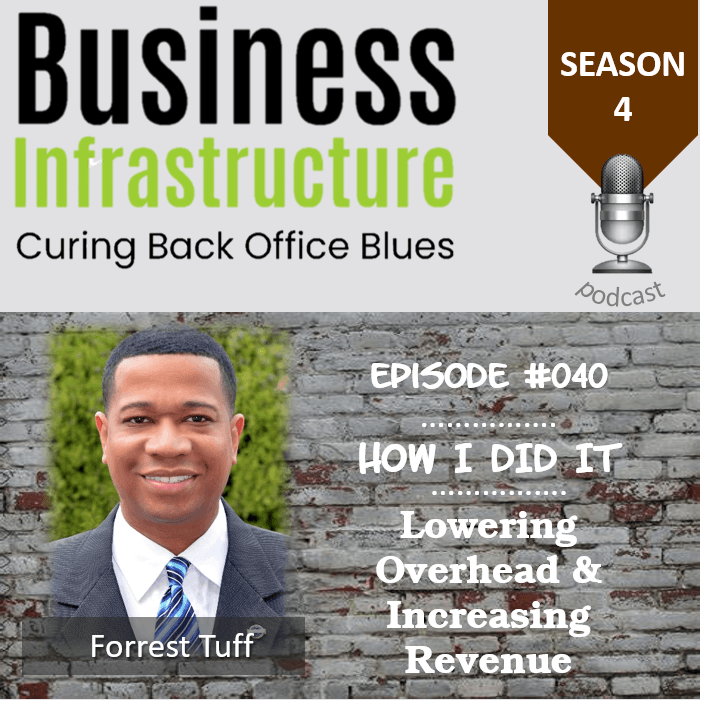
Episode 40: Lowering Overhead and Increasing Revenue with Forrest Tuff

April 8, 2019 by Mike

Business Infrastructure
Episode 40: Lowering Overhead and Increasing Revenue with Forrest Tuff
Loading
00:00 /
RSS Feed
Share
Link
Embed

Download file

“When you call yourself the CEO, you have to make hard decisions.”  This is how Forrest Tuff describes the revelation that led to him redefining what success is at his film production company.  In this episode, he describes the two specific actions he took to reduce overhead that radically transformed his business model.  Find out how this transformation also increased his company’s operating capacity as well as competitive advantage leading to greater agility, revenue and profitability.

Special Guest: Forrest Tuff, CEO of One Vision Productions

Location: Atlanta, GA  USA

Show Notes:

  • SBA: the Small Business Administration offering free business counseling, access to business loans, and info to secure federal government contracts.
  • SCORE: the Service Corps of Retired Executives offering free small business mentoring.
  • Sales: Easily Sell Anything To Anyone & Achieve Sales Excellence In 7 Simple Steps (Sales, Sales Techniques, Sales Management, How To Sell, Charisma): a book by Steve Gold.
  • Run Your Business Like a Fortune 100: 7 Principles for Boosting Profits: a book by Rosalie Lober, Ph.D.
  • Blue Ocean Strategy: How to Create Uncontested Market Space and Make the Competition Irrelevant: a book by W. Chan Kim and Renée Mauborgne.


Tagged With: film production ceo, forrest tuff

Business RadioX ® Network


Our Most Recent Episode

CONNECT WITH US

  • Email
  • Facebook
  • LinkedIn
  • Twitter
  • YouTube

Our Mission

We help local business leaders get the word out about the important work they’re doing to serve their market, their community, and their profession.

We support and celebrate business by sharing positive business stories that traditional media ignores. Some media leans left. Some media leans right. We lean business.

Sponsor a Show

Build Relationships and Grow Your Business. Click here for more details.

Partner With Us

Discover More Here

Terms and Conditions
Privacy Policy

Connect with us

Want to keep up with the latest in pro-business news across the network? Follow us on social media for the latest stories!
  • Email
  • Facebook
  • Google+
  • LinkedIn
  • Twitter
  • YouTube

Business RadioX® Headquarters
1000 Abernathy Rd. NE
Building 400, Suite L-10
Sandy Springs, GA 30328

© 2025 Business RadioX ® · Rainmaker Platform

BRXStudioCoversLA

Wait! Don’t Miss an Episode of LA Business Radio

BRXStudioCoversDENVER

Wait! Don’t Miss an Episode of Denver Business Radio

BRXStudioCoversPENSACOLA

Wait! Don’t Miss an Episode of Pensacola Business Radio

BRXStudioCoversBIRMINGHAM

Wait! Don’t Miss an Episode of Birmingham Business Radio

BRXStudioCoversTALLAHASSEE

Wait! Don’t Miss an Episode of Tallahassee Business Radio

BRXStudioCoversRALEIGH

Wait! Don’t Miss an Episode of Raleigh Business Radio

BRXStudioCoversRICHMONDNoWhite

Wait! Don’t Miss an Episode of Richmond Business Radio

BRXStudioCoversNASHVILLENoWhite

Wait! Don’t Miss an Episode of Nashville Business Radio

BRXStudioCoversDETROIT

Wait! Don’t Miss an Episode of Detroit Business Radio

BRXStudioCoversSTLOUIS

Wait! Don’t Miss an Episode of St. Louis Business Radio

BRXStudioCoversCOLUMBUS-small

Wait! Don’t Miss an Episode of Columbus Business Radio

Coachthecoach-08-08

Wait! Don’t Miss an Episode of Coach the Coach

BRXStudioCoversBAYAREA

Wait! Don’t Miss an Episode of Bay Area Business Radio

BRXStudioCoversCHICAGO

Wait! Don’t Miss an Episode of Chicago Business Radio

Wait! Don’t Miss an Episode of Atlanta Business Radio