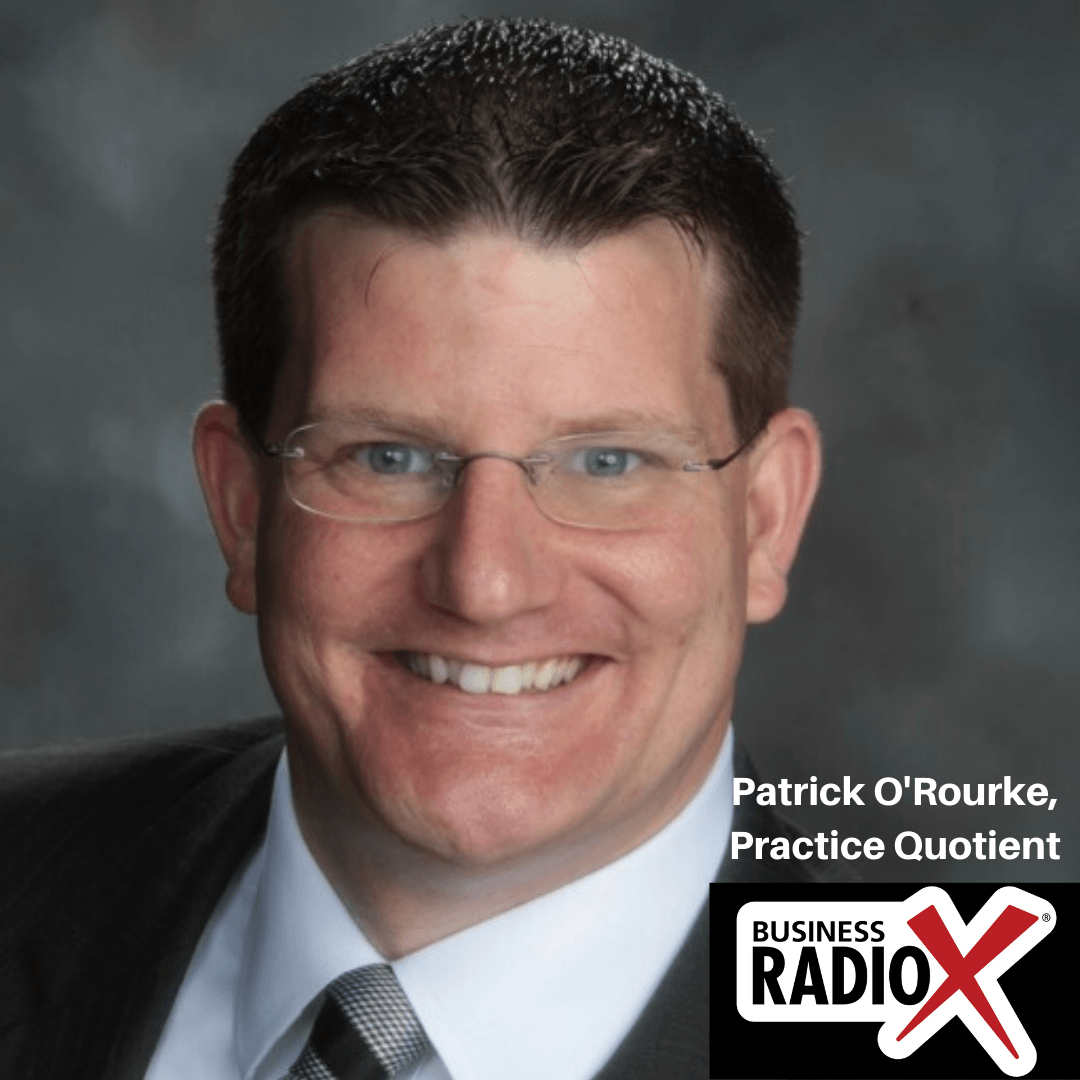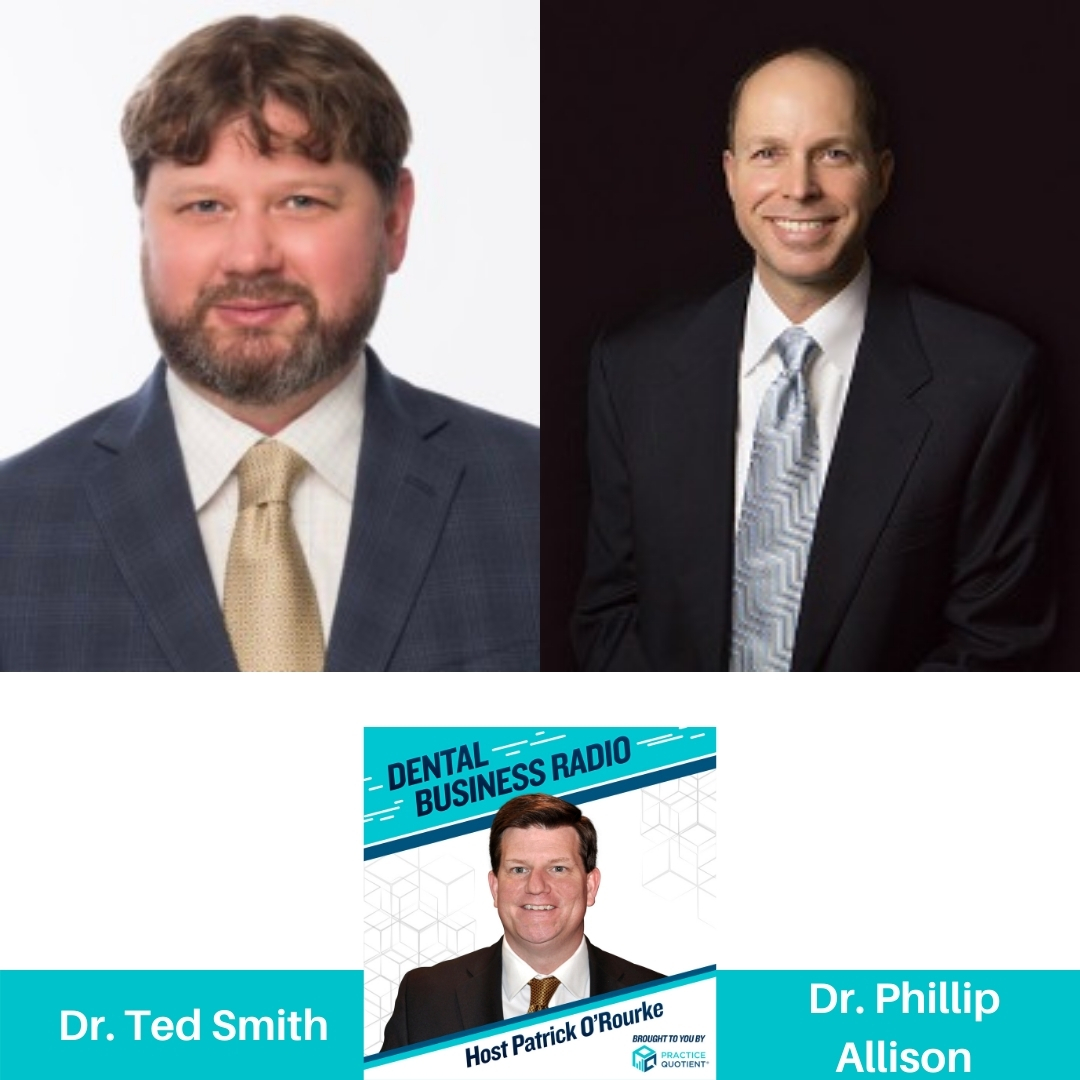

Dr. Ted Smith and Dr. Phillip Allison, Park Cities Dental Group (“Dental Business Radio, ” Episode 9)
Dr. Ted Smith and Dr. Phillip Allison, Chief Doctors and Partners in Park Cities Dental Group, join host Patrick O’Rourke to share their journey in buying and building their practice, working together as partners, their experience with the Pankey Institute, what’s happened with their practice during the pandemic, and much more. “Dental Business Radio” is underwritten and presented by Practice Quotient: PPO Negotiations & Analysis and produced by the North Fulton studio of Business RadioX®.
Park Cities Dental Group
Since 1982, the friendly and experienced staff at Park Cities Dental Group has accommodated all of the cosmetic and general dentistry needs of our clients in a warm and inviting setting in the heart of Dallas, overlooking the Katy Trail. Come in and you will find a group of highly trained dentists and staff that will provide the dental care services you need with the personal attention you’re looking for.
Dr. Ted Smith, DDS, FICOI
Dr. Ted Smith provides general and cosmetic dentistry services such as crowns, bridges, dental implants, porcelain veneers and fillings, as well as extractions and TMJ treatment. He is also a Certified Provider of Invisalign orthodontics.
Dr. Smith completed post-doctorate education at The Pankey Institute and earned his Fellowship in the International Congress of Oral Implantologists after training at the renowned Misch Institute. With an emphasis on patient comfort, artistic craftmanship and post-procedural care, this advanced training puts him as one of the top in the nation and one of only a few cosmetic dentists in Dallas to have earned this distinction.
A native of Austin, Dr. Smith graduated from Westwood High School and The University of Texas at Austin. He went on to earn his Doctor of Dental Surgery from Baylor College of Dentistry. Dr. Smith joined Park Cities Dental Group immediately after graduation and continued his education with post-graduate training in cosmetic, restorative and implant dentistry. His mission is to provide exceptional dental health services to his community and the surrounding Dallas area. He lives in University Park with his wife and four daughters.
The entire team at Park Cities Dental Group thanks you for taking the time to learn about our dental practice. Cosmetic dentistry is a big decision and we offer free consultations to answer any questions you may have so you feel comfortable and knowledgeable about your visit.
Dr. Ted Smith is a member of The American Academy of Cosmetic Dentistry, American Dental Association, Texas Dental Association and Dallas County Dental Society and holds himself to the highest standards of the practice of dentistry.
Dr. Phillip Allison, DDS
Dr. Phillip Allison provides general and cosmetic dentistry services such as crowns, bridges, dental implants, porcelain veneers and fillings, as well as extractions and TMJ treatment. He is also a Preferred Provider of Invisalign orthodontics. He is committed to the best possible dental care for his patients.
Born and raised in Midland, Texas, Dr. Allison graduated from Midland High School. He attended The University of Texas at Austin, where he earned a Bachelor of Arts degree in Biology before moving to Dallas to attend Baylor College of Dentistry. Dr. Allison graduated from Baylor in 1999 and immediately began work as an associate dentist for a local practice. In 2002, Dr. Allison established his own practice in Dallas, and for the next 11 years he built a thriving business.In the fall of 2013 Dr. Allison partnered with Dr. Smith at Park Cities Dental Group. Dr. Allison and Dr. Smith are longtime friends and classmates from Baylor College of Dentistry.
Dr. Allison has dedicated numerous hours to continuing education and professional development since he began his dental career. He is certified by the prestigious Pankey Institute in Key Biscayne, Florida and is a member of the distinguished ITI (International Team for Implantology), a worldwide collaborative focusing on clinical excellence in implant dentistry. Dr. Allison is one of a few Preferred Providers of Invisalign Orthodontics in the Dallas Metroplex. He also partners with area orthodontists to ensure his patients receive the best and most comprehensive orthodontic care available.
Dr. Allison is a member of the American Dental Association, Texas Dental Association and Dallas County Dental Society. He lives in University Park with his wife and two children.
Show Transcript
Intro: [00:00:03] Live from the Business RadioX studio in Atlanta, it’s time for Dental Business Radio. Brought to you by Practice Quotient. Practice Quotient bridges the gap between the provider and payer communities. Now, here’s your host, Patrick O’Rourke.
Patrick O’Rourke: [00:00:19] Hi there, friends of the dental industry. This is Patrick O’Rourke, your host of Dental Business Radio. And we want to thank you for joining us today. If you do like the show, please remember to rate it what we deserve. And we want to thank our sponsor, Practice Quotient. They’re a national firm that specializes in PPO negotiations and analysis.
Patrick O’Rourke: [00:00:43] And I am thrilled to welcome some folks from Texas. So, we have Ted Smith and Phillip Allison. This is going to be the Ted and Phillip Show – all right – featuring these gentlemen that are out of Dallas, Texas but, more specifically, Park Cities. They’re with Park Cities Dental Group. And Park Cities is a bit of a special place, I’m told. Ted, would you like to elaborate? Tell me why Park Cities is a special place.
Ted Smith: [00:01:15] Sure. Park Cities, I mean, it’s truly Dallas, but it’s little bubble right in the middle of Dallas, right by SMU, if anybody knows Dallas. But we’re fortunate to have friends and patients come from all over Dallas and, really, all over Texas. But Park Cities, Phillip and I’s lids have gone to the schools here in the Park Cities, and we live 10 minutes away from the practice. Big fan of a short commute. And so, it’s a big city but still got the small-town vibe to it in the Park Cities.
Patrick O’Rourke: [00:01:56] Gotcha. And Phillip, anything else to add about Park Cities? I would imagine, there’s pretty cool parks there or might just need flipping.
Phillip Allison: [00:02:08] A lot of parks. A lot of parks, yeah. It’s pretty residential. It’s small. I mean, I think there’s two towns. And maybe total between the two, 30,000 to 40,000 people, but it’s right in the middle of the city. So, we’ve got our own school district. So, there’s not a lot of population growth but we’re kind of right on the edge of it. And there’s two business centers, commercial centers. Everything else is home. So, our practice is on one of the major freeways, just off of it. So, we can draw from this. It’s a pretty tight knit community. A lot of referrals from within because the schools drive the whole place. But then, we’re right on the freeway between the bedroom areas and downtown. So, people coming in and out of work, that’s an easy pit stop for them one way or the other.
Patrick O’Rourke: [00:03:04] Gotcha. And you guys are involved too in the civic community or you must be popular because you’ve won some awards that’s voted on by residents in that area and some of the local publications as Top Doc or Favorite Dentist of the magazine. How does that happen?
Phillip Allison: [00:03:27] Well, you know-
Patrick O’Rourke: [00:03:29] Charm? Charm and good lucks, Phillip?
Ted Smith: [00:03:31] Sure, I’ll go with that.
Phillip Allison: [00:03:31] Well, yeah. I think from my end, we’re general dentistry. And so, we really don’t do specialist procedures. We’ve got a great group of specialty offices that we work with. And a lot of that voting is done by peers. So, we kind of hand it over to the rest of the folks around that we work with. And I think, they have recognized us and us them because Dallas is pretty big. There’s a lot of dentists up here. So, we try to keep a good relationship with the specialists. I think that helps with our visibility.
Patrick O’Rourke: [00:04:16] There’s got to be other general dentists too that are voting, and you guys are still winning. That says a lot. So, this is not necessarily even a patient thing. This is like a peer-reviewed award in some respects. It’s what it sounds like.
Ted Smith: [00:04:34] Yeah, the magazine is strictly peer reviewed. And that makes it special, obviously, when your peers, your colleagues think highly of you.
Patrick O’Rourke: [00:04:45] That’s awesome.
Ted Smith: [00:04:45] And like Phillip mentioned, we developed relationships and networks with our specialists that are great. And the patients, they love going to them and have confidence in them. And we’ve been around 21 years. So, you just learn over the years, and try to just treat people the way you’d want to be treated.
Patrick O’Rourke: [00:05:08] Right. Do it. Do attack this way. So, how did you guys end up become as business partners?
Ted Smith: [00:05:16] So, we were classmates in dental school, class of ’99. We went to Baylor College of Dentistry here in Dallas. And then, Phillip was practicing up the highway a couple miles, and I had two older partners. And one retired in 2013 and the other one a couple of years later, but in 2013. So, we had this opportunity because we’d always been great friends, and classmates, and buddies ever since. And we’re like, “It makes sense to partner up.” I think Phillip can speak more about being a solo. And I had the group practice and saw the dynamics that can happen there, the benefits of having more than one provider in the place. And so, it made perfect sense. And seven years later, it’s been fun. It’s fun to work with your buddies.
Patrick O’Rourke: [00:06:16] Yeah, for sure. It’s important. Partnerships, it’s like a marriage in a lot of ways.
Ted Smith: [00:06:23] Absolutely.
Phillip Allison: [00:06:23] Yeah.
Patrick O’Rourke: [00:06:24] So, Phillip, care to expand on that, kind of going at it on your own versus the collegial type atmosphere?
Phillip Allison: [00:06:32] Oh, yeah. I mean, it’s a real contrast. I mean, I’ve seen both sides. And in their current setup, it probably couldn’t have happened earlier. I mean, we had both looked for other places to practice, and the timing just kind of ended up being right. I’ve kind of done all of them. I started out, I was an employee associate right at a school. And then, I worked to man the office of a guy who owned the practice but didn’t work there after that. Then, I finished out a space, started a practice from scratch after that. That was when I was ready to go out on my own.
Phillip Allison: [00:07:23] And I learned a lot about construction, not a lot about dentistry. About six months into it, a broker called me and said, “Hey, I’ve found a practice for you.” Timing was not good because I had just finished installing stuff. The carpet was still fresh. And so, I’ve got this practice but didn’t have patients in it. So, I said, “Okay, I’ll buy that instead.” These days the stories are of the new dentists that every stop along their path would have been a new practice that they had acquired or started up. I was really just hopping from one to the next.
Phillip Allison: [00:08:01] So, I sold my newly finished out spot, went over to this practice that have been around for several years. And that’s where I really sat. So, that was still solo, one office. I have one of each, one hygienist, and one assistant, one front desk, and worked there for about twelve years. And everything’s got pros and cons, but after a while I just saw the cons. Just some based on the growth that I wasn’t seeing, and just the other stresses. Like you could you could really fine tune the place when it’s so small and run well. But when there’s a kink, when your front desk is is on vacation, and you got to get a cordless phone to answer the phone when it rings or lock the front door because people will walk in without knowing, you start looking for another way to do stuff.
Phillip Allison: [00:08:56] And that’s just the tip of a very large iceberg of reasons why Ted’s practice was like, you can’t really just go get into a partnership with anyone. That’s the key. So, it’s not necessarily great advice to just say, “Hey, find someone and buddy up with them,” because that part’s got to work more than just the numbers. And so, when this came up, it was kind of like one in a million. And practices sell under the cloak of darkness. The staff is kind of like, “Why is everything getting counted? And what are all these phone calls?” And you can’t really be open with it, and you can’t tell your patient base as much. And it’s like, “Boom!” And I just showed up one day, and it was just like the place just exploded. My chairs, while my charts to cut rolls, it’s all filling the halls. They must have been dying when I showed up. So, it settled out. It was a little bit of a time but it was the path that it was the way it should be. I’m super happy that it happened.
Patrick O’Rourke: [00:10:08] Sure, transitions are tricky. I probably have this conversation on a daily basis with folks, and they’re like, “All right. Well, I just started a practice that morning, and we need to be credentialed, and we want, really, this scheduled by Monday.” And that’s not going to happen. And then, I have to to do, explain kind of the birds and the bees. There’s always turbulence in any type of transition. So, let’s go back to when you’re the solo dentist, I got a kick out of that though. Locking your door and buying the cordless phone, they didn’t teach you that in dental school.
Phillip Allison: [00:10:48] No, no. There were some logistics that were kind of overlooked. And so, yeah. And that was in a strip center. And so, it was fine. I mean, sometimes, we just get people to come in there, and they want a place to hang out for a while, and maybe they’re not even shopping. So, maybe they just want to sit there. And I’ve had grocery carts in the lobby of the office. I mean, what it needed was growth, and that’s the one thing I wasn’t getting. And so, I would fantasize and say, “Man, if I get my production numbers to keep going and get the mix of procedures that I really like, then the place is so manageable. Wouldn’t it be awesome?” Well, I mean, it would be but it just didn’t happen. So, I gave it good college try and realized. And that was really about the time where the shift from there was monarch, which I don’t know how nationwide they stressed. It’s a publicly traded-
Patrick O’Rourke: [00:12:03] Group practice, yeah.
Phillip Allison: [00:12:03] Yeah. So, that was it. There are some kind of interesting approaches to multi … like clinics. They’re just clinics. Either, it’s you or the clinic. And so, this is the beginning of people starting to pair up, and partnerships, and the idea of DSOs and all that where maybe it’s not so great to just be you and three other people. And so, we all kind of realized that at the same time, like, “Wait a second, there might be a better way to do this.”
Patrick O’Rourke: [00:12:38] Absolutely, it’s tough. When you’re an entrepreneur, you’re either the butcher, the baker, or the candlestick maker, you’ve got to answer the phone, lock the door, do all your numbers, HR, plus to set the strategy, understand your profit and loss. And oh, you guys have to be clinicians too. So, that that’s quite the balancing act. So, care to comment on that, Ted?
Ted Smith: [00:13:06] Oh, yeah. I think it’s just too much work for one person. So, our practice, we’ve never had an office manager. And Phillip and I are, like, doing the management on our own. And there’s nothing wrong with having an office manager. I’ve heard some stories of some people kind of losing control of the practice, or you always hear about somebody getting embezzled and stuff, so they don’t have their thumb on every aspect of the business. And to be able to share those labors as duties is really nice and just economy at scale. We have an associate. Phillip and I have young kids. I think you can hear my three-year-old girl in the background. But we don’t want work Fridays after 21 years. Most people probably don’t work Fridays in general dentistry. Now, the oral surgeons that are listening are probably jealous right now.
Patrick O’Rourke: [00:14:04] Right. But [crosstalk].
Ted Smith: [00:14:04] So, we have an associate there on Fridays.
Patrick O’Rourke: [00:14:08] They’re not jealous on Wednesdays when they’re playing golf.
Ted Smith: [00:14:11] Yeah, it’s true.
Patrick O’Rourke: [00:14:13] We have 11 operatories. So, we wanted the practice to be open on Fridays. So, we’ve always had an associate. And those 11 operatories are like gates at the airport. It doesn’t make sense to just running a business four days a week and have those gates empty on Fridays.
Patrick O’Rourke: [00:14:35] Sure, absolutely. And so, how did you [crosstalk] right now-
Phillip Allison: [00:14:38] Talk about Saturdays [crosstalk].
Patrick O’Rourke: [00:14:38] How busy are you [indiscernible]?
Ted Smith: [00:14:45] We’re busy.
Patrick O’Rourke: [00:14:46] Right now.
Ted Smith: [00:14:46] Yeah, we have a very brisk pace. I mean, the day goes by fast. We’ve just been blessed to always be very busy.
Patrick O’Rourke: [00:14:55] COVID mentioned, even in the COVID times, the interesting thing to me, I have heard of ADA, I’ve heard several folks that are like, “It’s slowly down,” and da-da-da. And anecdotally, that’s not happening with our clients. And our clients tend to be more established folks like yourself, right, just by the very nature of our business. And so, I talk to them, and they’re like, “We’re slack. We’re booking out. Six months of hygiene docs, booking out a month.” And I’m like that, “That’s too long” because there was some pent-up demand. But it seemed to me, I have a theory, but I’d like for you guys just real briefly on how are you addressing that?
Phillip Allison: [00:15:50] Well, I mean, at first, there was the great unknown. When we were shut down in Texas until May 1st, from middle of March to May 1st. And so, there’s a little bit of uncertainty as to what we’re expecting. We really didn’t think hygiene would come back at all. We were planning on it not just being there. And figure there’d be a lot of dental work to do because we got calls all the time about broken teeth that we weren’t allowed to fix. But when we started up, it was just straight to the walls. Like we were packed. And it’s the change. The people that showed up at first, obviously, they didn’t care. They’re just ready to get on, get out of the house, even if it means going to the dental office. And then, it all kind of evened out. So, now, we got people. Now, they are reluctantly coming up, even though they would rather be in their houses. And so, between those two groups of people, we haven’t dropped off really at all. I mean, I think it’s about the same. But like you said, it’s an old practice. So, we’re drawn on a pretty deep patient base. So, we’re really fortunate to have had that. We need more space, actually.
Patrick O’Rourke: [00:17:07] So, have you experienced an influx of new patients for any reason? That they feel more comfortable coming to your practice, for some, because I heard about it from a friend. Like, is your busyness coming from your existing patient base or are you getting an influx of them? There’s no right or wrong answer. I’m just curious.
Phillip Allison: [00:17:32] Both.
Ted Smith: [00:17:32] We’re about 50/50. I think we’re about 50 percent individual referral. And then, about 50 percent of people wanting to stay in network, and they’ll obviously cross-reference with Google and whatnot. And so, we’re probably … I think, we see around one hundred new patients a month. So-
Patrick O’Rourke: [00:18:00] That’s awesome. That’s amazing. And I’m just curious and I think our listeners would be curious, like how much marketing effort are you guys putting into that?
Ted Smith: [00:18:13] We don’t really do a whole lot of marketing. Just the local schools is really our only area that we kind of focus on. Both our kids go to the schools. And obviously-
Patrick O’Rourke: [00:18:28] Not a billboard up with your patients on it?
Ted Smith: [00:18:31] No, no.
Phillip Allison: [00:18:32] No.
Ted Smith: [00:18:33] Still contemplating that one.
Phillip Allison: [00:18:35] We can’t get the headshot to be just right.
Patrick O’Rourke: [00:18:38] No, they’re too big.
Phillip Allison: [00:18:39] So, we’ve got a fine football stadium and. Yeah, nothing. I mean, let’s put our logo on a t-shirt sleeve of the local sports that the kids are involved in. That’s it. I mean, that’s it. I think we have a Facebook page, but we didn’t know it. So, I guess, people check in or something but none of the other stuff. But I mean, you could say that we take PPOs, and we’re published on the PPO rosters. So, the people that do come in that aren’t from friends of friends, they see us on PPO fee schedule. I mean, on their company plan and will list, that is why they came in. That, coupled with the location. So, I think you got to check up probably some of our PPO networks as our marketing cost.
Patrick O’Rourke: [00:19:35] Sure, absolutely. I think that in a metropolitan area that’s fairly managed care-friendly like Dallas, PPOs, they can be quite useful. They’re just outsourced marketing costs. And so, we need to help manage that cost. I think that there’s certainly good partnerships to be had there. It just needs to be equitable between the provider and the payer. There’s no reason by award-winning Top Docs like yourselves should be taking 50 cents on the dollar. It’s just doesn’t make sense if your overhead is 65. That’s our philosophy and [indiscernible] probably preach us for a while.
Patrick O’Rourke: [00:20:21] But that was for all of you out there in whisperland for what it’s worth, but there’s not really a one size fits all solution. I think you guys, on a scale of one to 10 from your network participation, I think you’re probably a solid eight, if not at nine. You’re not doing an APH, you’re not doing any APS, you’re not doing any Medicaid. And you’re, certainly, relevant in the Dallas market. And so, you’re on good carrier partners that are equitable and allow you to provide the type of care that your patients expect and that they very likely deserve.
Phillip Allison: [00:21:10] Yeah.
Patrick O’Rourke: [00:21:10] I would think.
Phillip Allison: [00:21:11] And another, like going back to the Park Cities, what makes it good? I mean, Dallas, in general, the business climate in Dallas is fantastic and for most industries. And you see the cranes up everywhere, and the apartments, and the suburbs expanding. And every day, there’s a new company relocating. And so, we get a lot of new patients from that. And they’re usually big employers. And so, they bring their insurance with them, and then they spread the word in their office. And we are on the drive between downtown and the houses. So, I think that just really being in Dallas is not a slam dunk for a company to succeed, but it’s a good place to do business. And we see patients all the time that they move in. It used to be locals. And now, it’s from out of state all the time. And they’re relocating here because the taxes, the climate, if they travel a lot, they’re centrally located, stuff like that. So, I think we could take advantage of that as much as we can.
Patrick O’Rourke: [00:22:19] I would move to Dallas in a heartbeat. I love Atlanta, don’t get me wrong, but I love Texas in general. But I’m originally from Florida. And so, I can get back to the different coast of Florida pretty easily. Atlanta certainly has its advantages. I think Georgia and Texas are fairly similar just as far as my kind of attitude of the population, and open and friendliness. And I see you guys booming, for sure. And do you think that the folks coming from high-tax environments, like California, I mean, we’re getting them from Connecticut, Jersey, coming down into Atlanta. Not so much California, but definitely if I was in California, and I don’t want to pay 12 percent anymore, this would be a good spot, I think. And so, I’m just curious.
Ted Smith: [00:23:25] Yeah, we’ve had a lot of California companies relocate to the Metroplex. I think, Toyota, Liberty Mutual.
Phillip Allison: [00:23:33] Schwabb
Ted Smith: [00:23:34] It’s built on a humongous center on Southlake right now, relocating all other people. A lot of AT&T people moving in from Jersey in New York, Chicago, a lot of Illinois, California, New Jersey, Illinois. So, yeah. Want to get away from the high taxes, for sure.
Patrick O’Rourke: [00:23:58] Yeah. And no, I would imagine. Shout out to everybody up north, you guys are under some snow right now. I understand. I take calls from all over the place all week long, and I’m like, “Oh, it’s chilly. It’s like 50.” And they’re like, “It’s 10.”
Phillip Allison: [00:23:58] Right.
Patrick O’Rourke: [00:24:17] And I’m like, “Oh!” Yeah.
Phillip Allison: [00:24:19] That’s not good.
Patrick O’Rourke: [00:24:23] Not good. That’s not cool as it actually get there either, isn’t it? Like this is just the beginning. And they’re like, “Don’t rub it in, Pat.”
Phillip Allison: [00:24:30] Right.
Patrick O’Rourke: [00:24:34] So, now, Ted, did both of you guys do Pankey or had to do this Pankey?
Ted Smith: [00:24:41] We actually do things together with a couple buddies of ours or brothers in dental school. One was in our class and one was a class right underneath ours. And their dad was a dentist in East Texas, and he had gone to Pankey back in the day. And so, four of us went out there in the early 2000s. What was it? 2001 or 2002?
Phillip Allison: [00:25:06] Yeah, 2001.
Patrick O’Rourke: [00:25:06] For our listeners that are not dentists and that are not familiar with Pankey, and I’m going to count myself as one of them actually, I understand there’s some prestige there. But can you guys, in your own words, kind of … And Phillip, we’ll go with you first. And then, Ted. Articulate to the listeners what makes Pankey Pankey.
Phillip Allison: [00:25:38] Well, when you leave dental school, you have a foundation but there are a lot of different directions that you can go. And probably right out of school is a good enough time to go over there. The Pankey Institute is trying to gear you towards a little bit of the diagnostic side, trying to get a little deeper into the root cause of common problems. So, it’s a continuum of classes, and you do it over a year, and they hook you up with a mentor. And it’s pretty intensive. You’re there for a week, and it’s all day.
Phillip Allison: [00:26:22] But it’s when we did it, found out there’s a lot of stuff that was never touched on in dental school. And some of it is applicable broadly. And some of it, I think, as you get to the higher levels kind of your practice would reflect your training. And so, it’s a niche type of practice that you would develop in a very complete dentistry and very good. I mean, I think there’s an emphasis on quality. And I think that we’re able to take away some stuff. We didn’t end up going through the whole thing in terms of being the career students there, but it was a good place to get started, I think we were at a good point in our careers when we’re open and want to really learn and find a direction. So, it was good for that.
Patrick O’Rourke: [00:27:21] Gotcha. So, it’s kind of like a higher caliber … I don’t want to say continuing education but-.
Phillip Allison: [00:27:31] Instead of learning how to do a good filling or a good crown, it’s kind of like how can you take someone who has suffered from decades of grinding their teeth down, and they don’t really have it functional, how do you fix that? Bigger problems, stuff that you would feel like you need to refer to a specialist? Maybe, how do you treat that stuff?
Patrick O’Rourke: [00:27:55] And that’s a big deal, right? Having to smile is important. It’s important to your self-confidence. It’s important to your self-image. I had our last show at Dental Business Radio with Jesse Jakubowski. He said to me and told me I had a beautiful smile, which I appreciated, it’s a soothing flattery, while he was telling me about how you could do implants in the same day. And he’s like, “Aren’t you coming down there?” I definitely get it. I do. I think it’s killing, especially for anybody that’s in the public eye. Are you seeing more or less of kind of grinding issues, TMJ issues, jaw?
Ted Smith: [00:28:43] Yeah, especially with the COVID. People are breaking teeth right and left right now with stress. So, when we got back on May 1, about the last three or four weeks locked down, we’re reaching four or five calls a day of people just break teeth, and we’re able to tell them, “You got to hang in there.” We’re just slammed fixing a backlog of broken teeth in May. But then, throughout the year, everybody’s just so stressed, they’re breaking teeth right and left, clenching and grinding. Yeah, have really seen an uptick in fractured teeth for sure. And people are just saying them. Probably didn’t going to tell I’m super stressed out.
Patrick O’Rourke: [00:29:29] Yeah, there’s a lot of noise these days for everybody, for sure.
Phillip Allison: [00:29:35] Yeah. It sounds cliche to say the grinding war but, I mean, the numbers of the procedure mix kind of really reflects. We’re doing night guards all the time. It’s really interesting to see that. Well, and that, and I’m surprised that the amount of cosmetic work has gone up dramatically. That and Invisalign, a lot more like markedly different than, say, this time last year. And I don’t know really what drives that, but people have been asking for that more. Some people said they do Invisalign because you get a mask on. It’s like who would see it anyway. But the goal is to not need a mask. I’m sure Invisalign would say you didn’t need a mask to start with.
Ted Smith: [00:30:26] Yeah, I have a lot of patients say they had been thinking about doing Invisalign. But now that they’re wearing a mask, they just decided nobody could see. We can’t see them anyway. But I guess that last little hang up, it’s like I’m wearing a mask now, so I just decided to go ahead and get started.
Patrick O’Rourke: [00:30:40] And I don’t think we’re going to be wearing masks forever, hopefully. I mean, we’ve got some positive news just this week, not to get all into COVID, but I think it is a good time for folks. I’ve been thinking about it myself. And I have had people because I’m known as like the dental dork in my circle where or my neighborhood or my family. They don’t know exactly what I do, but they’re like, “Something with insurance and he knows a lot about dentistry.” So, people are like, “Well, what do you think about this?” And I’m like, “I’m not a dentist.” And so, they’re like, “Well, is Invisalign good?” And I’m like, “Yeah, it’s pretty awesome assuming you’re a good candidate.”
Patrick O’Rourke: [00:31:29] I’m not a clinician, again, but you get to put this in your mouth in. It’s not like you’re putting these braces on, and you’re tightening them, and you have to go back. It’s not like that at all. So, is it worth exploring? Yeah. Yeah, absolutely. Do you want to make an investment into another [indiscernible] or do you want to have perfect smile for the rest of your life? Your call. So, that’s what I tell folks, and then send them depending on where they’re at. If somebody was in Dallas, it would be like [indiscernible]. Hopefully, they can fit you in because they’re busy over there.
Phillip Allison: [00:32:12] Make it happen.
Patrick O’Rourke: [00:32:12] If you drop my name, yeah, I hope you guys would send them in.
Phillip Allison: [00:30:40] Absolutely.
Ted Smith: [00:32:22] Make room.
Patrick O’Rourke: [00:32:24] I’d appreciate that. You have to give him a warm blanket or something. So, what other things do you guys do to make your office special? What do you think stands out?
Ted Smith: [00:32:30] Well, we have a good team. So, counting Phillip and I, there’s 19 of us. So, we’ve got six hygienists. And we mentioned earlier, we have an associate. So, it’s a big team. It feels fast-paced. So, the day goes by fast. And everybody likes each other, and gets along well with each other, and complements each other.
Patrick O’Rourke: [00:32:58] Good culture. And then, the schedule-
Ted Smith: [00:33:00] Good culture.
Patrick O’Rourke: [00:33:00] I’m a busy professional. I don’t want to be waiting around. I come in, you get in, you do what you got to do, give you some nitrous, tell me a funny joke, get me out.
Phillip Allison: [00:33:11] Yeah, yeah. I think it’s almost like we’re not really trying that hard to craft the experience. We don’t have a lot of other things like massages, like a menu of really anything. There’s not TVs to look at. It’s just pretty straight forward. Like really, people are coming there to get their teeth fixed. They don’t really want the spa effect or some people do, and they try us out, they go somewhere else because there are some great practices that do stuff like that. But we just kind of we’re mindful of your time, we don’t run late. Although we’re super busy, I think we got the scheduling down pretty well. So, you’re not sitting in the waiting room. And you just come in there.
Phillip Allison: [00:34:00] And like Ted said, the culture reflects. I mean, you can always hear people, there’s a lot of chatter, a lot of laughter because the ops are pretty close. It’s cozy. And so, you can hear a lot of stuff going on. And you can only go into a medical office, and you can tell like there’s some unhappiness going on, they’re kind of sulkier. You can just tell the mood is not good. The moods usually-
Ted Smith: [00:34:23] It’s really good.
Phillip Allison: [00:34:24] Yeah. And so, between doing that and just getting them in and out, I mean it’s sort of a relief to not have to feel like we got to lean on selling extra products or the décor, which we do try a little bit on that. We just want to have a solid product.
Patrick O’Rourke: [00:34:50] Right, absolutely. You do a quality job. And then, people feel safe. They trust you guys. And then, they refer their friends, family, church, congregation, et cetera. And it’s obviously working out quite well for you. As a business owner myself, sometimes, it’s just like you got to keep it simple. It’s about just what you do. Do what you say and that’s it. And one foot in front of the other, do a quality job, and keep it basic, and just be really, really good at what you do. That’s some of my advice sometimes to other folks that are starting a business in our industry or out really. So, what are some of the business challenges that you guys have overcome that maybe you would like to share some tips or insights with some of our younger audience members or folks that are in dental school, or about to graduate, or just graduated?
Ted Smith: [00:35:56] I think the group model was a recipe for success. I really do. If I need to take a vacation, we don’t have to close the whole shop down. If Phillip needs to go on vacation, I hold the fort down. Being able to divide the duties and labor of running a business, I would say, to a young person and full-blooded, you can’t just get into a partnership with anybody but the right partnership in a group setting, I kind of see being the future of dentistry. I think that the days of the solo practitioner are probably behind us. It’s just such a high overhead business and a lot of work. You got more and more regulations every year. So, instead of somebody just starting from scratch, I would try to recommend to them to maybe consider a group practice situation that’s the right set up for them.
Phillip Allison: [00:37:03] And when you have-
Ted Smith: [00:37:04] I’d add-
Phillip Allison: [00:37:06] Go ahead. Go ahead, Ted.
Ted Smith: [00:37:09] Well, I think the other thing that helps our practice, so we’re conservative and people like that. We like conservative treatment ourselves when we see medical or dental professionals. And the word of mouth, conservative works. That’s what people want.
Patrick O’Rourke: [00:37:29] Amen. Amen. So, Phillip, do you recommend trying out like five different models before they settle?
Phillip Allison: [00:37:36] Well, just call me, and I can tell you which ones is good. And I’ll save you some time because I think that the hardest part when you first start out is, let’s say, you got one of each – front desk, hygienist, and assistant – when do you add someone else? Like when do you say, “Okay, I’m going to finish out another room, and I’m going to add an assistant. That’s going to be X dollars for equipment. And then, my payroll is going to go about this,” or a hygienist, “I’ve got this many patients,” because when you add that next hygienist, that’s a big jump in your payroll.
Phillip Allison: [00:38:21] And with me, especially, just being kind of timid about if you want to grow, you kind of grow, and if you’re grown organically just from your location, you kind of have to throw it out there first and then grow to it. You got to have a staff increase, and then grow to it. You can’t really just wait till you’re overcrowded and suffering to finally throw in staff. So, growth is hard. There is a risk tolerance that you got to accept. Or else, it’s never going to happen. So, if you’re real timid, you’re going to have a hard time meeting your goals.
Phillip Allison: [00:39:02] So, to that point, I think that there’s a lot to be said for finding a practice that’s a target and growing by acquisition rather than just finding a new ad campaign and just marketing yourself out, which can work for sure. And you have to know the market. I mean, the towns are so varied that the one thing is going to work better somewhere than somewhere else. But if you’re able to find something and you buy it, then you’ve already crossed the staff threshold. You’ve got more hygienist, you got more space, you do have to manage the debt on it, but it’s a whole different thing to manage multiple people as opposed to manage growth. And I think it’s easier. So, I would be looking at refine your clinical skills, and find a good target, and try to buy it.
Patrick O’Rourke: [00:39:58] That’s a really interesting point that you made actually. The choice could be what’s easier for you. Is it easier to manage growth or is it easier to manage people?
Phillip Allison: [00:40:10] Right.
Patrick O’Rourke: [00:40:11] And you answered that question for yourself. But for the listeners, maybe something that you may want to ponder that’s not likely part of the curriculum at school. With all due respect to all the schools, you do a great job teaching how to be a clinician. There’s just not a whole lot of business aspects to it. And any business owner, myself and my partner included, we’re like Frick and Frack. Our personalities are totally different but we want exactly the same thing. And even having a partner, we still have advisors. So, you have to have some people there that you totally trust, that have eyeballs maybe on because you can’t see everything.
Patrick O’Rourke: [00:40:58] And so, how do you find those advisors? I mean, personally, that’s been part of the journey as well because you’re bringing people in to something that’s very like your baby. It’s your family. It’s your kids. It’s like your business. And so, to find people that can add value that you trust implicitly. I mean, we have a small circle of our board of advisors, and I’d like to thank all of them that are listening. We appreciate you. What do you guys think about that? How do you guys seek counsel? I’ll just leave it open ended. So, Ted, we’ll go with Ted first, and Phillip second. How how do you feel you guys seek quality counsel? How are you able to attain that? And not only just us. I mean, just in general.
Ted Smith: [00:41:56] Well, to be honest with you, I’d say that you all probably have been one of our best advisers. I guess, Phillip alluded to earlier, we knew we had a problem, we just didn’t really know exactly what the problem was, let alone how to fix it. And so, you’re at one of those. When I refer people to you all, that’s probably the best advice I can give them. So, I mean-
Patrick O’Rourke: [00:42:24] I really appreciate that.
Ted Smith: [00:42:25] … their pwn accountants and their own attorneys, and there’s no shortage of those guys but-
Patrick O’Rourke: [00:42:30] For sure.
Ted Smith: [00:42:31] … there’s not a lot of people in your space, and you all have gained our trust, and done amazing job for us. So, I’m extremely happy to share a referral with a colleague because I know it’s just going to help our practice.
Patrick O’Rourke: [00:42:49] That’s awesome. And for the record, I did not pay you to say that.
Ted Smith: [00:42:55] That is true, although you can.
Patrick O’Rourke: [00:42:55] You’re definitely on my Christmas card list, for sure. Phillip, do you have any comments kind of on that? And again, kind of more geared to folks that are like they’re listening to the podcast because they’re trying to learn. And so, if you’re like, “Here is kind of what you need to think about,” what would you say as far as those kids then?
Patrick O’Rourke: [00:43:23] And let me preface. I didn’t want to totally preface the question, but I personally feel like there’s a lot of noise out there right now. And for some reason, Facebook is a source of information. Just because you read it on Facebook doesn’t mean much. And there’s some folks out there that are advisers. To be Georgia polite, I raise an eyebrow. And so, how do you work through that noise? Or how would you advise some folks to filter?
Phillip Allison: [00:44:05] So, it kind of goes back to what I was saying about when it’s time to grow, there’s a certain amount of risk tolerance. You have to have a team of professionals to help you out – legal, CPA, and such. But they might not be the best for you, and there’s really no way to know. So, you have them, you ask your friends, which is pretty much the only way you can tell with professional services is get feedback from people that you know. So, starting out your network, go to the meetings, go to your alumni meetings, and get on the internet forums and stuff like that. And take your best guess and just jump in.
Phillip Allison: [00:44:52] But if it doesn’t work out, you got to understand that you can part ways with some of these people and just move on. And you’ll find that patients are going to leave you even though you really like them. And you realize that it’s not a forever relationship. So, you got to be able to say, “You’re not taking me in the direction I need to go. Let’s find someone else.”
Phillip Allison: [00:45:19] And same with there are million consultants that can help you out, and some can really help you and can give you insight, and others can’t. And if you do nothing, you should expect nothing in return. So, the question is, are your decisions right or not? And you can’t go look that stuff up, but make some movements and find some people to work with, but tell them we’re moving on if it doesn’t work. I have known several people that have just been stuck in a rut and saying, “Gosh, I’m really not happy with where things are going,” but they won’t ever make a call to say, “I’m going to end my relationship and move on something else.”
Phillip Allison: [00:46:03] So, that hurts to see that because you can you can get really in neutral in a dental practice because we’re different where the management is basically nonexistent, and we’re on the assembly line. And so, you can get bogged down. And how good your shades, you have porcelain, and the margins, and the chemical stuff, and that’s great and important, you got to have a good product, but you got to spend some quality time on the management side and how are you going to grow because, really, the growth management questions and the things I’ve struggled with in the years past were completely different than now because Ted and I, we’re not looking to add four or five more offices or anything like that. And so, we have different priorities and different goals with our questions when we talk about the future of the practice, and recognize that the time and your career changes your priorities, and you can’t always be looking at the same stuff. But then, you got to recognize it’s time to change your direction. And that might mean a change of crew helping out.
Patrick O’Rourke: [00:47:16] Yeah. No, that’s a really good commentary. And I was driving down to Florida today, I was listening to a different podcast, The Bulletproof Dentist. I don’t know if you guys have heard it. And they were talking about Balance is a Myth. And it has to do with, really, kind of your cycle of life, and you just have to be okay with sometimes, you’re walking; and sometimes, you’re jogging; and sometimes, you’re sprinting. And I thought that that was a really good, candid, honest conversation that I really like to shout out to those guys. And so, before we leave today, is there anybody that you would like to shout out, give thanks to, or mention publicly on this particular radio show, Ted?
Ted Smith: [00:48:06] I would like to shout out to my beautiful wife, Nicole.
Patrick O’Rourke: [00:48:14] Very good. Nicole Smith, big shout out. You’re famous now. You’re welcome. Phillip?
Phillip Allison: [00:48:22] Well, I hate to sound repetitive but, I mean, you all have really been that group that has helped us the most. I mean, tailoring real specific needs and specific instruction with specific results. You overlook the fundamentals like that a lot of times, and you all are at the top of the list. We’ve been thrilled.
Patrick O’Rourke: [00:48:50] Hats off. Well, I appreciate you saying that. I almost thought you were going to say, “Well, I hate to sound repetitive,” and then say Ted’s wife too.
Phillip Allison: [00:48:57] I know.
Ted Smith: [00:48:57] I was thinking the exact same thing.
Phillip Allison: [00:48:59] I was going to be [crosstalk].
Ted Smith: [00:49:00] I was wondering why you had the mailman outfit in his office.
Patrick O’Rourke: [00:49:13] All right. Well, with that, I’m going to give a shout out to Mayor John Ray, the unofficial mayor of North Fulton and everybody at Business RadioX. We appreciate all of your time and your expertise. I’d also like to give a shout out to the entire team over at Practice Quotient – Rachel, Jordan, Nicky, Scott, Tony, Donald, and that guy Patrick who keeps talking, he’s an alright guy though. But Practice Quotient, PPO analysis and negotiation, thank you so much for sponsoring our show. Thank you, Phillip. Thank you, Ted. Park Cities Dental Group, if people want to find you, how do they get in touch with you?
Ted Smith: [00:49:52] Parkcitiesdentalgroup.com.
Patrick O’Rourke: [00:49:56] Very good. Excellent. All right. So, with that, we’re going to wrap up this show. And I hope everybody has a terrific weekend. Thank you so much, Phillip. Thank you so much, Ted. I appreciate you.
Ted Smith: [00:50:09] Thank you.
About Dental Business Radio
“Dental Business Radio” covers the business side of dentistry. Host Patrick O’Rourke and his guests cover industry trends, insights, success stories, and more in this wide-ranging show. The show’s guests will include successful doctors across the spectrum of dental practice providers, as well as trusted advisors and noted industry participants. “Dental Business Radio” is underwritten and presented by Practice Quotient and produced by the North Fulton studio of Business RadioX®.
Practice Quotient
“Dental Business Radio” is sponsored by Practice Quotient. Practice Quotient, Inc. serves as a bridge between the payor and provider communities. Their clients include general dentist and dental specialty practices across the nation of all sizes, from completely fee-for-service-only to active network participation with every dental plan possible. They work with independent practices, emerging multi-practice entities, and various large ownership entities in the dental space. Their PPO negotiations and analysis projects evaluate the merits of the various in-network participation contract options specific to your Practice’s patient acquisition strategy. There is no one-size-fits-all solution.
Connect with Practice Quotient: