Business RadioX ®

  • Home
  • Business RadioX ® Communities
    • Southeast
      • Alabama
        • Birmingham
      • Florida
        • Orlando
        • Pensacola
        • South Florida
        • Tampa
        • Tallahassee
      • Georgia
        • Atlanta
        • Cherokee
        • Forsyth
        • Greater Perimeter
        • Gwinnett
        • North Fulton
        • North Georgia
        • Northeast Georgia
        • Rome
        • Savannah
      • Louisiana
        • New Orleans
      • North Carolina
        • Charlotte
        • Raleigh
      • Tennessee
        • Chattanooga
        • Nashville
      • Virginia
        • Richmond
    • South Central
      • Arkansas
        • Northwest Arkansas
    • Midwest
      • Illinois
        • Chicago
      • Michigan
        • Detroit
      • Minnesota
        • Minneapolis St. Paul
      • Missouri
        • St. Louis
      • Ohio
        • Cleveland
        • Columbus
        • Dayton
    • Southwest
      • Arizona
        • Phoenix
        • Tucson
        • Valley
      • Texas
        • Austin
        • Dallas
        • Houston
    • West
      • California
        • Bay Area
        • LA
        • Pasadena
      • Colorado
        • Denver
      • Hawaii
        • Oahu
  • FAQs
  • About Us
    • Our Mission
    • Our Audience
    • Why It Works
    • What People Are Saying
    • BRX in the News
  • Resources
    • BRX Pro Tips
    • B2B Marketing: The 4Rs
    • High Velocity Selling Habits
    • Why Most B2B Media Strategies Fail
    • 9 Reasons To Sponsor A Business RadioX ® Show
  • Partner With Us
  • Veteran Business RadioX ®

Alpharetta Tech Talk: Tracey Grace, IBEX IT Business Experts

November 25, 2019 by John Ray

IBEX IT Business Experts
Alpharetta Tech Talk
Alpharetta Tech Talk: Tracey Grace, IBEX IT Business Experts
Loading
00:00 /
RSS Feed
Share
Link
Embed

Download file

Tracey Grace IBEX IT Business Experts
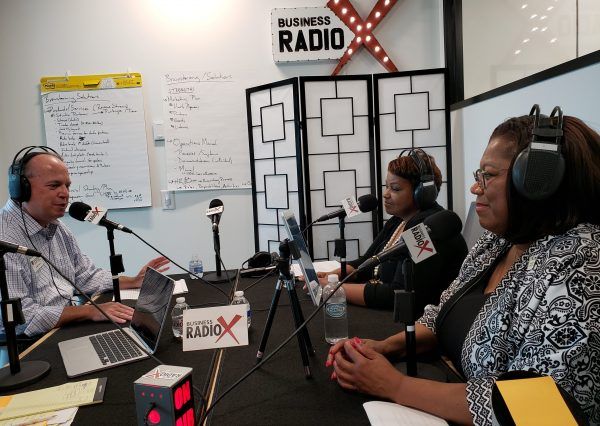
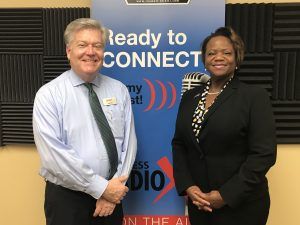
John Ray and Tracey Grace

“Alpharetta Tech Talk,” Episode 4:  Tracey Grace, IBEX IT Business Experts

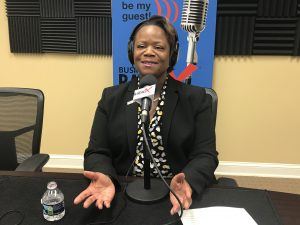
Tracey Grace’s company, IBEX IT Business Experts, has been on the Inc. 5000 list of fastest growth companies for two years running. Tracey joins “Alpharetta Tech Talk” to talk about her company’s journey, working with federal government and healthcare clients, and their newly developed diversity supplier software system. “Alpharetta Tech Talk” is hosted by John Ray and broadcast from the North Fulton Business RadioX® studio inside Renasant Bank in Alpharetta.

Tracey Grace, IBEX IT Business Experts
Tracey Grace IBEX IT Business Experts
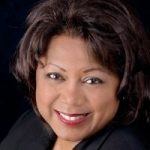
Tracey Grace

Tracey Grace is the Founder, President and CEO of IBEX IT Business Experts (IBEX) based in Sandy Springs, Georgia, and is a sought-after public speaker on Information Technology, Women in IT and diversity initiatives. She is originally from Morristown, New Jersey and attended the University of Pittsburgh where she received both her Bachelor’s in Economics and Master of Business Administration in Marketing. After a successful career in corporate America working for IT and consulting companies, Tracey started her own IT Services Firm with just one hospital system account.  In less than 8 years Tracey and Team IBEX has been nominated for and received numerous awards ranging from “Small Business Person of Excellence” from the Greater North Fulton (GA) Chamber of Commerce and the “On the Rise Contractor of the Year” National Award from American Express. In 2017, Tracey won the GMSDC “Eagle Award” for her commitment to Supplier Diversity, and an award in the Capital One Catapult Competition for the development of a Supplier Diversity Vendor Management System called “Certifiably Diverse” currently being utilized at the University of Pittsburgh Medical Center.  Forbes Magazine took notice and published an article in August of 2019;  Tracey Grace:  The Tech Sector needs more Women and Minorities.   In 2019, Owens & Minor, a Fortune 500 Company awarded Team IBEX the Earl G. Reubel Award for Diverse Enterprise of the Year and the Greater Women’s Business Council (GWBC) awarded Team IBEX with the LACE (Ladies Achieving Continuous Excellence) Trailblazer Award in Category III.

Tracey has been nominated to participate in leadership and diversity mentoring programs including the 2018 Goldman Sachs 10K Small Businesses program, and the Georgia Mentor Protégé Connection. Under her leadership in 2019, IBEX was named the 806th fastest growing privately-owned companies in America by Inc. 5000 and #50 in Georgia, after having placed #1897 in 2018. She regularly speaks to corporations large and small about utilizing minority suppliers and vendors in the procurement and purchasing process.

Today, IBEX has grown to 100 employees and is a Multi-Million Dollar IT Service & Support, Management Consulting, and Training Firm executing contracts for Healthcare, Military and Federal Government Agencies, Fortune 500 Companies and Educational Institutions.  The company is a proud Woman and Minority-owned firm, certified by the Small Business Administration, the National Minority Supplier Development Council, the Women’s Business Enterprise National Council, and the SBA 8(a) Business Development Program.

IBEX works with healthcare and government agencies including the US Army,  US Air Force, Defense Health Agency, National Aeronautics and Space Administration (NASA), Transportation Security Administration (TSA), General Services Administration (GSA), Centers for Disease Control (CDC), and Defense Threat Reduction Agency (DTRA). Corporate clients include:  The University of Pittsburgh Medical Center (UPMC), Tenet Healthcare, Cox Communications and Fulton County Schools.

Tracey and her husband Gary reside in Johns Creek, GA where they raised their family of 5 with only 1 left in college.  They spend their free time playing golf and tennis and serving on various boards focused on Adult Literacy and Advanced Degrees and Scholarship opportunities for Minority Students.

For more information on IBEX IT Business Experts, and in particular on their ITIL certification training, go to their website or call 678-752-7542.

IBEX IT Business Experts

“Alpharetta Tech Talk” is broadcast from the North Fulton studio of Business RadioX®, located inside Renasant Bank in Alpharetta. Renasant Bank has humble roots, starting in 1904 as a $100,000 bank in a Lee County, Mississippi, bakery. Since then, Renasant has grown to become one of the Southeast’s strongest financial institutions with approximately $12.9 billion in assets and more than 190 banking, lending, wealth management and financial services offices in Mississippi, Alabama, Tennessee, Georgia and Florida. All of Renasant’s success stems from each of their banker’s commitment to investing in their communities as a way of better understanding the people they serve. At Renasant Bank, they understand you because they work and live alongside you.

Tagged With: diversity suppliers, GA 400 technology, Greater Women's Business Council, healthcare information technology, Healthcare IT Services, hospital systems, IBEX IT, IBEX IT Business Experts, it services, IT training, ITIL, ITIL certification, management consulting, North Fulton technology, process improvement training, supplier diversity, supplier diversity council, Tech Alpharetta, Tech in Alpharetta, tech talk, technology GA 400, technology in Alpharetta, technology in Johns Creek, technology in North Fulton, Tracey Grace, Version 4 ITIL certification, Women In Technology, women in technology atlanta

GWBC Radio: Kathleen Marran and Debra Wilson with UPS

September 19, 2019 by angishields

GWBC-Feature-9-19
Atlanta Business Radio
GWBC Radio: Kathleen Marran and Debra Wilson with UPS
Loading
00:00 /
RSS Feed
Share
Link
Embed

Download file

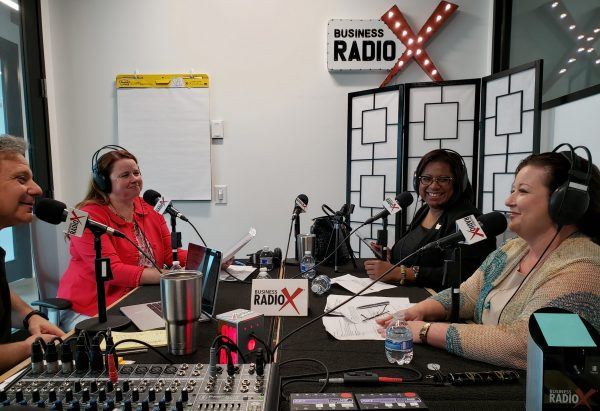
GWBC-Group-9-19

Kathleen Marran enjoys living in a world where people push themselves to experience life’s many diverse possibilities, expect more from each other, and help others reach their highest heights.

As UPS’s VP Marketing for Diverse Customer Segments, she draws upon her 25-plus years of experience in Marketing and Logistics optimizing UPS’s global Diversity and Inclusion efforts in order to be the logistics partner of choice for underserved, diverse owned & operated enterprises. With experience in launching products and campaigns, overseeing critical revenue plans, project management and leading marketing teams globally, she is primed to initiate and drive this new marketing division to mutually beneficial growth.

Her career has been fostered by the exposure to a myriad of business challenges and solutions and has benefited by living and working in cities in Asia, Europe and the US. She delights in supporting customers’ growth objectives in new and unique ways. Reward for her comes from the team members she has helped promote and develop, the charitable groups she has sponsored and confidence in her ability to adapt to changing situations and environments.

When she is not hard at work at UPS, you might find her with her high-school sweetheart husband traveling, cooking, volunteering, or supporting her alma maters (University of Georgia and University of South Carolina). If not there, she will be with Leadership Atlanta friends or Board colleagues of the Greater Women’s Business Council or the Girl Scouts of Greater Atlanta.

Her passions are in creating new experiences for herself and her teams wherever that may be while continuing to work on ways to advance the position of women in business, politics and society as whole.

Connect with Kathleen on LinkedIn.

Debra Wilson has been with UPS for 14 years and is currently the Director of Marketing for the Diverse customer Segment – a newly created role for UPS. Prior to this position, Debra held several roles in US Marketing and Marketing Research. Before joining UPS she worked for several family owned businesses, and eventually started her own business and was a UPS vendor.

Debra is a passionate leader dedicated to the ongoing development of individuals, teams, and herself to achieve effective partnerships and business results. She has taught 100’s of UPS employees as a trainer in UPS’s Global Marketing Capabilities courses and currently leads UPS’s Diversity Growth Council.

Debra is a lifelong learner and has been described as almost annoyingly curious. She enjoys cooking with her 17yr old son, reading, gardening, paddle boarding and walking her 2 dogs.

Connect with Debra on LinkedIn.

TRANSCRIPT

Intro: [00:00:02] Broadcasting live from the Business RadioX Studios in Atlanta, Georgia, it’s time for Atlanta Business Radio, spotlighting the city’s best businesses and the people who lead them.

Lee Kantor: [00:00:17] Lee Kantor here with Roz Lewis. Another episode of GWBC Radio. Roz, you have put together quite a crew today. But before we get too far into things, let’s recap a little bit for the folks who weren’t at the POP of that.

Roz Lewis: [00:00:32] What an exciting event.

Lee Kantor: [00:00:33] Right?

Roz Lewis: [00:00:33] Right? And more importantly, for the first time, we were broadcasting live-

Lee Kantor: [00:00:39] That’s right.

Roz Lewis: [00:00:39] … from this event with Business RadioX. So, it was so much fun. I know you all were exhausted. There’s been what?

Lee Kantor: [00:00:46] It was a long day for us.

Roz Lewis: [00:00:46] 18 interviews-

Lee Kantor: [00:00:46] Right.

Roz Lewis: [00:00:50] … with our women businesses, and corporate members, and attendees that were attending there. We have heard great things about, one, people love being on the radio.

Lee Kantor: [00:01:02] We’ve established that. But more importantly, the impact that that event had for all the members. We were just overwhelmed by the amount of folks that came through our studio there, kind of mobile studio, and told us how important GWBC was to them and their business, and the impact it’s made for them, for their community. It was a really inspiring event.

Roz Lewis: [00:01:23] Yeah, I think, always, what we try to do is engage our women businesses, giving them opportunity to meet with other corporate members, and also support other women businesses as well. And while they’re in that networking environment that they also walked away with a couple of nuggets of information that’s going to help them grow their business. So, we had several workshops as we did our radio show, the previous radio show on cash flow. Well, we had that as well along with wealth, how to grow your business through entrepreneurship, or how to grow wealth through entrepreneurship were some of the workshops that we had. And that keynote speaker-

Stone Payton: [00:02:06] Oh, she rocked it. I love that.

Roz Lewis: [00:02:08] Oh my gosh.

Stone Payton: [00:02:08] And I’ve seen a lot of keynote speakers in my time. She was fantastic.

Roz Lewis: [00:02:12] Yes. Well, you always try to get someone—people engaged especially after lunch, right?

Lee Kantor: [00:02:17] Right.

Roz Lewis: [00:02:17] So, people don’t go to sleep, but she was. She was active, engaging. So, if you thought you were coming into an event where you were going to be just a audience, participant, no, she got you engage into understanding how do you receive the apology. Get the apology you never received.

Lee Kantor: [00:02:38] Right.

Roz Lewis: [00:02:39] Right? Or accept the apology that you never received, so.

Lee Kantor: [00:02:41] Yeah, it was a great life lesson.

Roz Lewis: [00:02:43] Yes.

Lee Kantor: [00:02:44] And today’s show will be no different. There’ll be a lot of education inspiration happening here today. Who’d you bring with you?

Roz Lewis: [00:02:50] This morning, we brought Kat Marran, who’s Vice President, Diverse Customer Segments at UPS, and Debra Wilson. She’s the Director of Marketing, Diverse Customer Segments for UPS. And we’re gonna be talking a little bit about exporting, right, about the export business, because we do have an event coming up on the 18th of October on Women and Exporting. And what better company to give us information about that than UPS?

Lee Kantor: [00:03:22] Yeah, they might know a thing or two.

Roz Lewis: [00:03:24] Just a thing or two.

Lee Kantor: [00:03:26] So, who wants to kick it out? So you want talk about your roles at Diverse Customer Segment?

Kat Marran: [00:03:30] Sure. Good morning, everybody.

Lee Kantor: [00:03:34] Kat.

Kat Marran: [00:03:34] This is this is Kat Marran from UBS. Roz, it’s great to see you again this morning. Roz and I also share responsibility. I’m on the board of the GWBC. So, I get two hats today-

Lee Kantor: [00:03:45] Oh, wow!

Kat Marran: [00:03:45] … which is fun. So, I kind of feel like an entrepreneur too who has to wear multiple hats. I’ve got multiple on today. But my normal day job is one that supports women-owned businesses and diverse-owned businesses across the globe. And our objective is to find the solutions that make the most sense to help those businesses grow faster. And as they grow faster, the economics get better for the communities, which means, again, in a for-profit world, which is what I think many of us are are looking to improve upon, we actually see an uplift in employees. We see an uplift in brand management. We see an uplift in growth for everybody. So, we’re really excited about this segment that we own and that we learn from every single day by being on conference calls, by being in conferences, by talking to people like Roz, and all the other weebees that we have out there. It’s an exciting, dynamic space of innovation. And I’m very happy to have this role.

Lee Kantor: [00:04:43] Now, how did you get involved with the GWBC?

Kat Marran: [00:04:47] It’s a longstanding relationship that UPS has had, actually, with the GWBC and Roz, in particular. I’m not sure I’ve got all the years but I think 20 plus, if I’m not mistaken.

Lee Kantor: [00:04:56] Oh, wow!

Roz Lewis: [00:04:56] Yeah.

Kat Marran: [00:04:56] We were one of the-

Roz Lewis: [00:04:56] We’re coming up on 20 years.

Kat Marran: [00:04:56] We were one of the founding companies to help GWBC kind of start its mission. We did that through our Supplier Diversity Program in particular. So, how do we, as a good standing corporate partner, find innovation and business opportunities that exist out there and diverse-owned and women-owned businesses that can be our suppliers, so they help us to be successful every single day, and we believe that we help them be successful. And that happened through GWBC to a large extent.

Roz Lewis: [00:05:26] Yes. And, again, I want to thank UPS for taking that opportunity to support our organization and its growth. So, it was wonderful. It’s been a great relationship and experience, and they’re still here still.

Lee Kantor: [00:05:40] Still here 20 years later.

Roz Lewis: [00:05:41] Yes.

Kat Marran: [00:05:41] And we still put people on these radio programs to support.

Roz Lewis: [00:05:45] Yes.

Lee Kantor: [00:05:45] And keep showing up.

Roz Lewis: [00:05:45] Yes.

Lee Kantor: [00:05:47] So, now, when you look at the business opportunities globally, how is that—how do you even kind of a wrap your arms around that? That seems so large.

Kat Marran: [00:05:56] It is huge. Again, as UPS is pretty large, we do service 220 countries around the world. We do have solutions that fit any market that’s needed. But in recent years, there has certainly been an uptick in what societies, what cultures, and what governments, to some extent, want to do to help diverse communities strengthen their ability to grow and to create more business opportunities; and therefore, stabilize the market. So, when we look at it globally, there is a very vast difference on what diversity means around the globe.

Lee Kantor: [00:06:29] Like culturally in the different countries?

Kat Marran: [00:06:29] Yes, exactly. So, we don’t want to be presumptive in that. We don’t dictate what that is. We work within what’s defined by the communities and what the governments have started to support. And we try to align with that to offer things that cultivate what the culture is and what the governments are kind of putting out, which means, for the most part right now, the best place to do that is women-owned businesses globally. They are on the rise in tremendous numbers. And so, we have launched many programs outside of the US, as well as inside the US to support women exporters, in particular, because we firmly believe that if you can extend an opportunity to grow your business outside of your own community, you actually can grow far faster. We’ve seen stats that show that. So, we focus on women outside of the US to a large extent. In the US, we have a much larger diverse program as well on top of what we do for women-owned businesses.

Roz Lewis: [00:07:27] The line with some of the other corporations too, like Coca-Cola, has a 5by20 Initiative Program, meaning five million women businesses by the year 2020. And so, they are pretty much on track to achieving that. But it’s a great marketing, I think, initiative as well of how you increase your market. And so, the question I have is, is UPS working with some of those customers, corporate customers as well, to kind of bill that and align with it because I always say it’s good to partner, at times, in order to create that community of growth for women businesses?

Kat Marran: [00:08:07] So, you’re talking about, does UPS align with other large enterprises? So, we do. A few big ones that—I’ll move to both corporate and government. So, let’s start with, again, we have strong relationships with USAID. We signed a pretty large agreement with the US government earlier in this year to help fund a lot of infrastructure changes in global markets to help women businesses, in particular. We do that through an organization called SheTrades as well, which is part of part of the UN, and how it reaches out to developing markets.

Kat Marran: [00:08:39] In broader sense, from a corporation perspective, we are closely aligned with organizations such as WEConnect as well. So, WEConnect helps women-owned businesses, in particular, to find alternatives to find support outside of the US. So, whether it’s the legal needs when you expand and export, or you’re trying to build infrastructure to resources and labor, to marketing support in different languages that you might need if you’re starting to explore in different countries. So, we have connected with both the facilitators, with the government regulators, if you will, and we advocate on behalf of those things. We also are connected with other large companies like Delta, like BP, and some others that are doing supplier diversity efforts outside of the US. So, we can all learn from each other in a way that brings up all organizations in these space.

Lee Kantor: [00:09:32] Now, when you’re working with other large corporates, is it open where you’re like, what are you doing here with diversity? There’s some best practices that maybe we’re not aware of, or we’re doing this, this works. Are they open to those kind of conversations?

Kat Marran: [00:09:46] Everybody, it seems—my experience in this diversity and inclusion space is everybody seems to be very open to share what’s working, what’s not working. We—I won’t say we have a formal coalition of any kind, but we have an informal one with fellow board members from GWBC and other groups that my team circles in. I feel total confidence, if I picked up the phone, and said, “Hey, what is your company doing in this space, and how is it working, or what are the challenges? Internal, sometimes, through bureaucracies of big companies. And then, externally, how do you do that? And nobody has refused that call, and everybody has been very open. Debra, have you felt the same way when you’ve connected?

Debra Wilson: [00:10:22] Oh, absolutely. We’re in really good company. And there’s a lot of collaboration and partnership among the large corporations. But, also, in our work that we’re doing with the small and medium businesses too, there’s a partnership and a willingness to learn from one another, which I think is really exciting.

Lee Kantor: [00:10:38] Now, do you think that that collaboration is what is kind of allowing this acceleration of more and more female businesses to grow as rapidly? You think that that’s kind of adding fuel to this fire that it’s kind of expanding?

Kat Marran: [00:10:51] There is certainly, again, whether you—when you do the psychological studies of of what motivates women, you’ll find that a lot of it does kind of come back to collaboration, and teamwork, and a nurturing of each other, and, at least, a general philosophy of a rising tide rises all boats kind of philosophy. And so, I think that that is starting the momentum. I think it doesn’t preclude men from this conversation at all because, quite candidly, more men who hear the voices and bring their own to this equation too create that tide as well. So, I won’t say it’s absolutely exclusive, but I think what I’m starting to see is just the willingness to talk more openly about what drives us, what motivates us, what challenges us, and there’s more organizations out there than ever that are stepping in to kind of help feed gaps when we’ve identified them.

Lee Kantor: [00:11:40] Now, when you are talking to the small business owner in, let’s just say in America because we’re in America right now, is—like exporting, is that even on their radar a lot of the time? Is this something that maybe it’s—do you—you see it every day, and you’re like, “Everybody should be exporting. This is obvious to us.” Like, “Come on. What are they thinking?” But you see the person that’s in a market, they’re just out there battling in their own market, they can’t even see going outside the State sometimes, let alone internationally.

Debra Wilson: [00:12:10] It can be daunting, right? I mean, thinking about shipping your products outside of the US can be very complicated.

Lee Kantor: [00:12:16] Right. And forget about your product. What about the money coming back to me? Like that’s a whole other kind of can of worms.

Debra Wilson: [00:12:22] Yeah.

Roz Lewis: [00:12:22] So, the commerce, right?

Lee Kantor: [00:12:23] Right.

Roz Lewis: [00:12:23] The e-commerce of it.

Kat Marran: [00:12:24] Right.

Debra Wilson: [00:12:25] Right, absolutely.

Kat Marran: [00:12:26] When you look at it, I mean, part of the compelling, I think, point about revenue generation, for even the smaller businesses, is 95% of the world’s population exists outside of the US.

Lee Kantor: [00:12:37] Right.

Kat Marran: [00:12:38] 95% of it. So, it’s going to-

Stone Payton: [00:12:40] That’s important perspective that I think we should all regain from time to time.

Kat Marran: [00:12:43] Yes. So, as well as you might be doing in this market there, there’s obvious potential outside of the US to take advantage of. And the other piece of it is with e-commerce, and with just general globalization, and information that’s so free flowing, more and more companies, more and more people can find products anyplace in the world. That wasn’t necessarily true 20 years ago. So, if you only think about staying in your one physical market, you are limiting yourself and your customers are telling you this. We’ve got many tools, we’ve got many websites that we help our customers to even just show them how many times they get pinged from somebody else in another country who’s curious about their product. How do you actually, then, take advantage of that and fulfill that? They’re not as complicated as it has to be, but just the first recognition, the awareness is where we start is, there’s plenty of wonderful things to do outside of the US, and many people want to buy your stuff, so.

Debra Wilson: [00:13:40] Right. And then-

Kat Marran: [00:13:41] Everybody should be exporting, Lee. That’s the message.

Lee Kantor: [00:13:42] That’s the bottom line.

Roz Lewis: [00:13:43] But where do they start, right?

Lee Kantor: [00:13:45] Right. What is-

Roz Lewis: [00:13:45] Where does a small business start as far as that expanding. How far-

Lee Kantor: [00:13:52] Right.

Roz Lewis: [00:13:52] … should they extend? And what countries? If you think about it that you consider, I would say, safe harbors.

Lee Kantor: [00:13:59] Right. Some baby steps.

Debra Wilson: [00:14:00] Baby steps, absolutely. Yeah. So, the first most important thing is to understand your product, right? There’s a lot that goes into where you can sell your product, how you can ship your product. Fortunately, as complex as all of this is, there are a lot of really great tools and resources to help businesses learn about what it takes, right? You need to think about where you’re going to export to. Some people might be very adventurous and want to go to all of the countries that they can go to as they expand all of a sudden. Sometimes, it’s good to stay in your comfort zone initially, right? Find some countries where we have free trade agreements. You’ve got 20 countries to choose from. Work with company—work with countries where someone in your business can conduct business fluently in the language, and someplace where you have some idea about business customs and just customs in general. These are some of the things to help you get started.

Kat Marran: [00:14:54] Then, also, as indicated, there’s some really good web analytic tools out there as well. Simpleweb, I think is just one that’s not—it’s one of many, but they will quickly, for your website, just tell you, again, what’s happening outside of what you think is happening. And if you see that there is an uplift in a country that you hadn’t thought about before, then that’s your starting point too is to see just who’s naturally, organically coming your way in the first place. Debra indicated, obviously, some proactive things that you can look at but there’s also the reactive side too. More people are connecting and seeing what you are putting out there than you may realize.

Roz Lewis: [00:15:32] Wow. Well, given that, so you’re talking about the product, know your product, but do have to adapt my product in order for shipping or to go overseas because-

Lee Kantor: [00:15:45] Right, like having translation in a language.

Roz Lewis: [00:15:49] Right.

Kat Marran: [00:15:49] Again, there’s lots of alternatives to think through. I, actually, put a small plug in here for the US Commercial Services Group, which is a government agency that sole purpose is to help US businesses figure out what and where they should sell outside of the US. So, they are here to help you grow your business through opening up new markets. They have tons of information both on products that are viable in other markets, things that people want to buy in businesses that need those products that US companies make. But they also will tell you the restrictions on them. So, they’ll help you figure out what the compliance is in those countries.

Kat Marran: [00:16:29] We have tools as well that can help you figure out some of that, as well as the taxes, and the duties, and things that will be applicable. And there’s lots of other consulting organizations. Again, WEConnect is another who’s right there to help figure out as you step into this, whether you put your little toe in there, or whether you’re ready to actually build out facilities. There’s a whole myriad of steps that can happen in between. And I think, Roz, that it might seem overwhelming at first but know that there’s plenty of organizations who will come and help you figure out how to get through some of those.

Roz Lewis: [00:17:00] Well, that’s always good to know that you have access to those resources. I guess, they just go to the website and look that up. So, can you just repeat the name of that organization again, so that we can0—the listening audience will be able to, hopefully, tap into that resource. And then, there’s the Department of Economic Development. That’s also a Department of Commerce also because they do trade missions. And keep in mind, businesses, you can always go on trips with them to these countries that give you-

Kat Marran: [00:17:33] Often funded by the government-

Roz Lewis: [00:17:35] Right.

Kat Marran: [00:17:35] So, it’s not under your-

Roz Lewis: [00:17:36] Exactly.

Kat Marran: [00:17:36] … revenue pocket.

Debra Wilson: [00:17:37] Right, right. So, the organization that we partner with most frequently is the US Commercial Service when we’re working with small businesses here in Atlanta. They have a fantastic local office here. But the website that they’ve put together with unlimited educational materials and tools, one of my favorite tools is a market diversification tool where you can go in and look at your products that you’re shipping, and it will help you to identify some of the countries where it would be viable for you to expand to. But that website as export.gov. And a lot of really fantastic resources for all sizes of businesses.

Lee Kantor: [00:18:12] Can you share a story maybe of a small firm here in town or somebody that you personally dealt with or heard about that has dipped their toe in, and then had some level of success?

Debra Wilson: [00:18:25] Wow!

Lee Kantor: [00:18:26] You don’t have to name names but just like, “Oh, they were an apparel company, and they did this, and they’ve never done that.”

Kat Marran: [00:18:31] There’s many, again, that-

Lee Kantor: [00:18:33] Sure.

Kat Marran: [00:18:33] … go the exporting side. Some of them had to start first with thinking about just the basic nature of fulfillment. So, I’ve got an example of a—it’s a New York based company who creates flip flops.

Lee Kantor: [00:18:46] Okay.

Kat Marran: [00:18:47] And they were challenged with thinking-

Lee Kantor: [00:18:47] Not high tech. This is-

Kat Marran: [00:18:49] Not high tech. Yeah. So, it doesn’t always have-

Lee Kantor: [00:18:49] It could be anything, right?

Kat Marran: [00:18:52] It doesn’t always have—they’re cool flip flops.

Lee Kantor: [00:18:53] Right.

Debra Wilson: [00:18:53] They’re really nice flip flops.

Kat Marran: [00:18:56] They’re really nice flip flops, but it doesn’t have to be overly-

Roz Lewis: [00:18:58] [Indiscernible].

Kat Marran: [00:18:58] Yeah. And they’re sustainable. And, well, actually, they’re good stewards of the community as well. So, we were proud to work with them and solve, not only how they wanted to fulfill here because they were starting to get orders that were coming in fast and furious. And they had almost moved from the quintessential in their garage, and they were ready-

Lee Kantor: [00:19:18] Right.

Kat Marran: [00:19:18] … to start expanding. So, we helped them to figure out how they were going to fulfill, in general, and how they were going to get to more marketplaces to do that. So, some of our products, you know, something we call UPS eFulfillment gets you 21 marketplaces in one fell swoop. And it allowed them to boost their sales. Well, when the sales boosted, then they had to fulfill, and they didn’t want to have to put capital up. And so, they didn’t want to have to find warehouses around the country. Again, this is what our eFulfillment does. It allows, if they’re ready, to have the UPS environment store it in the warehouses across our country, and pick, and pack it, and get faster time in transit, and lets the flip flop company focus on flip flops-

Lee Kantor: [00:19:55] Right.

Kat Marran: [00:19:55] … as opposed to supply chain. Leave the supply chain, to some degree, to those of us who can work it better in different ways. So, as they were continuing to grow in the US, they caught the eye of international people as well who want these lovely flip flops. And so, then, they have that added challenge of, “Where do we go next? How do we do that?” So, we have, again, information tools. We have contacts through the US Commercial Services Group and WEConnect, and we put them in contact with how to find those right markets and for them to grow faster by getting into them. And then, we help them fulfill it, so they didn’t have to put the capital into the countries they wanted to fulfill.

Kat Marran: [00:20:31] I believe they started first in—they actually started, I think, in a few Asian markets. I think the Chinese were actually looking at there, which is not necessarily always the norm. Sometimes, you start in language.

Lee Kantor: [00:20:43] Maybe language can be like you’re selling to people that speak the same language.

Kat Marran: [00:20:45] Yeah. If your website is in English, oftentimes, you’ll find it easier for other people around the country or around the globe to find you first in English. So, you see an uptick, obviously, in Canadian buyers, and UK, and Australia, et cetera, but that doesn’t preclude the rest of the world who clearly also studies English-

Lee Kantor: [00:21:00] Sure.

Kat Marran: [00:21:00] … and can figure out a website what a flip flop looks like.

Lee Kantor: [00:21:02] Right, actually.

Kat Marran: [00:21:03] So, they were getting pinged by other countries a lot. And they-

Lee Kantor: [00:21:08] That’s where the analytics where you can start saying, “Wow! There’s a lot of people in Japan that seems to be, at least, going to our website.”

Kat Marran: [00:21:16] Correct. So, how do we want to do that?

Lee Kantor: [00:21:17] Right.

Kat Marran: [00:21:18] How on earth do I, then, do this? So, with some tools that we’ve got that allowed them them to figure out how to predict what was going to be the duty and tax, so that their consumer would have the information upfront, we help them to revise their website. So, although it may not have been in every language around the globe, it, at least, took into account the internationalization of the duty and tax of the exchange rates, et cetera, so that it made it so far so much easier for them to communicate what they needed too to their buyers. So, they’ve seen an uptick, obviously, in their international growth. They’re very happy with both their business, and, quite honestly, they’re happy with the relationship they have with us. So, just one example for sure.

Lee Kantor: [00:22:00] But that’s where UPS is really partnering with them? Like they didn’t have to hire a supply chain guru. They just called UPS, and somebody, a human being, help kind of work-

Kat Marran: [00:22:10] The human being can help. If you’re not ready for the human being and the intensity that we bring, sometimes, we actually have on ups.com, there’s a knowledge center that we have as well. And if you’re a small business or in whatever industry, there’s both articles and things that we put out that help give better guidance on what fulfillment means, what it doesn’t mean, what marketplaces are, what they aren’t, how they help you, how you need to watch. And then, at the same time, there’s places where you can say, “And I need help.” So, if you put your information in, then we can set up either a a free 15-minute consultation with somebody who can help you with whatever is your solution you’re looking for.

Lee Kantor: [00:22:44] Because you don’t know what you don’t know.

Kat Marran: [00:22:45] Correct. Just come ask the question.

Lee Kantor: [00:22:46] Like this is uncharted territory, right.

Roz Lewis: [00:22:48] But that also saves then if you think about it,.

Lee Kantor: [00:22:50] Right.

Roz Lewis: [00:22:50] They’re not paying—they’re not having to worry about funding a warehouse. There is on at-needed basis. So, to me, it’s a great just-in-time system throughout the supply chain and more cost effective to sell those, the jewel.

Lee Kantor: [00:23:09] Right.

Roz Lewis: [00:23:09] … flip flops.

Lee Kantor: [00:23:10] Sustainable-

Roz Lewis: [00:23:11] Sustainable-.

Lee Kantor: [00:23:11] … flip flop.

Roz Lewis: [00:23:13] … flip flops.

Lee Kantor: [00:23:13] And it’s kind of an honest broker. It’s not somebody with an agenda that is—might—there’s a lot of people that are not—I wouldn’t say disreputable. There’s people out there that may not have the best interests of this mom-and-pop flip flop company at heart. And you know that with UPS, you’re giving somebody that’s a trusted resource.

Kat Marran: [00:23:32] A trusted brand, we hope. I think that that’s a valid point. So, I guess our best suggestion is go find organizations that legitimately are looking to help you.

Lee Kantor: [00:23:41] Right.

Kat Marran: [00:23:41] Now, certainly, we do believe that we are the best in the business when it comes to logistics and supply chain solutions, but we know that there are other partners out there. So, we bring in other solutions that may not have been readily available to you.

Lee Kantor: [00:23:54] Right.

Kat Marran: [00:23:54] So, we have partners that help our customers create revenue. Although I am a marketer, this is not my company’s core. We don’t sell marketing products. We sell transportation logistics.

Lee Kantor: [00:24:05] Right.

Kat Marran: [00:24:05] But guess what? We have contacts because we can leverage our assets, if you will, to bring in other partners. So, whether it’s the net elixirs of the world or search engine optimization companies, we can—we have mechanisms by which we provide those to our customers, so that they have another third party they can trust to go to, to develop what they need to develop. So, if it’s not what you want from your UPS directly in terms of moving package from A to B, or putting it on a boat coming in from China as your source, we still have other things that you can leverage from us is the point.

Debra Wilson: [00:24:40] If we’ve done our job well, we walk away from some of these conversations with businesses saying, “Hey, I didn’t know UPS could help me figure that out.”

Lee Kantor: [00:24:47] Right. But from marketing in the same way, that must be frustrating because you want them to know all the stuff that you offer. Price is a double-edged sword.

Kat Marran: [00:24:54] Right. Someday, someday. But—and I don’t want to wax philosophical but I think as I started the conversation, and Debra and I take this to heart, there is something very compelling and something very rewarding about finding a way to have any business be able to find greater strength and growth. Would I love them to be a diehard UPS user? Absolutely, but you know what, at the same time, if I’ve found a way to make them happy, they’ll eventually come back-

Lee Kantor: [00:25:19] Right.

Kat Marran: [00:25:19] … and have a conversation with us, or they’ll advocate for us in another way indirectly.

Lee Kantor: [00:25:24] Sure.

Kat Marran: [00:25:24] And I can live with that because I think that that’s a positive way for us to look at diversity and inclusion as well.

Roz Lewis: [00:25:30] It’s also a way of paying it forward, right? And so, it always comes back or circles back to you. And women are loyal. They’re loyal to those corporations and companies that support them. So, I think, having this information. So, what I might take away from this just now is basically, UPS is also in the business of growing other businesses, right? And marketing that as well of saying, “We are looking at you in totality, not just as a shipping customer.”.

Debra Wilson: [00:26:05] Right. Our partnerships are with companies as suppliers to UPS, as customers of UPS. I mean, at some point, even if you’re not doing business with us right now, we hire a lot of people as well. And so, having those business relationships and helping grow the businesses that are strengthening the communities that we’re in provides us better access to really qualified employees who can help us continue to do the work that we do.

Kat Marran: [00:26:32] It’s mutually beneficial to see, again, economic uplift by small and medium businesses. So, even the big companies out there, I think, more and more frequently, are recognizing this and doing something about it. So, we’re not just talking about it anymore. I think we’re actually putting practical solutions out there in a more direct and more intentional way that we have in the past.

Lee Kantor: [00:26:53] Now, are you seeing more and more companies kind of take the leap into exporting? Like is that something a trend that you’re seeing more and more of, or is it flat? Like, where is it right now?

Kat Marran: [00:27:04] The export market is on the rise in general. And I say that over a probably a five or seven-year period. With that said, the last year and a half has been a little bit of a challenge-

Lee Kantor: [00:27:15] A little whacked. A little whacked.

Kat Marran: [00:27:15] … to say the least.

Roz Lewis: [00:27:15] What do you think could have contributed to that?

Kat Marran: [00:27:18] There’s a lot of conversations, obviously, about the globalization, and trade, and certainly policies. So, the short answer is I think we’re seeing a little bit of a dip because there’s some concerns about what that really looks like. And not telling everybody on the radio what they already know, but when you’re trying to make your margins hold true and as tight as you can, and, all of a sudden, you have a supplier who’s got to pay a very different tax scenario than they used to because the policies have changed in whatever direction by whatever country-

Lee Kantor: [00:27:50] Right.

Kat Marran: [00:27:50] … it’s a major impact to you. So, companies like us are, at least, aware of that. So, we are starting to see more conversations about, how do I export to the right markets? So, again, some of the support we give is although this might be a lucrative market, maybe this is not the time perhaps-

Lee Kantor: [00:28:07] Right, the timing of it.

Kat Marran: [00:28:07] … to find another one. And the inbound is just as important to look at. So, as more and more companies, regardless of size, are sourcing outside of the US, because it’s smart to do, it’s economically viable to do, some of that is closing a little bit and tightening. And as a company who’s thinking about it is always trying to be flexible about where they can find those suppliers too. So, some of the things that the US Commercial Services does as well, and we help where we can, is if your supplier base outside of the US has kind of dried up for cost reasons, where else can you go? Where is another viable supplier to you maybe in another market that’s not currently having the same policy change or tax scenario? And having that flexibility to figure out how to do that is really critical to keep a company alive.

Lee Kantor: [00:28:53] And the uncertainty is what? Small business, they don’t like uncertainty. Everybody wants as much kind of understanding the lay of the land as possible. And when it’s turbulent, it just makes it difficult.

Kat Marran: [00:29:05] Indeed. Indeed. I think all businesses face that, whether it’s in fuel prices that-

Lee Kantor: [00:29:11] Right.

Kat Marran: [00:29:11] … we’re seeing these days. I mean, when you fly a fleet that’s as big as ours, 13th largest in the globe, yeah, you don’t like the uncertainty.

Lee Kantor: [00:29:19] You pay attention to that, right.

Kat Marran: [00:29:19] You pay attention to all kinds of uncertainty. So, it’s not missed on companies like ours that when you put it down to the micro levels too that it’s highly impactful for continuity.

Lee Kantor: [00:29:28] Right. And people don’t realize kind of when one domino falls, kind of the ramifications of that foir dominoes away from that.

Kat Marran: [00:29:36] Absolutely right. It’s trying to predict and plan for that too. And we often talk about if you don’t plan, and you don’t forecast, and you don’t measure it, then, obviously, you’re not going to move the mark where you need to. But in a time of uncertainty, it really gets even more complicated to forecast. So, having abilities to see what is going on in your business is also important. So, if I can take this just along that path for a second, we are big at UPS about data, and we are big about dashboards. We talk about them all the time. I’m sure many of you guys out there have thought about your business dashboards too. And it all comes down to the data that you have that drives that, so that you can, as close to real time, see the impacts that are happening to you. And therefore, be able to pivot and move as quickly as you can.

Kat Marran: [00:30:22] And in the supply chain, that’s really critical, especially when we come to trade, and we come to fuel prices, and everything else. It’s, how do you know what’s about to hit you as a small business? If you can see that even a day or two in advance, you can adjust for it. You can’t fix the past. So, dashboards and tools that are available to you, you should seek out. And again, where we can help, we’re happy to try and build those with you.

Lee Kantor: [00:30:45] Now, a company that’s thinking about exporting, is that something that if they partner with UPS, they have access to some of those tools for themselves, so they don’t have to go, and invest, and create these kind of tools for themselves-

Kat Marran: [00:30:58] Absolutely.

Lee Kantor: [00:30:58] … and their export business?

Kat Marran: [00:30:59] Absolutely. And what we’ve just launched in the last few months, after a lot of years of learning with our consumers, we have something that we call My Choice for consumers. It’s where it started. And it was giving them visibility. Hopefully, many people have used that. But we’ve now advanced that into the B2B world. So, it’s My Choice for business. And it does, it allows you to see real time what’s coming into you, how that’s coming in. It helps you to figure out your inventories and maybe your finances relative to your ordering process. And then, it figures out with you your outbound and where that’s going to play. And if we close this whole circle on e-commerce, most companies have to have a solution of returns of some kind. And if you have that ability, you can see what’s coming your way, and going out, and the whole full circle. That’s an easy downloadable program by UPS. It’s a simple registration. My Choice for business, see if it works for you. It’s ready and available.

Roz Lewis: [00:31:57] Well, I really don’t think—I’m a proponent of not reinventing the wheel. And when you have resources such as UPS, and granted, the listening audience, yes, you have other options out there, but why not make sure you’re focusing on what’s core to your business and leave that type of information to the experts who do this day in and day out and partner with them on that? And how do we encourage more small businesses to utilize these products and services?

Debra Wilson: [00:32:34] Right. That’s what we like to say, right? Let us be the trade compliance and customs experts, so you don’t have to be. You’re running your business every day, you’re doing business development, you’re training your people, you’re hiring your people, you’re looking for suppliers. Let us solve those complicated problems for you. One of the ways that we’re helping small businesses to explore their export opportunities, and if they’re already doing it, get better at it, get more efficient at it, is through a series of workshops.

Debra Wilson: [00:33:01] I don’t know if you want to talk about the one that we have coming up soon. You mentioned it just a bit earlier in the beginning, but we’re putting together a growth workshop for small businesses. And this is one of the workshops that we’ve done in several parts of the country, but we’re particularly fond of our Atlanta area partners in the GWBC. So, we have the honor of hosting this group at our beautiful corporate offices. So, it’ll be a lot of fun.

Debra Wilson: [00:33:24] It’s Friday, October 18th. It’s 9:30 in the morning until 3:30 in the afternoon. And this is intended to be a growth workshop for those businesses who have a product that they’re interested in exporting. And so, the agenda is broader than exporting. It’s going to include facilitated sessions with our subject matter experts on knowing your customer, finding the right marketplace partner, understanding your supply chain, and also gaining access to capital. So, in addition to getting to spend some time with our subject matter experts, and to ask your questions, and to network with one another, I think you’ll also find that you’ll get to spend the day with a whole lot of really great people.

Lee Kantor: [00:34:06] Now, are these first time exporters? Are they veteran? Like who’s invited?

Debra Wilson: [00:34:10] You can—yeah, you can be what we call the accidental exporter, right? You’ve got an order on your website, and, all of a sudden, you’re trying to figure out how to ship to Mexico.

Lee Kantor: [00:34:19] Does that happen? That must happen all the time.

Debra Wilson: [00:34:21] Oh, it happens all the time. It happens all the time.

Lee Kantor: [00:34:23] So, what do they do? Because that’s the thing-

Roz Lewis: [00:34:26] They call you, don’t they?

Stone Payton: [00:34:26] Oh, right.

Debra Wilson: [00:34:26] They muddle-

Roz Lewis: [00:34:26] They call UPS.

Debra Wilson: [00:34:26] They muddle through. If you get lucky, it’s a good experience for you and your customer. More often than not, it’s a little bumpy for you and your customer. And that’s an area where we can help you get more intentional about preparing yourself to be able to do that, to accept orders, but also be more intentional about marketing. That’s-

Lee Kantor: [00:34:46] Because that’s the—in this online world, and you have a website, and you sell something, and the internet is the world, so anybody can access it from anywhere. And then, they go to your website, and they’re from another country, and they’re like, “Send me your widget,” and you’re like, “Huh?” Like, where-

Roz Lewis: [00:35:01] Now, what do I do?

Kat Marran: [00:35:03] Yeah. And unfortunately, a lot of times, you—we find that companies say no. They have to turn it down because-

Lee Kantor: [00:35:08] They say no?

Kat Marran: [00:35:08] They say no because they don’t know what to do.

Lee Kantor: [00:35:10] Wow!

Kat Marran: [00:35:11] You have another set, to Debra’s point, who will try. And maybe they don’t know how to fill out the customs document properly, so the product gets stuck-

Lee Kantor: [00:35:19] Right.

Kat Marran: [00:35:19] … or gets returned back to the US. And so, not only did you spend a lot of money to get it there, your customer didn’t even get it.

Lee Kantor: [00:35:25] And they’re mad, right.

Kat Marran: [00:35:25] And then, they’re mad, and they’ve gone someplace else. So, what Debra is trying to describe too is this—this is an opportunity for those to take that surprise moment out of the small and medium businesses, so that when they see that order from Mexico, they’re like, “Yes. Now, we know what to do.” And even if it’s not an intentional marketing campaign for them, at least, they can respond in a way that still keeps the revenue and profit moving.

Lee Kantor: [00:35:48] Right.

Kat Marran: [00:35:48] But we are glad to support anybody who’s moving up from that phase too-

Lee Kantor: [00:35:52] Right.

Kat Marran: [00:35:53] … and is wanting to be more intentional about this, and find more markets, and actually create growth strategies around it.

Lee Kantor: [00:35:59] Right. So, you’re not the accidental exporter.

Kat Marran: [00:36:02] Correct.

Debra Wilson: [00:36:03] Exactly.

Kat Marran: [00:36:03] Accidents happen.

Lee Kantor: [00:36:05] Right.

Kat Marran: [00:36:05] But you try the next time to-

Lee Kantor: [00:36:07] To kind of plan for it.

Kat Marran: [00:36:07] To keep them from being detrimental.

Lee Kantor: [00:36:09] Isn’t it ironic though? They have a website. I guess they don’t think like this is the world. Like they think their website is just for them or the people around them, but it’s the world. Every time you put something out there, the world can find it. And then—so, it’s just surprising that if they would do some sort of an online marketplace, they would think like, “Oh, no one’s going to order from outside of the country.” Like it wouldn’t—and so, they would be surprised, but I guess that happens.

Kat Marran: [00:36:34] It does happen.

Debra Wilson: [00:36:35] And some companies will be intentional in saying on their site, “We can’t ship outside of the US,” because they haven’t figured out how to do it. Maybe it’s—they haven’t figured-

Lee Kantor: [00:36:43] Right.

Debra Wilson: [00:36:43] … out how to do it cost effectively, or how to ship their products to protect them, or how to get them there in a timely manner. And these are all things that we can help businesses who are just starting to think about this do and people who are already doing it do it better and more efficiently.

Lee Kantor: [00:36:59] Right, because that’s a clue. Like if somebody from outside the country wants your stuff, that—it’s hard to get customer [indiscernible]. So, it’s—you know.

Kat Marran: [00:37:07] It’s hard. So-

Lee Kantor: [00:37:07] So, you got a customer outside, it’s like, “Hey, there might be other ones out there too.”

Kat Marran: [00:37:11] Well, especially—and I talk a lot about this when I meet with women-owned businesses and other diverse—actually, all small businesses quite candidly, is where do I find more companies or customers who want to buy my things, and how do I compete with the big guys out there who are dominating in lots of ways because they can? How do I compete with that? Well, one of those pieces is, we would argue, is don’t miss out on a market that’s untapped for you first and foremost. So, it may not be in your backyard anymore. It may be someplace overseas.

Lee Kantor: [00:37:41] Right.

Roz Lewis: [00:37:41] Well, we just said, right, 95% of the population is outside of the US, not inside the US. So, it would almost behoove small businesses to really seriously consider and think about, especially with online capabilities of how do you target that customer outside of the US.

Debra Wilson: [00:38:03] And customers outside of the US will to buy products from US companies. We’re known for the quality of our products. We’re known for the uniqueness of our products.

Lee Kantor: [00:38:12] Right.

Debra Wilson: [00:38:12] But we’re also known for creating products that are going to be healthy, and safe, and sustainably produced. And that’s very appealing to to consumers outside the US and businesses outside the US.

Lee Kantor: [00:38:22] Now, what-

Kat Marran: [00:38:22] Especially a growing millennial market outside the US too-

Debra Wilson: [00:38:25] Right.

Kat Marran: [00:38:25] … because that 95% includes an awful lot of younger people who, to Debra’s point, have different views on what’s the value proposition of a product these days. And it may be more than the actual product itself. It may be all the other pieces surrounding it. So, there’s markets to be explored.

Lee Kantor: [00:38:42] Now, Roz, we kind of promoted this episode throughout social media, and we have somebody from the audience, I think, that has asked a question-

Roz Lewis: [00:38:53] Yes.

Lee Kantor: [00:38:53] … because I knew that some gurus of exporting were going to be in the room here today.

Roz Lewis: [00:38:57] Yes, we do. And this is coming off of Facebook. And this is one of the questions from Julie Weldon. And that is, what are some of the pitfalls to be aware of in exporting? And there’s actually a two-part question. And what are some of the tactical steps, or tools, resources a business owner can take use when considering exporting?

Debra Wilson: [00:39:24] I know a really great workshop you can come to.

Lee Kantor: [00:39:26] But she’s outside. We got the pleasure to interview her at the POP event, and she’s outside of Georgia, but she should come because it’s open to everybody.

Kat Marran: [00:39:38] It’s just a short jaunt from North Carolina. We gladly welcome—we’ll gladly have them come into it. This is not exclusive.

Lee Kantor: [00:39:44] All right, [crosstalk]. Peer pressure for her.

Kat Marran: [00:39:46] But in answer to her broader question—I’m sorry, Debra. In answer to her broader question, some of the pitfalls, I think we’ve covered a few of them, but just to kind of re-emphasize a few of them. Number one, knowing whether or not your product is legally viable for another country is, I think, one of the key points first. And again, using sources like the US Commercial Services to confirm that. We find that, sometimes, with all the the goodness that happens online, people stumble into some things that cause them longer-term challenges when they send something they shouldn’t be.

Kat Marran: [00:40:19] And then, the other pitfall is once you know that you can do it, it’s how do you do it? And there are smarter ways to do it because you can’t avoid duty in taxes. You do not want to do that. None of us want to see that happen because it’s a bad customer experience across the board. The product doesn’t get where it’s supposed to be. You get charged more, or there’s fees that can be involved, et cetera.

Kat Marran: [00:40:41] So, learning about these things upfront is the smartest thing that you can do to mitigate all of those risks as you think about exporting because the pitfalls on a tactical level can happen really quickly. Long-term strategy is about actually figuring out how far you want to grow and how you want to create new sales opportunities, and warehousing, and things like that are much larger conversations but, again, there’s resources, like WEConnect who can take companies who are ready to go do those things as well.

Lee Kantor: [00:41:10] And this is one of those things where these are some unknowns for these people that have never done it before. And it sounds like that’s a lot, or it’s hard, or there’s penalty. Like there could be fear around it. But once you have some trusted partners, and you kind of get your systems down, then it’s just normal business. There’s a learning curve, but once you get through it, the payoff could be huge.

Kat Marran: [00:41:31] It should be huge. And again, you’re right. Like anything, you’ve got to dabble and learn a little bit.

Lee Kantor: [00:41:36] Right.

Kat Marran: [00:41:37] And maybe you revert, and fix, and then go forward. But with the right solutions, with the right support, you can certainly get through all and any of that pain. Most companies who are growing faster and, in fact, we show that women, women businesses who are exporting, actually, they produce higher than women, businesses who don’t. They hire more people than women business that don’t because they’re growing faster. They provide higher wages for their employees when they do this. So, there is, again, a halo effect of forcing yourself to learn what you need to learn because, again, it, hopefully, suits not only your growth objectives, but it also supports maybe your principles of what you want to be as an economic stimulator too.

Lee Kantor: [00:42:18] Right. And the payoff is so high that the risk reward is so in the favor of reward for taking the leap, I think. Just go for it.

Kat Marran: [00:42:28] Go for it. You don’t have to go by yourself.

Lee Kantor: [00:42:30] Right.

Kat Marran: [00:42:31] Come with us. We’ll be okay. Or go with somebody. Again, there’s other support factors out there that will take this from being something daunting to something that is, sometimes, really fun.

Lee Kantor: [00:42:43] Right.

Kat Marran: [00:42:44] You get to open up a new communication with people around the globe.

Lee Kantor: [00:42:46] Around the world, right.

Kat Marran: [00:42:47] And they give you new insights as to what they want to see from you. And I got to imagine that with the creative people that we’ve got on the phone and who want to do new things in innovation, it isn’t just limited to the US market by any stretch.

Roz Lewis: [00:43:02] Well, almost, the question is, too, how much education you will you need to have about these other countries and knowing what’s happening in there> Because there’s so many things that can impact your business when it comes to exporting. And I know we’ve been talking about exporting, but even importing. So, Debra, what happens? What is it that I need to know as a business owner, or how far do I—can I just rely on my transportation partner?

Debra Wilson: [00:43:36] You need to do your research, right? So, this is not an area where you want to fly by the seat of your pants, right? You want to plan in order to be successful. When I’ve worked with small businesses who are kind of looking at taking the first steps, I always recommend going to export.gov. They have some really fantastic tools that I’ve mentioned before. One of the tools that I really like is the—it’s called the market diversification tool that I mentioned earlier. That’s your starting point for thinking about, “Okay, you know what, I’m gonna look at Canada, Mexico, and Australia.” Well, then you can find market guides specific to each of those countries that, then, will help you dig into what the rules and regulations are, and what the barriers might be, and what the considerations would be for your product. And then, it just helps you create that very intentional pathway and strategy to say, “This is what I’m I’m gonna do next and how I’m gonna go about doing it.” And it helps you avoid some of those pitfalls.

Lee Kantor: [00:44:29] And then, each—no matter what the person is selling, there’s going to be different kind of challenges associated, right? So, an apparel company might have a different challenge than a manufacturing company that might have a different challenge than a high-tech company, right? There are different rules and different kind of pitfalls that each one of those provide. But when you go to those kind of governmental resources or UPS, you can kind of help them stay within the lanes of whatever it is.

Kat Marran: [00:44:56] Correct. Whatever compliance is necessary.

Lee Kantor: [00:44:58] Right, because all different, right?

Kat Marran: [00:44:58] They can be very different. I think, with the amount of emphasis that we’ve placed over the years on learning more about the total industries and what’s happening in there, we monitor the trends, whether it’s health care or high tech and the subsegments below them. What is actually going to be an advantage for companies as they trade? And what’s going to be the disadvantages, or what’s going to be the challenges and the changes? And to the degree that we can—we bring those forward to our customers, we’re doing a better and better job of forecasting them ourselves, so that we can be that consultant if you want to think about that to our own customers to say, “Watch out for this. This is coming your way.” So, even if you started down a path, and you feel really comfortable, things change, right?

Lee Kantor: [00:45:42] Right.

Kat Marran: [00:45:42] So, watching the politics, watching the physical side, I mean, for goodness sakes, even watching weather, you wouldn’t maybe believe it, and if anybody ever comes to Louisville to visit us at UPS< we'll show you our huge meteorological society that we have in there because you got to imagine, when you're moving aircraft and vehicles- Lee Kantor: [00:45:59] You got to know where the hurricane is. Kat Marran: [00:46:00] ... you got to know where the hurricanes are coming and how you- Roz Lewis: [00:46:03] Right. Kat Marran: [00:46:03] ...how you continue to do it. And maybe some of you in different places have even seen our package cars and the flight still moving when others aren't. And that's because we know how to work the network well. Same thing happens in small businesses. Predictability, figuring out what you can identify ahead of time is far smarter. So, you have consultants, you have advisors through UPS who help to do that by industry, by geo, and by product to some degree. Lee Kantor: [00:46:31] Now, Roz, having relationships with UPS and these other corporate partners that you have really gives the small and midsize business owner, the members of GWBC kind of a leg up. It's almost kind of a secret weapons to help them grow. Roz Lewis: [00:46:47] It is. And more importantly, even though you're small, and these are for, I would say, the women businesses who are certified through our organization, and I'm going to put in a plug, we offer a discount on the shipping that is available. So, you may not be that large corporate customer for UPS, but it still doesn't mean you can't take advantage and utilize how you increase your gross margin, right, on your products or services that you're shipping. And so, we encourage you to do that. And that's one of the reasons when we were talking about this subject and knowing that this was coming up that we wanted to expand this opportunity for people to get more insight as to what all that UPS does. And granted, they market themselves as logistics, but what does that mean- Lee Kantor: [00:47:42] Right. Roz Lewis: [00:47:42] ... because it's so broad, right? Lee Kantor: [00:47:44] Right. Because if you're a flip flop company, like what does—how does that pertain? But then, you realize it pertains in lots of ways that you may not have even guessed could occur. And then, once you have conversations, and, all of a sudden, that leads to more or more opportunity. Roz Lewis: [00:47:59] Right. But if you think about it, we're always shipping. Lee Kantor: [00:48:01] Right. Roz Lewis: [00:48:02] Whether it's for business or for personal. Lee Kantor: [00:48:03] It's common. You are going away from- Roz Lewis: [00:48:05] Right, We're always moving a product somewhere. And. of course, the holidays are coming up. And so, that is just going to be overload. I love it when they do, "This is the last day that you're going to be able to ship—" Lee Kantor: [00:48:19] If you want it there. Roz Lewis: [00:48:19] "... if you want it there on Christmas Day," right? Or any of those holidays, you got to realize that you do have to plan ahead in order to get that. And that's a supply chain effect as well. But I think more importantly, I've learned so much more on the inside of what they do, what they offer. And I think that, to me, is the broader message of all the tools and resources that you, as a small business, don't have to have, but it's a plethora of opportunities for you to gain that assistance in order to move that product outside of the US to the over 95% of population- Lee Kantor: [00:49:04] Of the rest of the world, right. Roz Lewis: [00:49:04] ... and to the rest of the world. So, see, man, yes, you're a customer here in the US, but also think about and plan of how you can gain additional customers. Lee Kantor: [00:49:15] Right. It's a big world out there, and think big, aim high, right? Roz Lewis: [00:49:19] It is. Also, it's generative, right? If you think about it, Kat mentioned earlier, we talk about millennials and how they are cause-driven and looking to be more engaged, but their online buying is growing, of course, as a market. Well, guess what? It has to get to me, right? So, it's not that I'm going in the store and picking up, but even then, they've got to ship the product. They've got to even get it to the stores. So, I just think that's an opportunity there as well for them to look at how do they utilize a company like UPS to help improve their shipping to their customers. Kat Marran: [00:50:02] A really quick short thing that can be done by anybody is take the time, take 10 or 15 minutes in your business, and get a piece of paper in front of you, as best as you can, draw the globe, draw the US where you wanted to be and the other countries around the world, and just map out. We call it supply chain map. Just map out how your products are created, how they move, how your customers need to return them, and then overlay on top of the physical movement. Think about the information that you need. So, how do you think about the information from your suppliers to your customers, and then back around? And then, how, quite honestly, does the money move? If you think about just those three things in your supply chain - goods, funds and information - and you draw it on in piece paper, you're going to find places where you've got weak spots. And as you do that, you can solve for them. And so, that kind of mapping session you can do on your own or, again, we have people who can certainly help to do that, including Debra myself. Debra Wilson: [00:51:00] And you can come do it at the workshop on October 18th. Lee Kantor: [00:51:02] That's right. Kat Marran: [00:51:02] Final plug. Roz Lewis: [00:51:03] When is that workshop again? Debra Wilson: [00:51:05] That would be Friday, October 18th. Roz Lewis: [00:51:07] At UPS- Lee Kantor: [00:51:08] UPS. Debra Wilson: [00:51:08] At UPS. Roz Lewis: [00:51:08] ... headquarters. Debra Wilson: [00:51:11] And there'll be more information available about that and how to register on the GWBC website very shortly. So, be looking out for that. Lee Kantor: [00:51:18] And that's one of those things where the opportunity is there. It's there for you to take if you want it. And there's information and people who want to help you be successful. So, I mean, it's silly not to, at least, explore it at the minimum. And earlier, you mentioned that the analytics on your website can give you some clues. Like if there's a lot of people from another country hit your website, you may want to consider trying to sell something, right? Roz Lewis: [00:51:44] Agreed. Lee Kantor: [00:51:46] So, now, Roz, if somebody wanted to learn more about GWBC, some of the events like this, what's the coordinates? Roz Lewis: [00:51:52] Well, we always encourage you to visit our website at gwbc.biz. And more importantly, go to our calendar page because on our calendar page, it's going to show you some of the events of programs that we will be hosting such as the one this on October 18th, right? The UPS on exporting. But if—whatever you have on your schedule, if you can move it, I would encourage you to change it and come to this event. Roz Lewis: [00:52:23] We also have another event that's coming up on Monday, Cash is Queen. Once again, we want to talk about and really deep diving into those financials for you because that is key. That is important. In other words, you've got to have cash flow in order to be able to export those products or services, export those products. So, that. And more importantly, along with aside from your other homework that you just got from Kat of looking at a global map and outlining that supply chain effect, and you mentioned something else tied to this Cash is Queen is currency. So, that might be another segment that, Lee, we need to talk about- Lee Kantor: [00:53:05] Right, to learn about that. Roz Lewis: [00:53:05] ,,, is learn about the type of currency because that, also, will impact your bottom line. Lee Kantor: [00:53:12] And then shout out and thanks to Julie Waldon for her question. And be on the lookout for the GWBC Facebook page because as soon as we have the topics for next month, there's going to be an opportunity to ask questions of the guests, so that you can get your question answered here on the show. Thank you all for sharing your story today. Kat Marran: [00:53:33] Thank you very much, Lee and Business RadioX, for helping us out. Debra Wilson: [00:53:35] Well, it's always a pleasure. Lee Kantor: [00:53:37] And thank you, Roz. Roz Lewis: [00:53:38] Thank you. Lee Kantor: [00:53:39] You have any words of wisdom for our crew out there? Roz Lewis: [00:53:41] I do. I always have my parting thoughts, right? And my party thought for it today is ignoring online marketing is like opening a business but not telling anyone. So, keep that in mind. And that's anonymous actually. So, I can't even give credits. Lee Kantor: [00:53:59] That's you. You say- Stone Payton: [00:53:59] As Roz always says- Roz Lewis: [00:54:01] Roz always says- Kat Marran: [00:54:01] It's to be quoted 1500 times today. Debra Wilson: [00:54:08] So, hopefully we've gotten someone really fired up today about wanting to figure out how they can export. So, we've got the workshop available to you. I also wantA to give you are our email address, so that you can contact us if there's something that Kat and I can do for you to help you think about, what is your next best step. Please reach out to us. It's diversitygrowth@ups.com. We'd love to hear from me, and we'd love to connect with you, and help you figure out what that next step is. Lee Kantor: [00:54:34] And the website for UPS too for—is it just ups.com? Kat Marran: [00:54:39] ups.com. Debra Wilson: [00:54:39] ups.com. Lee Kantor: [00:54:39] And they could- Kat Marran: [00:54:40] Go to the Knowledge Center, in particular. Lee Kantor: [00:54:41] The Knowledge Center has a whole bunch of resources. Kat Marran: [00:54:44] Agreed. Lee Kantor: [00:54:45] Good stuff. Thank you again for putting this together, Roz, GWBC Radio. So important to serving the community. Roz Lewis: [00:54:51] And thank you, Lee and Stone. We love the partnership. Lee Kantor: [00:54:55] All right. This is Lee Kantor for Stone Payton, Roz Lewis, and all our guests here today. We will see you all next time on GWBC Radio.

About Your Host

Roz-Lewis-GWBCRoz Lewis is President & CEO – Greater Women’s Business Council (GWBC®), a regional partner organization of the Women’s Business Enterprise National Council (WBENC) and a member of the WBENC Board of Directors.

Previous career roles at Delta Air Lines included Flight Attendant, In-Flight Supervisor and Program Manager, Corporate Supplier Diversity.

During her career she has received numerous awards and accolades. Most notable: Atlanta Business Chronicle’s 2018 Diversity & Inclusion award; 2017 inducted into the WBE Hall of Fame by the American Institute of Diversity and Commerce and 2010 – Women Out Front Award from Georgia Tech University.

She has written and been featured in articles on GWBC® and supplier diversity for Forbes Magazine SE, Minority Business Enterprise, The Atlanta Tribune, WE- USA, Minorities and Women in Business magazines. Her quotes are published in The Girls Guide to Building a Million Dollar Business book by Susan Wilson Solovic and Guide Coaching by Ellen M. Dotts, Monique A. Honaman and Stacy L. Sollenberger. Recently, she appeared on Atlanta Business Chronicle’s BIZ on 11Alive, WXIA to talk about the importance of mentoring for women.

In 2010, Lewis was invited to the White House for Council on Women and Girls Entrepreneur Conference for the announcement of the Small Business Administration (SBA) new Women Owned Small Business Rule approved by Congress. In 2014, she was invited to the White House to participate in sessions on small business priorities and the Affordable Care Act.

Roz Lewis received her BS degree from Florida International University, Miami, FL and has the following training/certifications: Certified Purchasing Managers (CPM); Certified Professional in Supplier Diversity (CPSD), Institute for Supply Management (ISM)of Supplier Diversity and Procurement: Diversity Leadership Academy of Atlanta (DLAA), Negotiations, Supply Management Strategies and Analytical Purchasing.

Connect with Roz on LinkedIn.

About GWBC

The Greater Women’s Business Council (GWBC®) is at the forefront of redefining women business enterprises (WBEs). An increasing focus on supplier diversity means major corporations are viewing our WBEs as innovative, flexible and competitive solutions. The number of women-owned businesses is rising to reflect an increasingly diverse consumer base of women making a majority of buying decision for herself, her family and her business. GWBC-Logo

GWBC® has partnered with dozens of major companies who are committed to providing a sustainable foundation through our guiding principles to bring education, training and the standardization of national certification to women businesses in Georgia, North Carolina and South Carolina.

Tagged With: Greater Women's Business Council, GWBC, UPS

GWBC Radio: Power of Partnering Marketplace 2019

September 4, 2019 by angishields

Power of Partnering Marketplace 2019
Atlanta Business Radio
GWBC Radio: Power of Partnering Marketplace 2019
Loading
00:00 /
RSS Feed
Share
Link
Embed

Download file

Power of Partnering Marketplace 2019

Power of Partnering Marketplace (POP) is an annual conference in Atlanta bringing together hundreds of women entrepreneurs, business leaders, corporations and procurement professionals. This two-day conference delivers valuable connections, training, innovative thinking and takeaways designed to help you reach your procurement and business goals.

Interviews

Tina Weede and LeeAnne Canecchio / Peerless Performance

https://stats.businessradiox.com/30209.mp3

DOWNLOAD HERE

Sahnya Shulterbrandt 

https://stats.businessradiox.com/30210.mp3

DOWNLOAD HERE

Adam Moore / Suntrust Bank

https://stats.businessradiox.com/30211.mp3

DOWNLOAD HERE

Chinyere Gonzalez / First Impressions

https://stats.businessradiox.com/30212.mp3

DOWNLOAD HERE

Littie Brown / SpeedPro Imaging

https://stats.businessradiox.com/30213.mp3

DOWNLOAD HERE

Paula Edwards / Lexair

https://stats.businessradiox.com/30214.mp3

DOWNLOAD HERE

Nancy Williams / ASAP

https://stats.businessradiox.com/30215.mp3

DOWNLOAD HERE

Debra White and Steve Charles / Sonoco

https://stats.businessradiox.com/30216.mp3

DOWNLOAD HERE

Julie Weldon and Stacey Pierce / O.M.E Gear

https://stats.businessradiox.com/30217.mp3

DOWNLOAD HERE

Karen Caruso / Mind Your Business

https://stats.businessradiox.com/30227.mp3

DOWNLOAD HERE

Deborah Mackins and Glenda Thomas / Southern Company

https://stats.businessradiox.com/30228.mp3

DOWNLOAD HERE

Kittie Watson / Innolect

https://stats.businessradiox.com/30229.mp3

DOWNLOAD HERE

Raj Verma / GoProcure

https://stats.businessradiox.com/30231.mp3

DOWNLOAD HERE

Sara Webb / intandem

https://stats.businessradiox.com/30232.mp3

DOWNLOAD HERE

Tangela Davis / Trinity Strategic Consulting

https://stats.businessradiox.com/30233.mp3

DOWNLOAD HERE

Susan Gravely / Gravely and Associates

https://stats.businessradiox.com/30234.mp3

DOWNLOAD HERE

Marlene Kelly / Exhibits South

https://stats.businessradiox.com/30235.mp3

DOWNLOAD HERE

About GWBC

The Greater Women’s Business Council (GWBC®) is at the forefront of redefining women business enterprises (WBEs). An increasing focus on supplier diversity means major corporations are viewing our WBEs as innovative, flexible and competitive solutions. The number of women-owned businesses is rising to reflect an increasingly diverse consumer base of women making a majority of buying decision for herself, her family and her business. GWBC-Logo

GWBC® has partnered with dozens of major companies who are committed to providing a sustainable foundation through our guiding principles to bring education, training and the standardization of national certification to women businesses in Georgia, North Carolina and South Carolina.

Tagged With: Greater Women's Business Council, GWBC, Power of Partnering Marketplace 2019, women business leaders, women entrepreneurs

GWBC Radio: Andy Fried with UGA SBDC and Anita Davis with Business2Banker Connection

August 15, 2019 by angishields

GWBC-Feature-8-15
Atlanta Business Radio
GWBC Radio: Andy Fried with UGA SBDC and Anita Davis with Business2Banker Connection
Loading
00:00 /
RSS Feed
Share
Link
Embed

Download file

GWBC-Group-8-15

Andy Fried, a Business Consultant with the University of Georgia Small Business Development Center (UGA SBDC), has over twenty-five years’ experience in the financial, retail and real estate sectors. He began his career as a CPA with Laventhol and Horwath in New York. In 1984, Mr. Fried became owner and President of a retail business with locations throughout the New York tri-state area.

Andy sold his retail interests and moved to Atlanta where he became an owner, manager and agent of commercial real estate properties.

Connect with Andy on LinkedIn.

Anita Davis is the President and Chief Funding Matchmaker of Business2Banker Connection, Inc., a business funding solutions and strategies consulting firm. Her firm helps women owned businesses secure access to capital to execute on their growth strategies.

The number of women owned businesses continues to sky rocket. However, these companies typically maintain revenues under $100,000 annually. My goal is to remove the mental and real barriers around funding and help more women achieve their first or next million-dollar revenue target.

Connect with Anita on LinkedIn.

TRANSCRIPT

Intro: [00:00:02] Broadcasting live from the Business RadioX Studios in Atlanta, Georgia, it’s time for Atlanta Business Radio, spotlighting the city’s best businesses and the people who lead them.

Lee Kantor: [00:00:16] Lee Kantor here with Roz Lewis. And we’re very excited to have another episode of the GWBC Radio where we have conversations to grow your business. Welcome, Roz!

Roz Lewis: [00:00:26] Thank you, Lee. It’s great to be here today.

Lee Kantor: [00:00:29] I know. You got a full house, got an entourage, got paparazzi, got all kinds of folks.

Roz Lewis: [00:00:34] Oh, exactly, you know. It’s always good to have that fan base.

Lee Kantor: [00:00:38] You bring with you. So, the theme of today’s show is cash flow is queen or king, depending who we’re talking to today, and some trends in business financing. What was your thinking about putting this kind of show together?

Roz Lewis: [00:00:51] Well, one of the things is the fact that one of the biggest challenges for women businesses is, believe it or not, access to capital. And more importantly, understanding your financials. We deal with this every day at the Greater Women’s Business Council when we’re reviewing files, applications for certification. And that is so key and important in a business. It’s actually the heartbeat of the business is to have that cash available. So, we thought that it would be great to share some valuable information with our fantastic guests that are here today to share with the listening audience.

Lee Kantor: [00:01:30] And that’s aligned with the mission of GWBC, right, is to help prepare that woman on business to be successful?

Roz Lewis: [00:01:38] Yes. Our mission is actually the CEOs – to certify, educate, and then provide opportunities to grow your business.

Lee Kantor: [00:01:46] So, you want to kick it out. Who do you want to start with?

Roz Lewis: [00:01:48] Yeah, let’s kick it off by talking about who we have today. It’s going to be Andy Fried with the UGA, University of Georgia Small Business Development Center. He’s in an accounting and finance consultant. And we have Anita Davis, President and Chief Funding Matchmaker. You like that name, matchmaker?

Lee Kantor: [00:02:10] That’s good.

Roz Lewis: [00:02:13] Funding Matchmaker at her business, Business to Banker Connection. So, Andy, share with us and with the audience a little bit about the UGA Small Business Development Center.

Andy Fried: [00:02:24] Sure. Good morning, Roz. Small Business Development Center is fully-taxpayer funded. We have 17 offices in the State of Georgia. We provide guidance on all areas of business – financial management, marketing, HR, a little bit of everything. And we have a lot of resources, a lot of third-party resource partners. And we’ve got the answer. We can find you the answer. Either we haven’t ourselves, or we can direct the traffic to where we need to go.

Lee Kantor: [00:02:59] Now, what kind of businesses should kind of take advantage of your services?

Andy Fried: [00:03:04] We help every single business. I mean, I drive down Roswell Road here in Sandy Springs, and I look at just so many clients in the service business, in the retail business, manufacturing, and every sector we-

Lee Kantor: [00:03:19] So, it doesn’t have to be,”I just⁠—I’m beginning.” It could be a veteran business and “I’m plateauing,” or “I’m having some challenges. And these resources are available to me. And I didn’t even know they existed.” And it’s like kind of a free service, right? It’s not [crosstalk].

Andy Fried: [00:03:34] It’s completely free. And if you’re in business, and you’re a taxpayer, our doors are open to you.

Lee Kantor: [00:03:40] And you should take advantage of it. Like there’s no reason not, at least, have a relationship.

Andy Fried: [00:03:44] You’re paying for. You might as well take advantage of it.

Lee Kantor: [00:03:47] Exactly.

Roz Lewis: [00:03:48] Exactly. So, say that again. You said F-R-E-E.

Andy Fried: [00:03:50] F-R-E-E.

Lee Kantor: [00:03:50] Right.

Roz Lewis: [00:03:50] Okay.

Andy Fried: [00:03:51] Our organization likes to say it’s a no-cost. We don’t like to say that we’re free, but it’s a no-cost service because you are paying-

Lee Kantor: [00:04:01] You are paying through tax dollars.

Andy Fried: [00:04:01] Through your tax dollars, correct.

Lee Kantor: [00:04:03] But this is⁠—Roz, I’ve had the chance to meet with folks there in the past and currently actually. Some of the stuff on the walls are because we’re talking to somebody from that group. It’s one of these things where business people⁠—business is hard, right?

Roz Lewis: [00:04:16] Yes.

Lee Kantor: [00:04:17] So, you have a resource that’s available to just listen and just at no cost because you’re already paying for it. And companies aren’t taking advantage of it. It should just be part of their day to day. I mean, I don’t care what level of business you are in, super success or startup.

Roz Lewis: [00:04:34] Well, just, also, the information you’re going to receive by being there.

Lee Kantor: [00:04:39] There’s no negative.

Roz Lewis: [00:04:40] There is no negative. And it’s a great resource, it’s a great way to network, get counseling, get advice. I’ve always heard there have been enough mistakes made, you don’t have to create new ones. So, this is the go-to place-

Andy Fried: [00:04:56] Thank you.

Roz Lewis: [00:04:56] … in order to get information if you’re starting your business.

Andy Fried: [00:04:59] Right. So, how do you two work together?

Roz Lewis: [00:05:01] Well, with the Small Business Development Center, it’s one of the resources that the Greater Women’s Business Council uses to refer our women businesses to of saying when they’re looking at⁠—especially when they’re looking at to try to do business with the government because that in itself is an arduous venture alone. Those are the areas that we feel they can⁠—when they’re looking at understanding business planning, when they’re looking at any growth, because you also have different components of the Small Business Development Center and of SBA as well.

Lee Kantor: [00:05:39] So, now, in today’s conversation, we want to hit on the cash flow element of this, right?

Roz Lewis: [00:05:43] Absolutely.

Lee Kantor: [00:05:44] So, any tips for them, Andy? Like what are some mistakes you see that businesses are making or some opportunities?

Andy Fried: [00:05:50] Well, I didn’t mention part of our services, I’d say half of what I do at the SBDC is access to capital. Helping entrepreneurs get into business, helping entrepreneurs stay in business and grow their business, this is really what we do. And we have experts in the space of marketing, digital marketing, and HR, but my area is really access to capital and financial management. We are proudly funded by the SBA. And so, we are very much connected with the banking community, all the while the SBA bankers in Metro Atlanta and State of Georgia.

Andy Fried: [00:06:26] So, we have relationships. We know what’s a good fit for our clients, who will, who won’t, what they require. And we help them put together their entire package – their financial package, financial projection, the business plan. And Lee, just for clarification, we⁠—30% of our clients are people going into business, 70% of people already in business. So, we are helping the entire spectrum of entrepreneurs. So, the engagement looks like someone calls the office, they schedule appointment, and we unpack what they’re looking for, what they need help with, and we put together the package, whatever it needs to get done.

Lee Kantor: [00:07:10] So, now, when you’re helping this small business person, and maybe they’re not a veteran business person, like, do they even know what they don’t know? You know, they come to you with like sheets of paper and, you know, post-it notes and say, “Here’s my⁠—this is what I think is the business. And I don’t know if it will work.”

Andy Fried: [00:07:28] That’s what we do. If they bring me the back of the envelope, that really is okay.

Lee Kantor: [00:07:35] So, that is-

Andy Fried: [00:07:35] We need to start someplace. And that’s not uncommon. That’s more of a rule that it is than the exception. So, yeah, come as you are. We will figure it out and get you organized.

Lee Kantor: [00:07:47] It’s kind of a judgment-free zone. Right. You’re not judging.

Andy Fried: [00:07:50] No. There is no-

Lee Kantor: [00:07:50] Just trying to help.

Andy Fried: [00:07:50] There is no judging. It is to come as you are. Let’s have a little bit of humility, and move forward, and make some progress.

Roz Lewis: [00:07:59] Well, think about it, was it Home Depot? The owners, they started out on a napkin.

Lee Kantor: [00:08:04] Oh, really?

Roz Lewis: [00:08:05] Right, yeah. They pretty much-

Lee Kantor: [00:08:07] That’s their story?

Roz Lewis: [00:08:07] Yeah, that’s their story.

Andy Fried: [00:08:08] That’s it.

Roz Lewis: [00:08:09] Now, what about a mistake I would think, I’ve seen it happen in here, people tell me about it they started a business, but their finances and their personal, it’s kind of all in one big pile. And they want to write some stuff out, but they don’t want to show revenue. But then, they need a loan, and they haven’t shown anywhere. That kind of-

Andy Fried: [00:08:31] It’s a trap.

Lee Kantor: [00:08:32] … an intermingling of-

Andy Fried: [00:08:34] Yeah, it’s a trap.

Lee Kantor: [00:08:34] … financial resource.

Andy Fried: [00:08:35] That’s a trap. I mean, there needs to be⁠—people need to pay taxes. I mean, people do tactics to minimize income taxes. Legal, but at the same time, you go to the bank, and the bank wants to see profits.

Lee Kantor: [00:08:54] Right.

Andy Fried: [00:08:54] Right? And so, there’s some behavior that needs to be modified to get access to capital, so.

Lee Kantor: [00:09:02] Right. So, you got to be mindful. If I want a loan from the government for X number of dollars, I have to show that I can repay that, so.

Andy Fried: [00:09:10] Exactly. Exactly.

Lee Kantor: [00:09:11] Right.

Roz Lewis: [00:09:12] So, you do need to be credit-worthy.

Lee Kantor: [00:09:14] Right.

Roz Lewis: [00:09:14] Right? You got to be credit-worthy. So, you’re going to have to show some history of that. And more importantly, if you’re talking about that, talk about the fact of personal credit versus business credit.

Andy Fried: [00:09:29] So, I’ve been working that the SBDC for 12 years. And this question, Roz, comes up about business credit. And honestly, I really don’t know what that means. The acid test is your personal credit score. This is the number. The playing field is pretty much 700 above. There are banks that Anita is familiar with that will serve people less than 700 credit score. But to work with banks, the primary banks, the secondary banks, 700 credit score, personal credit score, that’s the ticket. That’s the starting point for discussion. I’m not really sure what a business credit score is. So, I know it exists, but I really don’t know when it’s used and how it’s used.

Lee Kantor: [00:10:15] And maybe this a good time to bring Anita Davis in-

Roz Lewis: [00:10:18] Yes.

Lee Kantor: [00:10:18] … to explain kind of primary and secondary bank. I don’t know what that is. So, maybe you can educate us about that.

Anita Davis: [00:10:25] That’s a great introduction, Andy, because there are banks that are your larger banks or your standard commercial banks that-

Lee Kantor: [00:10:35] They have billboards and commercials?

Anita Davis: [00:10:36] They typically do have billboards, you are right, but they have credit criteria that’s a little bit more stringent than some of the smaller banks or even some other traditional banks that will take a little bit more risk, primarily with the SBA product that will allow them to get a little bit more comfortable than maybe your local bank down the street will to get you access to that capital that you need.

Lee Kantor: [00:11:04] And then, that’s your—your firm helps a person kind of navigate this and say, “You know what, your score is not going to make it in this—in the TV ad bank. You’re going to have to go to a different bank, and maybe we can do some things to help make that happen.”

Anita Davis: [00:11:18] Absolutely. There are options available to clients that they probably don’t know because they are used to going with what they’re familiar with, what they see advertised, and that might be local. So, my company was formed to help solve that access to capital problem for most business owners. I used to be a banker, a lender for 20 years, and I’ve seen clients get declined because they may not be in a position for that particular bank. And what most business owners don’t know is that every bank has appetite for a certain type of loan or a certain type of industry.

Anita Davis: [00:11:58] So, if you go to a bank that, say, for instance, does not have a desire to add your industry into their loan portfolio, you’re probably going to be declined. However, there could be another bank in another state or another location that does have an appetite for you, and you can be approved. So, what my firm does is we help educate, we rehabilitate, we navigate, and then we match many clients into safe and sound funding solutions. So, for the last two years, what I’ve done is built a network of funding options and alternatives for clients. Most of the loans that I am successful at getting done these days are really bank loans and they’re bank loans with SBA products that you may have gotten turned down by a bank down the street.

Lee Kantor: [00:12:47] And the-

Roz Lewis: [00:12:47] So, you-

Lee Kantor: [00:12:47] Go ahead.

Roz Lewis: [00:12:49] So, you mentioned rehabilitation, therapy. What type of therapy do businesses need?

Anita Davis: [00:12:57] That’s a great question. And Andy spoke on it a little bit earlier. When you go to a bank, and your financials are not in order, then you need to have some conversations with somebody that can help instruct you on what exactly it is going to take to reposition your company. And that’s why I call it rehabilitation because, sometimes, you may need to rehabilitate your personal credit score. And there is some ways to do that effectively. Say, for instance, if you have a big credit lines with your personal credit cards, then if you reduce those credit limits to under 30%, your balance on those credit limits, that will immediately help you improve your business—your personal credit score. The banks will look at some clients that are under that 700 credit score target and help you get into a funding solution if you reposition yourself.

Lee Kantor: [00:13:58] So, some of it is this repositioning by making a call to the credit card company, but are there some things they can do as running their business that can help improve their cash flow? Maybe there’s tactics that they just weren’t aware of.

Anita Davis: [00:14:12] So, you’re right. Oftentimes, clients have a mismatch between their growth strategy and their tax strategy. And that’s really where a UGA SBDC can help a client be able to realign those strategies. If you’re going for bank funding, bank funding is going to need to see a bottomline net profit, so that they can help you acquire the capital. They use their bottomline net profit number to determine how much you qualify and how much you can repay them. If you have nothing, or you’ve minimized that to a level that you can’t qualify, you can’t afford the payment, then they’re not going to be able to help you. So, understanding that if you have a growth strategy, eventually, you’re going to be able—you’re going to grow out of bootstrapping your company. You’re going to need to have some outside funding. Then, you need to align yourself with what they’re going to look for in order to get you qualify.

Anita Davis: [00:15:09] Now, that’s bank funding. But there are also some other solutions that are non-bank funding that you may not need to use your personal credit score. So, there are solutions out here, and I’ll give a plug for Now Account because I like that service. It allows companies to start and grow their business with some capital or expediting funding. And they don’t use your personal credit score. They’ll use a business credit score. And so, Andy, was sharing, “I don’t really know what that looks like,” but certain companies will use different avenues to determine your credit worthiness. So, in this particular case, they’ll use a Dun and Bradstreet, and they’ll use a small business financial exchange score that will determine whether or not you will qualify for some initial funding options with them.

Lee Kantor: [00:15:56] So, now, if that’s the case, I don’t even know what those scores are like. Are you going to help me kind of get what my score is and give me some tools or tactics to improve my scores, so I have a better shot at this? Is that how you operate or-

Anita Davis: [00:16:10] That’s a great question. So, I’m not a reporting agency, but the score, it really is somewhat of a mystery where that score comes from. They pull together-

Roz Lewis: [00:16:20] Out of the air

Anita Davis: [00:16:20] … your payment performance, whether it’s with a credit card company or whether it is with one of your vendors. So, they look and determine how well you’re paying. And then, that gives them a pool of information to determine what your business credit score is. So, those—it is important just to pay, people. Hey, pay your-

Lee Kantor: [00:16:45] Pay on time.

Anita Davis: [00:16:45] … personal obligations.

Roz Lewis: [00:16:46] Pay on time.

Anita Davis: [00:16:48] Pay on time. And then, pay your vendors and pay them on time because all of those factors go into determining whether or not you’re credit-worthy.

Stone Payton: [00:16:58] Lee, don’t you only say first pay makes fast friends?

Anita Davis: [00:17:01] Absolutely. I think that’s a great way to think about it. I just say it’s a character issue. Banks and funding institutions are in business just like you are. And if you—they determine how much they can lend out based on the performance that—expecting a regular payment on time at a certain month every time. You don’t get to sign a contract and say, “I’m going to pay you $500 a month, and I’ll pay you $500 a month on the 15th,” but when the 15th come, “I don’t really want to pay on the 15th, I’m going to pay you on the 30th, or I’ll pay you a couple of months down the road.” That does not allow them to plan and be able to lend money out on a broad basis. So, they have to have standards for that. When you’re paying on time, it does help your ability to access capital.

Roz Lewis: [00:17:58] So, in other words, you’re saying that if I pay on time, more than likely, I’m going to get that line of credit when I need it for that potential-

Anita Davis: [00:18:09] Well, that’s-

Roz Lewis: [00:18:09] … RP that’s coming?

Anita Davis: [00:18:11] That’s a great question because paying on time, that’s the standard. It’s like dating. Don’t cheat on me. That’s the base. That’s the base.

Lee Kantor: [00:18:16] Right, that’s it.

Anita Davis: [00:18:16] That’s just-

Lee Kantor: [00:18:16] That’s table stake.

Anita Davis: [00:18:16] Exactly, exactly. So, paying your obligations on time, that’s expected. Then, they want to know if you’re looking for—again, a bank is different from other kinds of financial funding solutions. But if you’re looking at bank capital, they’re going to look for your profitability. They’re going to look to see how much debt you have. They’re going to look to see if you’re paying on time. And then, if you have some liquidity. Meaning, they look at your current obligations compared to your current liabilities to see if you’re liquid. And that goes back to what Andy does in helping clients with their cash flow and understanding business cash flow. So, it’s more than just paying your bills on time, but that’s just the baseline.

Lee Kantor: [00:19:04] Now, what about when it’s time to get this loan or maybe a loan is the appropriate thing for the business. Now, the bank is going to look at the business’s finances. And what if me, personally, I have a lot of debt, or I have no debt, and I have millions of dollars, does that come into play or is it kind of secluded by itself where it’s only looking at that in a vacuum?

Anita Davis: [00:19:28] That’s a great question as well because most lenders look at you globally. They look at your business financial situation, and they look at your personal, and they want to know that you can afford all of the obligations that you have – your mortgage, your car loans, your college tuition for your children. They want to know what those obligations are and that you can afford to pay those obligations in a timely manner. And then, they look at the business performance and determine that. So, when they look at all of those factors together, that really is how they come up with a determination as to whether you’re credit-worthy or not.

Roz Lewis: [00:20:05] And, Andy, is this what you’re seeing too?

Andy Fried: [00:20:07] Well, Lee, you can have a whole lot of money in the bank, a lot of cash, a lot of assets, fantastic credit score, but if the business is not a profitable business that you are not going to get a loan. These lenders today, a bank lender today wants to know, is the business sustainable? They don’t want to go chase your personal assets. This is work. This is time consuming, expensive. They’re lending to a business that is profitable, that can pay back the loan, regardless. They don’t really care about your—I mean, they certainly want to make sure that you have some personal strength, but is the business a sound business?

Lee Kantor: [00:20:51] So, the business stands alone?

Andy Fried: [00:20:52] It does.

Lee Kantor: [00:20:54] And then-

Andy Fried: [00:20:54] That’s correct.

Lee Kantor: [00:20:54] So, the bank will say, “Then, write yourself a check and pay—or your loan yourself the money.”

Andy Fried: [00:21:00] Well, they will go—they’ll decline the loan if it’s not a good business. That’s correct.

Roz Lewis: [00:21:06] So, in other words, you’re saying—we used the term widgets, right? It has to be something that’s going to be relevant, and that bell curve is not too short, the lifespan of it, of the business, and that there’s a future in it. I always use eight track tapes. You look great in the day, right?

Lee Kantor: [00:21:25] For a period of time, right.

Roz Lewis: [00:21:26] For a period of time.

Andy Fried: [00:21:26] Well-

Roz Lewis: [00:21:26] But today-

Lee Kantor: [00:21:27] Not so much.

Andy Fried: [00:21:28] Well, an SBA loan is 10 years. So, they’re hoping that this business will last 10 years.

Anita Davis: [00:21:34] Be around in 10 years. At least, 10 years, right?

Andy Fried: [00:21:35] Exactly.

Anita Davis: [00:21:36] But to your point, Roz, there are a lot of—there’s lots of disruption in business these days. So, companies that were very profitable years ago may not be in business now. So, a lender is looking for a viable business opportunity, and they want to see some sustainability in your company.

Lee Kantor: [00:21:56] Now, what about a loan? Like, say, I have—I get a contract somewhere, and then maybe I don’t have the money to deal with it right now, but I got this contract. So, now, can I get money from that? Is that possible?

Anita Davis: [00:22:12] There are—that’s a cash flow solution as well. So, if you have invoices, you can use your invoices to help you expedite your cash flow. They will take the invoices as an asset.

Lee Kantor: [00:22:26] Who is they?

Anita Davis: [00:22:26] They, lenders. They are lenders. They are funding solutions that may not be bank lenders. They’re nontraditional solutions that will utilize invoice financing to help you expedite your cash flow. Say, for instance, if you have a product or service, and you’re waiting for your client to pay you, you’ve offered your clients terms, 30 days, 60 days, 90-day terms, then if you need that money and faster, there’s some solutions available in the marketplace, whether it’s a line of credit from the bank, or nontraditional invoice financing solution, or sometimes factoring in depending on your size and scope. Those things will allow you to bring that cash into your business a little faster or a lot faster, and then help you be able to use that as a working capital solution. And then, you pay them, or they’ll receive the money from your client when they pay you according to the terms that you’ve set.

Roz Lewis: [00:23:21] And Andy, wouldn’t you say that this is something that you see quite often? It’s the fact that they’re very excited about getting the business, but yet, then it’s like, “Oh, my gosh. What am I going to do now? How am I going to deliver-”

Lee Kantor: [00:23:37] Deliver on the thing I promised

Roz Lewis: [00:23:37] Right, on what I promised.

Andy Fried: [00:23:39] So, this, I see all the time. And this is something called growing broke, right?

Roz Lewis: [00:23:45] Growing broke.

Andy Fried: [00:23:45] Growing broke. So-

Lee Kantor: [00:23:45] You’re sure right. That’s a good title of a book.

Andy Fried: [00:23:50] Yeah. And sadly, I see this quite often. You’ve heard the expression that companies go out of business because they’re undercapitalized, right? And this is exactly the situation where they go into business, they wake up, they go into business, and they sell widgets to a big box. And the big box, let’s not name names, but let’s say they pay their bills in 60 or 90 days, right. But you’ve got to pay-

Roz Lewis: [00:24:16] 120.

Andy Fried: [00:24:16] 120. And you’ve got to pay your labor, you’ve got to pay your landlord, you’ve got to pay utilities, insurance. They say you got to pay your employees, right?

Lee Kantor: [00:24:26] Yeah.

Andy Fried: [00:24:26] And so, you go to pay them on Friday, but you don’t collect your money from your clients on 60 days, and 90 days, and maybe 120. You had a business before. You even collect the money from your clients. And so, yes, this is something that needs to be understood and addressed at the start and before they get into trouble. So, this would be a big mistake.

Andy Fried: [00:24:50] And so in business, we make mistakes. This is, sort of, the rule. The idea in business is to avoid the big mistake. And this is where I come in and help my clients. So, understanding these tensions between day sales outstanding and the collection period, and then days payable outstanding, how fast you had to pay your bills. So, we need to get those collection periods or those payment periods in alignment very close to each other. But if you collect long and pay short, there’s just a problem. And that requires—and that’s not a problem if you’ve got adequate working capital. But if you don’t have that working capital, then it’s a problem. And then, the question becomes, how much working capital do I need? And this is exactly what I do at my office. We put our finger right on the number, and we go from there.

Lee Kantor: [00:25:40] And the working capital, the definition of that is that’s what you need kind of on the day-to-day basis and, like, kind of every day, not, “Oh, in 120 days, I’m going to get this big pile of money, but I may not make it to 120 days. So, I don’t have enough working capital, even though like on paper, it looks like everything could look okay-

Andy Fried: [00:25:59] That is correct.

Lee Kantor: [00:26:00] … but it really isn’t because on the day-to-day operations, I don’t have enough money to pay the bills today or next week. And it doesn’t matter if I’m going to get paid in two months, I’ll be out of business by then.

Andy Fried: [00:26:10] Yes.

Lee Kantor: [00:26:10] All my employees will leave.

Andy Fried: [00:26:11] Yes. So, Lee, this is truly a challenge that most business owners struggle with. They think that the profit and loss statement is the cash flow statement. The cash flow—and it’s absolutely not the profit and loss statement that informs on profitability, but there are plenty of businesses that are profitable that go out of business because profits and cash are not the same thing. That’s why there is this thing called the cash flow statement, which I would say of your listeners, maybe 95% of them have never seen the cash flow statement. So, yeah.

Lee Kantor: [00:26:44] So, let’s walk through what a cash—like what are the elements of that, and how can somebody put one in place?

Andy Fried: [00:26:49] Okay. So, cash flow statement is automatically generated by Quickbooks. I mean, most of our listeners here probably use Quickbooks, but they’ve never seen it. I daresay their CPAs never showed it to them. It’s not intuitive, not user-friendly, but it’s so absolutely critical to understanding it. And it informs on how cash leaves—comes into business and goes out of business. So, cash comes into business, from cash flow from operations, basically, your profit and loss statement on a cash flow basis. And that all happens from the P&L. And then, there’s also things that affect cash flow, that happens on the balance sheet, which is buying equipment, buying a building. That never hits the profit and loss statement. How about if you pay back those bank loans? That’s not something that never hits a profit & loss statement. That’s also on the balance sheet. And then, if the owner decides to take a distribution for the boat they want to buy, that never hits the profit and loss statement.

Andy Fried: [00:27:49] So, what the owner doesn’t really understand is that, not only do they need to manage the profit and loss statement, but they also have to match the balance sheet. And that’s something that’s really not in most business owners’ wheelhouse. They really don’t understand managing the balance sheet. They don’t understand matching accounts receivable collection periods, days payable outstanding, how long they take to pay the bills. They think paying the bills are a good thing. Paying a bill too fast is not a good thing.

Anita Davis: [00:28:16] That’s right.

Andy Fried: [00:28:16] And then, turning inventory over, they don’t really understand inventory turnover and days in inventory. And these are—they’re retailers, and they’re fantastic merchants, but they don’t know that they’re over inventory. And that affects cash flow because inventory is frozen cash flow. And so, they need guidelines, they need boundaries, they need to understand on a month-to-month basis, basically, by the 10th day of every following month, how did I do in the previous month? And so, they don’t have these tools. And so, there’s the cash flow statement, there’s balance sheet, the P&L, and they all work together. And to be—without self-promoting, but I’ve created a financial scorecard that helps people get empowered, so they don’t—they don’t really need me until after they—hopefully, they don’t need me after they use that scorecard, so.

Lee Kantor: [00:29:00] So, the scorecard is kind of a dashboard where I can see on a regular basis like, “Hey, I’m going to have a problem in two months if I don’t address this now”? Like it gives me kind of a snapshot of the future of where danger is?

Andy Fried: [00:29:11] It absolutely does. And the very bottom line, it informs you how much working capital you have and how much working capital is required based on company performance. And so, am I over-capitalized or my undercapitalized? And what am I—how does it look? And, so if you’re undercapitalized, we need to grow the bank quickly, right. The idea is-

Roz Lewis: [00:29:33] And, hopefully, to get a loan-

Lee Kantor: [00:29:33] And then-

Roz Lewis: [00:29:34] … or have a line of credit.

Lee Kantor: [00:29:34] … a lot of businesses think, “Well, I’m going to sell my way out of this problem,” right? And then, if they sell some big thing to a company that pays in three or four months, you didn’t really solve the problem. Like you might be high-fiving that you made this big sale on paper, but you could have exacerbated the situation.

Andy Fried: [00:29:53] So, one of the solutions that I Anita talked about was selling invoices in accounts receivable factor, and that’s a solution to shorten the DSO, shorten the day sales outstanding. And that’s certainly a winning tactic to shorten the collection period. But at the same time, it could be a trap. Because at this company, if it’s a staffing company that works on tight margins, let’s say 20% gross profit margin, and their overhead is 15%, and they work on a net profit margin of 5%, but then they’ve got to pay the factor 2.5% a month to collect it, well, if it takes two months to collect, that’s 5%. It’s 5%, but they’re only working on 5% in their profit, they’re not making the money, right? It’s a trap.

Anita Davis: [00:30:37] It’s very tricky.

Lee Kantor: [00:30:38] Right.

Andy Fried: [00:30:38] It’s very tricky. And 2.5% a month annualized, that’s 30% annualized interest rate. That’s like, “Help!” Who can afford that?

Lee Kantor: [00:30:50] Right.

Anita Davis: [00:30:50] So, it’s very difficult to understand the cost of capital for most companies because they don’t really have to deal with that on a daily basis.

Lee Kantor: [00:30:57] You got to know math.

Anita Davis: [00:30:58] Yeah.

Lee Kantor: [00:30:59] I think that’s the bottom line here, Roz. Math is important.

Anita Davis: [00:30:59] And math can be intimidating.

Roz Lewis: [00:31:02] You have to do well in school.

Anita Davis: [00:31:03] Yeah.

Roz Lewis: [00:31:04] So, all the kids that are listening out there today, understand how important it is to business.

Anita Davis: [00:31:08] Well, even business owners today, oftentimes, Andy and I will talk to clients that have been in business for years, and they don’t really understand their own financial statements. They’re very intimidated by the information that’s there. They’ll—”I’ll give it to my CPA. My CPA can give you the answers.” You really need to understand the answers about what’s happened in the day-to-day operations of your company. And then, get some help. Ask for guidance from somebody like UGA SBDC or somebody who is in a banker that can give you a—take a view of what your financial performance is to see where there are areas that you can need to get some help in.

Anita Davis: [00:31:52] So, the goal is to always bring your money in as fast as possible and push your payments out as long as possible, but making sure that you managing the terms of the agreements that you have with your vendors. So, if you can—there are solutions. And I think we’re going to talk about something a little bit later, like using P-cards or using credit cards to even bring money in or push money out in a way that helps you increase the performance of your company and improve your cash flow. Cash is king, and cash is queen.

Roz Lewis: [00:32:27] Yes. And talking about that, there’s so many companies today, especially major corporations, that are going to the purchasing card. And there’s a reason for that, because of the total cost of ownership of process and the invoice, especially for low-dollar items. But yet we have our women businesses and our small businesses that are somewhat averse to that. And why? Is it because of the interest rate? I mean, the cost that it is the fees, which I agree, they’re very high. But how can we get them comfortable with understanding that that will also help them with some working capital?

Lee Kantor: [00:33:09] Well, before we get into, I think, it’s super important, but let’s define P-card for some people that aren’t familiar with that terminology.

Roz Lewis: [00:33:14] Yeah, exactly. So, the P-card is a purchasing card. It is a credit card that most buyers or sourcing managers have to be able to pay that low-dollar invoice.

Lee Kantor: [00:33:26] And what’s low defined as you think for a company?

Roz Lewis: [00:33:27] Well, it depends. It depends. It could be $1000. It could actually be $10,000.

Lee Kantor: [00:33:32] Every company has a different kind of-

Roz Lewis: [00:33:33] Every company. Well, and within the company, the-

Lee Kantor: [00:33:37] Different departments, they have-

Roz Lewis: [00:33:38] Right. The different departments or within the departments, they’re going to have different level of managers, who is going to have a different level than the sourcing manager or the VP may have. And you can always ask for an increase to pay a specific invoice. But that, to me, is a very quick way of getting your money, so that you not run into the mailbox, you not run into the bank every day trying to figure out, to deposit money, or have access in order to pay those wonderful employees that you hired.

Andy Fried: [00:34:11] Well, I’m very cash flow sensitive, giving up 2.5% or 3% of my sale to Citibank. I, really, would rather not give up 2.5% to 3%. 2.5% to 3%, I don’t know. Most companies I work with, they work on maybe 5% in their profit margin, 10% in their profit margin. You give up—if you’re work on 10% and you’re giving up three points, that’s 30%, right? That’s, “Help!” I don’t want to give up 30% of my net profit. So, if I’m cash struggling, cash-challenged, I will absolutely take that P card. But as a general rule, that will not be what I want to do. I would encourage my clients to pay me with an ACH transfer, That’s a—that costs typically 50 cents a transaction, a dollar a charge transaction tops, as opposed to giving up 2.5% to 3%. So, ACH transfer has really been a big trend in business financial transactions.

Lee Kantor: [00:35:21] So, practically, how does a business switch? Like, say, they’re taking credit cards, or they’re using these P-cards, and they are paying those fees that are associated with that? Because they’re trying to be easy to work with, and they’re trying to make it easy, can then ACH be easy too? Are there ways to make that simple for the company and their clients?

Andy Fried: [00:35:38] So, Lee, I’m sure—I’m not sure what you do in your personal life, but I’m sure you work with a plumber, or an electrician, or a landscape company, and maybe on a recurring basis. And they’ll email you an invoice into your inbox, and you click on a box, and they ask you for payment. You put in your routing number, you put it in your checking account number. It’s all very secure. And this transaction costs 50 cents or a dollar. And so, instead of the person, the landscaper, mailing you an invoice, and it sits in a pile on your desk and underneath some pile of stuff, and it gets lost, and you get around to when you get around to it. But if you see it in your inbox, and all you had to do is click on a box, put in your routing number, and put in your checking account number, this accelerates collections for companies tremendously.

Lee Kantor: [00:36:37] And with less fees.

Andy Fried: [00:36:38] And with tiny fees, no credit cards. So, it’s a beautiful thing.

Roz Lewis: [00:36:42] So, looking-

Anita Davis: [00:36:43] So, by-

Roz Lewis: [00:36:43] Sorry, but for clarity, I just want to make sure. But there, to your point, we still want our audience to know, there is a charge for ACH.

Andy Fried: [00:36:51] Correct.

Roz Lewis: [00:36:52] There still is some-

Lee Kantor: [00:36:53] Right.

Andy Fried: [00:36:53] But it-

Roz Lewis: [00:36:53] But nothing to the impact of-

Andy Fried: [00:36:56] Correct.

Roz Lewis: [00:36:56] … the credit card.

Andy Fried: [00:36:57] A fraction of a fraction of the cost of credit card merchant fees. Correct.

Anita Davis: [00:37:02] So, most companies do not have a collection strategy for their business. And if—all of your customers may not allow you to ACH them. So, if they don’t, then you go to the next level.

Lee Kantor: [00:37:16] Right.

Anita Davis: [00:37:16] They might be using a P-card. And if you don’t, then you—or you use your line of credit, you’re working capital line of credit. So, there, you go down to different levels to determine, is this the way my client is going to pay me and pay me most expeditiously?

Lee Kantor: [00:37:33] Right.

Anita Davis: [00:37:33] So, you want to get that, have those conversations with your client before you bring them on board and determine how can—how will you accept payment? How will you pay me? And if you can have those conversations early on, then you get to the lowest cost of capital, which is going to be your ACH solution, if that’s the case, or your business line of credit. Then, you get those things done and in place on the front end. And then, you go down to maybe some of the more costly solutions or costly ways to bring in your payments.

Andy Fried: [00:38:07] And the issue may have nothing to do with that all. It could be just company-specific problems like billing is not done on a timely basis. Billing is done accurately. There’s poor communication between the seller and the buyer. They don’t follow up if they’re in the home-approved business, and they do a job, and they don’t call the customer after the job’s done, and they don’t ask how the job go. Just poor communication. There’s a whole host of reasons why there may be slow collections and not expensive solutions. Just a better job of running the business. I see this all the time.

Lee Kantor: [00:38:43] And then, having those systems in place ahead of time. And that’s part of the service GWBC and the SBDC does, right? That’s part of your work is to help the business person just be informed that, look, just because you’re good at plumbing, there’s a lot more to business than just plumbing, right? There’s a lot of moving parts here. And you’ve got to get your act together in these other areas if you want to be able to keep this business going over time.

Andy Fried: [00:39:08] Correct.

Roz Lewis: [00:39:08] Yeah. You’re going to be wearing a lot of hats.

Lee Kantor: [00:39:11] Right.

Roz Lewis: [00:39:11] Right? When you’re first starting your business. You’re chief cook and bottle washer.

Lee Kantor: [00:39:16] Right.

Anita Davis: [00:39:16] Yes.

Roz Lewis: [00:39:16] Right, you’re all of them.

Lee Kantor: [00:39:16] But a person has a dream, and then maybe they’re out, they’re working for somebody else, and they’re good at what they do, and they’re like, “Look, I can do this as good as this person.” And they don’t realize how many other things are happening other than just doing the work. Like doing the work is, like you said, Anita, earlier, that’s table stakes. You have to do a good job that, or you’re never going to make it in business. All these other things, these are saboteurs that are out there waiting to trip you up, right, if you don’t get this stuff right.

Roz Lewis: [00:39:43] Or you look at them as these are opportunities for you to learn and expand your knowledge about what all you need to have a successful business and determine when you need to get outside help, which is my question. At what point does a business owner look to gain assistance from a CPA or an accountant to basically help them with these financial statements?

Lee Kantor: [00:40:11] You just have to call Andy. And then-

Roz Lewis: [00:40:12] You call, and Anita.

Lee Kantor: [00:40:12] Right. Andy is free. Like-

Roz Lewis: [00:40:12] And this too.

Anita Davis: [00:40:12] Call Andy first. And then, call me.

Roz Lewis: [00:40:22] Andy will call Anita. Don’t worry.

Andy Fried: [00:40:22] Exactly.

Anita Davis: [00:40:22] But I think it’s important for you. If you don’t understand your financials, get a system in place. And they’re just—Andy mentioned early, Quickbooks is a great way to have a system. And then, if you are not comfortable with the information in your financial statements, I think that’s a great time to consider adding a CPA or—and you have to pay for services again. So-

Lee Kantor: [00:40:51] Right. Well, just like the person who is paying for their service.

Anita Davis: [00:40:53] Exactly, exactly.

Lee Kantor: [00:40:54] If they want an expert, that’s why they called the plumber. If they could do it themselves on YouTube, they would’ve done it themselves.

Anita Davis: [00:40:59] And sometimes, there are levels. So, maybe you started a bookkeeping level where somebody can just help you keep your records in order, put that into a system like Quickbooks. And then, that reporting information goes to a CPA, and you don’t have to have a CPA handling your financial statements on a monthly basis, but they may be reviewing them quarterly just to make sure that everything is in order, so you’ll be prepared when it comes time to submit your financials for your tax returns. That’s important for you to to just think through, am I handling my financials well? You know if you’re not doing any financial statements, or you’re not putting your information into some formalized system that that’s probably not—you’re probably needing some help. What do you say, Andy?

Andy Fried: [00:41:46] Yeah, I’d say that as a general rule that a person should have a full set of financial statements on their desk by the 10th day of every following month. That’s just a rule. And if it’s not the 10th day, then make of the 15th day, right? That’s a starting point. But then, it’s not enough to just print the financial statements. They really need to understand the financial statements.

Lee Kantor: [00:42:07] Right.

Roz Lewis: [00:42:07] Yes.

Lee Kantor: [00:42:07] Printing it and putting in a file doesn’t help anybody.

Andy Fried: [00:42:10] Printing it. Okay, I printed it, Andy, check. But, what does this mean?

Anita Davis: [00:42:13] What does it mean?

Andy Fried: [00:42:14] And so—and this is really where I come in. And honestly, one meeting in my office would be absolutely empowering and perhaps transformative. If they just need—if they just knew some of the benchmarks for their business, and they could be external benchmarks, industry benchmarks. So, they could be benchmarks that they’ve cooked up themselves. But there needs to be some benchmarks. So, for instance, any kind of business has sales. Most businesses have cost of goods sold or cost of services. So, sales, minus the cost of goods sold or services, equals gross profit. And so, we make sense of numbers by dividing everything into sale.

Andy Fried: [00:42:55] So, gross profit, divided by sales, is gross profit margin. This is absolutely the introduction and the advanced class of business. What is your gross profit margin? What should it be? If they say I buy something for dollar, I sold for $2, that means they’re make a dollar on a $2 sale. It’s a 50% gross profit margin. And then, when they print their financial statements the following—on the 10th day of the following month that it turns out it’s 40%, that means they gave up 10%, 10% of whatever their sales were. The sales for the month $100,000, they gave up 10%, that means $10,000 came out of that bottom line.

Andy Fried: [00:43:31] They need to have these benchmarks in place. If the overheads of their 50% gross profit, and their overhead is 40%, and their net profit is 10%, well, then, they need to make sure that every month that their overhead is within—is 40% tops. If it’s more than that, that’s coming out of the bottom line. And so, what I’m saying in English is that they need to have a budget. Every one of my clients needs to have a monthly, quarterly, annual budget. Set the benchmarks up, have the budget, take the five minutes it takes to put the actual numbers in for each month, five minutes, and compare performance against the benchmarks, and then make timely corrective actions. It’s just not that complicated, but it’s complicated if they don’t know what to do.

Anita Davis: [00:44:21] Yeah.

Lee Kantor: [00:44:22] And they don’t know the terms. And sometimes, the business owner is overwhelmed by, look, it’s hard enough to just keep the doors open and selling things. And then, you’re worrying about tax ramifications. Then, you’re worrying about, now, cash flow is more important if I’m going to get a loan. Like some of these things sound like they’re opposites. Like at one point, I’m trying to save money on my taxes. And, now I’m being told that, now, I’ve got to not save money on my taxes because I want to get a loan later on that’s going to help me grow faster, so I can save money on my taxes later. Like it sounds confusing and contradictory, some of it.

Andy Fried: [00:44:55] Well, it’s not contradictory. It’s a trap. That’s really what it is. The CPA says to business owner, “I can reduce your income taxes by deferring revenue, accelerating expenses, which will minimize your income, and minimize your income taxes,” but if this person wants to go to the bank and borrow money, or this person wants to sell their business, well, valuation is based on net income on their tax returns, a multiple of net income, three, four times net income. And the CPA has been busy minimizing income taxes, which is minimizing income. Then, the company value is minimized. And then, the chance of getting bank financing is also minimized.

Andy Fried: [00:45:37] So, the CPA can defer revenue, accelerate expenses, and it’s just deferring income taxes down the road. It’s just the business owner needs to be absolutely, economically motivated. I mean, they need to be aware of income taxes, but their primary concern should be absolute economic motivation to maximize profits. That is what we do in business is maximize profits, maximize growth, maximize access to capital, grow the business, grow the profits, and everything will follow suit. So-

Lee Kantor: [00:46:18] But we talked earlier about the importance, at some point, you’re going to hire a CPA or an accountant, someone who’s going to help you in this area. You better pick somebody that’s aligned with that kind of thinking, because if they think they’re serving you by just lowering your taxes, they may not be the right fit from a CPA standpoint, right. You’ve got to choose wisely here.

Roz Lewis: [00:46:35] So, you’ve got to have good communication with your CPA of that-

Lee Kantor: [00:46:39] Yeah, what outcome do you desire.

Roz Lewis: [00:46:40] Exactly. And I need to have a little knowledge of what your goals are-

Andy Fried: [00:46:44] Exactly.

Roz Lewis: [00:46:46] … more importantly-

Anita Davis: [00:46:47] Exactly.

Roz Lewis: [00:46:47] … so they’ll know how to advise you.

Andy Fried: [00:46:49] Right. If you’re running a lemonade stand, and you’re a mom pie, lemonade stand, and all you want to be is a lemonade mom pie, lemonade stand, then you know what? Defer, accelerate, whatever you want to do. But if you want to have 10 lemonade stands, you’re going to need access to capital and grow the business. And at some point, you’re going to want to sell this business for a lot of money, you need to be thinking maximized profits. Period. That has got to be front and center and always part of your mindset.

Lee Kantor: [00:47:20] And then, if that’s your true north, then all your decisions are going to be informed by that, and that’s what you’re going to be acting towards

Andy Fried: [00:47:26] Correct.

Anita Davis: [00:47:27] They have to be in alignment. And to Roz’s point, you do have to convey and communicate to your financial advisor, your CPA, your accountant, whoever is helping you with that, “This is my goal.” And then, they can align how they help you show your performance on your tax return because one of the great benefits of starting a business is that you can write things off. And that seems simple and great when you first start.

Lee Kantor: [00:47:55] Right.

Anita Davis: [00:47:55] But you, eventually, will grow out of that.

Lee Kantor: [00:48:00] Beyond that, right.

Anita Davis: [00:48:00] Yeah, you need to grow beyond that if you want to have 10 lemonade stands.

Lee Kantor: [00:48:03] Exactly.

Anita Davis: [00:48:04] So, you need to think strategically about, “Where I’m going, and can do this self-funded?” Most people can’t. That’s why banks exist. They do want to lend money. People always make the comments and say, “Banks don’t want to lend money.” No, that’s not true. They hire-

Lee Kantor: [00:48:20] That’s their business.

Anita Davis: [00:48:20] … really, really top, talented people to make sure that they can-

Lee Kantor: [00:48:24] Right.

Anita Davis: [00:48:24] … lend you money.

Lee Kantor: [00:48:24] But in the right-

Anita Davis: [00:48:25] So, that is their goal.

Lee Kantor: [00:48:25] With the right—they want to lend the money in the correct manner-

Anita Davis: [00:48:29] Right.

Lee Kantor: [00:48:29] … to people that wanted to use it in the correct manner.

Anita Davis: [00:48:31] Right. So, you need to understand what they’re going to be looking for. There’s a risk profile for every company when they’re going to look for capital. And so, if your risk profile meets their qualifications, then you are going-

Lee Kantor: [00:48:46] Right.

Anita Davis: [00:48:46] … to be able to access that capital. There is a lot of money out here available, and there are many, many resources to do it. You just need to be strategic about that. And then, get advisors when you’re unclear about maybe the cost of capital. Andy, how much is it going to cost me if I want to do this?

Lee Kantor: [00:49:04] Right.

Anita Davis: [00:49:04] So, that somebody can help you have a good direction to move forward with your plans. And then, of course, you can always hire me because I can find the money for you.

Lee Kantor: [00:49:12] Right. And I think, Anita, the important part of your service is that you’re looking beyond my block, right, so that if I think like, “Oh, I know the banker down the street, and he said, no. So, I’m out of luck. So, I’m not going to be able get money,” I can call you. And you have access to banks all over the place. And it’s-

Anita Davis: [00:49:28] All over the country.

Lee Kantor: [00:49:28] And there might be opportunity, like you said, in Wichita, the person might be the exact right banking fit for me that I would never even know.

Anita Davis: [00:49:36] Exactly. I’m helping a client right now that was turned down by a local bank, and we’re just getting him approved by another bank that’s in California.

Lee Kantor: [00:49:45] Right.

Anita Davis: [00:49:45] And so, it does—there ways to have what you’re looking for. You just need to know where to go. And oftentimes, it’s not going to be simple for you to do that. So, you hire somebody who can navigate that for you.

Lee Kantor: [00:49:59] Right. Now, Roz, for the GWBC, are you doing any speaking or any events that help kind of—help your people with this to help them learn about this?

Roz Lewis: [00:50:08] Lee, I’m so glad you asked that question because just in a couple of weeks, we’re going to be hosting our Power of Partnering Marketplace that’s going to held at the Gwinnett Energy Center on August 27. It’s from 8:00 a.m. to 4:30 p.m. And after that, we’ll be having a nice little reception. But come and join us. Not only that, if you enjoy today’s information, you’re going to have an opportunity to hear more and get more details from Andy Fried of UGA because he is one of our workshop speakers on cash flow. So, that is one of the beauties of hosting events like this is to be able to provide our women businesses, small businesses, minority businesses with an opportunity to learn more about how you can grow your business.

Roz Lewis: [00:51:03] So, keep that in mind. Online registration is still open at gwbc.biz, and click on events, and you will see the power of partnering marketplace and more information, including our keynote speaker who is Shawne Duperon. And she is going to talk about how leaders never received the apology they deserve. And you’re going to think, “My gosh, what is that about?” But too often, that happens. So, hopefully, you all will join us and that you’ll get a chance to meet Andy in person. And Anita will probably be there too, as well as other women businesses and major corporations that you may want to do business with.

Lee Kantor: [00:51:50] And before we wrap, I want to make sure everybody gets coordinates for the guests. Andy, if somebody wants to get a hold of you, what’s the coordinates?

Andy Fried: [00:51:57] If they Google Andy Fried, F-R-I-E-D, at UGA SBDC, they’ll find me.

Lee Kantor: [00:51:59] They’ll find you. And Anita?

Anita Davis: [00:52:08] You can look me up on my website, businesstobankerconnection.com. And then, you can always call 770-365-0858 to have a direct contact with me.

Lee Kantor: [00:52:18] And then, you two are both open to connections on LinkedIn?

Anita Davis: [00:52:22] Absolutely.

Andy Fried: [00:52:22] Sure.

Lee Kantor: [00:52:23] And Roz, more time for GWBC, if they want to learn more about the organization and some of the upcoming events?

Roz Lewis: [00:52:30] Exactly. At www.gwbc.biz. And I’m always going to leave you with a parting thought. And that is revenue is vanity, profit is sanity, but cash is queen.

Lee Kantor: [00:52:46] All right. Thank you so much for sharing your story, everybody. And we will see you all next time on GWBC Radio.


About Your Host

Roz-Lewis-GWBCRoz Lewis is President & CEO – Greater Women’s Business Council (GWBC®), a regional partner organization of the Women’s Business Enterprise National Council (WBENC) and a member of the WBENC Board of Directors.

Previous career roles at Delta Air Lines included Flight Attendant, In-Flight Supervisor and Program Manager, Corporate Supplier Diversity.

During her career she has received numerous awards and accolades. Most notable: Atlanta Business Chronicle’s 2018 Diversity & Inclusion award; 2017 inducted into the WBE Hall of Fame by the American Institute of Diversity and Commerce and 2010 – Women Out Front Award from Georgia Tech University.

She has written and been featured in articles on GWBC® and supplier diversity for Forbes Magazine SE, Minority Business Enterprise, The Atlanta Tribune, WE- USA, Minorities and Women in Business magazines. Her quotes are published in The Girls Guide to Building a Million Dollar Business book by Susan Wilson Solovic and Guide Coaching by Ellen M. Dotts, Monique A. Honaman and Stacy L. Sollenberger. Recently, she appeared on Atlanta Business Chronicle’s BIZ on 11Alive, WXIA to talk about the importance of mentoring for women.

In 2010, Lewis was invited to the White House for Council on Women and Girls Entrepreneur Conference for the announcement of the Small Business Administration (SBA) new Women Owned Small Business Rule approved by Congress. In 2014, she was invited to the White House to participate in sessions on small business priorities and the Affordable Care Act.

Roz Lewis received her BS degree from Florida International University, Miami, FL and has the following training/certifications: Certified Purchasing Managers (CPM); Certified Professional in Supplier Diversity (CPSD), Institute for Supply Management (ISM)of Supplier Diversity and Procurement: Diversity Leadership Academy of Atlanta (DLAA), Negotiations, Supply Management Strategies and Analytical Purchasing.

Connect with Roz on LinkedIn.

About GWBC

The Greater Women’s Business Council (GWBC®) is at the forefront of redefining women business enterprises (WBEs). An increasing focus on supplier diversity means major corporations are viewing our WBEs as innovative, flexible and competitive solutions. The number of women-owned businesses is rising to reflect an increasingly diverse consumer base of women making a majority of buying decision for herself, her family and her business. GWBC-Logo

GWBC® has partnered with dozens of major companies who are committed to providing a sustainable foundation through our guiding principles to bring education, training and the standardization of national certification to women businesses in Georgia, North Carolina and South Carolina.

Tagged With: financial services, Greater Women's Business Council, GWBC, professional services, University of Georgia Small Business Development Center

Business RadioX ® Network


Our Most Recent Episode

CONNECT WITH US

  • Email
  • Facebook
  • LinkedIn
  • Twitter
  • YouTube

Our Mission

We help local business leaders get the word out about the important work they’re doing to serve their market, their community, and their profession.

We support and celebrate business by sharing positive business stories that traditional media ignores. Some media leans left. Some media leans right. We lean business.

Sponsor a Show

Build Relationships and Grow Your Business. Click here for more details.

Partner With Us

Discover More Here

Terms and Conditions
Privacy Policy

Connect with us

Want to keep up with the latest in pro-business news across the network? Follow us on social media for the latest stories!
  • Email
  • Facebook
  • Google+
  • LinkedIn
  • Twitter
  • YouTube

Business RadioX® Headquarters
1000 Abernathy Rd. NE
Building 400, Suite L-10
Sandy Springs, GA 30328

© 2025 Business RadioX ® · Rainmaker Platform

BRXStudioCoversLA

Wait! Don’t Miss an Episode of LA Business Radio

BRXStudioCoversDENVER

Wait! Don’t Miss an Episode of Denver Business Radio

BRXStudioCoversPENSACOLA

Wait! Don’t Miss an Episode of Pensacola Business Radio

BRXStudioCoversBIRMINGHAM

Wait! Don’t Miss an Episode of Birmingham Business Radio

BRXStudioCoversTALLAHASSEE

Wait! Don’t Miss an Episode of Tallahassee Business Radio

BRXStudioCoversRALEIGH

Wait! Don’t Miss an Episode of Raleigh Business Radio

BRXStudioCoversRICHMONDNoWhite

Wait! Don’t Miss an Episode of Richmond Business Radio

BRXStudioCoversNASHVILLENoWhite

Wait! Don’t Miss an Episode of Nashville Business Radio

BRXStudioCoversDETROIT

Wait! Don’t Miss an Episode of Detroit Business Radio

BRXStudioCoversSTLOUIS

Wait! Don’t Miss an Episode of St. Louis Business Radio

BRXStudioCoversCOLUMBUS-small

Wait! Don’t Miss an Episode of Columbus Business Radio

Coachthecoach-08-08

Wait! Don’t Miss an Episode of Coach the Coach

BRXStudioCoversBAYAREA

Wait! Don’t Miss an Episode of Bay Area Business Radio

BRXStudioCoversCHICAGO

Wait! Don’t Miss an Episode of Chicago Business Radio

Wait! Don’t Miss an Episode of Atlanta Business Radio