Business RadioX ®

  • Home
  • Business RadioX ® Communities
    • Southeast
      • Alabama
        • Birmingham
      • Florida
        • Orlando
        • Pensacola
        • South Florida
        • Tampa
        • Tallahassee
      • Georgia
        • Atlanta
        • Cherokee
        • Forsyth
        • Greater Perimeter
        • Gwinnett
        • North Fulton
        • North Georgia
        • Northeast Georgia
        • Rome
        • Savannah
      • Louisiana
        • New Orleans
      • North Carolina
        • Charlotte
        • Raleigh
      • Tennessee
        • Chattanooga
        • Nashville
      • Virginia
        • Richmond
    • South Central
      • Arkansas
        • Northwest Arkansas
    • Midwest
      • Illinois
        • Chicago
      • Michigan
        • Detroit
      • Minnesota
        • Minneapolis St. Paul
      • Missouri
        • St. Louis
      • Ohio
        • Cleveland
        • Columbus
        • Dayton
    • Southwest
      • Arizona
        • Phoenix
        • Tucson
        • Valley
      • Texas
        • Austin
        • Dallas
        • Houston
    • West
      • California
        • Bay Area
        • LA
        • Pasadena
      • Colorado
        • Denver
      • Hawaii
        • Oahu
  • FAQs
  • About Us
    • Our Mission
    • Our Audience
    • Why It Works
    • What People Are Saying
    • BRX in the News
  • Resources
    • BRX Pro Tips
    • B2B Marketing: The 4Rs
    • High Velocity Selling Habits
    • Why Most B2B Media Strategies Fail
    • 9 Reasons To Sponsor A Business RadioX ® Show
  • Partner With Us
  • Veteran Business RadioX ®

Alzheimer’s Disease

November 21, 2013 by angishields

November is National Alzheimer’s Disease Awareness month and unfortunately, the US ranks first in the increasing number of deaths associated with neurological disease, including Alzheimer’s Disease (dementia). Today, over 5.4M Americans suffer from some degree of Alzheimer’s and this number is expected to double between now and 2030. Did you know that Alzheimer’s affects twice as many patients as heart disease and three times as many patients as cancer in the US? Estimated annual expenditures for 2010 for Alzheimer related treatments were $200B. Yet- this disease, for which there is no cure or proven treatments to delay or stop the disease is almost absent from mainstream media-perhaps because there are not many profitable remedies.

Alzheimer’s is a neurological disease that disrupts the way electricity passes through our brain and also affects the activity of neurotransmitters in the brain. Over time, the brain, quite literally, shrinks due to nerve cell death. Risk factors for Alzheimer’s include: age, family history, genetics, head trauma and some lifestyle factors. The primary symptoms for Alzheimer’s is memory loss that disrupts daily life (this is different than normal aging memory changes). Diagnosis is made through a complete medical assessment that may include a physical exam, neurological tests, mental status tests, blood work and brain imaging. There are several stages of Alzheimer’s and patients do not all progress at the same rate. There is no cure for Alzheimer’s Disease and no treatments that have proven to delay or stop the progression. Treatments focus on symptom management for sleep disturbances and memory loss.

Most distressing to families of patients with Alzheimer’s are behavior changes such as irritability, depression, anxiety, sleep changes, verbal outbursts and delusions. There are also many “myths” surrounding Alzheimer’s like- do flu shots, aluminum or Aspartame lead to the development of Alzheimer’s? Can only older people get Alzheimer’s?

In this segment, Dr. Monica Parker, a board certified family medicine physician and gerontology specialist and Ms. Suzette Binford, the Program Director of the Atlanta Chapter of the Alzheimer Foundation, will provide a general overview of Alzheimer’s Disease and some tips on “life after a diagnosis of Alzheimer’s Disease. Listeners can visit: www.emoryhealthcare.com and www.alzfdn.org for more information.


Dr. Monica Parker

  • MD obtained from University of Nebraska
  • Residency completed at University of Mississippi
  • Board-Certified in Family Medicine, Gerontologist
  • Assistant Professor, Dept. of Medicine, Div. of Geriatric Medicine at Emory University


Suzette Binford

  • Master’s Degree in Clinical Counseling from The Citadel
  • Program Director, Alzheimer’s Foundation, ATL Chapter


parker-binford_ecard-header

Tagged With: Health

An Overview of Male Infertility

November 7, 2013 by angishields

The Doctors Roundtable
An Overview of Male Infertility
Loading
00:00 / 0:39:14
RSS Feed
Share
Link
Embed

Download fileDuration: 0:39:14

The male role in contraception has been thought of as relatively simple, when in fact, it is actually quite complicated. The Mayo Clinic estimates that 15% of couples are infertile (frequent , unprotected sex of childbearing age with no pregnancy in one year). Research estimates show that 7.5-10% of all males of reproductive age are infertile. Male infertility is a major cause of no conception in 50% of childless couples. Male infertility can be defined as abnormalities in sperm production, maturity or delivery that impedes the establishment of pregnancy.

The male reproductive cycle involves testosterone secretion that is the common link between the pituitary gland and the testes. To achieve a pregnancy from the male component the following is needed: 1) healthy sperm 2) enough sperm is carried to the semen 3) the sperm is correctly shaped for motility and 4) no ejaculation problems. Causes for male infertility include varioceles (swelling of veins that drain the testes-42%), obstruction, infection, chromosome abnormalities, hormone imbalances, tumors, ejaculation problems, anti-sperm antibodies, sperm duct defects, some chronic diseases, environmental causes (exposures) and lifestyle causes (weight, stress, smoking and drug use). Male infertility evaluation often includes a semen analysis, an extensive medical history, a physical exam, lab testing and ultrasound examination.

Treatment of male infertility usually focuses on correction of the underlying problem or using treatments to help with the infertility. Possible treatments include: surgery, medications and assisted reproductive technologies such as sperm retrieval, sperm donation and cryopreservation. The process of identifying and treating male infertility can be stressful for the individual and couple. Costs can be high and this treatment is typically not covered by health insurance. The outcome is often unknown for some time period and stress can be high. There are many coping strategies and support groups for psychosocial support.

In this segment, Dr. Michael Witt, a board certified urologist and male infertility specialist (one of the few in the southeast) will discuss the a general overview of male infertility. Listeners can visit: www.rba-online.com and www.resolve.org for more information.


Dr. Michael Witt

  • MD obtained from Oregon Health Science University
  • Completed residency in urology at Boston University Hospital
  • Fellowship in male infertility completed at Baylor College of Medicine in TX
  • Board-certified in urology
  • Featured on CNN, The Learning Channel, named one of Atlanta’s Top Doctors
  • Now in private practice at Reproductive Biology Associates in Atlanta


dr-michael-witt_header

Tagged With: Health, medical

Pediatric Food Allergies

October 17, 2013 by angishields

The Doctors Roundtable
Pediatric Food Allergies
Loading
00:00 /
RSS Feed
Share
Link
Embed

Download file

Approximately 15 million people have food allergies and about 6 million of them are children. Food allergy occurs when the body’s immune system identifies a specific food as a foreign substance and produces an allergy antibody (IgE) to respond to the substance. Compounding this response is the fact that the most common foods people are allergic to, such as peanut, wheat, soy, eggs are frequently in our diet! Food allergies can be mild to severe and in rare cases, life threatening if they stimulate an anaphylactic reaction.

There are two types of food allergies: fixed (immediate response) and cyclic (delayed). Signs and symptoms of food allergies include: itching in mouth, swelling, GI symptoms (vomiting and diarrhea), hives, tightness in the throat and difficulty breathing. Food allergies should be distinguished from intolerances and sensitivities to food (non immune reactions). Diagnosis may involve: extensive history, nutrition evaluation, lab testing, food challenges, elimination diets and skin testing. Food allergies can also be connected to other allergies. There is no known curative treatment for food allergies at present but treatment involves: strict elimination, education (food labels, meal prep, high risk situation avoidance), emergency planning and availability of emergency medications. There is promising new research in this field- sublingual immunotherapy.

In this segment, Dr. Lakshmi Reddy, a local Atlanta physician that is board certified in adult and pediatric allergy, immunology and asthma will discuss the basics of pediatric food allergy signs/symptoms, diagnosis and treatment. Listeners can visit: www.reddyallergy.com and www.aaaai.org for more information.

Dr. Lakshmi Reddy

  • Medical School at Meharry Medical College
  • Residency completed at Washington University in St. Louis
  • Fellowship in Allergy and Immunology at Medical College of GA
  • Board certified in allergy, immunology and asthma
  • In private practice in Johns Creek, GA


lakshmi-reddy-header

Tagged With: Diet history, eczema, Elimination diet, epipen, Food allergies, food allergies and eczema, Food avoidance, food challenge, Food intolerance, food sensitivities, Graded food challenge, Health, IgC, IgE, Immune mediated allergic reaction, Lactose intolerance, medical, oral immunotherapy, pediatric food allergies, RAST blood test, Skin patch testing, sports injuries, The Doctors Roundtable

Obstructive Sleep Apnea

October 10, 2013 by angishields

The Doctors Roundtable
Obstructive Sleep Apnea
Loading
00:00 /
RSS Feed
Share
Link
Embed

Download file

A great night’s sleep not only makes us feel great and rested, it improves our health. For some, this is easier said than done! Over 18 million Americans suffer from Obstructive Sleep Apnea (OSA). This is a serious condition in which the the airway collapses or becomes obstructed during sleep causing shallow breathing or breathing pauses which can last from a few seconds to a over a minute. These episodes can be severe , occurring several times per hour. Blood oxygen levels drop can drop during these episodes. Over time, OSA has been linked to high blood pressure, heart disease, stroke, depression and accidents while driving. What used to be considered a nuisance can sometimes be not only a quality of life but quantity of life issue.

OSA is the leading cause of daytime sleepiness. Although anyone at any age can exhibit symptoms and be diagnosed with OSA, men seem more likely than women to have this condition. Risk factors include obesity and a family history of OSA. Occasionally, other medical conditions can affect OSA as well, such as congestive heart failure and neuromuscular disorders. Symptoms include loud and chronic snoring, headaches, memory problems, depression, irritability, dry mouth and sore throat. Treatments include Continuous Positive Airway Pressure (CPAP) and other devices and at times, surgical intervention.

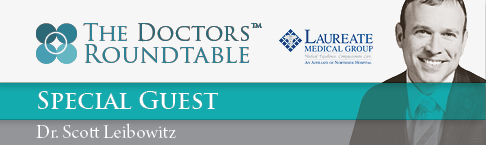
In this segment, Dr. Scott Leibowitz, a board certified internal medicine physician and current President of the GA Association of Sleep Professionals will discuss OSA, good sleep hygiene, diagnosis and treatments for OSA and what’s new in this sleep apnea field. Listeners can visit: www.laureatemed.com and www.aasmnet.org for more information.


Dr. Scott Leibowitz

  • Residency in Internal Medicine completed at Colorado Health Science Center
  • Clinical research and fellowship in Sleep Medicine at Stanford
  • Author and frequent lecturer on sleep medicine
  • Current President of GA Association of Sleep Professionals
  • Now board certified physician in private practice with Laureate Medical Group


scott-leibowitz-header

Tagged With: continuous positive airway pressure, CPAP, CPAP compliance, daytime sleepiness, Deep sleep, Health, Hypoxic burden, implanted muscle stimulation, in home sleep test, insomnia, Mandibular advancement device, medical, nocturia, obesity and sleep apnea, obstructive sleep apnea, obstructive sleep disorder, OSA, Polysomographic, Provent, Rapid eye movement sleep, REM sleep, sleep cycle, sleep deprived, Sleep heart health study, sleep hygiene, sleep lab, Sleep medicine, sleep quality, Slow wave sleep, snoring, snoring treatment, stage 3 sleep, The Doctors Roundtable, WINX

Chiropractic Care: Not Just for Pain!

October 3, 2013 by angishields

The Doctors Roundtable
Chiropractic Care: Not Just for Pain!
Loading
00:00 /
RSS Feed
Share
Link
Embed

Download file

Over 20 million Americans will seek chiropractic care this year! Chiropractic care has been around for over 100 years and involves care of the musculoskeletal and nervous system through use of a hands on, drug free, non-invasive and natural approach. Chiropractors have broad diagnostic skills. This type of care has been increasingly covered by health insurance plans in the US and is appropriate for all ages. Typically, patients turn to chiropractic care seeking relief from back pain, neck pain, joint injuries and headaches. However, chiropractic care is appropriate for all ages and for many types of health conditions, both chronic and acute. Chiropractors use such modalities as heat, spinal manipulation (adjustments), nutrition, acupuncture, biofeedback, labs, imaging and exercise to achieve immediate relief and long lasting results.

This segment will discuss how this specialty can assist with many other types of health issues that the public may not associate chiropractic care with at first, such as: infant care (birth trauma recovery, growth promotion, colic, chronic ear infections), pre and post-natal pregnancy support (low back pain, pelvic support prior to delivery), carpal tunnel syndrome and acid reflux problems (hiatal hernia, GERD). Goals of this type of treatment include immediate and long term relief, decreased drug and surgical intervention and promotion of general health.

In this segment, Dr. Forrest Watts, a Doctor of Chiropractic in Cumming, GA will discuss how chiropractic can help many types of patients beyond neck and back pain. Dr. Watts has also received additional training in acupuncture and sports injuries. Listeners can visit: www.drforrestwatts.com and www.acatoday.org for more information.


Dr. Forrest Watts

  • Doctor of Chiropractic from Life University
  • Special training in sports injuries and acupunture
  • Certified to treat carpal tunnel problems
  • Private practice in Cumming, GA


Dr. Forrest Watts

Tagged With: ear infection and chiropractic, Health, heartburn, IBS and chiropractic, intersegmental traction, lumbar spine, medical, newborn birth trauma, oitis media and chiropractic, sports injuries, subluxation, The Doctors Roundtable, thoracic spine, upper cervical spine

Common and Lifesaving Blood Tests

September 26, 2013 by angishields

The Doctors Roundtable
Common and Lifesaving Blood Tests
Loading
00:00 /
RSS Feed
Share
Link
Embed

Download file

Annual blood screening and testing a single, powerful and cost effective tool for preventing disease. Blood tests reveal a snapshot of our health and often detect health problems before symptoms or disease. Regular monitoring, especially over time, can help patients focus on early intervention strategies and good health maintenance. Blood tests are cost effective compared to the costs of disease related healthcare and medication expenses. Physicians often order “routine” blood tests during and annual physical, but often neglect age related or non-obvious blood testing and they often do not focus on risk factors. Blood tests provide information about the function of our cardiovascular status, hormone function, kidney and liver function, our body chemistry and our endocrine system. By obtaining blood samples and evaluating the results, patients can screen for cancers, learn about the degree of inflammation in their bodies, measure our risk factors for certain diseases and help us improve our health and longevity by catching critical changes and showing us where to focus for optimal health maintenance.

In this segment, board-certified urologist, certified medical review officer and owner of Any Lab Test Now, Dr. David Perlow will educate the listeners on top, common annual blood tests that can save lives and help us keep focused on disease prevention. Listeners can visit: www.anytest.com for more information.


Dr. David Perlow

  • Medical training at University of Michigan
  • Board-certified in Urology
  • Certified Medical Review Officer
  • Private practice at Georgia Regional Urology and owner Any Lab Test Now!
  • Affiliated with Wellstar Cobb, Kennestone and Windy Hill


perlow-header

Tagged With: Complete blood count, creatinine, electrolyte imbalance, HDL, Health, high density lipoproteins, kidney function, Lab test, LDL, lipid profile, Liver function, low density lipoproteins, Niacin, Platelets, Potassium, preventive care, PSA, RBC, Red blood cells, The Doctors Roundtable, Thyroid, Thyroid Stimulating Hormone, TSH, WBC, White blood cells

Pituitary Disease

September 19, 2013 by angishields

The Doctors Roundtable
Pituitary Disease
Loading
00:00 /
RSS Feed
Share
Link
Embed

Download file

The pituitary gland is often referred to as the “master gland” in the body. This lima bean sized gland at the base of the brain is part of the endocrine system and produces and regulates many hormones that affect glands such as growth hormone (regulates body structures and weight), thyroid stimulating hormone, prolactin ( affects milk production), sex hormones,and adrenal gland production (regulates water and electrolyte balance). Disorders of the pituitary gland can cause big and little problems- and these often go undiagnosed because symptoms can be vague. These disorders include tumors that cause overproduction of hormones that affect the end-organ system or pituitary lesions that may results in underproduction of hormones. Acromegaly, Cushings Disease, Addison’s Disease can all be linked to pituitary disorders. However, the most common problem is pituitary tumors.

Pituitary tumors are usually benign (adenomas), although they can be invasive and they account for approx. 10% of all brain tumors. Pituitary carcinoma’s account for a very small percentage of pituitary tumors. However, even these benign tumors can cause problems in hormone function and can be invasive to the surrounding structures, such as the optic nerve. Treatments include surgery, radiation and a few medications. Symptoms may include: headaches, vision and behavior changes, nausea and vomiting, hormone imbalance and fatigue. Diagnosis almost always involves investigating the “why” behind presenting symptoms.

In this segment, Dr. Joseph Pinzone, a double board-certified physician who is a national expert in pituitary diseases will provide a “master class” about this “master gland.”


Dr. Joseph Pinzone

  • Medical training at NYU, Columbia-Presbyterian and Mass General
  • Double board certified in Internal Medicine and Endrocrinology
  • Former NIH researcher on Pituitary Tumors
  • Current Clinical Professor at UCLA Geffen School of Medicine
  • Concierge private practice in Santa Monica, CA


dr-joseph-pinzone

Tagged With: Cushing Syndrom, endocrinology, Follicle Stimulating Hormone, free t4, Gamma Knife, Giantism, growth hormone, Health, hormone suppression, intraoperative MRI, Leutenizing hormone, LH, macrodenoma, master gland, medical, microadenoma, MRI, pituitary adenoma, Pituitary disease, pituitary gland, pituitary radiation, pituitary tumor, prolactin, proton beam radiation, TSH

Coronary Calcium Scoring

September 12, 2013 by angishields

The Doctors Roundtable
Coronary Calcium Scoring
Loading
00:00 /
RSS Feed
Share
Link
Embed

Download file

The statistics are sobering. Heart disease remains the nation’s leading killer for adults > 35 yrs. Consider these statistics: 1) every 29 seconds an American has a heart attack 2) every 60 seconds and American dies from a heart attack 3) for men and women, 50% or greater of those that have a heart attack had no prior symptoms and their first one was death. Heart disease comes about over years or even decades. There is now technology available that is 99% effective in either confirming or ruling out coronary heart disease with less radiation than one would get exposed to on an airplane flight! “Virtual exams” of our internal organs are now a reality due to advances in medical imaging technology. However, imaging does not provide direct outcomes for the patient- but the information these tests can provide can lead to changes that can decrease heart disease risk factors, potentially reverse damage, and save lives.

This segment will discuss a very specific screening test for coronary heart disease: the Coronary Calcium Scoring test or as some people have heard, “The Heart Scan.” Coronary arteries do not normally have calcium. Calcified plaque in coronary arteries is a leading indicator of heart disease. Using non-invasive, low dose radiation CT scan that takes about 15-20 minutes, patients and providers can now obtain critical cardiac information that can be used post test and in comparison’s over time, to minimize risk and take proactive steps in the maintenance of good heart health or the management of heart disease. The test is most beneficial as a screening tool for patients NOT yet diagnosed with heart disease. Scans are taken of the heart and the results are compared to a scoring system that is measured by a range of no cardiac disease, minimally present, moderately present, extensively present or high risk requiring medical intervention. Information is shared with the patient and their medical provider post test and the patient can return to normal activities when the scan is completed.

In this segment, board-certified preventive cardiologist, Jason Reingold and Dan McGeown, CEO of Virtual Imaging will educate the listeners on the testing methods, patients who benefit most, the scoring system and post test results and what do do about them. Listeners can visit: www.virtualimagingatl.com or www.drjasonreingold.com for more information.


Dr. Jason Reingold

  • Board-certified in Internal Medicine and Cardiology
  • MD from Emory University
  • Internal Medicine Residency program completed at UC San Francisco Med Ctr.
  • Cardiology fellowship completed at Mass General Hospital in Boston
  • Regular appearances on CNN’s Sanjay Gupta’s health program


Dan McGeown

  • CEO, Virtual Imaging Atlanta
  • Masters in Education and seasoned entrepreneur


Dr. Jason Reingold & Dan McGeown

Tagged With: coronary artery disease, CT scan, EBCT, electron beam CT, HDL cholesterol, Health, heart disease, heart scan, LDL cholesterol, medical, risk reclassification, subclinical diagnosis

Workers Comp: A Physician’s Primer

September 5, 2013 by angishields

The Doctors Roundtable
Workers Comp: A Physician's Primer
Loading
00:00 /
RSS Feed
Share
Link
Embed

Download file

No matter how safe the workplace is, injuries and illness occur. Georgia now has over 4 million workers >16 years of age and in the most recent statistics available, over 87,000 injuries were reported annually. In GA alone, over $1.5 billion in benefits were paid and this does not include the associated health care expenses! Medical costs now outweigh (60%) the indemnity costs. Also of note in GA, there is a shortage of qualified physicians that treat occupational injuries and illness as we have only one fifth of the recommended ratio of 1 MD/1000 employees. On July 1, 2013 GA enacted new law (GA House Bill 154)that increased slightly the weekly workers comp benefit, but capped the benefit for less serious work related injuries. Every employer with over 3 employees is mandated to have workers comp insurance.

Workers Compensation is an accident insurance program, paid for by employers, which may provide workers with medical, rehabilitation and income if an employee is injured or becomes ill on the job. Physicians are a key part of the workers compensation system as they are a pivotal point in getting the employee connected to appropriate treatment, focused on recovery, minimizing life disruption and assisting with developing a return to work plan. Providers often find themselves “the go-between” for the employer, carrier and injured employee. This program will not focus on the legalities or politics of the workers comp system, but on the provision of high quality occupational health by providers.

In this segment, Dr. Charles Cooley, a board-certified Family Practice physician who is an expert at treating occupational health patients through the workers comp system will discuss the basic concepts of the workers comp system, common types of workers comp injuries, special considerations when handling workers comp patient cases and tips for employers and patients in navigating through the medical aspects of the workers comp program.


Dr. Charles Cooley

  • MD from Medical College of GA in Augusta
  • Completed residency at Huntsville Hospital
  • Board certified in Family Practice
  • Affiliated with Northside Hospital, Cherokee Campus
  • In private practice with urgent care centers in Canton, Villa Rica


dr-charles-cooley-header

Tagged With: Health, medical

  • « Previous Page
  • 1
  • …
  • 4
  • 5
  • 6
  • 7
  • 8
  • …
  • 18
  • Next Page »

Business RadioX ® Network


Our Most Recent Episode

CONNECT WITH US

  • Email
  • Facebook
  • LinkedIn
  • Twitter
  • YouTube

Our Mission

We help local business leaders get the word out about the important work they’re doing to serve their market, their community, and their profession.

We support and celebrate business by sharing positive business stories that traditional media ignores. Some media leans left. Some media leans right. We lean business.

Sponsor a Show

Build Relationships and Grow Your Business. Click here for more details.

Partner With Us

Discover More Here

Terms and Conditions
Privacy Policy

Connect with us

Want to keep up with the latest in pro-business news across the network? Follow us on social media for the latest stories!
  • Email
  • Facebook
  • Google+
  • LinkedIn
  • Twitter
  • YouTube

Business RadioX® Headquarters
1000 Abernathy Rd. NE
Building 400, Suite L-10
Sandy Springs, GA 30328

© 2025 Business RadioX ® · Rainmaker Platform

BRXStudioCoversLA

Wait! Don’t Miss an Episode of LA Business Radio

BRXStudioCoversDENVER

Wait! Don’t Miss an Episode of Denver Business Radio

BRXStudioCoversPENSACOLA

Wait! Don’t Miss an Episode of Pensacola Business Radio

BRXStudioCoversBIRMINGHAM

Wait! Don’t Miss an Episode of Birmingham Business Radio

BRXStudioCoversTALLAHASSEE

Wait! Don’t Miss an Episode of Tallahassee Business Radio

BRXStudioCoversRALEIGH

Wait! Don’t Miss an Episode of Raleigh Business Radio

BRXStudioCoversRICHMONDNoWhite

Wait! Don’t Miss an Episode of Richmond Business Radio

BRXStudioCoversNASHVILLENoWhite

Wait! Don’t Miss an Episode of Nashville Business Radio

BRXStudioCoversDETROIT

Wait! Don’t Miss an Episode of Detroit Business Radio

BRXStudioCoversSTLOUIS

Wait! Don’t Miss an Episode of St. Louis Business Radio

BRXStudioCoversCOLUMBUS-small

Wait! Don’t Miss an Episode of Columbus Business Radio

Coachthecoach-08-08

Wait! Don’t Miss an Episode of Coach the Coach

BRXStudioCoversBAYAREA

Wait! Don’t Miss an Episode of Bay Area Business Radio

BRXStudioCoversCHICAGO

Wait! Don’t Miss an Episode of Chicago Business Radio

Wait! Don’t Miss an Episode of Atlanta Business Radio