Business RadioX ®

  • Home
  • Business RadioX ® Communities
    • Southeast
      • Alabama
        • Birmingham
      • Florida
        • Orlando
        • Pensacola
        • South Florida
        • Tampa
        • Tallahassee
      • Georgia
        • Atlanta
        • Cherokee
        • Forsyth
        • Greater Perimeter
        • Gwinnett
        • North Fulton
        • North Georgia
        • Northeast Georgia
        • Rome
        • Savannah
      • Louisiana
        • New Orleans
      • North Carolina
        • Charlotte
        • Raleigh
      • Tennessee
        • Chattanooga
        • Nashville
      • Virginia
        • Richmond
    • South Central
      • Arkansas
        • Northwest Arkansas
    • Midwest
      • Illinois
        • Chicago
      • Michigan
        • Detroit
      • Minnesota
        • Minneapolis St. Paul
      • Missouri
        • St. Louis
      • Ohio
        • Cleveland
        • Columbus
        • Dayton
    • Southwest
      • Arizona
        • Phoenix
        • Tucson
        • Valley
      • Texas
        • Austin
        • Dallas
        • Houston
    • West
      • California
        • Bay Area
        • LA
        • Pasadena
      • Colorado
        • Denver
      • Hawaii
        • Oahu
  • FAQs
  • About Us
    • Our Mission
    • Our Audience
    • Why It Works
    • What People Are Saying
    • BRX in the News
  • Resources
    • BRX Pro Tips
    • B2B Marketing: The 4Rs
    • High Velocity Selling Habits
    • Why Most B2B Media Strategies Fail
    • 9 Reasons To Sponsor A Business RadioX ® Show
  • Partner With Us
  • Veteran Business RadioX ®

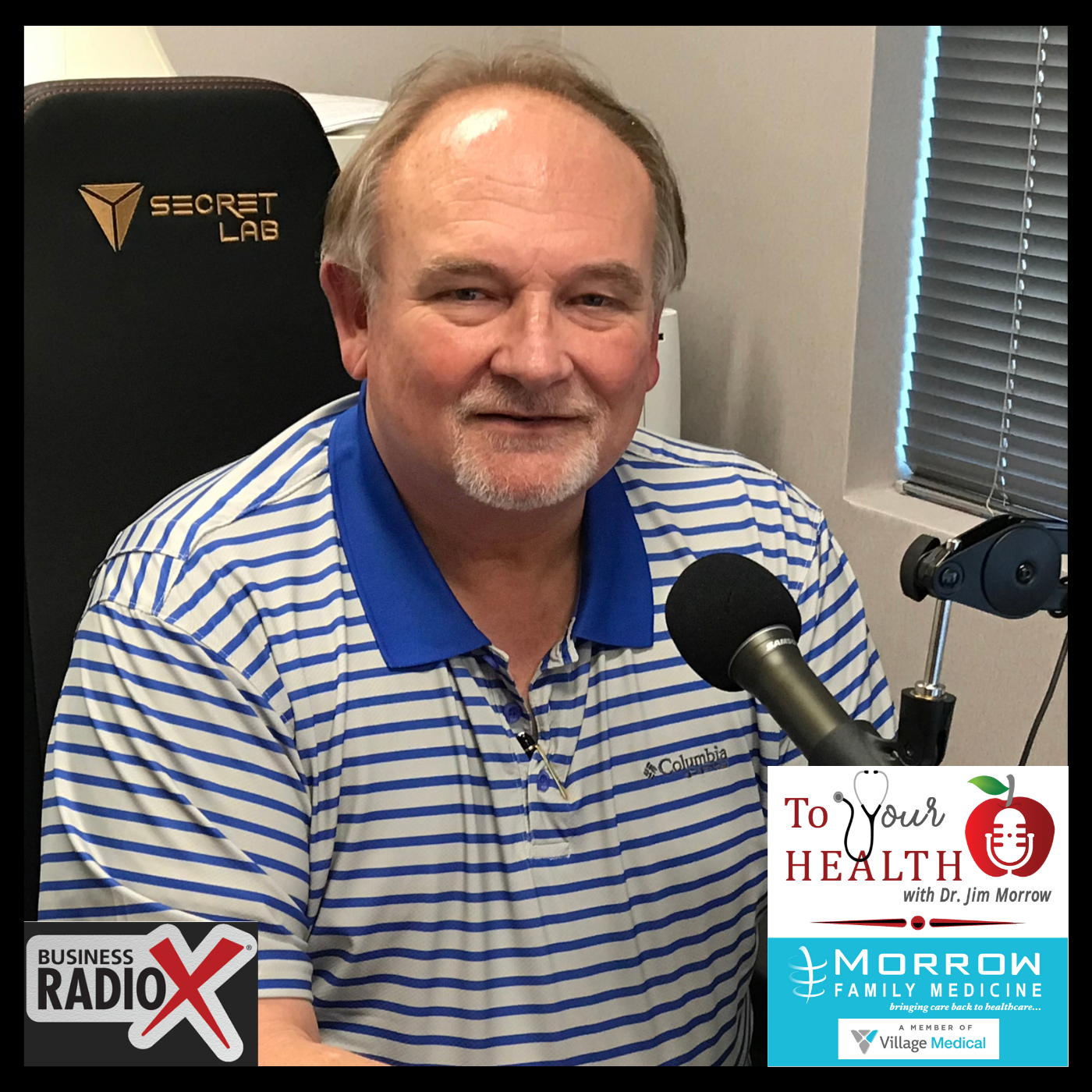
Human Papilloma Virus (HPV) – Episode 51, To Your Health with Dr. Jim Morrow

March 3, 2021 by John Ray

Human Papilloma Virus
North Fulton Studio
Human Papilloma Virus (HPV) - Episode 51, To Your Health with Dr. Jim Morrow
Loading
00:00 /
RSS Feed
Share
Link
Embed

Download file

Human Papilloma Virus

Human Papilloma Virus (HPV) – Episode 51, To Your Health with Dr. Jim Morrow

The most common sexually transmitted disease (STI) is the Human Papilloma Virus, or HPV. On this edition of “To Your Health,” Dr. Morrow reviews the symptoms, causes, and treatments for HPV, as well as how to live with it. “To Your Health” is brought to you by Morrow Family Medicine, which brings the care back to healthcare.

About Morrow Family Medicine, A Member of Village Medical

Morrow Family Medicine, a Member of Village Medical, is an award-winning, state-of-the-art family practice with offices in Cumming and Milton, Georgia. The practice combines healthcare information technology with old-fashioned care to provide the type of care that many are in search of today. Two physicians, three physician assistants and two nurse practitioners are supported by a knowledgeable and friendly staff to make your visit to Morrow Family Medicine, A Member of Village Medical one that will remind you of the way healthcare should be.  At Morrow Family Medicine, a Member of Village Medical, we like to say we are “bringing the care back to healthcare!”  The practice has been named the “Best of Forsyth” in Family Medicine in all five years of the award, is a three-time consecutive winner of the “Best of North Atlanta” by readers of Appen Media, and the 2019 winner of “Best of Life” in North Fulton County.

Village Medical offers a comprehensive suite of primary care services including preventative care, treatment for illness and injury, and management of chronic conditions such as diabetes, congestive heart failure, chronic obstructive pulmonary disease (COPD) and kidney disease. Atlanta-area patients can learn more about the practice here.

Dr. Jim Morrow, Morrow Family Medicine, and Host of “To Your Health with Dr. Jim Morrow”

Covid-19 misconceptionsDr. Jim Morrow is the founder and CEO of Morrow Family Medicine. He has been a trailblazer and evangelist in the area of healthcare information technology, was named Physician IT Leader of the Year by HIMSS, a HIMSS Davies Award Winner, the Cumming-Forsyth Chamber of Commerce Steve Bloom Award Winner as Entrepreneur of the Year and he received a Phoenix Award as Community Leader of the Year from the Metro Atlanta Chamber of Commerce.  He is married to Peggie Morrow and together they founded the Forsyth BYOT Benefit, a charity in Forsyth County to support students in need of technology and devices. They have two Goldendoodles, a gaggle of grandchildren and enjoy life on and around Lake Lanier.

Facebook: https://www.facebook.com/MorrowFamMed/

LinkedIn: https://www.linkedin.com/company/7788088/admin/

Twitter: https://twitter.com/toyourhealthMD

The complete show archive of “To Your Health with Dr. Jim Morrow” addresses a wide range of health and wellness topics, and can be found at www.toyourhealthradio.com.

Show Notes

Human Papilloma Virus

●      Human papillomavirus (HPV) is a common sexually transmitted virus.

o   It is the most common sexually transmitted infection (STI) in the United States.

o   There are more than 100 types of HPV.

o   Some types don’t cause any symptoms.

o   Other types cause genital warts.

o   More aggressive kinds of HPV can cause cancer in both women and men.

▪       This includes cancer of the cervix, vagina, vulva, anus, penis, and throat.

●      HPV is passed between people through genital or skin-to-skin contact.

o   Both men and women can get HPV and pass it on.

o   Often, they don’t know they have it, so they don’t realize they are passing it to other people.

o   Nearly all people who have had sex will get HPV at some point in their lives.

Symptoms of HPV

●      In most cases, HPV—including the kinds that cause cancer—does not have symptoms.

●      The main symptom people see with some types of HPV infection is genital warts.

o   Genital warts can be small or large, flat or raised.

o   Sometimes they are described as looking like cauliflower.

o   There can be just one, or they can appear in groups.

o   They can appear on the anus, cervix, scrotum, penis, groin, or thigh.

●      Another type of HPV can cause warts to develop on other parts of your body,

o   such as your hands and feet.

o   The types of HPV that cause warts generally do not cause cancer.


What causes HPV?

●      Infection from HPV happens when the virus gets into your body.

o   This most often happens during vaginal, anal, or oral sex with a person who is already infected.

o   HPV is spread through skin-to-skin contact, not through bodily fluids.

How is HPV diagnosed?

●      If you think you have warts in your genital area,

o   call your family doctor.

o   He or she will be able to diagnose it with an examination.

●      For women, diagnosis of HPV often starts with abnormal results from a routine Pap test.

o   When you have a Pap test (or “smear”), the doctor will take a sample of cells from your cervix.

o   The sample is sent to a lab and looked at under a microscope.

▪       If abnormal cells are found, your doctor may do another Pap test and include a cervical HPV test.

▪       This test can identify many of the HPV types that can cause cervical cancer.

▪       This is the only HPV test approved by the FDA.

●      If you have a type of HPV that can cause cancer, your doctor may want to perform a colposcopy.

o   In this test, he or she will use a special magnifying lens to get a closer look at your cervix.

o   If the tissue looks abnormal, they will cut out a small bit to perform a biopsy.

o   This test will check for signs of cancer.

●      There is no FDA-approved test for HPV for men.

Can HPV be prevented or avoided?

●      Because HPV is such a common virus,

o   it is hard to avoid it completely.

o   But there are steps you can take to lower your risk.

▪       Have few sex partners.

▪       Avoid sex with people who have had many sex partners.

▪       Use condoms consistently and correctly, though they may not cover all areas of skin where the virus lives.

●      HPV often shows no symptoms.

o   Sometimes symptoms show up weeks or months after you’ve been infected.

o   This makes it harder for you to not spread the infection.

▪       It is less common for men to develop complications from HPV.

▪       But they can spread the virus to women, where cancer from the virus is more common.

▪       So it is important to do your best to avoid HPV.

HPV vaccine

●      There is an HPV vaccine available that can protect against diseases caused by HPV, including cancers. It is approved by the FDA.

●      The Centers for Disease Control and Prevention (CDC) says girls and boys between the ages of 11 and 12 should get the vaccine.

o   It is most effective when the person is vaccinated before becoming sexually active.

o   Teenagers and young adults can get the vaccine, too.

o   It is approved for anyone between 9 years and 26 years of age.

●      The vaccine is given in multiple doses (shots) over 6 to 12 months.

o   Children age 9 to 14 receive 2 doses.

o    Those 15 or older receive 3 doses.

o   It’s important to get all of the doses to make sure you or your child are getting the most protection from HPV infection.

●      Without health insurance, vaccines can be expensive.

o   The CDC’s Vaccines for Children (VFC) program provides free vaccines for some families.

o   If you have low income and don’t have insurance for vaccinations, you might qualify.

HPV Treatment

●      There is no cure or treatment for the virus itself.

o   In many men and women, the Human Papilloma Virus goes away on its own without causing any health problems.

▪       There are treatments for the conditions the virus causes.

▪       These include genital warts,

▪       precancerous cells,

▪       and cancer.

●      Genital warts must be treated by your doctor.

o   Do not try to treat the warts yourself.

o   Don’t use over-the-counter wart-removal products.

▪       These chemicals are not supposed to be used for genital warts.

▪       They can irritate the skin.

●      If precancerous cells are found,

o   the abnormal tissue is removed so it doesn’t turn into cancer.

▪       If cancer is found, treatment will vary.

▪       It will depend on

▪       the type of cancer,

▪       the stage,

▪       and the patient’s age.

Living with Human Papilloma Virus

●      You may test positive for HPV without having signs of cancer or genital warts.

o   Your doctor will likely want you to get a repeat Pap test every 4 to 6 months until the infection is gone.

▪       This could take up to 2 years.

●      Most women who get their routine Pap tests and follow their doctor’s advice will not get cervical cancer.

o   It takes a long time to develop,

▪       and regular check-ups help find issues early, before they get more serious.

info courtesy of www.familydoctor.org

Tagged With: Dr. Jim Morrow, HPV, Human Papilloma Virus, Morrow Family Medicine, Village Medical

To Your Health With Dr. Jim Morrow: Episode 21, Sexually Transmitted Infections

November 26, 2019 by John Ray

North Fulton Studio
North Fulton Studio
To Your Health With Dr. Jim Morrow: Episode 21, Sexually Transmitted Infections
Loading
00:00 /
RSS Feed
Share
Link
Embed

Download file

Dr. Jim Morrow

To Your Health With Dr. Jim Morrow:  Episode 21, Sexually Transmitted Infections

In this edition of “To Your Health with Dr. Jim Morrow,” Dr. Morrow discussed sexually transmitted infections, signs and symptoms, and how you should protect yourself. “To Your Health” is brought to you by Morrow Family Medicine, which brings the CARE  back to healthcare.

About Morrow Family Medicine and Dr. Jim Morrow

Morrow Family Medicine is an award-winning, state-of-the-art family practice with offices in Cumming and Milton, Georgia. The practice combines healthcare information technology with old-fashioned care to provide the type of care that many are in search of today. Two physicians, three physician assistants and two nurse practitioners are supported by a knowledgeable and friendly staff to make your visit to Morrow Family Medicine one that will remind you of the way healthcare should be.  At Morrow Family Medicine, we like to say we are “bringing the care back to healthcare!”  Morrow Family Medicine has been named the “Best of Forsyth” in Family Medicine in all five years of the award, is a three-time consecutive winner of the “Best of North Atlanta” by readers of Appen Media, and the 2019 winner of “Best of Life” in North Fulton County.

Dr. Jim Morrow, Morrow Family Medicine, and Host of “To Your Health With Dr. Jim Morrow”

Dr. Jim Morrow, Morrow Family Medicine, and Host of “To Your Health With Dr. Jim Morrow”

Dr. Jim Morrow is the founder and CEO of Morrow Family Medicine. He has been a trailblazer and evangelist in the area of healthcare information technology, was named Physician IT Leader of the Year by HIMSS, a HIMSS Davies Award Winner, the Cumming-Forsyth Chamber of Commerce Steve Bloom Award Winner as Entrepreneur of the Year and he received a Phoenix Award as Community Leader of the Year from the Metro Atlanta Chamber of Commerce.  He is married to Peggie Morrow and together they founded the Forsyth BYOT Benefit, a charity in Forsyth County to support students in need of technology and devices. They have two Goldendoodles, a gaggle of grandchildren and enjoy life on and around Lake Lanier.

Facebook: https://www.facebook.com/MorrowFamMed/

LinkedIn: https://www.linkedin.com/company/7788088/admin/

Twitter: https://twitter.com/toyourhealthMD

The complete show archive of “To Your Health with Dr. Jim Morrow” addresses a wide range of health and wellness topics, and can be found at www.toyourhealthradio.com.

Dr. Morrow’s Show Notes

What are sexually transmitted infections (STIs)?

  • Sexually transmitted infections (STIs) are infections you can get by having sex with someone who has an infection.
    • These infections are usually passed from person to person through vaginal intercourse.
    • They can also be passed through anal sex, oral sex, or skin-to-skin contact.
    • STIs can be caused by viruses or bacteria.
      • STIs caused by viruses include hepatitis B, herpes, HIV, and the human papilloma virus(HPV).
      • STIs caused by bacteria include chlamydia, gonorrhea, and syphilis.

How do I know if my partner has an STI?

    • Although it may be uncomfortable, talk to your partner before having any sexual contact.
    • Ask if he or she is at risk for having an STI.
    • Some of the risk factors are having sex with several partners, using injected drugs and having had an STI in the past.
    • To be safe, protect yourself no matter what the person says.
    • You must also tell your partner if you have an STI.
    • You aren’t doing yourself or your partner any favors by trying to hide it.

Symptoms of STIs

  • The most common symptoms of STIs include:
    • Itching around the vagina and/or discharge from the vagina for women.
    • Discharge from the penis for men.
    • Pain during sex or when urinating.
    • Pain in the pelvic area.
    • Sore throats in people who have oral sex.
    • Pain in or around the anus for people who have anal sex.
    • Chancre sores (painless red sores) on the genital area, anus, tongue, and/or throat.
    • A scaly rash on the palms of your hands and the soles of your feet.
    • Dark urine, loose, light-colored stools, and yellow eyes and skin.
    • Small blisters that turn into scabs on the genital area.
    • Swollen glands, fever, and body aches.
    • Unusual infections, unexplained fatigue, night sweats, and weight loss.
    • Soft, flesh-colored warts around the genital area.

What causes STIs?

  • If you’ve ever had sex, you may be at risk for having an STI.
  • Your risk is higher if you have had many sex partners, have had sex with someone who has had many partners, or have had sex without using condoms.

How are STIs diagnosed?

  • Most STIs can be diagnosed through an exam by your doctor, a culture of the secretions from your vagina or penis, or through a blood test.

Can STIs be prevented or avoided?

  • The only sure way to prevent STIs is by not having sex.
    • If you have sex, you can lower your risk of getting an STI by only having sex with someone who isn’t having sex with anyone else and who doesn’t have an STI.
    • You should always use condoms when having sex, including oral and anal sex.

Do condoms prevent STIs?

  • Male latex condoms can reduce your risk of getting an STI if used correctly.
    • Be sure to use them every time you have sex.
    • Female condoms aren’t as effective as male condoms.
    • However, you should use them when a man won’t use a male condom.
  • Remember, though, that condoms aren’t 100% safe.
    • They can’t protect you from coming into contact with some sores (such as those that can occur with herpes) or warts (which can be caused by HPV infection).

What else should I do to prevent STIs?

  • Limit the number of sex partners you have.
    • Ask your partner if he or she has, or has had, an STI.
    • Tell your partner if you have had one.
    • Talk about whether you’ve both been tested for STIs and whether you should be tested.
    • Look for signs of an STI in your sex partner.
    • But remember that STIs don’t always cause symptoms.
    • Don’t have sex if you or your partner are being treated for an STI.
    • Wash your genitals with soap and water and urinate soon after you have sex.
    • This may help clean away some germs before they have a chance to infect you.

Should I use a spermicide to help prevent STIs?

    • It was once thought that spermicides with nonoxynol-9 could help prevent STIs much like they help prevent pregnancy — by damaging the organisms that cause the diseases.
    • New research has shown that nonoxynol-9 can irritate a woman’s vagina and cervix, actually increasing the risk of STI infection.
    • Be sure to check the ingredients of any other sex-related products you own, such as lubricants and condoms.
      • Some brands of these products may have nonoxynol-9 added to them.
      • If you are unsure if your spermicide or any other product contains nonoxynol-9, ask your doctor before using it.

STI treatment

  • STIs that are caused by bacteria (such as chlamydia) can be cured with antibiotics.
    • But STIs caused by a virus (such as HIV or herpes) can’t be cured.
    • Your doctor can only treat the symptoms that the virus causes.
  • Don’t wait to be treated.
    • Early treatment helps prevent serious health problems.
    • Even if medicine can’t completely cure the STI, it can help keep you from getting really sick.
    • If you are given medicine for an STI, take it exactly as the doctor says.

Types of STIs

Chlamydia

  • What is it: 
    • Chlamydia is a bacterial infection that is easily cured.
    • Left untreated it can cause infertility in women.
  • Symptoms:
    • Women may have pain when urinating, itching around the vagina, yellow fluid (discharge) from the vagina, bleeding between periods, or pain in the lower abdomen.
    • Men may have a burning sensation when urinating and a milky colored discharge from the penis.
    • It can also cause painful swelling of the scrotum in men.
  • Treatment:
    • Both partners should be treated.

Gonorrhea

  • What is it: 
    • Gonorrhea is a bacterial infection.
    • Left untreated, it can cause serious health problems.
    • But it is easily cured.
  • Symptoms:
    • Women may have white, green, yellow or bloody discharge from the vagina, pain when urinating, bleeding between periods, heavy bleeding during a period, or a fever.
    • Both women and men can get sore throats if they’ve had oral contact with an infected person.
    • Men may have thick, yellow discharge from the penis and pain when urinating.
    • The opening of the penis may be sore.
    • Gonorrhea can cause serious complications if it’s not treated.
  • Treatment:
    • Both partners should be treated.

Herpes

  • What is it: 
    • Herpes is a viral infection that causes painful sores in the genital area.
    • It is spread through skin-to-skin contact.
    • Once you are infected, you have the virus for the rest of your life.
  • Symptoms:
    • Women and men may have tingling, pain, or itching around the vagina or penis.
    • They also may develop oral lesions (blisters) through sexual contact.
    • Small blisters can form in these areas and then break open. When they break open, the sores can cause a burning feeling.
    • It may hurt to urinate. Some people have swollen glands, fever, and body aches.
    • The sores and other symptoms go away, but this does not mean that the virus is gone.
    • The sores and blisters can come back periodically.
    • This is called an “outbreak.”
  • Treatment:
    • Medicine can treat symptoms but can’t cure herpes.
    • If one partner is infected, the other should by checked by a doctor.

HIV/AIDS

  • What is it: 
    • HIV (human immunodeficiency virus) is the virus that causes AIDS (acquired immunodeficiency syndrome).
    • HIV attacks the body’s immune system, making you more likely to get sick from other viruses or bacteria.
  • Symptoms:
    • HIV makes the body’s immune system weak so it can’t fight disease.
    • Symptoms may take years to develop.
      • When symptoms do appear, they can include swollen lymph nodes, diarrhea, fever, cough, shortness of breath, or unexplained weight loss.
      • Symptoms are often similar to those of other illnesses, such as the flu.
    • Treatment:
      • Medicines can treat symptoms but can’t cure HIV or AIDS.
      • If one partner is infected, the other should be checked by a doctor.

HPV/Genital Warts

  • What is it: 
    • HPV (human papillomavirus) is a family of more than 100 types of viruses.
    • Some don’t cause any symptoms.
    • Some types cause genital warts.
    • More aggressive types can cause cancer.
  • Symptoms:
    • HPV can cause warts in or around the vagina, penis, or rectum. In women, the warts can be on the cervix or in the vagina where you can’t see them.
    • Or they may be on the outside of the body, but may be too small to see.
    • The warts can be small or large, flat or raised.
    • They can appear singly or in groups.
    • They usually don’t hurt.
    • Most types of HPV, including those that cause cancer, do not have any symptoms.
  • Treatment:
    • No medicine cures HPV.
    • A doctor can remove external warts.
    • Warts on the cervix or in the vagina can cause changes that may lead to cervical cancer.
    • Doctors will watch for these changes.
    • If one partner is infected with HPV, the other should be checked by a doctor.
  • Some types of HPV can be prevented, including those that cause cancer.
  • There is a vaccine that can prevent some types of HPV in young men and women.
  • The Centers for Disease Control and Prevention (CDC) recommends that girls and boys between the ages of 11 and 12 receive the vaccine, before they become sexually active.
  • The vaccine is approved for men and women between the ages of 9 years and 26 years.

Syphilis

  • What is it: 
    • Syphilis is a serious bacterial infection that causes sores in the genital area.
    • It is passed by touching the blood or sores of an infected person.
  • Symptoms:
    • An early symptom is a red, painless sore, called a chancre.
    • The sore can be on the penis, vagina, rectum, tongue, or throat.
    • The glands near the sore may be swollen.
    • Without treatment, the infection can spread into your blood.
    • Then you may experience a fever, sore throat, headache, or pain in your joints.
    • Another symptom is a scaly rash on the palms of the hands or the bottom of the feet.
    • The sores and other symptoms go away, but this does not mean that the infection is gone.
    • It could come back many years later and cause problems in the brain and spinal cord, heart, or other organs.
  • Treatment:
    • Syphilis can cause serious health problems if it’s not treated.
    • Antibiotics should be taken as early as possible after infection.
    • If one partner is infected, the other should be tested.

STDs in Women and Infants

  • Complications of sexually transmitted infections disproportionately affect women of all ages, with important implications for women of reproductive age.
    • Undiagnosed and untreated STDs can lead to pelvic inflammatory disease (PID), ectopic pregnancy, as well as adverse fetal and neonatal outcomes.
    • STD-related morbidity disproportionately occurs in women for a number of reasons.
      • Women are biologically more susceptible than men to the acquisition of some STDs and more likely to suffer from complications.
    • It is also important to note that STDs are often asymptomatic in women, delaying diagnosis and treatment until there is a symptomatic complication.
    • A woman can also be placed at risk for STDs through her partner’s sexual encounter with an infected partner. Consequently, even a female who has only one partner may be obliged to practice safer sex, such as using condoms.

Impact on Women and Fertility

  • Human papillomavirus (HPV) is a common sexually transmitted infection in the United States.
    • Although most HPV infections in women appear to be transient and may not result in clinically significant sequelae, high-risk HPV-type infections can cause abnormal changes in the uterine cervical epithelium, which are detected by cytological examination of Pap smears.
    • Persistent high-risk HPV-type infections may lead to cervical cancer precursors, which if undetected can result in cancer, and excisional treatment of cervical lesions can increase risk for future preterm delivery.
    • Other low-risk HPV-type infections can cause genital warts, low-grade Pap smear abnormalities, laryngeal papillomas, and, rarely, recurrent respiratory papillomatosis in children born to infected mothers.
  • Starting in 2006, HPV vaccines have been recommended for routine use in United States females aged 11–12 years, with catch-up vaccination through age 26.
    • HPV vaccination also has been recommended for routine use in males since 2011.
    • In October 2018, the Food and Drug Administration (FDA) extended licensing approval of the vaccine for women and men aged 27–45 years, and in June 2019 the CDC’s Advisory Committee on Immunization Practices (ACIP) recommended that unvaccinated adults aged 27–45 years discuss receiving the HPV vaccine with their health care providers.

Things to consider

  • It’s common to feel guilty or ashamed when you are diagnosed with an STI.
    • You may feel that someone you thought you could trust has hurt you. You may feel sad or upset.
    • Talk to your family doctor about how you’re feeling.
    • In many cases, the STI can be cured.
  • Remember that you can take steps to prevent getting an STI.
    • The only sure way to prevent them is by not having sex.
    • But if you do have sex, you can lower your risk.
  • Limit your number of sex partners.
  • Avoid sex with people who have had many sex partners.
  • Use condoms consistently and correctly.
  • Ask your partner if he or she has, or has had, an STI.
    • Tell your partner if you have had one.
    • Talk about whether you’ve both been tested for STIs and whether you should be tested.
  • Look for signs of an STI in your sex partner.
    • But remember that STIs don’t always cause symptoms.
    • Don’t have sex if you or your partner are being treated for an STI.
  • Wash your genitals with soap and water and urinate soon after you have sex.
    • This may help clean away some germs before they have a chance to infect you.

Information courtesy of FamilyDoctor.org

Tagged With: Cumming doctor, Cumming family care, Cumming family doctor, Cumming family medicine, Cumming family physician, Cumming family practice, Cumming md, Cumming physician, Dr. Jim Morrow, genital warts, gonorrhea, Hepatitis, Hepatitis B, Herpes, HIV, HIV/AIDS, HPV, human papillomavirus, latex condoms, Milton doctor, Milton family care, Milton family doctor, Milton family medicine, Milton family physician, Milton family practice, Milton md, Milton physician, Morrow Family Medicine, North Fulton Business Radio, North Fulton Radio, pelvic inflammatory disease, pelvic pain, sexually transmitted diseases, sexually transmitted infections, spermicides, STDs, STI, STI symptoms, syphilis, To Your Health

Business RadioX ® Network


Our Most Recent Episode

CONNECT WITH US

  • Email
  • Facebook
  • LinkedIn
  • Twitter
  • YouTube

Our Mission

We help local business leaders get the word out about the important work they’re doing to serve their market, their community, and their profession.

We support and celebrate business by sharing positive business stories that traditional media ignores. Some media leans left. Some media leans right. We lean business.

Sponsor a Show

Build Relationships and Grow Your Business. Click here for more details.

Partner With Us

Discover More Here

Terms and Conditions
Privacy Policy

Connect with us

Want to keep up with the latest in pro-business news across the network? Follow us on social media for the latest stories!
  • Email
  • Facebook
  • Google+
  • LinkedIn
  • Twitter
  • YouTube

Business RadioX® Headquarters
1000 Abernathy Rd. NE
Building 400, Suite L-10
Sandy Springs, GA 30328

© 2025 Business RadioX ® · Rainmaker Platform

BRXStudioCoversLA

Wait! Don’t Miss an Episode of LA Business Radio

BRXStudioCoversDENVER

Wait! Don’t Miss an Episode of Denver Business Radio

BRXStudioCoversPENSACOLA

Wait! Don’t Miss an Episode of Pensacola Business Radio

BRXStudioCoversBIRMINGHAM

Wait! Don’t Miss an Episode of Birmingham Business Radio

BRXStudioCoversTALLAHASSEE

Wait! Don’t Miss an Episode of Tallahassee Business Radio

BRXStudioCoversRALEIGH

Wait! Don’t Miss an Episode of Raleigh Business Radio

BRXStudioCoversRICHMONDNoWhite

Wait! Don’t Miss an Episode of Richmond Business Radio

BRXStudioCoversNASHVILLENoWhite

Wait! Don’t Miss an Episode of Nashville Business Radio

BRXStudioCoversDETROIT

Wait! Don’t Miss an Episode of Detroit Business Radio

BRXStudioCoversSTLOUIS

Wait! Don’t Miss an Episode of St. Louis Business Radio

BRXStudioCoversCOLUMBUS-small

Wait! Don’t Miss an Episode of Columbus Business Radio

Coachthecoach-08-08

Wait! Don’t Miss an Episode of Coach the Coach

BRXStudioCoversBAYAREA

Wait! Don’t Miss an Episode of Bay Area Business Radio

BRXStudioCoversCHICAGO

Wait! Don’t Miss an Episode of Chicago Business Radio

Wait! Don’t Miss an Episode of Atlanta Business Radio