Business RadioX ®

  • Home
  • Business RadioX ® Communities
    • Southeast
      • Alabama
        • Birmingham
      • Florida
        • Orlando
        • Pensacola
        • South Florida
        • Tampa
        • Tallahassee
      • Georgia
        • Atlanta
        • Cherokee
        • Forsyth
        • Greater Perimeter
        • Gwinnett
        • North Fulton
        • North Georgia
        • Northeast Georgia
        • Rome
        • Savannah
      • Louisiana
        • New Orleans
      • North Carolina
        • Charlotte
        • Raleigh
      • Tennessee
        • Chattanooga
        • Nashville
      • Virginia
        • Richmond
    • South Central
      • Arkansas
        • Northwest Arkansas
    • Midwest
      • Illinois
        • Chicago
      • Michigan
        • Detroit
      • Minnesota
        • Minneapolis St. Paul
      • Missouri
        • St. Louis
      • Ohio
        • Cleveland
        • Columbus
        • Dayton
    • Southwest
      • Arizona
        • Phoenix
        • Tucson
        • Valley
      • Texas
        • Austin
        • Dallas
        • Houston
    • West
      • California
        • Bay Area
        • LA
        • Pasadena
      • Colorado
        • Denver
      • Hawaii
        • Oahu
  • FAQs
  • About Us
    • Our Mission
    • Our Audience
    • Why It Works
    • What People Are Saying
    • BRX in the News
  • Resources
    • BRX Pro Tips
    • B2B Marketing: The 4Rs
    • High Velocity Selling Habits
    • Why Most B2B Media Strategies Fail
    • 9 Reasons To Sponsor A Business RadioX ® Show
  • Partner With Us
  • Veteran Business RadioX ®

Chronic Lyme Disease – Top Docs Radio

April 24, 2015 by angishields

Top Docs Radio
Top Docs Radio
Chronic Lyme Disease - Top Docs Radio
Loading
00:00 /
RSS Feed
Share
Link
Embed

Download file

Chronic Lyme Disease

Chronic Lyme Disease

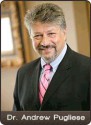
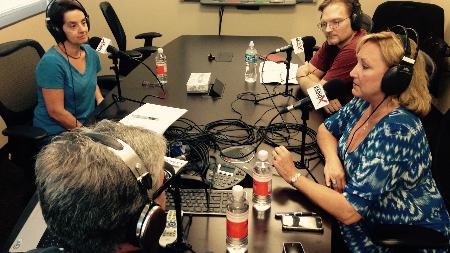
This week, on Dr. Andrew Pugliese’s monthly special edition of Top Docs Radio we talked about chronic lyme disease.  Also known as post-treatment lyme disease syndrome, this chronic, debilitating condition is frequently overlooked outside of the Northeast, where it’s known to be prevalent.

As we learned from David Baird, a patient experiencing chronic lyme disease, and Karen Huppert, the mother of a college-age student who dealt with the illness, its severe symptoms, and treatment for several years as well.  They both shared their poignant stories and described how they moved from specialist to specialist trying to find a diagnosis.  And they shared how they were told that, “Lyme disease doesn’t exist in Georgia,” leading to a significant delay in the diagnosis that allowed them to seek appropriate care.

David brought his wife, a local veterinarian, also talked about how comparatively easy it is to diagnose a canine, for whom there are straight-forward tests that identifies the infection, and treatment is also effective and readily available.  She talked about how frequently she treats pets for Lyme disease here in her local Atlanta office.

We strongly encourage patients to seek second opinions and to seek to learn all they can about their symptoms and diseases to facilitate timely treatment, which can affect outcomes.

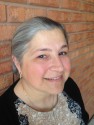
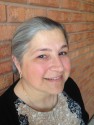
I was also pleased to host Dr. Leanna Kart, DC, a chiropractor whose practice is located on Howell Mill Road in west Atlanta.  May is National Posture Awareness Month.  We talked about how technology has affected neck/back health through creating a tendency to sit with the head in a chin-down orientation for long periods of time.  This causes an increased strain on the connective tissues and muscles in the neck, which can lead to headaches, neck and back pain, and neurologic symptoms.

Special Guests:

Andrew Pugliese, MD, Infectious Disease Consultants twitter_logo_small  linkedin_small1  facebook_logo_small3  Blogger 2  

Infectious Disease Consultants

  • Doctorate in Medicine, St. George University School of Medicine
  • Fellowship, Infectious Disease, Winthrop University Hospital
  • Triple Board Certified in Internal Medicine and Infectious Disease
  • Pioneer in non-surgical treatment of acute and chronic sinusitis
  • President of Sinus Solutions

David Baird, Chronic Lyme Disease Patient

Karen Huppert, Parent of a young Chronic Lyme Disease patient

Dr. Leanna Kart, DC, of NW Chiropractic  linkedin_small1

kart

  • Doctor of Chiropractic, Life University
  • Owner of NW Chiropractic for over 26 years
  • Board Member, Georgia Chiropractic Association


Tagged With: CW Hall, David Baird, Health Care Radio, health radio, Healthcare, healthcare radio, hyperbaric physicians of georgia, hyperbarxs, infection, Infectious Disease Consultants, Karen Huppert, lyme disease, post treatment lyme disease syndrome, tick bite

Hyperbaric Oxygen Therapy

April 9, 2015 by angishields

Health Connect South
Hyperbaric Oxygen Therapy
Loading
00:00 / 00:58:22
RSS Feed
Share
Link
Embed

Download fileDuration: 00:58:22

Hyperbaric Oxygen Therapy
Dr. Helen Gelly of Hyperbaric Physicians of Georgia discusses hyperbaric oxygen therapy.

Hyperbaric Oxygen Therapy

This week we sat down with internationally-known expert on the subject of Hyperbaric Oxygen Therapy, Dr. Helen Gelly.  This treatment modality has been available to patients with poorly-healing wounds, thermal injuries, decompression sickness, late effects of radiation, and several other problems for decades.  And while there is a quality body of evidence supporting the use of this treatment for clinically-appropriate patients, many of the patients who could benefit from access to it never get to know it’s available.

This is due in large part to the fact that of ~159 US medical colleges, only ~30 offer hyperbaric oxygen therapy and wound resolution as taught specialties.  That means that approximately 85% of graduating physicians have had very little (if any) exposure to academic information about the modality.  The result is that they often miss opportunities to add the treatment to the patient’s care plan, which in turn delays (or even prevents) these problem wounds from healing.

Dr. Gelly shared information about the history of hyperbaric oxygen therapy and we talked about the physiology of what’s happening during the course of therapy.  We discussed a couple of major groups of patients whose clinical outcomes tend to be significantly improved with access to hyperbaric medicine, diabetic ulcer patients and patients experiencing persistent late effects of radiation.  The aim is to get credible information to the public so that both physicians and patients in need can educate themselves about it.  Atlanta is unique in that both inside the city and in numerous suburbs, patients can receive hyperbaric oxygen therapy in hospital-based or UHMS accredited free-standing programs.  It’s also paid for by Medicare, Medicaid, and commercial insurance companies for these evidence-based indications.

Special Guest:

Dr. Helen Gelly, MD of HyperbaRXs  twitter_logo_small  google-plus-logo-red-265px  facebook_logo_small3  linkedin_small1

helen

  • Doctor of Medicine, Emory University School of Medicine
  • Internship/Residency: Pediatrics/Emergency Medicine at Emory University Affiliated Hospitals
  • Board Certified in Emergency Medicine
  • Fellow of the American College of Emergency Physicians
  • Fellow of the American College of Certified Wound Specialists
  • Subspecialty Certified Undersea and Hyperbaric Medicine

Tagged With: CW Hall, diabetes, diabetic ulcer, diabetic wound, Diana Keough, evidence-based medicine, foot ulcer, HBO, HBOT, Health Care Radio, health radio, Healthcare, healthcare radio, hyperbaric medicine, hyperbaric oxygen atlanta, hyperbaric oxygen cumming, hyperbaric oxygen johns creek, hyperbaric oxygen marietta, hyperbaric oxygen northside, hyperbaric oxygen saint joseph, hyperbaric oxygen suwanee, hyperbaric oxygen therapy, hyperbaric physicians of georgia, hyperbarxs, late effects of radiation, radiation injury, radiation side effects, ShareWIK Media Group, ShareWIK.com, Top Docs Radio, UHMS, Undersea & Hyperbaric Medicine Society

Peripheral Arterial Disease – Top Docs Radio

March 6, 2015 by angishields

Top Docs Radio
Top Docs Radio
Peripheral Arterial Disease - Top Docs Radio
Loading
00:00 /
RSS Feed
Share
Link
Embed

Download file

Peripheral Arterial Disease

As many as 12 million Americans are dealing with peripheral arterial disease (PAD), a progressive blockage of the blood vessels that carry blood to the lower extremities.  For many of these patients, amputation is the outcome, leaving them without a foot, or in others, half or more of their leg.  Medical literature has shown that in these patients, their risk of death within 1 to 5 years of their amputation they have a 40% likelihood of amputation of the remaining leg and a significant risk of death.  It’s clearly a serious problem.

But we can reduce the rate of amputation among these patients and we can also reduce the severity of intervention required to address the problem if we catch it early.  Dr. Joseph Ricotta, vascular surgeon and director of the Northside Hearth & Vascular program, stopped by the studio to talk about what can be done to improve patient outcomes for those with PAD.  We talked about the troublesome statistics around peripheral arterial disease, including the fact that among diabetics with PAD who develop a non-healing wound resulting in amputation, as many as 50% of them never receive a non-invasive study that could prevent the loss of their leg.

That means we need our partners in primary care and foot/ankle surgery to take an aggressive stance when presented with patients who are at risk for PAD or who have a poorly-healing wound on their leg or foot.  There are numerous non-invasive studies that take only minutes in the vascular surgeon’s office that can readily identify patients who have blockage affecting blood flow to their feet.  In these cases, if caught early, surgeons like Dr. Ricotta have more options and greater probability they can reestablish adequate blood flow that helps a wound to heal, preventing or mitigating extent of amputation.

We talked about the fact that Northside offers access to 2 of the country’s 10 robotic devices that significantly improves the effectiveness of minimally-invasive procedures by allowing the vascular surgeons to access and treat previously-inaccessible locations.  Additionally, with the assistance of the robot, the surgeons are able to reduce damage that can occur on the inside of the vessel being treated, which reduces the likelihood that scarring after the procedure will block the vessel off again (a leading cause of reocclusion in PAD lesions).

I also spoke with foot and ankle surgeon, Dr. Michael Bednarz of Ankle & Foot Centers of Georgia, whose office is located in Woodstock, just north of Marietta.  He talked about treating PAD patients with wounds from the perspective of the specialist who is tasked with managing the wound and ultimately, treating it surgically as necessary (including amputation when efforts to heal the wound fail and serious infection is a risk).

We talked about the fact that amputation should be viewed as a last-ditch option.  And Mike shared that no patient should face amputation without having had a vascular study to determine if poor flow is contributing to the wound not healing.  He talked about the fact that when he’s presented with a poorly-healing wound, particularly in a patient with PAD risk factors such as diabetes, one of the first things he does is request a vascular study to assess blood flow.  He also utilizes Transcutaneous Oximetry, a non-invasive test that shows how well the tissue at the surface where a wound is located is getting oxygen.

With the results of those studies, he is able to address poor blow flow by referral to a vascular surgeon and/or to hyperbaric medicine (readily available in Atlanta and surrounding suburbs) to address poor oxygen levels in the skin.  He also evaluates other risk factors such as glucose levels and presence of infection, often resulting in consults with infectious disease and/or endocrine specialists to help heal the limb-threatening wound.  We talked about the fact that a multi-specialty approach insures that more patients can avoid amputation and the resultant high mortality rates that come with them.

Early involvement with an experienced wound specialist, vascular diagnostics/intervention, infection control, and endocrinology are all vital in helping patients avoid an amputation that might also cost them their life.

Special Guests:

Joseph Ricotta, MD, Medical Director, Heart & Vascular Institute, Northside Hospital  linkedin_small1  twitter_logo_small  facebook_logo_small3  youtube logo

Northside Vascular

  • Doctor of Medicine, Thomas Jefferson University School of Medicine
  • Surgical Residency, Johns Hopkins University School of Medicine
  • Fellowship, Vascular Surgery, Mayo Clinic
  • Fellowship, Advanced Endovascular Surgery, Cleveland Clinic Foundation
  • Associate Professor of Surgery, Georgia Regents University, University of Georgia School of Medicine

Michael Bednarz, DPM, Ankle & Foot Centers of Georgia  linkedin_small1  facebook_logo_small3  twitter_logo_small  youtube logo

Ankle & Foot Centers of Georgia

  • Doctor of Podiatric Medicine, Kent State University School of Podiatric Medicine
  • Residency, Department of Veteran Affairs Medical Center, Miami
  • Board Certified, American Board of Foot/Ankle Surgery
  • Recognized as a “Top Doc” in the WellStar Health System

Tagged With: Cumming, CW Hall, diabetic ulcer, diabetic wound, DPM, Dr. Joseph Ricotta, Dr. Michael Bednarz, endovascular intervention, Foot and Ankle Surgery, Health Care Radio, health radio, Healthcare, healthcare radio, hyperbaric physicians of georgia, hyperbarxs, Lower Extremity Amputation, Marietta, Michael Bednarz, Northside Hospital, orthopedic surgery, PAD, peripheral arterial disease, Peripheral Vascular Disease, Podiatry, Top Docs Radio, TopDocsRADIO, vascular bypass, Vascular Disease, vascular surgeon, Vascular Surgery, WellStar

Mitochondrial Diseases and Hyperbaric Medicine – Top Docs Radio

January 30, 2015 by angishields

Top Docs Radio
Top Docs Radio
Mitochondrial Diseases and Hyperbaric Medicine - Top Docs Radio
Loading
00:00 /
RSS Feed
Share
Link
Embed

Download file

Mito TDR

Mitochondrial Diseases and Hyperbaric Medicine

This week I sat down with experts in the fields of mitochondrial diseases and hyperbaric medicine.  Each cell in our body has an “engine” where the nutrition we consume through eating is converted to the energy we need to function and survive.  These engines are known as “Mitochondria”.  These cellular components use genetic code to function and on occasion there will be problems with the genetic code or with how it is decoded.  In these cases, a variety of health problems can reveal themselves, depending on what sort of tissue is made up by these cells in question.  These can range from challenges with learning, developmental problems, or disease states such as Alzheimer’s, Parkinson’s, Muscular Dystrophy, and others.  Dr. John Shoffner, neurologist and geneticist of Medical Neurogenetics came by with Laura Stanley of the Foundation for Mitochondrial Medicine.


We talked about the research Dr. Shoffner is doing in an effort to find medical therapies that could help patients who are dealing with the variety of disorders caused by mitochondrial dysfunction.  We talked about how challenging it can be to identify a health problem(s) that are caused by mitochondrial disease unless a patient’s family is fortunate enough to be seen by a physician familiar with the genetic tests that can be utilized to diagnose them.

As described by the Foundation for Mitochondrial Medicine, “Every aspect of our beings – seeing, breathing, thinking, moving – requires energy. Mitochondria, often called the cells’ “powerhouses,” supply that energy by turning raw materials found in the food we eat and in the air we breathe into a substance called ATP (adenosine triphosphate), which our cells can use as fuel. ATP is, quite simply, vital to life.  Without enough ATP, children cannot appropriately develop, grow, learn, move, or even sleep. Adults without enough ATP are unable to sustain brain, muscle, and other vital organ function. A deficit of ATP can also cause invisible damage in some disease states, leading to early failure or dysfunction of organs, or just a chronic state of inefficiency leading to pain, fatigue, changes or limitations in thinking and learning, and increased susceptibility to acquired diseases.”

Laura and Dr. Shoffner shared how they are working to improve awareness of mitochondrial diseases and through research, uncover treatments to halt or at  least slow the effects of these diseases.  The ultimate goal is to find a way to prevent or reverse these problems.

Dr. Helen Gelly joined us to talk about a recent article she co-authored with Dr. Caroline Fife in Today’s Wound Clinic, called, “Hyperbaric Oxygen Therapy in Wound Care: A Service Under True Pressure“.  In the article, Dr. Gelly and Dr. Fife talked about how numerous Medicare Administrative Contractors and Commercial insurers are making changes to indications they are willing to reimburse hyperbaric oxygen therapy for.  That means that patients with wounds that place them at risk for amputation or for degraded quality of life due to previous radiation therapy may not be able to receive this evidence-based, effective treatment.  We talked about how in some cases where the providers in a given MAC were asked for clinical documentation of their HBO treatments provided, as many as 30% failed to respond.  Dr. Gelly shared how this lack of response leads to suspicions of fraud.

It was clear from the Today’s Wound Clinic article and from our conversation that hyperbaric medicine specialists must begin to activate and collaborate to protect this evidence-proven treatment modality.  HBO providers need to not only be responsive to requests for data but ACTIVE as it relates to advocating on behalf of educated decisions being made as it relates to the availability of the modality for tomorrow’s patients in need.

Special Guests:

Dr. John Shoffer, MD, CEO of  Medical Neurogenics 

Shoffner

  • Former Associate professor of neurology and molecular medicine at Emory University
  • Former Director of the molecular diagnostics program at Children’s Healthcare of Atlanta
  • Discovered some of the first gene mutations causing mitochondrial diseases and one of the first genes causing epilepsy
  • Finalist, 2012 Atlanta Business Chronicle’s Health-Care Heroes Awards

Laura Stanley, of Foundation for Mitochondrial Medicine  feed logo  facebook_logo_small3  twitter_logo_small  youtube logo

Laura

  • IMBA, University of South Carolina Darla Moore School of Business
  • Former Senior Associate, Korn Ferry
  • Former Vice President, EzGov
  • Parent of a child with mitochondrial disease

Dr. Helen Gelly, MD of HyperbaRXs  twitter_logo_small  google-plus-logo-red-265px  facebook_logo_small3  linkedin_small1

helen

  • Doctor of Medicine, Emory University School of Medicine
  • Internship/Residency: Pediatrics/Emergency Medicine at Emory University Affiliated Hospitals
  • Board Certified in Emergency Medicine
  • Fellow of the American College of Emergency Physicians
  • Fellow of the American College of Certified Wound Specialists
  • Subspecialty Certified Undersea and Hyperbaric Medicine

Tagged With: CW Hall, diabetes, diabetic foot ulcers, Dr. Helen Gelly, Dr. John Shoffner, epilepsy, Health Care Radio, health insurance, health radio, Healthcare, healthcare radio, Helen Gelly, huntington's disease, hyperbaric medicine, hyperbaric oxygen therapy, hyperbarxs, late effects of radiation, Laura Stanley, Lou Gehrig's, medicare, Mitochondrial Disease, muscular dystrophy, parkinsons, Top Docs Radio, TopDocsRADIO

Complex Patients – Top Docs Radio

January 11, 2015 by angishields

Top Docs Radio
Top Docs Radio
Complex Patients - Top Docs Radio
Loading
00:00 /
RSS Feed
Share
Link
Embed

Download file

Infectious Disease Consultants

Complex Patients

This week I sat down with our colleague, Dr. Andrew Pugliese, Infectious Disease specialist of Infectious Disease Consultants in Johns Creek.  He stopped by to talk about complex patients.  He shared how medical studies focus on single illnesses, disqualifying certain age groups and patients with multiple disease states.  Dr. Pugliese talked about the fact that in the real world medical office, rare is it that a patient walks in to be treated for a problem who is only dealing with that single disease.  More commonly, patients present with obesity, and/or diabetes, heart disease, or any number of other health problems that can affect the way the body responds to a given disease state and treatments for them.  Dr. Pugliese shared how these “multi-morbid” (having more than one health issue) patients are very complex and often do not respond to therapies as studies suggest they will.  He offered advice for providers to help them be better able to manage patients when they need care for a given problem when other health issues are present.  Check out Dr. Pugliese’s blog at http://sinusitisblog.com/.

Special Guest:

Andrew Pugliese, MD, Infectious Disease Consultants twitter_logo_small  linkedin_small1  facebook_logo_small3  Blogger 2  

Infectious Disease Consultants

  • Doctorate in Medicine, St. George University School of Medicine
  • Fellowship, Infectious Disease, Winthrop University Hospital
  • Triple Board Certified in Internal Medicine and Infectious Disease
  • Pioneer in non-surgical treatment of acute and chronic sinusitis
  • President of Sinus Solutions

Tagged With: CW Hall, diabetes, Dr. Andrew Pugliese, Dr. Pugliese, Health Care Radio, health radio, Healthcare, healthcare radio, hyperbaric physicians of georgia, hyperbarxs, Infectious Disease Consultants, medical research, medical science, medical studies, morbidity, mortality, obesity, Top Docs Radio, TopDocsRADIO, treatment algorithms

Complex Patients

January 2, 2015 by angishields

Midtown Business Radio
Complex Patients
Loading
00:00 /
RSS Feed
Share
Link
Embed

Download file

Infectious Disease Consultants

Complex Patients

This week I sat down with our colleague, Dr. Andrew Pugliese, Infectious Disease specialist of Infectious Disease Consultants in Johns Creek.  He stopped by to talk about complex patients.  He shared how medical studies focus on single illnesses, disqualifying certain age groups and patients with multiple disease states.  Dr. Pugliese talked about the fact that in the real world medical office, rare is it that a patient walks in to be treated for a problem who is only dealing with that single disease.  More commonly, patients present with obesity, and/or diabetes, heart disease, or any number of other health problems that can affect the way the body responds to a given disease state and treatments for them.  Dr. Pugliese shared how these “multi-morbid” (having more than one health issue) patients are very complex and often do not respond to therapies as studies suggest they will.  He offered advice for providers to help them be better able to manage patients when they need care for a given problem when other health issues are present.  Check out Dr. Pugliese’s blog at http://sinusitisblog.com/.

Special Guest:

Andrew Pugliese, MD, Infectious Disease Consultants twitter_logo_small  linkedin_small1  facebook_logo_small3  Blogger 2  

Infectious Disease Consultants

  • Doctorate in Medicine, St. George University School of Medicine
  • Fellowship, Infectious Disease, Winthrop University Hospital
  • Triple Board Certified in Internal Medicine and Infectious Disease
  • Pioneer in non-surgical treatment of acute and chronic sinusitis
  • President of Sinus Solutions

Tagged With: CW Hall, diabetes, Dr. Andrew Pugliese, Dr. Pugliese, Healthcare, hyperbaric physicians of georgia, hyperbarxs, Infectious Disease Consultants, medical research, medical science, medical studies, morbidity, mortality, obesity, Top Docs Radio, treatment algorithms

Business RadioX ® Network


Our Most Recent Episode

CONNECT WITH US

  • Email
  • Facebook
  • LinkedIn
  • Twitter
  • YouTube

Our Mission

We help local business leaders get the word out about the important work they’re doing to serve their market, their community, and their profession.

We support and celebrate business by sharing positive business stories that traditional media ignores. Some media leans left. Some media leans right. We lean business.

Sponsor a Show

Build Relationships and Grow Your Business. Click here for more details.

Partner With Us

Discover More Here

Terms and Conditions
Privacy Policy

Connect with us

Want to keep up with the latest in pro-business news across the network? Follow us on social media for the latest stories!
  • Email
  • Facebook
  • Google+
  • LinkedIn
  • Twitter
  • YouTube

Business RadioX® Headquarters
1000 Abernathy Rd. NE
Building 400, Suite L-10
Sandy Springs, GA 30328

© 2025 Business RadioX ® · Rainmaker Platform

BRXStudioCoversLA

Wait! Don’t Miss an Episode of LA Business Radio

BRXStudioCoversDENVER

Wait! Don’t Miss an Episode of Denver Business Radio

BRXStudioCoversPENSACOLA

Wait! Don’t Miss an Episode of Pensacola Business Radio

BRXStudioCoversBIRMINGHAM

Wait! Don’t Miss an Episode of Birmingham Business Radio

BRXStudioCoversTALLAHASSEE

Wait! Don’t Miss an Episode of Tallahassee Business Radio

BRXStudioCoversRALEIGH

Wait! Don’t Miss an Episode of Raleigh Business Radio

BRXStudioCoversRICHMONDNoWhite

Wait! Don’t Miss an Episode of Richmond Business Radio

BRXStudioCoversNASHVILLENoWhite

Wait! Don’t Miss an Episode of Nashville Business Radio

BRXStudioCoversDETROIT

Wait! Don’t Miss an Episode of Detroit Business Radio

BRXStudioCoversSTLOUIS

Wait! Don’t Miss an Episode of St. Louis Business Radio

BRXStudioCoversCOLUMBUS-small

Wait! Don’t Miss an Episode of Columbus Business Radio

Coachthecoach-08-08

Wait! Don’t Miss an Episode of Coach the Coach

BRXStudioCoversBAYAREA

Wait! Don’t Miss an Episode of Bay Area Business Radio

BRXStudioCoversCHICAGO

Wait! Don’t Miss an Episode of Chicago Business Radio

Wait! Don’t Miss an Episode of Atlanta Business Radio