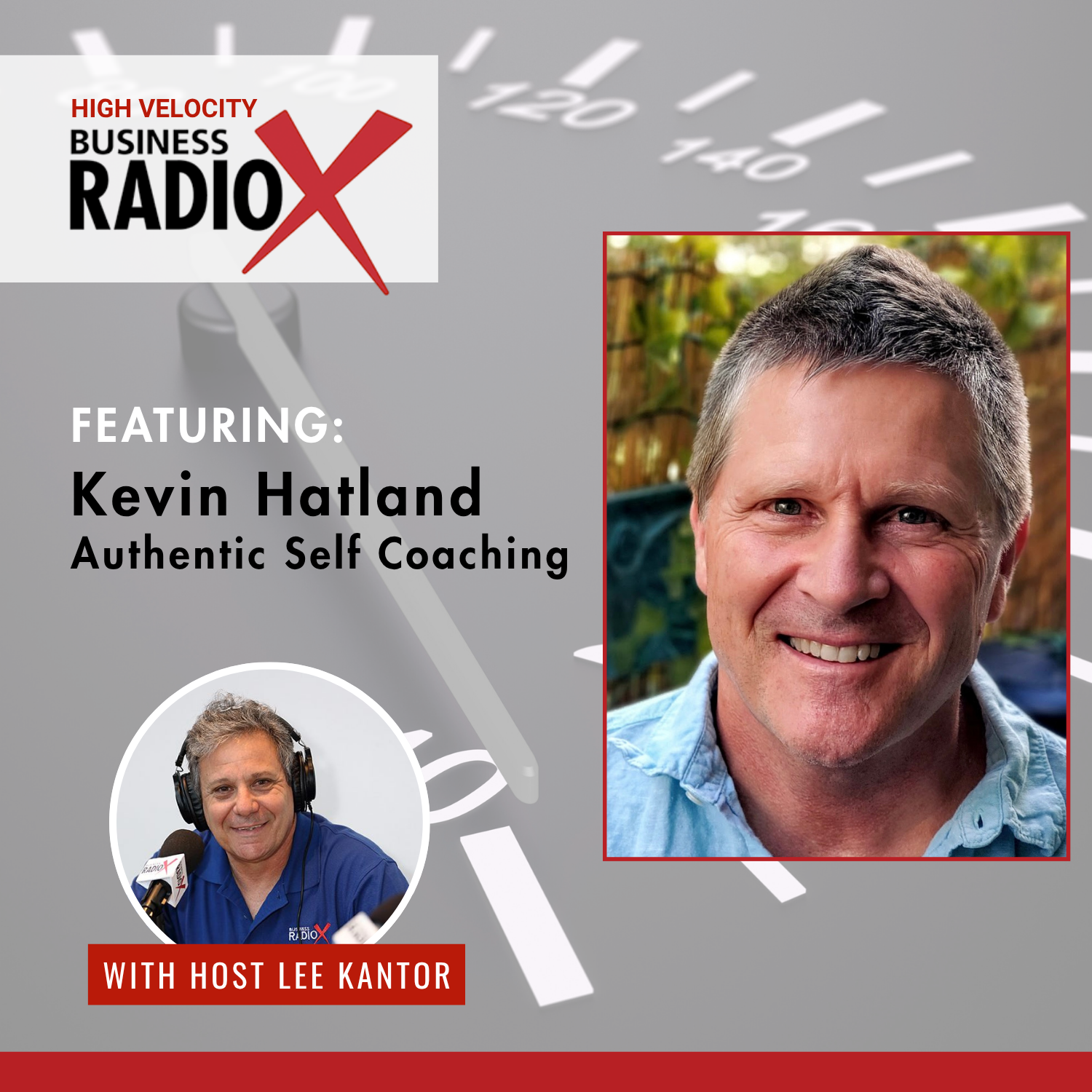

In this episode of High Velocity Radio, Lee Kantor interviews Kevin Hatland, founder of Authentic Self Coaching, about helping people overcome stress, anxiety, and self-doubt by reconnecting with their authentic selves. Kevin shares his personal journey from struggling with social anxiety to becoming a certified life coach, explains how mindfulness and present-moment awareness can transform mental well-being, and discusses his client-centered coaching approach that empowers individuals to find clarity, resilience, and meaningful direction in their lives.

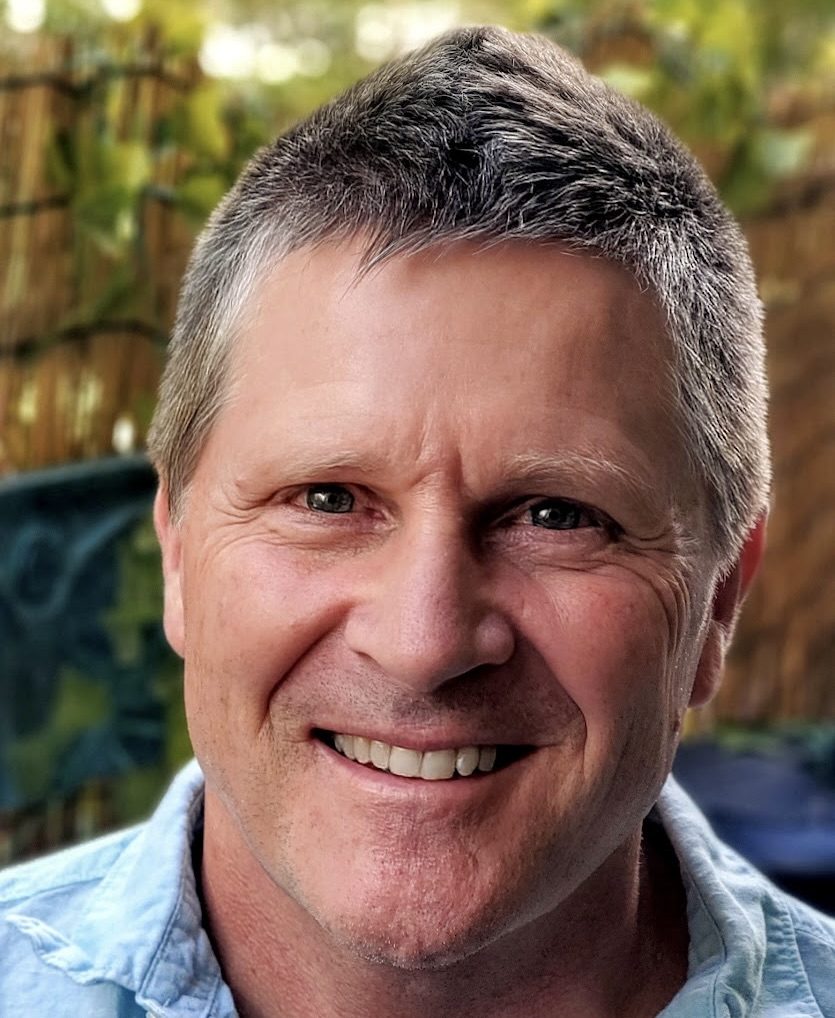 Kevin Hatland grew up as a preacher’s son in rural Iowa, where he was naturally joyful yet struggled with social anxiety and awkwardness.
As a young adult, he spent years searching for his identity and career path, initially pursuing various sales roles that ultimately proved unfulfilling. Over time, he discovered his true passion—helping people grow through meaningful, one-on-one conversations and personal transformation.
For the past six years, Kevin has worked as a professional coach, supporting more than 1,000 individuals on their journeys toward greater clarity, resilience, and authenticity.
He is passionate about helping people who are feeling stuck or overwhelmed identify what they truly want from life, overcome personal obstacles, and celebrate the progress they make as they embrace their authentic selves.
He holds a Bachelor of Arts in Anthropology and an MBA in International Business. Throughout his diverse career, he has served as a professor at the Leeds School of Business in Boulder, Colorado, worked as an archaeologist in New York City, and taught English in Japan.
Today, he teaches mindfulness practices to a wide range of individuals while leading his own transformational life coaching practice, where he empowers clients to cultivate lasting well-being and purposeful lives.
Connect with Kevin on LinkedIn and Facebook.
What You’ll Learn In This Episode
- Reducing stress and anxiety through mindfulness and present-moment awareness.
- Building lasting personal growth through self-acceptance.
- Using coaching to navigate burnout, grief, and major life transitions.
- Practicing simple breathing techniques to restore focus and emotional balance.
- Creating clarity through authentic, judgment-free coaching.
- Aligning work and purpose with personal values.
- Taking the first step toward meaningful and lasting change.
 This transcript is machine transcribed by Sonix.
TRANSCRIPT
Intro: Broadcasting live from the Business RadioX Studios in Atlanta, Georgia. It’s time for High Velocity Radio.
Lee Kantor: Lee Kantor here another episode of High Velocity Radio and this is gonna be a good one. But before we get started, it’s important to recognize our sponsor, Business RadioX. If you’re a business coach who’s tired of being a best kept secret, set up a call with Stone Payton at bookstonephone.com to unlock your perpetual prospect pipeline. Today on the show we have Kevin Hatland, business owner with Authentic Self Coaching. Welcome. Ah.
Kevin Hatland: Hi, Lee, thanks for having me.
Lee Kantor: Well, I am so excited to learn what you’re up to. Tell us about your practice. How are you serving folks?
Kevin Hatland: Yeah. So for about the last six years, uh, I’ve been working with another coaching company. I’ve been primarily a mental wellbeing coach for clients who typically work in, uh, high tech. They have very stressful lives, stressful work, and they’re oftentimes anxious when they come to me. And I just kind of help them find their center, help them get calm again.
Lee Kantor: So what’s your backstory? How’d you get involved in coaching?
Kevin Hatland: Yeah. Great question. So when I was growing up, I, I was very had a lot of social anxiety. I was difficult for me to kind of talk to people, meet people. And so I was really struggling with that. And I was learning different ways to kind of get over that fear. And then I came across like this mindfulness practice, this present moment awareness practices that I’ve been practicing ever since. And that’s really helped me in my life. It’s really helped me kind of stay centered and enjoy myself, even though the fear is still there in the background. And so that kind of led me to, uh, coaching over a few years. I was tried lots of different kinds of jobs, and I really wanted to work deeply with people. And then that led me to coaching.
Lee Kantor: So when you were kind of exploring the variety of careers, were had you been coached in any of them or like, did you get a taste of coaching somewhere along the line?
Kevin Hatland: Right. So we’ll actually, I’ll share a quick story. So I went to this Wim Hof cold plunge party, and I was there and I was meeting with the leader of that group after we had just kind of plunged in this really cold water. And I just asked him, I just said, you know, like, so I’ve been really searching for a different line of work. I would love to work more deeply with people. And he just recommended the the coaching school that I went to. I was called the Human Potential Institute at the time, and so I checked it out and just absolutely loved it. It took two years to complete, and now I’m a certified life coach with the International Coaching Federation. And so that kind of led me to where I am today.
Lee Kantor: Now prior to, um, trying and learning about that coaching methodology, were you involved? Were you trying other things like yourself along the way? When it comes to the social anxiety and the anxiety, you know, the overall anxiety you were feeling like, did you go to therapy? Did you meditate? Like, did you try, you know, just whatever you kind of got a hold of? Yeah.
Kevin Hatland: Thanks for asking that, Lee. Yeah. So I, I’ve, um, I’ve done everything that I could think of to, to help with this and, uh, so yeah, I did, I went to meditation groups, learned different kinds of meditations. I did some somatic therapy work where they kind of work on, uh, stored, uh, trauma stored stress in the body. And so I learned ways of releasing that. Um, so I’ve done a lot of different things. Also exercise has been great for me. So I’ve been a lifelong runner and that’s really helped me, uh, kind of maintain my, uh, uh, psychological well-being.
Lee Kantor: So now is your practice kind of an accumulation of everything you’ve learned, and now you’ve kind of made it your own methodology based on all the different modalities you’ve kind of learned in practice over the years.
Kevin Hatland: Right. So so what I’ve come to on my own that I, that I kind of present to my coaching clients is my core philosophy is that we don’t really need to be fixed. We don’t there’s nothing really wrong with this. We don’t need to kind of search outside of ourselves for answers. But what we really need most of all is just to kind of come in to, to come home to, to ourselves, uh, sort of accept, accept who we are. Accept where we’re at right now and be okay with ourselves. And once we’re able to do that, it kind of just, it kind of clicks in and we remember at least this was my experience. I remembered, um, who I am, what I, what I’m about, what I really love to do and that it’s okay to pursue that more. So then I had a direction and then I just started moving in that direction. And, and that was a life coaching for me.
Lee Kantor: So now what is kind of the struggle that your clients are having right before they contact you? Is there kind of any common thread amongst them?
Kevin Hatland: Yeah, I would say a lot of it is, uh, they’re feeling really stressed and anxious in their lives and they don’t really know what to do. So they’re just kind of functioning on fumes. Um, they’re very, they can come, they’re, they’re exhausted and stressed out. And so first, what I do is I just kind of like, I ask them a lot of open ended questions. I try to get clear on what’s going on for them and what they would like to get out of coaching. So I try not to drive the agenda. I try to just let my clients drive the agenda. And then once we’re kind of clear on what they’re looking for, um, I might ask them if they want to do a short meditation practice with me. And so we do that. And usually after that, maybe after five minutes to doing that, they feel much more calm, much more clear. And then they’re able to, um, kind of look, look at their situation on a, on a clearer, in a clearer way, on a, on a deeper level. And then we can work on, you know, what, uh, what kind of action steps they want to take to make sure that they don’t get, uh, too stressed out in the future.
Lee Kantor: So now as part of your kind of the rhythm of, of communicating with your clients, is there some, uh, meditation as part of the, or maybe mindfulness as part of the kind of each session where that’s brought up and then it’s. And that kind of creates the right environment for a person to open up, maybe relax a little bit and then share and be vulnerable.
Kevin Hatland: Yeah. So it just depends on the clients and the situation. Um, so there’s all different kinds of ways of, uh, finding one’s center, uh, and finding, you know, that deeper, authentic self inside of you. Uh, that for some people that could be just talking with, with another person just talking with a coach, uh, somebody, uh, it might help them to go for a long run or a bike ride or something like that. Um, so I don’t try to, you know, like if they’re not really, if it’s not really appropriate to do a meditation, I don’t do it. I just kind of check, check it out. I offer it. Um, but, uh, and then I’ve also I’ve also found, especially in the beginning of sessions, like I typically do 4 or 5, six, eight, ten, 12 sessions, depending on what people’s needs are. And those first sessions, I’m just trying to get to know the, the, the person. And, uh, so oftentimes I don’t do the meditation right away. I kind of just let them drive the, the, the sessions. Uh, but at the end, it’s often a good, a good one. A good way to end this session is just to do a quick mindfulness practice.
Lee Kantor: Is there anything maybe you can share with our listeners right now, some short, uh, breathing exercises or something along those lines to just maybe, you know, make some of this talk come alive with a real live example.
Kevin Hatland: Sure. Yeah, I would love to do that. Uh, so we can do that right now. I’m going to set my timer so I don’t go too far. I’m just thinking like five minutes, but stop me, you know.
Lee Kantor: Can we do something? 30 to 60s? Is there some breathing? Deep breathing?
Kevin Hatland: Sure. Yeah. Yeah. Let’s do it. Okay. So, uh, then I invite people to just kind of, uh, let go of everything that we’ve talked about. Let go of your day, and then just begin to notice your feet on the floor. So just have your feet on the floor. Become aware of your feet. Uh, let go of the thoughts and feelings and just kind of drop down into your body so that you can be present inside your body. Notice any sensations that you notice, and then take a few slow, deep breaths into your belly. And I’ll do this with you. So just breathe in. Filling your body up with oxygen and then exhale. And as you exhale, just let go of any stress, worry, anxiety that might be stuck in your body. Do that again. Just focusing on your belly as you breathe, focusing on your feet. Just become aware of what’s happening right now and just do one more deep breath. Very good. And then just notice how you feel. Do you feel any different? It’s okay if you don’t.
Lee Kantor: Yeah. I mean, to me, this is. It’s so important. I think people don’t breathe like that regularly. Is that accurate that most people take shallow, frequent, you know, lots of shallow breaths rather than fewer deeper belly breaths.
Kevin Hatland: So yeah, I think we’re all so busy, we just get kind of stuck in our heads and we just kind of live there. So we’re now not even aware that we’re breathing.
Lee Kantor: Now, is that something that you can do, like any time throughout the day? Like this doesn’t have to be a formal, I sit on a pillow and I light an incense and then I, you know, do breathing or meditation, like it’s something you could be doing while you’re in your car at a red light or at any point during your day, if you have a moment or two.
Kevin Hatland: Absolutely. Yeah. The the best time to do this is when you don’t have to use your analytical brain to figure something out, like some complex computer program or something like that. So just whenever, like you’re sitting in your car, you got nothing else to do. You can just start to notice your breath. You can notice all the cars around you, you know, of course, keep your eyes open, but just kind of come into that present moment. Awareness is really good.
Lee Kantor: Now, was there a moment when you said, okay, I’m going to be a coach. I’m going to really lean into this. And then you started. At some point, you had to kind of start coaching people, whether you had never done that formally or not, you had to begin. Was there a moment kind of early on that you were like, okay, I’m on my path. This feels right. I can feel the impact I’m making. I can see that I am doing what I should be doing. Did something like that happen that you can share?
Kevin Hatland: Uh, yeah. That started when actually when I was in coaching school, we were practicing with other, uh, coaching students. And I just, it just felt right to me. I felt like, oh, yeah, this is exactly what I’m supposed to be doing. And, um, to be honest with you, I’ve done a lot of different kinds of jobs in my career. And this, this coaching, um, it feels to me like it’s, uh, it’s not work at all. Like I, I, I, I’m just in in love with it. I enjoyed so much when I, when I, uh, coach other people.
Lee Kantor: Now, is that like, if some person you’re coaching is struggling and maybe frustrated in their career path that they’re on, is that kind of the direction that a person should feel about kind of their work? Is that it should feel not like work?
Kevin Hatland: Well, that would be great. You know, for, for all of us to be able to do that, uh, um, that might not be possible for some people though. It just might, you know, they might have to make make money doing something that, uh, it’s, it’s okay that they’re not in love with, but then they have the rest of their lives so they can go home and be with their family and support their family. So I don’t want to say that that’s for everybody. Um, for me, it just, it just happened. I mean, most of my career was not like that.
Lee Kantor: When you say it wasn’t like that, you were like, it was giving you anxiety or you were not looking forward to the day. Like, what were you? What do you mean? Yeah.
Kevin Hatland: Right. Well, so, um, I first, I, I tried to, I didn’t know what I wanted to do, I just knew I wanted to make some money. So I was, I looked around and saw other people, like salespeople seem to be making money. So I tried to being a salesperson in some different roles. And, uh, I just, I wasn’t good at it. I was not a good salesperson. I did not like that kind of feeling that I had to try to convince somebody to buy something that just wasn’t really, uh, I wasn’t made out for that, that line of work. Um, but I tried it and I realized, yeah, I don’t like this. I gotta find something else. So I, I tried a lot of different things. Um, and eventually that led me to coaching. Uh, I was a teacher in Japan. I was an archeologist out of college. Uh, I was, I had my, my own, uh, construction kind of business for a while. And I liked the aspects of each one. To be honest, you know, I didn’t, I didn’t not like the whole thing. And I, and I was learning, I was learning how to just be in life and relate to people. And that eventually helped me with my coaching.
Lee Kantor: Now, because a lot of coaches kind of struggle with this, I’ve interviewed lots and lots of coaches that they want to do more coaching. That’s their dream. That’s where they feel their most authentic is when they are coaching. But there is a business side of coaching. Like you have to persuade someone or encourage someone to pay you to be a coach. So it’s like, So you might not have liked sales or you may not have been good at it. But in order to be a coach, you have to do it a little bit, at least to get some clients to start. So how do you kind of create the balance needed in order to kind of be able to do that part of the job that maybe isn’t your favorite, so you can do more of the part that is your favorite.
Kevin Hatland: Yeah. Great question. Right. So, uh, I, I learned through my career that I’m actually, I like to work for myself. It’s like I’m much better as a, as a one person shop than trying to, uh, work for another company. So what I mean by that is, is, uh, I had my own, uh, um, decorative painting business in Colorado for years. And for some reason I was able to, uh, talk, talk with potential clients, potential homeowner clients, and I was able to sort of convince them to hire me and do the work. So, uh, in that way, I didn’t have a problem. And I often wondered, what’s the difference? And, uh, so I don’t know, I mean, I’ll, I’ll, uh, ask me in a year or six months or a year because I’m just getting the business. My, my business off the ground now. I’ve been working for a company for six years and was a great company. And I’m so happy for the experience that I gained. I’ve coached, uh, about 1200 clients so far and I don’t know, 5000 session hours. So I’ve got a lot of experience. Uh, and now I just want to go off on my own. So now.
Lee Kantor: And you’re. Yeah, absolutely. Now in your own practice, do you have kind of an ideal client profile of who would be a best fit client for you? Is it a are they going through a certain thing? Are they a certain, you know, are they doing a certain type of work in a certain industry? Have you kind of kind of landed on something like, okay, I’m great for this type of person or is it kind of, look, I’ll whatever you’re struggling with, I’ll be able to help you.
Kevin Hatland: Yeah, that’s a great question. So in my coaching career, I’ve coached just a wide variety of, of people, uh, a wide variety of ages, age groups. So they were all adults. Um, but some were retired, some were pretty high up in their organization, some, some not. Uh, and it just depended, you know, like, uh, I, I guess I, I have a kind of a broad background myself. So I am able to relate with people, uh, that are very diverse. Uh, so I can’t just say, yeah, I only work with, uh, sea level clients or something like that. I enjoy working with a wide variety of people. I would say, I think, you know, when somebody is really wanting to change something about themselves enough. You know, like when they’ve suffered enough, when they’ve been anxious and stressed out long enough, they sincerely want something different. And so they’re reaching out to a coach at that moment. That’s I can definitely, uh, help, help someone like that.
Lee Kantor: So if they’re at that kind of point of inflection where they’ve just, you know, they’re kind of sick and tired of being sick and tired where they’ve had enough of whatever it is. That’s a good time to, to contact you.
Kevin Hatland: Yeah. And, you know, like I’ve had, I’ve had clients that have been grieving as well that they, they just lost somebody that was really important to them. And so they were very distraught. So they brought that emotion, their emotions to the sessions. And that was, that was just, uh, I was, uh, I worked well in that situation, uh, for some reason. So I was able to help them calm down, help them to just kind of work through the grieving process and just kind of be present with them. I think that’s, that’s the number one key, uh, that makes a good coach is someone that can be really present with their client and not come with any kind of judgments or preconceived ideas.
Lee Kantor: Yeah. It sounds like you have very high empathy.
Kevin Hatland: Oh thank you. Yeah, yeah. And that, I mean, that kind of struggle with that too. So there’s empathy. And then there’s also, uh, if I, if I dive in there with them and feel sorry for them too much, then Then I then that’s not actually helping them as well. So I gotta kind of maintain a good balance there. But I do, I do love working with people. So.
Lee Kantor: So now, um, you mentioned a little bit of some of what happens during a session. Um, is there first session? Is that kind of a get to know you kind of vet each other to see if that’s a right fit? Is that how you work in your practice?
Kevin Hatland: Exactly. Yes. So I offer the discovery call, uh, for, for that’s a complimentary session, uh, takes about 30 to 45 minutes at the most. And in that time, we’re just trying to figure out, is this a good fit or not? And if it’s not, that’s totally fine because there’s so many coaches out there now that can help people. Uh, and if it is a good fit, then we figure out the next steps. We figure out, okay, so when to meet and how often to meet and, find out exactly what they’re looking for. And then we go from there.
Lee Kantor: Now is the way you deliver the coaching primarily kind of one on one, or is do you have group coaching or cohorts or things like that?
Kevin Hatland: Yeah, I’m not, uh, I haven’t done any group coaching per se, although that is on, uh, a future idea that I have to get trained in that area. I’m not trained, uh, with that yet, so it’s primarily just one on one for now.
Lee Kantor: Well good stuff. Well, Kevin, thank you so much for sharing your story today. You’re doing such important work and we appreciate you. Is there a website or what’s the best way for someone to connect with you?
Kevin Hatland: Yes, yes. Thank you. Lee. Uh, so my website is authenticself-coaching.com. So it’s just authentic self and then a dash and then coaching.com.
Lee Kantor: And then they, uh, that’s the best way to find you or to learn about you and get on a calendar, maybe for a discovery call.
Kevin Hatland: Yes, they can do that. And then I could share my my email address as well. Yeah, sure.
Lee Kantor: Whatever you want.
Kevin Hatland: Okay. Yeah. So that’s just Kevin hatlen@gmail.com.
Lee Kantor: Good stuff. Well, thank you again, Kevin. Uh, and congratulations on taking the leap. Uh, you know, that’s a, that’s what you’re doing is hard. And, um, and we know that and we want to be here to support and celebrate your work. Well, and congratulations on taking this step.
Kevin Hatland: Thank you. Lee. It was good talking with you.
Lee Kantor: All right, this is Lee Kantor. We’ll see you all next time on High Velocity Radio.















